بخش 106
واژههای 2101 تا 2120 · formula, alter, perceive, routine, sink, stare
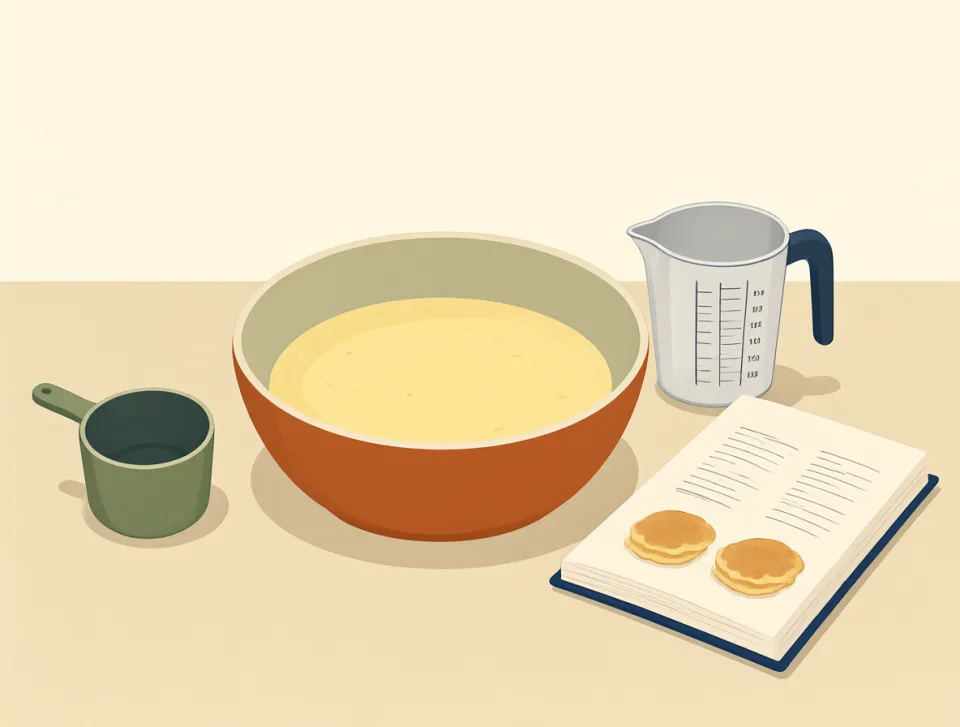
formula
#2101noun
فرمول
A set of numbers, symbols, or rules used to calculate or explain something.
مجموعهای از اعداد، نمادها یا قواعد که برای محاسبه یا توضیح چیزی به کار میرود.
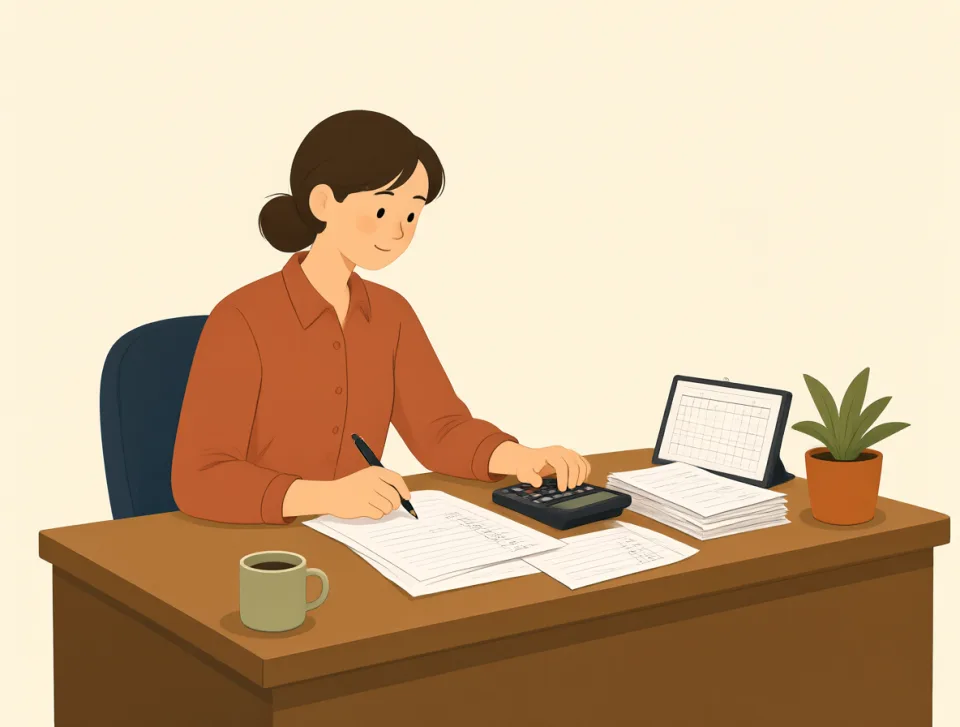
This formula helps us calculate the total cost of the order.
این فرمول به ما کمک میکند هزینهٔ کل سفارش را محاسبه کنیم.
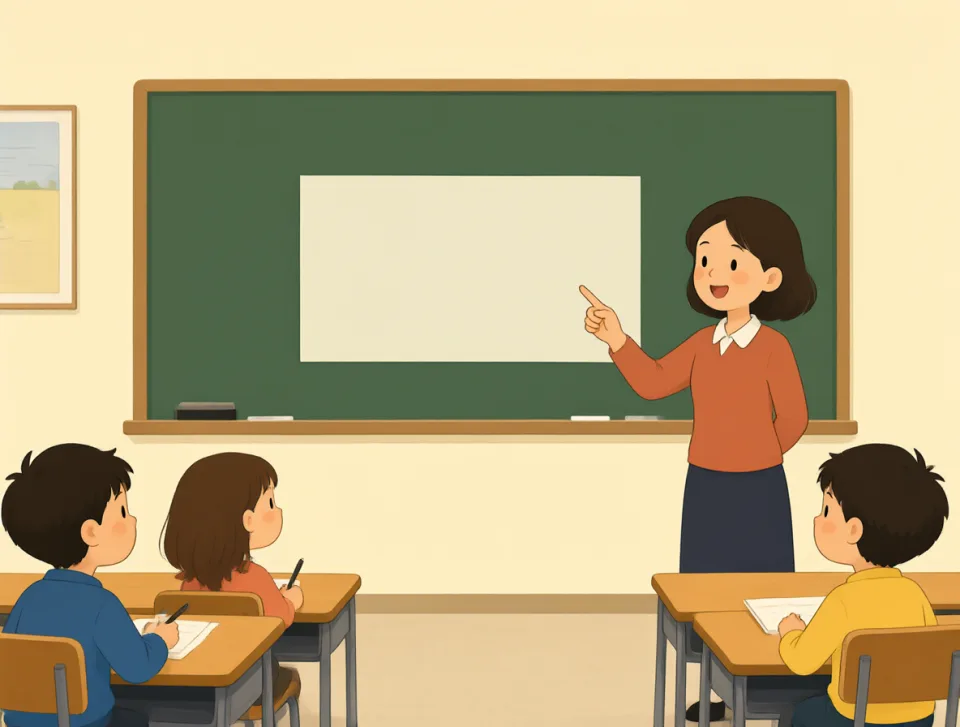
The teacher explained a simple formula for finding the area of a rectangle.
معلم فرمول سادهای برای محاسبهٔ مساحت مستطیل توضیح داد.
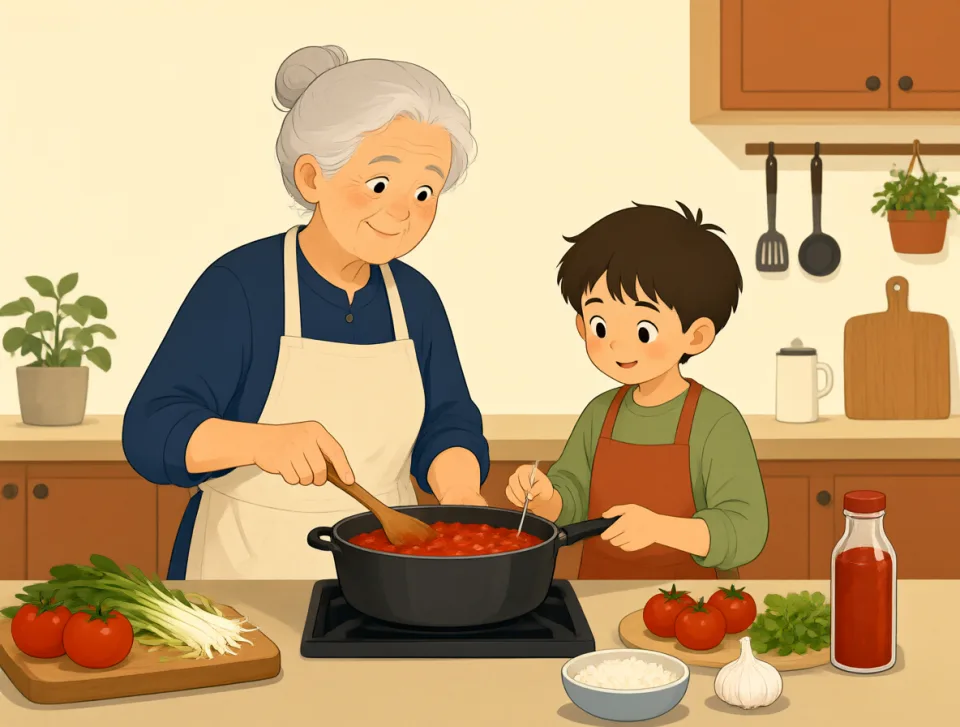
I followed my grandmother’s formula to make the perfect tomato sauce.
برای درست کردن سس گوجهفرنگی بینقص، از دستور مادربزرگم پیروی کردم.

The company is testing a new formula for its popular skin cream.
شرکت در حال آزمایش فرمول جدیدی برای کرم محبوب پوستش است.
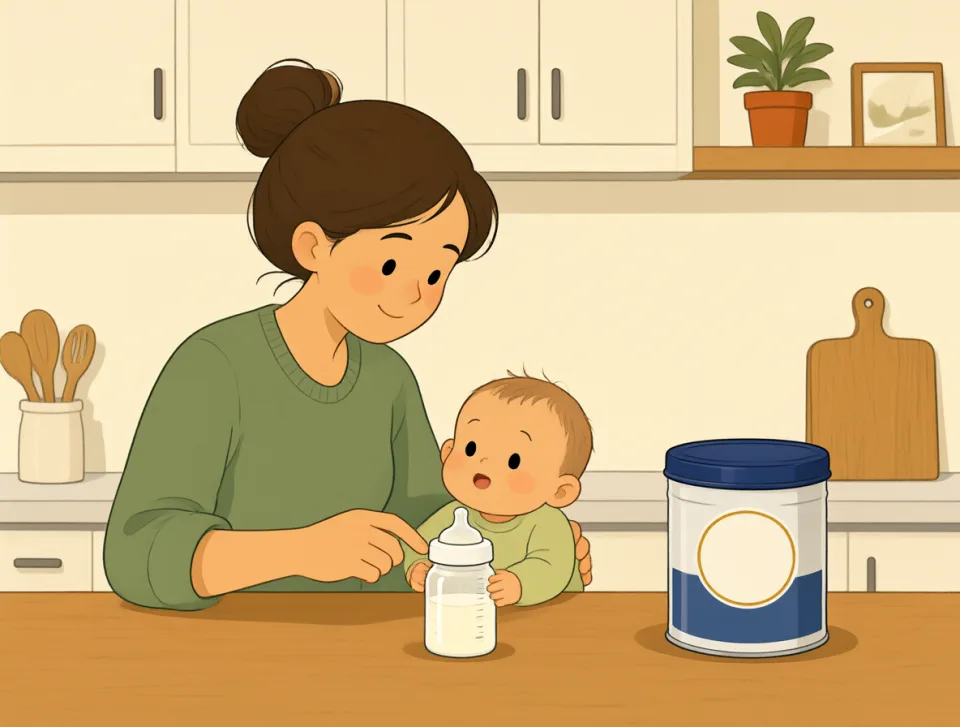
This baby formula is suitable for children with sensitive stomachs.
این شیر خشک برای کودکانی که معدهٔ حساسی دارند مناسب است.

alter
#2102verb
تغییر دادن
to change something slightly, especially to improve it or make it more suitable
چیزی را کمی تغییر دادن، بهویژه برای بهتر کردن یا مناسبتر کردن آن.

We altered the schedule to give everyone more time for lunch.
برنامه را تغییر دادیم تا همه برای ناهار وقت بیشتری داشته باشند.

The tailor altered my trousers so they fit perfectly.
خیاط شلوارم را طوری تغییر داد که کاملاً اندازهام شود.
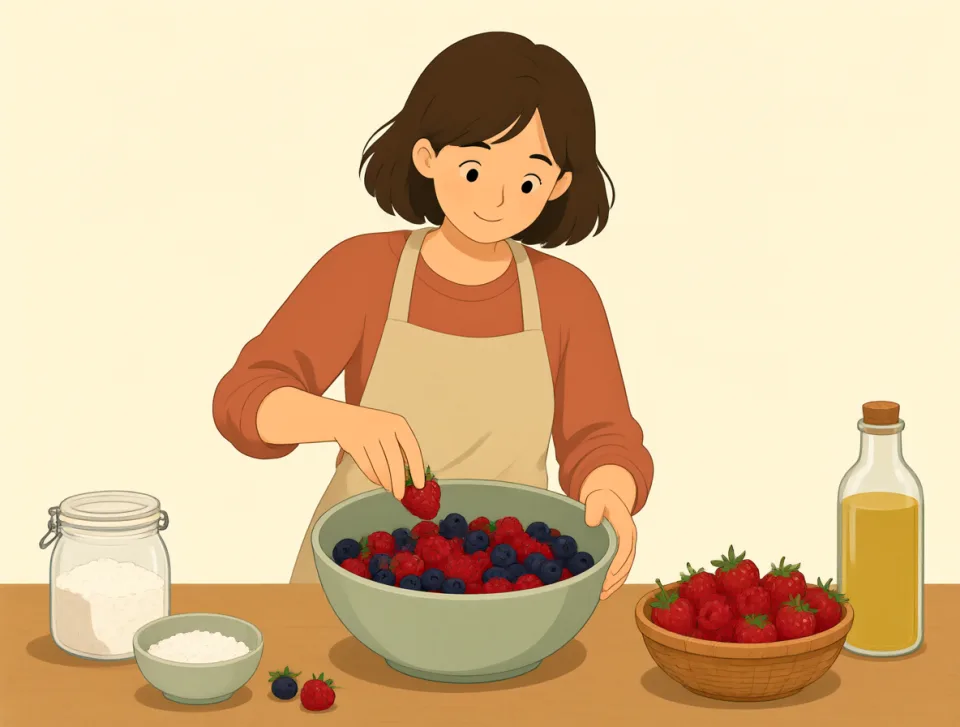
She altered the recipe by using less sugar and adding fresh berries.
او با کم کردن شکر و اضافه کردن توتهای تازه، دستور پخت را تغییر داد.
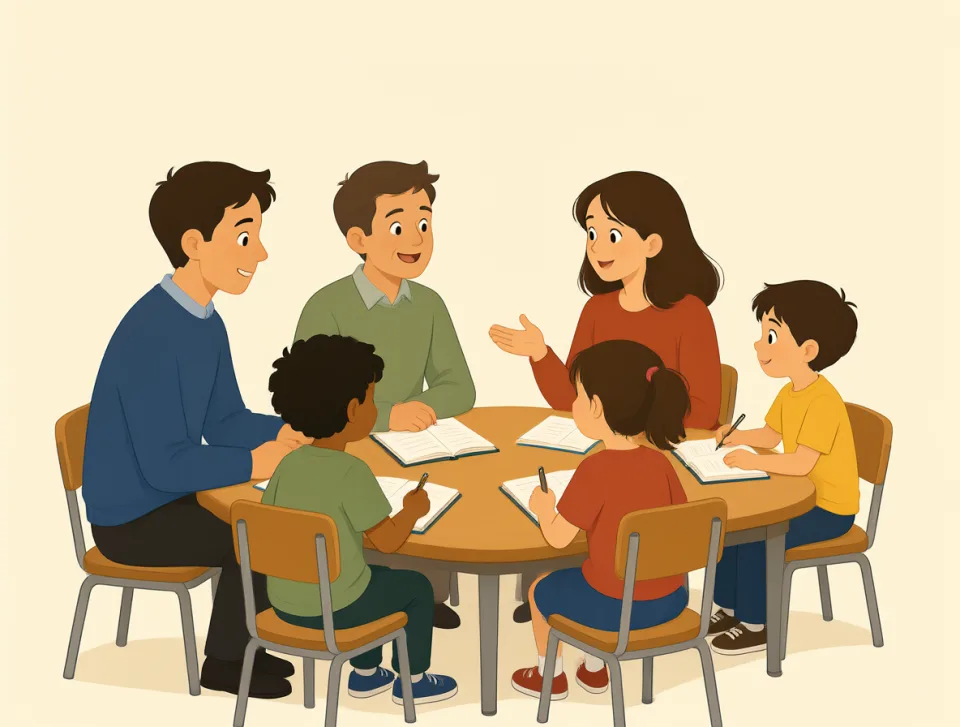
The school altered its rules after speaking with parents and students.
مدرسه پس از گفتوگو با والدین و دانشآموزان، قوانینش را تغییر داد.

The medicine may alter your sense of taste for a few days.
این دارو ممکن است برای چند روز حس چشایی شما را تغییر دهد.
perceive
#2103verb
درک کردن
to notice or understand something through your senses, thoughts, or feelings
متوجه چیزی شدن یا آن را از طریق حواس، افکار یا احساسات درک کردن.
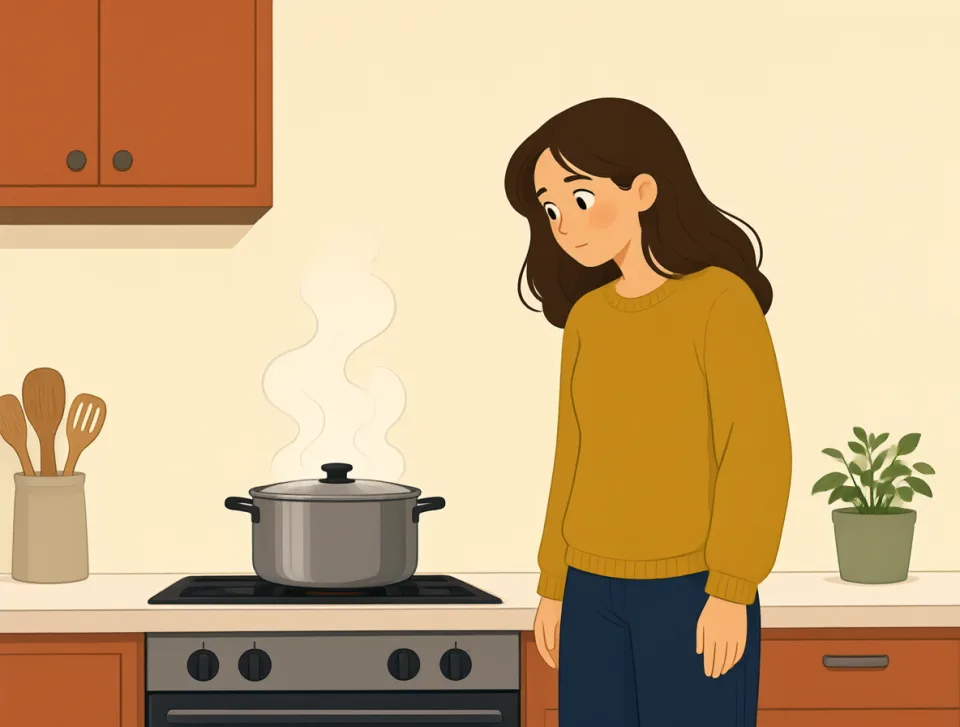
She perceived a strange smell coming from the kitchen.
او بوی عجیبی را که از آشپزخانه میآمد حس کرد.

Customers perceived the new café as friendly and welcoming.
مشتریها کافهٔ جدید را صمیمی و خوشامدگو میدانستند.
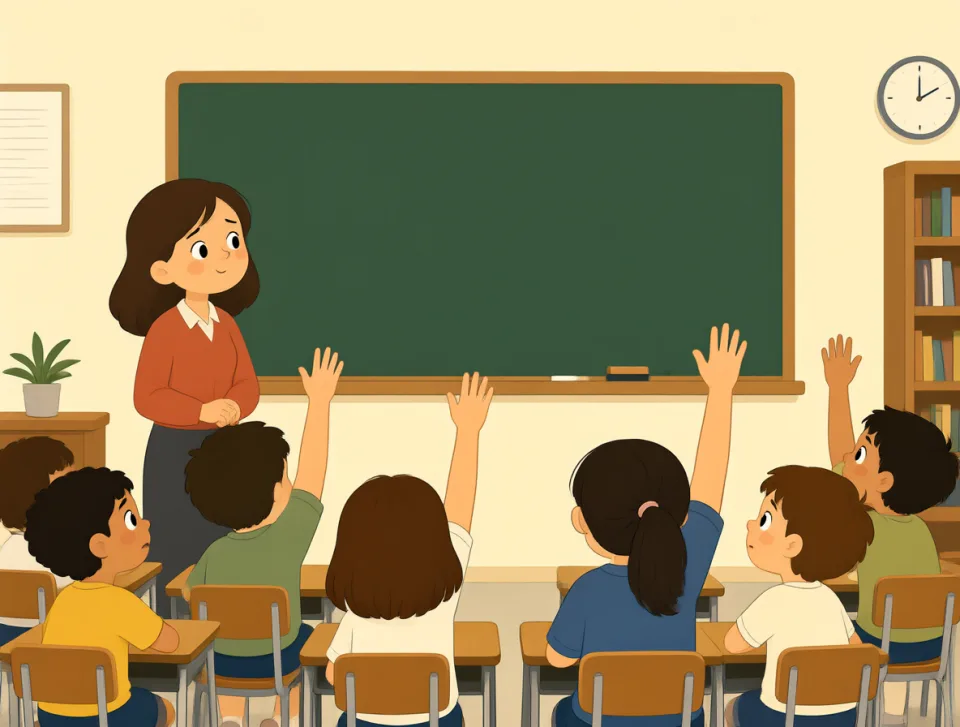
The teacher perceived that several students needed extra help.
معلم متوجه شد که چند دانشآموز به کمک بیشتری نیاز دارند.

He was perceived as rude because he never smiled or greeted anyone.
چون هیچوقت لبخند نمیزد یا به کسی سلام نمیکرد، او را گستاخ میدانستند.

After treatment, she perceived less pain in her injured knee.
پس از درمان، او درد کمتری در زانوی آسیبدیدهاش احساس کرد.
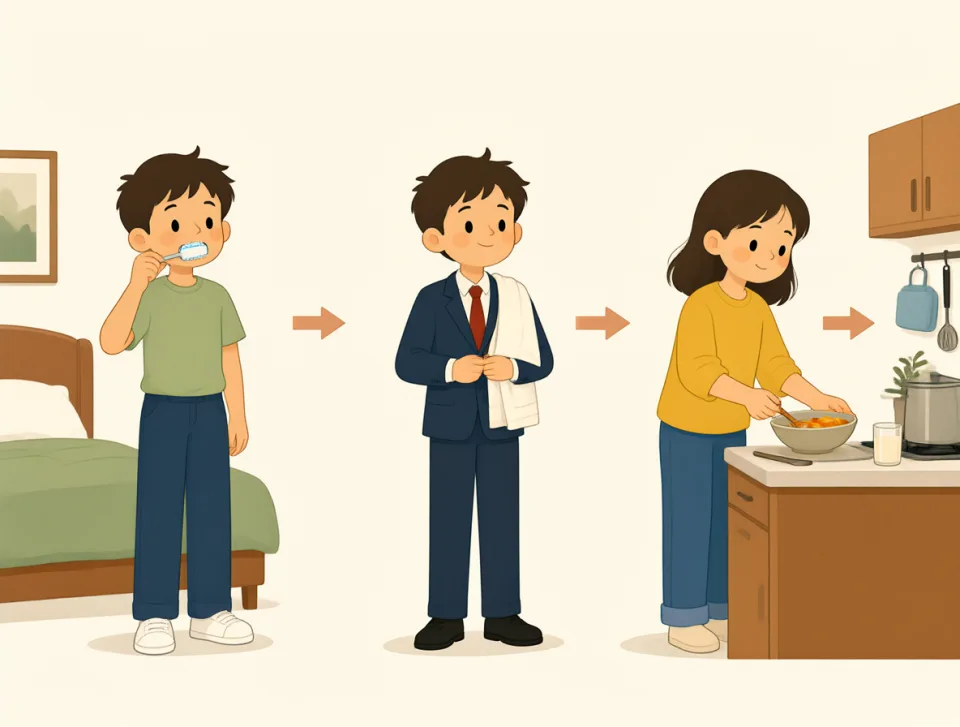
routine
#2104noun, adjective
روال
A usual way of doing things, especially regularly repeated daily activities.
روش معمول انجام کارها، بهویژه فعالیتهای روزانهای که مرتب تکرار میشوند.
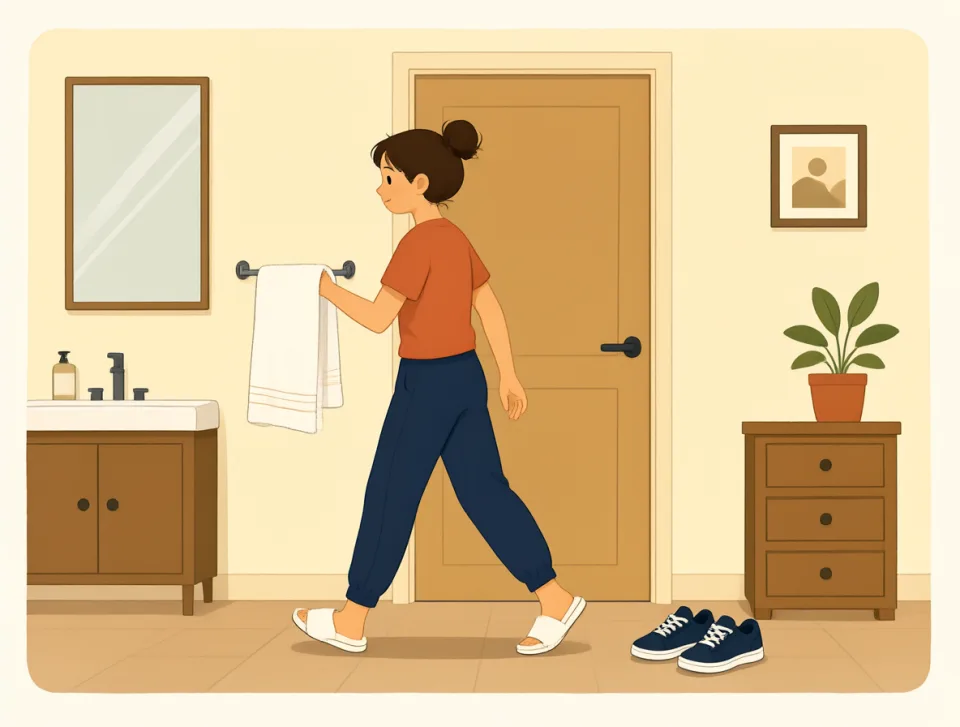
My morning routine includes a shower, breakfast, and a short walk.
روال صبحگاهی من شامل دوش گرفتن، صبحانه خوردن و کمی پیادهروی است.

The nurse checked my daily routine before suggesting healthier habits.
پرستار پیش از پیشنهاد عادتهای سالمتر، روال روزانهام را بررسی کرد.

Starting a new job can be difficult until you learn the office routine.
تا وقتی روال کار در اداره را یاد بگیرید، شروع کار جدید میتواند دشوار باشد.

We changed our travel routine and visited the market before lunch.
روال سفرمان را عوض کردیم و پیش از ناهار به بازار رفتیم.
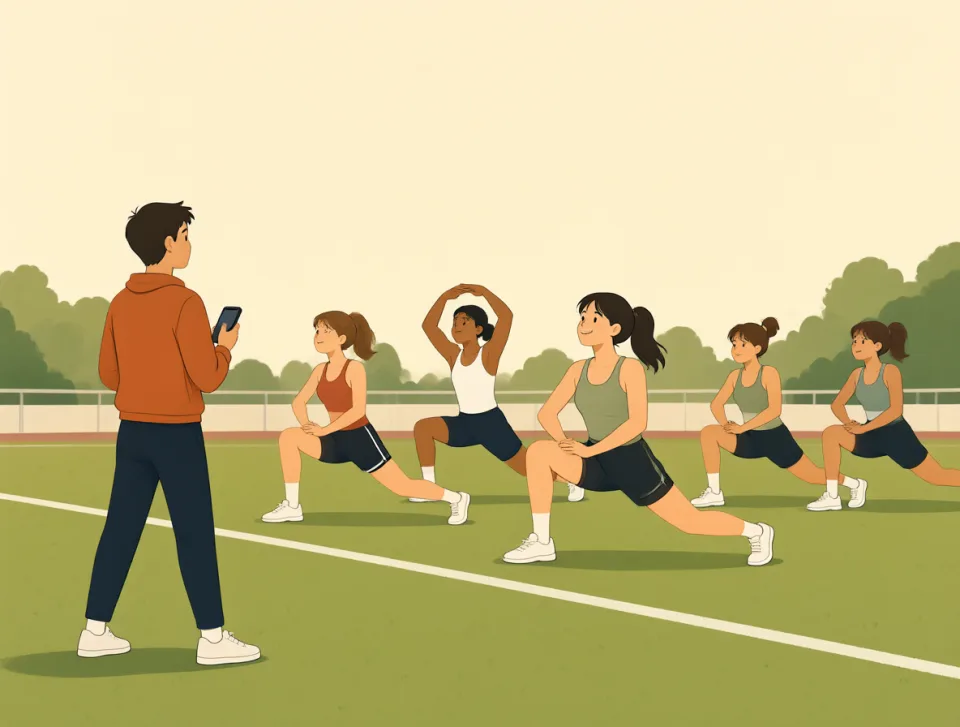
The coach added stretching to our training routine after practice.
مربی بعد از تمرین، حرکات کششی را به برنامهٔ تمرینیمان اضافه کرد.
sink
#2105noun, verb
فرو رفتن؛ سینک
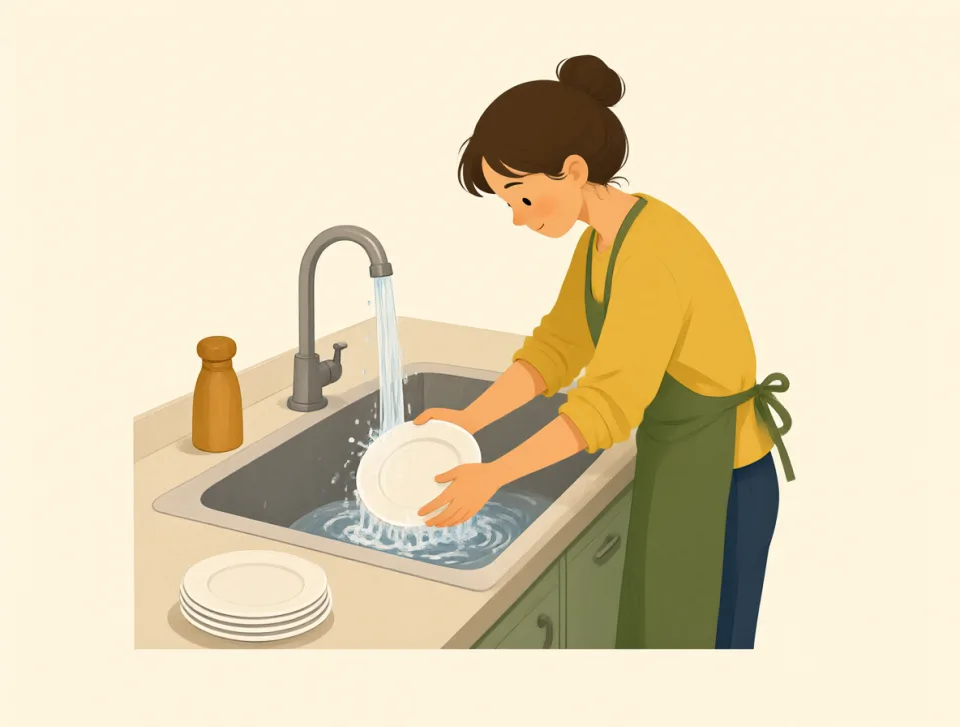
To go down below the surface, or a bowl with a drain for washing things.
به زیر سطح رفتن؛ یا لگنی دارای لولهٔ تخلیه برای شستن چیزها.
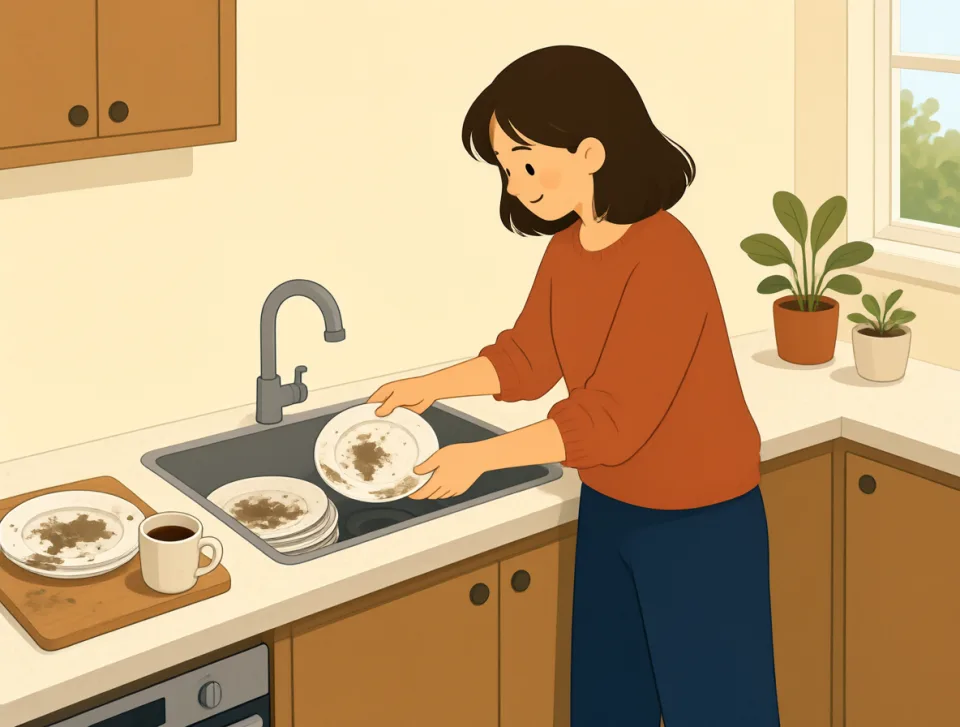
Please put the dirty dishes in the kitchen sink after dinner.
لطفاً بعد از شام، ظرفهای کثیف را در سینک آشپزخانه بگذارید.

The boat began to sink after hitting a large rock.
قایق پس از برخورد با صخرهای بزرگ شروع به غرق شدن کرد.
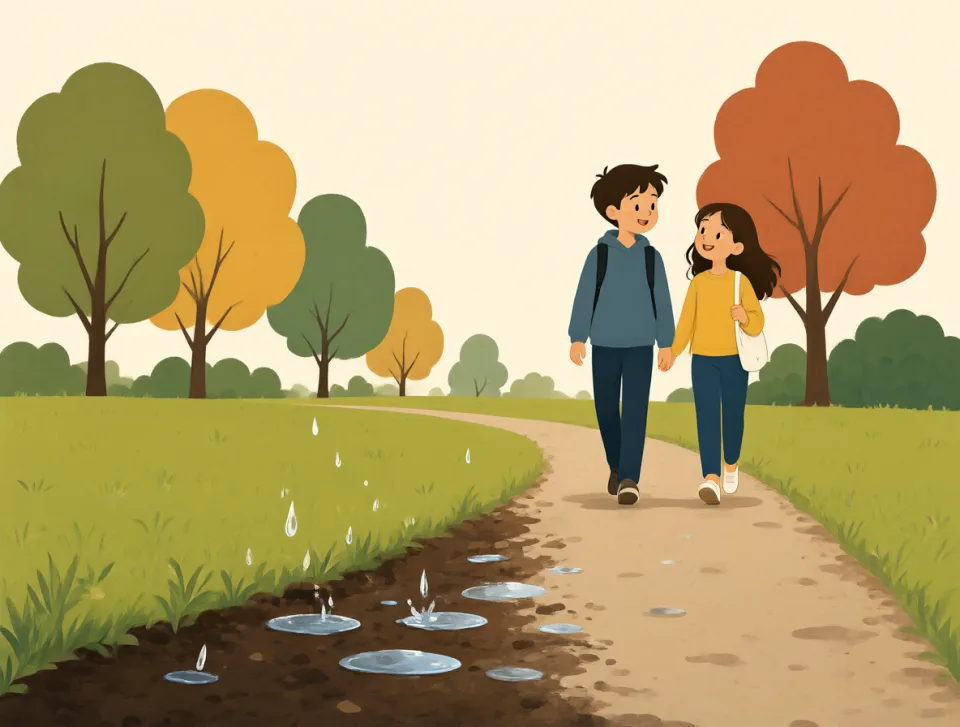
Water was slowly sinking into the ground after the heavy rain.
پس از باران شدید، آب کمکم در زمین فرو میرفت.

She washed her hands in the sink before preparing lunch.
او پیش از آماده کردن ناهار، دستهایش را در سینک شست.

The bathroom sink is blocked, so the water will not drain.
سینک حمام گرفته است، بنابراین آب تخلیه نمیشود.
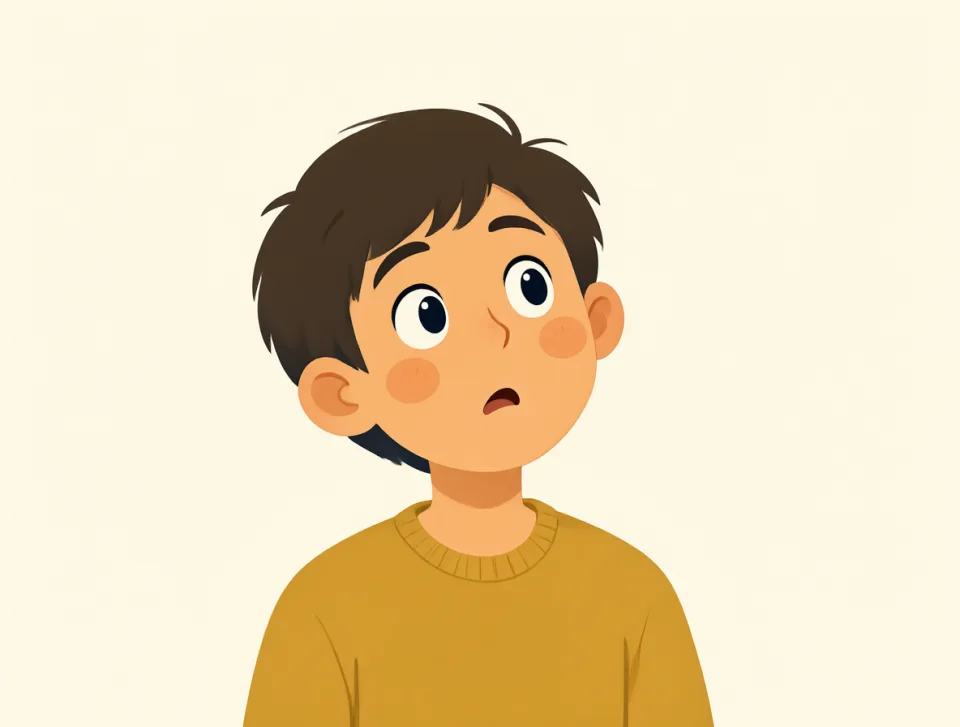
stare
#2106verb, noun
خیره شدن
to look at someone or something for a long time without looking away
مدتی طولانی به کسی یا چیزی نگاه کردن، بیآنکه چشم از آن بردارید

Everyone stared at the magician during the final trick.
همه در طول آخرین شعبدهبازی به شعبدهباز خیره شدند.
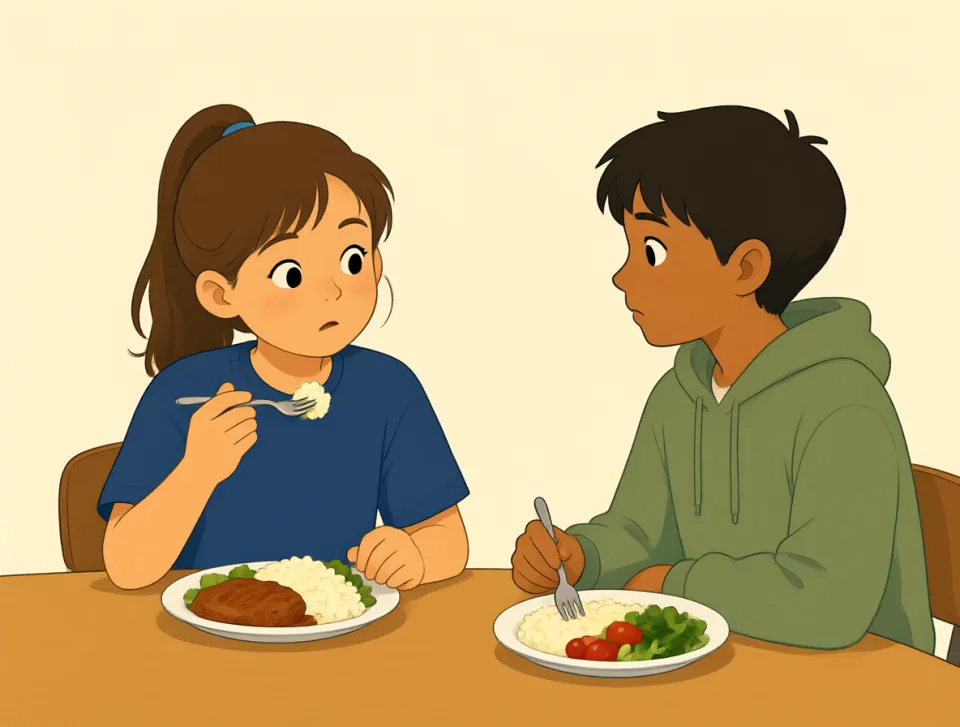
Please stop staring at me while I eat my lunch.
لطفاً وقتی ناهارم را میخورم دست از خیره شدن به من بردار.

She stared out the train window during the long journey.
او در طول سفر طولانی از پنجرهٔ قطار بیرون را نگاه میکرد.

The doctor stared at the scan before explaining the results.
پزشک پیش از توضیح دادن نتایج، به تصویر اسکن خیره شد.

He gave me a blank stare when I asked about the missing keys.
وقتی دربارهٔ کلیدهای گمشده پرسیدم، با نگاهی خالی نگاهم کرد.

anymore
#2107adverb
دیگر
from now on or from a particular time; no longer
از این پس یا از زمان مشخصی به بعد؛ دیگر نه
I don't watch television anymore because I prefer reading books.
دیگر تلویزیون تماشا نمیکنم، چون کتاب خواندن را ترجیح میدهم.
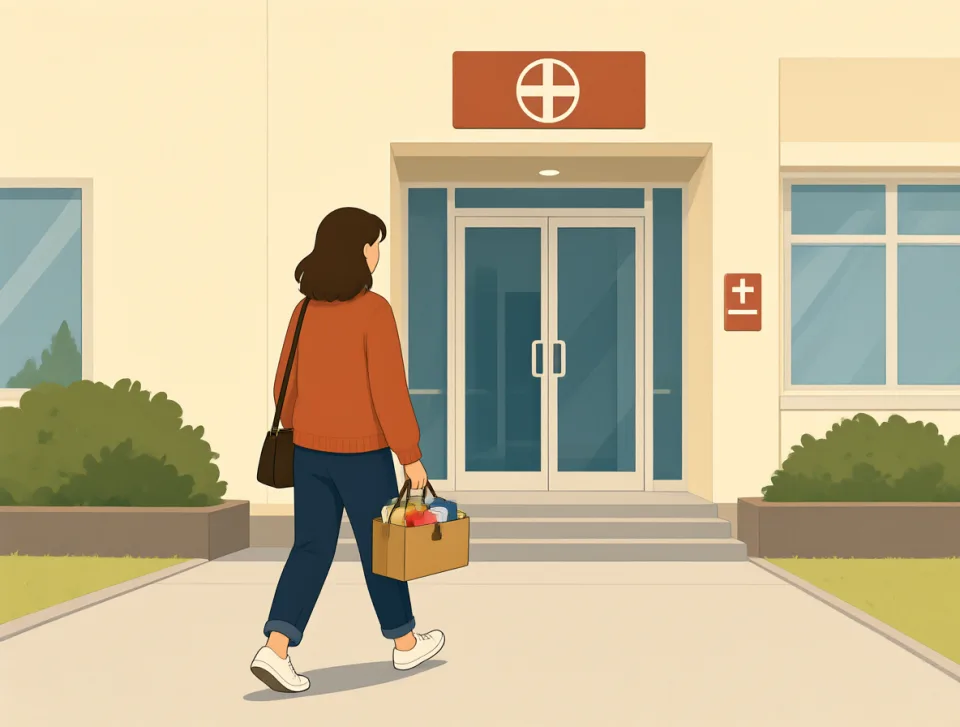
She doesn't work at the hospital anymore.
او دیگر در بیمارستان کار نمیکند.
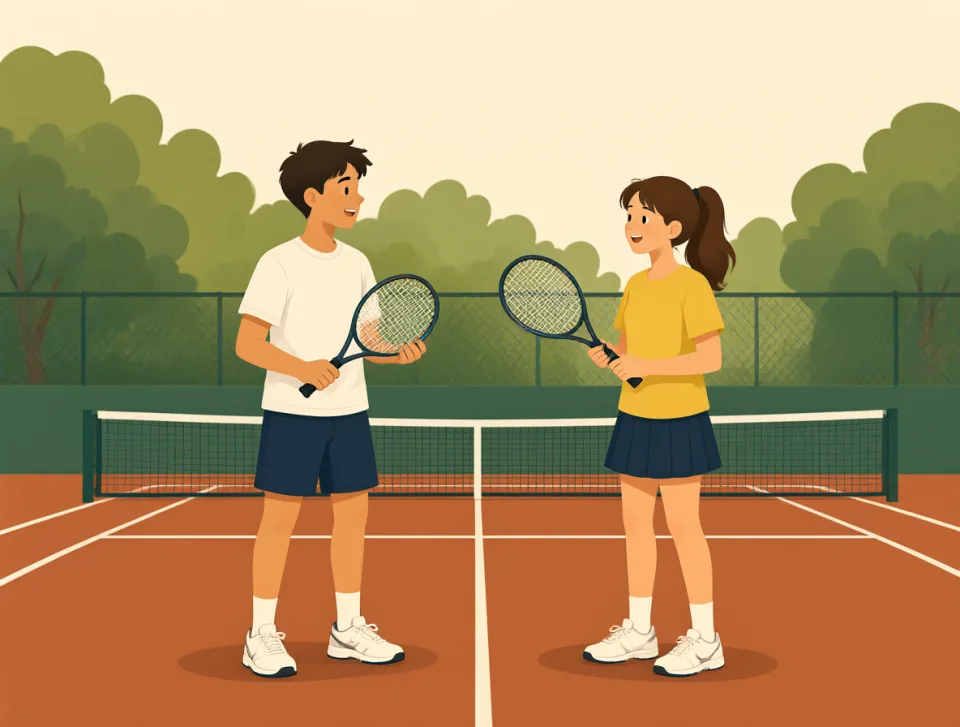
Do you still play tennis, or have you stopped anymore?
هنوز تنیس بازی میکنی یا دیگر بازی را کنار گذاشتهای؟
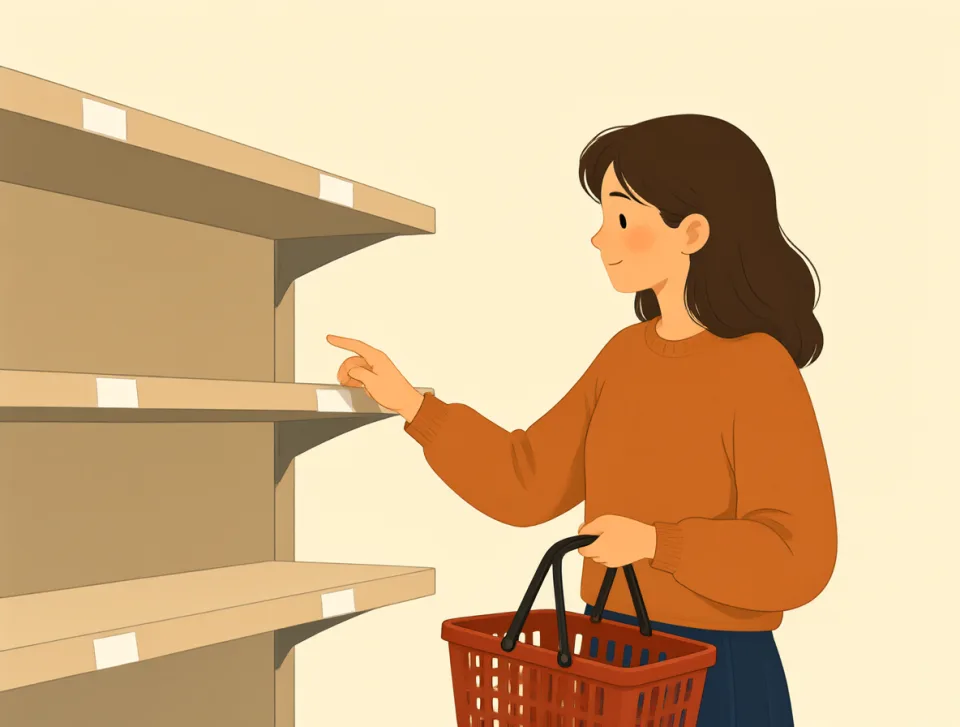
We can't buy that brand anymore because the store stopped selling it.
دیگر نمیتوانیم آن برند را بخریم، چون فروشگاه دیگر آن را نمیفروشد.

He doesn't feel tired anymore after getting more sleep.
بعد از اینکه بیشتر خوابید، دیگر احساس خستگی نمیکند.
hero
#2108noun
قهرمان
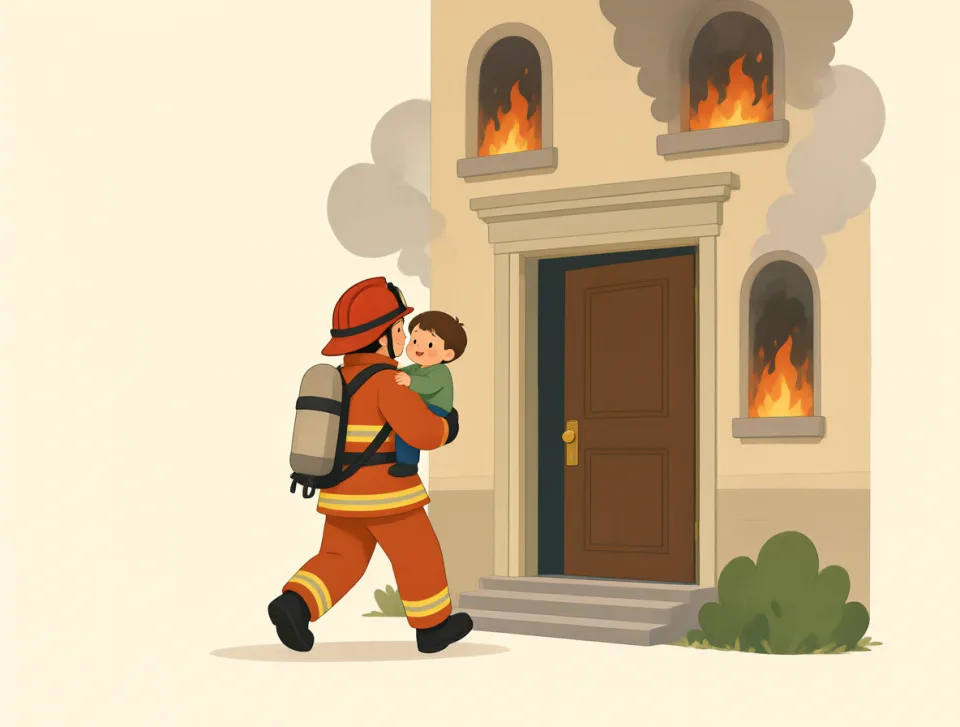
A person admired for brave actions, especially someone who saves or helps others.
کسی که بهخاطر کارهای شجاعانهاش تحسین میشود، بهویژه کسی که دیگران را نجات میدهد یا به آنها کمک میکند.
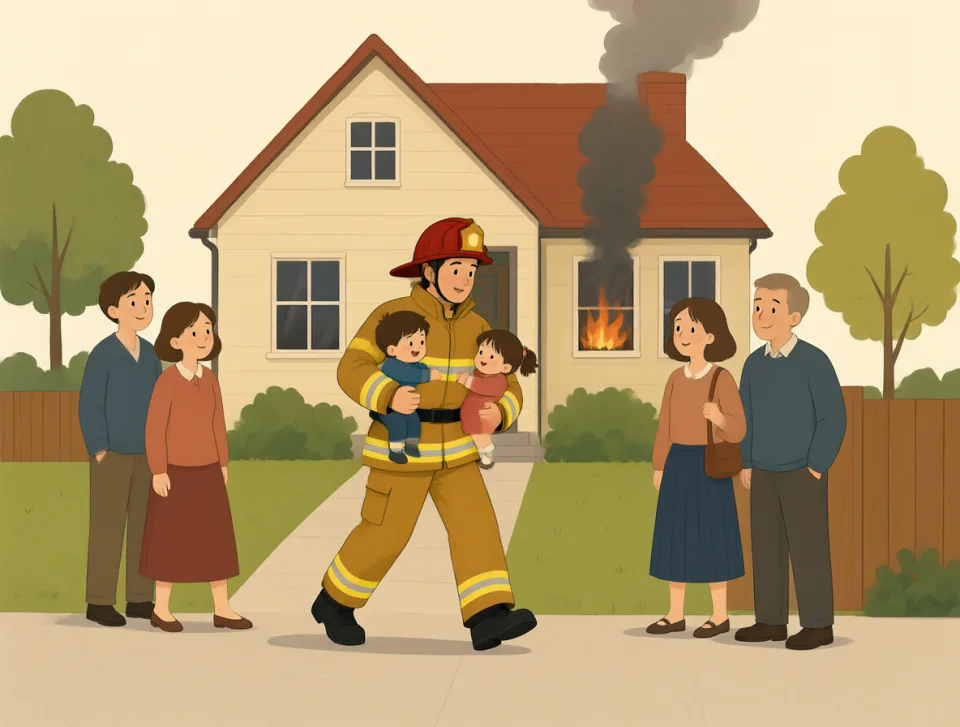
The firefighter became a hero after rescuing two children from the burning house.
آتشنشان بعد از نجات دادن دو کودک از خانهٔ در حال سوختن، قهرمان شد.
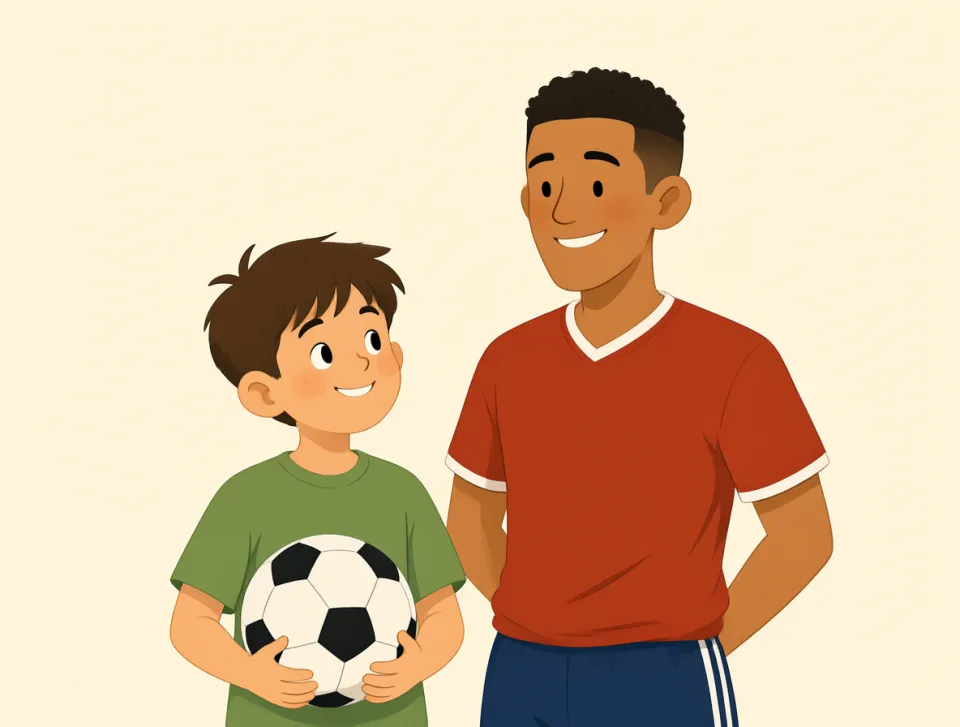
My little brother thinks his favorite soccer player is a hero.
برادر کوچکم فکر میکند فوتبالیست محبوبش یک قهرمان است.
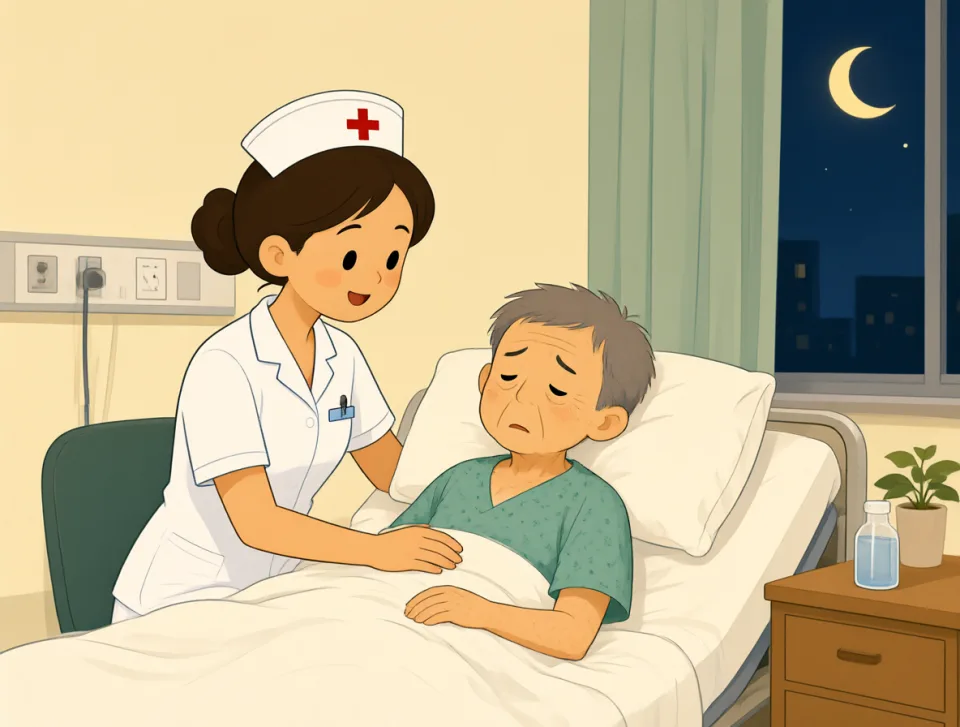
The nurse was a hero for helping patients during the difficult night.
پرستار بهخاطر کمک به بیماران در آن شب دشوار، قهرمان بود.
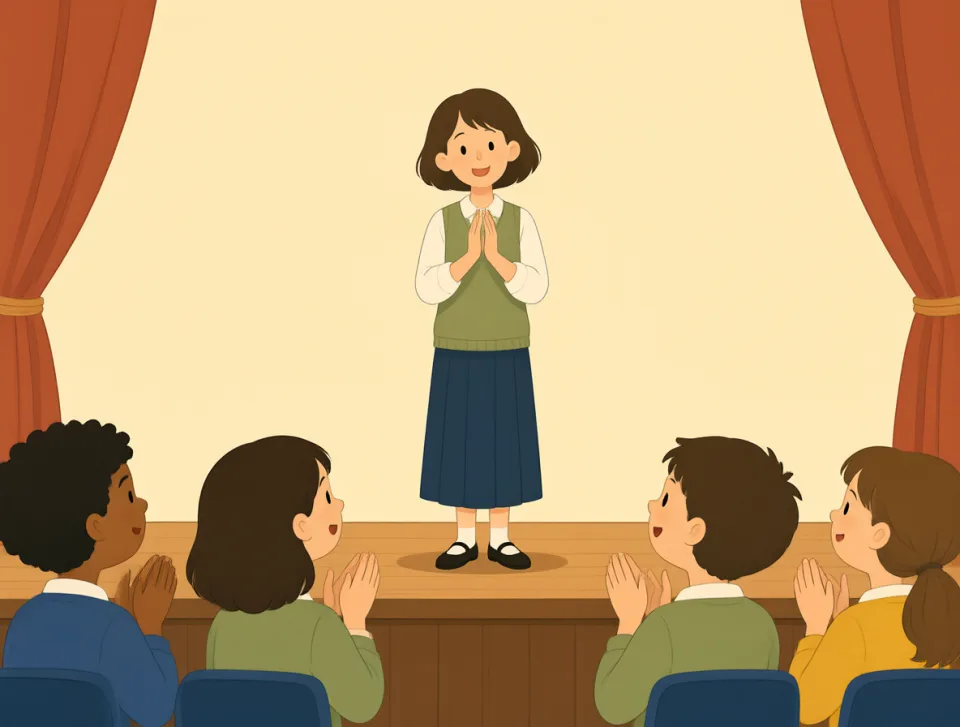
Our teacher was the hero of the school play last Friday.
جمعهٔ گذشته، معلم ما قهرمان نمایش مدرسه بود.

She felt like a hero when she found her lost dog.
وقتی سگ گمشدهاش را پیدا کرد، احساس کرد قهرمان شده است.

supporter
#2109noun
حامی
A person who approves of and helps a person, team, idea, or organization.
کسی که از یک شخص، تیم، ایده یا سازمان پشتیبانی میکند و به آن کمک میرساند.
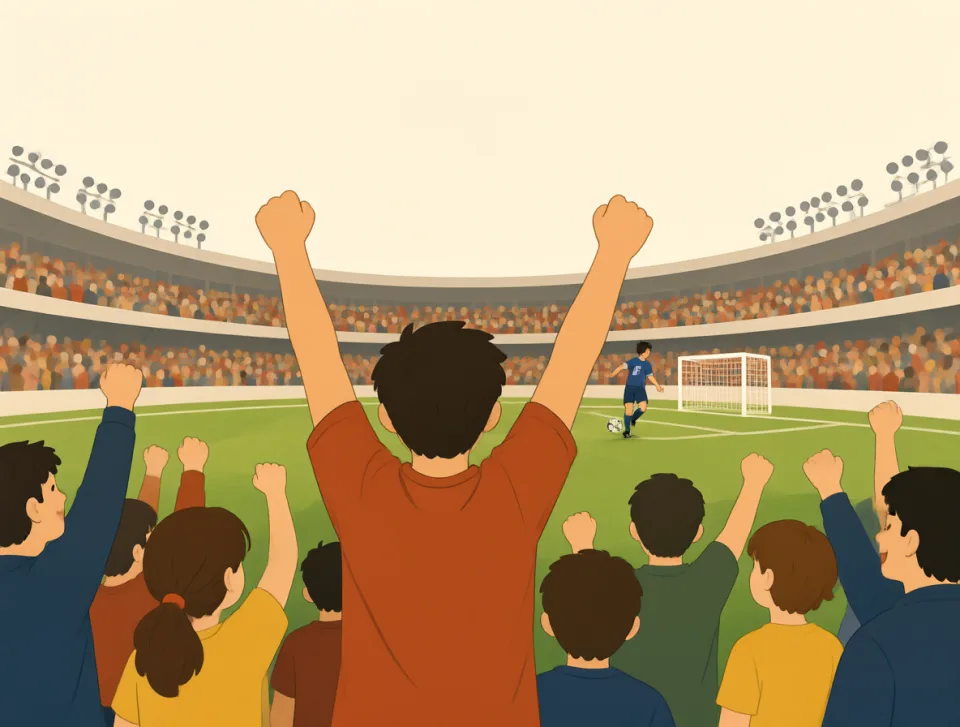
Every supporter cheered loudly when the home team scored the winning goal.
همهٔ هواداران وقتی تیم میزبان گل پیروزی را زد، با صدای بلند تشویق کردند.

My parents have always been strong supporters of my decision to study abroad.
پدر و مادرم همیشه حامیان سرسخت تصمیمم برای تحصیل در خارج از کشور بودهاند.
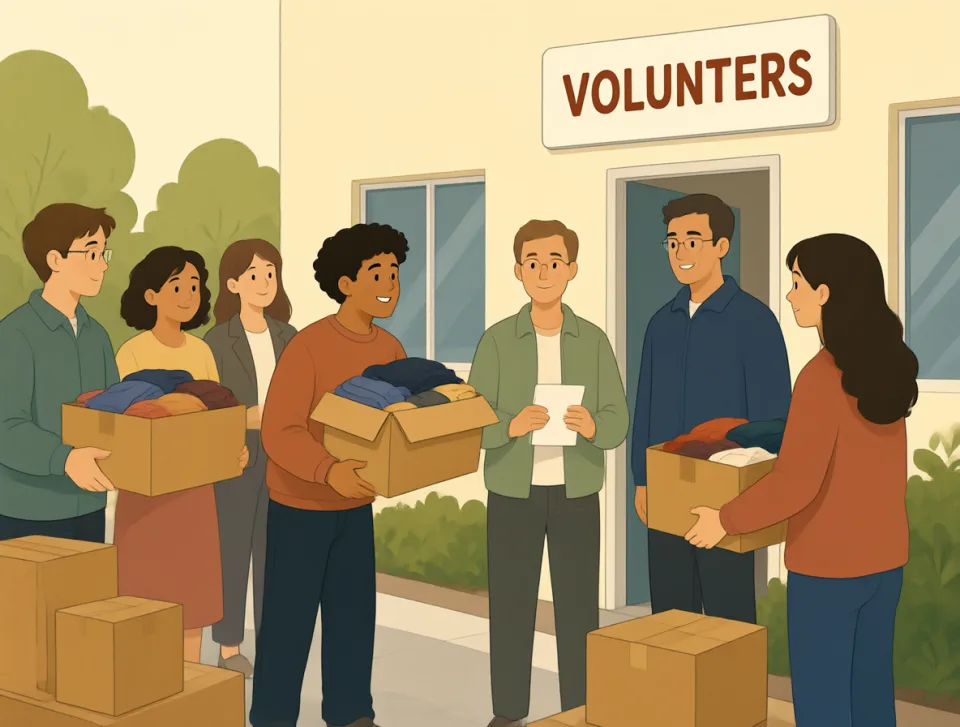
The charity thanked its supporters for donating food and warm clothes.
این مؤسسهٔ خیریه از حامیانش بهخاطر اهدای غذا و لباس گرم تشکر کرد.
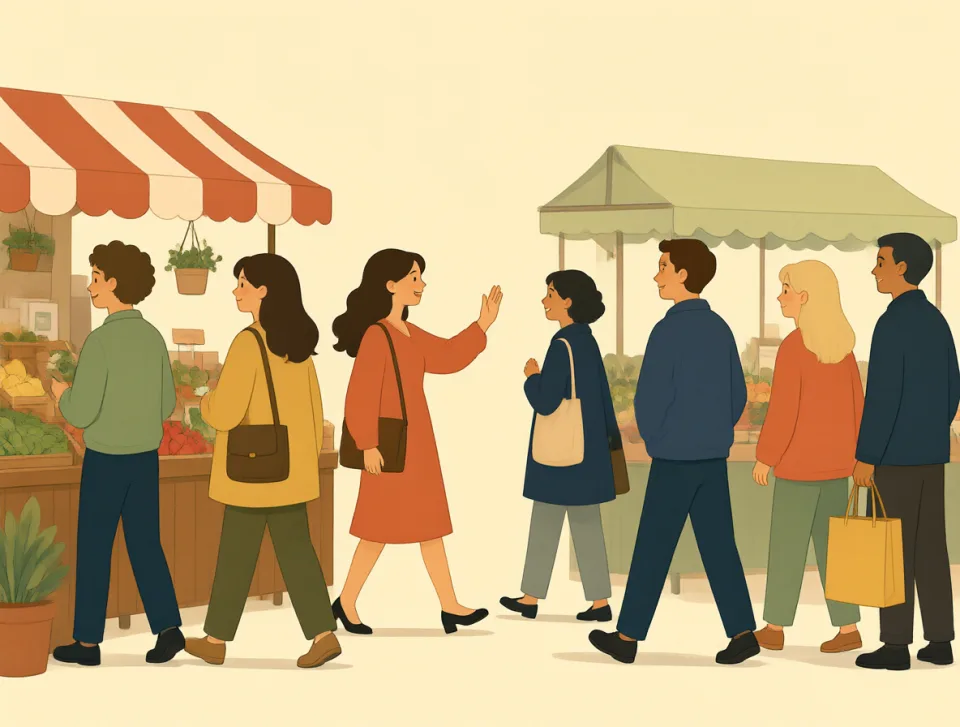
Several supporters joined the candidate during her visit to the local market.
چند نفر از حامیان در بازدید او از بازار محلی، نامزد را همراهی کردند.

His biggest supporter stayed beside him throughout his long illness.
بزرگترین حامیاش در تمام دوران بیماری طولانیاش کنارش ماند.
convert
#2110verb, noun
تبدیل کردن
to change something into a different form, use, or belief
چیزی را به شکل، کاربرد یا باوری متفاوت تبدیل کردن

You can convert the sofa into a comfortable bed for overnight guests.
میتوانی مبل را به تختی راحت برای مهمانهایی که شب میمانند تبدیل کنی.
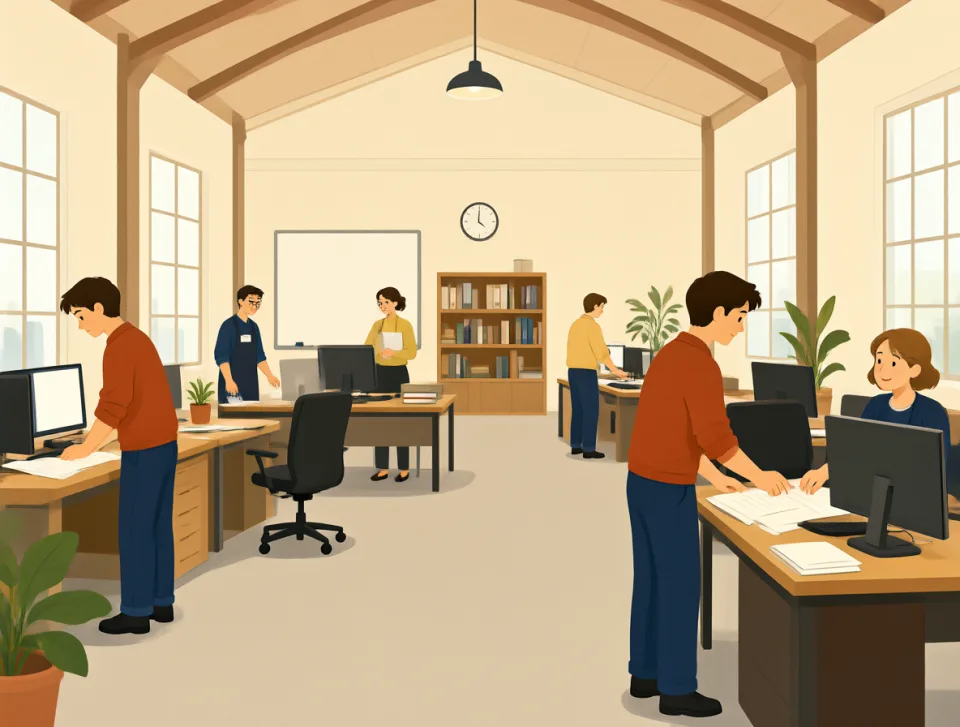
The company converted the old warehouse into bright offices for its growing team.
شرکت انبار قدیمی را به دفترهایی روشن برای تیمِ در حال گسترشش تبدیل کرد.
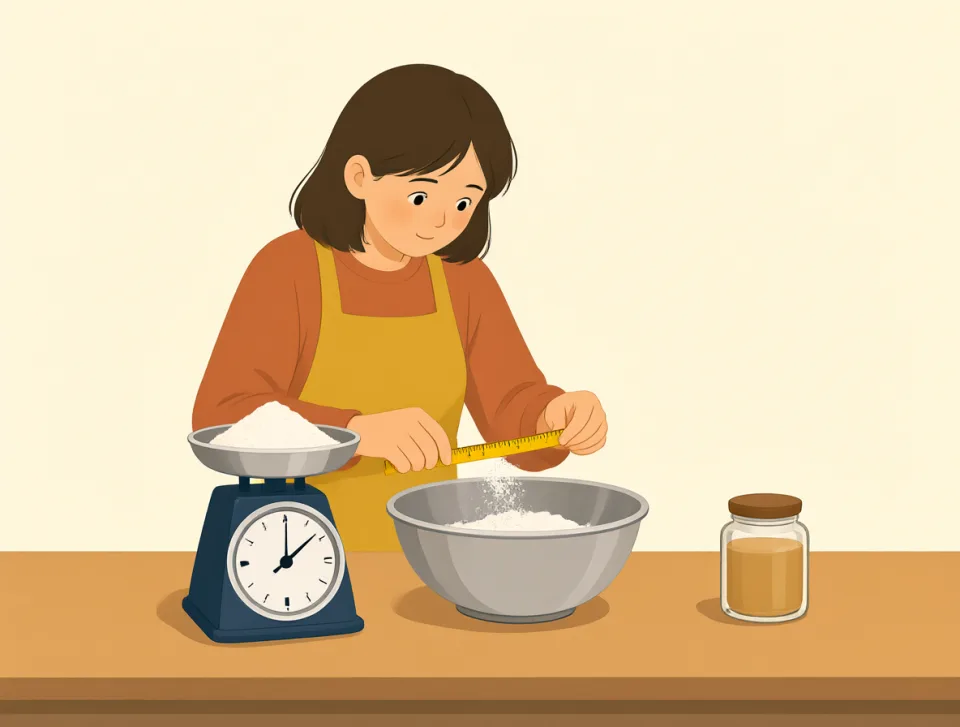
She converted the recipe from cups to grams before baking the cake.
او پیش از پختن کیک، اندازههای دستور پخت را از پیمانه به گرم تبدیل کرد.

We converted our dollars into euros at the airport before flying to Italy.
پیش از پرواز به ایتالیا، در فرودگاه دلارهایمان را به یورو تبدیل کردیم.
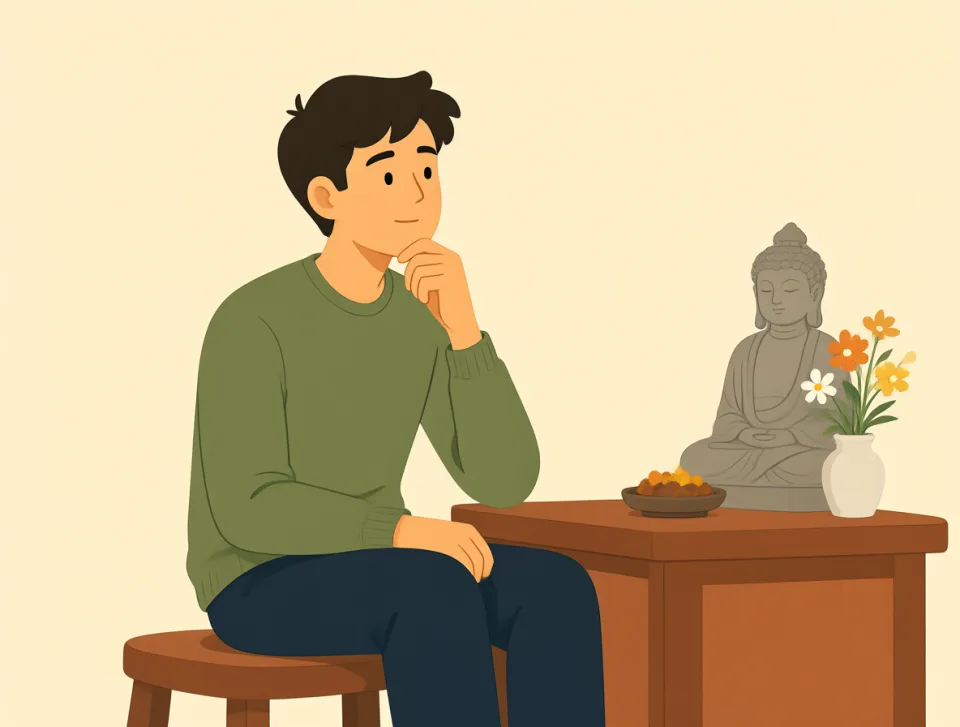
He converted to Buddhism after studying its teachings for several years.
او پس از چند سال مطالعهٔ آموزههای بودیسم، به این دین گروید.
steady
#2111adjective, verb
ثابت
calm, regular, and not changing suddenly; to make something stable or controlled
آرام، منظم و بدون تغییر ناگهانی؛ پایدار یا کنترلشده کردن چیزی

She earns a steady income from her small bakery.
او از نانوایی کوچک خود درآمدی ثابت دارد.
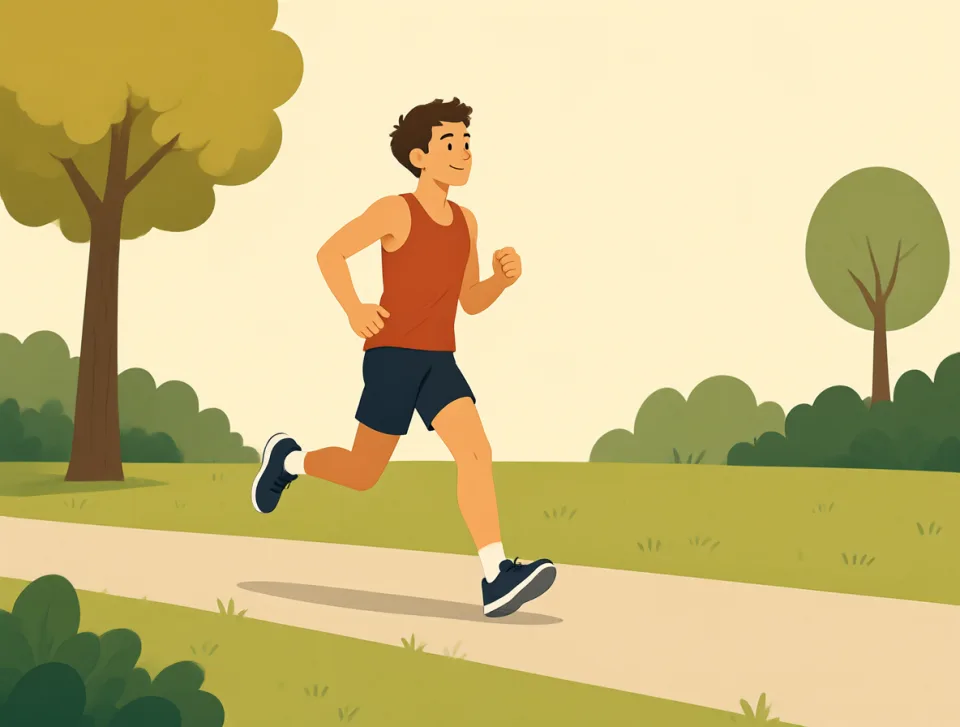
Keep a steady pace so you do not become too tired.
با سرعتی یکنواخت حرکت کن تا خیلی خسته نشوی.

The doctor told him to take steady breaths during the examination.
دکتر به او گفت هنگام معاینه نفسهای آرام و منظمی بکشد.

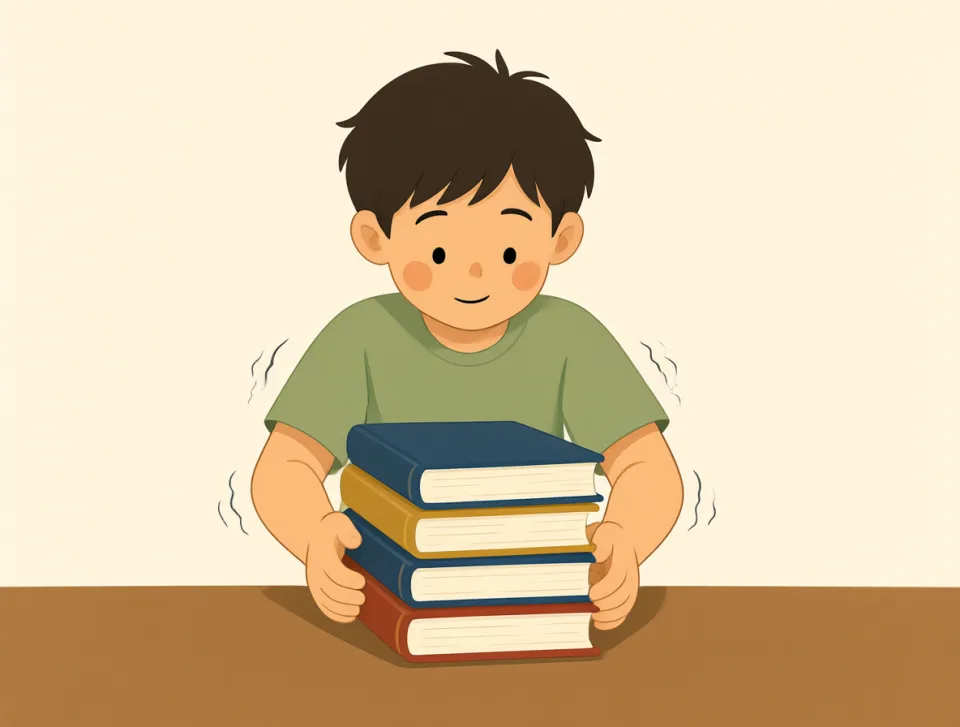
He used one hand to steady the ladder while his brother climbed.
وقتی برادرش از نردبان بالا میرفت، او با یک دست نردبان را نگه داشت تا ثابت بماند.
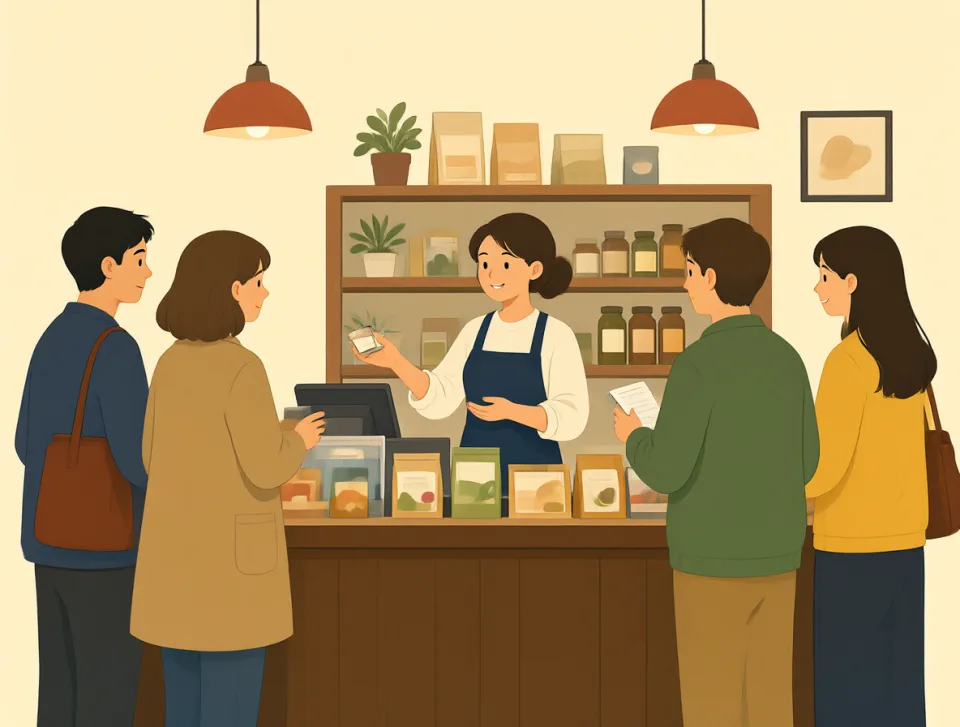
Business has been steady since the shop moved to this busy street.
از وقتی مغازه به این خیابان شلوغ نقلمکان کرده، کسبوکارش رونق ثابتی داشته است.
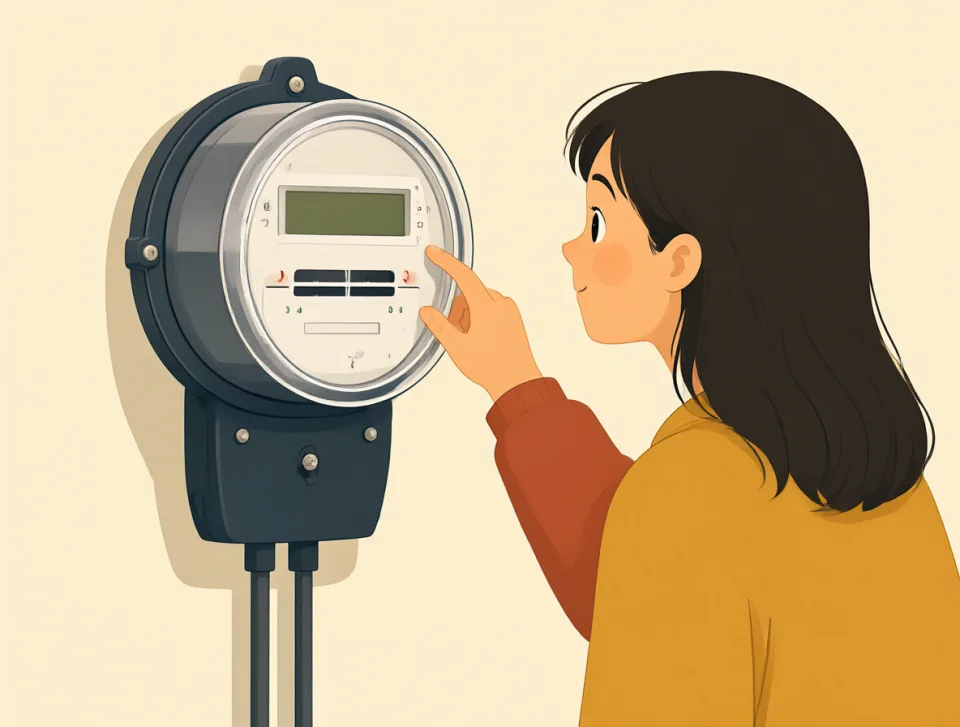
meter
#2112noun, verb
متر؛ دستگاه اندازهگیری
A device that measures something, or a unit used to measure length.
دستگاهی برای اندازهگیری چیزی، یا واحدی برای اندازهگیری طول.
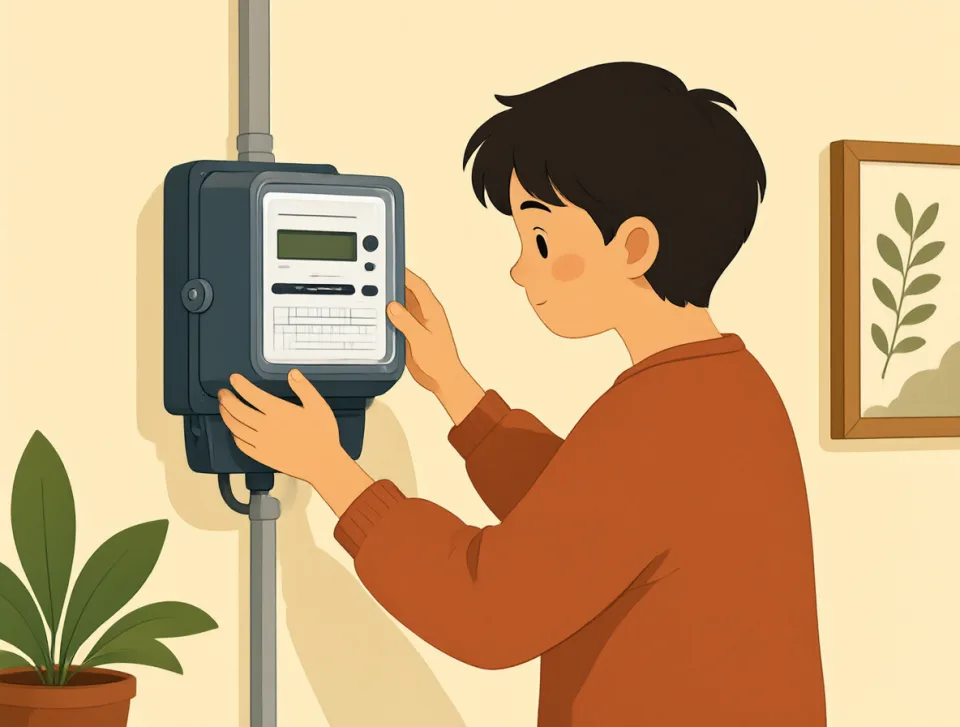
The electricity meter showed that we had used less power this month.
کنتور برق نشان داد که این ماه برق کمتری مصرف کردهایم.
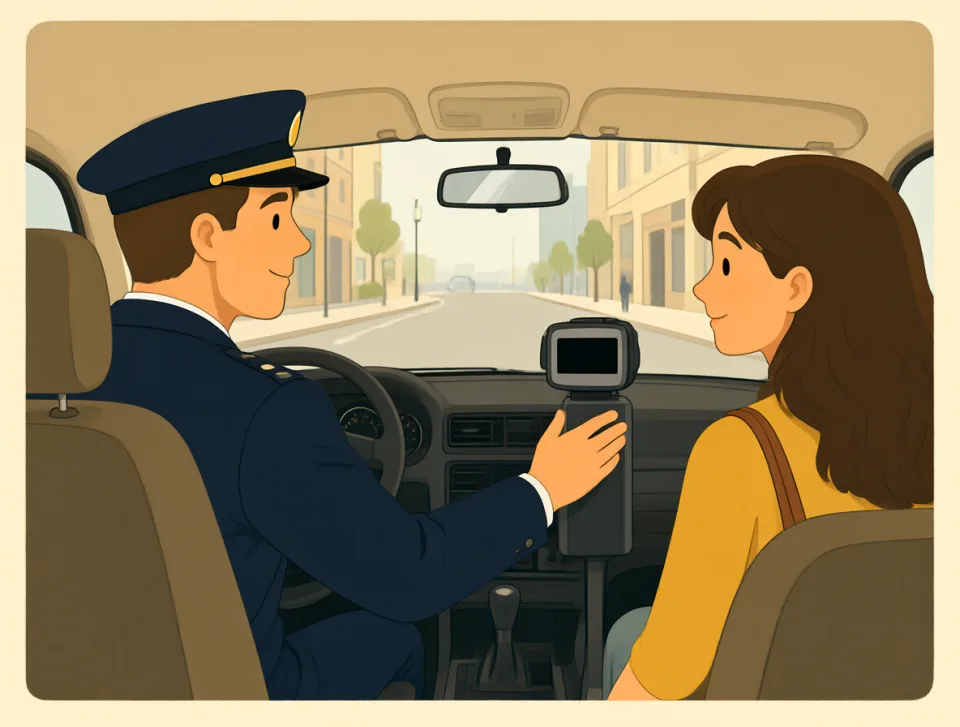
The taxi driver stopped the meter when we reached the hotel.
رانندهٔ تاکسی وقتی به هتل رسیدیم، تاکسیمتر را خاموش کرد.
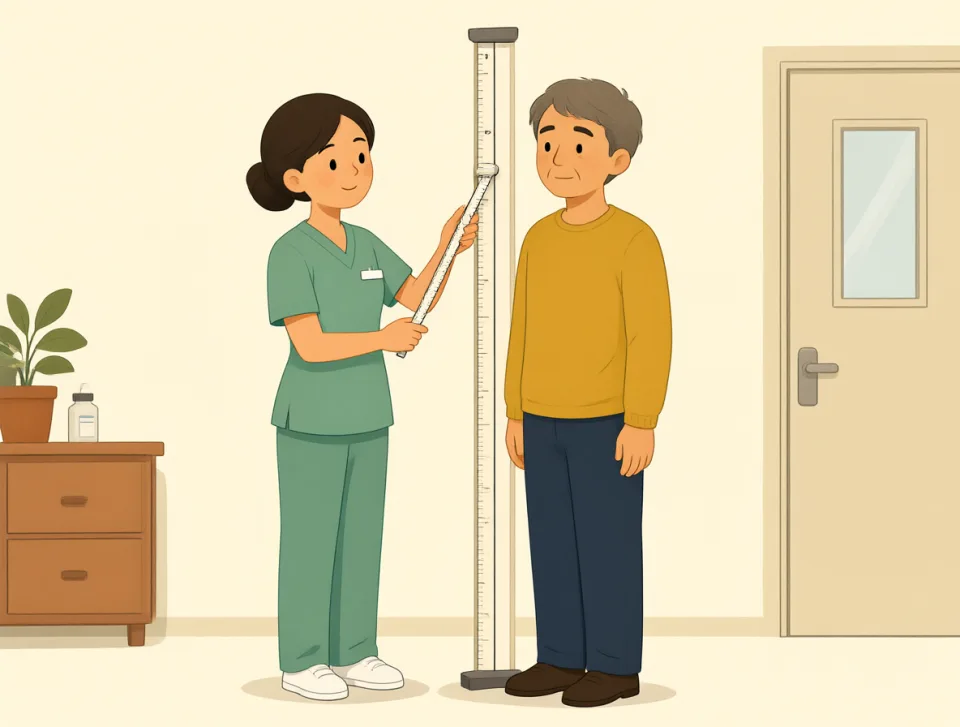
The nurse measured the patient’s height with a meter stick.
پرستار با متر قد بیمار را اندازه گرفت.
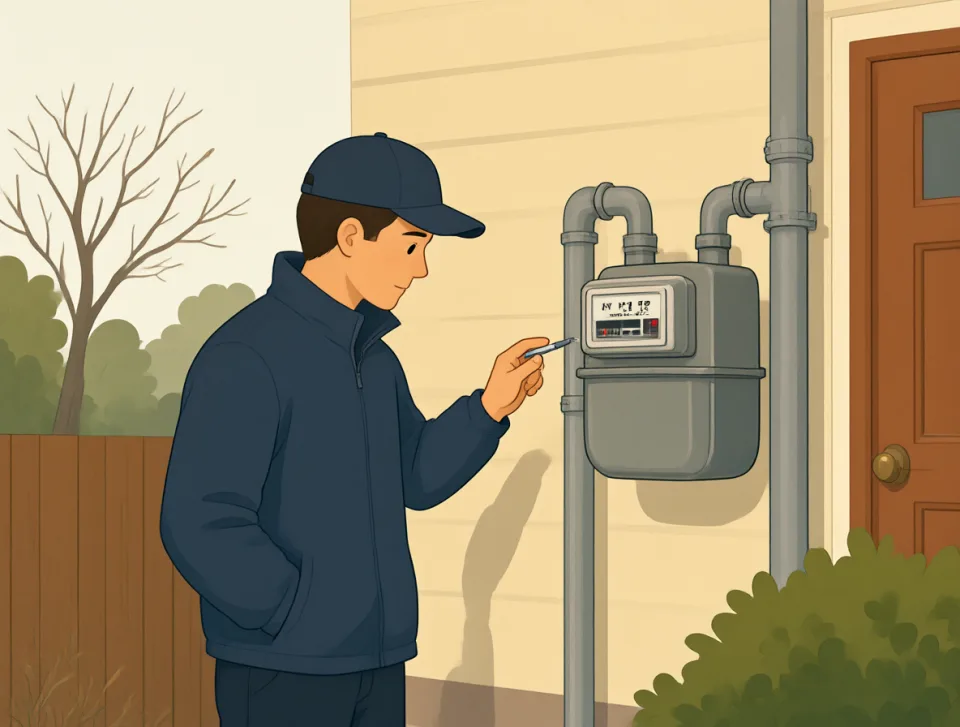
The gas meter needs checking before winter begins.
پیش از شروع زمستان باید کنتور گاز را بررسی کرد.
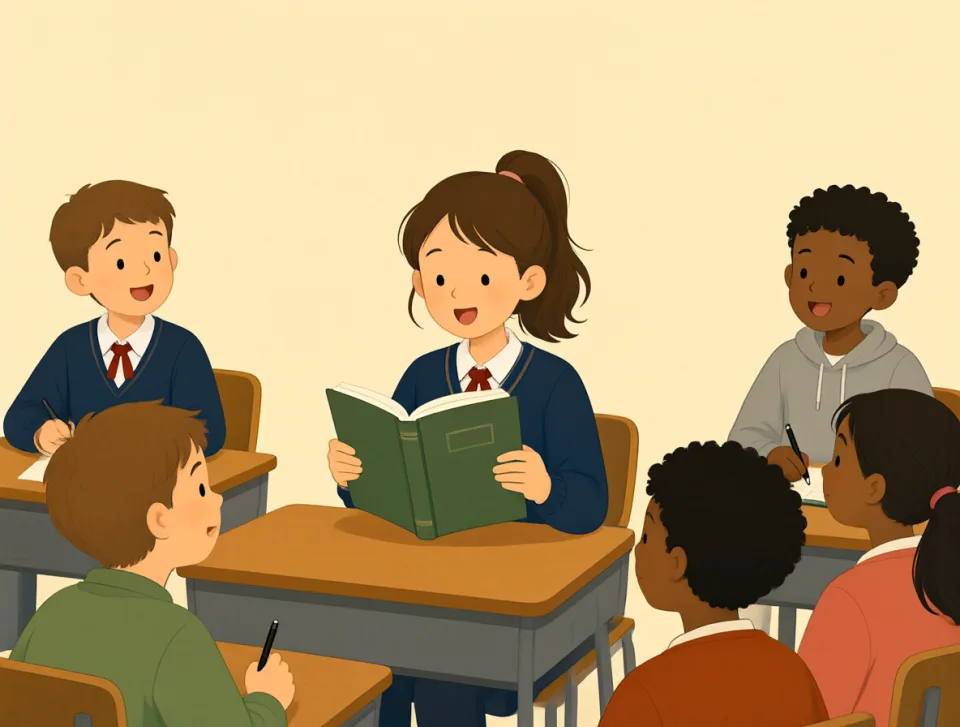
The poem has a regular meter that makes it easy to read aloud.
وزن شعری این شعر منظم است و خواندن آن با صدای بلند را آسان میکند.
truck
#2113noun, verb
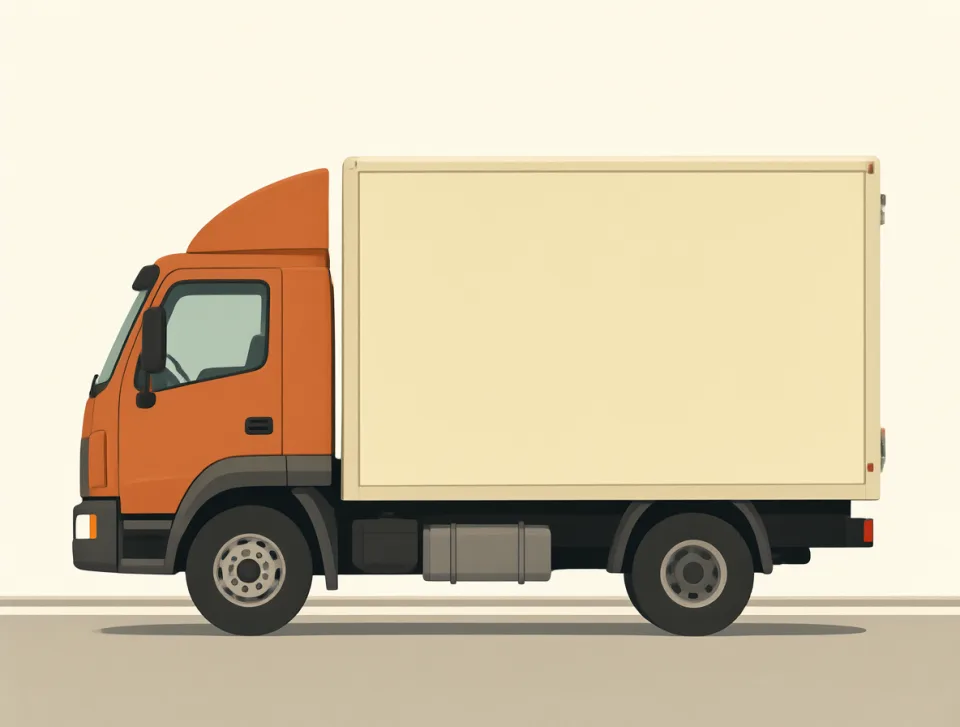
کامیون
A large vehicle used to carry heavy goods; to transport something by truck.
وسیلهٔ نقلیهٔ بزرگی برای حمل کالاهای سنگین؛ حمل کردن چیزی با کامیون.
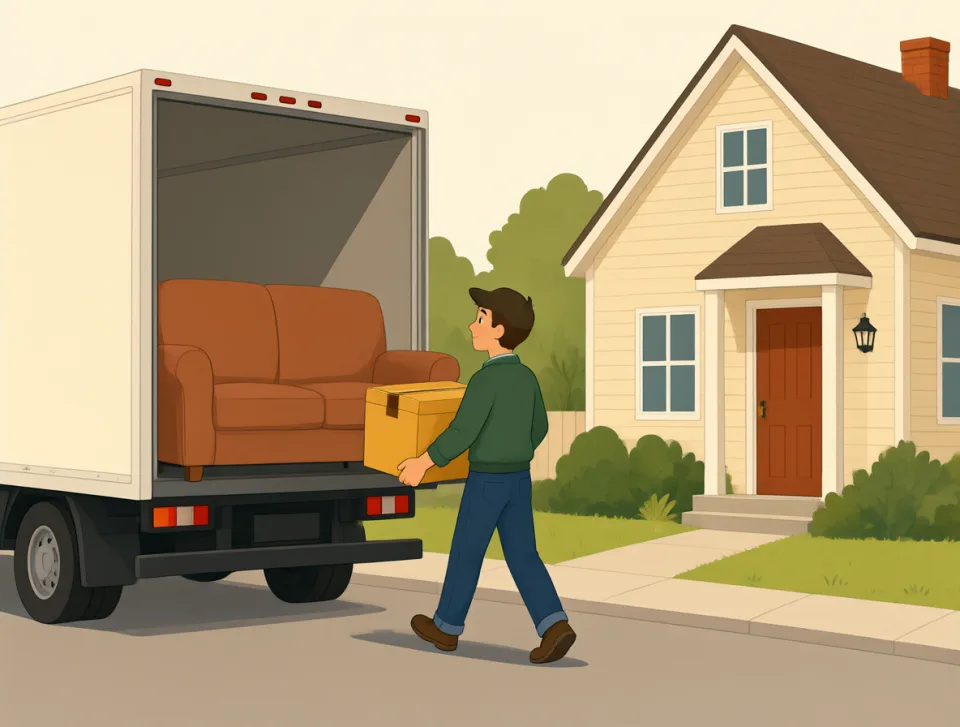
The delivery truck brought our new sofa this morning.
کامیون تحویل، مبل جدیدمان را امروز صبح آورد.
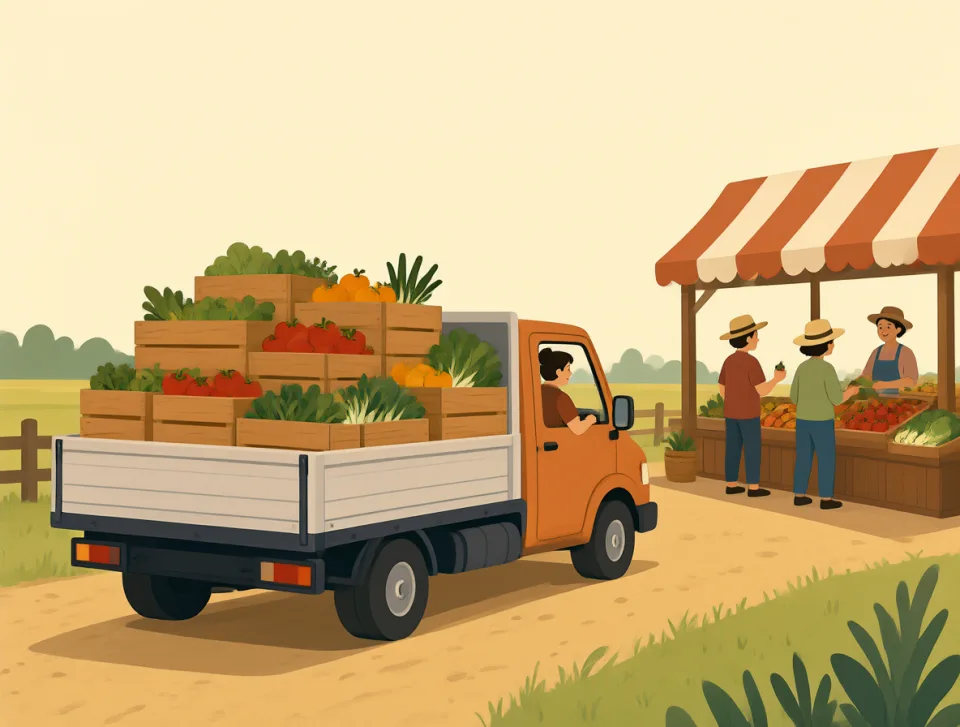
A truck carries fresh vegetables from the farm to the market.
کامیون سبزیهای تازه را از مزرعه به بازار میبرد.
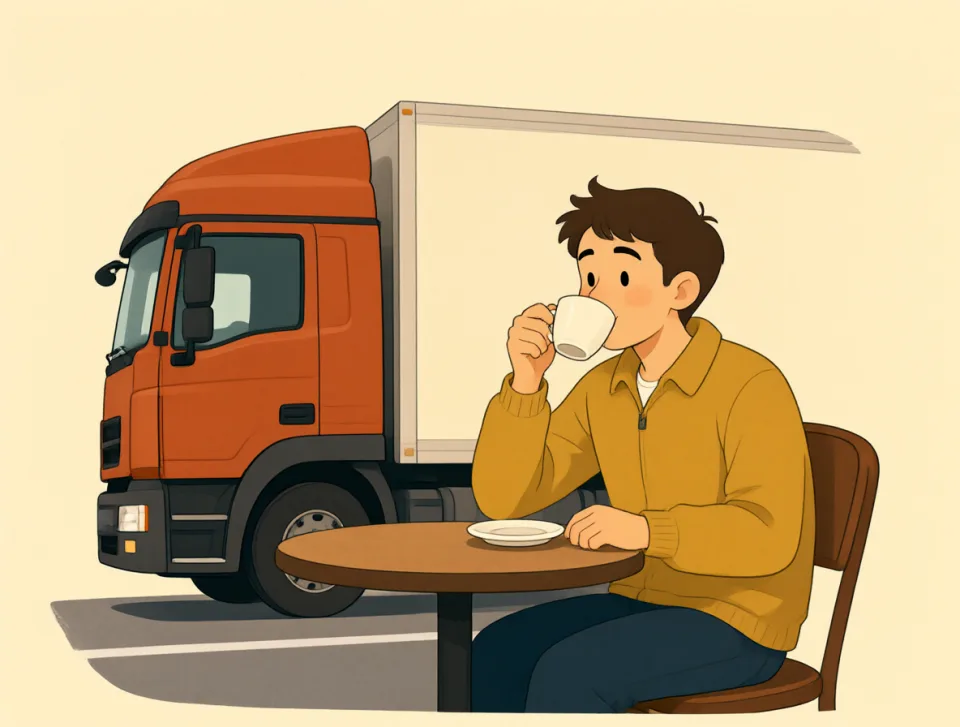
The truck driver stopped for coffee before starting work.
رانندهٔ کامیون پیش از شروع کار برای خوردن قهوه توقف کرد.
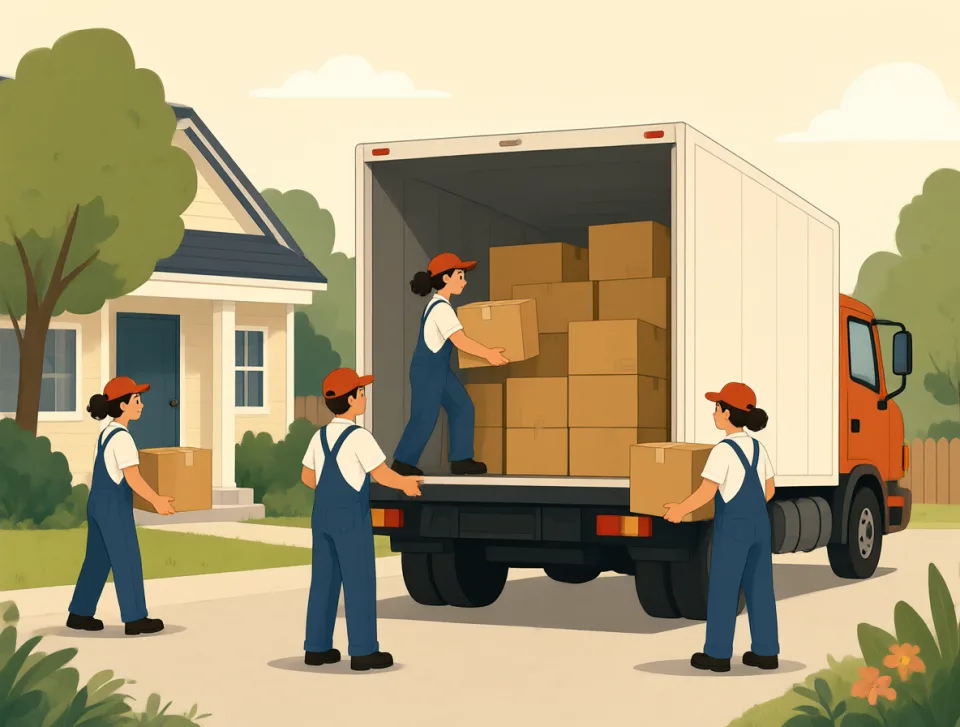
Our moving company truck arrived early to collect the boxes.
کامیون شرکت اسبابکشیمان زود رسید تا جعبهها را ببرد.

They are trucking the equipment across the country for the concert.
آنها تجهیزات را برای کنسرت با کامیون به آن سوی کشور میبرند.

nose
#2114noun, verb
بینی
The part of your face used for smelling and breathing; to notice or discover something.
بخشی از صورت که برای بوییدن و نفسکشیدن به کار میرود؛ متوجه چیزی شدن یا آن را کشف کردن.

My nose is blocked, so I can hardly breathe through it.
بینیام گرفته و بهسختی میتوانم از آن نفس بکشم.
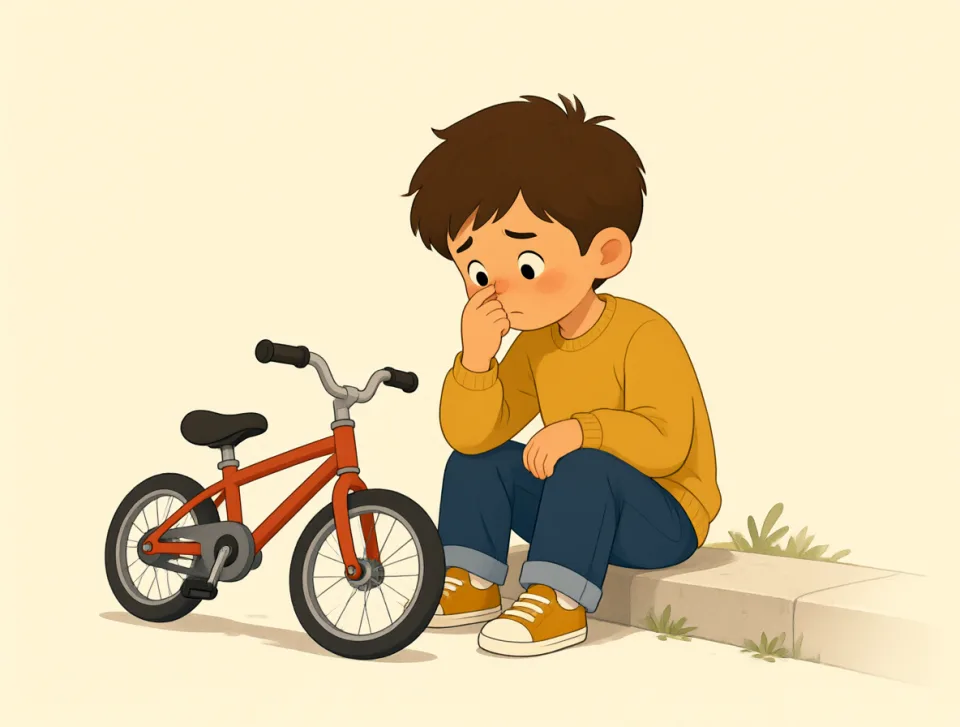
The little boy broke his nose when he fell off his bicycle.
پسر کوچولو وقتی از دوچرخهاش افتاد، بینیاش شکست.

She wrinkled her nose when she smelled the spoiled milk.
وقتی شیر فاسد را بو کرد، بینیاش را چین انداخت.
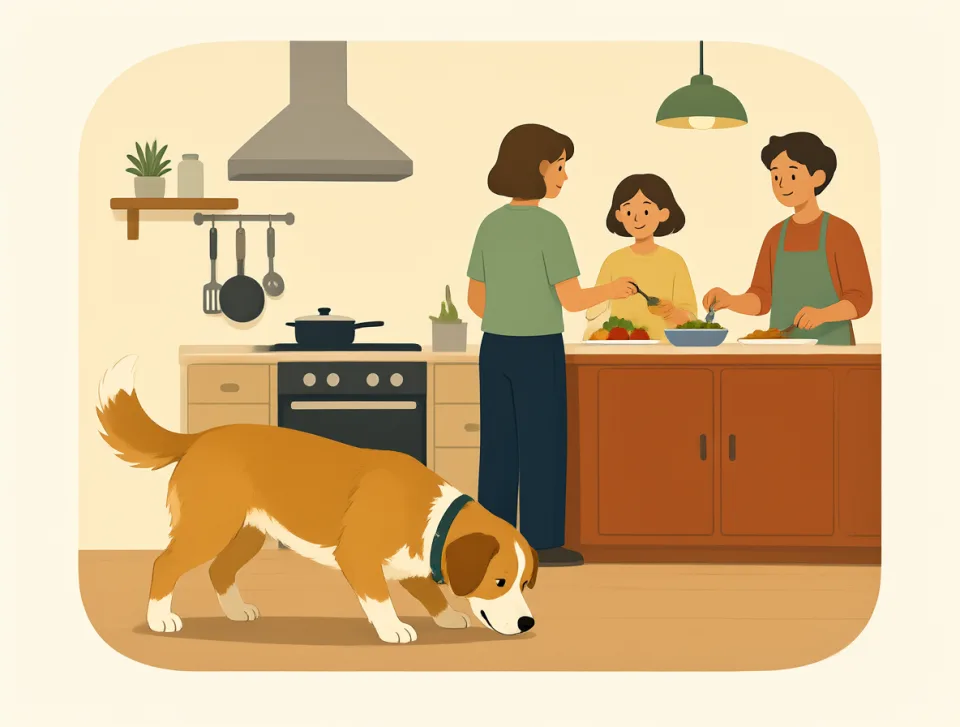
Our dog kept nosing around the kitchen while we prepared dinner.
وقتی شام را آماده میکردیم، سگمان مدام در آشپزخانه دنبال چیزی میگشت و بو میکشید.

He always noses into other people's business at work.
او در محل کار همیشه در کار دیگران فضولی میکند.
beside
#2115preposition, adverb
کنارِ
next to or at the side of someone or something
در کنار یا پهلوی کسی یا چیزی

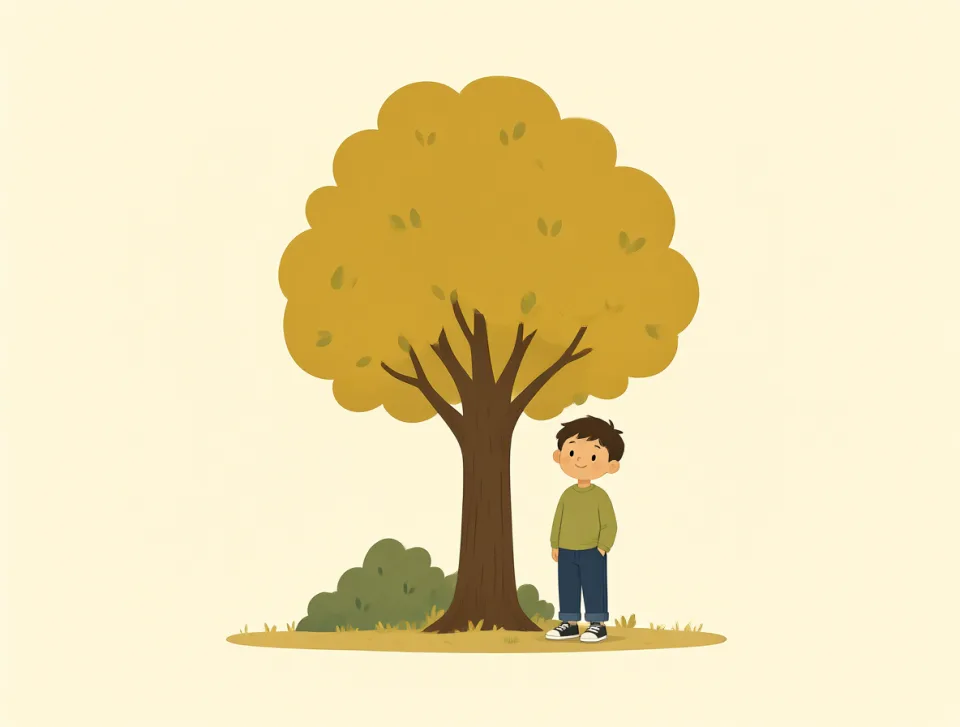
She sat beside her friend during the long train journey.
او در طول سفر طولانی با قطار کنار دوستش نشست.
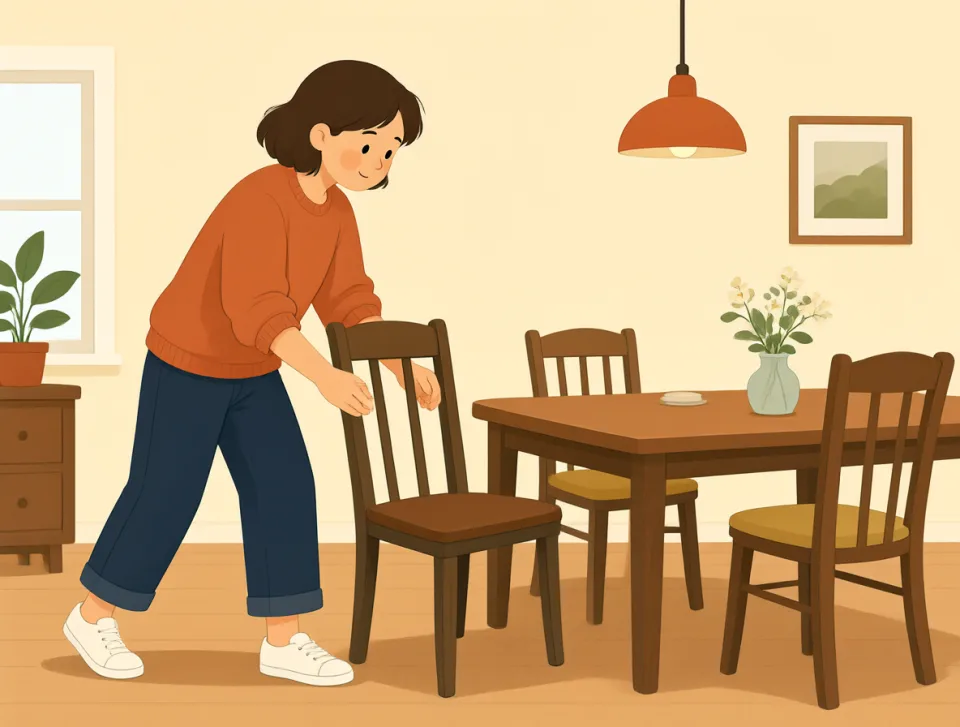
Please place the chair beside the table before dinner.
لطفاً پیش از شام صندلی را کنار میز بگذارید.
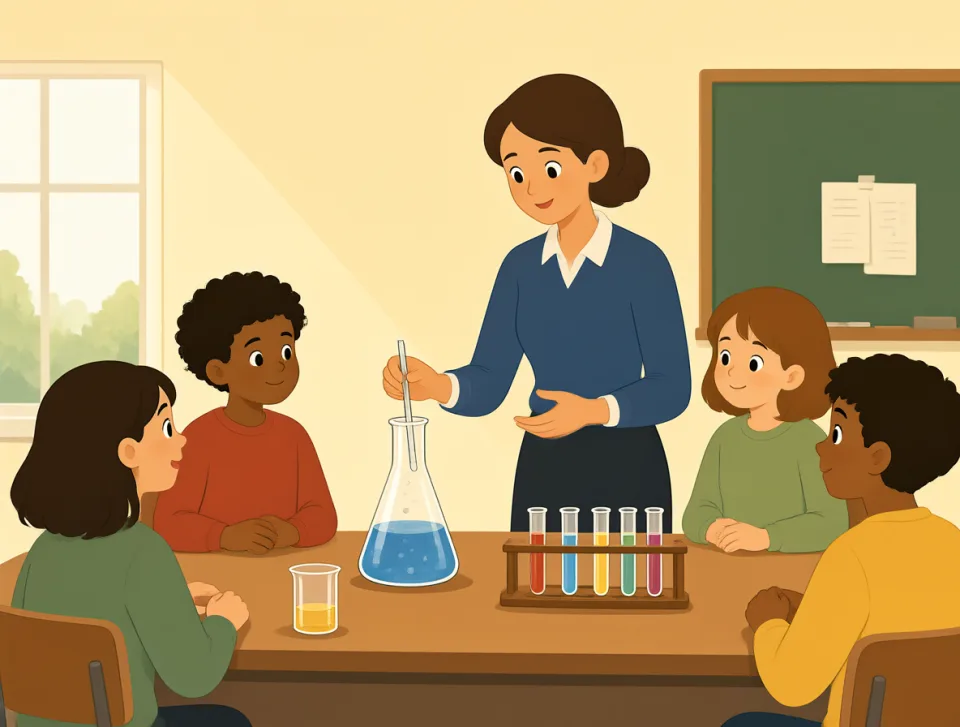
The teacher stood beside the students during the science experiment.
معلم هنگام آزمایش علمی کنار دانشآموزان ایستاد.

I found a small pharmacy beside the hotel while traveling.
وقتی در سفر بودم، داروخانهٔ کوچکی کنار هتل پیدا کردم.
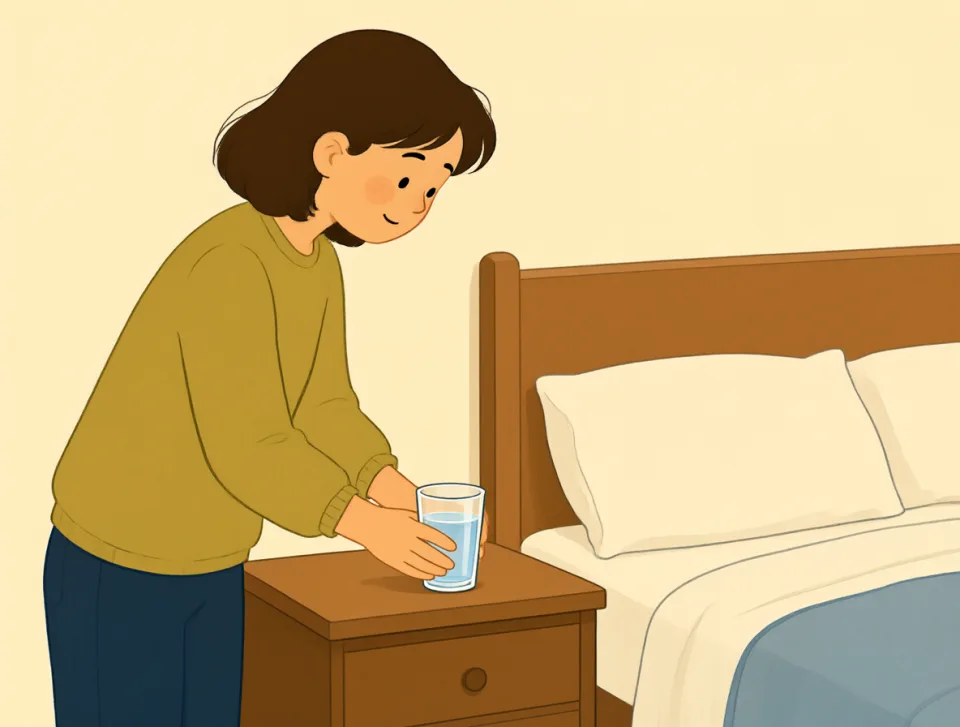
He left his glass of water beside the bed.
او لیوان آبش را کنار تخت گذاشت.

sail
#2116noun, verb
بادبانرانی کردن؛ بادبان
to travel on water in a boat, or the large piece of cloth that catches wind
با قایق روی آب سفر کردن؛ یا پارچهٔ بزرگی که باد را میگیرد

We sailed along the coast during our summer holiday.
در تعطیلات تابستانیمان در امتداد ساحل بادبانرانی کردیم.

The strong wind filled the boat’s sails and pushed us forward.
باد شدید بادبانهای قایق را پر کرد و ما را به جلو راند.

They are learning to sail at the local sailing club.
آنها در باشگاه محلی بادبانرانی دارند بادبانرانی یاد میگیرند.

The sailors raised the sail before leaving the harbor.
ملوانها پیش از ترک بندر، بادبان را بالا کشیدند.

A bright red sail stood out against the blue sea.
یک بادبان قرمز روشن در برابر دریای آبی به چشم میآمد.

disaster
#2117noun
فاجعه
a very bad event that causes great damage, suffering, or loss
رویدادی بسیار ناگوار که خسارت، رنج یا زیان زیادی به بار میآورد
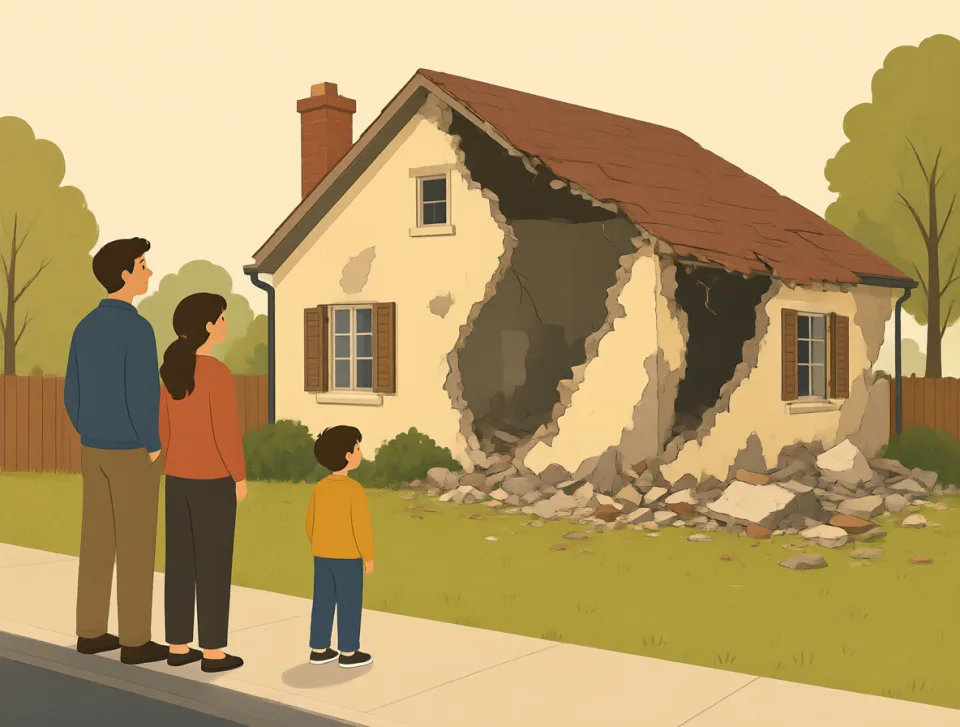
The earthquake was a disaster that destroyed thousands of homes.
زلزله فاجعهای بود که هزاران خانه را ویران کرد.
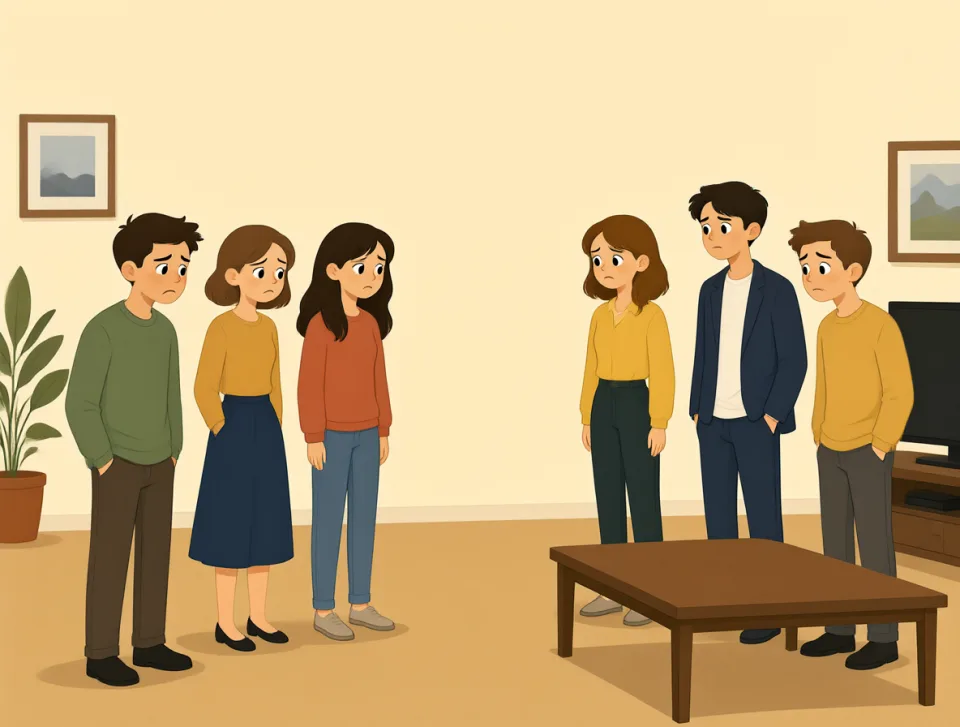
The party was a complete disaster because nobody brought food or drinks.
مهمانی کاملاً فاجعهبار بود، چون هیچکس غذا یا نوشیدنی نیاورده بود.

Our holiday became a disaster when our luggage disappeared at the airport.
تعطیلاتمان وقتی چمدانهایمان در فرودگاه ناپدید شدند، به فاجعه تبدیل شد.

The new manager called the failed project a financial disaster.
مدیر جدید پروژهٔ شکستخورده را یک فاجعهٔ مالی خواند.
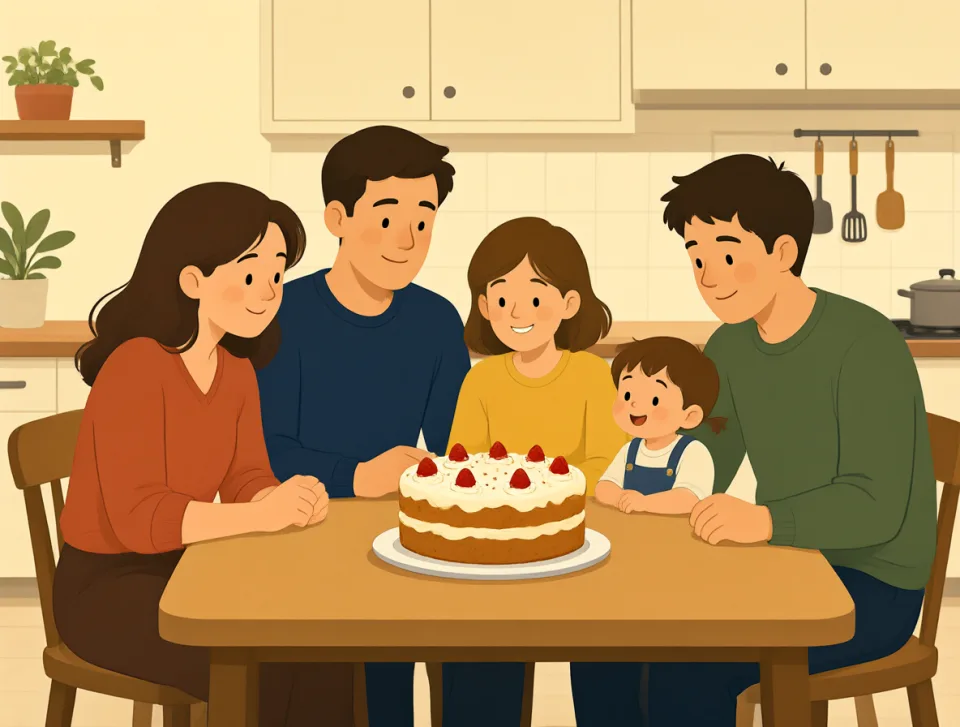
The cake was a disaster, but everyone kindly ate a small piece.
کیک فاجعه بود، اما همه با مهربانی تکهٔ کوچکی از آن را خوردند.
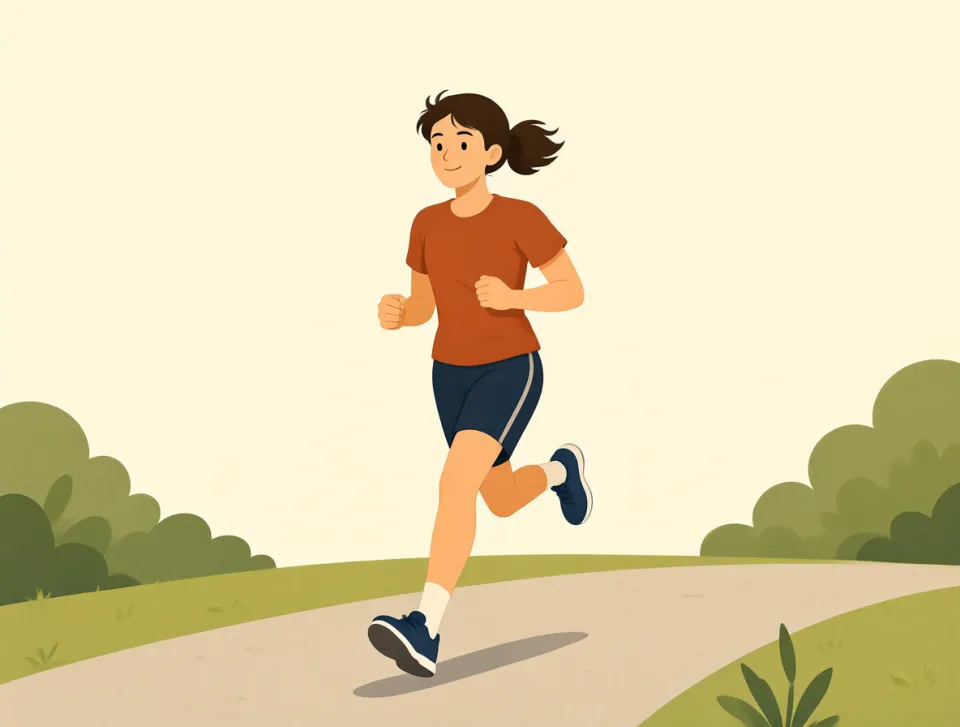
pace
#2118noun, verb
سرعت؛ آهنگ
The speed at which someone or something moves or happens.
سرعتی که شخص یا چیزی با آن حرکت میکند یا اتفاقی با آن رخ میدهد.
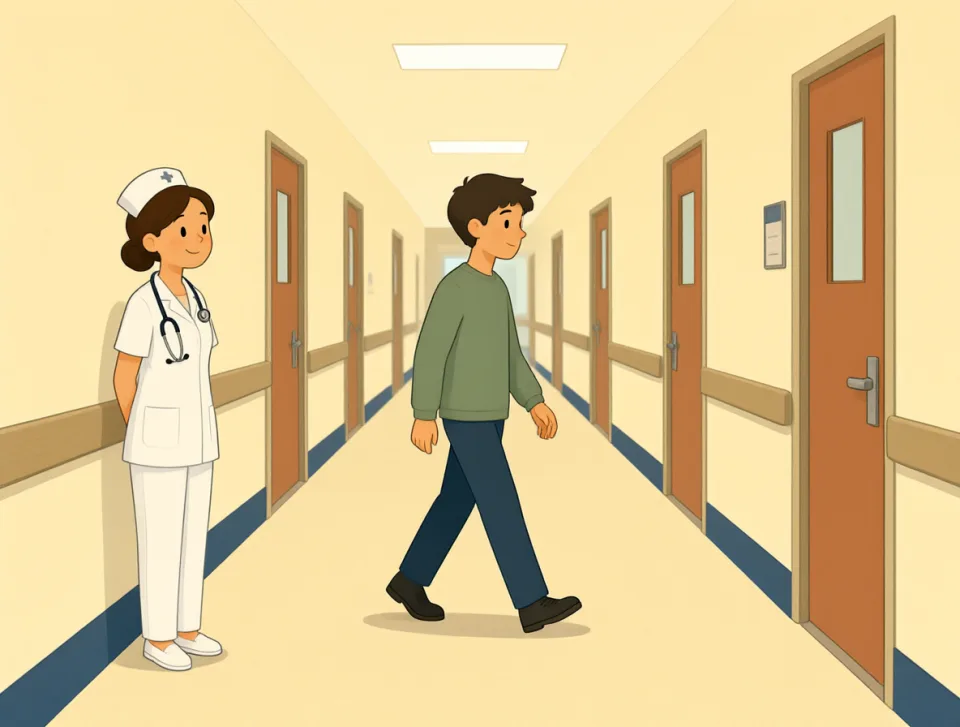
The nurse checked my pulse while I walked at a steady pace.
پرستار نبضم را در حالی که با سرعتی یکنواخت راه میرفتم، بررسی کرد.
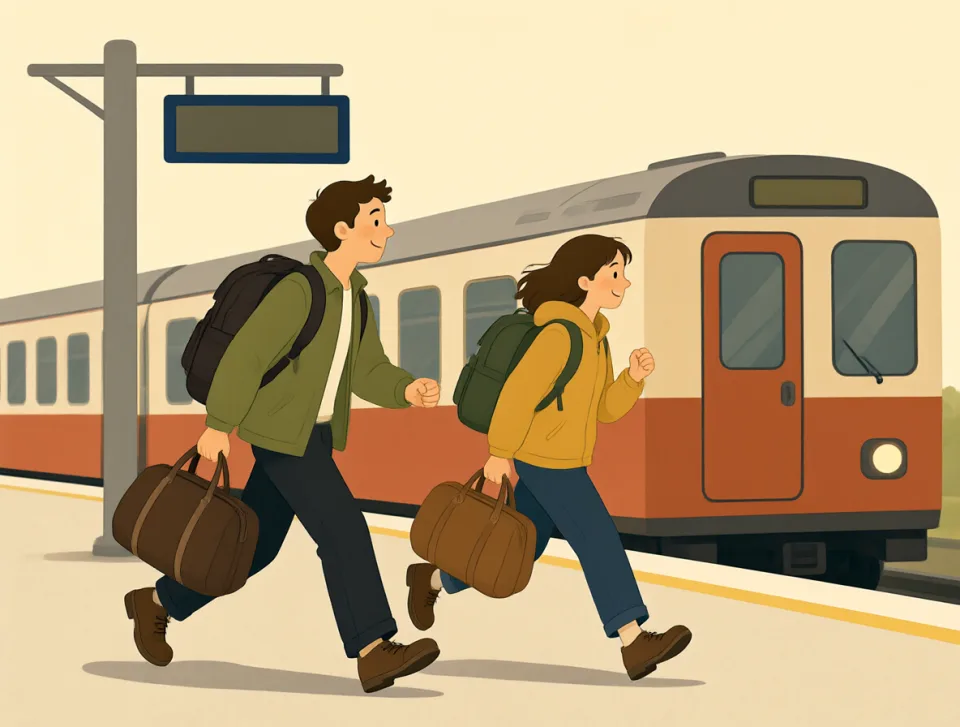
We need to pick up the pace if we want to catch the train.
اگر میخواهیم به قطار برسیم، باید سرعتمان را بیشتر کنیم.

She works at her own pace and usually finishes before everyone else.
او با سرعت خودش کار میکند و معمولاً پیش از بقیه کارش را تمام میکند.
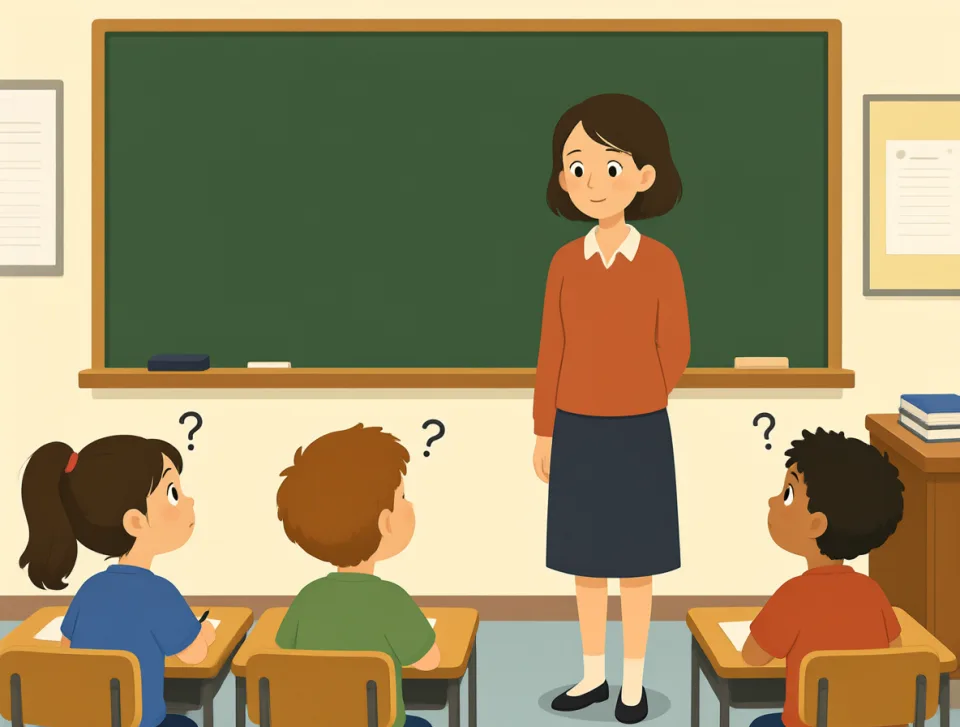
The teacher slowed the pace of the lesson when students looked confused.
وقتی دانشآموزها گیج به نظر میرسیدند، معلم سرعت درس را کم کرد.

After lunch, we paced ourselves so we could enjoy the whole hike.
بعد از ناهار، سرعتمان را تنظیم کردیم تا بتوانیم از تمام مسیر پیادهروی لذت ببریم.
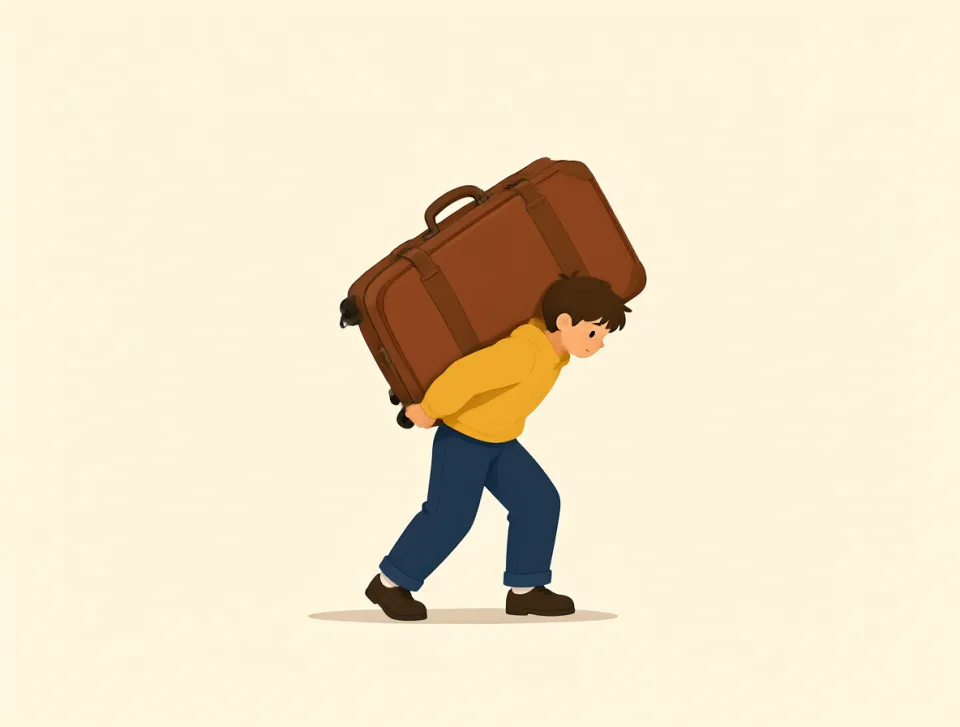
heavily
#2119adverb
بهشدت
To a great degree or with a lot of force, weight, or amount.
به میزان زیاد یا با نیروی، وزن یا مقدار فراوان.
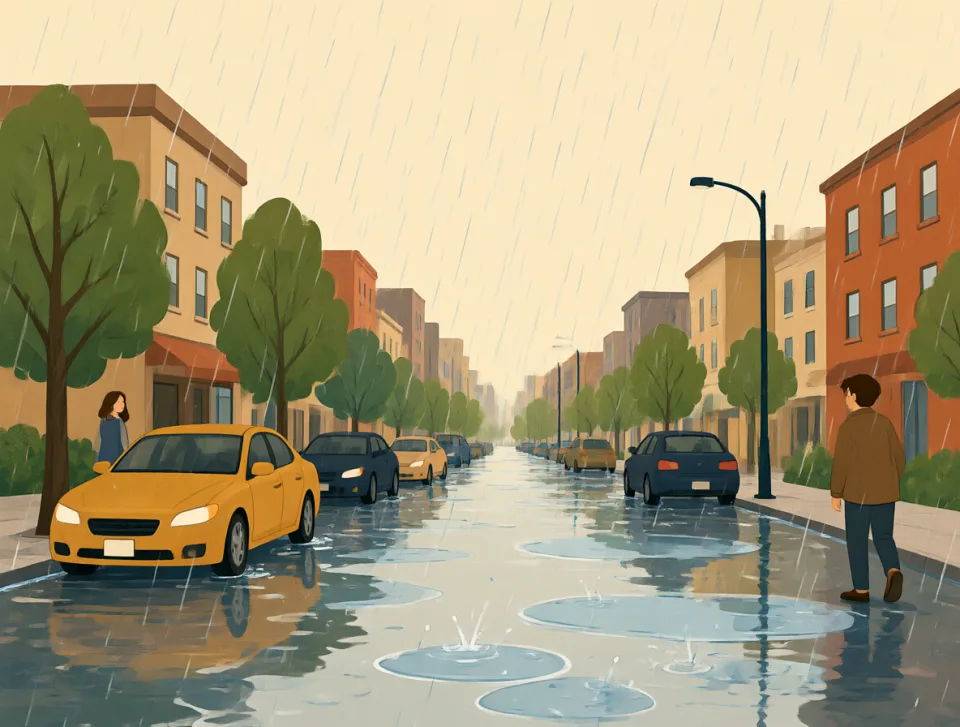
It rained heavily all night, so the streets were flooded by morning.
تمام شب بهشدت باران بارید، برای همین صبح خیابانها زیر آب رفته بودند.

The box was heavily damaged during delivery, but everything inside was safe.
جعبه هنگام تحویل بهشدت آسیب دیده بود، اما همهچیز داخل آن سالم بود.
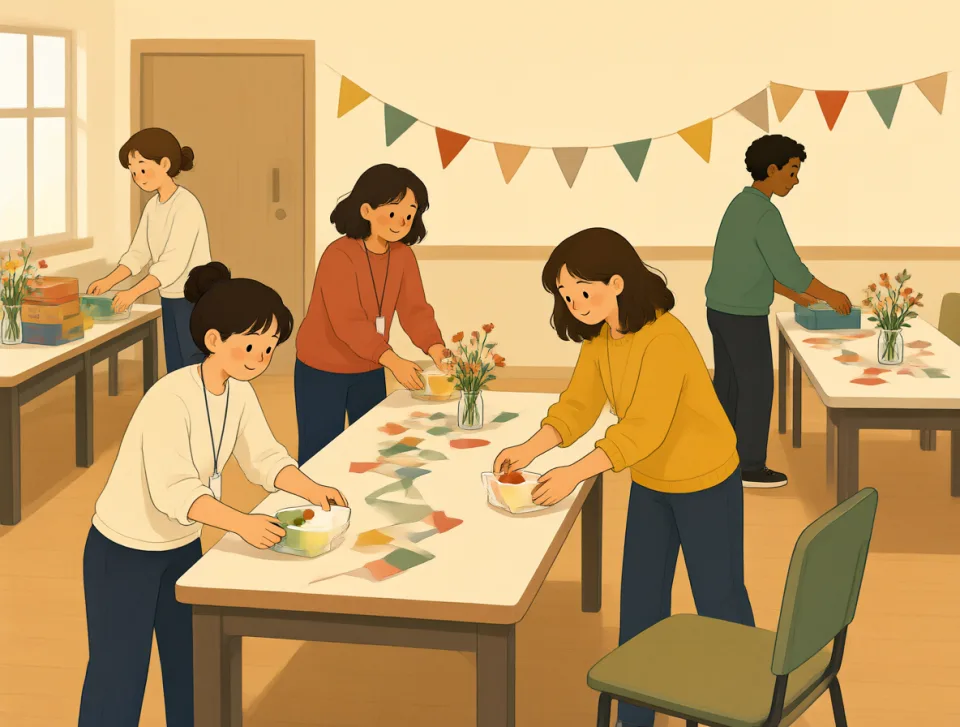
The team relies heavily on volunteers to organize the community event.
این گروه برای برگزاری برنامهٔ اجتماعی بهشدت به داوطلبان متکی است.

She was breathing heavily after running up three flights of stairs.
او بعد از بالا رفتن از سه طبقه پله، بهشدت نفسنفس میزد.
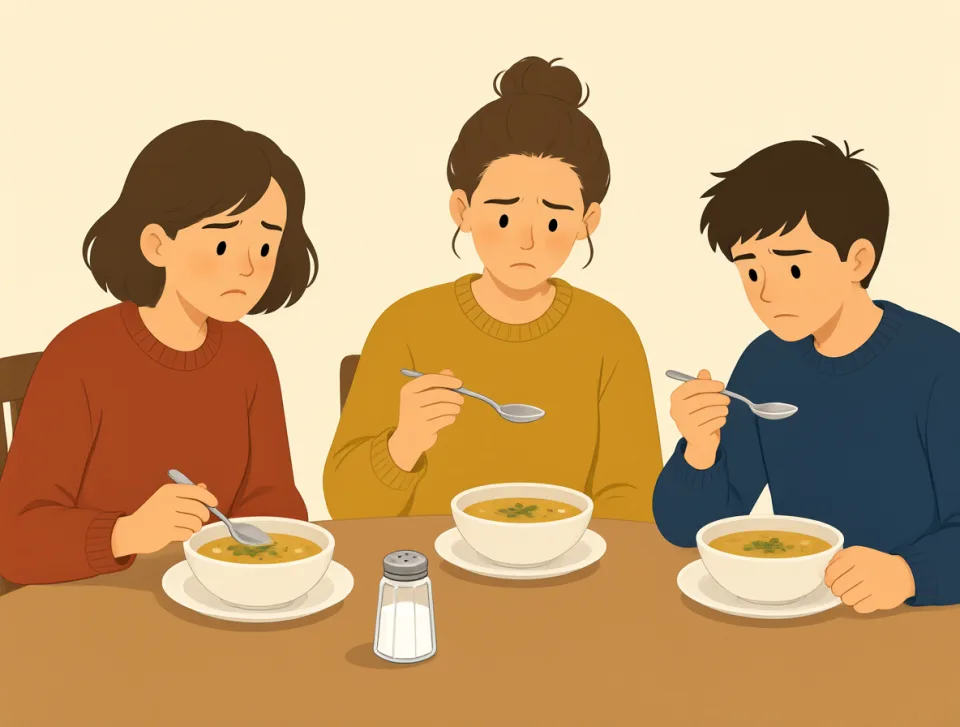
The soup was heavily salted, so nobody wanted a second bowl.
سوپ بیش از حد نمک داشت، برای همین هیچکس کاسهٔ دوم نخواست.
devote
#2120verb
اختصاص دادن
to give your time, energy, or attention to something
زمان، انرژی یا توجه خود را صرف چیزی کردن
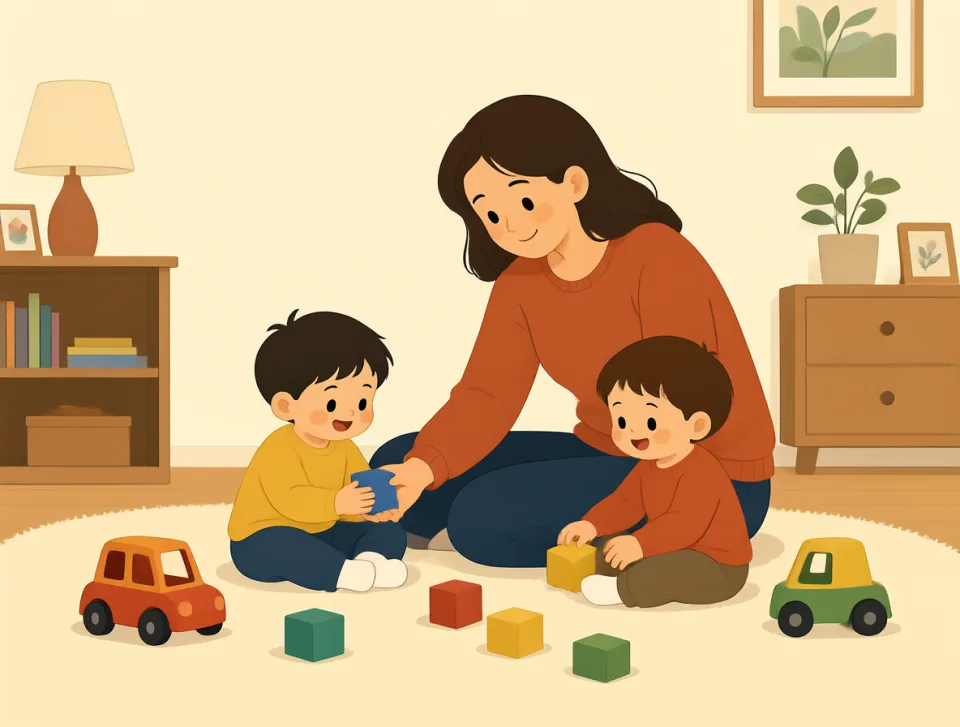
She devotes most of her free time to caring for her young children.
او بیشتر اوقات فراغتش را صرف مراقبت از بچههای خردسالش میکند.

The team devoted two hours to preparing for tomorrow’s important presentation.
این گروه دو ساعت را صرف آماده شدن برای ارائهٔ مهم فردا کرد.

He is devoted to improving his English by reading every evening.
او با هر شب کتاب خواندن، برای بهتر کردن انگلیسیاش تلاش میکند.

The restaurant owner devoted extra money to buying fresher ingredients this month.
صاحب رستوران این ماه پول بیشتری را صرف خرید مواد اولیهٔ تازهتر کرد.
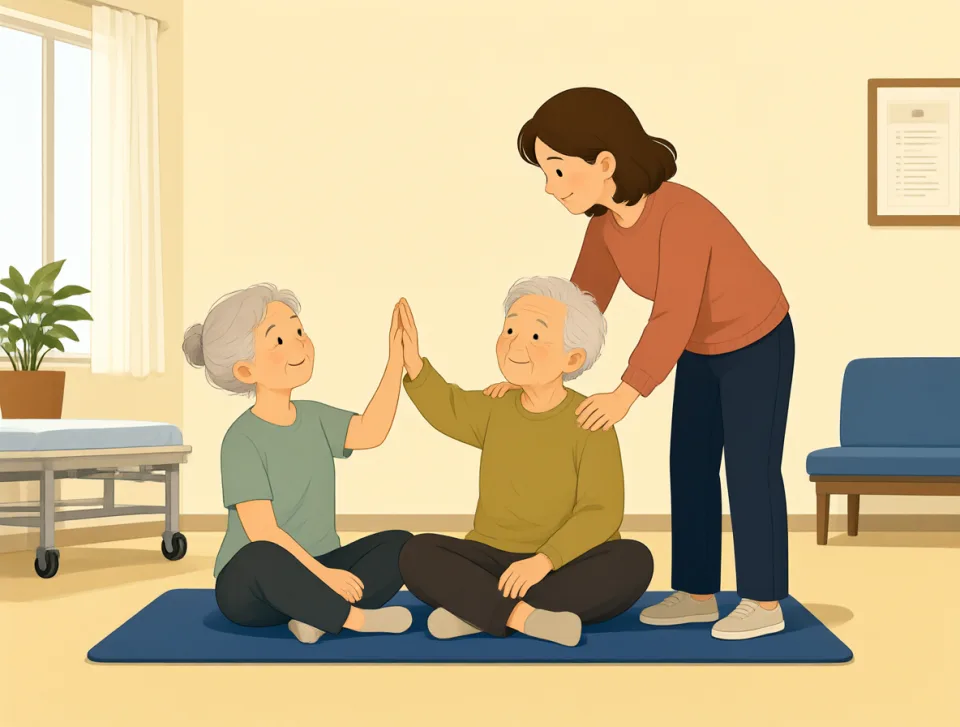
After the accident, she devoted herself to helping other patients recover.
بعد از تصادف، او خودش را وقف کمک به بیماران دیگر کرد تا بهبود پیدا کنند.