ইউনিট 106
শব্দ 2101–2120 · formula, alter, perceive, routine, sink, stare
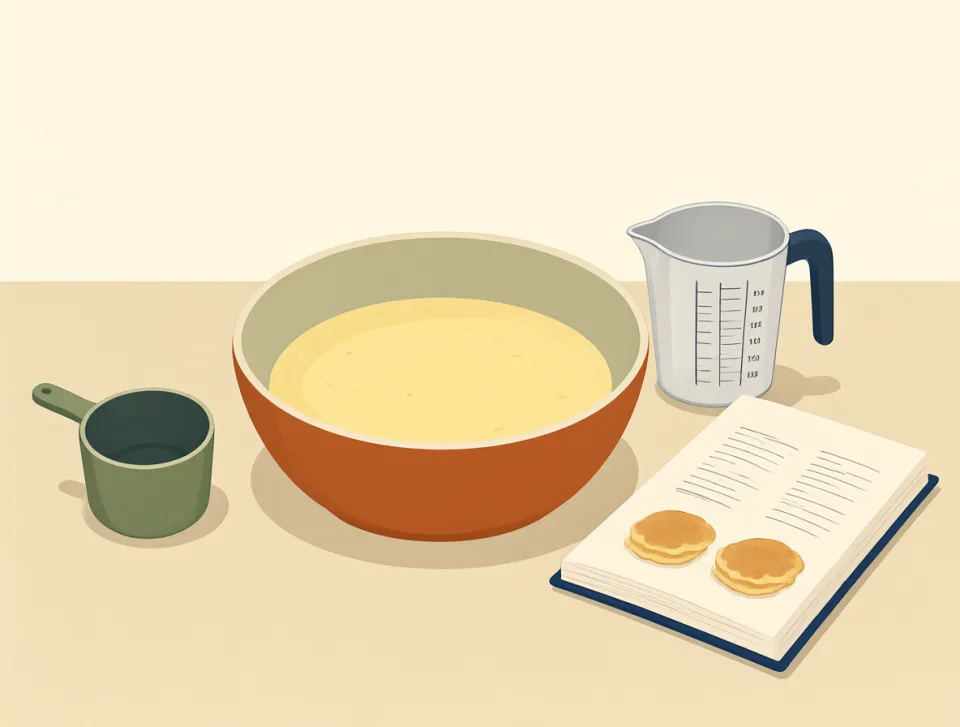
formula
#2101noun
সূত্র
A set of numbers, symbols, or rules used to calculate or explain something.
কোনো কিছু হিসাব বা ব্যাখ্যা করতে ব্যবহৃত সংখ্যা, প্রতীক বা নিয়মের সমষ্টি।

This formula helps us calculate the total cost of the order.
এই সূত্রটি আমাদের অর্ডারের মোট খরচ হিসাব করতে সাহায্য করে।
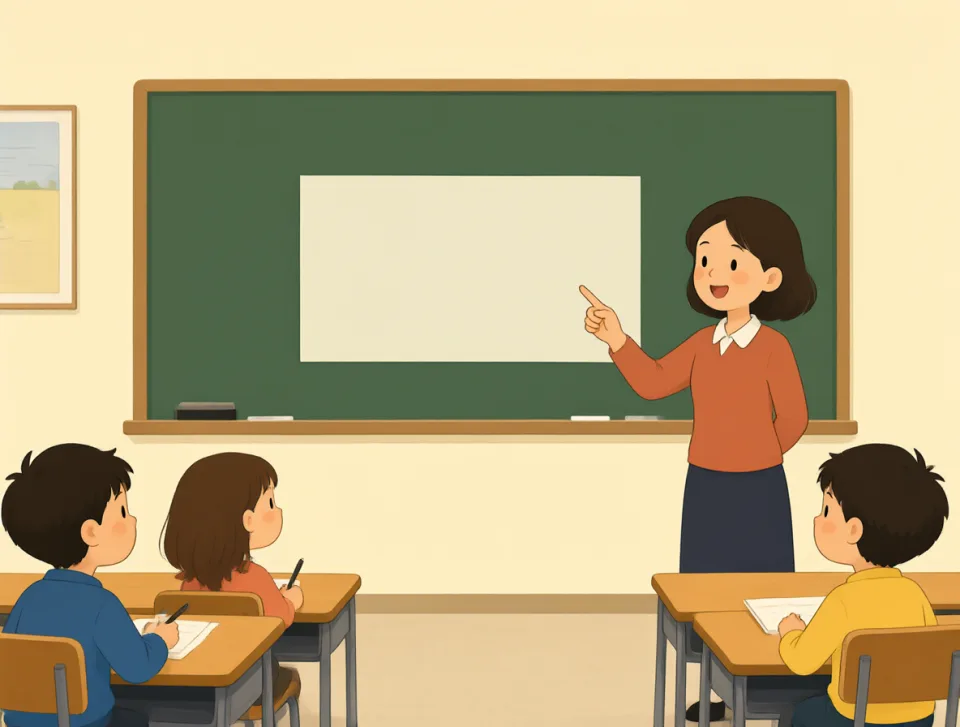
The teacher explained a simple formula for finding the area of a rectangle.
আয়তক্ষেত্রের ক্ষেত্রফল বের করার একটি সহজ সূত্র শিক্ষক বুঝিয়ে দিলেন।

I followed my grandmother’s formula to make the perfect tomato sauce.
দারুণ টমেটো সস বানাতে আমি আমার দাদির রেসিপি মেনে চলেছি।

The company is testing a new formula for its popular skin cream.
কোম্পানিটি তাদের জনপ্রিয় ত্বকের ক্রিমের জন্য একটি নতুন ফর্মুলা পরীক্ষা করছে।
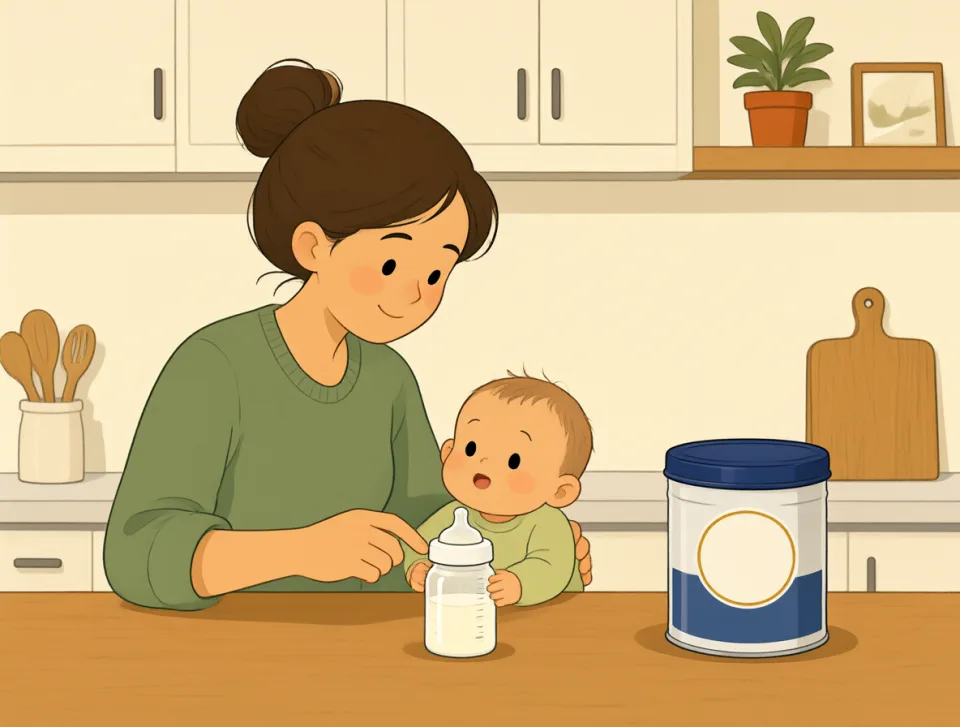
This baby formula is suitable for children with sensitive stomachs.
এই শিশুখাদ্যটি সংবেদনশীল পেটের শিশুদের জন্য উপযোগী।

alter
#2102verb
পরিবর্তন করা
to change something slightly, especially to improve it or make it more suitable
কোনো কিছু সামান্য বদলানো, বিশেষ করে সেটিকে উন্নত করতে বা আরও উপযোগী করতে।

We altered the schedule to give everyone more time for lunch.
সবাইকে দুপুরের খাবারের জন্য আরও সময় দিতে আমরা সময়সূচি বদলেছি।

The tailor altered my trousers so they fit perfectly.
দর্জি আমার প্যান্ট এমনভাবে ঠিক করে দিয়েছেন, যাতে তা একদম ঠিকমতো পরে।

She altered the recipe by using less sugar and adding fresh berries.
সে কম চিনি ব্যবহার করে আর তাজা বেরি যোগ করে রেসিপিটি বদলেছে।
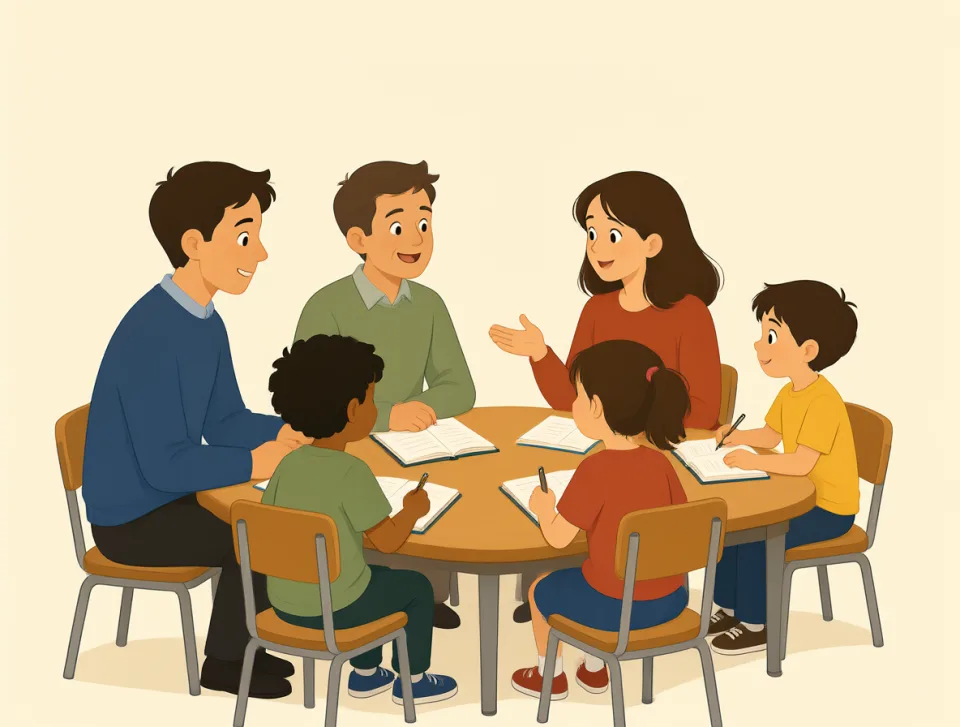
The school altered its rules after speaking with parents and students.
অভিভাবক ও শিক্ষার্থীদের সঙ্গে কথা বলার পর স্কুলটি তাদের নিয়ম বদলেছে।

The medicine may alter your sense of taste for a few days.
ওষুধটি কয়েক দিনের জন্য তোমার স্বাদ বোঝার অনুভূতি বদলে দিতে পারে।

perceive
#2103verb
অনুধাবন করা
to notice or understand something through your senses, thoughts, or feelings
ইন্দ্রিয়, চিন্তা বা অনুভূতির মাধ্যমে কোনো কিছু লক্ষ্য করা বা বোঝা।

She perceived a strange smell coming from the kitchen.
সে রান্নাঘর থেকে আসা এক অদ্ভুত গন্ধ টের পেল।

Customers perceived the new café as friendly and welcoming.
ক্রেতাদের কাছে নতুন ক্যাফেটিকে বন্ধুত্বপূর্ণ ও স্বাগতপূর্ণ মনে হয়েছিল।
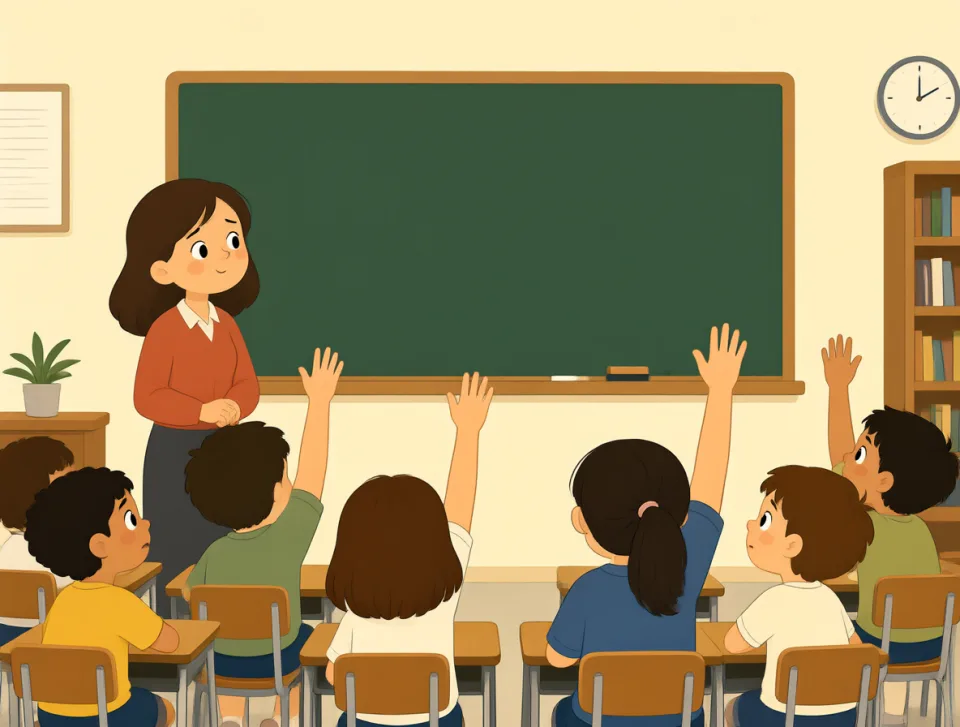
The teacher perceived that several students needed extra help.
শিক্ষক বুঝতে পারলেন যে কয়েকজন শিক্ষার্থীর অতিরিক্ত সাহায্য দরকার।

He was perceived as rude because he never smiled or greeted anyone.
সে অভদ্র বলে মনে হতো, কারণ সে কখনো হাসত না বা কাউকে অভিবাদন জানাত না।

After treatment, she perceived less pain in her injured knee.
চিকিৎসার পর তার আহত হাঁটুতে ব্যথা কম অনুভূত হলো।
routine
#2104noun, adjective
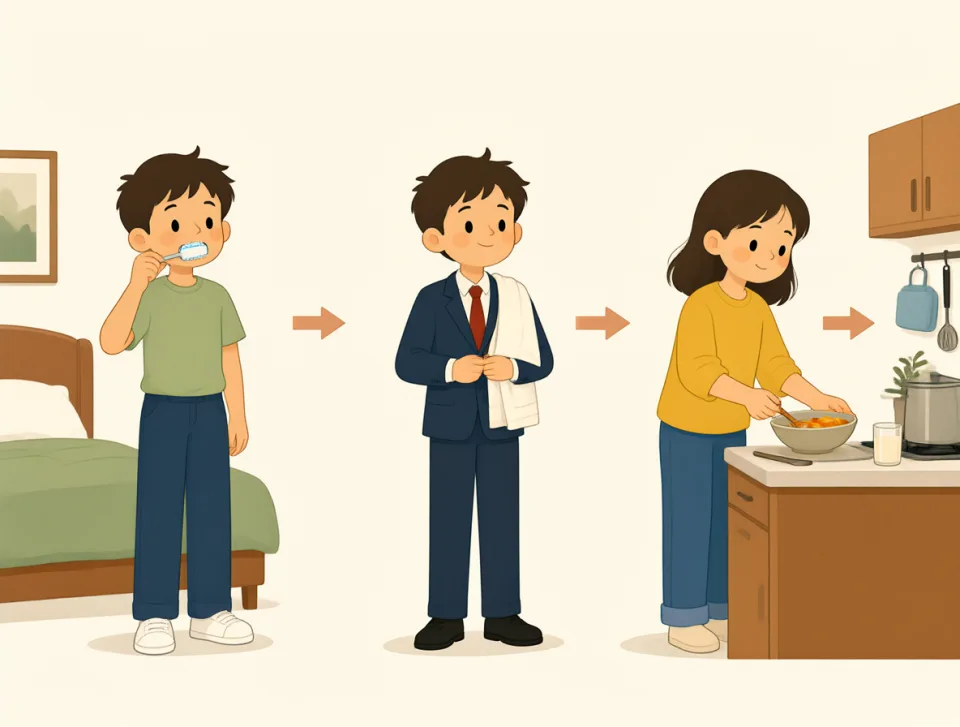
দৈনন্দিন রুটিন
A usual way of doing things, especially regularly repeated daily activities.
কাজ করার প্রচলিত পদ্ধতি, বিশেষ করে প্রতিদিন নিয়মিতভাবে করা কাজকর্ম।
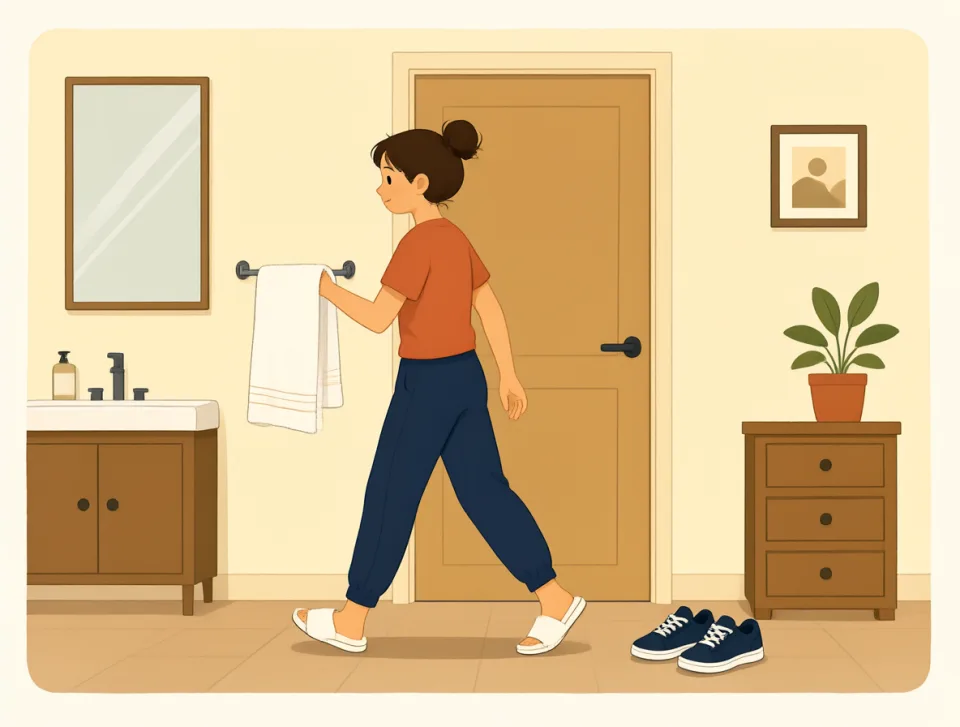
My morning routine includes a shower, breakfast, and a short walk.
আমার সকালের রুটিনে গোসল, নাশতা আর একটু হাঁটা রয়েছে।

The nurse checked my daily routine before suggesting healthier habits.
স্বাস্থ্যকর অভ্যাসের পরামর্শ দেওয়ার আগে নার্স আমার দৈনন্দিন রুটিন সম্পর্কে জেনে নিলেন।

Starting a new job can be difficult until you learn the office routine.
নতুন চাকরি শুরু করা কঠিন হতে পারে, যতক্ষণ না তুমি অফিসের নিয়মিত কাজের সঙ্গে পরিচিত হও।

We changed our travel routine and visited the market before lunch.
আমরা ভ্রমণের রুটিন বদলে দুপুরের খাবারের আগে বাজারে গেলাম।
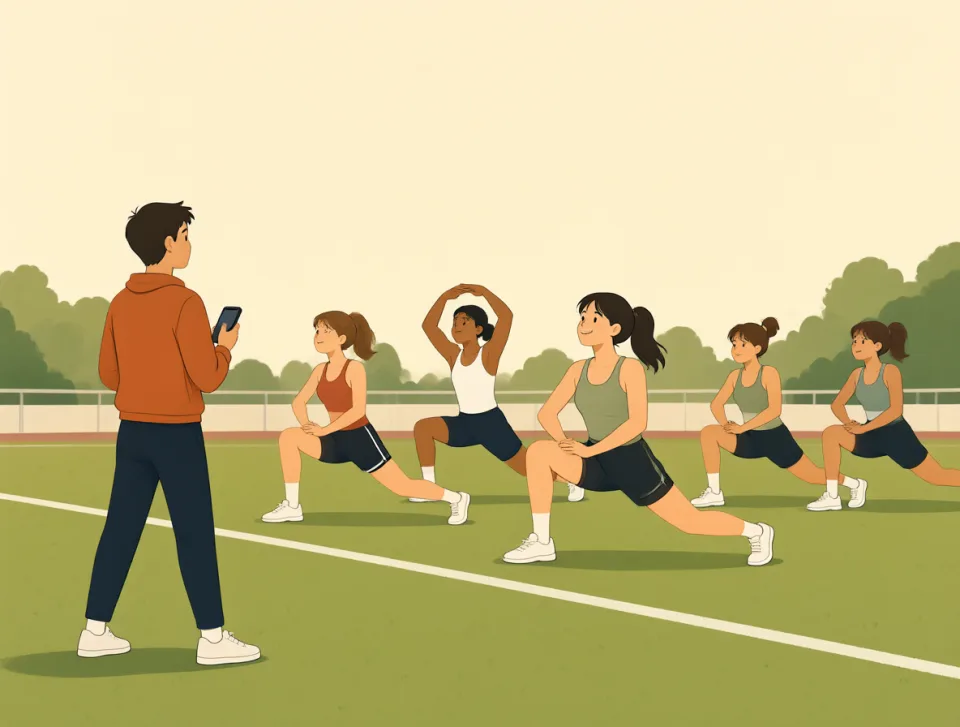
The coach added stretching to our training routine after practice.
অনুশীলনের পর কোচ আমাদের প্রশিক্ষণের রুটিনে স্ট্রেচিং যোগ করলেন।
sink
#2105noun, verb
ডোবা; বেসিন
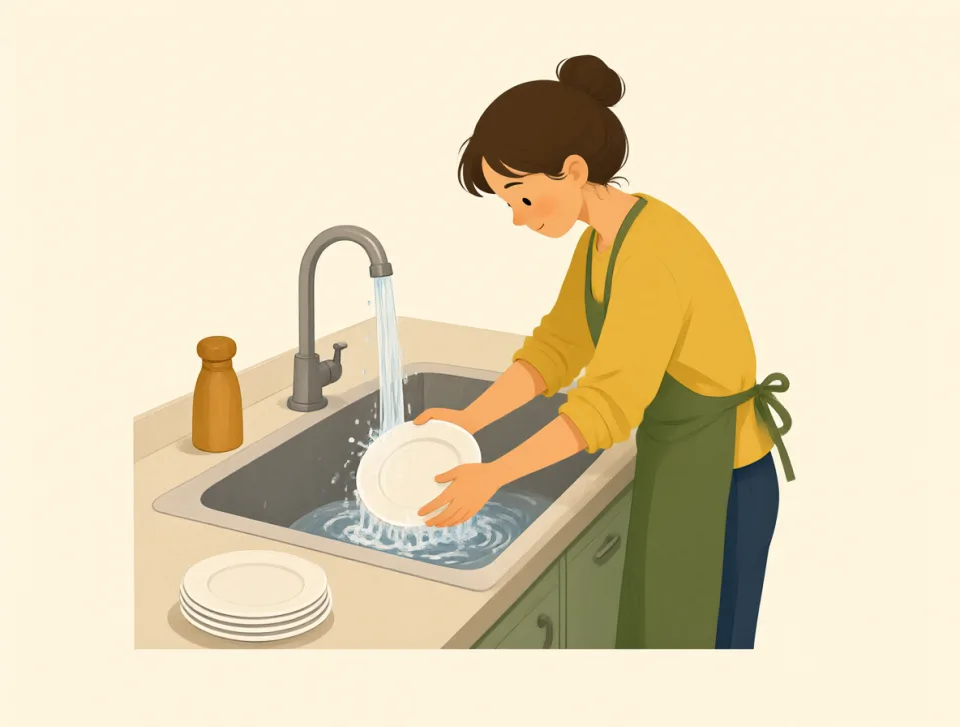
To go down below the surface, or a bowl with a drain for washing things.
পৃষ্ঠের নিচে নেমে যাওয়া, অথবা জিনিস ধোয়ার জন্য ড্রেনসহ একটি পাত্র।

Please put the dirty dishes in the kitchen sink after dinner.
রাতের খাবারের পর দয়া করে নোংরা থালাবাসন রান্নাঘরের বেসিনে রাখুন।

The boat began to sink after hitting a large rock.
বড় একটি পাথরে ধাক্কা লাগার পর নৌকাটি ডুবতে শুরু করল।

Water was slowly sinking into the ground after the heavy rain.
ভারী বৃষ্টির পর পানি ধীরে ধীরে মাটির নিচে ঢুকে যাচ্ছিল।

She washed her hands in the sink before preparing lunch.
দুপুরের খাবার তৈরি করার আগে সে বেসিনে হাত ধুয়ে নিল।

The bathroom sink is blocked, so the water will not drain.
বাথরুমের বেসিনটি বন্ধ হয়ে আছে, তাই পানি নামছে না।

stare
#2106verb, noun
একদৃষ্টে তাকানো
to look at someone or something for a long time without looking away
কারও বা কোনো কিছুর দিকে দীর্ঘক্ষণ চোখ না সরিয়ে তাকিয়ে থাকা।

Everyone stared at the magician during the final trick.
শেষ কৌশলটি দেখানোর সময় সবাই জাদুকরের দিকে একদৃষ্টে তাকিয়ে ছিল।

Please stop staring at me while I eat my lunch.
দুপুরের খাবার খাওয়ার সময় দয়া করে আমার দিকে একদৃষ্টে তাকিয়ে থেকো না।

She stared out the train window during the long journey.
দীর্ঘ যাত্রার সময় সে ট্রেনের জানালার বাইরে একদৃষ্টে তাকিয়ে ছিল।

The doctor stared at the scan before explaining the results.
ফলাফল ব্যাখ্যা করার আগে ডাক্তার স্ক্যানটির দিকে একদৃষ্টে তাকিয়ে রইলেন।

He gave me a blank stare when I asked about the missing keys.
হারিয়ে যাওয়া চাবিগুলোর কথা জিজ্ঞেস করতেই সে আমার দিকে ফাঁকা দৃষ্টিতে তাকাল।

anymore
#2107adverb
আর ... না
from now on or from a particular time; no longer
এখন থেকে বা কোনো নির্দিষ্ট সময়ের পর; আর নয়।
I don't watch television anymore because I prefer reading books.
আমি এখন আর টেলিভিশন দেখি না, কারণ বই পড়তে বেশি ভালো লাগে।

She doesn't work at the hospital anymore.
সে এখন আর হাসপাতালে কাজ করে না।

Do you still play tennis, or have you stopped anymore?
তুমি কি এখনও টেনিস খেলো, নাকি খেলা ছেড়ে দিয়েছ?

We can't buy that brand anymore because the store stopped selling it.
দোকানটি ওই ব্র্যান্ডের জিনিস বিক্রি করা বন্ধ করে দেওয়ায় আমরা এখন আর সেটি কিনতে পারি না।

He doesn't feel tired anymore after getting more sleep.
বেশি ঘুমানোর পর তার আর ক্লান্ত লাগে না।
hero
#2108noun
বীর
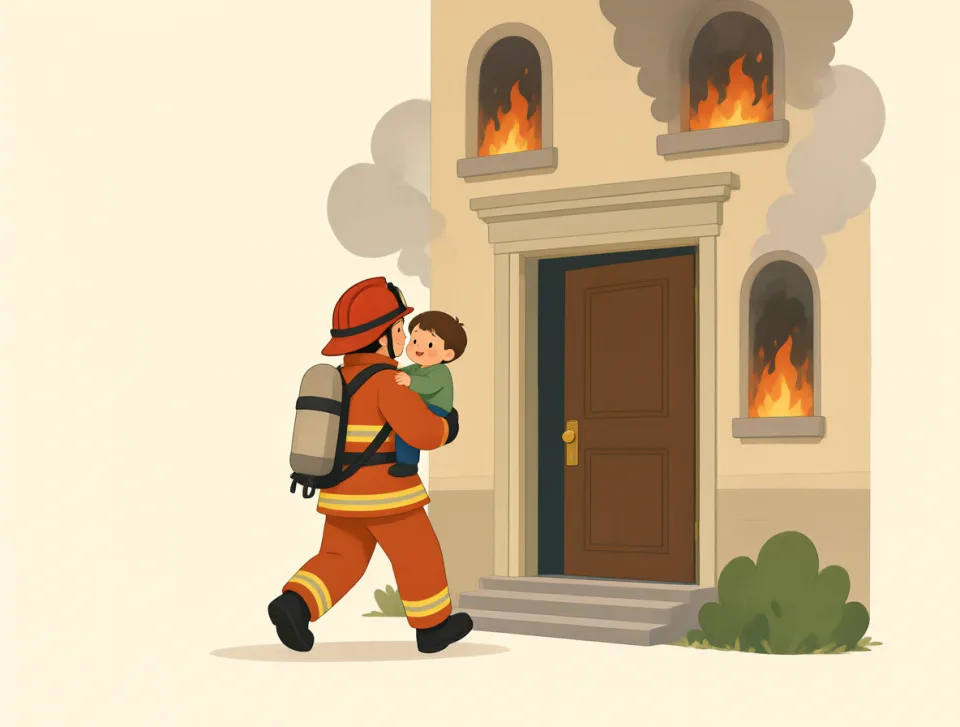
A person admired for brave actions, especially someone who saves or helps others.
সাহসী কাজের জন্য প্রশংসিত ব্যক্তি, বিশেষ করে যিনি অন্যদের উদ্ধার করেন বা সাহায্য করেন।
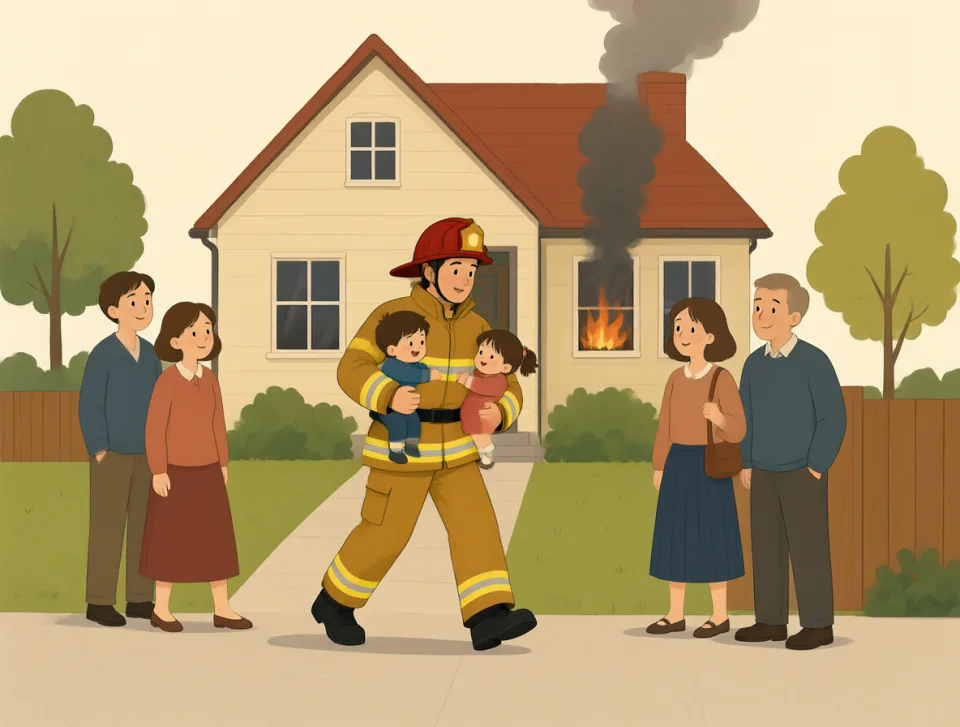
The firefighter became a hero after rescuing two children from the burning house.
জ্বলন্ত বাড়ি থেকে দুই শিশুকে উদ্ধার করার পর দমকলকর্মীটি বীর হয়ে উঠলেন।

My little brother thinks his favorite soccer player is a hero.
আমার ছোট ভাইয়ের মতে, তার প্রিয় ফুটবল খেলোয়াড় একজন বীর।
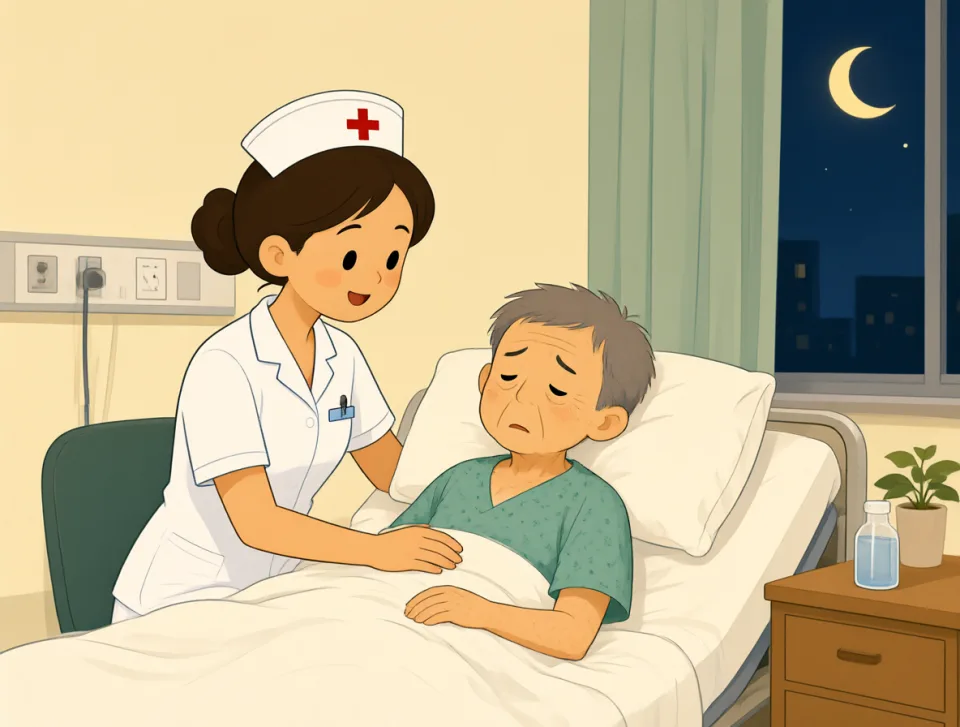
The nurse was a hero for helping patients during the difficult night.
কঠিন রাতে রোগীদের সাহায্য করার জন্য নার্সটি বীরের মতো কাজ করেছিলেন।

Our teacher was the hero of the school play last Friday.
গত শুক্রবার স্কুলের নাটকে আমাদের শিক্ষকই ছিলেন নায়ক।

She felt like a hero when she found her lost dog.
হারিয়ে যাওয়া কুকুরটিকে খুঁজে পেয়ে তার নিজেকে বীরের মতো মনে হয়েছিল।

supporter
#2109noun
সমর্থক
A person who approves of and helps a person, team, idea, or organization.
যিনি কোনো ব্যক্তি, দল, ধারণা বা সংগঠনকে সমর্থন করেন এবং সাহায্য করেন।

Every supporter cheered loudly when the home team scored the winning goal.
ঘরের দলটি জয়সূচক গোল করতেই প্রত্যেক সমর্থক জোরে উল্লাস করলেন।

My parents have always been strong supporters of my decision to study abroad.
বিদেশে পড়তে যাওয়ার সিদ্ধান্তে আমার বাবা-মা সব সময়ই আমাকে জোরালোভাবে সমর্থন করেছেন।

The charity thanked its supporters for donating food and warm clothes.
খাবার ও গরম কাপড় দান করায় দাতব্য সংস্থাটি তার সমর্থকদের ধন্যবাদ জানিয়েছে।

Several supporters joined the candidate during her visit to the local market.
স্থানীয় বাজারে প্রার্থীর সফরের সময় কয়েকজন সমর্থক তাঁর সঙ্গে যোগ দেন।

His biggest supporter stayed beside him throughout his long illness.
দীর্ঘ অসুস্থতার পুরো সময়টায় তার সবচেয়ে বড় সমর্থক তার পাশে ছিলেন।
convert
#2110verb, noun
রূপান্তর করা
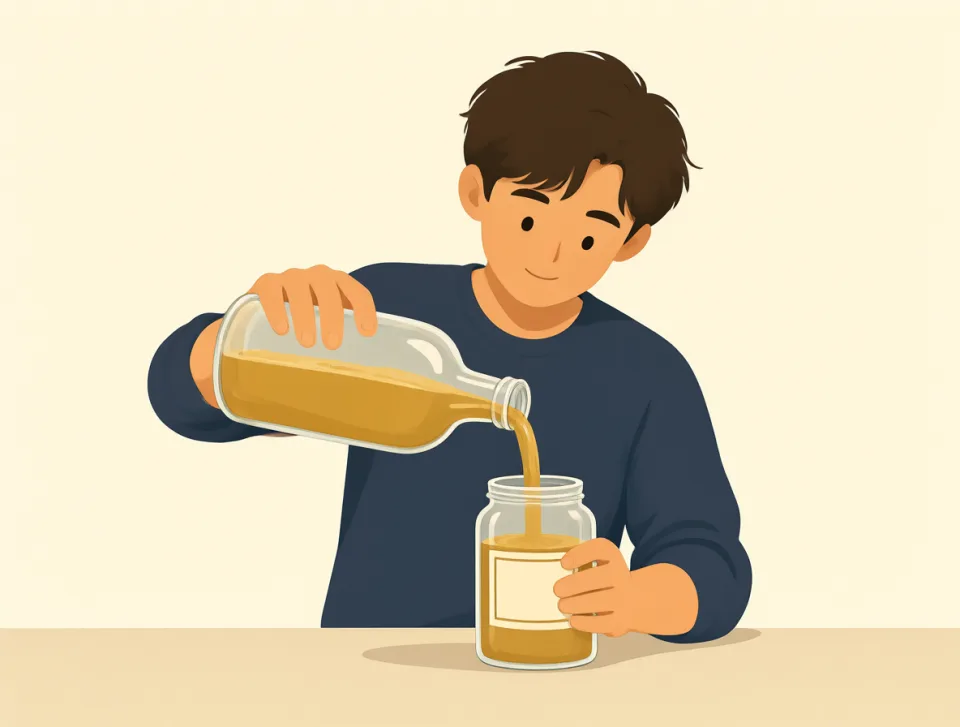
to change something into a different form, use, or belief
কোনো কিছুকে অন্য রূপে, কাজে বা বিশ্বাসে পরিবর্তন করা।

You can convert the sofa into a comfortable bed for overnight guests.
রাতের অতিথিদের জন্য সোফাটিকে আরামদায়ক বিছানায় রূপান্তর করতে পারেন।

The company converted the old warehouse into bright offices for its growing team.
ক্রমে বড় হতে থাকা দলের জন্য কোম্পানিটি পুরোনো গুদামটিকে আলোয় ভরা অফিসে রূপান্তর করেছিল।
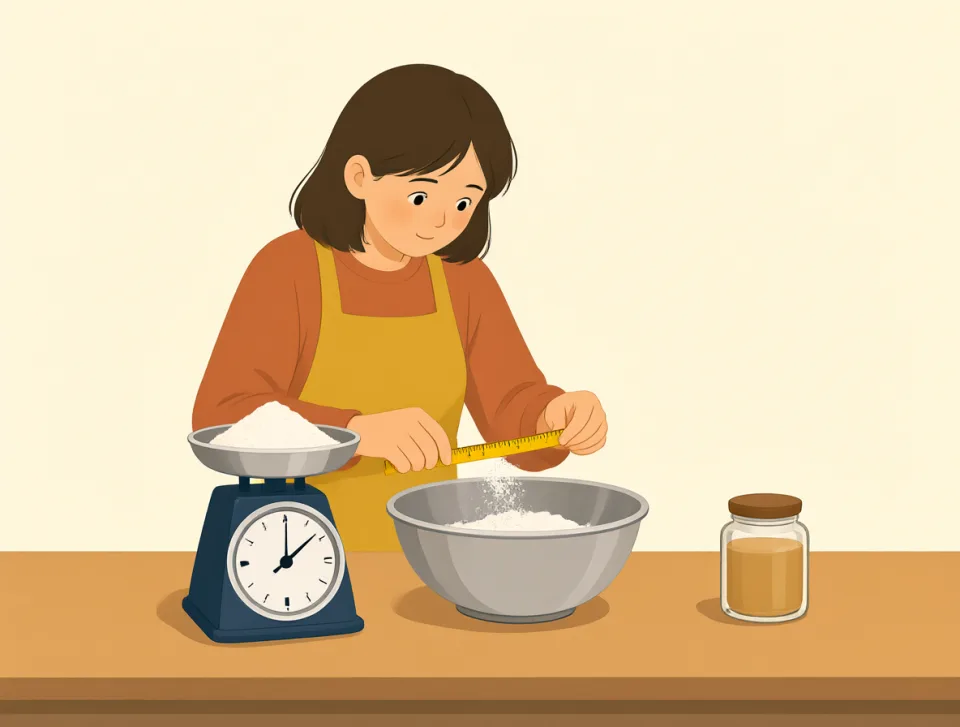
She converted the recipe from cups to grams before baking the cake.
কেক বানানোর আগে সে রেসিপির মাপ কাপ থেকে গ্রামে রূপান্তর করেছিল।

We converted our dollars into euros at the airport before flying to Italy.
ইতালি যাওয়ার বিমানে ওঠার আগে আমরা বিমানবন্দরে ডলার ইউরোতে বদলে নিয়েছিলাম।

He converted to Buddhism after studying its teachings for several years.
বেশ কয়েক বছর বৌদ্ধধর্মের শিক্ষা অধ্যয়নের পর সে বৌদ্ধধর্ম গ্রহণ করেছিল।

steady
#2111adjective, verb
স্থিতিশীল
calm, regular, and not changing suddenly; to make something stable or controlled
শান্ত, নিয়মিত এবং হঠাৎ পরিবর্তিত হয় না; কোনো কিছুকে স্থিতিশীল বা নিয়ন্ত্রণে আনা

She earns a steady income from her small bakery.
সে তার ছোট বেকারি থেকে নিয়মিত আয় করে।

Keep a steady pace so you do not become too tired.
একই গতিতে হাঁটো, যাতে খুব বেশি ক্লান্ত হয়ে না পড়ো।

The doctor told him to take steady breaths during the examination.
পরীক্ষার সময় ডাক্তার তাকে নিয়মিতভাবে শ্বাস নিতে বলেছিলেন।

He used one hand to steady the ladder while his brother climbed.
তার ভাই মই বেয়ে ওঠার সময় সে এক হাতে মইটি ধরে স্থির রেখেছিল।

Business has been steady since the shop moved to this busy street.
দোকানটি এই ব্যস্ত সড়কে স্থানান্তরিত হওয়ার পর থেকে ব্যবসা নিয়মিত চলছে।
meter
#2112noun, verb
মিটার
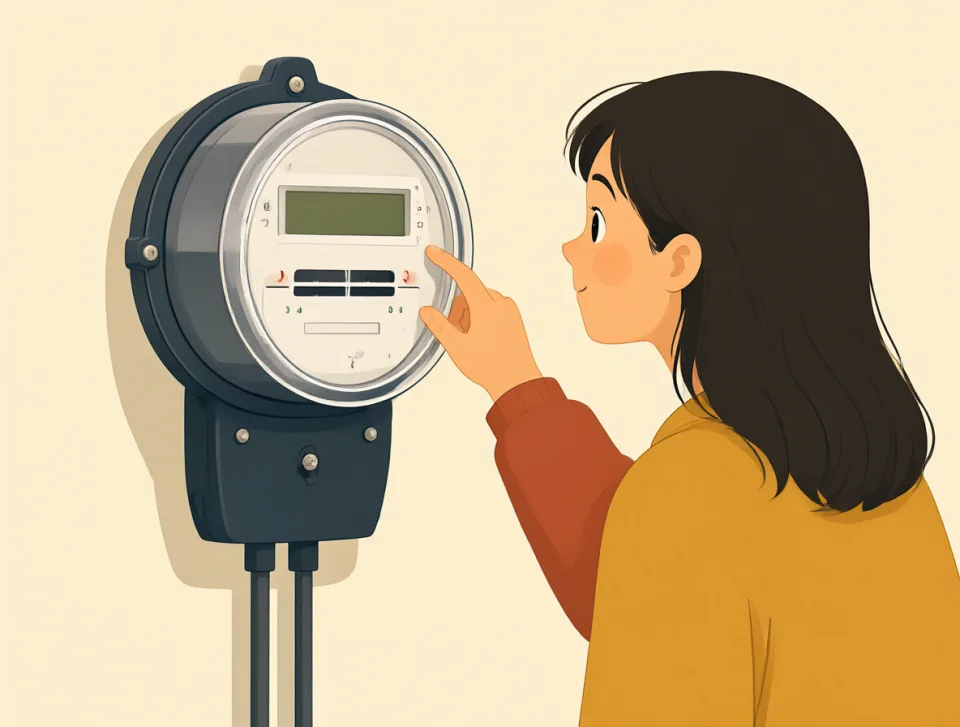
A device that measures something, or a unit used to measure length.
কোনো কিছু পরিমাপ করার যন্ত্র, অথবা দৈর্ঘ্য পরিমাপের একক।
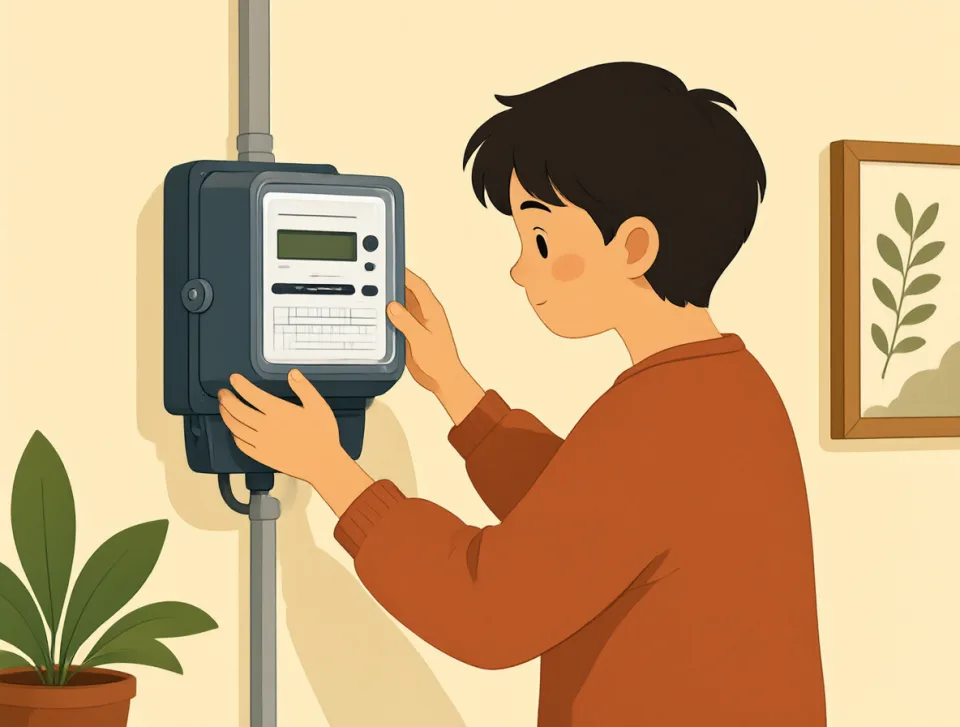
The electricity meter showed that we had used less power this month.
বিদ্যুতের মিটারে দেখা গেল, এই মাসে আমরা কম বিদ্যুৎ ব্যবহার করেছি।

The taxi driver stopped the meter when we reached the hotel.
হোটেলে পৌঁছে ট্যাক্সিচালক মিটার বন্ধ করলেন।
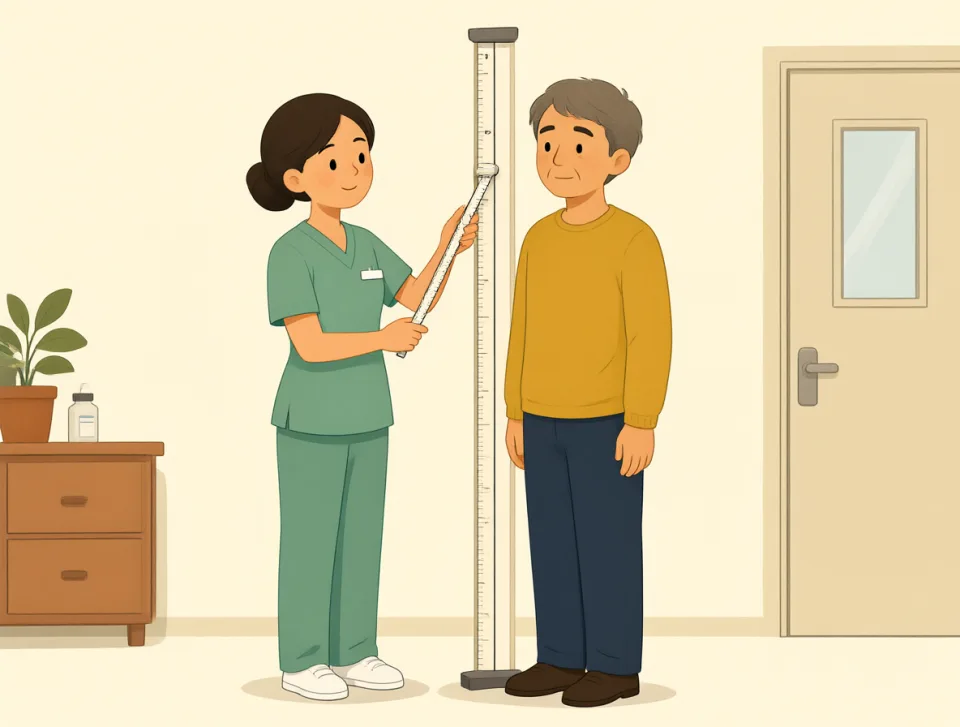
The nurse measured the patient’s height with a meter stick.
নার্স মিটার দণ্ড দিয়ে রোগীর উচ্চতা মাপলেন।
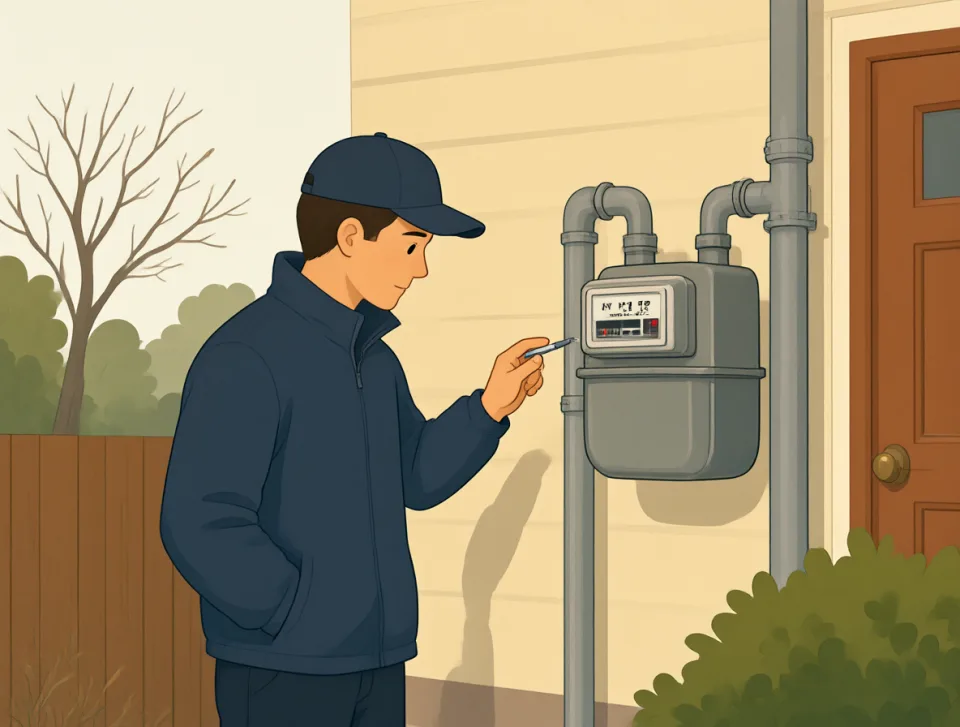
The gas meter needs checking before winter begins.
শীত শুরু হওয়ার আগে গ্যাসের মিটারটি পরীক্ষা করা দরকার।
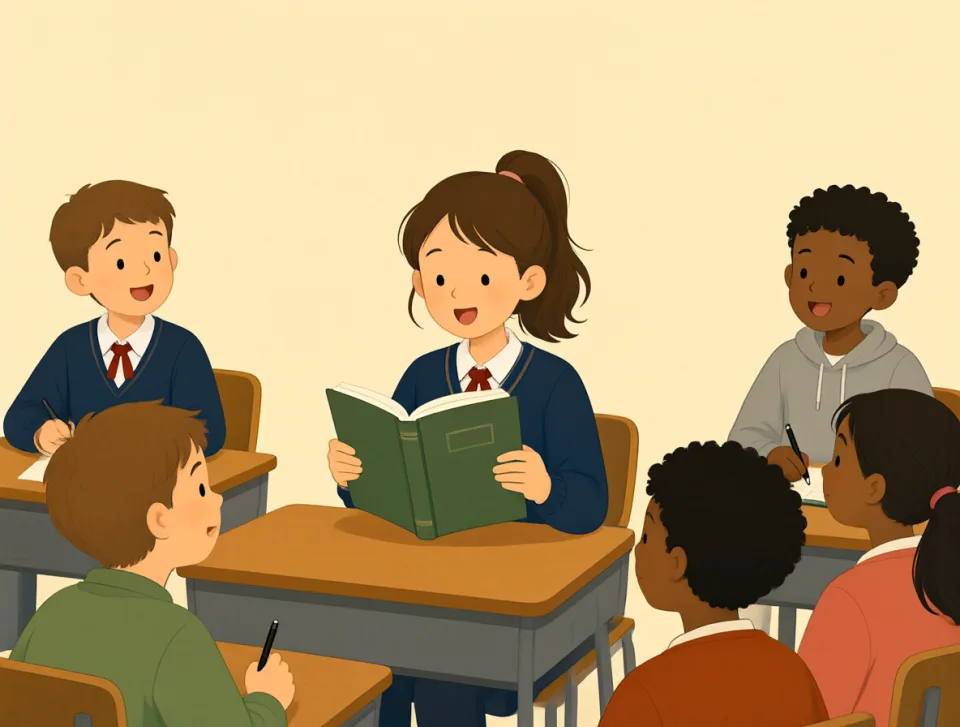
The poem has a regular meter that makes it easy to read aloud.
কবিতাটির ছন্দের মাত্রা নিয়মিত, তাই এটি উচ্চস্বরে পড়তে সহজ।
truck
#2113noun, verb
ট্রাক
A large vehicle used to carry heavy goods; to transport something by truck.
ভারী পণ্য বহনের বড় যানবাহন; ট্রাকে করে কোনো কিছু পরিবহন করা।

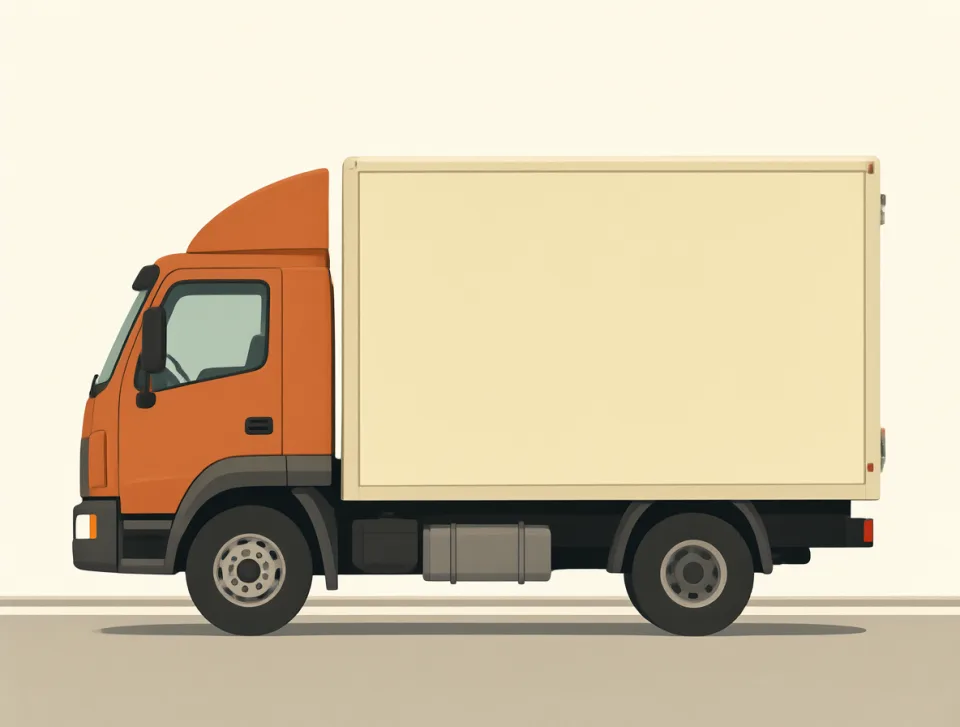
The delivery truck brought our new sofa this morning.
ডেলিভারির ট্রাকটি আজ সকালে আমাদের নতুন সোফাটি নিয়ে এসেছে।
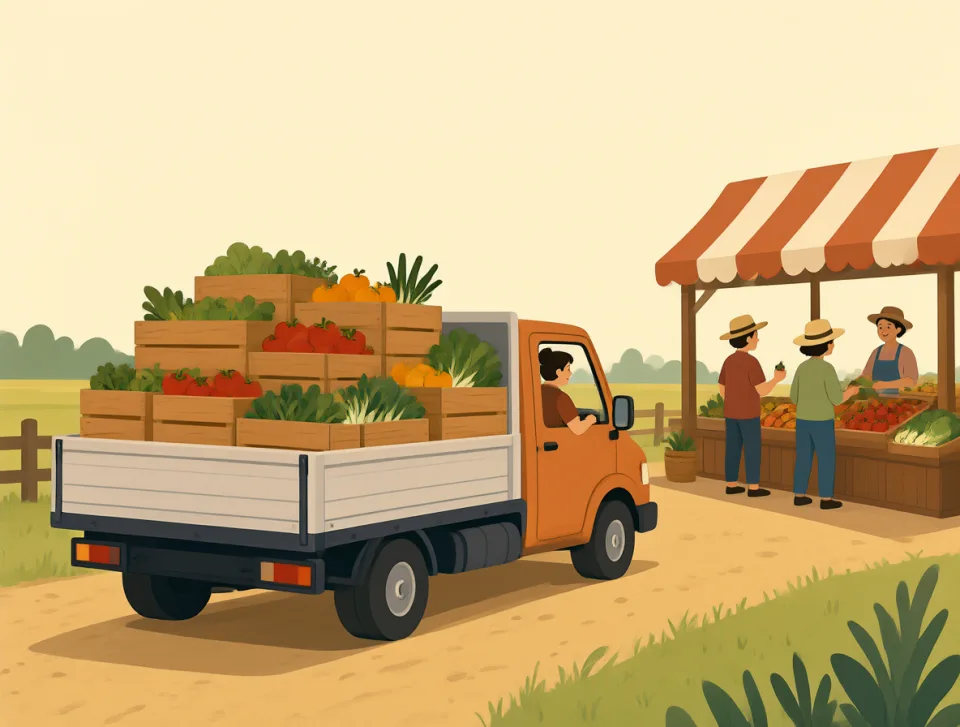
A truck carries fresh vegetables from the farm to the market.
একটি ট্রাক খামার থেকে বাজারে তাজা সবজি নিয়ে যায়।

The truck driver stopped for coffee before starting work.
কাজ শুরু করার আগে ট্রাকচালক কফি খেতে থামলেন।

Our moving company truck arrived early to collect the boxes.
বাক্সগুলো নিতে আমাদের মালবাহী প্রতিষ্ঠানের ট্রাকটি সকালেই এসে পৌঁছেছিল।

They are trucking the equipment across the country for the concert.
কনসার্টের জন্য তারা সরঞ্জামগুলো ট্রাকে করে দেশের এক প্রান্ত থেকে অন্য প্রান্তে নিয়ে যাচ্ছে।

nose
#2114noun, verb
নাক
The part of your face used for smelling and breathing; to notice or discover something.
মুখের যে অংশ দিয়ে গন্ধ পাওয়া ও শ্বাস নেওয়া হয়; কোনো কিছু খেয়াল করা বা খুঁজে বের করা।

My nose is blocked, so I can hardly breathe through it.
আমার নাক বন্ধ, তাই নাক দিয়ে প্রায় শ্বাসই নিতে পারছি না।
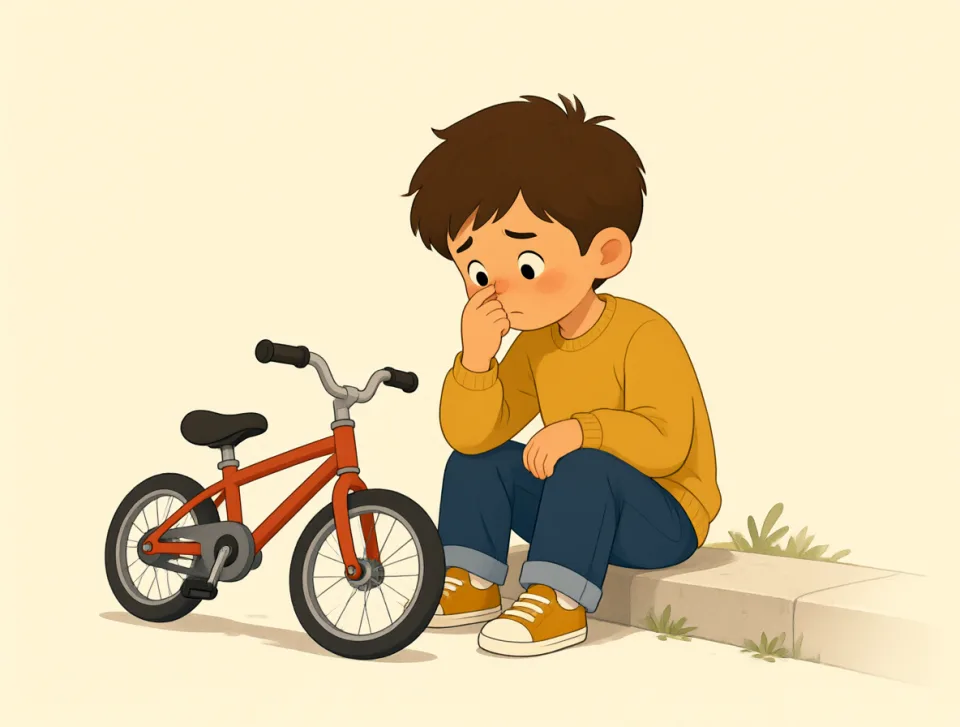
The little boy broke his nose when he fell off his bicycle.
সাইকেল থেকে পড়ে ছোট ছেলেটির নাক ভেঙে গিয়েছিল।

She wrinkled her nose when she smelled the spoiled milk.
নষ্ট দুধের গন্ধ পেয়ে সে নাক কুঁচকাল।
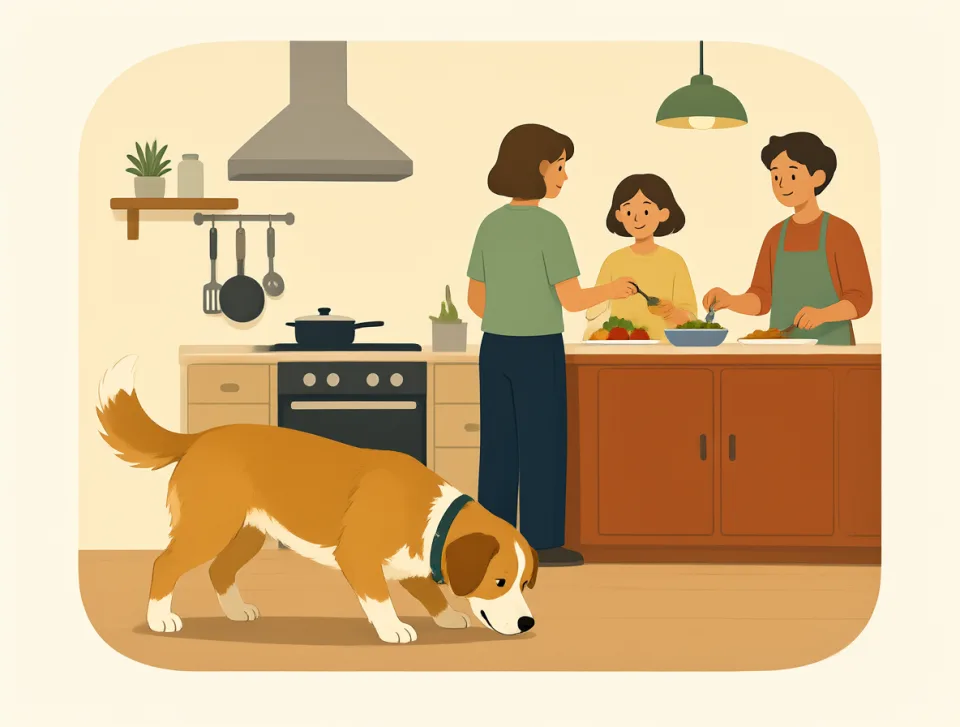
Our dog kept nosing around the kitchen while we prepared dinner.
রাতের খাবার তৈরি করার সময় আমাদের কুকুরটি রান্নাঘরে বারবার শুঁকে শুঁকে ঘুরছিল।

He always noses into other people's business at work.
কর্মস্থলে সে সব সময় অন্যের ব্যাপারে নাক গলায়।
beside
#2115preposition, adverb
পাশে
next to or at the side of someone or something
কারও বা কোনো কিছুর ঠিক পাশে বা পার্শ্বে

She sat beside her friend during the long train journey.
দীর্ঘ ট্রেনযাত্রার সময় সে তার বন্ধুর পাশে বসেছিল।
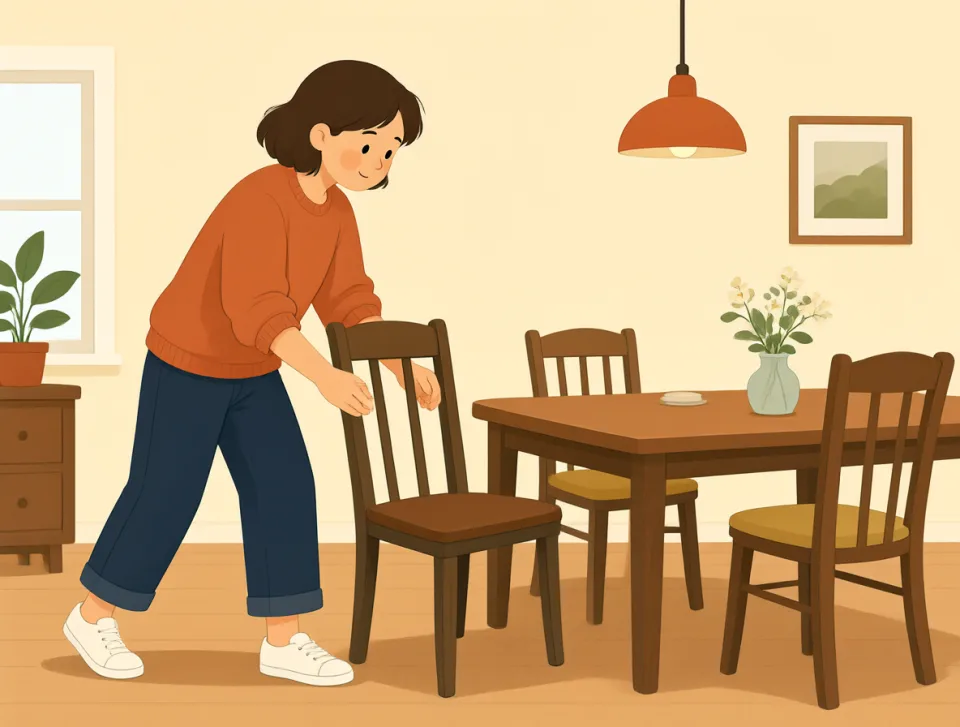
Please place the chair beside the table before dinner.
রাতের খাবারের আগে দয়া করে চেয়ারটি টেবিলের পাশে রাখুন।

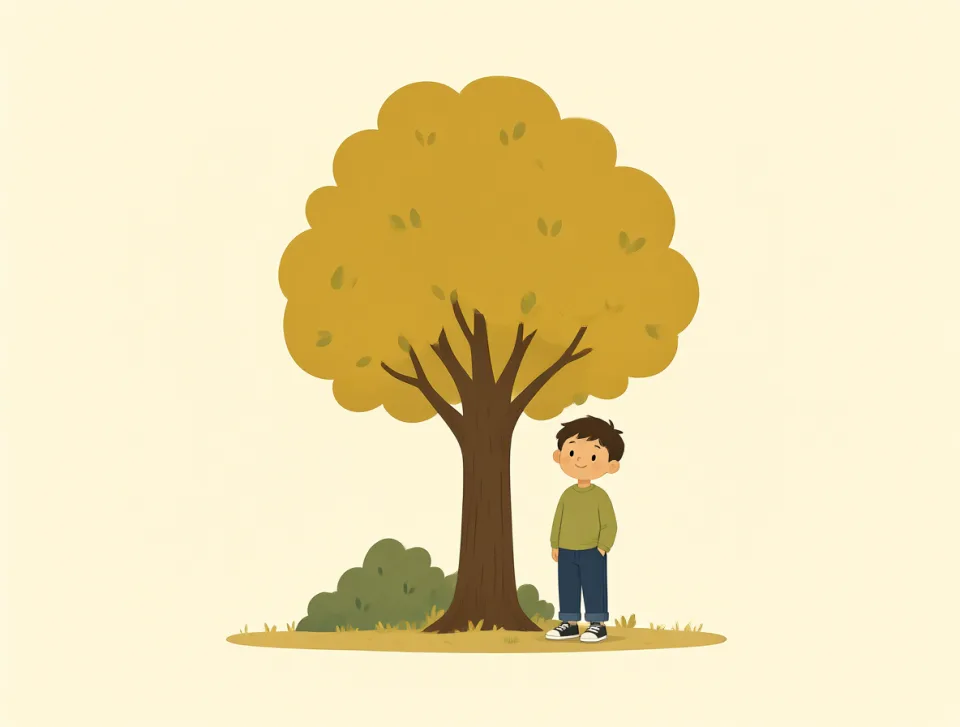
The teacher stood beside the students during the science experiment.
বিজ্ঞানের পরীক্ষার সময় শিক্ষক শিক্ষার্থীদের পাশে দাঁড়িয়েছিলেন।

I found a small pharmacy beside the hotel while traveling.
ভ্রমণের সময় হোটেলের পাশে আমি একটি ছোট ওষুধের দোকান খুঁজে পেয়েছিলাম।

He left his glass of water beside the bed.
সে তার পানির গ্লাসটি বিছানার পাশে রেখে গেল।

sail
#2116noun, verb
নৌকায় চলা; পাল
to travel on water in a boat, or the large piece of cloth that catches wind
নৌকায় করে পানিতে ভ্রমণ করা, অথবা বাতাস ধরে রাখে এমন বড় কাপড়।

We sailed along the coast during our summer holiday.
গ্রীষ্মের ছুটিতে আমরা উপকূল ধরে নৌকায় ভ্রমণ করেছিলাম।

The strong wind filled the boat’s sails and pushed us forward.
প্রবল বাতাস নৌকার পালগুলো ফুলিয়ে দিয়ে আমাদের সামনে এগিয়ে নিয়ে গেল।

They are learning to sail at the local sailing club.
তারা স্থানীয় পালতোলা নৌকা ক্লাবে নৌকা চালানো শিখছে।

The sailors raised the sail before leaving the harbor.
বন্দর ছাড়ার আগে নাবিকেরা পাল তুলেছিল।

A bright red sail stood out against the blue sea.
নীল সমুদ্রের বুকে উজ্জ্বল লাল পালটি সহজেই চোখে পড়ছিল।

disaster
#2117noun
বিপর্যয়
a very bad event that causes great damage, suffering, or loss
এমন একটি ভয়াবহ ঘটনা, যা ব্যাপক ক্ষতি, দুর্ভোগ বা লোকসান ঘটায়।
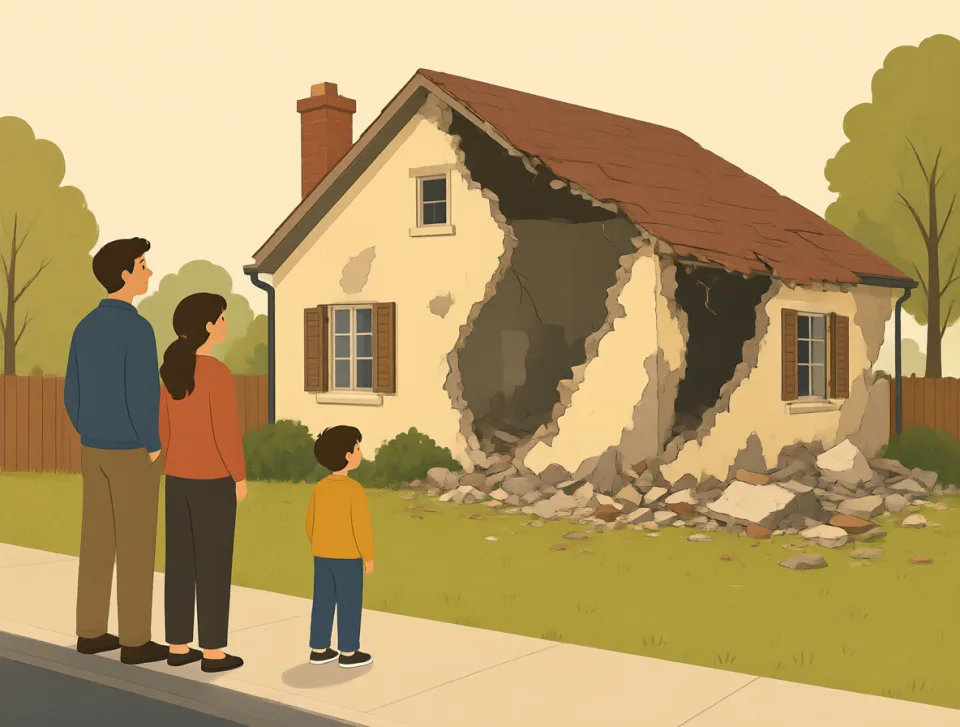
The earthquake was a disaster that destroyed thousands of homes.
ভূমিকম্পটি ছিল এক বিপর্যয়, যা হাজার হাজার বাড়িঘর ধ্বংস করেছিল।

The party was a complete disaster because nobody brought food or drinks.
পার্টিটা পুরোপুরি ভেস্তে গিয়েছিল, কারণ কেউ খাবার বা পানীয় আনেনি।

Our holiday became a disaster when our luggage disappeared at the airport.
বিমানবন্দরে আমাদের লাগেজ হারিয়ে যাওয়ায় ছুটির ভ্রমণটা বিপর্যয়ে পরিণত হয়েছিল।

The new manager called the failed project a financial disaster.
নতুন ব্যবস্থাপক ব্যর্থ প্রকল্পটিকে আর্থিক বিপর্যয় বলে অভিহিত করেছিলেন।

The cake was a disaster, but everyone kindly ate a small piece.
কেকটা একেবারে নষ্ট হয়েছিল, তবু সবাই সদয়ভাবে এক টুকরো করে খেয়েছিল।

pace
#2118noun, verb
গতি
The speed at which someone or something moves or happens.
কোনো ব্যক্তি বা বস্তু যে গতিতে চলে বা কোনো ঘটনা যে গতিতে ঘটে।

The nurse checked my pulse while I walked at a steady pace.
আমি স্থির গতিতে হাঁটার সময় নার্স আমার নাড়ি পরীক্ষা করেছিলেন।
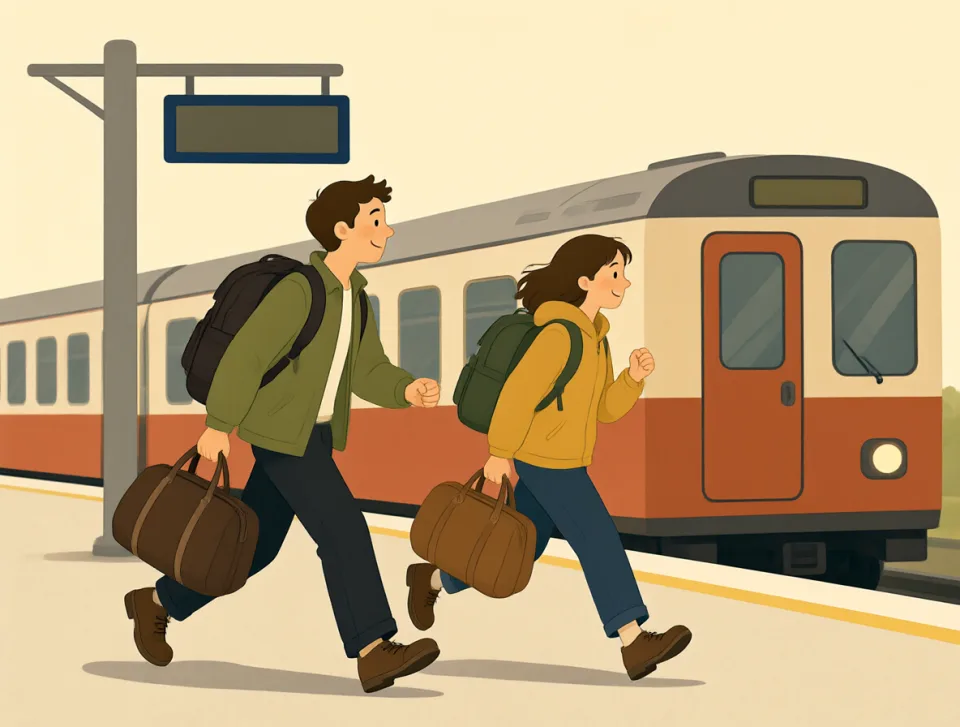
We need to pick up the pace if we want to catch the train.
ট্রেন ধরতে চাইলে আমাদের গতি বাড়াতে হবে।

She works at her own pace and usually finishes before everyone else.
সে নিজের গতিতে কাজ করে এবং সাধারণত সবার আগেই শেষ করে।
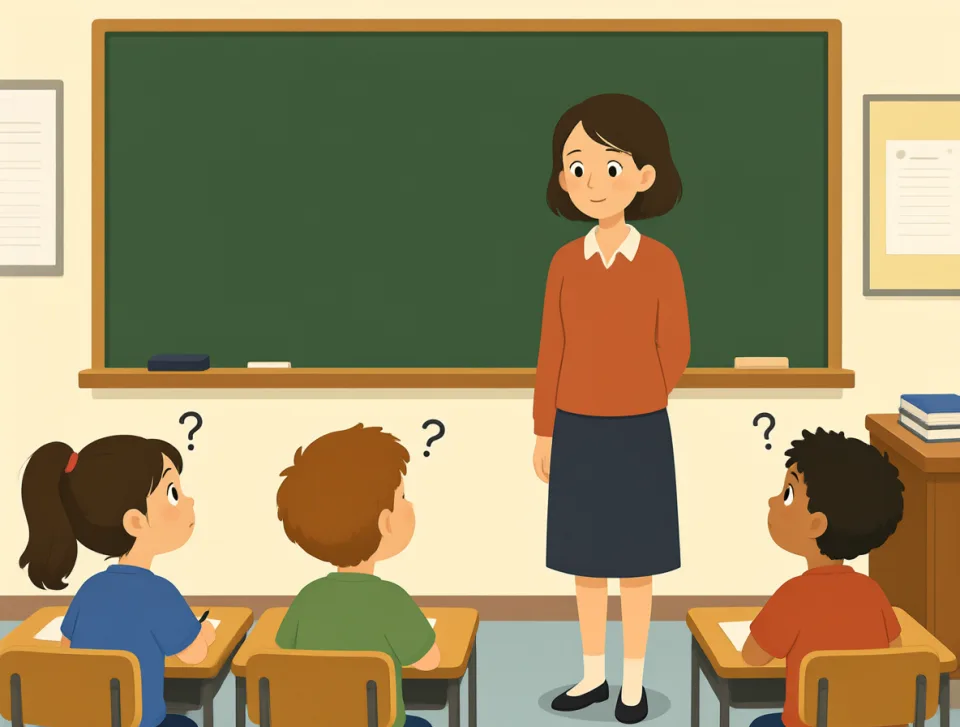
The teacher slowed the pace of the lesson when students looked confused.
শিক্ষার্থীদের বিভ্রান্ত দেখালে শিক্ষক পাঠের গতি কমিয়ে দেন।

After lunch, we paced ourselves so we could enjoy the whole hike.
দুপুরের খাবারের পর আমরা নিজেদের গতি সামলে চলেছিলাম, যাতে পুরো পথটা উপভোগ করতে পারি।
heavily
#2119adverb
প্রচণ্ডভাবে
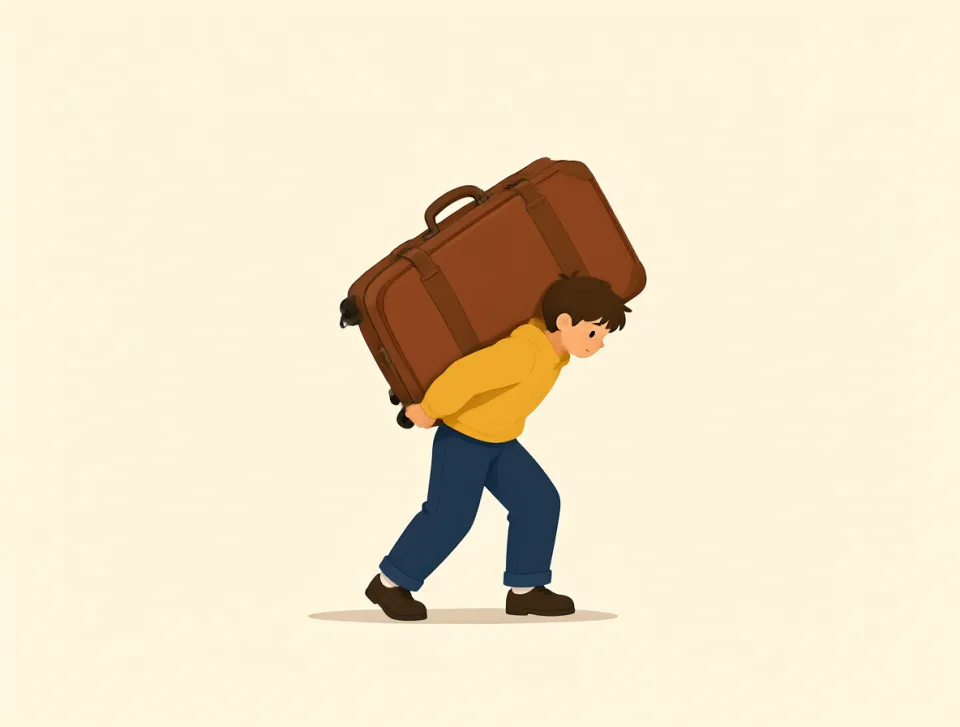
To a great degree or with a lot of force, weight, or amount.
অনেক মাত্রায়, অথবা প্রচণ্ড শক্তি, ওজন বা পরিমাণে।

It rained heavily all night, so the streets were flooded by morning.
সারা রাত প্রচণ্ড বৃষ্টি হয়েছিল, তাই সকাল হতে না হতেই রাস্তাগুলো প্লাবিত হয়েছিল।

The box was heavily damaged during delivery, but everything inside was safe.
সরবরাহের সময় বাক্সটি বেশ ক্ষতিগ্রস্ত হয়েছিল, তবে ভেতরের সবকিছু ঠিকঠাক ছিল।
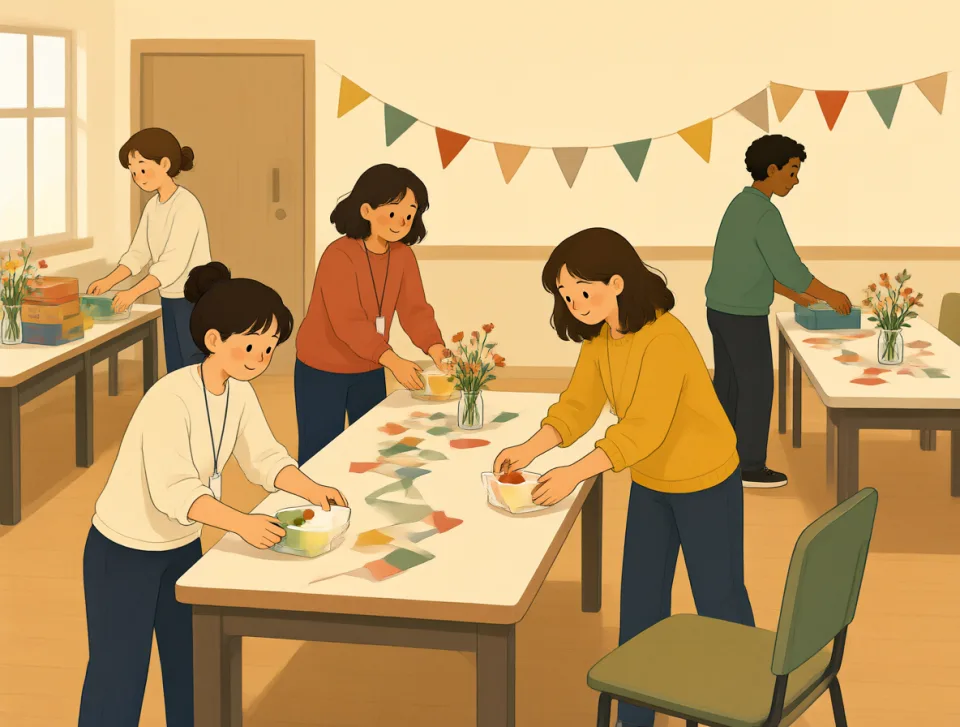
The team relies heavily on volunteers to organize the community event.
কমিউনিটির অনুষ্ঠান আয়োজন করতে দলটি স্বেচ্ছাসেবীদের ওপর অনেকটাই নির্ভর করে।

She was breathing heavily after running up three flights of stairs.
সিঁড়ির তিন তলা দৌড়ে ওঠার পর তার খুব হাঁপ ধরে গিয়েছিল।
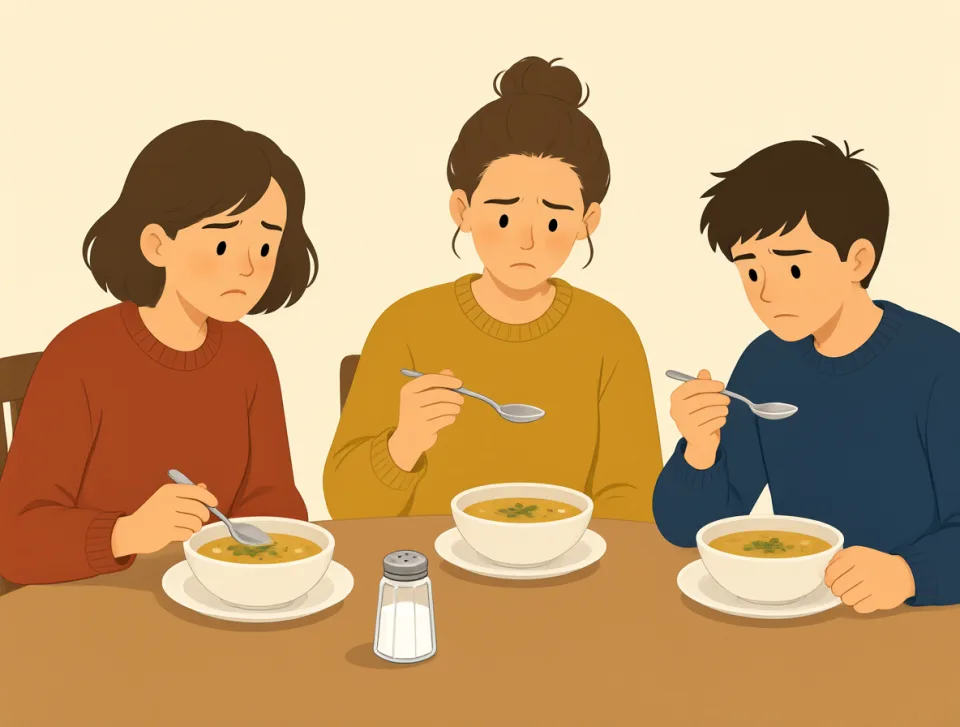
The soup was heavily salted, so nobody wanted a second bowl.
স্যুপে খুব বেশি লবণ দেওয়া হয়েছিল, তাই কেউ আরেক বাটি খেতে চায়নি।
devote
#2120verb
নিয়োজিত করা
to give your time, energy, or attention to something
কোনো কিছুর জন্য নিজের সময়, শক্তি বা মনোযোগ দেওয়া।
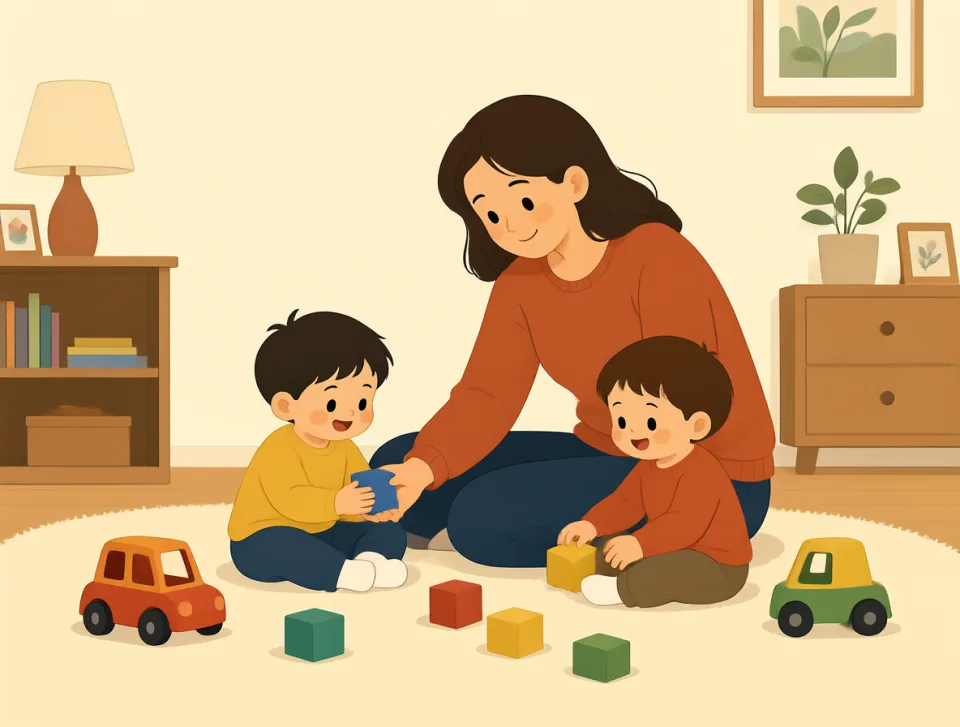
She devotes most of her free time to caring for her young children.
সে তার বেশির ভাগ অবসর সময় ছোট সন্তানদের যত্ন নিতে দেয়।

The team devoted two hours to preparing for tomorrow’s important presentation.
আগামীকালের গুরুত্বপূর্ণ উপস্থাপনার প্রস্তুতিতে দলটি দুই ঘণ্টা দিয়েছিল।

He is devoted to improving his English by reading every evening.
সে প্রতি সন্ধ্যায় পড়ে ইংরেজির উন্নতিতে মনোযোগ দিচ্ছে।

The restaurant owner devoted extra money to buying fresher ingredients this month.
রেস্তোরাঁর মালিক এ মাসে আরও টাটকা উপকরণ কেনার জন্য অতিরিক্ত টাকা খরচ করেছিলেন।
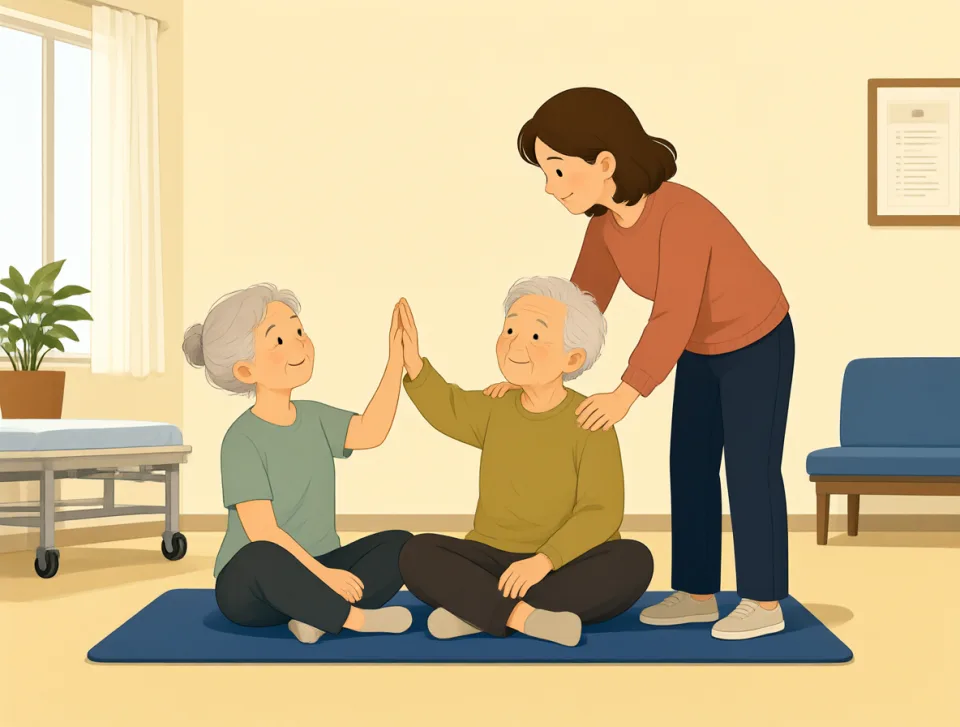
After the accident, she devoted herself to helping other patients recover.
দুর্ঘটনার পর সে অন্য রোগীদের সুস্থ হতে সাহায্য করার কাজে নিজেকে নিয়োজিত করেছিল।