بخش 108
واژههای 2141 تا 2160 · pub, perception, naturally, currency, database, initially

pub
#2141noun
میخانه
A place where people buy and drink alcoholic drinks, and often eat or talk.
جایی که مردم در آن نوشیدنیهای الکلی میخرند و مینوشند و اغلب غذا میخورند یا گپ میزنند.

We met at the pub for a drink after work.
بعد از کار برای نوشیدن چیزی در میخانه همدیگر را دیدیم.

The pub serves good food, including burgers and homemade soup.
میخانه غذای خوبی سرو میکند، از جمله همبرگر و سوپ خانگی.

There is a small pub near our hotel in the village.
در روستای نزدیک هتلمان یک میخانه کوچک هست.

My friends usually go to the pub on Friday evenings.
دوستانم معمولاً عصرهای جمعه به میخانه میروند.

The pub was crowded, so we found seats outside.
میخانه شلوغ بود، برای همین بیرون جا پیدا کردیم.

perception
#2142noun
برداشت
The way you notice, understand, or judge someone or something.
شیوهای که کسی یا چیزی را متوجه میشوید، درک میکنید یا دربارهاش قضاوت میکنید.
Her perception of the new manager changed after their first meeting.
برداشت او از مدیر جدید بعد از اولین دیدارشان تغییر کرد.

The advertisement changed customers’ perception of the product’s quality.
این آگهی برداشت مشتریان را از کیفیت محصول تغییر داد.

Our perception of time changes when we are busy or having fun.
برداشت ما از گذر زمان وقتی سرمان شلوغ است یا خوش میگذرانیم تغییر میکند.
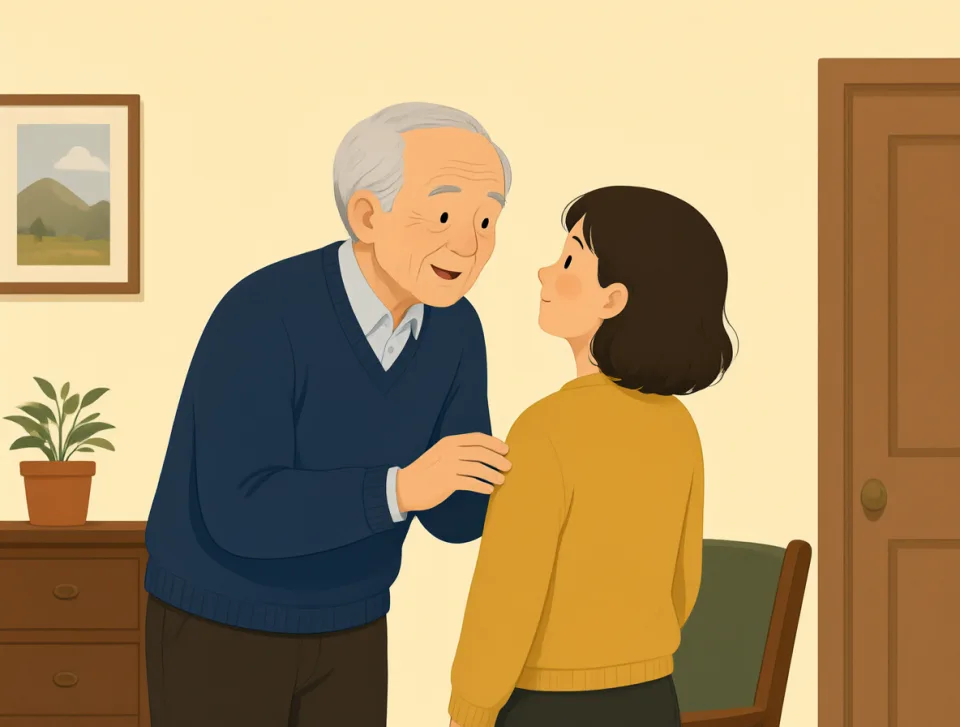
His hearing problems affected his perception of what people were saying.
مشکلات شنوایی او بر برداشتش از حرفهای مردم تأثیر گذاشت.

Cultural differences can influence people’s perception of healthy food.
تفاوتهای فرهنگی میتوانند بر برداشت مردم از غذای سالم تأثیر بگذارند.
naturally
#2143adverb
بهطور طبیعی
In a natural way, or as you would expect without planning or forcing it.
بهشکلی طبیعی، یا آنطور که بدون برنامهریزی یا زور زدن انتظار میرود.
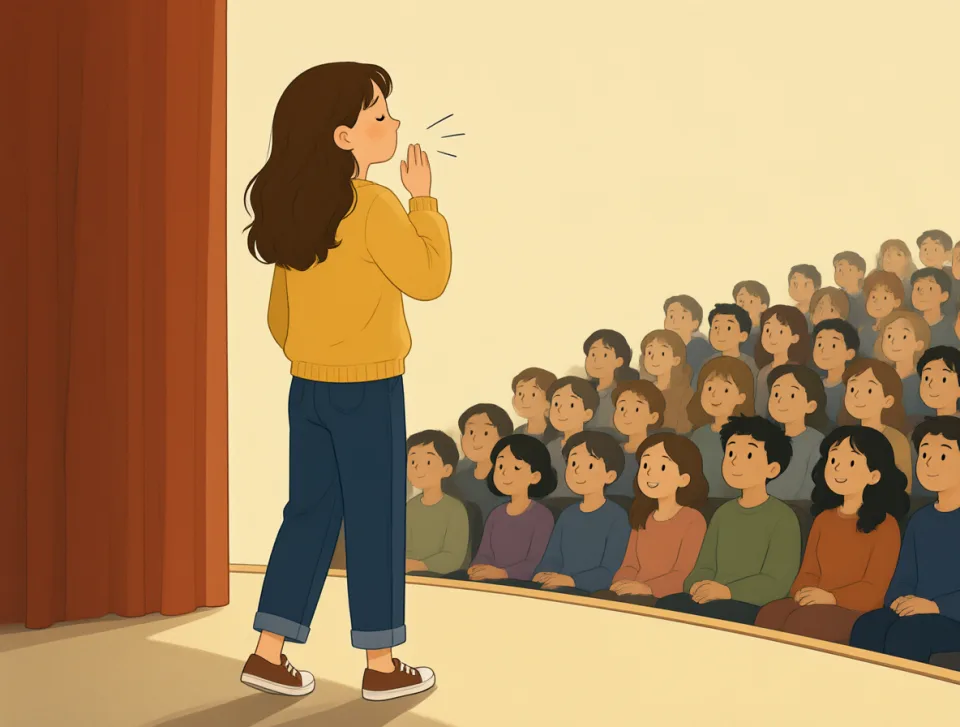
She naturally felt nervous before speaking to the large audience.
او پیش از صحبت کردن در برابر جمعیت زیادی، طبیعتاً مضطرب شد.
Children naturally learn new languages when they hear them every day.
کودکان وقتی هر روز زبانهای جدید را میشنوند، بهطور طبیعی آنها را یاد میگیرند.

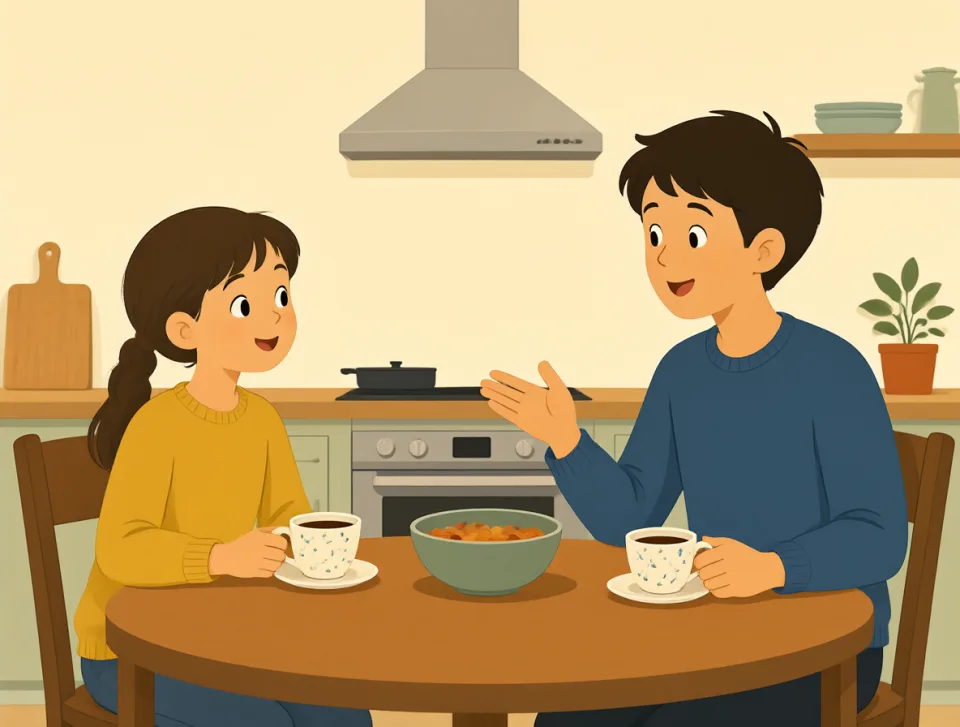
The conversation naturally turned to plans for the summer holiday.
گفتوگو بهطور طبیعی به برنامههای تعطیلات تابستانی کشیده شد.
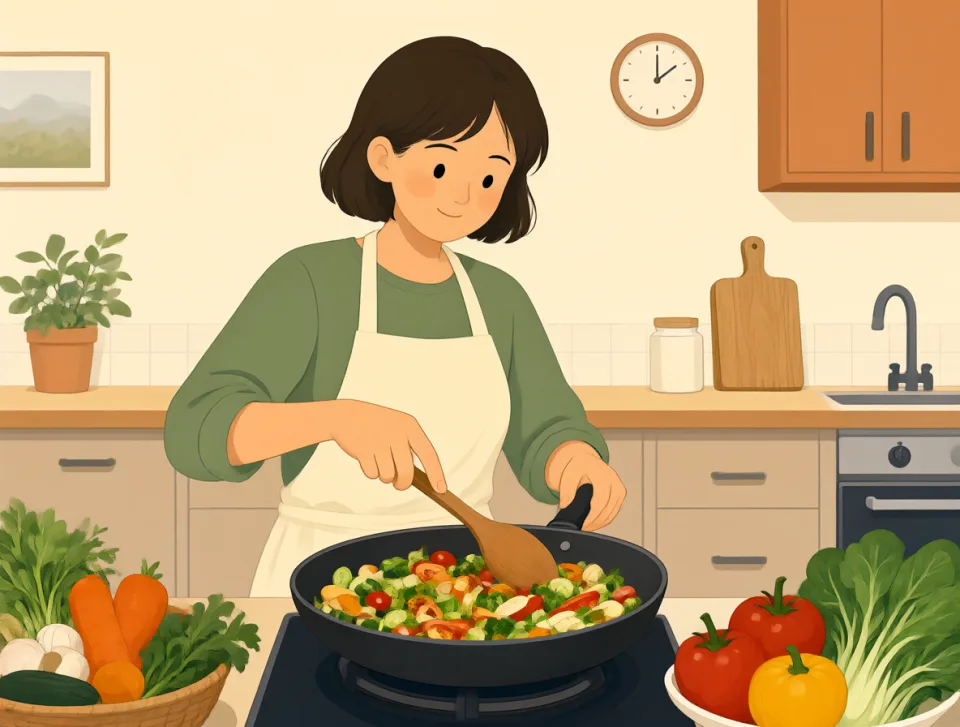
Naturally, fresh vegetables taste better when they are cooked gently.
البته سبزیجات تازه وقتی با حرارت ملایم پخته میشوند، طعم بهتری دارند.

He naturally became tired after walking through the city all afternoon.
او طبیعتاً بعد از پیادهروی در شهر در تمام طول بعدازظهر خسته شد.
currency
#2144noun
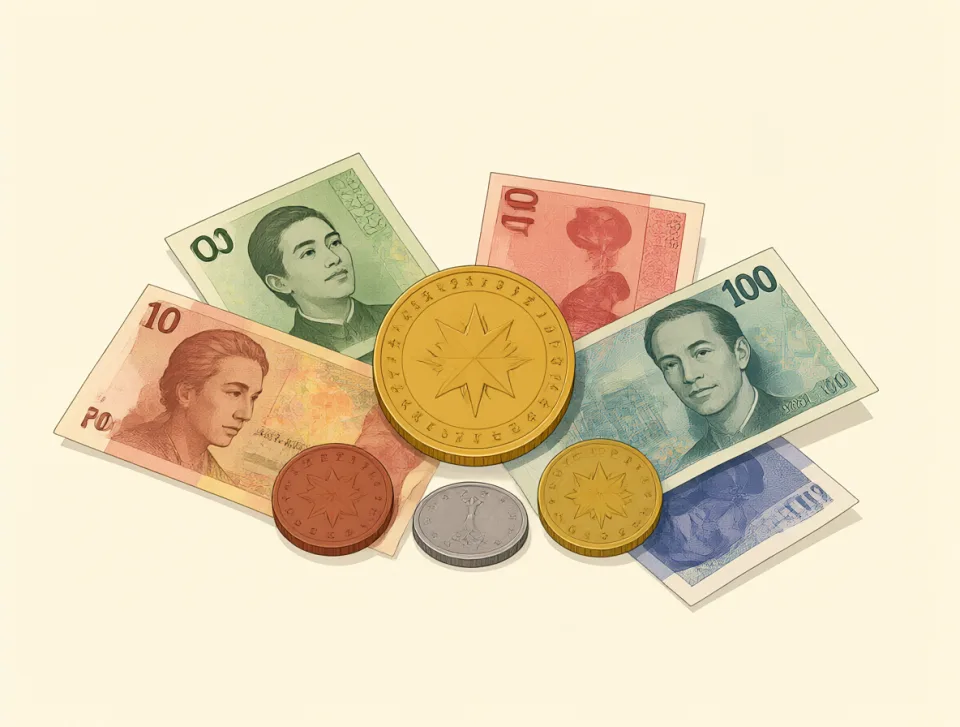
واحد پول
The money used in a particular country, such as dollars, euros, or yen.
پولی که در یک کشور مشخص استفاده میشود، مثل دلار، یورو یا ین.

You can exchange your currency for local money at the airport.
میتوانید واحد پولتان را در فرودگاه به پول رایج محلی تبدیل کنید.
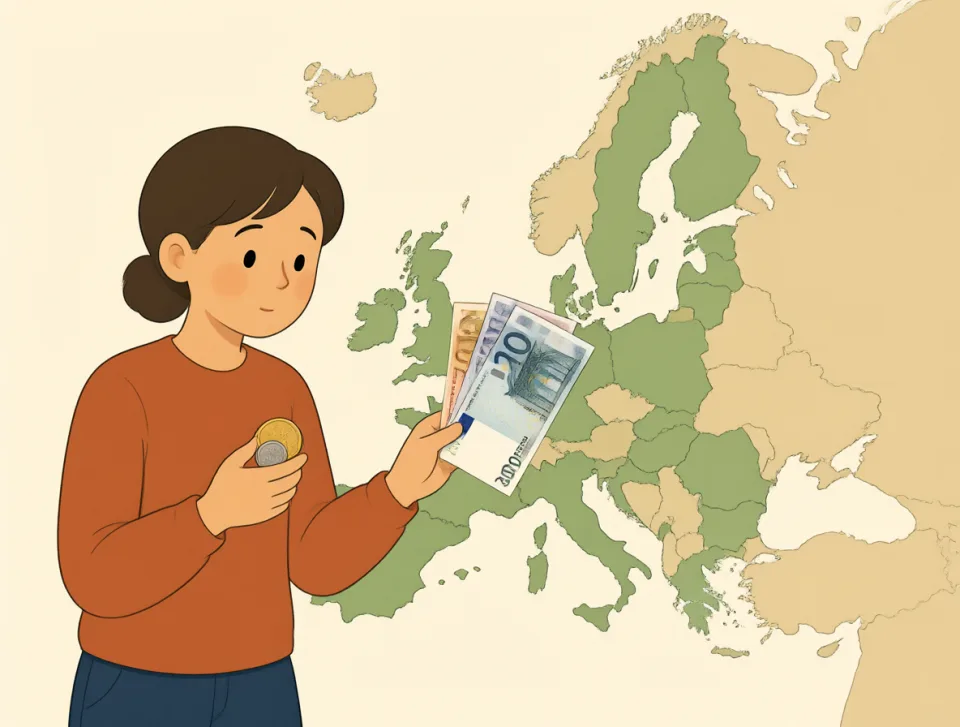
The euro is the official currency in many European countries.
یورو واحد پول رسمی بسیاری از کشورهای اروپایی است.
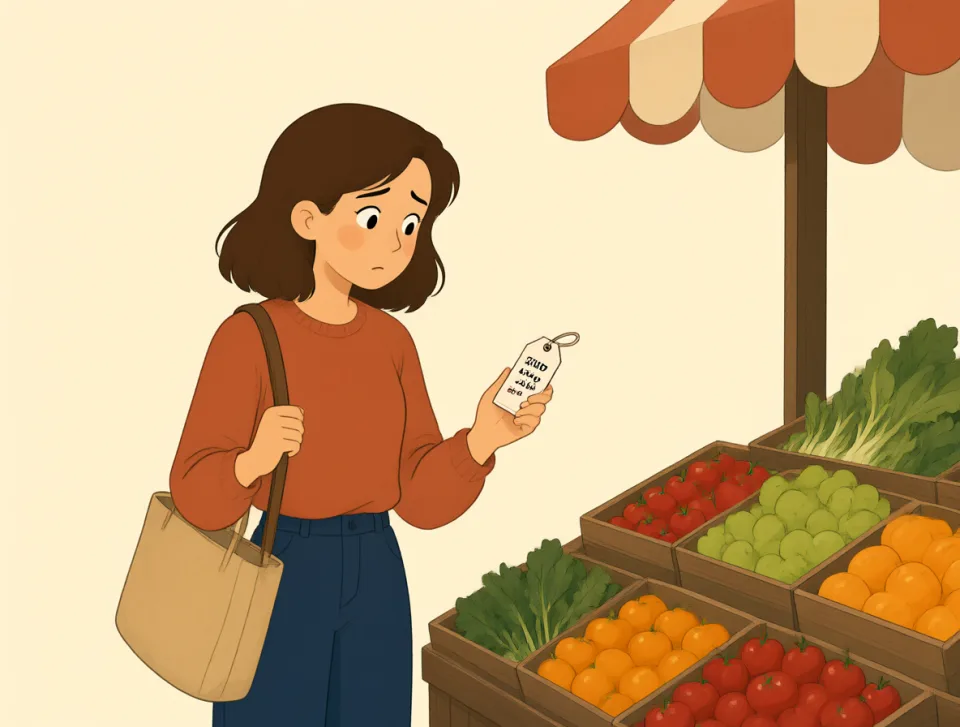
Prices may change when the value of a currency rises or falls.
با بالا و پایین رفتن ارزش یک واحد پول، ممکن است قیمتها تغییر کنند.
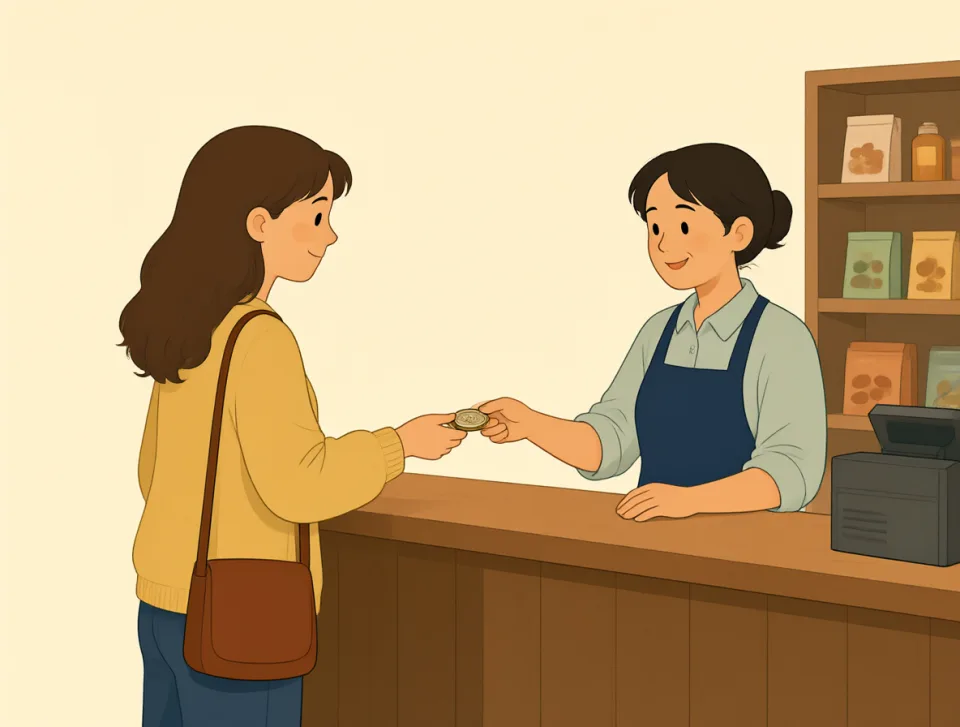
Please pay in local currency because this shop does not accept foreign money.
لطفاً با پول رایج محلی پرداخت کنید، چون این مغازه پول خارجی قبول نمیکند.

The company pays its overseas workers in their own currency.
شرکت حقوق کارکنانش در خارج از کشور را با واحد پول خودشان پرداخت میکند.
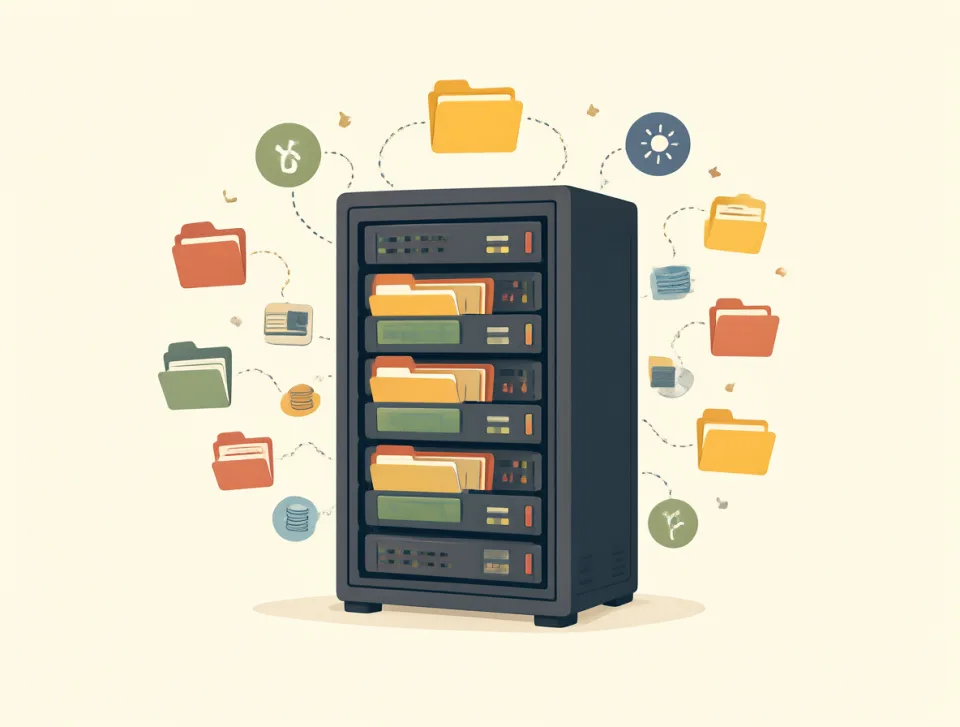
database
#2145noun
پایگاه داده
An organized collection of information stored on a computer and easy to search.
مجموعهای سازمانیافته از اطلاعات که در رایانه ذخیره شده و جستوجو در آن آسان است.
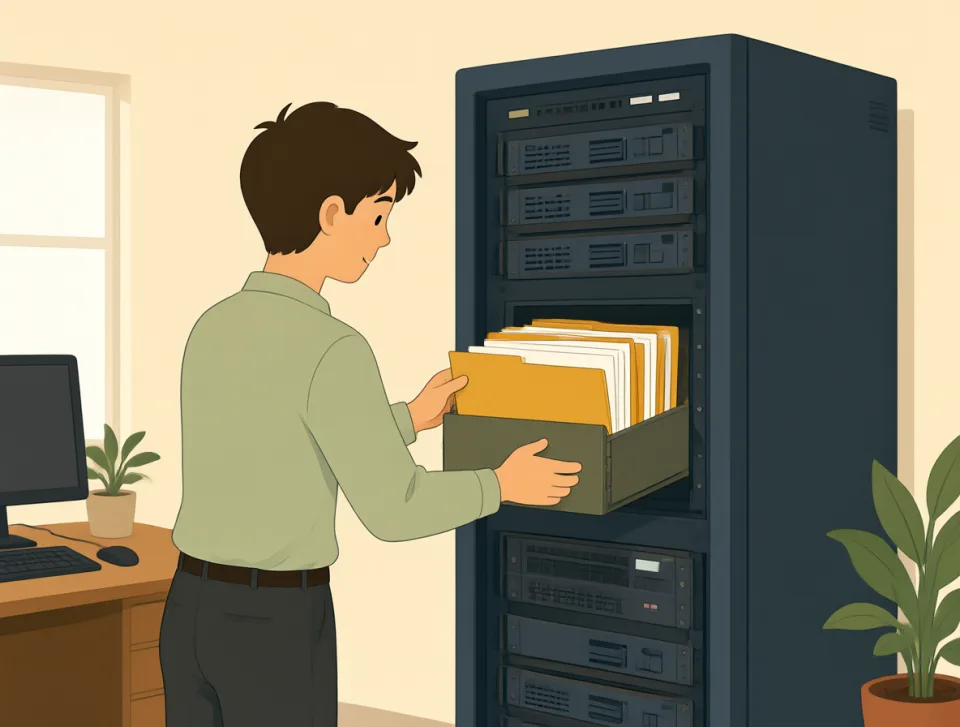
The company keeps customer details in a secure database.
شرکت اطلاعات مشتریان را در یک پایگاه داده امن نگه میدارد.

I searched the library database for books about space.
برای پیدا کردن کتابهایی دربارهٔ فضا، در پایگاه دادهٔ کتابخانه جستوجو کردم.

The doctor added my test results to the hospital database.
دکتر نتایج آزمایشهایم را به پایگاه دادهٔ بیمارستان اضافه کرد.
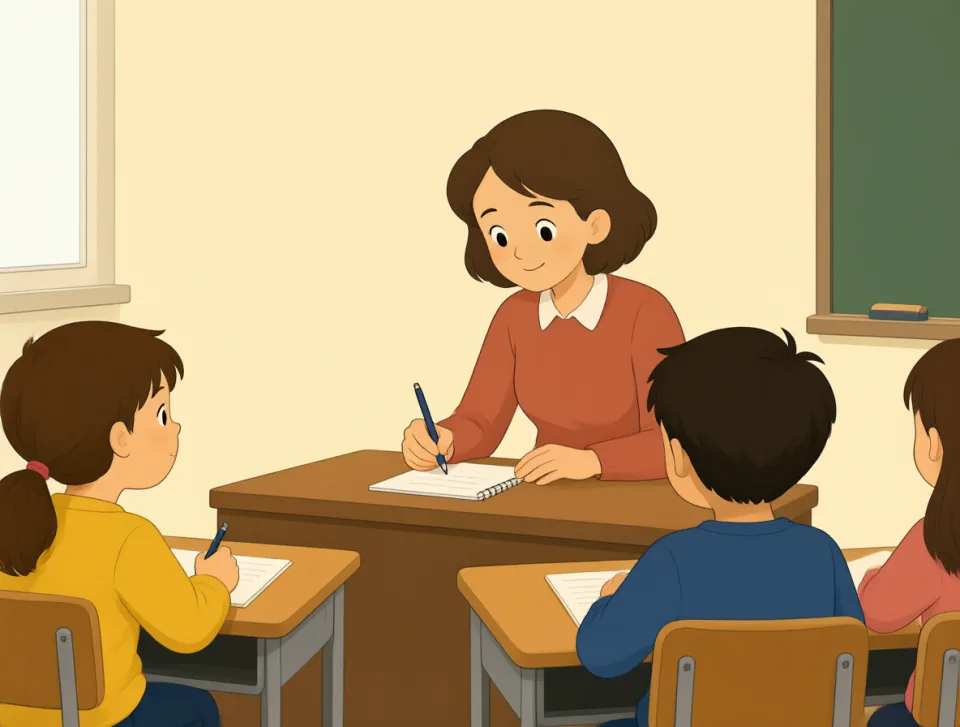
Our teacher uses a database to track students' attendance.
معلممان برای پیگیری حضور دانشآموزان از یک پایگاه داده استفاده میکند.

The shop's database showed that my order had been delivered.
پایگاه دادهٔ مغازه نشان میداد که سفارش من تحویل داده شده است.

initially
#2146adverb
در ابتدا
At the beginning, before something changes or develops.
در آغاز، پیش از آنکه چیزی تغییر کند یا رشد و پیشرفت کند.
Initially, I thought the new job would be difficult, but it soon became easier.
در ابتدا فکر میکردم شغل جدید دشوار باشد، اما خیلی زود آسانتر شد.
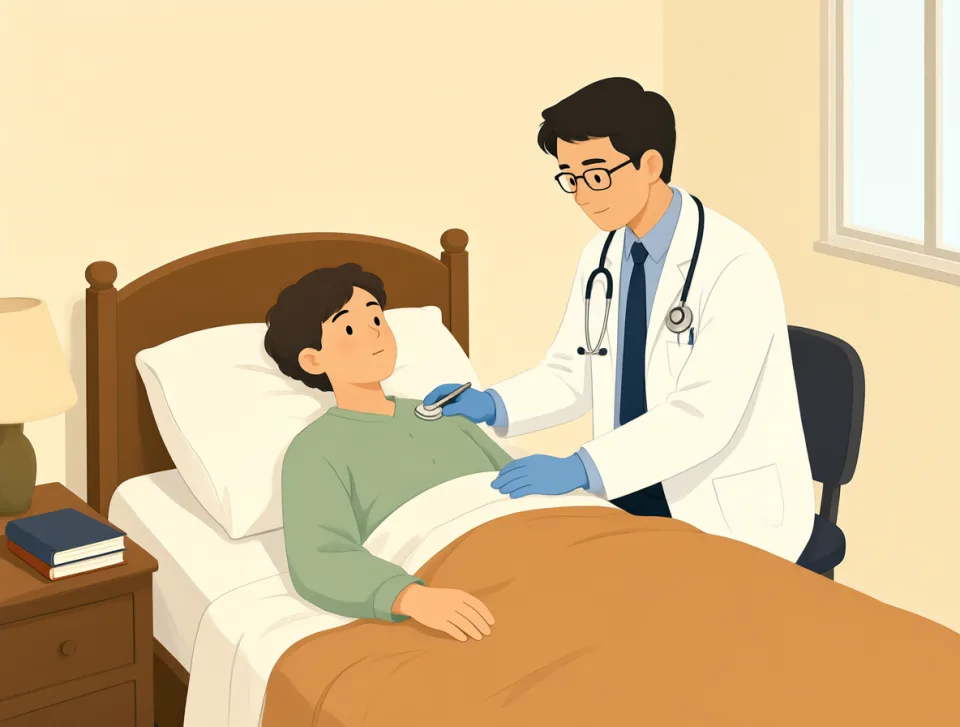
The patient initially felt tired after taking the medicine, but recovered later.
بیمار در ابتدا پس از مصرف دارو احساس خستگی میکرد، اما بعداً بهبود یافت.

Initially, our travel plans included a train, but we rented a car instead.
در ابتدا در برنامهٔ سفرمان قرار بود با قطار برویم، اما بهجای آن ماشین کرایه کردیم.

The teacher initially asked students to work alone, then let them form pairs.
معلم ابتدا از دانشآموزان خواست بهتنهایی کار کنند، سپس اجازه داد دونفره شوند.
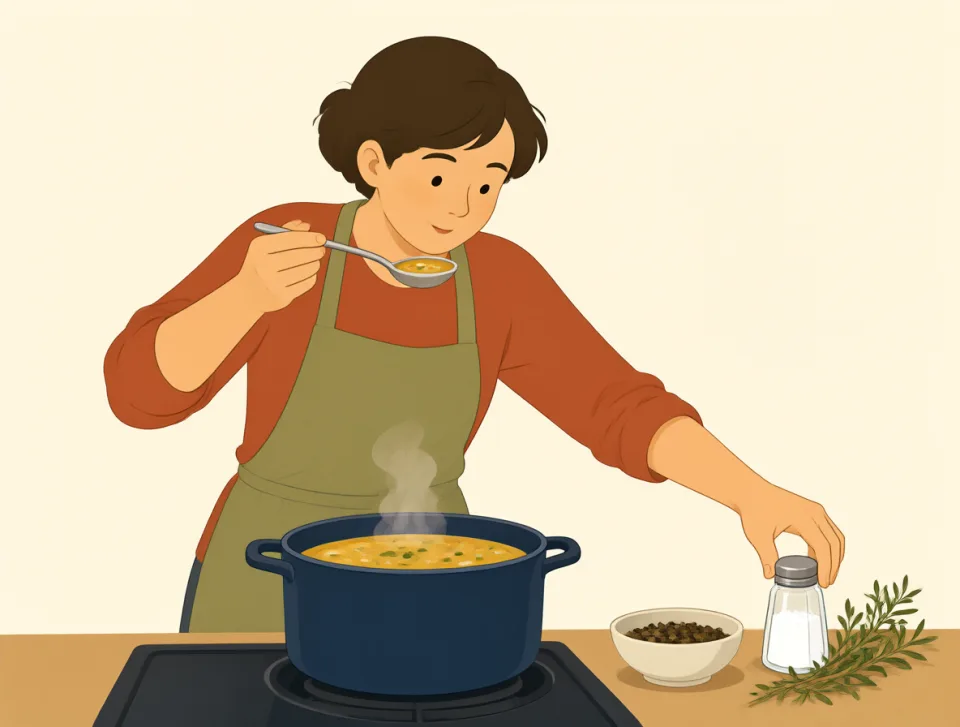
Initially, the soup tasted bland, so I added salt and fresh herbs.
در ابتدا مزهٔ سوپ بیمزه بود، برای همین کمی نمک و سبزی تازه به آن اضافه کردم.

territory
#2147noun
قلمرو
An area of land controlled by a person, group, country, or animal.
منطقهای از زمین که تحت کنترل یک فرد، گروه، کشور یا حیوان است.

The hikers entered bear territory and stayed close together.
کوهنوردان وارد قلمرو خرسها شدند و نزدیک هم ماندند.
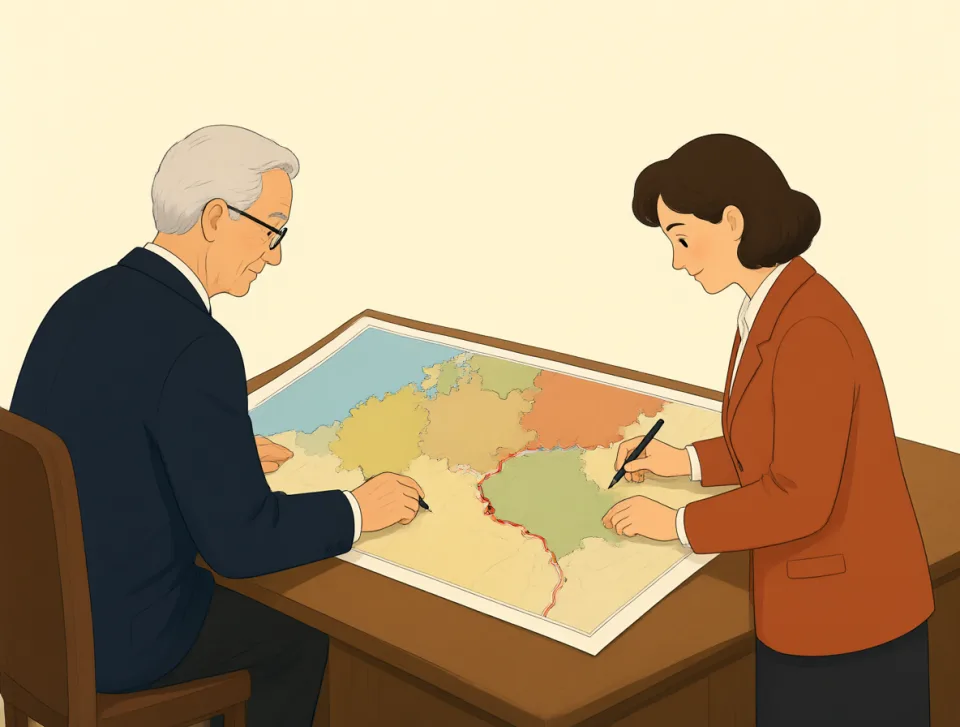
The two countries are discussing their border territories.
این دو کشور دربارهٔ مناطق مرزیشان گفتوگو میکنند.

Please keep your bags out of the hotel breakfast territory.
لطفاً کیفهایتان را در محدودهٔ صبحانهخوری هتل نگذارید.

The sales team is expanding into new territory this year.
تیم فروش امسال در حال گسترش فعالیتش به حوزههای جدید است.
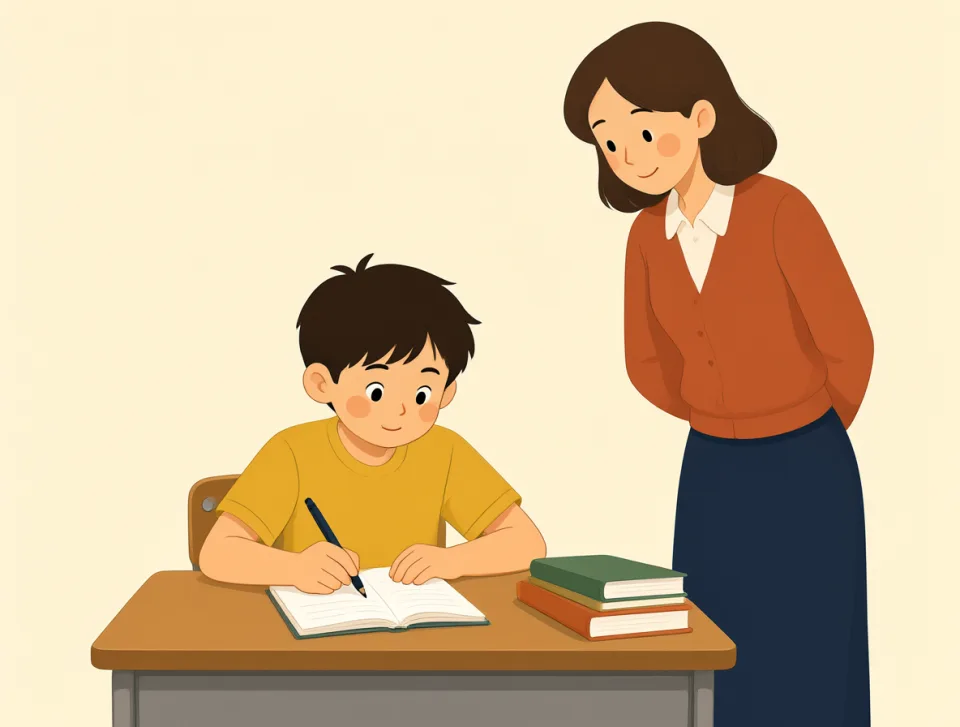
Our teacher asked us to explore new territory in our writing.
معلم از ما خواست در نوشتههایمان به حوزههای تازهای بپردازیم.

stream
#2148noun, verb
جویبار
a small river, or a continuous flow of something such as information or online video
رودخانهای کوچک، یا جریان پیوستهٔ چیزی مانند اطلاعات یا ویدیوی آنلاین.
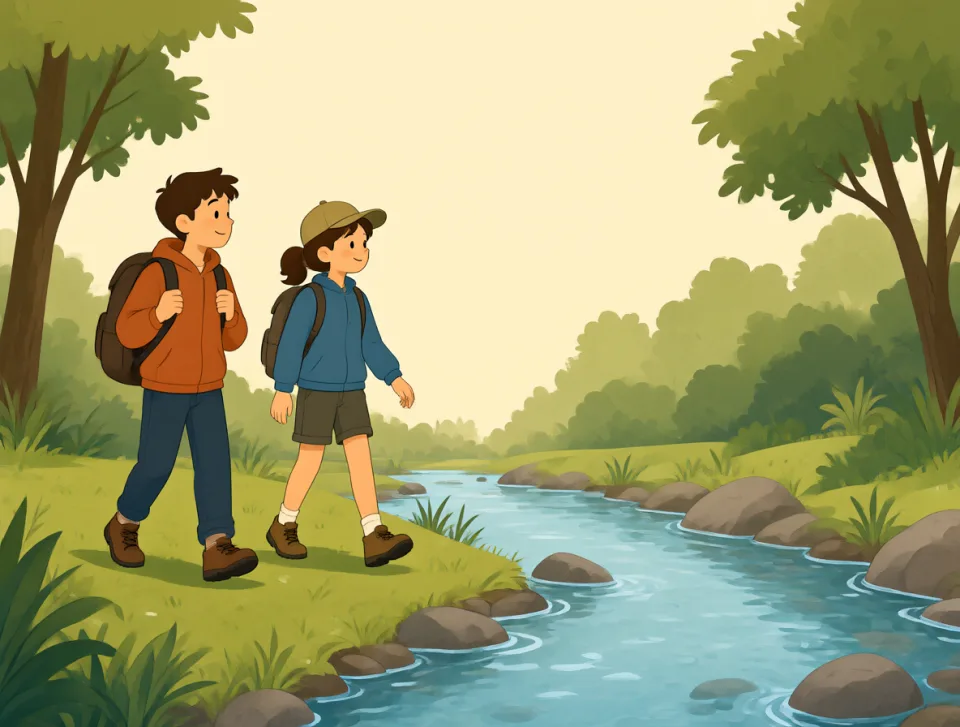
We walked beside a quiet stream during our afternoon hike.
در پیادهروی عصرگاهیمان کنار جویباری آرام قدم زدیم.
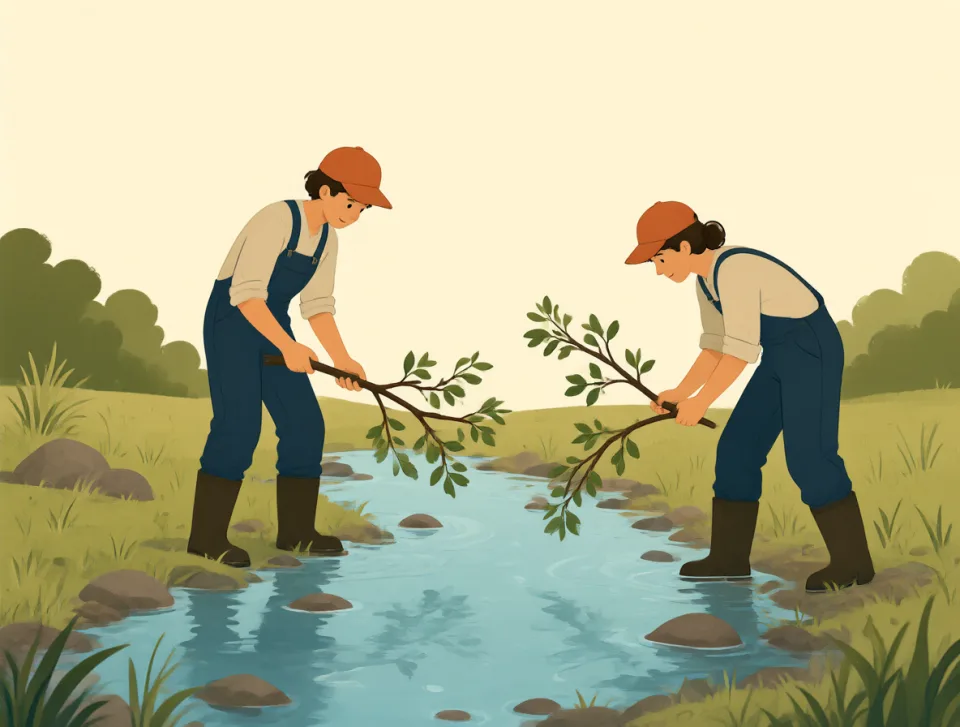
The workers cleared fallen branches from the stream after the storm.
کارگران پس از طوفان شاخههای افتاده را از جویبار پاک کردند.
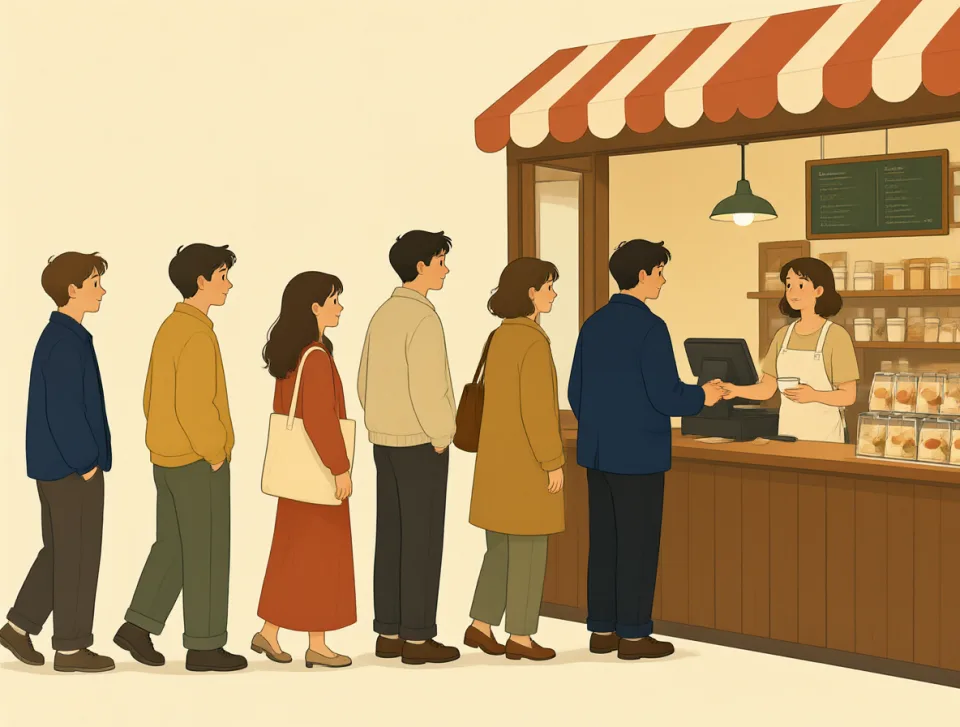
A steady stream of customers entered the shop before closing time.
پیش از زمان تعطیلی، مشتریان پیدرپی وارد مغازه شدند.
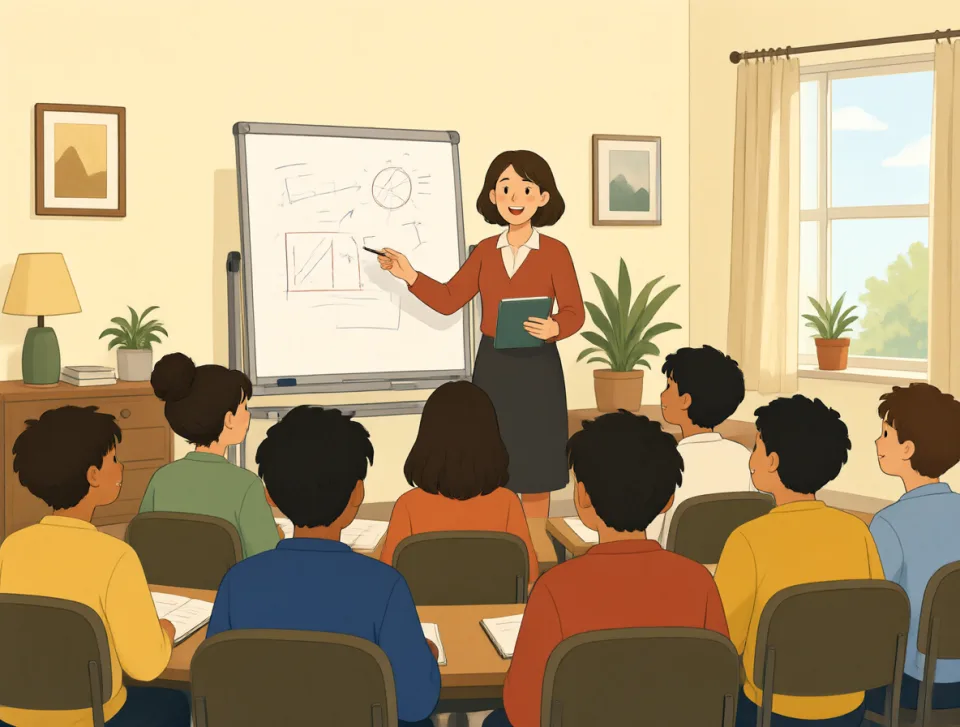
The teacher asked students to stream their projects during the online lesson.
معلم از دانشآموزان خواست در طول درس آنلاین، پروژههایشان را بهصورت زنده پخش کنند.
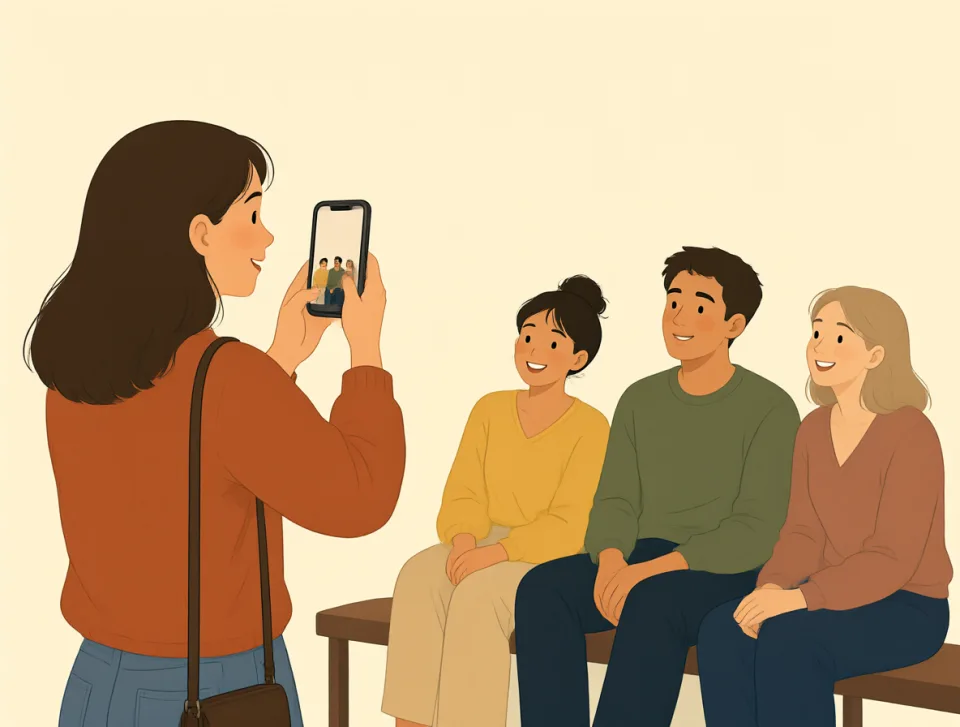
She streamed the concert live for friends who could not attend.
او کنسرت را بهصورت زنده برای دوستانی که نمیتوانستند در آن شرکت کنند پخش کرد.
rarely
#2149adverb
بهندرت
not often; only sometimes
نهچندان وقت؛ فقط گاهی.
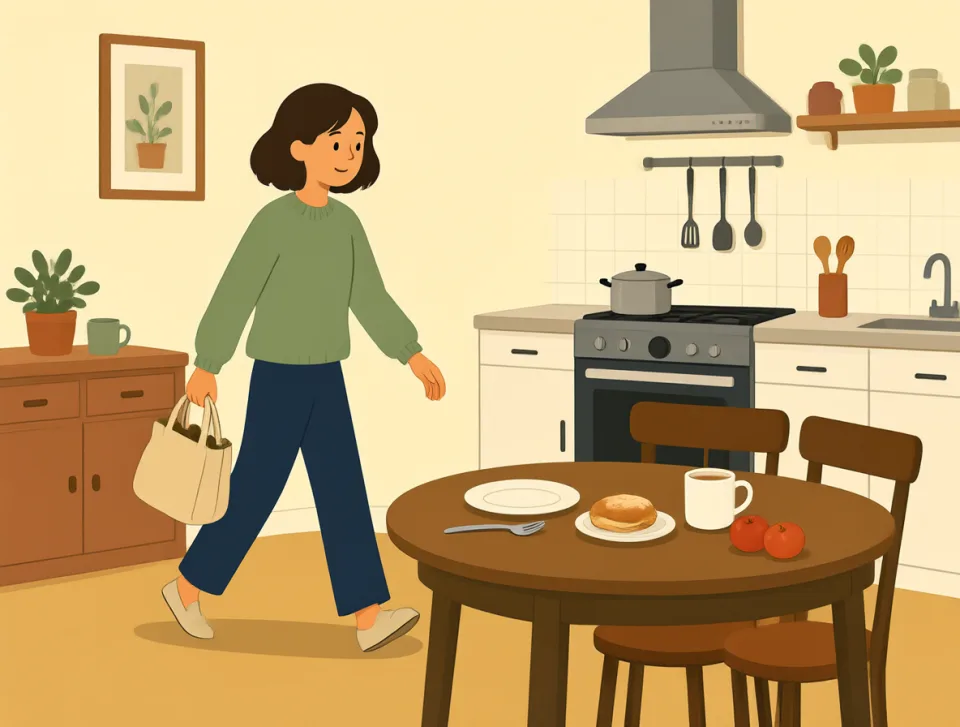
I rarely eat breakfast before leaving for work.
من بهندرت پیش از رفتن به محل کار صبحانه میخورم.
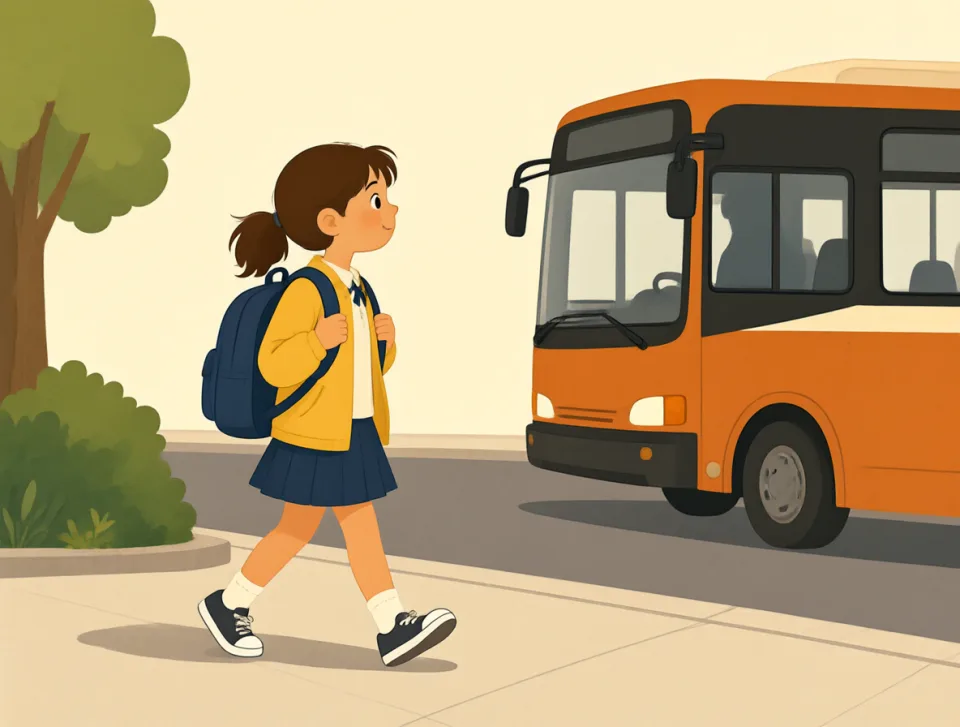
She rarely takes the bus because she usually walks to school.
او بهندرت سوار اتوبوس میشود، چون معمولاً پیاده به مدرسه میرود.

We rarely have team meetings on Friday afternoons at the office.
ما بهندرت بعدازظهرهای جمعه در محل کار جلسهٔ تیمی داریم.

He rarely shops for clothes online because he prefers trying them on.
او بهندرت لباس را اینترنتی میخرد، چون ترجیح میدهد آنها را پرو کند.
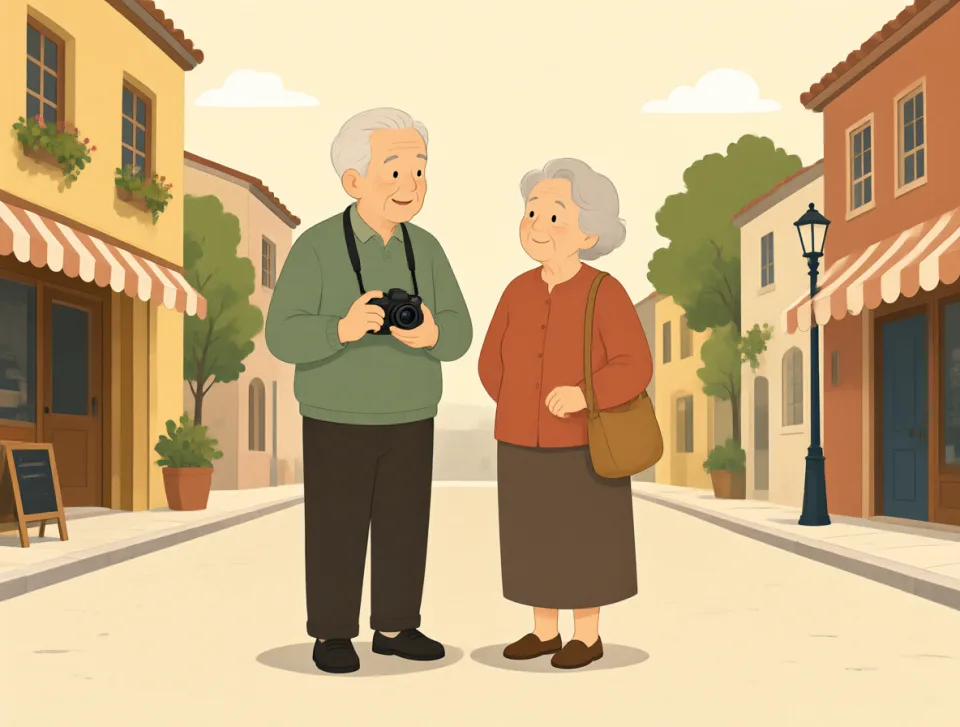
My grandparents rarely travel abroad, but they enjoy visiting nearby towns.
پدربزرگ و مادربزرگم بهندرت به خارج از کشور سفر میکنند، اما از دیدن شهرهای نزدیک لذت میبرند.
height
#2150noun
قد
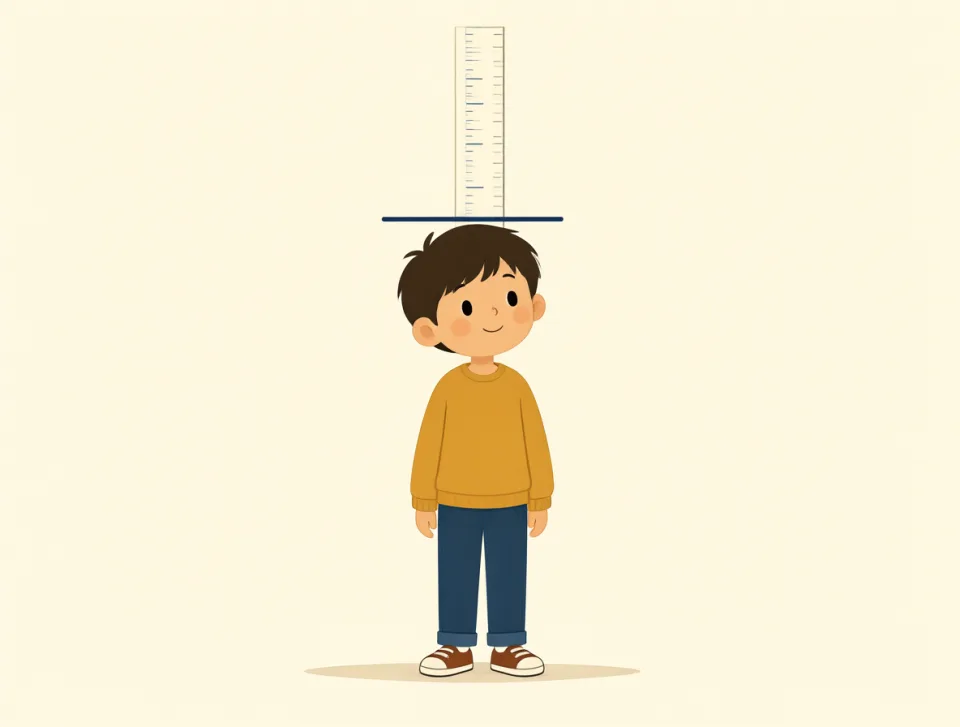
How tall someone or something is, measured from the bottom to the top.
اندازهٔ بلندی یک شخص یا چیز، از پایین تا بالا.
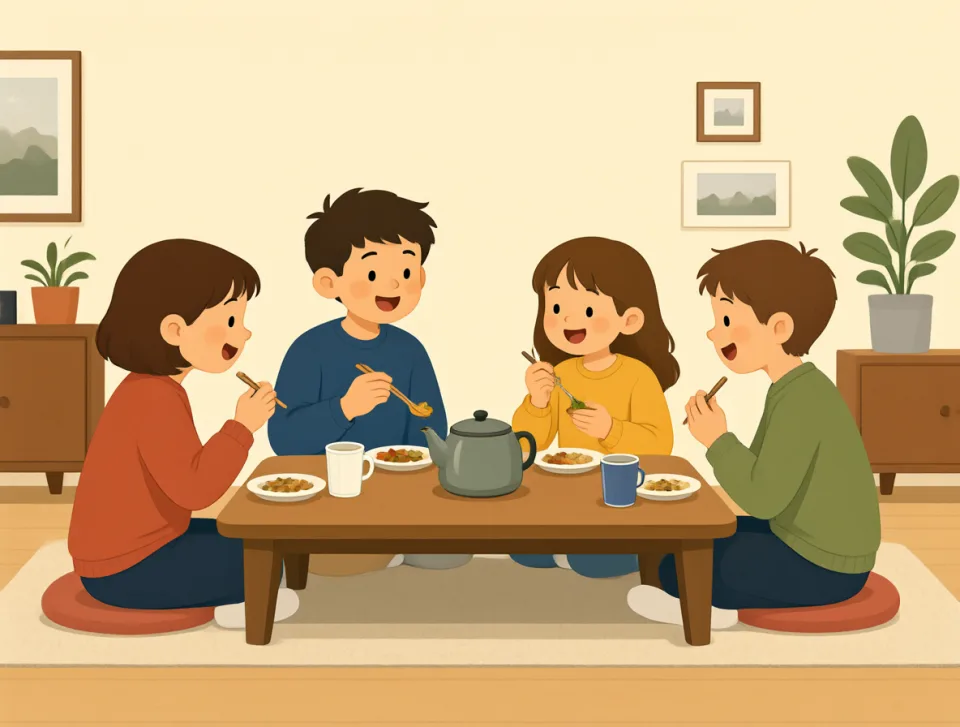
The height of the table is perfect for children to use comfortably.
ارتفاع میز برای استفادهٔ راحت کودکان کاملاً مناسب است.
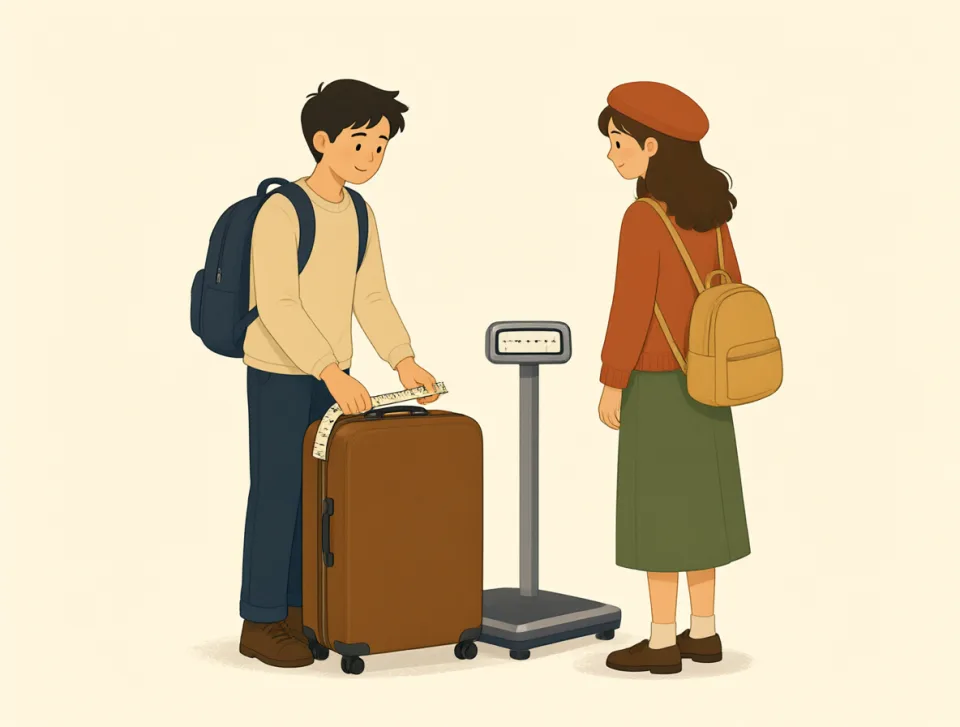
Please check the height of this suitcase before taking it on the plane.
لطفاً پیش از بردن این چمدان به هواپیما، ارتفاعش را بررسی کنید.

The basketball player is famous for his great height and long arms.
این بسکتبالیست بهخاطر قد بلند و بازوهای کشیدهاش مشهور است.

The doctor measured my height during my yearly health check.
پزشک در معاینهٔ سالانهٔ سلامت، قدم را اندازه گرفت.

We climbed to the mountain's highest point and enjoyed the beautiful view.
به بلندترین نقطهٔ کوه صعود کردیم و از منظرهٔ زیبایش لذت بردیم.
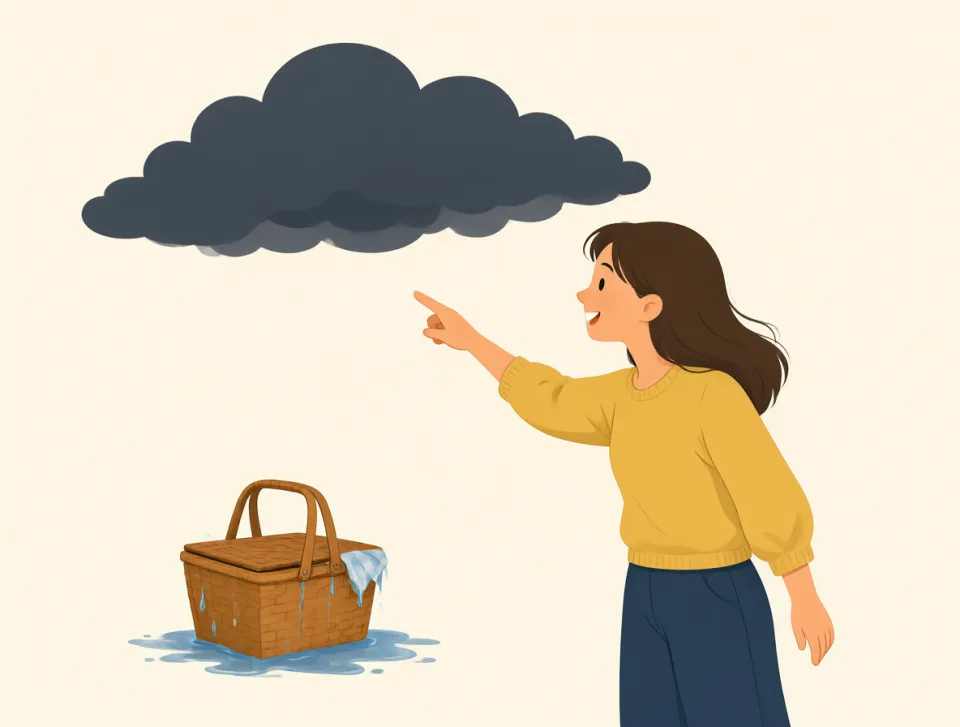
apparent
#2151adjective
آشکار
Easy to see or understand, although it may not be completely certain.
چیزی که بهراحتی دیده یا فهمیده میشود، هرچند ممکن است کاملاً قطعی نباشد.
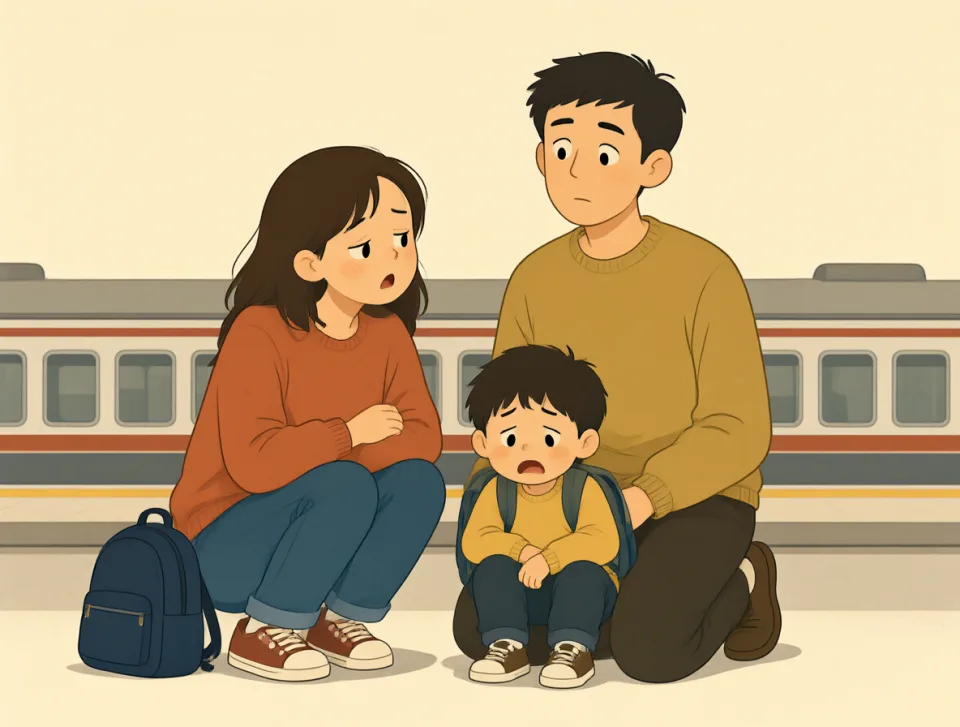
It was apparent that the children were tired after the long journey.
خستهبودن بچهها بعد از آن سفر طولانی آشکار بود.

There was no apparent reason for the sudden change in his mood.
هیچ دلیل آشکاری برای تغییر ناگهانی حالوهوای او وجود نداشت.
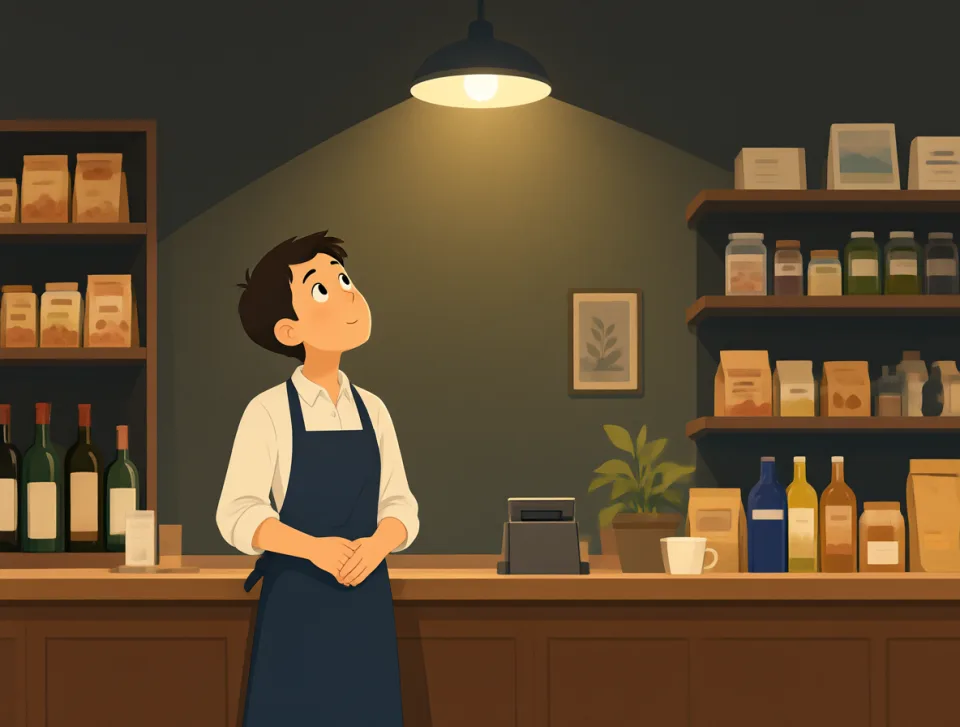
The shop closed early because there was an apparent problem with the electricity.
مغازه زودتر تعطیل شد، چون ظاهراً مشکلی در برق وجود داشت.
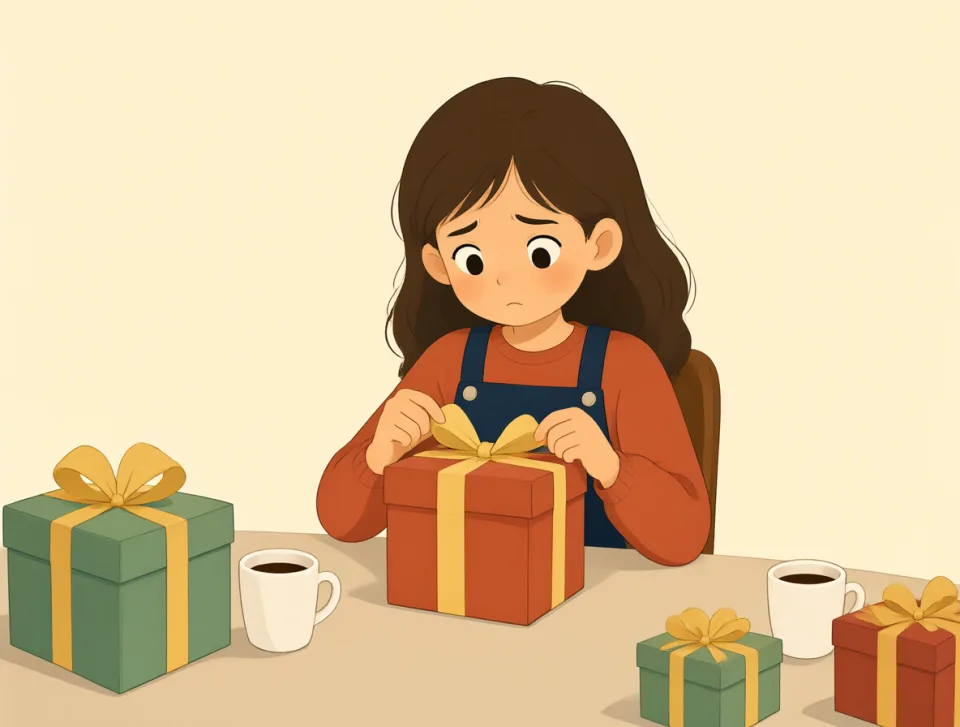
Her disappointment was apparent when she opened the birthday gift.
وقتی هدیهٔ تولدش را باز کرد، ناامیدیاش آشکار بود.
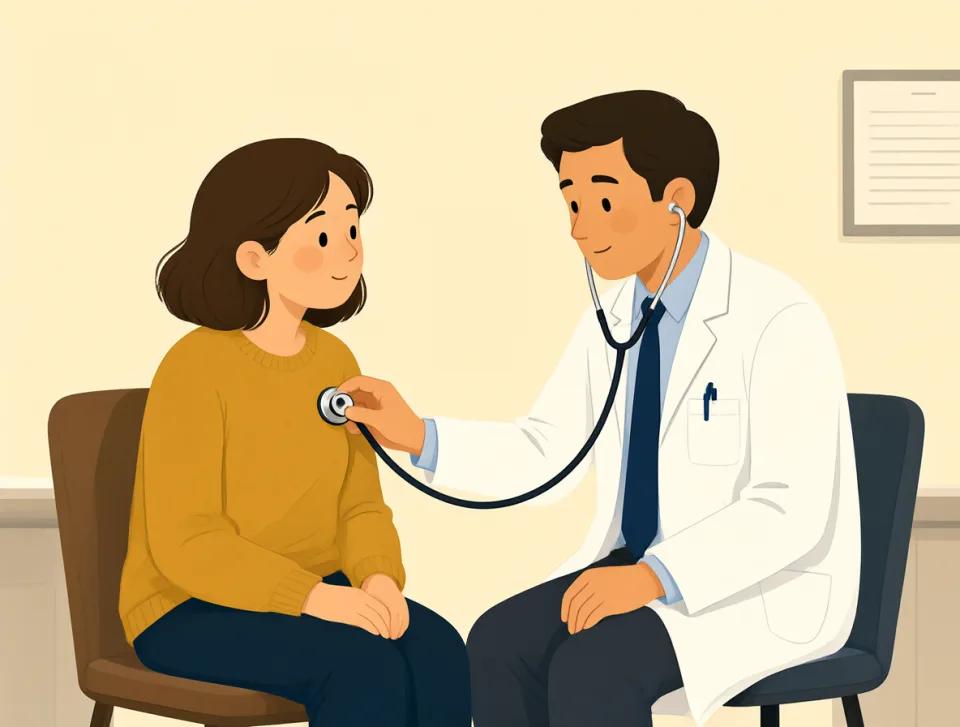
The doctor found no apparent signs of serious illness during the examination.
پزشک هنگام معاینه هیچ نشانهٔ آشکاری از بیماری جدی پیدا نکرد.

western
#2152adjective, noun
غربی
Connected with the west or the western part of a country or the world.
مربوط به غرب یا بخش غربی یک کشور یا جهان.

They moved to a western city for better job opportunities.
آنها برای فرصتهای شغلی بهتر به شهری در غرب نقلمکان کردند.
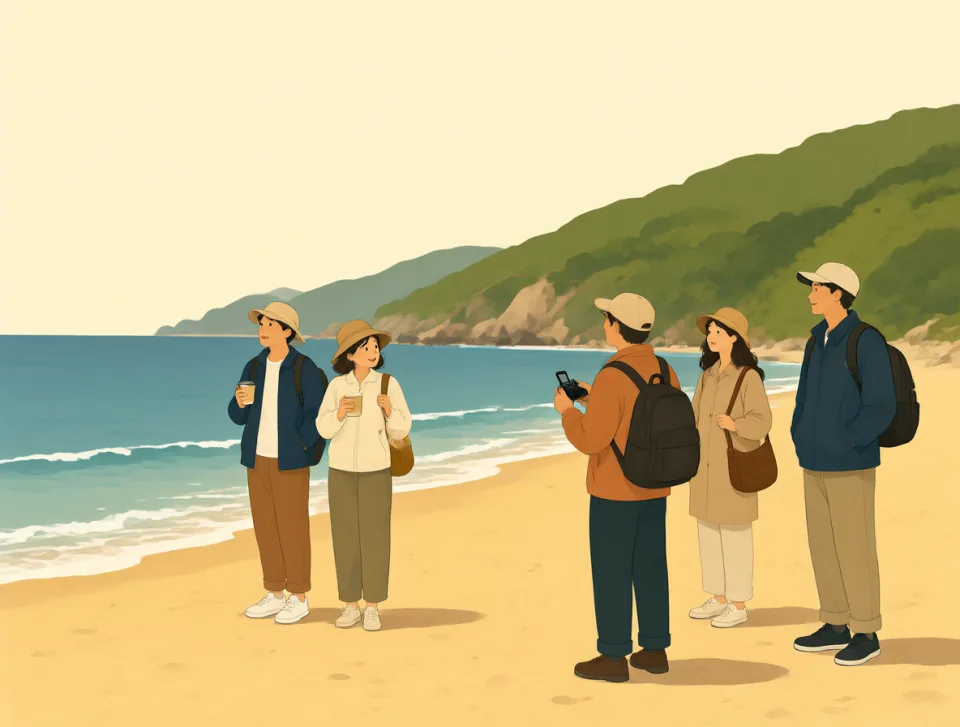
The western coast is famous for its beautiful beaches and mild weather.
ساحل غربی بهخاطر سواحل زیبا و آبوهوای معتدلش مشهور است.

We watched an old western about a sheriff and a group of outlaws.
یک فیلم وسترن قدیمی دربارهٔ یک کلانتر و گروهی راهزن تماشا کردیم.

The restaurant serves delicious western food, including burgers, steak, and French fries.
این رستوران غذاهای خوشمزهٔ غربی، از جمله برگر، استیک و سیبزمینی سرخکرده سرو میکند.
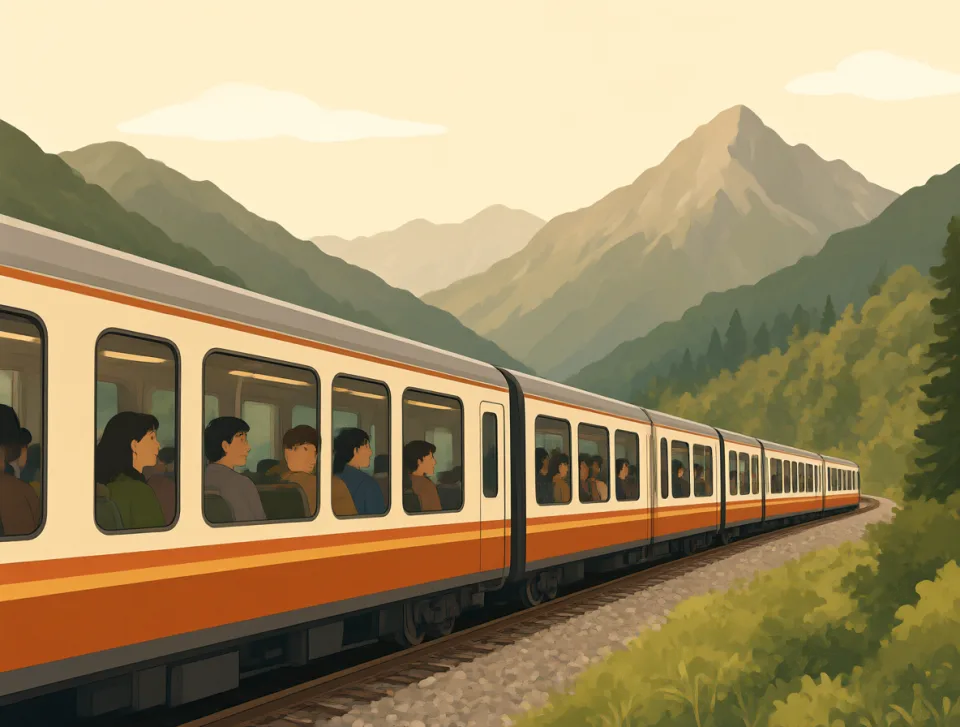
The train travels west through the western mountains before reaching the border.
قطار از میان کوههای غربی به سمت غرب حرکت میکند و بعد به مرز میرسد.

expansion
#2153noun
گسترش
the process of becoming larger or making something larger
فرایند بزرگتر شدن یا بزرگتر کردن چیزی.

The company plans an expansion into three new countries next year.
شرکت قصد دارد سال آینده فعالیتش را به سه کشور جدید گسترش دهد.
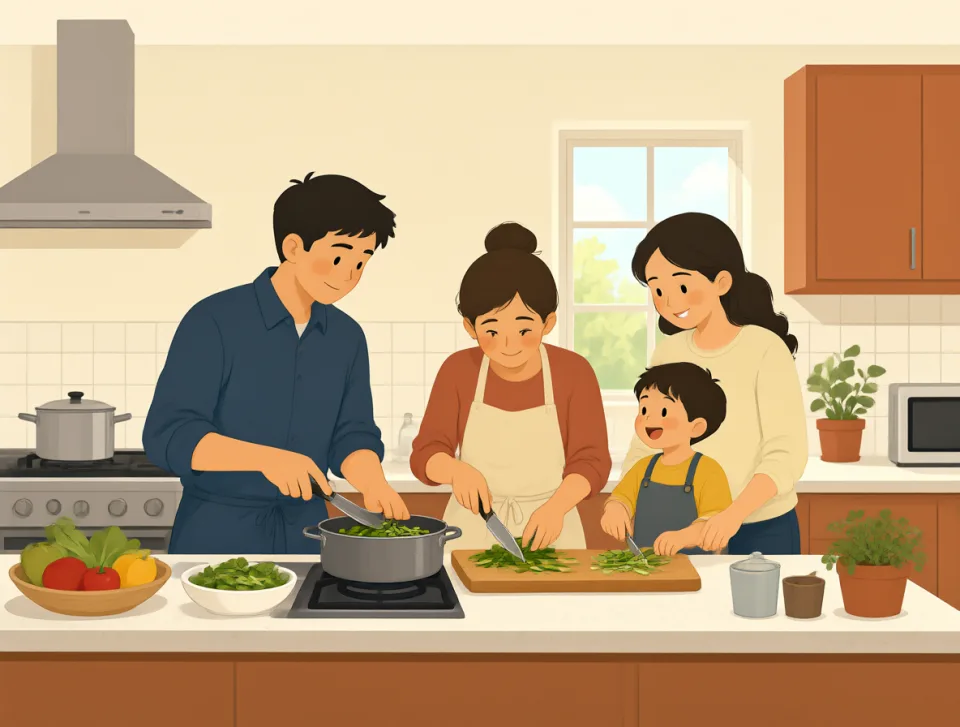
The expansion of the kitchen gave our family more room to cook.
بزرگتر کردن آشپزخانه فضای بیشتری برای آشپزی در اختیار خانوادهمان گذاشت.
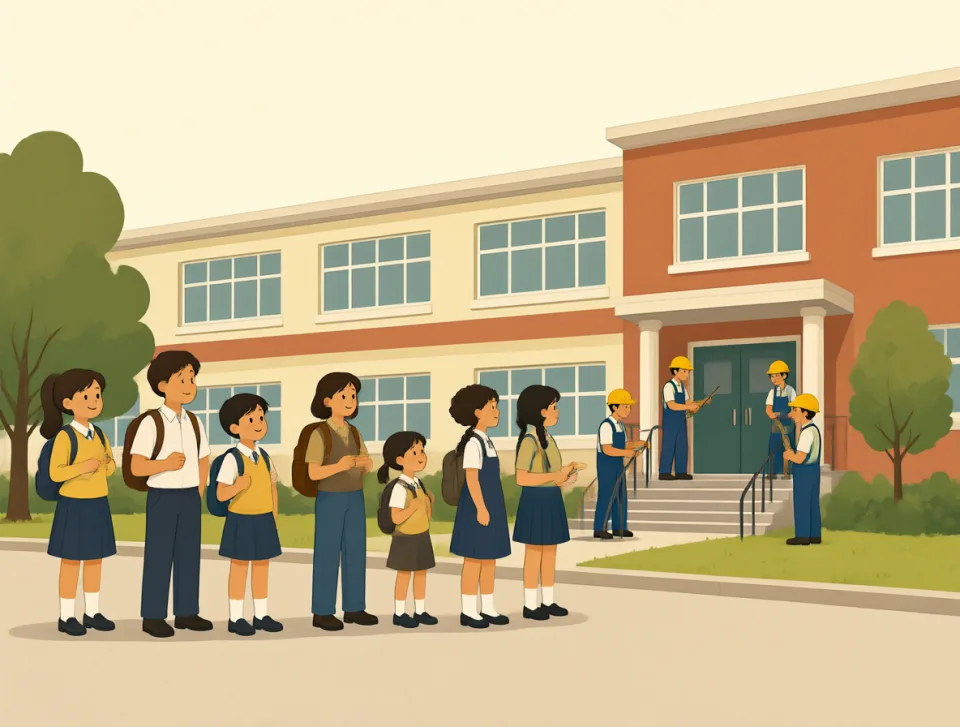
The school announced an expansion to provide more classrooms for students.
مدرسه گسترش خود را برای فراهمکردن کلاسهای بیشتر برای دانشآموزان اعلام کرد.

The supermarket's expansion created space for a larger fruit and vegetable section.
گسترش سوپرمارکت فضایی برای بخش بزرگتری از میوه و سبزیجات ایجاد کرد.
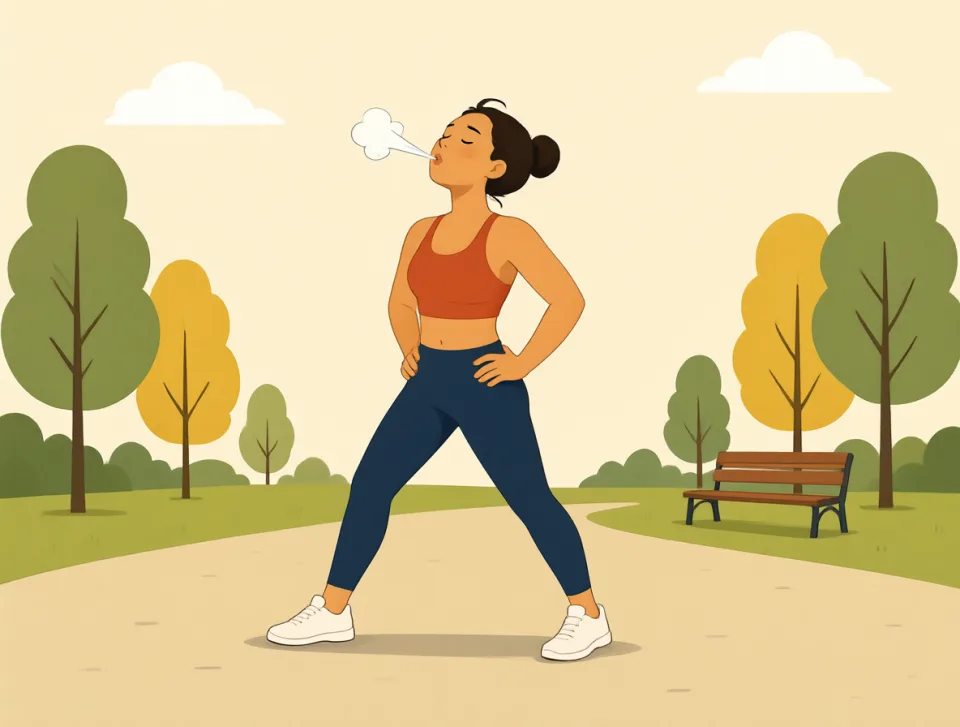
Regular exercise helps with lung expansion and makes breathing easier.
ورزش منظم به بازشدن ریهها کمک میکند و نفسکشیدن را آسانتر میکند.

constantly
#2154adverb
پیوسته
Again and again or all the time, often in an annoying way.
بارها و بارها یا همیشه؛ اغلب بهشکلی آزاردهنده.
The baby constantly wakes up during the night, so we are exhausted.
بچه مدام شبها از خواب بیدار میشود، برای همین از پا افتادهایم.

My phone constantly rings while I am trying to finish my work.
وقتی سعی میکنم کارم را تمام کنم، تلفنم مدام زنگ میخورد.
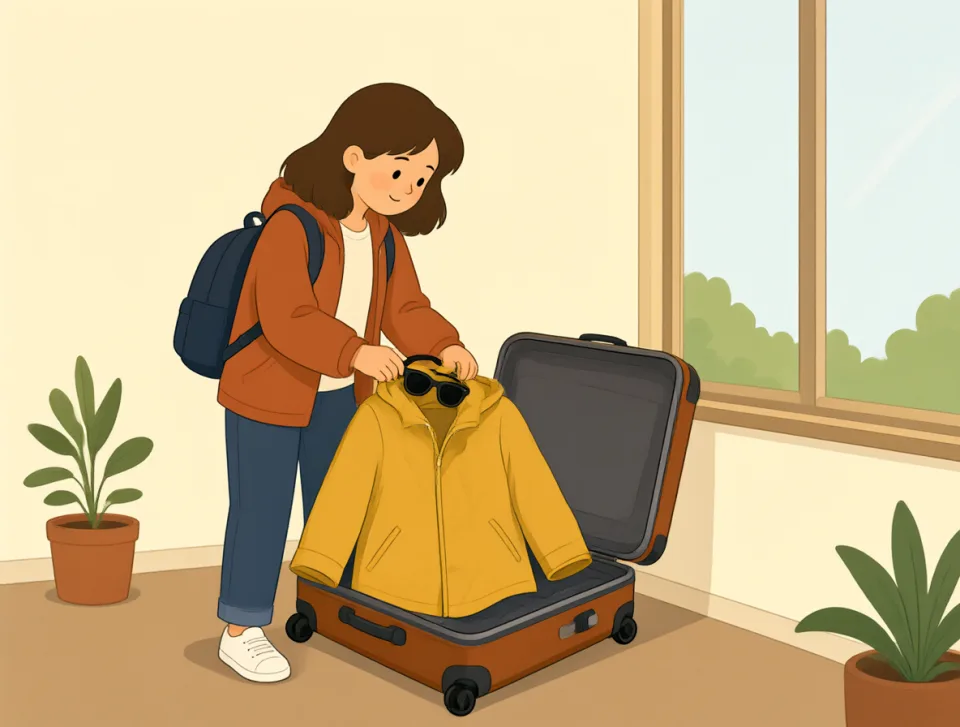
The weather is constantly changing, so pack both a raincoat and sunglasses.
هوا مدام تغییر میکند، پس هم بارانی بردار و هم عینک آفتابی.
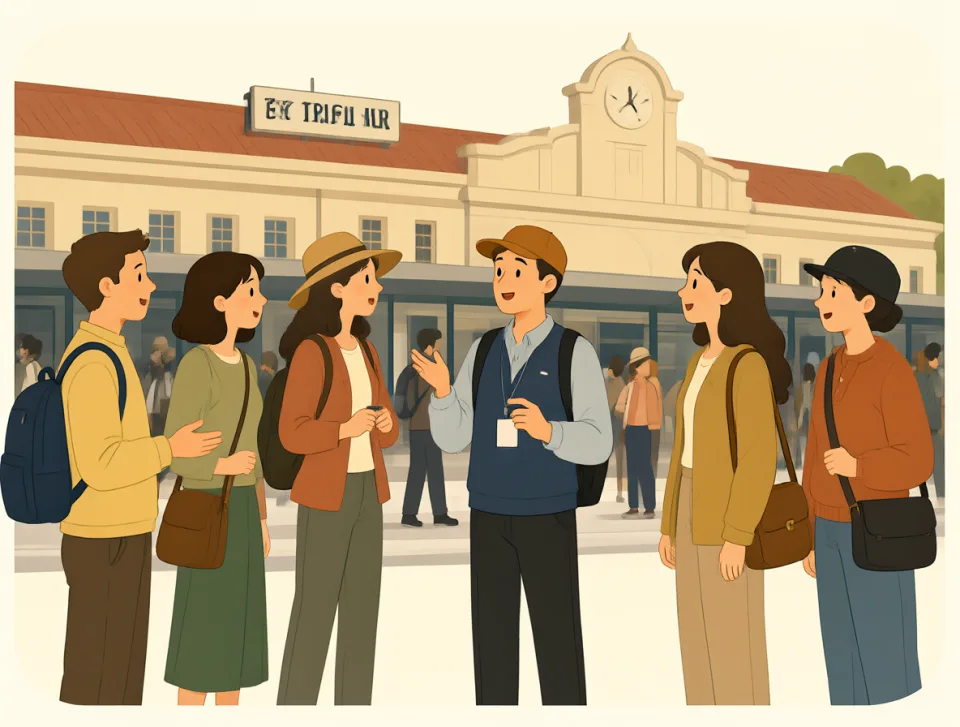
Tourists constantly ask the guide where the train station is.
گردشگرها مدام از راهنما میپرسند ایستگاه قطار کجاست.

He is constantly complaining about his cold, but refuses to see a doctor.
او مدام از سرماخوردگیاش شکایت میکند، اما حاضر نیست به پزشک مراجعه کند.

muscle
#2155noun, verb
عضله
A body part that helps you move, or physical strength used to do something.
بخشی از بدن که به حرکتکردن کمک میکند، یا نیروی بدنیای که برای انجام کاری به کار میرود.

He pulled a muscle in his back while lifting a heavy box.
هنگام بلندکردن یک جعبهٔ سنگین، عضلهٔ پشتش آسیب دید.
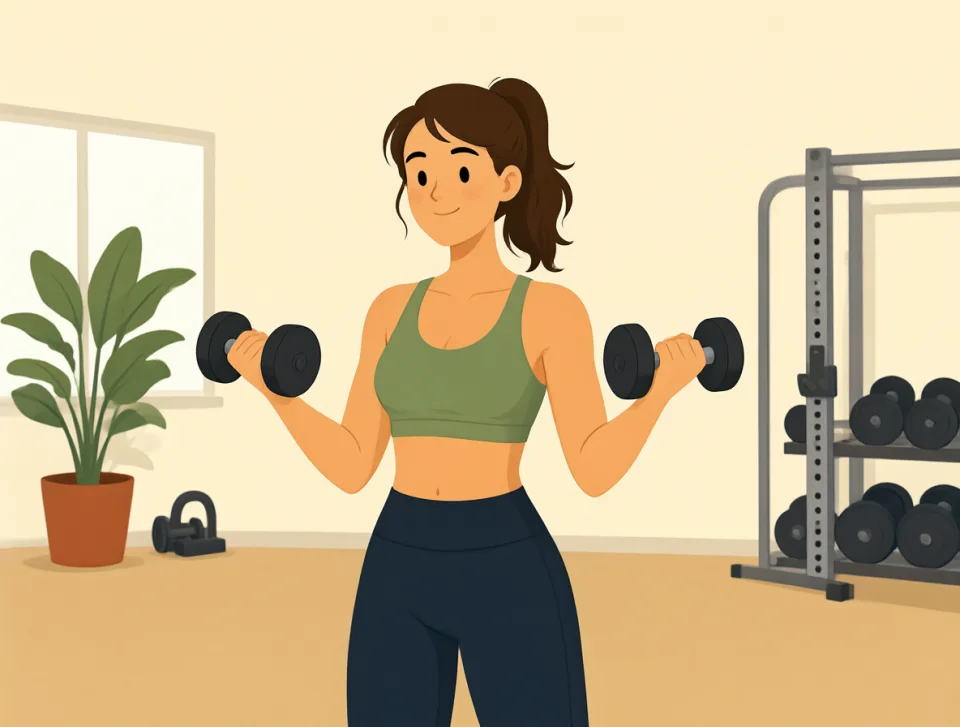
Regular exercise helps build strong muscles and keeps your body healthy.
ورزش منظم به تقویت عضلات کمک میکند و بدن را سالم نگه میدارد.
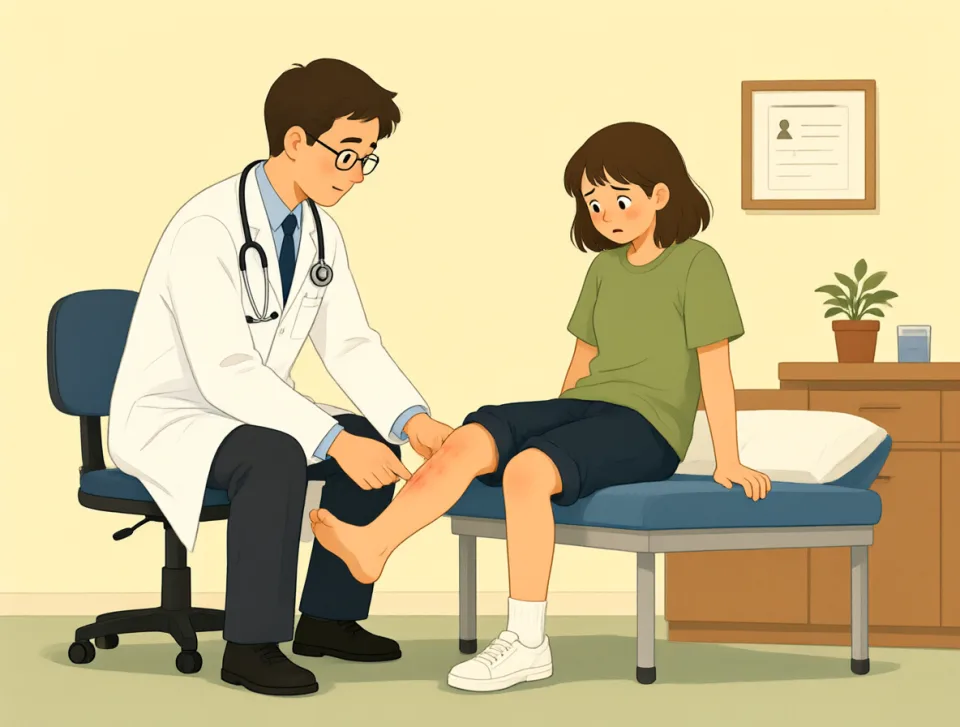
The doctor said I should rest the injured muscle for a few days.
پزشک گفت باید چند روز به عضلهٔ آسیبدیده استراحت بدهم.
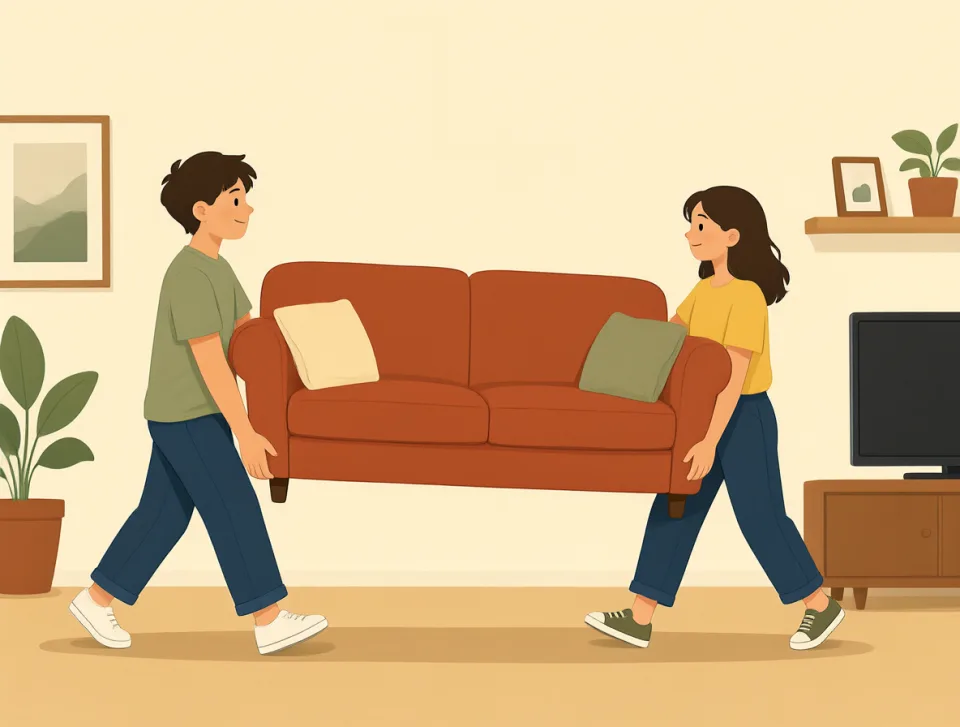
Moving the furniture took a lot of muscle, so we asked our friends for help.
جابجاکردن مبلمان نیروی زیادی میخواست، برای همین از دوستانمان کمک گرفتیم.

The team needs to muscle past its problems and finish the project.
تیم باید با قدرت از پس مشکلاتش بربیاید و پروژه را تمام کند.
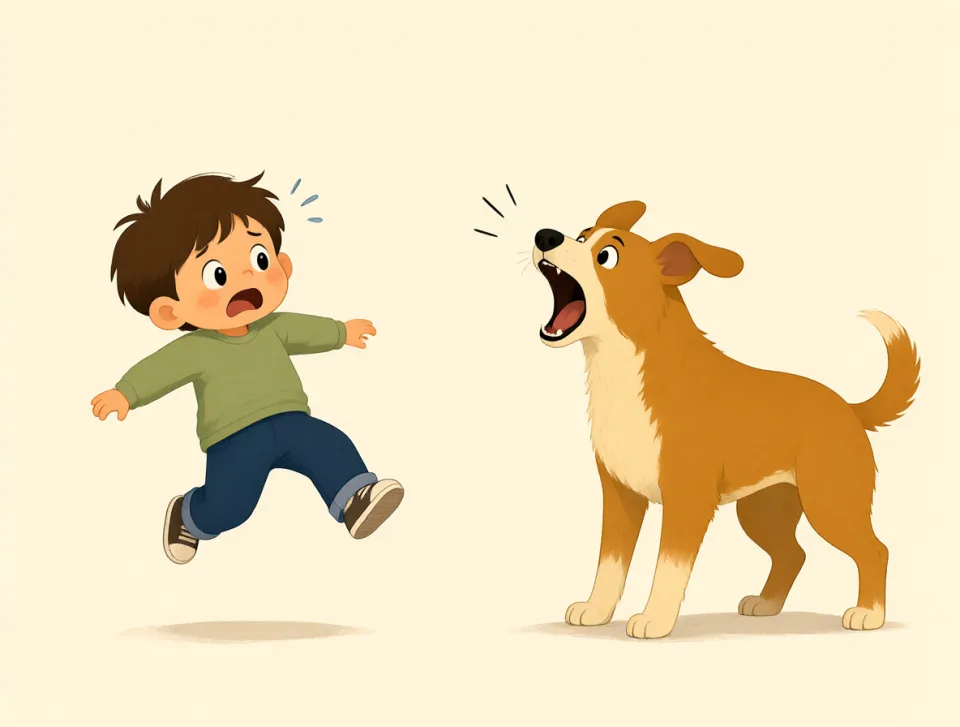
scare
#2156noun, verb
ترس
A sudden feeling of fear, or to make someone feel afraid.
احساس ناگهانی ترس، یا ترساندن کسی.
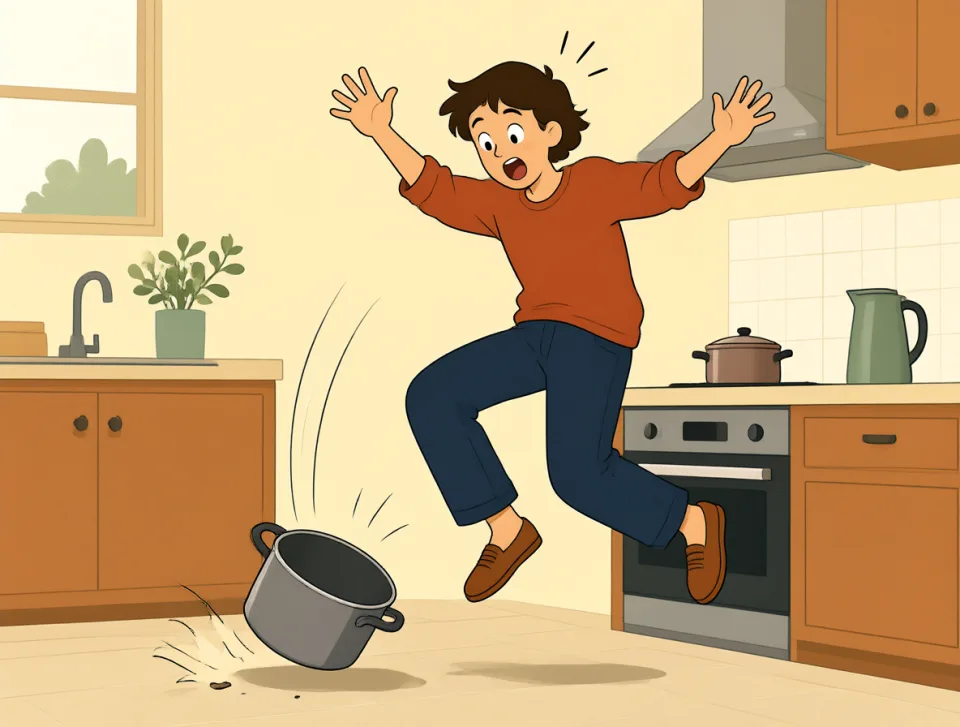
The loud noise gave me a scare while I was cooking dinner.
وقتی داشتم شام میپختم، صدای بلند یکهام داد.
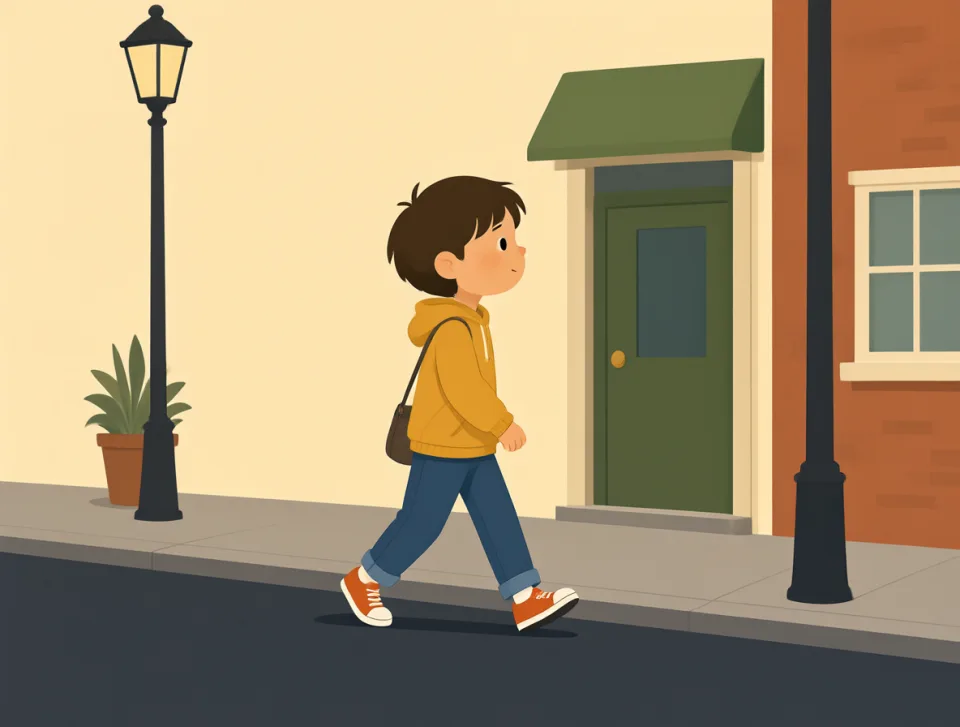
Dark streets can scare children when they walk home alone.
خیابانهای تاریک میتوانند بچهها را وقتی تنها به خانه برمیگردند بترسانند.
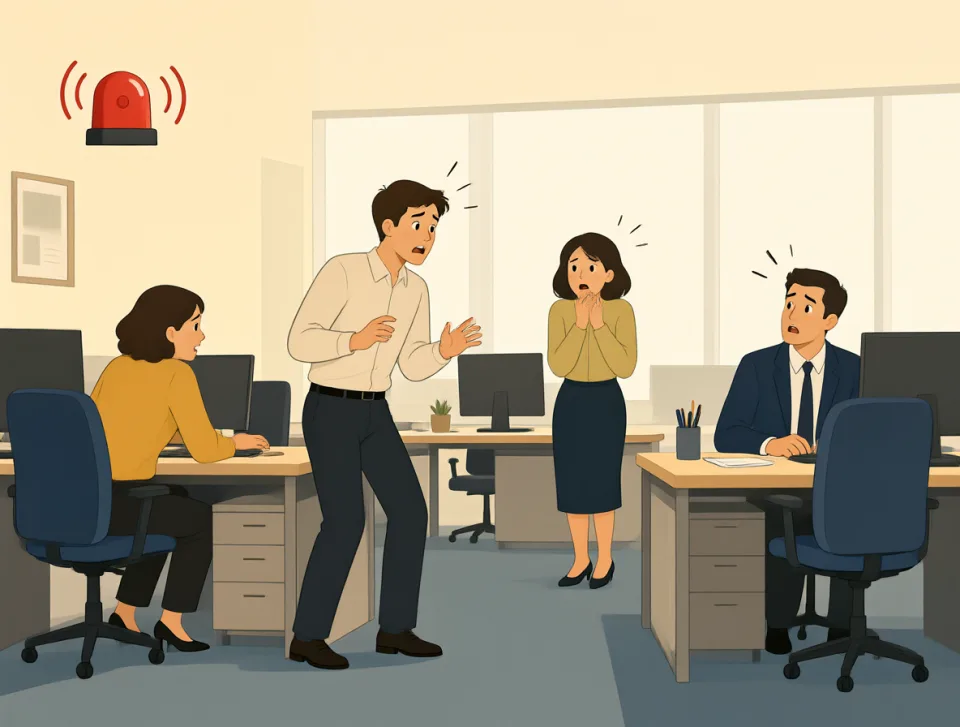
The sudden alarm scared everyone in the office.
صدای ناگهانی زنگ خطر همه را در دفتر ترساند.

That horror movie really scared my little brother last night.
آن فیلم ترسناک دیشب واقعاً برادر کوچکم را ترساند.

The doctor’s warning scared her, but the treatment was successful.
هشدار پزشک او را ترساند، اما درمان موفقیتآمیز بود.
badly
#2157adverb
بد؛ شدیداً
in a poor or harmful way; very much
بهشکلی نامطلوب یا زیانبار؛ بسیار زیاد.
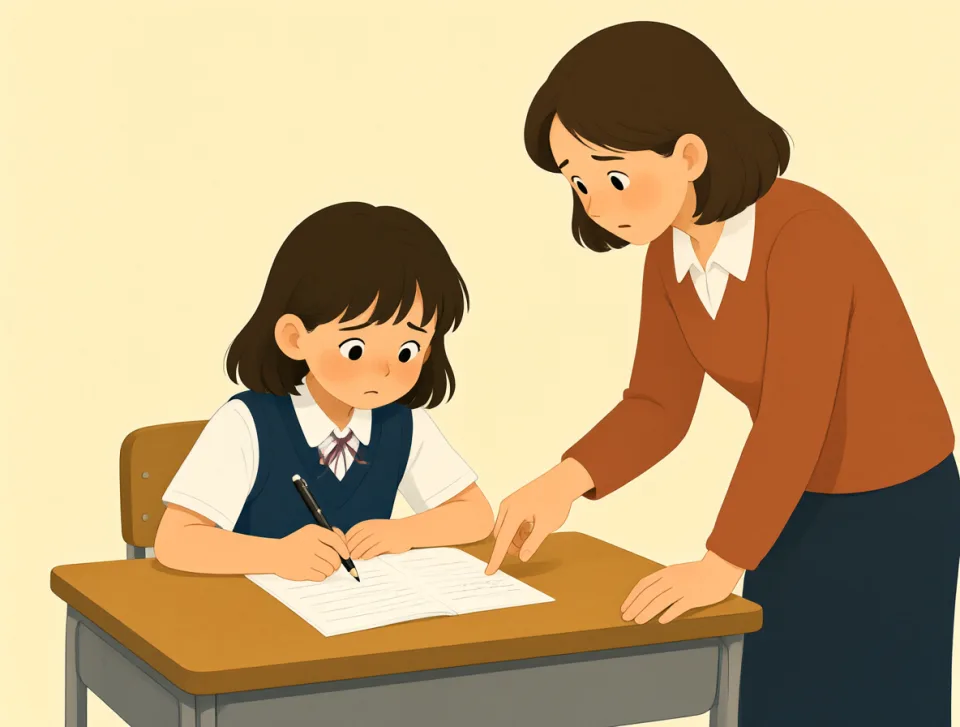
The student spelled the word badly and lost marks on her spelling test.
دانشآموز کلمه را غلط نوشت و در آزمون املا نمره از دست داد.
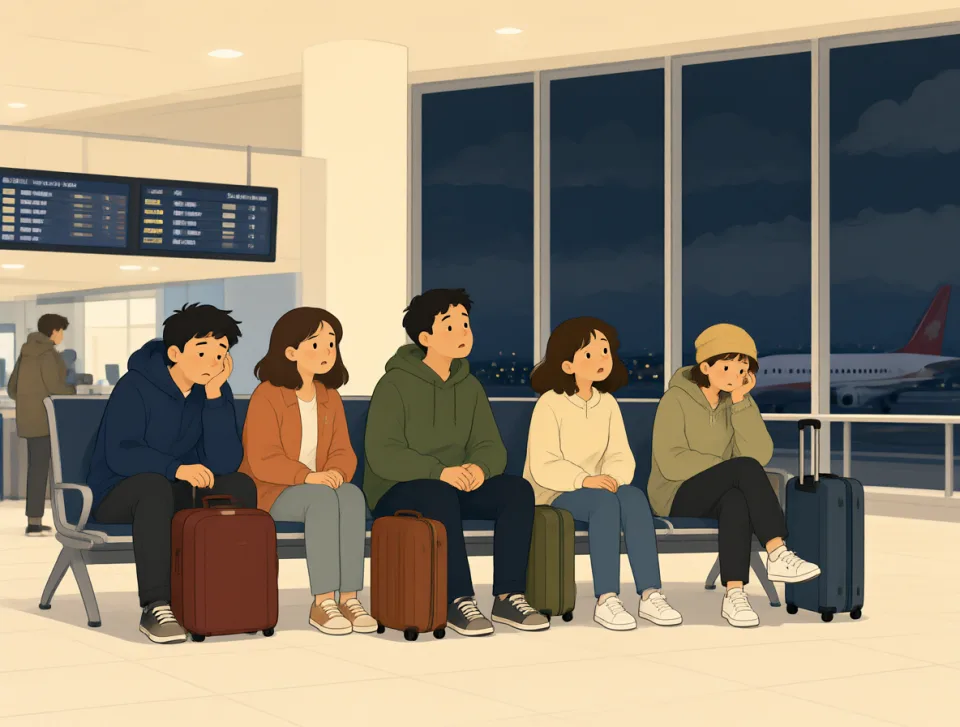
Our flight was badly delayed by a storm, so we arrived after midnight.
پروازمان بهدلیل طوفان خیلی تأخیر داشت، برای همین بعد از نیمهشب رسیدیم.
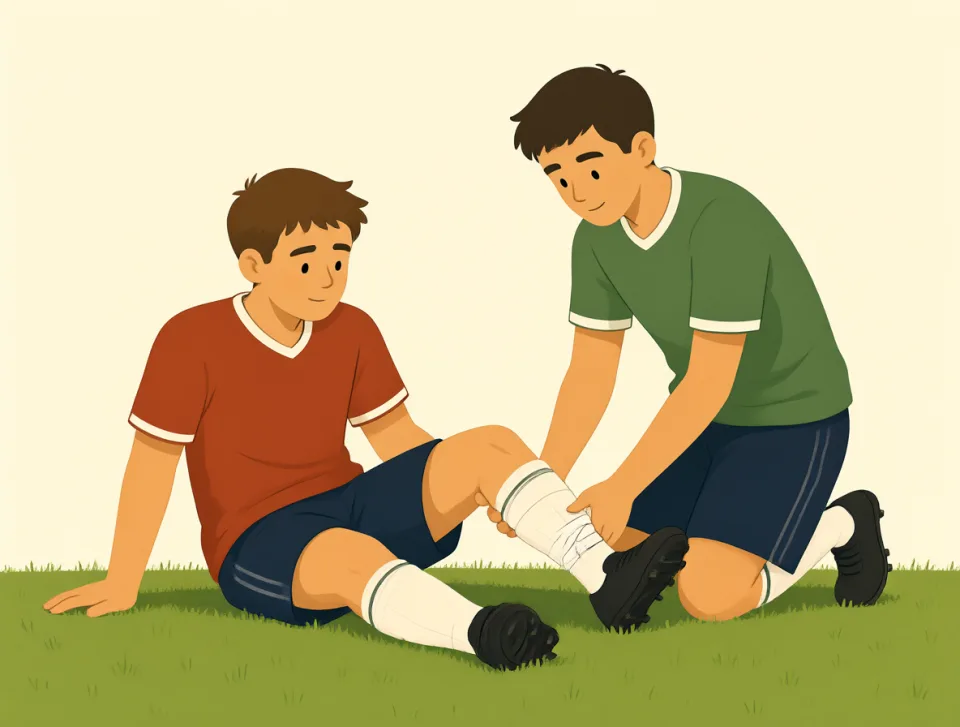
He was badly hurt playing football and needed help walking home.
او هنگام فوتبال بهشدت آسیب دید و برای برگشتن به خانه به کمک نیاز داشت.

I badly need a cup of coffee after working all morning.
بعد از یک صبح کار کردن، واقعاً به یک فنجان قهوه نیاز دارم.
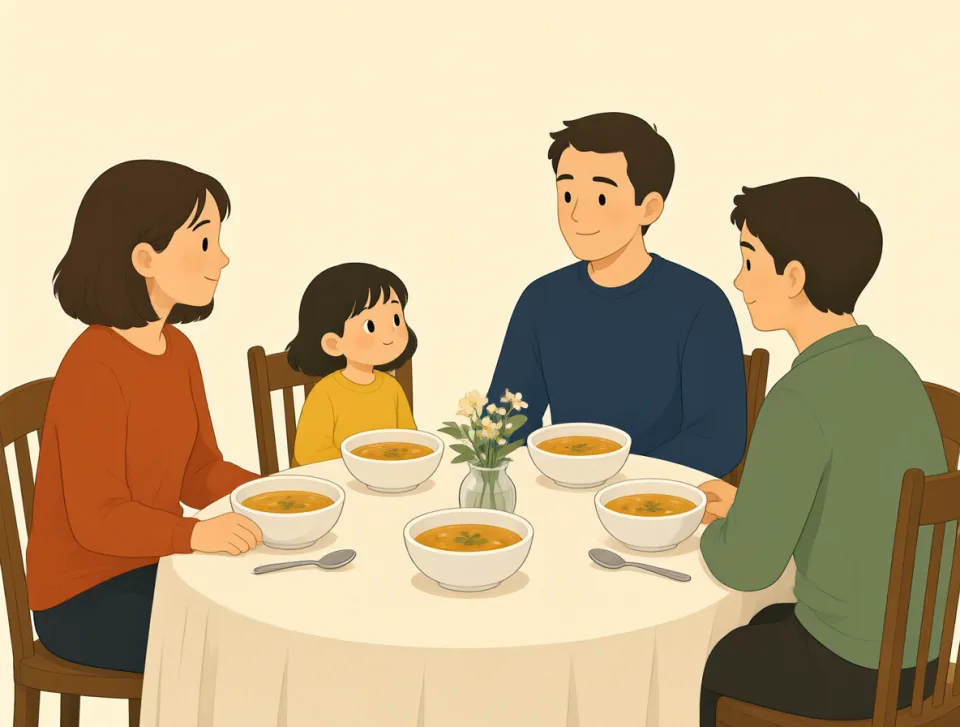
The soup was badly seasoned, so nobody wanted a second bowl.
سوپ خیلی بد مزهدار شده بود، برای همین هیچکس نخواست یک کاسه دیگر بخورد.

everyday
#2158adjective
روزمره؛ معمولی
普通の日常的な;特別ではない
مربوط به زندگی روزمره و معمولی؛ نه خاص و غیرعادی.
I wear comfortable everyday clothes when I work from home.
وقتی از خانه کار میکنم، لباسهای راحت روزمره میپوشم.
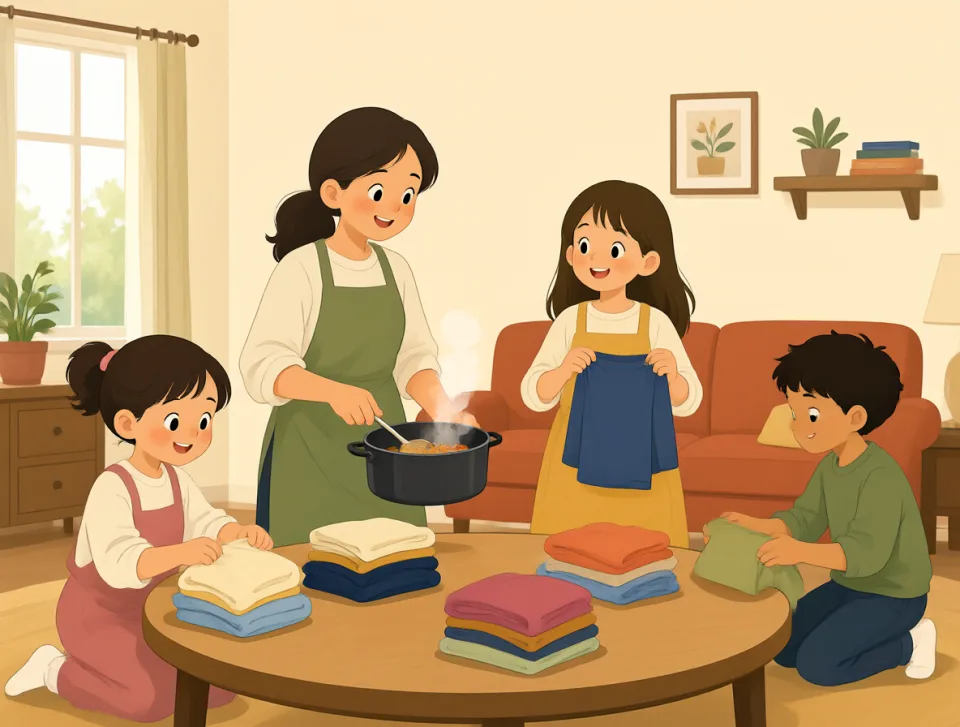
These everyday activities help children learn useful life skills.
این فعالیتهای روزمره به بچهها کمک میکنند مهارتهای مفیدی برای زندگی یاد بگیرند.
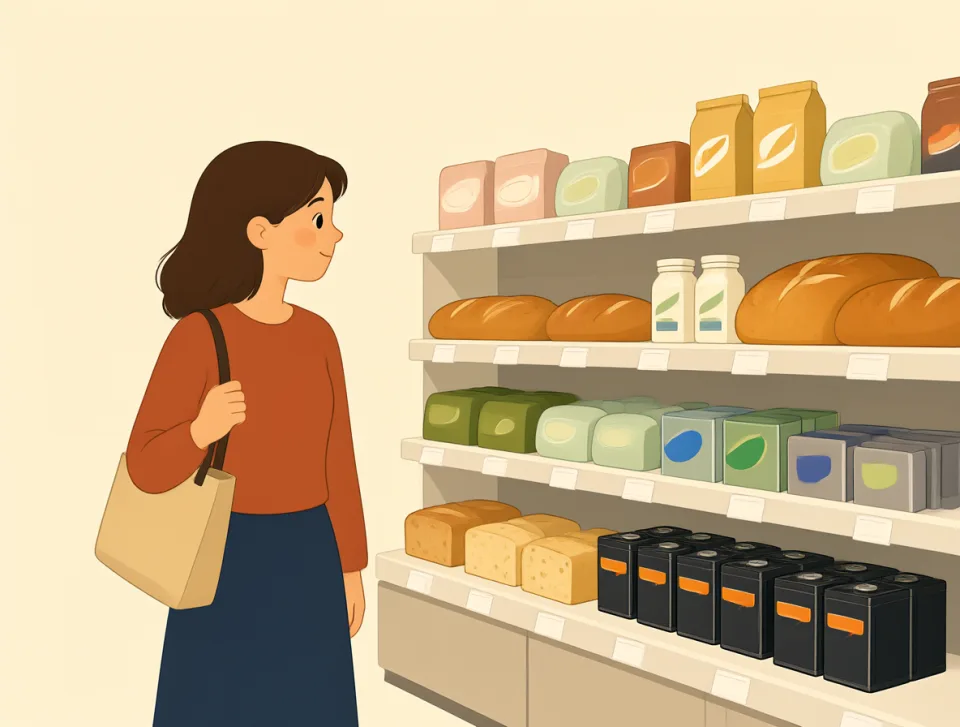
The shop sells everyday items like soap, bread, and batteries.
این مغازه وسایل روزمرهای مثل صابون، نان و باتری میفروشد.

She uses everyday English when speaking with her international coworkers.
او هنگام صحبت با همکاران بینالمللیاش از انگلیسی روزمره استفاده میکند.
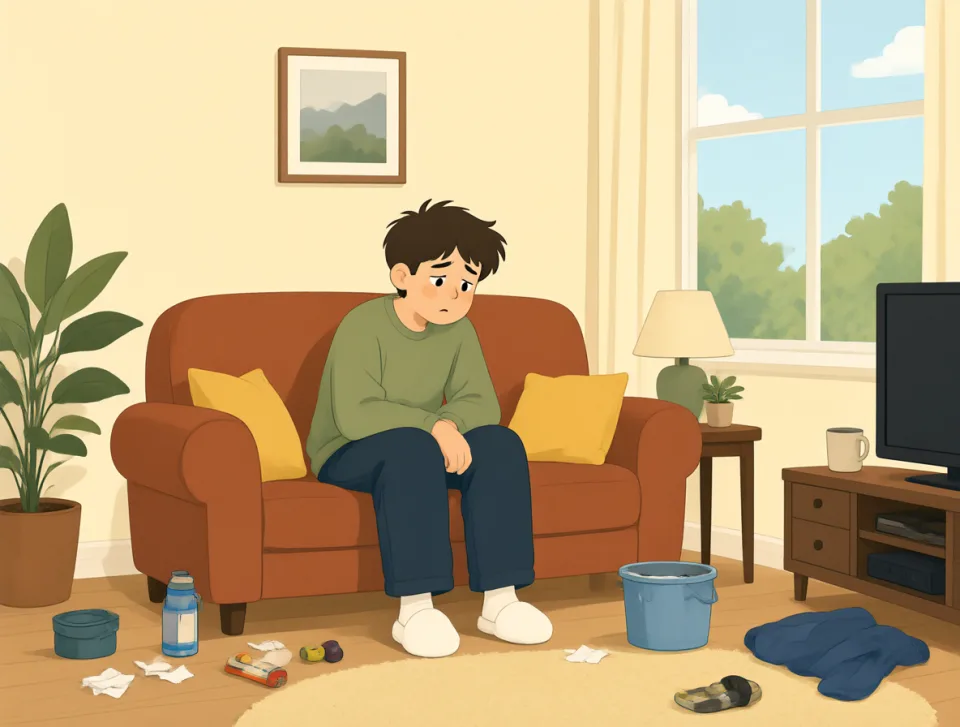
Small everyday problems can feel stressful when you are tired.
وقتی خستهای، مشکلات کوچک روزمره هم میتوانند استرسزا به نظر برسند.
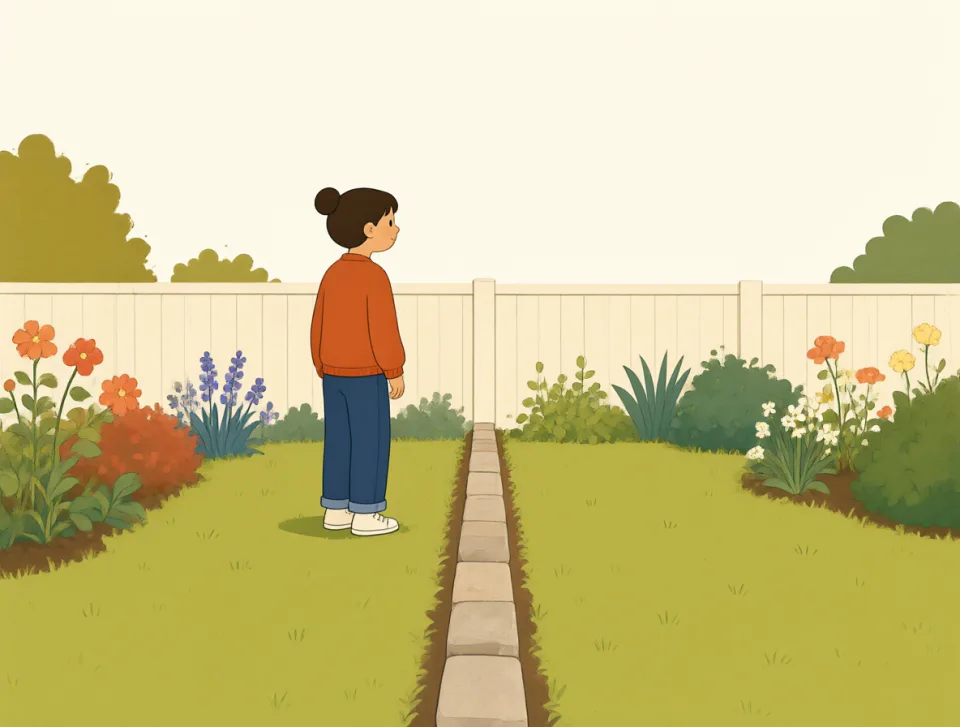
boundary
#2159noun
مرز؛ حد
A limit that shows where something ends or what behavior is acceptable.
حدی که نشان میدهد چیزی کجا تمام میشود یا چه رفتاری پذیرفتنی است.
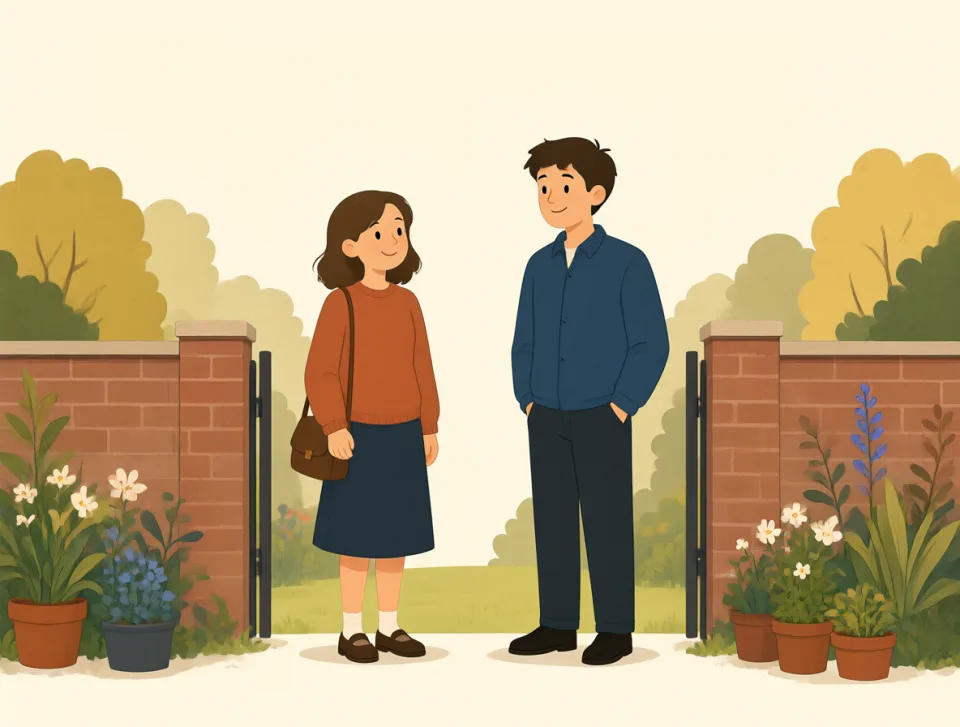
The fence marks the boundary between our garden and the neighbor's.
حصار، مرز بین باغ ما و باغ همسایه را مشخص میکند.

Please respect my personal boundaries and give me some quiet time.
لطفاً به حریم شخصیام احترام بگذار و کمی به من فرصت بده تا در آرامش باشم.
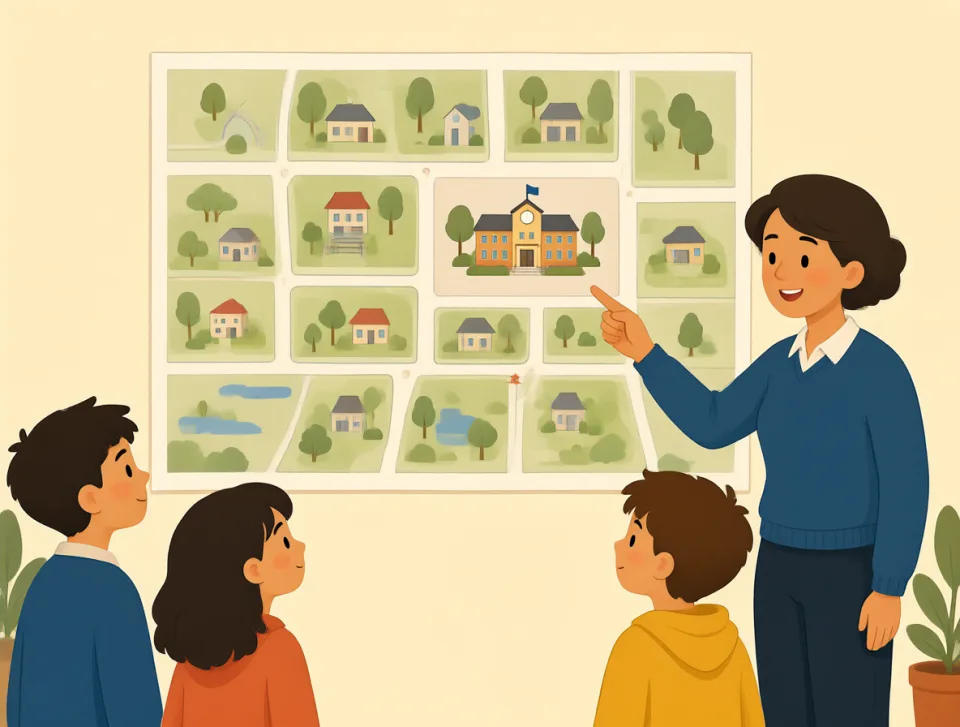
The school boundary includes three streets and two nearby apartment buildings.
محدوده مدرسه شامل سه خیابان و دو ساختمان آپارتمانی نزدیک آن است.

The river forms a natural boundary between the two countries.
این رودخانه مرزی طبیعی بین دو کشور است.
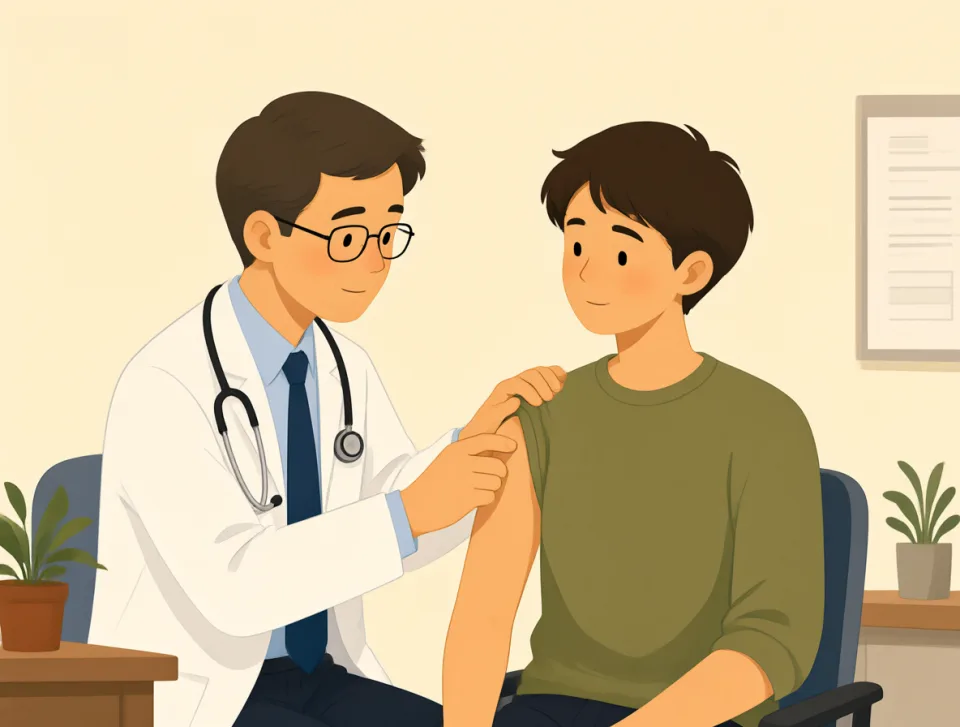
The doctor explained that the pain was near the boundary of my shoulder.
پزشک توضیح داد که درد نزدیک مرز شانهام است.

ratio
#2160noun
نسبت
A relationship between two numbers that shows how much of one there is compared with the other.
رابطهای بین دو عدد که نشان میدهد مقدار یکی در مقایسه با دیگری چقدر است.
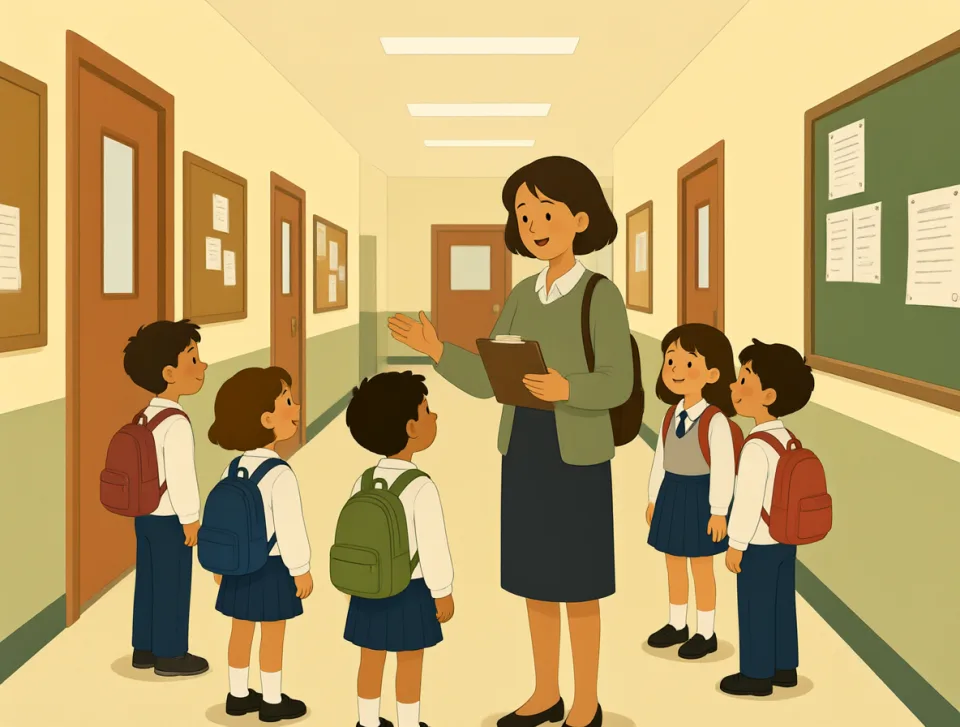
The ratio of students to teachers is twelve to one.
نسبت دانشآموزان به معلمان دوازده به یک است.
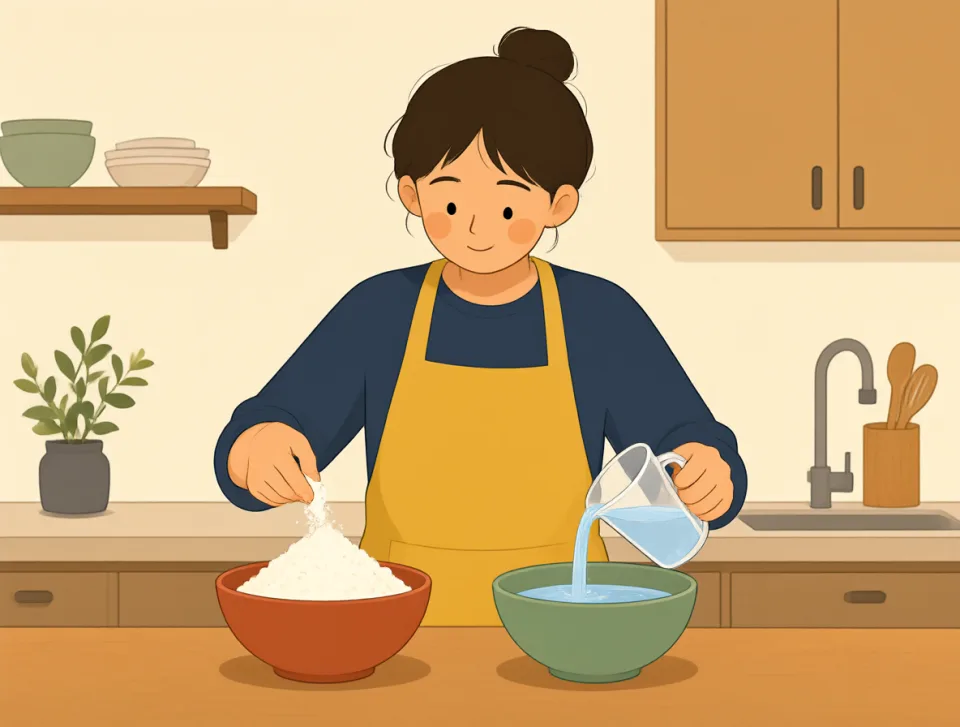
Mix the flour and water in a ratio of two to one.
آرد و آب را به نسبت دو به یک مخلوط کنید.
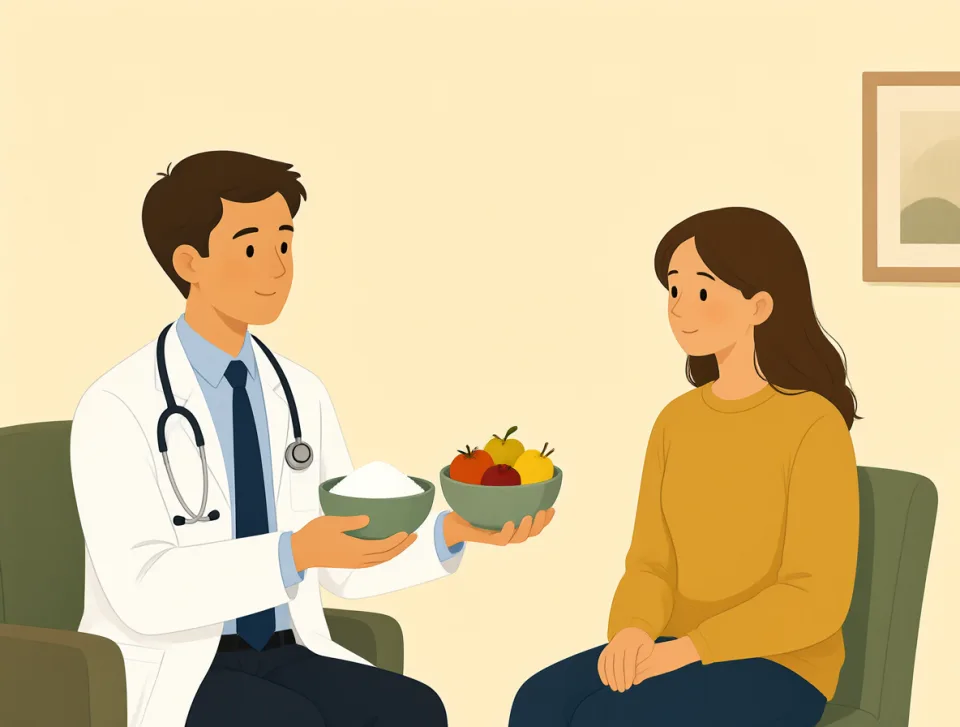
The doctor recommended reducing the ratio of sugar to fruit in smoothies.
پزشک توصیه کرد نسبت شکر به میوه را در اسموتیها کمتر کنیم.

This store offers a better price-to-quality ratio than its competitors.
این فروشگاه در مقایسه با رقبایش نسبت قیمت به کیفیت بهتری ارائه میدهد.

The ratio of sunny days to rainy days made our vacation enjoyable.
نسبت روزهای آفتابی به روزهای بارانی باعث شد تعطیلاتمان لذتبخش شود.