بخش 135
واژههای 2681 تا 2700 · cluster, confusion, hurry, logic, controversial, raw
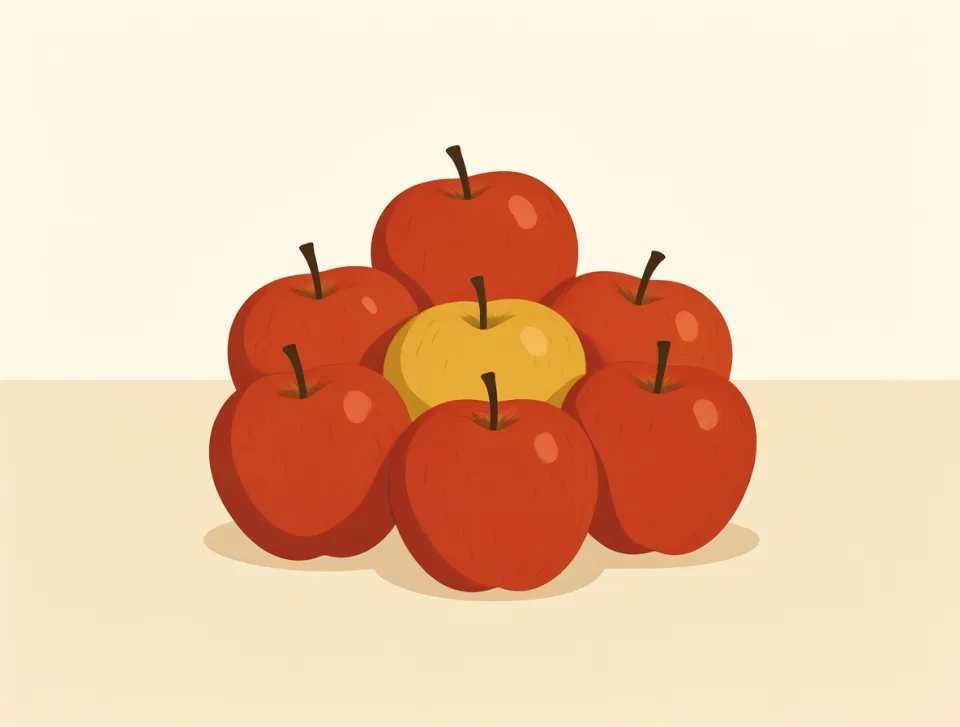
cluster
#2681noun, verb
خوشه
A group of similar things close together, or to gather closely in one place.
گروهی از چیزهای مشابه که نزدیک هم قرار گرفتهاند؛ یا جمع شدن و نزدیک هم قرار گرفتن در یک جا.
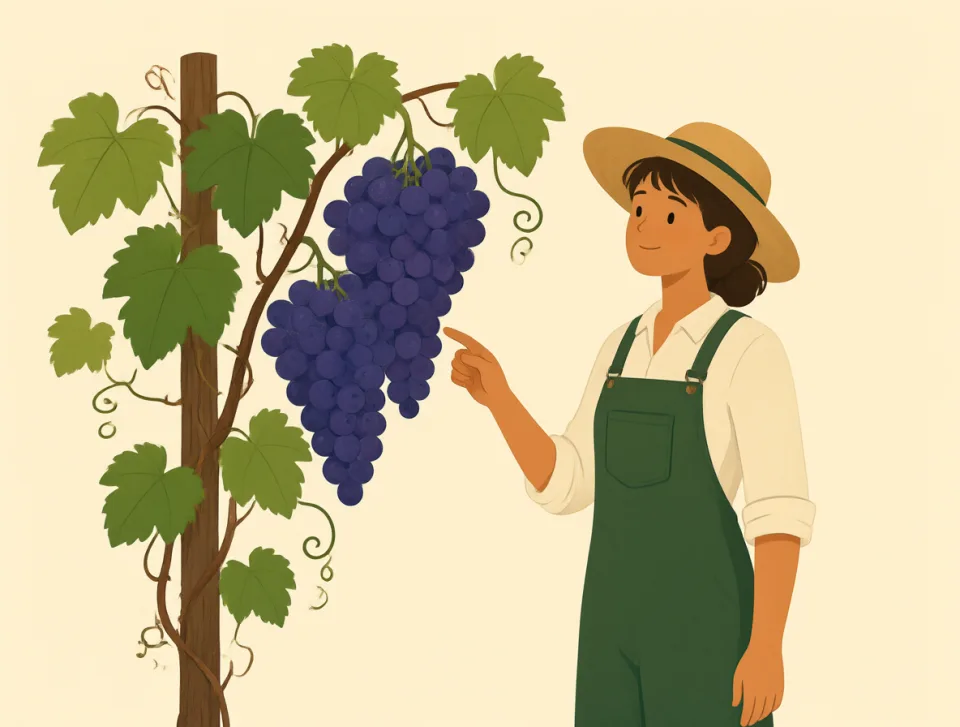
A cluster of grapes hung from the vine beside the garden path.
خوشهای از انگور از تاکی کنار مسیر باغ آویزان بود.
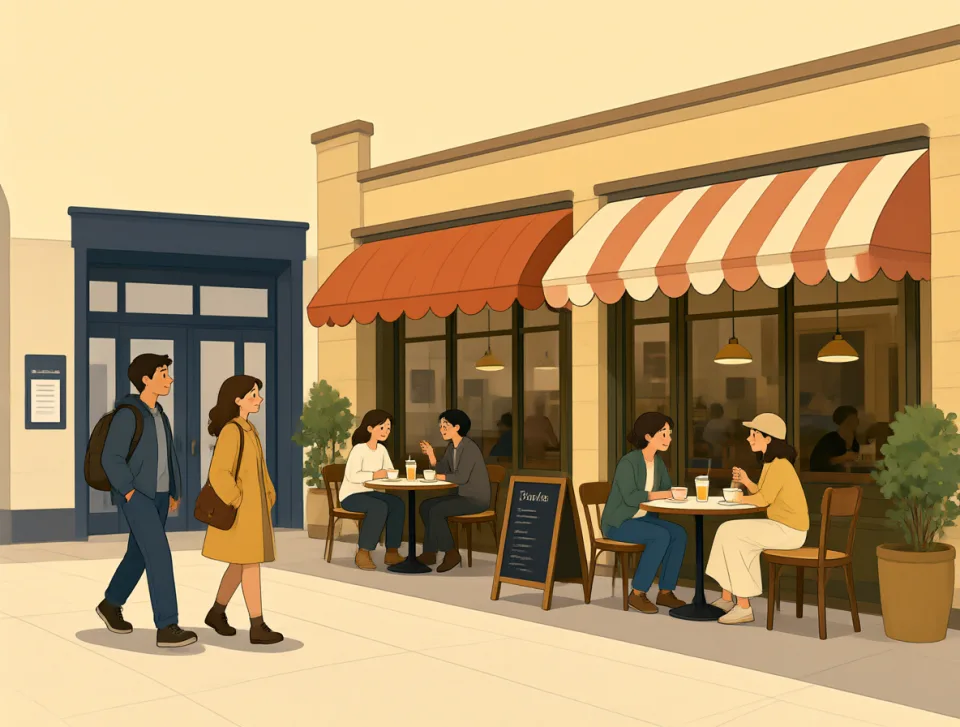
We found a small cluster of cafés near the train station.
نزدیک ایستگاه قطار چند کافه را کنار هم پیدا کردیم.
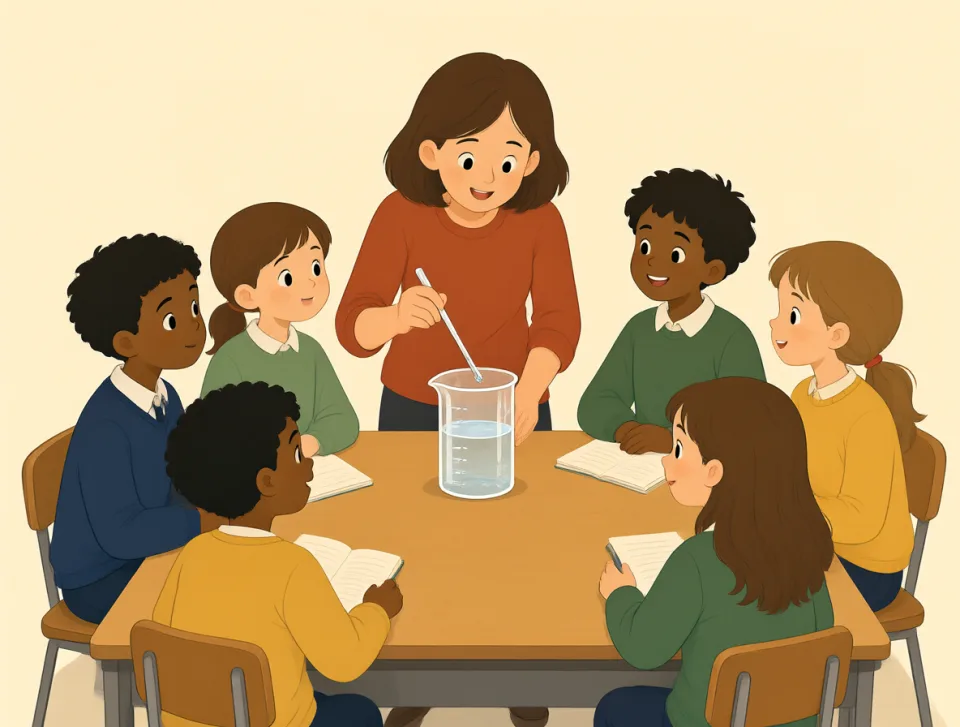
The children clustered around the teacher to see her science experiment.
بچهها دور معلم جمع شدند تا آزمایش علمی او را ببینند.
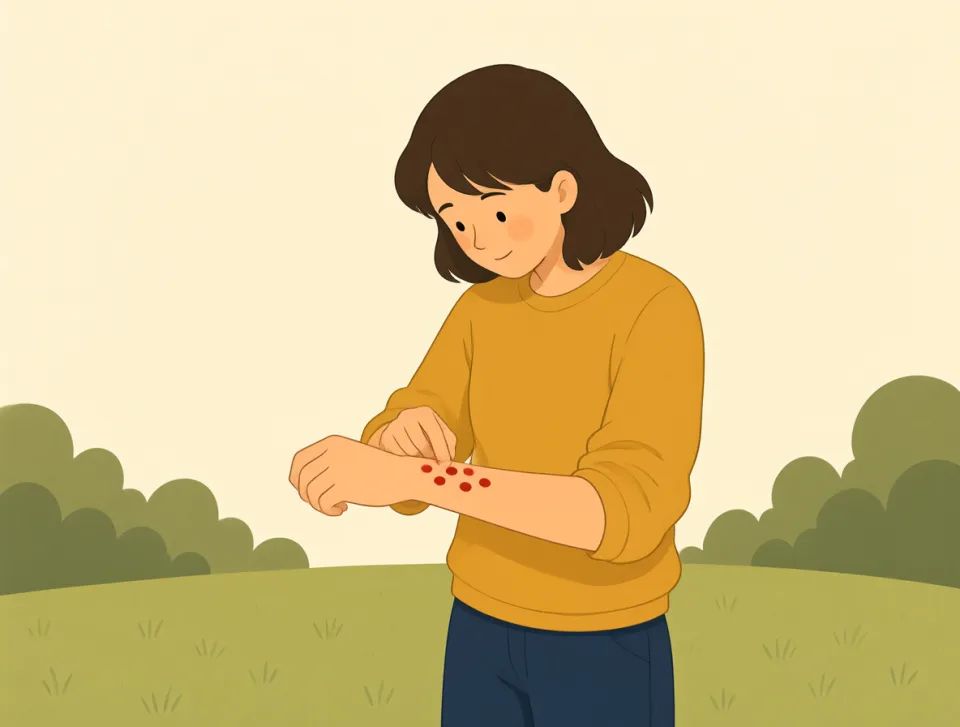
A cluster of red spots appeared on my arm after the hike.
بعد از پیادهروی، خوشهای از لکههای قرمز روی بازویم ظاهر شد.
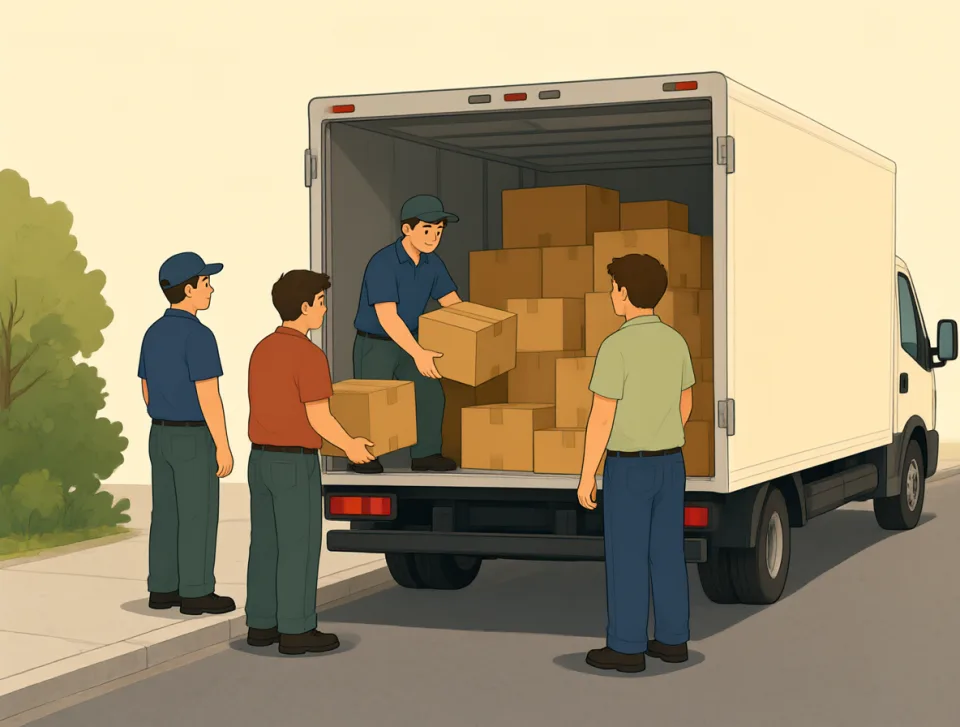
The workers clustered around the delivery truck to unload boxes.
کارگرها دور کامیون تحویل بار جمع شدند تا جعبهها را خالی کنند.
confusion
#2682noun
سردرگمی
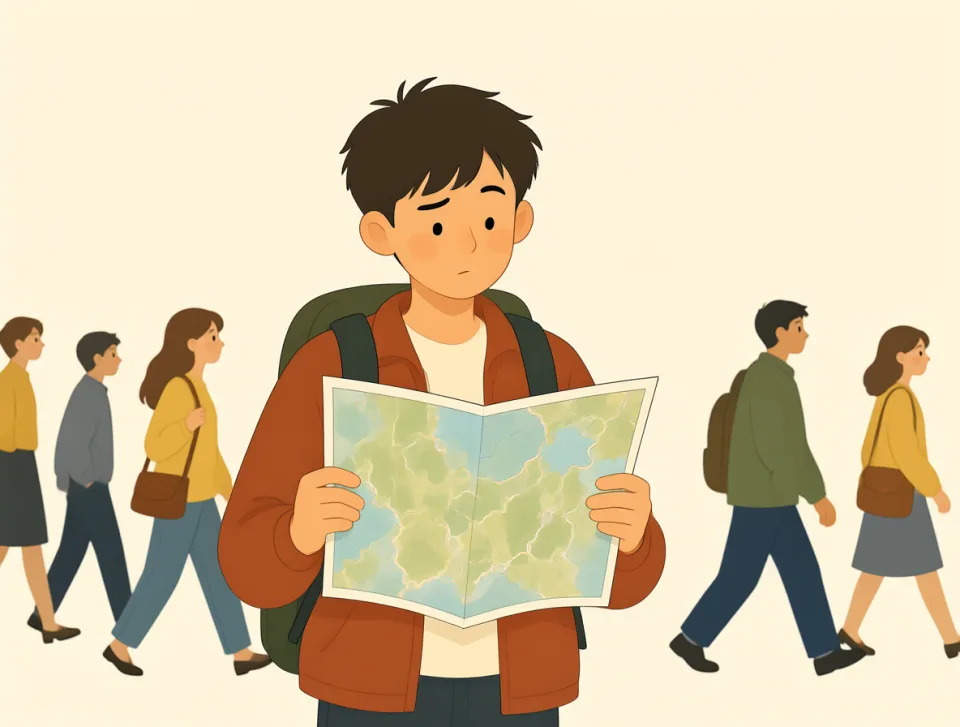
A state of not understanding something clearly or of feeling unsure what to do.
حالتی که در آن چیزی را بهروشنی نمیفهمید یا نمیدانید چهکار کنید.

There was some confusion about which room the meeting would be in.
دربارهٔ اینکه جلسه در کدام اتاق برگزار میشود، کمی سردرگمی وجود داشت.
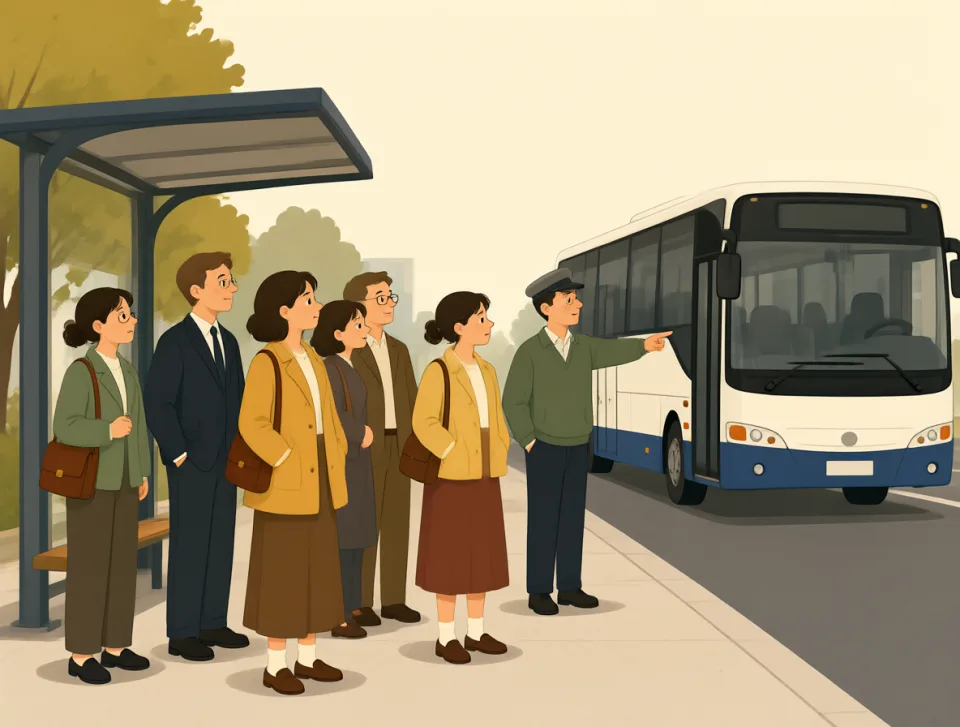
The new bus route caused confusion among passengers at the station.
مسیر جدید اتوبوس باعث سردرگمی مسافران در ایستگاه شد.
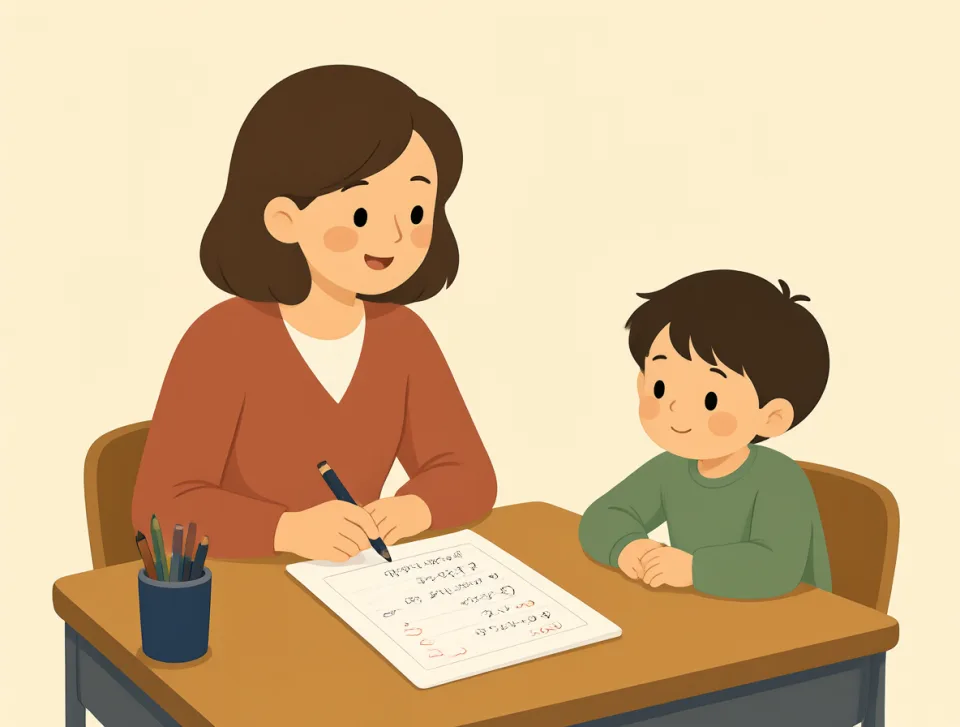
She cleared up the confusion by explaining the homework instructions again.
او با توضیح دوبارهٔ دستورالعمل تکلیف، سردرگمی را برطرف کرد.
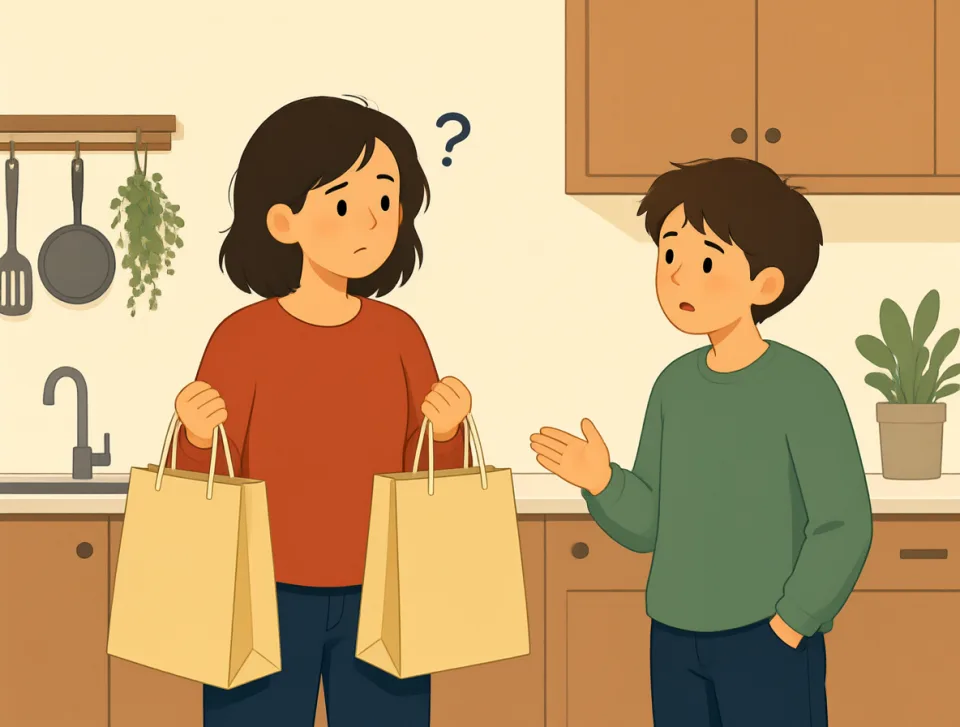
I mixed up the two shopping bags, causing confusion at home.
دو کیسهٔ خرید را با هم اشتباه گرفتم و در خانه باعث سردرگمی شدم.
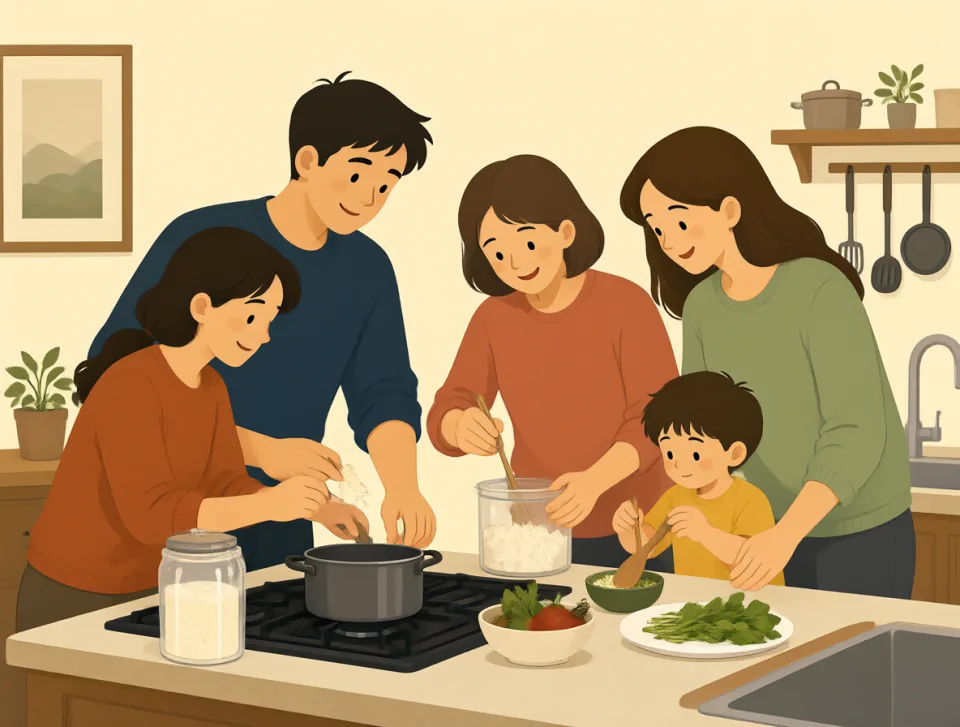
There was confusion in the kitchen when everyone tried to cook at once.
وقتی همه سعی کردند همزمان آشپزی کنند، آشپزخانه حسابی شلوغ و آشفته شد.
hurry
#2683noun, verb
عجله کردن
To do something quickly or make someone move or act quickly.
کاری را با سرعت انجام دادن یا کسی را وادار کردن که سریعتر حرکت یا عمل کند.
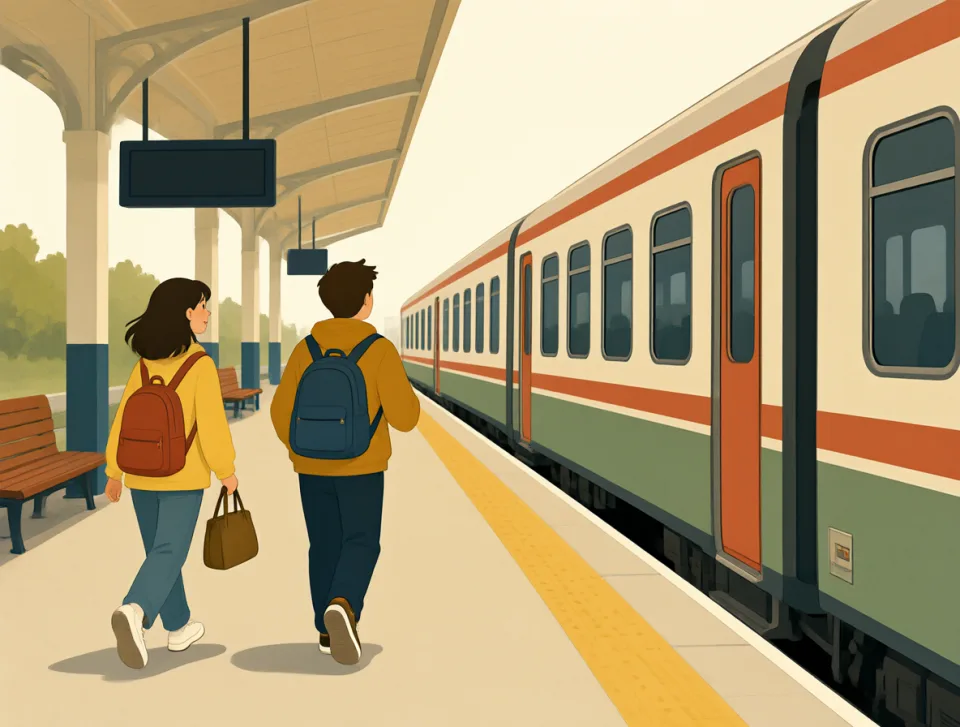
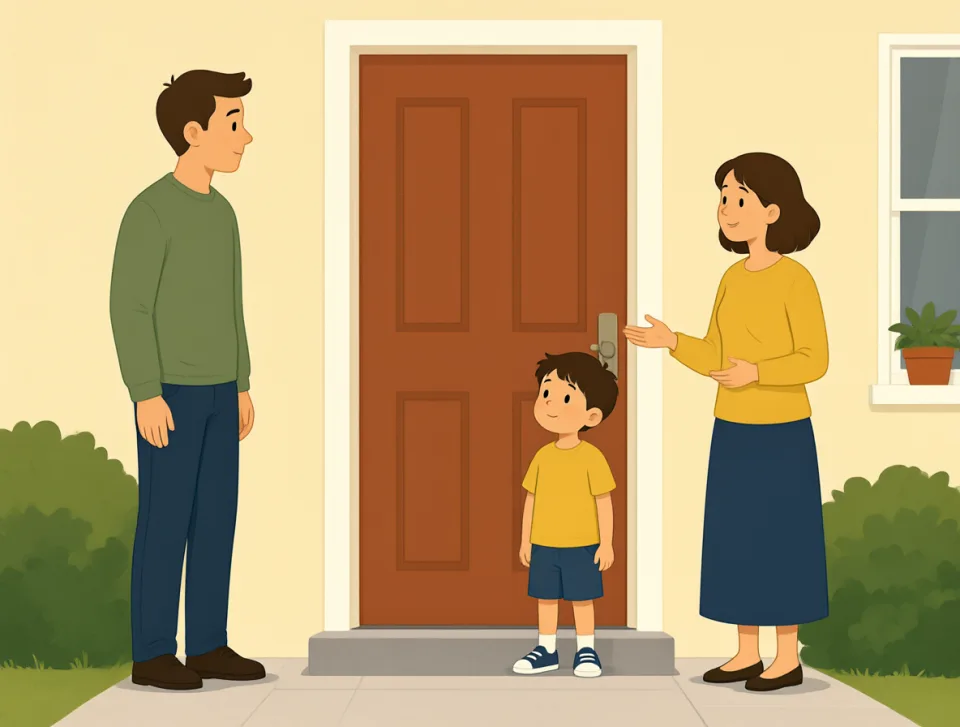
We hurried to catch the last train after dinner.
بعد از شام با عجله رفتیم تا به آخرین قطار برسیم.
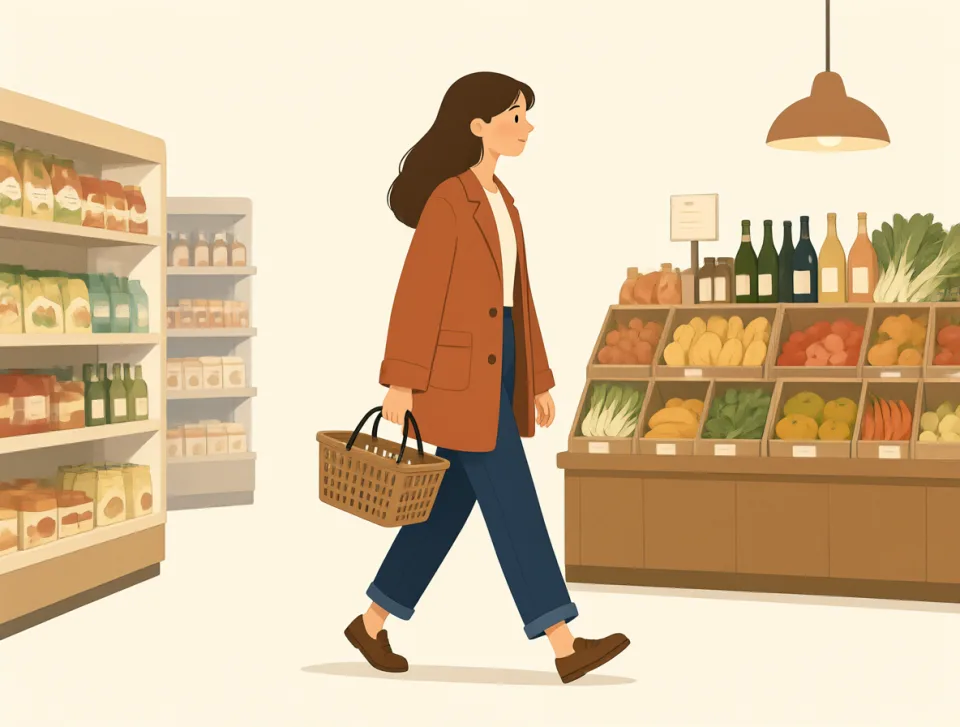
There’s no need to hurry; the store stays open until nine.
لازم نیست عجله کنی؛ فروشگاه تا ساعت نه باز است.
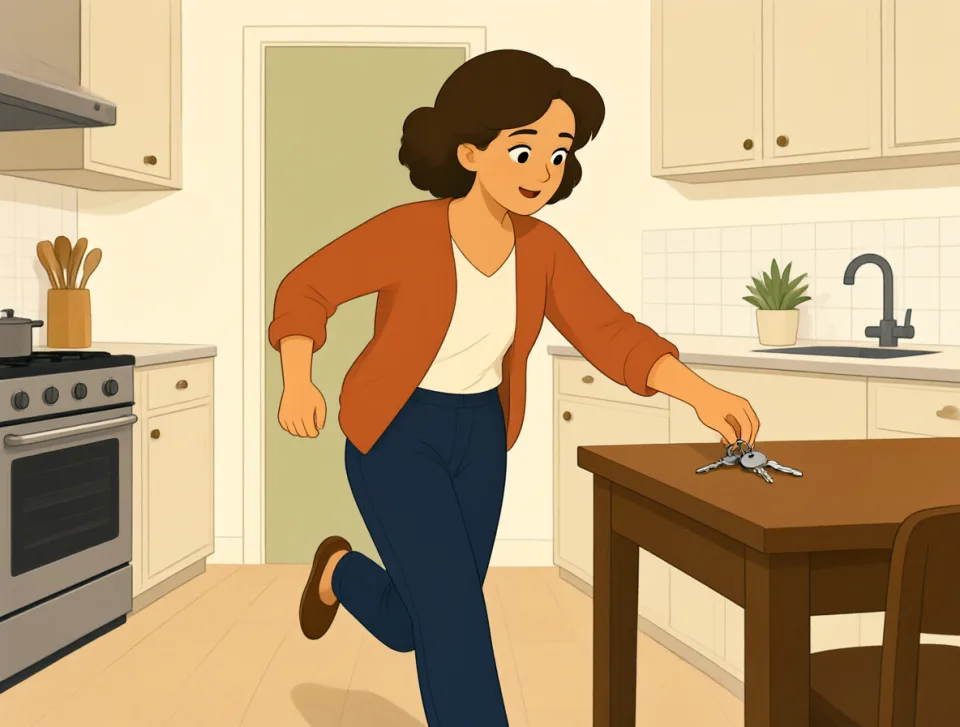
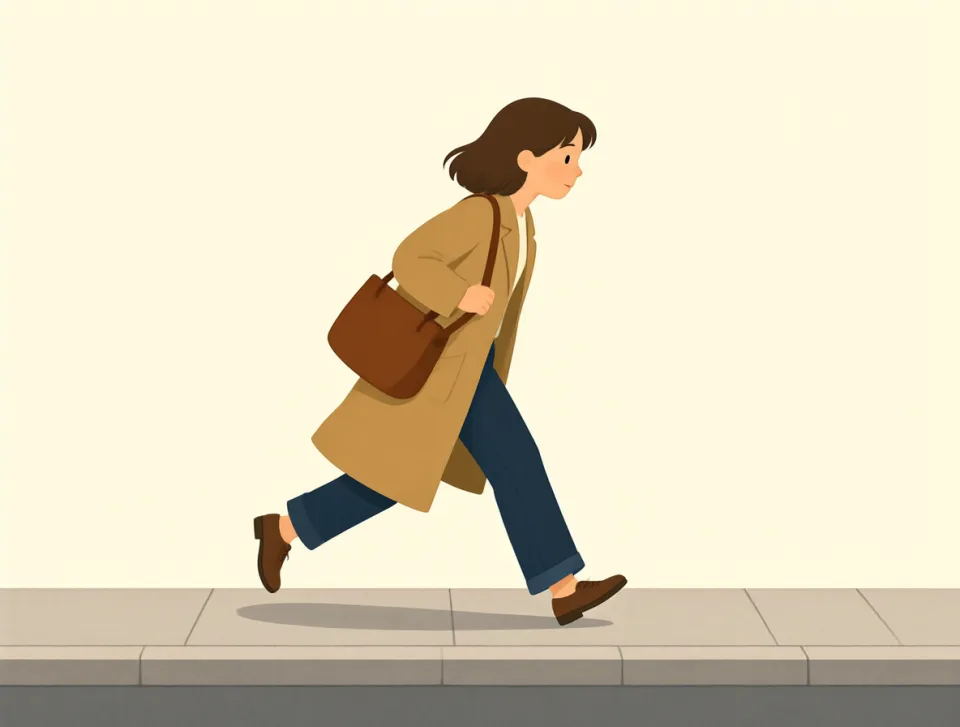
She was in a hurry and left her keys on the kitchen table.
عجله داشت و کلیدهایش را روی میز آشپزخانه جا گذاشت.
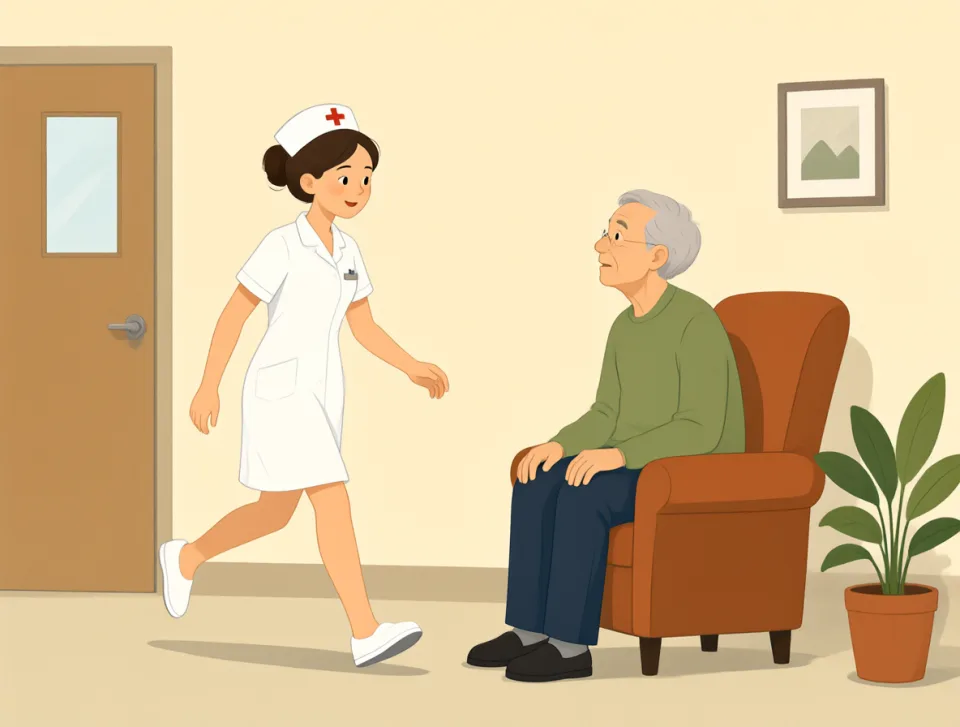
The nurse hurried to help the patient when he felt dizzy.
وقتی بیمار احساس سرگیجه کرد، پرستار باعجله به کمکش رفت.
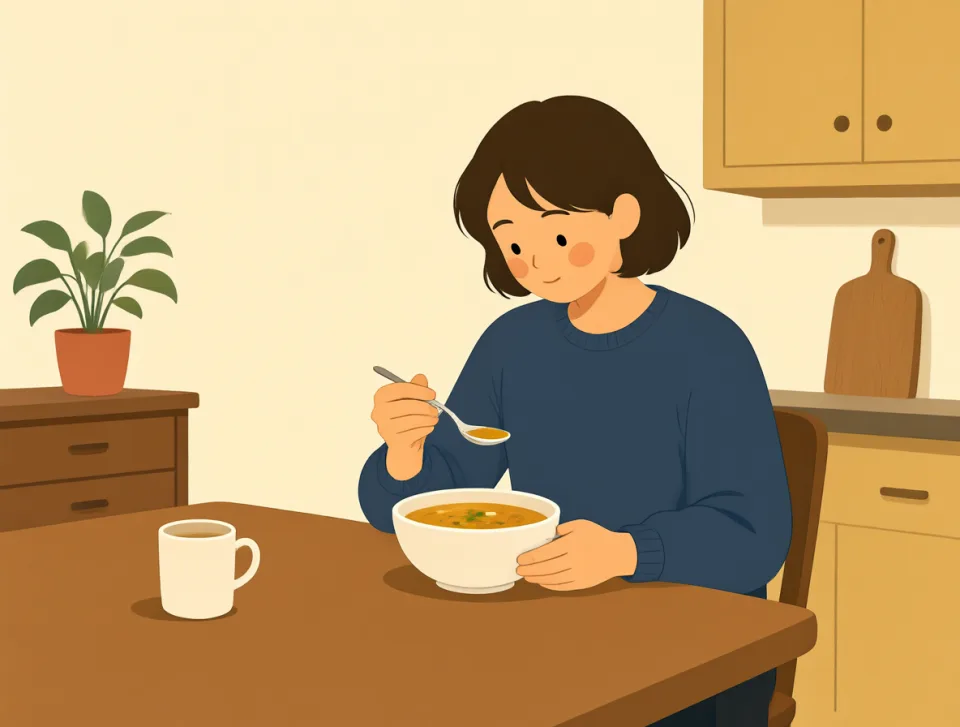
Don’t hurry your meal; take time to enjoy the soup.
غذایت را با عجله نخور؛ وقت بگذار و از سوپ لذت ببر.
logic
#2684noun
منطق
A way of thinking that uses clear reasons to decide what is true or sensible.
شیوهای از تفکر که برای تشخیص درست یا معقول بودن چیزی، بر دلیلهای روشن تکیه میکند.
Her logic was clear, so everyone agreed that we should leave early.
استدلال او روشن بود، برای همین همه موافق بودند که باید زودتر برویم.
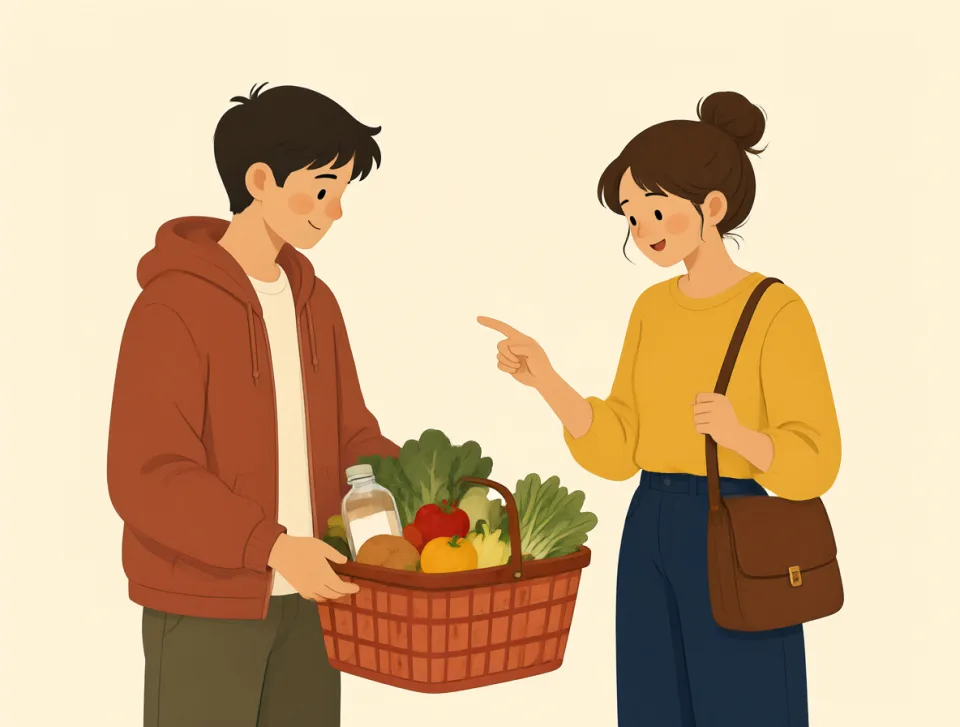
There is no logic in buying food we will never eat.
خریدن غذایی که هیچوقت نمیخوریم هیچ منطقی ندارد.
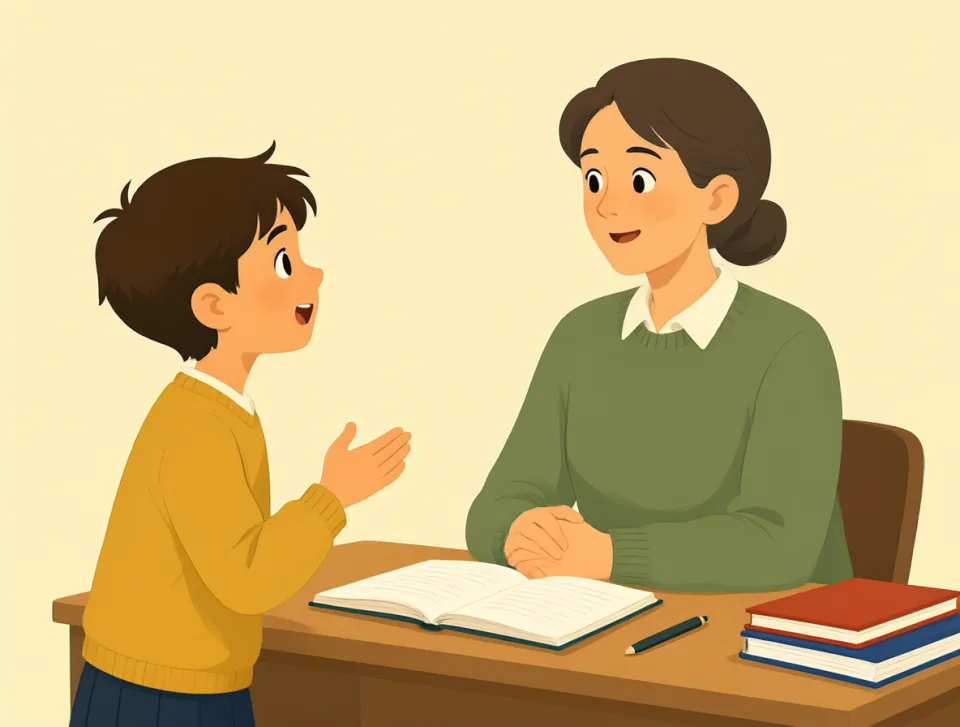
The teacher asked us to explain the logic behind our answers.
معلم از ما خواست منطقِ پشت پاسخهایمان را توضیح دهیم.
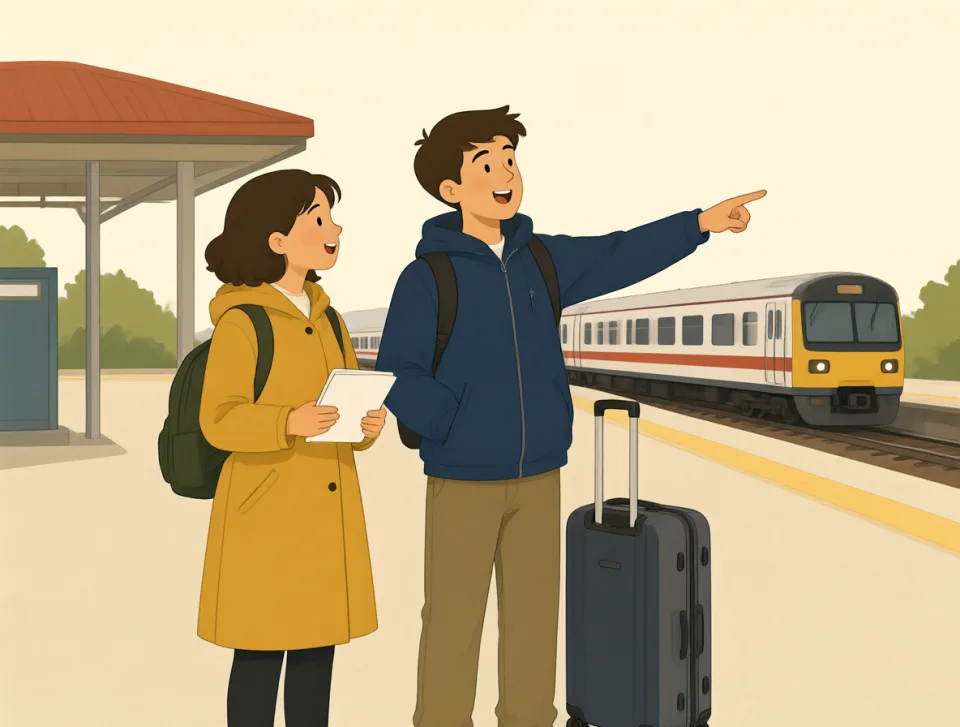
I understand your logic, but taking the train will save us time.
منطق حرفت را میفهمم، اما با قطار رفتن در وقتمان صرفهجویی میکند.

The doctor used simple logic to explain why I need more rest.
دکتر با استدلالی ساده توضیح داد که چرا باید بیشتر استراحت کنم.
controversial
#2685adjective
بحثبرانگیز
Likely to cause strong disagreement among people.
احتمالاً باعث اختلافنظر شدید میان مردم میشود.
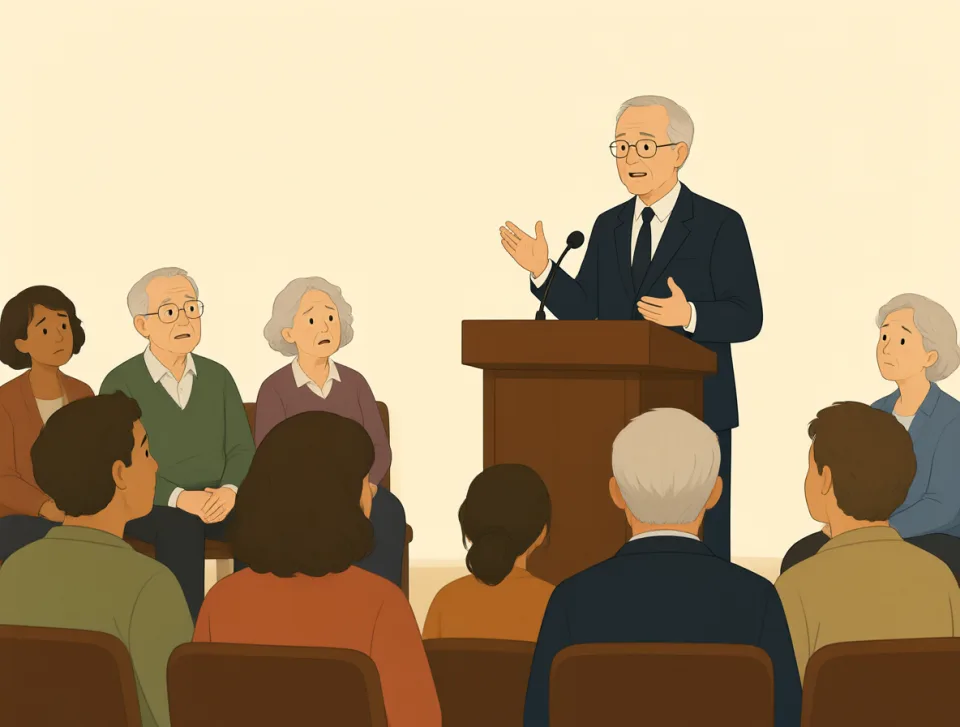
The mayor’s controversial plan to close the library upset many local families.
طرح بحثبرانگیز شهردار برای بستن کتابخانه، بسیاری از خانوادههای محلی را ناراحت کرد.
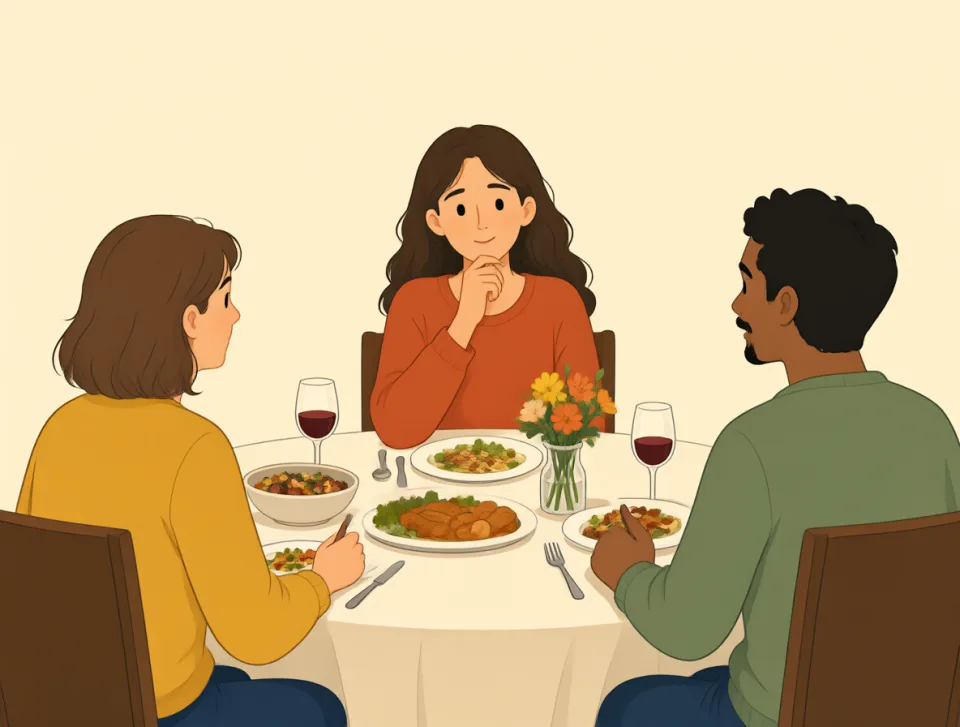
She avoided discussing the controversial decision with her friends over dinner.
او سر شام از صحبت دربارهٔ تصمیم بحثبرانگیز با دوستانش پرهیز کرد.
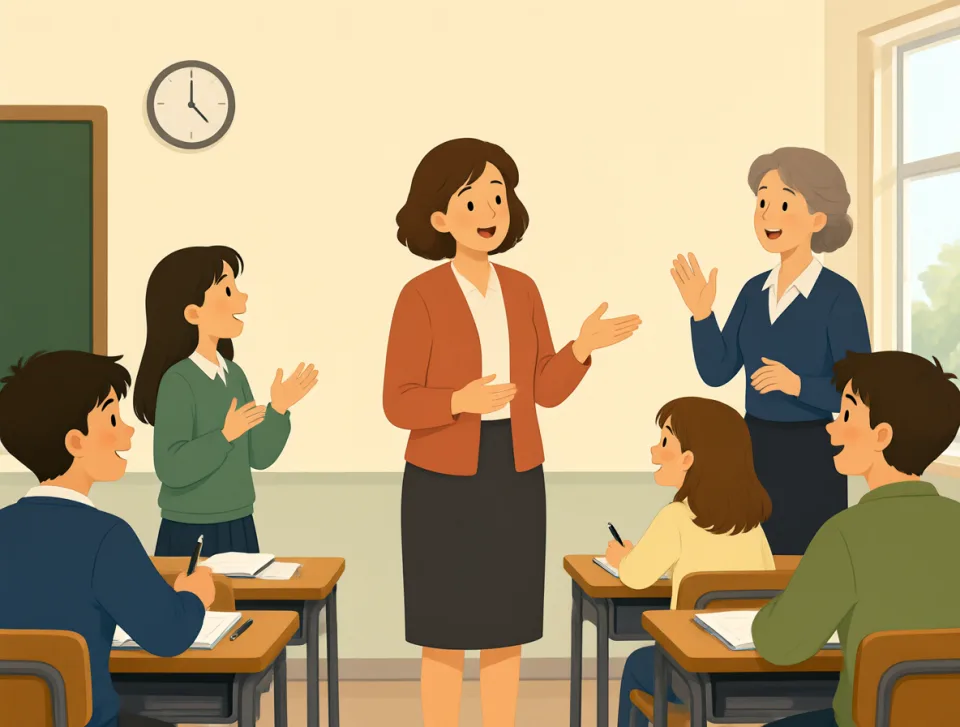
The teacher asked us to debate a controversial issue in class.
معلم از ما خواست در کلاس دربارهٔ موضوعی بحثبرانگیز مناظره کنیم.
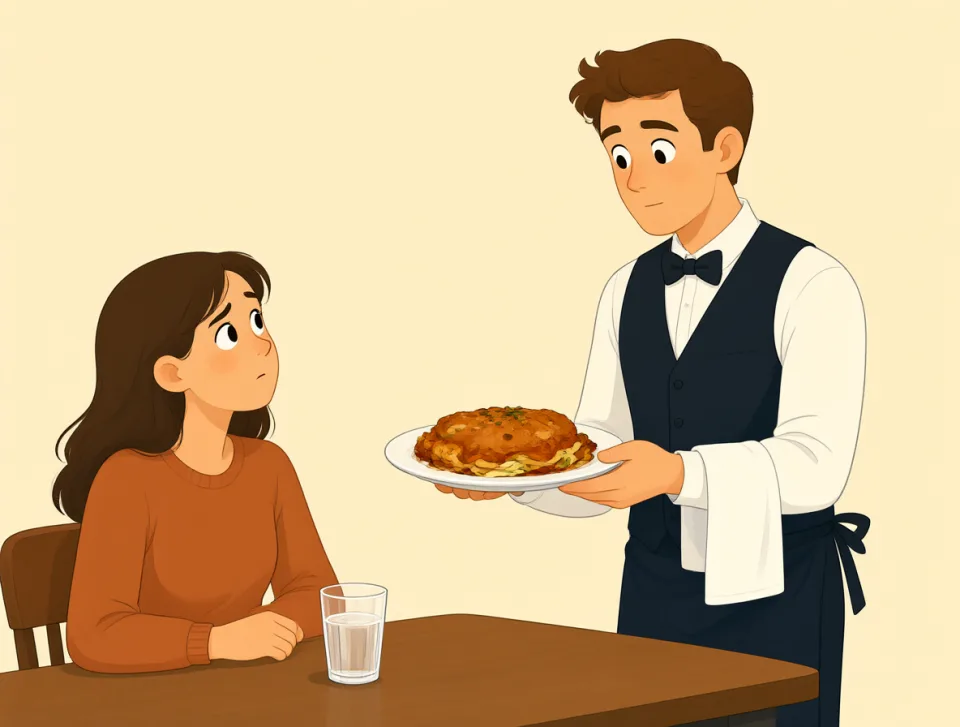
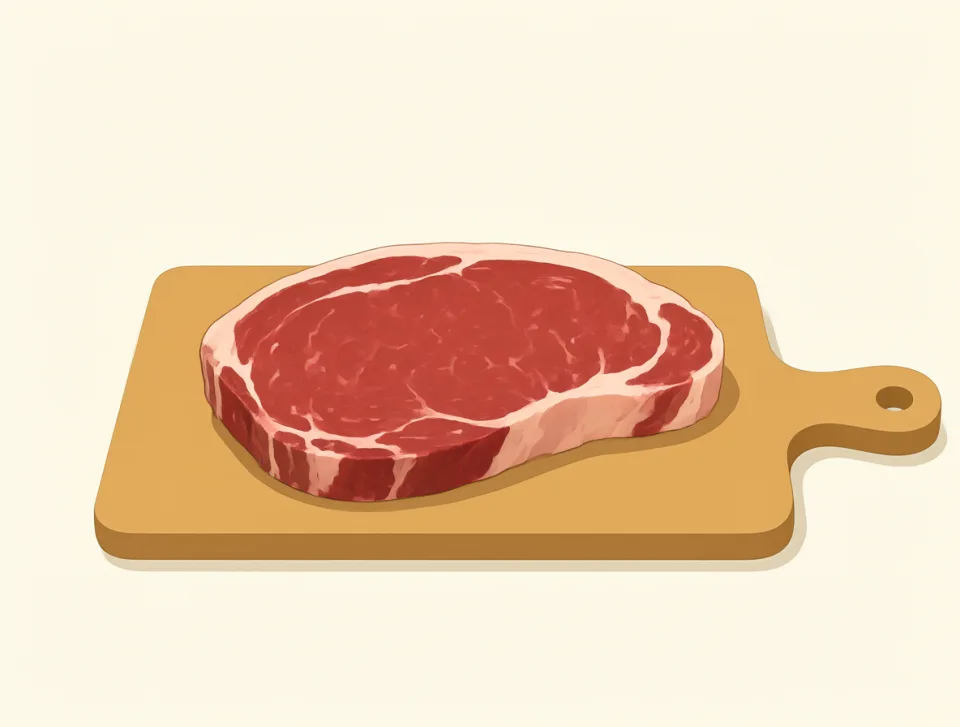
The restaurant’s controversial new menu includes meat from animals raised nearby.
منوی جدید و بحثبرانگیز رستوران شامل گوشت حیواناتی است که در همان نزدیکی پرورش یافتهاند.

His controversial comments about the new policy caused tension at work.
اظهارنظرهای بحثبرانگیز او دربارهٔ سیاست جدید، در محل کار تنش ایجاد کرد.
raw
#2686adjective
خام
Not cooked, processed, or changed by heat or other treatment.
پختهنشده، فرآورینشده یا تغییرنیافته با گرما یا روشهای دیگر.
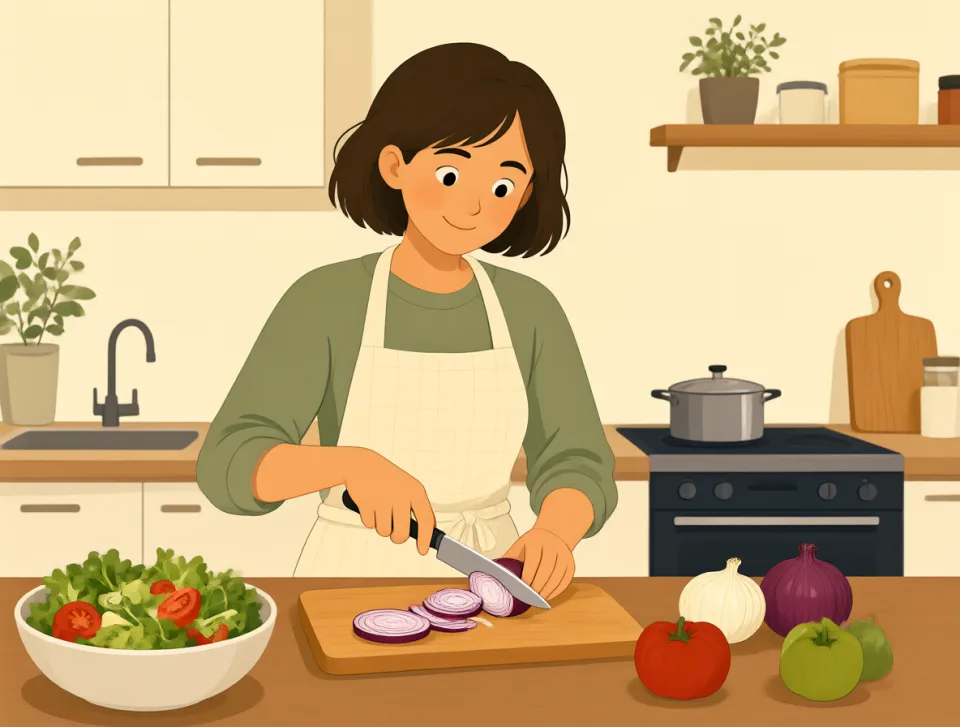
She added raw onions to the salad for extra crunch.
او برای تردتر شدن سالاد، پیاز خام به آن اضافه کرد.
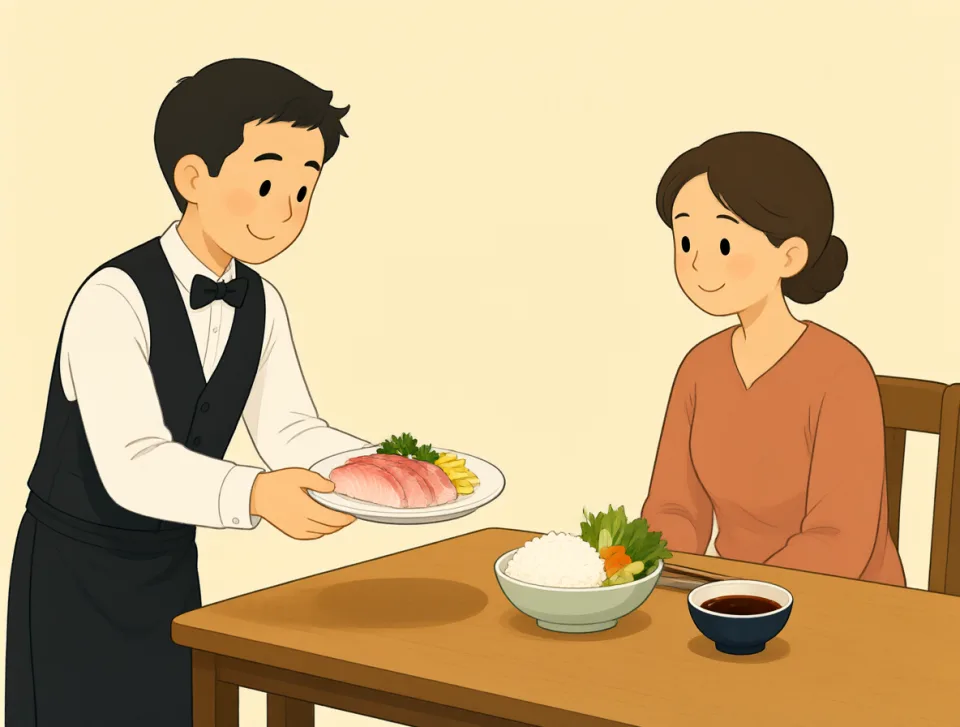
The restaurant serves raw fish with rice and fresh vegetables.
این رستوران ماهی خام را با برنج و سبزیجات تازه سرو میکند.
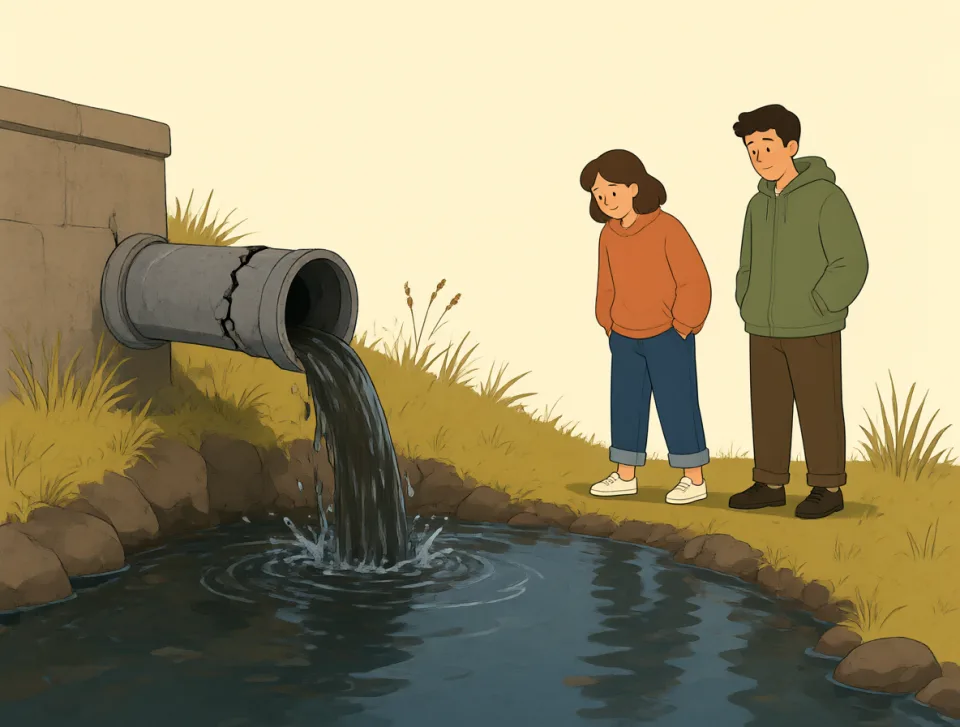
Raw sewage flowed into the river after the old pipe broke.
پس از شکستن لولهٔ قدیمی، فاضلاب خام به رودخانه سرازیر شد.

He has a raw talent for music, though he has never taken lessons.
او استعداد ذاتی و درخشانی در موسیقی دارد، با اینکه هیچوقت کلاس نرفته است.
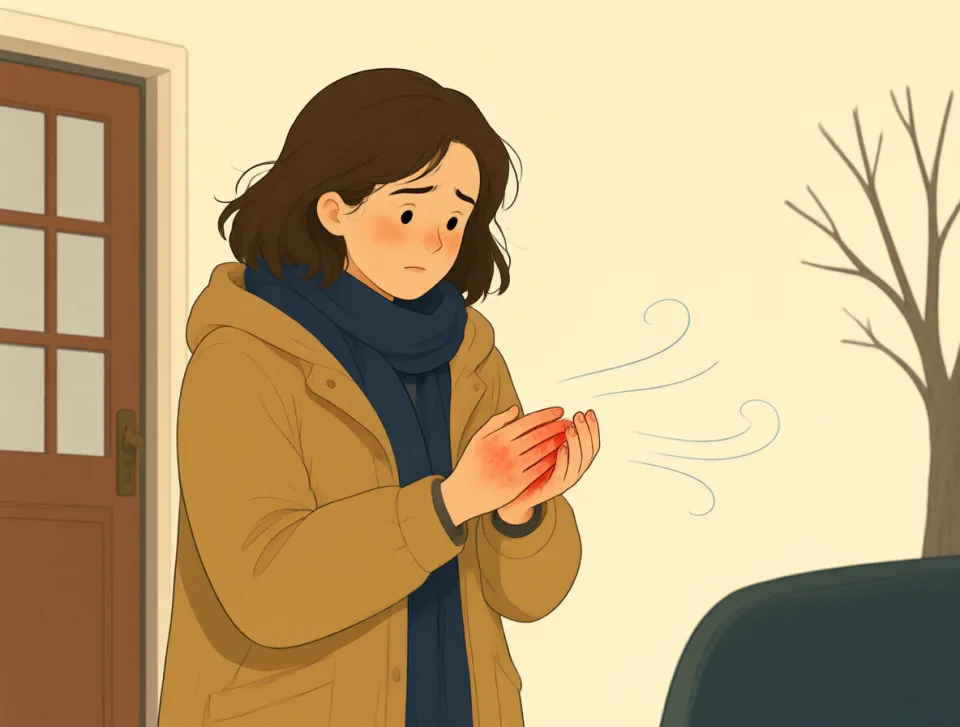
The cold wind left her hands raw and red after the walk.
باد سرد بعد از پیادهروی دستهایش را زبر و سرخ کرد.

grammar
#2687noun
دستور زبان
The rules for forming words and sentences in a language.
قواعدی که نحوهٔ ساخت واژهها و جملهها را در یک زبان مشخص میکنند.
I check my grammar carefully before sending important emails at work.
پیش از فرستادن ایمیلهای مهم کاری، دستور زبانم را با دقت بررسی میکنم.

Our teacher explained the grammar rules before we started writing the story.
معلممان پیش از شروع به نوشتن داستان، قواعد دستور زبان را توضیح داد.

Please correct my grammar before I send this message to my friend.
لطفاً پیش از اینکه این پیام را برای دوستم بفرستم، دستور زبانم را اصلاح کن.

I need to improve my grammar for the job interview next month.
باید برای مصاحبهٔ شغلی ماه آینده دستور زبانم را بهتر کنم.

The travel guide used simple grammar so everyone could understand the instructions.
راهنمای سفر از دستور زبان سادهای استفاده کرد تا همه بتوانند دستورالعملها را بفهمند.

revise
#2688verb
بازبینی کردن
to change something to improve it or make it more suitable
چیزی را تغییر دادن تا بهتر یا مناسبتر شود.

I need to revise my report before I send it to my manager.
باید گزارش خودم را پیش از فرستادنش برای مدیرم بازبینی کنم.
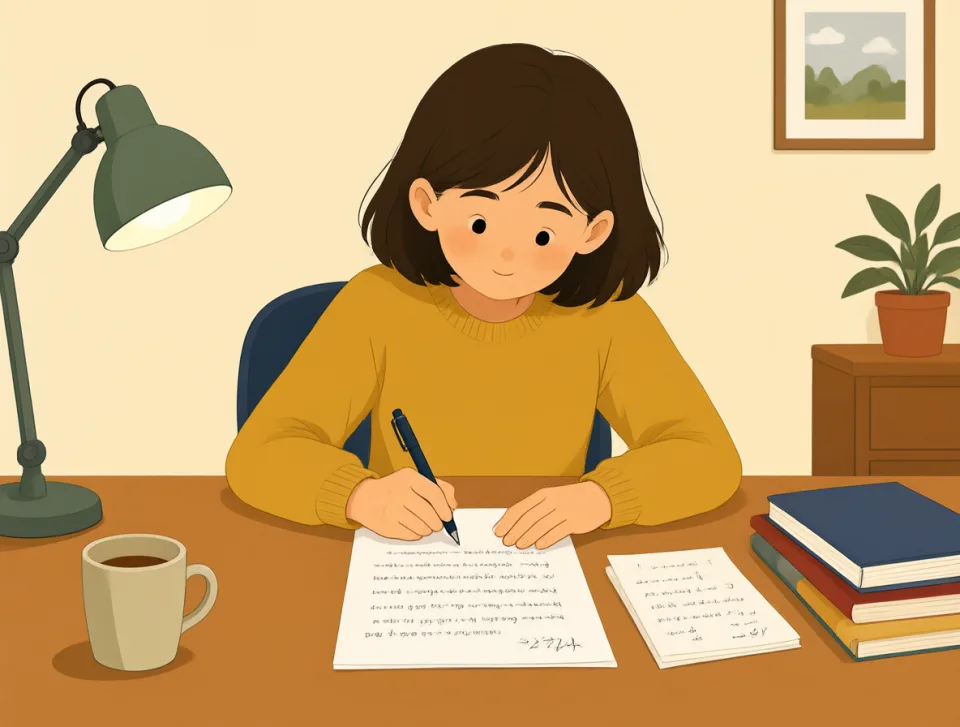
She revised her essay after her teacher gave her helpful comments.
او بعد از اینکه معلمش نظرهای مفیدی داد، انشایش را بازبینی کرد.

The company revised its travel plans because the storm delayed several flights.
شرکت بهدلیل تأخیر چند پرواز بر اثر طوفان، برنامههای سفرش را تغییر داد.
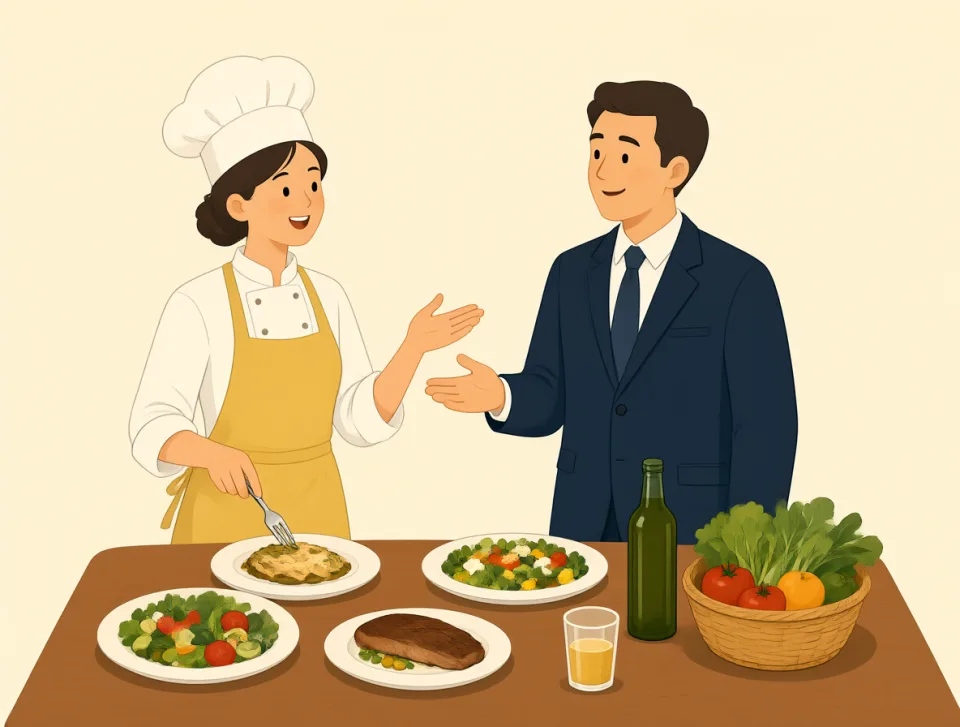
We are revising the menu to include more healthy meals for lunch.
داریم منو را بازبینی میکنیم تا غذاهای سالمتری برای ناهار در آن بگنجانیم.

He revised his opinion after talking with his friends about the problem.
او بعد از صحبت با دوستانش دربارهٔ مشکل، نظرش را عوض کرد.
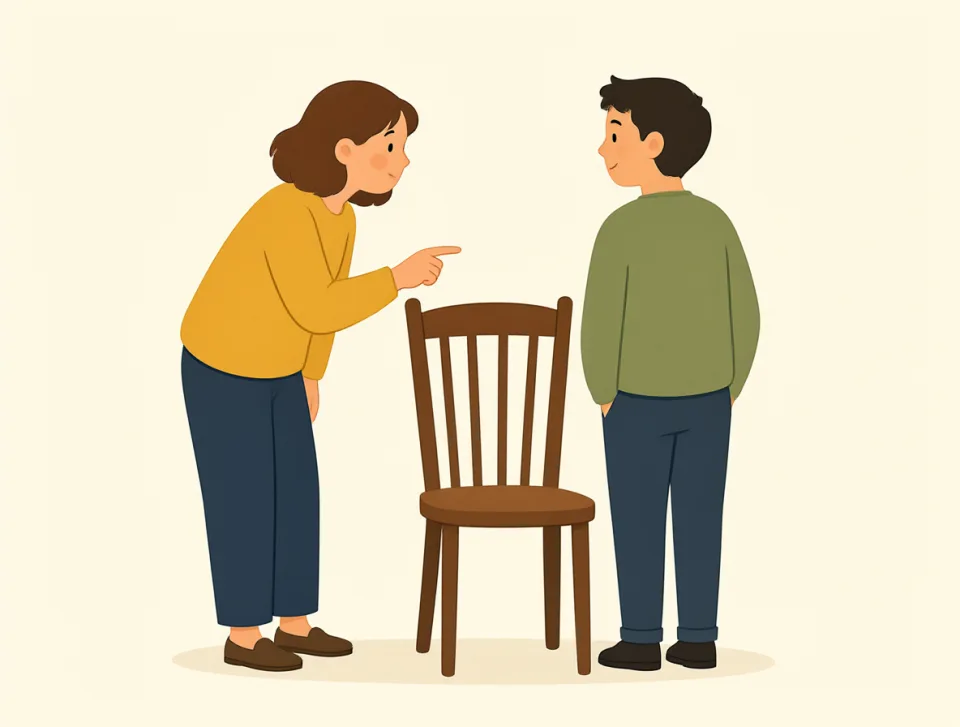
hint
#2689noun, verb
سرنخ
A small piece of information that helps you understand or do something.
اطلاعات کوتاهی که به شما کمک میکند چیزی را بفهمید یا کاری را انجام دهید.
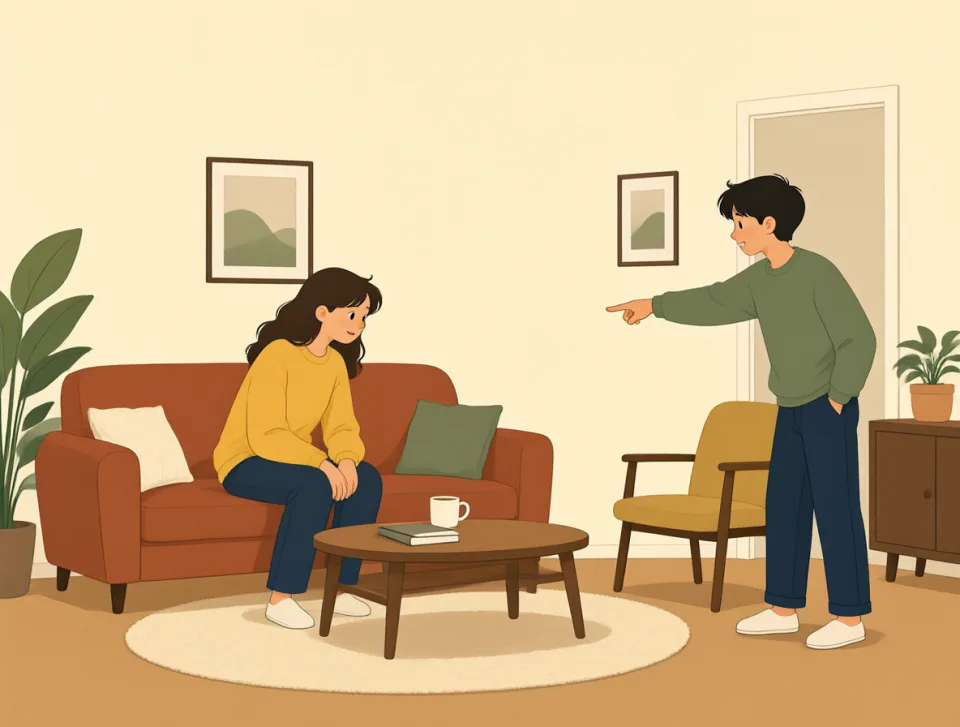
Could you give me a hint about where you left my keys?
میتوانی سرنخی بدهی که کلیدهایم را کجا گذاشتهام؟
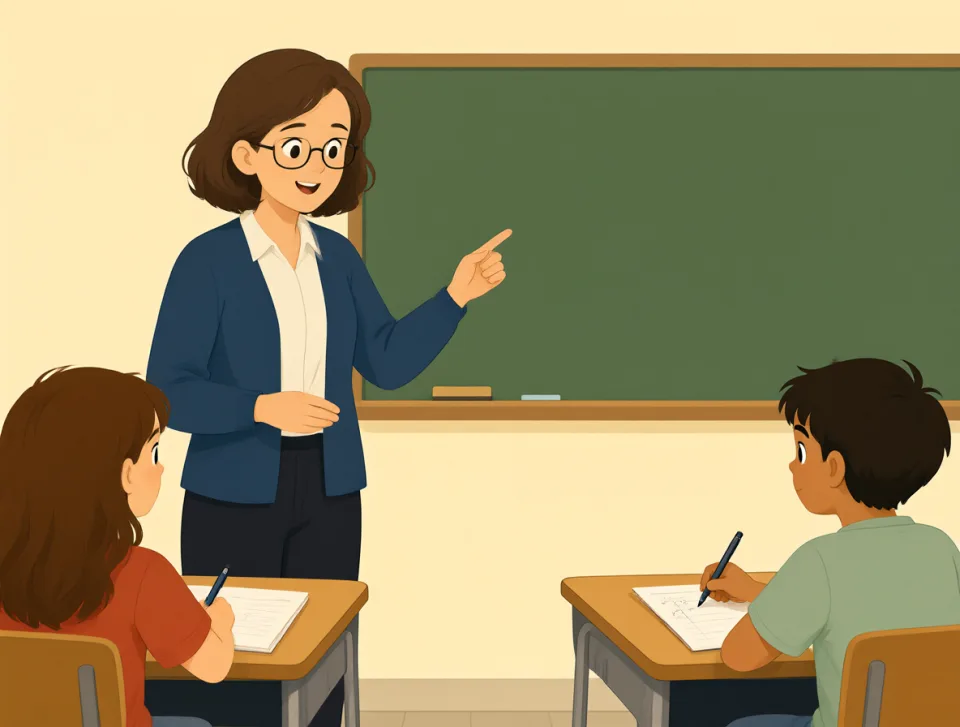
The teacher gave us a hint to help us solve the problem.
معلم برای کمک به حل مسئله، سرنخی به ما داد.

I took the hint and stopped asking him about his plans.
منظورش را گرفتم و دیگر دربارهٔ برنامههایش از او سؤال نکردم.

The waiter hinted that the soup was especially good today.
پیشخدمت بهطور غیرمستقیم گفت سوپ امروز خیلی خوشمزه است.

She hinted to her manager that she was ready for more responsibility.
او به مدیرش فهماند که برای پذیرفتن مسئولیتهای بیشتر آماده است.

hook
#2690noun, verb
قلاب
A curved piece of metal or plastic used for hanging or catching something.
قطعهای خمیده از فلز یا پلاستیک که برای آویزان کردن یا گیر انداختن چیزی به کار میرود.

She hung her coat on a hook beside the front door.
او کتش را به قلابی کنار در ورودی آویزان کرد.
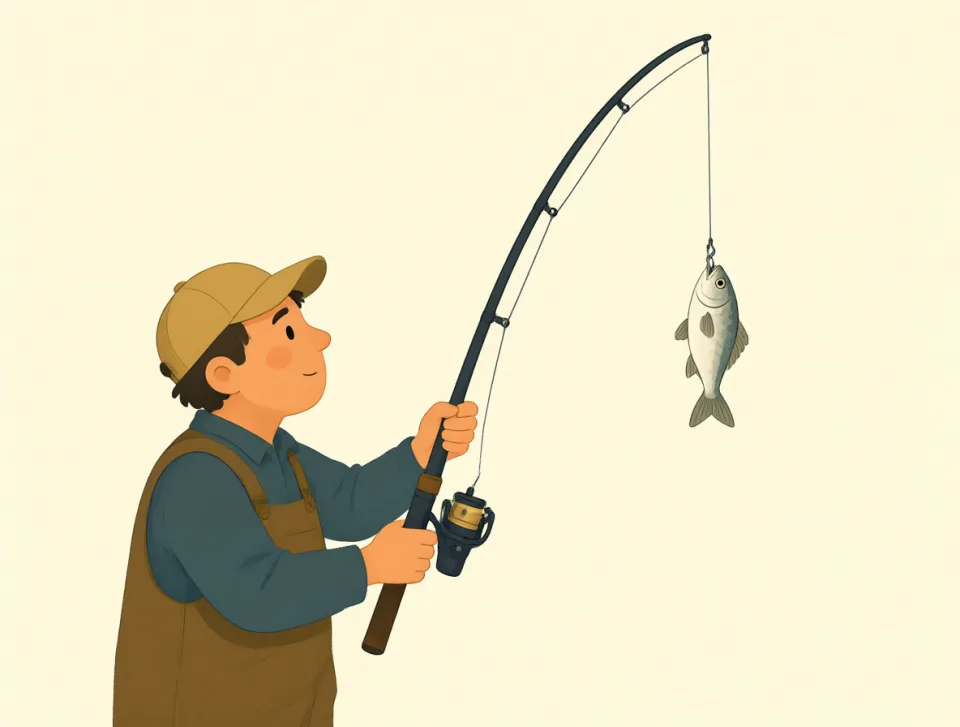
The fisherman used a small hook to catch trout in the lake.
ماهیگیر با قلاب کوچکی در دریاچه قزلآلا میگرفت.

He hooked his bag over the chair while he ordered lunch.
او وقتی ناهار سفارش میداد، کیفش را به پشتی صندلی آویزان کرد.
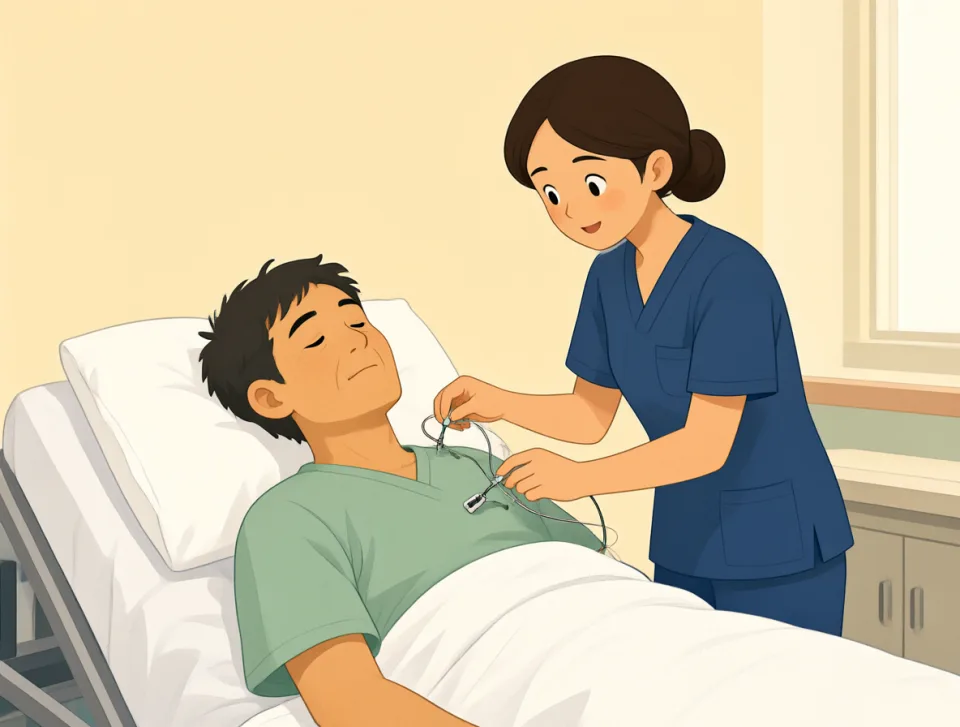
The nurse hooked the patient up to a heart monitor before the test.
پرستار پیش از آزمایش، بیمار را به دستگاه پایش قلب وصل کرد.

The song’s catchy opening hooked everyone at the school dance.
آغاز گیرای آهنگ در رقص مدرسه همه را مجذوب کرد.
bell
#2691noun, verb
زنگ
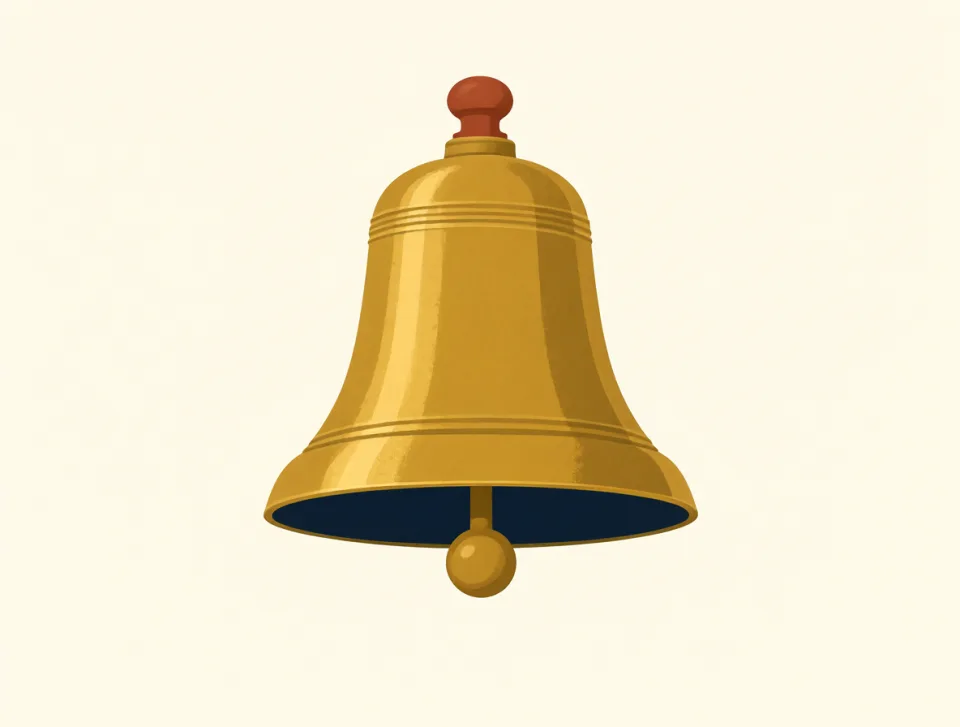
A hollow metal object that makes a clear ringing sound when struck or shaken.
شیئی فلزی و توخالی که هنگام ضربه خوردن یا تکان داده شدن، صدای زنگمانند و واضحی ایجاد میکند.
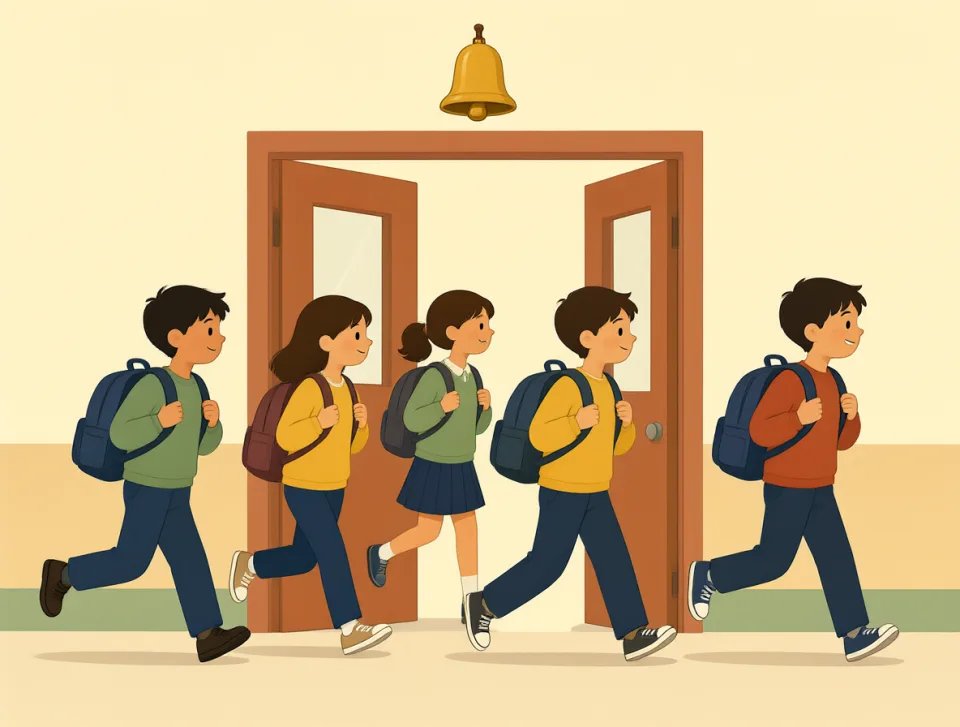
The school bell rang, and the students hurried into their classrooms.
زنگ مدرسه به صدا درآمد و دانشآموزان با عجله وارد کلاسهایشان شدند.
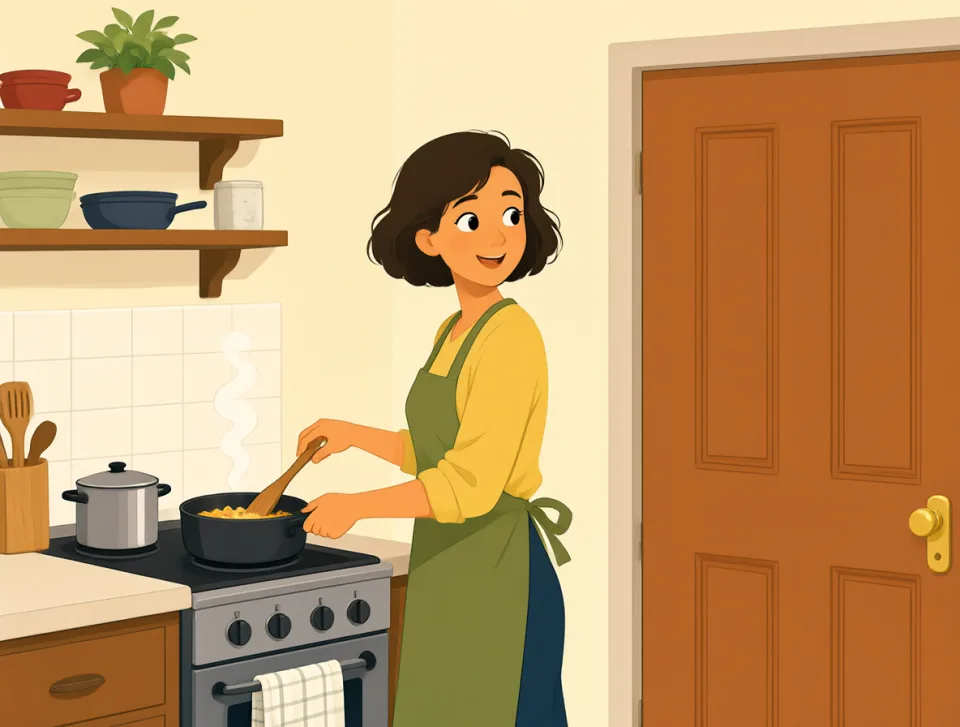
She heard the doorbell while she was making dinner in the kitchen.
وقتی در آشپزخانه مشغول درست کردن شام بود، صدای زنگ در را شنید.
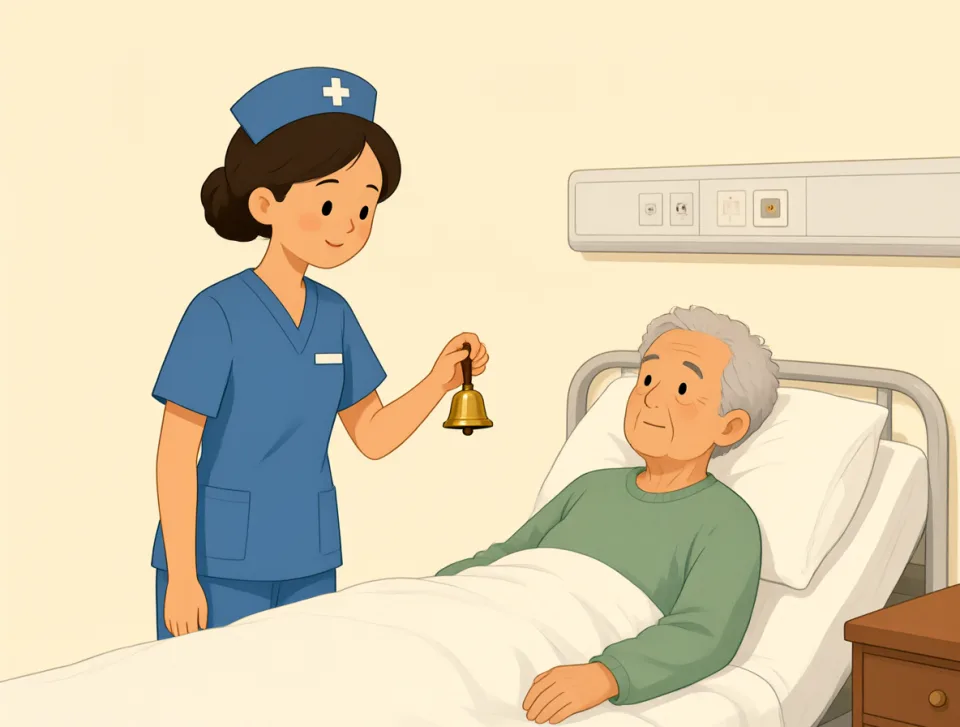
The nurse rang a small bell to call the doctor into the room.
پرستار زنگ کوچکی را به صدا درآورد تا دکتر را به اتاق فرا بخواند.

We could hear church bells ringing across the town on Sunday morning.
صبح یکشنبه میتوانستیم صدای زنگ کلیساها را که در سراسر شهر به صدا درمیآمدند، بشنویم.
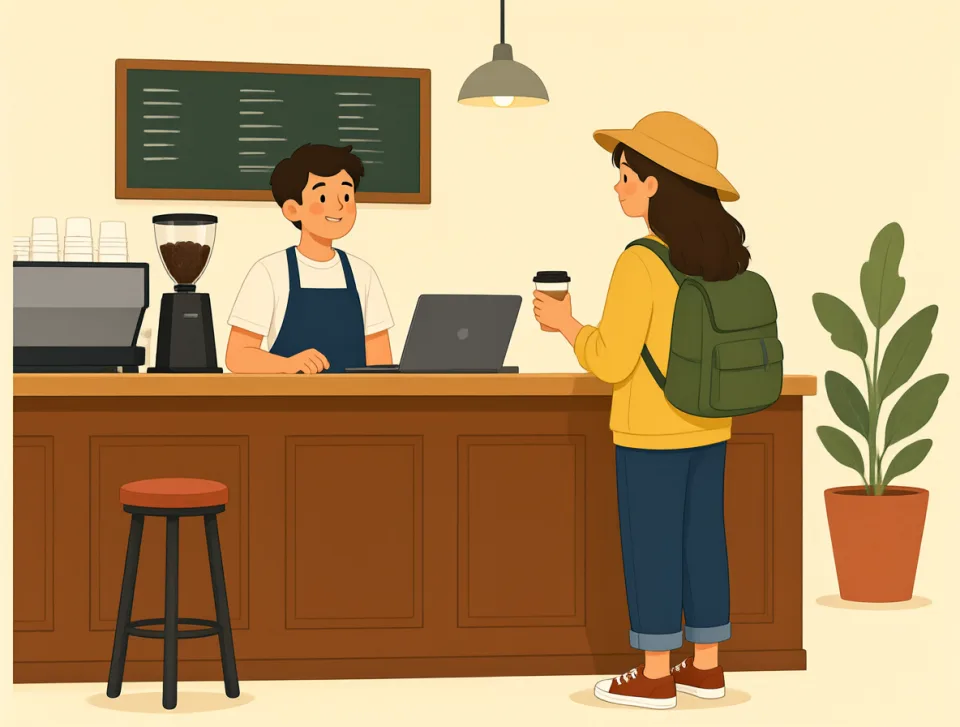
He bellied up to the counter and ordered a coffee for the trip.
او به پیشخوان نزدیک شد و برای سفر یک قهوه سفارش داد.

liquid
#2692noun, adjective
مایع
A substance that flows freely and is not a solid or a gas.
مادهای که آزادانه جریان دارد و نه جامد است و نه گاز.
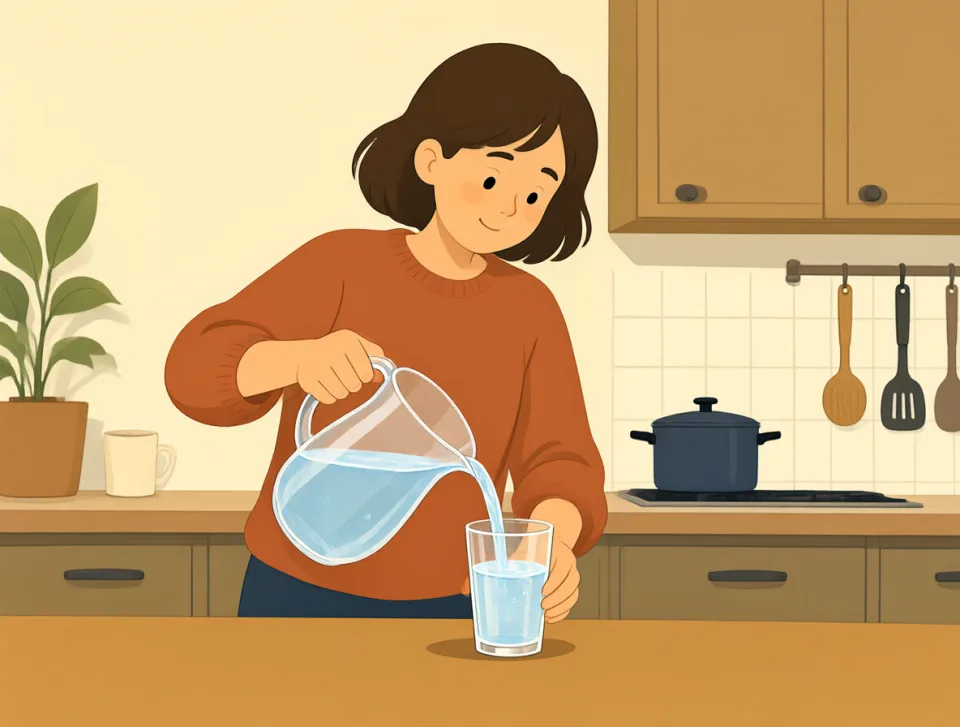
Please pour the liquid into a clean glass before you serve it.
لطفاً پیش از سرو کردن، مایع را در یک لیوان تمیز بریزید.
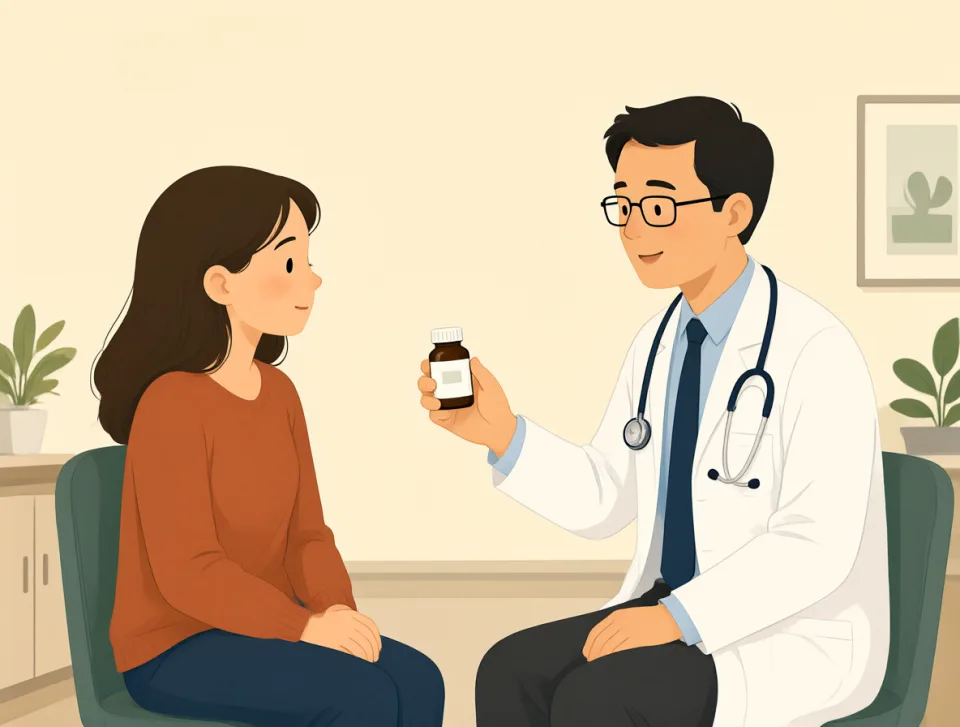
The doctor gave me liquid medicine because I could not swallow tablets.
چون نمیتوانستم قرصها را قورت بدهم، دکتر به من داروی مایع داد.
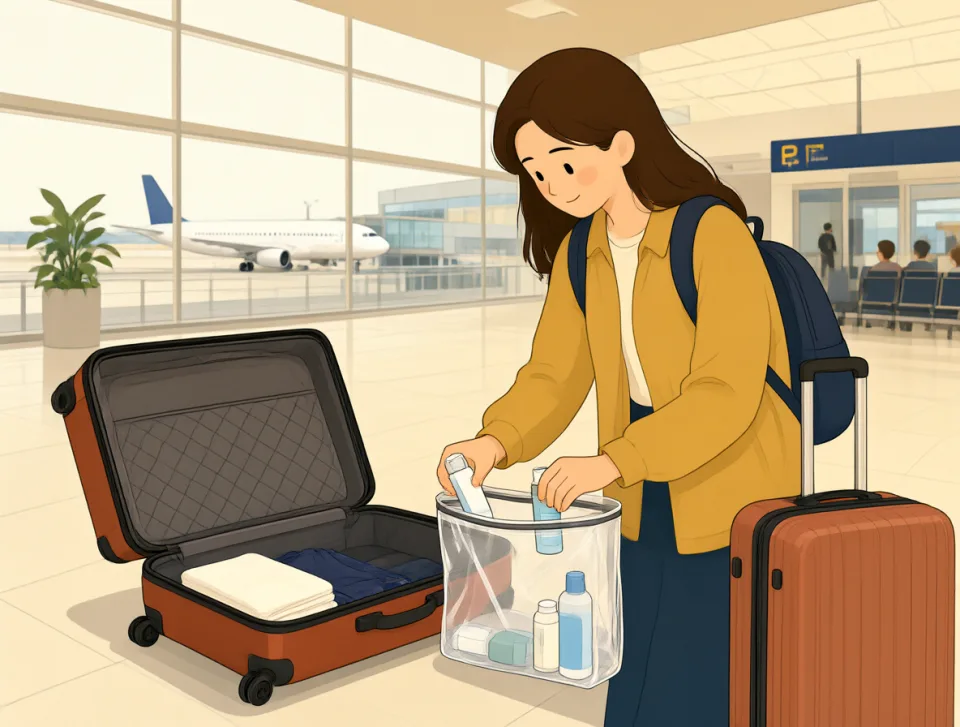
Keep all liquid bottles in a separate bag when you go through airport security.
وقتی از بازرسی امنیتی فرودگاه عبور میکنید، همه بطریهای مایع را در یک کیف جداگانه نگه دارید.
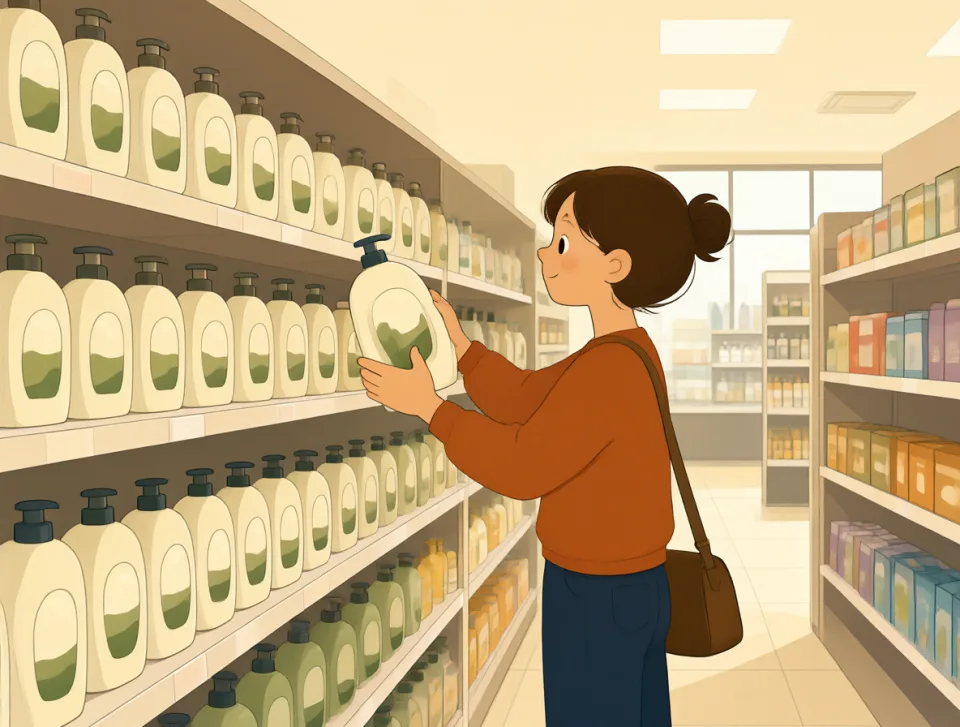
The shop sells liquid soap in large refill bottles near the cleaning products.
این فروشگاه صابون مایع را در بطریهای بزرگِ قابلپرکردنِ مجدد، نزدیک محصولات شوینده میفروشد.
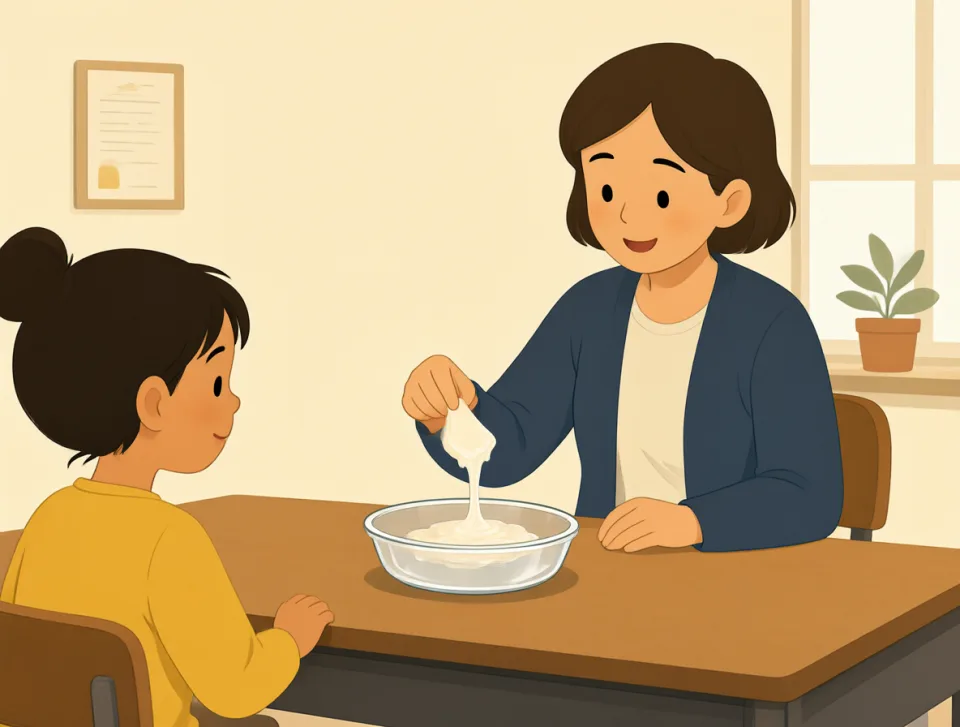
The teacher heated the solid until it became liquid during the science lesson.
معلم در طول درس علوم، ماده جامد را حرارت داد تا به مایع تبدیل شد.
panic
#2693noun, verb
وحشت
A sudden strong fear that makes you act quickly without thinking clearly.
ترس شدید و ناگهانی که باعث میشود بدون فکر کردنِ درست، سریع عمل کنید.
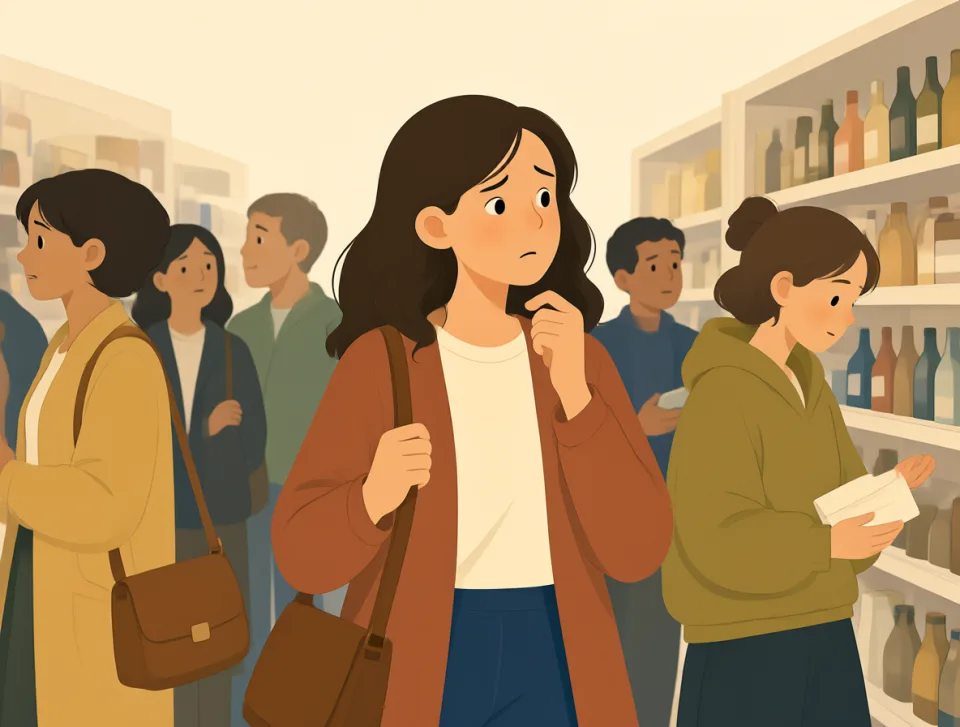
She started to panic when she realized her child was missing in the crowded shop.
وقتی فهمید فرزندش در فروشگاه شلوغ گم شده است، وحشت کرد.
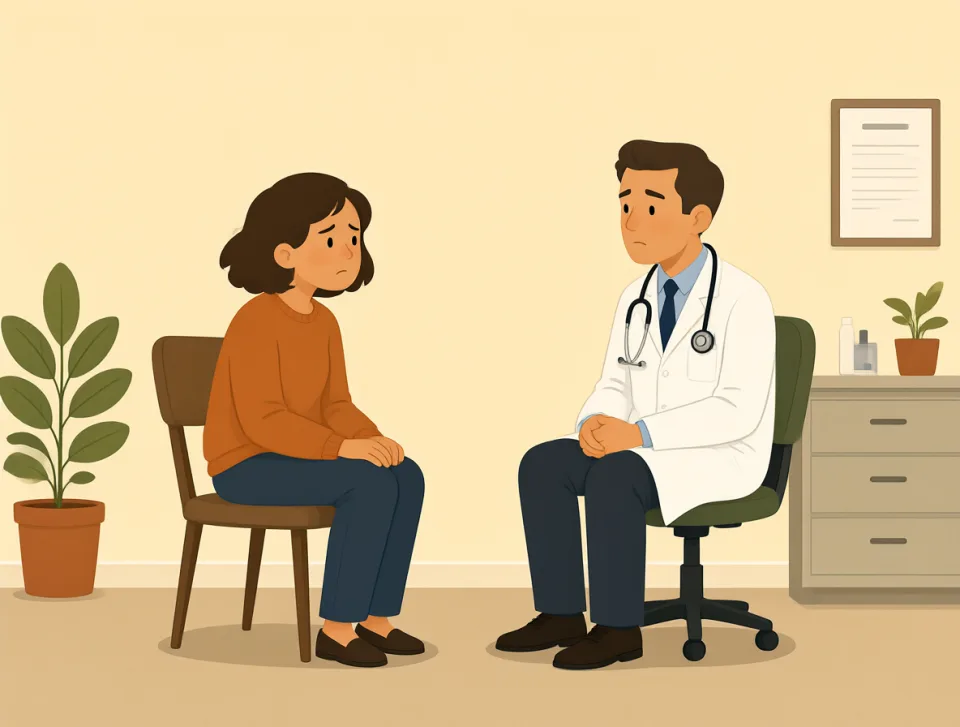
Try not to panic; the doctor says your test results should arrive tomorrow.
سعی کن وحشت نکنی؛ دکتر میگوید نتیجه آزمایشت باید فردا برسد.

He panicked when the train doors closed and his friend was still outside.
وقتی درهای قطار بسته شد و دوستش هنوز بیرون بود، او وحشت کرد.
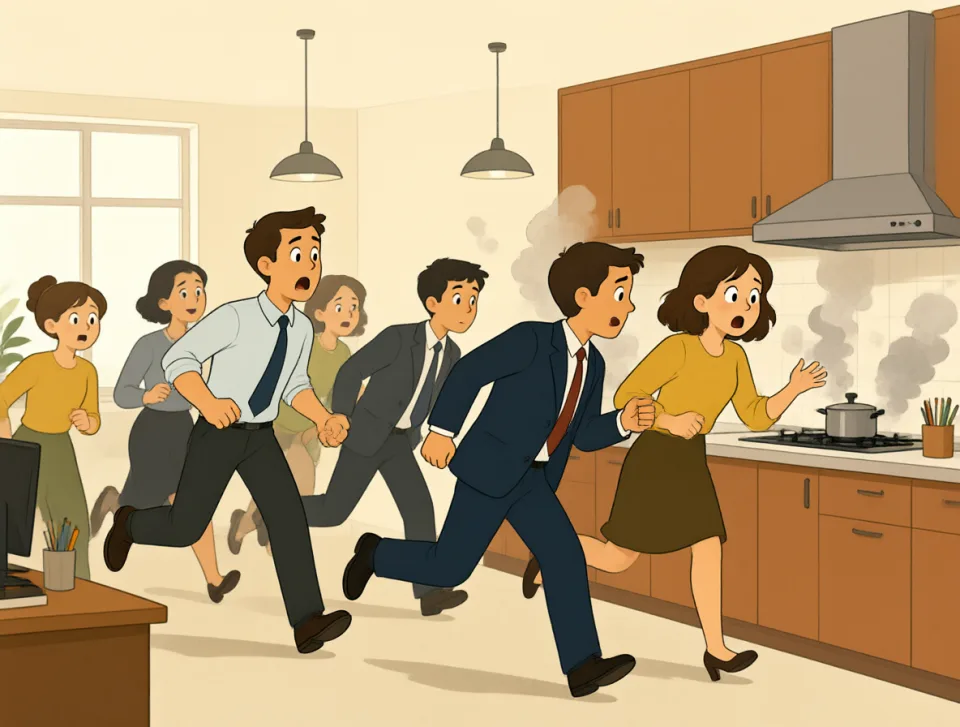
There was a moment of panic when smoke filled the office kitchen.
وقتی دود آشپزخانه اداره را پر کرد، لحظهای وحشت به وجود آمد.

The sudden panic passed when we found the lost dog under the table.
وقتی سگ گمشده را زیر میز پیدا کردیم، وحشت ناگهانی از بین رفت.
uncle
#2694noun
دایی، عمو
Your uncle is your mother’s or father’s brother.
دایی یا عموی شما، برادرِ مادر یا پدرتان است.

My uncle lives nearby, so we often visit him on Sunday afternoons.
داییام همین نزدیکیها زندگی میکند، بنابراین اغلب بعدازظهرهای یکشنبه به دیدنش میرویم.

My uncle gave me useful advice about finding my first job.
داییام درباره پیدا کردن اولین شغلم، توصیه مفیدی به من کرد.
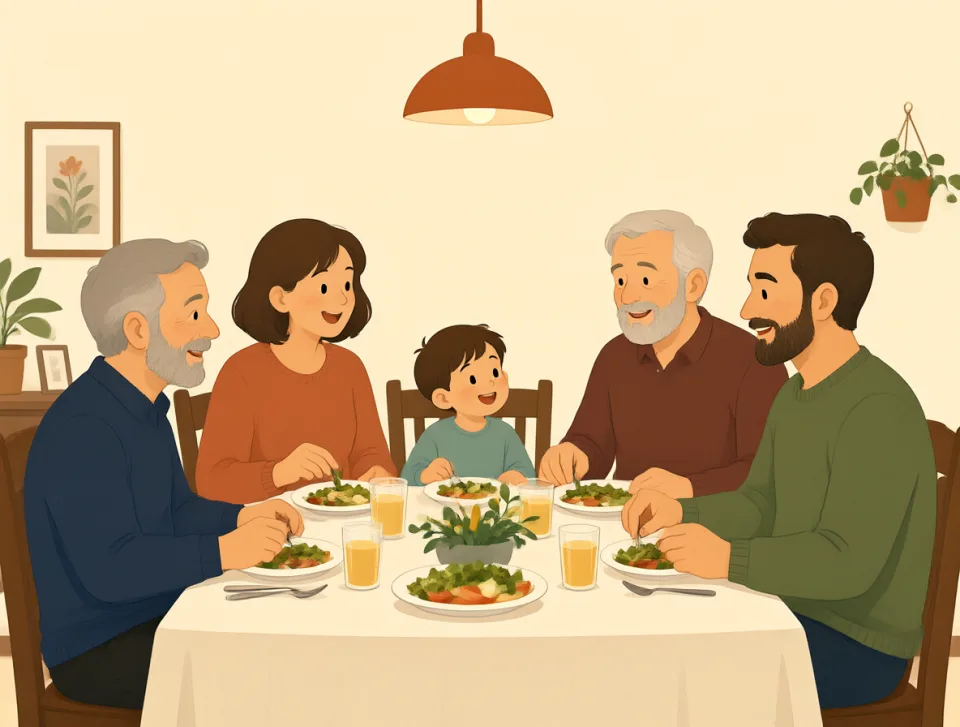
We invited our uncles to the family dinner last weekend.
آخر هفته گذشته، داییها و عموهایمان را به شام خانوادگی دعوت کردیم.

My uncle picked me up from school when my parents were working.
وقتی والدینم سر کار بودند، عمویم مرا از مدرسه به خانه میآورد.
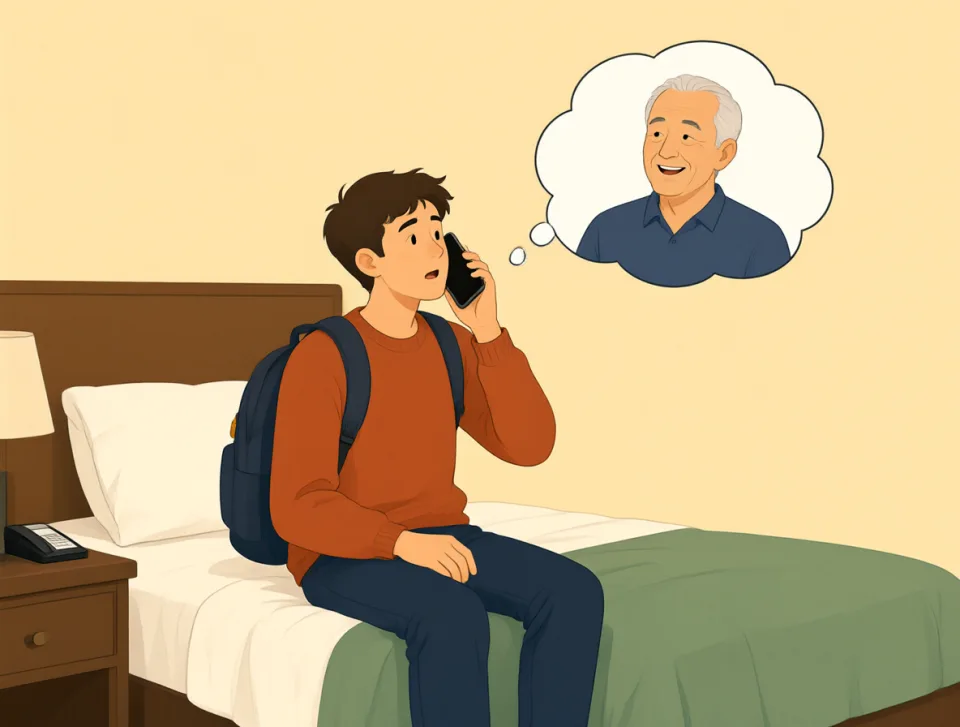
I called my uncle while traveling because I missed my family.
هنگام سفر به داییام زنگ زدم، چون دلم برای خانوادهام تنگ شده بود.
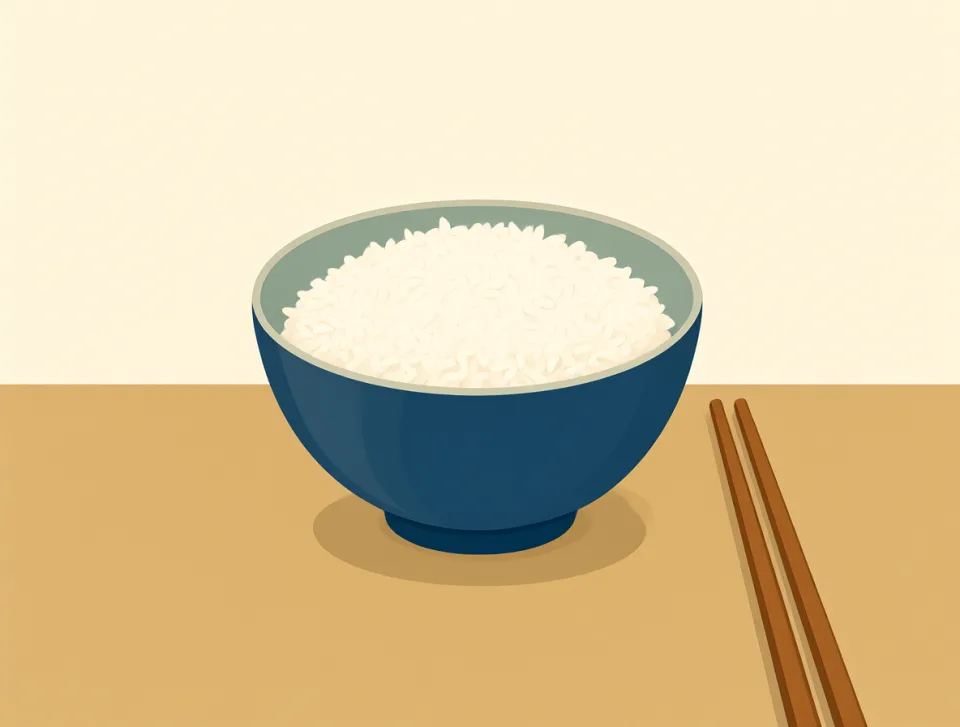
rice
#2695noun
برنج
A small white or brown grain used as food, often cooked and served with other dishes.
دانهای کوچک و سفید یا قهوهای که بهعنوان غذا استفاده میشود و معمولاً پخته شده و همراه غذاهای دیگر سرو میشود.
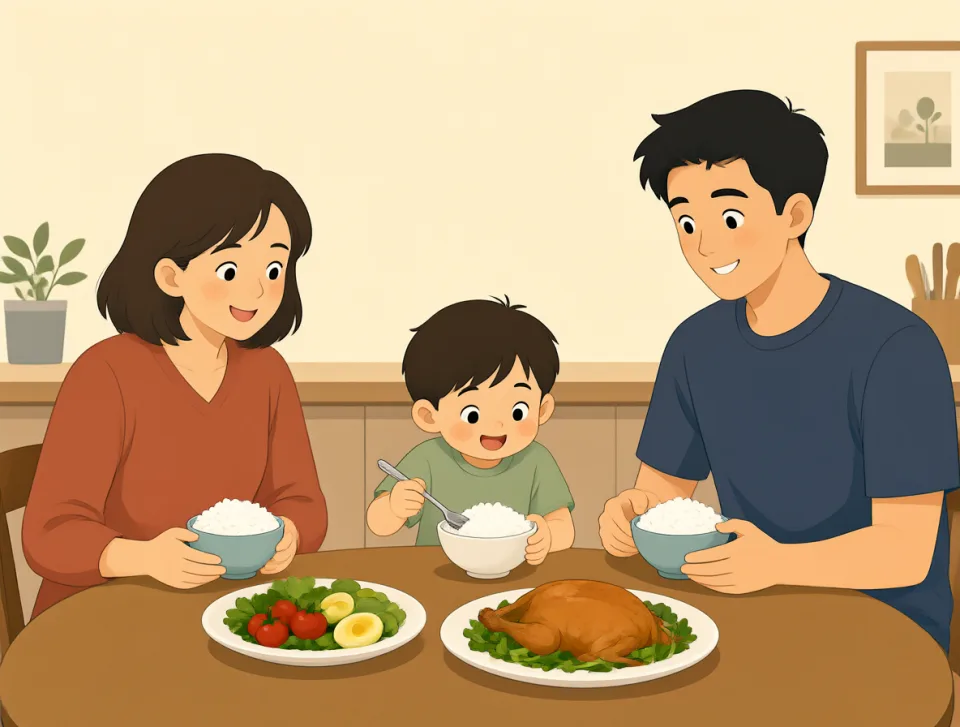
We usually eat rice with vegetables and chicken for dinner.
ما معمولاً برای شام برنج را با سبزیجات و مرغ میخوریم.
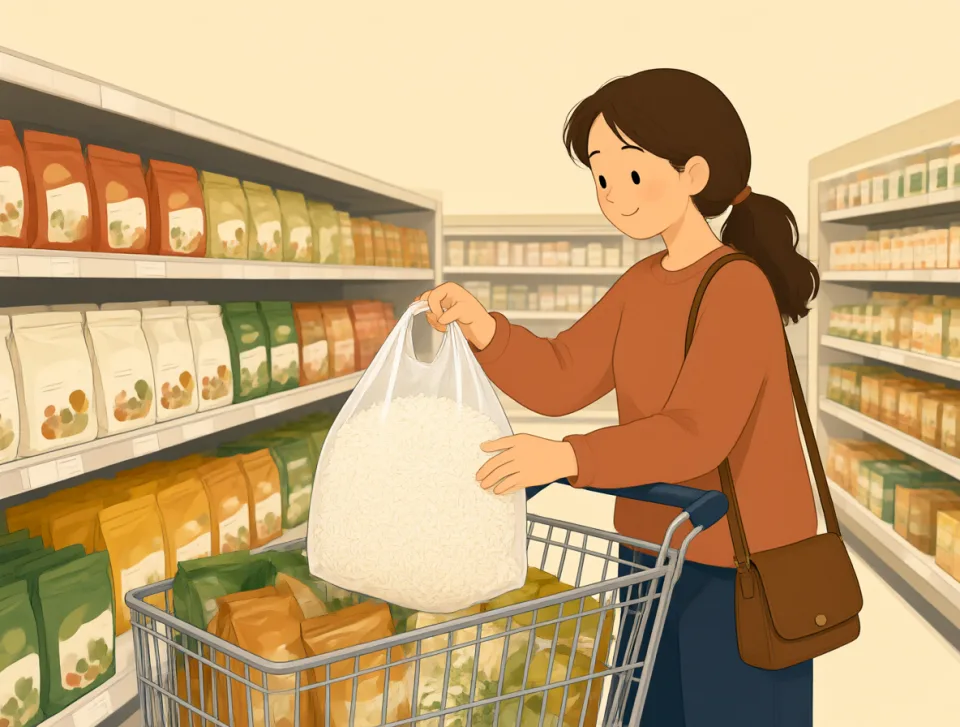
Could you buy a bag of rice at the supermarket?
میشود از فروشگاه زنجیرهای یک کیسه برنج بخری؟
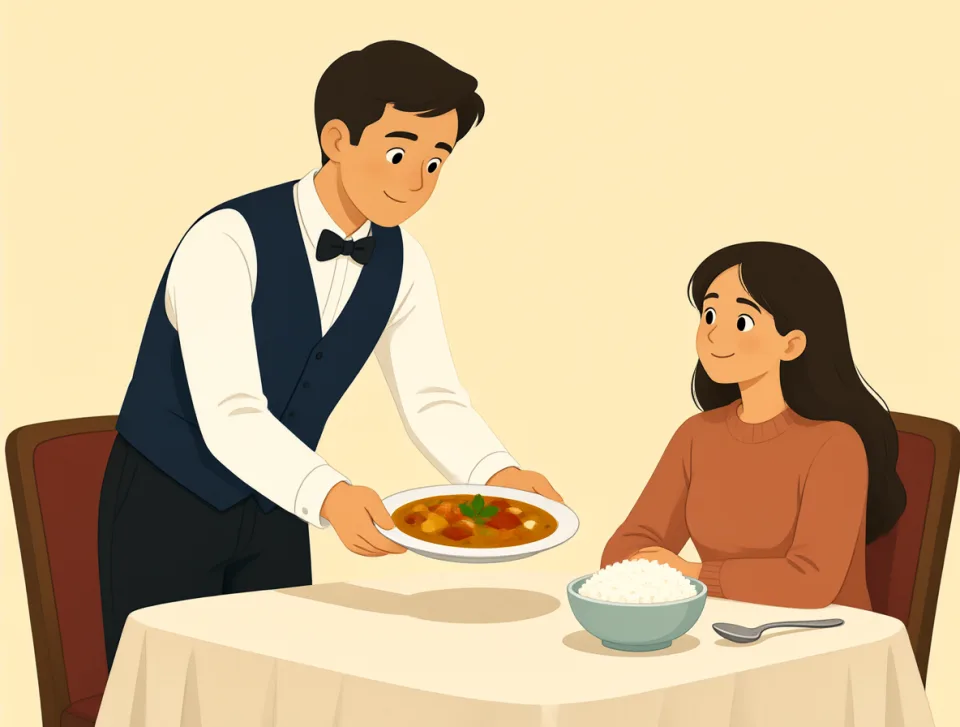
The restaurant serves rice with every curry dish.
این رستوران همراه با همه غذاهای کاری، برنج سرو میکند.
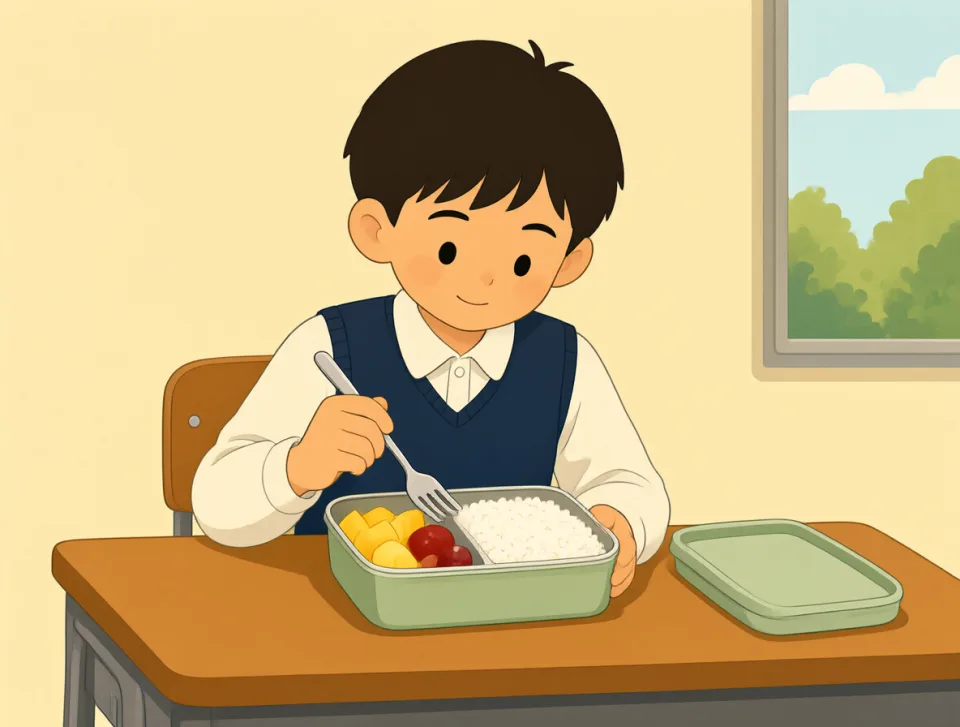
She packed rice and fruit for lunch at school.
او برای ناهار مدرسه، برنج و میوه بستهبندی کرد.
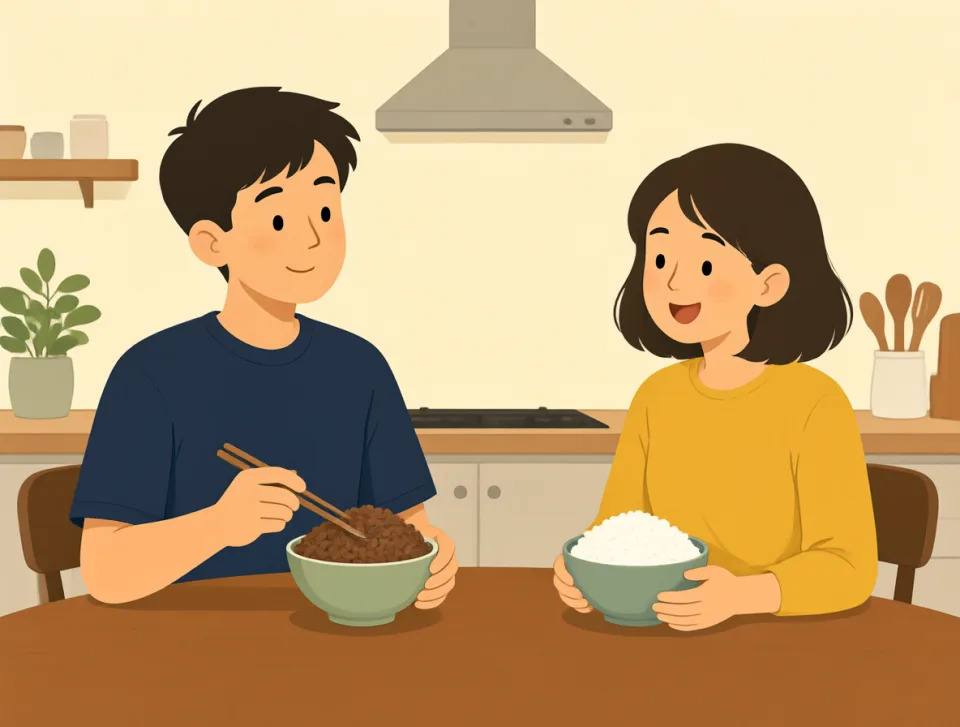
Eating brown rice can provide more fiber than eating white rice.
خوردن برنج قهوهای میتواند در مقایسه با خوردن برنج سفید، فیبر بیشتری فراهم کند.

slope
#2696noun, verb
شیب
A surface that rises or falls at an angle; to rise or fall at an angle.
سطحی که با زاویه بالا یا پایین میرود؛ بالا یا پایین رفتن با زاویه.

The road climbed a steep slope before reaching the mountain village.
جاده پیش از رسیدن به روستای کوهستانی از شیبی تند بالا میرفت.
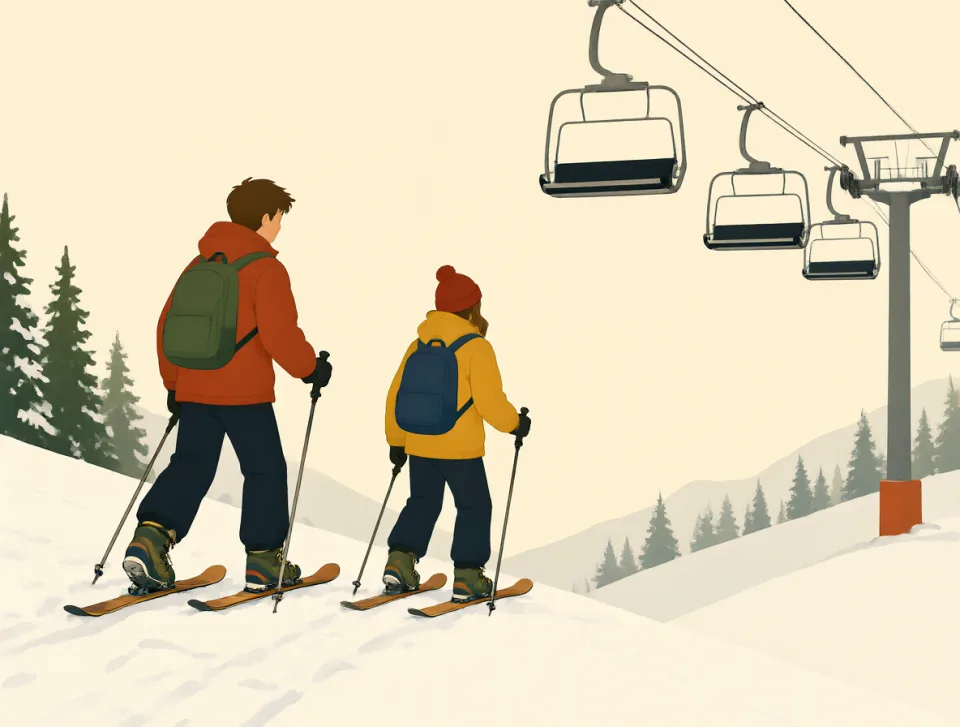
We carried our skis up the slope and waited for the lift.
اسکیهایمان را از شیب بالا بردیم و منتظر بالابر ماندیم.
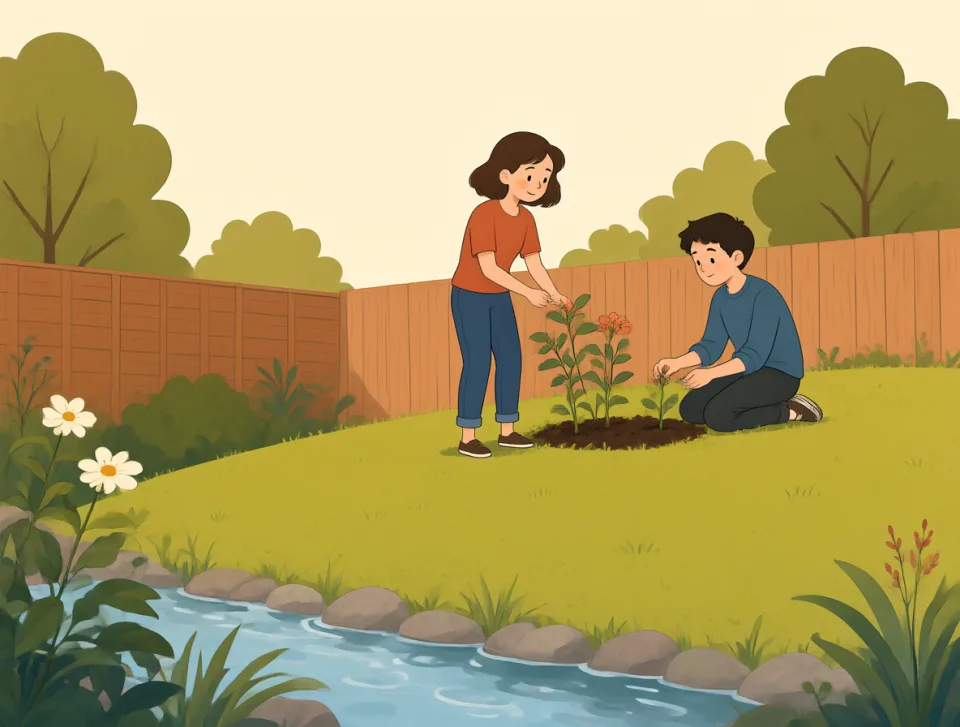
The garden slopes gently toward the stream behind our house.
باغ بهآرامی بهسمت جویباری که پشت خانهمان است شیب دارد.
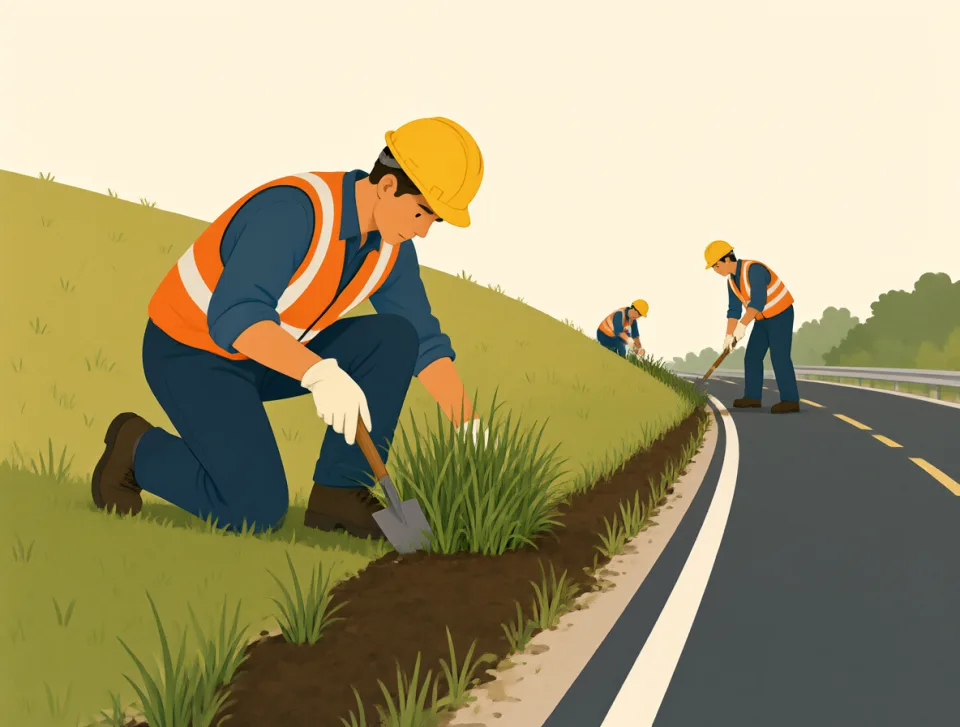
Workers planted grass on the slope beside the new highway.
کارگران در شیب کنار بزرگراه جدید چمن کاشتند.

The path slopes down toward the beach, so walk carefully.
مسیر بهسمت ساحل سرازیری است، پس بااحتیاط راه برو.
happiness
#2697noun
خوشحالی
The feeling of being pleased and satisfied with your life.
احساس رضایت و خشنودی از زندگیتان.
Her happiness comes from spending time with her family.
خوشحالی او از وقتگذراندن با خانوادهاش میآید.

The good news brought happiness to everyone in the office.
خبر خوب همه را در اداره خوشحال کرد.
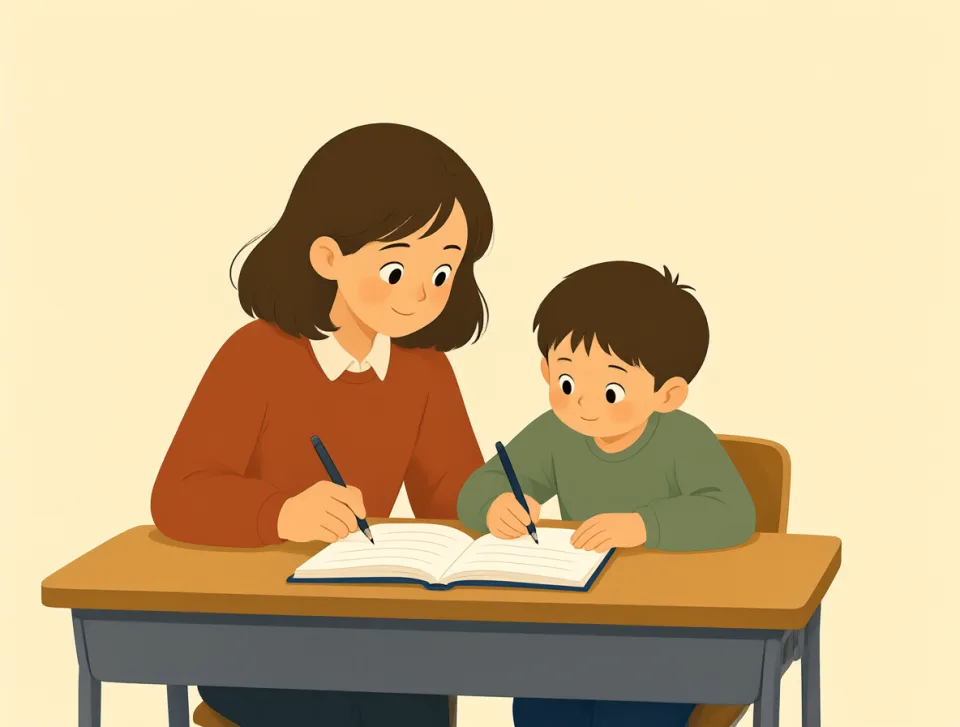
He found happiness in helping younger students with their homework.
او با کمککردن به دانشآموزان کوچکتر در انجام تکالیفشان به خوشحالی رسید.
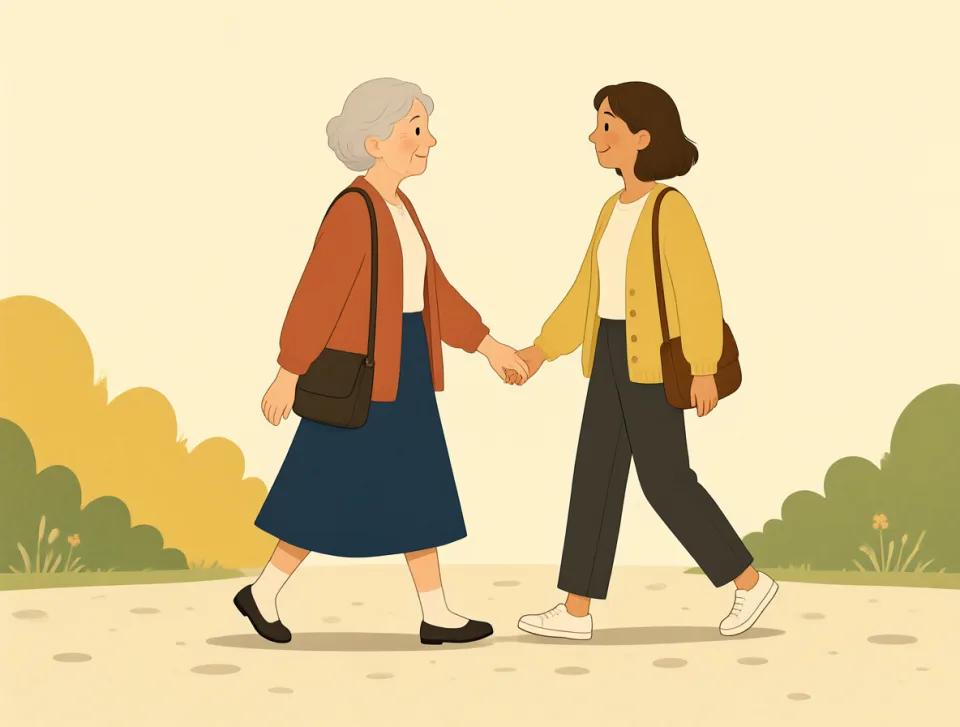
For many people, good health is important for happiness.
برای بسیاری از مردم، سلامتی برای خوشحالی مهم است.

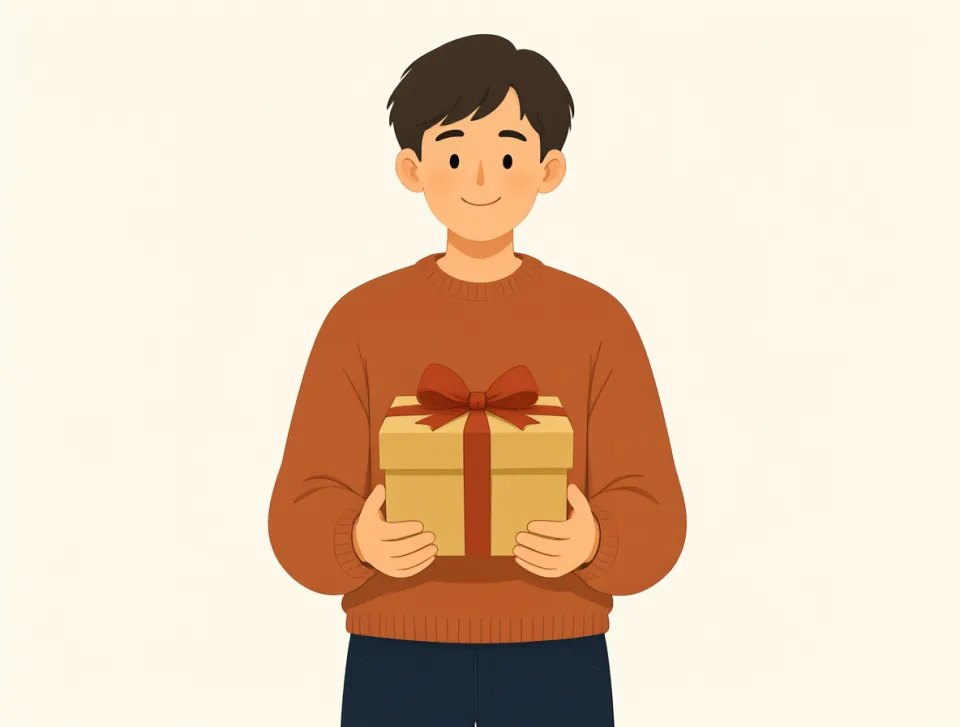
We shared our happiness with friends during a weekend trip.
در سفر آخر هفته، خوشحالیمان را با دوستانمان تقسیم کردیم.
genuine
#2698adjective
واقعی و صادقانه
real and sincere, rather than false or copied
واقعی و صادقانه، نه جعلی یا تقلیدی.

She gave me a genuine smile when I arrived at her home.
وقتی به خانهاش رسیدم، لبخندی صمیمانه به من زد.

This shop sells genuine leather bags made by local workers.
این مغازه کیفهای چرمی اصل میفروشد که کارگران محلی ساختهاند.
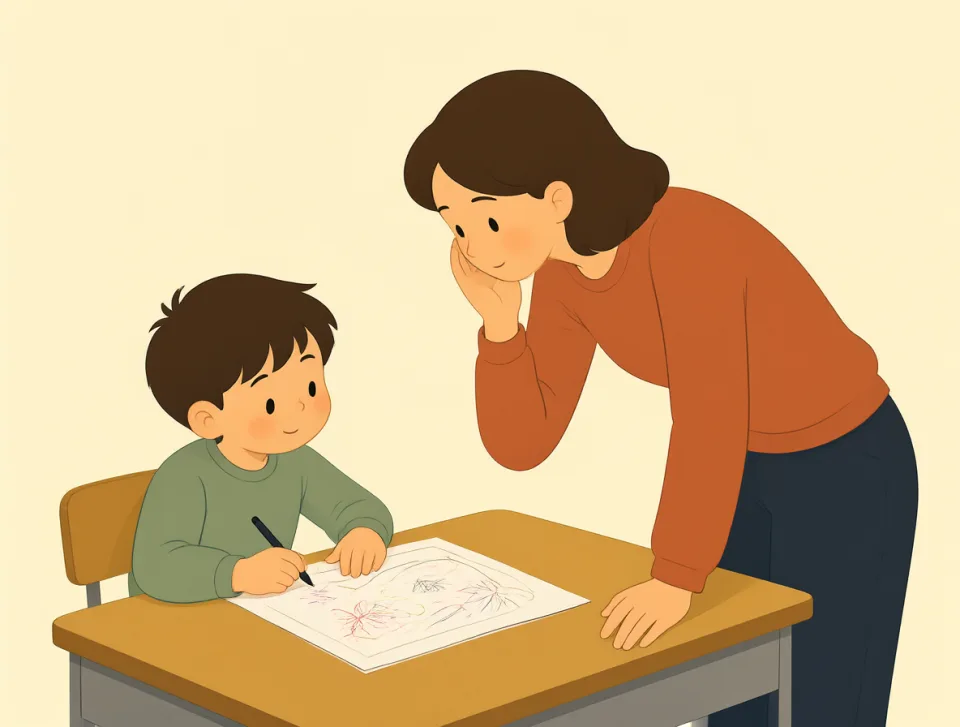
The teacher showed genuine interest in every student's project.
معلم به تکتک پروژههای دانشآموزان علاقهای واقعی نشان داد.
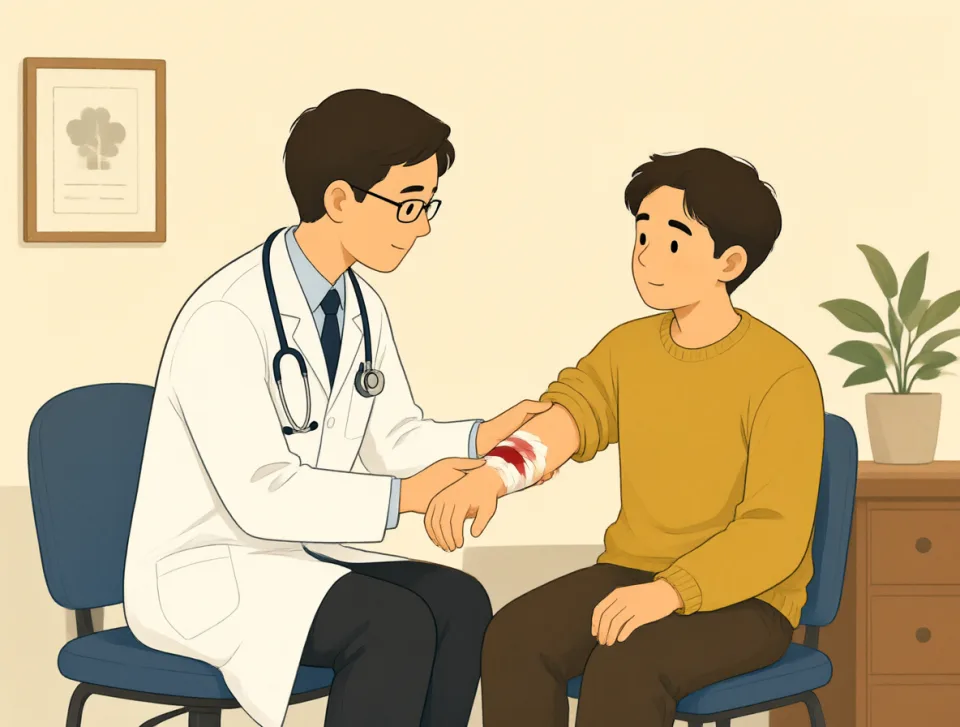
The doctor was concerned about his genuine pain after the accident.
پزشک نگران درد واقعی او پس از تصادف بود.
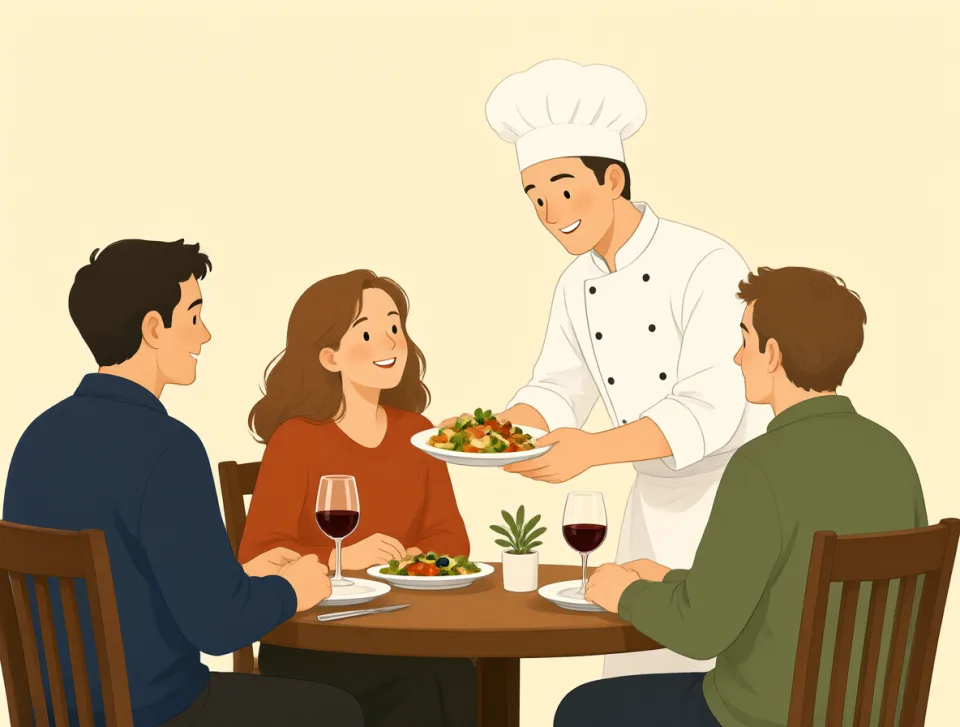
We found a genuine Italian restaurant near our hotel.
نزدیک هتلمان یک رستوران ایتالیایی اصیل پیدا کردیم.
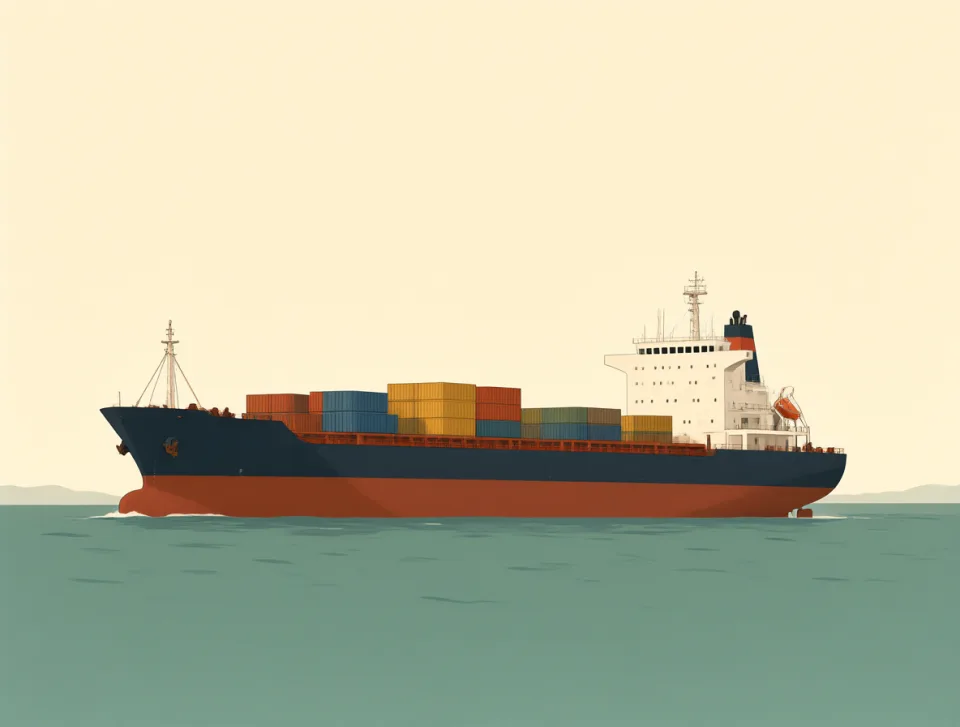
vessel
#2699noun
کشتی
a large boat or ship used to carry people or goods
قایق یا کشتی بزرگی که برای جابهجایی افراد یا کالاها استفاده میشود.
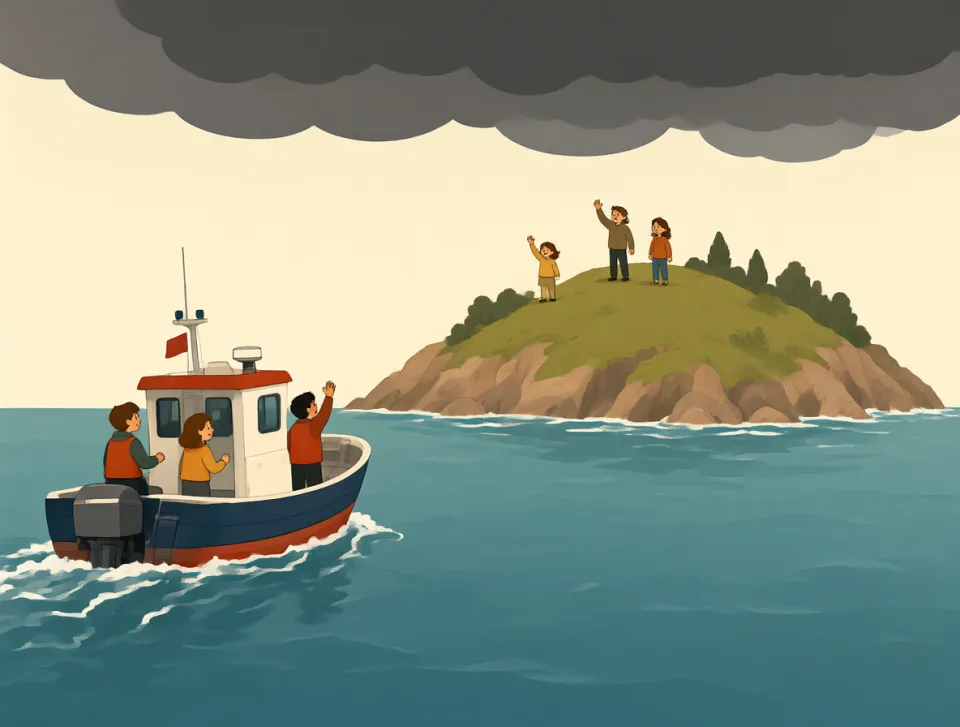
The rescue vessel reached the island before the storm became dangerous.
کشتی امداد پیش از خطرناکشدن طوفان به جزیره رسید.
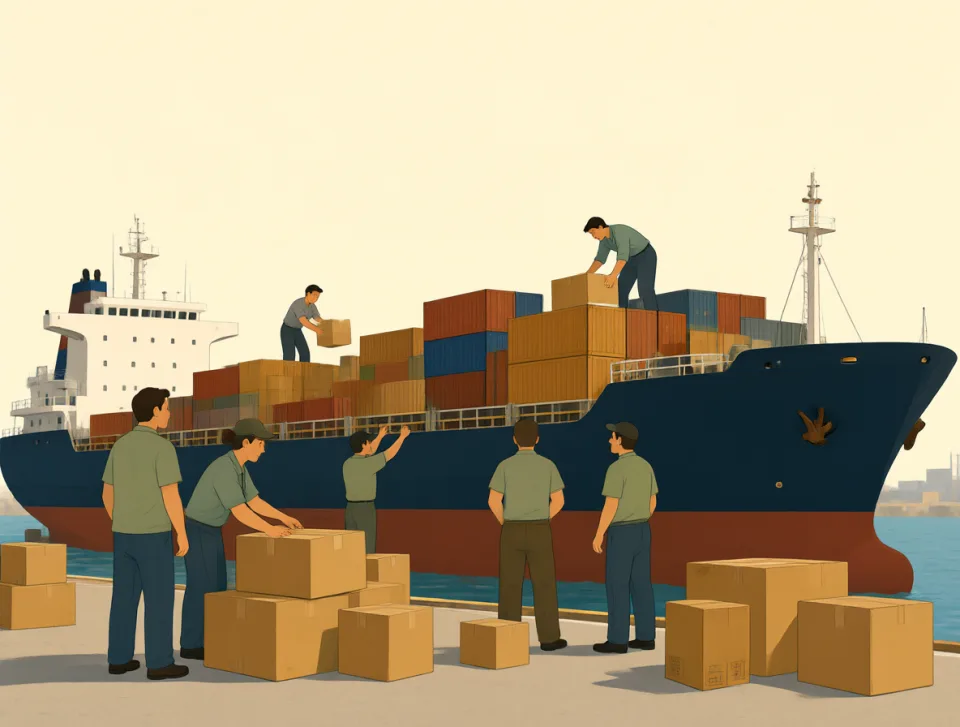
Several vessels carried fresh food and supplies to the coastal town.
چندین کشتی مواد غذایی تازه و لوازم موردنیاز را به شهر ساحلی رساندند.
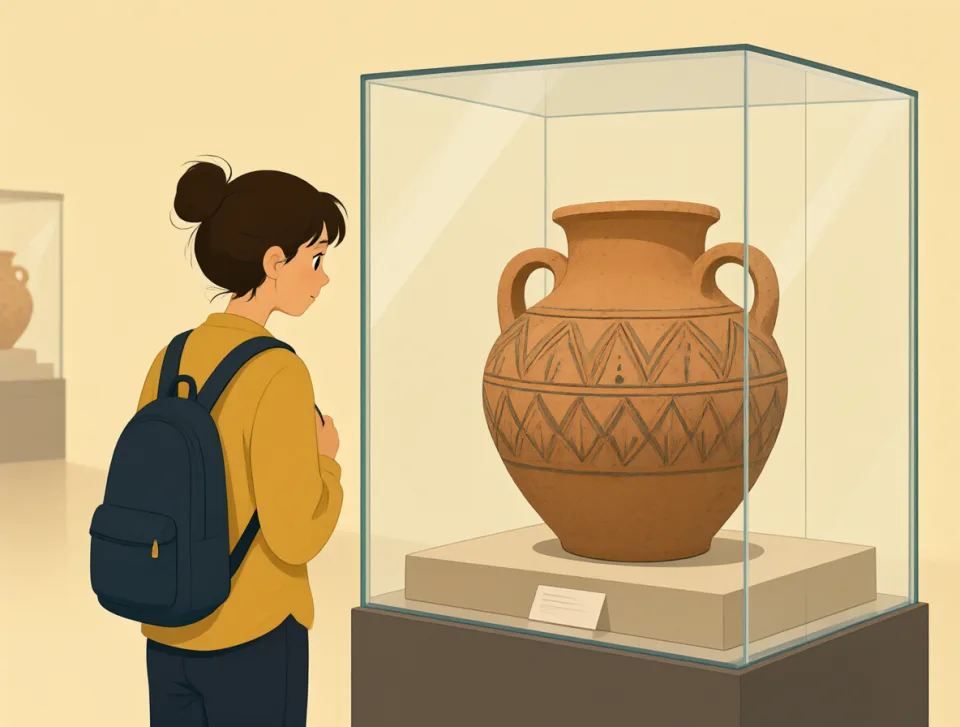
The museum displayed an ancient vessel found near the bottom of the sea.
موزه یک ظرف باستانی را به نمایش گذاشت که نزدیک بستر دریا پیدا شده بود.
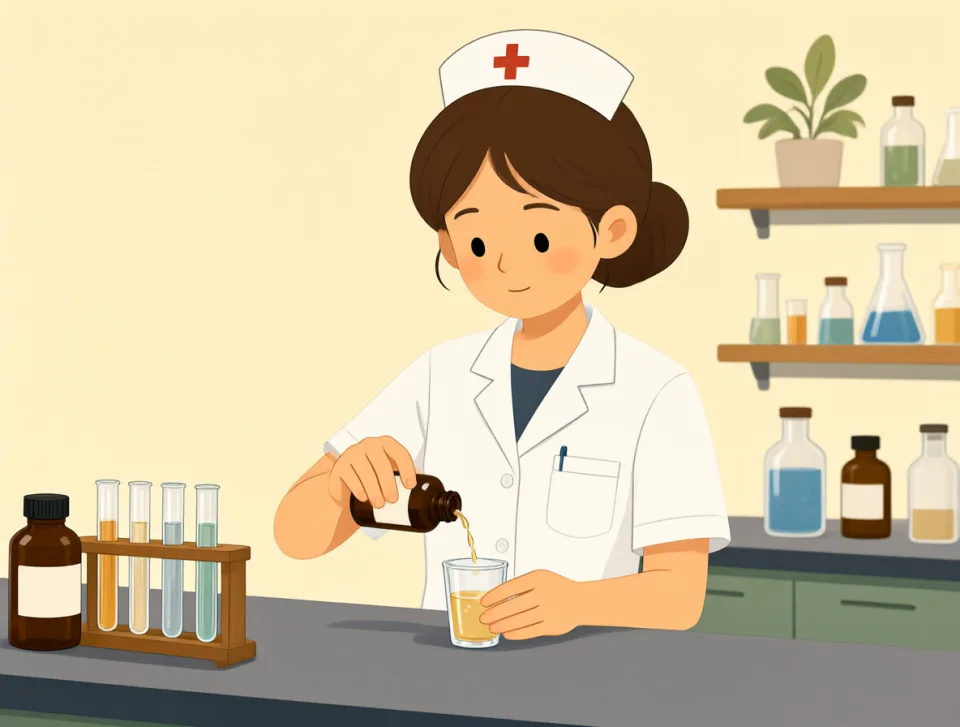
The nurse poured medicine into a small glass vessel for the experiment.
پرستار برای آزمایش، دارو را در ظرف شیشهای کوچکی ریخت.
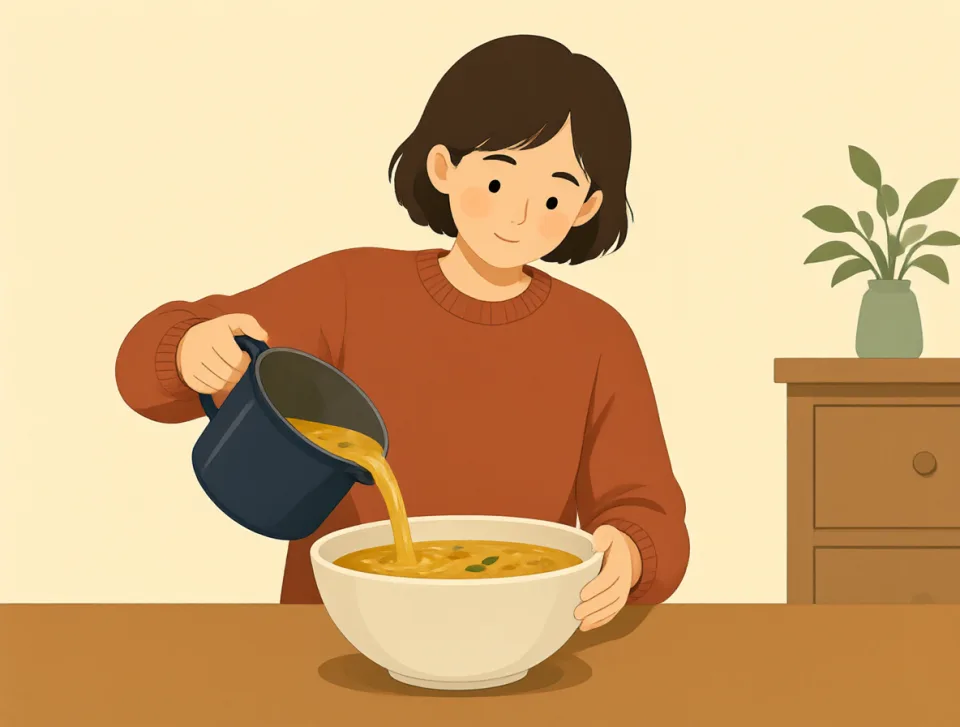
Please place the hot soup in a deep vessel before serving it.
لطفاً پیش از سروکردن، سوپ داغ را در ظرفی گود بریزید.
verb
#2700noun
فعل
A word that describes an action, event, or state, such as run, happen, or be.
واژهای که کنش، رویداد یا حالت را بیان میکند؛ مانند run، happen یا be.
In English, the verb usually comes after the subject in a sentence.
در زبان انگلیسی، فعل معمولاً بعد از فاعل میآید.
Please use the correct verb when you describe what happened yesterday.
لطفاً وقتی اتفاقی را که دیروز افتاد توصیف میکنید، از فعل درست استفاده کنید.
The verb “be” has several different forms in everyday English.
فعل “be” در انگلیسی روزمره چندین شکل متفاوت دارد.

She is learning how to change verbs into the past tense.
او دارد یاد میگیرد فعلها را به زمان گذشته تبدیل کند.
The teacher asked us to circle every verb in the paragraph.
معلم از ما خواست دور هر فعل در بند خط بکشیم.