بخش 141
واژههای 2801 تا 2809 · alright, lazy, hello, hunger, insure, ashamed
alright
#2801adjective, adverb
قابلقبول
Used to say that something is acceptable, satisfactory, or not causing problems.
برای گفتن اینکه چیزی قابلقبول یا رضایتبخش است یا مشکلی ایجاد نمیکند، به کار میرود.
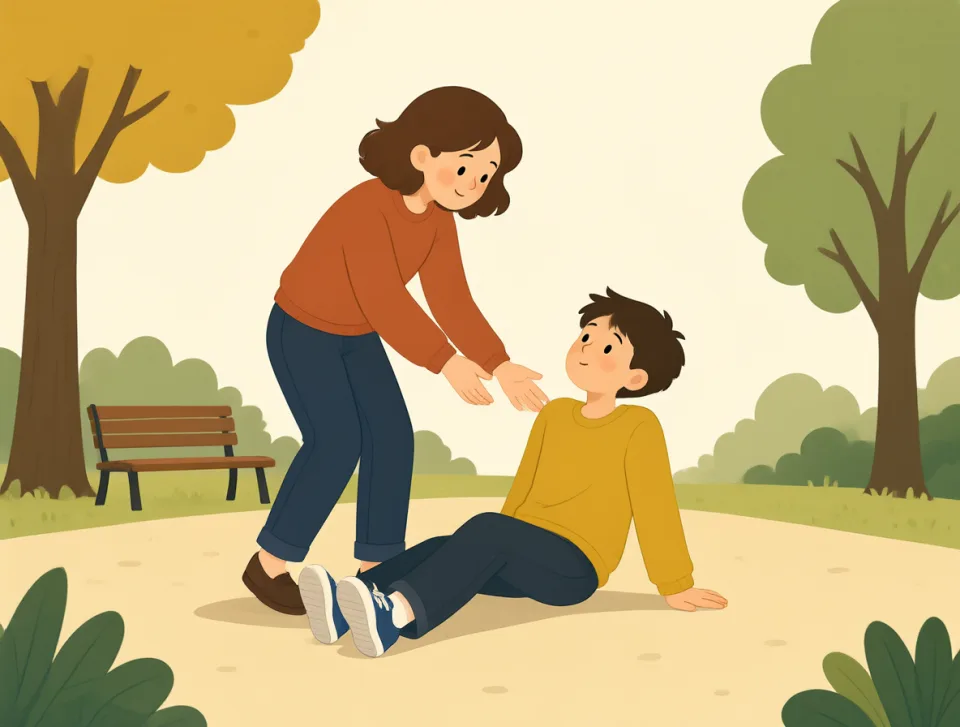
Are you alright after your fall?
بعد از افتادنت حالت خوبه؟
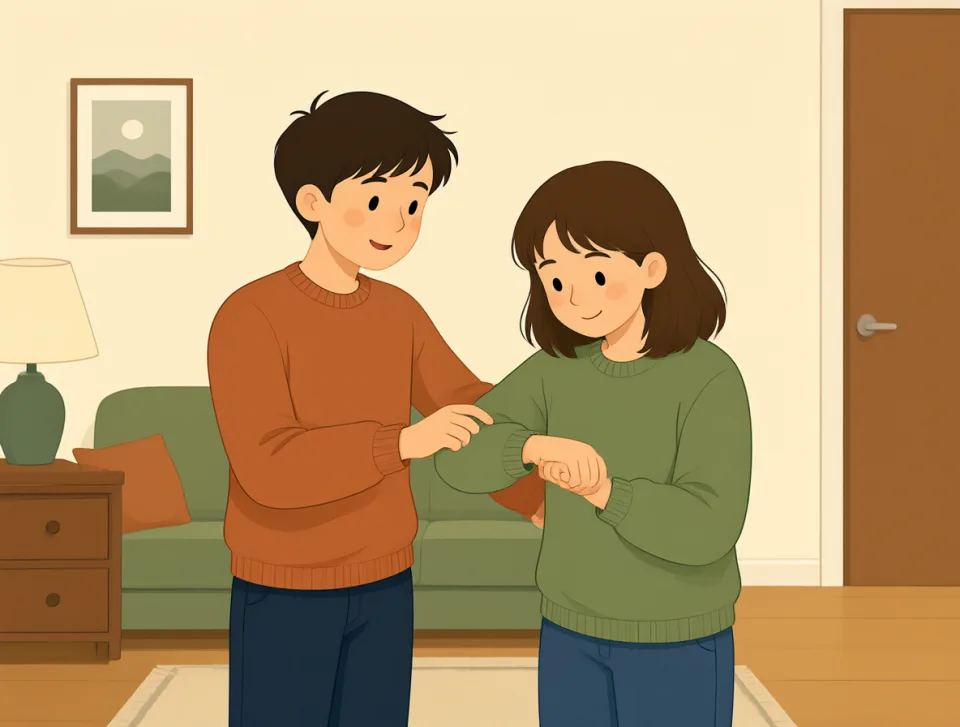
It’s alright if you arrive a little late.
اگر کمی دیر برسی اشکالی ندارد.
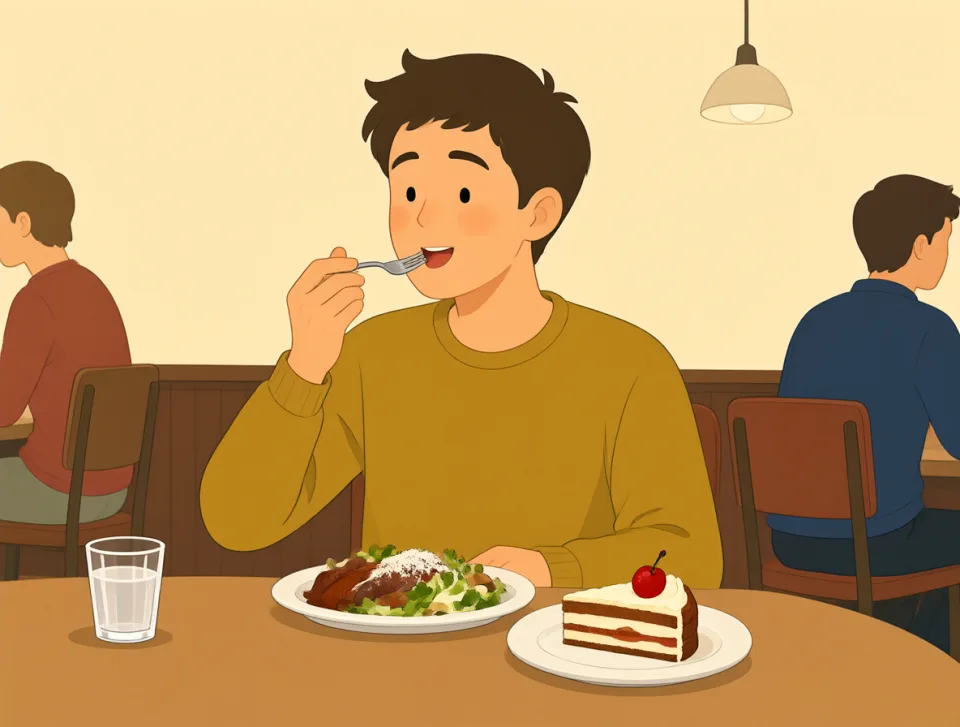
The food was alright, but the dessert was much better.
غذا بد نبود، اما دسر خیلی بهتر بود.
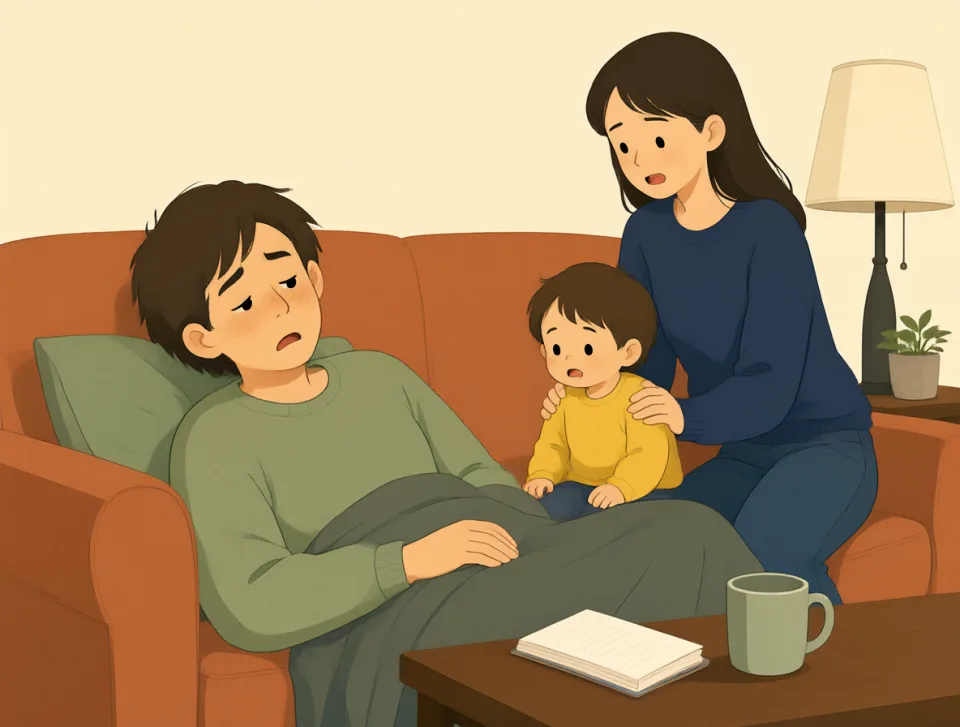
I’m alright now; I just need to rest for a while.
الان حالم خوب است؛ فقط باید کمی استراحت کنم.
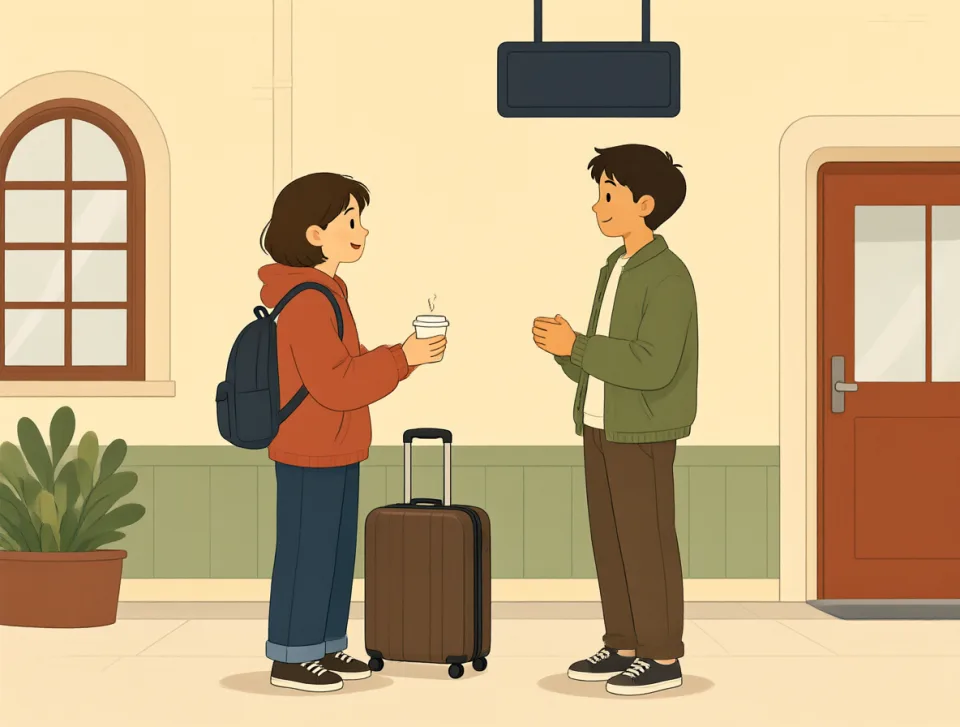
Alright, let’s meet outside the station at six.
خب، ساعت شش بیرون ایستگاه همدیگر را ببینیم.
lazy
#2802adjective
تنبل
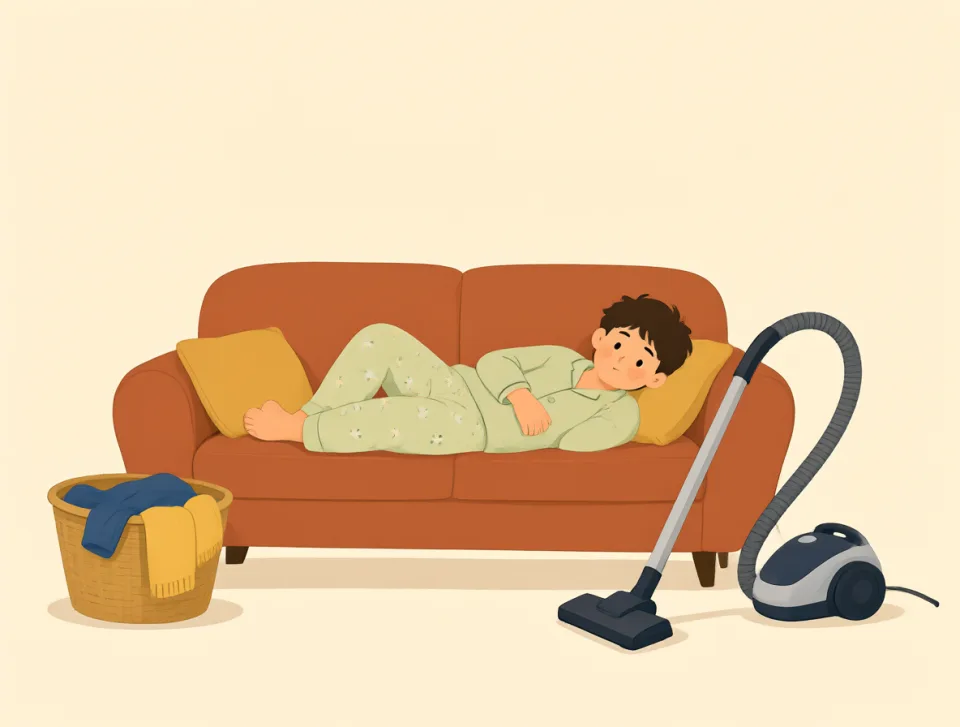
Unwilling to work or use effort; wanting to avoid activity.
کسی که میلی به کار کردن یا تلاش کردن ندارد و میخواهد از فعالیت دوری کند.
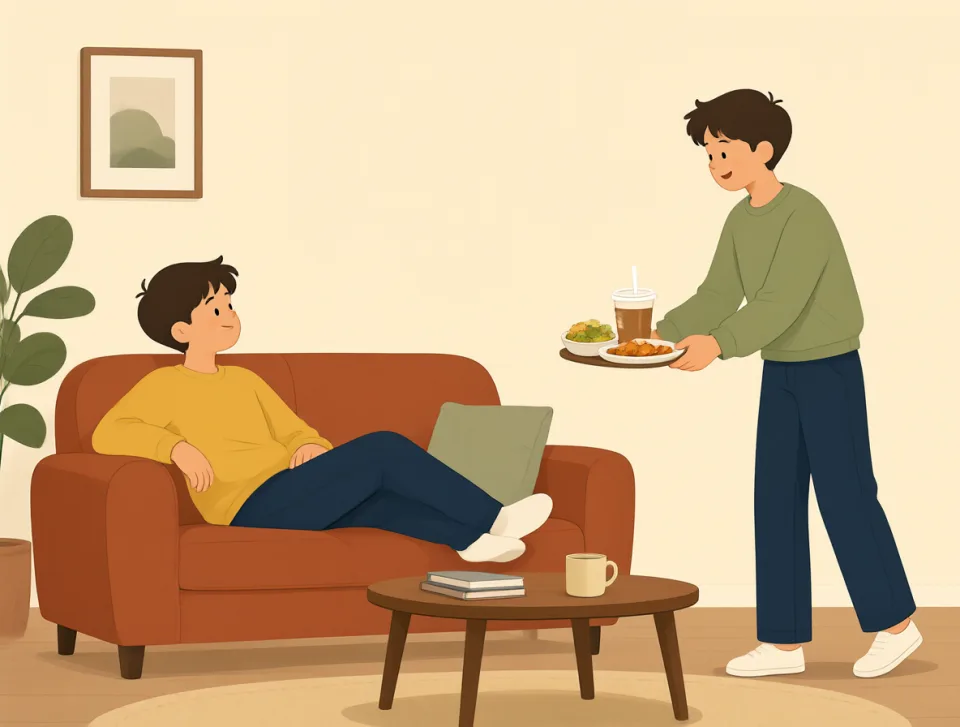
I felt too lazy to cook, so we ordered dinner instead.
آنقدر حوصلهٔ آشپزی نداشتم که بهجایش شام سفارش دادیم.
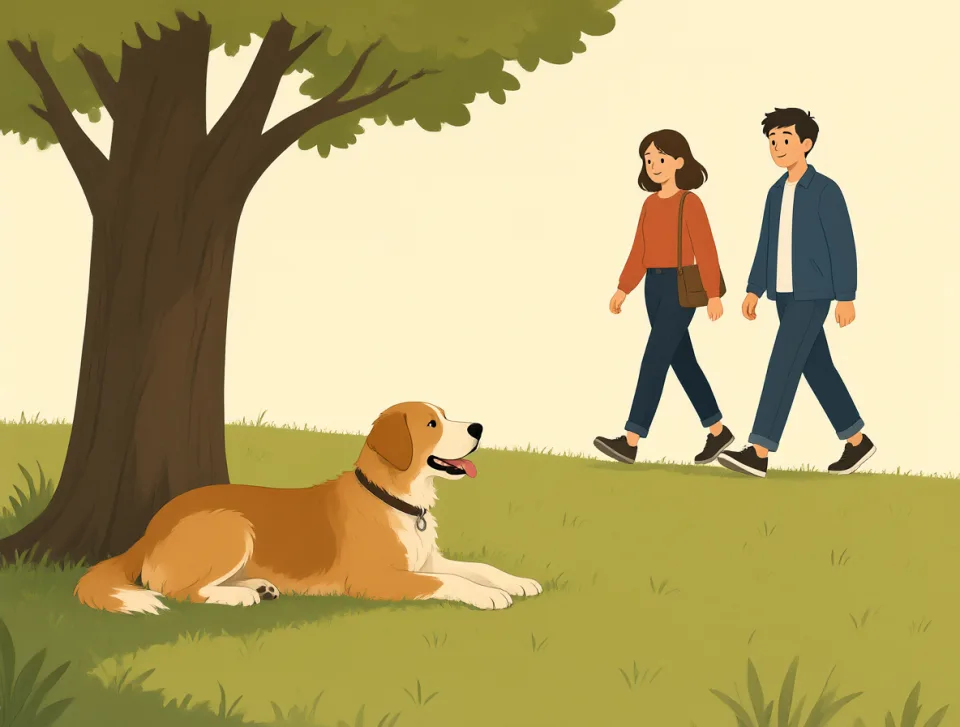
Our lazy dog stayed in the shade while we walked around the park.
سگ تنبلمان در سایه ماند و ما در پارک قدم زدیم.
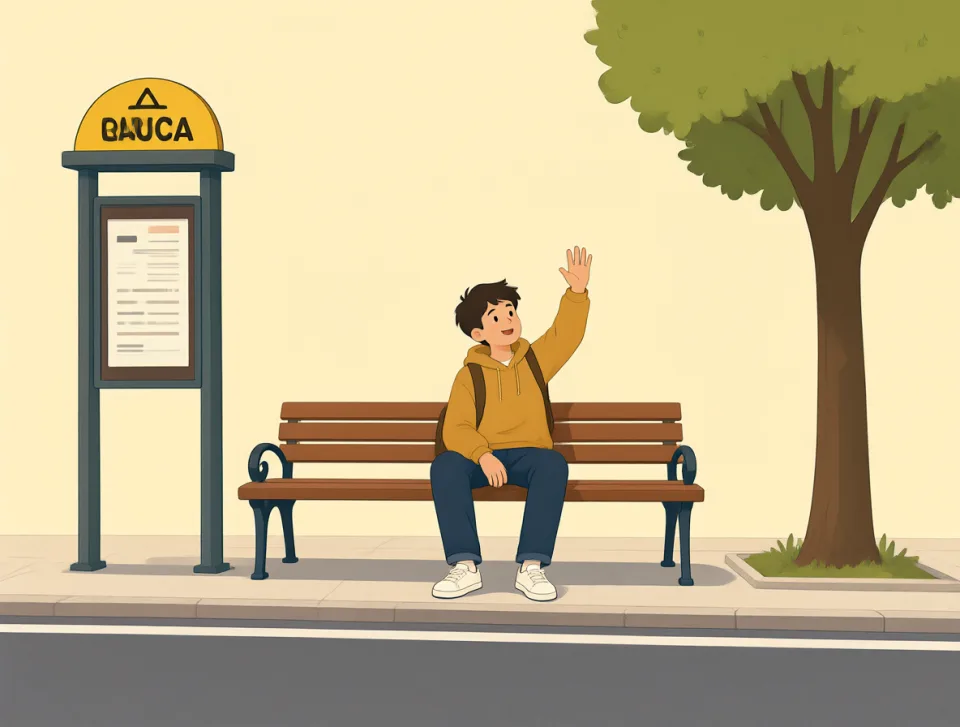
He was too lazy to take the bus, so he called a taxi.
او آنقدر تنبل بود که سوار اتوبوس نشود، برای همین تاکسی گرفت.
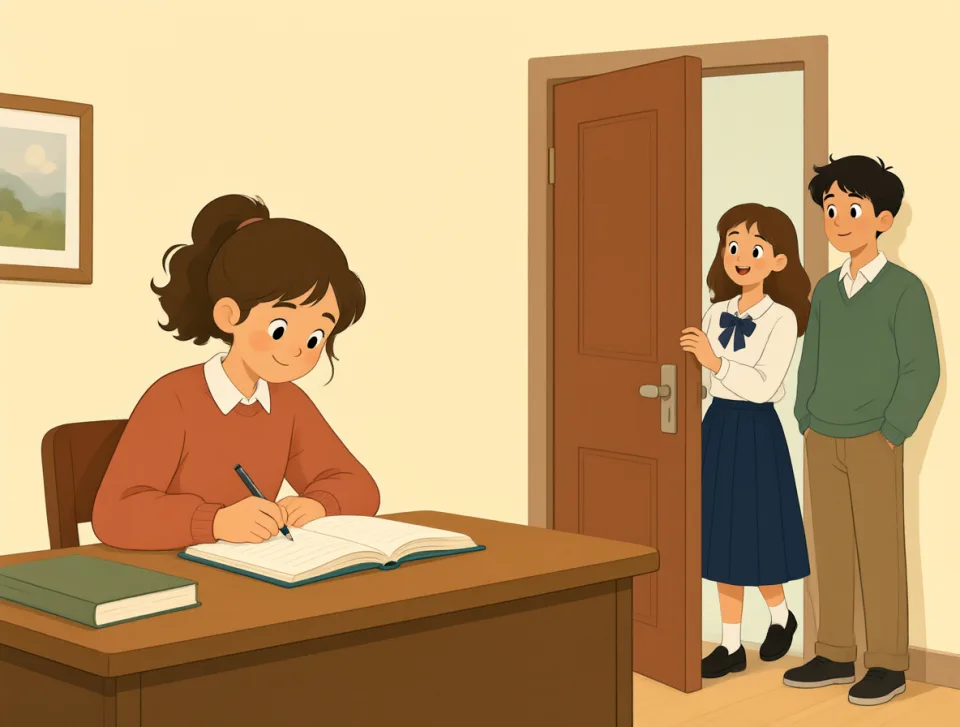
Don't be lazy about your homework; finish it before you meet your friends.
در انجام تکالیفت تنبلی نکن؛ قبل از دیدن دوستانت تمامشان کن.
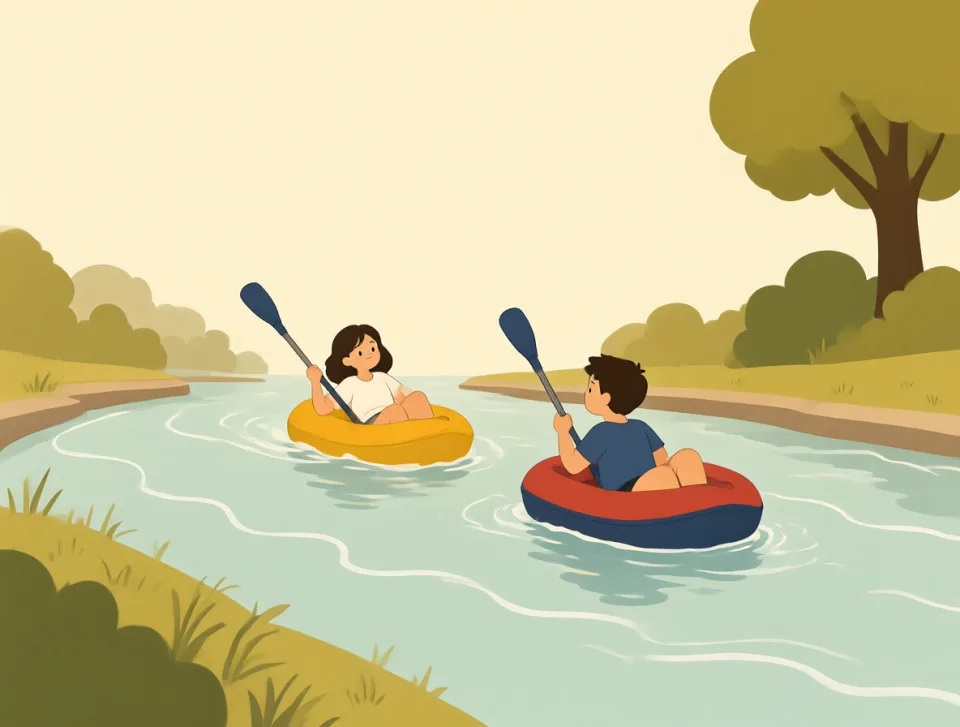
The lazy river carried us slowly past the trees at the water park.
رودخانهٔ آرامِ پارک آبی ما را آهسته از کنار درختها عبور داد.
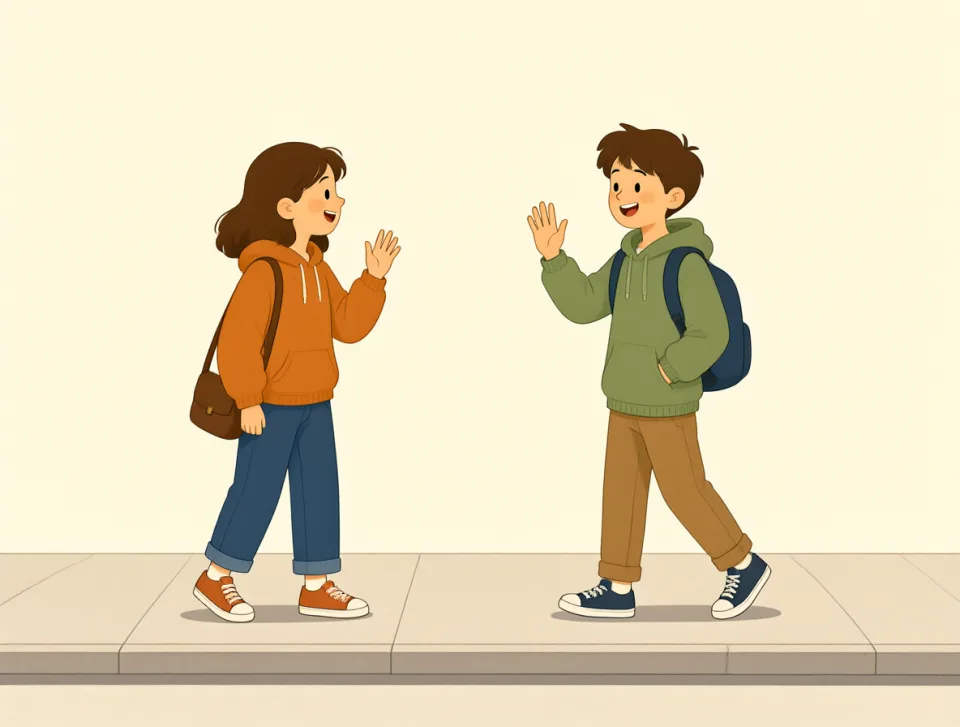
hello
#2803interjection, noun, verb
سلام
A greeting used when meeting someone, or a way to begin a phone call.
احوالپرسیای که هنگام دیدن کسی یا برای شروع مکالمهٔ تلفنی به کار میرود.

Hello, Maya! It’s good to see you again after the holidays.
سلام مایا! خوشحالم که بعد از تعطیلات دوباره میبینمت.
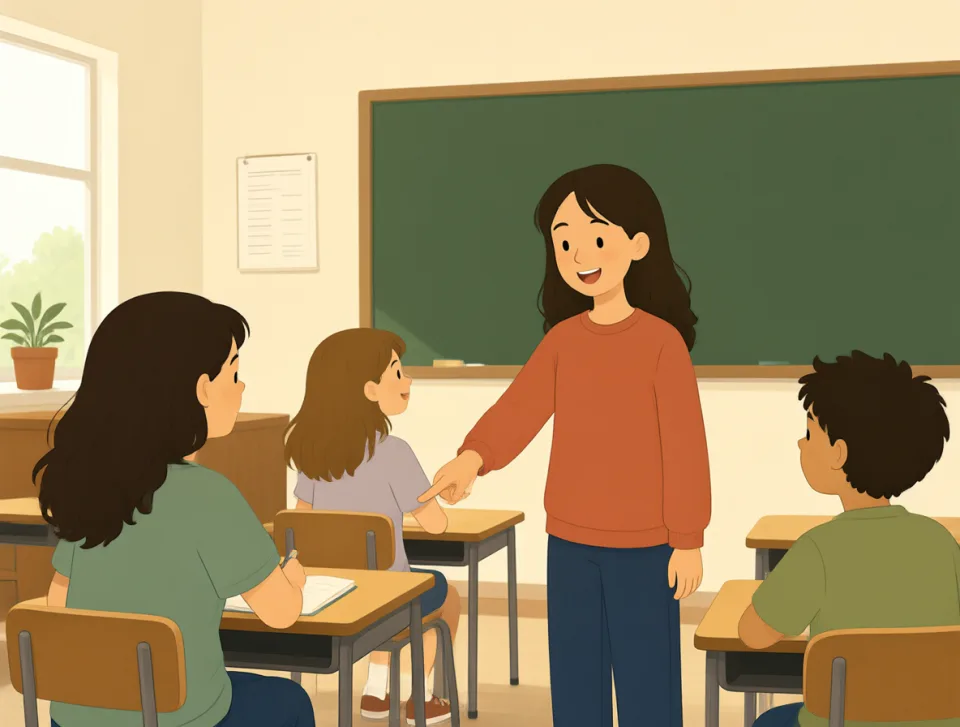
She said hello to the new student and showed him the classroom.
او به دانشآموز جدید سلام کرد و کلاس را به او نشان داد.
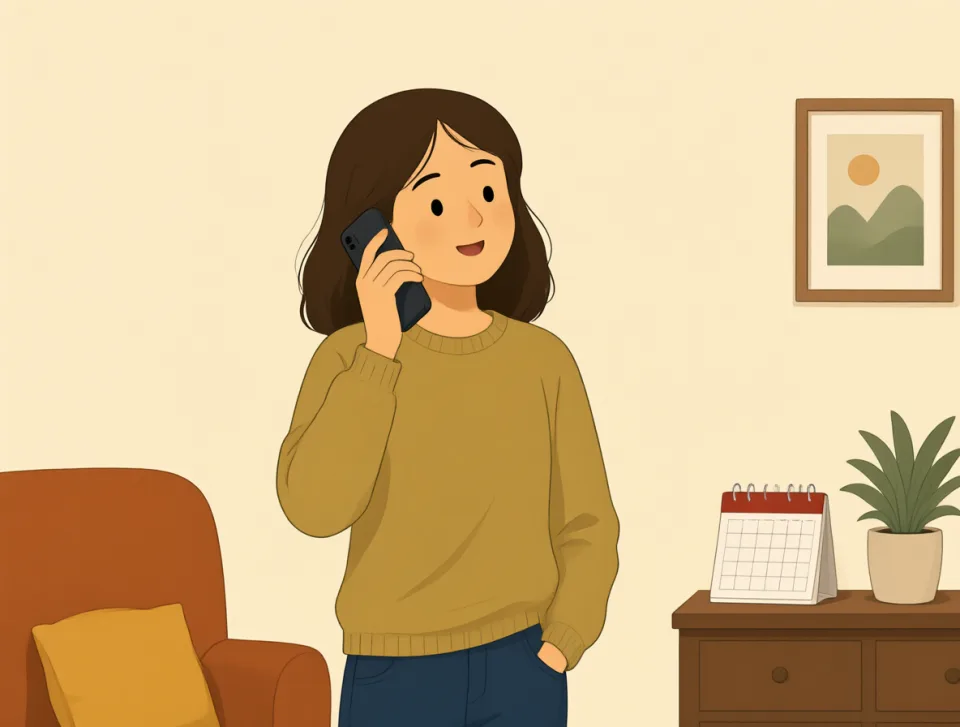
I called the clinic to say hello and ask about my appointment.
به درمانگاه زنگ زدم تا سلامی بکنم و دربارهٔ وقتم سؤال کنم.
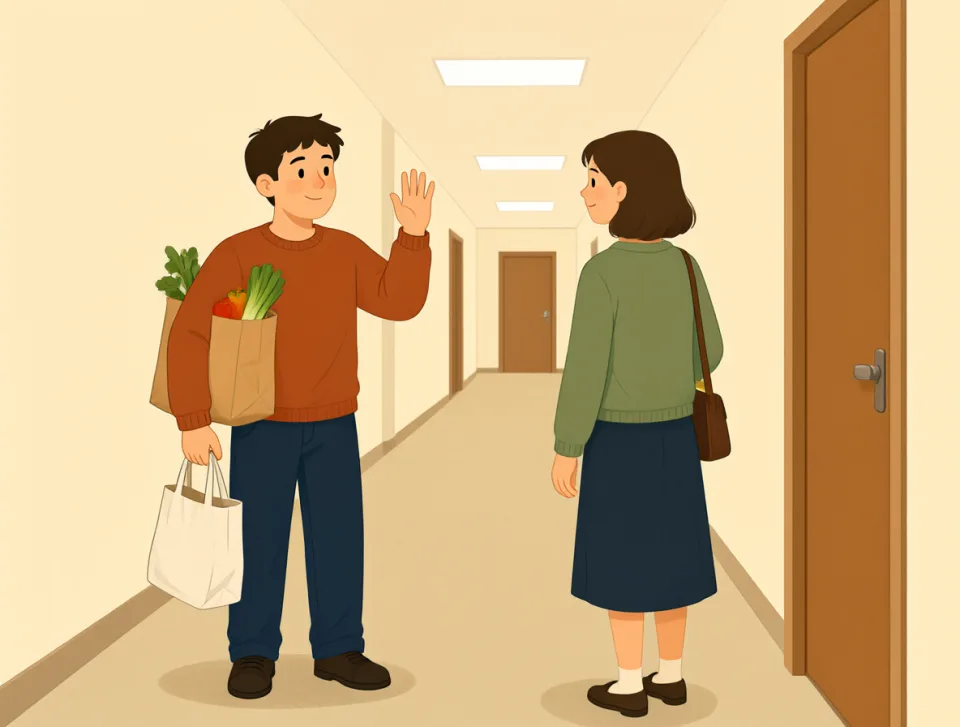
He waved hello to his neighbor while carrying groceries into the building.
او وقتی داشت خریدها را به داخل ساختمان میبرد، برای همسایهاش دست تکان داد و سلام کرد.
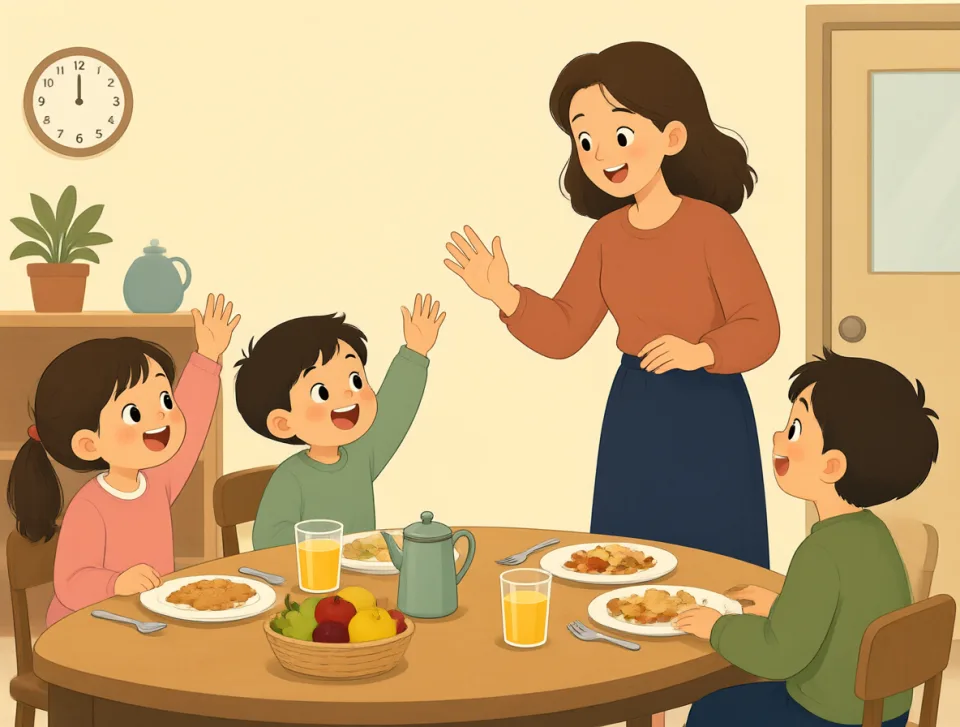
The children shouted hello when their teacher walked into the lunchroom.
بچهها وقتی معلمشان وارد سالن غذاخوری شد، با صدای بلند سلام کردند.
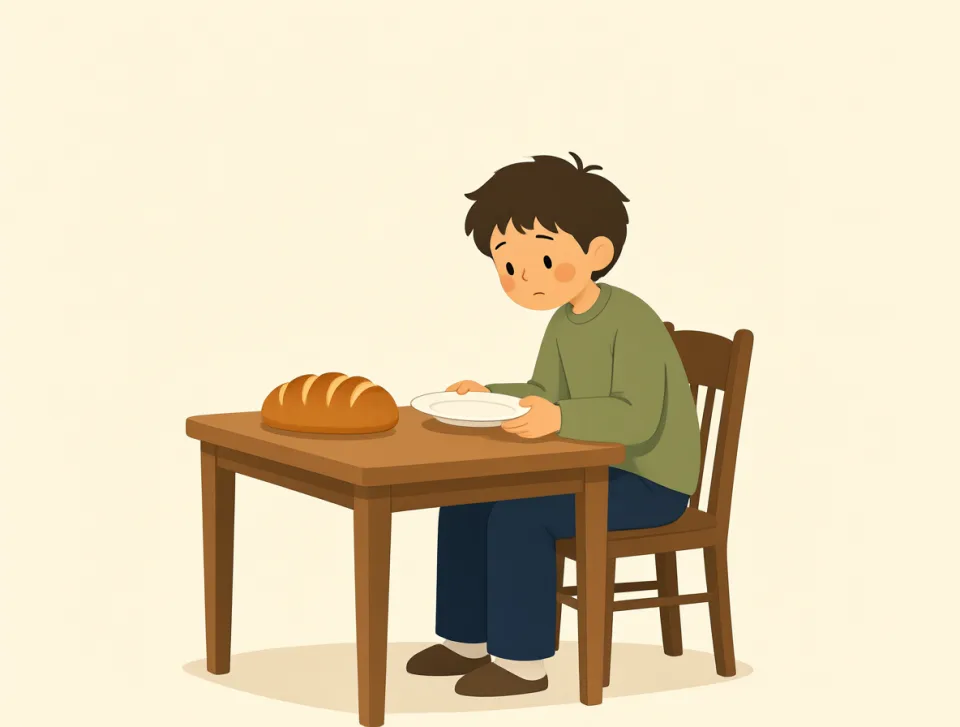
hunger
#2804noun
گرسنگی
The feeling you have when you need or strongly want food.
احساسی که وقتی به غذا نیاز دارید یا شدیداً دلتان غذا میخواهد، دارید.

After the long walk, our hunger made us stop for lunch.
بعد از پیادهروی طولانی، گرسنگی وادارمان کرد برای ناهار توقف کنیم.

She ate a bowl of soup to satisfy her hunger before class.
او پیش از کلاس یک کاسه سوپ خورد تا گرسنگیاش را برطرف کند.
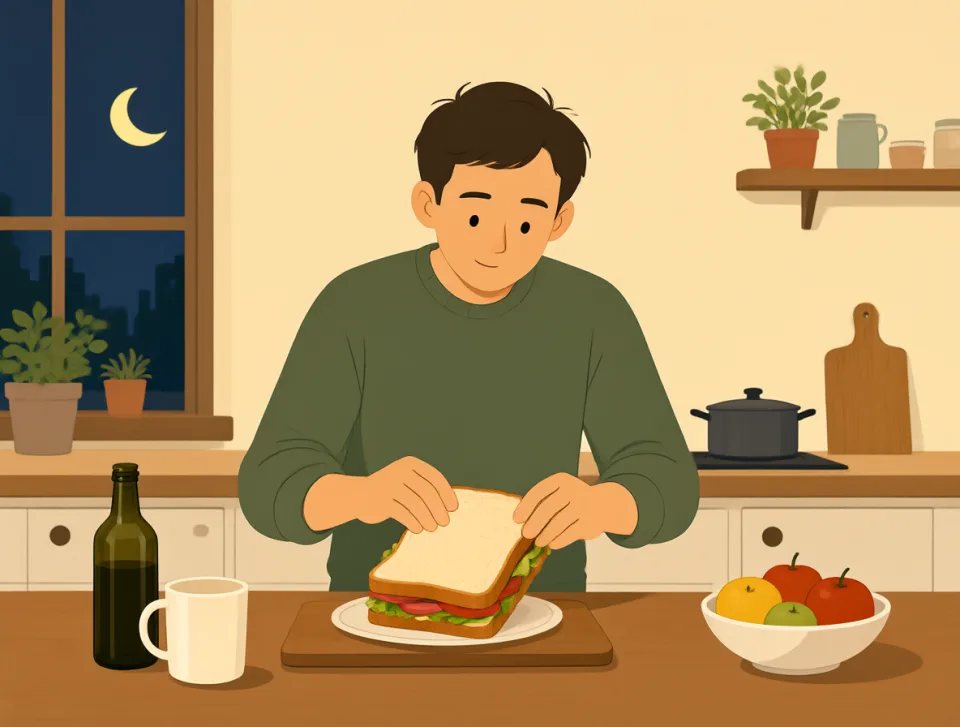
Hunger kept him awake, so he made a sandwich in the middle of the night.
گرسنگی خواب را از چشمانش گرفت، برای همین نیمهشب ساندویچی درست کرد.
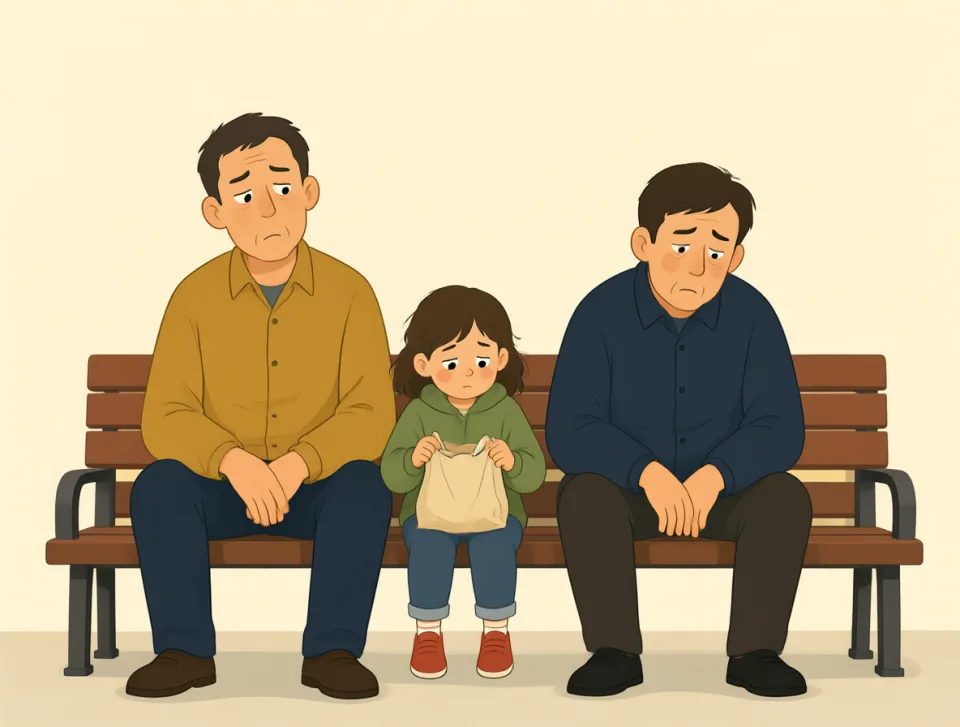
The family felt hunger after their train was delayed for several hours.
بعد از اینکه قطار چند ساعت تأخیر کرد، خانواده گرسنه شدند.
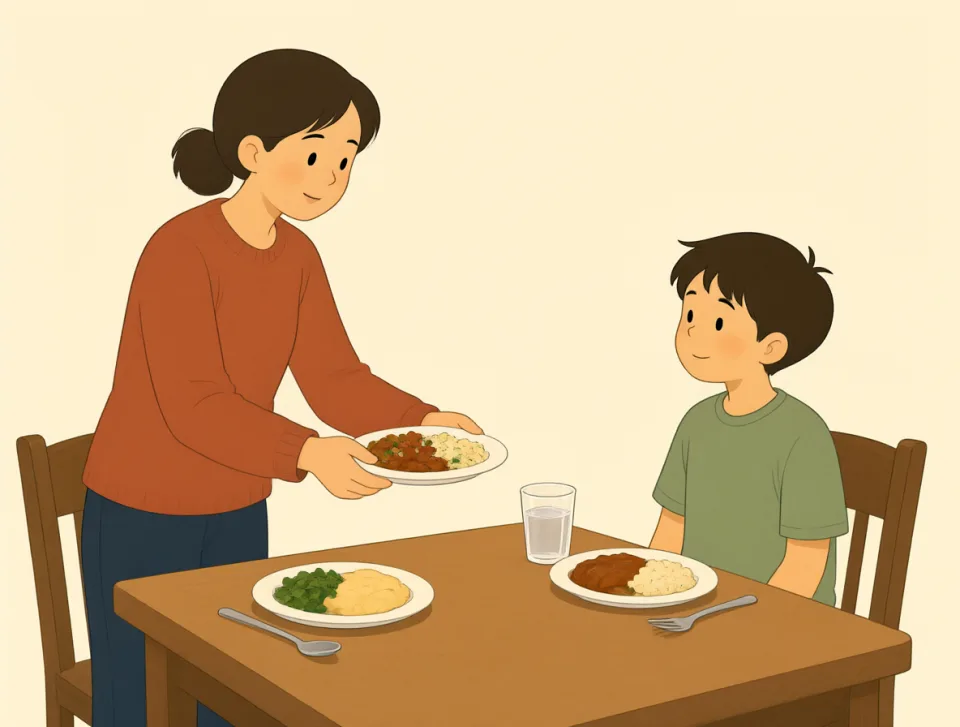
The charity provides meals for children suffering from hunger in the area.
این خیریه برای کودکانی که در این منطقه از گرسنگی رنج میبرند، غذا فراهم میکند.
insure
#2805verb
بیمه کردن
To protect someone or something financially against loss, damage, illness, or death.
محافظت مالی از شخص یا چیزی در برابر ضرر، خسارت، بیماری یا مرگ.
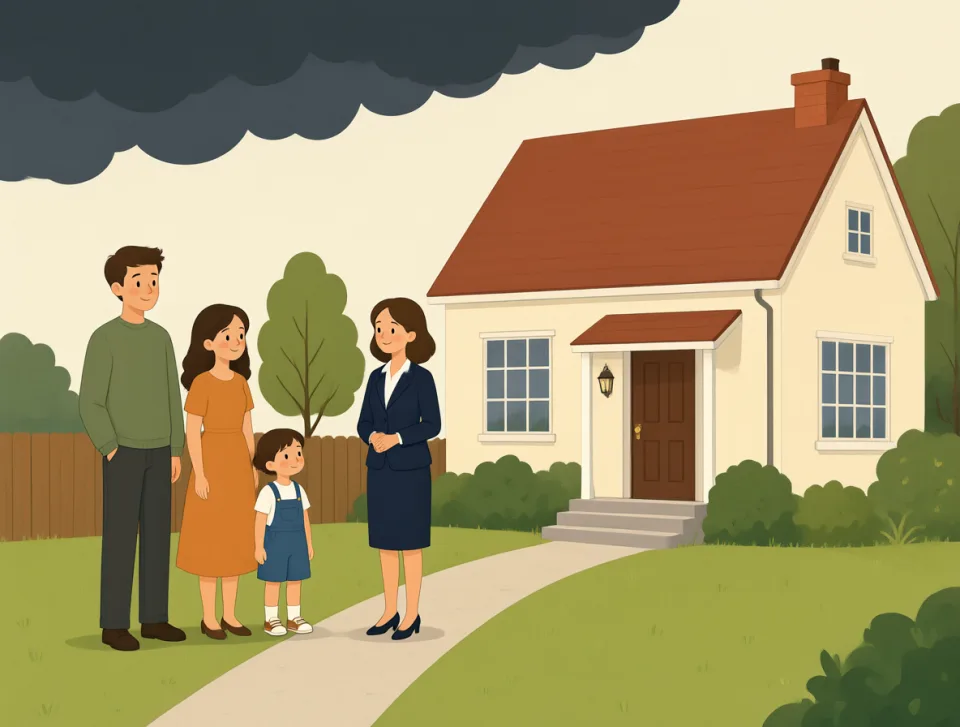
We insured our house against fire and serious storm damage.
خانهمان را در برابر آتشسوزی و خسارت شدید ناشی از طوفان بیمه کردیم.

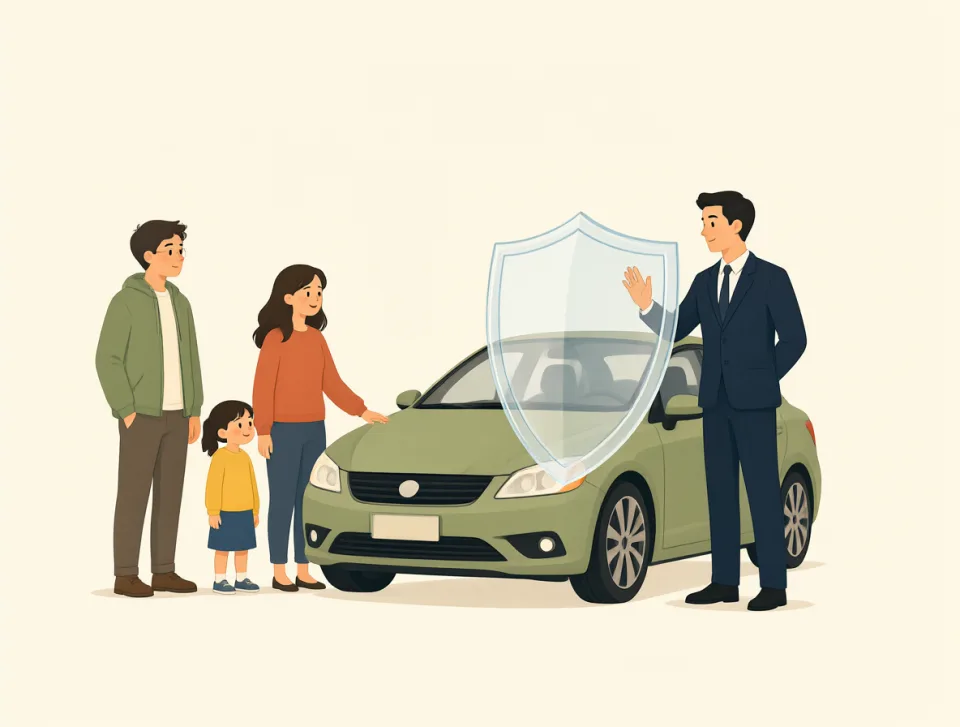
She insured her new car before driving it to work.
او پیش از رانندگی با ماشین جدیدش تا محل کار، آن را بیمه کرد.
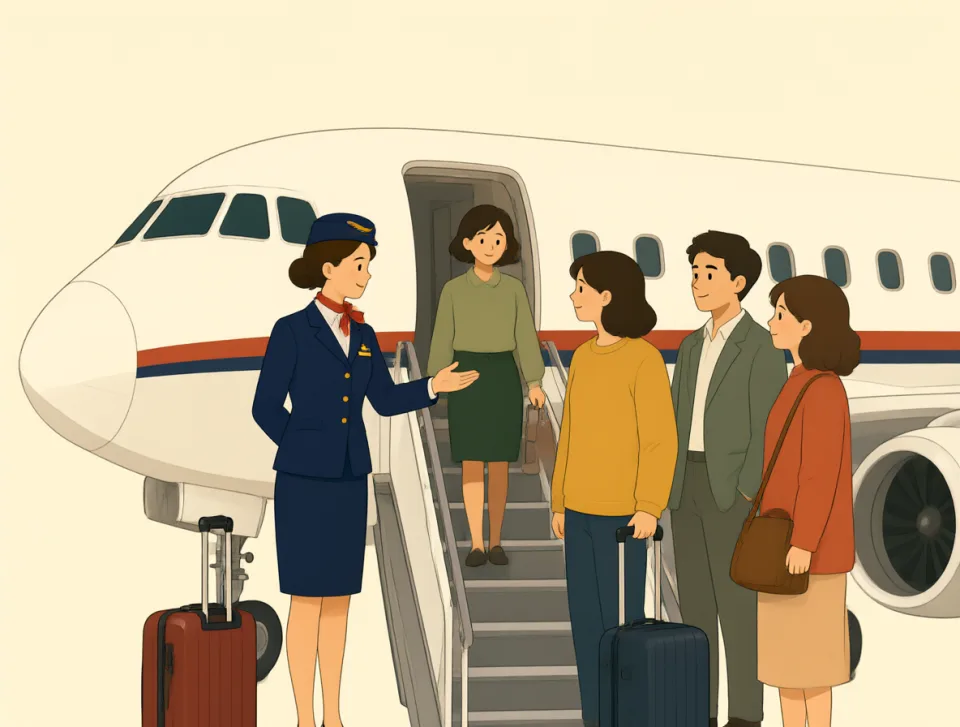
The airline insured passengers against accidents during the flight.
شرکت هواپیمایی مسافران را در برابر حوادث حین پرواز بیمه کرد.
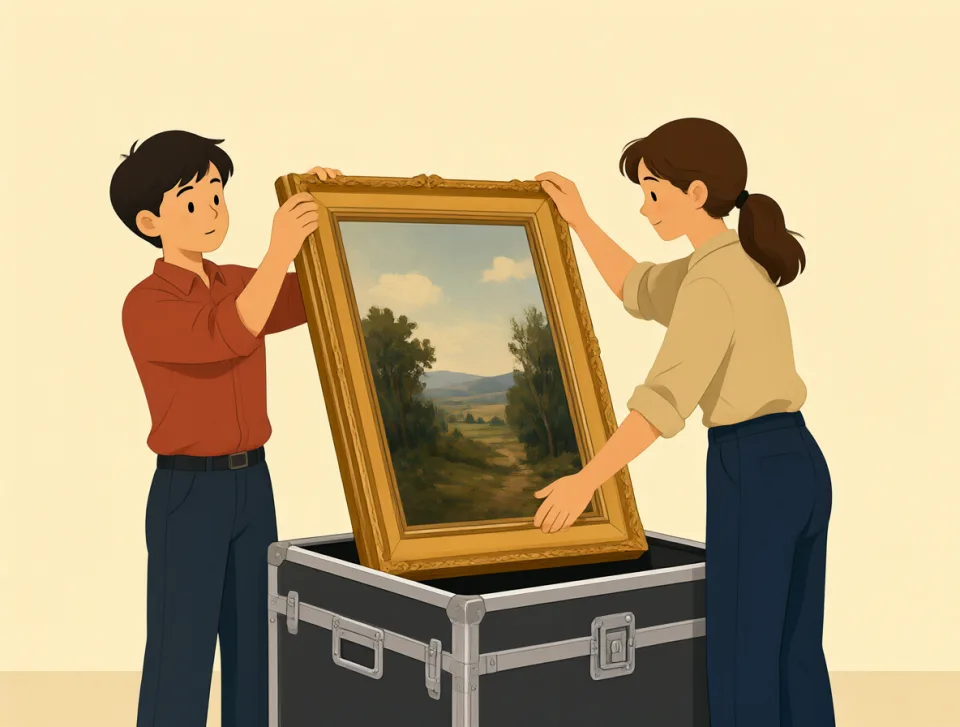
The museum insured the valuable painting before sending it overseas.
موزه پیش از فرستادن نقاشی باارزش به خارج از کشور، آن را بیمه کرد.
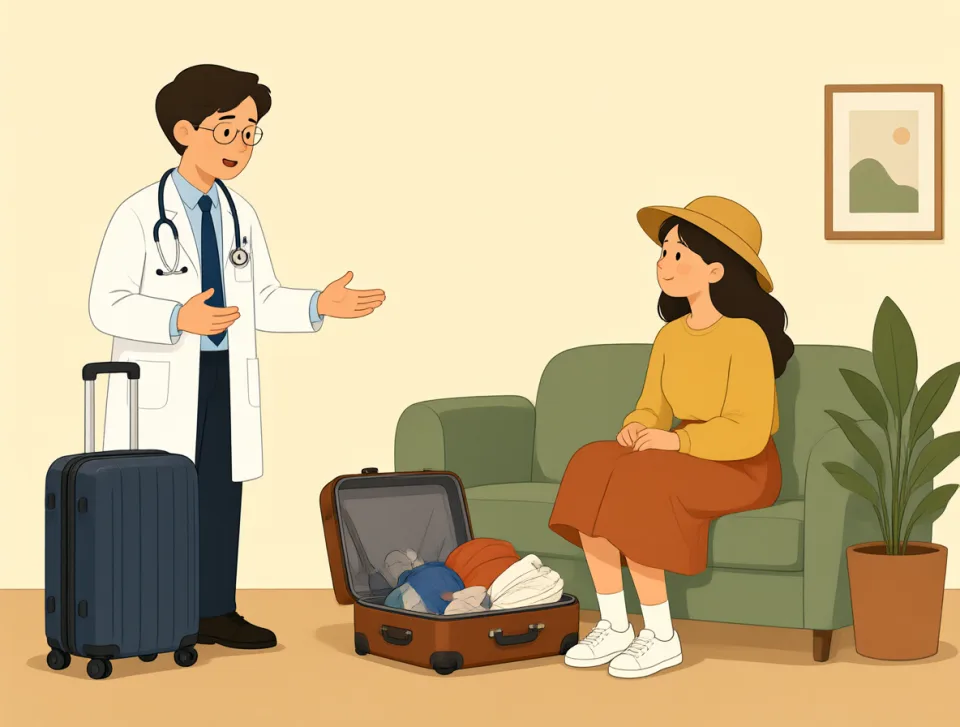
They insured their trip in case someone became seriously ill.
آنها سفرشان را بیمه کردند تا اگر کسی بهشدت بیمار شد، پوشش بیمه داشته باشند.
ashamed
#2806adjective
شرمنده
Feeling bad or embarrassed because you have done something wrong or foolish.
احساس بد یا خجالتزدگی بهخاطر اینکه کار اشتباه یا احمقانهای انجام دادهاید.
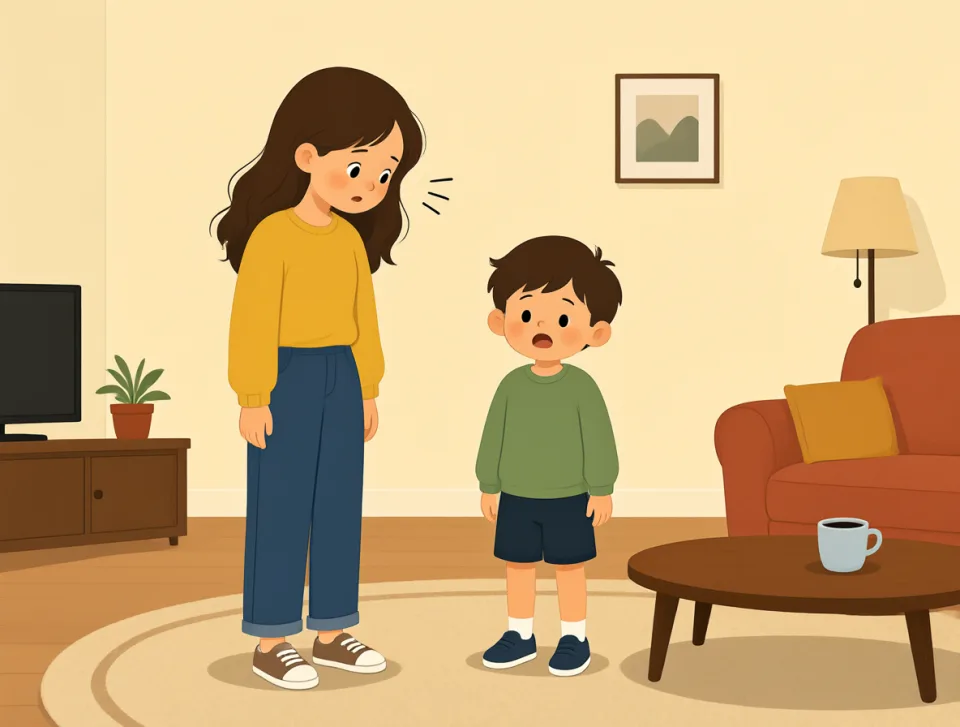
She felt ashamed of herself after shouting at her little brother.
بعد از اینکه سر برادر کوچکش فریاد زد، از خودش احساس شرمندگی کرد.

He was ashamed to admit that he had forgotten his manager's instructions.
از اینکه اعتراف کند دستورهای مدیرش را فراموش کرده بود، خجالت میکشید.
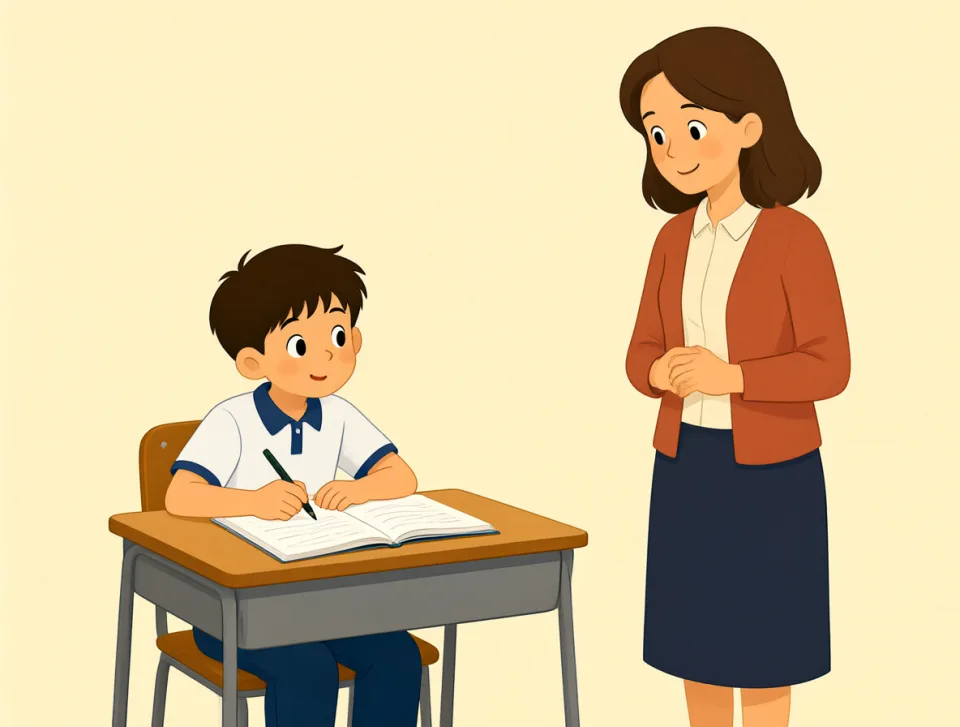
The student felt ashamed when the teacher found his unfinished homework.
وقتی معلم تکلیف ناتمامش را پیدا کرد، دانشآموز احساس شرمندگی کرد.
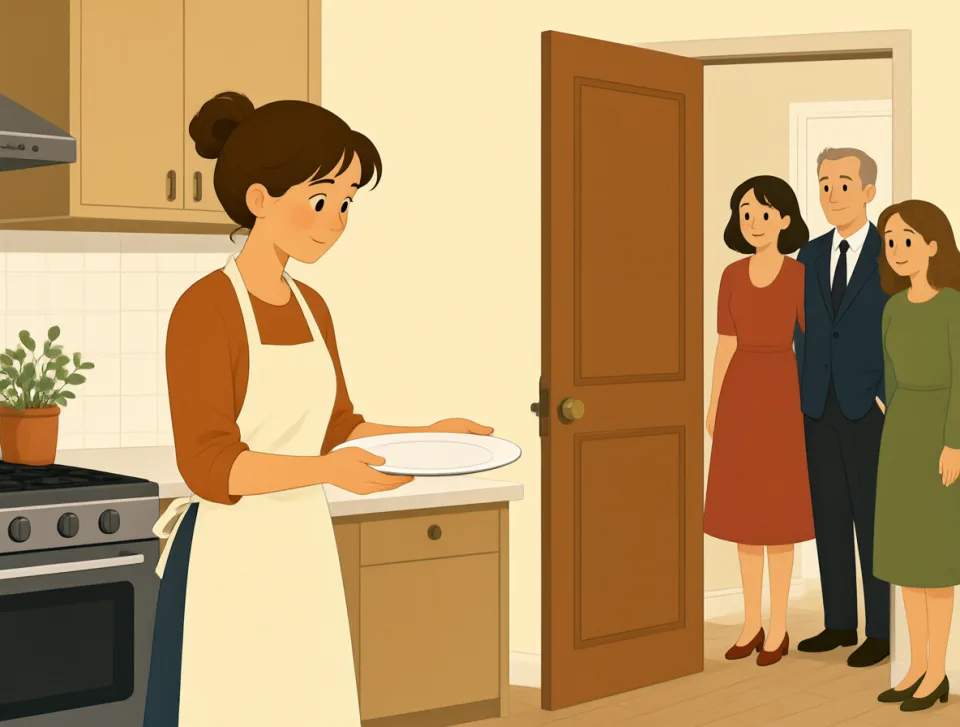
I felt ashamed after eating the whole cake before our guests arrived.
بعد از اینکه پیش از رسیدن مهمانها تمام کیک را خوردم، احساس شرمندگی کردم.
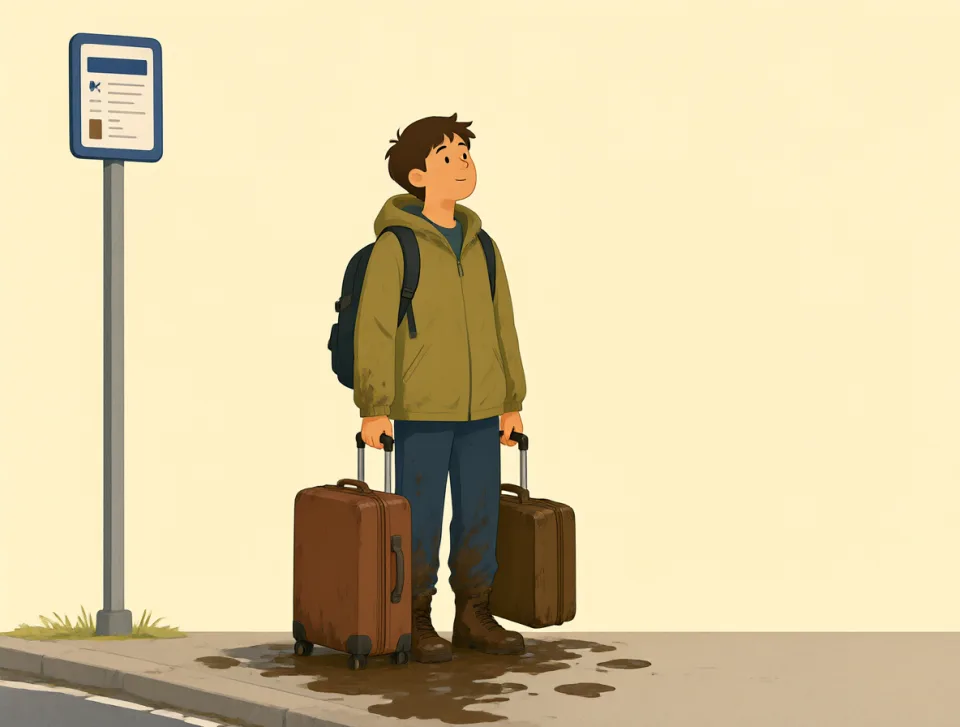
She was ashamed of her dirty clothes after missing the bus in the rain.
بعد از اینکه زیر باران از اتوبوس جا ماند، از لباسهای کثیفش خجالت میکشید.
found
#2807verb
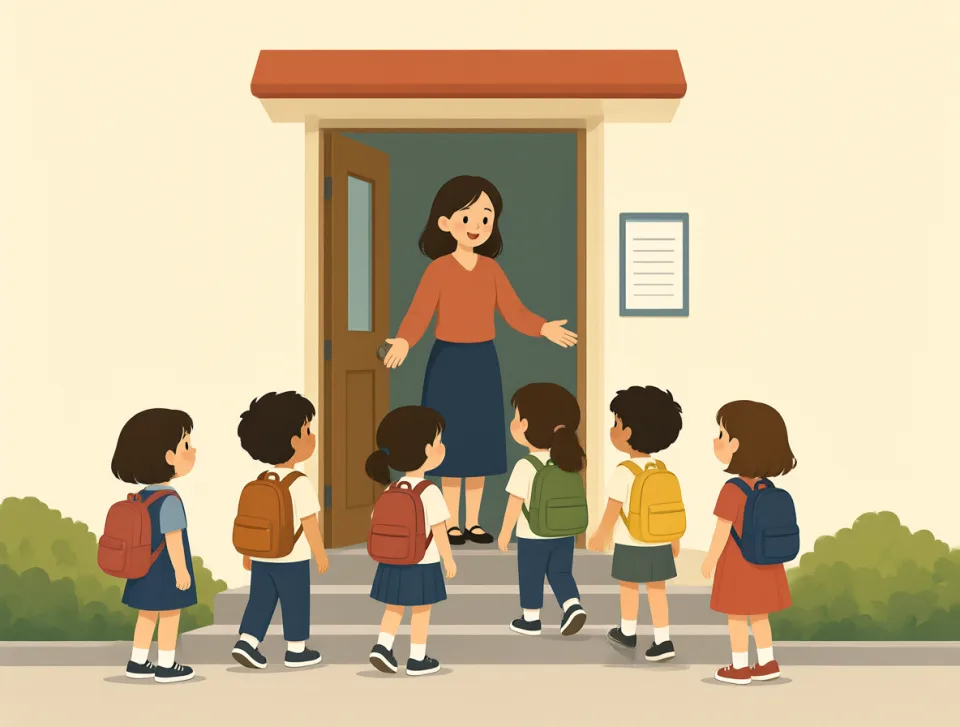
پیدا کرد
Started an organization, company, school, or other institution.
یک سازمان، شرکت، مدرسه یا مؤسسهٔ دیگری را تأسیس کرد.
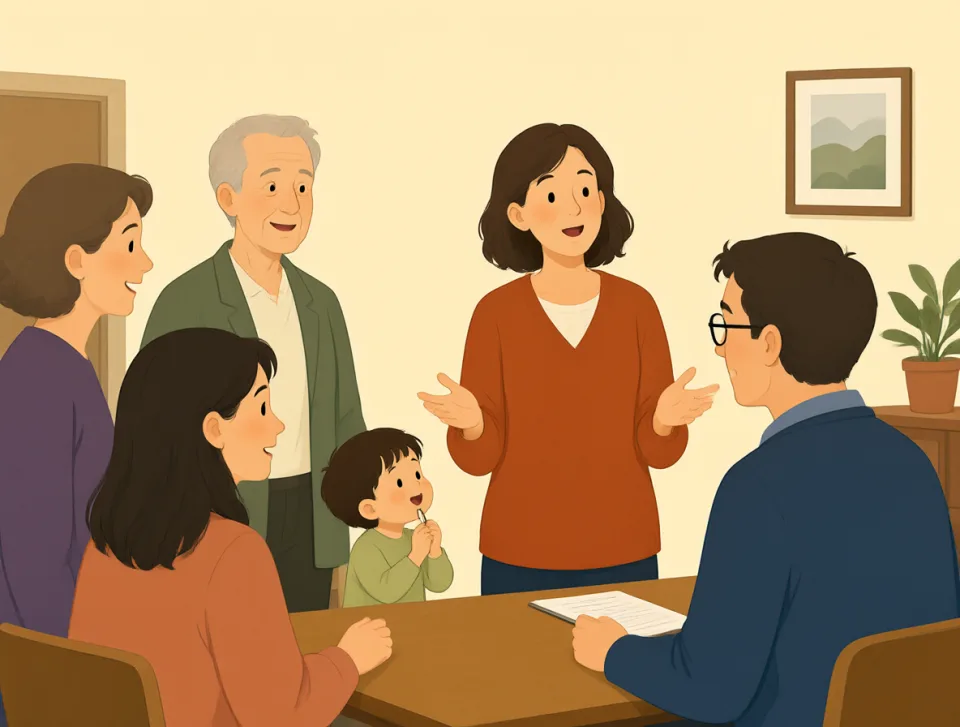
She found a local charity to help families after the storm.
او یک خیریهٔ محلی پیدا کرد تا پس از طوفان به خانوادهها کمک کند.
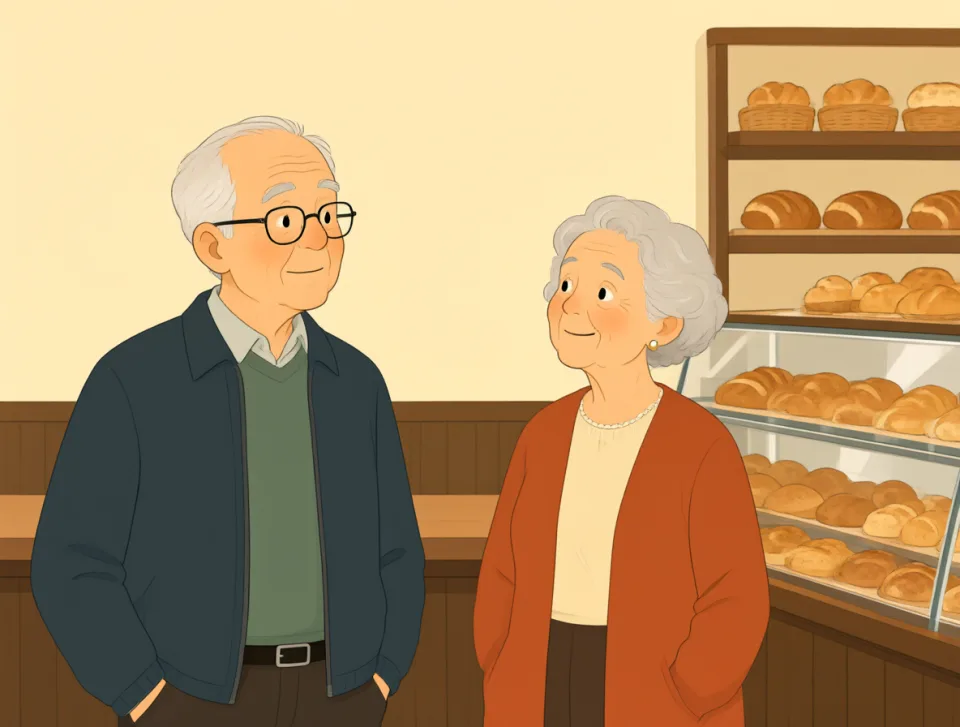
My grandparents found a small bakery in the village after they retired.
پدربزرگ و مادربزرگم بعد از بازنشستگی یک نانوایی کوچک در روستا پیدا کردند.

The students found a study group to prepare for their exams together.
دانشآموزها یک گروه مطالعاتی پیدا کردند تا با هم برای امتحانهایشان آماده شوند.

We found a quiet hotel near the station for our weekend trip.
برای سفر آخر هفتهمان یک هتل آرام نزدیک ایستگاه پیدا کردیم.
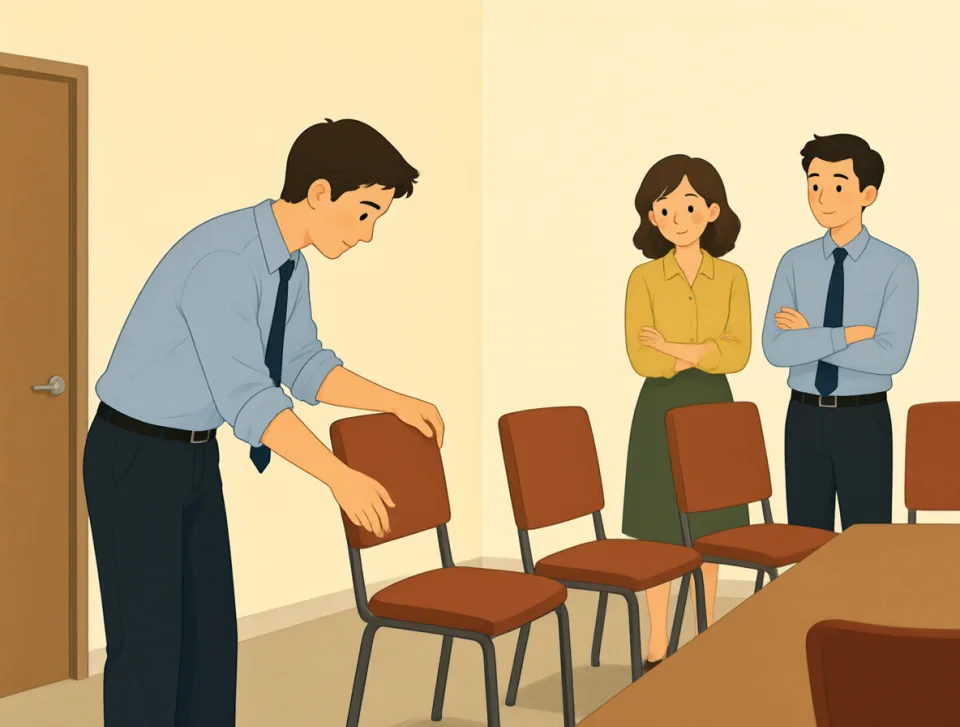
He found a better way to organize the weekly team meeting.
او راه بهتری برای ساماندادن به جلسهٔ هفتگی تیم پیدا کرد.

blog
#2808noun, verb
وبلاگ
A website or page where someone regularly shares articles, opinions, or updates.
وبسایت یا صفحهای که کسی مرتب در آن مقاله، نظر یا مطالب تازه منتشر میکند.

I read a travel blog before choosing a hotel in Rome.
قبل از انتخاب هتلی در رم، یک وبلاگ سفر خواندم.
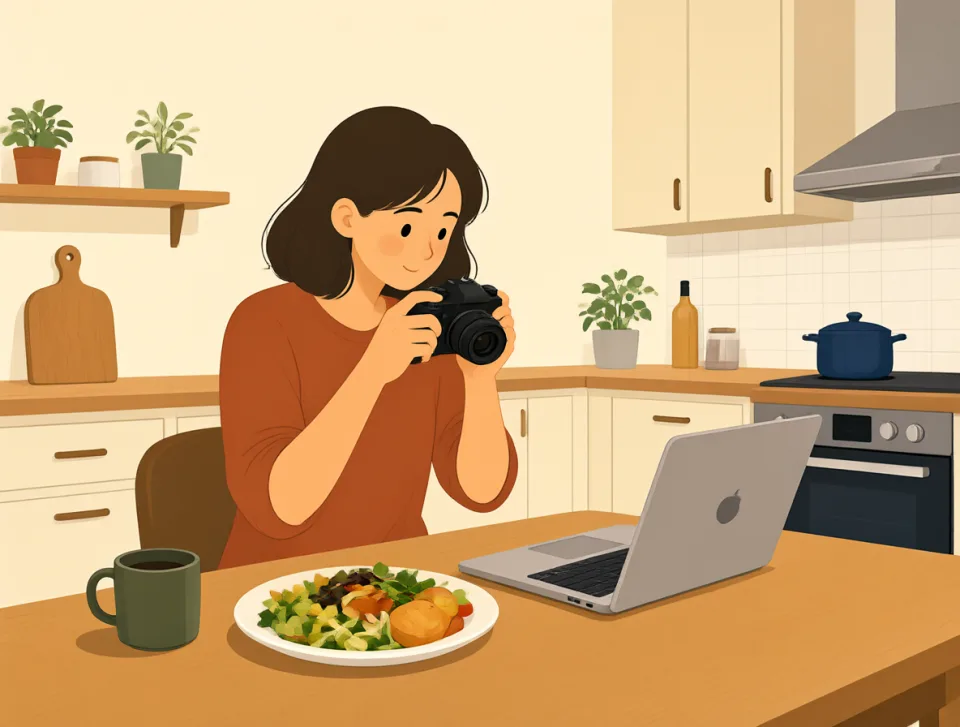
She writes a food blog and shares easy recipes with her friends.
او یک وبلاگ آشپزی مینویسد و دستورهای ساده را با دوستانش به اشتراک میگذارد.

Our teacher asked us to write a blog about a book we enjoyed.
معلممان از ما خواست دربارهٔ کتابی که از آن خوشمان آمده بود، یک وبلاگ بنویسیم.

He started a blog to share advice about finding a job.
او وبلاگی راهاندازی کرد تا دربارهٔ پیدا کردن کار توصیههایی به اشتراک بگذارد.
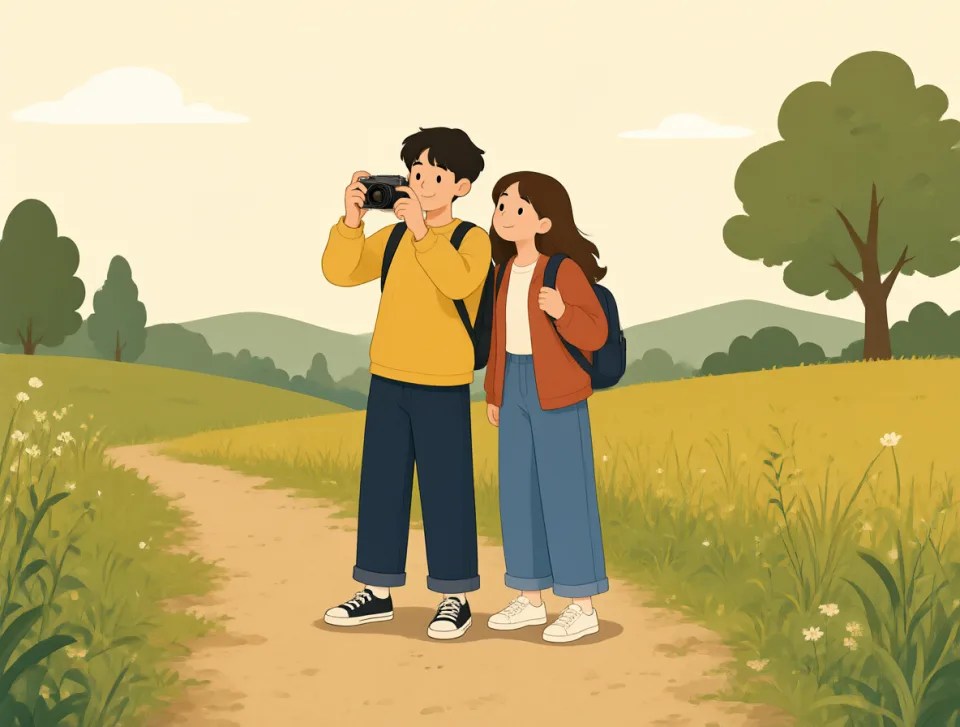
They blog about local walks and post new pictures every weekend.
آنها دربارهٔ مسیرهای پیادهروی محلی وبلاگ مینویسند و هر آخر هفته عکسهای تازه منتشر میکنند.
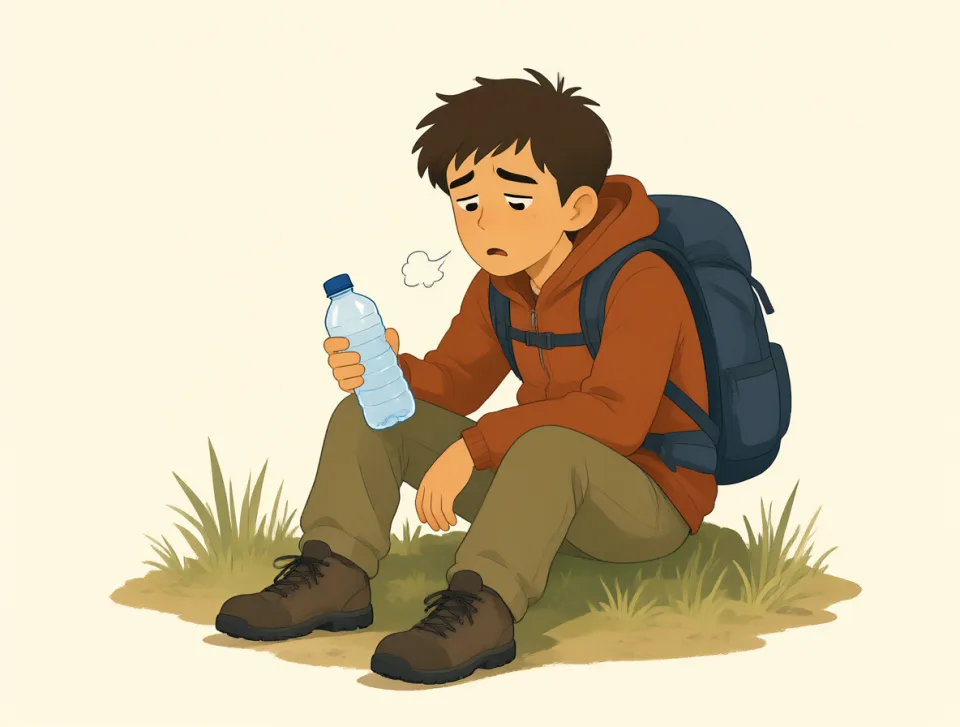
thirst
#2809noun
تشنگی
The feeling of needing or wanting to drink something.
احساس نیاز یا میل به نوشیدن چیزی.

After playing football, I drank two glasses of water to satisfy my thirst.
بعد از فوتبال بازیکردن، برای رفع تشنگی دو لیوان آب نوشیدم.

The long walk through the hot city increased our thirst.
پیادهروی طولانی در شهر داغ تشنگیمان را بیشتر کرد.
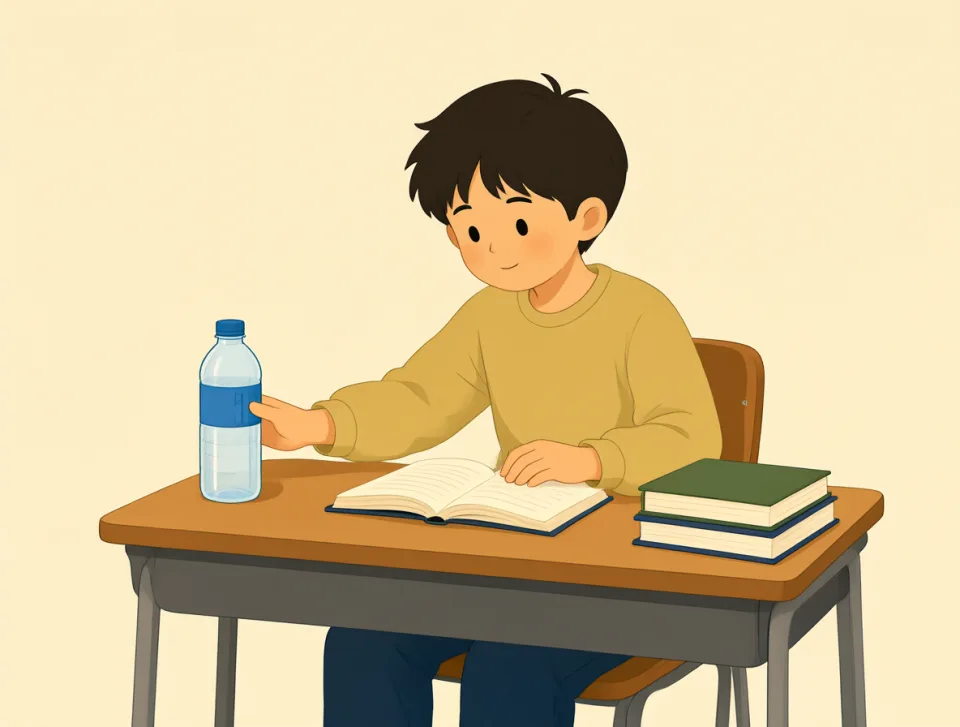
Keep a bottle of water nearby when thirst comes during class.
وقتی سر کلاس تشنه شدید، یک بطری آب دم دستتان داشته باشید.
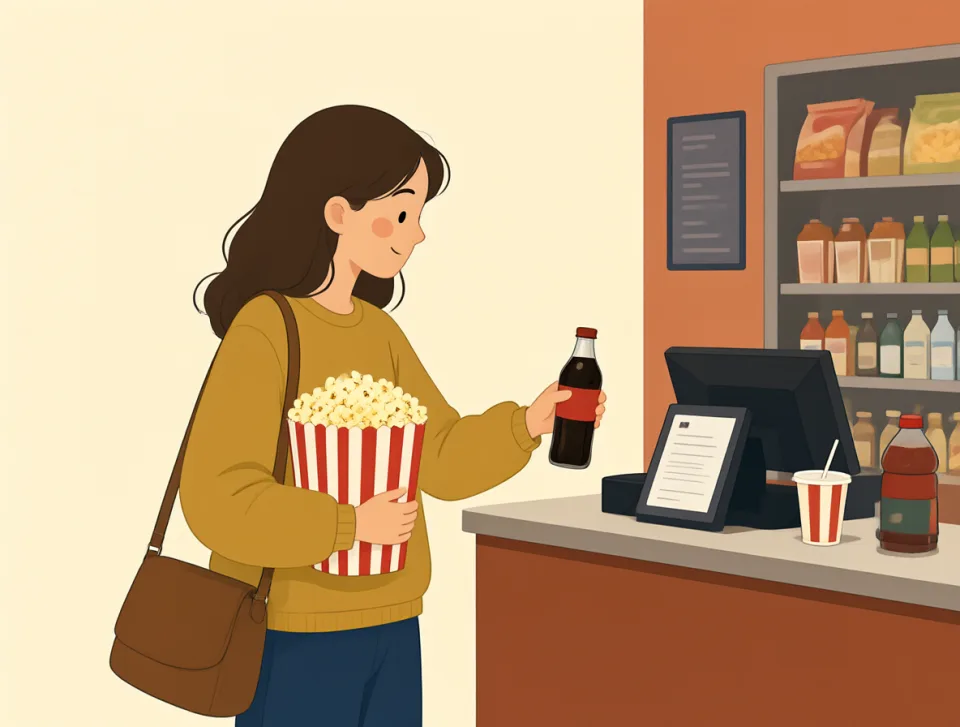
The salty popcorn made me so thirsty that I bought a drink.
پاپکورن شور آنقدر تشنهام کرد که یک نوشیدنی خریدم.

She woke during the night with a terrible thirst and drank some water.
شب با تشنگی شدیدی از خواب بیدار شد و کمی آب نوشید.