Đơn vị 106
Từ 2101–2120 · formula, alter, perceive, routine, sink, stare
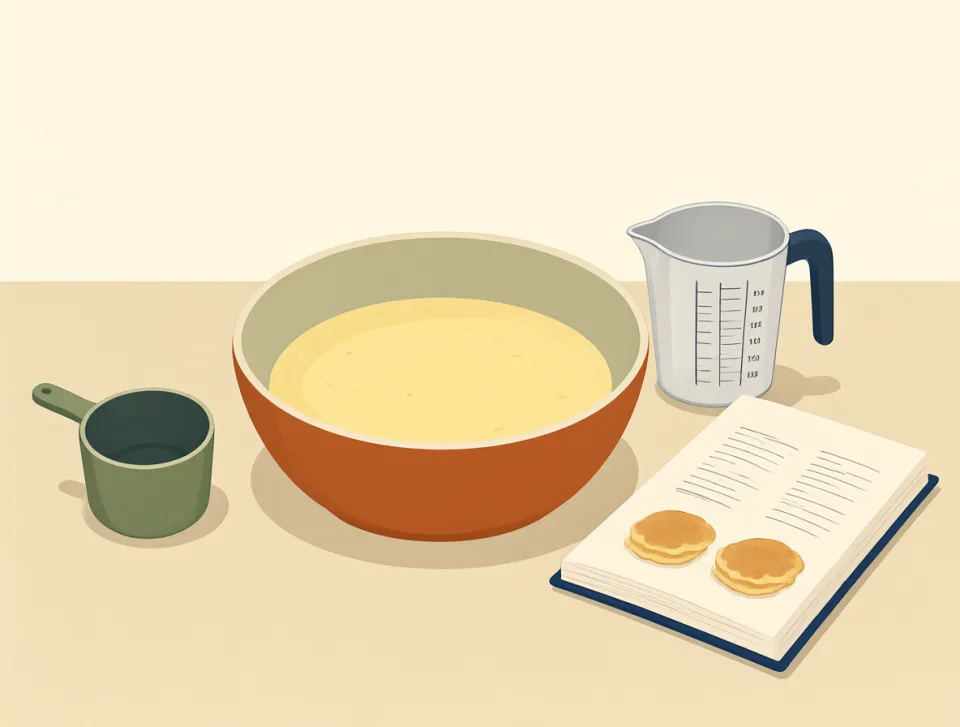
formula
#2101noun
công thức
A set of numbers, symbols, or rules used to calculate or explain something.
Một tập hợp các con số, ký hiệu hoặc quy tắc được dùng để tính toán hoặc giải thích điều gì đó.

This formula helps us calculate the total cost of the order.
Công thức này giúp chúng ta tính tổng chi phí của đơn hàng.
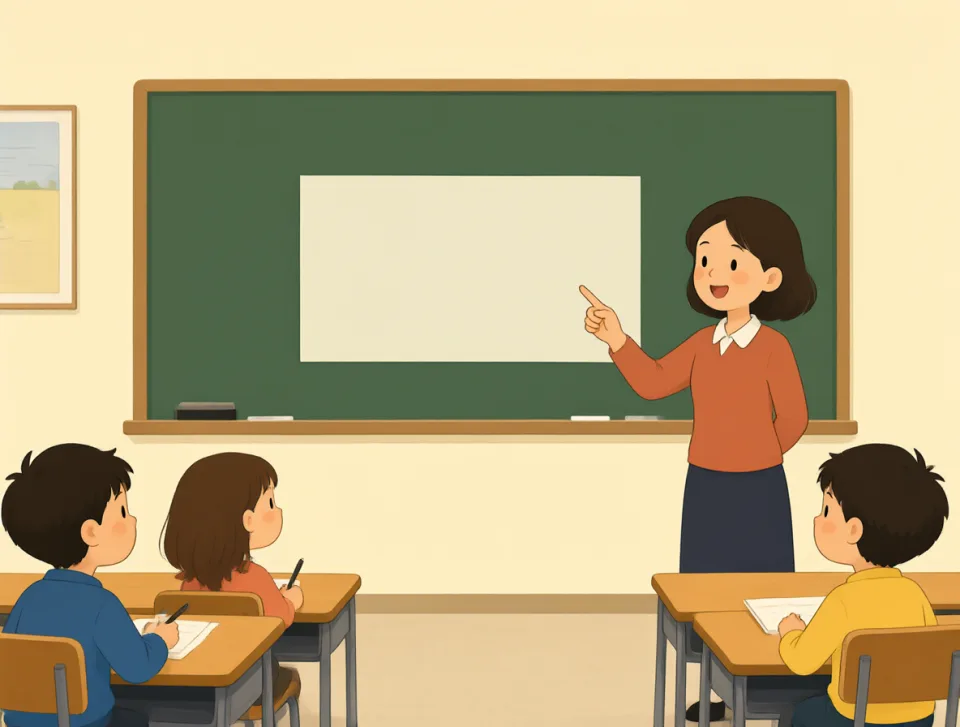
The teacher explained a simple formula for finding the area of a rectangle.
Giáo viên đã giải thích một công thức đơn giản để tính diện tích hình chữ nhật.
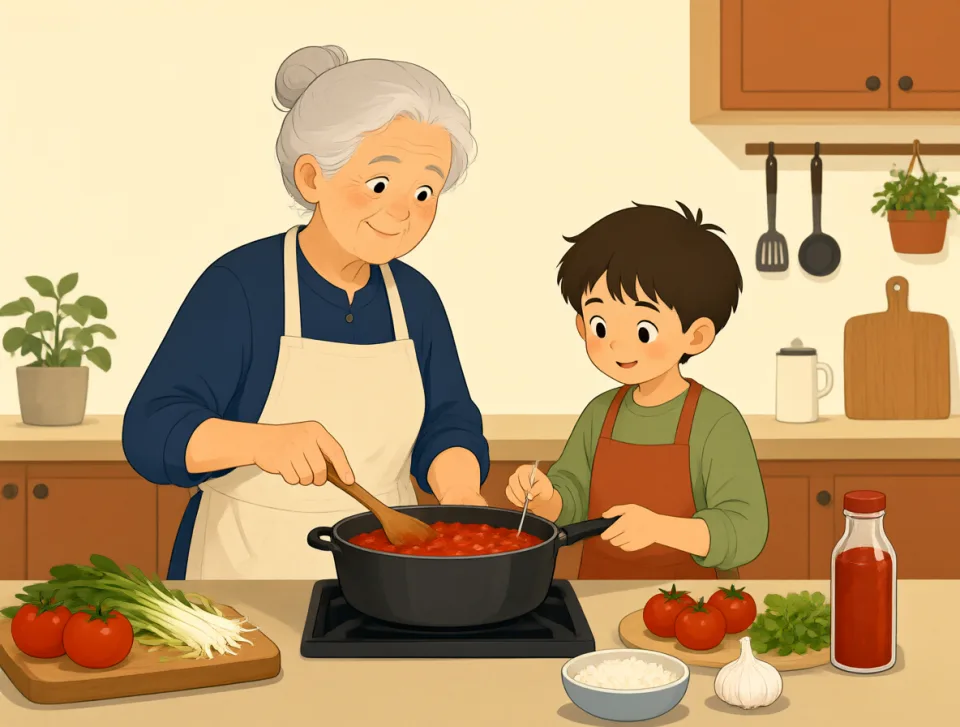
I followed my grandmother’s formula to make the perfect tomato sauce.
Tôi làm theo công thức của bà để nấu món sốt cà chua hoàn hảo.

The company is testing a new formula for its popular skin cream.
Công ty đang thử nghiệm một công thức mới cho loại kem dưỡng da được ưa chuộng của mình.
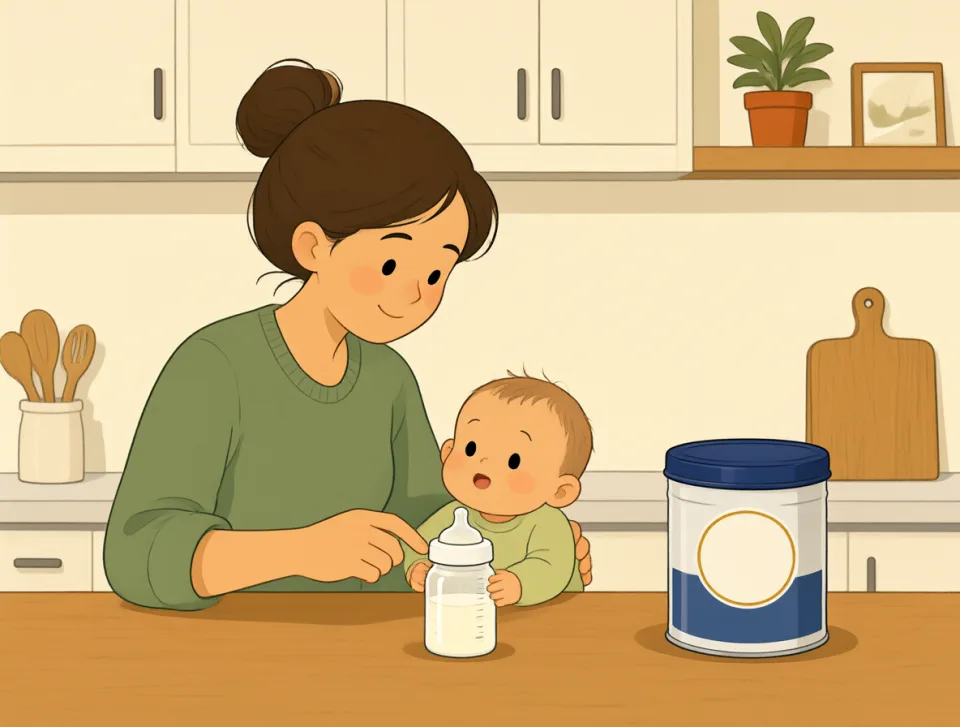
This baby formula is suitable for children with sensitive stomachs.
Sữa công thức này phù hợp với trẻ có dạ dày nhạy cảm.

alter
#2102verb
điều chỉnh
to change something slightly, especially to improve it or make it more suitable
thay đổi một thứ gì đó đôi chút, đặc biệt là để cải thiện hoặc làm cho phù hợp hơn

We altered the schedule to give everyone more time for lunch.
Chúng tôi đã điều chỉnh lịch trình để mọi người có thêm thời gian ăn trưa.

The tailor altered my trousers so they fit perfectly.
Thợ may đã sửa chiếc quần của tôi cho vừa vặn hoàn hảo.
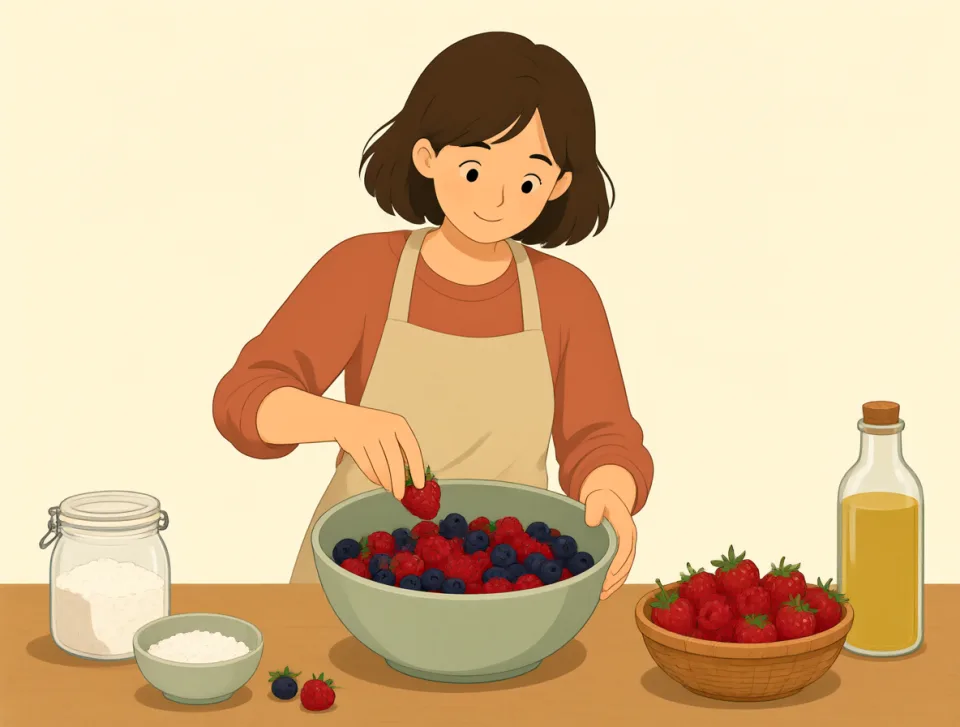
She altered the recipe by using less sugar and adding fresh berries.
Cô ấy đã điều chỉnh công thức bằng cách giảm lượng đường và thêm quả mọng tươi.
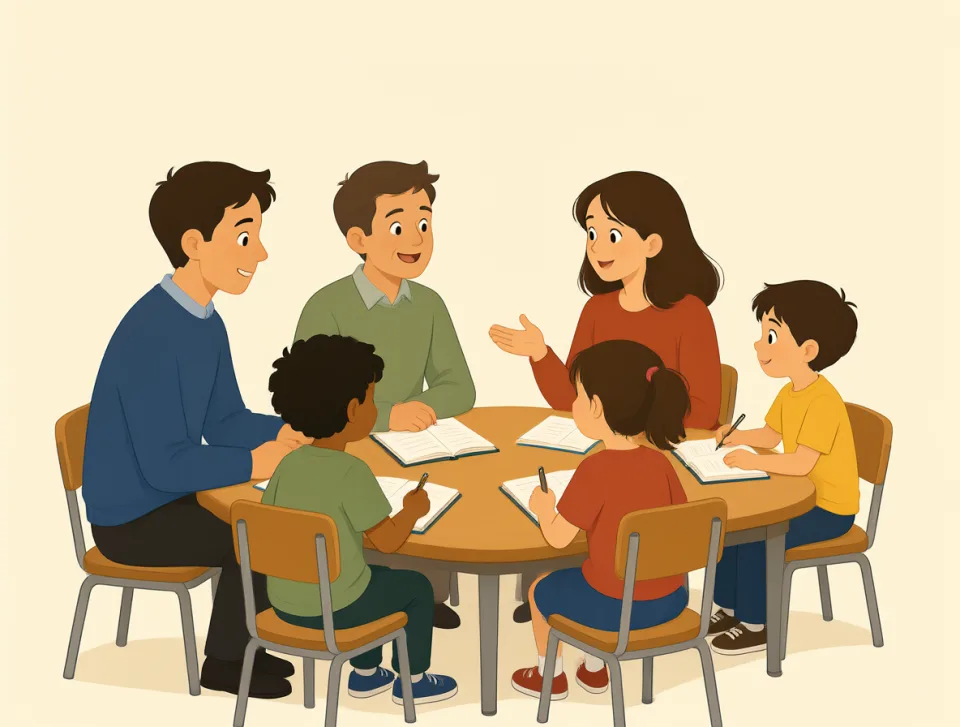
The school altered its rules after speaking with parents and students.
Nhà trường đã thay đổi nội quy sau khi trao đổi với phụ huynh và học sinh.
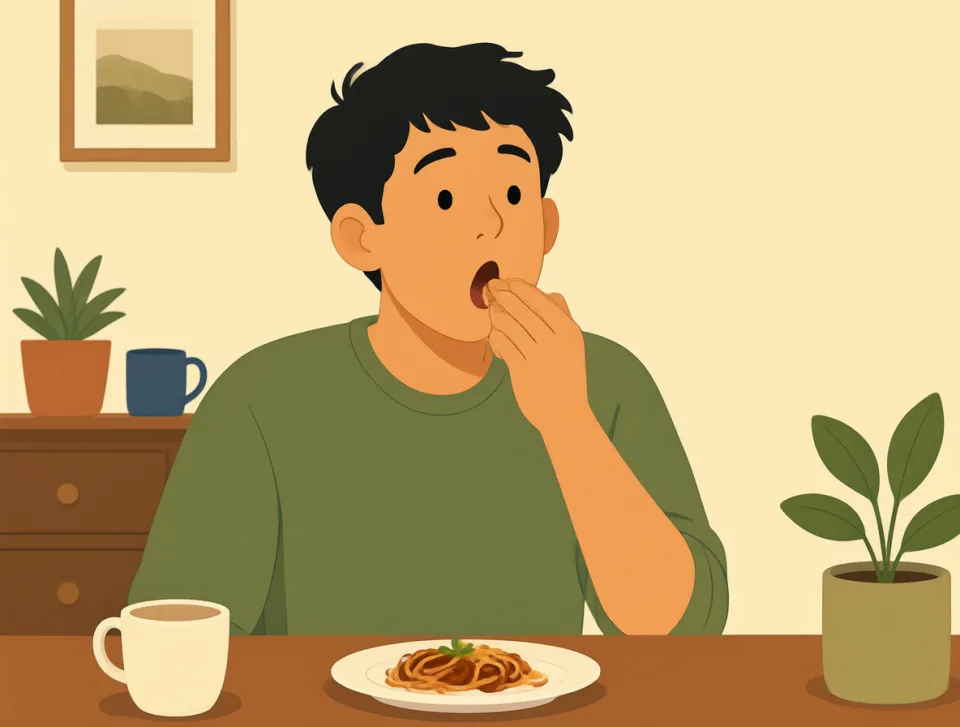
The medicine may alter your sense of taste for a few days.
Thuốc có thể làm thay đổi vị giác của bạn trong vài ngày.
perceive
#2103verb
nhận thấy
to notice or understand something through your senses, thoughts, or feelings
nhận ra hoặc hiểu điều gì đó thông qua giác quan, suy nghĩ hoặc cảm xúc
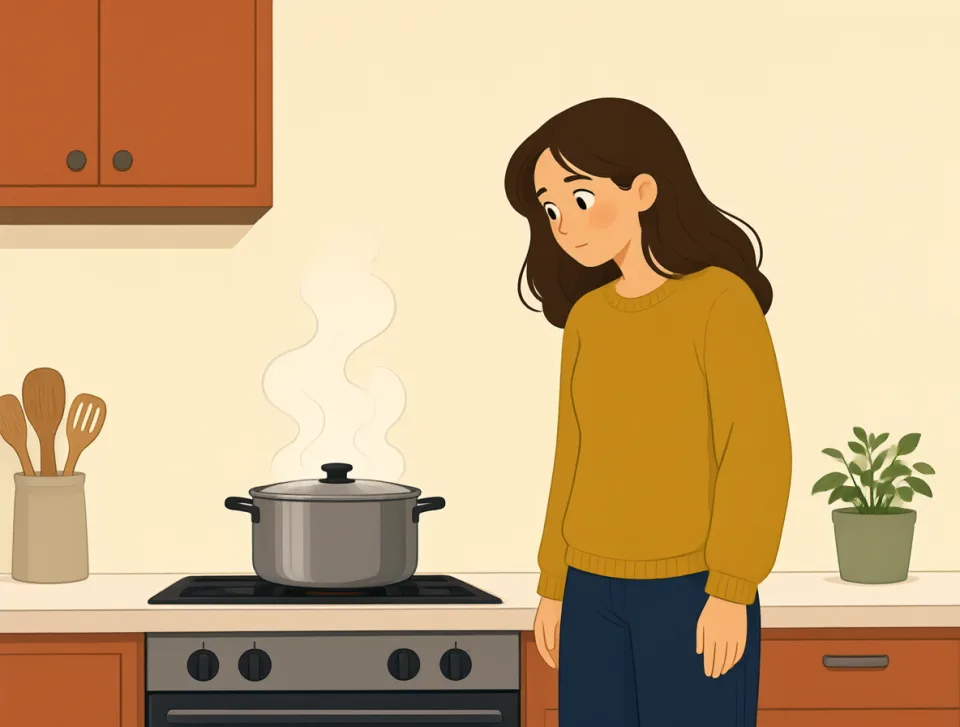
She perceived a strange smell coming from the kitchen.
Cô ấy nhận thấy có mùi lạ bốc ra từ nhà bếp.

Customers perceived the new café as friendly and welcoming.
Khách hàng cảm nhận quán cà phê mới là nơi thân thiện và hiếu khách.
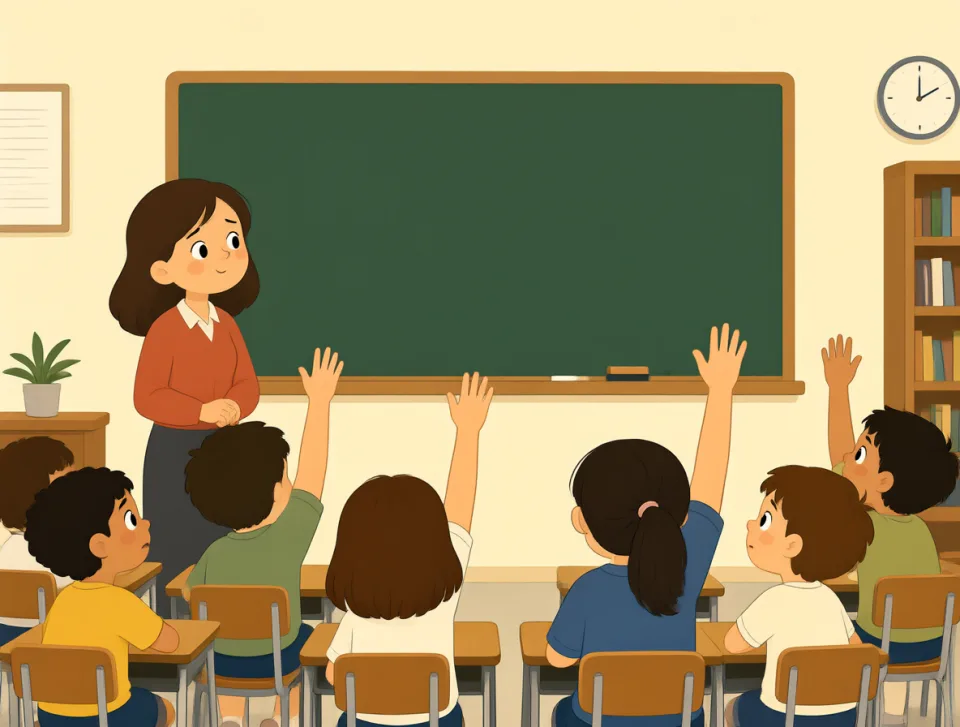
The teacher perceived that several students needed extra help.
Giáo viên nhận ra rằng một số học sinh cần được giúp đỡ thêm.

He was perceived as rude because he never smiled or greeted anyone.
Anh ấy bị xem là thô lỗ vì chẳng bao giờ mỉm cười hay chào hỏi ai.

After treatment, she perceived less pain in her injured knee.
Sau khi điều trị, cô ấy cảm thấy đầu gối bị thương bớt đau hơn.
routine
#2104noun, adjective
thói quen
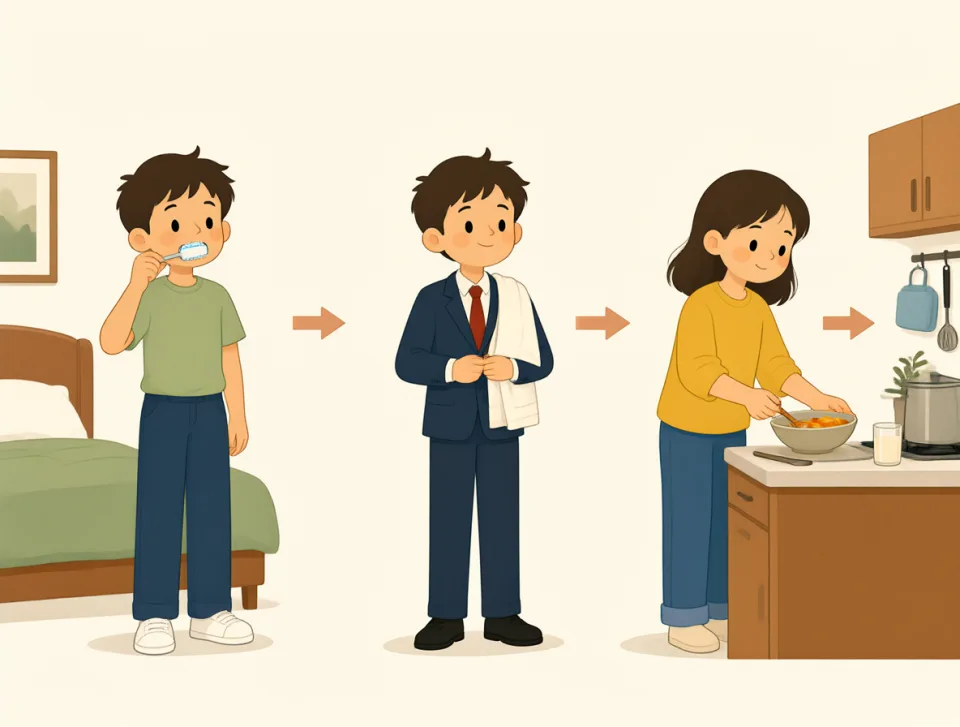
A usual way of doing things, especially regularly repeated daily activities.
Cách làm việc thường thấy, đặc biệt là những hoạt động hằng ngày được lặp lại đều đặn.
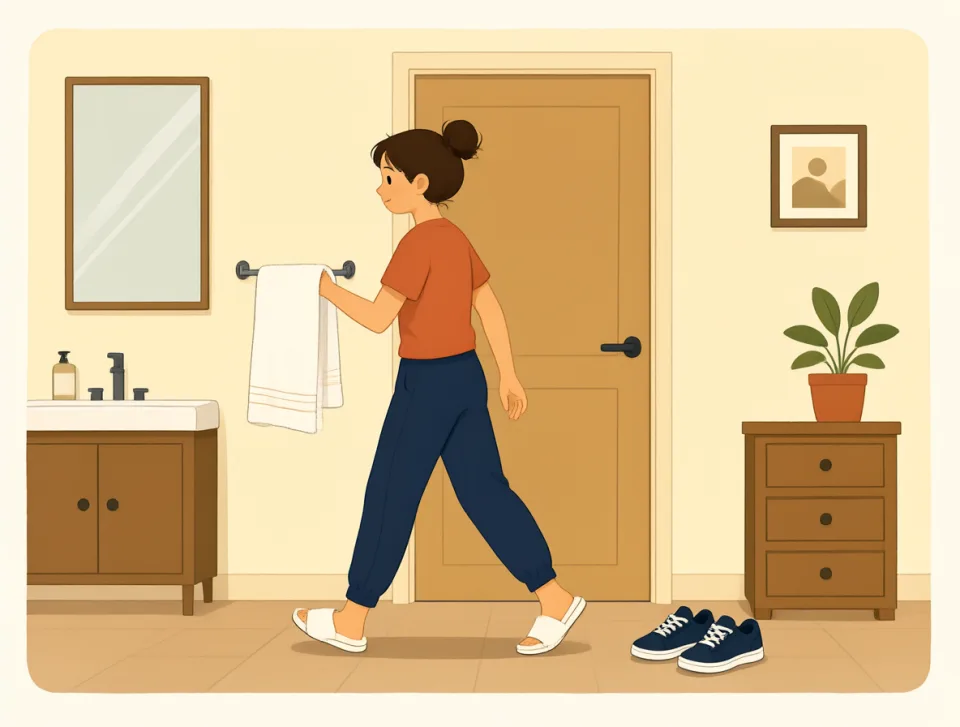
My morning routine includes a shower, breakfast, and a short walk.
Thói quen buổi sáng của tôi gồm tắm, ăn sáng và đi bộ một lúc.

The nurse checked my daily routine before suggesting healthier habits.
Y tá hỏi về thói quen hằng ngày của tôi trước khi gợi ý những nếp sống lành mạnh hơn.

Starting a new job can be difficult until you learn the office routine.
Bắt đầu một công việc mới có thể khá khó khăn cho đến khi bạn quen với nếp sinh hoạt ở văn phòng.

We changed our travel routine and visited the market before lunch.
Chúng tôi đổi thói quen khi đi du lịch và ghé thăm chợ trước bữa trưa.
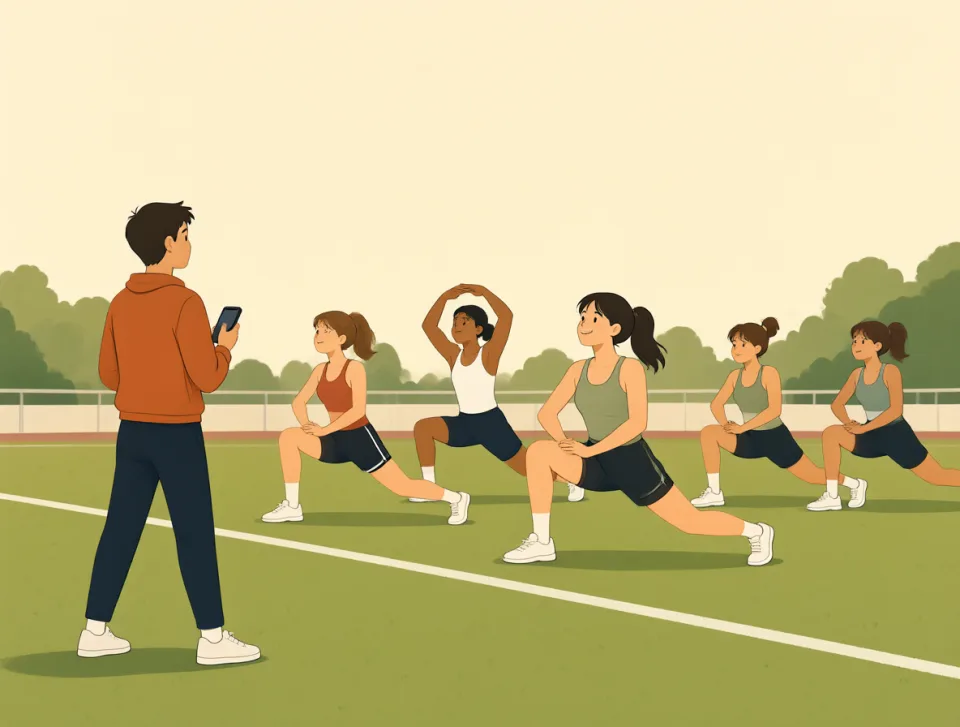
The coach added stretching to our training routine after practice.
Huấn luyện viên đã thêm bài tập giãn cơ vào lịch tập của chúng tôi sau buổi tập.
sink
#2105noun, verb
chìm; bồn rửa
To go down below the surface, or a bowl with a drain for washing things.
Chìm xuống dưới mặt nước hoặc bề mặt; hoặc một chiếc bồn có lỗ thoát nước, dùng để rửa đồ.
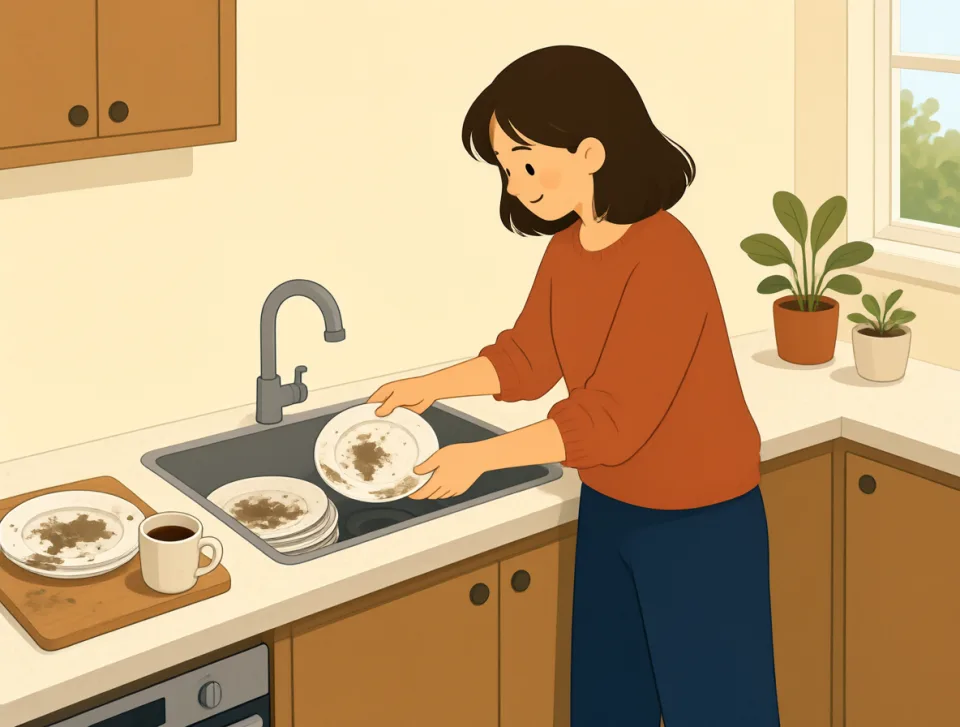
Please put the dirty dishes in the kitchen sink after dinner.
Làm ơn cho bát đĩa bẩn vào bồn rửa trong bếp sau bữa tối.

The boat began to sink after hitting a large rock.
Con thuyền bắt đầu chìm sau khi va phải một tảng đá lớn.

Water was slowly sinking into the ground after the heavy rain.
Nước từ từ thấm xuống đất sau trận mưa lớn.

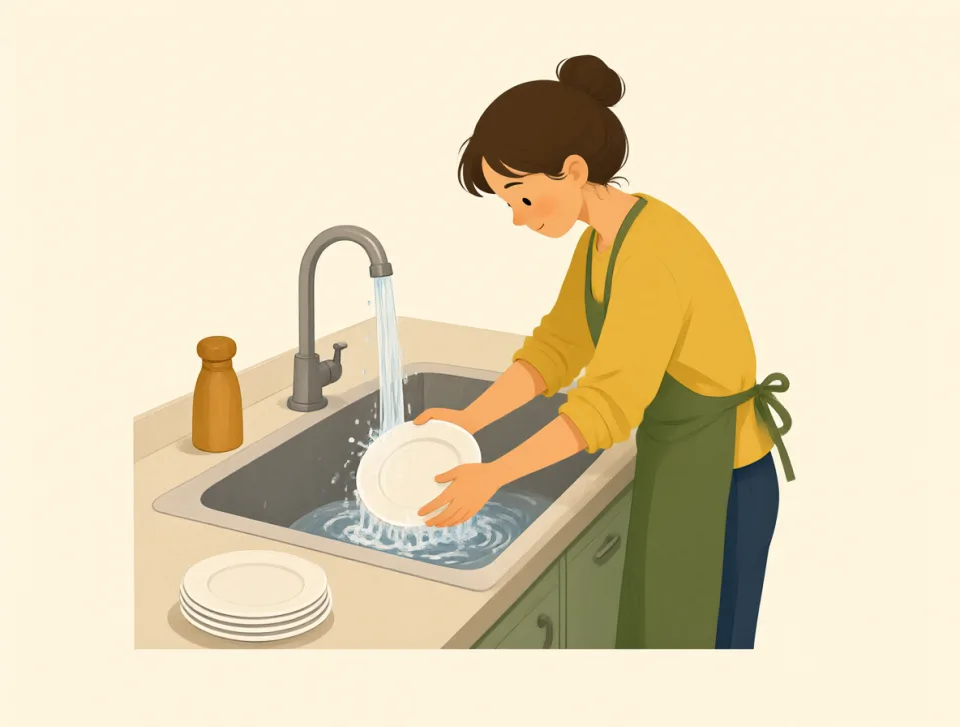
She washed her hands in the sink before preparing lunch.
Cô ấy rửa tay trong bồn trước khi chuẩn bị bữa trưa.

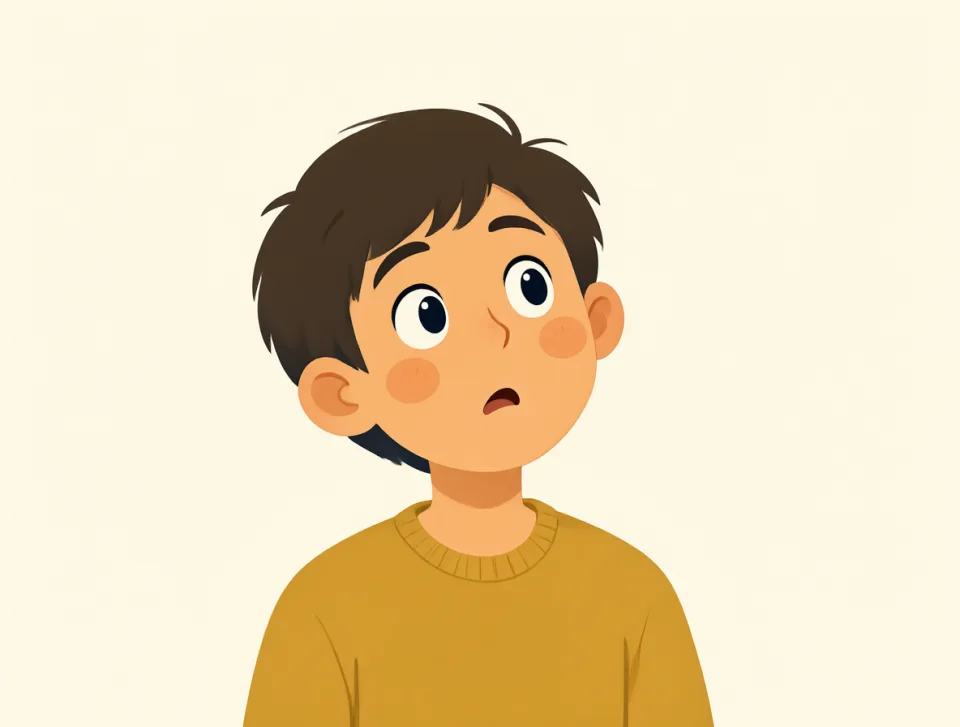
The bathroom sink is blocked, so the water will not drain.
Bồn rửa trong phòng tắm bị tắc nên nước không thoát được.
stare
#2106verb, noun
nhìn chằm chằm
to look at someone or something for a long time without looking away
nhìn một người hoặc vật trong thời gian dài mà không rời mắt

Everyone stared at the magician during the final trick.
Mọi người đều nhìn chằm chằm vào ảo thuật gia trong màn ảo thuật cuối cùng.
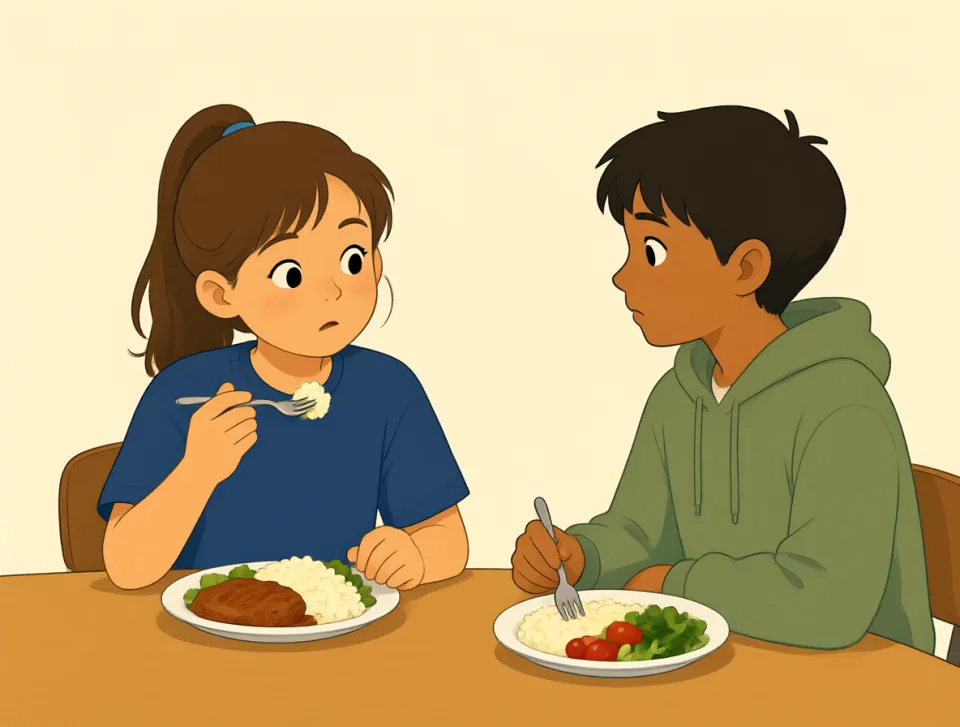
Please stop staring at me while I eat my lunch.
Làm ơn đừng nhìn chằm chằm vào tôi khi tôi đang ăn trưa.

She stared out the train window during the long journey.
Cô ấy nhìn ra ngoài cửa sổ tàu suốt chuyến đi dài.

The doctor stared at the scan before explaining the results.
Bác sĩ nhìn chằm chằm vào ảnh chụp trước khi giải thích kết quả.

He gave me a blank stare when I asked about the missing keys.
Anh ấy nhìn tôi trân trân khi tôi hỏi về chùm chìa khóa bị mất.

anymore
#2107adverb
nữa
from now on or from a particular time; no longer
từ nay trở đi hoặc kể từ một thời điểm nhất định; không còn nữa
I don't watch television anymore because I prefer reading books.
Tôi không còn xem tivi nữa vì thích đọc sách hơn.
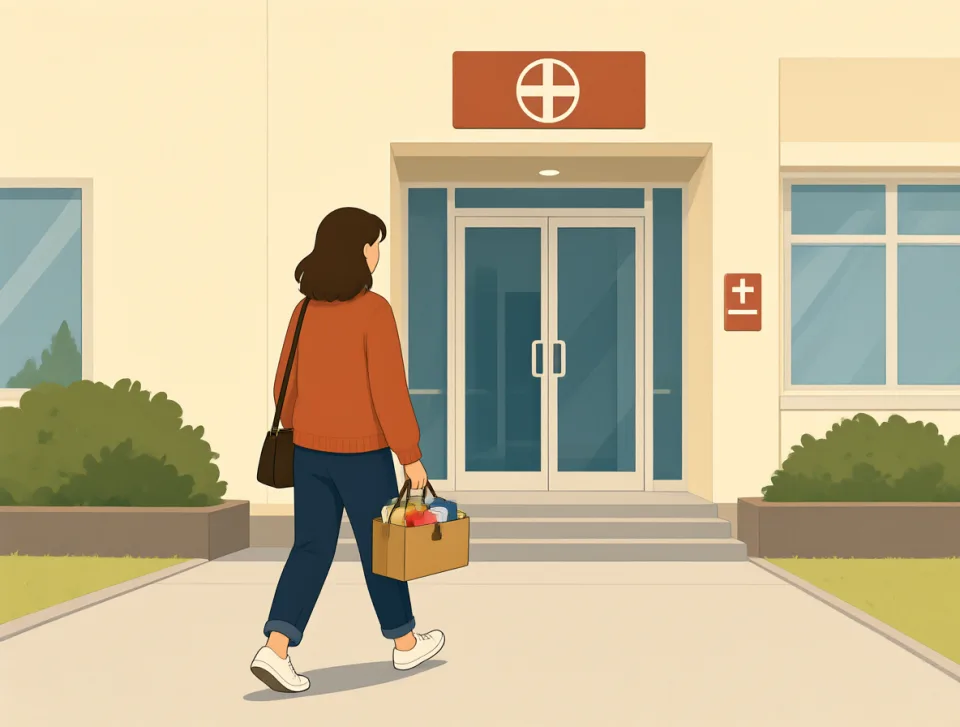
She doesn't work at the hospital anymore.
Cô ấy không còn làm việc ở bệnh viện nữa.

Do you still play tennis, or have you stopped anymore?
Bạn vẫn chơi quần vợt hay đã nghỉ chơi rồi?
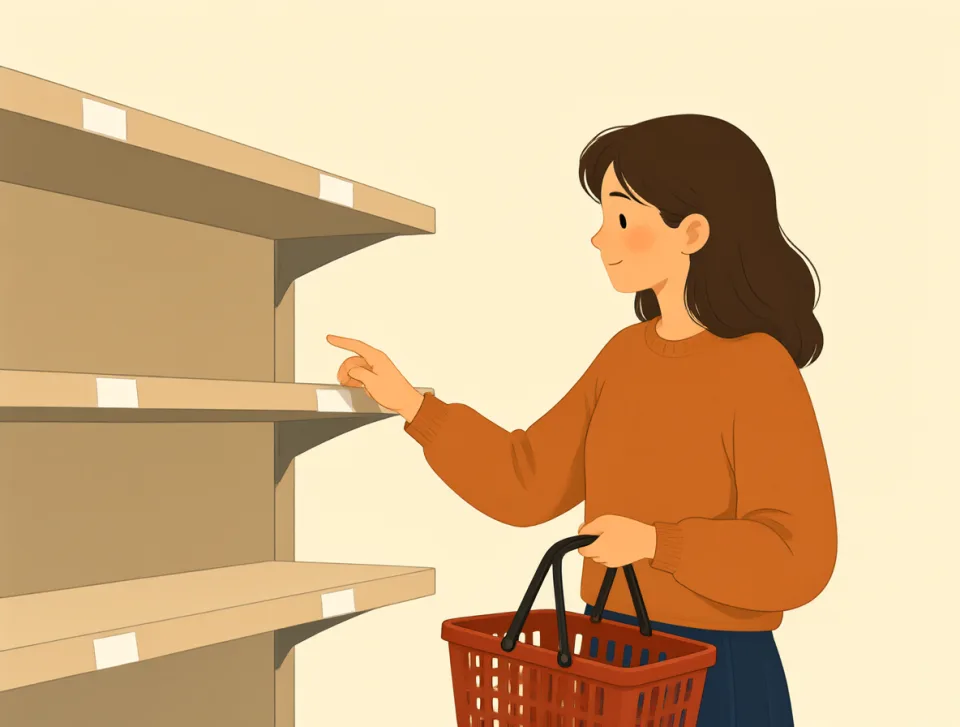
We can't buy that brand anymore because the store stopped selling it.
Chúng tôi không thể mua nhãn hiệu đó nữa vì cửa hàng đã ngừng bán nó.

He doesn't feel tired anymore after getting more sleep.
Anh ấy không còn cảm thấy mệt nữa sau khi ngủ nhiều hơn.
hero
#2108noun
anh hùng
A person admired for brave actions, especially someone who saves or helps others.
Người được ngưỡng mộ vì những hành động dũng cảm, đặc biệt là người cứu giúp người khác.
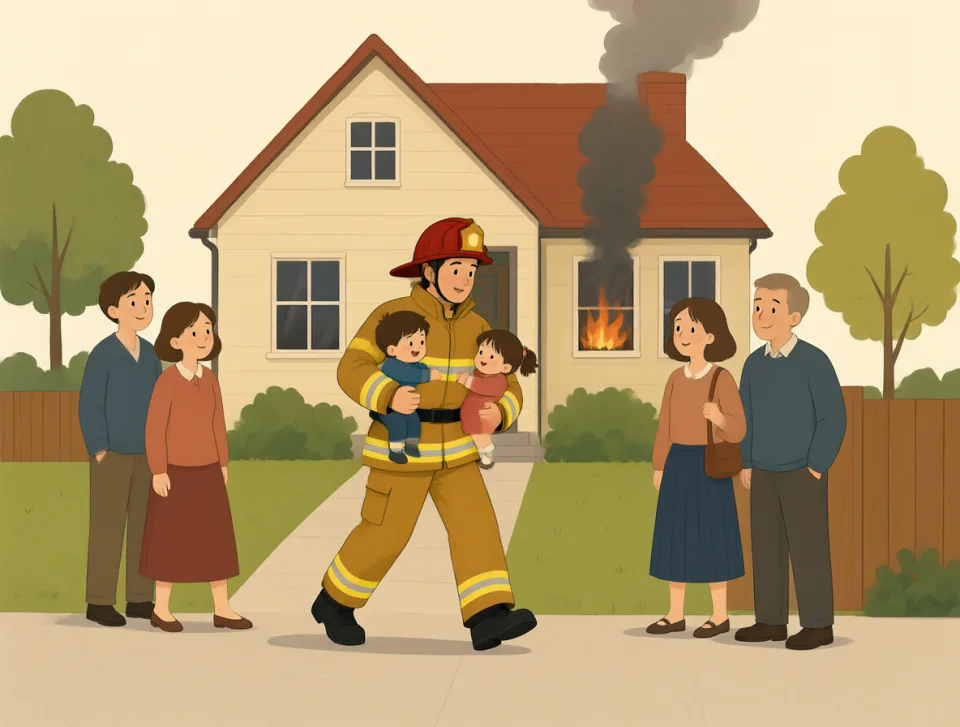
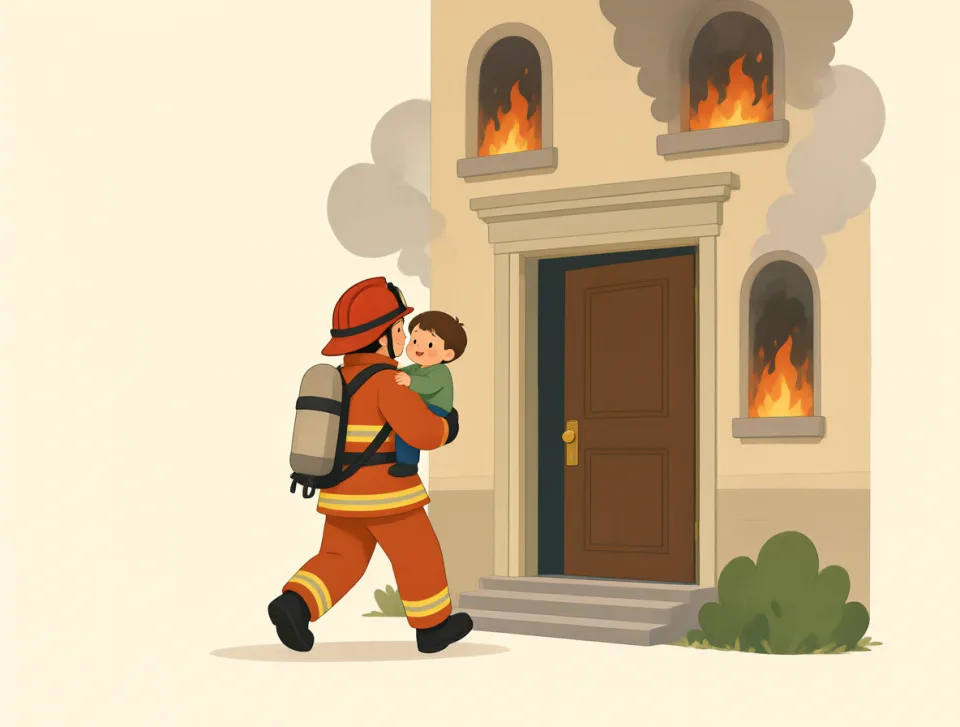
The firefighter became a hero after rescuing two children from the burning house.
Người lính cứu hỏa trở thành anh hùng sau khi cứu hai đứa trẻ khỏi ngôi nhà đang bốc cháy.
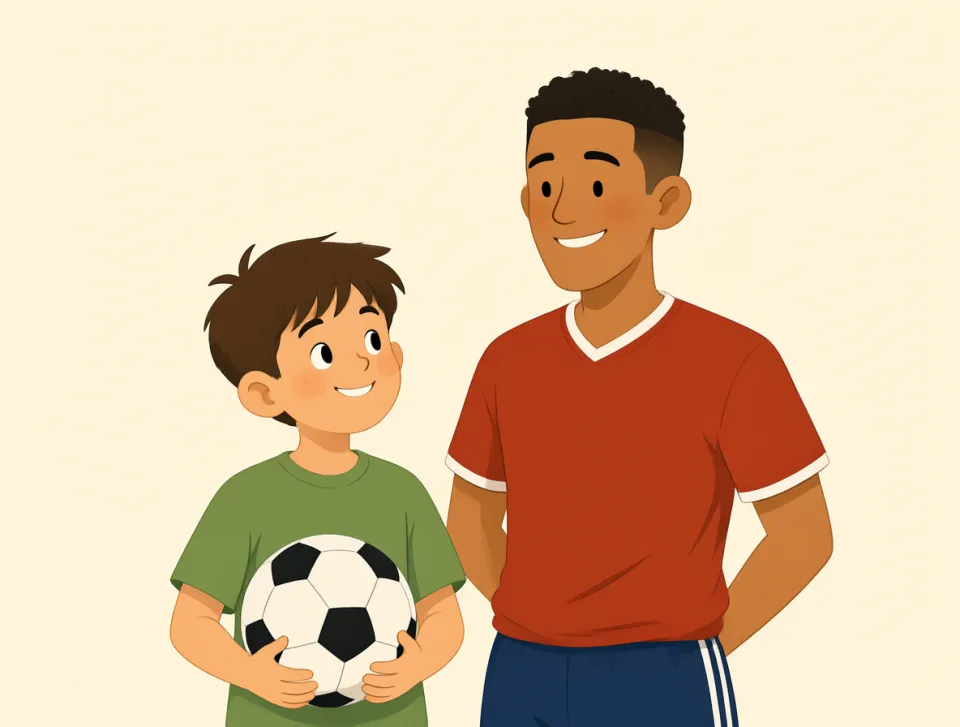
My little brother thinks his favorite soccer player is a hero.
Em trai tôi nghĩ cầu thủ bóng đá yêu thích của nó là một anh hùng.
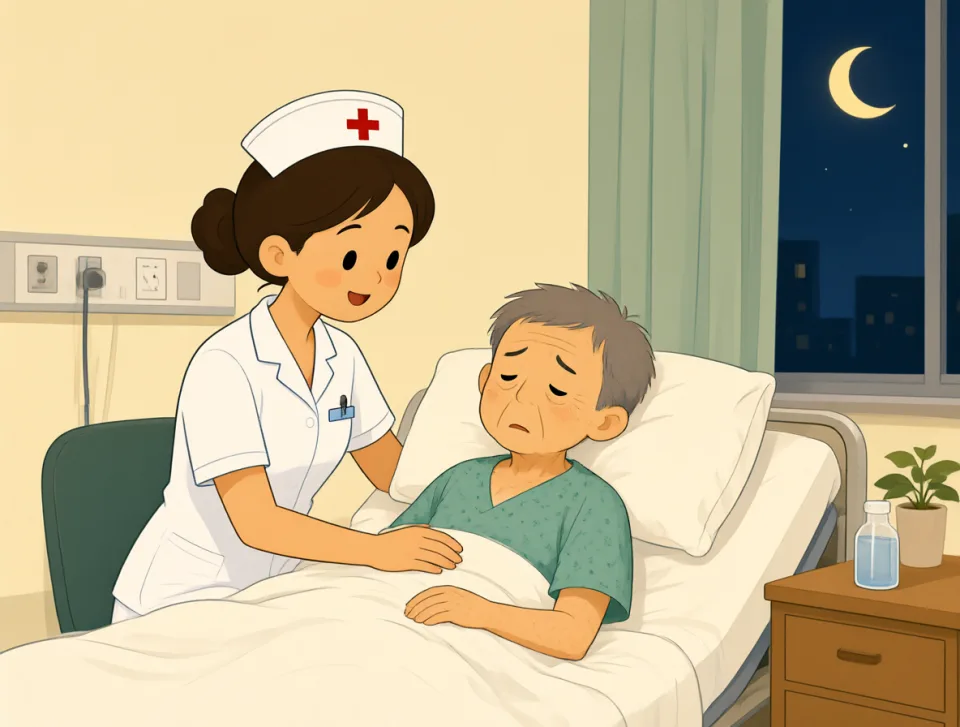
The nurse was a hero for helping patients during the difficult night.
Y tá ấy đúng là một anh hùng khi giúp đỡ các bệnh nhân trong đêm khó khăn đó.
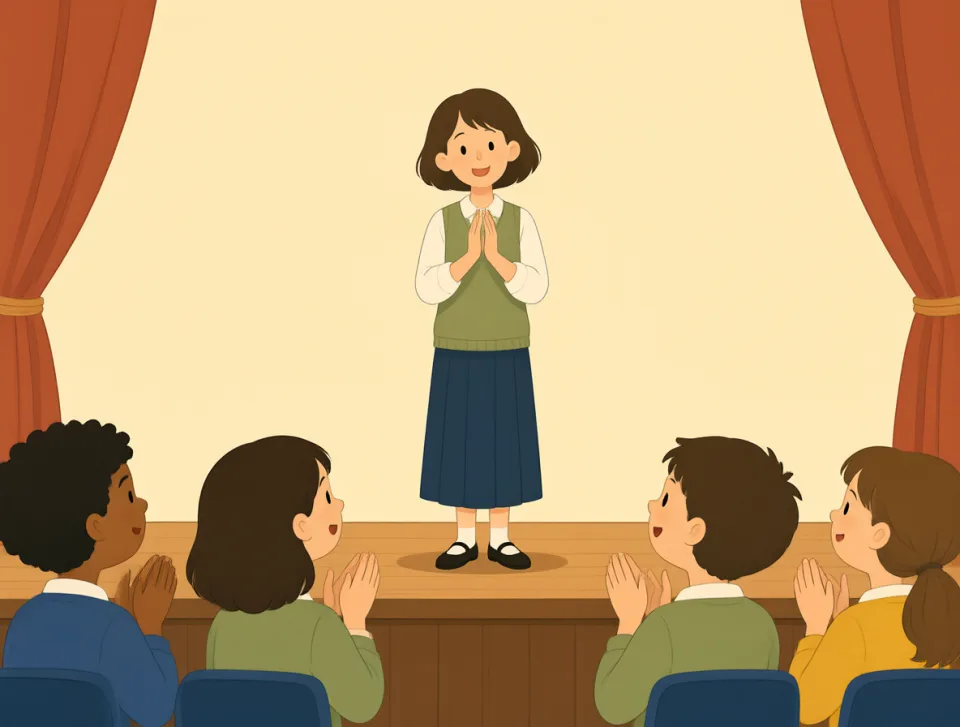
Our teacher was the hero of the school play last Friday.
Thầy giáo của chúng tôi là nhân vật chính trong vở kịch của trường vào thứ Sáu tuần trước.

She felt like a hero when she found her lost dog.
Cô ấy cảm thấy mình như một anh hùng khi tìm thấy chú chó bị lạc.

supporter
#2109noun
người ủng hộ
A person who approves of and helps a person, team, idea, or organization.
Người tán thành và giúp đỡ một cá nhân, đội nhóm, ý tưởng hoặc tổ chức.

Every supporter cheered loudly when the home team scored the winning goal.
Mọi cổ động viên đều reo hò vang dội khi đội nhà ghi bàn thắng quyết định.
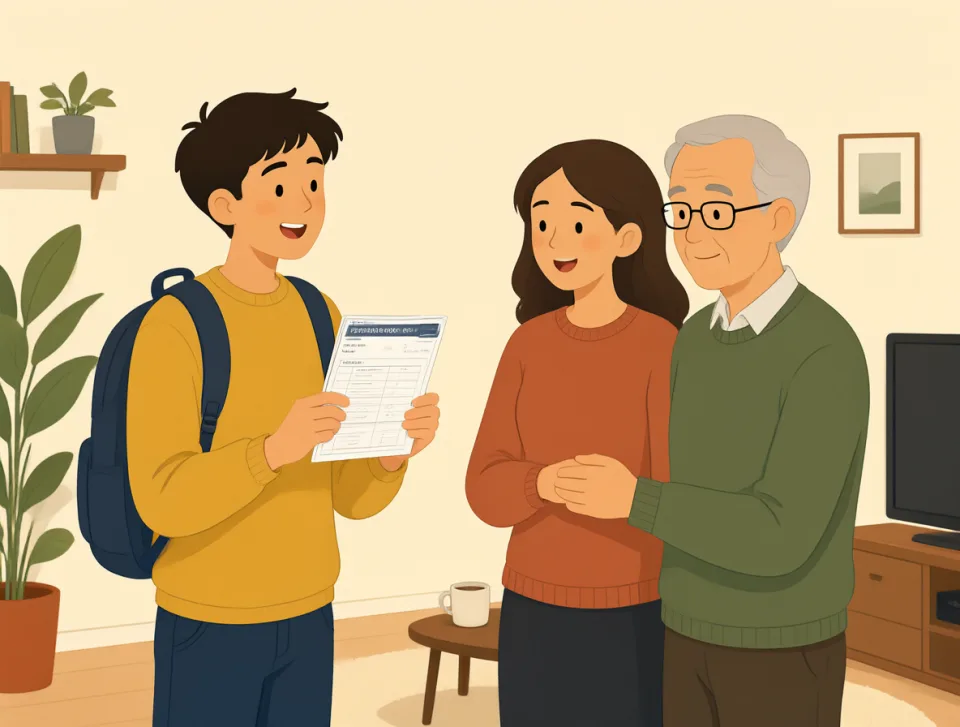
My parents have always been strong supporters of my decision to study abroad.
Bố mẹ tôi luôn hết lòng ủng hộ quyết định đi du học của tôi.
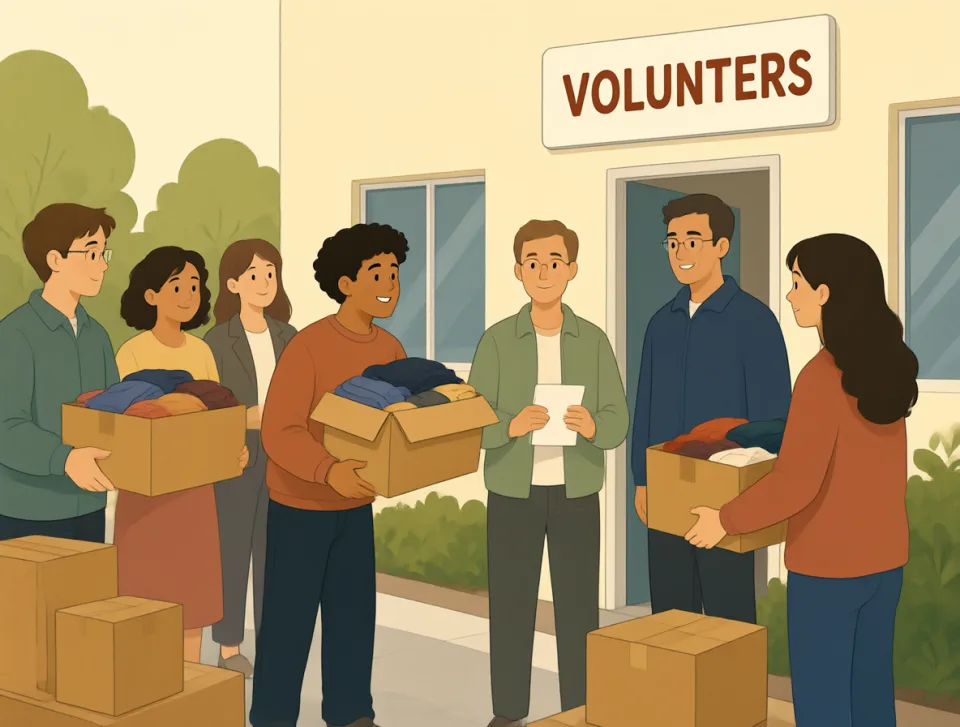
The charity thanked its supporters for donating food and warm clothes.
Tổ chức từ thiện cảm ơn những người ủng hộ đã quyên góp thực phẩm và quần áo ấm.

Several supporters joined the candidate during her visit to the local market.
Một số người ủng hộ đã đi cùng ứng cử viên trong chuyến thăm khu chợ địa phương.
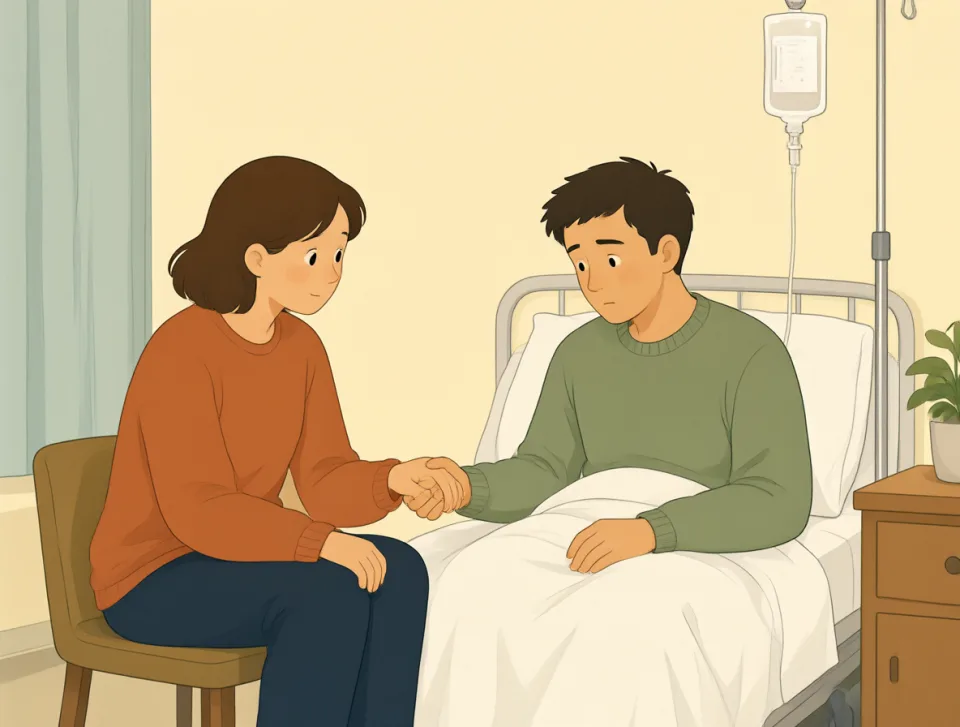
His biggest supporter stayed beside him throughout his long illness.
Người luôn ủng hộ anh ấy nhất đã ở bên cạnh anh trong suốt thời gian dài lâm bệnh.
convert
#2110verb, noun
chuyển đổi
to change something into a different form, use, or belief
thay đổi một thứ thành một dạng, mục đích sử dụng hoặc niềm tin khác

You can convert the sofa into a comfortable bed for overnight guests.
Bạn có thể biến chiếc sofa thành một chiếc giường thoải mái cho khách ở lại qua đêm.
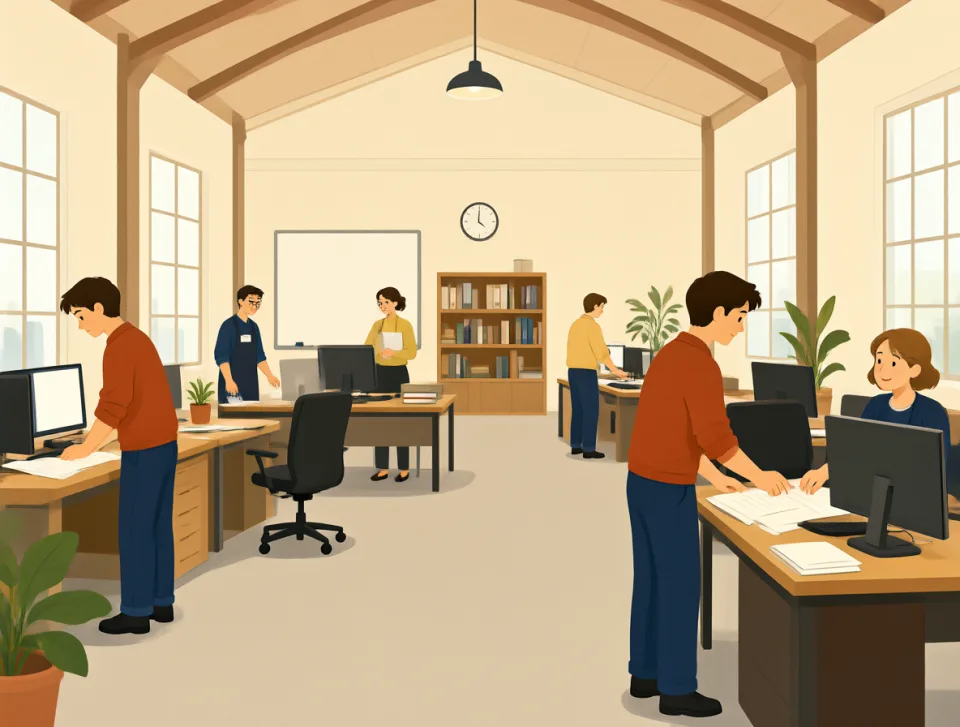
The company converted the old warehouse into bright offices for its growing team.
Công ty đã biến nhà kho cũ thành những văn phòng sáng sủa cho đội ngũ ngày càng lớn mạnh.
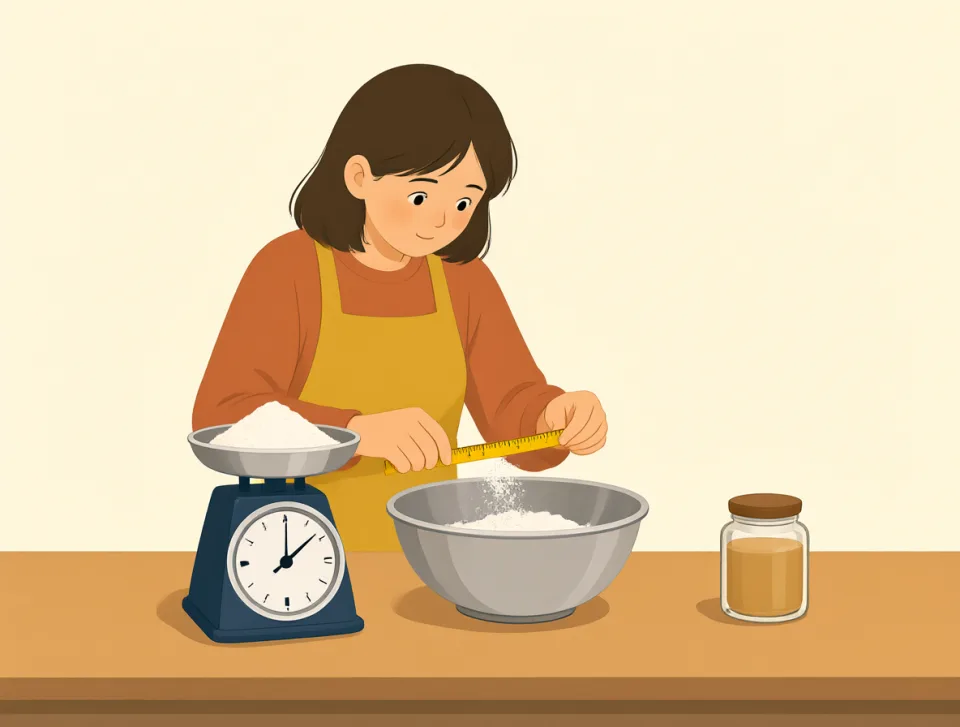
She converted the recipe from cups to grams before baking the cake.
Cô ấy quy đổi công thức từ cốc sang gam trước khi nướng bánh.

We converted our dollars into euros at the airport before flying to Italy.
Chúng tôi đổi đô la sang euro ở sân bay trước khi bay đến Ý.
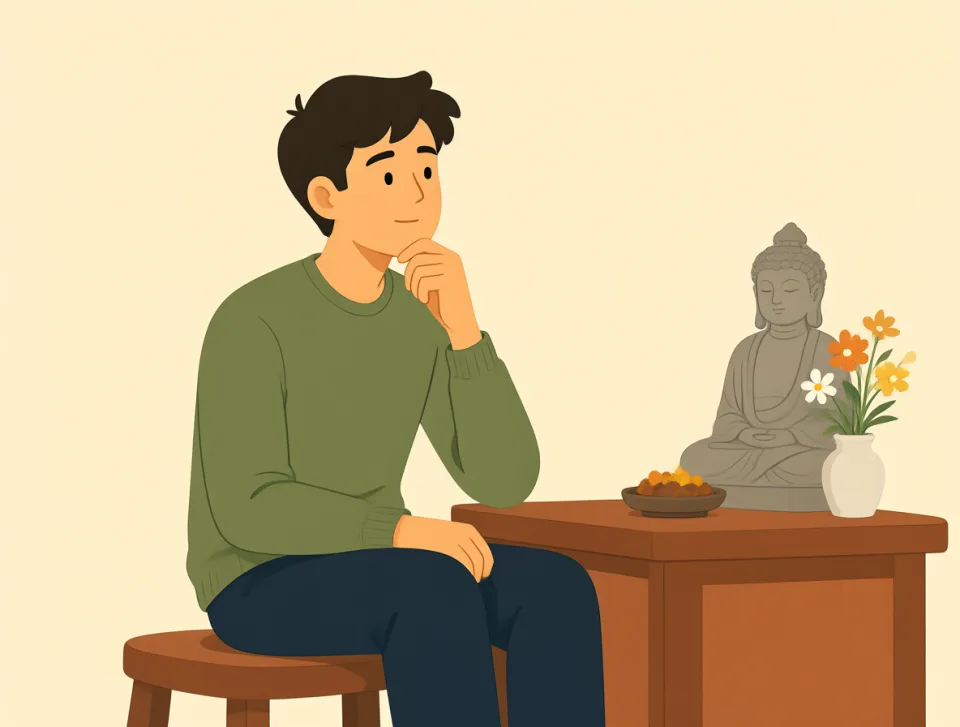
He converted to Buddhism after studying its teachings for several years.
Anh ấy cải đạo sang Phật giáo sau vài năm nghiên cứu giáo lý.

steady
#2111adjective, verb
đều đặn
calm, regular, and not changing suddenly; to make something stable or controlled
bình tĩnh, đều đặn và không thay đổi đột ngột; làm cho thứ gì đó ổn định hoặc được kiểm soát

She earns a steady income from her small bakery.
Cô ấy có thu nhập ổn định từ tiệm bánh nhỏ của mình.

Keep a steady pace so you do not become too tired.
Hãy giữ nhịp độ đều đặn để không bị quá mệt.

The doctor told him to take steady breaths during the examination.
Bác sĩ bảo anh ấy hít thở đều trong lúc khám.

He used one hand to steady the ladder while his brother climbed.
Anh ấy dùng một tay giữ thang cho vững trong khi em trai trèo lên.

Business has been steady since the shop moved to this busy street.
Việc kinh doanh vẫn ổn định kể từ khi cửa hàng chuyển đến con phố đông đúc này.
meter
#2112noun, verb
đồng hồ đo
A device that measures something, or a unit used to measure length.
Thiết bị dùng để đo một thứ gì đó hoặc đơn vị dùng để đo chiều dài.
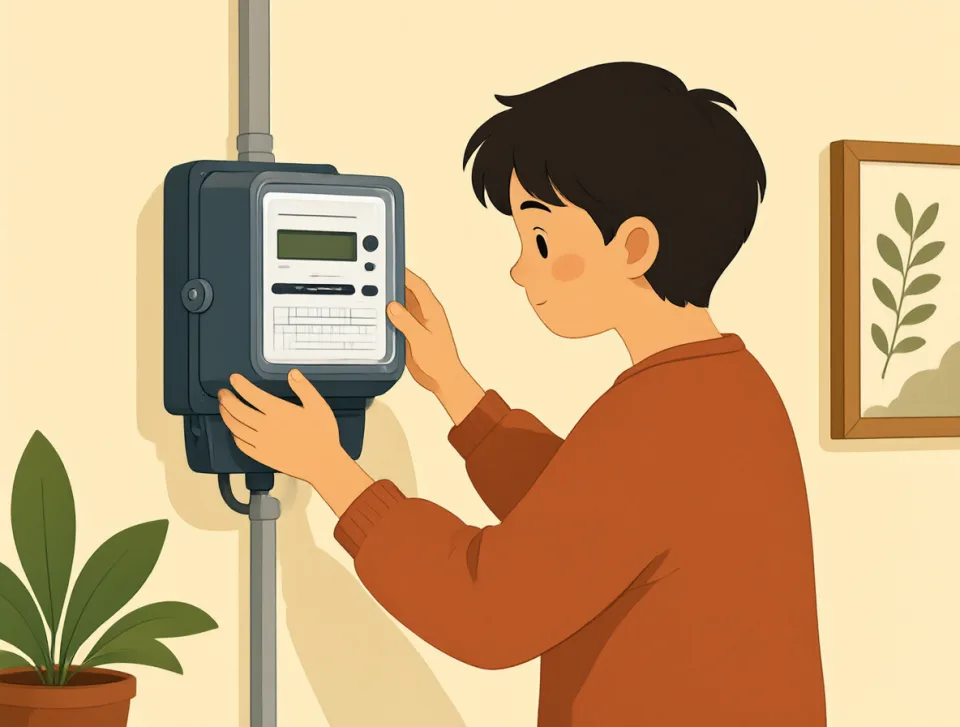
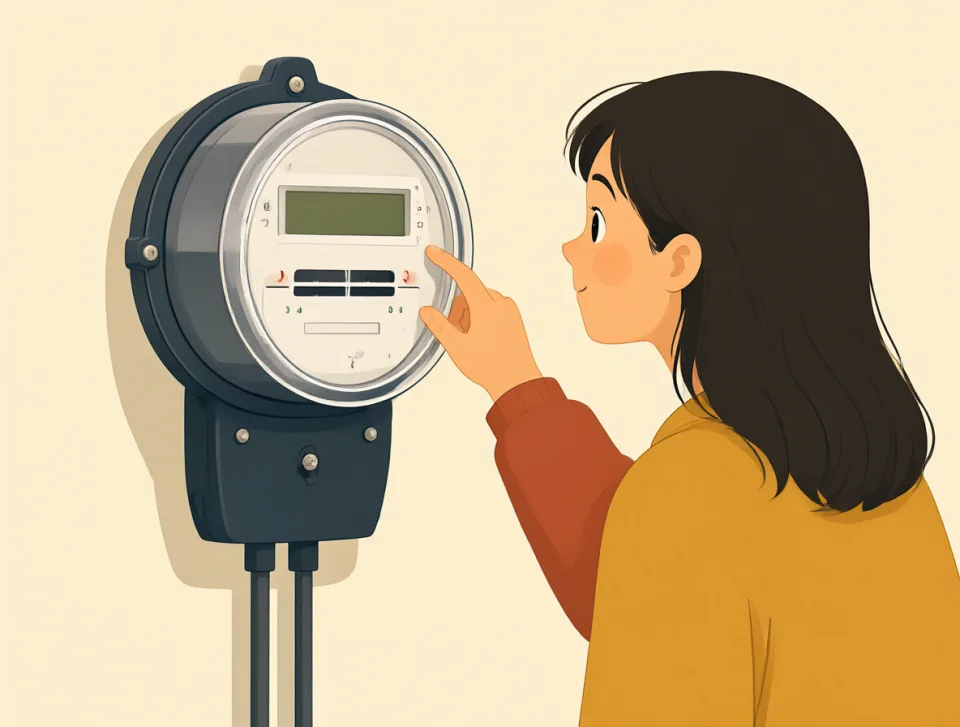
The electricity meter showed that we had used less power this month.
Đồng hồ điện cho thấy tháng này chúng tôi dùng ít điện hơn.
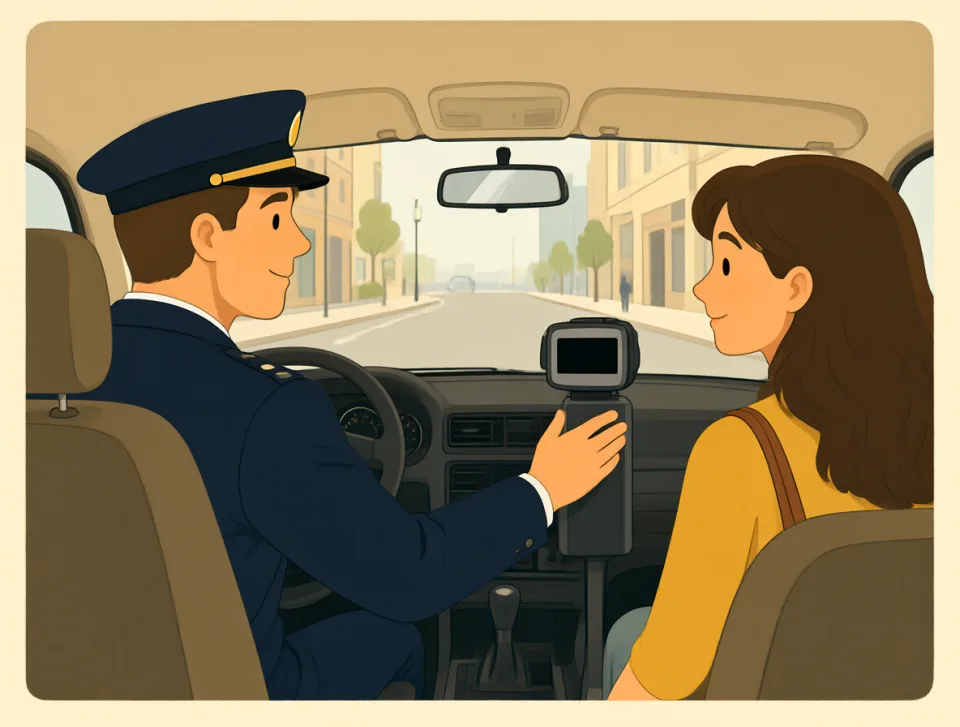
The taxi driver stopped the meter when we reached the hotel.
Tài xế taxi dừng đồng hồ tính cước khi chúng tôi đến khách sạn.
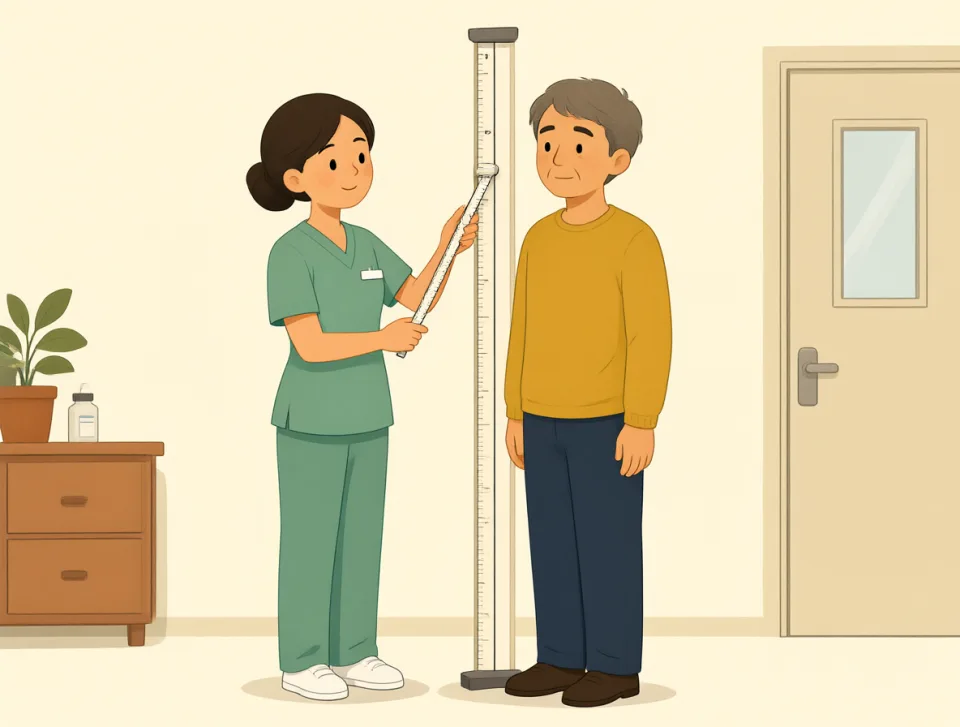
The nurse measured the patient’s height with a meter stick.
Y tá dùng thước đo để đo chiều cao của bệnh nhân.
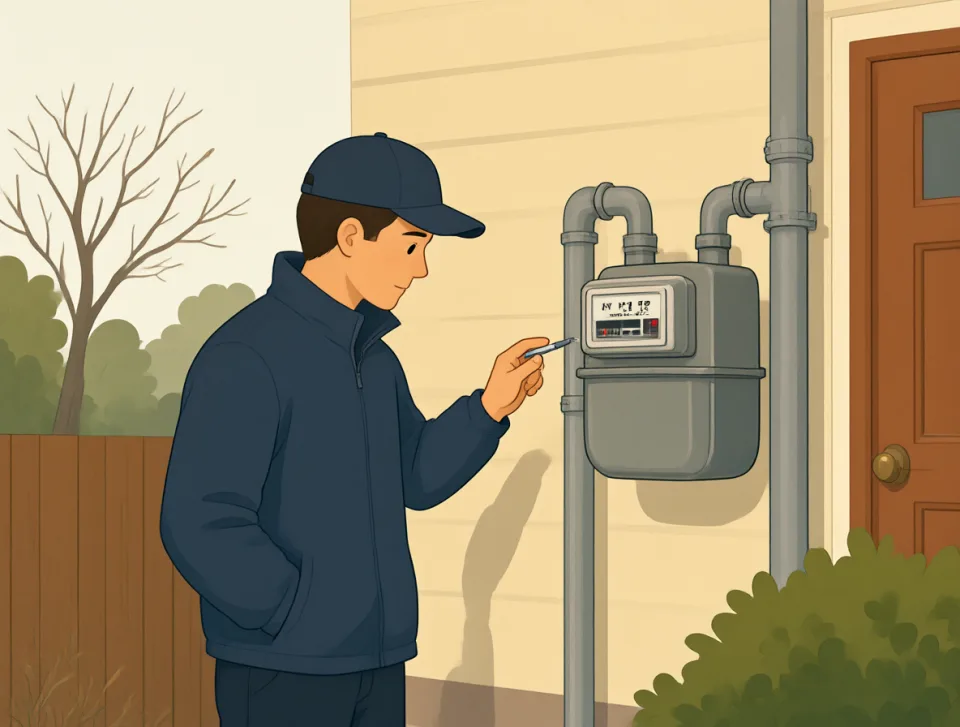
The gas meter needs checking before winter begins.
Cần kiểm tra đồng hồ gas trước khi mùa đông bắt đầu.
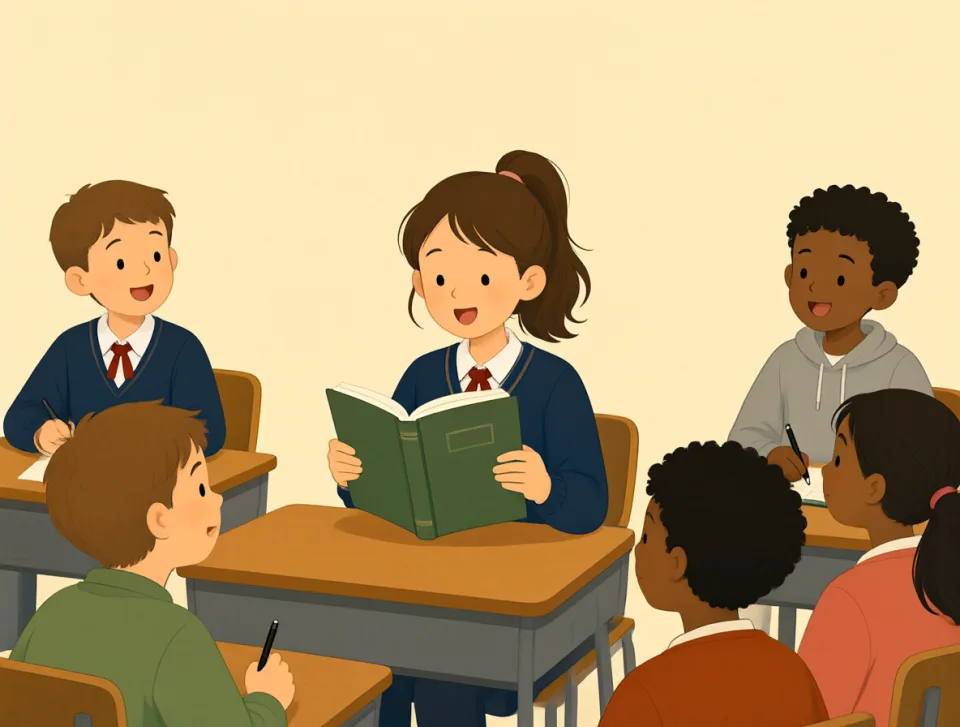
The poem has a regular meter that makes it easy to read aloud.
Bài thơ có nhịp điệu đều đặn nên rất dễ đọc thành tiếng.
truck
#2113noun, verb
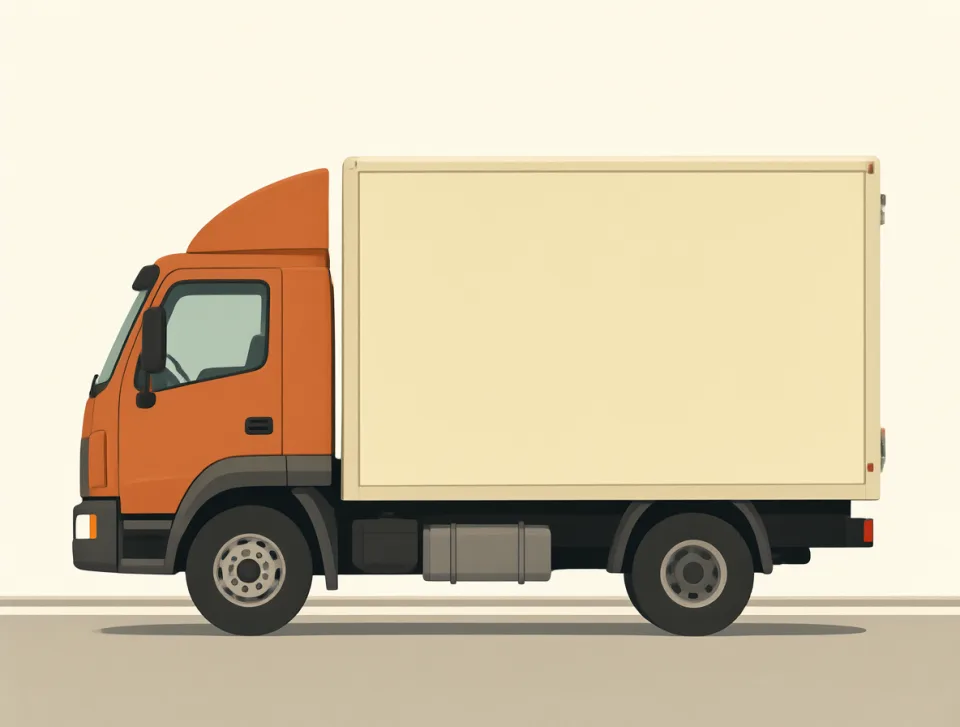
xe tải
A large vehicle used to carry heavy goods; to transport something by truck.
Xe lớn dùng để chở hàng hóa nặng; vận chuyển thứ gì đó bằng xe tải.
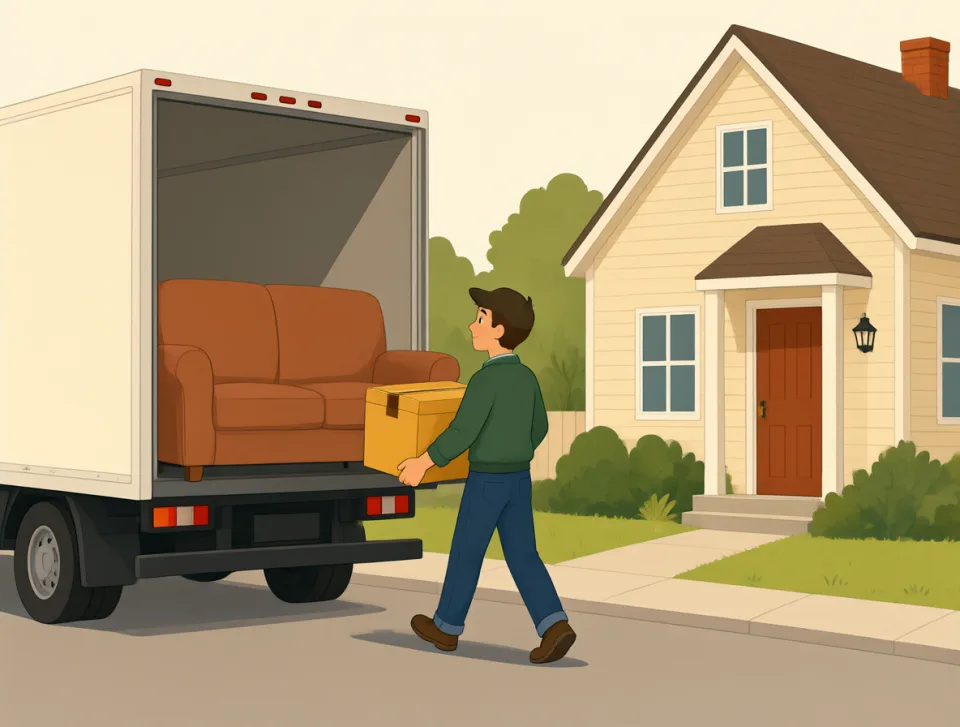
The delivery truck brought our new sofa this morning.
Xe tải giao hàng đã mang chiếc ghế sofa mới của chúng tôi đến vào sáng nay.
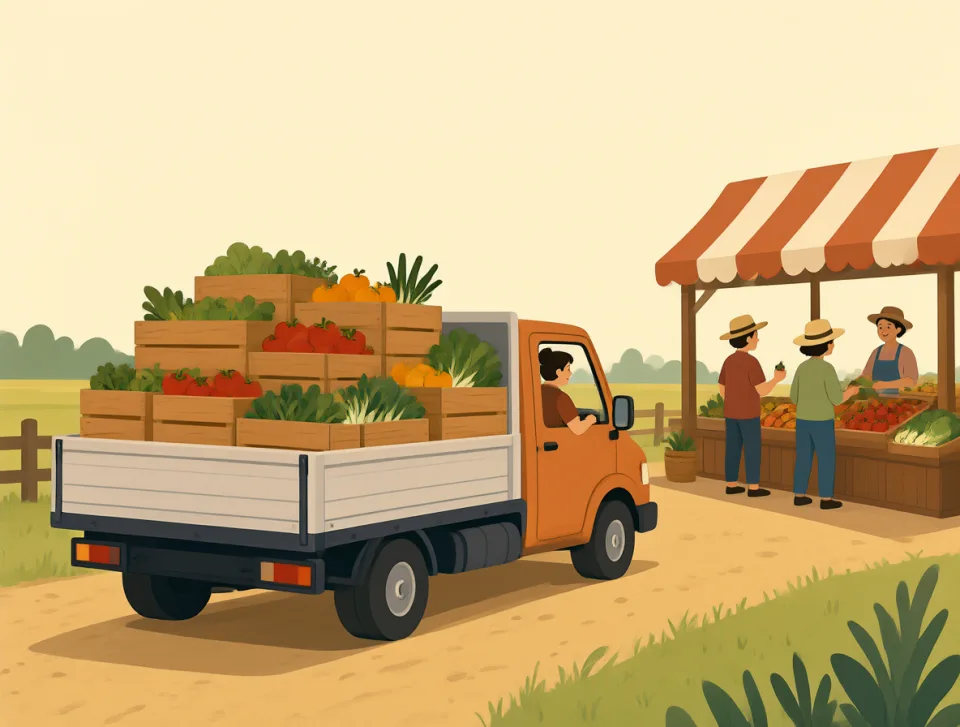
A truck carries fresh vegetables from the farm to the market.
Xe tải chở rau tươi từ trang trại đến chợ.
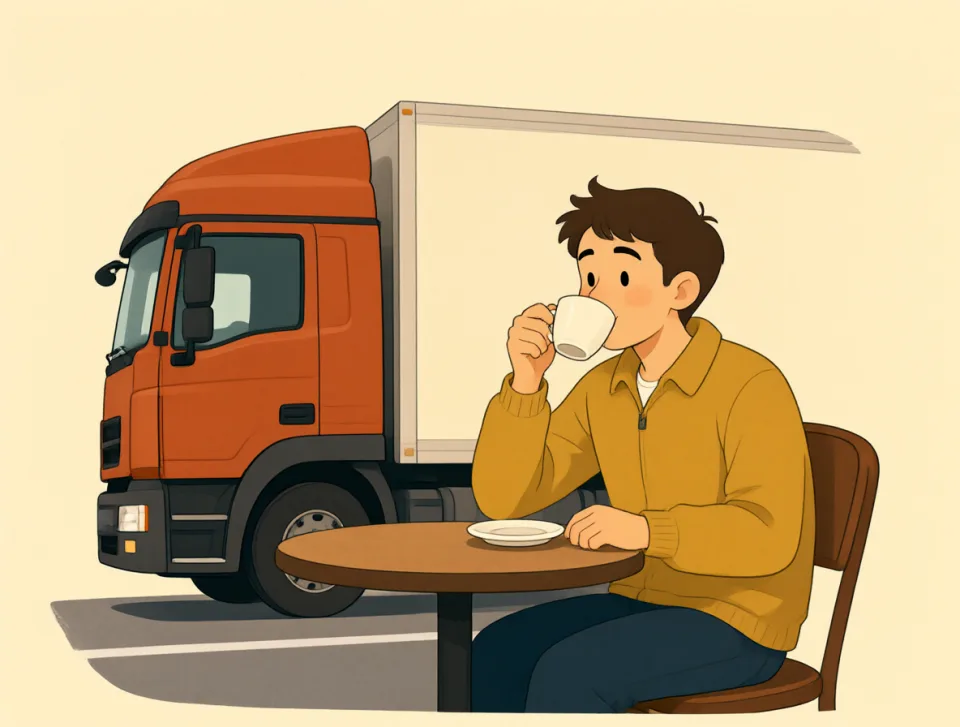
The truck driver stopped for coffee before starting work.
Tài xế xe tải dừng lại uống cà phê trước khi bắt đầu làm việc.
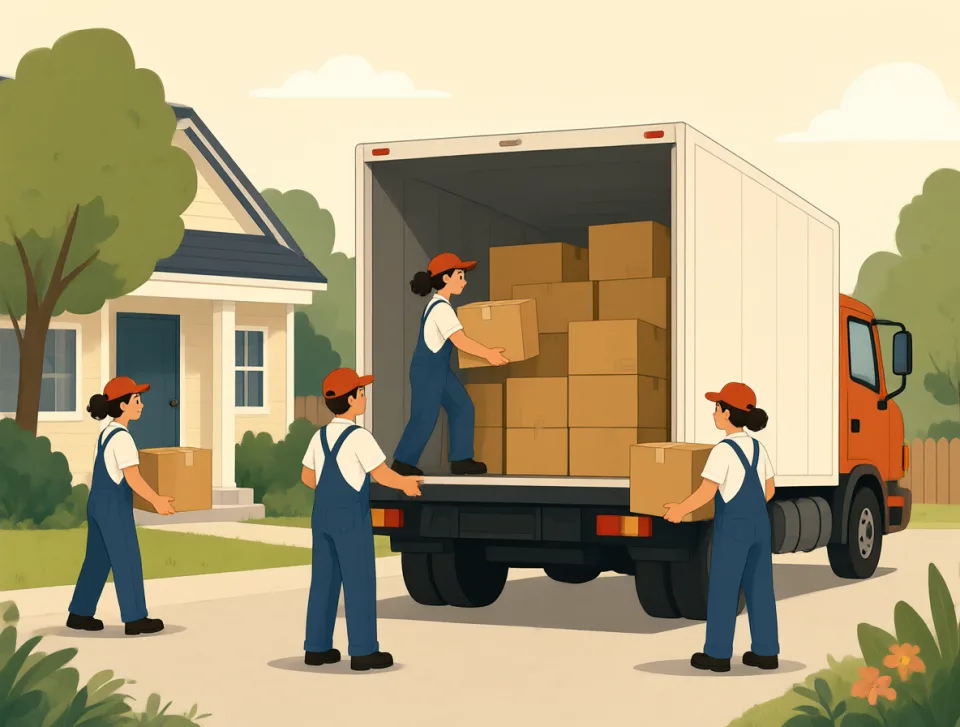
Our moving company truck arrived early to collect the boxes.
Xe tải của công ty chuyển nhà đến sớm để lấy các thùng đồ.

They are trucking the equipment across the country for the concert.
Họ đang chở thiết bị bằng xe tải băng qua đất nước để phục vụ buổi hòa nhạc.

nose
#2114noun, verb
mũi
The part of your face used for smelling and breathing; to notice or discover something.
Bộ phận trên khuôn mặt dùng để ngửi và thở; để ý hoặc phát hiện ra điều gì đó.

My nose is blocked, so I can hardly breathe through it.
Mũi tôi bị nghẹt nên tôi gần như không thở được bằng mũi.
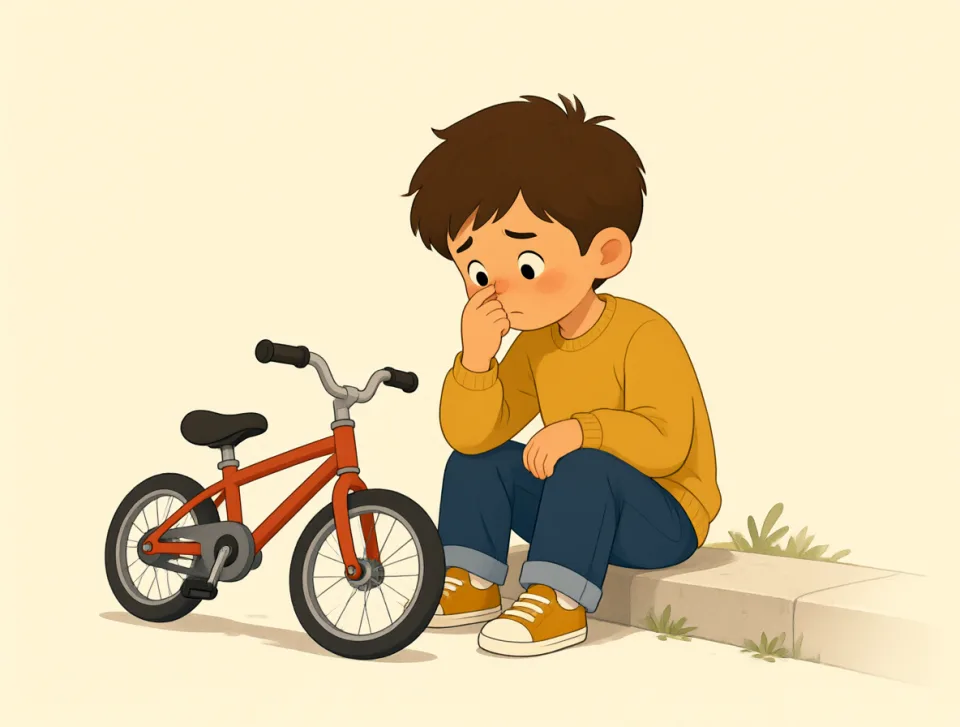
The little boy broke his nose when he fell off his bicycle.
Cậu bé bị gãy mũi khi ngã khỏi xe đạp.

She wrinkled her nose when she smelled the spoiled milk.
Cô ấy nhăn mũi khi ngửi thấy sữa bị hỏng.
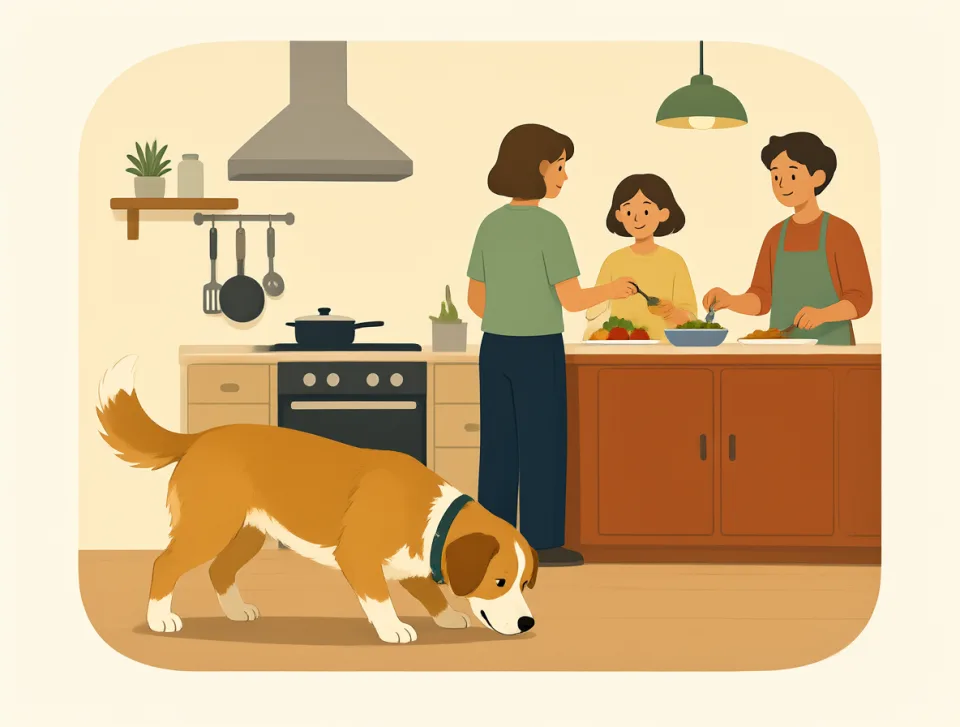
Our dog kept nosing around the kitchen while we prepared dinner.
Con chó cứ sục sạo quanh bếp trong lúc chúng tôi chuẩn bị bữa tối.

He always noses into other people's business at work.
Ở chỗ làm, anh ấy lúc nào cũng xía vào chuyện của người khác.
beside
#2115preposition, adverb
bên cạnh
next to or at the side of someone or something
ở ngay cạnh hoặc bên cạnh ai đó hay thứ gì đó

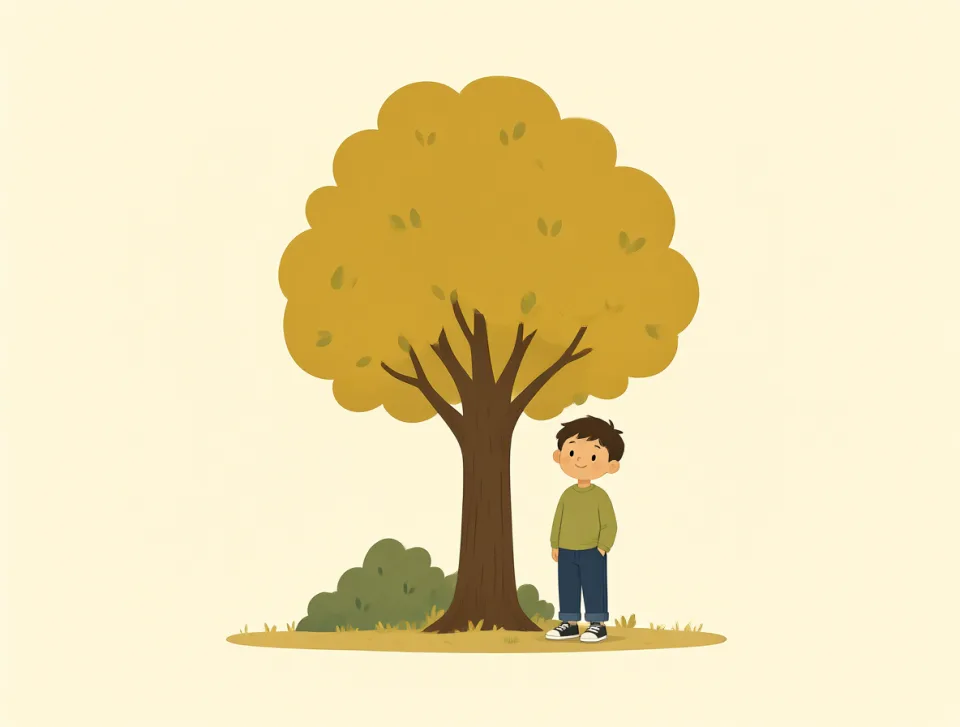
She sat beside her friend during the long train journey.
Cô ấy ngồi cạnh bạn mình trong suốt chuyến tàu dài.
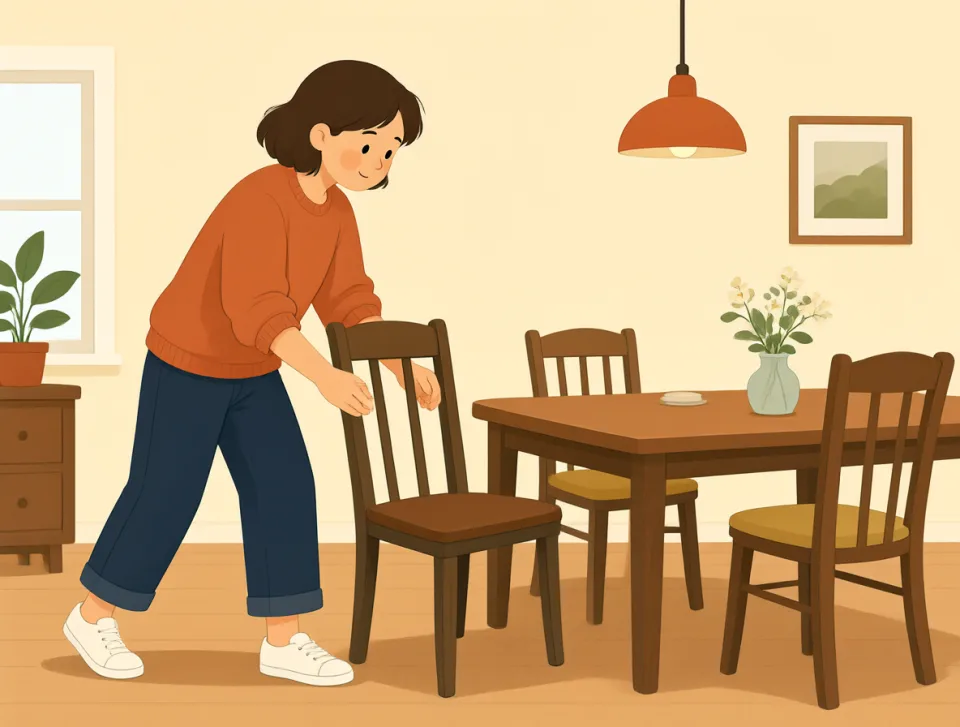
Please place the chair beside the table before dinner.
Vui lòng đặt ghế cạnh bàn trước bữa tối.
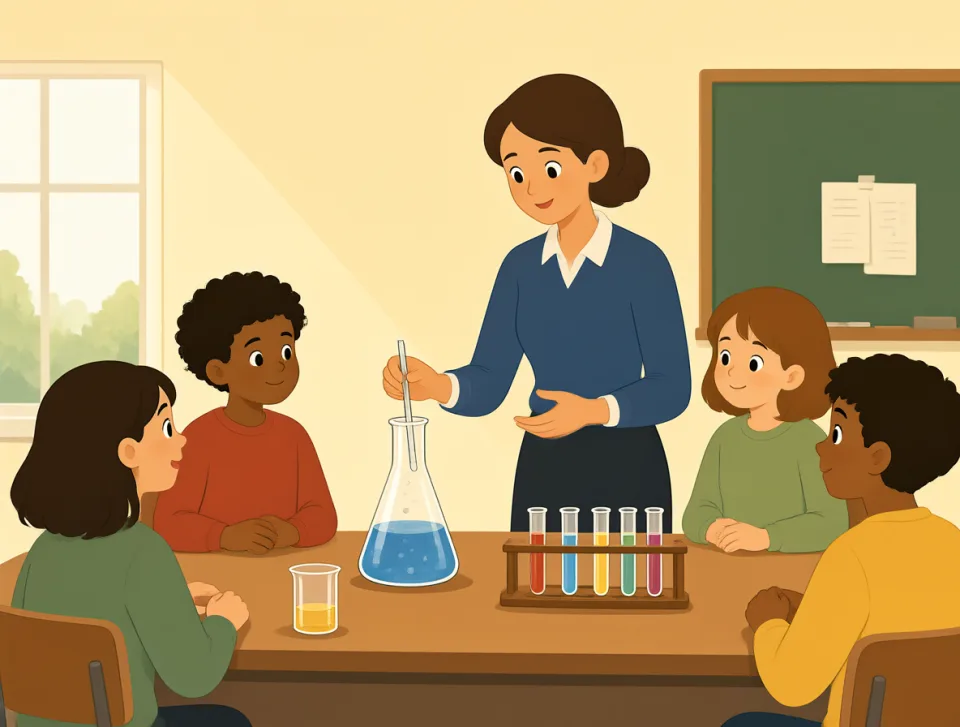
The teacher stood beside the students during the science experiment.
Giáo viên đứng cạnh các học sinh trong lúc họ làm thí nghiệm khoa học.

I found a small pharmacy beside the hotel while traveling.
Trong chuyến đi, tôi tìm thấy một hiệu thuốc nhỏ cạnh khách sạn.

He left his glass of water beside the bed.
Anh ấy để cốc nước cạnh giường.

sail
#2116noun, verb
chèo thuyền
to travel on water in a boat, or the large piece of cloth that catches wind
di chuyển trên mặt nước bằng thuyền; hoặc tấm vải lớn hứng gió để đẩy thuyền đi

We sailed along the coast during our summer holiday.
Chúng tôi chèo thuyền dọc bờ biển trong kỳ nghỉ hè.

The strong wind filled the boat’s sails and pushed us forward.
Gió mạnh thổi căng những cánh buồm và đẩy thuyền chúng tôi tiến về phía trước.

They are learning to sail at the local sailing club.
Họ đang học chèo thuyền ở câu lạc bộ chèo thuyền địa phương.

The sailors raised the sail before leaving the harbor.
Các thủy thủ giương buồm trước khi rời bến cảng.

A bright red sail stood out against the blue sea.
Cánh buồm đỏ rực nổi bật trên nền biển xanh.

disaster
#2117noun
thảm họa
a very bad event that causes great damage, suffering, or loss
một sự việc rất tồi tệ gây ra thiệt hại, đau khổ hoặc mất mát lớn
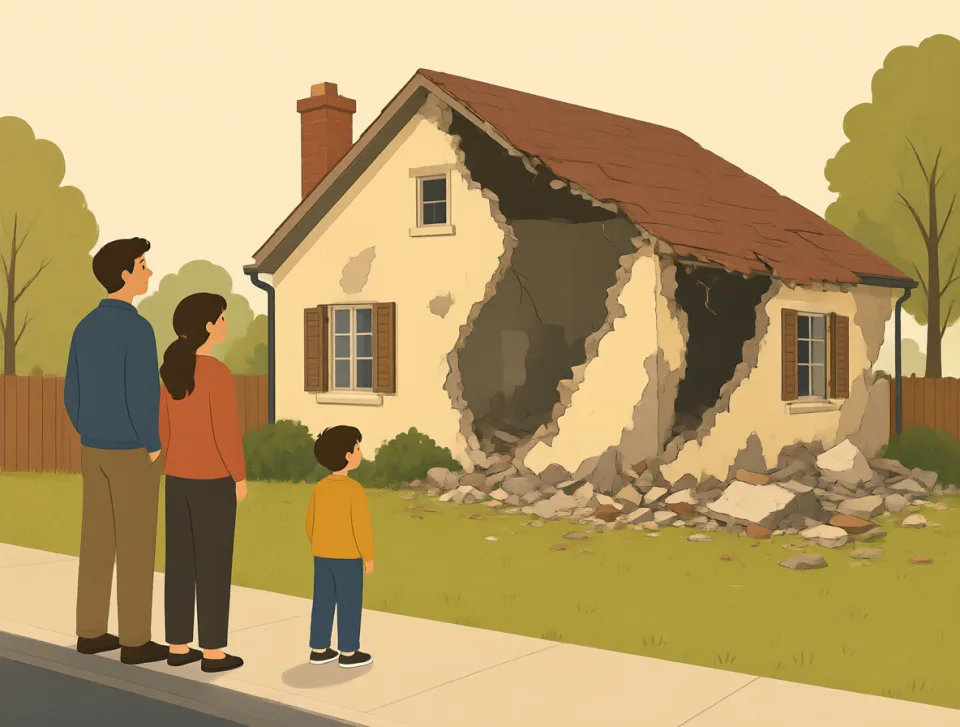
The earthquake was a disaster that destroyed thousands of homes.
Trận động đất là một thảm họa đã phá hủy hàng nghìn ngôi nhà.

The party was a complete disaster because nobody brought food or drinks.
Bữa tiệc đúng là một thảm họa vì chẳng ai mang đồ ăn hay thức uống.

Our holiday became a disaster when our luggage disappeared at the airport.
Kỳ nghỉ của chúng tôi trở thành thảm họa khi hành lý biến mất ở sân bay.

The new manager called the failed project a financial disaster.
Người quản lý mới gọi dự án thất bại là một thảm họa tài chính.
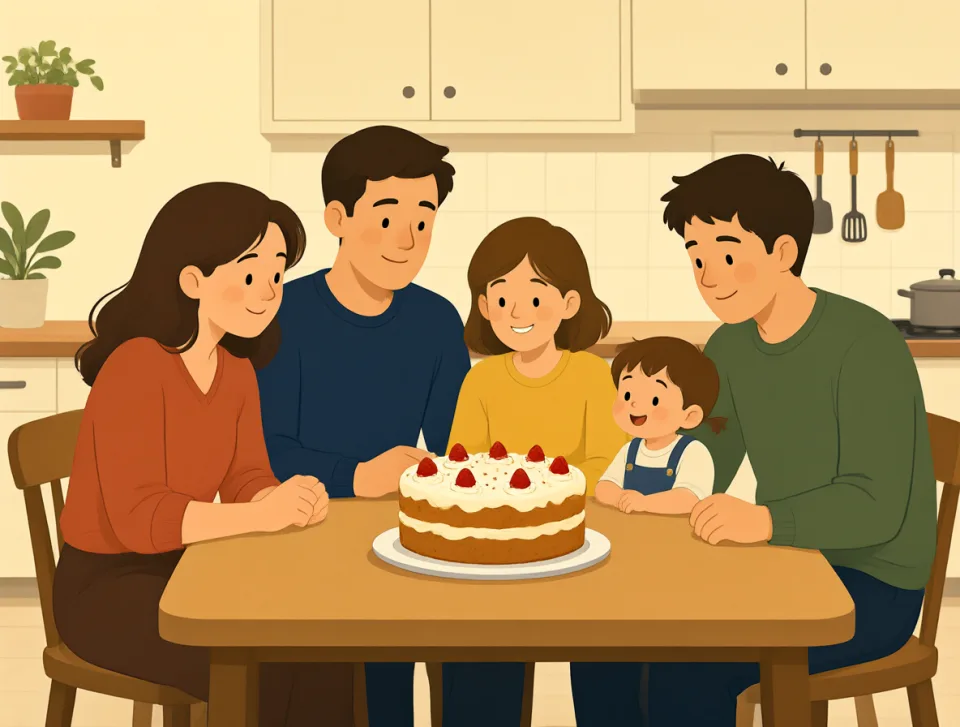
The cake was a disaster, but everyone kindly ate a small piece.
Chiếc bánh đúng là thảm họa, nhưng mọi người vẫn tử tế ăn mỗi người một miếng nhỏ.
pace
#2118noun, verb
tốc độ
The speed at which someone or something moves or happens.
Tốc độ di chuyển hoặc diễn ra của một người hay sự vật.
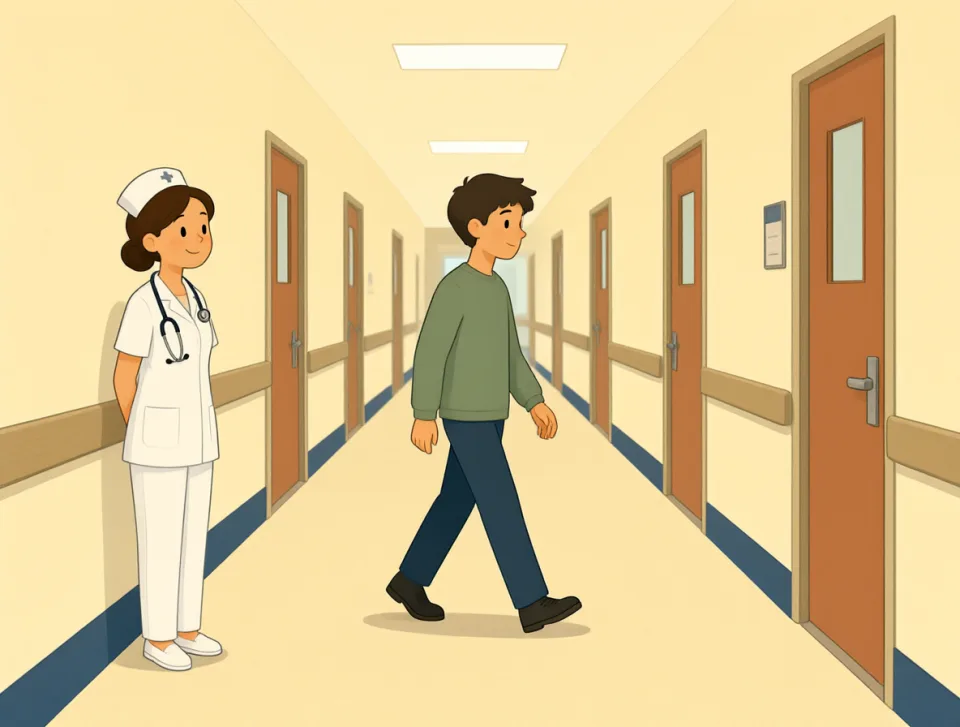
The nurse checked my pulse while I walked at a steady pace.
Y tá kiểm tra mạch của tôi khi tôi đi bộ với tốc độ đều đặn.
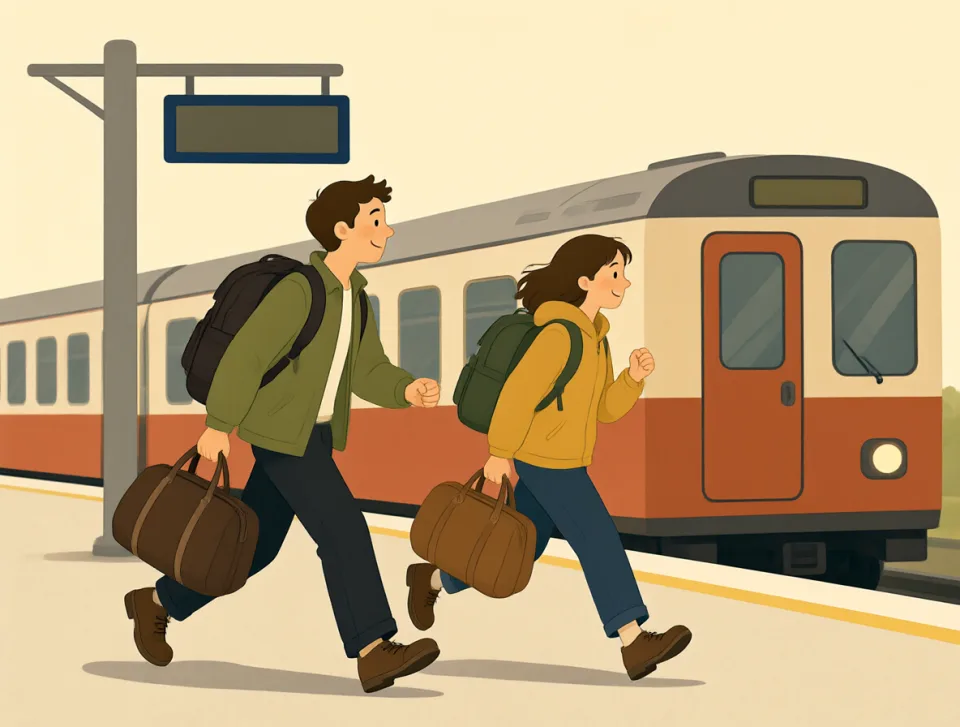
We need to pick up the pace if we want to catch the train.
Chúng ta cần đi nhanh hơn nếu muốn kịp chuyến tàu.

She works at her own pace and usually finishes before everyone else.
Cô ấy làm việc theo tốc độ của riêng mình và thường xong trước mọi người.
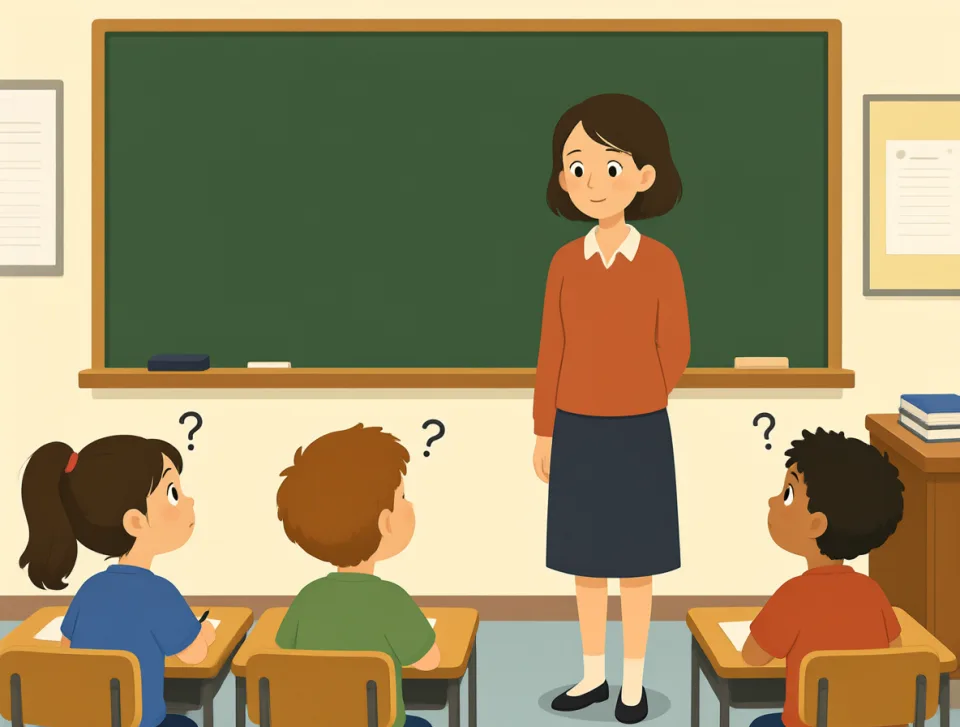
The teacher slowed the pace of the lesson when students looked confused.
Giáo viên giảm tốc độ bài học khi thấy học sinh có vẻ bối rối.

After lunch, we paced ourselves so we could enjoy the whole hike.
Sau bữa trưa, chúng tôi giữ sức để có thể tận hưởng trọn vẹn chuyến đi bộ đường dài.
heavily
#2119adverb
nhiều; mạnh
To a great degree or with a lot of force, weight, or amount.
Ở mức độ lớn hoặc với nhiều lực, trọng lượng hay số lượng.

It rained heavily all night, so the streets were flooded by morning.
Trời mưa lớn suốt đêm, nên đến sáng đường phố đã ngập lụt.

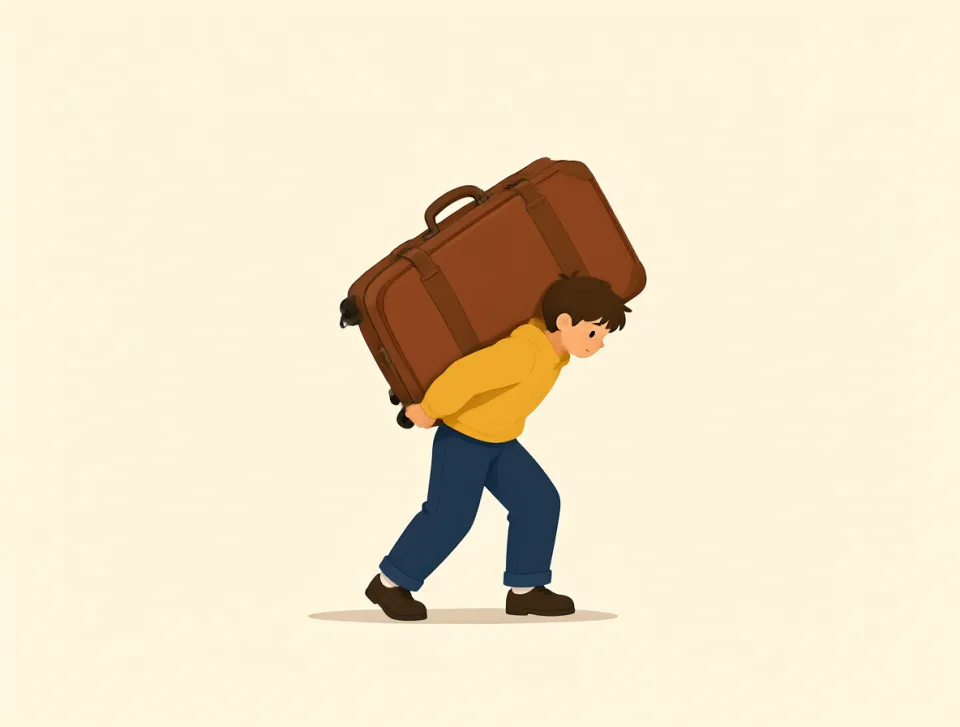
The box was heavily damaged during delivery, but everything inside was safe.
Chiếc hộp bị hư hại nặng trong lúc giao hàng, nhưng mọi thứ bên trong vẫn an toàn.
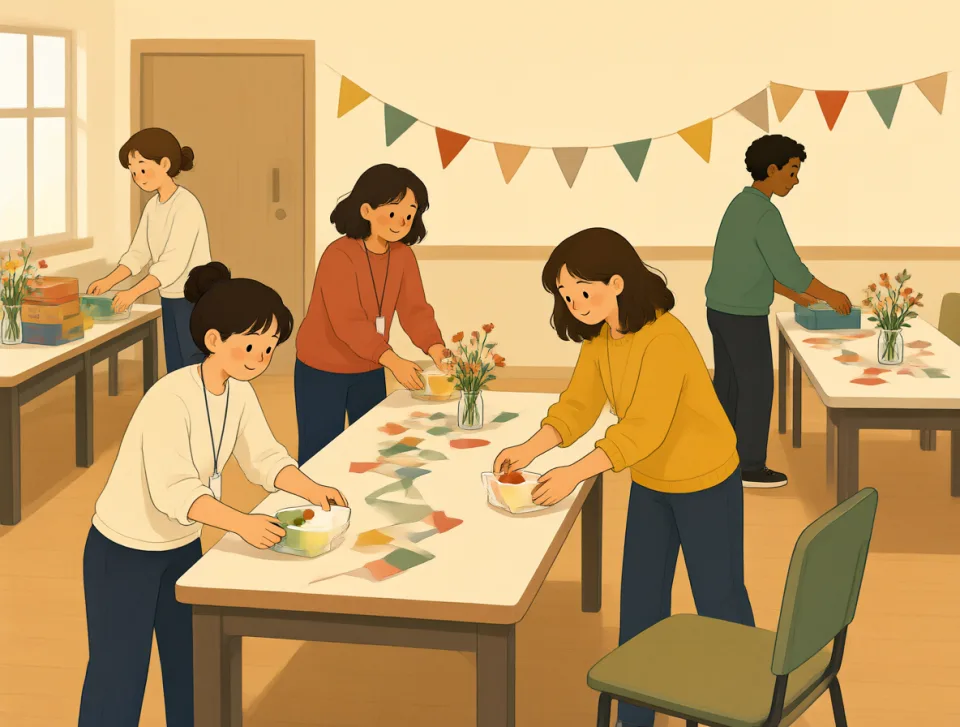
The team relies heavily on volunteers to organize the community event.
Đội ngũ phụ thuộc rất nhiều vào các tình nguyện viên để tổ chức sự kiện cộng đồng.

She was breathing heavily after running up three flights of stairs.
Cô ấy thở hổn hển sau khi chạy lên ba tầng cầu thang.
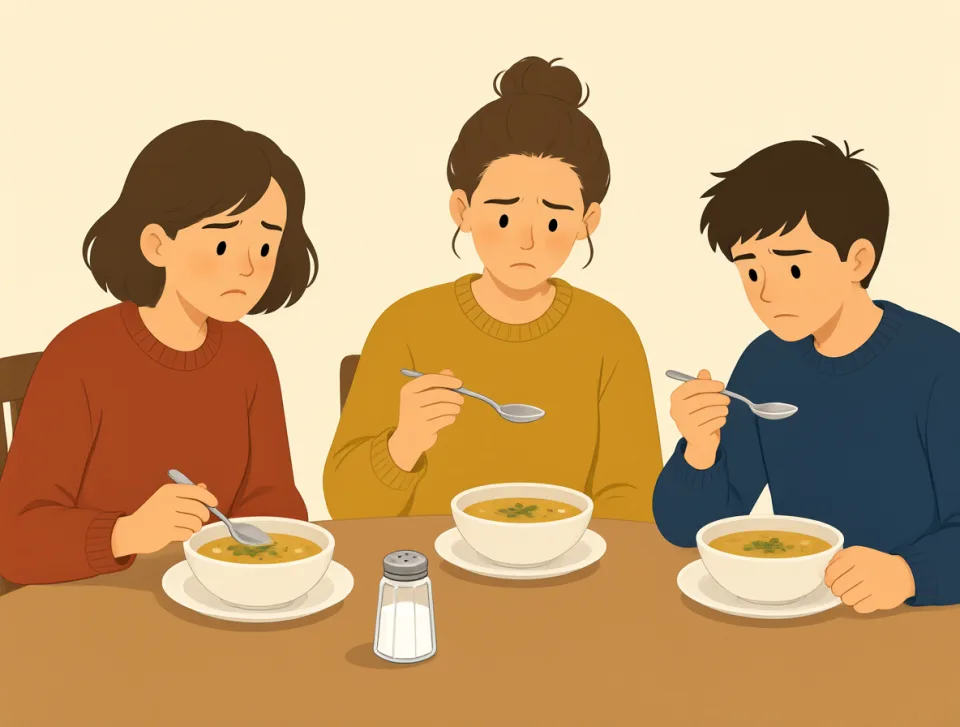
The soup was heavily salted, so nobody wanted a second bowl.
Món súp bị nêm quá mặn nên chẳng ai muốn ăn thêm bát thứ hai.
devote
#2120verb
dành
to give your time, energy, or attention to something
dành thời gian, công sức hoặc sự chú ý cho việc gì đó
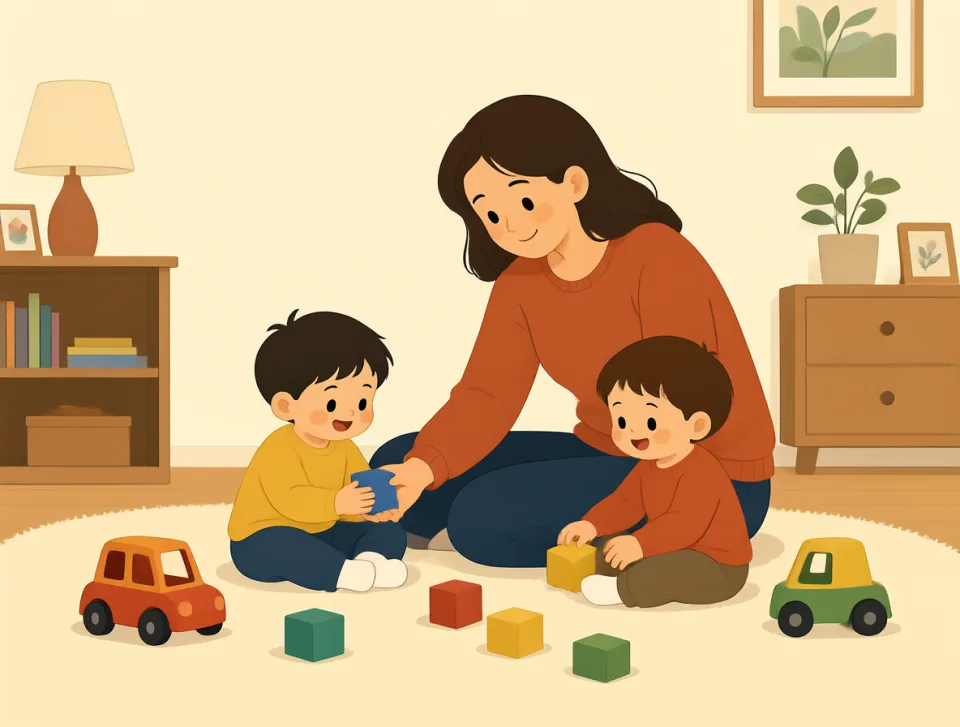
She devotes most of her free time to caring for her young children.
Cô ấy dành phần lớn thời gian rảnh để chăm sóc những đứa con nhỏ.

The team devoted two hours to preparing for tomorrow’s important presentation.
Cả nhóm dành hai tiếng chuẩn bị cho buổi thuyết trình quan trọng ngày mai.

He is devoted to improving his English by reading every evening.
Tối nào anh ấy cũng đọc sách để cải thiện tiếng Anh.
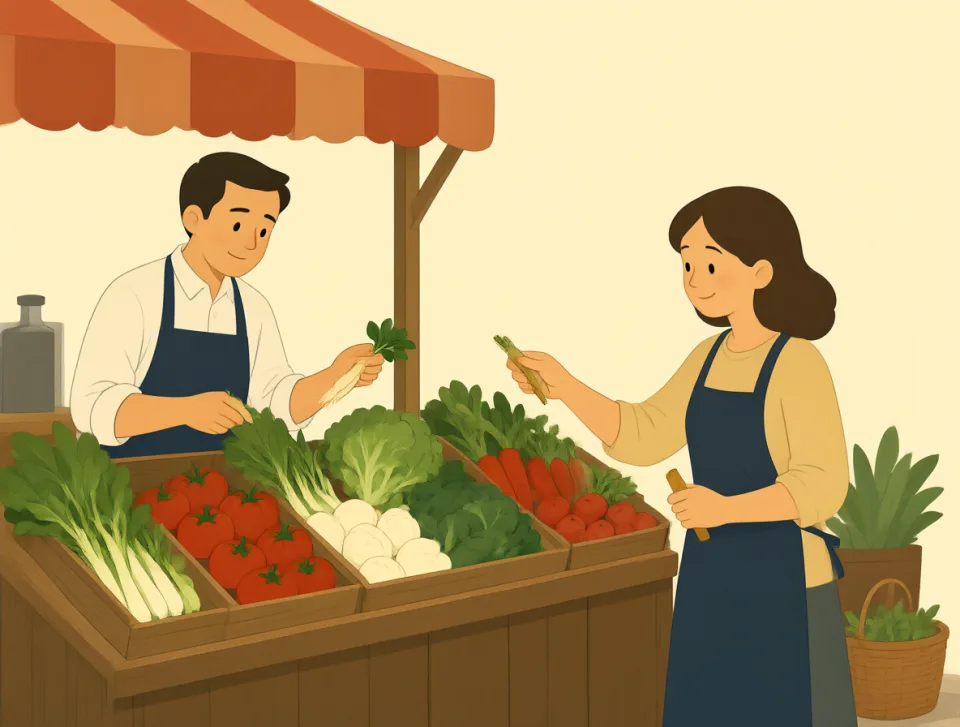
The restaurant owner devoted extra money to buying fresher ingredients this month.
Tháng này, chủ nhà hàng dành thêm tiền để mua nguyên liệu tươi ngon hơn.
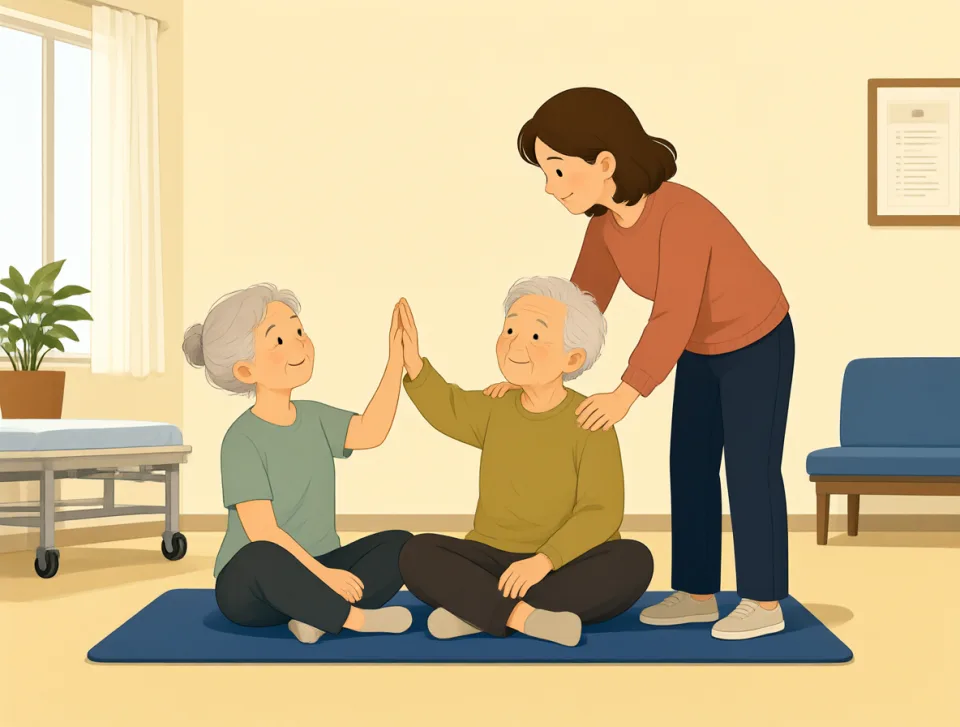
After the accident, she devoted herself to helping other patients recover.
Sau tai nạn, cô ấy dành hết tâm sức giúp những bệnh nhân khác hồi phục.