Блок 106
Слова 2101–2120 · formula, alter, perceive, routine, sink, stare
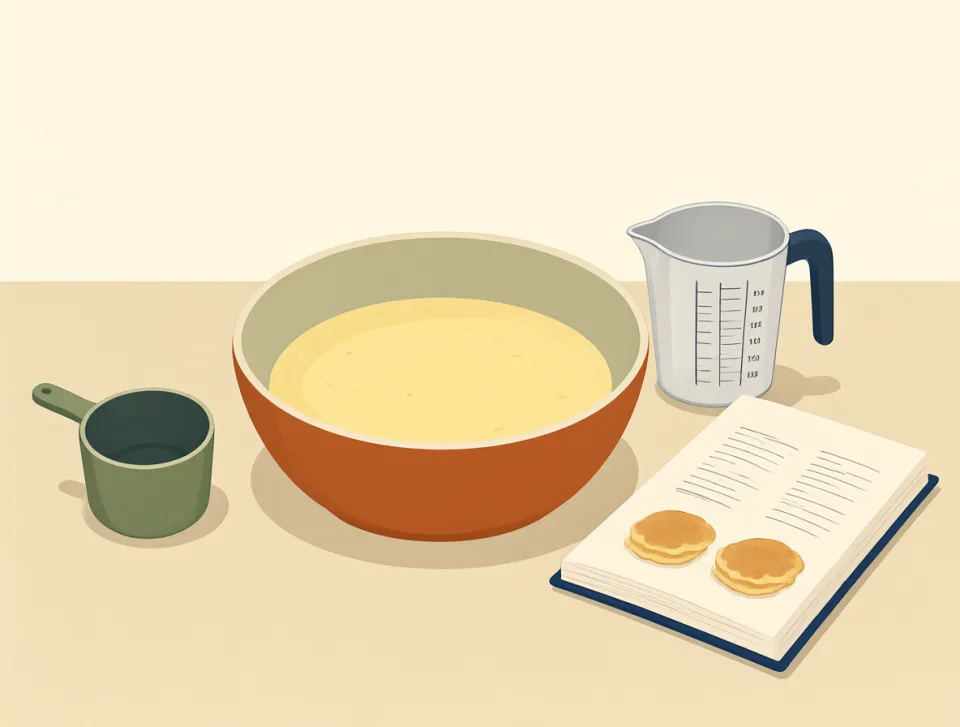
formula
#2101noun
формула
A set of numbers, symbols, or rules used to calculate or explain something.
Набор чисел, символов или правил, используемых для вычислений или объяснения чего-либо.

This formula helps us calculate the total cost of the order.
Эта формула помогает нам рассчитать общую стоимость заказа.
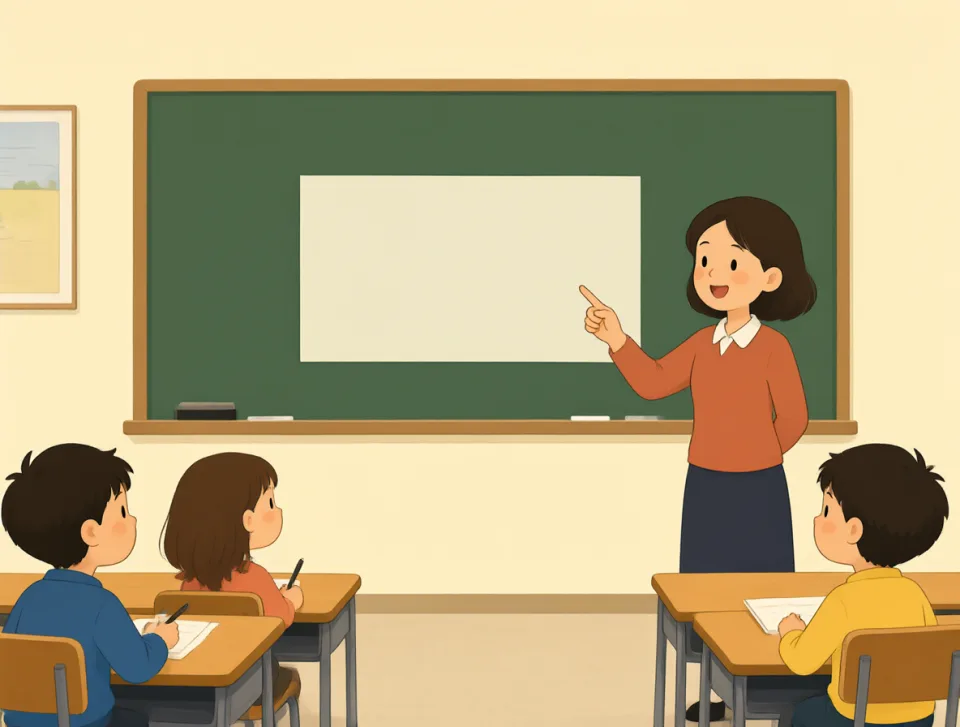
The teacher explained a simple formula for finding the area of a rectangle.
Учитель объяснил простую формулу для вычисления площади прямоугольника.

I followed my grandmother’s formula to make the perfect tomato sauce.
Я последовал рецепту бабушки, чтобы приготовить идеальный томатный соус.

The company is testing a new formula for its popular skin cream.
Компания испытывает новую формулу популярного крема для кожи.

This baby formula is suitable for children with sensitive stomachs.
Эта молочная смесь подходит детям с чувствительным желудком.

alter
#2102verb
изменять
to change something slightly, especially to improve it or make it more suitable
слегка менять что-либо, особенно чтобы улучшить или сделать более подходящим

We altered the schedule to give everyone more time for lunch.
Мы изменили расписание, чтобы у всех было больше времени на обед.

The tailor altered my trousers so they fit perfectly.
Портной подогнал мои брюки, чтобы они сидели идеально.

She altered the recipe by using less sugar and adding fresh berries.
Она изменила рецепт: добавила меньше сахара и свежие ягоды.
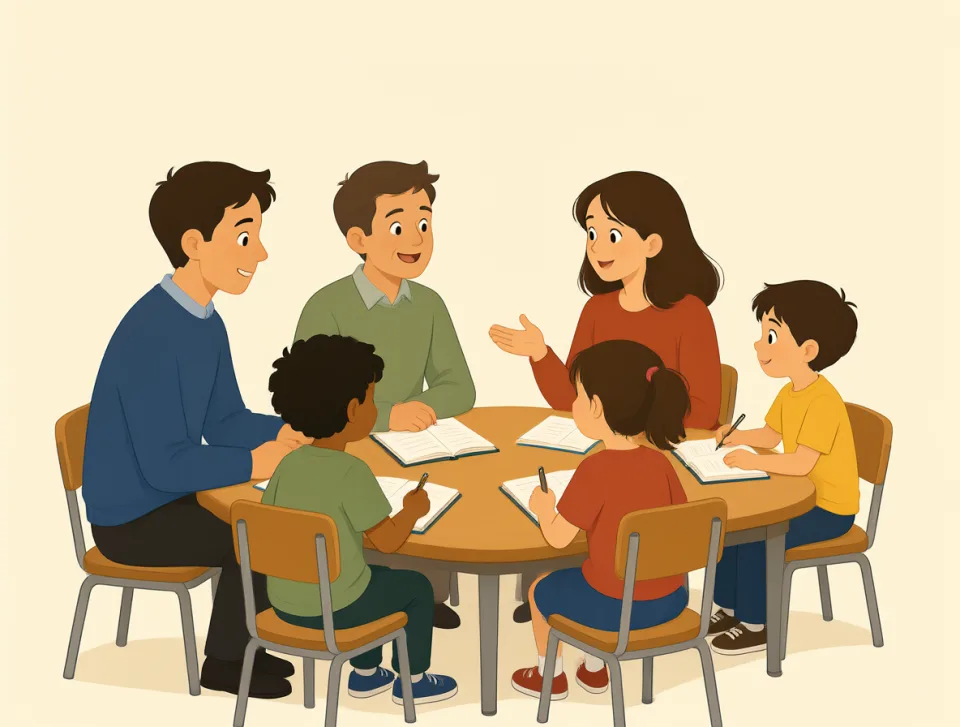
The school altered its rules after speaking with parents and students.
Школа изменила правила после беседы с родителями и учениками.

The medicine may alter your sense of taste for a few days.
Лекарство может на несколько дней изменить ваше восприятие вкуса.

perceive
#2103verb
воспринимать
to notice or understand something through your senses, thoughts, or feelings
замечать или понимать что-либо с помощью органов чувств, мыслей или чувств

She perceived a strange smell coming from the kitchen.
Она почувствовала странный запах, доносившийся из кухни.

Customers perceived the new café as friendly and welcoming.
Покупателям показалось, что новое кафе — дружелюбное и гостеприимное место.
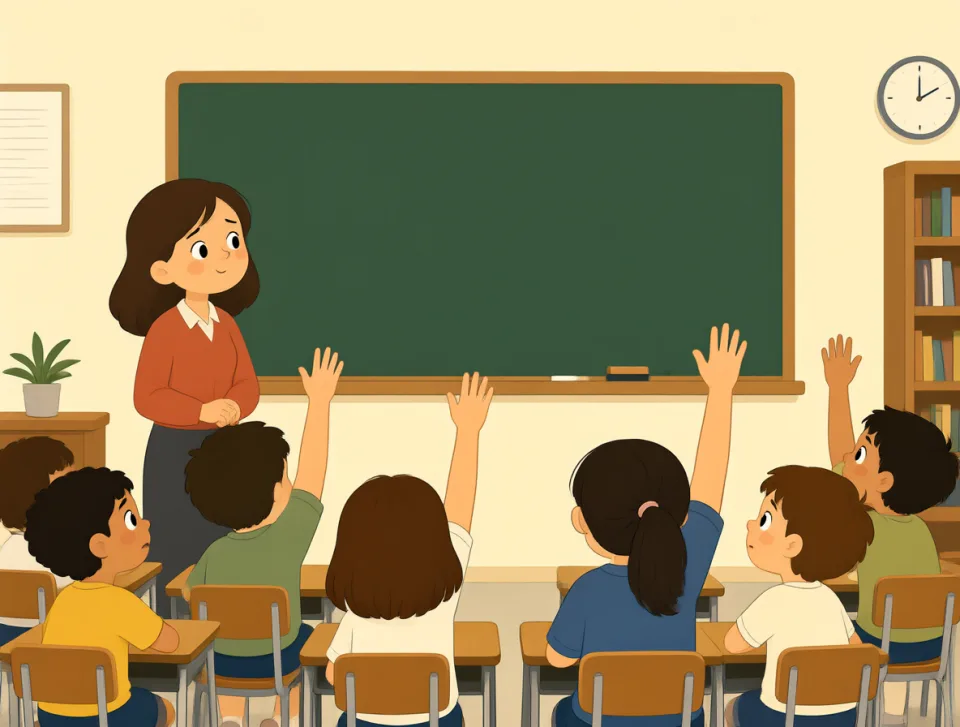
The teacher perceived that several students needed extra help.
Учитель заметил, что нескольким ученикам нужна дополнительная помощь.

He was perceived as rude because he never smiled or greeted anyone.
Его считали грубым, потому что он никогда не улыбался и ни с кем не здоровался.

After treatment, she perceived less pain in her injured knee.
После лечения она стала чувствовать меньшую боль в повреждённом колене.
routine
#2104noun, adjective
распорядок
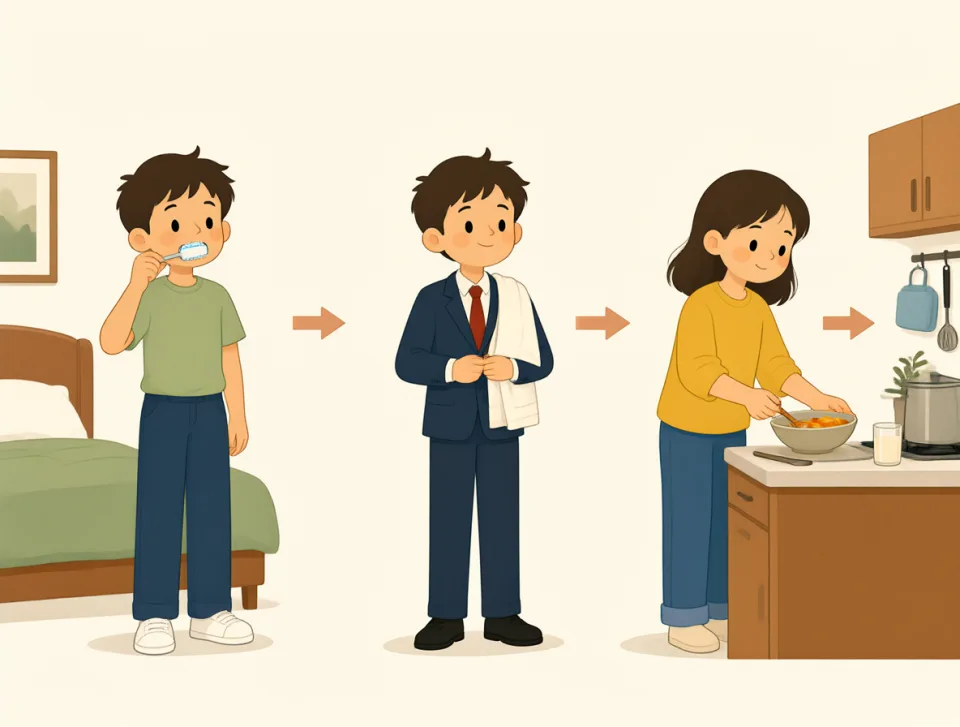
A usual way of doing things, especially regularly repeated daily activities.
Привычный способ что-либо делать, особенно повседневные действия, которые регулярно повторяются.
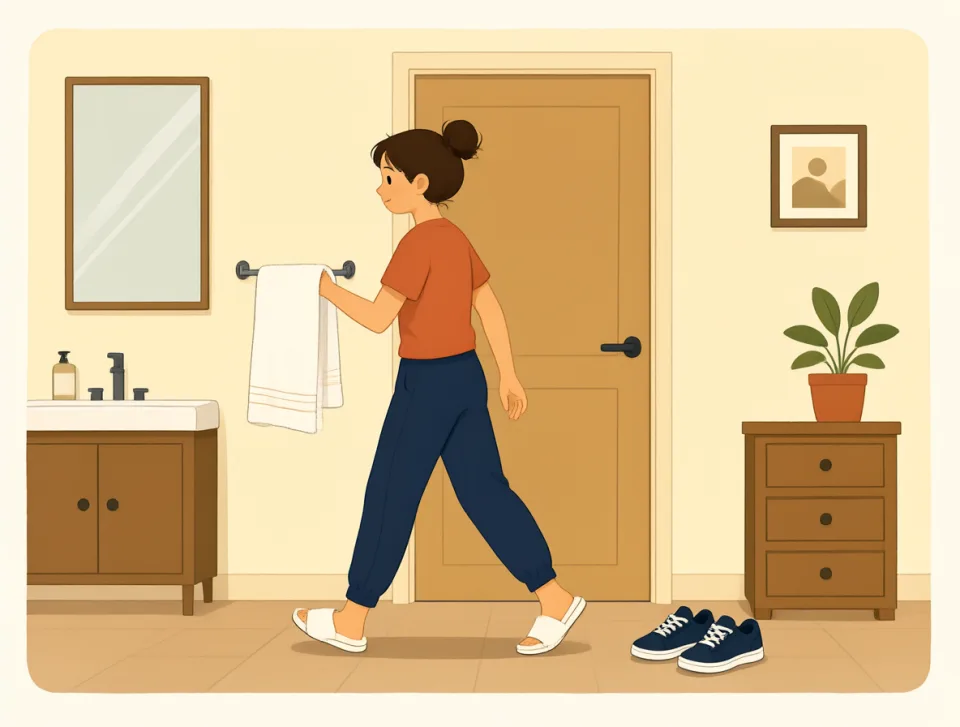
My morning routine includes a shower, breakfast, and a short walk.
В мой утренний распорядок входят душ, завтрак и короткая прогулка.

The nurse checked my daily routine before suggesting healthier habits.
Медсестра расспросила меня о моём распорядке дня, прежде чем предложить более здоровые привычки.

Starting a new job can be difficult until you learn the office routine.
Начинать новую работу бывает непросто, пока не привыкнешь к распорядку в офисе.

We changed our travel routine and visited the market before lunch.
Мы изменили привычный порядок поездки и зашли на рынок до обеда.
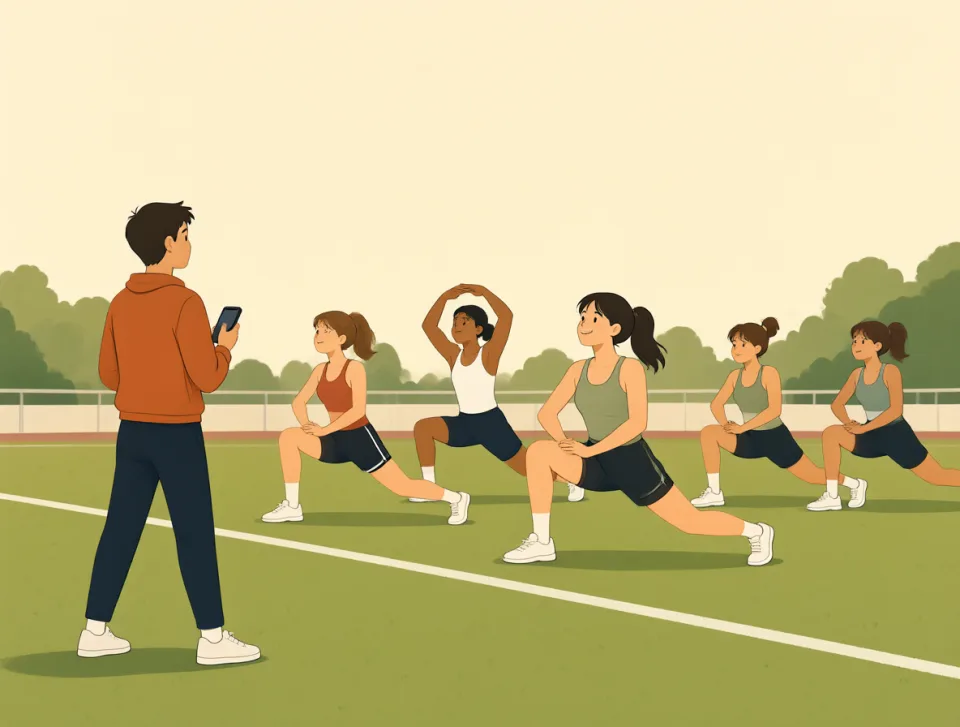
The coach added stretching to our training routine after practice.
После тренировки тренер добавил растяжку в нашу программу занятий.
sink
#2105noun, verb
раковина; тонуть
To go down below the surface, or a bowl with a drain for washing things.
Опускаться под поверхность или раковина со сливом, в которой моют вещи.

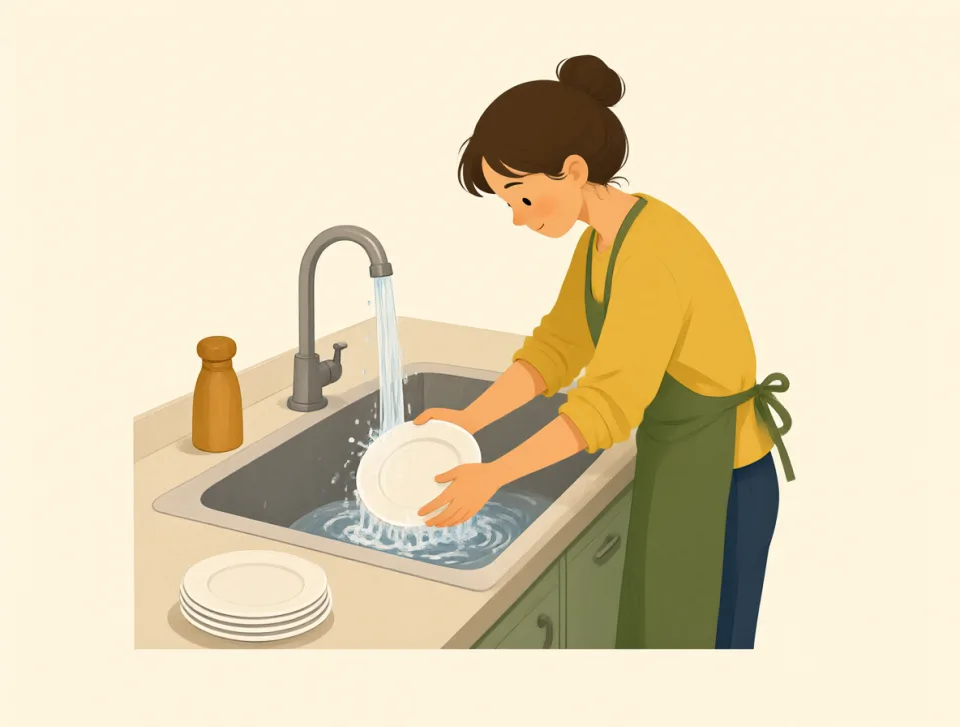
Please put the dirty dishes in the kitchen sink after dinner.
Пожалуйста, положите грязную посуду в кухонную раковину после ужина.

The boat began to sink after hitting a large rock.
Лодка начала тонуть после столкновения с большим камнем.

Water was slowly sinking into the ground after the heavy rain.
После сильного дождя вода медленно уходила в землю.

She washed her hands in the sink before preparing lunch.
Перед приготовлением обеда она вымыла руки в раковине.

The bathroom sink is blocked, so the water will not drain.
Слив в раковине в ванной засорился, поэтому вода не уходит.

stare
#2106verb, noun
пристально смотреть
to look at someone or something for a long time without looking away
долго смотреть на кого-то или что-то, не отводя взгляда

Everyone stared at the magician during the final trick.
Все уставились на фокусника во время последнего трюка.

Please stop staring at me while I eat my lunch.
Пожалуйста, перестань пялиться на меня, пока я ем.

She stared out the train window during the long journey.
Во время долгого путешествия она смотрела в окно поезда.

The doctor stared at the scan before explaining the results.
Врач долго смотрел на снимок, прежде чем объяснить результаты.

He gave me a blank stare when I asked about the missing keys.
Когда я спросил о пропавших ключах, он посмотрел на меня пустым взглядом.

anymore
#2107adverb
больше не; уже не
from now on or from a particular time; no longer
с этого момента или с определённого времени; больше не, уже не
I don't watch television anymore because I prefer reading books.
Я больше не смотрю телевизор, потому что предпочитаю читать книги.

She doesn't work at the hospital anymore.
Она больше не работает в больнице.

Do you still play tennis, or have you stopped anymore?
Ты всё ещё играешь в теннис или уже перестал?
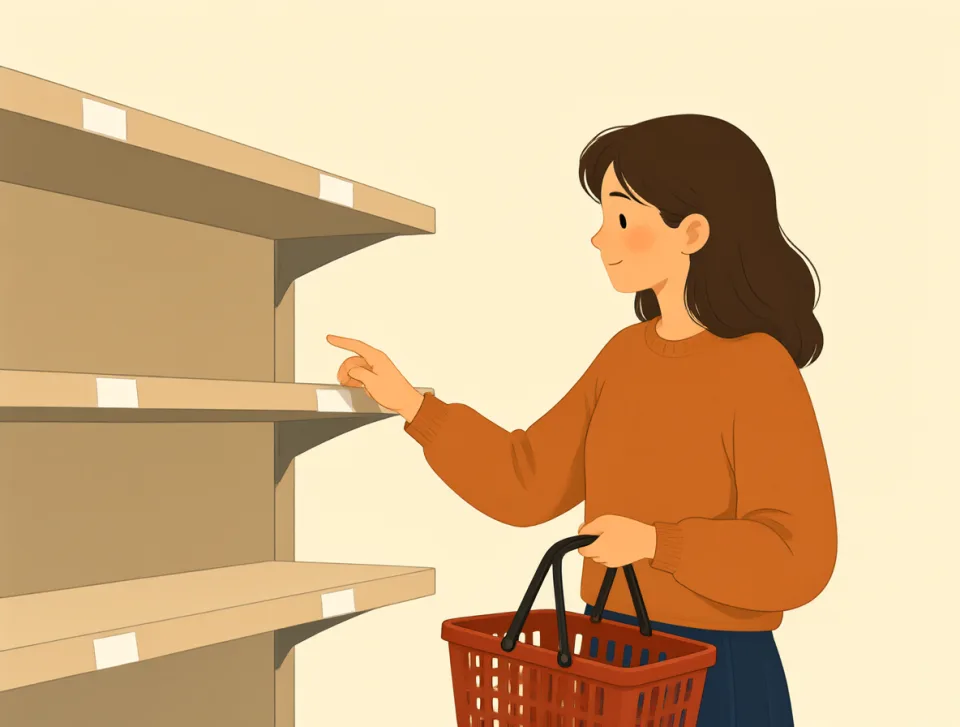
We can't buy that brand anymore because the store stopped selling it.
Мы больше не можем покупать этот бренд, потому что магазин перестал его продавать.

He doesn't feel tired anymore after getting more sleep.
Он больше не чувствует усталости, потому что стал больше спать.
hero
#2108noun
герой
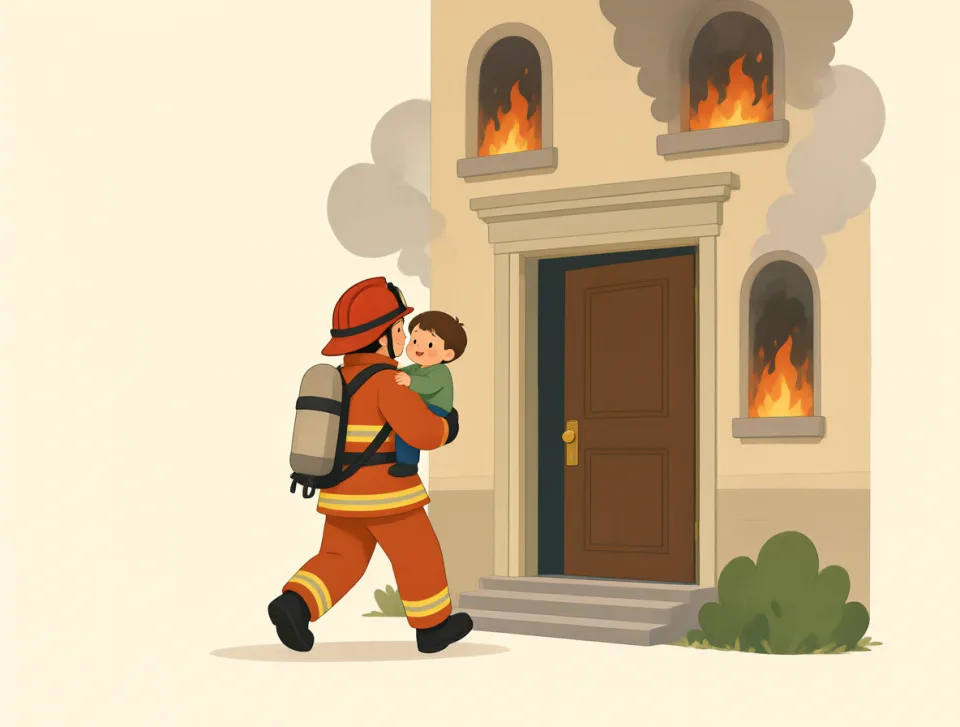
A person admired for brave actions, especially someone who saves or helps others.
человек, которым восхищаются за смелые поступки, особенно тот, кто спасает или помогает другим
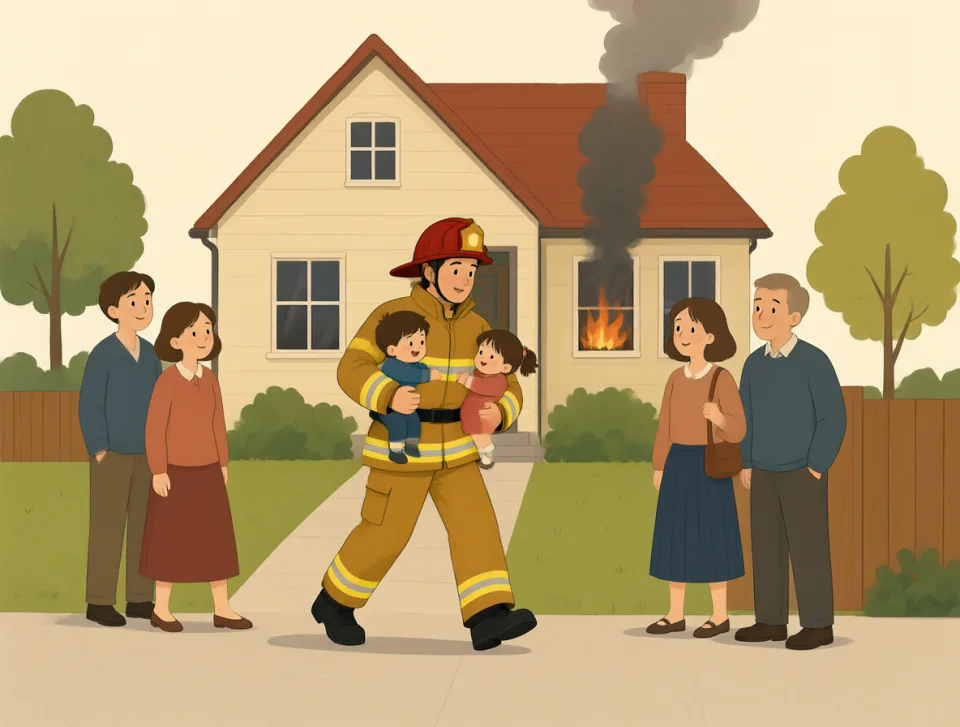
The firefighter became a hero after rescuing two children from the burning house.
Пожарный стал героем после того, как спас двоих детей из горящего дома.

My little brother thinks his favorite soccer player is a hero.
Мой младший брат считает своего любимого футболиста героем.

The nurse was a hero for helping patients during the difficult night.
Медсестра стала героем, помогая пациентам в эту трудную ночь.

Our teacher was the hero of the school play last Friday.
В прошлую пятницу наш учитель был героем школьного спектакля.

She felt like a hero when she found her lost dog.
Она почувствовала себя героем, когда нашла свою потерявшуюся собаку.

supporter
#2109noun
сторонник; поддерживающий человек
A person who approves of and helps a person, team, idea, or organization.
человек, который одобряет и поддерживает другого человека, команду, идею или организацию

Every supporter cheered loudly when the home team scored the winning goal.
Каждый болельщик громко закричал, когда хозяева забили победный гол.

My parents have always been strong supporters of my decision to study abroad.
Мои родители всегда были большими сторонниками моего решения учиться за границей.

The charity thanked its supporters for donating food and warm clothes.
Благотворительная организация поблагодарила своих сторонников за пожертвованные продукты и тёплую одежду.

Several supporters joined the candidate during her visit to the local market.
Несколько сторонников присоединились к кандидату во время её визита на местный рынок.

His biggest supporter stayed beside him throughout his long illness.
Его главный сторонник оставался рядом с ним на протяжении всей его долгой болезни.
convert
#2110verb, noun
преобразовывать; конвертировать
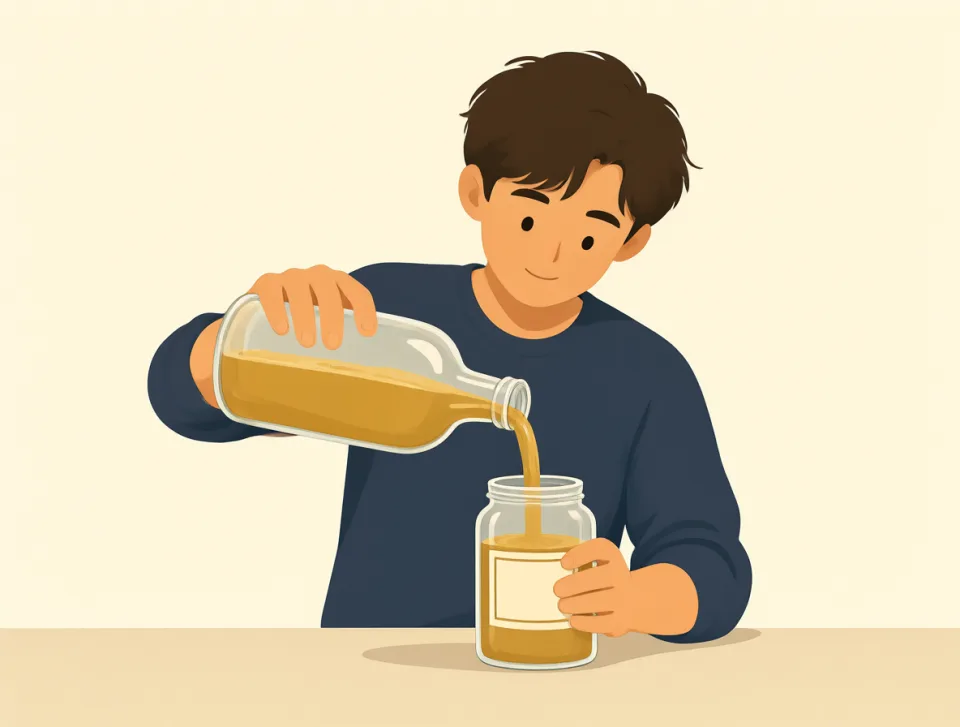
to change something into a different form, use, or belief
изменять что-либо, превращая это в другую форму, способ использования или убеждение

You can convert the sofa into a comfortable bed for overnight guests.
Диван можно превратить в удобную кровать для гостей, которые останутся на ночь.

The company converted the old warehouse into bright offices for its growing team.
Компания переоборудовала старый склад в светлые офисы для своей растущей команды.
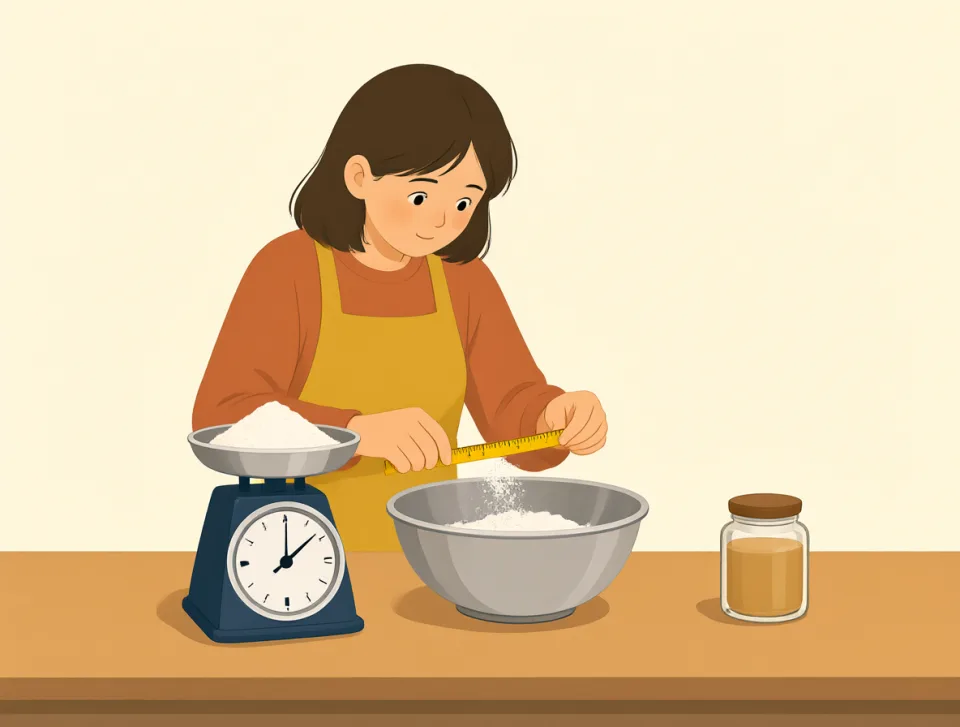
She converted the recipe from cups to grams before baking the cake.
Перед выпечкой торта она перевела рецепт из чашек в граммы.

We converted our dollars into euros at the airport before flying to Italy.
Перед полётом в Италию мы обменяли в аэропорту доллары на евро.

He converted to Buddhism after studying its teachings for several years.
Он принял буддизм после нескольких лет изучения его учений.

steady
#2111adjective, verb
устойчивый; ровный
calm, regular, and not changing suddenly; to make something stable or controlled
Спокойный, регулярный и не меняющийся внезапно; сделать что-либо устойчивым или контролируемым.

She earns a steady income from her small bakery.
Она получает стабильный доход от своей небольшой пекарни.

Keep a steady pace so you do not become too tired.
Двигайся в ровном темпе, чтобы не слишком устать.

The doctor told him to take steady breaths during the examination.
Во время осмотра врач велел ему дышать ровно.

He used one hand to steady the ladder while his brother climbed.
Он придерживал лестницу одной рукой, пока его брат поднимался.

Business has been steady since the shop moved to this busy street.
С тех пор как магазин переехал на эту оживлённую улицу, дела идут стабильно.
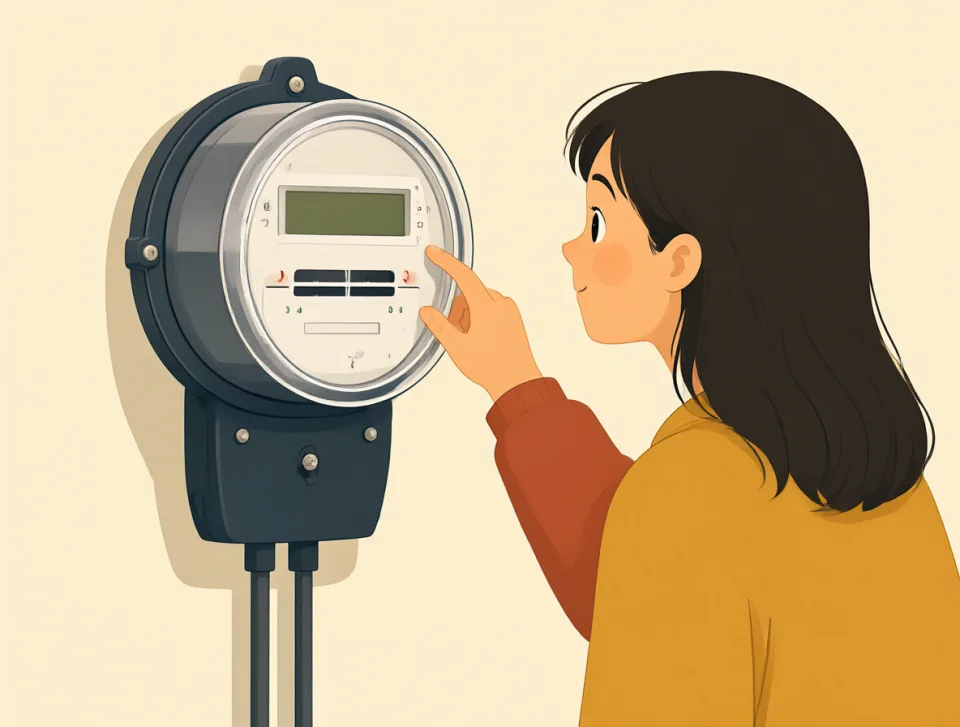
meter
#2112noun, verb
счётчик; метр
A device that measures something, or a unit used to measure length.
Прибор для измерения чего-либо или единица измерения длины.
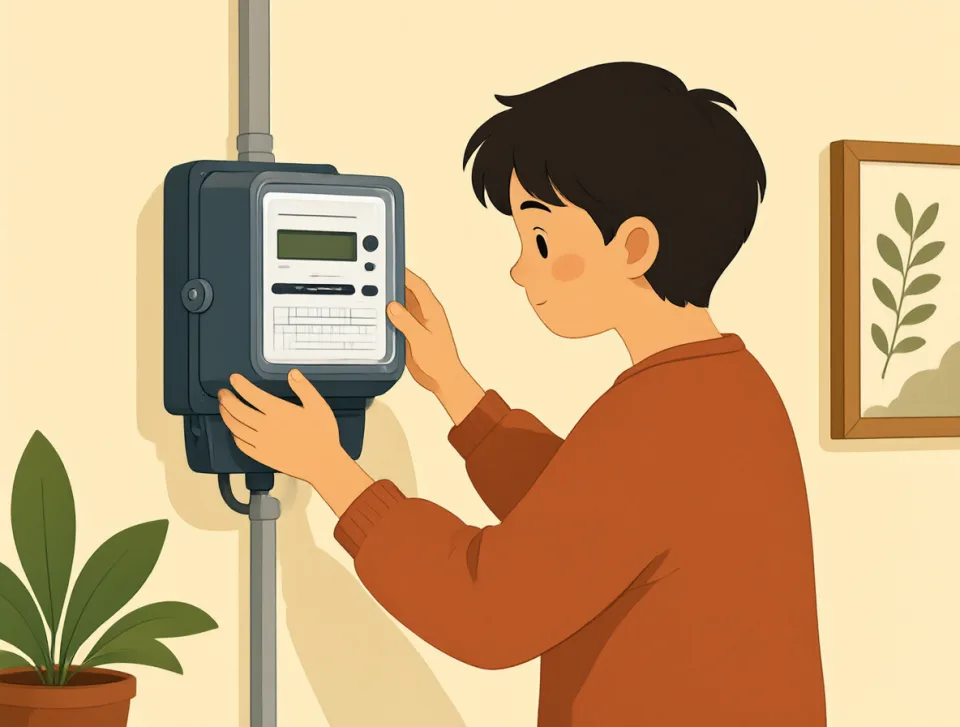
The electricity meter showed that we had used less power this month.
Счётчик электроэнергии показал, что в этом месяце мы использовали меньше электричества.

The taxi driver stopped the meter when we reached the hotel.
Таксист остановил счётчик, когда мы приехали в отель.
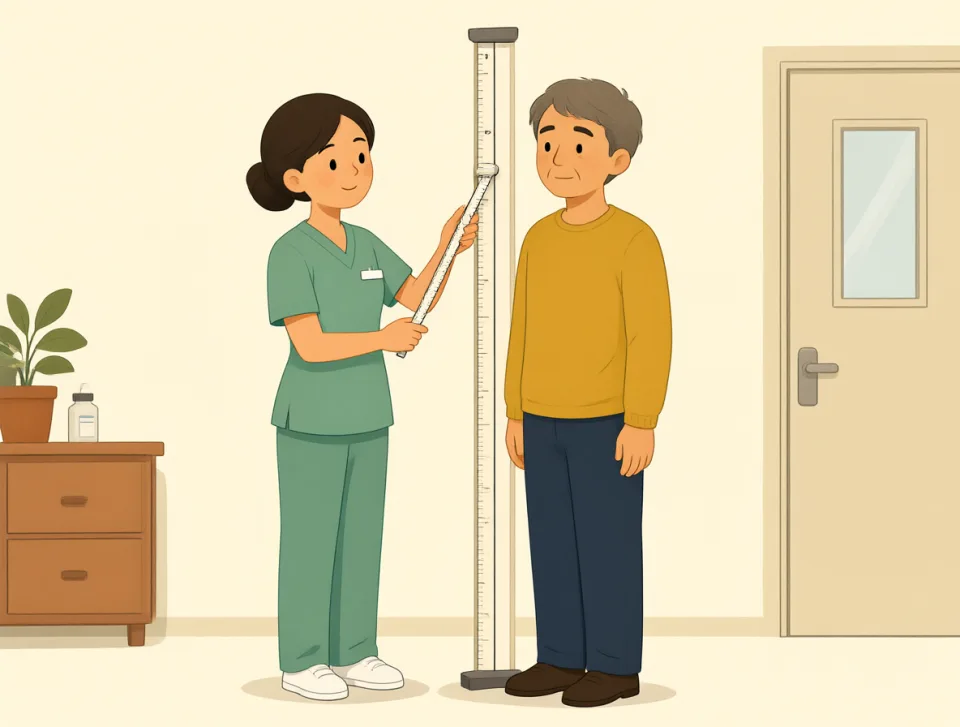
The nurse measured the patient’s height with a meter stick.
Медсестра измерила рост пациента с помощью ростомера.
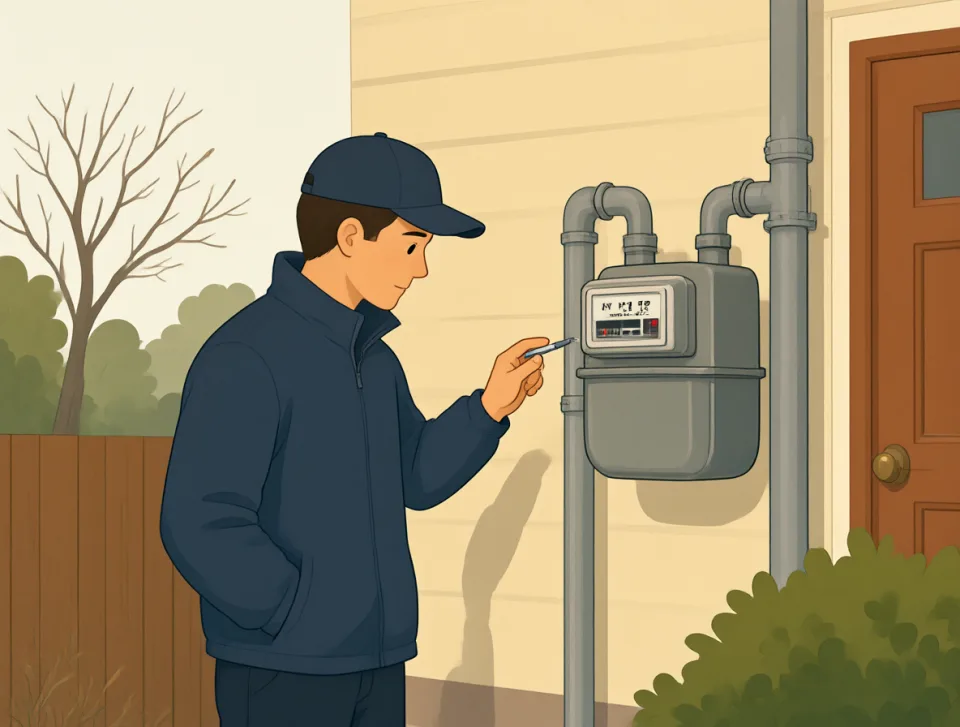
The gas meter needs checking before winter begins.
До наступления зимы газовый счётчик нужно проверить.

The poem has a regular meter that makes it easy to read aloud.
В стихотворении соблюдён регулярный метр, поэтому его легко читать вслух.

truck
#2113noun, verb
грузовик; перевозить грузовиком
A large vehicle used to carry heavy goods; to transport something by truck.
Большое транспортное средство для перевозки тяжёлых грузов; перевозить что-либо грузовиком.

The delivery truck brought our new sofa this morning.
Сегодня утром грузовик доставки привёз наш новый диван.

A truck carries fresh vegetables from the farm to the market.
Грузовик доставляет свежие овощи с фермы на рынок.
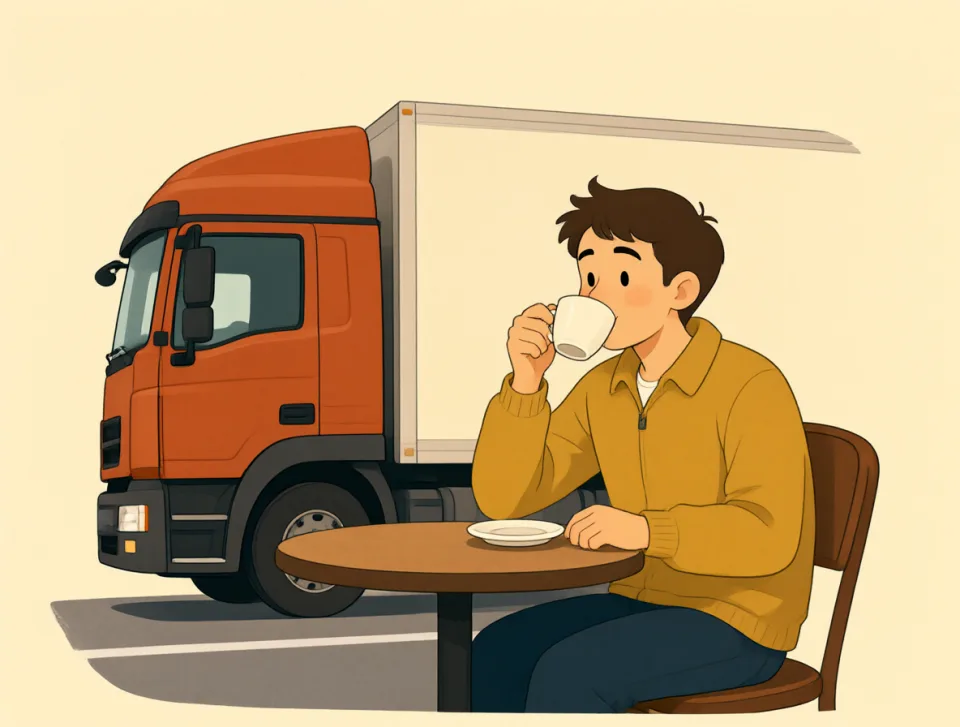
The truck driver stopped for coffee before starting work.
Водитель грузовика остановился выпить кофе перед началом работы.

Our moving company truck arrived early to collect the boxes.
Грузовик нашей компании по переездам приехал за коробками пораньше.

They are trucking the equipment across the country for the concert.
Они перевозят оборудование для концерта через всю страну.

nose
#2114noun, verb
нос; пронюхать
The part of your face used for smelling and breathing; to notice or discover something.
Часть лица, с помощью которой мы чувствуем запахи и дышим; заметить или обнаружить что-либо.

My nose is blocked, so I can hardly breathe through it.
У меня заложен нос, поэтому мне трудно дышать носом.
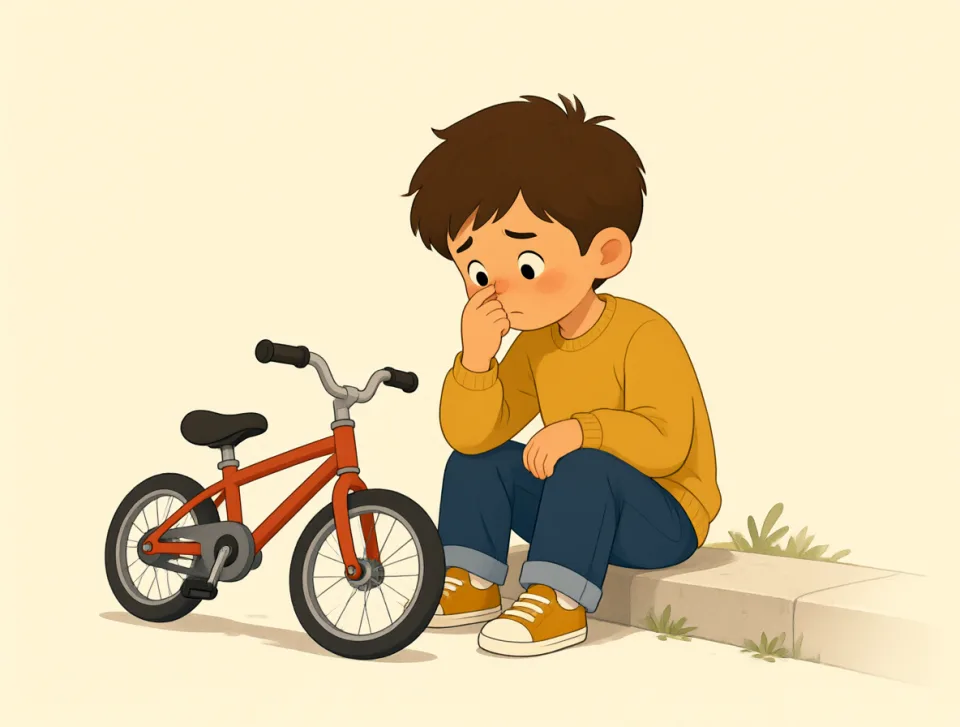
The little boy broke his nose when he fell off his bicycle.
Мальчик сломал нос, упав с велосипеда.

She wrinkled her nose when she smelled the spoiled milk.
Она сморщила нос, почувствовав запах испорченного молока.
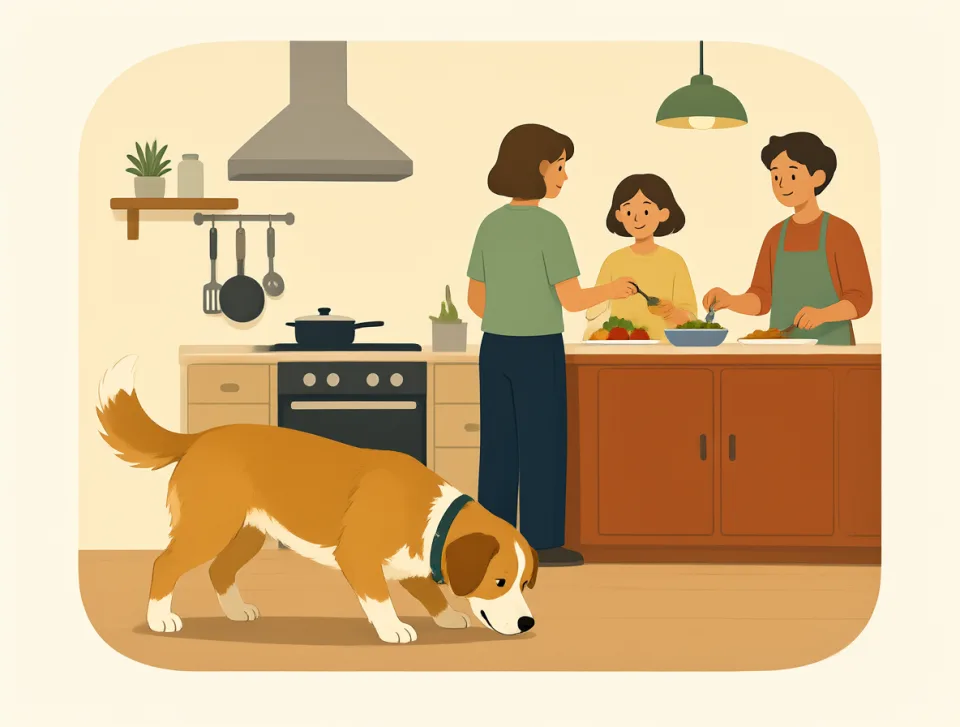
Our dog kept nosing around the kitchen while we prepared dinner.
Пока мы готовили ужин, наша собака всё время обнюхивала кухню.

He always noses into other people's business at work.
Он вечно суёт нос в чужие дела на работе.

beside
#2115preposition, adverb
рядом с; возле
next to or at the side of someone or something
Рядом с кем-либо или чем-либо либо сбоку от кого-либо или чего-либо.

She sat beside her friend during the long train journey.
Во время долгой поездки на поезде она сидела рядом с подругой.
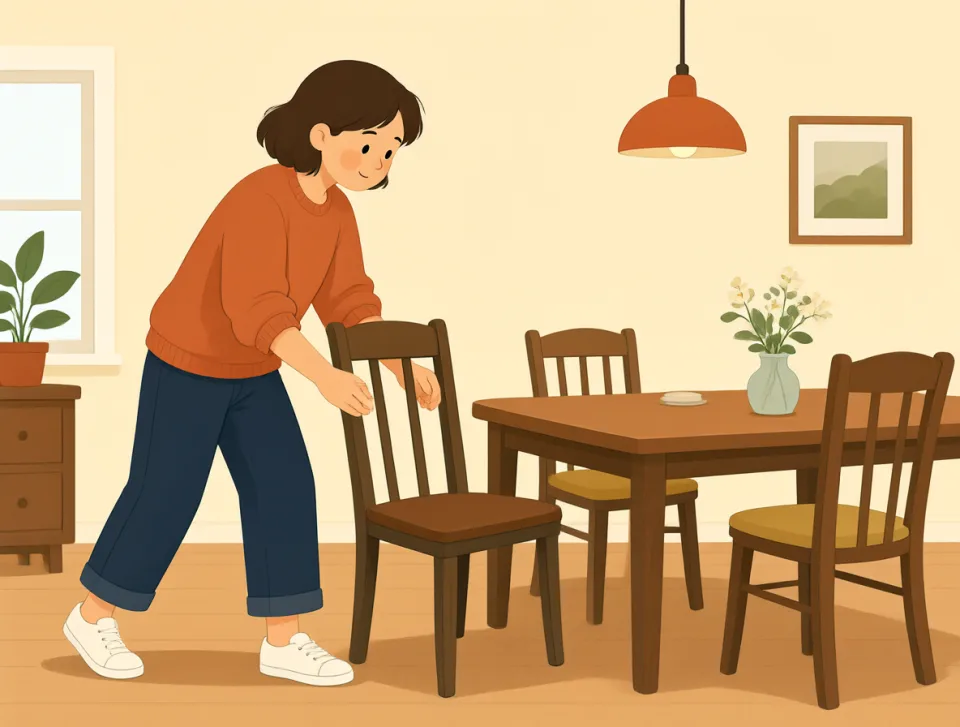
Please place the chair beside the table before dinner.
Пожалуйста, поставьте стул рядом со столом перед ужином.

The teacher stood beside the students during the science experiment.
Во время научного эксперимента учитель стоял рядом с учениками.

I found a small pharmacy beside the hotel while traveling.
Во время путешествия я нашёл небольшую аптеку рядом с отелем.

He left his glass of water beside the bed.
Он оставил стакан воды возле кровати.

sail
#2116noun, verb
плыть под парусом; парус
to travel on water in a boat, or the large piece of cloth that catches wind
передвигаться по воде на лодке или большая ткань, которая ловит ветер

We sailed along the coast during our summer holiday.
Во время летних каникул мы плыли вдоль побережья.

The strong wind filled the boat’s sails and pushed us forward.
Сильный ветер наполнил паруса лодки и погнал нас вперёд.

They are learning to sail at the local sailing club.
Они учатся ходить под парусом в местном парусном клубе.

The sailors raised the sail before leaving the harbor.
Перед выходом из гавани моряки подняли парус.

A bright red sail stood out against the blue sea.
Ярко-красный парус выделялся на фоне синего моря.

disaster
#2117noun
катастрофа
a very bad event that causes great damage, suffering, or loss
очень плохое событие, которое приводит к серьёзным разрушениям, страданиям или потерям
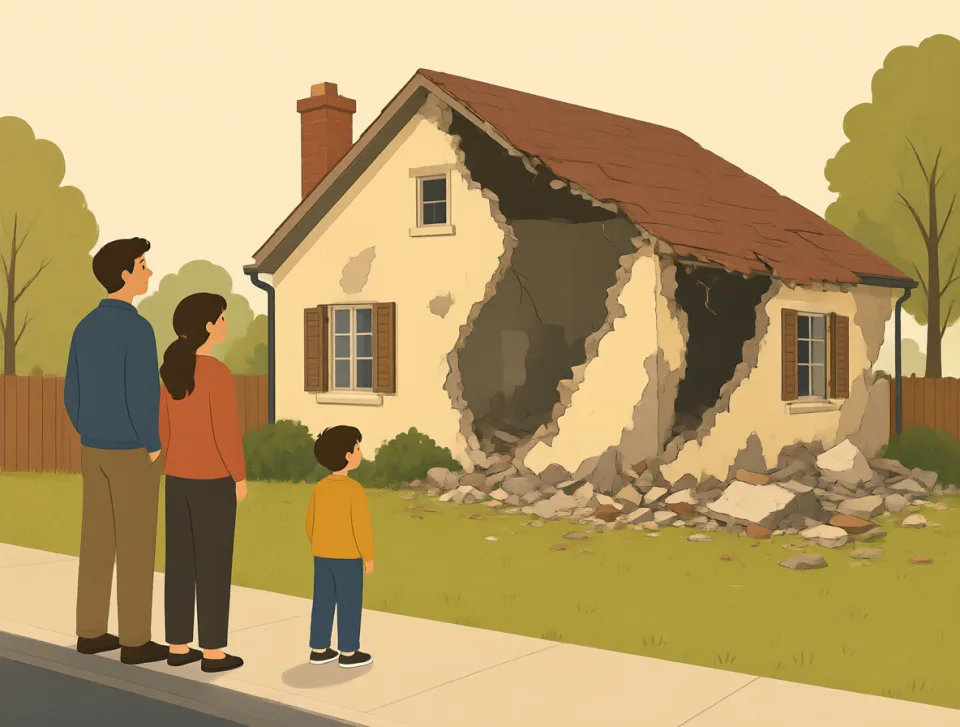
The earthquake was a disaster that destroyed thousands of homes.
Землетрясение стало катастрофой, уничтожившей тысячи домов.

The party was a complete disaster because nobody brought food or drinks.
Вечеринка обернулась полным провалом: никто не принёс ни еды, ни напитков.

Our holiday became a disaster when our luggage disappeared at the airport.
Наш отпуск обернулся катастрофой, когда наш багаж пропал в аэропорту.

The new manager called the failed project a financial disaster.
Новый менеджер назвал провалившийся проект финансовой катастрофой.

The cake was a disaster, but everyone kindly ate a small piece.
Торт получился ужасным, но все любезно съели по кусочку.

pace
#2118noun, verb
темп
The speed at which someone or something moves or happens.
Скорость, с которой кто-либо или что-либо движется или происходит.

The nurse checked my pulse while I walked at a steady pace.
Медсестра проверяла мой пульс, пока я шёл ровным шагом.
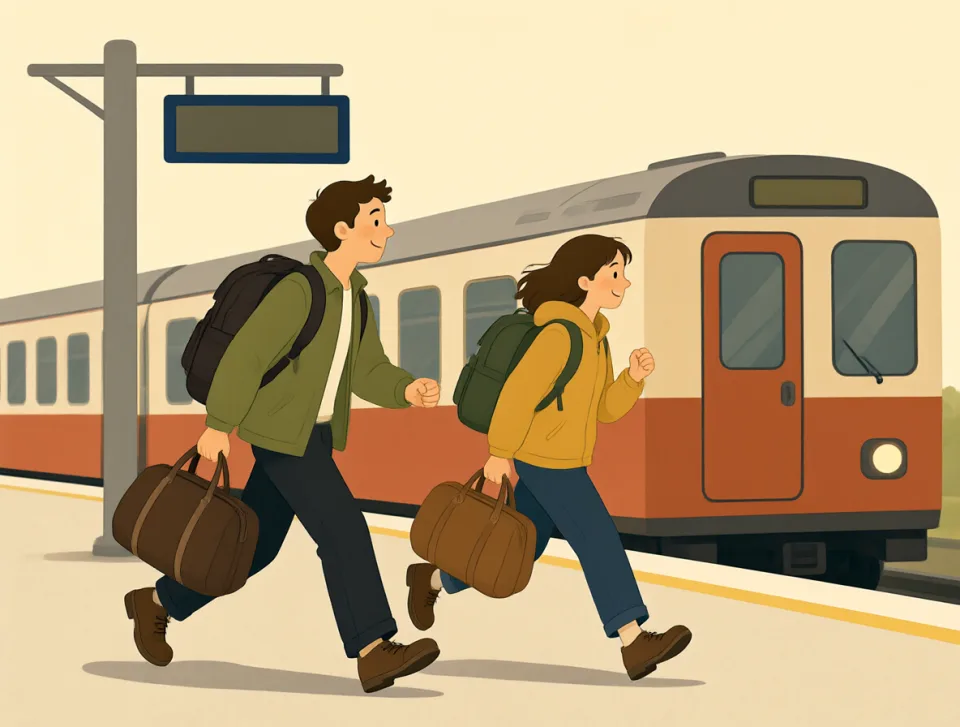
We need to pick up the pace if we want to catch the train.
Нам нужно ускориться, если мы хотим успеть на поезд.

She works at her own pace and usually finishes before everyone else.
Она работает в своём темпе и обычно заканчивает раньше всех.
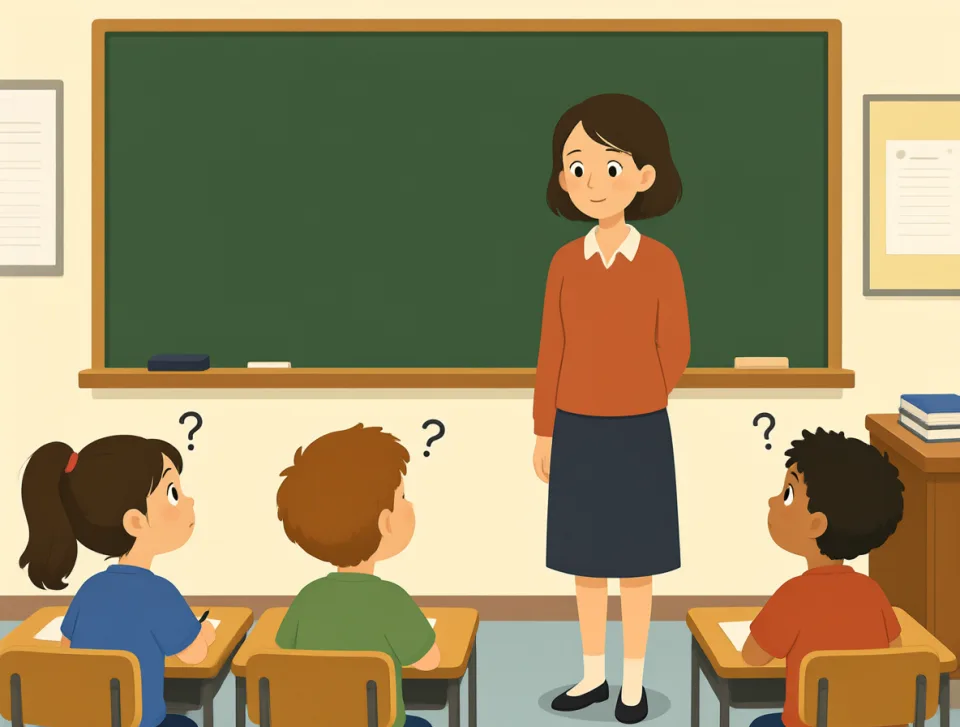
The teacher slowed the pace of the lesson when students looked confused.
Когда ученики выглядели растерянными, учитель замедлил темп урока.

After lunch, we paced ourselves so we could enjoy the whole hike.
После обеда мы выбрали удобный для себя темп, чтобы насладиться всем походом.
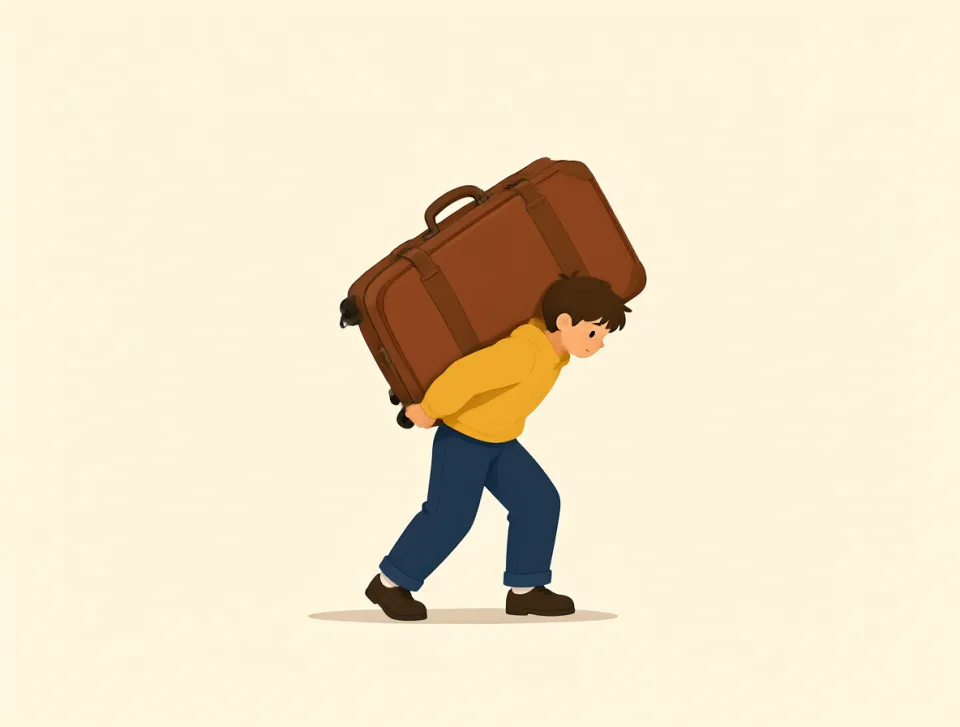
heavily
#2119adverb
сильно; обильно
To a great degree or with a lot of force, weight, or amount.
В значительной степени или с большой силой, тяжестью либо в большом количестве.

It rained heavily all night, so the streets were flooded by morning.
Всю ночь шёл сильный дождь, поэтому к утру улицы затопило.

The box was heavily damaged during delivery, but everything inside was safe.
Коробка сильно повредилась при доставке, но всё внутри осталось целым.
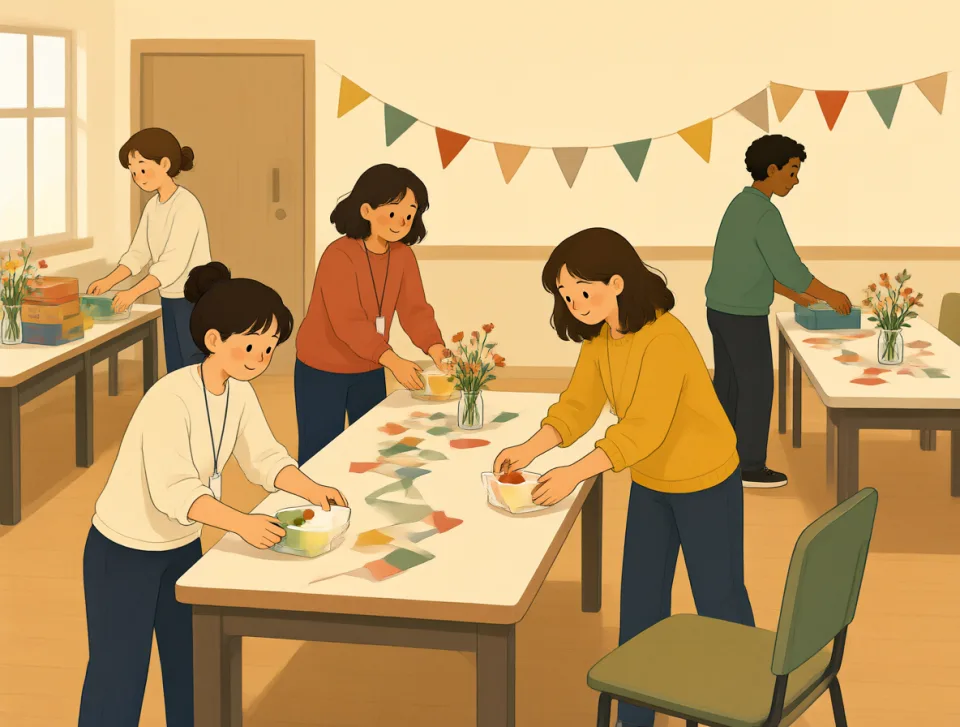
The team relies heavily on volunteers to organize the community event.
Команда во многом полагается на волонтёров при организации общественного мероприятия.

She was breathing heavily after running up three flights of stairs.
Поднявшись бегом на три лестничных пролёта, она тяжело дышала.
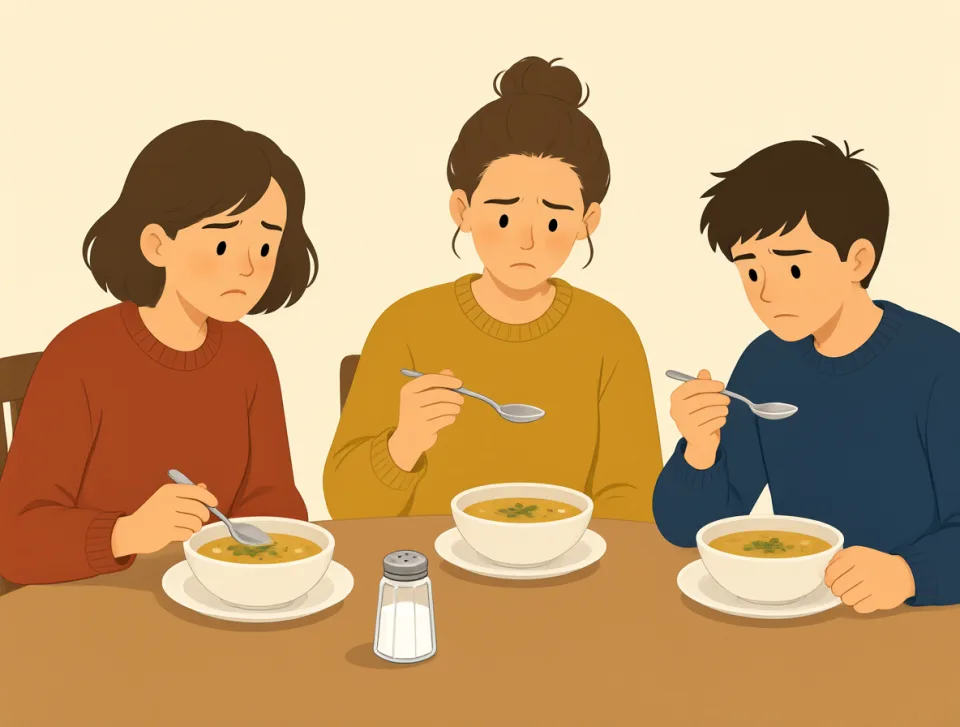
The soup was heavily salted, so nobody wanted a second bowl.
В супе было слишком много соли, поэтому никто не захотел добавки.
devote
#2120verb
посвящать
to give your time, energy, or attention to something
отдавать чему-либо своё время, силы или внимание
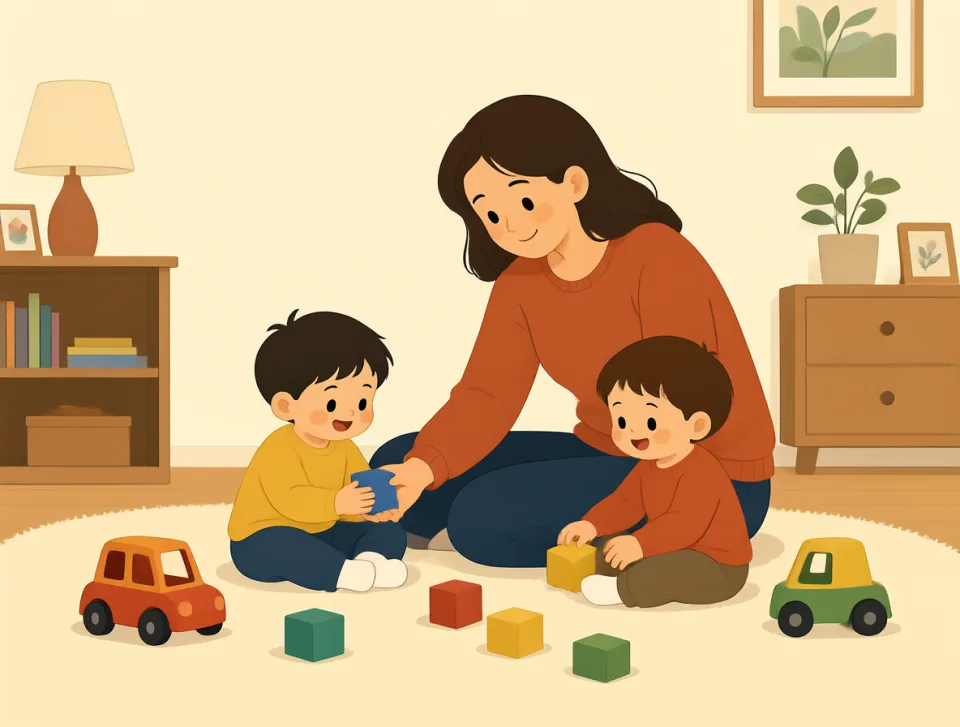
She devotes most of her free time to caring for her young children.
Она посвящает большую часть свободного времени заботе о маленьких детях.

The team devoted two hours to preparing for tomorrow’s important presentation.
Команда посвятила два часа подготовке к важной презентации, которая состоится завтра.

He is devoted to improving his English by reading every evening.
Он каждый вечер читает, чтобы улучшить свой английский.

The restaurant owner devoted extra money to buying fresher ingredients this month.
В этом месяце владелец ресторана выделил дополнительные деньги на покупку более свежих продуктов.
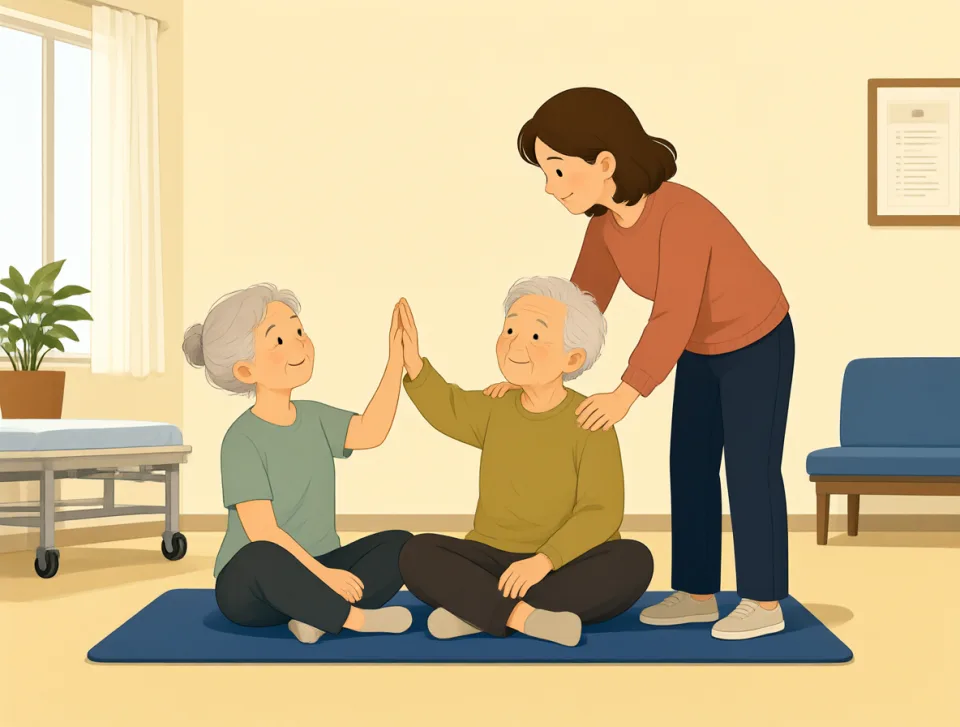
After the accident, she devoted herself to helping other patients recover.
После аварии она посвятила себя помощи другим пациентам в восстановлении.