इकाई 106
शब्द 2101–2120 · formula, alter, perceive, routine, sink, stare
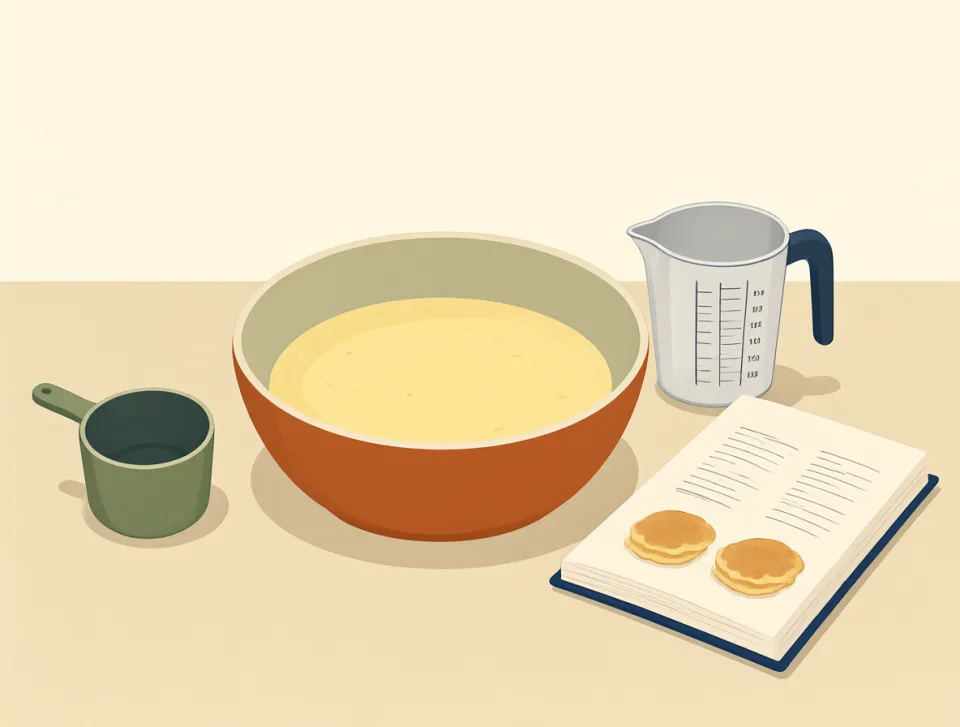
formula
#2101noun
सूत्र
A set of numbers, symbols, or rules used to calculate or explain something.
संख्याओं, प्रतीकों या नियमों का ऐसा समूह जिसका उपयोग किसी चीज़ की गणना करने या उसे समझाने के लिए किया जाता है।
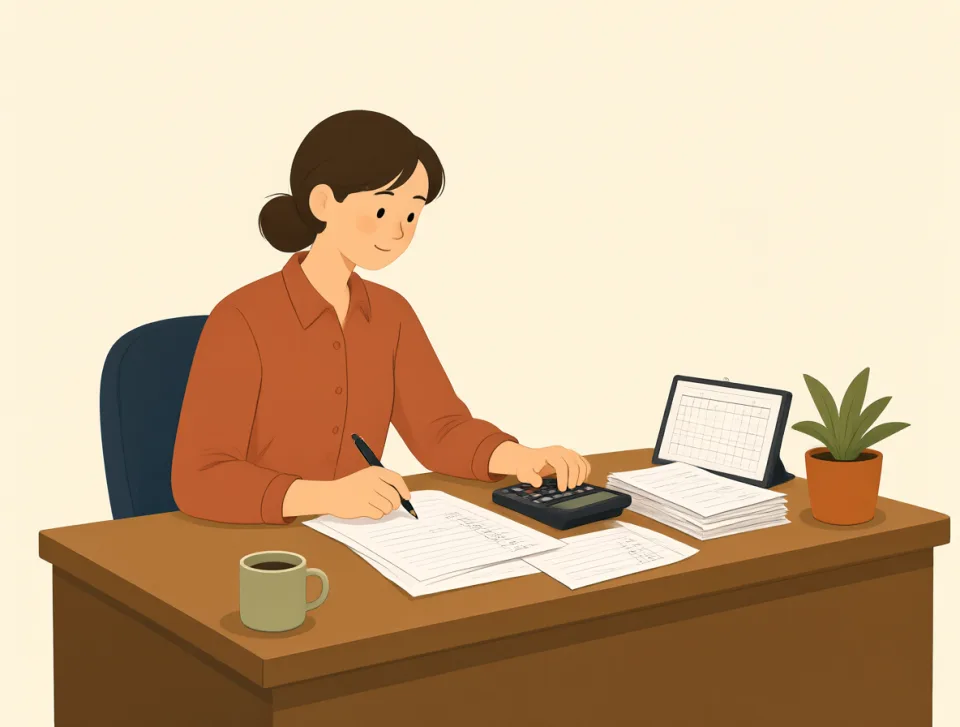
This formula helps us calculate the total cost of the order.
यह सूत्र हमें ऑर्डर की कुल लागत निकालने में मदद करता है।
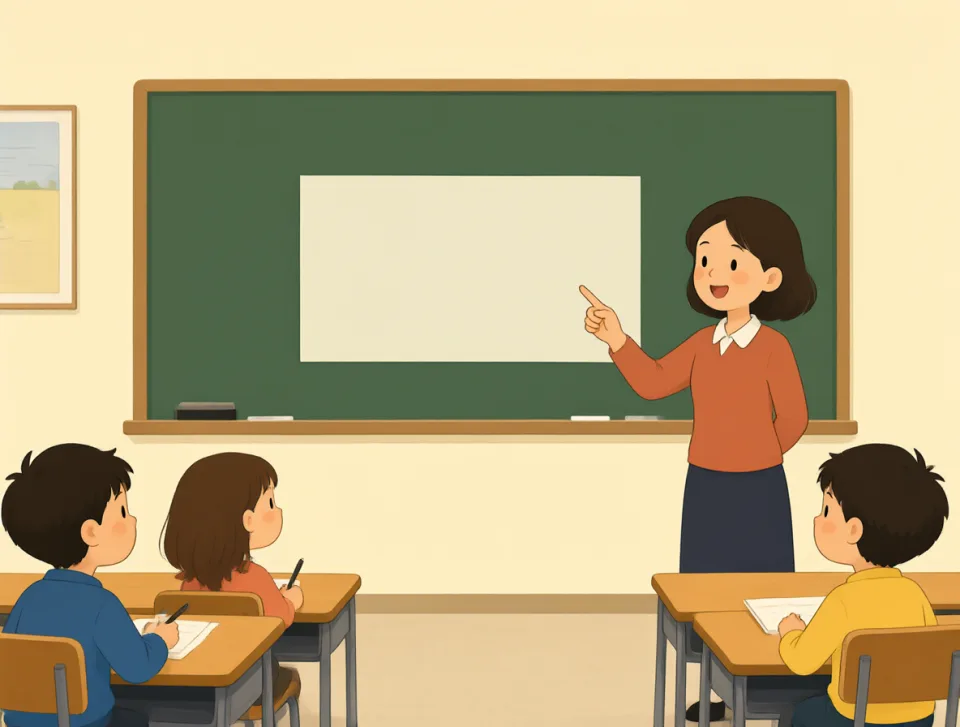
The teacher explained a simple formula for finding the area of a rectangle.
शिक्षक ने आयत का क्षेत्रफल निकालने का एक सरल सूत्र समझाया।
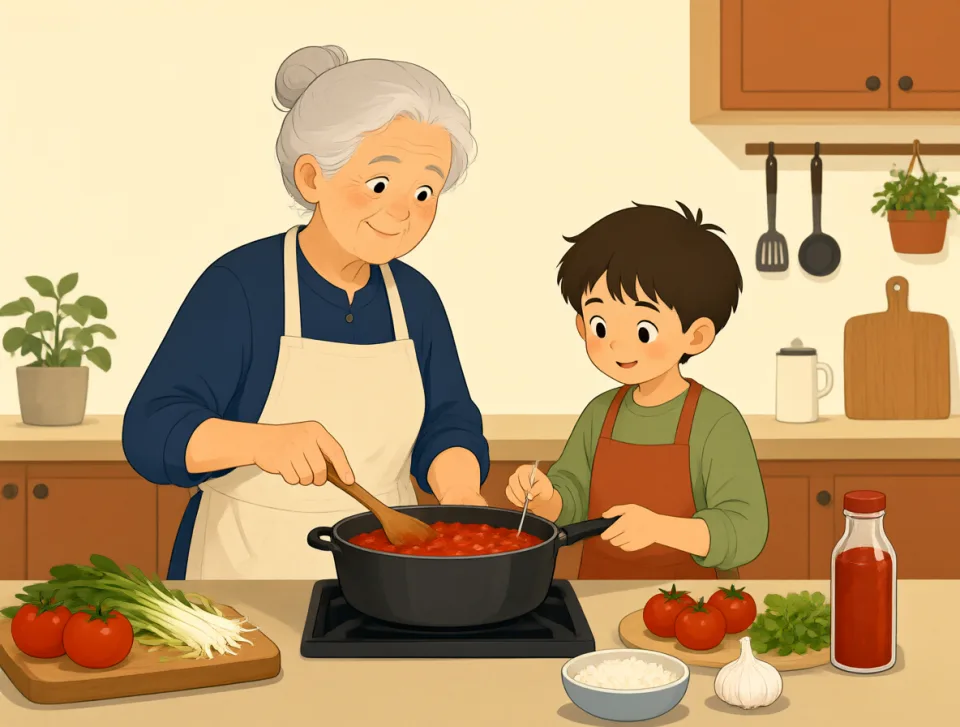
I followed my grandmother’s formula to make the perfect tomato sauce.
मैंने बेहतरीन टमाटर सॉस बनाने के लिए अपनी दादी का नुस्खा अपनाया।

The company is testing a new formula for its popular skin cream.
कंपनी अपनी लोकप्रिय स्किन क्रीम के लिए एक नया फ़ॉर्मूला आज़मा रही है।
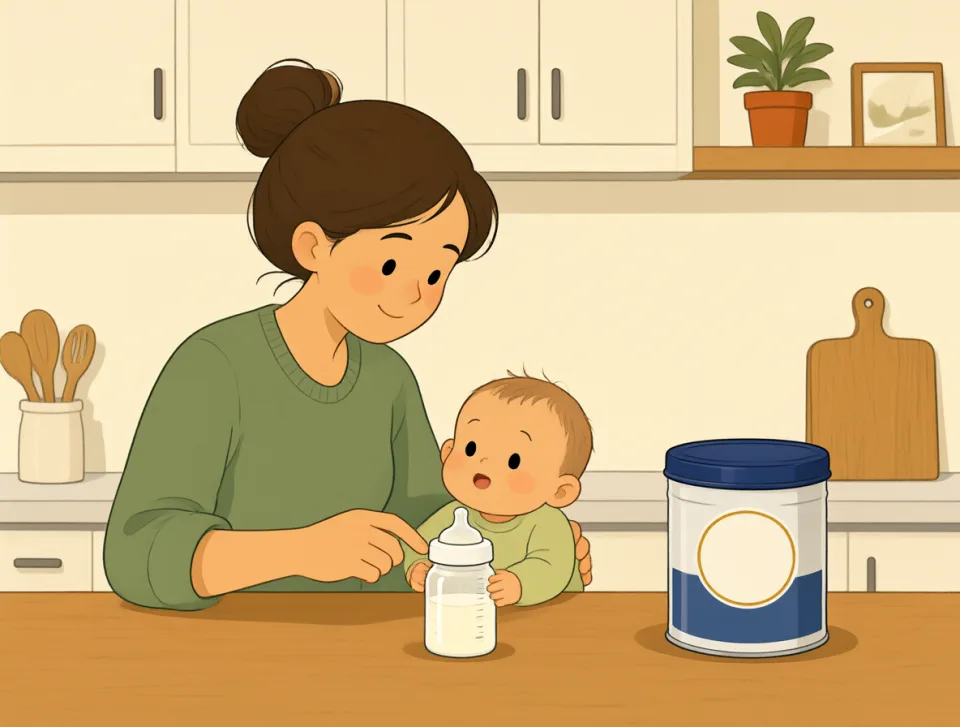
This baby formula is suitable for children with sensitive stomachs.
यह शिशु आहार संवेदनशील पेट वाले बच्चों के लिए उपयुक्त है।

alter
#2102verb
बदलना
to change something slightly, especially to improve it or make it more suitable
किसी चीज़ को थोड़ा बदलना, खासकर उसे बेहतर बनाने या अधिक उपयुक्त करने के लिए।

We altered the schedule to give everyone more time for lunch.
हमने सबको दोपहर के खाने के लिए ज़्यादा समय देने के लिए समय-सारणी में बदलाव किया।

The tailor altered my trousers so they fit perfectly.
दर्ज़ी ने मेरी पतलून को इस तरह बदला कि वह बिल्कुल ठीक बैठी।
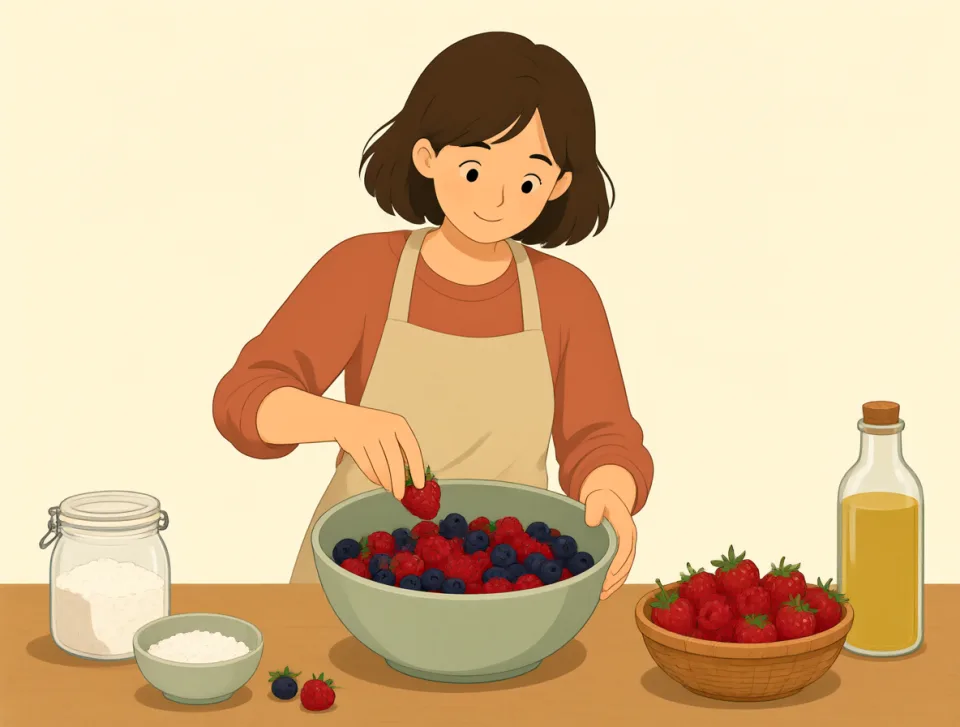
She altered the recipe by using less sugar and adding fresh berries.
उसने कम चीनी डालकर और ताज़ी बेरीज़ मिलाकर नुस्खे में बदलाव किया।
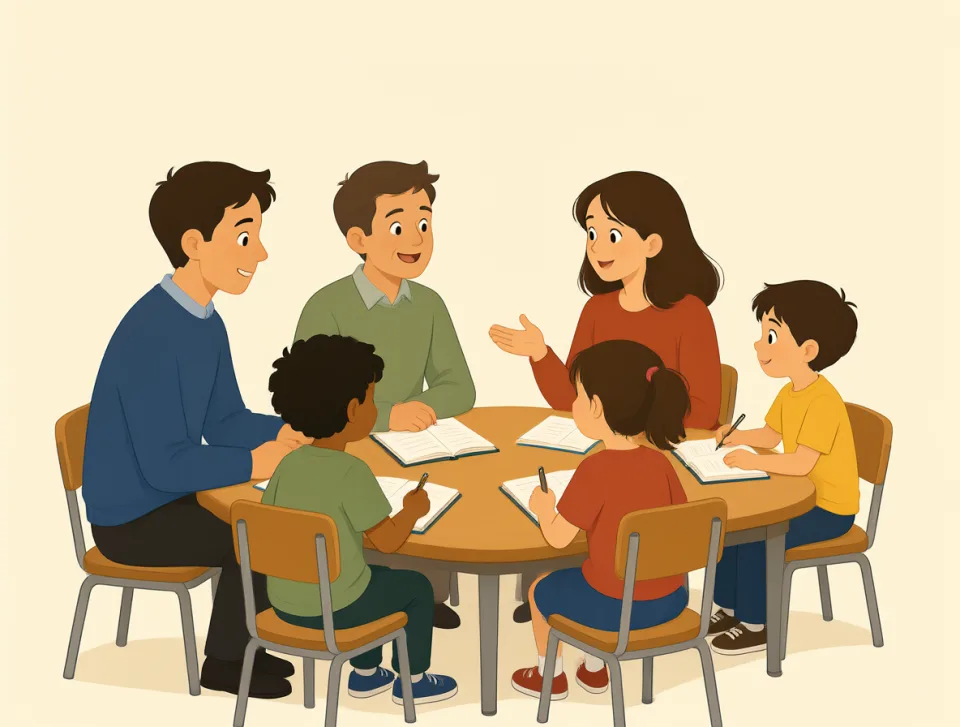
The school altered its rules after speaking with parents and students.
माता-पिता और विद्यार्थियों से बात करने के बाद स्कूल ने अपने नियमों में बदलाव किया।

The medicine may alter your sense of taste for a few days.
यह दवा कुछ दिनों तक आपके स्वाद के एहसास को बदल सकती है।
perceive
#2103verb
महसूस करना
to notice or understand something through your senses, thoughts, or feelings
अपनी इंद्रियों, विचारों या भावनाओं के ज़रिए किसी चीज़ पर ध्यान देना या उसे समझना।
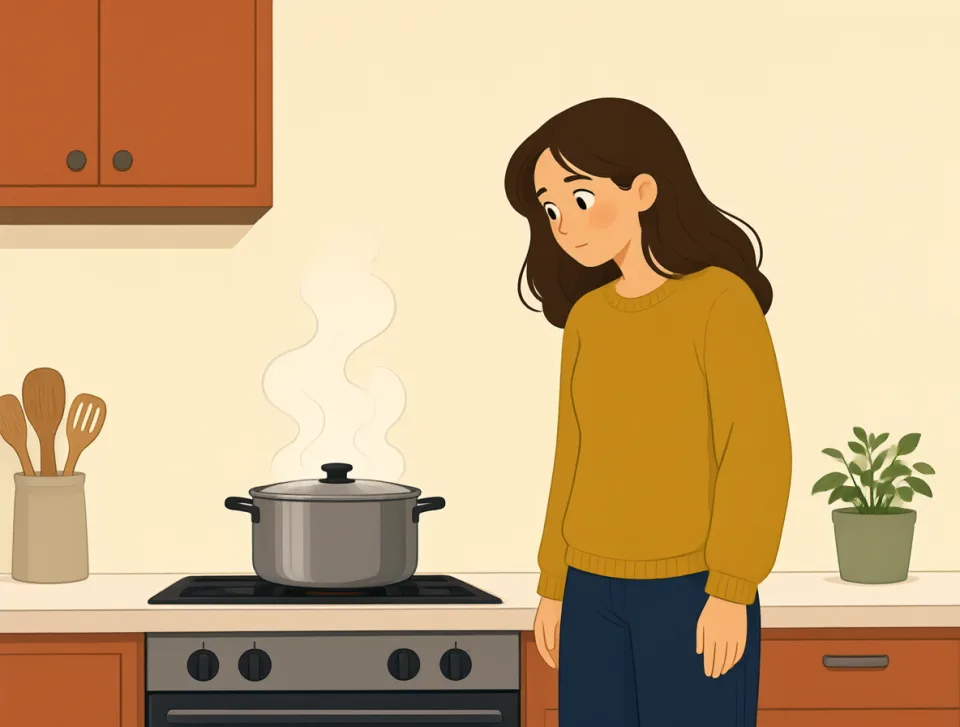
She perceived a strange smell coming from the kitchen.
उसे रसोई से एक अजीब-सी गंध आती हुई महसूस हुई।

Customers perceived the new café as friendly and welcoming.
ग्राहकों को नया कैफ़े दोस्ताना और स्वागत करने वाला लगा।
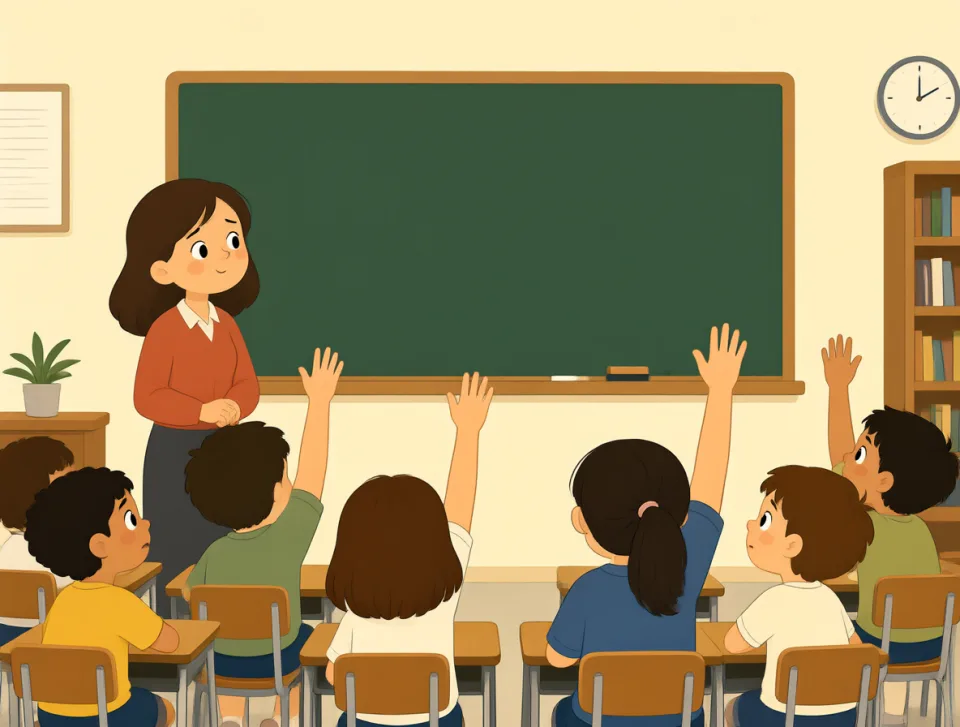
The teacher perceived that several students needed extra help.
शिक्षक ने समझ लिया कि कई विद्यार्थियों को अतिरिक्त मदद की ज़रूरत थी।

He was perceived as rude because he never smiled or greeted anyone.
उसे बदतमीज़ समझा गया, क्योंकि वह कभी मुस्कुराता नहीं था और न ही किसी का अभिवादन करता था।
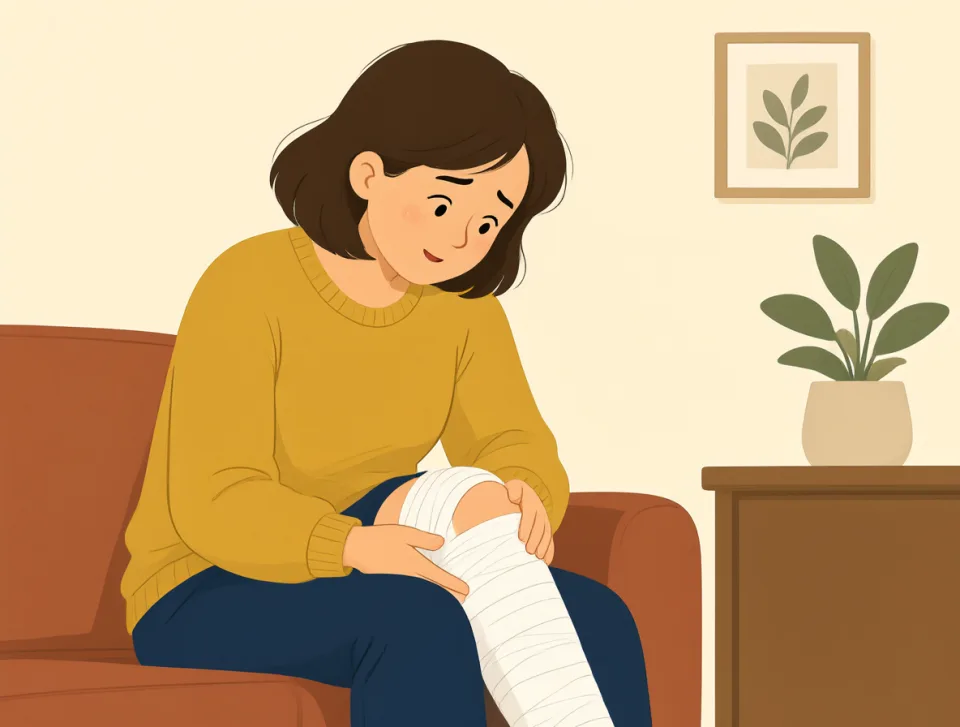
After treatment, she perceived less pain in her injured knee.
इलाज के बाद उसे अपने घायल घुटने में दर्द कम महसूस हुआ।
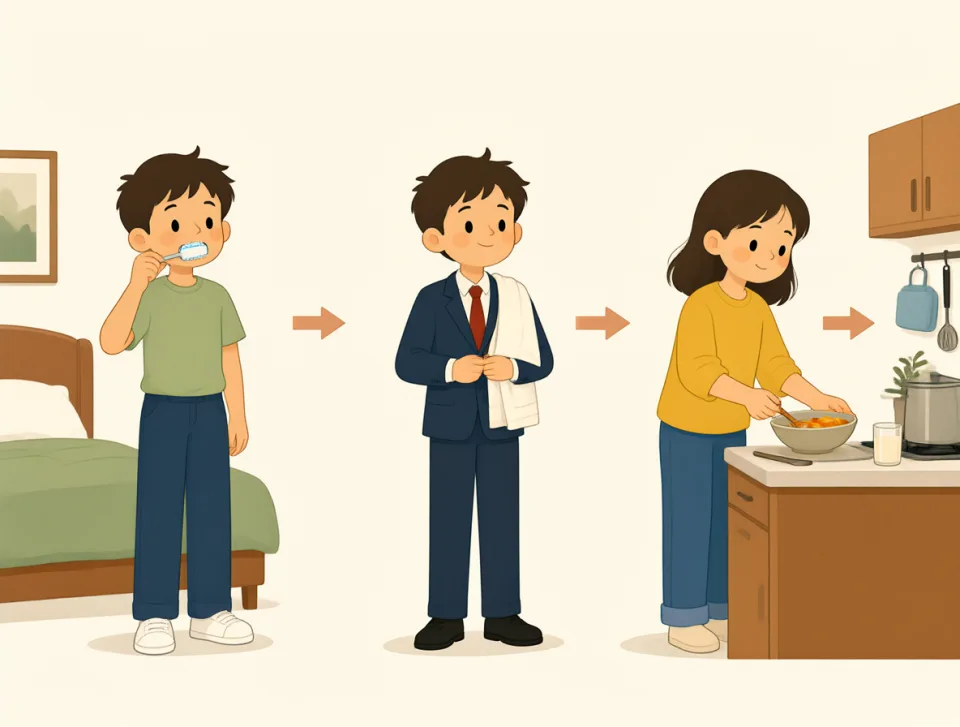
routine
#2104noun, adjective
दिनचर्या
A usual way of doing things, especially regularly repeated daily activities.
काम करने का आम तरीका, खासकर रोज़ाना नियमित रूप से दोहराई जाने वाली गतिविधियाँ।
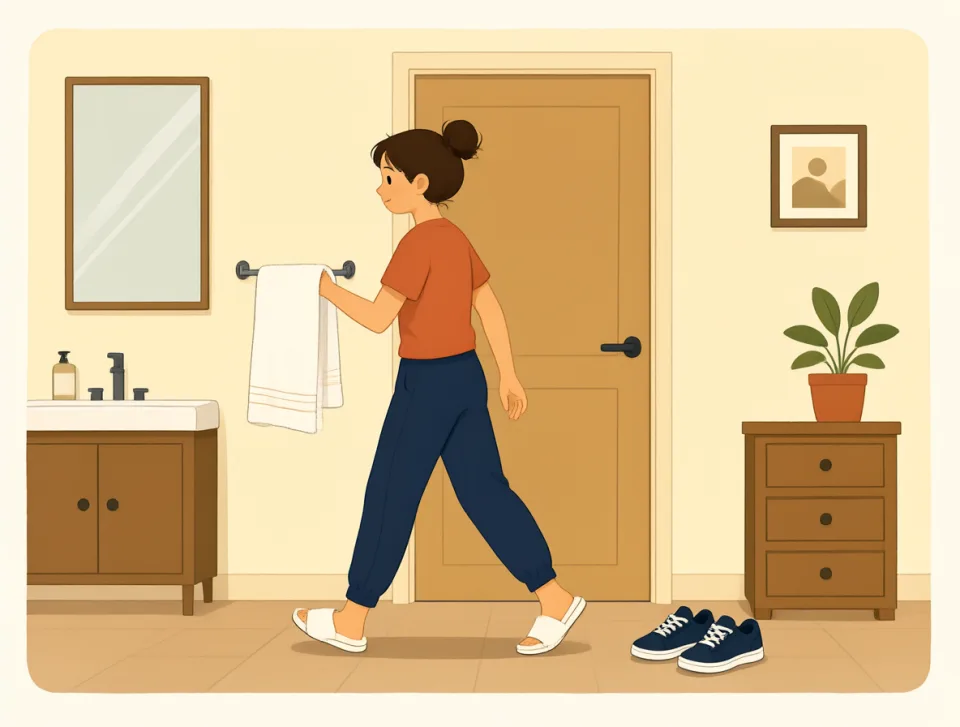
My morning routine includes a shower, breakfast, and a short walk.
मेरी सुबह की दिनचर्या में नहाना, नाश्ता करना और थोड़ी देर टहलना शामिल है।

The nurse checked my daily routine before suggesting healthier habits.
स्वस्थ आदतें सुझाने से पहले नर्स ने मेरी रोज़मर्रा की दिनचर्या के बारे में पूछा।

Starting a new job can be difficult until you learn the office routine.
नई नौकरी शुरू करना मुश्किल हो सकता है, जब तक आपको दफ़्तर की दिनचर्या समझ न आ जाए।

We changed our travel routine and visited the market before lunch.
हमने घूमने-फिरने की अपनी दिनचर्या बदली और दोपहर के खाने से पहले बाज़ार गए।
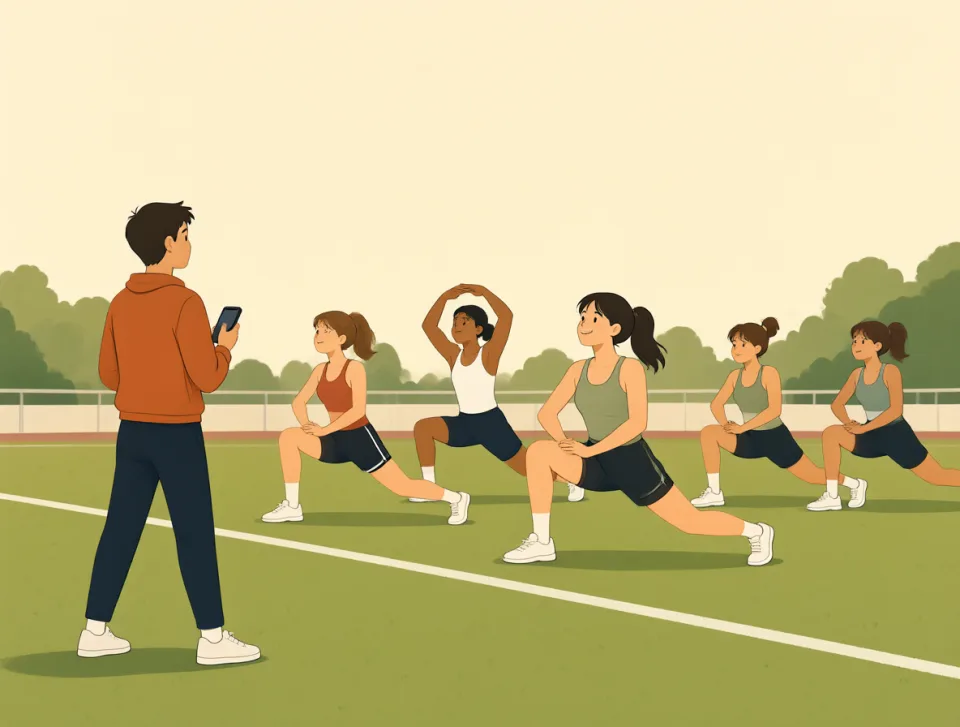
The coach added stretching to our training routine after practice.
अभ्यास के बाद कोच ने हमारी ट्रेनिंग की दिनचर्या में स्ट्रेचिंग शामिल की।
sink
#2105noun, verb
डूबना; सिंक
To go down below the surface, or a bowl with a drain for washing things.
सतह के नीचे चले जाना, या चीज़ें धोने के लिए नाली वाला एक बेसिन।
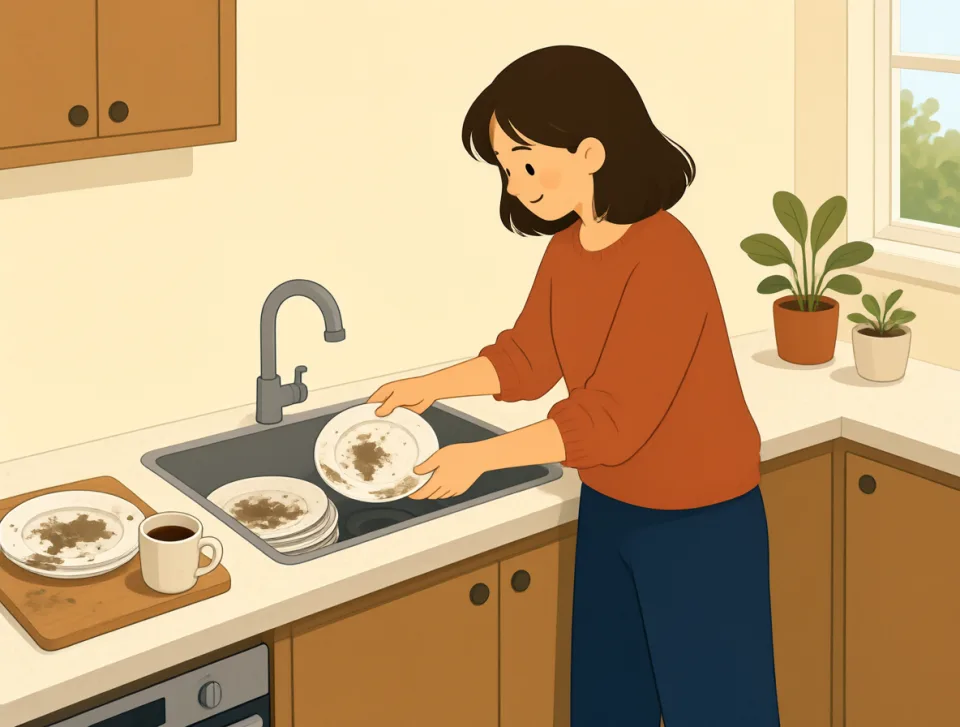
Please put the dirty dishes in the kitchen sink after dinner.
कृपया रात के खाने के बाद गंदे बर्तन रसोई के सिंक में रख दें।

The boat began to sink after hitting a large rock.
एक बड़ी चट्टान से टकराने के बाद नाव डूबने लगी।
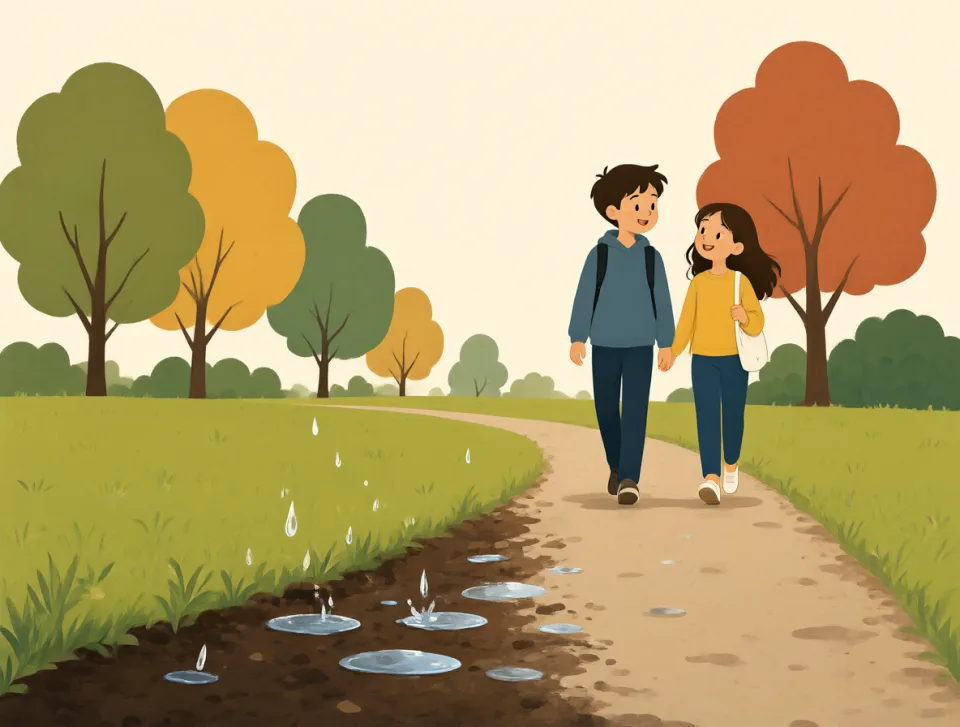
Water was slowly sinking into the ground after the heavy rain.
तेज़ बारिश के बाद पानी धीरे-धीरे ज़मीन में समा रहा था।

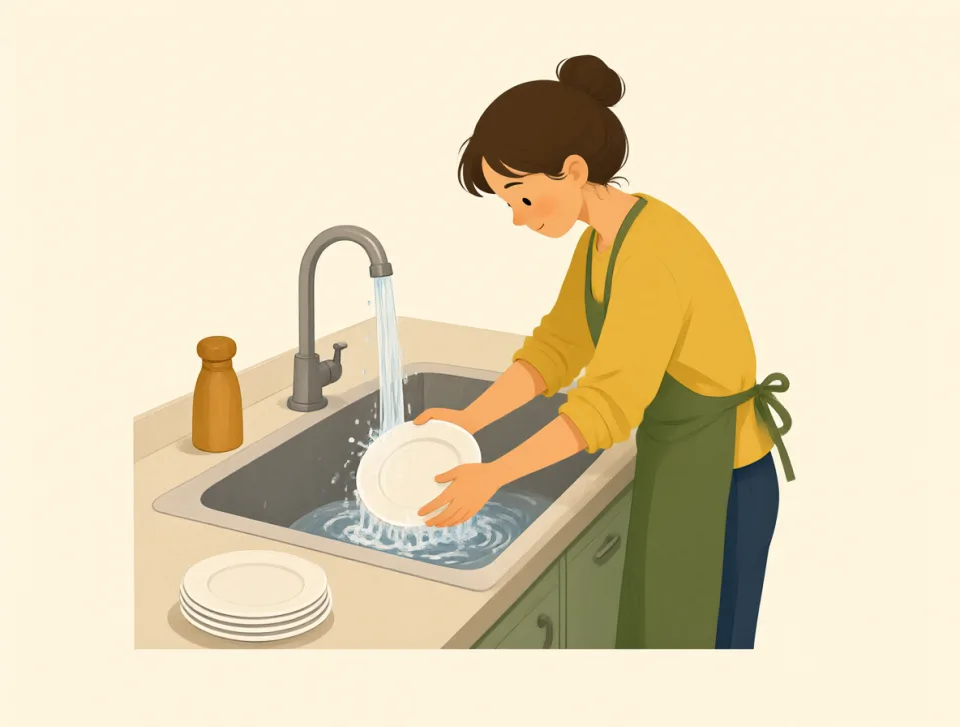
She washed her hands in the sink before preparing lunch.
दोपहर का खाना बनाने से पहले उसने सिंक में हाथ धोए।
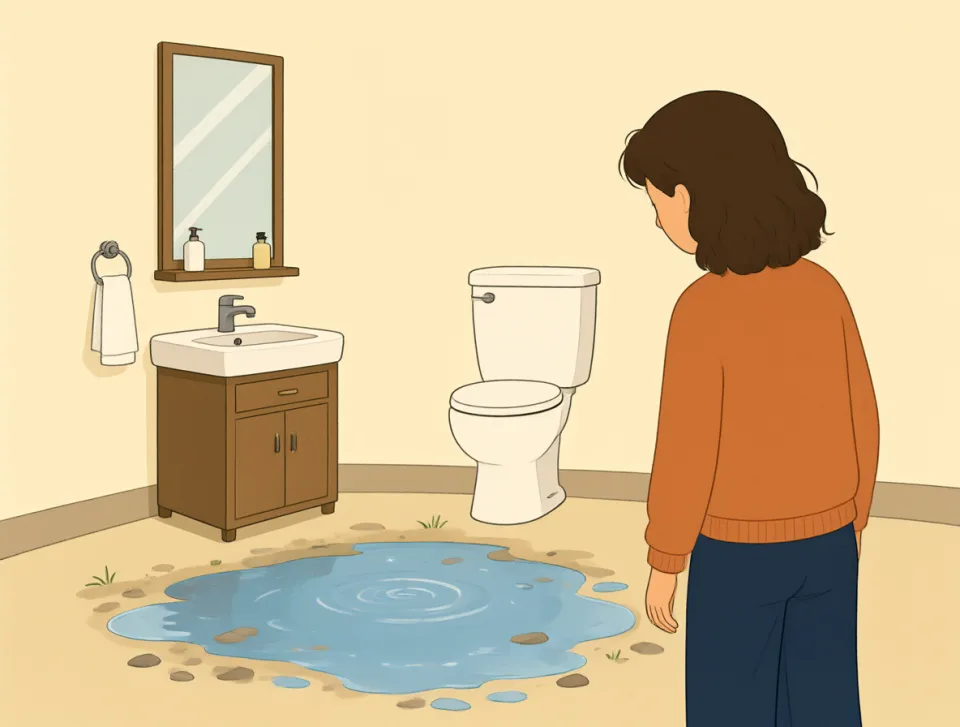
The bathroom sink is blocked, so the water will not drain.
बाथरूम का सिंक जाम है, इसलिए पानी नहीं निकल रहा।
stare
#2106verb, noun
घूरना
to look at someone or something for a long time without looking away
किसी व्यक्ति या चीज़ को बिना नज़र हटाए लंबे समय तक देखना
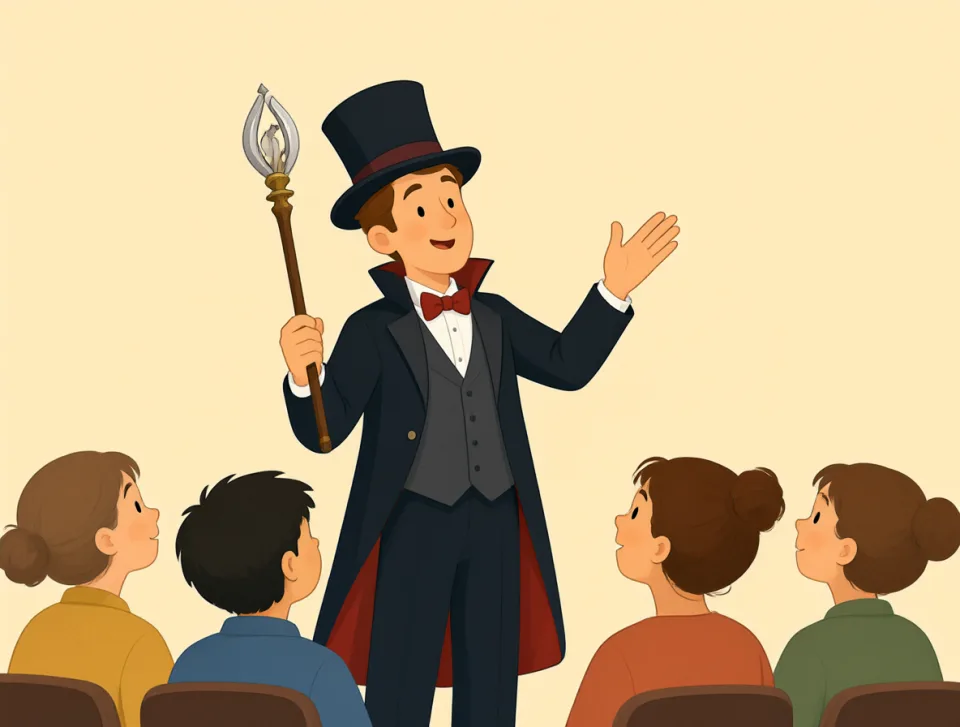
Everyone stared at the magician during the final trick.
आखिरी करतब के दौरान सभी लोग जादूगर को घूरते रहे।
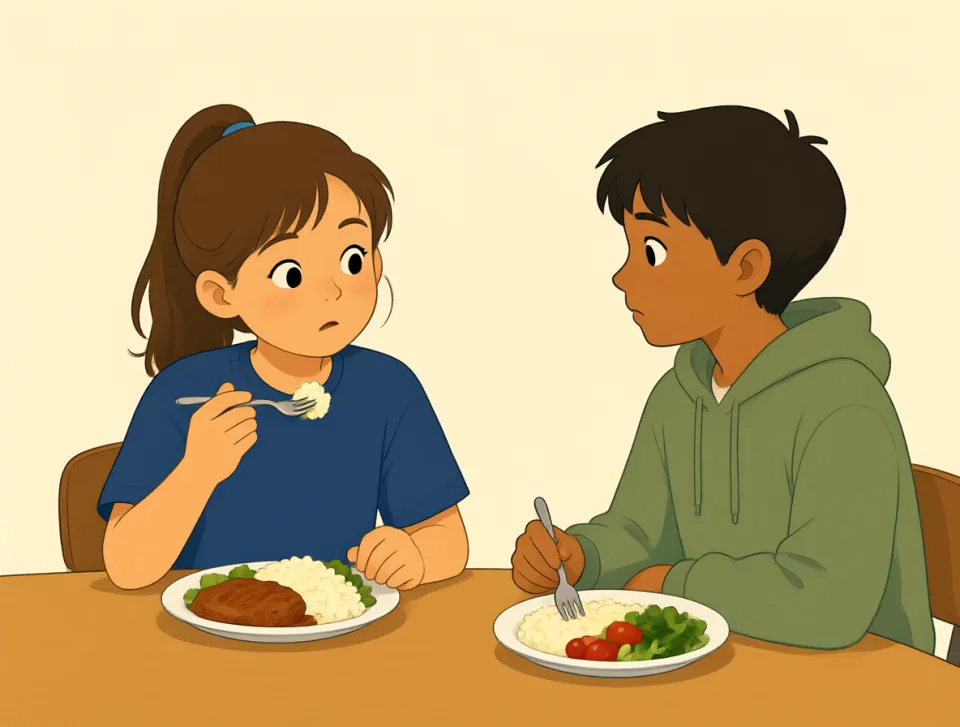
Please stop staring at me while I eat my lunch.
कृपया खाना खाते समय मुझे घूरना बंद करो।

She stared out the train window during the long journey.
लंबी यात्रा के दौरान वह ट्रेन की खिड़की से बाहर देखती रही।

The doctor stared at the scan before explaining the results.
नतीजे समझाने से पहले डॉक्टर स्कैन को ध्यान से देखते रहे।

He gave me a blank stare when I asked about the missing keys.
जब मैंने खोई हुई चाबियों के बारे में पूछा, तो उसने मुझे खाली नज़रों से देखा।
anymore
#2107adverb
अब और नहीं
from now on or from a particular time; no longer
अब से या किसी खास समय के बाद; अब और नहीं
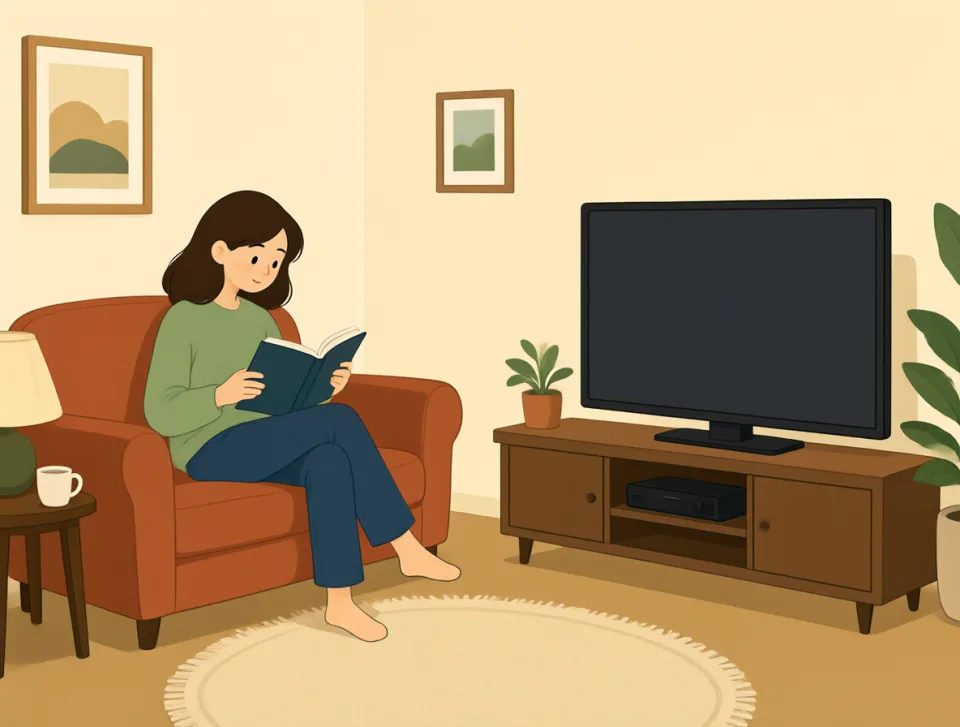
I don't watch television anymore because I prefer reading books.
मैं अब टीवी नहीं देखता, क्योंकि मुझे किताबें पढ़ना ज़्यादा पसंद है।
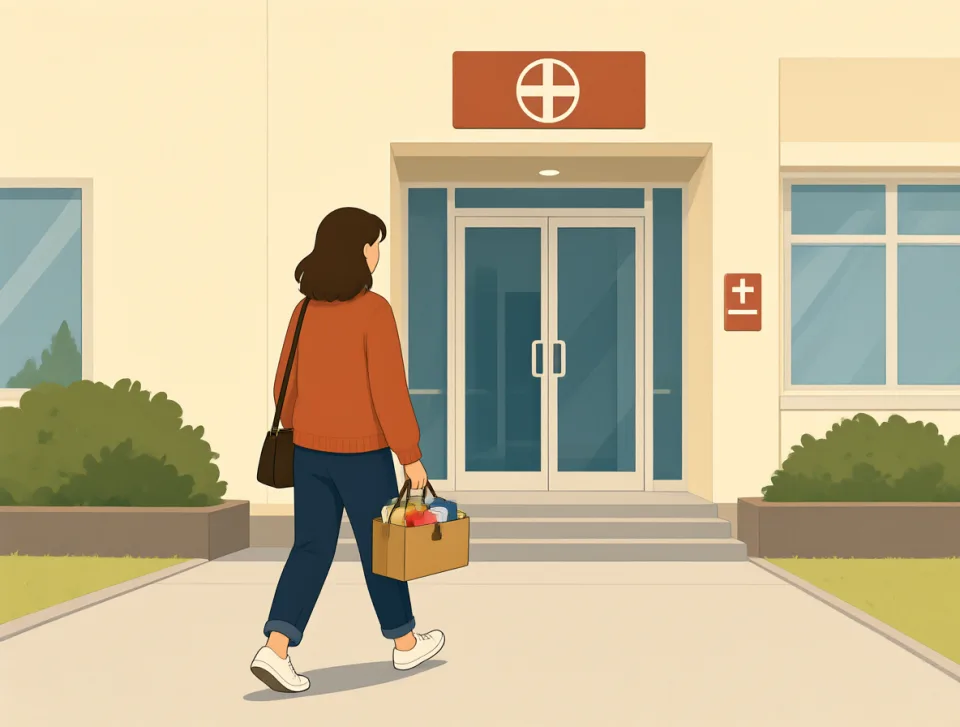
She doesn't work at the hospital anymore.
वह अब अस्पताल में काम नहीं करती।
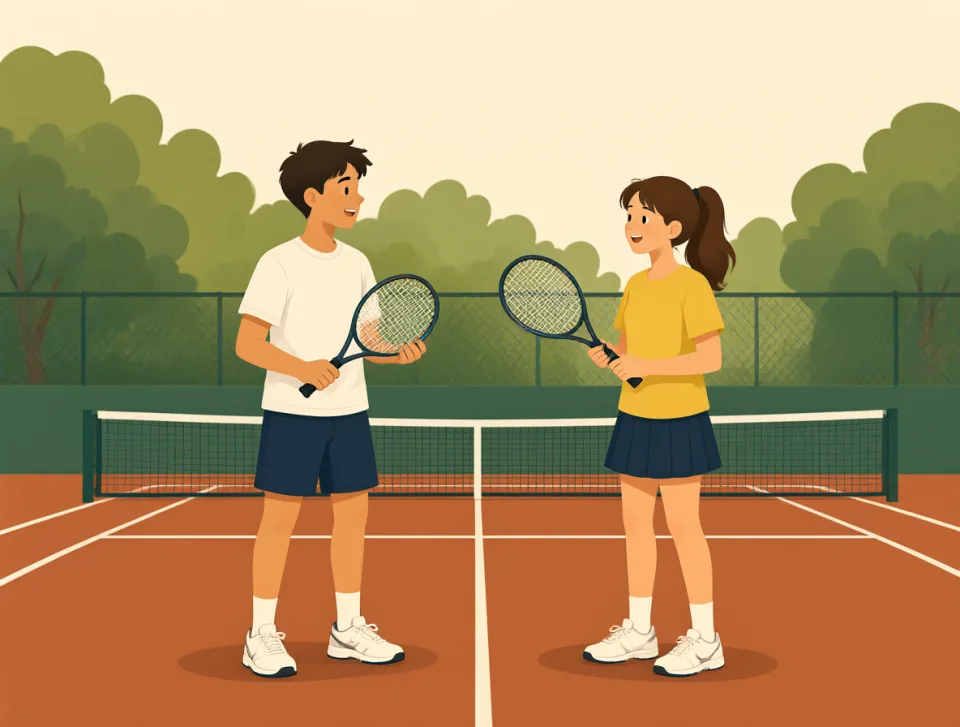
Do you still play tennis, or have you stopped anymore?
क्या तुम अब भी टेनिस खेलते हो, या खेलना छोड़ दिया है?
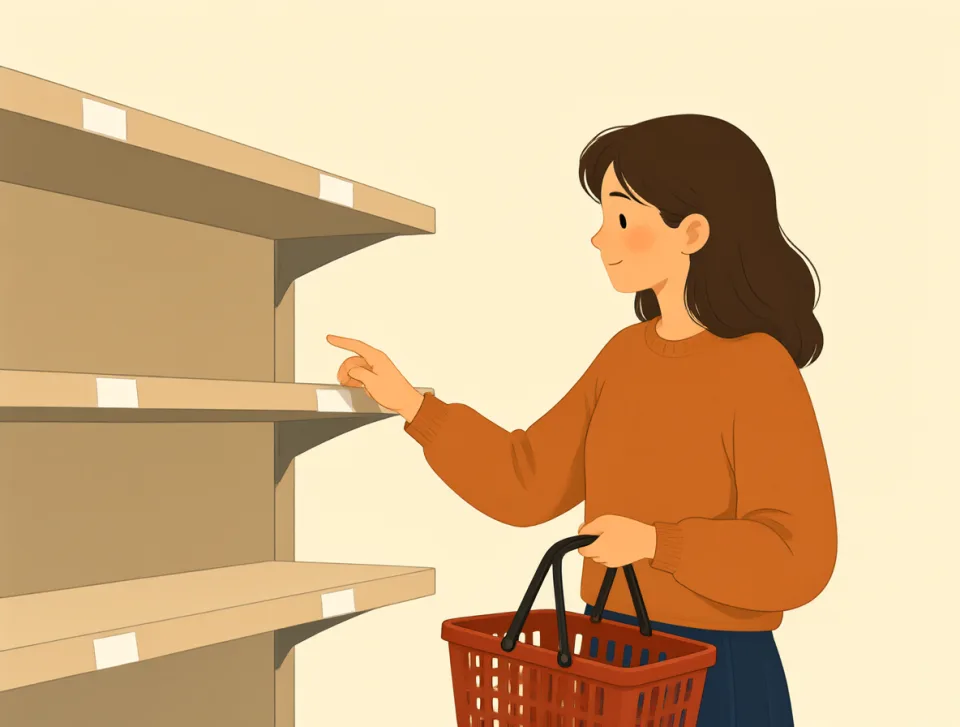
We can't buy that brand anymore because the store stopped selling it.
हम अब वह ब्रांड नहीं खरीद सकते, क्योंकि दुकान ने उसे बेचना बंद कर दिया है।

He doesn't feel tired anymore after getting more sleep.
ज़्यादा सोने के बाद अब उसे थकान महसूस नहीं होती।
hero
#2108noun
नायक
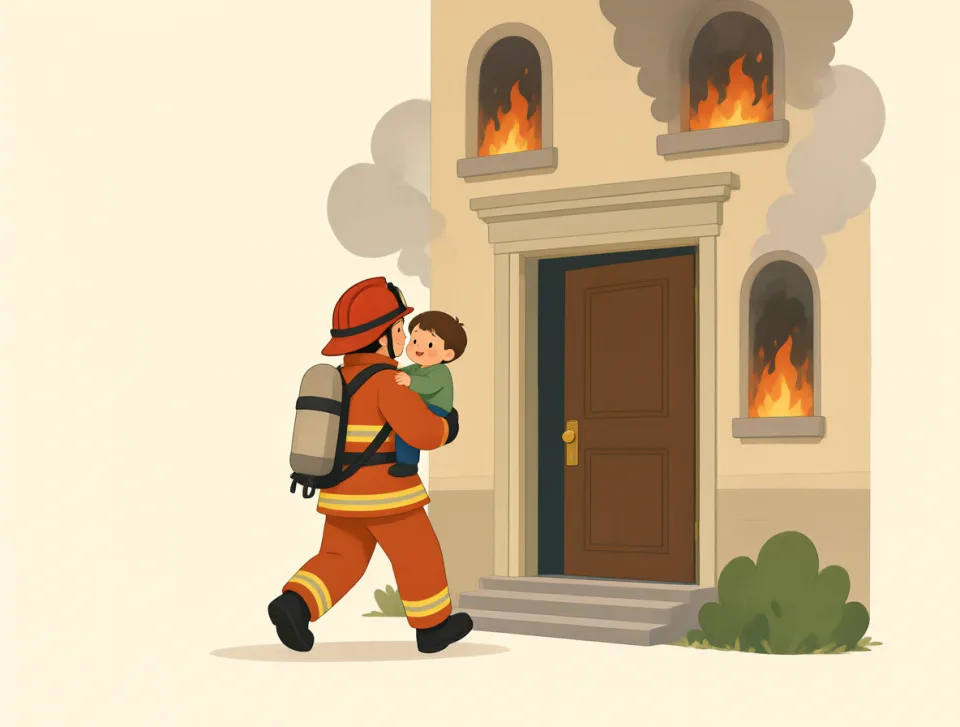
A person admired for brave actions, especially someone who saves or helps others.
ऐसा व्यक्ति जिसके बहादुरी के कामों की प्रशंसा की जाती है, खासकर वह जो दूसरों को बचाता या उनकी मदद करता है।
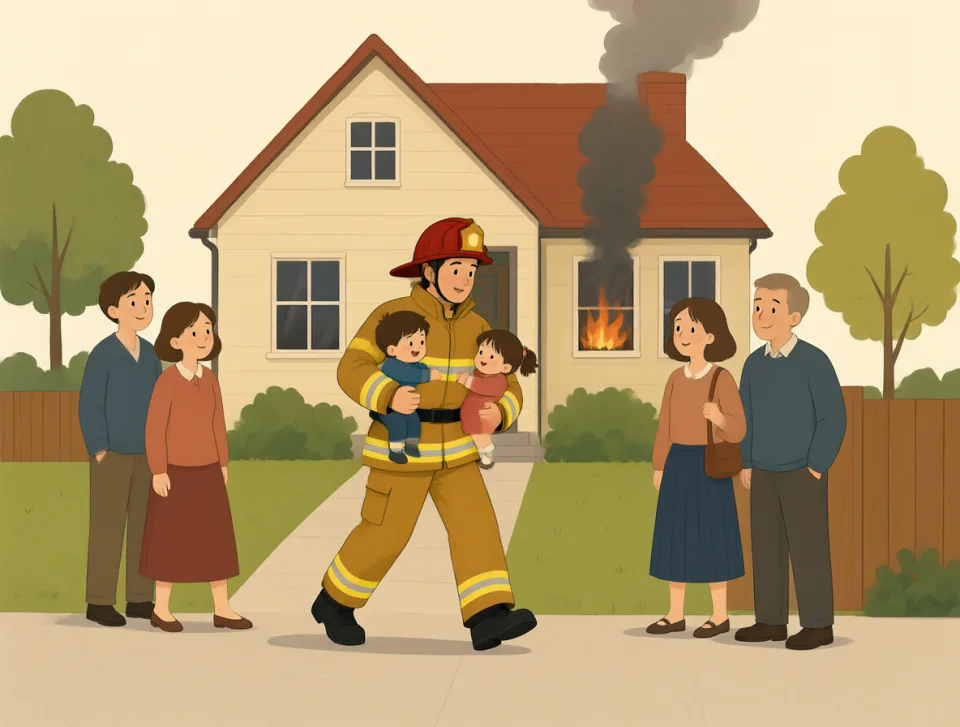
The firefighter became a hero after rescuing two children from the burning house.
जलते हुए घर से दो बच्चों को बचाने के बाद वह दमकलकर्मी नायक बन गया।
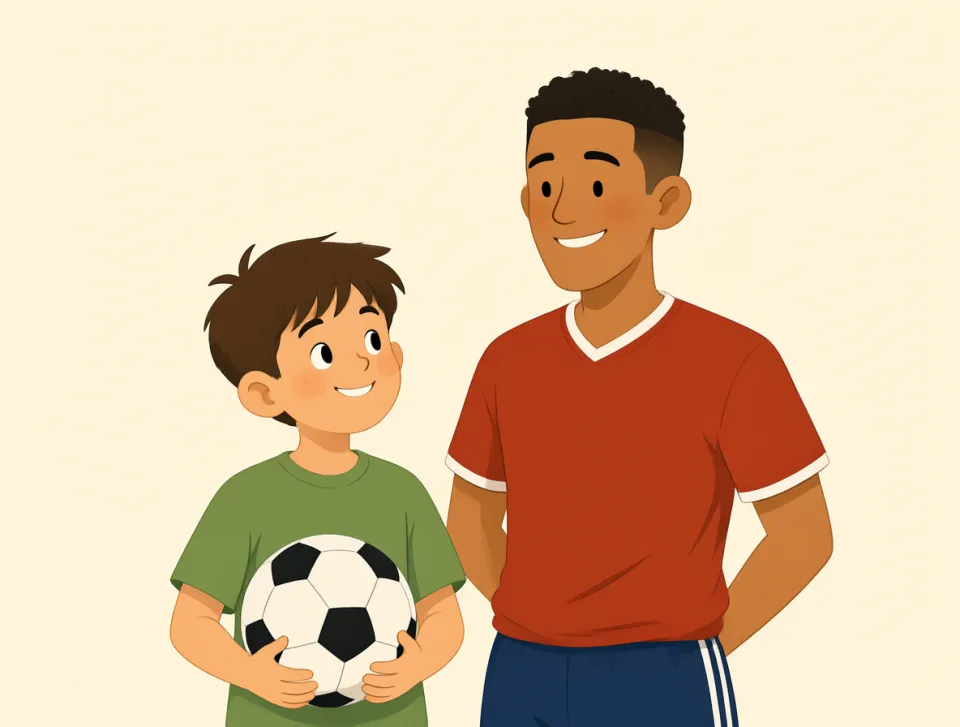
My little brother thinks his favorite soccer player is a hero.
मेरा छोटा भाई अपने पसंदीदा फ़ुटबॉल खिलाड़ी को नायक मानता है।
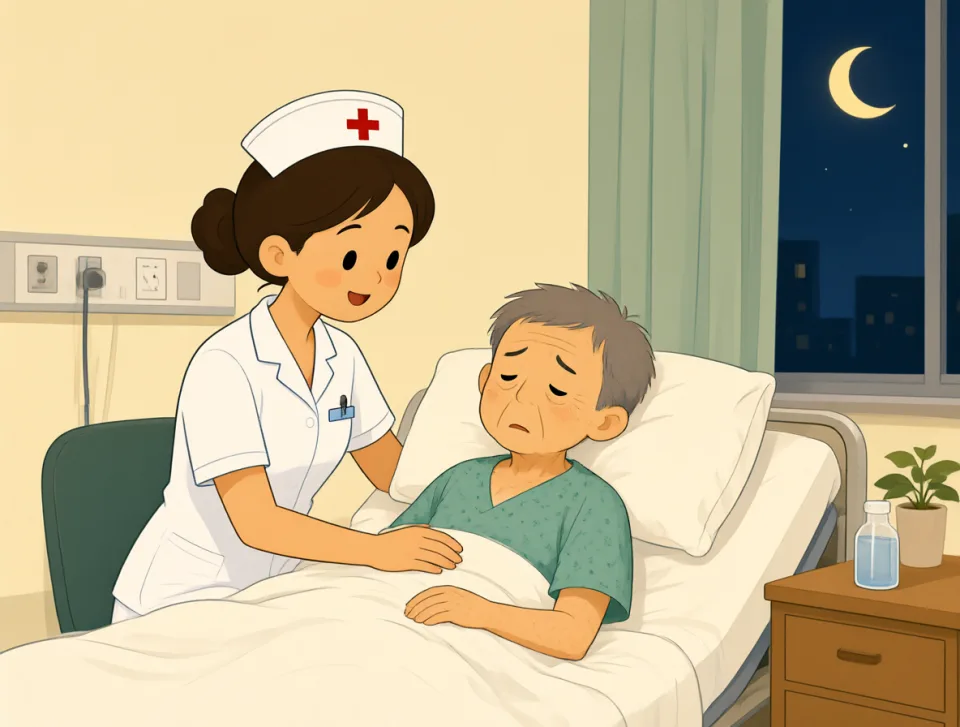
The nurse was a hero for helping patients during the difficult night.
मुश्किल रात के दौरान मरीज़ों की मदद करके वह नर्स नायक बन गई।
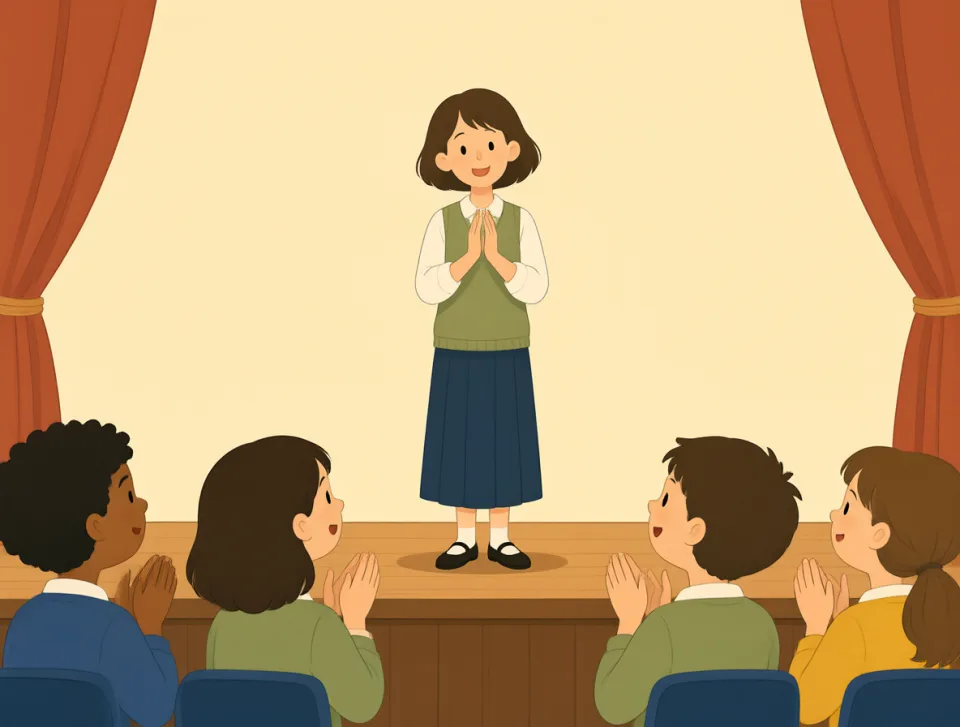
Our teacher was the hero of the school play last Friday.
पिछले शुक्रवार को स्कूल के नाटक में हमारे शिक्षक हीरो थे।

She felt like a hero when she found her lost dog.
खोया हुआ कुत्ता मिलने पर उसे लगा कि वह नायिका बन गई है।

supporter
#2109noun
समर्थक
A person who approves of and helps a person, team, idea, or organization.
ऐसा व्यक्ति जो किसी व्यक्ति, टीम, विचार या संगठन का समर्थन करता है और उसकी मदद करता है।
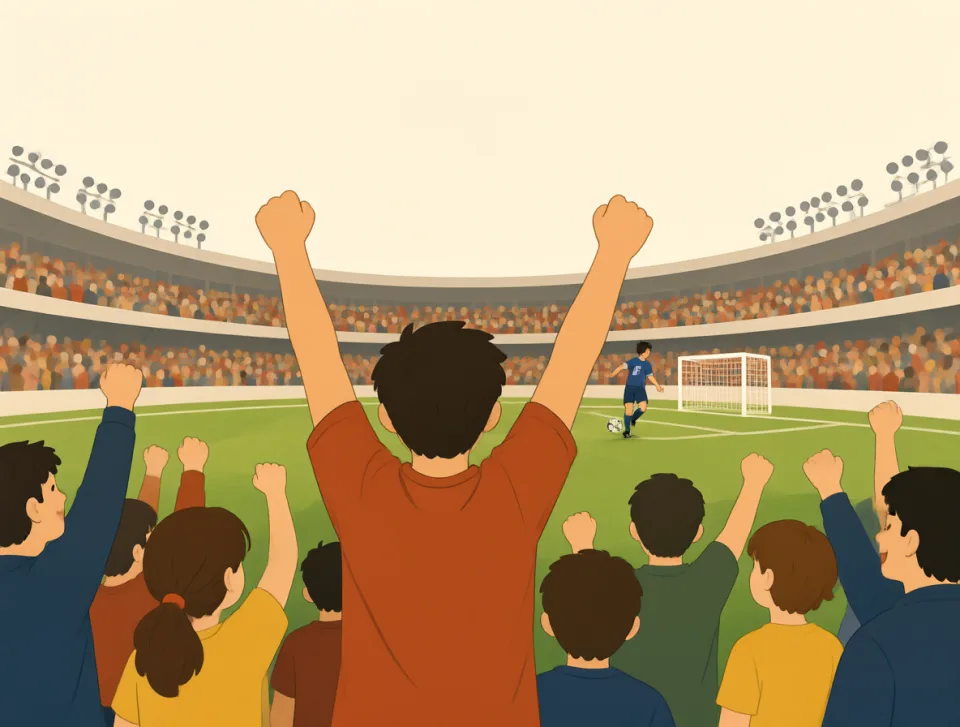
Every supporter cheered loudly when the home team scored the winning goal.
घरेलू टीम के विजयी गोल करते ही हर समर्थक ज़ोर-ज़ोर से चिल्लाकर उसका उत्साह बढ़ाने लगा।
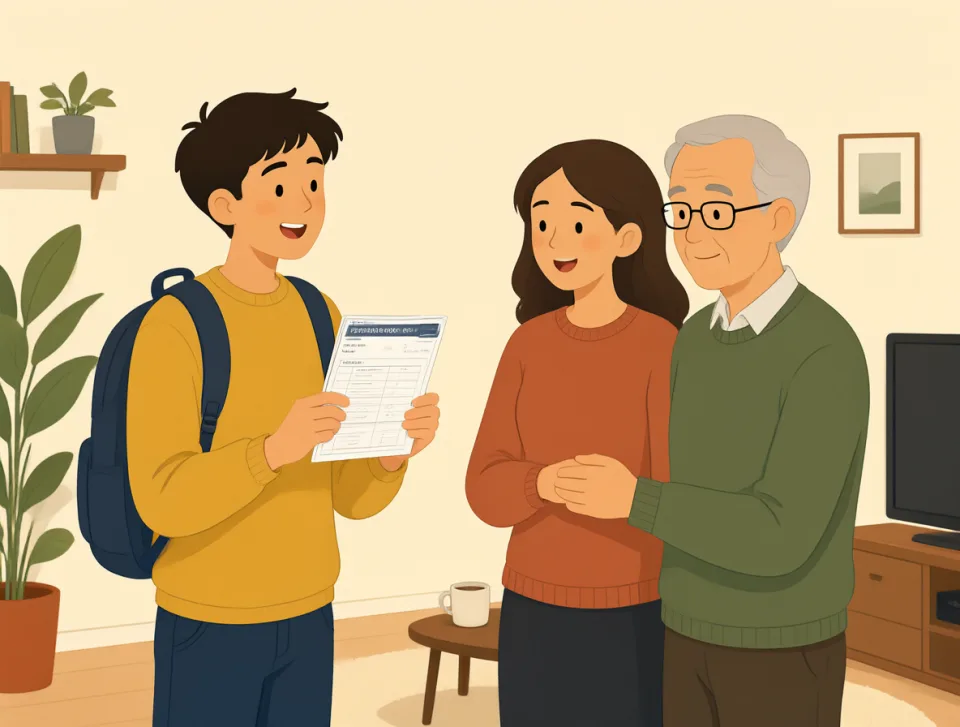
My parents have always been strong supporters of my decision to study abroad.
विदेश में पढ़ाई करने के मेरे फ़ैसले का मेरे माता-पिता ने हमेशा मज़बूती से समर्थन किया है।
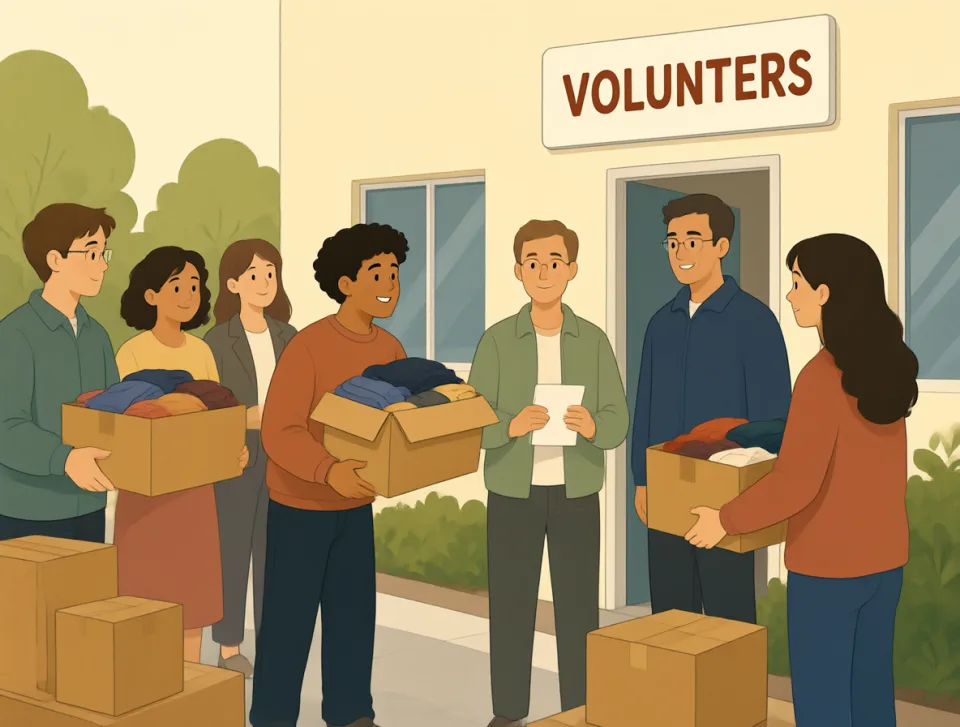
The charity thanked its supporters for donating food and warm clothes.
खाने और गरम कपड़े दान करने के लिए उस चैरिटी ने अपने समर्थकों का धन्यवाद किया।

Several supporters joined the candidate during her visit to the local market.
स्थानीय बाज़ार के दौरे के दौरान कई समर्थक उस उम्मीदवार के साथ शामिल हुए।
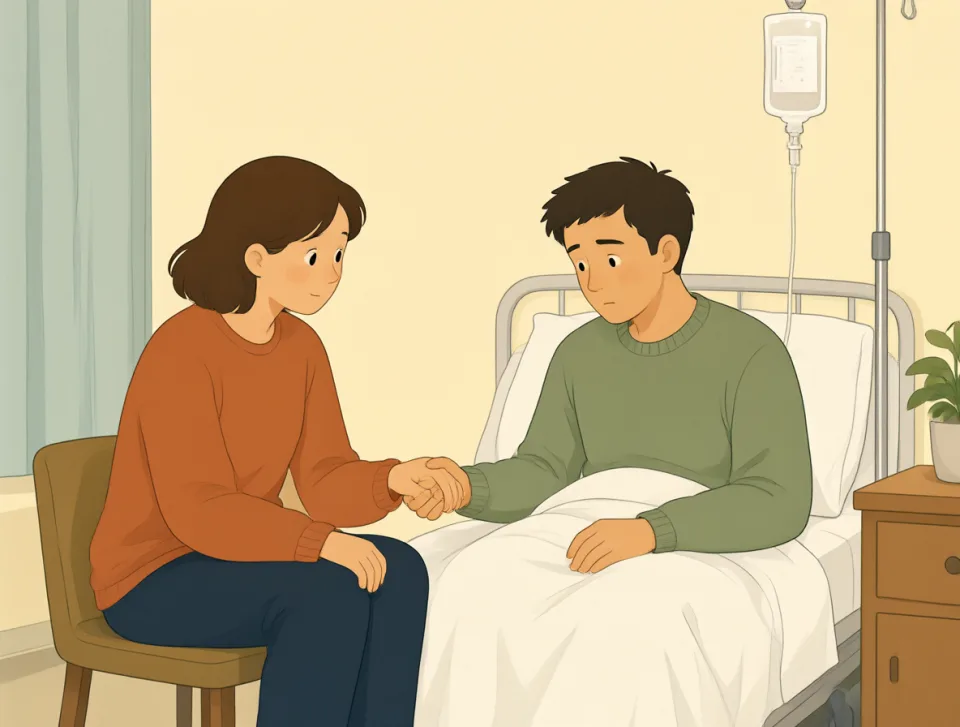
His biggest supporter stayed beside him throughout his long illness.
उसकी लंबी बीमारी के दौरान उसका सबसे बड़ा समर्थक उसके साथ रहा।
convert
#2110verb, noun
बदलना
to change something into a different form, use, or belief
किसी चीज़ को किसी दूसरे रूप, उपयोग या विश्वास में बदलना
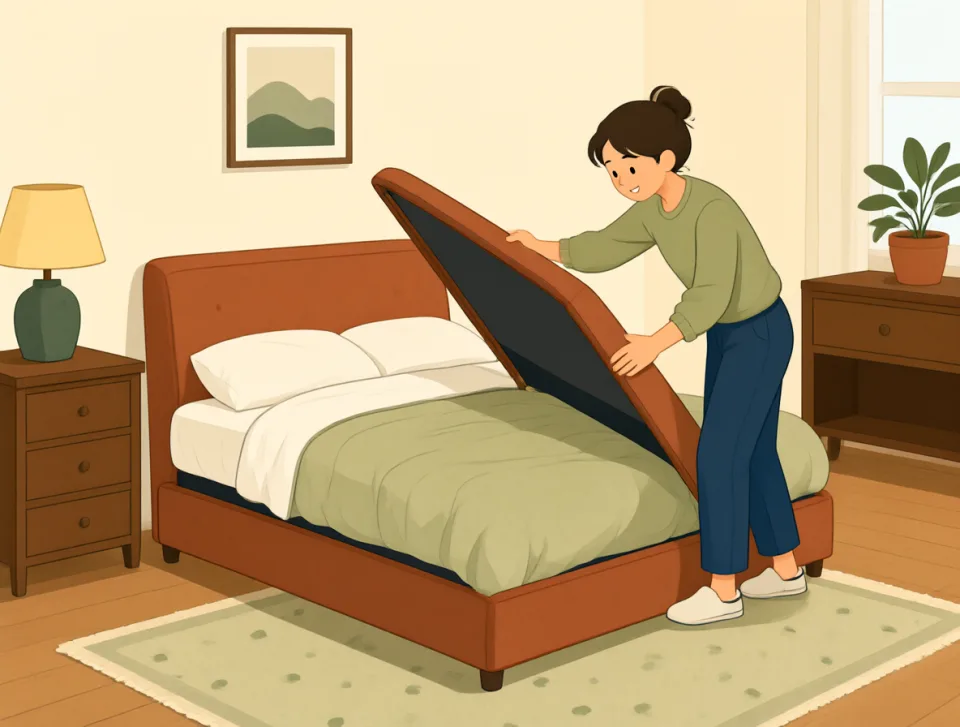
You can convert the sofa into a comfortable bed for overnight guests.
रात में ठहरने वाले मेहमानों के लिए तुम सोफ़े को आरामदायक बिस्तर में बदल सकते हो।
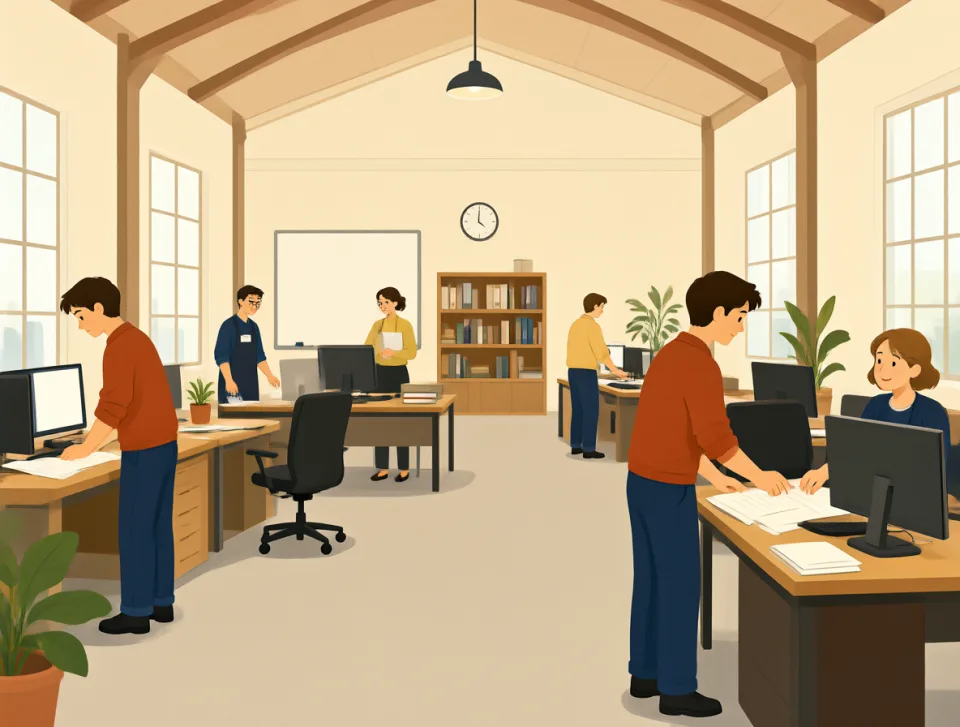
The company converted the old warehouse into bright offices for its growing team.
कंपनी ने बढ़ती टीम के लिए पुराने गोदाम को रोशनी से भरे दफ़्तरों में बदल दिया।
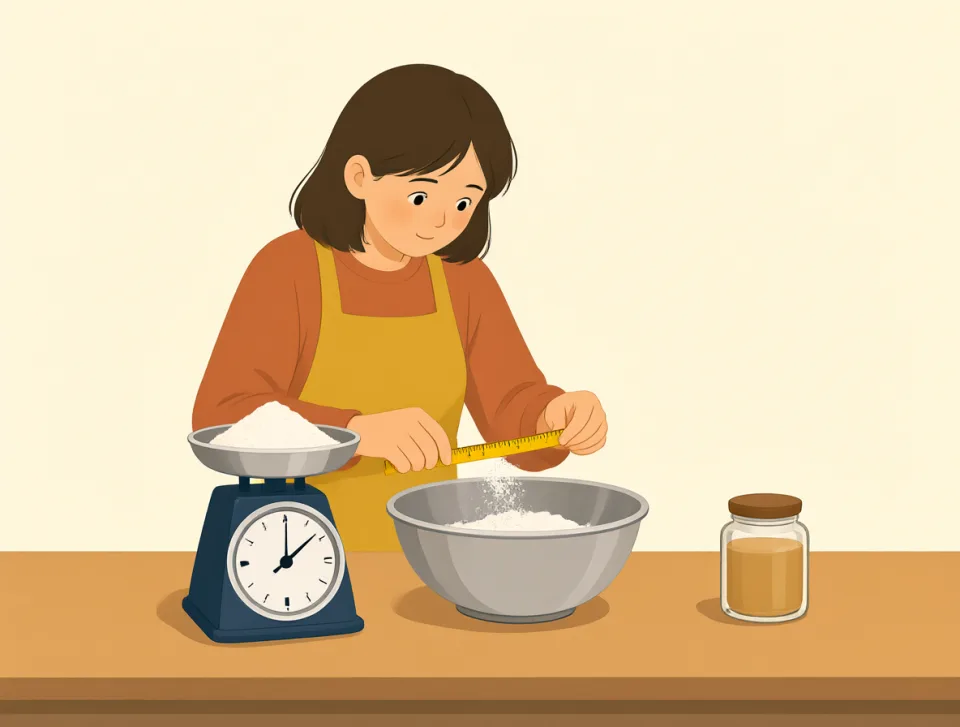
She converted the recipe from cups to grams before baking the cake.
केक बनाने से पहले उसने रेसिपी में कप की माप को ग्राम में बदल दिया।

We converted our dollars into euros at the airport before flying to Italy.
इटली के लिए उड़ान भरने से पहले हमने हवाई अड्डे पर अपने डॉलर यूरो में बदल लिए।

He converted to Buddhism after studying its teachings for several years.
कई साल तक बौद्ध धर्म की शिक्षाओं का अध्ययन करने के बाद उसने बौद्ध धर्म अपना लिया।

steady
#2111adjective, verb
स्थिर
calm, regular, and not changing suddenly; to make something stable or controlled
शांत, नियमित और अचानक न बदलने वाला; किसी चीज़ को स्थिर या नियंत्रित करना

She earns a steady income from her small bakery.
वह अपनी छोटी बेकरी से नियमित आमदनी कमाती है।

Keep a steady pace so you do not become too tired.
एक स्थिर गति से चलते रहो, ताकि तुम बहुत ज़्यादा थक न जाओ।

The doctor told him to take steady breaths during the examination.
जाँच के दौरान डॉक्टर ने उससे धीरे-धीरे और नियमित रूप से साँस लेने को कहा।

He used one hand to steady the ladder while his brother climbed.
उसके भाई के सीढ़ी पर चढ़ते समय उसने एक हाथ से सीढ़ी को थामे रखा।

Business has been steady since the shop moved to this busy street.
दुकान के इस व्यस्त सड़क पर आने के बाद से कारोबार लगातार चल रहा है।
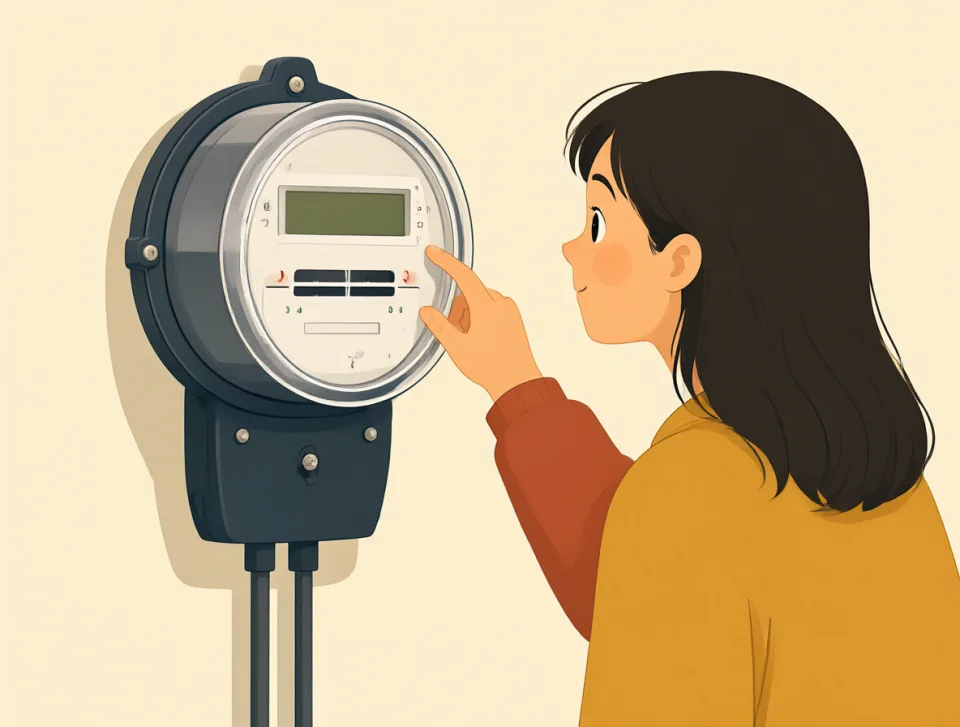
meter
#2112noun, verb
मीटर
A device that measures something, or a unit used to measure length.
किसी चीज़ को मापने वाला उपकरण, या लंबाई मापने की इकाई।
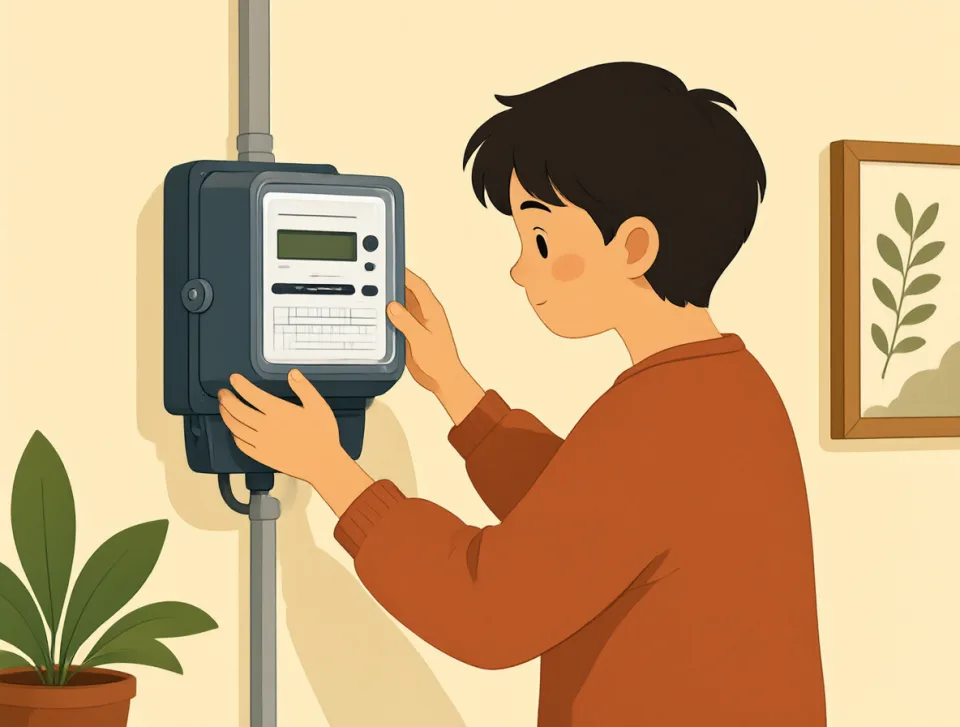
The electricity meter showed that we had used less power this month.
बिजली के मीटर से पता चला कि हमने इस महीने कम बिजली इस्तेमाल की थी।
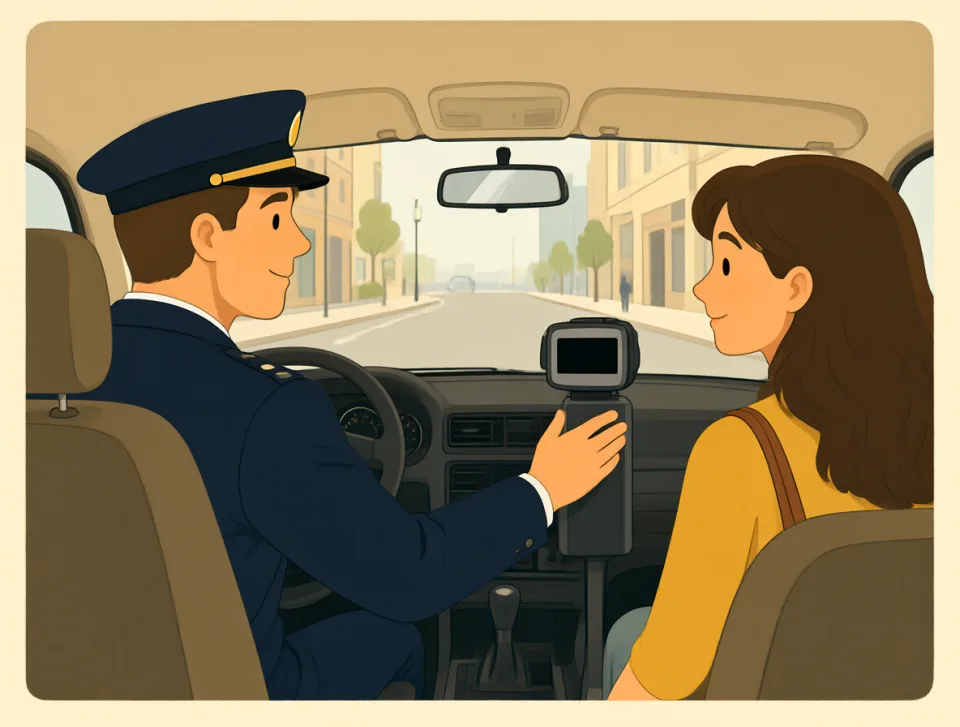
The taxi driver stopped the meter when we reached the hotel.
होटल पहुँचते ही टैक्सी चालक ने मीटर बंद कर दिया।
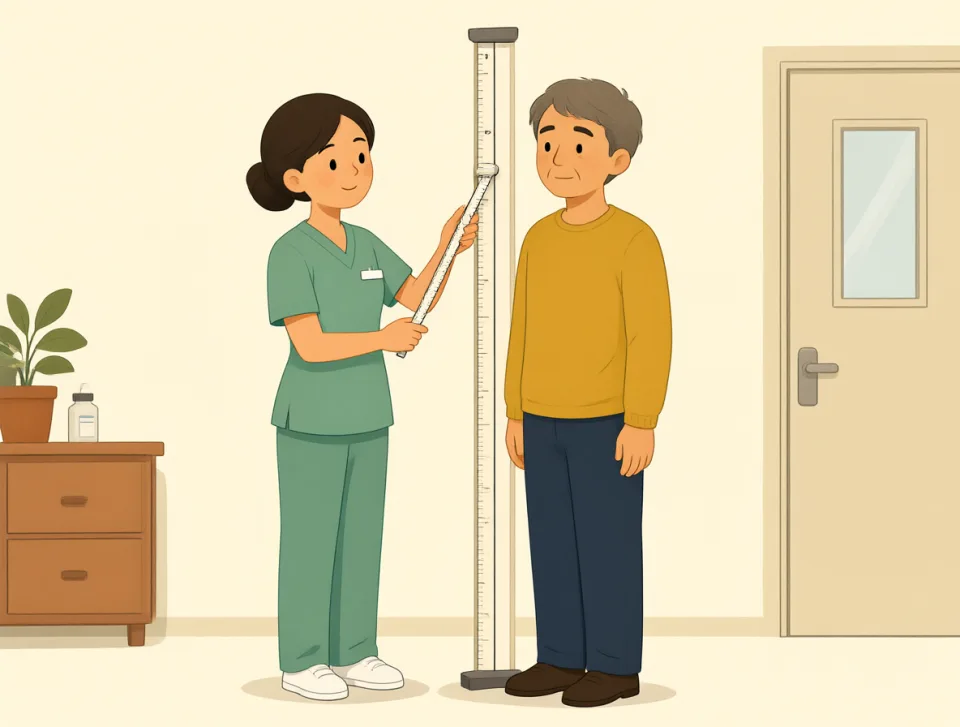
The nurse measured the patient’s height with a meter stick.
नर्स ने मीटर वाली छड़ी से मरीज़ की लंबाई मापी।
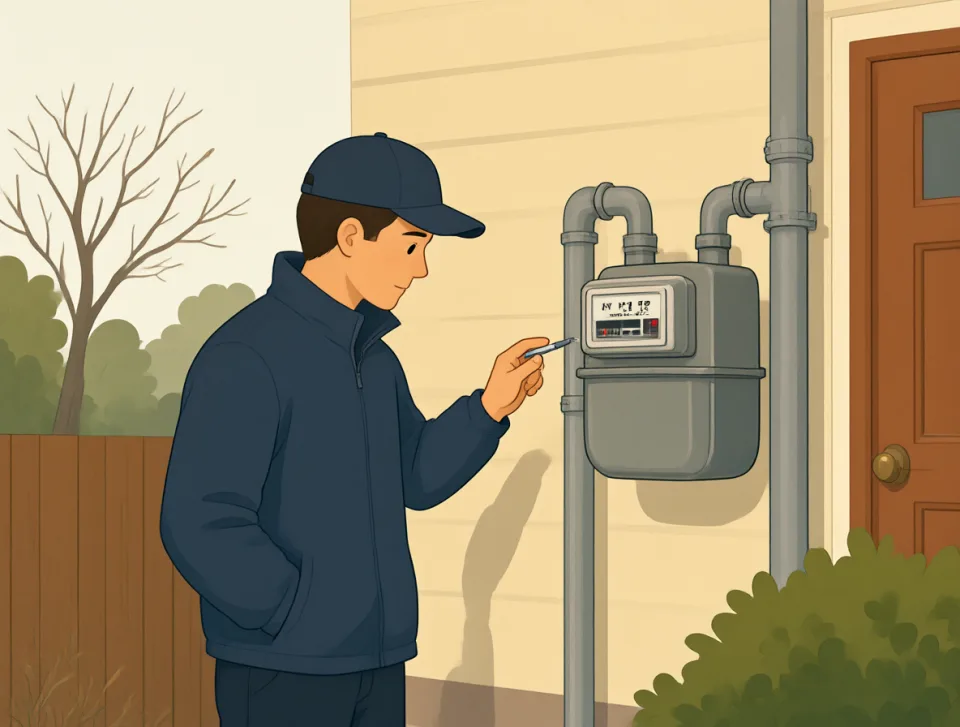
The gas meter needs checking before winter begins.
सर्दियाँ शुरू होने से पहले गैस के मीटर की जाँच होनी चाहिए।
The poem has a regular meter that makes it easy to read aloud.
कविता की लय नियमित है, इसलिए उसे ज़ोर से पढ़ना आसान है।
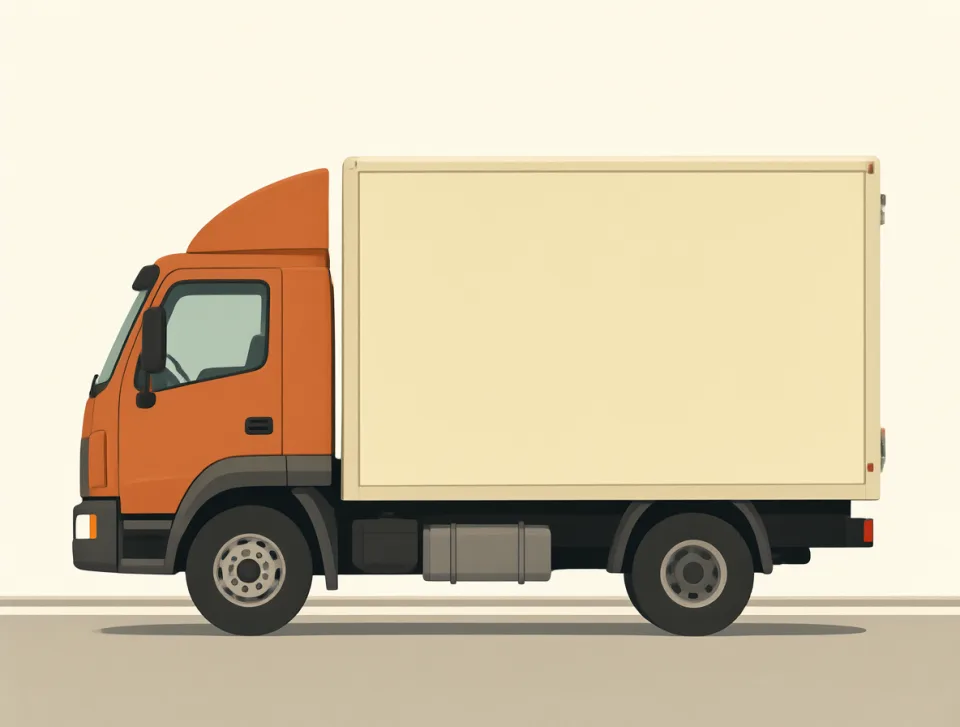
truck
#2113noun, verb
ट्रक
A large vehicle used to carry heavy goods; to transport something by truck.
भारी सामान ढोने वाला बड़ा वाहन; ट्रक से किसी चीज़ को पहुँचाना।
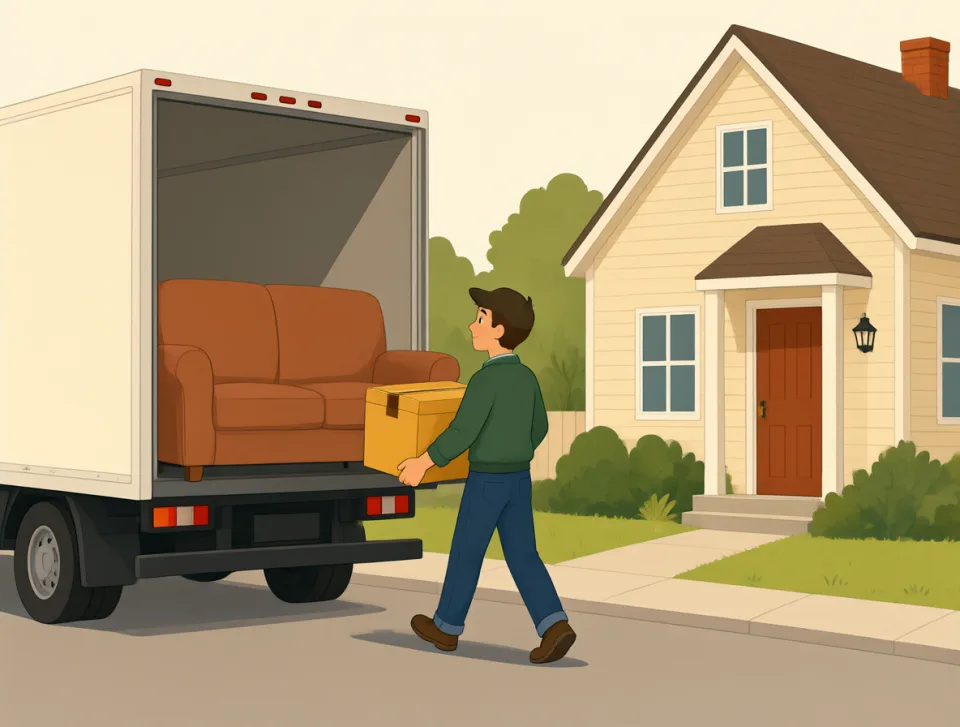
The delivery truck brought our new sofa this morning.
डिलीवरी ट्रक आज सुबह हमारा नया सोफ़ा लेकर आया।
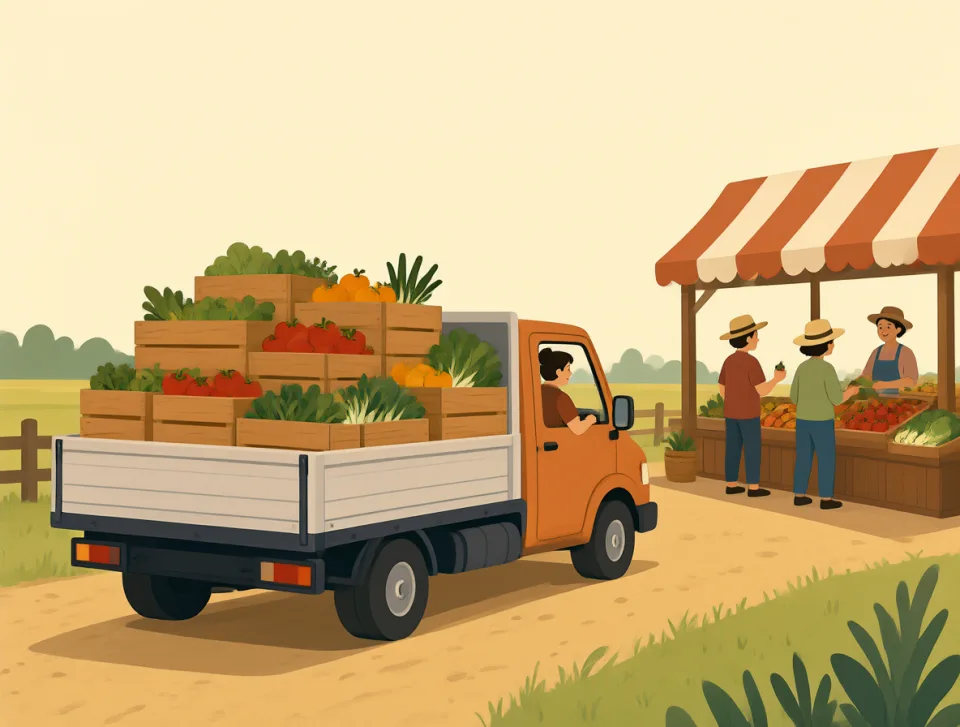
A truck carries fresh vegetables from the farm to the market.
एक ट्रक खेत से बाज़ार तक ताज़ी सब्ज़ियाँ पहुँचाता है।
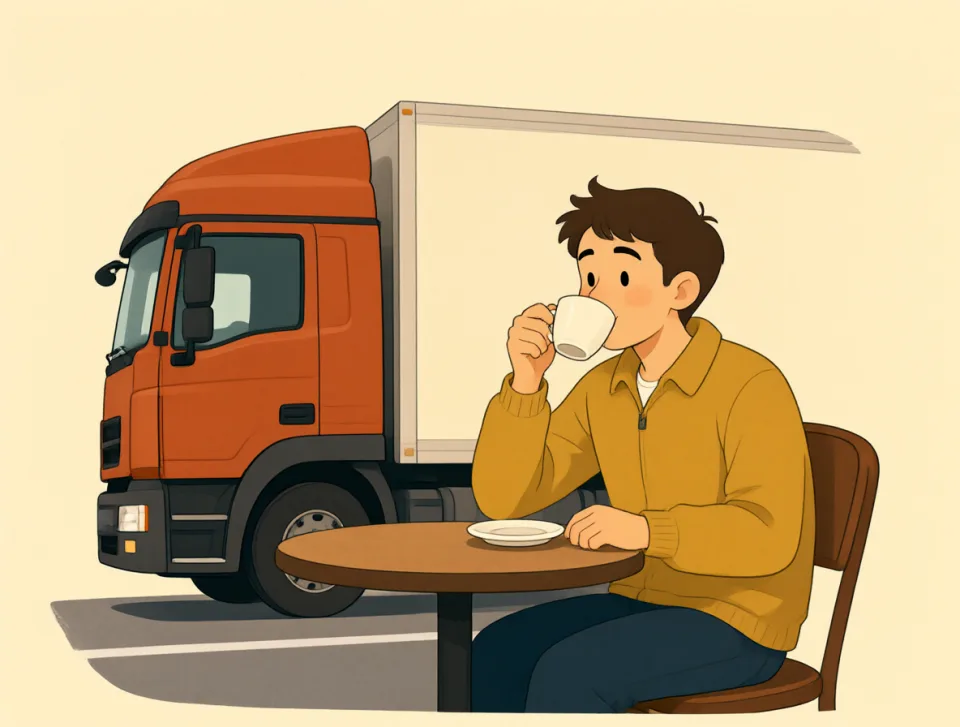
The truck driver stopped for coffee before starting work.
काम शुरू करने से पहले ट्रक चालक कॉफ़ी पीने के लिए रुका।
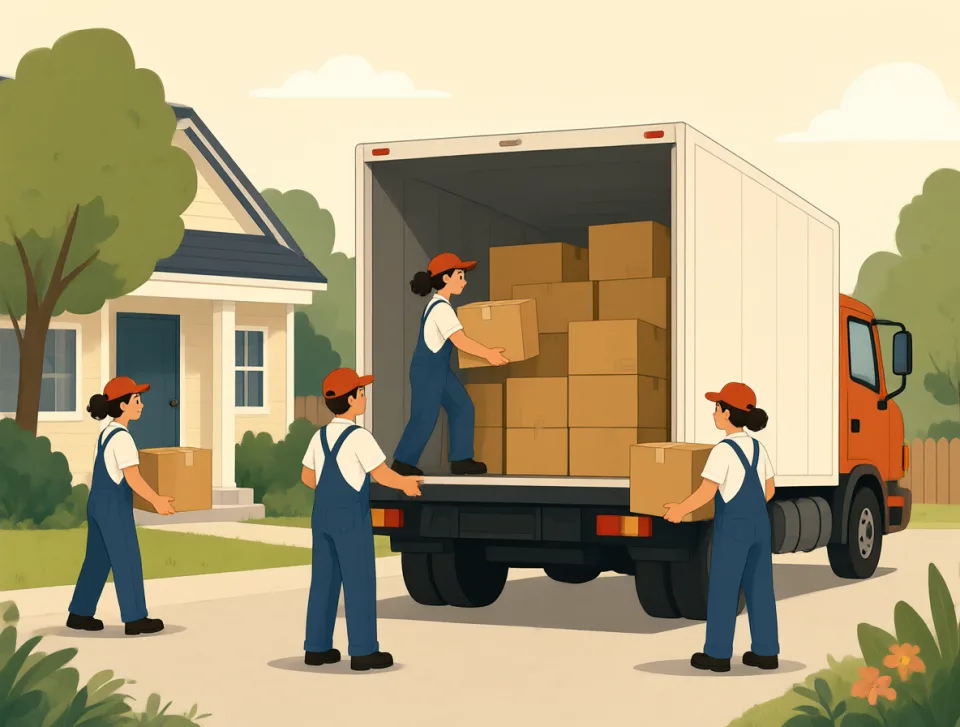
Our moving company truck arrived early to collect the boxes.
हमारी सामान ढोने वाली कंपनी का ट्रक डिब्बे लेने के लिए जल्दी आ गया।

They are trucking the equipment across the country for the concert.
वे संगीत समारोह के लिए सामान ट्रक से पूरे देश में ले जा रहे हैं।

nose
#2114noun, verb
नाक
The part of your face used for smelling and breathing; to notice or discover something.
चेहरे का वह हिस्सा जिससे हम सूँघते और साँस लेते हैं; किसी चीज़ का पता लगाना या उसे खोज निकालना।

My nose is blocked, so I can hardly breathe through it.
मेरी नाक बंद है, इसलिए मैं उससे मुश्किल से साँस ले पा रहा हूँ।
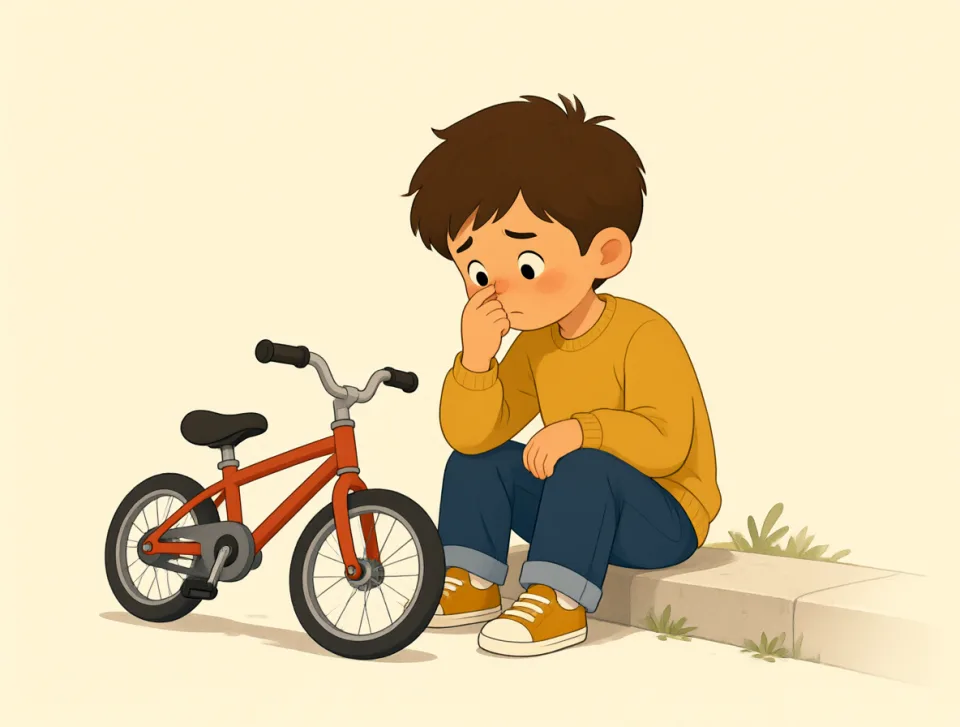
The little boy broke his nose when he fell off his bicycle.
साइकिल से गिरने पर छोटे लड़के की नाक टूट गई।

She wrinkled her nose when she smelled the spoiled milk.
खराब दूध की गंध आते ही उसने नाक सिकोड़ ली।
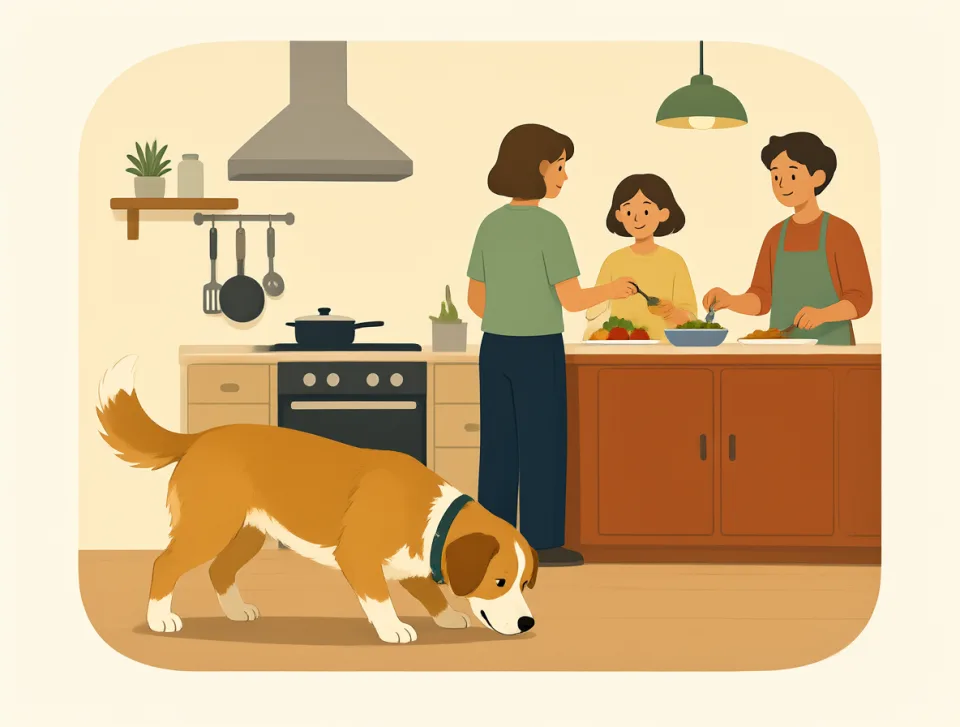
Our dog kept nosing around the kitchen while we prepared dinner.
रात का खाना बनाते समय हमारा कुत्ता रसोई में लगातार सूँघता फिरता रहा।

He always noses into other people's business at work.
वह काम पर हमेशा दूसरों के मामलों में नाक घुसाता रहता है।
beside
#2115preposition, adverb
बगल में
next to or at the side of someone or something
किसी व्यक्ति या चीज़ के पास या बगल में

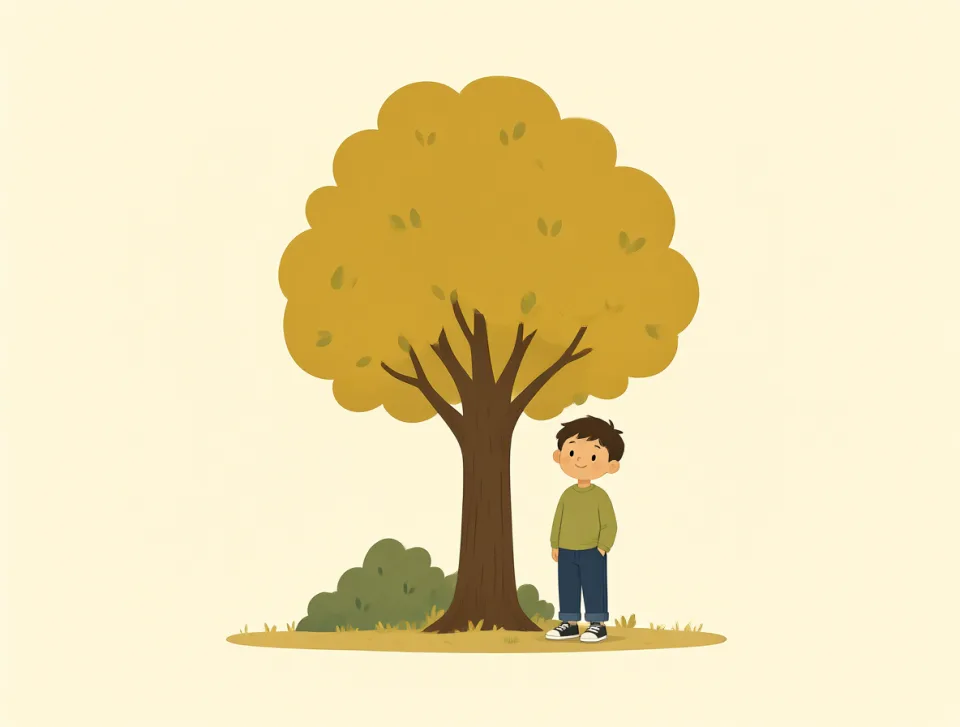
She sat beside her friend during the long train journey.
लंबी रेल यात्रा के दौरान वह अपनी दोस्त के बगल में बैठी।
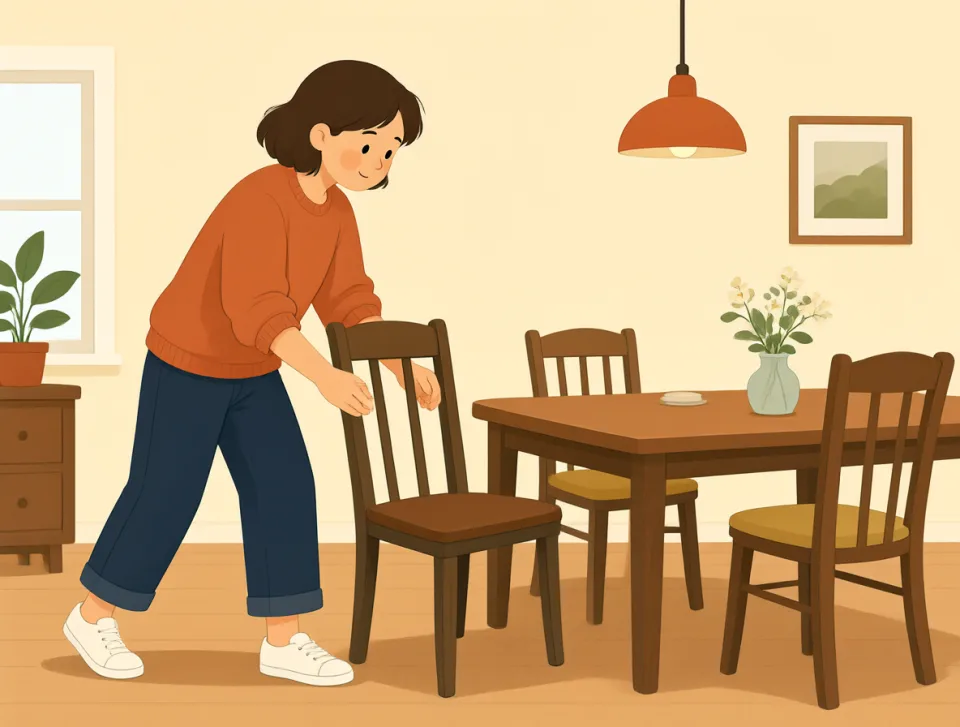
Please place the chair beside the table before dinner.
कृपया रात के खाने से पहले कुर्सी मेज़ के बगल में रख दीजिए।
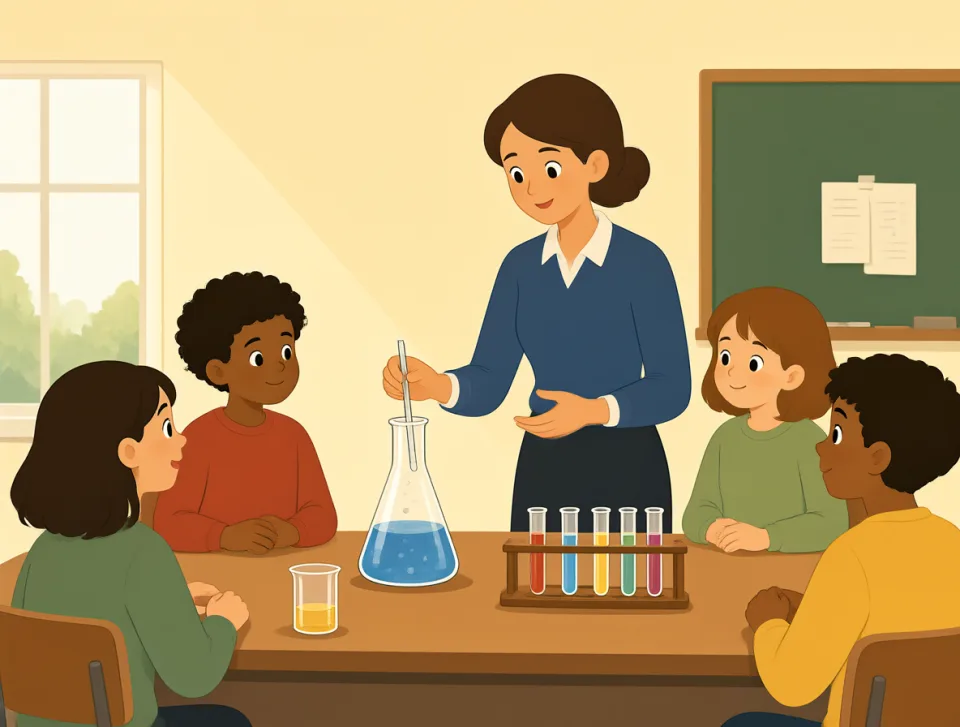
The teacher stood beside the students during the science experiment.
विज्ञान के प्रयोग के दौरान शिक्षक छात्रों के बगल में खड़े रहे।

I found a small pharmacy beside the hotel while traveling.
यात्रा के दौरान मुझे होटल के बगल में एक छोटी-सी फ़ार्मेसी मिली।
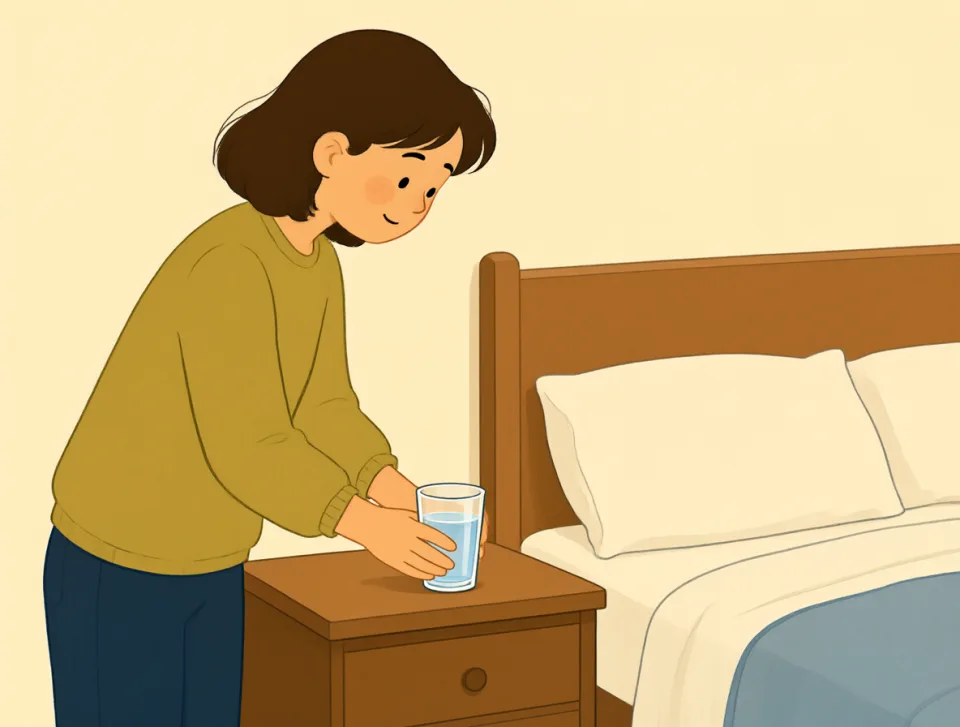
He left his glass of water beside the bed.
उसने पानी का गिलास बिस्तर के बगल में रख दिया।

sail
#2116noun, verb
नौकायन करना; पाल
to travel on water in a boat, or the large piece of cloth that catches wind
नाव में पानी पर यात्रा करना, या हवा पकड़ने वाला कपड़े का बड़ा टुकड़ा

We sailed along the coast during our summer holiday.
हम गर्मियों की छुट्टियों में समुद्रतट के साथ-साथ नाव से गए।

The strong wind filled the boat’s sails and pushed us forward.
तेज़ हवा ने नाव के पालों को भर दिया और हमें आगे धकेला।

They are learning to sail at the local sailing club.
वे स्थानीय नौकायन क्लब में नाव चलाना सीख रहे हैं।

The sailors raised the sail before leaving the harbor.
बंदरगाह से निकलने से पहले नाविकों ने पाल चढ़ा दिया।

A bright red sail stood out against the blue sea.
नीले समुद्र के सामने चमकीला लाल पाल अलग ही नज़र आ रहा था।

disaster
#2117noun
आपदा
a very bad event that causes great damage, suffering, or loss
ऐसी बहुत बुरी घटना जिससे भारी नुकसान, पीड़ा या हानि हो
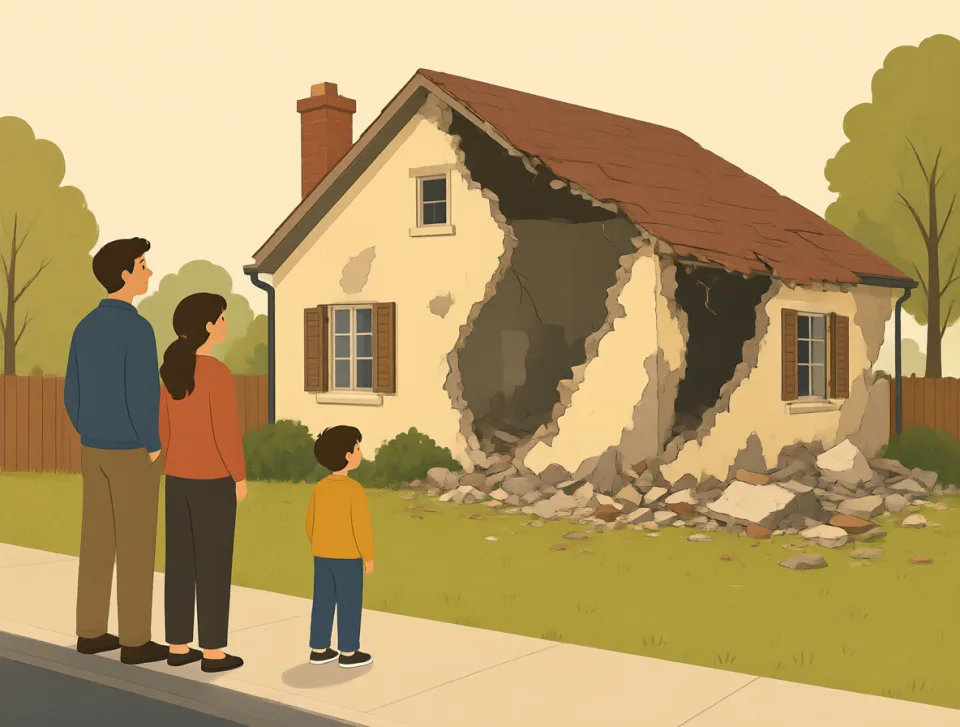
The earthquake was a disaster that destroyed thousands of homes.
भूकंप एक आपदा थी जिसने हज़ारों घरों को नष्ट कर दिया।
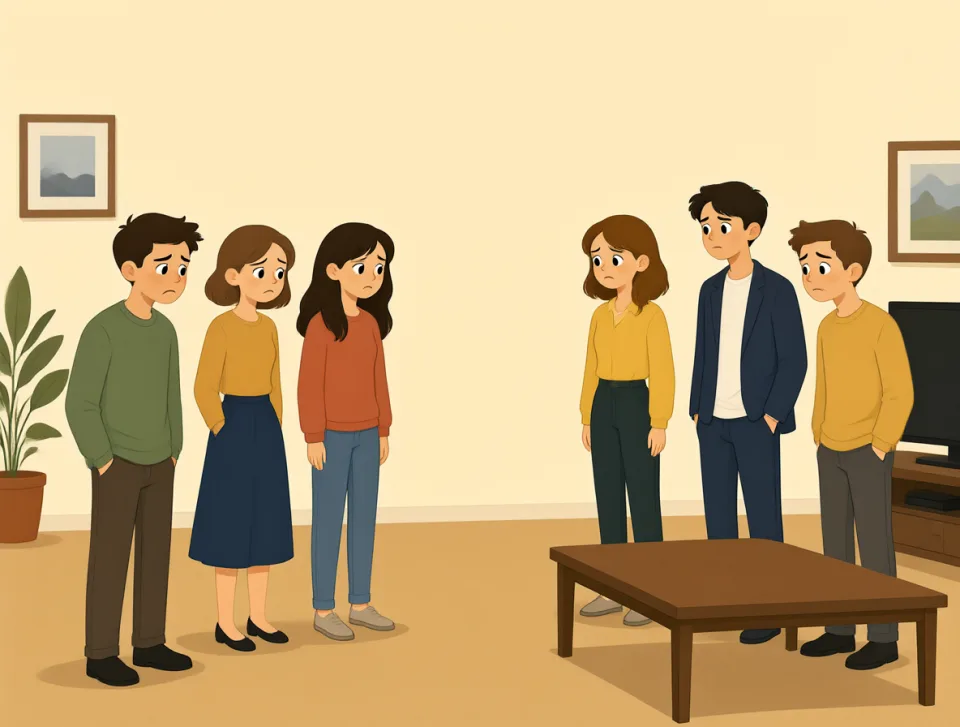
The party was a complete disaster because nobody brought food or drinks.
पार्टी पूरी तरह से नाकाम रही, क्योंकि कोई भी खाने-पीने की चीज़ें नहीं लाया था।

Our holiday became a disaster when our luggage disappeared at the airport.
जब हवाई अड्डे पर हमारा सामान गायब हो गया, तो हमारी छुट्टियाँ आपदा में बदल गईं।

The new manager called the failed project a financial disaster.
नए मैनेजर ने असफल परियोजना को आर्थिक आपदा बताया।
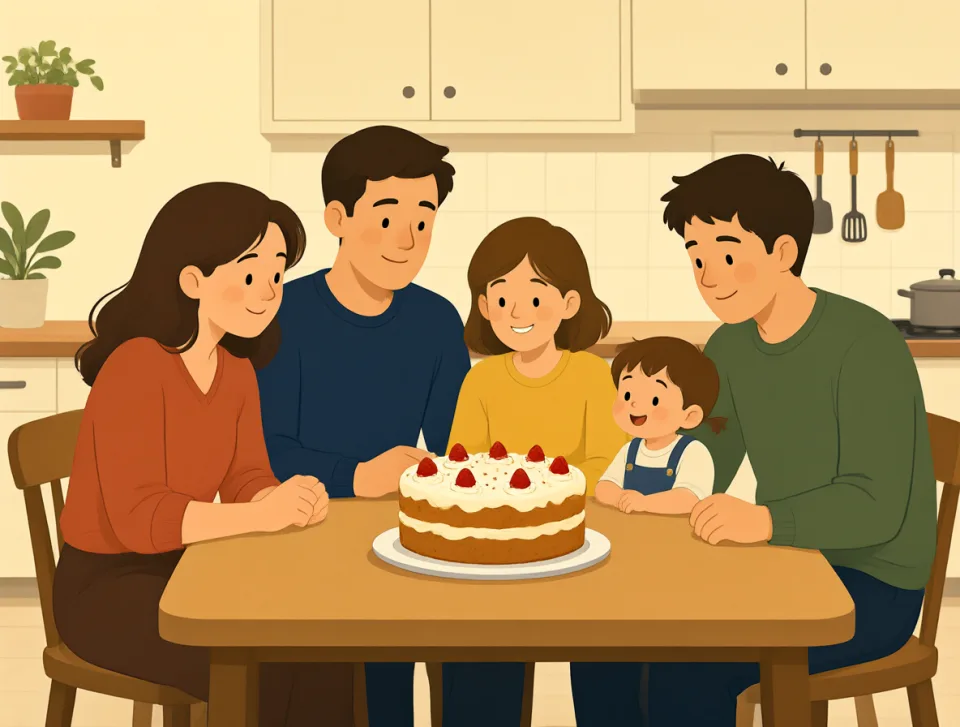
The cake was a disaster, but everyone kindly ate a small piece.
केक बुरी तरह बिगड़ गया था, लेकिन सबने प्यार से उसका एक छोटा टुकड़ा खा लिया।
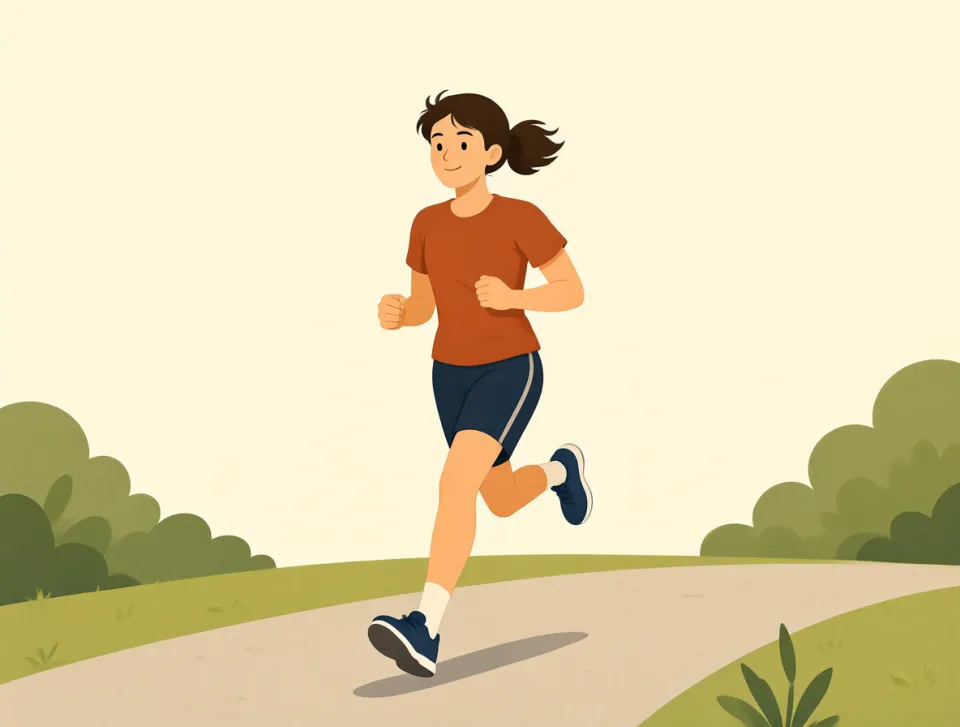
pace
#2118noun, verb
गति
The speed at which someone or something moves or happens.
वह रफ़्तार जिससे कोई व्यक्ति या चीज़ चलती है या कोई घटना होती है।
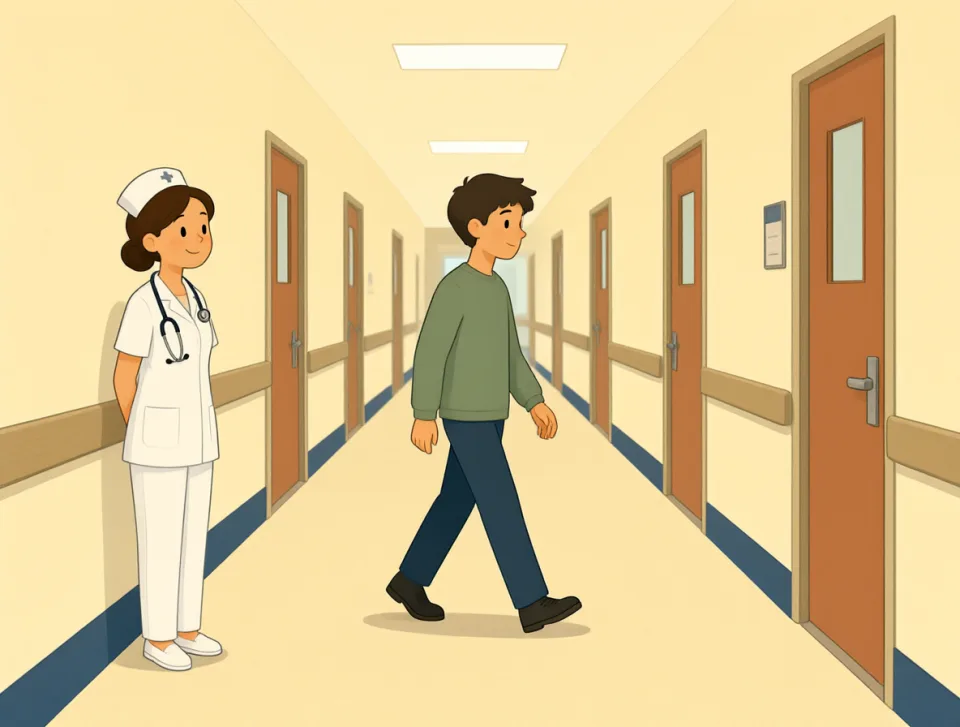
The nurse checked my pulse while I walked at a steady pace.
जब मैं एक समान गति से चल रहा था, तब नर्स ने मेरी नब्ज़ जाँची।
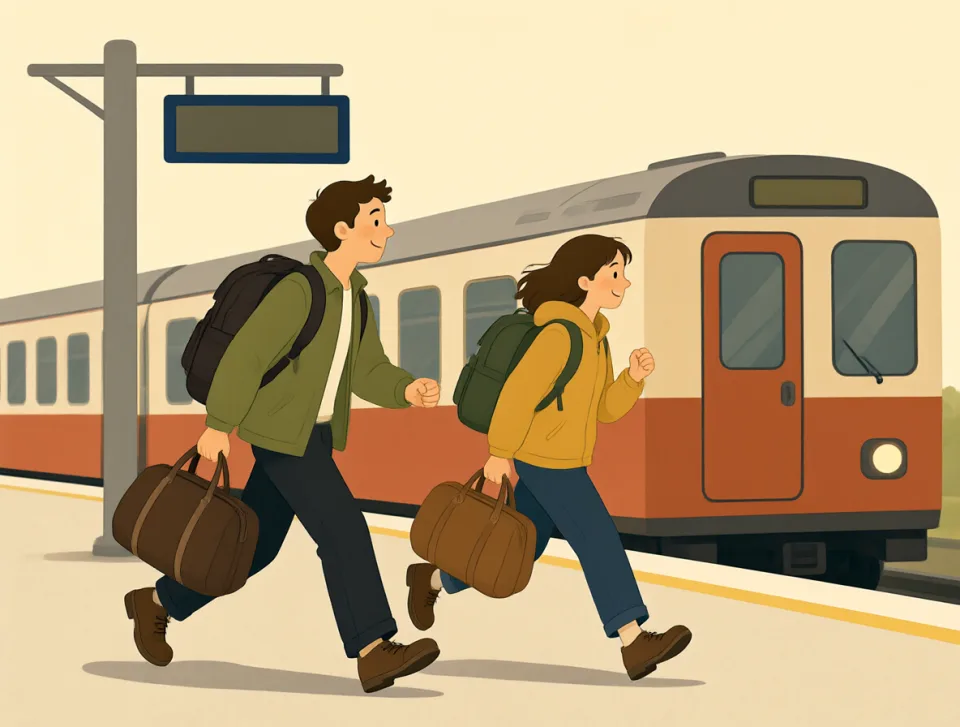
We need to pick up the pace if we want to catch the train.
अगर हमें ट्रेन पकड़नी है, तो हमें अपनी रफ़्तार बढ़ानी होगी।

She works at her own pace and usually finishes before everyone else.
वह अपनी गति से काम करती है और आमतौर पर सबसे पहले काम पूरा कर लेती है।
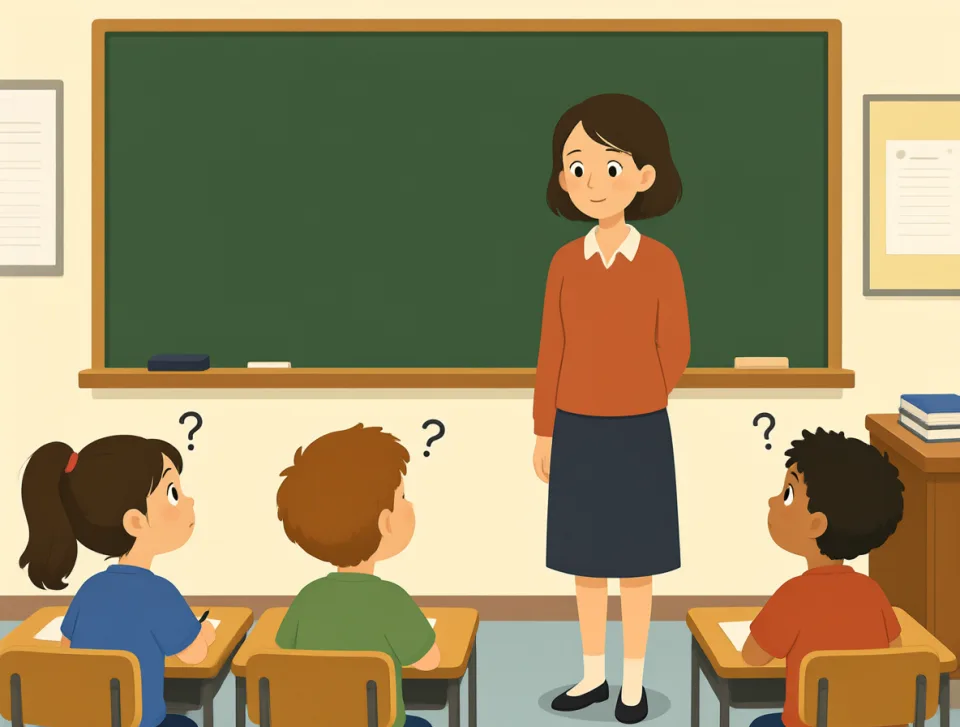
The teacher slowed the pace of the lesson when students looked confused.
जब छात्रों को बात समझ नहीं आई, तो शिक्षक ने पाठ की गति धीमी कर दी।

After lunch, we paced ourselves so we could enjoy the whole hike.
दोपहर के खाने के बाद, हमने अपनी रफ़्तार संभालकर रखी ताकि पूरी पैदल यात्रा का आनंद ले सकें।
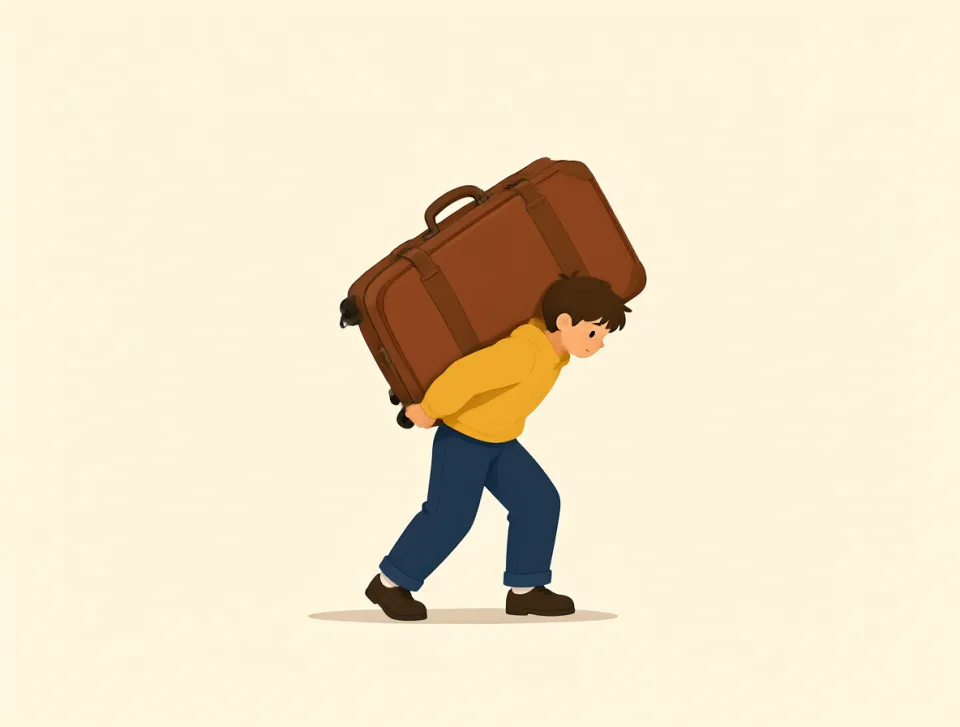
heavily
#2119adverb
बुरी तरह; भारी मात्रा में
To a great degree or with a lot of force, weight, or amount.
काफ़ी हद तक, या बहुत अधिक बल, वज़न अथवा मात्रा के साथ।
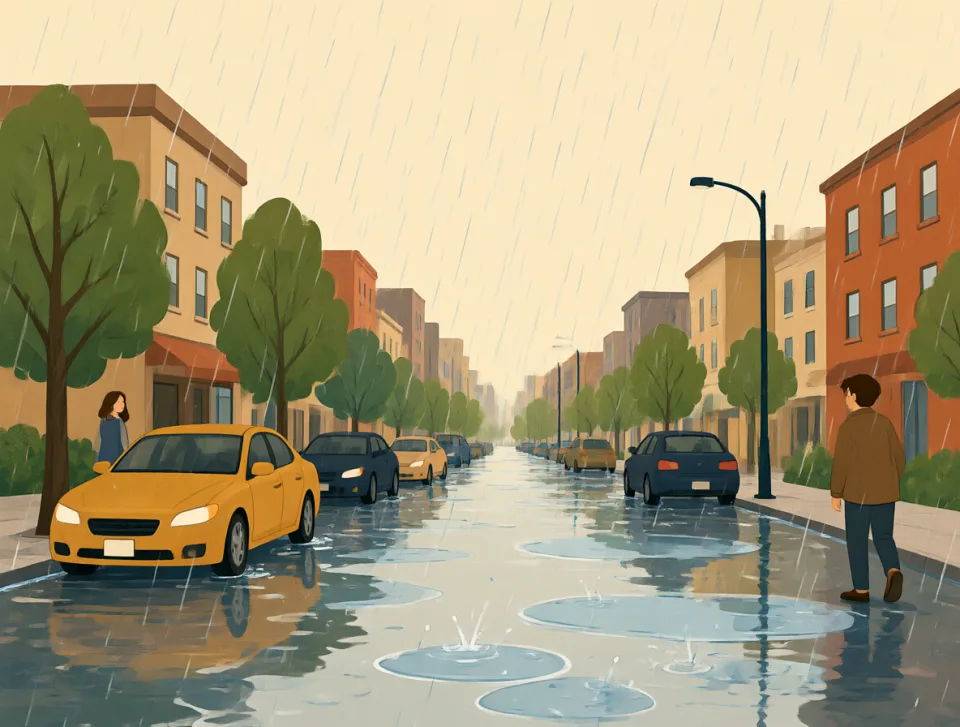
It rained heavily all night, so the streets were flooded by morning.
पूरी रात ज़ोरदार बारिश हुई, इसलिए सुबह तक सड़कों पर पानी भर गया था।

The box was heavily damaged during delivery, but everything inside was safe.
डिलीवरी के दौरान डिब्बा बुरी तरह क्षतिग्रस्त हो गया, लेकिन अंदर की सारी चीज़ें सुरक्षित थीं।
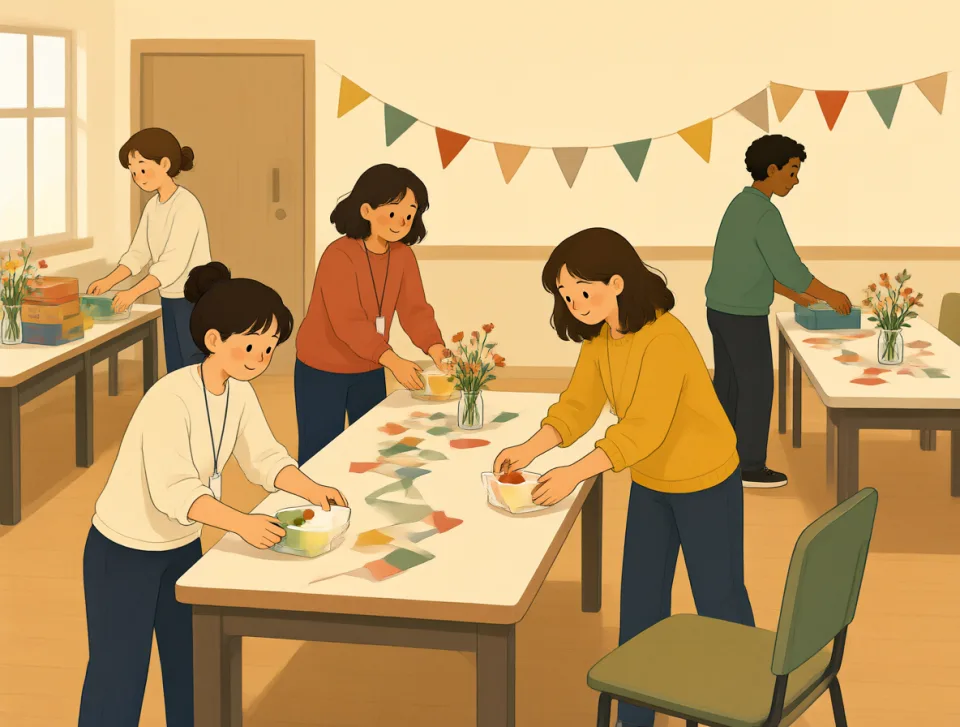
The team relies heavily on volunteers to organize the community event.
समुदाय के कार्यक्रम के आयोजन के लिए टीम स्वयंसेवकों पर बहुत अधिक निर्भर करती है।
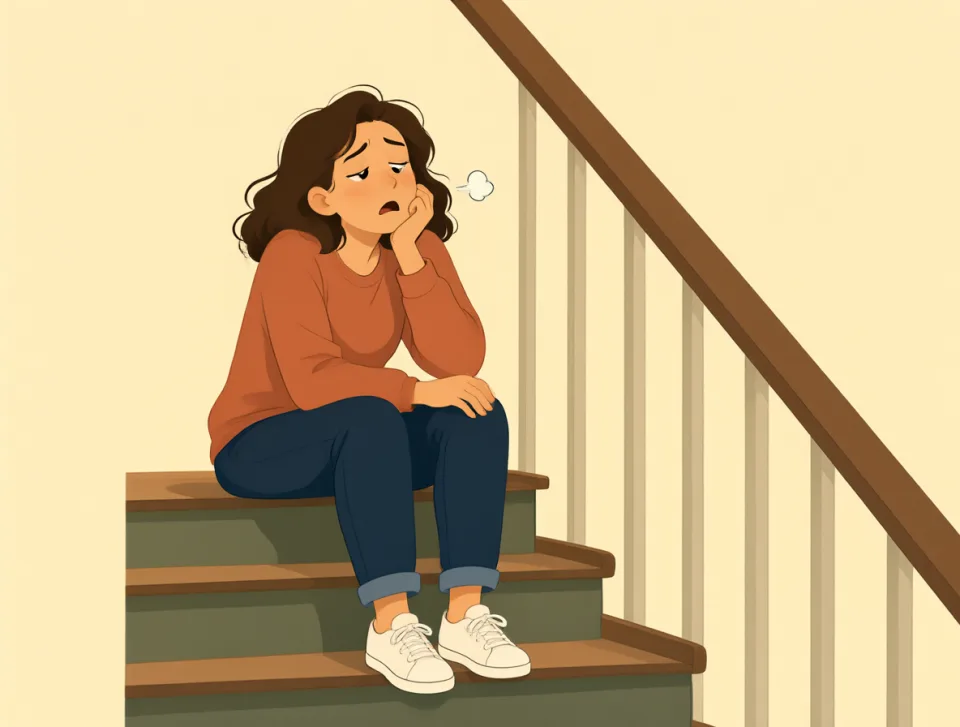
She was breathing heavily after running up three flights of stairs.
तीन मंज़िल सीढ़ियाँ चढ़कर दौड़ने के बाद उसकी साँसें तेज़ चल रही थीं।
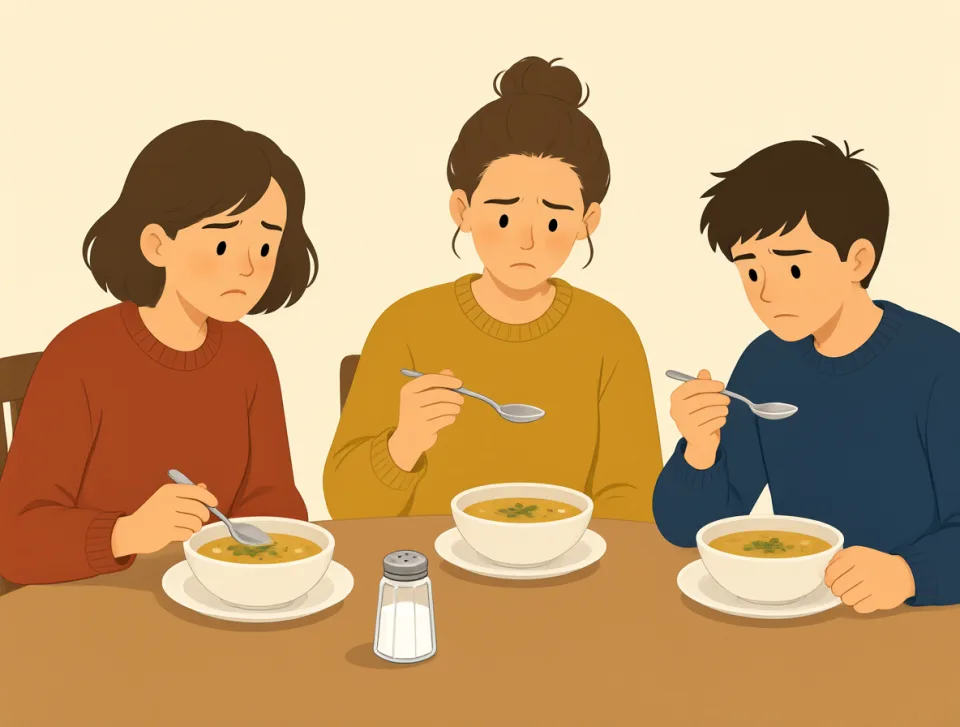
The soup was heavily salted, so nobody wanted a second bowl.
सूप में बहुत ज़्यादा नमक था, इसलिए कोई भी दूसरा कटोरा नहीं लेना चाहता था।
devote
#2120verb
समर्पित करना
to give your time, energy, or attention to something
अपना समय, ऊर्जा या ध्यान किसी चीज़ को देना
She devotes most of her free time to caring for her young children.
वह अपना ज़्यादातर खाली समय अपने छोटे बच्चों की देखभाल में लगाती है।

The team devoted two hours to preparing for tomorrow’s important presentation.
टीम ने कल की महत्वपूर्ण प्रस्तुति की तैयारी के लिए दो घंटे लगाए।

He is devoted to improving his English by reading every evening.
वह हर शाम पढ़कर अपनी अंग्रेज़ी सुधारने के लिए समर्पित है।

The restaurant owner devoted extra money to buying fresher ingredients this month.
रेस्तराँ के मालिक ने इस महीने ज़्यादा ताज़ी सामग्री खरीदने के लिए अतिरिक्त पैसे लगाए।
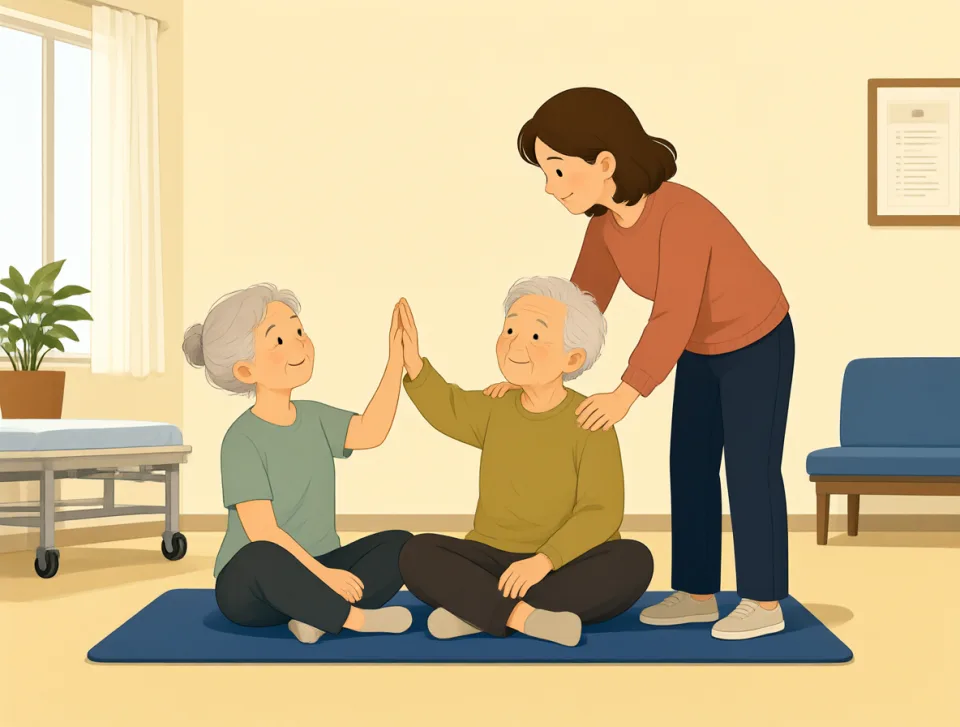
After the accident, she devoted herself to helping other patients recover.
दुर्घटना के बाद, उसने अपना समय दूसरे मरीज़ों को ठीक होने में मदद देने के लिए समर्पित कर दिया।