بخش 133
واژههای 2641 تا 2660 · servant, immigrant, excess, complexity, liability, surprisingly
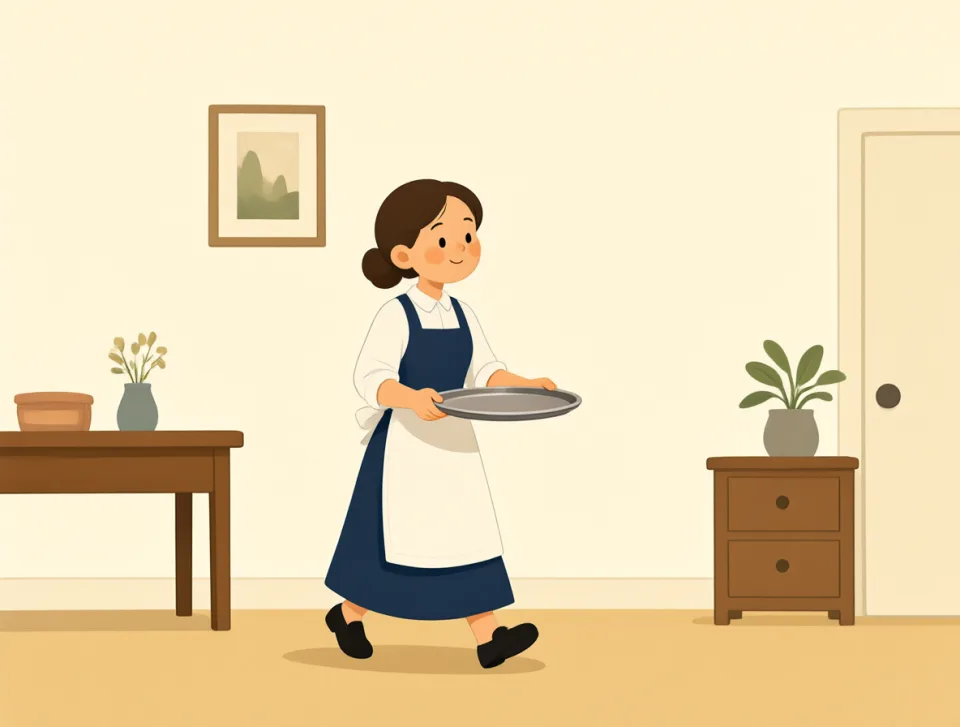
servant
#2641noun
خدمتکار
A person who works in another person’s home and does household tasks.
کسی که در خانهٔ شخص دیگری کار میکند و کارهای خانه را انجام میدهد.

The servant brought tea to the guests in the sitting room.
خدمتکار برای مهمانها در اتاق پذیرایی چای آورد.

In the old story, a loyal servant helped the family escape at night.
در داستان قدیمی، خدمتکاری وفادار به خانواده کمک کرد شبانه فرار کنند.
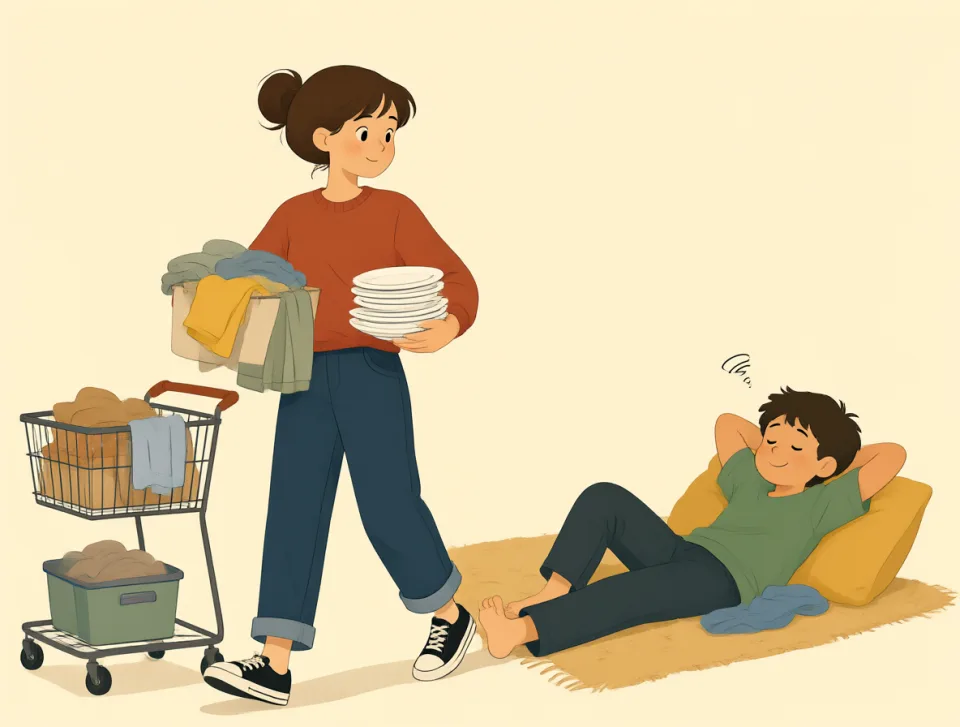
She felt treated like a servant when her brother left every chore to her.
وقتی برادرش همهٔ کارهای خانه را به او واگذار کرد، احساس کرد با او مثل خدمتکار رفتار میشود.
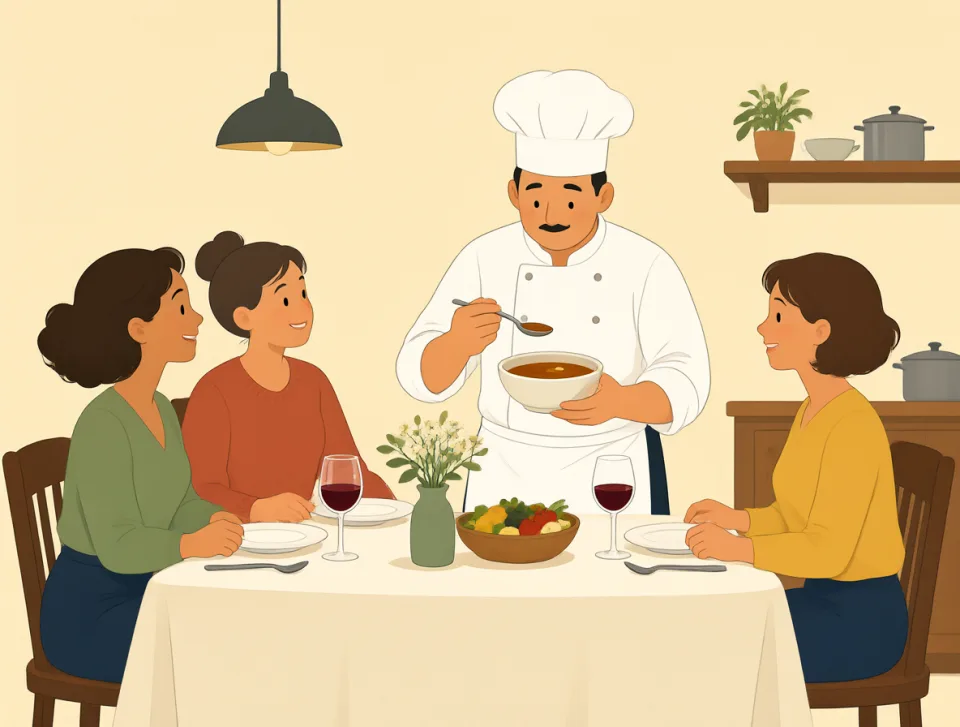
The king’s servants prepared the meal while the cook checked the soup.
خدمتکاران پادشاه غذا را آماده کردند و آشپز سوپ را چشید.
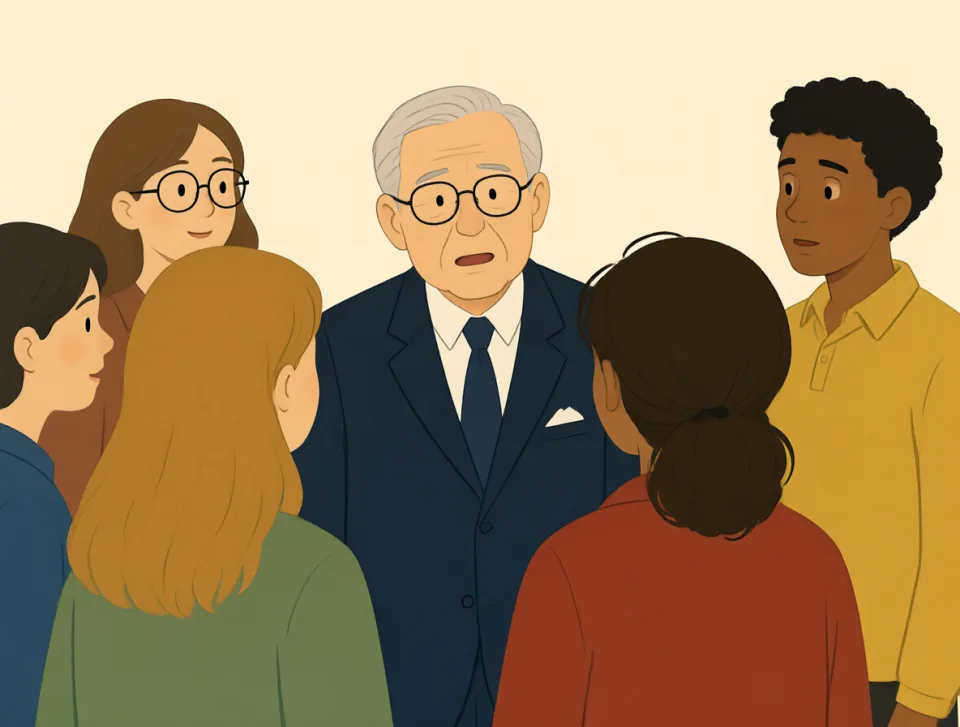
He said he was a servant of the people, not their master.
او گفت خدمتگزار مردم است، نه ارباب آنها.

immigrant
#2642noun
مهاجر
A person who comes to live in a country from another country.
کسی که از کشوری دیگر برای زندگی به یک کشور میآید.
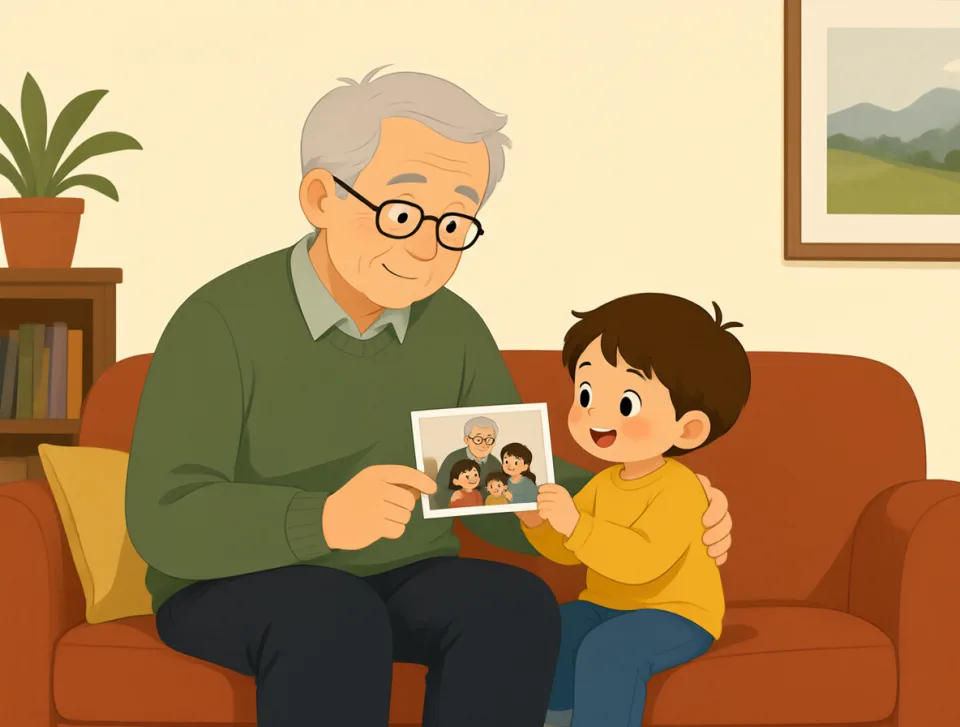
My grandfather was an immigrant who came here from Italy as a young man.
پدربزرگم مهاجری بود که در جوانی از ایتالیا به اینجا آمد.

The city offers free English classes for immigrants who are new to the country.
این شهر برای مهاجرانی که تازه به کشور آمدهاند کلاسهای رایگان زبان انگلیسی برگزار میکند.
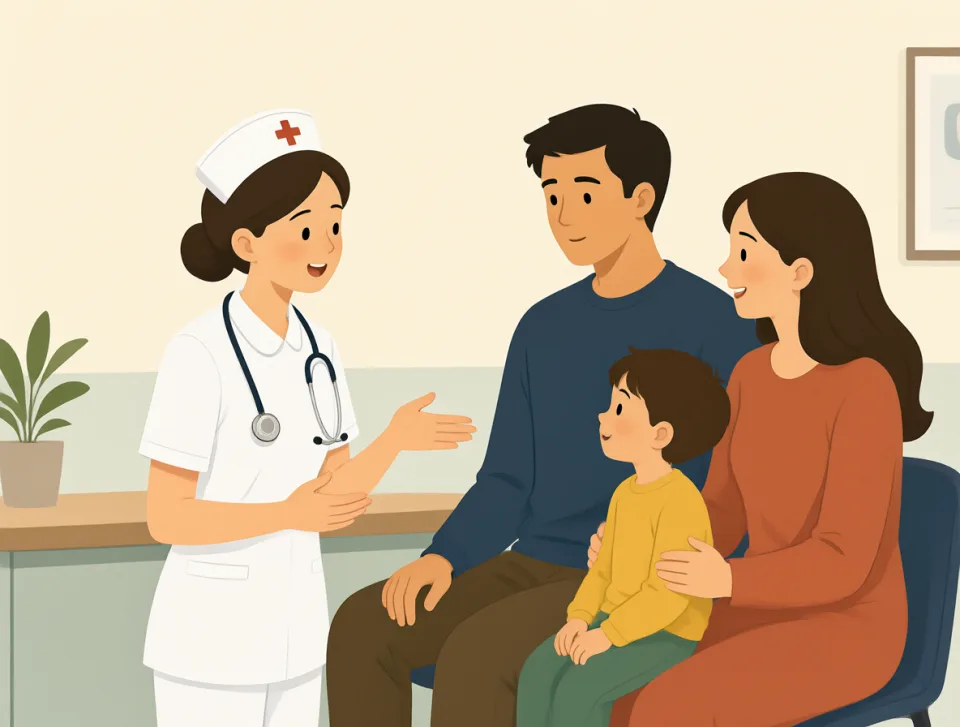
She works with an immigrant family at the neighborhood health center.
او در مرکز بهداشت محله با یک خانوادهٔ مهاجر کار میکند.
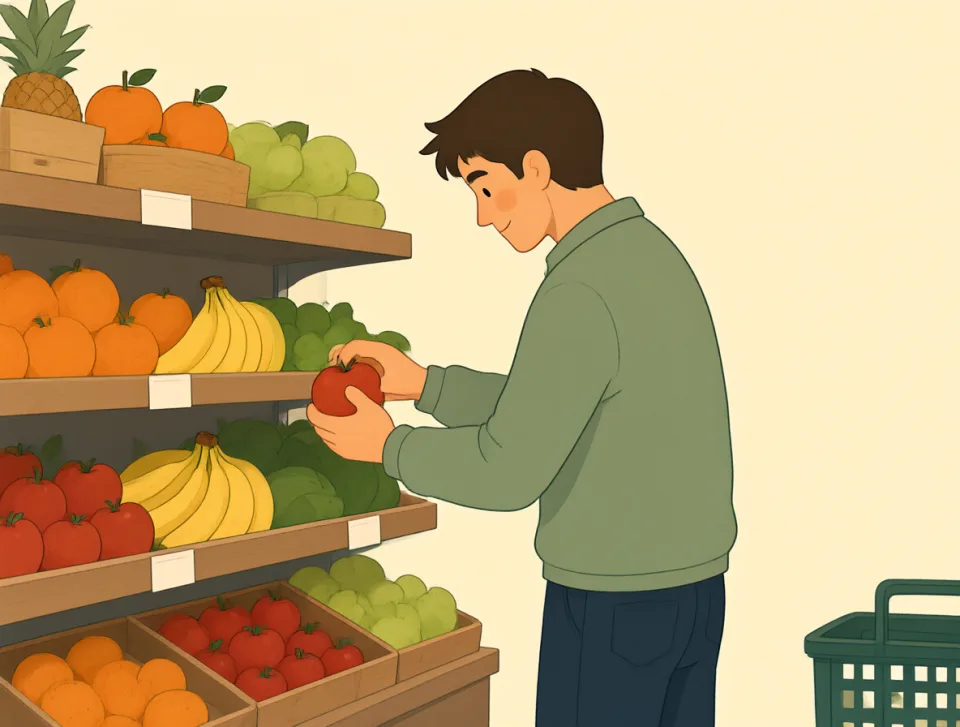
As an immigrant, he found a job at a local grocery store.
او بهعنوان یک مهاجر در فروشگاه مواد غذایی محل کار پیدا کرد.
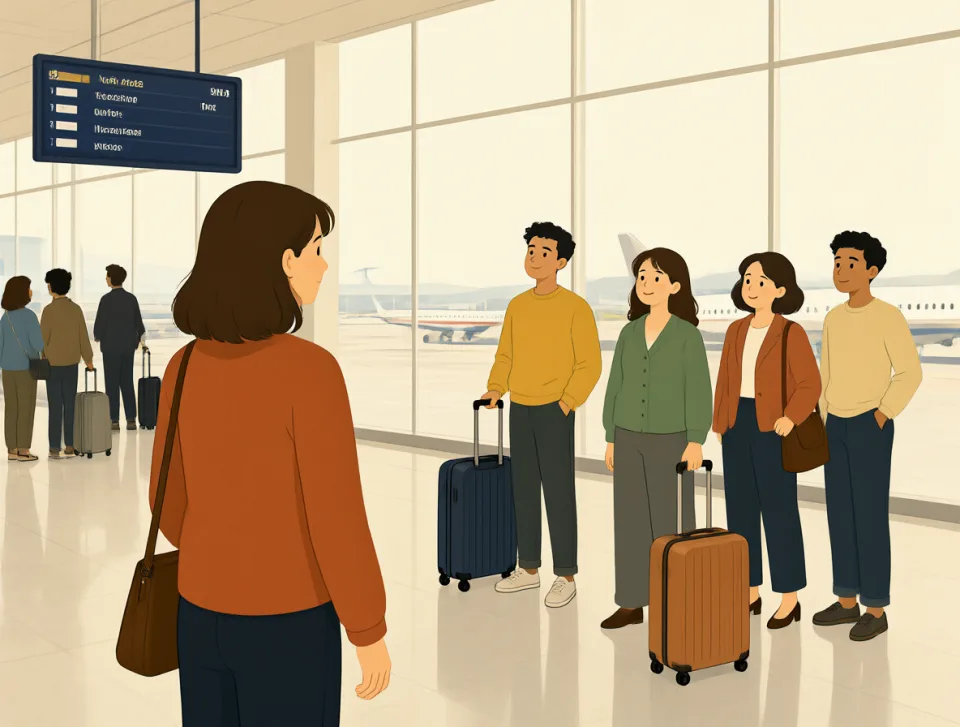
The immigrant waited with her friends at the airport for her sister.
آن زن مهاجر همراه دوستانش در فرودگاه منتظر خواهرش بود.
excess
#2643noun, adjective
مازاد
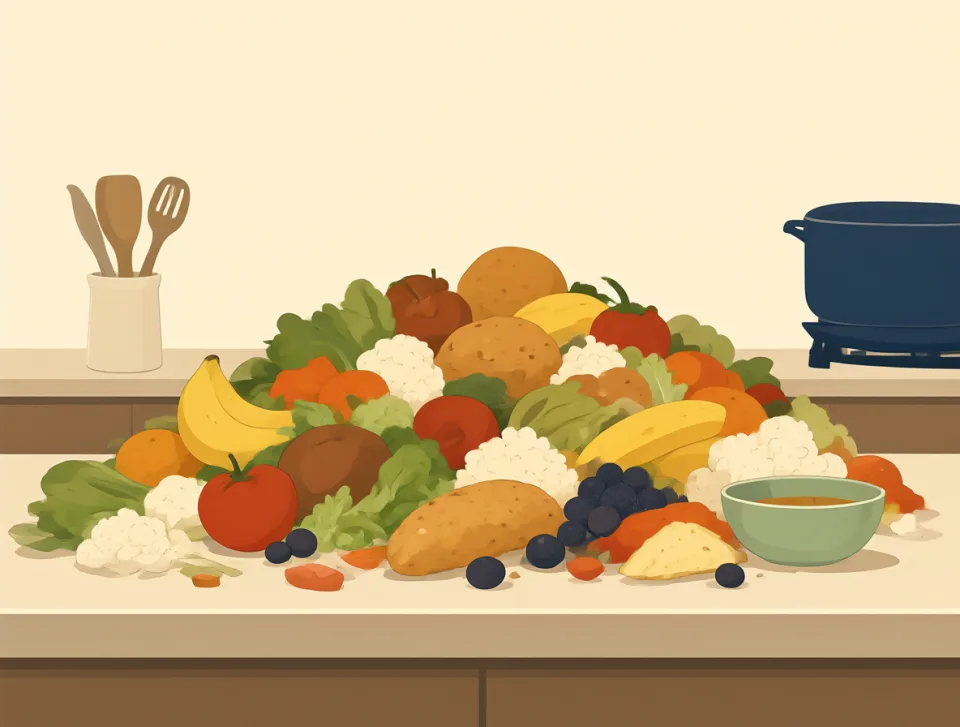
More of something than is needed, wanted, or usual.
مقداری بیش از آنچه لازم، مطلوب یا معمول است.

The doctor said too much salt can cause health problems.
دکتر گفت مصرف نمکِ بیش از حد میتواند باعث مشکلات سلامتی شود.
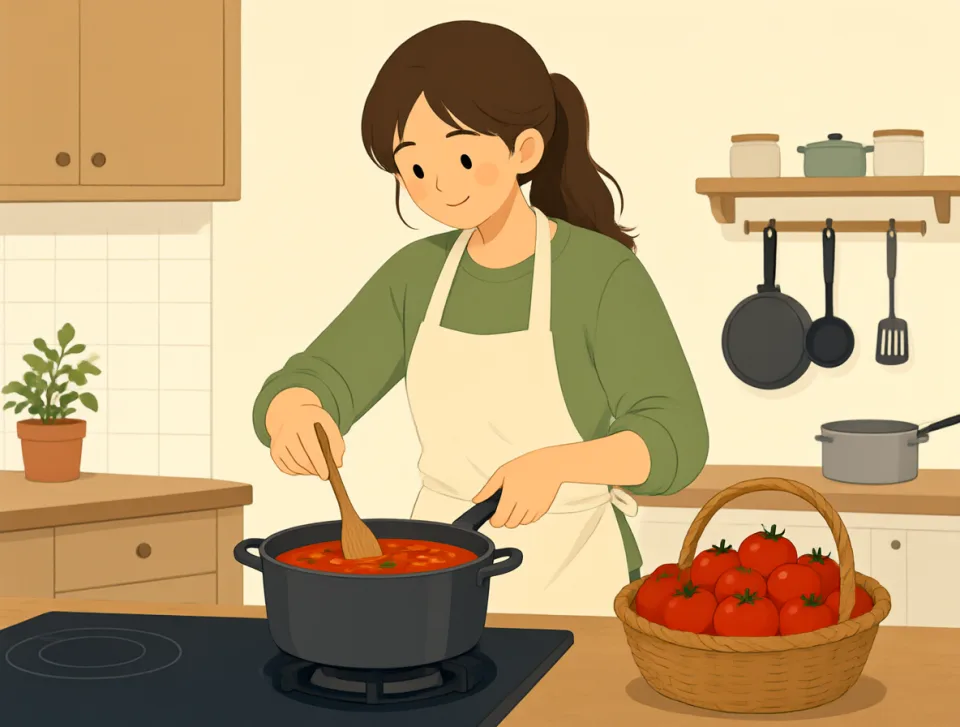
We had an excess of tomatoes, so I made soup for the neighbors.
گوجهفرنگی زیادی داشتیم، برای همین برای همسایهها سوپ درست کردم.

The company cut excess costs by sharing office space with another team.
شرکت با شریک شدن در فضای اداری با تیمی دیگر، هزینههای اضافی را کاهش داد.
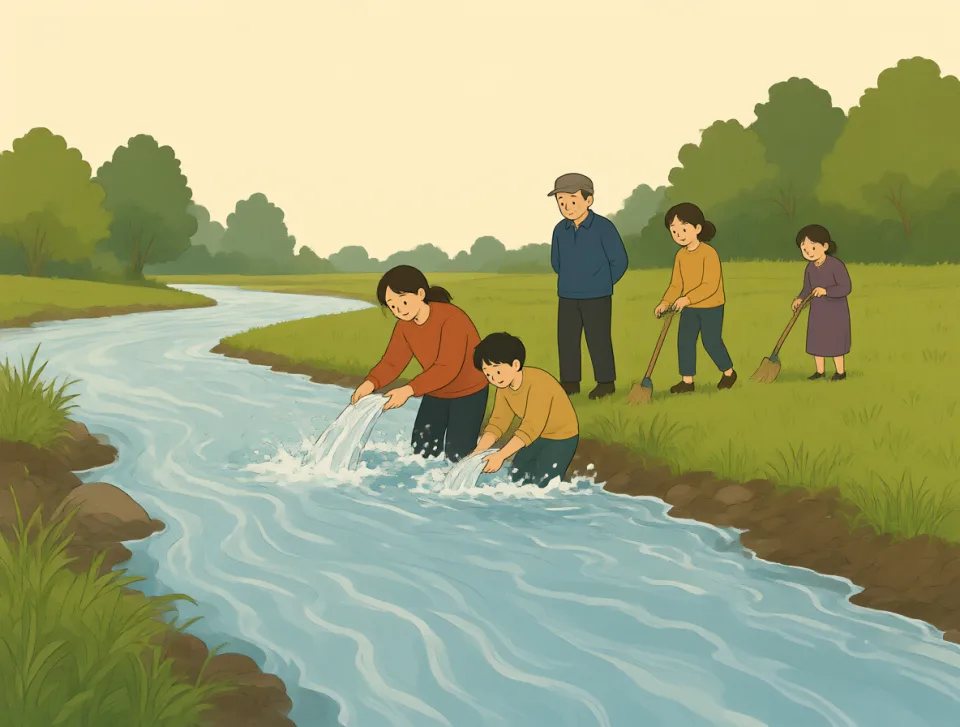
After the storm, the river carried excess water into nearby fields.
پس از طوفان، رودخانه آب اضافی را به مزارع اطراف برد.

The shop sells excess stock at lower prices during its winter sale.
این فروشگاه در حراج زمستانی، اجناس مازاد را با قیمت پایینتر میفروشد.
complexity
#2644noun
پیچیدگی
The state of having many parts that are difficult to understand or deal with.
وضعیتی که در آن چیزهای زیادی وجود دارد و فهمیدن یا کنار آمدن با آنها دشوار است.
The instructions were difficult because of their complexity.
دستورالعملها بهخاطر پیچیدگیشان دشوار بودند.

The doctor explained the complexity of the treatment to my family.
دکتر پیچیدگیهای درمان را برای خانوادهام توضیح داد.

I was surprised by the complexity of planning our trip.
از پیچیدگی برنامهریزی سفرمان تعجب کردم.

The new software adds complexity to our daily work.
نرمافزار جدید کار روزانهٔ ما را پیچیدهتر میکند.
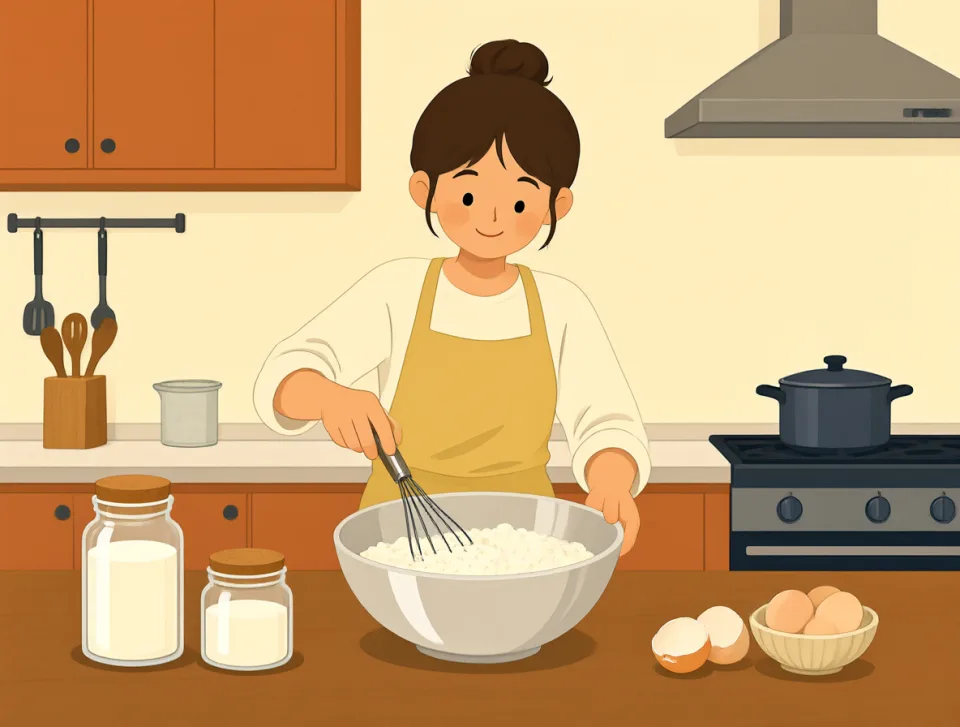
The recipe is simple, with little complexity and only five ingredients.
این دستور پخت ساده است و پیچیدگی چندانی ندارد؛ فقط پنج مادهٔ اولیه لازم دارد.
liability
#2645noun
مسئولیت؛ بدهی
A person or thing that causes problems or a duty to pay for damage or debt.
شخص یا چیزی که مشکلساز است، یا مسئولیت پرداخت خسارت یا بدهی.
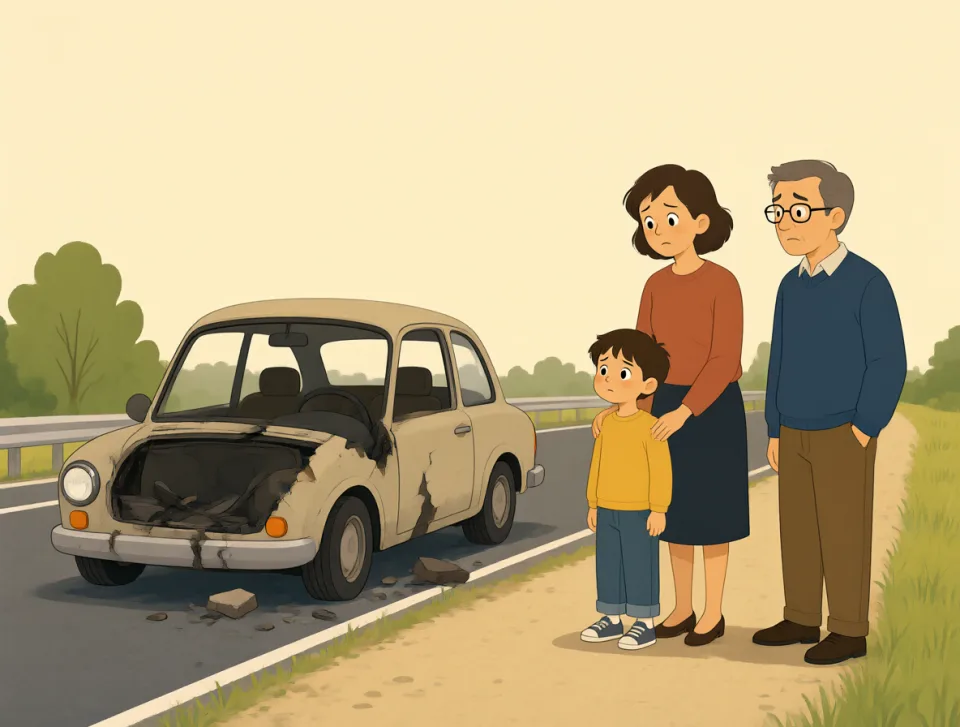
The old car became a liability when it kept breaking down on family trips.
ماشین قدیمی وقتی در سفرهای خانوادگی مدام خراب میشد، به دردسر تبدیل شد.
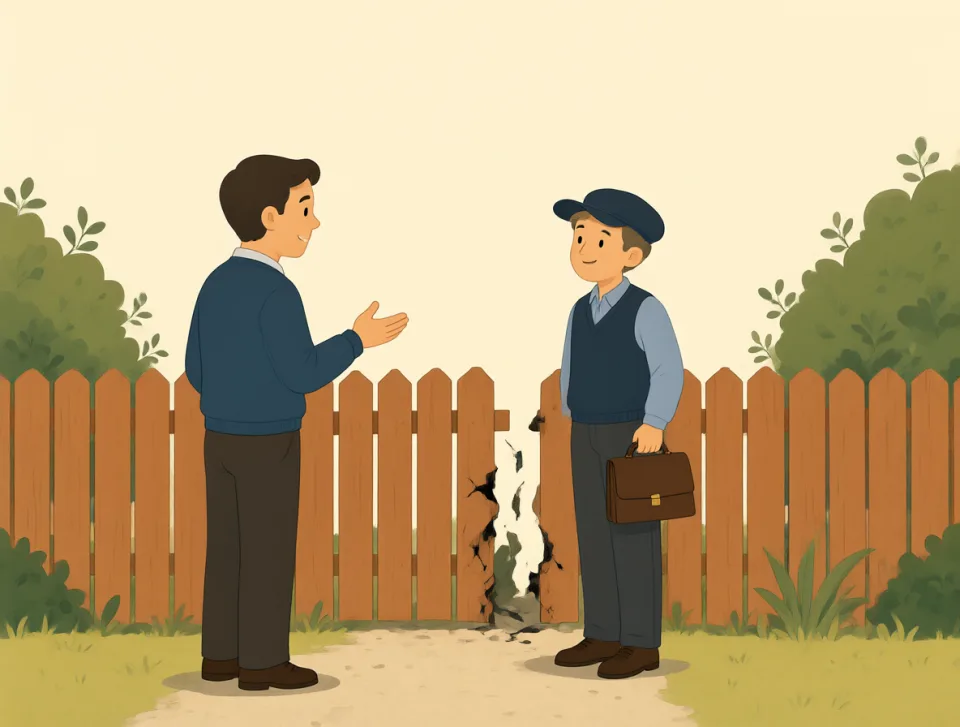
The company accepted liability for the damage caused by its delivery truck.
شرکت مسئولیت خسارتی را که کامیون تحویلش ایجاد کرده بود پذیرفت.

Taking on too much debt can become a serious liability for a small business.
بدهی بیش از حد میتواند برای یک کسبوکار کوچک به مسئولیتی جدی تبدیل شود.

The lawyer explained that the landlord had no liability for the guest’s injury.
وکیل توضیح داد که صاحبخانه مسئول آسیبدیدگی مهمان نیست.

She worried that her injured ankle would be a liability during the school hike.
او نگران بود که مچ پای آسیبدیدهاش در گردش پیادهروی مدرسه دردسرساز شود.

surprisingly
#2646adverb
بهطرز شگفتآوری
In a way that is unexpected or unusual.
بهشکلی غیرمنتظره یا غیرمعمول.
The small café was surprisingly busy on a quiet Tuesday morning.
کافهٔ کوچک در یک صبح آرامِ سهشنبه، بهطرز شگفتآوری شلوغ بود.

She was surprisingly calm before giving her first presentation at work.
او پیش از ارائهٔ نخستش در محل کار، بهطرز شگفتآوری آرام بود.

The train journey was surprisingly comfortable, even though it lasted six hours.
سفر با قطار بهطرز شگفتآوری راحت بود، با اینکه شش ساعت طول کشید.
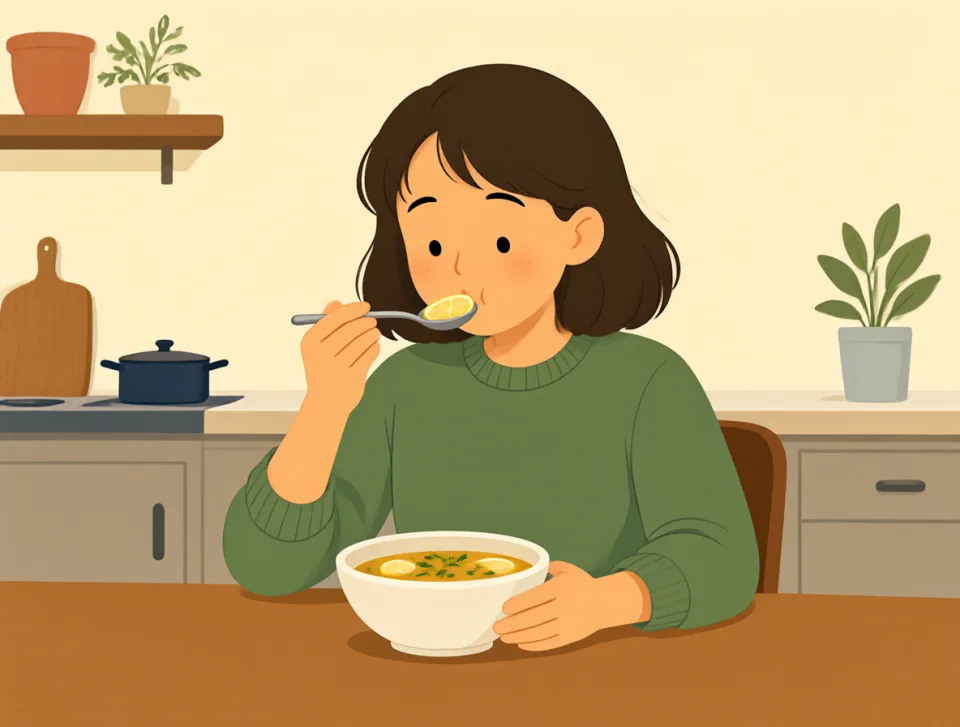
This soup tastes surprisingly good with a little lemon and fresh herbs.
این سوپ با کمی لیمو و سبزی تازه، بهطرز شگفتآوری خوشمزه است.
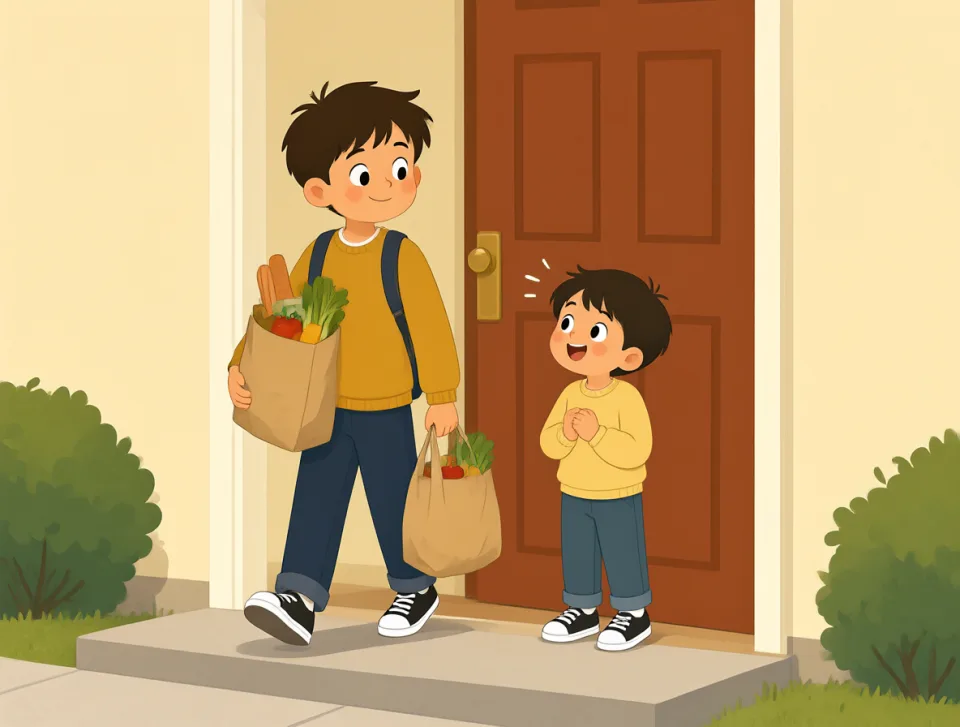
Surprisingly, my brother remembered to bring the groceries home after school.
باورنکردنی است، برادرم یادش ماند بعد از مدرسه خریدها را به خانه بیاورد.
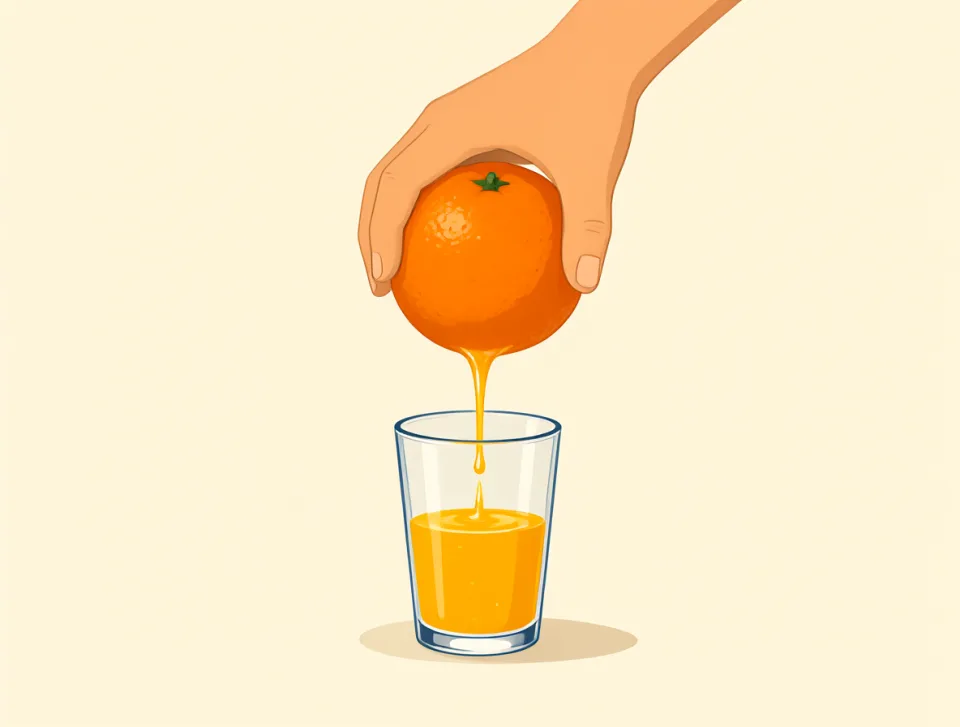
extract
#2647verb, noun
استخراج کردن؛ گزیده
to take something out, or a short part taken from a book, film, or other source
چیزی را بیرون آوردن، یا بخشی کوتاه از یک کتاب، فیلم یا منبع دیگر.
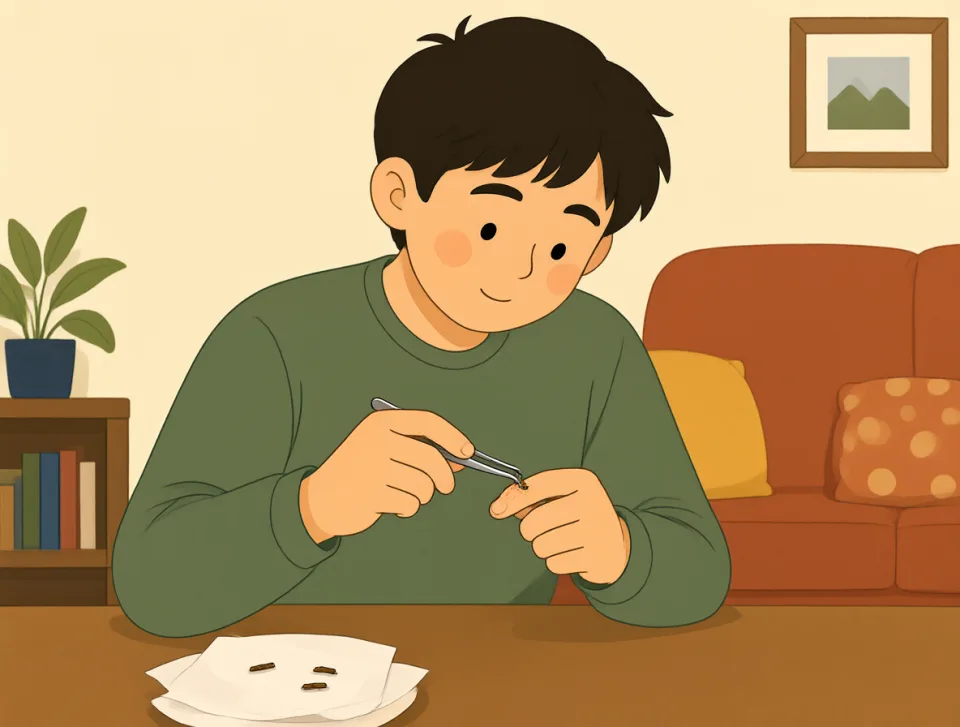
She extracted a splinter from her finger with clean tweezers.
او با موچین تمیز، تراشهای را از انگشتش بیرون آورد.
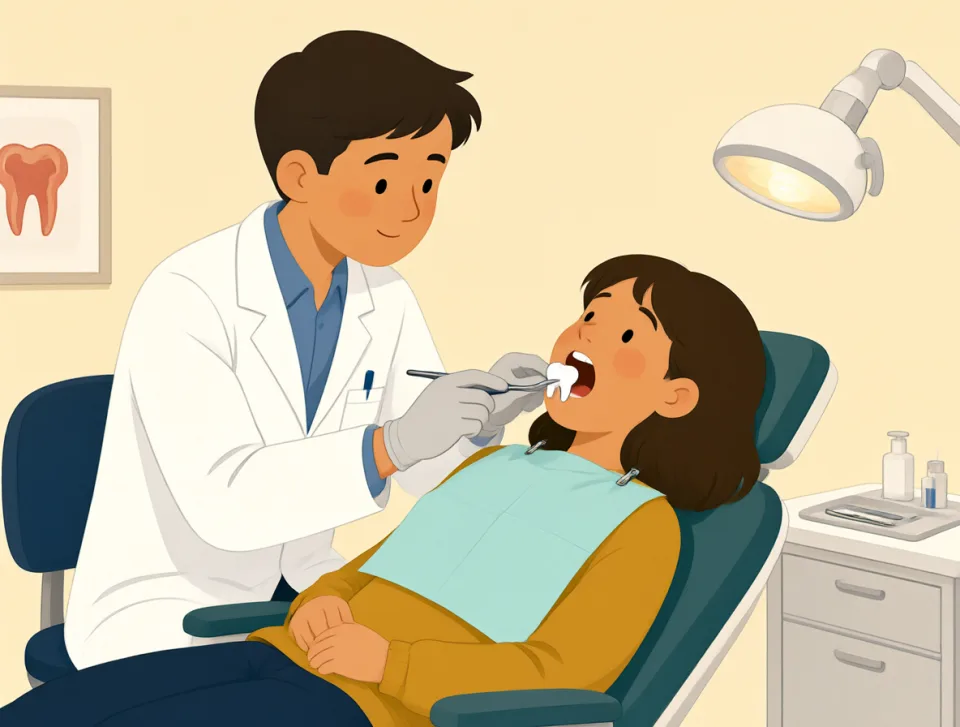
The dentist extracted my painful tooth after checking the X-ray.
دندانپزشک بعد از بررسی عکس رادیولوژی، دندان دردناکم را کشید.

I extracted the coffee beans from the grinder and made a fresh pot.
دانههای قهوه را از آسیاب بیرون آوردم و یک قوری قهوهٔ تازه دم کردم.
The teacher shared an extract from a novel before our class discussion.
معلم پیش از بحث کلاسی، بخشی از یک رمان را برایمان خواند.

They extracted useful details from the interviews for their research project.
آنها برای پروژهٔ پژوهشیشان، اطلاعات مفیدی را از مصاحبهها استخراج کردند.

implementation
#2648noun
اجرا
The process of putting a plan, decision, or system into use.
فرایند بهکارگیری یک برنامه، تصمیم یا سیستم.
The implementation of the new booking system took longer than we expected.
اجرای سیستم جدید رزرو، بیشتر از زمانی که انتظار داشتیم طول کشید.
The school began implementing a healthier lunch plan this term.
مدرسه این ترم اجرای برنامهٔ غذایی سالمتری را آغاز کرد.

We discussed the implementation of the safety rules during the staff meeting.
در جلسهٔ کارکنان دربارهٔ اجرای مقررات ایمنی صحبت کردیم.

The city delayed implementation of the bus changes until next month.
شهر اجرای تغییرات اتوبوسرانی را تا ماه آینده به تعویق انداخت.
Successful implementation depends on everyone following the doctor's advice at home.
اجرای موفقیتآمیز این کار به این بستگی دارد که همه در خانه از توصیههای پزشک پیروی کنند.

bias
#2649noun, verb
سوگیری
An unfair preference for or against someone or something that affects judgment.
ترجیح ناعادلانهٔ یک شخص یا چیز، یا مخالفت ناعادلانه با آن، که بر قضاوت اثر میگذارد.
The hiring manager tried to avoid bias when choosing between the candidates.
مدیر استخدام سعی کرد هنگام انتخاب بین نامزدها از سوگیری پرهیز کند.

The news report showed a clear bias against the workers who were on strike.
گزارش خبری، سوگیری آشکاری علیه کارگرانی که اعتصاب کرده بودند نشان میداد.
Our teacher warned us that personal bias can affect how we remember events.
معلم به ما هشدار داد که سوگیری شخصی میتواند بر نحوهٔ بهیادآوردن رویدادها اثر بگذارد.

The survey may be biased because it only asked people who shop online.
ممکن است این نظرسنجی سوگیری داشته باشد، چون فقط از کسانی پرسیده که آنلاین خرید میکنند.
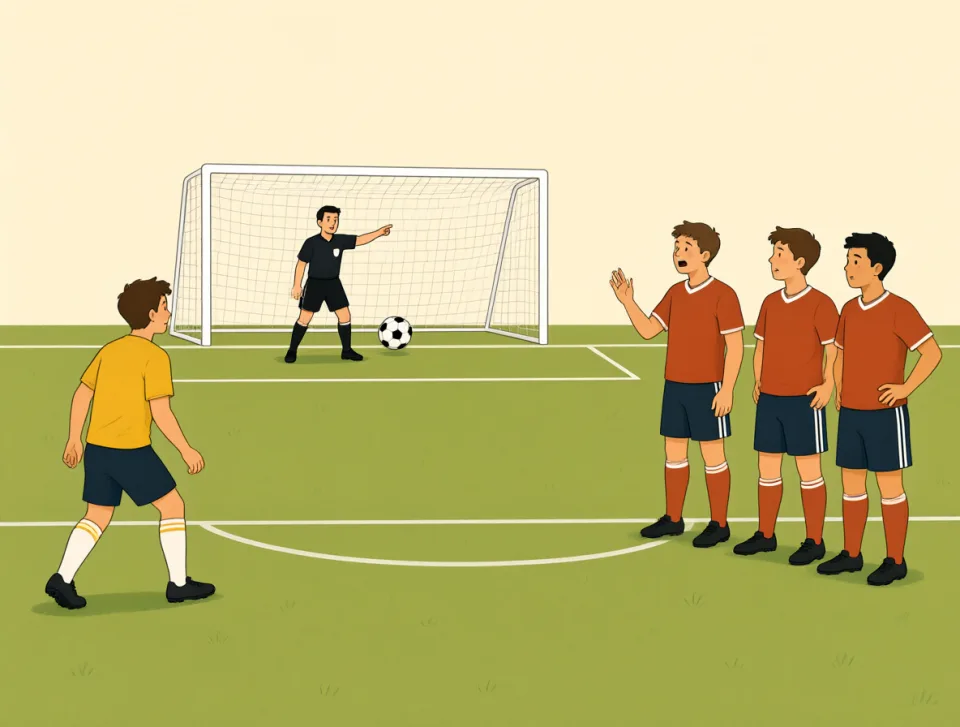
She accused the referee of being biased after he gave the other team a penalty.
او داور را متهم کرد که بعد از اعلام پنالتی به نفع تیم مقابل، جانبدارانه قضاوت کرده است.
differently
#2650adverb
بهشکلی متفاوت
In a way that is not the same as another way.
بهشکلی که با روش دیگری یکسان نیست.
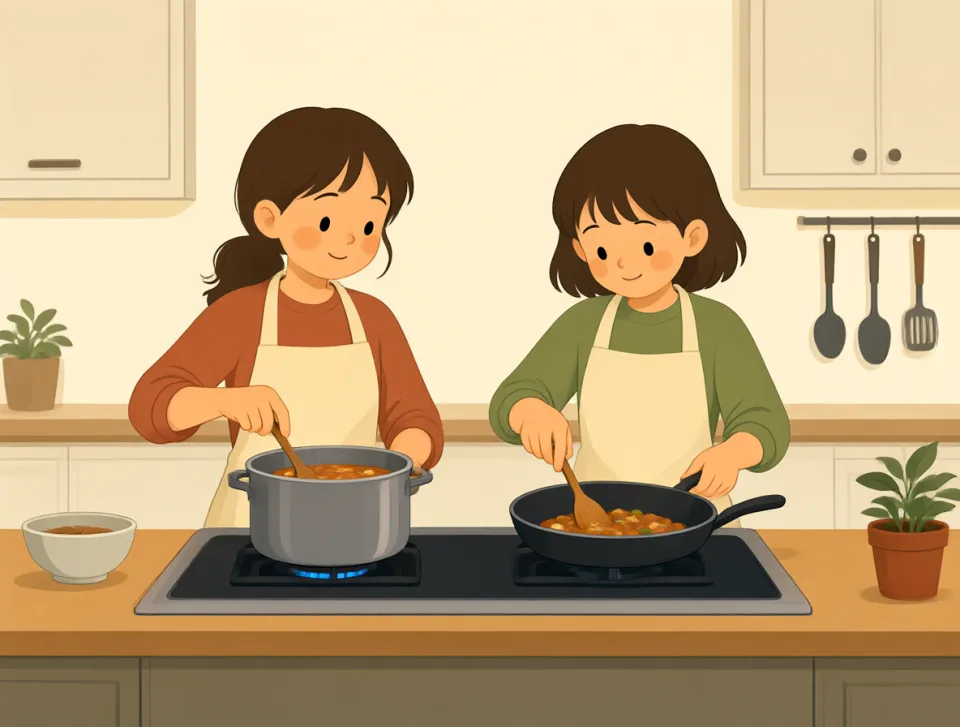
We tried the new recipe, but my sister cooked it differently.
دستور پخت جدید را امتحان کردیم، اما خواهرم آن را به شکل متفاوتی پخت.
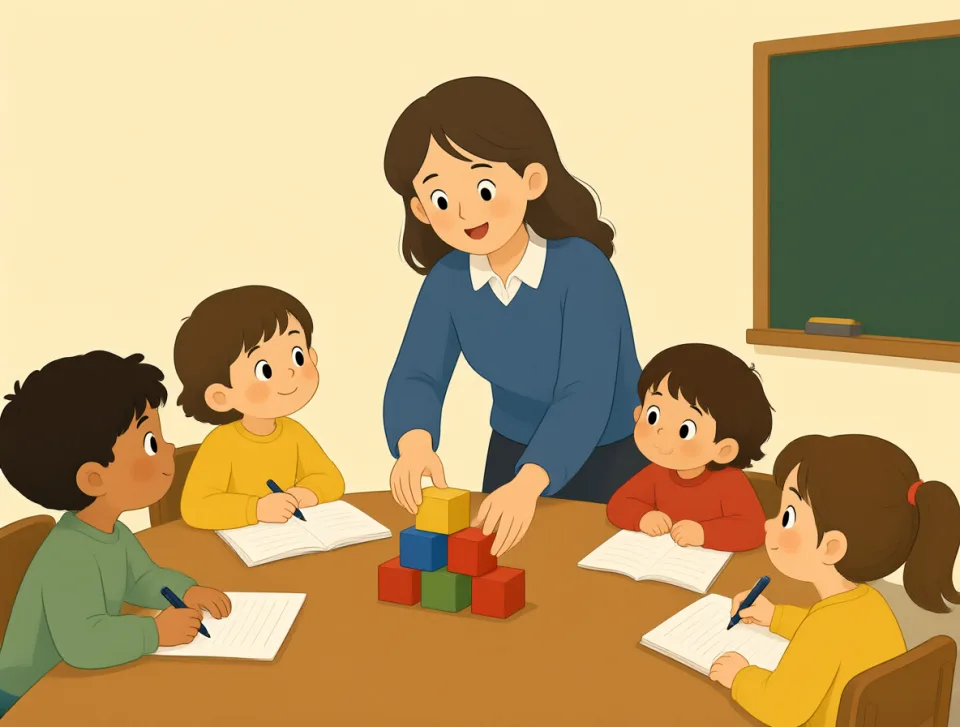
The teacher explained the problem differently, and everyone understood it.
معلم مسئله را به شکل دیگری توضیح داد و همه آن را فهمیدند.
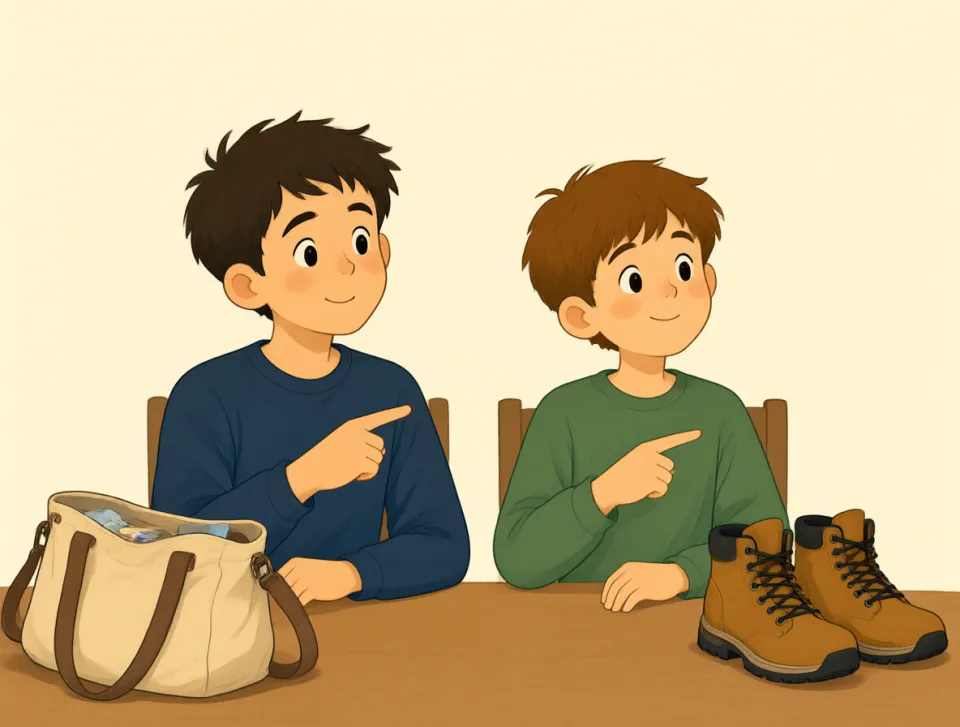
My brother and I think differently about where to spend our holiday.
من و برادرم دربارهٔ اینکه تعطیلاتمان را کجا بگذرانیم، متفاوت فکر میکنیم.

The shop sells the same jacket differently in each season.
فروشگاه در هر فصل همان کت را به شکل متفاوتی عرضه میکند.

After the treatment, she walked differently and felt less pain.
بعد از درمان، او طور دیگری راه میرفت و درد کمتری داشت.
catalog
#2651noun, verb
فهرست
A list of items for sale or reference; to make such a list.
فهرستی از کالاها برای فروش یا مراجعه؛ یا تهیهٔ چنین فهرستی.

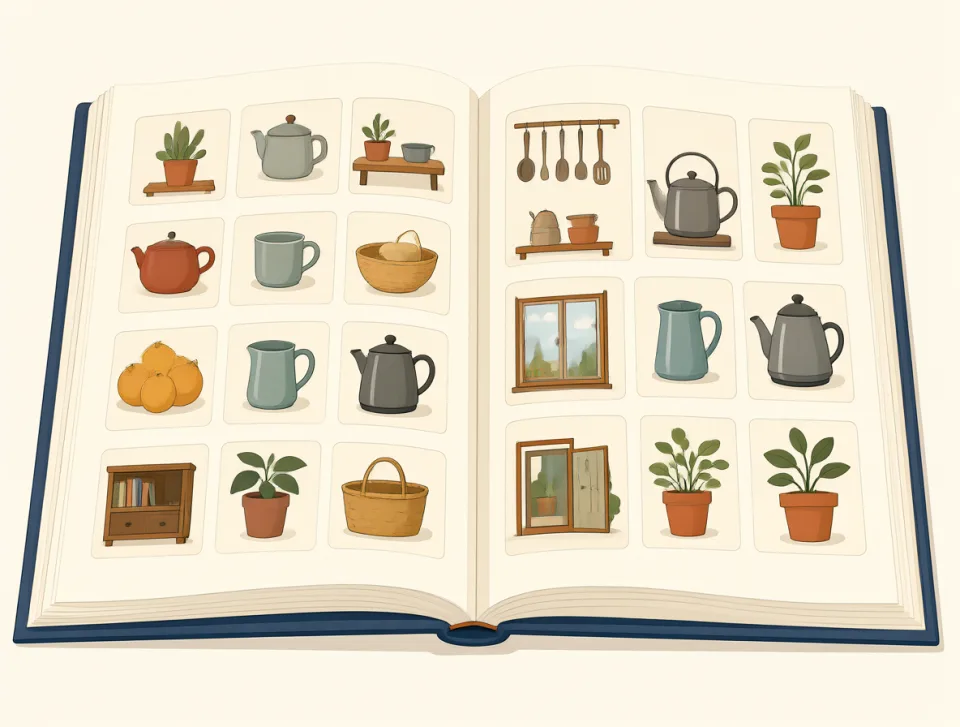
I ordered a new sofa from the furniture catalog last weekend.
آخر هفتهٔ گذشته از فهرست مبلمان، یک مبل جدید سفارش دادم.

The library catalog helped us find books about local history.
فهرست کتابخانه کمکمان کرد کتابهایی دربارهٔ تاریخ محلی پیدا کنیم.
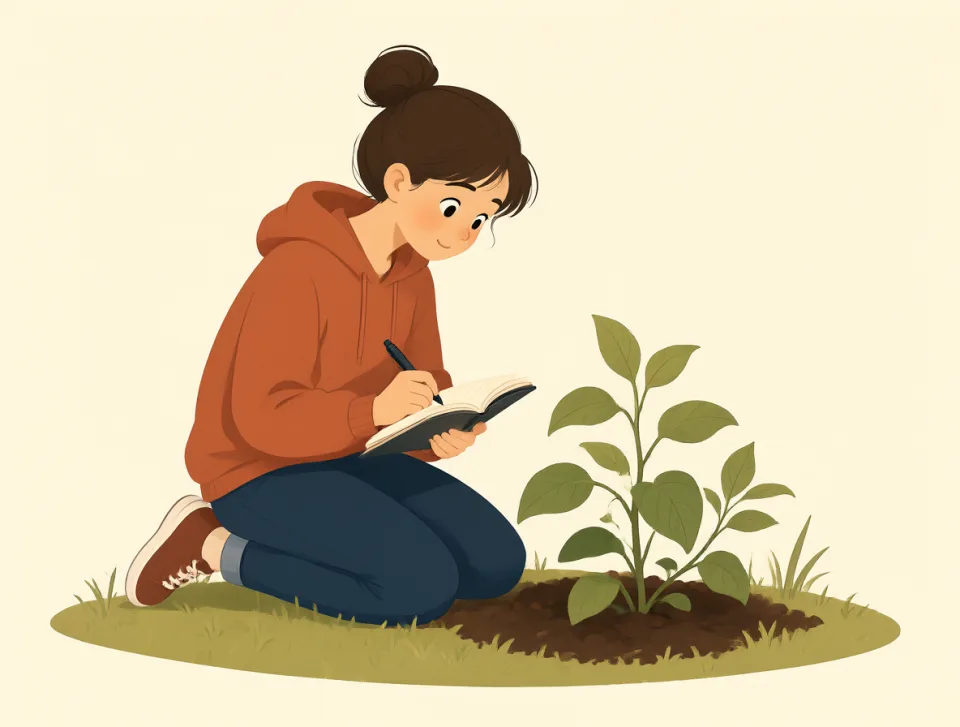
Our teacher asked us to catalog the plants in the school garden.
معلممان از ما خواست گیاهان باغ مدرسه را فهرست کنیم.

The museum catalogs each painting before it goes on display.
موزه پیش از بهنمایشگذاشتن هر نقاشی، آن را در فهرست ثبت میکند.
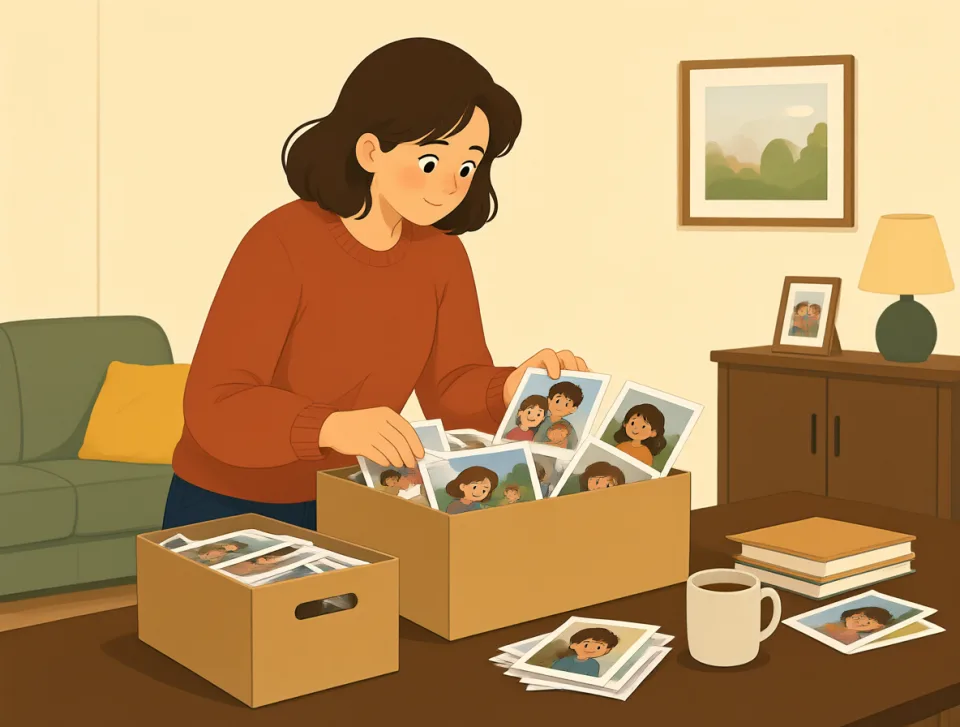
She cataloged the family photos so everyone could find them easily.
او عکسهای خانوادگی را مرتب و فهرستبندی کرد تا همه بتوانند بهراحتی پیدایشان کنند.
continuous
#2652adjective
پیوسته
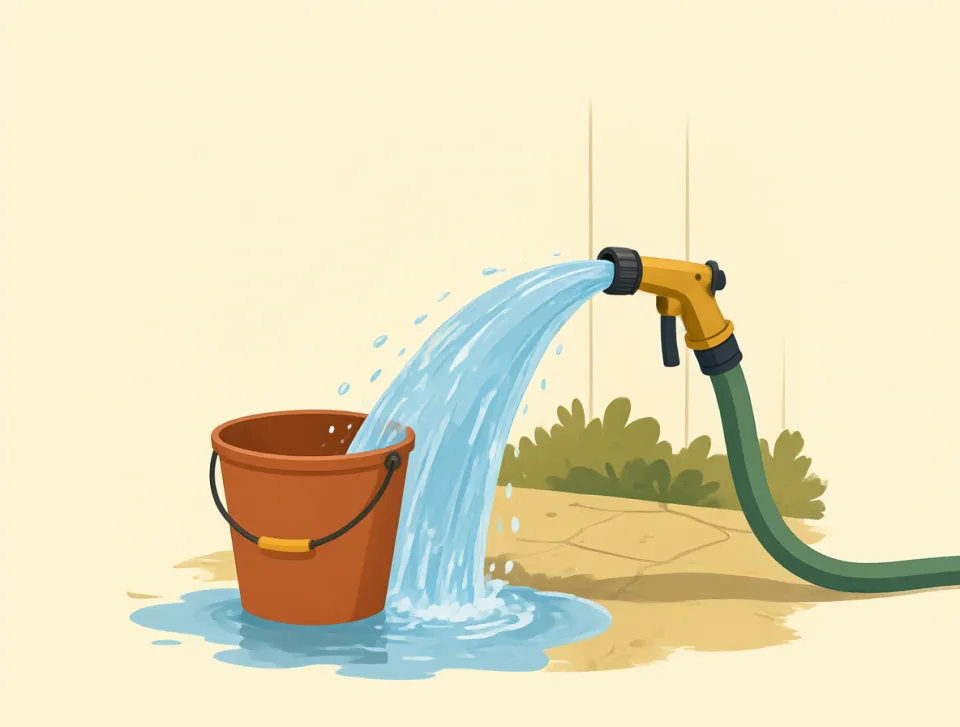
Happening or continuing without stopping or being interrupted.
چیزی که بدون توقف یا وقفه رخ میدهد یا ادامه پیدا میکند.

The continuous rain kept us inside all afternoon.
بارانِ بیوقفه تمام بعدازظهر ما را در خانه نگه داشت.

She worked for three hours without a break, making continuous progress on the report.
او سه ساعت بیوقفه کار کرد و در تهیهٔ گزارش پیوسته پیشرفت داشت.
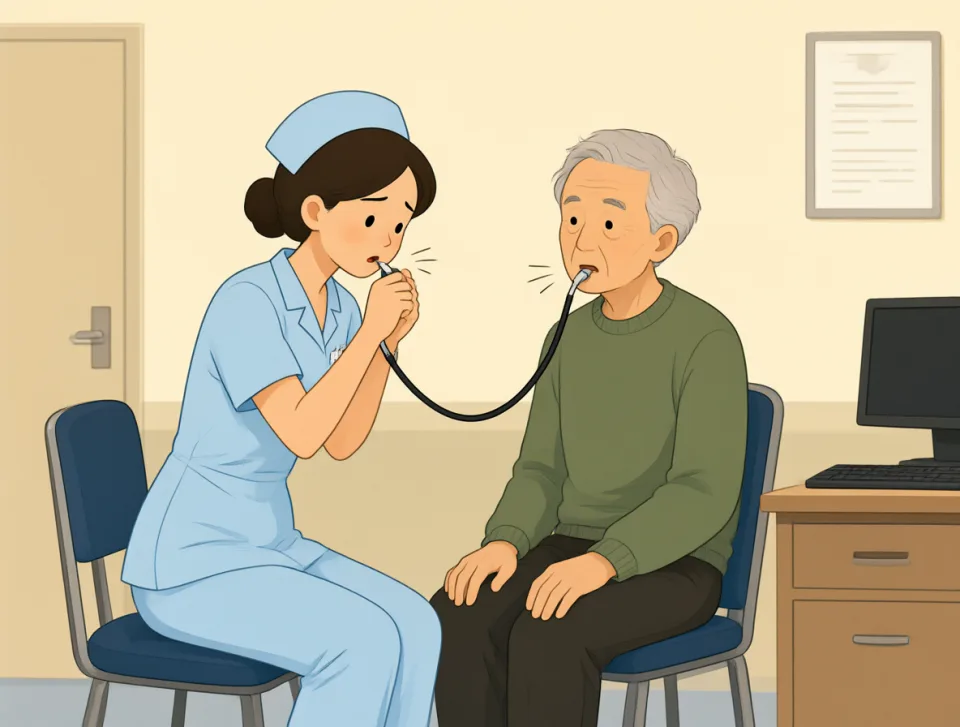
The nurse checked his temperature because he had a continuous cough.
پرستار دمای بدنش را بررسی کرد، چون سرفهٔ مداومی داشت.
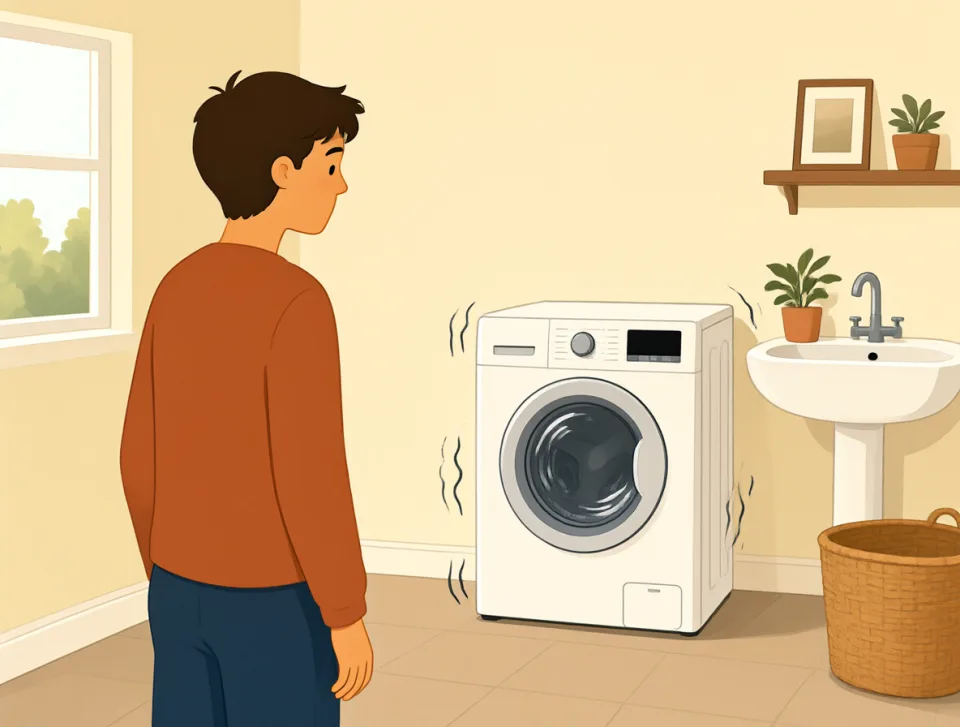
We heard a continuous noise from the washing machine downstairs.
از ماشین لباسشوییِ طبقهٔ پایین صدای پیوستهای میشنیدیم.

The teacher asked us to draw a continuous line without lifting the pencil.
معلم از ما خواست بدون برداشتن مداد از روی کاغذ، یک خط پیوسته بکشیم.

golden
#2653adjective
طلایی
Having a bright yellow color, or relating to a very successful or special time.
دارای رنگ زردِ درخشان؛ یا مربوط به دورهای بسیار موفق یا ویژه.

She wore a golden necklace her grandmother had given her for graduation.
او برای جشن فارغالتحصیلی گردنبند طلاییای را انداخت که مادربزرگش به او هدیه داده بود.

The bakery sells warm golden bread rolls every morning before the school rush.
نانوایی هر روز صبح، پیش از شلوغیِ رفتن به مدرسه، نانهای گرد و گرم و طلایی میفروشد.

We watched the golden sun sink behind the hills during our train ride.
در طول سفر با قطار، غروب خورشید طلایی را تماشا کردیم که پشت تپهها پایین میرفت.
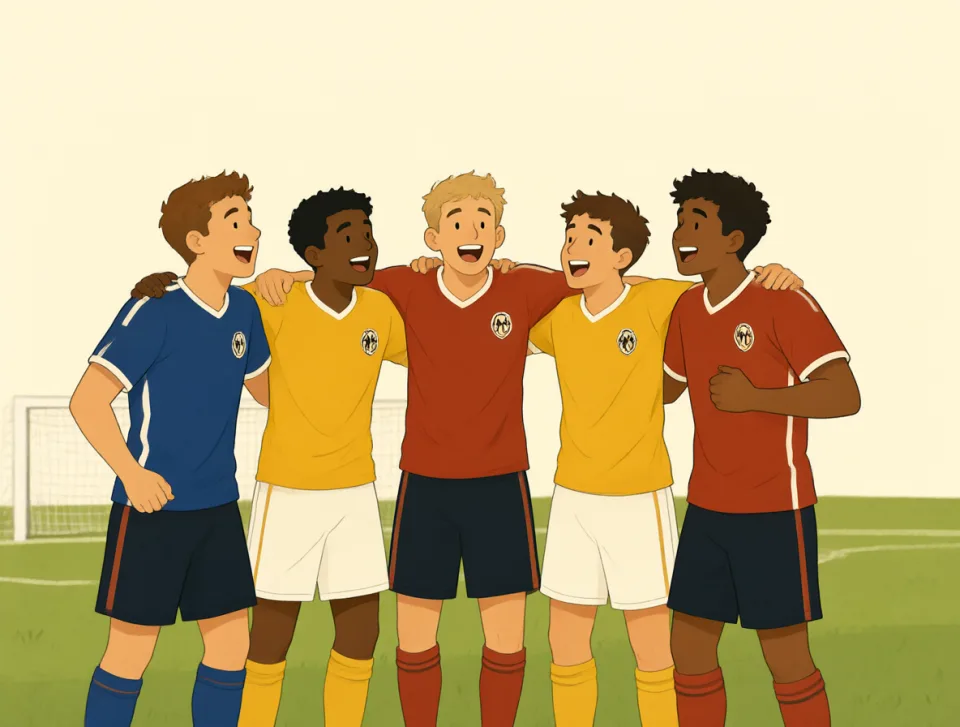
The team enjoyed a golden season, winning nearly every game at home.
تیم فصل درخشانی را پشت سر گذاشت و تقریباً همهٔ بازیهای خانگیاش را برد.

Those years at college were a golden time for her and her closest friends.
سالهای دانشگاه برای او و نزدیکترین دوستانش دورهای طلایی بود.
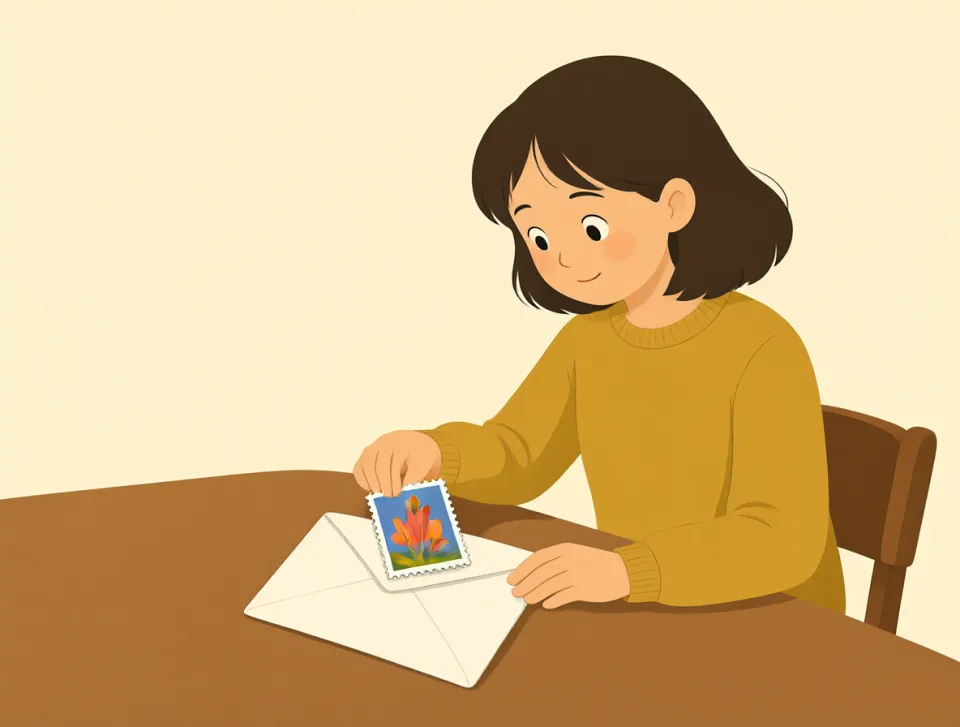
stamp
#2654noun, verb
تمبر؛ مهر زدن
A small piece of paper for sending mail, or to mark something by pressing a shape onto it.
تکهکاغذ کوچکی برای فرستادن نامه، یا علامتگذاری چیزی با فشردن شکلی روی آن.
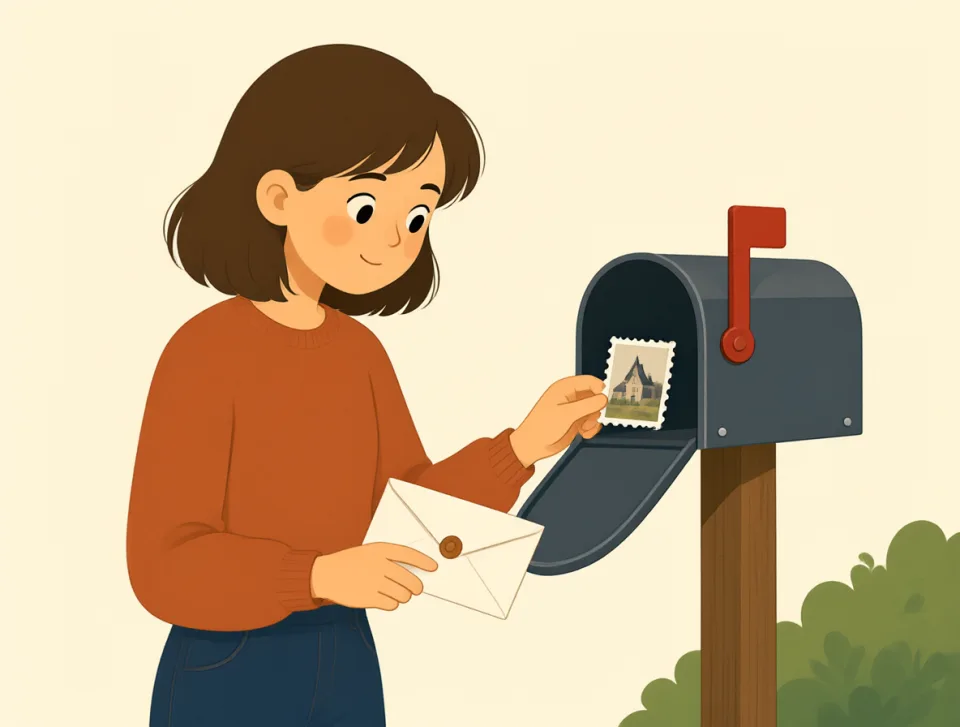
I need a stamp to mail this letter to my grandmother.
برای فرستادن این نامه به مادربزرگم به یک تمبر نیاز دارم.
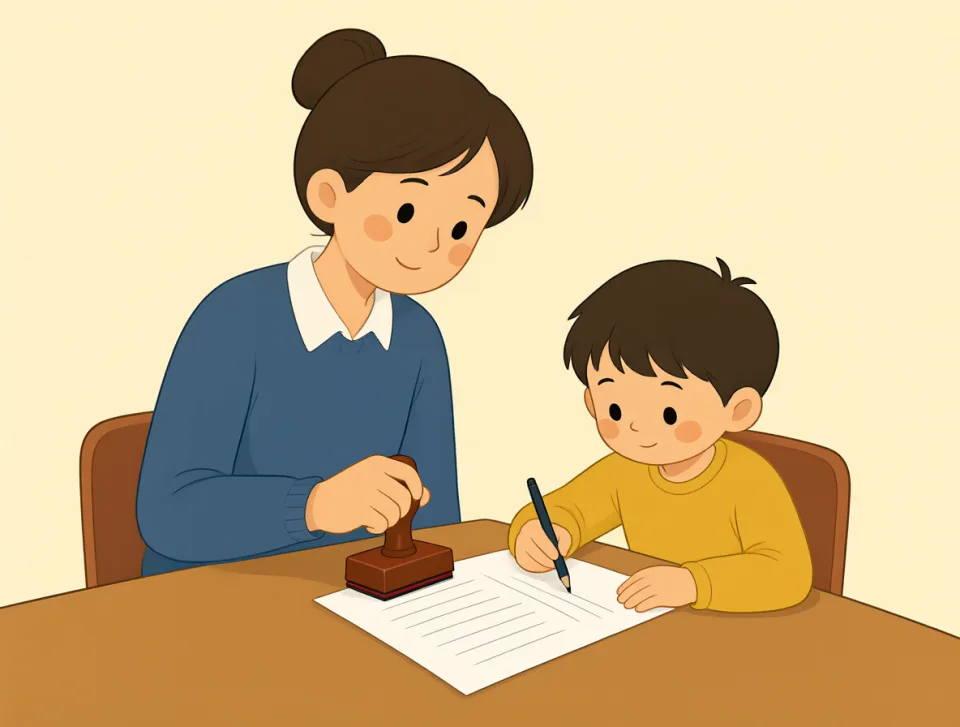
The teacher stamped my form after checking all the information.
معلم بعد از بررسی همهٔ اطلاعات، روی برگهام مهر زد.

She bought a book of stamps at the post office.
او یک دفترچه تمبر از ادارهٔ پست خرید.
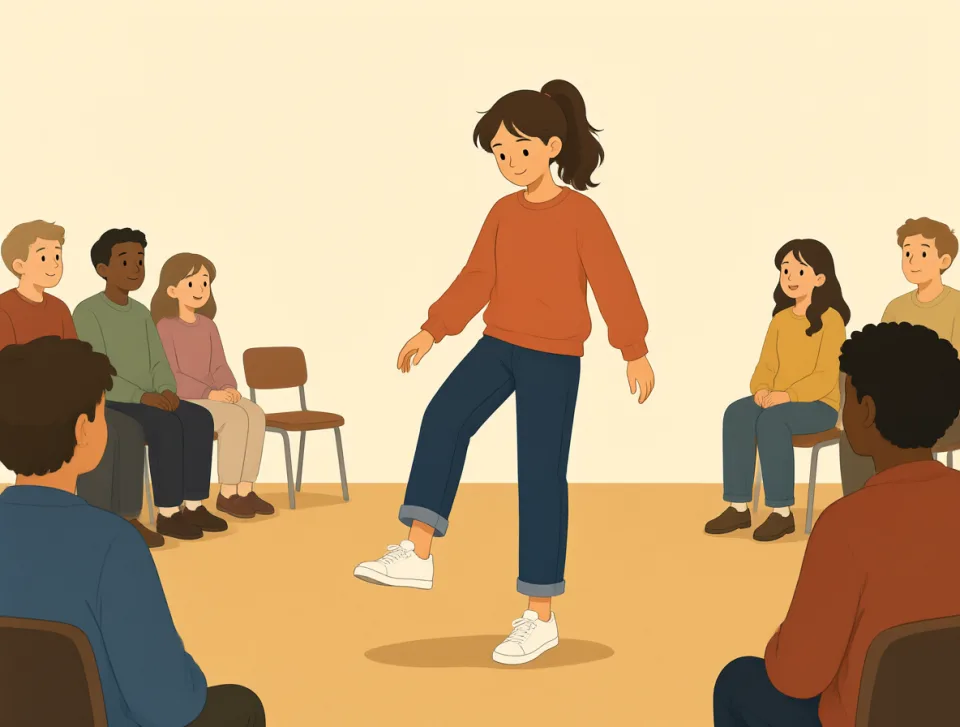
Please stamp your foot twice if you can hear the music.
اگر میتوانید موسیقی را بشنوید، لطفاً دو بار پایتان را محکم به زمین بکوبید.
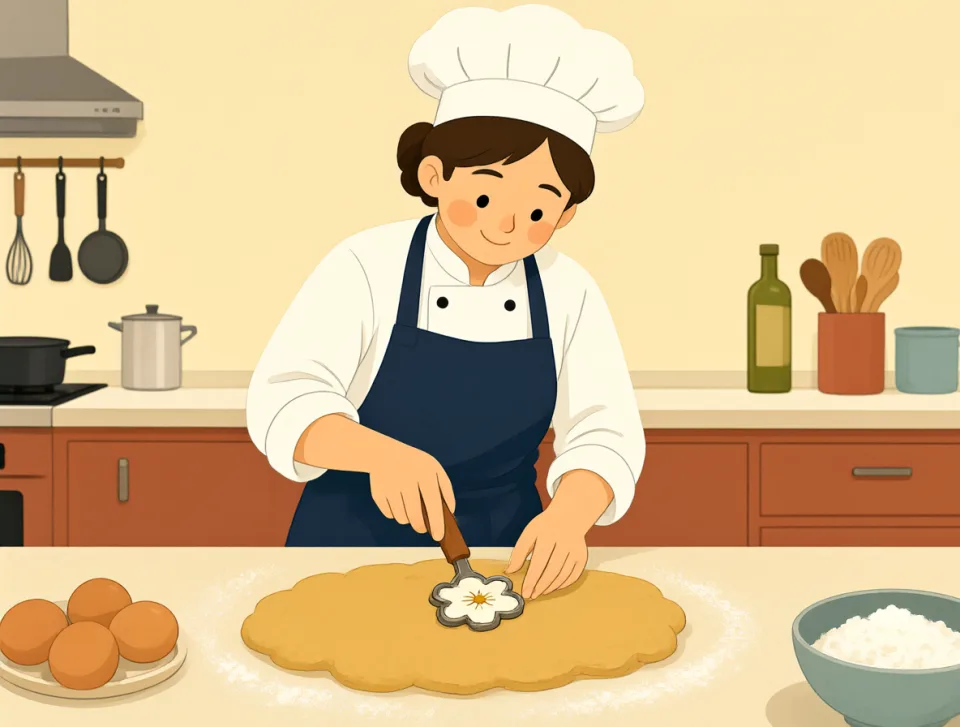
The chef stamped a flower shape onto the cookies with a cutter.
آشپز با استفاده از قالب، شکل یک گل را روی شیرینیها انداخت.
guideline
#2655noun
راهنما
A rule or piece of advice that helps you decide what to do.
قانون یا توصیهای که به شما کمک میکند تصمیم بگیرید چه کاری انجام دهید.
Please follow the safety guidelines when using this kitchen equipment.
لطفاً هنگام استفاده از این تجهیزات آشپزخانه، دستورالعملهای ایمنی را رعایت کنید.
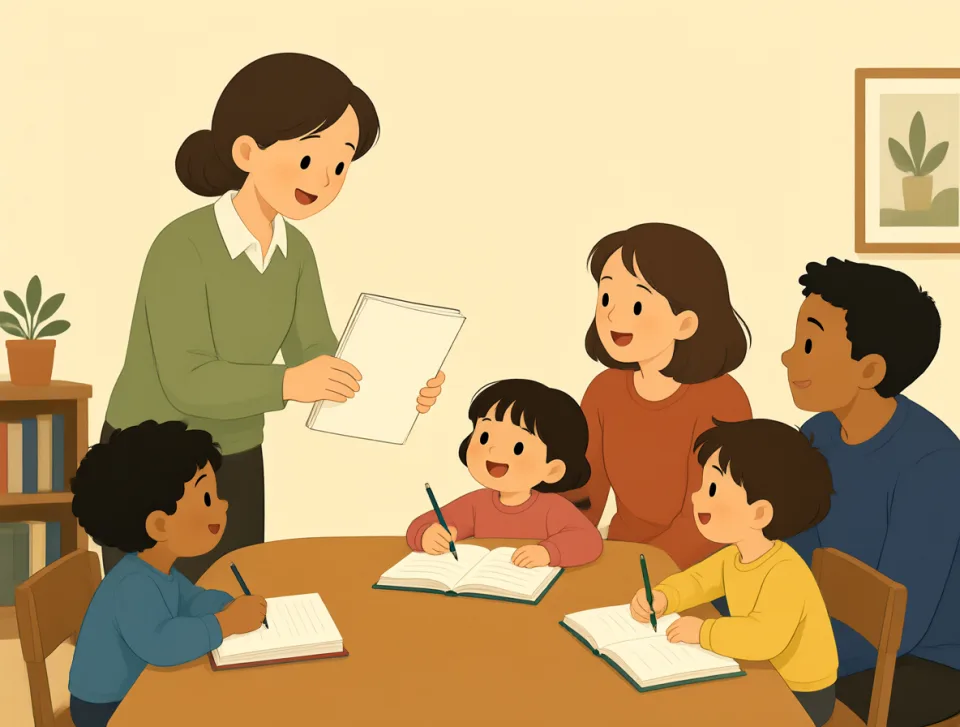
The school gave parents guidelines for helping children with homework.
مدرسه برای کمک به بچهها در انجام تکالیف، راهنماییهایی در اختیار والدین گذاشت.

Our manager shared guidelines for working from home effectively.
مدیرمان راهنماییهایی برای مؤثر کار کردن از خانه با ما در میان گذاشت.
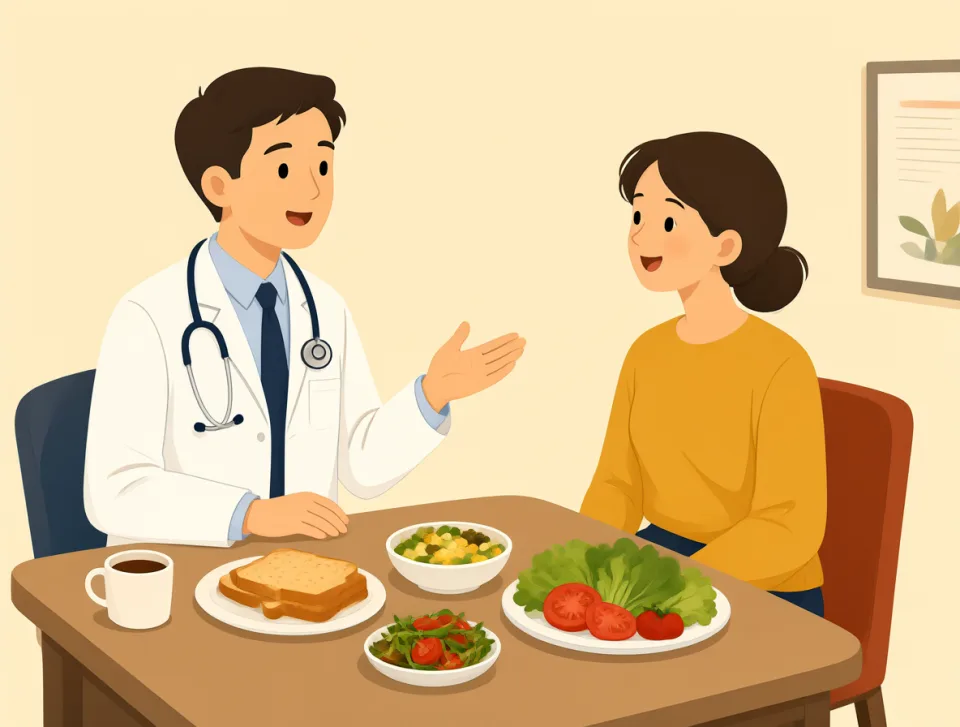
The doctor gave me guidelines for eating less salt each day.
دکتر راهنماییهایی به من داد تا هر روز نمک کمتری مصرف کنم.
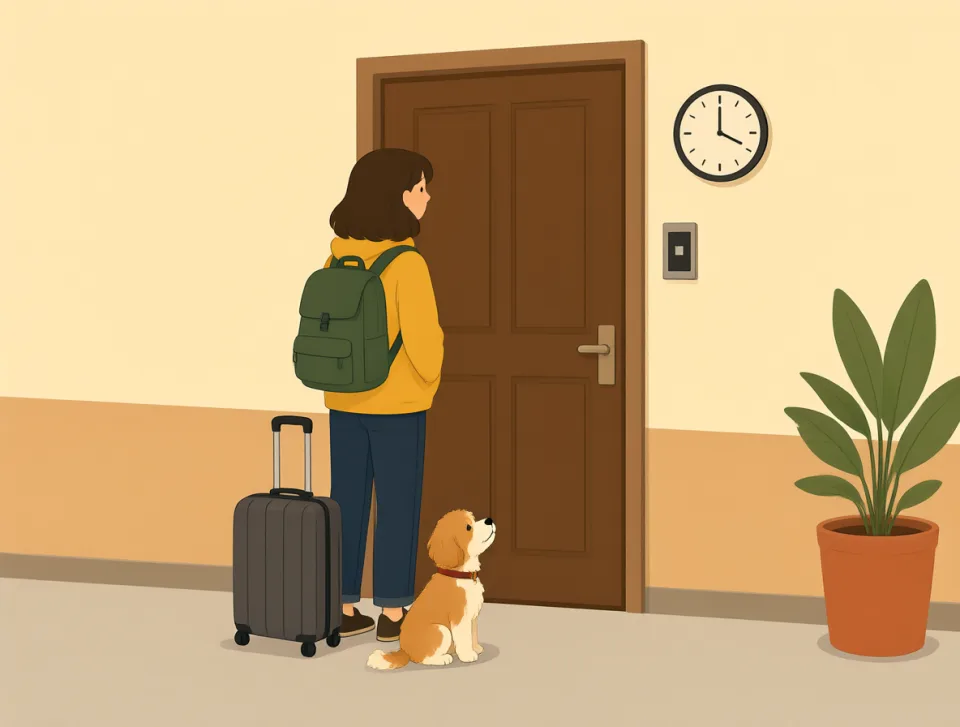
The hotel provides clear guidelines for guests traveling with pets.
هتل برای مهمانانی که با حیوانات خانگی سفر میکنند، دستورالعملهای روشنی ارائه میدهد.

envelope
#2656noun
پاکت
A flat paper container used for sending or holding a letter or card.
محفظهای کاغذی و تخت که برای فرستادن یا نگهداری نامه یا کارت استفاده میشود.

She put the birthday card in an envelope before taking it to the post office.
او پیش از بردن کارت تولد به ادارهٔ پست، آن را داخل یک پاکت گذاشت.

Please write your return address on the back of the envelope.
لطفاً نشانی فرستنده را پشت پاکت بنویسید.

The school sent an envelope containing important forms for parents to complete.
مدرسه پاکتی حاوی فرمهای مهمی فرستاد تا والدین آنها را تکمیل کنند.

He opened the envelope carefully and found a gift card inside.
او پاکت را بااحتیاط باز کرد و داخل آن یک کارت هدیه پیدا کرد.

The nurse gave me an envelope with my medical appointment details inside.
پرستار پاکتی به من داد که جزئیات نوبت پزشکیام داخل آن بود.
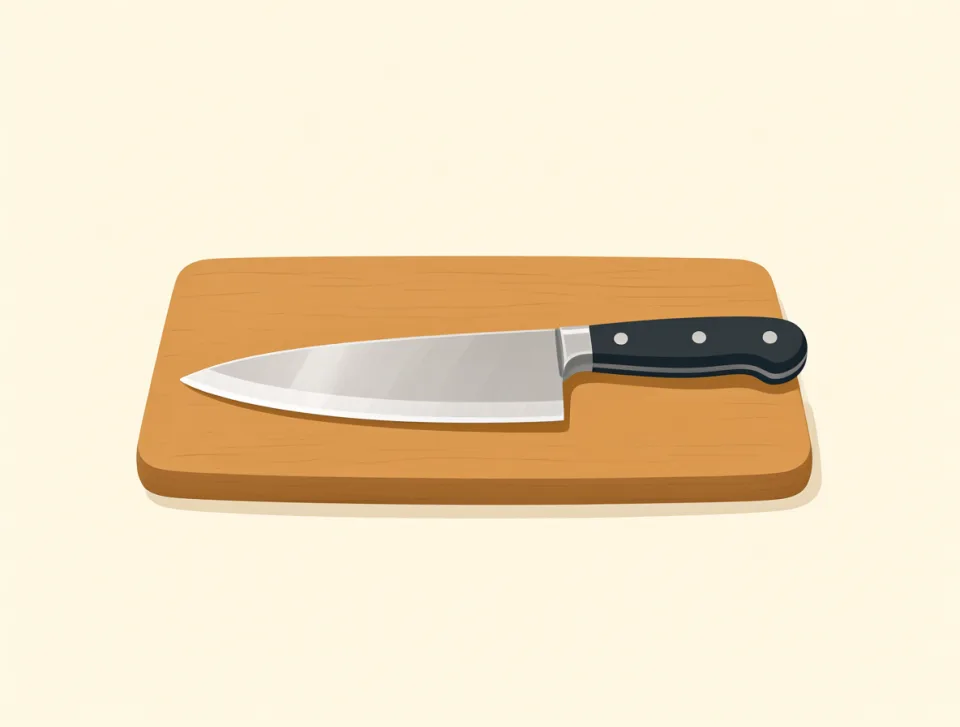
knife
#2657noun
چاقو
A tool with a sharp blade, used for cutting food or other things.
وسیلهای با تیغهٔ تیز که برای بریدن غذا یا چیزهای دیگر استفاده میشود.
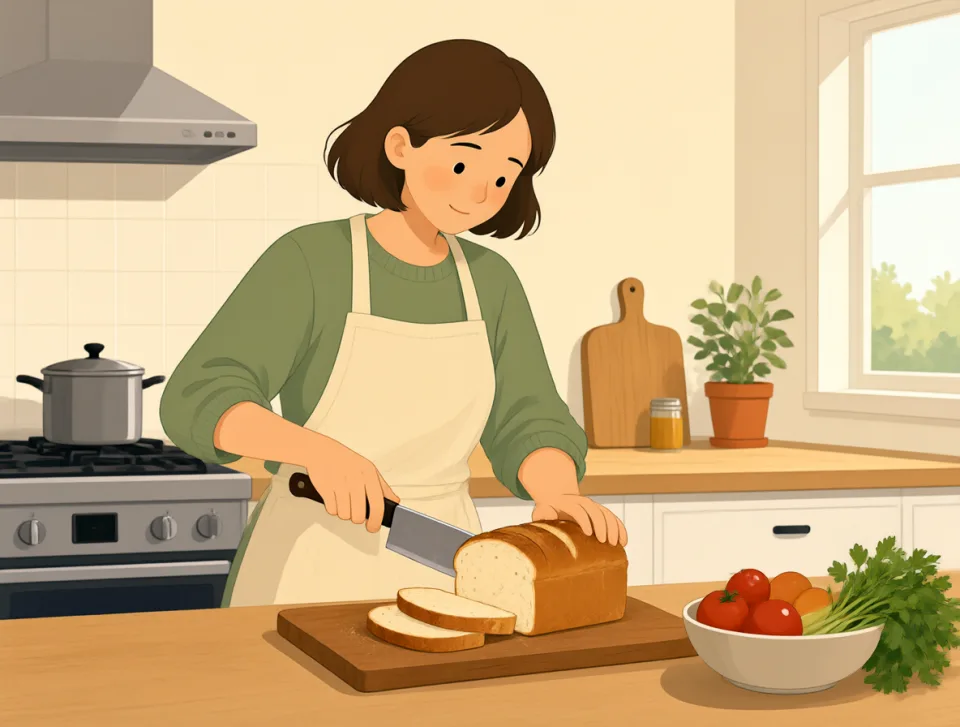
She used a sharp knife to cut the bread for breakfast.
او با چاقویی تیز نان را برای صبحانه برید.
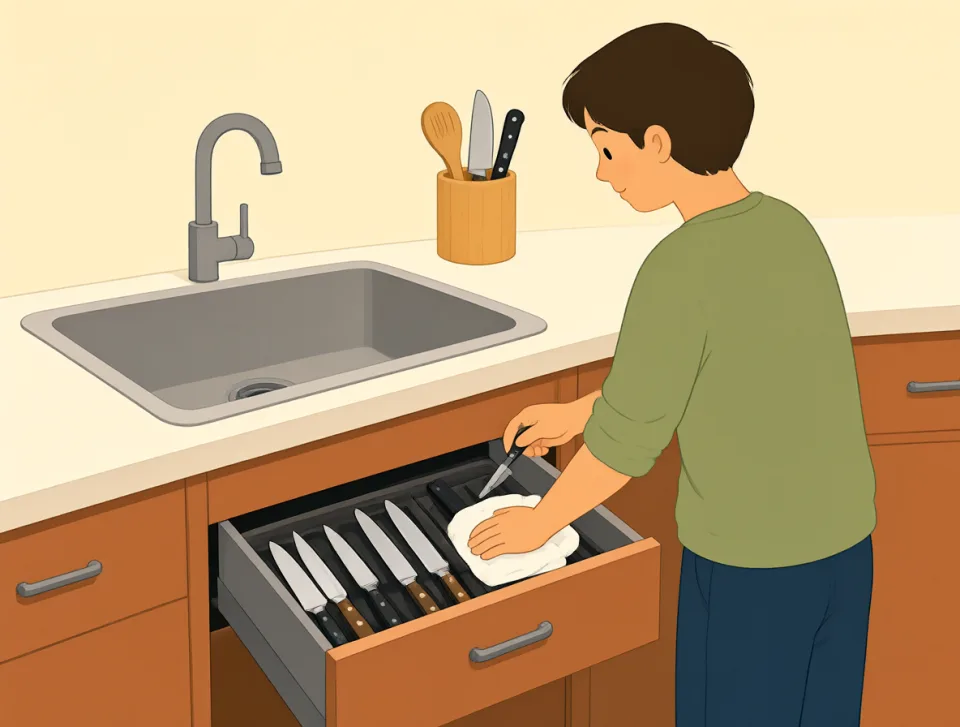
Please put the knives in the drawer after you wash them.
لطفاً بعد از شستن چاقوها، آنها را در کشو بگذارید.
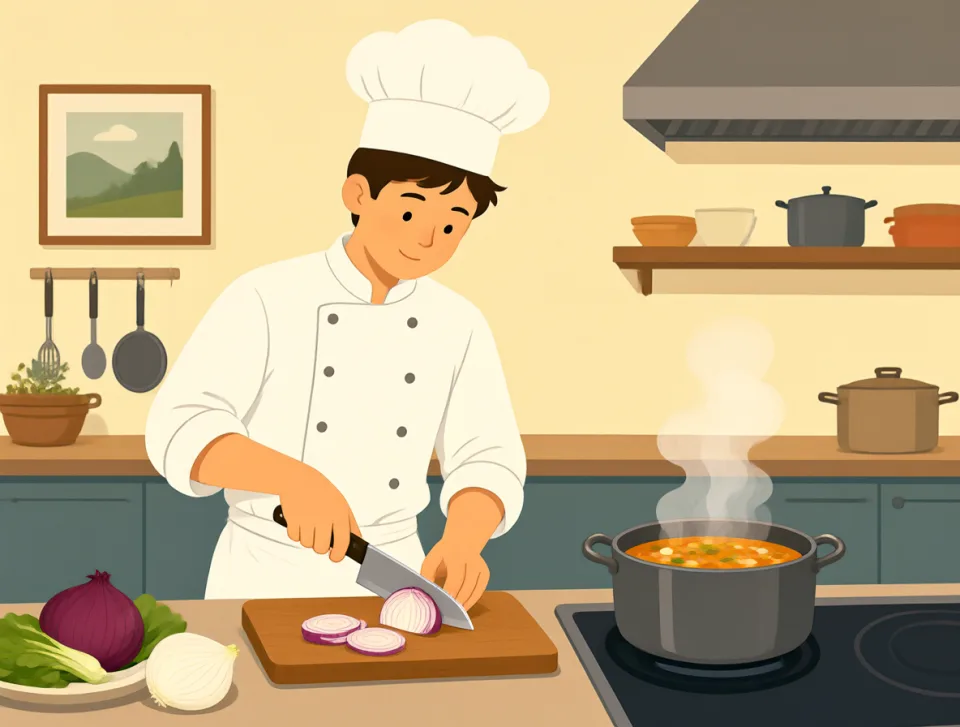
The chef chopped onions with a knife while the soup simmered.
آشپز در حالی که سوپ آرام میجوشید، با چاقو پیازها را خرد کرد.

He bought a small pocket knife for camping trips in the mountains.
او برای سفرهای کمپینگ در کوهستان یک چاقوی جیبی کوچک خرید.
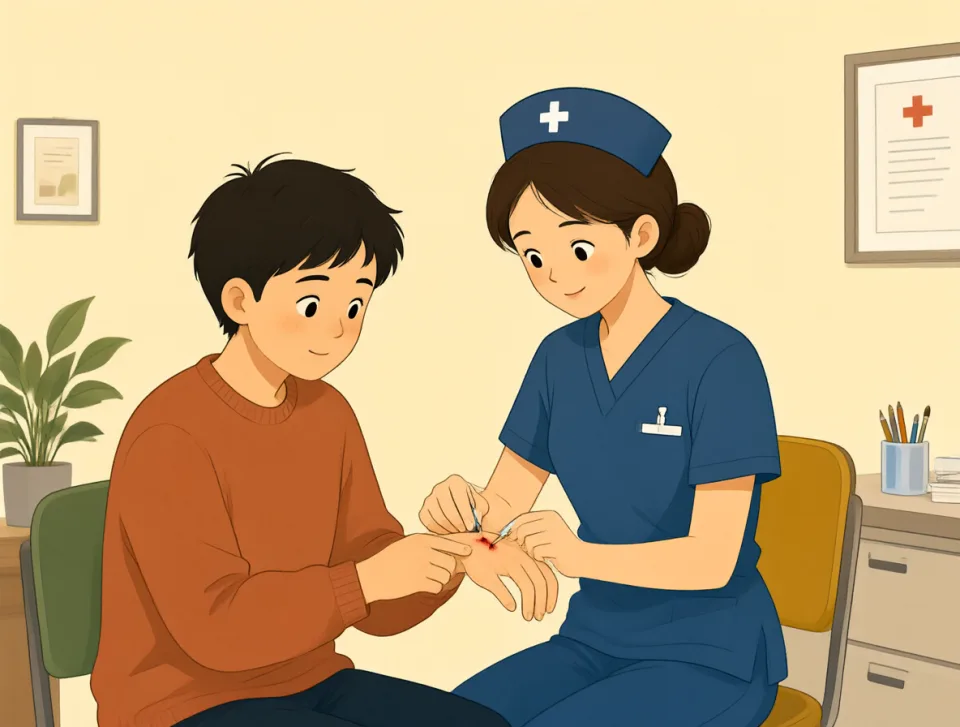
The nurse cleaned the cut and checked that no knife had caused it.
پرستار زخم را تمیز کرد و بررسی کرد که چاقویی باعث آن نشده باشد.

biological
#2658adjective
زیستی
Connected with living things or the processes of life.
مرتبط با موجودات زنده یا فرایندهای زندگی.
The doctor explained how biological changes can affect our sleep and energy.
پزشک توضیح داد که تغییرات زیستی چگونه میتوانند بر خواب و انرژی ما تأثیر بگذارند.

She recently met her biological father for the first time.
او بهتازگی برای نخستین بار با پدر زیستیاش دیدار کرد.
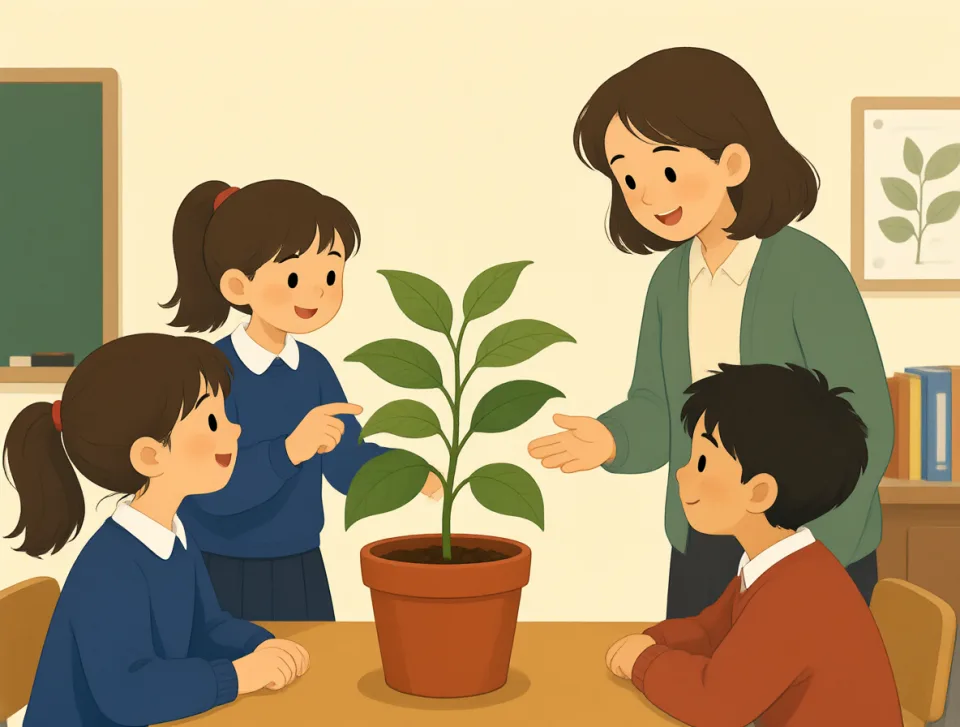
In science class, we learned about biological processes in plants.
در کلاس علوم دربارهٔ فرایندهای زیستی در گیاهان آموختیم.

Long flights can confuse your biological clock and make you feel tired.
پروازهای طولانی میتوانند ساعت زیستی بدن را بههم بزنند و باعث شوند احساس خستگی کنید.

The company uses biological methods to control insects without harmful chemicals.
این شرکت برای کنترل حشرات، بدون استفاده از مواد شیمیایی مضر، از روشهای زیستی استفاده میکند.
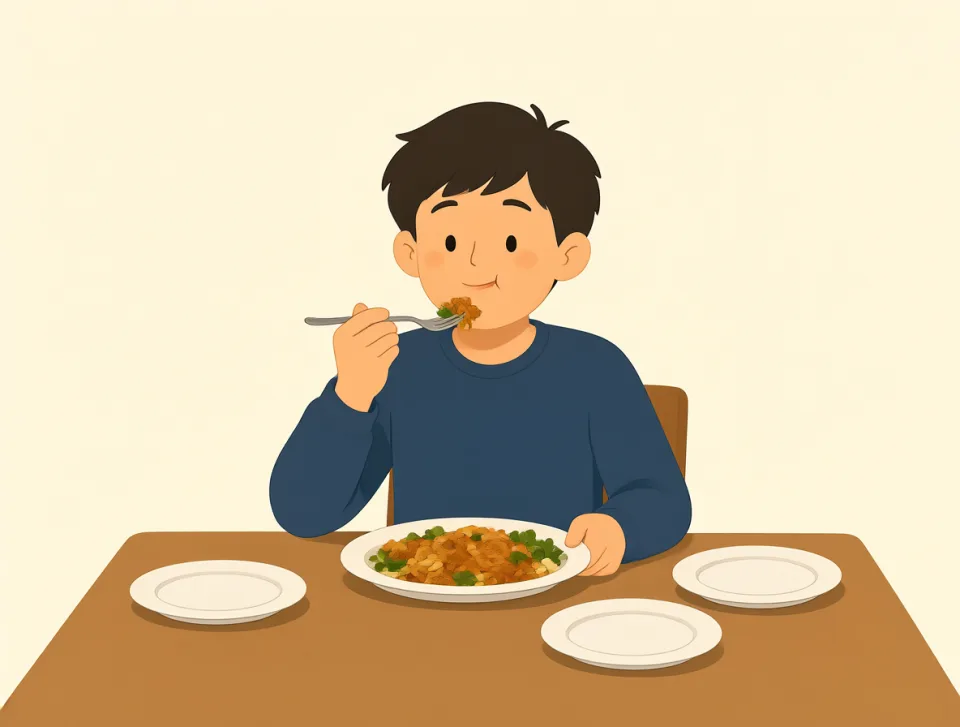
consume
#2659verb
مصرف کردن
to use, eat, or drink something, especially in large amounts
چیزی را استفاده کردن، خوردن یا نوشیدن، بهویژه به مقدار زیاد.
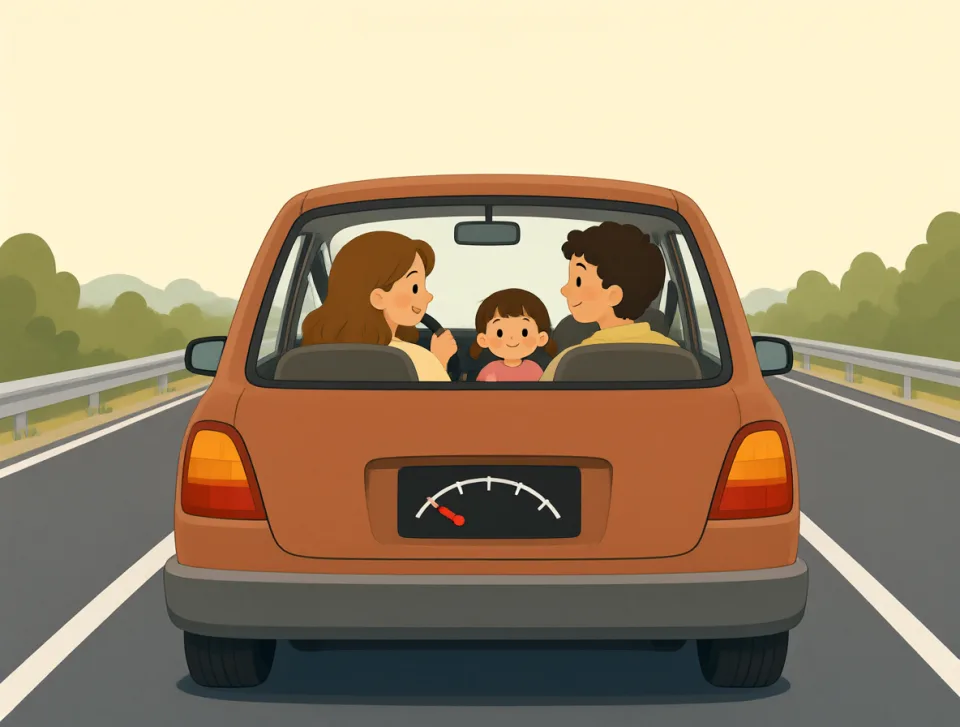
Cars consume a lot of fuel during long journeys.
خودروها در سفرهای طولانی سوخت زیادی مصرف میکنند.
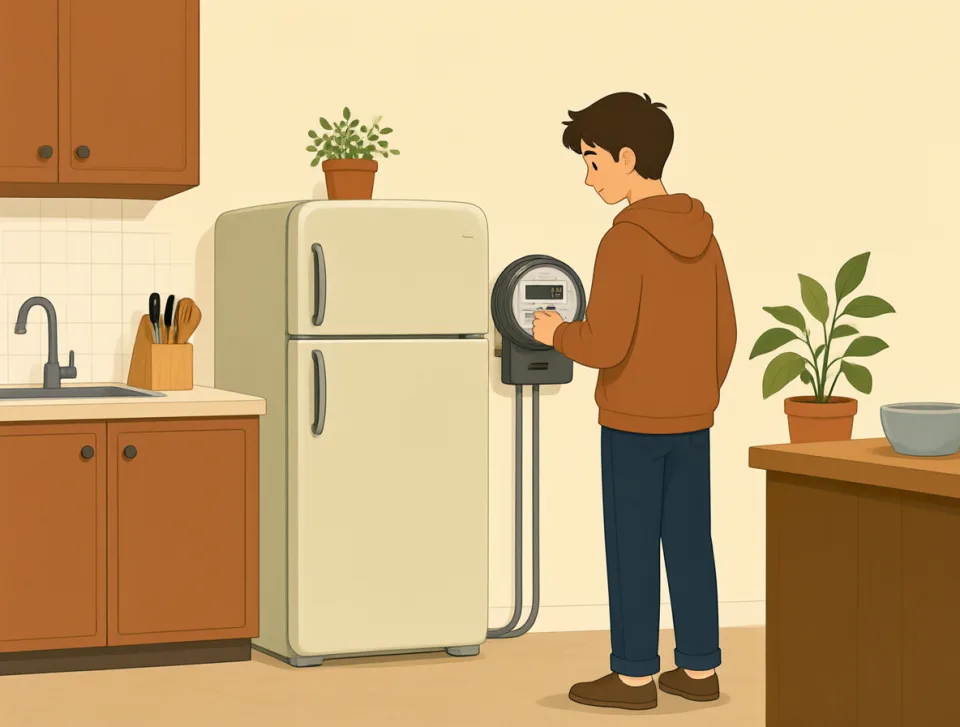
This old refrigerator consumes too much electricity every month.
این یخچال قدیمی هر ماه برق زیادی مصرف میکند.

We consume more water during hot weather.
در هوای گرم آب بیشتری مصرف میکنیم.
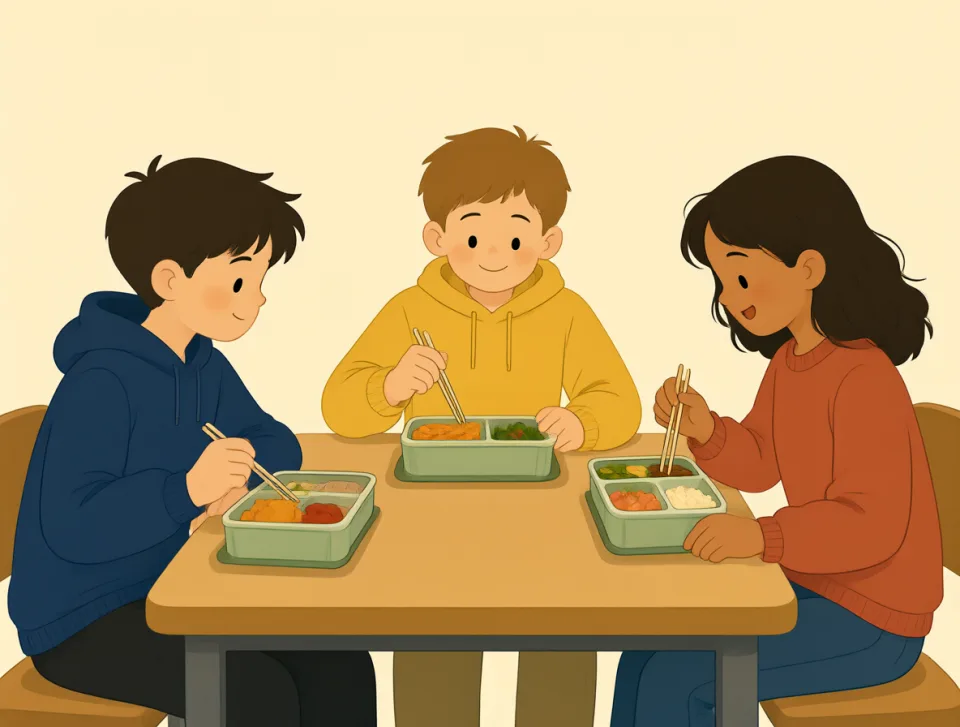
The students consumed their lunches quickly before the next lesson.
دانشآموزان پیش از درس بعدی ناهارشان را سریع خوردند.

Watching television can consume several hours of your evening.
تماشای تلویزیون میتواند چند ساعت از عصر شما را بگیرد.

luxury
#2660noun
تجمل
Something expensive or special that you can enjoy but do not need.
چیزی گرانقیمت یا ویژه که میتوانید از آن لذت ببرید، اما به آن نیازی ندارید.

We can’t afford the luxury of a bigger apartment right now.
فعلاً از عهدهٔ تجملِ داشتن آپارتمانی بزرگتر برنمیآییم.

After a busy week, a hot bath feels like a real luxury.
بعد از یک هفتهٔ پرمشغله، یک حمام آب گرم واقعاً تجملی به نظر میرسد.

The hotel offers a little luxury, with soft beds and fresh towels.
هتل با تختهای نرم و حولههای تمیز، کمی تجمل برایتان فراهم میکند.

She bought a luxury car after saving money for several years.
او پس از چند سال پسانداز، یک خودروی لوکس خرید.

For my birthday, my friends treated me to the luxury of dinner out.
دوستانم برای تولدم مهمانی شام در رستوران را بهعنوان یک تجمل برایم تدارک دیدند.