بخش 139
واژههای 2761 تا 2780 · tongue, server, structural, website, fool, alongside
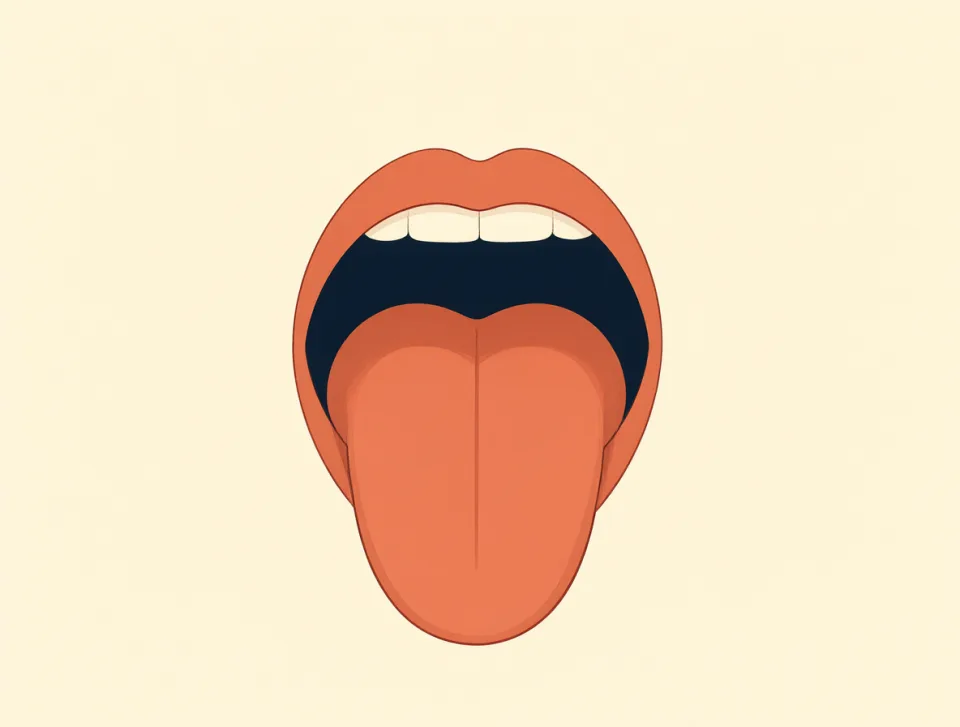
tongue
#2761noun
زبان
The soft, movable part inside your mouth that helps you taste, speak, and swallow.
بخش نرم و متحرک داخل دهان که به چشیدن، صحبتکردن و بلعیدن کمک میکند.

The doctor asked me to stick out my tongue during the checkup.
دکتر هنگام معاینه از من خواست زبانم را بیرون بیاورم.
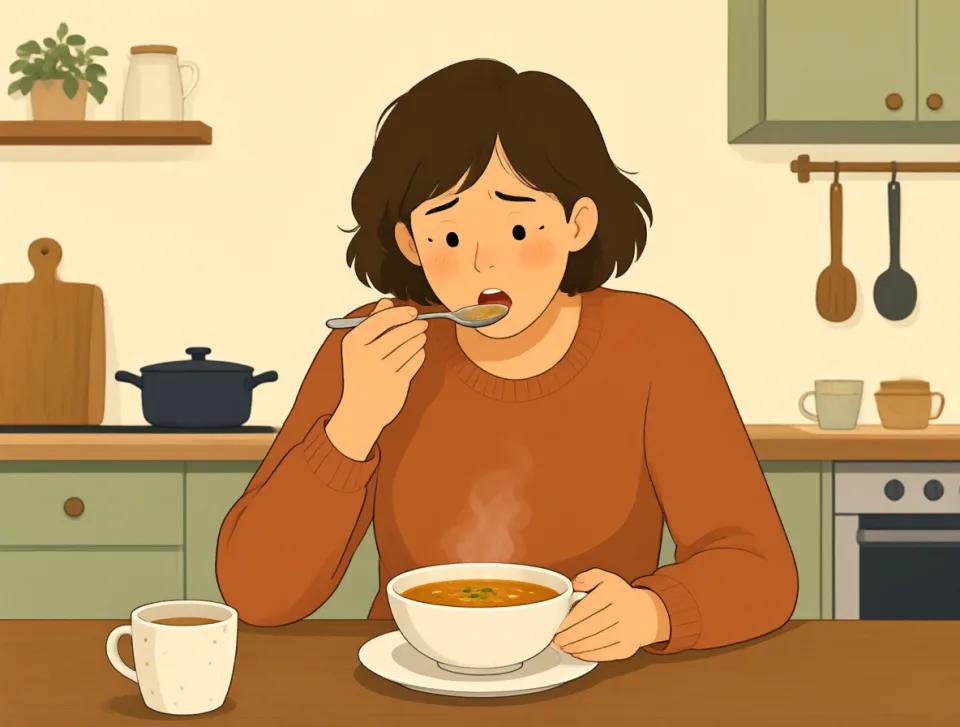
She burned her tongue on the hot soup and reached for some water.
زبانش را با سوپ داغ سوزاند و دستش را بهسوی کمی آب دراز کرد.

He speaks three languages, but English is his mother tongue.
او به سه زبان صحبت میکند، اما زبان مادریاش انگلیسی است.
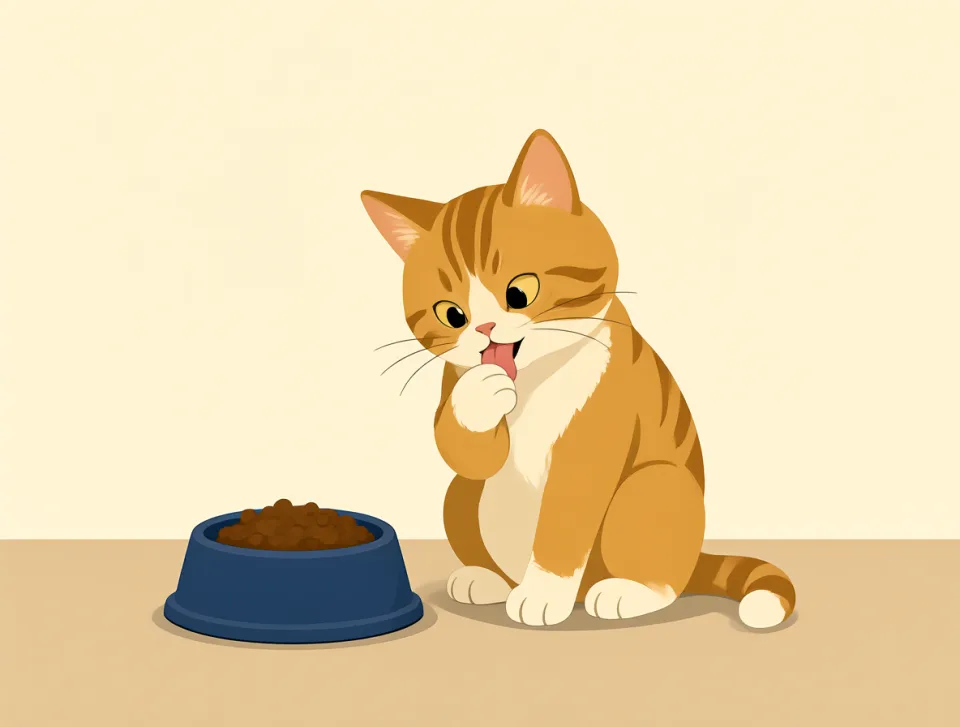
The cat licked its paws with its rough tongue after dinner.
گربه بعد از شام با زبان زبرش پنجههایش را لیسید.
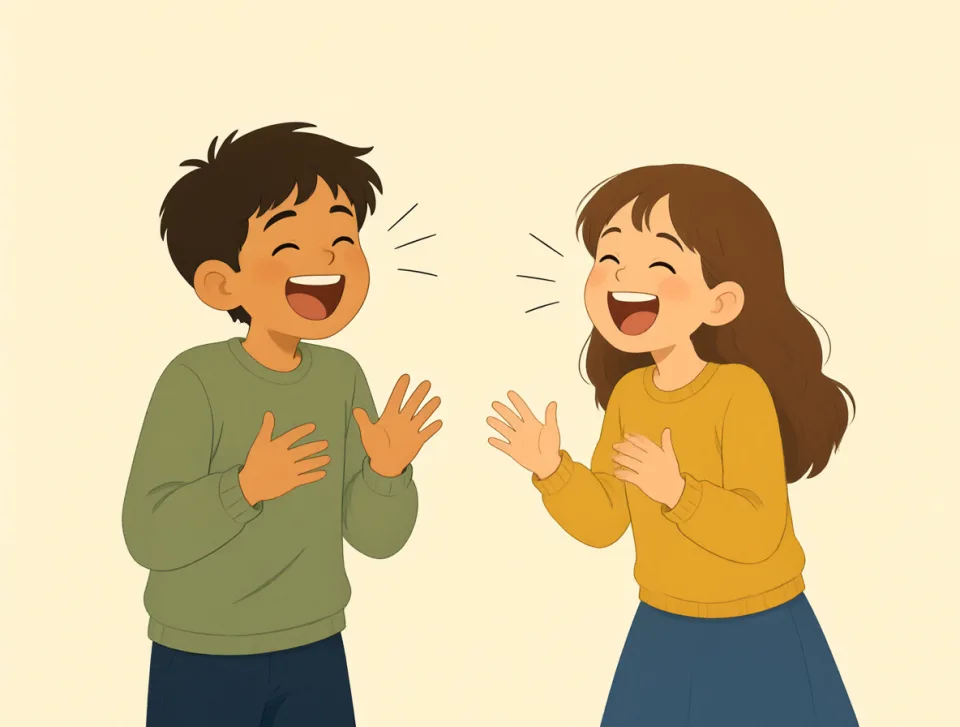
The children made a tongue twister harder by saying it faster.
بچهها با سریعتر گفتنِ یک جملهٔ پیچیدهٔ زبانی، گفتنش را سختتر کردند.

server
#2762noun
پیشخدمت؛ سرور
A person who serves food or drinks, or a computer that provides data to other computers.
کسی که غذا یا نوشیدنی سرو میکند، یا رایانهای که دادهها را در اختیار رایانههای دیگر قرار میدهد.
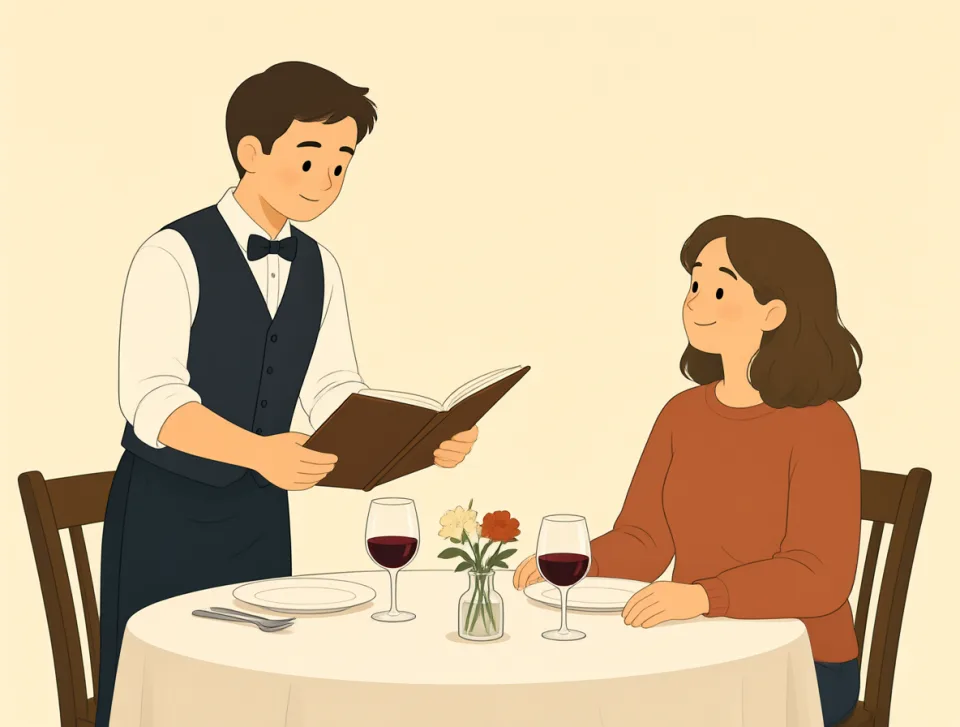
Our server brought the menus and asked what we wanted to drink.
پیشخدمت منوها را آورد و پرسید چه چیزی برای نوشیدن میخواهیم.
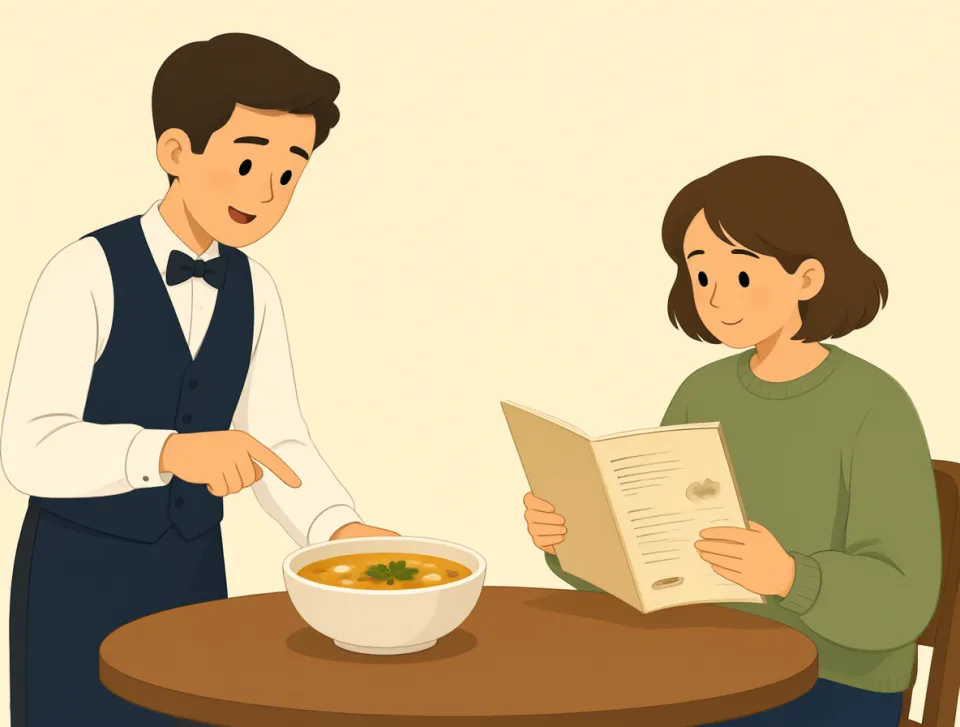
The server recommended the soup, so I ordered a bowl for lunch.
پیشخدمت سوپ را پیشنهاد کرد، پس برای ناهار یک کاسه سفارش دادم.
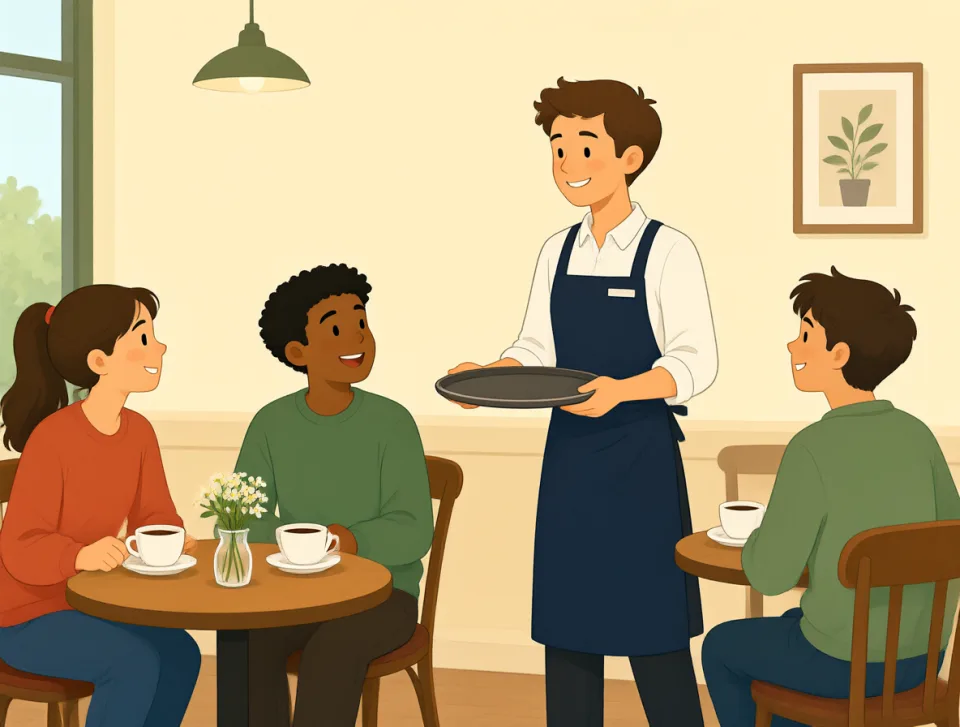
She works as a server at a busy café near the school.
او در کافهٔ شلوغی نزدیک مدرسه پیشخدمت است.
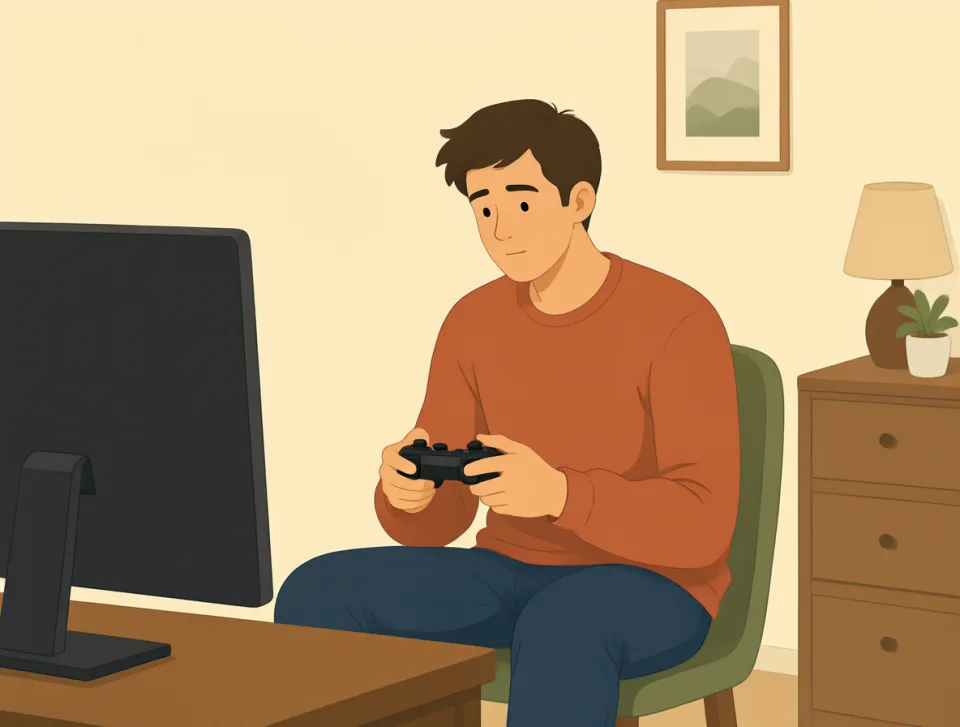
The game server was slow, so we waited before joining our friends.
سرور بازی کند بود، برای همین پیش از پیوستن به دوستانمان منتظر ماندیم.

The hotel server brought fresh towels to our room after we called.
بعد از تماس ما، کارکنان هتل حولههای تمیز را به اتاقمان آوردند.
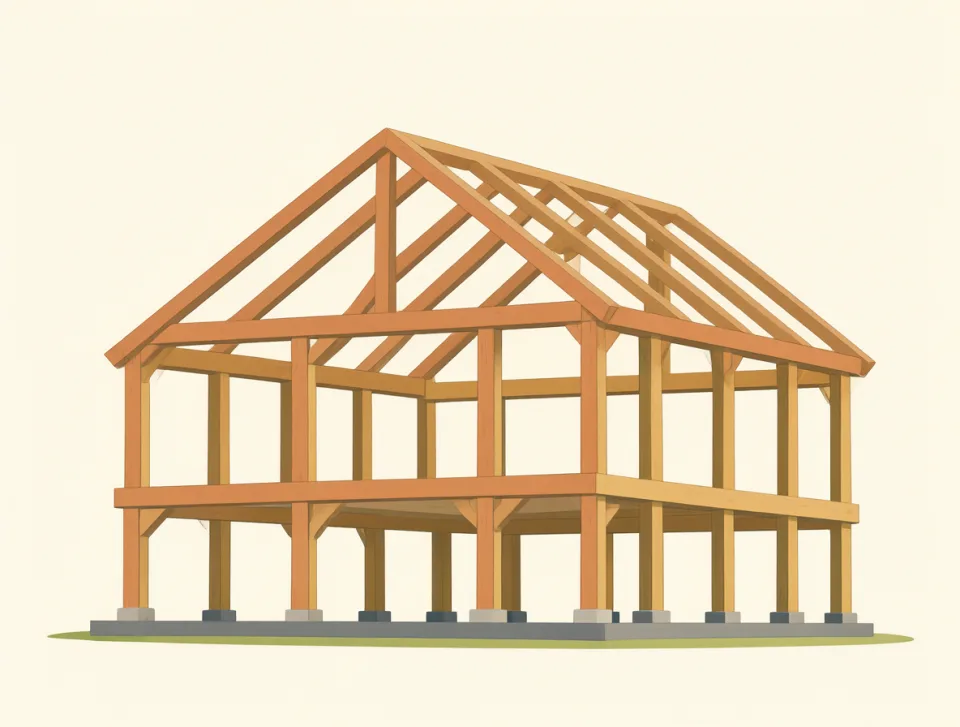
structural
#2763adjective
ساختاری
Related to the way something is built, organized, or arranged.
مربوط به شیوهٔ ساخت، سازماندهی یا چیدمان چیزی.
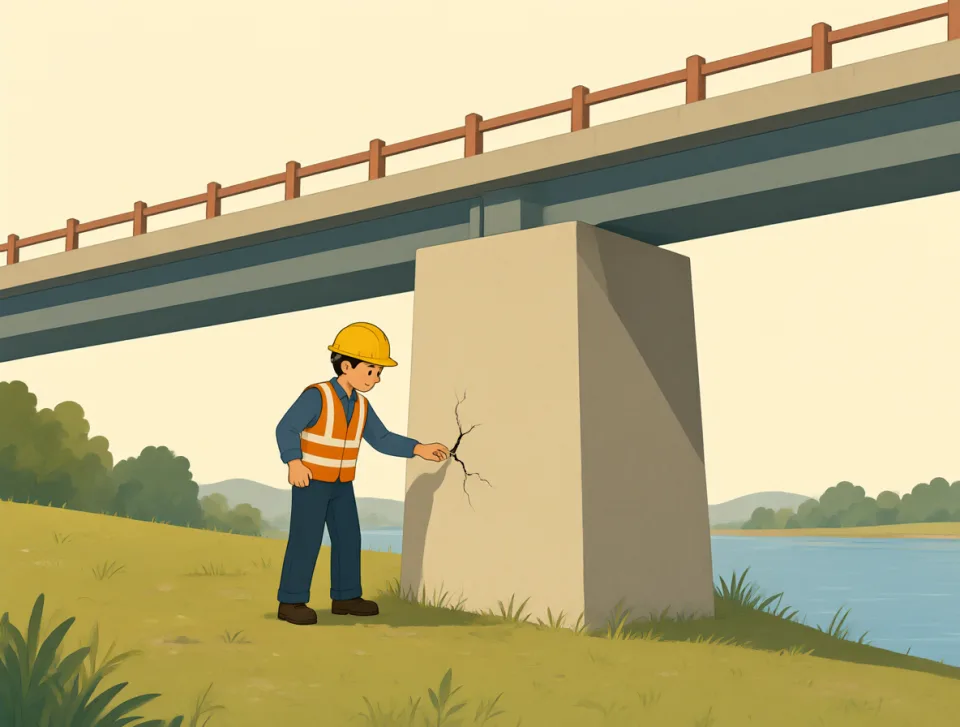
The engineer found a structural problem in the old bridge during inspection.
مهندس هنگام بازرسی، در پل قدیمی مشکلی ساختاری پیدا کرد.
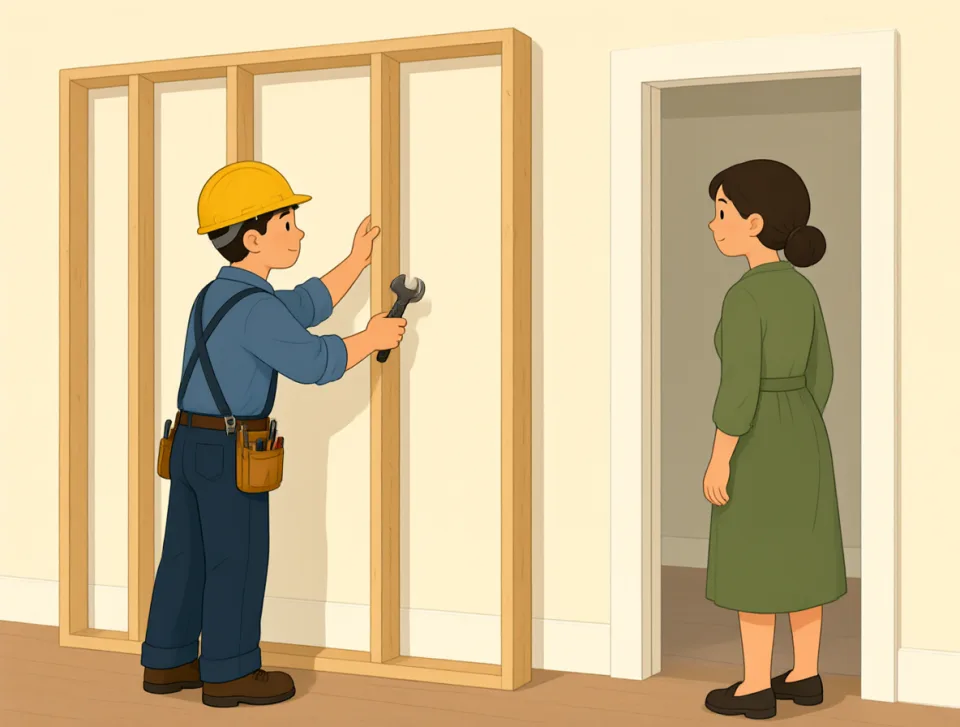
We made structural changes to the kitchen before adding the new cabinets.
پیش از نصب کابینتهای جدید، تغییراتی ساختاری در آشپزخانه ایجاد کردیم.
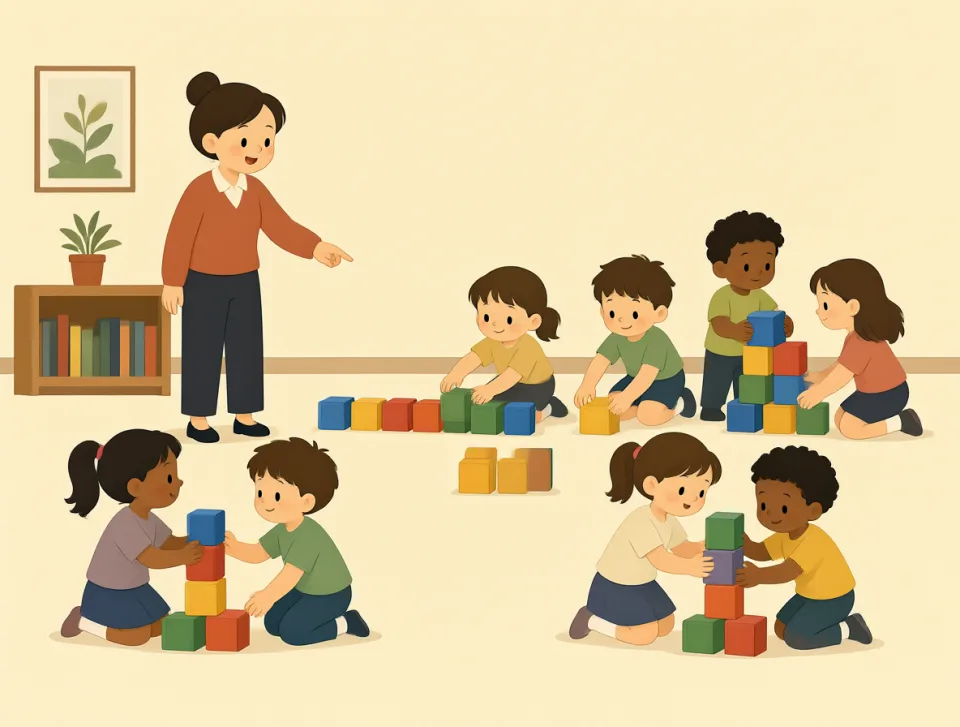
The course explains structural differences between English and Spanish sentences.
این دوره تفاوتهای ساختاری جملههای انگلیسی و اسپانیایی را توضیح میدهد.
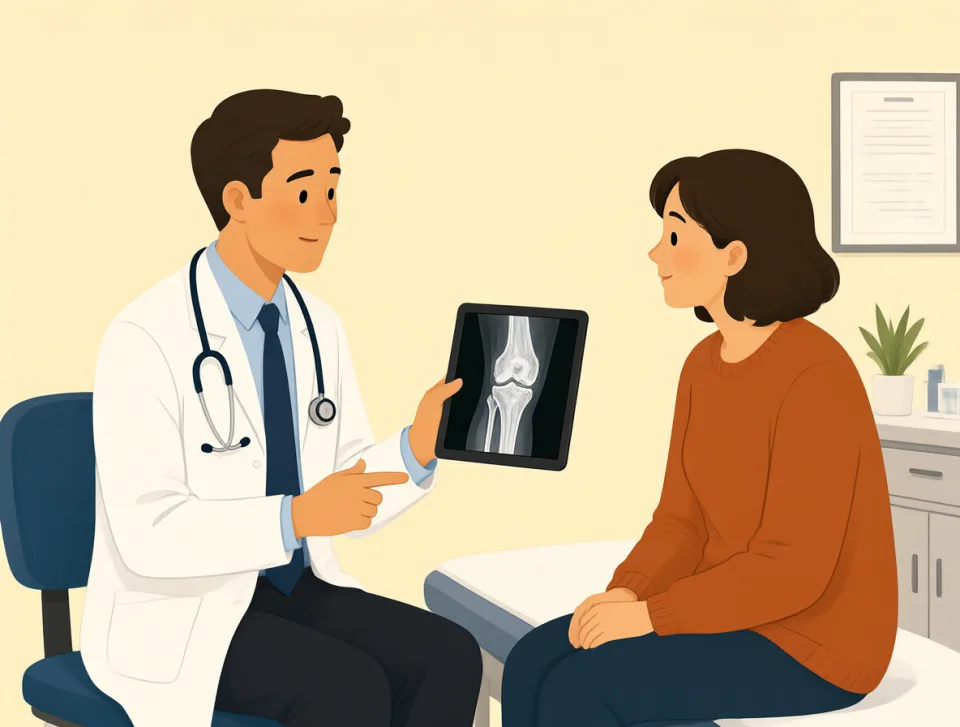
The doctor said the scan showed no structural damage to her knee.
دکتر گفت اسکن نشان میدهد زانوی او هیچ آسیب ساختاری ندیده است.
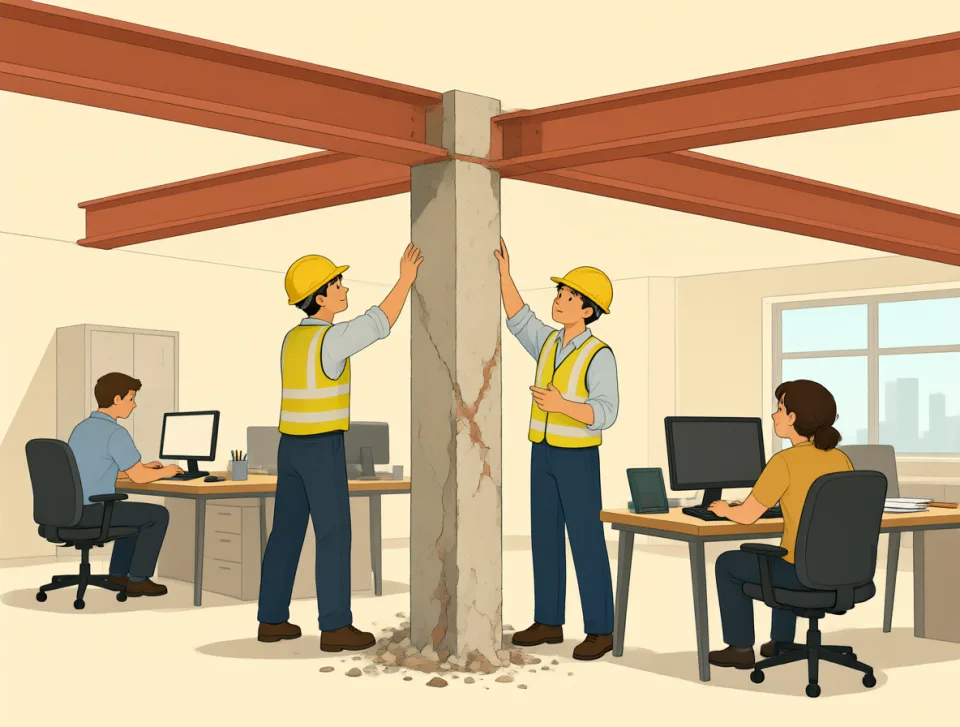
Several structural issues delayed the office renovation by two weeks.
چند مشکل ساختاری باعث شد بازسازی دفتر دو هفته به تأخیر بیفتد.

website
#2764noun
وبسایت
A group of pages on the internet where people can find or share information.
مجموعهای از صفحهها در اینترنت که افراد میتوانند در آن اطلاعات پیدا کنند یا به اشتراک بگذارند.
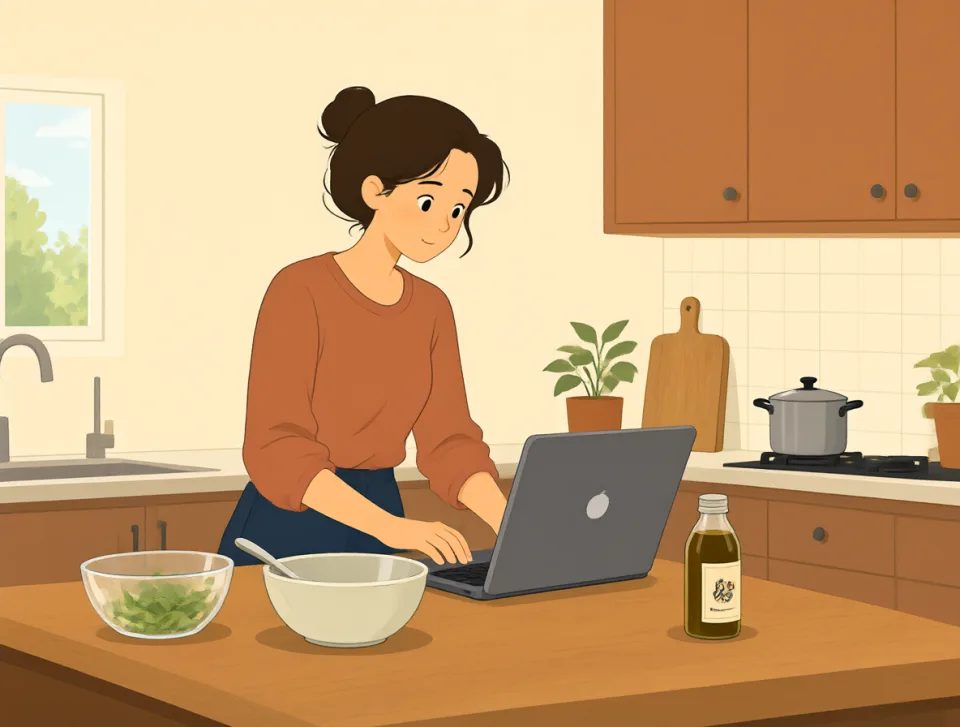
I found the recipe on a cooking website and made it for dinner.
دستور پخت را در یک وبسایت آشپزی پیدا کردم و برای شام درستش کردم.
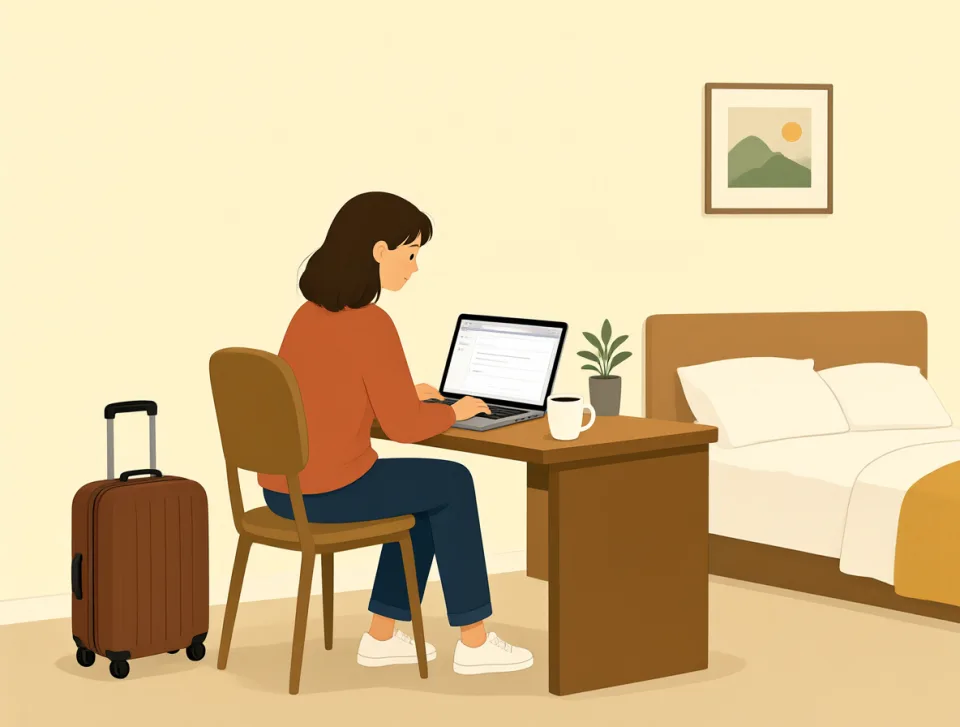
You can book a hotel room through the travel website before your trip.
میتوانی پیش از سفرت از طریق وبسایت گردشگری اتاق هتل رزرو کنی.

Our teacher posted the homework on the school website this morning.
معلم امروز صبح تکلیف را در وبسایت مدرسه گذاشت.
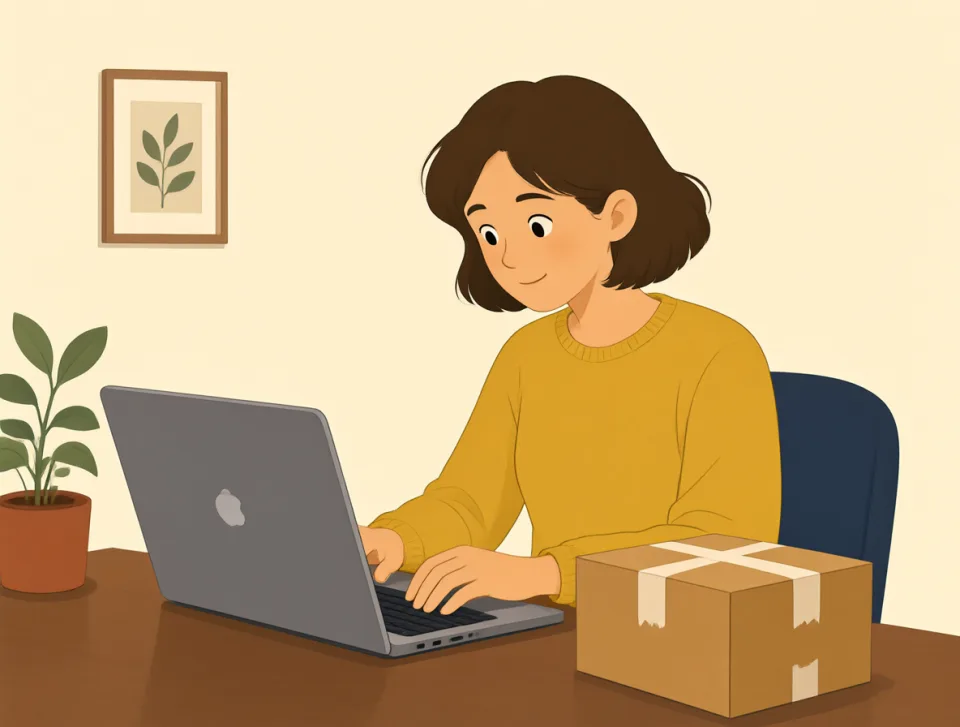
The shop's website offers free delivery for orders over fifty dollars.
وبسایت فروشگاه برای سفارشهای بالای پنجاه دلار ارسال رایگان دارد.
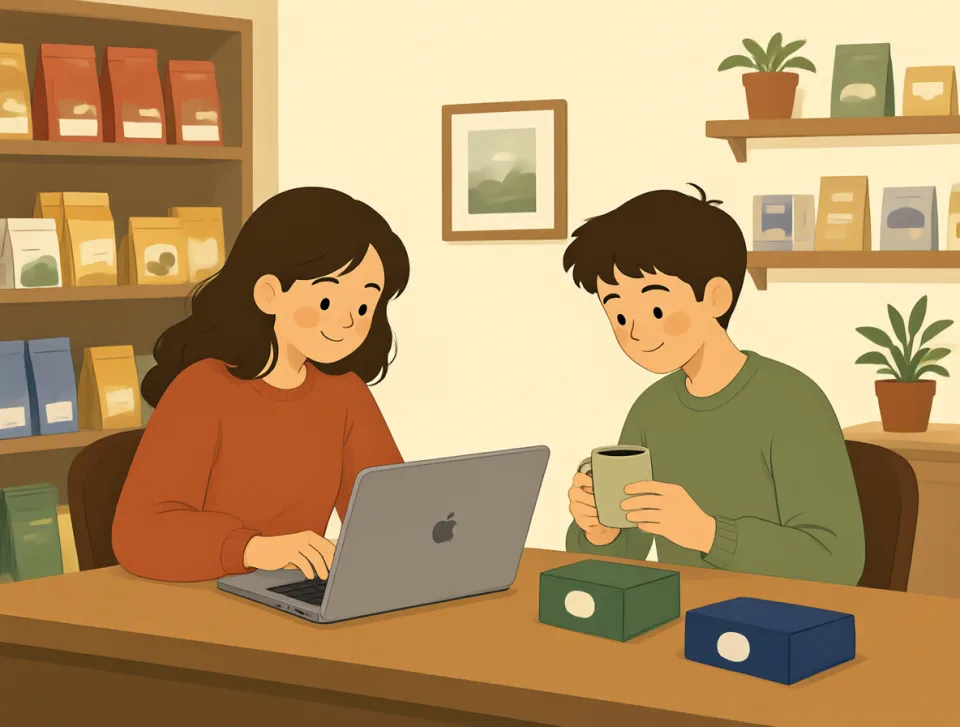
She created a website for her small business with help from a friend.
او با کمک یکی از دوستانش برای کسبوکار کوچکش یک وبسایت ساخت.

fool
#2765noun, verb
احمق؛ فریب دادن
A foolish person; to trick someone or make them believe something untrue.
فردی نادان؛ فریب دادن کسی یا واداشتن او به باور چیزی نادرست.
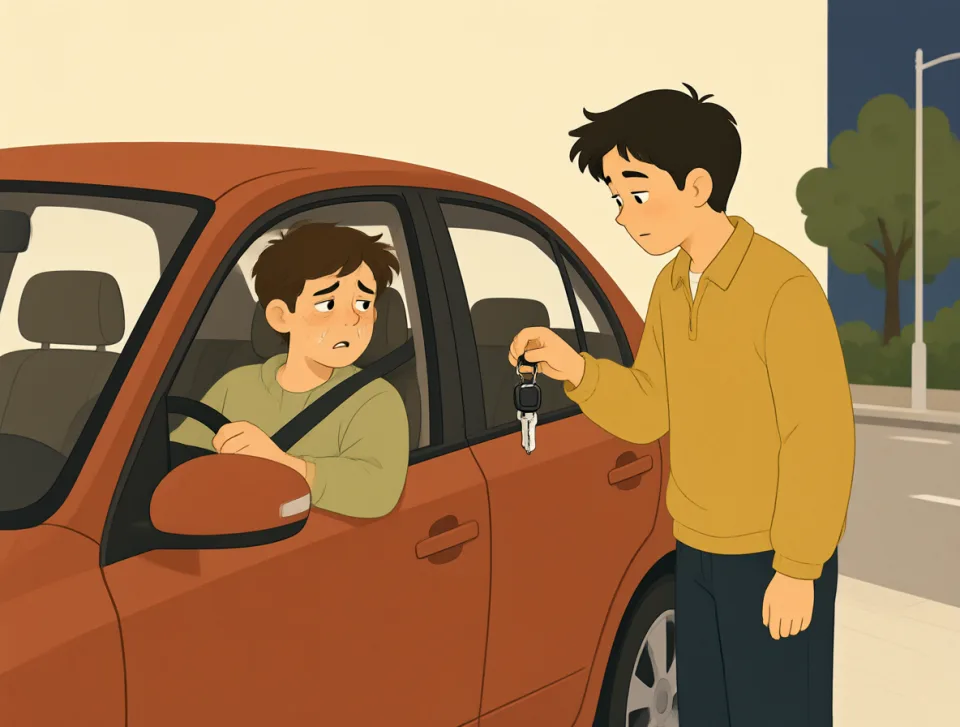
Don't be a fool and drive home when you're too tired.
احمق نباش و وقتی خیلی خستهای با ماشین به خانه رانندگی نکن.
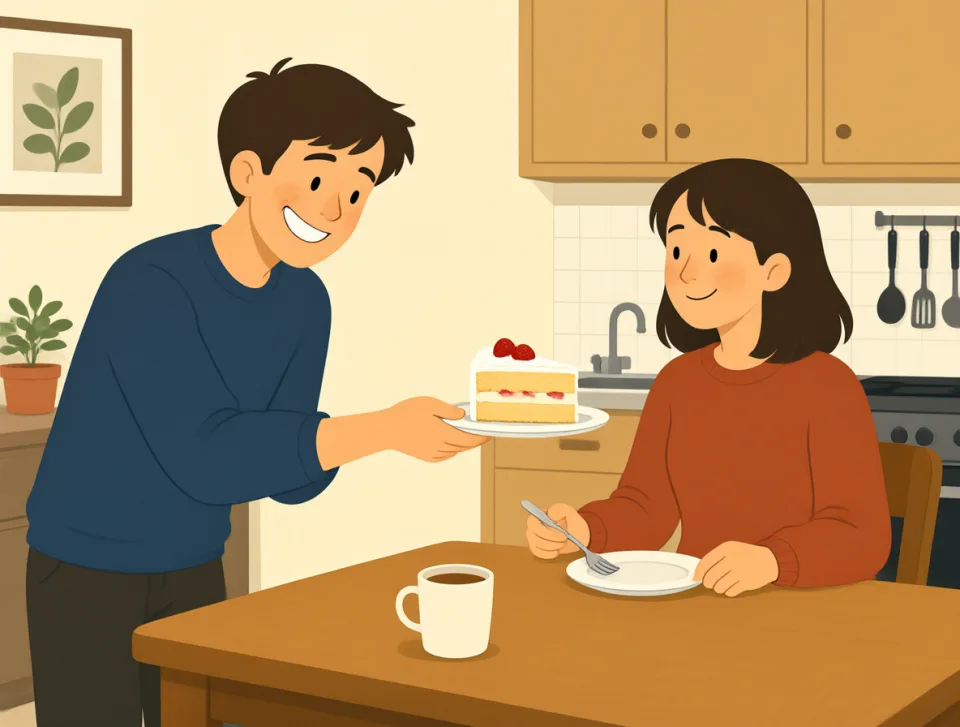
He fooled me into thinking the cake was sugar-free.
او فریبم داد و کاری کرد باور کنم کیک بدون شکر است.
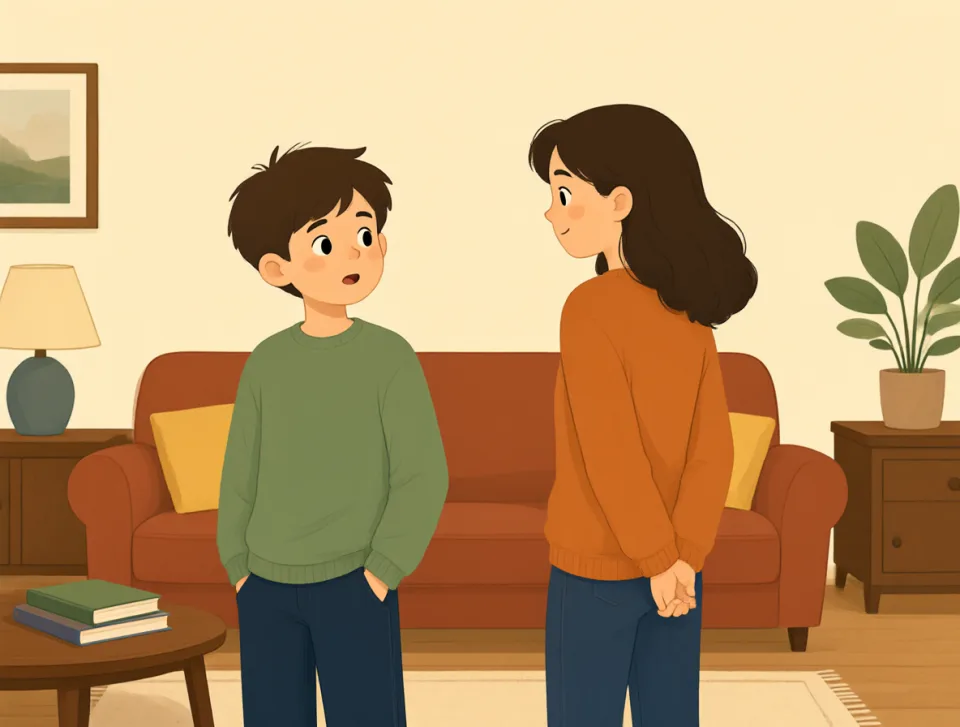
You can't fool her; she knows when someone is lying.
نمیتوانی او را فریب بدهی؛ میفهمد وقتی کسی دروغ میگوید.
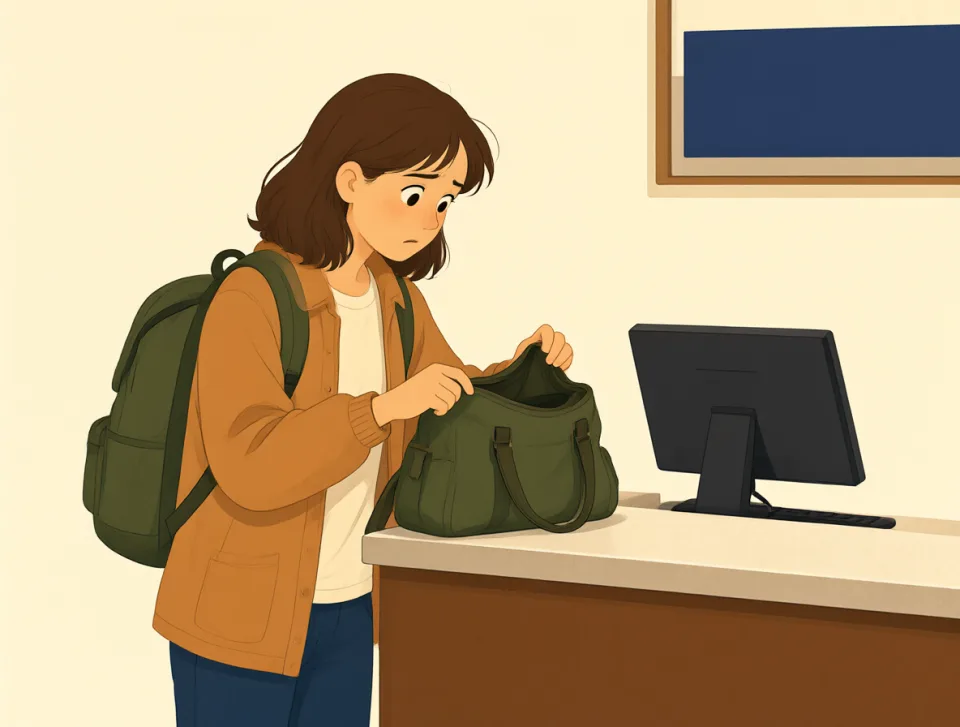
I felt like a fool when I forgot my passport at home.
وقتی گذرنامهام را در خانه جا گذاشتم، احساس کردم خیلی احمقم.
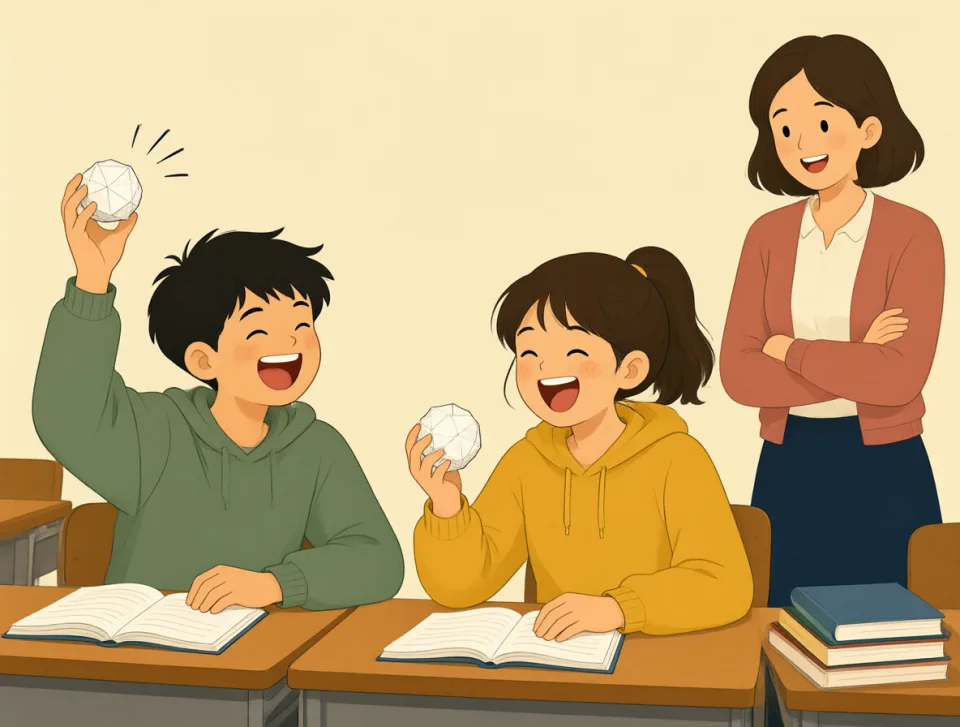
They were fooling around in class instead of finishing their work.
آنها بهجای تمام کردن تکالیفشان، سر کلاس شیطنت میکردند.
alongside
#2766adverb, preposition
در کنار
next to or together with someone or something
کنارِ کسی یا چیزی، یا همراه با او یا آن
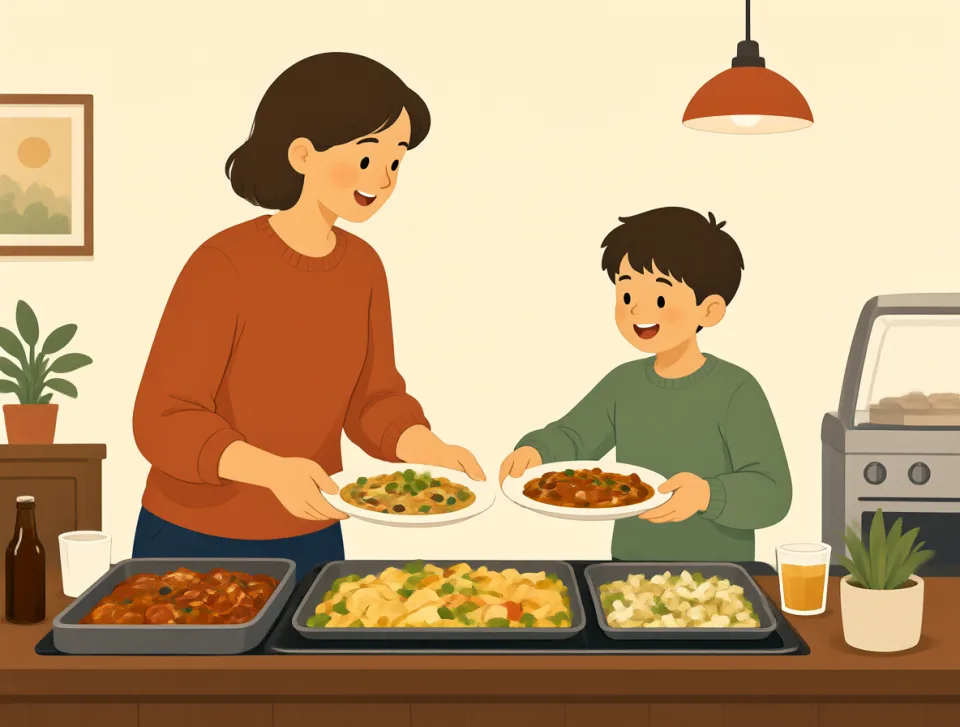
She worked alongside her brother in the family restaurant.
او در رستوران خانوادگیشان در کنار برادرش کار میکرد.

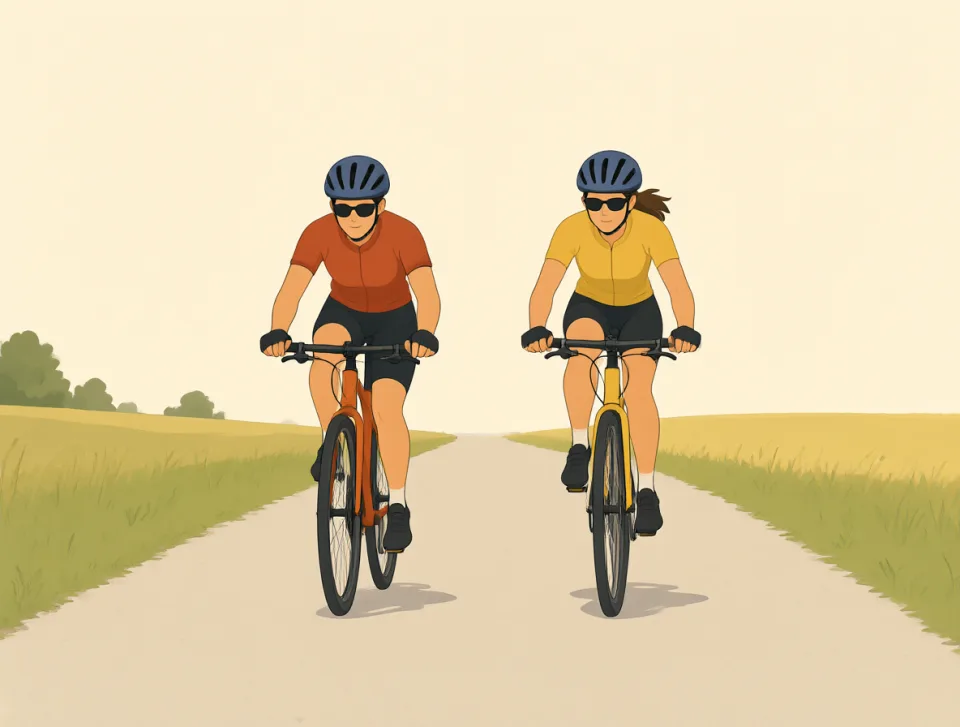
A bicycle path runs alongside the river through the city.
مسیر دوچرخهسواری در کنار رودخانه و از میان شهر میگذرد.
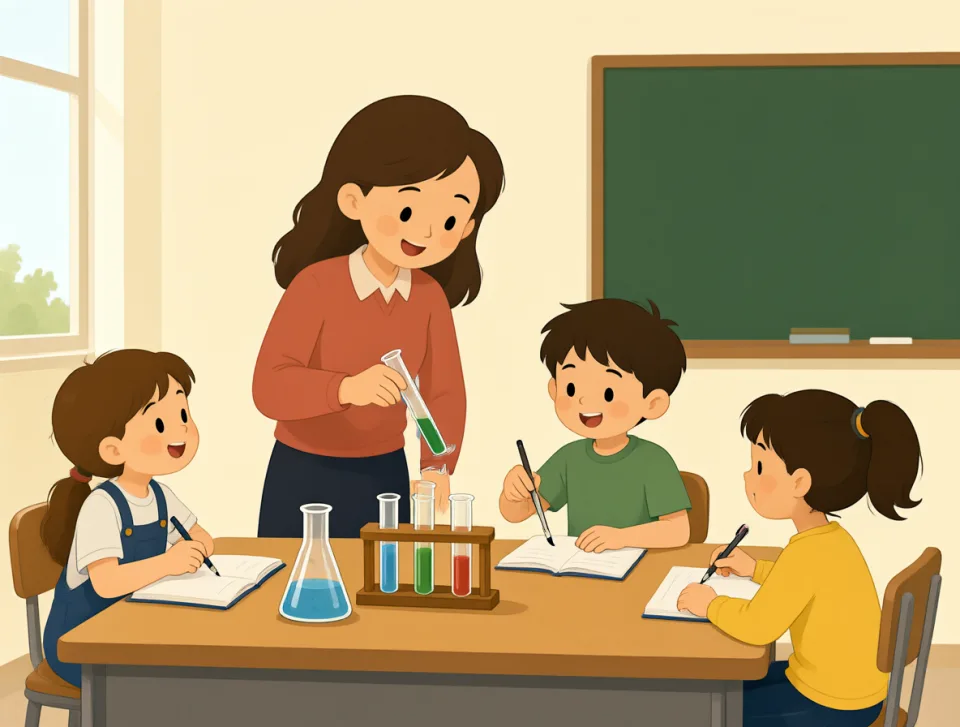
The teacher worked alongside students during the science experiment.
معلم هنگام آزمایش علمی در کنار دانشآموزان کار کرد.
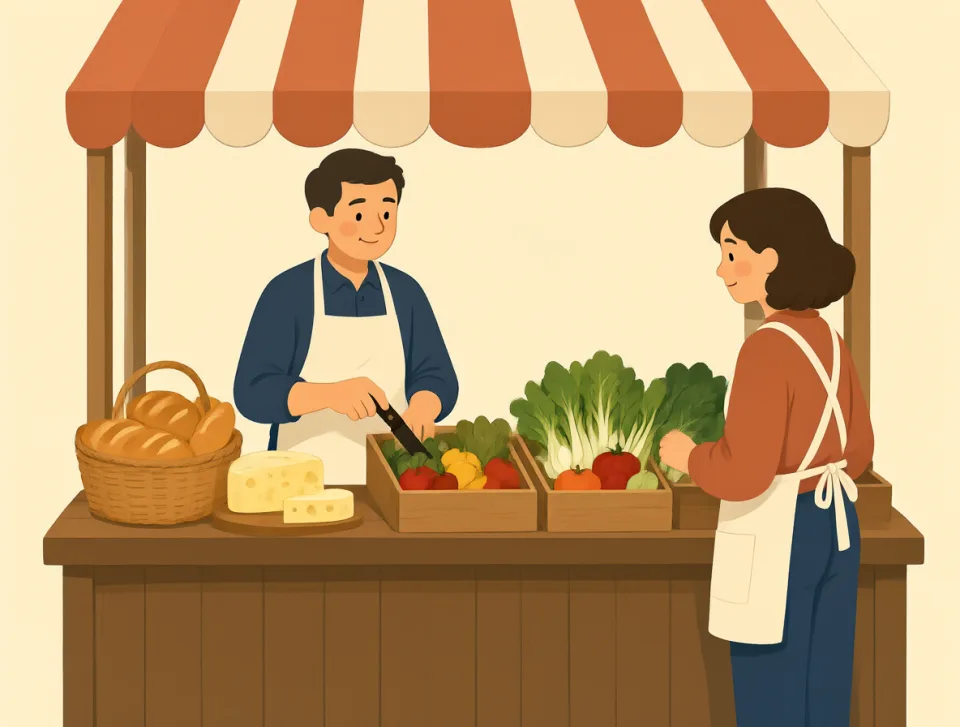
Fresh vegetables were displayed alongside bread and cheese at the market.
در بازار، سبزیجات تازه در کنار نان و پنیر به نمایش گذاشته شده بودند.
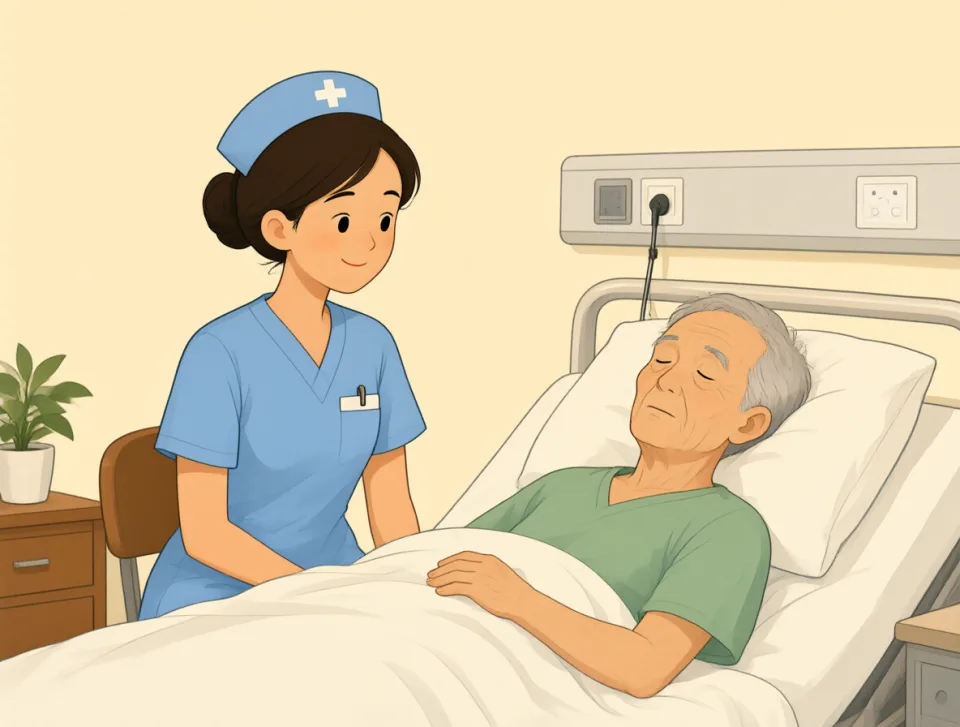
The nurse stayed alongside the patient throughout the long night.
پرستار در تمام طول شبِ طولانی کنار بیمار ماند.
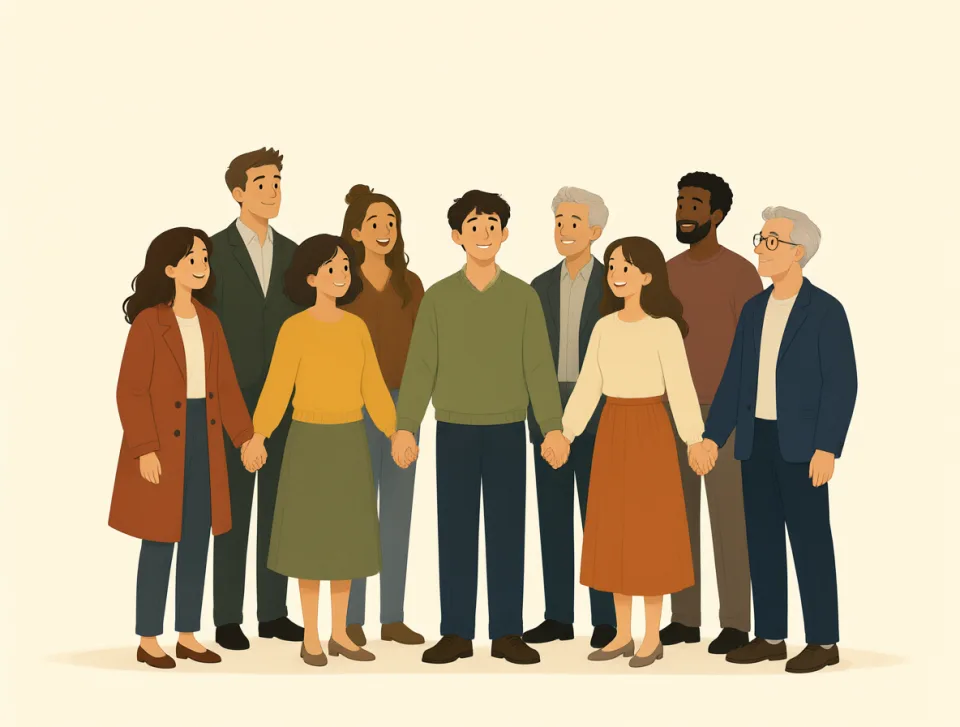
unite
#2767verb
متحد شدن
to join together for a shared purpose or common goal
برای هدفی مشترک به هم پیوستن
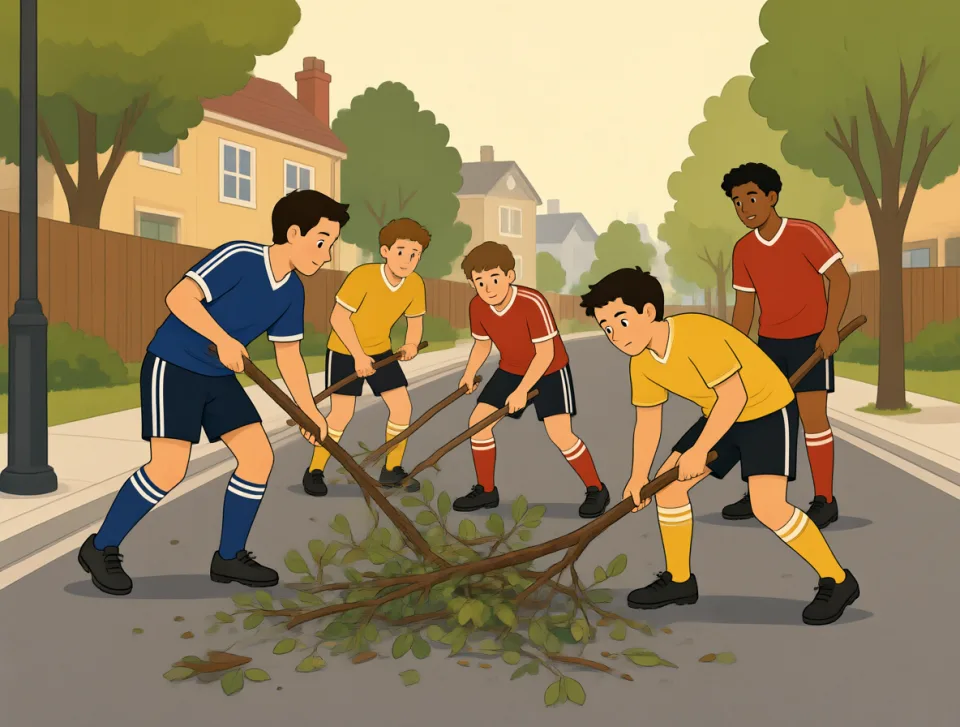
The two teams united to help their town after the storm.
دو تیم متحد شدند تا پس از طوفان به شهرشان کمک کنند.
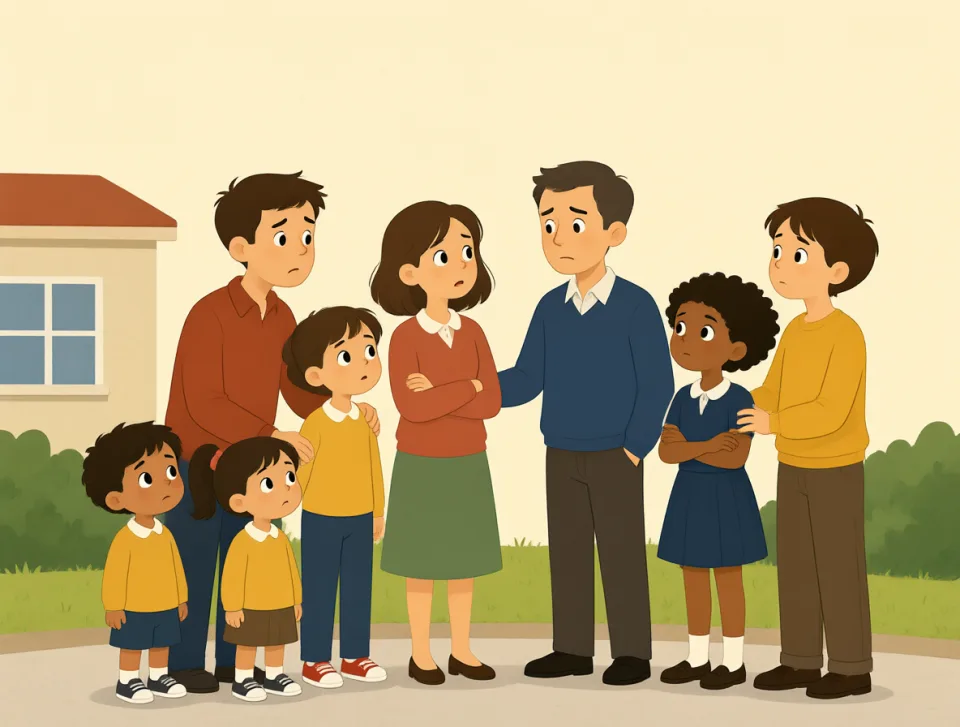
Families united against the plan to close the local school.
خانوادهها برای مخالفت با طرح تعطیلی مدرسه محلی متحد شدند.

The manager united the staff around a clear plan for the busy season.
مدیر کارکنان را حول برنامهای روشن برای فصل شلوغ متحد کرد.
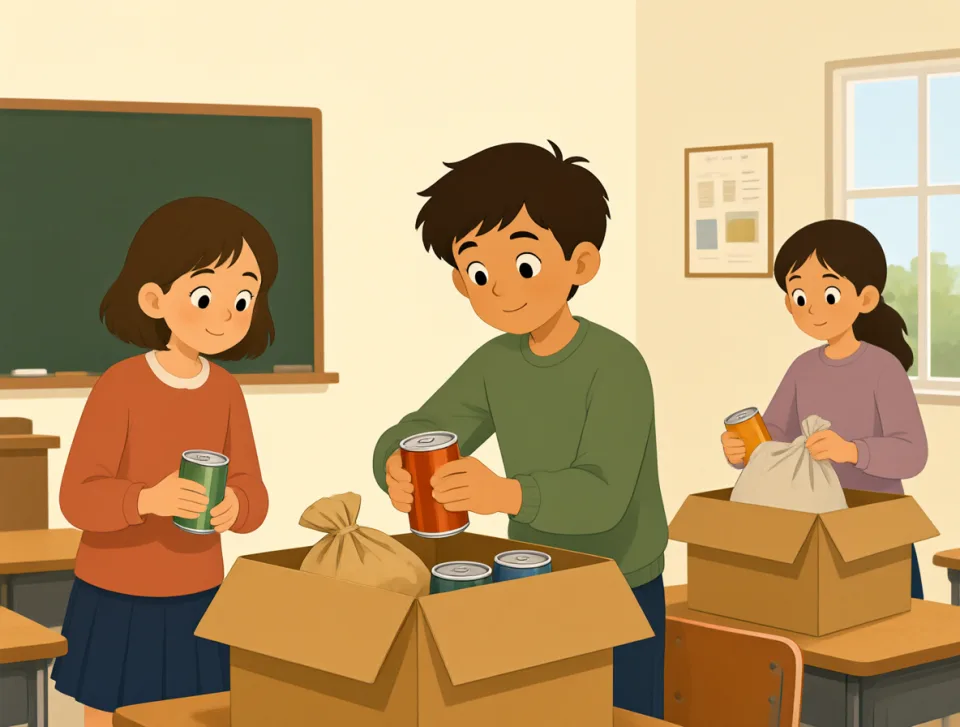
The students united to organize a food drive for hungry neighbors.
دانشآموزان متحد شدند تا برای همسایههای نیازمند غذا، پویش جمعآوری مواد غذایی راه بیندازند.

The medicine is uniting with other treatments to improve her health.
این دارو با درمانهای دیگر ترکیب میشود تا سلامت او را بهبود بخشد.
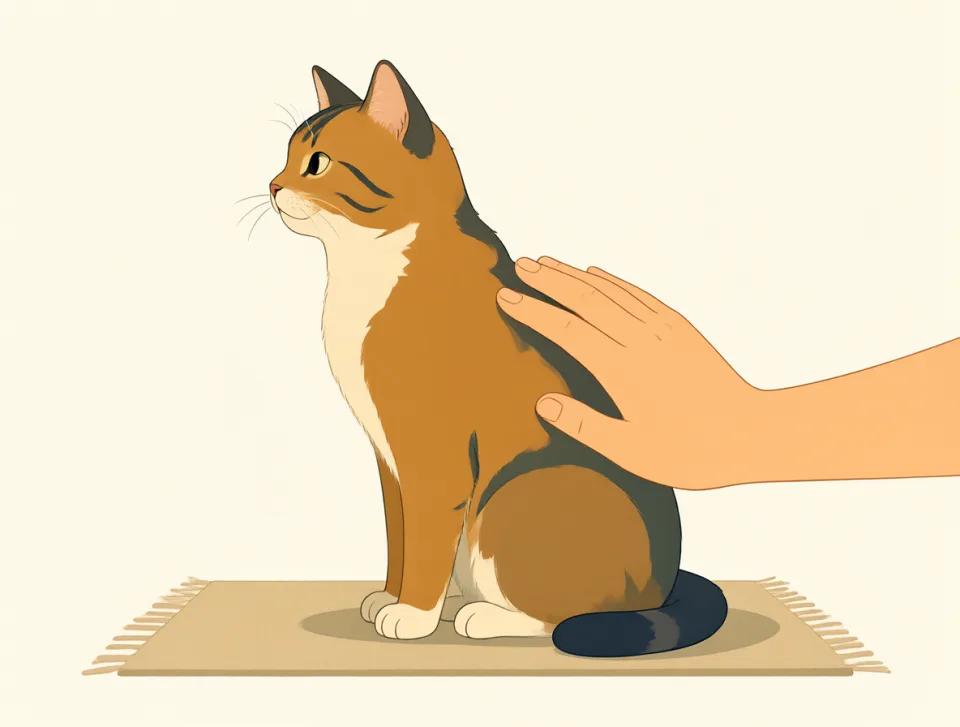
gently
#2768adverb
بهآرامی
In a soft, careful, or kind way.
به شکلی ملایم، بااحتیاط یا مهربانانه.
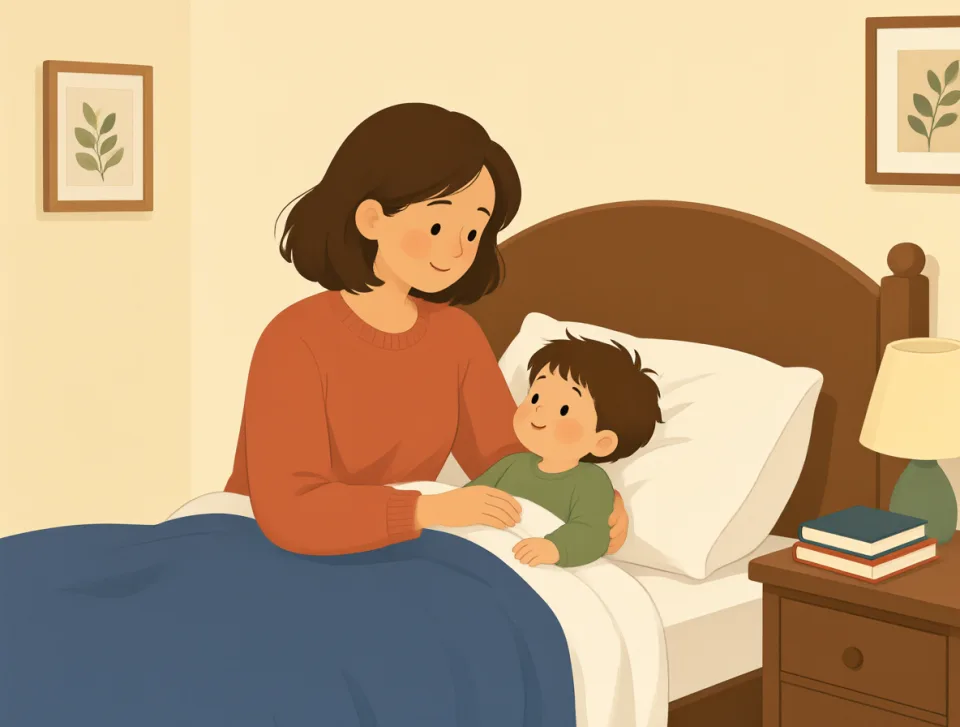
She gently woke her son and helped him get ready for school.
او پسرش را بهآرامی بیدار کرد و کمکش کرد برای مدرسه آماده شود.
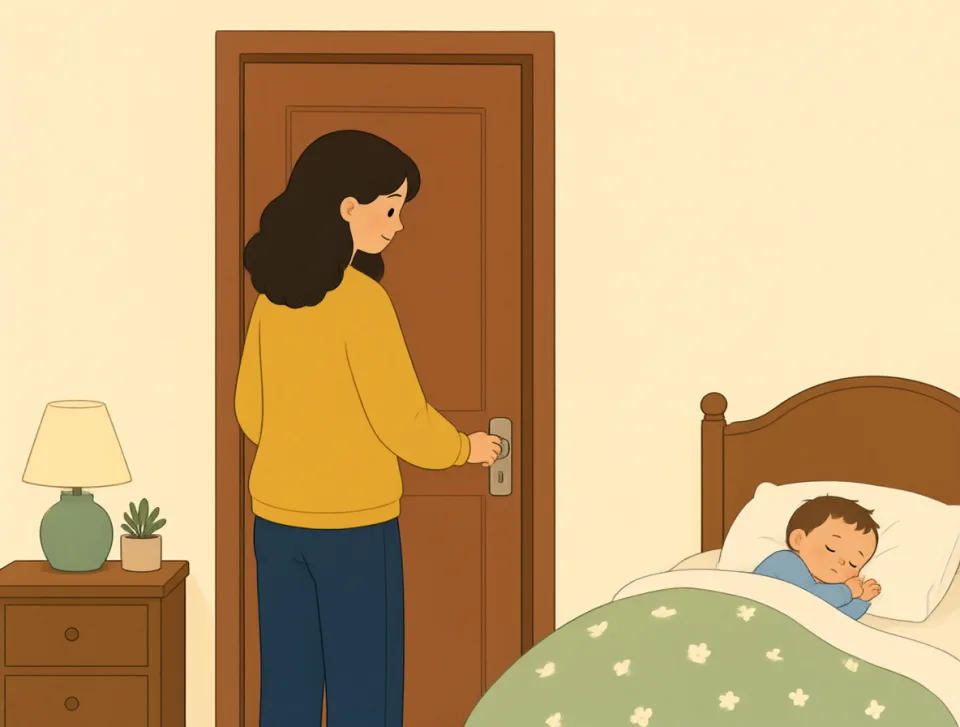
Please close the door gently so the baby can keep sleeping.
لطفاً در را آرام ببندید تا نوزاد به خوابش ادامه دهد.
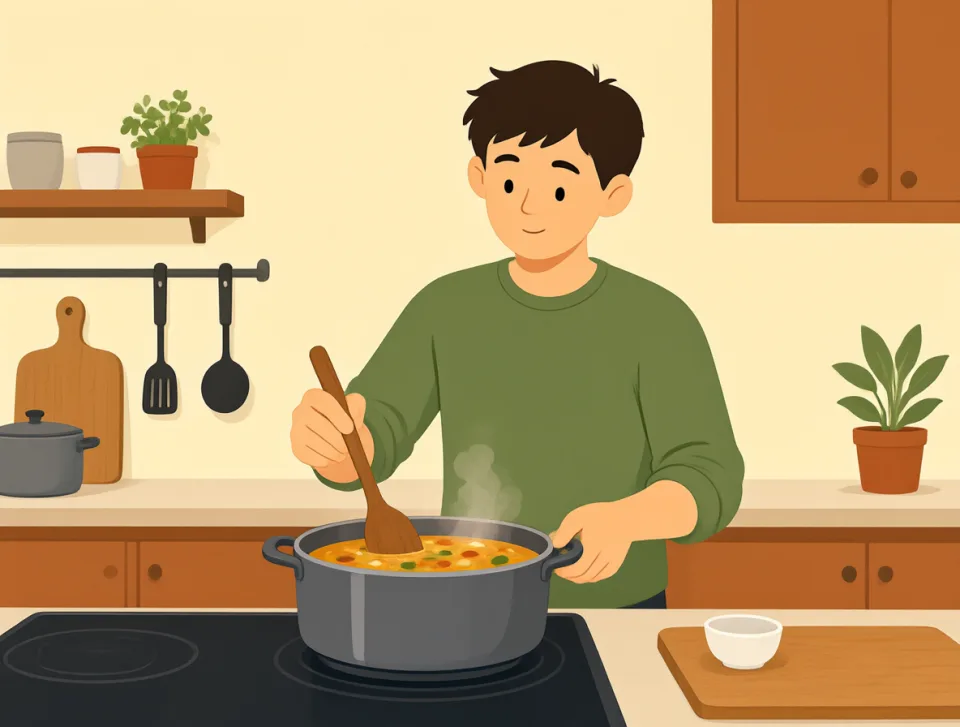
He gently stirred the soup while it warmed on the stove.
او در حالی که سوپ روی اجاق گرم میشد، آن را بهآرامی هم زد.
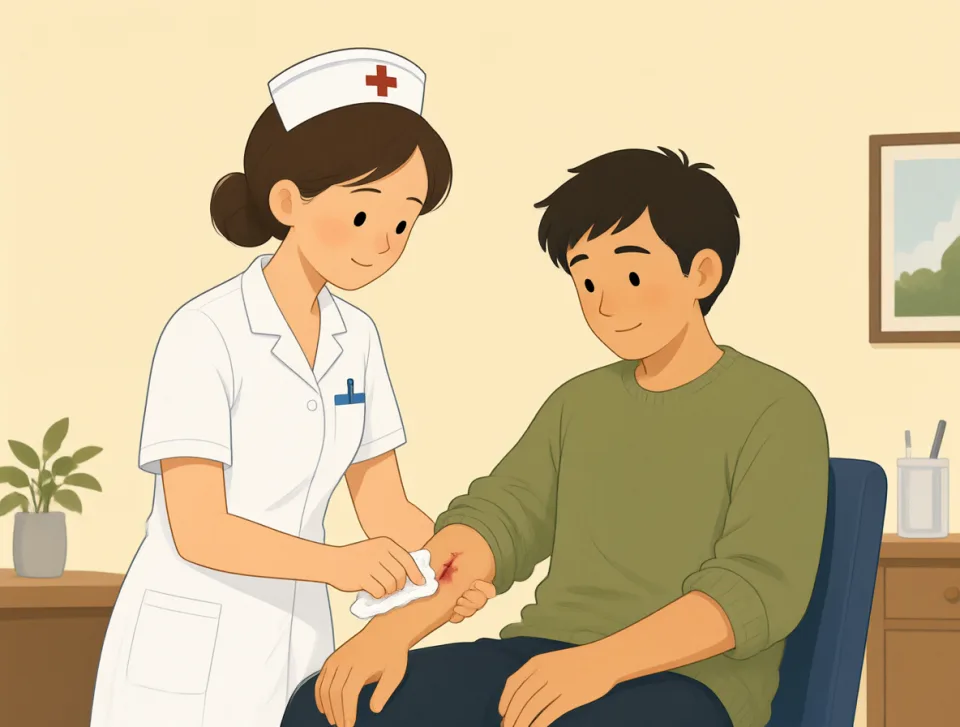
The nurse gently cleaned the cut before putting on a small bandage.
پرستار پیش از بستن یک چسب زخم کوچک، بریدگی را بهآرامی تمیز کرد.

She gently explained the mistake, and her coworker understood what to do.
او اشتباه را با ملایمت توضیح داد و همکارش فهمید چهکار باید بکند.
compute
#2769verb
محاسبه کردن
To calculate an answer using numbers or a computer.
با استفاده از اعداد یا رایانه، پاسخی را محاسبه کردن.
The computer can compute the total cost before you place your order.
رایانه میتواند پیش از ثبت سفارش شما، هزینهٔ کل را محاسبه کند.
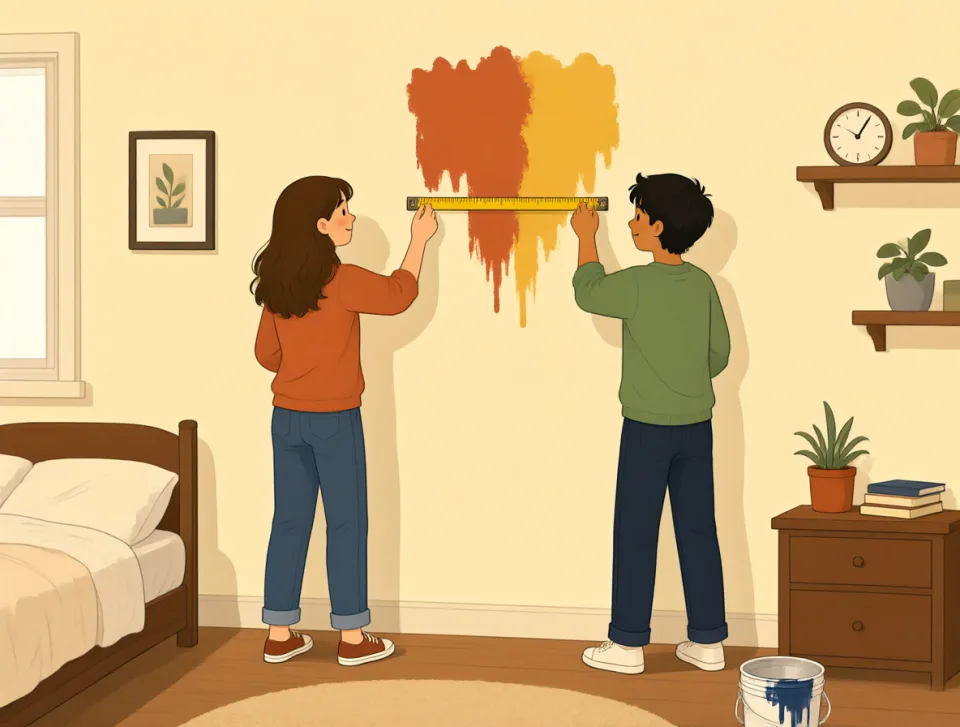
We computed how much paint we needed before starting the room.
پیش از شروع رنگآمیزی اتاق، حساب کردیم چقدر رنگ لازم داریم.
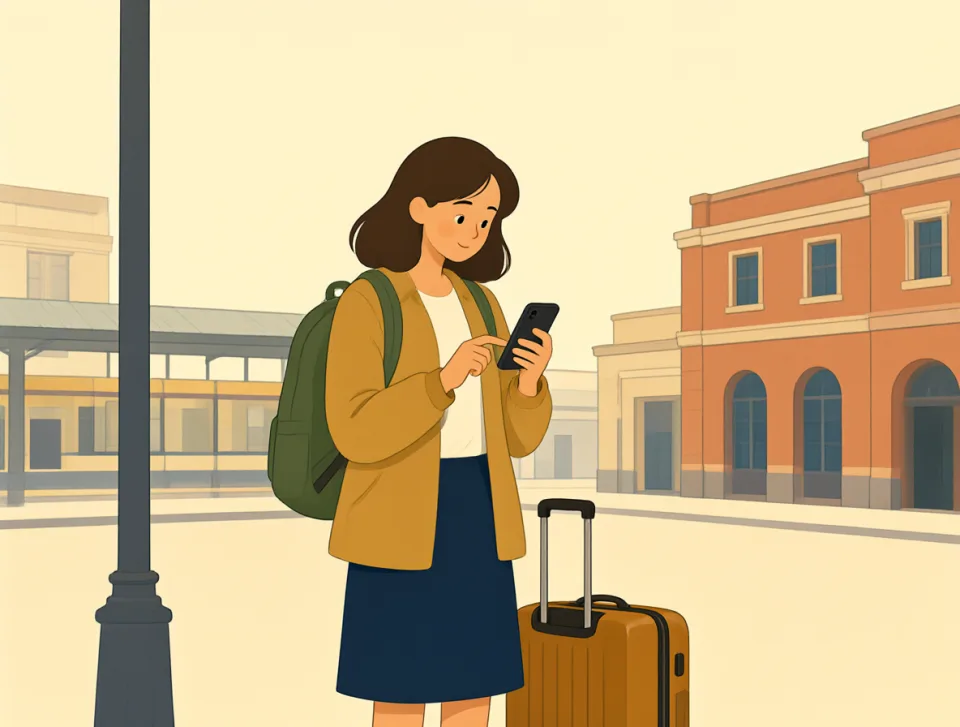
The travel app computes the quickest route between the hotel and the station.
اپلیکیشن سفر سریعترین مسیر بین هتل و ایستگاه را محاسبه میکند.

She computed her weekly food budget after checking the prices at the market.
او پس از بررسی قیمتها در بازار، بودجهٔ هفتگی خرید مواد غذاییاش را محاسبه کرد.
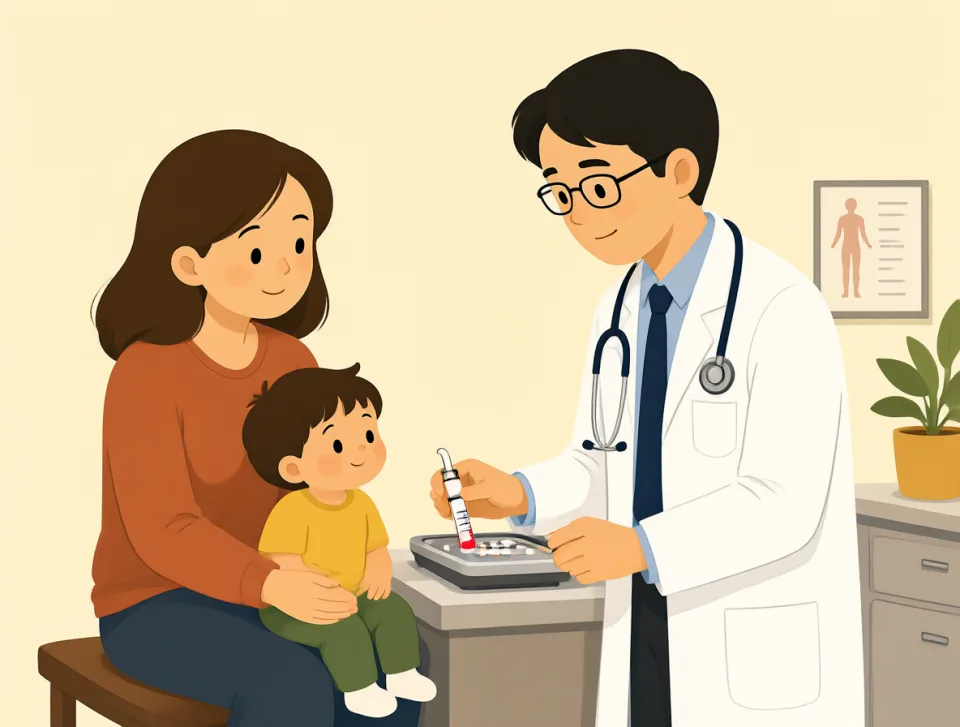
The doctor computed the medicine dose from the child’s weight.
پزشک دوز دارو را بر اساس وزن کودک محاسبه کرد.

wipe
#2770verb, noun
پاک کردن
To clean or dry something by rubbing it with a cloth or your hand.
با مالیدن پارچه یا دست روی چیزی، آن را تمیز یا خشک کردن.
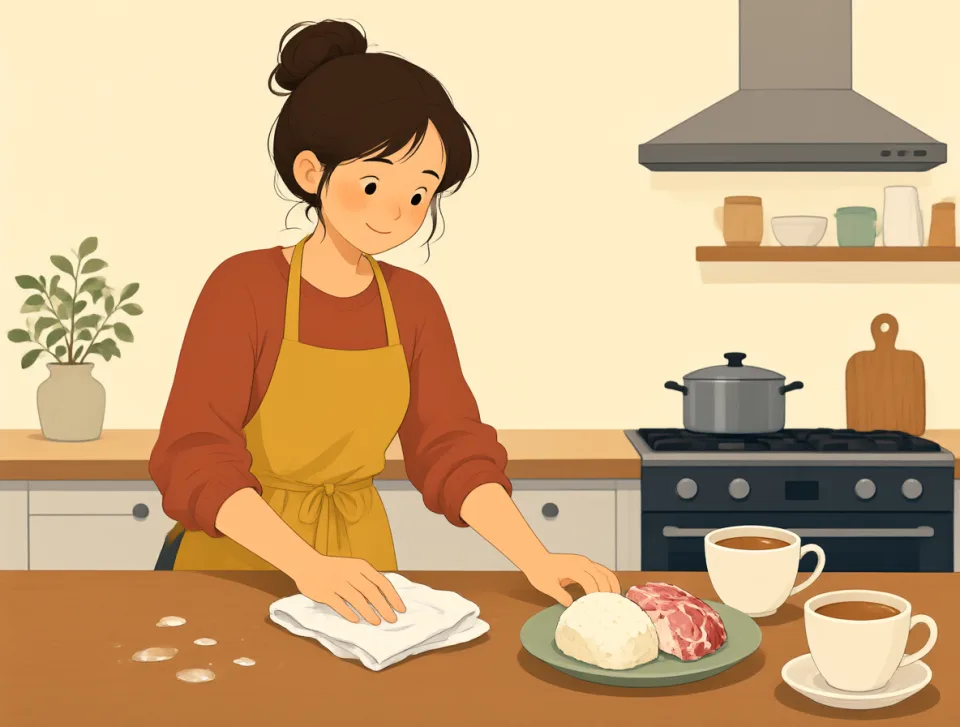
She wiped the kitchen counter after making breakfast.
او بعد از درست کردن صبحانه، پیشخوان آشپزخانه را پاک کرد.

Wipe your shoes before you come into the house.
پیش از ورود به خانه، کفشهایت را پاک کن.
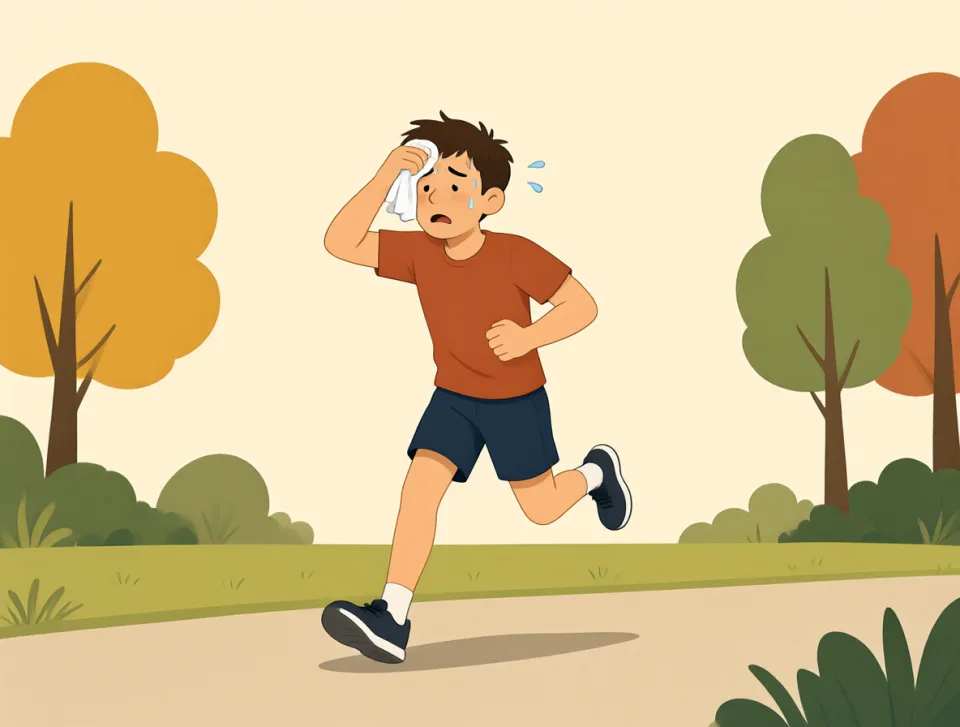
He wiped the sweat from his face after the long run.
او پس از دویدن طولانی، عرق را از صورتش پاک کرد.
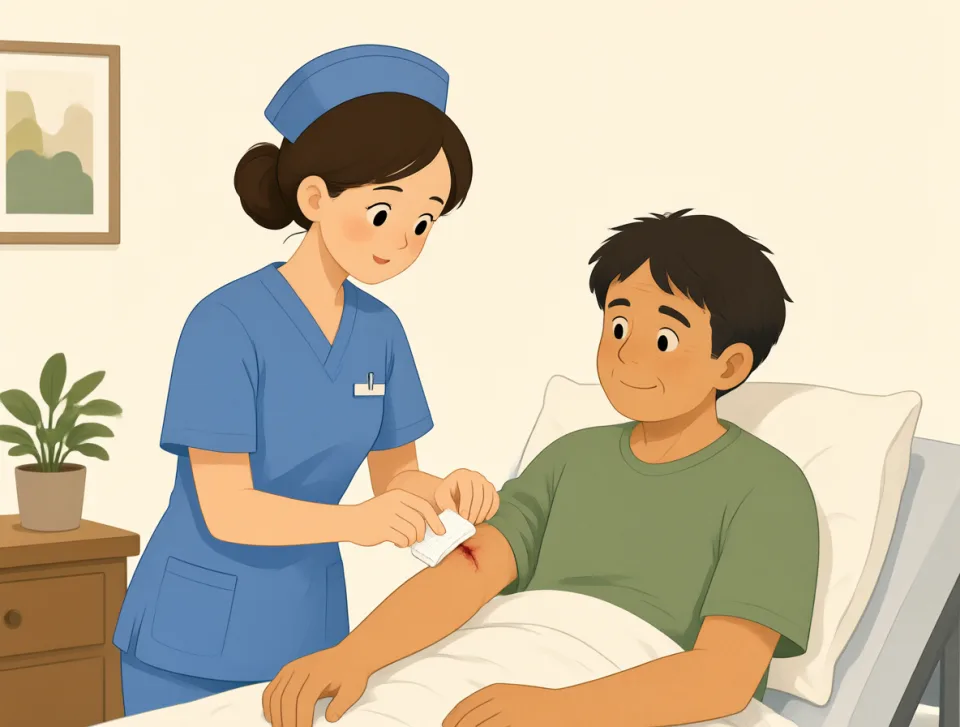
The nurse wiped the cut gently before putting on a bandage.
پرستار پیش از بستن باند، بریدگی را بهآرامی پاک کرد.
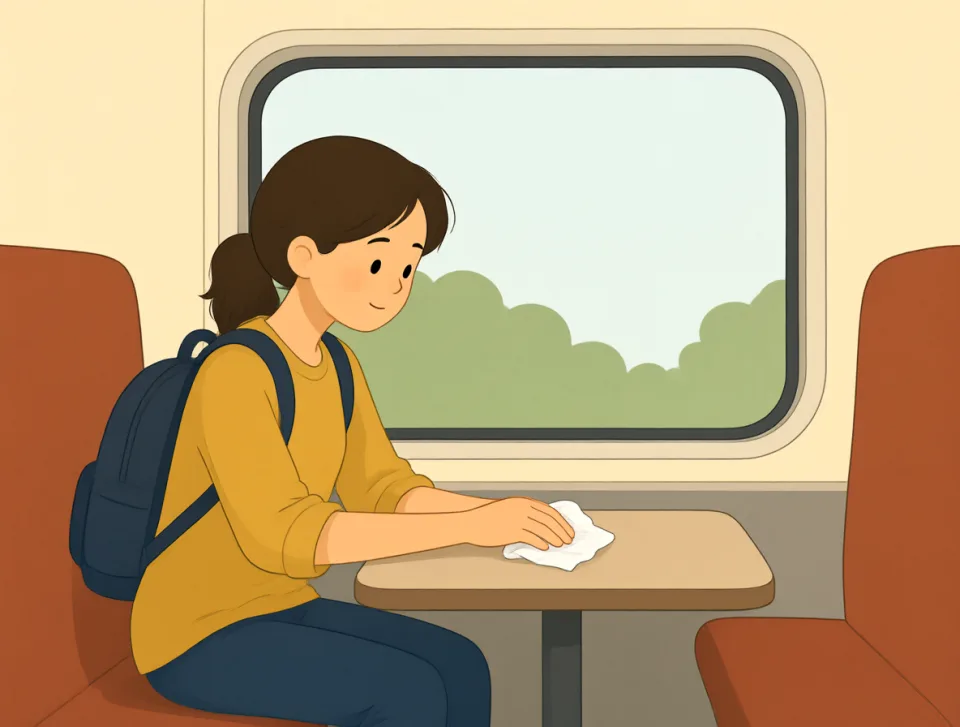
I bought a pack of wipes to clean the table while traveling.
یک بسته دستمال مرطوب خریدم تا هنگام سفر میز را تمیز کنم.
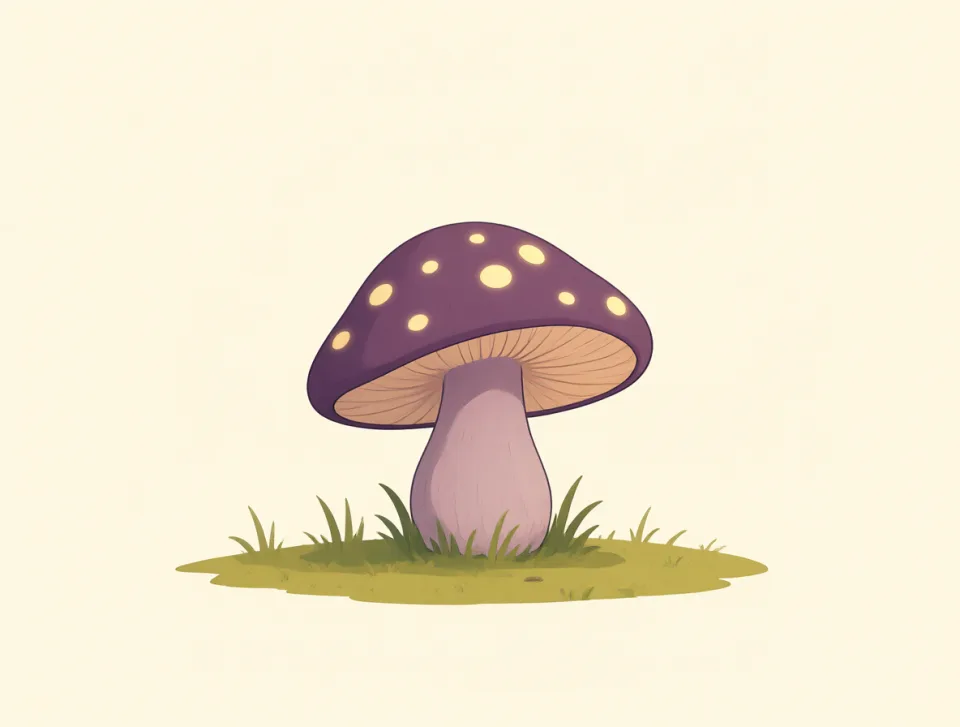
weird
#2771adjective
عجیب
Strange or unusual in a way that surprises or seems hard to explain.
غیرعادی یا نامعمول به شکلی که باعث تعجب میشود یا توضیحدادنش دشوار به نظر میرسد.
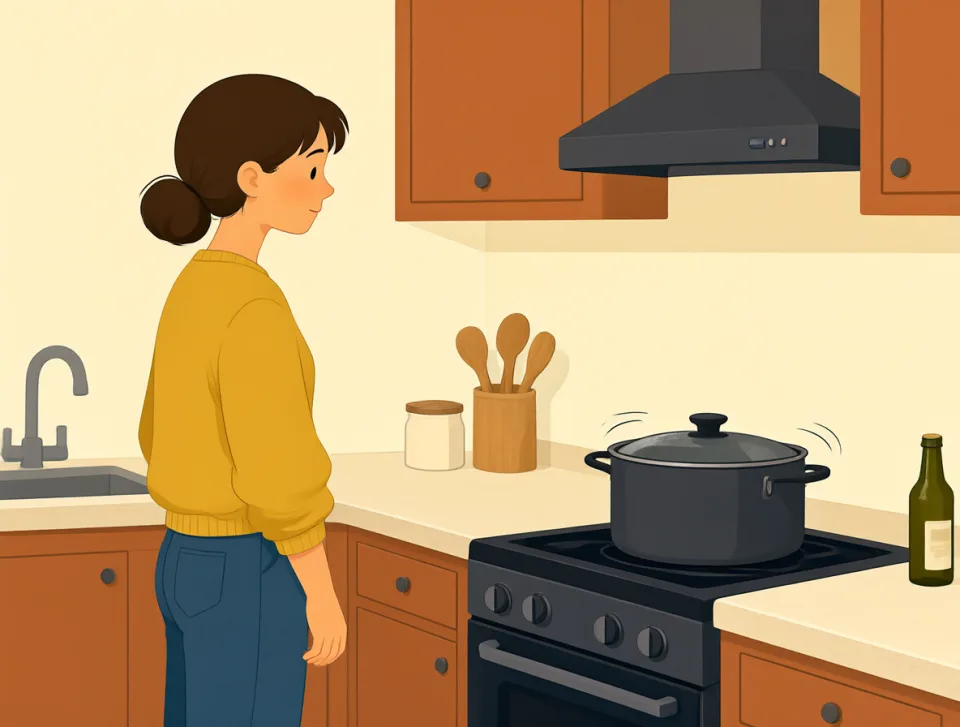
That’s a weird noise coming from the kitchen; can you check it?
صدای عجیبی از آشپزخانه میآید؛ میتوانی بررسیاش کنی؟
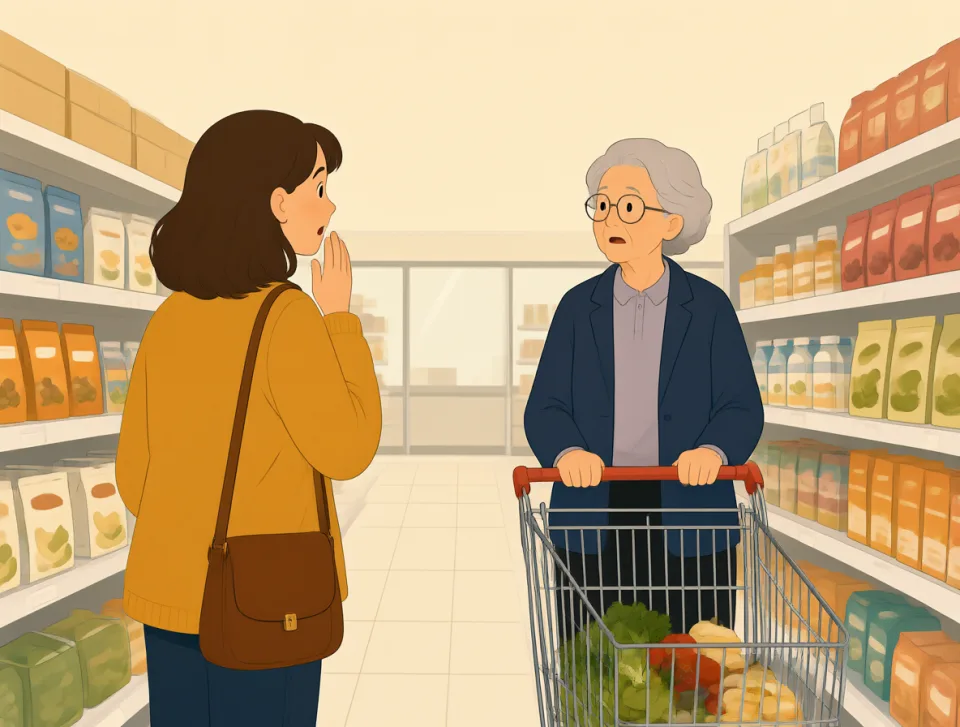
It felt weird to see my old teacher at the grocery store.
دیدن معلم قدیمیام در فروشگاه مواد غذایی حس عجیبی داشت.
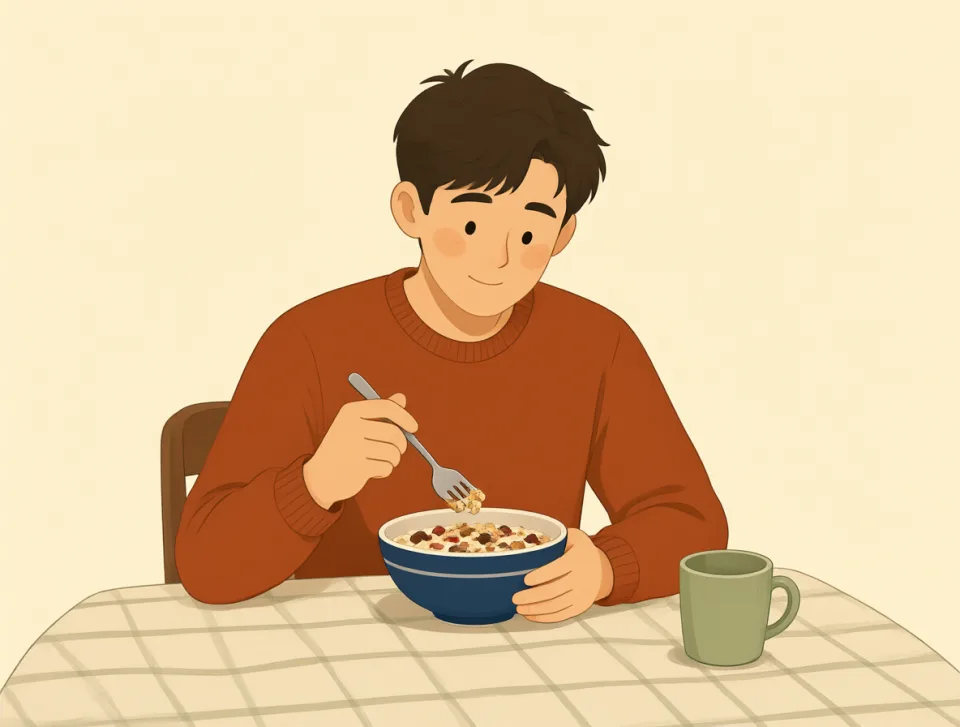
My brother has a weird habit of eating cereal with a fork.
برادرم عادت عجیبی دارد: غلات صبحانه را با چنگال میخورد.

The doctor said the strange rash was weird but probably harmless.
دکتر گفت آن جوش عجیب است، اما احتمالاً بیخطر است.

We took a weird route through the hills and arrived before sunset.
از مسیری عجیب از میان تپهها رفتیم و پیش از غروب رسیدیم.

gaze
#2772noun, verb
خیرهشدن؛ نگاه خیره
To look steadily at someone or something, or the steady look itself.
با دقت و پیوسته به کسی یا چیزی نگاهکردن، یا خودِ آن نگاهِ پیوسته.

She gazed out of the train window as the mountains passed by.
او از پنجرهٔ قطار به بیرون خیره شده بود و کوهها از مقابلش میگذشتند.
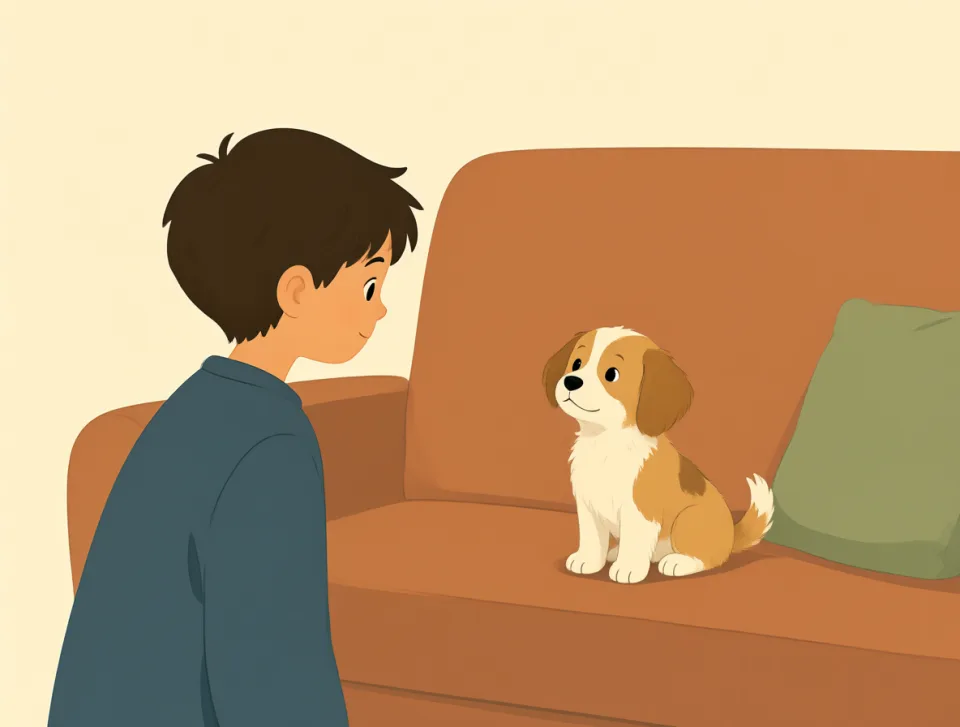
The child stared at the puppy, then reached out to pet it.
بچه به تولهسگ خیره شد و بعد دستش را دراز کرد تا نوازشش کند.

He gave her a warm gaze when she entered the room.
وقتی وارد اتاق شد، او با نگاهی گرم به او نگاه کرد.

We sat on the beach, gazing at the stars after dinner.
بعد از شام کنار ساحل نشستیم و به ستارهها خیره شدیم.

She met his gaze and smiled before answering his question.
او نگاهش را با او تلاقی داد و پیش از پاسخدادن به سؤالش لبخند زد.

fade
#2773verb, noun
محوشدن؛ کمرنگشدن
To become less bright, strong, or clear, or to make something do this.
کمنور، ضعیف یا نامشخصشدن، یا باعث چنین تغییری در چیزی شدن.
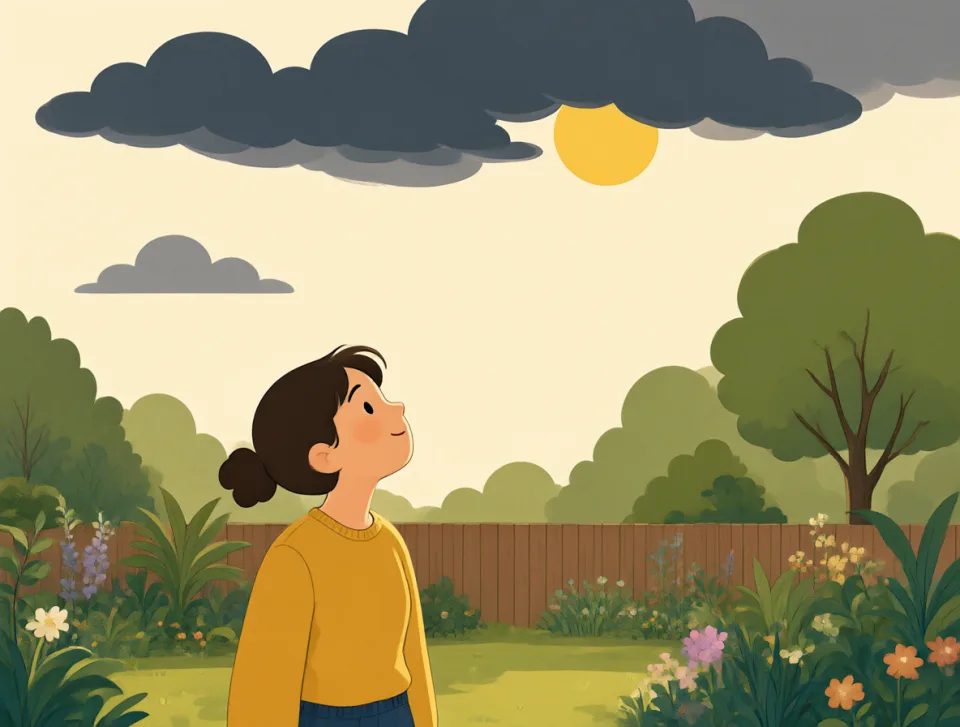
The sunlight faded as dark clouds moved over the house.
با حرکت ابرهای تیره بر فراز خانه، نور خورشید کمکم محو شد.
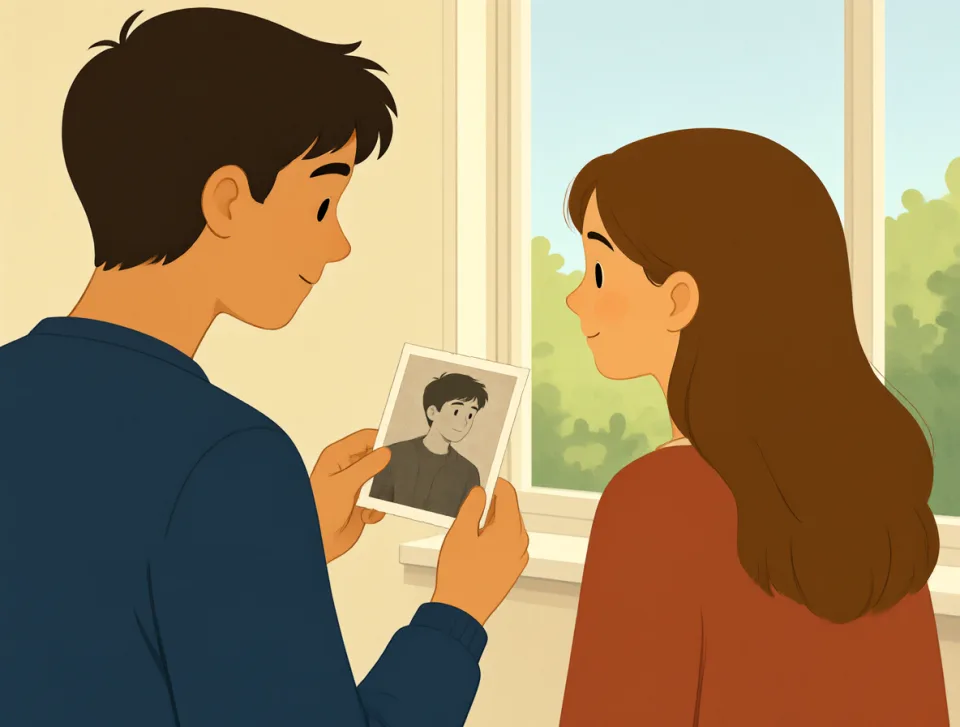
The old photograph had faded after years in the window.
عکس قدیمی پس از سالها ماندن پشت پنجره کمرنگ شده بود.
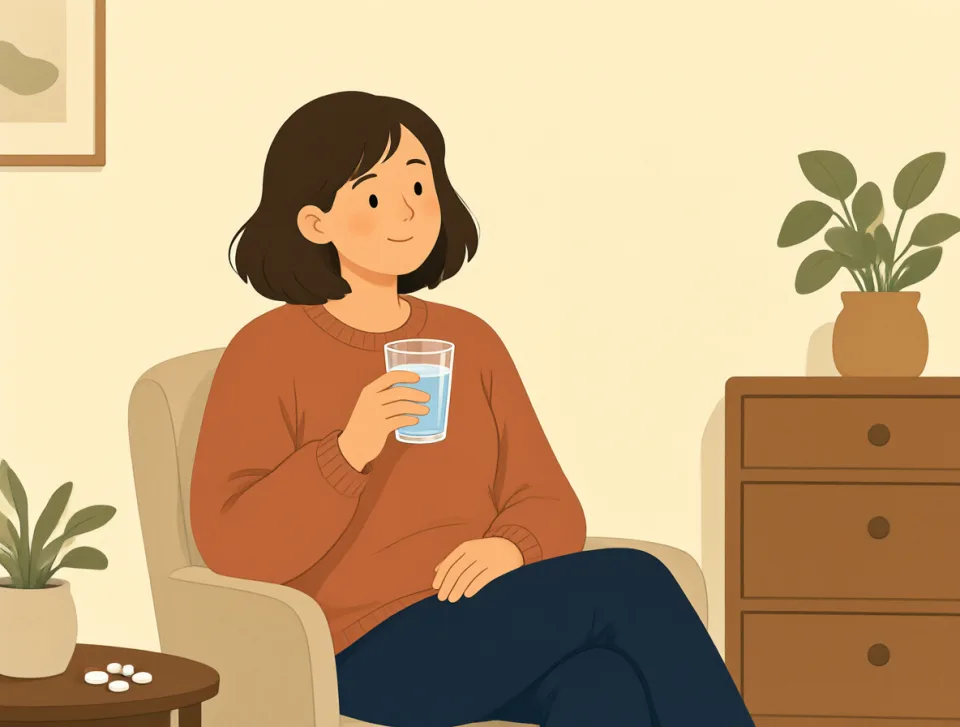
The pain began to fade after she took the medicine.
بعد از اینکه او دارو را خورد، درد کمکم فروکش کرد.
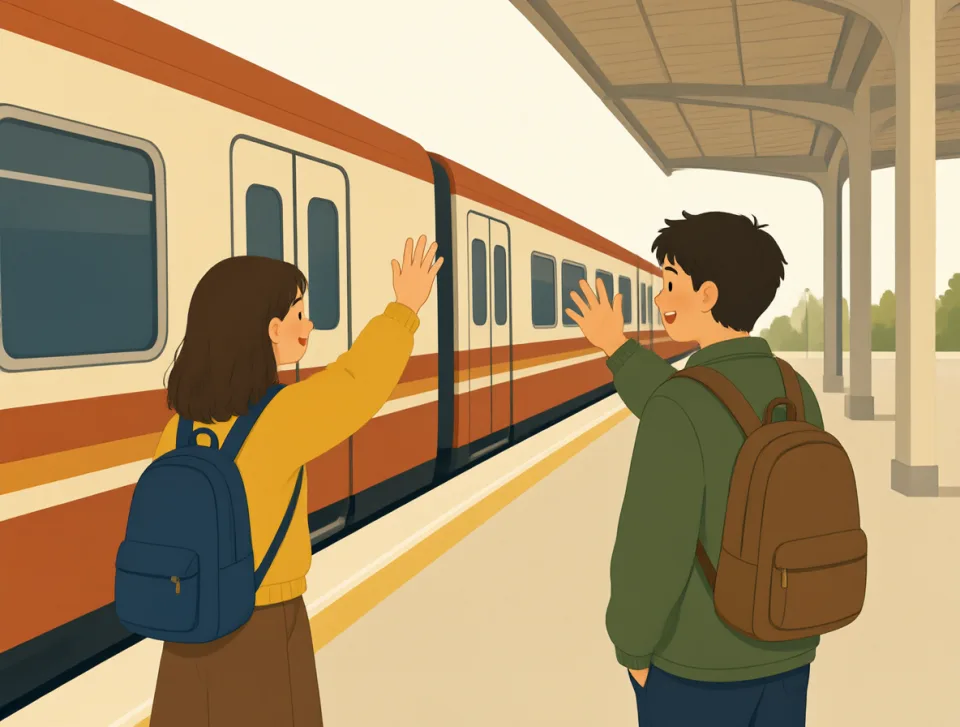
Their friendship faded when they moved to different cities.
وقتی به شهرهای متفاوتی نقل مکان کردند، دوستیشان کمکم از بین رفت.
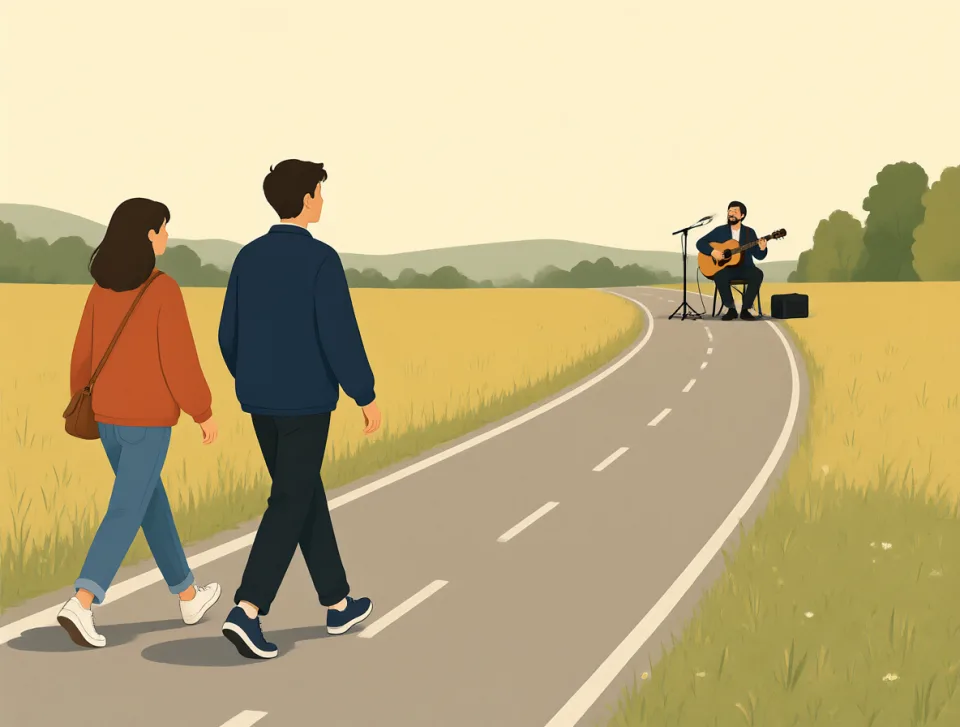
The music faded into the distance as we walked away.
وقتی دور شدیم، موسیقی کمکم در دوردست محو شد.
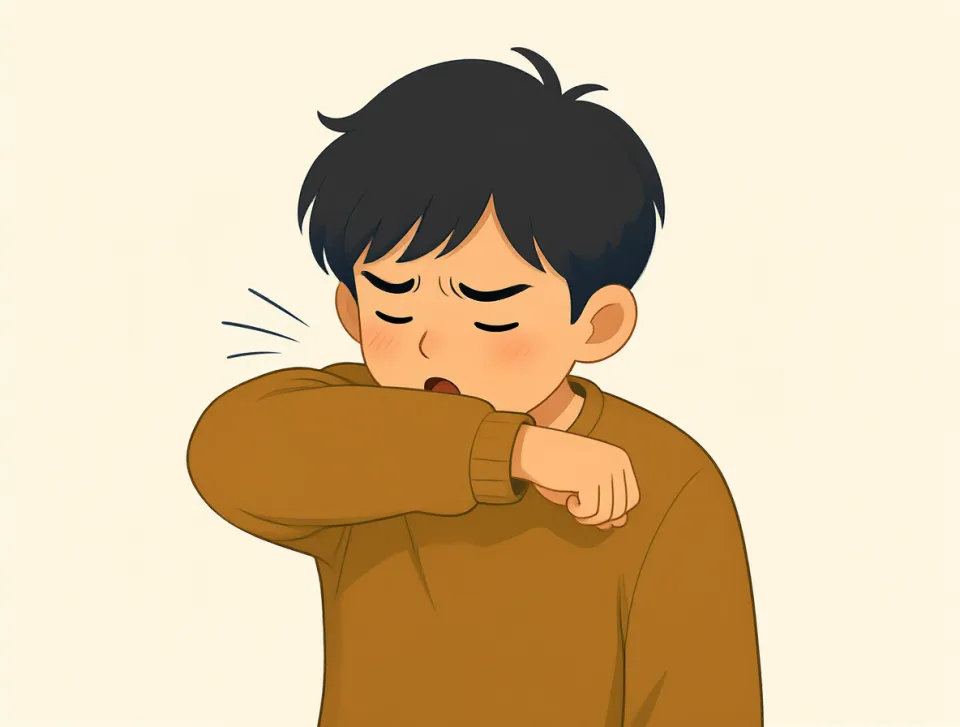
cough
#2774noun, verb
سرفه؛ سرفهکردن
To push air out of your lungs suddenly, or the sound made when you do this.
ناگهان هوا را از ریهها بیروندادن، یا صدایی که هنگام این کار ایجاد میشود.
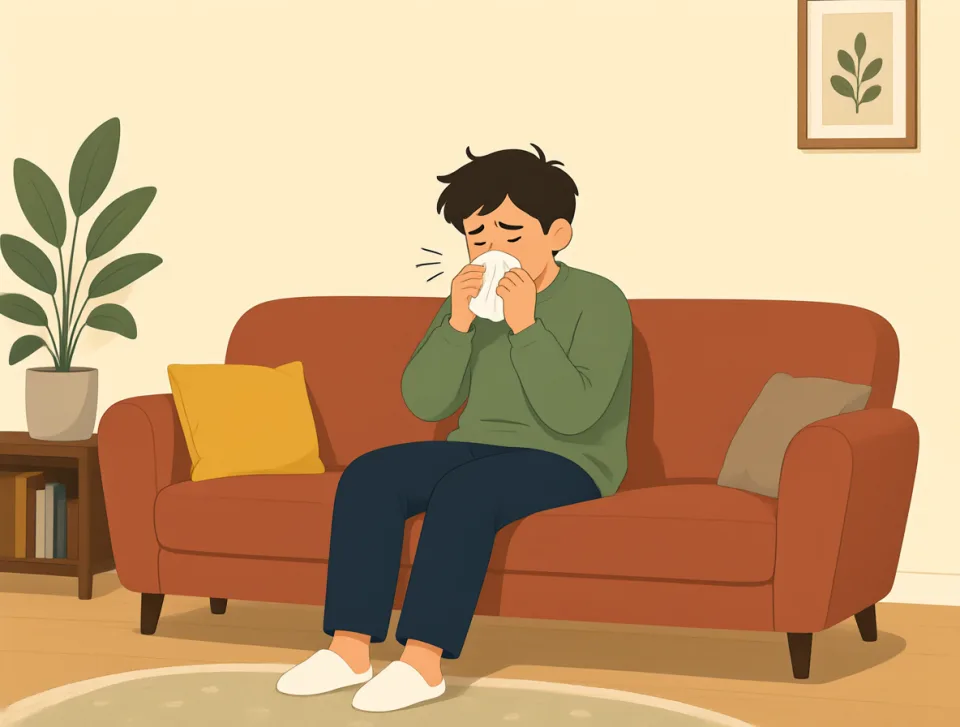
I have a bad cough, so I’m staying home from work today.
سرفهٔ شدیدی دارم، برای همین امروز سر کار نمیروم و در خانه میمانم.
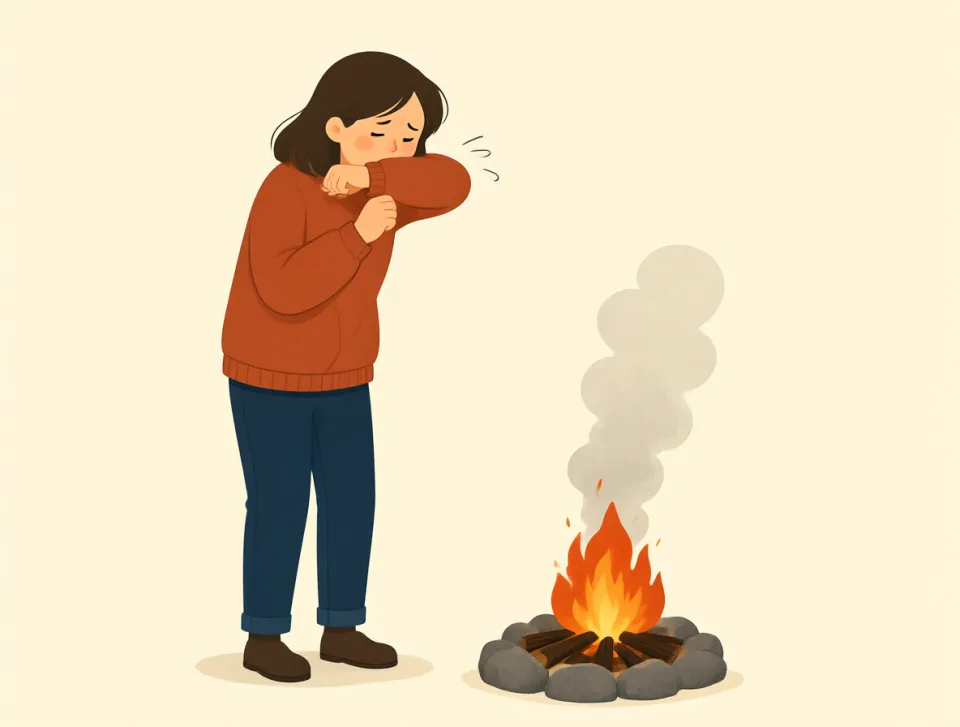
She coughed hard after breathing in some smoke from the fire.
بعد از اینکه کمی دود آتش را تنفس کرد، شدید سرفه کرد.
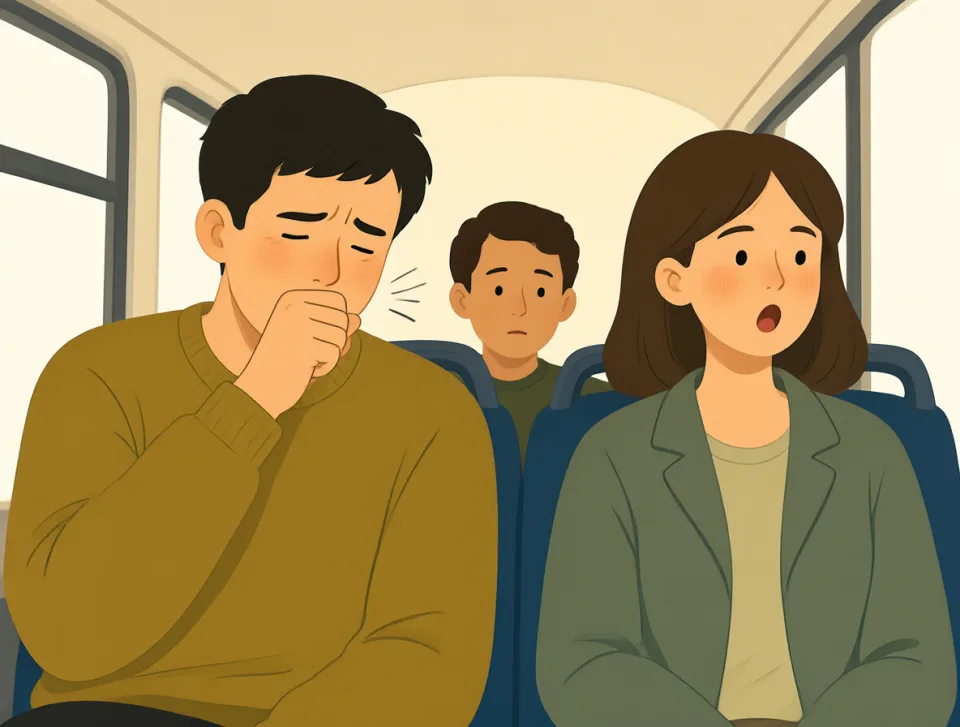
Cover your mouth when you cough, especially if you’re sitting near other people.
وقتی سرفه میکنی دهانت را بپوشان، بهخصوص اگر نزدیک دیگران نشستهای.
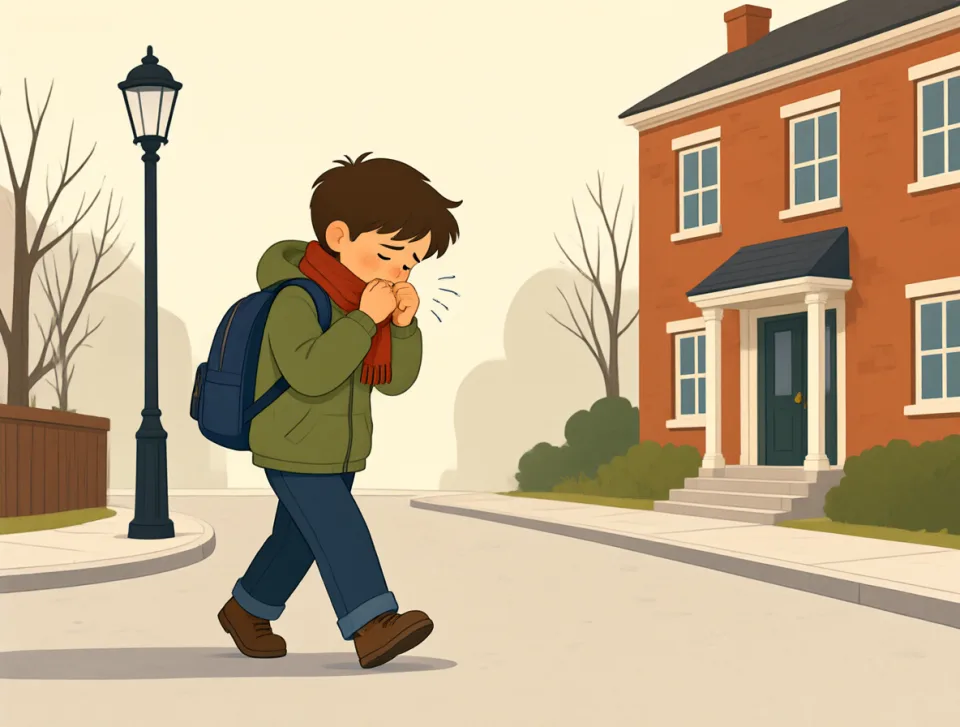
The cold air made him cough as he walked to school this morning.
هوای سرد باعث شد وقتی امروز صبح به مدرسه میرفت، سرفه کند.
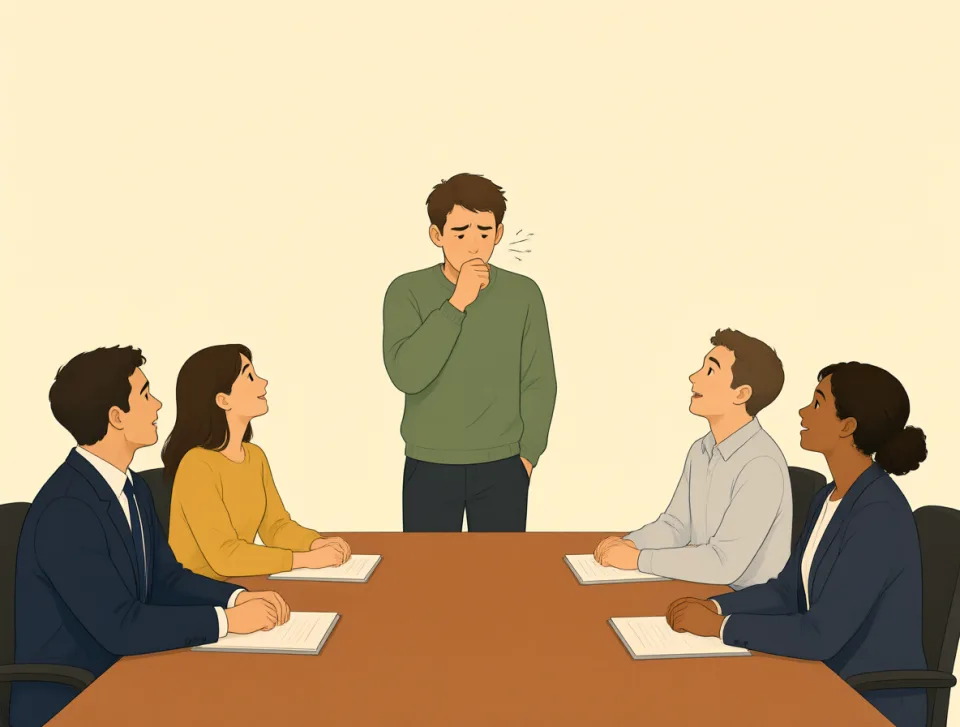
He gave a little cough to get everyone’s attention before the meeting began.
پیش از شروع جلسه، برای جلب توجه همه سرفهٔ کوتاهی کرد.
hypothesis
#2775noun
فرضیه
An idea or explanation that can be tested to see if it is true.
ایده یا توضیحی که میتوان آن را آزمایش کرد تا معلوم شود درست است یا نه.
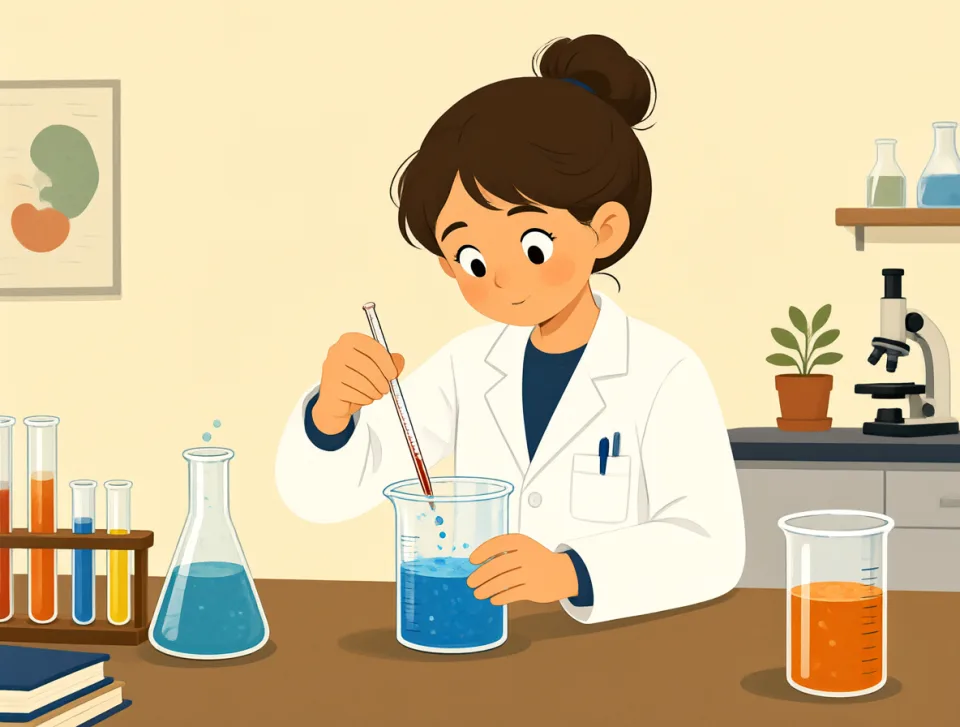
The scientist tested her hypothesis by repeating the experiment twice.
دانشمند با تکرار آزمایش دو بار، فرضیهاش را آزمود.
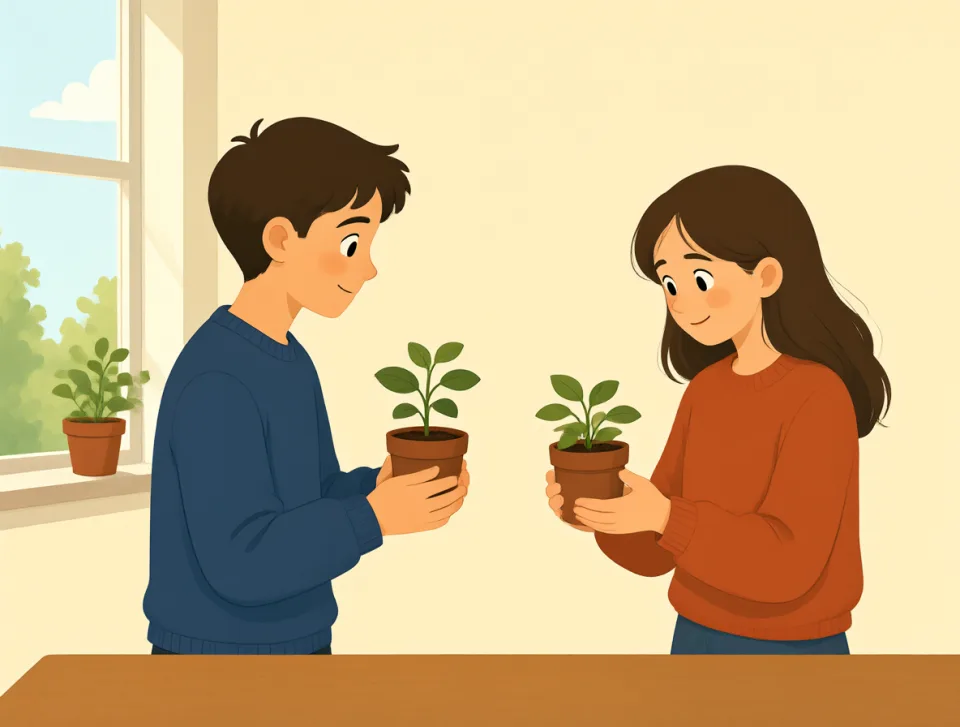
Our hypothesis is that plants grow faster near the sunny window.
فرضیهٔ ما این است که گیاهان نزدیک پنجرهٔ آفتابگیر سریعتر رشد میکنند.
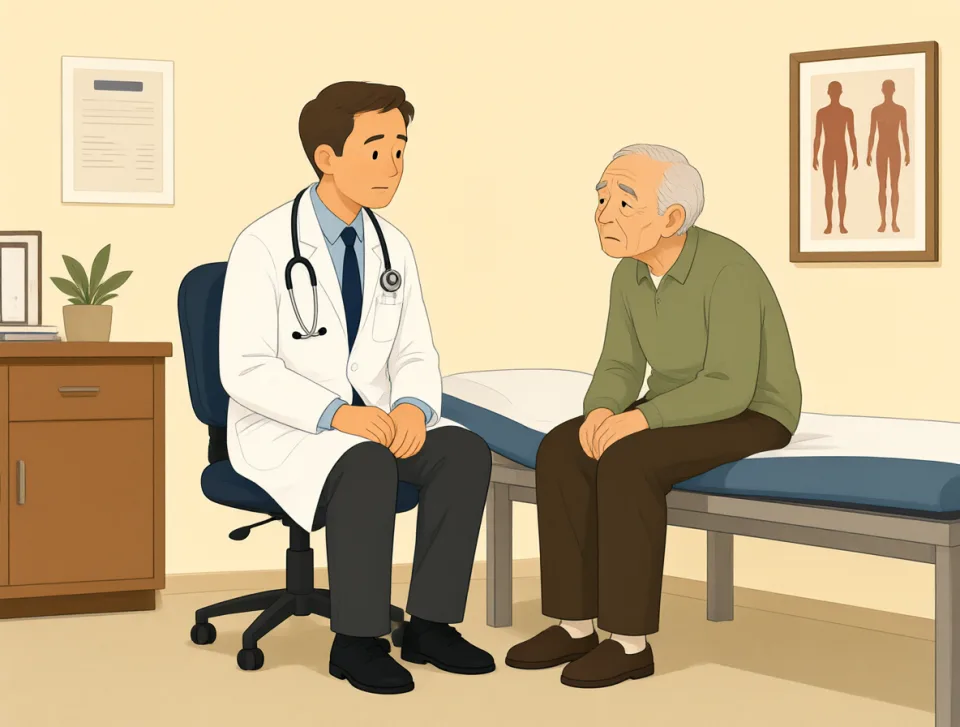
The doctor’s hypothesis was that his headaches came from poor sleep.
فرضیهٔ دکتر این بود که سردردهایش بهخاطر خواب ناکافی است.

They formed a hypothesis about why the train was late.
آنها دربارهٔ علت تأخیر قطار فرضیهای مطرح کردند.

My hypothesis is that the soup needs more salt, so let’s taste it.
فرضیهام این است که سوپ نمک بیشتری لازم دارد؛ پس بیا مزهاش کنیم.

royal
#2776adjective, noun
سلطنتی
Belonging to a king or queen, or connected with a royal family.
متعلق به پادشاه یا ملکه، یا مرتبط با خانوادهٔ سلطنتی.
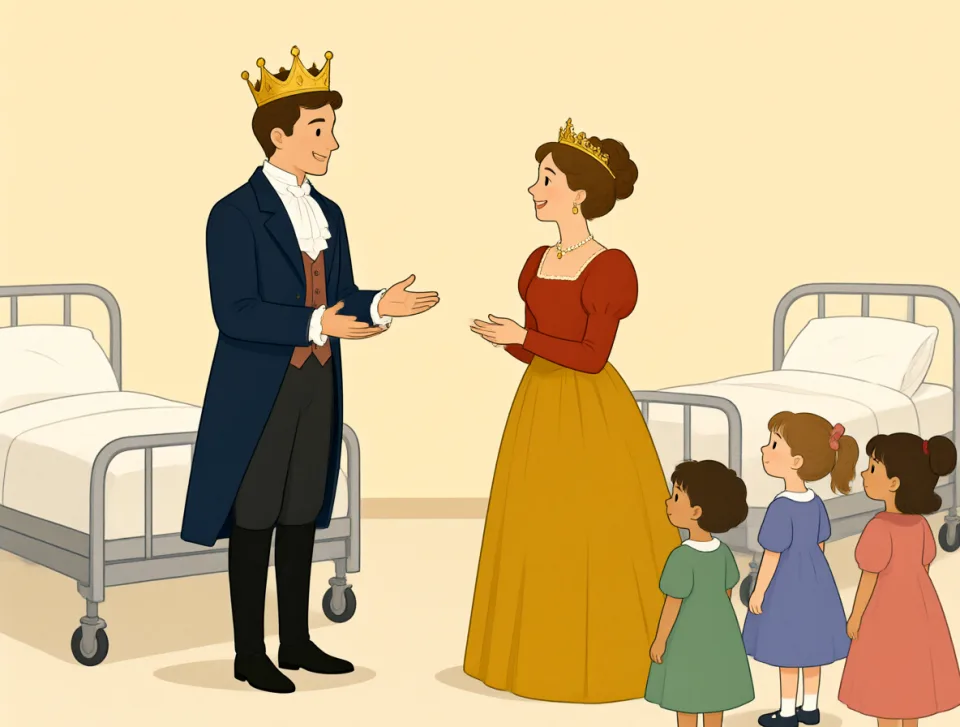
The royal family visited the children's hospital during their trip to the city.
خانوادهٔ سلطنتی در جریان سفرشان به شهر از بیمارستان کودکان دیدن کردند.
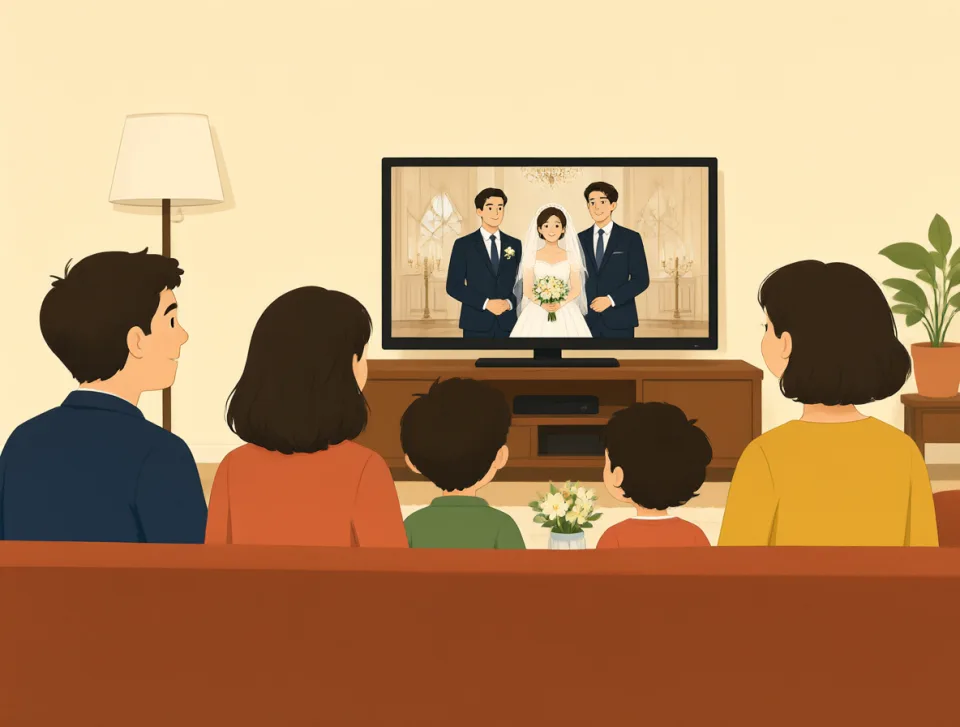
We watched a royal wedding on television at my aunt's house.
در خانهٔ عمهام از تلویزیون یک عروسی سلطنتی تماشا کردیم.

The hotel used to be a royal palace, but now tourists can stay there.
این هتل قبلاً کاخی سلطنتی بود، اما حالا گردشگران میتوانند در آن اقامت کنند.

She bought a small royal blue bag to match her new coat.
او یک کیف کوچک به رنگ آبی سلطنتی خرید تا با پالتوی جدیدش هماهنگ باشد.
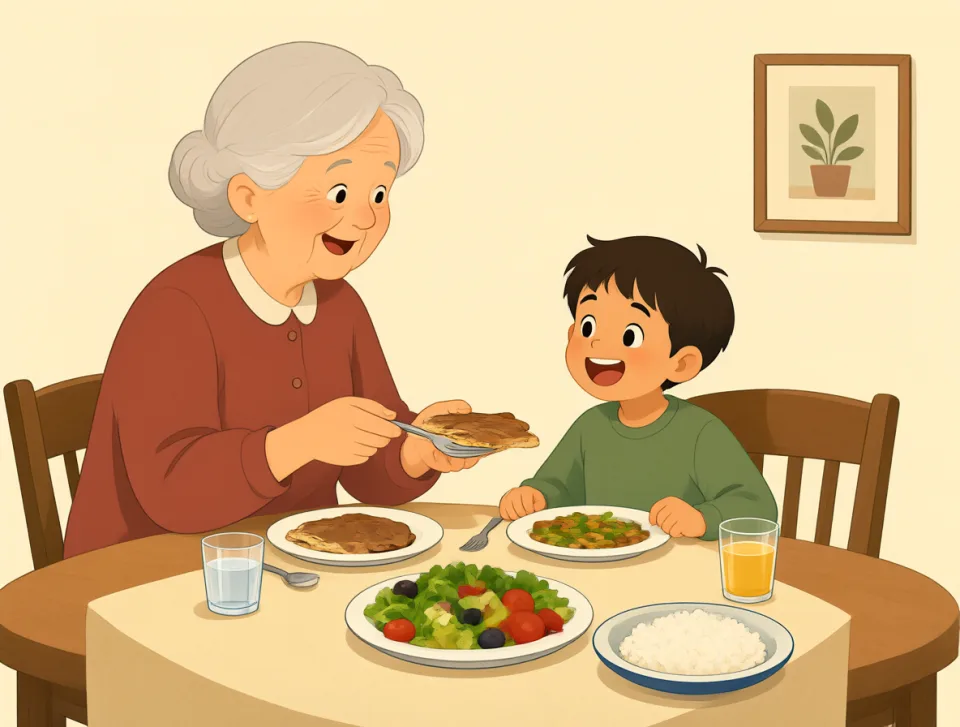
My brother says he is treated like royalty whenever he visits our grandmother.
برادرم میگوید هر وقت به دیدن مادربزرگمان میرود، با او مثل یک شاهزاده رفتار میکنند.
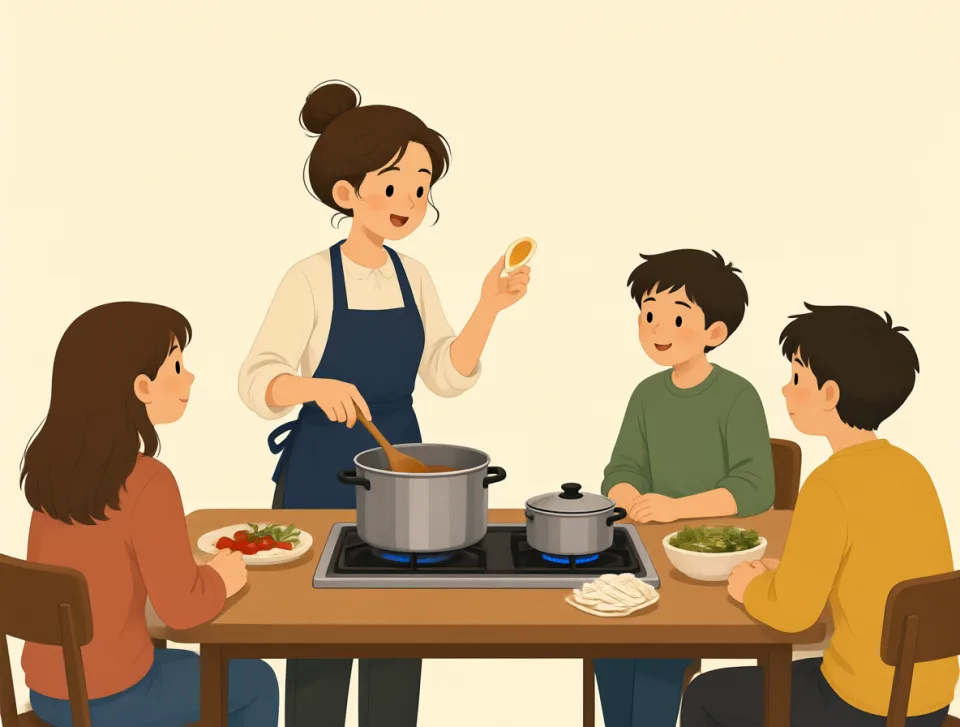
theoretical
#2777adjective
نظری
Based on ideas or principles rather than practical experience or real situations.
بر پایهٔ ایدهها یا اصول است، نه تجربهٔ عملی یا موقعیتهای واقعی.
The course covers the theoretical side of cooking before students use the kitchen.
این دوره پیش از آنکه دانشجویان وارد آشپزخانه شوند، جنبهٔ نظری آشپزی را پوشش میدهد.

The job sounds interesting in theory, but the theoretical salary is too low.
این شغل در تئوری جالب به نظر میرسد، اما حقوق نظریاش خیلی کم است.
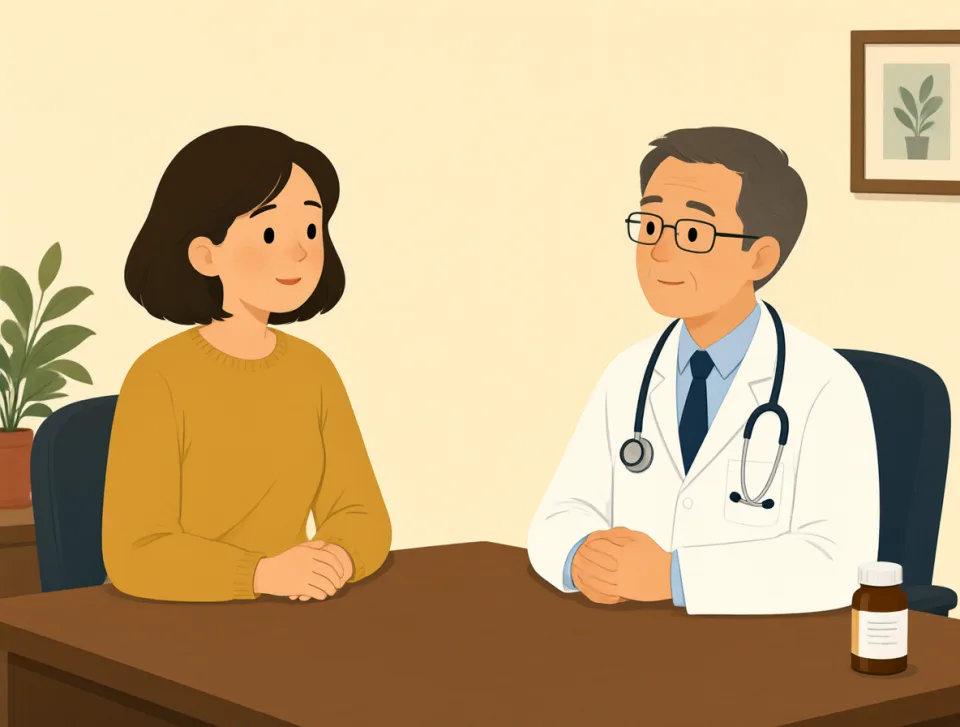
We discussed the theoretical risks of the new medicine with our doctor.
دربارهٔ خطرهای نظری داروی جدید با پزشکمان صحبت کردیم.
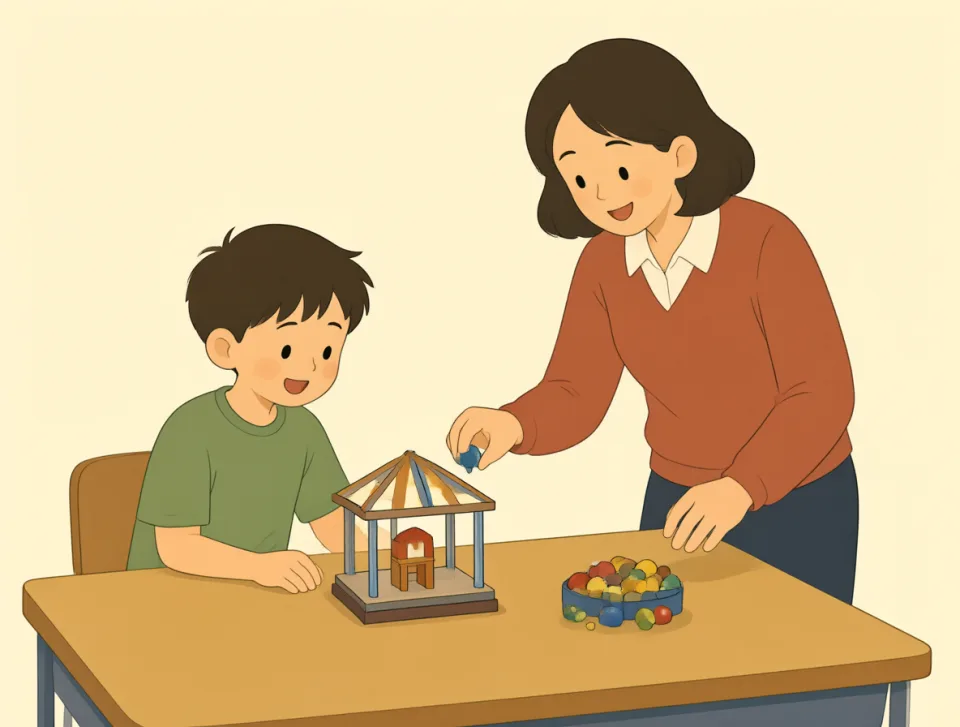
Our teacher asked us to connect theoretical ideas with examples from everyday life.
معلممان از ما خواست ایدههای نظری را با نمونههایی از زندگی روزمره مرتبط کنیم.
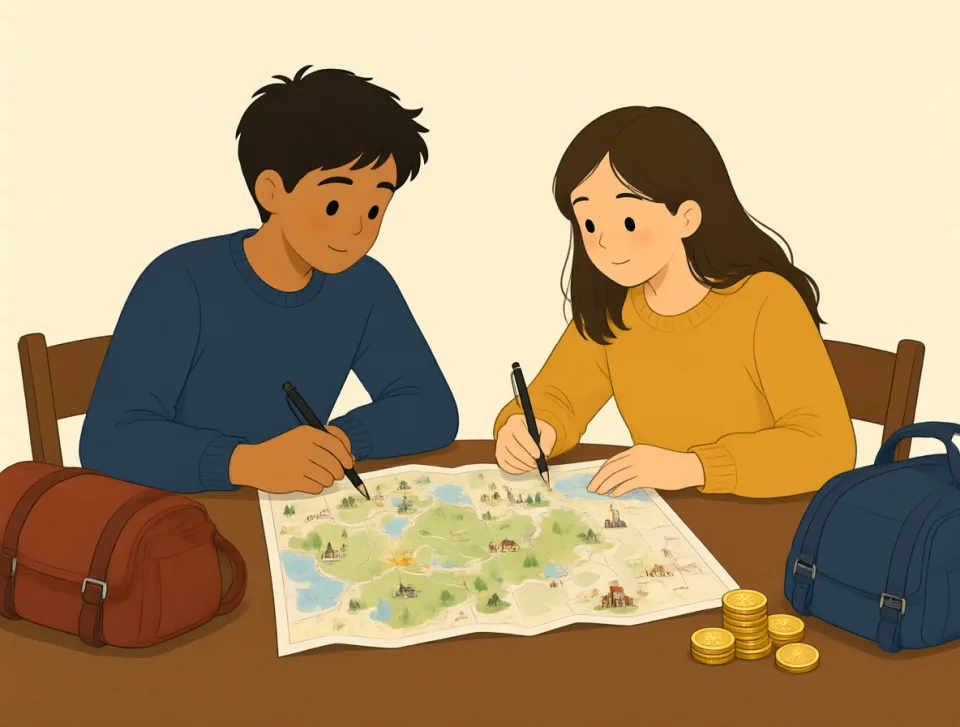
The plan is theoretically possible, but we do not have enough time or money.
این برنامه از نظر نظری امکانپذیر است، اما وقت یا پول کافی نداریم.
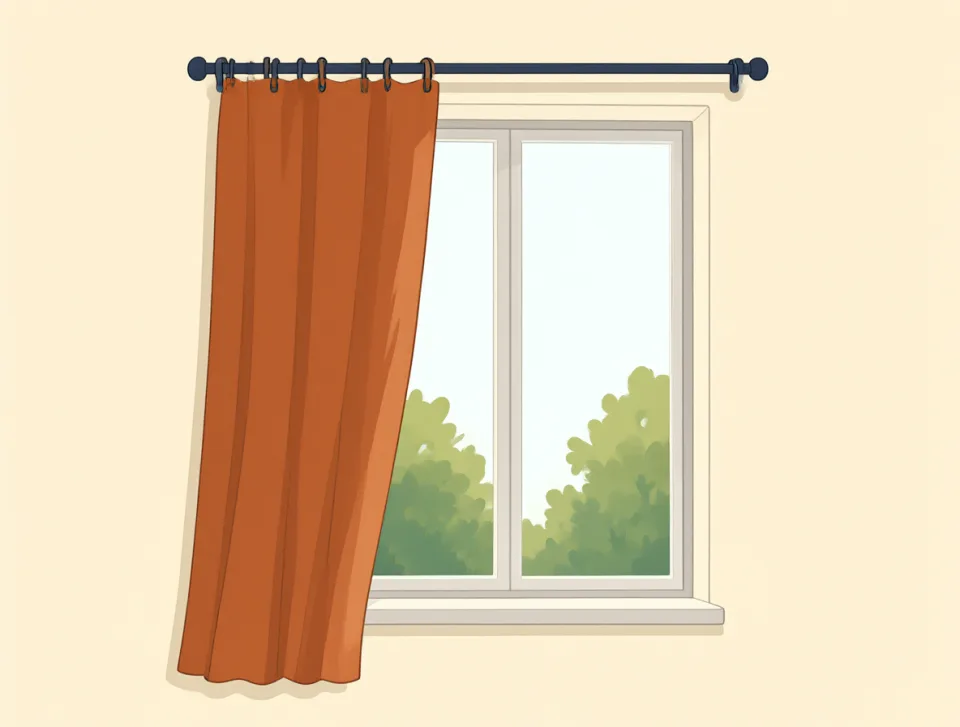
curtain
#2778noun
پرده
A piece of cloth that hangs over a window or around a stage.
پارچهای که جلوی پنجره یا اطراف صحنه آویزان میشود.
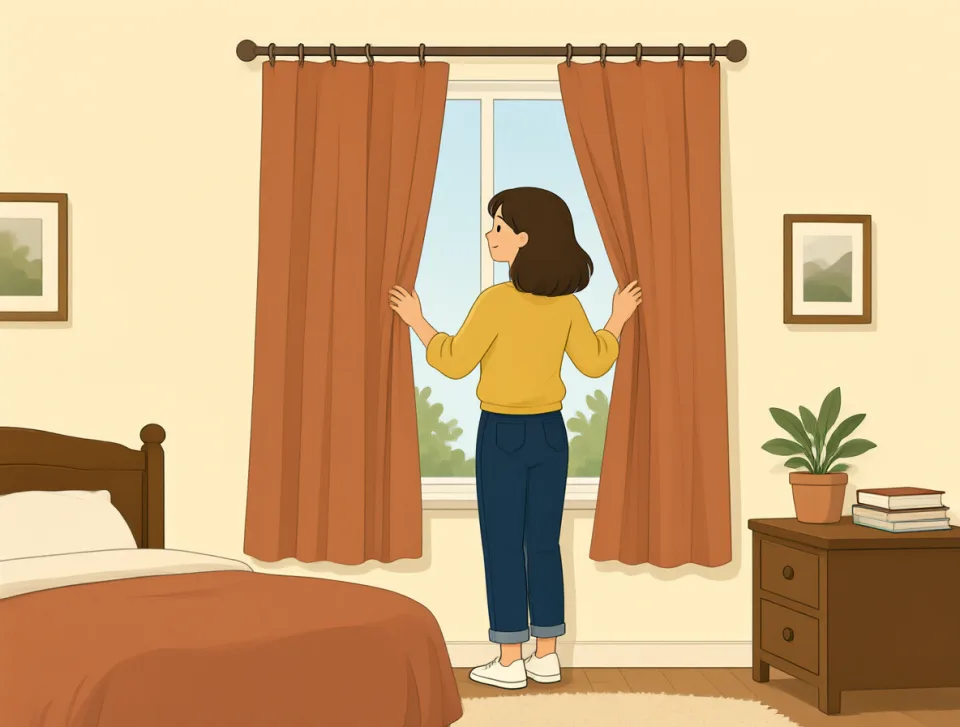
She pulled the curtains closed before changing her clothes.
او پیش از عوض کردن لباسهایش پردهها را کشید.

The hotel room had thick curtains that blocked the morning sunlight.
اتاق هتل پردههای ضخیمی داشت که جلوی نور آفتاب صبح را میگرفتند.
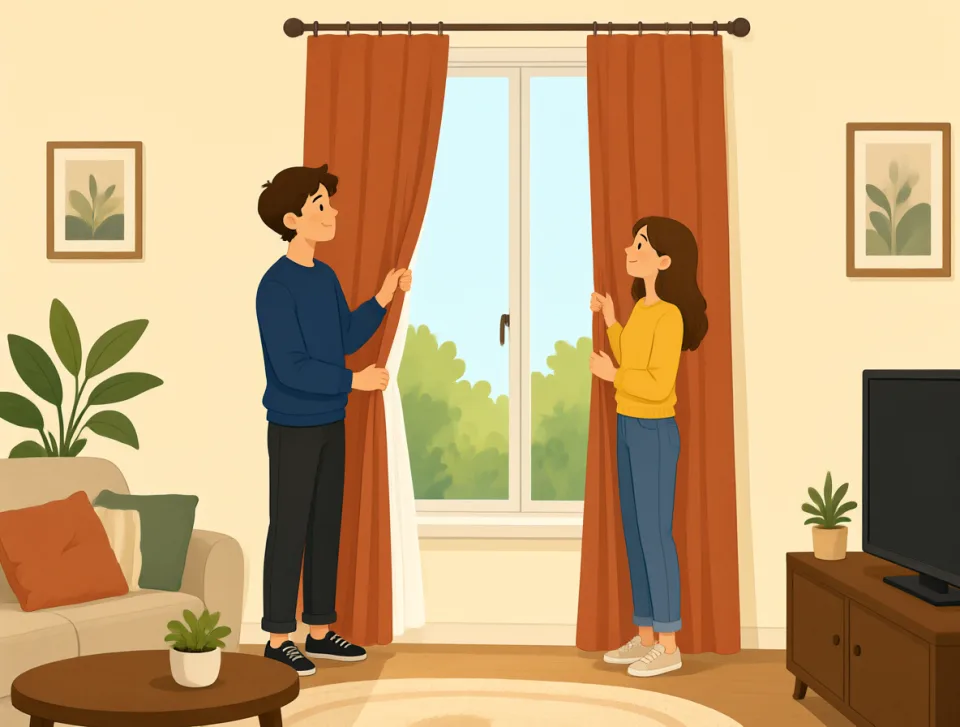
We bought new curtains to make the living room feel warmer.
پردههای تازهای خریدیم تا اتاق نشیمن گرمتر و دلنشینتر به نظر برسد.
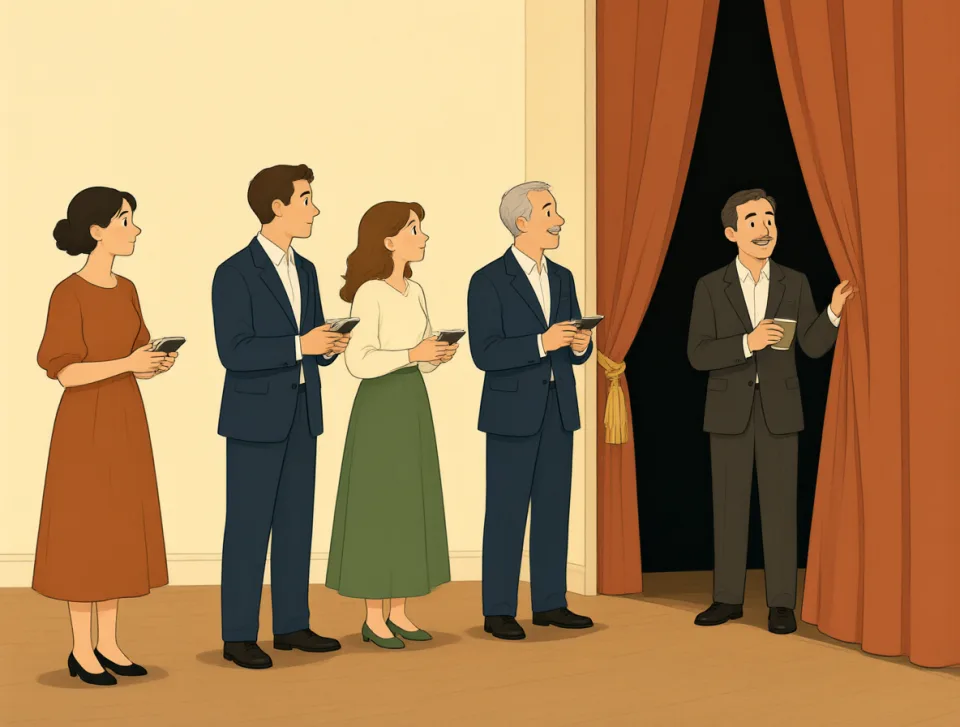
The actors waited behind the curtain until the audience became quiet.
بازیگران پشت پرده منتظر ماندند تا تماشاگران ساکت شوند.
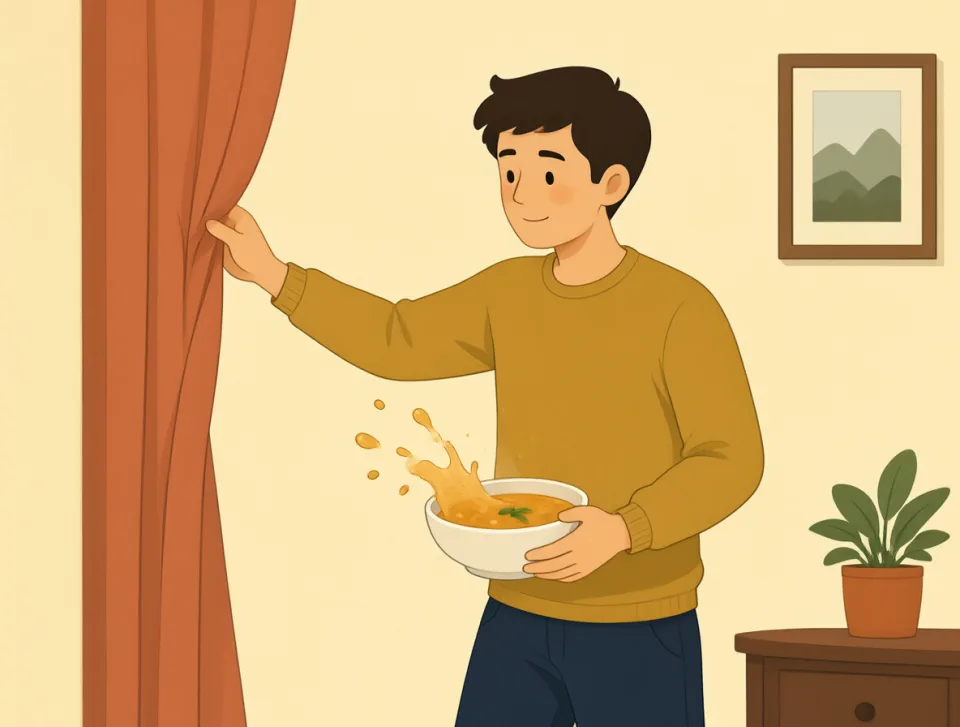
He accidentally spilled soup on the curtain while carrying dinner upstairs.
وقتی شام را از پلهها بالا میبرد، تصادفی سوپ را روی پرده ریخت.
mayor
#2779noun
شهردار
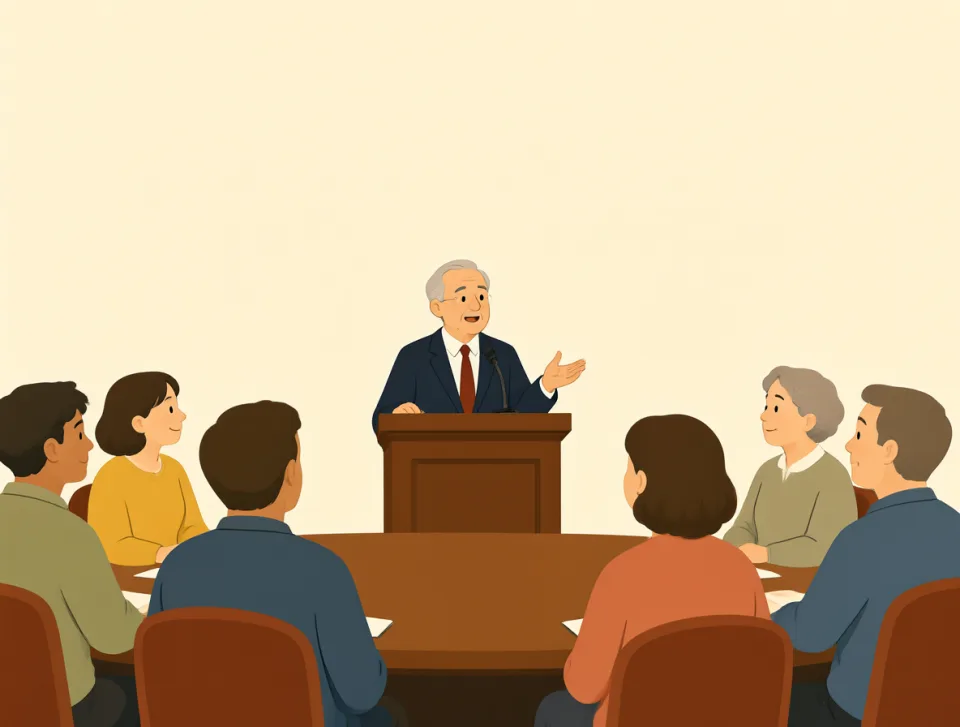
The elected leader of a city or town.
رهبری که با رأی مردم برای ادارهٔ یک شهر انتخاب میشود.
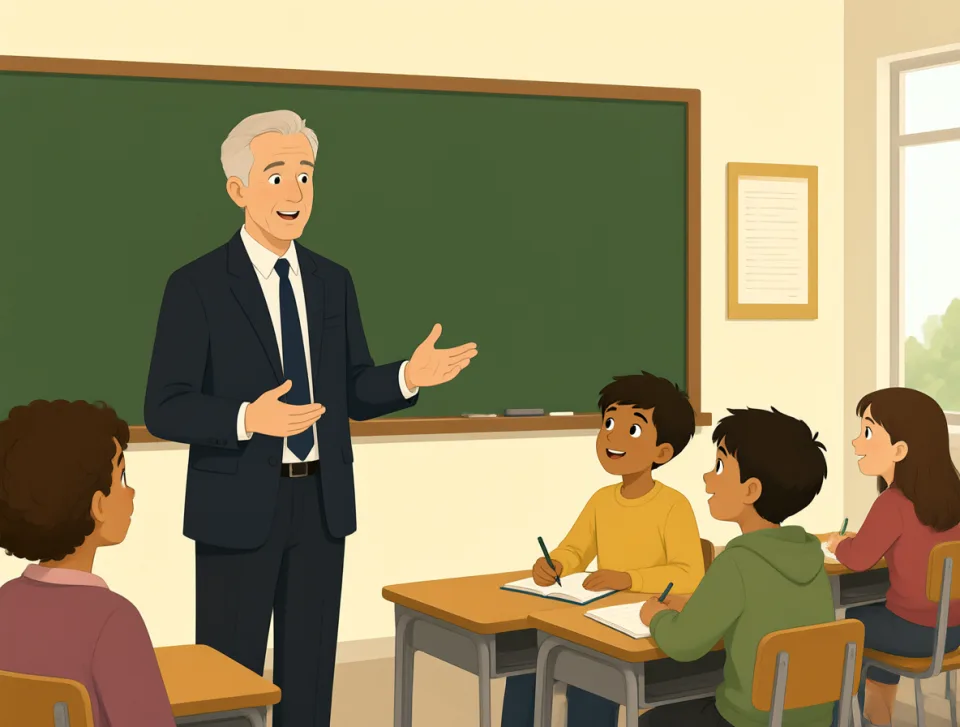
The mayor visited our school to talk with students about the new park.
شهردار به مدرسهٔ ما آمد تا با دانشآموزان دربارهٔ پارک جدید صحبت کند.
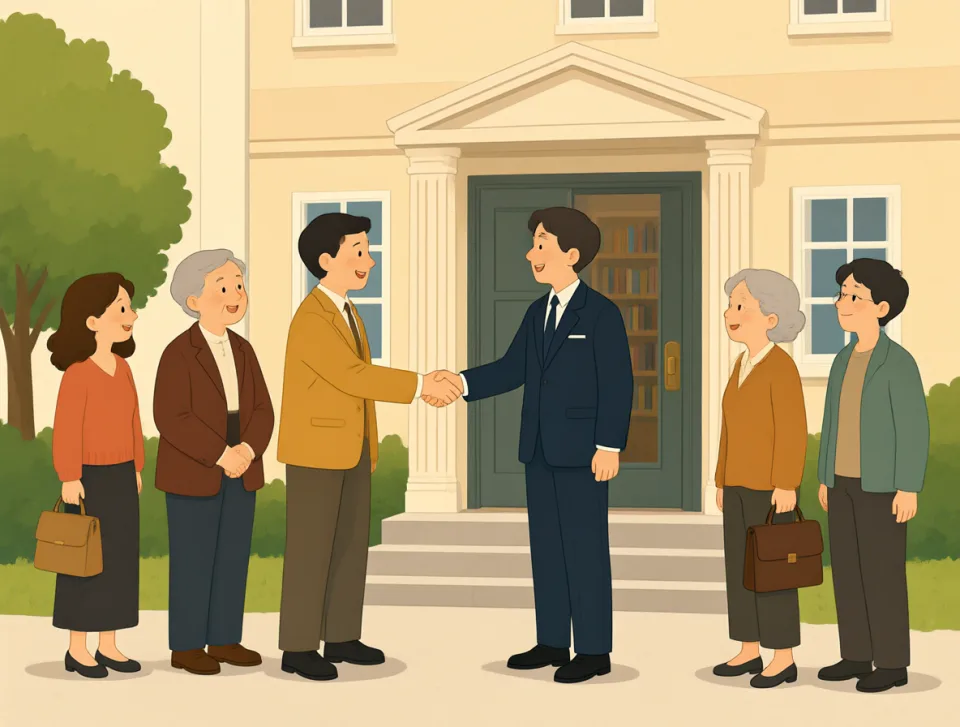
The mayor of our town welcomed visitors at the opening of the library.
شهردار شهرمان در مراسم افتتاح کتابخانه به بازدیدکنندگان خوشامد گفت.
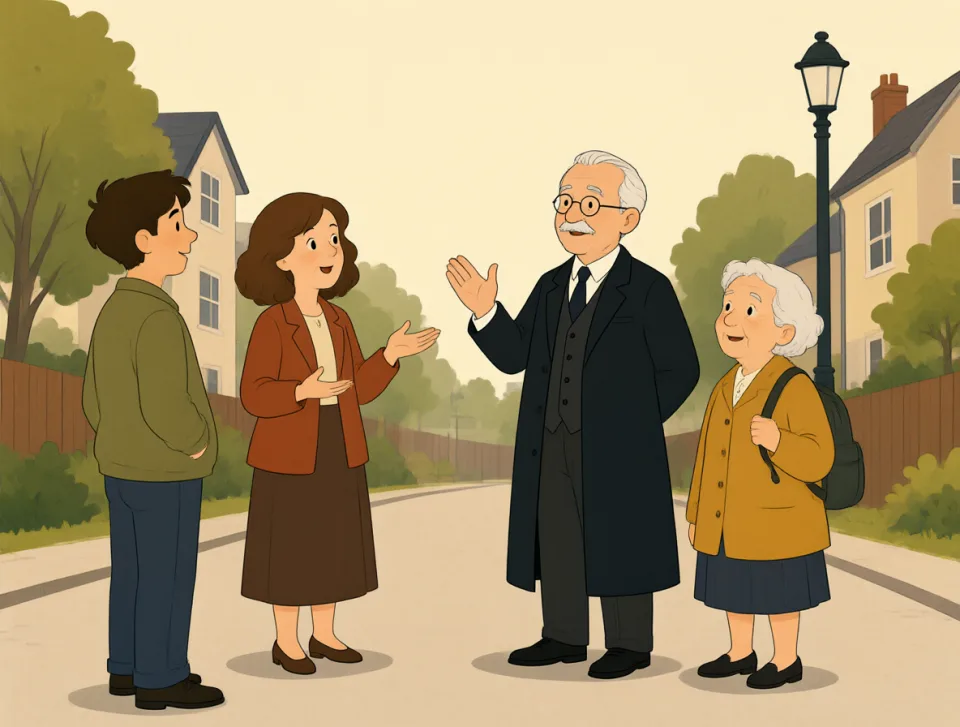
Residents asked the mayor to repair the broken streetlights near their homes.
ساکنان از شهردار خواستند چراغهای خیابانی خراب نزدیک خانههایشان را تعمیر کند.
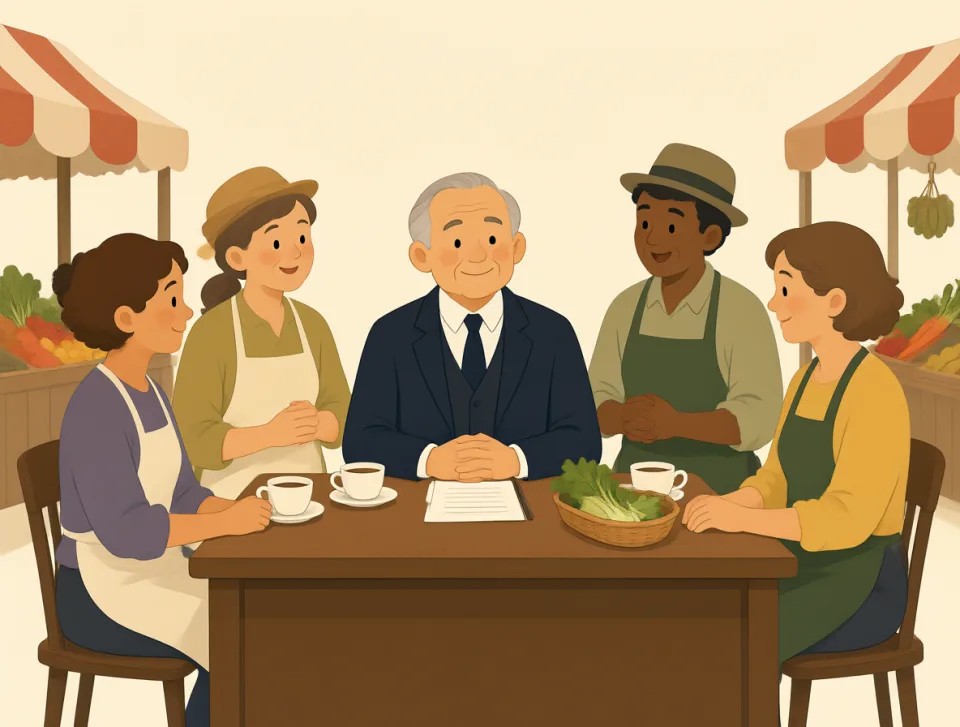
The mayor met with local shop owners to discuss plans for the busy market.
شهردار با صاحبان مغازههای محلی دیدار کرد تا دربارهٔ برنامههای بازار شلوغ گفتوگو کند.
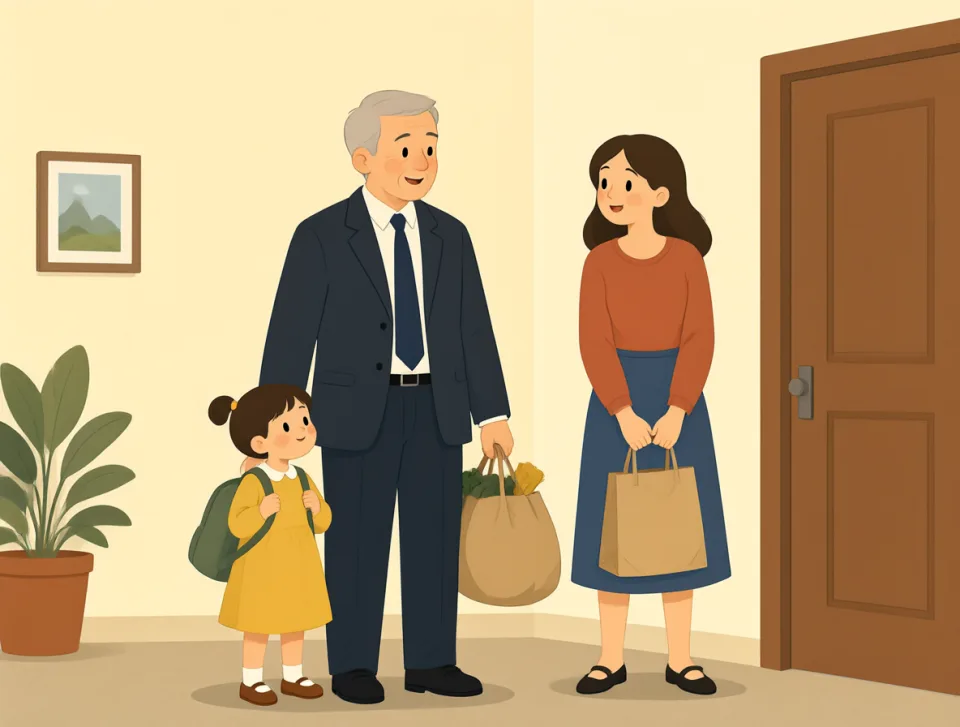
After the flood, the mayor helped families find safe places to stay.
پس از سیل، شهردار به خانوادهها کمک کرد جای امنی برای ماندن پیدا کنند.
darkness
#2780noun
تاریکی
The state of having little or no light.
حالتی که در آن نور کم است یا اصلاً وجود ندارد.
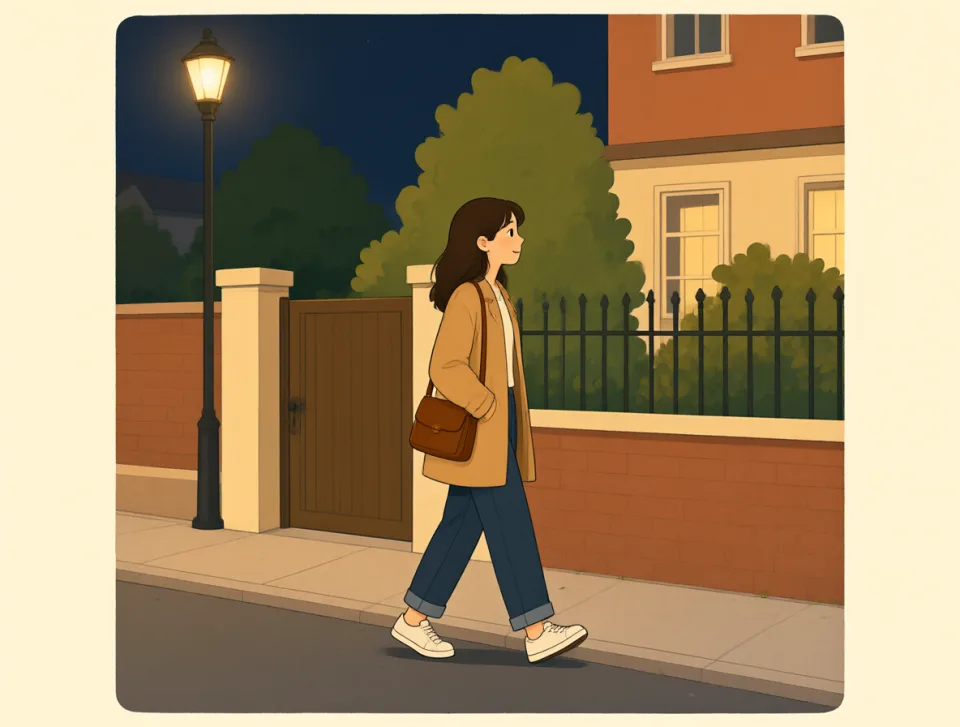
She felt nervous walking home alone in the darkness after work.
او بعد از کار، هنگام پیادهروی تنها به خانه در تاریکی احساس اضطراب میکرد.
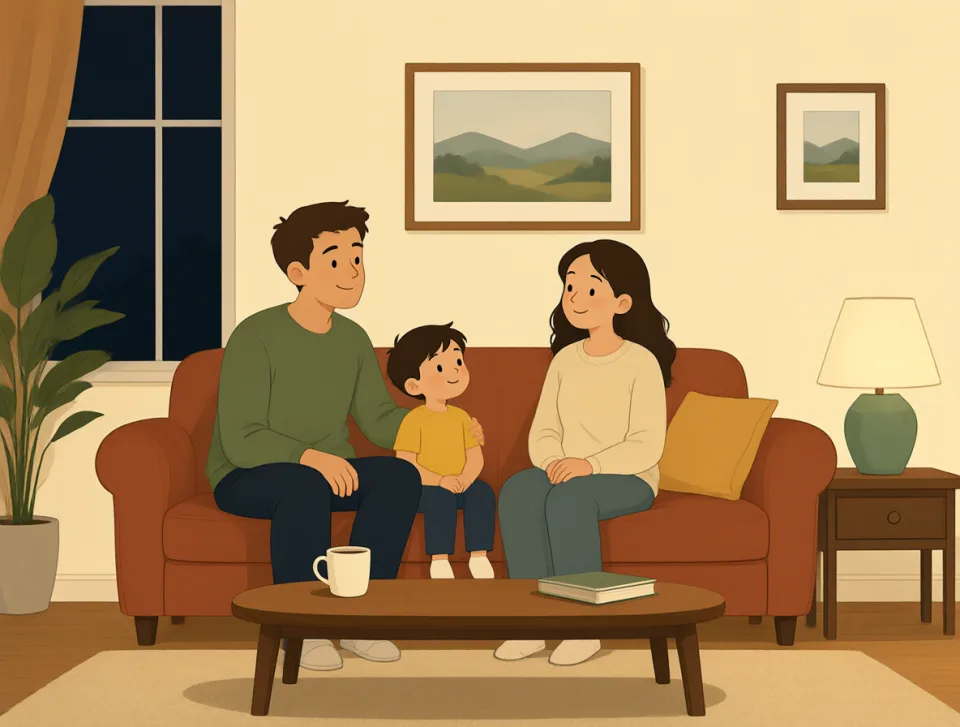
The lights went out, and the room was filled with darkness.
چراغها خاموش شدند و اتاق در تاریکی فرو رفت.
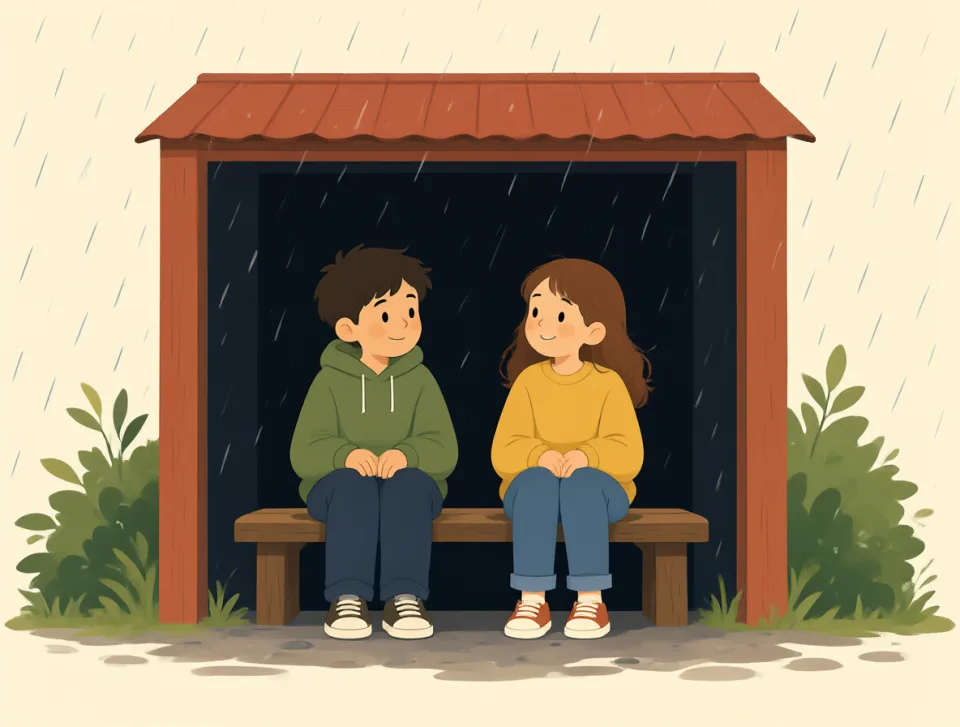
We waited in the darkness until the storm passed.
تا وقتی طوفان بگذرد، در تاریکی منتظر ماندیم.
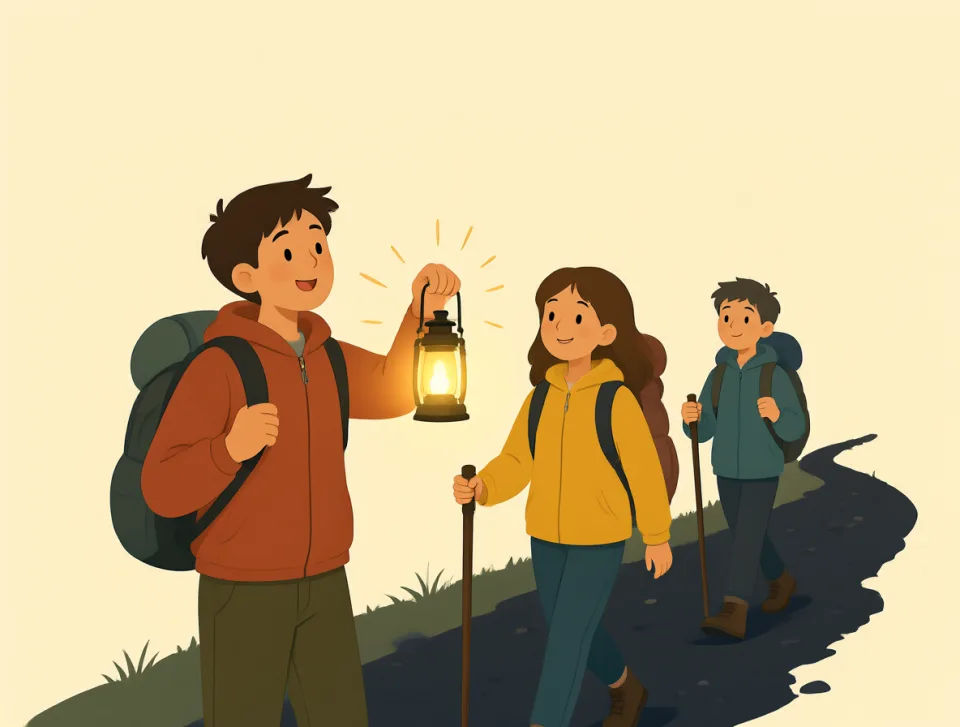
The guide carried a lantern to lead us through the darkness.
راهنما فانوسی همراه داشت تا ما را در تاریکی هدایت کند.

After the long illness, he said the darkness in his life was lifting.
پس از بیماری طولانی، گفت که تاریکی زندگیاش دارد کنار میرود.