الوحدة 106
الكلمات من 2101 إلى 2120 · formula, alter, perceive, routine, sink, stare
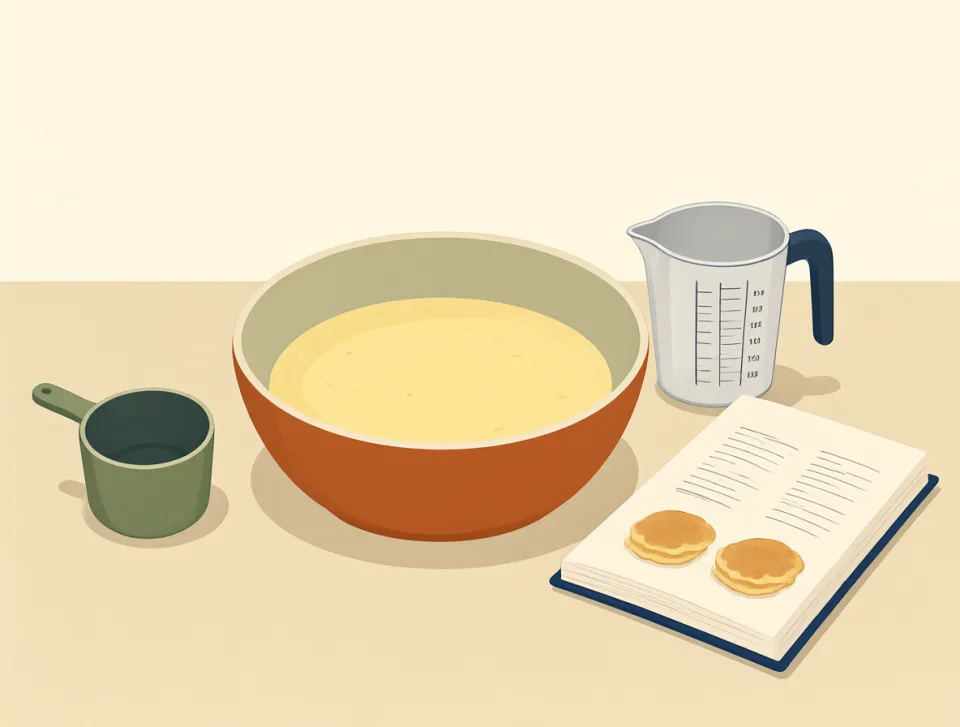
formula
#2101noun
صيغة
A set of numbers, symbols, or rules used to calculate or explain something.
مجموعة من الأرقام أو الرموز أو القواعد تُستخدم لإجراء حساب أو شرح شيء ما.
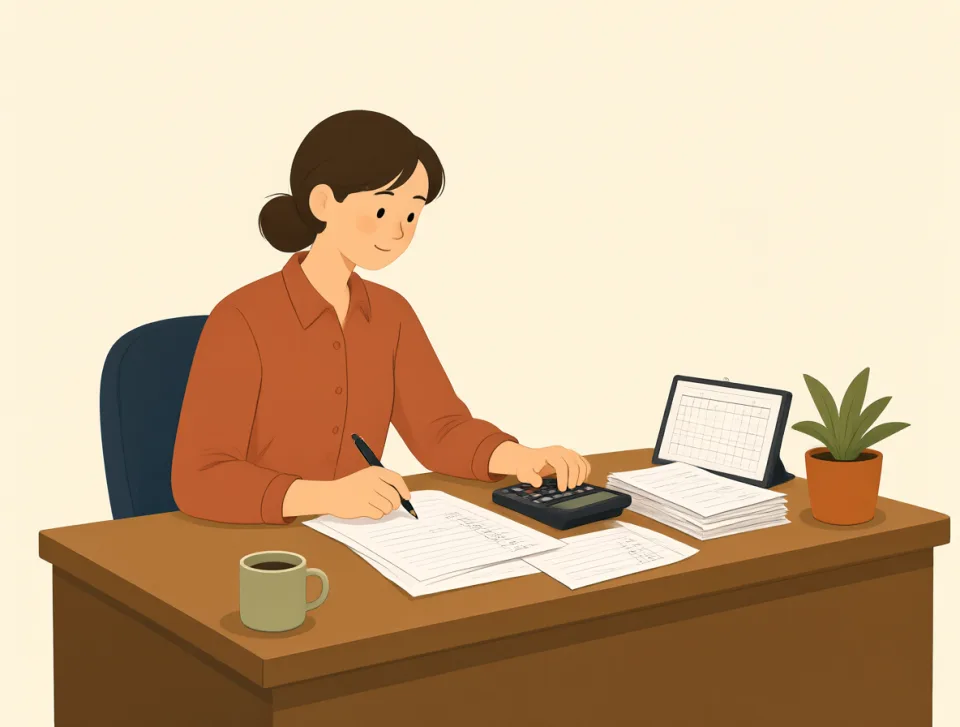
This formula helps us calculate the total cost of the order.
تساعدنا هذه الصيغة على حساب التكلفة الإجمالية للطلب.
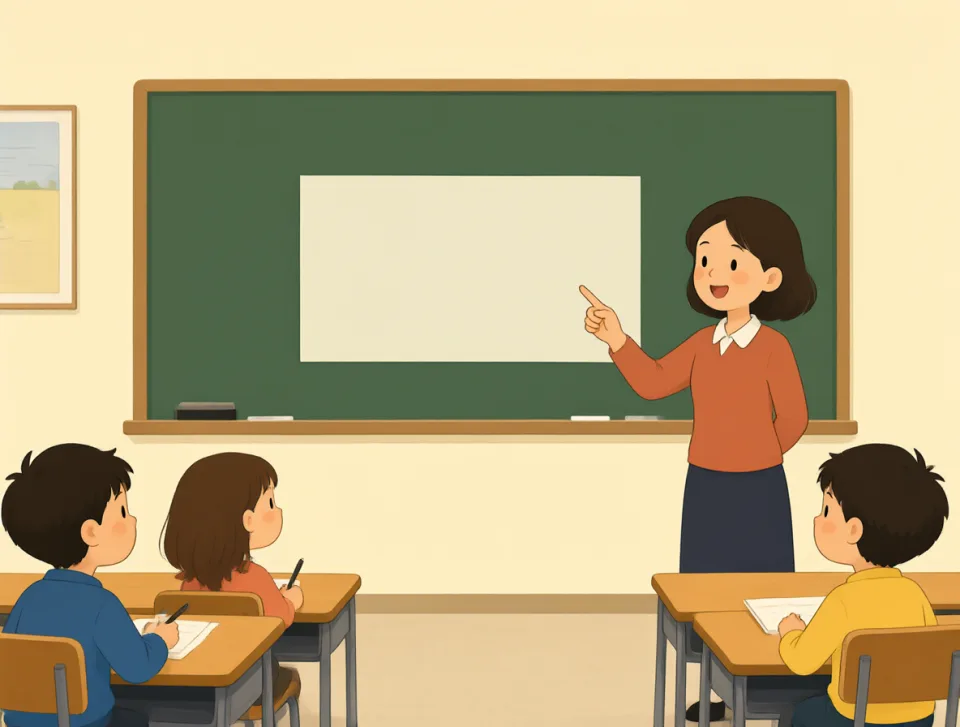
The teacher explained a simple formula for finding the area of a rectangle.
شرح المعلم صيغة بسيطة لإيجاد مساحة المستطيل.
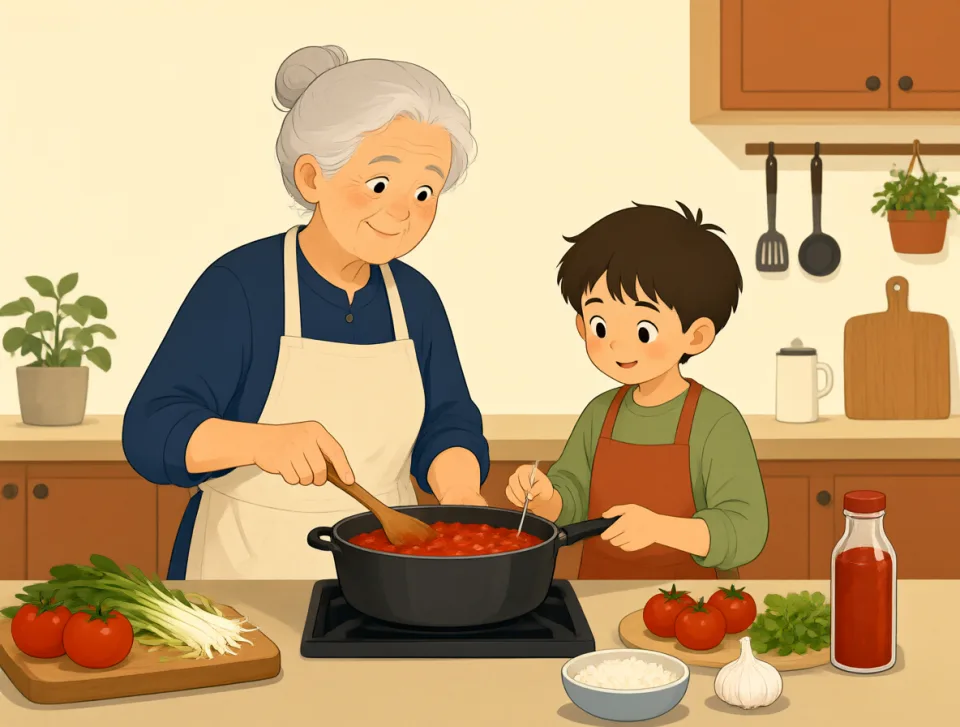
I followed my grandmother’s formula to make the perfect tomato sauce.
اتبعتُ وصفة جدتي لتحضير صلصة الطماطم المثالية.

The company is testing a new formula for its popular skin cream.
تختبر الشركة تركيبة جديدة لكريم البشرة الشهير لديها.
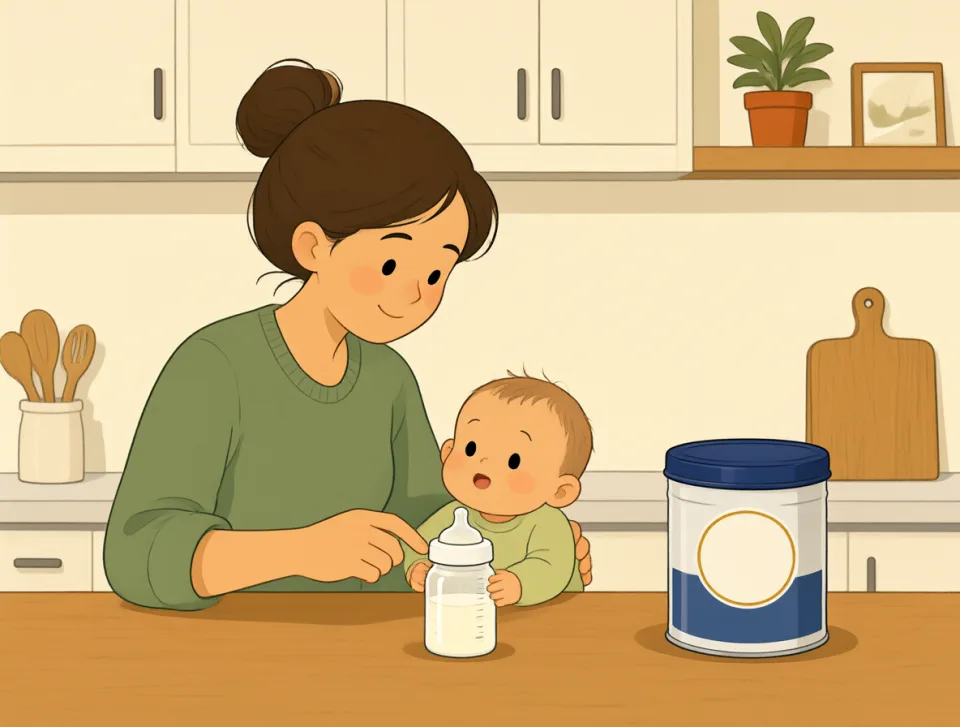
This baby formula is suitable for children with sensitive stomachs.
هذا الحليب الاصطناعي مناسب للأطفال ذوي المعدة الحساسة.

alter
#2102verb
يُعدِّل
to change something slightly, especially to improve it or make it more suitable
يُغيّر شيئًا تغييرًا طفيفًا، ولا سيما لتحسينه أو جعله أنسب.
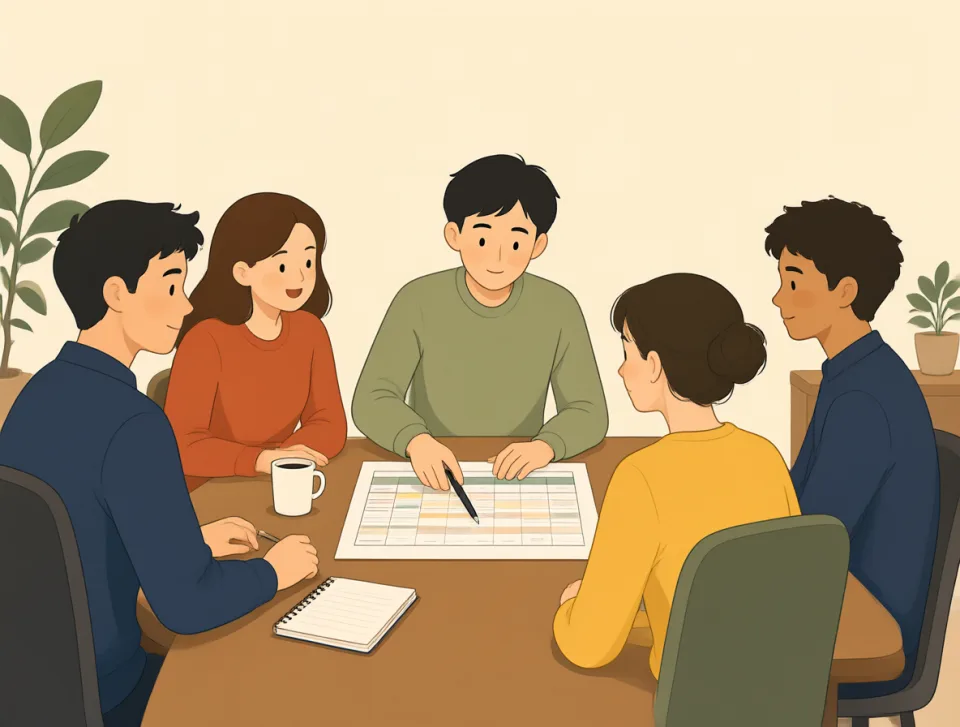
We altered the schedule to give everyone more time for lunch.
عدّلنا الجدول لنمنح الجميع وقتًا أطول لتناول الغداء.

The tailor altered my trousers so they fit perfectly.
عدّل الخياط سروالي حتى أصبح مناسبًا تمامًا.
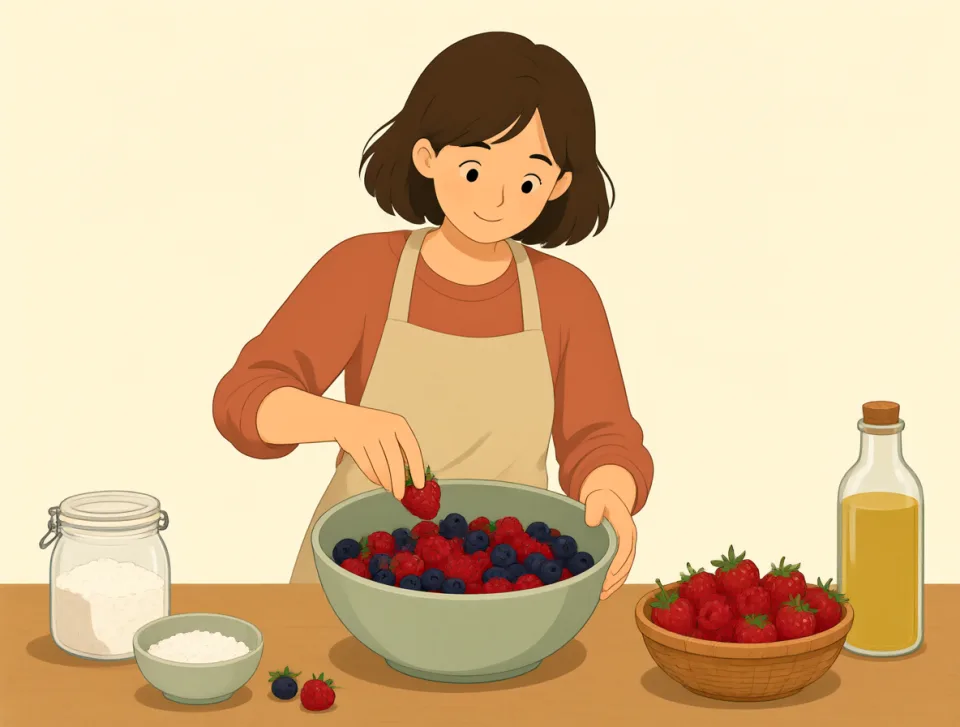
She altered the recipe by using less sugar and adding fresh berries.
عدّلت الوصفة باستخدام كمية أقل من السكر وإضافة توت طازج.
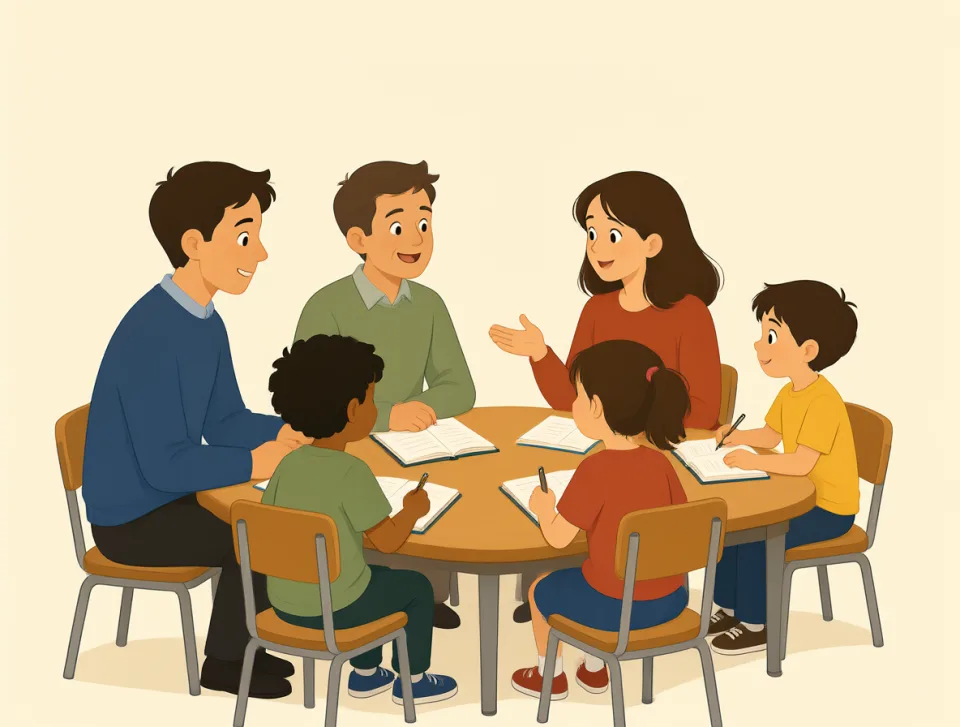
The school altered its rules after speaking with parents and students.
عدّلت المدرسة قواعدها بعد التحدث مع أولياء الأمور والطلاب.
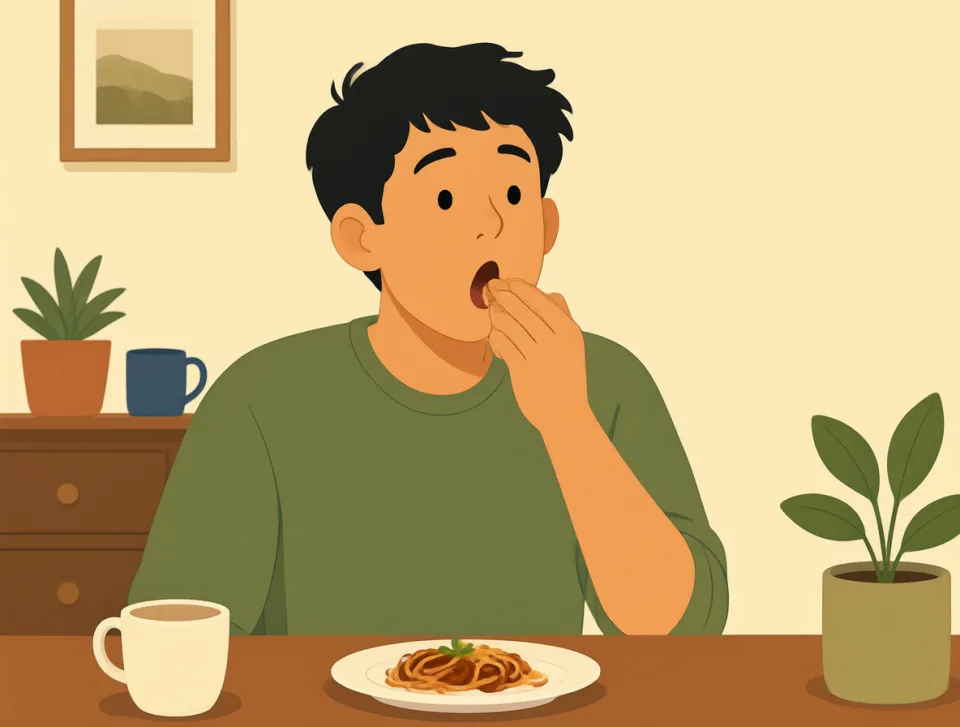
The medicine may alter your sense of taste for a few days.
قد يغيّر الدواء حاسة التذوق لديك لبضعة أيام.
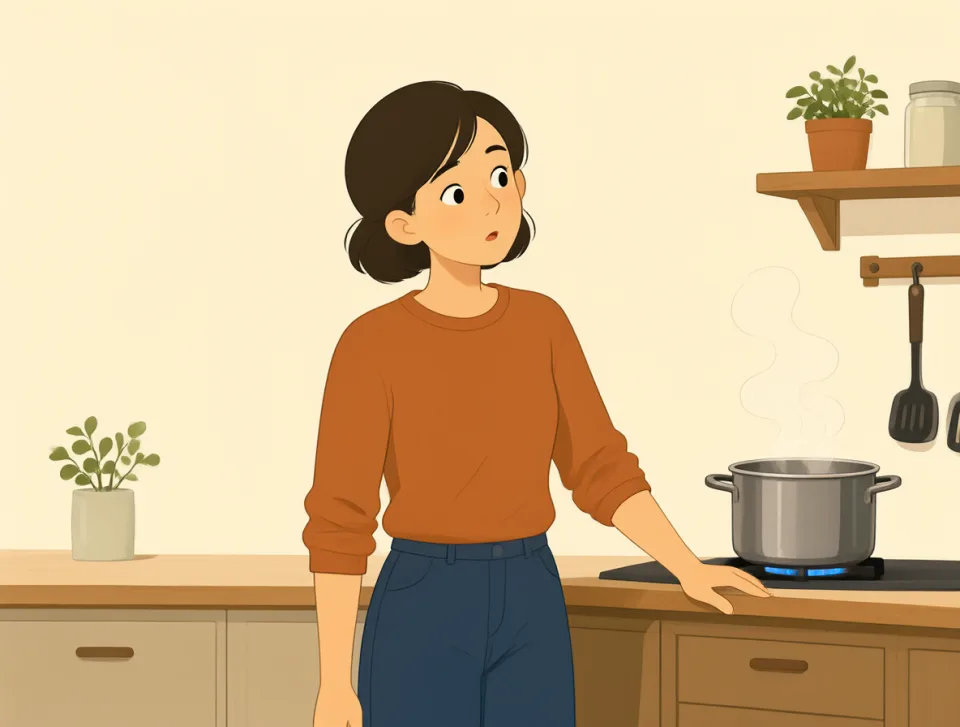
perceive
#2103verb
يُدرك
to notice or understand something through your senses, thoughts, or feelings
يلاحظ شيئًا أو يفهمه من خلال الحواس أو الأفكار أو المشاعر.
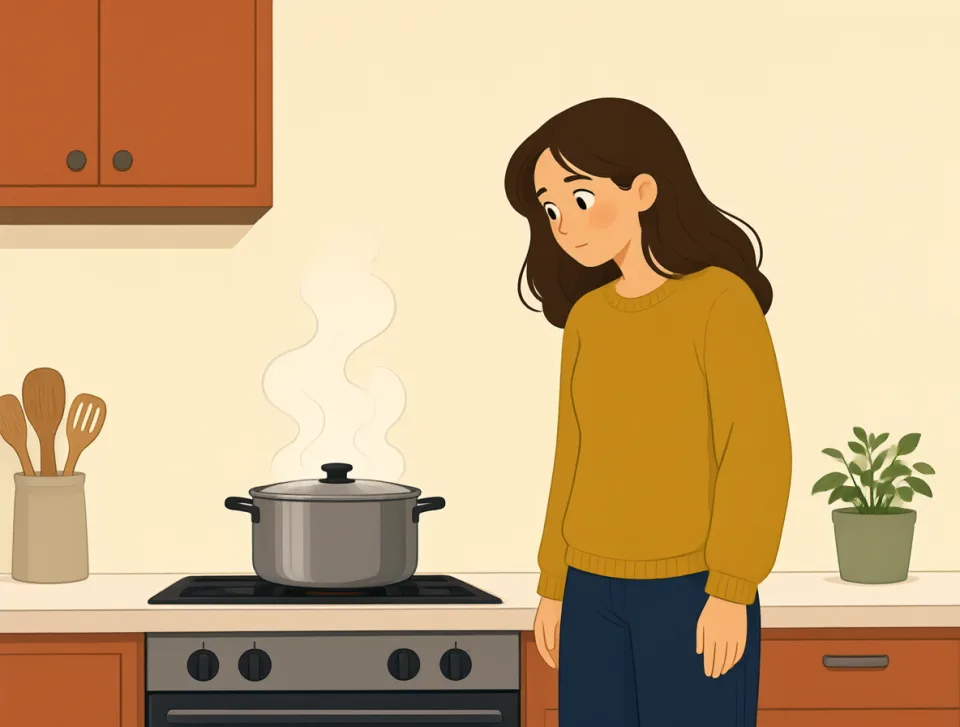
She perceived a strange smell coming from the kitchen.
شمّت رائحة غريبة آتية من المطبخ.

Customers perceived the new café as friendly and welcoming.
رأى الزبائن أن المقهى الجديد ودود ومرحب.
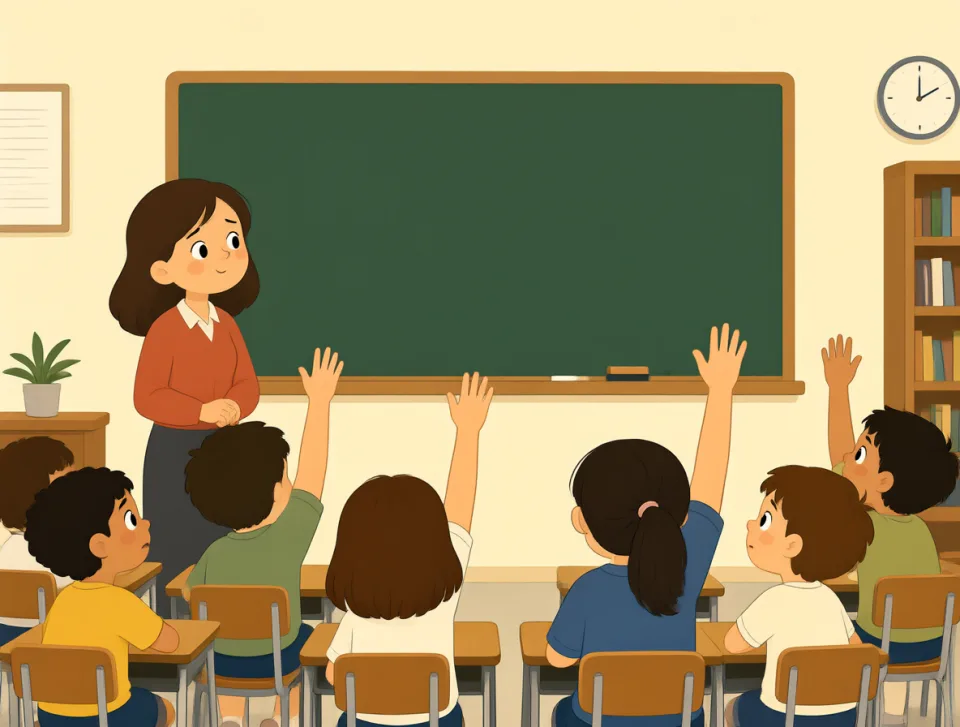
The teacher perceived that several students needed extra help.
لاحظ المعلم أن عدة طلاب بحاجة إلى مساعدة إضافية.

He was perceived as rude because he never smiled or greeted anyone.
اعتُبر فظًّا لأنه لم يكن يبتسم أو يحيّي أحدًا.
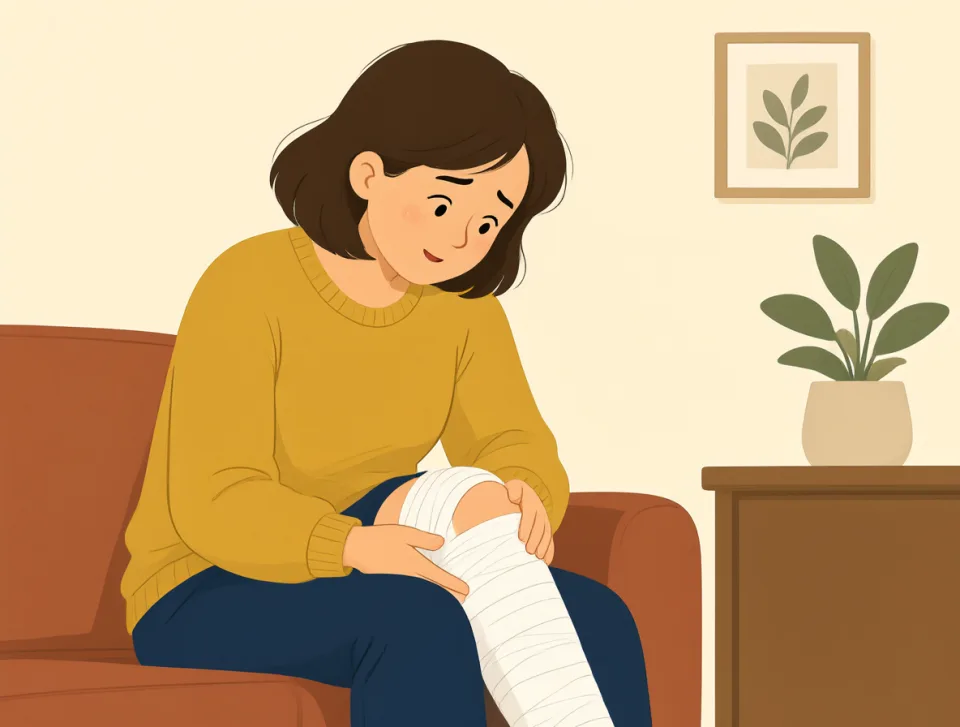
After treatment, she perceived less pain in her injured knee.
بعد العلاج، شعرت بألم أقل في ركبتها المصابة.
routine
#2104noun, adjective
روتين
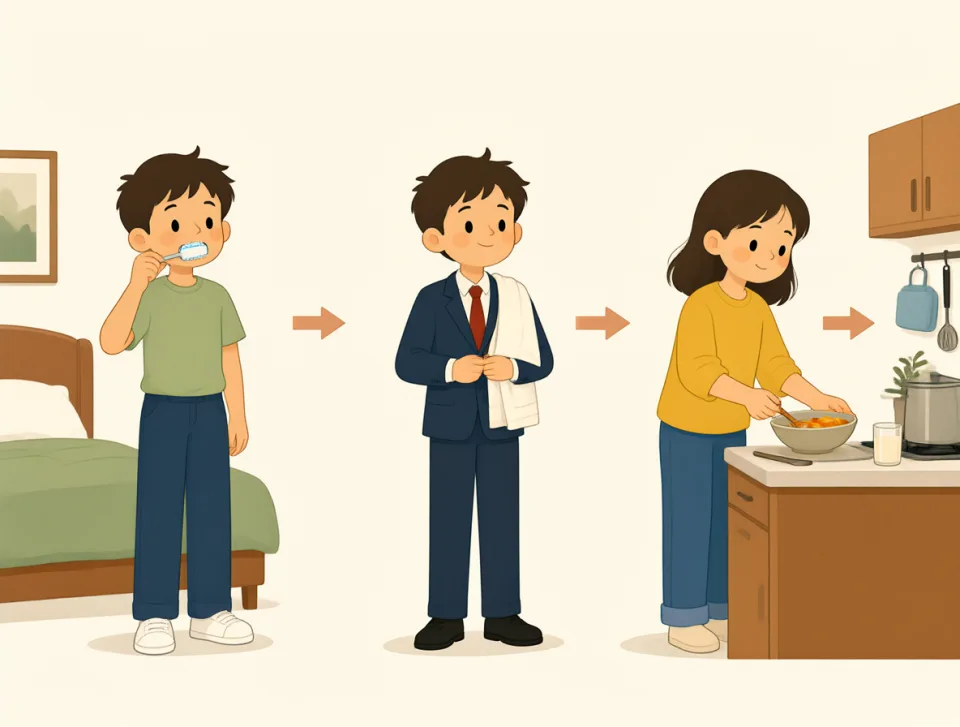
A usual way of doing things, especially regularly repeated daily activities.
طريقة معتادة لفعل الأشياء، ولا سيما الأنشطة اليومية المتكررة بانتظام.
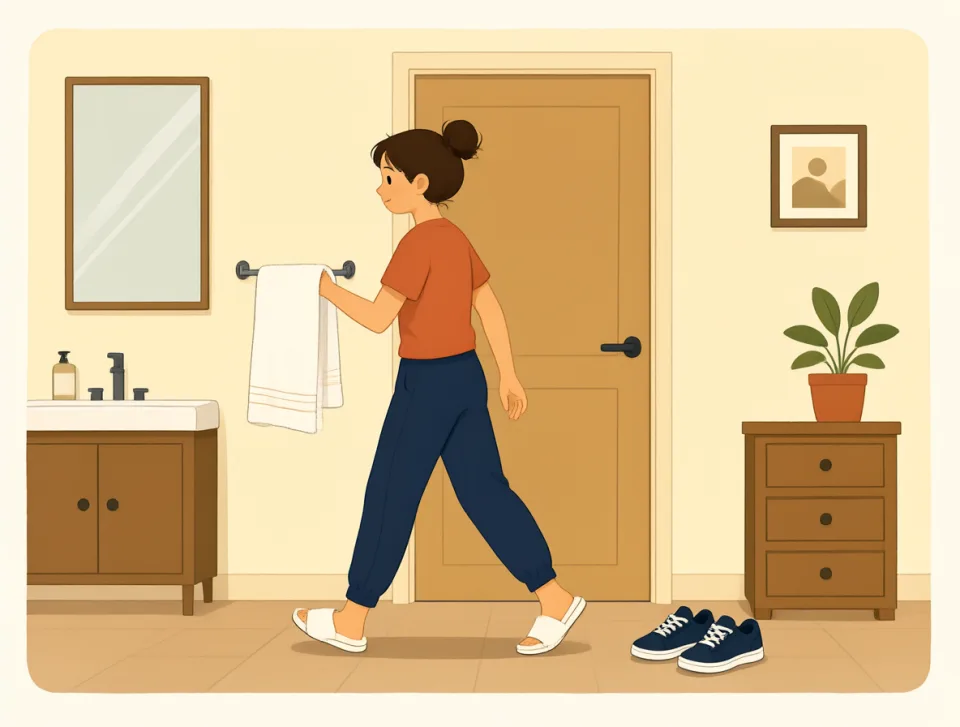
My morning routine includes a shower, breakfast, and a short walk.
يشمل روتيني الصباحي الاستحمام وتناول الإفطار والمشي قليلًا.

The nurse checked my daily routine before suggesting healthier habits.
تحققت الممرضة من روتيني اليومي قبل أن تقترح عادات صحية أكثر.

Starting a new job can be difficult until you learn the office routine.
قد يكون بدء عمل جديد صعبًا إلى أن تتعلم روتين المكتب.

We changed our travel routine and visited the market before lunch.
غيّرنا روتين رحلتنا وزرنا السوق قبل الغداء.
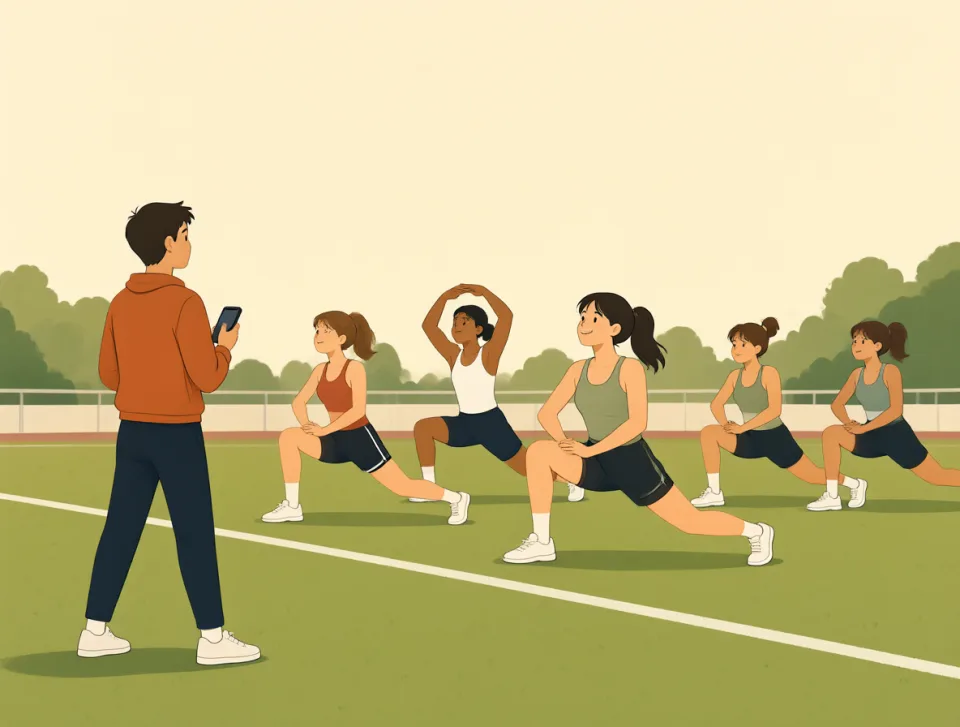
The coach added stretching to our training routine after practice.
أضاف المدرب تمارين التمدد إلى روتيننا التدريبي بعد التمرين.
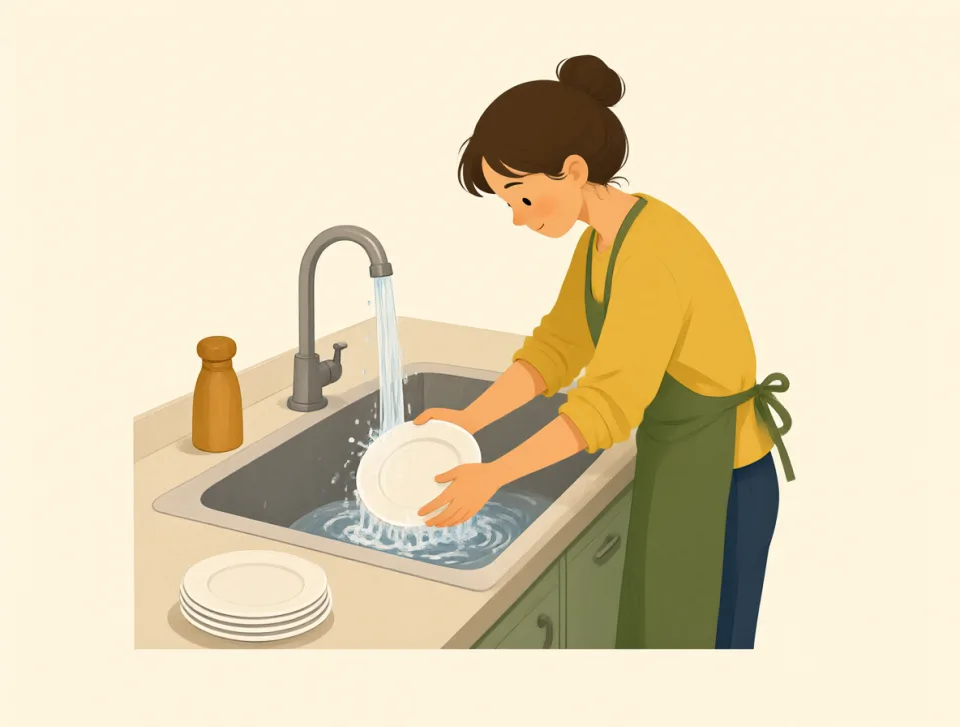
sink
#2105noun, verb
يَغوص؛ حوض
To go down below the surface, or a bowl with a drain for washing things.
ينزل إلى ما تحت السطح، أو حوض مزوّد بمصرف لغسل الأشياء.
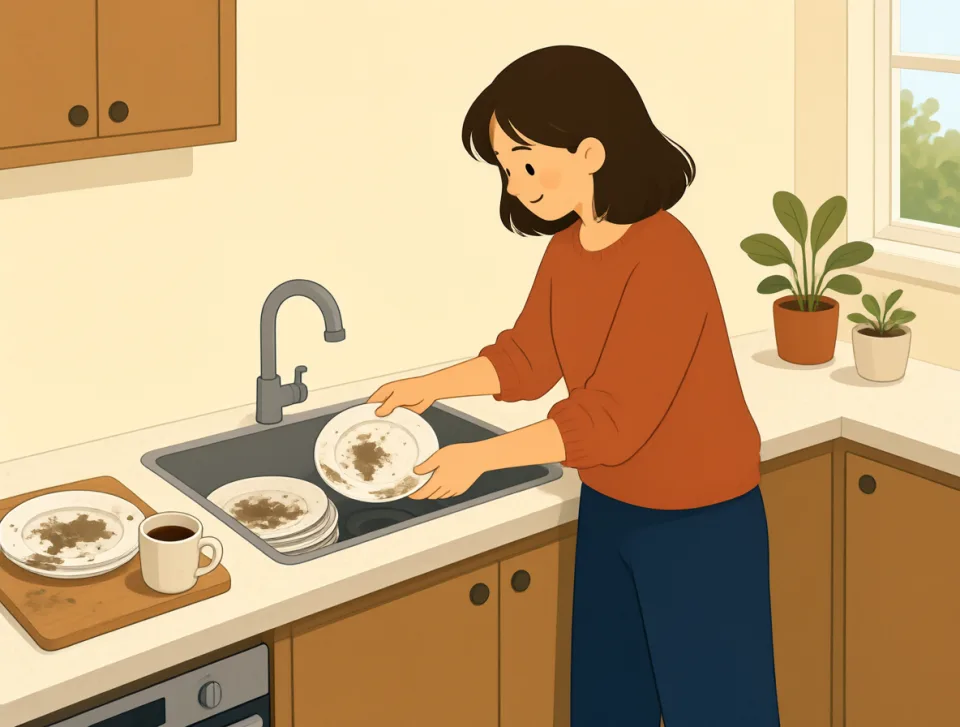
Please put the dirty dishes in the kitchen sink after dinner.
يُرجى وضع الأطباق المتسخة في حوض المطبخ بعد العشاء.

The boat began to sink after hitting a large rock.
بدأ القارب يغرق بعد اصطدامه بصخرة كبيرة.

Water was slowly sinking into the ground after the heavy rain.
كانت المياه تتسرب ببطء إلى الأرض بعد المطر الغزير.

She washed her hands in the sink before preparing lunch.
غسلت يديها في الحوض قبل تحضير الغداء.
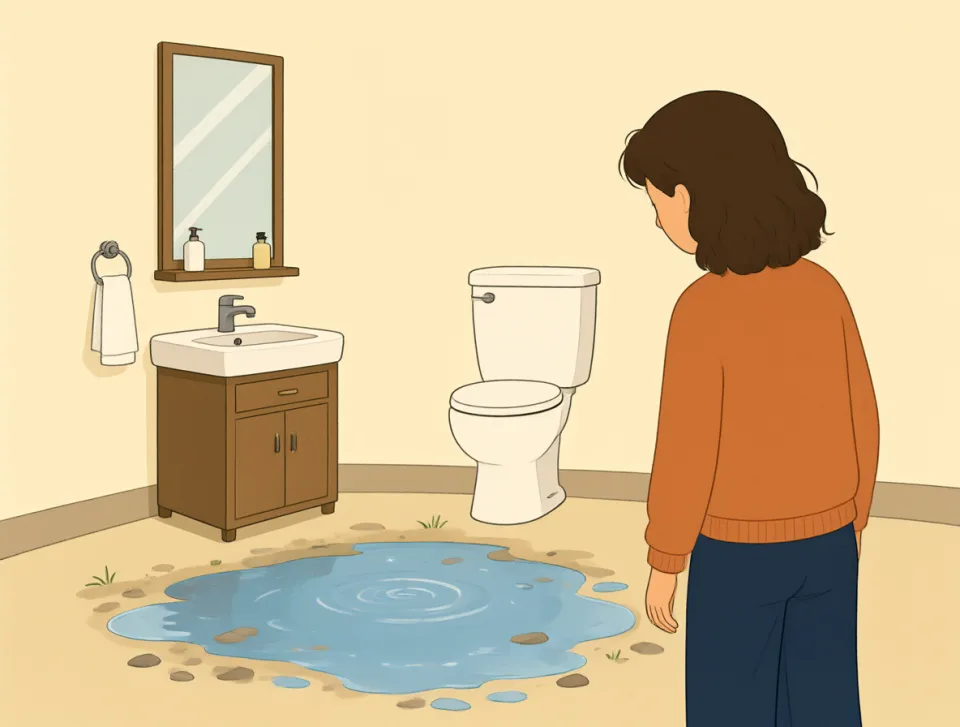
The bathroom sink is blocked, so the water will not drain.
حوض الحمام مسدود، لذلك لا يُصرَّف الماء.
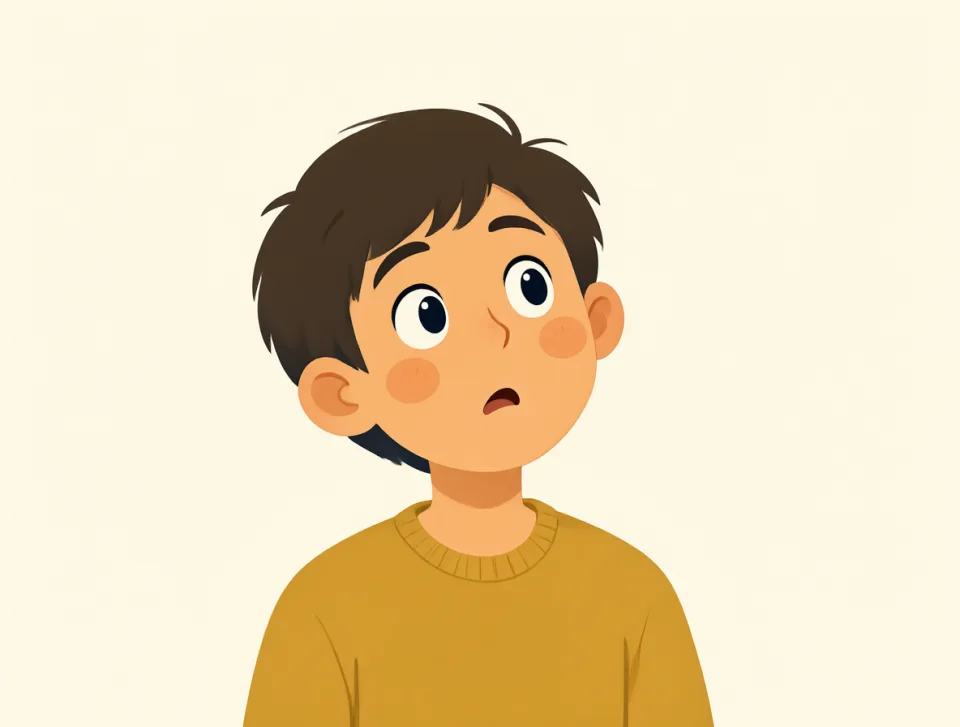
stare
#2106verb, noun
يحدّق
to look at someone or something for a long time without looking away
أن ينظر إلى شخص أو شيء مدة طويلة من دون أن يصرف نظره عنه

Everyone stared at the magician during the final trick.
حدّق الجميع في الساحر أثناء الخدعة الأخيرة.
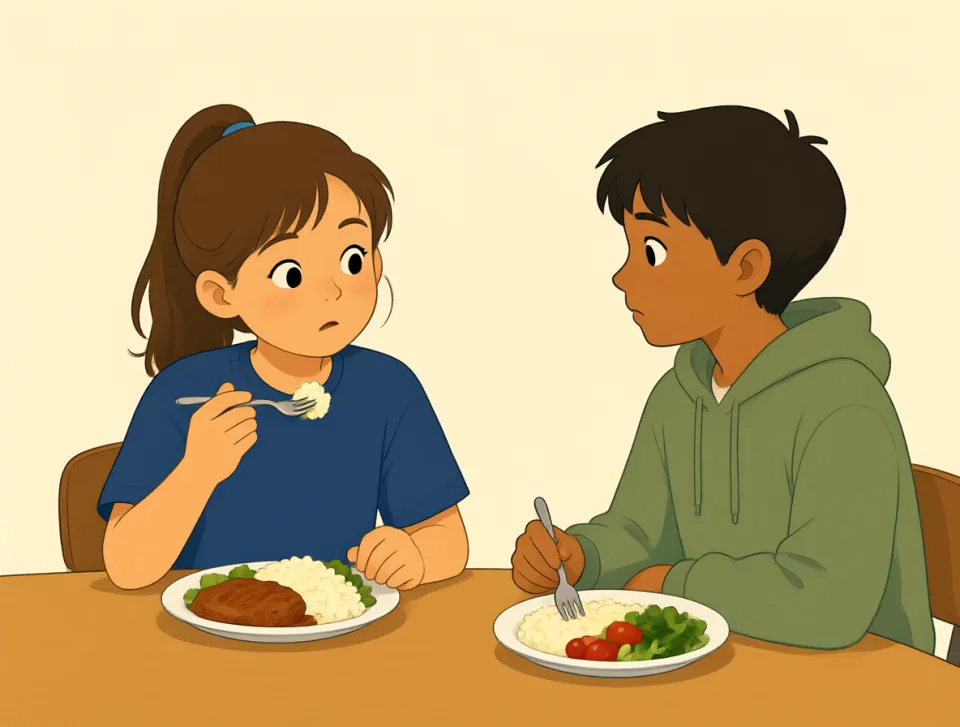
Please stop staring at me while I eat my lunch.
من فضلك توقّف عن التحديق بي وأنا أتناول الغداء.

She stared out the train window during the long journey.
ظلّت تحدّق من نافذة القطار طوال الرحلة الطويلة.

The doctor stared at the scan before explaining the results.
حدّق الطبيب في صورة الأشعة قبل أن يشرح النتائج.
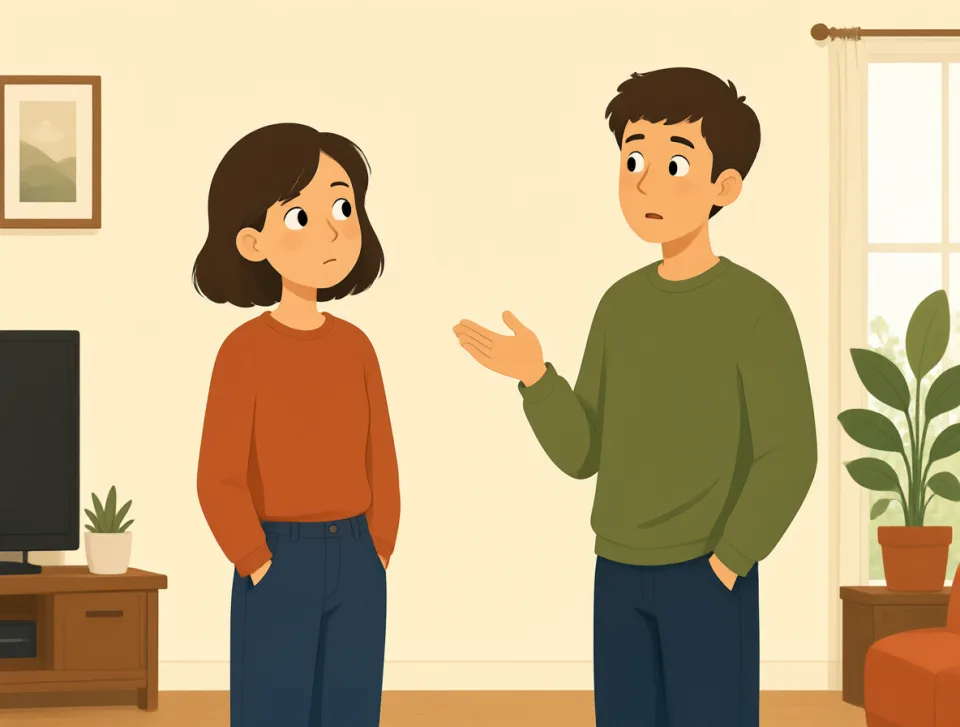
He gave me a blank stare when I asked about the missing keys.
نظر إليّ نظرة خاوية عندما سألته عن المفاتيح المفقودة.
anymore
#2107adverb
بعد الآن
from now on or from a particular time; no longer
من الآن فصاعدًا أو منذ وقت معين؛ لم يعد
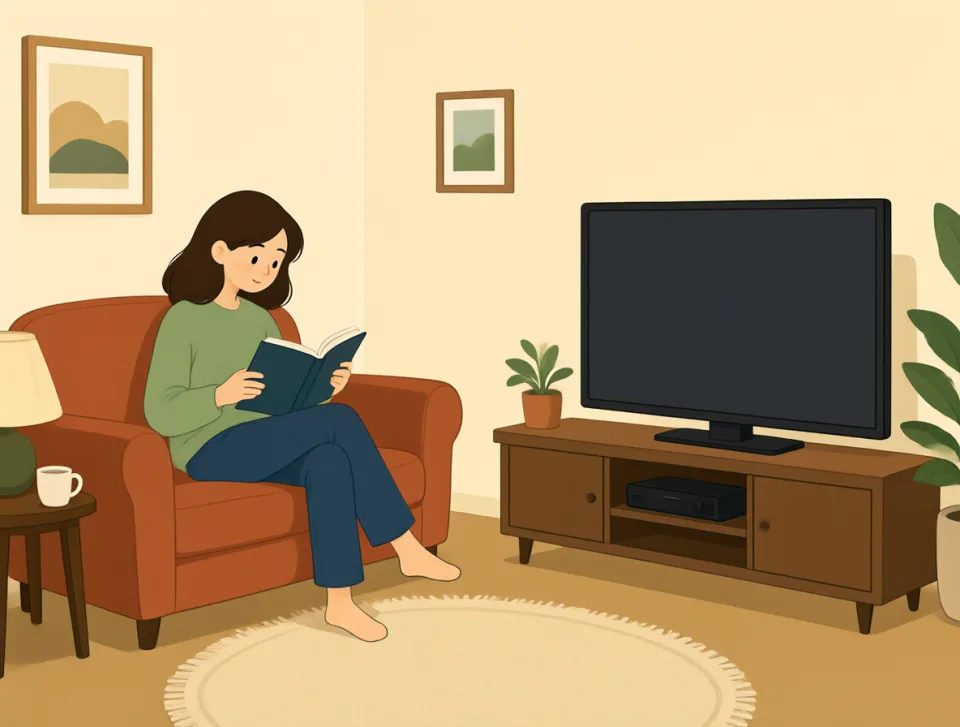
I don't watch television anymore because I prefer reading books.
لم أعد أشاهد التلفاز لأنني أفضل قراءة الكتب.
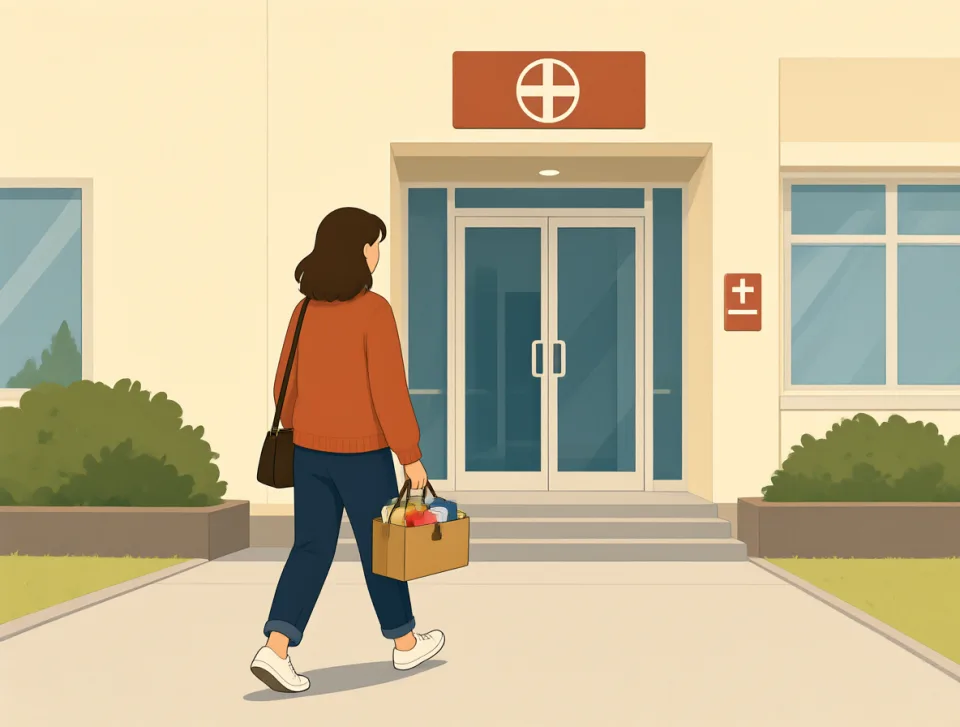
She doesn't work at the hospital anymore.
هي لا تعمل في المستشفى بعد الآن.
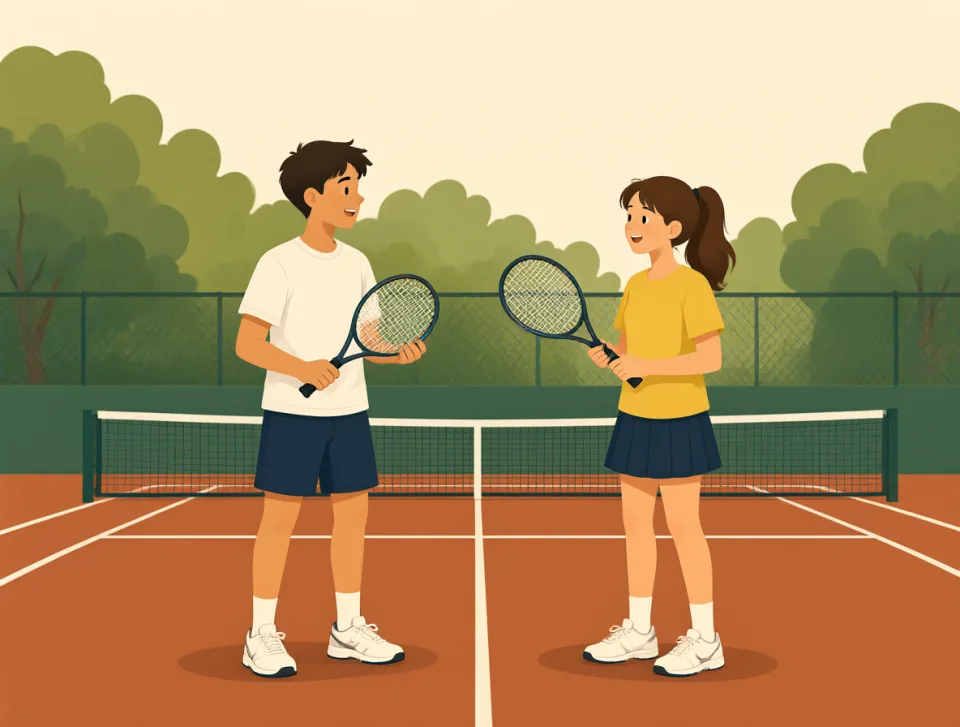
Do you still play tennis, or have you stopped anymore?
هل ما زلت تلعب التنس، أم توقفت عن ذلك؟
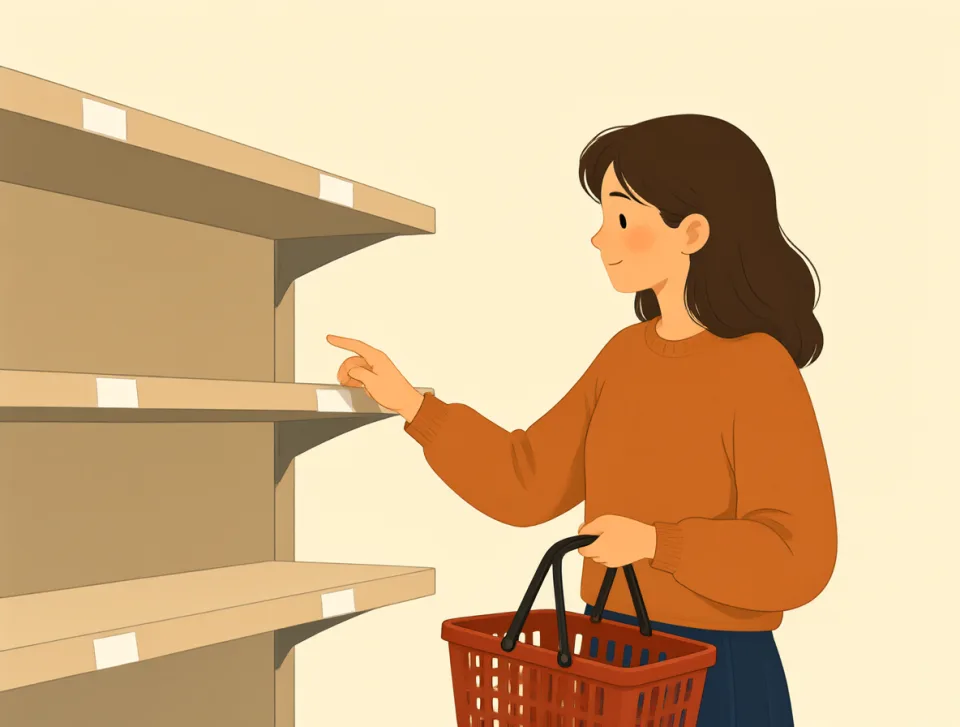
We can't buy that brand anymore because the store stopped selling it.
لم يعد بإمكاننا شراء تلك العلامة التجارية لأن المتجر توقف عن بيعها.

He doesn't feel tired anymore after getting more sleep.
لم يعد يشعر بالتعب بعد أن صار ينام وقتًا أطول.
hero
#2108noun
بطل
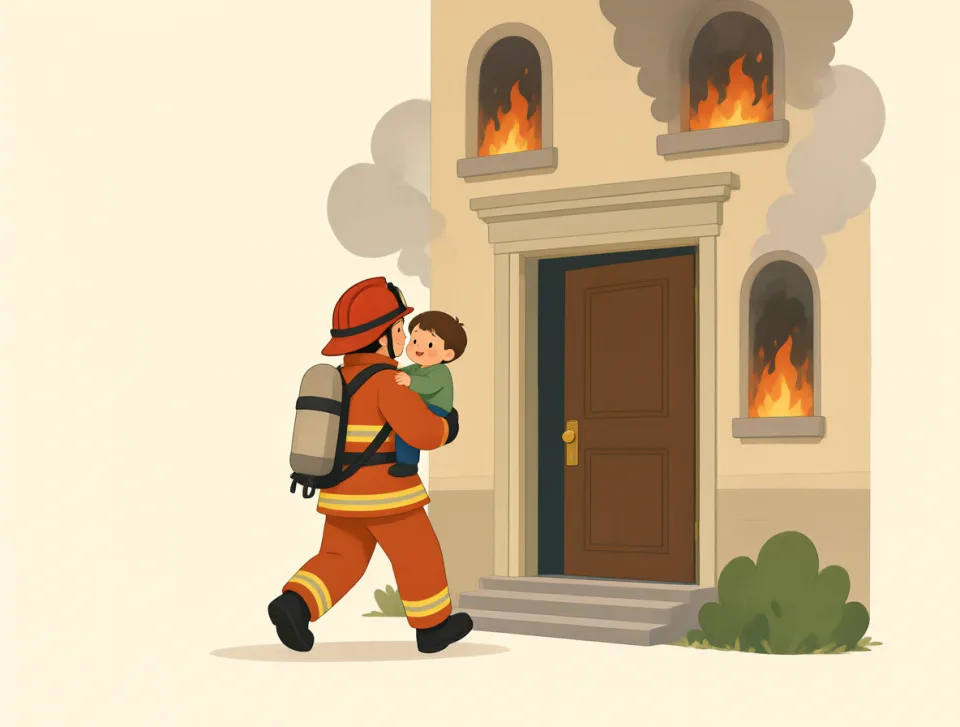
A person admired for brave actions, especially someone who saves or helps others.
شخص يُعجب الناس بأفعاله الشجاعة، ولا سيما من ينقذ الآخرين أو يساعدهم.
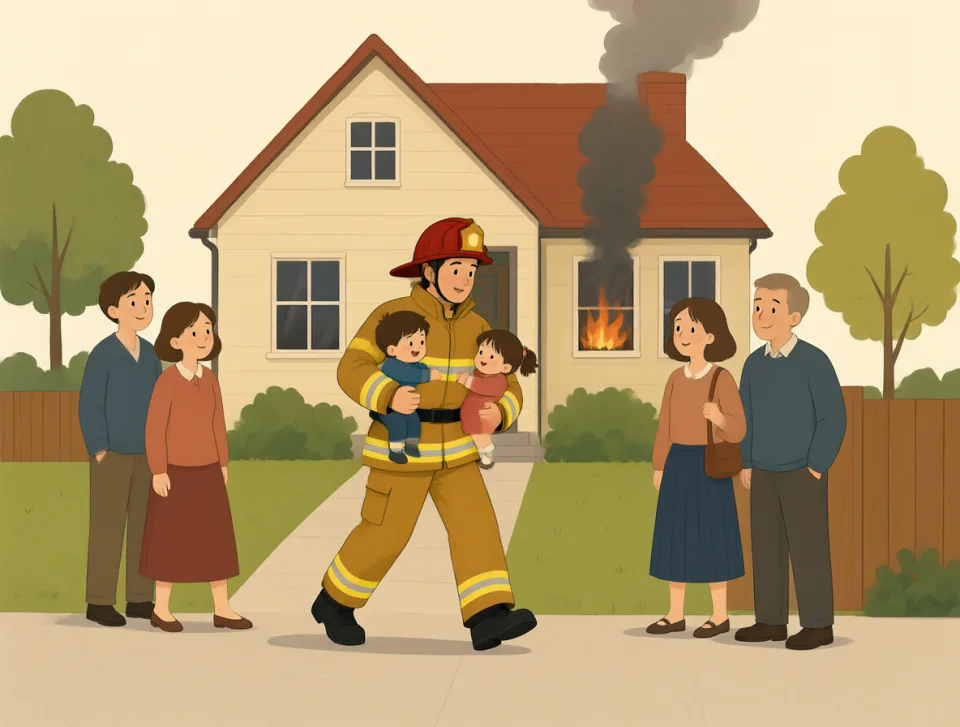
The firefighter became a hero after rescuing two children from the burning house.
أصبح رجل الإطفاء بطلًا بعد أن أنقذ طفلين من المنزل المحترق.
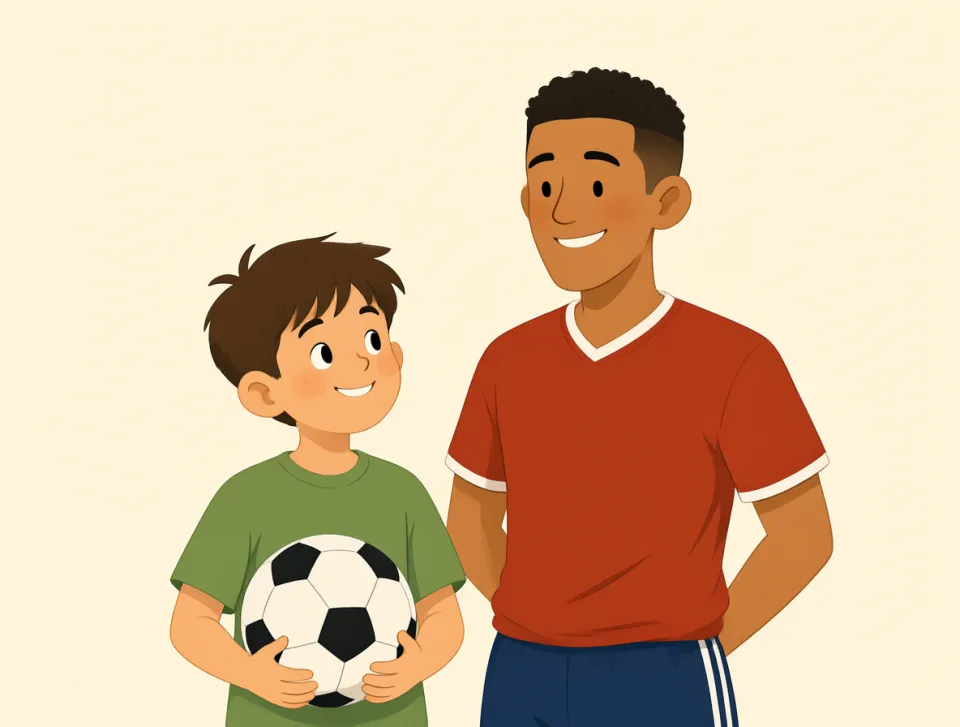
My little brother thinks his favorite soccer player is a hero.
يعتقد أخي الصغير أن لاعب كرة القدم المفضل لديه بطل.
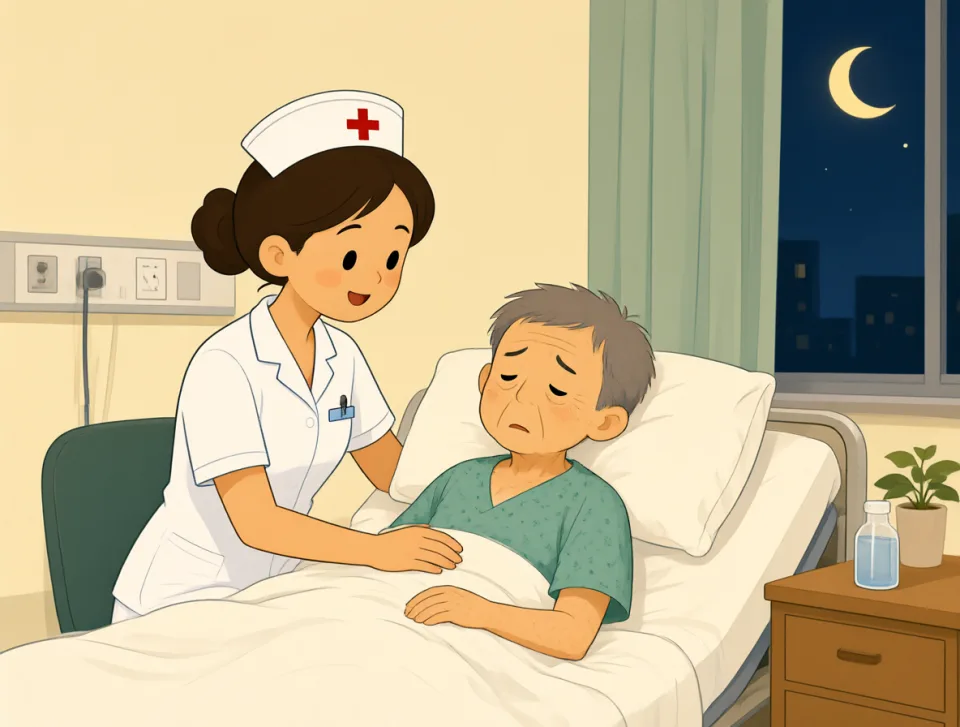
The nurse was a hero for helping patients during the difficult night.
كانت الممرضة بطلة لأنها ساعدت المرضى خلال تلك الليلة العصيبة.
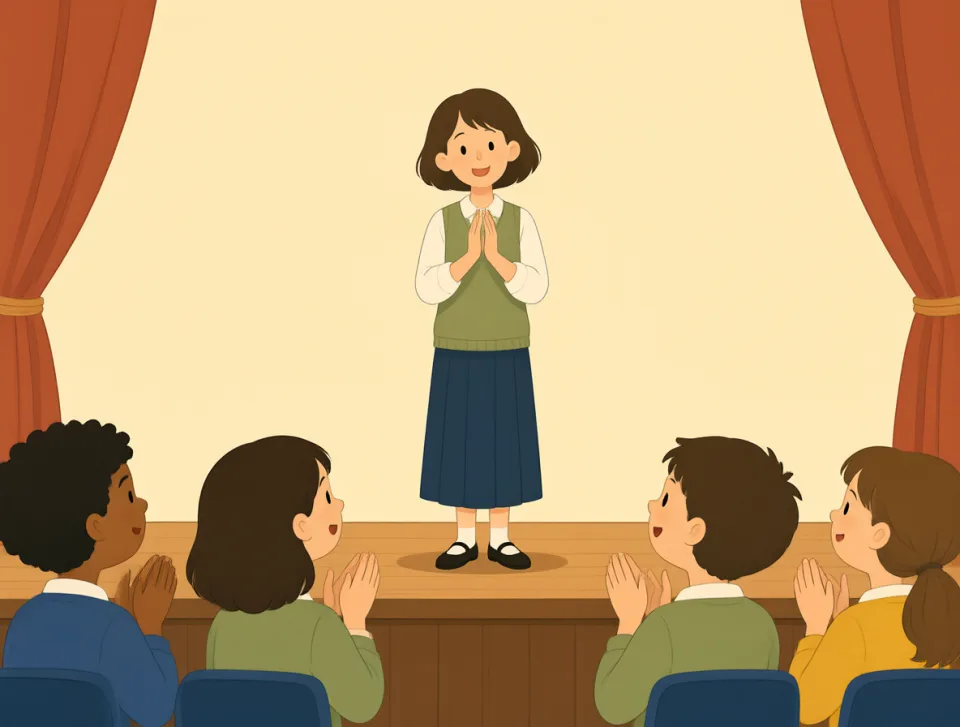
Our teacher was the hero of the school play last Friday.
كان معلّمنا بطل العرض المدرسي يوم الجمعة الماضي.
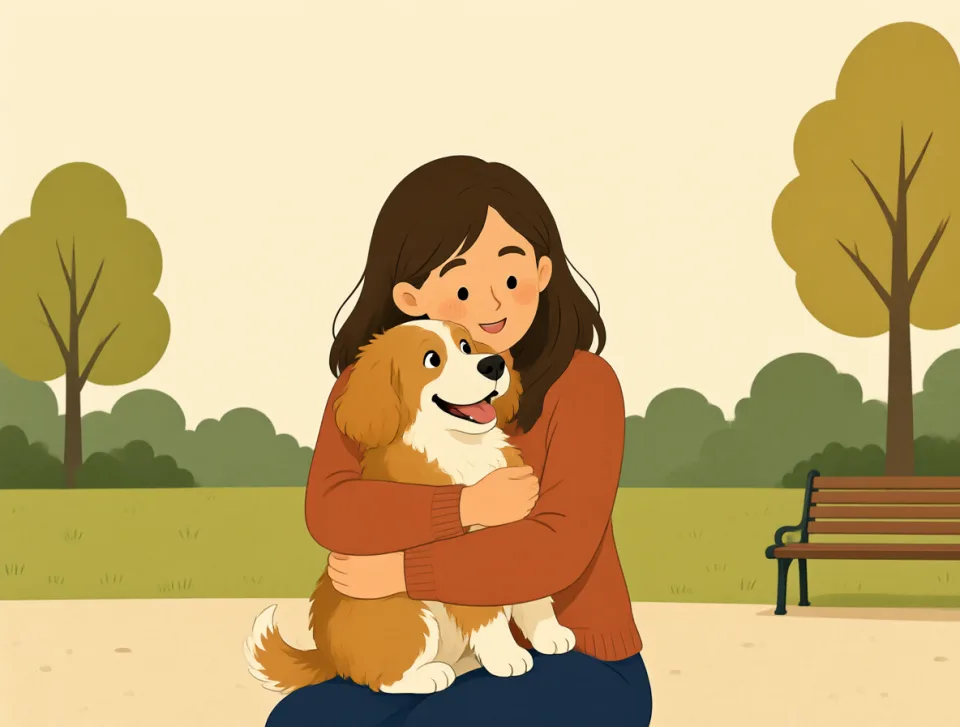
She felt like a hero when she found her lost dog.
شعرت بأنها بطلة عندما عثرت على كلبها الضائع.

supporter
#2109noun
مؤيّد
A person who approves of and helps a person, team, idea, or organization.
شخص يوافق شخصًا أو فريقًا أو فكرة أو منظمة ويدعمها.
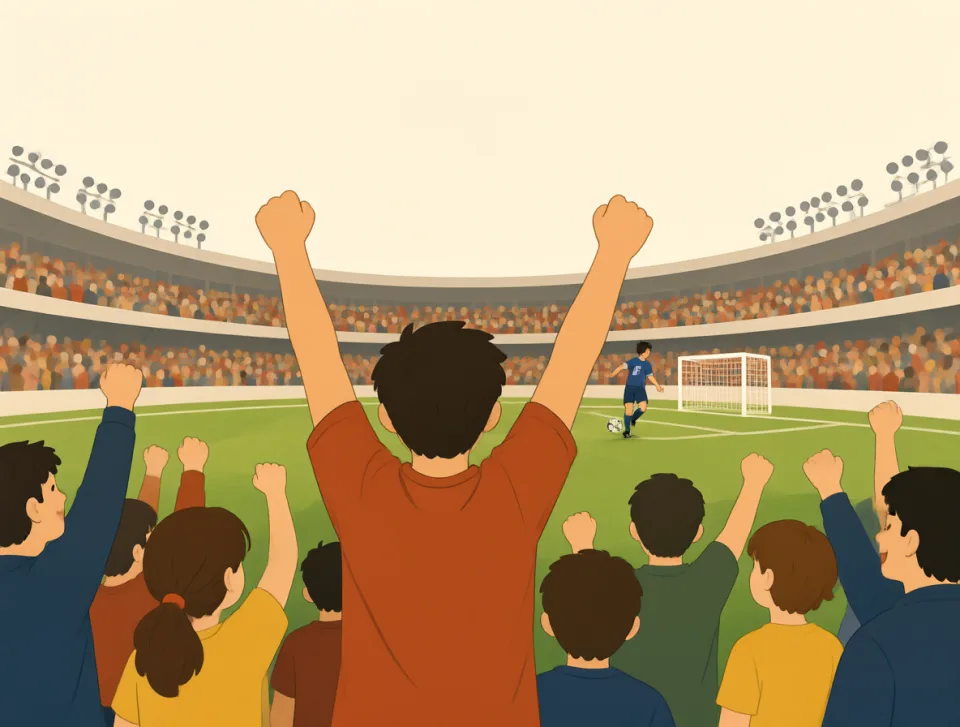
Every supporter cheered loudly when the home team scored the winning goal.
هتف كل مؤيّد بصوت عالٍ عندما سجّل الفريق المضيف هدف الفوز.
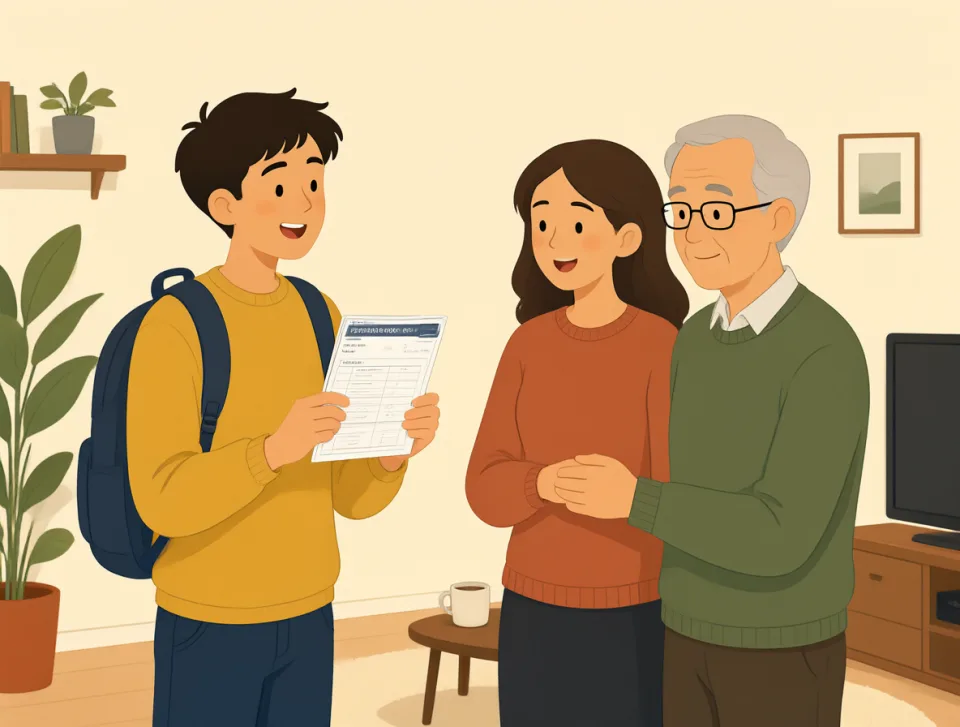
My parents have always been strong supporters of my decision to study abroad.
لطالما كان والداي مؤيّدين قويين لقراري الدراسة في الخارج.
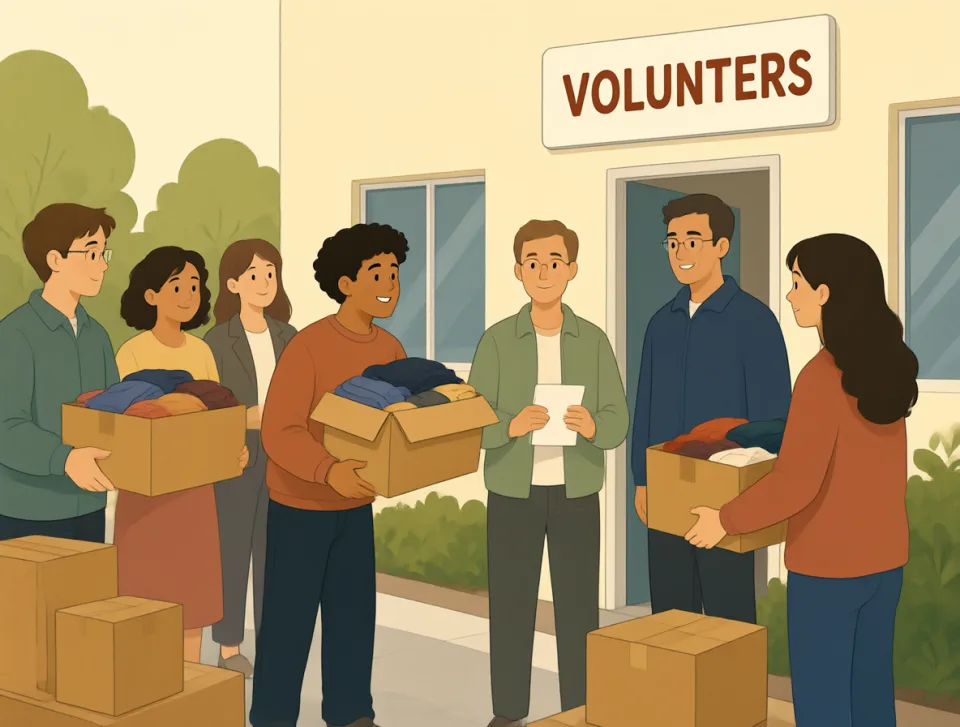
The charity thanked its supporters for donating food and warm clothes.
شكرت الجمعية الخيرية مؤيّديها على التبرع بالطعام والملابس الدافئة.
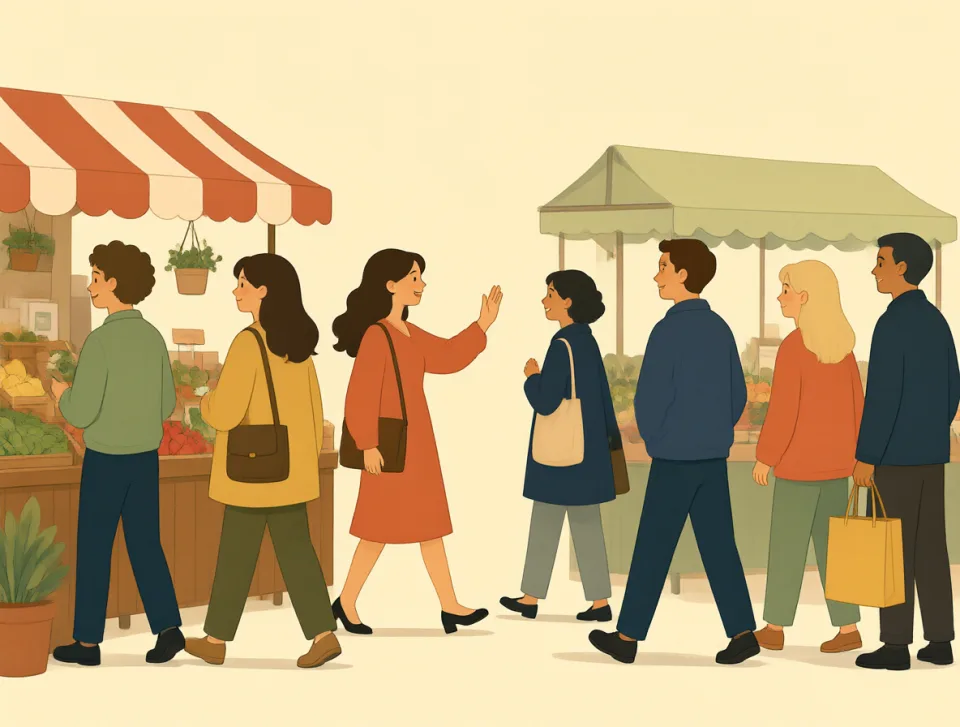
Several supporters joined the candidate during her visit to the local market.
انضمّ عدد من مؤيّدي المرشحة إليها أثناء زيارتها للسوق المحلي.
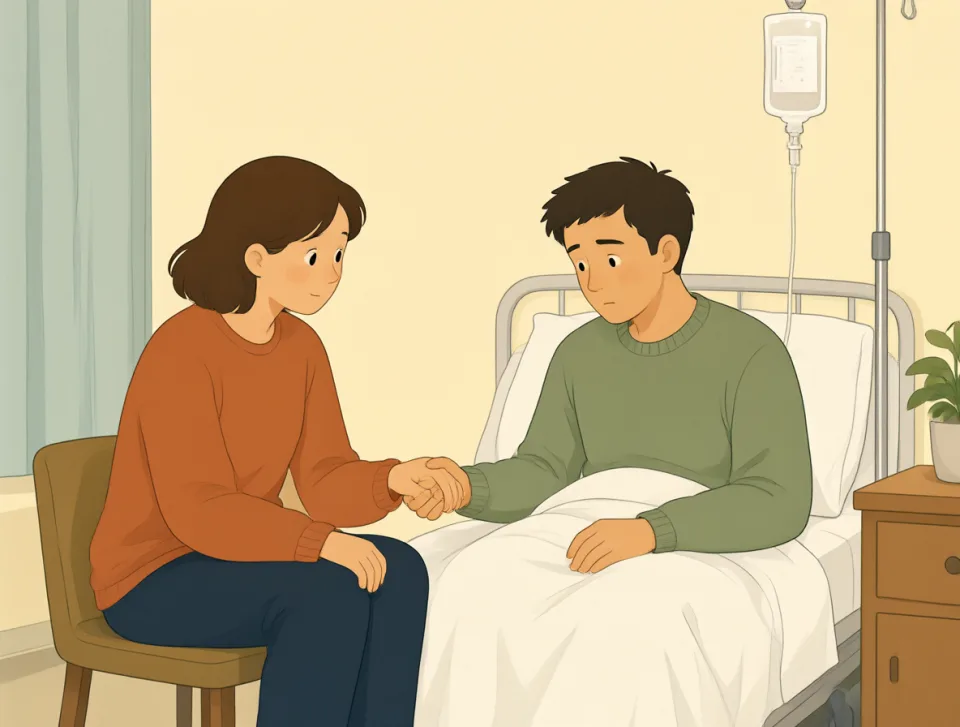
His biggest supporter stayed beside him throughout his long illness.
ظلّ أكبر مؤيّديه إلى جانبه طوال فترة مرضه الطويلة.
convert
#2110verb, noun
يحوّل
to change something into a different form, use, or belief
أن يغيّر شيئًا إلى شكل أو استخدام أو معتقد مختلف
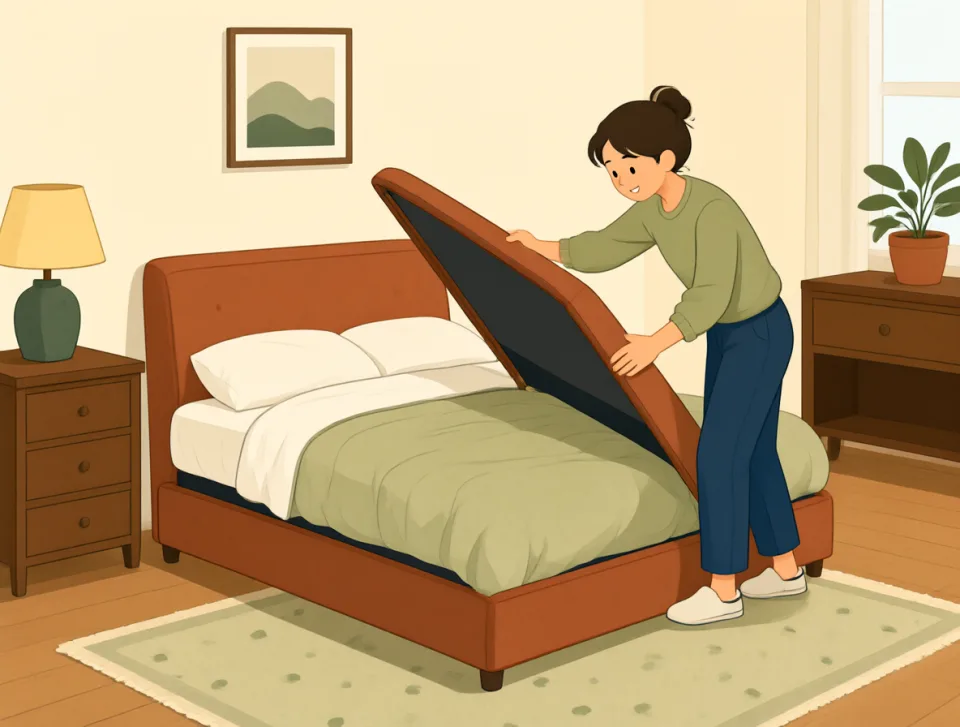
You can convert the sofa into a comfortable bed for overnight guests.
يمكنك تحويل الأريكة إلى سرير مريح للضيوف الذين سيبيتون.
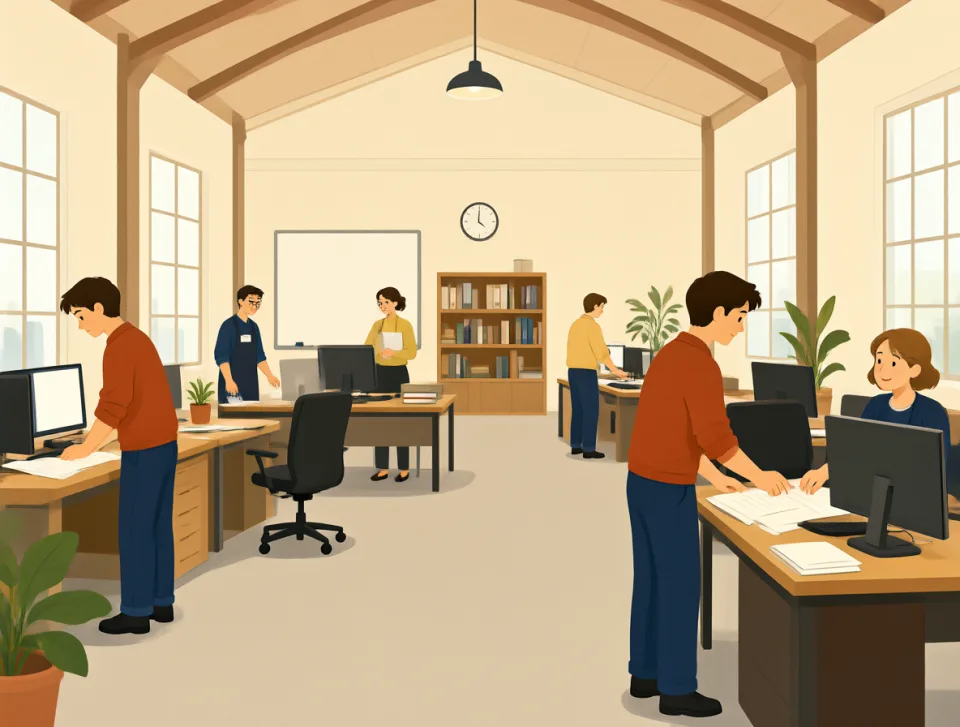
The company converted the old warehouse into bright offices for its growing team.
حوّلت الشركة المستودع القديم إلى مكاتب مشرقة لفريقها المتنامي.
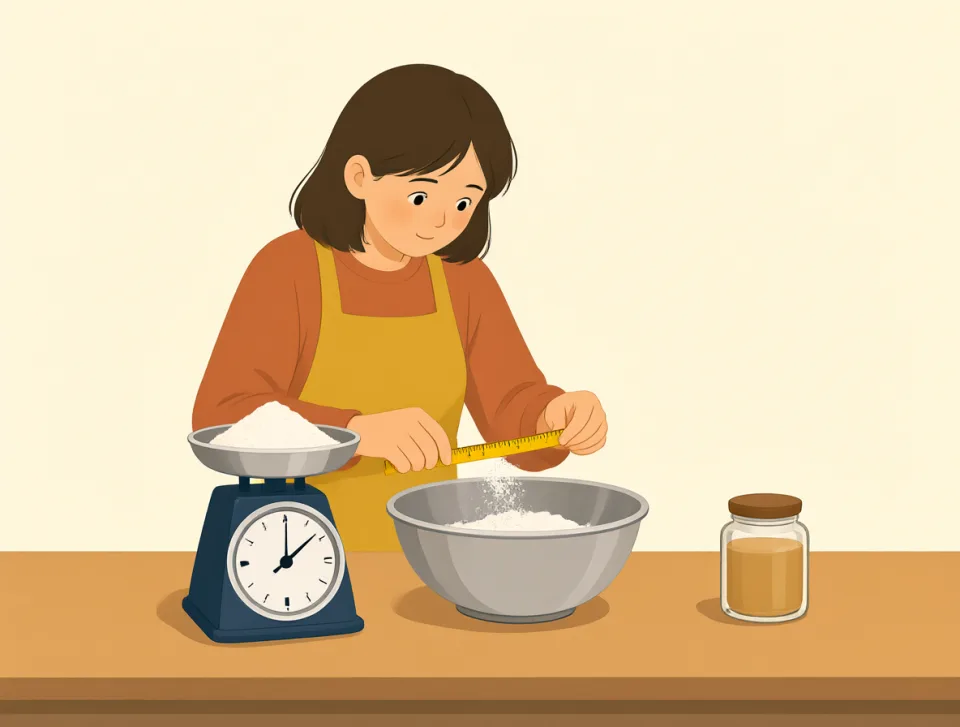
She converted the recipe from cups to grams before baking the cake.
حوّلت الوصفة من الأكواب إلى الغرامات قبل خبز الكعكة.

We converted our dollars into euros at the airport before flying to Italy.
حوّلنا دولاراتنا إلى يورو في المطار قبل السفر إلى إيطاليا.
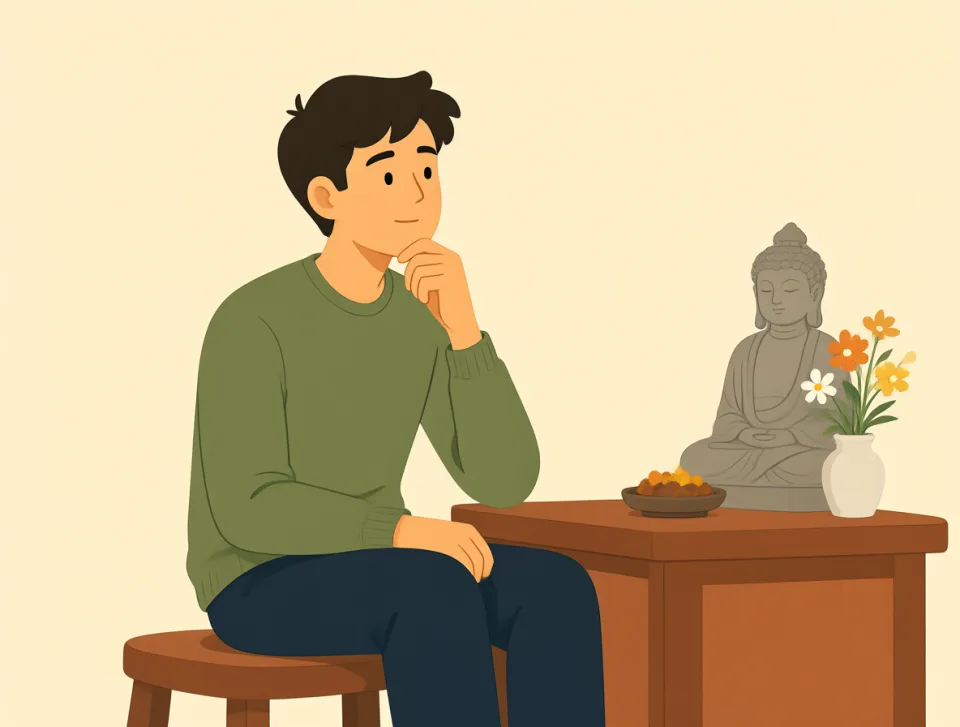
He converted to Buddhism after studying its teachings for several years.
اعتنق البوذية بعد أن درس تعاليمها عدة سنوات.

steady
#2111adjective, verb
ثابت
calm, regular, and not changing suddenly; to make something stable or controlled
هادئ ومنتظم ولا يتغير فجأة؛ أو يجعل شيئًا مستقرًا أو تحت السيطرة.

She earns a steady income from her small bakery.
تجني دخلًا ثابتًا من مخبزها الصغير.
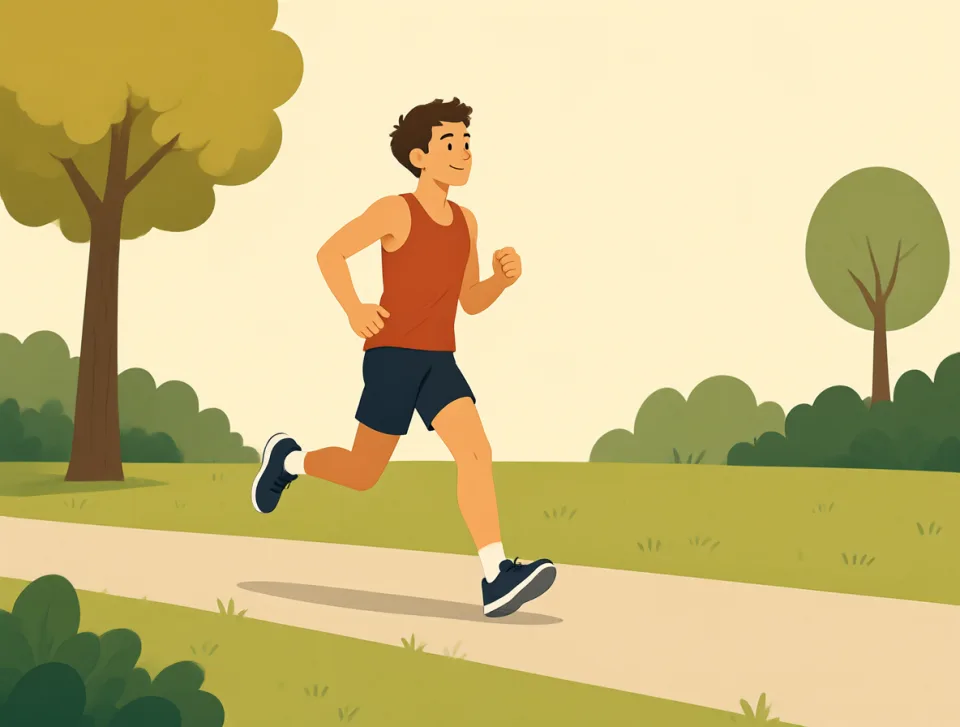
Keep a steady pace so you do not become too tired.
حافظ على وتيرة ثابتة كي لا تشعر بتعب شديد.

The doctor told him to take steady breaths during the examination.
طلب الطبيب منه أن يتنفس بانتظام أثناء الفحص.
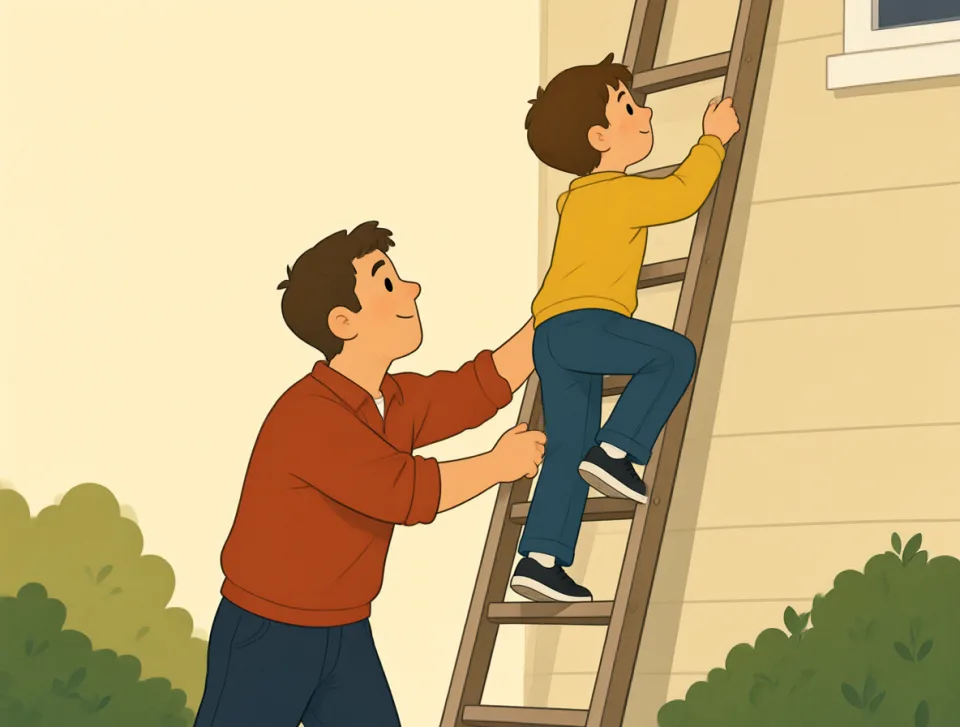
He used one hand to steady the ladder while his brother climbed.
استخدم إحدى يديه لتثبيت السلم بينما كان أخوه يتسلقه.
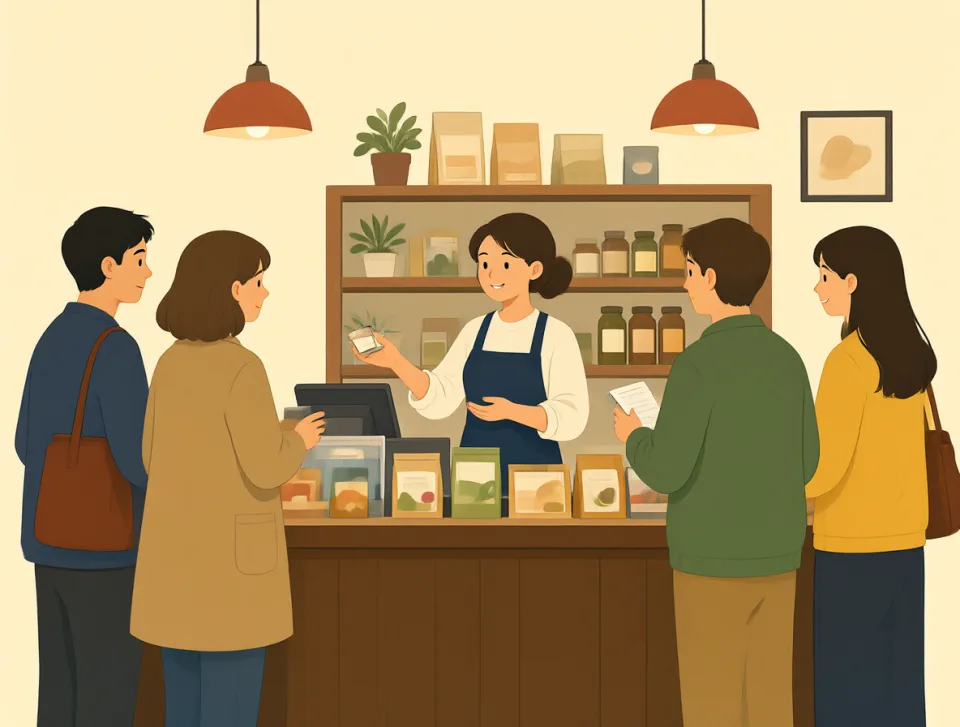
Business has been steady since the shop moved to this busy street.
ظل النشاط التجاري مستقرًا منذ انتقال المتجر إلى هذا الشارع المزدحم.
meter
#2112noun, verb
عداد؛ متر
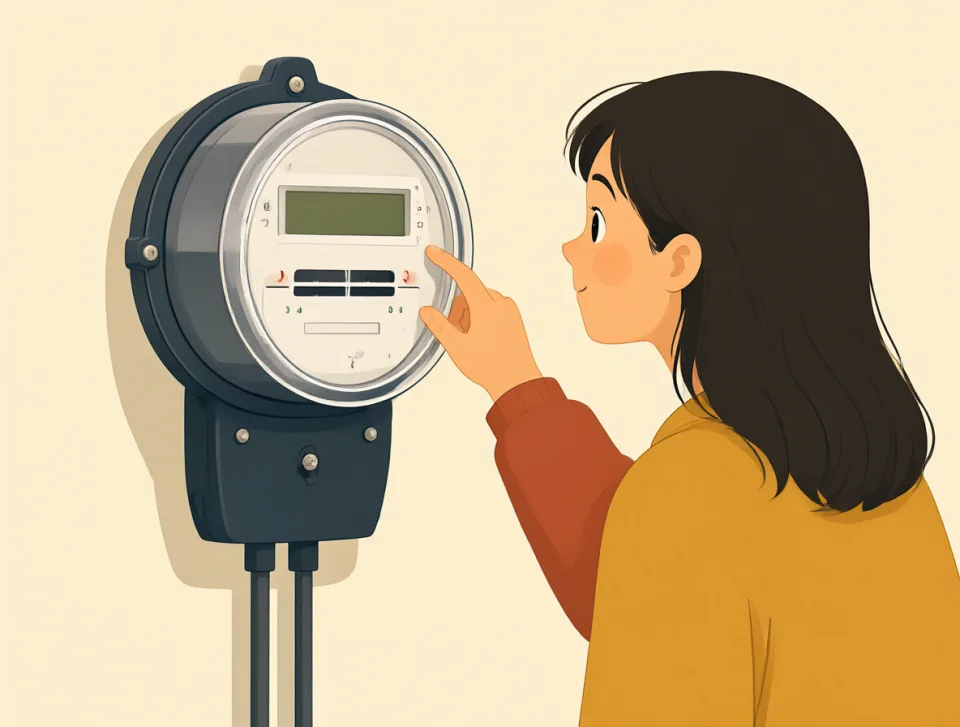
A device that measures something, or a unit used to measure length.
جهاز يقيس شيئًا ما، أو وحدة لقياس الطول.
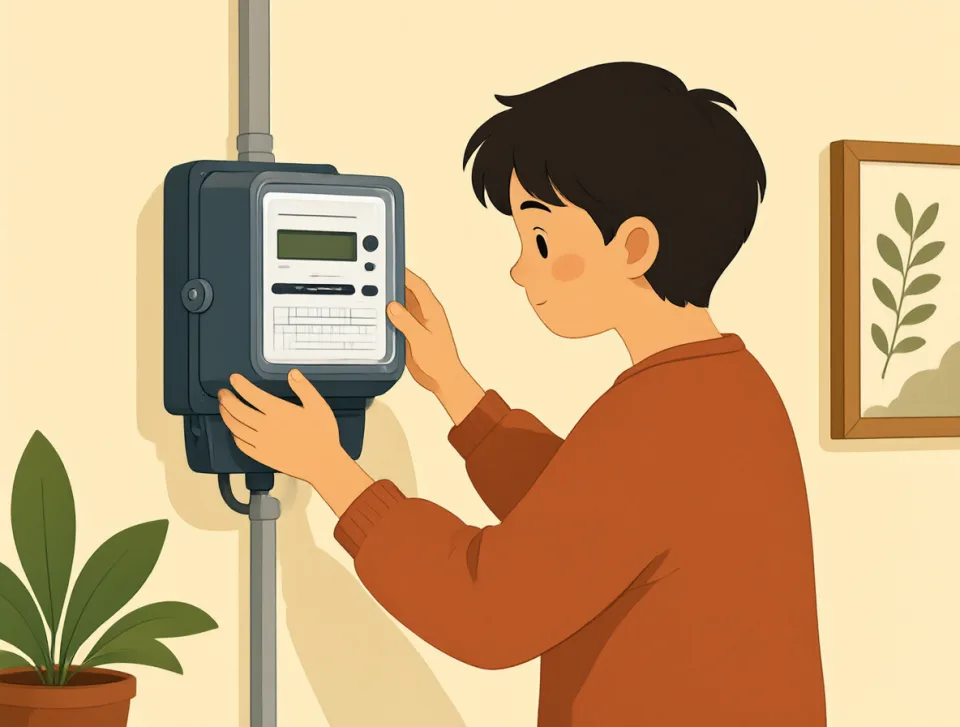
The electricity meter showed that we had used less power this month.
أظهر عداد الكهرباء أننا استهلكنا طاقة أقل هذا الشهر.
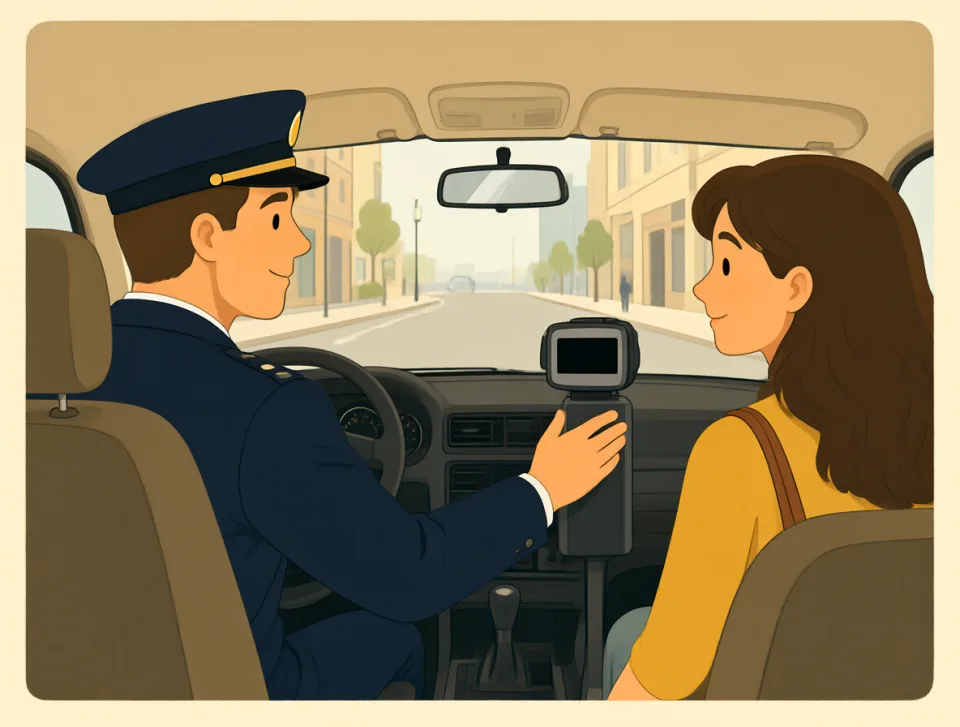
The taxi driver stopped the meter when we reached the hotel.
أوقف سائق سيارة الأجرة العداد عندما وصلنا إلى الفندق.
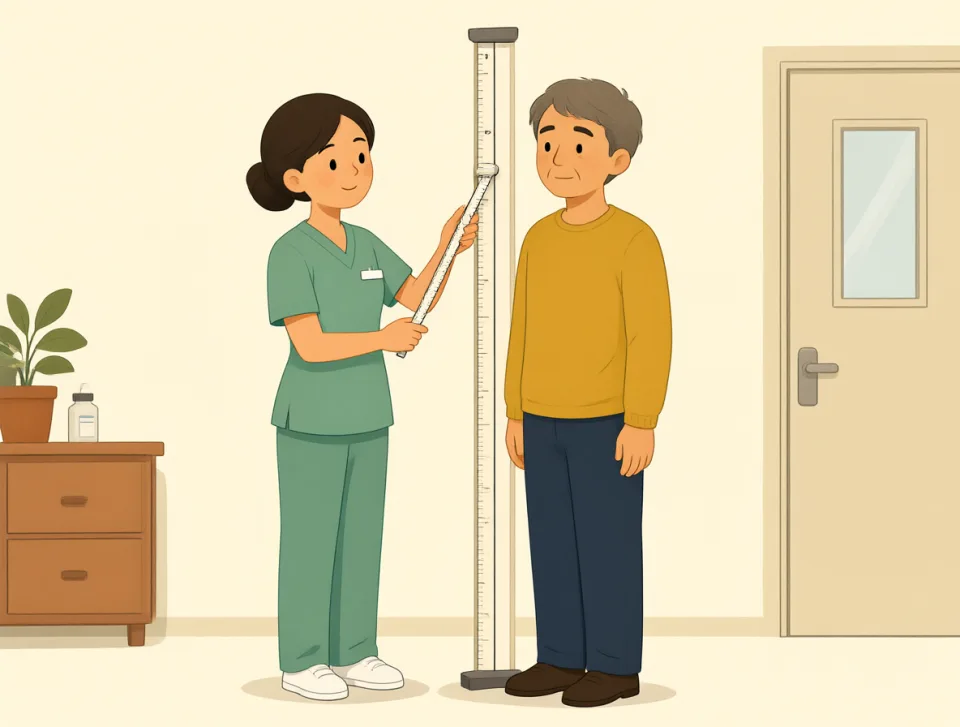
The nurse measured the patient’s height with a meter stick.
قاس الممرض طول المريض باستخدام عصا قياس طولها متر.
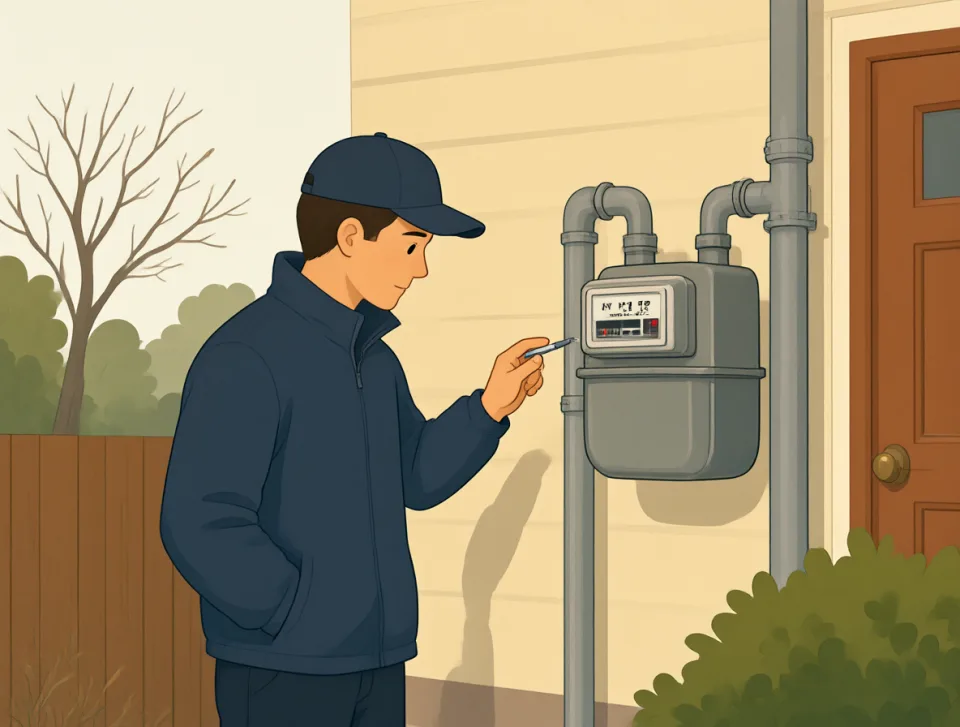
The gas meter needs checking before winter begins.
يجب فحص عداد الغاز قبل حلول الشتاء.
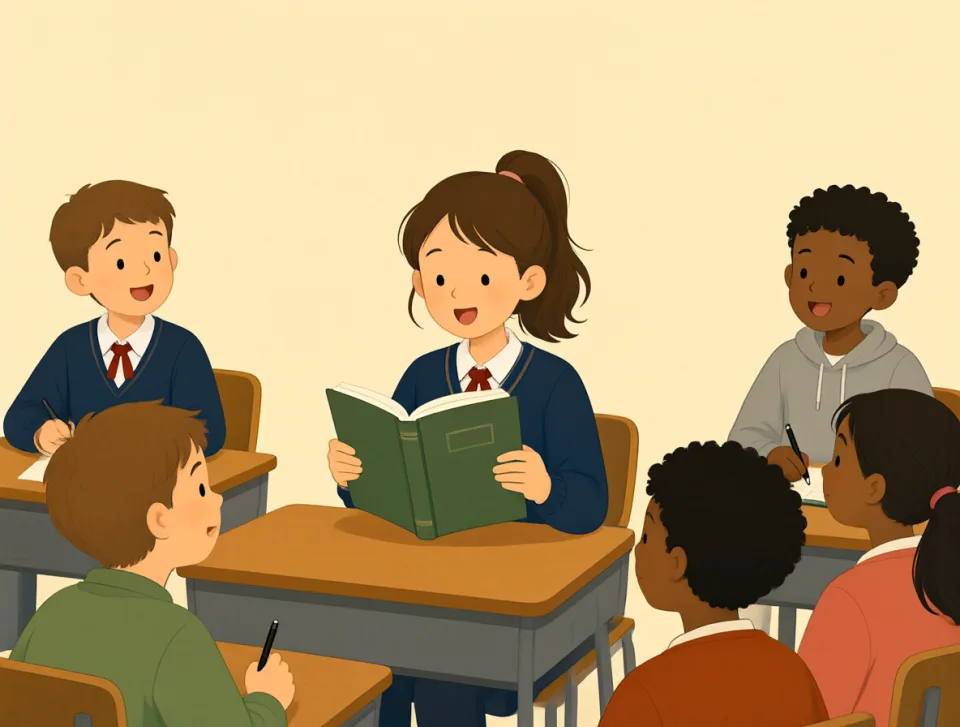
The poem has a regular meter that makes it easy to read aloud.
للأبيات الشعرية وزن منتظم يجعل قراءتها بصوت عالٍ سهلة.
truck
#2113noun, verb
شاحنة
A large vehicle used to carry heavy goods; to transport something by truck.
مركبة كبيرة تُستخدم لنقل البضائع الثقيلة؛ أو ينقل شيئًا بالشاحنة.
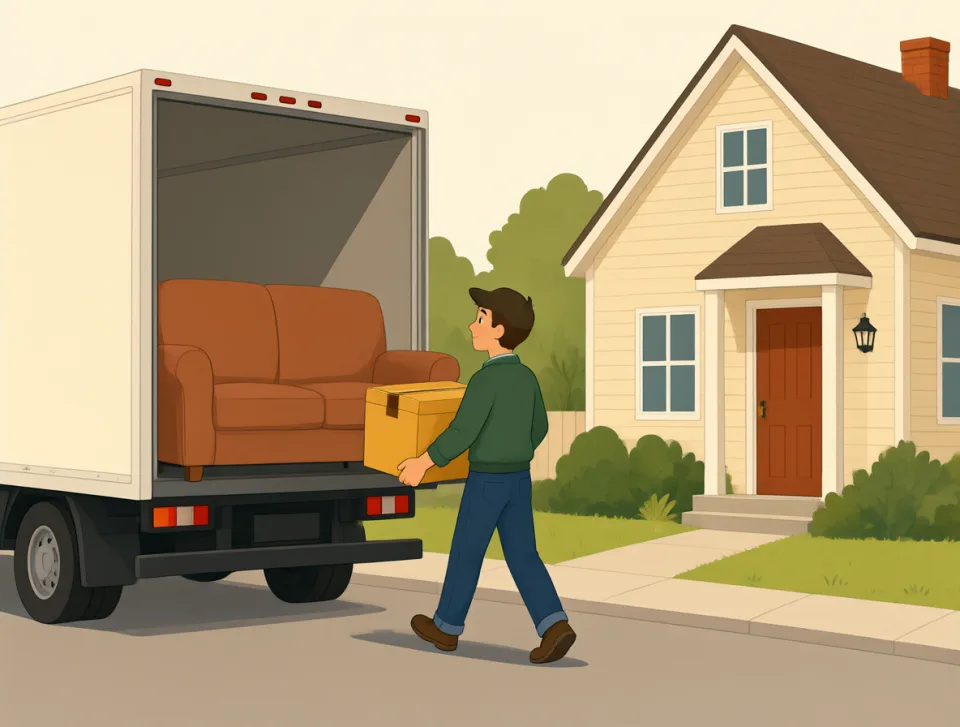
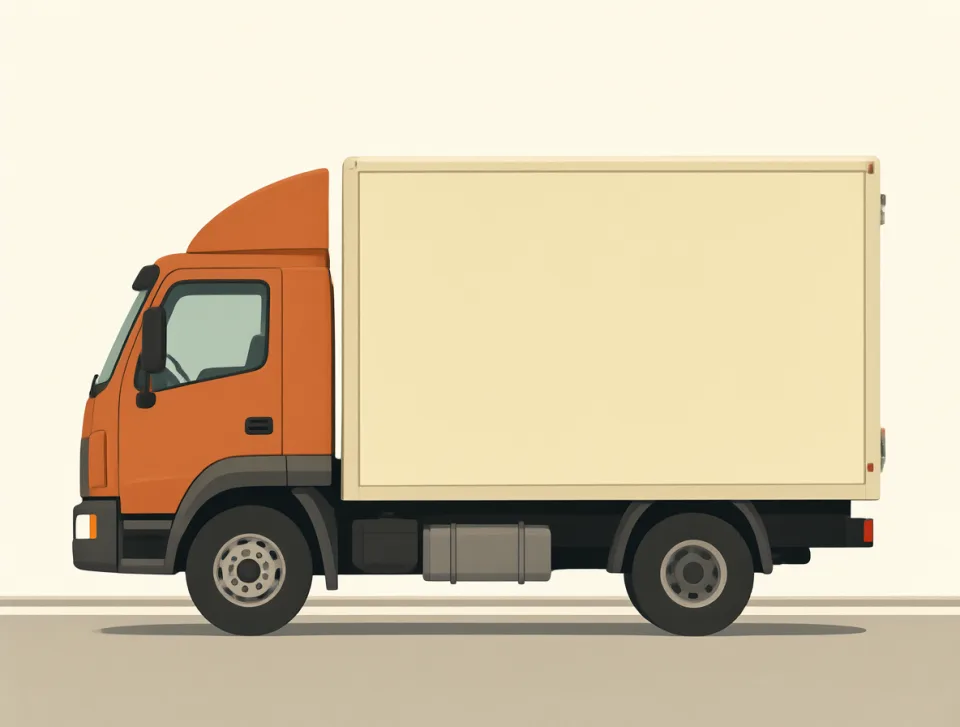
The delivery truck brought our new sofa this morning.
أحضرت شاحنة التوصيل أريكتنا الجديدة هذا الصباح.
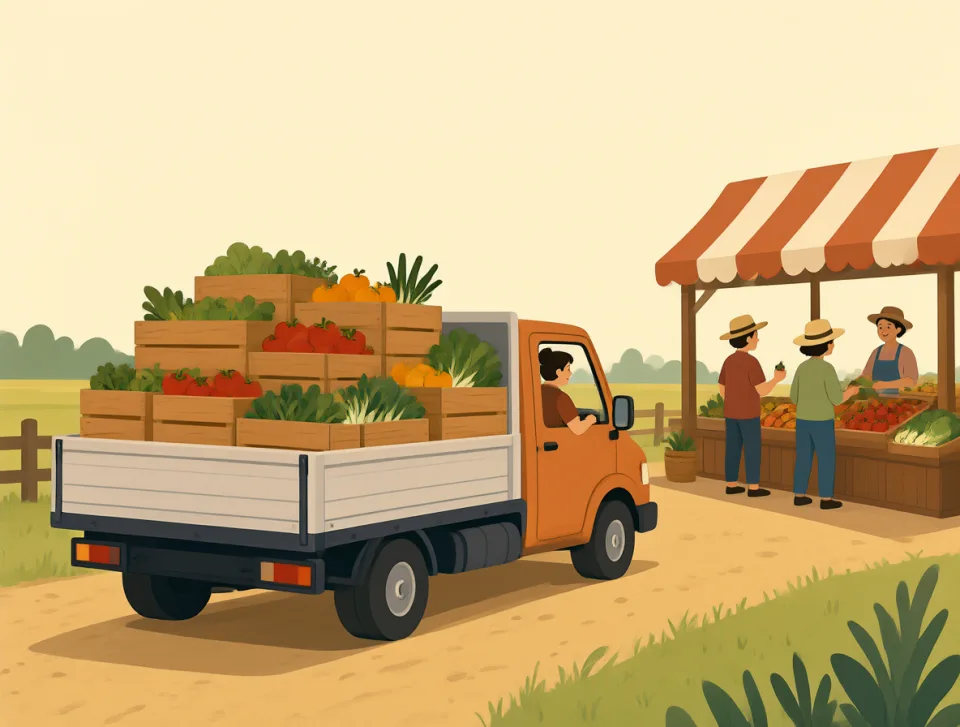
A truck carries fresh vegetables from the farm to the market.
تنقل شاحنة الخضراوات الطازجة من المزرعة إلى السوق.
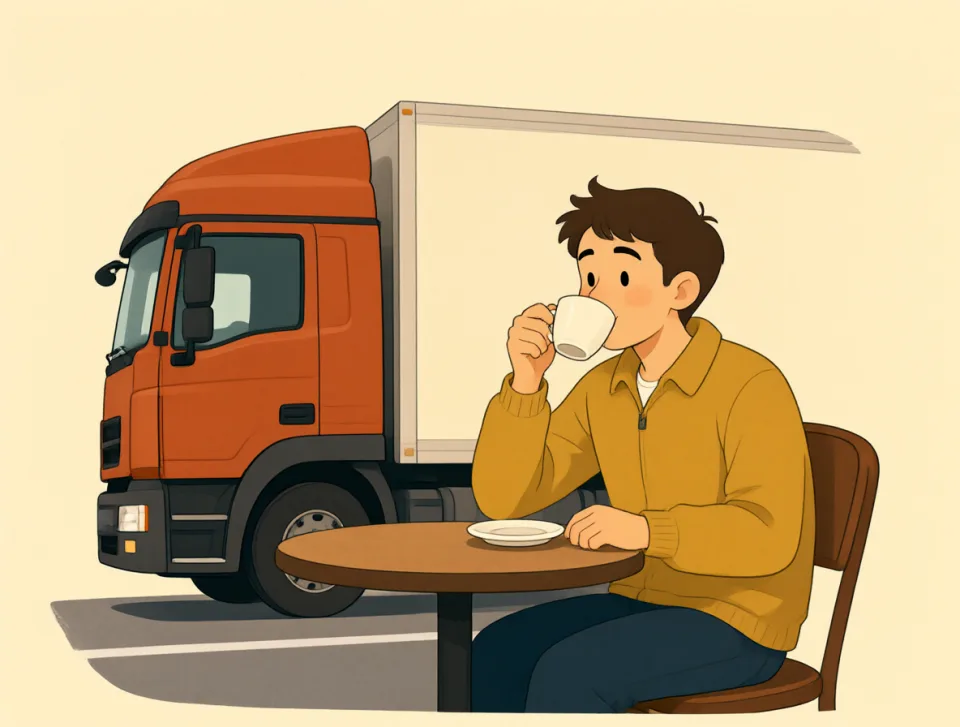
The truck driver stopped for coffee before starting work.
توقف سائق الشاحنة لتناول القهوة قبل بدء العمل.
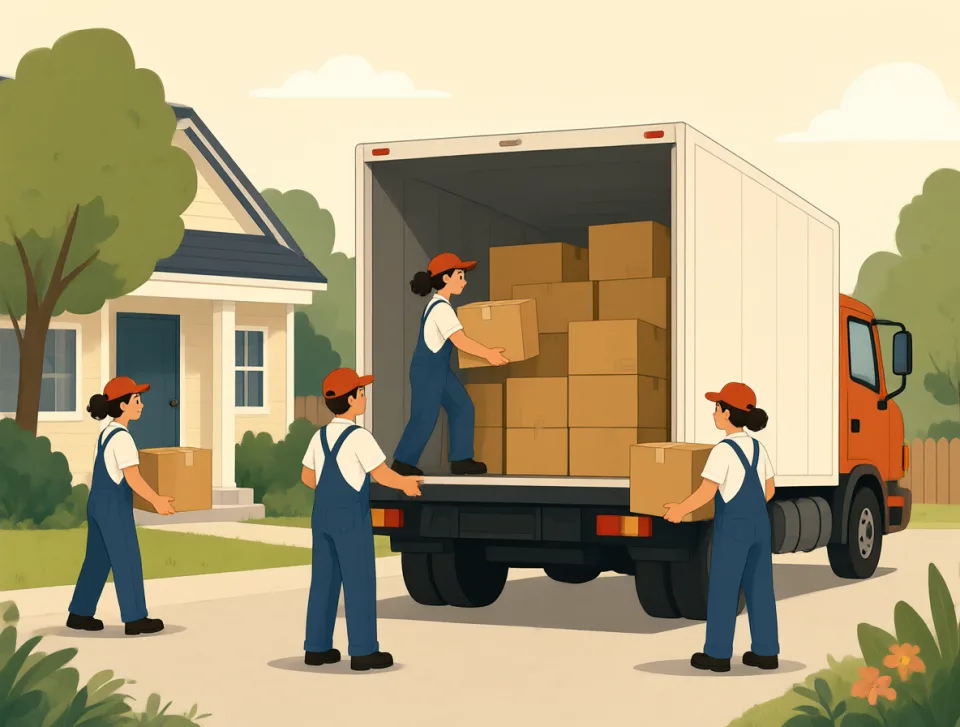
Our moving company truck arrived early to collect the boxes.
وصلت شاحنة شركة نقل الأثاث مبكرًا لجمع الصناديق.

They are trucking the equipment across the country for the concert.
ينقلون المعدات بالشاحنات عبر البلاد من أجل الحفل الموسيقي.

nose
#2114noun, verb
أنف
The part of your face used for smelling and breathing; to notice or discover something.
الجزء من الوجه الذي نستخدمه للشم والتنفس؛ أو يلاحظ شيئًا أو يكتشفه.

My nose is blocked, so I can hardly breathe through it.
أنفي مسدود، لذا بالكاد أستطيع التنفس منه.
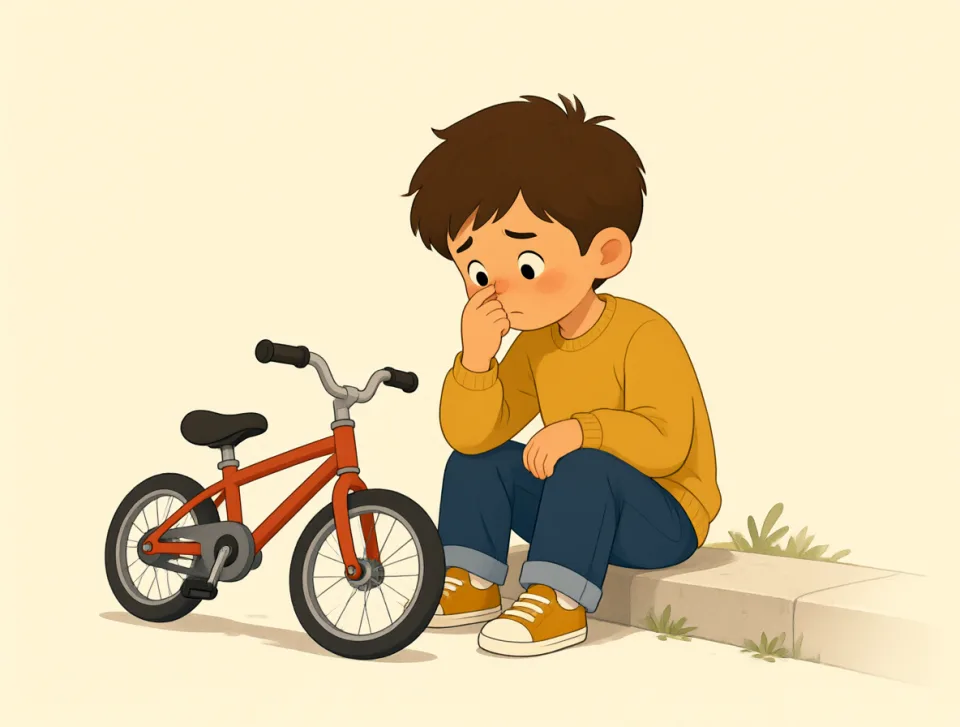
The little boy broke his nose when he fell off his bicycle.
كسر الصبي الصغير أنفه عندما سقط عن دراجته.

She wrinkled her nose when she smelled the spoiled milk.
قطبت أنفها عندما شمّت رائحة الحليب الفاسد.
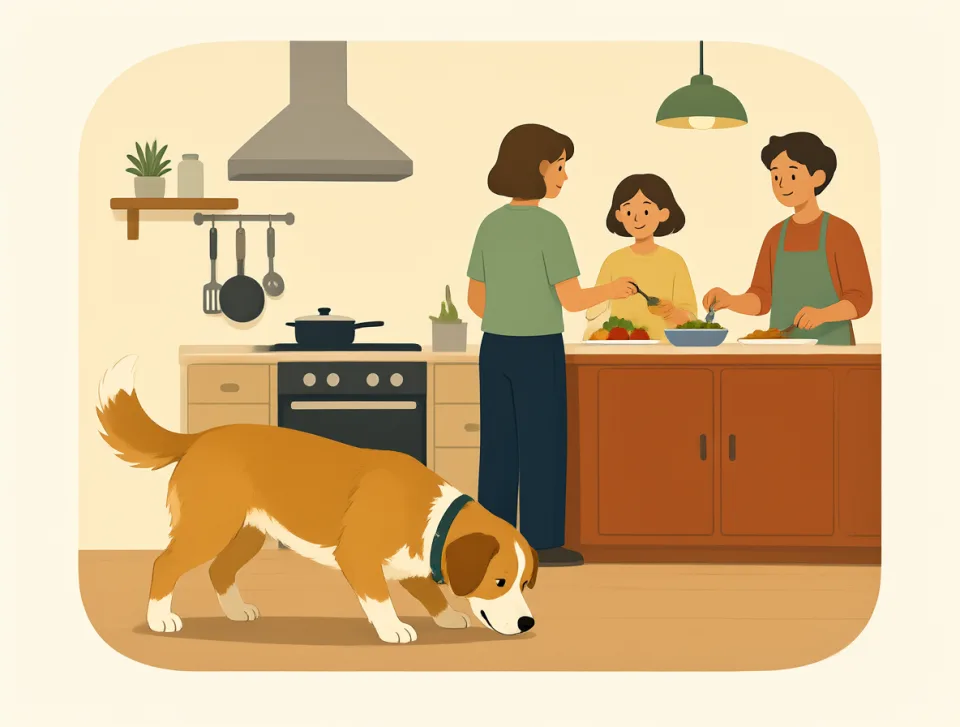
Our dog kept nosing around the kitchen while we prepared dinner.
ظل كلبنا يشمّ ما حوله في المطبخ بينما كنا نعد العشاء.

He always noses into other people's business at work.
يتدخل دائمًا في شؤون الآخرين في العمل.
beside
#2115preposition, adverb
بجانب
next to or at the side of someone or something
إلى جوار شخص أو شيء أو على جانبه.

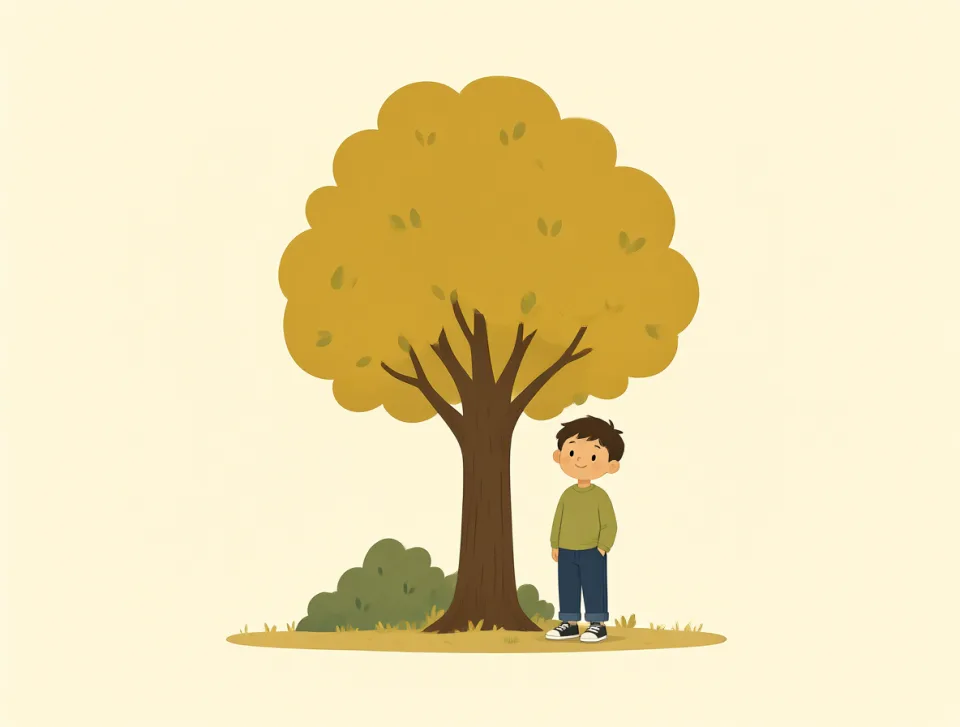
She sat beside her friend during the long train journey.
جلست بجانب صديقتها خلال رحلة القطار الطويلة.
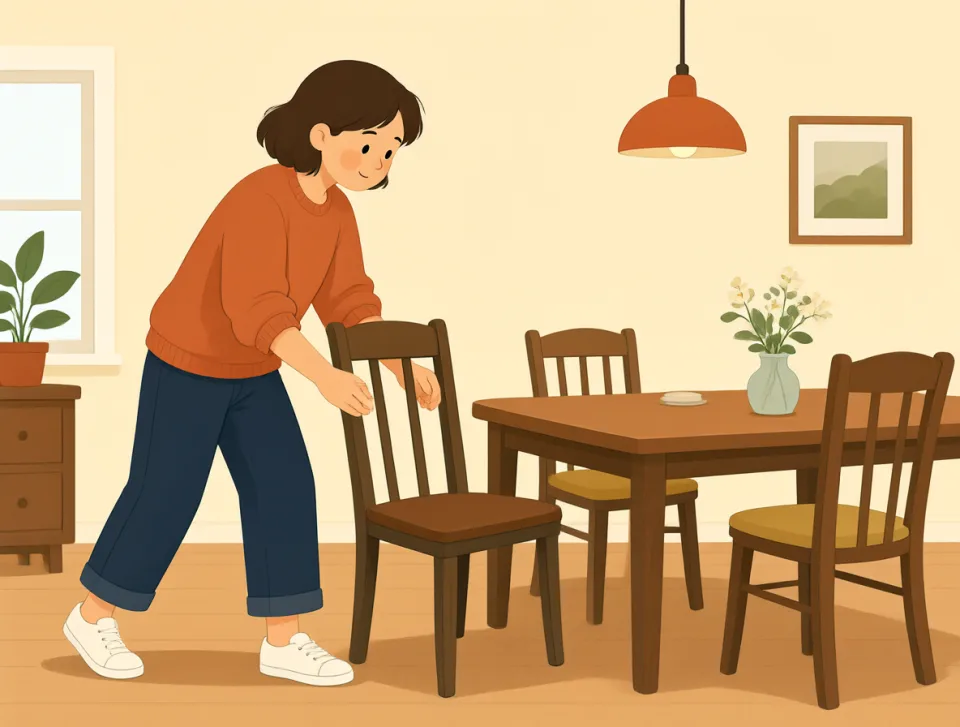
Please place the chair beside the table before dinner.
يُرجى وضع الكرسي بجانب الطاولة قبل العشاء.
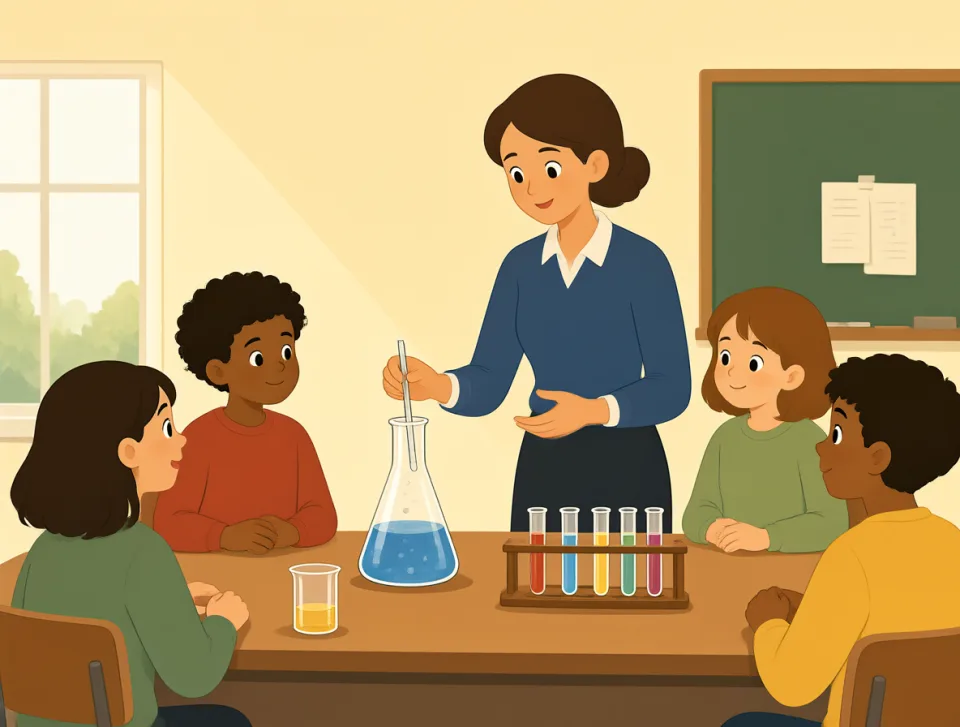
The teacher stood beside the students during the science experiment.
وقف المعلم بجانب الطلاب أثناء تجربة العلوم.

I found a small pharmacy beside the hotel while traveling.
وجدت صيدلية صغيرة بجانب الفندق أثناء سفري.
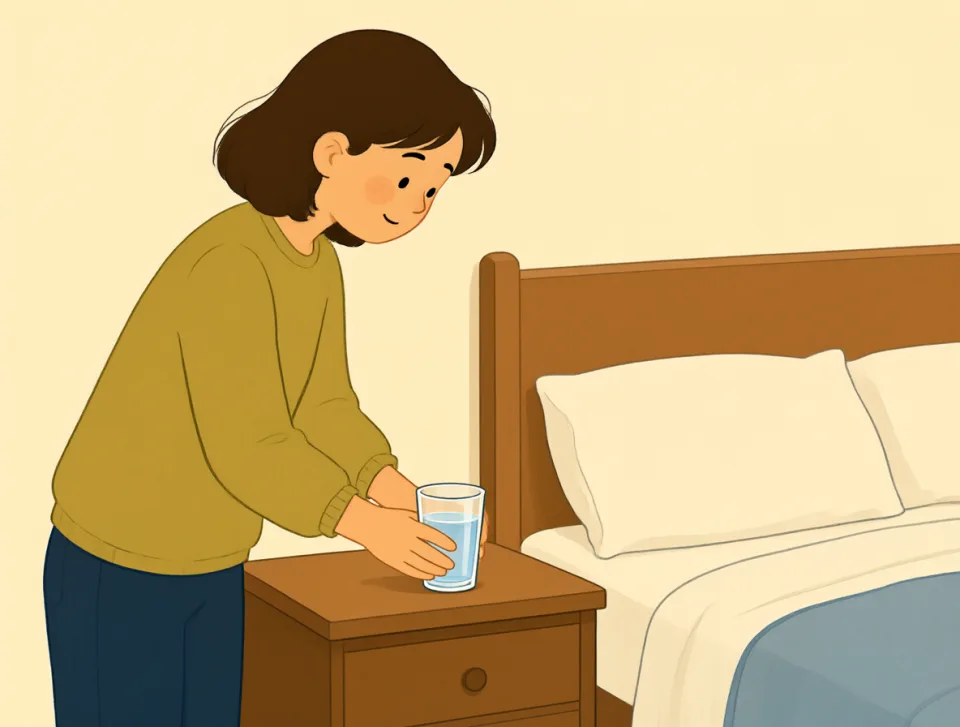
He left his glass of water beside the bed.
ترك كوب الماء بجانب السرير.

sail
#2116noun, verb
يُبحر؛ شراع
to travel on water in a boat, or the large piece of cloth that catches wind
يسافر على الماء في قارب، أو قطعة القماش الكبيرة التي تلتقط الرياح.

We sailed along the coast during our summer holiday.
أبحرنا بمحاذاة الساحل خلال عطلتنا الصيفية.

The strong wind filled the boat’s sails and pushed us forward.
ملأت الرياح القوية أشرعة القارب ودفعته إلى الأمام.

They are learning to sail at the local sailing club.
يتعلمون الإبحار في نادي الإبحار المحلي.

The sailors raised the sail before leaving the harbor.
رفع البحارة الشراع قبل مغادرة الميناء.

A bright red sail stood out against the blue sea.
برز شراع أحمر زاهٍ أمام زرقة البحر.

disaster
#2117noun
كارثة
a very bad event that causes great damage, suffering, or loss
حدث سيئ جدًا يتسبب في أضرار أو معاناة أو خسائر كبيرة.
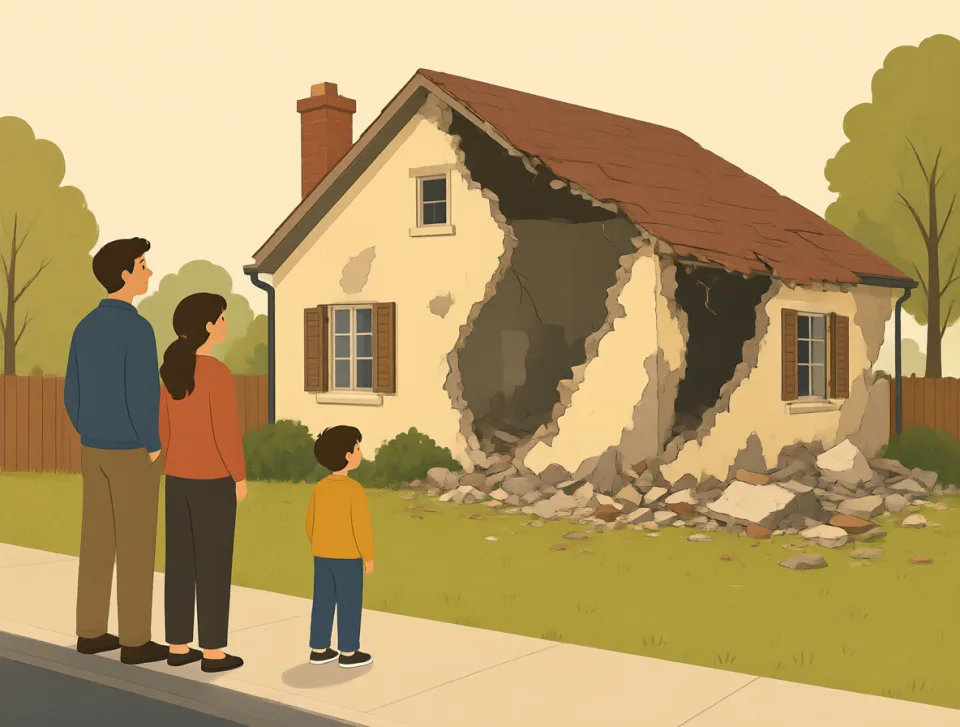
The earthquake was a disaster that destroyed thousands of homes.
كان الزلزال كارثة دمّرت آلاف المنازل.
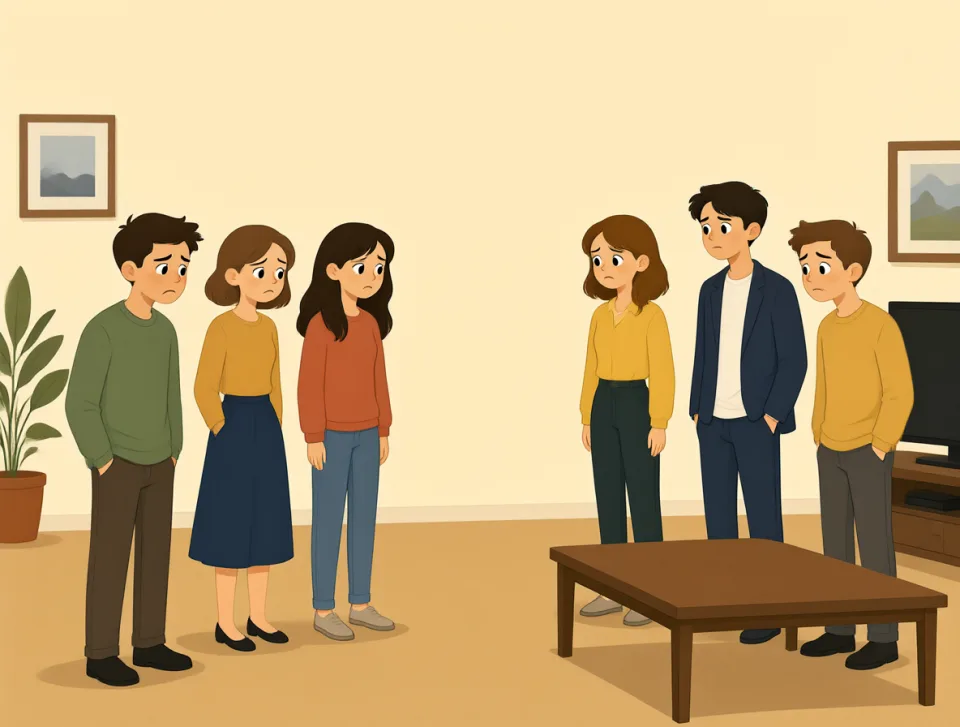
The party was a complete disaster because nobody brought food or drinks.
كانت الحفلة كارثة حقيقية، إذ لم يحضر أحد طعامًا أو شرابًا.

Our holiday became a disaster when our luggage disappeared at the airport.
تحولت عطلتنا إلى كارثة عندما اختفت أمتعتنا في المطار.

The new manager called the failed project a financial disaster.
وصف المدير الجديد المشروع الفاشل بأنه كارثة مالية.
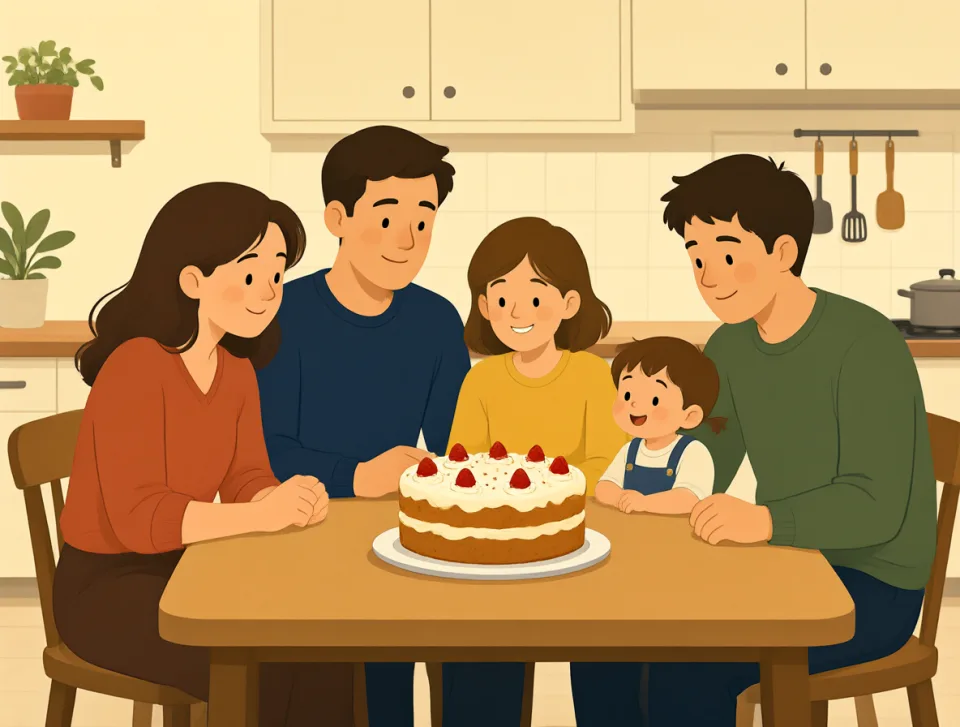
The cake was a disaster, but everyone kindly ate a small piece.
كانت الكعكة كارثة، لكن الجميع أكل قطعة صغيرة لطفًا.
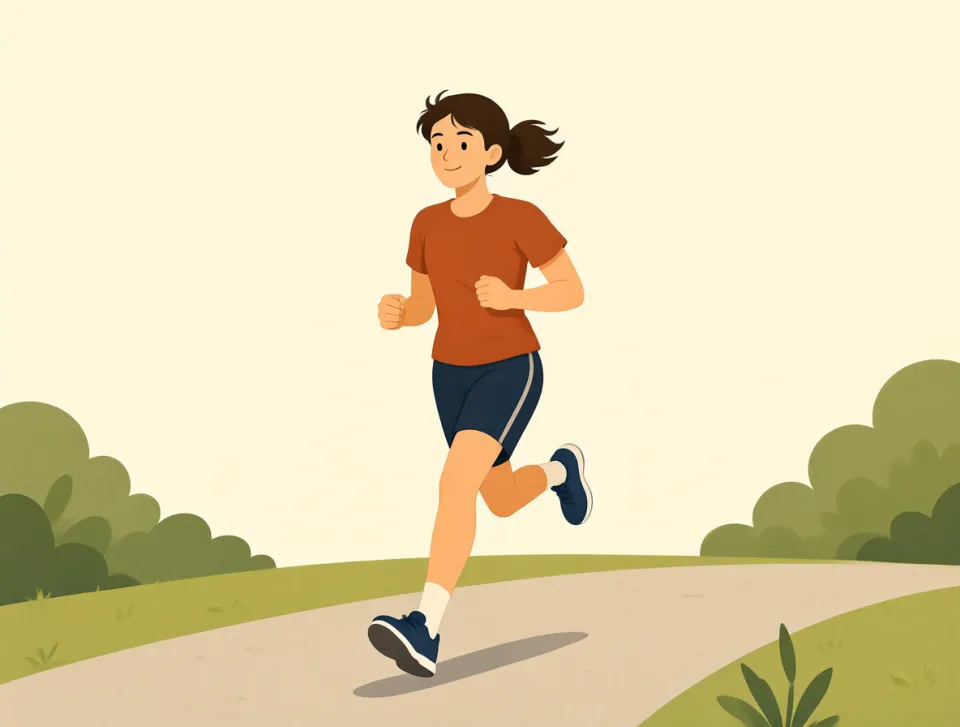
pace
#2118noun, verb
وتيرة؛ سرعة
The speed at which someone or something moves or happens.
السرعة التي يتحرك بها شخص أو شيء، أو التي يحدث بها أمر ما.
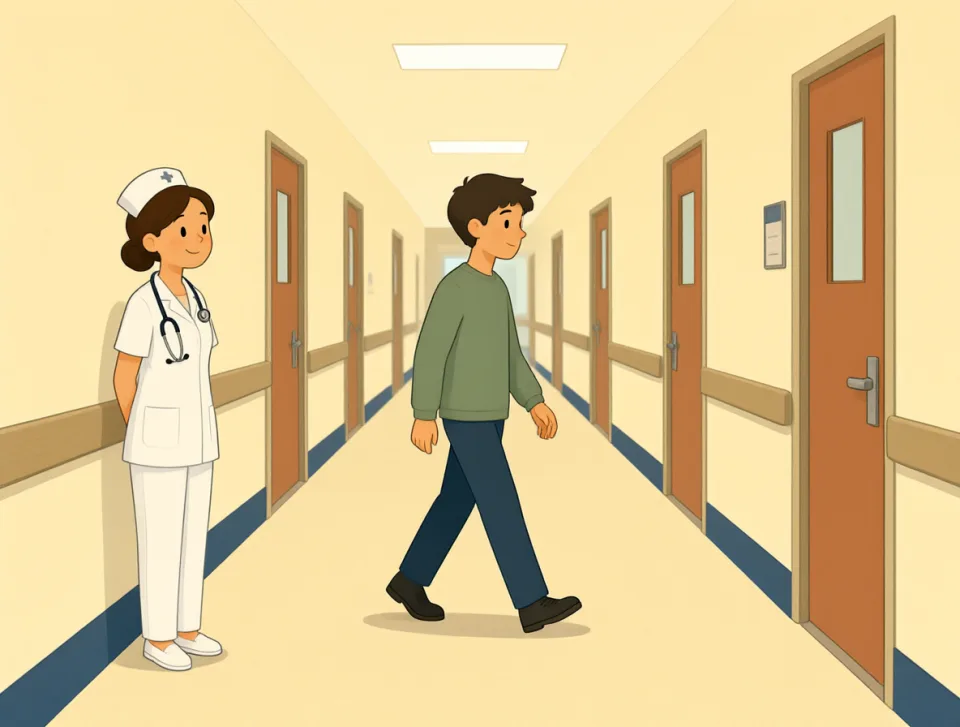
The nurse checked my pulse while I walked at a steady pace.
فحصت الممرضة نبضي بينما كنت أمشي بوتيرة ثابتة.
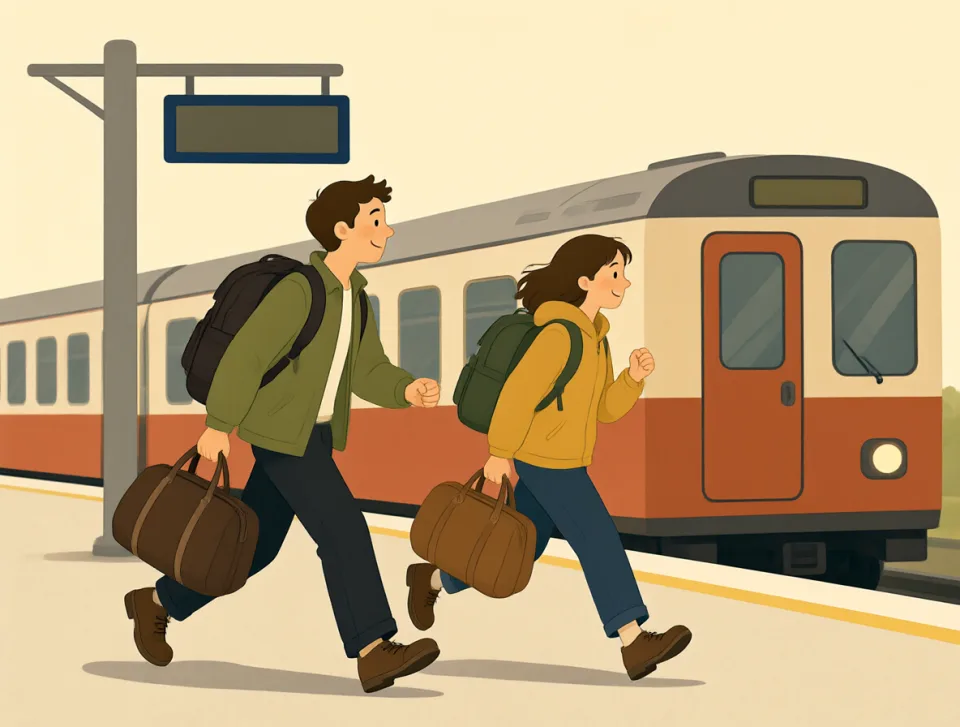
We need to pick up the pace if we want to catch the train.
علينا زيادة سرعتنا إذا أردنا اللحاق بالقطار.

She works at her own pace and usually finishes before everyone else.
تعمل وفق وتيرتها الخاصة، وعادةً ما تنتهي قبل الجميع.
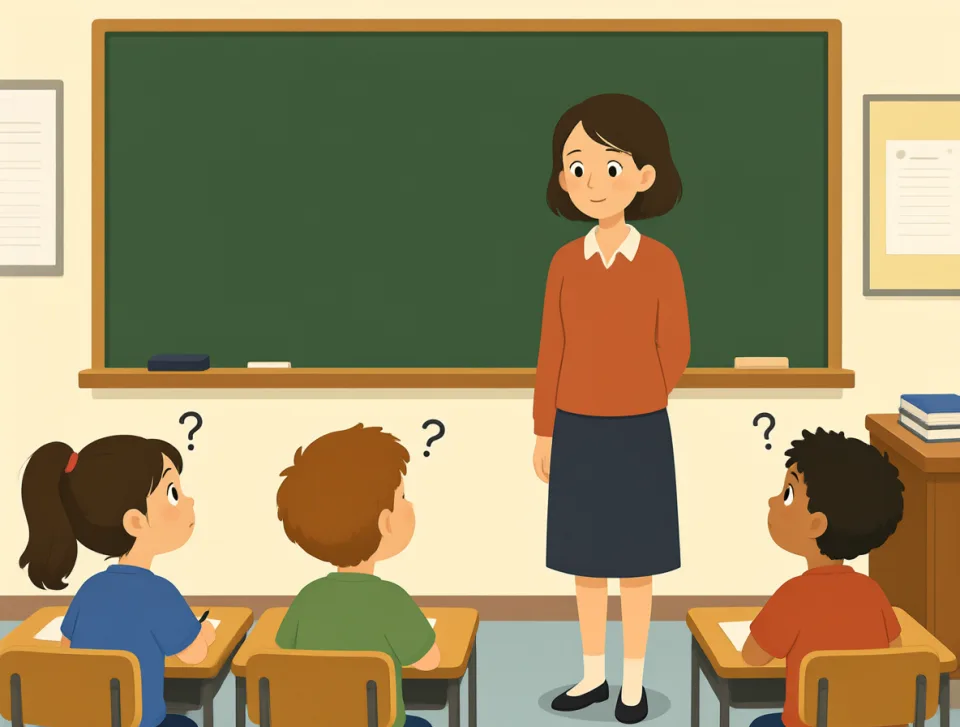
The teacher slowed the pace of the lesson when students looked confused.
أبطأ المعلم وتيرة الدرس عندما بدا الطلاب مرتبكين.

After lunch, we paced ourselves so we could enjoy the whole hike.
بعد الغداء، وزعنا جهدنا حتى نستمتع بالرحلة كاملة.
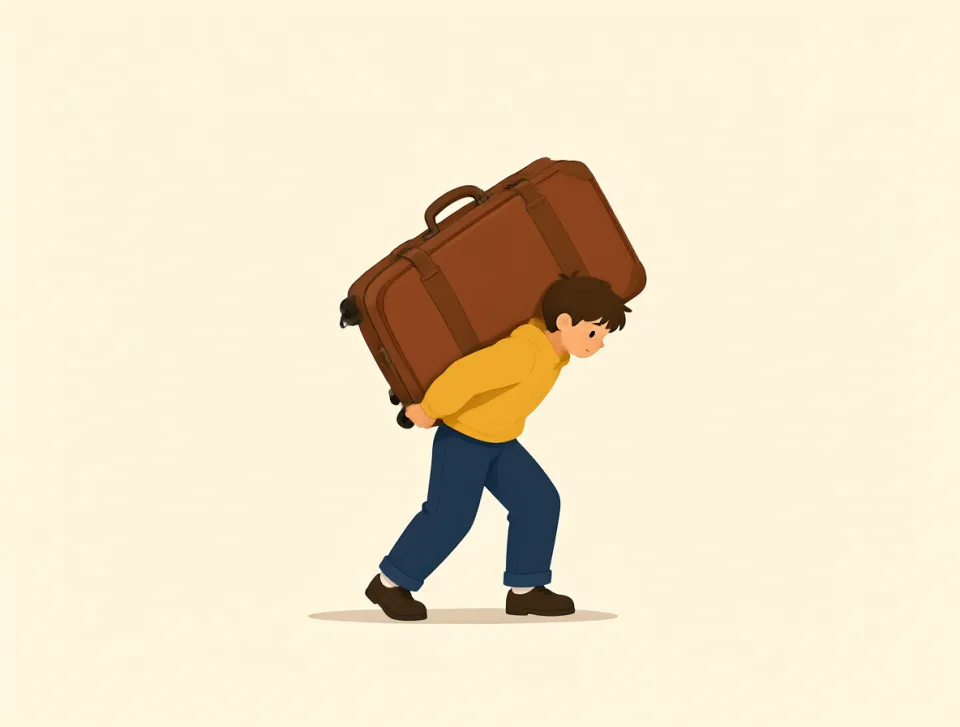
heavily
#2119adverb
بشدّة؛ بغزارة
To a great degree or with a lot of force, weight, or amount.
بدرجة كبيرة، أو بقوة أو وزن أو كمية كبيرة.
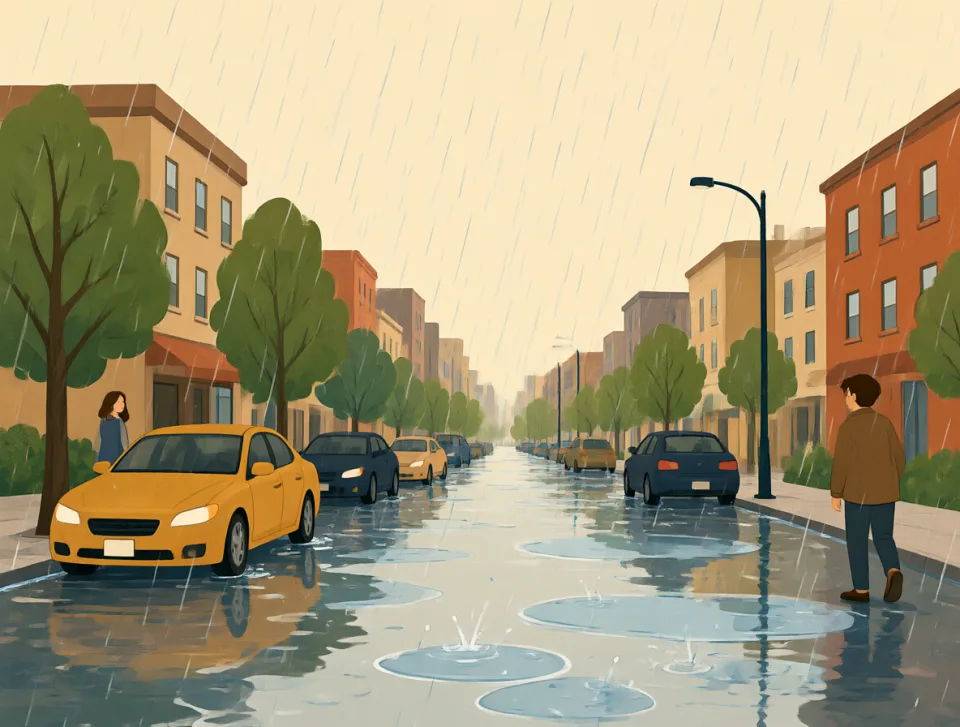
It rained heavily all night, so the streets were flooded by morning.
هطلت الأمطار بغزارة طوال الليل، فغمرت المياه الشوارع بحلول الصباح.
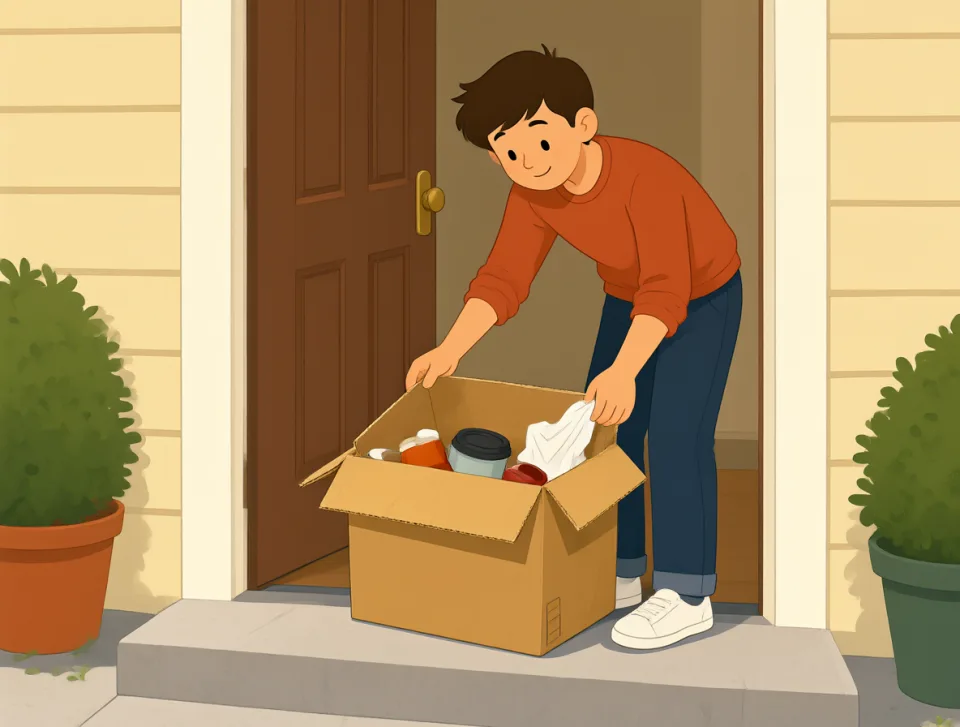
The box was heavily damaged during delivery, but everything inside was safe.
تضرر الصندوق بشدة أثناء التوصيل، لكن كل ما بداخله ظل سليمًا.
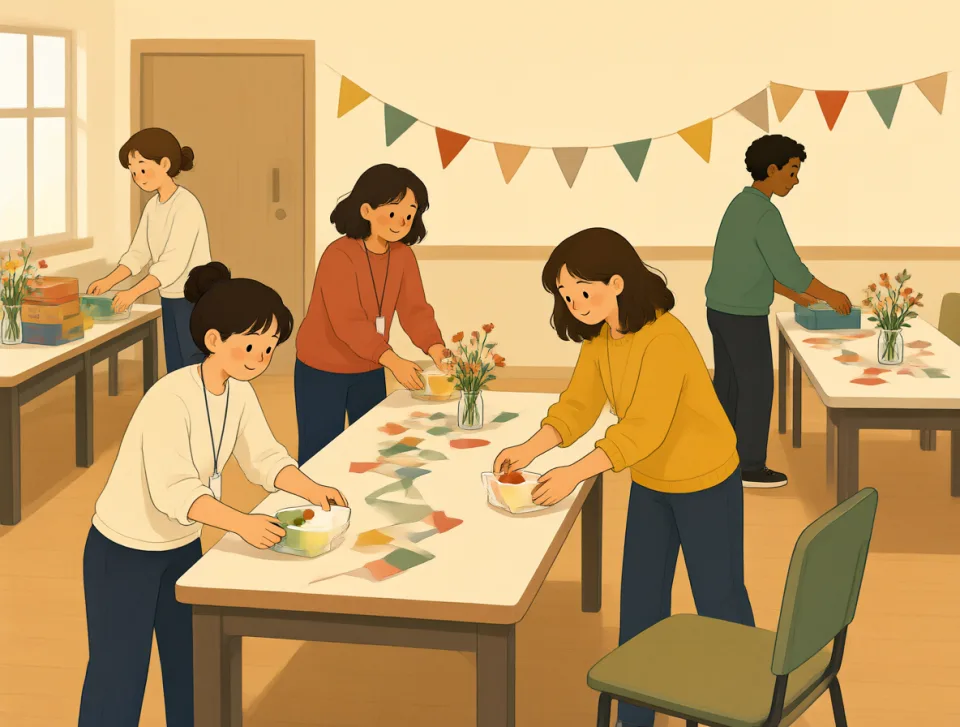
The team relies heavily on volunteers to organize the community event.
يعتمد الفريق كثيرًا على المتطوعين لتنظيم فعالية المجتمع المحلي.

She was breathing heavily after running up three flights of stairs.
كانت تتنفس بصعوبة بعد صعود ثلاثة طوابق ركضًا.
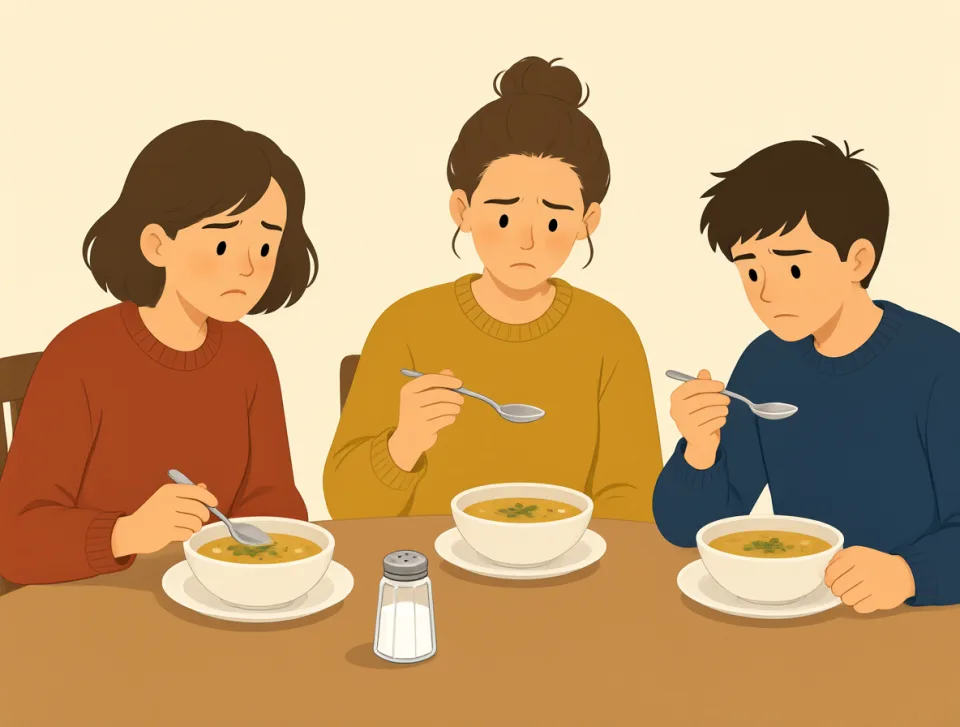
The soup was heavily salted, so nobody wanted a second bowl.
كان الحساء مالحًا جدًا، لذلك لم يرغب أحد في تناول وعاء ثانٍ.
devote
#2120verb
يكرّس
to give your time, energy, or attention to something
يمنح شيئًا من وقته أو طاقته أو اهتمامه.
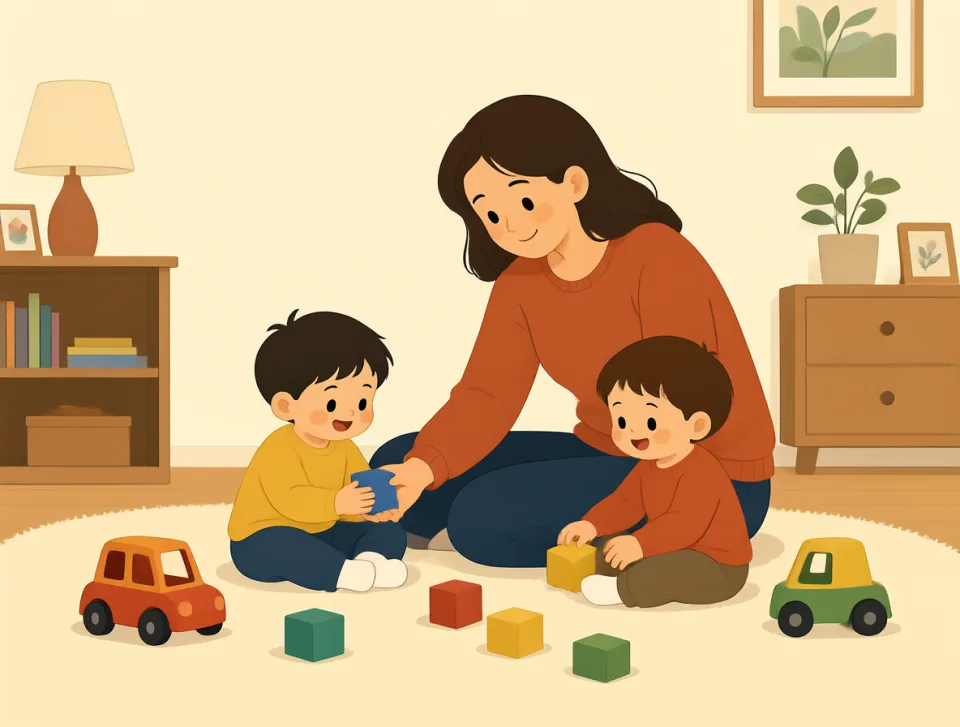
She devotes most of her free time to caring for her young children.
تكرّس معظم وقت فراغها لرعاية أطفالها الصغار.

The team devoted two hours to preparing for tomorrow’s important presentation.
كرّس الفريق ساعتين للاستعداد لعرض الغد المهم.

He is devoted to improving his English by reading every evening.
يكرّس نفسه لتحسين لغته الإنجليزية بالقراءة كل مساء.
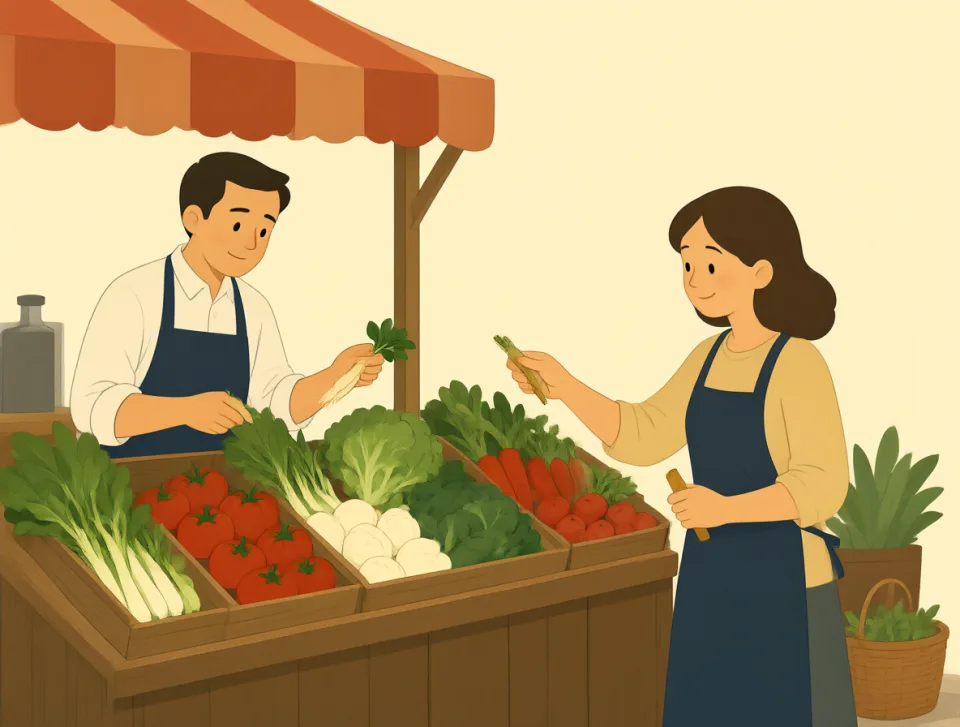
The restaurant owner devoted extra money to buying fresher ingredients this month.
خصّص صاحب المطعم مالًا إضافيًا لشراء مكونات طازجة أكثر هذا الشهر.
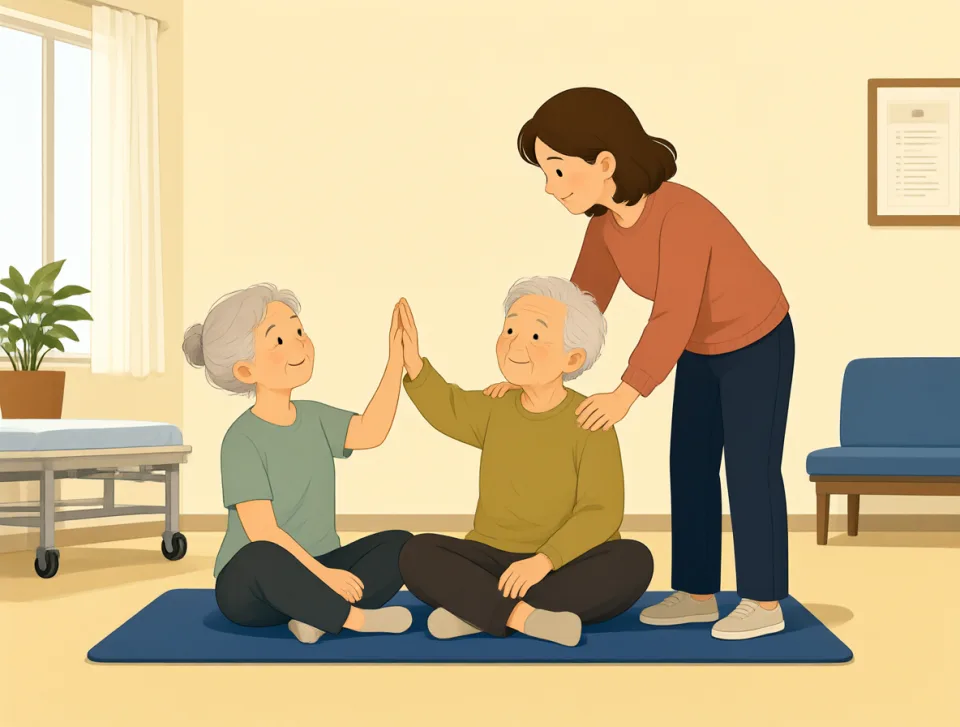
After the accident, she devoted herself to helping other patients recover.
بعد الحادث، كرّست نفسها لمساعدة المرضى الآخرين على التعافي.