بخش 137
واژههای 2721 تا 2740 · abstract, tent, precise, distant, stranger, shade

abstract
#2721adjective, noun
انتزاعی؛ چکیده
Existing as an idea rather than a physical object; a short written summary of an article.
چیزی که بهصورت یک ایده وجود دارد، نه یک شیء فیزیکی؛ خلاصهای کوتاه و مکتوب از یک مقاله.

Love is an abstract idea that can mean different things to different people.
عشق ایدهای انتزاعی است که برای آدمهای مختلف میتواند معانی متفاوتی داشته باشد.
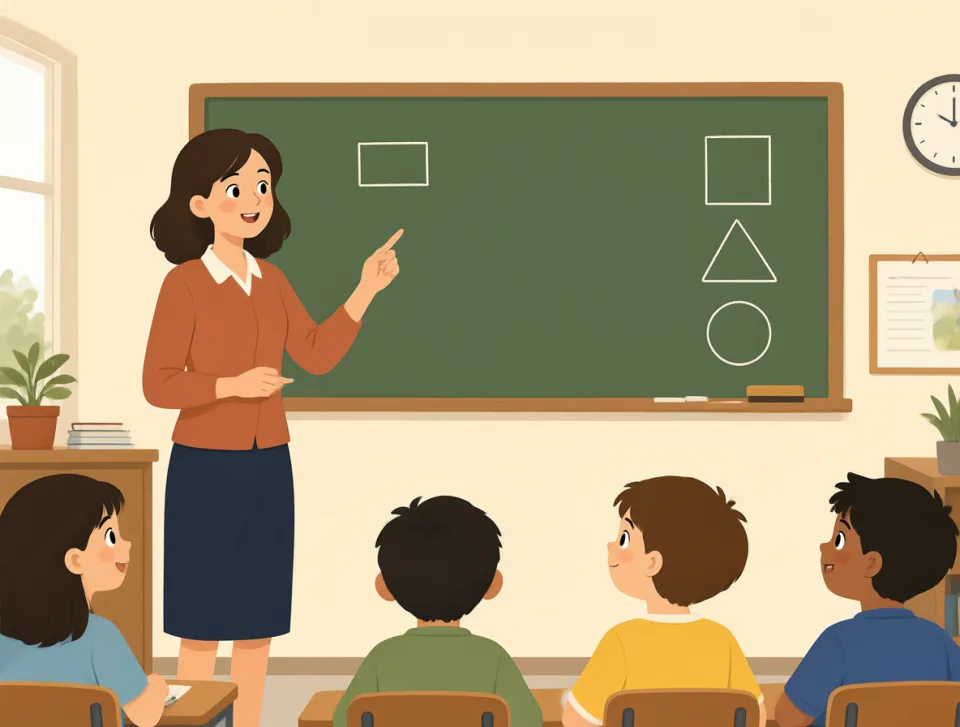
The teacher used simple examples to explain an abstract idea in science class.
معلم برای توضیح یک ایدهٔ انتزاعی در کلاس علوم، از مثالهای ساده استفاده کرد.

The artist painted an abstract picture using bright colors and unusual shapes.
هنرمند با رنگهای روشن و شکلهای نامتعارف، یک نقاشی انتزاعی کشید.

Please write a short abstract of your report before the meeting tomorrow.
لطفاً پیش از جلسهٔ فردا، خلاصهای کوتاه از گزارشتان بنویسید.

The article begins with an abstract that explains the main points clearly.
مقاله با چکیدهای شروع میشود که نکات اصلی را بهروشنی توضیح میدهد.
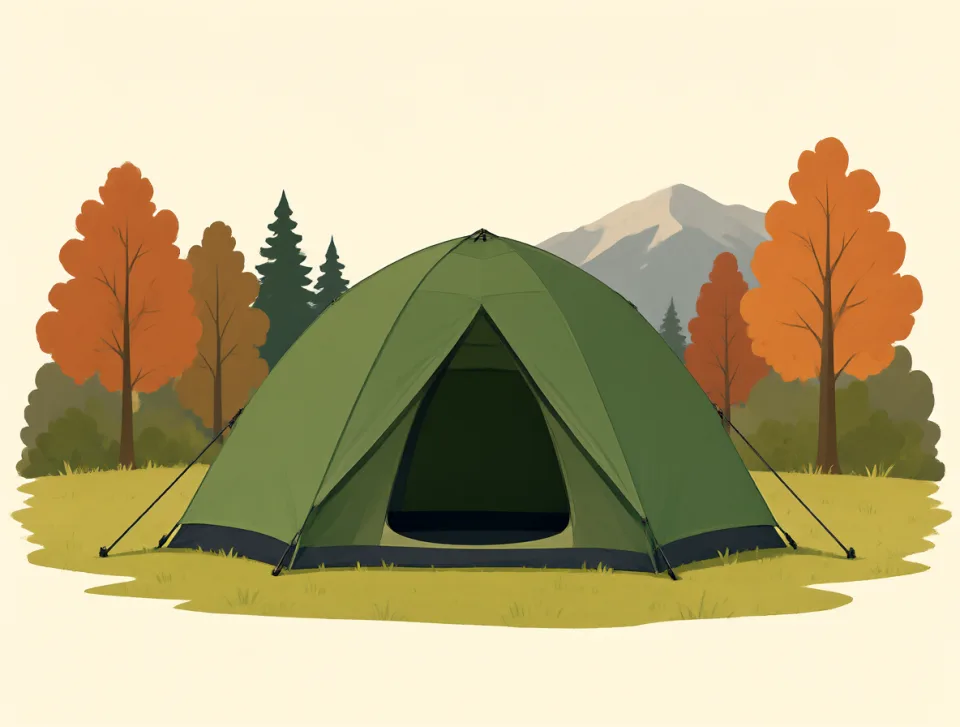
tent
#2722noun
چادر
a temporary shelter made of cloth, used for sleeping or staying outdoors
سرپناهی موقت از جنس پارچه که برای خوابیدن یا ماندن در فضای باز استفاده میشود.
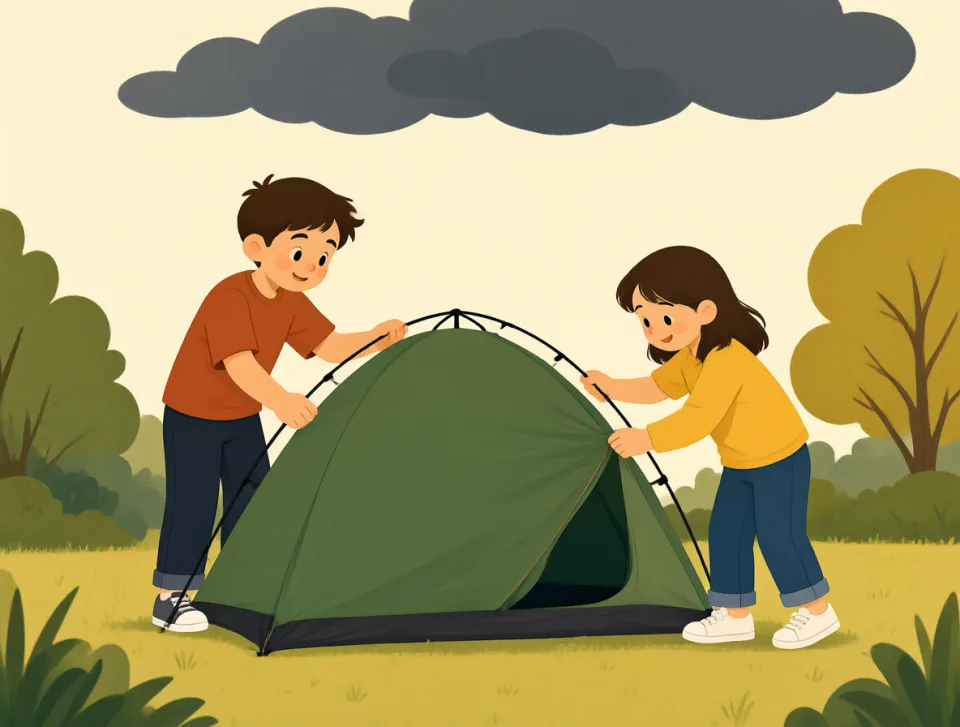
We put up the tent before it started raining.
قبل از اینکه باران شروع شود، چادر را برپا کردیم.

The children slept in a tent in the garden.
بچهها در چادری در باغ خوابیدند.

Our tent was warm and dry during the mountain storm.
چادرمان هنگام طوفان کوهستان گرم و خشک بود.

They bought a new tent for their summer camping trip.
برای سفر کمپینگ تابستانیشان یک چادر نو خریدند.
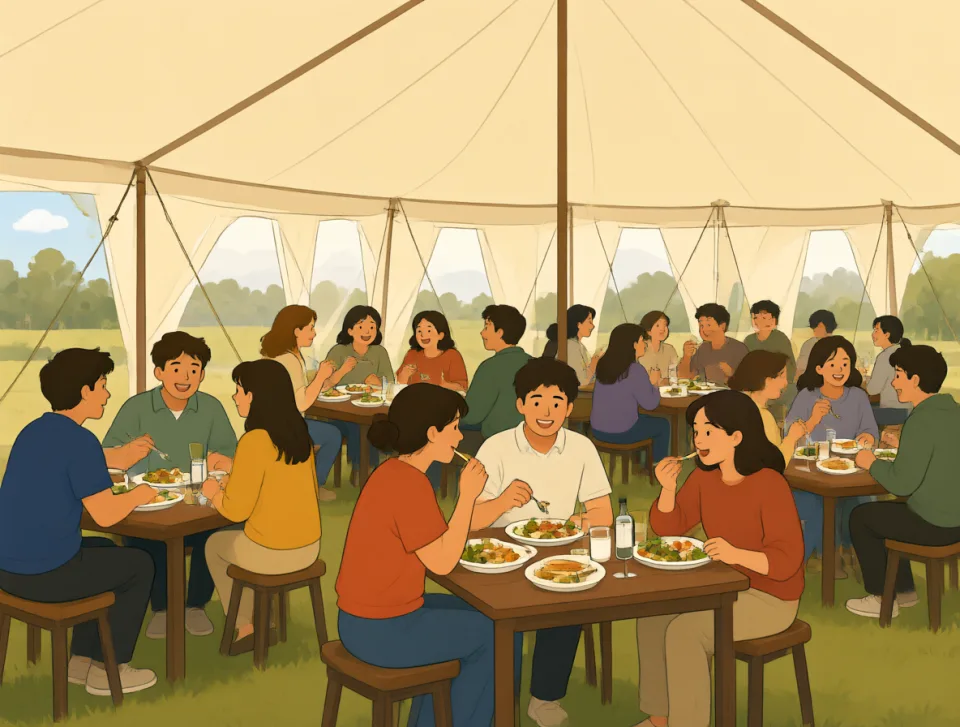
The festival tent served hot food and drinks to visitors.
در چادر جشنواره، برای بازدیدکنندگان غذا و نوشیدنی گرم سرو میشد.
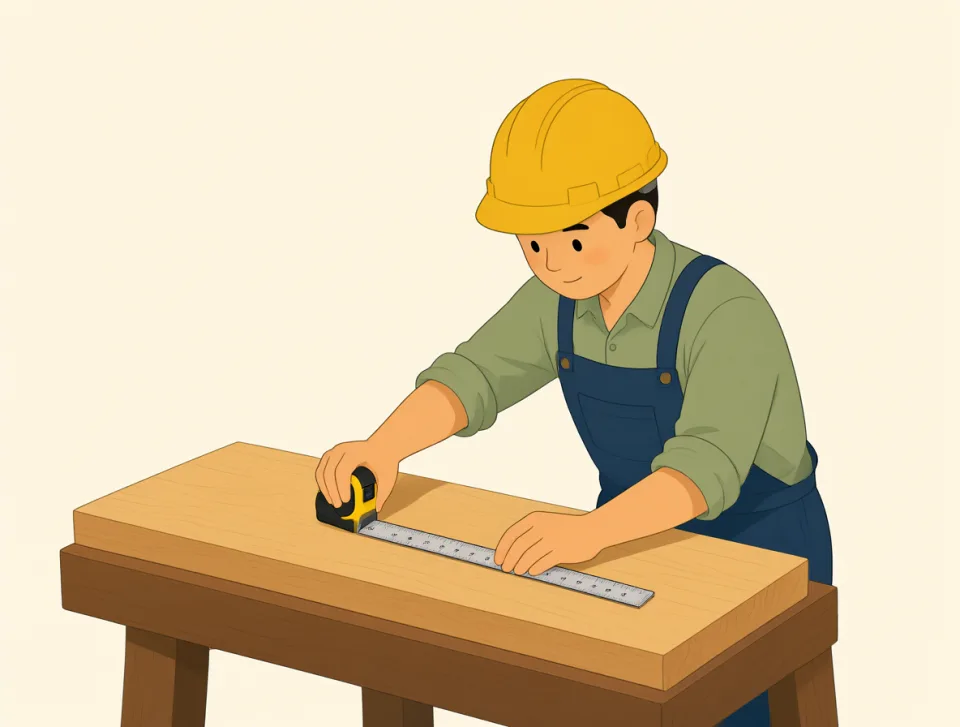
precise
#2723adjective
دقیق
Exact and accurate, with no mistakes or unnecessary details.
درست و دقیق، بدون اشتباه یا جزئیات غیرضروری.
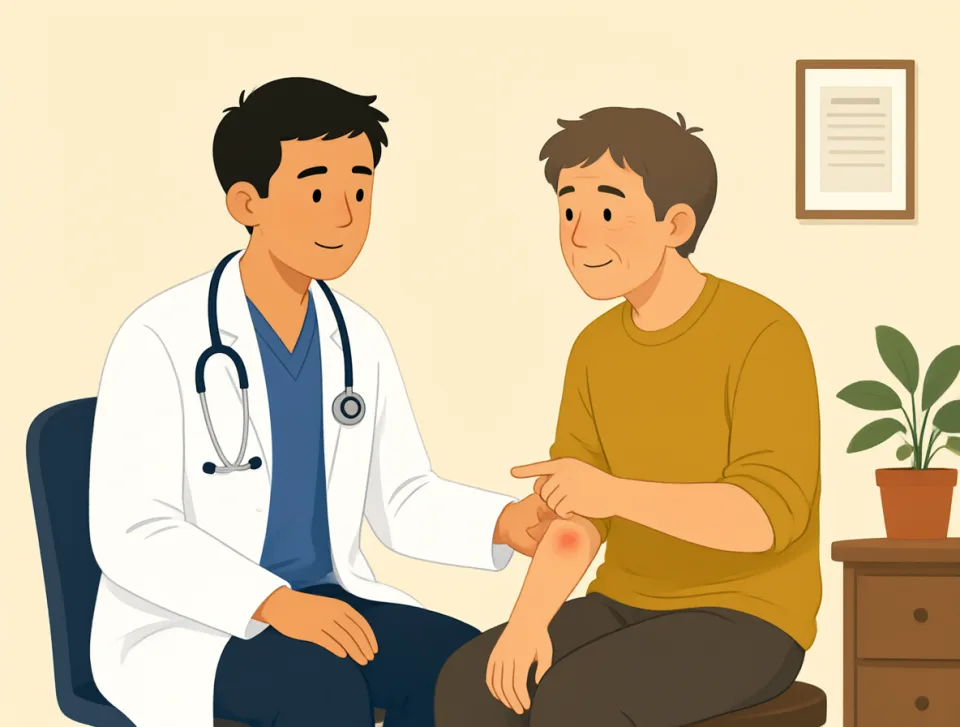
The doctor asked me to describe the precise location of the pain.
دکتر از من خواست محل دقیق درد را توصیف کنم.

Please give me the precise time you expect to arrive at the station.
لطفاً زمان دقیقی را که انتظار دارید به ایستگاه برسید به من بگویید.

Her precise instructions helped us assemble the table without any problems.
دستورالعملهای دقیق او کمک کرد میز را بدون هیچ مشکلی سرهم کنیم.
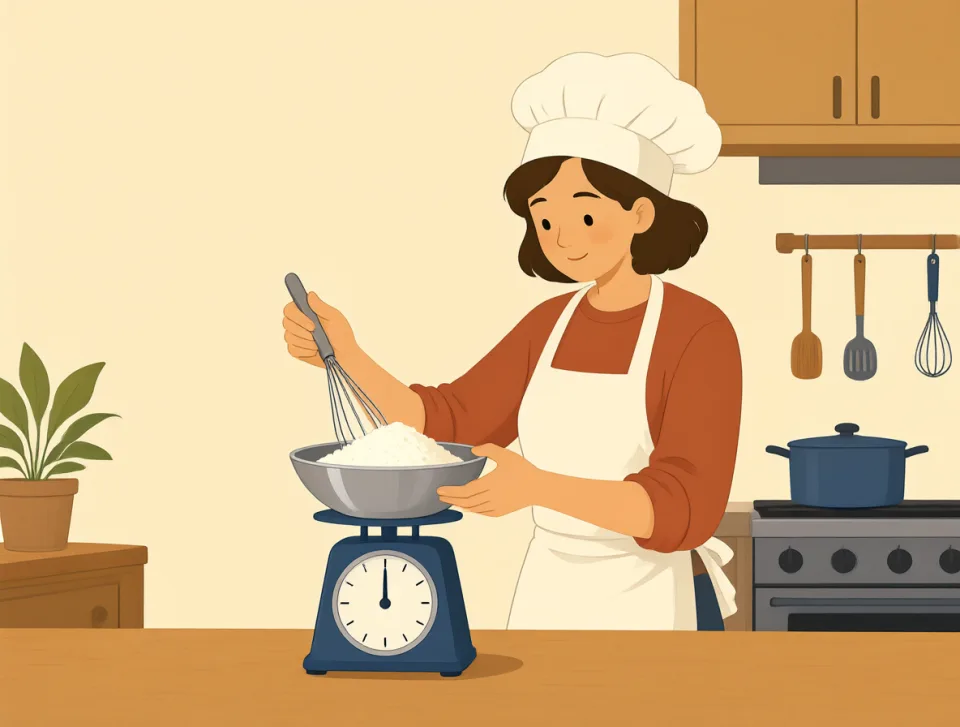
The recipe needs precise measurements, so use the kitchen scale.
این دستور پخت به اندازهگیریهای دقیقی نیاز دارد، پس از ترازوی آشپزخانه استفاده کنید.
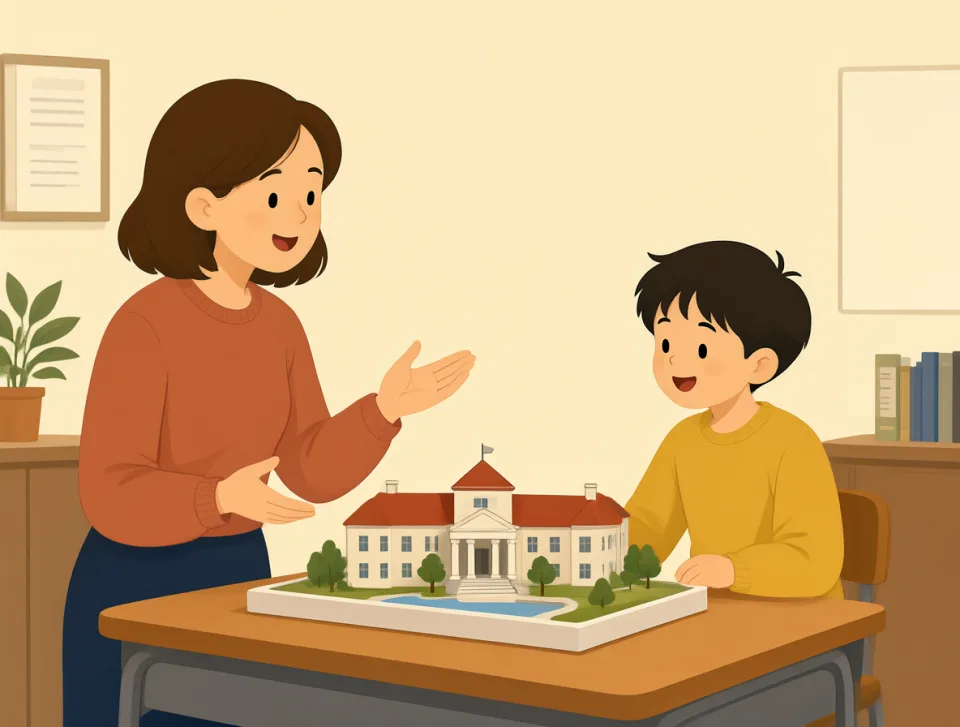
Our teacher gave precise feedback on how to improve the science project.
معلممان بازخورد دقیقی دربارهٔ چگونگی بهتر کردن پروژهٔ علوم داد.

distant
#2724adjective
دور؛ بیگانه
Far away in space or time, or not close and friendly.
از نظر مکان یا زمان دور، یا از نظر عاطفی سرد و غیردوستانه.

We could see distant mountains from the train window.
از پنجرهٔ قطار میتوانستیم کوههای دوردست را ببینیم.
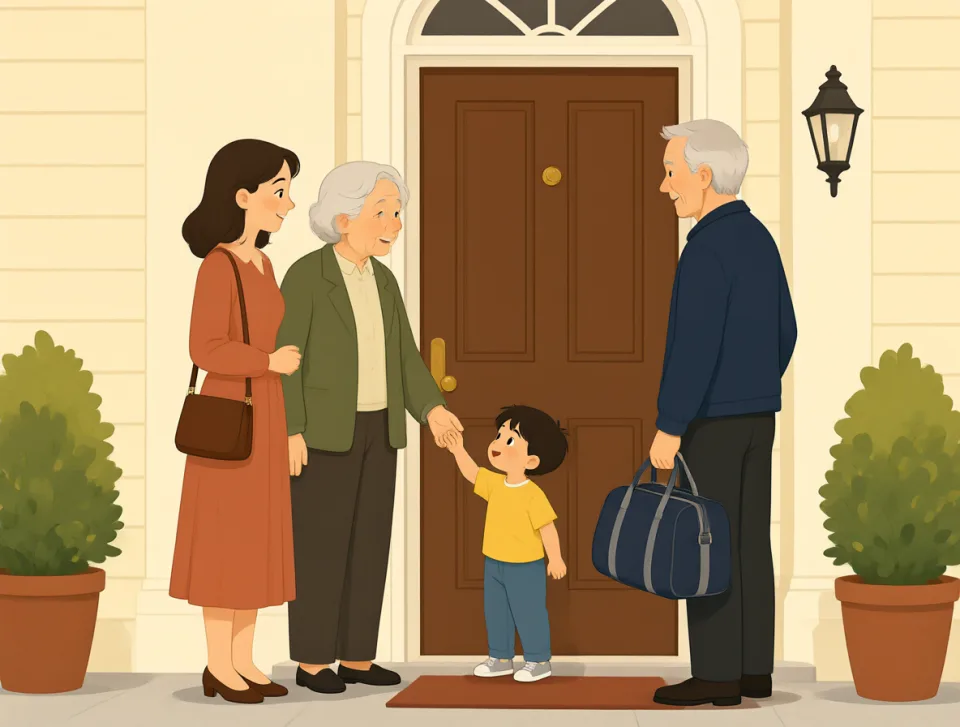
A distant relative is coming to stay with us this weekend.
یکی از بستگان دورمان قرار است این آخر هفته پیش ما بماند.
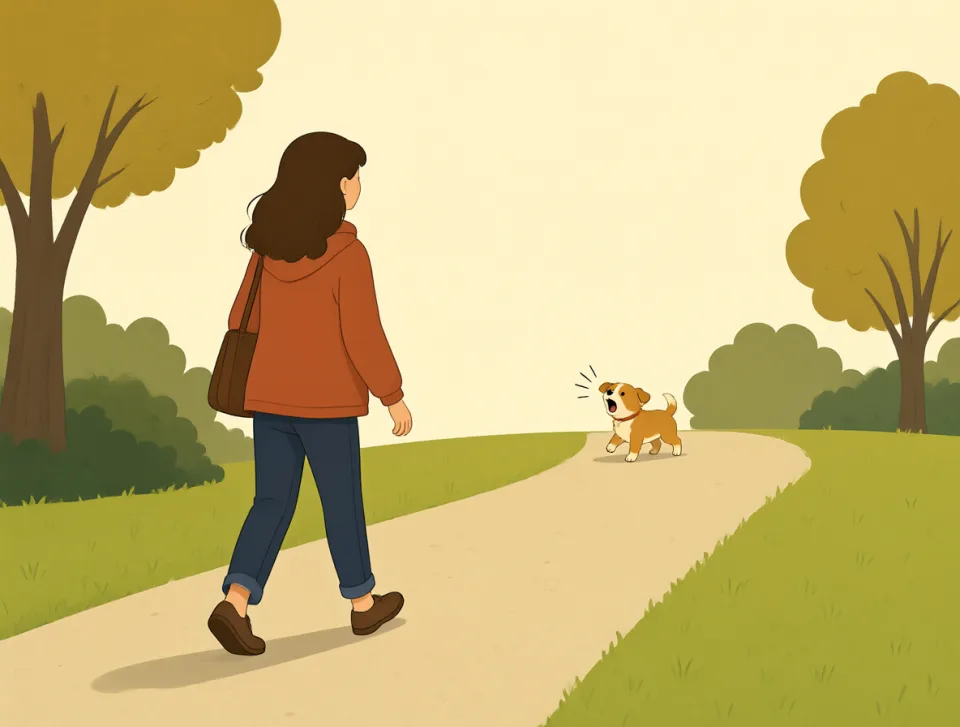
She heard a distant dog barking while she walked home through the park.
وقتی از پارک به خانه میرفت، صدای پارس سگی را از دور شنید.
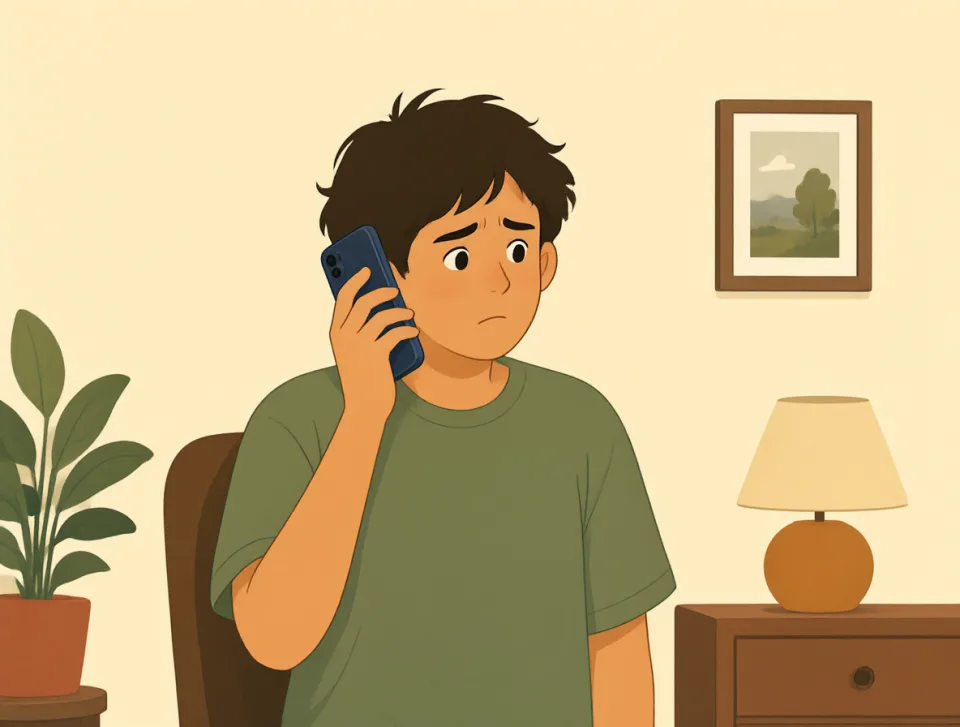
He sounded distant on the phone, so I asked if he was feeling okay.
توی تلفن سرد و بیروح به نظر میرسید، برای همین پرسیدم حالش خوب است یا نه.

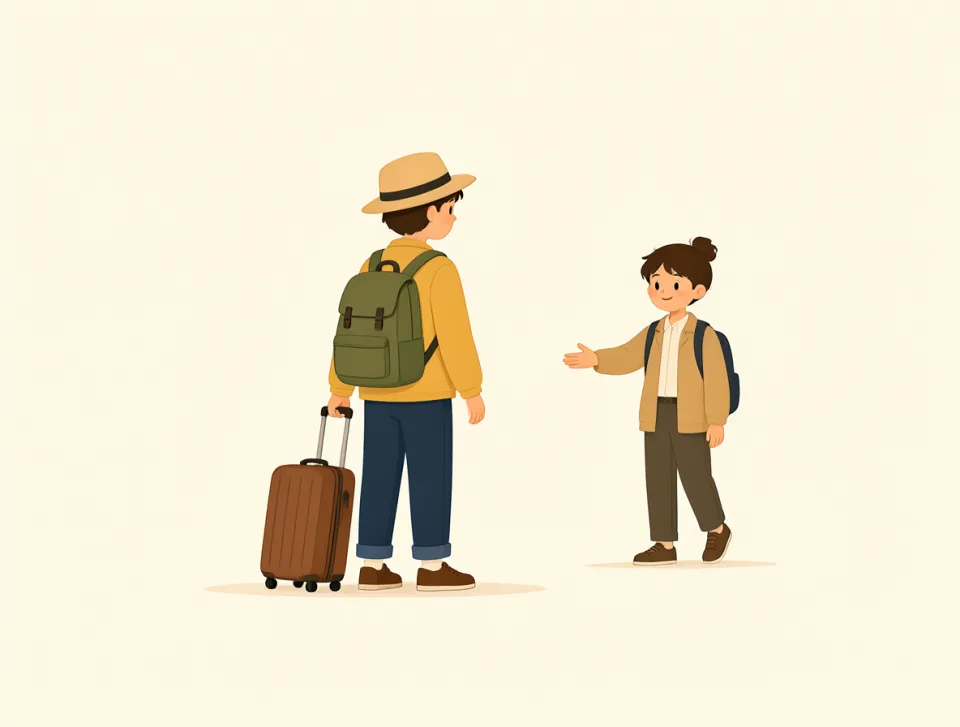
They became distant after starting new jobs in different cities.
بعد از اینکه برای کار به شهرهای مختلف رفتند، از هم دور شدند.
stranger
#2725noun
غریبه
A person you do not know or have not met before.
کسی که او را نمیشناسید یا قبلاً ندیدهاید.

A stranger knocked on our door and asked to use the phone.
غریبهای در زد و خواست از تلفن استفاده کند.

She felt nervous when a stranger sat beside her on the train.
وقتی غریبهای در قطار کنار او نشست، احساس اضطراب کرد.

My brother never talks to strangers when he walks home from school.
برادرم وقتی از مدرسه به خانه میرود، هیچوقت با غریبهها حرف نمیزند.

At the conference, I introduced myself to a stranger from another department.
در کنفرانس، خودم را به غریبهای از بخش دیگری معرفی کردم.

After moving to town, she was a stranger in a place where everyone knew each other.
بعد از نقلمکان به شهر، در جایی که همه همدیگر را میشناختند غریبه بود.
shade
#2726noun, verb
سایه
An area out of direct sunlight, or to make something darker by blocking light.
جایی که از تابش مستقیم آفتاب در امان است؛ یا تیرهتر کردن چیزی با جلوگیری از رسیدن نور به آن.

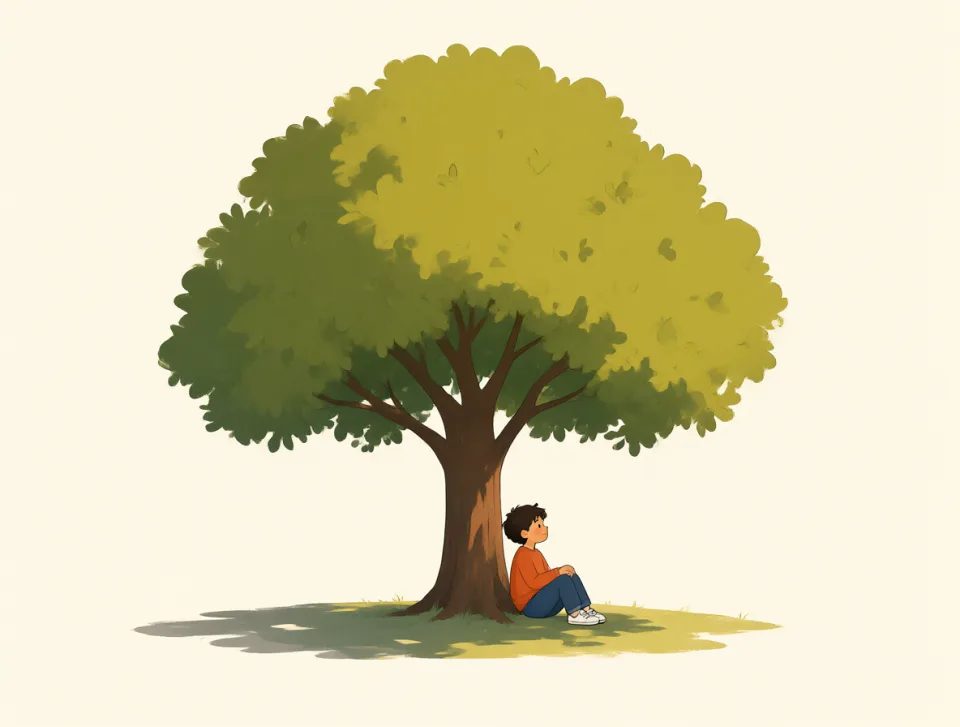
We sat in the shade of a large tree while we ate lunch.
هنگام ناهار زیر سایهٔ درخت بزرگی نشستیم.
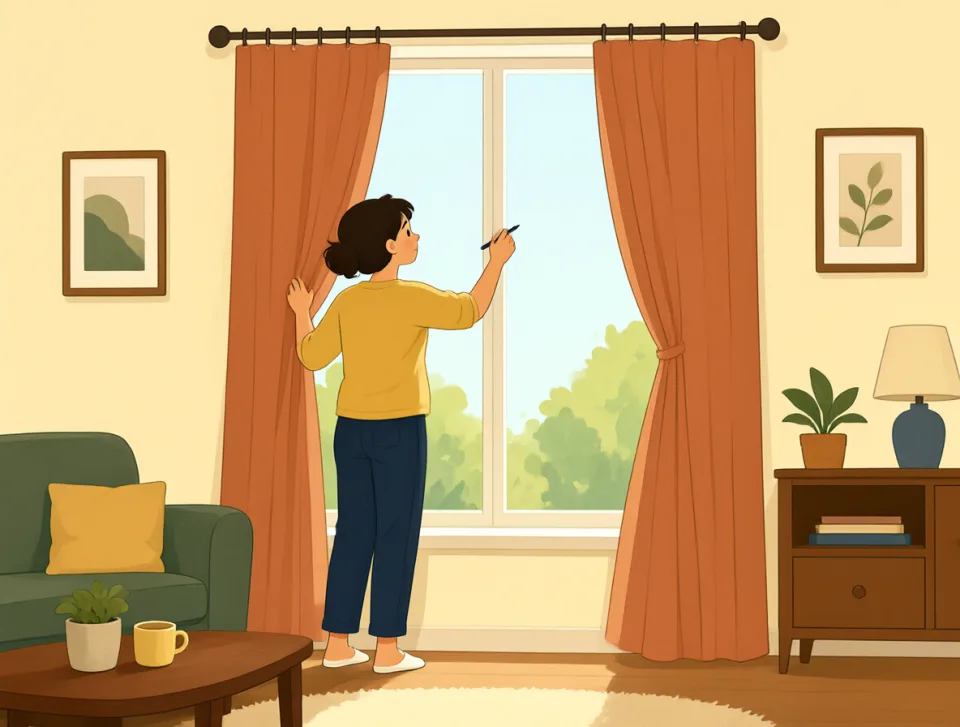
She pulled the curtains to shade the room from the afternoon sun.
او پردهها را کشید تا اتاق را از آفتاب بعدازظهر سایه کند.

He chose a darker shade of blue for the bedroom walls.
او برای دیوارهای اتاقخواب، طیف تیرهتری از رنگ آبی انتخاب کرد.

The children shaded their eyes as they looked toward the bright sky.
بچهها وقتی به آسمان روشن نگاه میکردند، دستشان را سایهبان چشمهایشان کردند.

The café has a small patio shaded by green umbrellas.
کافه حیاط کوچکی دارد که چترهای سبز روی آن سایه انداختهاند.

grain
#2727noun
دانه
A very small hard piece of a substance, or a seed from a cereal plant.
ذرهای بسیار کوچک و سخت از یک ماده، یا دانهٔ گیاهی مانند غلات.

She found a grain of sand in her shoe after the beach walk.
بعد از پیادهروی در ساحل، یک دانه شن در کفشش پیدا کرد.
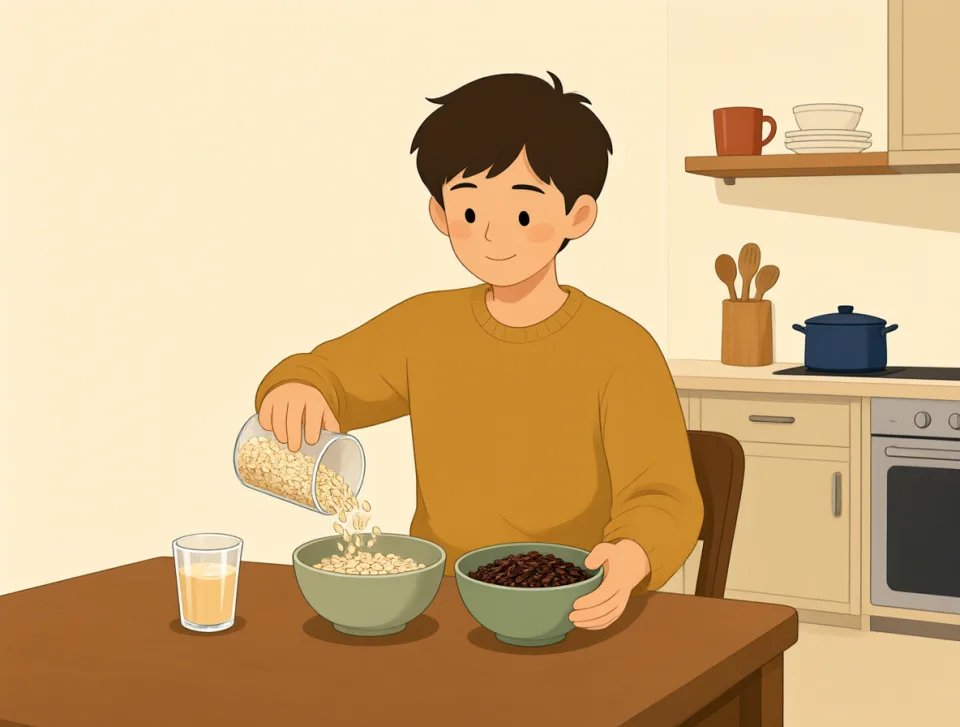
Whole grains like oats and brown rice can make breakfast more filling.
غلات کامل مثل جو دوسر و برنج قهوهای میتوانند صبحانه را سیرکنندهتر کنند.

The farmer stored the grain in a dry barn before the winter rains began.
کشاورز پیش از شروع بارانهای زمستانی، غلات را در انباری خشک نگهداری کرد.
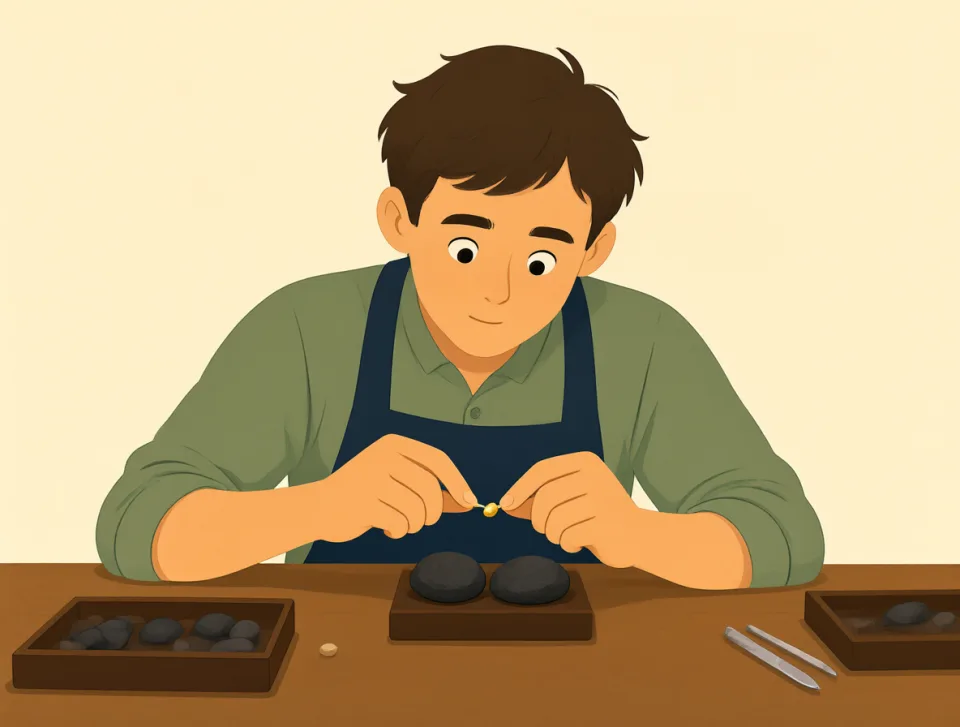
The necklace had a grain of gold caught between two dark stones.
یک دانه طلا بین دو سنگ تیرهٔ گردنبند گیر کرده بود.
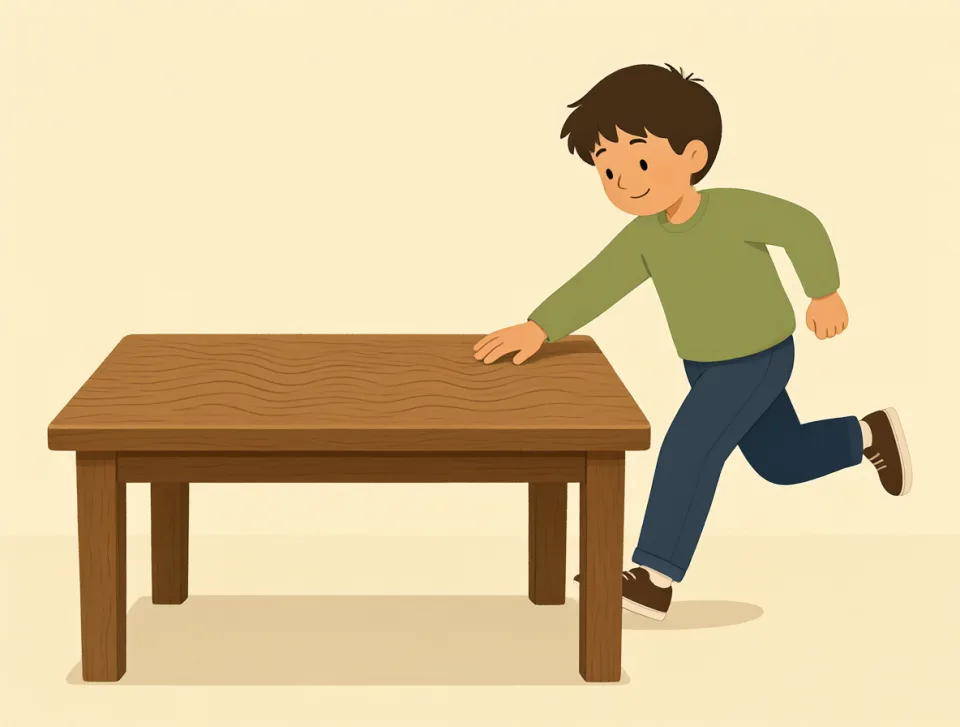
You can see the wood grain clearly on this old kitchen table.
در این میز آشپزخانهٔ قدیمی میتوان رگههای چوب را بهوضوح دید.
situate
#2728verb
قرار دادن
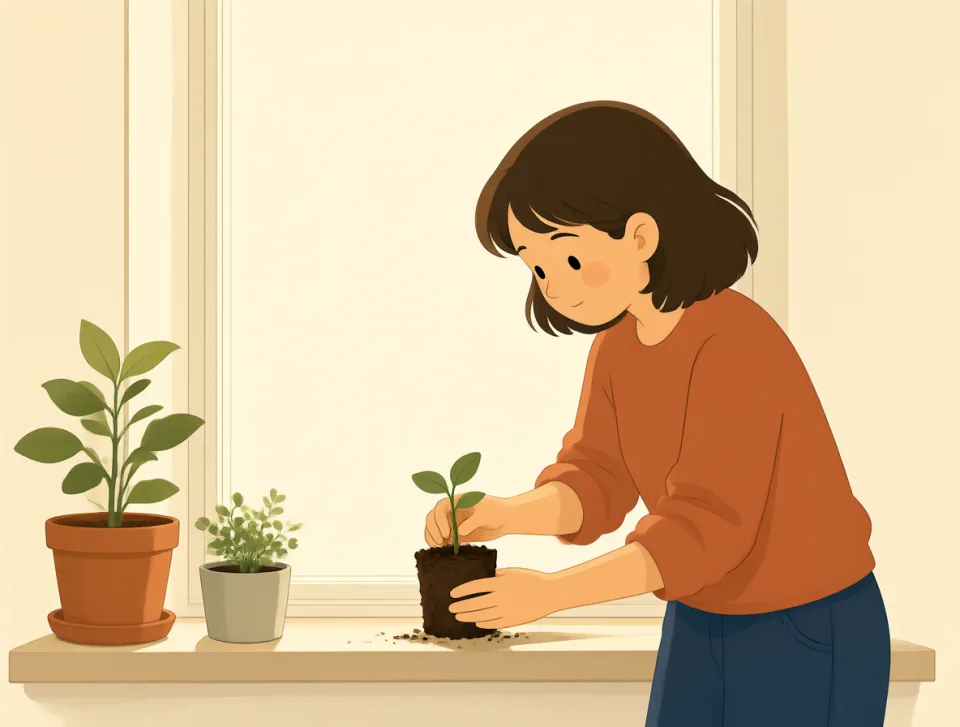
to place something or someone in a particular position or setting
چیزی یا کسی را در موقعیت یا محیطی مشخص قرار دادن.
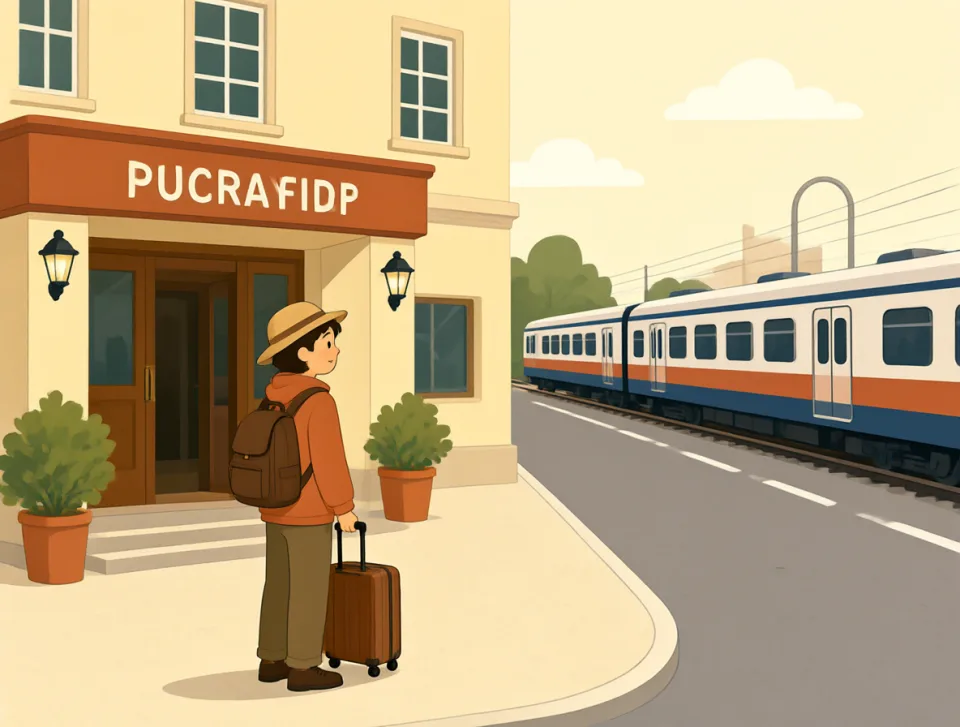
The hotel is situated near the station, so we can walk there.
هتل نزدیک ایستگاه قرار دارد، پس میتوانیم پیاده به آنجا برویم.

She situated the desk beside the window to get more daylight.
او میز را کنار پنجره گذاشت تا نور روز بیشتری داشته باشد.
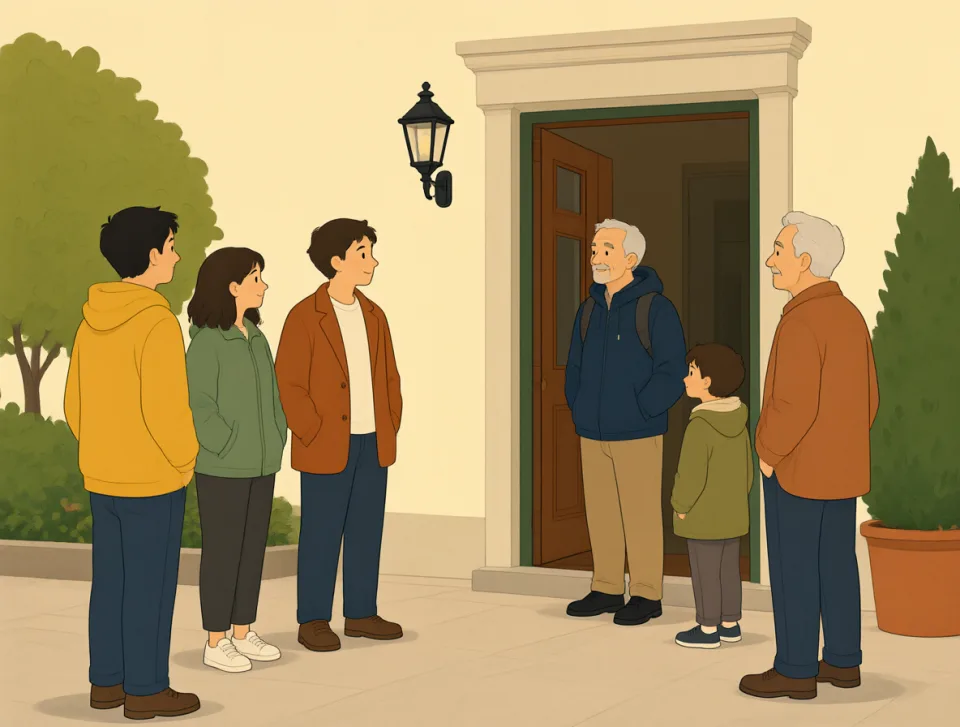
The guide situated our group at the entrance before the tour began.
راهنما پیش از شروع بازدید، گروه ما را در ورودی مستقر کرد.

The doctor situated the patient comfortably before checking her shoulder.
پزشک پیش از معاینهٔ شانهٔ بیمار، او را در وضعیت راحتی قرار داد.

The café is situated on a quiet street near my friend’s apartment.
کافه در خیابانی آرام، نزدیک آپارتمان دوستم قرار دارد.
summarize
#2729verb
خلاصه کردن
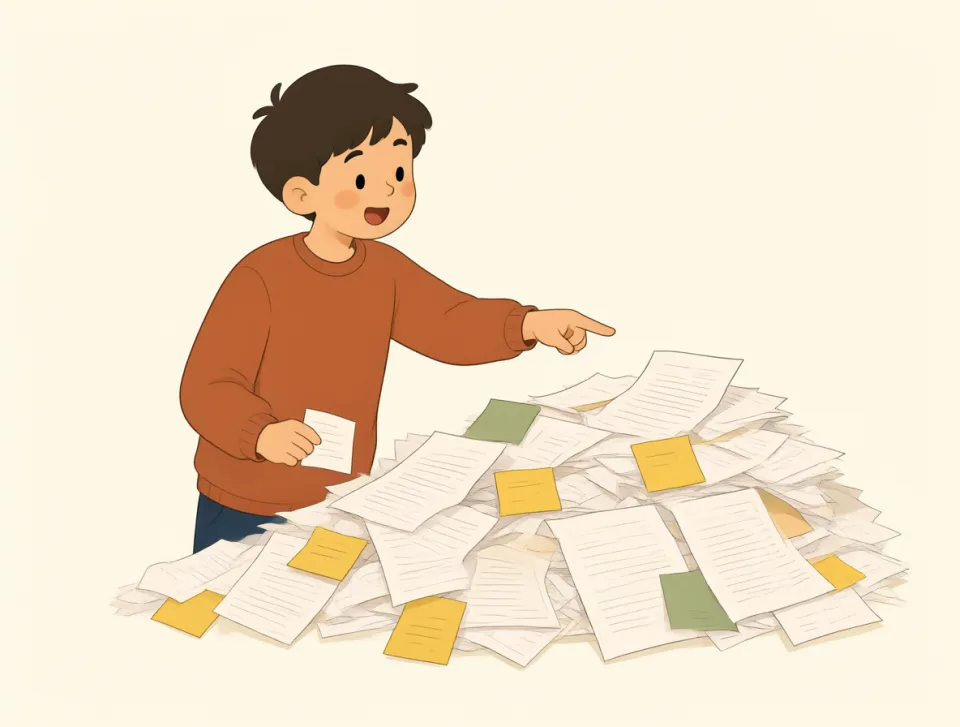
To give the main points of something in a shorter form.
نکات اصلی چیزی را به شکلی کوتاهتر بیان کردن.

Can you summarize the meeting before we leave the office?
میتوانی پیش از اینکه از اداره برویم، جلسه را خلاصه کنی؟

She summarized the book for her classmates during the lesson.
او در طول درس، کتاب را برای همکلاسیهایش خلاصه کرد.

The doctor summarized my test results and explained the next steps.
پزشک نتایج آزمایشهایم را خلاصه کرد و مراحل بعدی را توضیح داد.

He summarized our travel plans while we waited at the station.
وقتی در ایستگاه منتظر بودیم، او برنامهٔ سفرمان را خلاصه کرد.
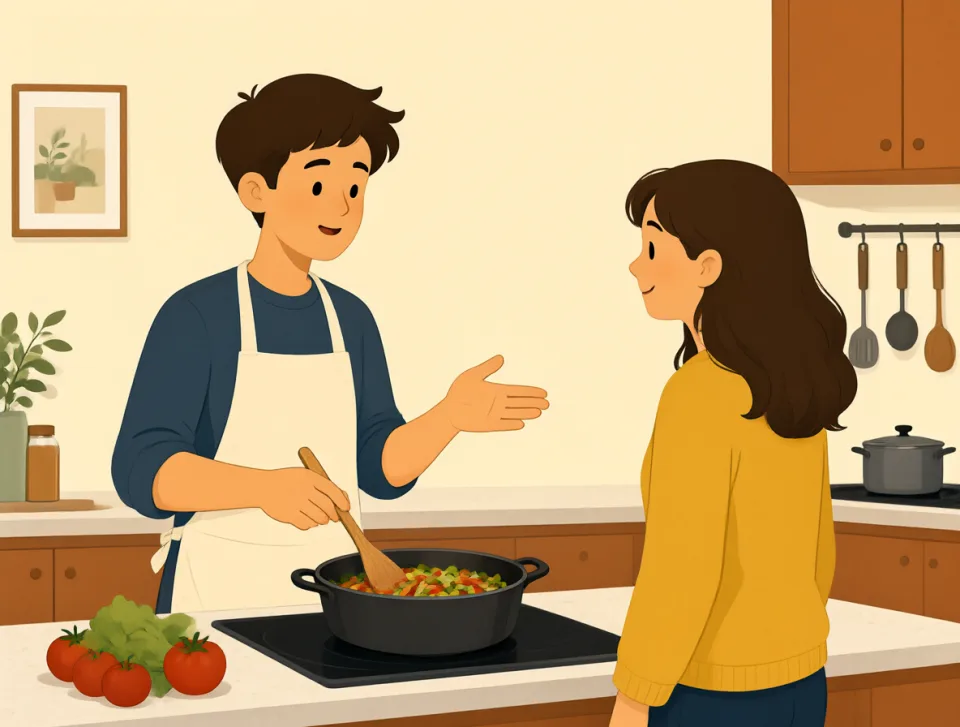
I summarized the recipe before we started cooking dinner together.
پیش از اینکه با هم شام درست کنیم، دستور پخت را خلاصه کردم.

leap
#2730noun, verb
جهش
to jump high or far, or to make a sudden, important change
بلند یا دور پریدن، یا ایجاد تغییری ناگهانی و مهم.

The dog leaped over the low fence and ran across the garden.
سگ از روی حصار کوتاه پرید و از میان باغ دوید.

She took a leap from the diving board into the swimming pool.
او از تختهٔ شیرجه به داخل استخر پرید.

He leaped up when the phone rang during dinner.
وقتی هنگام شام تلفن زنگ زد، او از جا پرید.

Moving abroad was a big leap, but she found a good job there.
رفتن به خارج از کشور تصمیم بزرگی بود، اما او آنجا کار خوبی پیدا کرد.
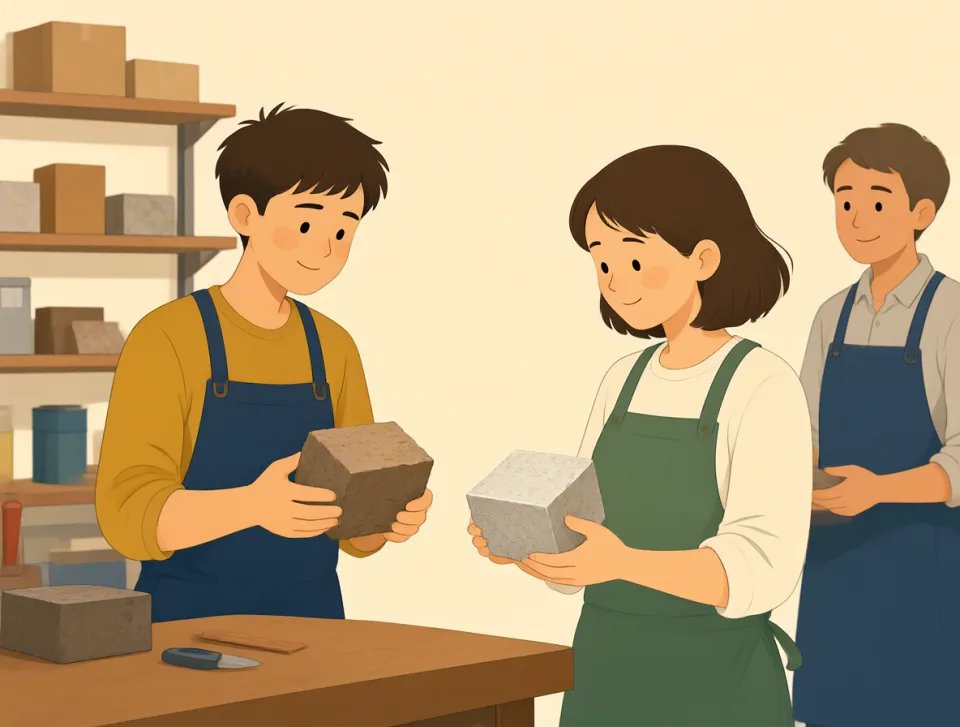
The team has made a huge leap in quality since last year.
تیم از سال گذشته تاکنون پیشرفت چشمگیری در کیفیت داشته است.
snap
#2731verb, noun
ترک خوردن؛ عکس گرفتن
To break suddenly with a short, sharp sound, or to take a quick photograph.
ناگهان با صدایی کوتاه و تیز شکستن، یا سریع عکس گرفتن.
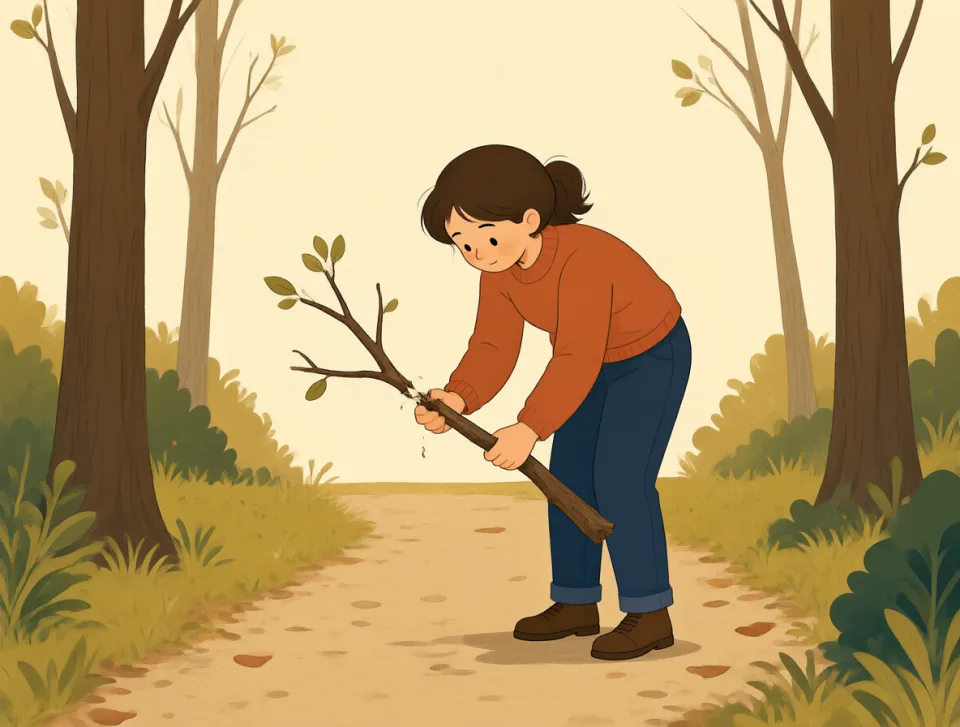
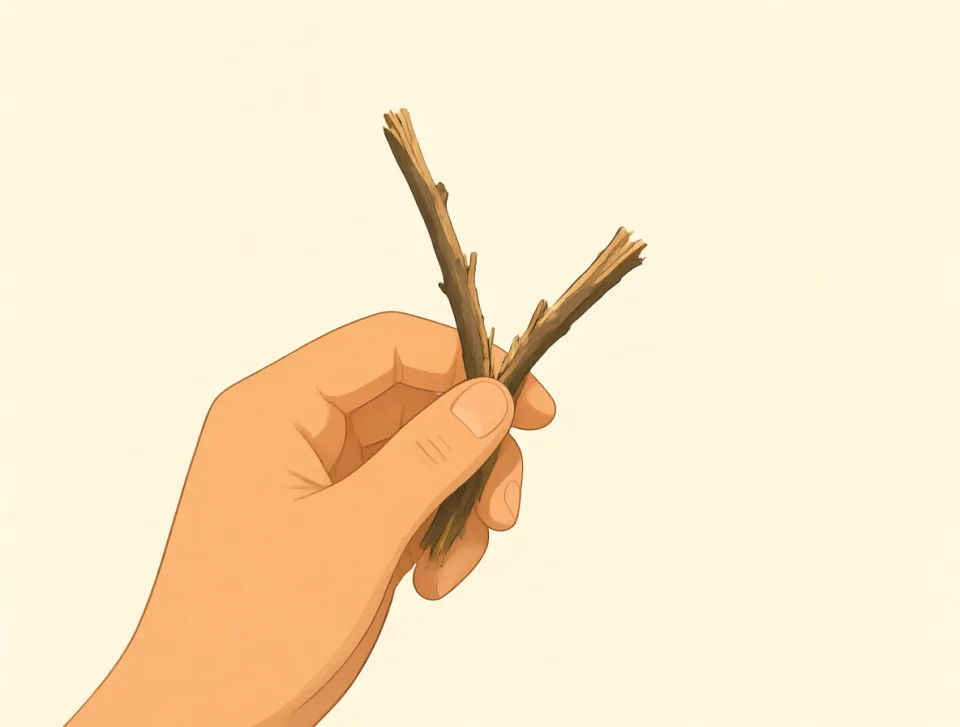
She snapped a dry branch while walking through the woods.
او هنگام قدم زدن در جنگل، شاخهای خشک را شکست.
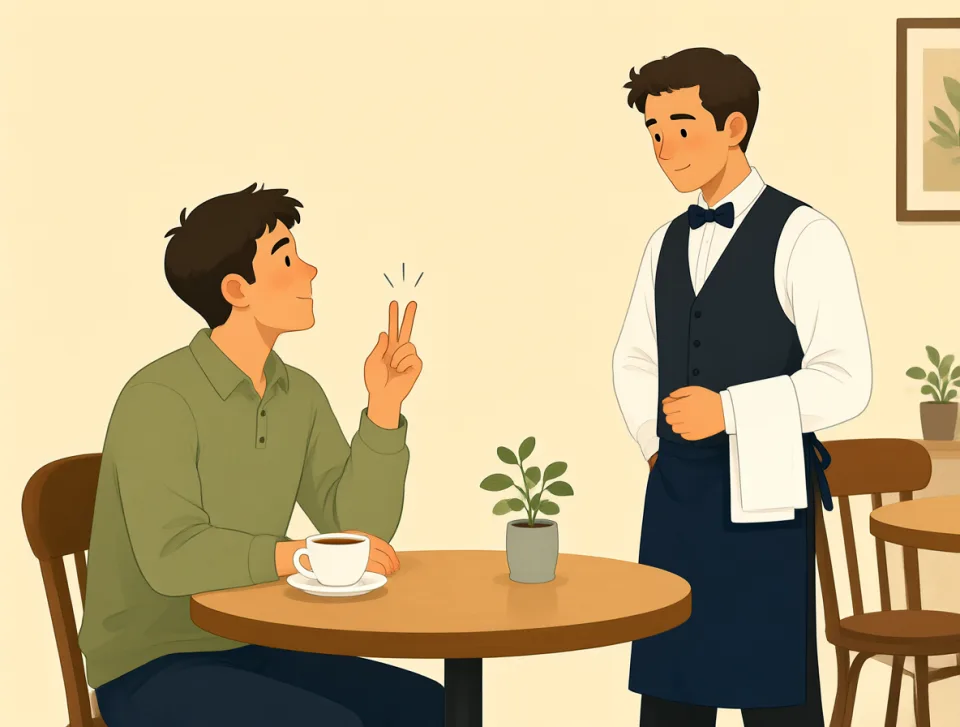
He snapped his fingers to get the waiter’s attention.
او برای جلب توجه پیشخدمت، انگشتانش را به هم زد.

The cold snap made the lake freeze overnight.
موج سرمای ناگهانی باعث شد دریاچه یکشبه یخ بزند.

I snapped a photo of my friends at the beach.
از دوستانم در ساحل عکس گرفتم.
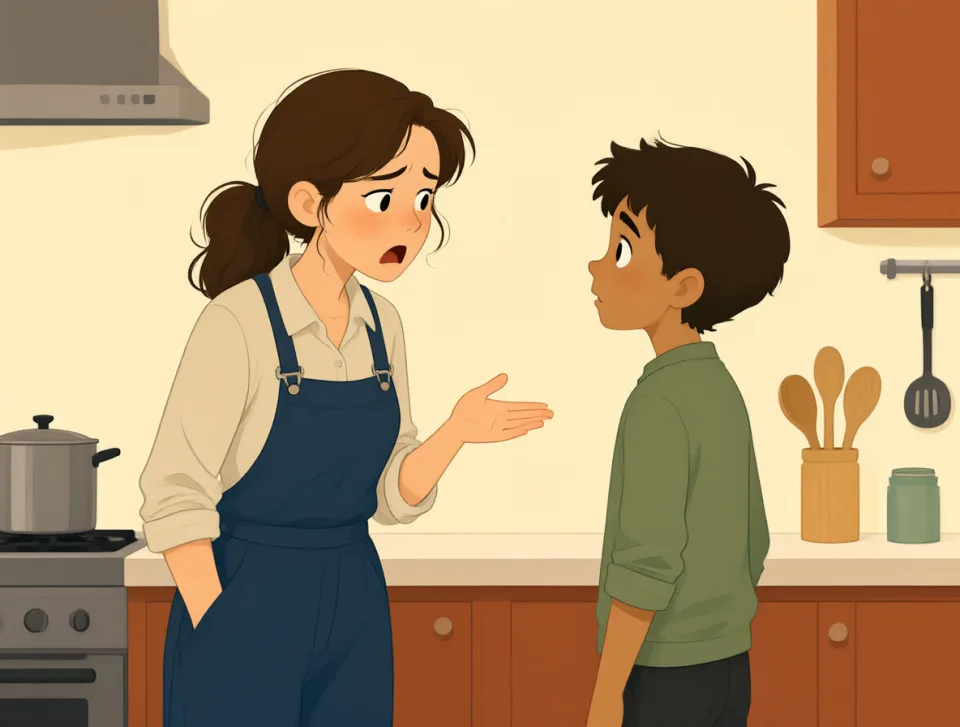
She snapped at her brother after a long day at work.
او بعد از یک روز کاری طولانی از دست برادرش عصبانی شد و سرش داد زد.

probability
#2732noun
احتمال
the chance that something will happen
امکان رخ دادن چیزی
There is a high probability of rain, so take an umbrella when you leave home.
احتمال بارندگی زیاد است، پس وقتی از خانه بیرون میروی چتر بردار.
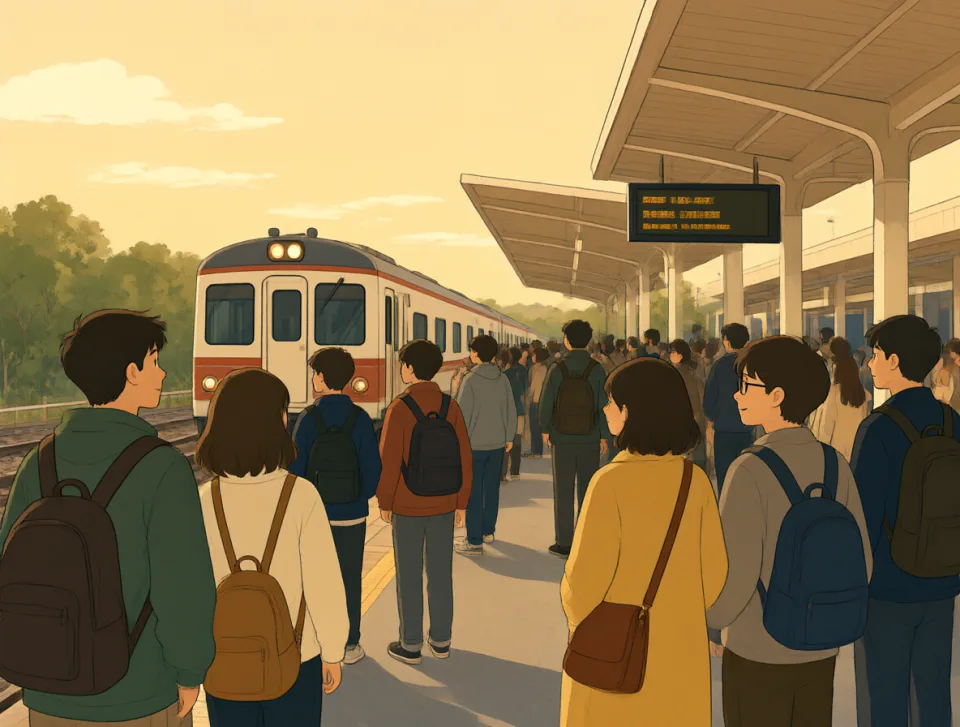
The probability that our train will be late increases during the busy evening commute.
احتمال دیر رسیدن قطارمان در ساعات شلوغ رفتوآمد عصر بیشتر میشود.
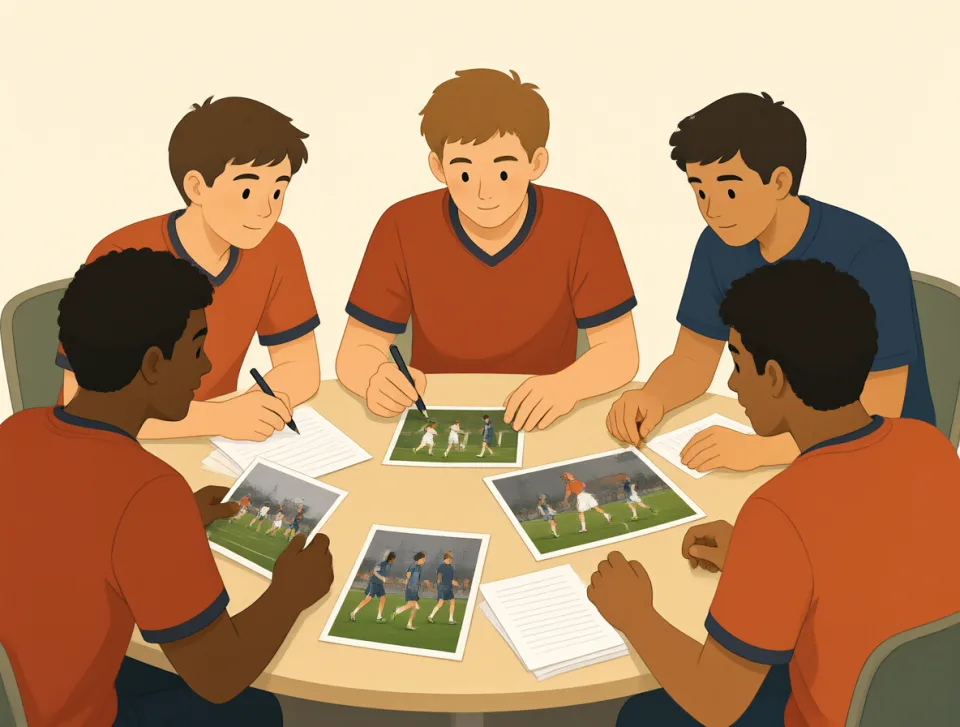
We calculated the probability of winning after studying the team's recent results.
بعد از بررسی نتایج اخیر تیم، احتمال بردن را محاسبه کردیم.
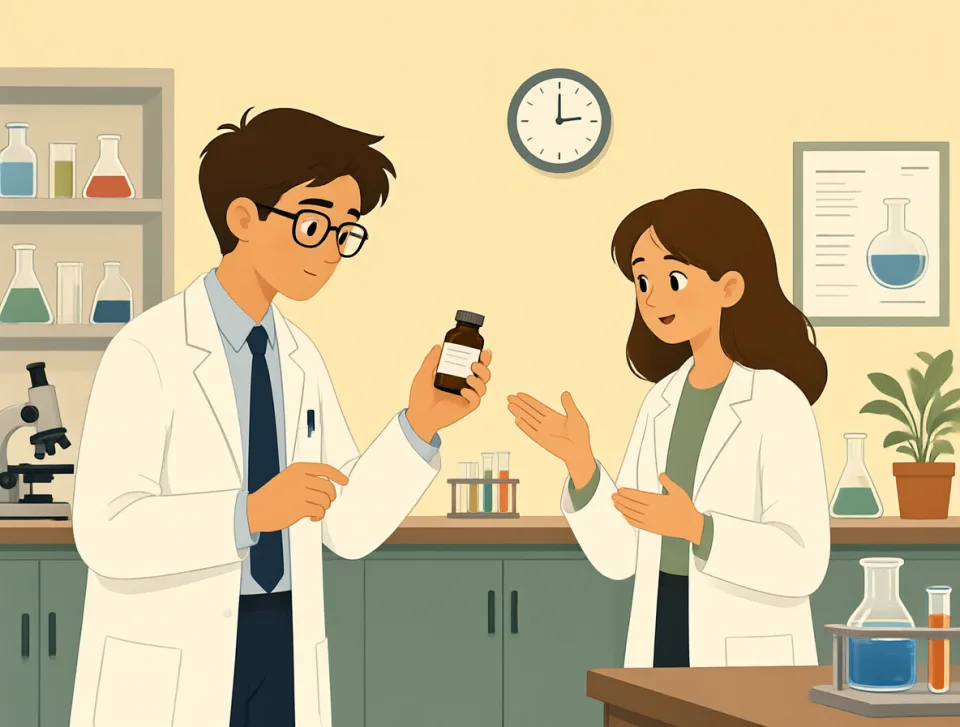
Scientists estimate a small probability of serious side effects from this medicine.
دانشمندان احتمال بروز عوارض جانبی جدیِ این دارو را کم برآورد میکنند.
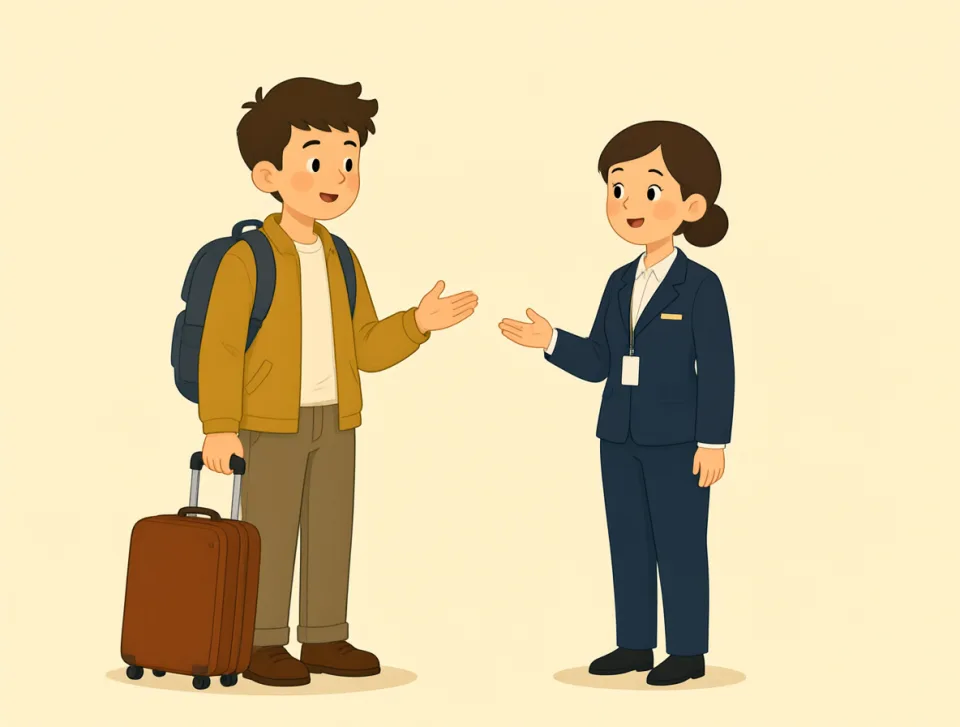
Buying travel insurance reduces the probability of losing money on a cancelled trip.
خرید بیمه مسافرتی احتمال ضرر مالی در صورت لغو سفر را کاهش میدهد.
leather
#2733noun, adjective
چرم
Strong, flexible material made from animal skin and used for shoes, bags, and clothing.
مادهای محکم و انعطافپذیر که از پوست حیوانات ساخته میشود و برای تولید کفش، کیف و لباس به کار میرود.

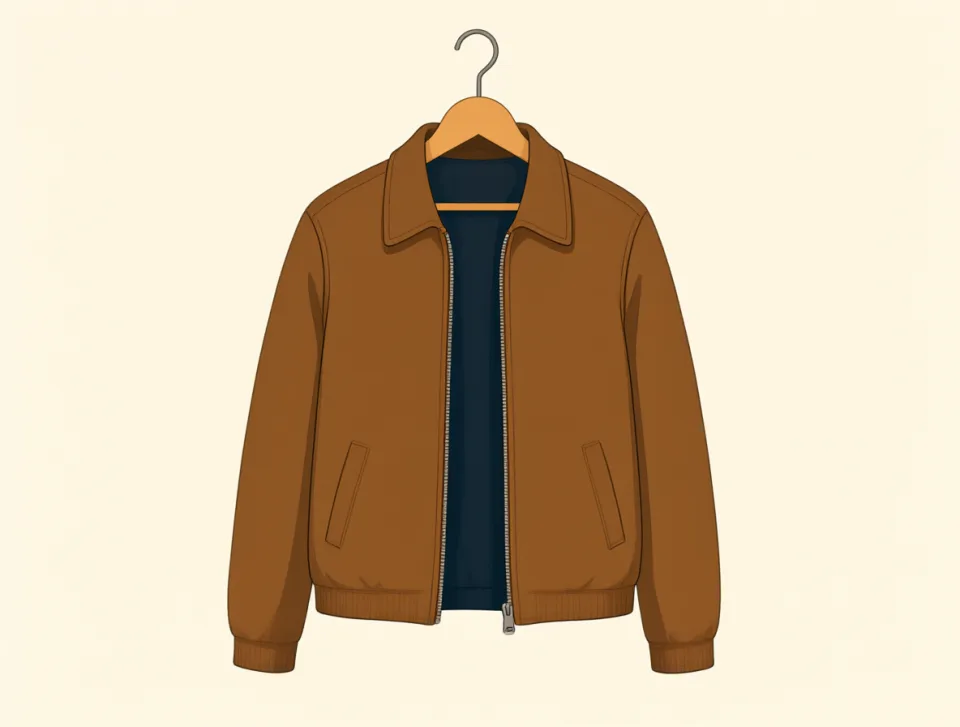
She bought a new leather jacket before the winter trip.
او پیش از سفر زمستانی، یک کت چرمی جدید خرید.
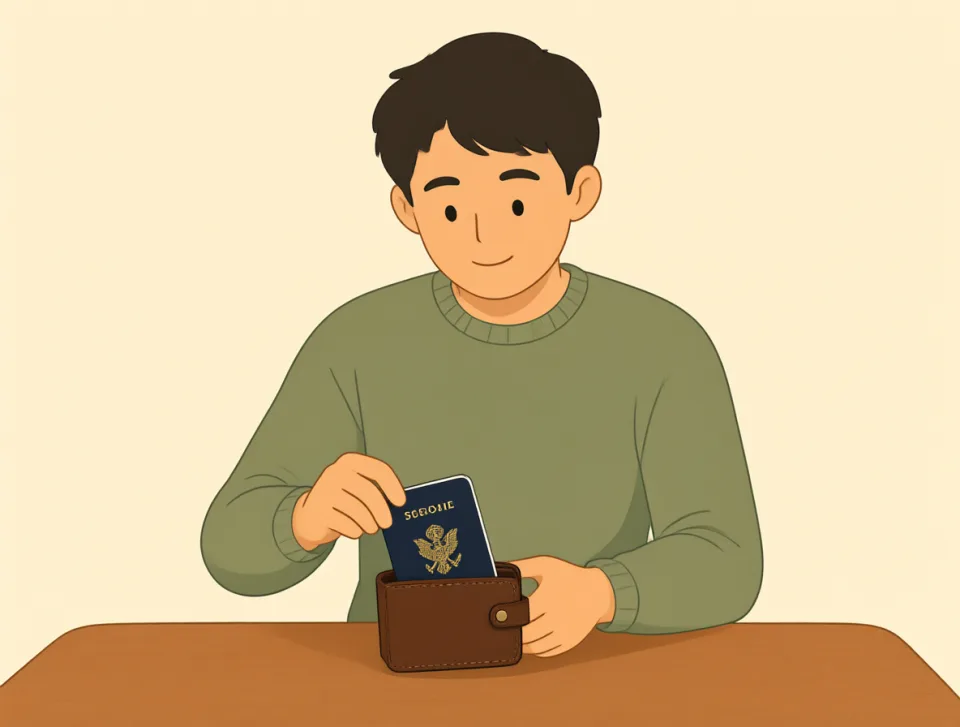
He keeps his passport in a small leather wallet.
او گذرنامهاش را در یک کیف پول چرمی کوچک نگه میدارد.
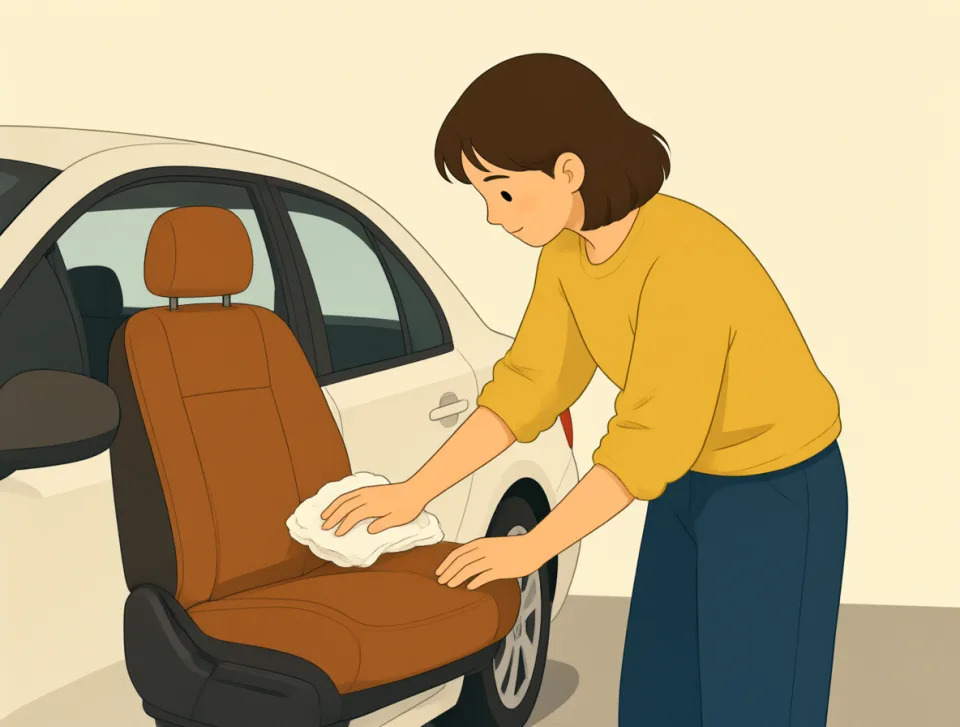
I cleaned the leather seats after our long drive.
بعد از رانندگی طولانیمان، صندلیهای چرمی را تمیز کردم.

These leather shoes are comfortable enough for walking around town.
این کفشهای چرمی آنقدر راحت هستند که میشود با آنها در شهر قدم زد.

The repair shop replaced the leather strap on my watch.
تعمیرگاه بند چرمی ساعت من را عوض کرد.
uncertainty
#2734noun
عدم اطمینان
A state of not knowing what will happen or what is true.
وضعیتی که در آن نمیدانیم چه اتفاقی خواهد افتاد یا چه چیزی درست است.
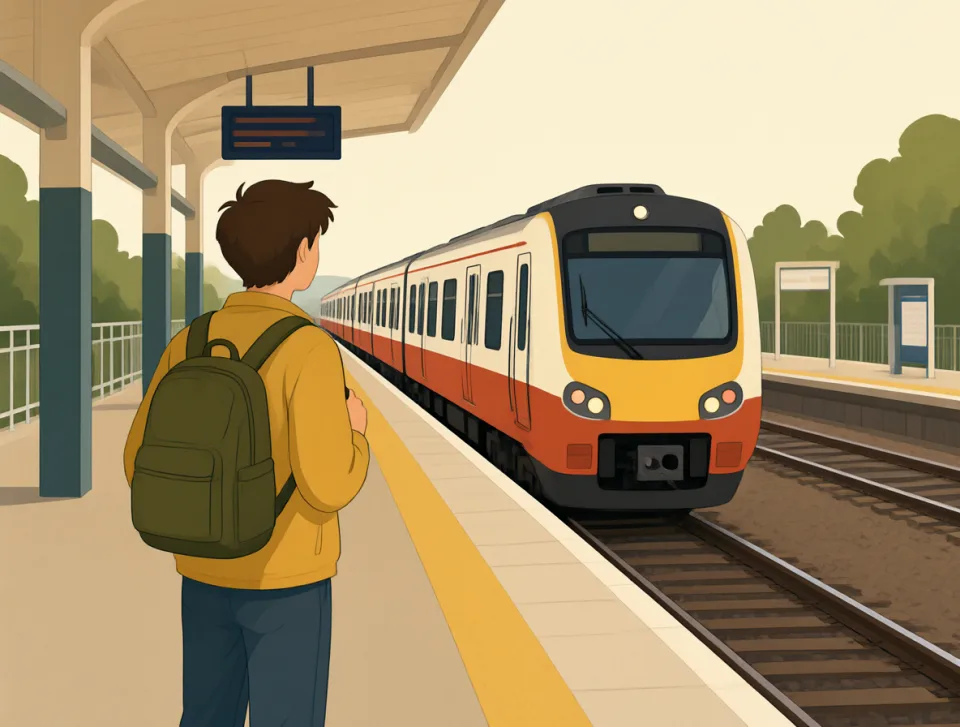
There is still some uncertainty about when the train will arrive.
هنوز دربارهٔ زمان رسیدن قطار کمی ابهام وجود دارد.
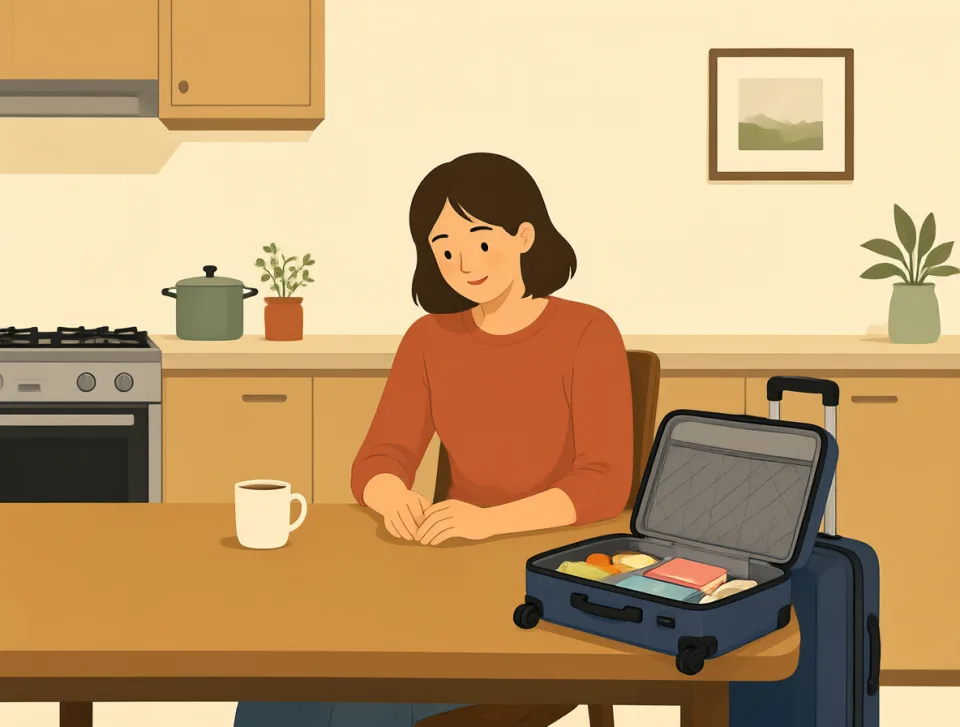
She felt uncertainty about accepting the new job in another city.
او دربارهٔ پذیرفتن شغل جدید در شهری دیگر تردید داشت.

The doctor explained that uncertainty about the test results was normal.
دکتر توضیح داد که نامشخص بودن نتیجهٔ آزمایش طبیعی است.
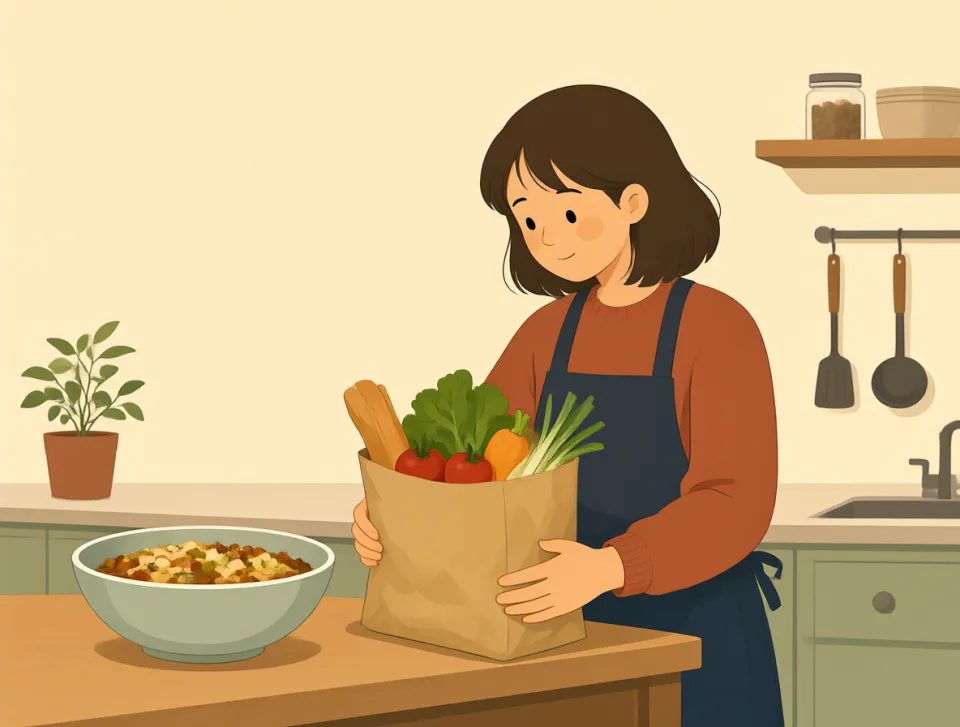
We bought extra food because of uncertainty about how many guests would come.
بهخاطر نامشخص بودن تعداد مهمانهایی که میآمدند، غذای بیشتری خریدیم.

The team worked through the uncertainty before choosing a plan for the project.
تیم پیش از انتخاب برنامهای برای پروژه، با ابهامها کنار آمد.
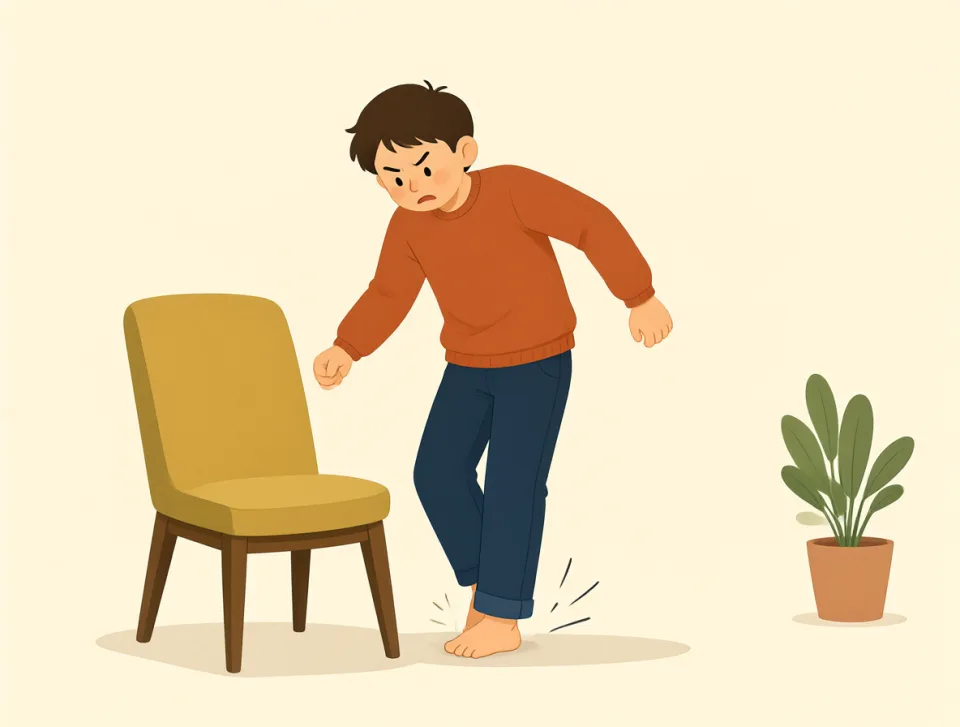
swear
#2735verb, noun
ناسزا گفتن؛ قسم خوردن
To use rude or offensive words, or to promise seriously that something is true.
استفاده از واژههای زشت یا توهینآمیز، یا با جدیت قول دادن که چیزی حقیقت دارد.
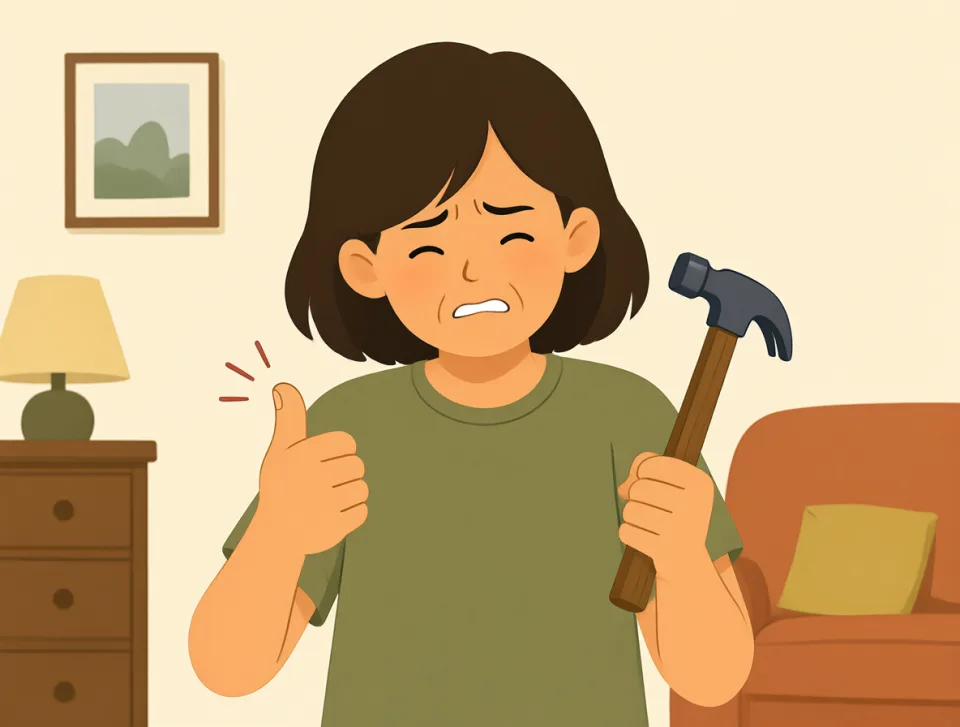
He swore when he hit his thumb with the hammer.
وقتی چکش به انگشت شستش خورد، ناسزا گفت.
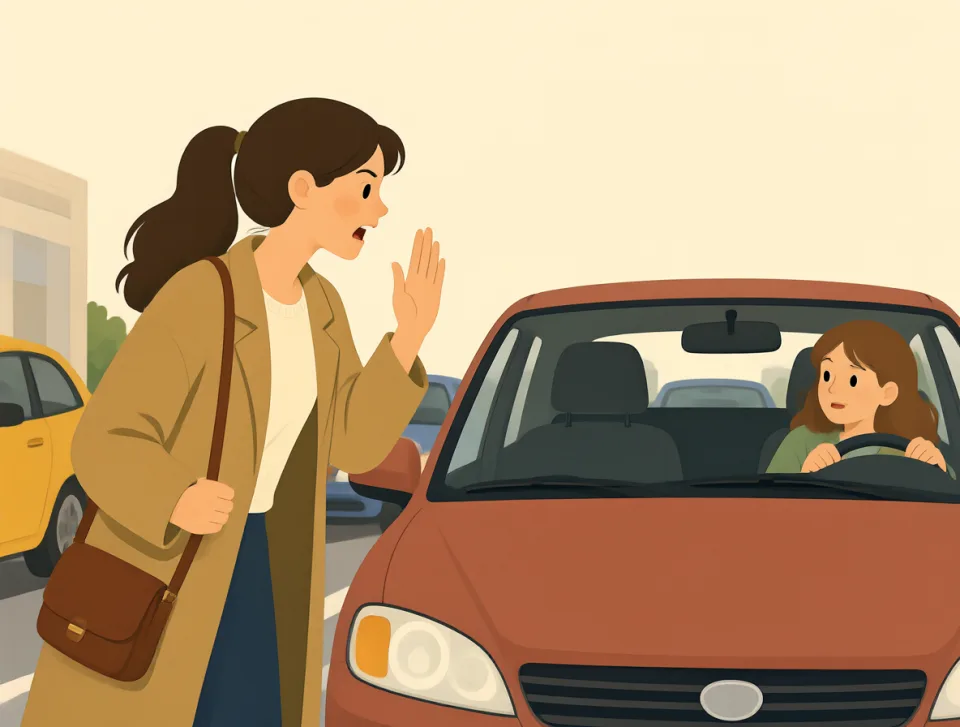
She swore at the driver who cut in front of her.
او به رانندهای که جلویش پیچید ناسزا گفت.
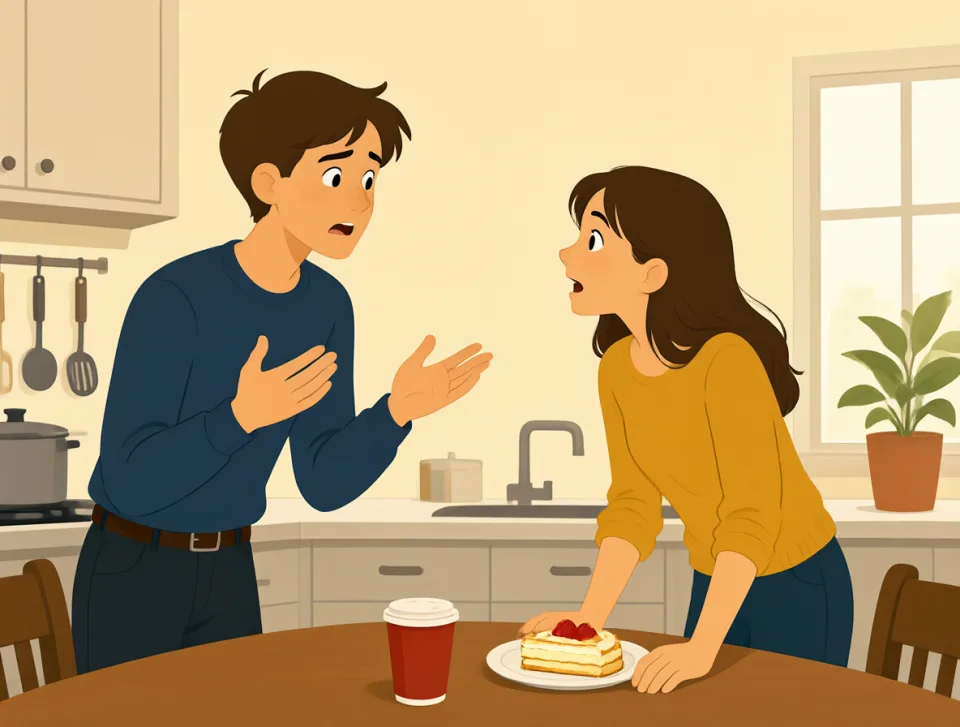
I swear I put your keys on the kitchen table.
قسم میخورم کلیدهایت را روی میز آشپزخانه گذاشتم.

The witness swore to tell the truth before answering the lawyer’s questions.
شاهد پیش از پاسخ دادن به پرسشهای وکیل، سوگند خورد که حقیقت را بگوید.

We had to swear an oath before joining the new team.
پیش از پیوستن به تیم جدید، مجبور شدیم سوگند یاد کنیم.
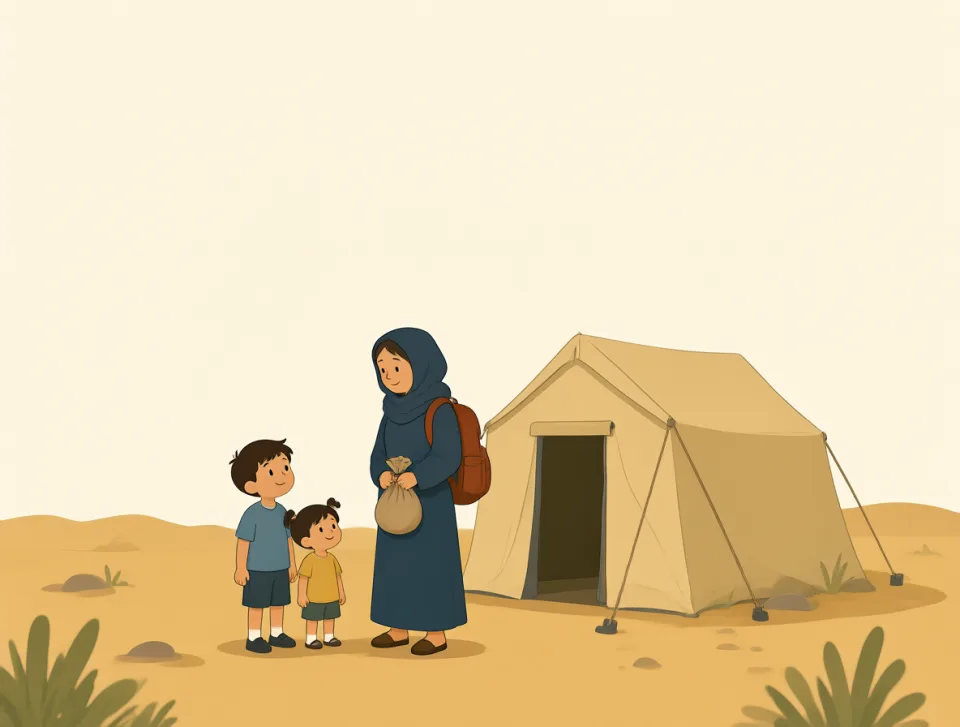
refugee
#2736noun
پناهنده
A person forced to leave their country to escape war, danger, or persecution.
کسی که برای فرار از جنگ، خطر یا آزار و اذیت مجبور میشود کشورش را ترک کند.
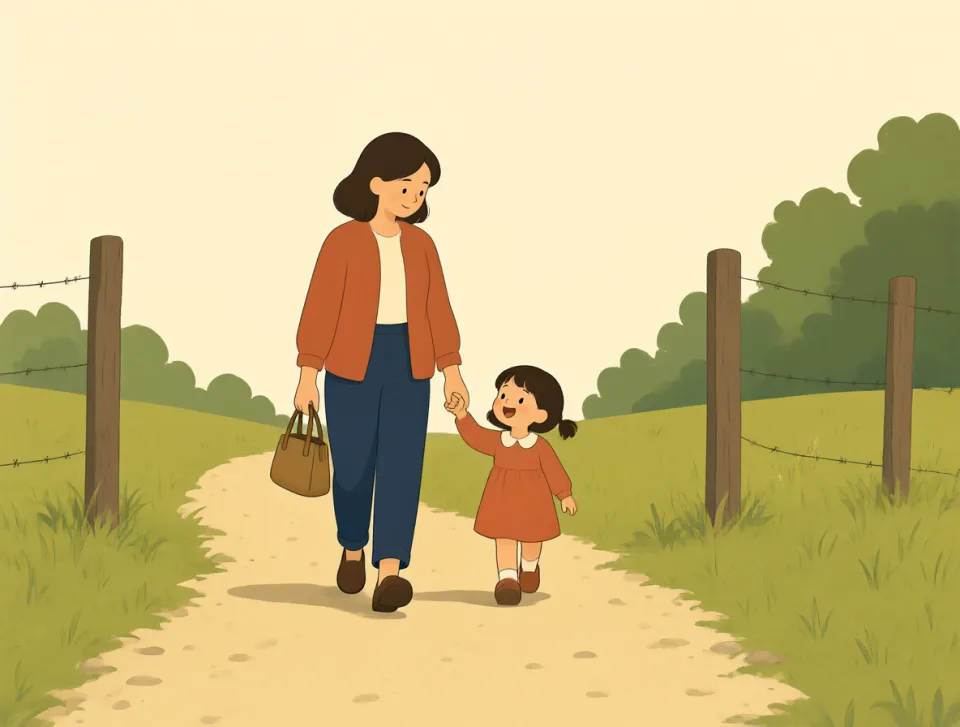
The refugee crossed the border with her two children and a small bag.
آن پناهنده با دو فرزندش و یک کیف کوچک از مرز گذشت.
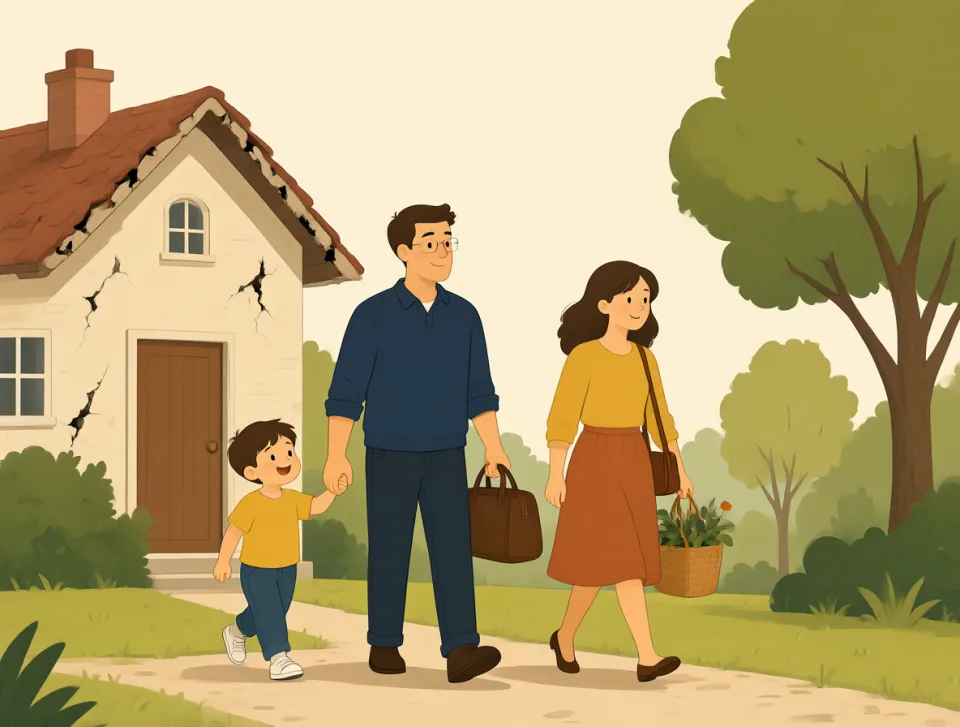
Many refugees fled their homes when fighting reached their town.
وقتی درگیریها به شهرشان رسید، بسیاری از پناهندگان از خانههایشان گریختند.

The city opened a shelter for refugees who had nowhere to sleep.
شهر برای پناهندگانی که جایی برای خوابیدن نداشتند، پناهگاهی باز کرد.

He works as a teacher after arriving as a refugee from Sudan.
او پس از ورود بهعنوان پناهندهای از سودان، بهعنوان معلم کار میکند.
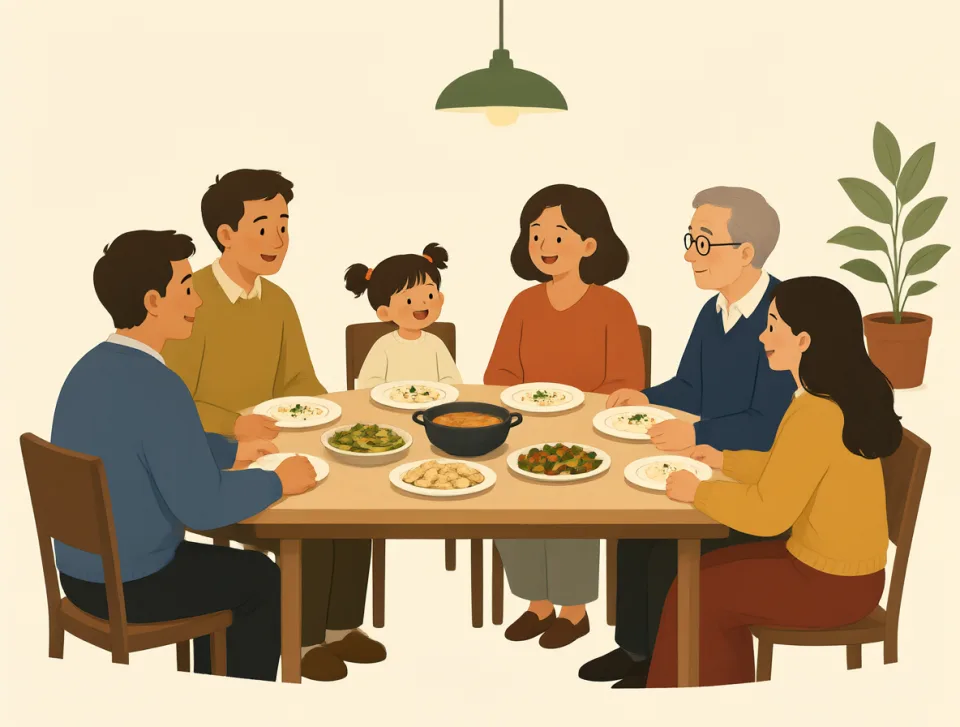
Our neighbors welcomed a refugee family and shared a meal with them.
همسایههای ما به یک خانوادهٔ پناهنده خوشامد گفتند و با آنها غذا خوردند.

shore
#2737noun, verb
ساحل
The land along the edge of a sea, lake, or river.
زمینِ کنار دریا، دریاچه یا رودخانه.

We walked along the shore and watched the waves roll in.
در امتداد ساحل قدم زدیم و تماشای موجهایی را که به ساحل میرسیدند، تماشا کردیم.

The boat drifted toward the shore after its engine stopped.
بعد از خاموش شدن موتور، قایق بهسمت ساحل رانده شد.
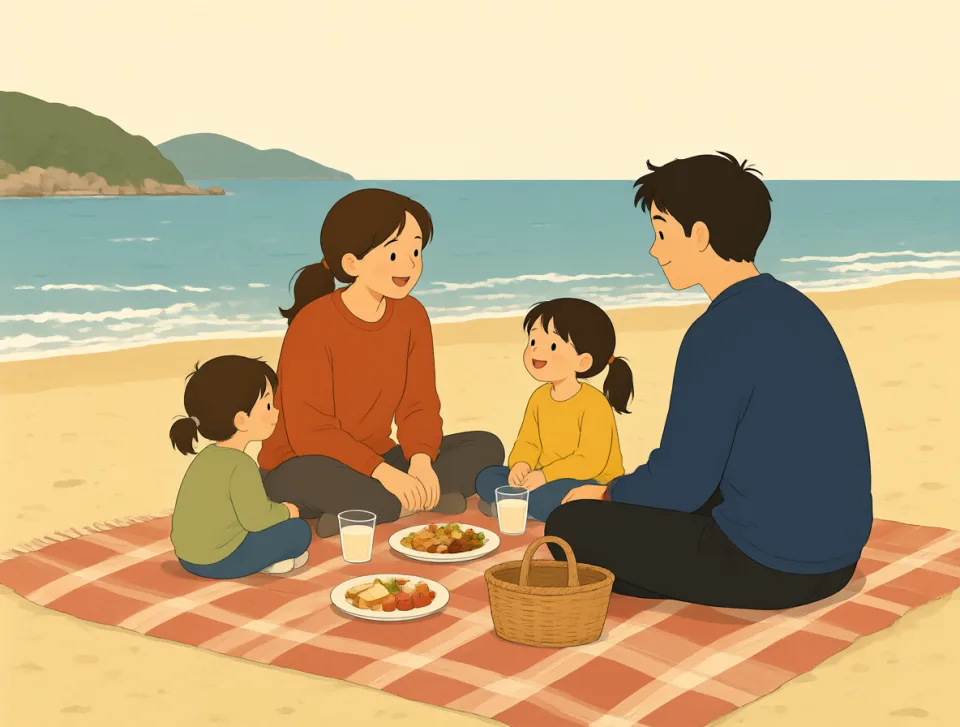
They found a quiet spot on the shore to eat lunch.
آنها جای دنجی در ساحل پیدا کردند تا ناهار بخورند.
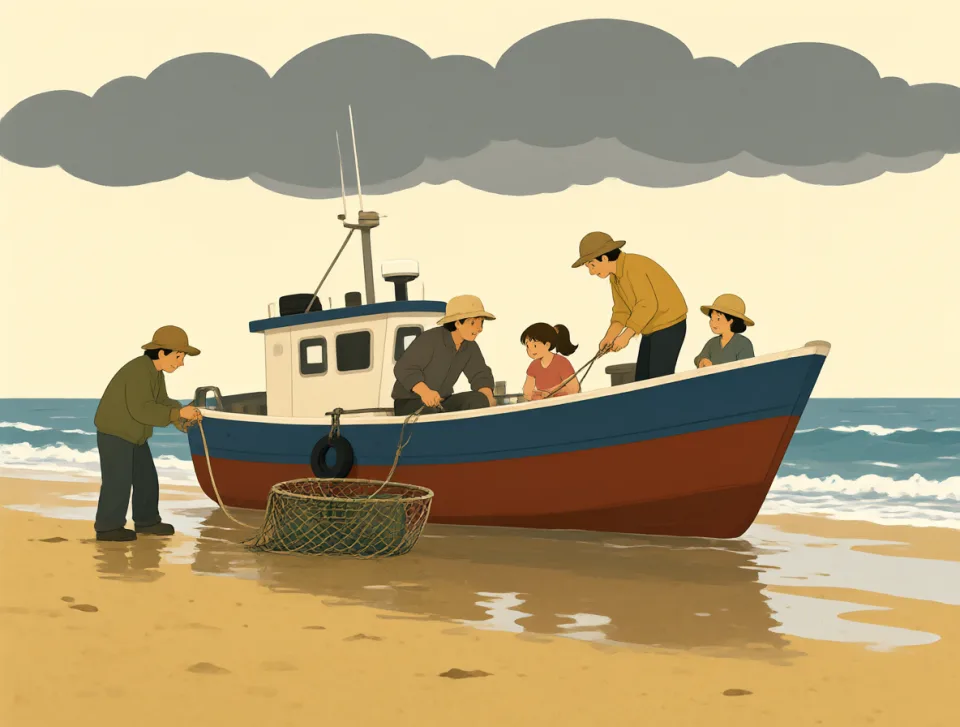
A storm pushed the fishing boat ashore during the night.
طوفان در طول شب قایق ماهیگیری را به ساحل راند.

The hikers reached the shore of the lake before sunset.
کوهنوردان پیش از غروب به ساحل دریاچه رسیدند.

monthly
#2738adjective, adverb
ماهانه
Happening, done, or paid once every month.
چیزی که هر ماه یکبار اتفاق میافتد، انجام میشود یا پرداخت میشود.

We pay the rent monthly, on the first day of each month.
اجاره را ماهانه، در روز اول هر ماه، پرداخت میکنیم.

The gym charges a monthly fee, even if I miss a few classes.
باشگاه ورزشی هزینهای ماهانه میگیرد، حتی اگر چند جلسه را از دست بدهم.

Our manager holds a monthly meeting to discuss the team's progress.
مدیر ما ماهانه جلسهای برگزار میکند تا دربارهٔ پیشرفت تیم گفتوگو کند.

The school sends a monthly newsletter to families with news about upcoming events.
مدرسه خبرنامهای ماهانه برای خانوادهها میفرستد که در آن خبرهای مربوط به رویدادهای پیشِ رو آمده است.
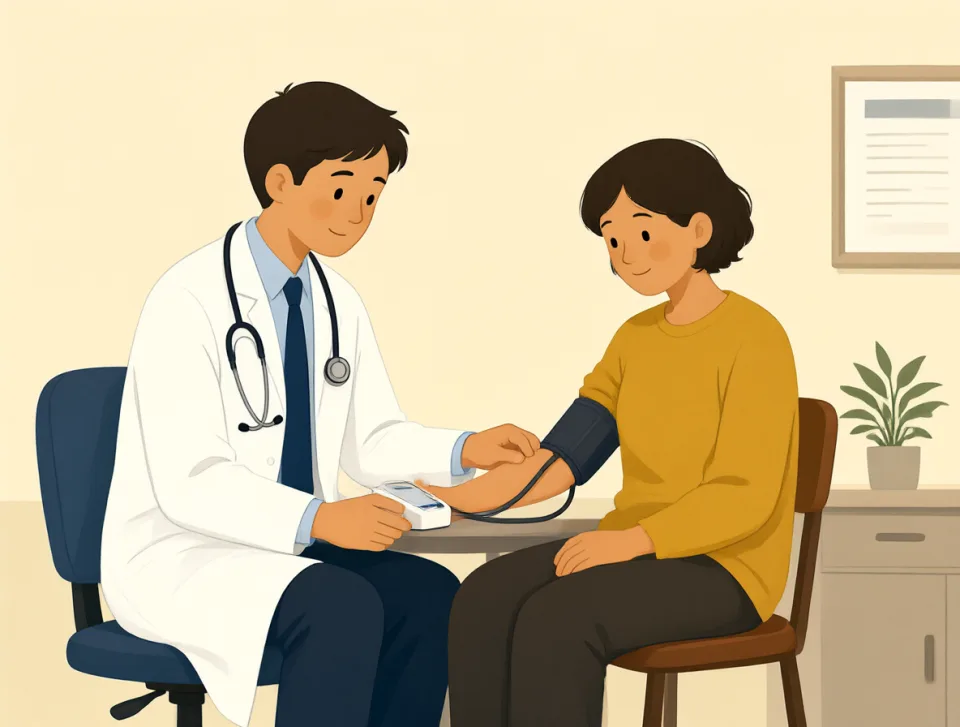
She visits the clinic monthly to check how her treatment is working.
او ماهانه به درمانگاه میرود تا ببیند درمانش چه اثری دارد.
comprise
#2739verb
تشکیل دادن
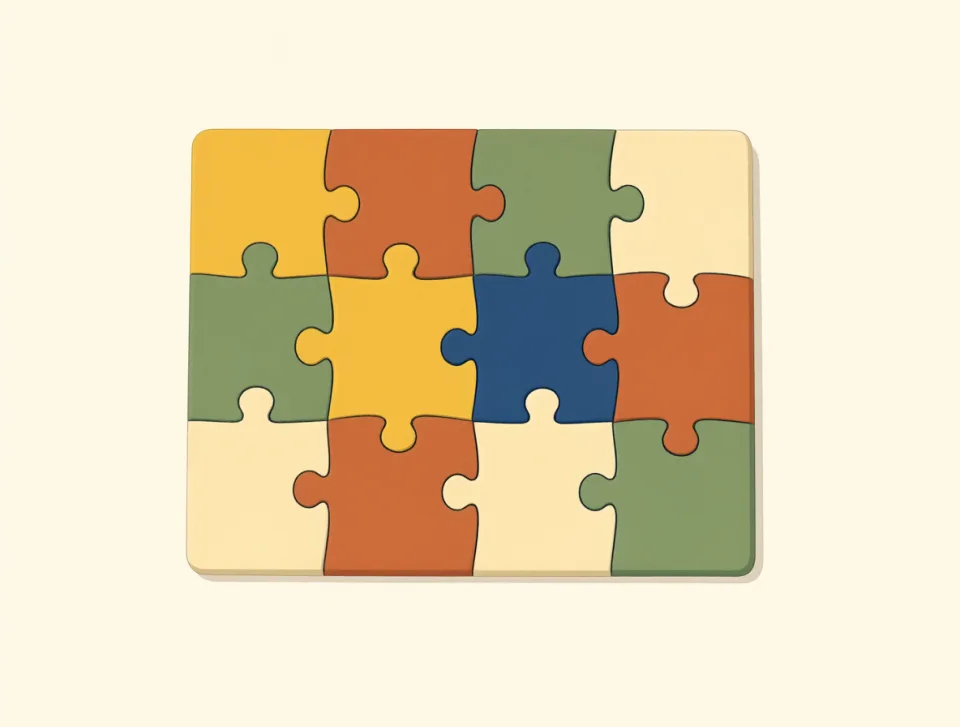
To be made up of particular parts or members.
از بخشها یا اعضای مشخصی تشکیل شدن.

The committee comprises teachers, parents, and two local business owners.
این کمیته از معلمان، والدین و دو صاحب کسبوکار محلی تشکیل شده است.
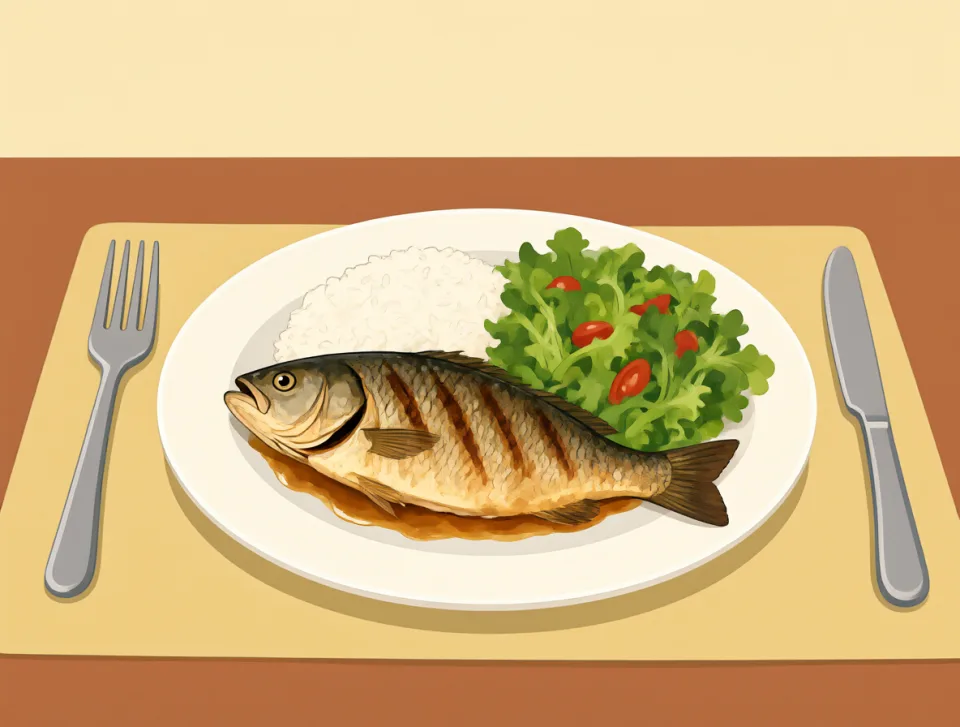
The meal comprised rice, grilled fish, and a fresh green salad.
این وعدهٔ غذایی شامل برنج، ماهی کبابی و سالاد سبزیجات تازه بود.

The course comprises six short lessons and a final class project.
این دوره از شش درس کوتاه و یک پروژهٔ پایانی کلاسی تشکیل شده است.

Their trip comprised three days in Rome and two days by the sea.
سفرشان شامل سه روز اقامت در رم و دو روز کنار دریا بود.
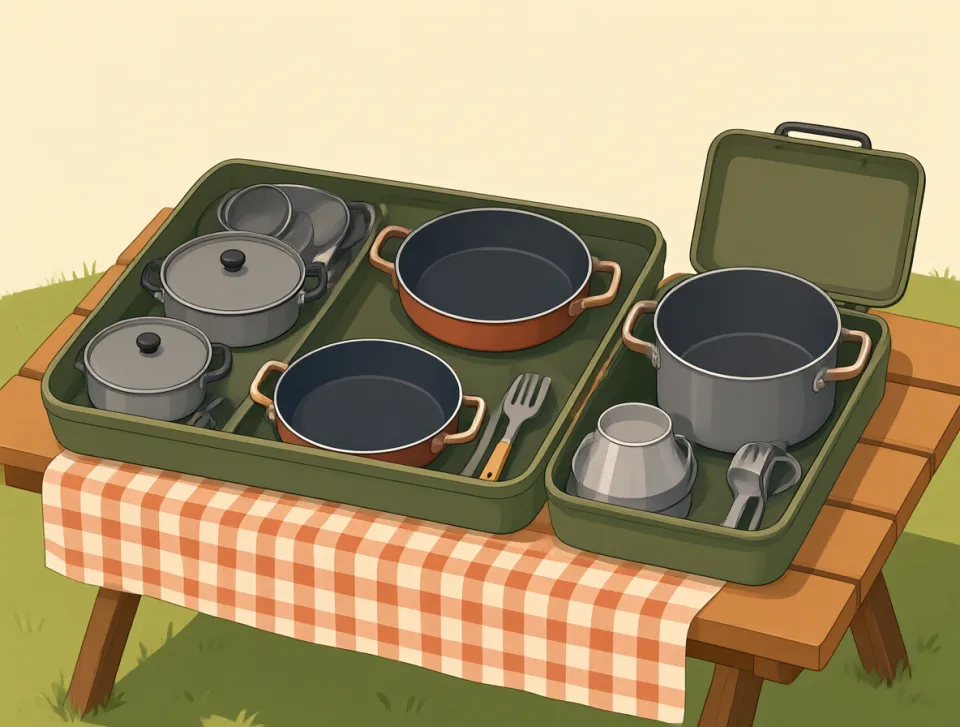
The kit comprises a pan, two plates, and four camping cups.
این مجموعه شامل یک ماهیتابه، دو بشقاب و چهار لیوان سفری است.
stir
#2740verb, noun
هم زدن
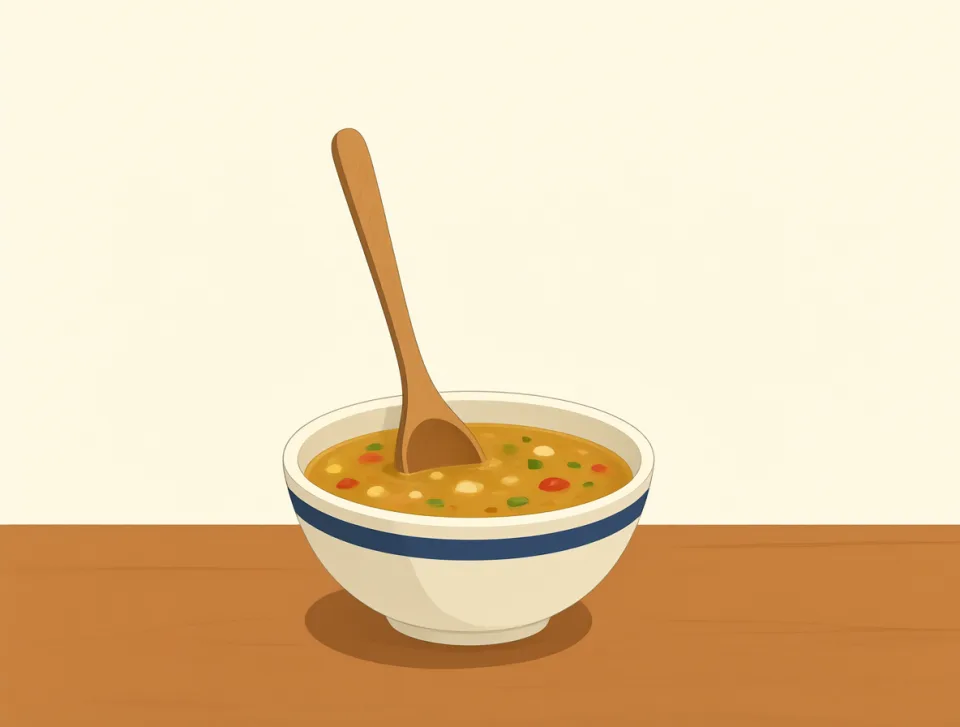
To mix something by moving a spoon or similar object around in it; to cause excitement or trouble.
چیزی را با حرکت دادن قاشق یا وسیلهای مشابه در آن مخلوط کردن؛ باعث هیجان یا دردسر شدن.
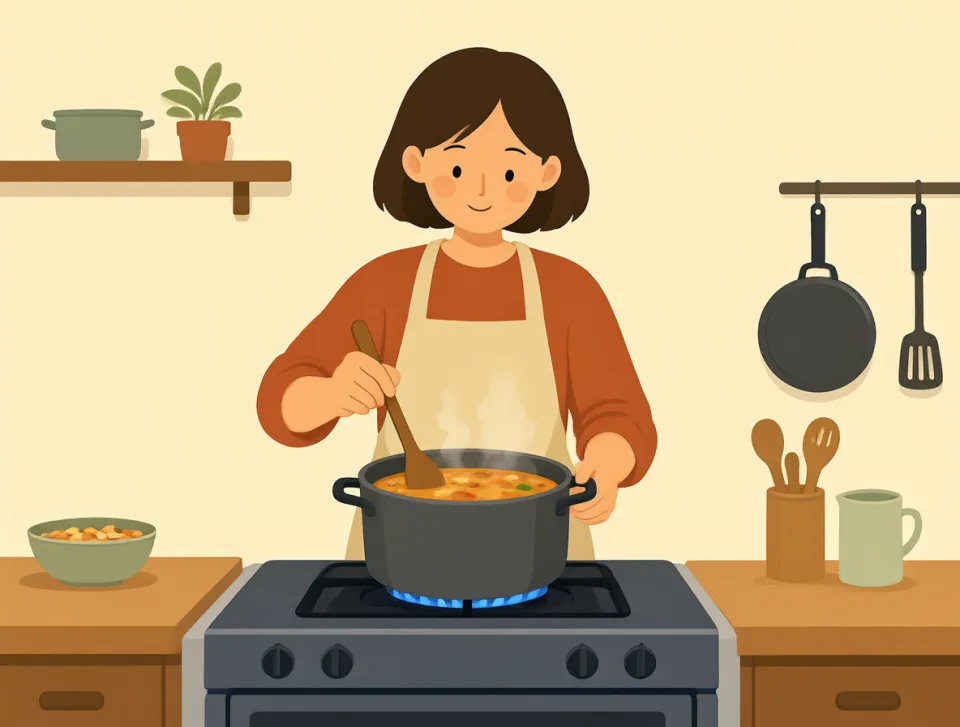
Stir the soup gently while it warms on the stove.
سوپ را آرام هم بزنید تا روی اجاق گرم شود.
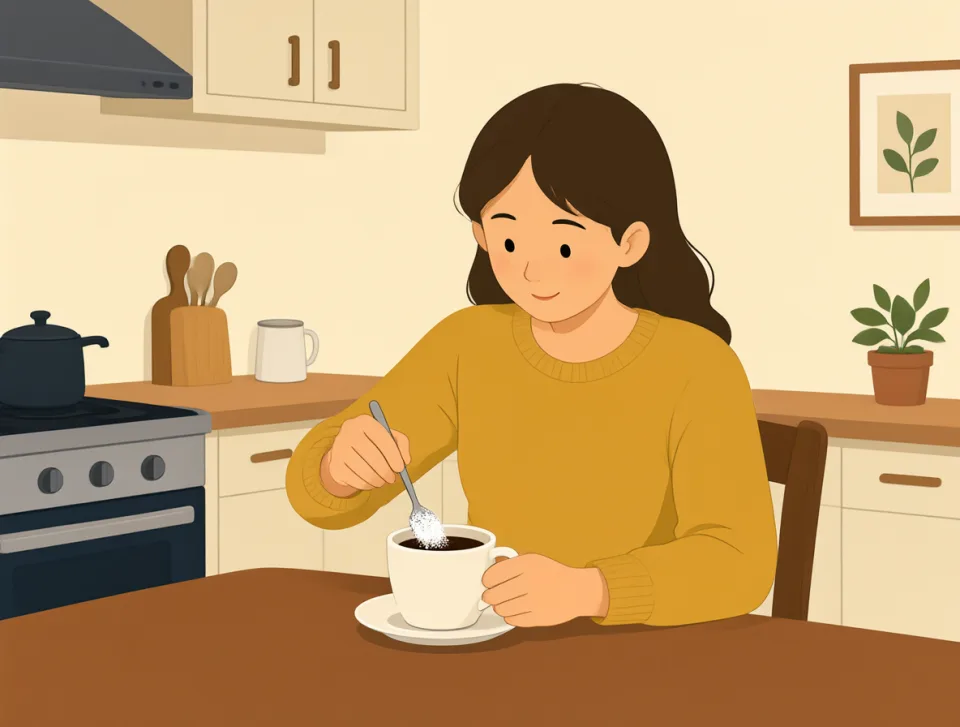
She stirred sugar into her coffee before leaving for work.
او پیش از رفتن به محل کار، شکر را در قهوهاش هم زد.
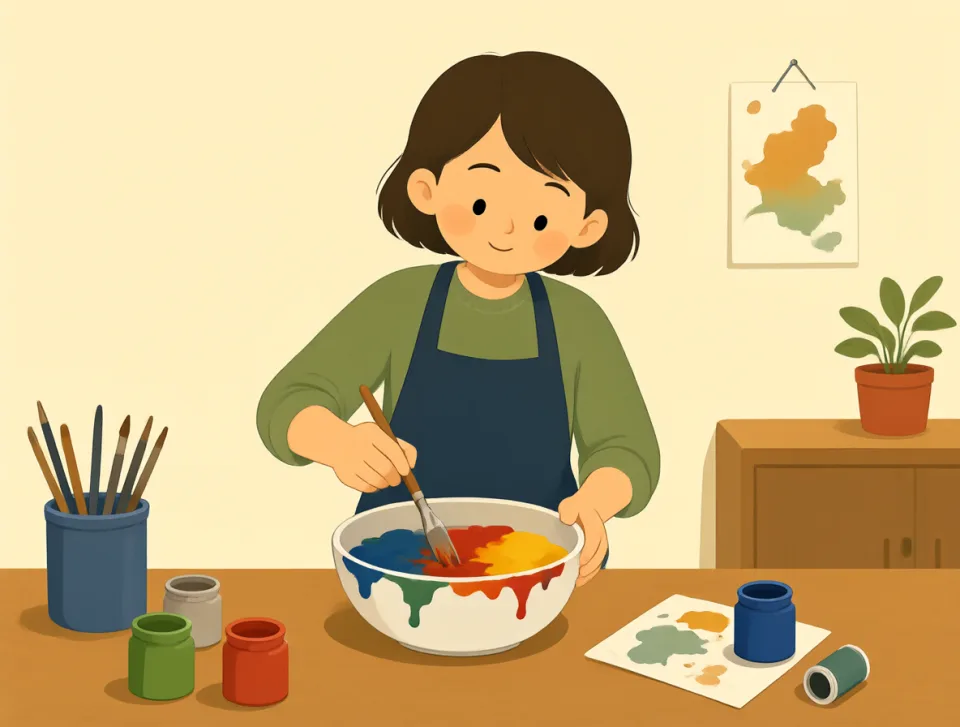
The teacher stirred the paint until the colors blended together.
معلم رنگ را هم زد تا رنگها با هم ترکیب شوند.

His question stirred interest among the people at the meeting.
سؤال او در میان حاضران جلسه علاقه ایجاد کرد.
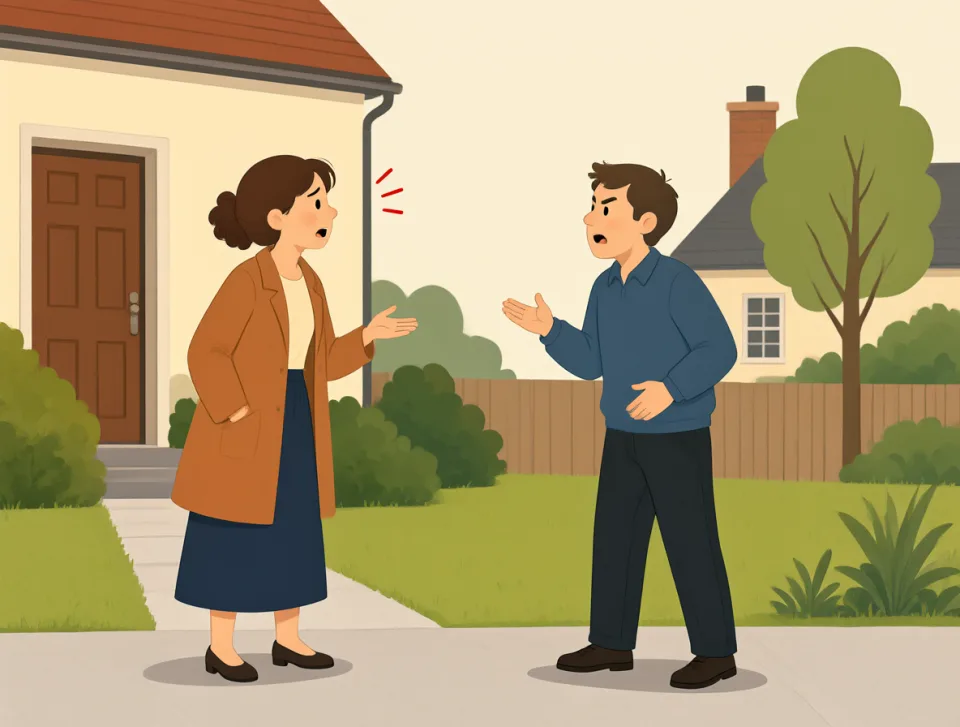
The news stirred up trouble between the two neighbors.
این خبر میان دو همسایه دردسر بهپا کرد.