بخش 107
واژههای 2121 تا 2140 · terrorist, justify, vital, fascinate, external, spare
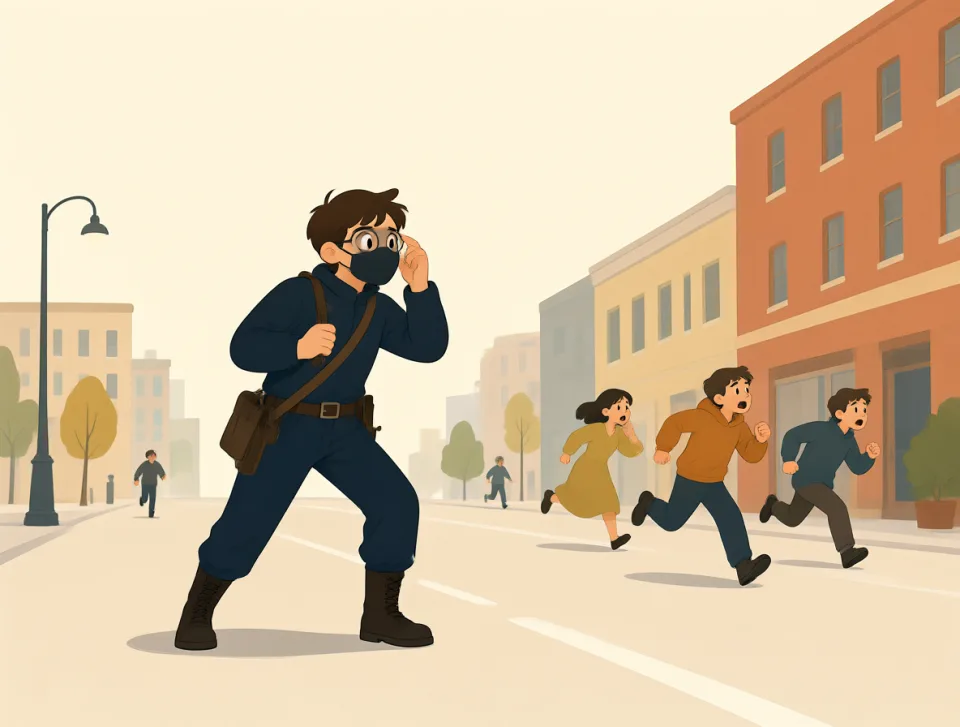
terrorist
#2121noun
تروریست
A person who uses violence to frighten people and achieve political goals.
فردی که برای ترساندن مردم و دستیابی به اهداف سیاسی از خشونت استفاده میکند.

The police arrested a suspected terrorist near the busy train station.
پلیس یک تروریستِ مظنون را نزدیک ایستگاه شلوغ قطار دستگیر کرد.
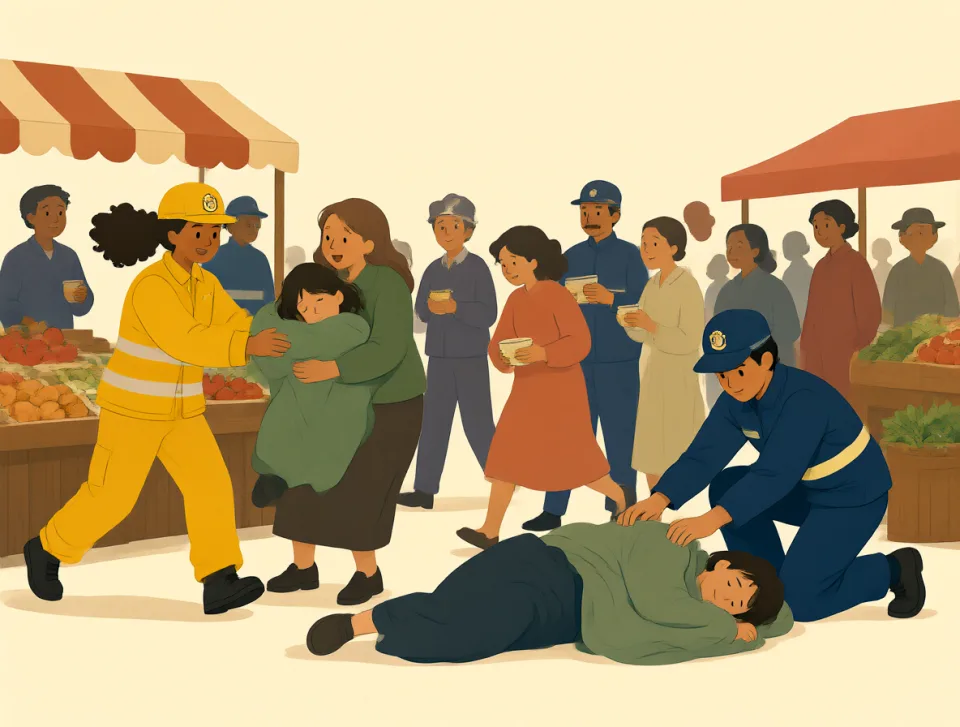
The terrorist attacked a crowded market, causing fear throughout the city.
تروریست به یک بازار شلوغ حمله کرد و در سراسر شهر ترس ایجاد کرد.

News reports said the terrorist group planned attacks in several countries.
گزارشهای خبری گفتند که گروه تروریستی برای چندین کشور برنامهٔ حمله داشت.
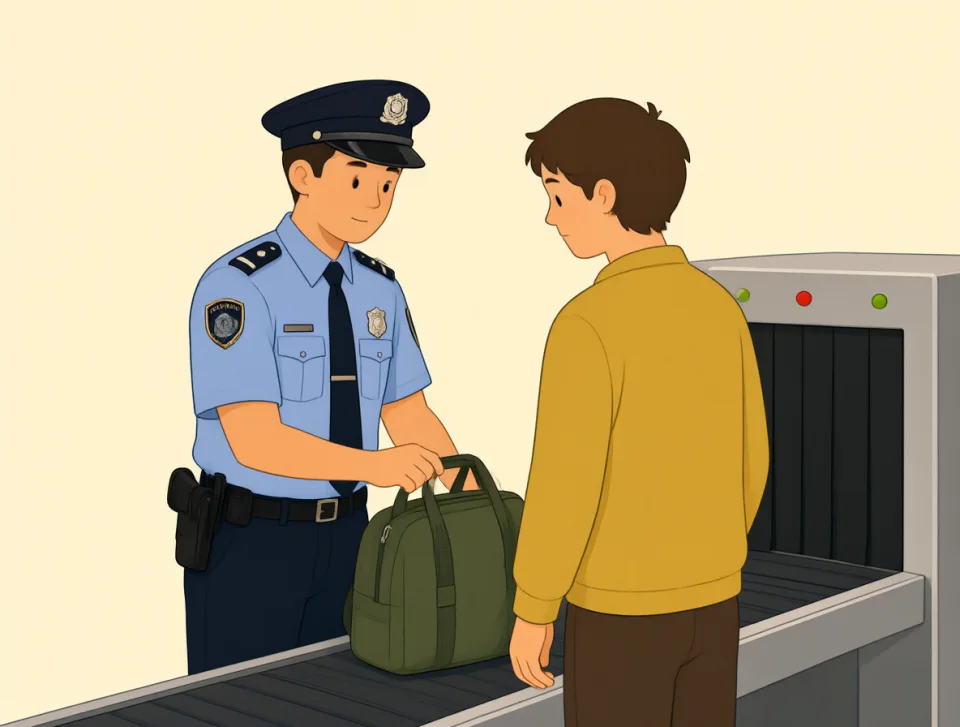
The airport security officer checked every passenger for possible terrorist threats.
مامور امنیت فرودگاه تکتک مسافران را از نظر تهدیدهای احتمالی تروریستی بررسی کرد.

Students discussed how terrorists use fear to influence governments and communities.
دانشآموزان دربارهٔ این بحث کردند که تروریستها چگونه از ترس برای تأثیرگذاری بر دولتها و جوامع استفاده میکنند.

justify
#2122verb
توجیه کردن
to give a good reason for something or show that it is reasonable
برای کاری دلیل خوبی آوردن یا منطقی بودن آن را نشان دادن
You cannot justify spending so much money on a jacket.
نمیتوانی خرج کردن اینهمه پول برای یک کت را توجیه کنی.
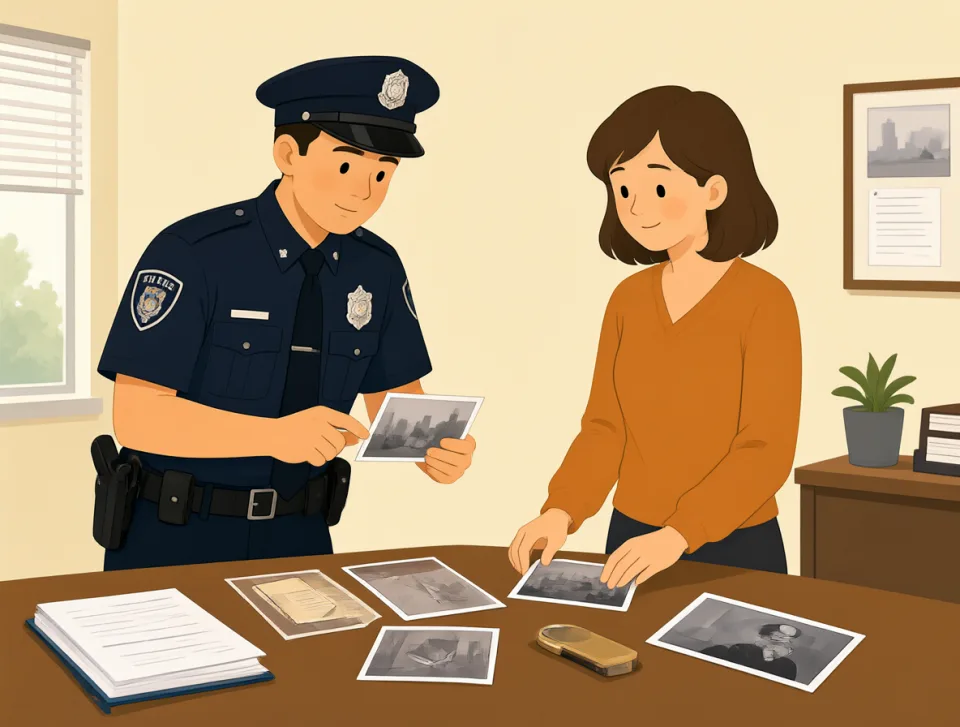
The evidence clearly justified the police officer's decision.
شواهد بهوضوح تصمیم مأمور پلیس را توجیه میکرد.
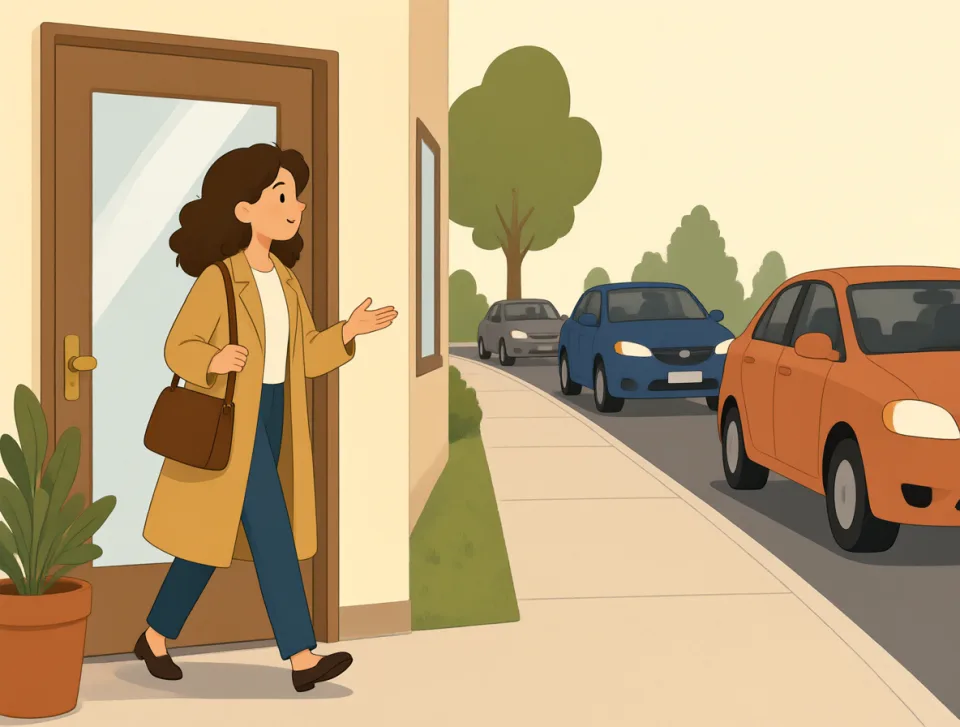
She tried to justify being late by blaming the heavy traffic.
او سعی کرد دیر رسیدنش را با مقصر دانستن ترافیک سنگین توجیه کند.
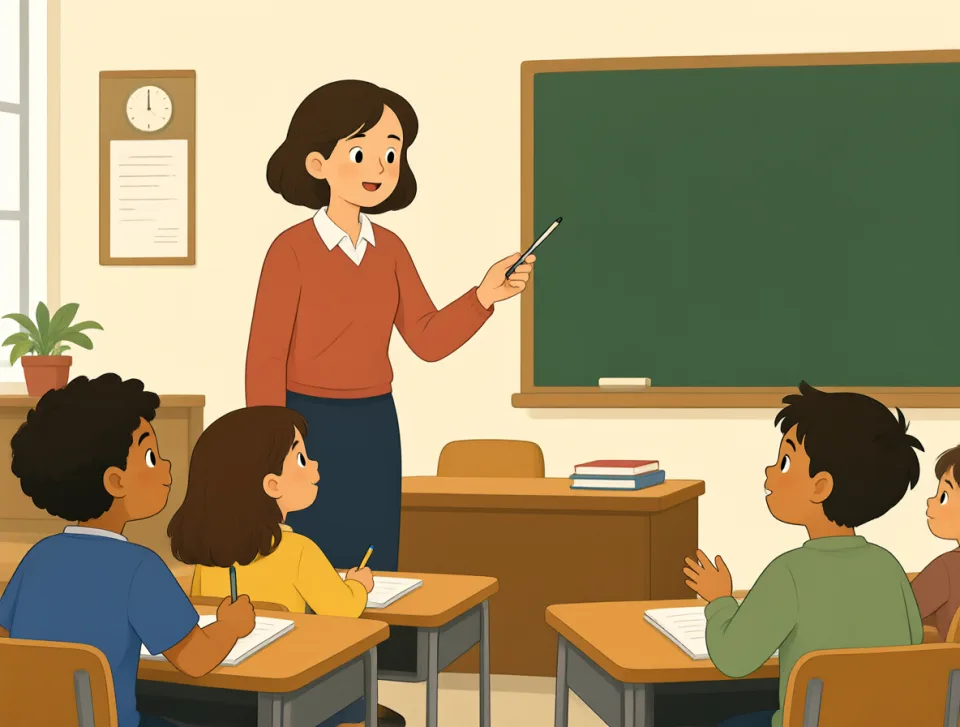
The teacher asked students to justify their answers with examples.
معلم از دانشآموزان خواست پاسخهایشان را با مثال توجیه کنند.

The doctor said the test results did not justify changing his treatment.
دکتر گفت نتایج آزمایش، تغییر درمان او را توجیه نمیکند.
vital
#2123adjective
حیاتی
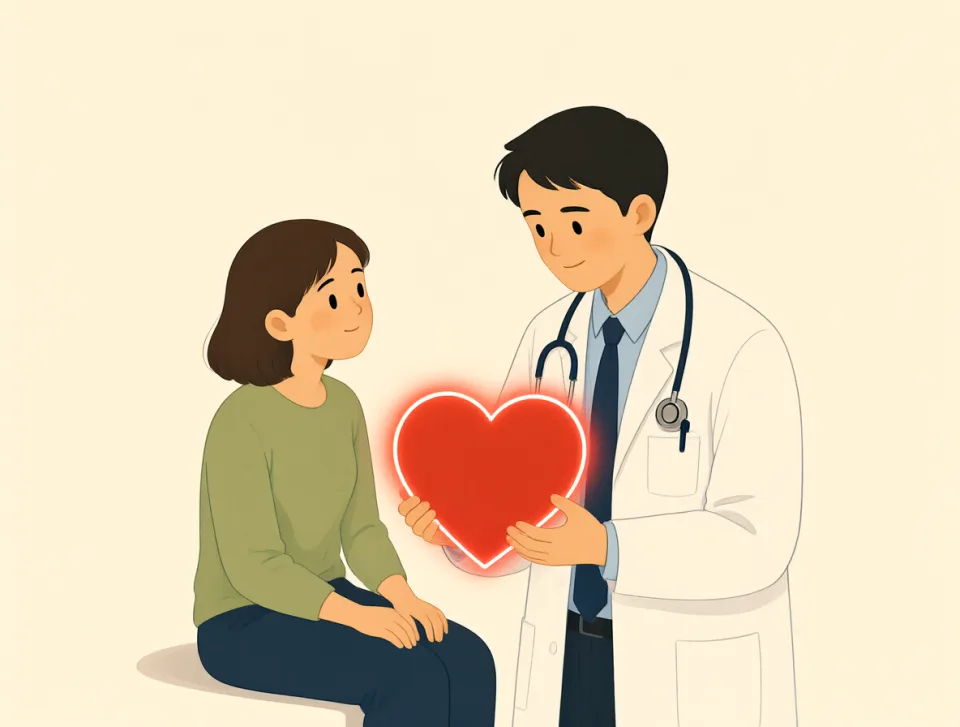
Very important or necessary for life, success, or continued existence.
بسیار مهم یا برای زندگی، موفقیت یا ادامهٔ حیات ضروری
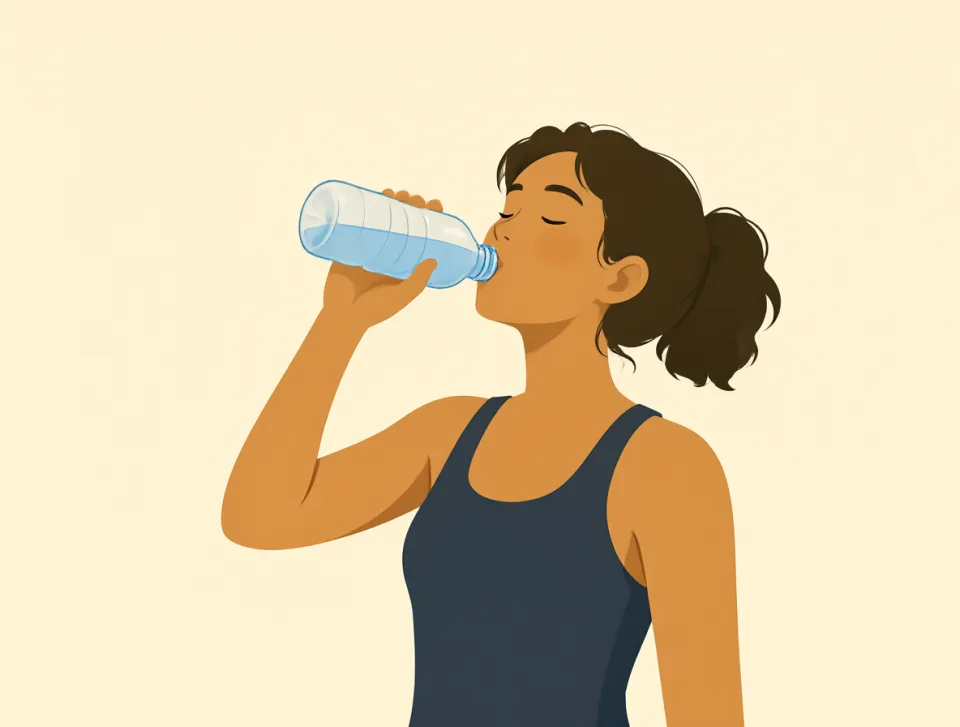
Drinking enough water is vital for staying healthy during hot weather.
نوشیدن آب کافی برای سالم ماندن در هوای گرم حیاتی است.

It is vital to check your passport before leaving for the airport.
پیش از رفتن به فرودگاه، حتماً گذرنامهتان را بررسی کنید؛ این کار حیاتی است.

Good communication is vital to a successful team at work.
ارتباط خوب برای موفقیت یک تیم در محل کار حیاتی است.
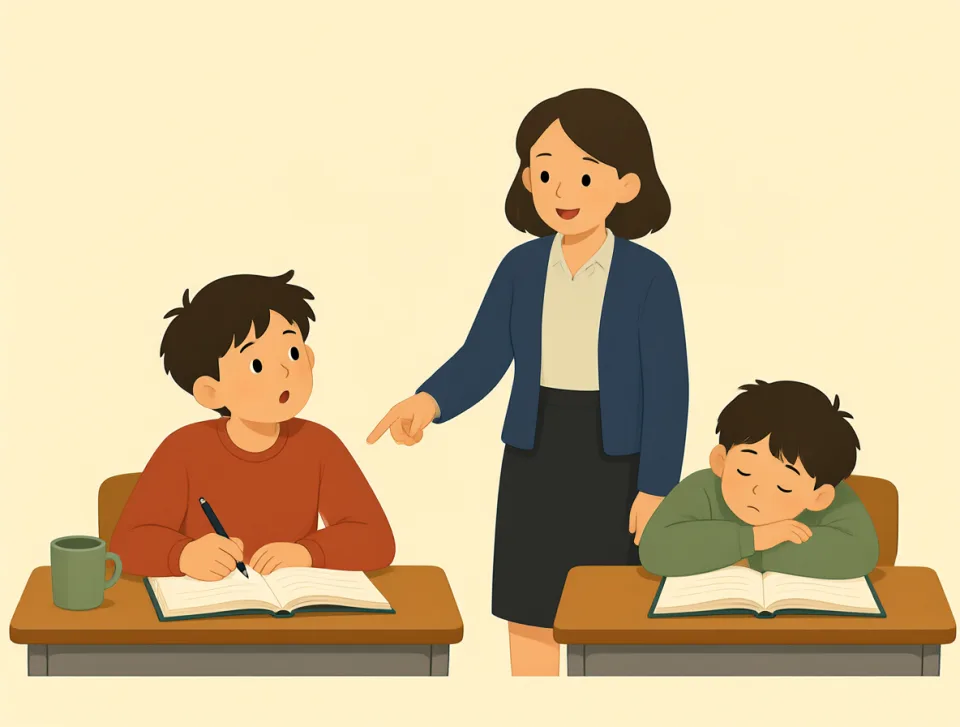
The teacher explained that sleep is vital for learning and remembering new information.
معلم توضیح داد که خواب برای یادگیری و بهخاطر سپردن اطلاعات جدید حیاتی است.
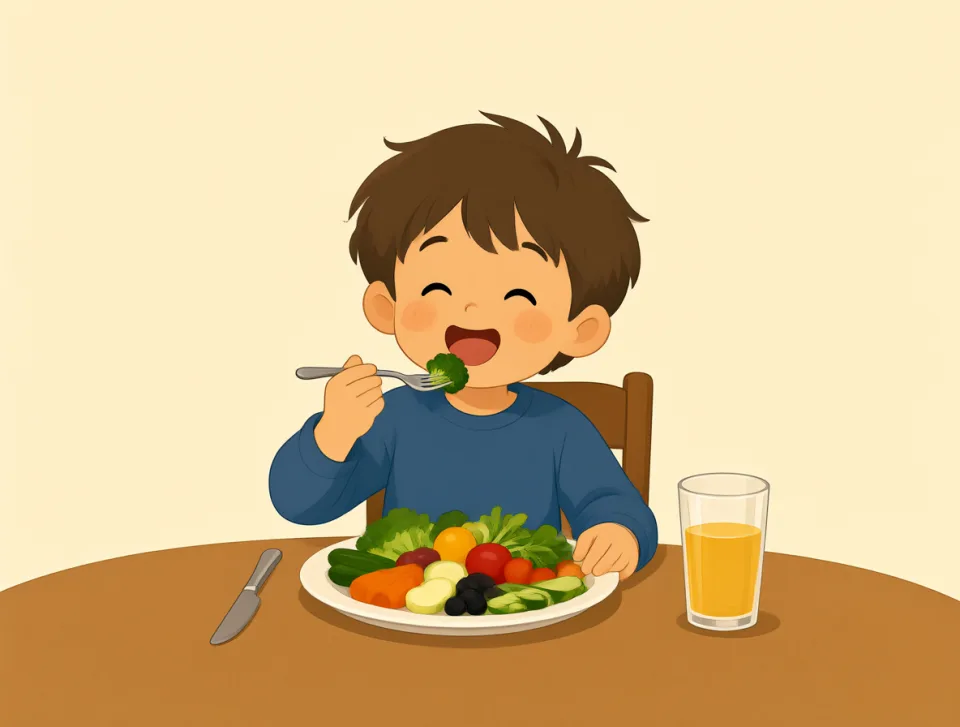
Fresh vegetables provide vital nutrients that help children grow strong.
سبزیجات تازه مواد مغذی حیاتیای فراهم میکنند که به رشد سالم کودکان کمک میکند.

fascinate
#2124verb
مجذوب کردن
to interest someone greatly, especially because something is unusual, beautiful, or mysterious
کسی را بسیار علاقهمند کردن، بهویژه به دلیل غیرعادی، زیبا یا رازآلود بودن چیزی
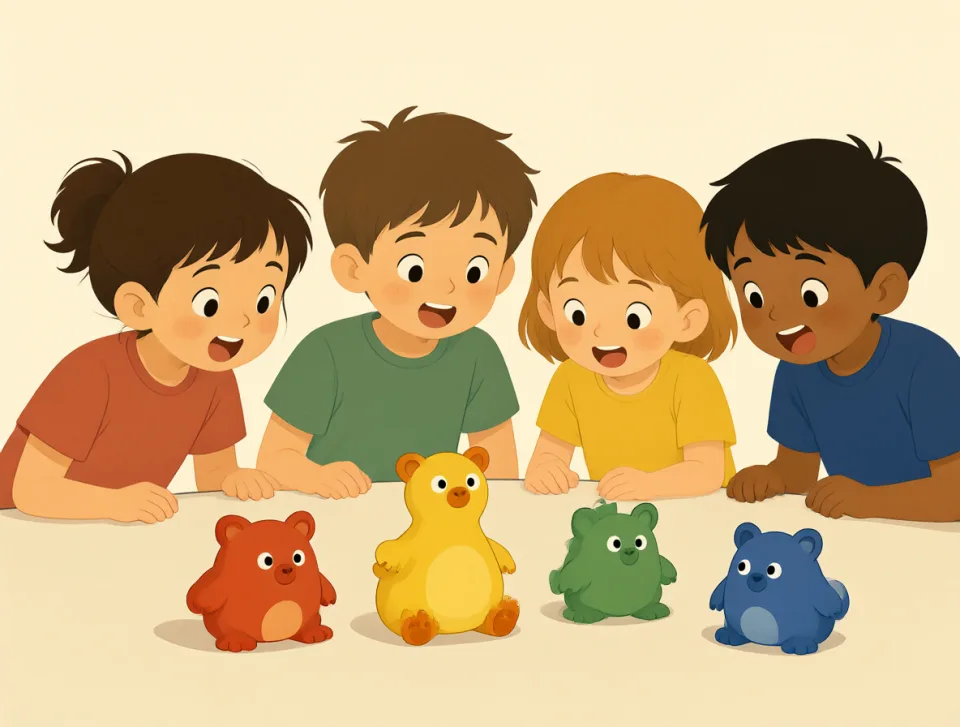
Bright colors and unusual shapes fascinate young children.
رنگهای درخشان و شکلهای غیرعادی کودکان خردسال را مجذوب میکنند.

The documentary fascinated me with stories about life under the ocean.
آن مستند با داستانهایی دربارهٔ زندگی در زیر اقیانوس مرا مجذوب کرد.
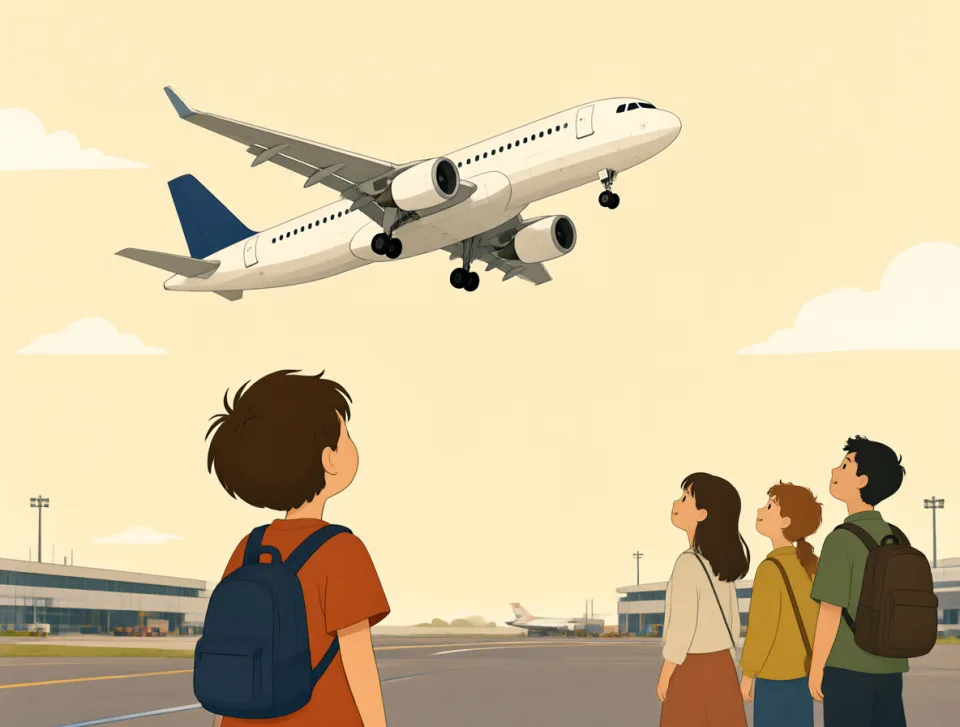
My little brother is fascinated by how airplanes fly.
برادر کوچکترم مجذوب این است که هواپیماها چگونه پرواز میکنند.
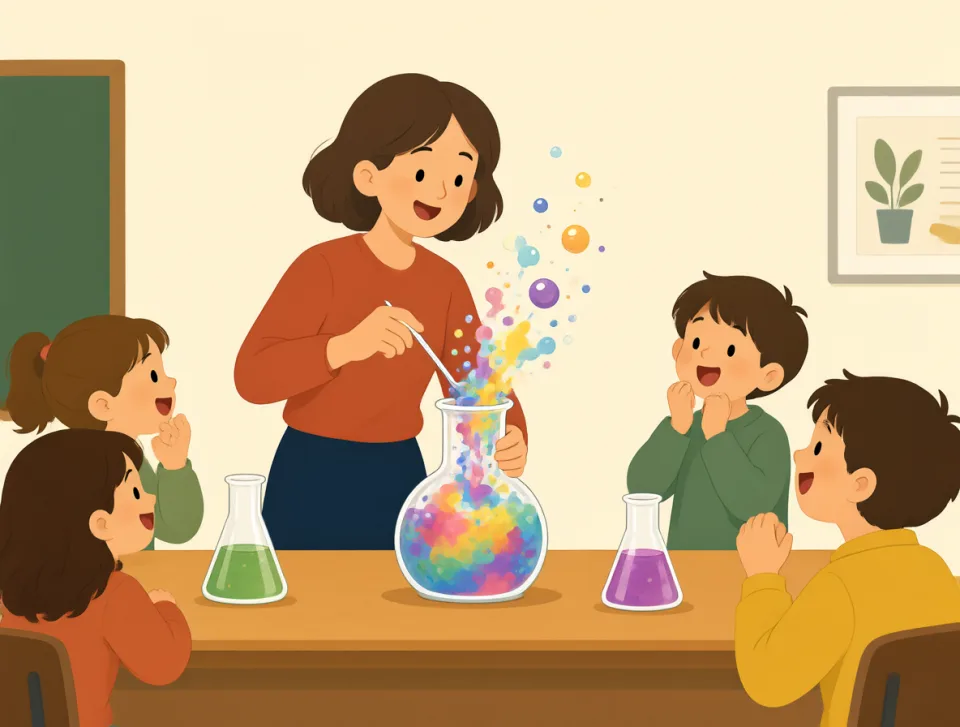
The teacher fascinated the class with a simple science experiment.
معلم با یک آزمایش سادهٔ علمی، کلاس را مجذوب کرد.

She was fascinated by the old streets and buildings in Rome.
خیابانها و ساختمانهای قدیمی رم او را مجذوب کرده بودند.

external
#2125adjective, noun
خارجی
outside a place, system, or organization, or coming from outside it
خارج از یک مکان، سامانه یا سازمان بودن یا از بیرون آن آمدن

The external walls need painting before winter arrives.
دیوارهای بیرونی پیش از رسیدن زمستان به رنگآمیزی نیاز دارند.
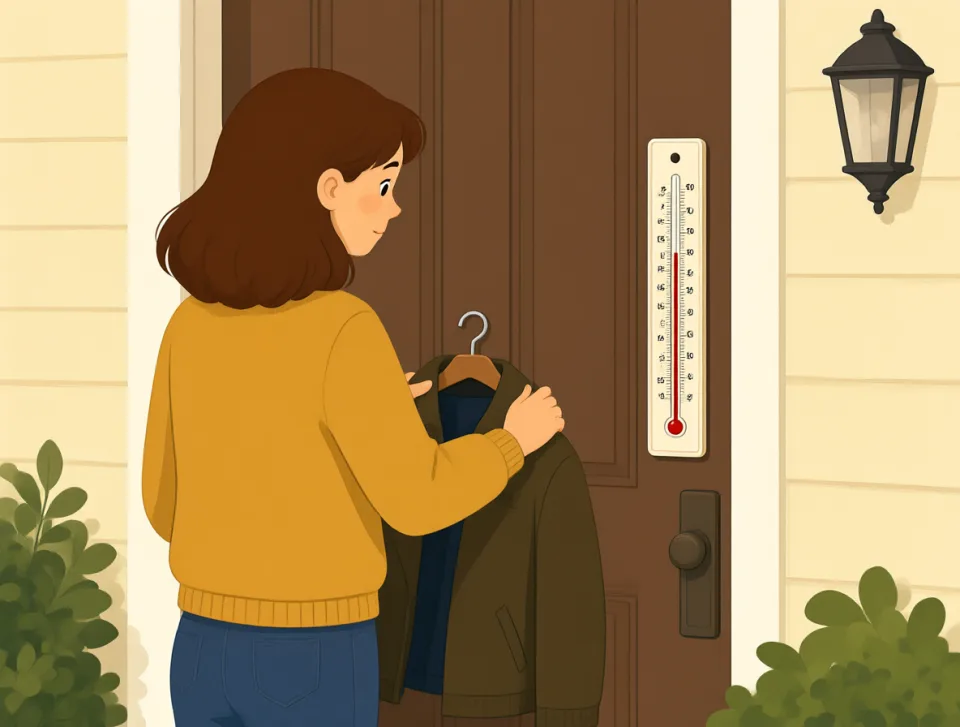
Please check the external temperature before choosing your clothes.
لطفاً پیش از انتخاب لباسهایتان، دمای بیرون را بررسی کنید.

The company hired an external consultant to improve its safety rules.
شرکت برای بهبود مقررات ایمنی خود، یک مشاور خارجی استخدام کرد.

Students must use external sources for their history projects.
دانشآموزان باید برای پروژههای تاریخشان از منابع خارجی استفاده کنند.
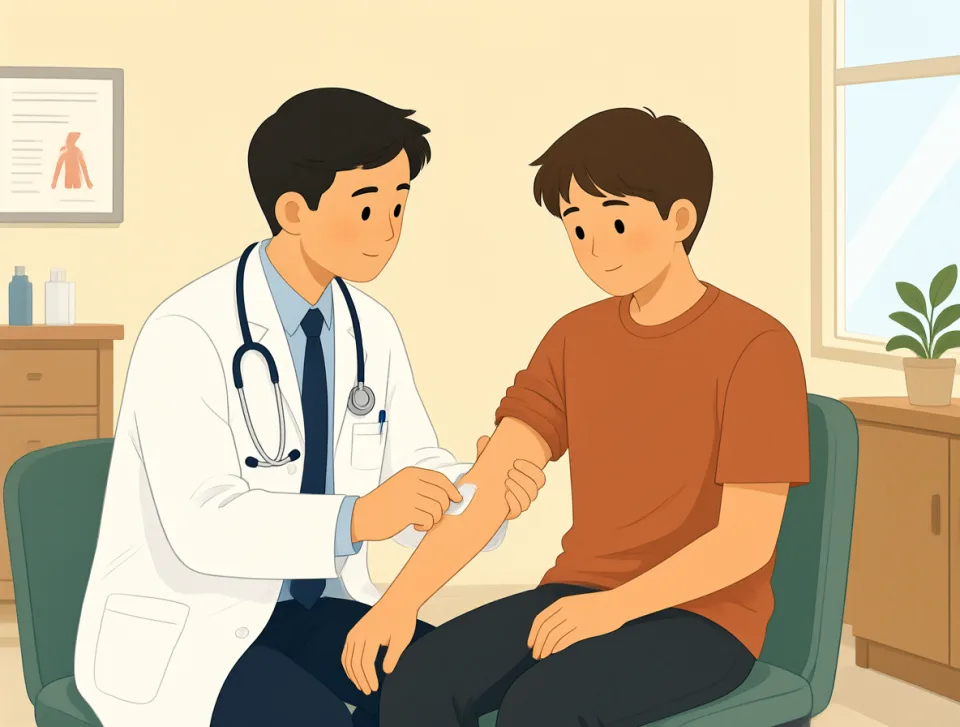
The doctor found no external signs of injury on his arm.
دکتر هیچ نشانهٔ بیرونیای از آسیبدیدگی روی بازوی او پیدا نکرد.

spare
#2126adjective, verb, noun
اضافی
Extra and available, or to give someone time, money, or help when needed.
اضافی و در دسترس؛ یا اختصاص دادن وقت، پول یا کمک به کسی در صورت نیاز.

Do you have a spare key for the front door?
کلید یدکی برای درِ ورودی دارید؟
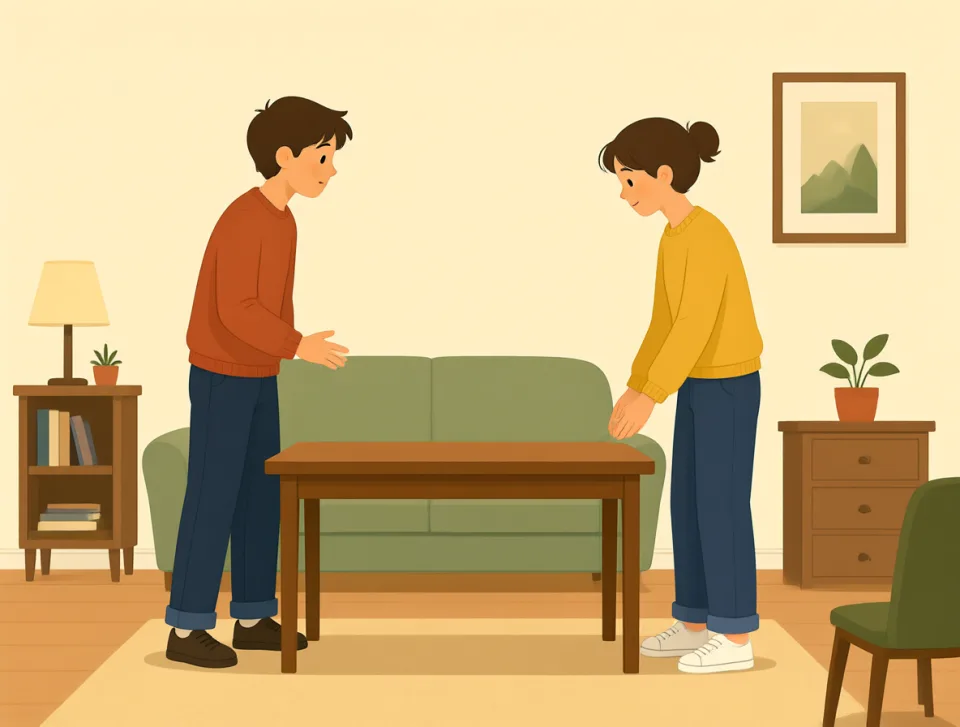
Could you spare a few minutes to help me move this table?
میتونی چند دقیقه وقت بذاری و کمکم کنی این میز رو جابهجا کنم؟

We have a spare room where visiting guests can sleep.
یک اتاق اضافی داریم که مهمانها میتوانند در آن بخوابند.
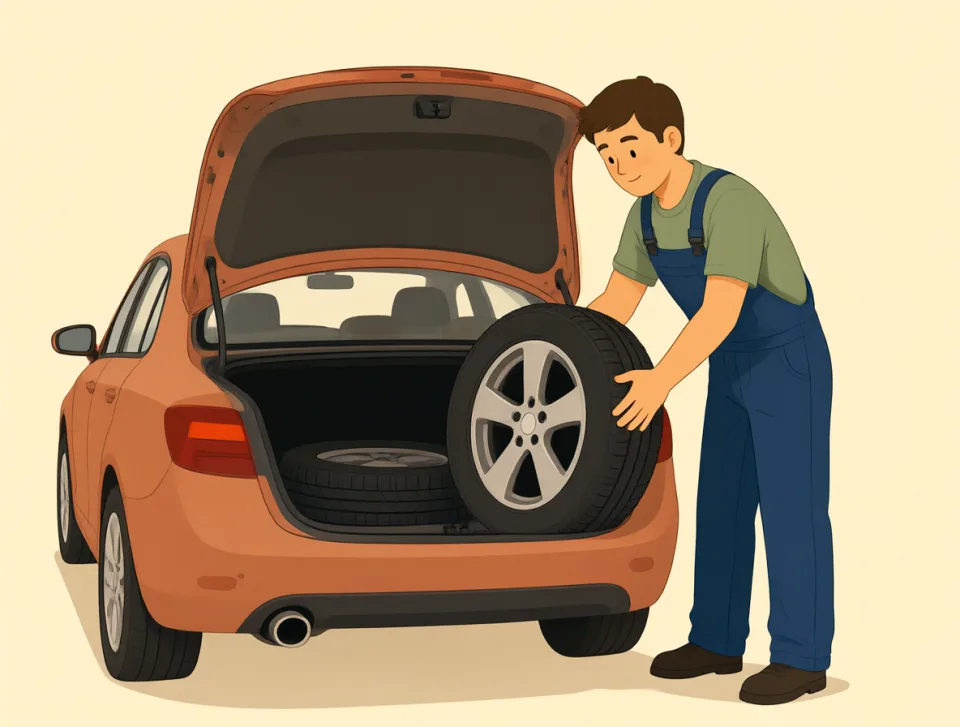
The mechanic kept a spare tire in the trunk of the car.
مکانیک یک لاستیک زاپاس در صندوق عقب ماشین نگه میداشت.

She bought a spare shirt after spilling soup on her clothes.
بعد از اینکه سوپ روی لباسش ریخت، یک پیراهن اضافه خرید.

whenever
#2127adverb, conjunction
هر وقت
every time that something happens, or at any time when it is possible
هر بار که چیزی اتفاق میافتد، یا هر زمانی که امکانش باشد.
Whenever I feel tired, I take a short break and drink some water.
هر وقت خسته میشوم، کمی استراحت میکنم و آب مینوشم.

Call me whenever you need help with your homework.
هر وقت برای تکالیفت به کمک نیاز داشتی، بهم زنگ بزن.

Whenever we visit the city, we eat at that small Italian restaurant.
هر وقت به شهر میرویم، در آن رستوران کوچک ایتالیایی غذا میخوریم.

She listens to music whenever she cleans the house.
او هر وقت خانه را تمیز میکند، موسیقی گوش میدهد.

You can use this room whenever you need a quiet place to work.
هر وقت به جایی آرام برای کار نیاز داشتی، میتوانی از این اتاق استفاده کنی.

depression
#2128noun
افسردگی
A serious medical condition causing long-lasting sadness and loss of interest in life.
یک بیماری جدی که باعث غمگینی طولانیمدت و از دست دادن علاقه به زندگی میشود.
She is receiving treatment for depression from a doctor.
او برای درمان افسردگی تحت نظر پزشک است.
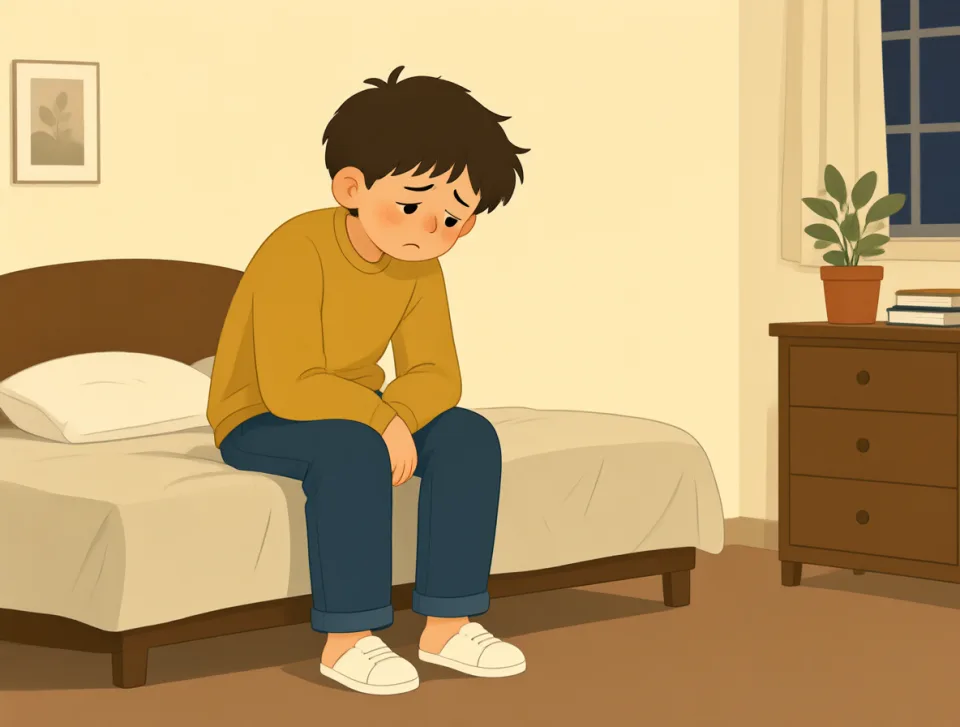
Depression can make it difficult to work, sleep, or enjoy everyday activities.
افسردگی میتواند کار کردن، خوابیدن یا لذت بردن از فعالیتهای روزمره را دشوار کند.
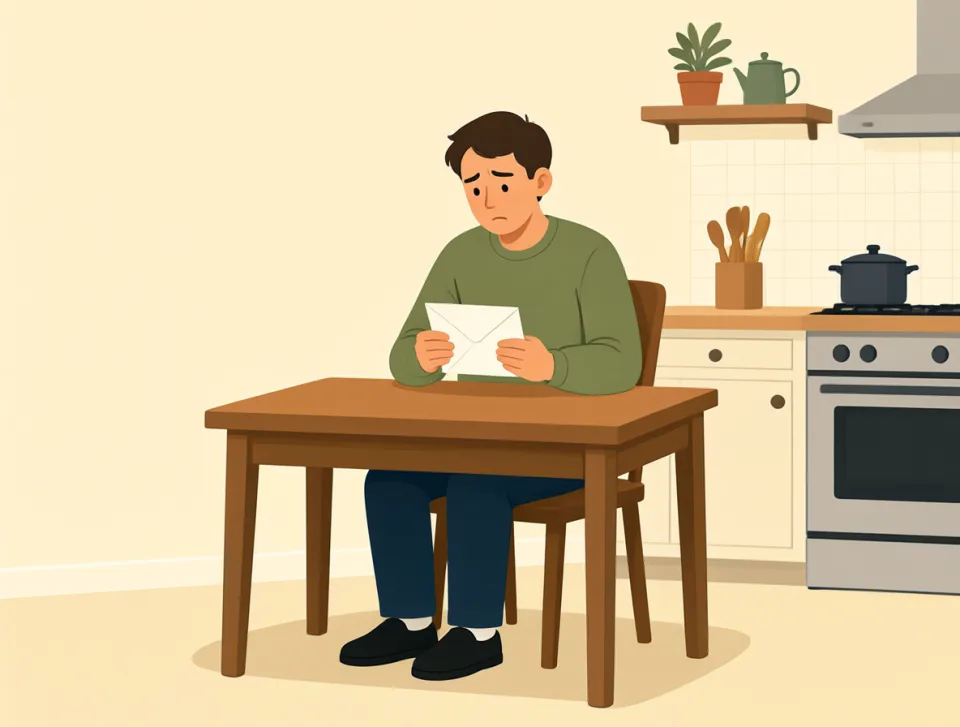
His depression became worse after he lost his job.
افسردگی او پس از اینکه شغلش را از دست داد، بدتر شد.

Talking with close friends helped her manage her depression.
صحبت کردن با دوستان نزدیک به او کمک کرد افسردگیاش را مدیریت کند.
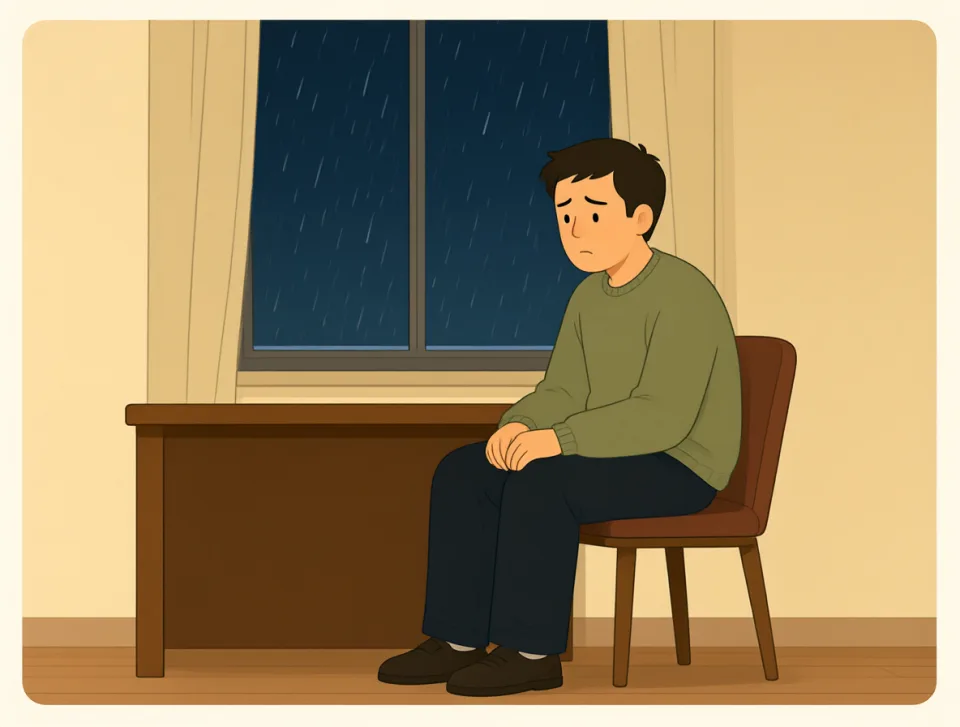
The long winter and lack of sunlight contributed to his depression.
زمستان طولانی و کمبود نور خورشید در افسردگی او نقش داشت.
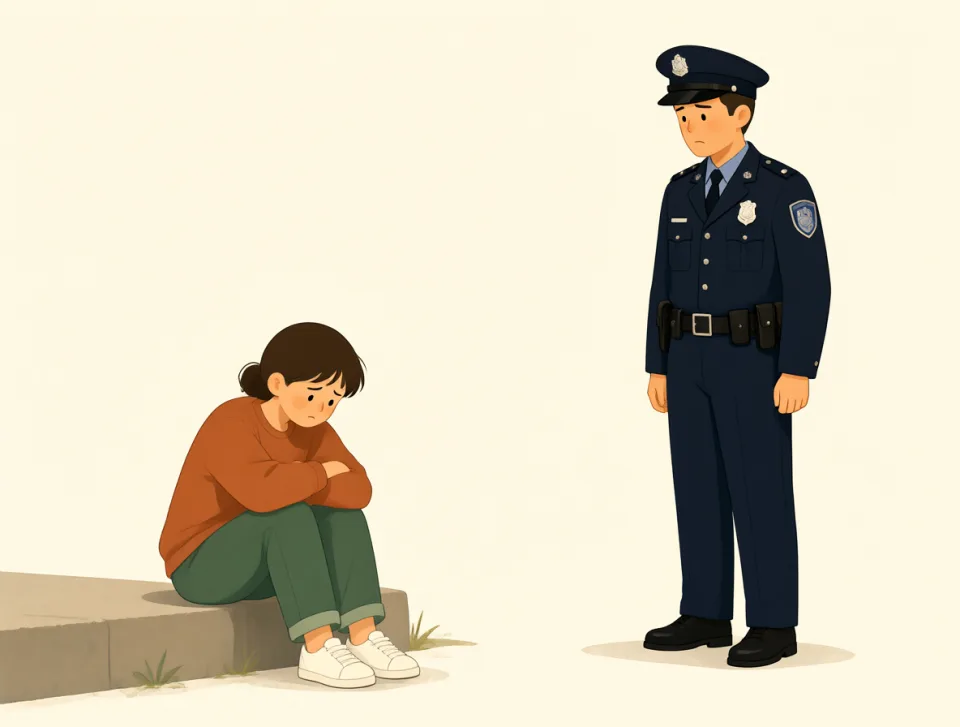
guilty
#2129adjective
مقصر
Feeling responsible for doing something wrong or having committed a crime.
احساس مسئولیت در قبال انجام کار نادرست یا مرتکب شدن جرم.
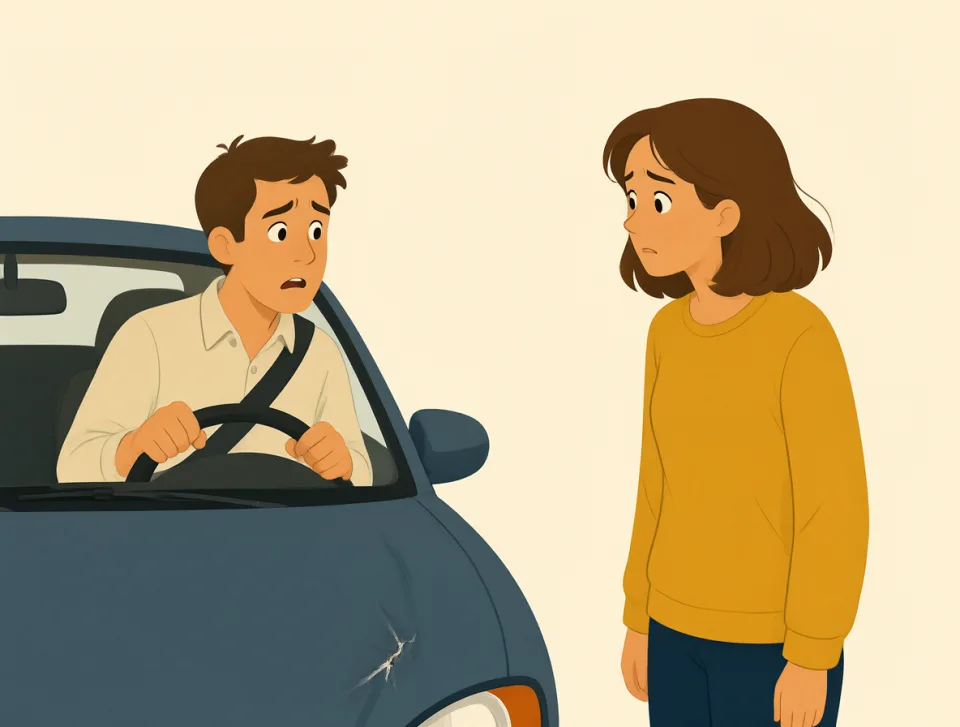
The guilty driver apologized after hitting the parked car.
رانندهٔ مقصر پس از برخورد با خودروی پارکشده عذرخواهی کرد.
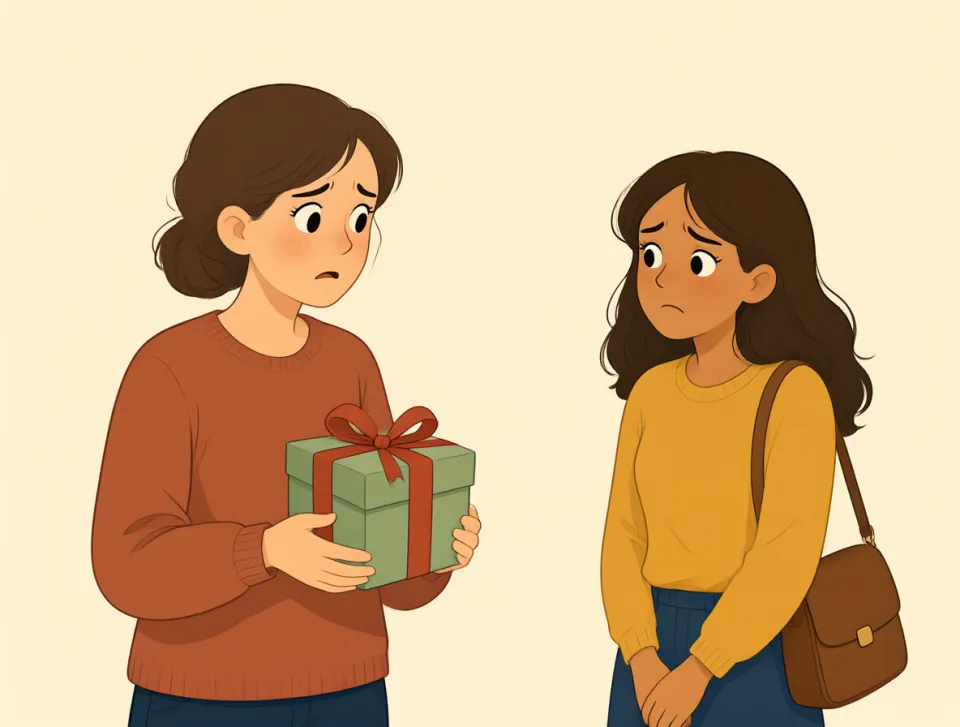
She felt guilty about forgetting her friend’s birthday.
او از اینکه تولد دوستش را فراموش کرده بود، احساس گناه میکرد.
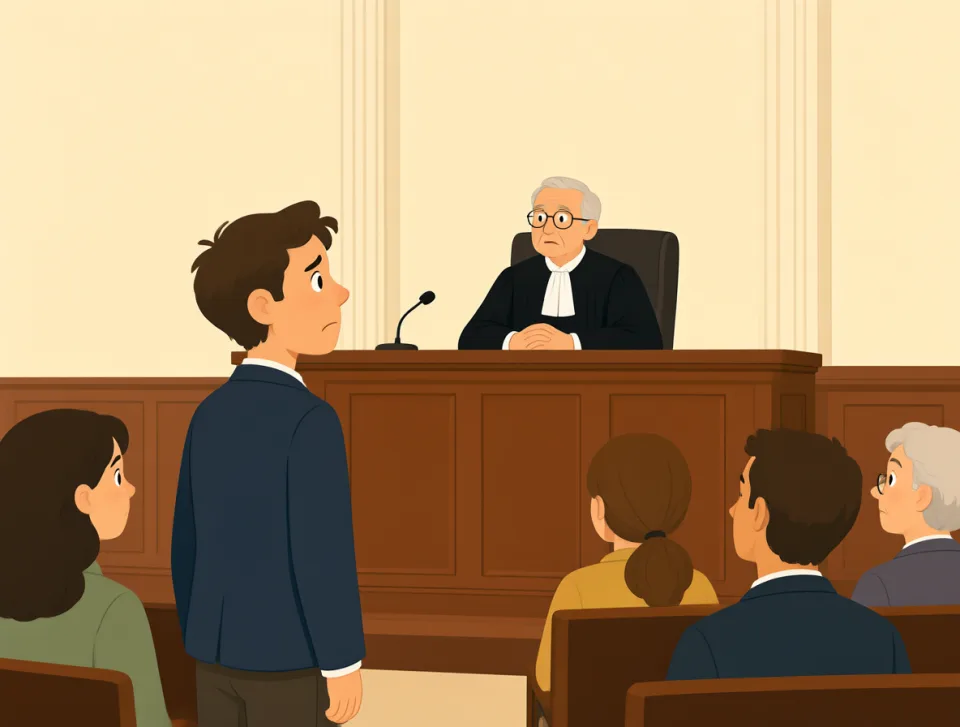
The court found him guilty of stealing money from his employer.
دادگاه او را به جرم دزدیدن پول از کارفرمایش مجرم شناخت.
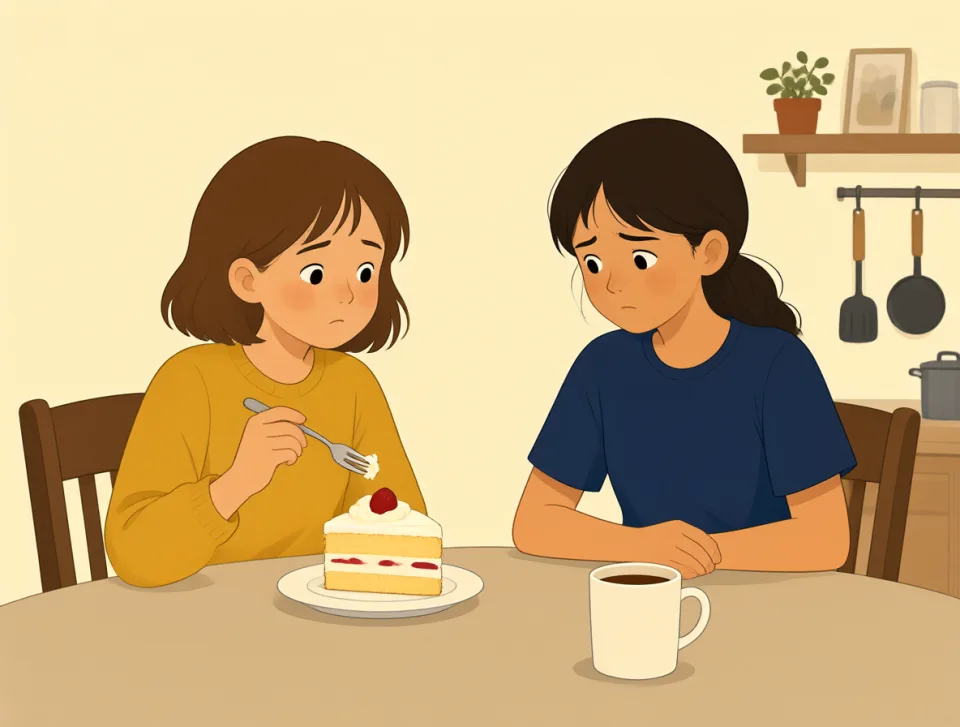
I felt guilty eating cake while my sister was on a strict diet.
وقتی خواهرم رژیم سختی داشت، از خوردن کیک احساس گناه میکردم.
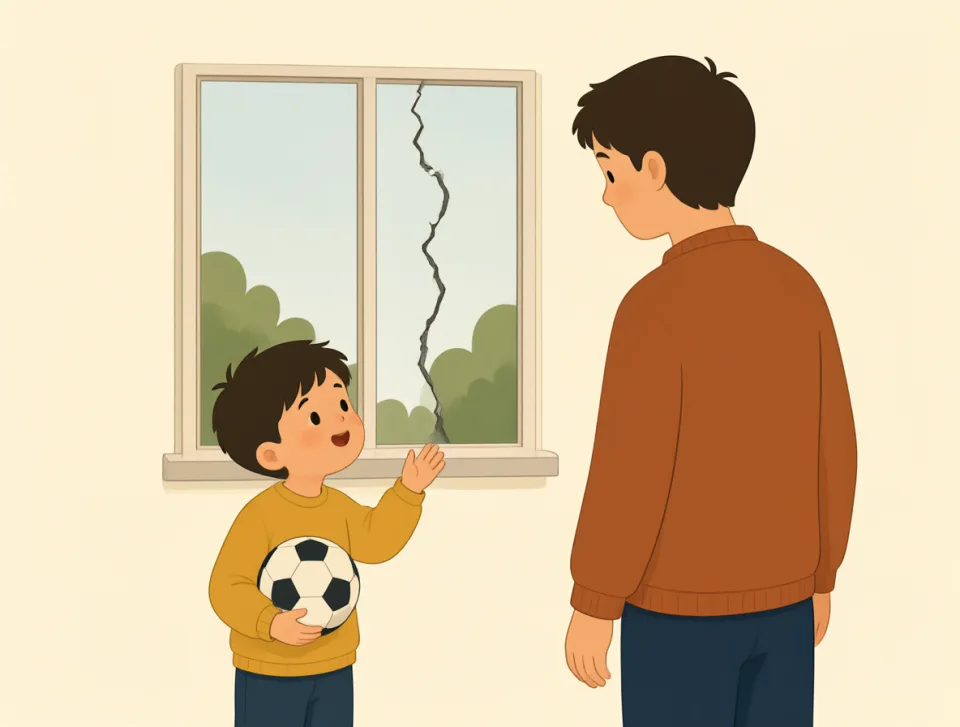
The guilty child quietly admitted breaking the window with a ball.
کودک مقصر، آرام اعتراف کرد که با توپ شیشه را شکسته است.
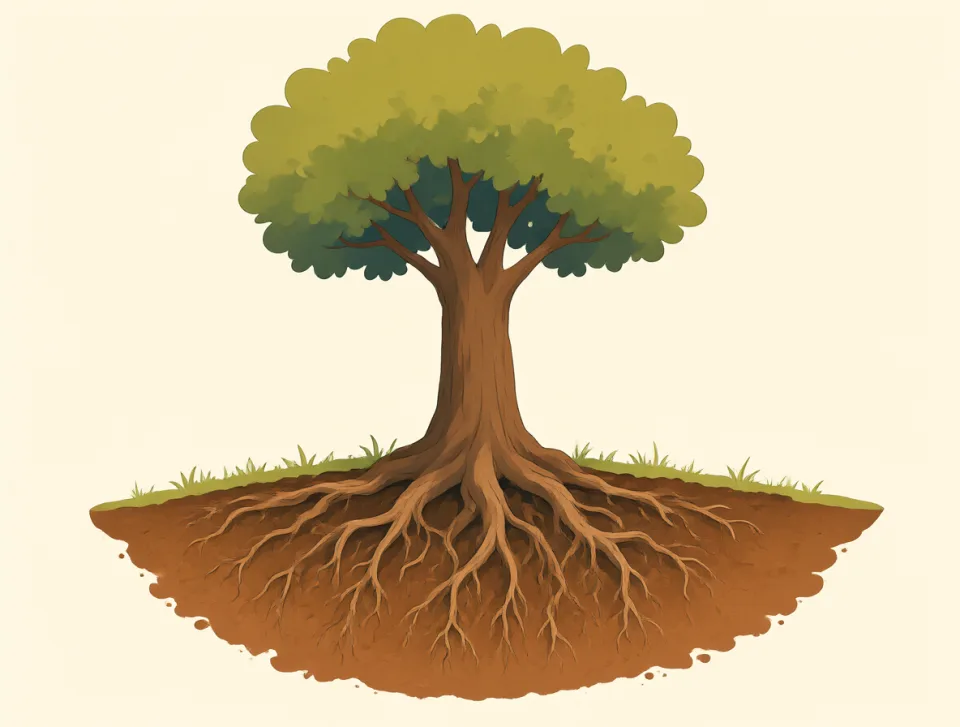
underlie
#2130verb
زیربنای چیزی بودن
to exist beneath and support something, or form the basic cause of it
در زیر چیزی وجود داشتن و از آن پشتیبانی کردن، یا علت اساسی آن بودن.

Strong family values underlie the way we raise our children.
ارزشهای خانوادگیِ قوی، زیربنای شیوهٔ تربیت فرزندانمان هستند.
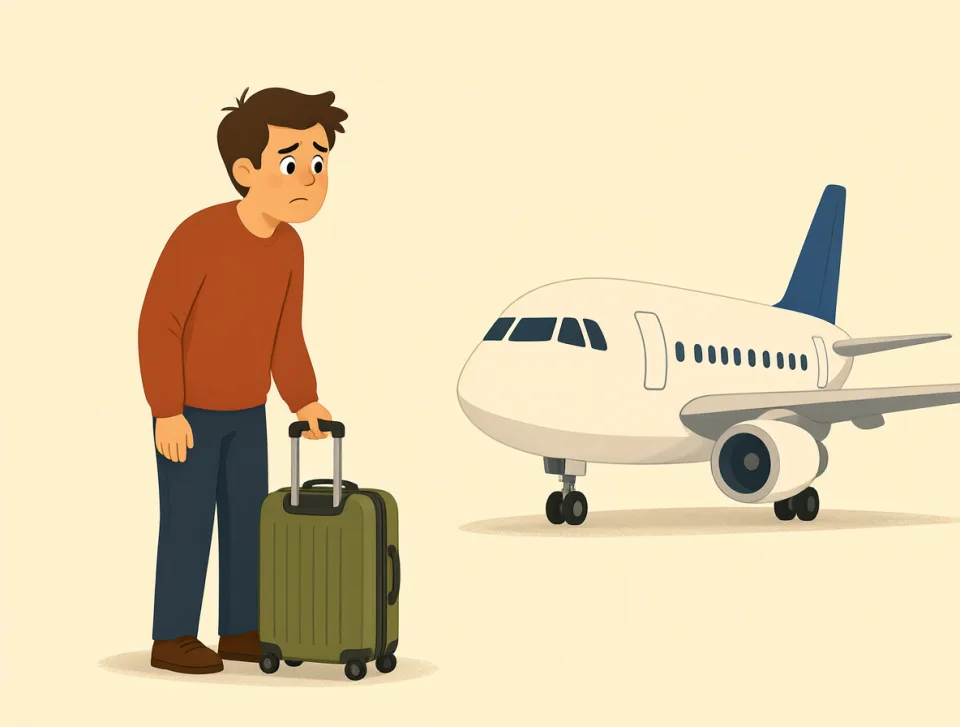
Several hidden fears underlie his refusal to travel by plane.
چند ترس پنهان، زیربنای امتناع او از سفر با هواپیما هستند.
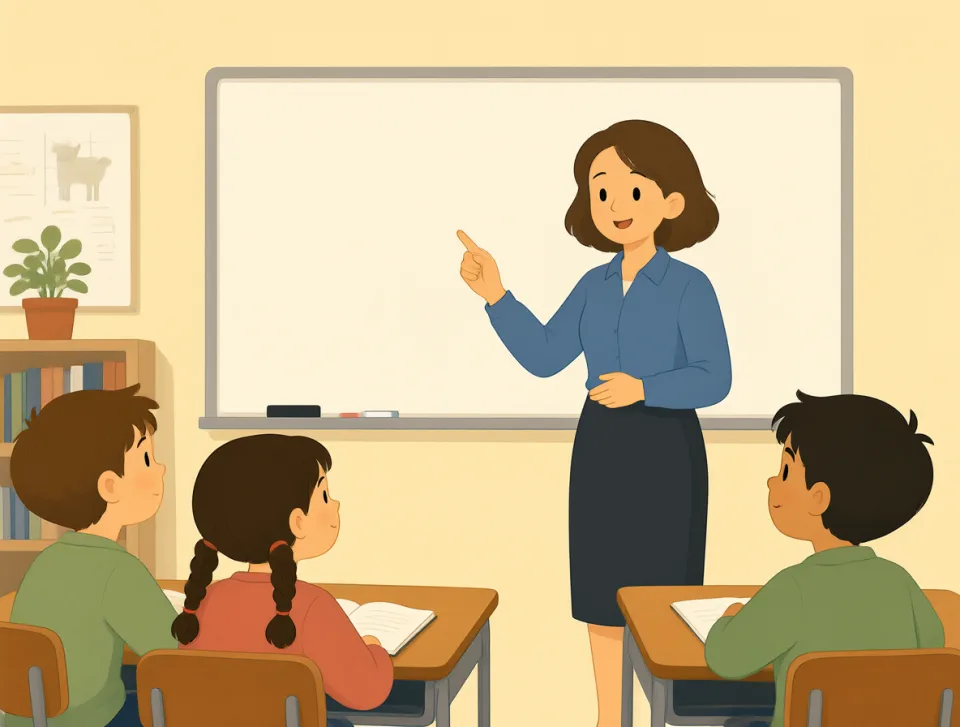
The teacher explained the ideas underlying the science experiment.
معلم ایدههای زیربناییِ آزمایش علمی را توضیح داد.

Trust and respect underlie every successful friendship.
اعتماد و احترام، زیربنای هر دوستیِ موفقی هستند.
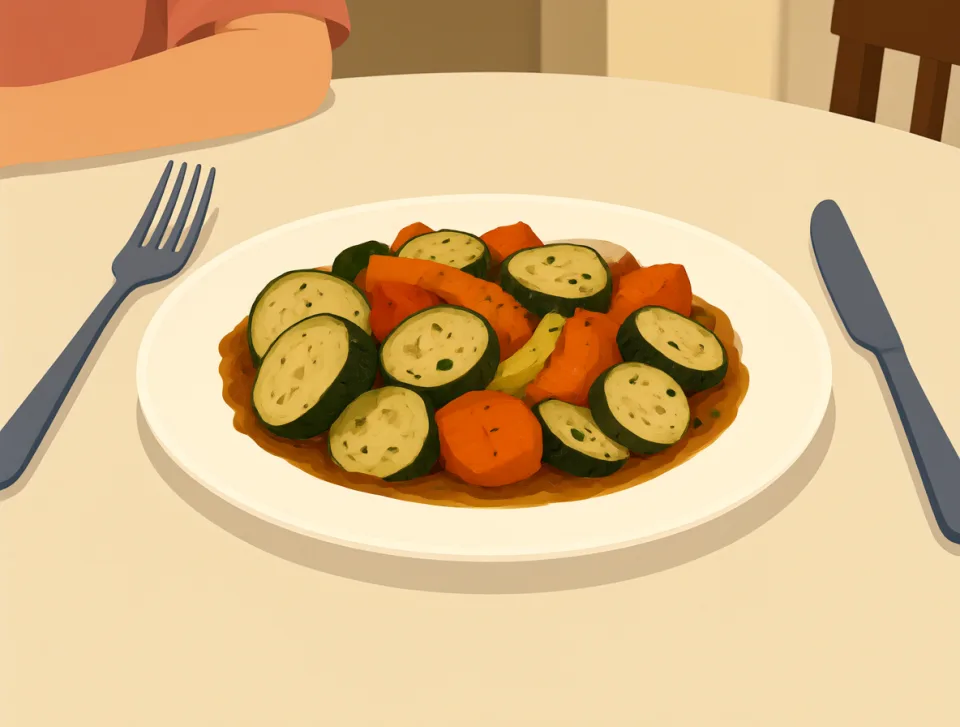
A simple sauce underlay the roasted vegetables at dinner.
برای شام، زیر سبزیجات کبابی سس سادهای ریخته بودند.
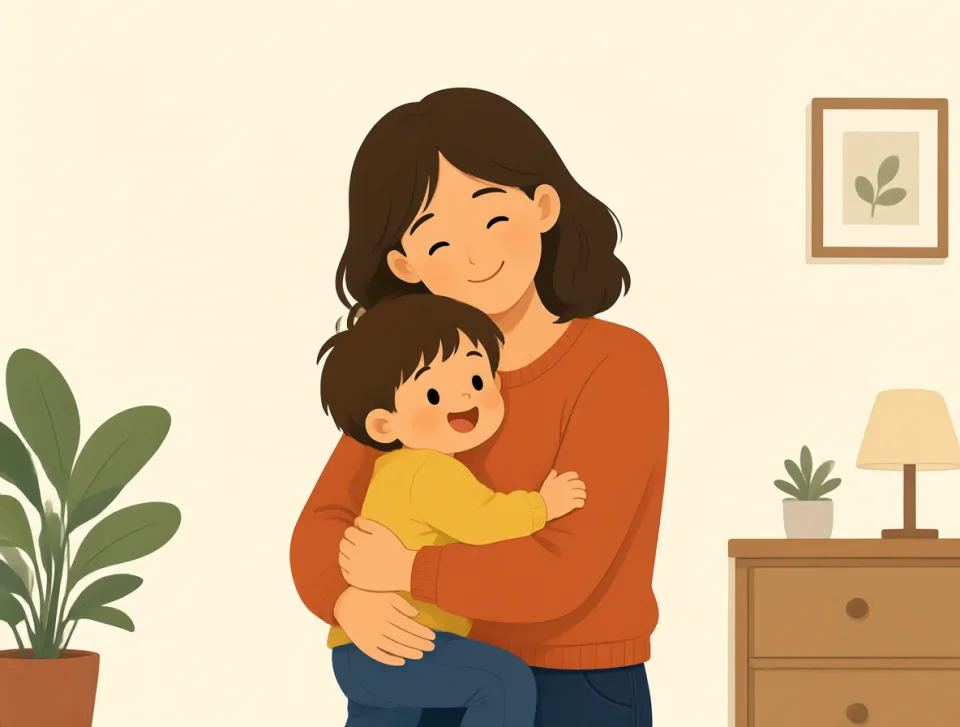
mom
#2131noun
مامان
your mother or a woman who looks after children
مادر شما یا زنی که از بچهها مراقبت میکند
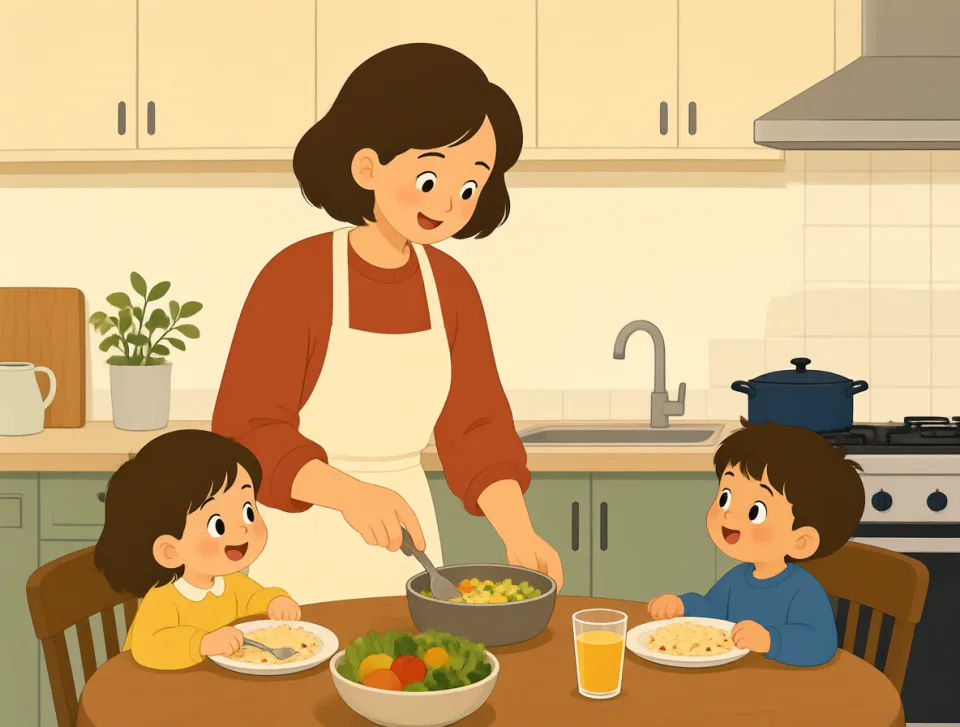
My mom makes breakfast for us every morning before school.
مامانم هر روز صبح قبل از مدرسه برایمان صبحانه درست میکند.

I called my mom after work to tell her the good news.
بعد از کار به مامانم زنگ زدم تا خبر خوب را به او بگویم.

My mom bought fresh vegetables and chicken for dinner.
مامانم برای شام سبزیجات تازه و مرغ خرید.
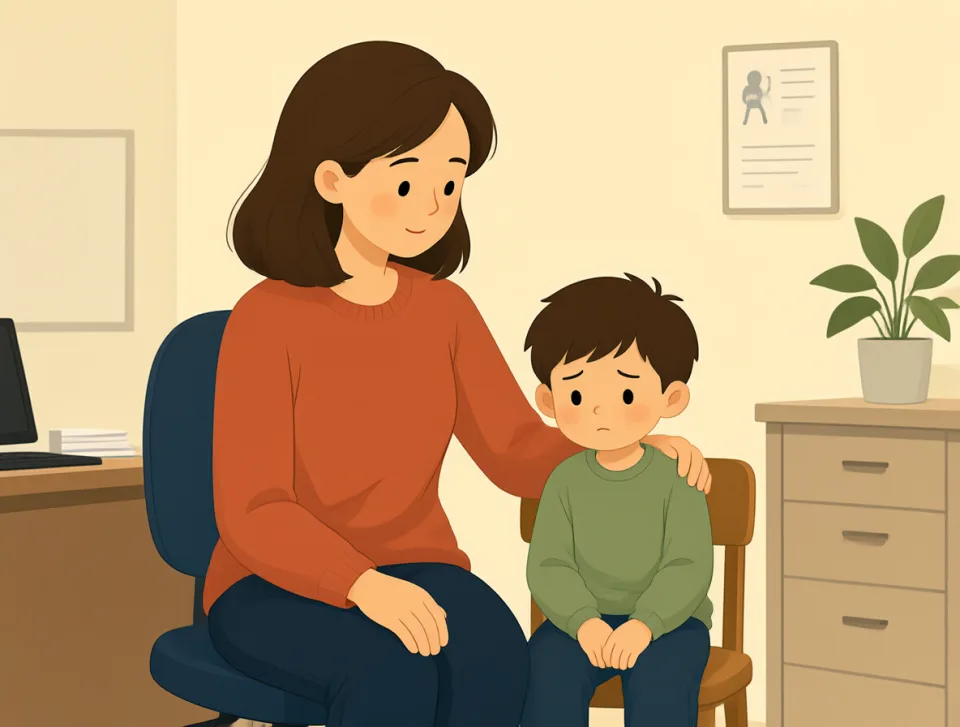
His mom took him to the doctor because he felt sick.
مامانش او را پیش دکتر برد، چون حالش خوب نبود.

My friend’s mom gave us a ride home after the party.
مامانِ دوستم بعد از مهمانی ما را با ماشین به خانه رساند.
distinction
#2132noun
تمایز
A clear difference between two people or things.
تفاوتی روشن میان دو نفر یا دو چیز.
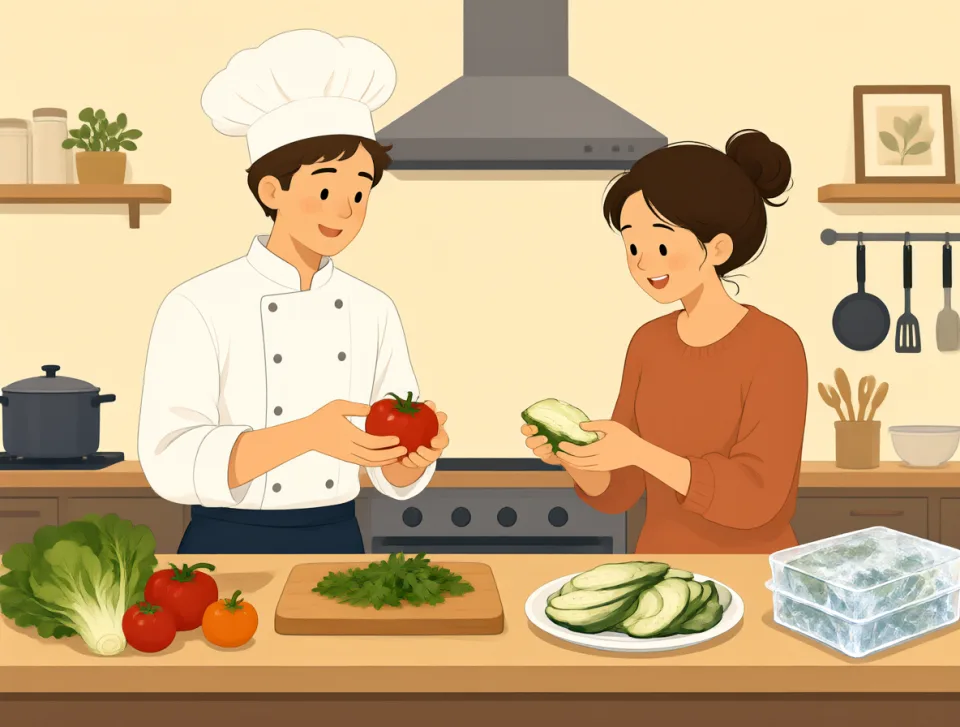
The chef is known for the distinction between fresh and frozen ingredients.
این سرآشپز بهخاطر تمایزی که میان مواد اولیه تازه و منجمد قائل میشود، معروف است.

There is an important distinction between being busy and being productive.
میان پرمشغله بودن و بهرهور بودن تفاوت مهمی وجود دارد.

The school gives an award to students who pass with distinction.
مدرسه به دانشآموزانی که با نمرات ممتاز قبول میشوند جایزه میدهد.
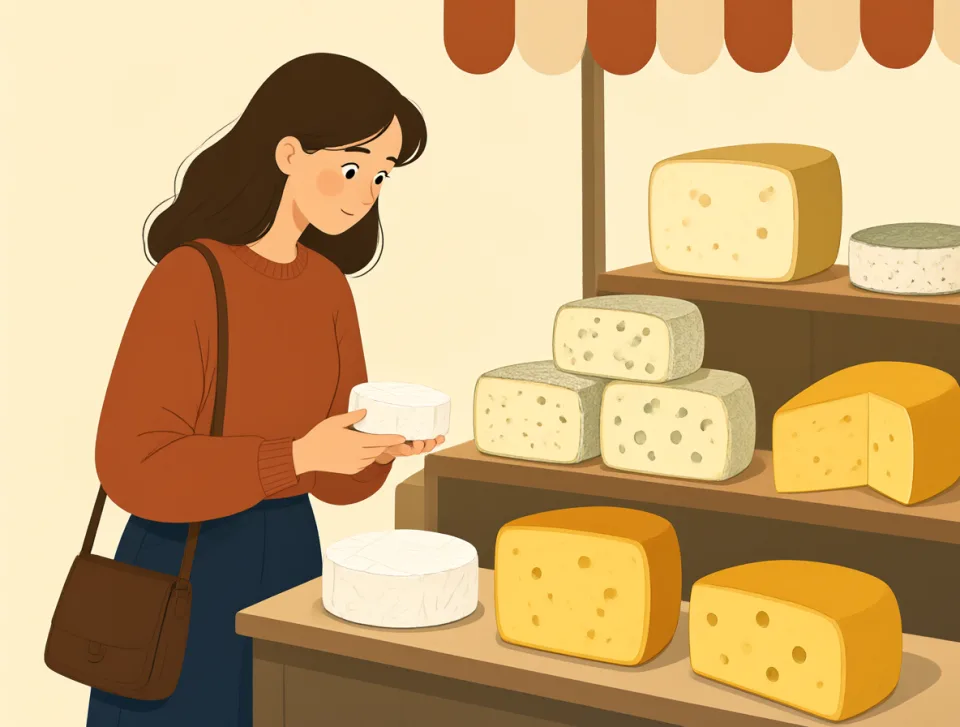
The store sells several cheeses, each with its own distinctive flavor.
این فروشگاه چند نوع پنیر میفروشد که هرکدام طعم خاص خودشان را دارند.

She earned the distinction of being the first person to finish the race.
او این افتخار را کسب کرد که اولین نفری باشد که مسابقه را تمام میکند.

satisfaction
#2133noun
رضایت
A happy feeling because something is good, successful, or meets your needs.
احساس خوشایندی که از خوب یا موفق بودن چیزی، یا برآورده شدن نیازهایتان به شما دست میدهد.
She smiled with satisfaction after finishing the difficult project at work.
بعد از تمام کردن پروژه دشوارش در محل کار، با رضایت لبخند زد.

The restaurant offers a money-back guarantee to ensure customer satisfaction.
این رستوران برای تضمین رضایت مشتریان، ضمانت بازگشت وجه ارائه میدهد.

He gets great satisfaction from helping children learn to read.
کمک به بچهها برای یاد گرفتن خواندن، رضایت زیادی به او میدهد.
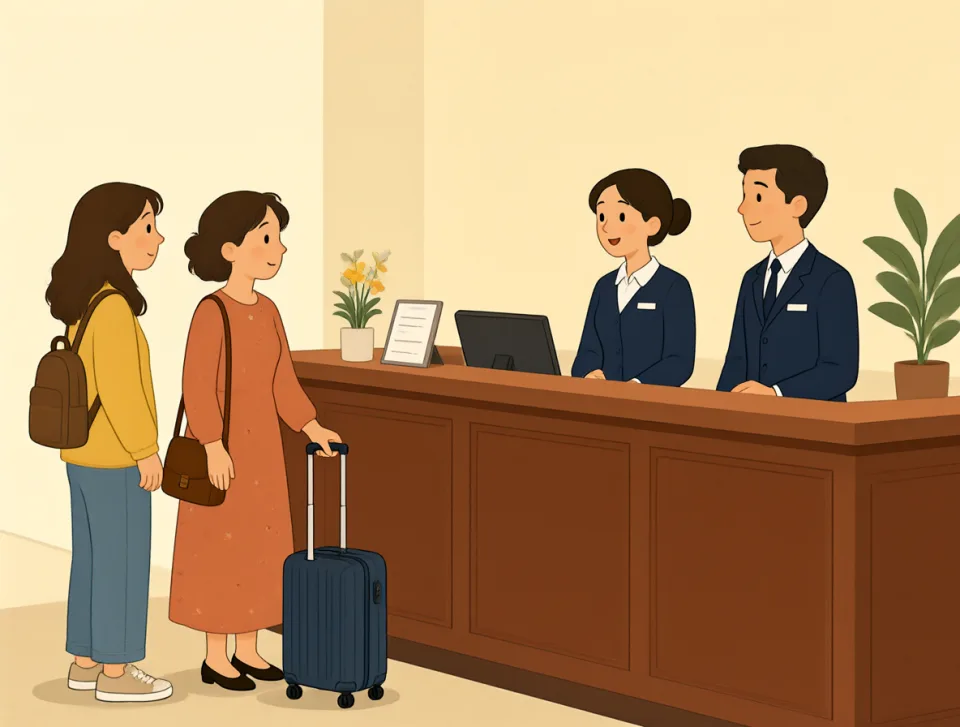
The hotel staff quickly resolved our complaint, much to our satisfaction.
کارکنان هتل خیلی زود به شکایت ما رسیدگی کردند و رضایت ما را جلب کردند.
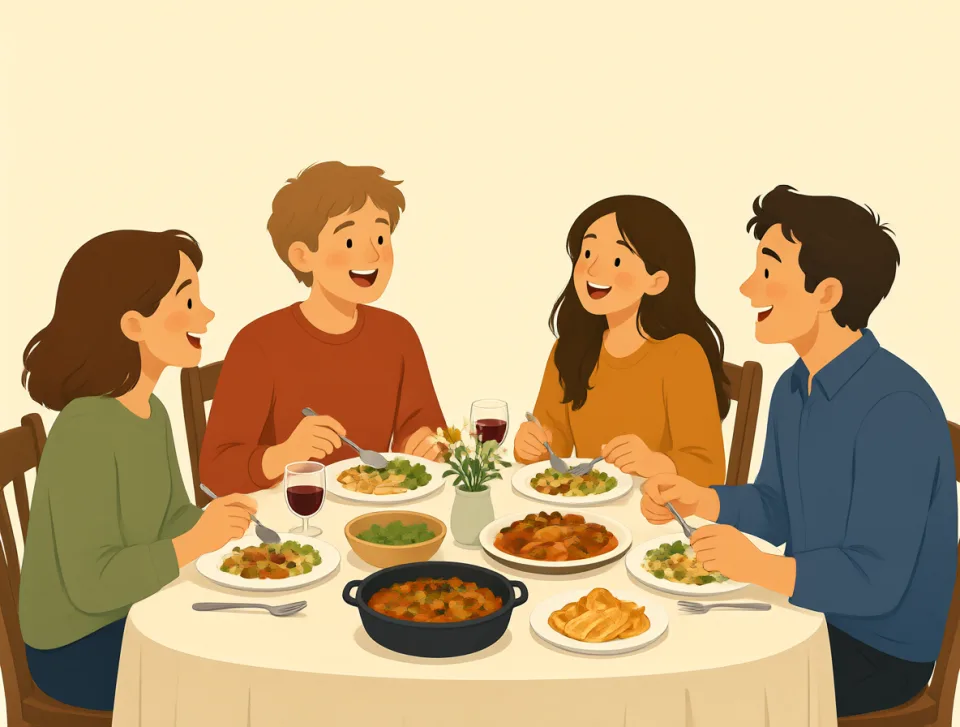
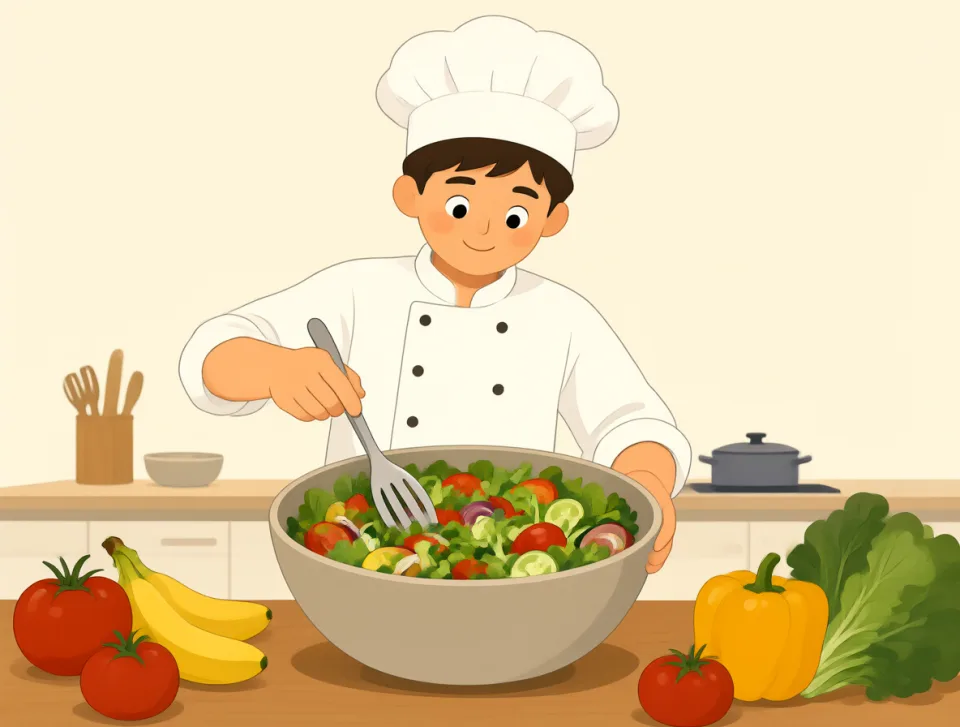
After dinner, everyone expressed satisfaction with the delicious homemade meal.
بعد از شام، همه رضایتشان را از غذای خانگی خوشمزه ابراز کردند.
incorporate
#2134verb
گنجاندن
to include something as part of a larger whole
چیزی را بهعنوان بخشی از یک کل بزرگتر در نظر گرفتن

The designer incorporated bright colors into the living room.
طراح رنگهای روشن را در اتاق نشیمن گنجاند.

Please incorporate your teacher’s suggestions into the final report.
لطفاً پیشنهادهای معلمتان را در گزارش نهایی بگنجانید.
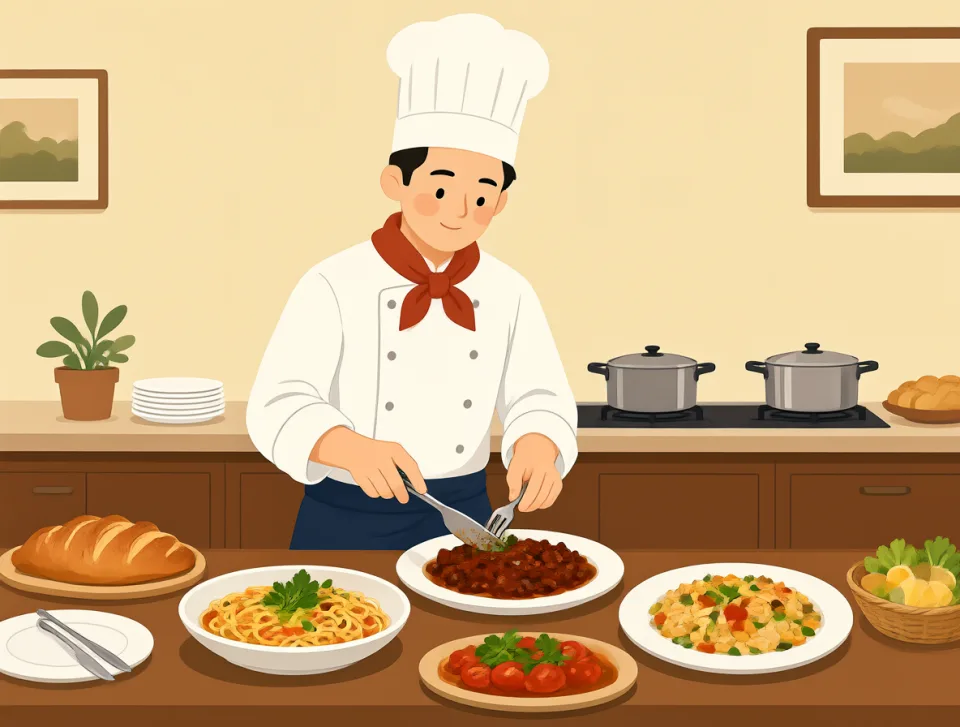
The hotel has incorporated local food into its breakfast menu.
هتل غذاهای محلی را در منوی صبحانهاش گنجانده است.
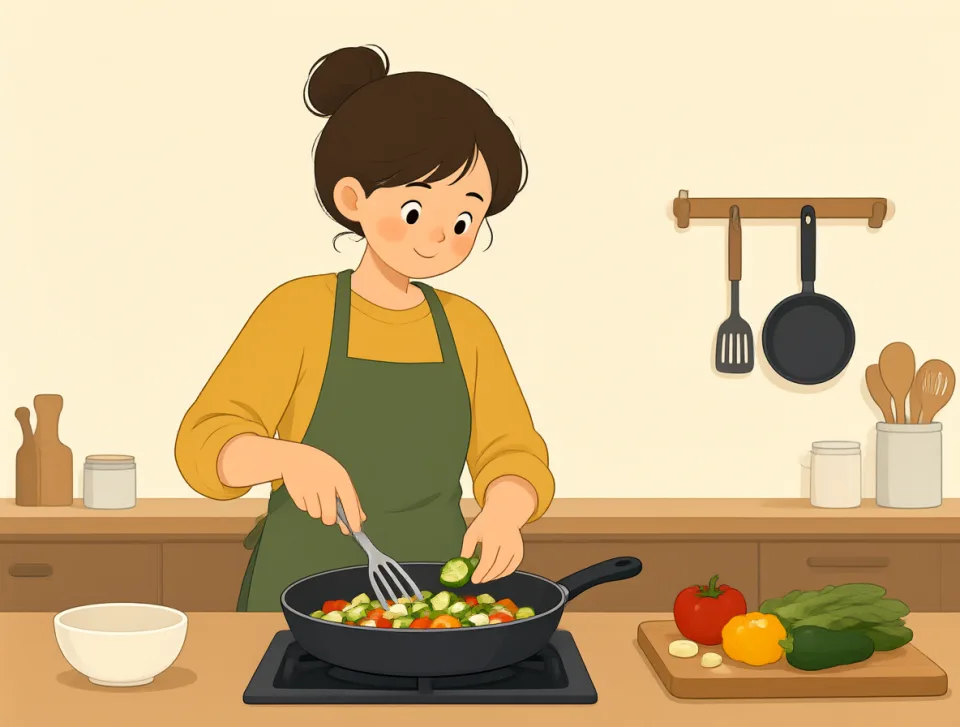
We are incorporating more vegetables into our family meals.
داریم سبزیجات بیشتری را در وعدههای غذایی خانوادهمان میگنجانیم.
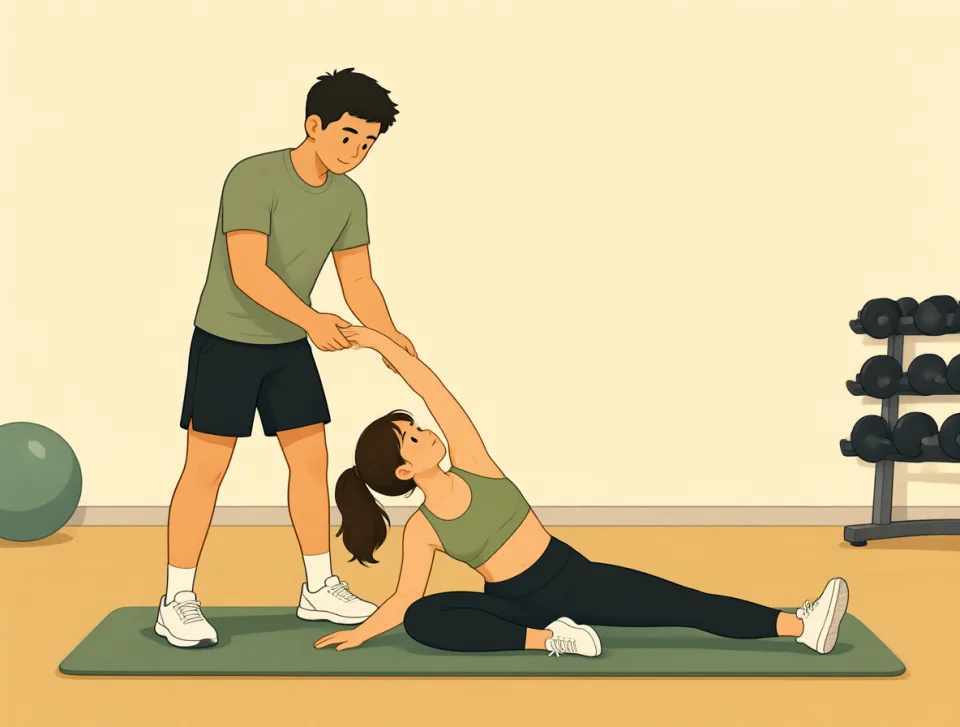
The exercise program incorporates stretching to prevent injuries.
این برنامه ورزشی برای جلوگیری از آسیبدیدگی، حرکات کششی را در خود میگنجاند.
pour
#2135verb, noun
ریختن
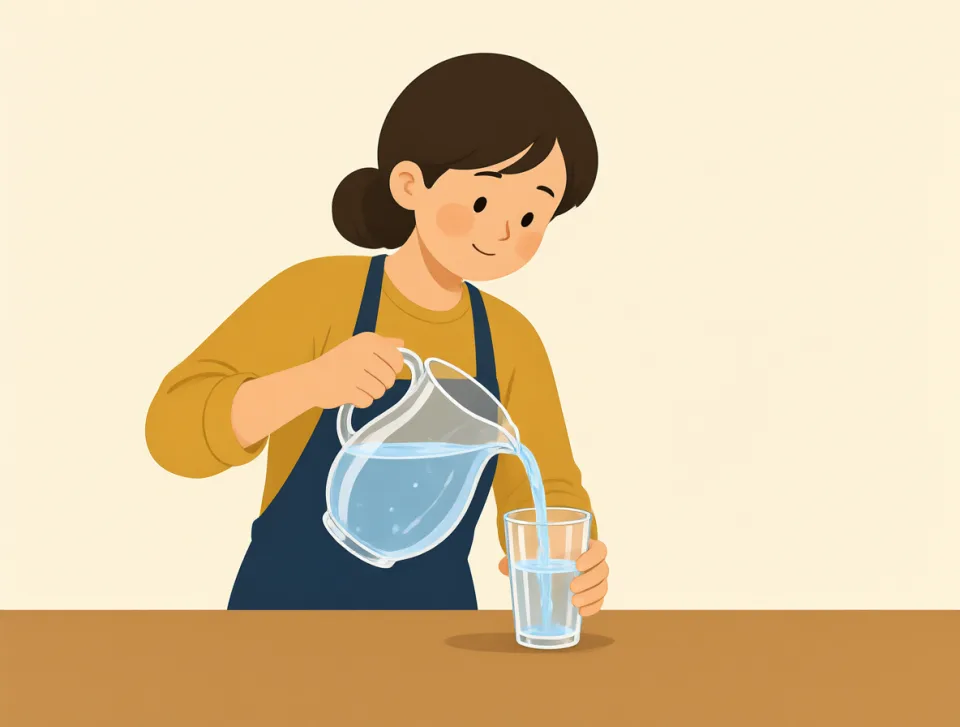
To make a liquid flow from one container into another, usually quickly and steadily.
جریان دادن یک مایع از ظرفی به ظرف دیگر، معمولاً بهصورت سریع و پیوسته.

Please pour some milk into my coffee.
لطفاً کمی شیر در قهوهام بریز.
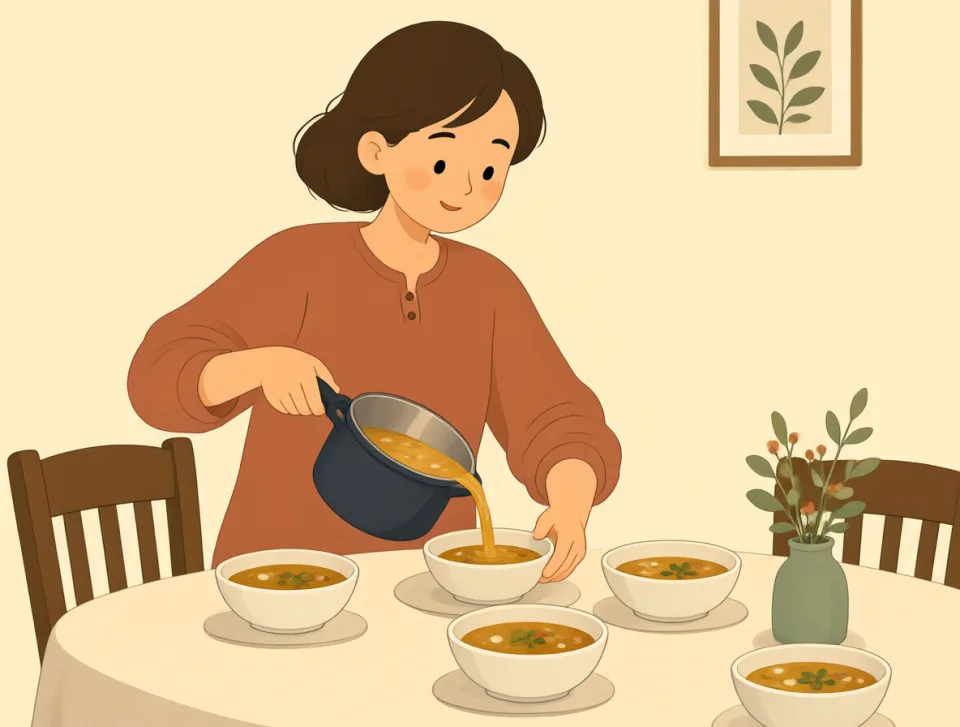
She poured the soup into bowls for everyone.
او برای همه در کاسهها سوپ ریخت.
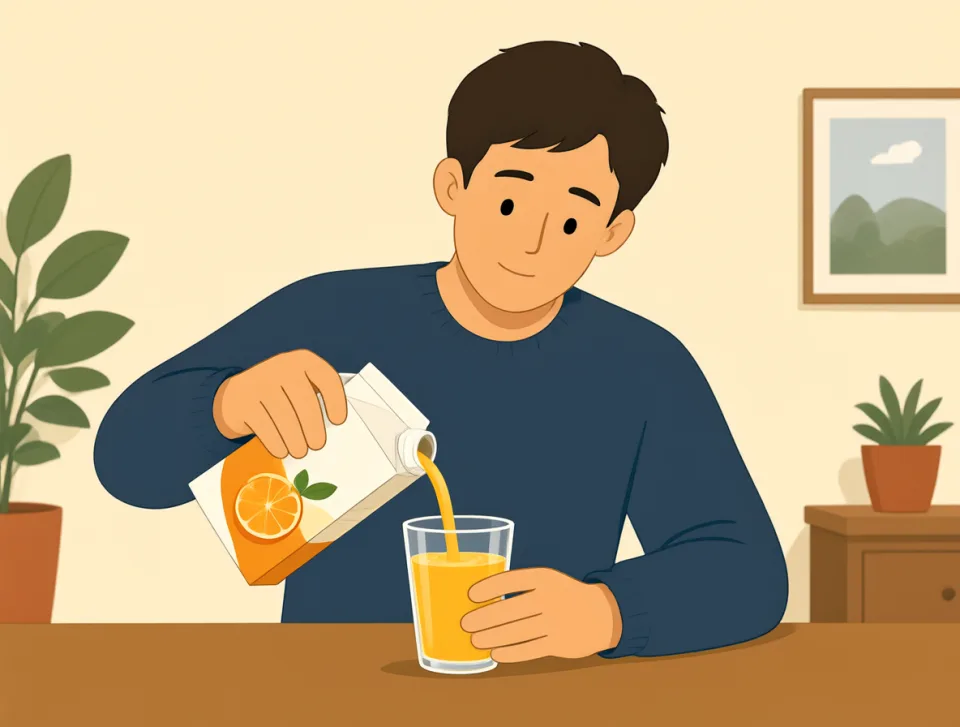
He poured himself a glass of orange juice.
او برای خودش یک لیوان آب پرتقال ریخت.
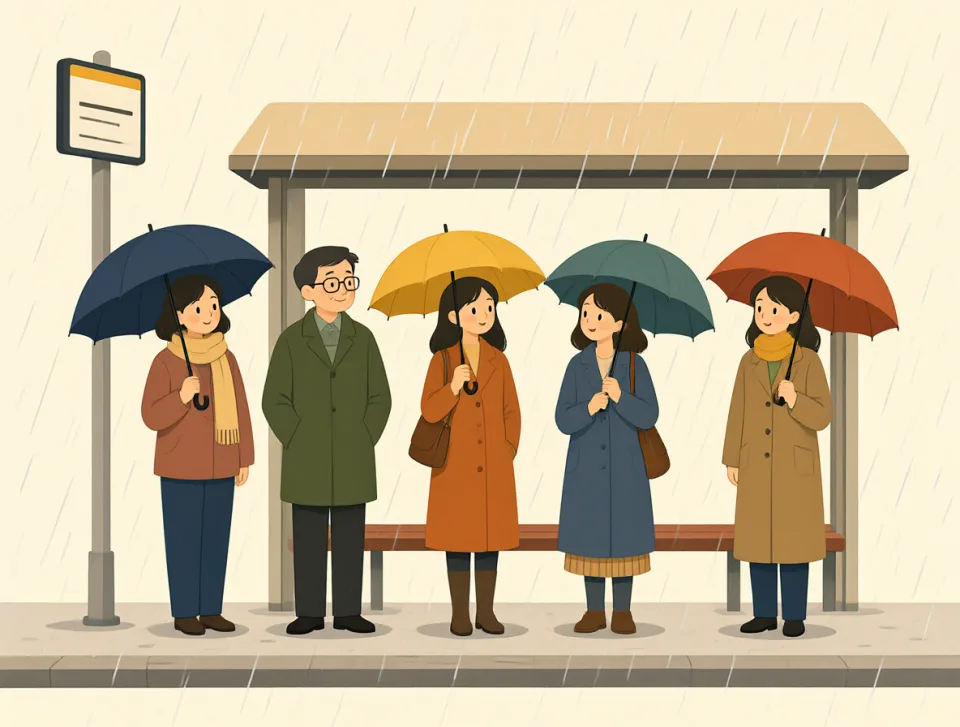
Rain poured down as we waited for the bus.
وقتی منتظر اتوبوس بودیم، باران سیلآسا میبارید.

A steady pour of customers entered the store after work.
بعد از پایان کار، سیلی از مشتریان وارد فروشگاه شد.
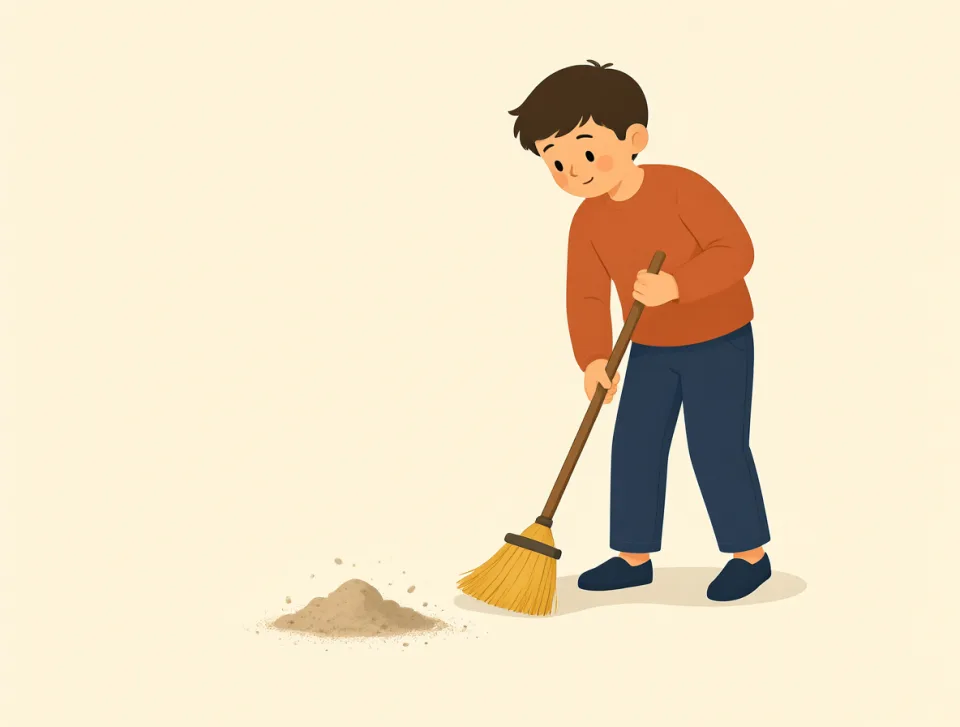
sweep
#2136verb, noun
جارو کردن
To clean a floor or surface with a broom, or move across an area quickly.
تمیز کردن کف یا سطح با جارو، یا حرکت سریع در یک ناحیه.
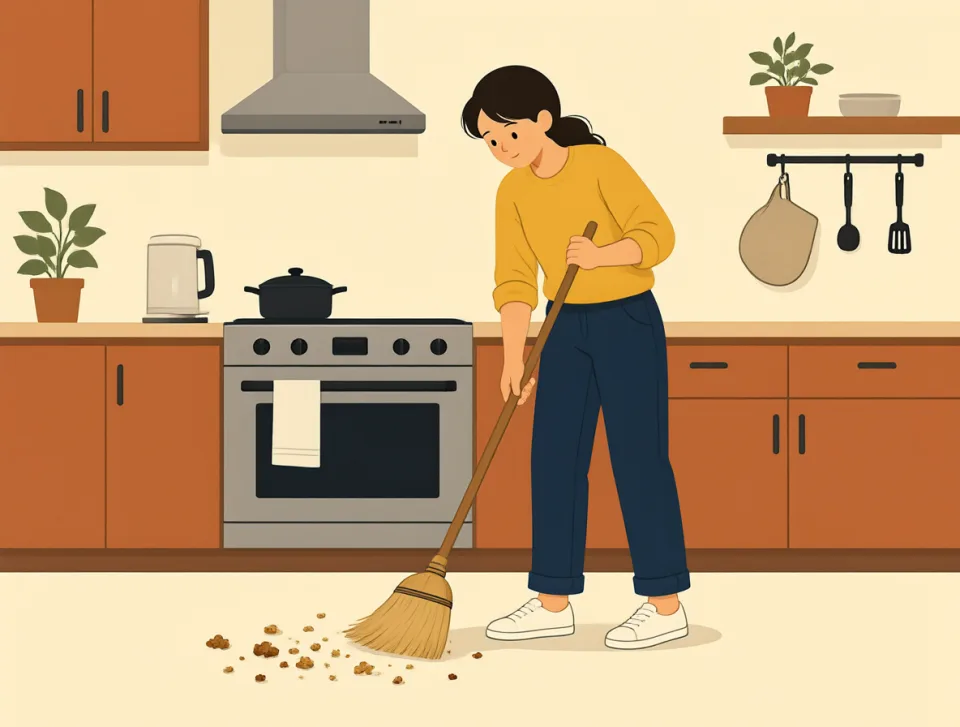
I sweep the kitchen floor every evening after dinner.
هر شب بعد از شام کف آشپزخانه را جارو میکنم.
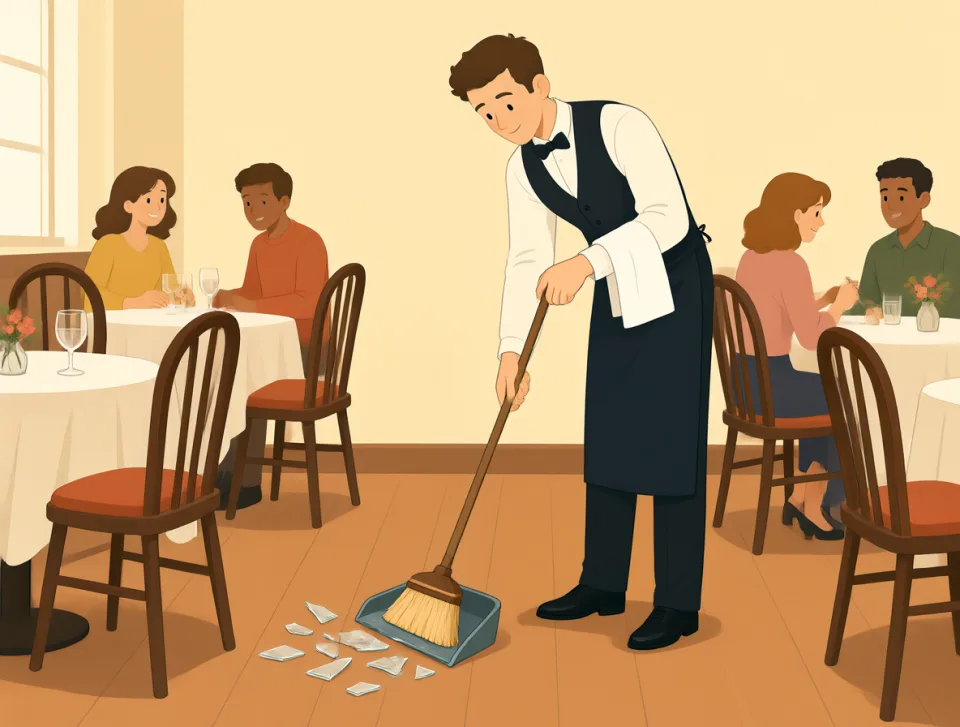
The waiter swept the broken glass into a dustpan.
گارسون خردهشیشهها را با جارو به داخل خاکانداز جمع کرد.

Strong winds swept leaves across the garden.
بادهای شدیدی برگها را در سراسر باغ پراکنده کردند.

The new manager is sweeping through the office, checking every department.
مدیر جدید در دفتر میچرخد و همهٔ بخشها را بررسی میکند.
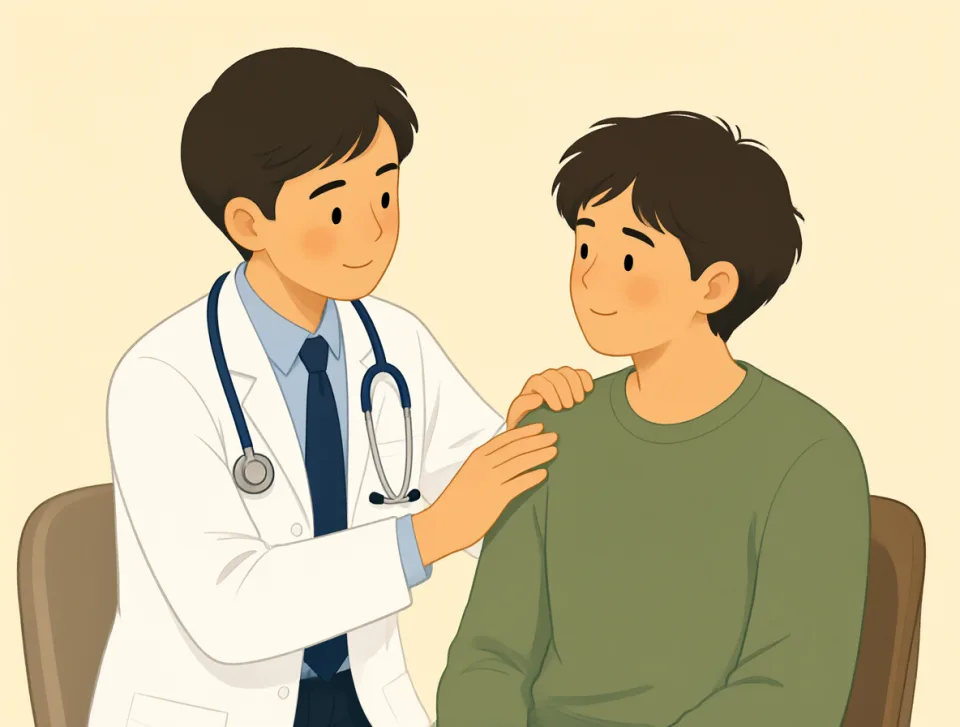
The doctor swept his hand over the patient’s shoulder during the examination.
دکتر هنگام معاینه دستش را روی شانهٔ بیمار حرکت داد.
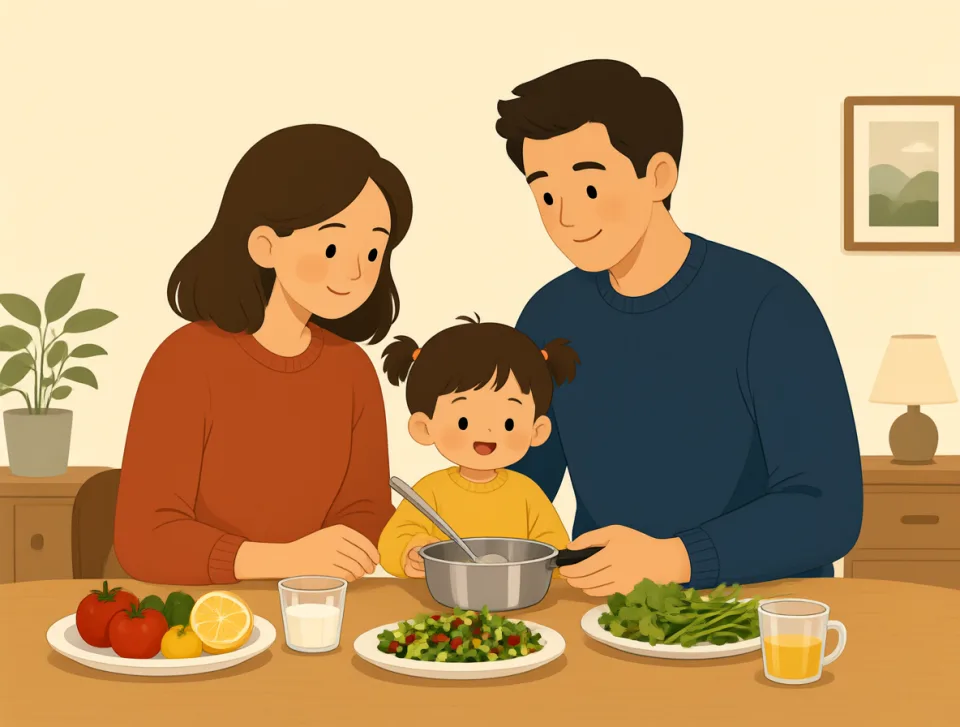
obligation
#2137noun
تعهد
A duty to do something because it is required by law, rules, or circumstances.
وظیفهای برای انجام کاری که قانون، مقررات یا شرایط آن را الزامی میکند.
Parents have an obligation to keep their children safe and healthy.
والدین وظیفه دارند فرزندانشان را ایمن و سالم نگه دارند.
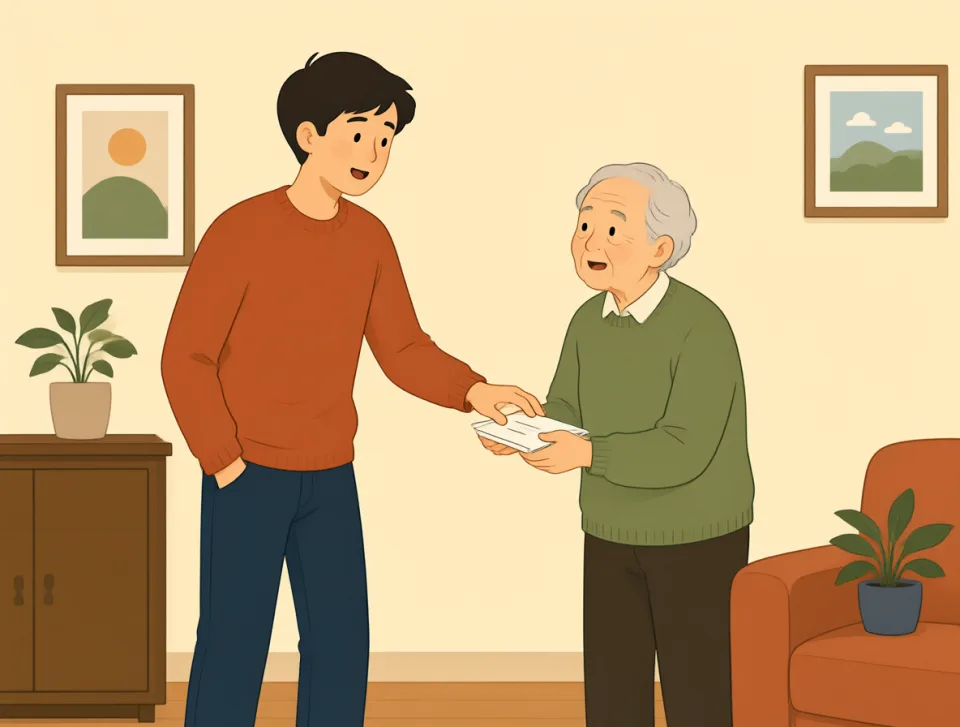
I cannot join you tonight because I have family obligations.
امشب نمیتوانم با شما بیایم، چون بهخاطر خانواده تعهداتی دارم.
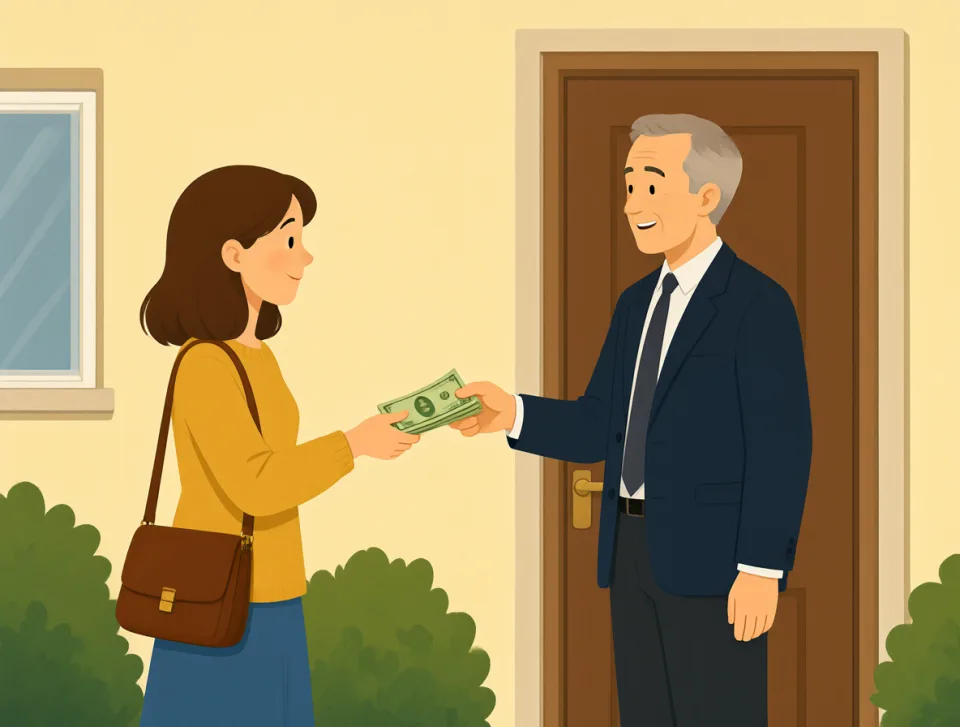
The contract creates an obligation to pay the rent on time.
این قرارداد تعهدی برای پرداخت بهموقع اجاره ایجاد میکند.
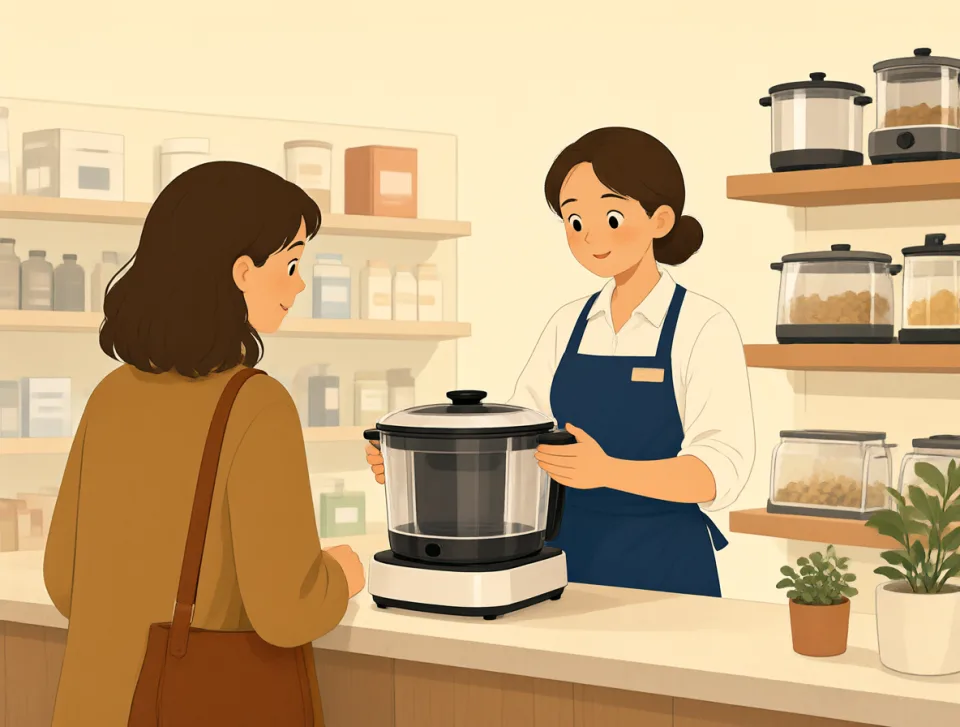
There is no obligation to buy anything during the free product demonstration.
در طول نمایش رایگان محصول، هیچ الزامی برای خرید چیزی وجود ندارد.

Students have an obligation to attend classes and complete their assignments.
دانشآموزان موظفاند در کلاسها شرکت کنند و تکالیفشان را انجام دهند.

sir
#2138noun
آقا
A polite way to speak to a man, especially someone in authority.
خطابی مؤدبانه برای مردان، بهویژه افرادی که مقام یا اختیاراتی دارند.
Excuse me, sir, could you tell me where the nearest train station is?
ببخشید آقا، میتوانید بگویید نزدیکترین ایستگاه قطار کجاست؟

The waiter asked, “What would you like to order, sir?”
گارسون پرسید: «آقا، میل دارید چه چیزی سفارش بدهید؟»

Yes, sir, I understand the instructions and will finish the work today.
بله آقا، دستورها را متوجه شدم و امروز کار را تمام میکنم.
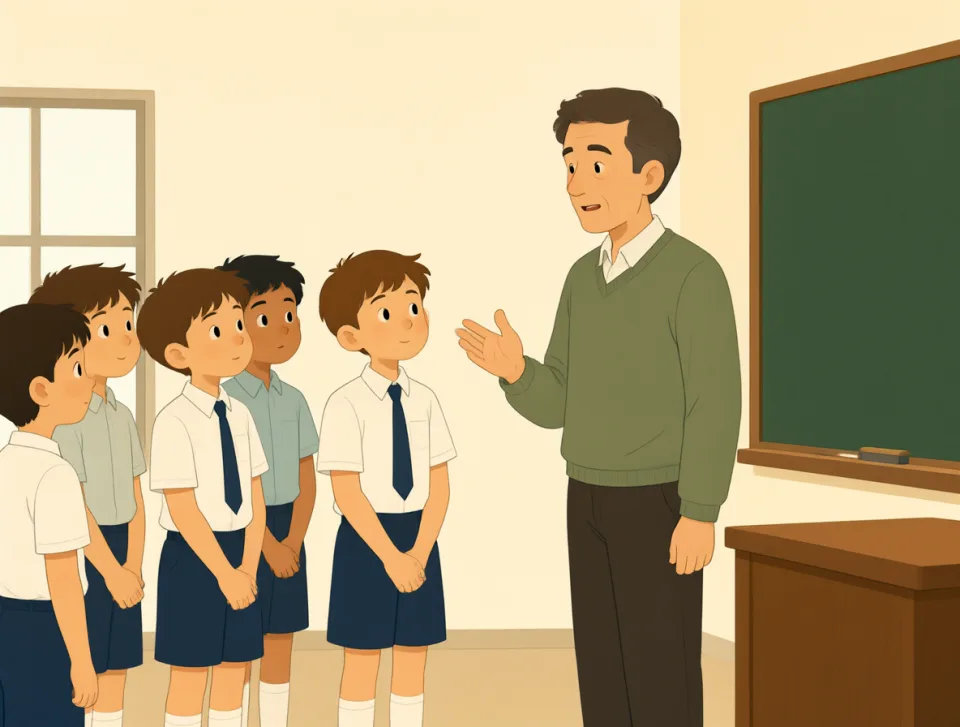
The teacher asked the boys to wait outside, and they answered, “Yes, sir.”
معلم از پسرها خواست بیرون منتظر بمانند و آنها جواب دادند: «بله آقا.»
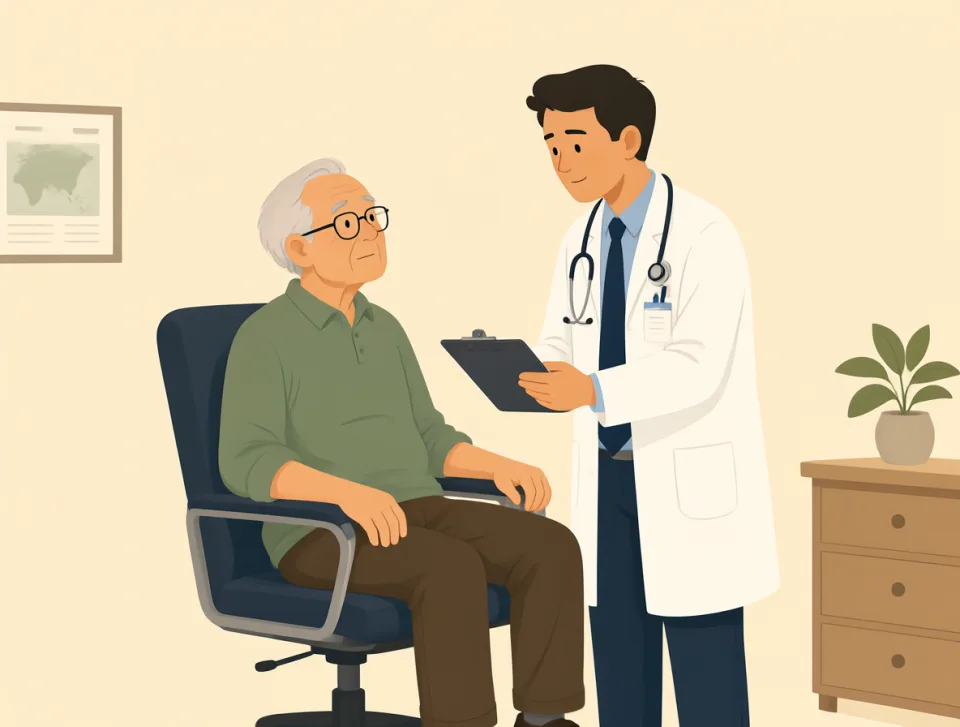
The doctor told the patient, “Please sit down, sir, and take a deep breath.”
دکتر به بیمار گفت: «لطفاً بنشینید آقا و یک نفس عمیق بکشید.»
evaluate
#2139verb
ارزیابی کردن
to judge something carefully to decide its quality, value, or importance
با دقت دربارهٔ چیزی قضاوت کردن تا کیفیت، ارزش یا اهمیت آن مشخص شود.
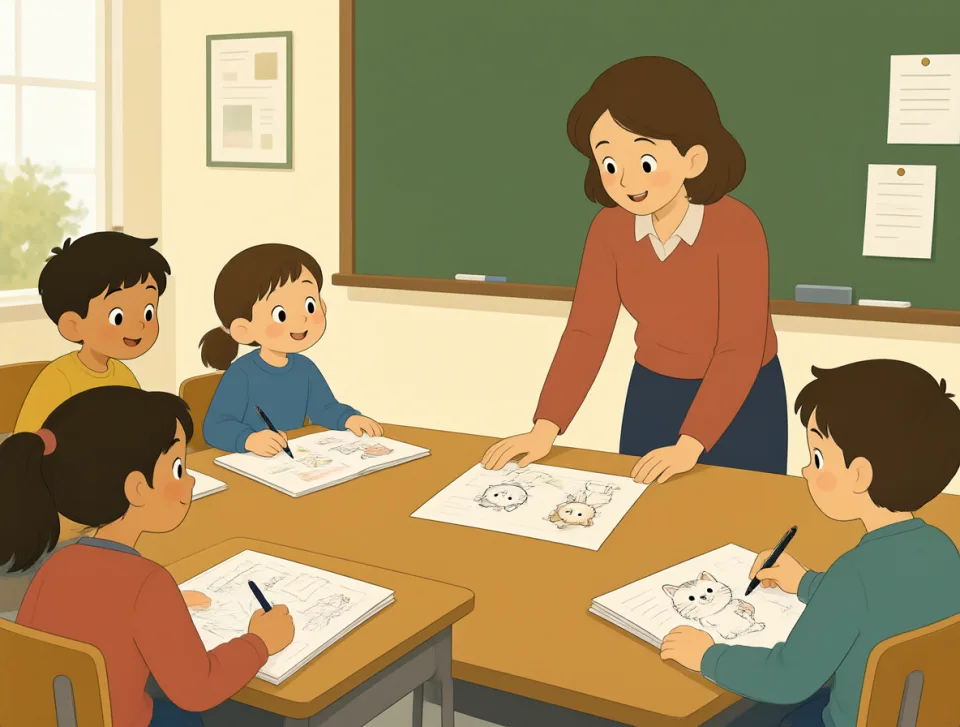
The teacher will evaluate our projects before giving us final grades.
معلم پیش از دادن نمرههای نهایی، پروژههای ما را ارزیابی خواهد کرد.

We evaluated three hotels before choosing where to stay.
پیش از انتخاب محل اقامتمان، سه هتل را بررسی کردیم.
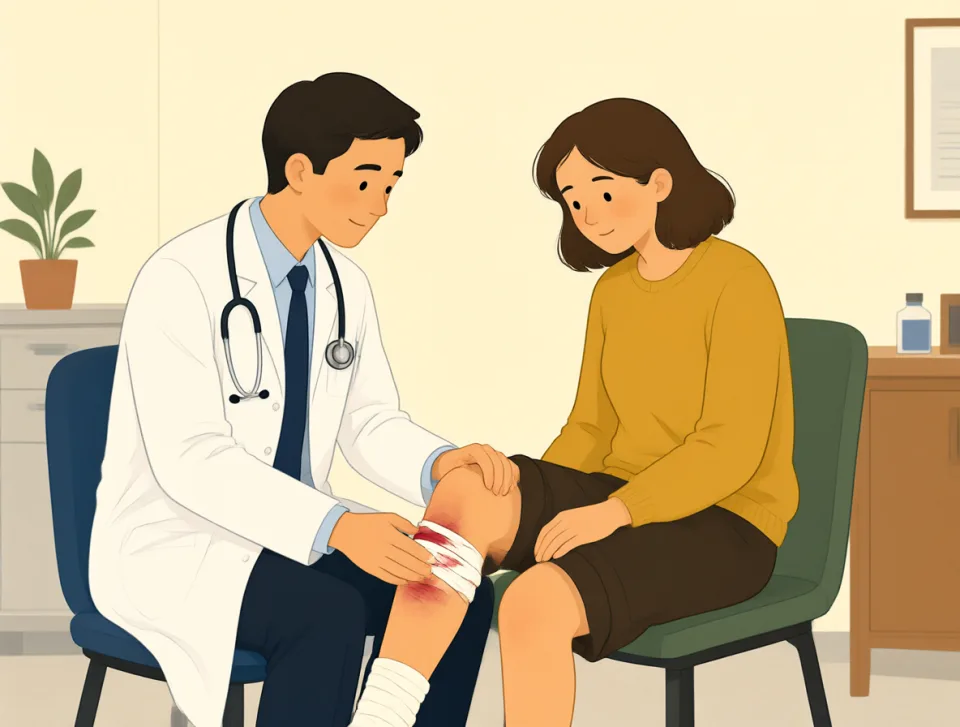
The doctor is evaluating my knee after I fell yesterday.
دکتر دارد زانوی مرا که دیروز زمین خوردم، معاینه میکند.

Please evaluate this new coffee before we add it to the menu.
لطفاً این قهوهٔ جدید را ارزیابی کنید، پیش از آنکه آن را به منو اضافه کنیم.

The manager evaluated my work and offered helpful advice.
مدیر کارم را ارزیابی کرد و توصیههای مفیدی ارائه داد.
anger
#2140noun, verb
خشم
a strong feeling of annoyance caused by something unfair, unpleasant, or wrong
احساس شدید ناراحتی و عصبانیت که از چیزی ناعادلانه، ناخوشایند یا نادرست ناشی میشود.
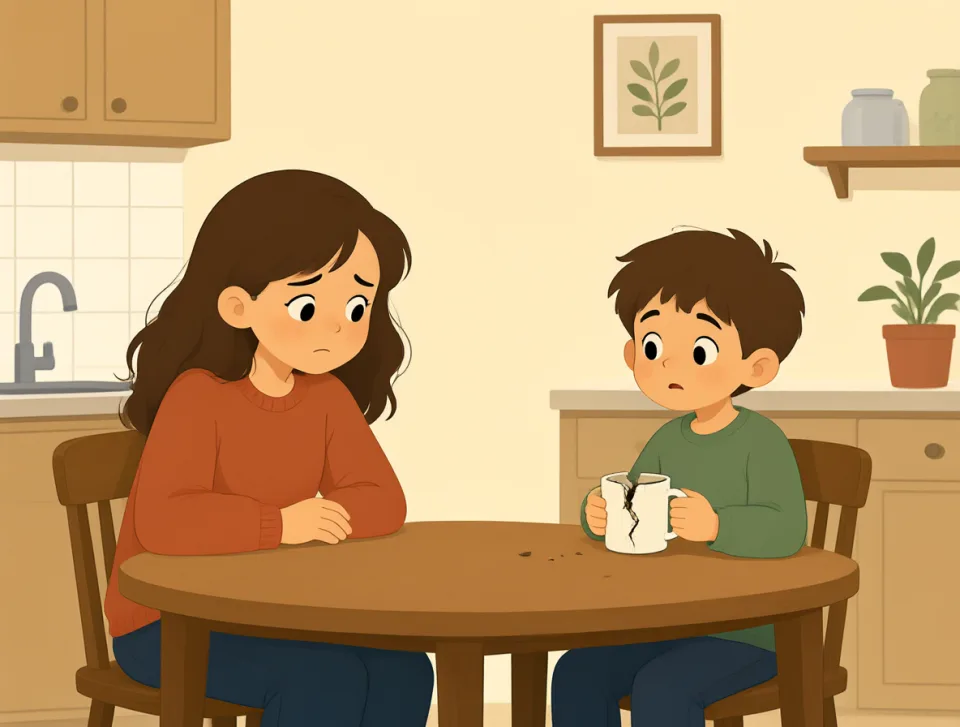
She tried to hide her anger when her brother broke her favorite mug.
وقتی برادرش ماگ موردعلاقهاش را شکست، سعی کرد خشمش را پنهان کند.

The manager apologized after customers expressed anger about the long delay.
مدیر پس از ابراز خشم مشتریان از تأخیر طولانی، عذرخواهی کرد.
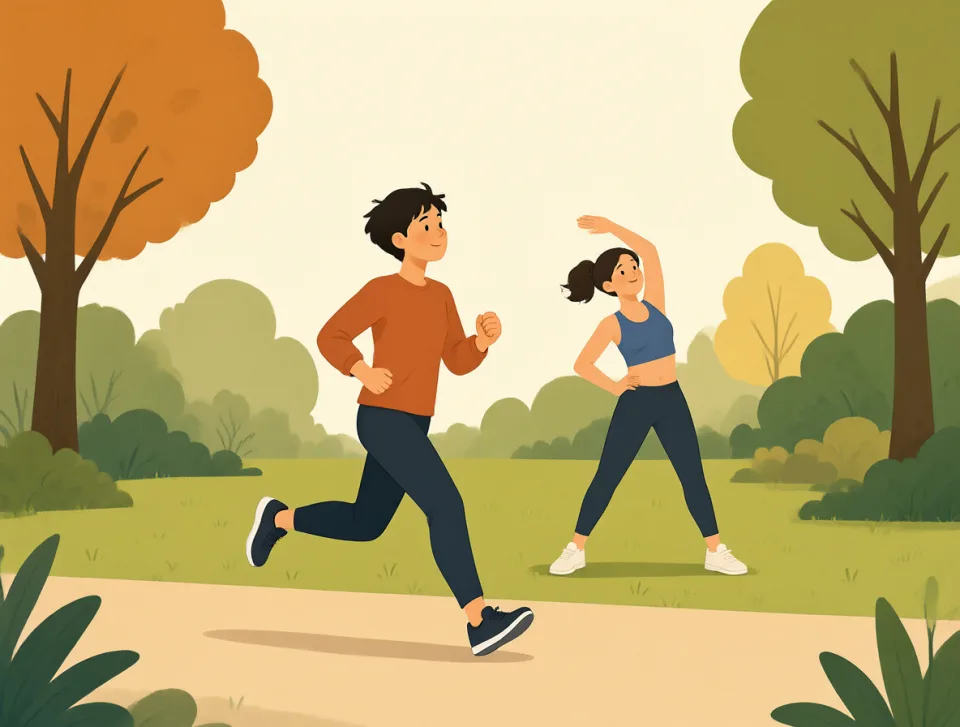
Regular exercise can help people manage anger and sleep better.
ورزش منظم میتواند به افراد کمک کند خشمشان را کنترل کنند و بهتر بخوابند.

He spoke in anger and later regretted his harsh words.
او از روی خشم حرف زد و بعداً از حرفهای تندش پشیمان شد.
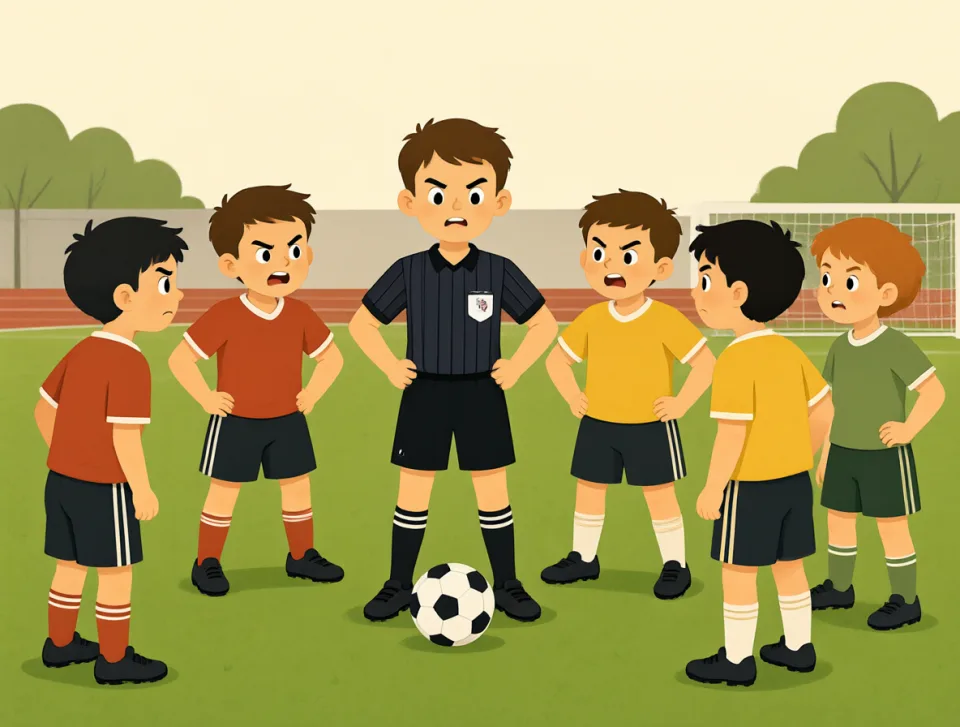
The unfair referee's decision angered the players during the school match.
تصمیم ناعادلانهٔ داور در جریان مسابقهٔ مدرسه، بازیکنان را خشمگین کرد.