Zestaw 106
Słowa 2101–2120 · formula, alter, perceive, routine, sink, stare
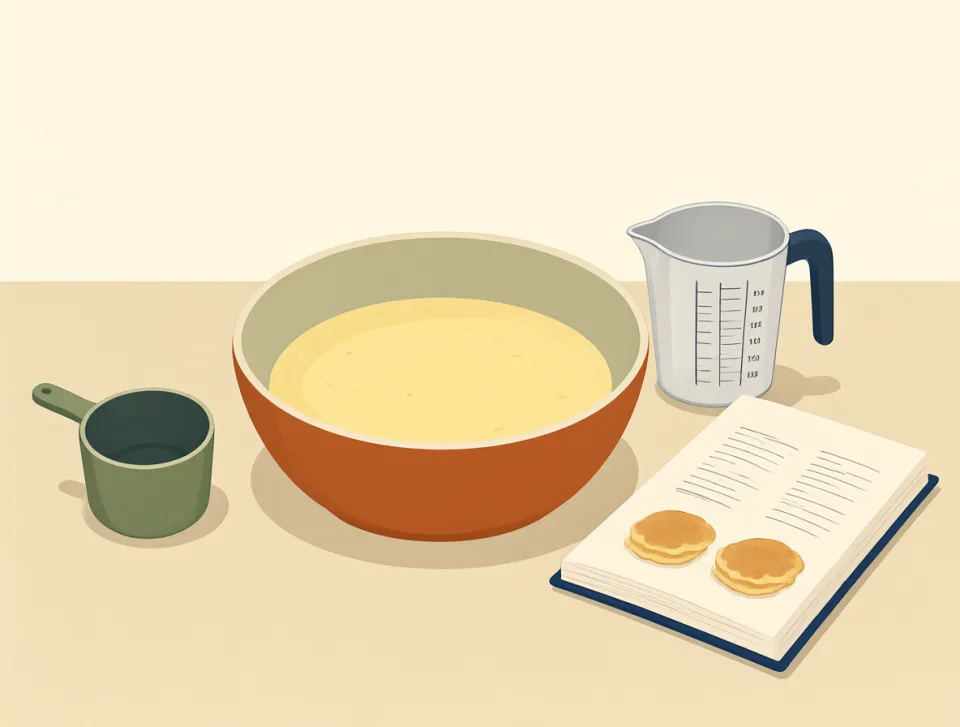
formula
#2101noun
wzór
A set of numbers, symbols, or rules used to calculate or explain something.
Zestaw liczb, symboli lub zasad służących do obliczania czegoś albo wyjaśniania czegoś.
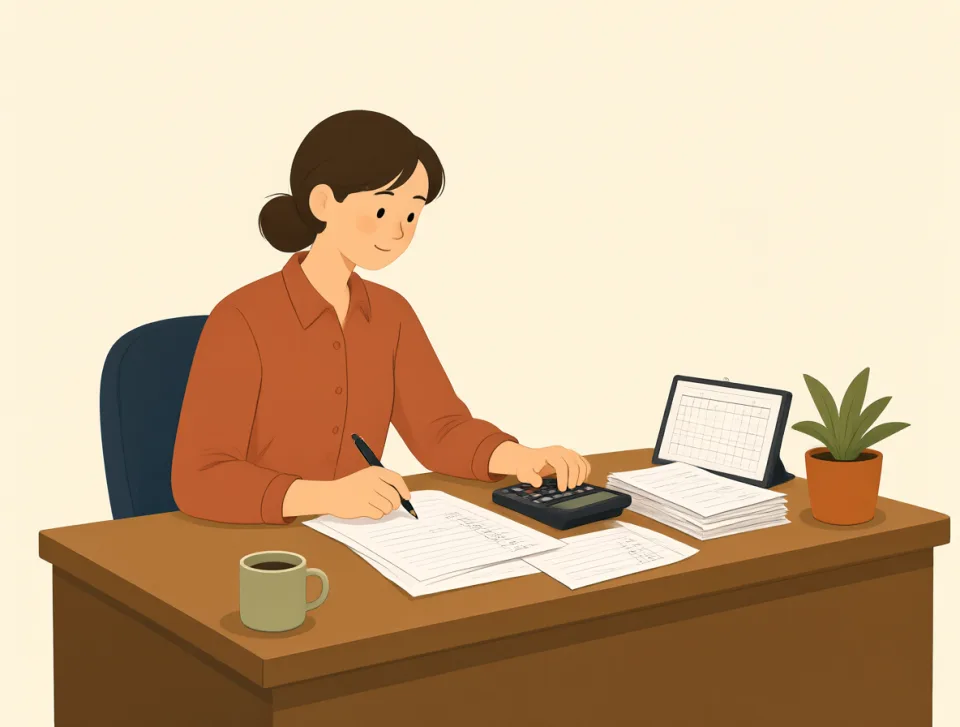
This formula helps us calculate the total cost of the order.
Ten wzór pomaga nam obliczyć całkowity koszt zamówienia.
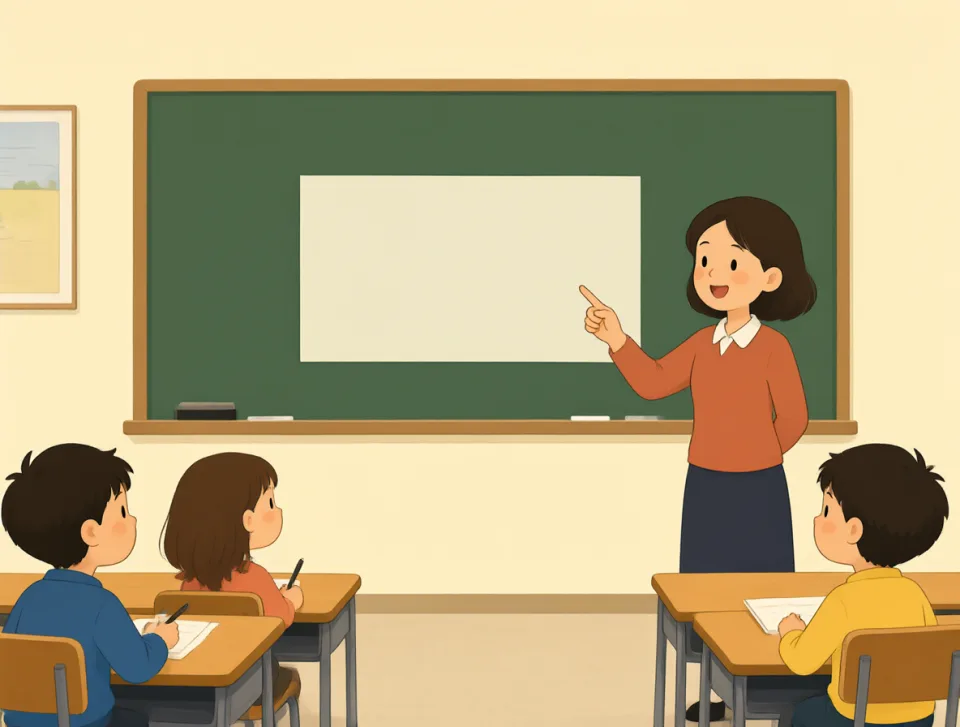
The teacher explained a simple formula for finding the area of a rectangle.
Nauczyciel wyjaśnił prosty wzór na obliczanie pola prostokąta.
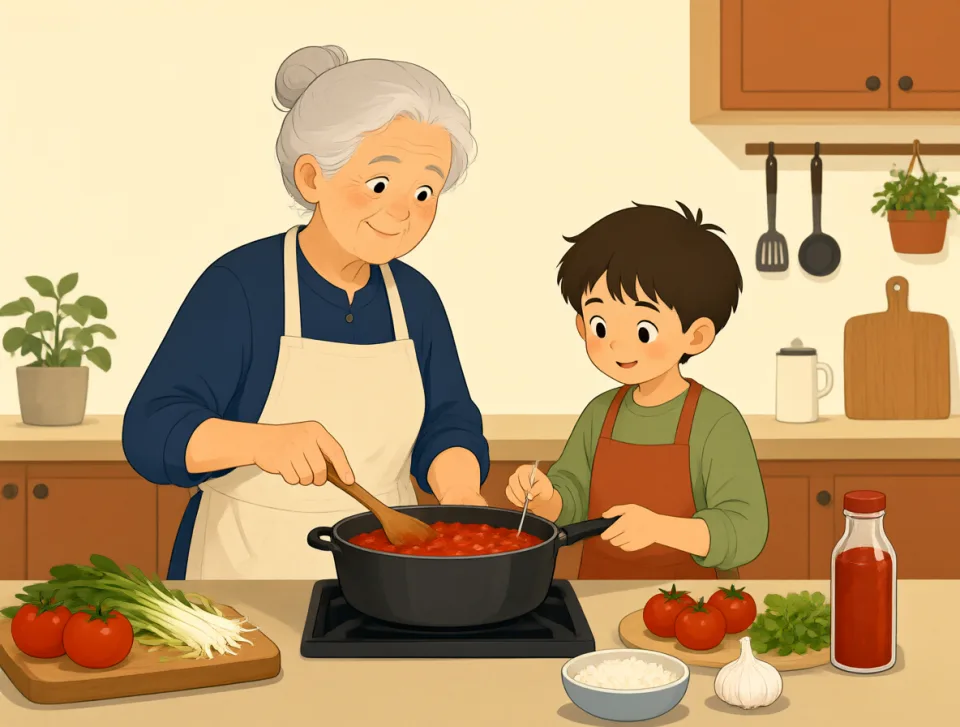
I followed my grandmother’s formula to make the perfect tomato sauce.
Przygotowałem idealny sos pomidorowy według przepisu mojej babci.

The company is testing a new formula for its popular skin cream.
Firma testuje nową formułę swojego popularnego kremu do skóry.
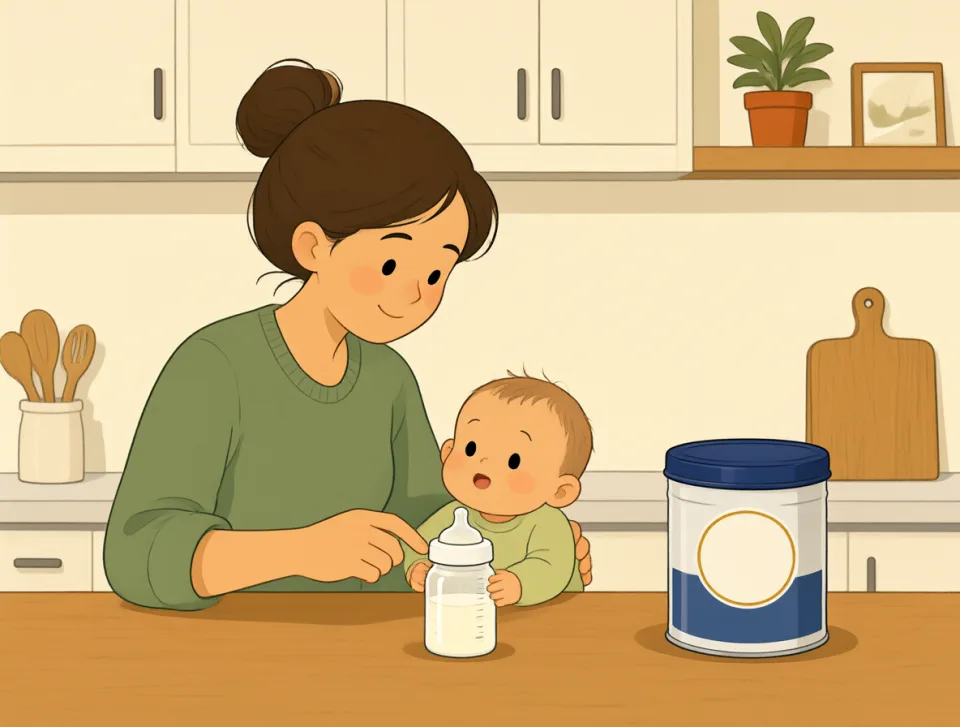
This baby formula is suitable for children with sensitive stomachs.
To mleko modyfikowane jest odpowiednie dla dzieci o wrażliwych żołądkach.

alter
#2102verb
zmieniać
to change something slightly, especially to improve it or make it more suitable
Nieznacznie coś zmienić, zwłaszcza żeby to ulepszyć lub lepiej dopasować.

We altered the schedule to give everyone more time for lunch.
Zmieniliśmy harmonogram, żeby wszyscy mieli więcej czasu na lunch.

The tailor altered my trousers so they fit perfectly.
Krawiec przerobił moje spodnie, żeby idealnie pasowały.
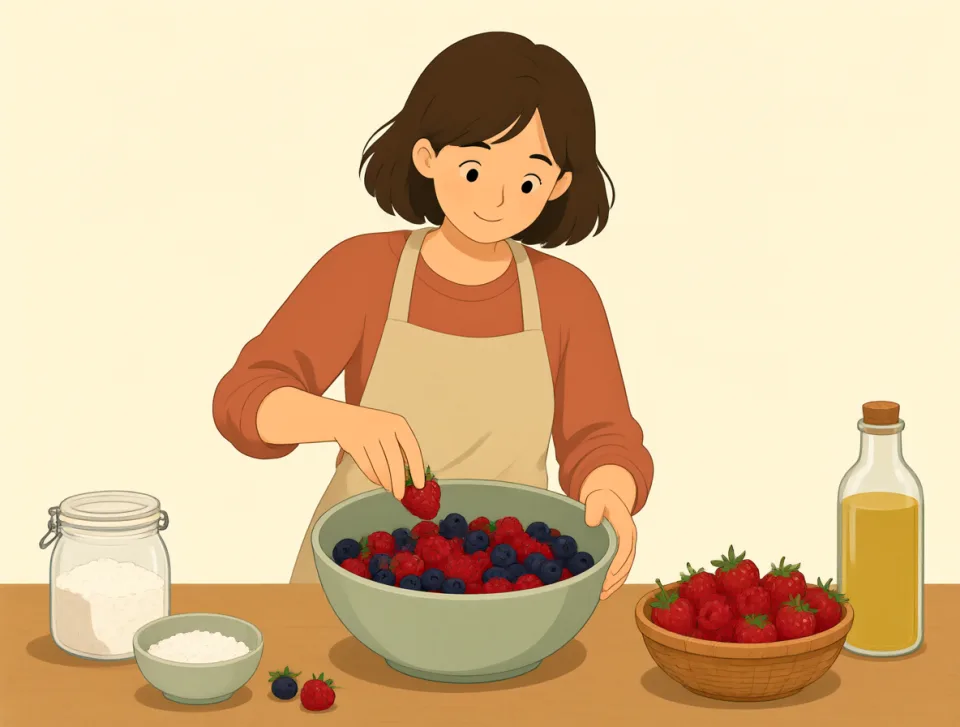
She altered the recipe by using less sugar and adding fresh berries.
Zmieniła przepis, dodając mniej cukru i świeże owoce jagodowe.
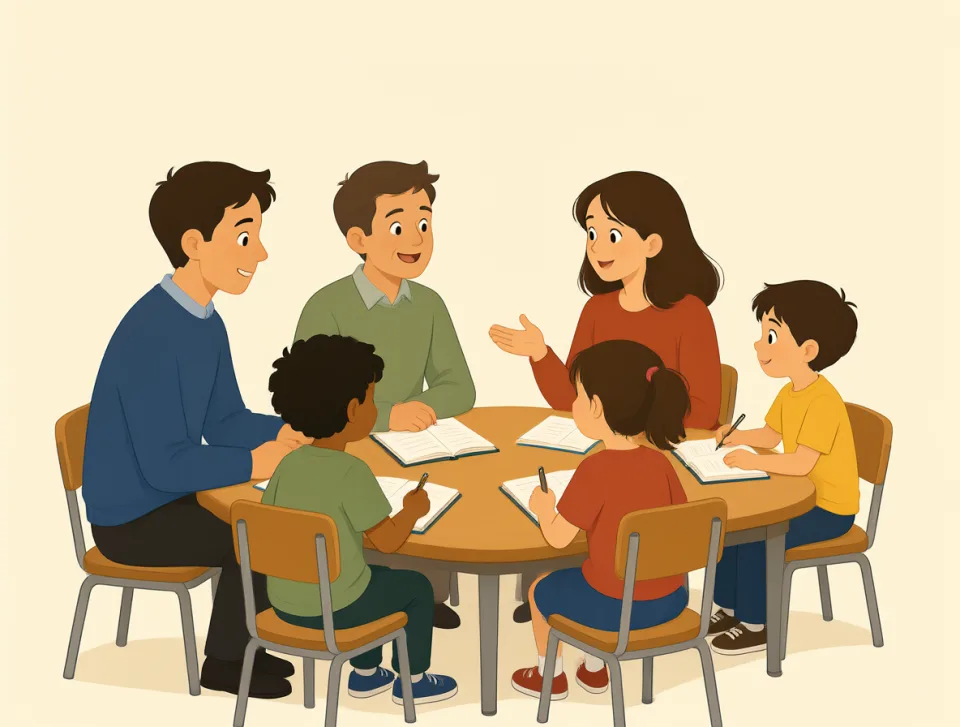
The school altered its rules after speaking with parents and students.
Szkoła zmieniła zasady po rozmowie z rodzicami i uczniami.
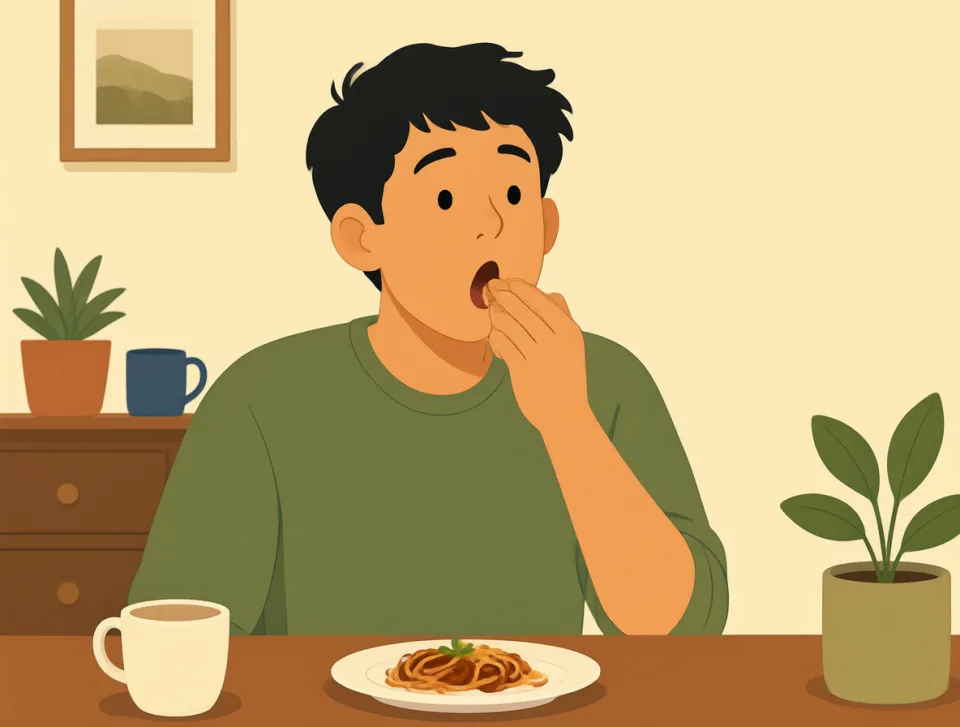
The medicine may alter your sense of taste for a few days.
Lek może na kilka dni zmienić twoje odczuwanie smaku.
perceive
#2103verb
dostrzegać
to notice or understand something through your senses, thoughts, or feelings
Zauważać lub rozumieć coś za pomocą zmysłów, myśli albo uczuć.
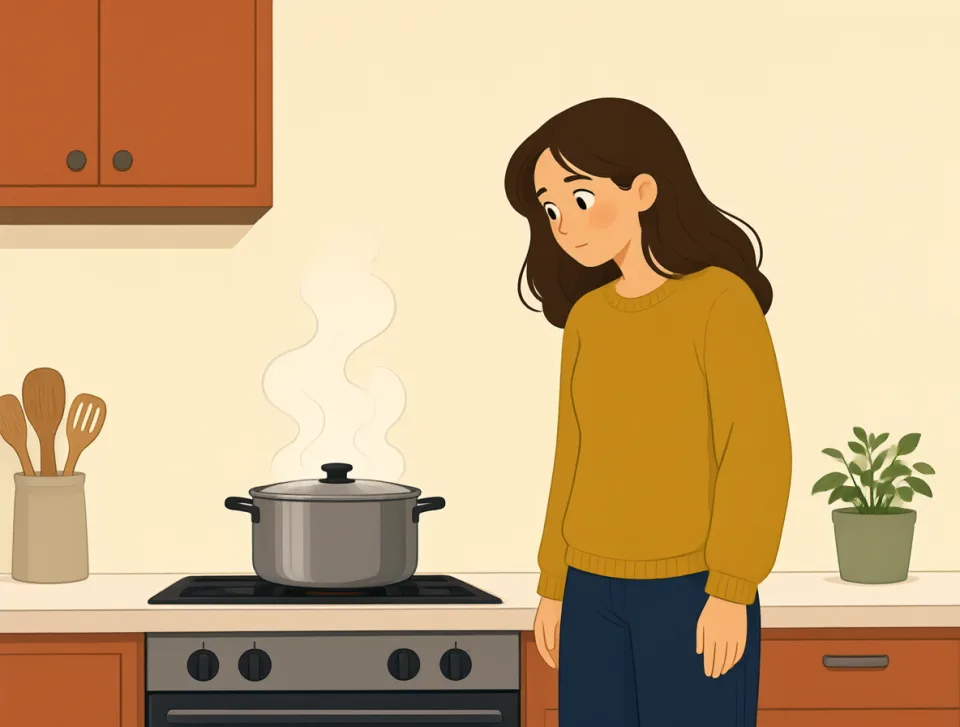
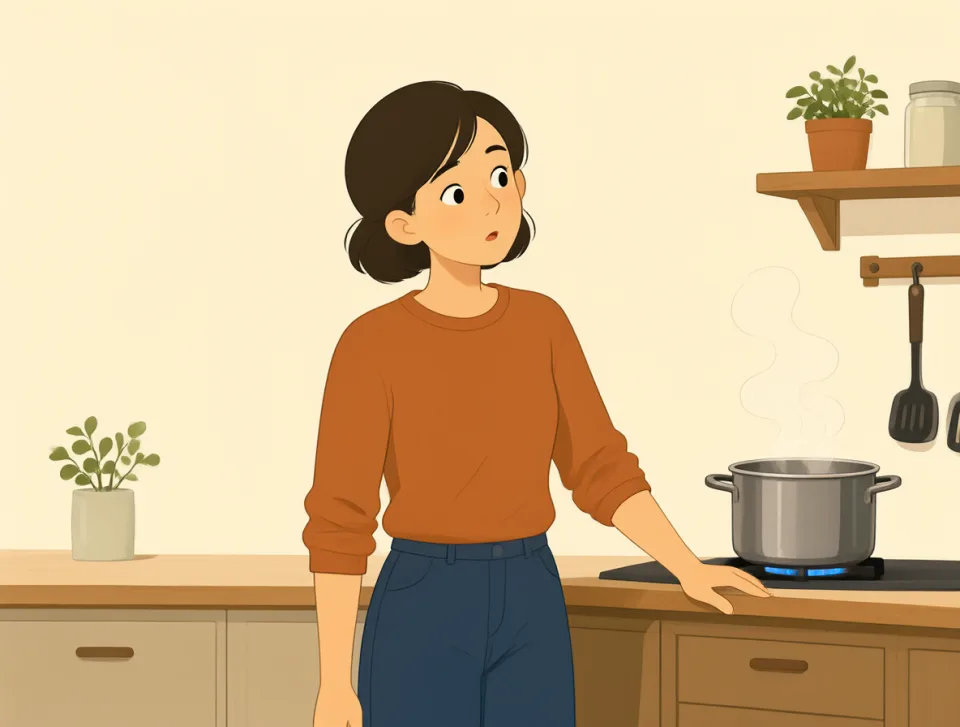
She perceived a strange smell coming from the kitchen.
Poczuła dziwny zapach dochodzący z kuchni.

Customers perceived the new café as friendly and welcoming.
Klienci postrzegali nową kawiarnię jako przyjazne i gościnne miejsce.
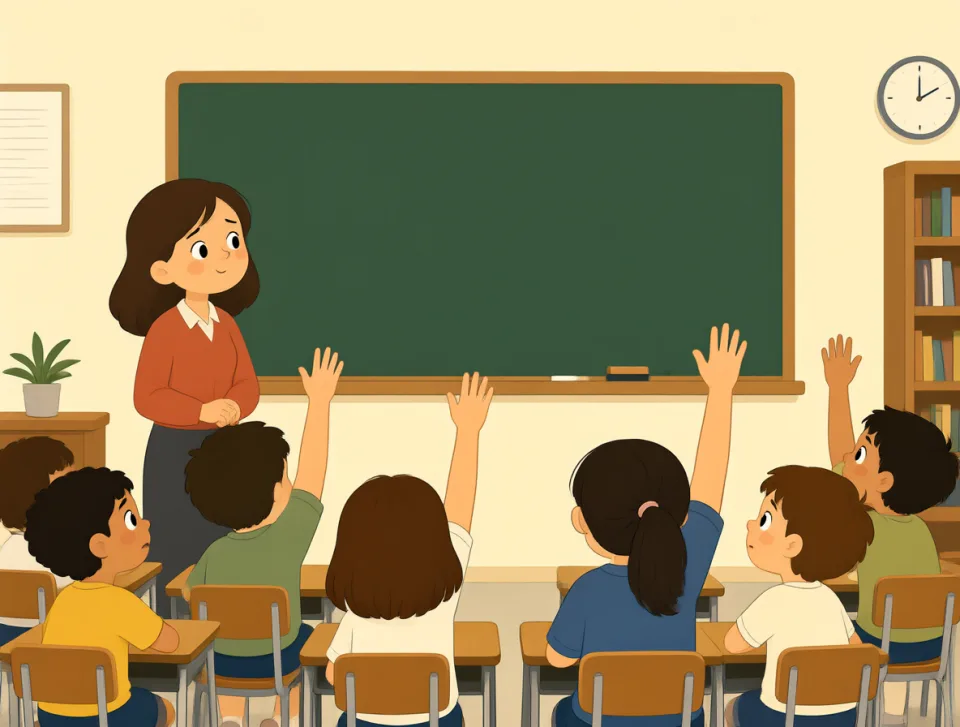
The teacher perceived that several students needed extra help.
Nauczyciel zauważył, że kilkoro uczniów potrzebuje dodatkowej pomocy.

He was perceived as rude because he never smiled or greeted anyone.
Uważano go za niegrzecznego, bo nigdy się nie uśmiechał ani z nikim nie witał.
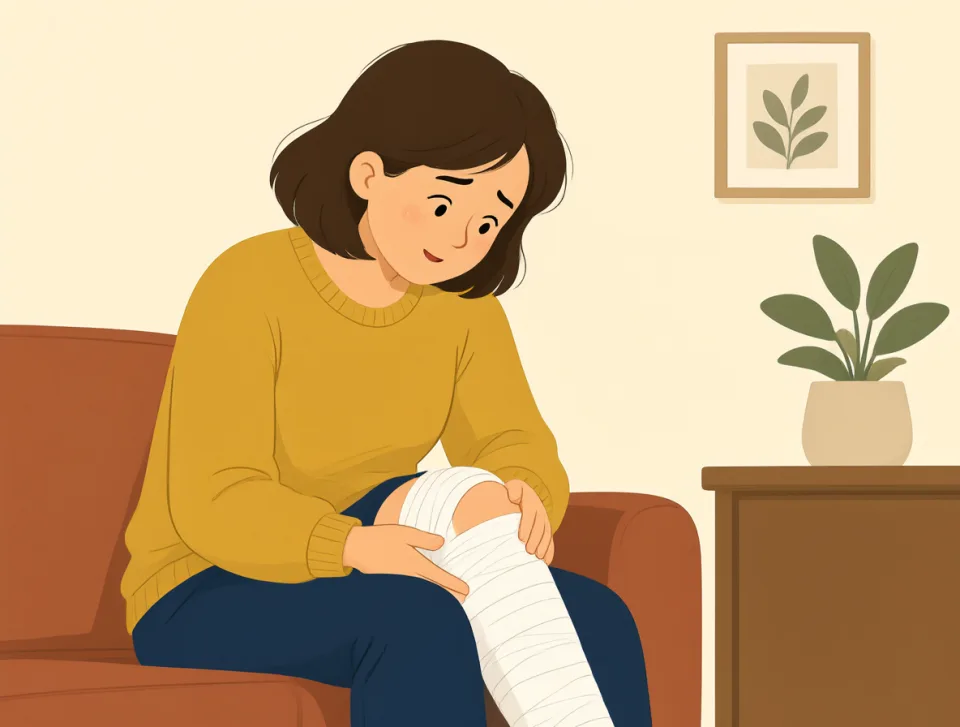
After treatment, she perceived less pain in her injured knee.
Po leczeniu odczuwała mniejszy ból w kontuzjowanym kolanie.
routine
#2104noun, adjective
rutyna
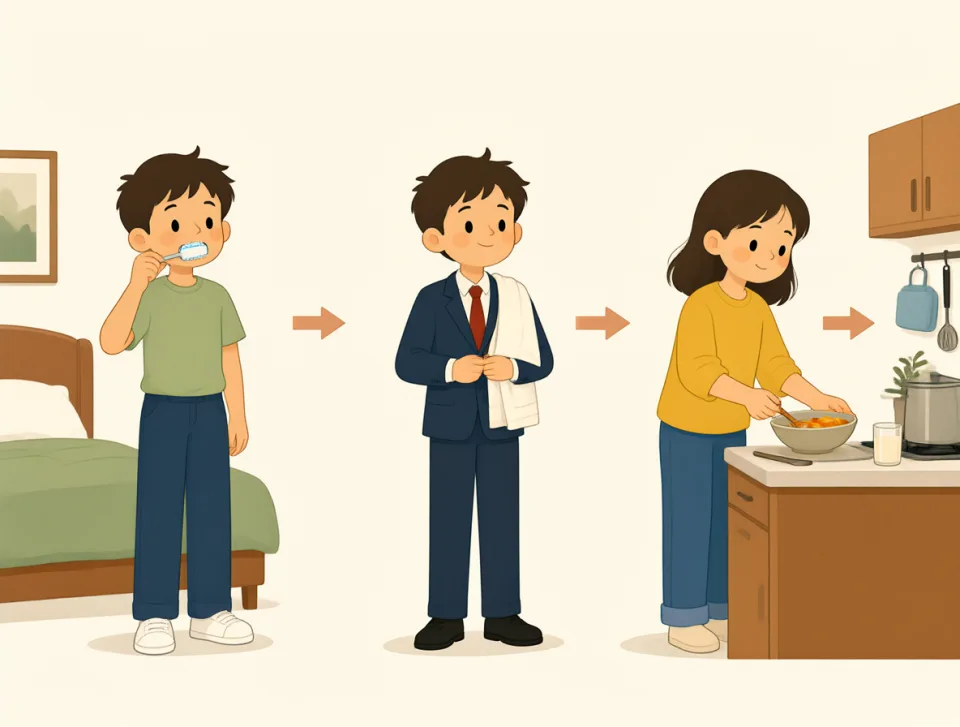
A usual way of doing things, especially regularly repeated daily activities.
Zwyczajny sposób postępowania, zwłaszcza regularnie powtarzane codzienne czynności.
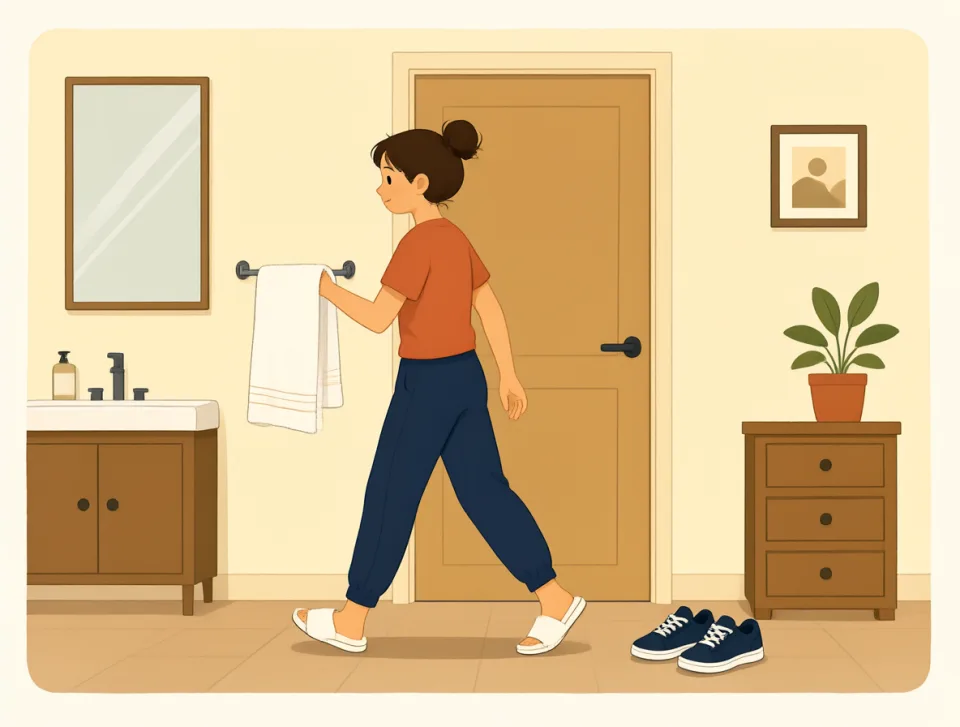
My morning routine includes a shower, breakfast, and a short walk.
W mojej porannej rutynie są prysznic, śniadanie i krótki spacer.

The nurse checked my daily routine before suggesting healthier habits.
Pielęgniarka zapytała o moją codzienną rutynę, zanim zaproponowała zdrowsze nawyki.

Starting a new job can be difficult until you learn the office routine.
Rozpoczęcie nowej pracy może być trudne, dopóki nie poznasz biurowej rutyny.

We changed our travel routine and visited the market before lunch.
Zmieniliśmy nasz zwyczaj podróżowania i przed lunchem odwiedziliśmy targ.
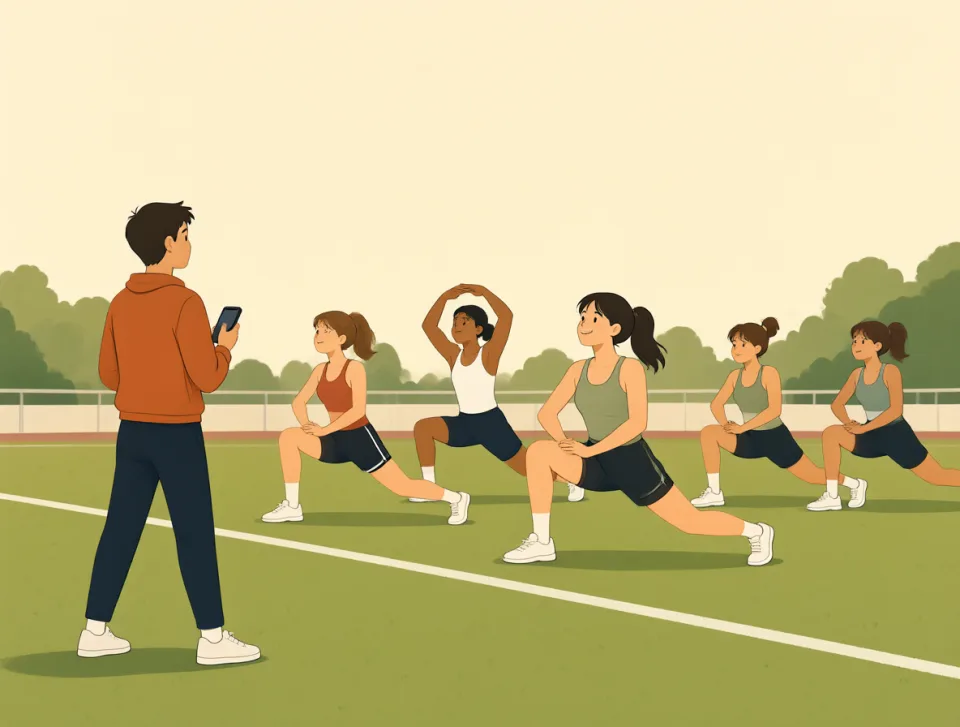
The coach added stretching to our training routine after practice.
Po treningu trener dodał rozciąganie do naszego planu ćwiczeń.
sink
#2105noun, verb
tonąć; zlew
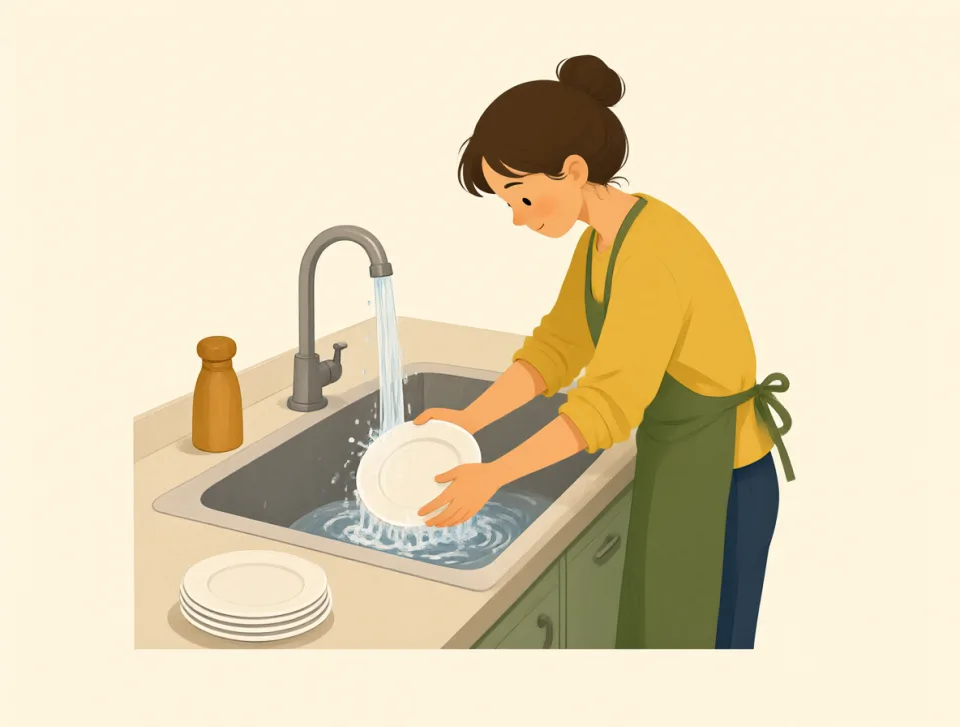
To go down below the surface, or a bowl with a drain for washing things.
Opadać pod powierzchnię albo umywalka lub zlew z odpływem, służące do mycia.
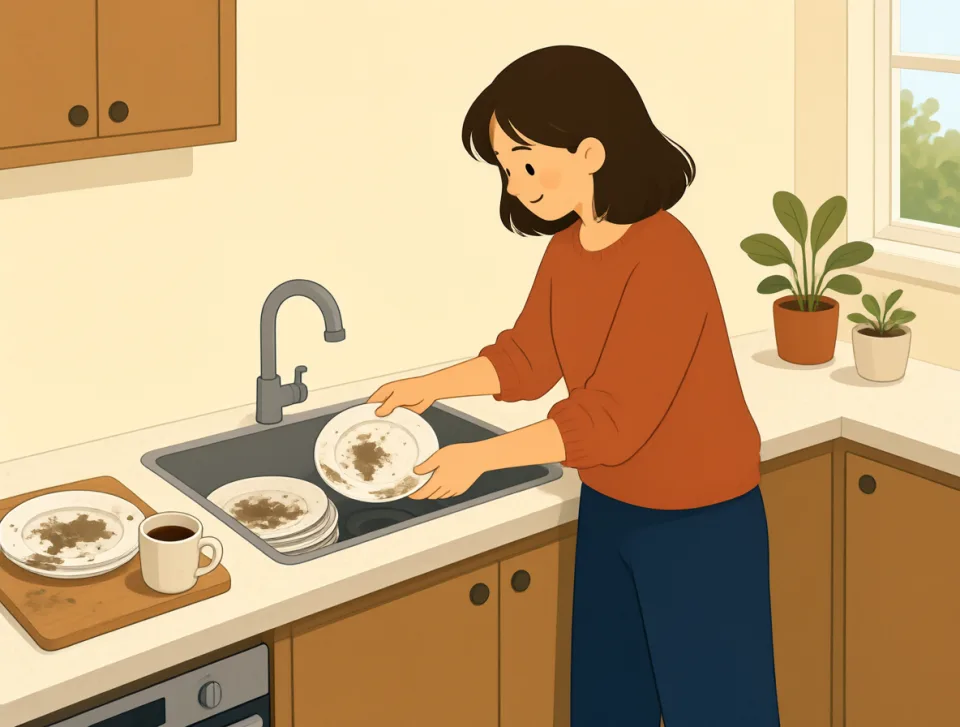
Please put the dirty dishes in the kitchen sink after dinner.
Po kolacji włóż brudne naczynia do zlewu w kuchni.
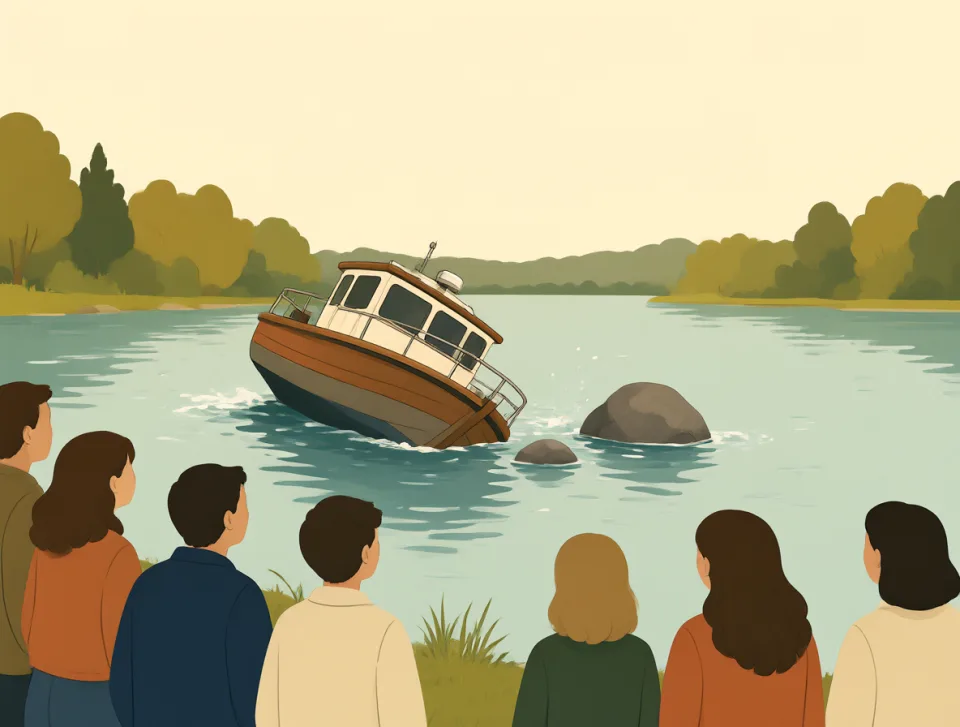
The boat began to sink after hitting a large rock.
Łódź zaczęła tonąć po uderzeniu w dużą skałę.
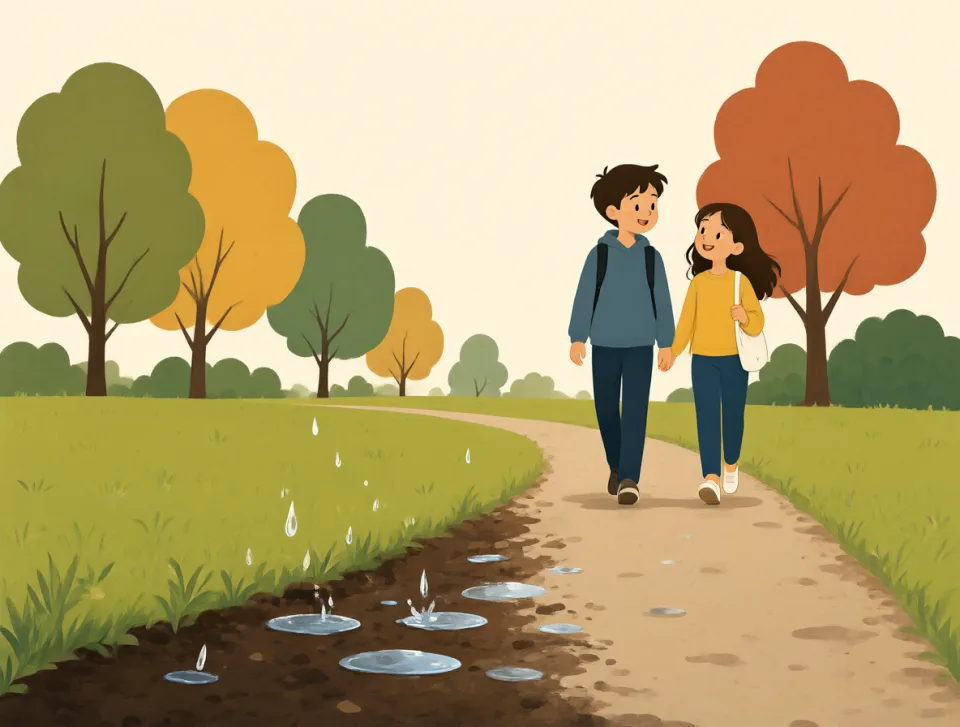
Water was slowly sinking into the ground after the heavy rain.
Po ulewnym deszczu woda powoli wsiąkała w ziemię.

She washed her hands in the sink before preparing lunch.
Umyła ręce w zlewie, zanim zaczęła przygotowywać lunch.
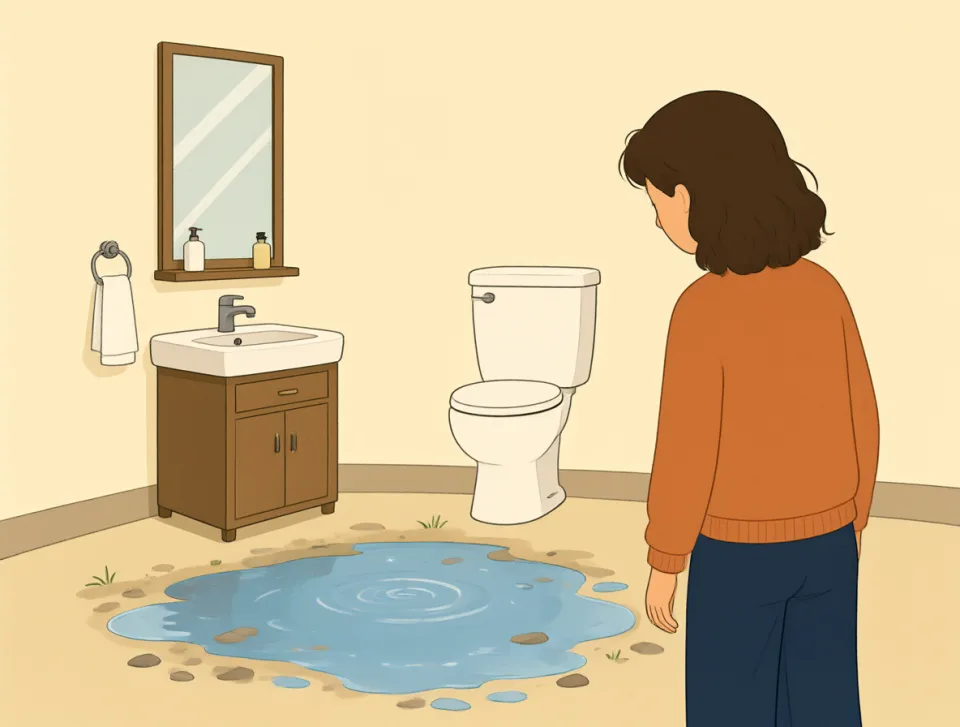
The bathroom sink is blocked, so the water will not drain.
Odpływ w umywalce w łazience jest zatkany, więc woda nie odpływa.
stare
#2106verb, noun
wpatrywać się
to look at someone or something for a long time without looking away
patrzeć na kogoś lub coś przez dłuższy czas, nie odwracając wzroku

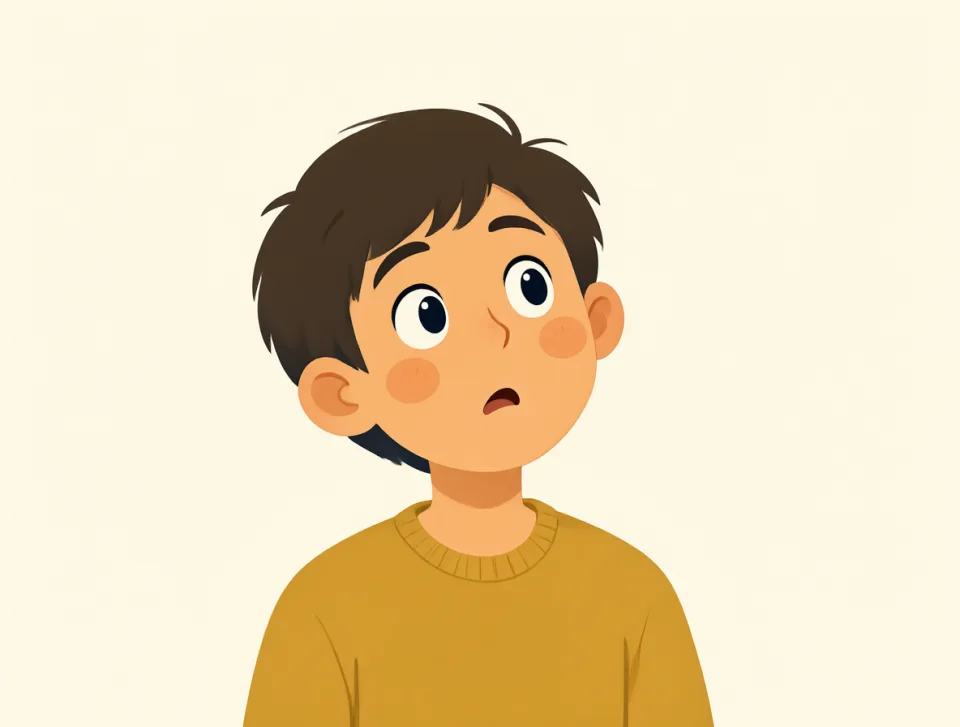
Everyone stared at the magician during the final trick.
Wszyscy wpatrywali się w magika podczas jego ostatniej sztuczki.
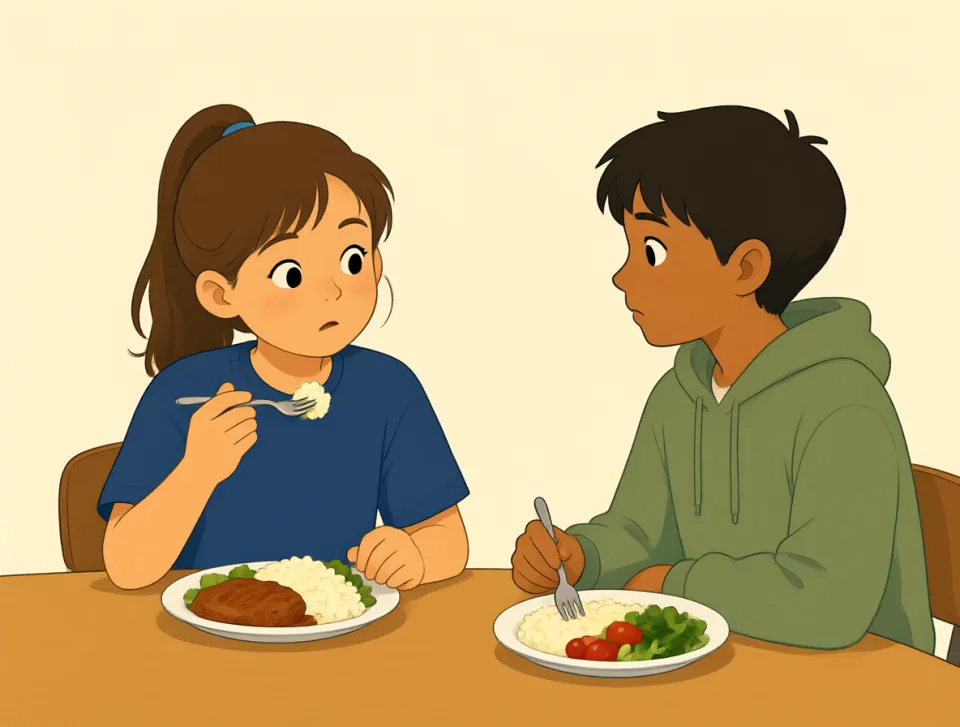
Please stop staring at me while I eat my lunch.
Przestań się na mnie gapić, kiedy jem obiad.

She stared out the train window during the long journey.
Podczas długiej podróży patrzyła przez okno pociągu.

The doctor stared at the scan before explaining the results.
Lekarz długo przyglądał się skanowi, zanim wyjaśnił wyniki.

He gave me a blank stare when I asked about the missing keys.
Spojrzał na mnie bez wyrazu, gdy zapytałem o zaginione klucze.

anymore
#2107adverb
już (nie)
from now on or from a particular time; no longer
od teraz lub od określonego momentu; już nie
I don't watch television anymore because I prefer reading books.
Nie oglądam już telewizji, bo wolę czytać książki.
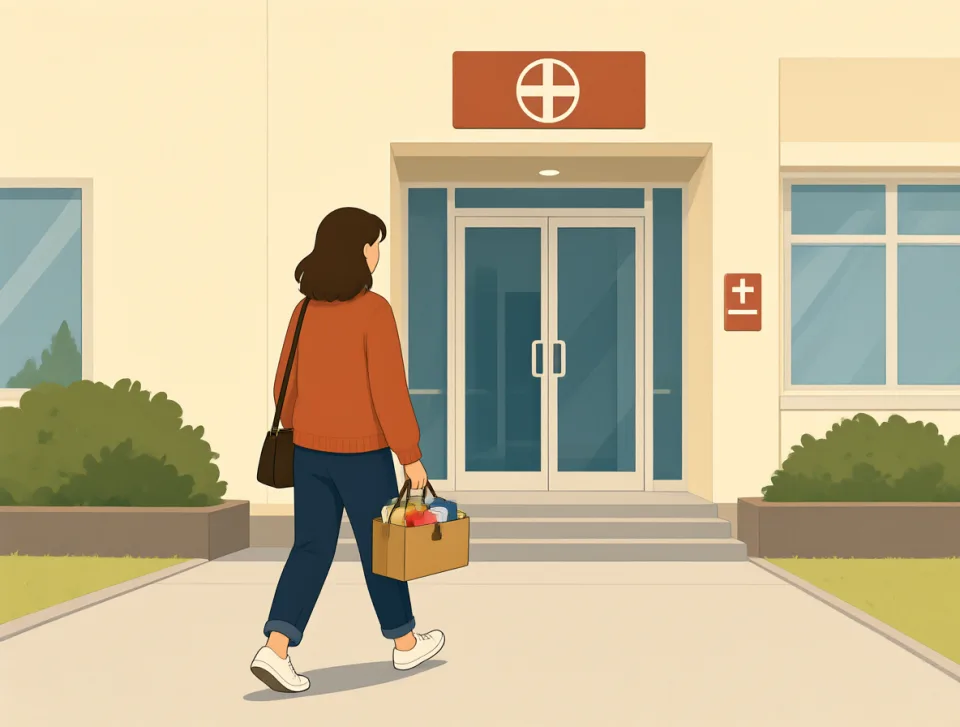
She doesn't work at the hospital anymore.
Ona już nie pracuje w szpitalu.
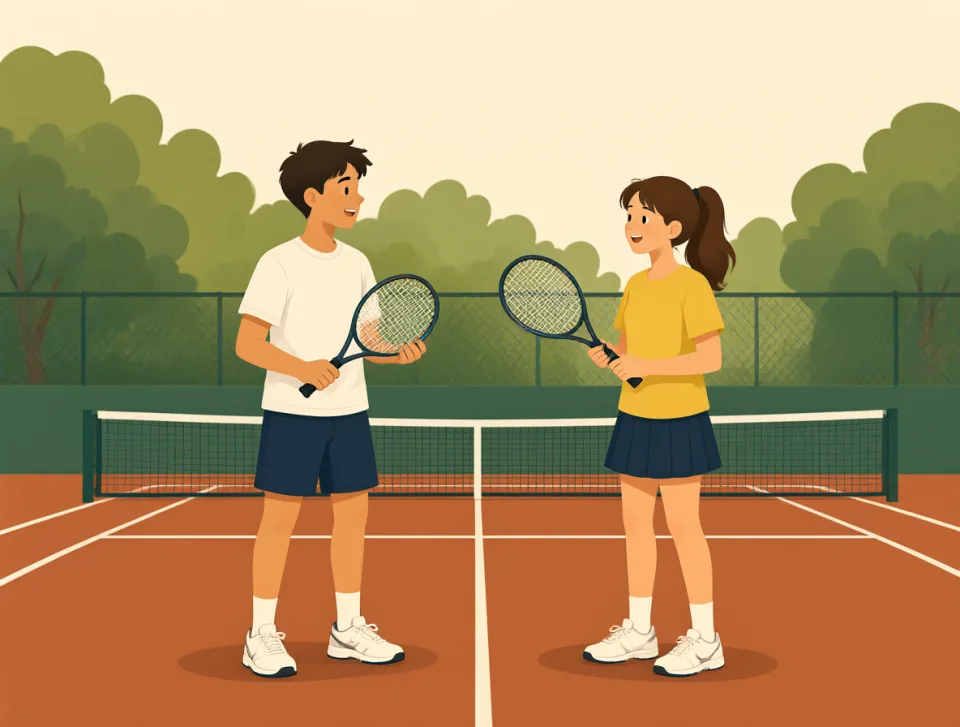
Do you still play tennis, or have you stopped anymore?
Nadal grasz w tenisa czy już przestałeś?
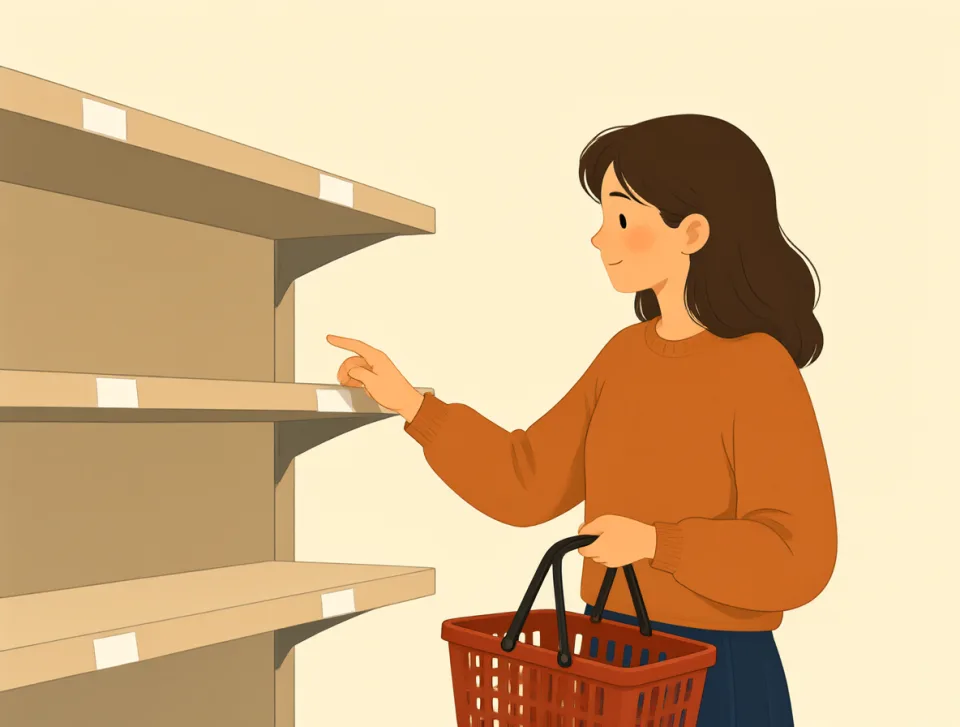
We can't buy that brand anymore because the store stopped selling it.
Nie możemy już kupować tej marki, bo sklep przestał ją sprzedawać.

He doesn't feel tired anymore after getting more sleep.
Już nie czuje się zmęczony, odkąd zaczął więcej spać.
hero
#2108noun
bohater
A person admired for brave actions, especially someone who saves or helps others.
Osoba podziwiana za odważne czyny, zwłaszcza ktoś, kto ratuje lub pomaga innym.
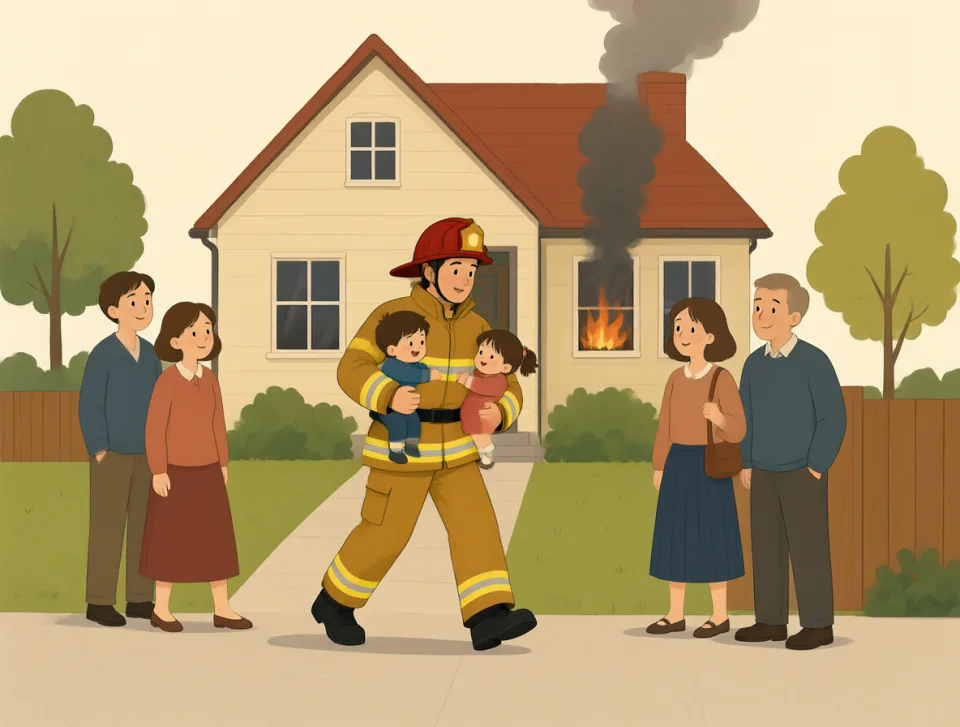
The firefighter became a hero after rescuing two children from the burning house.
Strażak został bohaterem po tym, jak uratował dwoje dzieci z płonącego domu.
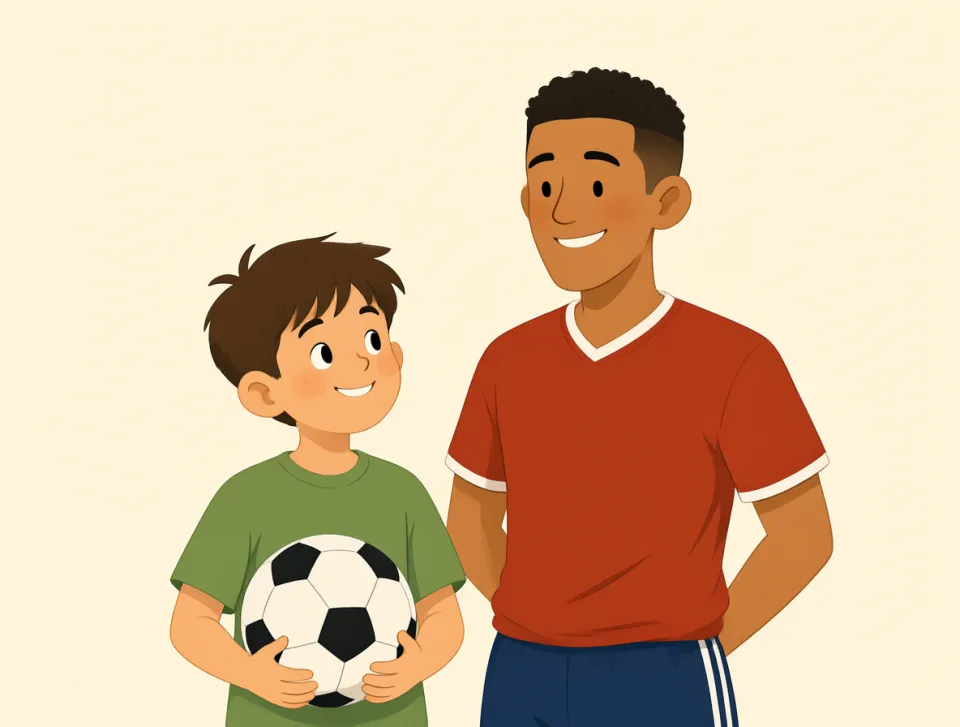
My little brother thinks his favorite soccer player is a hero.
Mój młodszy brat uważa, że jego ulubiony piłkarz jest bohaterem.
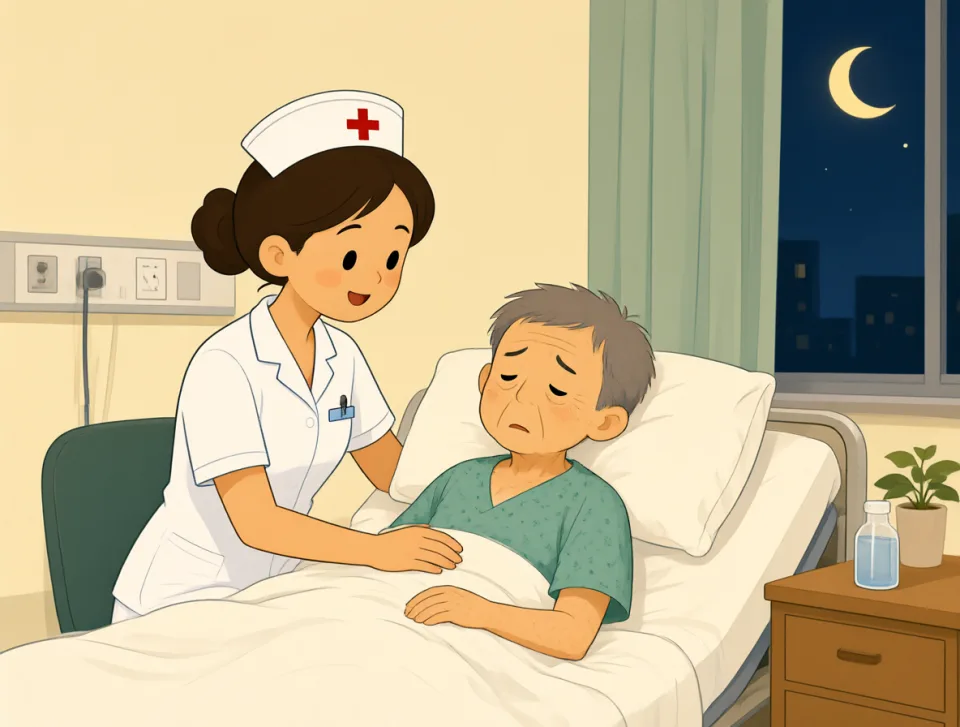
The nurse was a hero for helping patients during the difficult night.
Pielęgniarka była bohaterką, bo pomagała pacjentom podczas trudnej nocy.
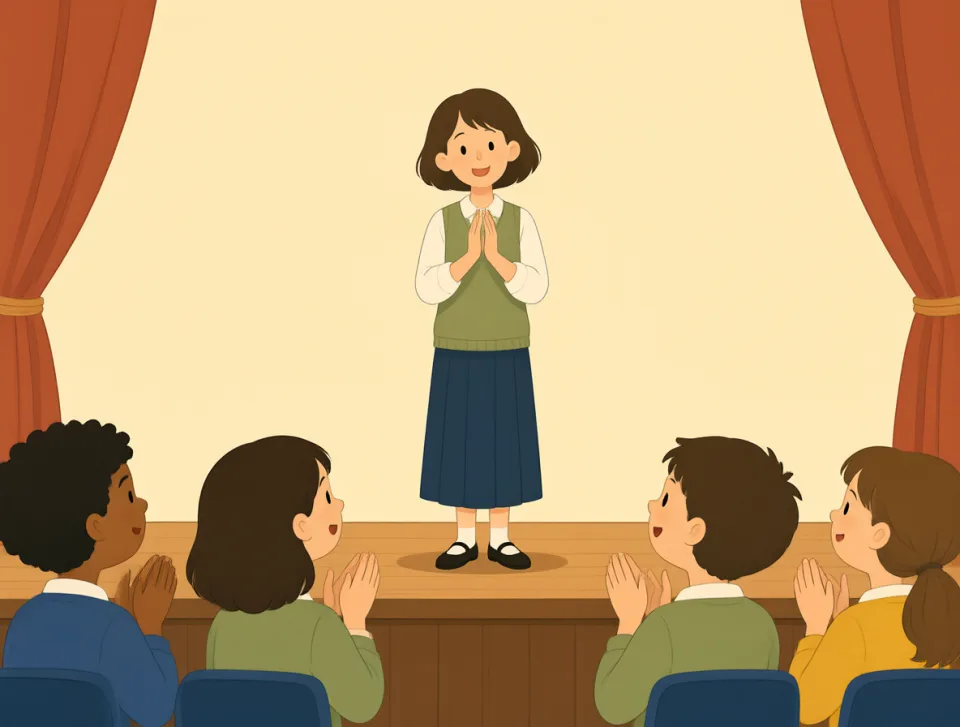
Our teacher was the hero of the school play last Friday.
Nasz nauczyciel był bohaterem szkolnego przedstawienia w zeszły piątek.
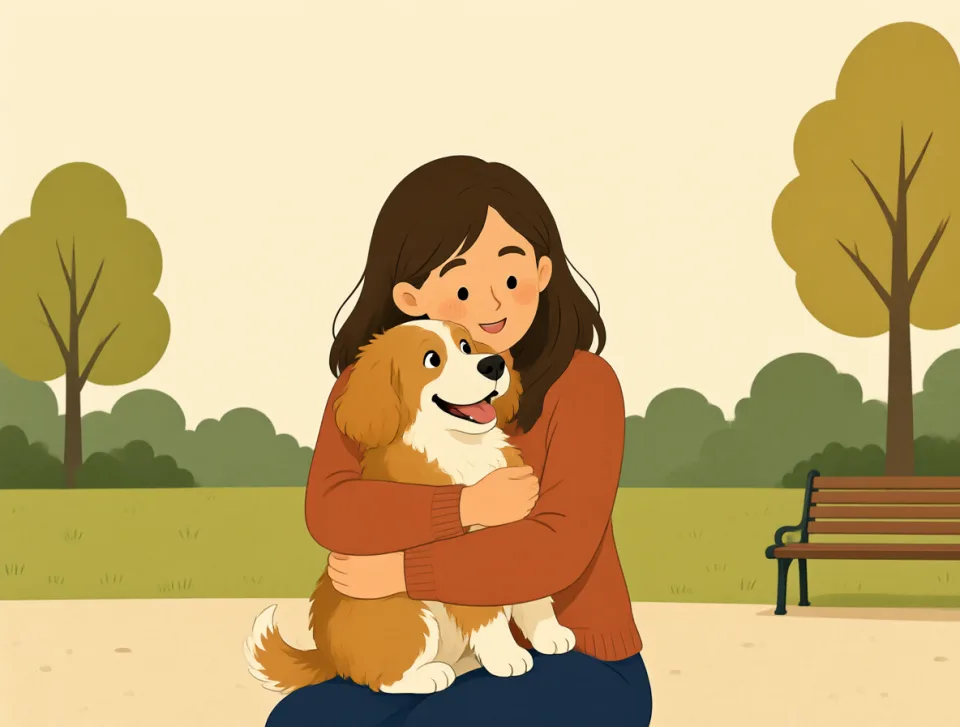
She felt like a hero when she found her lost dog.
Poczuła się jak bohaterka, kiedy znalazła swojego zaginionego psa.

supporter
#2109noun
zwolennik
A person who approves of and helps a person, team, idea, or organization.
Osoba, która popiera i wspiera daną osobę, drużynę, ideę lub organizację.
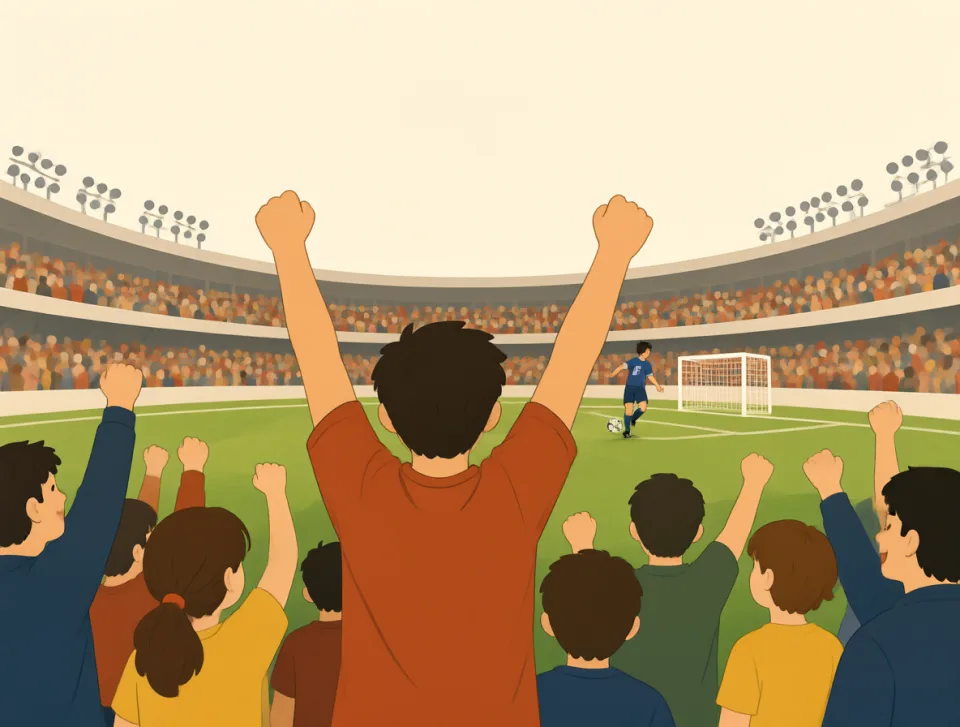
Every supporter cheered loudly when the home team scored the winning goal.
Każdy kibic głośno wiwatował, gdy gospodarze strzelili zwycięskiego gola.
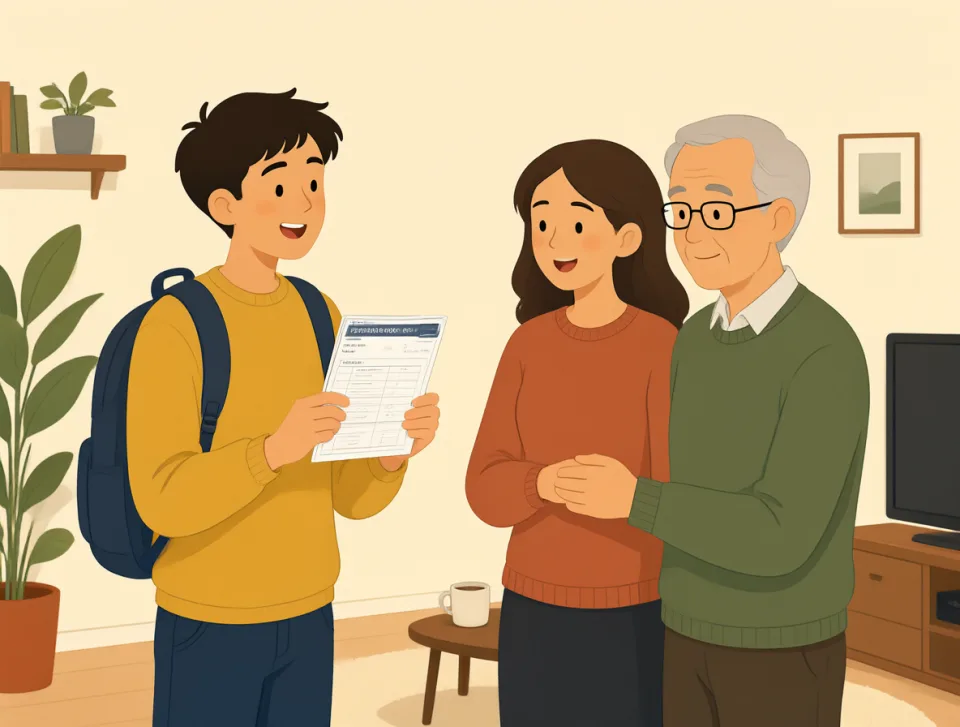
My parents have always been strong supporters of my decision to study abroad.
Moi rodzice zawsze mocno wspierali moją decyzję o studiach za granicą.
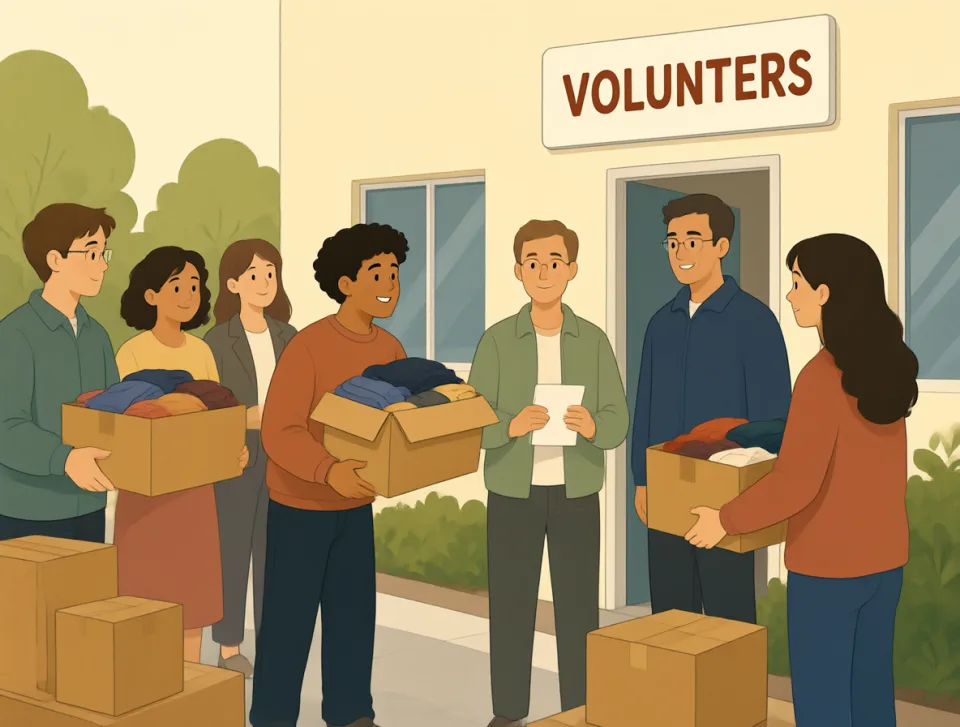
The charity thanked its supporters for donating food and warm clothes.
Organizacja charytatywna podziękowała swoim darczyńcom za przekazanie jedzenia i ciepłych ubrań.

Several supporters joined the candidate during her visit to the local market.
Kilku zwolenników towarzyszyło kandydatce podczas jej wizyty na lokalnym targu.
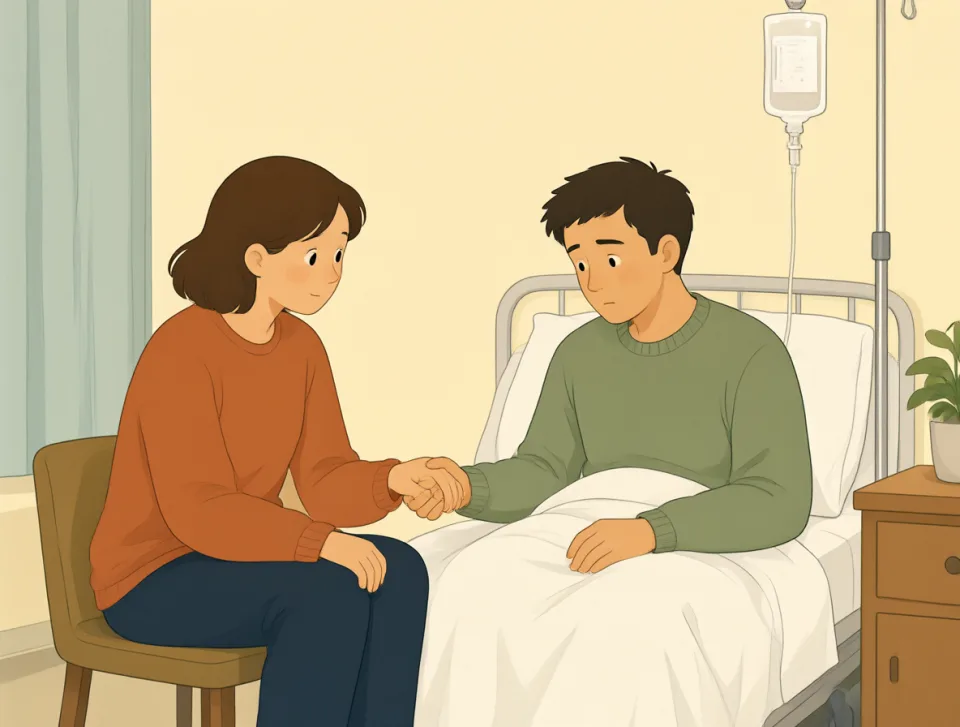
His biggest supporter stayed beside him throughout his long illness.
Jego największy sojusznik był przy nim przez całą długą chorobę.
convert
#2110verb, noun
przekształcać
to change something into a different form, use, or belief
zmieniać coś w inną formę, przeznaczenie lub wiarę
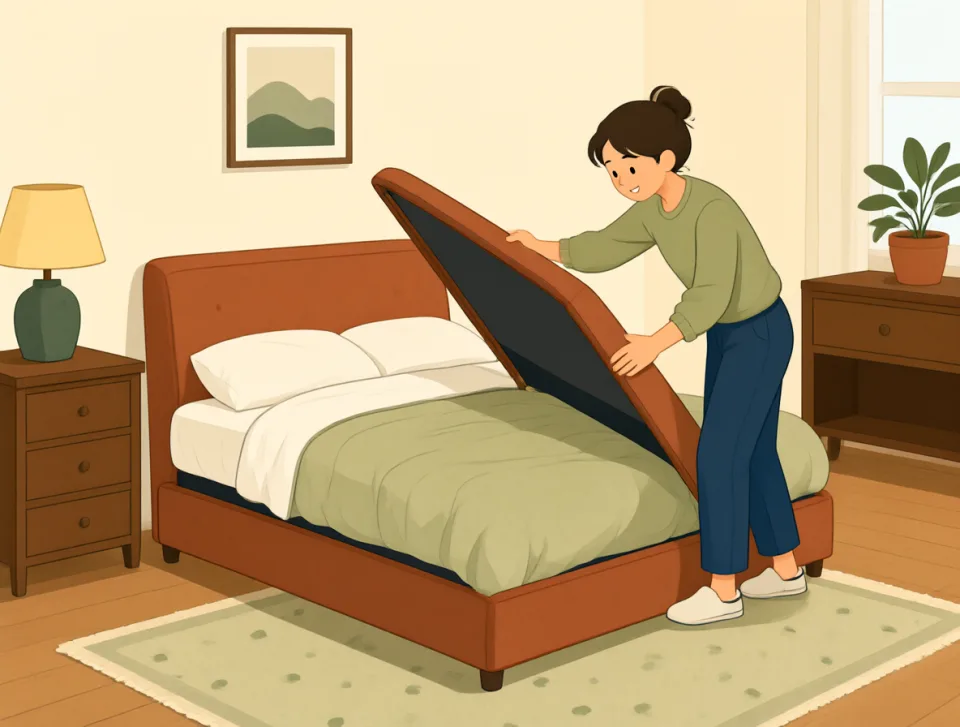
You can convert the sofa into a comfortable bed for overnight guests.
Możesz przekształcić sofę w wygodne łóżko dla gości na noc.
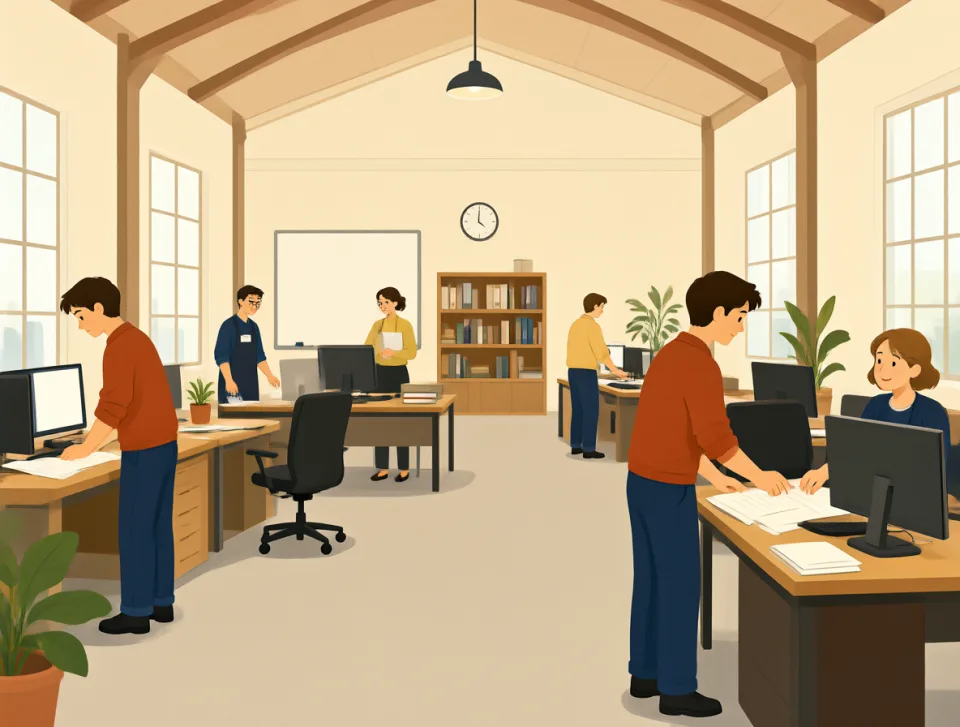
The company converted the old warehouse into bright offices for its growing team.
Firma przekształciła stary magazyn w jasne biura dla swojego rozrastającego się zespołu.
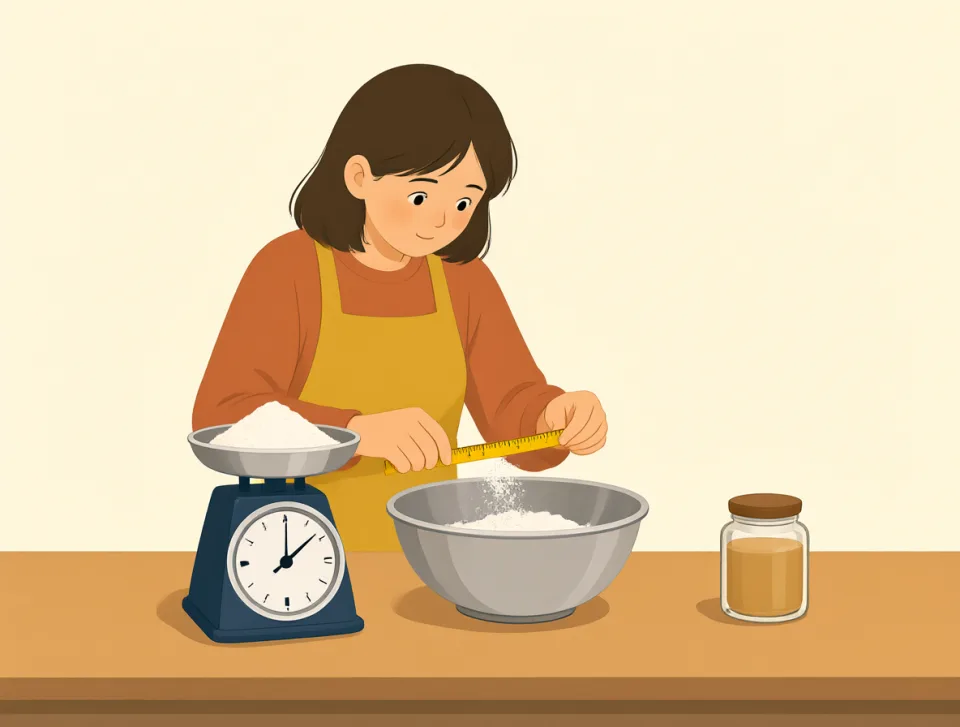
She converted the recipe from cups to grams before baking the cake.
Przed upieczeniem ciasta przeliczyła składniki w przepisie z kubków na gramy.

We converted our dollars into euros at the airport before flying to Italy.
Przed lotem do Włoch wymieniliśmy na lotnisku dolary na euro.

He converted to Buddhism after studying its teachings for several years.
Po kilku latach studiowania nauk buddyjskich przeszedł na buddyzm.
steady
#2111adjective, verb
stały
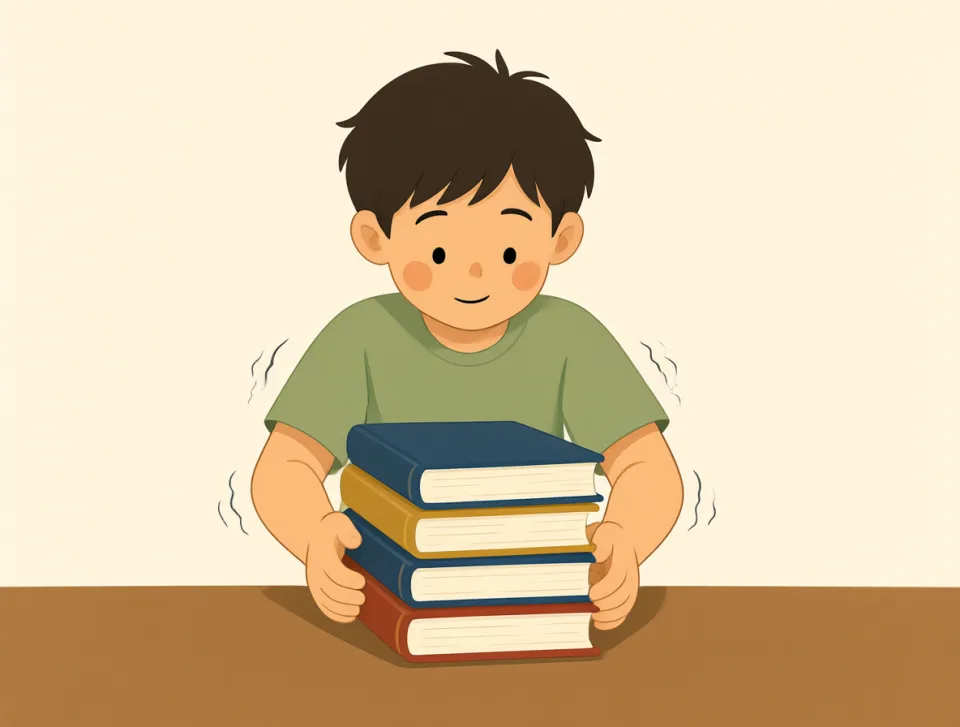
calm, regular, and not changing suddenly; to make something stable or controlled
spokojny, regularny i niezmieniający się nagle; ustabilizować coś lub nad czymś zapanować

She earns a steady income from her small bakery.
Zarabia stały dochód dzięki swojej małej piekarni.
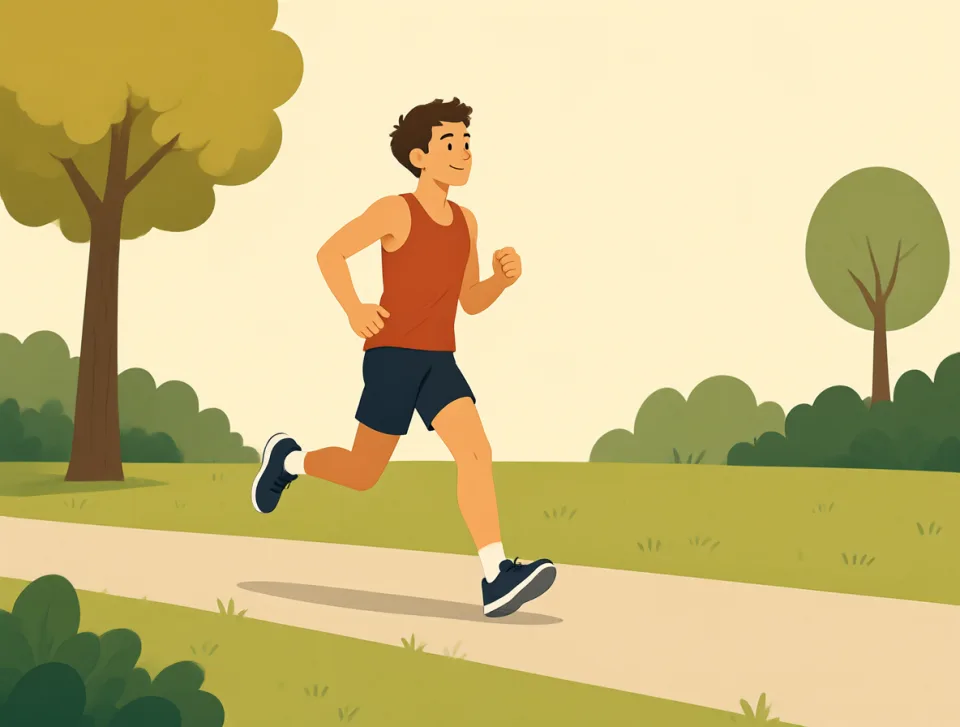
Keep a steady pace so you do not become too tired.
Utrzymuj równe tempo, żeby nie zmęczyć się za bardzo.

The doctor told him to take steady breaths during the examination.
Lekarz kazał mu oddychać spokojnie i miarowo podczas badania.
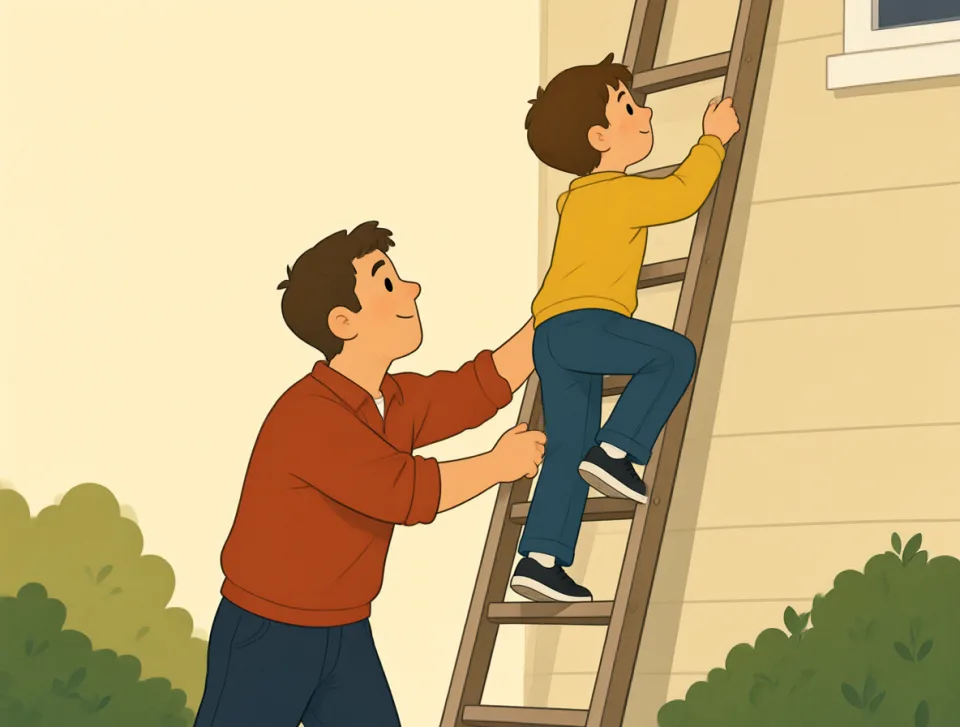
He used one hand to steady the ladder while his brother climbed.
Jedną ręką przytrzymywał drabinę, podczas gdy jego brat się na nią wspinał.

Business has been steady since the shop moved to this busy street.
Odkąd sklep przeniósł się na tę ruchliwą ulicę, obroty są stabilne.
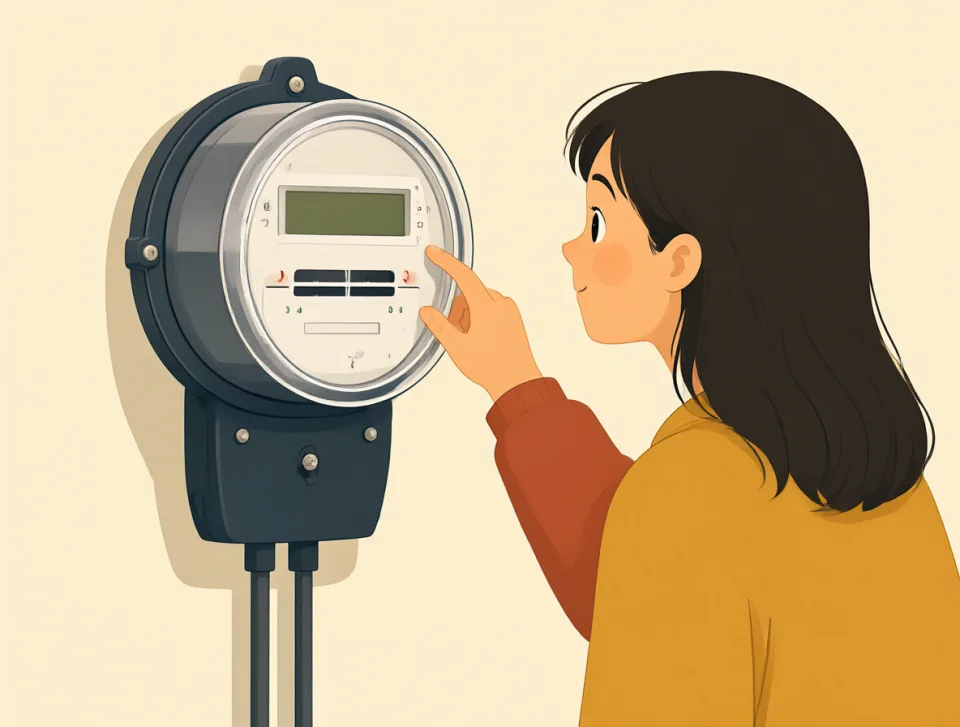
meter
#2112noun, verb
miernik
A device that measures something, or a unit used to measure length.
Urządzenie do mierzenia czegoś albo jednostka miary długości.
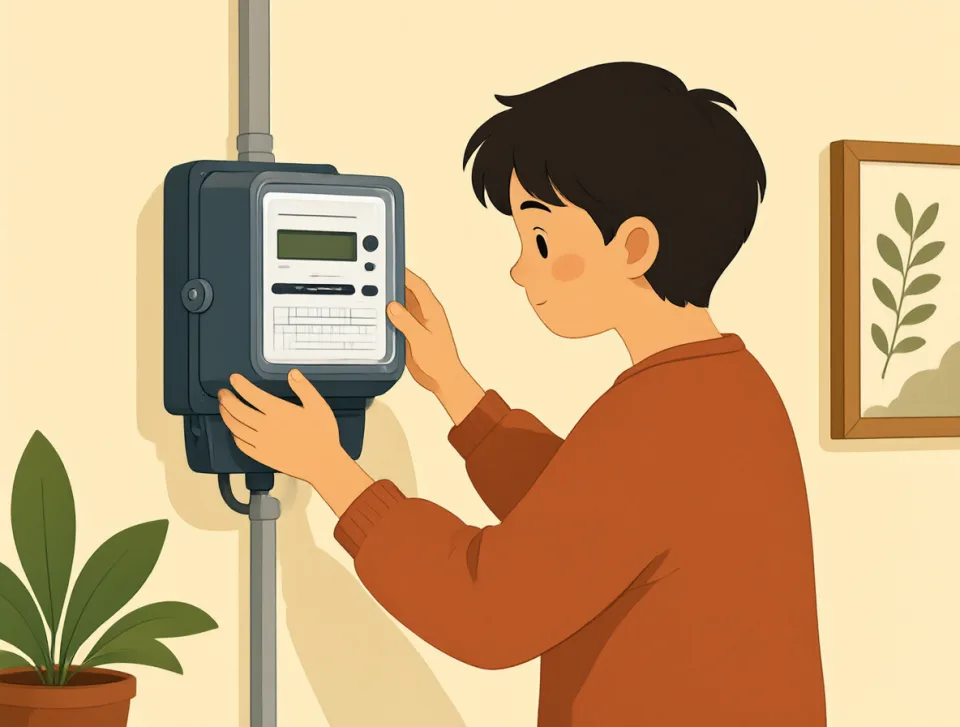
The electricity meter showed that we had used less power this month.
Licznik energii elektrycznej wskazywał, że w tym miesiącu zużyliśmy mniej prądu.
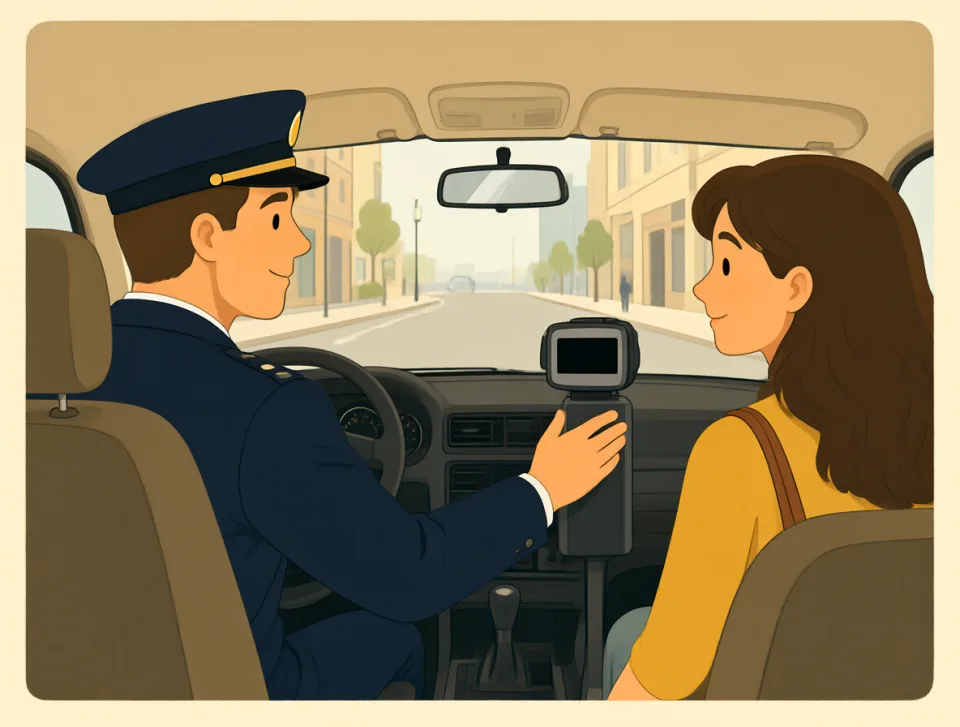
The taxi driver stopped the meter when we reached the hotel.
Taksówkarz wyłączył taksometr, gdy dotarliśmy do hotelu.
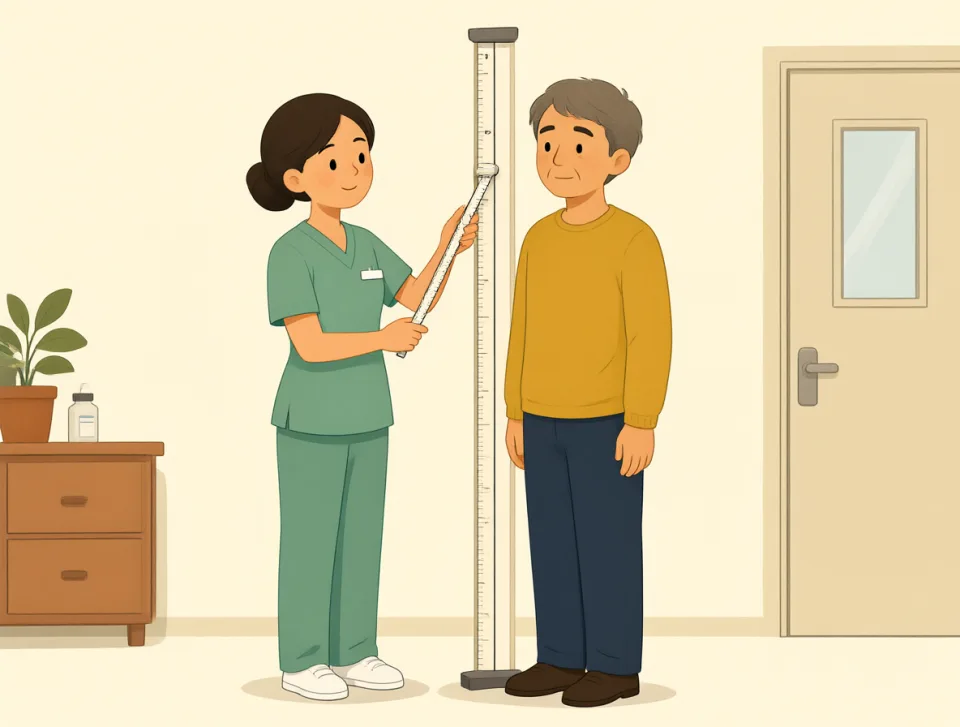
The nurse measured the patient’s height with a meter stick.
Pielęgniarka zmierzyła pacjentowi wzrost za pomocą miarki.
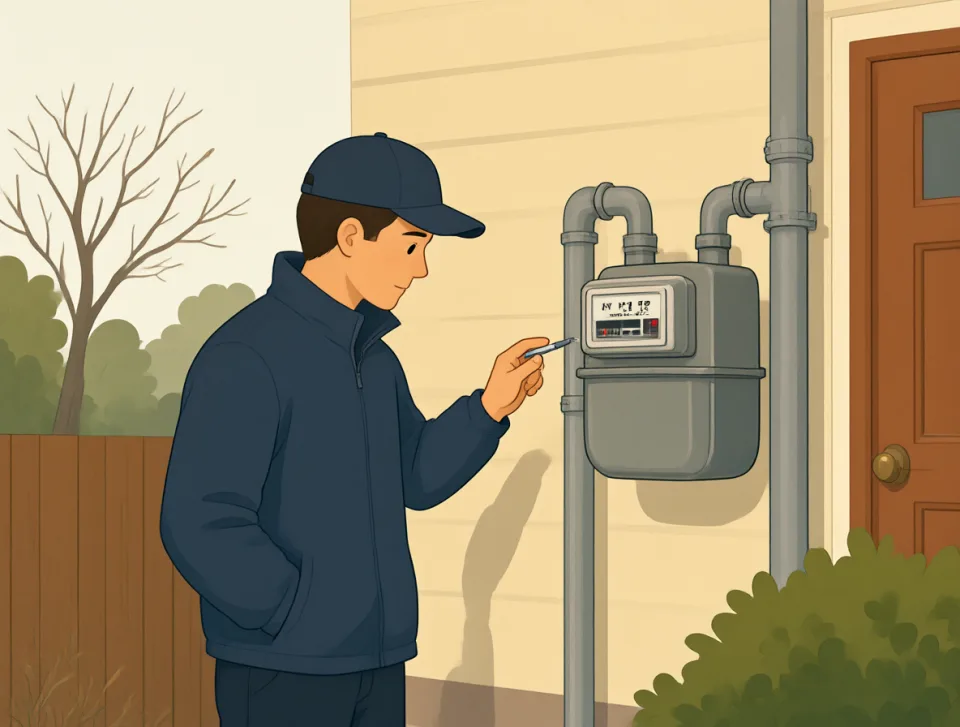
The gas meter needs checking before winter begins.
Przed nadejściem zimy trzeba sprawdzić licznik gazu.
The poem has a regular meter that makes it easy to read aloud.
Wiersz ma regularny rytm, dzięki czemu łatwo czyta się go na głos.
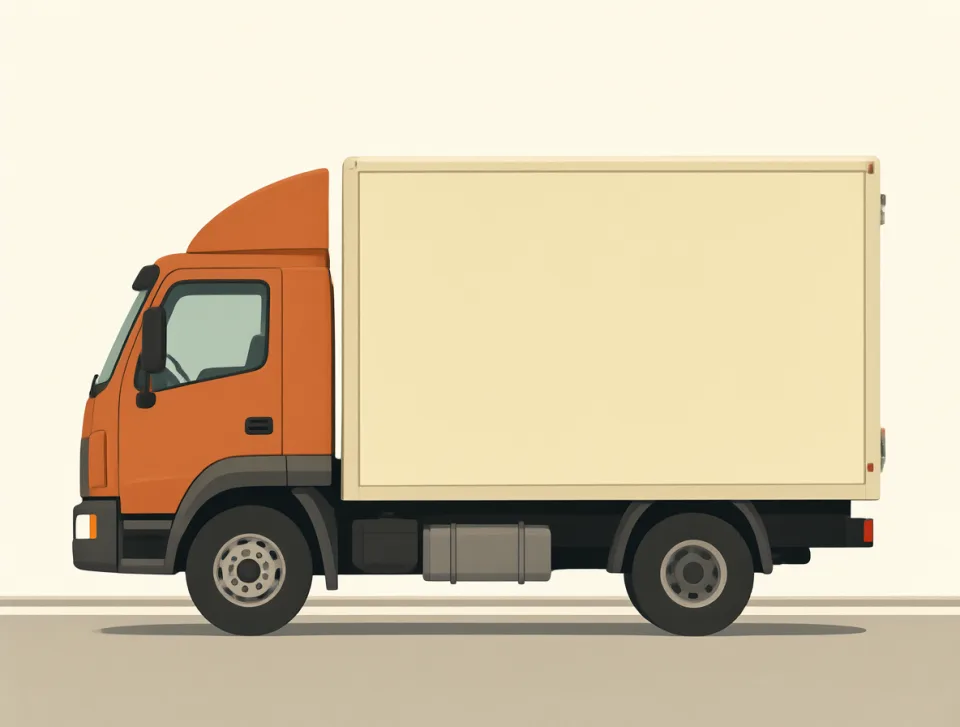
truck
#2113noun, verb
ciężarówka
A large vehicle used to carry heavy goods; to transport something by truck.
Duży pojazd służący do przewożenia ciężkich towarów; przewozić coś ciężarówką.
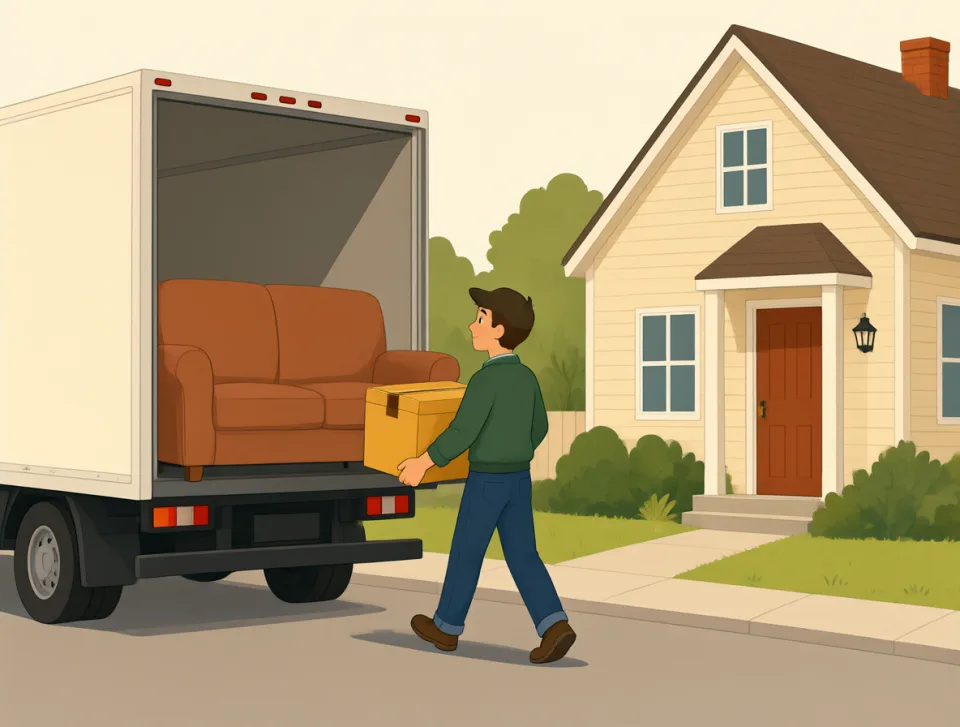
The delivery truck brought our new sofa this morning.
Dziś rano ciężarówka dostawcza przywiozła naszą nową sofę.
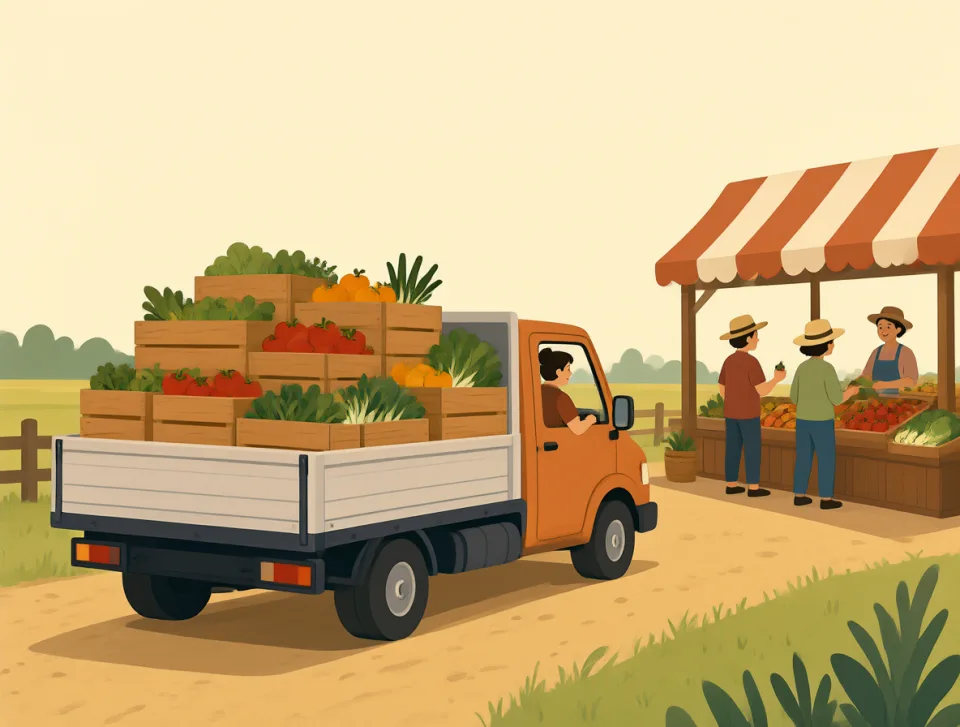
A truck carries fresh vegetables from the farm to the market.
Ciężarówka przewozi świeże warzywa z gospodarstwa na targ.
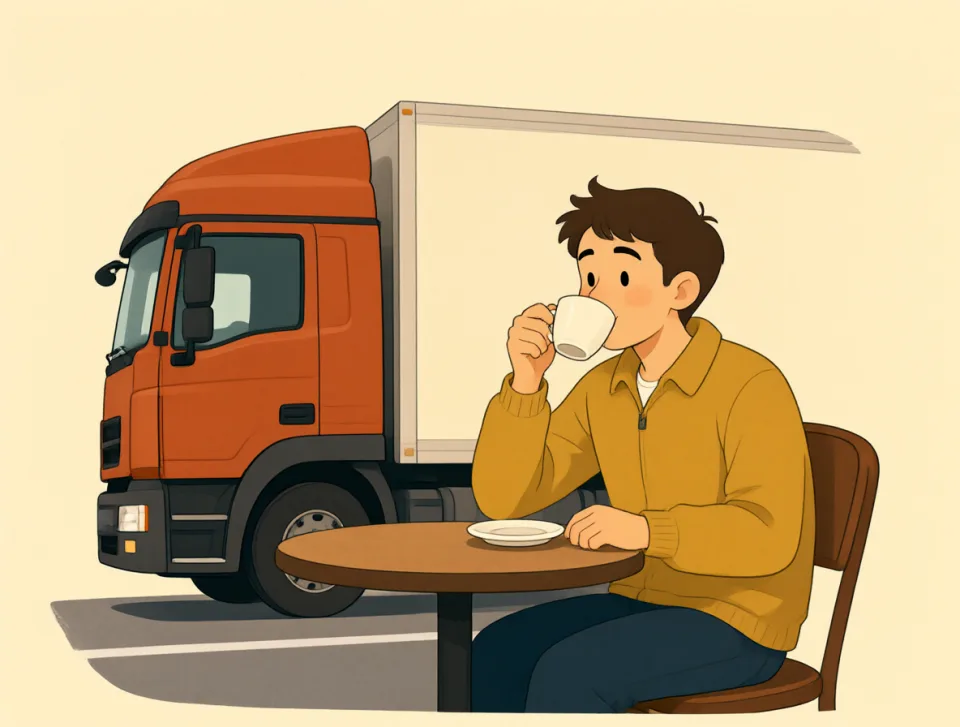
The truck driver stopped for coffee before starting work.
Kierowca ciężarówki zatrzymał się na kawę przed rozpoczęciem pracy.
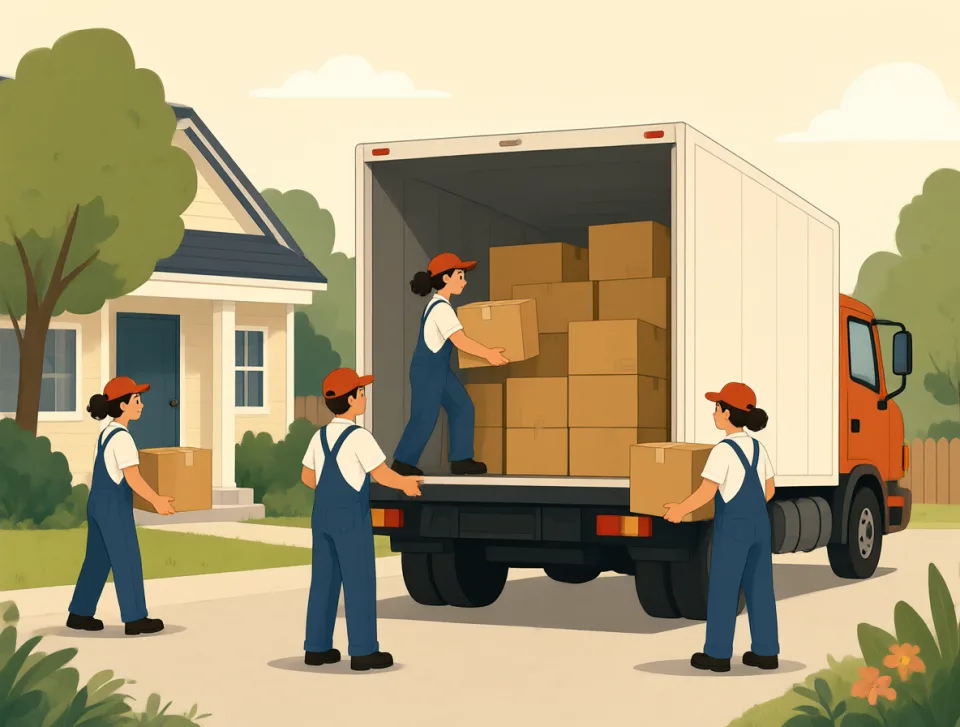
Our moving company truck arrived early to collect the boxes.
Ciężarówka naszej firmy przeprowadzkowej przyjechała wcześniej, żeby zabrać pudła.

They are trucking the equipment across the country for the concert.
Przewożą sprzęt ciężarówkami przez cały kraj na koncert.

nose
#2114noun, verb
nos
The part of your face used for smelling and breathing; to notice or discover something.
Część twarzy, którą wąchasz i oddychasz; zauważyć lub odkryć coś.

My nose is blocked, so I can hardly breathe through it.
Mam zatkany nos, więc prawie nie mogę przez niego oddychać.
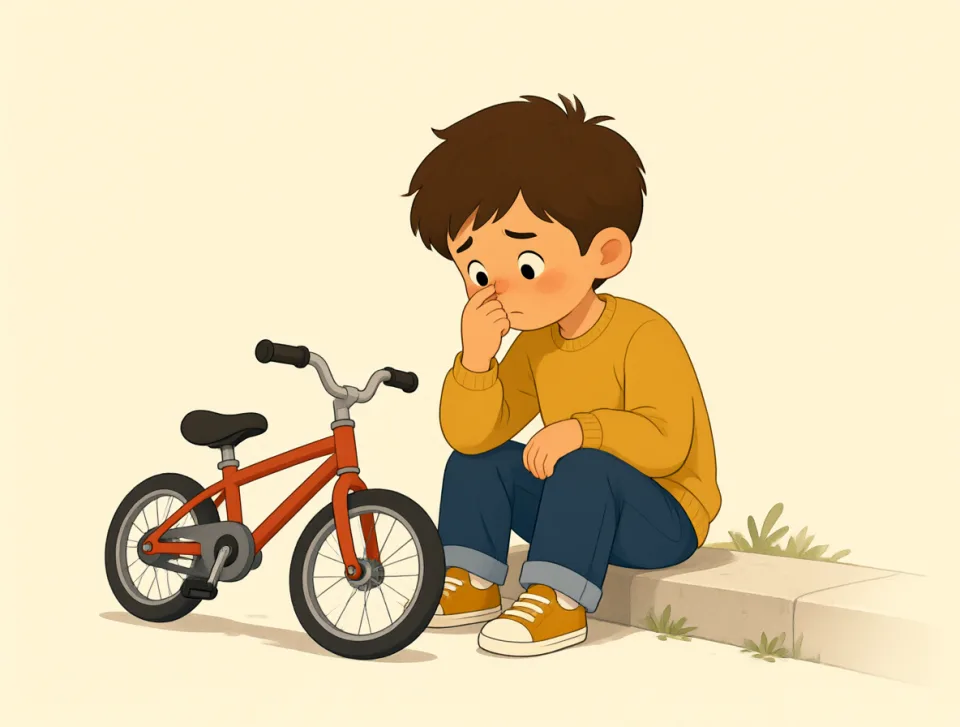
The little boy broke his nose when he fell off his bicycle.
Mały chłopiec złamał nos, kiedy spadł z roweru.

She wrinkled her nose when she smelled the spoiled milk.
Zmarszczyła nos, gdy poczuła zapach zepsutego mleka.
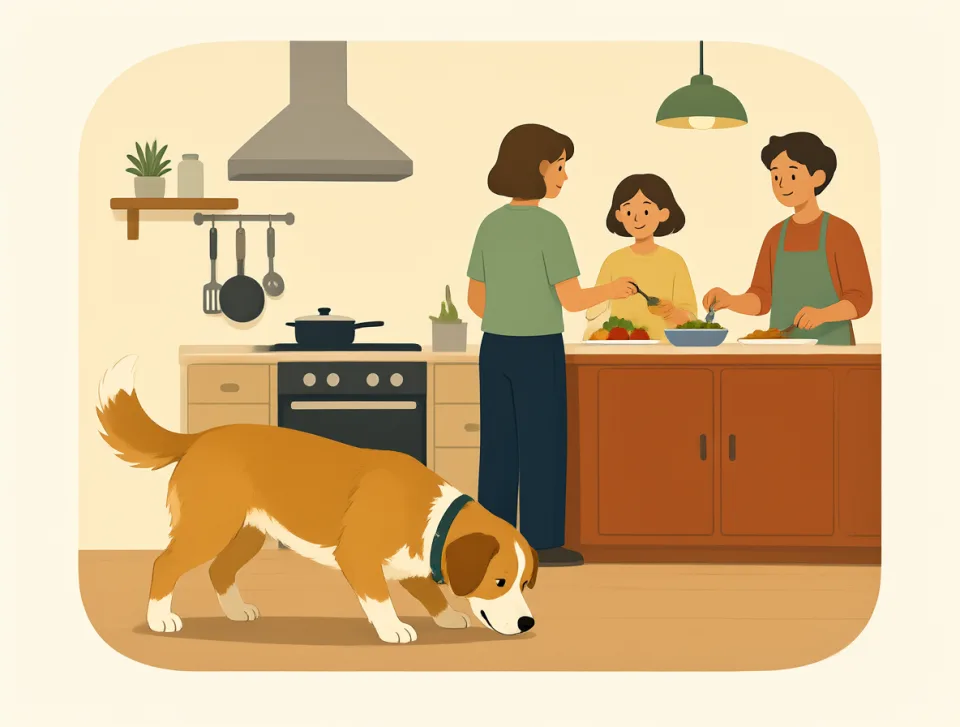
Our dog kept nosing around the kitchen while we prepared dinner.
Nasz pies ciągle obwąchiwał kuchnię, gdy przygotowywaliśmy kolację.

He always noses into other people's business at work.
W pracy zawsze wtrąca się w cudze sprawy.
beside
#2115preposition, adverb
obok
next to or at the side of someone or something
tuż przy kimś lub czymś albo z boku kogoś lub czegoś

She sat beside her friend during the long train journey.
Podczas długiej podróży pociągiem siedziała obok swojej przyjaciółki.
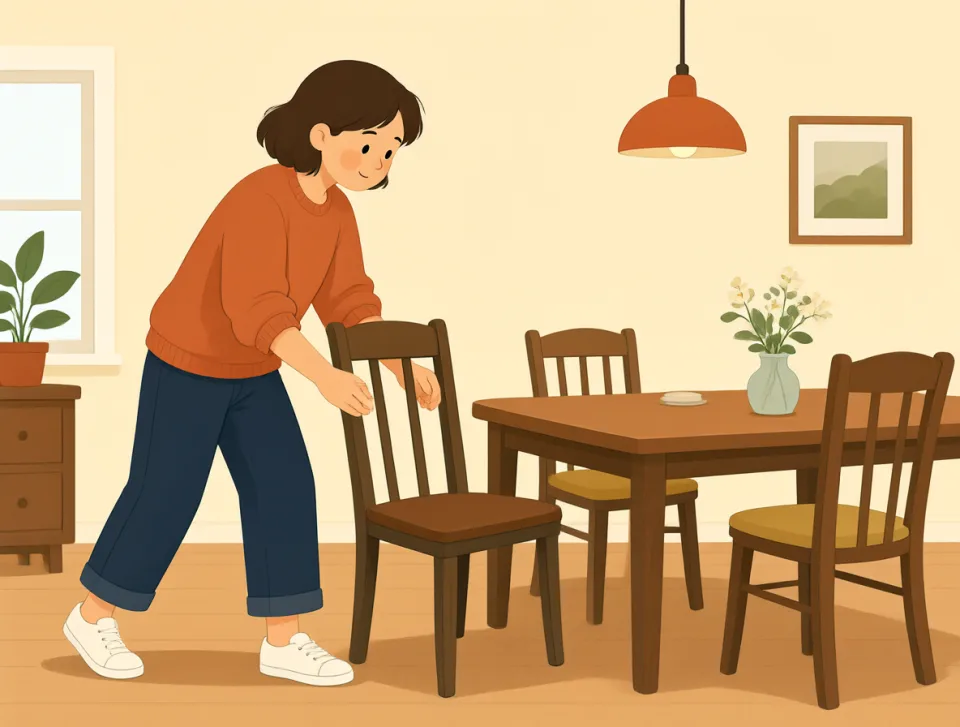
Please place the chair beside the table before dinner.
Proszę, postaw krzesło obok stołu przed kolacją.
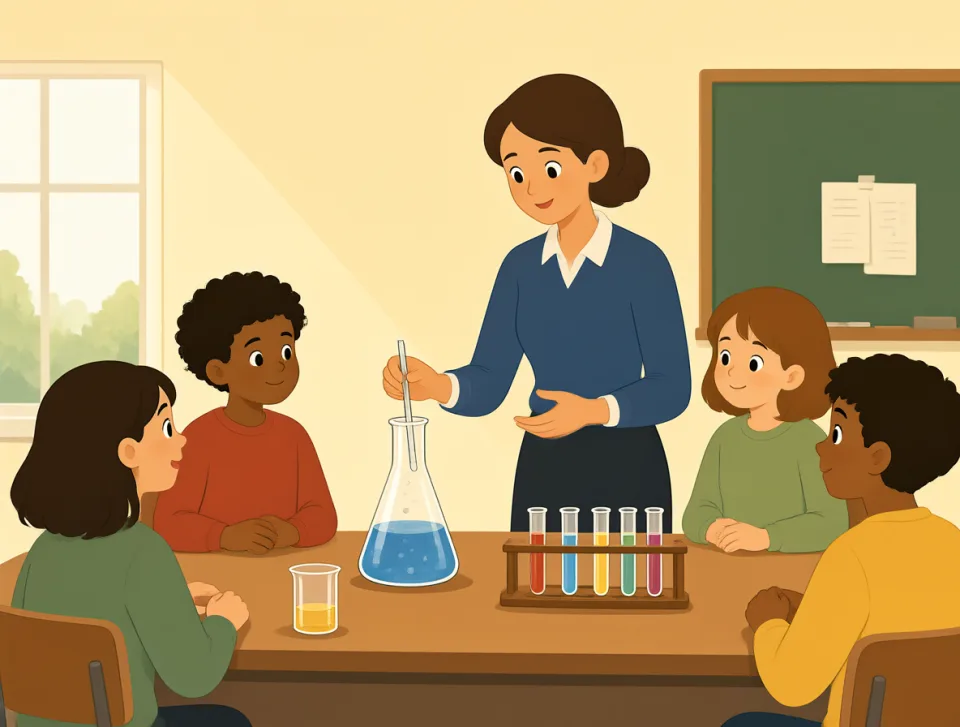
The teacher stood beside the students during the science experiment.
Nauczyciel stał obok uczniów podczas doświadczenia z nauk przyrodniczych.

I found a small pharmacy beside the hotel while traveling.
Podczas podróży znalazłem małą aptekę obok hotelu.
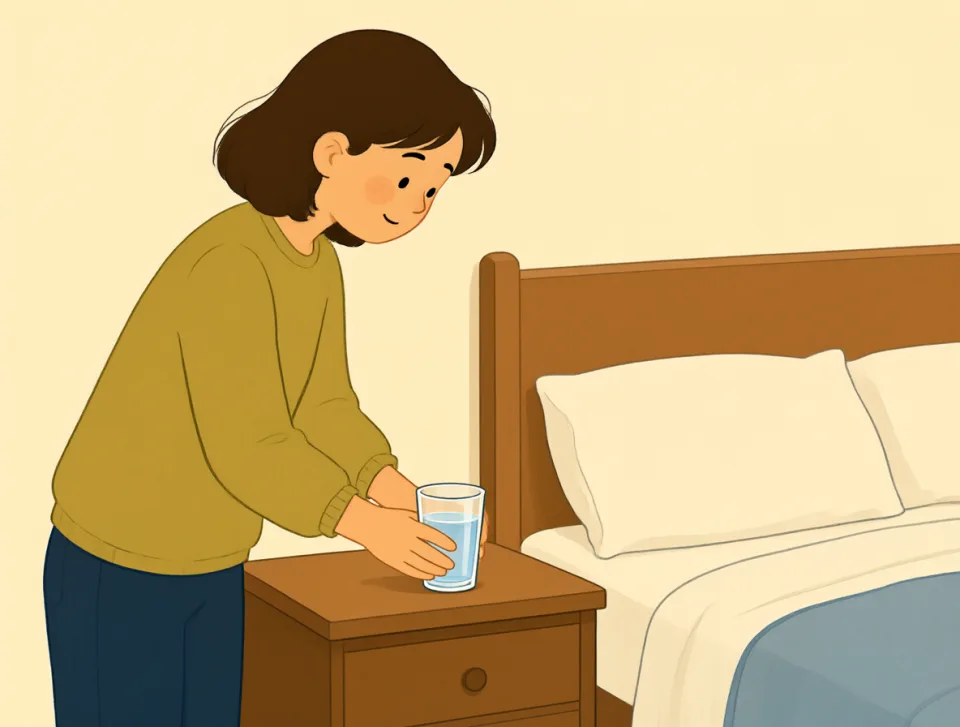
He left his glass of water beside the bed.
Zostawił szklankę wody obok łóżka.

sail
#2116noun, verb
żeglować; żagiel
to travel on water in a boat, or the large piece of cloth that catches wind
podróżować po wodzie łodzią lub duży kawałek materiału, który chwyta wiatr

We sailed along the coast during our summer holiday.
Podczas letnich wakacji żeglowaliśmy wzdłuż wybrzeża.

The strong wind filled the boat’s sails and pushed us forward.
Silny wiatr wypełnił żagle łodzi i popchnął nas do przodu.

They are learning to sail at the local sailing club.
Uczą się żeglować w miejscowym klubie żeglarskim.

The sailors raised the sail before leaving the harbor.
Żeglarze podnieśli żagiel przed opuszczeniem portu.

A bright red sail stood out against the blue sea.
Jaskrawoczerwony żagiel wyróżniał się na tle błękitnego morza.

disaster
#2117noun
katastrofa
a very bad event that causes great damage, suffering, or loss
bardzo złe wydarzenie, które powoduje wielkie zniszczenia, cierpienie lub straty
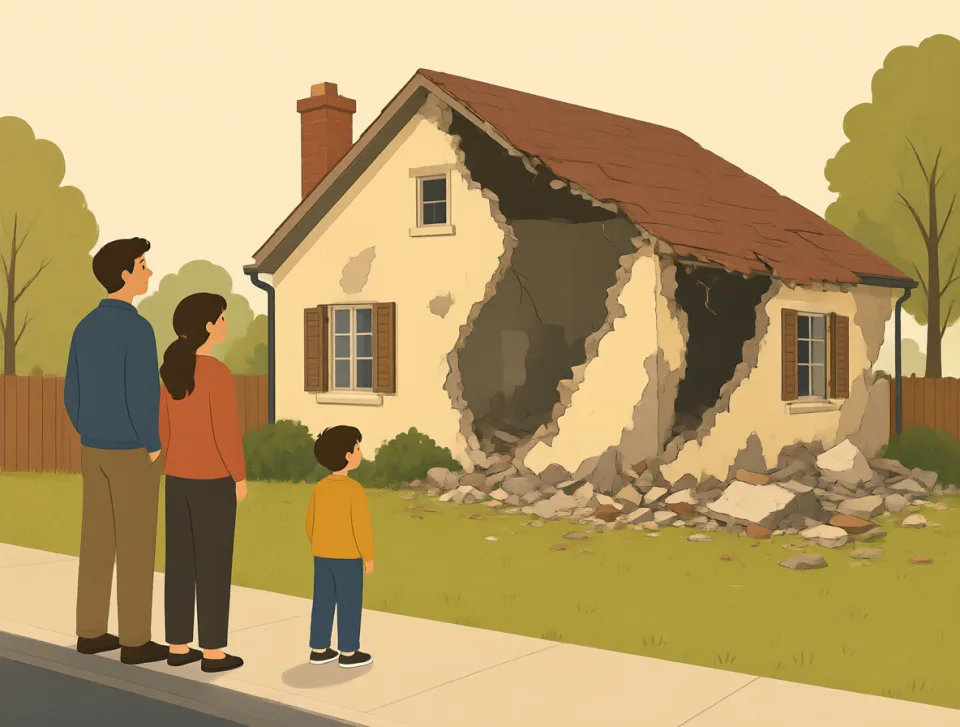
The earthquake was a disaster that destroyed thousands of homes.
Trzęsienie ziemi było katastrofą, która zniszczyła tysiące domów.
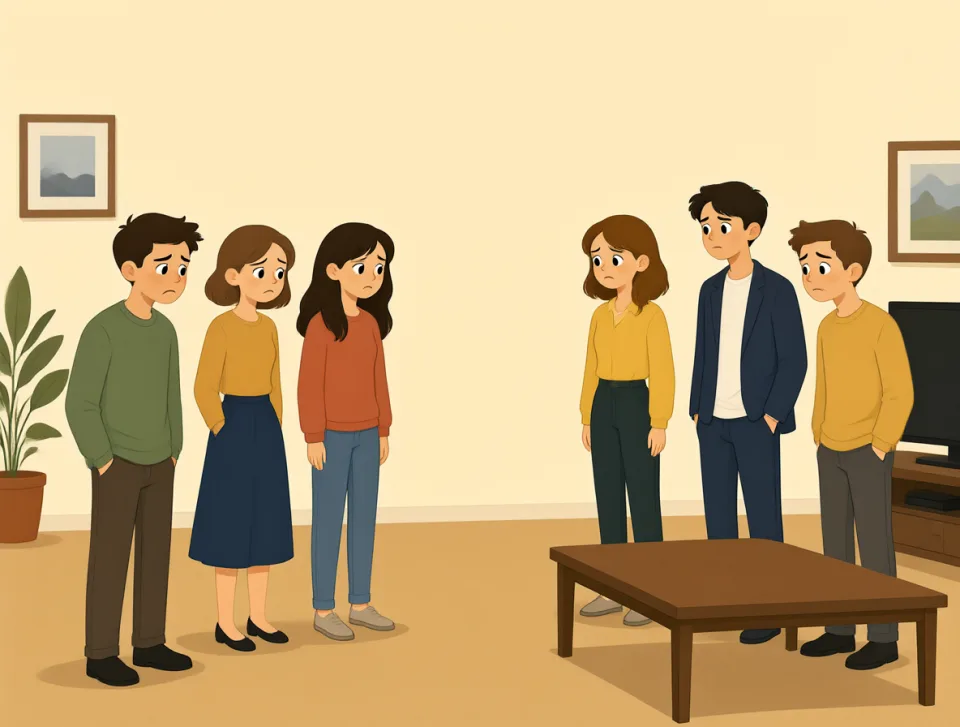
The party was a complete disaster because nobody brought food or drinks.
Impreza była kompletną katastrofą, bo nikt nie przyniósł jedzenia ani napojów.

Our holiday became a disaster when our luggage disappeared at the airport.
Nasze wakacje zamieniły się w katastrofę, gdy nasz bagaż zniknął na lotnisku.

The new manager called the failed project a financial disaster.
Nowy menedżer nazwał nieudany projekt finansową katastrofą.
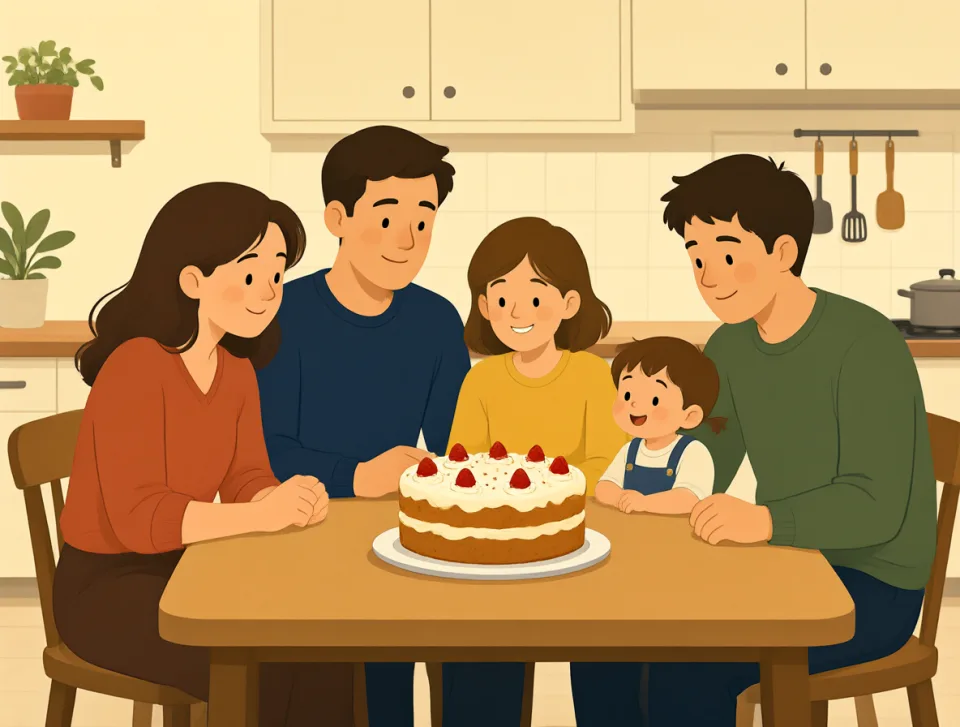
The cake was a disaster, but everyone kindly ate a small piece.
Ciasto było katastrofą, ale wszyscy uprzejmie zjedli po małym kawałku.
pace
#2118noun, verb
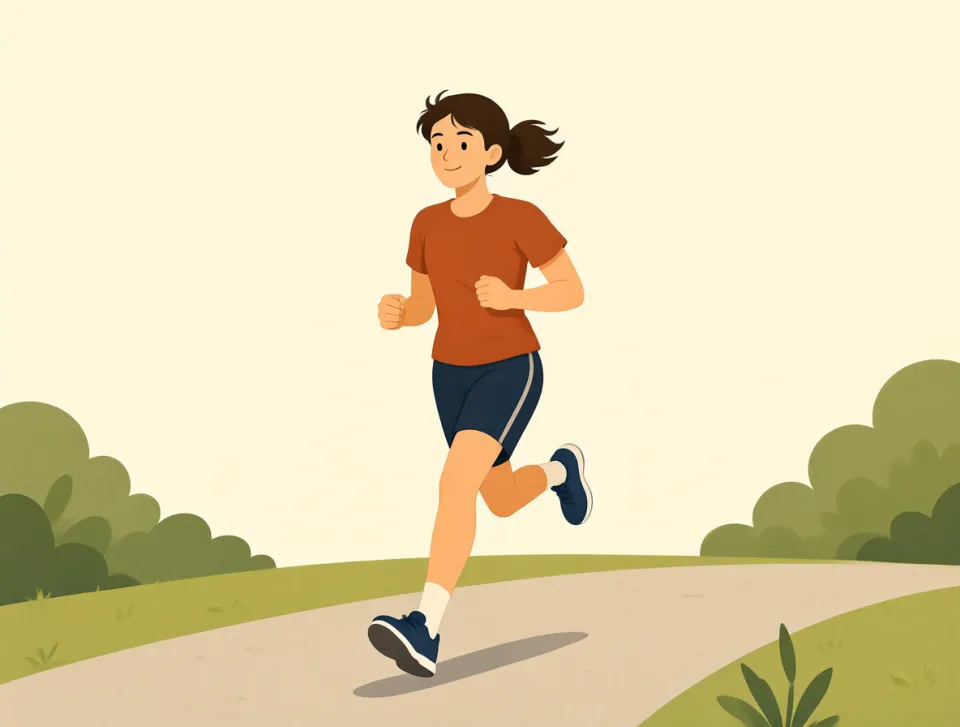
tempo
The speed at which someone or something moves or happens.
szybkość, z jaką ktoś lub coś się porusza albo coś się dzieje
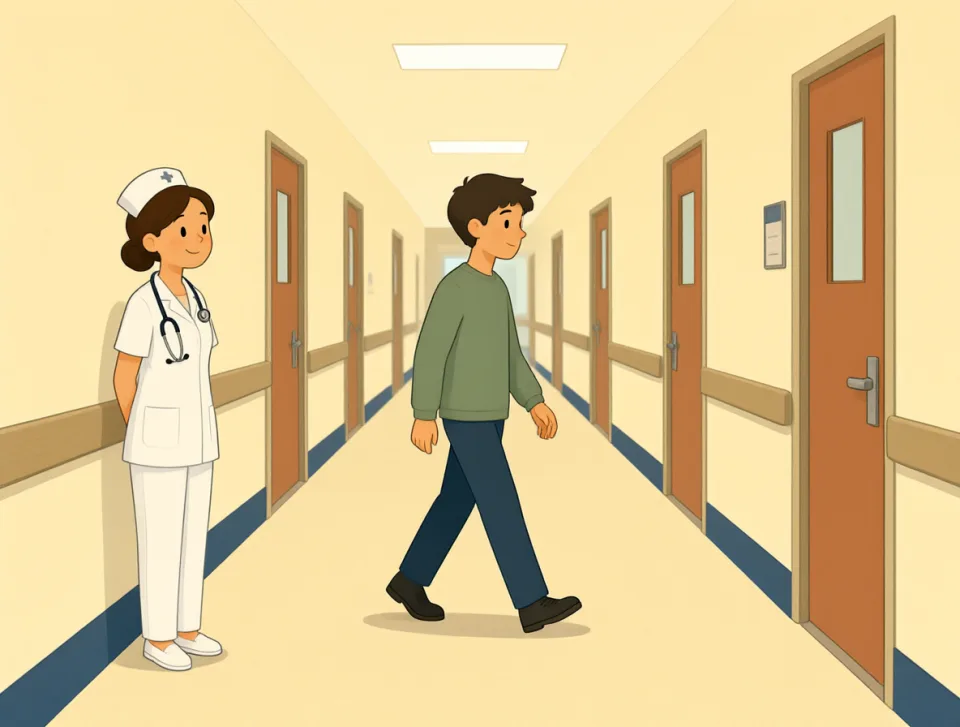
The nurse checked my pulse while I walked at a steady pace.
Pielęgniarka sprawdzała mój puls, gdy szedłem w równym tempie.
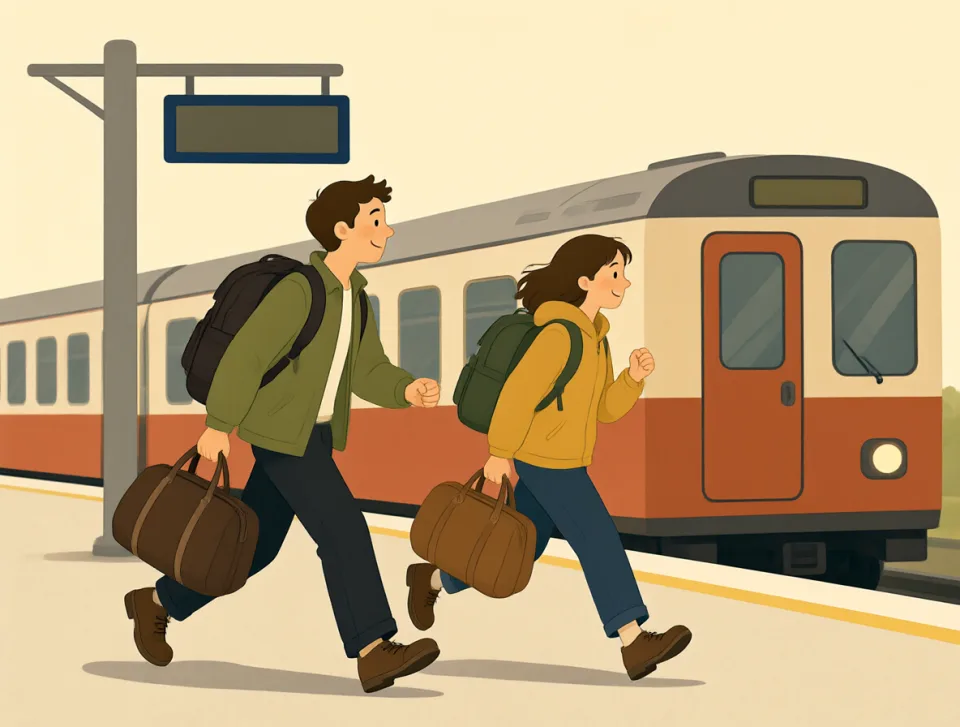
We need to pick up the pace if we want to catch the train.
Musimy zwiększyć tempo, jeśli chcemy zdążyć na pociąg.

She works at her own pace and usually finishes before everyone else.
Pracuje we własnym tempie i zwykle kończy przed wszystkimi innymi.
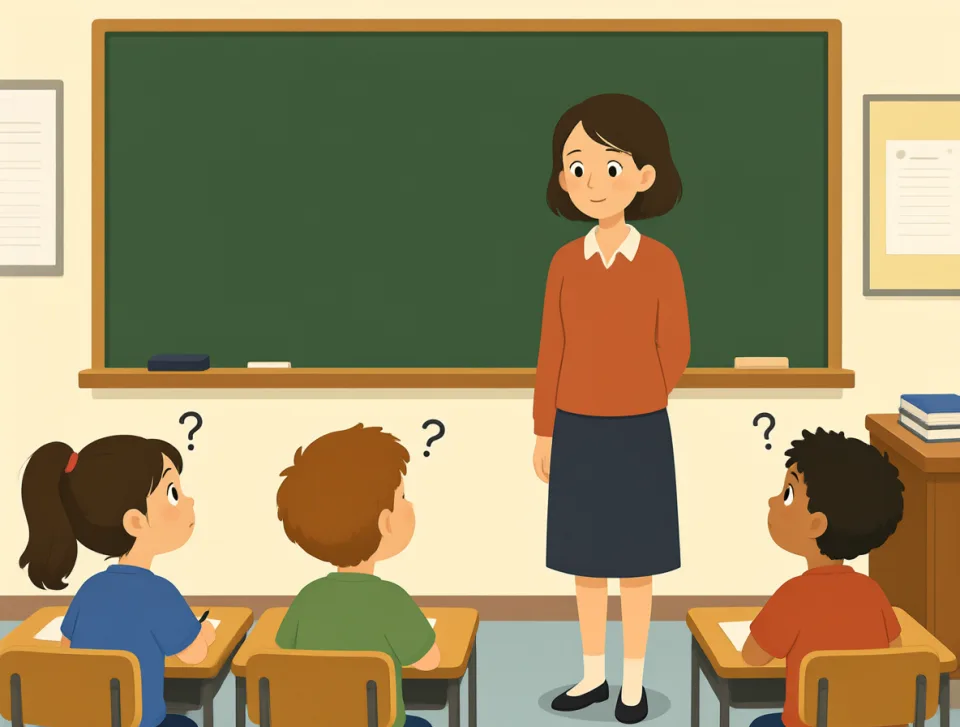
The teacher slowed the pace of the lesson when students looked confused.
Nauczyciel zwolnił tempo lekcji, gdy uczniowie wyglądali na zdezorientowanych.

After lunch, we paced ourselves so we could enjoy the whole hike.
Po lunchu rozłożyliśmy siły, żeby móc cieszyć się całą wędrówką.
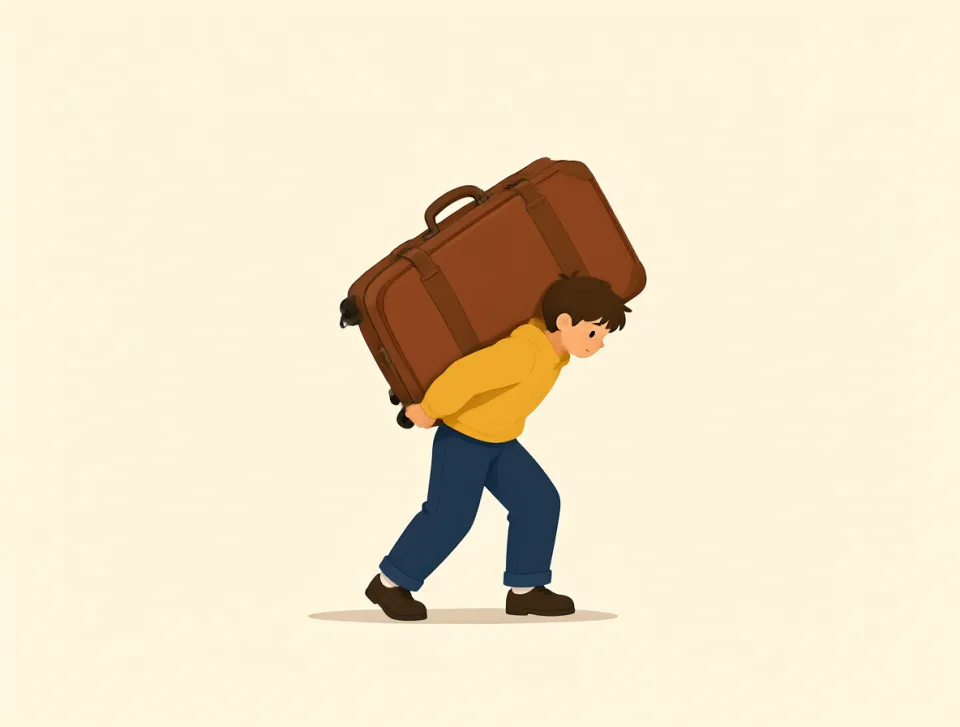
heavily
#2119adverb
mocno; obficie
To a great degree or with a lot of force, weight, or amount.
w dużym stopniu lub z użyciem dużej siły, ciężaru albo ilości
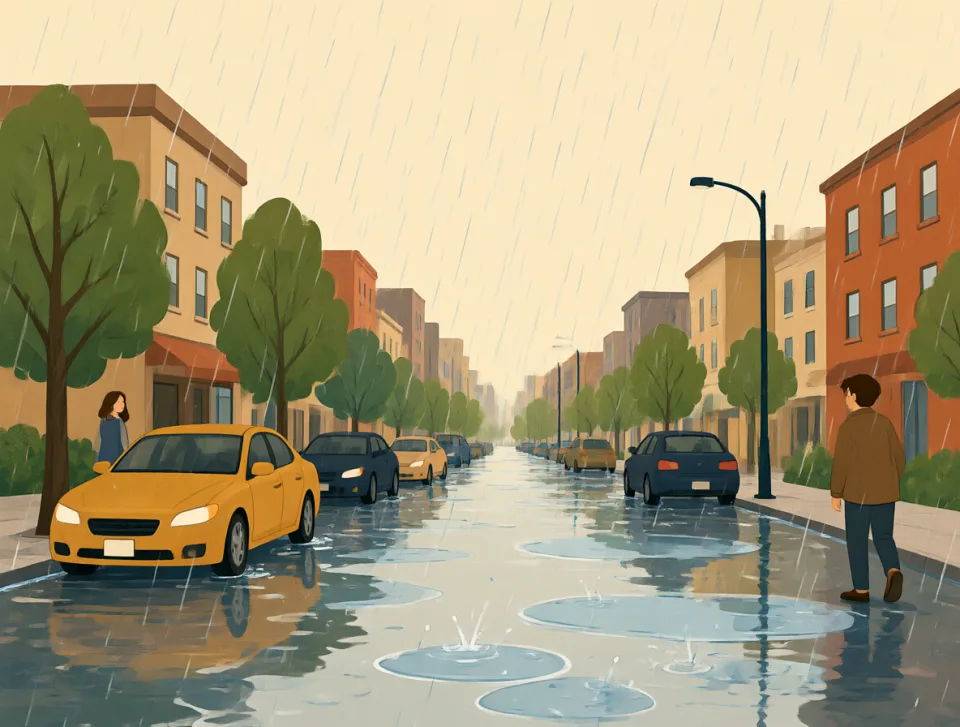
It rained heavily all night, so the streets were flooded by morning.
Przez całą noc mocno padało, więc rano ulice były zalane.
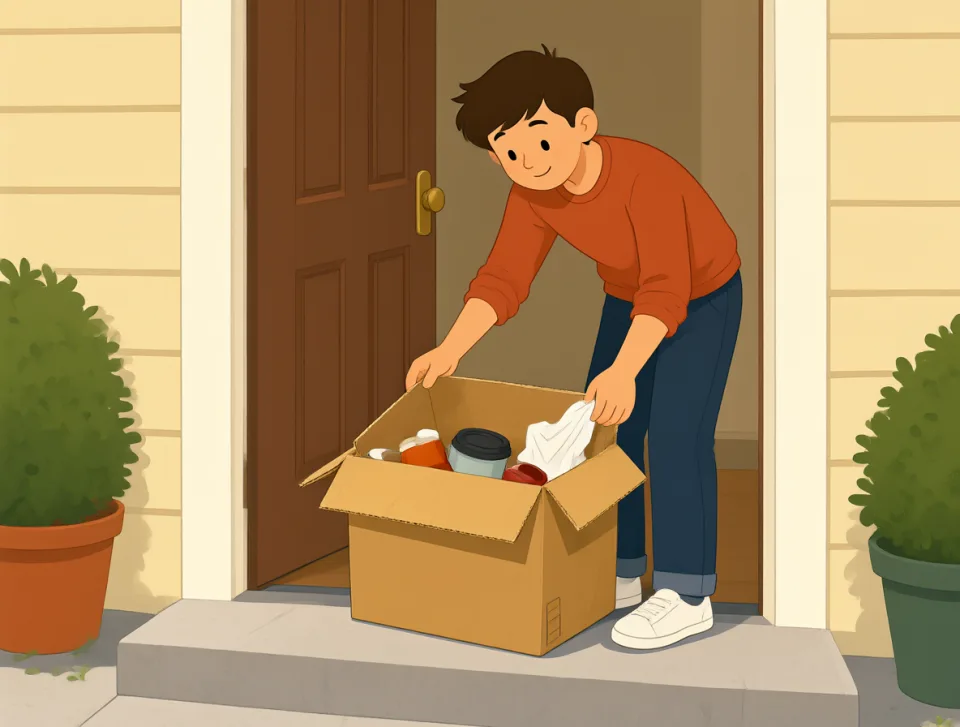
The box was heavily damaged during delivery, but everything inside was safe.
Pudełko zostało poważnie uszkodzone podczas dostawy, ale wszystko w środku było bezpieczne.
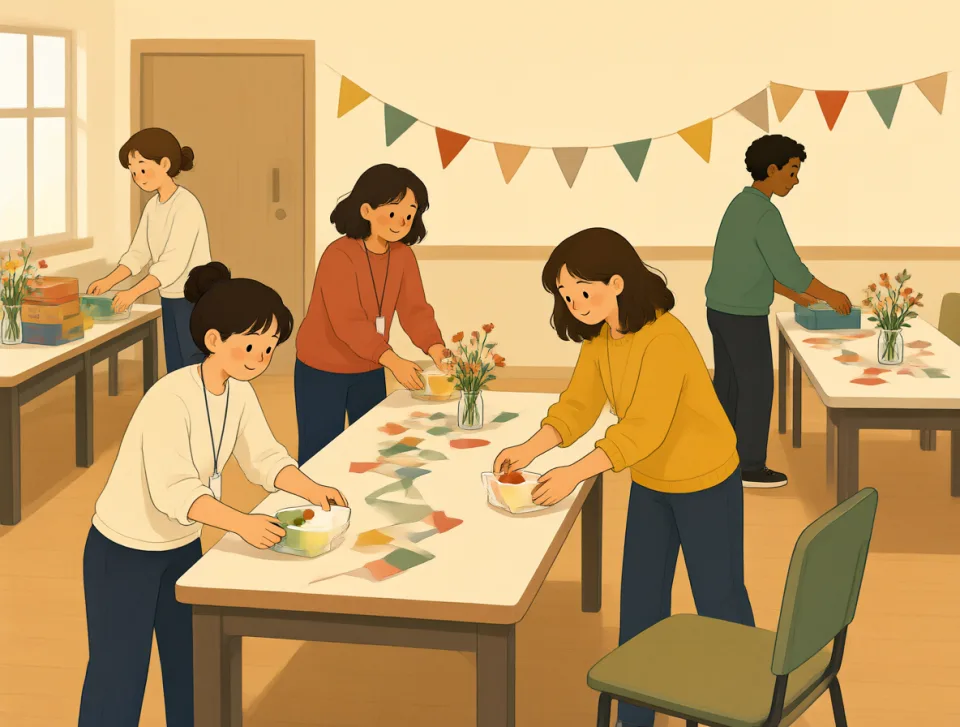
The team relies heavily on volunteers to organize the community event.
Zespół w dużym stopniu polega na wolontariuszach przy organizacji wydarzenia dla lokalnej społeczności.
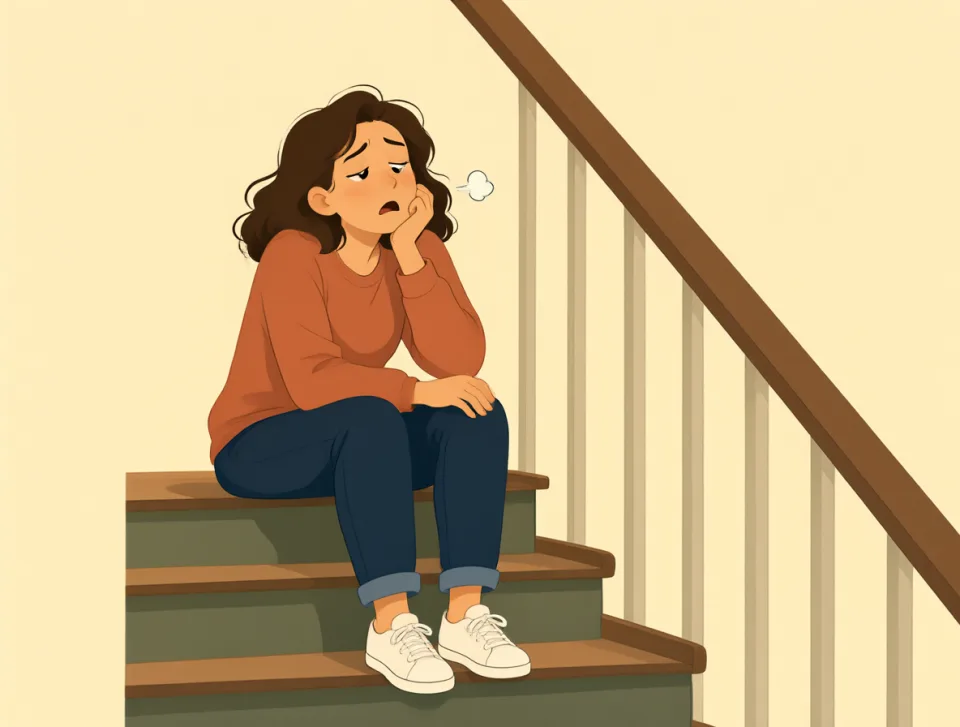
She was breathing heavily after running up three flights of stairs.
Po wbiegnięciu na trzy piętra ciężko oddychała.
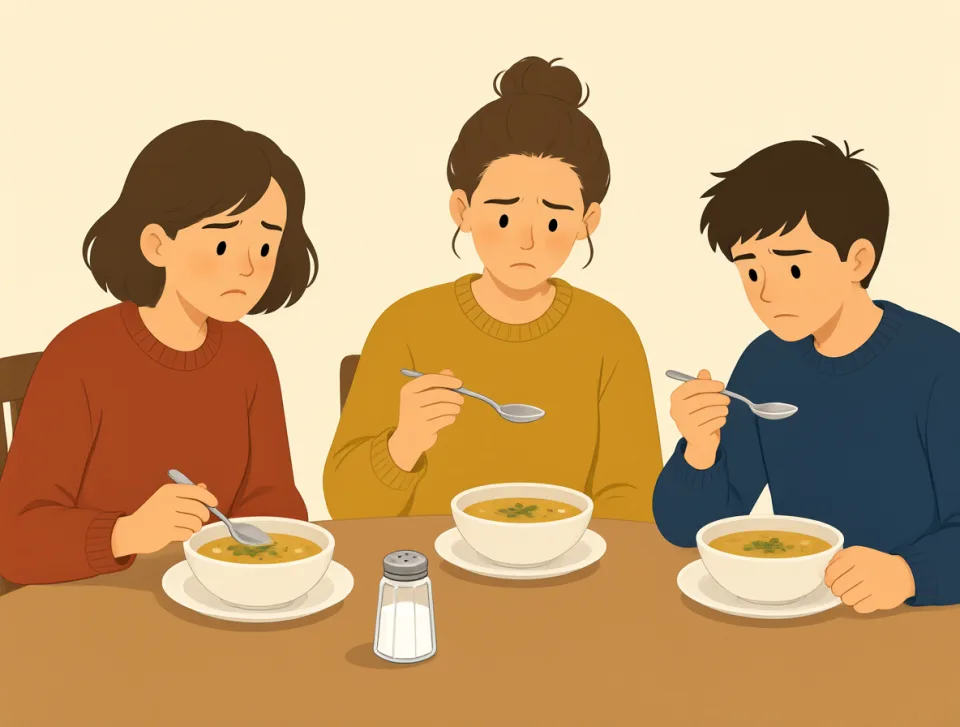
The soup was heavily salted, so nobody wanted a second bowl.
Zupa była bardzo słona, więc nikt nie chciał dokładki.
devote
#2120verb
poświęcać
to give your time, energy, or attention to something
dawać czemuś swój czas, energię lub uwagę
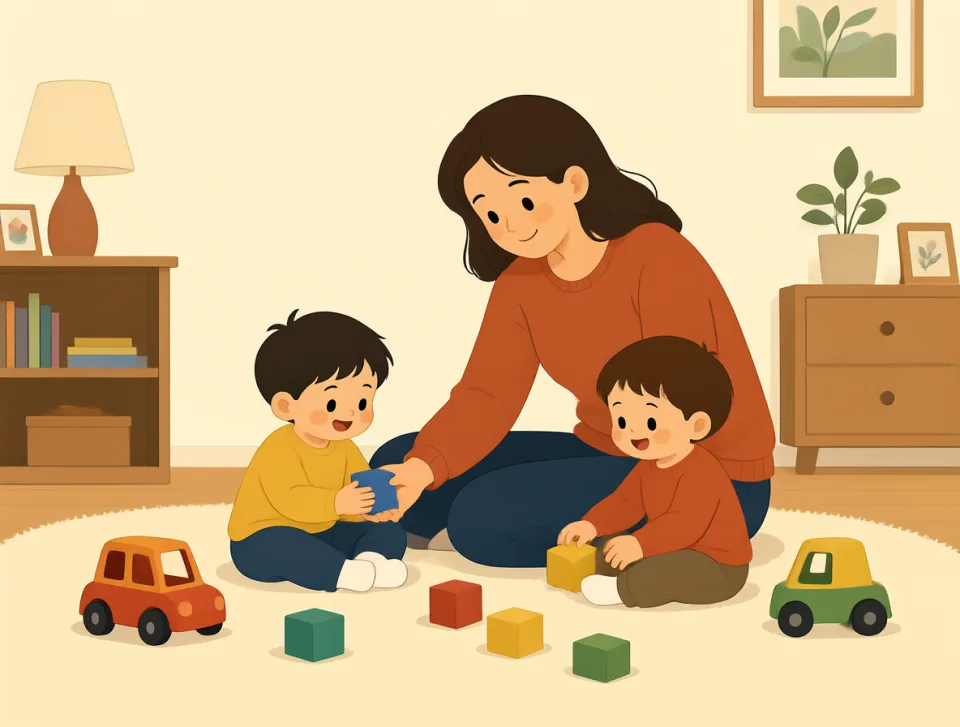
She devotes most of her free time to caring for her young children.
Poświęca większość wolnego czasu opiece nad swoimi małymi dziećmi.

The team devoted two hours to preparing for tomorrow’s important presentation.
Zespół poświęcił dwie godziny na przygotowanie się do jutrzejszej ważnej prezentacji.

He is devoted to improving his English by reading every evening.
Jest oddany doskonaleniu angielskiego poprzez czytanie każdego wieczoru.
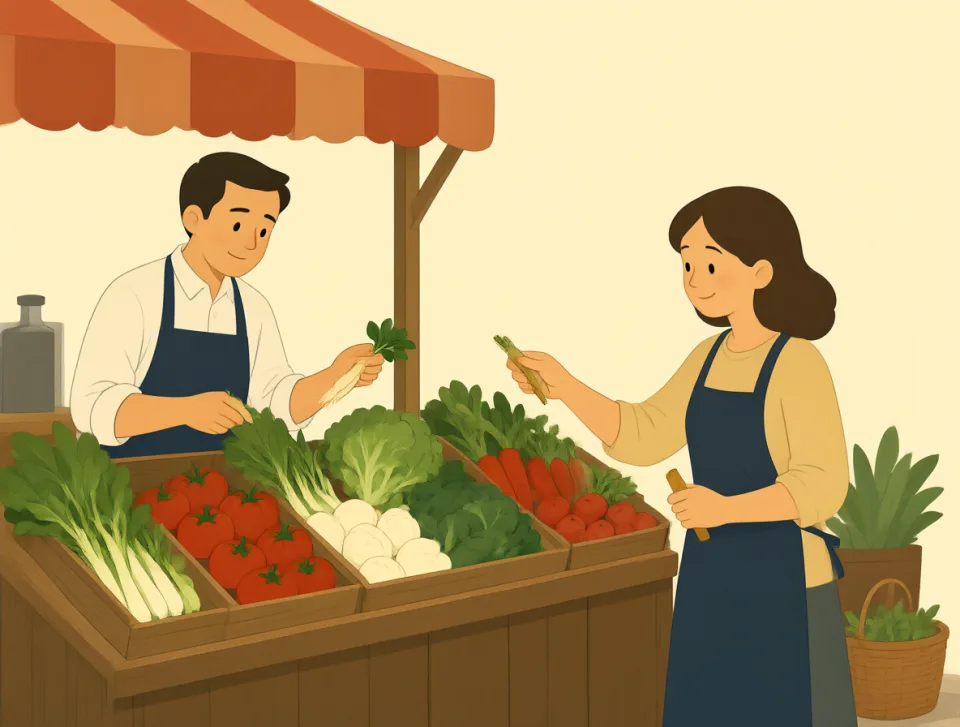
The restaurant owner devoted extra money to buying fresher ingredients this month.
Właściciel restauracji przeznaczył w tym miesiącu dodatkowe pieniądze na zakup świeższych składników.
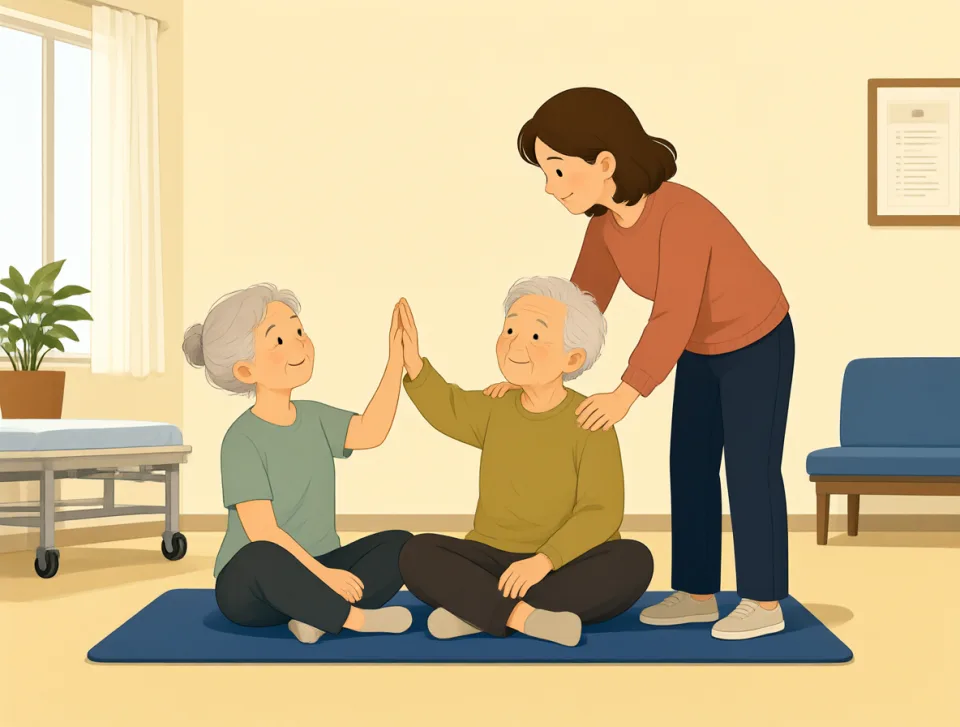
After the accident, she devoted herself to helping other patients recover.
Po wypadku poświęciła się pomaganiu innym pacjentom w powrocie do zdrowia.