Zestaw 133
Słowa 2641–2660 · servant, immigrant, excess, complexity, liability, surprisingly
servant
#2641noun
służący
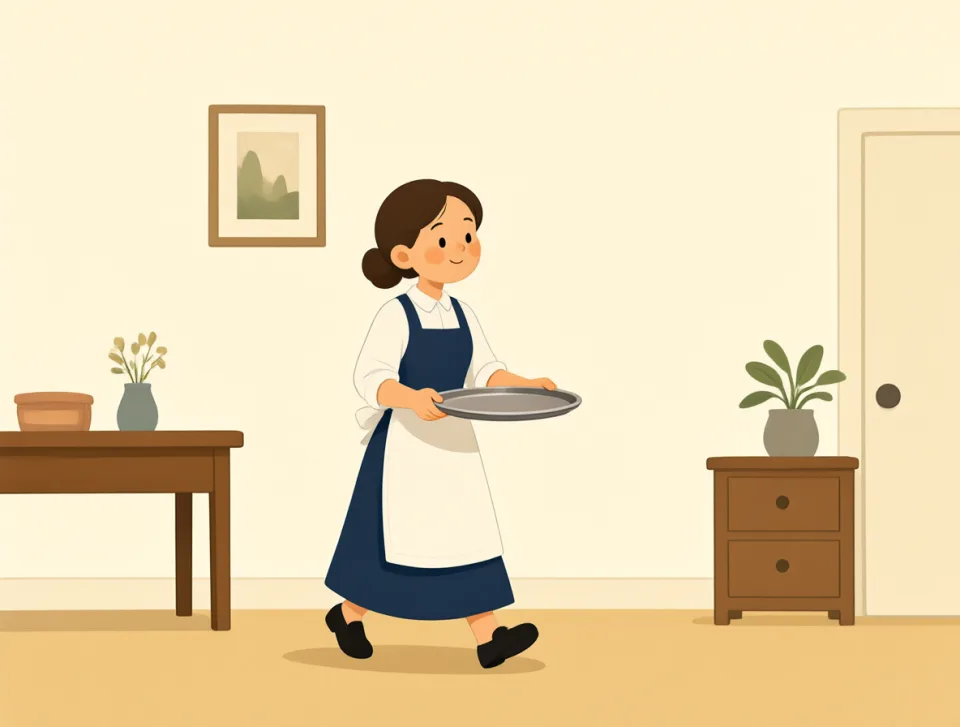
A person who works in another person’s home and does household tasks.
Osoba, która pracuje w czyimś domu i wykonuje prace domowe.

The servant brought tea to the guests in the sitting room.
Służący przyniósł herbatę gościom w salonie.

In the old story, a loyal servant helped the family escape at night.
W starej opowieści wierny służący pomógł rodzinie uciec nocą.
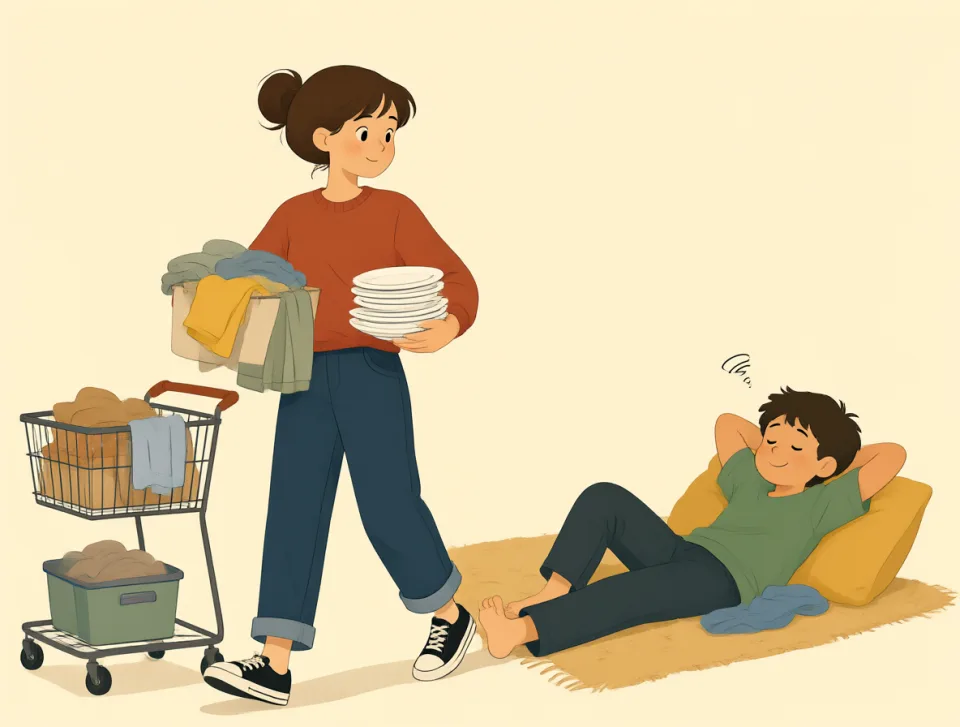
She felt treated like a servant when her brother left every chore to her.
Czuła się jak służąca, gdy jej brat zrzucał na nią wszystkie obowiązki domowe.
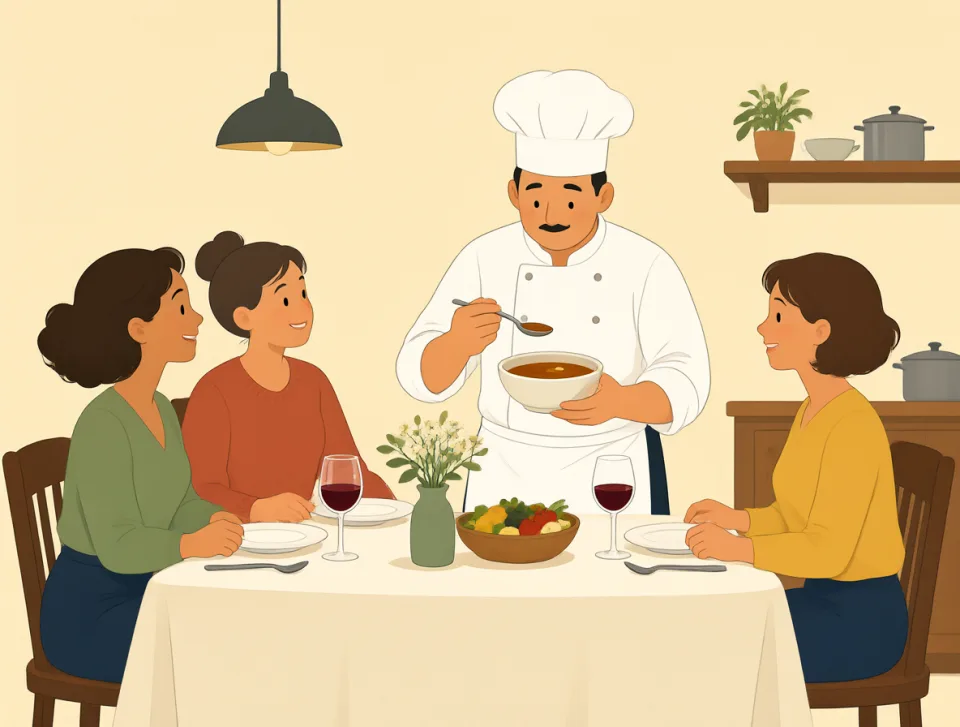
The king’s servants prepared the meal while the cook checked the soup.
Służący króla przygotowywali posiłek, a kucharz sprawdzał zupę.
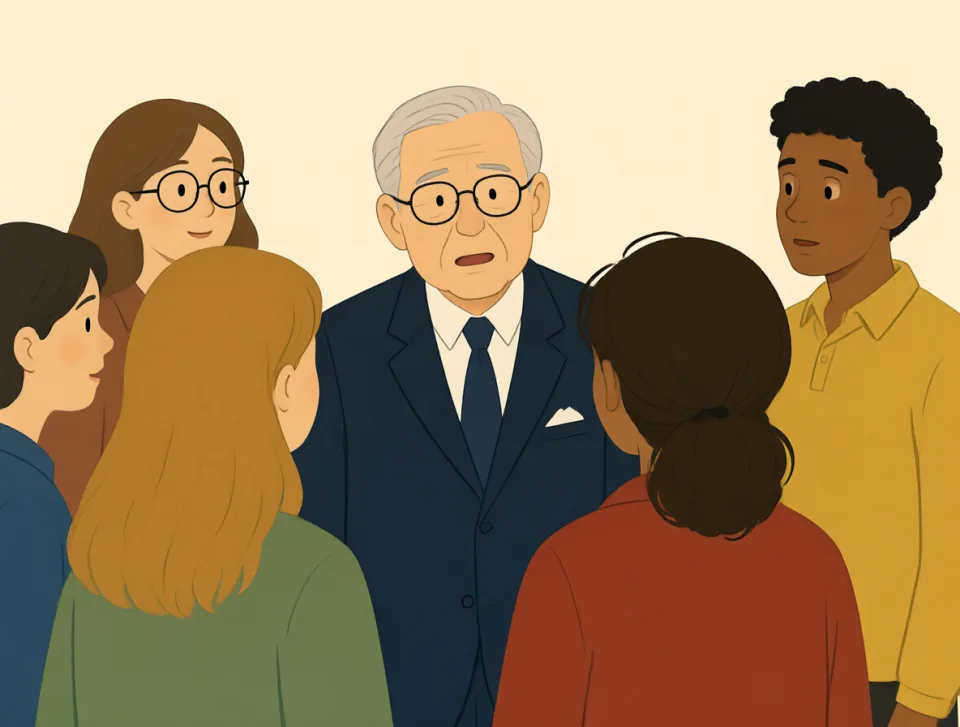
He said he was a servant of the people, not their master.
Powiedział, że jest sługą ludu, a nie jego panem.

immigrant
#2642noun
imigrant
A person who comes to live in a country from another country.
Osoba, która przyjeżdża z innego kraju, by zamieszkać w danym kraju.
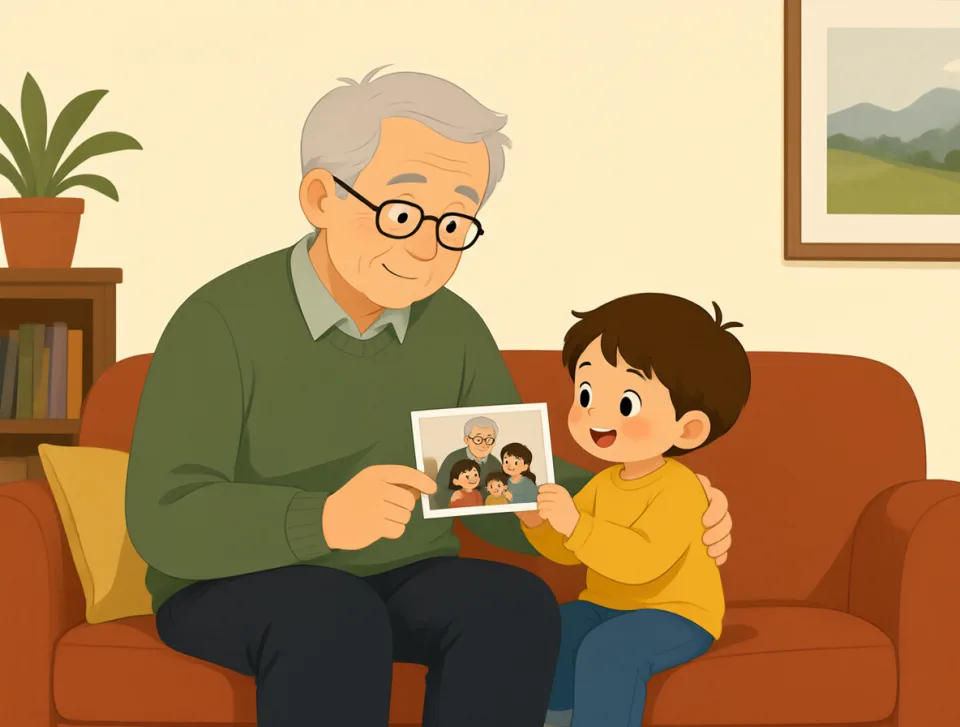
My grandfather was an immigrant who came here from Italy as a young man.
Mój dziadek był imigrantem, który przyjechał tu z Włoch jako młody człowiek.

The city offers free English classes for immigrants who are new to the country.
Miasto oferuje bezpłatne lekcje angielskiego dla imigrantów, którzy niedawno przybyli do kraju.

She works with an immigrant family at the neighborhood health center.
Pracuje z rodziną imigrantów w osiedlowym ośrodku zdrowia.
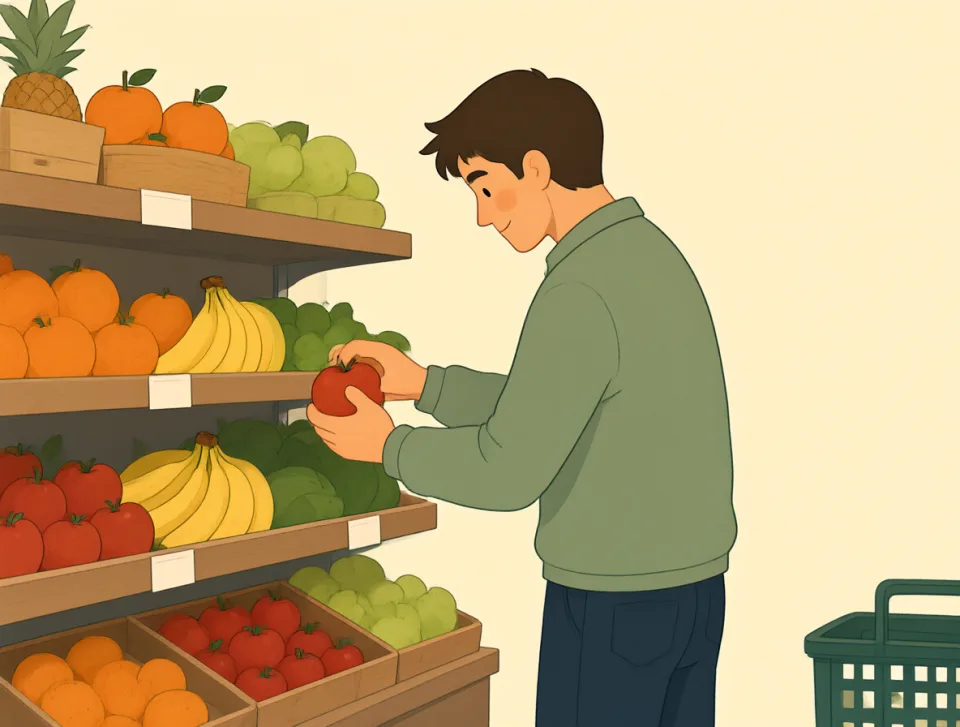
As an immigrant, he found a job at a local grocery store.
Jako imigrant znalazł pracę w lokalnym sklepie spożywczym.

The immigrant waited with her friends at the airport for her sister.
Imigrantka czekała z przyjaciółmi na lotnisku na swoją siostrę.

excess
#2643noun, adjective
nadmiar
More of something than is needed, wanted, or usual.
Większa ilość czegoś, niż jest potrzebna, pożądana lub zwyczajowa.

The doctor said too much salt can cause health problems.
Lekarz powiedział, że zbyt duża ilość soli może powodować problemy zdrowotne.
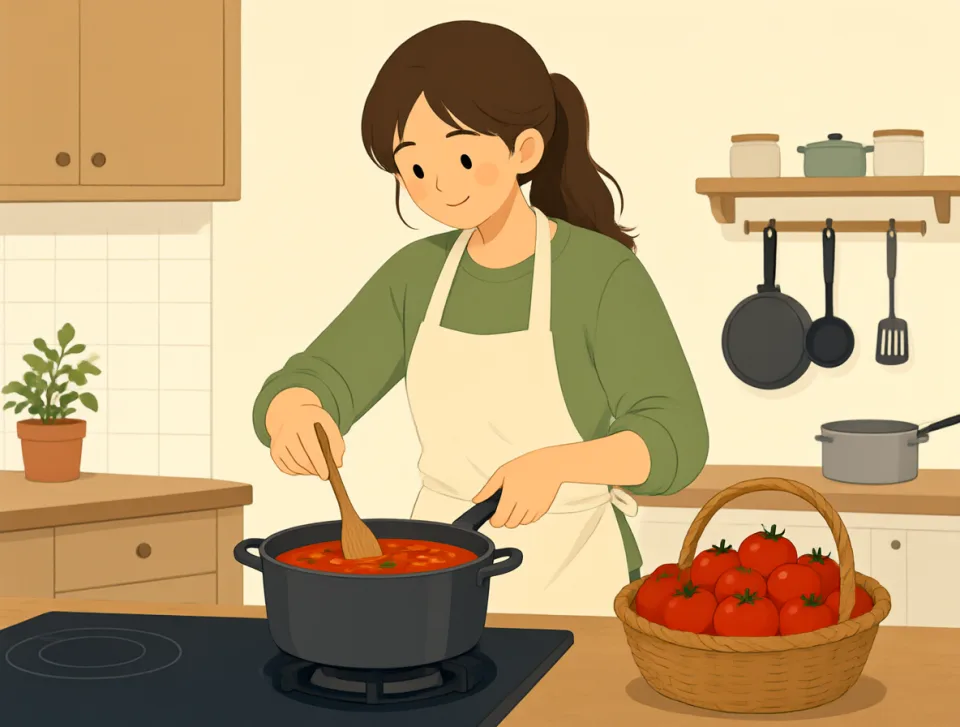
We had an excess of tomatoes, so I made soup for the neighbors.
Mieliśmy nadmiar pomidorów, więc zrobiłem zupę dla sąsiadów.

The company cut excess costs by sharing office space with another team.
Firma ograniczyła zbędne koszty, dzieląc przestrzeń biurową z innym zespołem.
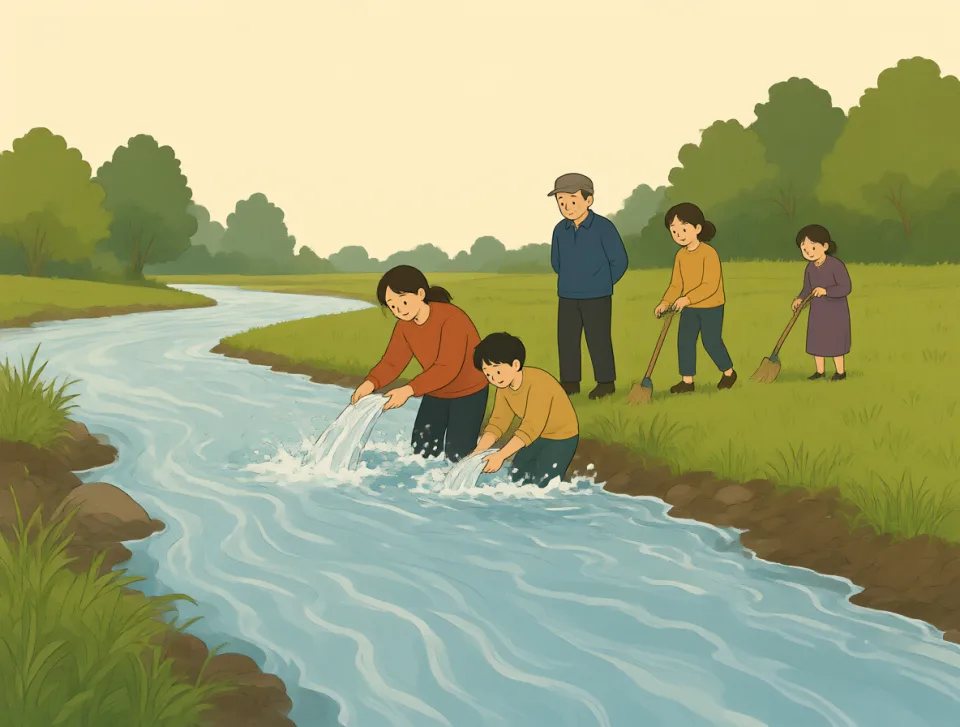
After the storm, the river carried excess water into nearby fields.
Po burzy rzeka wylała nadmiar wody na pobliskie pola.

The shop sells excess stock at lower prices during its winter sale.
Podczas zimowej wyprzedaży sklep sprzedaje nadwyżki towaru po niższych cenach.
complexity
#2644noun
złożoność
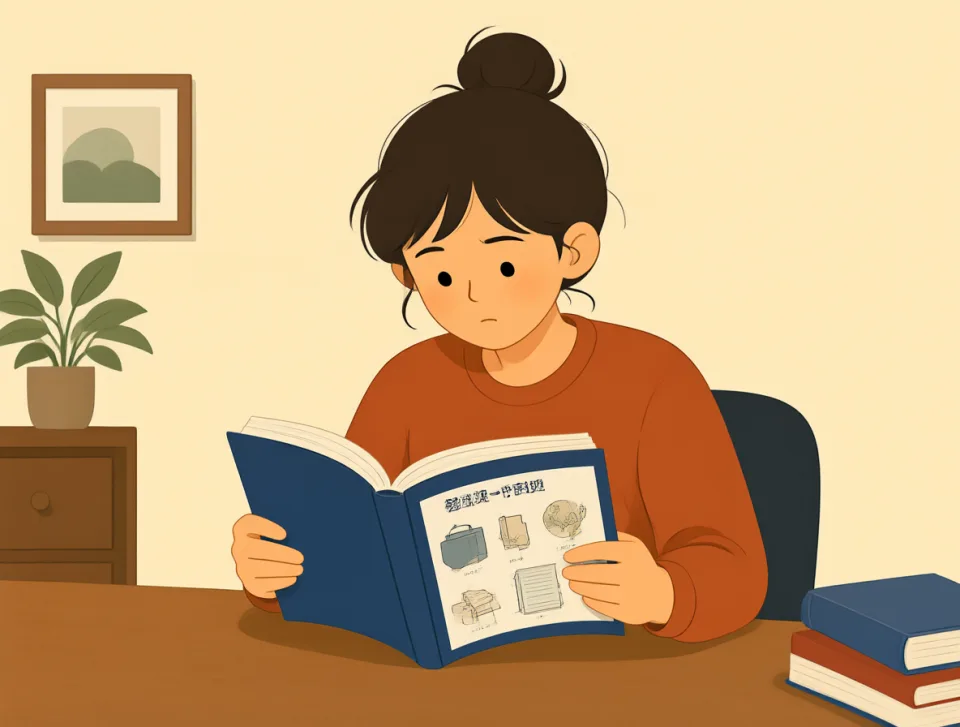
The state of having many parts that are difficult to understand or deal with.
Stan, w którym coś składa się z wielu elementów trudnych do zrozumienia lub opanowania.
The instructions were difficult because of their complexity.
Instrukcje były trudne ze względu na swoją złożoność.

The doctor explained the complexity of the treatment to my family.
Lekarz wyjaśnił mojej rodzinie, na czym polega złożoność leczenia.

I was surprised by the complexity of planning our trip.
Zaskoczyła mnie złożoność planowania naszej podróży.

The new software adds complexity to our daily work.
Nowe oprogramowanie komplikuje naszą codzienną pracę.
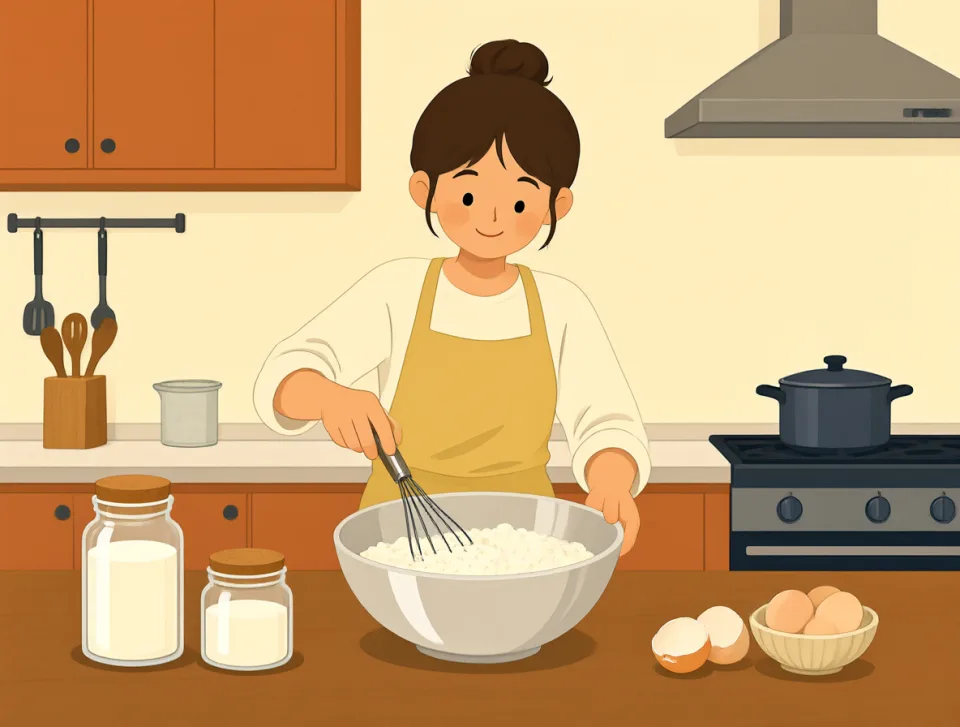
The recipe is simple, with little complexity and only five ingredients.
Przepis jest prosty, niezbyt skomplikowany i wymaga tylko pięciu składników.
liability
#2645noun
obciążenie
A person or thing that causes problems or a duty to pay for damage or debt.
Osoba lub rzecz powodująca problemy albo obowiązek pokrycia szkód lub spłaty długu.
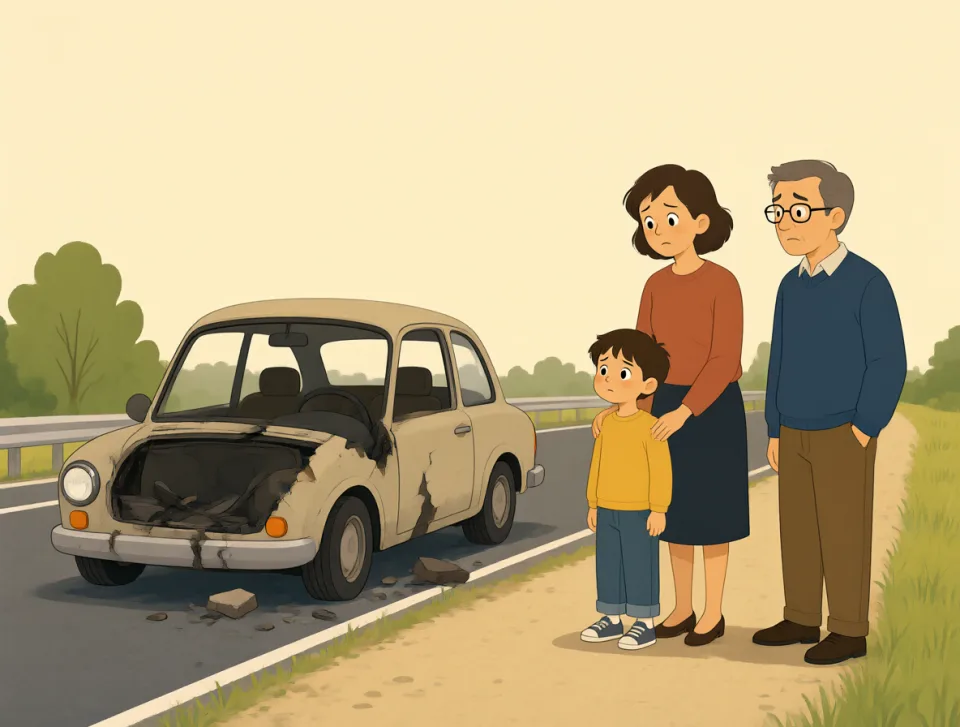
The old car became a liability when it kept breaking down on family trips.
Stary samochód stał się obciążeniem, gdy ciągle psuł się podczas rodzinnych wyjazdów.
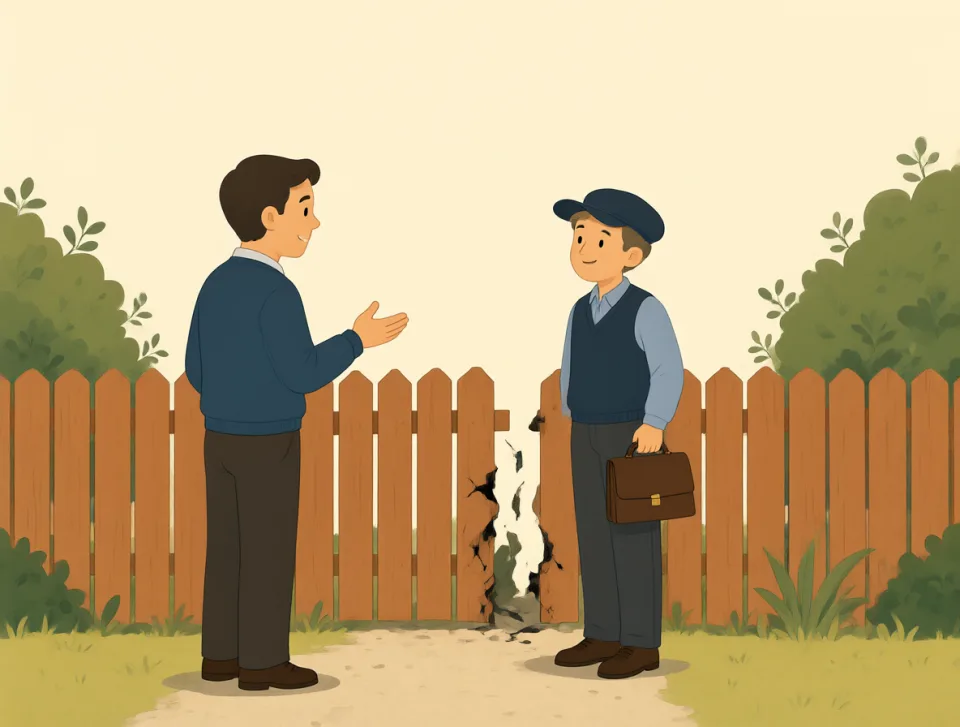
The company accepted liability for the damage caused by its delivery truck.
Firma przyjęła odpowiedzialność za szkody spowodowane przez jej samochód dostawczy.

Taking on too much debt can become a serious liability for a small business.
Zaciągnięcie zbyt dużego długu może stać się poważnym obciążeniem dla małej firmy.

The lawyer explained that the landlord had no liability for the guest’s injury.
Prawnik wyjaśnił, że właściciel mieszkania nie ponosił odpowiedzialności za obrażenia gościa.

She worried that her injured ankle would be a liability during the school hike.
Martwiła się, że kontuzjowana kostka będzie jej przeszkadzać podczas szkolnej wycieczki pieszej.

surprisingly
#2646adverb
zaskakująco
In a way that is unexpected or unusual.
W sposób, który jest nieoczekiwany lub nietypowy.
The small café was surprisingly busy on a quiet Tuesday morning.
Mała kawiarnia była zaskakująco pełna w spokojny wtorkowy poranek.

She was surprisingly calm before giving her first presentation at work.
Była zaskakująco spokojna przed swoją pierwszą prezentacją w pracy.

The train journey was surprisingly comfortable, even though it lasted six hours.
Podróż pociągiem była zaskakująco wygodna, mimo że trwała sześć godzin.
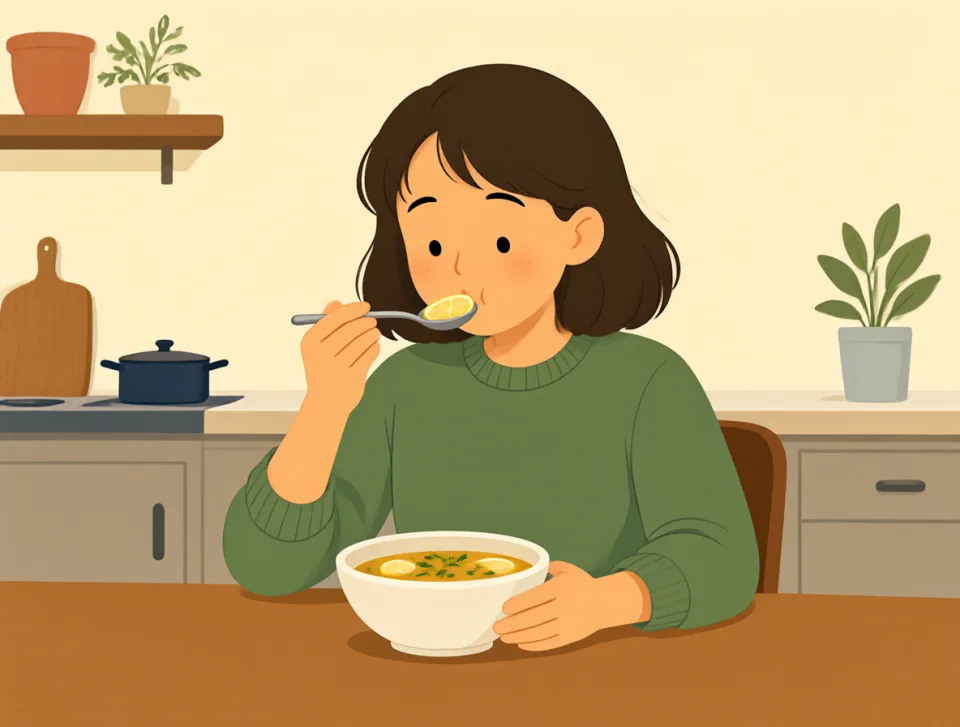
This soup tastes surprisingly good with a little lemon and fresh herbs.
Ta zupa smakuje zaskakująco dobrze z odrobiną cytryny i świeżymi ziołami.
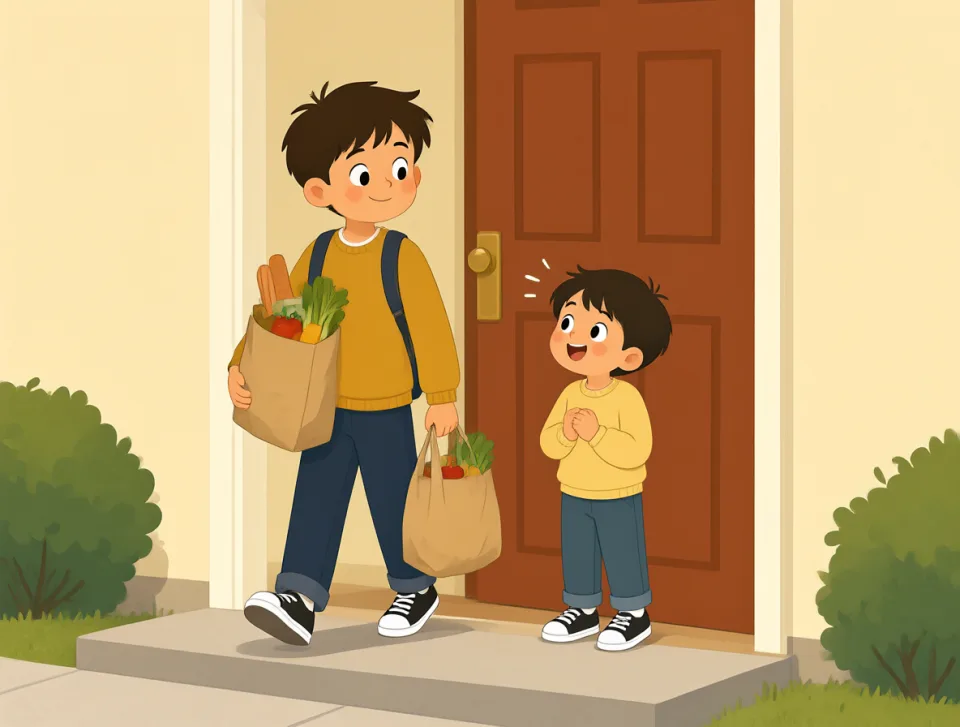
Surprisingly, my brother remembered to bring the groceries home after school.
Co zaskakujące, mój brat pamiętał, żeby po szkole przynieść zakupy do domu.

extract
#2647verb, noun
wyodrębniać; fragment
to take something out, or a short part taken from a book, film, or other source
Wyjąć coś albo krótki fragment zaczerpnięty z książki, filmu lub innego źródła.

She extracted a splinter from her finger with clean tweezers.
Wyjęła drzazgę z palca czystą pęsetą.

The dentist extracted my painful tooth after checking the X-ray.
Dentysta wyrwał mi bolący ząb po obejrzeniu zdjęcia rentgenowskiego.

I extracted the coffee beans from the grinder and made a fresh pot.
Wyjąłem z młynka ziarna kawy i zaparzyłem świeżą kawę.
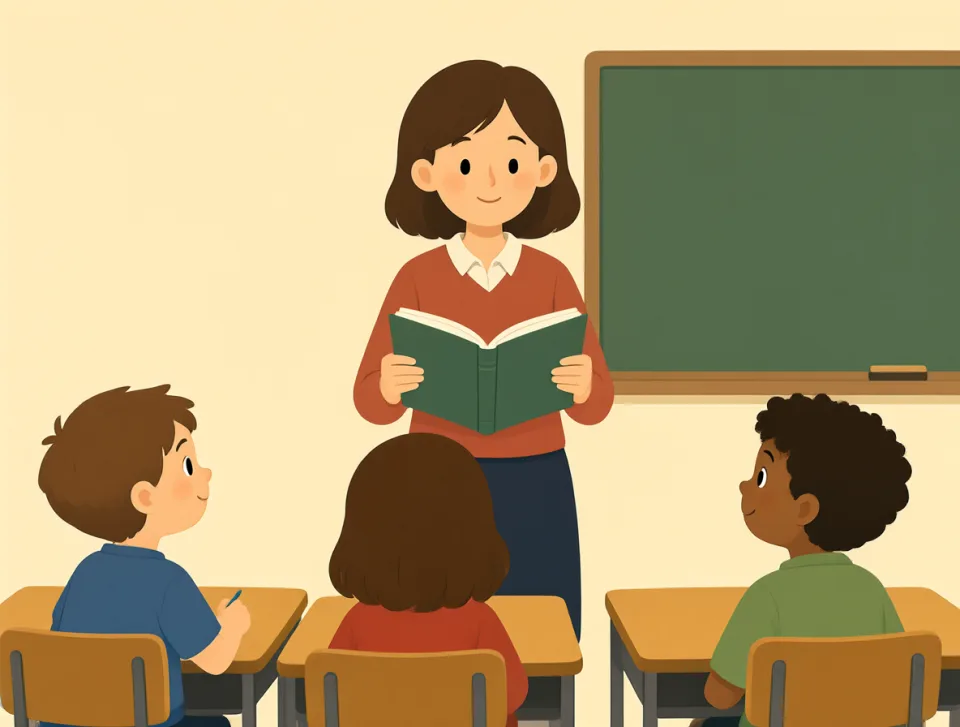
The teacher shared an extract from a novel before our class discussion.
Nauczyciel podzielił się z nami fragmentem powieści przed dyskusją na lekcji.

They extracted useful details from the interviews for their research project.
Na potrzeby swojego projektu badawczego wyodrębnili z wywiadów przydatne informacje.

implementation
#2648noun
wdrożenie
The process of putting a plan, decision, or system into use.
Proces wprowadzania planu, decyzji lub systemu w życie.
The implementation of the new booking system took longer than we expected.
Wdrożenie nowego systemu rezerwacji trwało dłużej, niż się spodziewaliśmy.
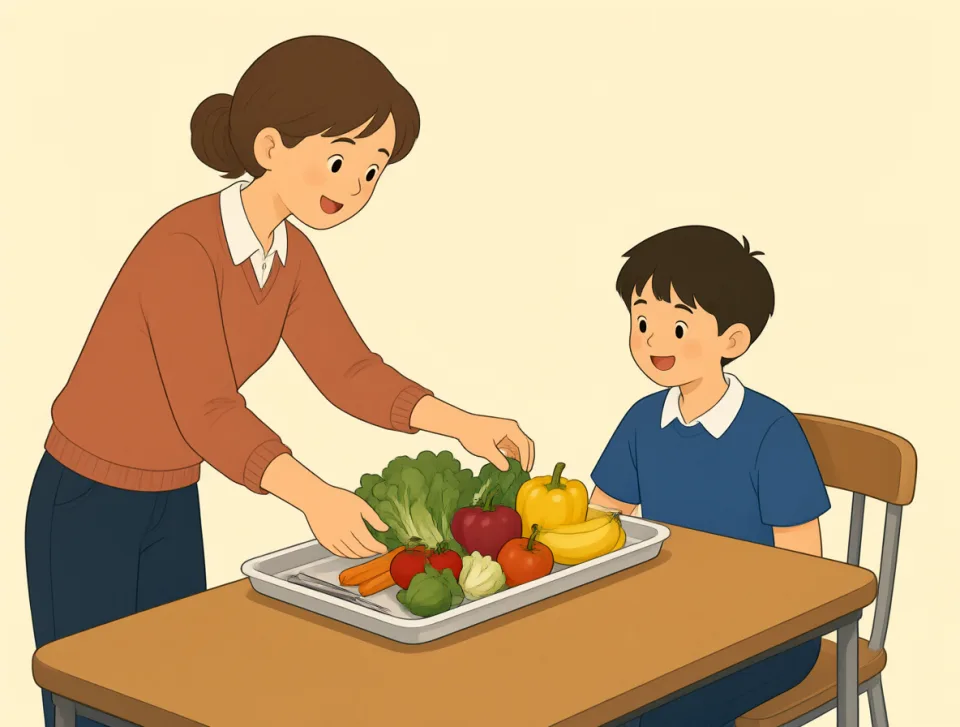
The school began implementing a healthier lunch plan this term.
W tym semestrze szkoła zaczęła wdrażać zdrowszy jadłospis na obiady.

We discussed the implementation of the safety rules during the staff meeting.
Podczas zebrania pracowników omówiliśmy wdrożenie zasad bezpieczeństwa.

The city delayed implementation of the bus changes until next month.
Miasto przełożyło wdrożenie zmian w rozkładzie jazdy autobusów na przyszły miesiąc.
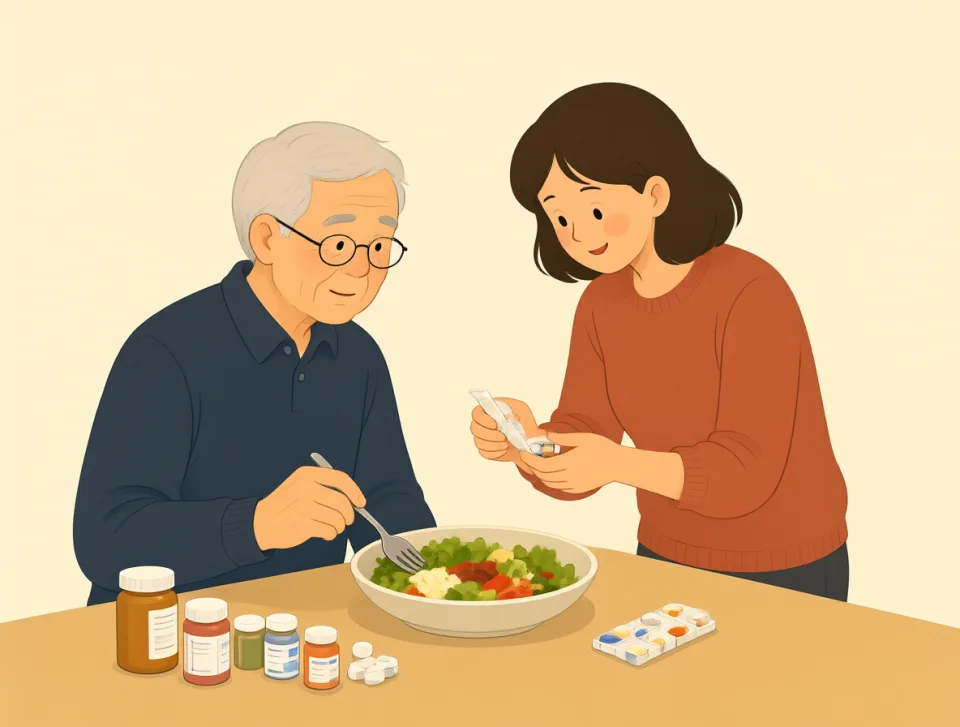
Successful implementation depends on everyone following the doctor's advice at home.
Powodzenie wdrożenia zależy od tego, czy wszyscy będą w domu stosować się do zaleceń lekarza.

bias
#2649noun, verb
stronniczość
An unfair preference for or against someone or something that affects judgment.
Niesprawiedliwe uprzedzenie wobec kogoś lub czegoś albo faworyzowanie kogoś lub czegoś, które wpływa na ocenę.
The hiring manager tried to avoid bias when choosing between the candidates.
Kierownik ds. rekrutacji starał się uniknąć stronniczości przy wyborze między kandydatami.

The news report showed a clear bias against the workers who were on strike.
W materiale informacyjnym wyraźnie widać było stronniczość wobec strajkujących pracowników.
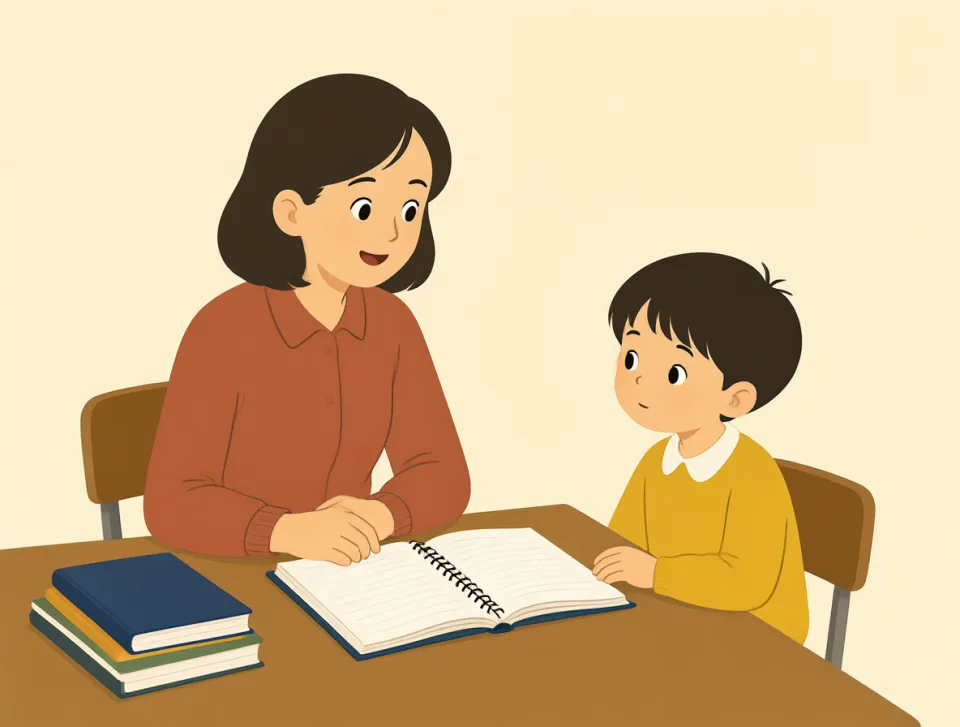
Our teacher warned us that personal bias can affect how we remember events.
Nauczyciel ostrzegł nas, że osobiste uprzedzenia mogą wpływać na to, jak zapamiętujemy wydarzenia.

The survey may be biased because it only asked people who shop online.
Wyniki ankiety mogą być stronnicze, ponieważ zapytano w niej tylko osoby robiące zakupy przez internet.
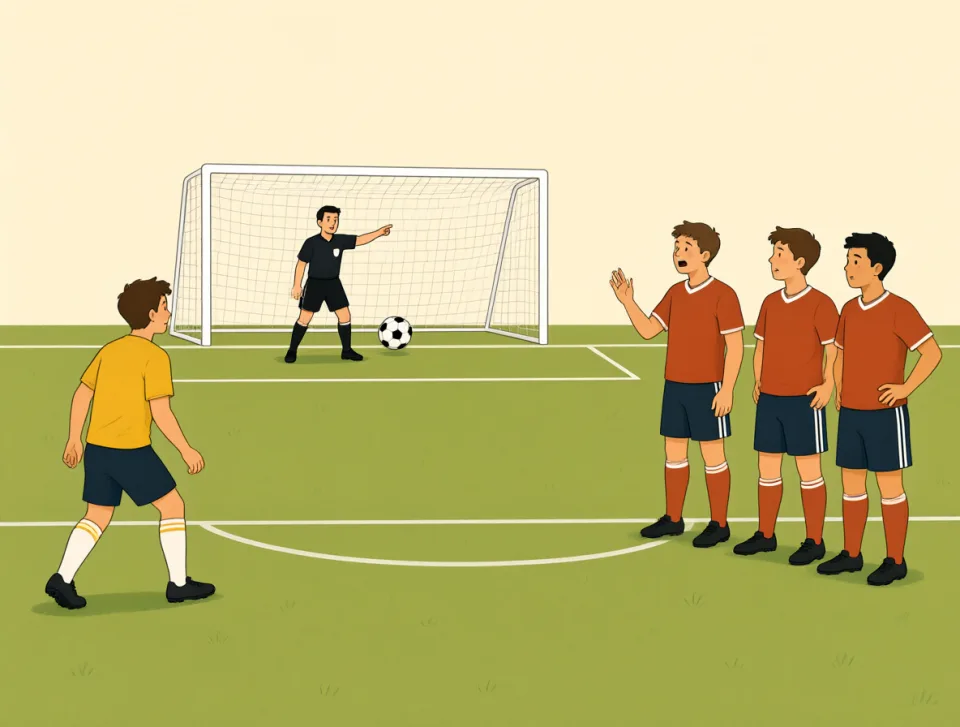
She accused the referee of being biased after he gave the other team a penalty.
Oskarżyła sędziego o stronniczość, gdy przyznał rzut karny drugiej drużynie.
differently
#2650adverb
inaczej
In a way that is not the same as another way.
W sposób, który różni się od innego sposobu.
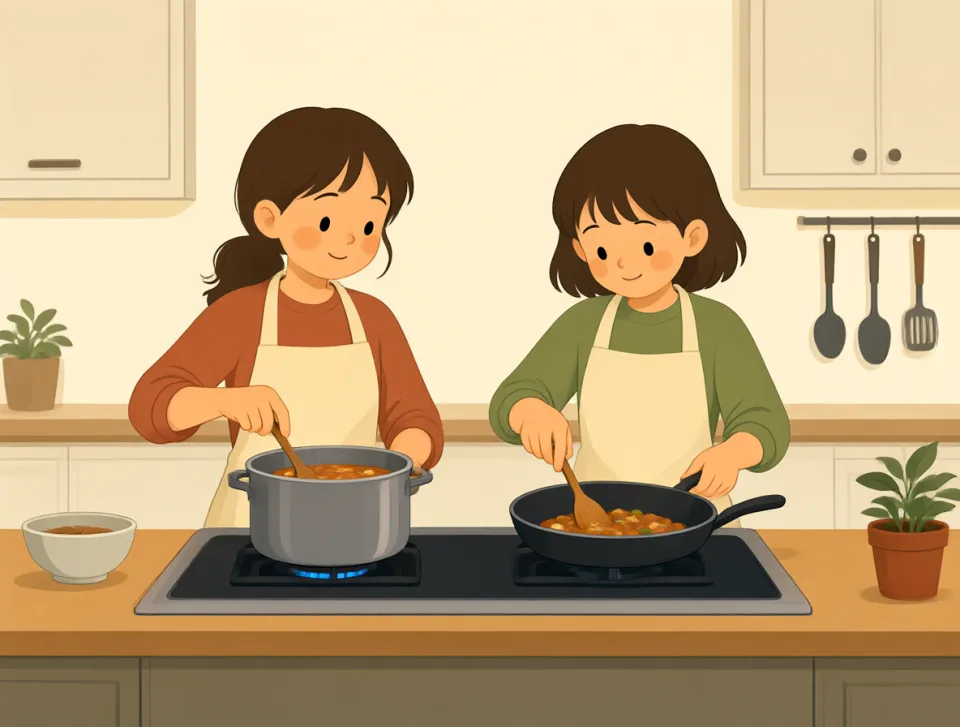
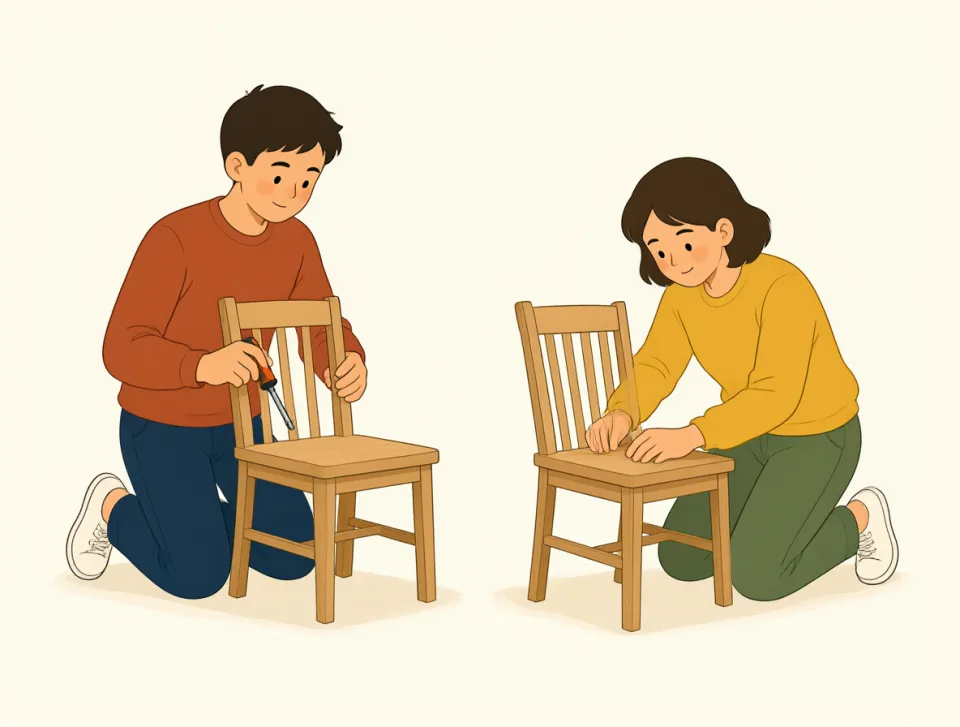
We tried the new recipe, but my sister cooked it differently.
Wypróbowaliśmy nowy przepis, ale moja siostra przyrządziła to danie inaczej.
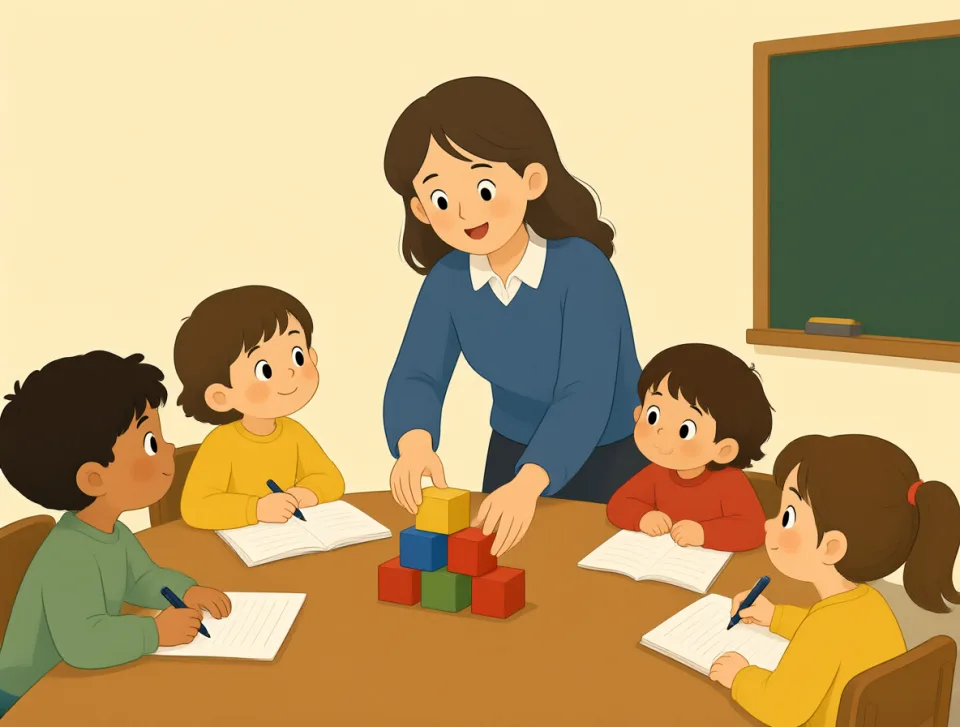
The teacher explained the problem differently, and everyone understood it.
Nauczyciel wyjaśnił problem w inny sposób i wszyscy go zrozumieli.
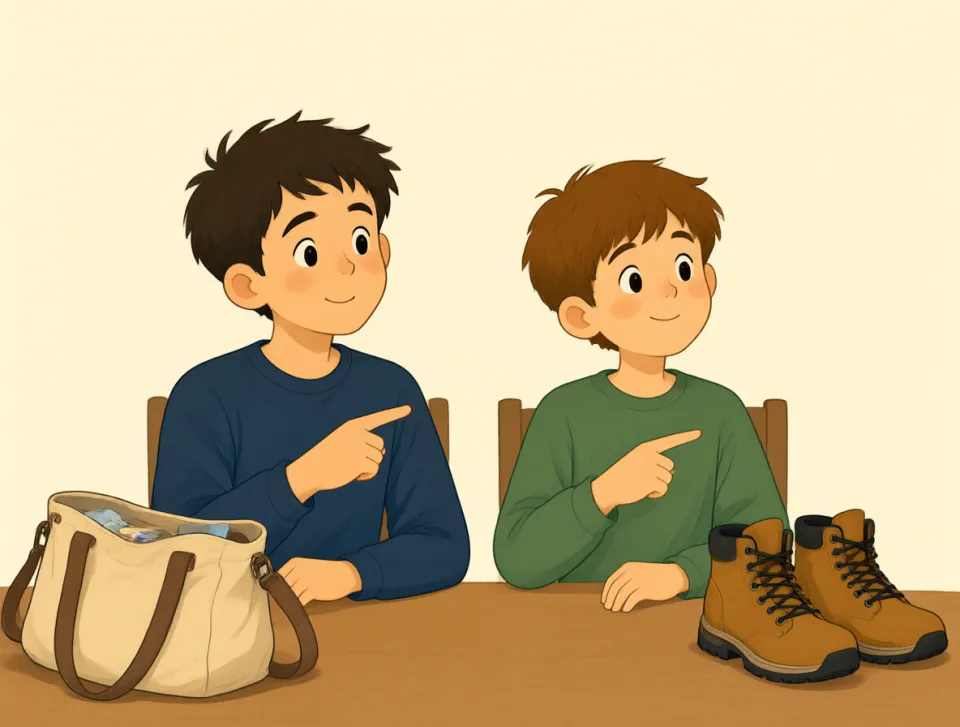
My brother and I think differently about where to spend our holiday.
Mój brat i ja mamy różne zdania na temat tego, gdzie spędzić wakacje.

The shop sells the same jacket differently in each season.
Sklep sprzedaje tę samą kurtkę w różny sposób w zależności od pory roku.

After the treatment, she walked differently and felt less pain.
Po zabiegu chodziła inaczej i odczuwała mniejszy ból.
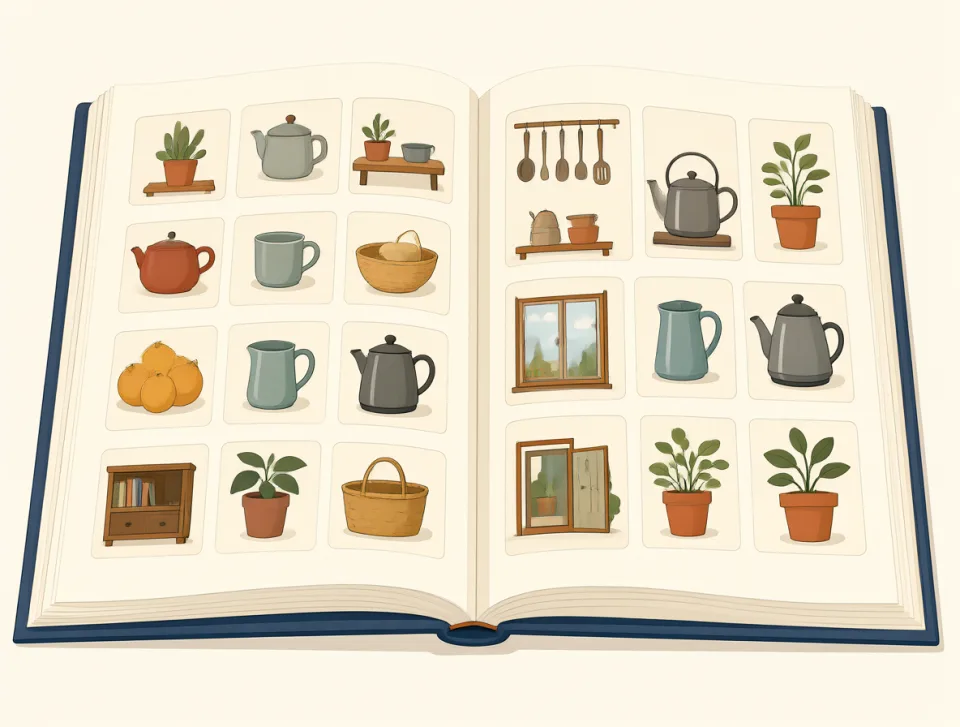
catalog
#2651noun, verb
katalog
A list of items for sale or reference; to make such a list.
Lista przedmiotów na sprzedaż lub do celów informacyjnych; tworzyć taką listę.

I ordered a new sofa from the furniture catalog last weekend.
W zeszły weekend zamówiłem nową sofę z katalogu mebli.

The library catalog helped us find books about local history.
Katalog biblioteczny pomógł nam znaleźć książki o lokalnej historii.
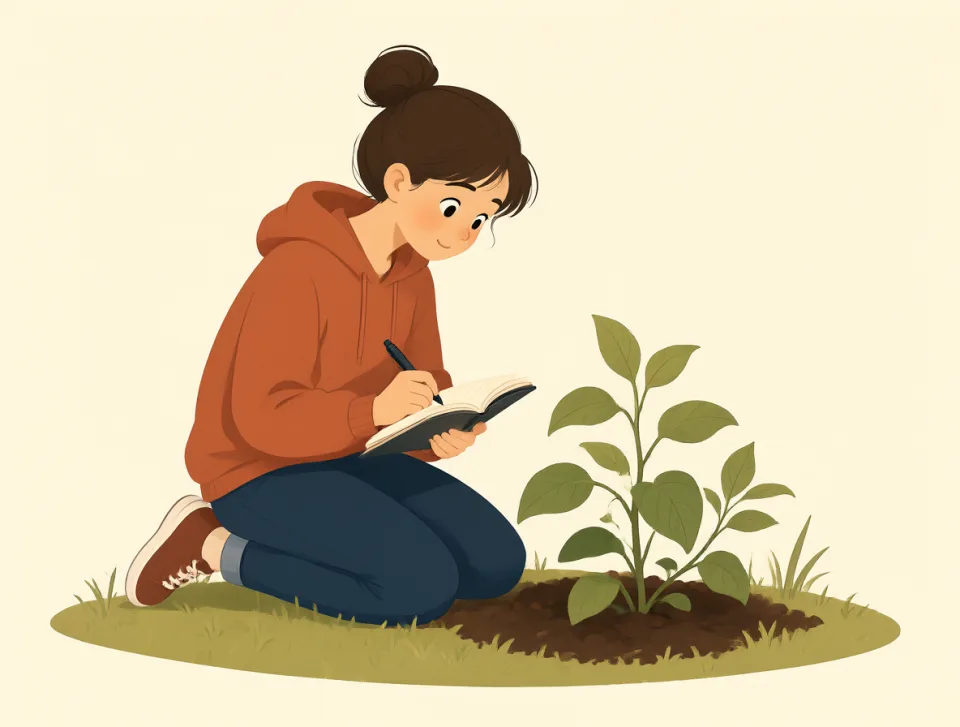
Our teacher asked us to catalog the plants in the school garden.
Nauczyciel poprosił nas, żebyśmy skatalogowali rośliny w szkolnym ogrodzie.

The museum catalogs each painting before it goes on display.
Muzeum kataloguje każdy obraz, zanim zostanie wystawiony.
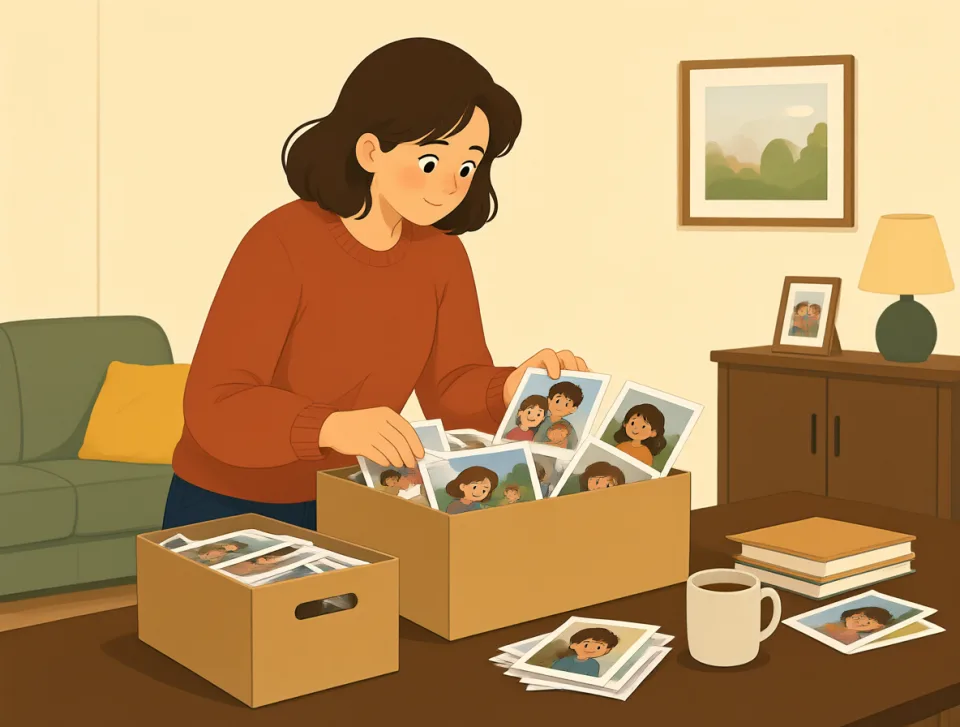
She cataloged the family photos so everyone could find them easily.
Skatalogowała rodzinne zdjęcia, żeby każdy mógł je łatwo znaleźć.
continuous
#2652adjective
ciągły
Happening or continuing without stopping or being interrupted.
Trwający bez przerwy ani zakłóceń.

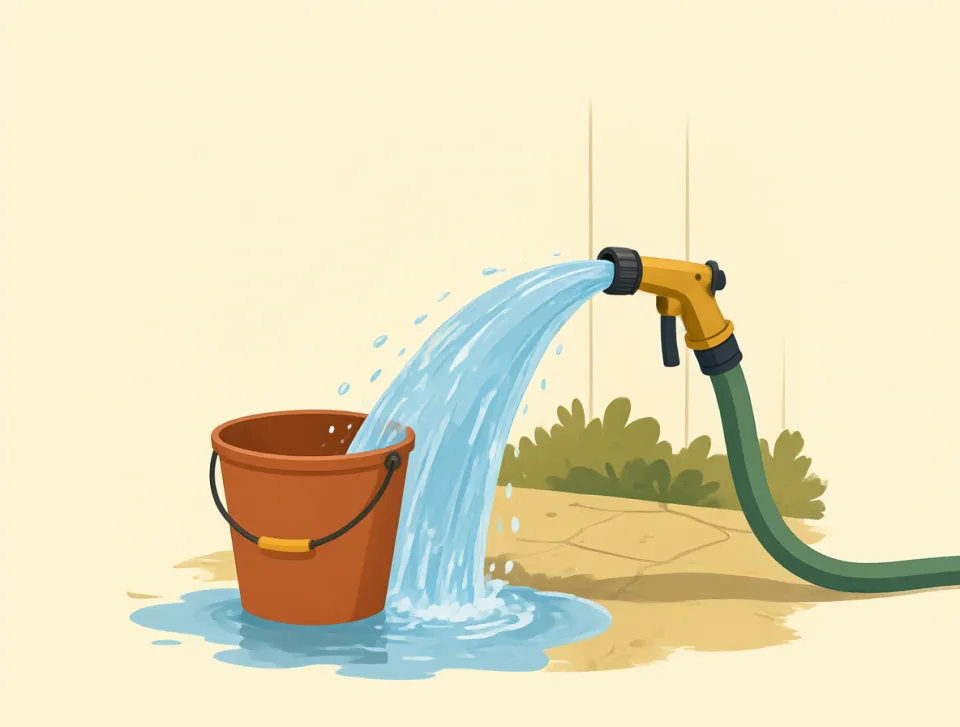
The continuous rain kept us inside all afternoon.
Nieustanny deszcz zatrzymał nas w domu przez całe popołudnie.

She worked for three hours without a break, making continuous progress on the report.
Pracowała przez trzy godziny bez przerwy, nieustannie robiąc postępy w pracy nad raportem.
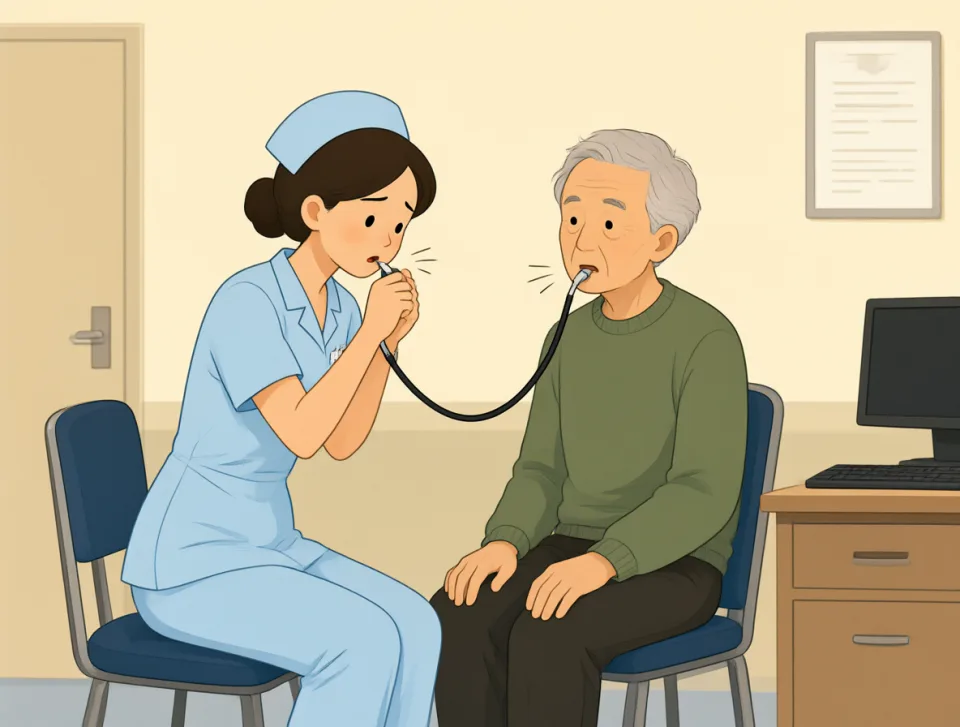
The nurse checked his temperature because he had a continuous cough.
Pielęgniarka zmierzyła mu temperaturę, bo miał uporczywy kaszel.
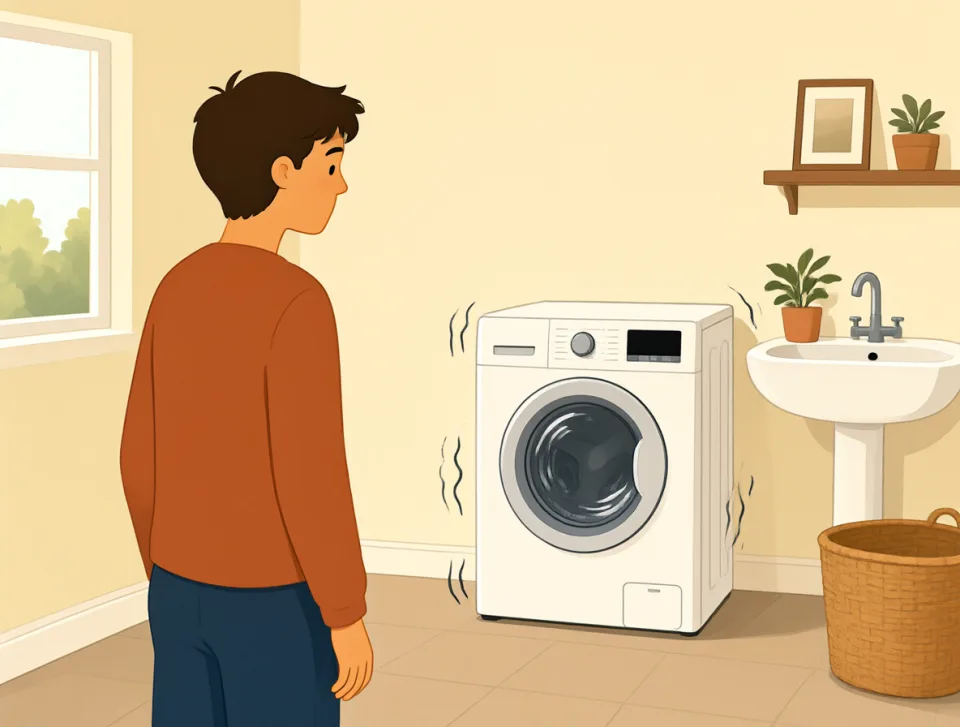
We heard a continuous noise from the washing machine downstairs.
Z pralki na dole dobiegał nieustanny hałas.

The teacher asked us to draw a continuous line without lifting the pencil.
Nauczyciel poprosił nas, żebyśmy narysowali nieprzerwaną linię, nie odrywając ołówka.

golden
#2653adjective
złoty
Having a bright yellow color, or relating to a very successful or special time.
Mający jaskrawożółty kolor lub związany z bardzo udanym albo wyjątkowym okresem.

She wore a golden necklace her grandmother had given her for graduation.
Na rozdanie dyplomów założyła złoty naszyjnik, który podarowała jej babcia.

The bakery sells warm golden bread rolls every morning before the school rush.
Piekarnia sprzedaje co rano, przed porannym ruchem uczniów, ciepłe, złociste bułeczki.

We watched the golden sun sink behind the hills during our train ride.
Podczas podróży pociągiem patrzyliśmy, jak złote słońce chowa się za wzgórzami.
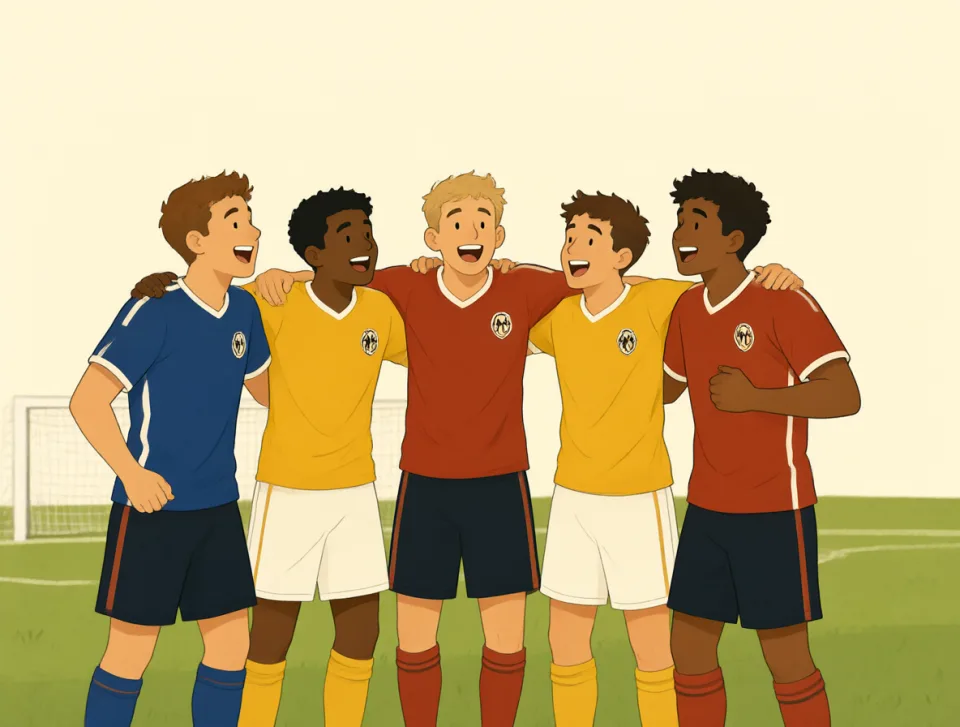
The team enjoyed a golden season, winning nearly every game at home.
Drużyna miała znakomity sezon, wygrywając niemal każdy mecz u siebie.

Those years at college were a golden time for her and her closest friends.
Lata studiów były dla niej i jej najbliższych przyjaciół wyjątkowym okresem.
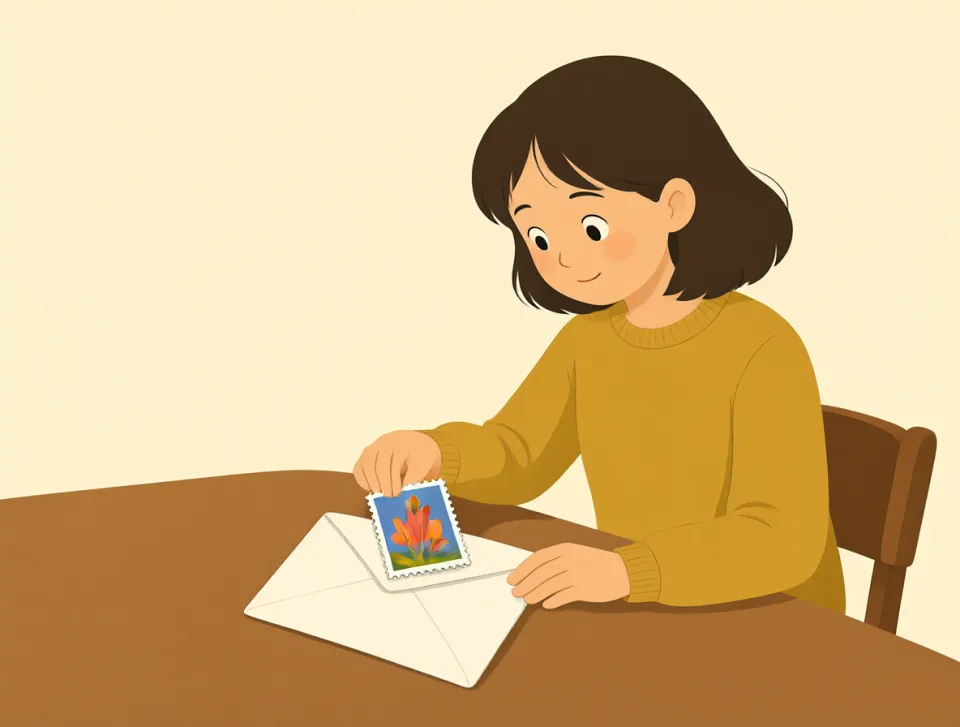
stamp
#2654noun, verb
znaczek; stemplować
A small piece of paper for sending mail, or to mark something by pressing a shape onto it.
Mały kawałek papieru służący do wysyłania listów albo odciskać na czymś wzór przez przyciśnięcie.
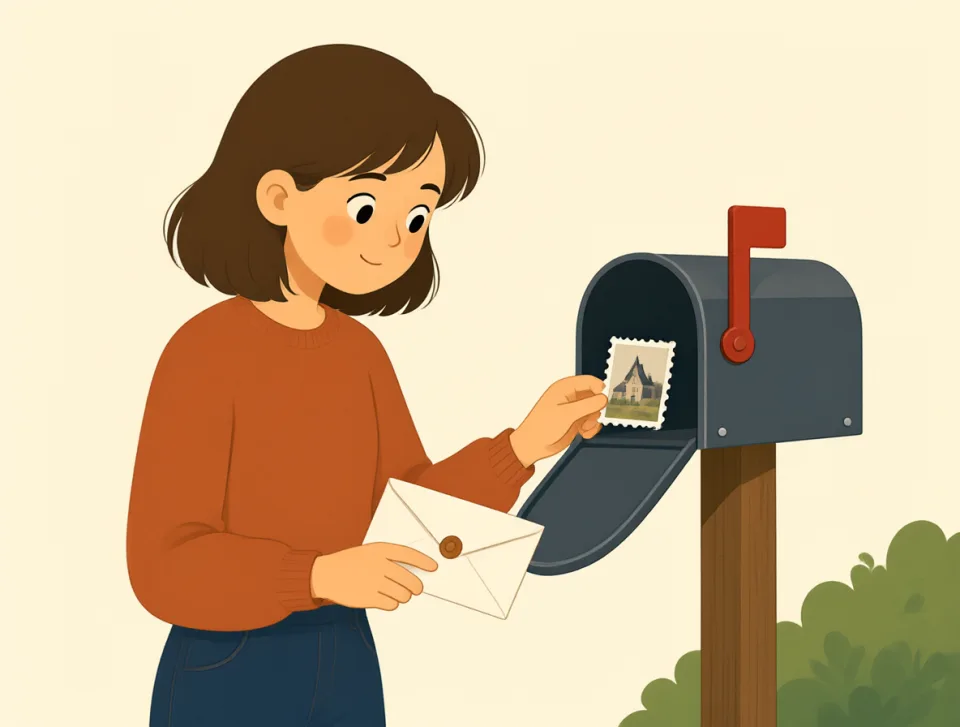
I need a stamp to mail this letter to my grandmother.
Potrzebuję znaczka, żeby wysłać ten list do babci.
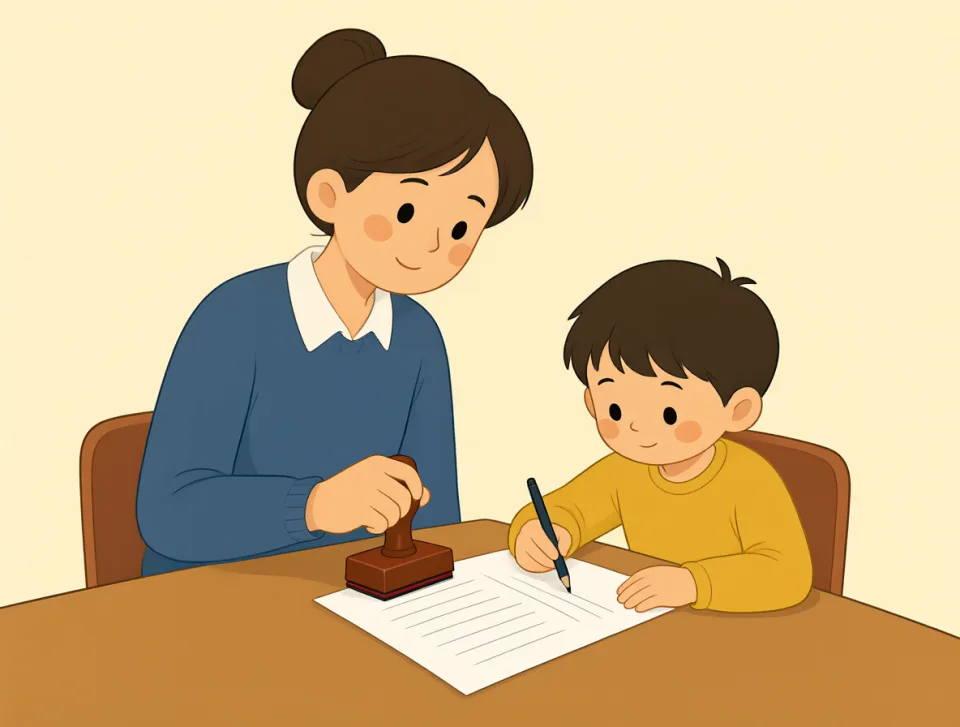
The teacher stamped my form after checking all the information.
Nauczyciel ostemplował mój formularz po sprawdzeniu wszystkich informacji.

She bought a book of stamps at the post office.
Kupiła w urzędzie pocztowym arkusz znaczków.
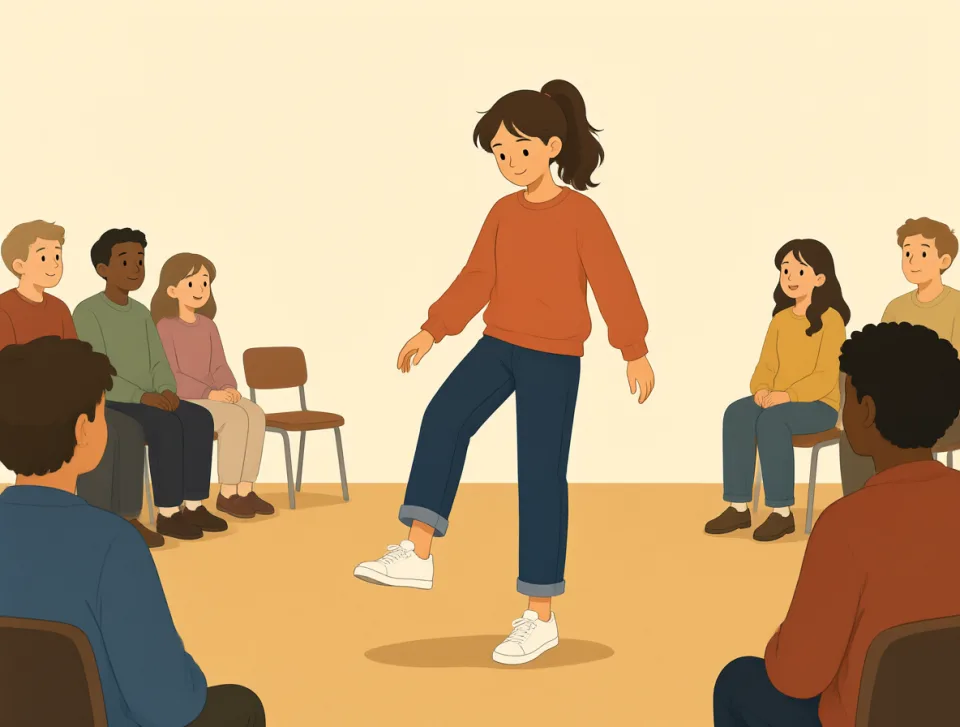
Please stamp your foot twice if you can hear the music.
Proszę tupnij dwa razy, jeśli słyszysz muzykę.
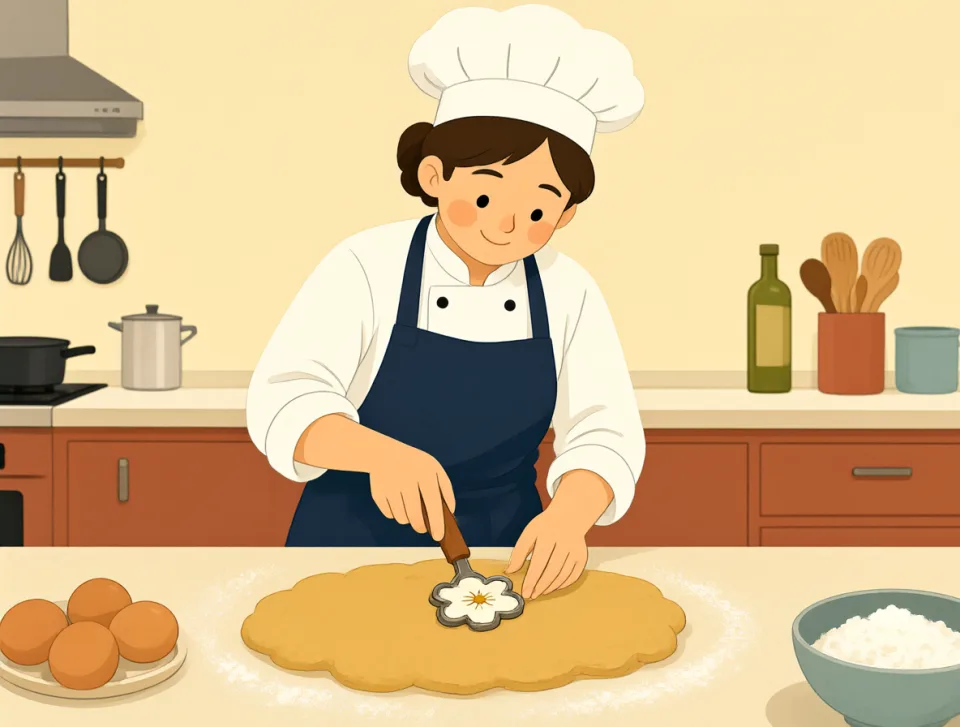
The chef stamped a flower shape onto the cookies with a cutter.
Kucharz odcisnął na ciasteczkach kształt kwiatka za pomocą foremki.
guideline
#2655noun
wytyczna
A rule or piece of advice that helps you decide what to do.
Zasada lub rada, która pomaga zdecydować, co zrobić.
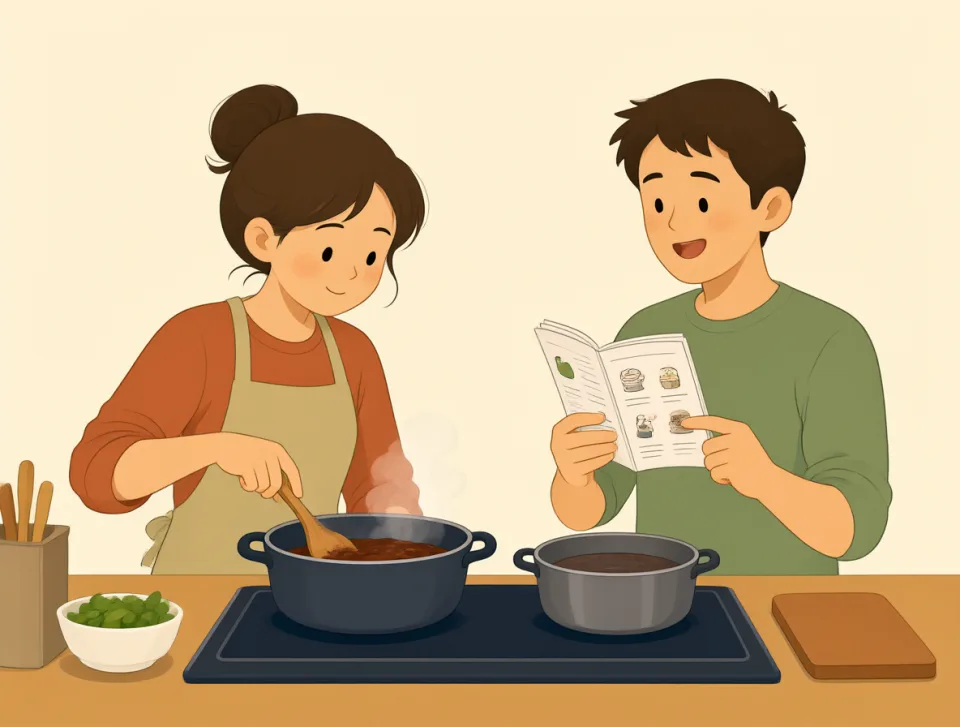
Please follow the safety guidelines when using this kitchen equipment.
Podczas korzystania z tego sprzętu kuchennego proszę przestrzegać zasad bezpieczeństwa.
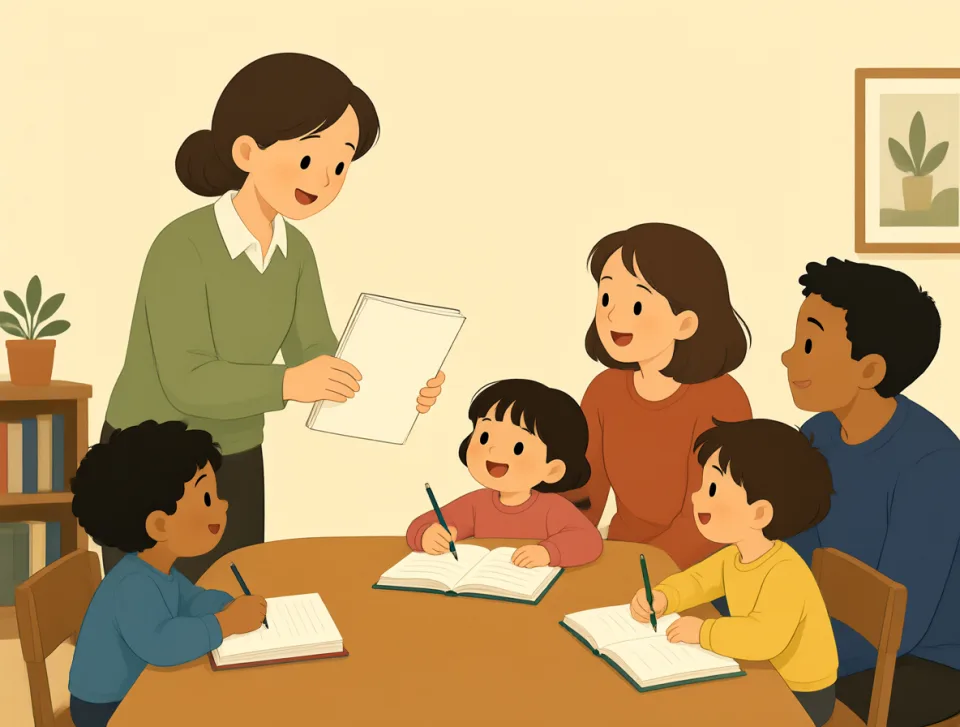
The school gave parents guidelines for helping children with homework.
Szkoła przekazała rodzicom wskazówki dotyczące pomagania dzieciom w odrabianiu lekcji.

Our manager shared guidelines for working from home effectively.
Nasz kierownik przedstawił wytyczne dotyczące efektywnej pracy z domu.

The doctor gave me guidelines for eating less salt each day.
Lekarz dał mi wskazówki, jak codziennie jeść mniej soli.
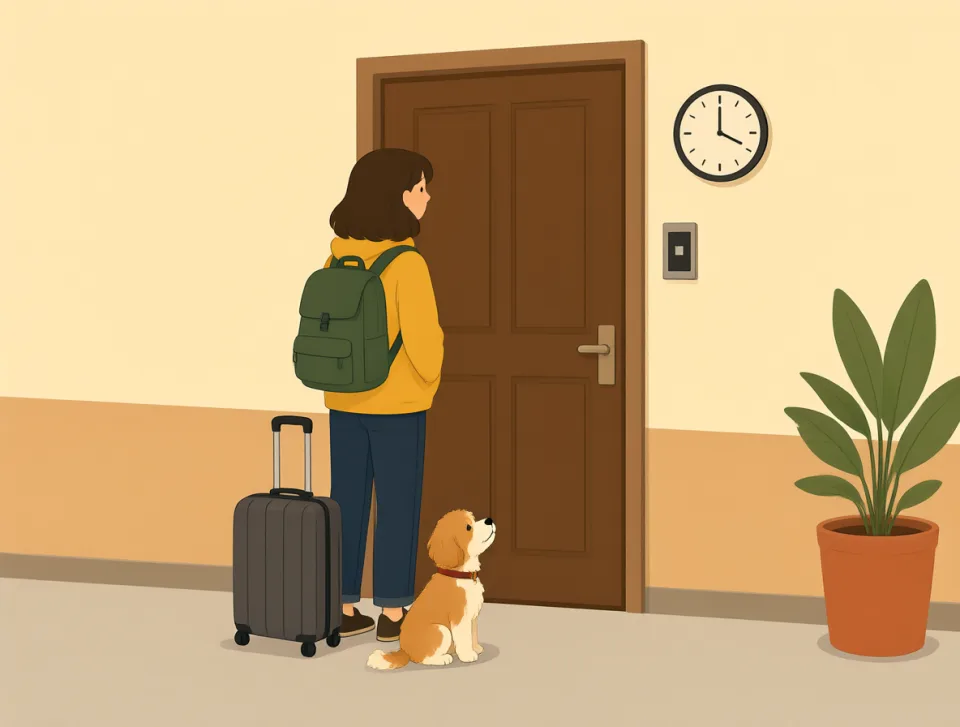
The hotel provides clear guidelines for guests traveling with pets.
Hotel udostępnia gościom jasne wytyczne dotyczące podróżowania ze zwierzętami.

envelope
#2656noun
koperta
A flat paper container used for sending or holding a letter or card.
Płaski papierowy pojemnik służący do wysyłania lub przechowywania listu albo kartki.

She put the birthday card in an envelope before taking it to the post office.
Włożyła kartkę urodzinową do koperty, zanim zaniosła ją na pocztę.

Please write your return address on the back of the envelope.
Proszę wpisać adres zwrotny na odwrocie koperty.

The school sent an envelope containing important forms for parents to complete.
Szkoła wysłała kopertę z ważnymi formularzami do wypełnienia przez rodziców.

He opened the envelope carefully and found a gift card inside.
Ostrożnie otworzył kopertę i znalazł w środku kartę podarunkową.
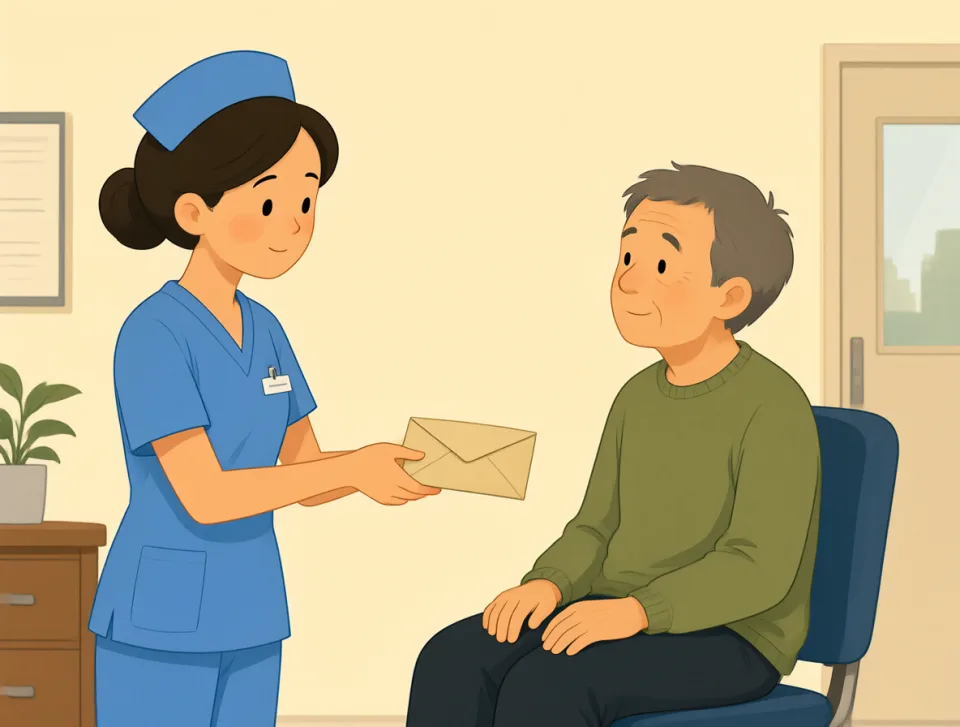
The nurse gave me an envelope with my medical appointment details inside.
Pielęgniarka dała mi kopertę ze szczegółami wizyty lekarskiej.
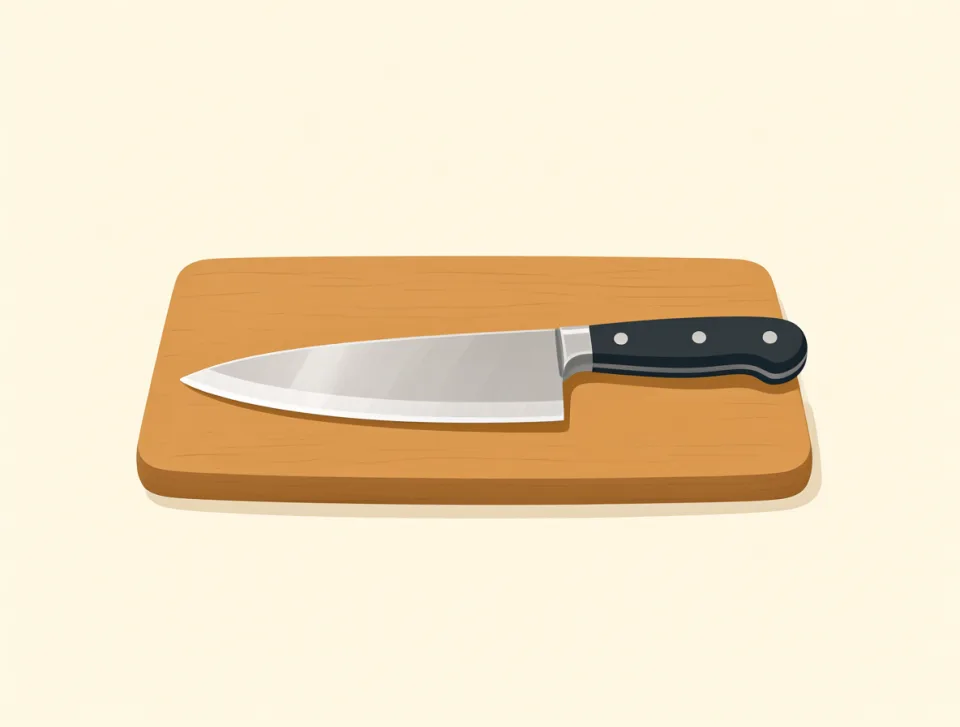
knife
#2657noun
nóż
A tool with a sharp blade, used for cutting food or other things.
Narzędzie z ostrym ostrzem, używane do krojenia jedzenia lub innych rzeczy.
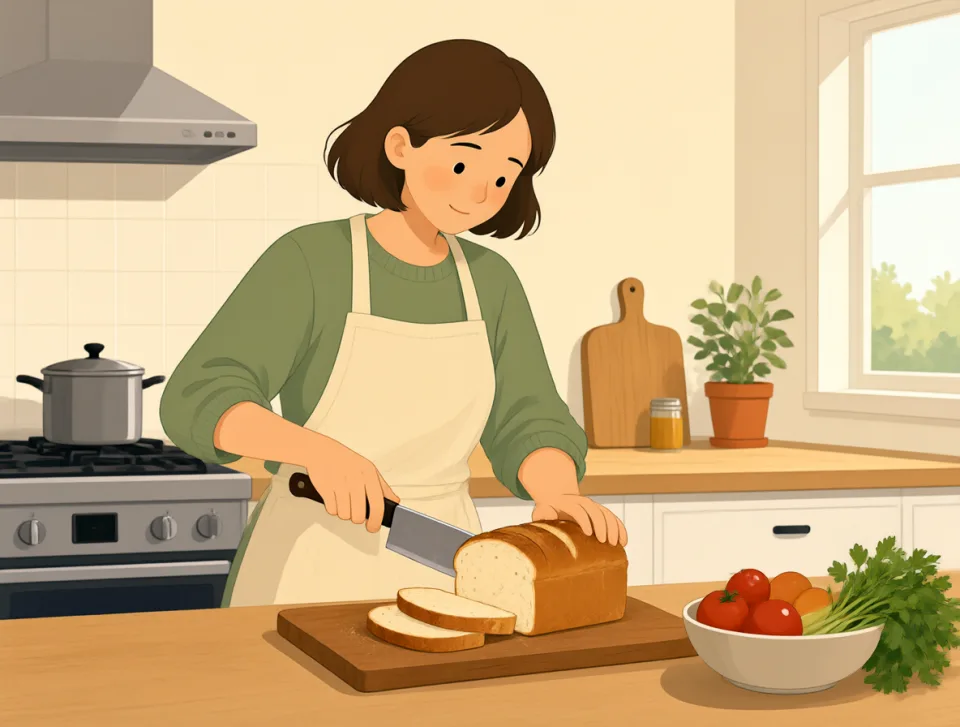
She used a sharp knife to cut the bread for breakfast.
Użyła ostrego noża, żeby pokroić chleb na śniadanie.
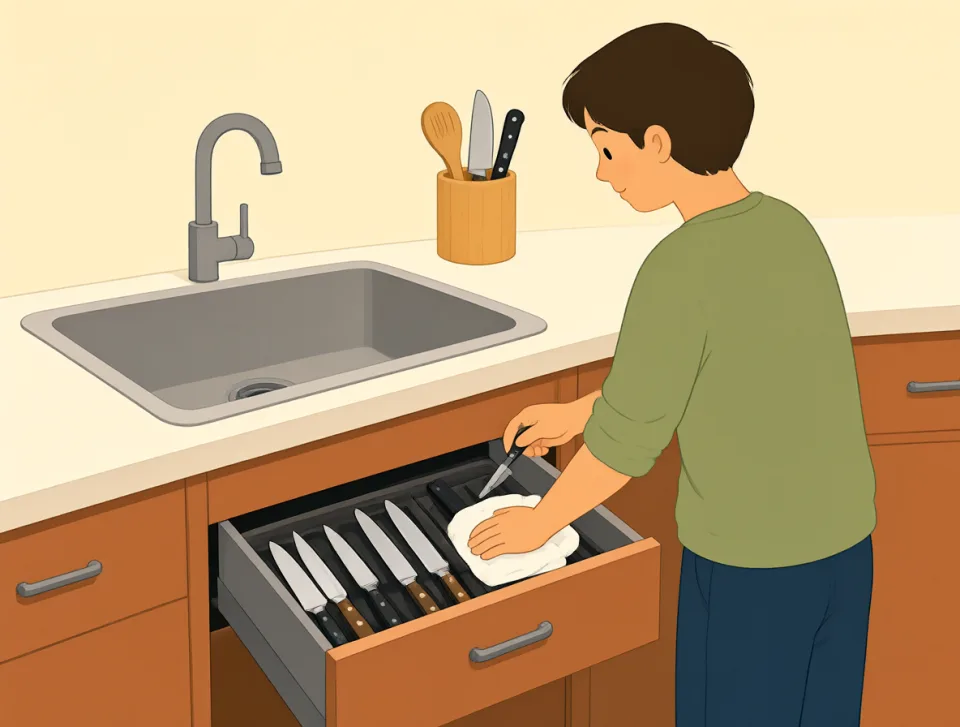
Please put the knives in the drawer after you wash them.
Proszę włożyć noże do szuflady po ich umyciu.
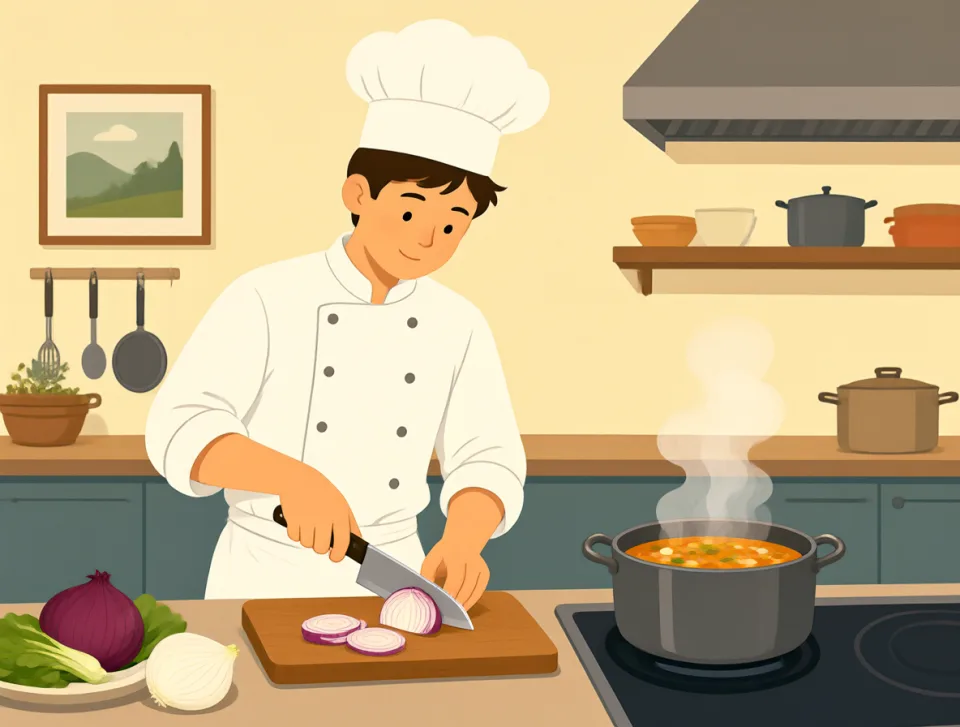
The chef chopped onions with a knife while the soup simmered.
Kucharz siekał cebulę nożem, podczas gdy zupa pyrkała na małym ogniu.

He bought a small pocket knife for camping trips in the mountains.
Kupił mały scyzoryk na wyprawy kempingowe w góry.
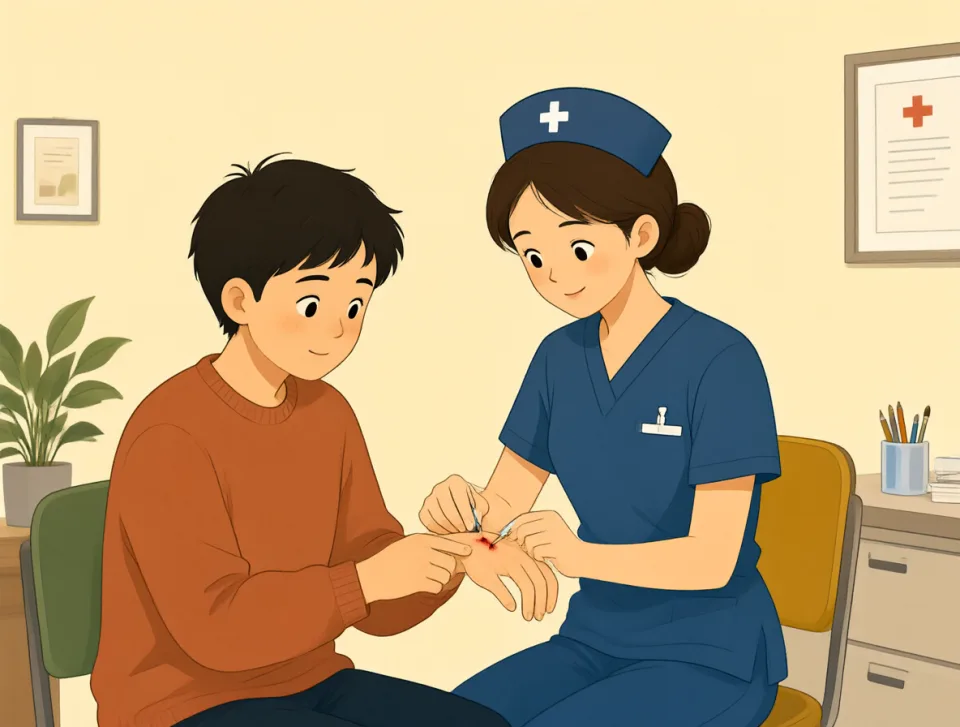
The nurse cleaned the cut and checked that no knife had caused it.
Pielęgniarka oczyściła ranę i sprawdziła, czy nie została zadana nożem.

biological
#2658adjective
biologiczny
Connected with living things or the processes of life.
Związany z organizmami żywymi lub procesami życiowymi.
The doctor explained how biological changes can affect our sleep and energy.
Lekarz wyjaśnił, jak zmiany biologiczne mogą wpływać na nasz sen i poziom energii.

She recently met her biological father for the first time.
Niedawno po raz pierwszy spotkała swojego biologicznego ojca.
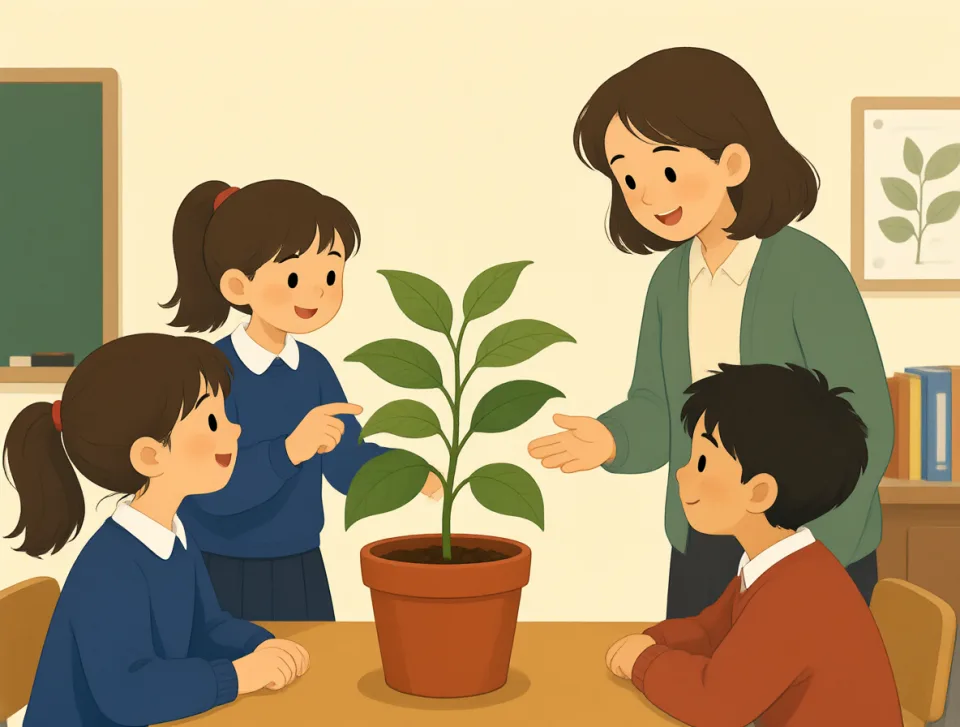
In science class, we learned about biological processes in plants.
Na lekcji przyrody uczyliśmy się o procesach biologicznych zachodzących w roślinach.

Long flights can confuse your biological clock and make you feel tired.
Długie loty mogą zaburzyć zegar biologiczny i sprawić, że poczujesz się zmęczony.

The company uses biological methods to control insects without harmful chemicals.
Firma stosuje metody biologiczne, by zwalczać owady bez szkodliwych chemikaliów.
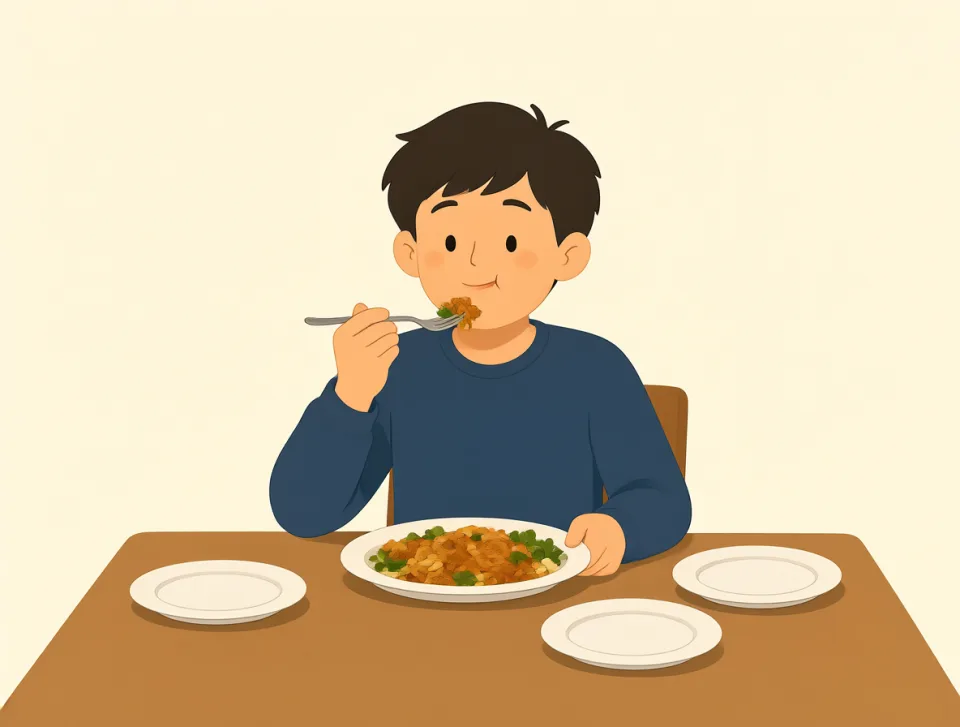
consume
#2659verb
zużywać; spożywać
to use, eat, or drink something, especially in large amounts
Używać czegoś, jeść lub pić, zwłaszcza w dużych ilościach.
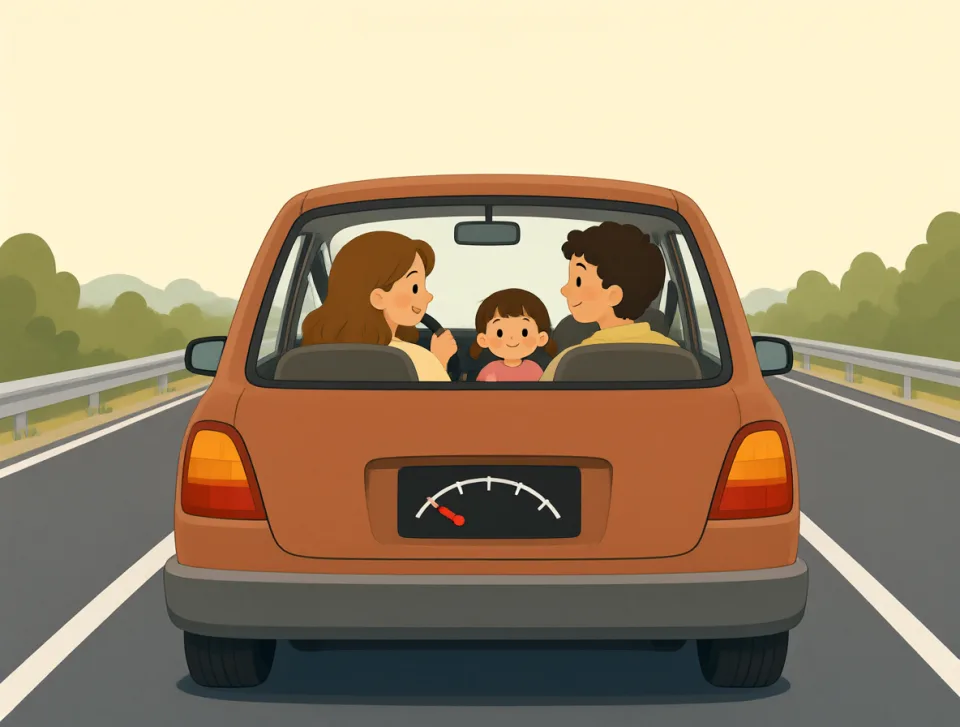
Cars consume a lot of fuel during long journeys.
Samochody zużywają dużo paliwa podczas długich podróży.
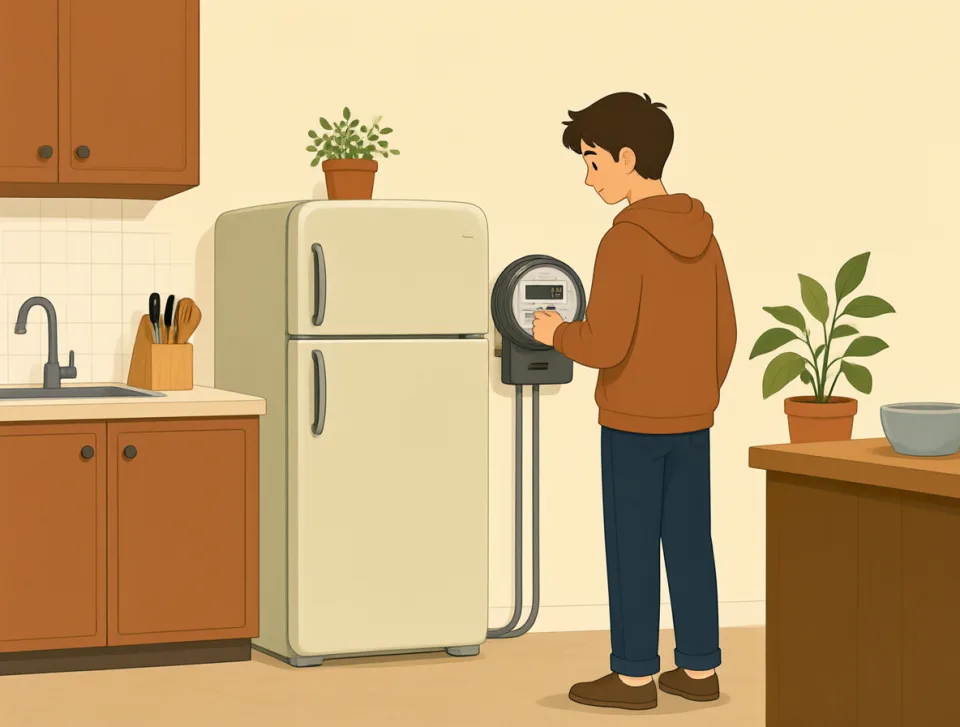
This old refrigerator consumes too much electricity every month.
Ta stara lodówka zużywa co miesiąc zbyt dużo prądu.

We consume more water during hot weather.
Podczas upałów zużywamy więcej wody.
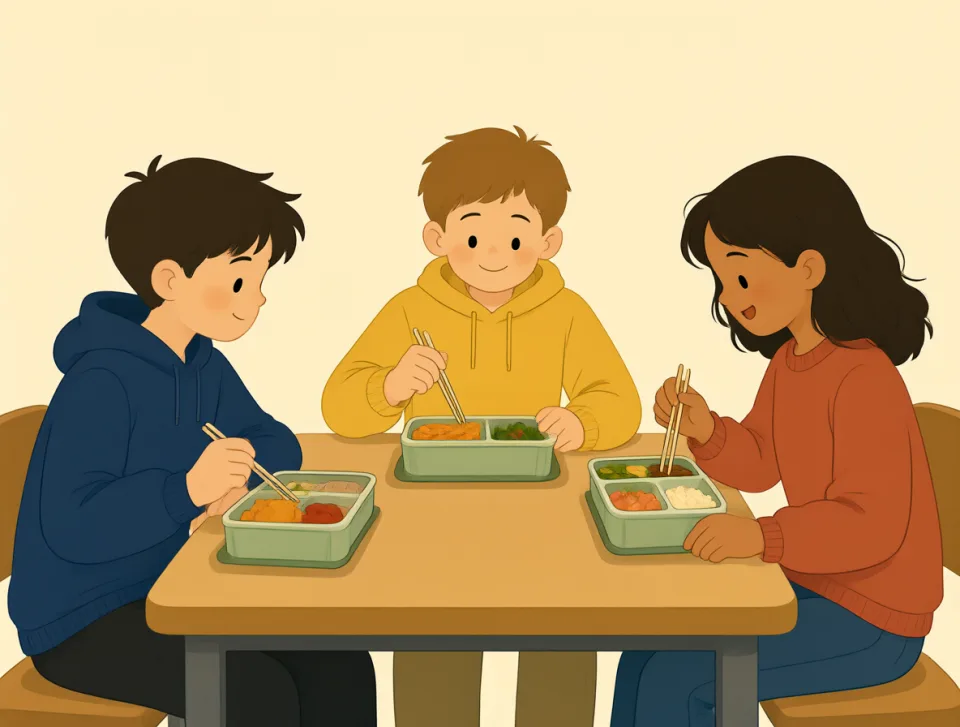
The students consumed their lunches quickly before the next lesson.
Uczniowie szybko zjedli lunch przed następną lekcją.

Watching television can consume several hours of your evening.
Oglądanie telewizji może pochłonąć kilka godzin wieczoru.

luxury
#2660noun
luksus
Something expensive or special that you can enjoy but do not need.
Coś drogiego lub wyjątkowego, co sprawia przyjemność, ale nie jest niezbędne.

We can’t afford the luxury of a bigger apartment right now.
Nie stać nas teraz na luksus posiadania większego mieszkania.

After a busy week, a hot bath feels like a real luxury.
Po pracowitym tygodniu gorąca kąpiel wydaje się prawdziwym luksusem.

The hotel offers a little luxury, with soft beds and fresh towels.
Hotel oferuje odrobinę luksusu: miękkie łóżka i świeże ręczniki.

She bought a luxury car after saving money for several years.
Po kilku latach oszczędzania kupiła luksusowy samochód.

For my birthday, my friends treated me to the luxury of dinner out.
Na urodziny znajomi zafundowali mi luksusową kolację na mieście.