單元 133
單字 2641–2660 · servant, immigrant, excess, complexity, liability, surprisingly
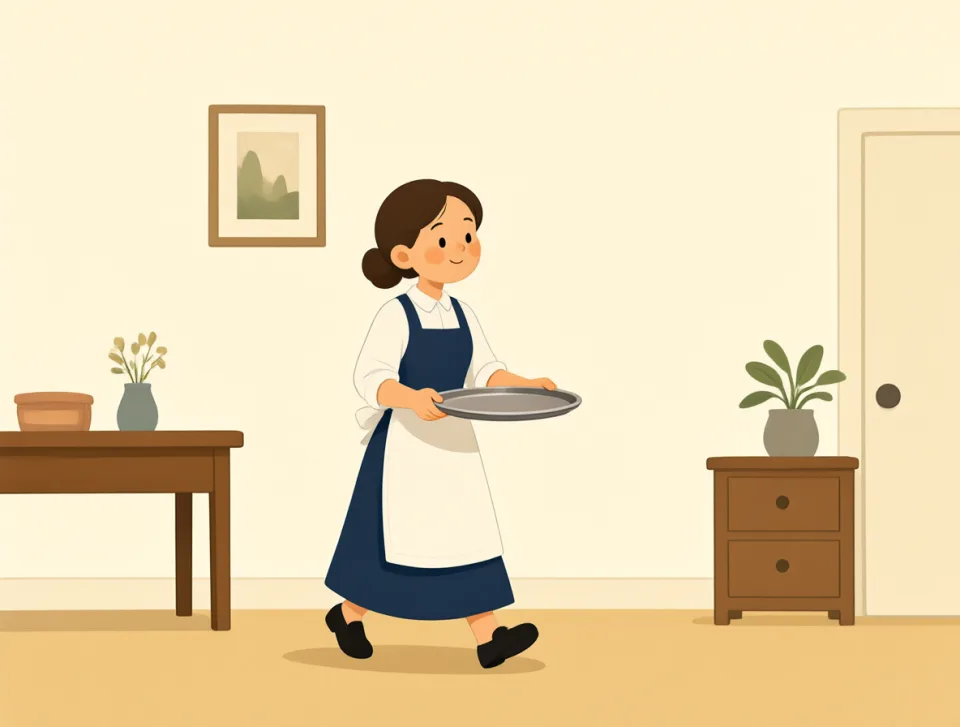
servant
#2641noun
僕人;傭人;僕役;下人
A person who works in another person’s home and does household tasks.
在別人家中工作並負責做家務的人。

The servant brought tea to the guests in the sitting room.
僕人把茶端給了坐在客廳裡的客人。

In the old story, a loyal servant helped the family escape at night.
在那個古老的故事中,一位忠誠的僕人幫助這家人趁夜逃了出去。

She felt treated like a servant when her brother left every chore to her.
當她哥哥把所有家務都留給她做時,她覺得自己簡直像個傭人。
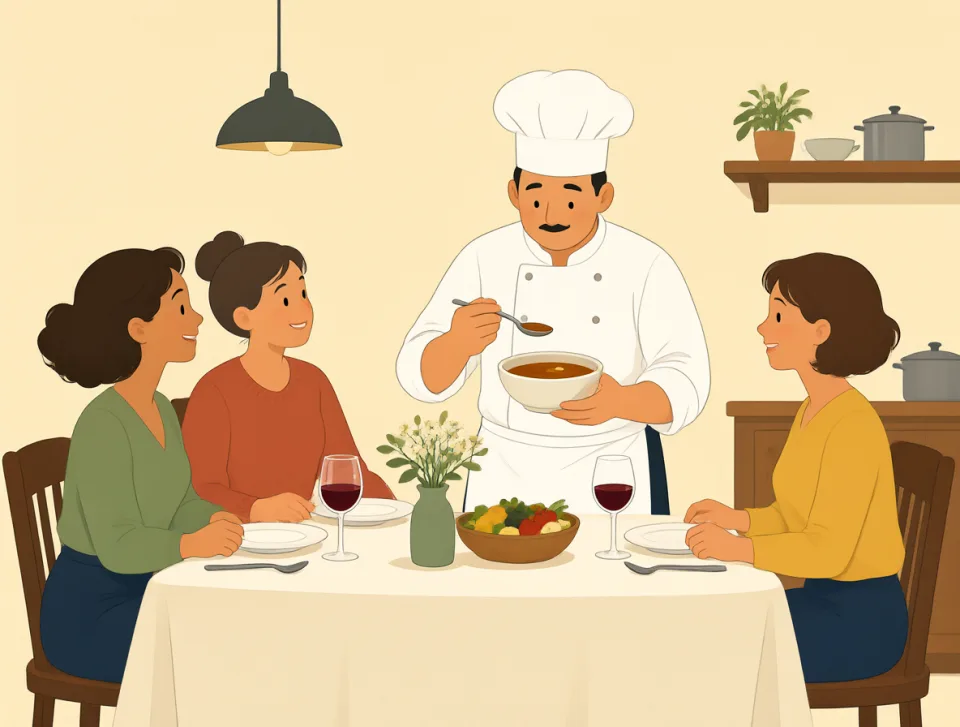
The king’s servants prepared the meal while the cook checked the soup.
國王的僕人們準備著飯菜,而廚師則在檢查湯的味道。
He said he was a servant of the people, not their master.
他說自己是人民的公僕,而不是他們的主人。

immigrant
#2642noun
移民
A person who comes to live in a country from another country.
從一個國家來到另一個國家定居的人。
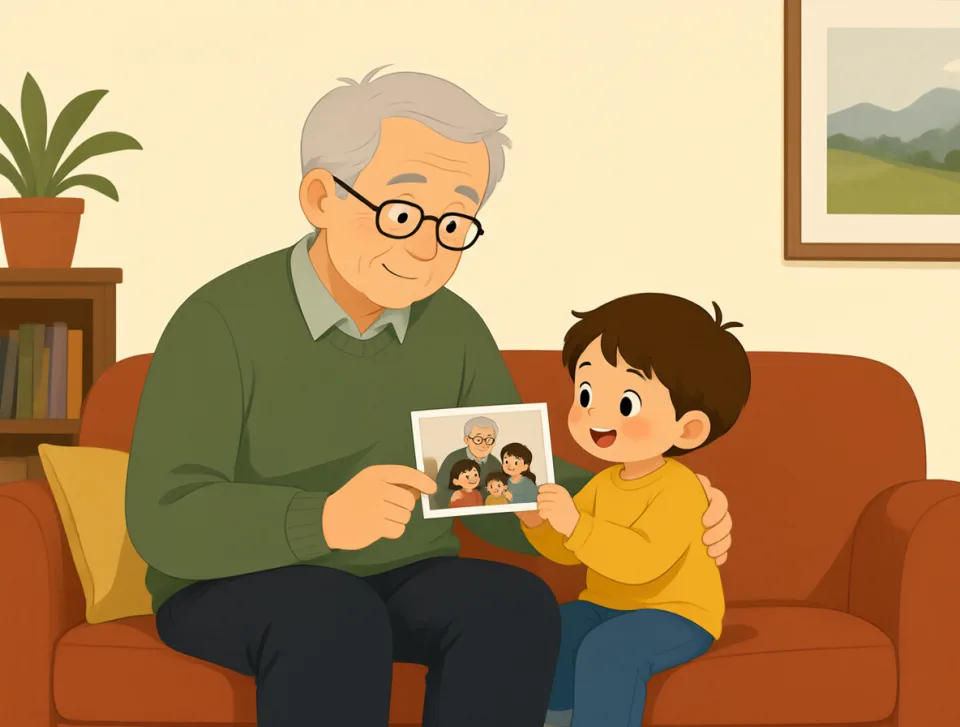
My grandfather was an immigrant who came here from Italy as a young man.
我祖父年輕時從義大利移民到這裡。

The city offers free English classes for immigrants who are new to the country.
這座城市為剛來到這個國家的移民提供免費的英語課程。

She works with an immigrant family at the neighborhood health center.
她在社群衛生中心為一個移民家庭提供服務。
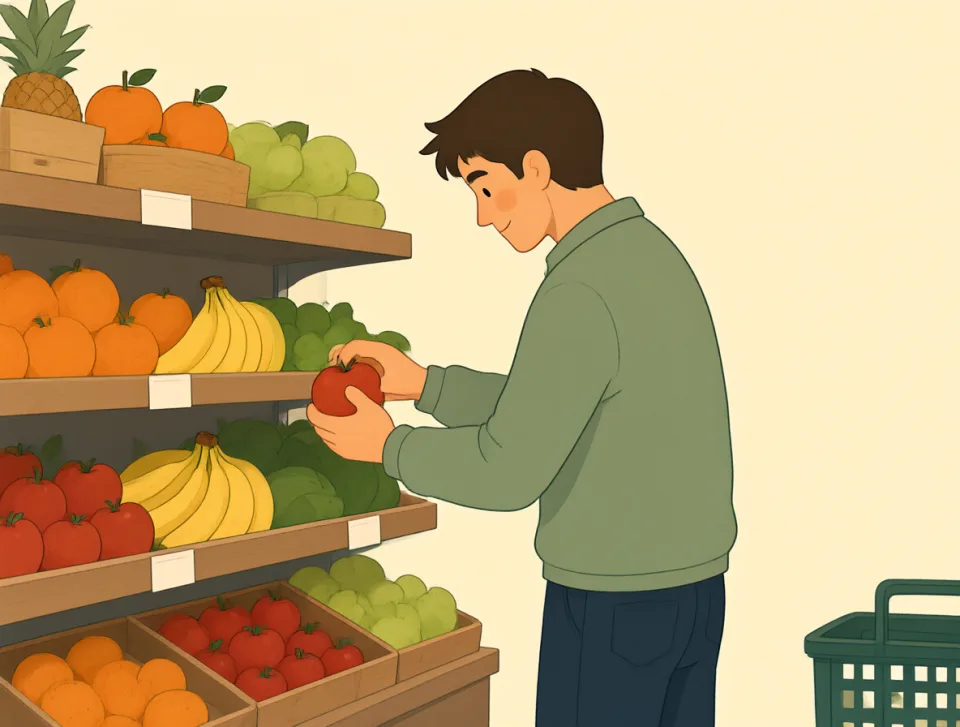
As an immigrant, he found a job at a local grocery store.
作為一名移民,他在當地一家雜貨店找到了一份工作。

The immigrant waited with her friends at the airport for her sister.
那位女移民和朋友們在機場等她的姐姐。

excess
#2643noun, adjective
過量;過剩;多餘的
More of something than is needed, wanted, or usual.
某種東西的數量超過了所需、所希望或通常的程度。

The doctor said too much salt can cause health problems.
醫生說,攝入過多的鹽可能會引發健康問題。
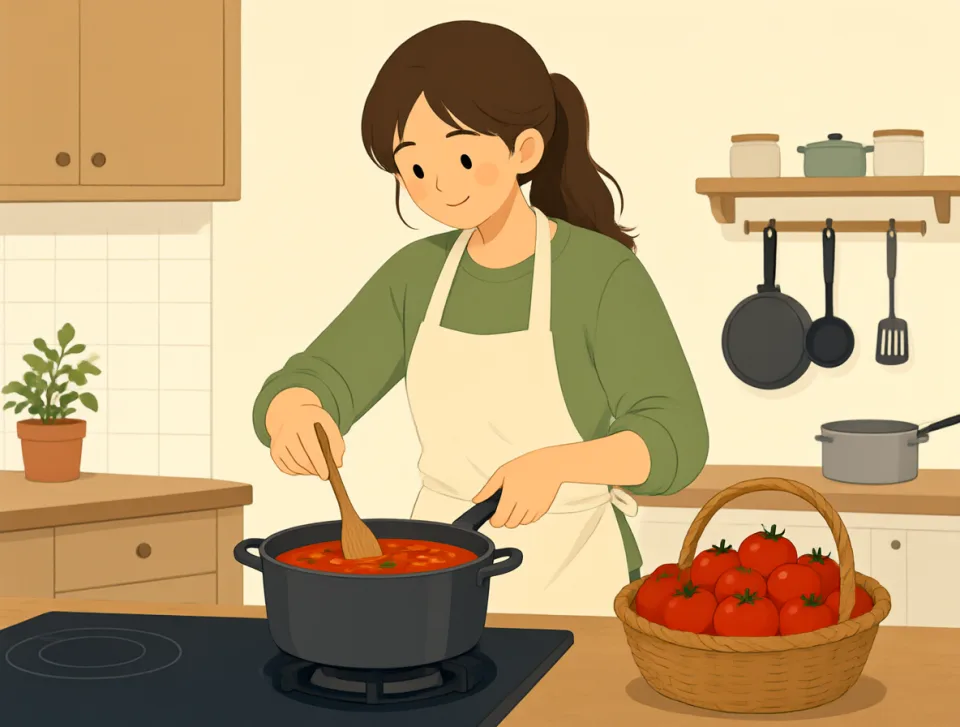
We had an excess of tomatoes, so I made soup for the neighbors.
我們的西紅柿多得吃不完,所以我做了些湯送給鄰居。

The company cut excess costs by sharing office space with another team.
公司透過與另一個團隊共用辦公場地,削減了不必要的開支。
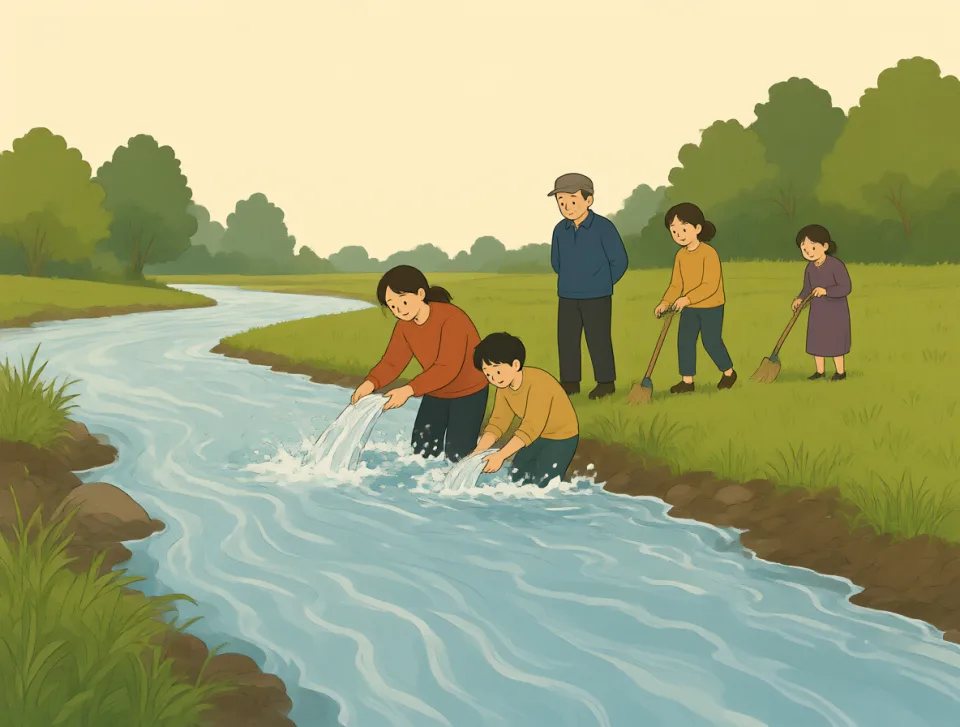
After the storm, the river carried excess water into nearby fields.
暴風雨過後,河水氾濫,多餘的水流進了附近的田地。

The shop sells excess stock at lower prices during its winter sale.
這家商店在冬季促銷期間會以較低的價格出售積壓庫存。
complexity
#2644noun
複雜性;複雜程度
The state of having many parts that are difficult to understand or deal with.
由許多難以理解或處理的部分構成的狀態。
The instructions were difficult because of their complexity.
這些說明之所以難懂,是因為內容太複雜了。

The doctor explained the complexity of the treatment to my family.
醫生向我的家人解釋了這種治療方案的複雜性。

I was surprised by the complexity of planning our trip.
計劃這次旅行的過程如此複雜,讓我感到很意外。

The new software adds complexity to our daily work.
這款新軟體增加了我們日常工作的複雜程度。
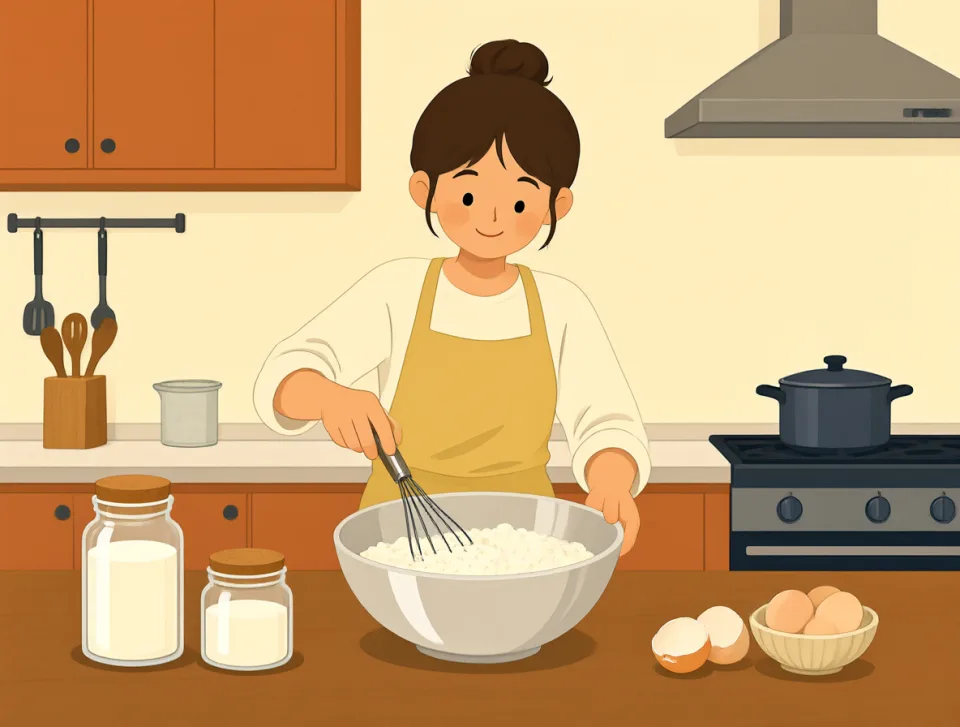
The recipe is simple, with little complexity and only five ingredients.
這個食譜很簡單,沒什麼複雜之處,而且只需要五種食材。
liability
#2645noun
負擔;責任;賠償責任;累贅
A person or thing that causes problems or a duty to pay for damage or debt.
造成麻煩的人或事物,或為損失、損害或債務承擔的付款責任。
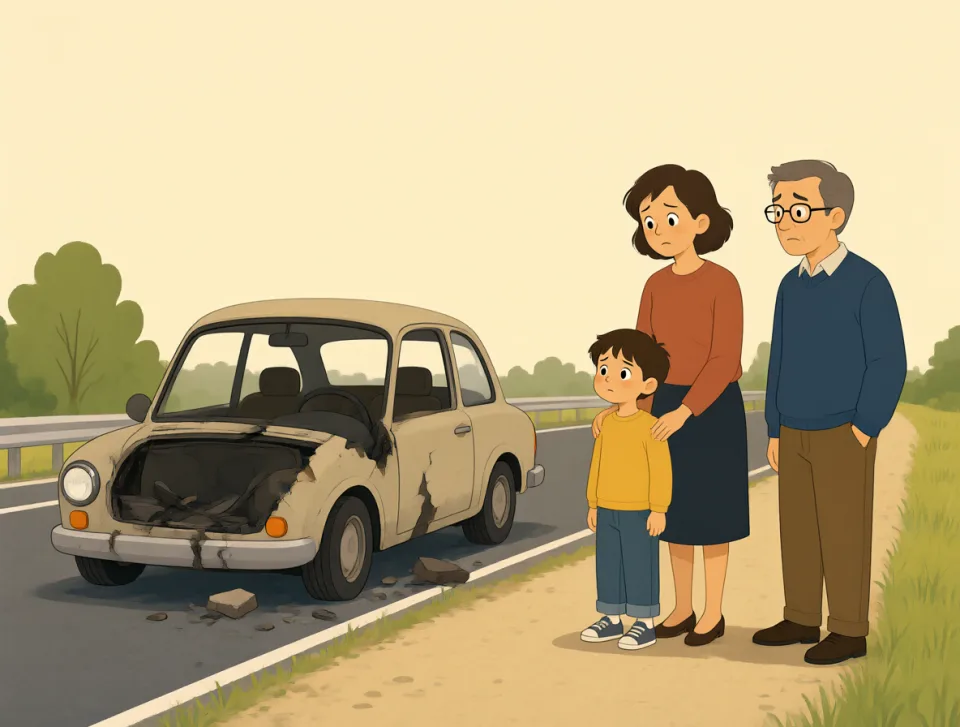
The old car became a liability when it kept breaking down on family trips.
這輛舊車總是在家庭旅行途中拋錨,漸漸成了一個累贅。
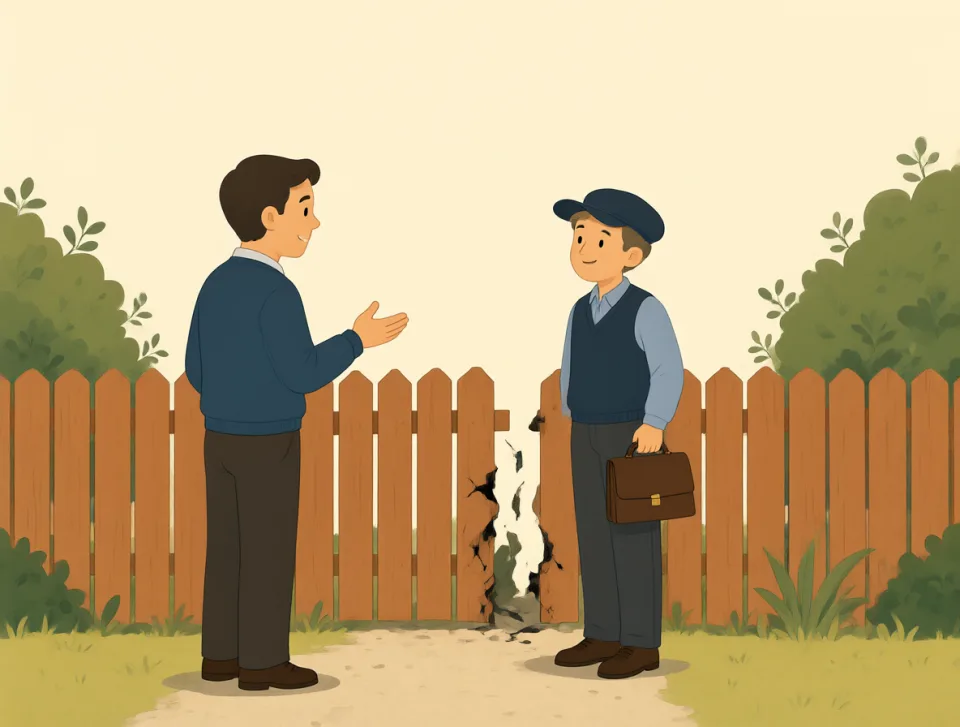
The company accepted liability for the damage caused by its delivery truck.
公司承認應對其送貨卡車造成的損失承擔賠償責任。

Taking on too much debt can become a serious liability for a small business.
揹負過多債務可能會成為小企業的一大負擔。

The lawyer explained that the landlord had no liability for the guest’s injury.
律師解釋說,房東無需對客人的受傷承擔責任。

She worried that her injured ankle would be a liability during the school hike.
她擔心自己受傷的腳踝會成為學校徒步活動中的累贅。

surprisingly
#2646adverb
令人驚訝地; 出乎意料地
In a way that is unexpected or unusual.
以一種出乎意料或不同尋常的方式。
The small café was surprisingly busy on a quiet Tuesday morning.
這家小咖啡館在一個安靜的週二早晨竟然異常熱鬧。

She was surprisingly calm before giving her first presentation at work.
第一次在公司做演講之前,她竟然出奇地冷靜。

The train journey was surprisingly comfortable, even though it lasted six hours.
這趟火車旅程雖然長達六個小時,但坐起來卻出乎意料地舒服。
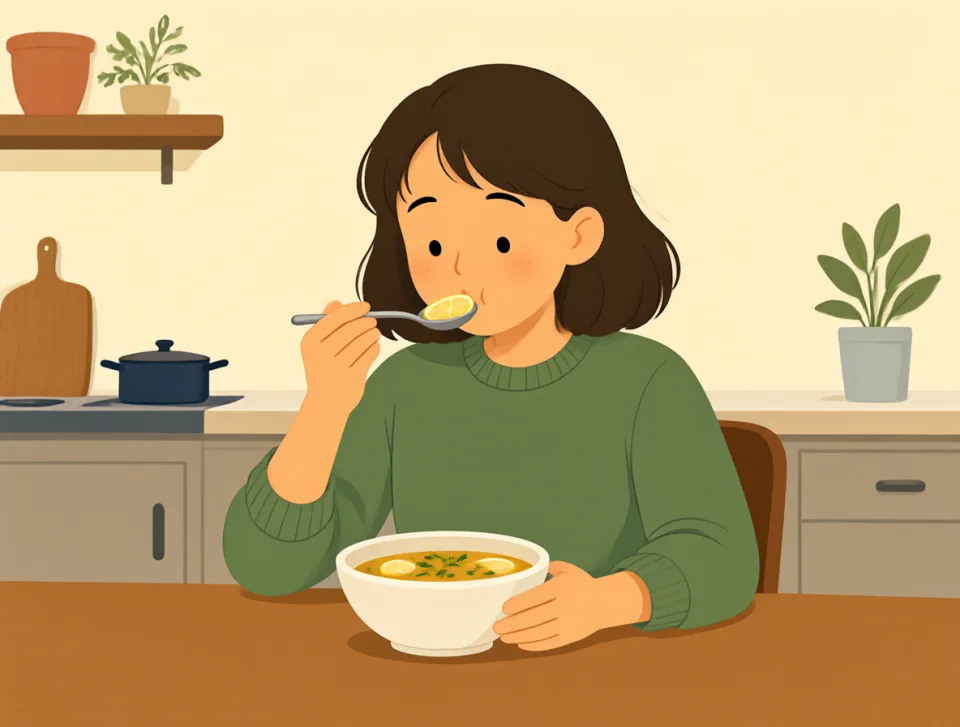
This soup tastes surprisingly good with a little lemon and fresh herbs.
這湯加一點檸檬和新鮮香草,味道竟然出奇地好。
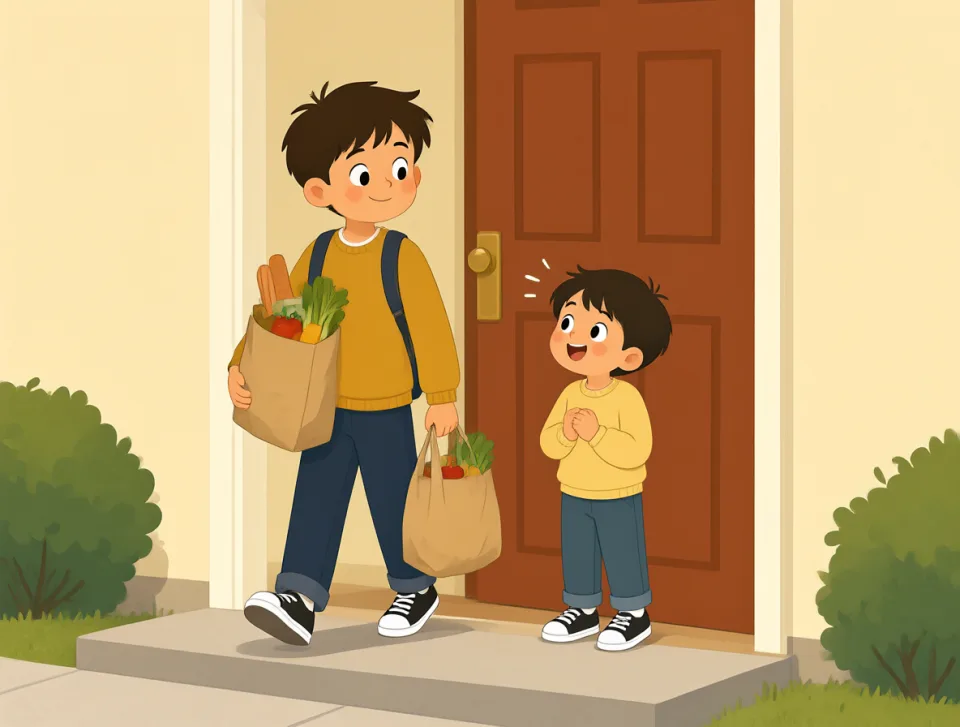
Surprisingly, my brother remembered to bring the groceries home after school.
令人驚訝的是,我弟弟放學後竟然記得把買的東西帶回家。
extract
#2647verb, noun
提取;取出;摘錄
to take something out, or a short part taken from a book, film, or other source
取出某物,或從書籍、電影或其他來源中摘取的一小段內容。
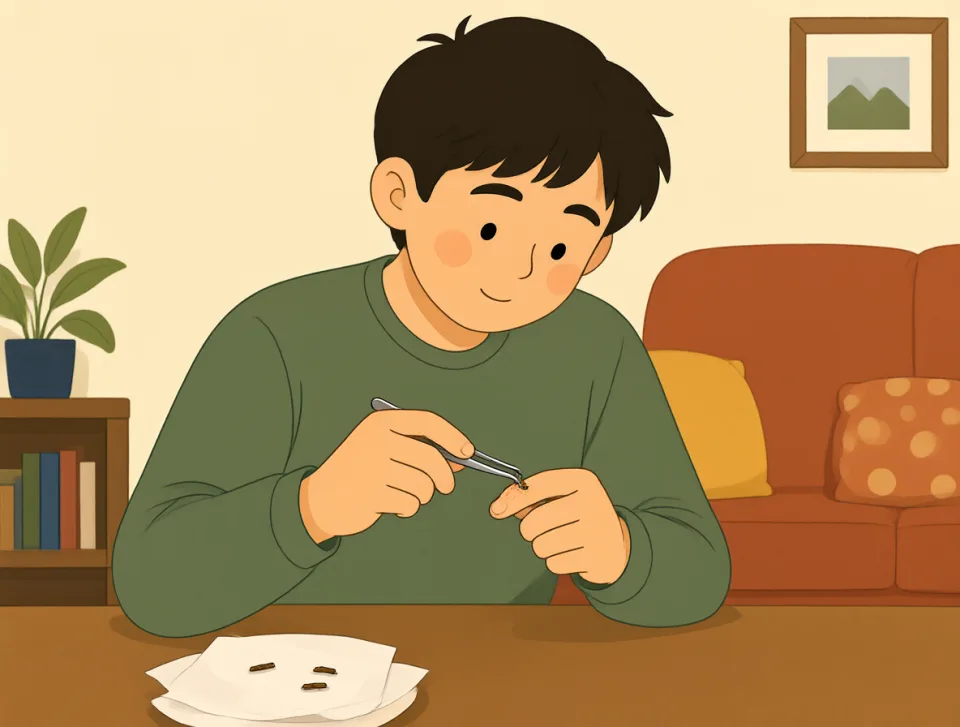
She extracted a splinter from her finger with clean tweezers.
她用乾淨的鑷子從手指上拔出了一根木刺。

The dentist extracted my painful tooth after checking the X-ray.
牙醫檢查了X光片後,拔掉了我那顆疼痛的牙齒。

I extracted the coffee beans from the grinder and made a fresh pot.
我從研磨機裡取出咖啡豆,煮了一壺新鮮的咖啡。

The teacher shared an extract from a novel before our class discussion.
課堂討論前,老師分享了一段小說節選。

They extracted useful details from the interviews for their research project.
他們從訪談中提取了有用的資訊,用於研究專案。

implementation
#2648noun
實施;執行;落實
The process of putting a plan, decision, or system into use.
將計劃、決定或系統付諸實施的過程。
The implementation of the new booking system took longer than we expected.
新預訂系統的實施過程比我們預期的要長。
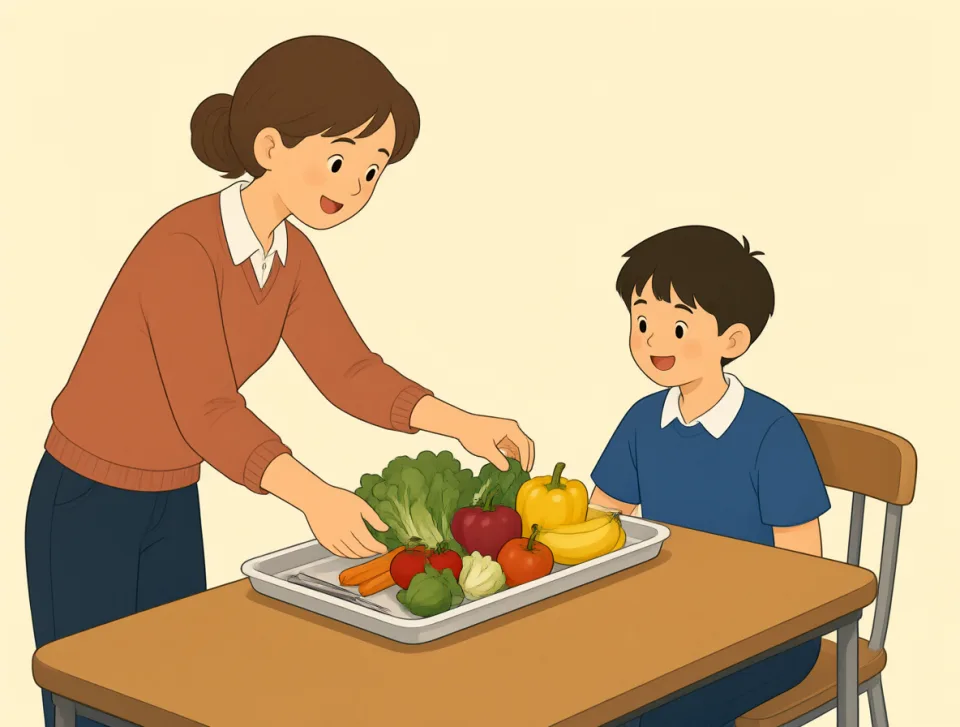
The school began implementing a healthier lunch plan this term.
學校從本學期開始實施更健康的午餐計劃。
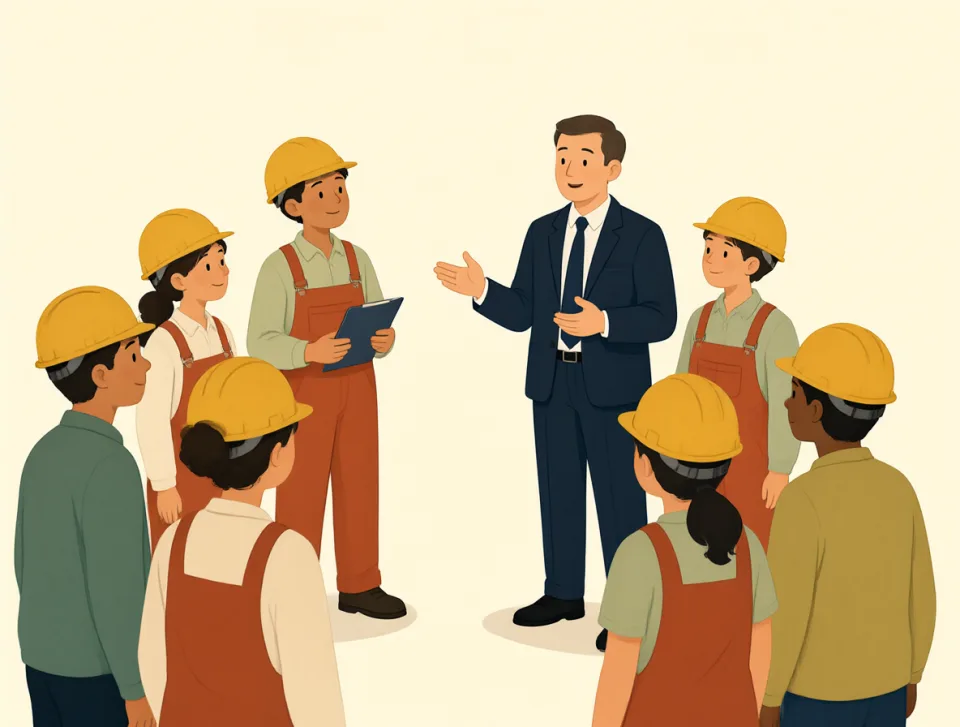
We discussed the implementation of the safety rules during the staff meeting.
我們在員工會議上討論了安全規定的落實問題。

The city delayed implementation of the bus changes until next month.
市政府將公交線路調整計劃的實施推遲到了下個月。
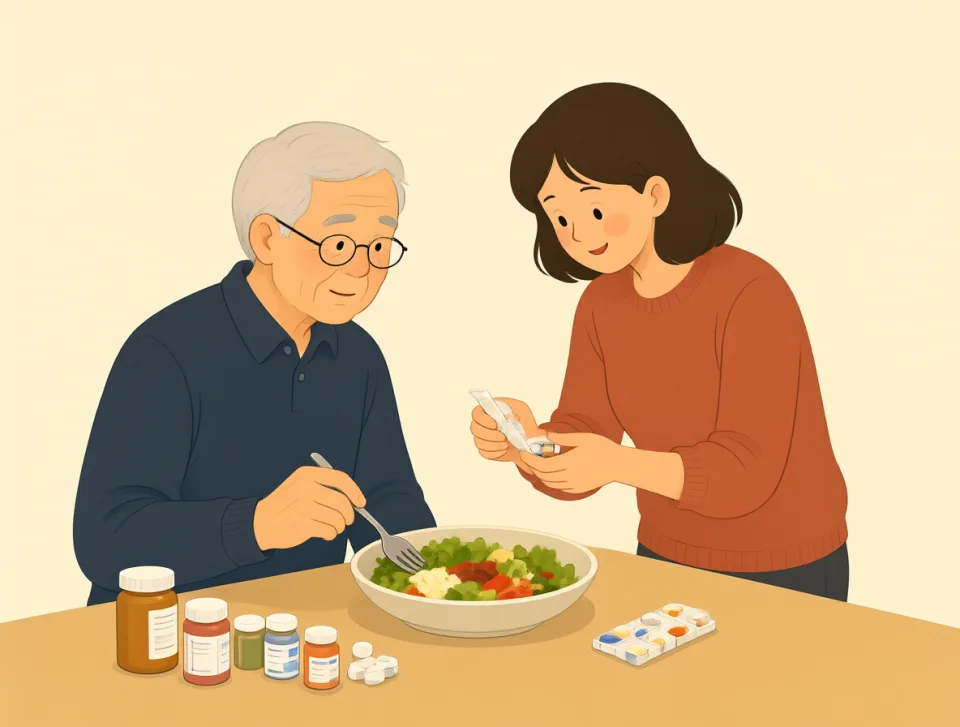
Successful implementation depends on everyone following the doctor's advice at home.
要成功落實這一方案,取決於每個人是否都能在家遵照醫生的建議行事。

bias
#2649noun, verb
偏見;偏向;使產生偏見
An unfair preference for or against someone or something that affects judgment.
對某人或某事抱有不公平的偏好或反感,從而影響判斷。
The hiring manager tried to avoid bias when choosing between the candidates.
招聘經理在挑選候選人時,儘量避免帶有偏見。

The news report showed a clear bias against the workers who were on strike.
這篇新聞報道明顯帶有反對罷工工人的偏見。

Our teacher warned us that personal bias can affect how we remember events.
老師提醒我們,個人偏見可能會影響我們對事件的記憶。

The survey may be biased because it only asked people who shop online.
這項調查可能存在偏差,因為它只詢問了網購人群的意見。
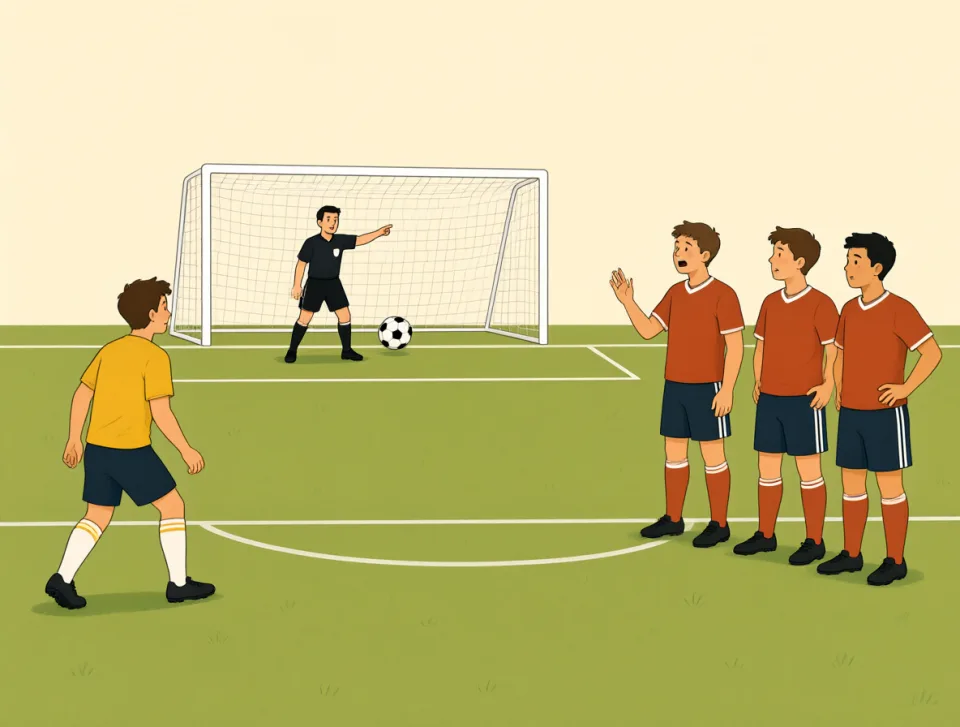
She accused the referee of being biased after he gave the other team a penalty.
她指責裁判偏袒對方球隊,因為他判給了對方一個點球。
differently
#2650adverb
不同地; 以不同方式
In a way that is not the same as another way.
以一種與另一種方式不一樣的方式。
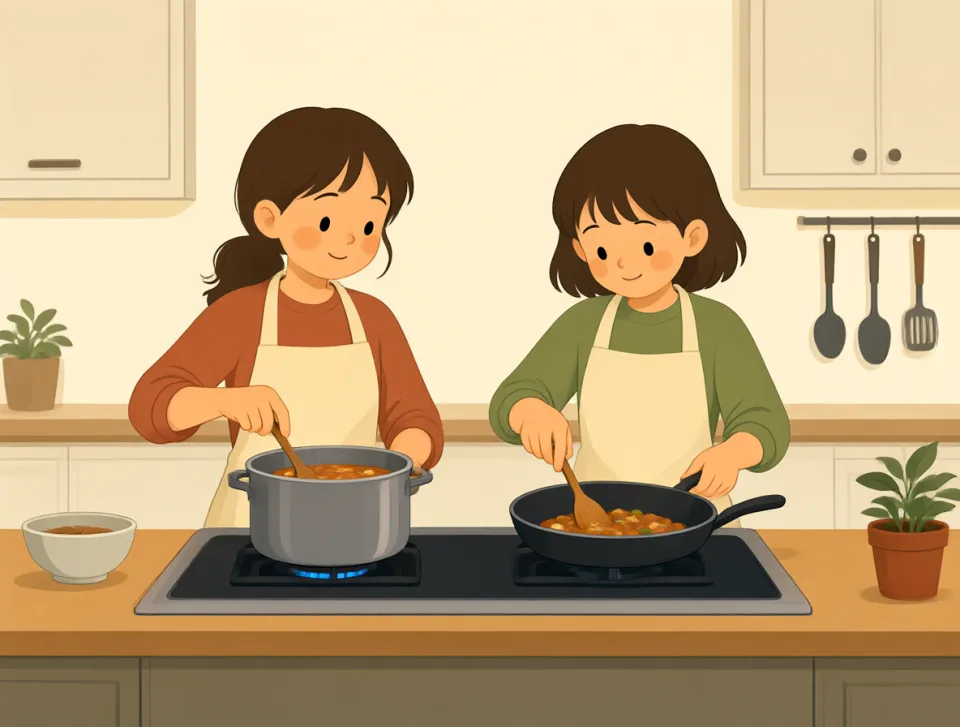
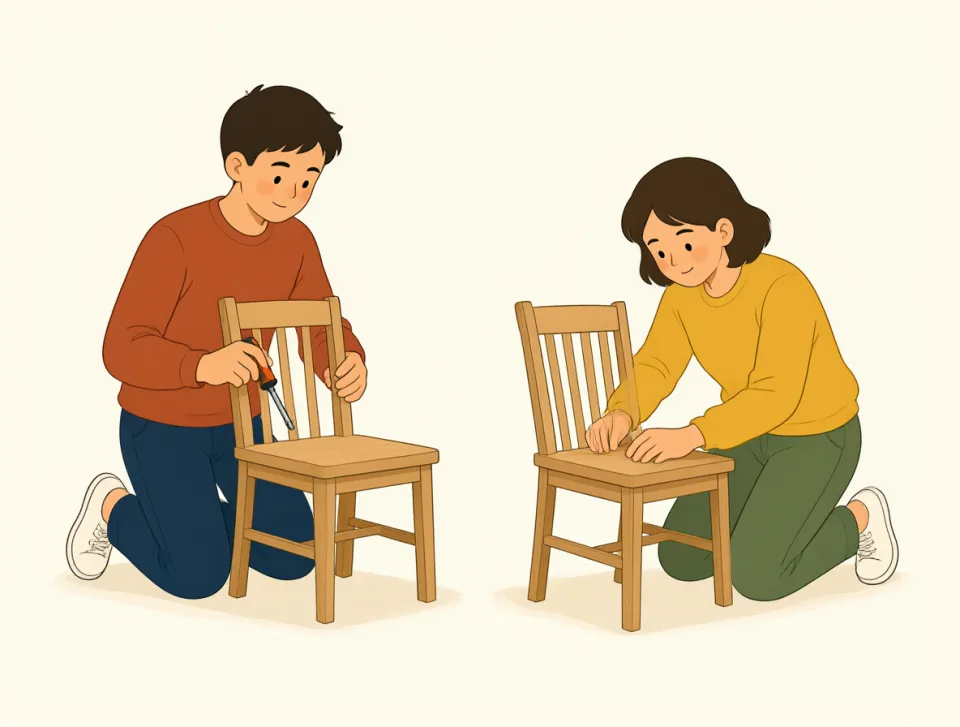
We tried the new recipe, but my sister cooked it differently.
我們試了新食譜,但我姐姐做出來的味道不一樣。
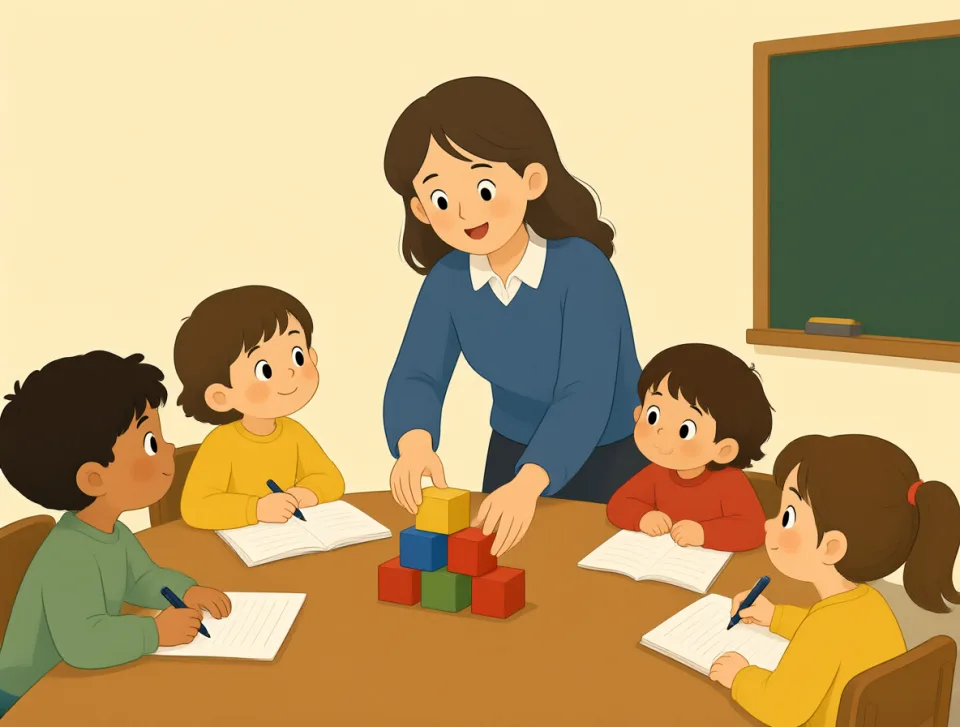
The teacher explained the problem differently, and everyone understood it.
老師換了一種方式解釋這個問題,大家都聽懂了。
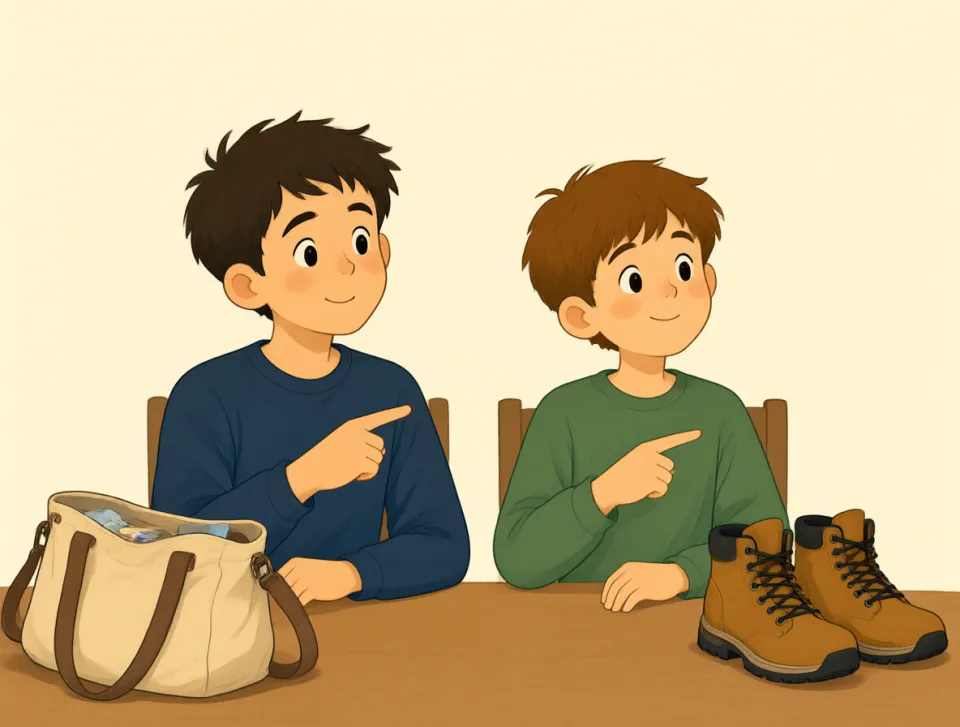
My brother and I think differently about where to spend our holiday.
我和哥哥對假期去哪裡度假有不同的想法。

The shop sells the same jacket differently in each season.
這家商店每個季節都會用不同的方式銷售同一款夾克。

After the treatment, she walked differently and felt less pain.
治療後,她走路的姿勢變了,疼痛也減輕了。
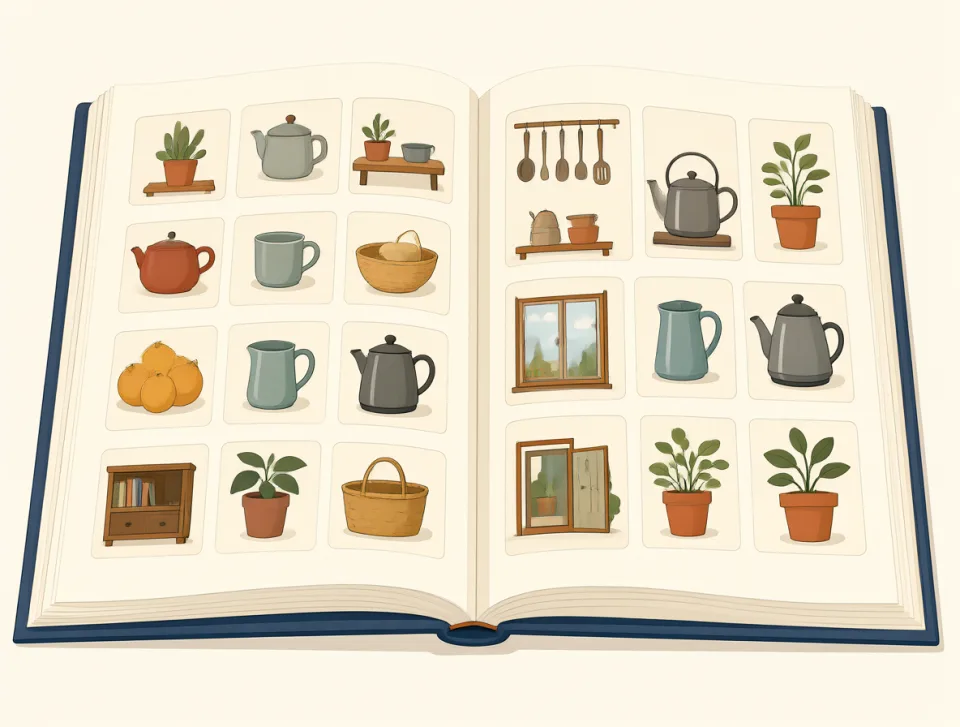
catalog
#2651noun, verb
目錄;編目;編制目錄
A list of items for sale or reference; to make such a list.
供銷售或查閱的物品清單;編制這樣的清單。

I ordered a new sofa from the furniture catalog last weekend.
上週末,我從傢俱目錄上訂購了一張新沙發。

The library catalog helped us find books about local history.
圖書館的藏書目錄幫助我們找到了有關當地歷史的書籍。
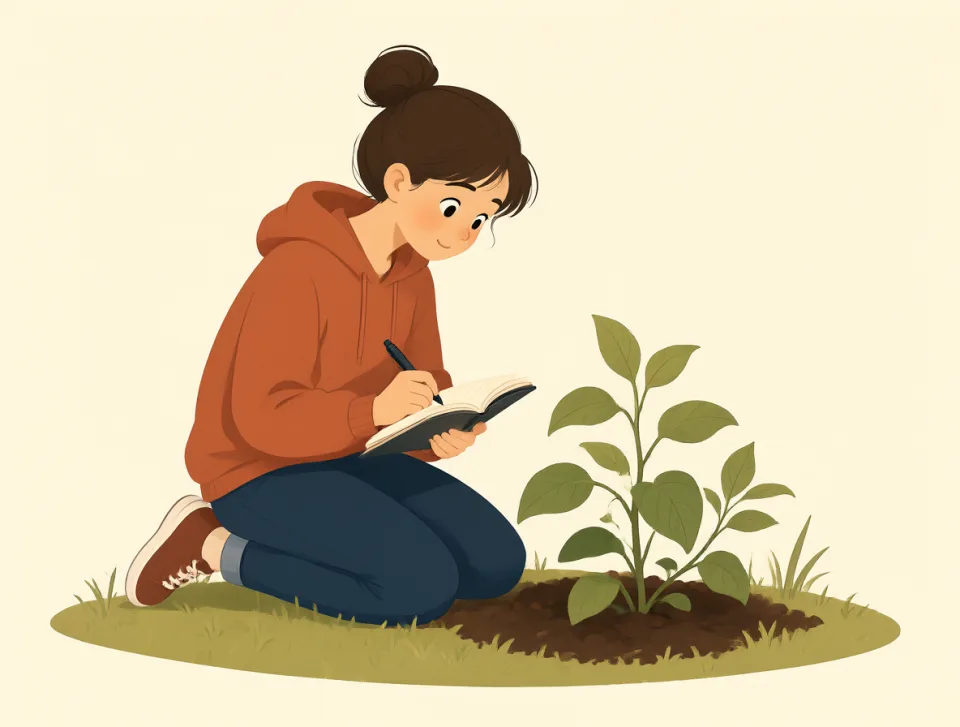
Our teacher asked us to catalog the plants in the school garden.
老師讓我們把學校花園裡的植物逐一登記造冊。

The museum catalogs each painting before it goes on display.
博物館會在每幅畫作展出前為其編目。
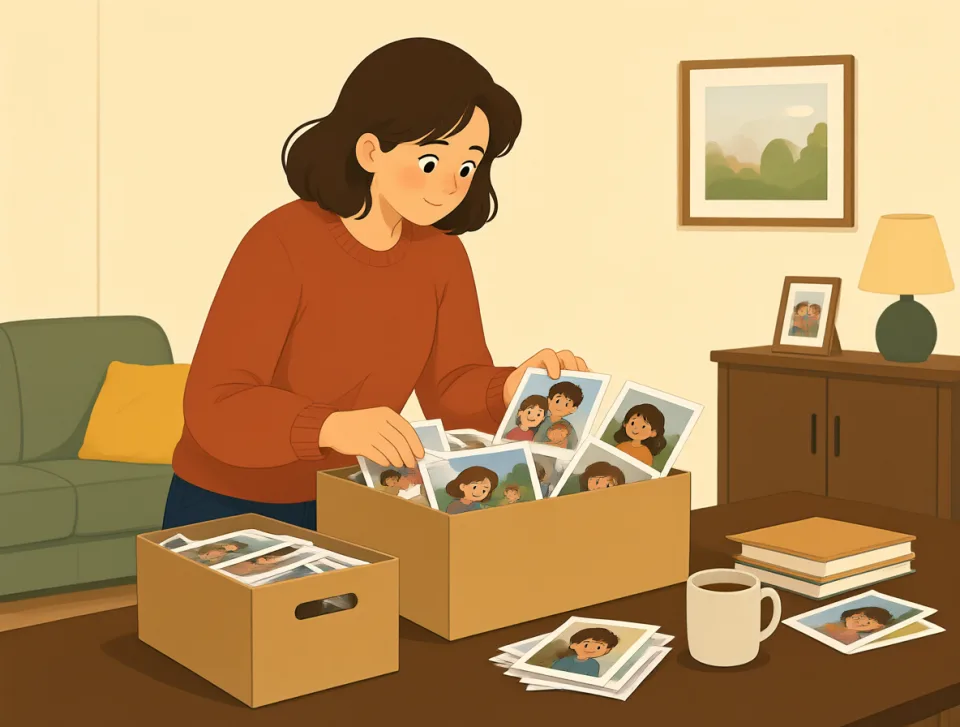
She cataloged the family photos so everyone could find them easily.
她把家裡的照片整理歸檔,方便大家查詢。
continuous
#2652adjective
連續的;持續的;不間斷的
Happening or continuing without stopping or being interrupted.
發生或持續進行,中間沒有停止或受到干擾。

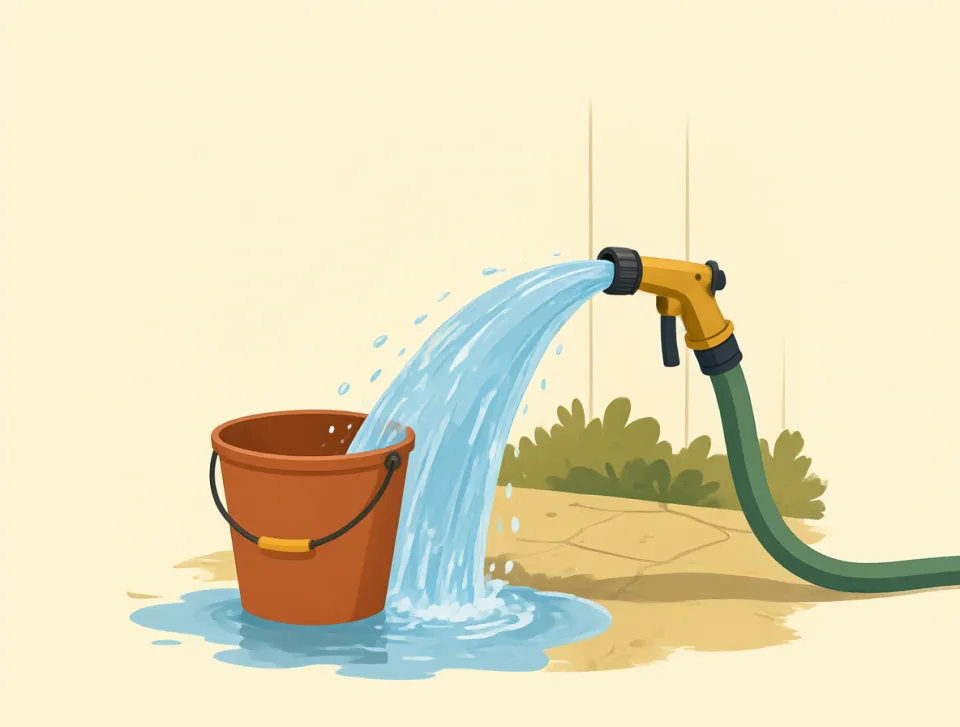
The continuous rain kept us inside all afternoon.
連續不斷的雨讓我們整個下午都只能待在室內。

She worked for three hours without a break, making continuous progress on the report.
她連續工作了三個小時,沒有休息,報告也一直在穩步推進。
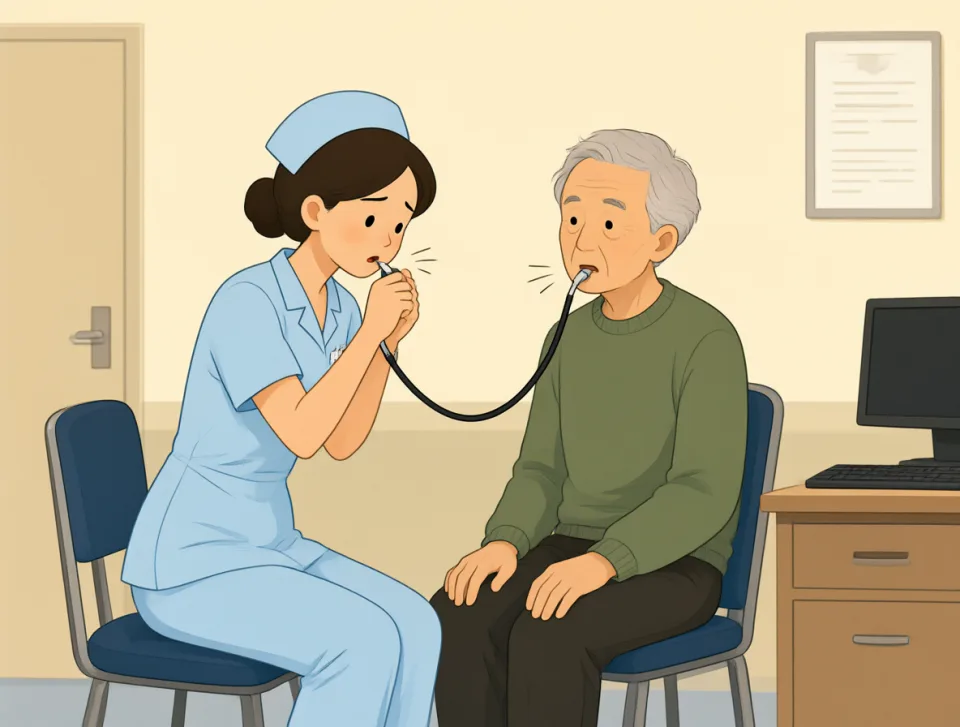
The nurse checked his temperature because he had a continuous cough.
因為他一直咳嗽,護士檢查了他的體溫。
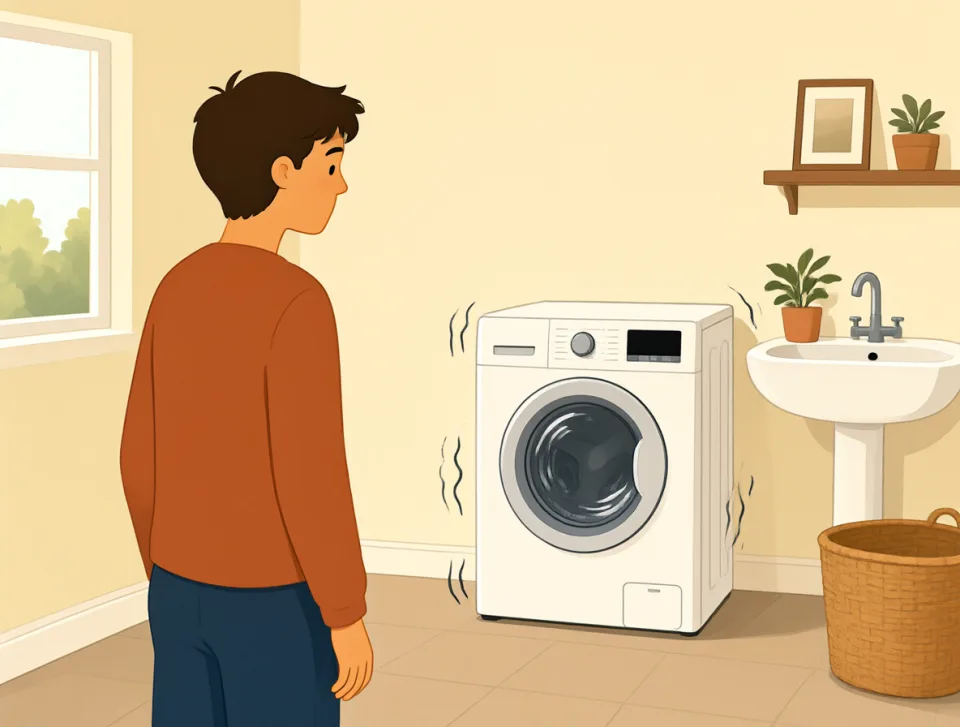
We heard a continuous noise from the washing machine downstairs.
我們聽到樓下的洗衣機一直髮出噪音。

The teacher asked us to draw a continuous line without lifting the pencil.
老師讓我們畫一條不間斷的線,畫的時候不能抬起鉛筆。

golden
#2653adjective
金色的;黃金般的
Having a bright yellow color, or relating to a very successful or special time.
呈明亮的黃色,或指非常成功或特別的時期。

She wore a golden necklace her grandmother had given her for graduation.
她戴著一條金色的項鍊,那是祖母送給她的畢業禮物。

The bakery sells warm golden bread rolls every morning before the school rush.
每天早上上學高峰前,這家麵包店都會賣熱乎乎的金黃色麵包卷。

We watched the golden sun sink behind the hills during our train ride.
坐火車時,我們看著金色的太陽沉入山後。

The team enjoyed a golden season, winning nearly every game at home.
這個賽季對球隊來說是黃金賽季,他們幾乎贏下了所有主場比賽。

Those years at college were a golden time for her and her closest friends.
大學那幾年對她和最要好的朋友們來說是一段黃金時光。
stamp
#2654noun, verb
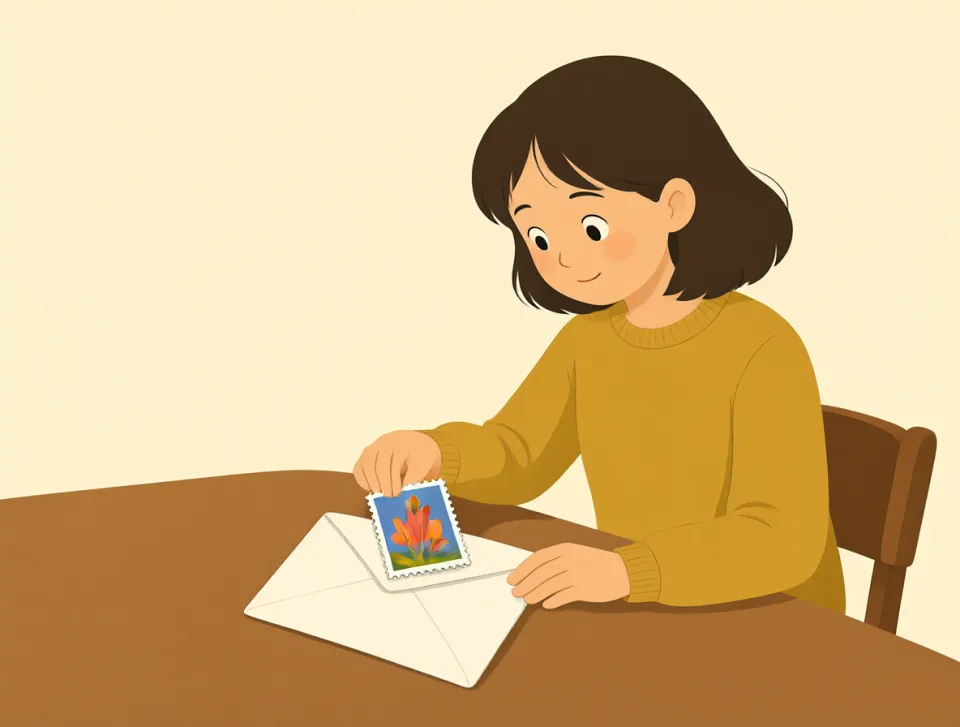
郵票;蓋章;踩踏
A small piece of paper for sending mail, or to mark something by pressing a shape onto it.
用於寄送郵件的一小張紙,或透過按壓某種形狀在物體上留下印記。
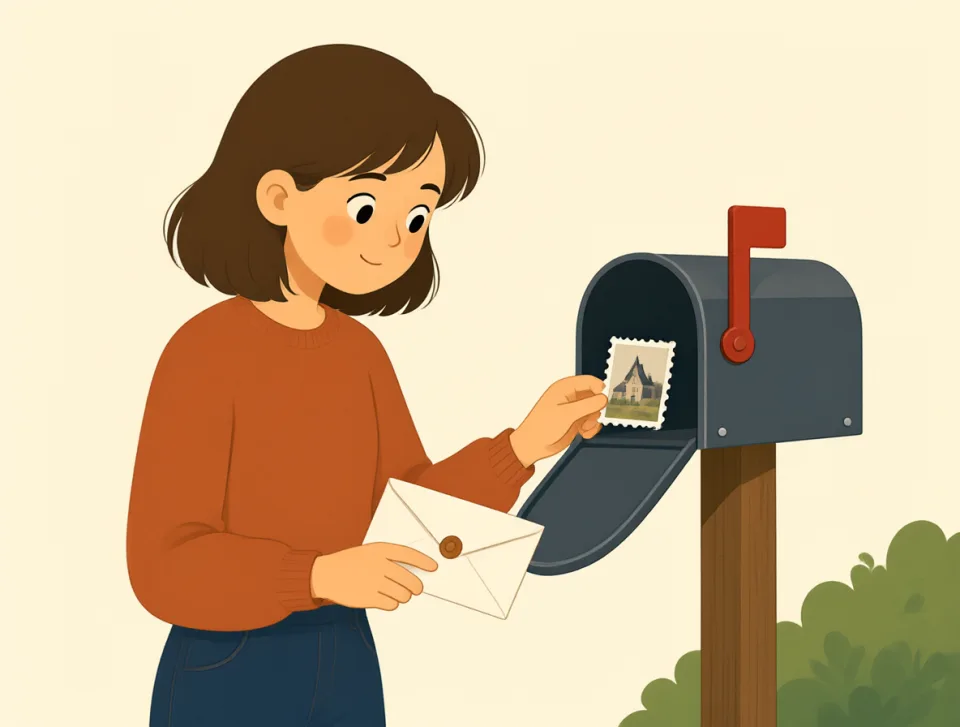
I need a stamp to mail this letter to my grandmother.
我需要一張郵票,把這封信寄給奶奶。

The teacher stamped my form after checking all the information.
老師核對完所有資訊後,在我的表格上蓋了章。

She bought a book of stamps at the post office.
她在郵局買了一本郵票。
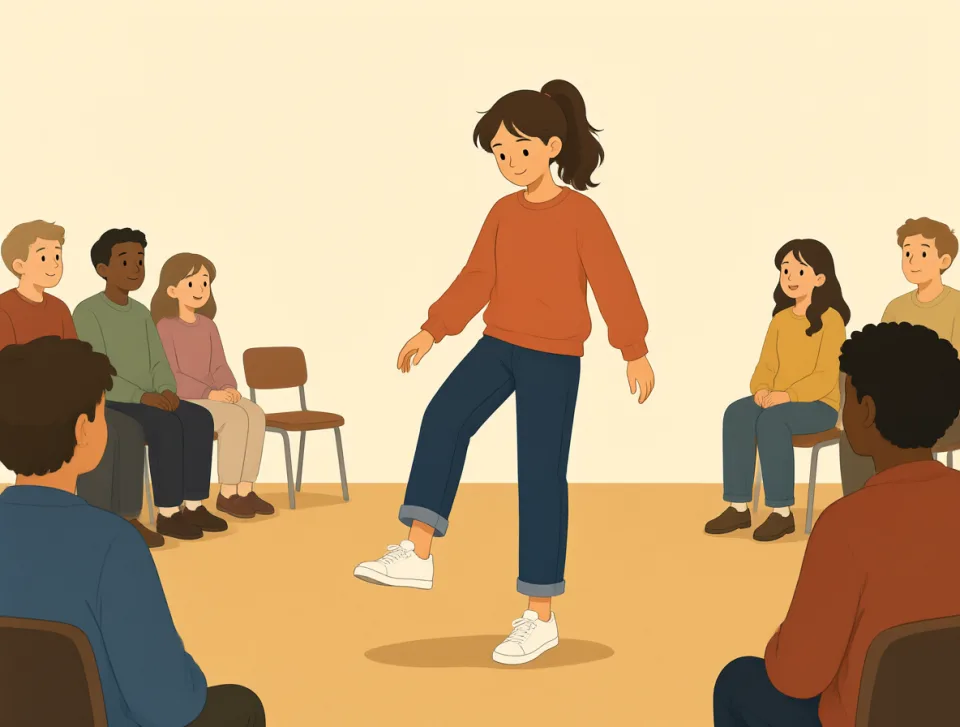
Please stamp your foot twice if you can hear the music.
如果你能聽到音樂,請跺兩下腳。
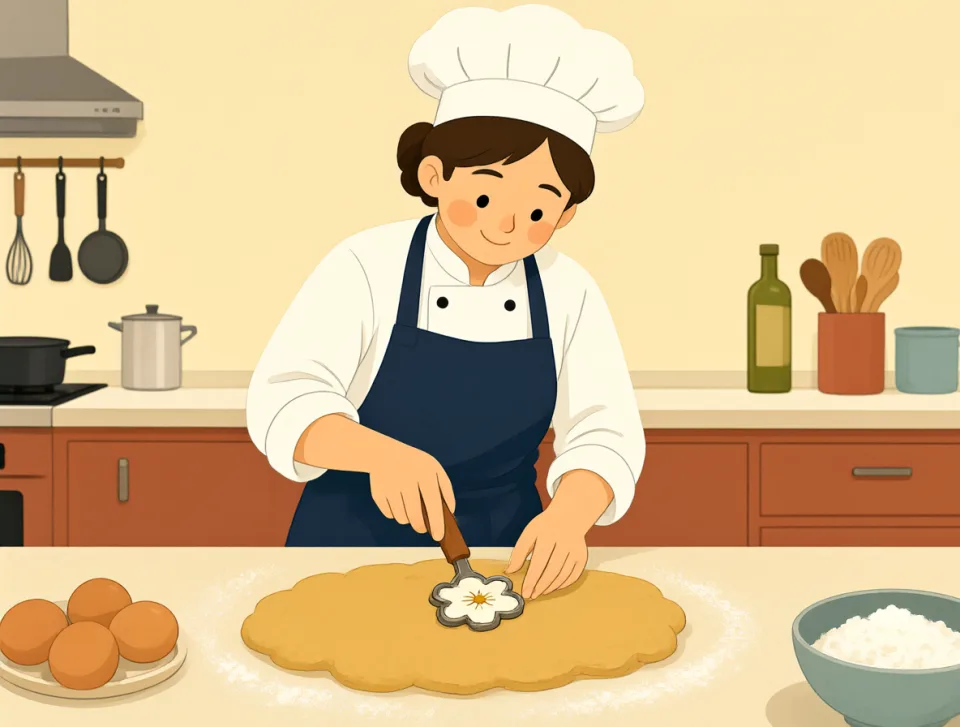
The chef stamped a flower shape onto the cookies with a cutter.
廚師用模具在餅乾上壓出了花朵形狀。
guideline
#2655noun
指導方針;準則;指南
A rule or piece of advice that helps you decide what to do.
幫助你決定該怎麼做的規則或建議。
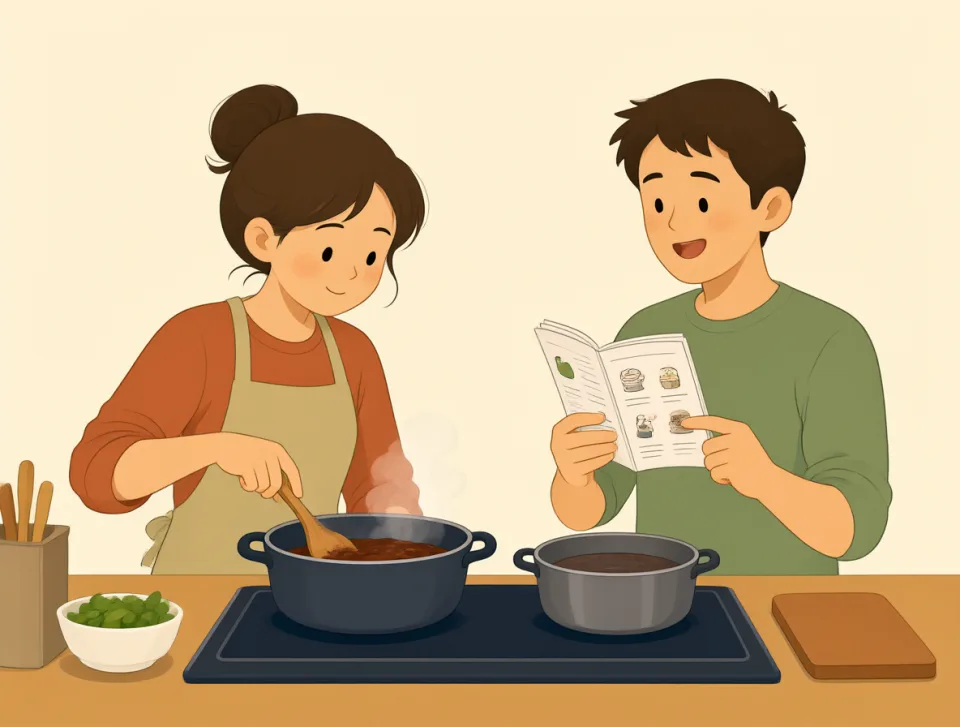
Please follow the safety guidelines when using this kitchen equipment.
使用這套廚房裝置時,請遵守安全操作指南。

The school gave parents guidelines for helping children with homework.
學校給家長提供了幫助孩子完成家庭作業的指導建議。

Our manager shared guidelines for working from home effectively.
我們的經理分享了提高居家辦公效率的指導方針。

The doctor gave me guidelines for eating less salt each day.
醫生給了我一些每天減少鹽攝入量的建議。
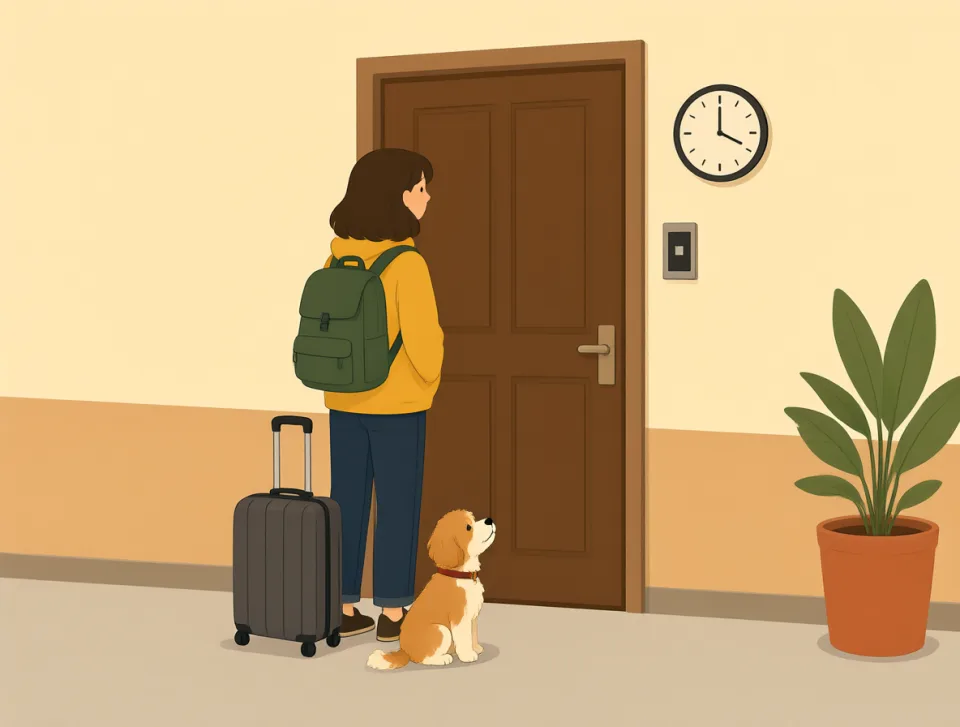
The hotel provides clear guidelines for guests traveling with pets.
酒店為攜帶寵物出行的客人提供了明確的規定。

envelope
#2656noun
信封
A flat paper container used for sending or holding a letter or card.
一種扁平的紙質容器,用來裝信件或卡片,以便郵寄或儲存。

She put the birthday card in an envelope before taking it to the post office.
她把生日賀卡裝進信封,然後拿去郵局寄出。

Please write your return address on the back of the envelope.
請在信封背面寫上你的回郵地址。

The school sent an envelope containing important forms for parents to complete.
學校寄來了一個信封,裡面裝著需要家長填寫的重要表格。

He opened the envelope carefully and found a gift card inside.
他小心翼翼地拆開信封,發現裡面有一張禮品卡。

The nurse gave me an envelope with my medical appointment details inside.
護士給了我一個信封,裡面裝著我的就診預約資訊。
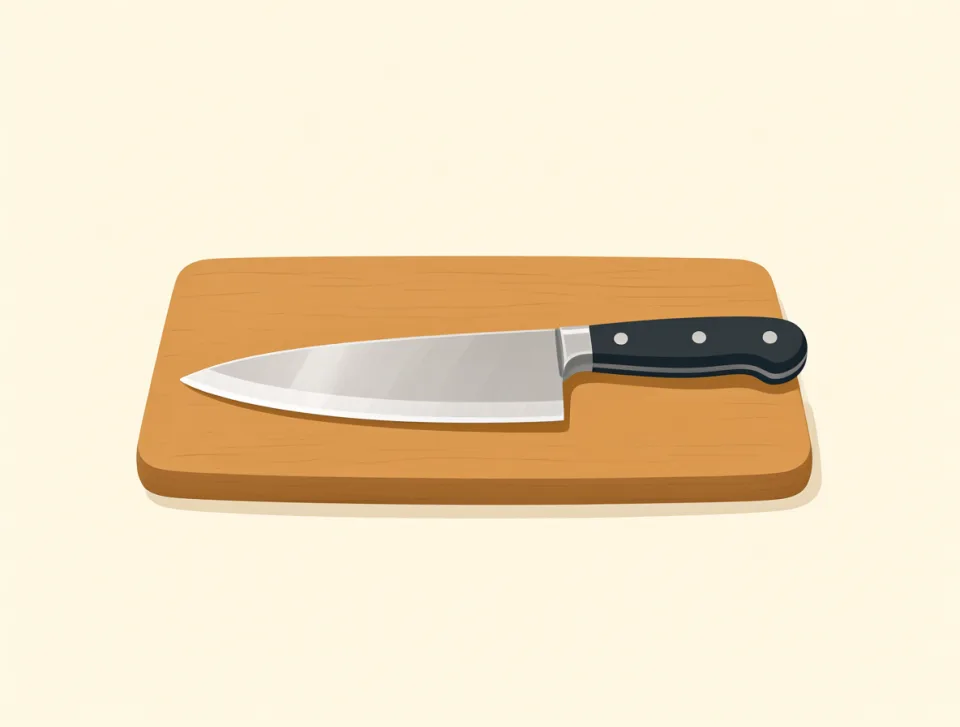
knife
#2657noun
刀;小刀
A tool with a sharp blade, used for cutting food or other things.
一種帶有鋒利刀刃的工具,用於切割食物或其他東西。
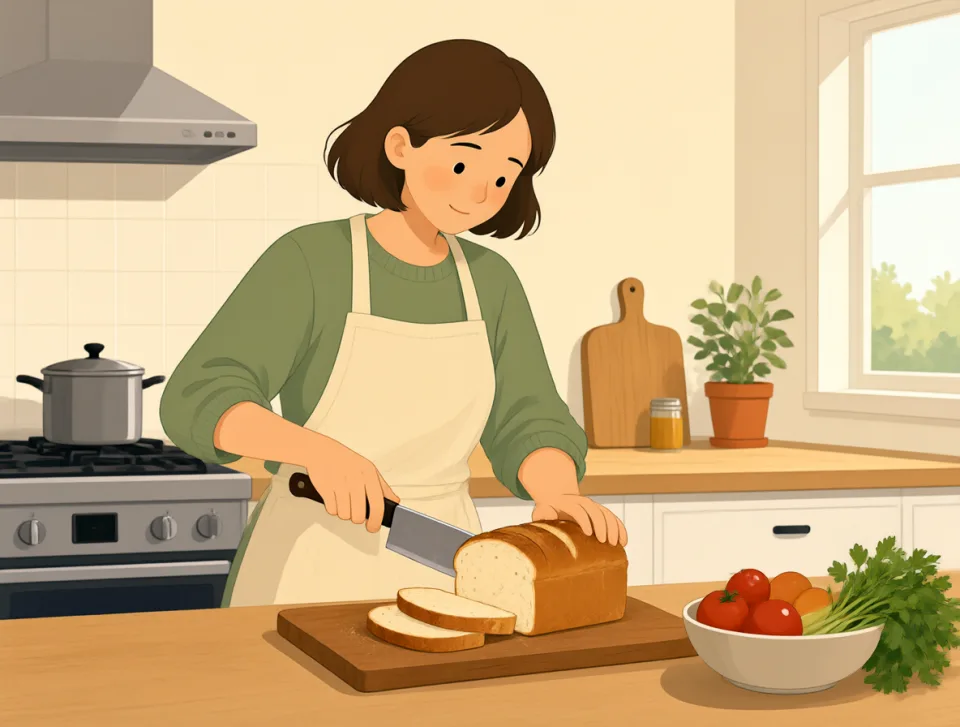
She used a sharp knife to cut the bread for breakfast.
她用一把鋒利的刀切面包,準備吃早餐。
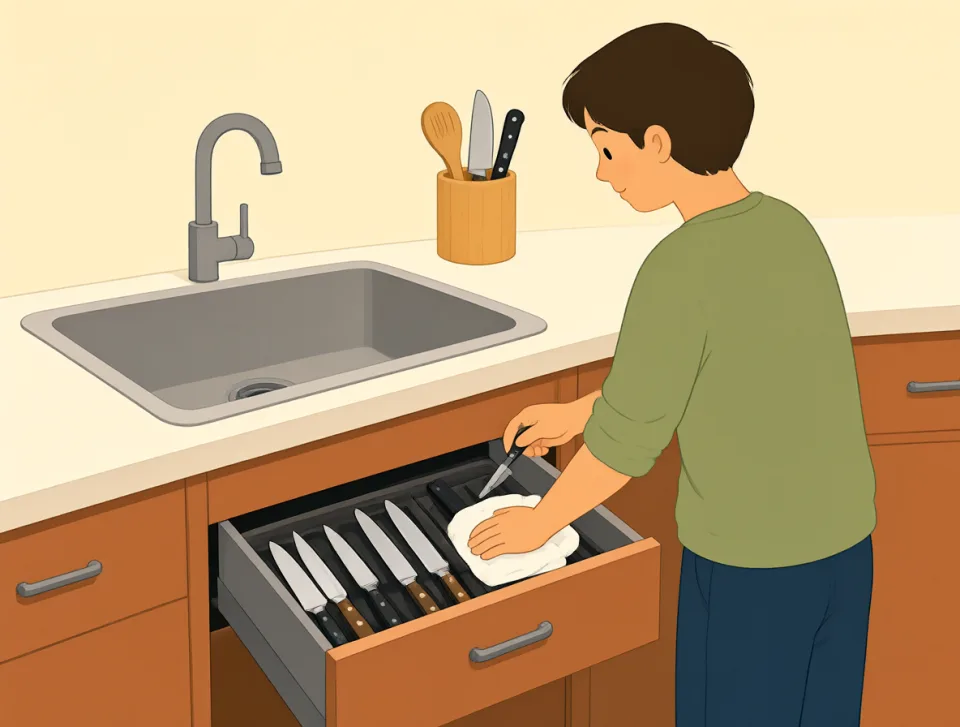
Please put the knives in the drawer after you wash them.
洗完刀後,請把它們放進抽屜裡。
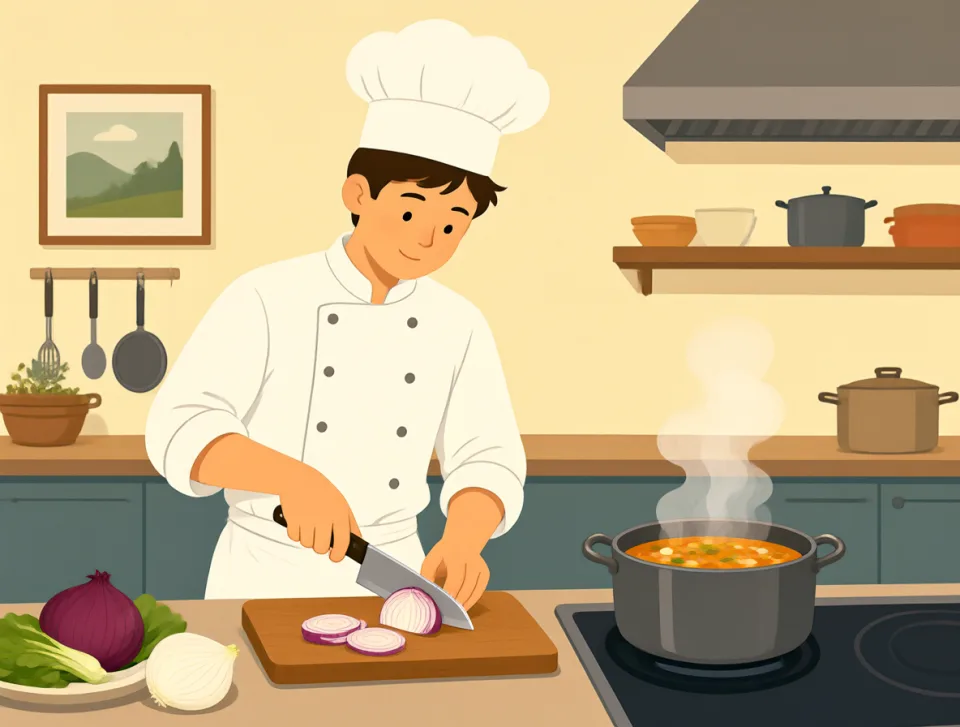
The chef chopped onions with a knife while the soup simmered.
湯燉煮時,廚師用刀切碎了洋蔥。

He bought a small pocket knife for camping trips in the mountains.
他買了一把小摺疊刀,準備去山裡露營時使用。
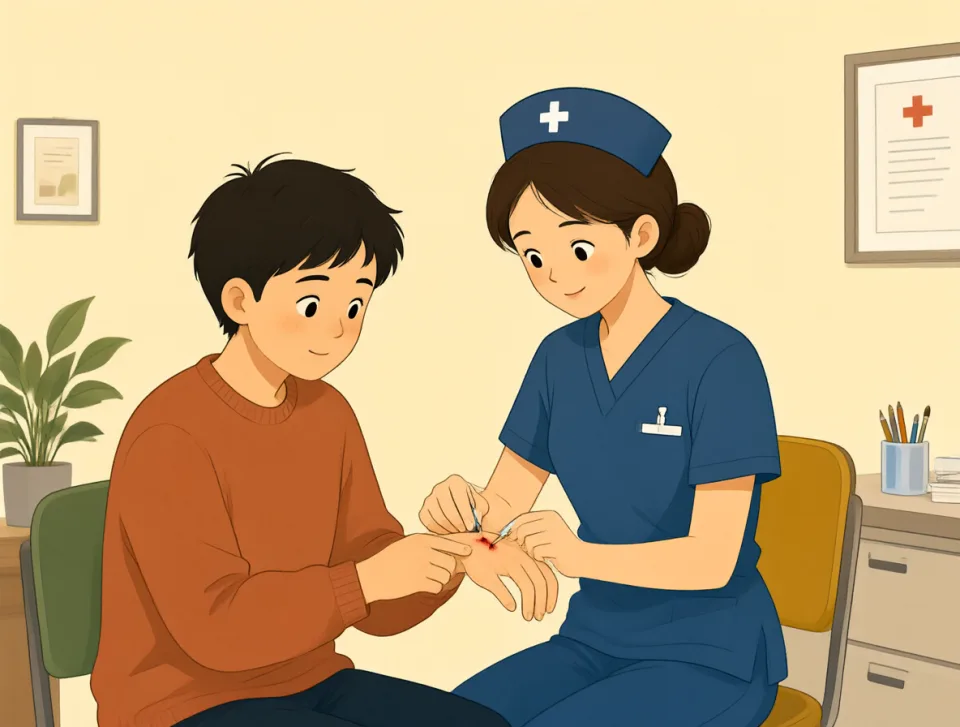
The nurse cleaned the cut and checked that no knife had caused it.
護士清理了傷口,並檢查是否是刀造成的。

biological
#2658adjective
生物學的;親生的;生物的
Connected with living things or the processes of life.
與生物或生命活動過程有關的。
The doctor explained how biological changes can affect our sleep and energy.
醫生解釋了生理變化如何影響我們的睡眠和精力。

She recently met her biological father for the first time.
她最近第一次見到了自己的親生父親。
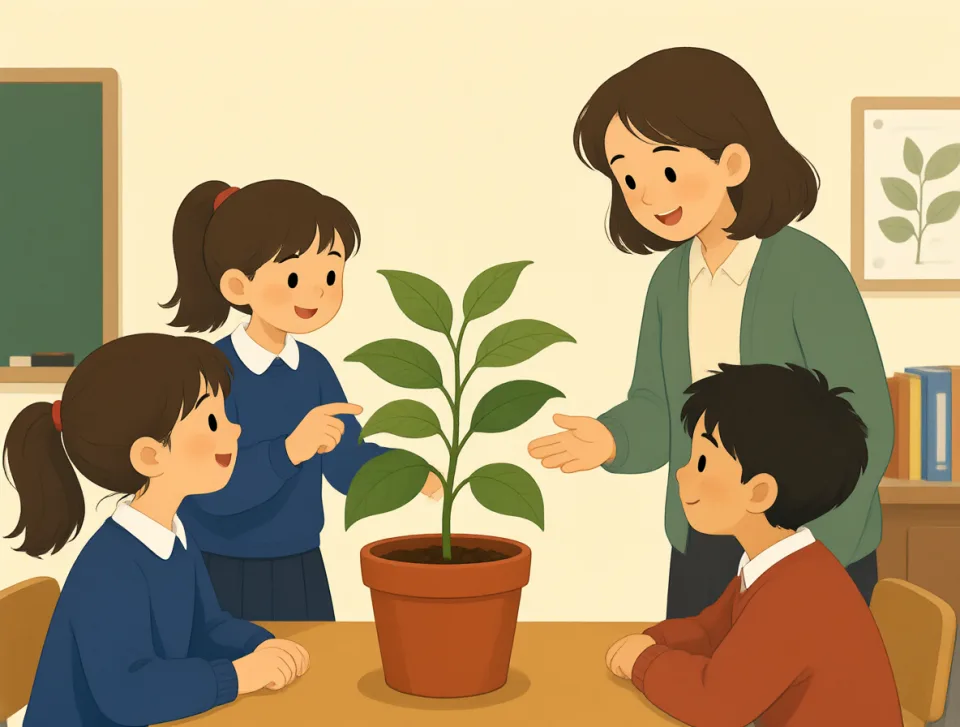
In science class, we learned about biological processes in plants.
在科學課上,我們學習了植物的生物學過程。

Long flights can confuse your biological clock and make you feel tired.
長途飛行會打亂你的生物鐘,讓你感到疲憊。

The company uses biological methods to control insects without harmful chemicals.
這家公司採用生物防治方法來控制害蟲,不使用有害化學物質。
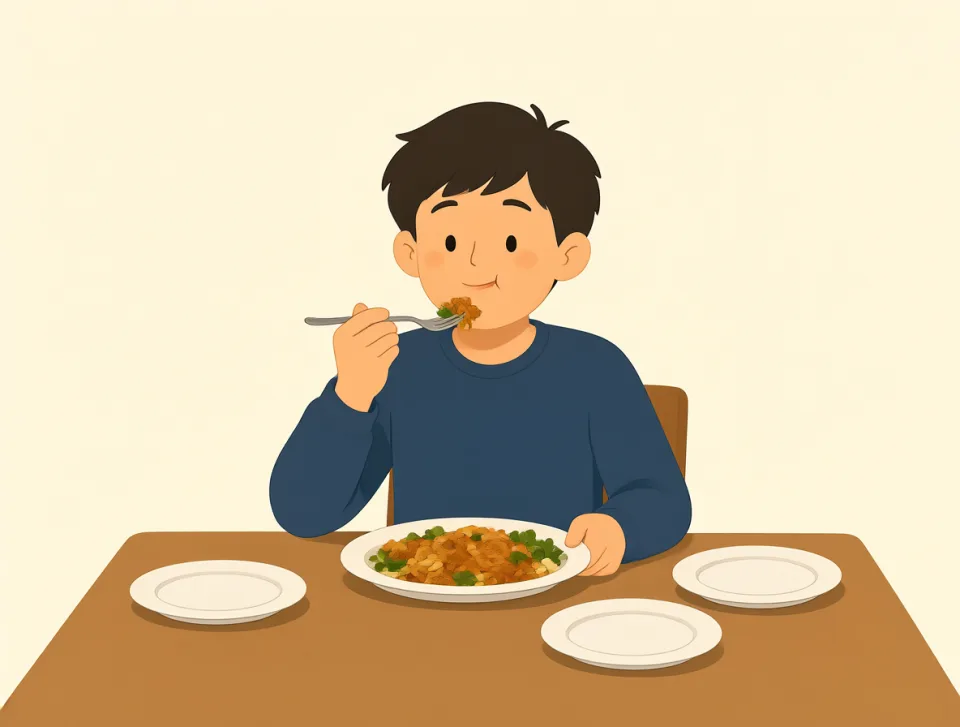
consume
#2659verb
消耗;消耗掉;吃;喝
to use, eat, or drink something, especially in large amounts
使用、吃掉或喝掉某種東西,尤其是大量使用或攝入。

Cars consume a lot of fuel during long journeys.
汽車在長途行駛過程中會消耗大量燃油。
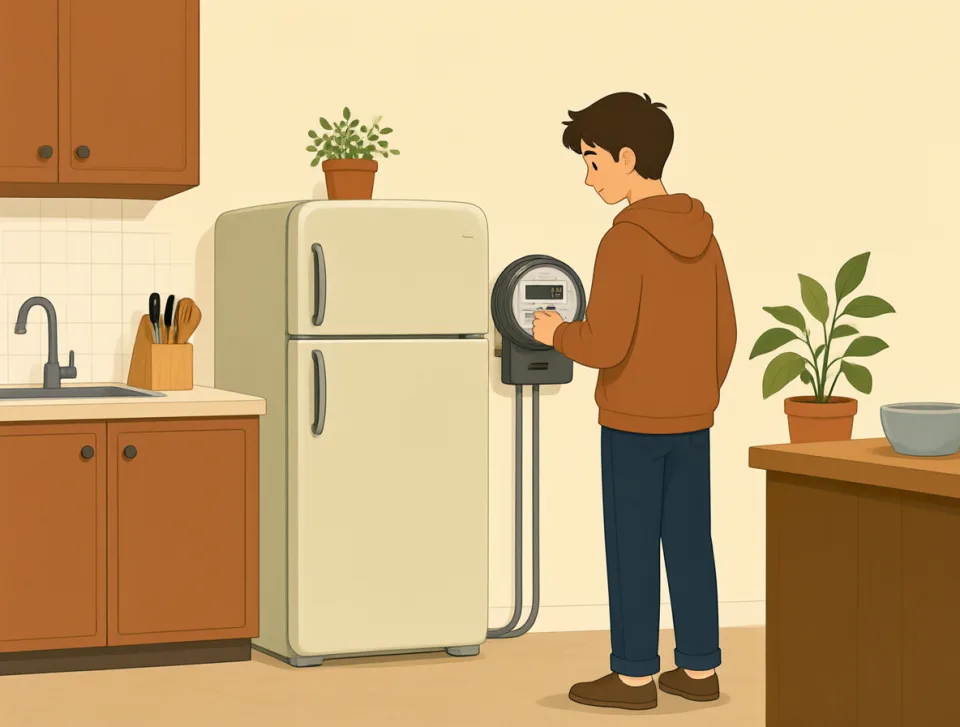
This old refrigerator consumes too much electricity every month.
這臺舊冰箱每個月耗電太多。

We consume more water during hot weather.
天氣炎熱時,我們會消耗更多的水。
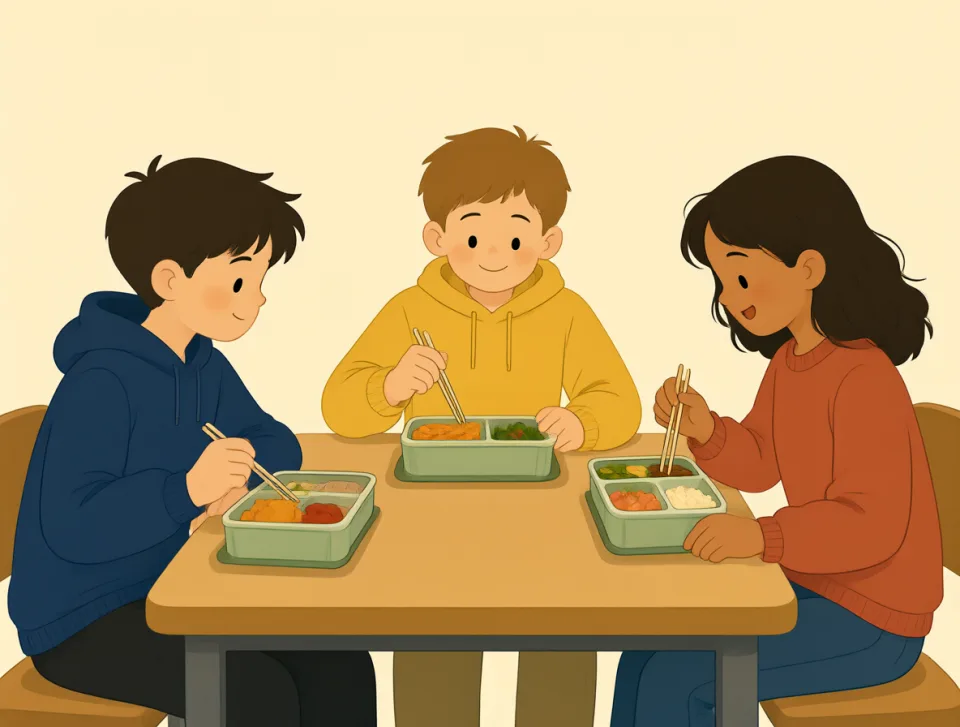
The students consumed their lunches quickly before the next lesson.
學生們在下一節課開始前很快就吃完了午餐。

Watching television can consume several hours of your evening.
看電視可能會佔用你晚上好幾個小時的時間。

luxury
#2660noun
奢侈品;奢侈;享受
Something expensive or special that you can enjoy but do not need.
一種昂貴或特別的東西,雖然可以享受,但並不是生活必需的。

We can’t afford the luxury of a bigger apartment right now.
我們現在負擔不起住更大公寓這樣的奢侈。

After a busy week, a hot bath feels like a real luxury.
忙碌了一週後,泡個熱水澡真是一種享受。

The hotel offers a little luxury, with soft beds and fresh towels.
這家酒店提供一些舒適的享受,比如柔軟的床和乾淨的毛巾。

She bought a luxury car after saving money for several years.
攢了好幾年的錢後,她買了一輛豪華轎車。

For my birthday, my friends treated me to the luxury of dinner out.
生日那天,朋友們請我出去吃了一頓大餐,讓我享受了一番。