इकाई 133
शब्द 2641–2660 · servant, immigrant, excess, complexity, liability, surprisingly
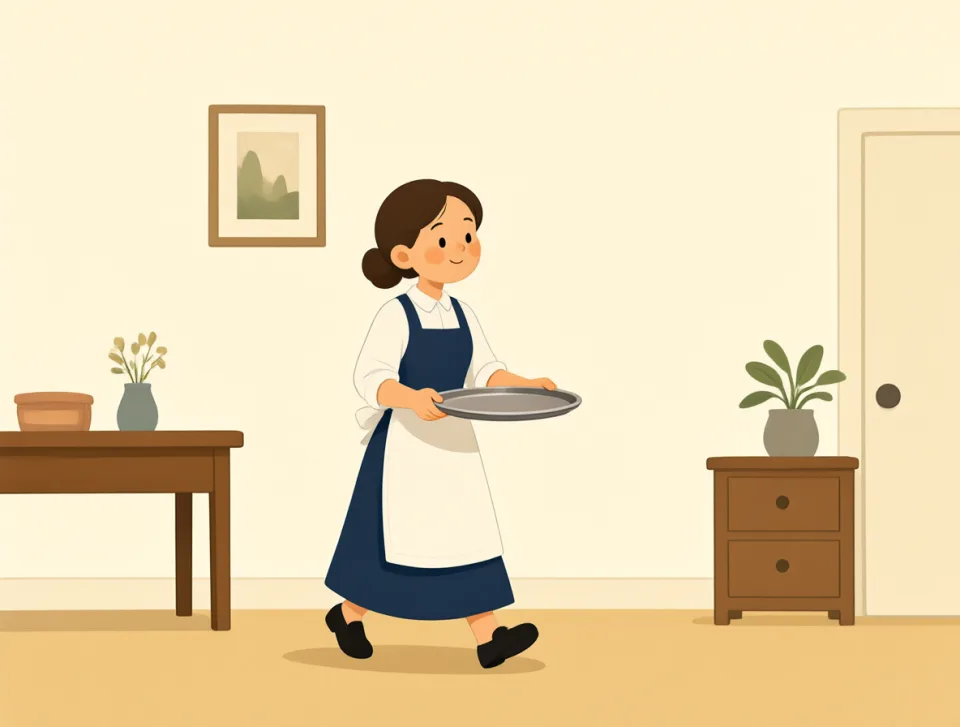
servant
#2641noun
नौकर
A person who works in another person’s home and does household tasks.
वह व्यक्ति जो किसी दूसरे के घर में काम करता है और घरेलू कामकाज संभालता है।

The servant brought tea to the guests in the sitting room.
नौकर बैठक में मेहमानों के लिए चाय लाया।

In the old story, a loyal servant helped the family escape at night.
पुरानी कहानी में, एक वफ़ादार नौकर ने रात में परिवार को भागने में मदद की।

She felt treated like a servant when her brother left every chore to her.
जब उसके भाई ने हर काम उसी पर छोड़ दिया, तो उसे लगा कि उसके साथ नौकर जैसा व्यवहार किया जा रहा है।

The king’s servants prepared the meal while the cook checked the soup.
रसोइया सूप देख रहा था और राजा के नौकर खाना तैयार कर रहे थे।
He said he was a servant of the people, not their master.
उसने कहा कि वह लोगों का सेवक है, उनका मालिक नहीं।

immigrant
#2642noun
आप्रवासी
A person who comes to live in a country from another country.
वह व्यक्ति जो किसी दूसरे देश से आकर किसी देश में रहने लगता है।
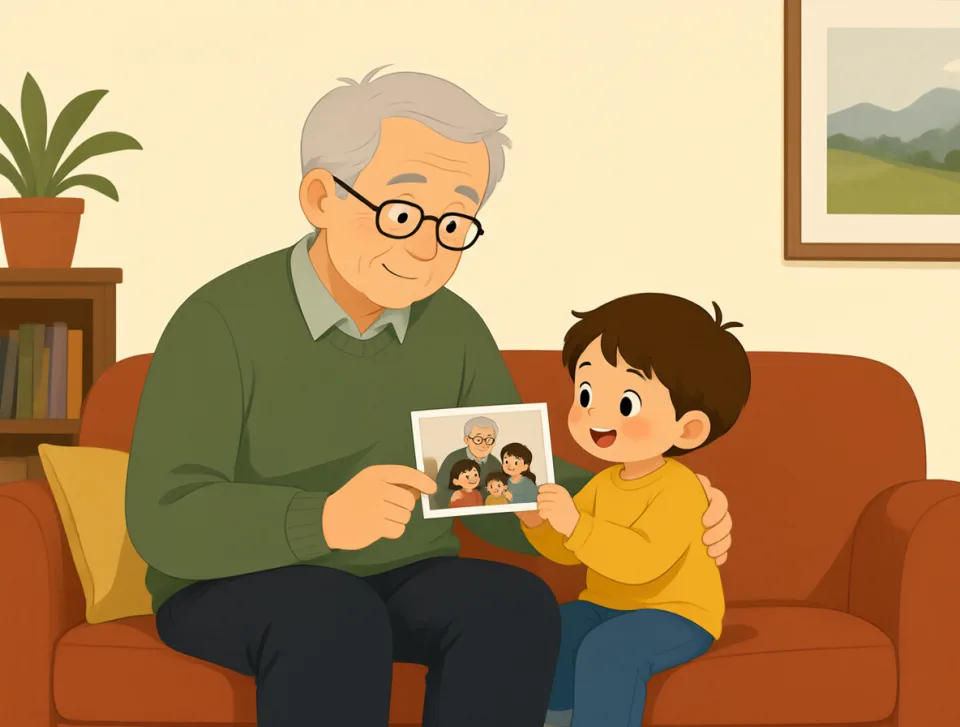
My grandfather was an immigrant who came here from Italy as a young man.
मेरे दादा एक आप्रवासी थे, जो जवान होने पर इटली से यहाँ आए थे।

The city offers free English classes for immigrants who are new to the country.
शहर नए आए आप्रवासियों के लिए मुफ़्त अंग्रेज़ी की कक्षाएँ चलाता है।

She works with an immigrant family at the neighborhood health center.
वह पड़ोस के स्वास्थ्य केंद्र में एक आप्रवासी परिवार के साथ काम करती है।
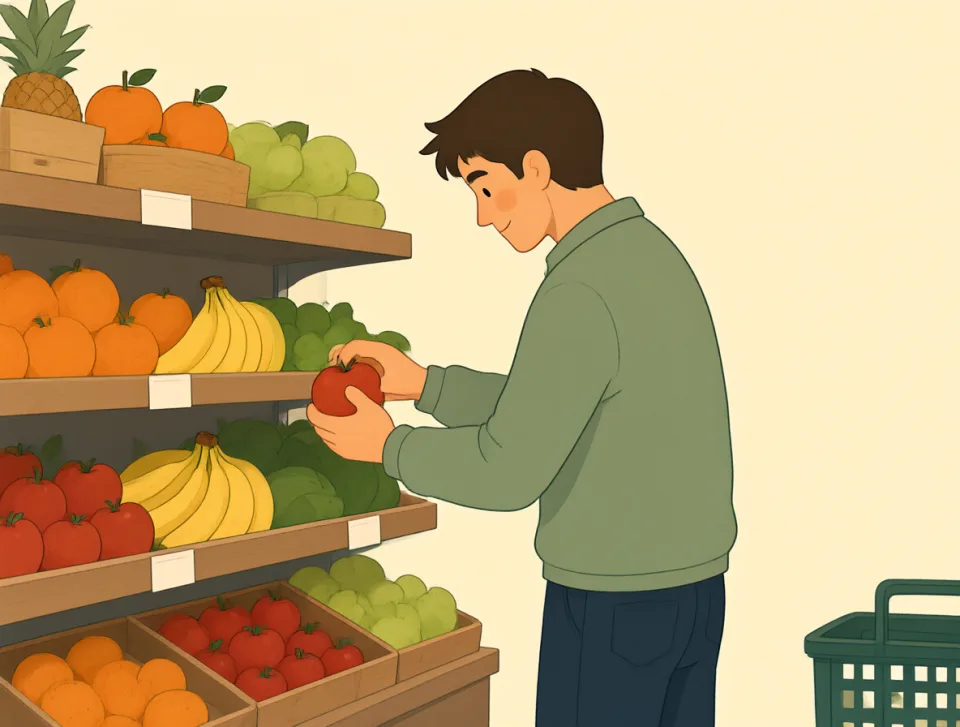
As an immigrant, he found a job at a local grocery store.
आप्रवासी के रूप में, उसे पास की एक किराने की दुकान में नौकरी मिल गई।

The immigrant waited with her friends at the airport for her sister.
वह आप्रवासी महिला अपनी बहन के इंतज़ार में हवाई अड्डे पर अपनी सहेलियों के साथ खड़ी थी।

excess
#2643noun, adjective
अधिकता
More of something than is needed, wanted, or usual.
किसी चीज़ की ज़रूरत, इच्छा या सामान्य मात्रा से ज़्यादा मात्रा।

The doctor said too much salt can cause health problems.
डॉक्टर ने कहा कि बहुत ज़्यादा नमक सेहत की समस्याएँ पैदा कर सकता है।
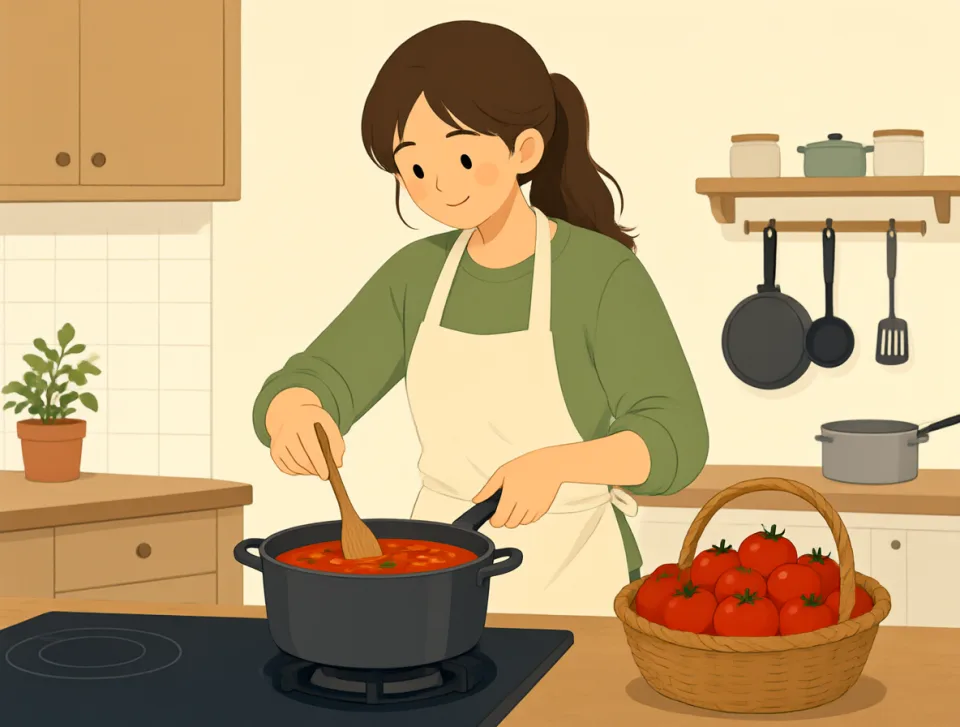
We had an excess of tomatoes, so I made soup for the neighbors.
हमारे पास टमाटर ज़रूरत से ज़्यादा थे, इसलिए मैंने पड़ोसियों के लिए सूप बनाया।

The company cut excess costs by sharing office space with another team.
कंपनी ने दूसरी टीम के साथ दफ़्तर की जगह साझा करके फ़ालतू खर्चों में कटौती की।
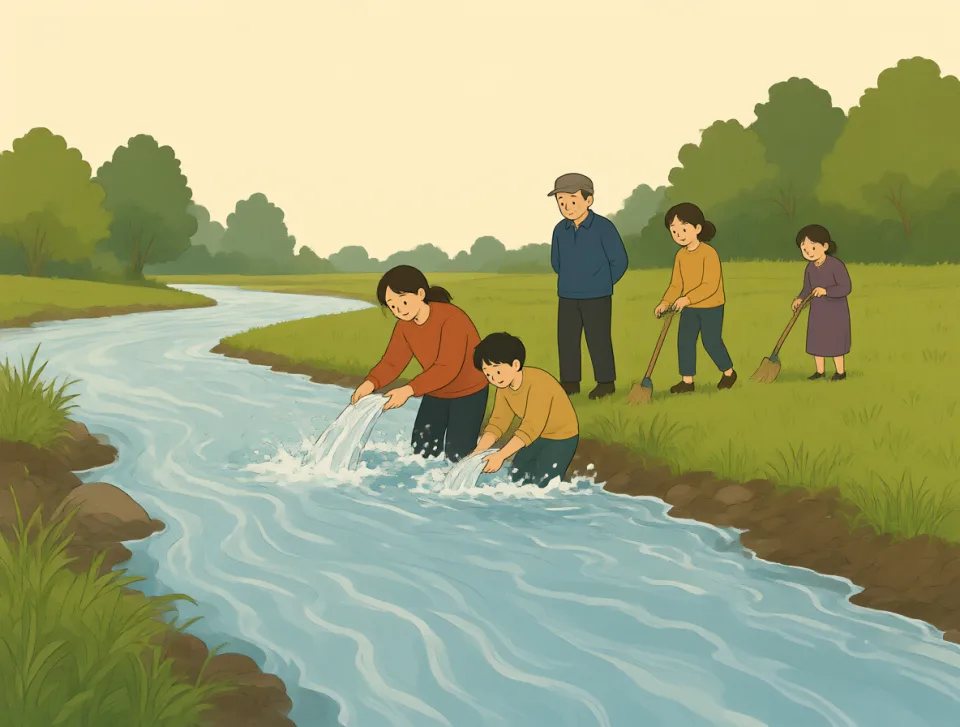
After the storm, the river carried excess water into nearby fields.
तूफ़ान के बाद नदी का अतिरिक्त पानी पास के खेतों में बह गया।

The shop sells excess stock at lower prices during its winter sale.
दुकान अपनी सर्दियों की सेल में बचा हुआ अतिरिक्त माल कम दामों पर बेचती है।
complexity
#2644noun
जटिलता
The state of having many parts that are difficult to understand or deal with.
ऐसी स्थिति जिसमें कई हिस्से हों और जिसे समझना या संभालना कठिन हो।
The instructions were difficult because of their complexity.
निर्देश उनकी जटिलता के कारण समझने में कठिन थे।

The doctor explained the complexity of the treatment to my family.
डॉक्टर ने मेरे परिवार को इलाज की जटिलताओं के बारे में समझाया।

I was surprised by the complexity of planning our trip.
हमारी यात्रा की योजना बनाने की जटिलता देखकर मुझे हैरानी हुई।

The new software adds complexity to our daily work.
नया सॉफ़्टवेयर हमारे रोज़मर्रा के काम को और जटिल बना देता है।
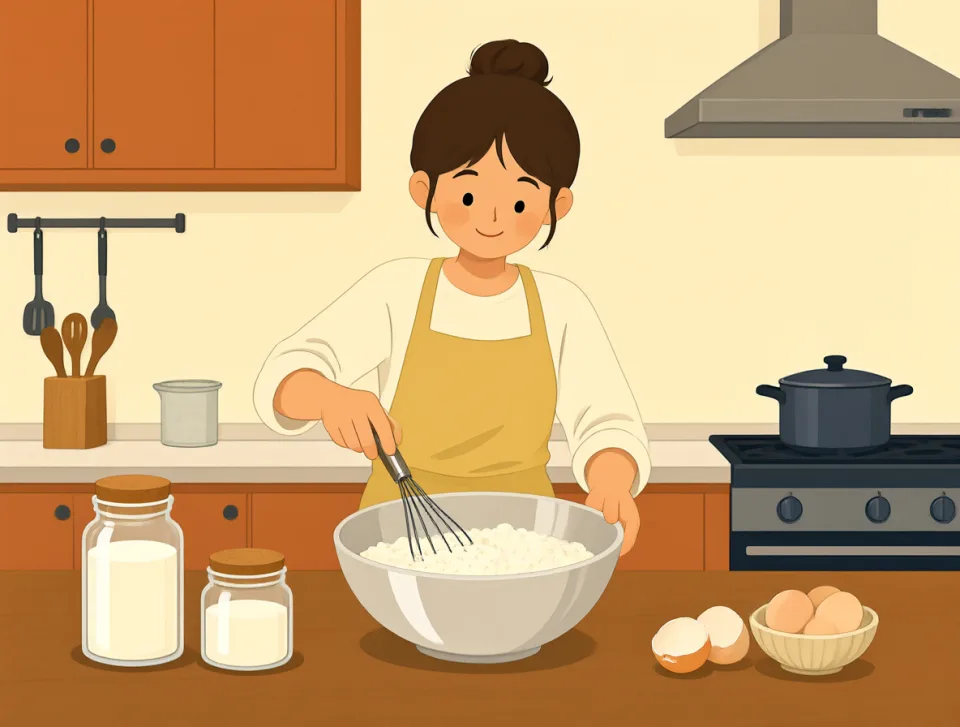
The recipe is simple, with little complexity and only five ingredients.
यह रेसिपी आसान है, इसमें बहुत कम जटिलता है और सिर्फ़ पाँच चीज़ें लगती हैं।
liability
#2645noun
दायित्व
A person or thing that causes problems or a duty to pay for damage or debt.
ऐसा व्यक्ति या चीज़ जो समस्याएँ पैदा करे, या नुकसान अथवा कर्ज़ की भरपाई करने की ज़िम्मेदारी।
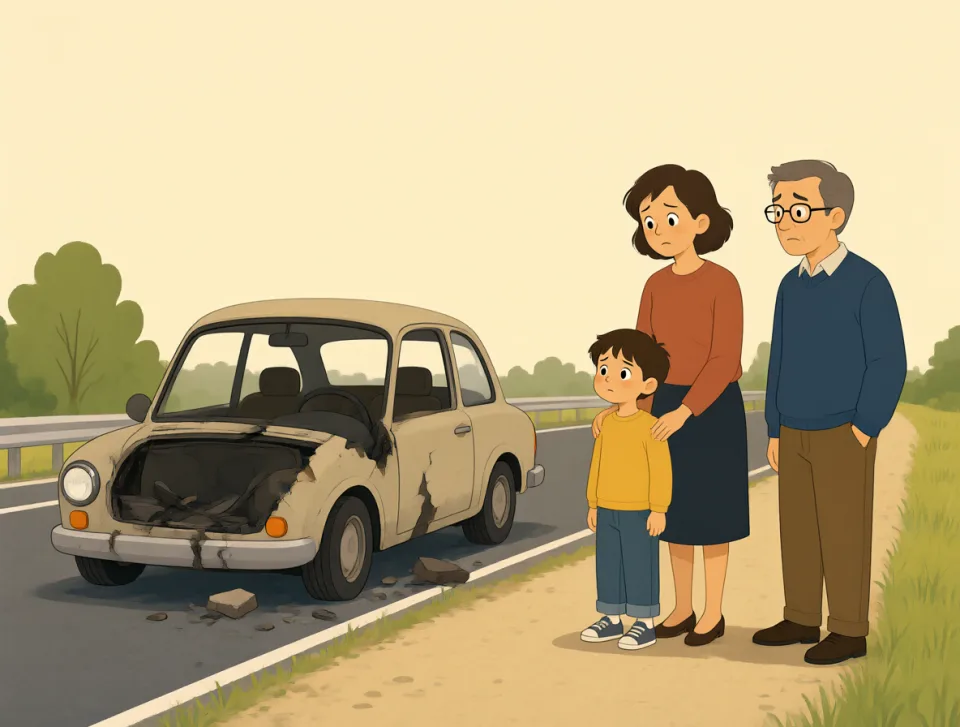
The old car became a liability when it kept breaking down on family trips.
पुरानी कार बार-बार परिवार के साथ यात्राओं में खराब होने लगी, तो वह परेशानी का सबब बन गई।
The company accepted liability for the damage caused by its delivery truck.
कंपनी ने अपने डिलीवरी ट्रक से हुए नुकसान की ज़िम्मेदारी स्वीकार की।

Taking on too much debt can become a serious liability for a small business.
बहुत ज़्यादा कर्ज़ लेना किसी छोटे व्यवसाय के लिए गंभीर बोझ बन सकता है।

The lawyer explained that the landlord had no liability for the guest’s injury.
वकील ने समझाया कि मेहमान को लगी चोट के लिए मकान-मालिक ज़िम्मेदार नहीं था।

She worried that her injured ankle would be a liability during the school hike.
उसे चिंता थी कि स्कूल की पैदल यात्रा के दौरान उसकी घायल टखने की वजह से परेशानी होगी।

surprisingly
#2646adverb
आश्चर्यजनक रूप से
In a way that is unexpected or unusual.
ऐसे तरीके से जो अप्रत्याशित या असामान्य हो।
The small café was surprisingly busy on a quiet Tuesday morning.
मंगलवार की शांत सुबह में वह छोटा-सा कैफ़े आश्चर्यजनक रूप से व्यस्त था।

She was surprisingly calm before giving her first presentation at work.
काम पर अपनी पहली प्रस्तुति देने से पहले वह आश्चर्यजनक रूप से शांत थी।

The train journey was surprisingly comfortable, even though it lasted six hours.
छह घंटे लंबी होने के बावजूद, ट्रेन का सफ़र आश्चर्यजनक रूप से आरामदायक था।
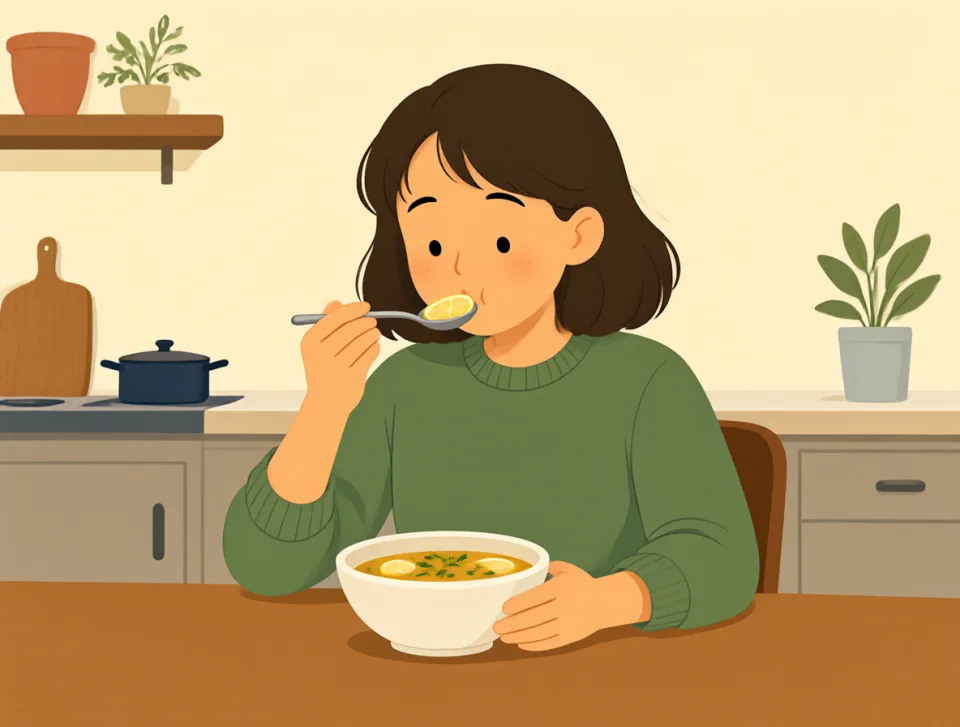
This soup tastes surprisingly good with a little lemon and fresh herbs.
इस सूप में थोड़ा नींबू और ताज़ी जड़ी-बूटियाँ डालने से इसका स्वाद आश्चर्यजनक रूप से अच्छा हो जाता है।
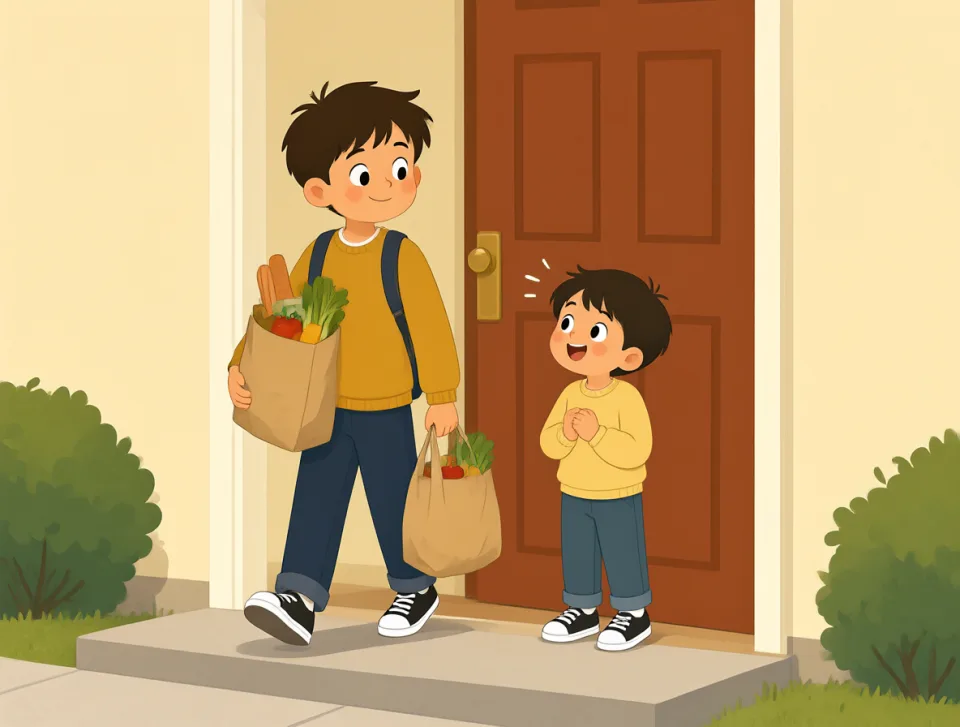
Surprisingly, my brother remembered to bring the groceries home after school.
हैरानी की बात है कि मेरे भाई को स्कूल के बाद घर आते समय किराने का सामान लाना याद रहा।

extract
#2647verb, noun
निकालना; अंश
to take something out, or a short part taken from a book, film, or other source
किसी चीज़ को बाहर निकालना, या किसी किताब, फ़िल्म या अन्य स्रोत से लिया गया छोटा-सा अंश।

She extracted a splinter from her finger with clean tweezers.
उसने साफ़ चिमटी से अपनी उँगली में चुभा काँटा निकाला।

The dentist extracted my painful tooth after checking the X-ray.
एक्स-रे देखने के बाद दंत चिकित्सक ने मेरा दर्द करता दाँत निकाल दिया।

I extracted the coffee beans from the grinder and made a fresh pot.
मैंने कॉफ़ी ग्राइंडर से कॉफ़ी के दाने निकाले और ताज़ी कॉफ़ी बनाई।

The teacher shared an extract from a novel before our class discussion.
कक्षा में चर्चा से पहले शिक्षक ने उपन्यास का एक अंश साझा किया।

They extracted useful details from the interviews for their research project.
उन्होंने अपने शोध प्रोजेक्ट के लिए साक्षात्कारों से उपयोगी जानकारियाँ निकालीं।

implementation
#2648noun
कार्यान्वयन
The process of putting a plan, decision, or system into use.
किसी योजना, निर्णय या प्रणाली को व्यवहार में लाने की प्रक्रिया।
The implementation of the new booking system took longer than we expected.
नई बुकिंग प्रणाली लागू करने में हमारी उम्मीद से ज़्यादा समय लगा।
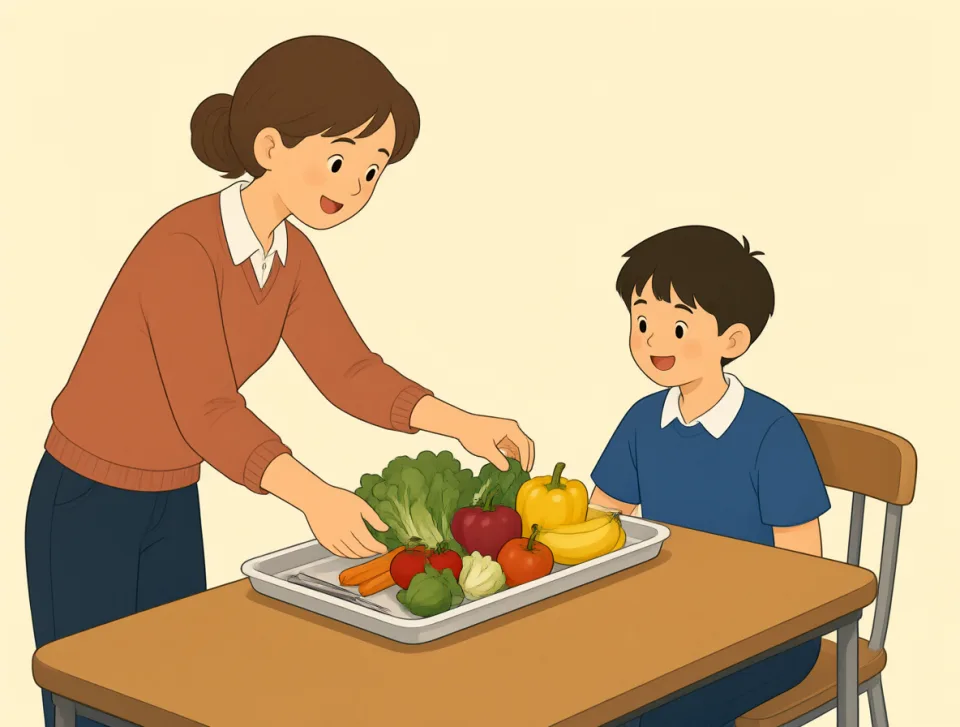
The school began implementing a healthier lunch plan this term.
इस सत्र में स्कूल ने दोपहर के भोजन की अधिक स्वास्थ्यकर योजना लागू करना शुरू किया।

We discussed the implementation of the safety rules during the staff meeting.
कर्मचारियों की बैठक में हमने सुरक्षा नियमों को लागू करने पर चर्चा की।

The city delayed implementation of the bus changes until next month.
शहर ने बसों में बदलाव लागू करने का काम अगले महीने तक टाल दिया।
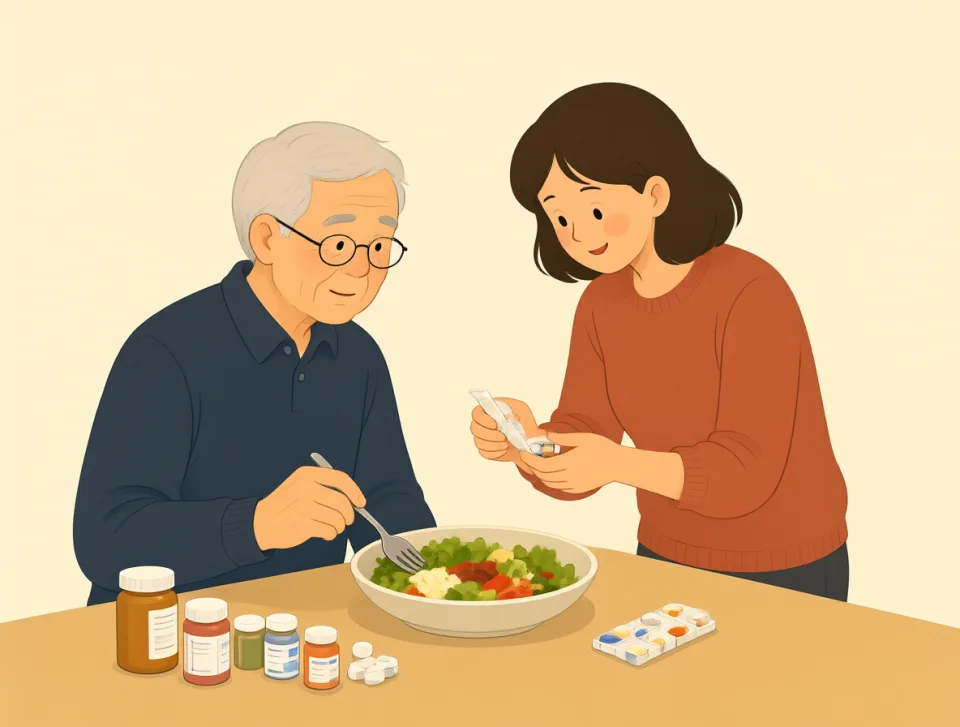
Successful implementation depends on everyone following the doctor's advice at home.
सफल कार्यान्वयन इस बात पर निर्भर करता है कि घर पर हर कोई डॉक्टर की सलाह माने।

bias
#2649noun, verb
पक्षपात
An unfair preference for or against someone or something that affects judgment.
किसी व्यक्ति या चीज़ के पक्ष या विरोध में अनुचित झुकाव, जो निर्णय को प्रभावित करता है।
The hiring manager tried to avoid bias when choosing between the candidates.
उम्मीदवारों में से किसी को चुनते समय भर्ती प्रबंधक ने पक्षपात से बचने की कोशिश की।

The news report showed a clear bias against the workers who were on strike.
समाचार रिपोर्ट में हड़ताल कर रहे कर्मचारियों के ख़िलाफ़ स्पष्ट पक्षपात दिखा।

Our teacher warned us that personal bias can affect how we remember events.
हमारे शिक्षक ने चेतावनी दी कि व्यक्तिगत पक्षपात घटनाओं को याद करने के हमारे तरीके को प्रभावित कर सकता है।

The survey may be biased because it only asked people who shop online.
इस सर्वेक्षण में पक्षपात हो सकता है, क्योंकि इसमें केवल उन लोगों से पूछा गया जिन्होंने ऑनलाइन खरीदारी की।
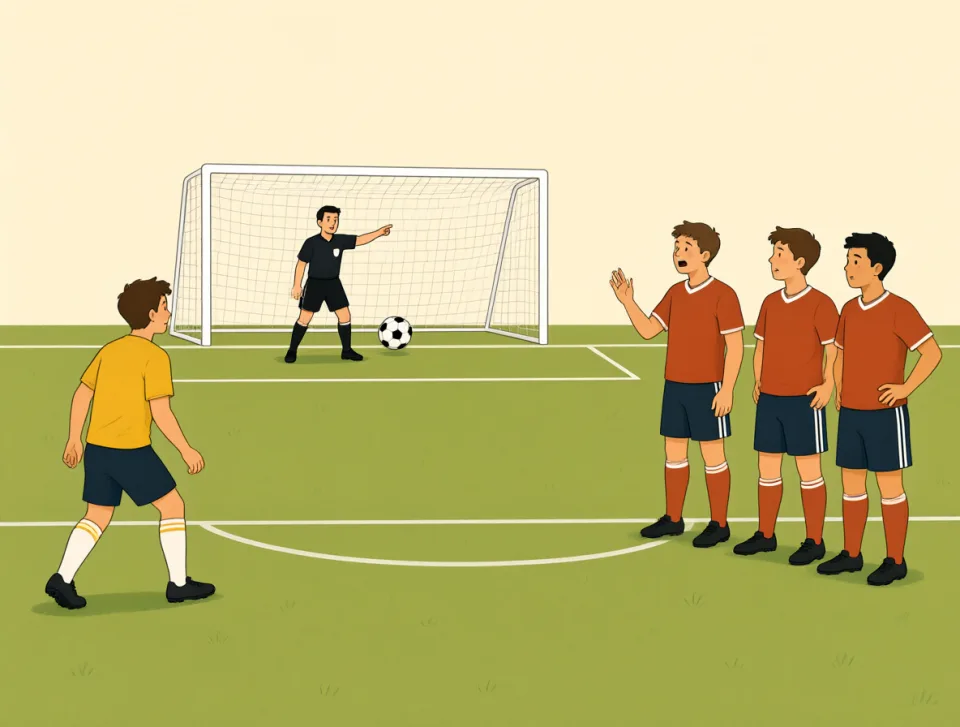
She accused the referee of being biased after he gave the other team a penalty.
दूसरी टीम को पेनल्टी दिए जाने के बाद उसने रेफ़री पर पक्षपात करने का आरोप लगाया।
differently
#2650adverb
अलग तरह से
In a way that is not the same as another way.
ऐसे तरीके से जो किसी दूसरे तरीके जैसा न हो।
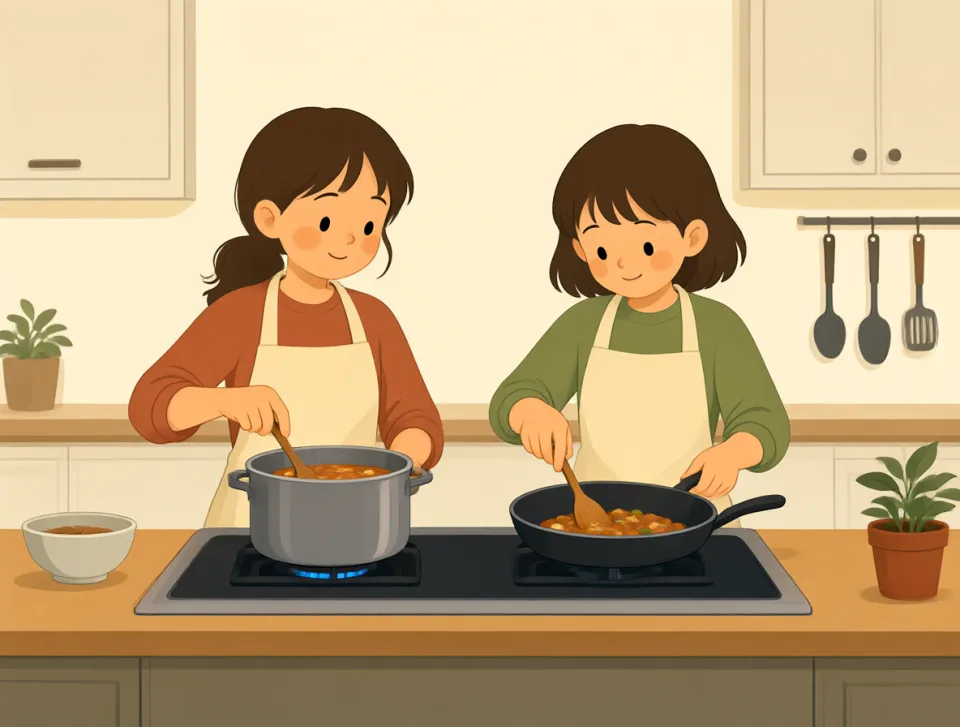
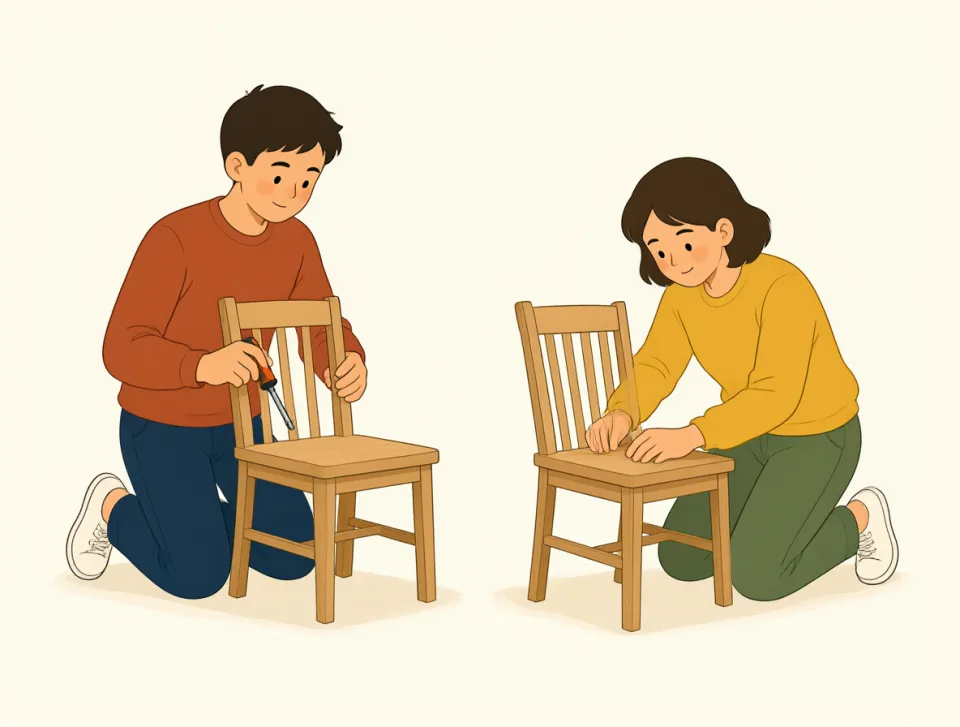
We tried the new recipe, but my sister cooked it differently.
हमने नई रेसिपी आज़माई, लेकिन मेरी बहन ने उसे अलग तरह से पकाया।
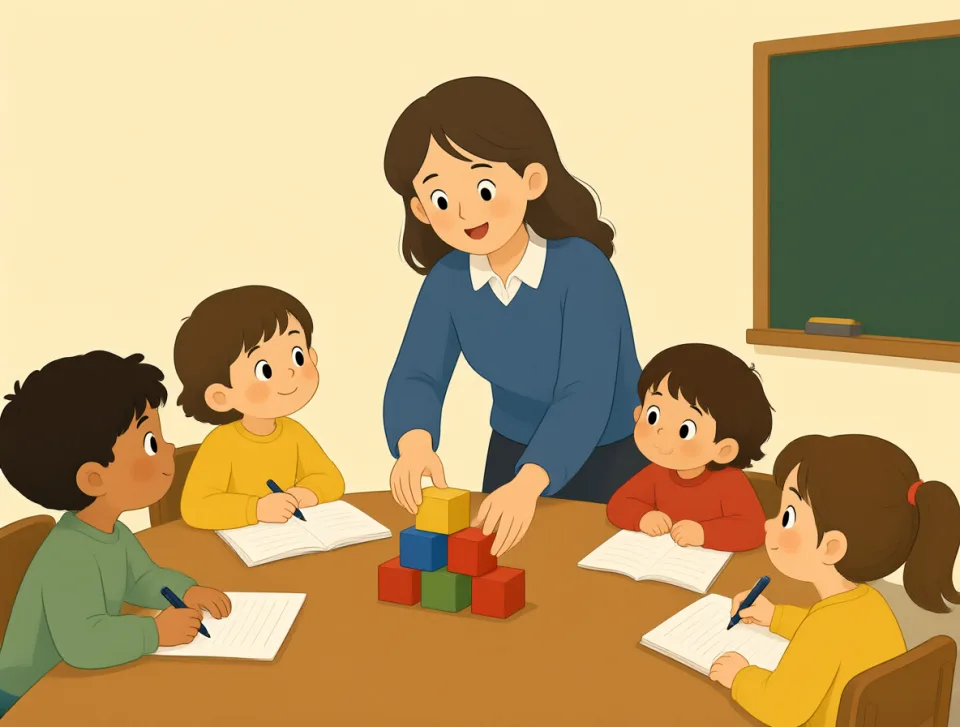
The teacher explained the problem differently, and everyone understood it.
शिक्षक ने समस्या को अलग तरीके से समझाया और सबको समझ आ गया।

My brother and I think differently about where to spend our holiday.
मैं और मेरा भाई इस बात पर अलग-अलग सोचते हैं कि छुट्टियाँ कहाँ बिताएँ।

The shop sells the same jacket differently in each season.
दुकान हर मौसम में वही जैकेट अलग तरह से बेचती है।

After the treatment, she walked differently and felt less pain.
इलाज के बाद वह अलग तरह से चलने लगी और उसका दर्द भी कम हो गया।
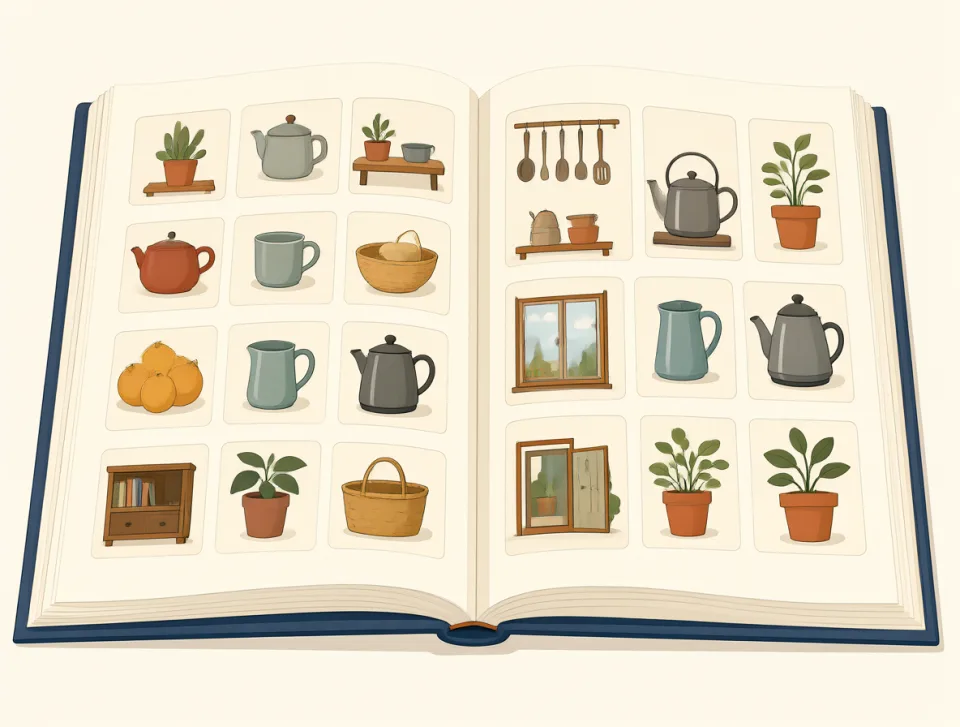
catalog
#2651noun, verb
कैटलॉग
A list of items for sale or reference; to make such a list.
बिक्री या संदर्भ के लिए वस्तुओं की सूची; ऐसी सूची बनाना।

I ordered a new sofa from the furniture catalog last weekend.
मैंने पिछले सप्ताहांत फर्नीचर के कैटलॉग से एक नया सोफ़ा मँगवाया।

The library catalog helped us find books about local history.
पुस्तकालय के कैटलॉग से हमें स्थानीय इतिहास की किताबें ढूँढ़ने में मदद मिली।
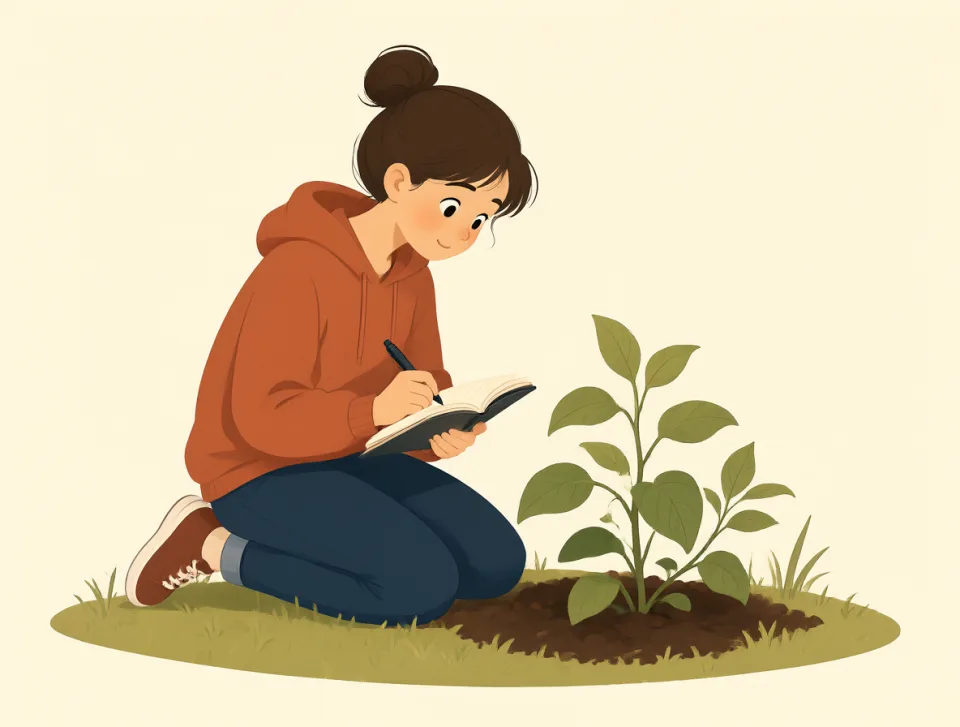
Our teacher asked us to catalog the plants in the school garden.
हमारे शिक्षक ने हमसे स्कूल के बगीचे में लगे पौधों की सूची बनाने को कहा।

The museum catalogs each painting before it goes on display.
संग्रहालय हर पेंटिंग को प्रदर्शनी में लगाने से पहले सूचीबद्ध करता है।
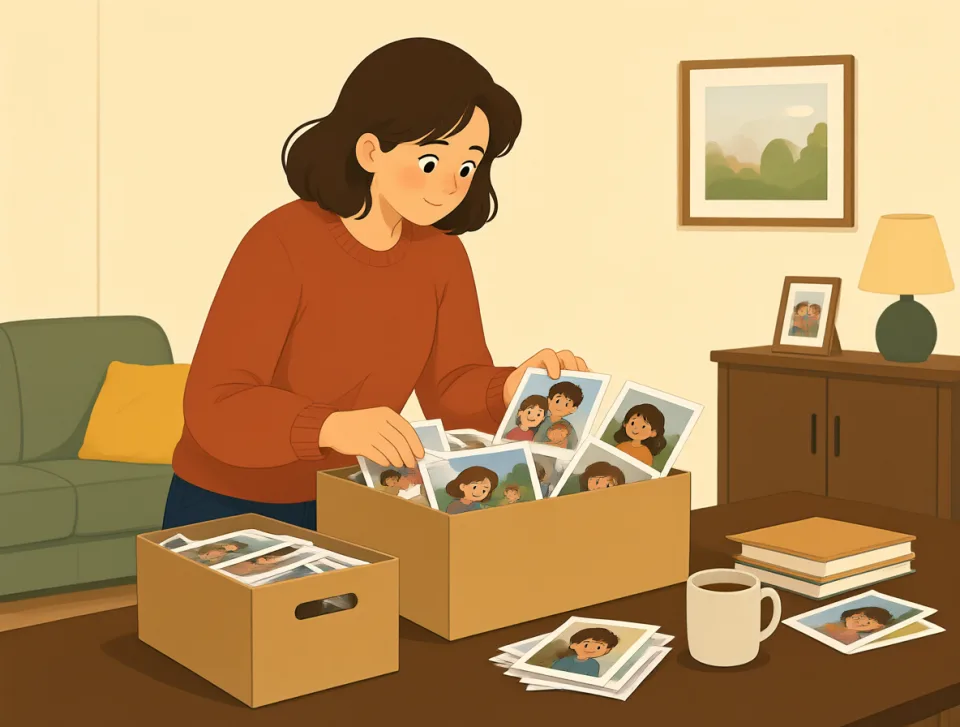
She cataloged the family photos so everyone could find them easily.
उसने परिवार की तस्वीरों को इस तरह सूचीबद्ध किया कि सभी उन्हें आसानी से ढूँढ़ सकें।
continuous
#2652adjective
लगातार
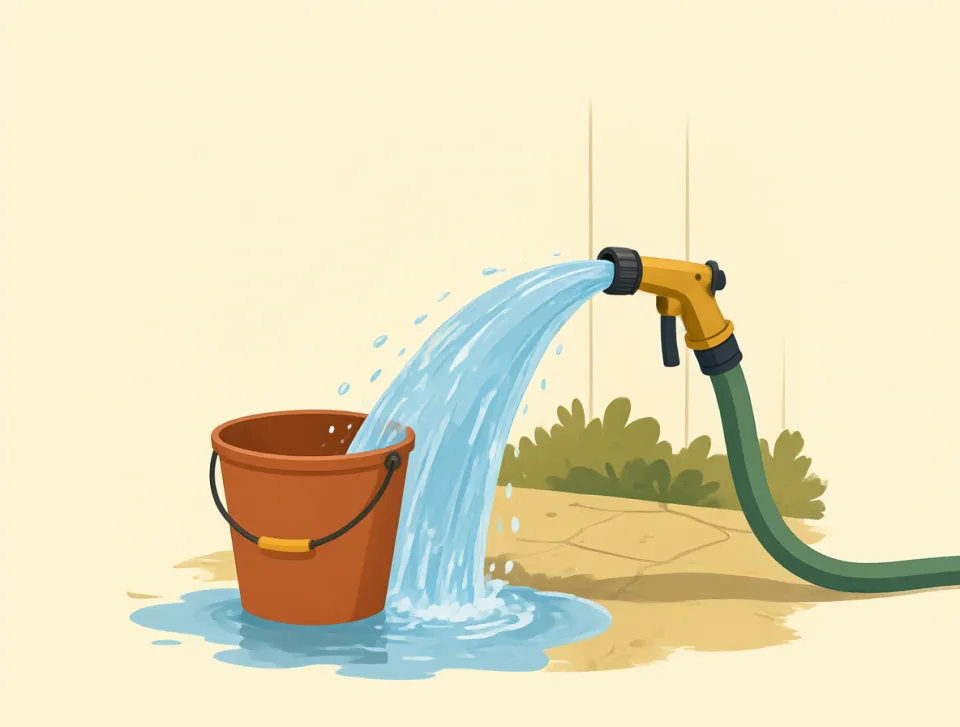
Happening or continuing without stopping or being interrupted.
जो बिना रुके या बाधित हुए होता या जारी रहता है।

The continuous rain kept us inside all afternoon.
लगातार बारिश ने हमें पूरी दोपहर घर के अंदर रखा।

She worked for three hours without a break, making continuous progress on the report.
उसने बिना रुके तीन घंटे काम किया और रिपोर्ट पर लगातार प्रगति करती रही।
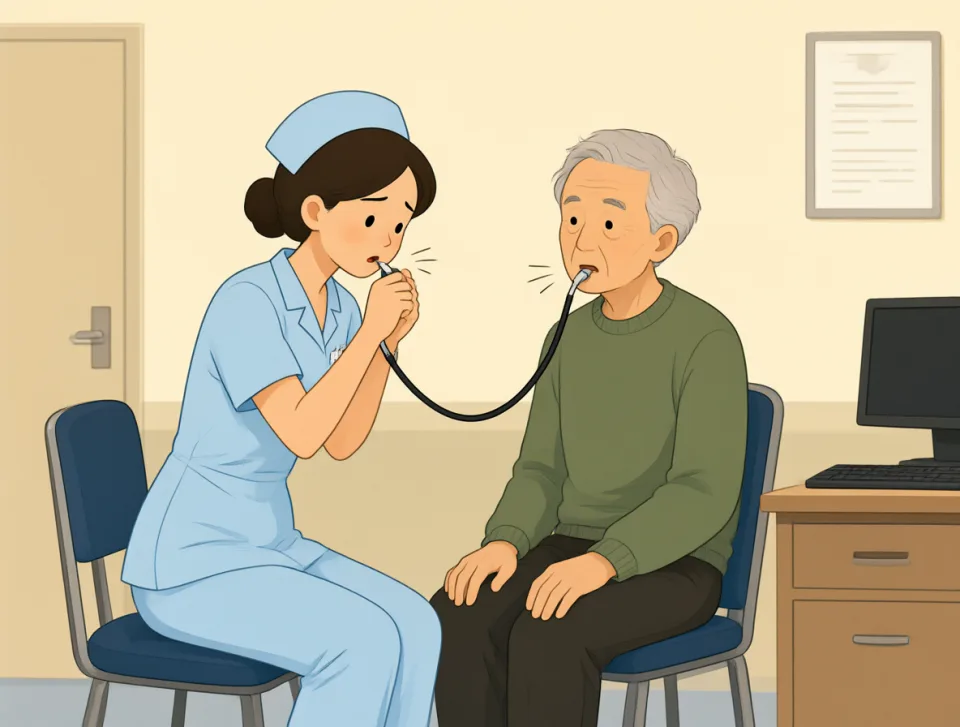
The nurse checked his temperature because he had a continuous cough.
नर्स ने उसका तापमान जाँचा, क्योंकि उसे लगातार खाँसी हो रही थी।
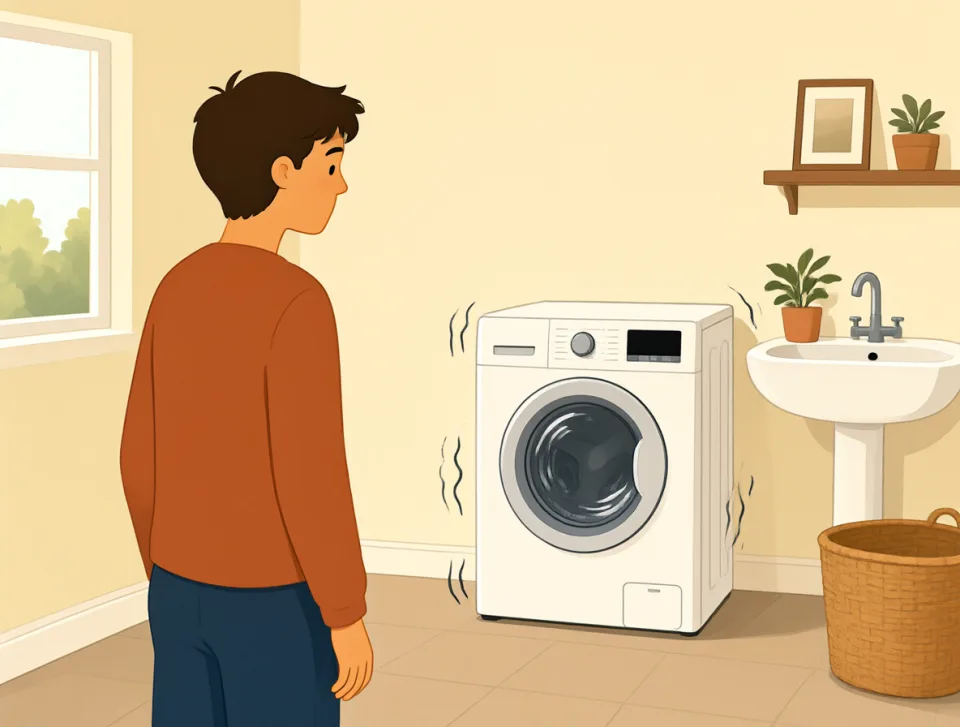
We heard a continuous noise from the washing machine downstairs.
हमें नीचे रखी वॉशिंग मशीन से लगातार आवाज़ सुनाई दी।

The teacher asked us to draw a continuous line without lifting the pencil.
शिक्षक ने हमसे पेंसिल उठाए बिना एक लगातार रेखा खींचने को कहा।

golden
#2653adjective
सुनहरा
Having a bright yellow color, or relating to a very successful or special time.
चमकीले पीले रंग का; या किसी बहुत सफल या खास समय से जुड़ा हुआ।

She wore a golden necklace her grandmother had given her for graduation.
उसने अपनी दादी का दिया हुआ सुनहरा हार पहना, जो उन्हें स्नातक होने पर मिला था।

The bakery sells warm golden bread rolls every morning before the school rush.
बेकरी हर सुबह स्कूल की भीड़ शुरू होने से पहले गर्म, सुनहरे ब्रेड रोल बेचती है।

We watched the golden sun sink behind the hills during our train ride.
ट्रेन के सफ़र के दौरान हमने सुनहरे सूरज को पहाड़ियों के पीछे डूबते देखा।
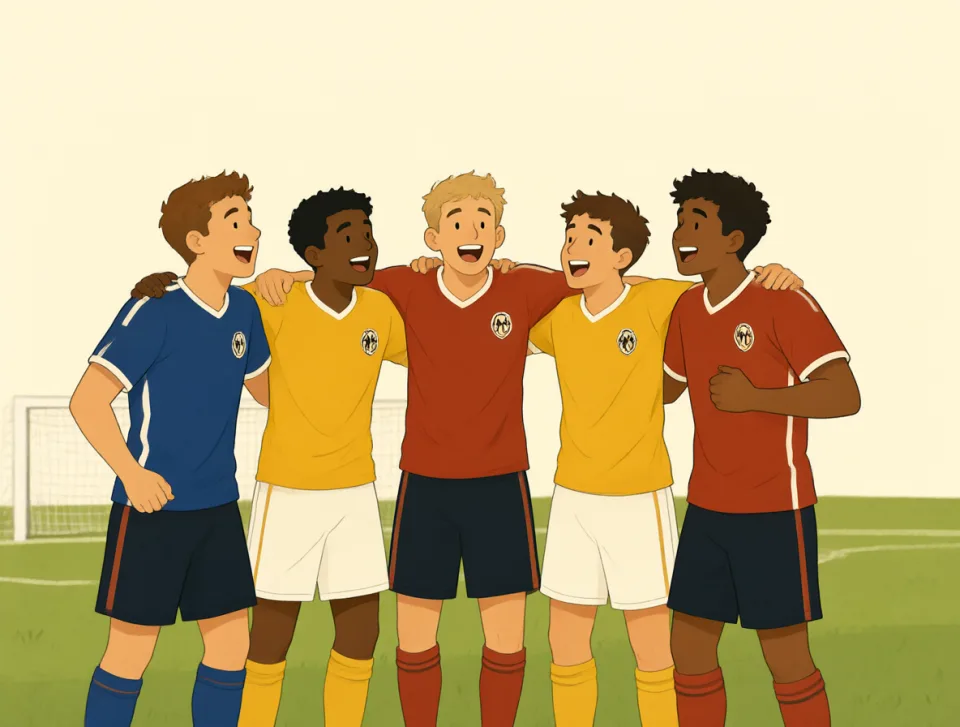
The team enjoyed a golden season, winning nearly every game at home.
टीम का यह शानदार सीज़न रहा; उसने घरेलू मैदान पर लगभग हर मैच जीता।

Those years at college were a golden time for her and her closest friends.
कॉलेज के वे साल उसके और उसके सबसे करीबी दोस्तों के लिए सुनहरा समय थे।
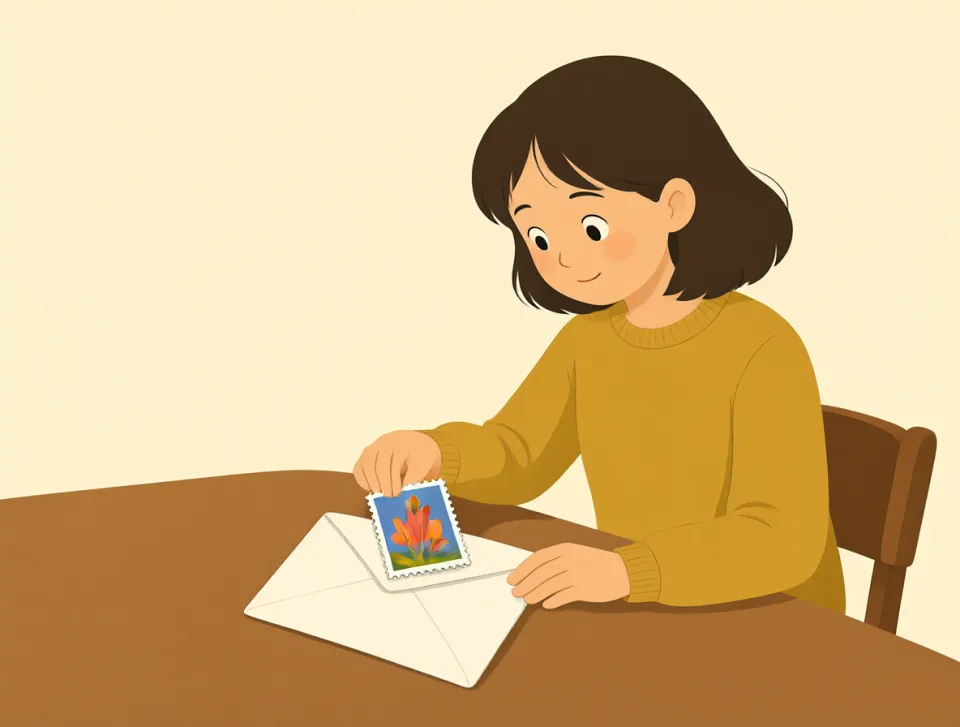
stamp
#2654noun, verb
डाक टिकट
A small piece of paper for sending mail, or to mark something by pressing a shape onto it.
डाक भेजने के लिए इस्तेमाल होने वाला कागज़ का छोटा टुकड़ा; या किसी आकार को दबाकर छाप लगाने की क्रिया।
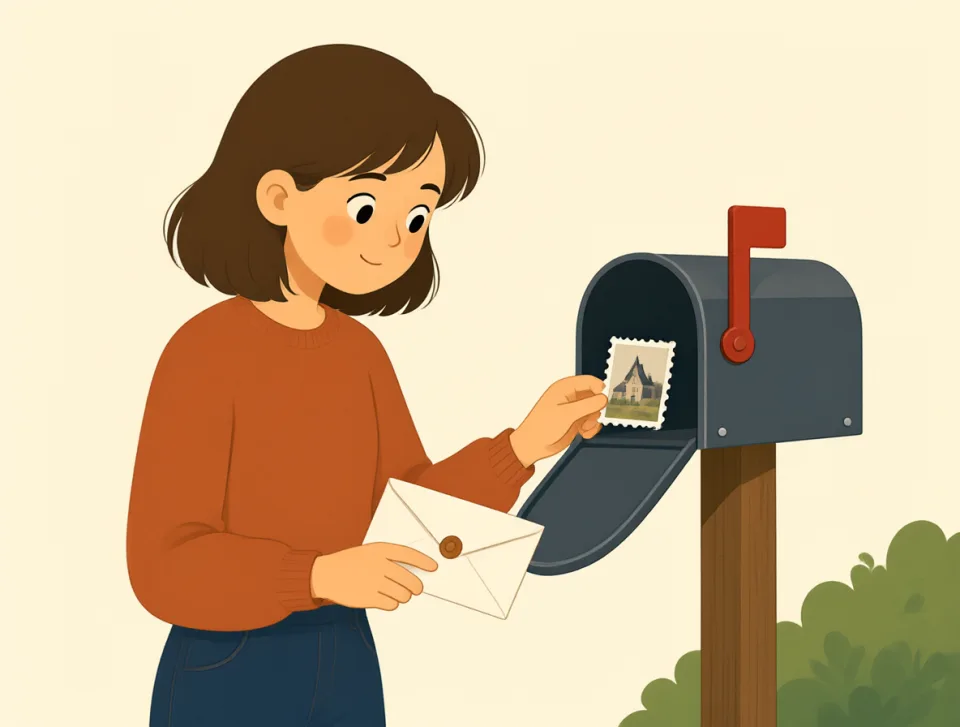
I need a stamp to mail this letter to my grandmother.
मुझे यह पत्र अपनी दादी को भेजने के लिए एक डाक टिकट चाहिए।
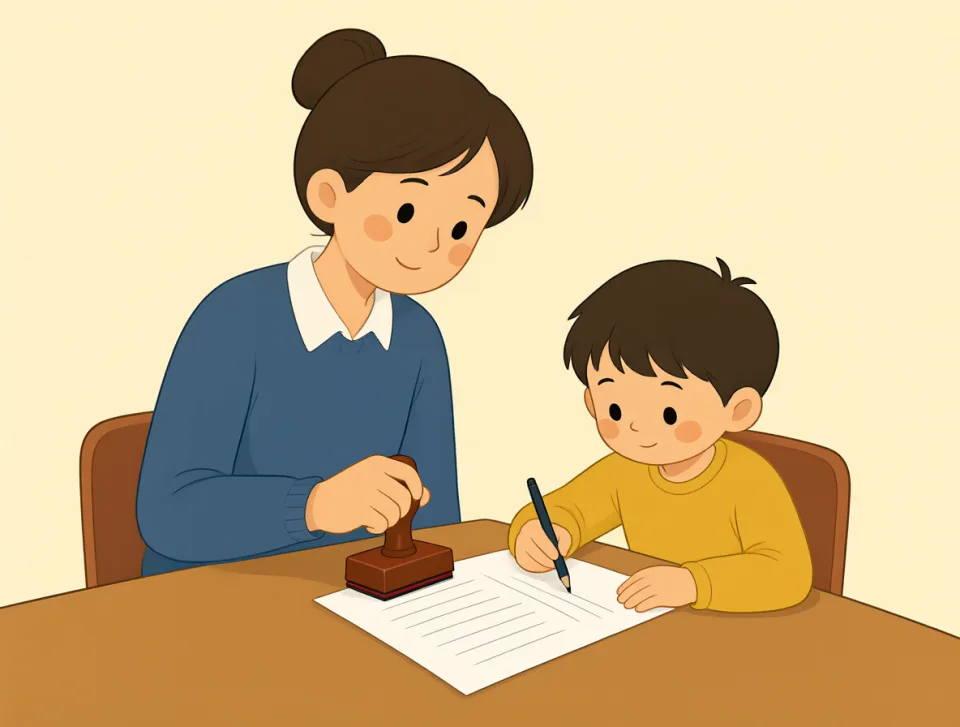
The teacher stamped my form after checking all the information.
सारी जानकारी जाँचने के बाद शिक्षक ने मेरे फ़ॉर्म पर मुहर लगा दी।

She bought a book of stamps at the post office.
उसने डाकघर से डाक टिकटों की एक पुस्तिका खरीदी।
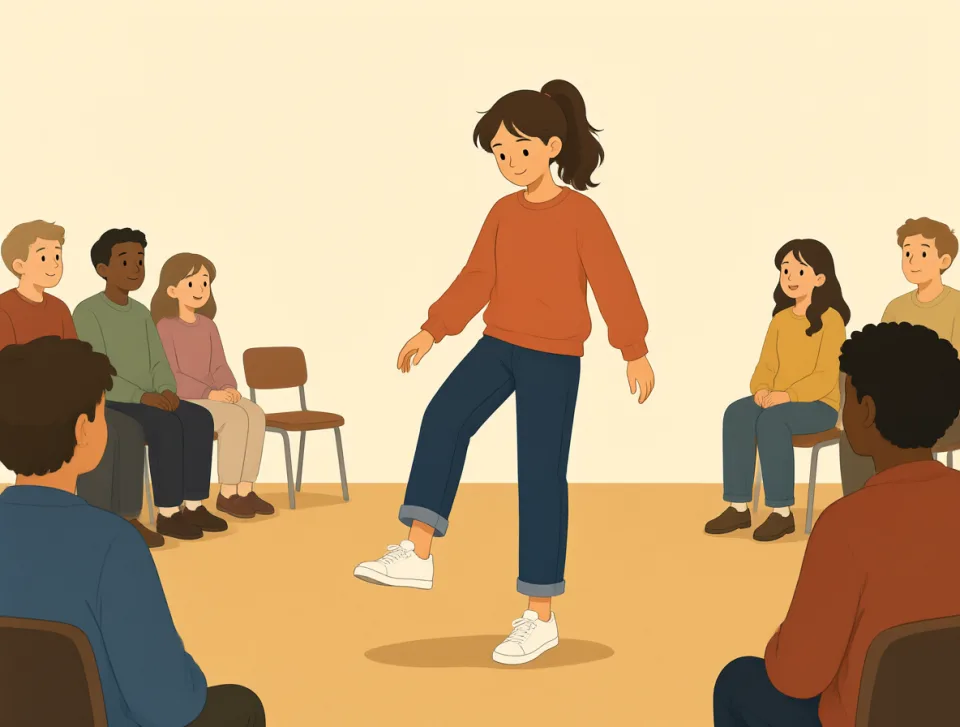
Please stamp your foot twice if you can hear the music.
अगर आपको संगीत सुनाई दे रहा है, तो कृपया अपना पैर दो बार ज़मीन पर पटकें।

The chef stamped a flower shape onto the cookies with a cutter.
रसोइए ने कटर से कुकीज़ पर फूल का आकार छापा।
guideline
#2655noun
दिशानिर्देश
A rule or piece of advice that helps you decide what to do.
कोई नियम या सलाह, जो यह तय करने में मदद करे कि क्या करना है।
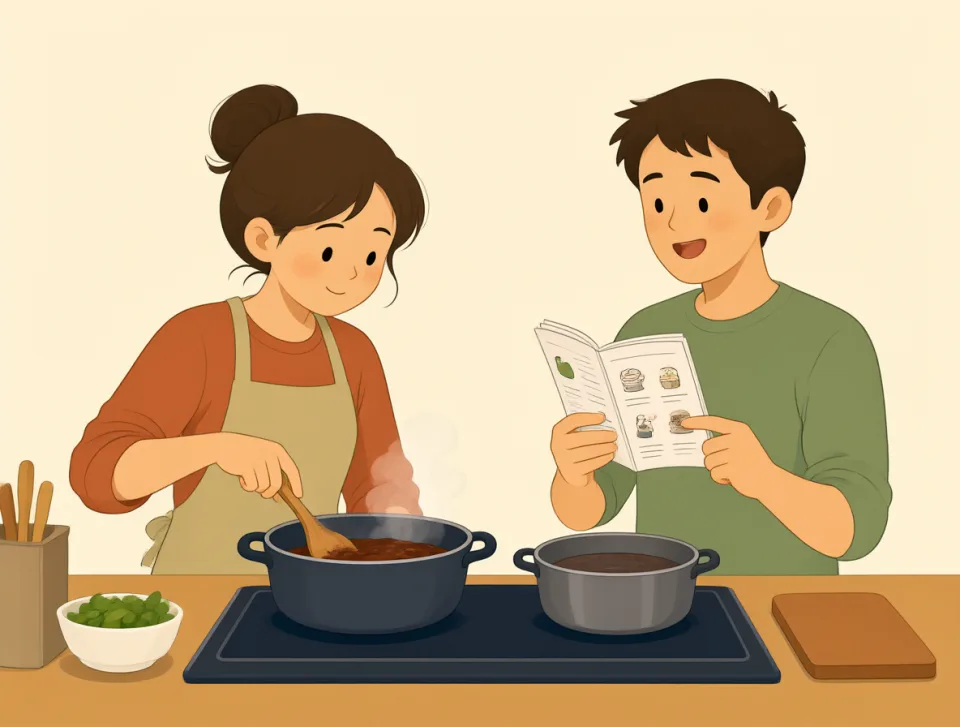
Please follow the safety guidelines when using this kitchen equipment.
कृपया रसोई के इस उपकरण का इस्तेमाल करते समय सुरक्षा दिशानिर्देशों का पालन करें।

The school gave parents guidelines for helping children with homework.
स्कूल ने माता-पिता को बच्चों के गृहकार्य में मदद करने के लिए दिशानिर्देश दिए।

Our manager shared guidelines for working from home effectively.
हमारे मैनेजर ने घर से प्रभावी ढंग से काम करने के दिशानिर्देश साझा किए।

The doctor gave me guidelines for eating less salt each day.
डॉक्टर ने मुझे हर दिन कम नमक खाने के दिशानिर्देश दिए।

The hotel provides clear guidelines for guests traveling with pets.
होटल पालतू जानवरों के साथ यात्रा करने वाले मेहमानों के लिए स्पष्ट दिशानिर्देश देता है।

envelope
#2656noun
लिफ़ाफ़ा
A flat paper container used for sending or holding a letter or card.
पत्र या कार्ड भेजने या रखने के लिए इस्तेमाल किया जाने वाला कागज़ का सपाट आवरण।

She put the birthday card in an envelope before taking it to the post office.
डाकघर ले जाने से पहले उसने जन्मदिन का कार्ड एक लिफ़ाफ़े में रख दिया।

Please write your return address on the back of the envelope.
कृपया लिफ़ाफ़े के पीछे अपना वापसी का पता लिखें।

The school sent an envelope containing important forms for parents to complete.
स्कूल ने माता-पिता के लिए ज़रूरी फ़ॉर्मों वाला एक लिफ़ाफ़ा भेजा, जिन्हें उन्हें भरना था।

He opened the envelope carefully and found a gift card inside.
उसने लिफ़ाफ़ा सावधानी से खोला और अंदर एक उपहार कार्ड पाया।

The nurse gave me an envelope with my medical appointment details inside.
नर्स ने मुझे एक लिफ़ाफ़ा दिया, जिसमें मेरी चिकित्सकीय मुलाक़ात की जानकारी थी।

knife
#2657noun
चाकू
A tool with a sharp blade, used for cutting food or other things.
तेज़ धार वाला औज़ार, जिसका इस्तेमाल खाना या दूसरी चीज़ें काटने के लिए किया जाता है।

She used a sharp knife to cut the bread for breakfast.
उसने नाश्ते के लिए ब्रेड काटने को एक तेज़ चाकू इस्तेमाल किया।
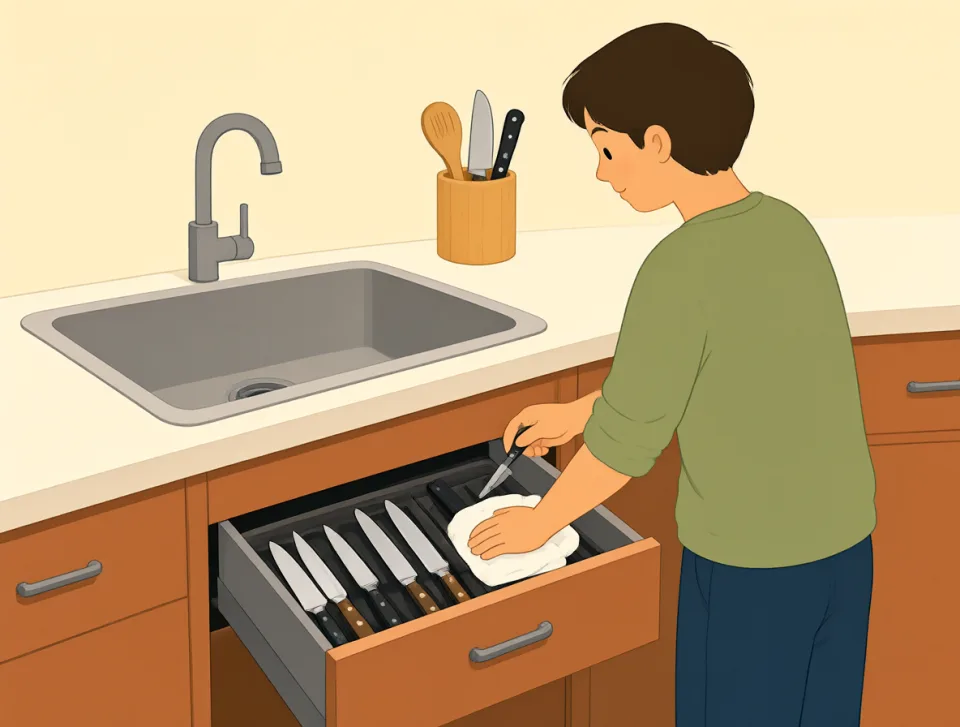
Please put the knives in the drawer after you wash them.
कृपया चाकुओं को धोने के बाद दराज़ में रख दें।
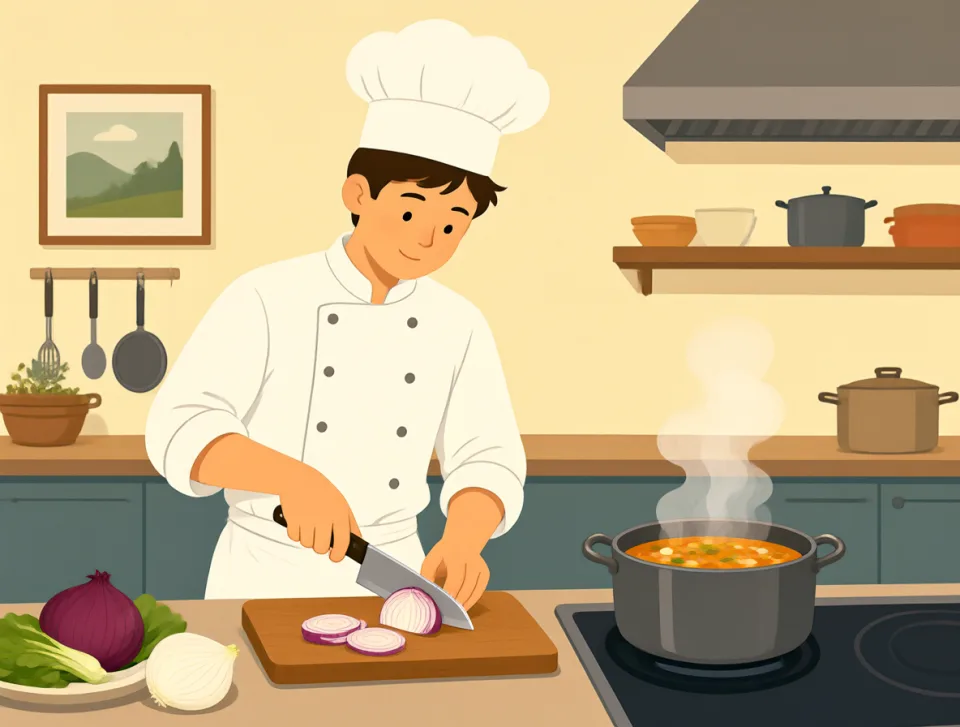
The chef chopped onions with a knife while the soup simmered.
सूप धीमी आँच पर पक रहा था और शेफ़ चाकू से प्याज़ काट रहा था।

He bought a small pocket knife for camping trips in the mountains.
उसने पहाड़ों में कैंपिंग के लिए एक छोटा पॉकेट चाकू खरीदा।
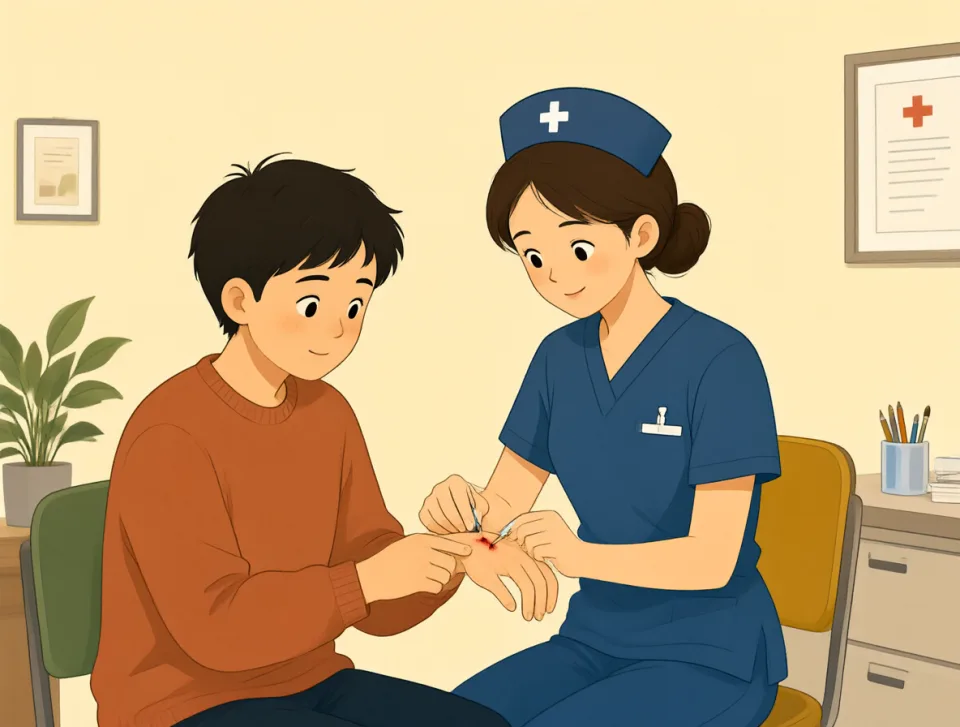
The nurse cleaned the cut and checked that no knife had caused it.
नर्स ने कट साफ़ किया और जाँच की कि वह चाकू से तो नहीं लगा था।

biological
#2658adjective
जैविक
Connected with living things or the processes of life.
जीवित चीज़ों या जीवन की प्रक्रियाओं से संबंधित।
The doctor explained how biological changes can affect our sleep and energy.
डॉक्टर ने समझाया कि जैविक बदलाव हमारी नींद और ऊर्जा को कैसे प्रभावित कर सकते हैं।

She recently met her biological father for the first time.
वह हाल ही में पहली बार अपने जैविक पिता से मिली।
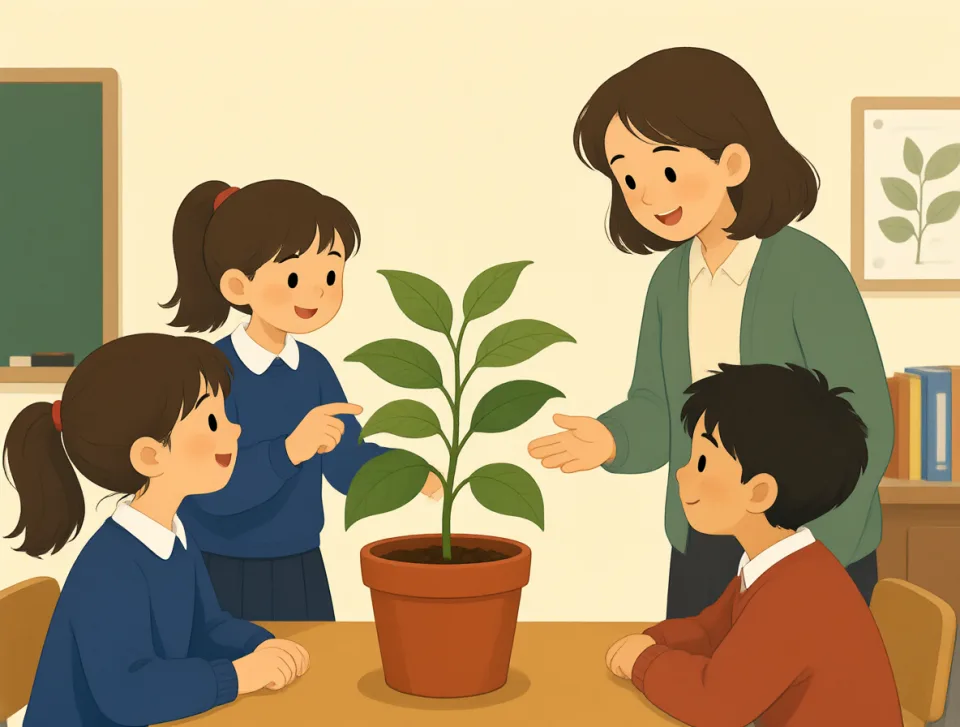
In science class, we learned about biological processes in plants.
विज्ञान की कक्षा में हमने पौधों की जैविक प्रक्रियाओं के बारे में सीखा।

Long flights can confuse your biological clock and make you feel tired.
लंबी उड़ानें आपकी जैविक घड़ी को गड़बड़ा सकती हैं और आपको थका हुआ महसूस करा सकती हैं।

The company uses biological methods to control insects without harmful chemicals.
कंपनी हानिकारक रसायनों के बिना कीड़ों को नियंत्रित करने के लिए जैविक तरीकों का इस्तेमाल करती है।
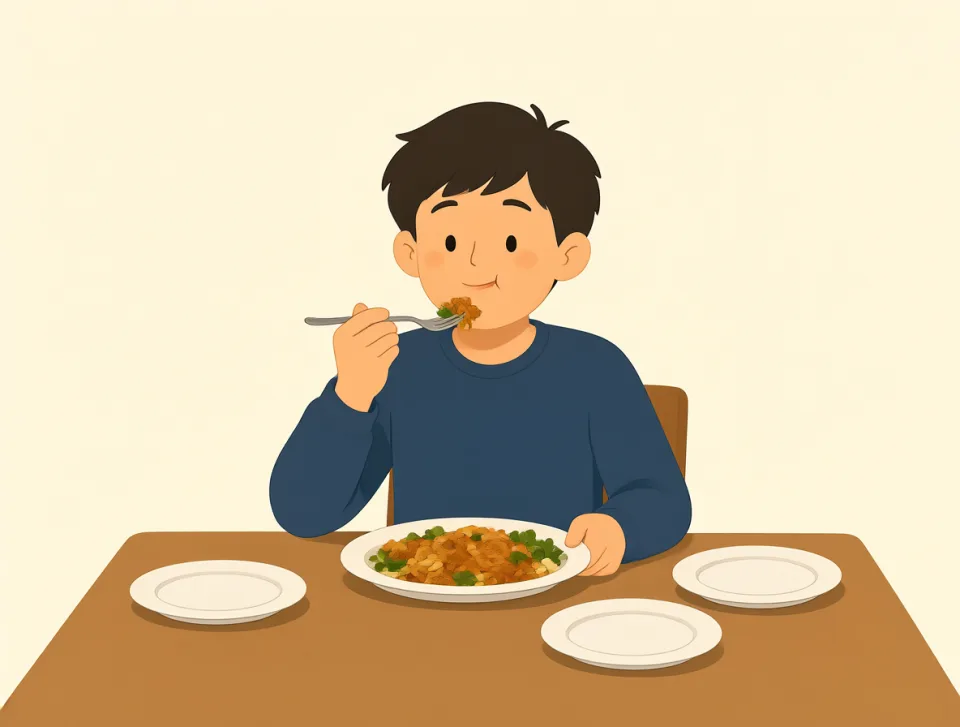
consume
#2659verb
खपत करना
to use, eat, or drink something, especially in large amounts
किसी चीज़ का इस्तेमाल करना, उसे खाना या पीना, खासकर बड़ी मात्रा में।
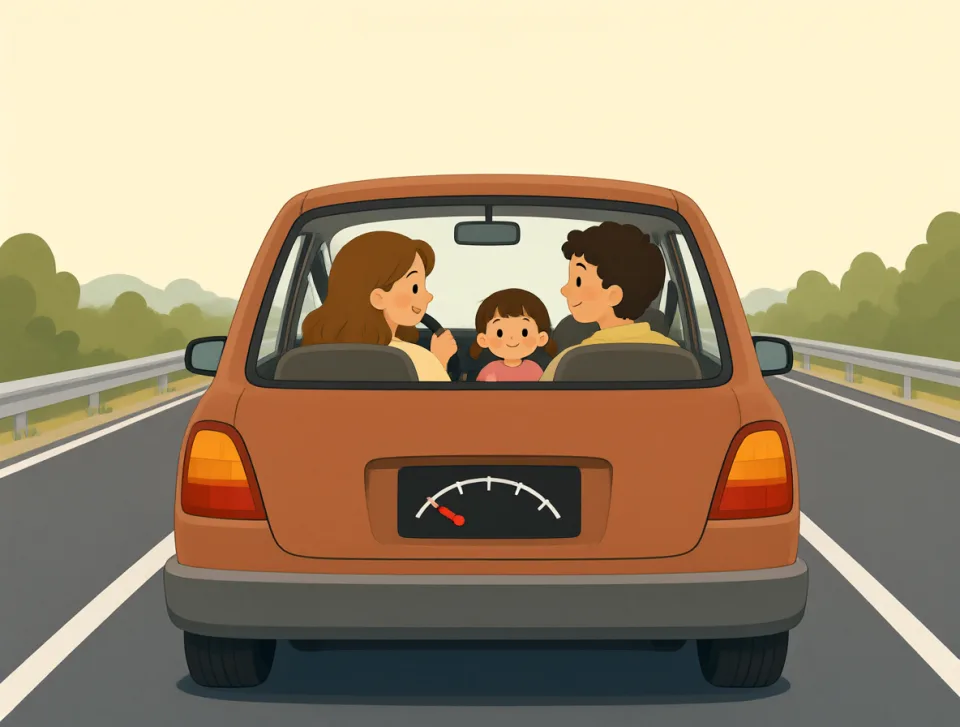
Cars consume a lot of fuel during long journeys.
लंबी यात्राओं के दौरान कारें बहुत ईंधन खपत करती हैं।
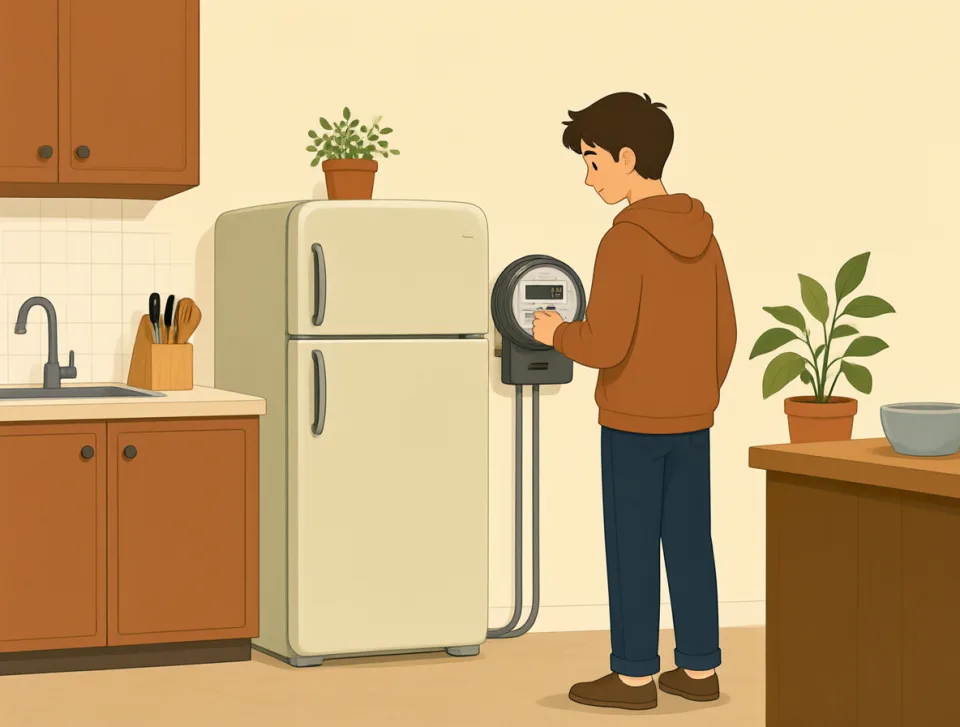
This old refrigerator consumes too much electricity every month.
यह पुराना रेफ़्रिजरेटर हर महीने बहुत ज़्यादा बिजली खपत करता है।

We consume more water during hot weather.
गर्म मौसम में हम ज़्यादा पानी इस्तेमाल करते हैं।
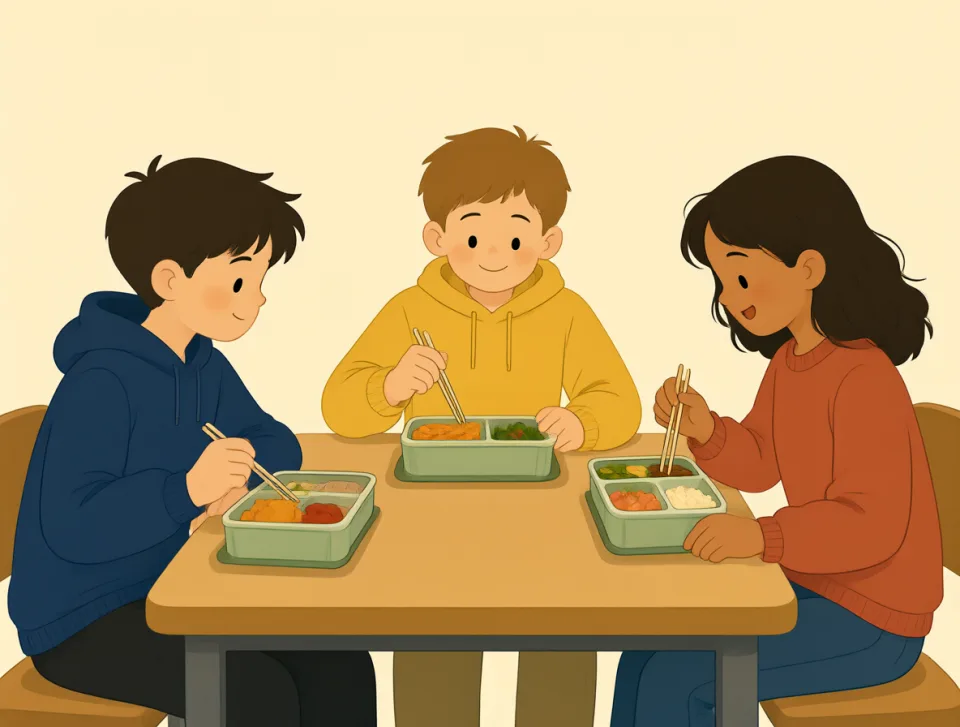
The students consumed their lunches quickly before the next lesson.
अगली कक्षा से पहले छात्रों ने अपना खाना जल्दी-जल्दी खा लिया।

Watching television can consume several hours of your evening.
टीवी देखने में आपकी शाम के कई घंटे निकल सकते हैं।

luxury
#2660noun
ऐशो-आराम
Something expensive or special that you can enjoy but do not need.
कोई महँगी या ख़ास चीज़ जिसका आप आनंद ले सकते हैं, लेकिन जिसकी आपको ज़रूरत नहीं होती।

We can’t afford the luxury of a bigger apartment right now.
अभी हम बड़े अपार्टमेंट का ऐशो-आराम नहीं उठा सकते।

After a busy week, a hot bath feels like a real luxury.
व्यस्त हफ़्ते के बाद गर्म पानी से नहाना सचमुच ऐशो-आराम लगता है।

The hotel offers a little luxury, with soft beds and fresh towels.
यह होटल मुलायम बिस्तरों और ताज़े तौलियों के साथ थोड़ा ऐशो-आराम देता है।

She bought a luxury car after saving money for several years.
कई साल तक पैसे बचाने के बाद उसने एक लग्ज़री कार खरीदी।

For my birthday, my friends treated me to the luxury of dinner out.
मेरे जन्मदिन पर दोस्तों ने मुझे बाहर रात का खाना खिलाकर ऐशो-आराम का तोहफ़ा दिया।