Zestaw 107
Słowa 2121–2140 · terrorist, justify, vital, fascinate, external, spare
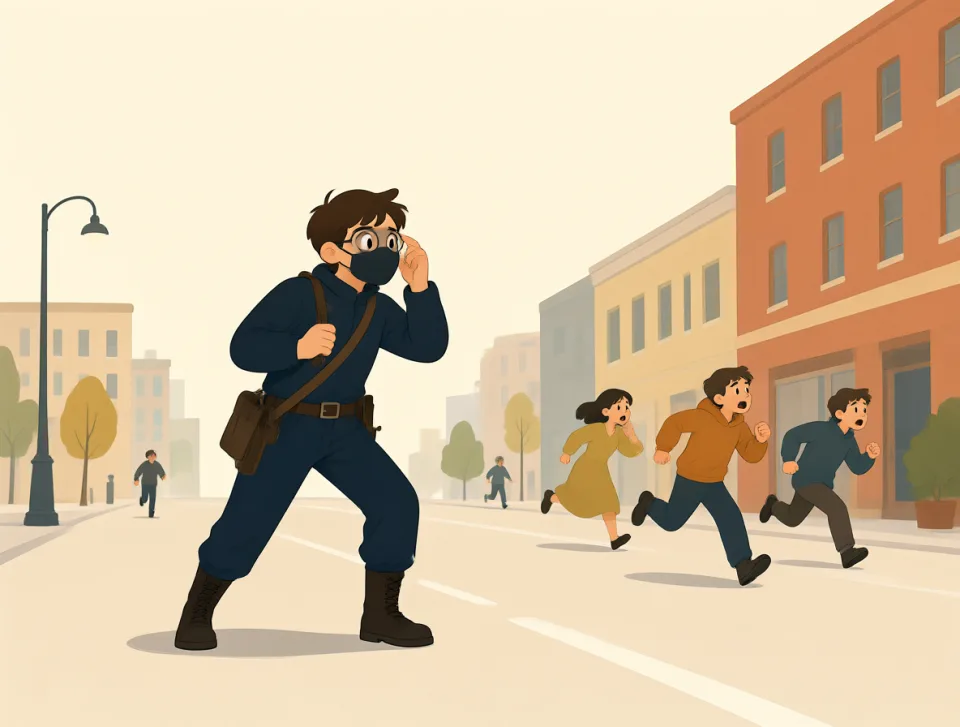
terrorist
#2121noun
terrorysta
A person who uses violence to frighten people and achieve political goals.
Osoba, która stosuje przemoc, by zastraszać ludzi i osiągać cele polityczne.

The police arrested a suspected terrorist near the busy train station.
Policja aresztowała podejrzanego o terroryzm w pobliżu zatłoczonego dworca kolejowego.
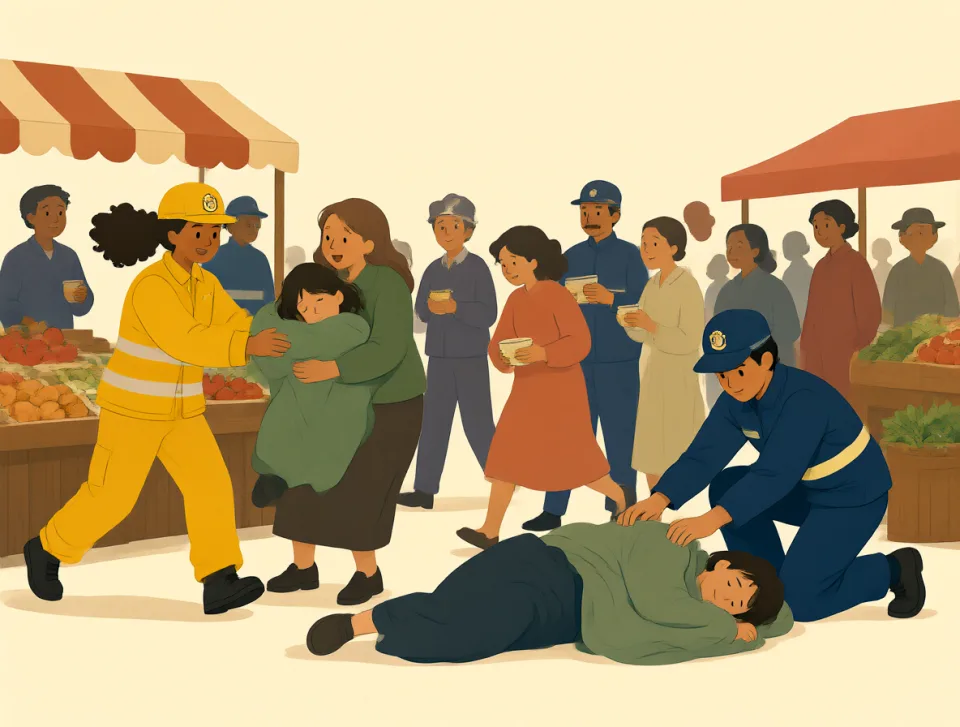
The terrorist attacked a crowded market, causing fear throughout the city.
Terrorysta zaatakował zatłoczony targ, wywołując strach w całym mieście.

News reports said the terrorist group planned attacks in several countries.
Według doniesień prasowych grupa terrorystyczna planowała ataki w kilku krajach.

The airport security officer checked every passenger for possible terrorist threats.
Pracownik ochrony na lotnisku sprawdził, czy każdy pasażer nie stanowi potencjalnego zagrożenia terrorystycznego.

Students discussed how terrorists use fear to influence governments and communities.
Uczniowie rozmawiali o tym, jak terroryści wykorzystują strach, by wpływać na rządy i społeczności.

justify
#2122verb
uzasadniać
to give a good reason for something or show that it is reasonable
Podać dobry powód czegoś lub wykazać, że coś jest rozsądne.
You cannot justify spending so much money on a jacket.
Nie da się uzasadnić wydania tak dużej sumy na kurtkę.
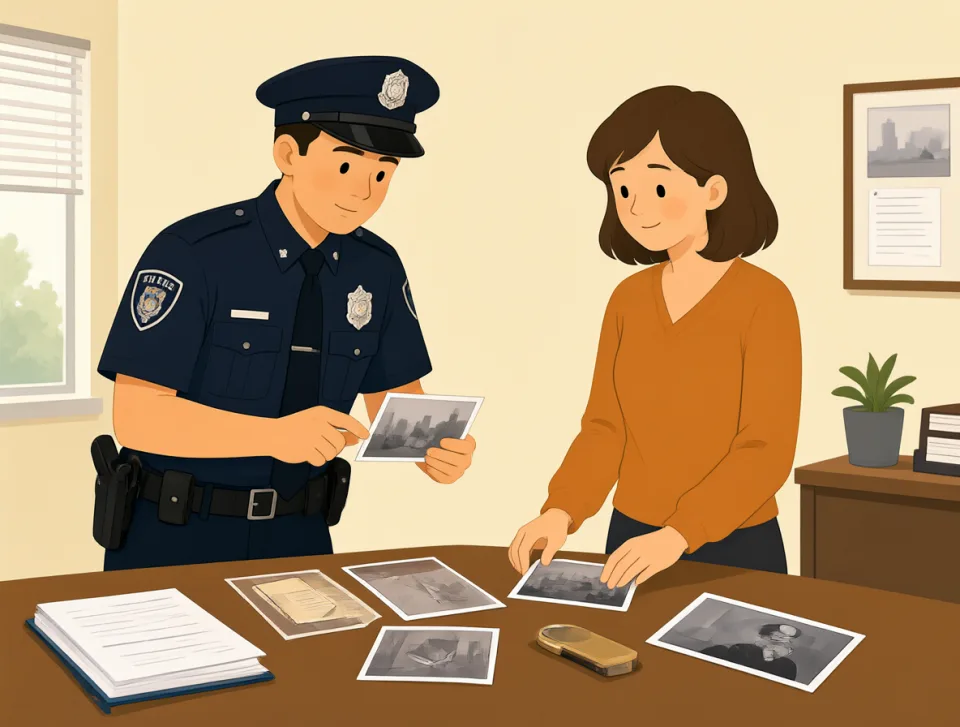
The evidence clearly justified the police officer's decision.
Dowody wyraźnie uzasadniały decyzję funkcjonariusza policji.

She tried to justify being late by blaming the heavy traffic.
Próbowała usprawiedliwić spóźnienie, zrzucając winę na duży ruch.
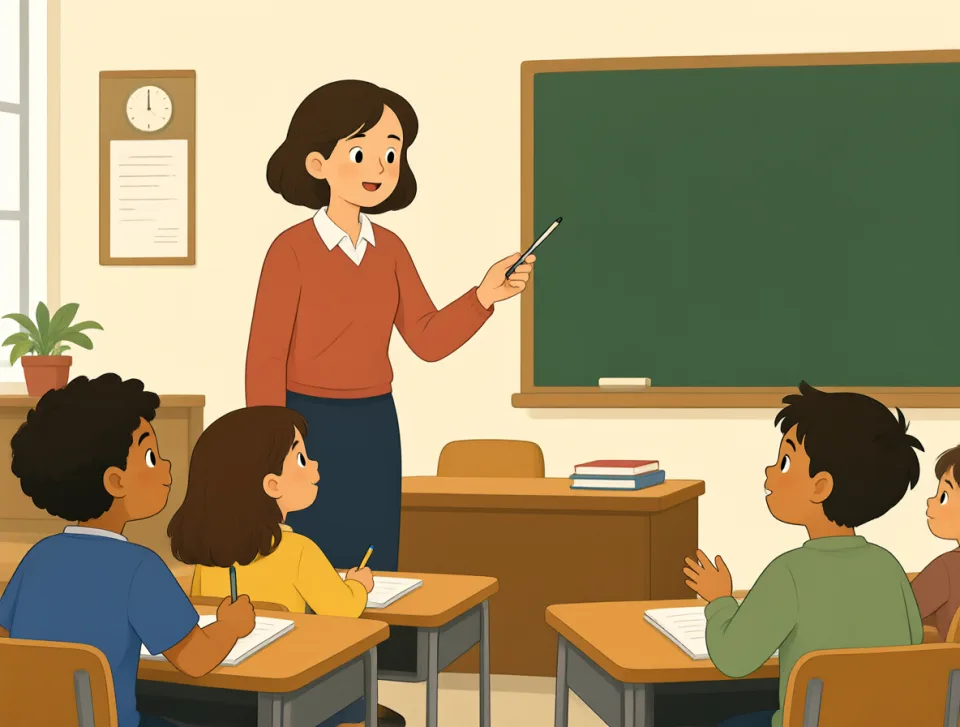
The teacher asked students to justify their answers with examples.
Nauczyciel poprosił uczniów, by uzasadnili swoje odpowiedzi przykładami.

The doctor said the test results did not justify changing his treatment.
Lekarz powiedział, że wyniki badań nie uzasadniały zmiany jego leczenia.

vital
#2123adjective
niezbędny
Very important or necessary for life, success, or continued existence.
Bardzo ważny lub konieczny dla życia, sukcesu albo dalszego istnienia.
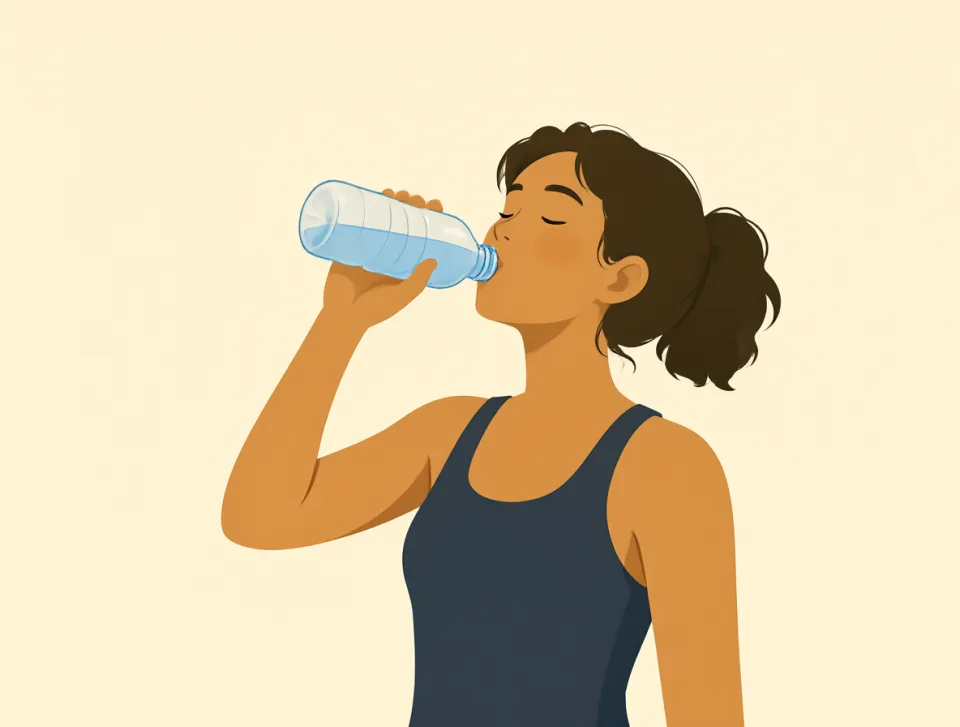
Drinking enough water is vital for staying healthy during hot weather.
Picie odpowiedniej ilości wody jest niezbędne dla zachowania zdrowia podczas upałów.

It is vital to check your passport before leaving for the airport.
Przed wyjazdem na lotnisko koniecznie sprawdź paszport.

Good communication is vital to a successful team at work.
Dobra komunikacja jest niezbędna, by zespół w pracy odnosił sukcesy.
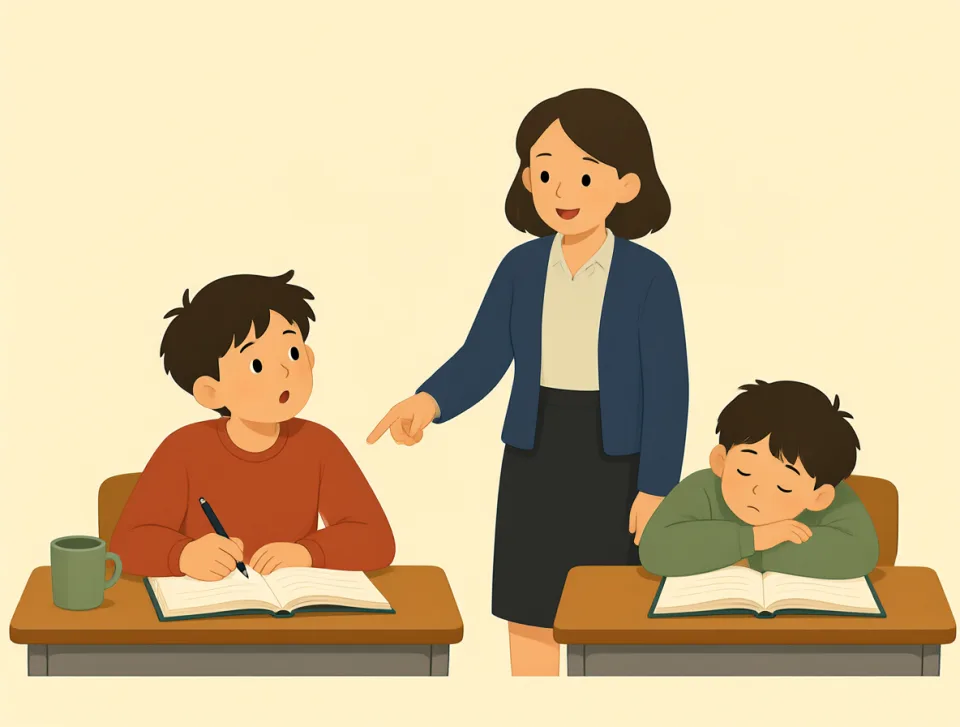
The teacher explained that sleep is vital for learning and remembering new information.
Nauczyciel wyjaśnił, że sen jest niezbędny do nauki i zapamiętywania nowych informacji.

Fresh vegetables provide vital nutrients that help children grow strong.
Świeże warzywa dostarczają niezbędnych składników odżywczych, które pomagają dzieciom zdrowo rosnąć.

fascinate
#2124verb
fascynować
to interest someone greatly, especially because something is unusual, beautiful, or mysterious
Bardzo kogoś interesować, zwłaszcza dlatego, że coś jest niezwykłe, piękne lub tajemnicze.

Bright colors and unusual shapes fascinate young children.
Jaskrawe kolory i nietypowe kształty fascynują małe dzieci.

The documentary fascinated me with stories about life under the ocean.
Ten dokument zafascynował mnie opowieściami o życiu pod oceanem.

My little brother is fascinated by how airplanes fly.
Mojego młodszego brata fascynuje to, jak latają samoloty.

The teacher fascinated the class with a simple science experiment.
Nauczyciel zafascynował klasę prostym eksperymentem naukowym.

She was fascinated by the old streets and buildings in Rome.
Fascynowały ją stare ulice i budynki w Rzymie.

external
#2125adjective, noun
zewnętrzny
outside a place, system, or organization, or coming from outside it
Znajdujący się poza jakimś miejscem, systemem lub organizacją albo pochodzący z zewnątrz.

The external walls need painting before winter arrives.
Przed nadejściem zimy trzeba pomalować zewnętrzne ściany.
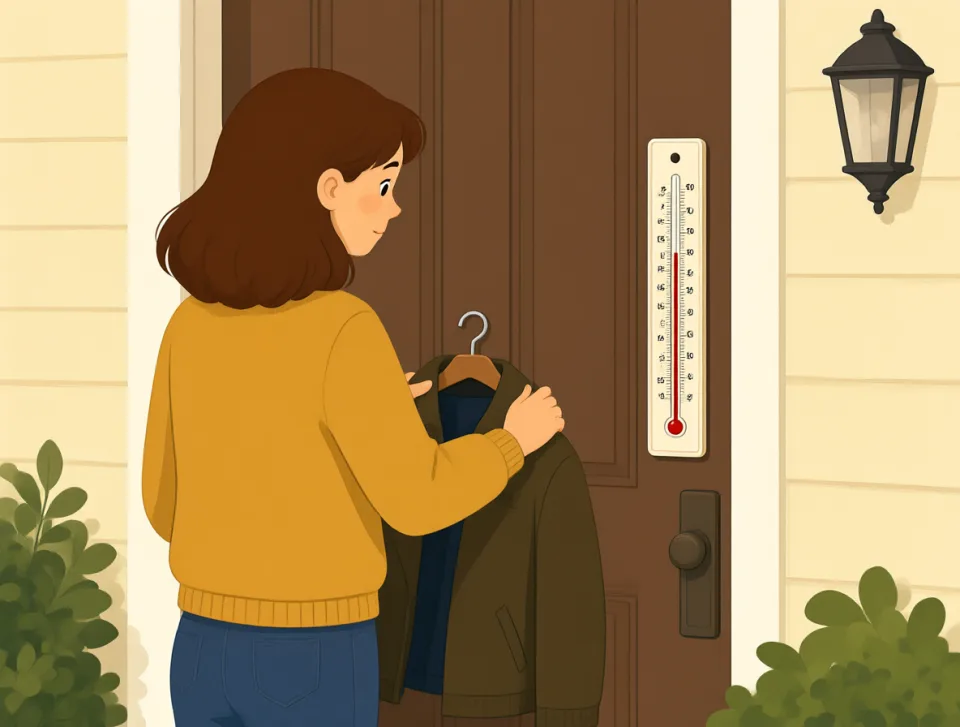
Please check the external temperature before choosing your clothes.
Przed wyborem ubrań sprawdź temperaturę na zewnątrz.

The company hired an external consultant to improve its safety rules.
Firma zatrudniła zewnętrznego konsultanta, by ulepszył jej zasady bezpieczeństwa.

Students must use external sources for their history projects.
Uczniowie muszą korzystać ze źródeł zewnętrznych przy swoich projektach historycznych.
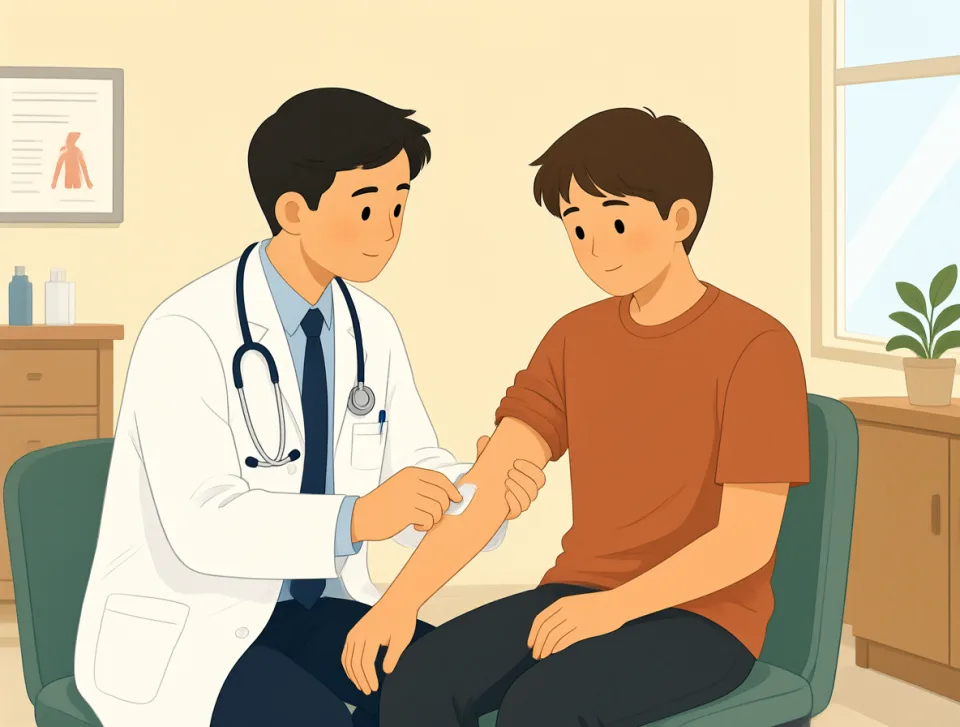
The doctor found no external signs of injury on his arm.
Lekarz nie znalazł na jego ramieniu żadnych widocznych obrażeń.

spare
#2126adjective, verb, noun
zapasowy
Extra and available, or to give someone time, money, or help when needed.
Dodatkowy i dostępny albo poświęcić komuś czas, pieniądze lub pomoc, gdy tego potrzebuje.

Do you have a spare key for the front door?
Czy masz zapasowy klucz do drzwi wejściowych?
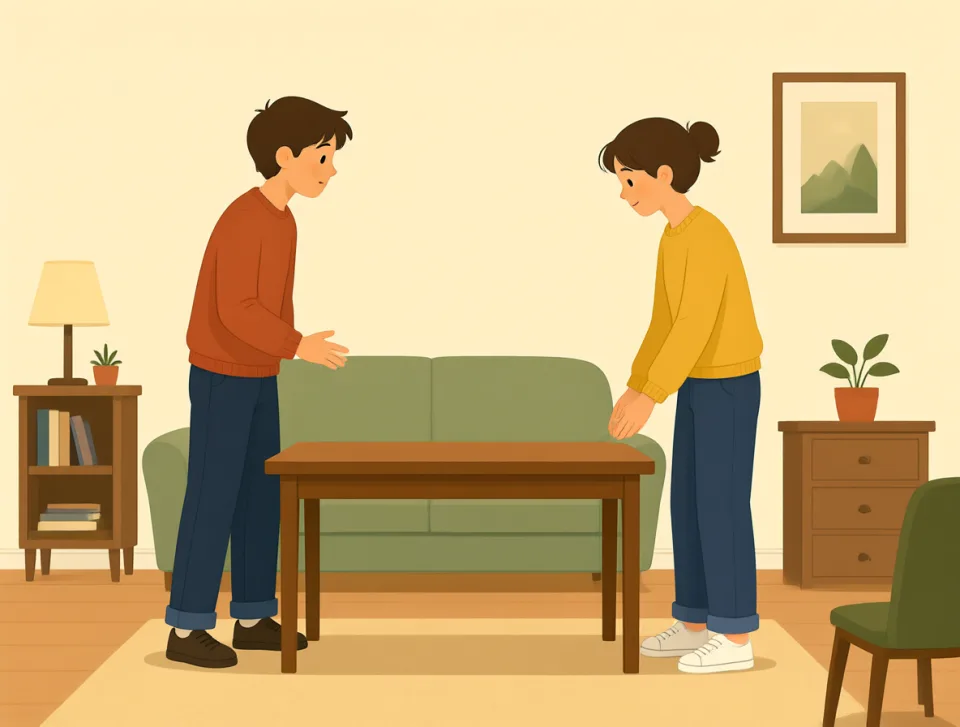
Could you spare a few minutes to help me move this table?
Czy możesz poświęcić kilka minut, żeby pomóc mi przestawić ten stół?

We have a spare room where visiting guests can sleep.
Mamy wolny pokój, w którym mogą nocować goście.
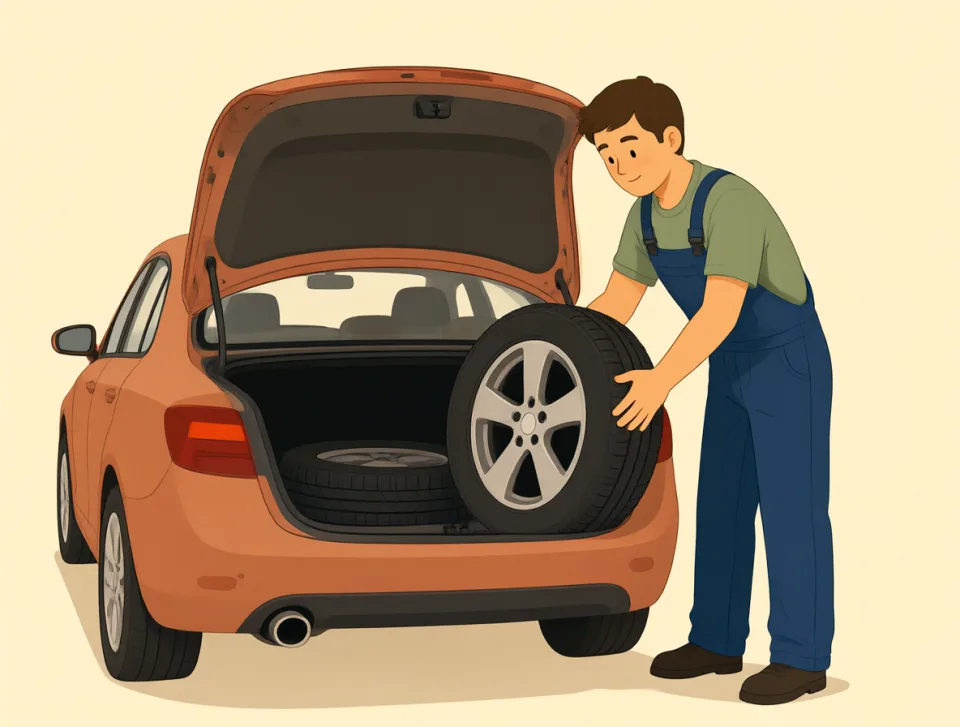
The mechanic kept a spare tire in the trunk of the car.
Mechanik trzymał zapasowe koło w bagażniku samochodu.

She bought a spare shirt after spilling soup on her clothes.
Kupiła zapasową koszulę, gdy oblała ubranie zupą.

whenever
#2127adverb, conjunction
ilekroć
every time that something happens, or at any time when it is possible
Za każdym razem, gdy coś się dzieje, albo w dowolnym momencie, gdy jest to możliwe.
Whenever I feel tired, I take a short break and drink some water.
Ilekroć czuję zmęczenie, robię sobie krótką przerwę i piję trochę wody.

Call me whenever you need help with your homework.
Zadzwoń do mnie, ilekroć będziesz potrzebować pomocy z pracą domową.

Whenever we visit the city, we eat at that small Italian restaurant.
Ilekroć odwiedzamy miasto, jemy w tej małej włoskiej restauracji.

She listens to music whenever she cleans the house.
Słucha muzyki, ilekroć sprząta dom.

You can use this room whenever you need a quiet place to work.
Możesz korzystać z tego pokoju, ilekroć potrzebujesz cichego miejsca do pracy.

depression
#2128noun
depresja
A serious medical condition causing long-lasting sadness and loss of interest in life.
Poważna choroba, która powoduje długotrwały smutek i utratę zainteresowania życiem.
She is receiving treatment for depression from a doctor.
Leczy się na depresję pod opieką lekarza.

Depression can make it difficult to work, sleep, or enjoy everyday activities.
Depresja może utrudniać pracę, sen i czerpanie przyjemności z codziennych zajęć.
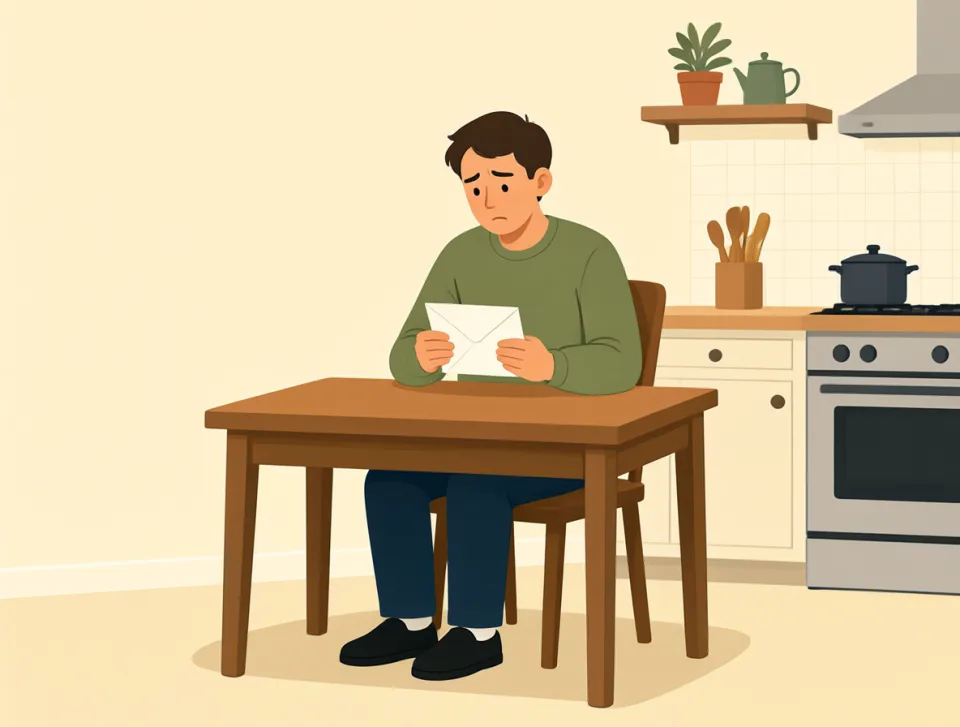
His depression became worse after he lost his job.
Jego depresja się pogłębiła, gdy stracił pracę.

Talking with close friends helped her manage her depression.
Rozmowy z bliskimi przyjaciółmi pomogły jej radzić sobie z depresją.
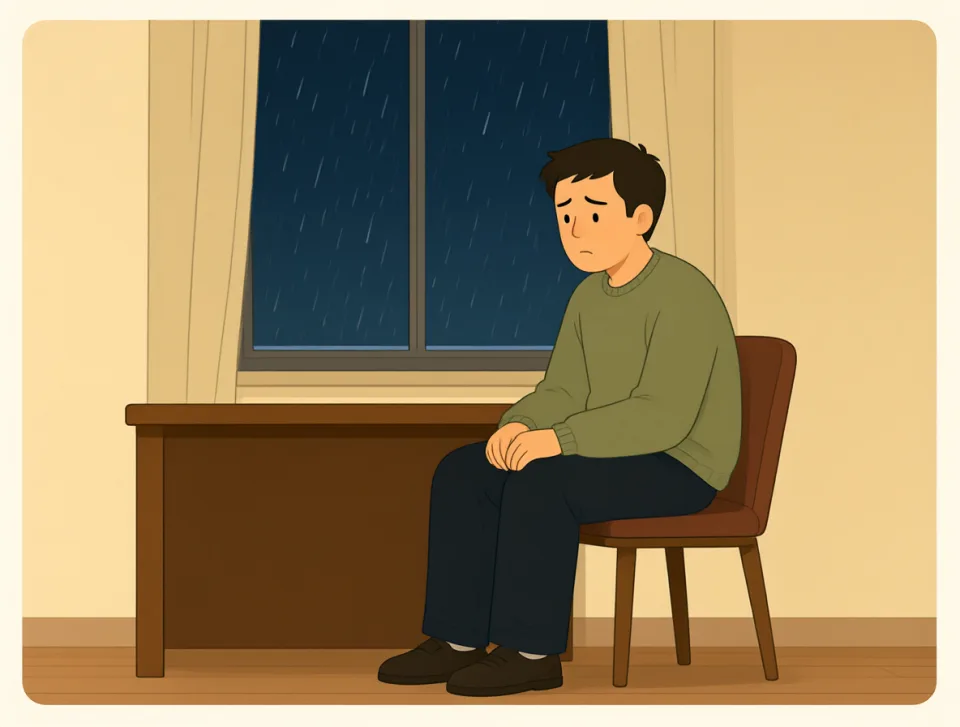
The long winter and lack of sunlight contributed to his depression.
Długa zima i brak światła słonecznego przyczyniły się do jego depresji.
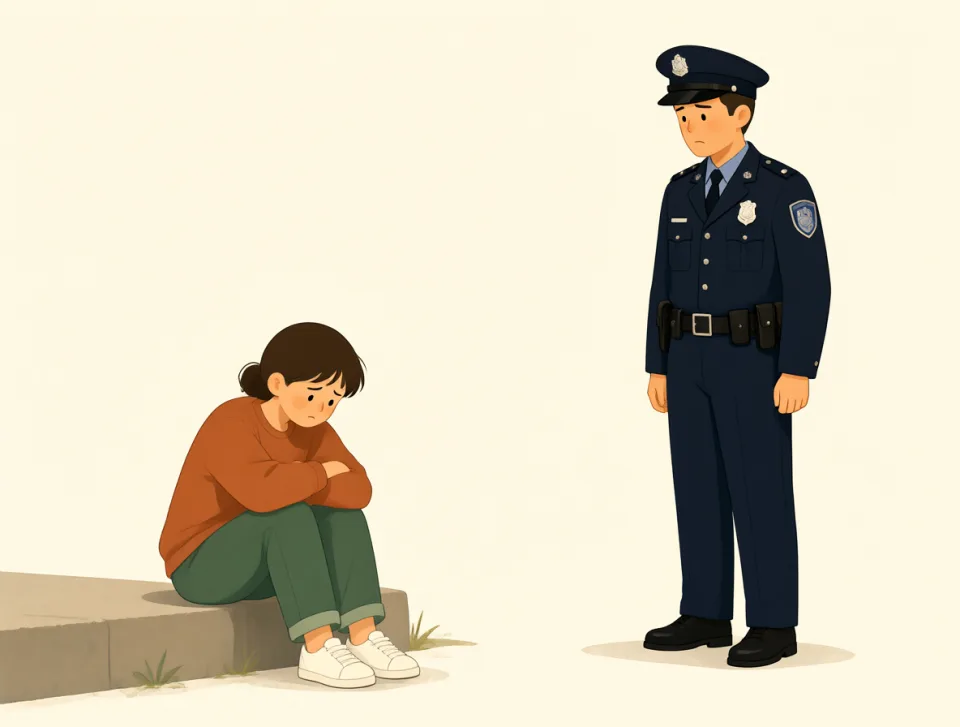
guilty
#2129adjective
winny
Feeling responsible for doing something wrong or having committed a crime.
Poczuwający się do odpowiedzialności za zrobienie czegoś złego lub popełnienie przestępstwa.
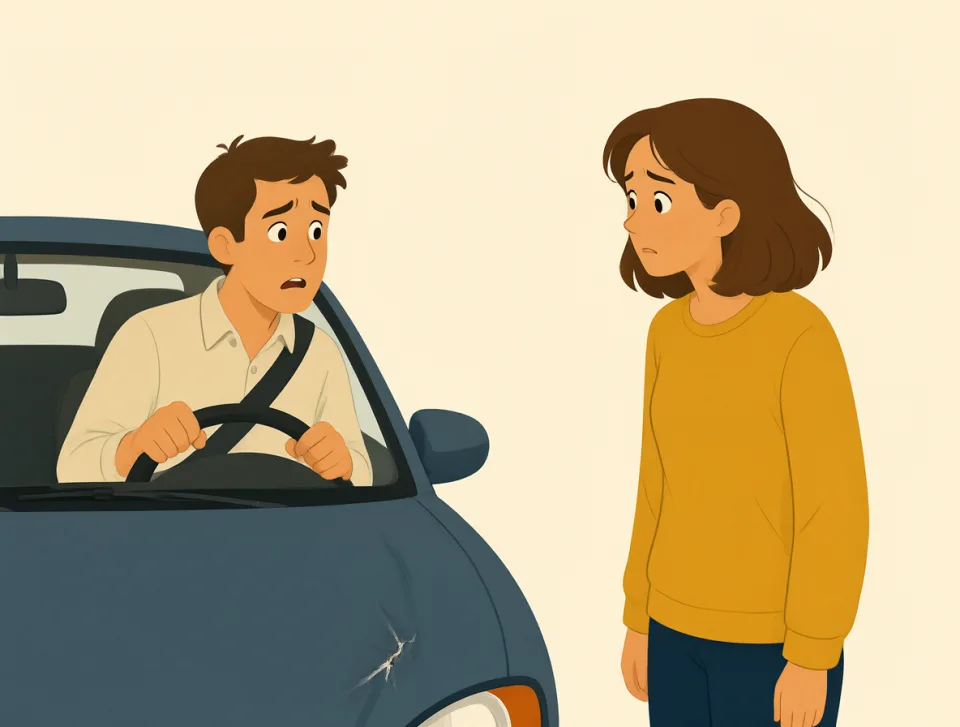
The guilty driver apologized after hitting the parked car.
Winny kierowca przeprosił po uderzeniu w zaparkowany samochód.
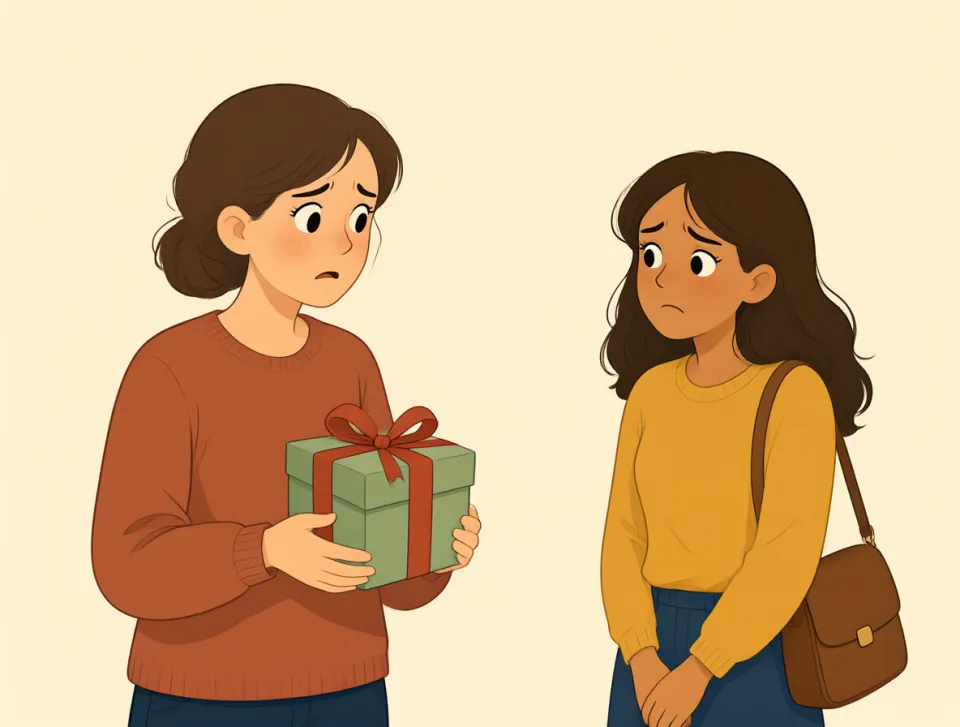
She felt guilty about forgetting her friend’s birthday.
Czuła się winna, że zapomniała o urodzinach przyjaciółki.

The court found him guilty of stealing money from his employer.
Sąd uznał go za winnego kradzieży pieniędzy od pracodawcy.
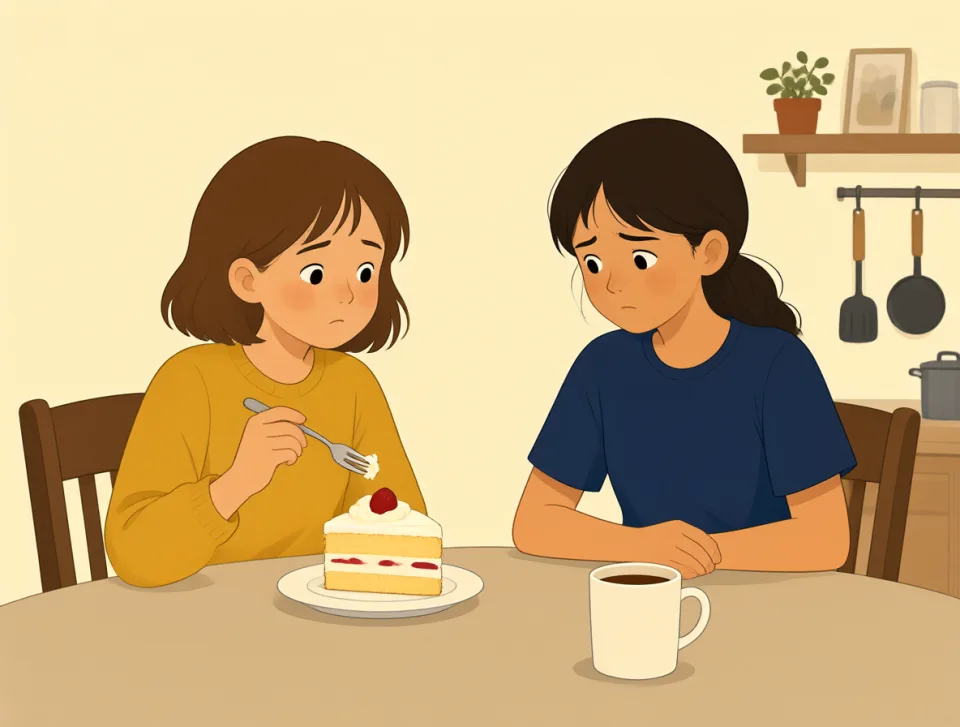
I felt guilty eating cake while my sister was on a strict diet.
Czułem się winny, jedząc ciasto, gdy moja siostra była na ścisłej diecie.
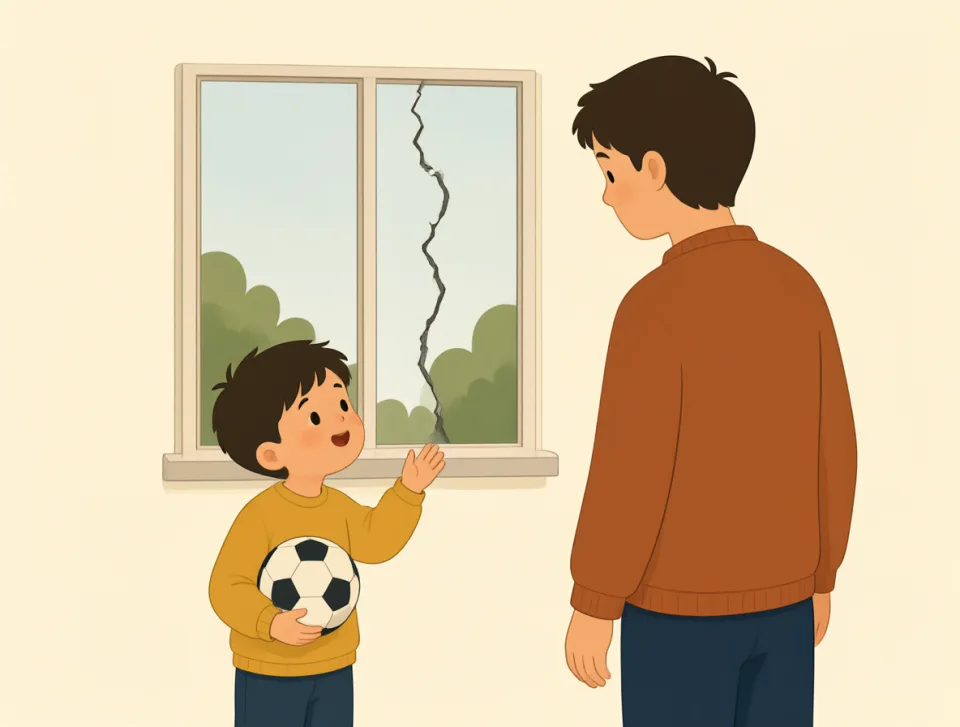
The guilty child quietly admitted breaking the window with a ball.
Winne dziecko po cichu przyznało, że wybiło piłką okno.

underlie
#2130verb
leżeć u podstaw
to exist beneath and support something, or form the basic cause of it
Znajdować się pod czymś i stanowić jego podstawę albo być jego główną przyczyną.

Strong family values underlie the way we raise our children.
Silne wartości rodzinne leżą u podstaw tego, jak wychowujemy nasze dzieci.

Several hidden fears underlie his refusal to travel by plane.
U podstaw jego odmowy podróżowania samolotem leży kilka ukrytych obaw.
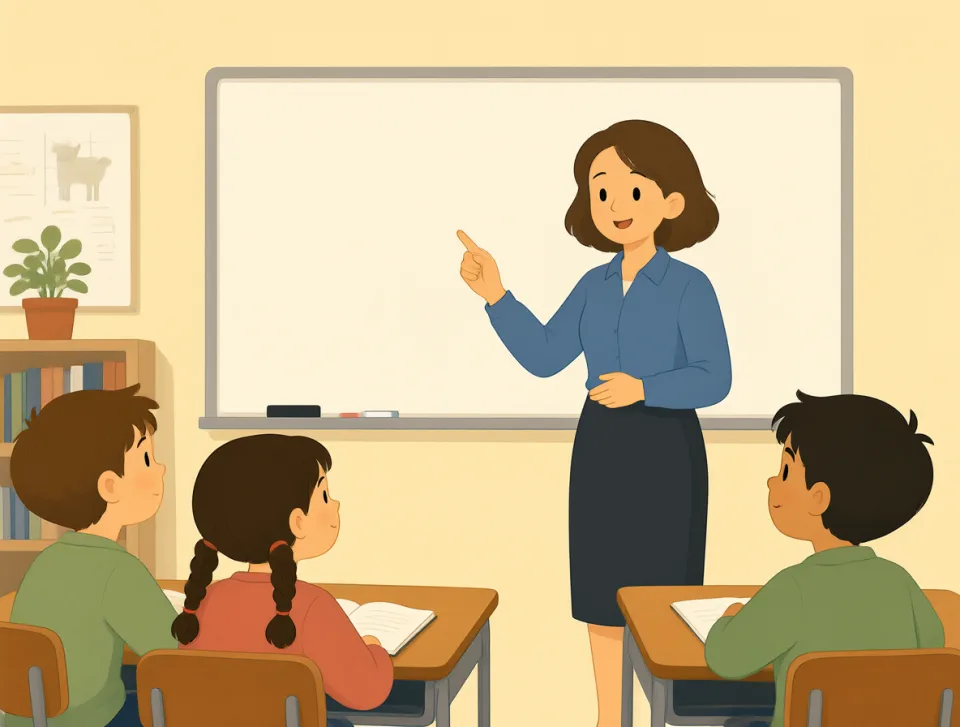
The teacher explained the ideas underlying the science experiment.
Nauczyciel wyjaśnił idee leżące u podstaw eksperymentu naukowego.

Trust and respect underlie every successful friendship.
Zaufanie i szacunek leżą u podstaw każdej udanej przyjaźni.

A simple sauce underlay the roasted vegetables at dinner.
Pod pieczonymi warzywami podano na kolację prosty sos.

mom
#2131noun
mama
your mother or a woman who looks after children
twoja matka lub kobieta, która opiekuje się dziećmi
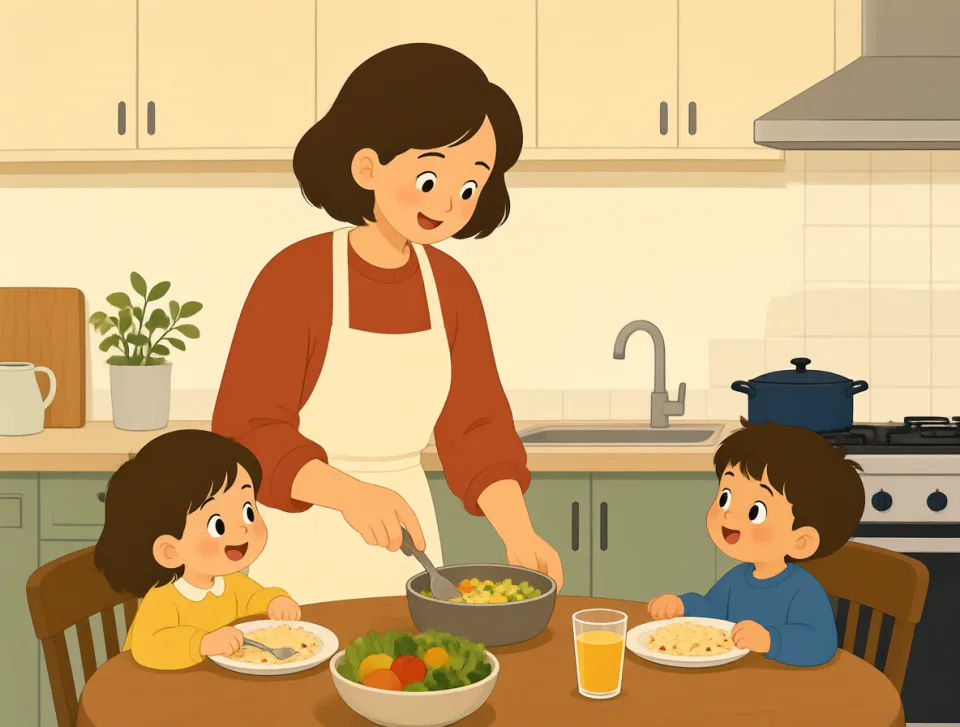
My mom makes breakfast for us every morning before school.
Moja mama robi nam śniadanie każdego ranka przed szkołą.

I called my mom after work to tell her the good news.
Po pracy zadzwoniłem do mamy, żeby powiedzieć jej dobrą wiadomość.

My mom bought fresh vegetables and chicken for dinner.
Moja mama kupiła świeże warzywa i kurczaka na kolację.
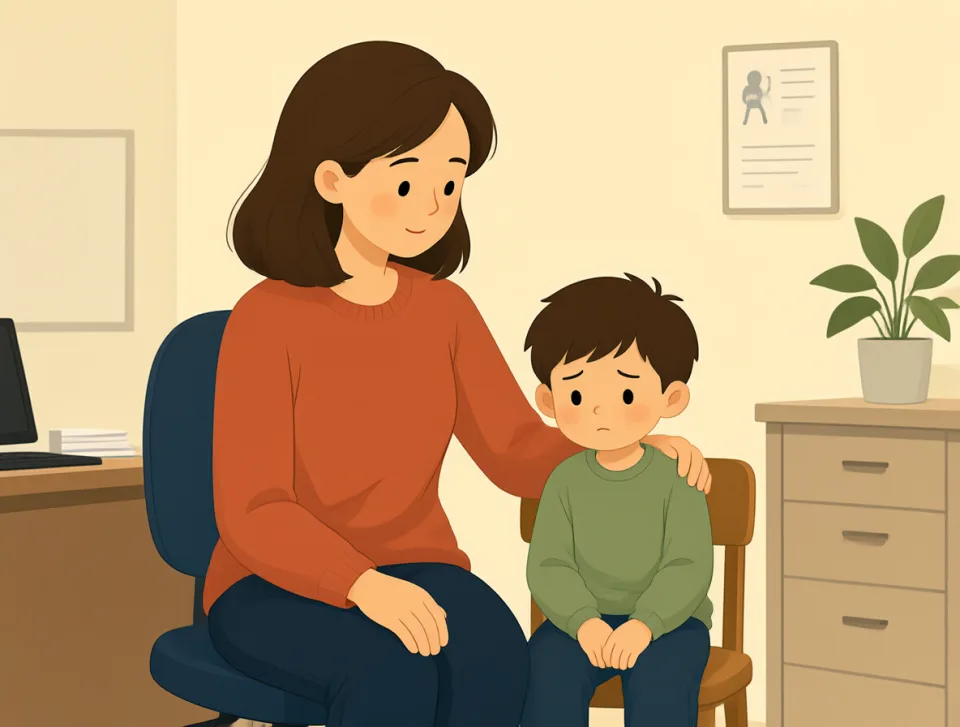
His mom took him to the doctor because he felt sick.
Jego mama zabrała go do lekarza, ponieważ źle się czuł.

My friend’s mom gave us a ride home after the party.
Mama mojego przyjaciela odwiozła nas do domu po imprezie.

distinction
#2132noun
różnica
A clear difference between two people or things.
Wyraźna różnica między dwiema osobami lub rzeczami.
The chef is known for the distinction between fresh and frozen ingredients.
Szef kuchni jest znany z podkreślania różnicy między świeżymi a mrożonymi składnikami.

There is an important distinction between being busy and being productive.
Istnieje ważna różnica między byciem zajętym a byciem produktywnym.

The school gives an award to students who pass with distinction.
Szkoła przyznaje nagrodę uczniom, którzy zdali z wyróżnieniem.

The store sells several cheeses, each with its own distinctive flavor.
Sklep sprzedaje kilka rodzajów sera, z których każdy ma swój charakterystyczny smak.

She earned the distinction of being the first person to finish the race.
Zdobyła wyróżnienie jako pierwsza osoba, która ukończyła wyścig.

satisfaction
#2133noun
satysfakcja
A happy feeling because something is good, successful, or meets your needs.
Przyjemne uczucie, że coś jest dobre, udało się lub spełnia twoje potrzeby.
She smiled with satisfaction after finishing the difficult project at work.
Uśmiechnęła się z satysfakcją po zakończeniu trudnego projektu w pracy.

The restaurant offers a money-back guarantee to ensure customer satisfaction.
Restauracja oferuje gwarancję zwrotu pieniędzy, aby zapewnić satysfakcję klientów.

He gets great satisfaction from helping children learn to read.
Pomaganie dzieciom w nauce czytania daje mu ogromną satysfakcję.

The hotel staff quickly resolved our complaint, much to our satisfaction.
Personel hotelu szybko rozwiązał nasz problem, ku naszemu zadowoleniu.

After dinner, everyone expressed satisfaction with the delicious homemade meal.
Po kolacji wszyscy wyrazili zadowolenie z pysznego domowego posiłku.
incorporate
#2134verb
włączać
to include something as part of a larger whole
włączać coś jako część większej całości

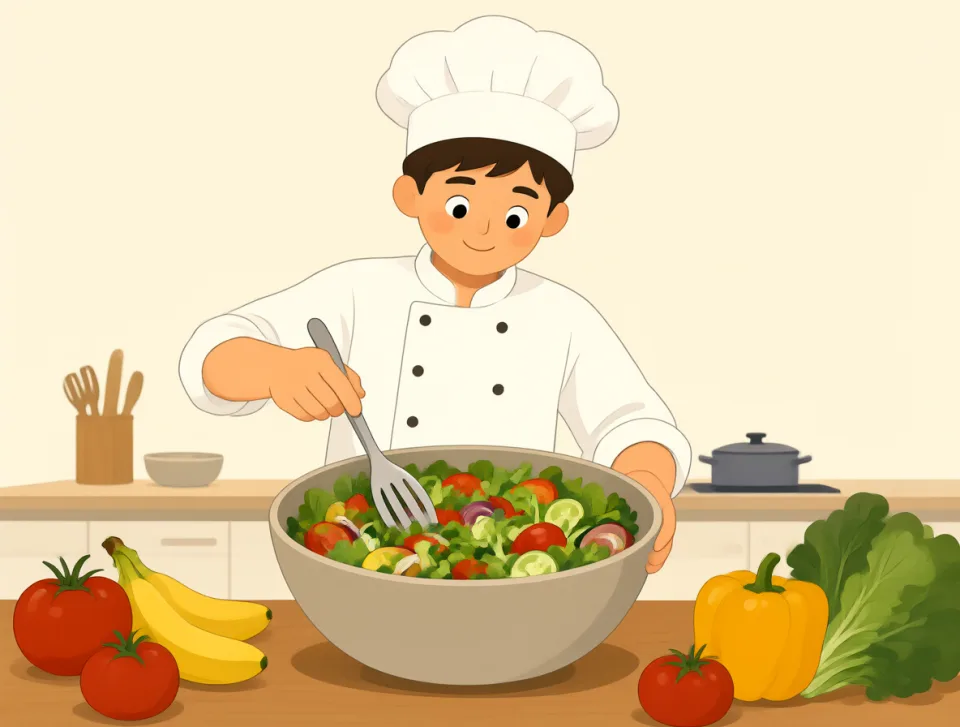
The designer incorporated bright colors into the living room.
Projektant włączył jasne kolory do wystroju salonu.

Please incorporate your teacher’s suggestions into the final report.
Proszę uwzględnić sugestie nauczyciela w końcowym raporcie.

The hotel has incorporated local food into its breakfast menu.
Hotel włączył lokalne potrawy do swojego śniadaniowego menu.
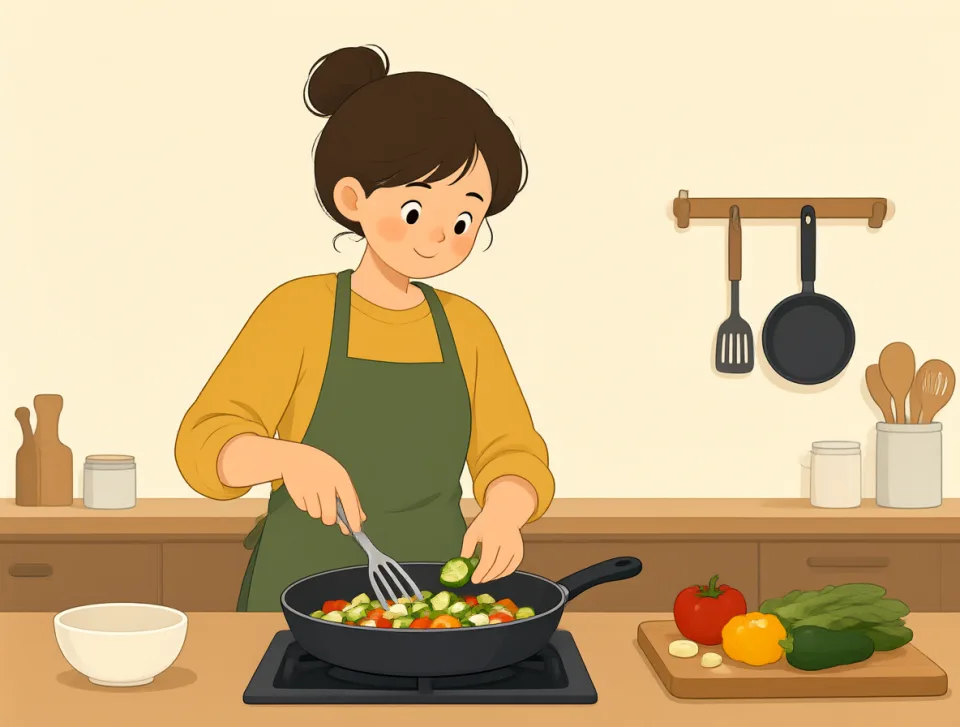
We are incorporating more vegetables into our family meals.
Włączamy do naszych rodzinnych posiłków coraz więcej warzyw.
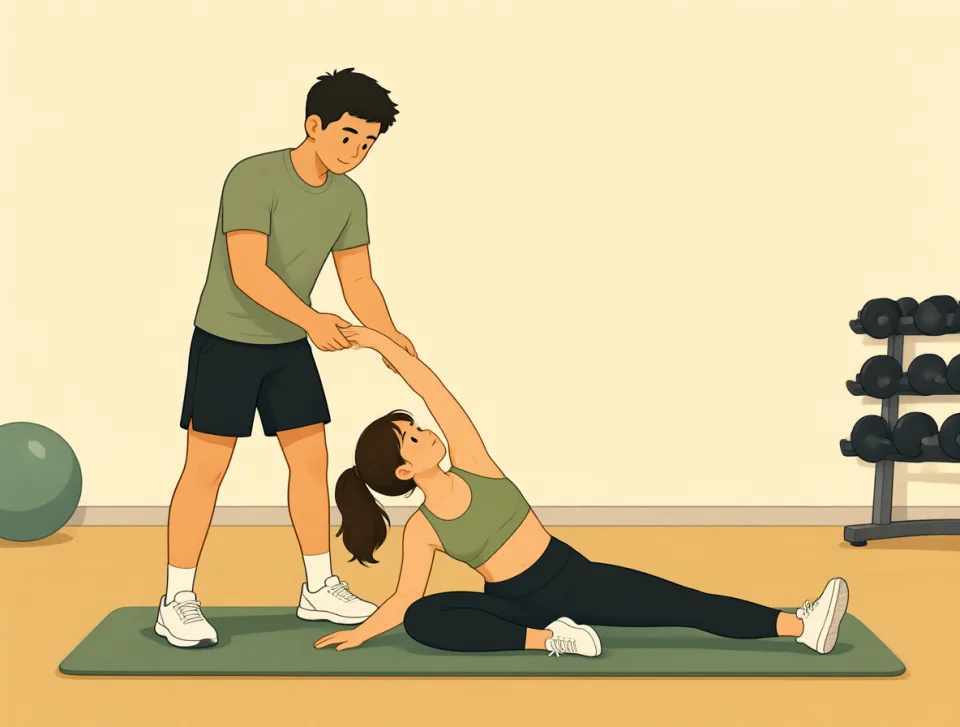
The exercise program incorporates stretching to prevent injuries.
Program ćwiczeń obejmuje rozciąganie, aby zapobiegać urazom.
pour
#2135verb, noun
nalewać
To make a liquid flow from one container into another, usually quickly and steadily.
Przelewać ciecz z jednego pojemnika do drugiego, zwykle szybko i równomiernie.

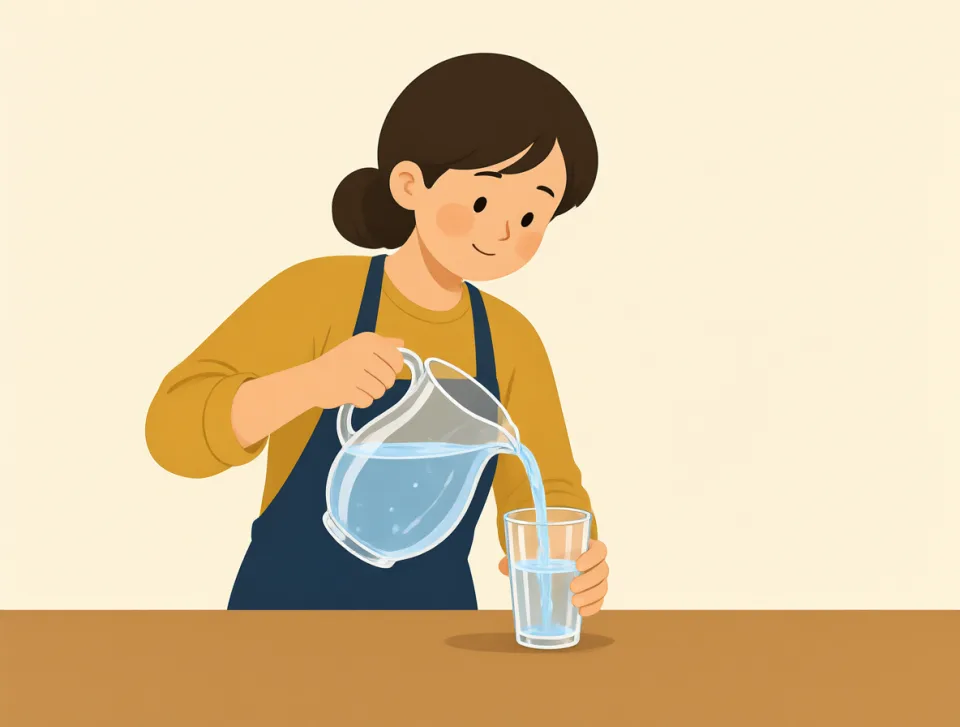
Please pour some milk into my coffee.
Proszę nalać trochę mleka do mojej kawy.
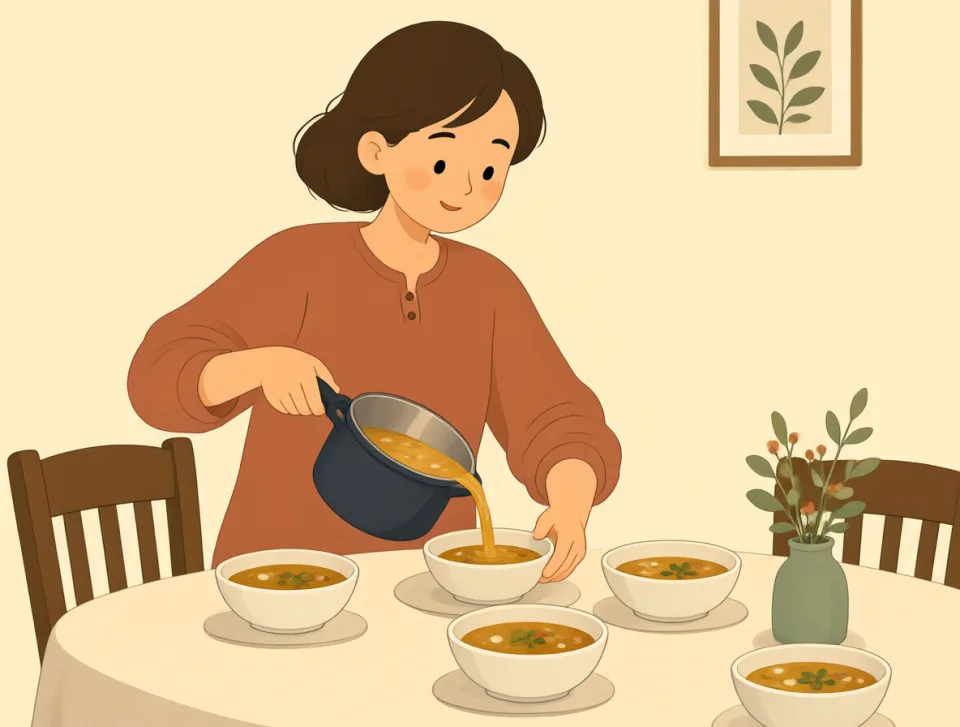
She poured the soup into bowls for everyone.
Nalała zupę do misek dla wszystkich.
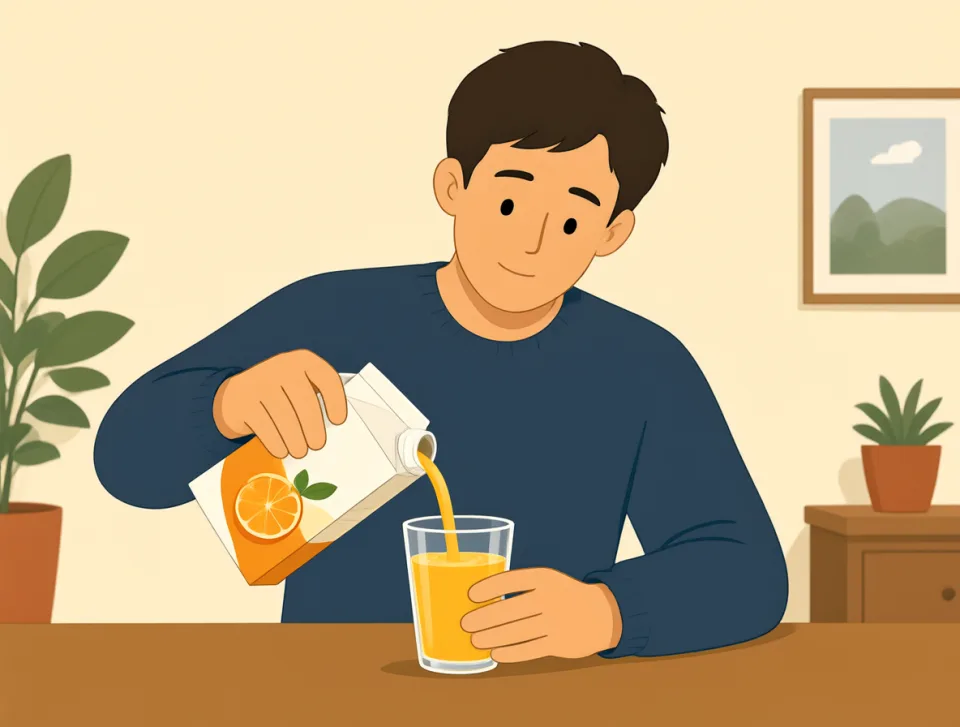
He poured himself a glass of orange juice.
Nalał sobie szklankę soku pomarańczowego.
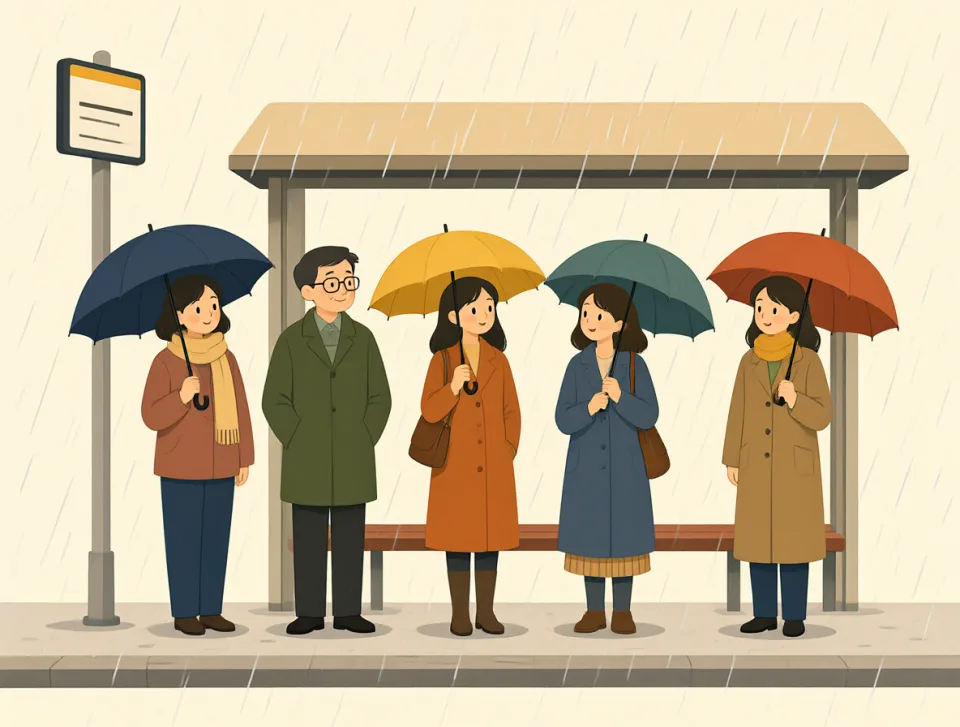
Rain poured down as we waited for the bus.
Kiedy czekaliśmy na autobus, deszcz lał jak z cebra.

A steady pour of customers entered the store after work.
Po pracy do sklepu napływał nieprzerwany strumień klientów.

sweep
#2136verb, noun
zamiatać
To clean a floor or surface with a broom, or move across an area quickly.
Czyścić podłogę lub inną powierzchnię miotłą albo szybko przemieszczać się przez jakiś obszar.

I sweep the kitchen floor every evening after dinner.
Zamiatam podłogę w kuchni każdego wieczoru po kolacji.

The waiter swept the broken glass into a dustpan.
Kelner zamiótł potłuczone szkło do szufelki.

Strong winds swept leaves across the garden.
Silny wiatr rozwiewał liście po ogrodzie.

The new manager is sweeping through the office, checking every department.
Nowy kierownik krąży po biurze i sprawdza każdy dział.

The doctor swept his hand over the patient’s shoulder during the examination.
Podczas badania lekarz przesunął dłonią nad ramieniem pacjenta.
obligation
#2137noun
obowiązek
A duty to do something because it is required by law, rules, or circumstances.
Powinność zrobienia czegoś wynikająca z prawa, zasad lub okoliczności.
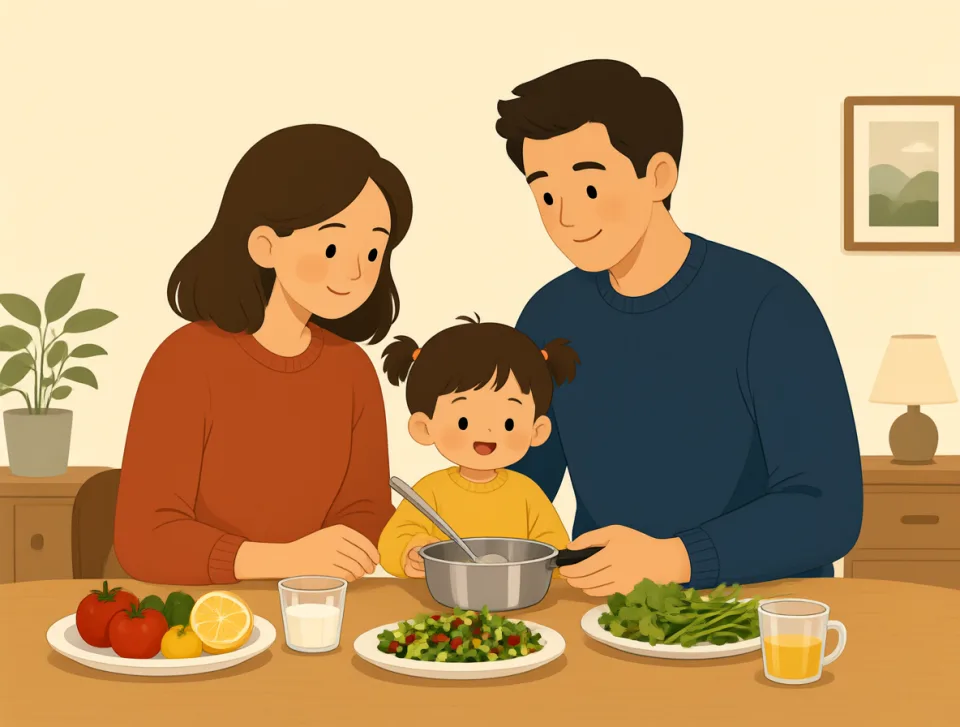
Parents have an obligation to keep their children safe and healthy.
Rodzice mają obowiązek dbać o bezpieczeństwo i zdrowie swoich dzieci.
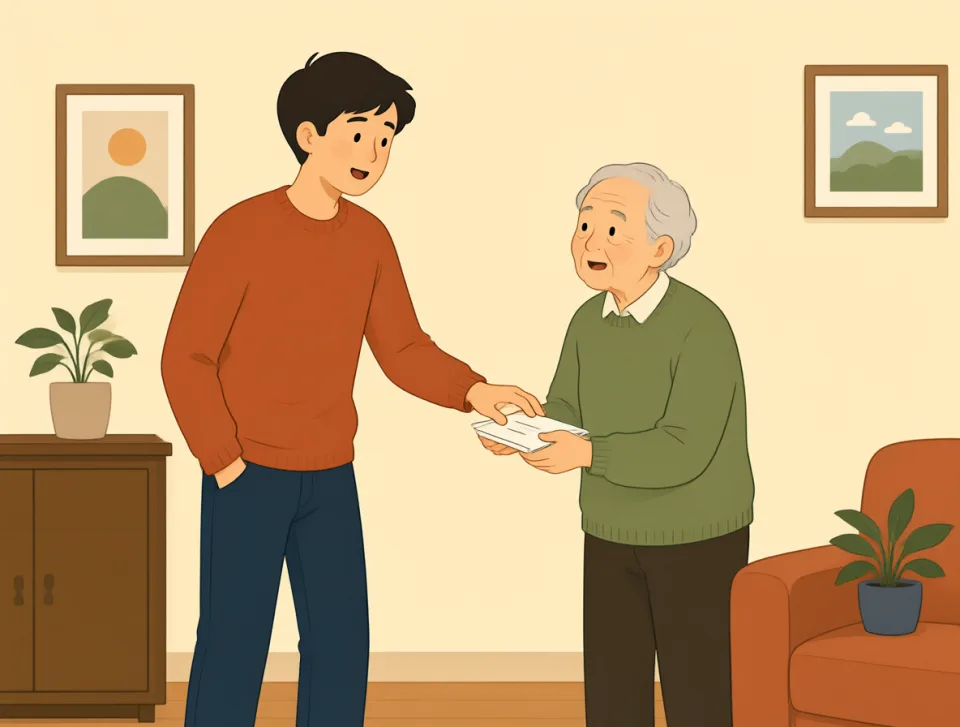
I cannot join you tonight because I have family obligations.
Nie mogę dziś wieczorem do was dołączyć, bo mam rodzinne zobowiązania.

The contract creates an obligation to pay the rent on time.
Umowa nakłada obowiązek terminowego opłacania czynszu.
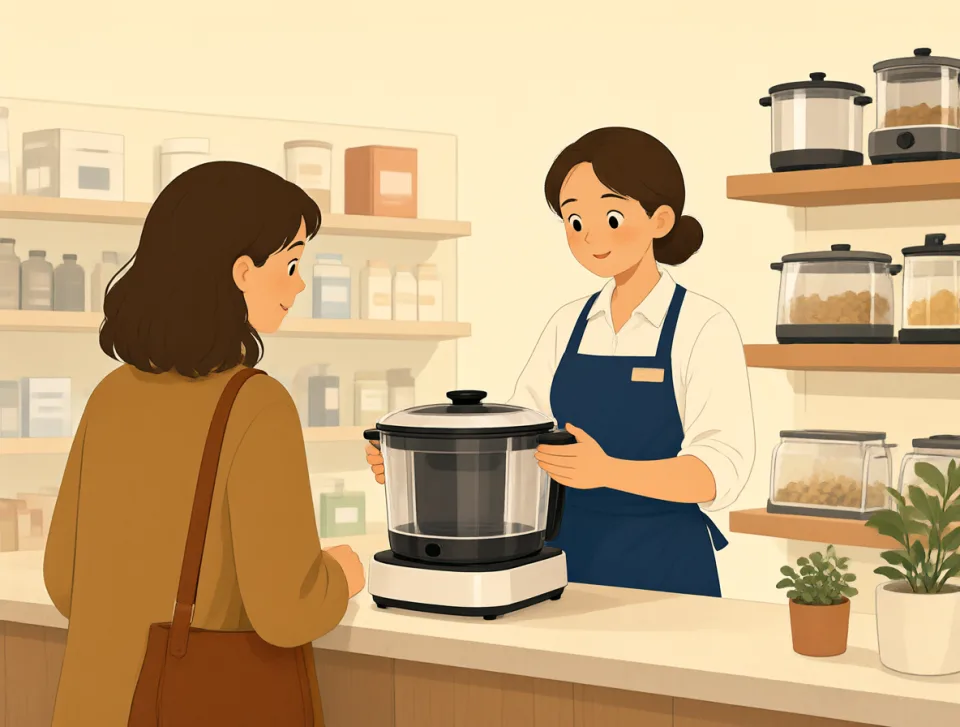
There is no obligation to buy anything during the free product demonstration.
Podczas bezpłatnej prezentacji produktu nie ma obowiązku kupowania czegokolwiek.

Students have an obligation to attend classes and complete their assignments.
Uczniowie mają obowiązek chodzić na zajęcia i odrabiać zadania.

sir
#2138noun
proszę pana
A polite way to speak to a man, especially someone in authority.
Uprzejmy zwrot do mężczyzny, zwłaszcza osoby zajmującej wysokie stanowisko lub mającej władzę.
Excuse me, sir, could you tell me where the nearest train station is?
Przepraszam, proszę pana, czy mógłby mi pan powiedzieć, gdzie jest najbliższa stacja kolejowa?

The waiter asked, “What would you like to order, sir?”
Kelner zapytał: „Co chciałby pan zamówić?”

Yes, sir, I understand the instructions and will finish the work today.
Tak jest, rozumiem polecenia i skończę pracę dzisiaj.

The teacher asked the boys to wait outside, and they answered, “Yes, sir.”
Nauczyciel poprosił chłopców, żeby zaczekali na zewnątrz, a oni odpowiedzieli: „Tak jest, proszę pana”.
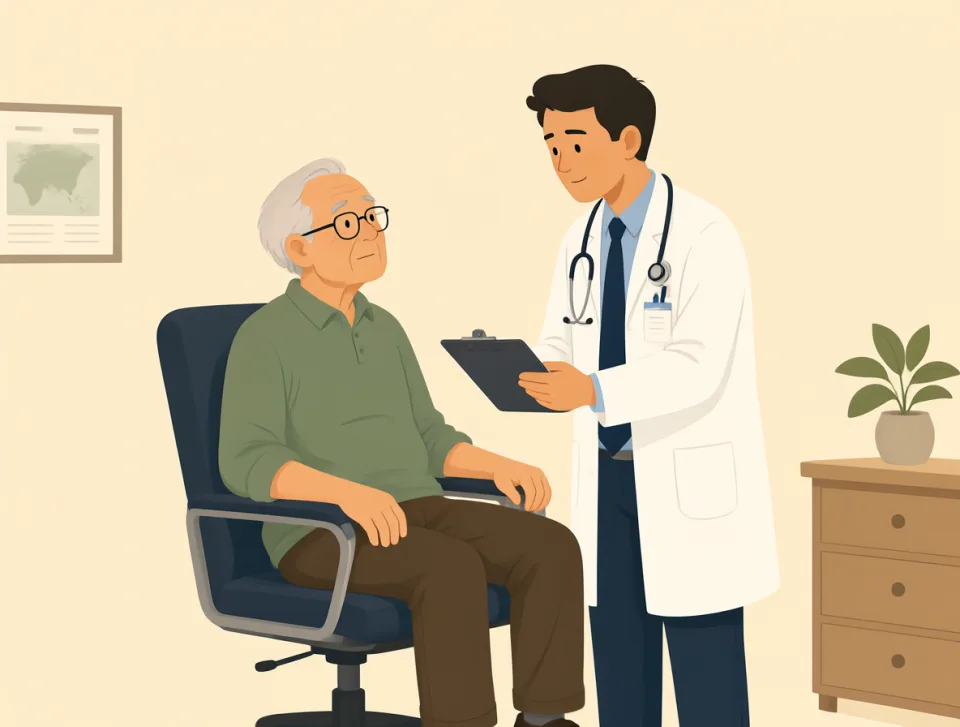
The doctor told the patient, “Please sit down, sir, and take a deep breath.”
Lekarz powiedział pacjentowi: „Proszę usiąść i wziąć głęboki oddech”.
evaluate
#2139verb
oceniać
to judge something carefully to decide its quality, value, or importance
Dokładnie coś osądzić, aby określić jego jakość, wartość lub znaczenie.
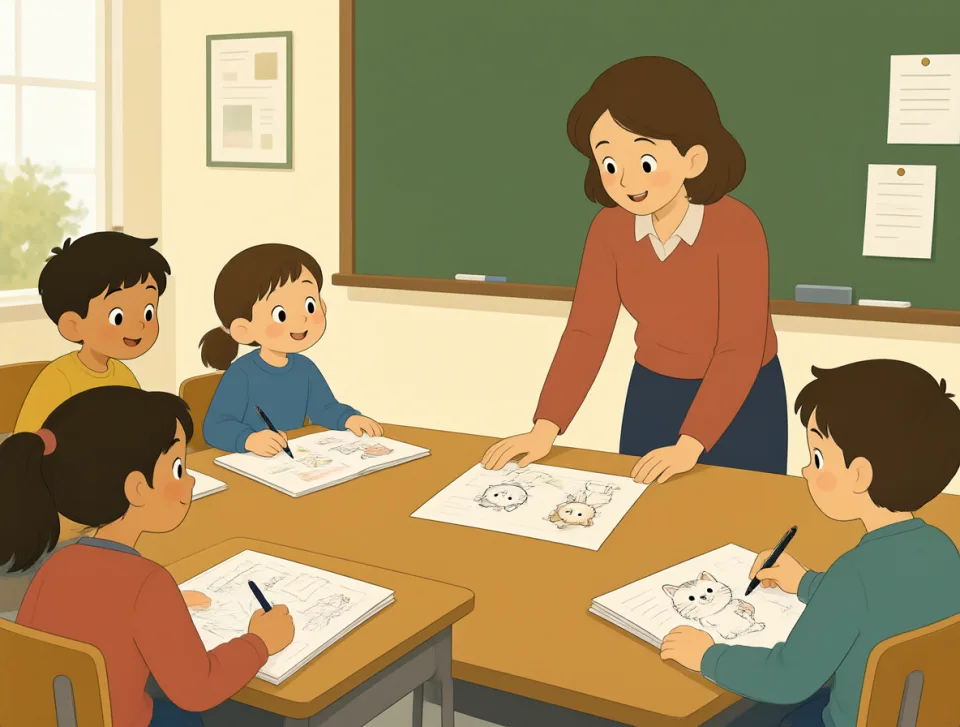
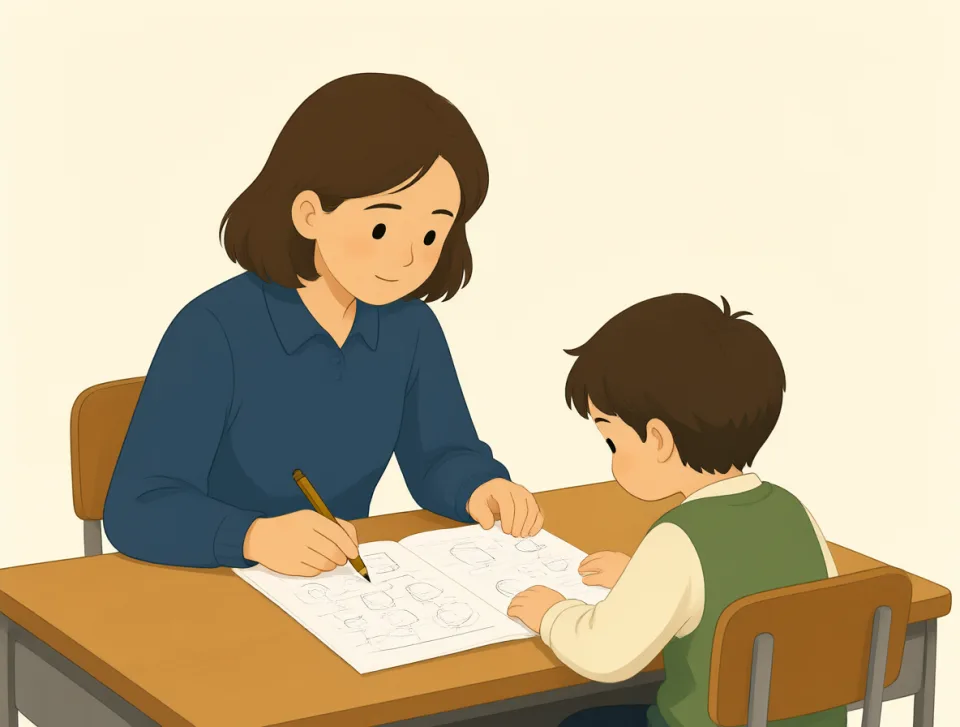
The teacher will evaluate our projects before giving us final grades.
Nauczyciel oceni nasze projekty przed wystawieniem końcowych ocen.

We evaluated three hotels before choosing where to stay.
Oceniliśmy trzy hotele, zanim wybraliśmy miejsce pobytu.
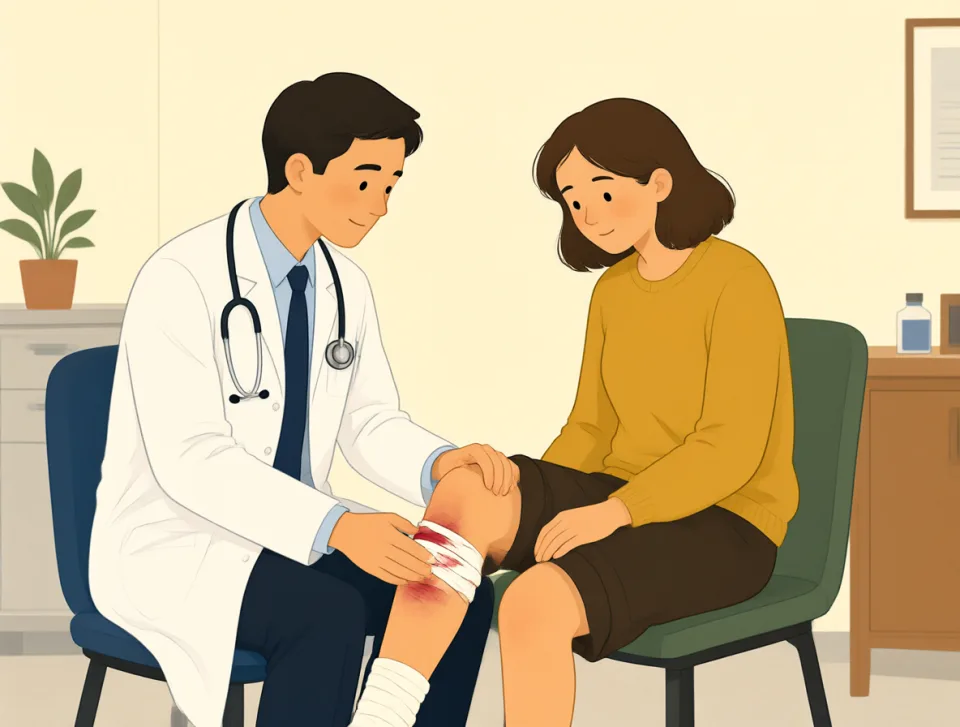
The doctor is evaluating my knee after I fell yesterday.
Lekarz bada moje kolano po tym, jak wczoraj upadłem.

Please evaluate this new coffee before we add it to the menu.
Proszę ocenić tę nową kawę, zanim dodamy ją do menu.

The manager evaluated my work and offered helpful advice.
Kierownik ocenił moją pracę i udzielił mi przydatnych wskazówek.
anger
#2140noun, verb
złość
a strong feeling of annoyance caused by something unfair, unpleasant, or wrong
Silne uczucie rozdrażnienia wywołane czymś niesprawiedliwym, nieprzyjemnym lub niewłaściwym.
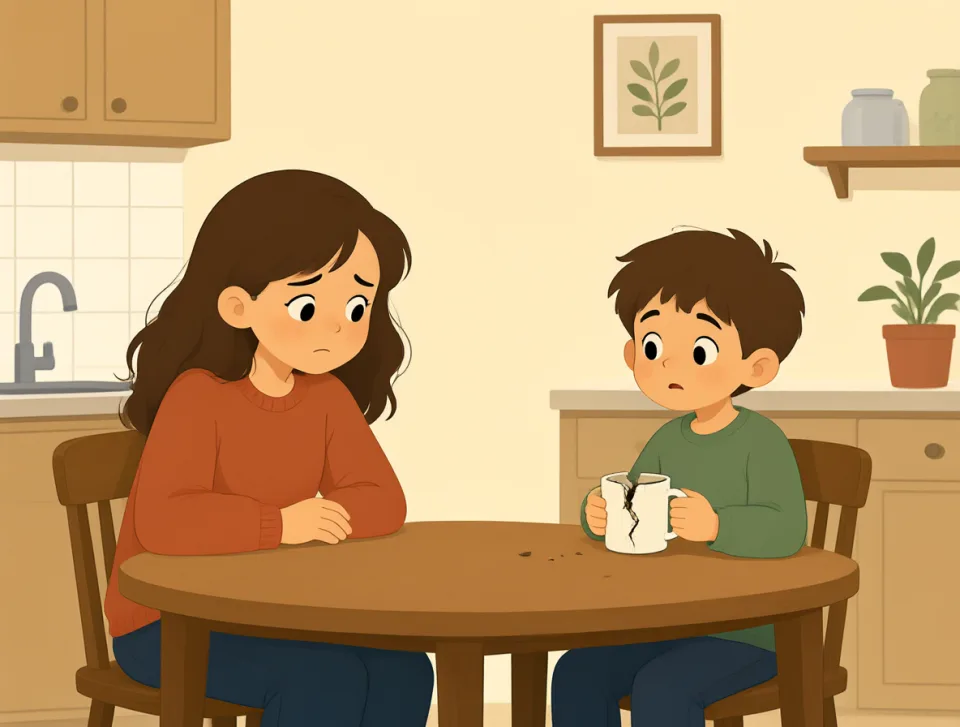
She tried to hide her anger when her brother broke her favorite mug.
Próbowała ukryć złość, gdy jej brat stłukł jej ulubiony kubek.

The manager apologized after customers expressed anger about the long delay.
Kierownik przeprosił, gdy klienci wyrazili złość z powodu długiego oczekiwania.

Regular exercise can help people manage anger and sleep better.
Regularne ćwiczenia mogą pomóc opanować złość i lepiej spać.

He spoke in anger and later regretted his harsh words.
Mówił w złości, a później żałował ostrych słów.
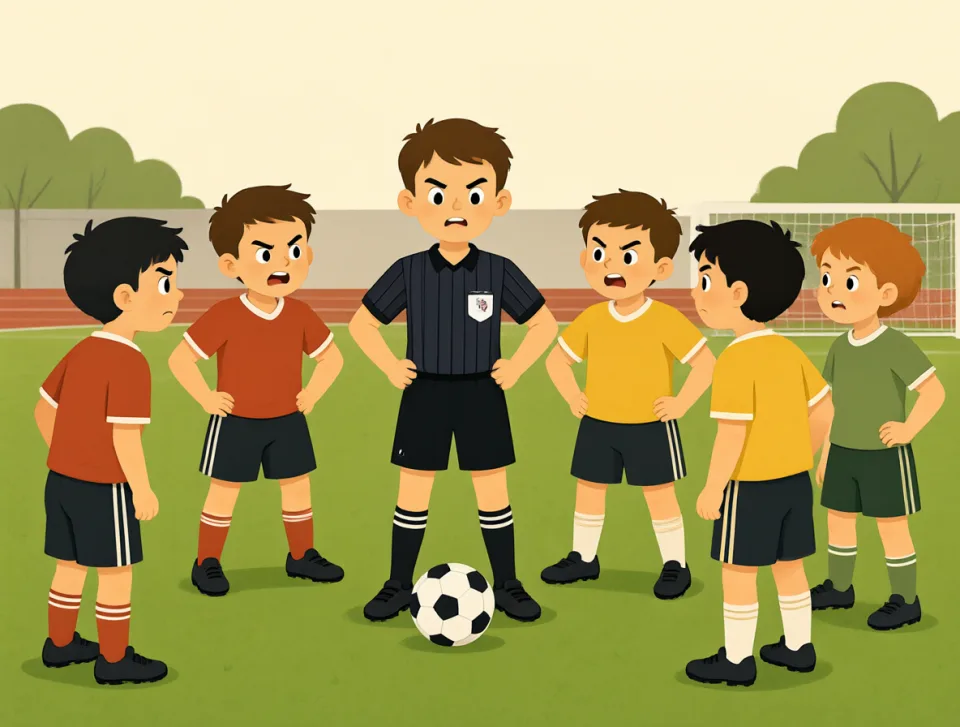
The unfair referee's decision angered the players during the school match.
Niesprawiedliwa decyzja sędziego rozzłościła zawodników podczas szkolnego meczu.