इकाई 107
शब्द 2121–2140 · terrorist, justify, vital, fascinate, external, spare
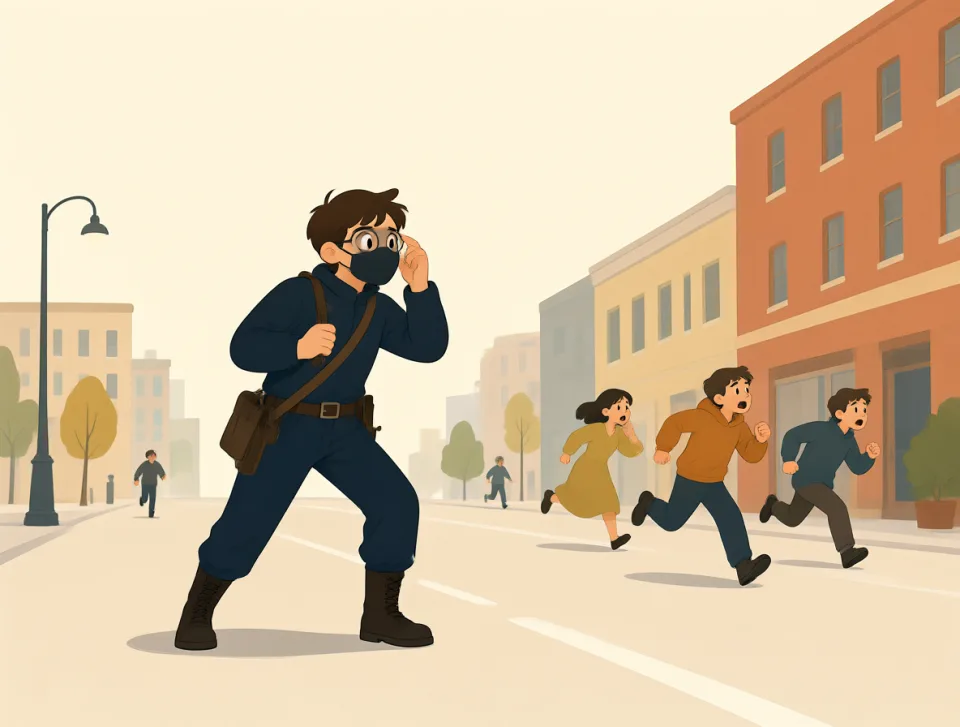
terrorist
#2121noun
आतंकवादी
A person who uses violence to frighten people and achieve political goals.
ऐसा व्यक्ति जो लोगों को डराने और राजनीतिक उद्देश्य हासिल करने के लिए हिंसा का इस्तेमाल करता है।

The police arrested a suspected terrorist near the busy train station.
पुलिस ने व्यस्त रेलवे स्टेशन के पास एक संदिग्ध आतंकवादी को गिरफ्तार किया।
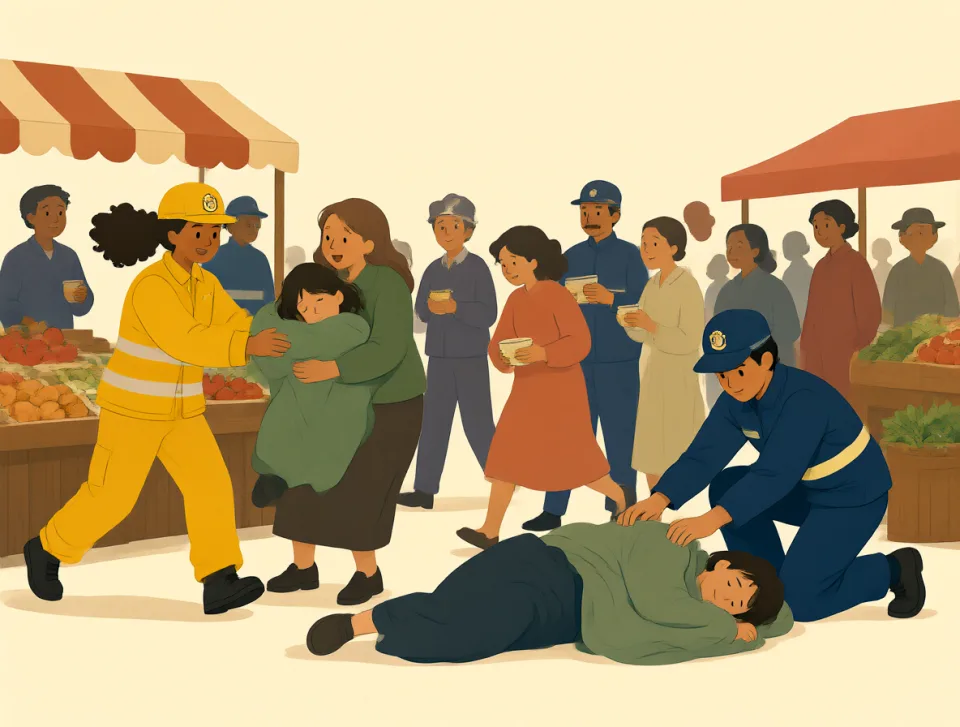
The terrorist attacked a crowded market, causing fear throughout the city.
आतंकवादी ने भीड़-भाड़ वाले बाज़ार पर हमला किया, जिससे पूरे शहर में दहशत फैल गई।

News reports said the terrorist group planned attacks in several countries.
ख़बरों के अनुसार, आतंकवादी समूह ने कई देशों में हमलों की योजना बनाई थी।

The airport security officer checked every passenger for possible terrorist threats.
हवाई अड्डे के सुरक्षा अधिकारी ने आतंकवादी हमले की आशंका को देखते हुए हर यात्री की जाँच की।

Students discussed how terrorists use fear to influence governments and communities.
छात्रों ने चर्चा की कि आतंकवादी सरकारों और समुदायों को प्रभावित करने के लिए डर का इस्तेमाल कैसे करते हैं।

justify
#2122verb
उचित ठहराना
to give a good reason for something or show that it is reasonable
किसी बात के लिए ठोस कारण देना या यह दिखाना कि वह उचित है।
You cannot justify spending so much money on a jacket.
तुम जैकेट पर इतने पैसे खर्च करने को उचित नहीं ठहरा सकते।
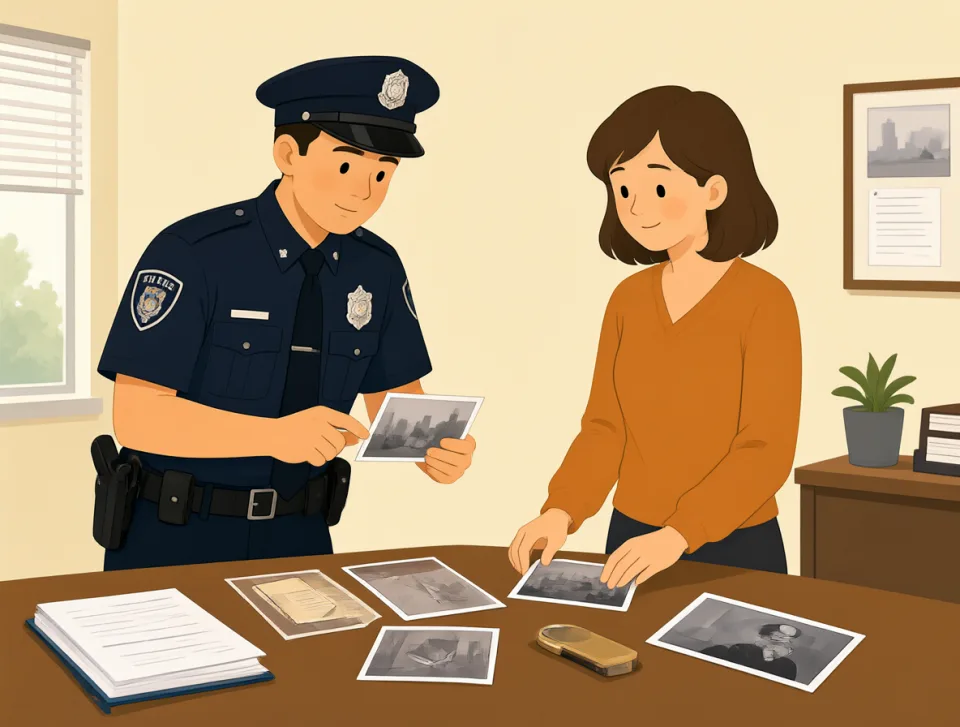
The evidence clearly justified the police officer's decision.
सबूतों से पुलिस अधिकारी का फैसला स्पष्ट रूप से उचित साबित हुआ।

She tried to justify being late by blaming the heavy traffic.
उसने भारी ट्रैफ़िक का बहाना बनाकर देर से आने को उचित ठहराने की कोशिश की।
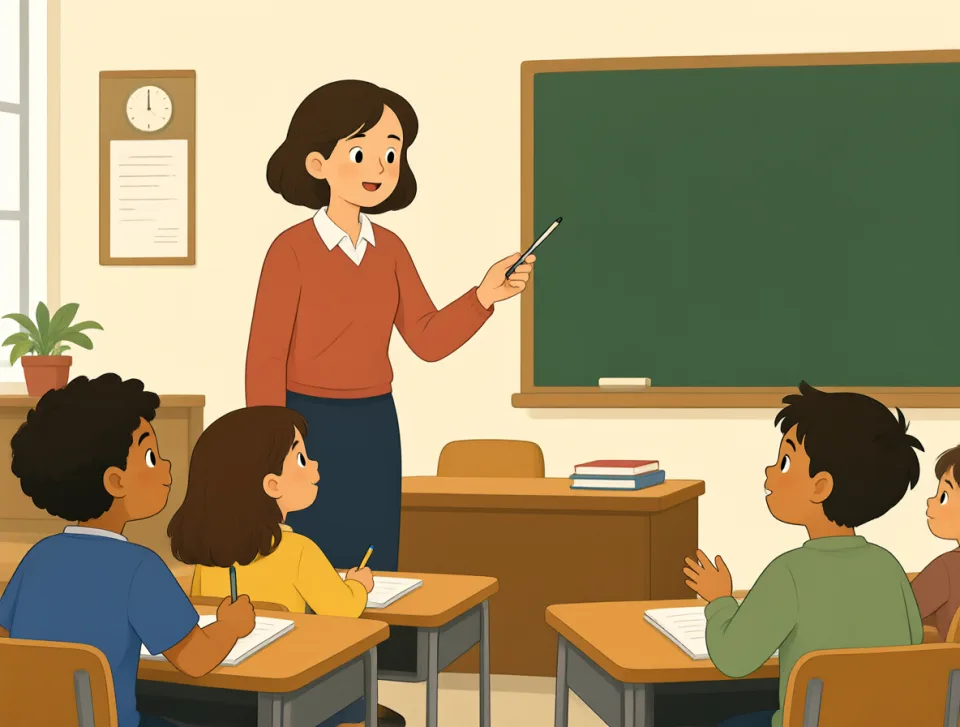
The teacher asked students to justify their answers with examples.
शिक्षक ने छात्रों से उदाहरण देकर अपने जवाबों के पक्ष में कारण बताने को कहा।

The doctor said the test results did not justify changing his treatment.
डॉक्टर ने कहा कि जाँच के नतीजे उसका इलाज बदलने को उचित नहीं ठहराते।

vital
#2123adjective
अत्यंत महत्वपूर्ण
Very important or necessary for life, success, or continued existence.
जीवन, सफलता या अस्तित्व बनाए रखने के लिए बहुत महत्वपूर्ण या आवश्यक।
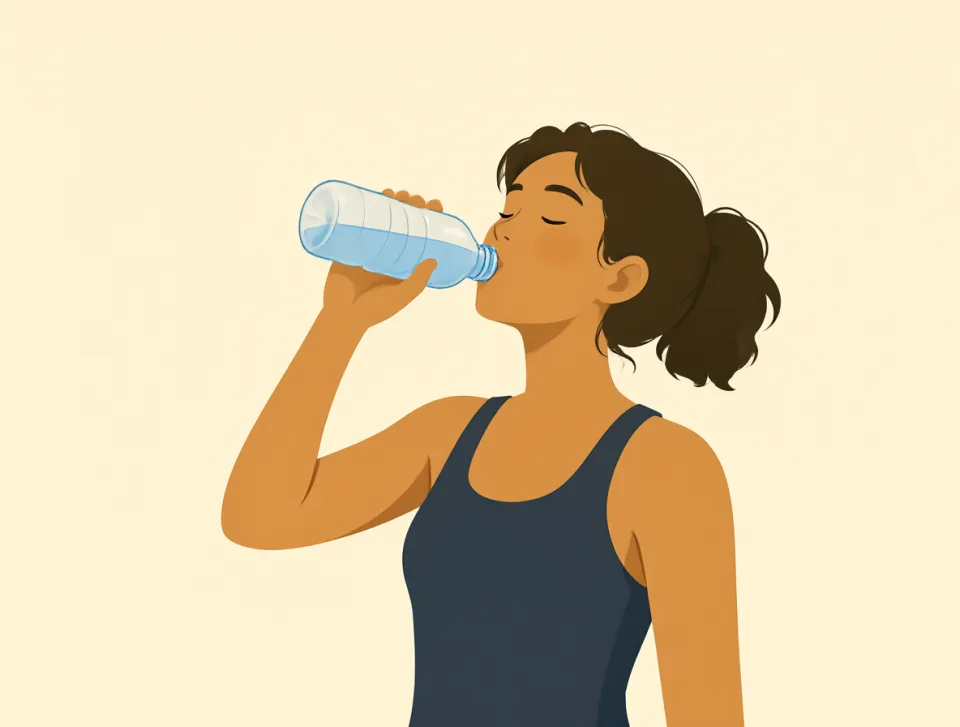
Drinking enough water is vital for staying healthy during hot weather.
गर्म मौसम में स्वस्थ रहने के लिए पर्याप्त पानी पीना बहुत ज़रूरी है।

It is vital to check your passport before leaving for the airport.
हवाई अड्डे के लिए निकलने से पहले अपना पासपोर्ट ज़रूर जाँच लें।

Good communication is vital to a successful team at work.
काम पर किसी टीम की सफलता के लिए अच्छा संवाद बहुत ज़रूरी है।
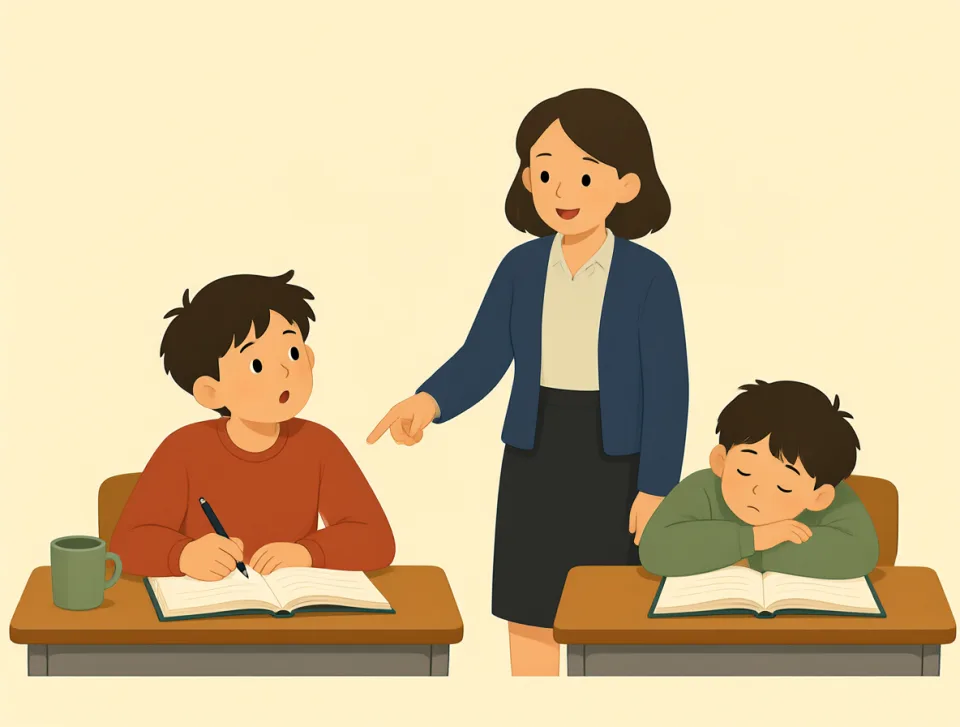
The teacher explained that sleep is vital for learning and remembering new information.
शिक्षक ने समझाया कि नई जानकारी सीखने और याद रखने के लिए नींद बहुत ज़रूरी है।

Fresh vegetables provide vital nutrients that help children grow strong.
ताज़ी सब्ज़ियाँ बच्चों को मज़बूत बनाने में मदद करने वाले ज़रूरी पोषक तत्व देती हैं।

fascinate
#2124verb
मोहित करना
to interest someone greatly, especially because something is unusual, beautiful, or mysterious
किसी को बहुत अधिक रुचि जगाकर आकर्षित करना, खासकर जब कोई चीज़ अनोखी, सुंदर या रहस्यमय हो।

Bright colors and unusual shapes fascinate young children.
चटख रंग और अनोखी आकृतियाँ छोटे बच्चों को बहुत आकर्षित करती हैं।

The documentary fascinated me with stories about life under the ocean.
समुद्र के नीचे के जीवन की कहानियों ने मुझे उस वृत्तचित्र से मंत्रमुग्ध कर दिया।

My little brother is fascinated by how airplanes fly.
मेरा छोटा भाई यह जानकर बहुत रोमांचित होता है कि हवाई जहाज़ कैसे उड़ते हैं।
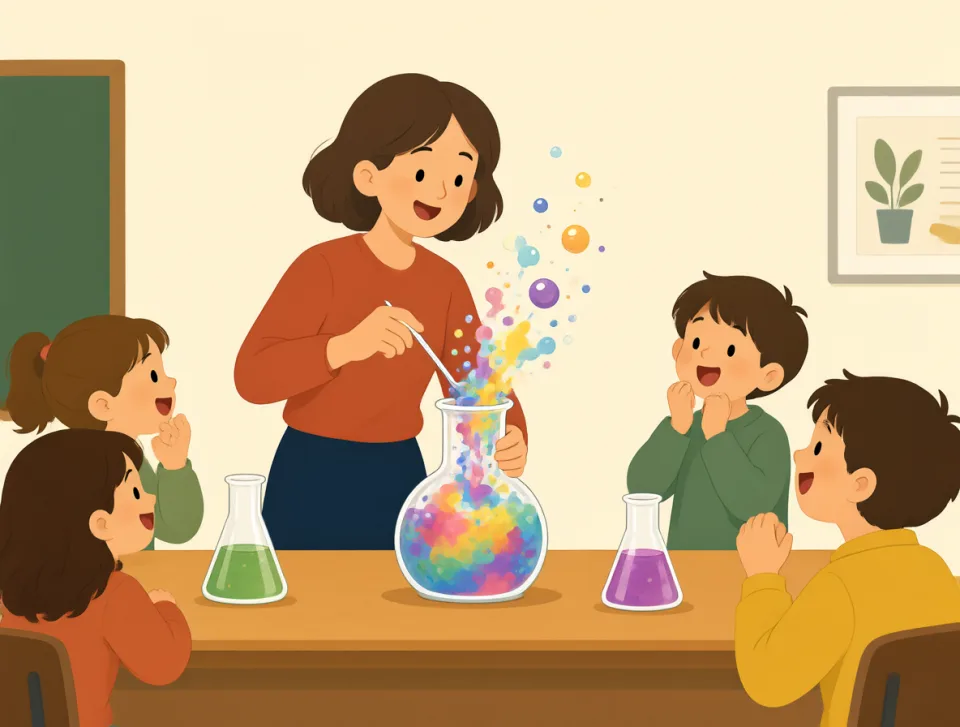
The teacher fascinated the class with a simple science experiment.
शिक्षक ने विज्ञान के एक आसान प्रयोग से पूरी कक्षा को मंत्रमुग्ध कर दिया।

She was fascinated by the old streets and buildings in Rome.
वह रोम के पुराने रास्तों और इमारतों से बहुत प्रभावित थी।

external
#2125adjective, noun
बाहरी
outside a place, system, or organization, or coming from outside it
किसी जगह, व्यवस्था या संगठन के बाहर स्थित या बाहर से आने वाला।

The external walls need painting before winter arrives.
सर्दी आने से पहले बाहरी दीवारों पर रंग करना ज़रूरी है।
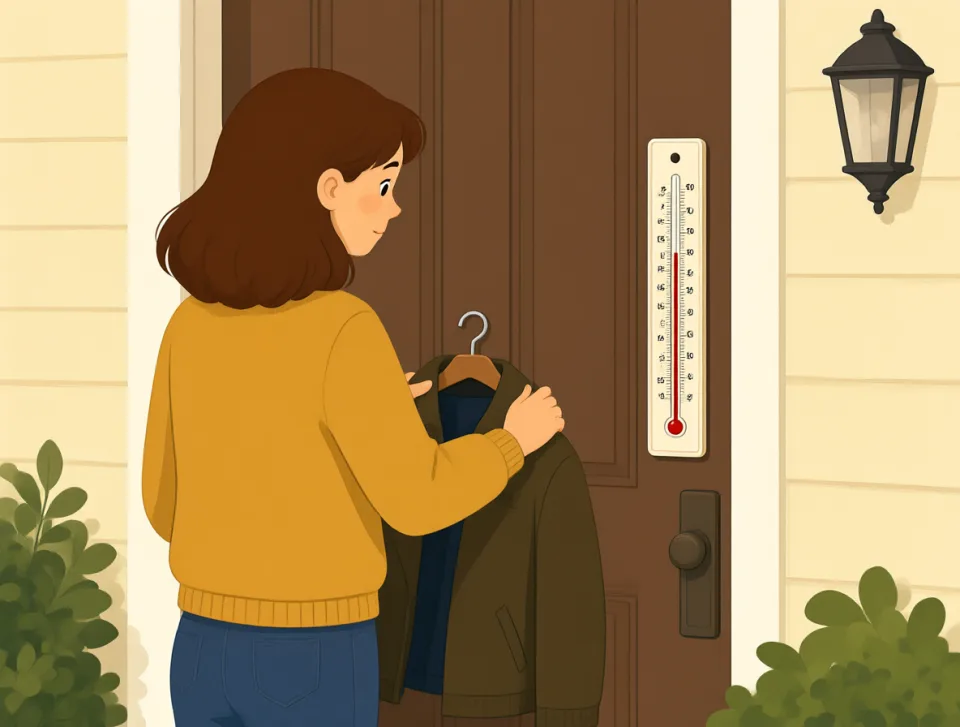
Please check the external temperature before choosing your clothes.
कपड़े चुनने से पहले कृपया बाहर का तापमान जाँच लें।

The company hired an external consultant to improve its safety rules.
कंपनी ने अपने सुरक्षा नियमों को बेहतर बनाने के लिए एक बाहरी सलाहकार नियुक्त किया।

Students must use external sources for their history projects.
छात्रों को इतिहास की परियोजनाओं के लिए बाहरी स्रोतों का इस्तेमाल करना होगा।

The doctor found no external signs of injury on his arm.
डॉक्टर को उसकी बाँह पर चोट के कोई बाहरी निशान नहीं मिले।

spare
#2126adjective, verb, noun
अतिरिक्त
Extra and available, or to give someone time, money, or help when needed.
जो अतिरिक्त हो और उपलब्ध हो; या ज़रूरत पड़ने पर किसी को समय, पैसा या मदद देना।

Do you have a spare key for the front door?
क्या तुम्हारे पास मुख्य दरवाज़े की एक अतिरिक्त चाबी है?
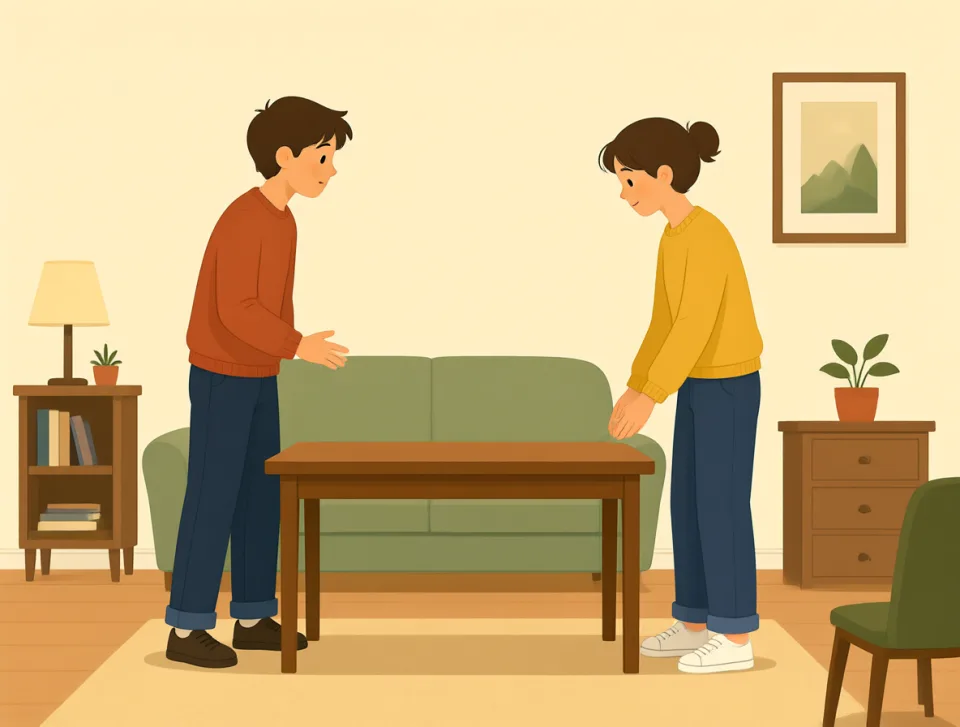
Could you spare a few minutes to help me move this table?
क्या तुम यह मेज़ हटाने में मेरी मदद के लिए कुछ मिनट निकाल सकते हो?

We have a spare room where visiting guests can sleep.
हमारे पास एक अतिरिक्त कमरा है जहाँ ठहरने आए मेहमान सो सकते हैं।
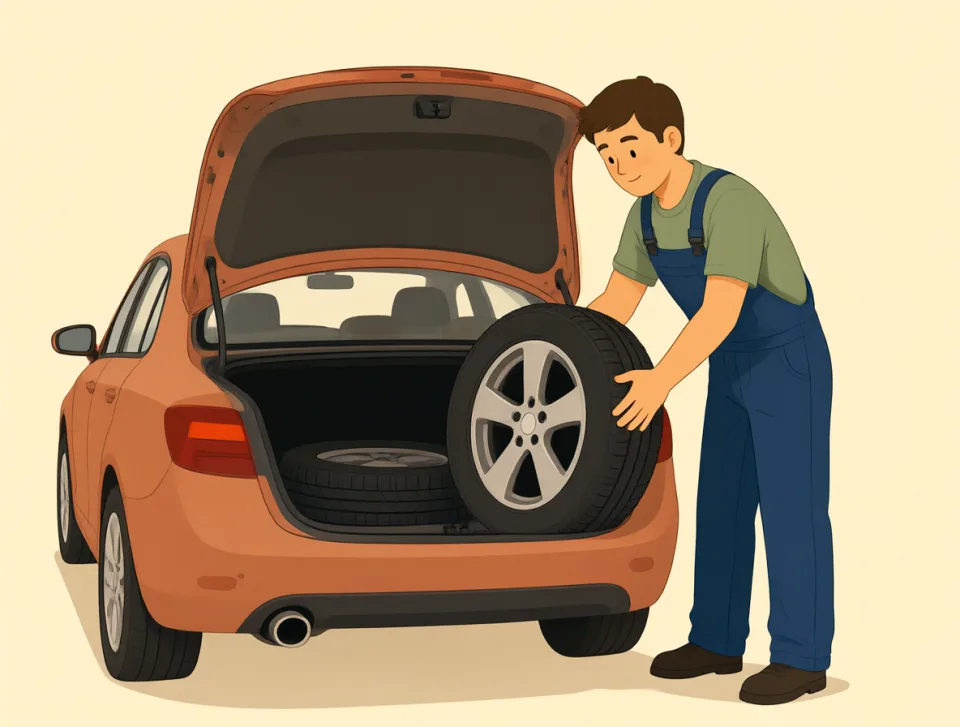
The mechanic kept a spare tire in the trunk of the car.
मैकेनिक ने कार की डिक्की में एक अतिरिक्त टायर रखा था।

She bought a spare shirt after spilling soup on her clothes.
कपड़ों पर सूप गिर जाने के बाद उसने एक अतिरिक्त कमीज़ खरीदी।

whenever
#2127adverb, conjunction
जब भी
every time that something happens, or at any time when it is possible
हर बार जब कुछ होता है, या किसी भी समय जब ऐसा करना संभव हो।
Whenever I feel tired, I take a short break and drink some water.
जब भी मुझे थकान महसूस होती है, मैं थोड़ा आराम करता हूँ और पानी पीता हूँ।

Call me whenever you need help with your homework.
जब भी तुम्हें होमवर्क में मदद चाहिए, मुझे फ़ोन करना।

Whenever we visit the city, we eat at that small Italian restaurant.
जब भी हम शहर जाते हैं, उस छोटे इतालवी रेस्तराँ में खाना खाते हैं।

She listens to music whenever she cleans the house.
जब भी वह घर साफ़ करती है, संगीत सुनती है।

You can use this room whenever you need a quiet place to work.
जब भी तुम्हें काम करने के लिए किसी शांत जगह की ज़रूरत हो, तुम इस कमरे का इस्तेमाल कर सकते हो।

depression
#2128noun
अवसाद
A serious medical condition causing long-lasting sadness and loss of interest in life.
एक गंभीर स्वास्थ्य समस्या, जिसमें लंबे समय तक उदासी बनी रहती है और जीवन में रुचि कम हो जाती है।
She is receiving treatment for depression from a doctor.
वह डॉक्टर से अवसाद का इलाज करवा रही है।

Depression can make it difficult to work, sleep, or enjoy everyday activities.
अवसाद के कारण काम करना, सोना या रोज़मर्रा की गतिविधियों का आनंद लेना मुश्किल हो सकता है।

His depression became worse after he lost his job.
नौकरी छूटने के बाद उसका अवसाद और बढ़ गया।

Talking with close friends helped her manage her depression.
करीबी दोस्तों से बात करने से उसे अपने अवसाद से निपटने में मदद मिली।
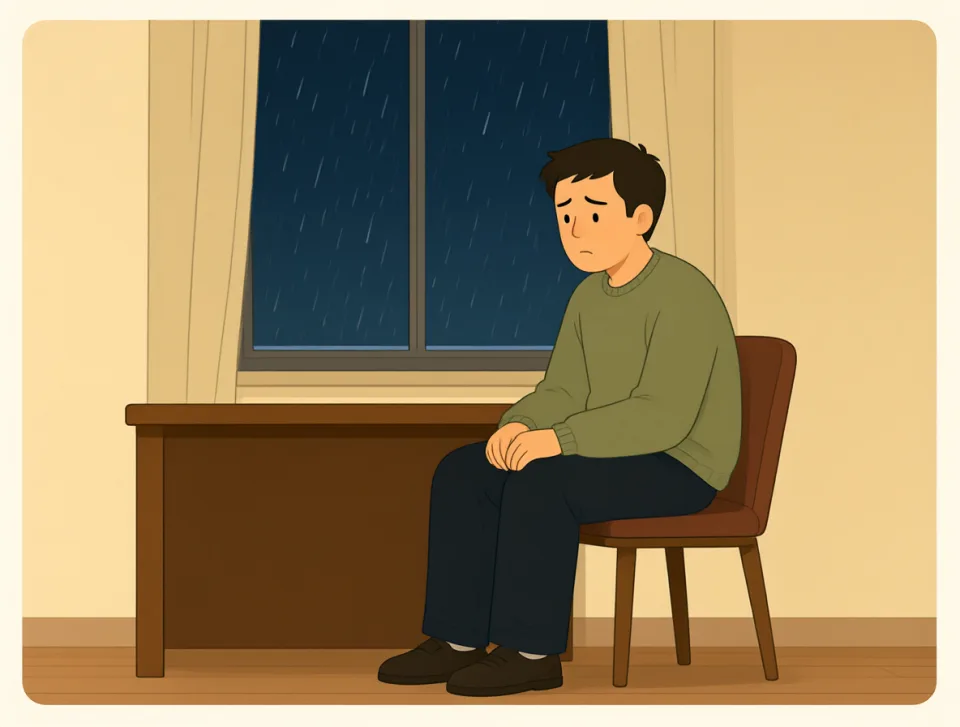
The long winter and lack of sunlight contributed to his depression.
लंबी सर्दी और धूप की कमी ने उसके अवसाद को बढ़ावा दिया।
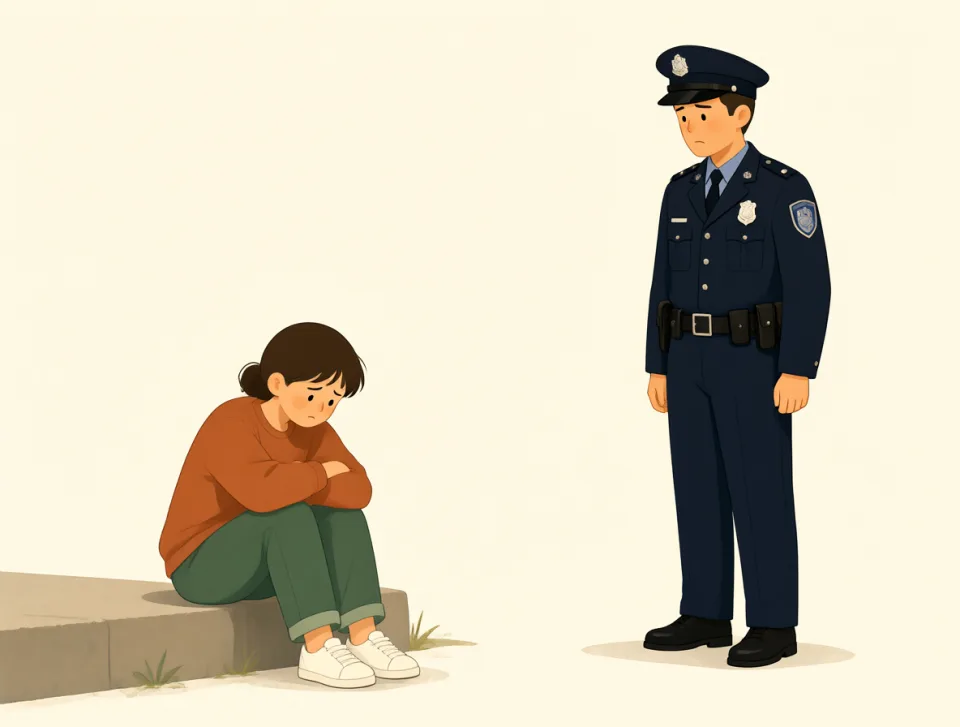
guilty
#2129adjective
दोषी
Feeling responsible for doing something wrong or having committed a crime.
कुछ गलत करने या कोई अपराध करने के लिए खुद को ज़िम्मेदार महसूस करना।
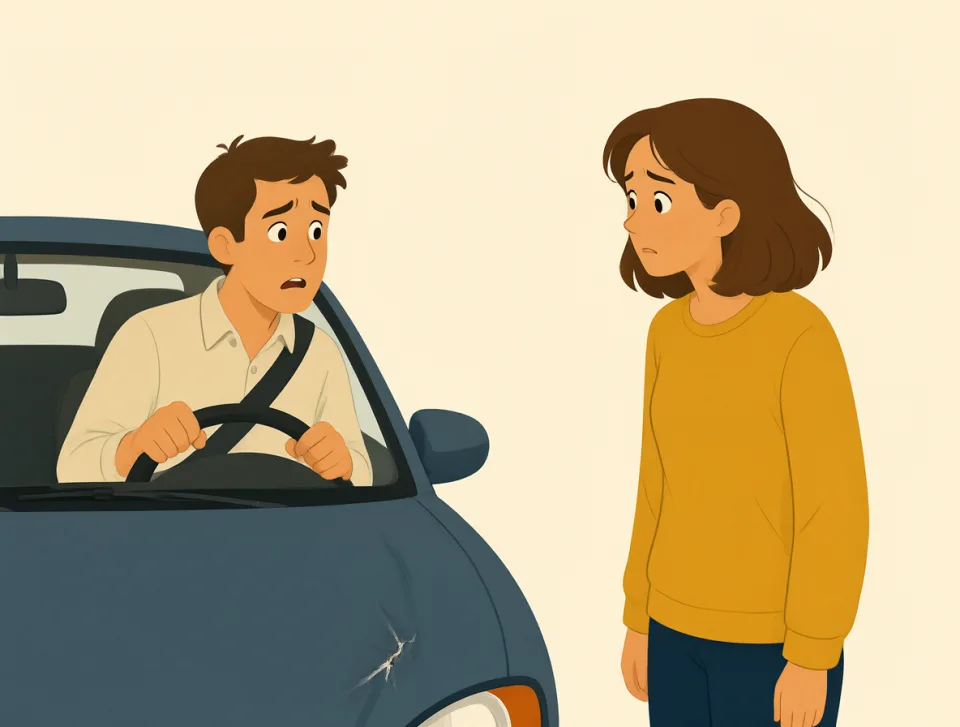
The guilty driver apologized after hitting the parked car.
खड़ी कार को टक्कर मारने के बाद दोषी ड्राइवर ने माफ़ी माँगी।
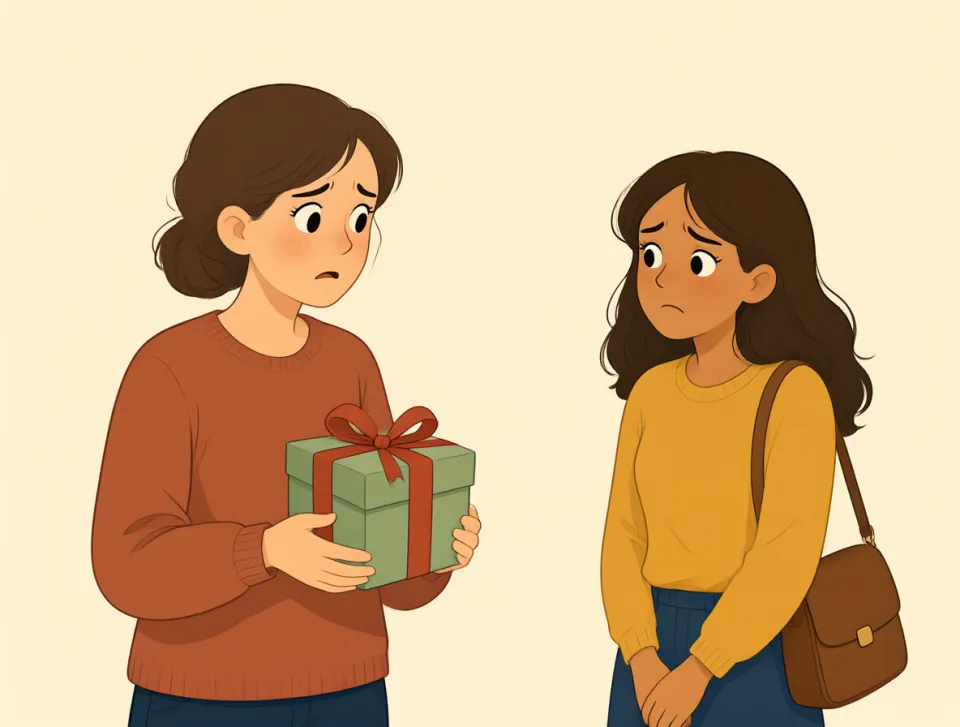
She felt guilty about forgetting her friend’s birthday.
अपनी दोस्त का जन्मदिन भूल जाने पर उसे बुरा लगा।

The court found him guilty of stealing money from his employer.
अदालत ने उसे अपने नियोक्ता से पैसे चुराने का दोषी पाया।
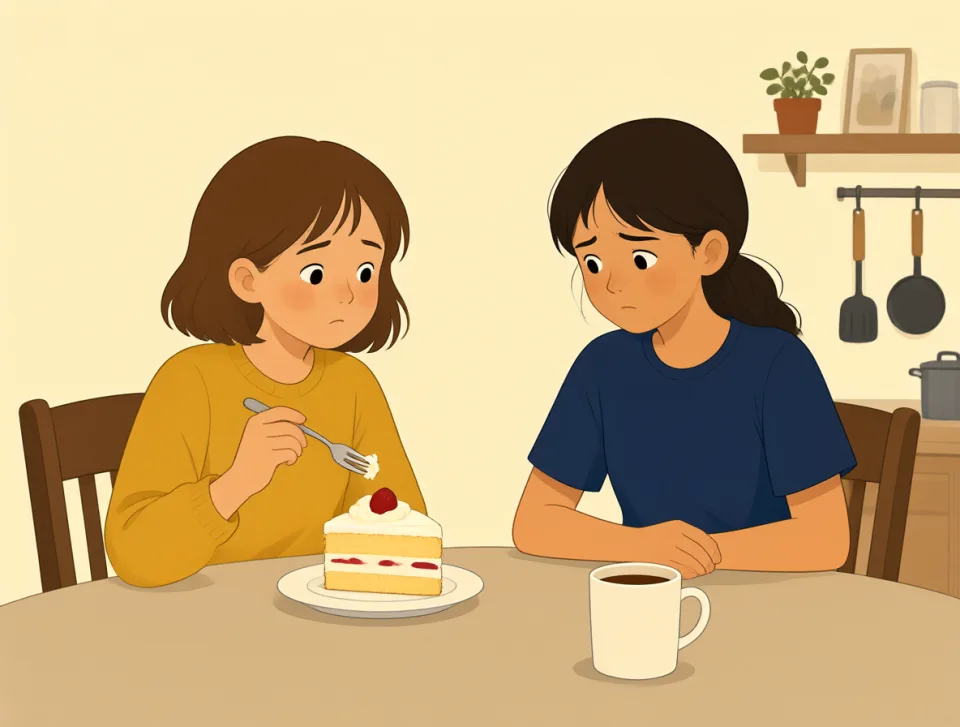
I felt guilty eating cake while my sister was on a strict diet.
जब मेरी बहन सख़्त परहेज़ कर रही थी, तब केक खाने पर मुझे अपराधबोध हुआ।
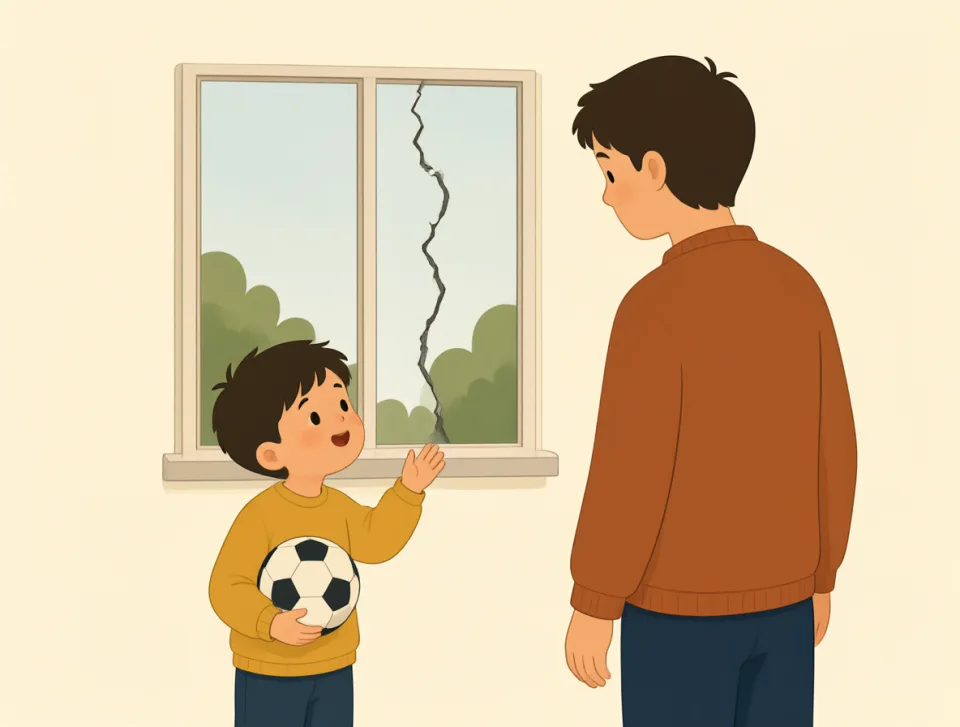
The guilty child quietly admitted breaking the window with a ball.
गेंद से खिड़की तोड़ने की बात उस दोषी बच्चे ने चुपचाप मान ली।
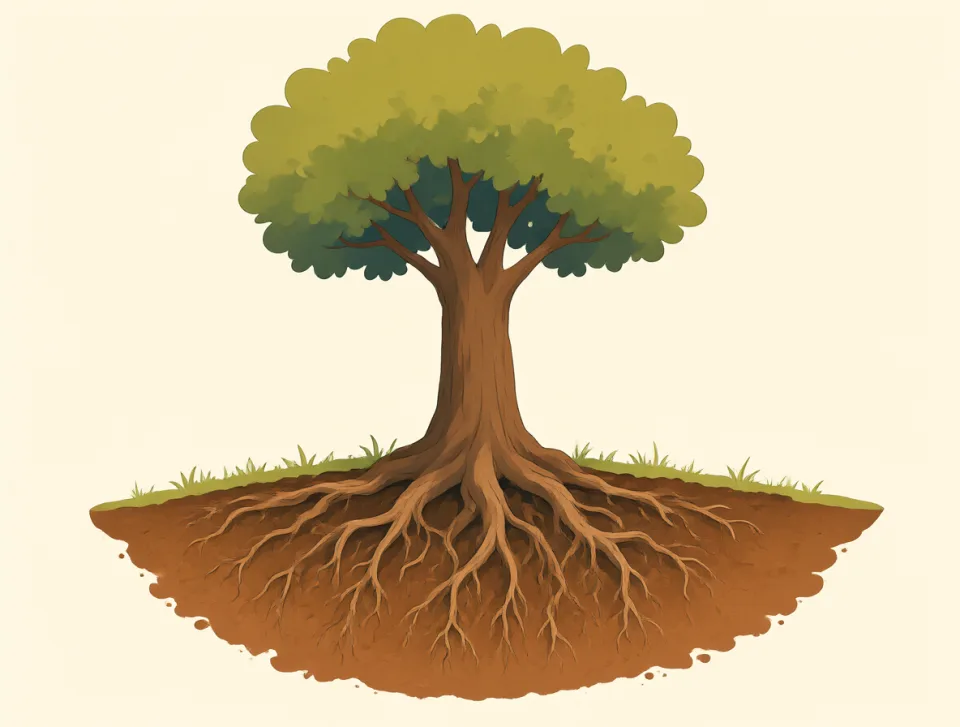
underlie
#2130verb
आधार में होना
to exist beneath and support something, or form the basic cause of it
किसी चीज़ के नीचे मौजूद होकर उसे सहारा देना, या उसका मूल कारण बनना।

Strong family values underlie the way we raise our children.
बच्चों की परवरिश करने के हमारे तरीके का आधार परिवार के मज़बूत मूल्य हैं।

Several hidden fears underlie his refusal to travel by plane.
हवाई जहाज़ से यात्रा करने से उसके इनकार के पीछे कई छिपे हुए डर हैं।

The teacher explained the ideas underlying the science experiment.
शिक्षक ने विज्ञान के प्रयोग के पीछे के विचारों को समझाया।

Trust and respect underlie every successful friendship.
हर सफल दोस्ती की नींव भरोसा और सम्मान होते हैं।
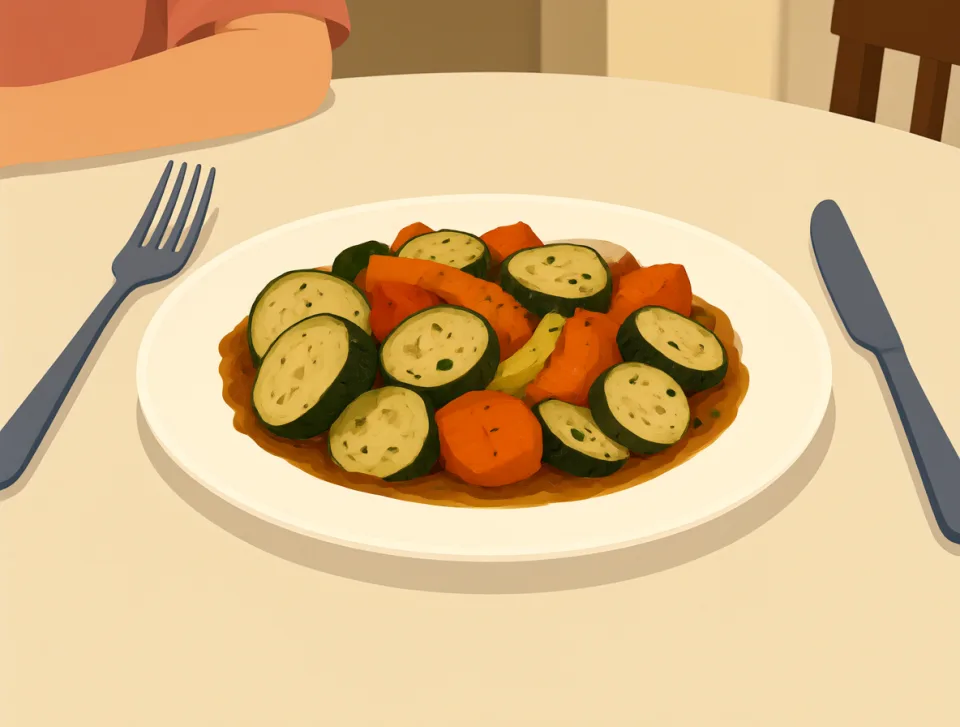
A simple sauce underlay the roasted vegetables at dinner.
रात के खाने में भुनी हुई सब्ज़ियों के नीचे एक साधारण सॉस था।

mom
#2131noun
माँ
your mother or a woman who looks after children
आपकी माँ या बच्चों की देखभाल करने वाली कोई महिला
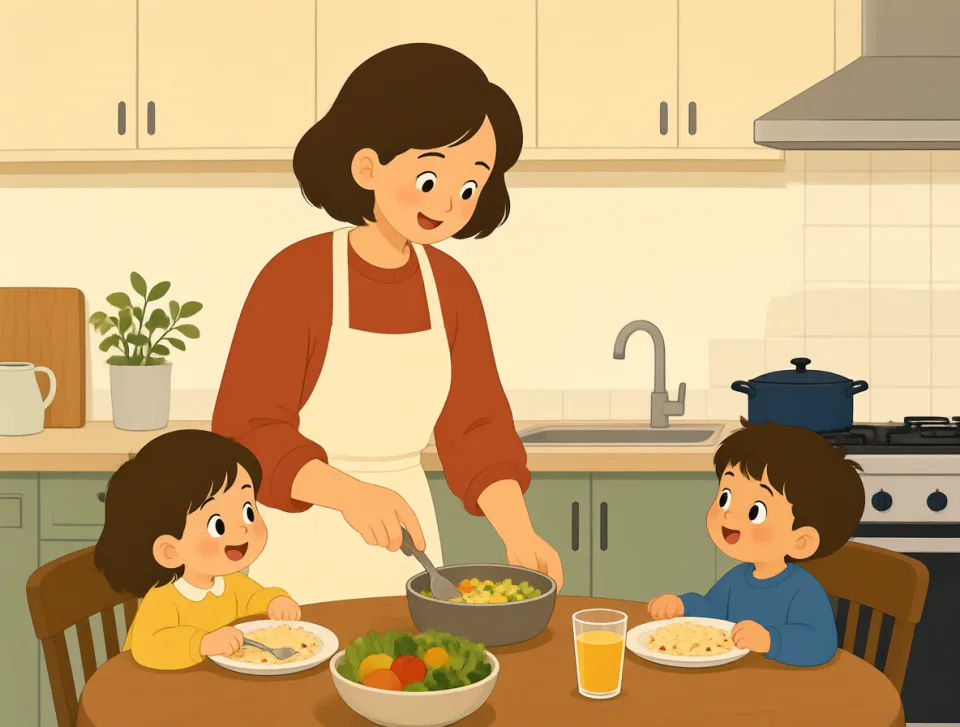
My mom makes breakfast for us every morning before school.
मेरी माँ हर सुबह स्कूल जाने से पहले हमारे लिए नाश्ता बनाती हैं।

I called my mom after work to tell her the good news.
अच्छी खबर बताने के लिए मैंने काम के बाद अपनी माँ को फ़ोन किया।

My mom bought fresh vegetables and chicken for dinner.
मेरी माँ ने रात के खाने के लिए ताज़ी सब्ज़ियाँ और चिकन खरीदे।

His mom took him to the doctor because he felt sick.
उसे तबीयत खराब लगी, इसलिए उसकी माँ उसे डॉक्टर के पास ले गईं।

My friend’s mom gave us a ride home after the party.
पार्टी के बाद मेरे दोस्त की माँ ने हमें घर तक छोड़ दिया।
distinction
#2132noun
अंतर
A clear difference between two people or things.
दो लोगों या चीज़ों के बीच का स्पष्ट फर्क।
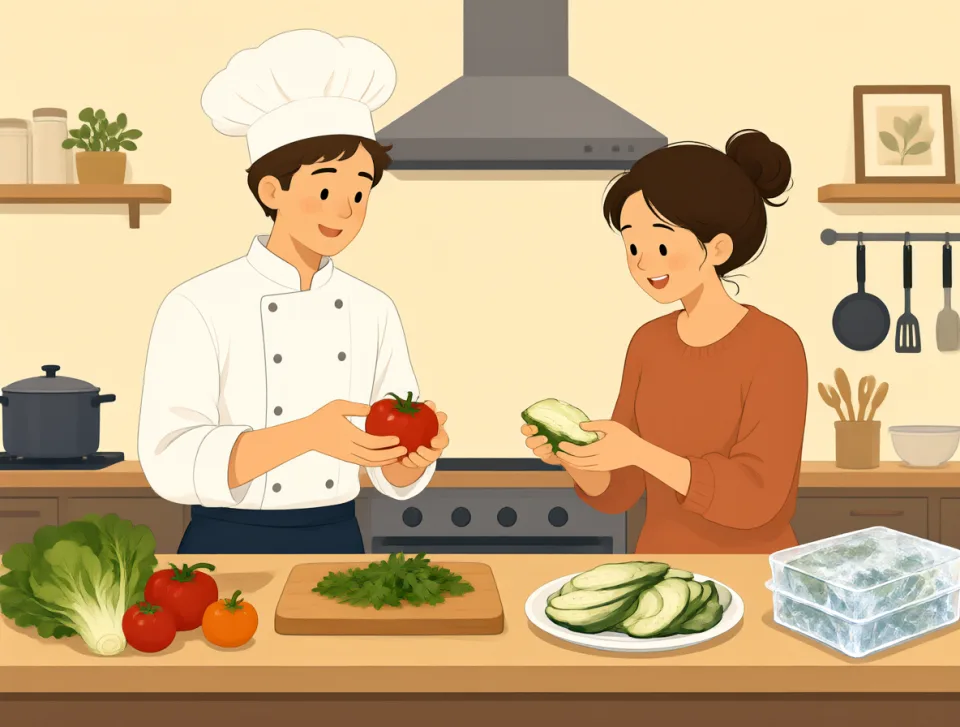
The chef is known for the distinction between fresh and frozen ingredients.
यह शेफ़ ताज़ी और जमी हुई सामग्री के बीच का अंतर बताने के लिए मशहूर है।

There is an important distinction between being busy and being productive.
व्यस्त होने और काम में उत्पादक होने के बीच एक अहम अंतर है।

The school gives an award to students who pass with distinction.
जो विद्यार्थी विशेष योग्यता के साथ परीक्षा पास करते हैं, स्कूल उन्हें पुरस्कार देता है।
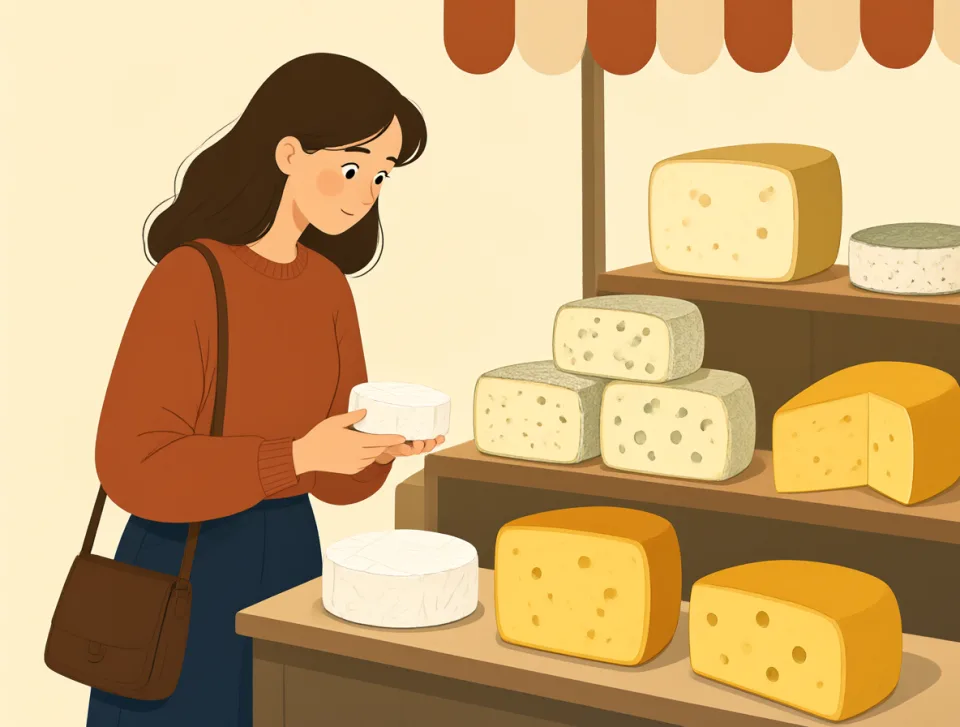
The store sells several cheeses, each with its own distinctive flavor.
यह दुकान कई तरह के चीज़ बेचती है, और हर चीज़ का स्वाद अलग होता है।

She earned the distinction of being the first person to finish the race.
दौड़ पूरी करने वाली पहली व्यक्ति होने का गौरव उसे मिला।

satisfaction
#2133noun
संतुष्टि
A happy feeling because something is good, successful, or meets your needs.
किसी चीज़ के अच्छा होने, सफल होने या आपकी ज़रूरतें पूरी करने से मिलने वाली खुशी।
She smiled with satisfaction after finishing the difficult project at work.
काम की मुश्किल परियोजना पूरी करने के बाद वह संतुष्टि से मुस्कुराई।

The restaurant offers a money-back guarantee to ensure customer satisfaction.
ग्राहकों की संतुष्टि सुनिश्चित करने के लिए यह रेस्तराँ पैसे वापस करने की गारंटी देता है।

He gets great satisfaction from helping children learn to read.
बच्चों को पढ़ना सिखाने में मदद करने से उसे बहुत संतुष्टि मिलती है।

The hotel staff quickly resolved our complaint, much to our satisfaction.
होटल के कर्मचारियों ने हमारी शिकायत का तुरंत समाधान किया, जिससे हम बहुत संतुष्ट हुए।

After dinner, everyone expressed satisfaction with the delicious homemade meal.
रात के खाने के बाद सभी ने स्वादिष्ट, घर के बने खाने पर अपनी संतुष्टि जताई।
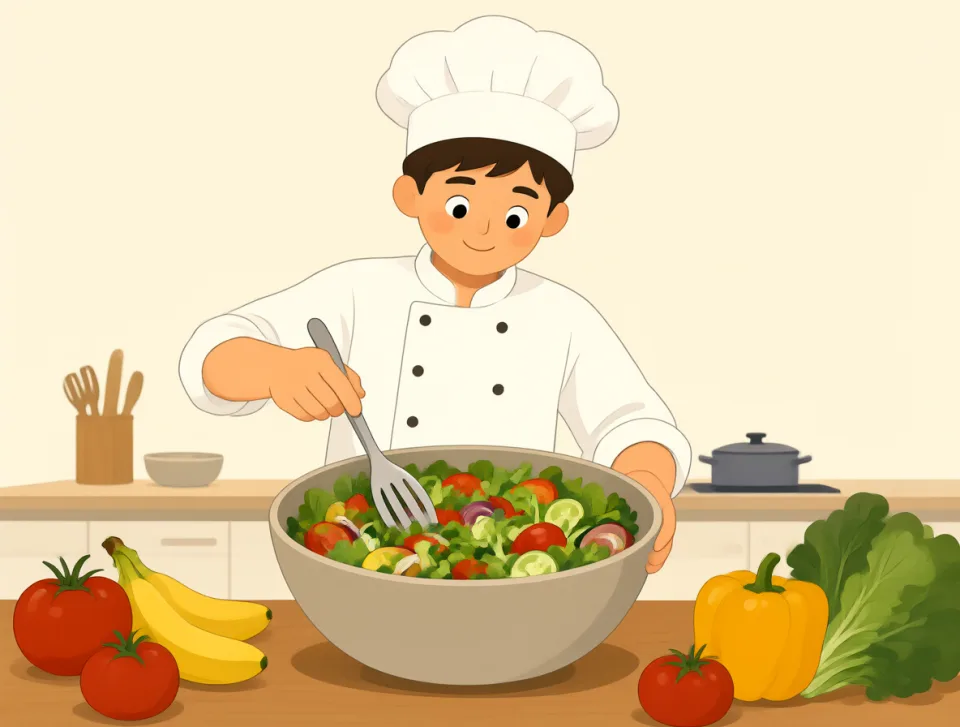
incorporate
#2134verb
शामिल करना
to include something as part of a larger whole
किसी चीज़ को किसी बड़े पूरे का हिस्सा बनाना

The designer incorporated bright colors into the living room.
डिज़ाइनर ने बैठक के कमरे में चमकीले रंग शामिल किए।

Please incorporate your teacher’s suggestions into the final report.
कृपया अपनी अंतिम रिपोर्ट में अपने शिक्षक के सुझाव शामिल करें।

The hotel has incorporated local food into its breakfast menu.
होटल ने अपने नाश्ते के मेनू में स्थानीय व्यंजन शामिल किए हैं।
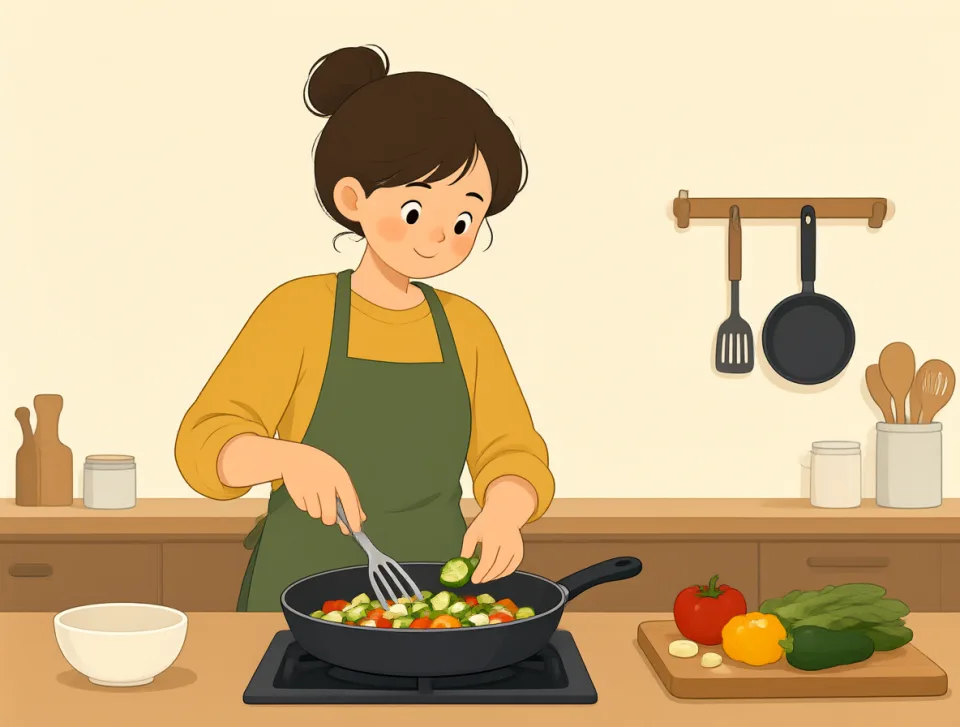
We are incorporating more vegetables into our family meals.
हम अपने पारिवारिक खाने में ज़्यादा सब्ज़ियाँ शामिल कर रहे हैं।
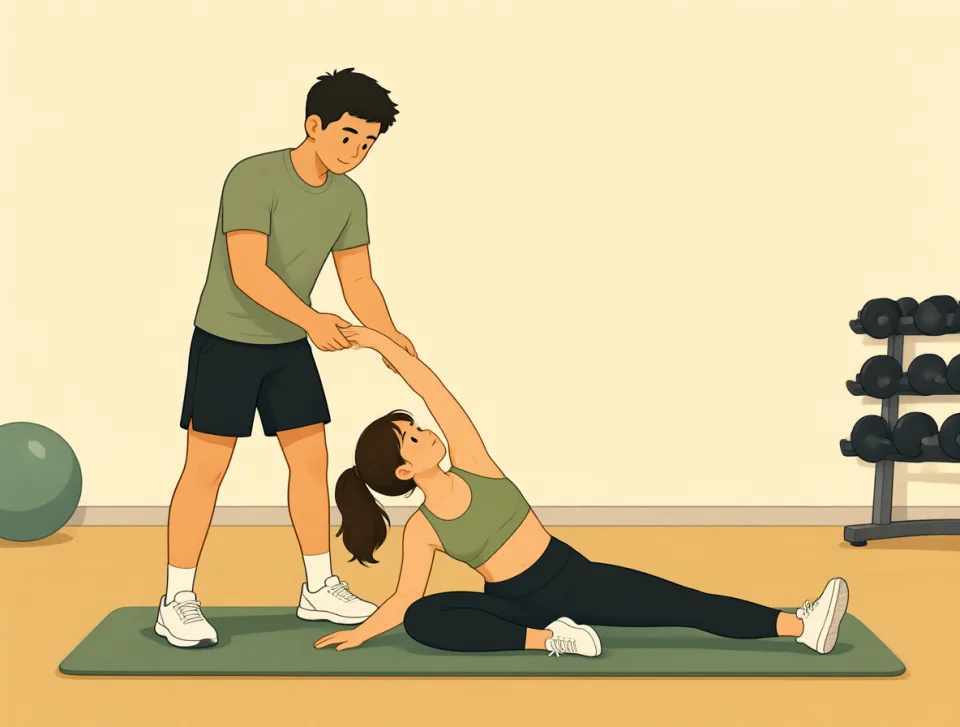
The exercise program incorporates stretching to prevent injuries.
चोटों से बचने के लिए इस व्यायाम कार्यक्रम में स्ट्रेचिंग शामिल है।
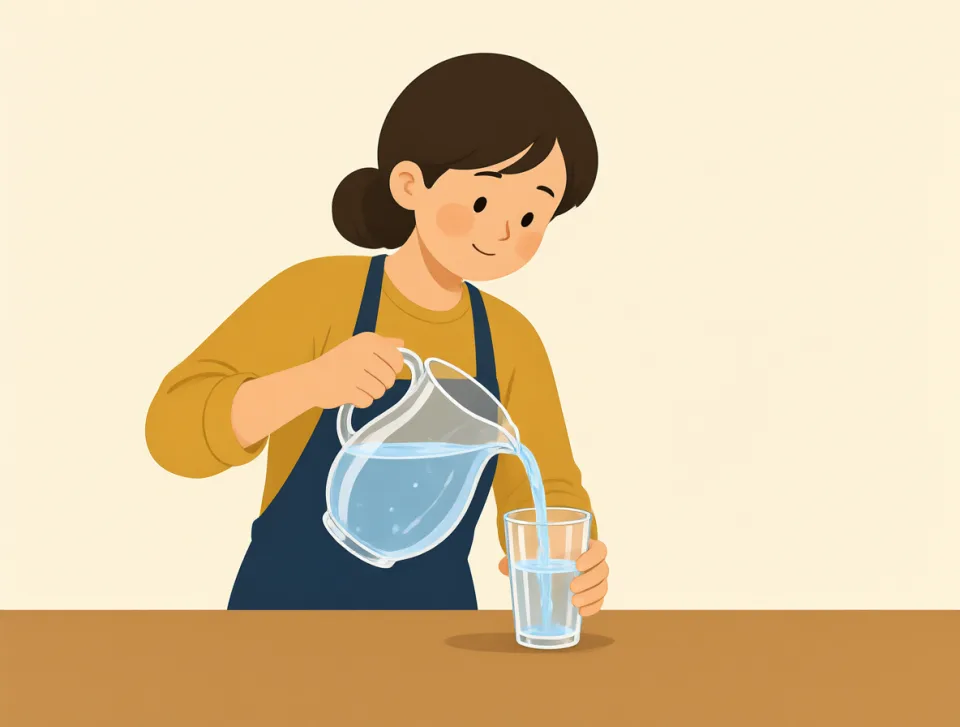
pour
#2135verb, noun
उँडेलना
To make a liquid flow from one container into another, usually quickly and steadily.
आमतौर पर तेज़ी से और लगातार, किसी तरल को एक बर्तन से दूसरे बर्तन में डालना।

Please pour some milk into my coffee.
कृपया मेरी कॉफ़ी में थोड़ा दूध डाल दीजिए।
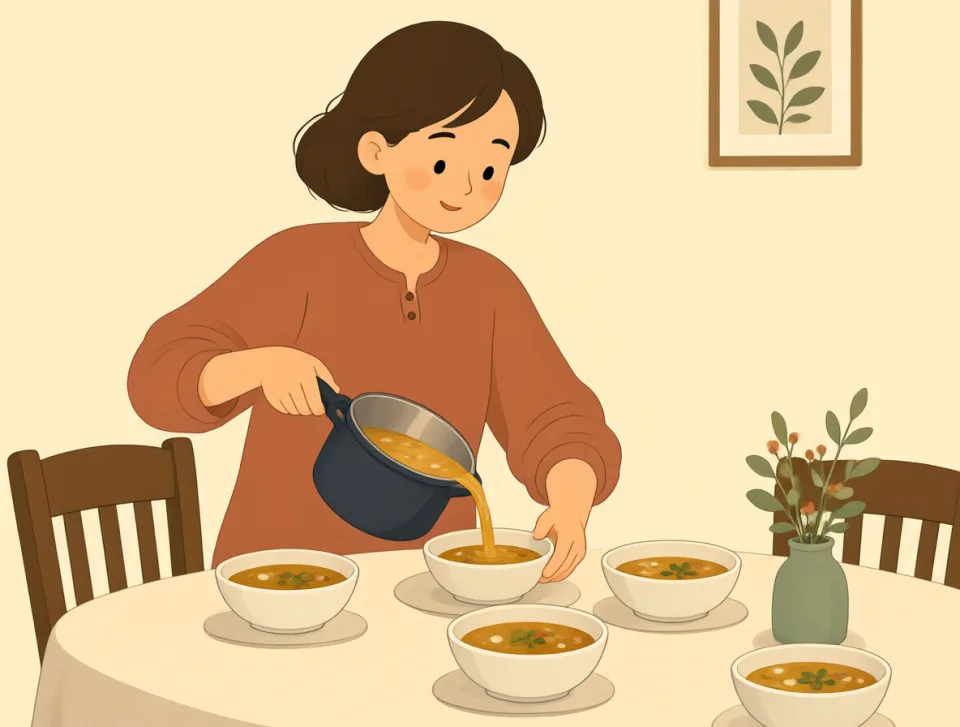
She poured the soup into bowls for everyone.
उसने सभी के लिए कटोरियों में सूप डाला।
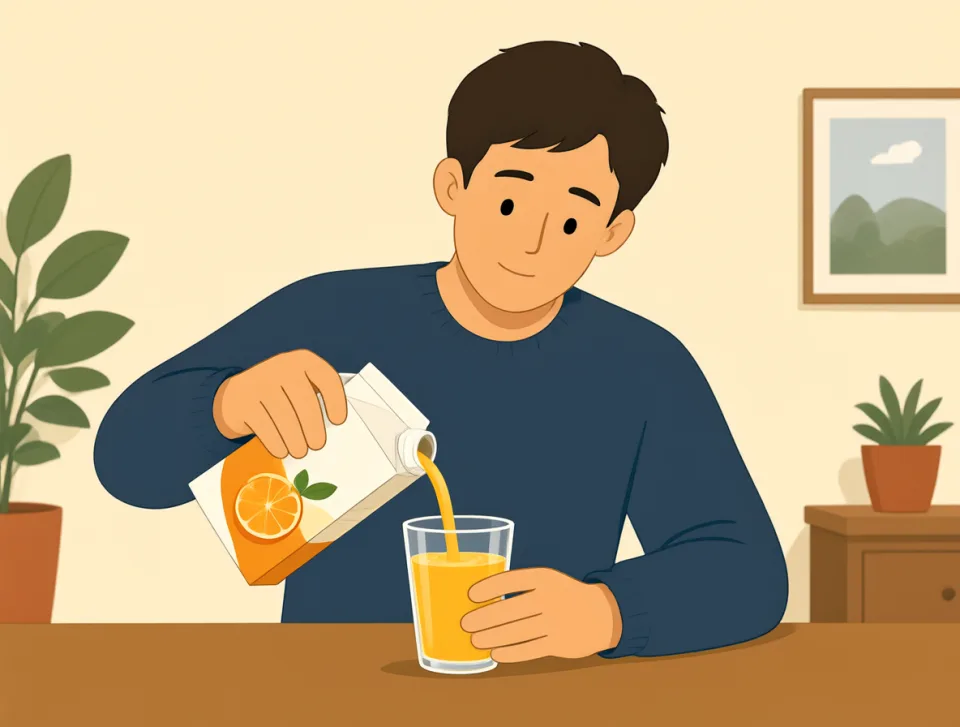
He poured himself a glass of orange juice.
उसने अपने लिए एक गिलास संतरे का रस डाला।
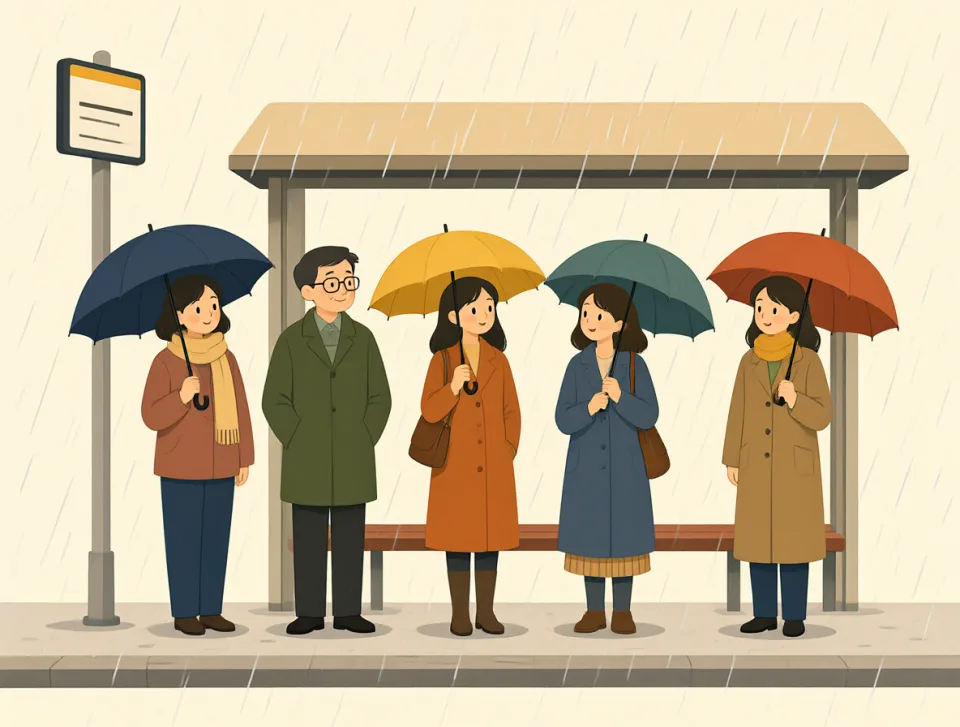
Rain poured down as we waited for the bus.
जब हम बस का इंतज़ार कर रहे थे, तब मूसलाधार बारिश हो रही थी।

A steady pour of customers entered the store after work.
काम के बाद ग्राहकों का एक लगातार ताँता दुकान में दाखिल हुआ।
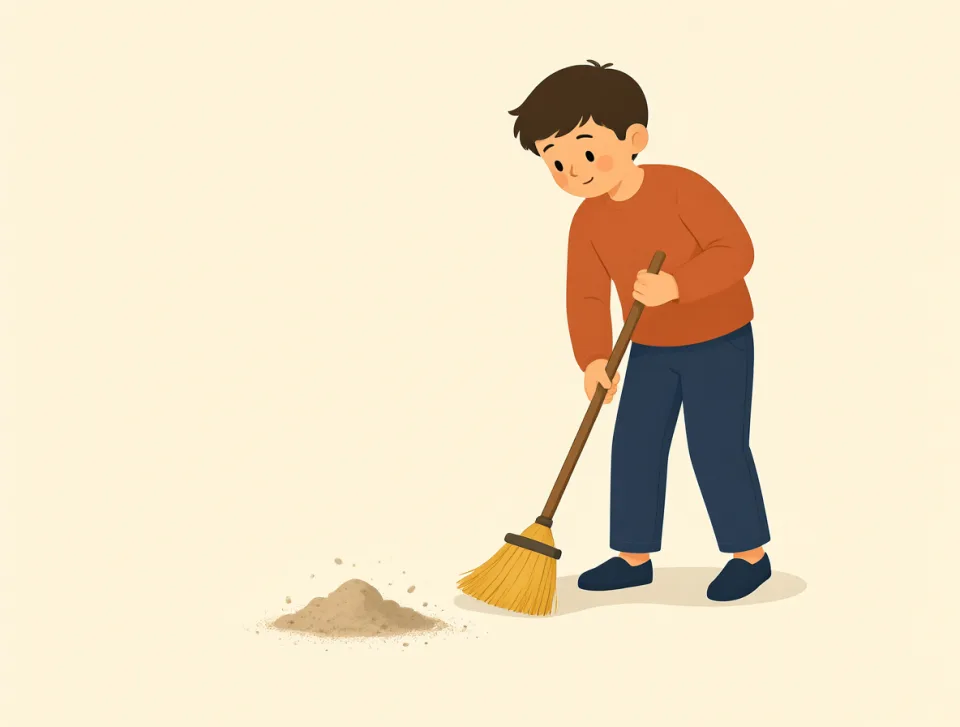
sweep
#2136verb, noun
झाड़ू लगाना; तेज़ी से किसी क्षेत्र में फैलना
To clean a floor or surface with a broom, or move across an area quickly.
झाड़ू से फर्श या सतह साफ़ करना, या किसी क्षेत्र में तेज़ी से फैलना।

I sweep the kitchen floor every evening after dinner.
मैं हर शाम खाने के बाद रसोई के फ़र्श पर झाड़ू लगाता हूँ।
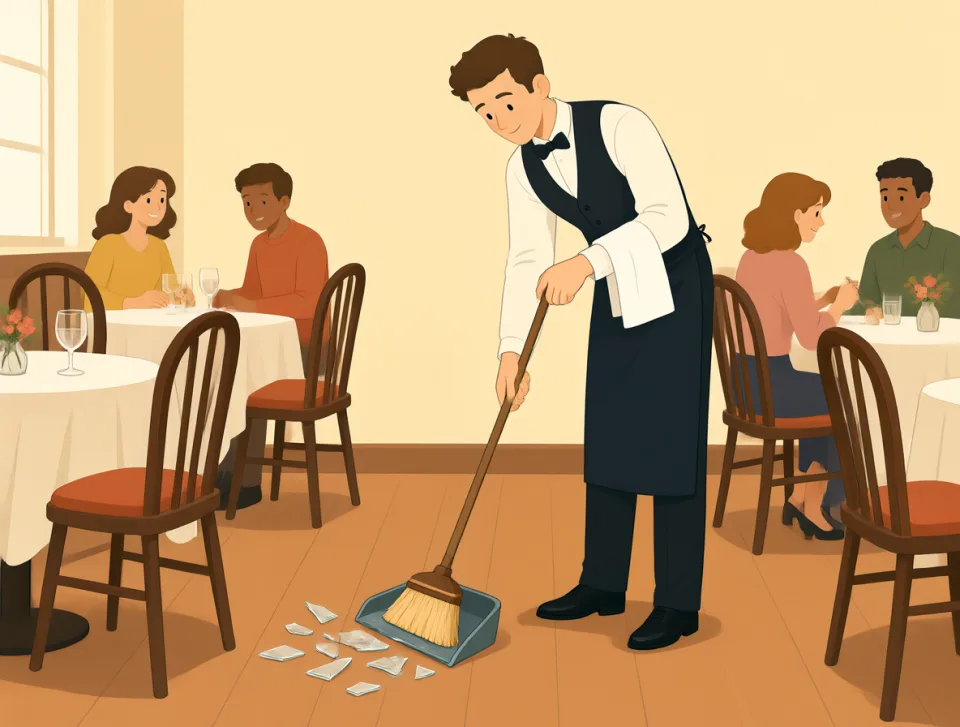
The waiter swept the broken glass into a dustpan.
वेटर ने टूटे हुए काँच के टुकड़ों को झाड़ू से समेटकर कूड़ेदान में डाल दिया।

Strong winds swept leaves across the garden.
तेज़ हवाएँ पत्तों को बगीचे में उड़ाकर ले गईं।

The new manager is sweeping through the office, checking every department.
नया मैनेजर दफ़्तर के हर विभाग की जाँच करते हुए तेज़ी से आगे बढ़ रहा है।

The doctor swept his hand over the patient’s shoulder during the examination.
जाँच के दौरान डॉक्टर ने मरीज़ के कंधे पर हाथ फेरा।
obligation
#2137noun
दायित्व
A duty to do something because it is required by law, rules, or circumstances.
कानून, नियमों या परिस्थितियों के कारण कुछ करना ज़रूरी होने का कर्तव्य।
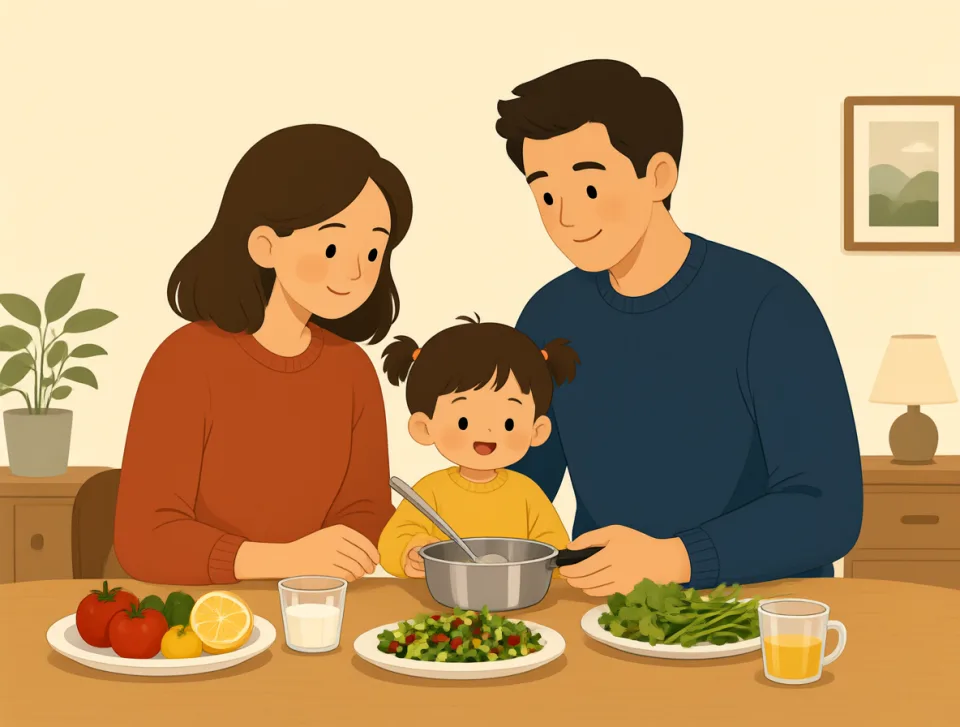
Parents have an obligation to keep their children safe and healthy.
माता-पिता का दायित्व है कि वे अपने बच्चों को सुरक्षित और स्वस्थ रखें।
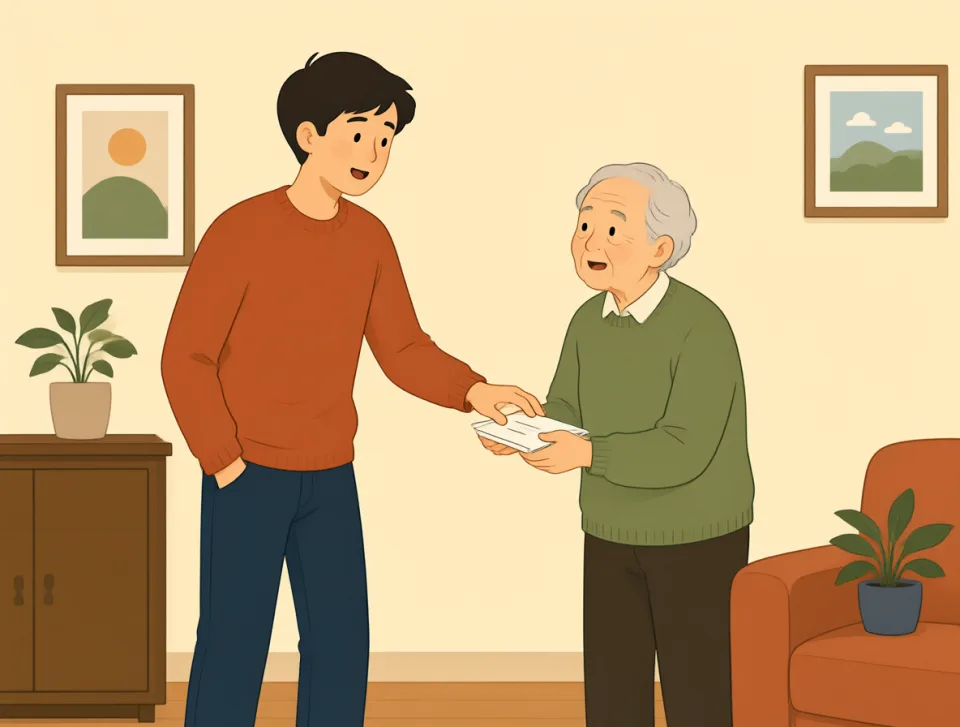
I cannot join you tonight because I have family obligations.
मैं आज रात तुम्हारे साथ नहीं आ सकता, क्योंकि परिवार से जुड़े मेरे कुछ दायित्व हैं।

The contract creates an obligation to pay the rent on time.
इस अनुबंध के तहत समय पर किराया चुकाना अनिवार्य है।
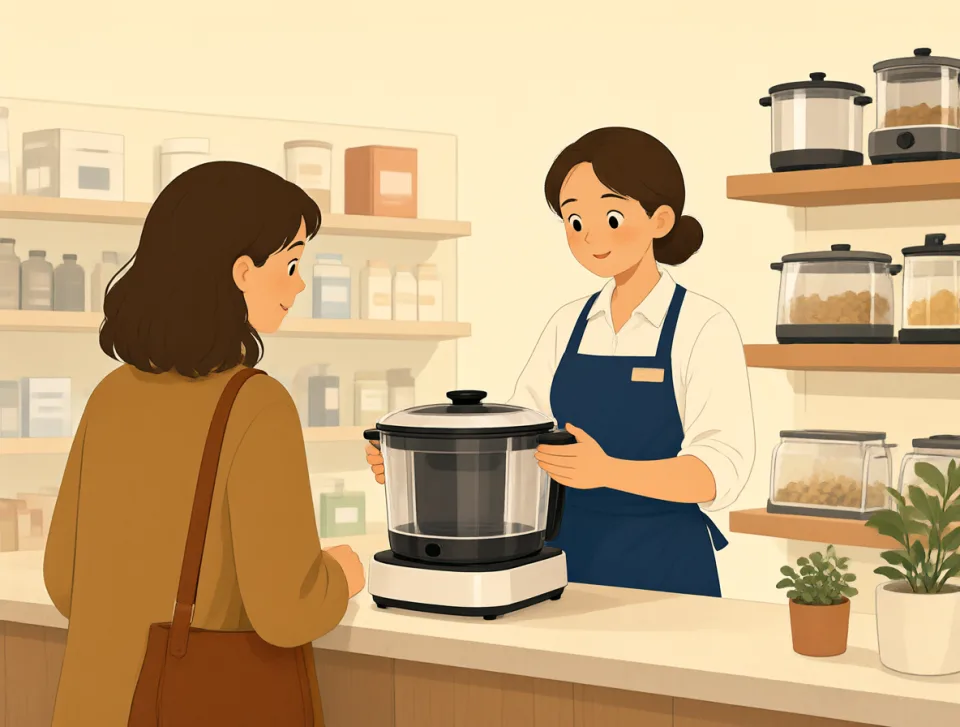
There is no obligation to buy anything during the free product demonstration.
मुफ़्त उत्पाद प्रदर्शन के दौरान कुछ भी खरीदना ज़रूरी नहीं है।

Students have an obligation to attend classes and complete their assignments.
छात्रों का दायित्व है कि वे कक्षाओं में आएँ और अपने असाइनमेंट पूरे करें।

sir
#2138noun
श्रीमान
A polite way to speak to a man, especially someone in authority.
किसी पुरुष को संबोधित करने का विनम्र तरीका, खासकर अधिकार वाले व्यक्ति को।
Excuse me, sir, could you tell me where the nearest train station is?
माफ़ कीजिए, श्रीमान, क्या आप बता सकते हैं कि सबसे नज़दीकी रेलवे स्टेशन कहाँ है?

The waiter asked, “What would you like to order, sir?”
वेटर ने पूछा, “श्रीमान, आप क्या मँगाना चाहेंगे?”

Yes, sir, I understand the instructions and will finish the work today.
जी श्रीमान, मुझे निर्देश समझ आ गए हैं और मैं आज ही काम पूरा कर दूँगा।
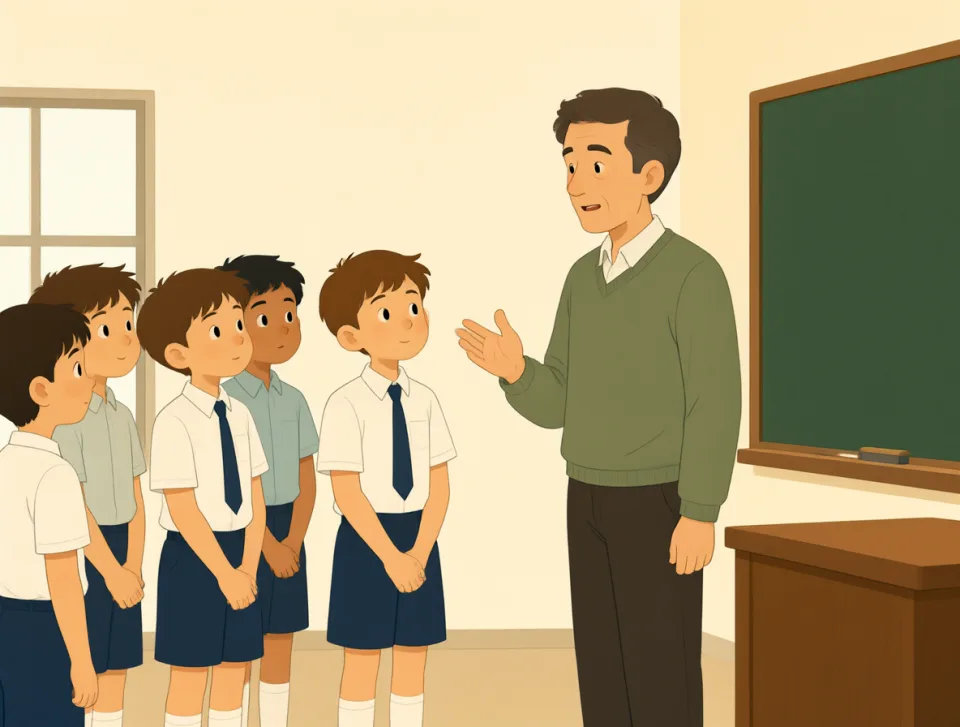
The teacher asked the boys to wait outside, and they answered, “Yes, sir.”
शिक्षक ने लड़कों से बाहर इंतज़ार करने को कहा, तो उन्होंने जवाब दिया, “जी, श्रीमान।”

The doctor told the patient, “Please sit down, sir, and take a deep breath.”
डॉक्टर ने मरीज़ से कहा, “कृपया बैठ जाइए, श्रीमान, और गहरी साँस लीजिए।”
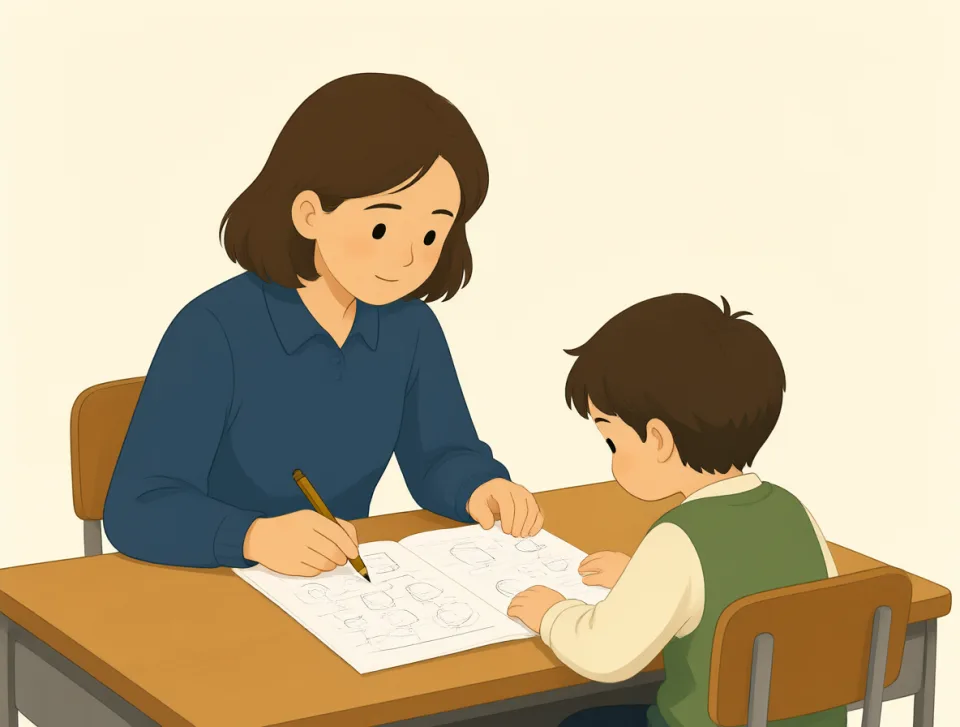
evaluate
#2139verb
आकलन करना
to judge something carefully to decide its quality, value, or importance
किसी चीज़ की गुणवत्ता, कीमत या महत्त्व तय करने के लिए ध्यान से उसका मूल्यांकन करना।
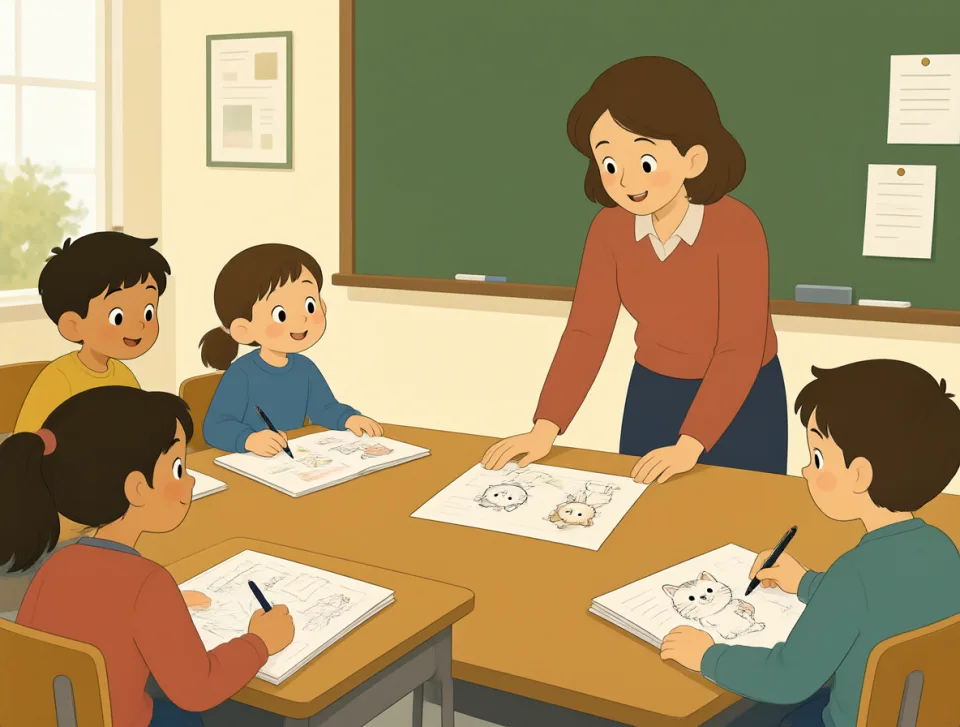
The teacher will evaluate our projects before giving us final grades.
अंतिम अंक देने से पहले शिक्षक हमारे प्रोजेक्ट का मूल्यांकन करेंगे।

We evaluated three hotels before choosing where to stay.
रुकने की जगह चुनने से पहले हमने तीन होटलों का मूल्यांकन किया।
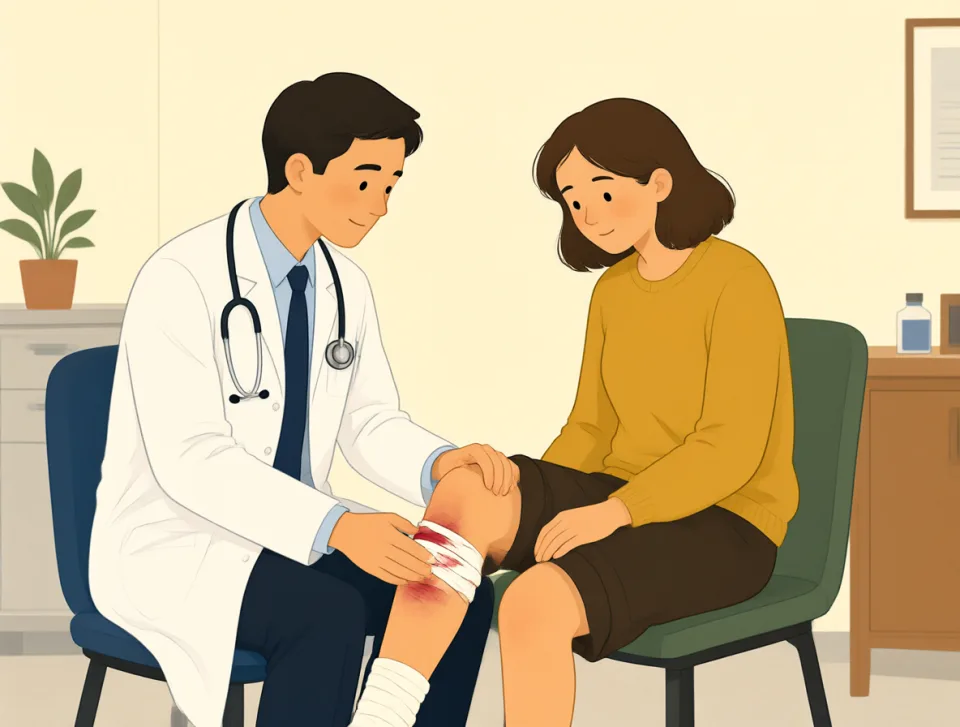
The doctor is evaluating my knee after I fell yesterday.
कल गिरने के बाद डॉक्टर मेरे घुटने की जाँच कर रहे हैं।

Please evaluate this new coffee before we add it to the menu.
मेन्यू में शामिल करने से पहले कृपया इस नई कॉफ़ी का स्वाद और गुणवत्ता जाँच लें।

The manager evaluated my work and offered helpful advice.
मैनेजर ने मेरे काम का मूल्यांकन किया और उपयोगी सलाह दी।
anger
#2140noun, verb
गुस्सा
a strong feeling of annoyance caused by something unfair, unpleasant, or wrong
किसी अनुचित, अप्रिय या गलत बात से पैदा होने वाली तीव्र नाराज़गी।
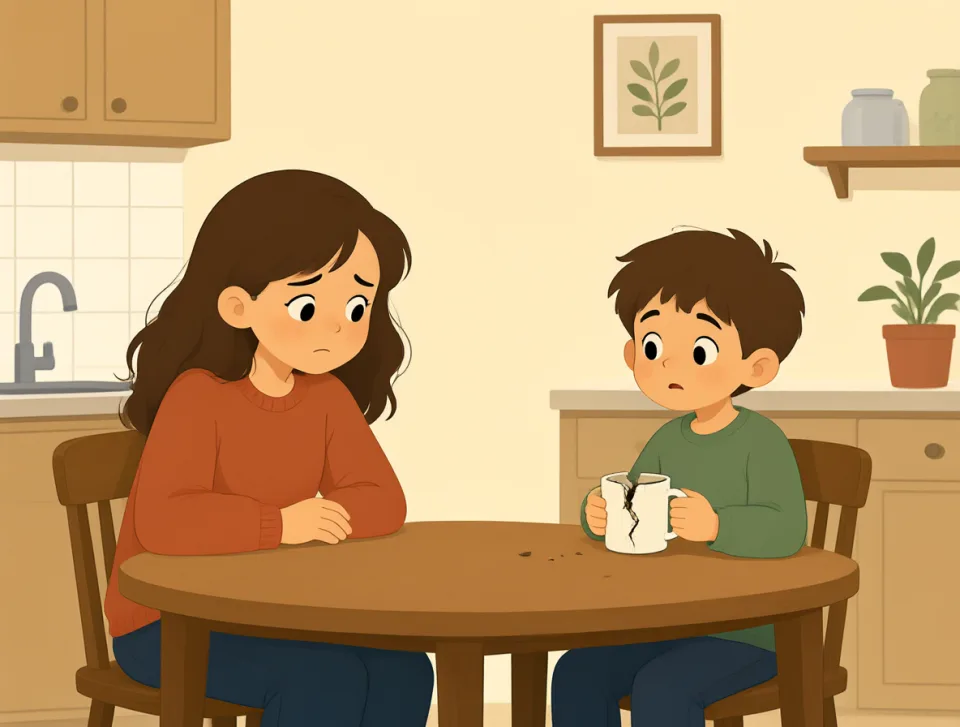
She tried to hide her anger when her brother broke her favorite mug.
जब उसके भाई ने उसका पसंदीदा मग तोड़ दिया, तो उसने अपना गुस्सा छिपाने की कोशिश की।

The manager apologized after customers expressed anger about the long delay.
लंबी देरी को लेकर ग्राहकों ने गुस्सा जताया, तो मैनेजर ने माफ़ी माँगी।

Regular exercise can help people manage anger and sleep better.
नियमित व्यायाम से लोगों को अपना गुस्सा काबू करने और बेहतर नींद लेने में मदद मिल सकती है।

He spoke in anger and later regretted his harsh words.
उसने गुस्से में बात की और बाद में अपने कठोर शब्दों पर पछताया।
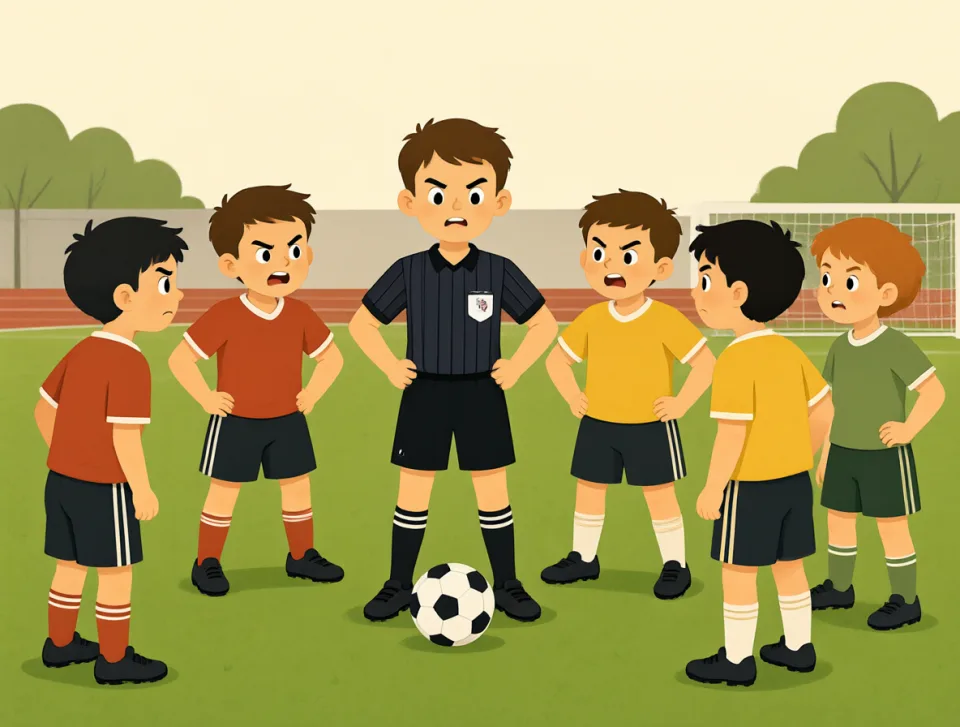
The unfair referee's decision angered the players during the school match.
स्कूल के मैच के दौरान रेफ़री के अनुचित फ़ैसले से खिलाड़ी गुस्सा हो गए।