107. Ünite
2121–2140 arasındaki kelimeler · terrorist, justify, vital, fascinate, external, spare
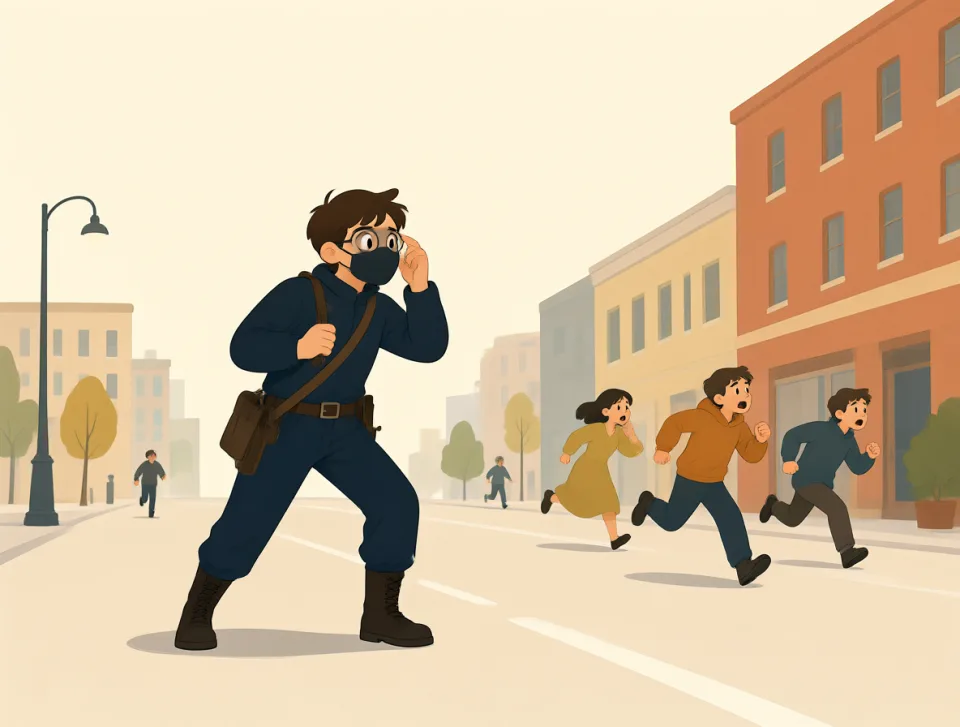
terrorist
#2121noun
terörist
A person who uses violence to frighten people and achieve political goals.
İnsanları korkutmak ve siyasi amaçlara ulaşmak için şiddet kullanan kişi.

The police arrested a suspected terrorist near the busy train station.
Polis, kalabalık tren istasyonunun yakınında terörist olduğundan şüphelenilen bir kişiyi tutukladı.
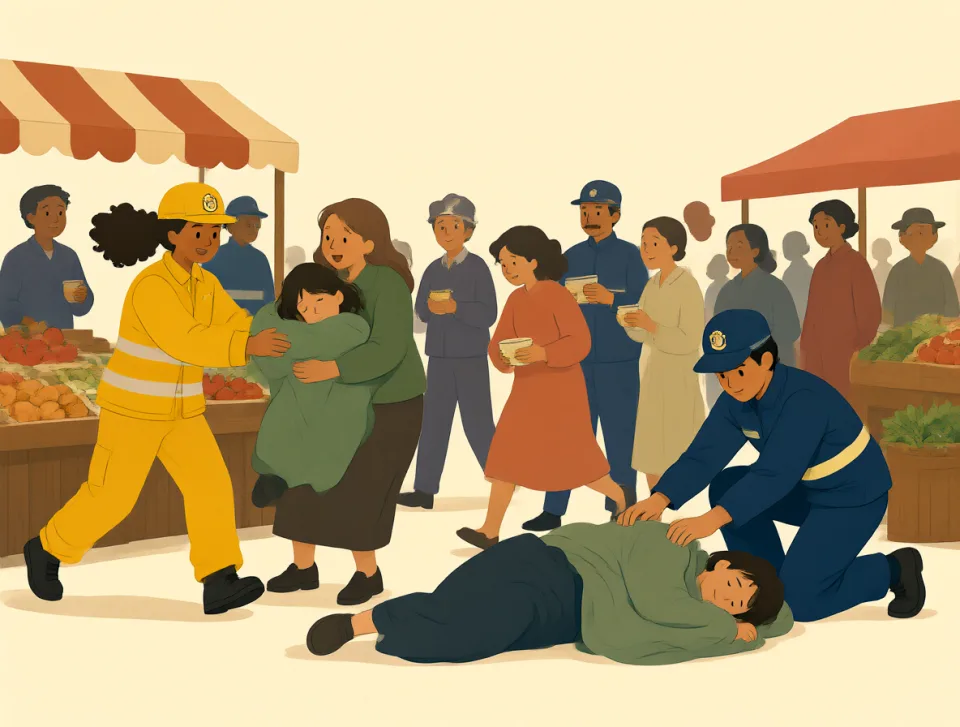
The terrorist attacked a crowded market, causing fear throughout the city.
Terörist kalabalık bir pazara saldırdı ve kent genelinde korkuya yol açtı.

News reports said the terrorist group planned attacks in several countries.
Haberlerde, terörist grubun birkaç ülkede saldırı planladığı bildirildi.
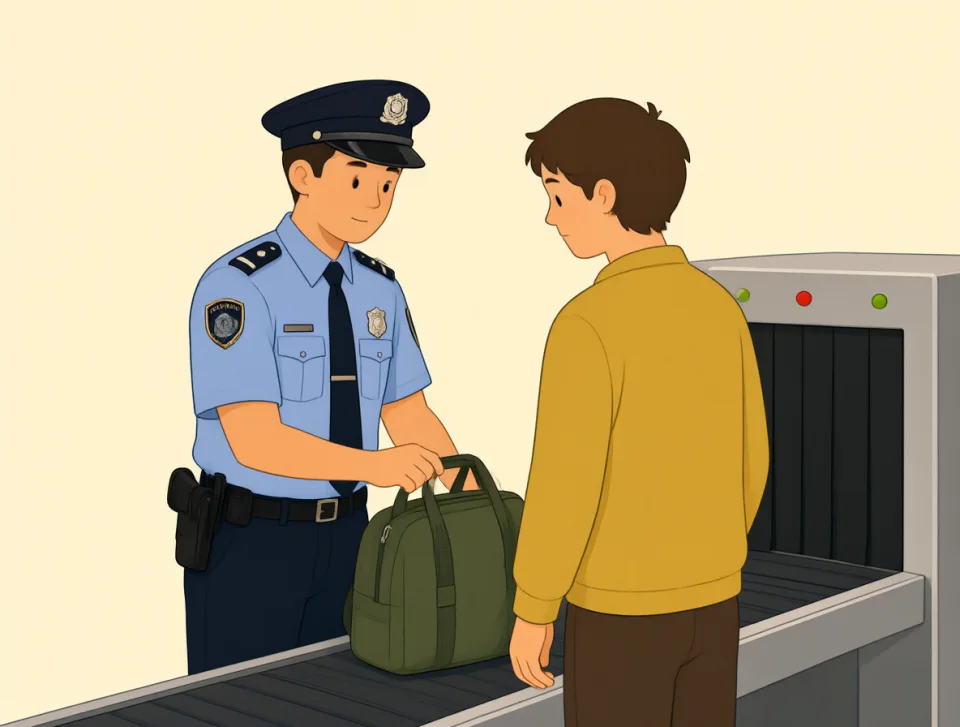
The airport security officer checked every passenger for possible terrorist threats.
Havaalanı güvenlik görevlisi, olası terör tehdidi açısından her yolcuyu kontrol etti.

Students discussed how terrorists use fear to influence governments and communities.
Öğrenciler, teröristlerin hükümetleri ve toplulukları etkilemek için korkuyu nasıl kullandıklarını tartıştı.

justify
#2122verb
haklı çıkarmak
to give a good reason for something or show that it is reasonable
Bir şey için geçerli bir neden sunmak veya onun makul olduğunu göstermek.
You cannot justify spending so much money on a jacket.
Bir cekete bu kadar para harcamayı haklı çıkaramazsın.
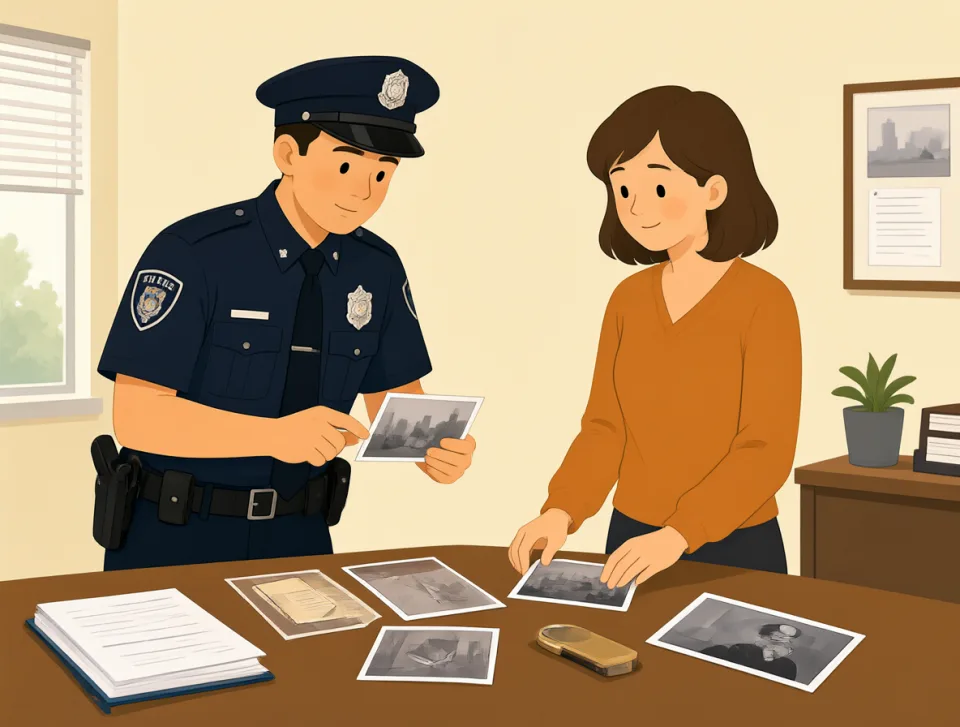
The evidence clearly justified the police officer's decision.
Kanıtlar, polis memurunun kararını açıkça haklı çıkardı.
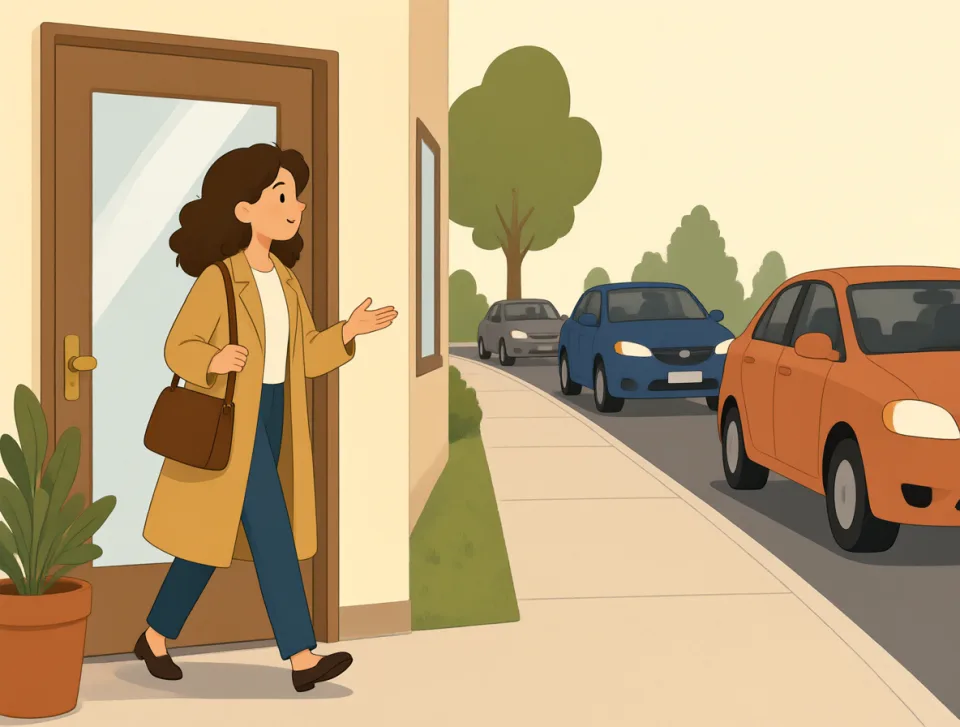
She tried to justify being late by blaming the heavy traffic.
Yoğun trafiği bahane ederek geç kalmasını haklı çıkarmaya çalıştı.
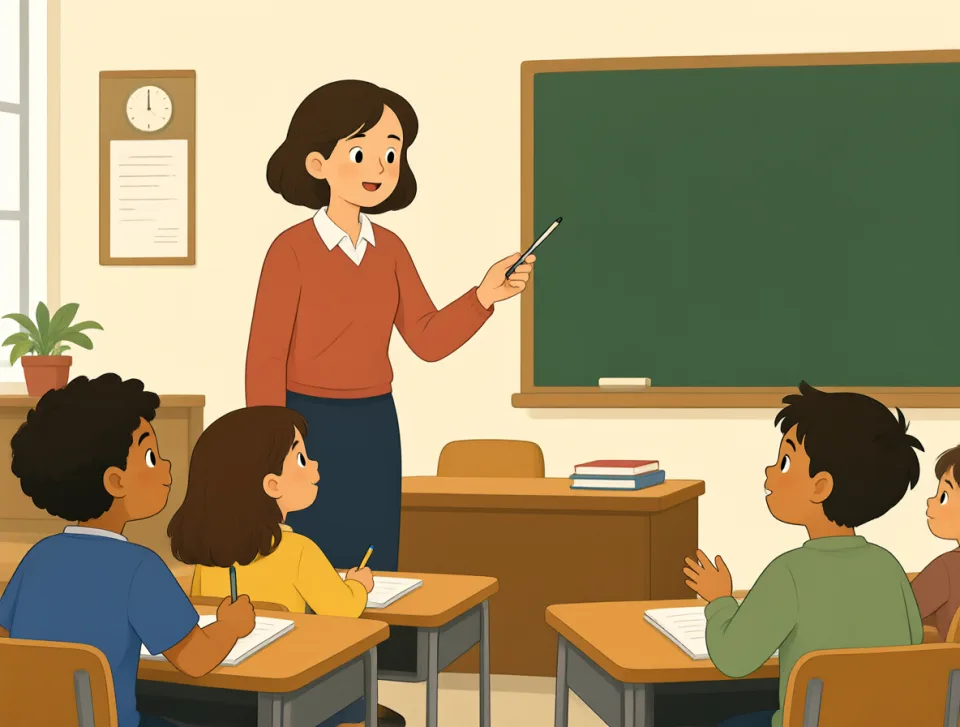
The teacher asked students to justify their answers with examples.
Öğretmen, öğrencilerden cevaplarını örneklerle gerekçelendirmelerini istedi.

The doctor said the test results did not justify changing his treatment.
Doktor, test sonuçlarının tedavisini değiştirmeyi gerektirmediğini söyledi.

vital
#2123adjective
hayati
Very important or necessary for life, success, or continued existence.
Yaşam, başarı veya varlığın sürmesi için çok önemli ya da gerekli.
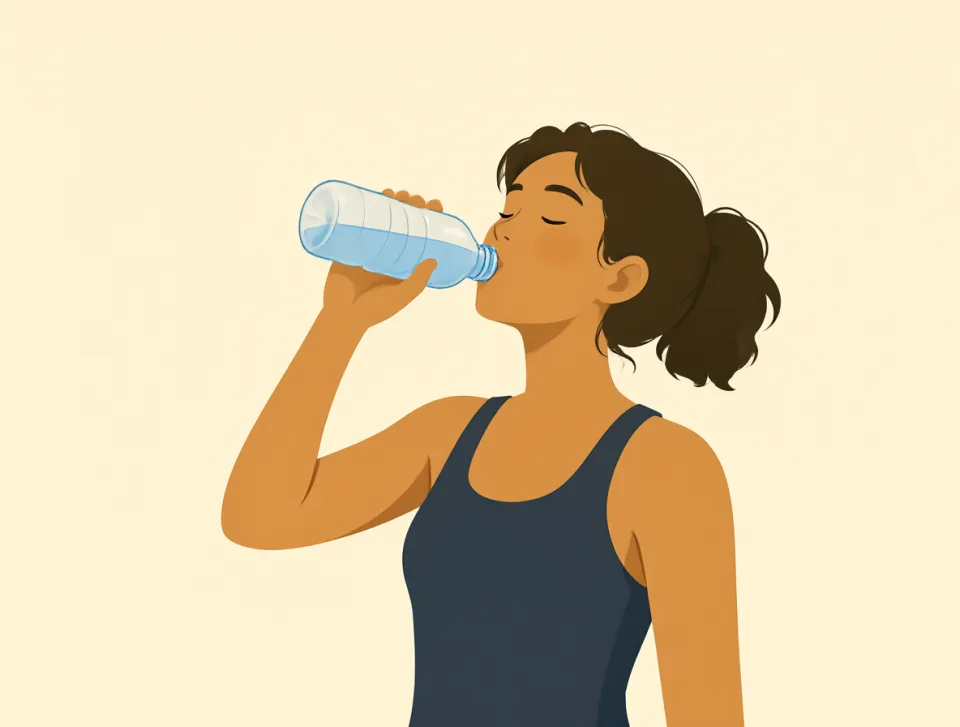
Drinking enough water is vital for staying healthy during hot weather.
Sıcak havalarda sağlıklı kalmak için yeterince su içmek hayati önem taşır.

It is vital to check your passport before leaving for the airport.
Havaalanına gitmeden önce pasaportunuzu kontrol etmeniz çok önemlidir.

Good communication is vital to a successful team at work.
İş yerinde başarılı bir ekip için iyi iletişim hayati önem taşır.
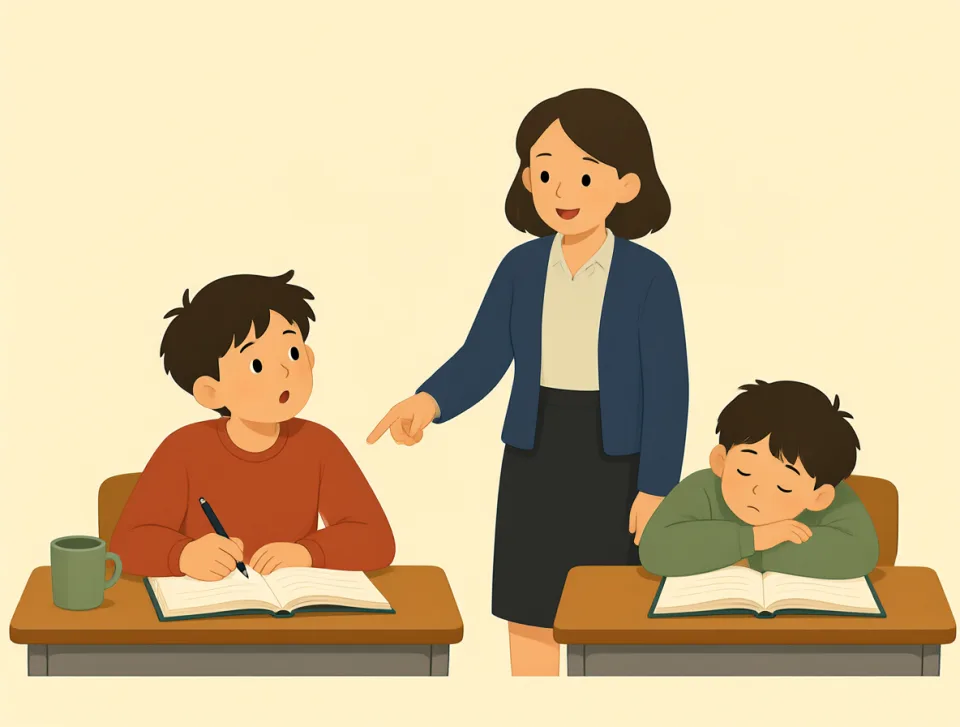
The teacher explained that sleep is vital for learning and remembering new information.
Öğretmen, uykunun yeni bilgileri öğrenmek ve hatırlamak için hayati önem taşıdığını açıkladı.
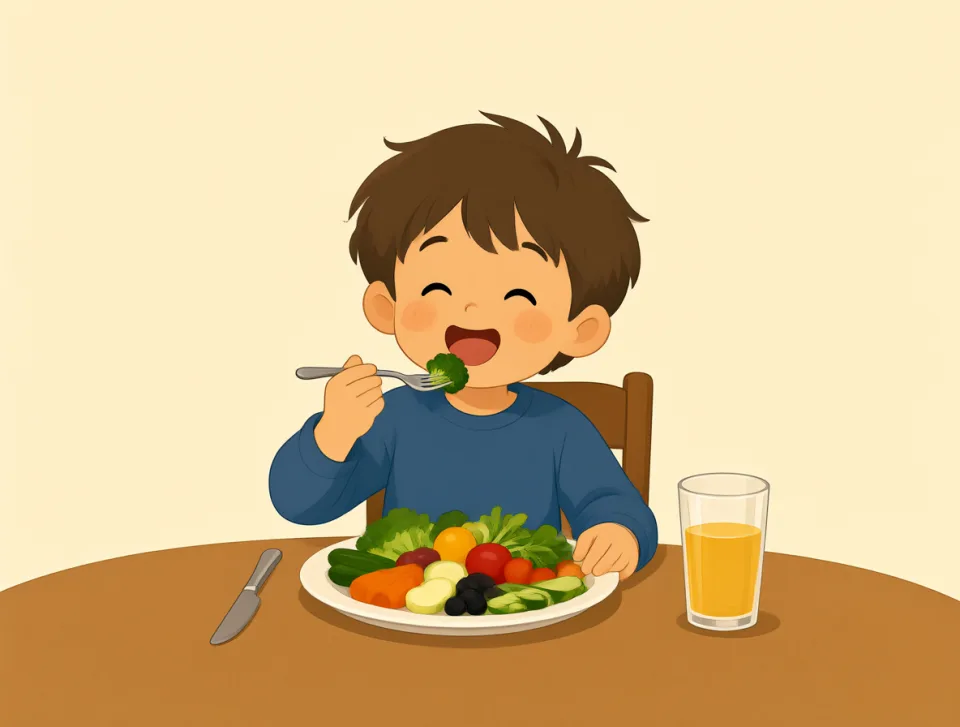
Fresh vegetables provide vital nutrients that help children grow strong.
Taze sebzeler, çocukların güçlü bir şekilde büyümesine yardımcı olan temel besinleri sağlar.

fascinate
#2124verb
büyülemek
to interest someone greatly, especially because something is unusual, beautiful, or mysterious
Özellikle alışılmadık, güzel veya gizemli olduğu için birinin büyük ilgisini çekmek.

Bright colors and unusual shapes fascinate young children.
Canlı renkler ve alışılmadık şekiller küçük çocukları büyüler.

The documentary fascinated me with stories about life under the ocean.
Belgeseldeki okyanus altı yaşamına dair hikâyeler beni büyüledi.
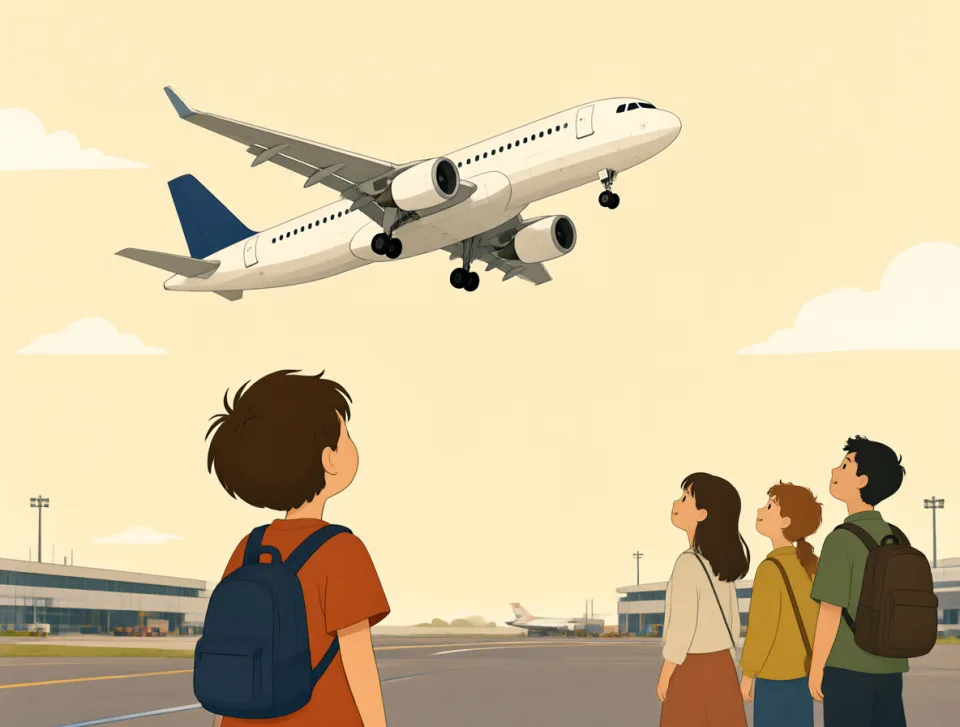
My little brother is fascinated by how airplanes fly.
Küçük erkek kardeşim uçakların nasıl uçtuğuna hayran.

The teacher fascinated the class with a simple science experiment.
Öğretmen, basit bir bilim deneyiyle sınıfın ilgisini çekti.

She was fascinated by the old streets and buildings in Rome.
Roma'nın eski sokakları ve binaları onu büyüledi.

external
#2125adjective, noun
dış
outside a place, system, or organization, or coming from outside it
Bir yerin, sistemin veya kuruluşun dışında olan ya da dışarıdan gelen.

The external walls need painting before winter arrives.
Dış duvarların kış gelmeden boyanması gerekiyor.
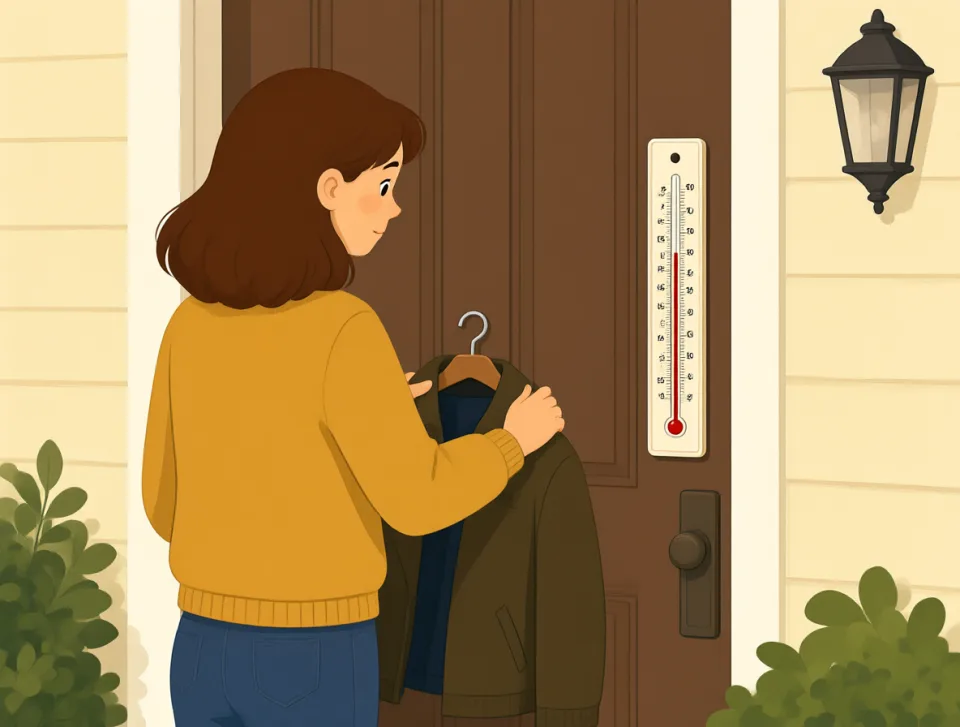
Please check the external temperature before choosing your clothes.
Lütfen kıyafetlerinizi seçmeden önce dışarıdaki sıcaklığı kontrol edin.

The company hired an external consultant to improve its safety rules.
Şirket, güvenlik kurallarını iyileştirmek için dışarıdan bir danışman tuttu.
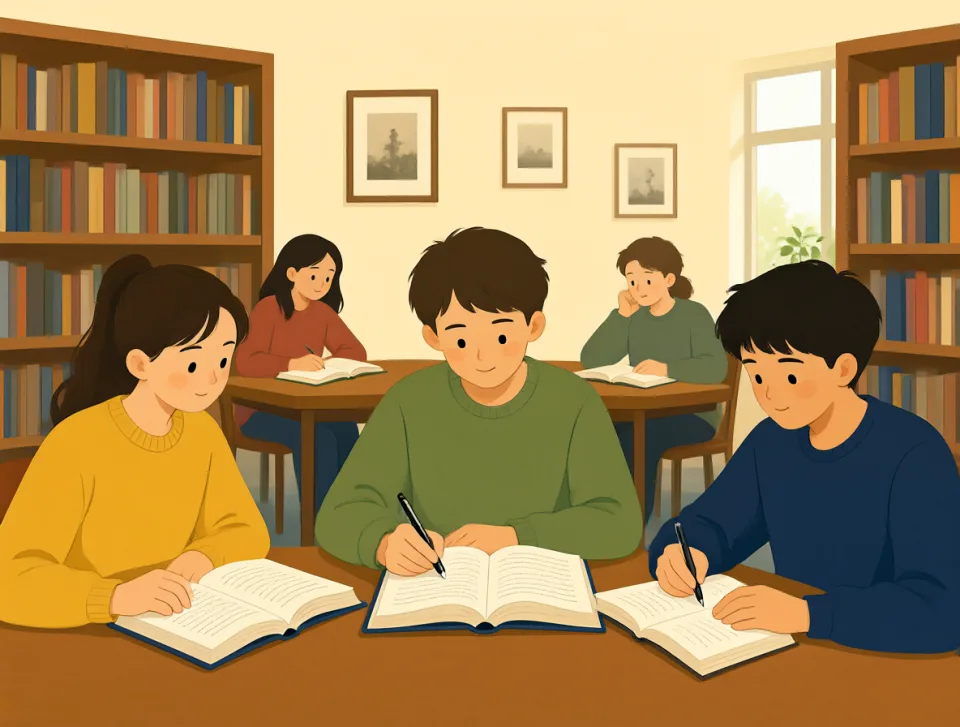
Students must use external sources for their history projects.
Öğrenciler tarih projeleri için dış kaynaklardan yararlanmalı.
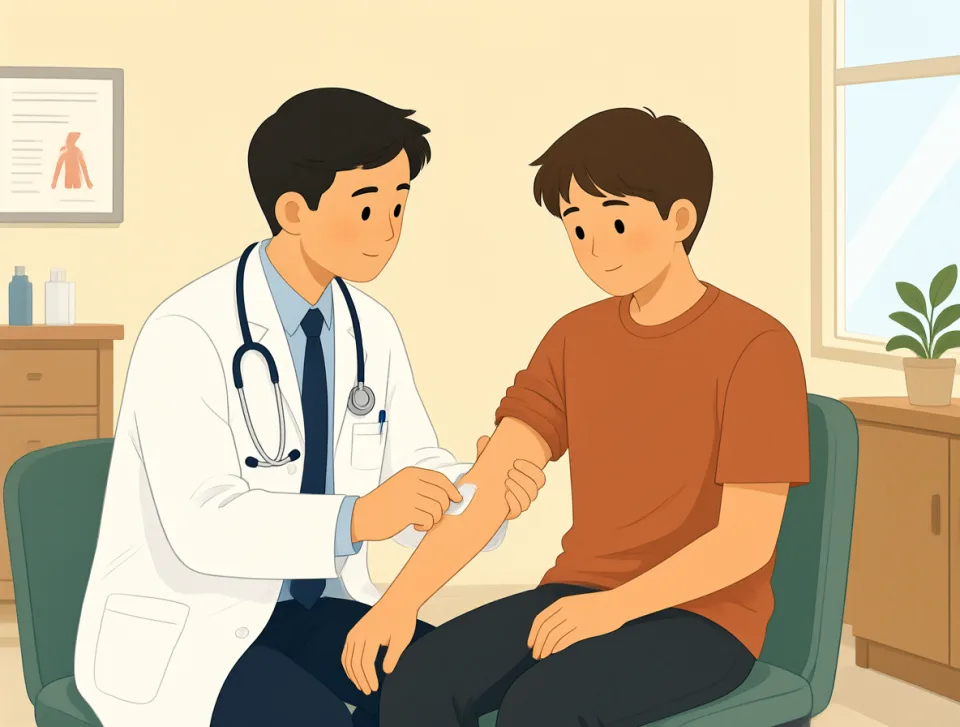
The doctor found no external signs of injury on his arm.
Doktor, kolunda herhangi bir dış yaralanma belirtisi bulamadı.

spare
#2126adjective, verb, noun
yedek
Extra and available, or to give someone time, money, or help when needed.
Fazladan ve kullanılabilir durumda olan; ayrıca ihtiyaç duyulduğunda birine zaman, para ya da yardım vermek.

Do you have a spare key for the front door?
Ön kapı için yedek anahtarın var mı?
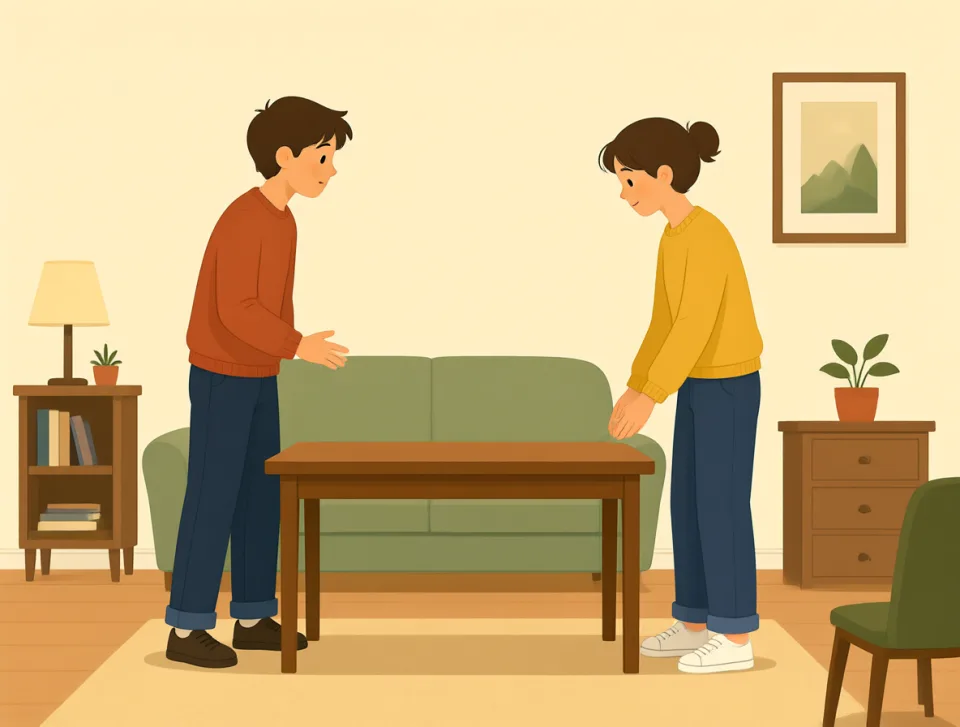
Could you spare a few minutes to help me move this table?
Bu masayı taşımama yardım etmek için birkaç dakikanı ayırabilir misin?

We have a spare room where visiting guests can sleep.
Misafirlerin kalabileceği yedek bir odamız var.
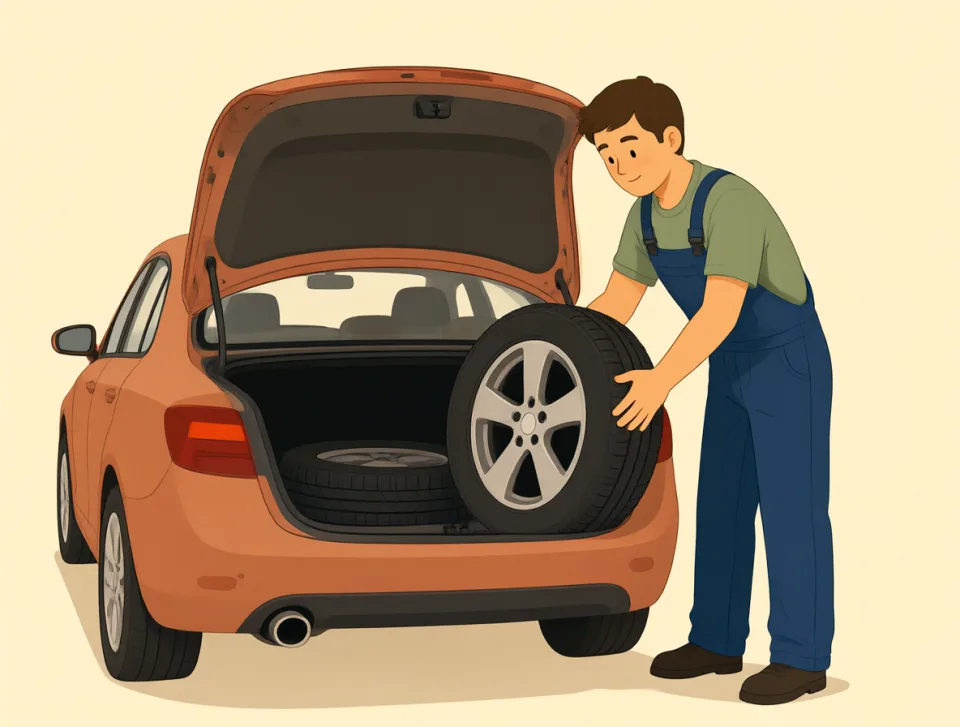
The mechanic kept a spare tire in the trunk of the car.
Tamirci arabanın bagajında yedek bir lastik bulunduruyordu.

She bought a spare shirt after spilling soup on her clothes.
Üzerine çorba döktükten sonra yedek bir gömlek aldı.

whenever
#2127adverb, conjunction
her ne zaman
every time that something happens, or at any time when it is possible
Bir şey her gerçekleştiğinde ya da mümkün olan herhangi bir zamanda.
Whenever I feel tired, I take a short break and drink some water.
Ne zaman yorgun hissetsem kısa bir mola verip biraz su içerim.

Call me whenever you need help with your homework.
Ödevinde yardıma ne zaman ihtiyacın olursa beni ara.

Whenever we visit the city, we eat at that small Italian restaurant.
Şehri her ziyaret ettiğimizde şu küçük İtalyan restoranında yemek yeriz.

She listens to music whenever she cleans the house.
Evi temizlerken her zaman müzik dinler.

You can use this room whenever you need a quiet place to work.
Çalışmak için sessiz bir yere ihtiyaç duyduğunda bu odayı kullanabilirsin.

depression
#2128noun
depresyon
A serious medical condition causing long-lasting sadness and loss of interest in life.
Uzun süreli üzüntüye ve hayata karşı ilgi kaybına yol açan ciddi bir sağlık sorunu.
She is receiving treatment for depression from a doctor.
Bir doktordan depresyon tedavisi görüyor.

Depression can make it difficult to work, sleep, or enjoy everyday activities.
Depresyon çalışmayı, uyumayı ya da günlük aktivitelerden keyif almayı zorlaştırabilir.
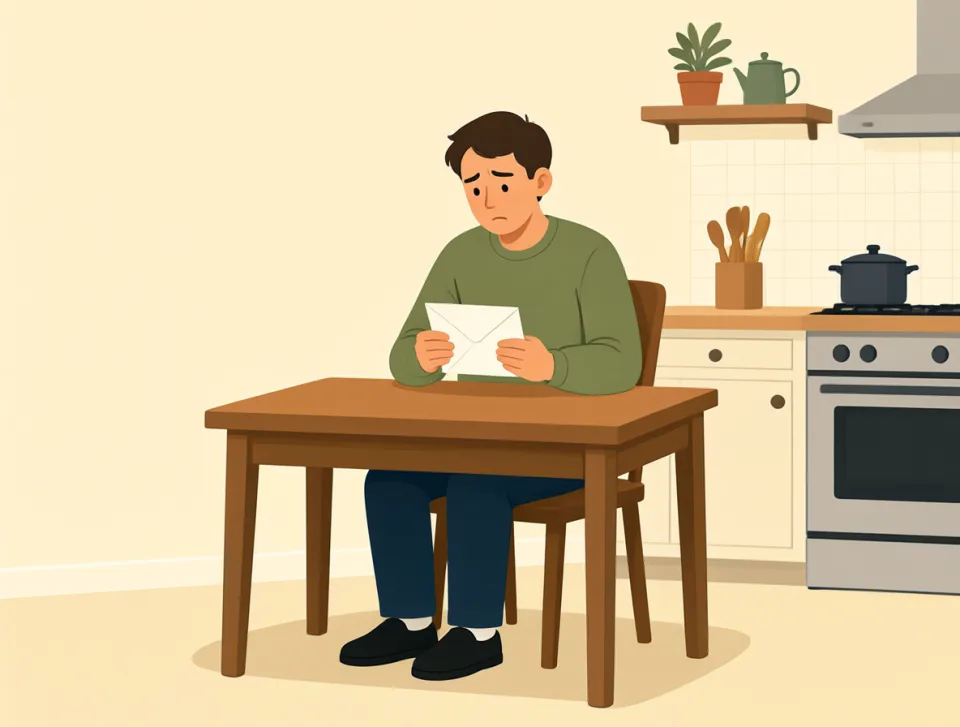
His depression became worse after he lost his job.
İşini kaybettikten sonra depresyonu daha da kötüleşti.

Talking with close friends helped her manage her depression.
Yakın arkadaşlarıyla konuşmak, depresyonuyla başa çıkmasına yardımcı oldu.
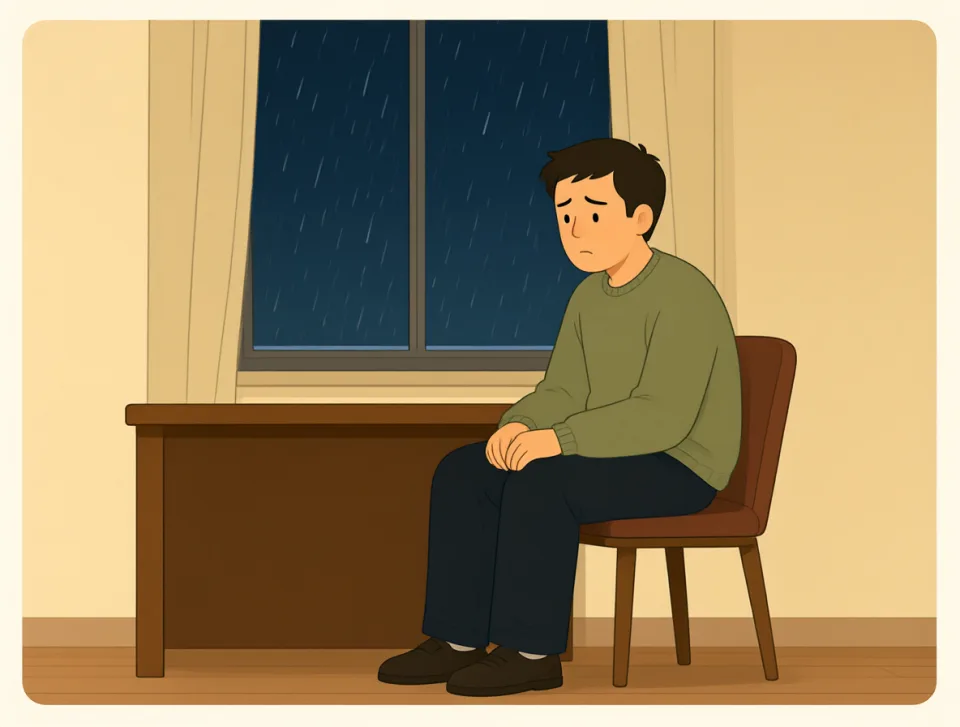
The long winter and lack of sunlight contributed to his depression.
Uzun kış ve güneş ışığının azlığı, depresyonuna katkıda bulundu.
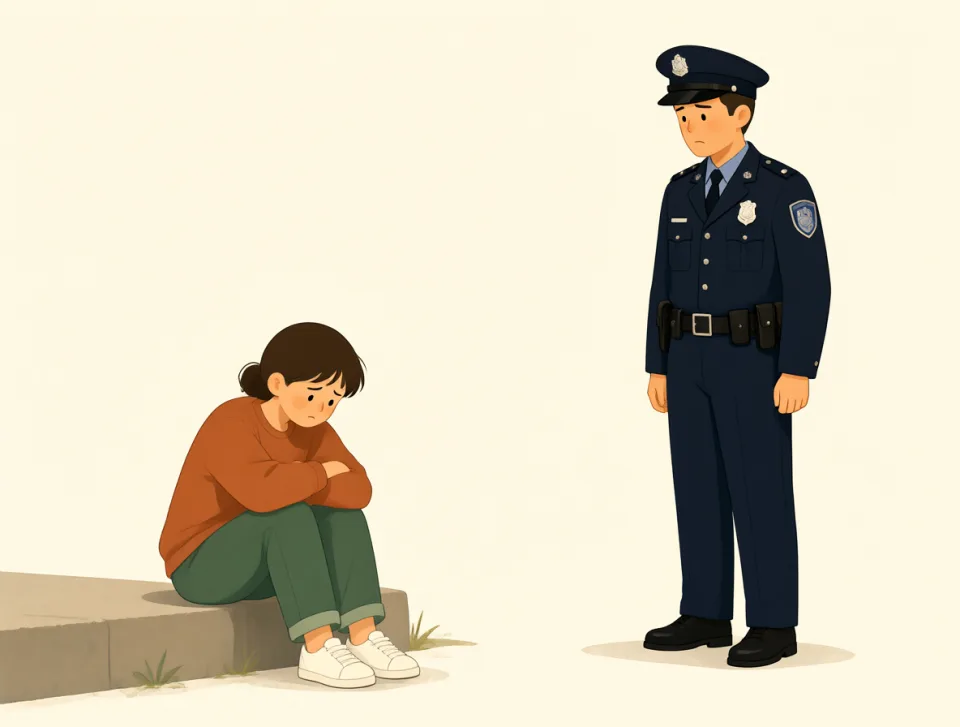
guilty
#2129adjective
suçlu
Feeling responsible for doing something wrong or having committed a crime.
Yanlış bir şey yaptığı ya da suç işlediği için kendini sorumlu hisseden.
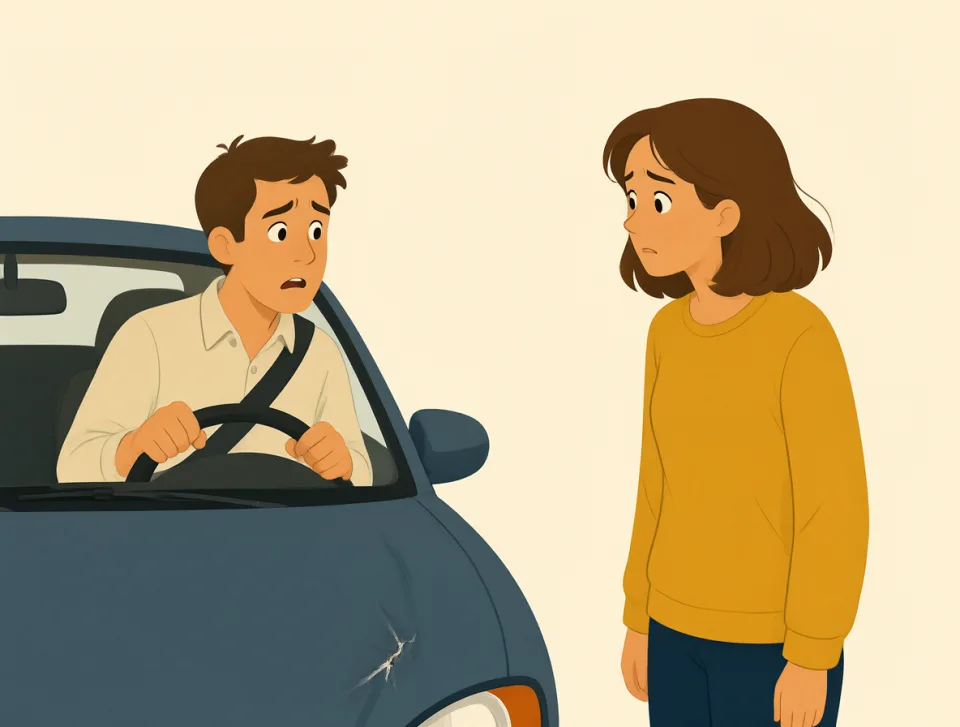
The guilty driver apologized after hitting the parked car.
Suçlu sürücü, park hâlindeki arabaya çarptıktan sonra özür diledi.
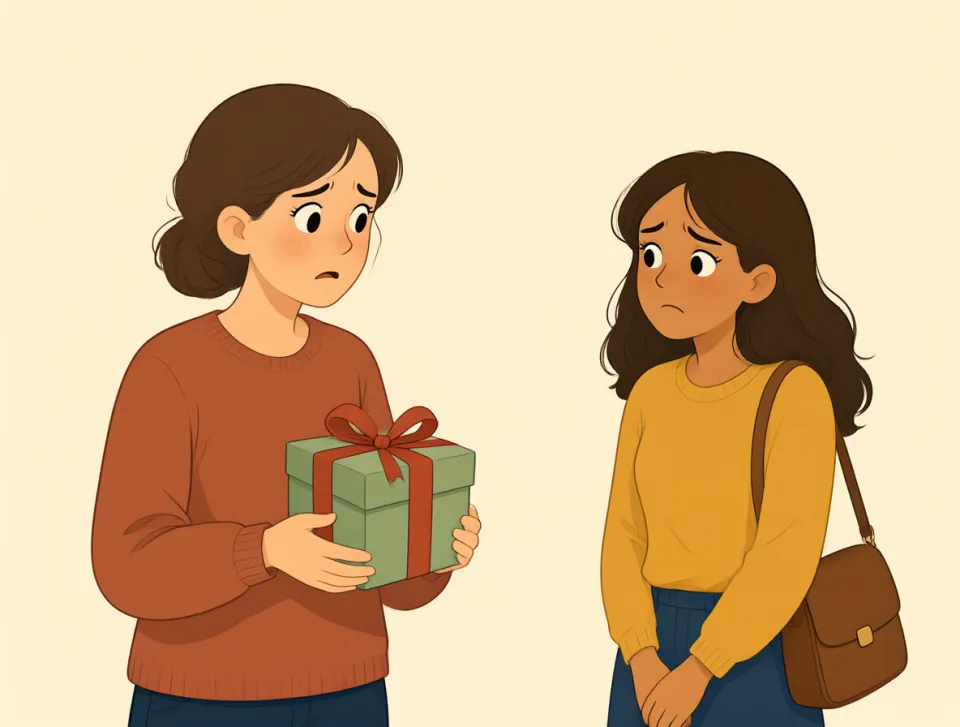
She felt guilty about forgetting her friend’s birthday.
Arkadaşının doğum gününü unuttuğu için kendini suçlu hissetti.

The court found him guilty of stealing money from his employer.
Mahkeme, işvereninden para çalmaktan suçlu olduğuna hükmetti.
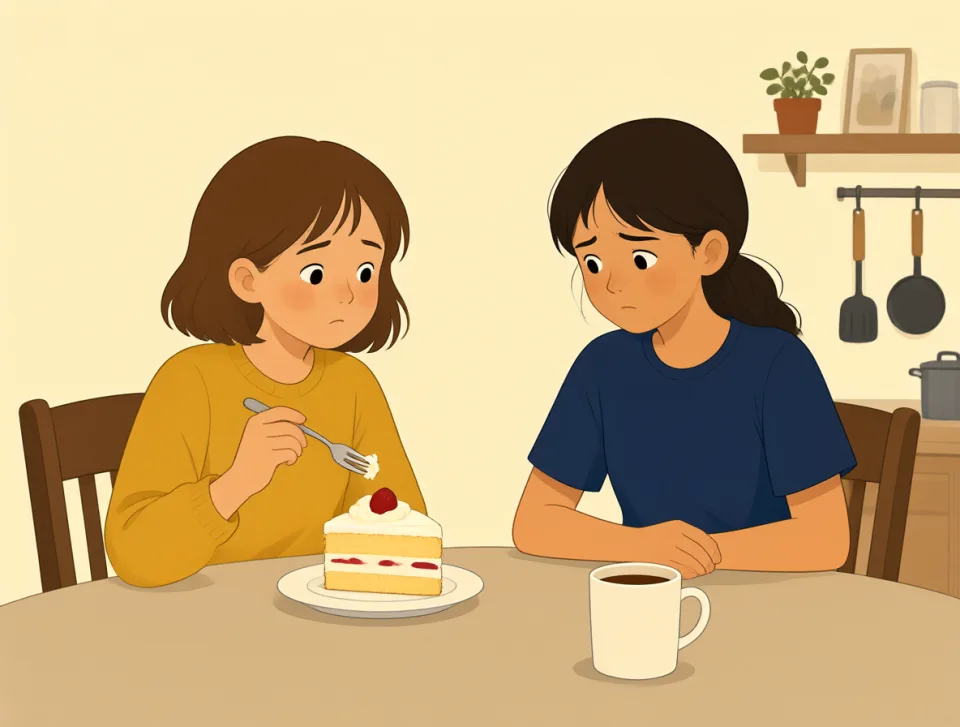
I felt guilty eating cake while my sister was on a strict diet.
Kız kardeşim sıkı bir diyet yaparken pasta yediğim için kendimi suçlu hissettim.
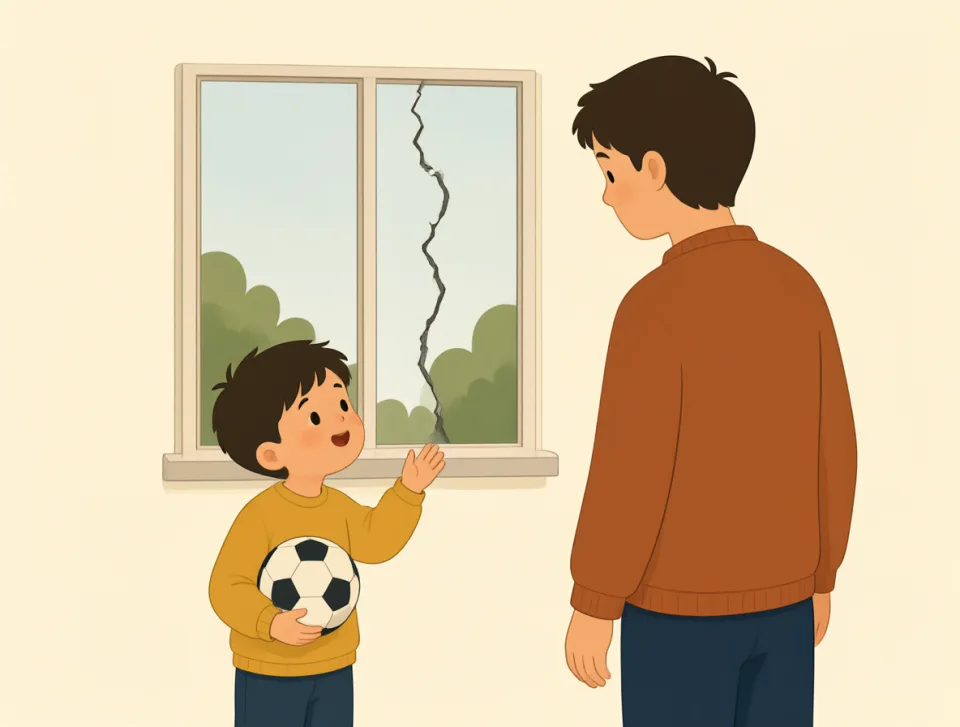
The guilty child quietly admitted breaking the window with a ball.
Suçlu çocuk, pencereyi topla kırdığını sessizce itiraf etti.
underlie
#2130verb
temelinde yatmak
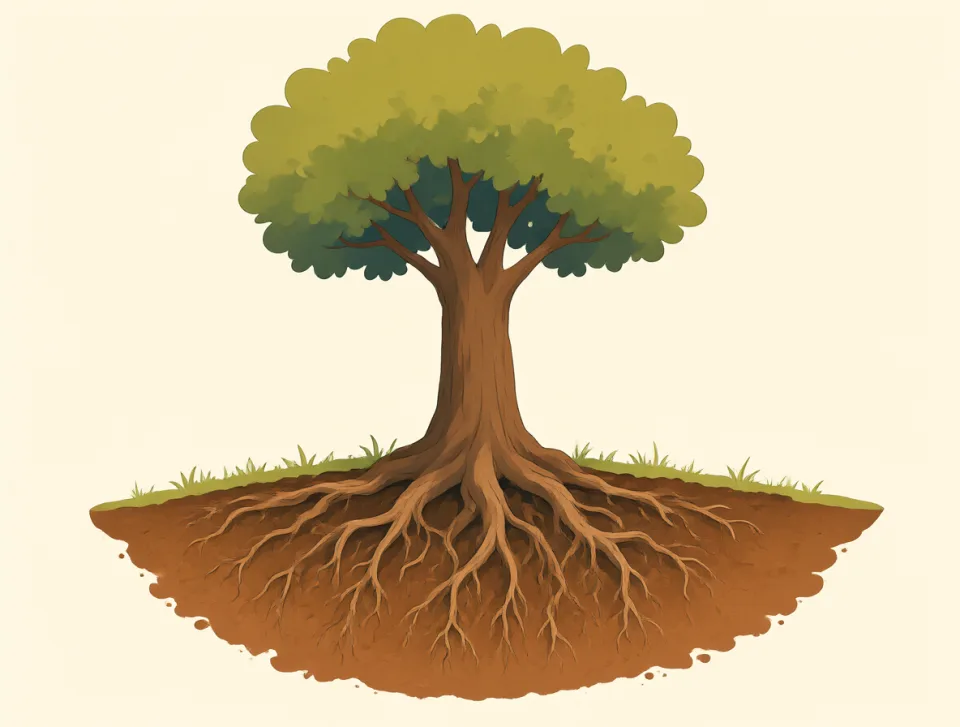
to exist beneath and support something, or form the basic cause of it
Bir şeyin altında bulunup onu desteklemek ya da onun temel nedenini oluşturmak.

Strong family values underlie the way we raise our children.
Çocuklarımızı yetiştirme biçimimizin temelinde güçlü aile değerleri yatar.
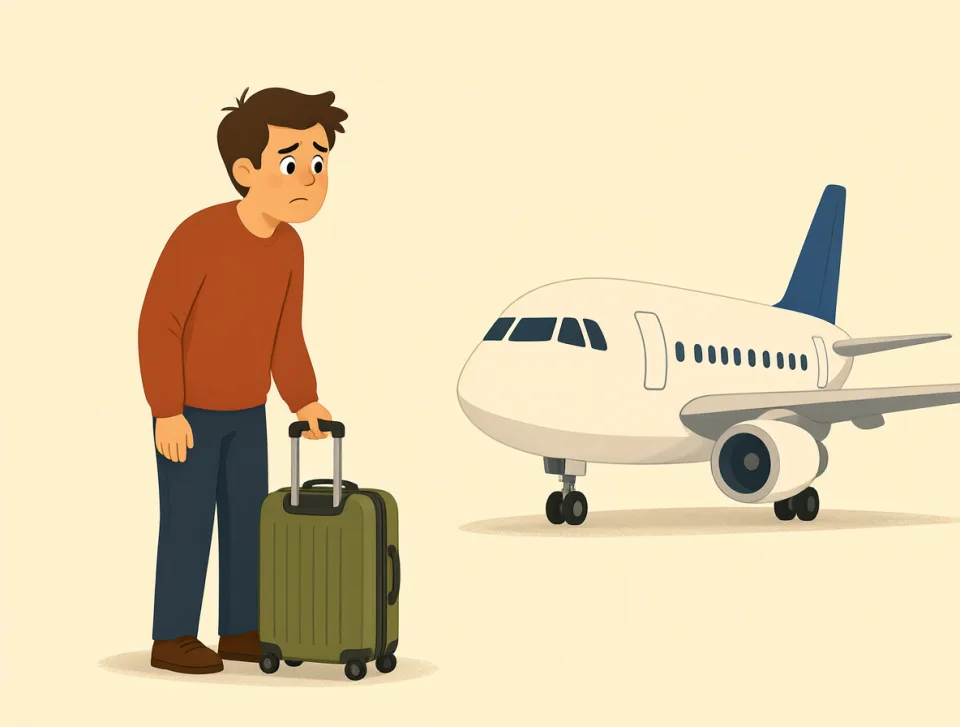
Several hidden fears underlie his refusal to travel by plane.
Uçakla seyahat etmeyi reddetmesinin altında birkaç gizli korku yatıyor.
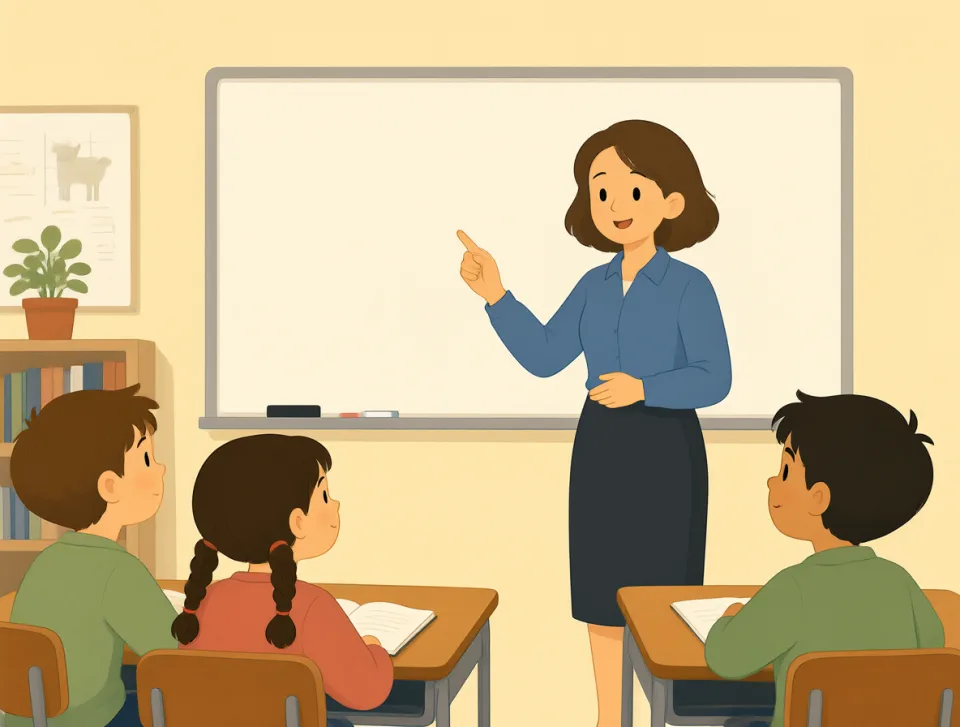
The teacher explained the ideas underlying the science experiment.
Öğretmen, bilim deneyinin temelindeki fikirleri açıkladı.

Trust and respect underlie every successful friendship.
Güven ve saygı, her başarılı arkadaşlığın temelinde yatar.
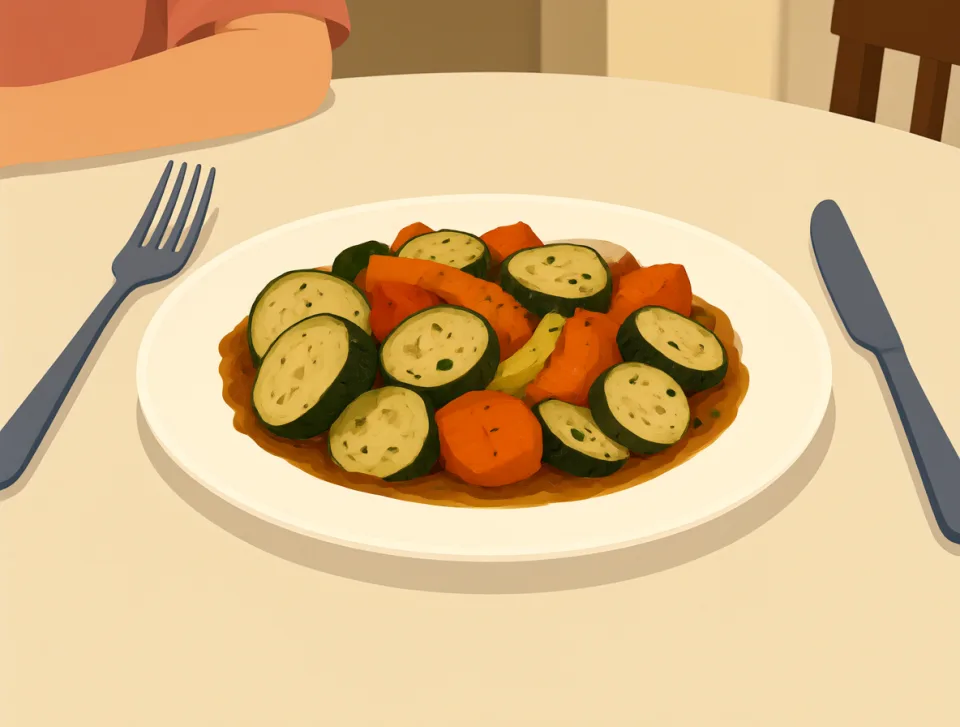
A simple sauce underlay the roasted vegetables at dinner.
Akşam yemeğinde közlenmiş sebzelerin altında basit bir sos vardı.
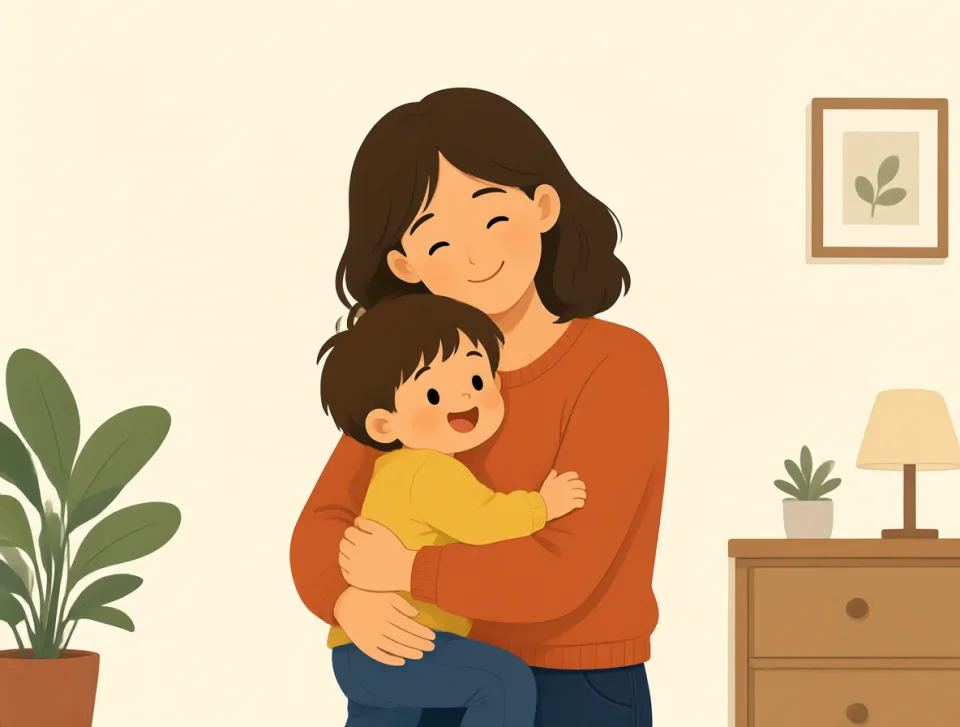
mom
#2131noun
anne
your mother or a woman who looks after children
annen ya da çocuklarla ilgilenen bir kadın
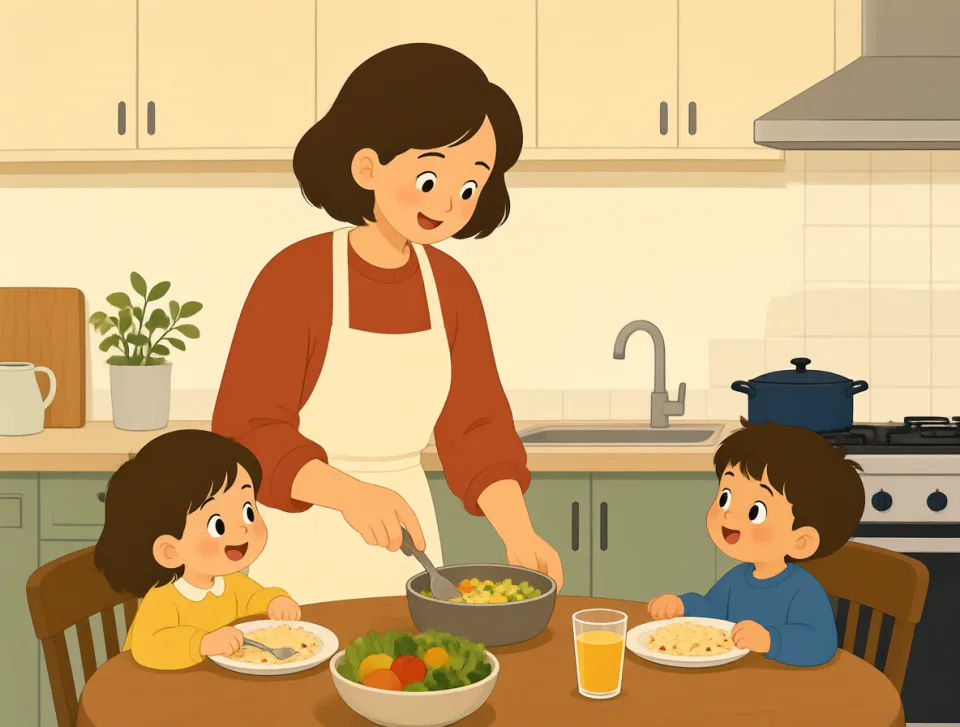
My mom makes breakfast for us every morning before school.
Annem her sabah okuldan önce bize kahvaltı hazırlar.

I called my mom after work to tell her the good news.
İyi haberi vermek için işten sonra annemi aradım.
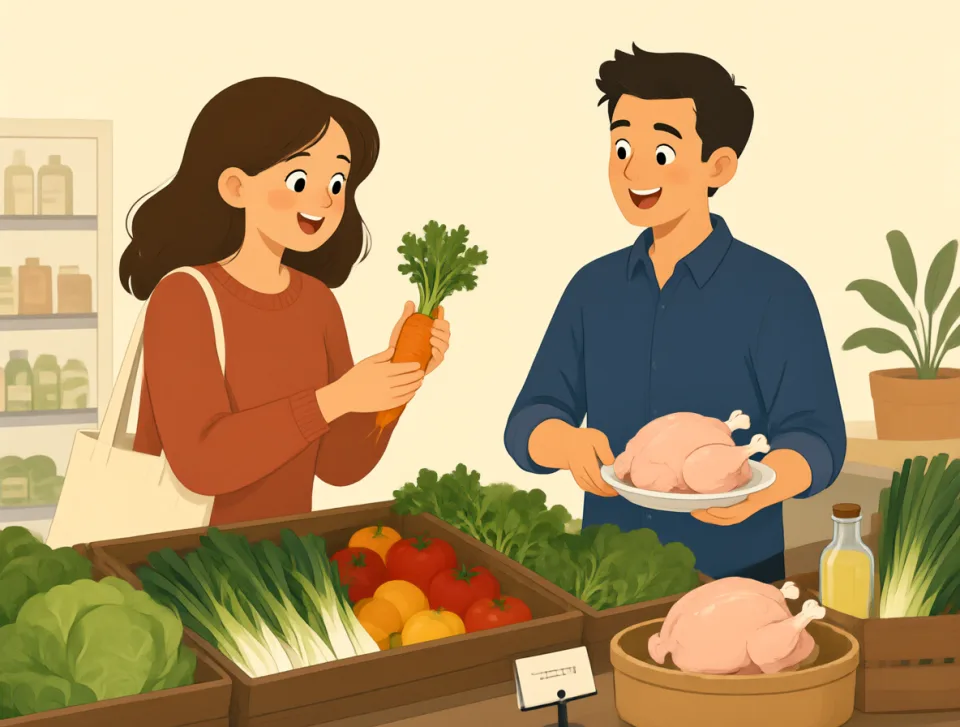
My mom bought fresh vegetables and chicken for dinner.
Annem akşam yemeği için taze sebze ve tavuk aldı.
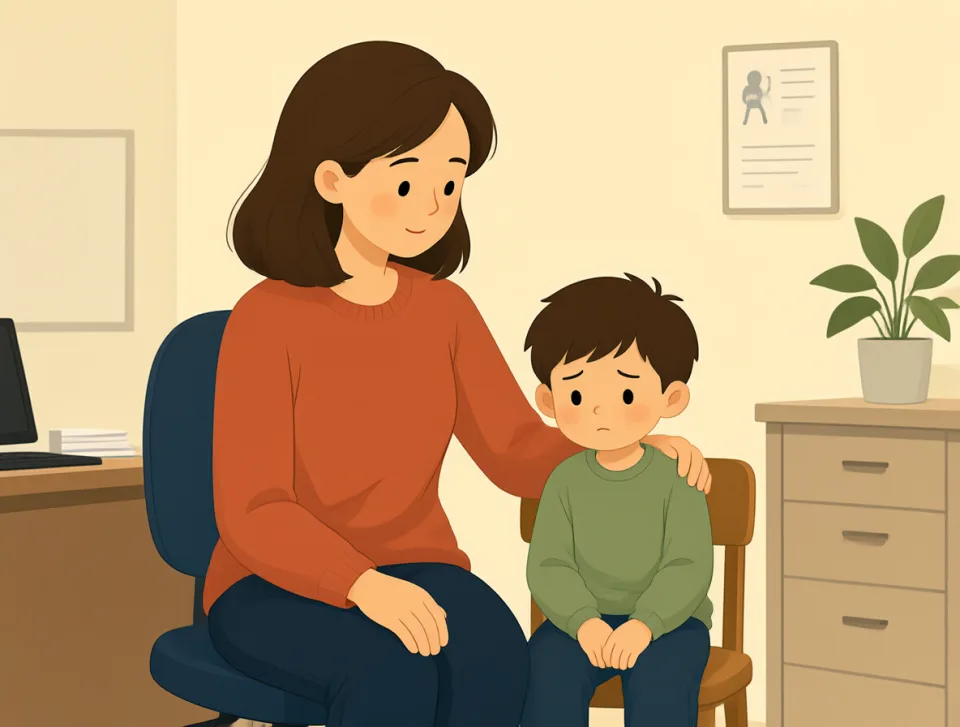
His mom took him to the doctor because he felt sick.
Kendini hasta hissettiği için annesi onu doktora götürdü.
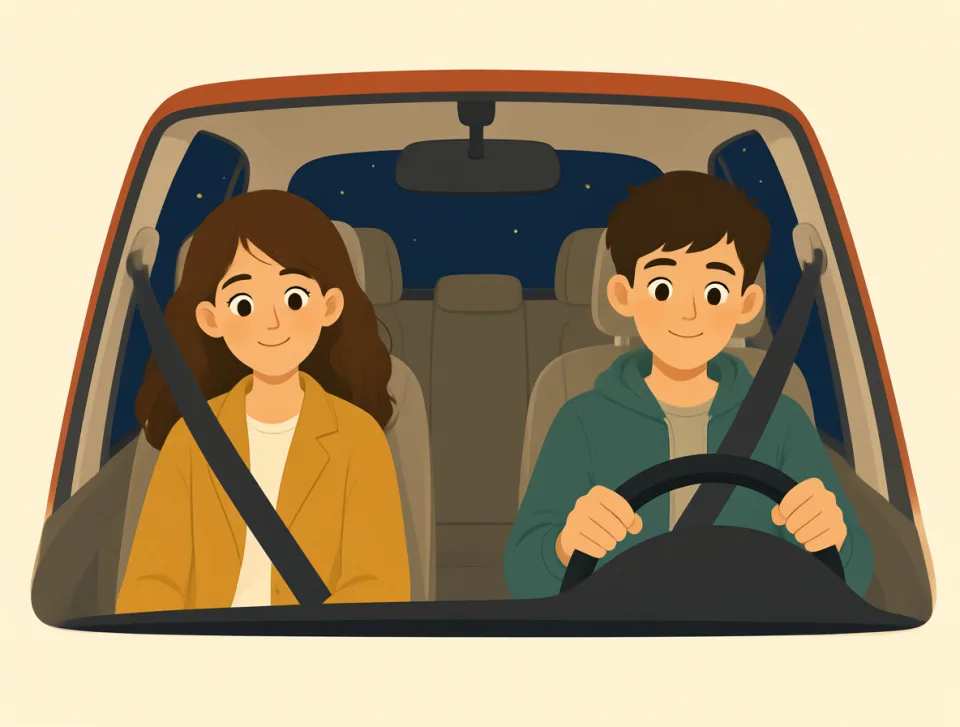
My friend’s mom gave us a ride home after the party.
Arkadaşımın annesi partiden sonra bizi arabayla eve bıraktı.
distinction
#2132noun
fark
A clear difference between two people or things.
İki kişi ya da şey arasındaki belirgin fark.
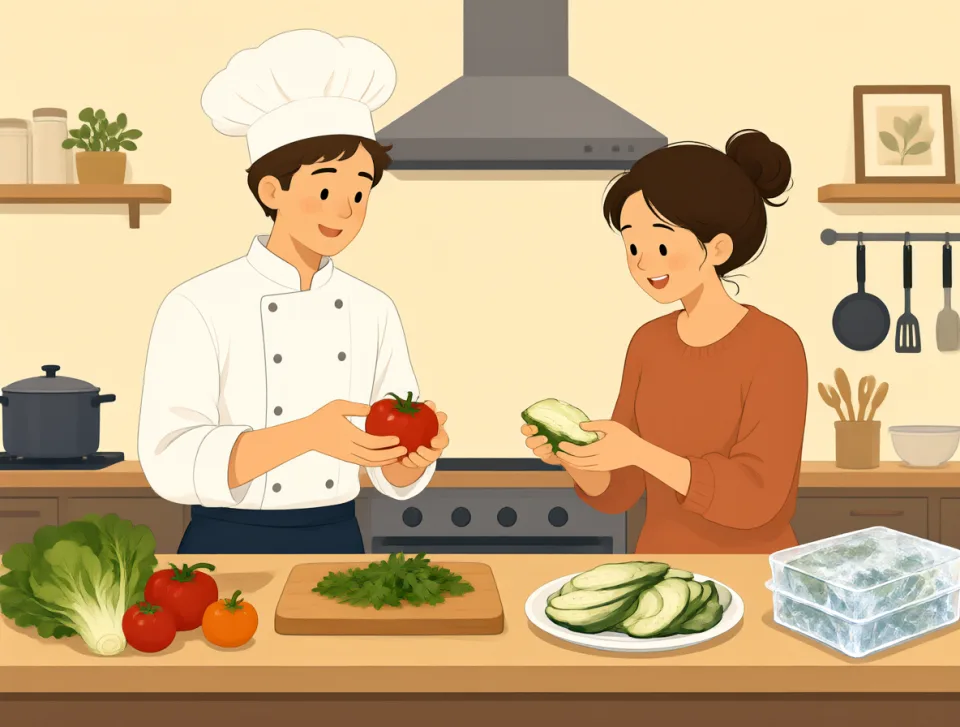
The chef is known for the distinction between fresh and frozen ingredients.
Şef, taze ve dondurulmuş malzemeler arasındaki farkı iyi bilmesiyle tanınır.

There is an important distinction between being busy and being productive.
Meşgul olmakla verimli olmak arasında önemli bir fark vardır.

The school gives an award to students who pass with distinction.
Okul, sınavı üstün başarıyla geçen öğrencilere ödül verir.
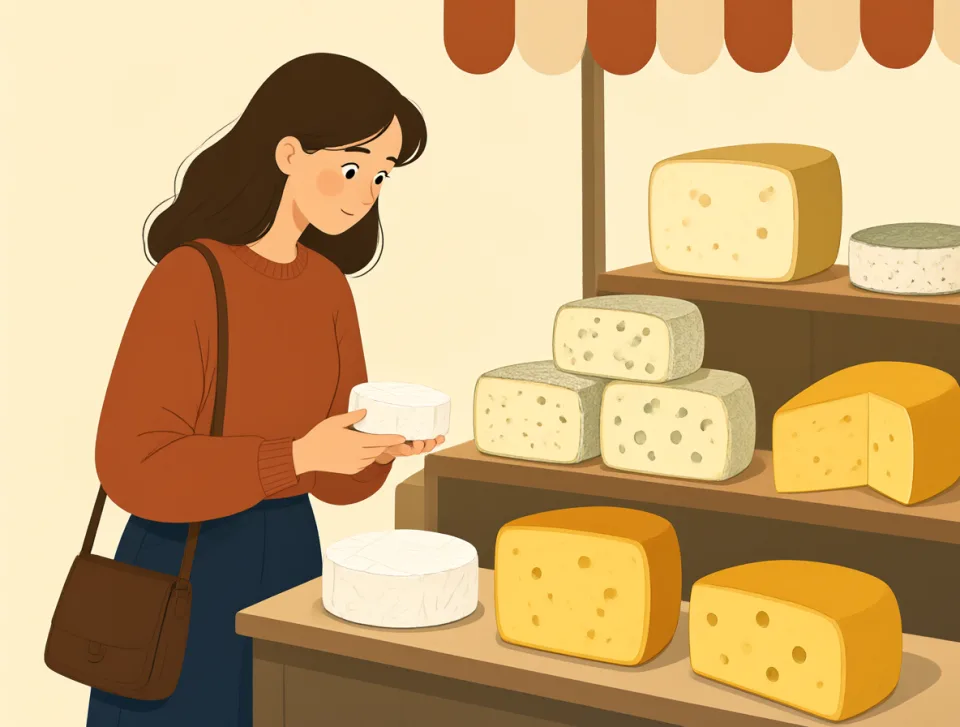
The store sells several cheeses, each with its own distinctive flavor.
Mağazada, her biri kendine özgü bir tada sahip birkaç çeşit peynir satılıyor.

She earned the distinction of being the first person to finish the race.
Yarışı bitiren ilk kişi olma ayrıcalığını kazandı.

satisfaction
#2133noun
memnuniyet
A happy feeling because something is good, successful, or meets your needs.
Bir şey iyi, başarılı ya da ihtiyaçlarını karşılıyor olduğu için duyulan mutluluk.
She smiled with satisfaction after finishing the difficult project at work.
İş yerindeki zorlu projeyi bitirdikten sonra memnuniyetle gülümsedi.

The restaurant offers a money-back guarantee to ensure customer satisfaction.
Restoran, müşteri memnuniyetini sağlamak için para iade garantisi sunuyor.

He gets great satisfaction from helping children learn to read.
Çocukların okumayı öğrenmesine yardım etmek ona büyük mutluluk veriyor.
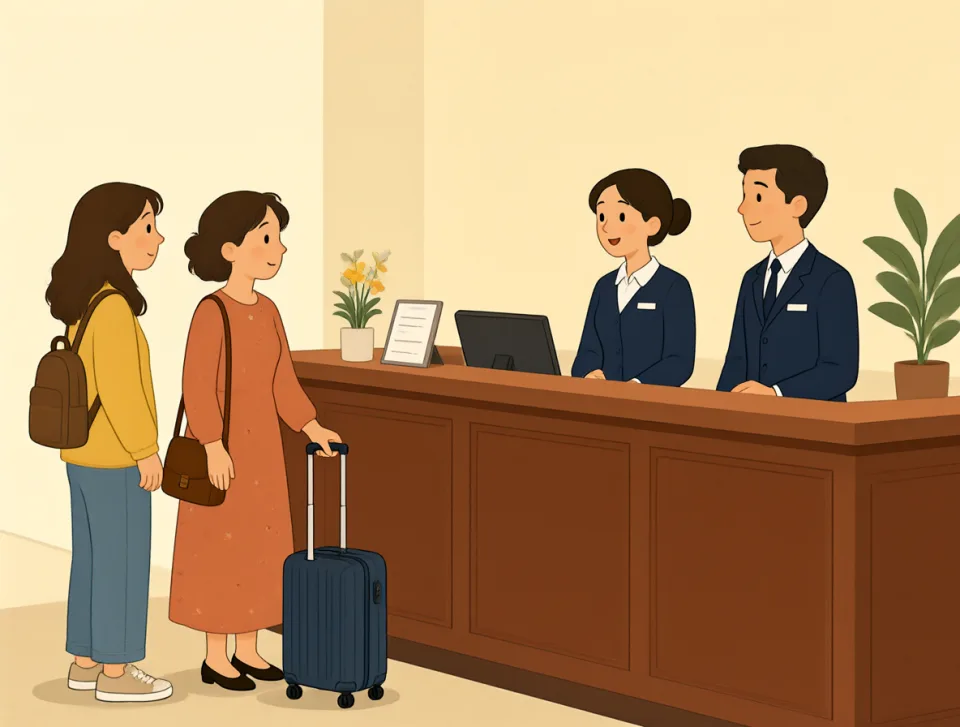
The hotel staff quickly resolved our complaint, much to our satisfaction.
Otel personeli şikâyetimizi hemen çözüme kavuşturdu; bu da bizi çok memnun etti.
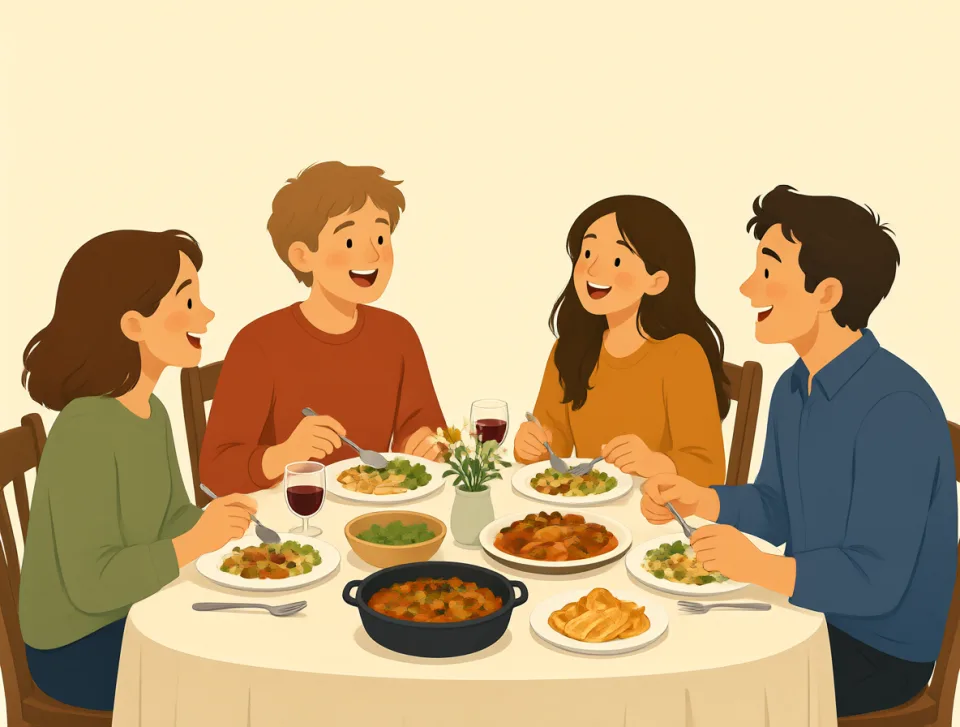
After dinner, everyone expressed satisfaction with the delicious homemade meal.
Akşam yemeğinden sonra herkes ev yapımı lezzetli yemekten memnun kaldığını söyledi.
incorporate
#2134verb
dahil etmek
to include something as part of a larger whole
Bir şeyi daha büyük bir bütünün parçası olarak dahil etmek.

The designer incorporated bright colors into the living room.
Tasarımcı oturma odasında canlı renkler kullandı.

Please incorporate your teacher’s suggestions into the final report.
Lütfen öğretmeninin önerilerini son rapora dahil et.
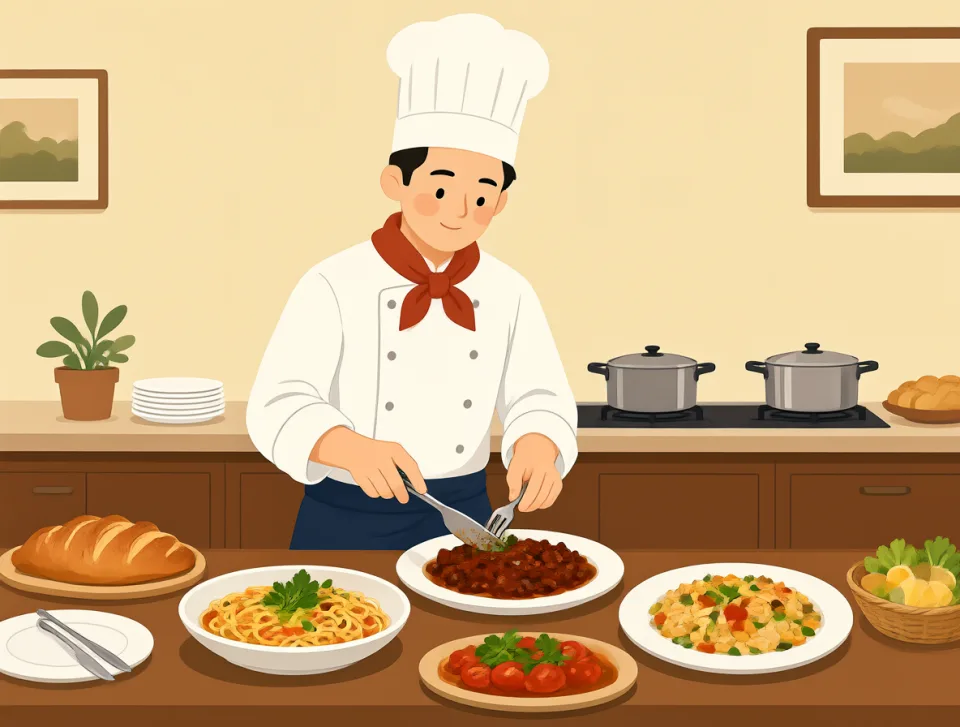
The hotel has incorporated local food into its breakfast menu.
Otel, yerel yiyecekleri kahvaltı menüsüne dahil etti.
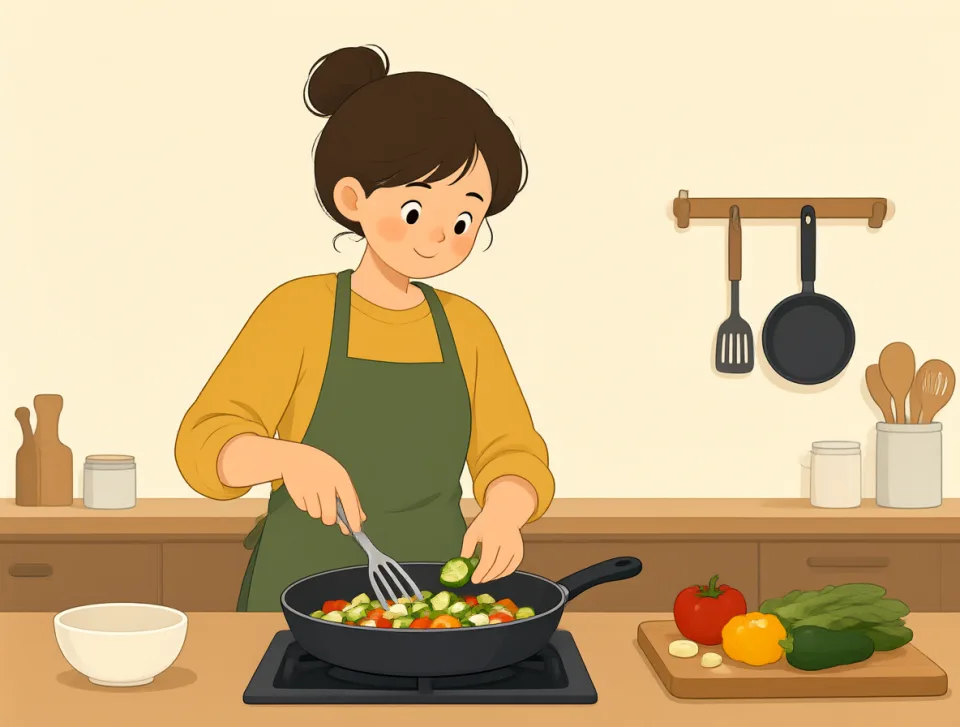
We are incorporating more vegetables into our family meals.
Aile yemeklerimize daha fazla sebze ekliyoruz.
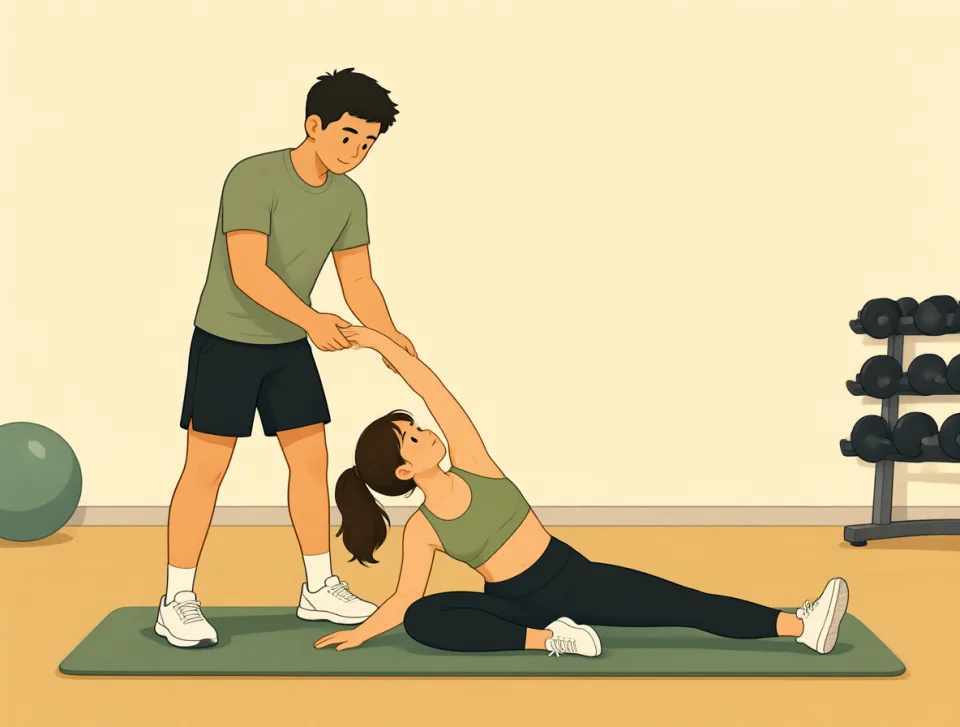
The exercise program incorporates stretching to prevent injuries.
Egzersiz programında sakatlanmaları önlemek için esneme hareketlerine yer veriliyor.
pour
#2135verb, noun
dökmek
To make a liquid flow from one container into another, usually quickly and steadily.
Bir sıvıyı, genellikle hızlı ve kesintisiz biçimde, bir kaptan başka bir kaba akıtmak.

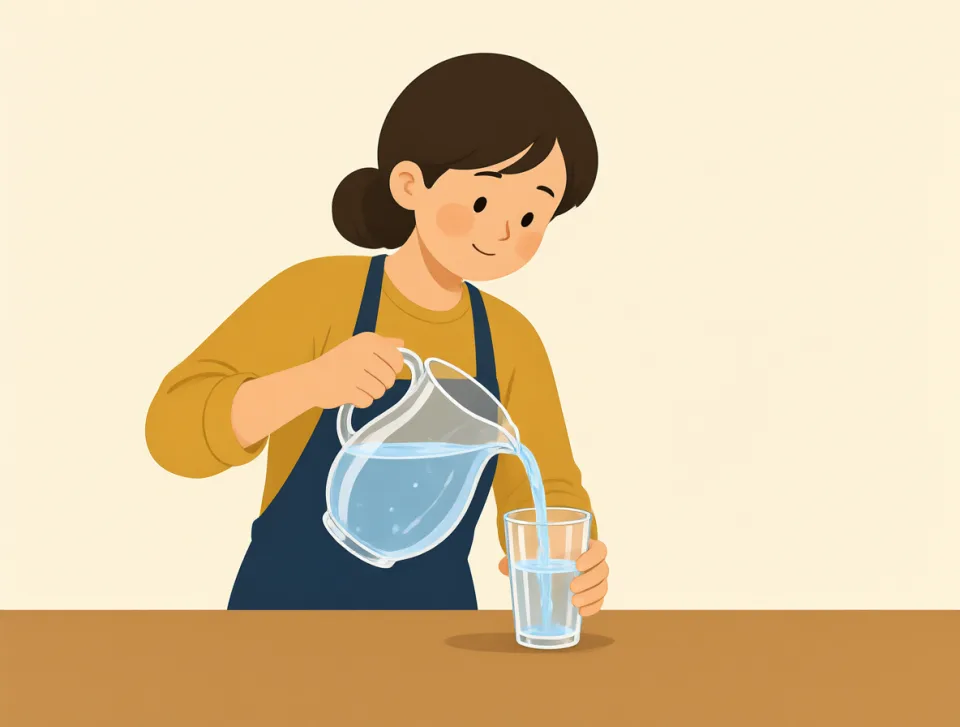
Please pour some milk into my coffee.
Lütfen kahveme biraz süt dök.
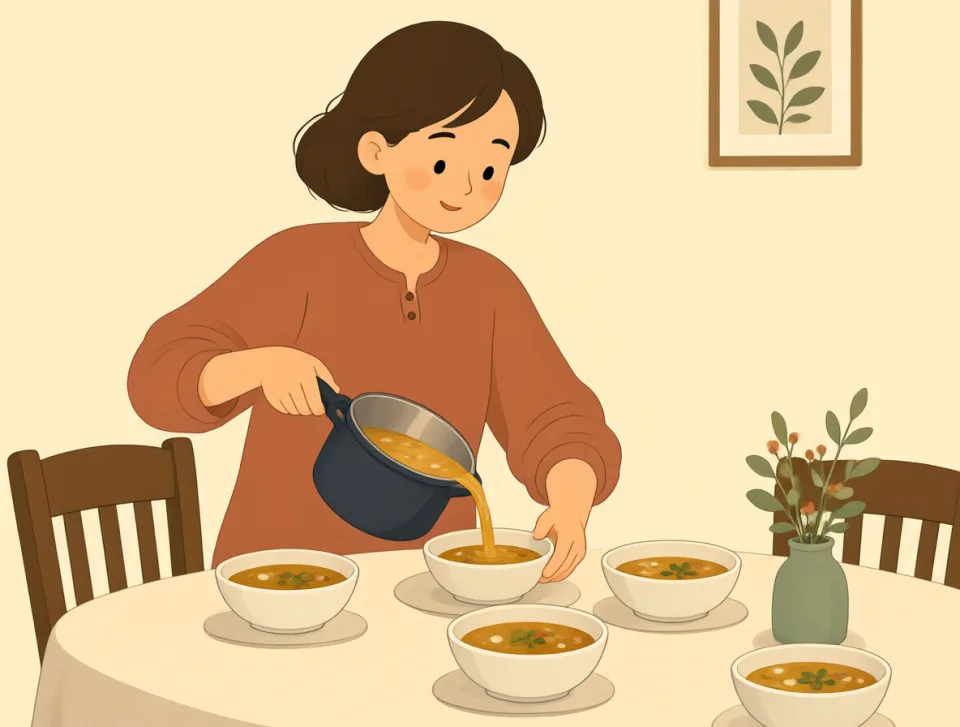
She poured the soup into bowls for everyone.
Herkes için çorbayı kaselere koydu.
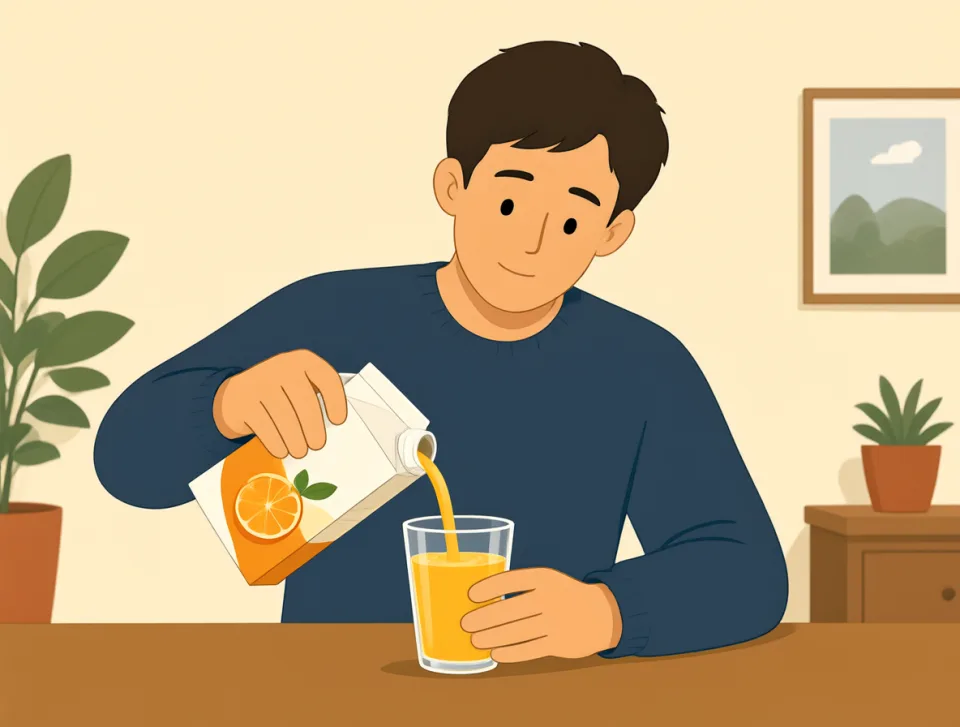
He poured himself a glass of orange juice.
Kendine bir bardak portakal suyu koydu.
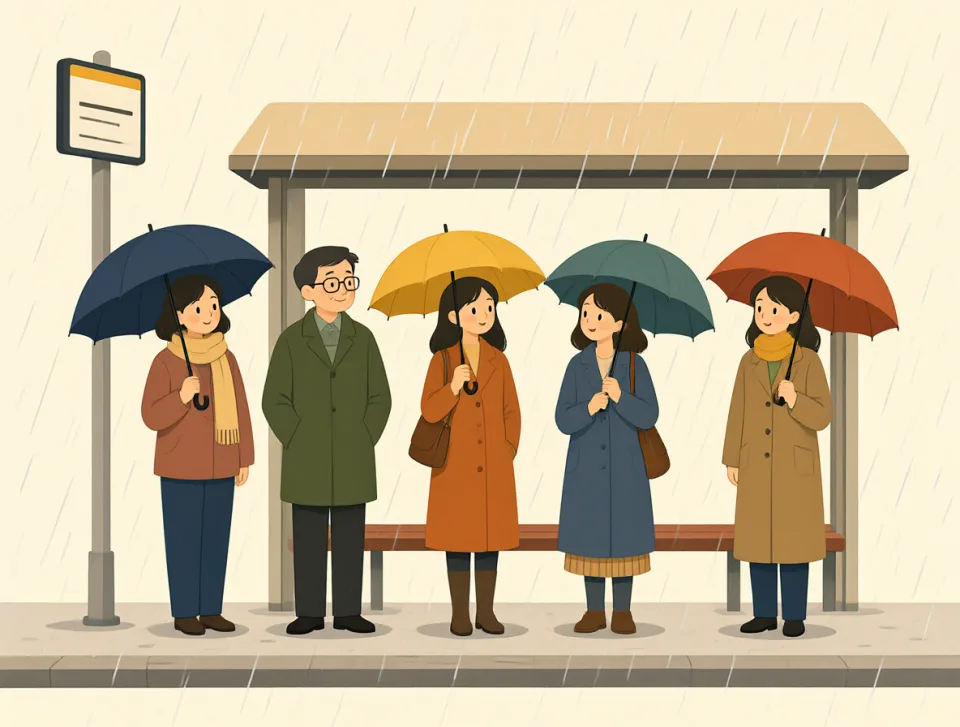
Rain poured down as we waited for the bus.
Otobüsü beklerken yağmur bardaktan boşanırcasına yağdı.
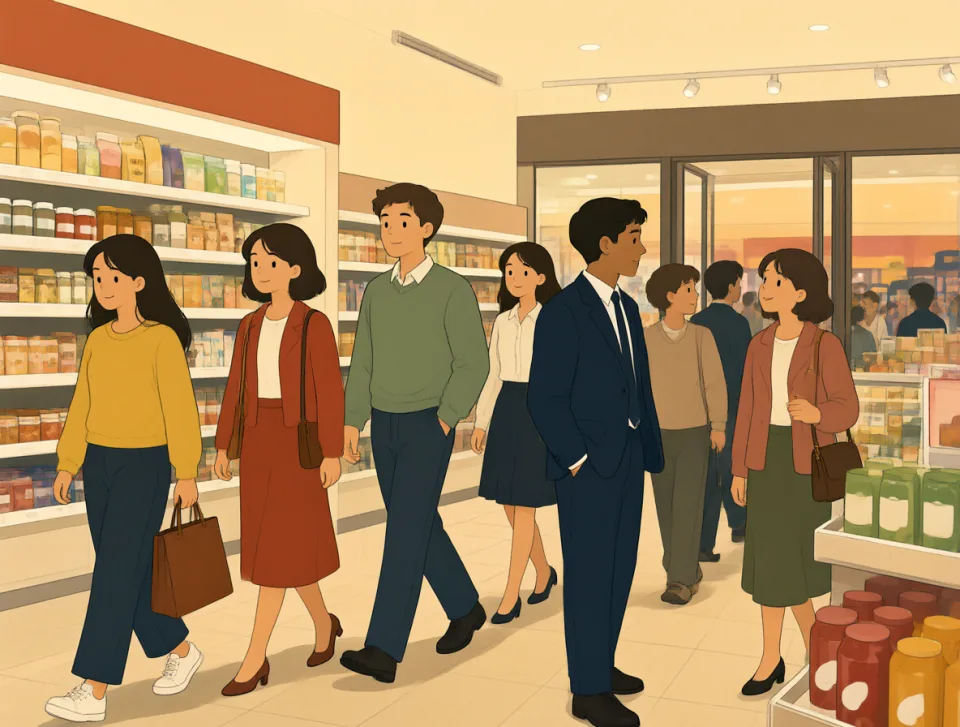
A steady pour of customers entered the store after work.
İş çıkışı müşteriler mağazaya art arda girdi.

sweep
#2136verb, noun
süpürmek
To clean a floor or surface with a broom, or move across an area quickly.
Bir zemini ya da yüzeyi süpürgeyle temizlemek veya bir alanı hızla geçmek.

I sweep the kitchen floor every evening after dinner.
Her akşam yemekten sonra mutfak zeminini süpürürüm.
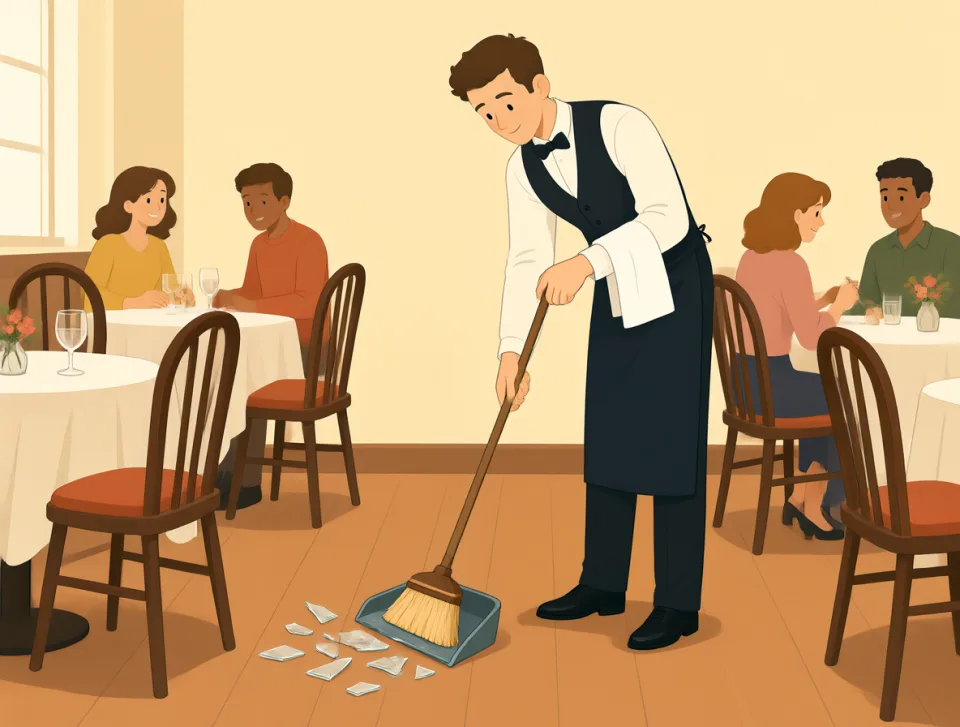
The waiter swept the broken glass into a dustpan.
Garson kırık camları faraşla süpürdü.

Strong winds swept leaves across the garden.
Kuvvetli rüzgâr yaprakları bahçenin dört bir yanına savurdu.

The new manager is sweeping through the office, checking every department.
Yeni müdür her departmanı kontrol etmek için ofisi baştan başa dolaşıyor.

The doctor swept his hand over the patient’s shoulder during the examination.
Doktor muayene sırasında elini hastanın omzu üzerinden gezdirdi.
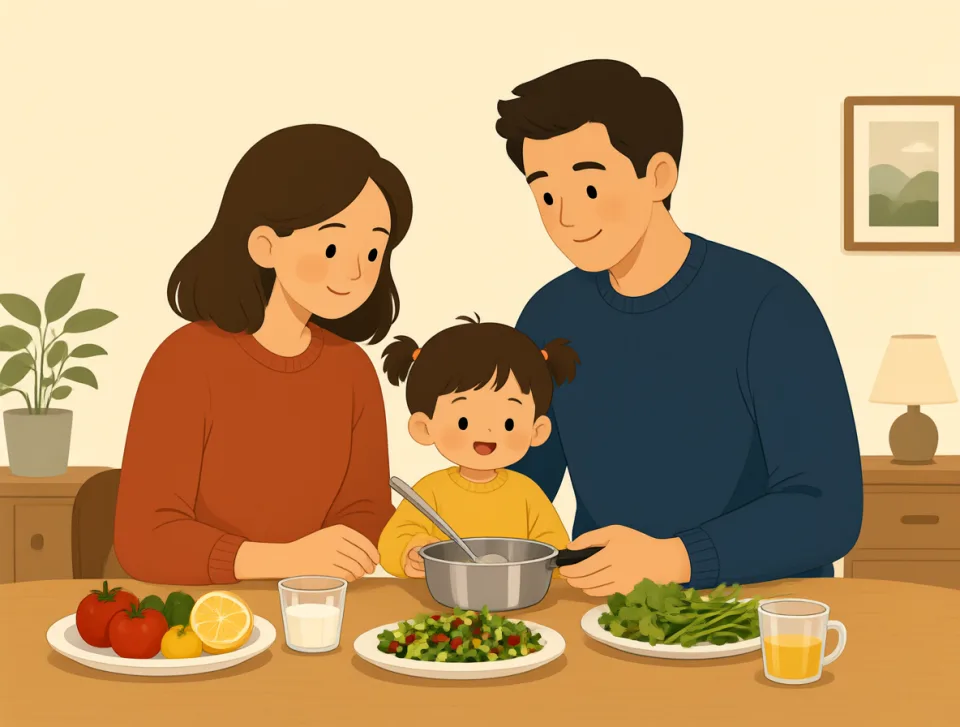
obligation
#2137noun
yükümlülük
A duty to do something because it is required by law, rules, or circumstances.
Yasalar, kurallar veya koşullar gereği bir şeyi yapma zorunluluğu.
Parents have an obligation to keep their children safe and healthy.
Ebeveynlerin çocuklarını güvende ve sağlıklı tutma yükümlülüğü vardır.
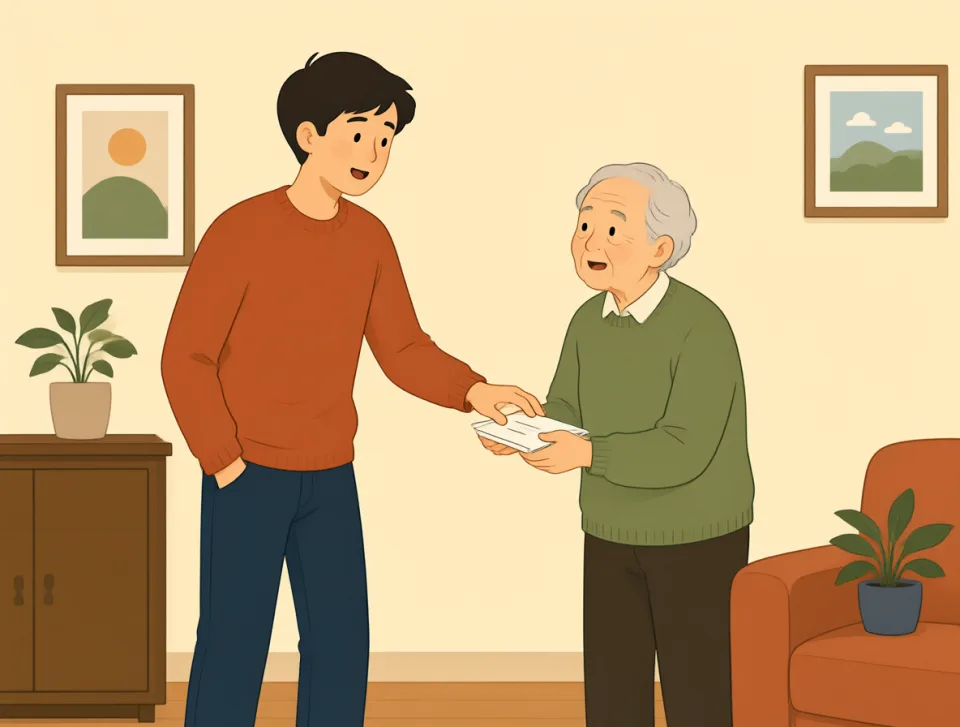
I cannot join you tonight because I have family obligations.
Ailevi yükümlülüklerim olduğu için bu akşam size katılamam.
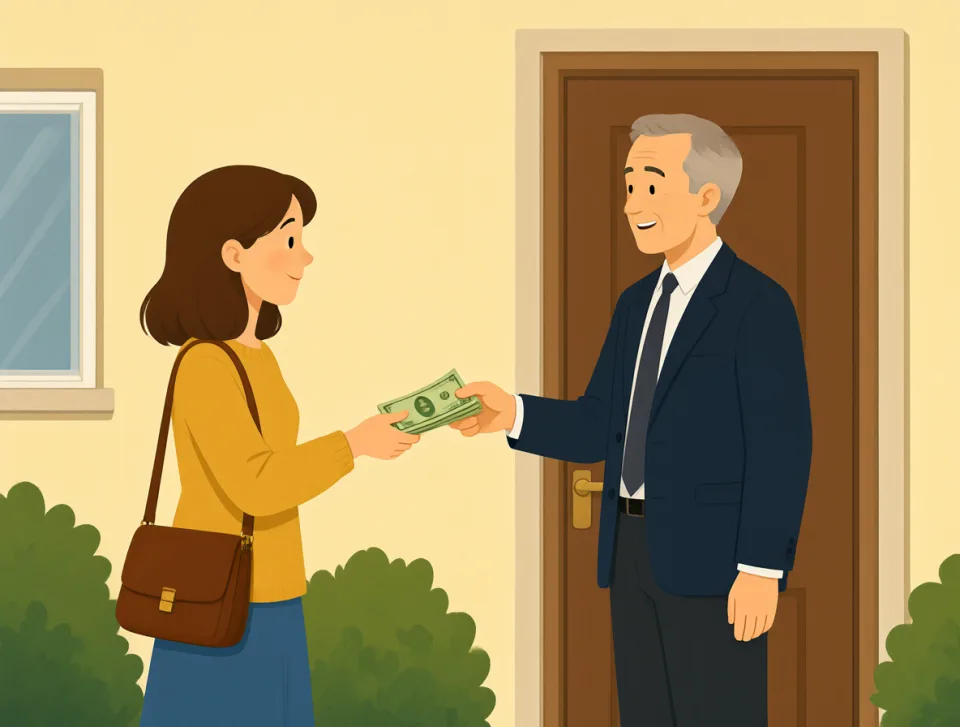
The contract creates an obligation to pay the rent on time.
Sözleşme, kirayı zamanında ödeme yükümlülüğü getiriyor.
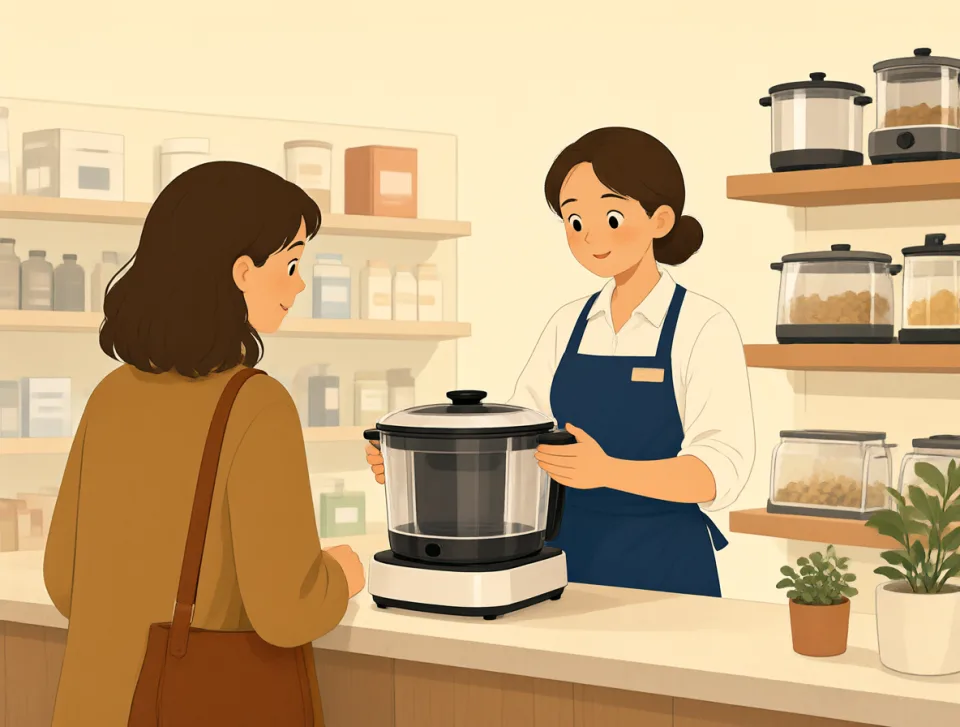
There is no obligation to buy anything during the free product demonstration.
Ücretsiz ürün tanıtımı sırasında herhangi bir şey satın alma zorunluluğu yoktur.

Students have an obligation to attend classes and complete their assignments.
Öğrencilerin derslere katılma ve ödevlerini tamamlama yükümlülüğü vardır.

sir
#2138noun
efendim
A polite way to speak to a man, especially someone in authority.
Bir erkeğe, özellikle yetkili konumdaki birine, hitap ederken kullanılan nazik bir ifade.
Excuse me, sir, could you tell me where the nearest train station is?
Affedersiniz efendim, en yakın tren istasyonunun nerede olduğunu söyleyebilir misiniz?

The waiter asked, “What would you like to order, sir?”
Garson, “Ne sipariş etmek istersiniz efendim?” diye sordu.

Yes, sir, I understand the instructions and will finish the work today.
Evet efendim, talimatları anladım ve işi bugün bitireceğim.

The teacher asked the boys to wait outside, and they answered, “Yes, sir.”
Öğretmen çocuklardan dışarıda beklemelerini istedi, onlar da “Evet efendim,” diye karşılık verdi.
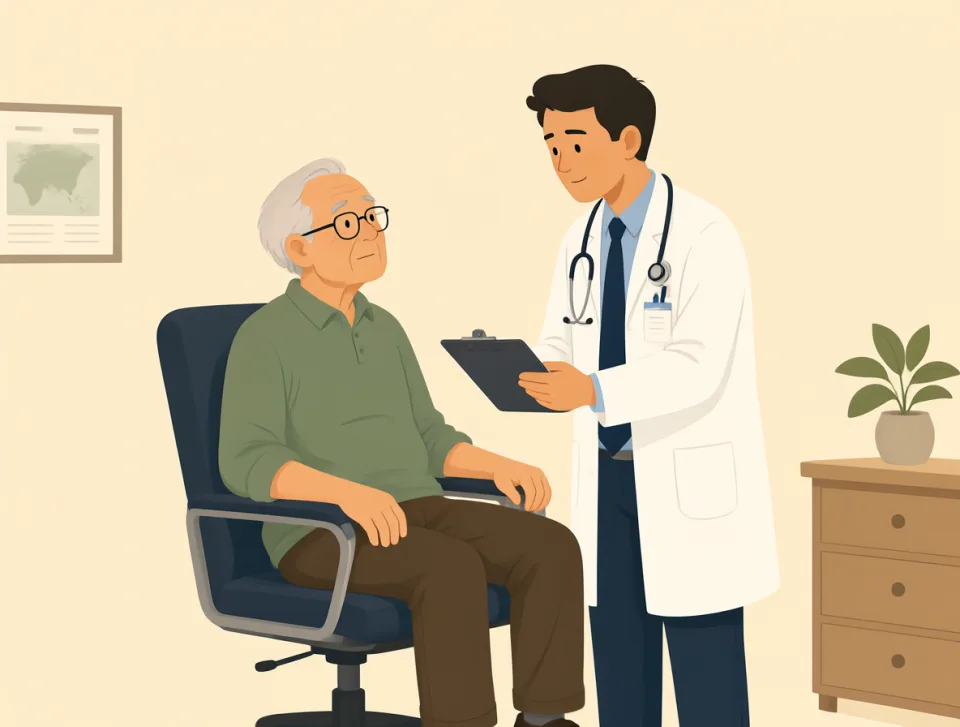
The doctor told the patient, “Please sit down, sir, and take a deep breath.”
Doktor hastaya, “Lütfen oturun efendim ve derin bir nefes alın,” dedi.
evaluate
#2139verb
değerlendirmek
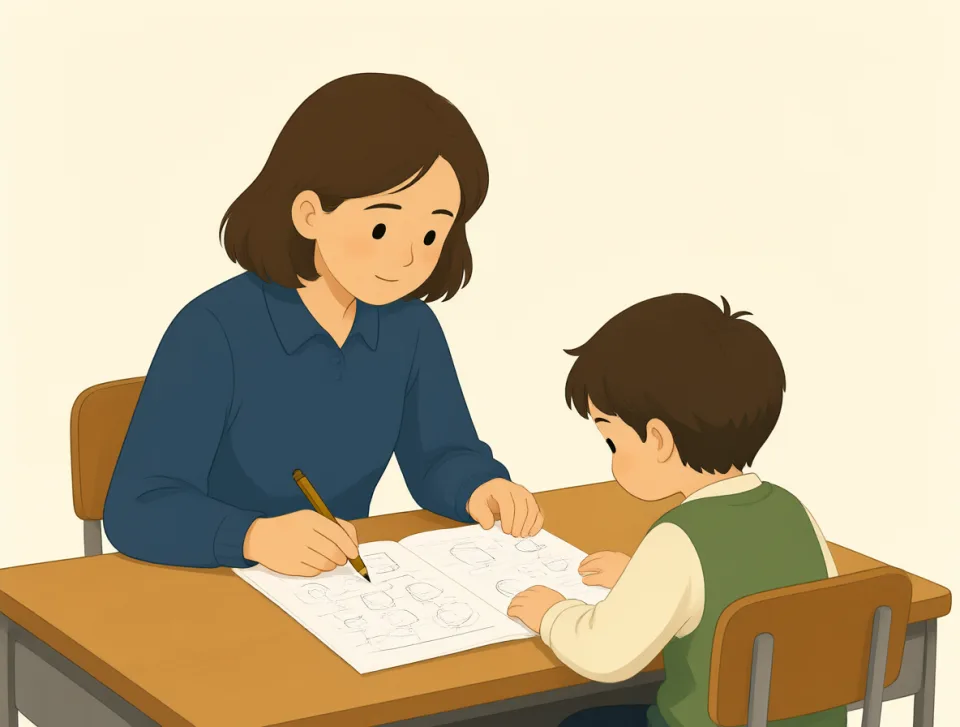
to judge something carefully to decide its quality, value, or importance
Bir şeyin niteliğine, değerine veya önemine karar vermek için onu dikkatlice incelemek.
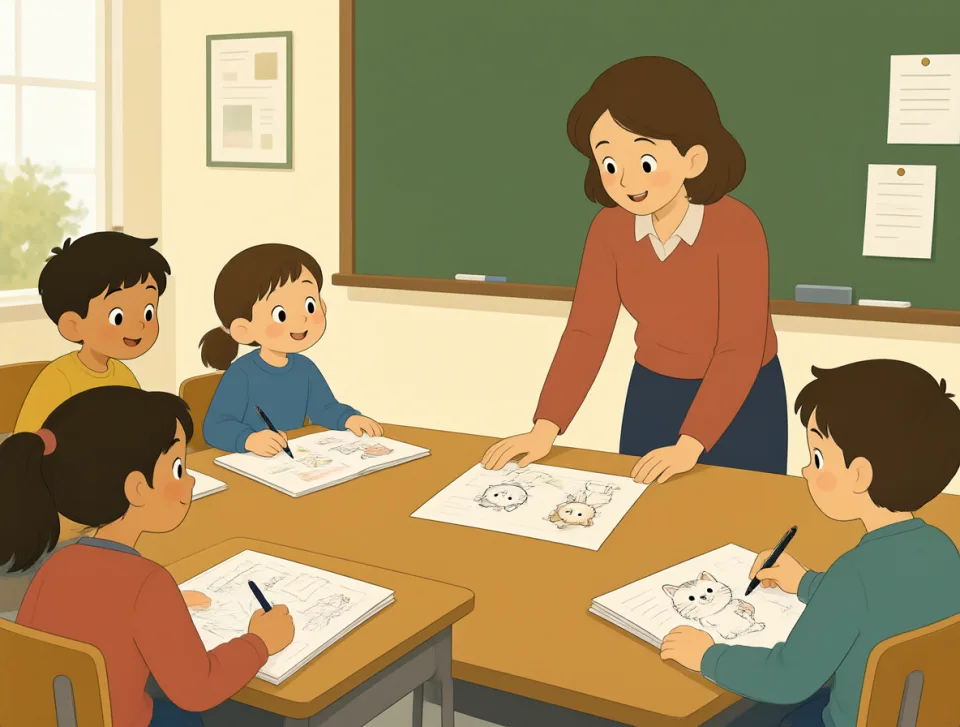
The teacher will evaluate our projects before giving us final grades.
Öğretmen, dönem sonu notlarımızı vermeden önce projelerimizi değerlendirecek.

We evaluated three hotels before choosing where to stay.
Kalacağımız yeri seçmeden önce üç oteli değerlendirdik.
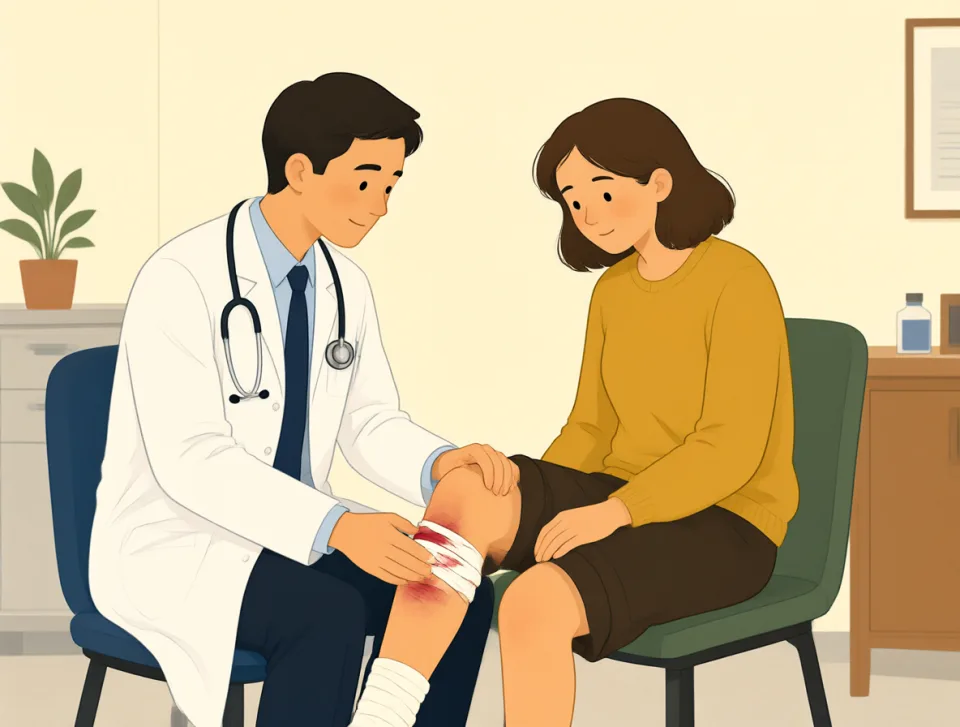
The doctor is evaluating my knee after I fell yesterday.
Doktor, dün düştükten sonra dizimi değerlendiriyor.

Please evaluate this new coffee before we add it to the menu.
Lütfen menüye eklemeden önce bu yeni kahveyi değerlendirin.

The manager evaluated my work and offered helpful advice.
Müdür işimi değerlendirdi ve yararlı tavsiyelerde bulundu.
anger
#2140noun, verb
öfke
a strong feeling of annoyance caused by something unfair, unpleasant, or wrong
Haksız, tatsız veya yanlış bir şeyin yol açtığı güçlü kızgınlık duygusu.
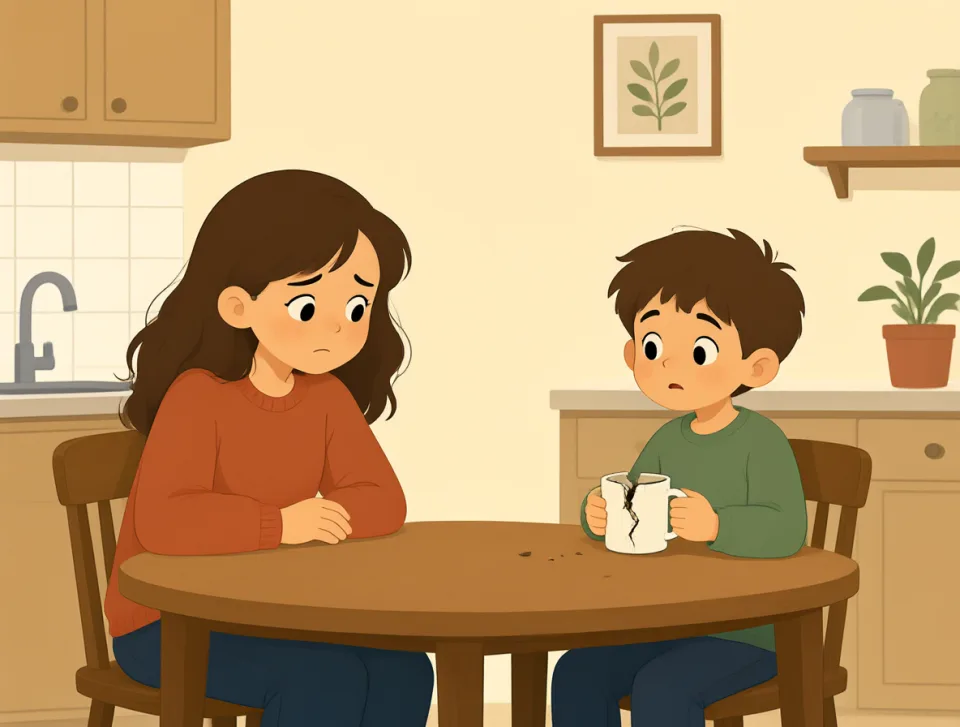
She tried to hide her anger when her brother broke her favorite mug.
Erkek kardeşi en sevdiği kupayı kırınca öfkesini gizlemeye çalıştı.

The manager apologized after customers expressed anger about the long delay.
Uzun gecikme nedeniyle müşteriler öfkelerini dile getirince müdür özür diledi.
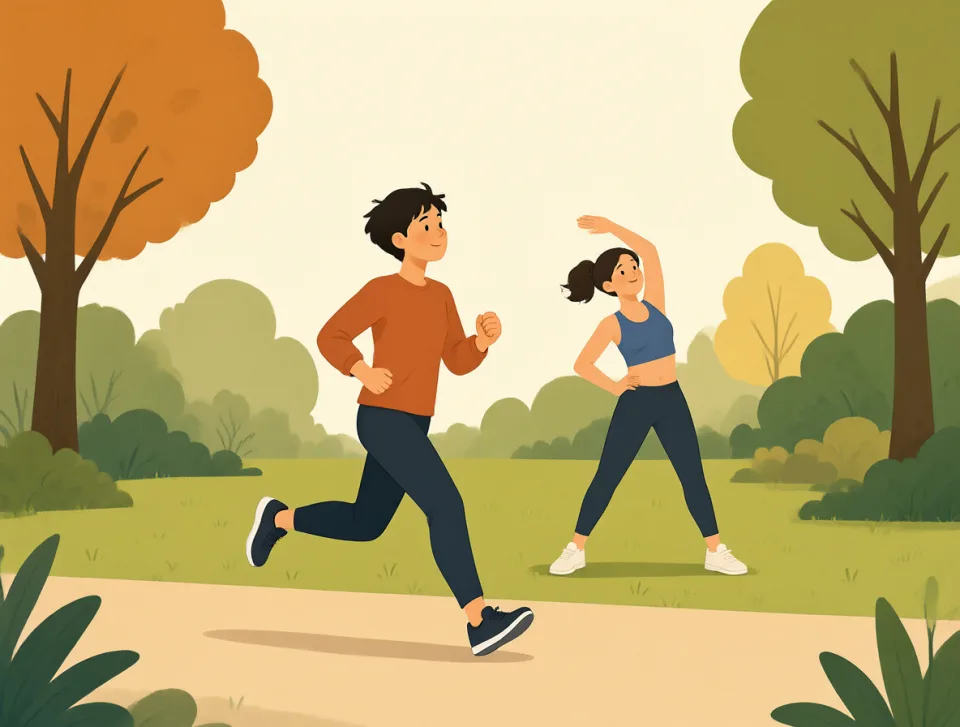
Regular exercise can help people manage anger and sleep better.
Düzenli egzersiz, insanların öfkelerini kontrol etmelerine ve daha iyi uyumalarına yardımcı olabilir.
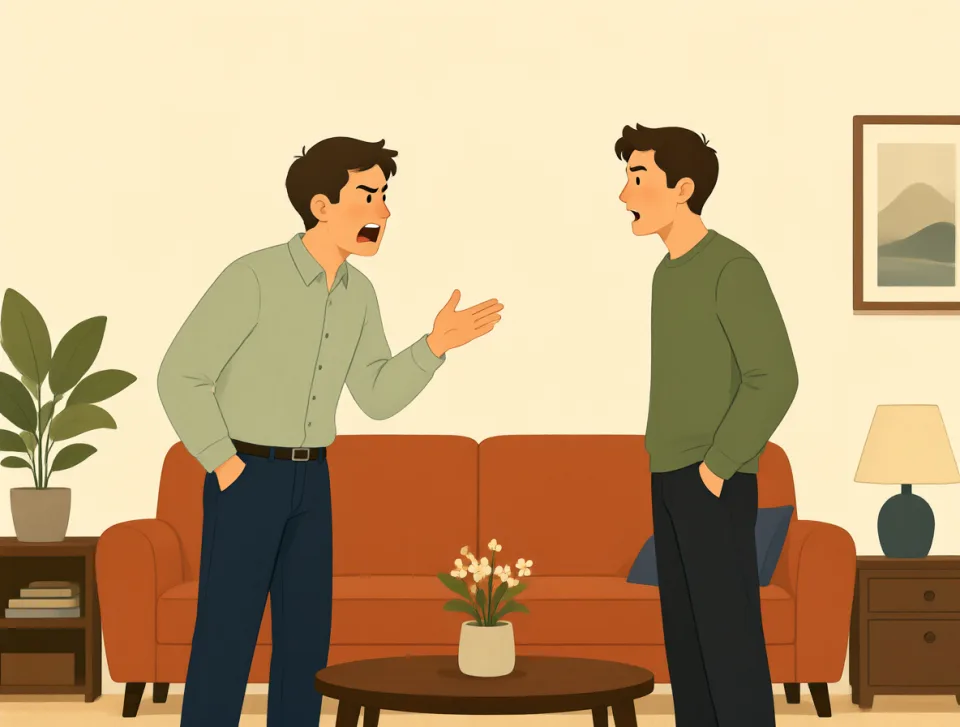
He spoke in anger and later regretted his harsh words.
Öfkeyle konuştu ve daha sonra söylediği kırıcı sözlerden pişman oldu.
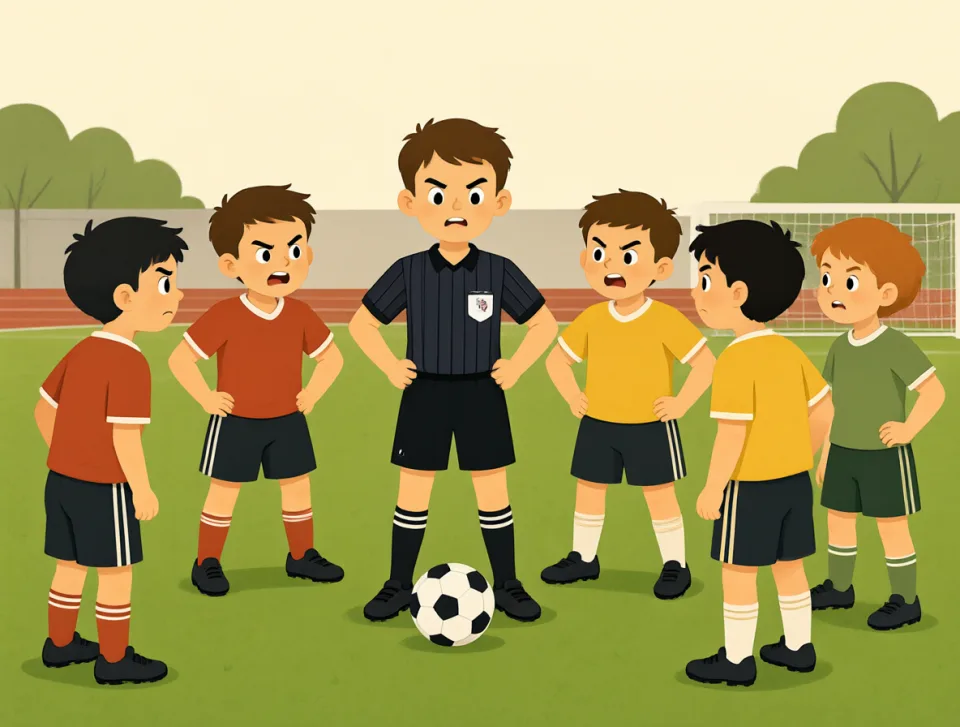
The unfair referee's decision angered the players during the school match.
Okul maçında hakemin haksız kararı oyuncuları öfkelendirdi.