Блок 107
Слова 2121–2140 · terrorist, justify, vital, fascinate, external, spare
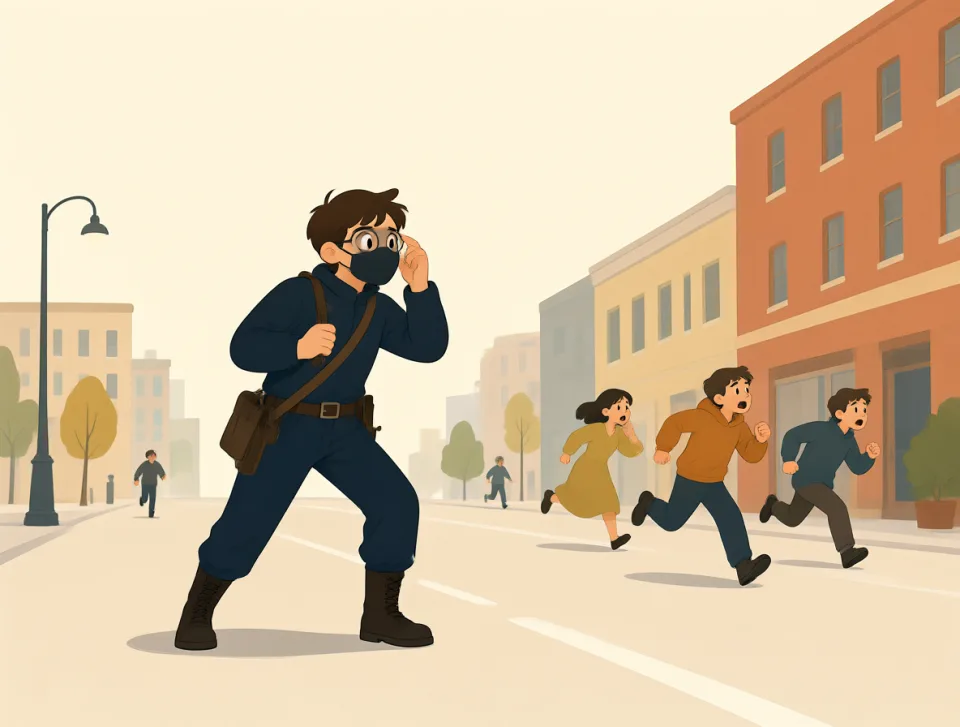
terrorist
#2121noun
террорист
A person who uses violence to frighten people and achieve political goals.
Человек, который применяет насилие, чтобы запугать людей и достичь политических целей.

The police arrested a suspected terrorist near the busy train station.
Полиция арестовала подозреваемого в терроризме возле оживлённого железнодорожного вокзала.
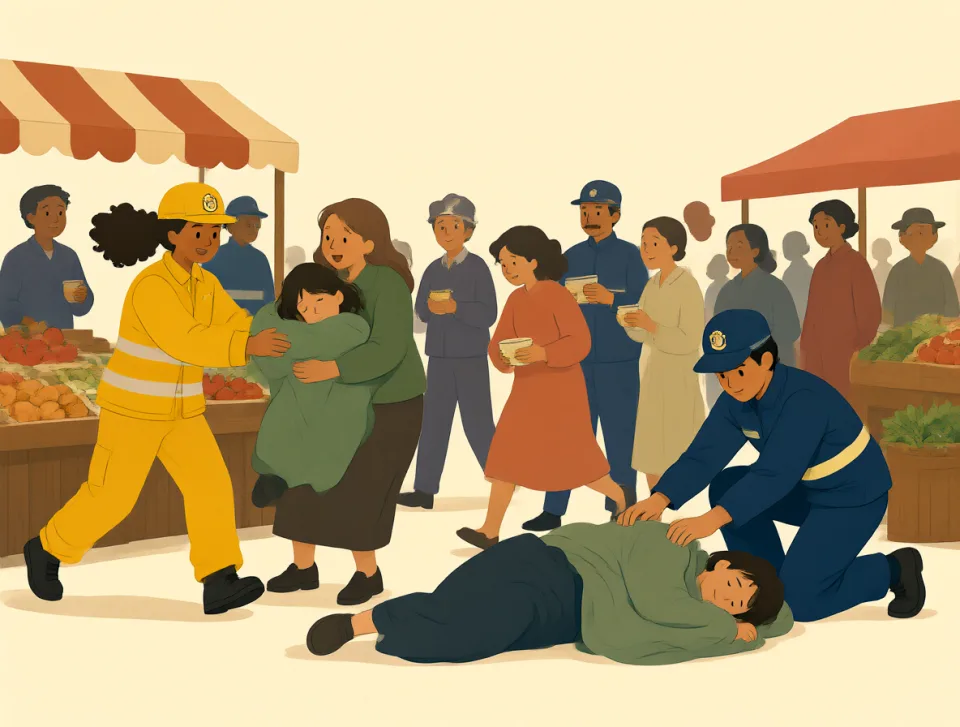
The terrorist attacked a crowded market, causing fear throughout the city.
Террорист напал на многолюдный рынок, посеяв страх по всему городу.

News reports said the terrorist group planned attacks in several countries.
Согласно сообщениям СМИ, террористическая группировка планировала нападения в нескольких странах.

The airport security officer checked every passenger for possible terrorist threats.
Сотрудник службы безопасности аэропорта проверил каждого пассажира на предмет возможной террористической угрозы.

Students discussed how terrorists use fear to influence governments and communities.
Студенты обсуждали, как террористы используют страх, чтобы влиять на правительства и общество.

justify
#2122verb
оправдывать
to give a good reason for something or show that it is reasonable
Приводить веские основания для чего-либо или доказывать, что это разумно.
You cannot justify spending so much money on a jacket.
Нельзя оправдать такие большие траты на куртку.
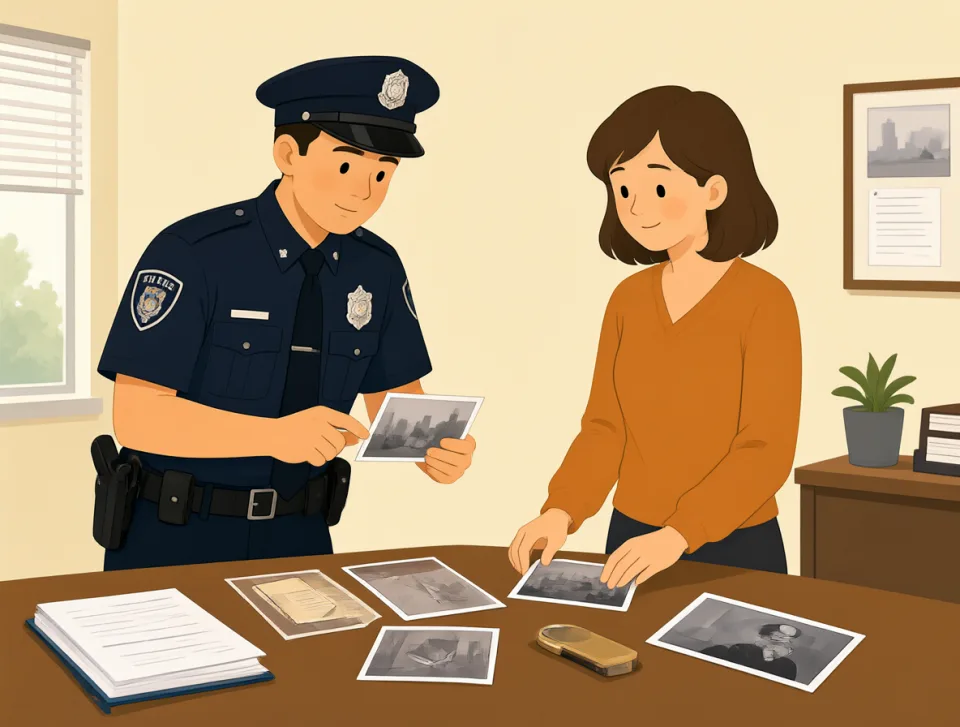
The evidence clearly justified the police officer's decision.
Улики ясно показывали, что решение полицейского было оправданным.

She tried to justify being late by blaming the heavy traffic.
Она попыталась оправдать опоздание, свалив всё на сильные пробки.
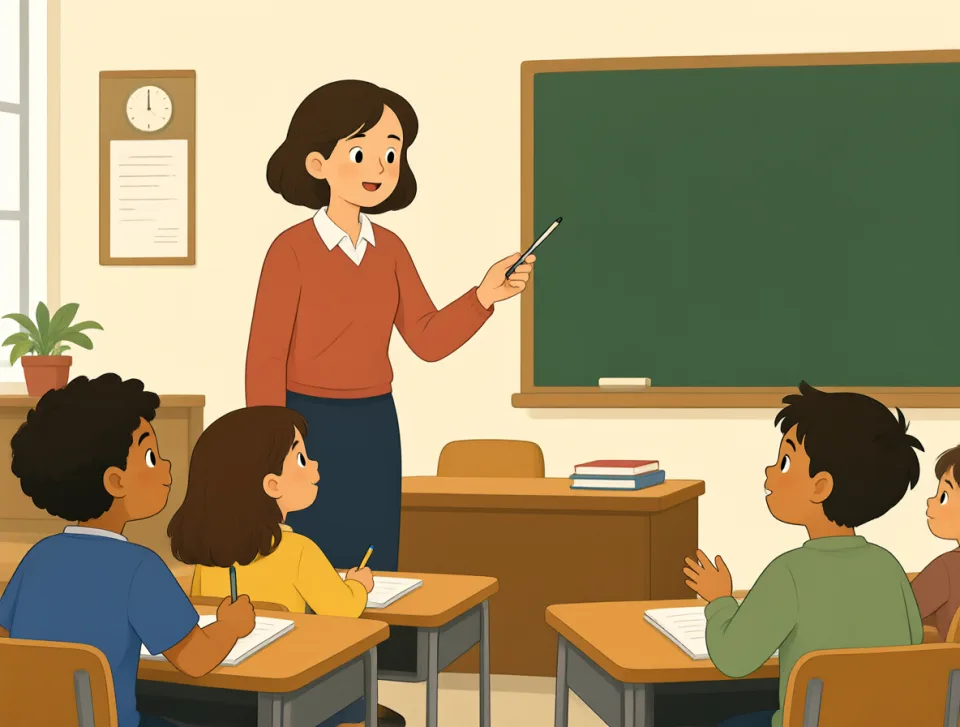
The teacher asked students to justify their answers with examples.
Учитель попросил учеников обосновать свои ответы примерами.

The doctor said the test results did not justify changing his treatment.
Врач сказал, что результаты анализов не дают оснований менять его лечение.

vital
#2123adjective
жизненно важный
Very important or necessary for life, success, or continued existence.
Очень важный или необходимый для жизни, успеха или дальнейшего существования.
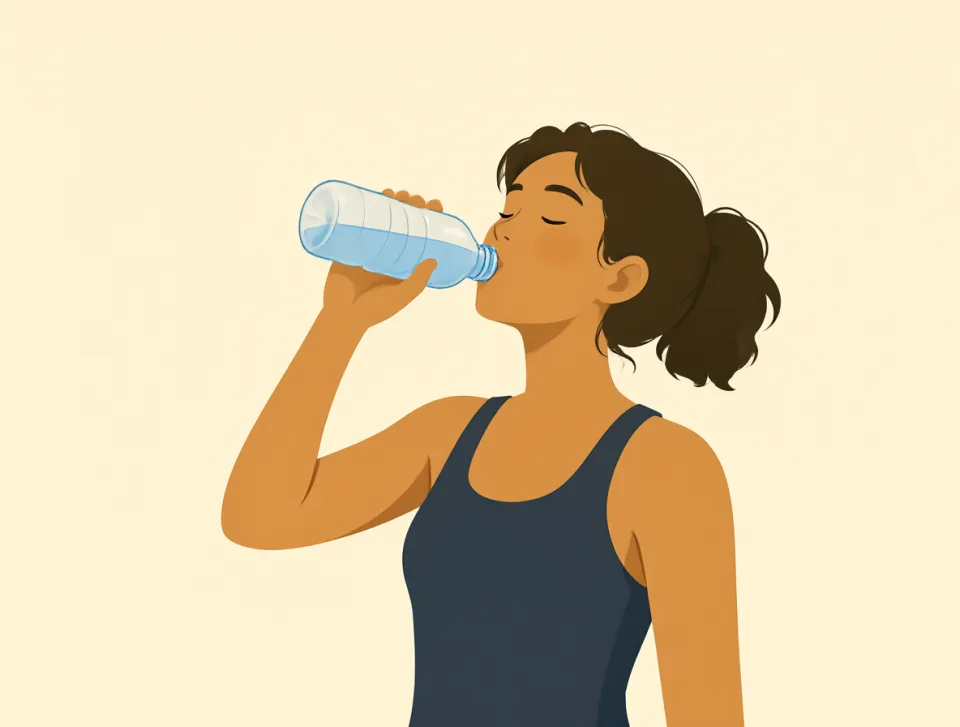
Drinking enough water is vital for staying healthy during hot weather.
В жаркую погоду важно пить достаточно воды, чтобы оставаться здоровым.

It is vital to check your passport before leaving for the airport.
Перед выездом в аэропорт обязательно проверьте паспорт.

Good communication is vital to a successful team at work.
Хорошее общение крайне важно для успешной работы команды.

The teacher explained that sleep is vital for learning and remembering new information.
Учитель объяснил, что сон крайне важен для усвоения и запоминания новой информации.

Fresh vegetables provide vital nutrients that help children grow strong.
Свежие овощи содержат необходимые питательные вещества, которые помогают детям расти крепкими.

fascinate
#2124verb
увлекать
to interest someone greatly, especially because something is unusual, beautiful, or mysterious
Очень сильно заинтересовать кого-либо, особенно чем-то необычным, прекрасным или загадочным.

Bright colors and unusual shapes fascinate young children.
Яркие цвета и необычные формы завораживают маленьких детей.

The documentary fascinated me with stories about life under the ocean.
Документальный фильм увлёк меня рассказами о жизни под океанской гладью.

My little brother is fascinated by how airplanes fly.
Моего младшего брата завораживает то, как летают самолёты.

The teacher fascinated the class with a simple science experiment.
Учитель увлёк класс простым научным экспериментом.

She was fascinated by the old streets and buildings in Rome.
Её заворожили старинные улицы и здания Рима.

external
#2125adjective, noun
внешний
outside a place, system, or organization, or coming from outside it
Находящийся вне какого-либо места, системы или организации либо поступающий извне.

The external walls need painting before winter arrives.
Наружные стены нужно покрасить до наступления зимы.

Please check the external temperature before choosing your clothes.
Пожалуйста, проверьте температуру на улице, прежде чем выбирать одежду.

The company hired an external consultant to improve its safety rules.
Компания наняла стороннего консультанта, чтобы улучшить правила техники безопасности.

Students must use external sources for their history projects.
Для проектов по истории ученики должны использовать внешние источники.

The doctor found no external signs of injury on his arm.
Врач не обнаружил на его руке видимых повреждений.

spare
#2126adjective, verb, noun
запасной; свободный; уделить
Extra and available, or to give someone time, money, or help when needed.
Дополнительный и доступный; также — уделить кому-либо время, дать деньги или оказать помощь, когда это необходимо.

Do you have a spare key for the front door?
У вас есть запасной ключ от входной двери?

Could you spare a few minutes to help me move this table?
Не могли бы вы уделить несколько минут, чтобы помочь мне передвинуть этот стол?

We have a spare room where visiting guests can sleep.
У нас есть свободная комната, где могут переночевать гости.
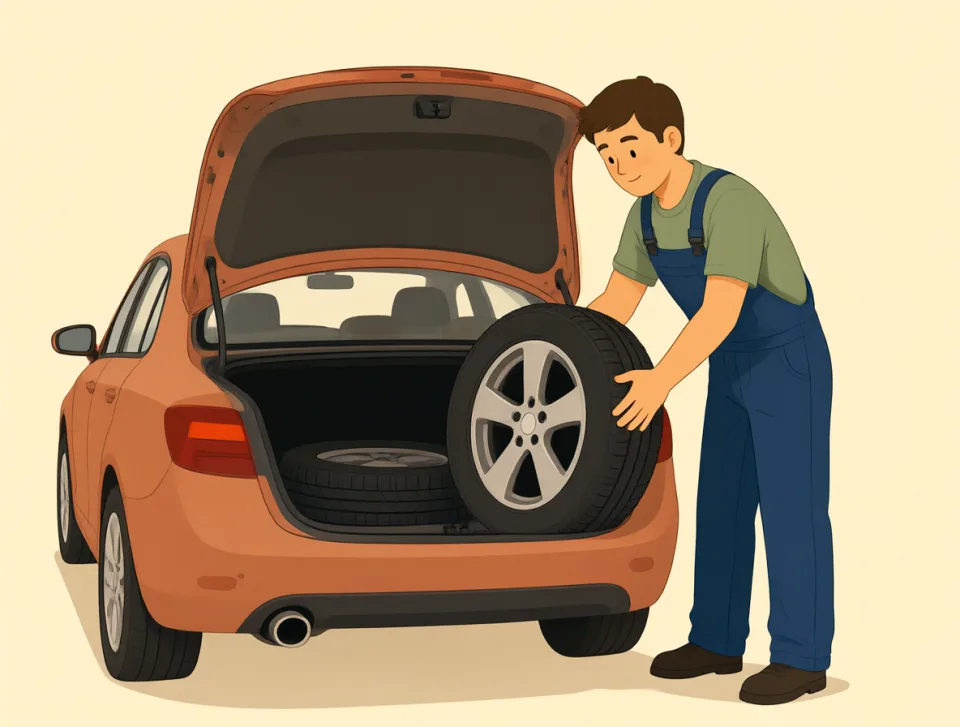
The mechanic kept a spare tire in the trunk of the car.
Механик держал запасное колесо в багажнике машины.

She bought a spare shirt after spilling soup on her clothes.
Она купила запасную рубашку, испачкав одежду супом.

whenever
#2127adverb, conjunction
всякий раз, когда; когда угодно
every time that something happens, or at any time when it is possible
Каждый раз, когда что-либо происходит, или в любое время, когда это возможно.
Whenever I feel tired, I take a short break and drink some water.
Всякий раз, когда я устаю, я ненадолго делаю перерыв и пью воду.

Call me whenever you need help with your homework.
Звони мне, когда тебе понадобится помощь с домашним заданием.

Whenever we visit the city, we eat at that small Italian restaurant.
Когда бы мы ни приезжали в город, мы едим в том маленьком итальянском ресторане.

She listens to music whenever she cleans the house.
Она слушает музыку, когда убирается дома.

You can use this room whenever you need a quiet place to work.
Ты можешь пользоваться этой комнатой всякий раз, когда тебе нужно спокойно поработать.

depression
#2128noun
депрессия
A serious medical condition causing long-lasting sadness and loss of interest in life.
Серьёзное заболевание, которое вызывает длительное чувство подавленности и потерю интереса к жизни.
She is receiving treatment for depression from a doctor.
Она лечится от депрессии у врача.

Depression can make it difficult to work, sleep, or enjoy everyday activities.
Из-за депрессии бывает трудно работать, спать и получать удовольствие от повседневных дел.

His depression became worse after he lost his job.
После потери работы его депрессия усилилась.

Talking with close friends helped her manage her depression.
Разговоры с близкими друзьями помогли ей справиться с депрессией.

The long winter and lack of sunlight contributed to his depression.
Долгая зима и нехватка солнечного света способствовали его депрессии.
guilty
#2129adjective
виноватый; испытывающий вину
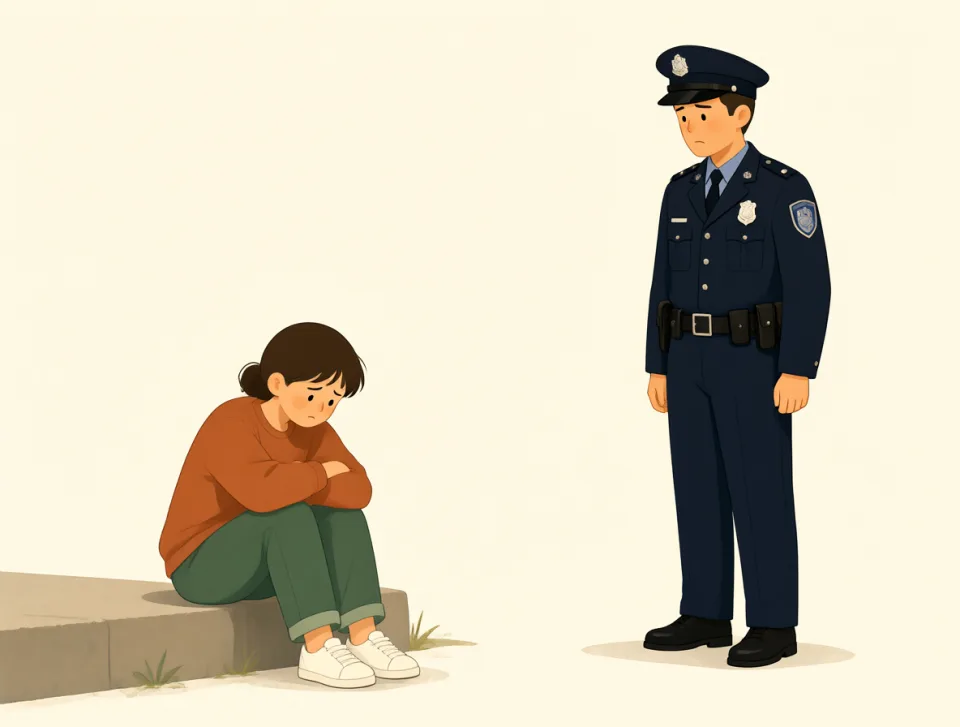
Feeling responsible for doing something wrong or having committed a crime.
Испытывающий чувство вины за проступок или за совершённое преступление.

The guilty driver apologized after hitting the parked car.
Виновный водитель извинился после того, как врезался в припаркованную машину.
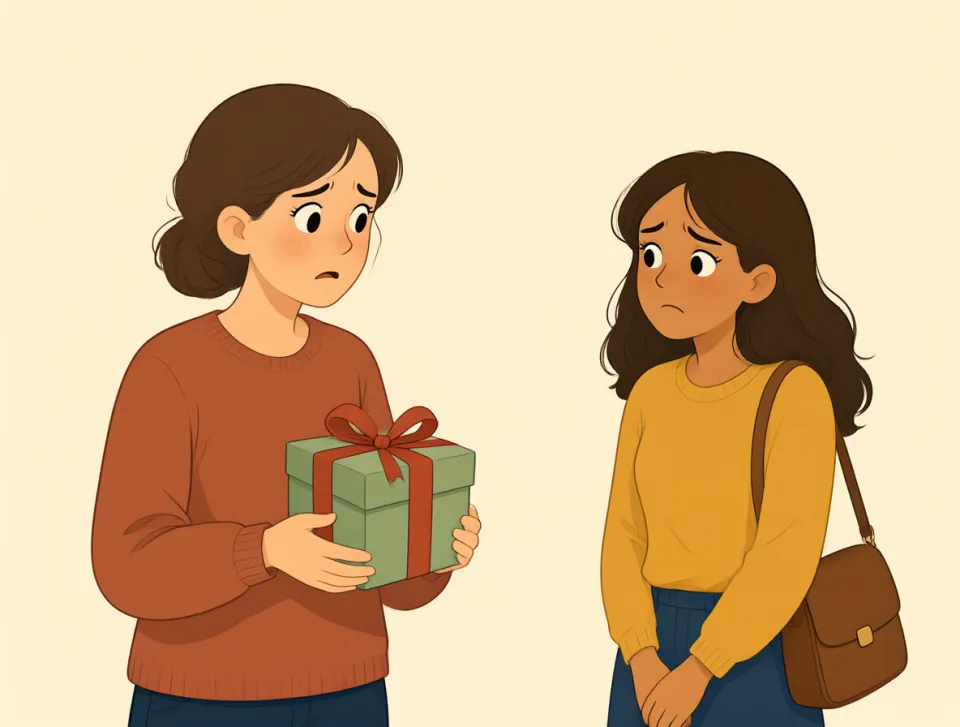
She felt guilty about forgetting her friend’s birthday.
Она чувствовала себя виноватой, потому что забыла о дне рождения подруги.

The court found him guilty of stealing money from his employer.
Суд признал его виновным в краже денег у работодателя.
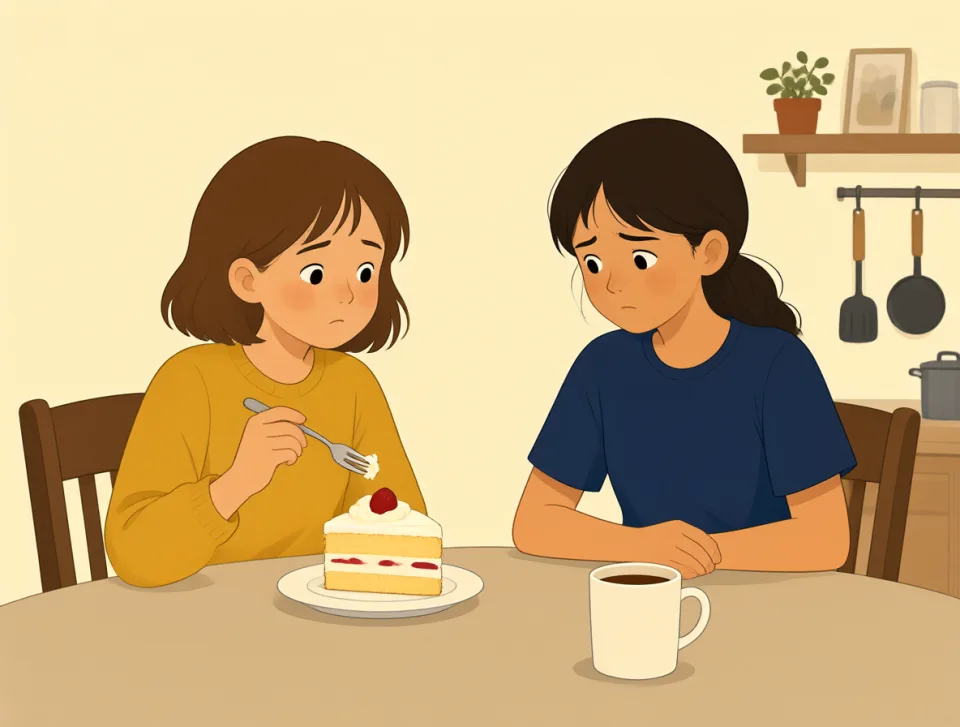
I felt guilty eating cake while my sister was on a strict diet.
Мне было стыдно есть торт, пока моя сестра сидела на строгой диете.
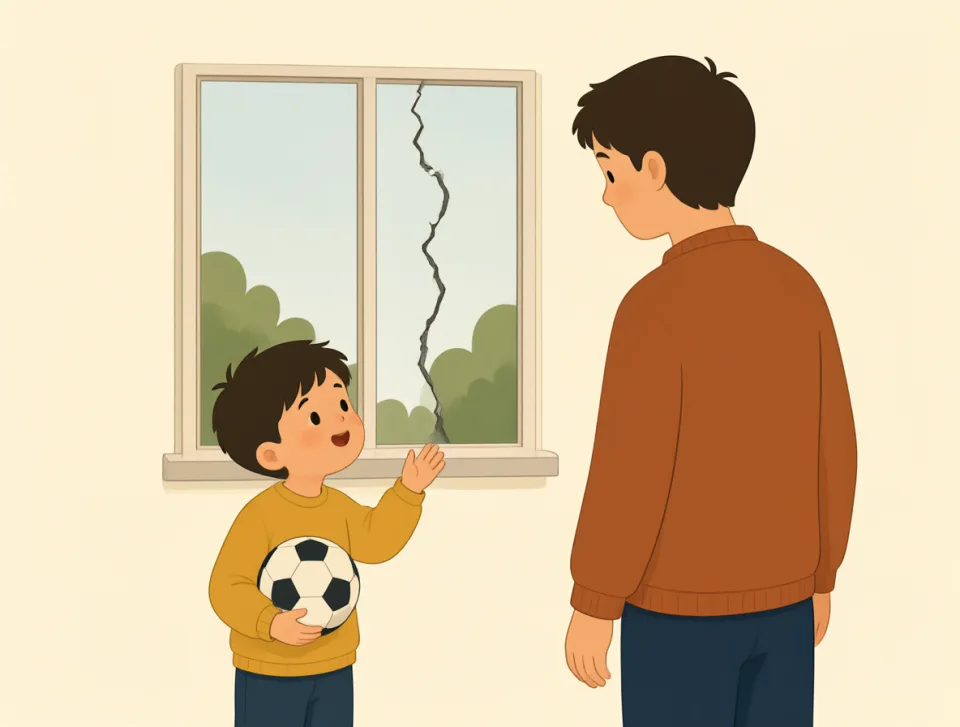
The guilty child quietly admitted breaking the window with a ball.
Виноватый ребёнок тихо признался, что разбил окно мячом.

underlie
#2130verb
лежать в основе; обусловливать
to exist beneath and support something, or form the basic cause of it
Находиться в основе и служить опорой чему-либо или быть его основной причиной.

Strong family values underlie the way we raise our children.
Наш подход к воспитанию детей основан на крепких семейных ценностях.

Several hidden fears underlie his refusal to travel by plane.
За его отказом лететь на самолёте скрывается несколько страхов.

The teacher explained the ideas underlying the science experiment.
Учитель объяснил идеи, лежащие в основе научного эксперимента.

Trust and respect underlie every successful friendship.
Доверие и уважение лежат в основе любой крепкой дружбы.

A simple sauce underlay the roasted vegetables at dinner.
На ужин под жареными овощами была простая подливка.

mom
#2131noun
мама
your mother or a woman who looks after children
Ваша мать или женщина, которая заботится о детях.

My mom makes breakfast for us every morning before school.
Мама каждое утро готовит нам завтрак перед школой.

I called my mom after work to tell her the good news.
После работы я позвонил маме, чтобы сообщить ей хорошую новость.

My mom bought fresh vegetables and chicken for dinner.
Мама купила свежие овощи и курицу на ужин.

His mom took him to the doctor because he felt sick.
Его мама отвела его к врачу, потому что он плохо себя чувствовал.

My friend’s mom gave us a ride home after the party.
Мама моего друга подвезла нас домой после вечеринки.

distinction
#2132noun
различие
A clear difference between two people or things.
Чёткое различие между двумя людьми или предметами.
The chef is known for the distinction between fresh and frozen ingredients.
Шеф-повар известен тем, что умеет различать свежие и замороженные продукты.

There is an important distinction between being busy and being productive.
Важно различать занятость и продуктивность.

The school gives an award to students who pass with distinction.
Школа награждает учеников, сдавших экзамены с отличием.

The store sells several cheeses, each with its own distinctive flavor.
В магазине продают несколько сортов сыра, каждый со своим особым вкусом.

She earned the distinction of being the first person to finish the race.
Она удостоилась чести стать первым человеком, завершившим забег.

satisfaction
#2133noun
удовлетворение
A happy feeling because something is good, successful, or meets your needs.
Приятное чувство, когда что-то хорошо получилось, удалось или отвечает вашим потребностям.
She smiled with satisfaction after finishing the difficult project at work.
Закончив сложный рабочий проект, она удовлетворённо улыбнулась.

The restaurant offers a money-back guarantee to ensure customer satisfaction.
Ресторан предоставляет гарантию возврата денег, чтобы обеспечить удовлетворённость клиентов.

He gets great satisfaction from helping children learn to read.
Он получает огромное удовлетворение от того, что помогает детям учиться читать.

The hotel staff quickly resolved our complaint, much to our satisfaction.
Сотрудники отеля быстро решили нашу проблему, к нашему большому удовлетворению.

After dinner, everyone expressed satisfaction with the delicious homemade meal.
После ужина все выразили удовлетворение вкусной домашней едой.

incorporate
#2134verb
включать
to include something as part of a larger whole
включать что-либо в состав более целого.

The designer incorporated bright colors into the living room.
Дизайнер добавил яркие цвета в интерьер гостиной.

Please incorporate your teacher’s suggestions into the final report.
Пожалуйста, учтите замечания учителя в итоговом отчёте.

The hotel has incorporated local food into its breakfast menu.
Отель включил местные блюда в меню завтрака.
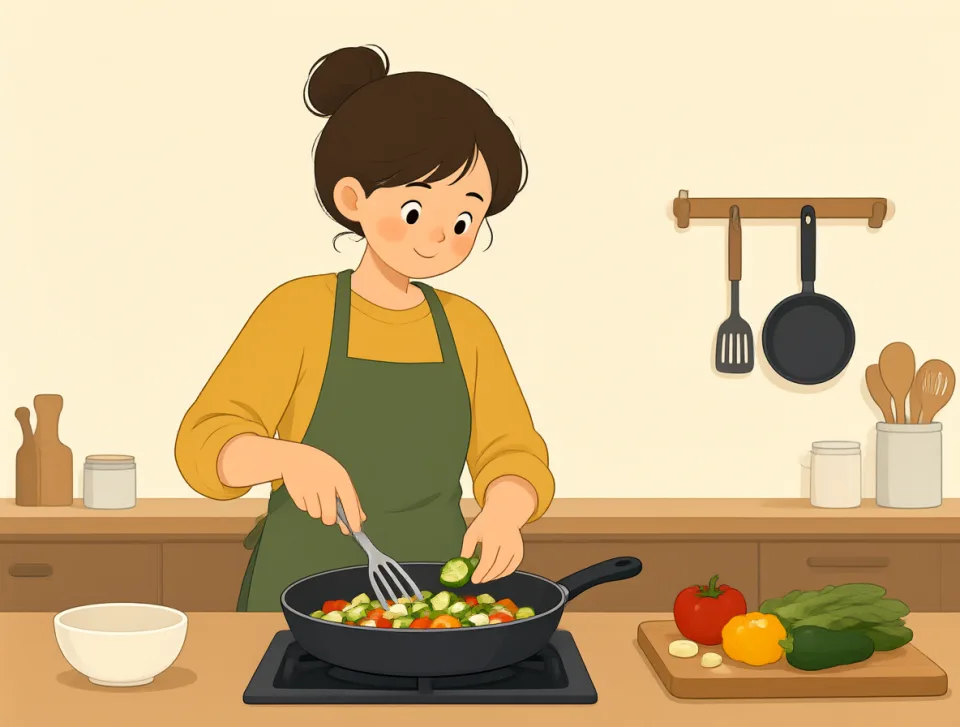
We are incorporating more vegetables into our family meals.
Мы добавляем в семейные блюда больше овощей.
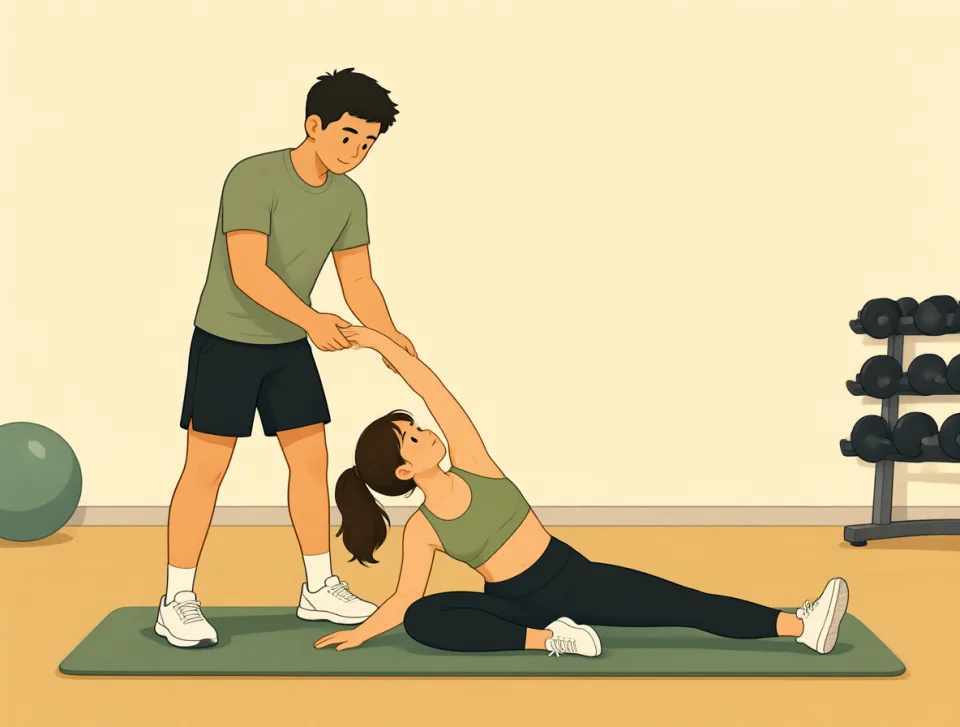
The exercise program incorporates stretching to prevent injuries.
В программу упражнений включена растяжка для профилактики травм.
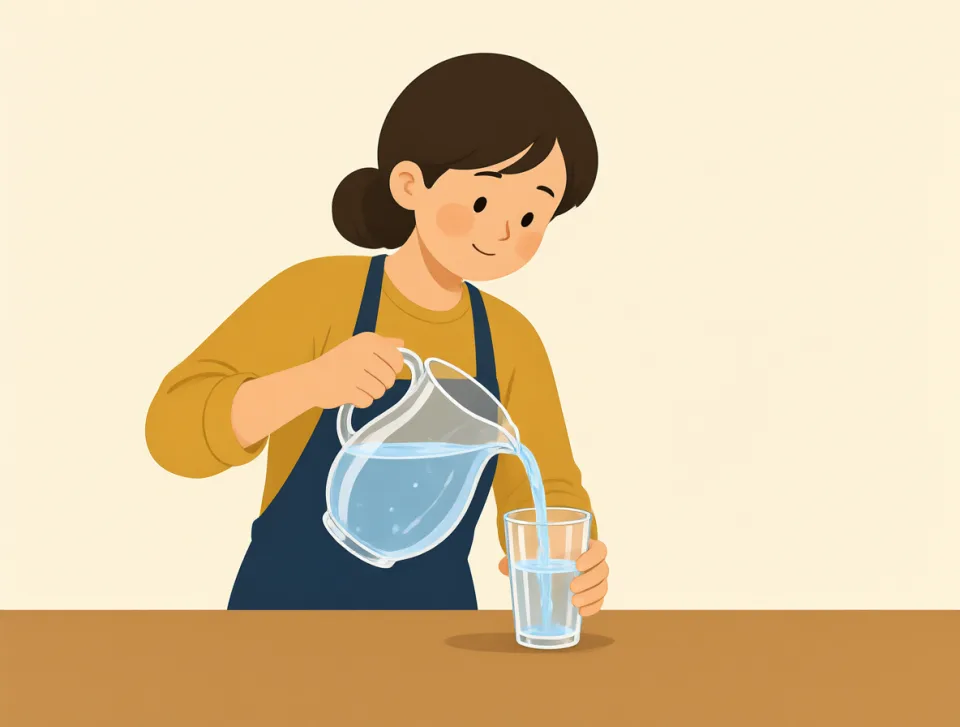
pour
#2135verb, noun
наливать
To make a liquid flow from one container into another, usually quickly and steadily.
Переливать жидкость из одной ёмкости в другую, обычно быстро и непрерывно.

Please pour some milk into my coffee.
Пожалуйста, налей немного молока в мой кофе.
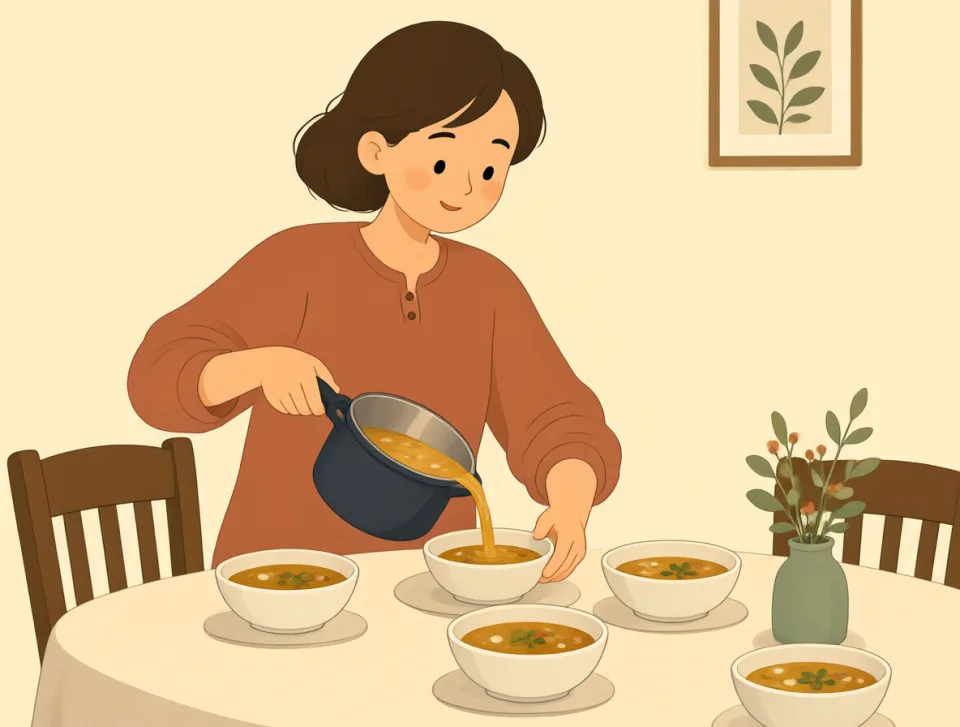
She poured the soup into bowls for everyone.
Она разлила суп по тарелкам для всех.

He poured himself a glass of orange juice.
Он налил себе стакан апельсинового сока.

Rain poured down as we waited for the bus.
Пока мы ждали автобус, лил дождь.

A steady pour of customers entered the store after work.
После работы в магазин сплошным потоком заходили покупатели.

sweep
#2136verb, noun
подметать
To clean a floor or surface with a broom, or move across an area quickly.
Убирать пол или другую поверхность веником или щёткой либо быстро перемещаться по какой-либо территории.

I sweep the kitchen floor every evening after dinner.
Каждый вечер после ужина я подметаю пол на кухне.

The waiter swept the broken glass into a dustpan.
Официант смёл осколки стекла в совок.

Strong winds swept leaves across the garden.
Сильный ветер гнал листья по саду.

The new manager is sweeping through the office, checking every department.
Новый менеджер стремительно обходит весь офис и проверяет каждый отдел.

The doctor swept his hand over the patient’s shoulder during the examination.
Во время осмотра врач провёл рукой над плечом пациента.

obligation
#2137noun
обязанность
A duty to do something because it is required by law, rules, or circumstances.
Необходимость что-либо сделать в соответствии с законом, правилами или обстоятельствами.
Parents have an obligation to keep their children safe and healthy.
Родители обязаны заботиться о безопасности и здоровье своих детей.

I cannot join you tonight because I have family obligations.
Сегодня вечером я не могу пойти с вами — у меня семейные дела.

The contract creates an obligation to pay the rent on time.
Договор обязывает своевременно вносить арендную плату.
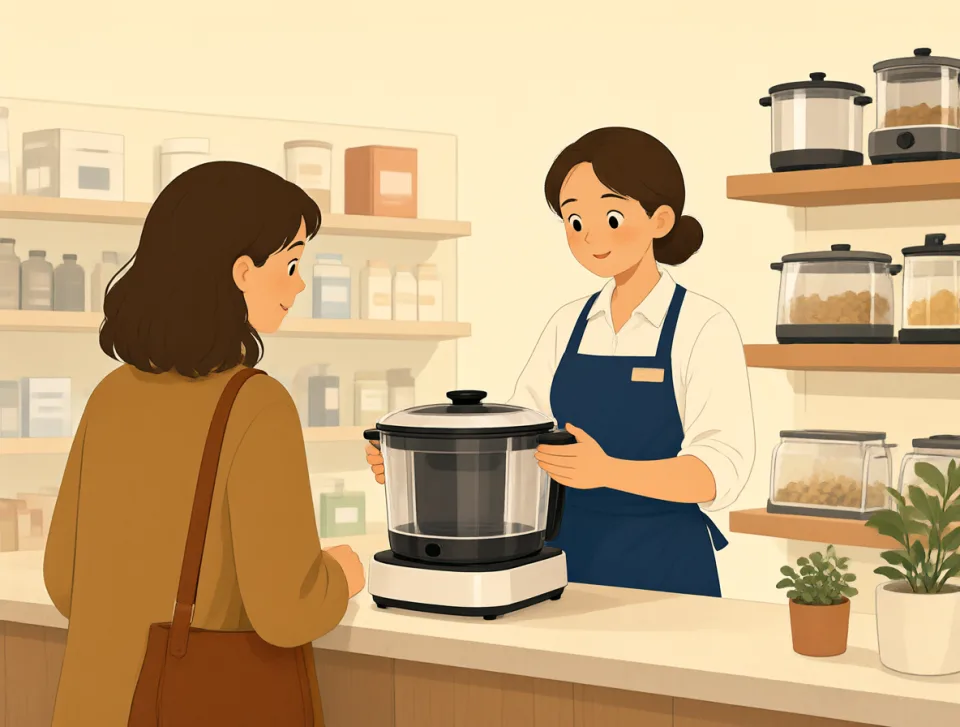
There is no obligation to buy anything during the free product demonstration.
Во время бесплатной демонстрации товара вы не обязаны ничего покупать.

Students have an obligation to attend classes and complete their assignments.
Студенты обязаны посещать занятия и выполнять задания.

sir
#2138noun
сэр
A polite way to speak to a man, especially someone in authority.
Вежливое обращение к мужчине, особенно к человеку, занимающему высокое положение.
Excuse me, sir, could you tell me where the nearest train station is?
Извините, сэр, не подскажете, где находится ближайший железнодорожный вокзал?

The waiter asked, “What would you like to order, sir?”
Официант спросил: «Что будете заказывать, сэр?»

Yes, sir, I understand the instructions and will finish the work today.
Да, сэр, я понял инструкции и закончу работу сегодня.

The teacher asked the boys to wait outside, and they answered, “Yes, sir.”
Учитель попросил мальчиков подождать снаружи, и они ответили: «Да, сэр».

The doctor told the patient, “Please sit down, sir, and take a deep breath.”
Врач сказал пациенту: «Пожалуйста, садитесь, сэр, и глубоко вдохните».

evaluate
#2139verb
оценивать
to judge something carefully to decide its quality, value, or importance
Внимательно судить о качестве, ценности или важности чего-либо.
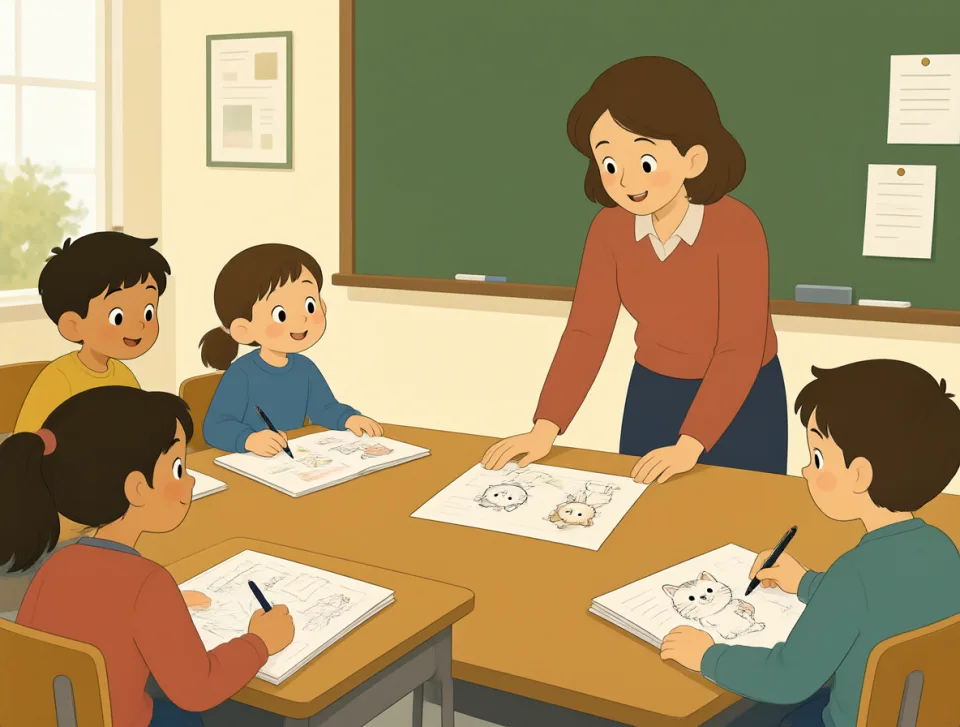
The teacher will evaluate our projects before giving us final grades.
Преподаватель оценит наши проекты, прежде чем выставить итоговые оценки.

We evaluated three hotels before choosing where to stay.
Перед тем как выбрать, где остановиться, мы оценили три отеля.
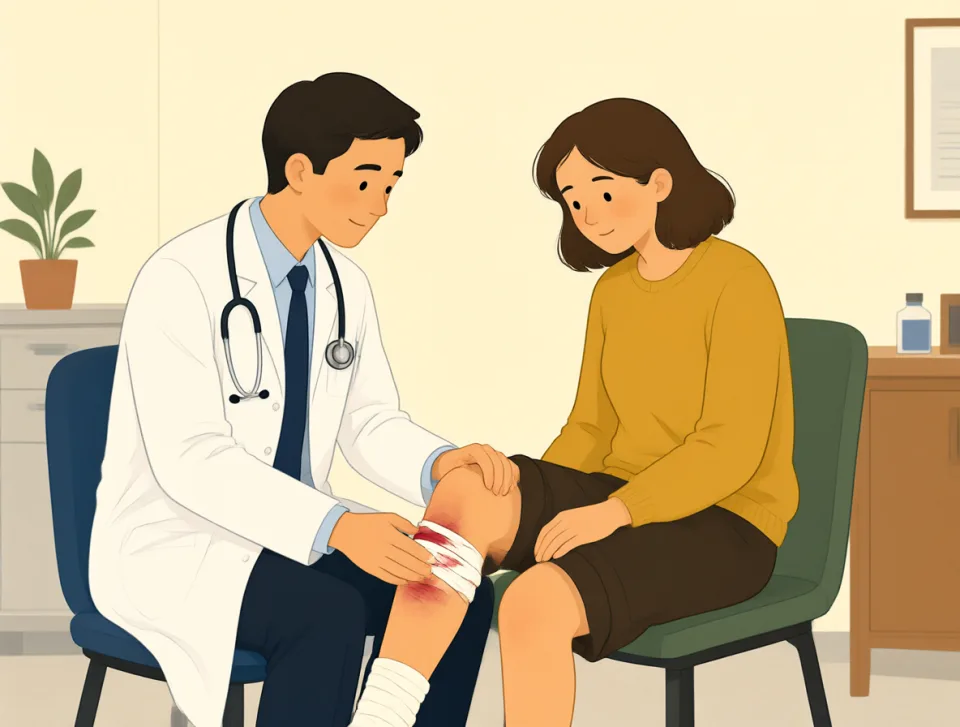
The doctor is evaluating my knee after I fell yesterday.
Врач осматривает моё колено после вчерашнего падения.

Please evaluate this new coffee before we add it to the menu.
Пожалуйста, оцените этот новый кофе, прежде чем мы добавим его в меню.

The manager evaluated my work and offered helpful advice.
Менеджер оценил мою работу и дал полезные советы.

anger
#2140noun, verb
гнев
a strong feeling of annoyance caused by something unfair, unpleasant, or wrong
Сильное чувство раздражения из-за чего-то несправедливого, неприятного или неправильного.
She tried to hide her anger when her brother broke her favorite mug.
Она пыталась скрыть свой гнев, когда брат разбил её любимую кружку.

The manager apologized after customers expressed anger about the long delay.
Менеджер извинился после того, как клиенты выразили недовольство долгим ожиданием.

Regular exercise can help people manage anger and sleep better.
Регулярные физические упражнения помогают справляться с гневом и лучше спать.

He spoke in anger and later regretted his harsh words.
Он говорил в гневе, а потом пожалел о своих резких словах.
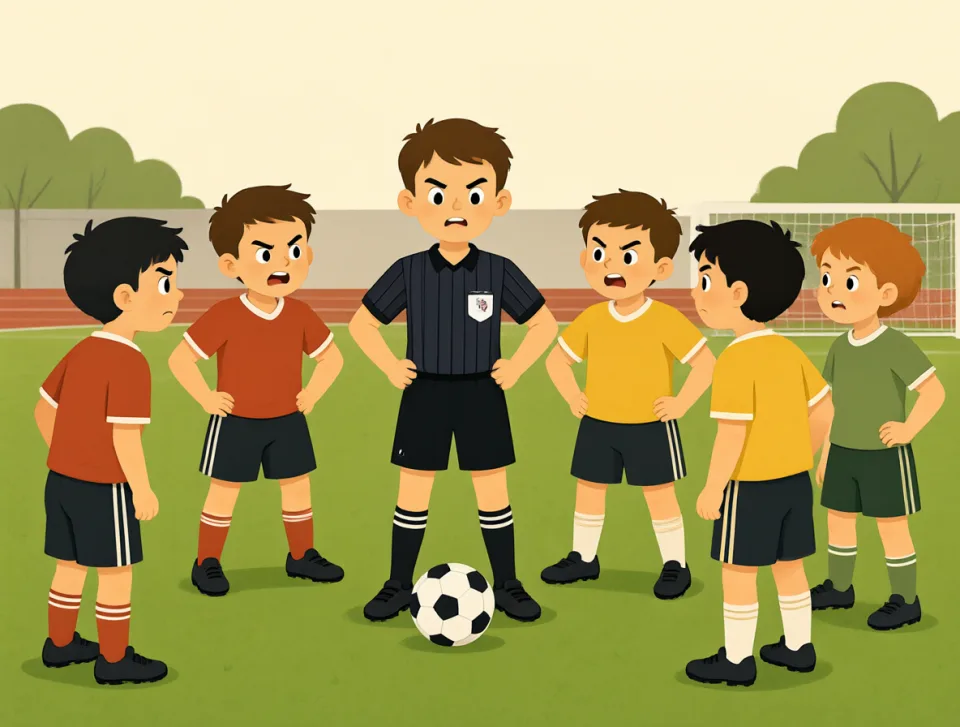
The unfair referee's decision angered the players during the school match.
Несправедливое решение судьи разозлило игроков во время школьного матча.