ইউনিট 107
শব্দ 2121–2140 · terrorist, justify, vital, fascinate, external, spare

terrorist
#2121noun
সন্ত্রাসী
A person who uses violence to frighten people and achieve political goals.
যে ব্যক্তি মানুষকে ভয় দেখাতে এবং রাজনৈতিক লক্ষ্য অর্জন করতে সহিংসতা ব্যবহার করে।

The police arrested a suspected terrorist near the busy train station.
ব্যস্ত ট্রেন স্টেশনের কাছে পুলিশ এক সন্দেহভাজন সন্ত্রাসীকে গ্রেপ্তার করেছে।
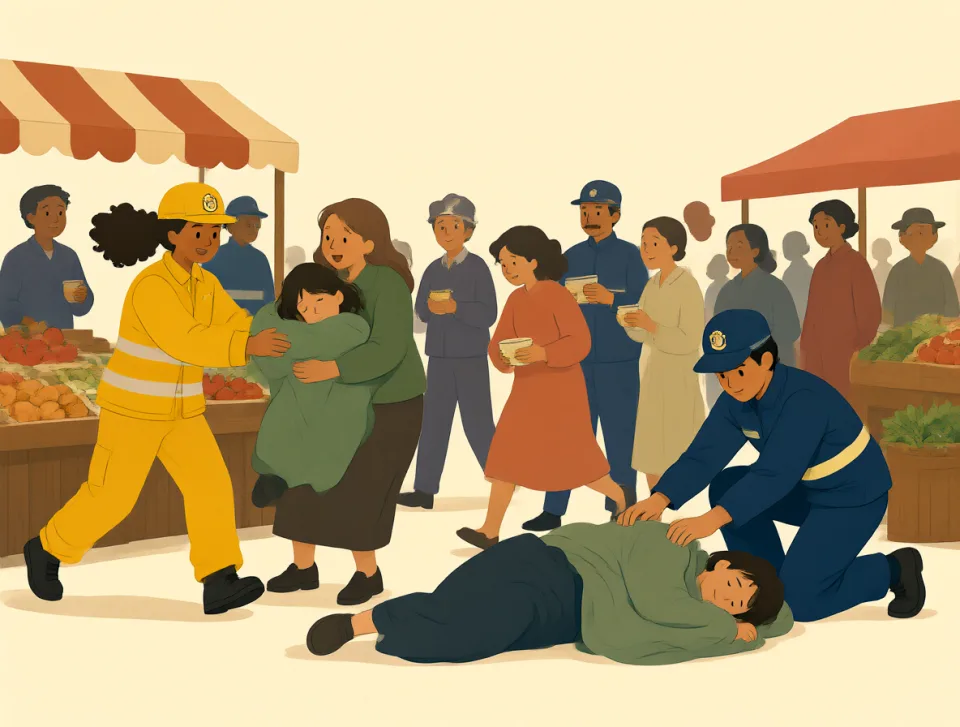
The terrorist attacked a crowded market, causing fear throughout the city.
সন্ত্রাসীটি জনাকীর্ণ একটি বাজারে হামলা চালিয়ে পুরো শহরে আতঙ্ক ছড়িয়েছিল।

News reports said the terrorist group planned attacks in several countries.
সংবাদমাধ্যমের প্রতিবেদন অনুযায়ী, সন্ত্রাসী গোষ্ঠীটি কয়েকটি দেশে হামলার পরিকল্পনা করেছিল।

The airport security officer checked every passenger for possible terrorist threats.
বিমানবন্দরের নিরাপত্তাকর্মী সম্ভাব্য সন্ত্রাসী হুমকির জন্য প্রত্যেক যাত্রীর তল্লাশি করেছিলেন।

Students discussed how terrorists use fear to influence governments and communities.
সন্ত্রাসীরা কীভাবে ভয় দেখিয়ে সরকার ও সমাজকে প্রভাবিত করে, তা নিয়ে শিক্ষার্থীরা আলোচনা করেছিল।

justify
#2122verb
যৌক্তিকতা দেখানো
to give a good reason for something or show that it is reasonable
কোনো কিছুর পক্ষে ভালো কারণ দেখানো বা সেটি যুক্তিসংগত বলে প্রমাণ করা।
You cannot justify spending so much money on a jacket.
একটি জ্যাকেটের পেছনে এত টাকা খরচ করার যৌক্তিকতা তুমি দেখাতে পারবে না।
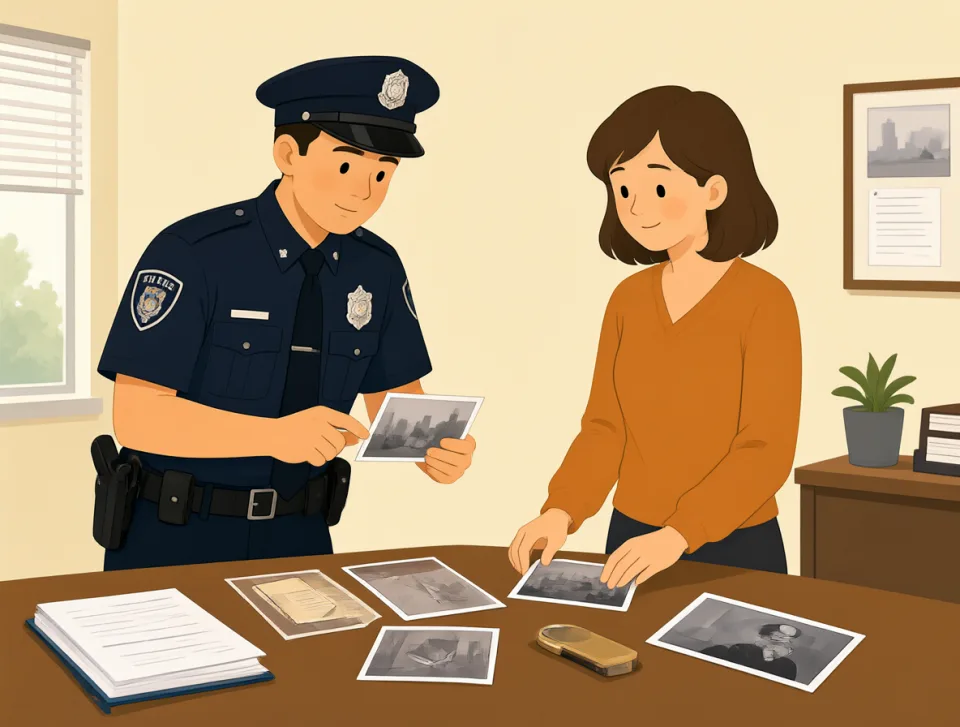
The evidence clearly justified the police officer's decision.
প্রমাণগুলো পুলিশ কর্মকর্তার সিদ্ধান্তকে স্পষ্টভাবেই যুক্তিসংগত বলে প্রতিষ্ঠা করেছিল।

She tried to justify being late by blaming the heavy traffic.
দেরি হওয়ার জন্য সে যানজটকে দায়ী করে নিজের পক্ষে যুক্তি দেখানোর চেষ্টা করেছিল।

The teacher asked students to justify their answers with examples.
শিক্ষক শিক্ষার্থীদের উদাহরণ দিয়ে তাদের উত্তরের পক্ষে যুক্তি দেখাতে বলেছিলেন।

The doctor said the test results did not justify changing his treatment.
ডাক্তার বলেছিলেন, পরীক্ষার ফল তার চিকিৎসা পরিবর্তন করার পক্ষে যথেষ্ট যুক্তি দেয় না।

vital
#2123adjective
অত্যাবশ্যক
Very important or necessary for life, success, or continued existence.
জীবন, সাফল্য বা অস্তিত্ব টিকিয়ে রাখার জন্য খুব গুরুত্বপূর্ণ বা প্রয়োজনীয়।
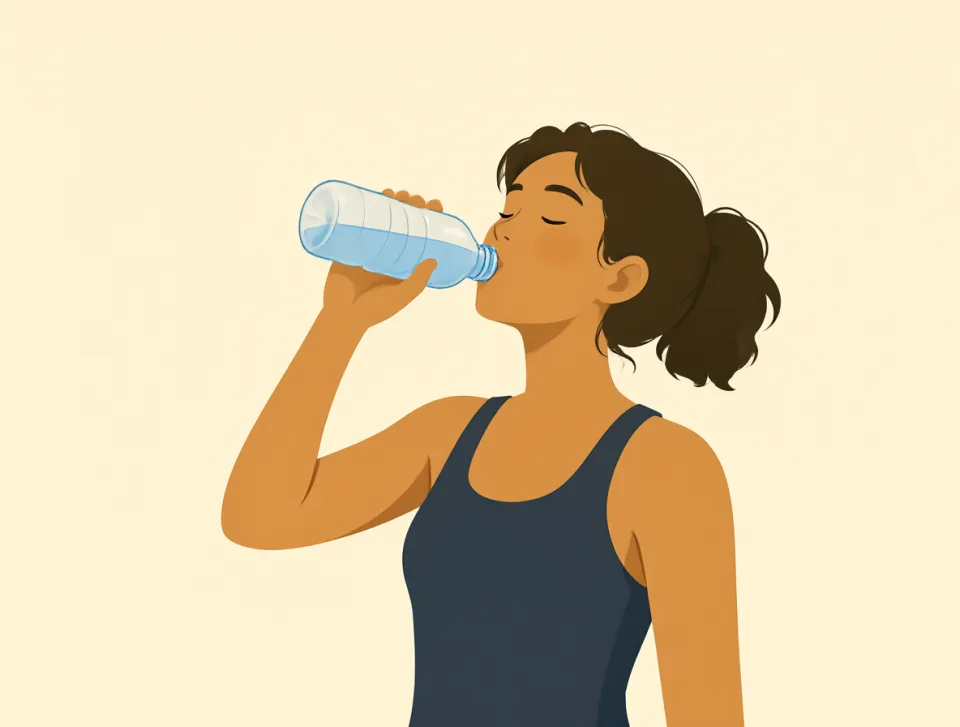
Drinking enough water is vital for staying healthy during hot weather.
গরম আবহাওয়ায় সুস্থ থাকার জন্য পর্যাপ্ত পানি পান করা অত্যাবশ্যক।

It is vital to check your passport before leaving for the airport.
বিমানবন্দরের উদ্দেশে রওনা হওয়ার আগে পাসপোর্ট দেখে নেওয়া অত্যন্ত জরুরি।

Good communication is vital to a successful team at work.
কর্মক্ষেত্রে একটি দলের সফলতার জন্য ভালো যোগাযোগ অত্যাবশ্যক।

The teacher explained that sleep is vital for learning and remembering new information.
শিক্ষক বুঝিয়ে বলেছিলেন, নতুন তথ্য শেখা ও মনে রাখার জন্য ঘুম অত্যাবশ্যক।

Fresh vegetables provide vital nutrients that help children grow strong.
তাজা সবজি শিশুদের শক্তপোক্ত হয়ে বেড়ে উঠতে সাহায্য করার মতো জরুরি পুষ্টি উপাদান জোগায়।

fascinate
#2124verb
মুগ্ধ করা
to interest someone greatly, especially because something is unusual, beautiful, or mysterious
কাউকে গভীরভাবে আগ্রহী করে তোলা, বিশেষ করে কোনো কিছু অস্বাভাবিক, সুন্দর বা রহস্যময় হওয়ার কারণে।

Bright colors and unusual shapes fascinate young children.
উজ্জ্বল রং ও অদ্ভুত আকৃতি ছোট শিশুদের মুগ্ধ করে।

The documentary fascinated me with stories about life under the ocean.
সমুদ্রের তলদেশের জীবন নিয়ে গল্পগুলো তথ্যচিত্রটি আমাকে মুগ্ধ করেছিল।

My little brother is fascinated by how airplanes fly.
বিমান কীভাবে ওড়ে, তা নিয়ে আমার ছোট ভাই খুব কৌতূহলী।

The teacher fascinated the class with a simple science experiment.
সহজ একটি বিজ্ঞান পরীক্ষার মাধ্যমে শিক্ষক পুরো ক্লাসকে মুগ্ধ করেছিলেন।

She was fascinated by the old streets and buildings in Rome.
রোমের পুরোনো রাস্তাঘাট ও দালানকোঠা দেখে সে মুগ্ধ হয়েছিল।

external
#2125adjective, noun
বাহ্যিক
outside a place, system, or organization, or coming from outside it
কোনো স্থান, ব্যবস্থা বা প্রতিষ্ঠানের বাইরে অবস্থিত বা সেখান থেকে আসা।

The external walls need painting before winter arrives.
শীত আসার আগে বাইরের দেয়ালগুলোতে রং করতে হবে।

Please check the external temperature before choosing your clothes.
কী পোশাক পরবেন, তা ঠিক করার আগে বাইরের তাপমাত্রা দেখে নিন।

The company hired an external consultant to improve its safety rules.
নিরাপত্তাব্যবস্থা উন্নত করতে কোম্পানিটি বাইরের একজন পরামর্শক নিয়োগ করেছিল।

Students must use external sources for their history projects.
ইতিহাসের প্রকল্পের জন্য শিক্ষার্থীদের বাইরের উৎস ব্যবহার করতে হবে।

The doctor found no external signs of injury on his arm.
ডাক্তার তার বাহুতে আঘাতের কোনো বাহ্যিক চিহ্ন পাননি।

spare
#2126adjective, verb, noun
অতিরিক্ত; অবসর দেওয়া
Extra and available, or to give someone time, money, or help when needed.
অতিরিক্ত এবং ব্যবহারের জন্য প্রস্তুত; অথবা প্রয়োজনের সময় কাউকে সময়, টাকা বা সাহায্য দেওয়া।

Do you have a spare key for the front door?
সদর দরজার জন্য আপনার কাছে কি অতিরিক্ত চাবি আছে?

Could you spare a few minutes to help me move this table?
এই টেবিলটা সরাতে আমাকে সাহায্য করার জন্য আপনার কি কয়েক মিনিট সময় হবে?

We have a spare room where visiting guests can sleep.
আমাদের একটি অতিরিক্ত ঘর আছে, যেখানে বেড়াতে আসা অতিথিরা ঘুমাতে পারেন।

The mechanic kept a spare tire in the trunk of the car.
গাড়ির ট্রাঙ্কে মেকানিক একটি অতিরিক্ত টায়ার রেখেছিলেন।

She bought a spare shirt after spilling soup on her clothes.
জামায় স্যুপ পড়ে যাওয়ার পর সে একটি অতিরিক্ত শার্ট কিনেছিল।

whenever
#2127adverb, conjunction
যখনই
every time that something happens, or at any time when it is possible
কোনো কিছু ঘটলেই, অথবা যখন সম্ভব হয় তখন।
Whenever I feel tired, I take a short break and drink some water.
যখনই ক্লান্ত বোধ করি, একটু বিরতি নিই এবং পানি পান করি।

Call me whenever you need help with your homework.
বাড়ির কাজে সাহায্য লাগলে যখনই খুশি আমাকে ফোন কোরো।

Whenever we visit the city, we eat at that small Italian restaurant.
আমরা যখনই শহরে যাই, ওই ছোট্ট ইতালীয় রেস্তোরাঁয় খাই।

She listens to music whenever she cleans the house.
ঘর পরিষ্কার করার সময় সে সবসময় গান শোনে।

You can use this room whenever you need a quiet place to work.
কাজ করার জন্য নিরিবিলি জায়গা দরকার হলে তুমি যখন খুশি এই ঘরটি ব্যবহার করতে পারো।

depression
#2128noun
বিষণ্নতা
A serious medical condition causing long-lasting sadness and loss of interest in life.
একটি গুরুতর চিকিৎসাযোগ্য অবস্থা, যাতে দীর্ঘদিন ধরে মন খারাপ থাকে এবং জীবনের প্রতি আগ্রহ হারিয়ে যায়।
She is receiving treatment for depression from a doctor.
সে বিষণ্নতার জন্য একজন চিকিৎসকের কাছ থেকে চিকিৎসা নিচ্ছে।

Depression can make it difficult to work, sleep, or enjoy everyday activities.
বিষণ্নতার কারণে কাজ করা, ঘুমানো বা দৈনন্দিন কাজকর্ম উপভোগ করা কঠিন হয়ে যেতে পারে।

His depression became worse after he lost his job.
চাকরি হারানোর পর তার বিষণ্নতা আরও বেড়ে গিয়েছিল।

Talking with close friends helped her manage her depression.
ঘনিষ্ঠ বন্ধুদের সঙ্গে কথা বলে সে তার বিষণ্নতা সামলাতে পেরেছিল।

The long winter and lack of sunlight contributed to his depression.
দীর্ঘ শীতকাল এবং সূর্যালোকের অভাবে তার বিষণ্নতা বেড়ে গিয়েছিল।
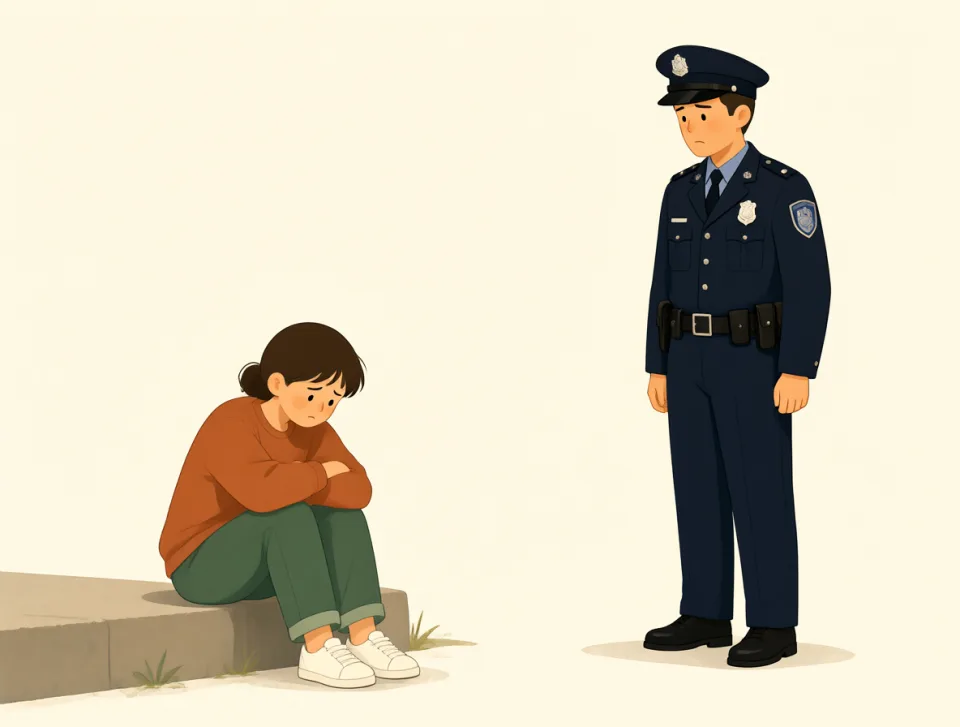
guilty
#2129adjective
দোষী; অপরাধবোধে ভোগা
Feeling responsible for doing something wrong or having committed a crime.
ভুল কিছু করার বা অপরাধ করার জন্য নিজেকে দায়ী মনে করা।

The guilty driver apologized after hitting the parked car.
পার্ক করা গাড়িতে ধাক্কা দেওয়ার পর দোষী চালক ক্ষমা চেয়েছিলেন।

She felt guilty about forgetting her friend’s birthday.
বন্ধুর জন্মদিন ভুলে যাওয়ায় তার অপরাধবোধ হয়েছিল।

The court found him guilty of stealing money from his employer.
আদালত তাকে তার নিয়োগকর্তার কাছ থেকে টাকা চুরির দায়ে দোষী সাব্যস্ত করেছিল।

I felt guilty eating cake while my sister was on a strict diet.
আমার বোন যখন কঠোর ডায়েট করছিল, তখন কেক খেয়ে আমার অপরাধবোধ হচ্ছিল।

The guilty child quietly admitted breaking the window with a ball.
দোষী শিশুটি চুপচাপ স্বীকার করল যে সে বল দিয়ে জানালাটি ভেঙেছে।

underlie
#2130verb
ভিত্তি হওয়া; অন্তর্নিহিত থাকা
to exist beneath and support something, or form the basic cause of it
কোনো কিছুর নিচে থেকে তাকে সমর্থন করা, অথবা তার মূল কারণ হিসেবে কাজ করা।

Strong family values underlie the way we raise our children.
আমরা যেভাবে সন্তানদের বড় করি, তার ভিত্তিতে রয়েছে পরিবারের দৃঢ় মূল্যবোধ।

Several hidden fears underlie his refusal to travel by plane.
বিমানে ভ্রমণ করতে তার অস্বীকৃতির পেছনে কয়েকটি গোপন ভয় রয়েছে।

The teacher explained the ideas underlying the science experiment.
বিজ্ঞান পরীক্ষাটির অন্তর্নিহিত ধারণাগুলো শিক্ষক বুঝিয়ে দিলেন।

Trust and respect underlie every successful friendship.
প্রতিটি সফল বন্ধুত্বের ভিত্তি হলো বিশ্বাস ও শ্রদ্ধা।

A simple sauce underlay the roasted vegetables at dinner.
রাতের খাবারে ভাজা সবজির নিচে ছিল একটি সাধারণ সস।

mom
#2131noun
মা
your mother or a woman who looks after children
আপনার মা, অথবা যিনি শিশুদের দেখাশোনা করেন এমন কোনো নারী।

My mom makes breakfast for us every morning before school.
প্রতিদিন স্কুলে যাওয়ার আগে আমার মা আমাদের জন্য নাশতা তৈরি করেন।

I called my mom after work to tell her the good news.
সুসংবাদটি জানানোর জন্য কাজ শেষে আমি আমার মাকে ফোন করেছিলাম।

My mom bought fresh vegetables and chicken for dinner.
আমার মা রাতের খাবারের জন্য তাজা সবজি ও মুরগির মাংস কিনেছিলেন।

His mom took him to the doctor because he felt sick.
সে অসুস্থ বোধ করায় তার মা তাকে ডাক্তারের কাছে নিয়ে গিয়েছিলেন।

My friend’s mom gave us a ride home after the party.
পার্টির পর আমার বন্ধুর মা আমাদের বাড়ি পৌঁছে দিয়েছিলেন।

distinction
#2132noun
পার্থক্য
A clear difference between two people or things.
দুজন মানুষ বা দুটি জিনিসের মধ্যে স্পষ্ট তফাত।
The chef is known for the distinction between fresh and frozen ingredients.
তাজা ও হিমায়িত উপকরণের পার্থক্যের জন্য শেফটি পরিচিত।

There is an important distinction between being busy and being productive.
ব্যস্ত থাকা আর উৎপাদনশীল হওয়ার মধ্যে একটি গুরুত্বপূর্ণ পার্থক্য আছে।

The school gives an award to students who pass with distinction.
যেসব শিক্ষার্থী কৃতিত্বের সঙ্গে পাস করে, স্কুল তাদের পুরস্কার দেয়।

The store sells several cheeses, each with its own distinctive flavor.
দোকানটি বিভিন্ন ধরনের চিজ বিক্রি করে, যেগুলোর প্রতিটির স্বাদ স্বতন্ত্র।

She earned the distinction of being the first person to finish the race.
দৌড় শেষ করা প্রথম ব্যক্তি হওয়ার গৌরব সে অর্জন করেছিল।

satisfaction
#2133noun
সন্তুষ্টি
A happy feeling because something is good, successful, or meets your needs.
কোনো কিছু ভালো, সফল, অথবা আপনার প্রয়োজন পূরণ করায় যে আনন্দের অনুভূতি হয়।
She smiled with satisfaction after finishing the difficult project at work.
কাজের কঠিন প্রকল্পটি শেষ করার পর সে তৃপ্তির হাসি হাসল।

The restaurant offers a money-back guarantee to ensure customer satisfaction.
গ্রাহকদের সন্তুষ্টি নিশ্চিত করতে রেস্তোরাঁটি টাকা ফেরতের নিশ্চয়তা দেয়।

He gets great satisfaction from helping children learn to read.
শিশুদের পড়তে শেখাতে সাহায্য করে সে দারুণ তৃপ্তি পায়।

The hotel staff quickly resolved our complaint, much to our satisfaction.
হোটেলের কর্মীরা দ্রুত আমাদের অভিযোগের সমাধান করেছিল, যা আমাদের খুব সন্তুষ্ট করেছিল।

After dinner, everyone expressed satisfaction with the delicious homemade meal.
রাতের খাবারের পর সবাই সুস্বাদু ঘরে তৈরি খাবারটি নিয়ে সন্তুষ্টি প্রকাশ করল।

incorporate
#2134verb
অন্তর্ভুক্ত করা
to include something as part of a larger whole
কোনো কিছুকে একটি বৃহত্তর সমগ্রের অংশ হিসেবে যুক্ত করা।

The designer incorporated bright colors into the living room.
নকশাবিদ বসার ঘরে উজ্জ্বল রং ব্যবহার করেছিলেন।

Please incorporate your teacher’s suggestions into the final report.
অনুগ্রহ করে চূড়ান্ত প্রতিবেদনে আপনার শিক্ষকের পরামর্শগুলো অন্তর্ভুক্ত করুন।

The hotel has incorporated local food into its breakfast menu.
হোটেলটি তার নাশতার মেনুতে স্থানীয় খাবার অন্তর্ভুক্ত করেছে।

We are incorporating more vegetables into our family meals.
আমরা আমাদের পারিবারিক খাবারে আরও বেশি সবজি অন্তর্ভুক্ত করছি।

The exercise program incorporates stretching to prevent injuries.
আঘাত প্রতিরোধ করতে ব্যায়াম কর্মসূচিটিতে স্ট্রেচিং অন্তর্ভুক্ত করা হয়েছে।

pour
#2135verb, noun
ঢালা
To make a liquid flow from one container into another, usually quickly and steadily.
সাধারণত দ্রুত ও ধারাবাহিকভাবে এক পাত্র থেকে অন্য পাত্রে তরল প্রবাহিত করা।

Please pour some milk into my coffee.
অনুগ্রহ করে আমার কফিতে কিছু দুধ ঢেলে দিন।
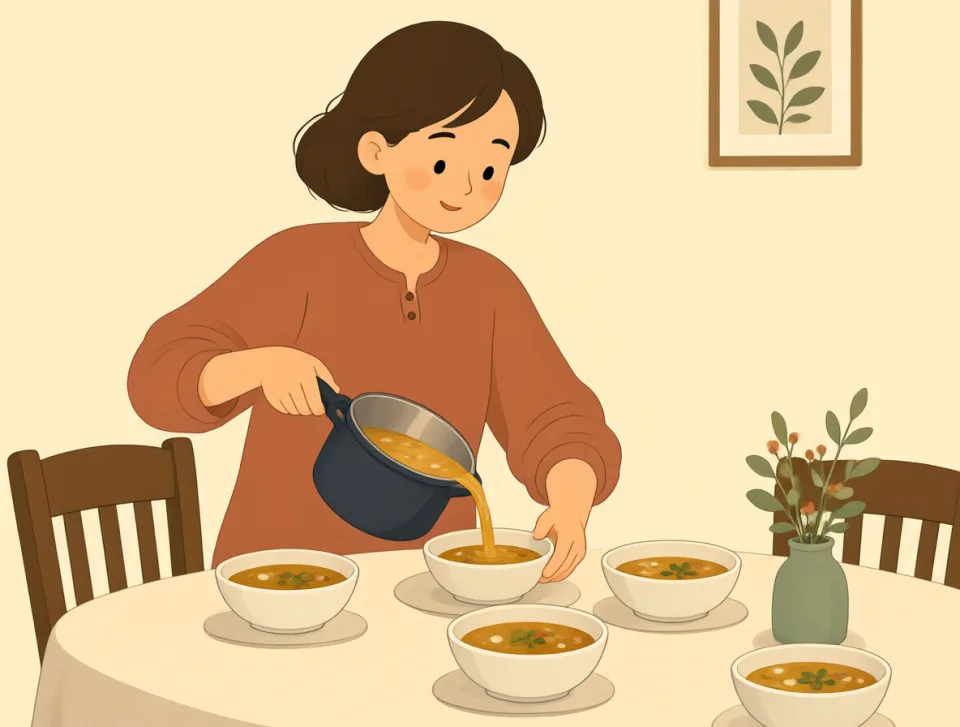
She poured the soup into bowls for everyone.
সে সবার জন্য বাটিতে স্যুপ ঢেলে দিল।

He poured himself a glass of orange juice.
সে নিজের জন্য এক গ্লাস কমলার রস ঢেলে নিল।

Rain poured down as we waited for the bus.
আমরা বাসের জন্য অপেক্ষা করার সময় প্রবল বৃষ্টি নামল।

A steady pour of customers entered the store after work.
কাজ শেষে ক্রেতাদের একটি অবিরাম স্রোত দোকানে ঢুকল।

sweep
#2136verb, noun
ঝাড়ু দেওয়া
To clean a floor or surface with a broom, or move across an area quickly.
ঝাড়ু দিয়ে মেঝে বা কোনো পৃষ্ঠ পরিষ্কার করা, অথবা কোনো এলাকার ওপর দিয়ে দ্রুত বয়ে যাওয়া।

I sweep the kitchen floor every evening after dinner.
রাতের খাবারের পর প্রতিদিন সন্ধ্যায় আমি রান্নাঘরের মেঝেতে ঝাড়ু দিই।

The waiter swept the broken glass into a dustpan.
ওয়েটার ভাঙা কাচগুলো ঝাড়ু দিয়ে ময়লার পাত্রে ফেলল।

Strong winds swept leaves across the garden.
প্রবল বাতাস বাগানজুড়ে পাতাগুলো উড়িয়ে নিয়ে গেল।

The new manager is sweeping through the office, checking every department.
নতুন ম্যানেজার পুরো অফিস ঘুরে ঘুরে প্রতিটি বিভাগ পরীক্ষা করছেন।

The doctor swept his hand over the patient’s shoulder during the examination.
পরীক্ষার সময় ডাক্তার রোগীর কাঁধের ওপর দিয়ে হাত বুলিয়ে নিলেন।

obligation
#2137noun
বাধ্যবাধকতা
A duty to do something because it is required by law, rules, or circumstances.
আইন, নিয়ম বা পরিস্থিতির কারণে কোনো কিছু করার দায়িত্ব।
Parents have an obligation to keep their children safe and healthy.
সন্তানদের নিরাপদ ও সুস্থ রাখার দায়িত্ব বাবা-মায়ের।

I cannot join you tonight because I have family obligations.
আজ রাতে তোমাদের সঙ্গে যেতে পারব না, কারণ পরিবারের কিছু দায়িত্ব আছে।

The contract creates an obligation to pay the rent on time.
চুক্তি অনুযায়ী সময়মতো ভাড়া দেওয়ার বাধ্যবাধকতা তৈরি হয়।

There is no obligation to buy anything during the free product demonstration.
বিনামূল্যের পণ্যের প্রদর্শনী চলাকালে কিছু কেনার কোনো বাধ্যবাধকতা নেই।

Students have an obligation to attend classes and complete their assignments.
শিক্ষার্থীদের ক্লাসে উপস্থিত থাকা এবং অ্যাসাইনমেন্ট সম্পন্ন করার দায়িত্ব রয়েছে।

sir
#2138noun
জনাব
A polite way to speak to a man, especially someone in authority.
কোনো পুরুষকে, বিশেষ করে কর্তৃত্বপূর্ণ পদে থাকা কাউকে, সম্বোধন করার ভদ্র উপায়।
Excuse me, sir, could you tell me where the nearest train station is?
মাফ করবেন, জনাব, কাছের ট্রেন স্টেশনটা কোথায় বলতে পারবেন?

The waiter asked, “What would you like to order, sir?”
ওয়েটার জিজ্ঞেস করলেন, “জনাব, আপনি কী অর্ডার করতে চান?”

Yes, sir, I understand the instructions and will finish the work today.
জি, জনাব, নির্দেশনাগুলো বুঝেছি এবং আজই কাজটি শেষ করব।

The teacher asked the boys to wait outside, and they answered, “Yes, sir.”
শিক্ষক ছেলেদের বাইরে অপেক্ষা করতে বললেন, আর তারা উত্তর দিল, “জি, স্যার।”

The doctor told the patient, “Please sit down, sir, and take a deep breath.”
ডাক্তার রোগীকে বললেন, “দয়া করে বসুন, জনাব, আর গভীর শ্বাস নিন।”

evaluate
#2139verb
মূল্যায়ন করা
to judge something carefully to decide its quality, value, or importance
কোনো কিছুর গুণমান, মূল্য বা গুরুত্ব নির্ধারণ করতে তা সতর্কভাবে বিচার করা।

The teacher will evaluate our projects before giving us final grades.
চূড়ান্ত নম্বর দেওয়ার আগে শিক্ষক আমাদের প্রকল্পগুলো মূল্যায়ন করবেন।

We evaluated three hotels before choosing where to stay.
কোথায় থাকব ঠিক করার আগে আমরা তিনটি হোটেল যাচাই করে দেখেছিলাম।

The doctor is evaluating my knee after I fell yesterday.
গতকাল পড়ে যাওয়ার পর ডাক্তার আমার হাঁটু পরীক্ষা করছেন।

Please evaluate this new coffee before we add it to the menu.
মেনুতে যোগ করার আগে দয়া করে এই নতুন কফিটির স্বাদ ও মান যাচাই করুন।

The manager evaluated my work and offered helpful advice.
ম্যানেজার আমার কাজ মূল্যায়ন করে কাজে লাগার মতো পরামর্শ দিলেন।

anger
#2140noun, verb
রাগ
a strong feeling of annoyance caused by something unfair, unpleasant, or wrong
অন্যায়, অপ্রীতিকর বা ভুল কোনো কিছুর কারণে সৃষ্ট তীব্র বিরক্তির অনুভূতি।
She tried to hide her anger when her brother broke her favorite mug.
ভাই তার প্রিয় মগটি ভেঙে ফেললে সে রাগ লুকানোর চেষ্টা করল।

The manager apologized after customers expressed anger about the long delay.
দীর্ঘ বিলম্ব নিয়ে ক্রেতারা ক্ষোভ প্রকাশ করার পর ম্যানেজার ক্ষমা চাইলেন।

Regular exercise can help people manage anger and sleep better.
নিয়মিত ব্যায়াম মানুষকে রাগ সামলাতে এবং ভালো ঘুমাতে সাহায্য করতে পারে।

He spoke in anger and later regretted his harsh words.
সে রাগের মাথায় কথা বলেছিল, পরে নিজের কঠোর কথাগুলোর জন্য অনুতপ্ত হয়েছিল।
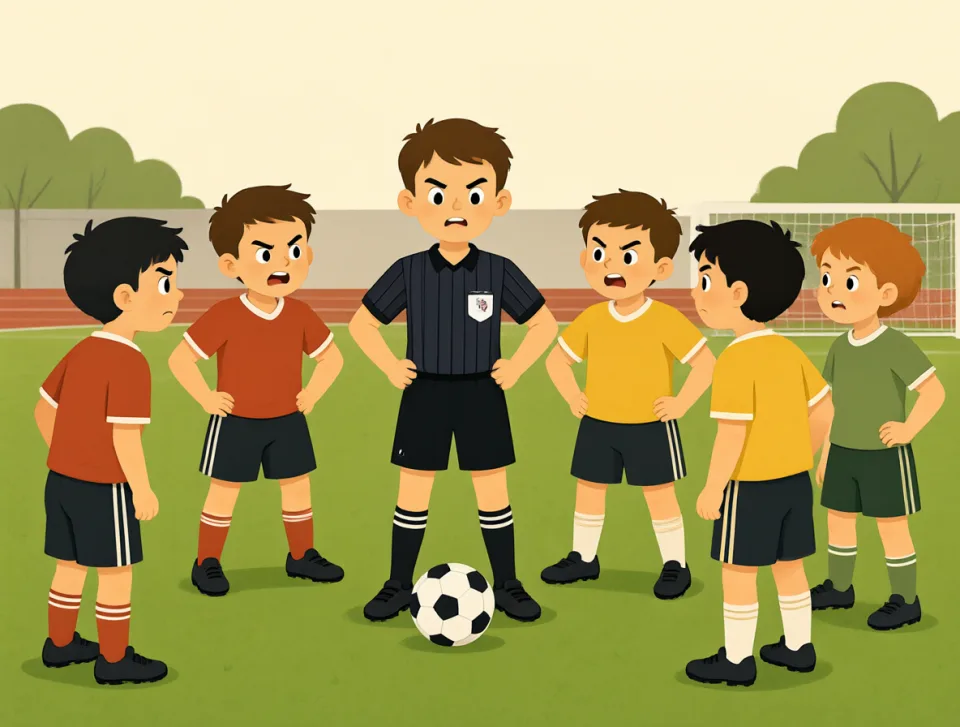
The unfair referee's decision angered the players during the school match.
স্কুলের খেলায় রেফারির অন্যায্য সিদ্ধান্তে খেলোয়াড়েরা ক্ষুব্ধ হয়েছিল।