Đơn vị 107
Từ 2121–2140 · terrorist, justify, vital, fascinate, external, spare
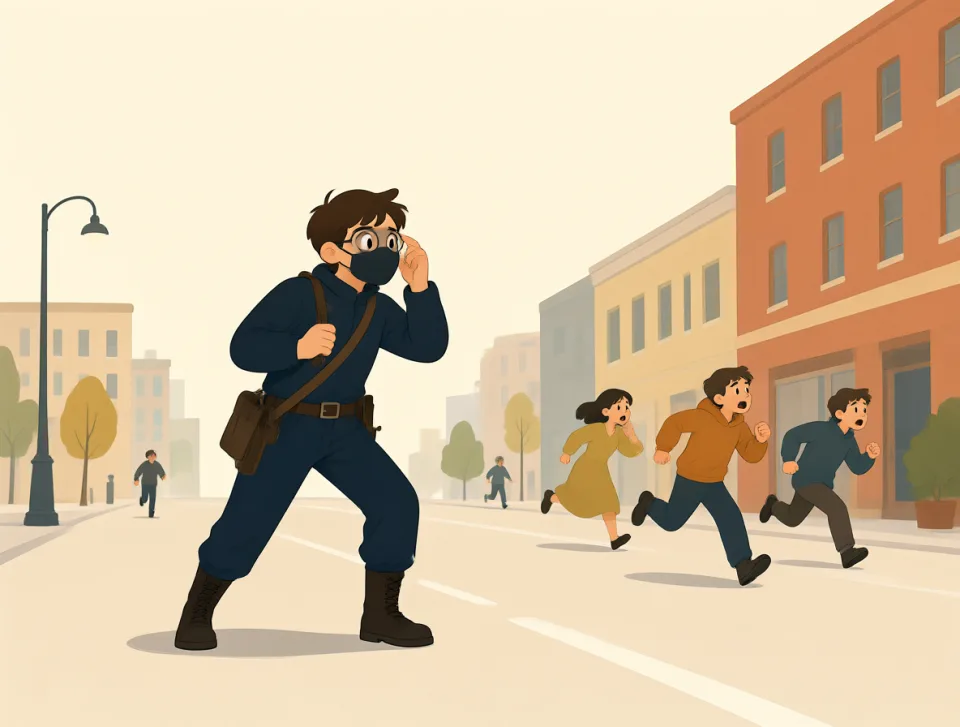
terrorist
#2121noun
kẻ khủng bố
A person who uses violence to frighten people and achieve political goals.
Một người sử dụng bạo lực để khiến mọi người sợ hãi và đạt được các mục tiêu chính trị.

The police arrested a suspected terrorist near the busy train station.
Cảnh sát đã bắt giữ một kẻ khủng bố bị tình nghi gần nhà ga đông đúc.
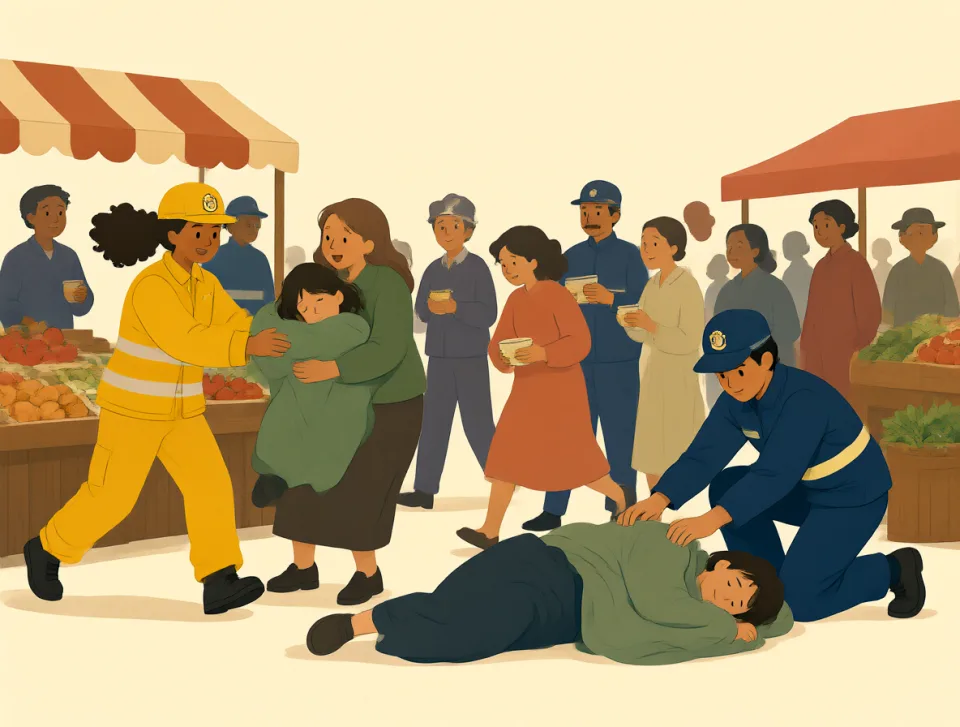
The terrorist attacked a crowded market, causing fear throughout the city.
Kẻ khủng bố đã tấn công một khu chợ đông người, khiến cả thành phố hoảng sợ.

News reports said the terrorist group planned attacks in several countries.
Các bản tin cho biết nhóm khủng bố đã lên kế hoạch tấn công ở một số quốc gia.
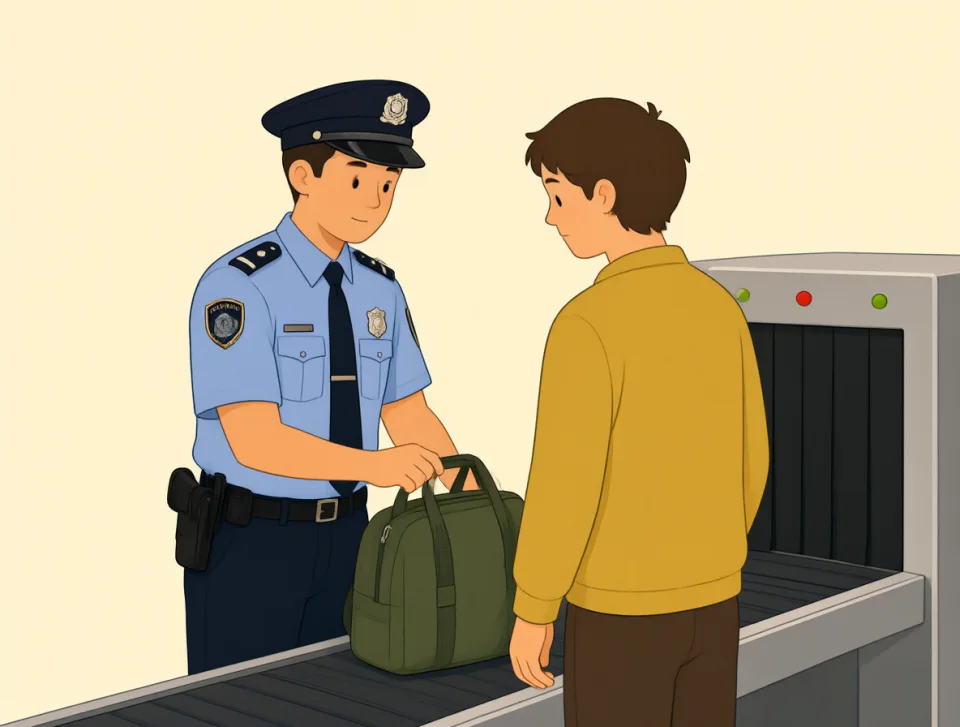
The airport security officer checked every passenger for possible terrorist threats.
Nhân viên an ninh sân bay đã kiểm tra mọi hành khách để phát hiện các mối đe dọa khủng bố có thể xảy ra.

Students discussed how terrorists use fear to influence governments and communities.
Các sinh viên thảo luận về cách những kẻ khủng bố sử dụng nỗi sợ hãi để gây ảnh hưởng đến chính phủ và cộng đồng.

justify
#2122verb
biện minh
to give a good reason for something or show that it is reasonable
đưa ra lý do chính đáng cho điều gì đó hoặc cho thấy điều đó là hợp lý
You cannot justify spending so much money on a jacket.
Bạn không thể biện minh cho việc chi quá nhiều tiền vào một chiếc áo khoác.
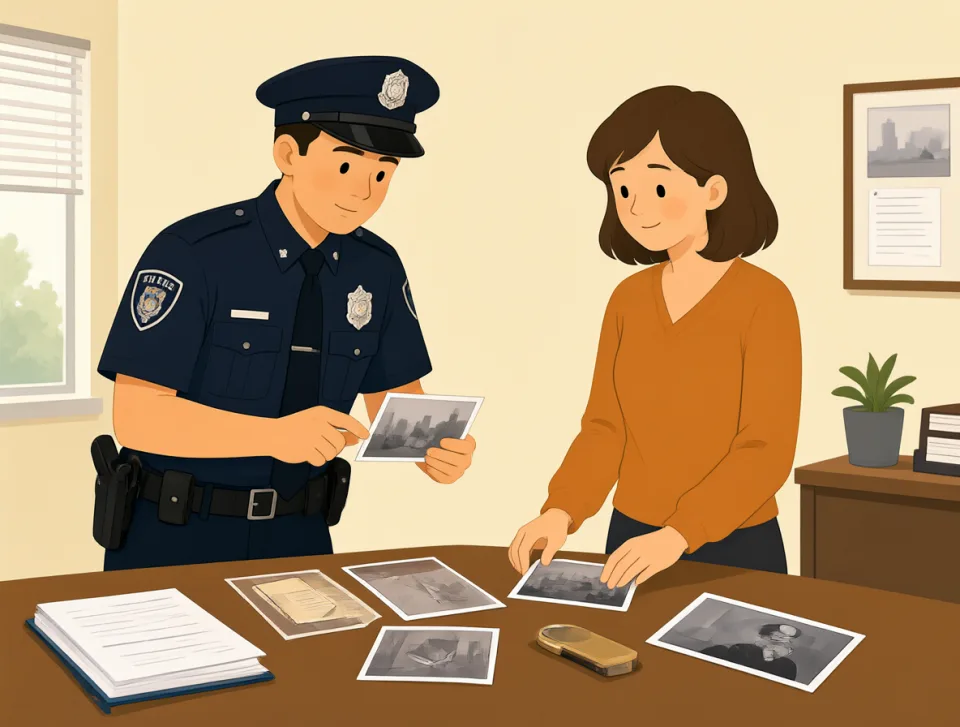
The evidence clearly justified the police officer's decision.
Bằng chứng đã chứng minh rõ ràng rằng quyết định của viên cảnh sát là đúng đắn.

She tried to justify being late by blaming the heavy traffic.
Cô ấy cố biện minh cho việc đến muộn bằng cách đổ lỗi cho tình trạng giao thông đông đúc.
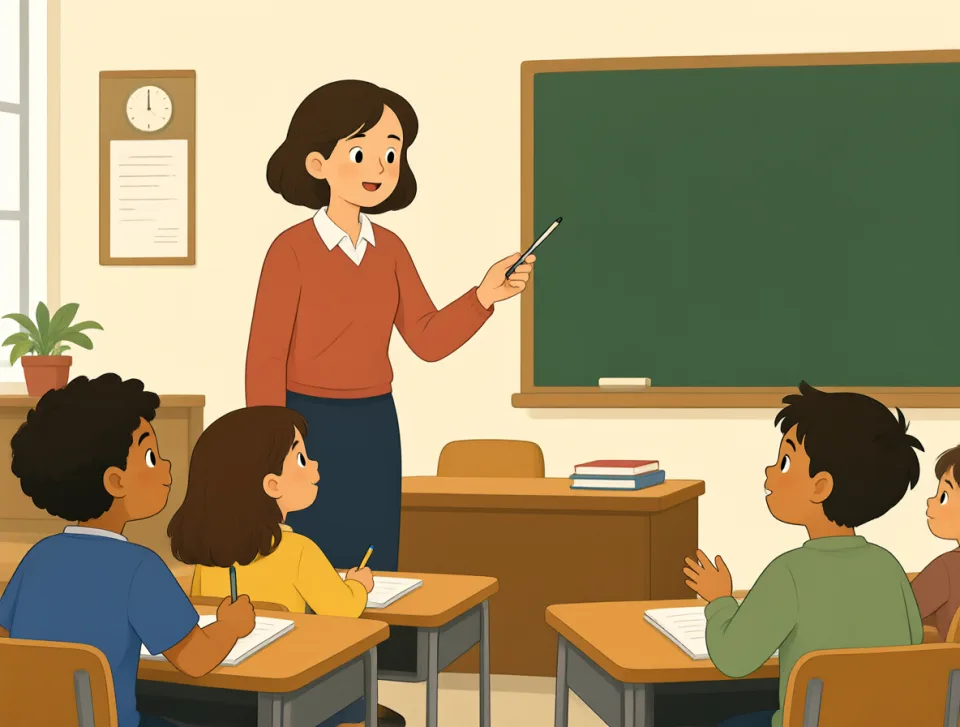
The teacher asked students to justify their answers with examples.
Giáo viên yêu cầu học sinh giải thích và chứng minh câu trả lời của mình bằng các ví dụ.

The doctor said the test results did not justify changing his treatment.
Bác sĩ nói rằng kết quả xét nghiệm không đủ cơ sở để thay đổi phương pháp điều trị cho ông ấy.

vital
#2123adjective
thiết yếu
Very important or necessary for life, success, or continued existence.
Rất quan trọng hoặc cần thiết cho sự sống, thành công hay sự tồn tại liên tục.
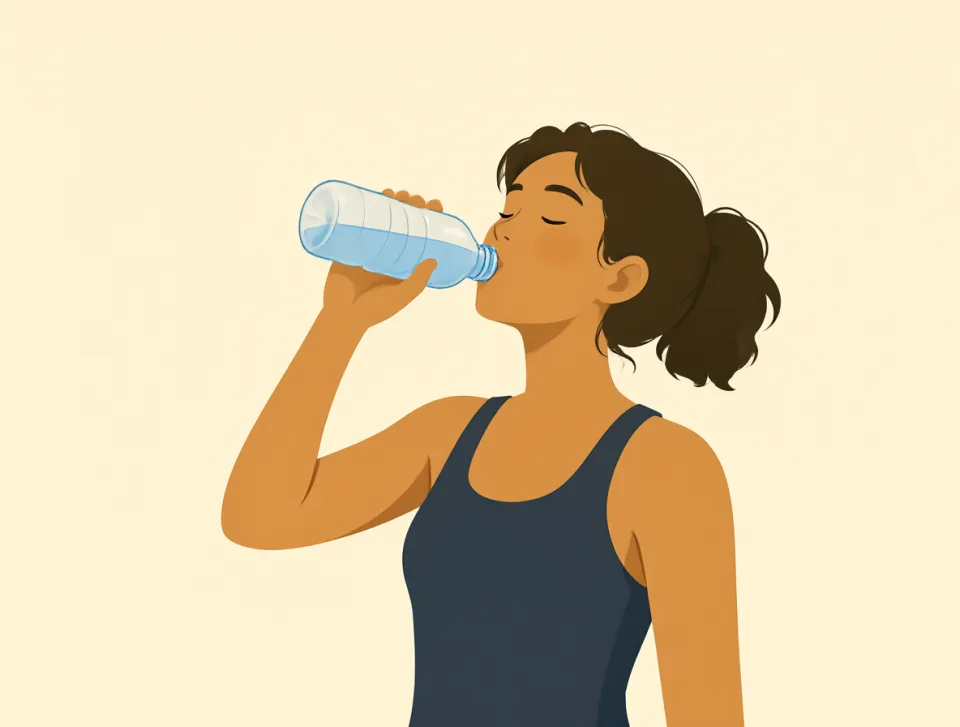
Drinking enough water is vital for staying healthy during hot weather.
Uống đủ nước là điều thiết yếu để duy trì sức khỏe trong thời tiết nóng.

It is vital to check your passport before leaving for the airport.
Bạn cần kiểm tra hộ chiếu trước khi rời đi đến sân bay.

Good communication is vital to a successful team at work.
Giao tiếp tốt là yếu tố thiết yếu đối với một đội nhóm thành công tại nơi làm việc.
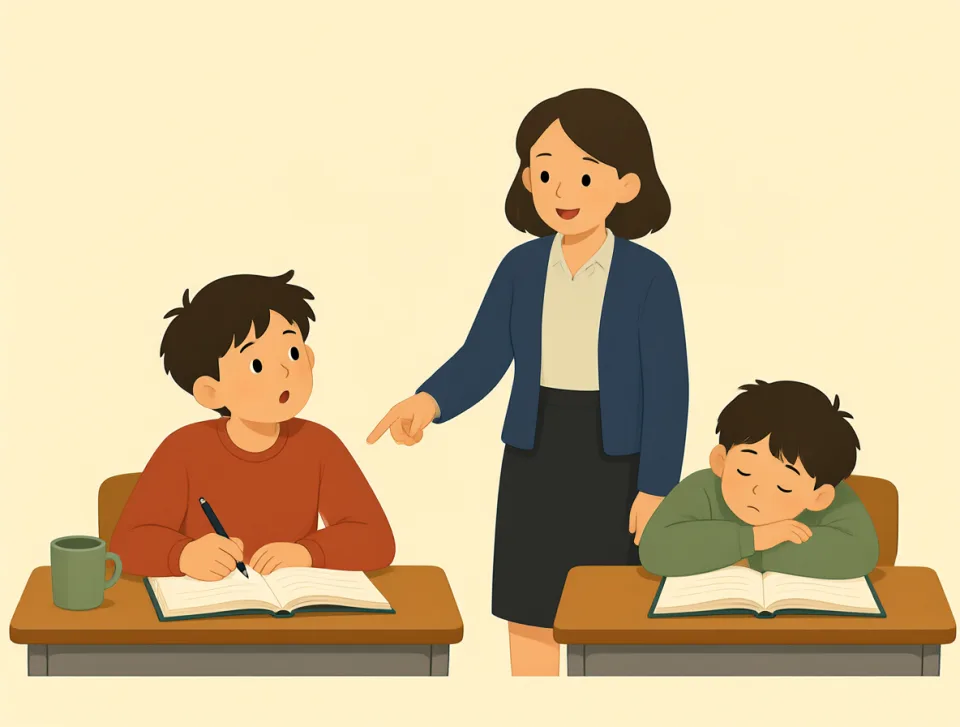
The teacher explained that sleep is vital for learning and remembering new information.
Giáo viên giải thích rằng giấc ngủ rất cần thiết cho việc học và ghi nhớ thông tin mới.
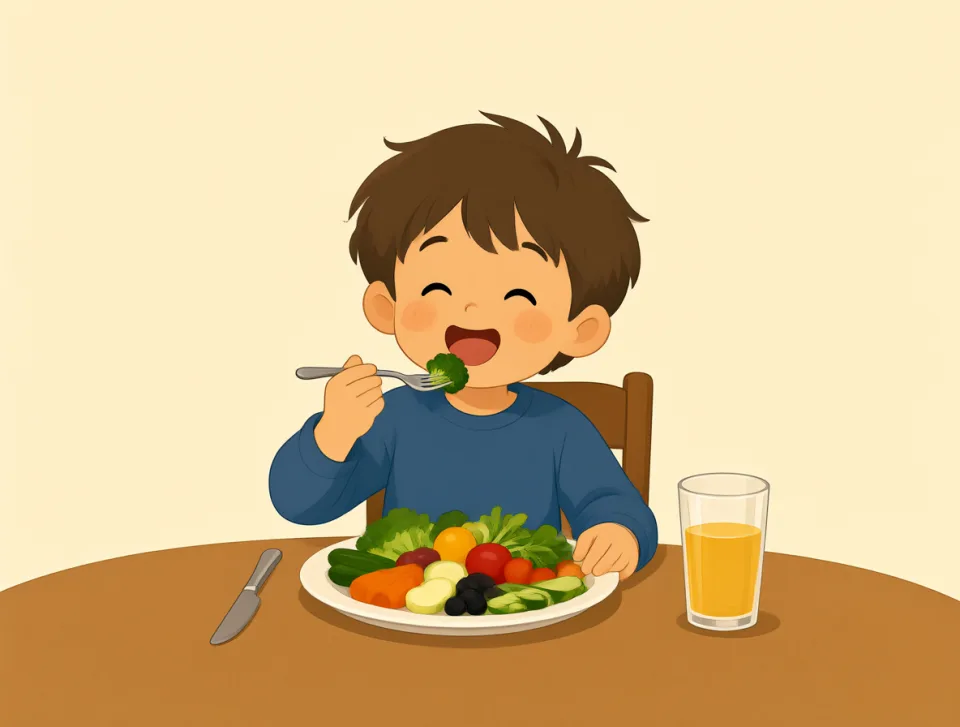
Fresh vegetables provide vital nutrients that help children grow strong.
Rau tươi cung cấp những chất dinh dưỡng thiết yếu giúp trẻ em lớn lên khỏe mạnh.

fascinate
#2124verb
làm say mê
to interest someone greatly, especially because something is unusual, beautiful, or mysterious
khiến ai đó vô cùng hứng thú, đặc biệt vì điều gì đó khác thường, đẹp đẽ hoặc bí ẩn
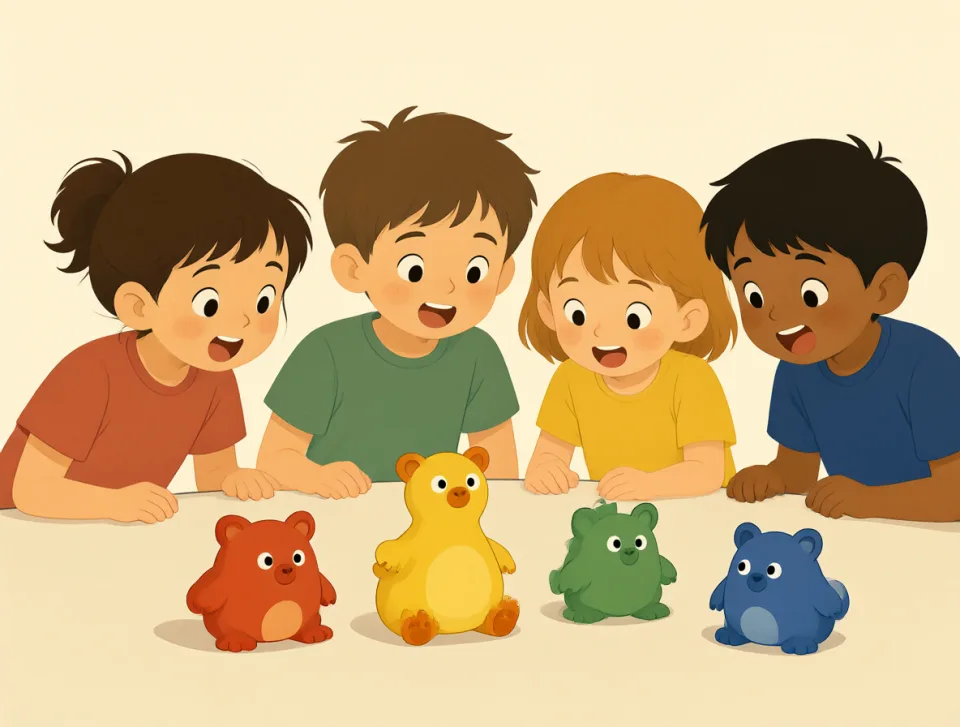
Bright colors and unusual shapes fascinate young children.
Màu sắc tươi sáng và những hình dáng khác thường khiến trẻ nhỏ say mê.

The documentary fascinated me with stories about life under the ocean.
Bộ phim tài liệu khiến tôi say mê với những câu chuyện về cuộc sống dưới đại dương.

My little brother is fascinated by how airplanes fly.
Em trai tôi bị cuốn hút bởi cách máy bay có thể bay.

The teacher fascinated the class with a simple science experiment.
Giáo viên khiến cả lớp say mê bằng một thí nghiệm khoa học đơn giản.

She was fascinated by the old streets and buildings in Rome.
Cô ấy bị cuốn hút bởi những con phố và tòa nhà cổ ở Rome.

external
#2125adjective, noun
bên ngoài
outside a place, system, or organization, or coming from outside it
ở bên ngoài một địa điểm, hệ thống hoặc tổ chức, hoặc đến từ bên ngoài đó

The external walls need painting before winter arrives.
Các bức tường bên ngoài cần được sơn trước khi mùa đông đến.

Please check the external temperature before choosing your clothes.
Vui lòng kiểm tra nhiệt độ bên ngoài trước khi chọn quần áo.

The company hired an external consultant to improve its safety rules.
Công ty đã thuê một chuyên gia tư vấn bên ngoài để cải thiện các quy định về an toàn.

Students must use external sources for their history projects.
Sinh viên phải sử dụng các nguồn bên ngoài cho những bài dự án lịch sử của mình.

The doctor found no external signs of injury on his arm.
Bác sĩ không phát hiện dấu hiệu chấn thương bên ngoài nào trên cánh tay của ông ấy.

spare
#2126adjective, verb, noun
dự phòng
Extra and available, or to give someone time, money, or help when needed.
Thừa và có sẵn để dùng, hoặc dành thời gian, tiền bạc hay sự giúp đỡ cho ai đó khi cần.

Do you have a spare key for the front door?
Bạn có chìa khóa dự phòng cho cửa trước không?

Could you spare a few minutes to help me move this table?
Bạn có thể dành vài phút giúp mình chuyển cái bàn này được không?

We have a spare room where visiting guests can sleep.
Chúng tôi có một phòng trống để khách đến chơi có thể ngủ lại.
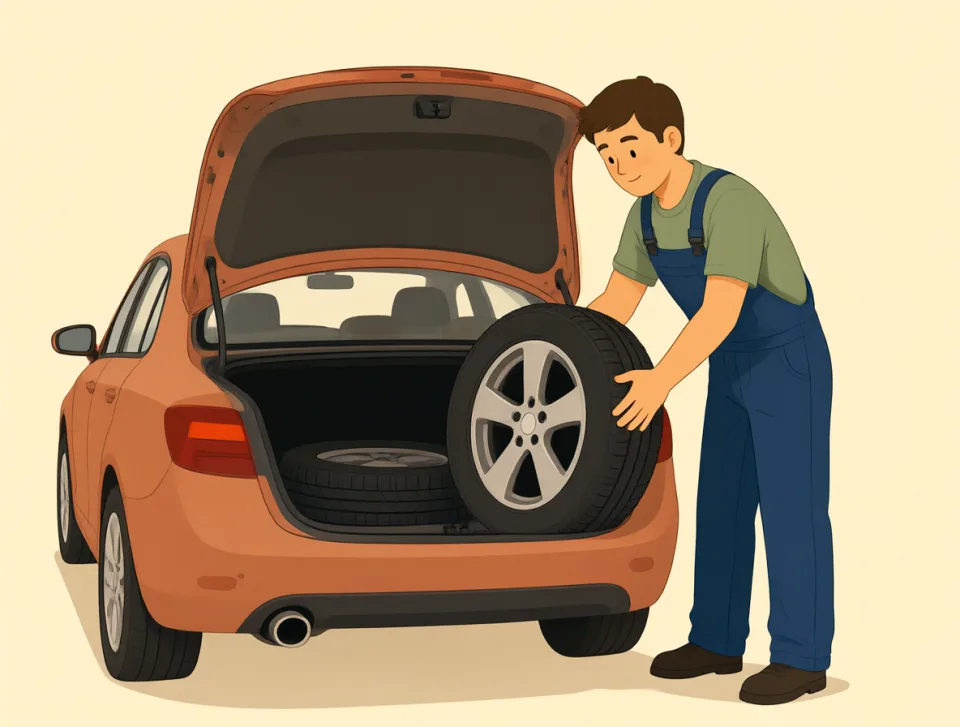
The mechanic kept a spare tire in the trunk of the car.
Người thợ máy để sẵn một chiếc lốp dự phòng trong cốp xe.

She bought a spare shirt after spilling soup on her clothes.
Cô ấy mua một chiếc áo sơ mi dự phòng sau khi làm đổ súp lên quần áo.

whenever
#2127adverb, conjunction
mỗi khi
every time that something happens, or at any time when it is possible
Mỗi lần một việc gì đó xảy ra, hoặc bất cứ lúc nào có thể.
Whenever I feel tired, I take a short break and drink some water.
Mỗi khi thấy mệt, tôi nghỉ giải lao một chút và uống nước.

Call me whenever you need help with your homework.
Gọi mình bất cứ khi nào bạn cần giúp làm bài tập nhé.

Whenever we visit the city, we eat at that small Italian restaurant.
Mỗi khi đến thành phố, chúng tôi lại ăn ở nhà hàng Ý nhỏ đó.

She listens to music whenever she cleans the house.
Cô ấy nghe nhạc mỗi khi dọn dẹp nhà cửa.

You can use this room whenever you need a quiet place to work.
Bạn có thể dùng căn phòng này bất cứ khi nào cần một nơi yên tĩnh để làm việc.

depression
#2128noun
trầm cảm
A serious medical condition causing long-lasting sadness and loss of interest in life.
Một tình trạng sức khỏe nghiêm trọng gây buồn bã kéo dài và mất hứng thú với cuộc sống.
She is receiving treatment for depression from a doctor.
Cô ấy đang được bác sĩ điều trị chứng trầm cảm.

Depression can make it difficult to work, sleep, or enjoy everyday activities.
Trầm cảm có thể khiến việc làm việc, ngủ nghỉ hoặc tận hưởng các hoạt động thường ngày trở nên khó khăn.

His depression became worse after he lost his job.
Tình trạng trầm cảm của anh ấy trở nên tồi tệ hơn sau khi mất việc.

Talking with close friends helped her manage her depression.
Trò chuyện với những người bạn thân giúp cô ấy kiểm soát chứng trầm cảm.

The long winter and lack of sunlight contributed to his depression.
Mùa đông kéo dài và thiếu ánh nắng đã góp phần khiến anh ấy bị trầm cảm.

guilty
#2129adjective
có lỗi
Feeling responsible for doing something wrong or having committed a crime.
Cảm thấy mình phải chịu trách nhiệm vì đã làm điều sai trái hoặc phạm tội.

The guilty driver apologized after hitting the parked car.
Người lái xe có lỗi đã xin lỗi sau khi đâm vào chiếc xe đang đỗ.
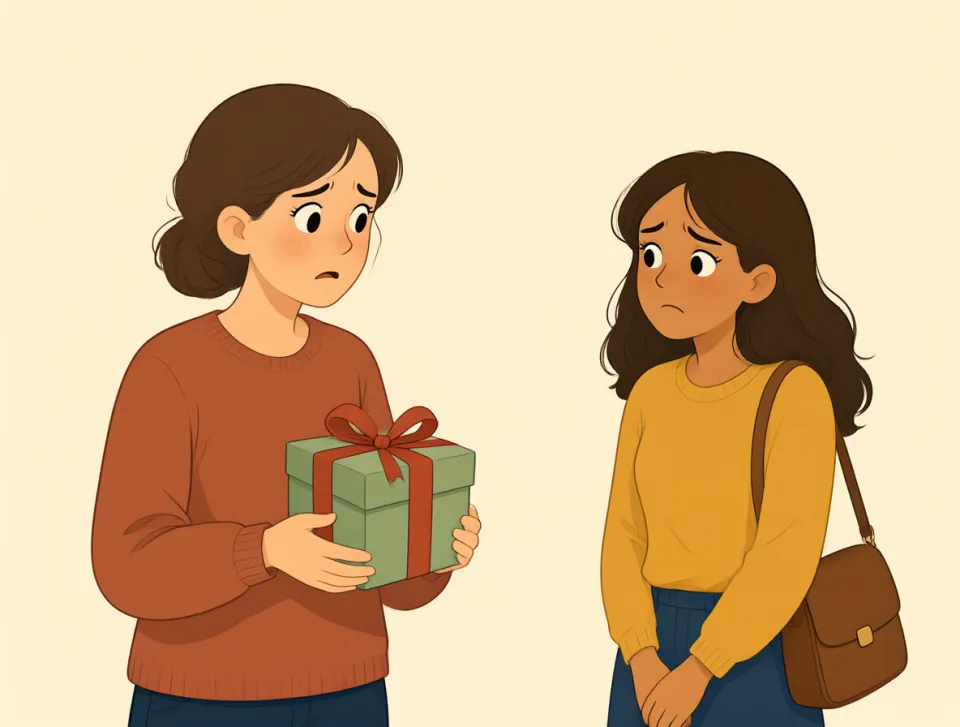
She felt guilty about forgetting her friend’s birthday.
Cô ấy cảm thấy có lỗi vì quên sinh nhật bạn mình.

The court found him guilty of stealing money from his employer.
Tòa án kết luận anh ta có tội ăn cắp tiền của chủ lao động.
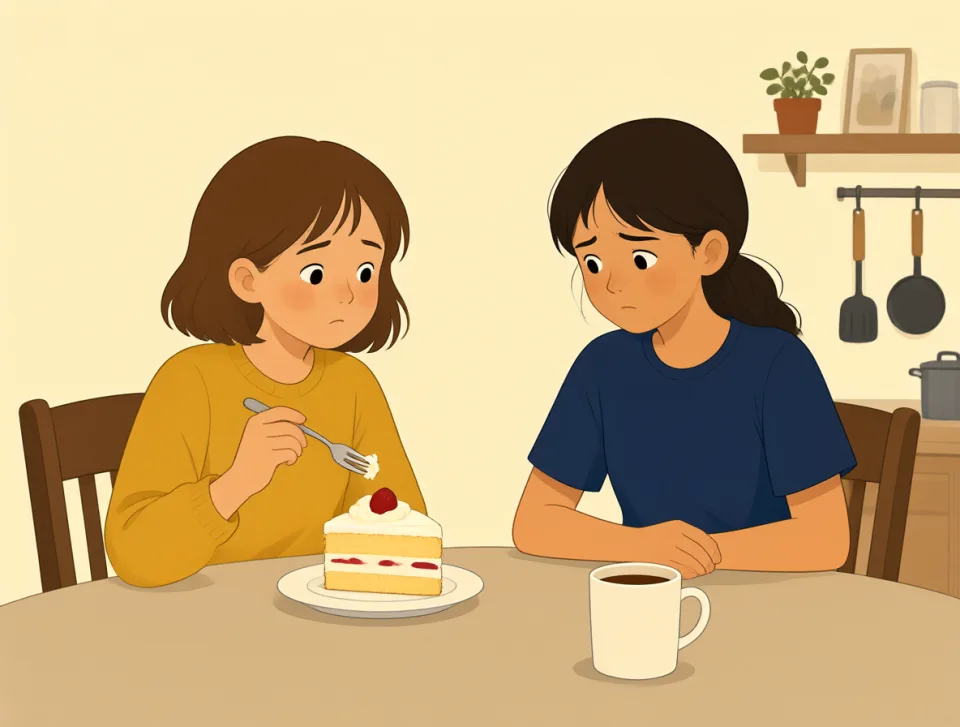
I felt guilty eating cake while my sister was on a strict diet.
Tôi cảm thấy có lỗi khi ăn bánh trong lúc chị gái đang ăn kiêng nghiêm ngặt.
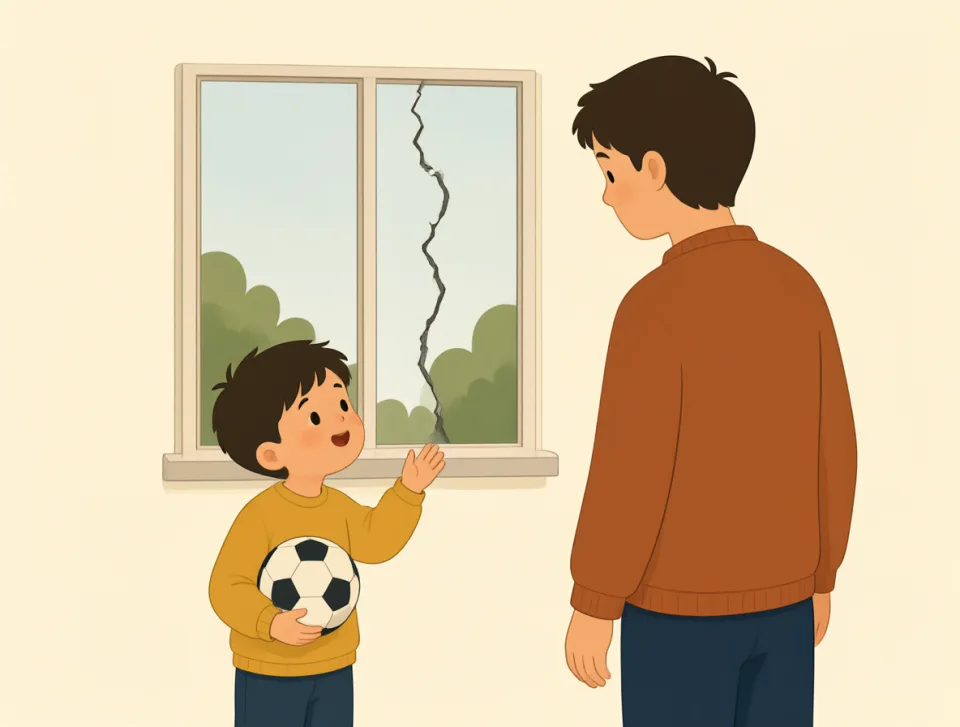
The guilty child quietly admitted breaking the window with a ball.
Đứa trẻ có lỗi khẽ thừa nhận đã làm vỡ cửa sổ bằng một quả bóng.

underlie
#2130verb
làm nền tảng cho
to exist beneath and support something, or form the basic cause of it
Tồn tại bên dưới và nâng đỡ một điều gì đó, hoặc tạo thành nguyên nhân cơ bản của điều đó.

Strong family values underlie the way we raise our children.
Những giá trị gia đình vững chắc là nền tảng cho cách chúng tôi nuôi dạy con cái.
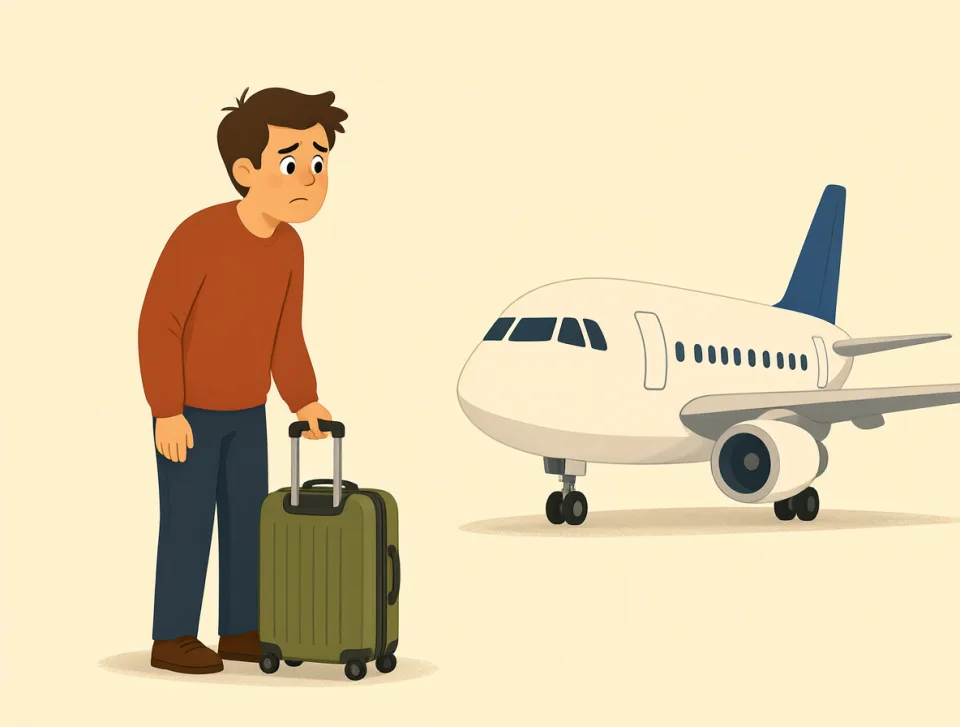
Several hidden fears underlie his refusal to travel by plane.
Một số nỗi sợ thầm kín là nguyên nhân khiến anh ấy từ chối đi máy bay.

The teacher explained the ideas underlying the science experiment.
Giáo viên giải thích những ý tưởng làm nền tảng cho thí nghiệm khoa học.

Trust and respect underlie every successful friendship.
Niềm tin và sự tôn trọng là nền tảng của mọi tình bạn bền vững.

A simple sauce underlay the roasted vegetables at dinner.
Bữa tối có món rau củ nướng ăn kèm với một loại xốt đơn giản.

mom
#2131noun
mẹ
your mother or a woman who looks after children
Mẹ của bạn hoặc một người phụ nữ chăm sóc trẻ em.
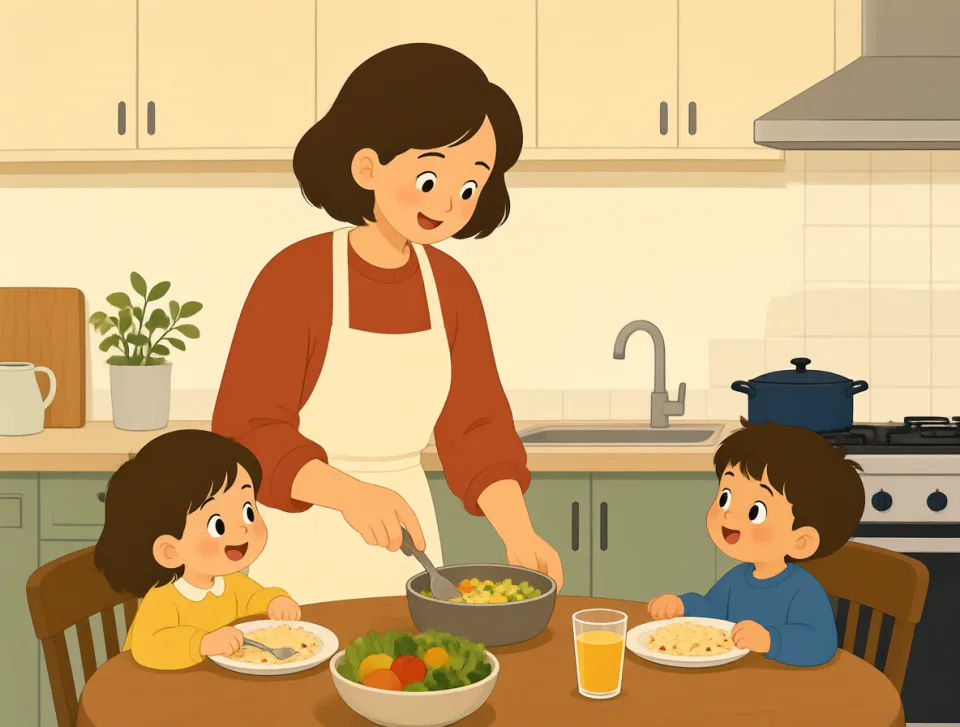
My mom makes breakfast for us every morning before school.
Mẹ tôi làm bữa sáng cho chúng tôi mỗi sáng trước khi đi học.

I called my mom after work to tell her the good news.
Tôi gọi cho mẹ sau giờ làm để báo tin vui.

My mom bought fresh vegetables and chicken for dinner.
Mẹ tôi mua rau tươi và thịt gà cho bữa tối.

His mom took him to the doctor because he felt sick.
Mẹ cậu ấy đưa cậu ấy đến bác sĩ vì cậu ấy cảm thấy không khỏe.

My friend’s mom gave us a ride home after the party.
Mẹ của bạn tôi chở chúng tôi về nhà sau bữa tiệc.
distinction
#2132noun
sự khác biệt
A clear difference between two people or things.
Sự khác biệt rõ ràng giữa hai người hoặc hai vật.
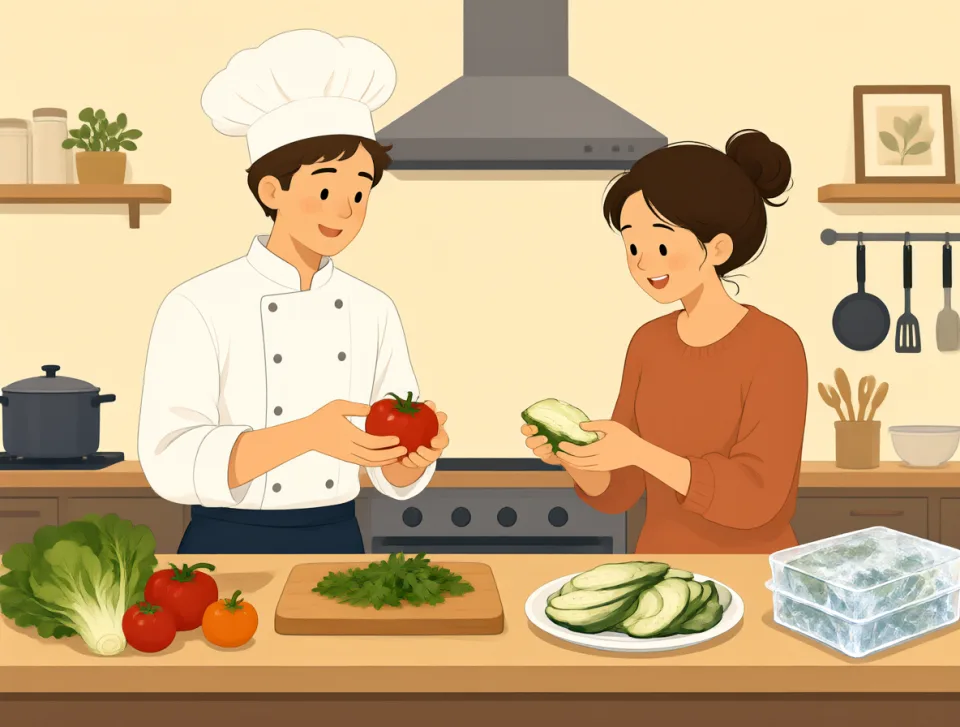
The chef is known for the distinction between fresh and frozen ingredients.
Đầu bếp nổi tiếng vì phân biệt được nguyên liệu tươi và nguyên liệu đông lạnh.

There is an important distinction between being busy and being productive.
Có một khác biệt quan trọng giữa bận rộn và làm việc hiệu quả.

The school gives an award to students who pass with distinction.
Trường trao giải cho những học sinh vượt qua kỳ thi với thành tích xuất sắc.

The store sells several cheeses, each with its own distinctive flavor.
Cửa hàng bán nhiều loại phô mai, mỗi loại có hương vị đặc trưng riêng.

She earned the distinction of being the first person to finish the race.
Cô ấy đạt được vinh dự là người đầu tiên hoàn thành cuộc đua.

satisfaction
#2133noun
sự hài lòng
A happy feeling because something is good, successful, or meets your needs.
Cảm giác vui vẻ khi điều gì đó tốt đẹp, thành công hoặc đáp ứng nhu cầu của bạn.
She smiled with satisfaction after finishing the difficult project at work.
Cô ấy mỉm cười hài lòng sau khi hoàn thành dự án khó khăn ở chỗ làm.

The restaurant offers a money-back guarantee to ensure customer satisfaction.
Nhà hàng đưa ra cam kết hoàn tiền để đảm bảo sự hài lòng của khách hàng.

He gets great satisfaction from helping children learn to read.
Anh ấy cảm thấy rất vui khi giúp trẻ em học đọc.
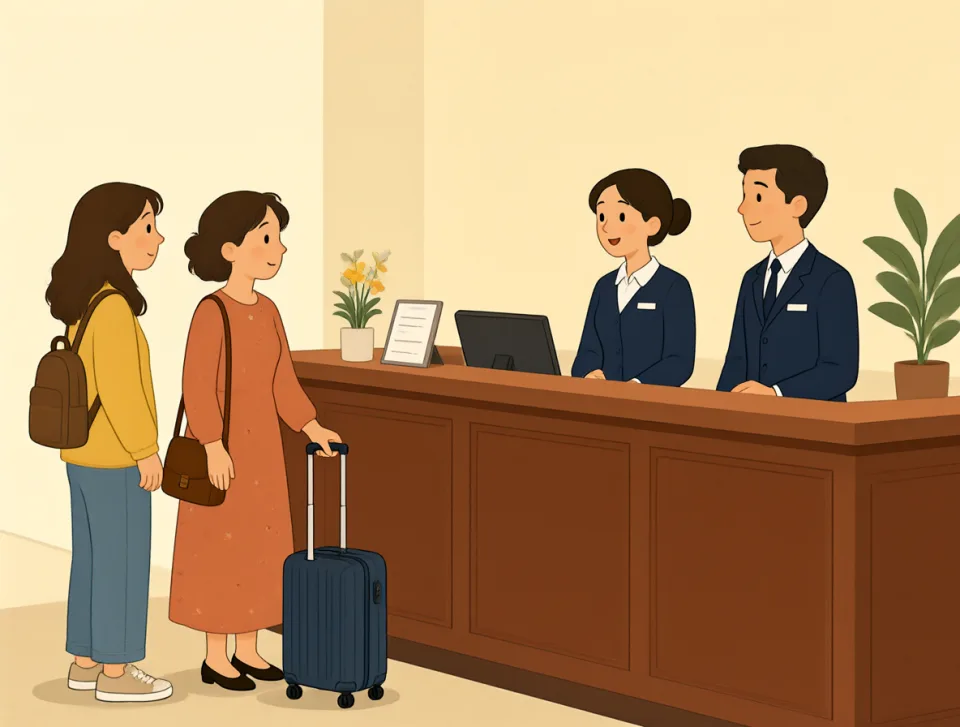
The hotel staff quickly resolved our complaint, much to our satisfaction.
Nhân viên khách sạn nhanh chóng giải quyết khiếu nại của chúng tôi, khiến chúng tôi rất hài lòng.

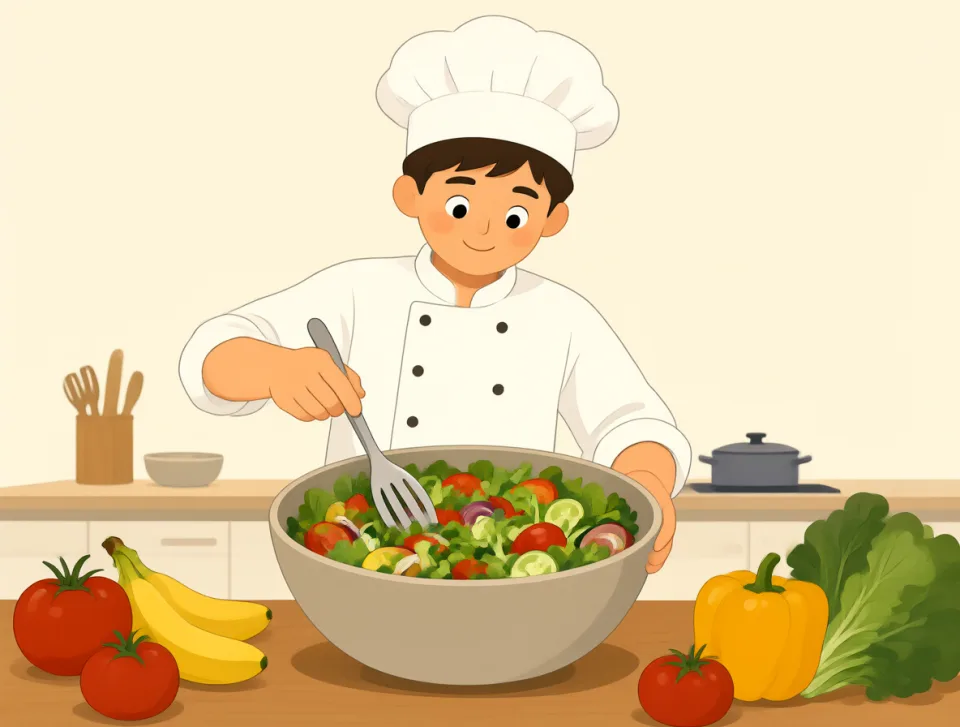
After dinner, everyone expressed satisfaction with the delicious homemade meal.
Sau bữa tối, mọi người đều bày tỏ sự hài lòng với bữa ăn ngon tự làm.
incorporate
#2134verb
kết hợp
to include something as part of a larger whole
Đưa một thứ vào làm một phần của một tổng thể lớn hơn.

The designer incorporated bright colors into the living room.
Nhà thiết kế đã đưa những màu sắc tươi sáng vào phòng khách.

Please incorporate your teacher’s suggestions into the final report.
Vui lòng đưa những góp ý của giáo viên vào báo cáo cuối cùng.
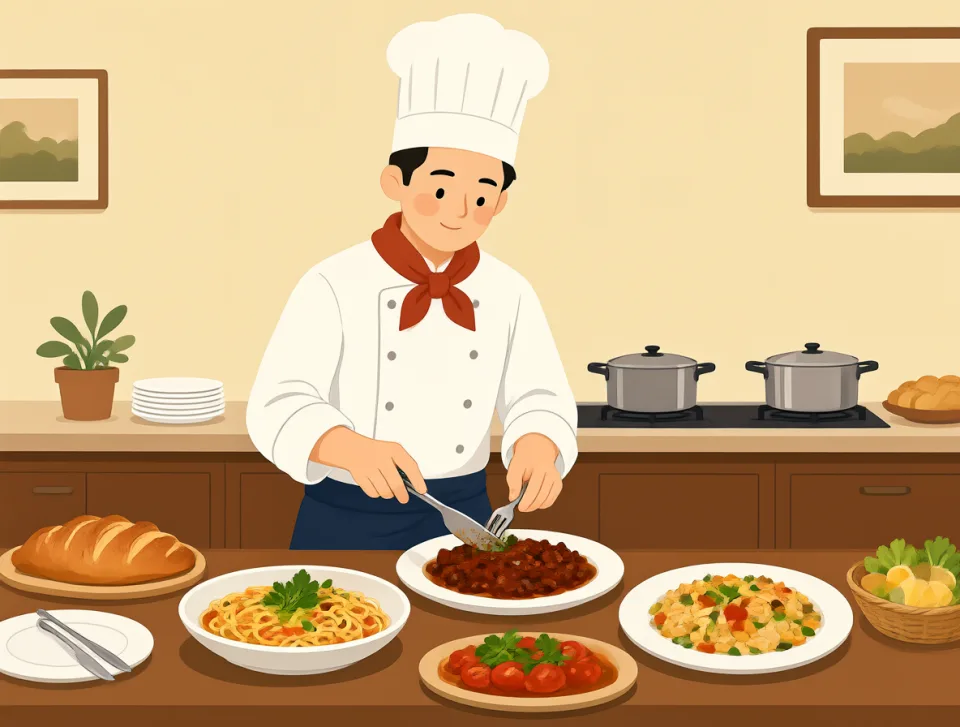
The hotel has incorporated local food into its breakfast menu.
Khách sạn đã đưa các món ăn địa phương vào thực đơn bữa sáng.
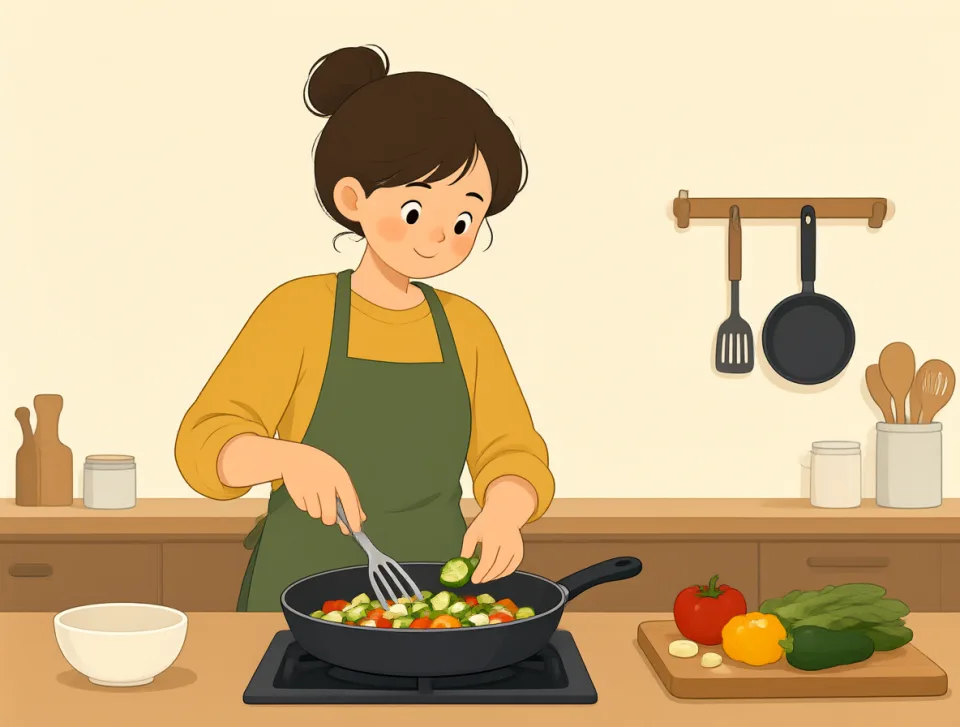
We are incorporating more vegetables into our family meals.
Gia đình chúng tôi đang thêm nhiều rau hơn vào các bữa ăn.
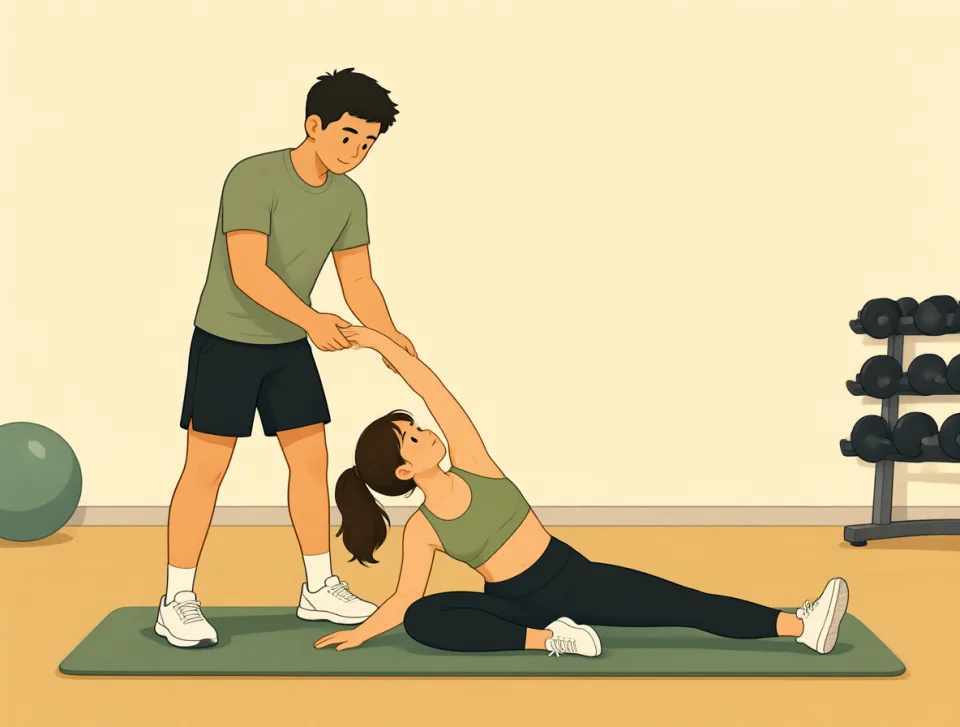
The exercise program incorporates stretching to prevent injuries.
Chương trình tập luyện kết hợp các bài tập giãn cơ để phòng tránh chấn thương.
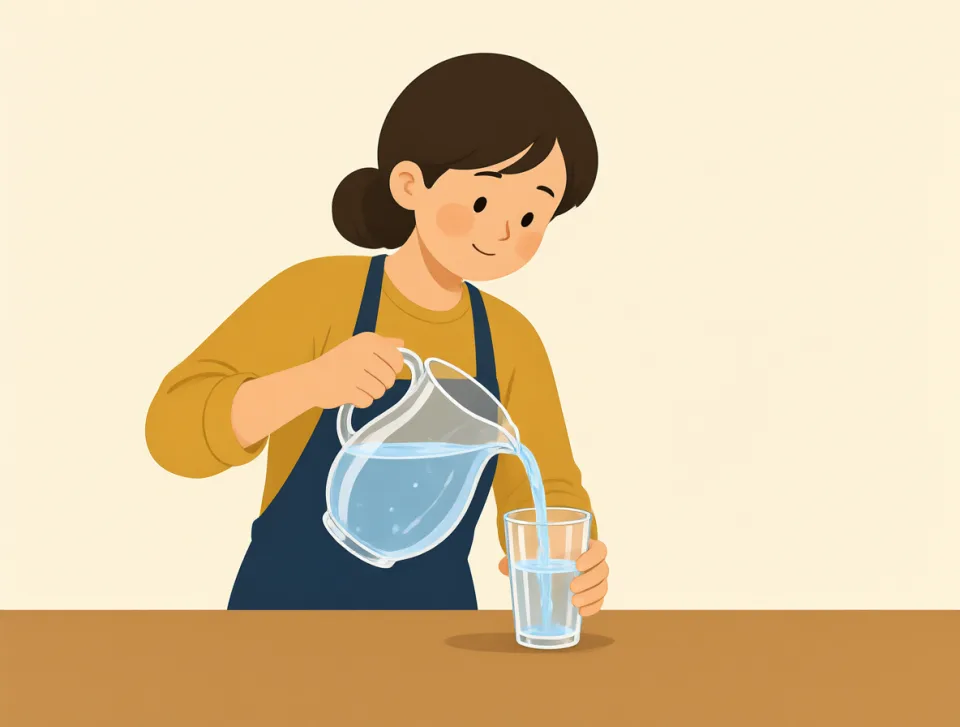
pour
#2135verb, noun
rót
To make a liquid flow from one container into another, usually quickly and steadily.
Làm cho chất lỏng chảy từ vật đựng này sang vật đựng khác, thường nhanh và đều.

Please pour some milk into my coffee.
Vui lòng rót một ít sữa vào cà phê của tôi.
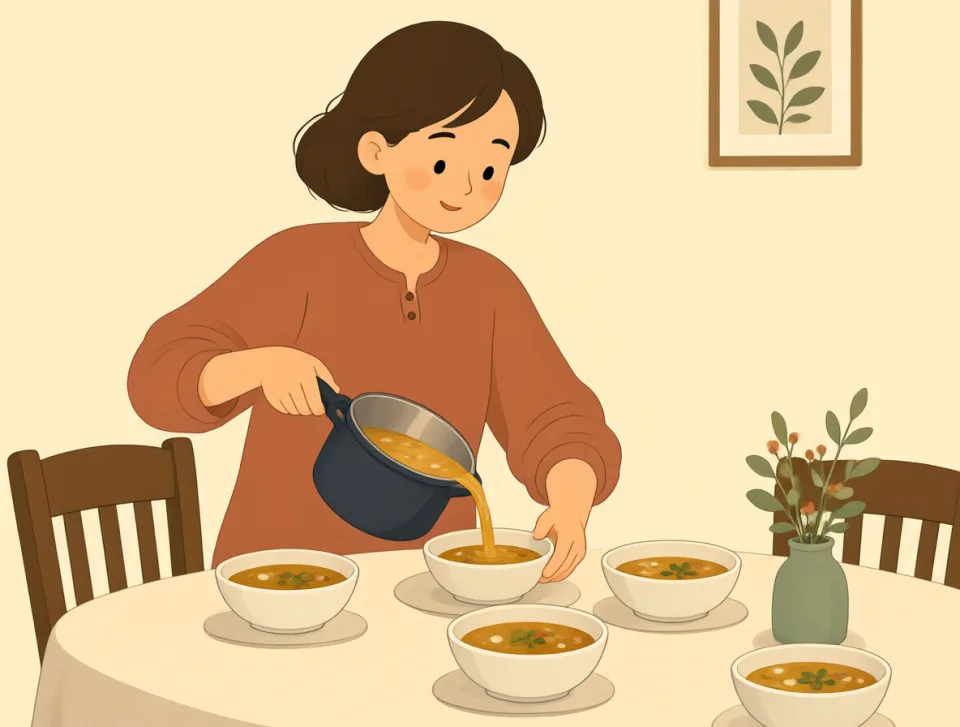
She poured the soup into bowls for everyone.
Cô ấy múc súp vào bát cho mọi người.
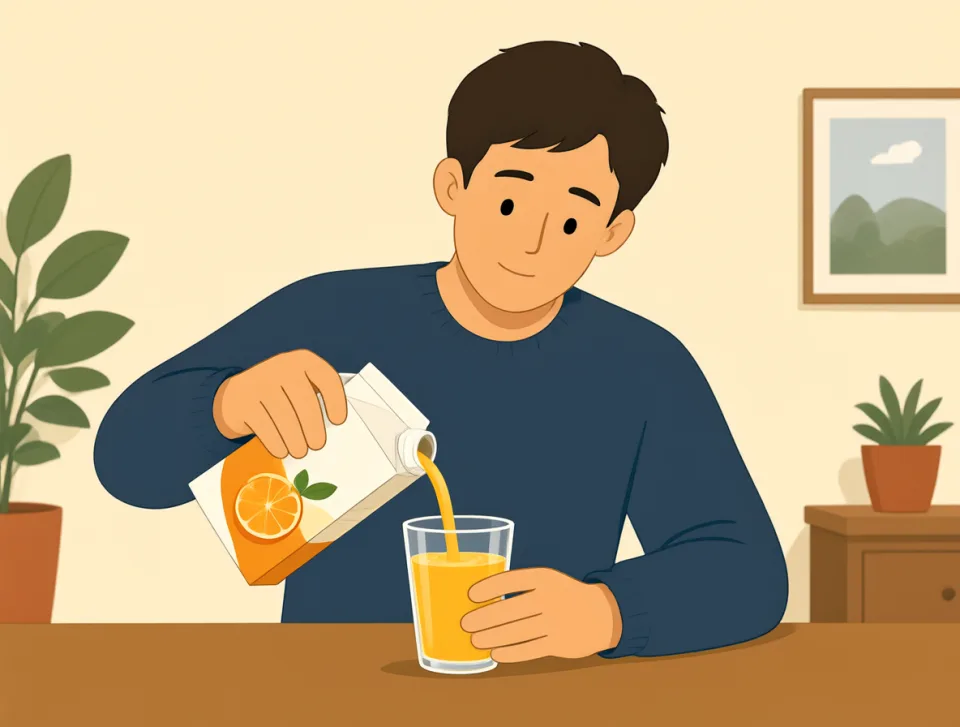
He poured himself a glass of orange juice.
Anh ấy rót cho mình một ly nước cam.

Rain poured down as we waited for the bus.
Mưa trút xuống khi chúng tôi đang chờ xe buýt.

A steady pour of customers entered the store after work.
Sau giờ làm, khách hàng lũ lượt kéo vào cửa hàng.
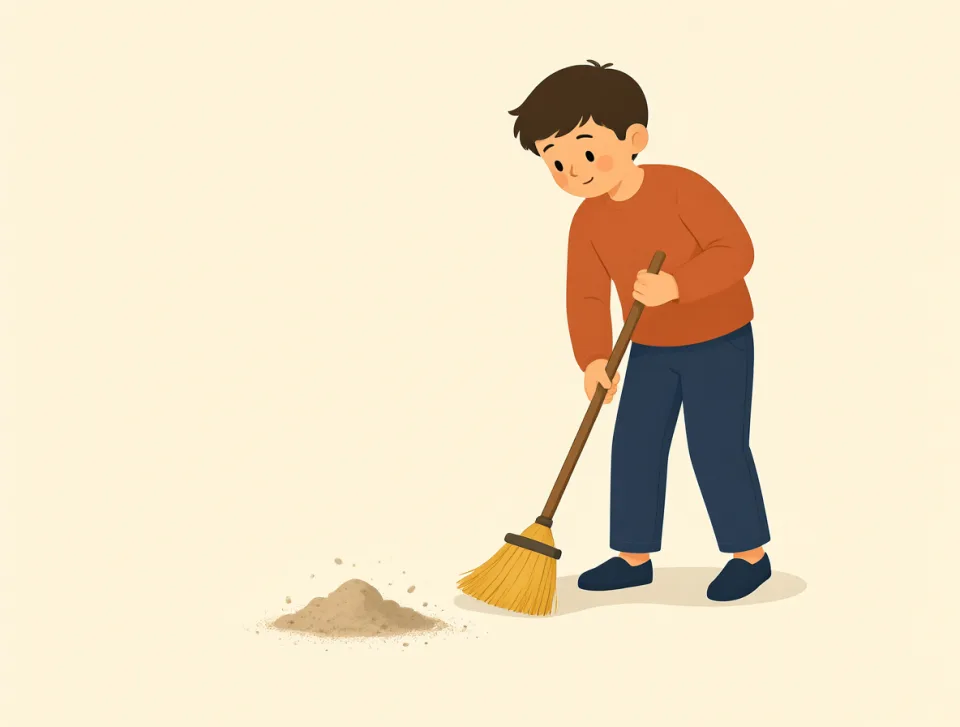
sweep
#2136verb, noun
quét
To clean a floor or surface with a broom, or move across an area quickly.
Dọn sạch sàn hoặc bề mặt bằng chổi, hoặc di chuyển nhanh qua một khu vực.
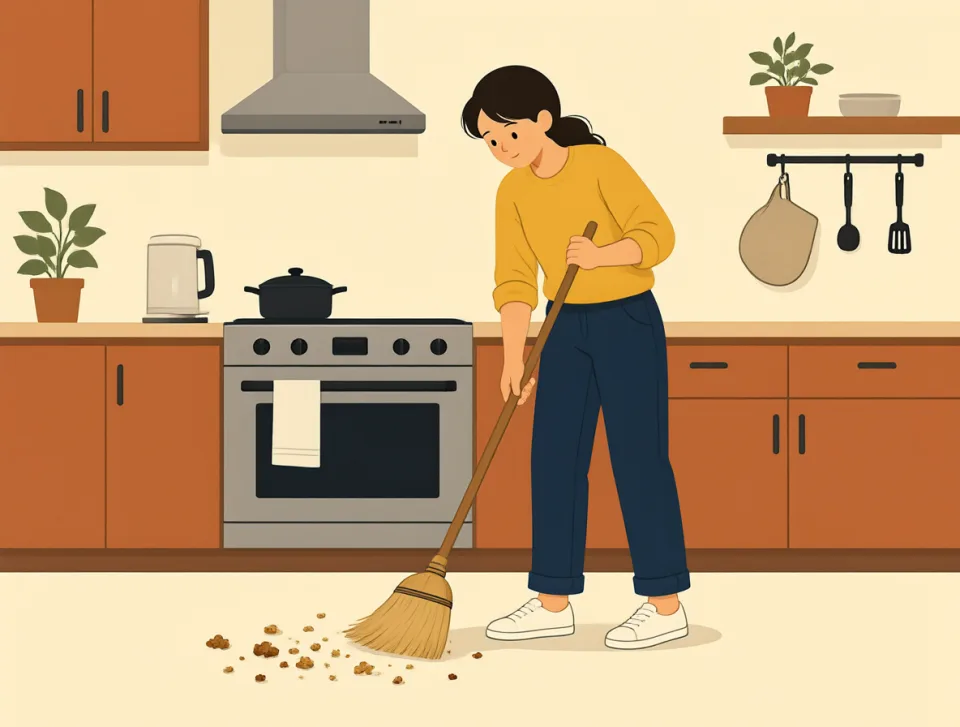
I sweep the kitchen floor every evening after dinner.
Tối nào ăn tối xong tôi cũng quét sàn bếp.
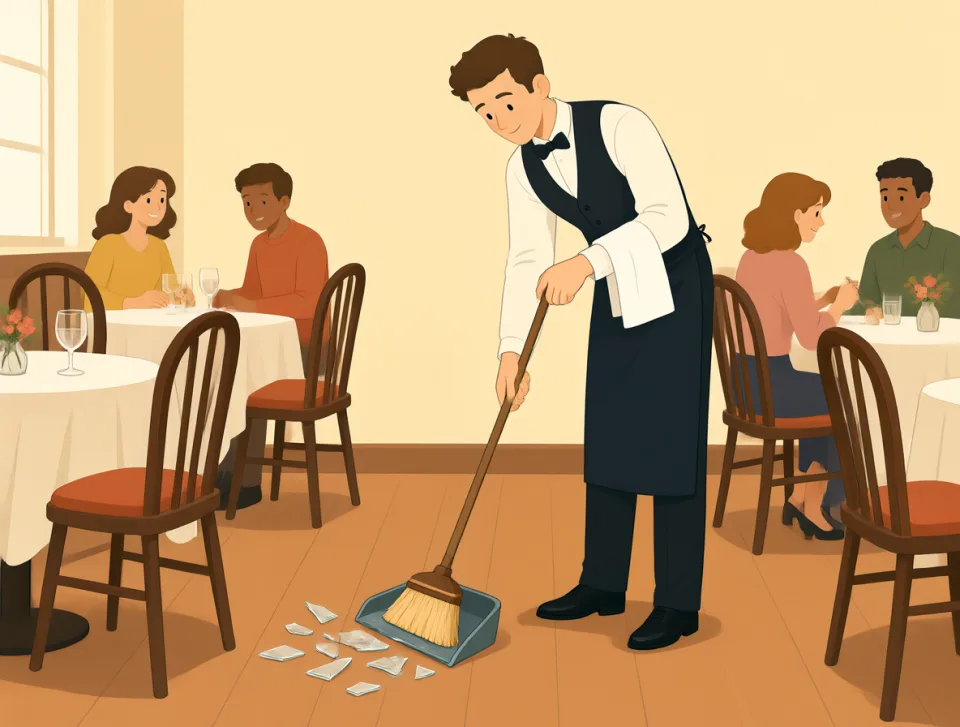
The waiter swept the broken glass into a dustpan.
Người phục vụ quét những mảnh kính vỡ vào hót rác.

Strong winds swept leaves across the garden.
Gió mạnh cuốn lá bay khắp khu vườn.

The new manager is sweeping through the office, checking every department.
Người quản lý mới đang đi khắp văn phòng, kiểm tra từng bộ phận.

The doctor swept his hand over the patient’s shoulder during the examination.
Trong lúc khám, bác sĩ đưa tay lướt qua vai bệnh nhân.
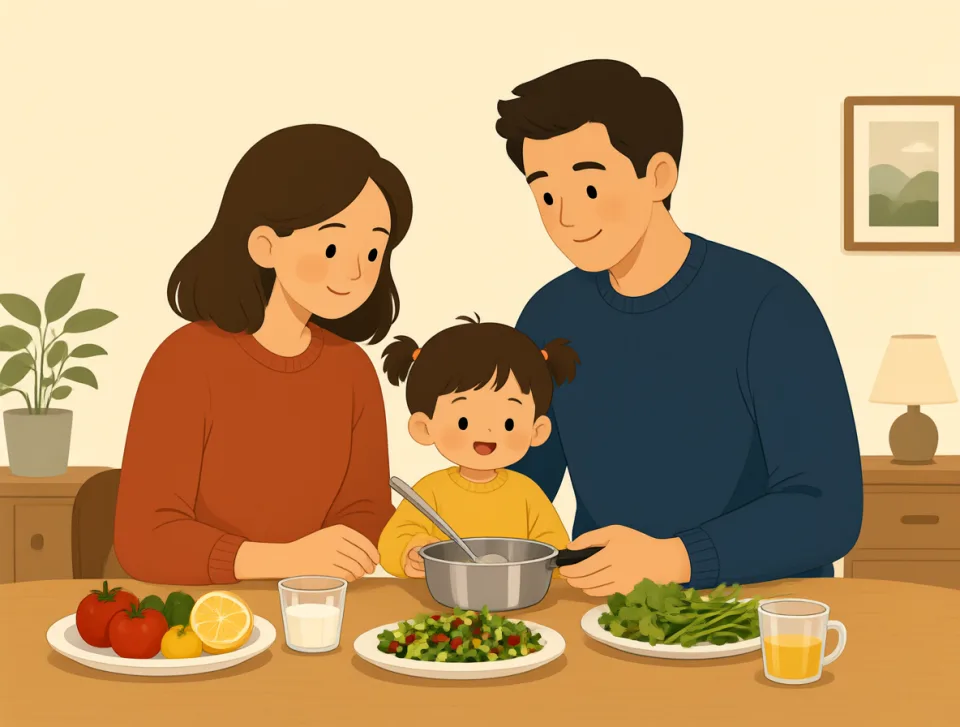
obligation
#2137noun
nghĩa vụ
A duty to do something because it is required by law, rules, or circumstances.
Việc phải làm theo yêu cầu của pháp luật, quy định hoặc hoàn cảnh.
Parents have an obligation to keep their children safe and healthy.
Cha mẹ có nghĩa vụ giữ cho con cái được an toàn và khỏe mạnh.
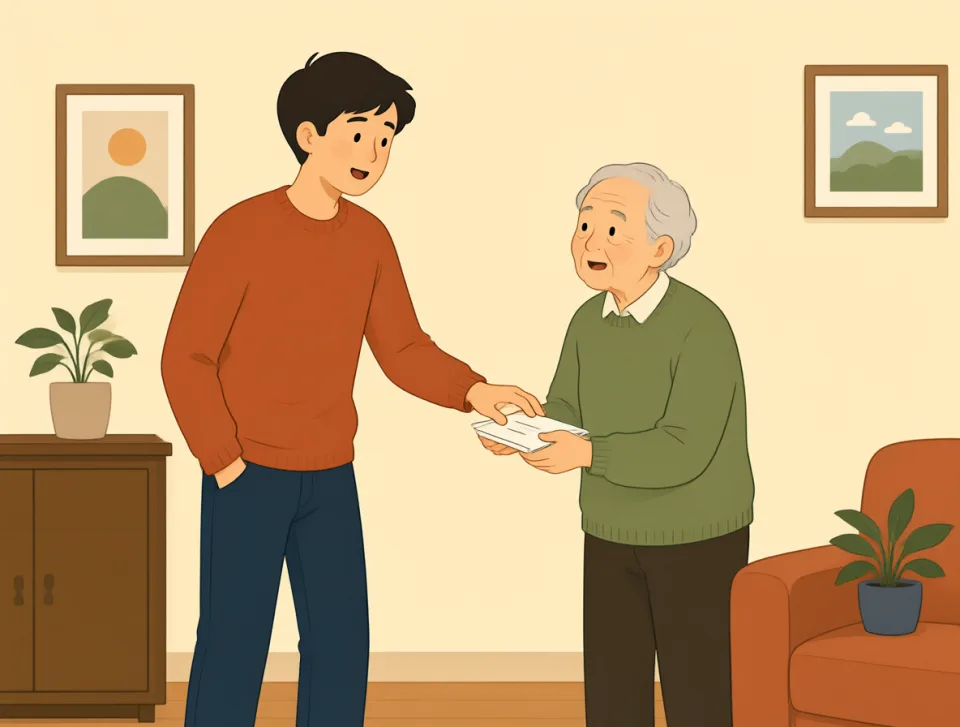
I cannot join you tonight because I have family obligations.
Tối nay mình không đi cùng bạn được vì còn phải lo việc gia đình.

The contract creates an obligation to pay the rent on time.
Hợp đồng quy định nghĩa vụ trả tiền thuê nhà đúng hạn.
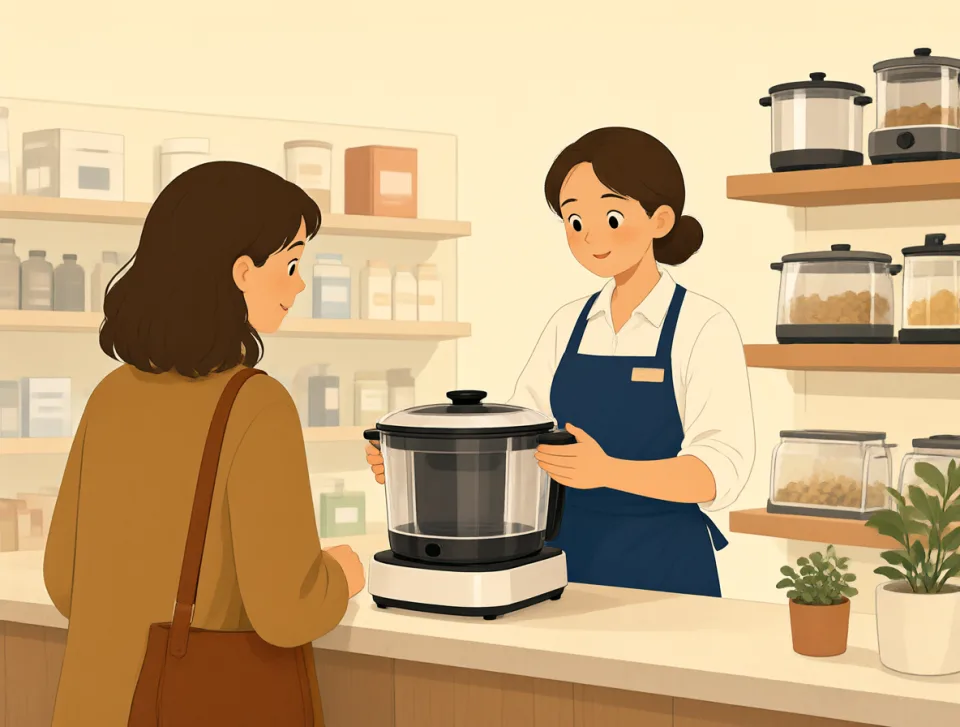
There is no obligation to buy anything during the free product demonstration.
Bạn không bắt buộc phải mua bất cứ thứ gì trong buổi giới thiệu sản phẩm miễn phí.

Students have an obligation to attend classes and complete their assignments.
Học sinh có nghĩa vụ đi học đầy đủ và hoàn thành bài tập.

sir
#2138noun
thưa ông
A polite way to speak to a man, especially someone in authority.
Cách gọi lịch sự dành cho nam giới, đặc biệt là người có chức vụ hoặc quyền hạn.
Excuse me, sir, could you tell me where the nearest train station is?
Xin lỗi ông, ông có thể cho tôi biết ga tàu gần nhất ở đâu không ạ?

The waiter asked, “What would you like to order, sir?”
Người phục vụ hỏi: “Thưa ông, ông muốn gọi món gì ạ?”

Yes, sir, I understand the instructions and will finish the work today.
Vâng, thưa ông, tôi đã hiểu hướng dẫn và sẽ hoàn thành công việc hôm nay.

The teacher asked the boys to wait outside, and they answered, “Yes, sir.”
Thầy giáo bảo các cậu bé đợi bên ngoài, và các em đáp: “Vâng, thưa thầy.”

The doctor told the patient, “Please sit down, sir, and take a deep breath.”
Bác sĩ bảo bệnh nhân: “Xin ông ngồi xuống và hít một hơi thật sâu.”

evaluate
#2139verb
đánh giá
to judge something carefully to decide its quality, value, or importance
Xem xét kỹ một điều gì đó để xác định chất lượng, giá trị hoặc tầm quan trọng của nó.
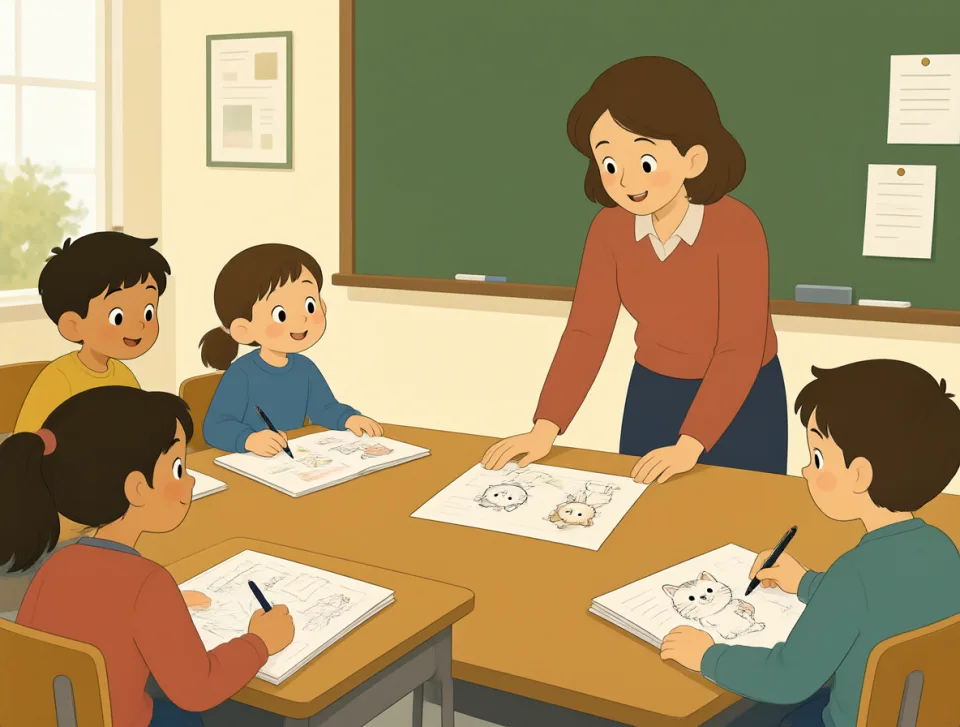
The teacher will evaluate our projects before giving us final grades.
Giáo viên sẽ đánh giá các dự án của chúng tôi trước khi cho điểm cuối kỳ.

We evaluated three hotels before choosing where to stay.
Chúng tôi đã đánh giá ba khách sạn trước khi chọn nơi lưu trú.

The doctor is evaluating my knee after I fell yesterday.
Bác sĩ đang kiểm tra đầu gối của tôi sau khi tôi bị ngã hôm qua.

Please evaluate this new coffee before we add it to the menu.
Vui lòng đánh giá loại cà phê mới này trước khi chúng ta đưa nó vào thực đơn.

The manager evaluated my work and offered helpful advice.
Người quản lý đã đánh giá công việc của tôi và đưa ra những lời khuyên hữu ích.

anger
#2140noun, verb
sự tức giận
a strong feeling of annoyance caused by something unfair, unpleasant, or wrong
Cảm giác bực tức mạnh mẽ do điều gì đó bất công, khó chịu hoặc sai trái gây ra.
She tried to hide her anger when her brother broke her favorite mug.
Cô ấy cố giấu cơn tức giận khi em trai làm vỡ chiếc cốc yêu thích của mình.

The manager apologized after customers expressed anger about the long delay.
Người quản lý xin lỗi sau khi khách hàng bày tỏ sự tức giận vì bị chậm trễ quá lâu.

Regular exercise can help people manage anger and sleep better.
Tập thể dục thường xuyên có thể giúp mọi người kiểm soát cơn giận và ngủ ngon hơn.

He spoke in anger and later regretted his harsh words.
Anh ấy nói trong lúc tức giận, rồi sau đó hối hận vì những lời lẽ gay gắt của mình.
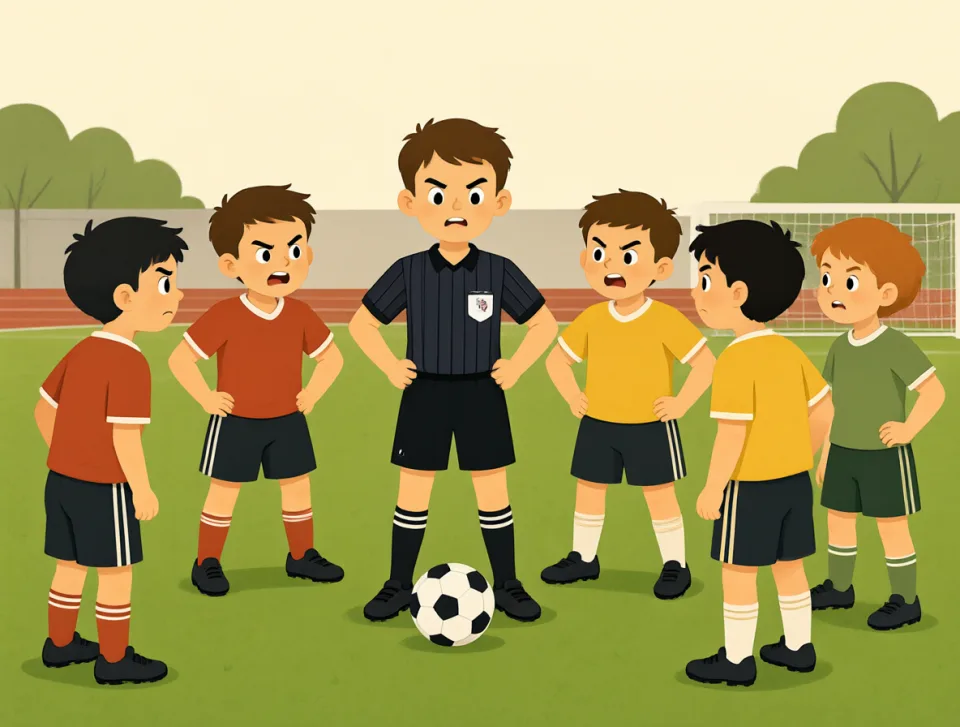
The unfair referee's decision angered the players during the school match.
Quyết định bất công của trọng tài khiến các cầu thủ tức giận trong trận đấu ở trường.