الوحدة 107
الكلمات من 2121 إلى 2140 · terrorist, justify, vital, fascinate, external, spare
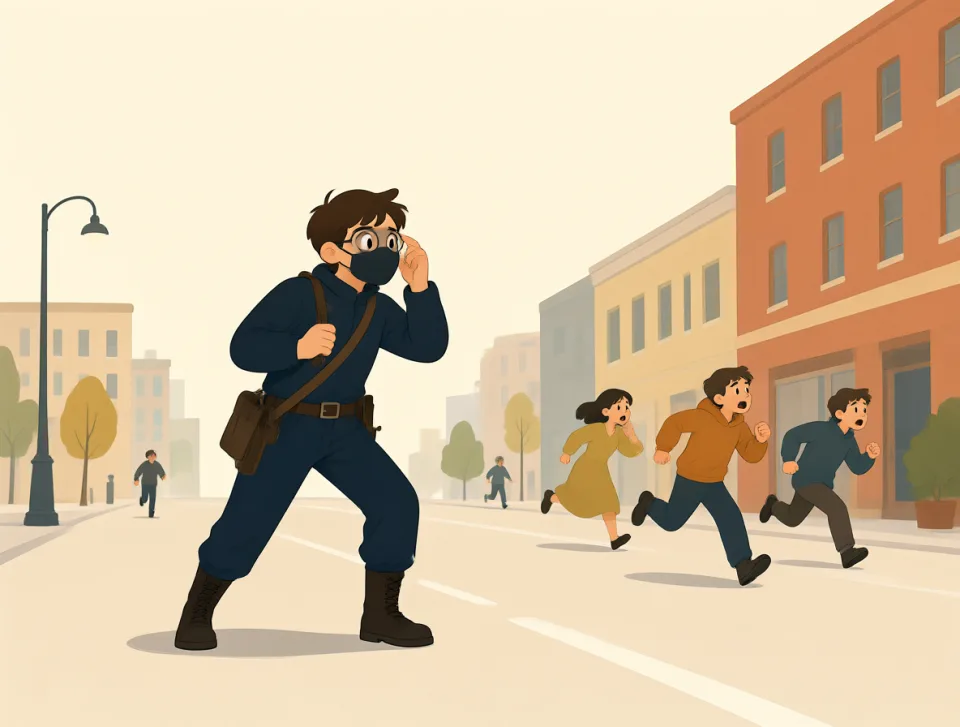
terrorist
#2121noun
إرهابي
A person who uses violence to frighten people and achieve political goals.
شخص يستخدم العنف لترويع الناس وتحقيق أهداف سياسية.

The police arrested a suspected terrorist near the busy train station.
اعتقلت الشرطة مشتبهًا به في الإرهاب قرب محطة القطار المزدحمة.
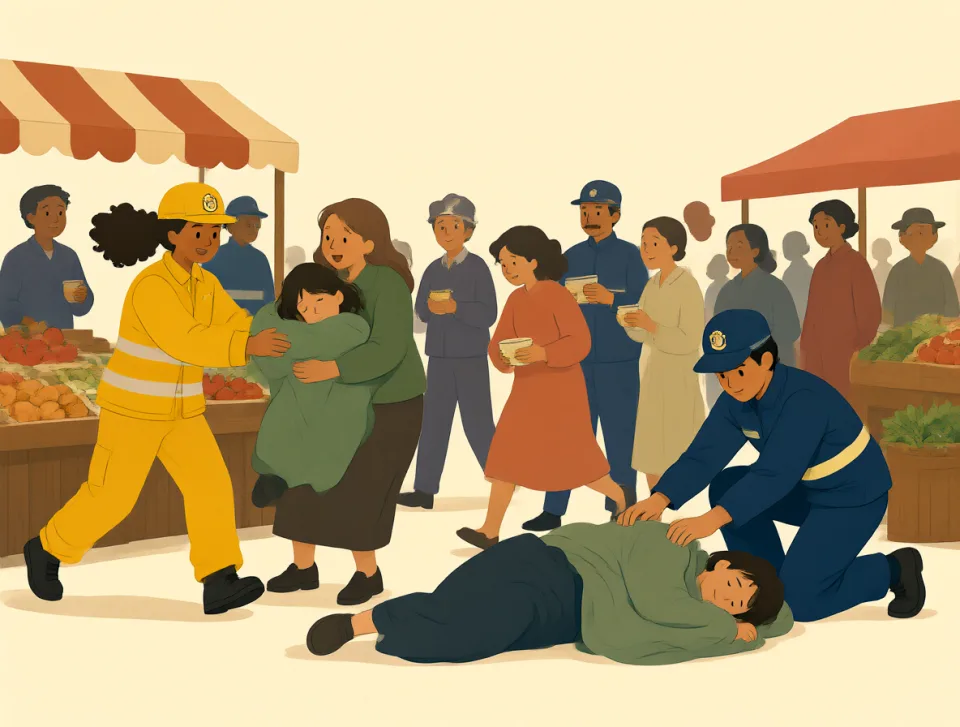
The terrorist attacked a crowded market, causing fear throughout the city.
هاجم الإرهابي سوقًا مكتظًا، ما أثار الخوف في أنحاء المدينة.

News reports said the terrorist group planned attacks in several countries.
أفادت التقارير الإخبارية بأن الجماعة الإرهابية خططت لشن هجمات في عدة دول.

The airport security officer checked every passenger for possible terrorist threats.
فتّش مسؤول الأمن في المطار كل مسافر تحسبًا لوجود تهديدات إرهابية.

Students discussed how terrorists use fear to influence governments and communities.
ناقش الطلاب كيف يستخدم الإرهابيون الخوف للتأثير في الحكومات والمجتمعات.

justify
#2122verb
يبرّر
to give a good reason for something or show that it is reasonable
يقدّم سببًا وجيهًا لشيء ما أو يبيّن أنه معقول.
You cannot justify spending so much money on a jacket.
لا يمكنك تبرير إنفاق كل هذا المال على سترة.
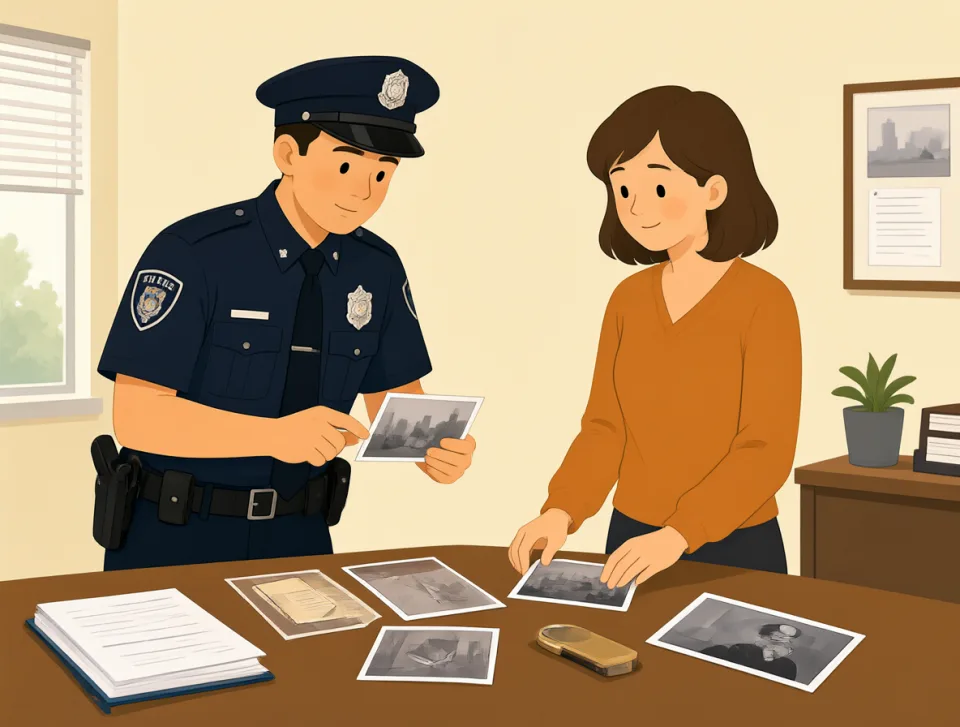
The evidence clearly justified the police officer's decision.
برّرت الأدلة بوضوح قرار ضابط الشرطة.

She tried to justify being late by blaming the heavy traffic.
حاولت تبرير تأخرها بإلقاء اللوم على الازدحام المروري الشديد.
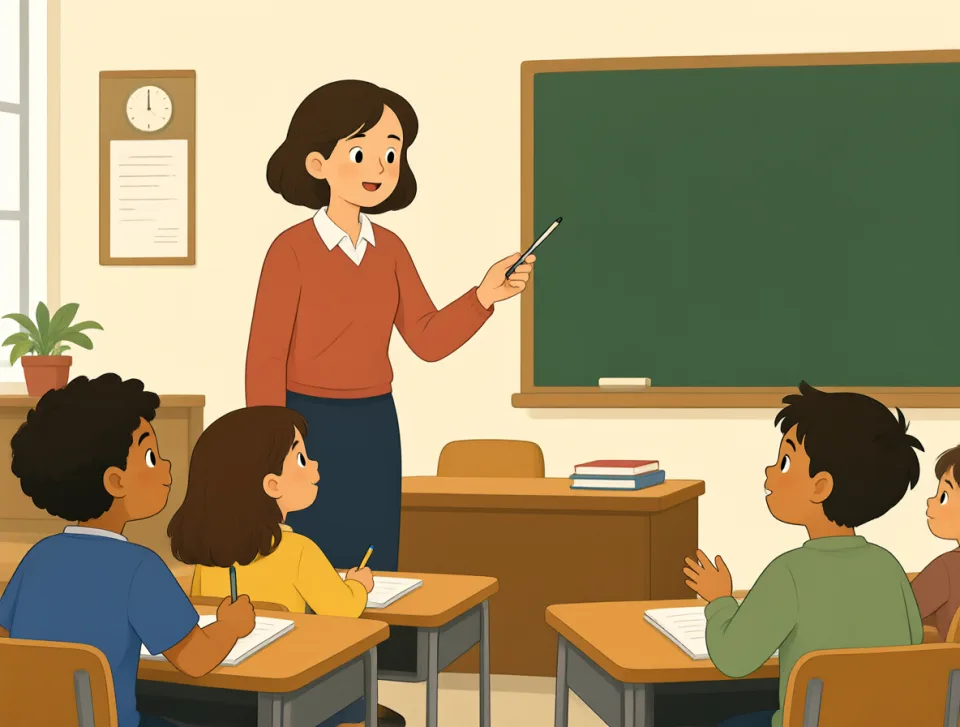
The teacher asked students to justify their answers with examples.
طلب المعلم من الطلاب تبرير إجاباتهم بأمثلة.

The doctor said the test results did not justify changing his treatment.
قال الطبيب إن نتائج الفحوصات لا تبرر تغيير علاجه.

vital
#2123adjective
حيوي
Very important or necessary for life, success, or continued existence.
بالغ الأهمية أو ضروري للحياة أو النجاح أو الاستمرار.
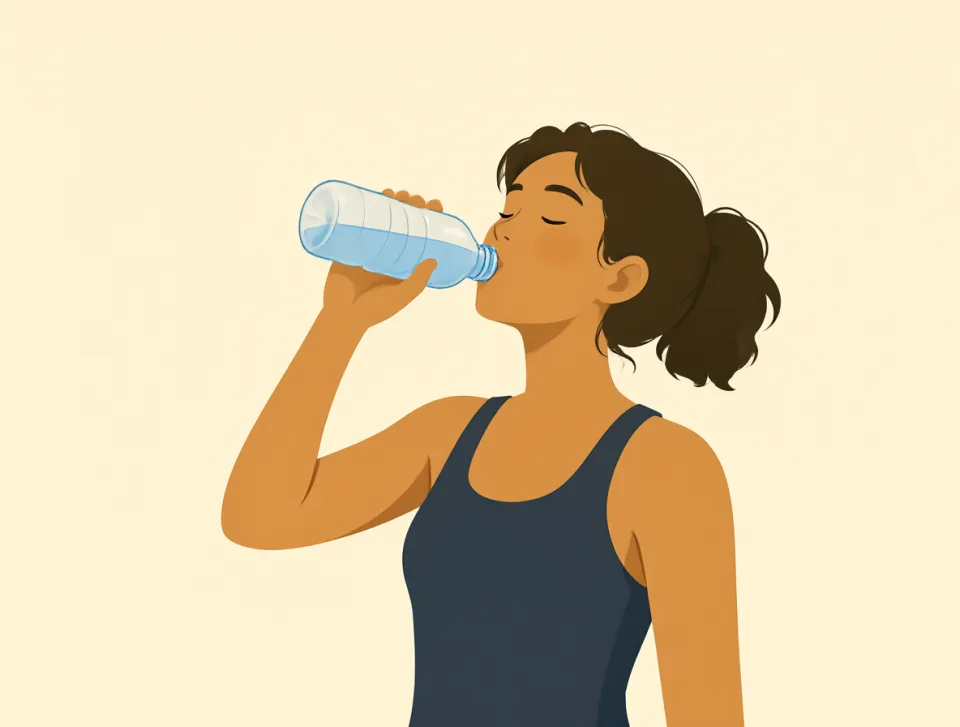
Drinking enough water is vital for staying healthy during hot weather.
شرب كمية كافية من الماء أمر حيوي للحفاظ على الصحة في الطقس الحار.

It is vital to check your passport before leaving for the airport.
من الضروري التحقق من جواز سفرك قبل التوجه إلى المطار.

Good communication is vital to a successful team at work.
التواصل الجيد ضروري لنجاح فريق العمل.

The teacher explained that sleep is vital for learning and remembering new information.
أوضح المعلم أن النوم ضروري للتعلم وتذكر المعلومات الجديدة.
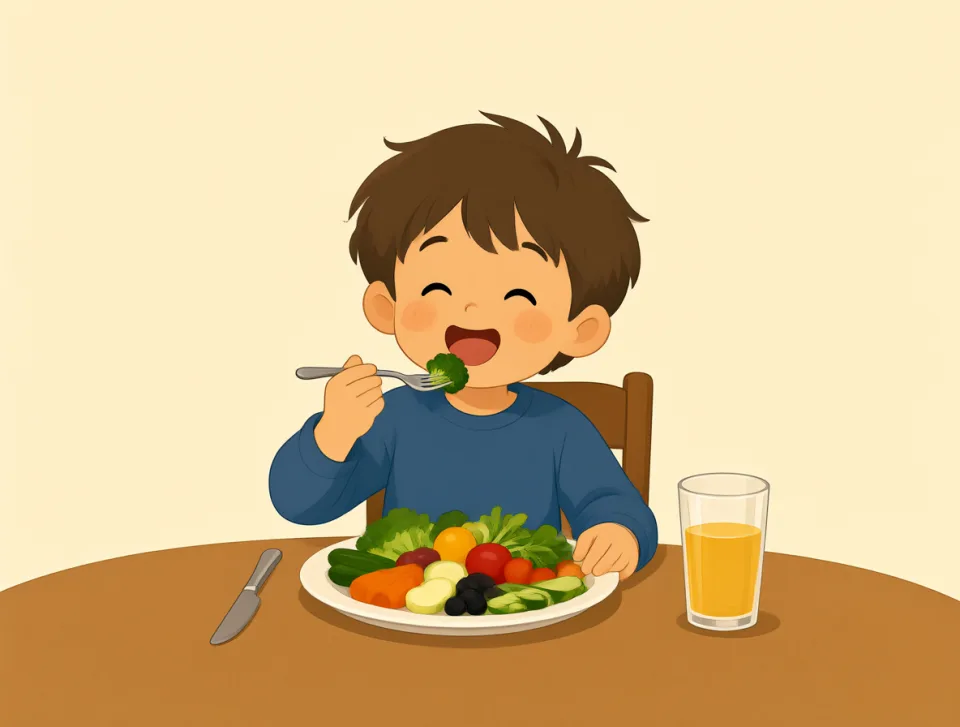
Fresh vegetables provide vital nutrients that help children grow strong.
توفر الخضراوات الطازجة عناصر غذائية أساسية تساعد الأطفال على النمو بصحة وقوة.

fascinate
#2124verb
يُثير اهتمامًا كبيرًا
to interest someone greatly, especially because something is unusual, beautiful, or mysterious
يجذب اهتمام شخص بشدة، ولا سيما لأن شيئًا ما غير مألوف أو جميل أو غامض.

Bright colors and unusual shapes fascinate young children.
تُثير الألوان الزاهية والأشكال غير المألوفة اهتمام الأطفال الصغار.

The documentary fascinated me with stories about life under the ocean.
أثار الفيلم الوثائقي اهتمامي بقصص الحياة تحت المحيط.

My little brother is fascinated by how airplanes fly.
أخي الصغير مفتون بكيفية طيران الطائرات.

The teacher fascinated the class with a simple science experiment.
أبهر المعلم الصف بتجربة علمية بسيطة.

She was fascinated by the old streets and buildings in Rome.
كانت مفتونة بالشوارع والمباني القديمة في روما.

external
#2125adjective, noun
خارجي
outside a place, system, or organization, or coming from outside it
يقع خارج مكان أو نظام أو مؤسسة، أو يأتي من خارجها.

The external walls need painting before winter arrives.
تحتاج الجدران الخارجية إلى الطلاء قبل حلول الشتاء.
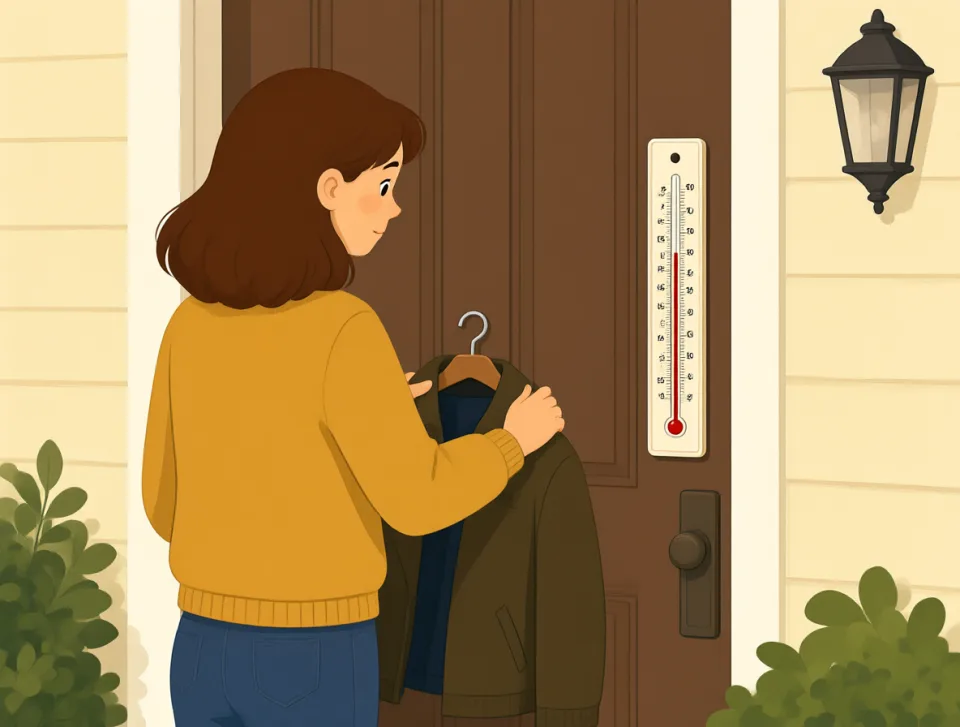
Please check the external temperature before choosing your clothes.
يُرجى التحقق من درجة الحرارة في الخارج قبل اختيار ملابسك.

The company hired an external consultant to improve its safety rules.
استعانت الشركة بمستشار من خارجها لتحسين قواعد السلامة لديها.

Students must use external sources for their history projects.
يجب على الطلاب استخدام مصادر خارجية في مشاريعهم عن التاريخ.
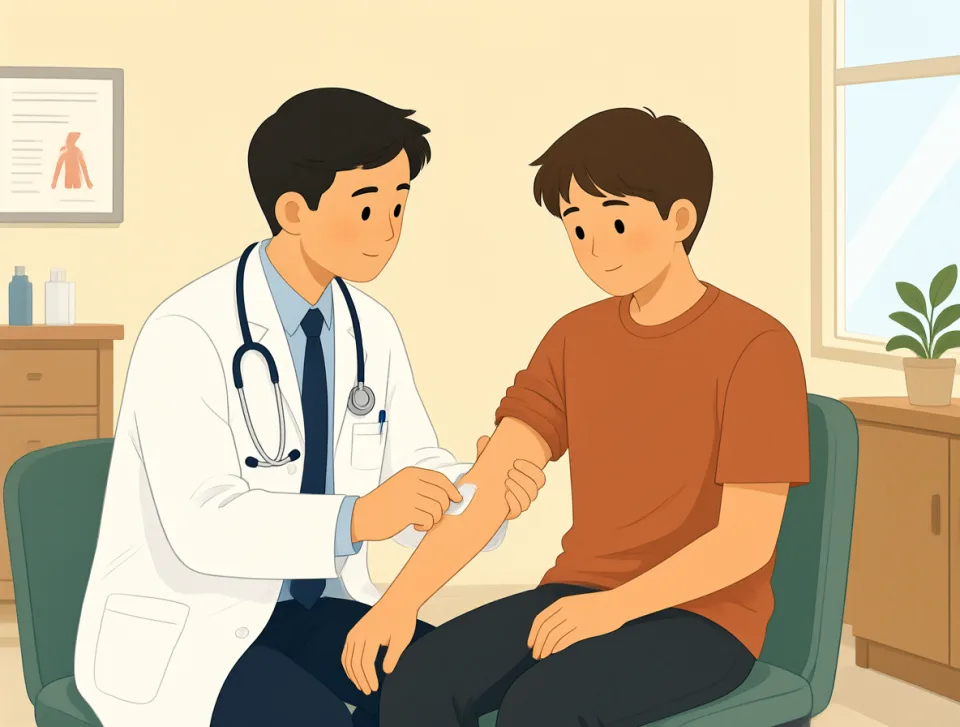
The doctor found no external signs of injury on his arm.
لم يجد الطبيب أي علامات خارجية على إصابة ذراعه.

spare
#2126adjective, verb, noun
احتياطي
Extra and available, or to give someone time, money, or help when needed.
إضافي ومتاح، أو أن تمنح شخصًا وقتًا أو مالًا أو مساعدة عند الحاجة.

Do you have a spare key for the front door?
هل لديك مفتاح احتياطي للباب الأمامي؟
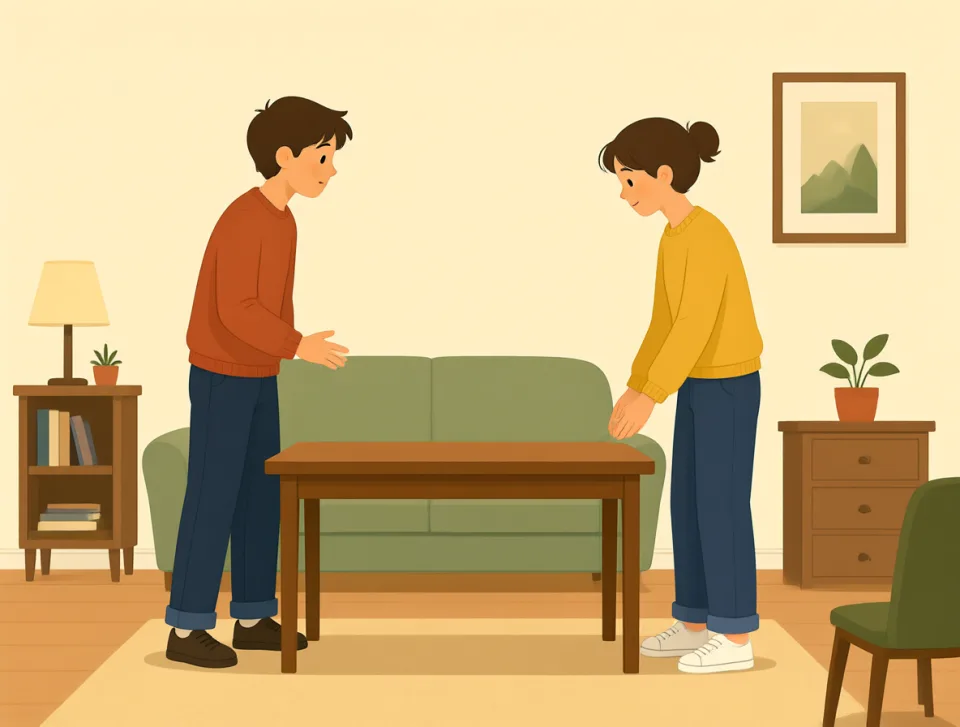
Could you spare a few minutes to help me move this table?
هل يمكنك أن تخصص بضع دقائق لمساعدتي في نقل هذه الطاولة؟

We have a spare room where visiting guests can sleep.
لدينا غرفة إضافية يمكن للضيوف الزائرين النوم فيها.
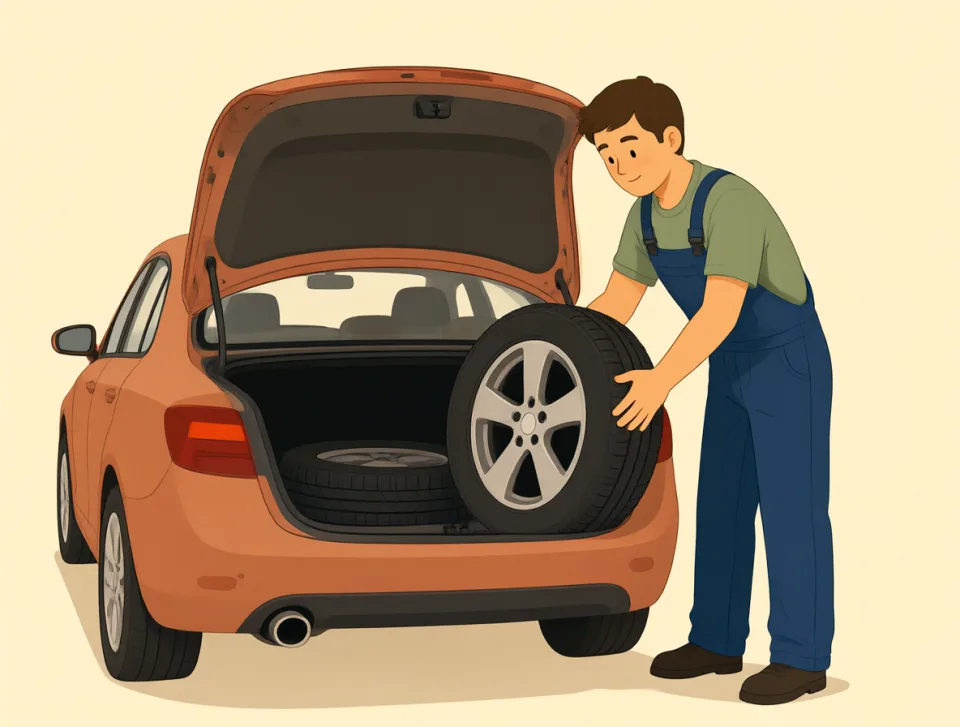
The mechanic kept a spare tire in the trunk of the car.
احتفظ الميكانيكي بإطار احتياطي في صندوق السيارة.

She bought a spare shirt after spilling soup on her clothes.
اشترت قميصًا إضافيًا بعدما سكبت الحساء على ملابسها.

whenever
#2127adverb, conjunction
كلما
every time that something happens, or at any time when it is possible
في كل مرة يحدث فيها شيء ما، أو في أي وقت يكون ذلك ممكنًا.
Whenever I feel tired, I take a short break and drink some water.
كلما شعرت بالتعب، أخذت استراحة قصيرة وشربت بعض الماء.

Call me whenever you need help with your homework.
اتصل بي كلما احتجت إلى مساعدة في واجبك المدرسي.

Whenever we visit the city, we eat at that small Italian restaurant.
كلما زرنا المدينة، تناولنا الطعام في ذلك المطعم الإيطالي الصغير.

She listens to music whenever she cleans the house.
تستمع إلى الموسيقى كلما نظفت المنزل.

You can use this room whenever you need a quiet place to work.
يمكنك استخدام هذه الغرفة كلما احتجت إلى مكان هادئ للعمل.

depression
#2128noun
اكتئاب
A serious medical condition causing long-lasting sadness and loss of interest in life.
حالة طبية خطيرة تسبب حزنًا طويل الأمد وفقدان الاهتمام بالحياة.
She is receiving treatment for depression from a doctor.
تتلقى علاجًا للاكتئاب على يد طبيب.

Depression can make it difficult to work, sleep, or enjoy everyday activities.
قد يجعل الاكتئاب العمل أو النوم أو الاستمتاع بالأنشطة اليومية أمرًا صعبًا.

His depression became worse after he lost his job.
ازداد اكتئابه سوءًا بعد أن فقد وظيفته.

Talking with close friends helped her manage her depression.
ساعدها التحدث مع أصدقائها المقربين على التعايش مع اكتئابها.
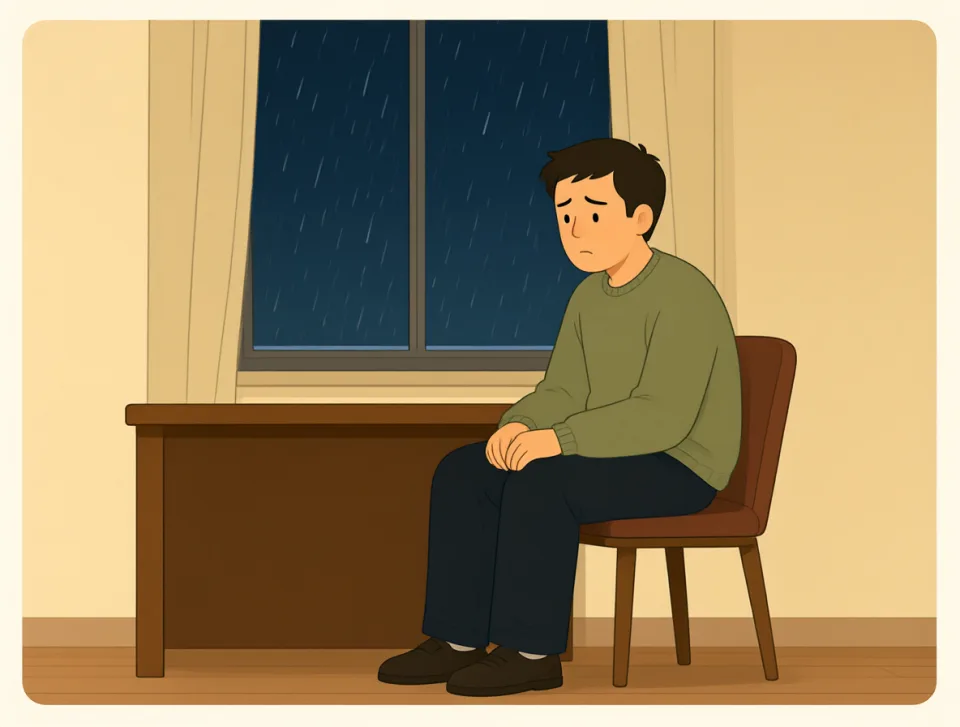
The long winter and lack of sunlight contributed to his depression.
أسهم طول فصل الشتاء وقلة ضوء الشمس في إصابته بالاكتئاب.
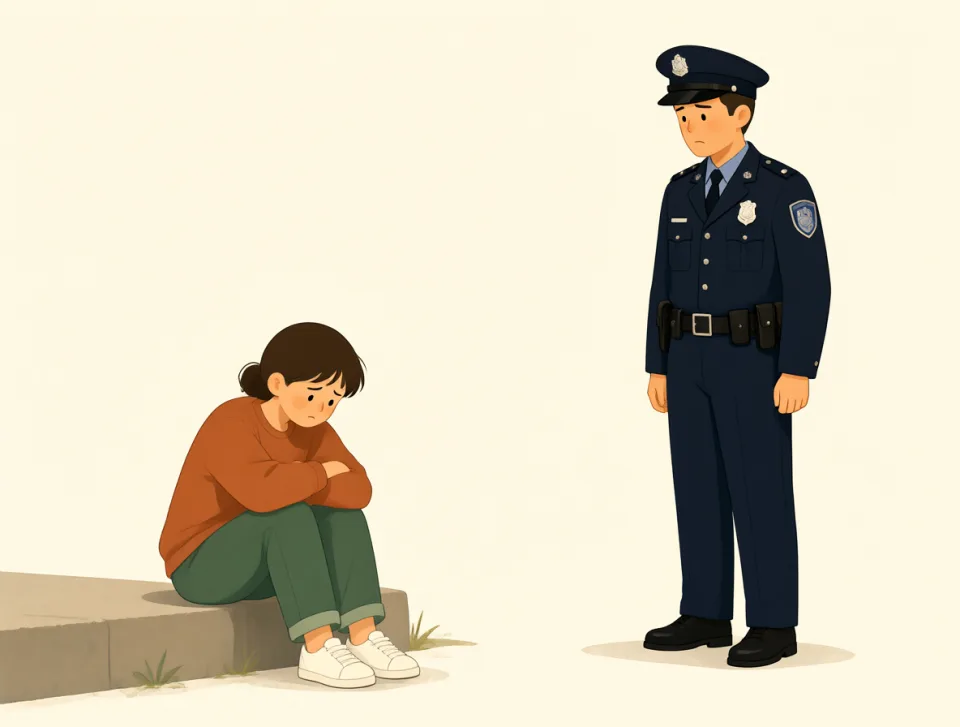
guilty
#2129adjective
مذنب
Feeling responsible for doing something wrong or having committed a crime.
يشعر بالمسؤولية عن ارتكاب خطأ أو جريمة.
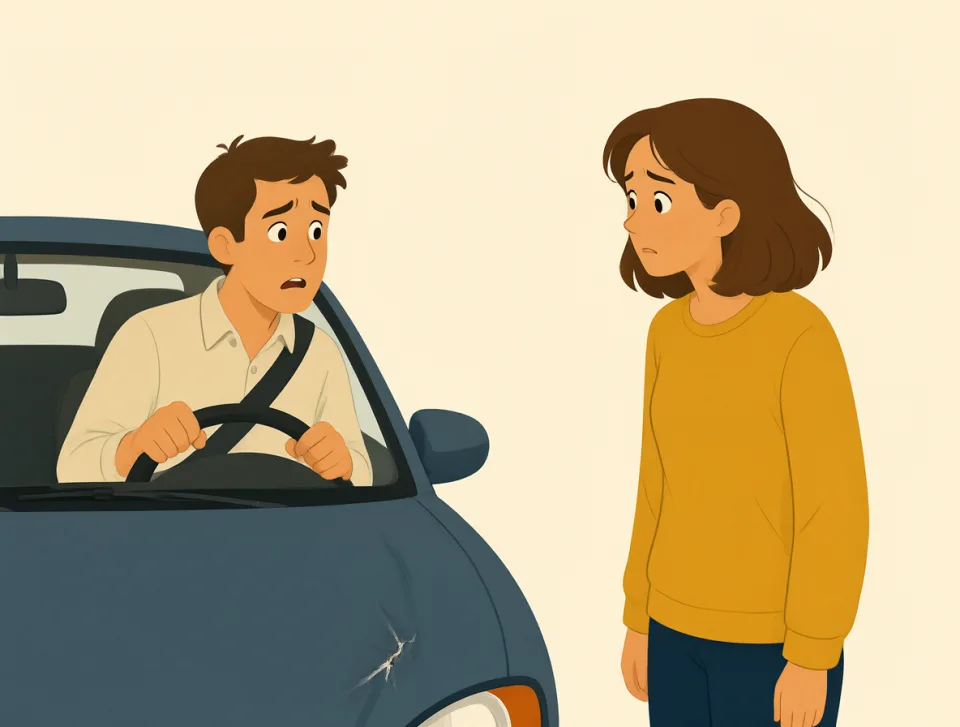
The guilty driver apologized after hitting the parked car.
اعتذر السائق المذنب بعدما صدم السيارة المتوقفة.
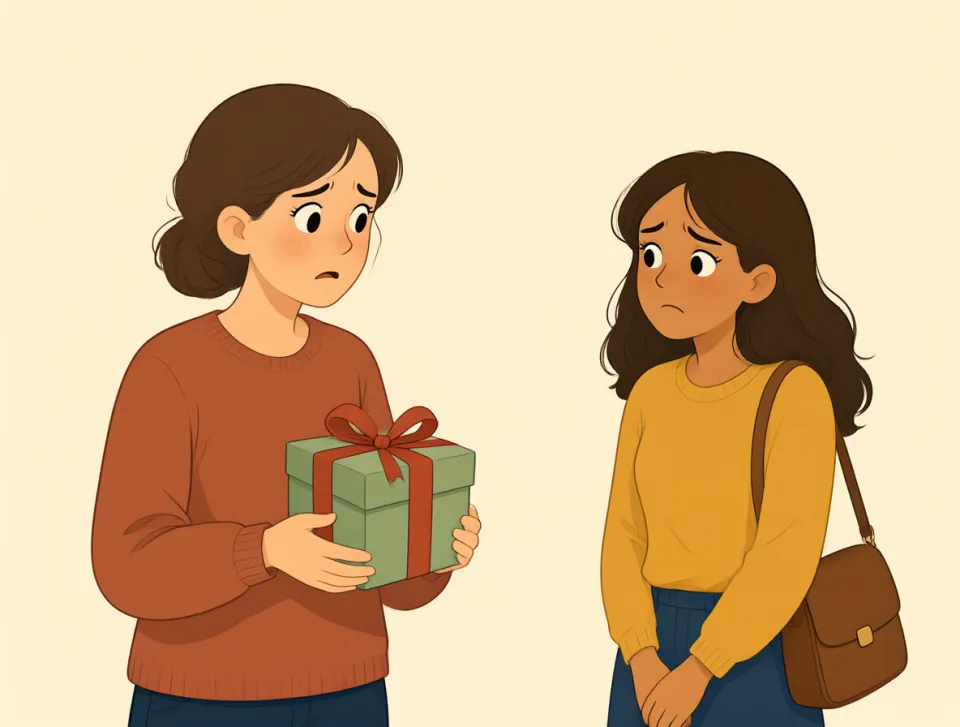
She felt guilty about forgetting her friend’s birthday.
شعرت بالذنب لأنها نسيت عيد ميلاد صديقتها.

The court found him guilty of stealing money from his employer.
وجدته المحكمة مذنبًا بسرقة المال من صاحب العمل.
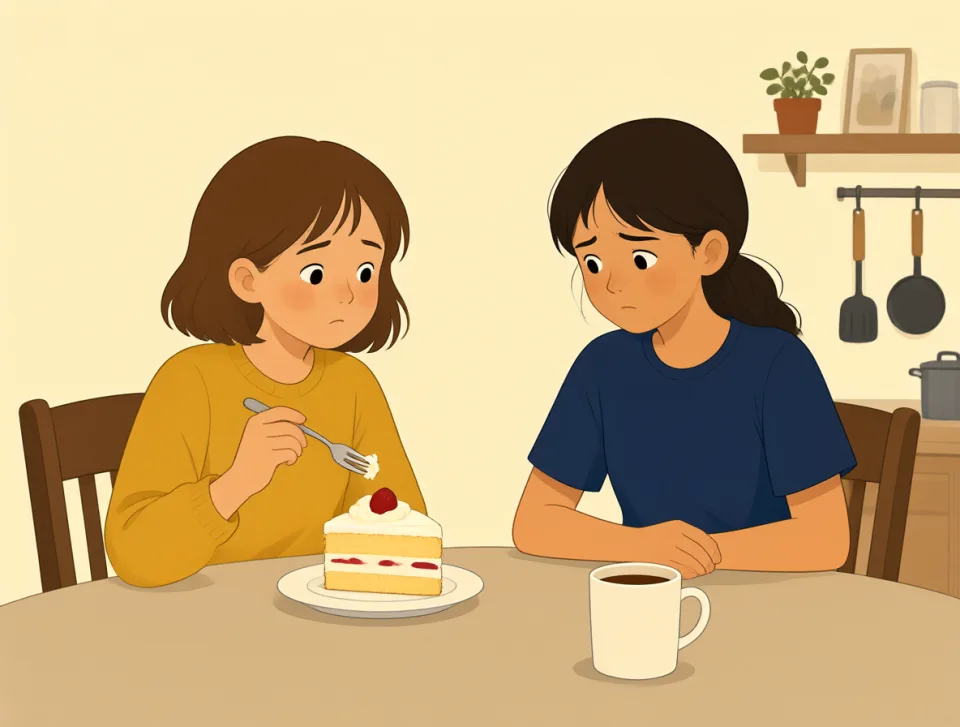
I felt guilty eating cake while my sister was on a strict diet.
شعرت بالذنب وأنا أتناول الكعك بينما كانت أختي تتبع حمية صارمة.
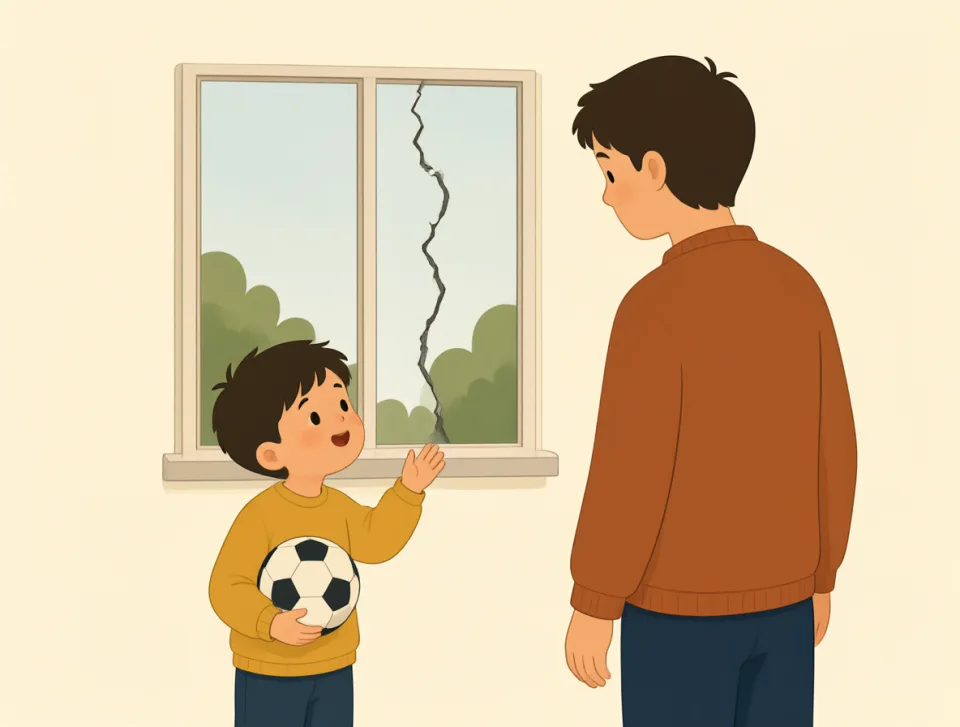
The guilty child quietly admitted breaking the window with a ball.
اعترف الطفل المذنب بهدوء بأنه كسر النافذة بكرة.

underlie
#2130verb
يكمن وراء
to exist beneath and support something, or form the basic cause of it
يوجد في الأساس ويدعم شيئًا ما، أو يشكّل سببه الأساسي.

Strong family values underlie the way we raise our children.
تكمن القيم الأسرية الراسخة وراء الطريقة التي نربي بها أطفالنا.

Several hidden fears underlie his refusal to travel by plane.
تكمن عدة مخاوف خفية وراء رفضه السفر بالطائرة.
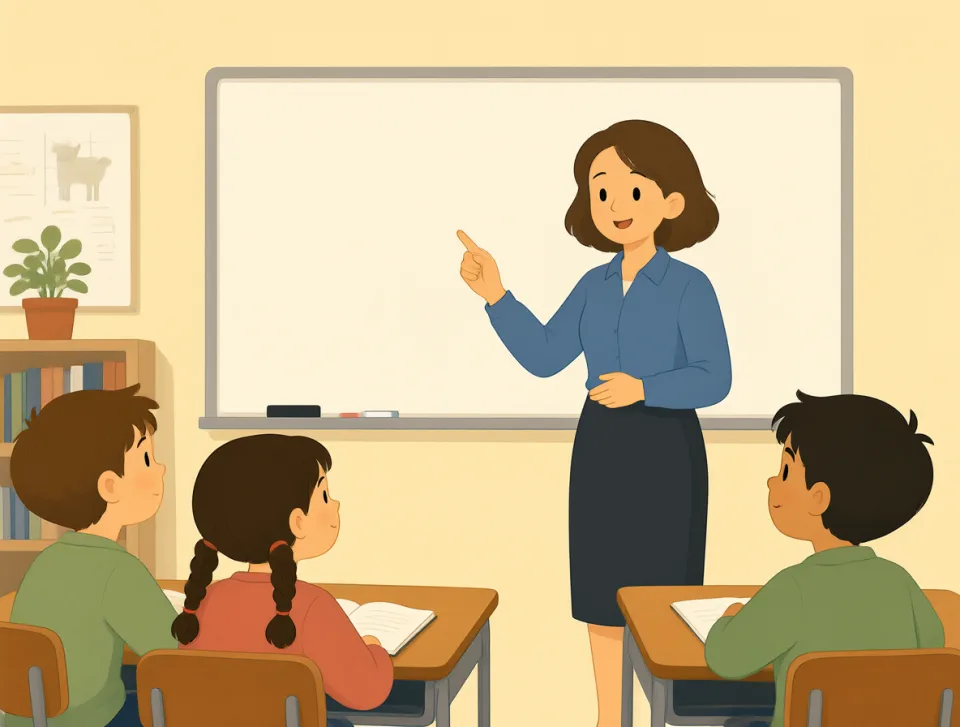
The teacher explained the ideas underlying the science experiment.
شرح المعلم الأفكار التي يقوم عليها التجريب العلمي.

Trust and respect underlie every successful friendship.
تكمن الثقة والاحترام وراء كل صداقة ناجحة.
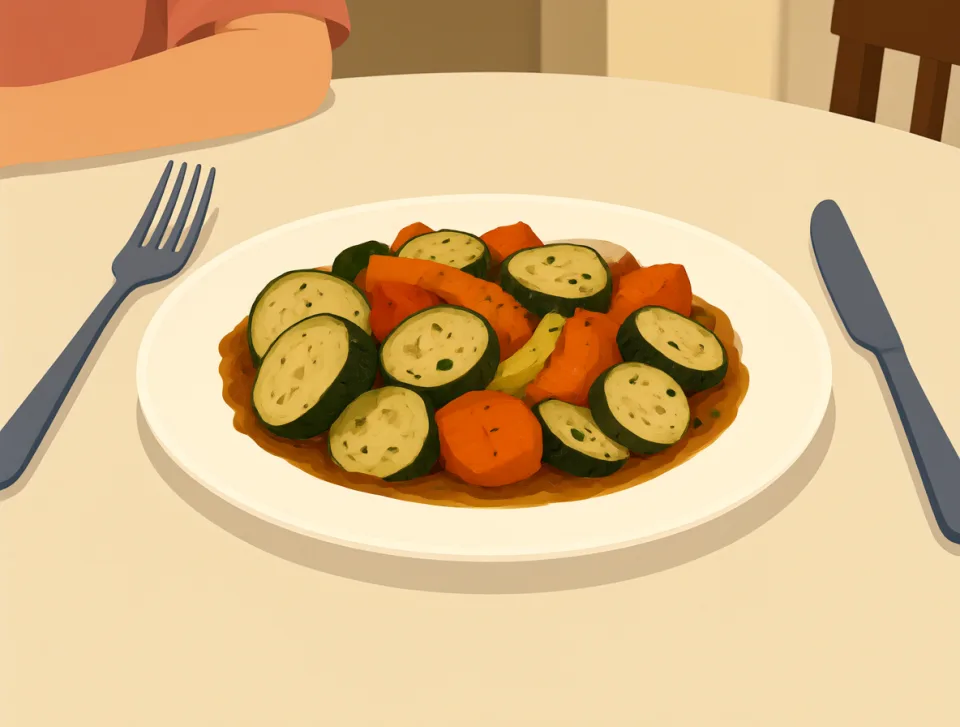
A simple sauce underlay the roasted vegetables at dinner.
كانت هناك طبقة بسيطة من الصلصة تحت الخضراوات المشوية على العشاء.

mom
#2131noun
أم
your mother or a woman who looks after children
أمك أو امرأة تعتني بالأطفال
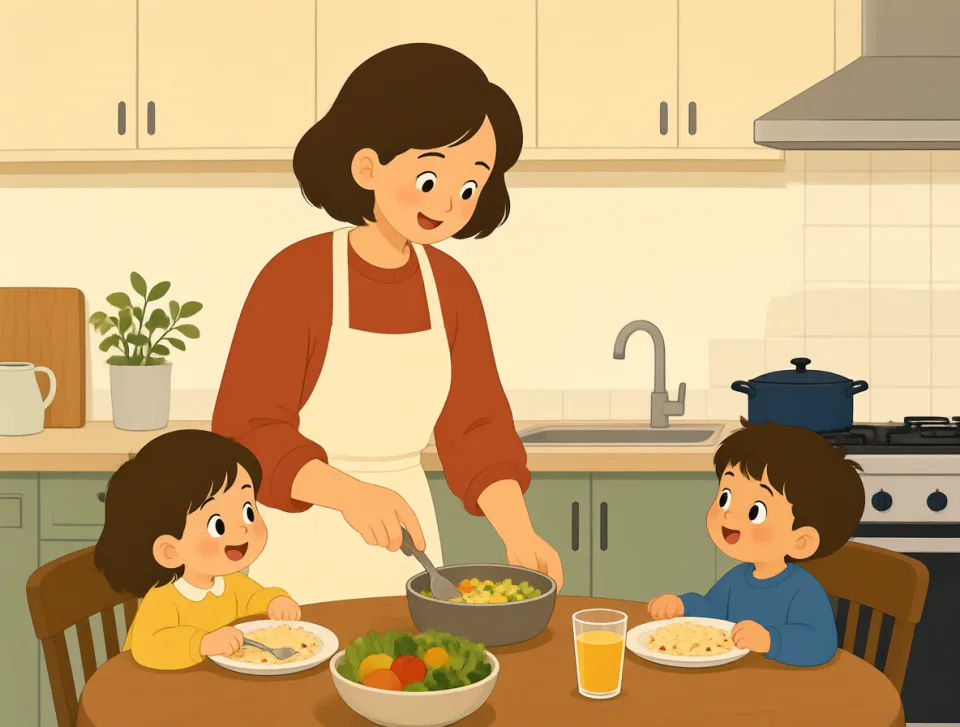
My mom makes breakfast for us every morning before school.
تُعِدّ أمي لنا الفطور كل صباح قبل الذهاب إلى المدرسة.

I called my mom after work to tell her the good news.
اتصلت بأمي بعد العمل لأخبرها بالخبر السار.

My mom bought fresh vegetables and chicken for dinner.
اشترت أمي خضروات طازجة ودجاجًا للعشاء.
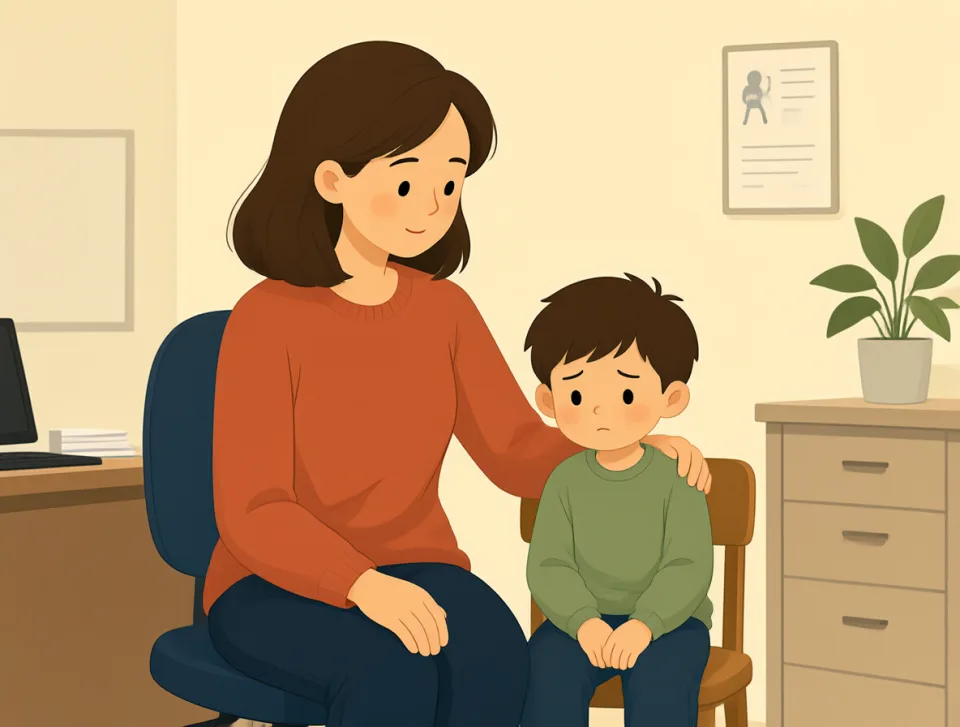
His mom took him to the doctor because he felt sick.
أخذته أمه إلى الطبيب لأنه كان يشعر بالمرض.

My friend’s mom gave us a ride home after the party.
أوصلتنا أم صديقي إلى المنزل بعد الحفلة.
distinction
#2132noun
تمييز
A clear difference between two people or things.
اختلاف واضح بين شخصين أو شيئين.
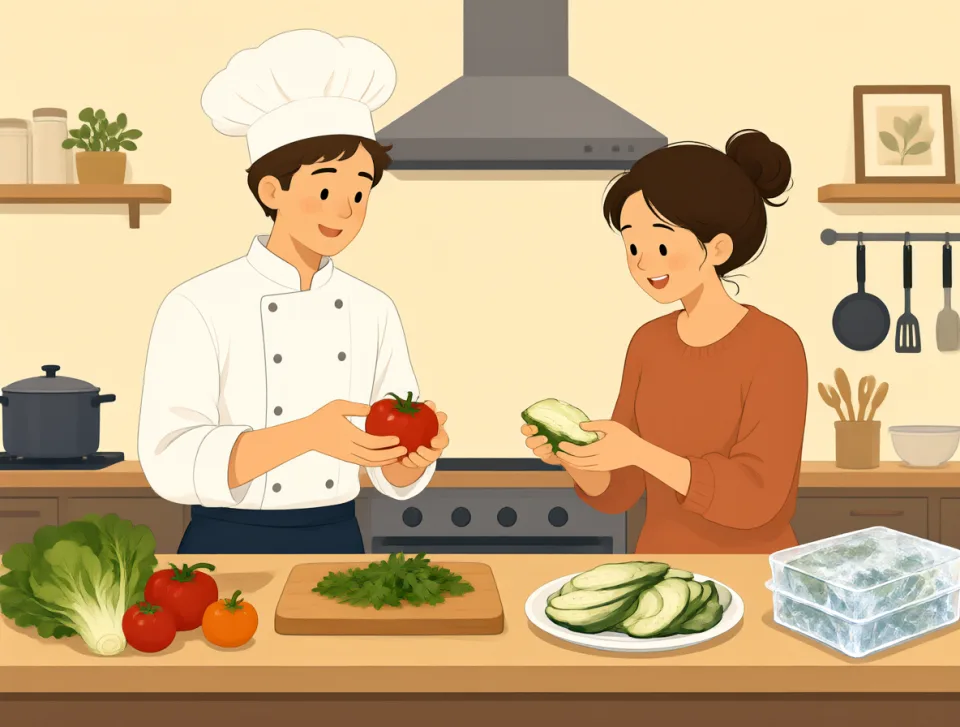
The chef is known for the distinction between fresh and frozen ingredients.
يشتهر الطاهي بتمييزه بين المكونات الطازجة والمجمدة.

There is an important distinction between being busy and being productive.
هناك فرق مهم بين الانشغال والإنجاز.

The school gives an award to students who pass with distinction.
تمنح المدرسة جائزة للطلاب الذين يجتازون الاختبارات بتفوق.
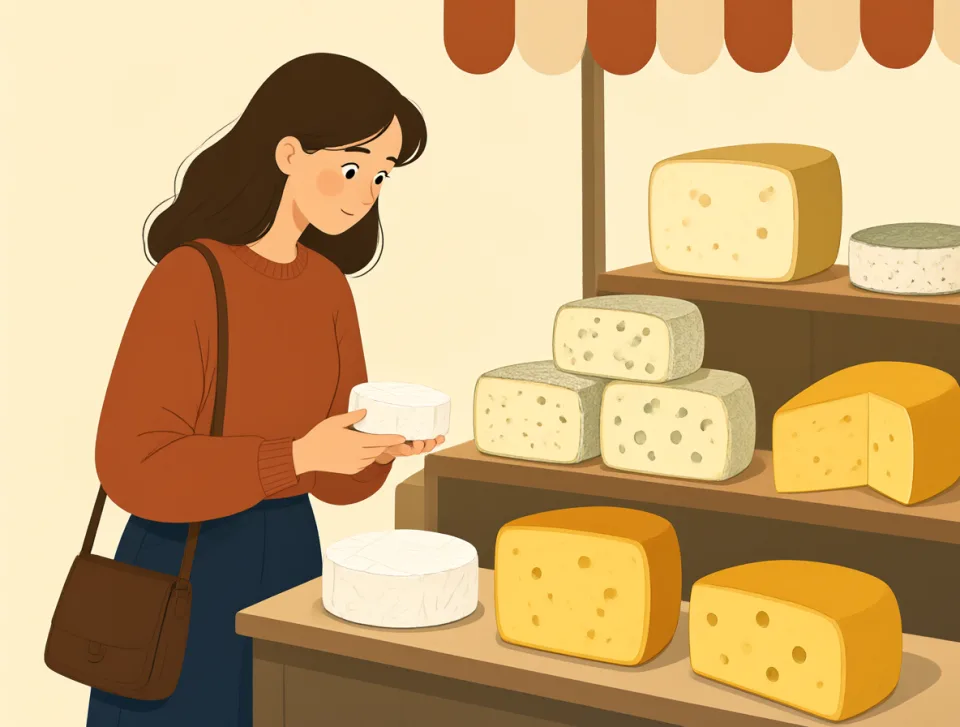
The store sells several cheeses, each with its own distinctive flavor.
يبيع المتجر أنواعًا عديدة من الجبن، لكل منها نكهته المميزة.

She earned the distinction of being the first person to finish the race.
نالت شرف أن تكون أول من أنهى السباق.

satisfaction
#2133noun
رضا
A happy feeling because something is good, successful, or meets your needs.
شعور بالسعادة لأن شيئًا ما جيد أو ناجح أو يلبي احتياجاتك.
She smiled with satisfaction after finishing the difficult project at work.
ابتسمت برضا بعد أن أنهت المشروع الصعب في العمل.

The restaurant offers a money-back guarantee to ensure customer satisfaction.
يقدم المطعم ضمانًا لاسترداد المال لضمان رضا العملاء.

He gets great satisfaction from helping children learn to read.
يشعر برضا كبير عندما يساعد الأطفال على تعلم القراءة.

The hotel staff quickly resolved our complaint, much to our satisfaction.
عالج موظفو الفندق شكوانا بسرعة، مما أثار رضانا كثيرًا.

After dinner, everyone expressed satisfaction with the delicious homemade meal.
بعد العشاء، أعرب الجميع عن رضاهم عن الوجبة المنزلية اللذيذة.
incorporate
#2134verb
يُدرج
to include something as part of a larger whole
أن تجعل شيئًا جزءًا من كلٍّ أكبر.

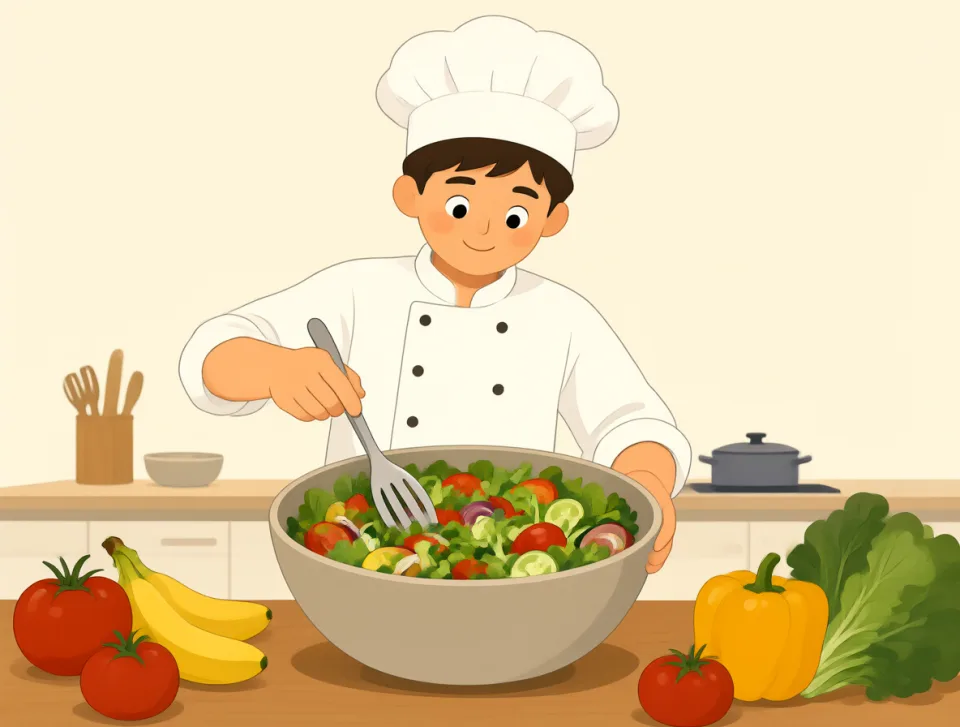
The designer incorporated bright colors into the living room.
أدرج المصمم ألوانًا زاهية في غرفة المعيشة.

Please incorporate your teacher’s suggestions into the final report.
يُرجى إدراج اقتراحات معلمك في التقرير النهائي.

The hotel has incorporated local food into its breakfast menu.
أدرج الفندق أطعمة محلية في قائمة إفطاره.
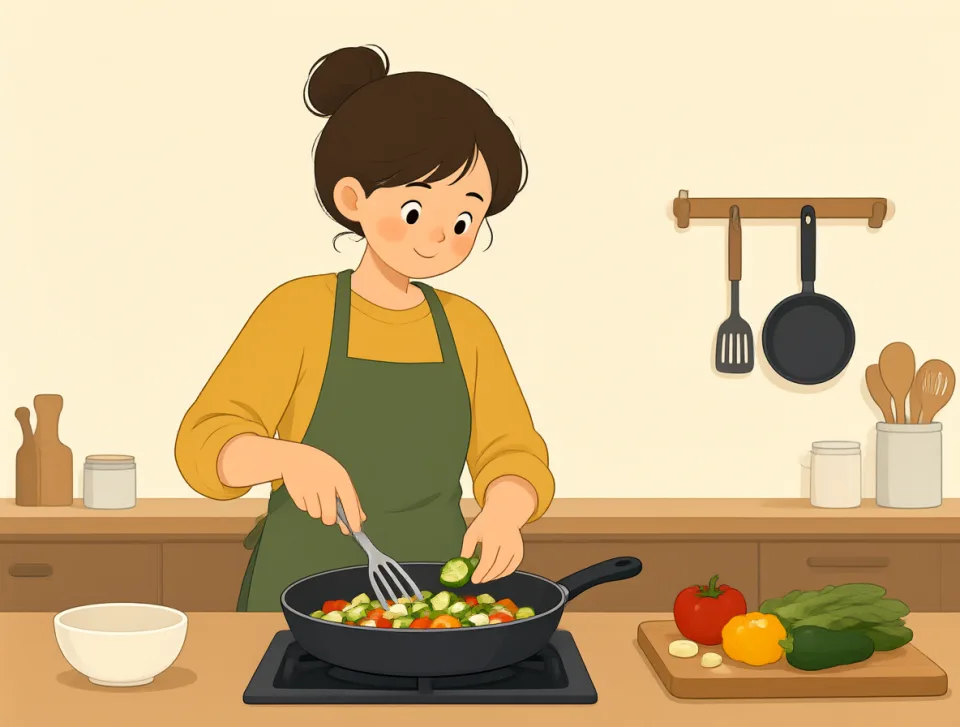
We are incorporating more vegetables into our family meals.
ندرج مزيدًا من الخضروات في وجبات عائلتنا.
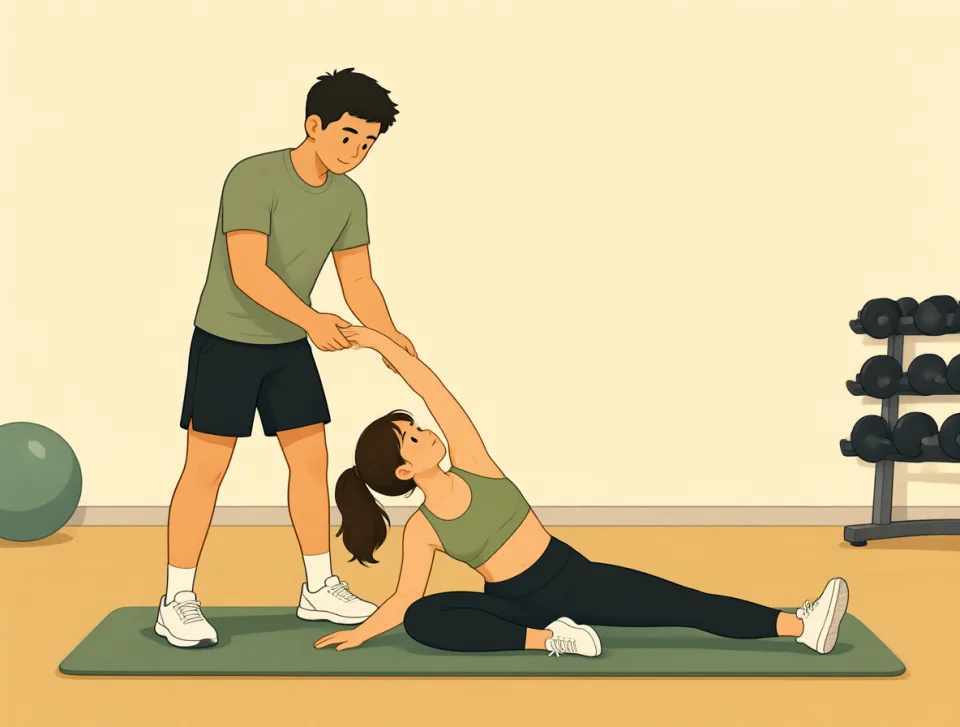
The exercise program incorporates stretching to prevent injuries.
يتضمن برنامج التمارين تمارين التمدد للوقاية من الإصابات.
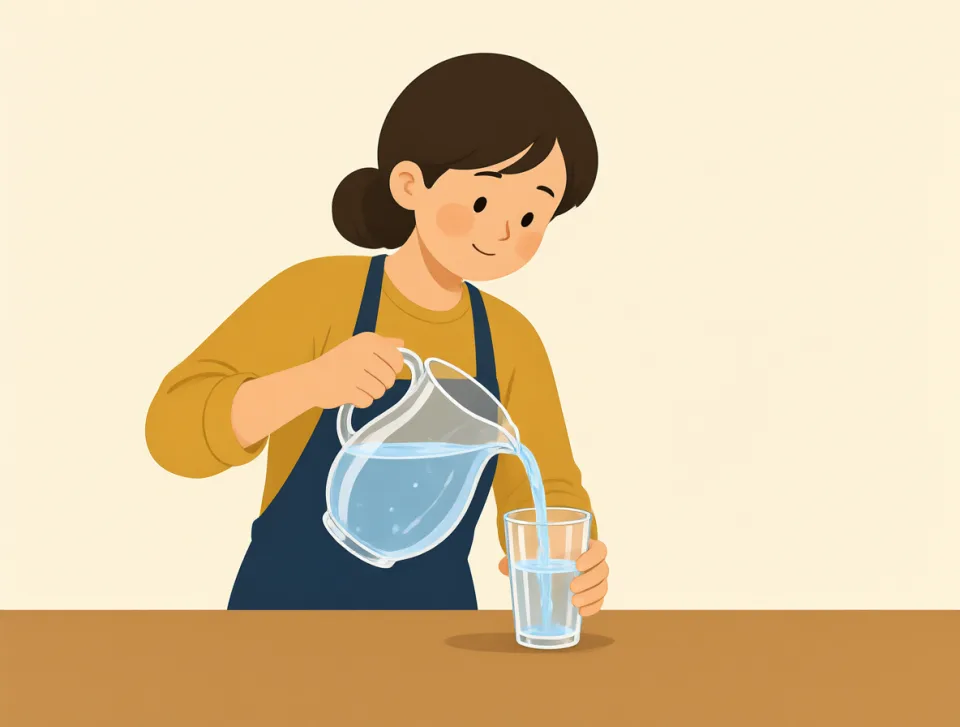
pour
#2135verb, noun
يَصُبّ
To make a liquid flow from one container into another, usually quickly and steadily.
أن تجعل سائلًا ينساب من وعاء إلى آخر، عادةً بسرعة وبشكل متواصل.

Please pour some milk into my coffee.
يُرجى صبّ بعض الحليب في قهوتي.
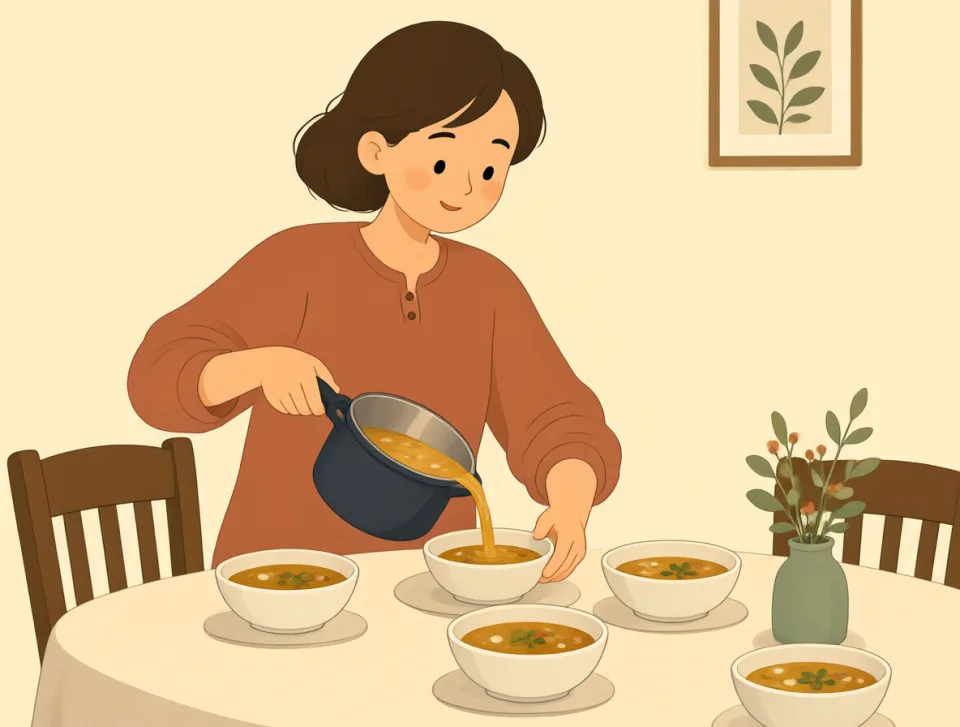
She poured the soup into bowls for everyone.
سكبت الحساء في أوعية للجميع.
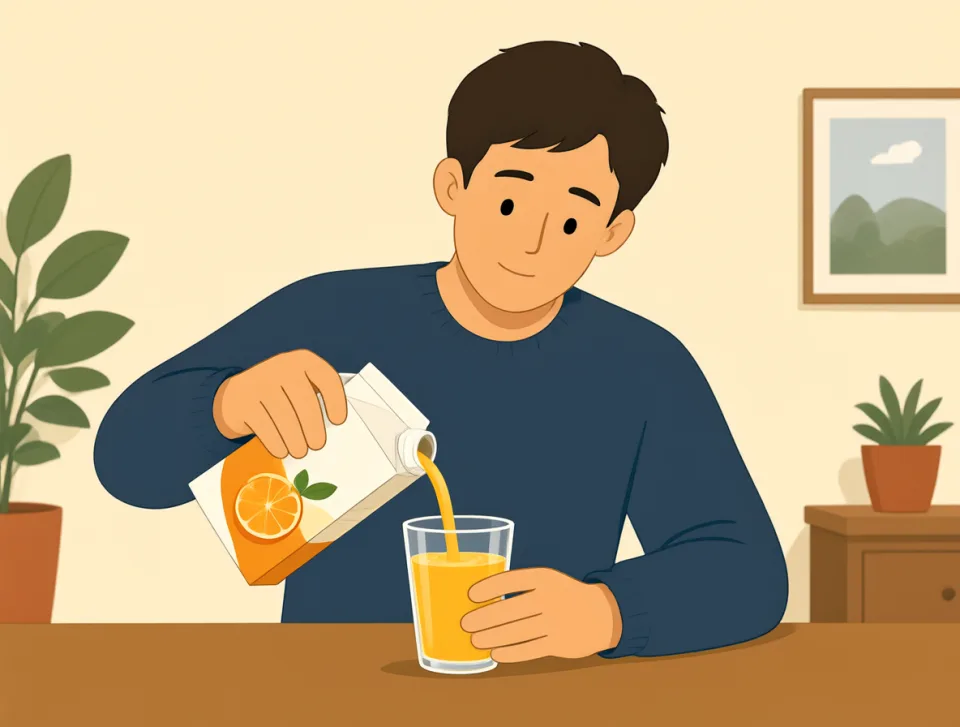
He poured himself a glass of orange juice.
صبّ لنفسه كوبًا من عصير البرتقال.
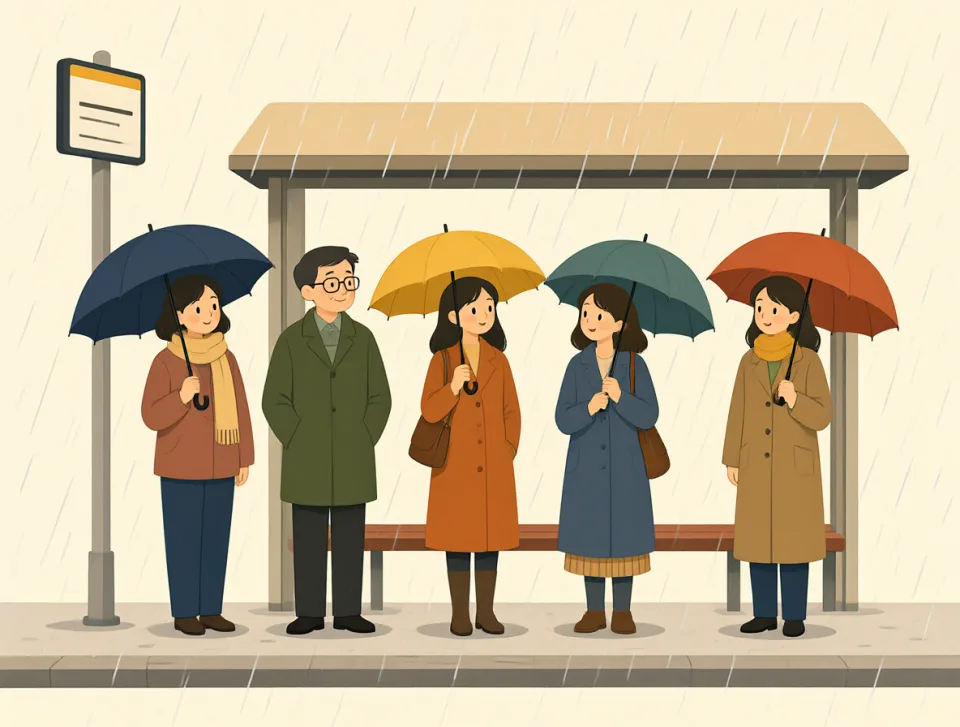
Rain poured down as we waited for the bus.
انهمر المطر بينما كنا ننتظر الحافلة.

A steady pour of customers entered the store after work.
تدفق الزبائن إلى المتجر بعد العمل تباعًا.
sweep
#2136verb, noun
يكنس
To clean a floor or surface with a broom, or move across an area quickly.
تنظيف أرضية أو سطح باستخدام مكنسة، أو التحرك بسرعة عبر منطقة ما.

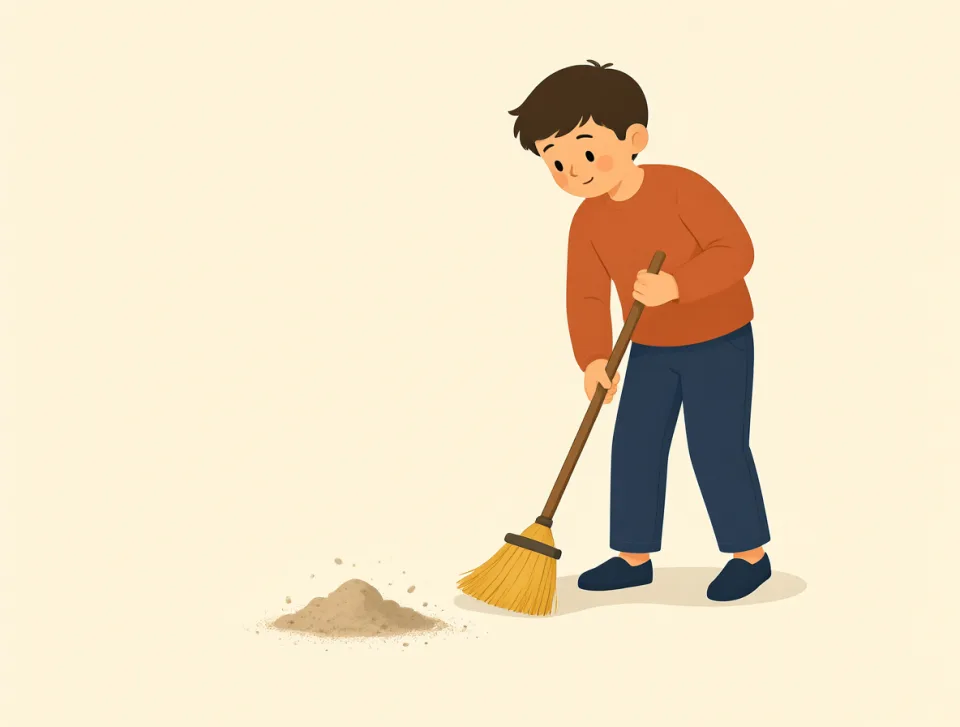
I sweep the kitchen floor every evening after dinner.
أكنس أرضية المطبخ كل مساء بعد العشاء.

The waiter swept the broken glass into a dustpan.
كنس النادل الزجاج المكسور إلى مجرود.

Strong winds swept leaves across the garden.
دفعت الرياح القوية الأوراق عبر الحديقة.

The new manager is sweeping through the office, checking every department.
يجوب المدير الجديد المكتب ويتفقد كل قسم.

The doctor swept his hand over the patient’s shoulder during the examination.
مرّر الطبيب يده فوق كتف المريض أثناء الفحص.
obligation
#2137noun
التزام
A duty to do something because it is required by law, rules, or circumstances.
واجب القيام بشيء ما لأنه مطلوب بموجب القانون أو القواعد أو الظروف.
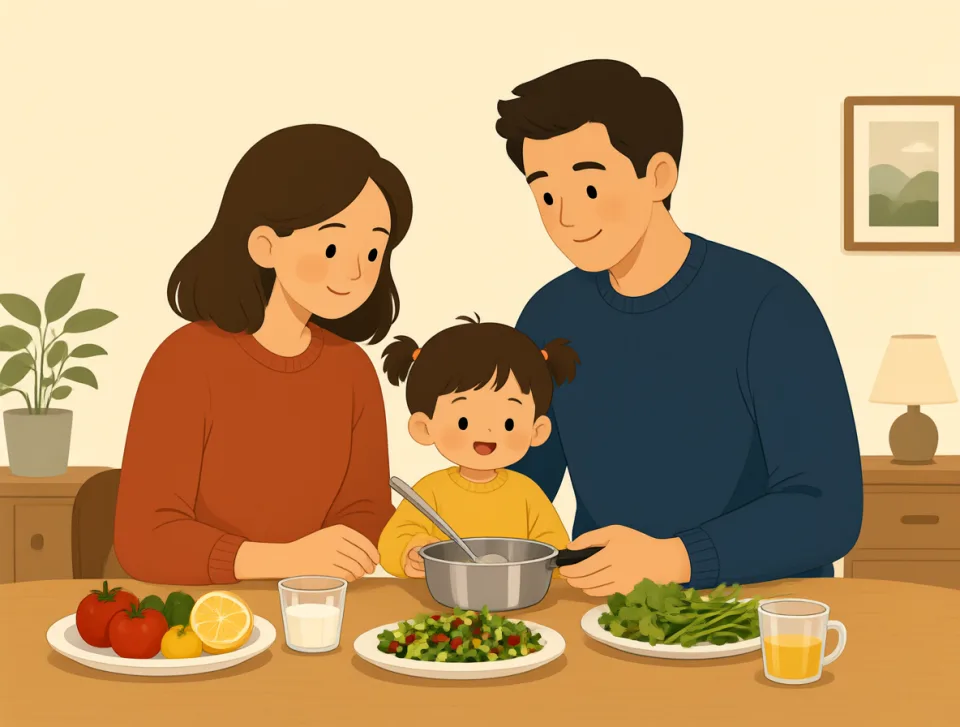
Parents have an obligation to keep their children safe and healthy.
يقع على عاتق الوالدين التزام بحماية أطفالهم والحفاظ على صحتهم.
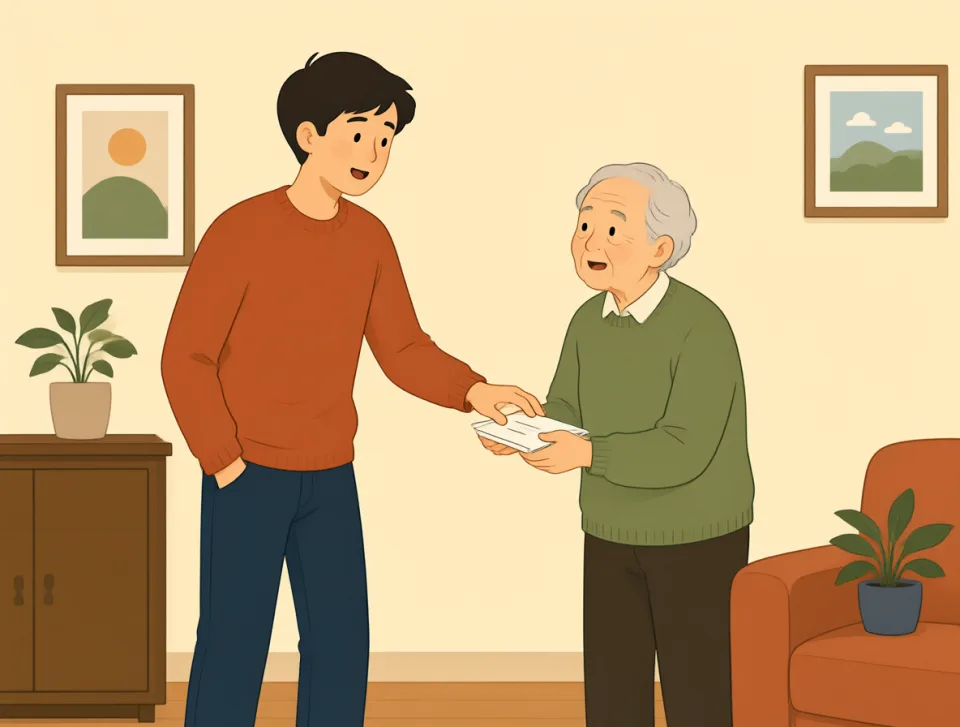
I cannot join you tonight because I have family obligations.
لا أستطيع الخروج معكم الليلة لأن لدي التزامات عائلية.

The contract creates an obligation to pay the rent on time.
ينشئ العقد التزامًا بدفع الإيجار في موعده.
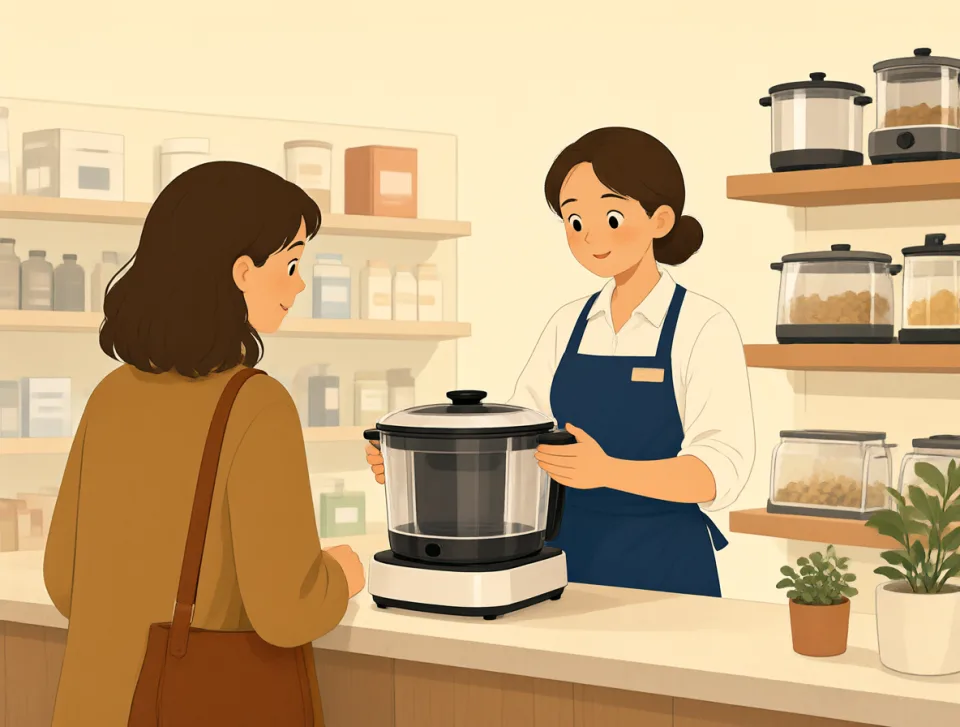
There is no obligation to buy anything during the free product demonstration.
لا يوجد أي التزام بشراء شيء خلال عرض المنتجات المجاني.

Students have an obligation to attend classes and complete their assignments.
يقع على الطلاب التزام بحضور الدروس وإنجاز واجباتهم.

sir
#2138noun
سيدي
A polite way to speak to a man, especially someone in authority.
طريقة مهذبة لمخاطبة رجل، ولا سيما شخص يتولى منصبًا ذا سلطة.
Excuse me, sir, could you tell me where the nearest train station is?
عذرًا يا سيدي، هل يمكنك أن تخبرني أين تقع أقرب محطة قطار؟

The waiter asked, “What would you like to order, sir?”
سأل النادل: «ماذا تود أن تطلب يا سيدي؟»

Yes, sir, I understand the instructions and will finish the work today.
نعم يا سيدي، أفهم التعليمات وسأنهي العمل اليوم.

The teacher asked the boys to wait outside, and they answered, “Yes, sir.”
طلب المعلم من الأولاد الانتظار في الخارج، فأجابوا: «نعم يا سيدي».
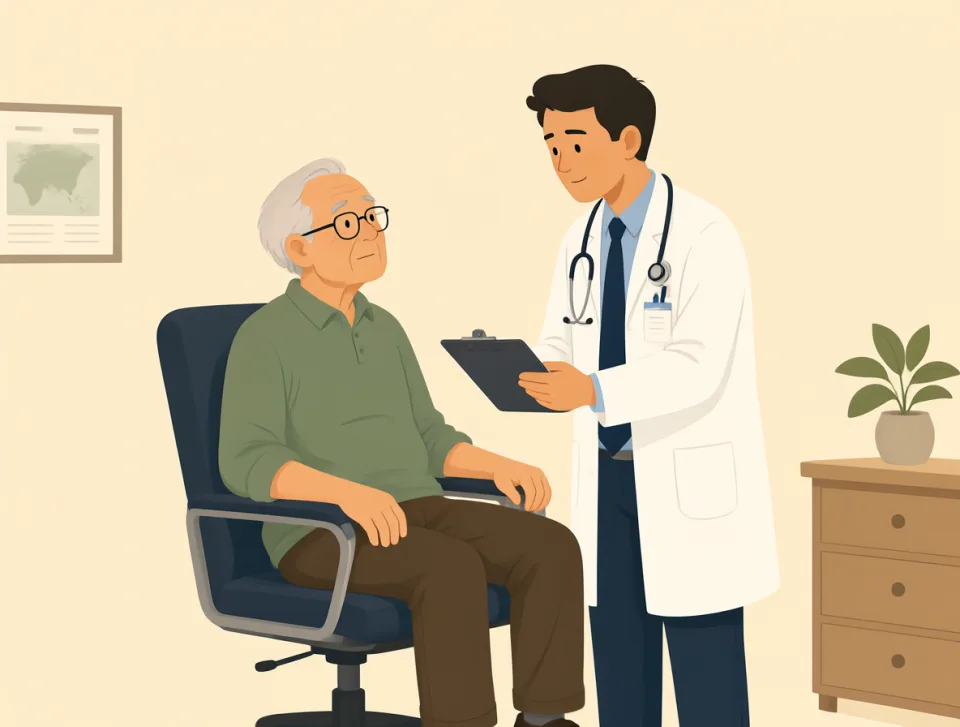
The doctor told the patient, “Please sit down, sir, and take a deep breath.”
قال الطبيب للمريض: «من فضلك اجلس يا سيدي وخذ نفسًا عميقًا».

evaluate
#2139verb
يقيّم
to judge something carefully to decide its quality, value, or importance
يحكم على شيء بعناية لتحديد جودته أو قيمته أو أهميته.
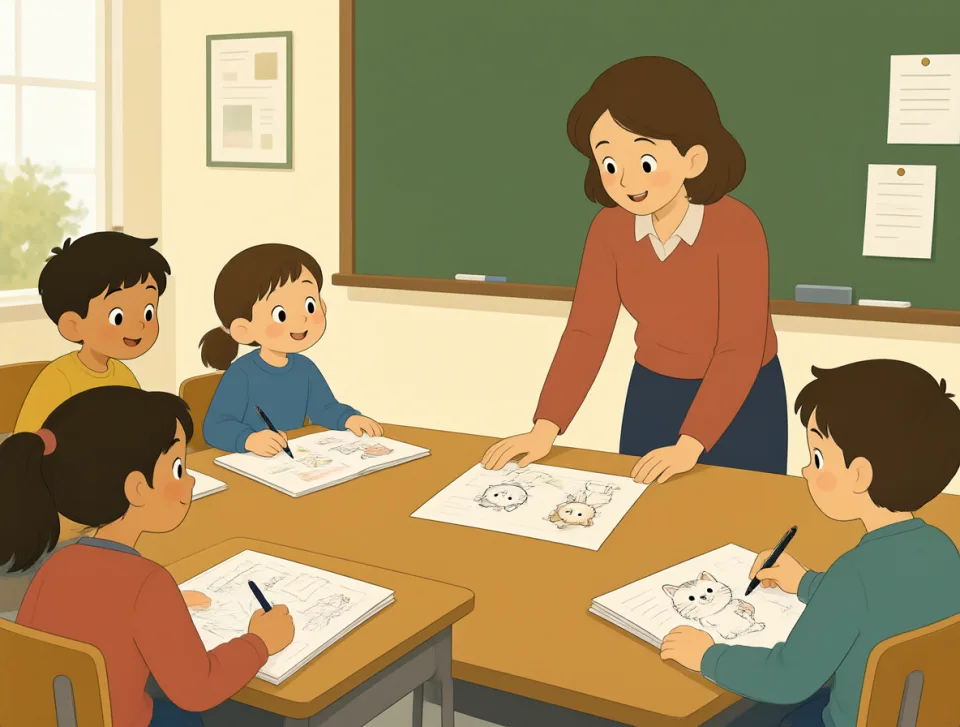
The teacher will evaluate our projects before giving us final grades.
سيقيّم المعلم مشاريعنا قبل أن يمنحنا الدرجات النهائية.

We evaluated three hotels before choosing where to stay.
قيّمنا ثلاثة فنادق قبل أن نختار مكان إقامتنا.
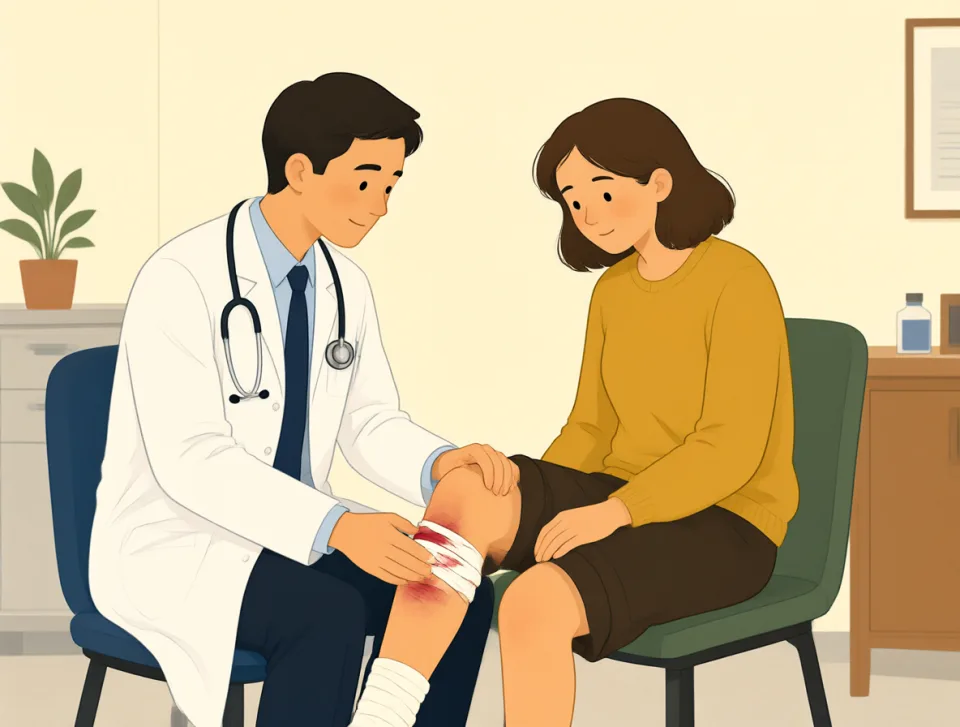
The doctor is evaluating my knee after I fell yesterday.
يفحص الطبيب ركبتي الآن بعد أن سقطت أمس.

Please evaluate this new coffee before we add it to the menu.
من فضلك قيّم هذا النوع الجديد من القهوة قبل أن نضيفه إلى القائمة.

The manager evaluated my work and offered helpful advice.
قيّم المدير عملي وقدّم لي نصائح مفيدة.
anger
#2140noun, verb
غضب
a strong feeling of annoyance caused by something unfair, unpleasant, or wrong
شعور قوي بالاستياء سببه شيء غير عادل أو مزعج أو خاطئ.
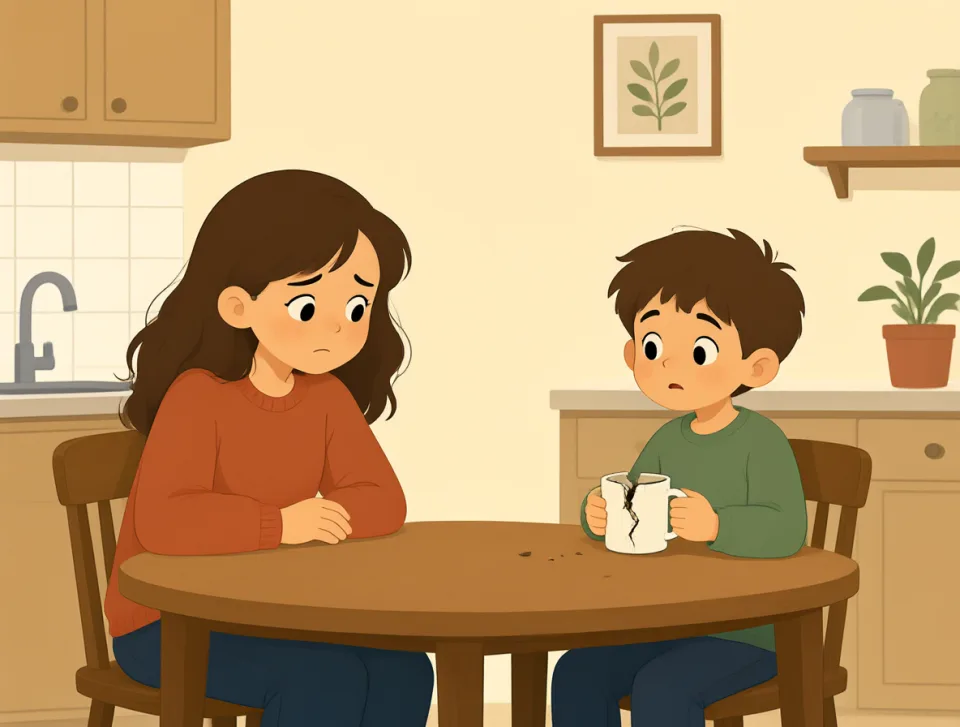
She tried to hide her anger when her brother broke her favorite mug.
حاولت إخفاء غضبها عندما كسر أخوها كوبها المفضل.

The manager apologized after customers expressed anger about the long delay.
اعتذر المدير بعد أن عبّر العملاء عن غضبهم من التأخير الطويل.
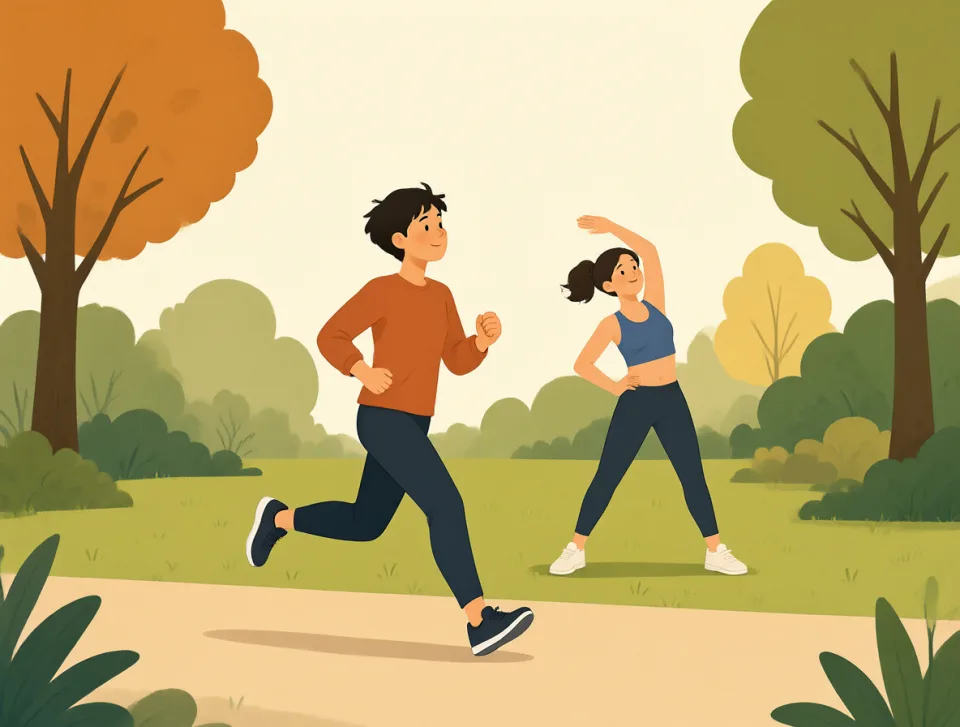
Regular exercise can help people manage anger and sleep better.
يمكن أن تساعد ممارسة الرياضة بانتظام الناس على التحكم في غضبهم والنوم بشكل أفضل.

He spoke in anger and later regretted his harsh words.
تحدث بغضب، ثم ندم لاحقًا على كلماته القاسية.
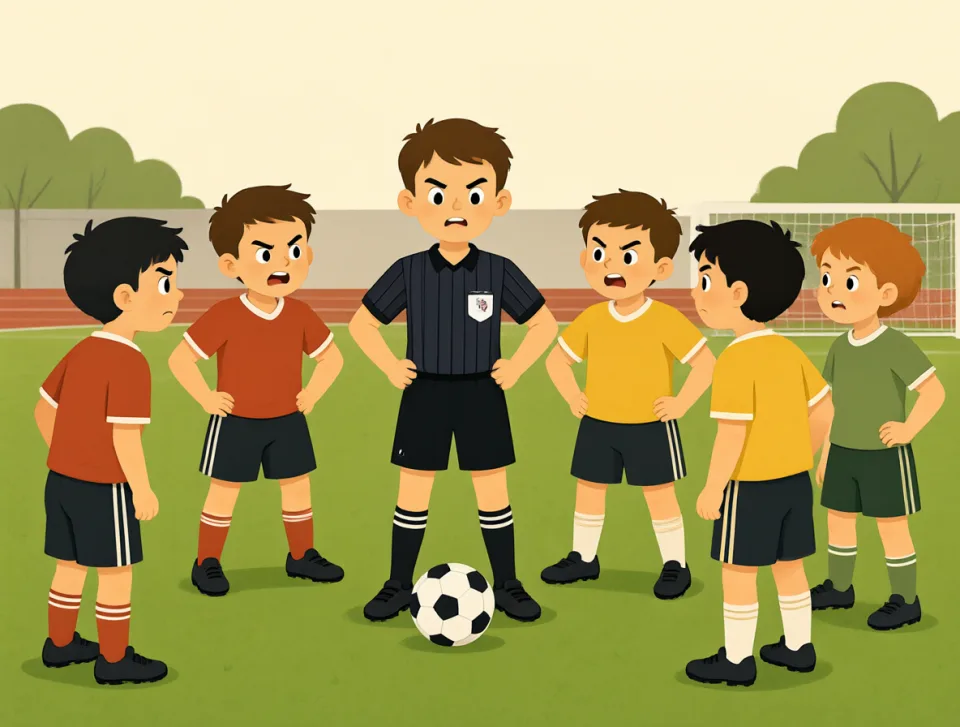
The unfair referee's decision angered the players during the school match.
أثار قرار الحكم غير العادل غضب اللاعبين خلال مباراة المدرسة.