單元 107
單字 2121–2140 · terrorist, justify, vital, fascinate, external, spare
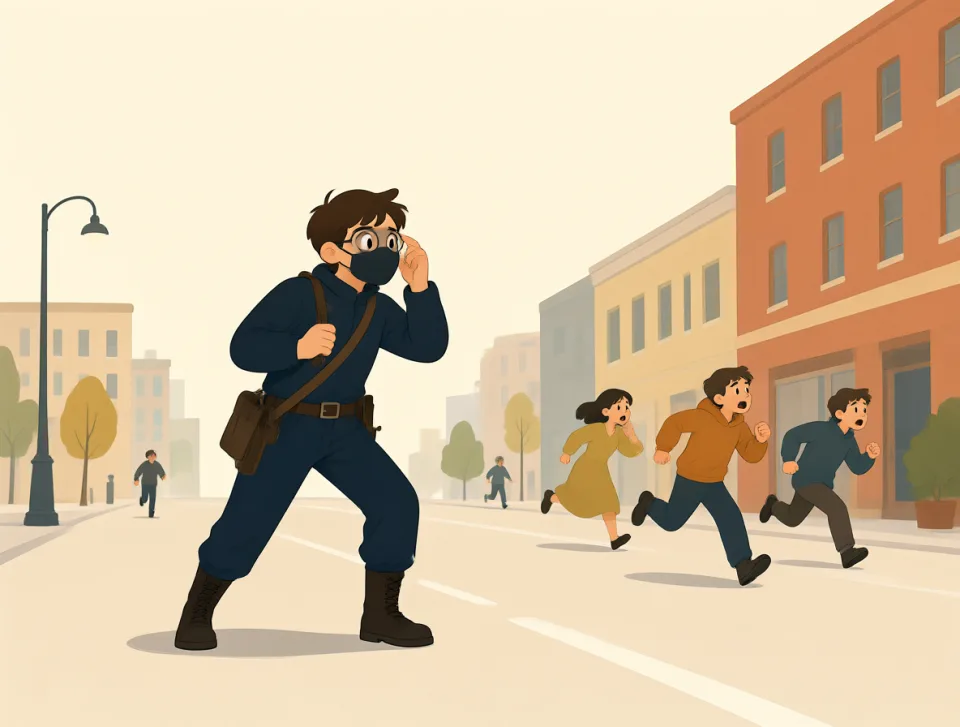
terrorist
#2121noun
恐怖分子
A person who uses violence to frighten people and achieve political goals.
使用暴力恐嚇人們以實現政治目標的人。

The police arrested a suspected terrorist near the busy train station.
警方在繁忙的火車站附近逮捕了一名恐怖分子嫌疑人。
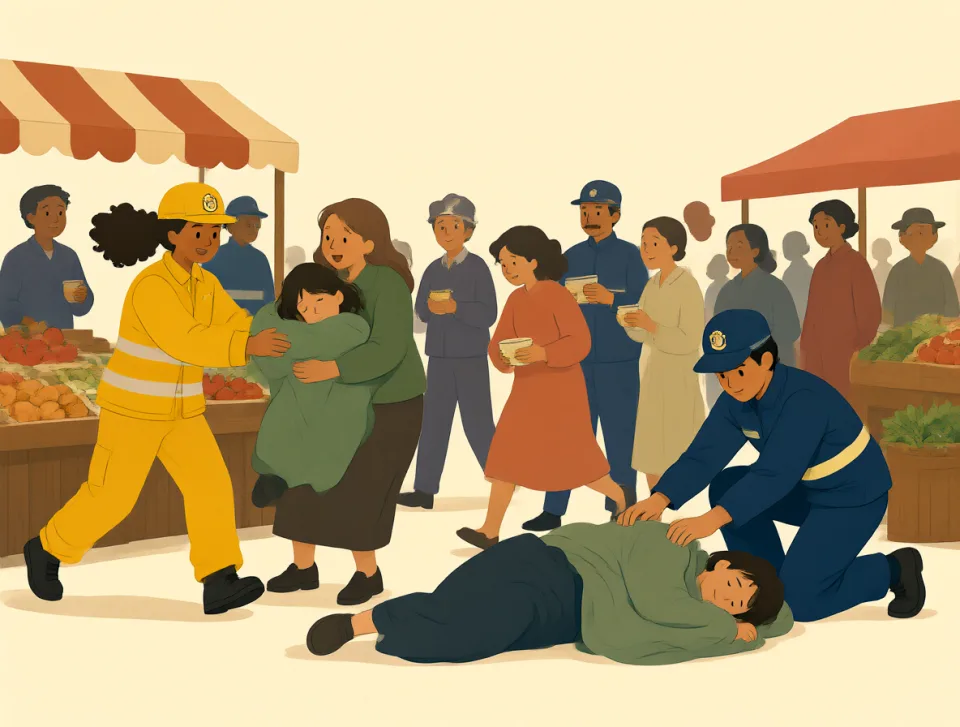
The terrorist attacked a crowded market, causing fear throughout the city.
恐怖分子襲擊了一個人群擁擠的市場,讓全城陷入恐慌。

News reports said the terrorist group planned attacks in several countries.
新聞報道稱,恐怖組織計劃在多個國家發動襲擊。

The airport security officer checked every passenger for possible terrorist threats.
機場安檢人員檢查了每位乘客,以排查可能的恐怖威脅。

Students discussed how terrorists use fear to influence governments and communities.
學生們討論了恐怖分子如何利用恐懼影響政府和社會群體。

justify
#2122verb
證明合理;為……辯解
to give a good reason for something or show that it is reasonable
為某事給出充分理由,或說明某事是合理的
You cannot justify spending so much money on a jacket.
你不能為花這麼多錢買一件夾克找出合理理由。
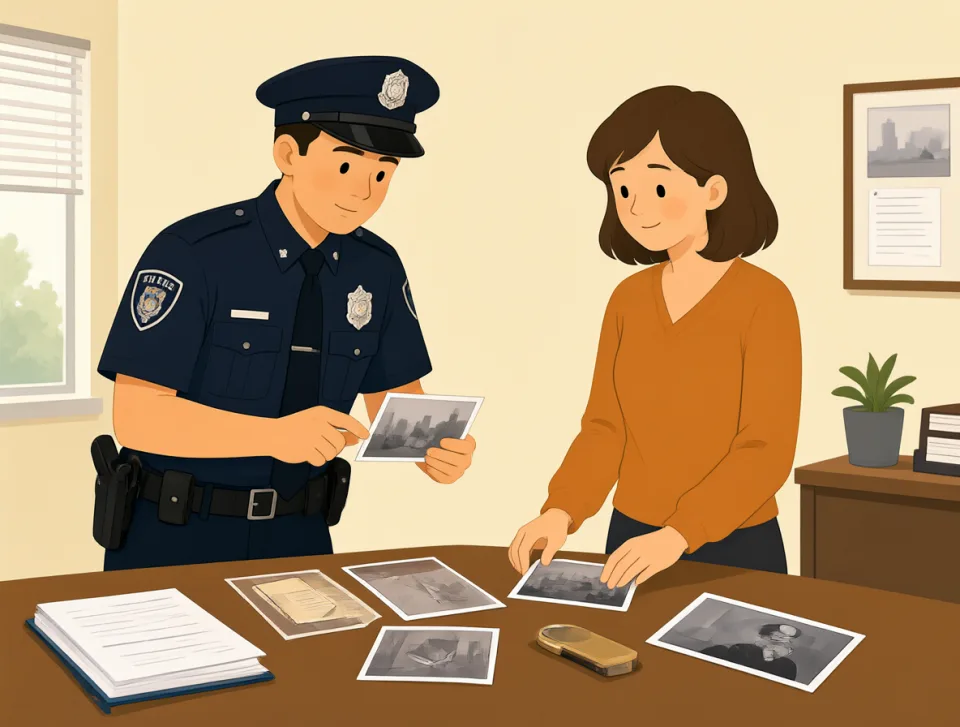
The evidence clearly justified the police officer's decision.
證據清楚地證明那名警察的決定是合理的。

She tried to justify being late by blaming the heavy traffic.
她試圖把遲到歸咎於交通擁堵,以此為自己辯解。
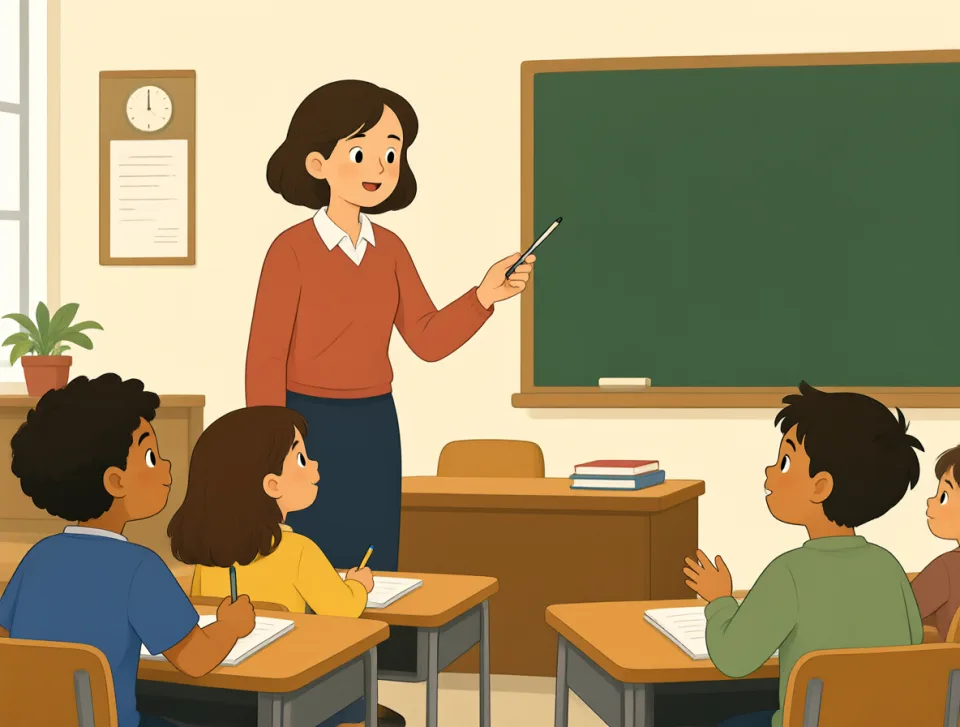
The teacher asked students to justify their answers with examples.
老師要求學生舉例說明自己的答案是有道理的。

The doctor said the test results did not justify changing his treatment.
醫生說檢查結果不足以證明有必要改變他的治療方案。

vital
#2123adjective
至關重要的;必不可少的
Very important or necessary for life, success, or continued existence.
對生命、成功或持續存在非常重要或必不可少。
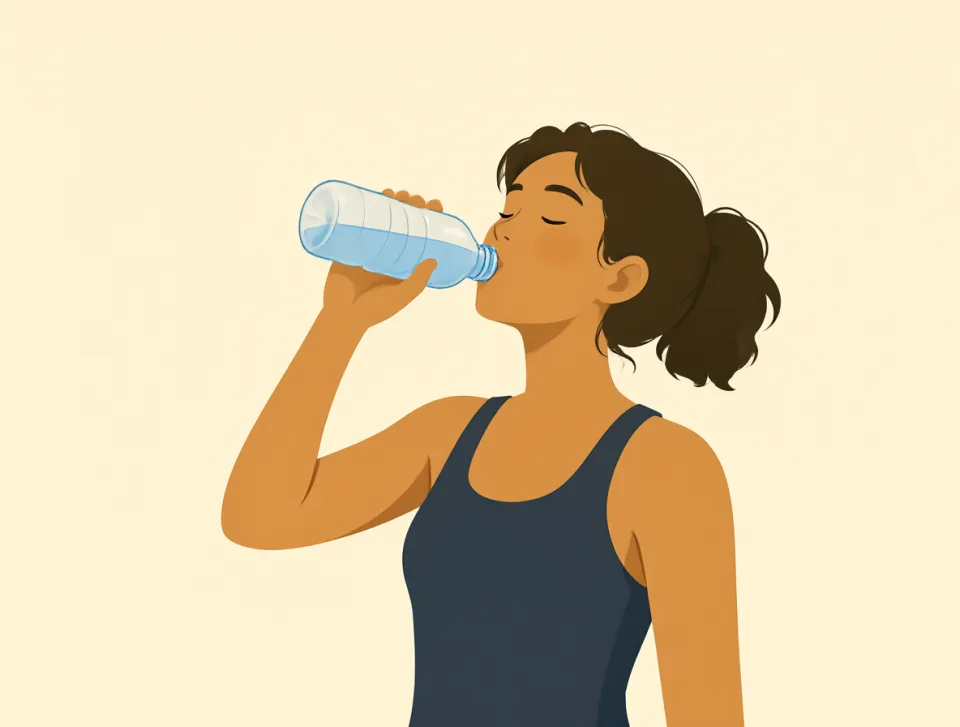
Drinking enough water is vital for staying healthy during hot weather.
天氣炎熱時,喝足夠的水對保持健康至關重要。

It is vital to check your passport before leaving for the airport.
去機場之前檢查一下護照非常重要。

Good communication is vital to a successful team at work.
良好的溝通對打造一支成功的職場團隊至關重要。
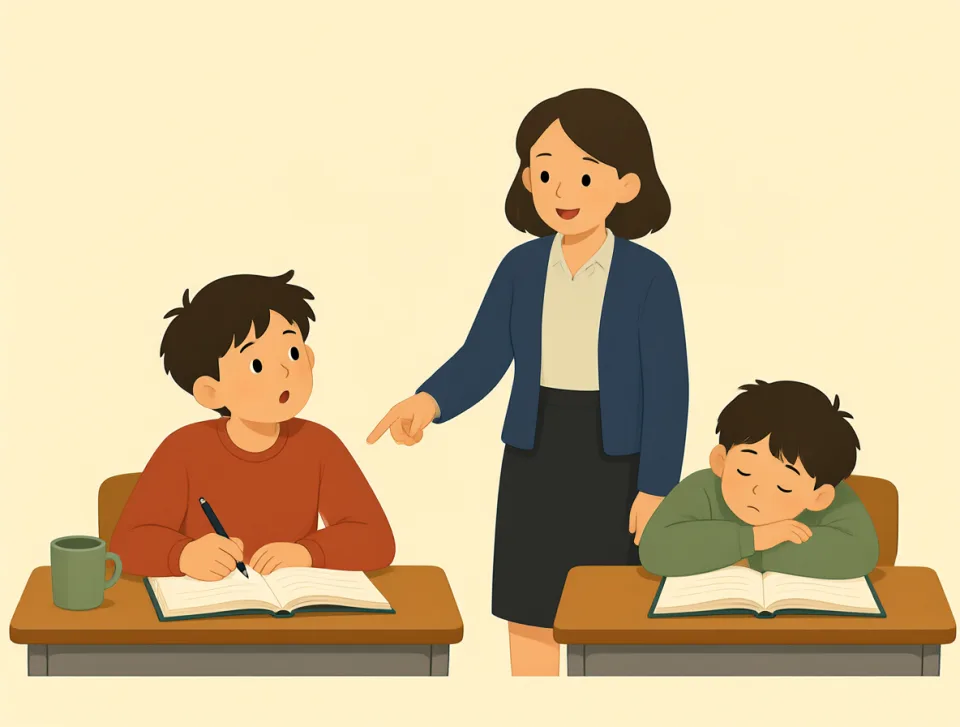
The teacher explained that sleep is vital for learning and remembering new information.
老師解釋說,睡眠對學習和記住新資訊至關重要。
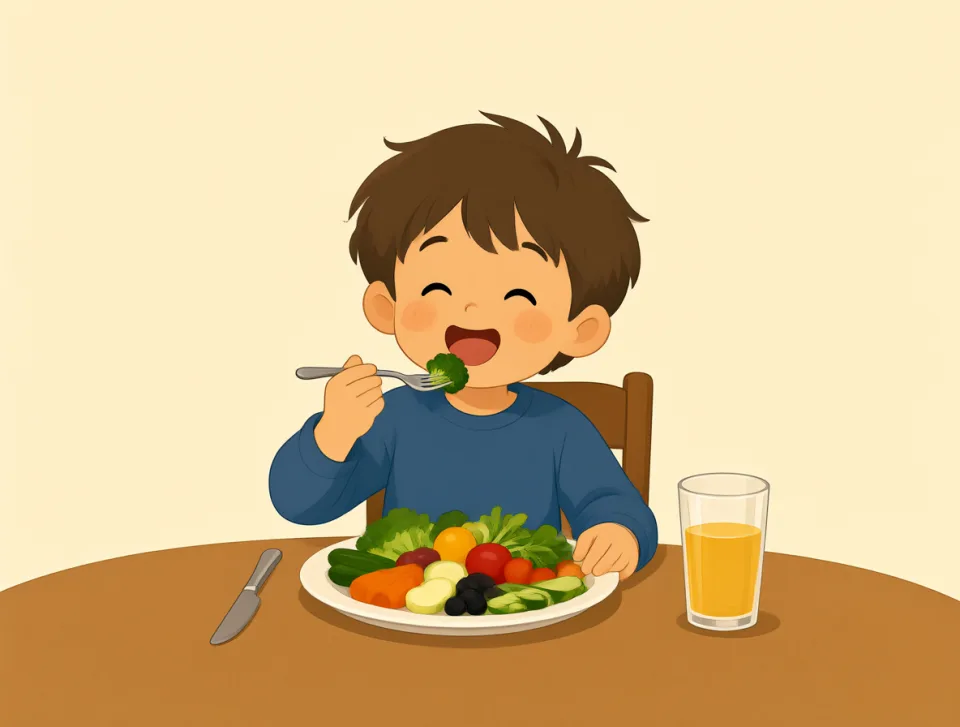
Fresh vegetables provide vital nutrients that help children grow strong.
新鮮蔬菜能提供幫助孩子茁壯成長的重要營養素。

fascinate
#2124verb
使著迷; 使入迷
to interest someone greatly, especially because something is unusual, beautiful, or mysterious
使某人非常感興趣,尤其是因為某事物不尋常、美麗或神秘
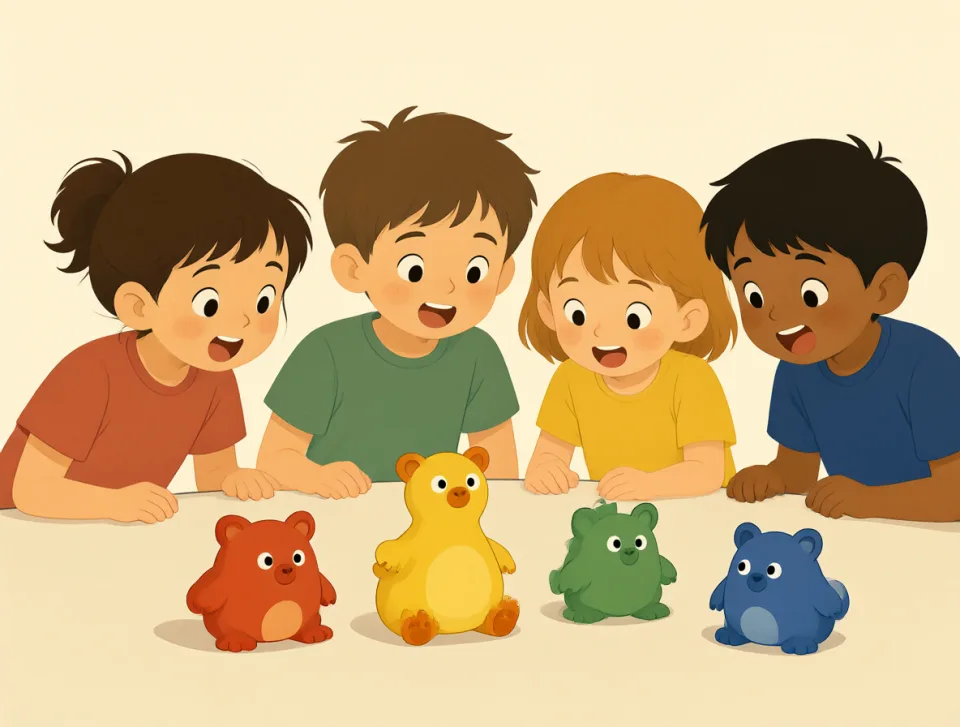
Bright colors and unusual shapes fascinate young children.
鮮豔的色彩和奇特的形狀讓小孩子們著迷。

The documentary fascinated me with stories about life under the ocean.
這部紀錄片講述了海底生命的故事,讓我深深著迷。
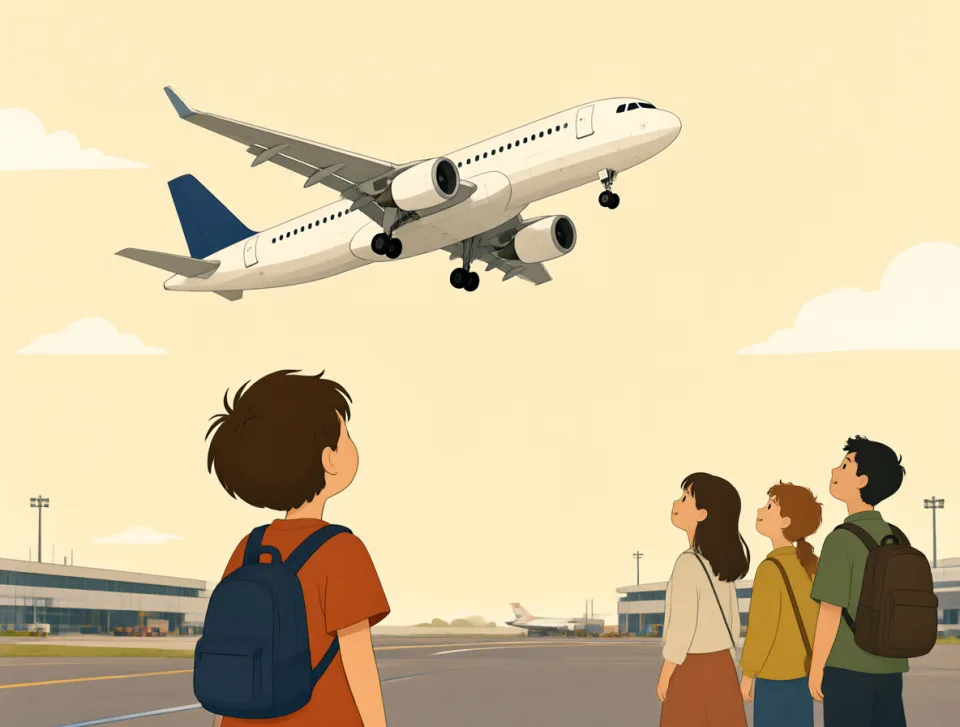
My little brother is fascinated by how airplanes fly.
我弟弟對飛機如何飛行感到著迷。
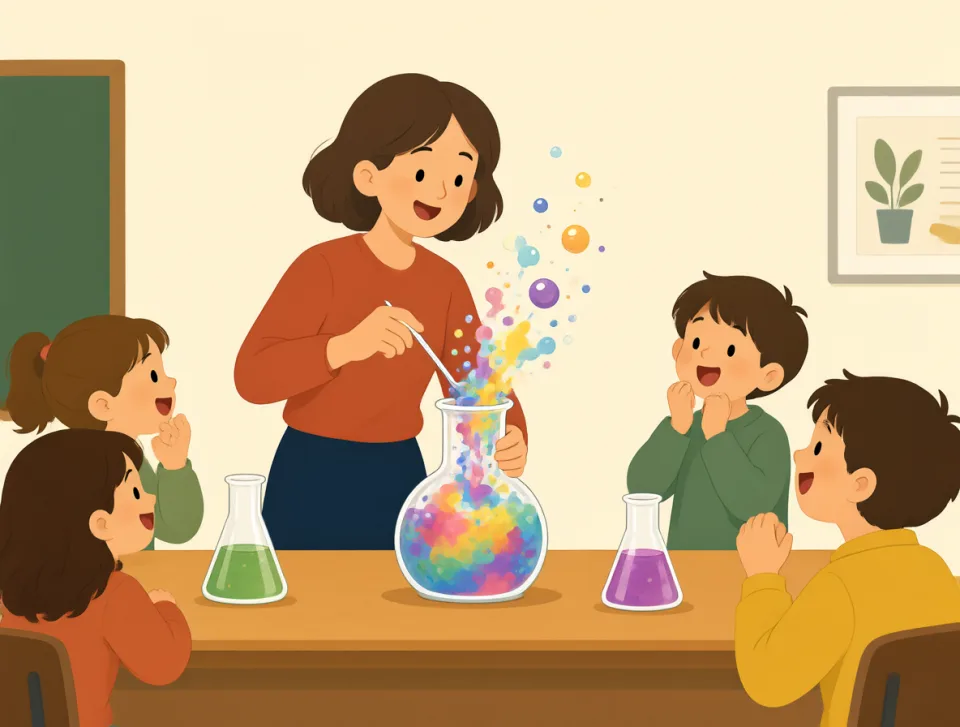
The teacher fascinated the class with a simple science experiment.
老師用一個簡單的科學實驗讓全班同學都著迷了。

She was fascinated by the old streets and buildings in Rome.
羅馬古老的街道和建築讓她著迷。

external
#2125adjective, noun
外部的;外面的
outside a place, system, or organization, or coming from outside it
位於某個地方、系統或組織之外,或來自其外部的

The external walls need painting before winter arrives.
外牆需要在冬天到來之前粉刷一遍。

Please check the external temperature before choosing your clothes.
選衣服之前,請先檢視室外溫度。

The company hired an external consultant to improve its safety rules.
公司聘請了一位外部顧問來改進安全規章。

Students must use external sources for their history projects.
學生必須使用外部資料完成歷史課專案。
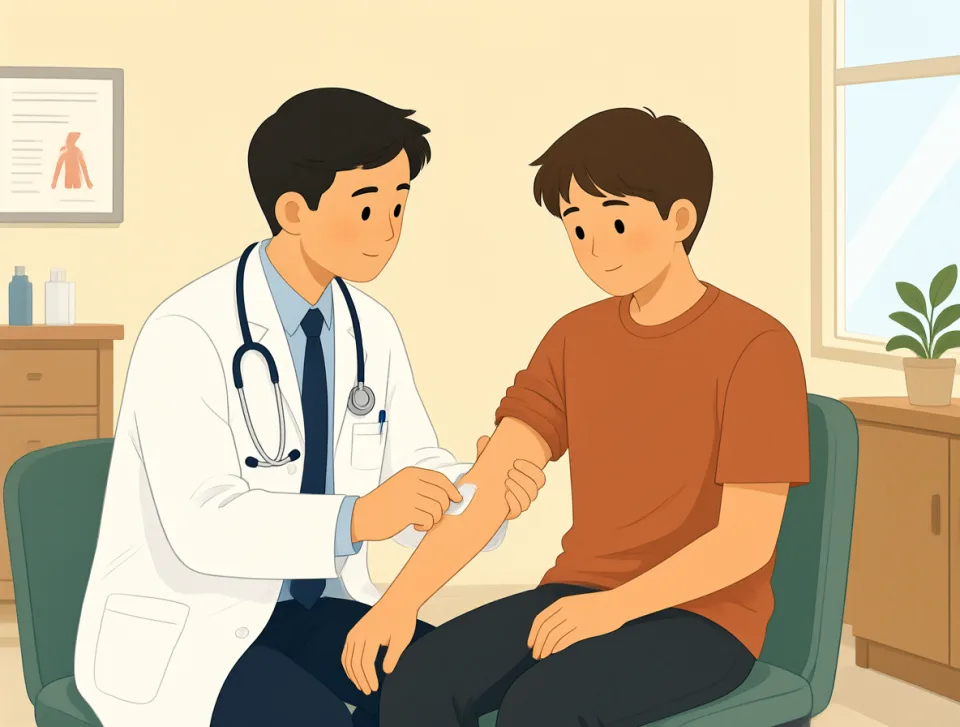
The doctor found no external signs of injury on his arm.
醫生沒有發現他手臂上有外傷跡象。

spare
#2126adjective, verb, noun
備用的;多餘的;抽出
Extra and available, or to give someone time, money, or help when needed.
額外且可供使用的;或在他人需要時給予時間、金錢或幫助。

Do you have a spare key for the front door?
你有前門的備用鑰匙嗎?

Could you spare a few minutes to help me move this table?
你能抽出幾分鐘幫我搬一下這張桌子嗎?

We have a spare room where visiting guests can sleep.
我們有一間空房,可以讓來訪的客人住。
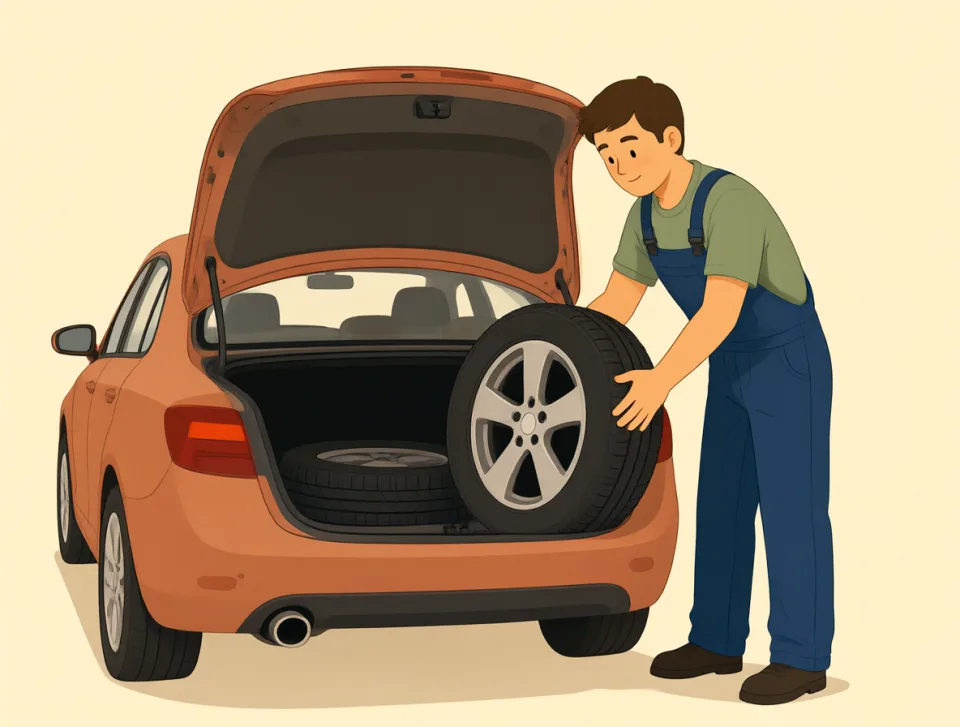
The mechanic kept a spare tire in the trunk of the car.
修車師傅在汽車後備箱裡放了一條備用輪胎。

She bought a spare shirt after spilling soup on her clothes.
她把湯灑到衣服上後,又買了一件備用襯衫。

whenever
#2127adverb, conjunction
每當;任何時候
every time that something happens, or at any time when it is possible
每當某事發生時,或任何可能的時候
Whenever I feel tired, I take a short break and drink some water.
每當我感到疲倦時,我就休息一會兒,喝點水。

Call me whenever you need help with your homework.
每當你需要幫助做家庭作業時,就給我打電話。

Whenever we visit the city, we eat at that small Italian restaurant.
每當我們去市裡時,都會在那家小義大利餐館吃飯。

She listens to music whenever she cleans the house.
她每當打掃房子時都會聽音樂。

You can use this room whenever you need a quiet place to work.
你可以在任何需要安靜地方工作的時候使用這個房間。

depression
#2128noun
抑鬱症;抑鬱
A serious medical condition causing long-lasting sadness and loss of interest in life.
一種嚴重的疾病,會導致長期的悲傷情緒和對生活失去興趣。
She is receiving treatment for depression from a doctor.
她正在接受醫生對抑鬱症的治療。

Depression can make it difficult to work, sleep, or enjoy everyday activities.
抑鬱症會讓人難以工作、睡覺或享受日常活動。

His depression became worse after he lost his job.
他失業後,抑鬱症變得更加嚴重了。

Talking with close friends helped her manage her depression.
和親近的朋友聊天幫助她控制抑鬱症。
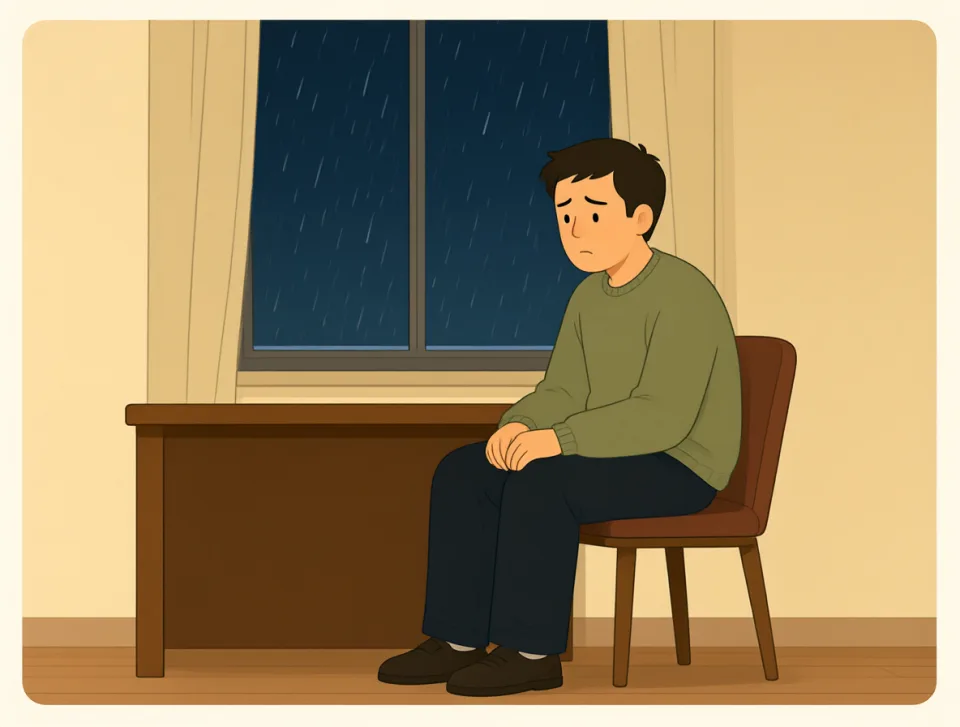
The long winter and lack of sunlight contributed to his depression.
漫長的冬季和缺乏陽光加重了他的抑鬱症。
guilty
#2129adjective
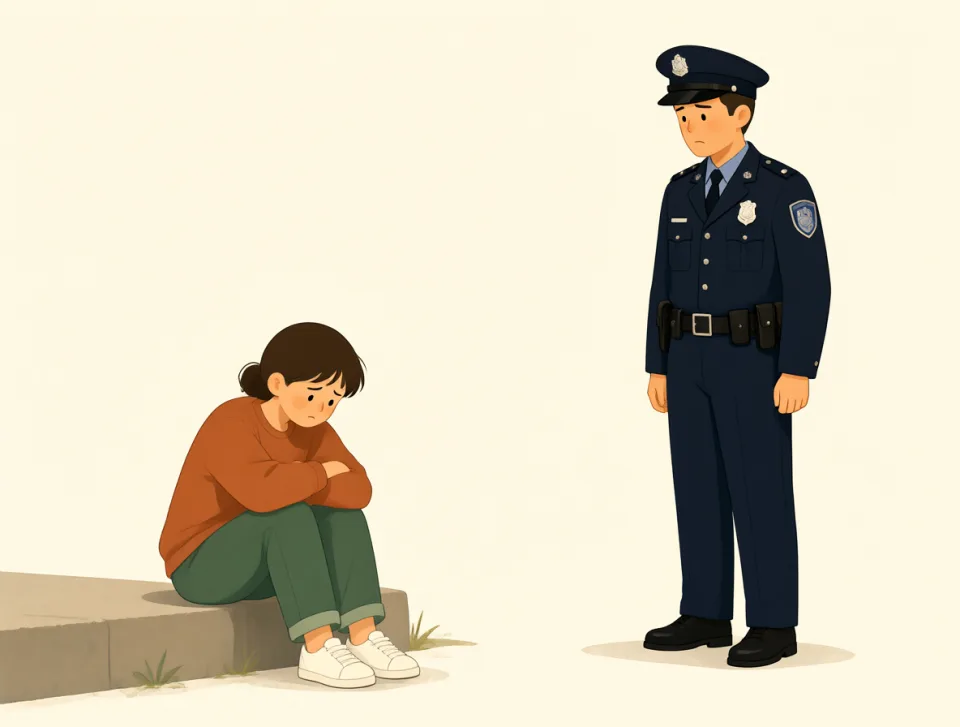
內疚的; 有罪的
Feeling responsible for doing something wrong or having committed a crime.
因做錯事或犯了罪而感到自己負有責任。
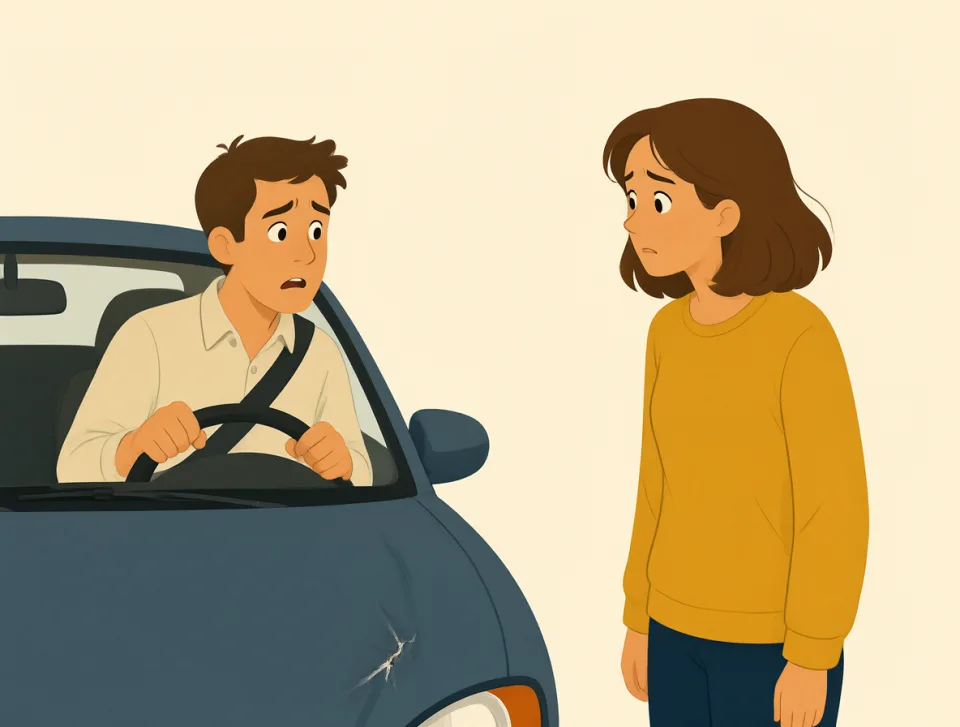
The guilty driver apologized after hitting the parked car.
那個有罪的司機撞上停著的汽車後道了歉。
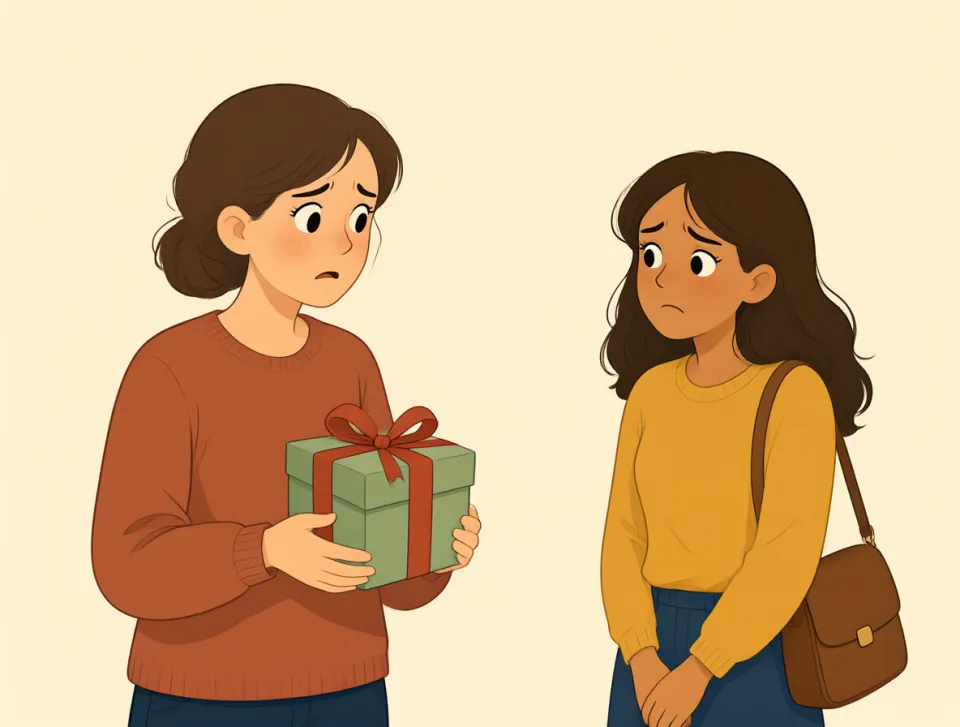
She felt guilty about forgetting her friend’s birthday.
她因為忘了朋友的生日而感到內疚。

The court found him guilty of stealing money from his employer.
法院判定他偷了僱主的錢,有罪。
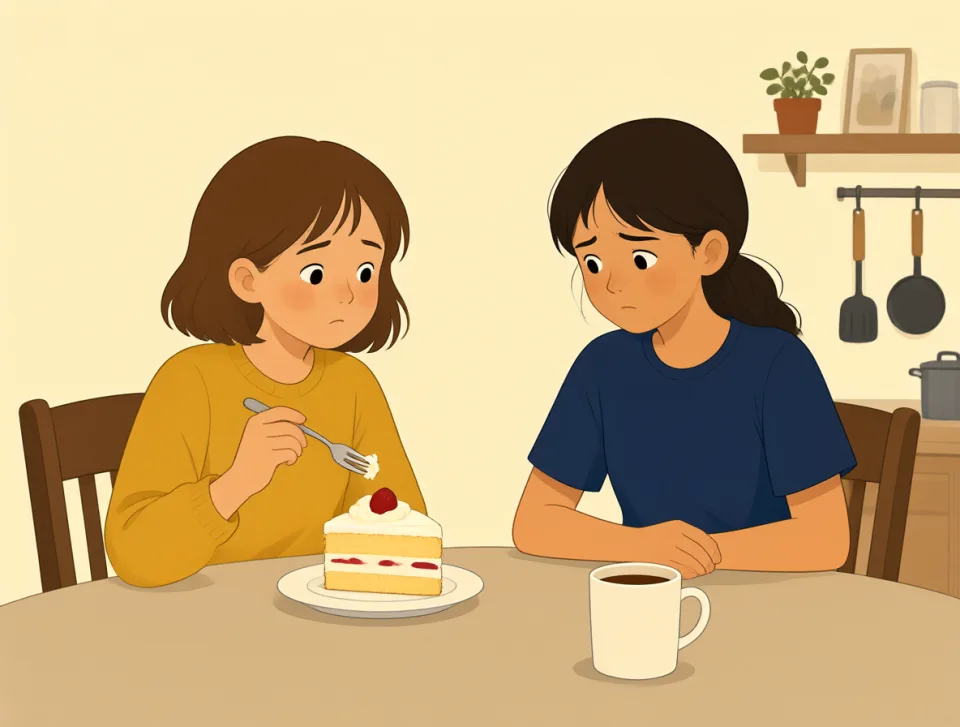
I felt guilty eating cake while my sister was on a strict diet.
妹妹正在嚴格節食,我卻吃著蛋糕,感到很內疚。
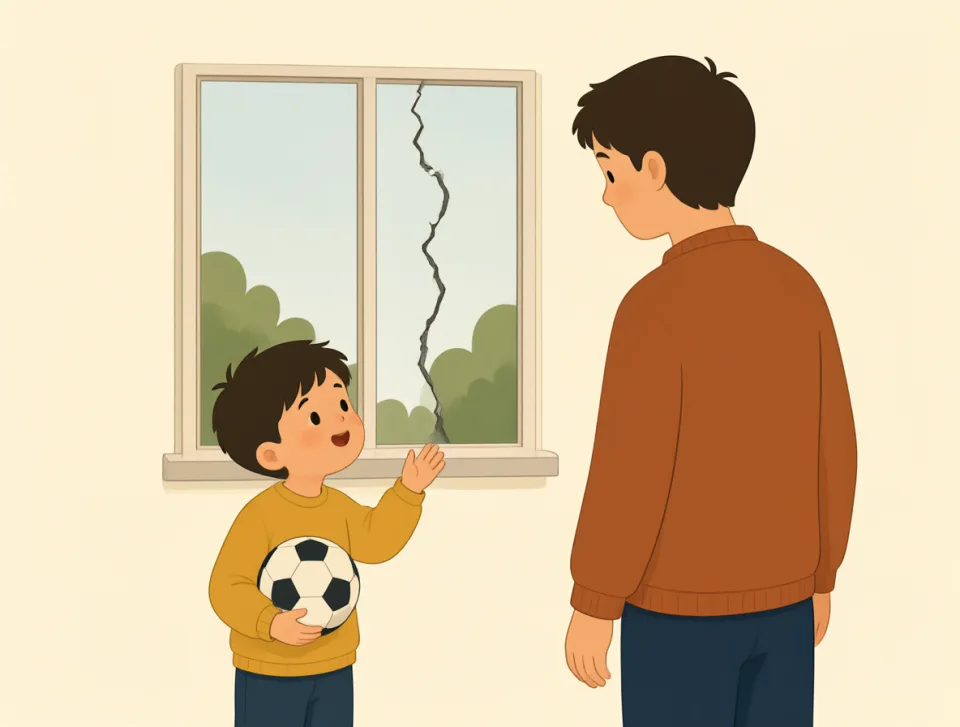
The guilty child quietly admitted breaking the window with a ball.
那個闖了禍的孩子小聲承認是自己用球打破了窗戶。
underlie
#2130verb
構成基礎;構成根本原因
to exist beneath and support something, or form the basic cause of it
存在於某物之下並支撐它,或構成某事的根本原因

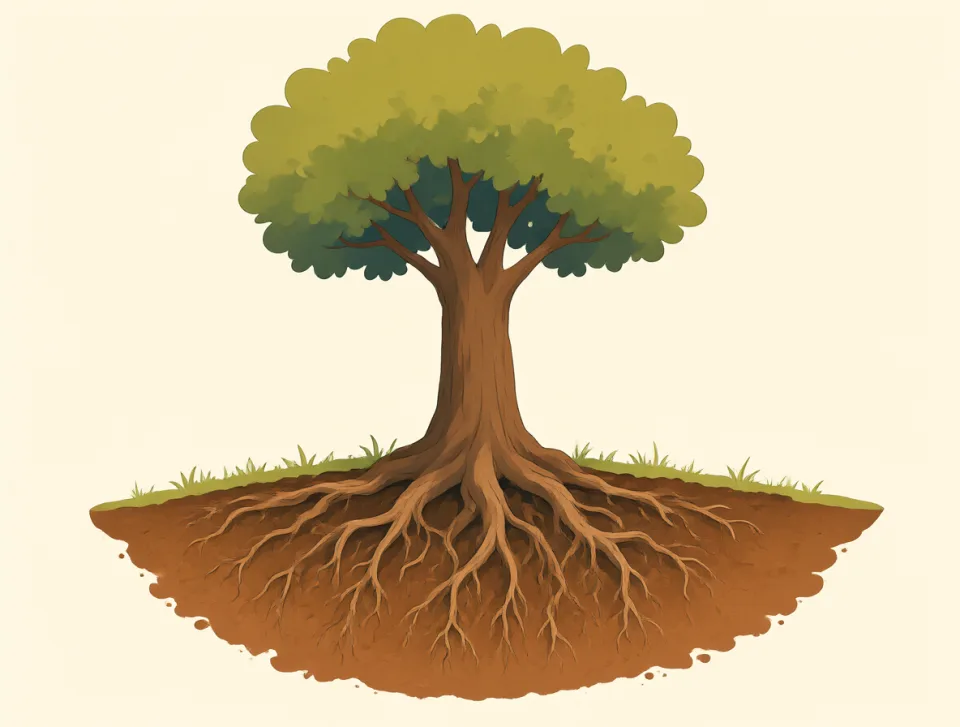
Strong family values underlie the way we raise our children.
牢固的家庭觀念奠定了我們養育孩子的方式。
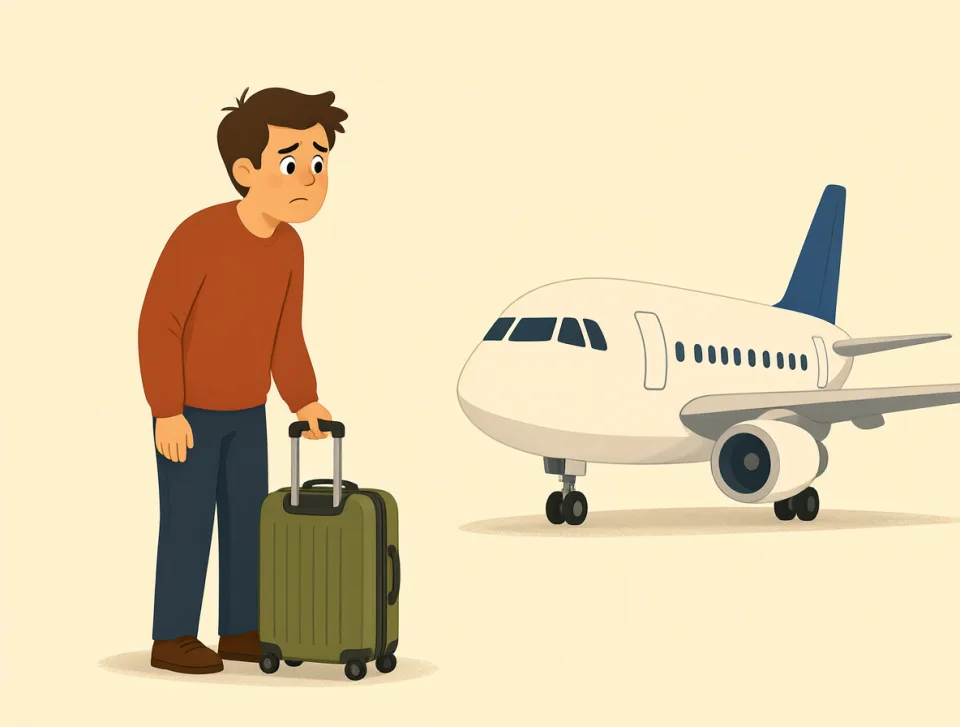
Several hidden fears underlie his refusal to travel by plane.
他拒絕乘飛機出行的背後,隱藏著幾種恐懼。

The teacher explained the ideas underlying the science experiment.
老師講解了這項科學實驗背後的原理。

Trust and respect underlie every successful friendship.
信任和尊重是每一段成功友誼的基礎。
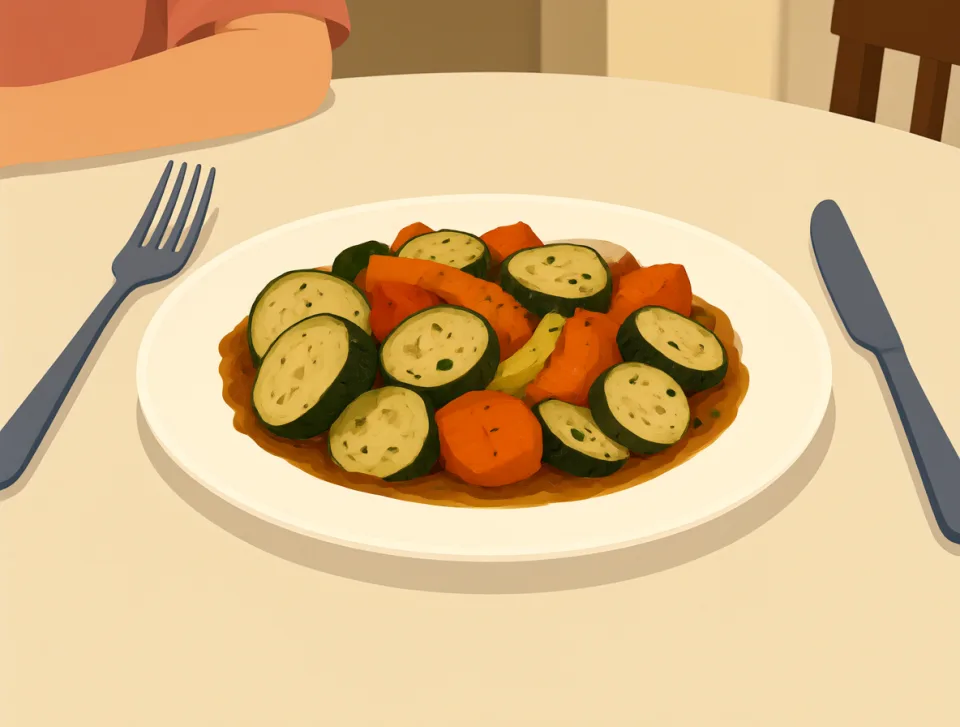
A simple sauce underlay the roasted vegetables at dinner.
晚餐時,烤蔬菜下面鋪著一層簡單的醬汁。

mom
#2131noun
媽媽;母親
your mother or a woman who looks after children
你的母親,或照顧孩子的女性
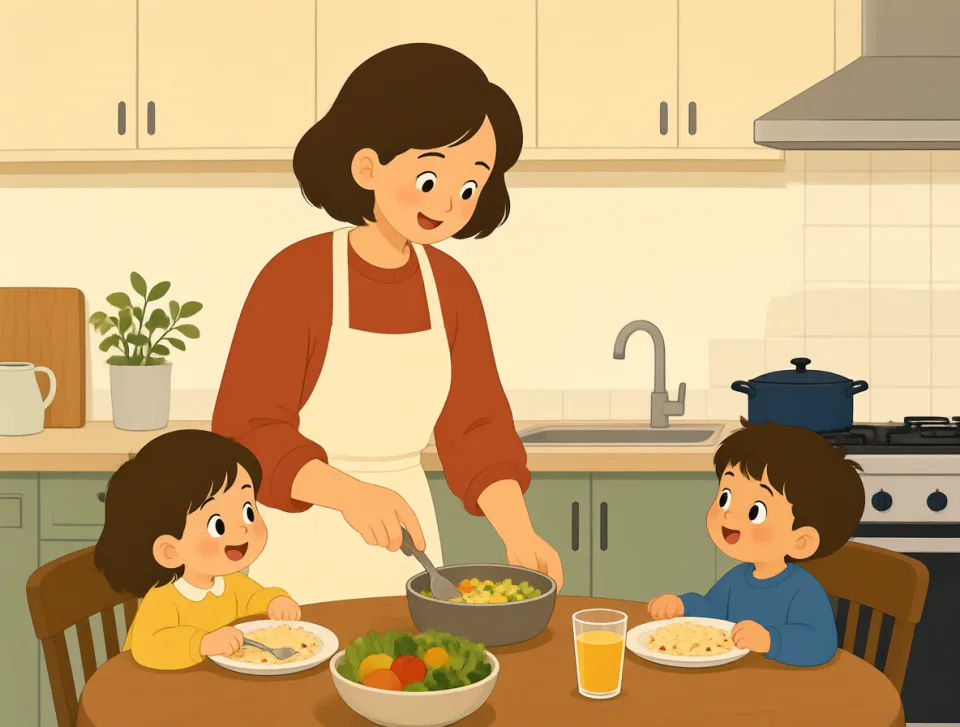
My mom makes breakfast for us every morning before school.
每天上學前,媽媽都會給我們做早餐。

I called my mom after work to tell her the good news.
下班後,我給媽媽打了電話,告訴她這個好訊息。

My mom bought fresh vegetables and chicken for dinner.
媽媽買了新鮮蔬菜和雞肉,準備做晚飯。

His mom took him to the doctor because he felt sick.
他覺得不舒服,所以他媽媽帶他去看醫生。

My friend’s mom gave us a ride home after the party.
派對結束後,我朋友的媽媽開車送我們回家。
distinction
#2132noun
區別; 優異成績; 榮譽
A clear difference between two people or things.
兩個人或兩件事物之間明顯的差別。
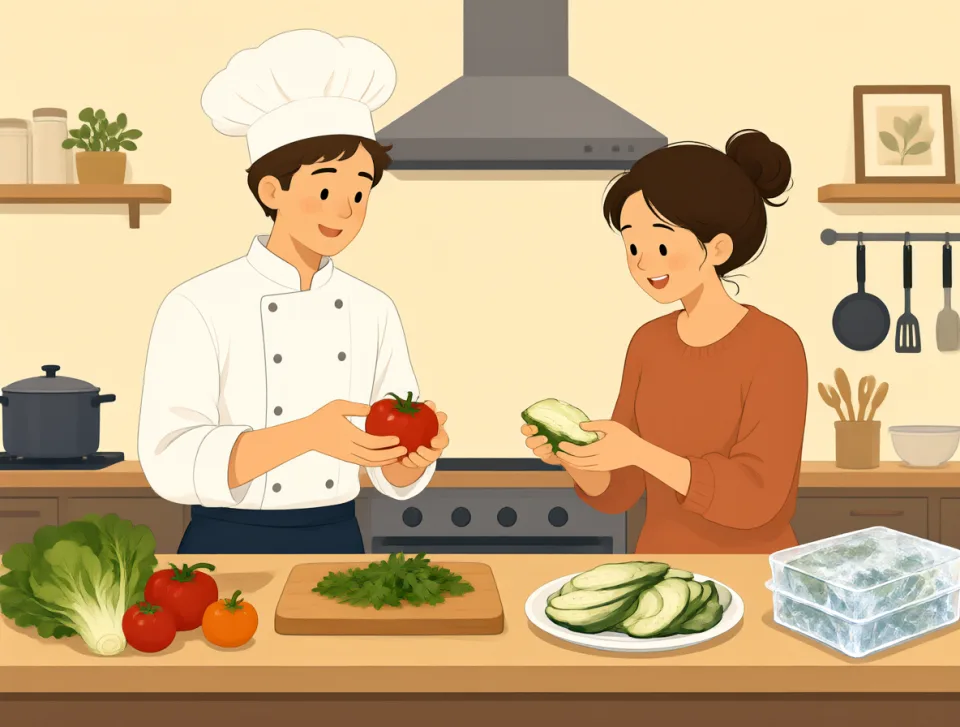
The chef is known for the distinction between fresh and frozen ingredients.
這位廚師因能區分新鮮食材和冷凍食材而聞名。

There is an important distinction between being busy and being productive.
忙碌和高效之間有著重要的區別。

The school gives an award to students who pass with distinction.
學校會獎勵以優異成績透過考試的學生。

The store sells several cheeses, each with its own distinctive flavor.
這家店出售好幾種乳酪,每種都有自己獨特的風味。

She earned the distinction of being the first person to finish the race.
她獲得了第一個完成比賽的人的榮譽。

satisfaction
#2133noun
滿足;滿意;成就感
A happy feeling because something is good, successful, or meets your needs.
因為某件事很好、成功或滿足了你的需求而產生的愉快感覺。
She smiled with satisfaction after finishing the difficult project at work.
完成工作中那個艱難的專案後,她滿意地笑了。

The restaurant offers a money-back guarantee to ensure customer satisfaction.
這家餐廳提供退款保證,以確保顧客滿意。

He gets great satisfaction from helping children learn to read.
幫助孩子們學習閱讀讓他獲得了極大的滿足感。

The hotel staff quickly resolved our complaint, much to our satisfaction.
酒店員工很快解決了我們的投訴,這讓我們非常滿意。

After dinner, everyone expressed satisfaction with the delicious homemade meal.
晚餐後,大家都對美味的自制餐表達了滿意之情。
incorporate
#2134verb
融入; 納入
to include something as part of a larger whole
把某物作為更大整體的一部分包括進去

The designer incorporated bright colors into the living room.
設計師把鮮豔的色彩融入了客廳的設計中。

Please incorporate your teacher’s suggestions into the final report.
請把老師的建議融入最終報告中。
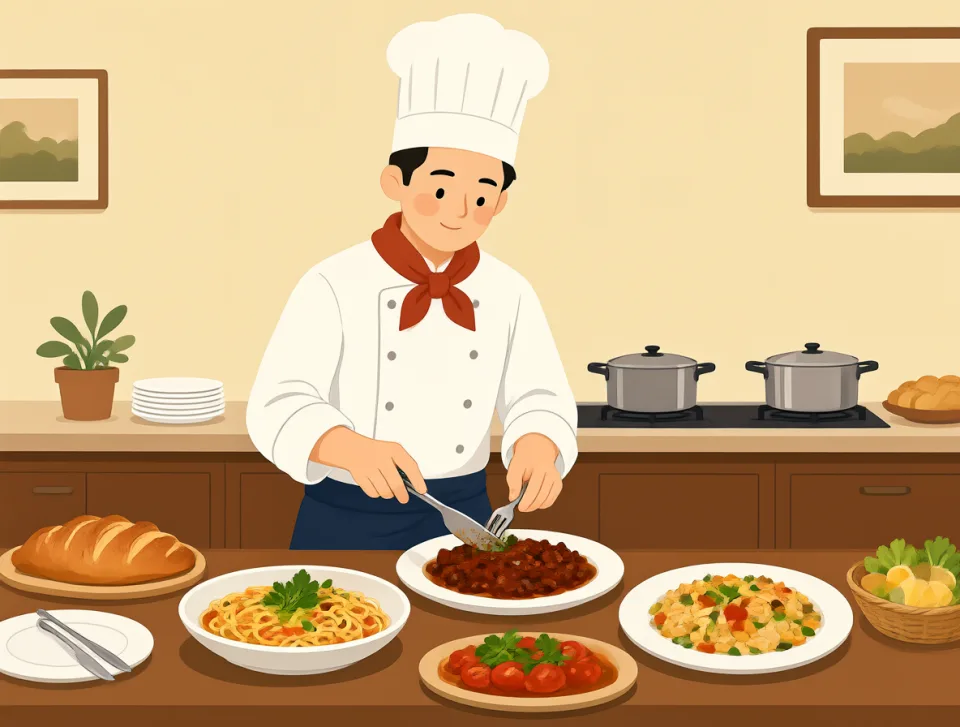
The hotel has incorporated local food into its breakfast menu.
這家酒店把當地美食納入了早餐選單。
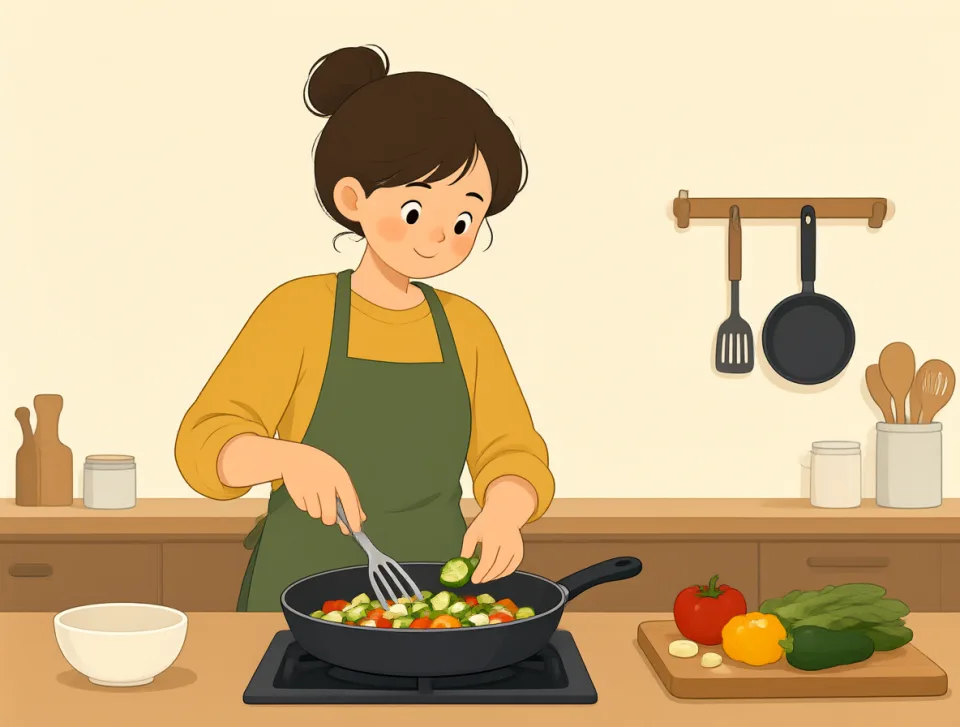
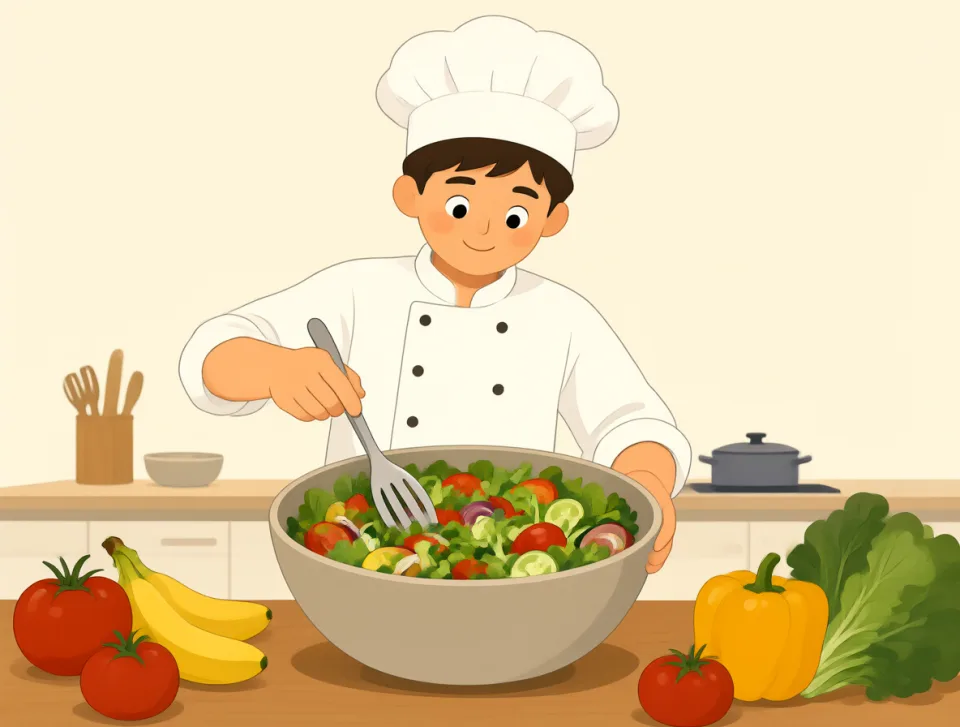
We are incorporating more vegetables into our family meals.
我們正在一日三餐中加入更多蔬菜。
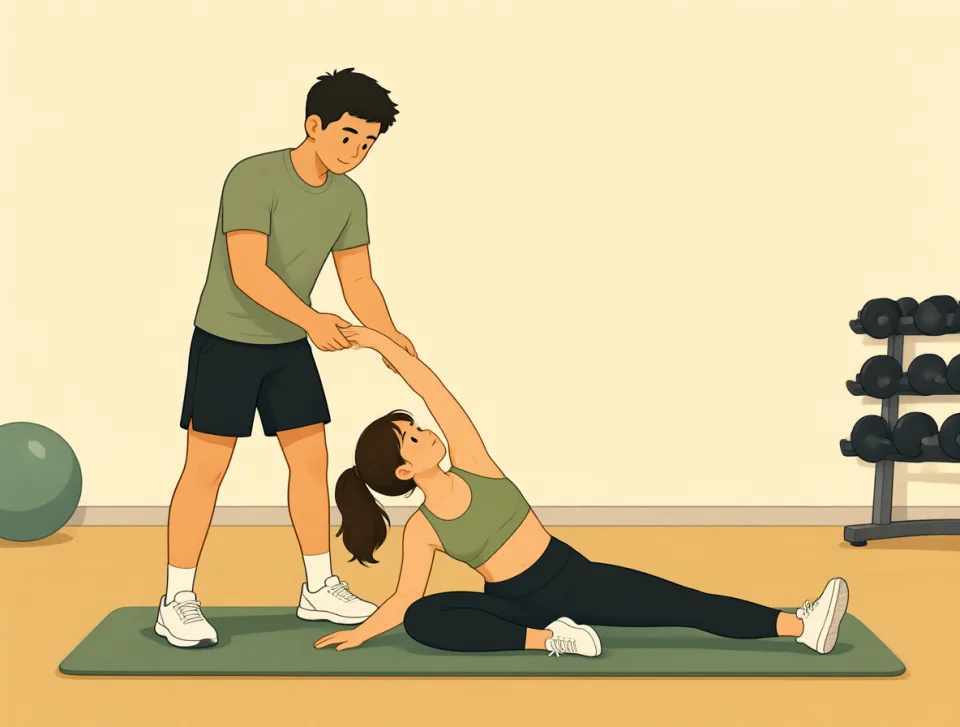
The exercise program incorporates stretching to prevent injuries.
這個鍛鍊計劃包括拉伸運動,以防止受傷。
pour
#2135verb, noun
倒;傾瀉;湧入
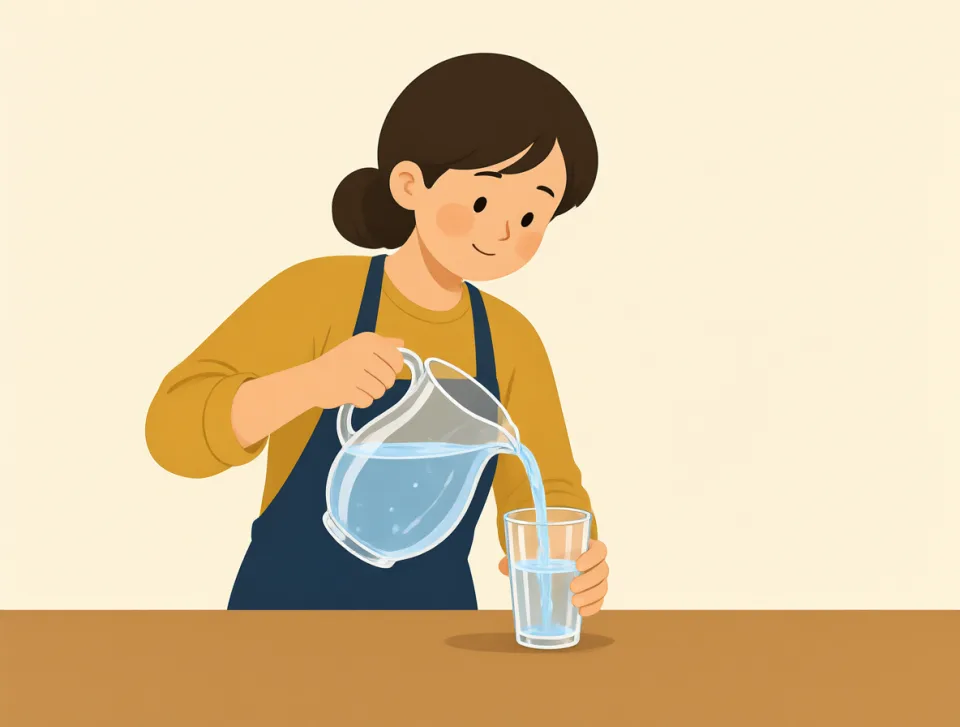
To make a liquid flow from one container into another, usually quickly and steadily.
通常快速而持續地把液體從一個容器倒入另一個容器。

Please pour some milk into my coffee.
請倒一些牛奶到我的咖啡裡。
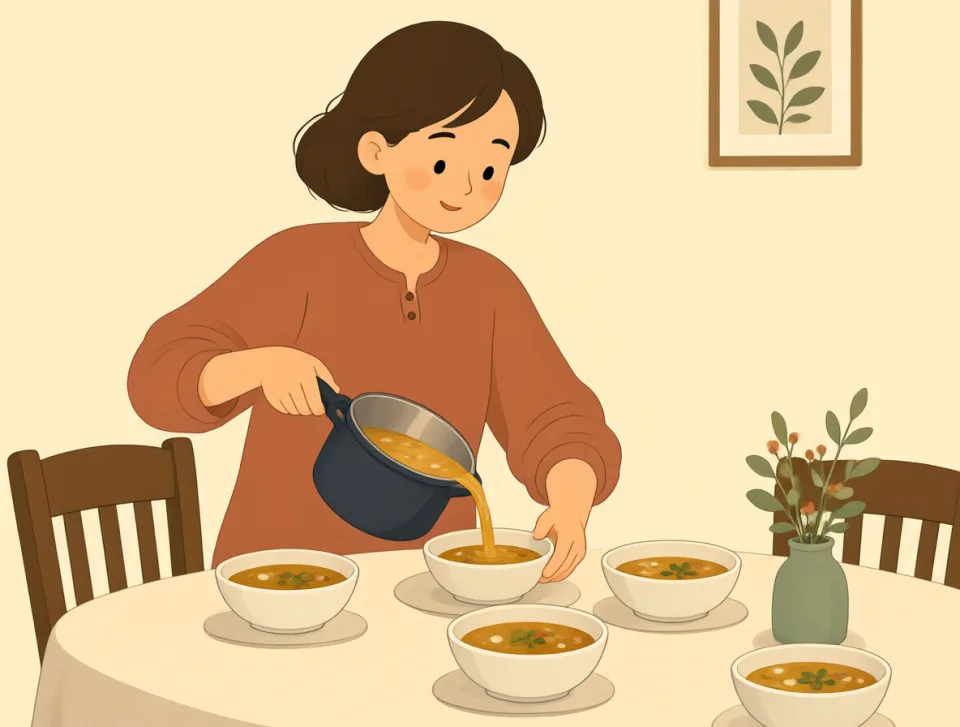
She poured the soup into bowls for everyone.
她把湯倒進碗裡,給大家分好。
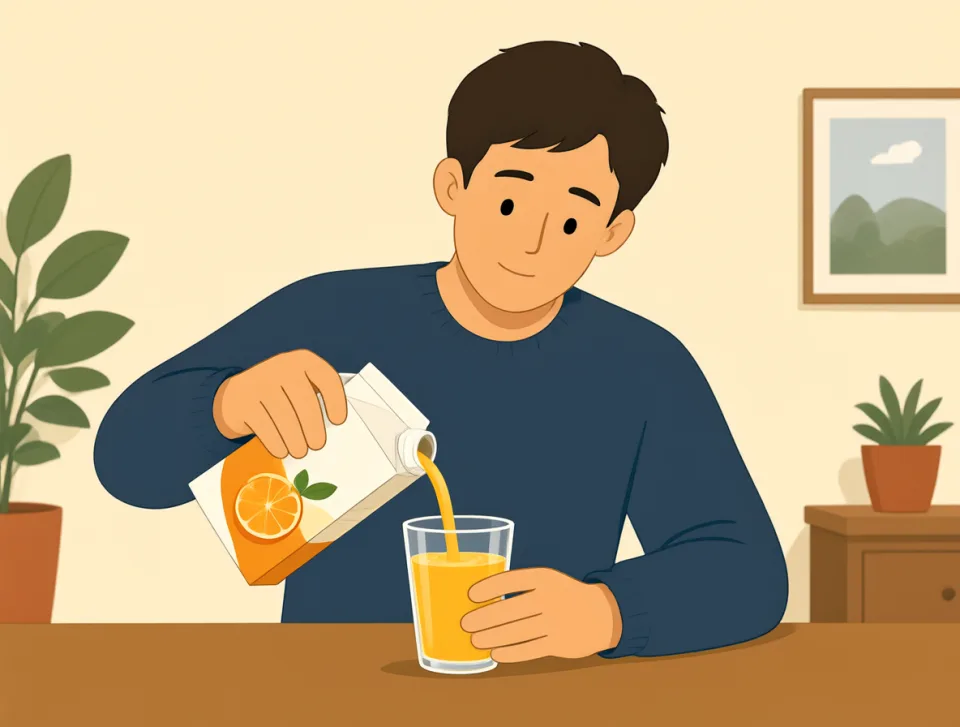
He poured himself a glass of orange juice.
他給自己倒了一杯橙汁。
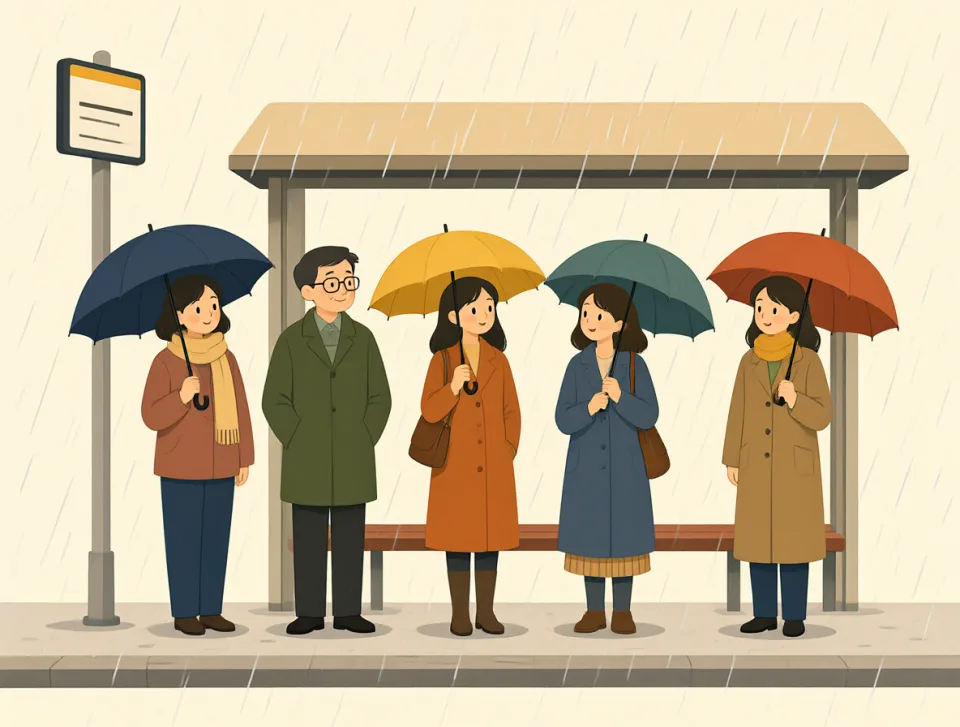
Rain poured down as we waited for the bus.
我們等公交車時,雨傾盆而下。

A steady pour of customers entered the store after work.
下班後,顧客源源不斷地走進商店。
sweep
#2136verb, noun
掃;掠過;席捲
To clean a floor or surface with a broom, or move across an area quickly.
用掃帚清掃地面或表面,或迅速穿過某個區域。

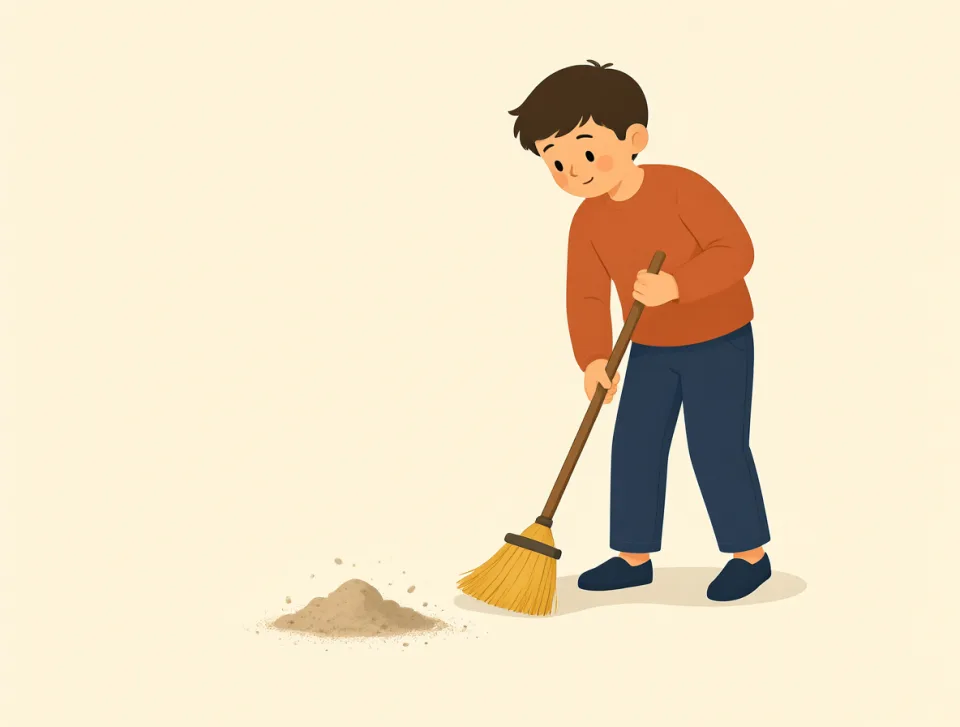
I sweep the kitchen floor every evening after dinner.
我每天晚飯後都掃廚房地板。
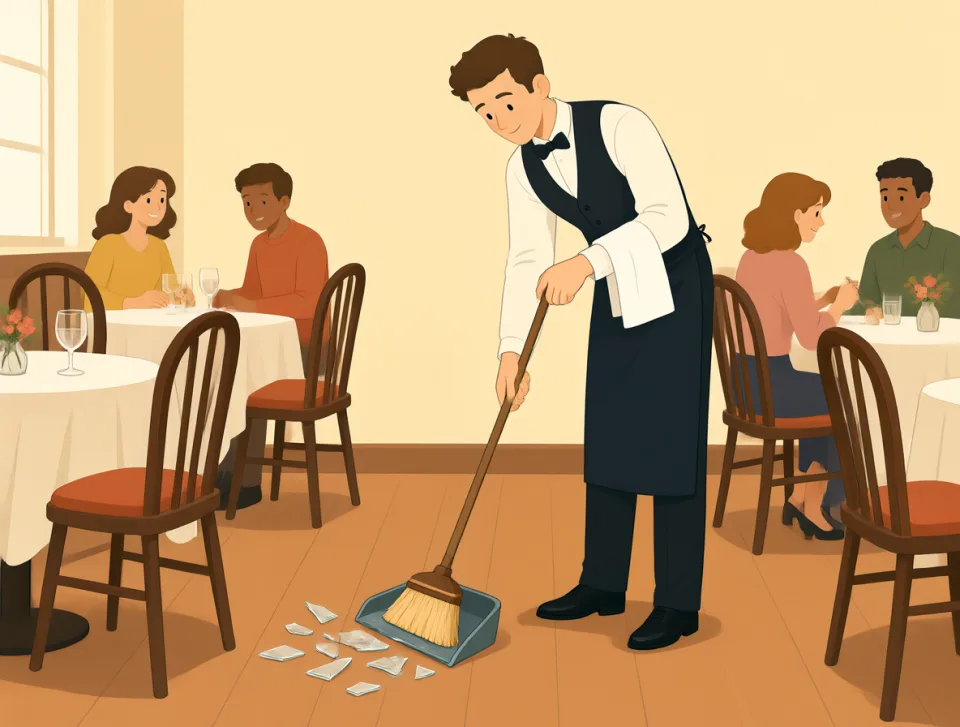
The waiter swept the broken glass into a dustpan.
服務員把碎玻璃掃進簸箕裡。

Strong winds swept leaves across the garden.
大風把樹葉吹得滿花園都是。

The new manager is sweeping through the office, checking every department.
新經理正在辦公室裡巡視,檢查每個部門。

The doctor swept his hand over the patient’s shoulder during the examination.
醫生檢查時用手從病人的肩膀上掃過。
obligation
#2137noun
義務; 責任
A duty to do something because it is required by law, rules, or circumstances.
由於法律、規章或實際情況的要求而必須做某事的責任。
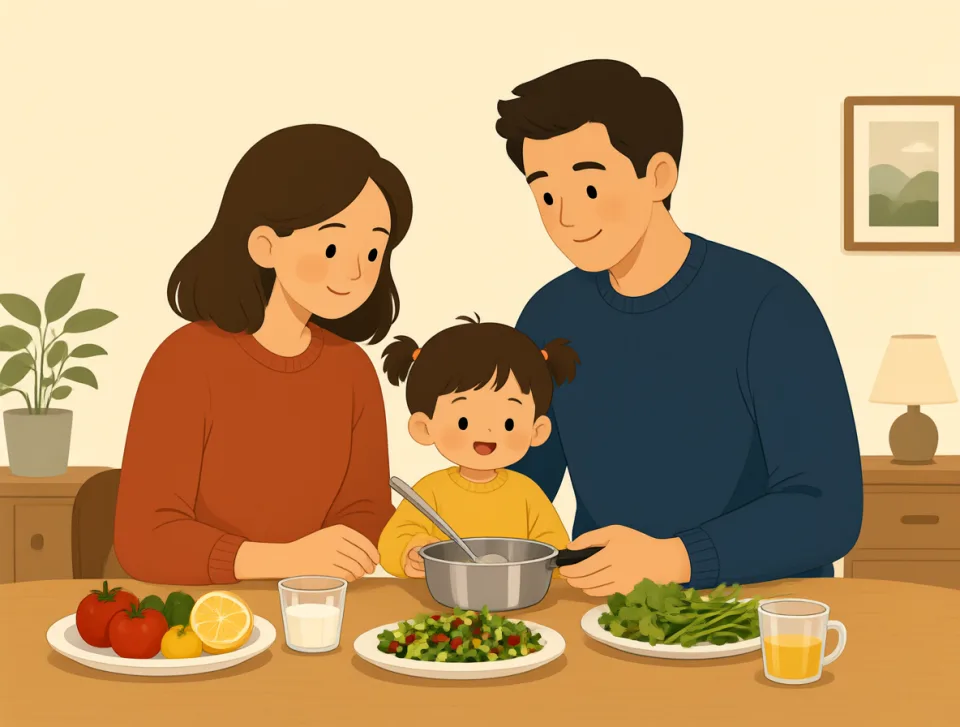
Parents have an obligation to keep their children safe and healthy.
父母有義務確保孩子安全、健康。
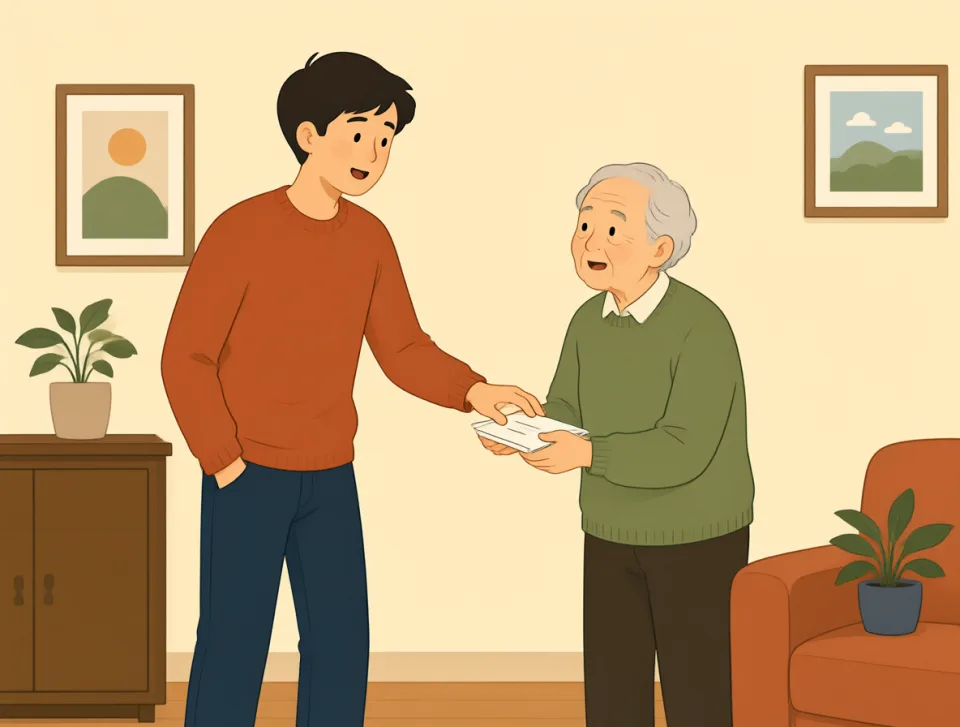
I cannot join you tonight because I have family obligations.
我今晚不能和你一起去,因為我有家庭責任要處理。

The contract creates an obligation to pay the rent on time.
這份合同規定了按時支付房租的義務。
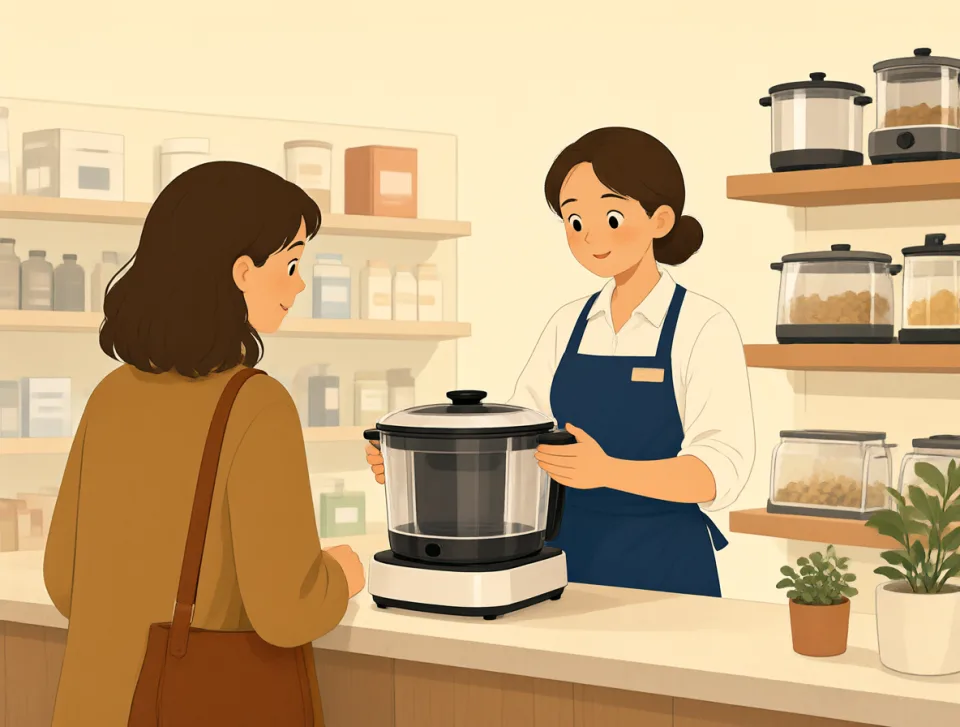
There is no obligation to buy anything during the free product demonstration.
在免費的產品演示期間,沒有購買任何東西的義務。

Students have an obligation to attend classes and complete their assignments.
學生有義務上課並完成作業。

sir
#2138noun
先生; 長官
A polite way to speak to a man, especially someone in authority.
禮貌地稱呼男性的說法,尤其用於稱呼有權威的人。
Excuse me, sir, could you tell me where the nearest train station is?
打擾一下,先生,您能告訴我最近的火車站在哪裡嗎?

The waiter asked, “What would you like to order, sir?”
服務員問道:“先生,您想點些什麼?”

Yes, sir, I understand the instructions and will finish the work today.
是的,先生,我明白這些指示,今天會完成這項工作。

The teacher asked the boys to wait outside, and they answered, “Yes, sir.”
老師讓男孩們在外面等著,他們回答道:“是的,先生。”
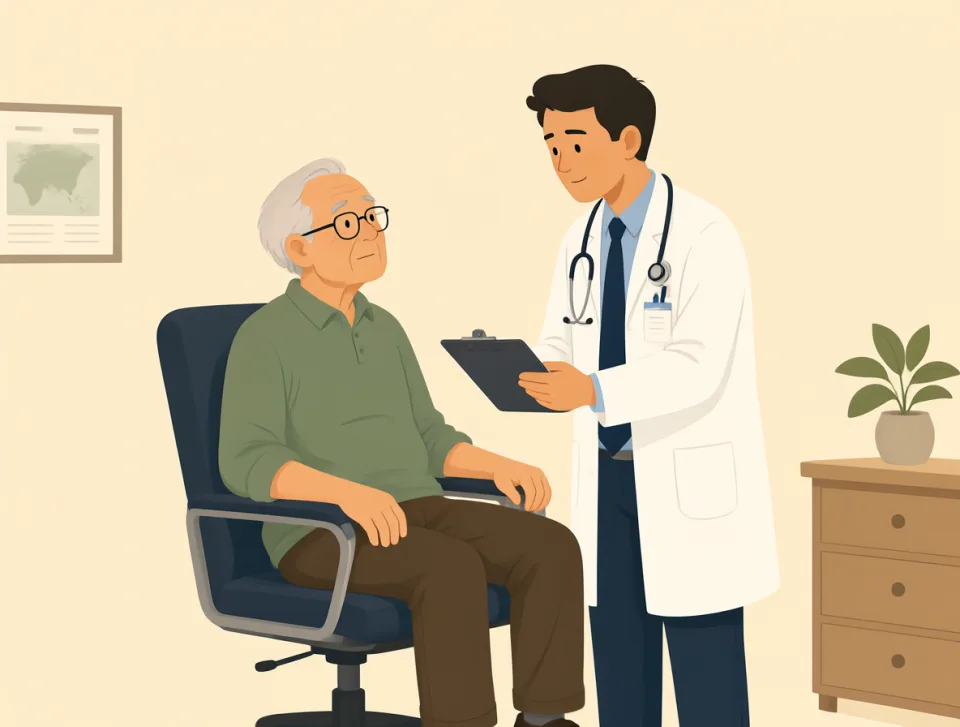
The doctor told the patient, “Please sit down, sir, and take a deep breath.”
醫生對病人說:“先生,請坐下,深呼吸。”
evaluate
#2139verb
評估;評價
to judge something carefully to decide its quality, value, or importance
仔細判斷某事物的質量、價值或重要性
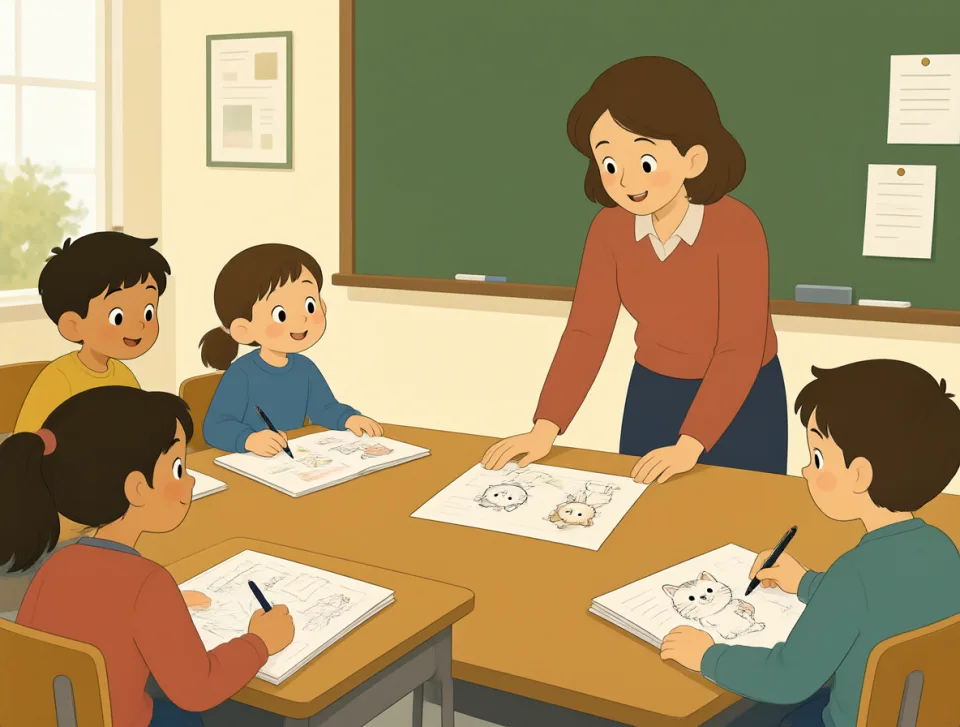
The teacher will evaluate our projects before giving us final grades.
老師會在給我們的專案打最終分數之前進行評估。

We evaluated three hotels before choosing where to stay.
我們評估了三家酒店,然後才決定住在哪裡。
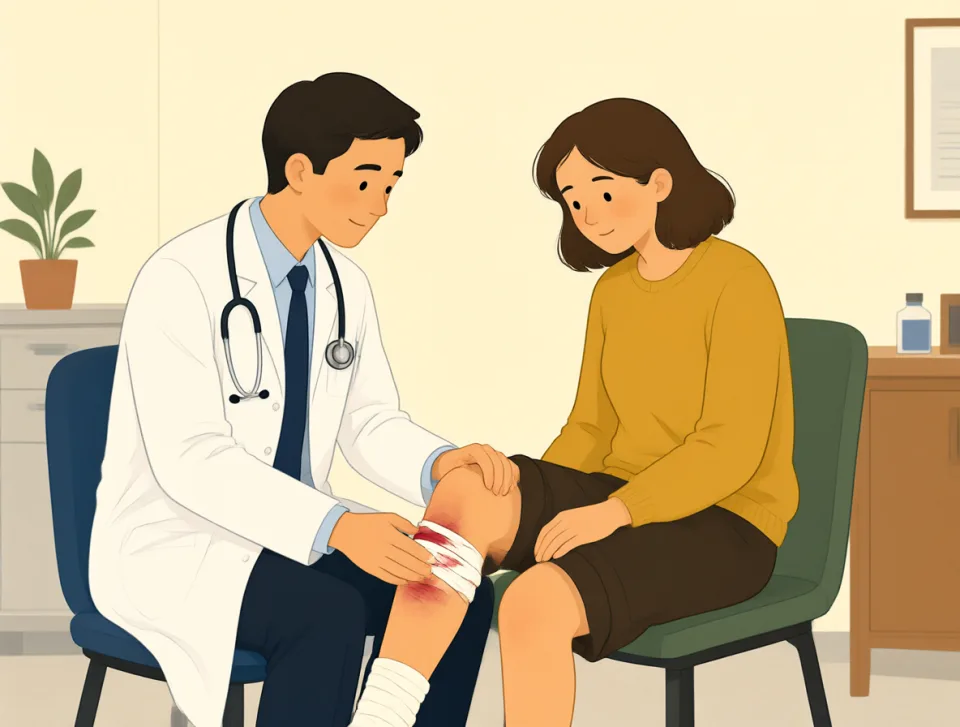
The doctor is evaluating my knee after I fell yesterday.
我昨天摔倒了,醫生正在檢查我的膝蓋情況。

Please evaluate this new coffee before we add it to the menu.
請評估一下這種新咖啡,然後我們再決定是否把它加入選單。

The manager evaluated my work and offered helpful advice.
經理評估了我的工作,並提出了有幫助的建議。
anger
#2140noun, verb
憤怒; 激怒
a strong feeling of annoyance caused by something unfair, unpleasant, or wrong
因不公平、令人不快或錯誤的事情而產生的強烈惱怒情緒
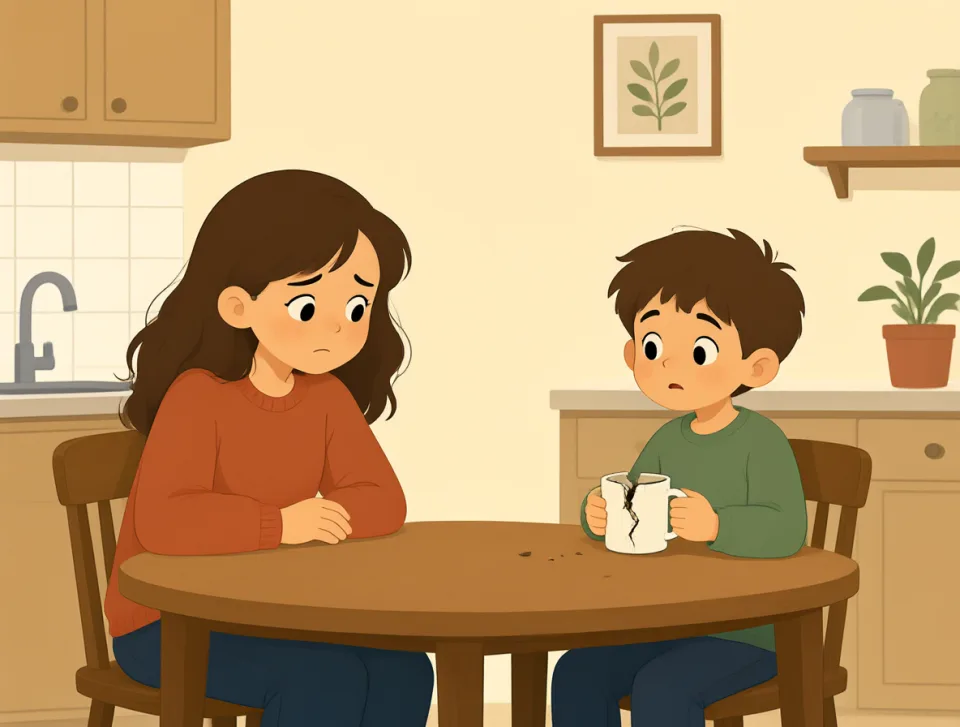
She tried to hide her anger when her brother broke her favorite mug.
弟弟打碎她最喜歡的馬克杯時,她努力掩飾自己的憤怒。

The manager apologized after customers expressed anger about the long delay.
顧客對漫長的延誤表示憤怒後,經理道了歉。
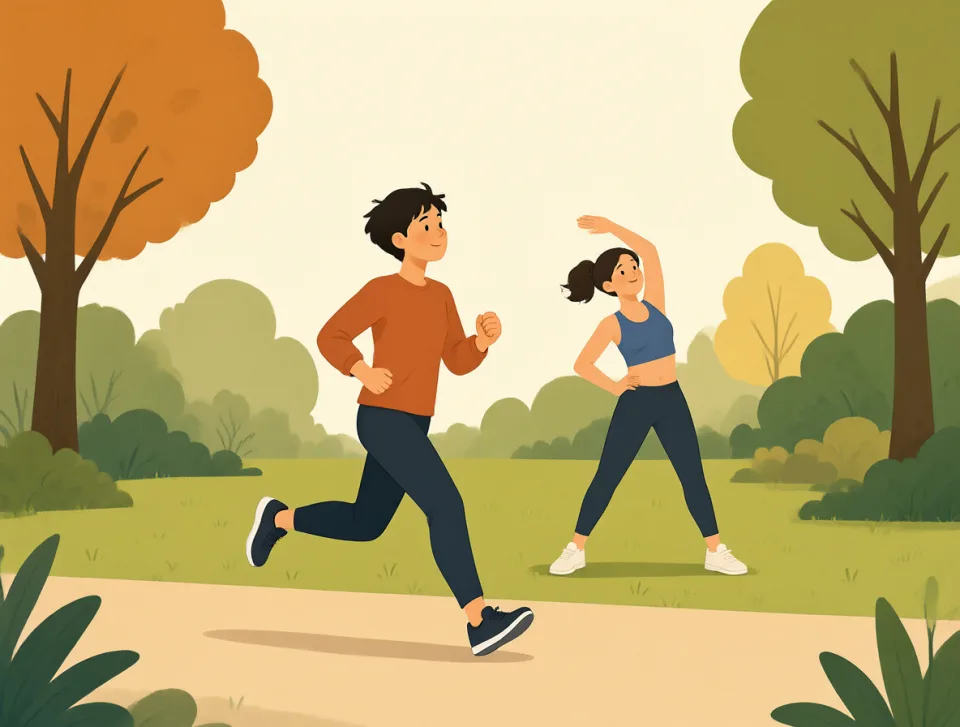
Regular exercise can help people manage anger and sleep better.
經常鍛鍊可以幫助人們控制憤怒,改善睡眠。

He spoke in anger and later regretted his harsh words.
他在氣頭上說了那些話,後來後悔自己說得太重。
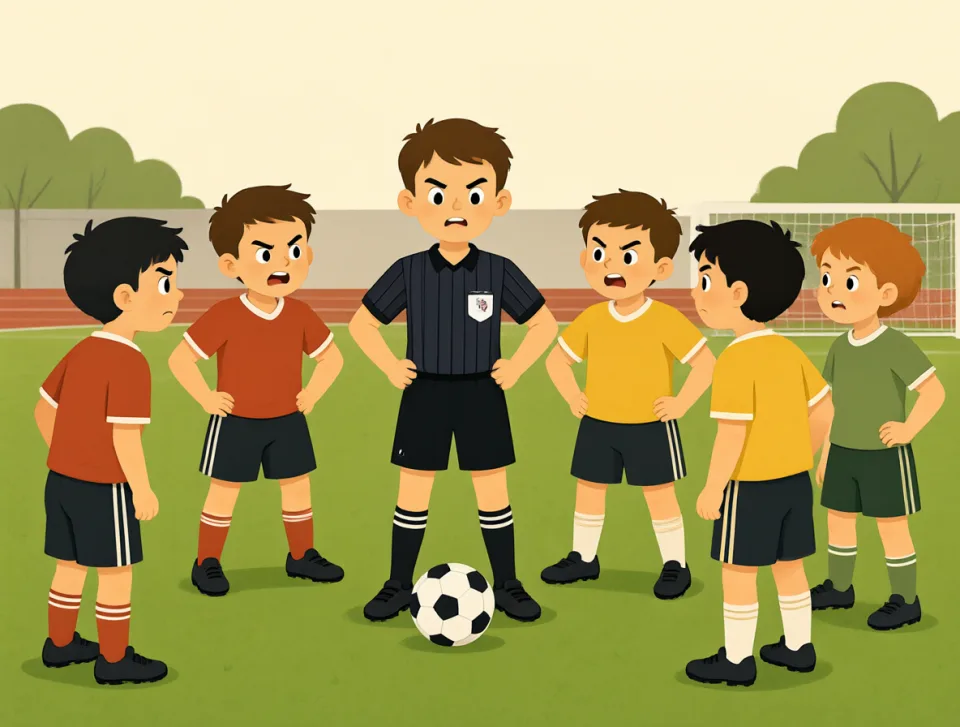
The unfair referee's decision angered the players during the school match.
在學校的比賽中,裁判不公平的判罰激怒了球員。