單元 137
單字 2721–2740 · abstract, tent, precise, distant, stranger, shade

abstract
#2721adjective, noun
抽象的;摘要
Existing as an idea rather than a physical object; a short written summary of an article.
作為一種思想而存在,而不是一個有形的物體;文章的簡短總結。

Love is an abstract idea that can mean different things to different people.
愛是一種抽象的概念,對不同的人來說可能有不同的含義。

The teacher used simple examples to explain an abstract idea in science class.
老師用簡單的例子來解釋科學課上的抽象概念。

The artist painted an abstract picture using bright colors and unusual shapes.
這位藝術家用鮮豔的色彩和奇特的形狀畫了一幅抽象畫。

Please write a short abstract of your report before the meeting tomorrow.
請在明天開會前寫一份報告的簡短摘要。

The article begins with an abstract that explains the main points clearly.
這篇文章開頭有一段摘要,清楚地說明了主要內容。

tent
#2722noun
帳篷
a temporary shelter made of cloth, used for sleeping or staying outdoors
一種用布料製成的臨時住所,用於在戶外睡覺或停留
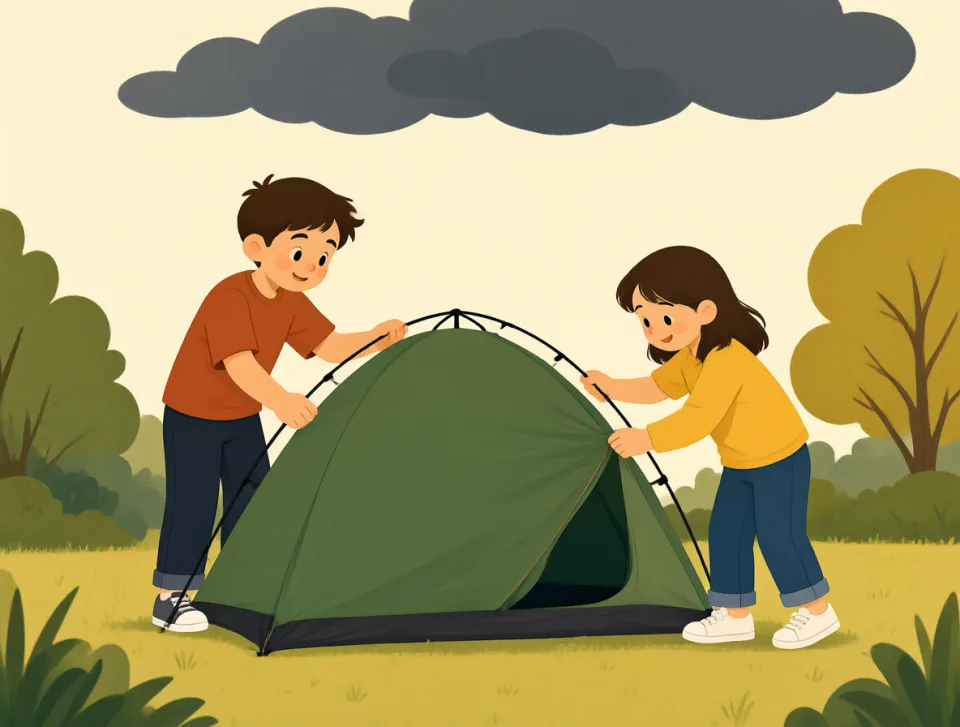
We put up the tent before it started raining.
下雨前,我們搭好了帳篷。

The children slept in a tent in the garden.
孩子們睡在花園裡的帳篷裡。

Our tent was warm and dry during the mountain storm.
山裡暴風雨期間,我們的帳篷裡又暖和又幹燥。

They bought a new tent for their summer camping trip.
他們為夏季露營買了一頂新帳篷。
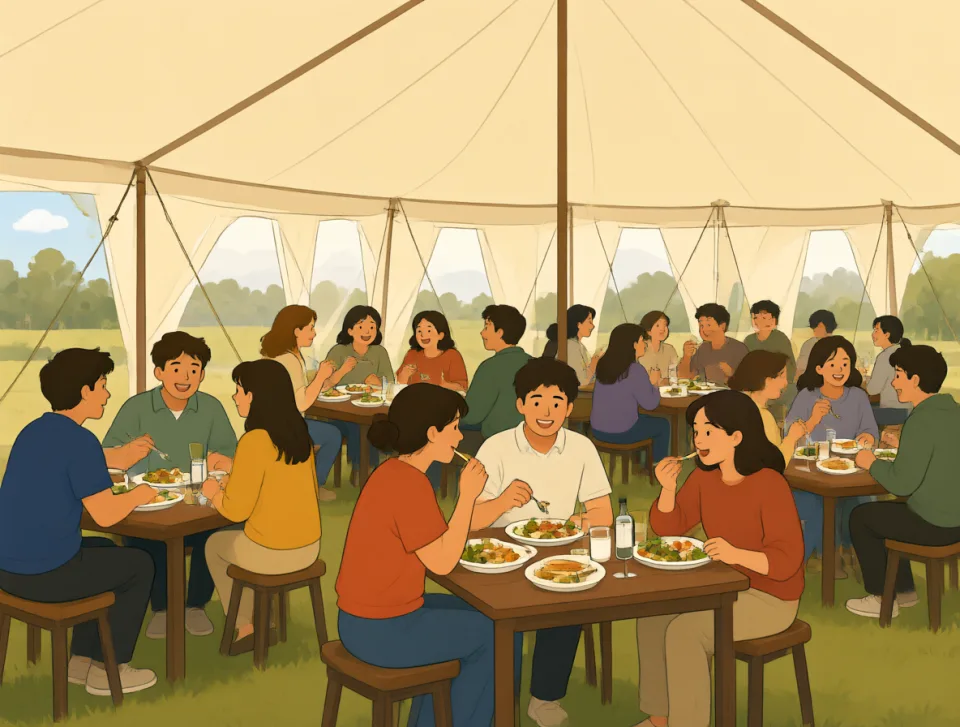
The festival tent served hot food and drinks to visitors.
節慶帳篷為遊客提供熱食和飲料。
precise
#2723adjective
精確的; 準確的
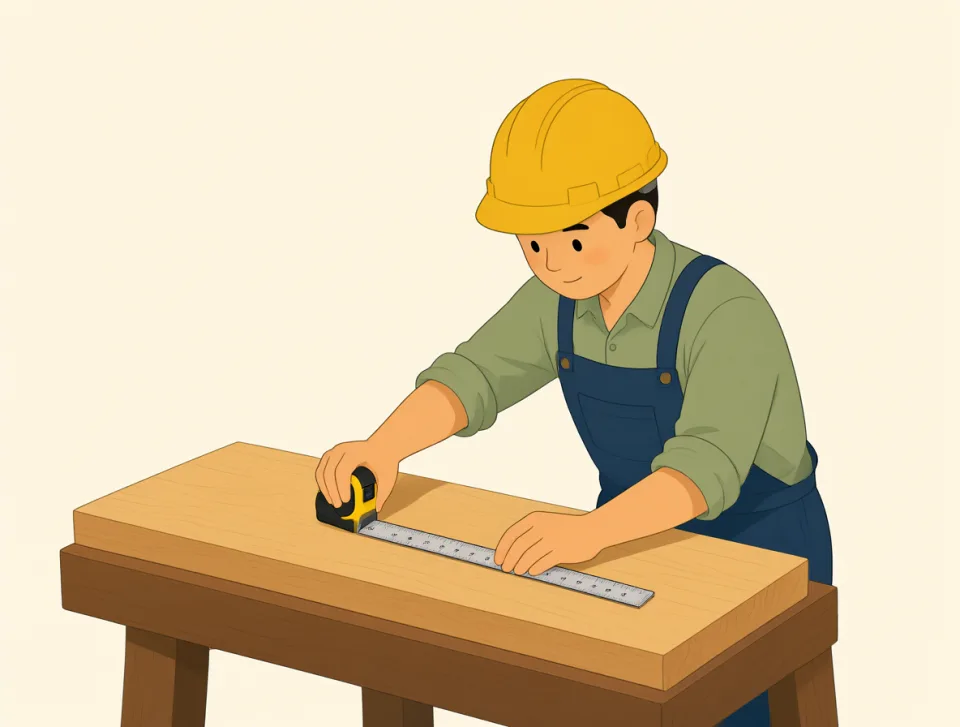
Exact and accurate, with no mistakes or unnecessary details.
準確無誤,沒有錯誤或不必要的細節。
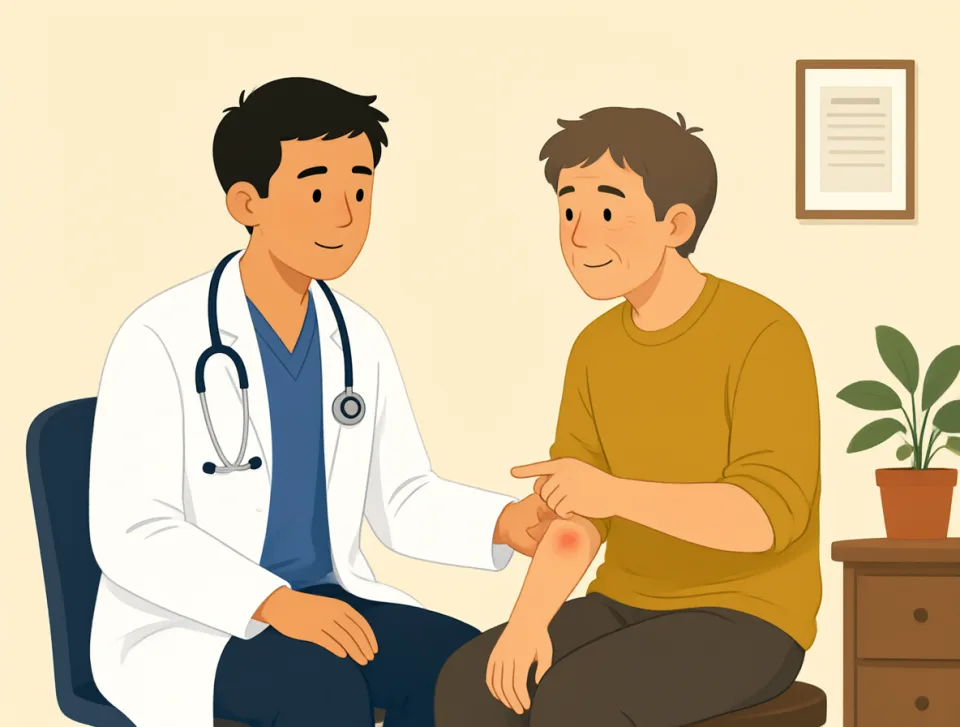
The doctor asked me to describe the precise location of the pain.
醫生讓我描述疼痛的確切位置。

Please give me the precise time you expect to arrive at the station.
請告訴我你預計到達車站的準確時間。

Her precise instructions helped us assemble the table without any problems.
她的詳細說明幫助我們順利組裝好了桌子。
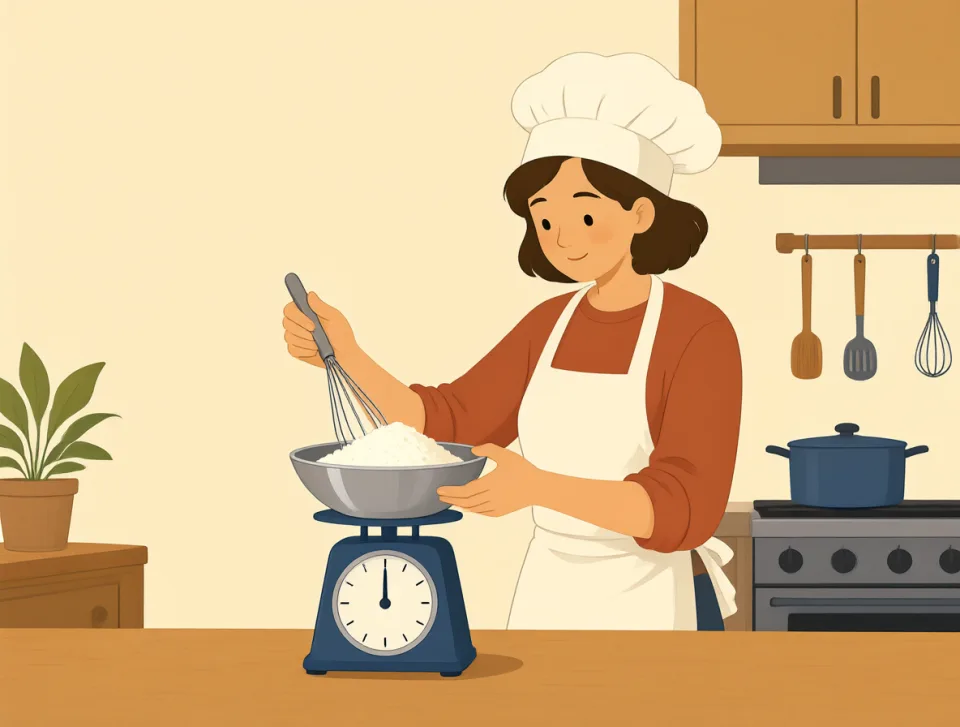
The recipe needs precise measurements, so use the kitchen scale.
這個食譜需要精確的用量,所以請使用廚房秤。
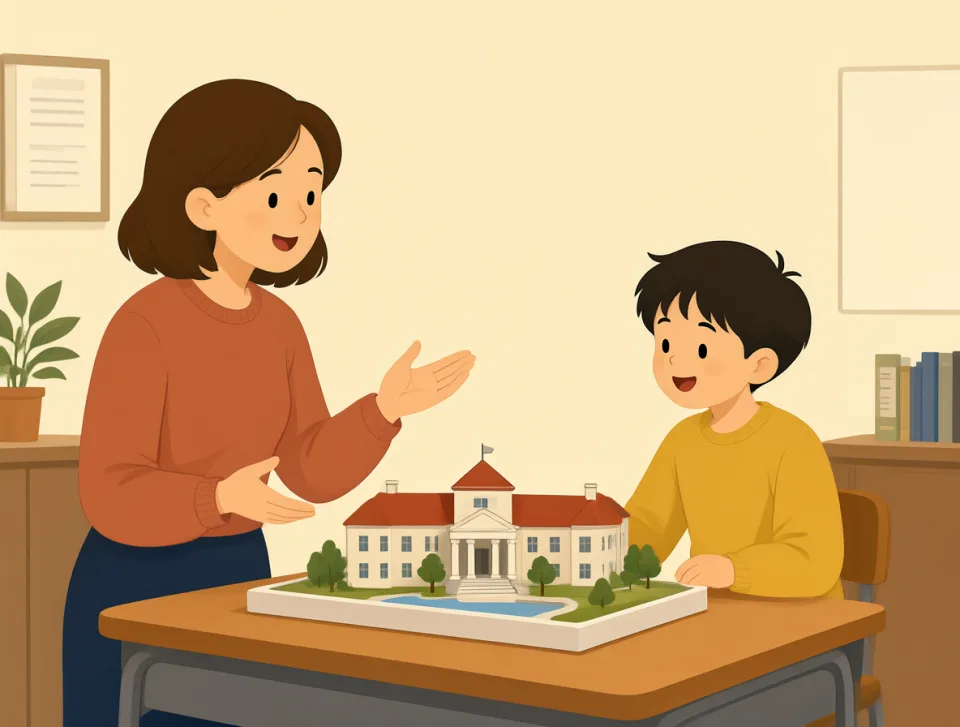
Our teacher gave precise feedback on how to improve the science project.
老師針對如何改進科學專案給出了具體的反饋。

distant
#2724adjective
遙遠的;疏遠的
Far away in space or time, or not close and friendly.
在空間或時間上距離很遠,或關係不親近、不友好。

We could see distant mountains from the train window.
從火車窗戶望出去,我們可以看到遠處的群山。
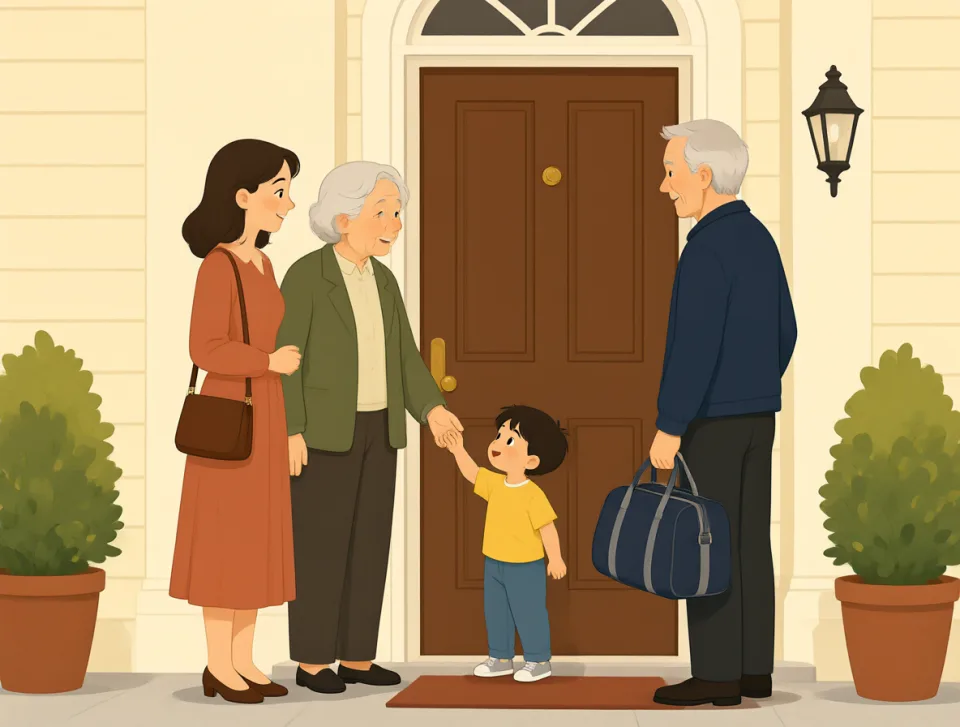
A distant relative is coming to stay with us this weekend.
這個週末,一位遠房親戚要來和我們一起住。
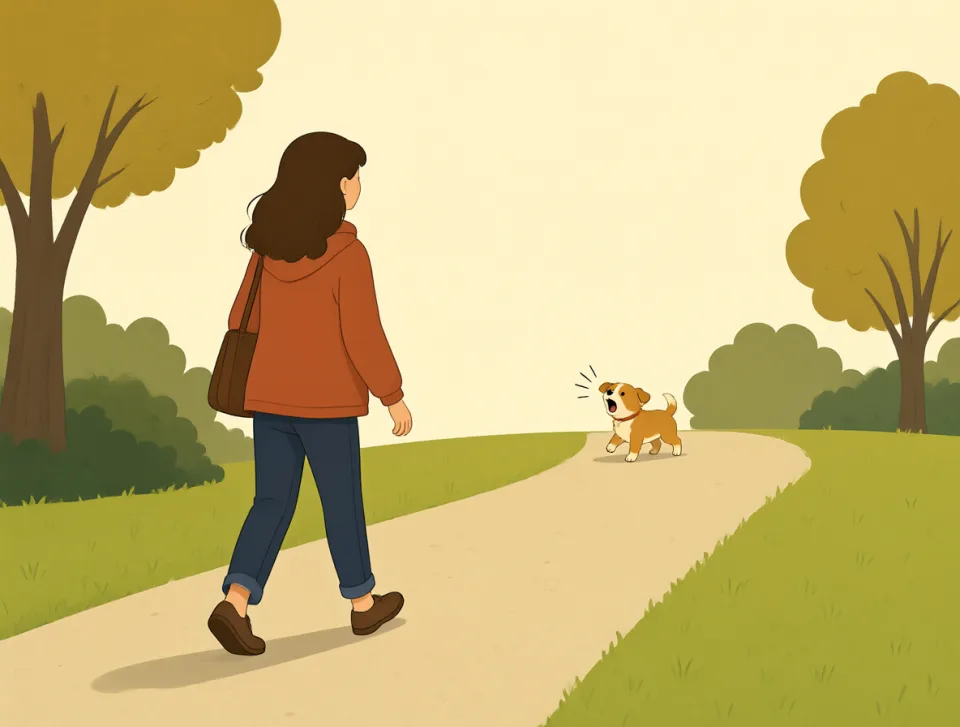
She heard a distant dog barking while she walked home through the park.
她走在回家的路上,聽到公園裡遠處傳來狗叫聲。
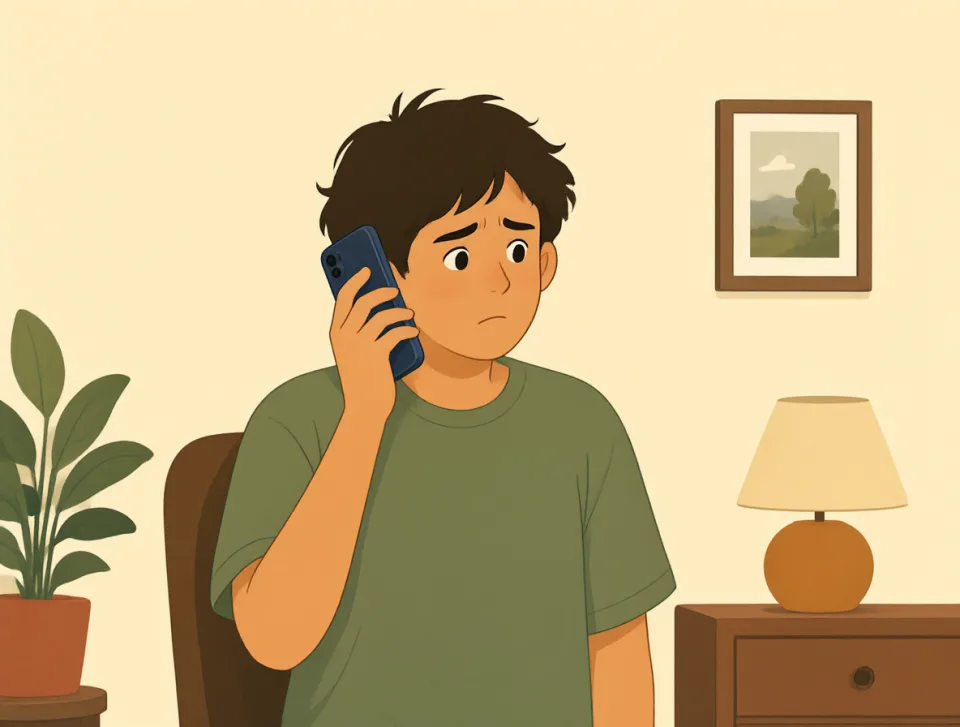
He sounded distant on the phone, so I asked if he was feeling okay.
他在電話裡聽起來有些冷淡,所以我問他是不是感覺不舒服。

They became distant after starting new jobs in different cities.
他們分別在不同的城市開始新工作後,關係變得疏遠了。
stranger
#2725noun
陌生人
A person you do not know or have not met before.
你不認識或以前從未見過的人。

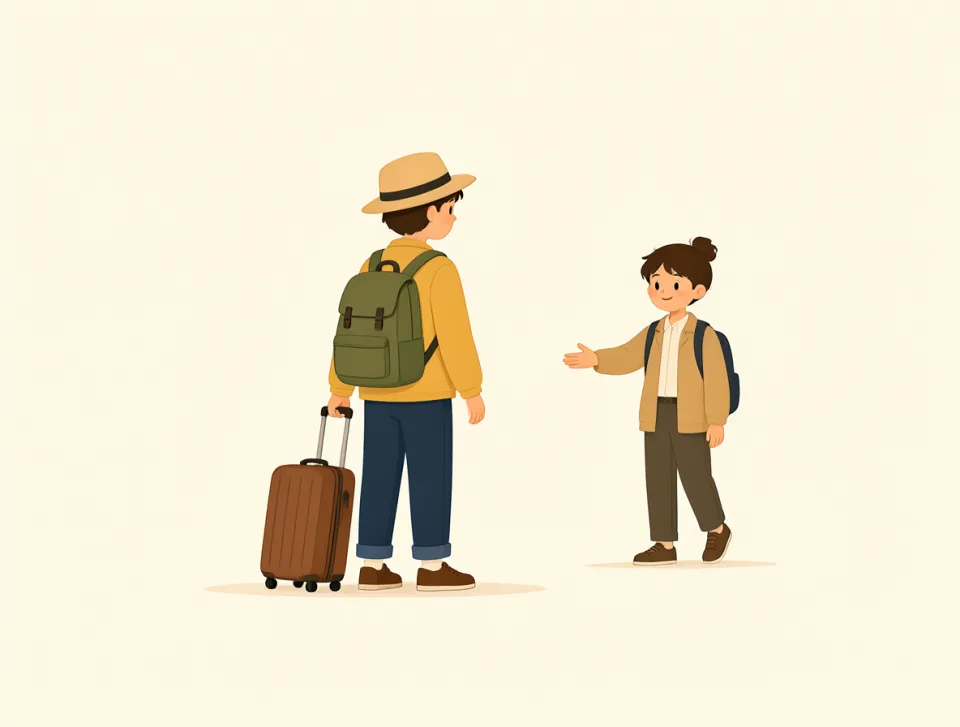
A stranger knocked on our door and asked to use the phone.
一個陌生人敲了敲我們家的門,想借用電話。

She felt nervous when a stranger sat beside her on the train.
火車上一個陌生人坐在她旁邊時,她感到很緊張。

My brother never talks to strangers when he walks home from school.
我弟弟放學回家時從來不和陌生人說話。

At the conference, I introduced myself to a stranger from another department.
在會議上,我向一位來自另一個部門的陌生人做了自我介紹。

After moving to town, she was a stranger in a place where everyone knew each other.
搬到這個鎮上後,她在一個人人彼此都認識的地方成了一個陌生人。
shade
#2726noun, verb
陰涼處;遮陰;色調
An area out of direct sunlight, or to make something darker by blocking light.
不受陽光直射的地方,或透過遮擋光線使某物變暗。

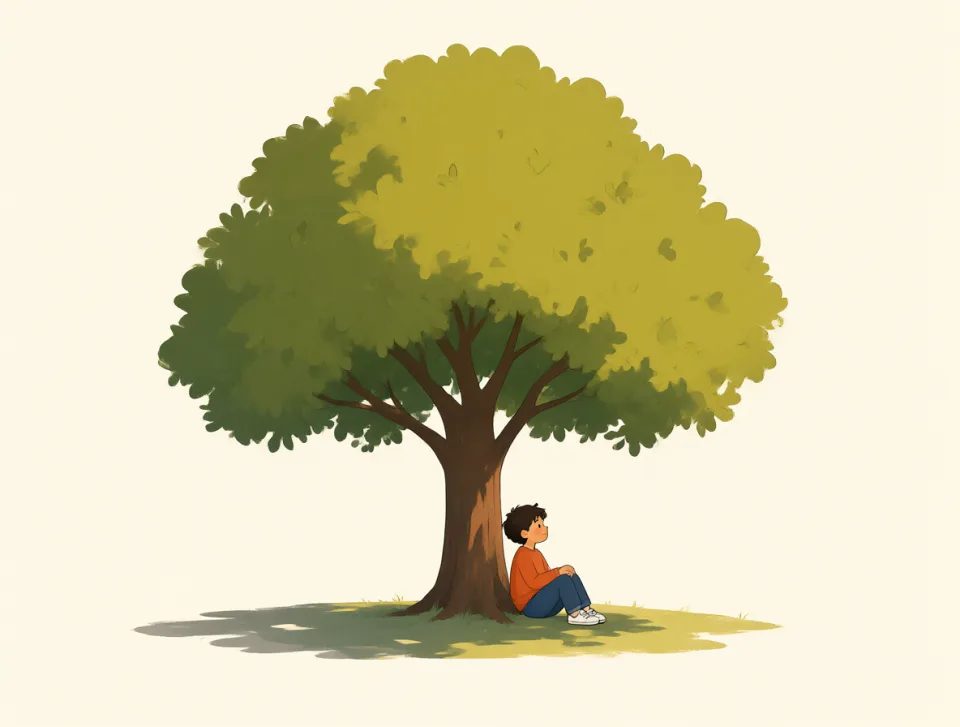
We sat in the shade of a large tree while we ate lunch.
我們吃午飯時坐在一棵大樹的陰涼處。
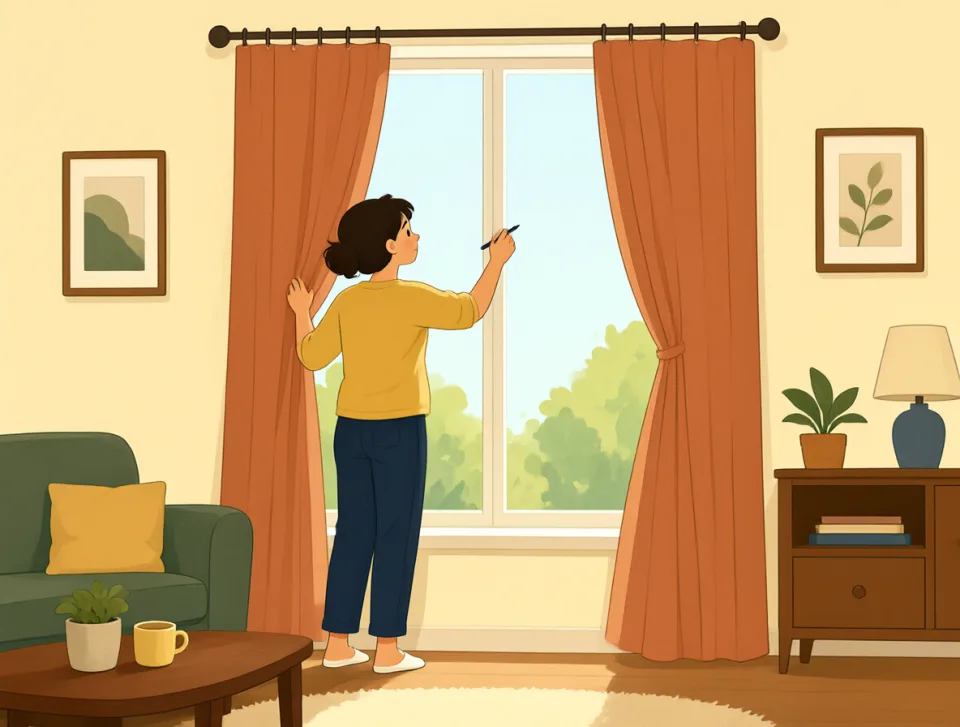
She pulled the curtains to shade the room from the afternoon sun.
她拉上窗簾,讓房間避開午後的陽光。

He chose a darker shade of blue for the bedroom walls.
他為臥室的牆壁選擇了深一點的藍色色調。

The children shaded their eyes as they looked toward the bright sky.
孩子們朝明亮的天空望去時,用手遮住了眼睛。

The café has a small patio shaded by green umbrellas.
這家咖啡館有一個由綠色遮陽傘遮蔽的小露臺。
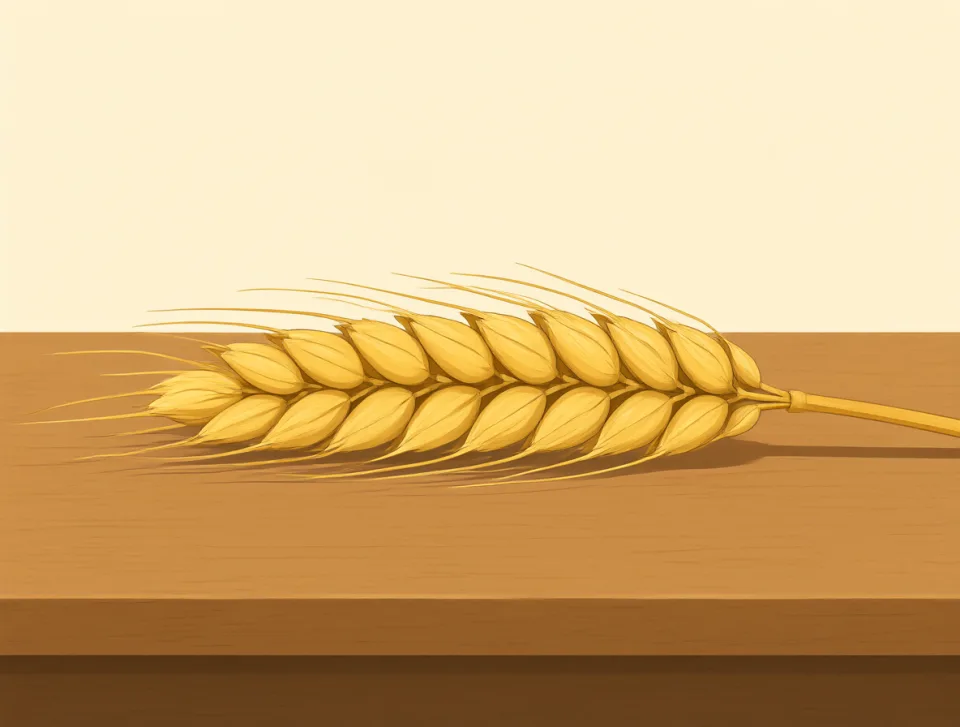
grain
#2727noun
顆粒; 穀物; 金粒; 木紋
A very small hard piece of a substance, or a seed from a cereal plant.
某種物質中非常小的硬顆粒,或穀類植物的種子。

She found a grain of sand in her shoe after the beach walk.
海灘散步後,她發現鞋裡有一粒沙子。
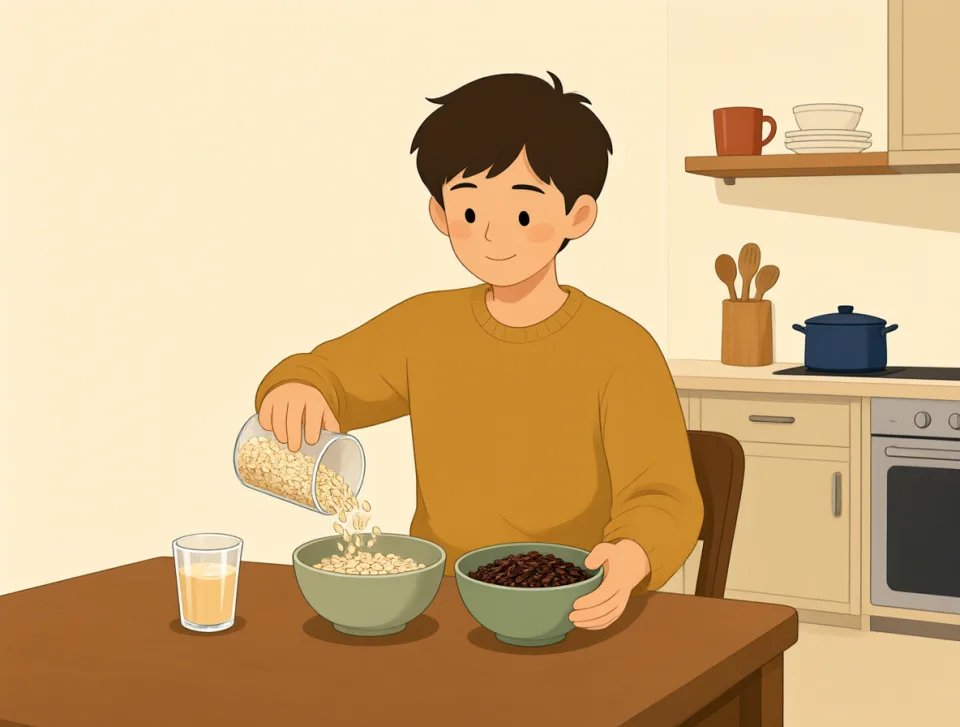
Whole grains like oats and brown rice can make breakfast more filling.
燕麥和糙米等全穀物可以讓早餐更有飽腹感。

The farmer stored the grain in a dry barn before the winter rains began.
冬雨開始下之前,農民把穀物儲存在乾燥的穀倉裡。
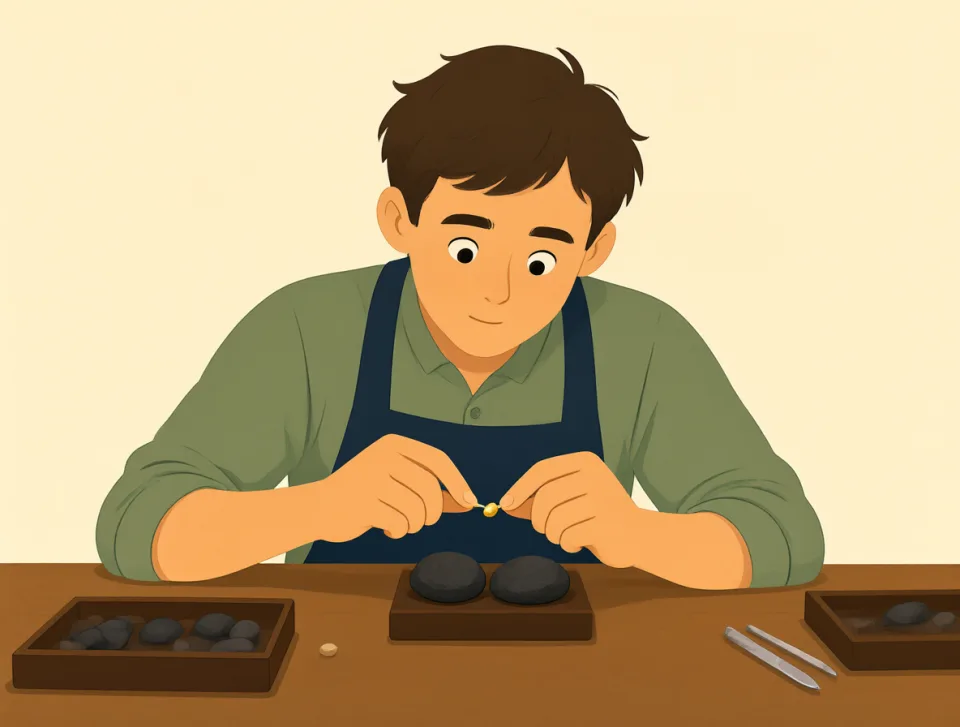
The necklace had a grain of gold caught between two dark stones.
項鍊上兩塊深色石頭之間卡著一粒金子。
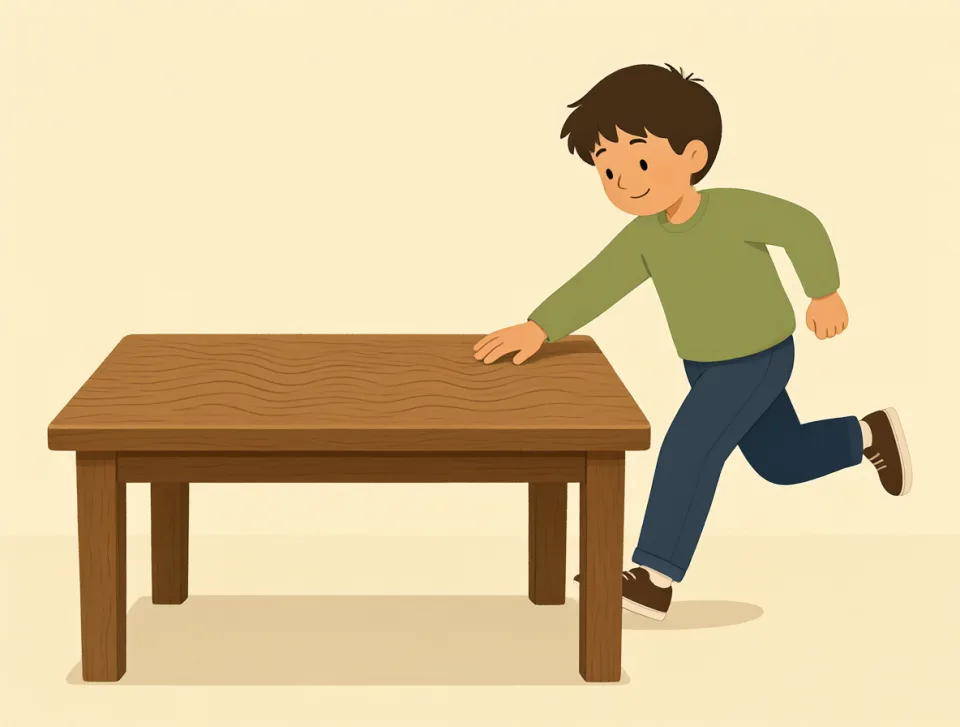
You can see the wood grain clearly on this old kitchen table.
你可以清楚地看到這張舊廚房餐桌上的木紋。
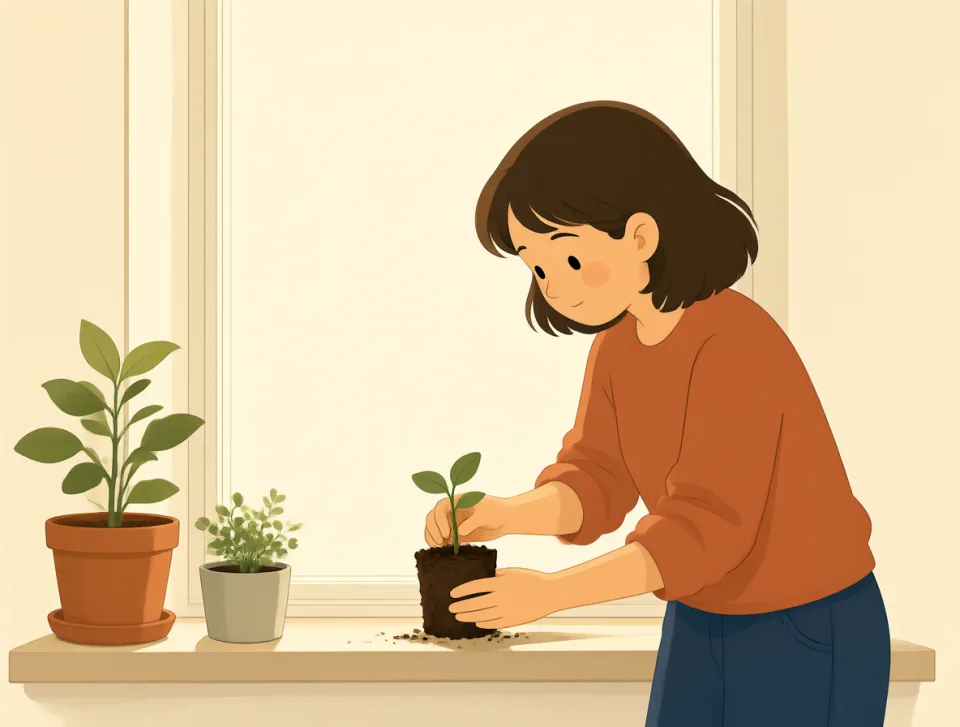
situate
#2728verb
使位於;把……放在
to place something or someone in a particular position or setting
把某物或某人放在特定的位置或環境中
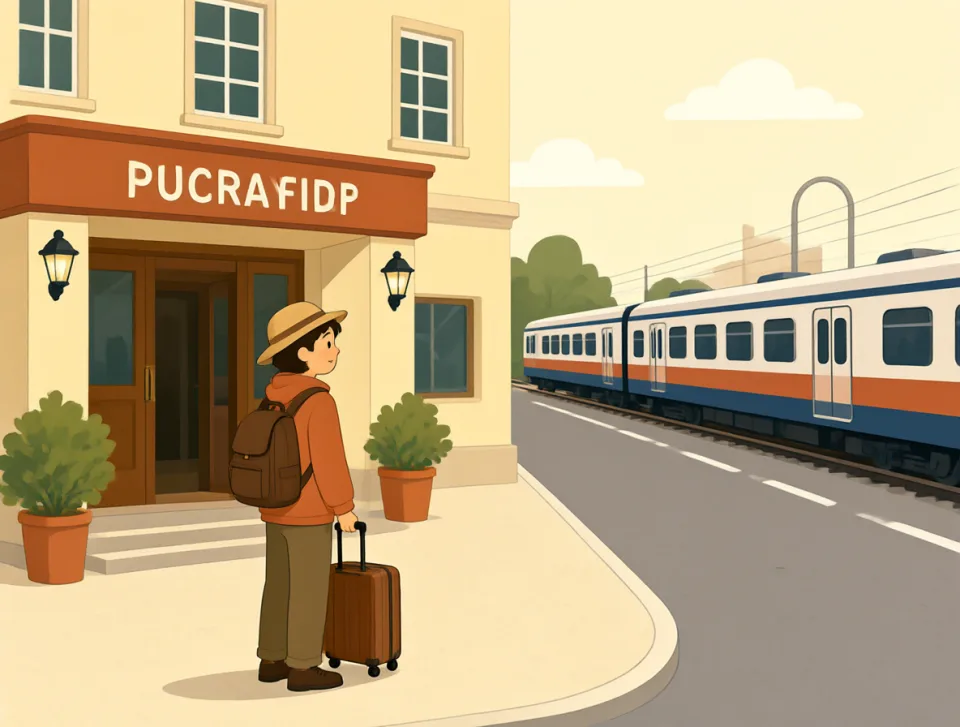
The hotel is situated near the station, so we can walk there.
這家酒店位於車站附近,所以我們可以走過去。

She situated the desk beside the window to get more daylight.
她把書桌放在窗戶旁邊,這樣可以獲得更多日光。
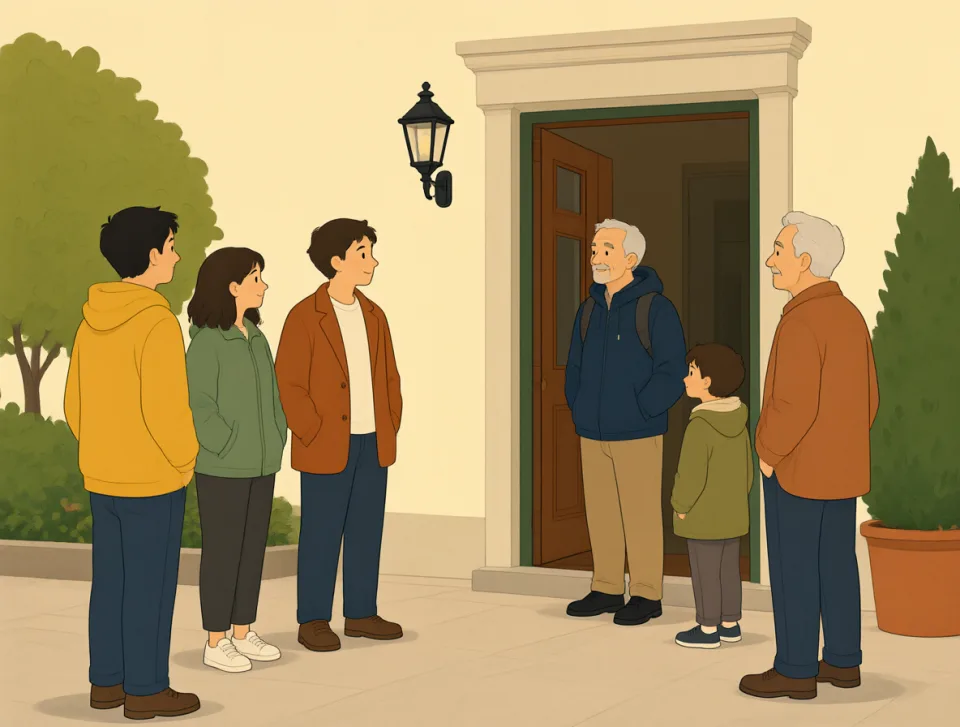
The guide situated our group at the entrance before the tour began.
導遊在旅行開始前把我們這一組安排在入口處。

The doctor situated the patient comfortably before checking her shoulder.
醫生讓病人舒適地坐好,然後檢查她的肩膀。

The café is situated on a quiet street near my friend’s apartment.
這家咖啡館位於一條安靜的街道上,靠近我朋友的公寓。
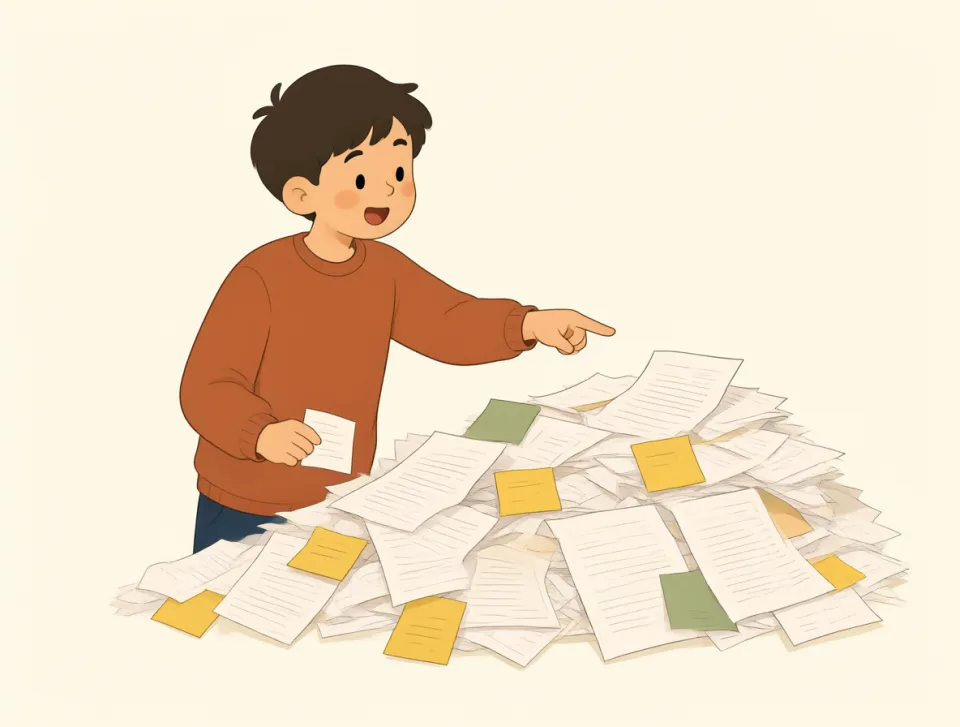
summarize
#2729verb
總結;概括
To give the main points of something in a shorter form.
用更簡短的形式概括某件事的主要內容。

Can you summarize the meeting before we leave the office?
我們離開辦公室之前,你能總結一下會議內容嗎?

She summarized the book for her classmates during the lesson.
上課時,她向同學們概括了這本書的內容。

The doctor summarized my test results and explained the next steps.
醫生總結了我的檢查結果,並解釋了接下來要做什麼。

He summarized our travel plans while we waited at the station.
我們在車站等車時,他總結了一下我們的旅行計劃。

I summarized the recipe before we started cooking dinner together.
我們一起開始做晚飯之前,我先概括了一下食譜的內容。

leap
#2730noun, verb
跳躍;跳躍動作;飛躍;巨大進步
to jump high or far, or to make a sudden, important change
向高處或遠處跳躍,或者發生突然而重大的變化。

The dog leaped over the low fence and ran across the garden.
狗狗跳過矮柵欄,跑過花園。

She took a leap from the diving board into the swimming pool.
她從跳水板上縱身一躍,跳進了游泳池。

He leaped up when the phone rang during dinner.
晚飯時電話鈴一響,他就猛地站了起來。

Moving abroad was a big leap, but she found a good job there.
搬到國外生活是一個很大的跨越,但她在那裡找到了一份不錯的工作。
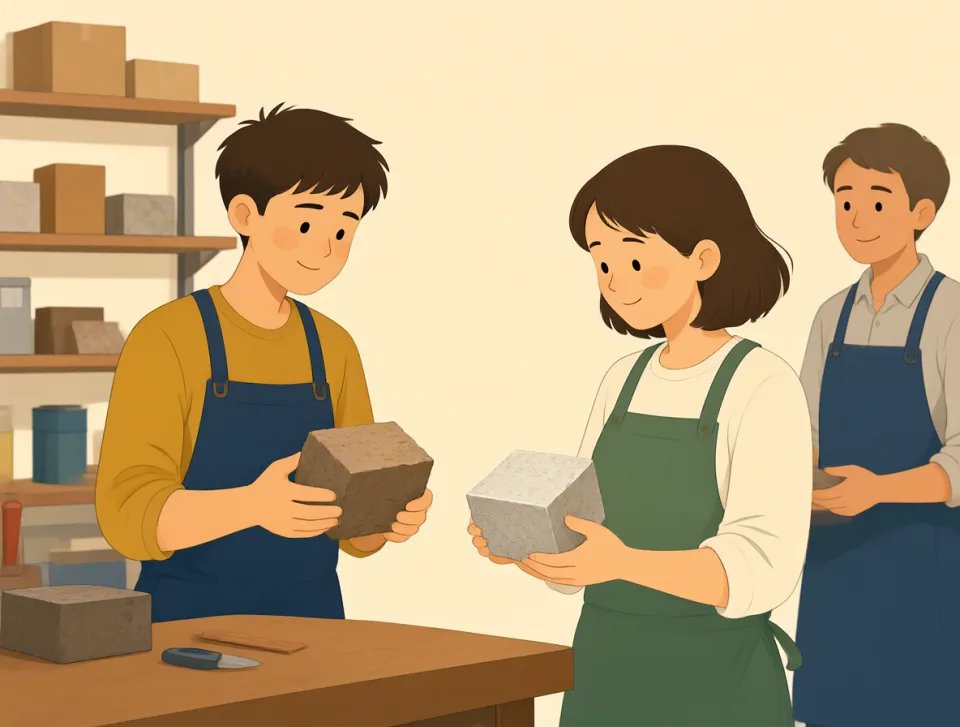
The team has made a huge leap in quality since last year.
與去年相比,這支團隊的質量有了巨大的飛躍。
snap
#2731verb, noun
折斷;啪地斷開;拍照;打響指;寒潮;厲聲責罵
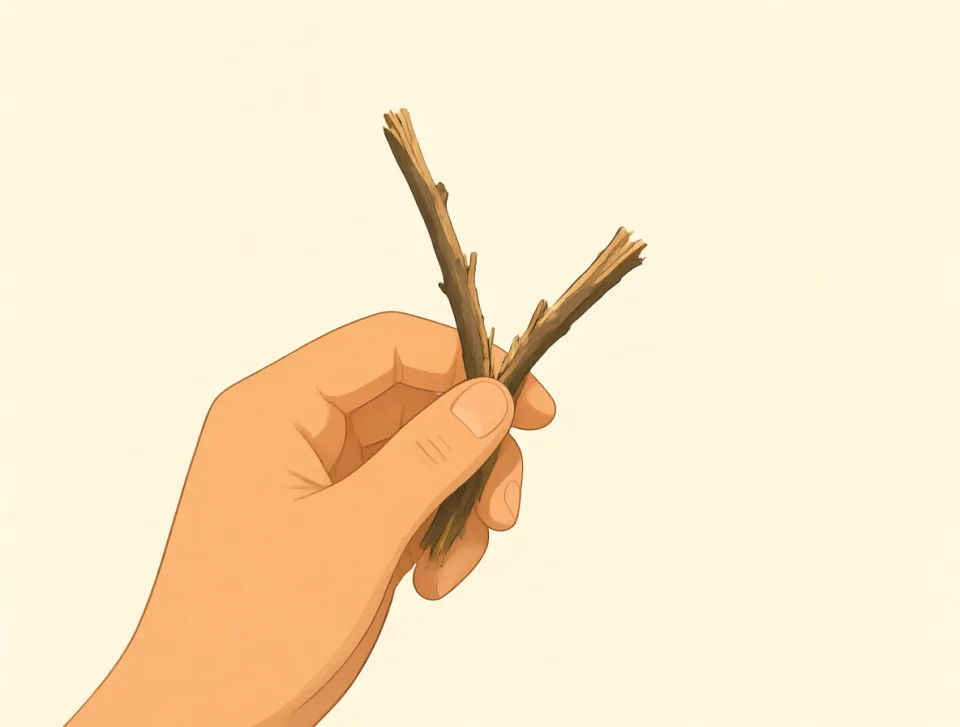
To break suddenly with a short, sharp sound, or to take a quick photograph.
突然啪的一聲折斷,或快速拍攝一張照片。
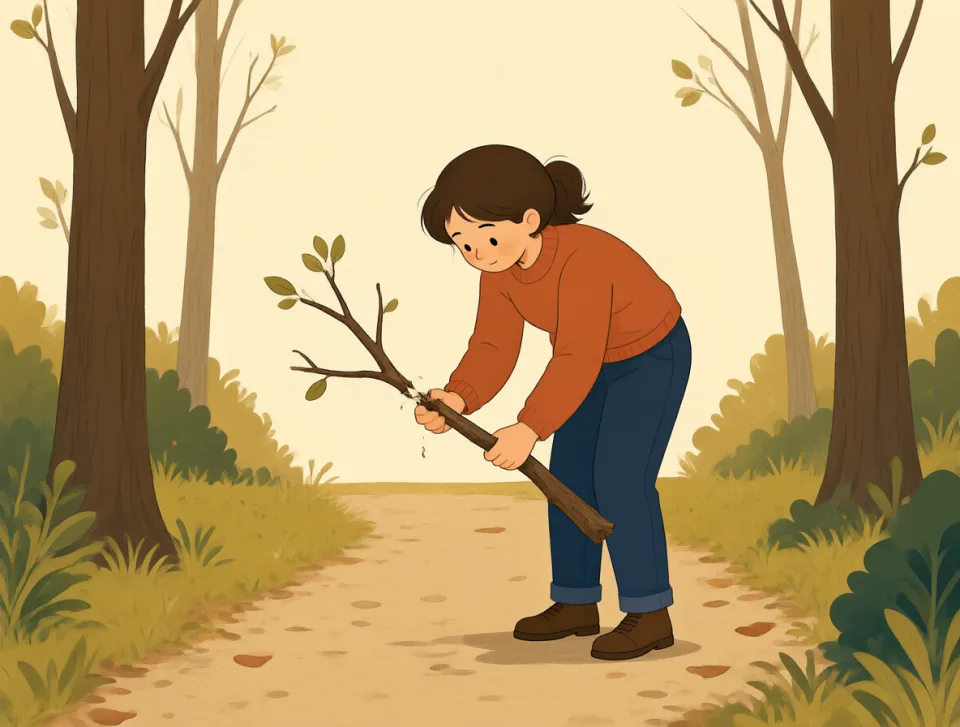
She snapped a dry branch while walking through the woods.
她在樹林裡散步時,折斷了一根幹樹枝。
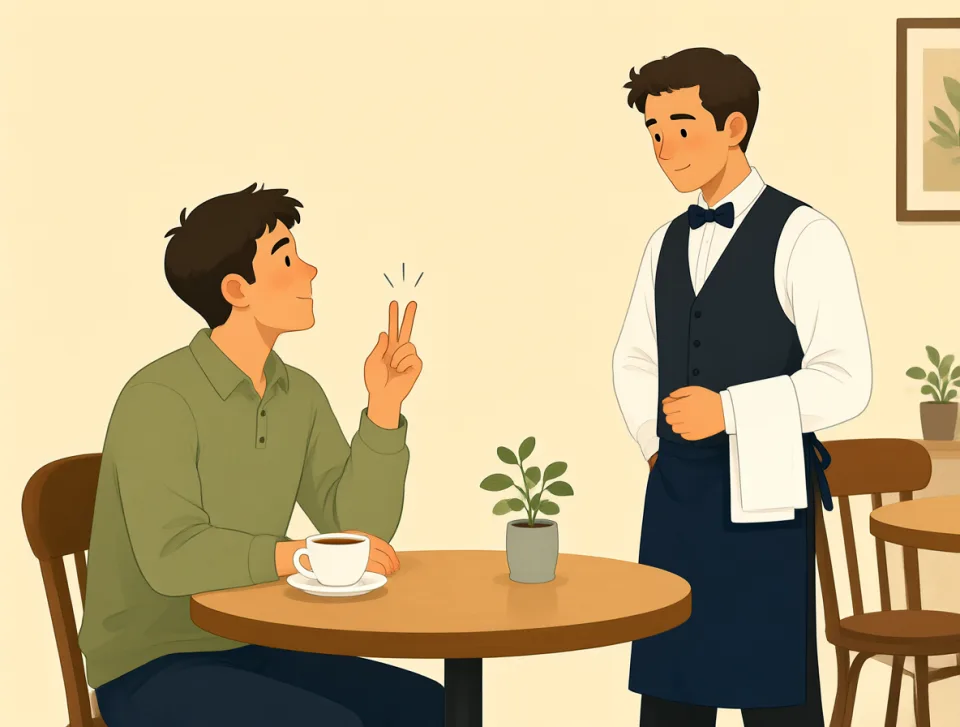
He snapped his fingers to get the waiter’s attention.
他打了個響指,想引起服務員的注意。

The cold snap made the lake freeze overnight.
這波寒潮讓湖面一夜之間結了冰。

I snapped a photo of my friends at the beach.
我在海灘上給朋友們拍了一張照片。
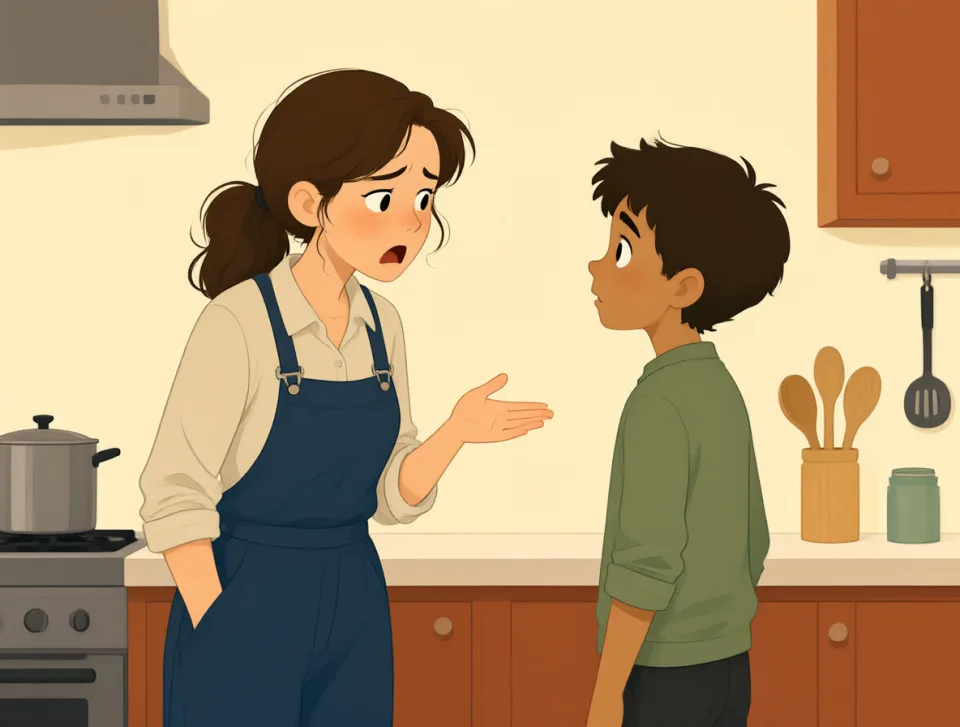
She snapped at her brother after a long day at work.
工作了一整天后,她忍不住衝弟弟發了脾氣。

probability
#2732noun
可能性;機率
the chance that something will happen
某件事情發生的可能性。
There is a high probability of rain, so take an umbrella when you leave home.
很有可能會下雨,所以出門時記得帶把傘。
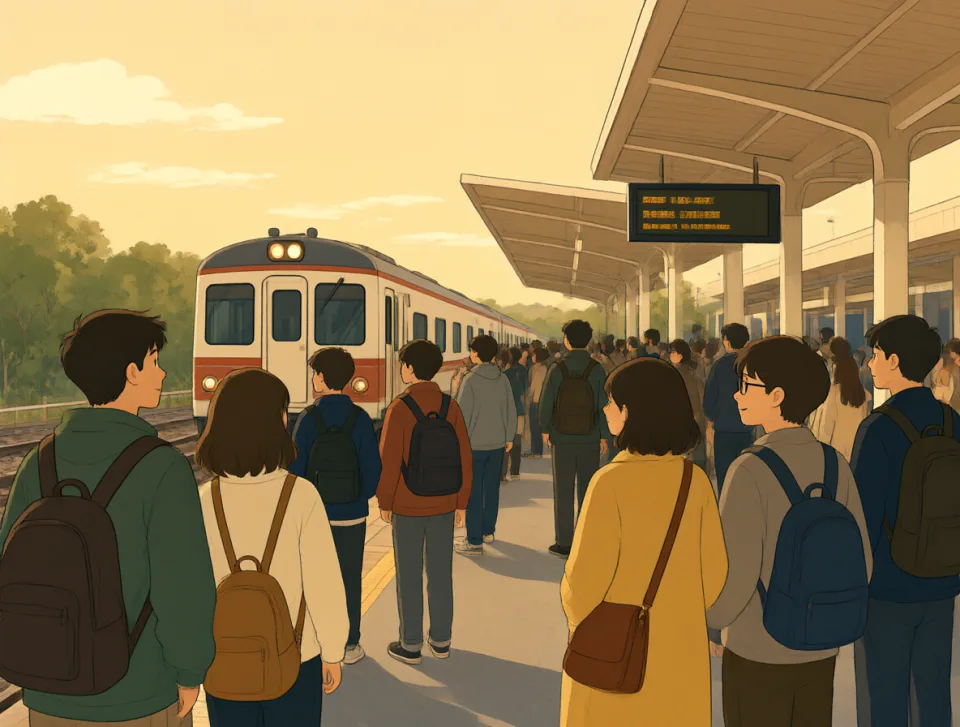
The probability that our train will be late increases during the busy evening commute.
在晚上通勤高峰期,我們的火車晚點的可能性會增加。
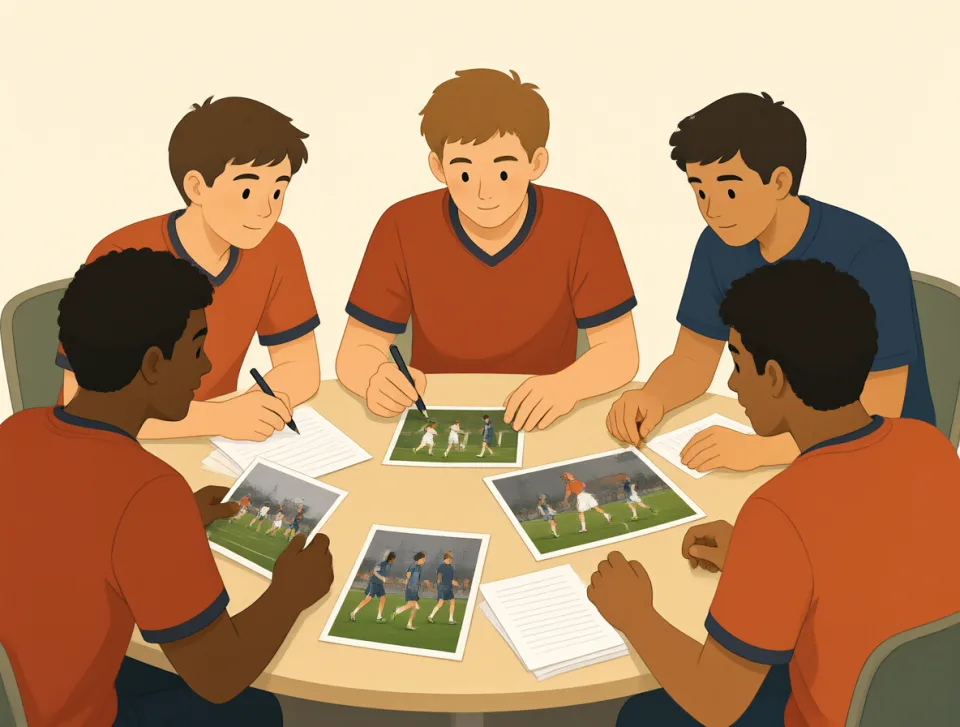
We calculated the probability of winning after studying the team's recent results.
研究了球隊最近的比賽成績後,我們計算出了獲勝的機率。
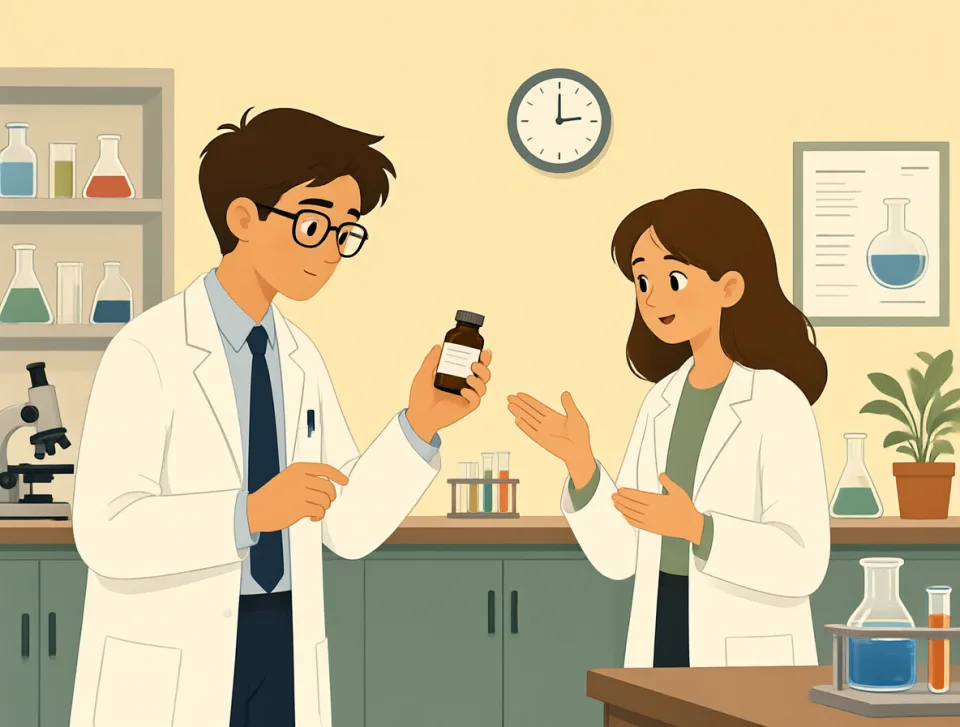
Scientists estimate a small probability of serious side effects from this medicine.
科學家估計,這種藥物引發嚴重副作用的可能性很小。
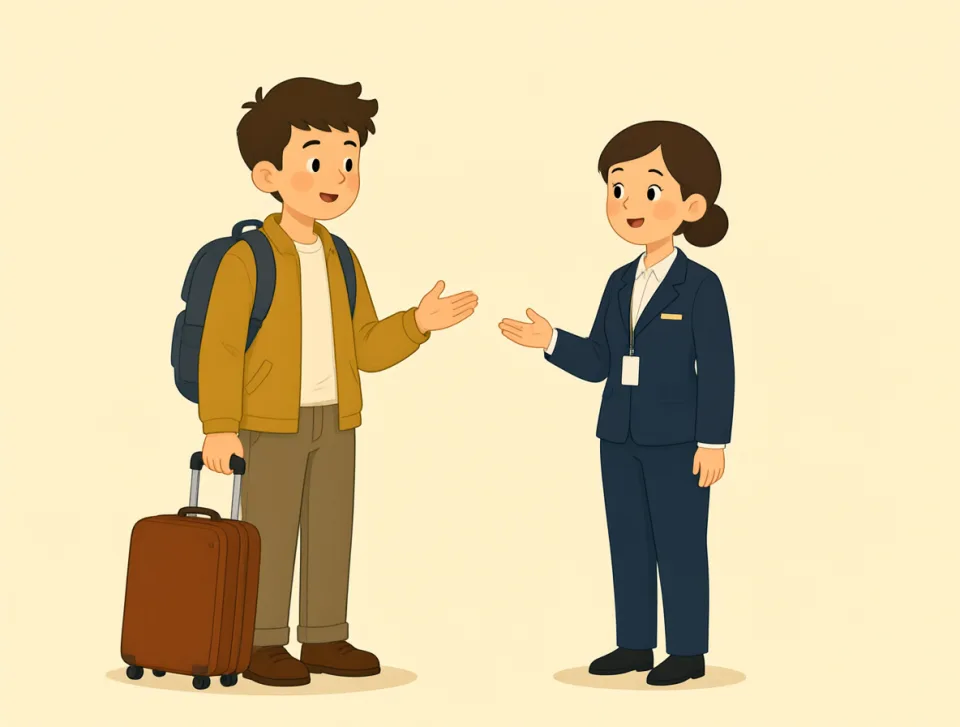
Buying travel insurance reduces the probability of losing money on a cancelled trip.
購買旅行保險可以降低因行程取消而蒙受經濟損失的可能性。

leather
#2733noun, adjective
皮革;皮製的
Strong, flexible material made from animal skin and used for shoes, bags, and clothing.
一種堅韌且有彈性的材料,由動物皮製成,用於製作鞋子、包和衣服。

She bought a new leather jacket before the winter trip.
她在冬季旅行前買了一件新的皮夾克。
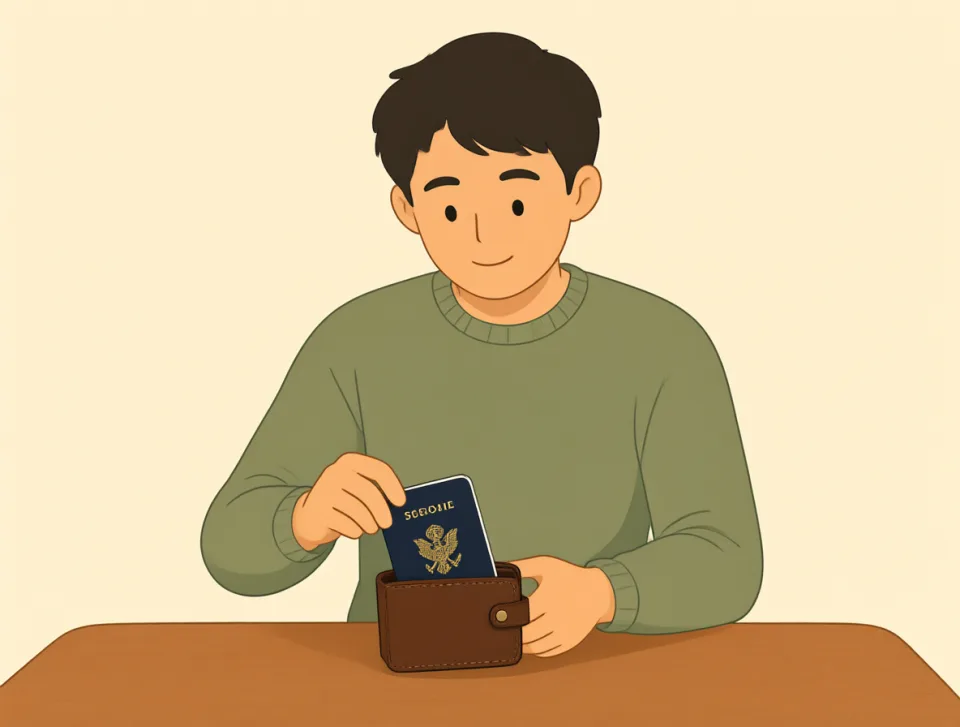
He keeps his passport in a small leather wallet.
他把護照放在一個小皮錢包裡。
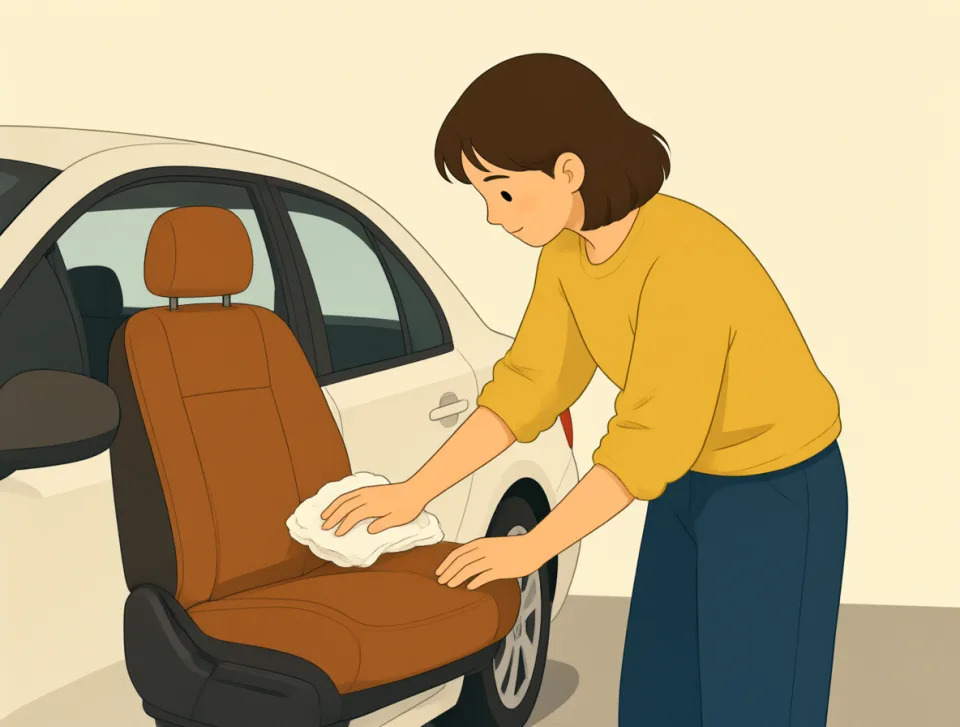
I cleaned the leather seats after our long drive.
長途駕車後,我把皮革座椅清潔了一遍。

These leather shoes are comfortable enough for walking around town.
這雙皮鞋很舒服,穿著在城裡四處走也沒問題。

The repair shop replaced the leather strap on my watch.
修理店給我的手錶換了一條皮錶帶。
uncertainty
#2734noun
不確定性;不確定;疑慮
A state of not knowing what will happen or what is true.
不知道將會發生什麼或什麼是真實情況的狀態。
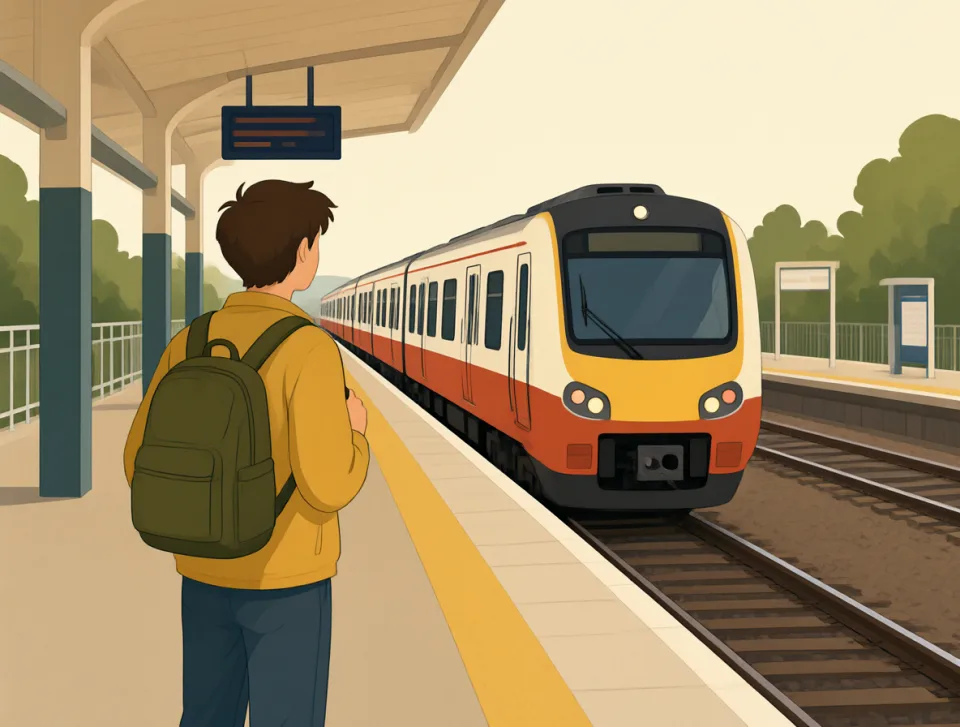
There is still some uncertainty about when the train will arrive.
火車什麼時候到站,目前仍不確定。
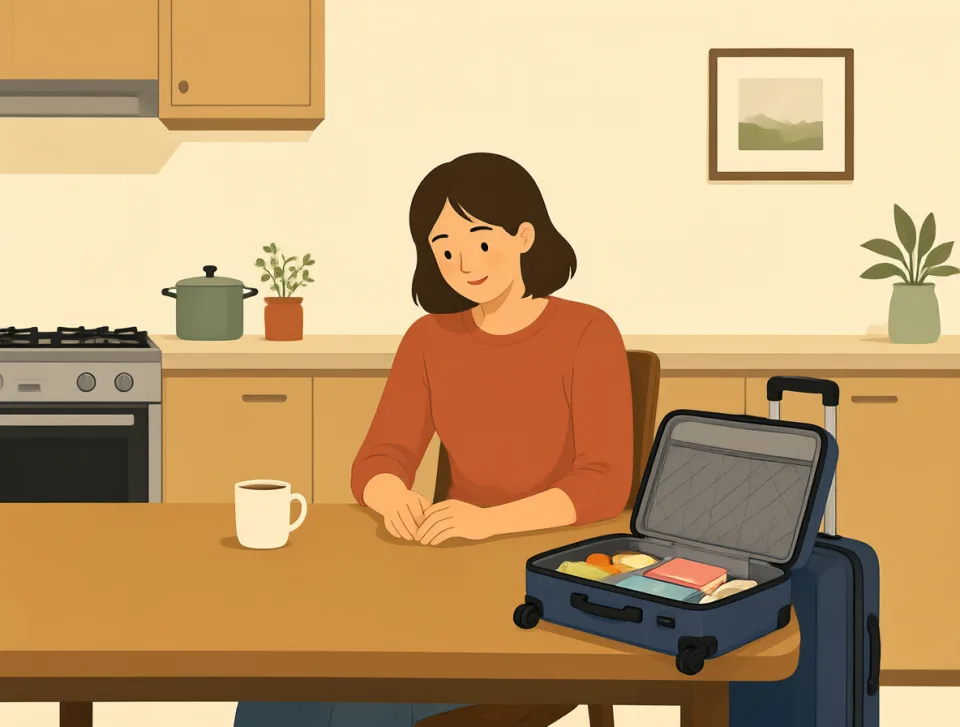
She felt uncertainty about accepting the new job in another city.
對於是否接受那份需要去另一個城市工作的新職位,她感到有些猶豫。

The doctor explained that uncertainty about the test results was normal.
醫生解釋說,對檢測結果感到不確定是很正常的。
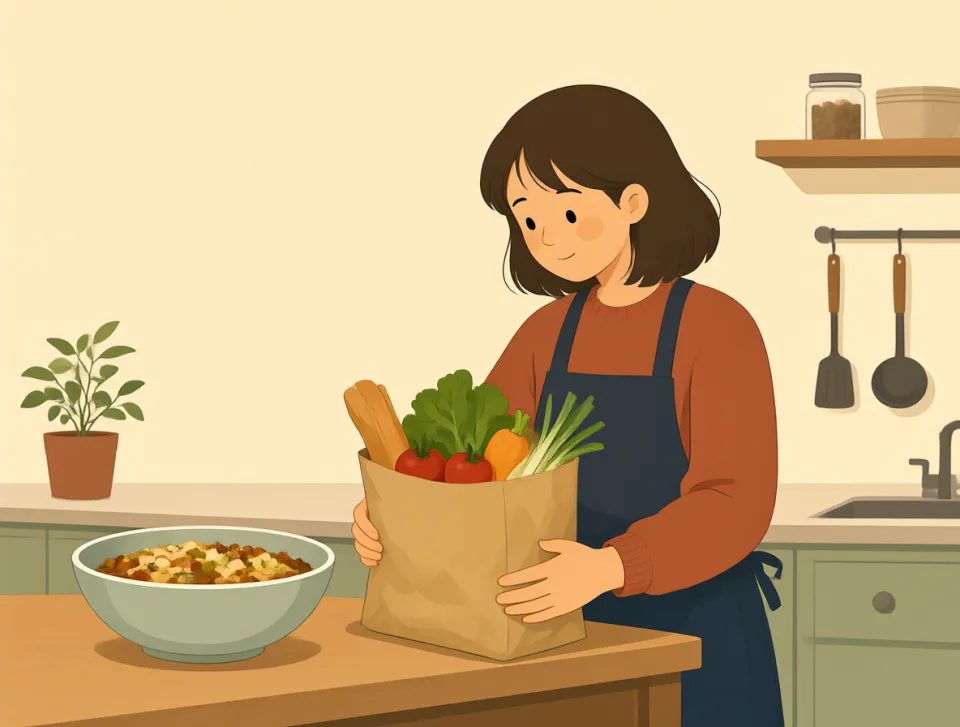
We bought extra food because of uncertainty about how many guests would come.
由於不確定會有多少客人來,我們多買了一些食物。

The team worked through the uncertainty before choosing a plan for the project.
團隊在充分考慮各種不確定因素後,才為這個專案選定了方案。
swear
#2735verb, noun
發誓;咒罵;宣誓
To use rude or offensive words, or to promise seriously that something is true.
說粗魯或冒犯他人的話,或者鄭重地保證某件事屬實。
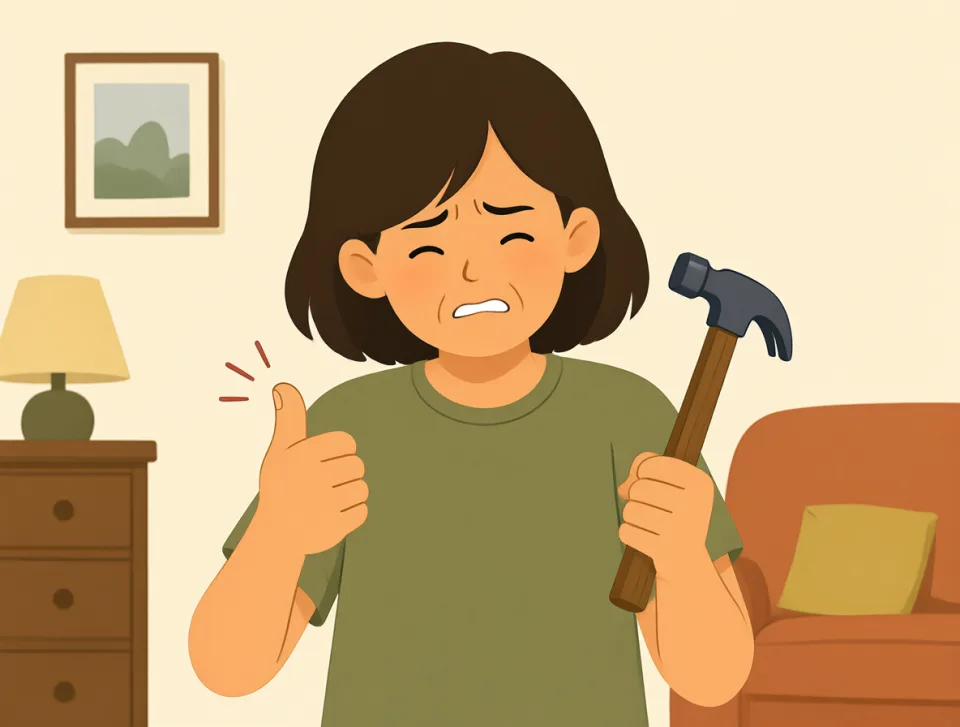
He swore when he hit his thumb with the hammer.
他用錘子砸到自己的拇指時,忍不住罵了一句。
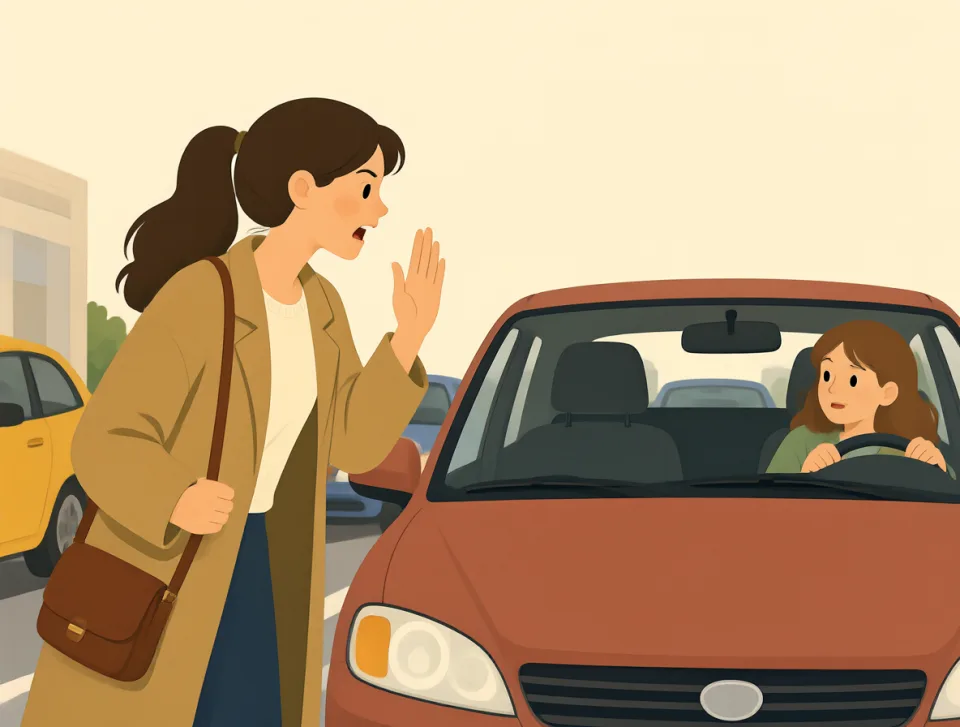
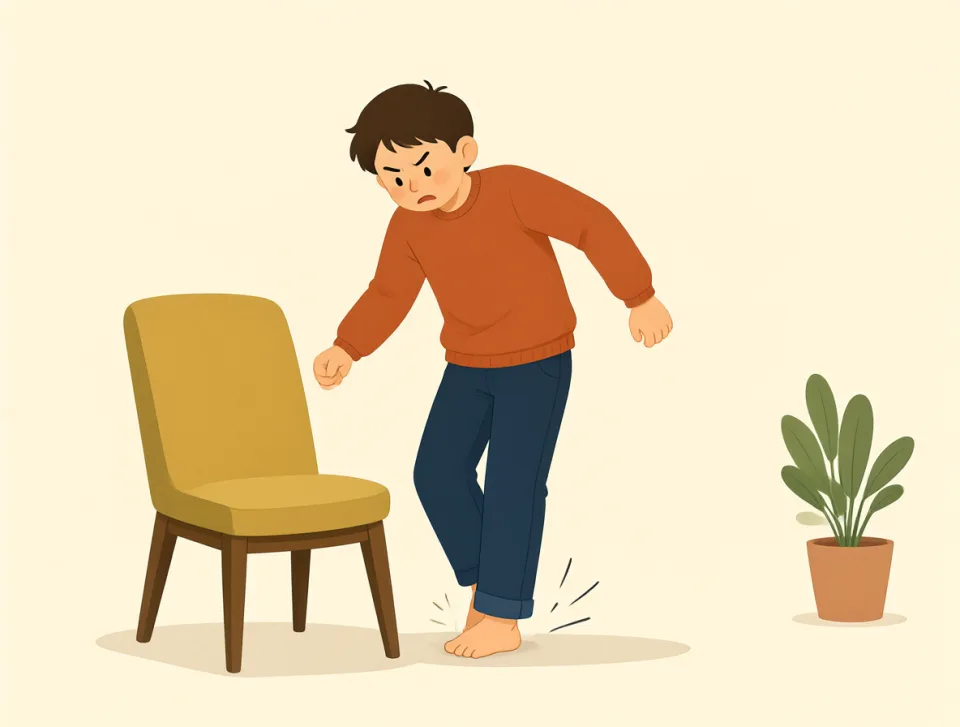
She swore at the driver who cut in front of her.
她衝著那個突然加塞到她前面的司機破口大罵。
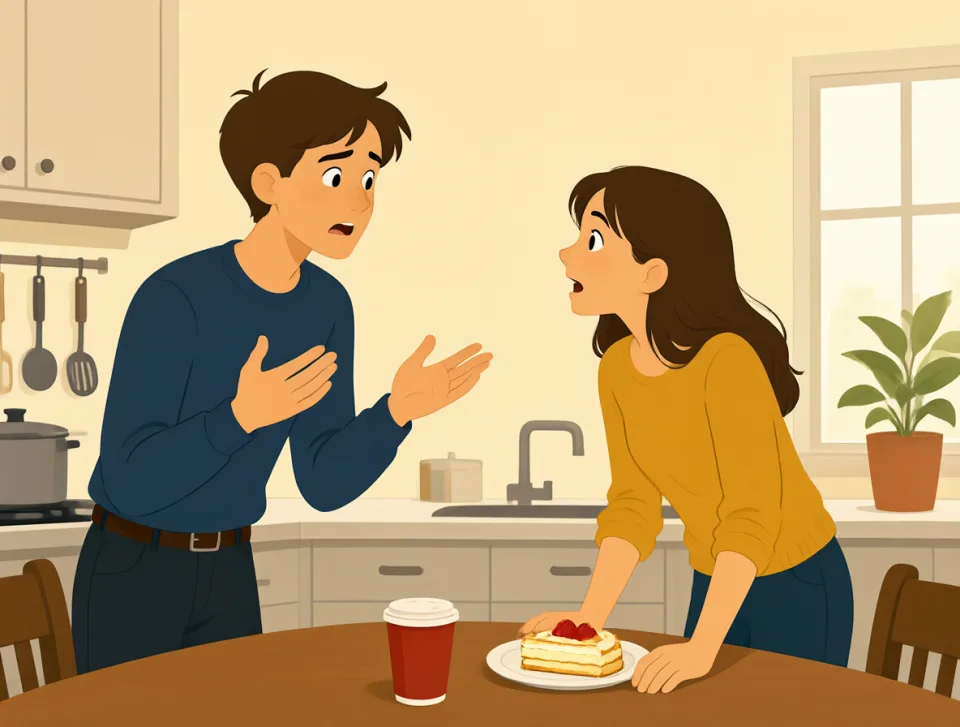
I swear I put your keys on the kitchen table.
我發誓,我把你的鑰匙放在廚房桌子上了。

The witness swore to tell the truth before answering the lawyer’s questions.
在回答律師的問題之前,證人宣誓保證自己會如實作答。

We had to swear an oath before joining the new team.
加入新團隊之前,我們必須先宣誓。
refugee
#2736noun
難民; 避難者
A person forced to leave their country to escape war, danger, or persecution.
為了躲避戰爭、危險或迫害而被迫離開自己國家的人。
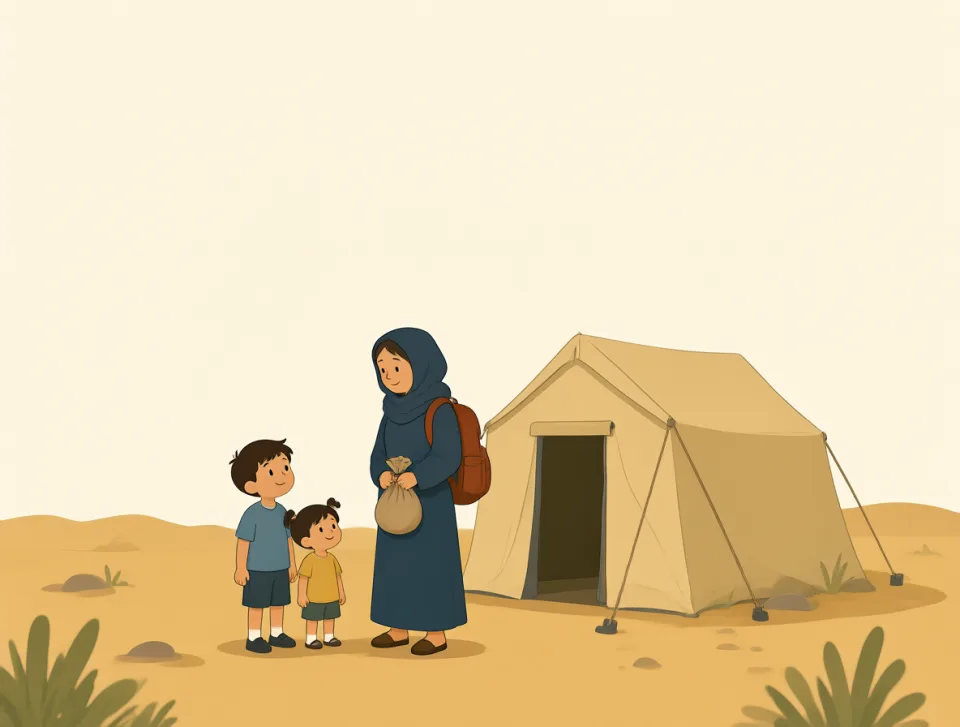
The refugee crossed the border with her two children and a small bag.
這名難民帶著兩個孩子和一個小包越過了邊境。
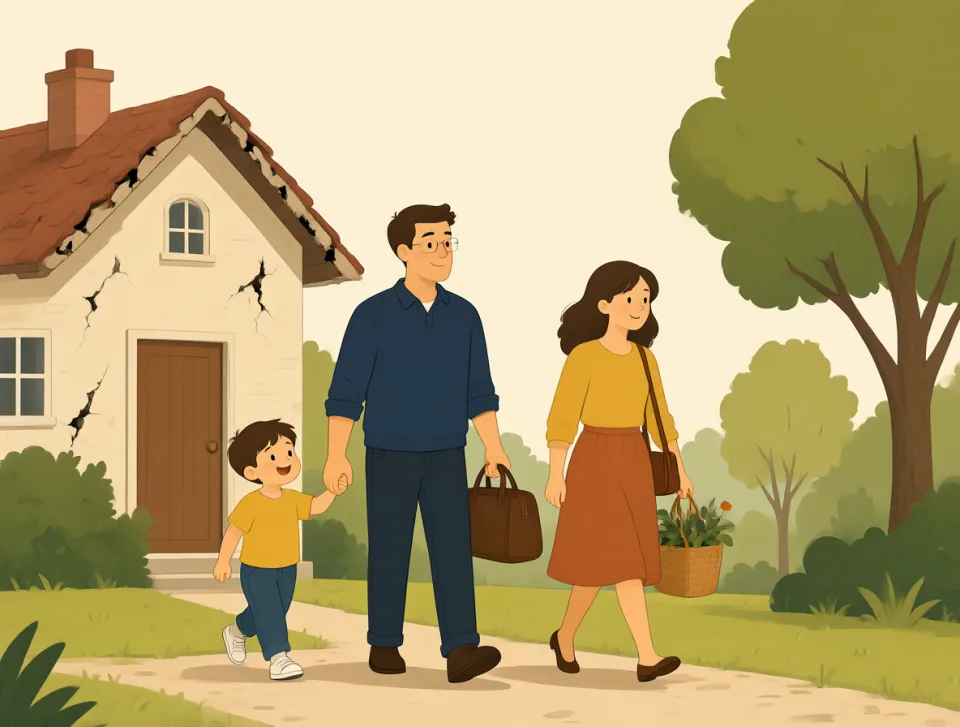
Many refugees fled their homes when fighting reached their town.
戰火蔓延到他們的城鎮後,許多難民逃離了家園。

The city opened a shelter for refugees who had nowhere to sleep.
這座城市為無處過夜的難民開放了一處收容所。
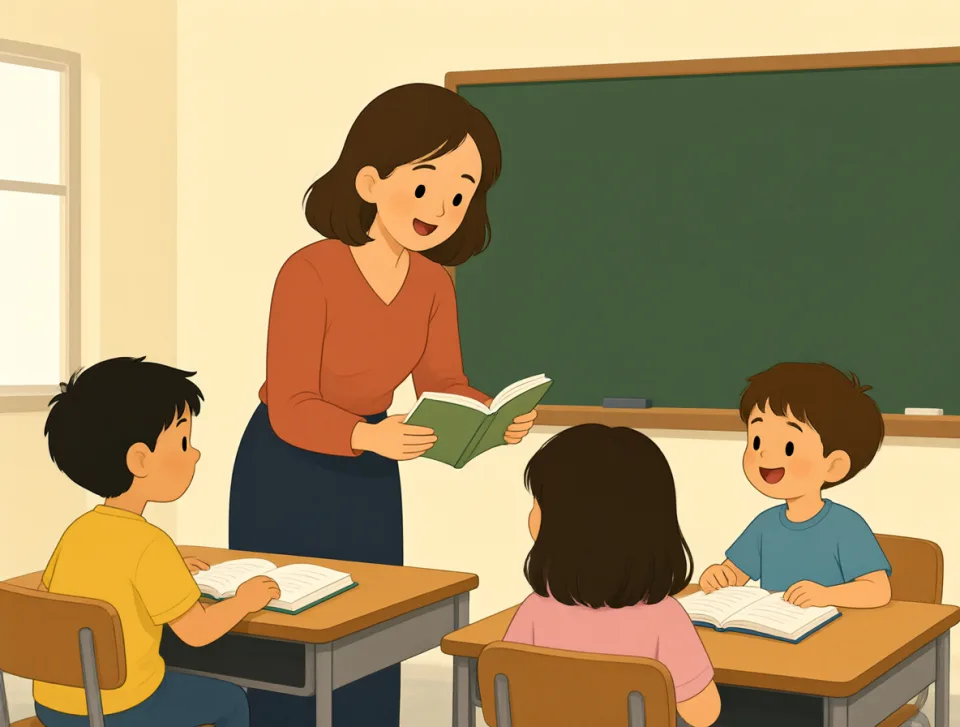
He works as a teacher after arriving as a refugee from Sudan.
他從蘇丹以難民身份來到這裡後,成了一名教師。
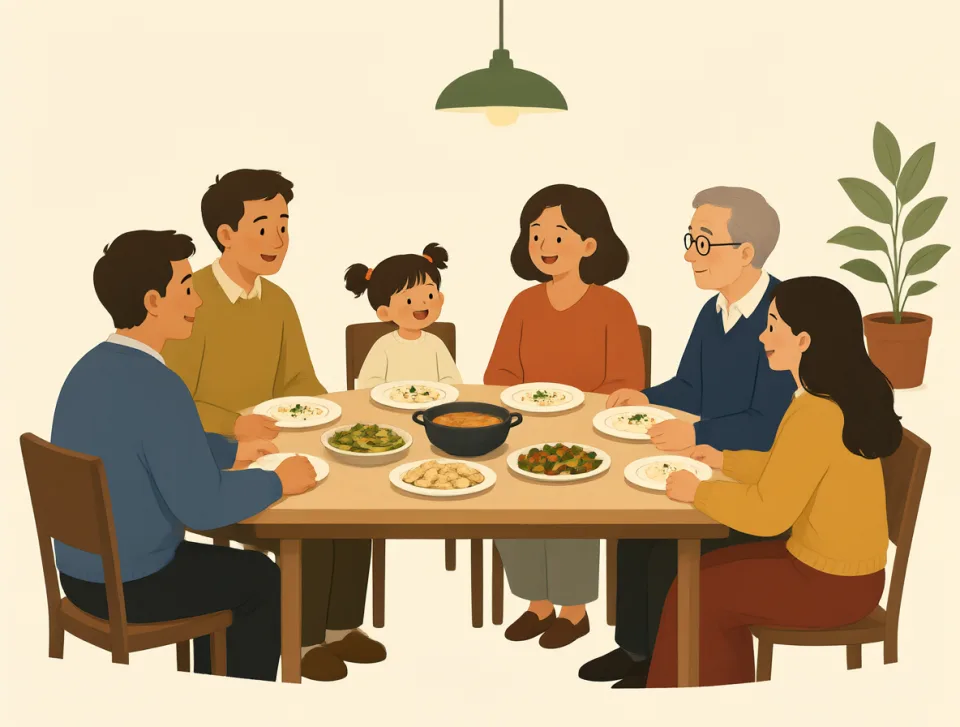
Our neighbors welcomed a refugee family and shared a meal with them.
我們的鄰居熱情接待了一個難民家庭,還和他們一起吃了頓飯。

shore
#2737noun, verb
岸邊;海岸;湖岸;河岸
The land along the edge of a sea, lake, or river.
海洋、湖泊或河流邊緣的陸地。

We walked along the shore and watched the waves roll in.
我們沿著岸邊散步,看著海浪不斷湧來。

The boat drifted toward the shore after its engine stopped.
船的發動機熄火後,慢慢漂向岸邊。
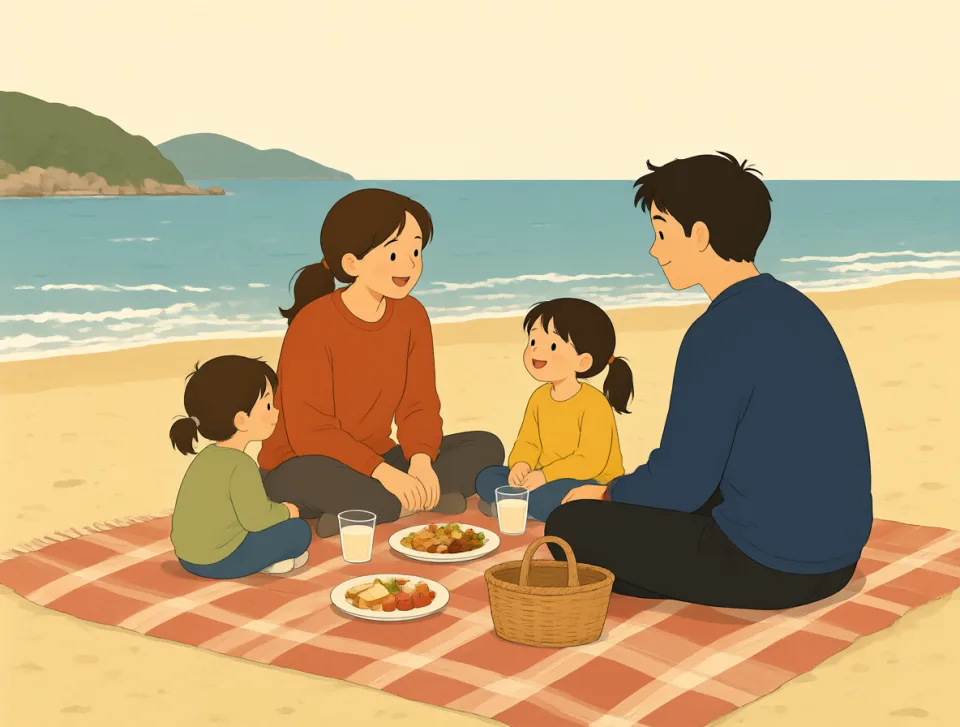
They found a quiet spot on the shore to eat lunch.
他們在岸邊找了個安靜的地方吃午飯。
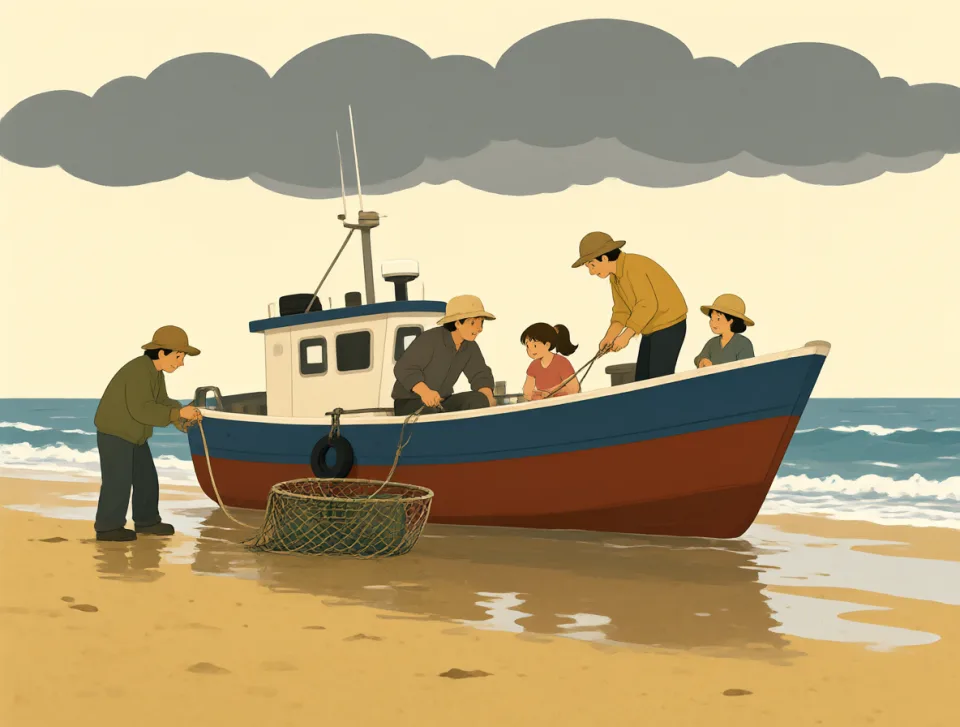
A storm pushed the fishing boat ashore during the night.
一場暴風雨在夜間將漁船衝到了岸上。

The hikers reached the shore of the lake before sunset.
日落前,徒步旅行者到達了湖岸。
monthly
#2738adjective, adverb
每月的;按月的;每月一次
Happening, done, or paid once every month.
每個月發生、進行或支付一次的。

We pay the rent monthly, on the first day of each month.
我們每個月的第一天交房租。

The gym charges a monthly fee, even if I miss a few classes.
健身房每個月都會收取月費,即使我缺了幾節課也一樣。

Our manager holds a monthly meeting to discuss the team's progress.
我們的經理每月都會召開一次會議,討論團隊的工作進展。
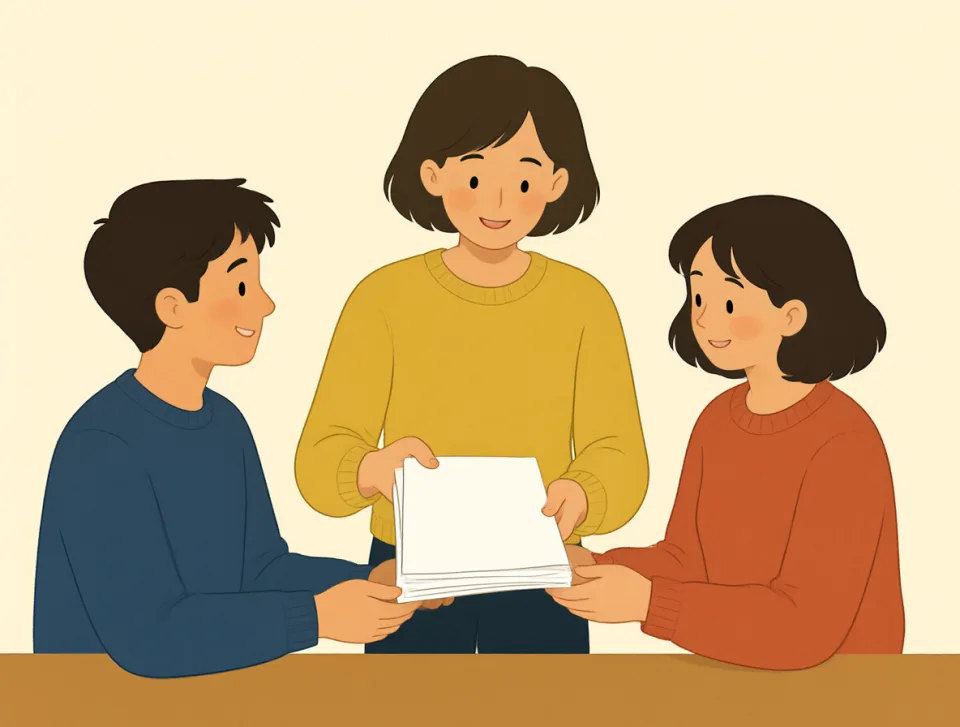
The school sends a monthly newsletter to families with news about upcoming events.
學校每個月都會給各個家庭傳送一份通訊,介紹即將舉行的活動。
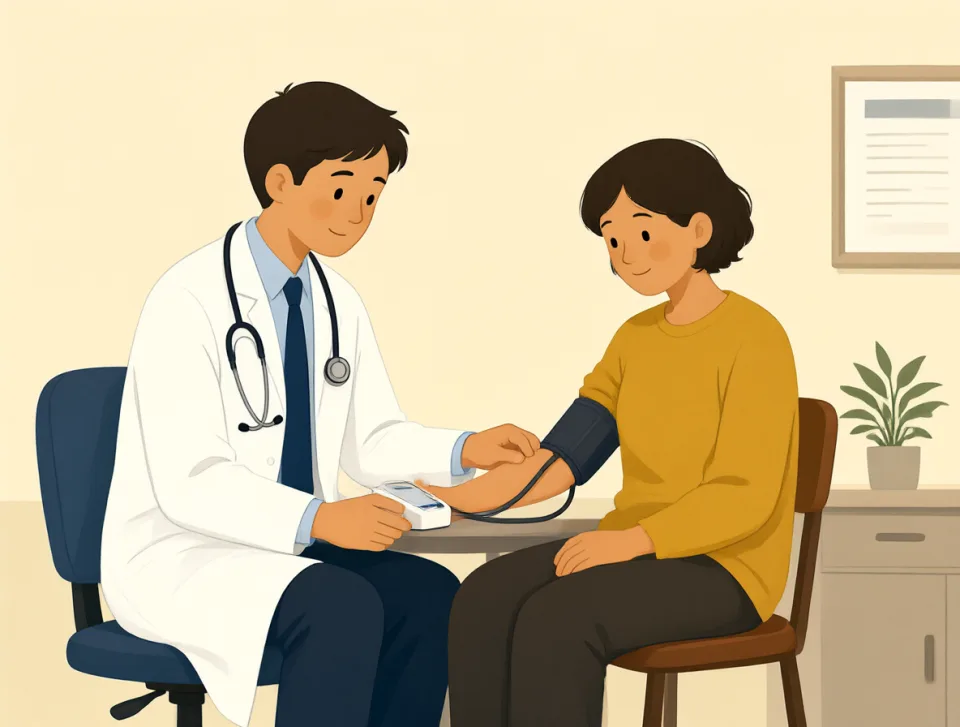
She visits the clinic monthly to check how her treatment is working.
她每個月都會去診所複診,檢查治療效果。
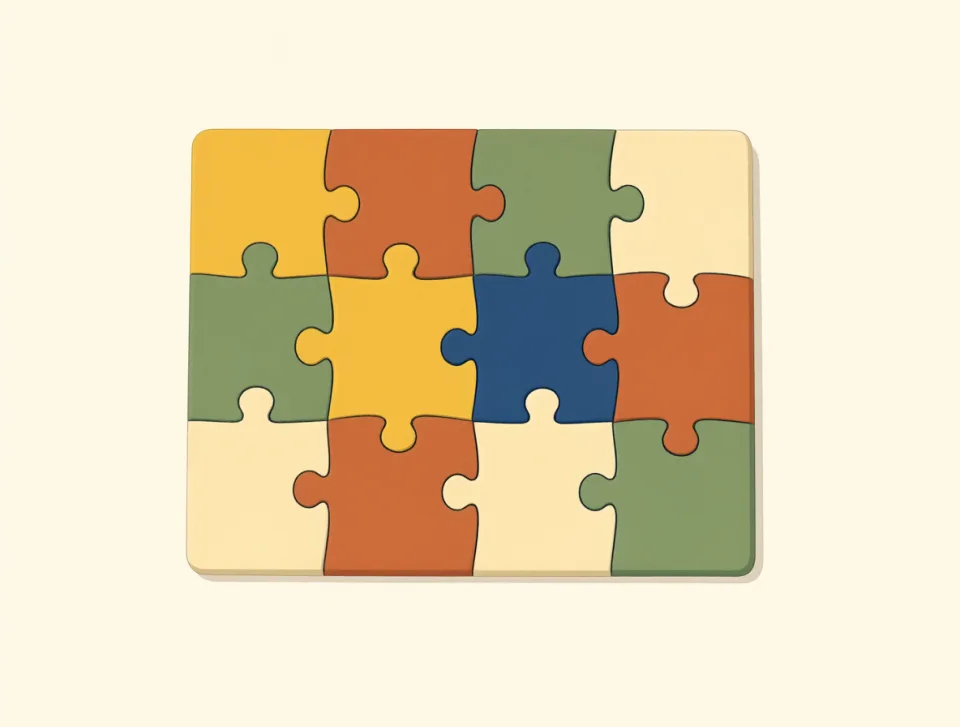
comprise
#2739verb
由……組成;包含;構成
To be made up of particular parts or members.
由特定的部分或成員組成。

The committee comprises teachers, parents, and two local business owners.
這個委員會由教師、家長和兩位當地企業主組成。
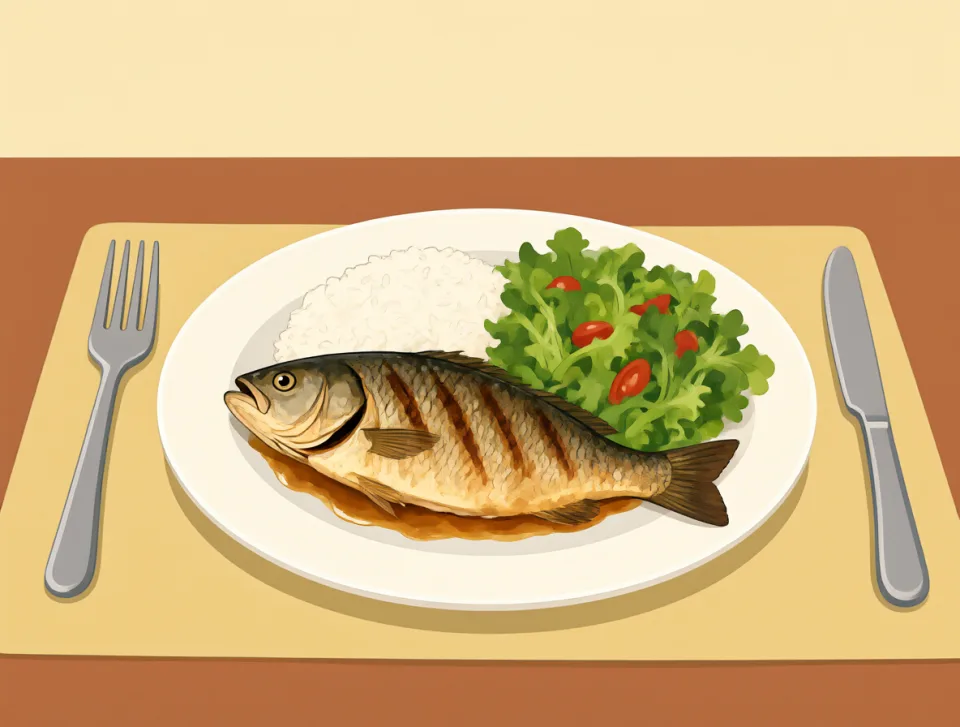
The meal comprised rice, grilled fish, and a fresh green salad.
這頓飯包括米飯、烤魚和一份新鮮的蔬菜沙拉。
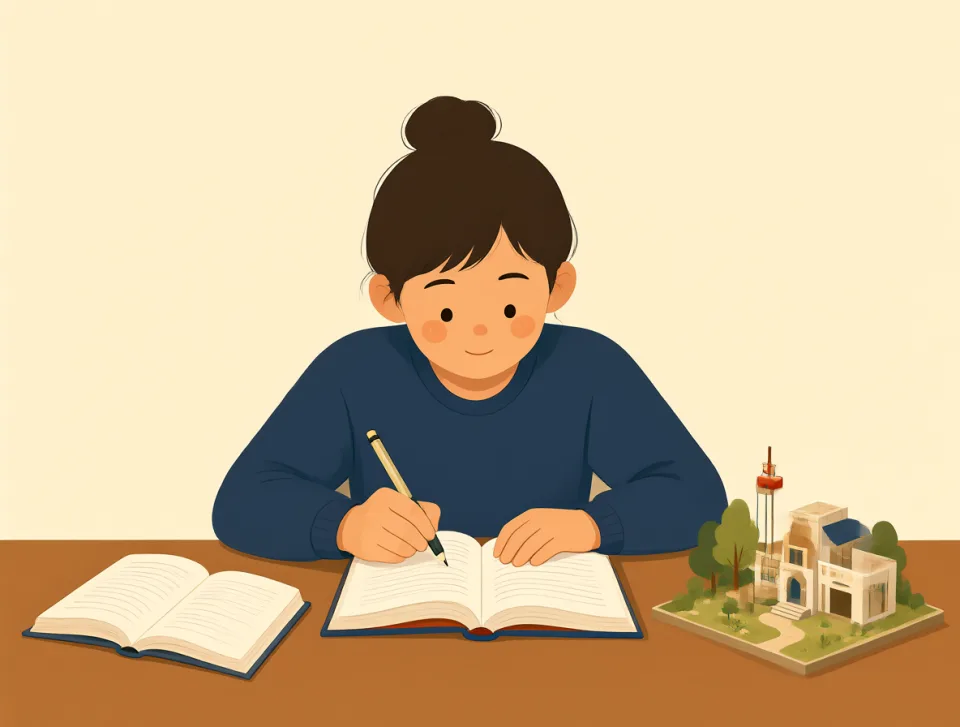
The course comprises six short lessons and a final class project.
這門課程由六節短課和一個期末課程專案組成。

Their trip comprised three days in Rome and two days by the sea.
他們的旅行安排包括在羅馬待三天,以及在海邊待兩天。
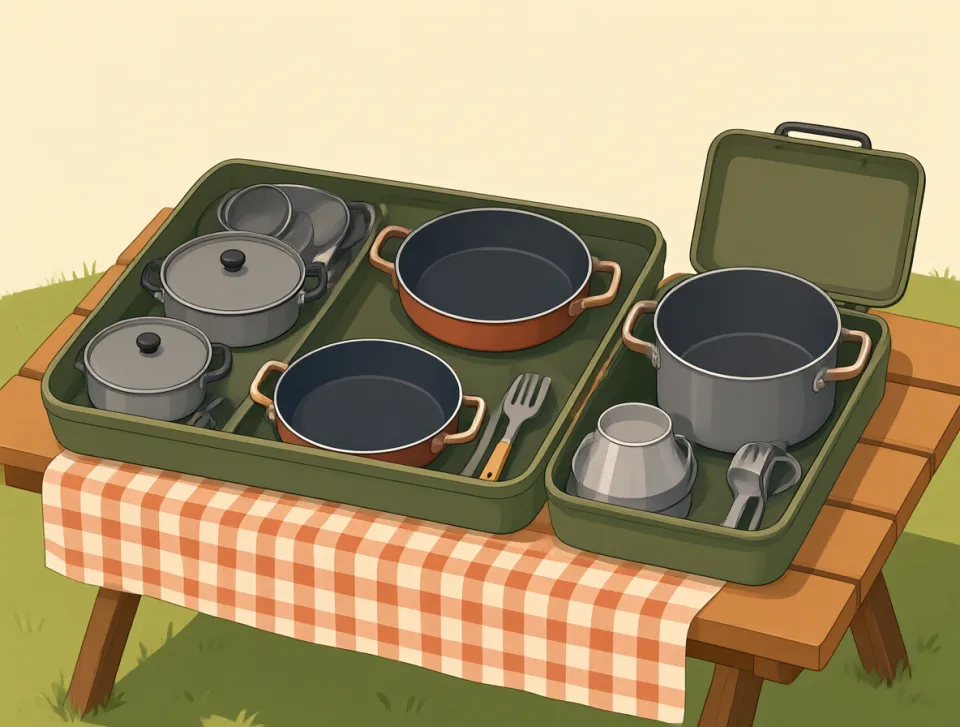
The kit comprises a pan, two plates, and four camping cups.
這套工具包括一個平底鍋、兩個盤子和四個露營杯。
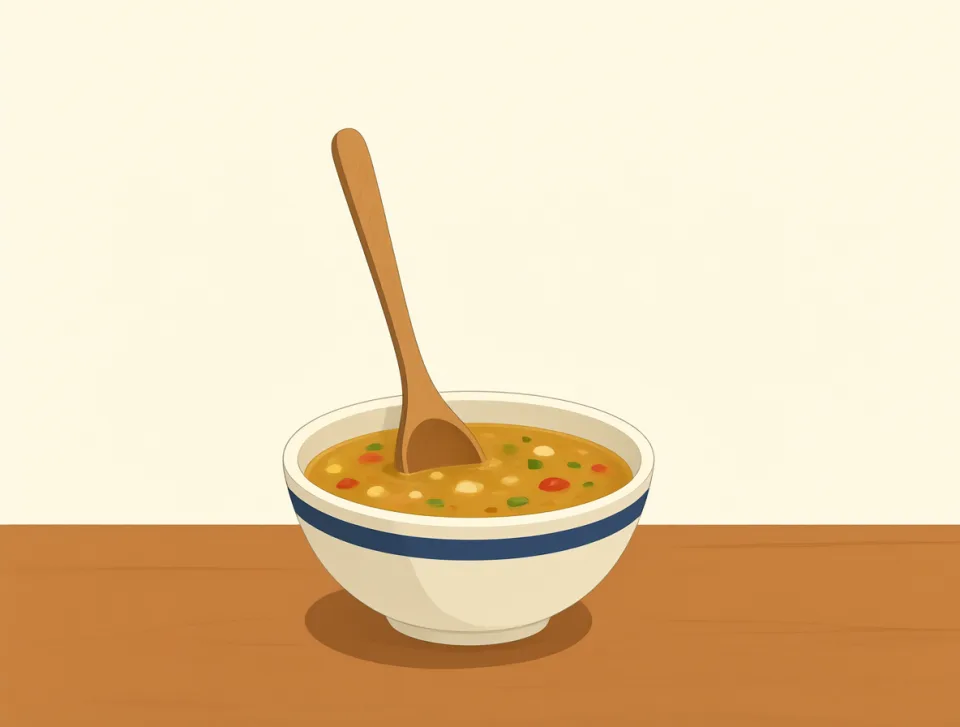
stir
#2740verb, noun
攪拌;攪動;激起;引起
To mix something by moving a spoon or similar object around in it; to cause excitement or trouble.
用勺子或類似的工具在某種東西里來回移動,使其混合均勻;引起興奮、騷動或麻煩。
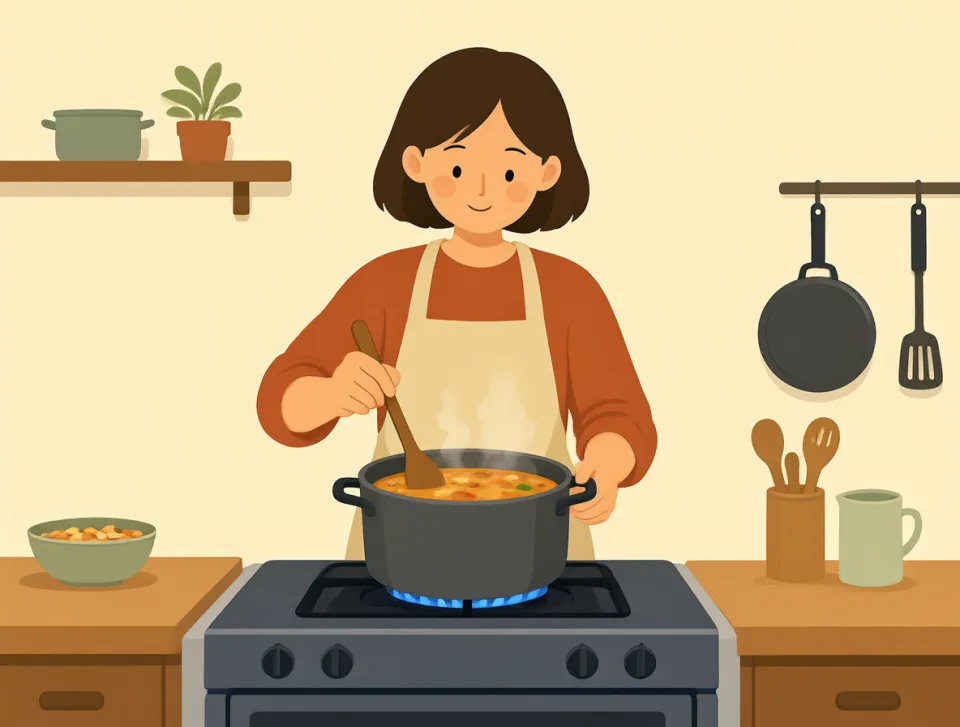
Stir the soup gently while it warms on the stove.
湯在爐子上加熱時,輕輕攪拌一下。
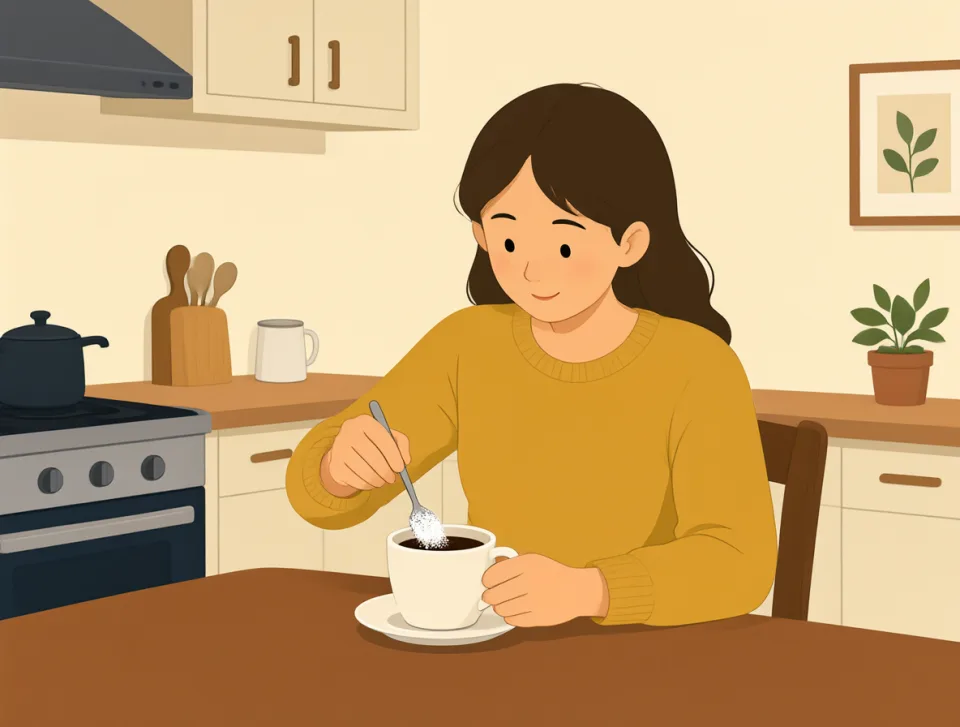
She stirred sugar into her coffee before leaving for work.
她在上班前往咖啡里加了糖,攪拌均勻。
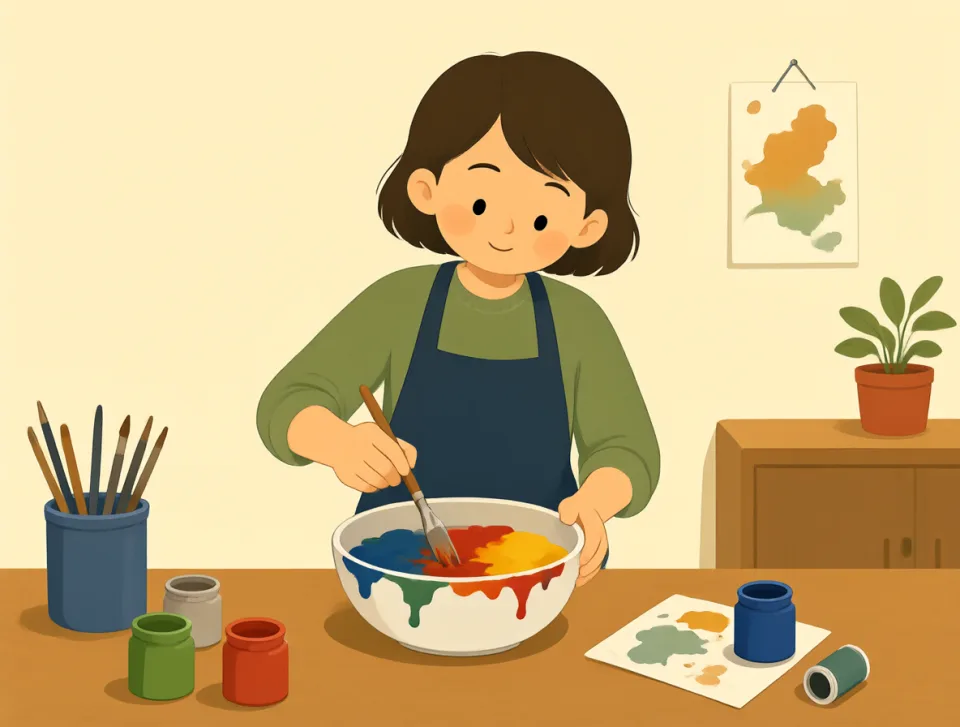
The teacher stirred the paint until the colors blended together.
老師不停地攪拌顏料,直到各種顏色融合在一起。

His question stirred interest among the people at the meeting.
他提出的問題引起了與會者的興趣。
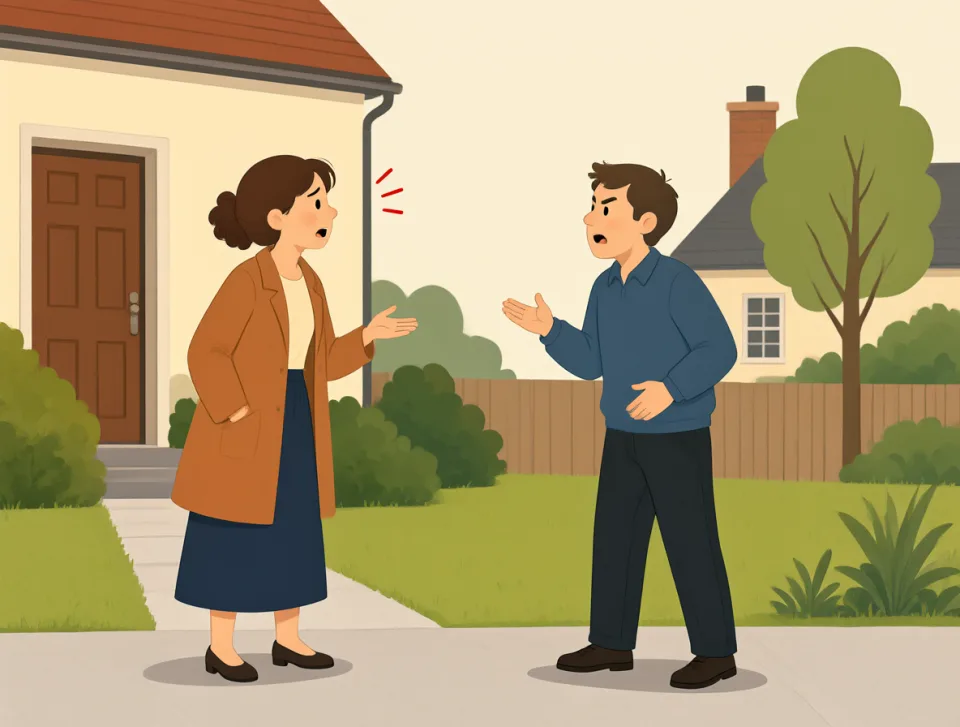
The news stirred up trouble between the two neighbors.
這個訊息在兩位鄰居之間挑起了紛爭。