ইউনিট 137
শব্দ 2721–2740 · abstract, tent, precise, distant, stranger, shade

abstract
#2721adjective, noun
বিমূর্ত
Existing as an idea rather than a physical object; a short written summary of an article.
যা কোনো বস্তু নয়, বরং একটি ধারণা হিসেবে বিদ্যমান; অথবা কোনো নিবন্ধের সংক্ষিপ্ত লিখিত সারাংশ।

Love is an abstract idea that can mean different things to different people.
ভালোবাসা একটি বিমূর্ত ধারণা, যার অর্থ বিভিন্ন মানুষের কাছে বিভিন্ন রকম হতে পারে।

The teacher used simple examples to explain an abstract idea in science class.
বিজ্ঞান ক্লাসে বিমূর্ত ধারণা বোঝাতে শিক্ষক সহজ উদাহরণ ব্যবহার করেছিলেন।

The artist painted an abstract picture using bright colors and unusual shapes.
শিল্পী উজ্জ্বল রং ও অস্বাভাবিক আকৃতি ব্যবহার করে একটি বিমূর্ত ছবি এঁকেছিলেন।

Please write a short abstract of your report before the meeting tomorrow.
আগামীকালের মিটিংয়ের আগে অনুগ্রহ করে আপনার প্রতিবেদনের একটি সংক্ষিপ্ত সারাংশ লিখুন।

The article begins with an abstract that explains the main points clearly.
নিবন্ধটি একটি সারাংশ দিয়ে শুরু হয়েছে, যেখানে মূল বিষয়গুলো স্পষ্টভাবে ব্যাখ্যা করা হয়েছে।

tent
#2722noun
তাঁবু
a temporary shelter made of cloth, used for sleeping or staying outdoors
কাপড় দিয়ে তৈরি অস্থায়ী আশ্রয়, যা বাইরে ঘুমানো বা থাকার জন্য ব্যবহৃত হয়।

We put up the tent before it started raining.
বৃষ্টি শুরু হওয়ার আগেই আমরা তাঁবু খাটিয়েছিলাম।

The children slept in a tent in the garden.
বাচ্চারা বাগানে তাঁবুর মধ্যে ঘুমিয়েছিল।

Our tent was warm and dry during the mountain storm.
পাহাড়ি ঝড়ের সময় আমাদের তাঁবুটি উষ্ণ ও শুকনো ছিল।

They bought a new tent for their summer camping trip.
গ্রীষ্মের ক্যাম্পিং ভ্রমণের জন্য তারা একটি নতুন তাঁবু কিনেছিল।

The festival tent served hot food and drinks to visitors.
উৎসবের তাঁবুতে দর্শনার্থীদের গরম খাবার ও পানীয় পরিবেশন করা হতো।

precise
#2723adjective
নির্ভুল
Exact and accurate, with no mistakes or unnecessary details.
যা একেবারে সঠিক ও নির্ভুল, যাতে কোনো ভুল বা অপ্রয়োজনীয় বিবরণ নেই।

The doctor asked me to describe the precise location of the pain.
ব্যথাটা ঠিক কোথায় হচ্ছে, তা আমাকে বলতে ডাক্তার বলেছিলেন।

Please give me the precise time you expect to arrive at the station.
স্টেশনে আপনি ঠিক কখন পৌঁছাবেন, তা আমাকে বলুন।

Her precise instructions helped us assemble the table without any problems.
তার নির্ভুল নির্দেশনা মেনে আমরা কোনো সমস্যা ছাড়াই টেবিলটি জুড়তে পেরেছিলাম।
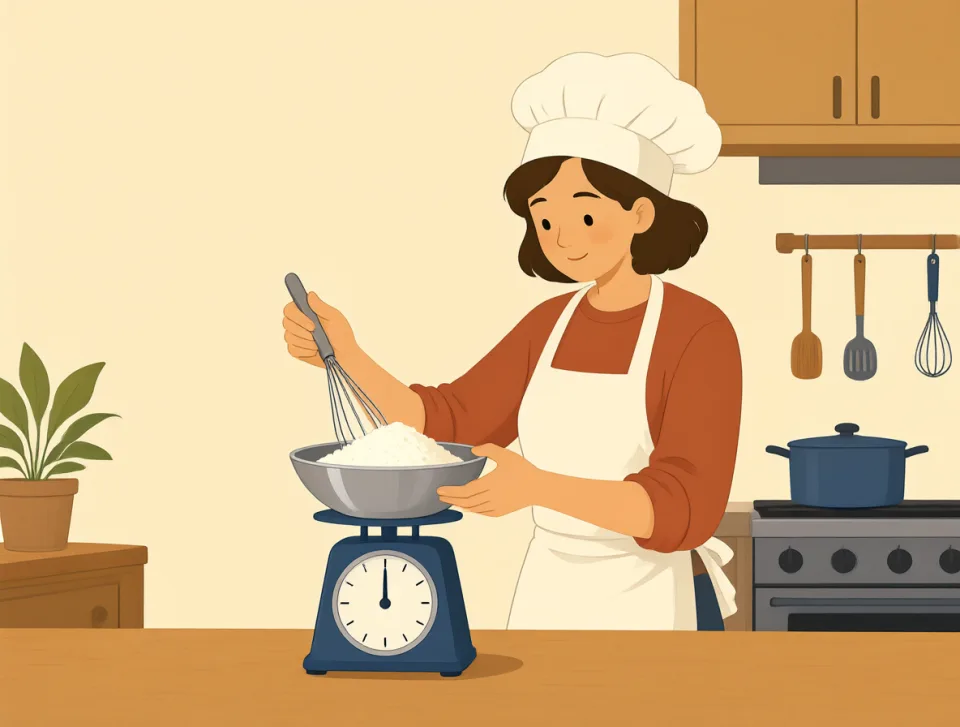
The recipe needs precise measurements, so use the kitchen scale.
রেসিপিটিতে উপকরণের পরিমাণ নির্ভুল হওয়া দরকার, তাই রান্নাঘরের ওজন মাপার যন্ত্রটি ব্যবহার করুন।

Our teacher gave precise feedback on how to improve the science project.
বিজ্ঞান প্রকল্পটি কীভাবে উন্নত করা যায়, সে বিষয়ে আমাদের শিক্ষক নির্দিষ্ট ও স্পষ্ট মতামত দিয়েছিলেন।

distant
#2724adjective
দূরবর্তী
Far away in space or time, or not close and friendly.
স্থান বা সময়ের দিক থেকে অনেক দূরে, অথবা ঘনিষ্ঠ ও বন্ধুসুলভ নয়।

We could see distant mountains from the train window.
ট্রেনের জানালা দিয়ে আমরা দূরের পাহাড় দেখতে পাচ্ছিলাম।

A distant relative is coming to stay with us this weekend.
আমাদের এক দূরসম্পর্কের আত্মীয় এই সপ্তাহান্তে থাকতে আসছেন।

She heard a distant dog barking while she walked home through the park.
পার্কের ভেতর দিয়ে বাড়ি ফেরার সময় সে দূরে একটি কুকুরের ঘেউ ঘেউ শুনতে পেল।

He sounded distant on the phone, so I asked if he was feeling okay.
ফোনে তার কণ্ঠস্বর বেশ দূরত্বপূর্ণ শোনাচ্ছিল, তাই সে ঠিক আছে কি না জিজ্ঞেস করলাম।

They became distant after starting new jobs in different cities.
ভিন্ন শহরে নতুন চাকরি শুরু করার পর তাদের মধ্যে দূরত্ব তৈরি হলো।

stranger
#2725noun
অপরিচিত ব্যক্তি
A person you do not know or have not met before.
এমন একজন ব্যক্তি, যাকে আপনি চেনেন না বা আগে কখনো দেখেননি।

A stranger knocked on our door and asked to use the phone.
একজন অপরিচিত লোক আমাদের দরজায় কড়া নেড়ে ফোনটি ব্যবহার করতে চাইলেন।

She felt nervous when a stranger sat beside her on the train.
ট্রেনে একজন অপরিচিত লোক তার পাশে বসলে সে ঘাবড়ে গিয়েছিল।

My brother never talks to strangers when he walks home from school.
স্কুল থেকে বাড়ি ফেরার পথে আমার ভাই কখনো অপরিচিতদের সঙ্গে কথা বলে না।

At the conference, I introduced myself to a stranger from another department.
সম্মেলনে আমি অন্য বিভাগের একজন অপরিচিত ব্যক্তির সঙ্গে পরিচিত হয়েছিলাম।

After moving to town, she was a stranger in a place where everyone knew each other.
শহরে আসার পর সে এমন এক জায়গায় ছিল, যেখানে সবাই একে অপরকে চিনত আর সে ছিল অপরিচিত।

shade
#2726noun, verb
ছায়া
An area out of direct sunlight, or to make something darker by blocking light.
সরাসরি রোদ পড়ে না এমন জায়গা; অথবা আলো আটকিয়ে কোনো কিছুকে গাঢ় করে তোলা।

We sat in the shade of a large tree while we ate lunch.
দুপুরের খাবার খাওয়ার সময় আমরা একটি বড় গাছের ছায়ায় বসেছিলাম।

She pulled the curtains to shade the room from the afternoon sun.
বিকেলের রোদ থেকে ঘরটিকে আড়াল করতে সে পর্দা টেনে দিল।

He chose a darker shade of blue for the bedroom walls.
শোবার ঘরের দেয়ালের জন্য সে নীলের আরও গাঢ় একটি শেড বেছে নিল।

The children shaded their eyes as they looked toward the bright sky.
উজ্জ্বল আকাশের দিকে তাকানোর সময় বাচ্চারা হাত দিয়ে চোখ আড়াল করল।

The café has a small patio shaded by green umbrellas.
ক্যাফেটির ছোট্ট খোলা বসার জায়গাটি সবুজ ছাতার ছায়ায় ঢাকা।

grain
#2727noun
দানা
A very small hard piece of a substance, or a seed from a cereal plant.
কোনো পদার্থের খুব ছোট, শক্ত কণা; অথবা শস্যজাতীয় গাছের বীজ।

She found a grain of sand in her shoe after the beach walk.
সমুদ্রসৈকতে হাঁটার পর সে তার জুতোর মধ্যে এক দানা বালি পেল।

Whole grains like oats and brown rice can make breakfast more filling.
ওটস ও বাদামি চালের মতো পূর্ণশস্যের খাবার সকালের নাশতা আরও পেটভরা করে।

The farmer stored the grain in a dry barn before the winter rains began.
শীতের বৃষ্টি শুরু হওয়ার আগে কৃষক শস্য শুকনো গোলায় মজুত করলেন।

The necklace had a grain of gold caught between two dark stones.
হারটির দুটি গাঢ় পাথরের মাঝখানে এক কণা সোনা আটকে ছিল।

You can see the wood grain clearly on this old kitchen table.
এই পুরোনো রান্নাঘরের টেবিলে কাঠের আঁশগুলো স্পষ্ট দেখা যায়।

situate
#2728verb
অবস্থান করানো
to place something or someone in a particular position or setting
কোনো কিছু বা কাউকে নির্দিষ্ট অবস্থান বা পরিবেশে রাখা।

The hotel is situated near the station, so we can walk there.
হোটেলটি স্টেশনের কাছে অবস্থিত, তাই আমরা হেঁটে সেখানে যেতে পারি।

She situated the desk beside the window to get more daylight.
আরও বেশি দিনের আলো পাওয়ার জন্য সে ডেস্কটি জানালার পাশে রাখল।
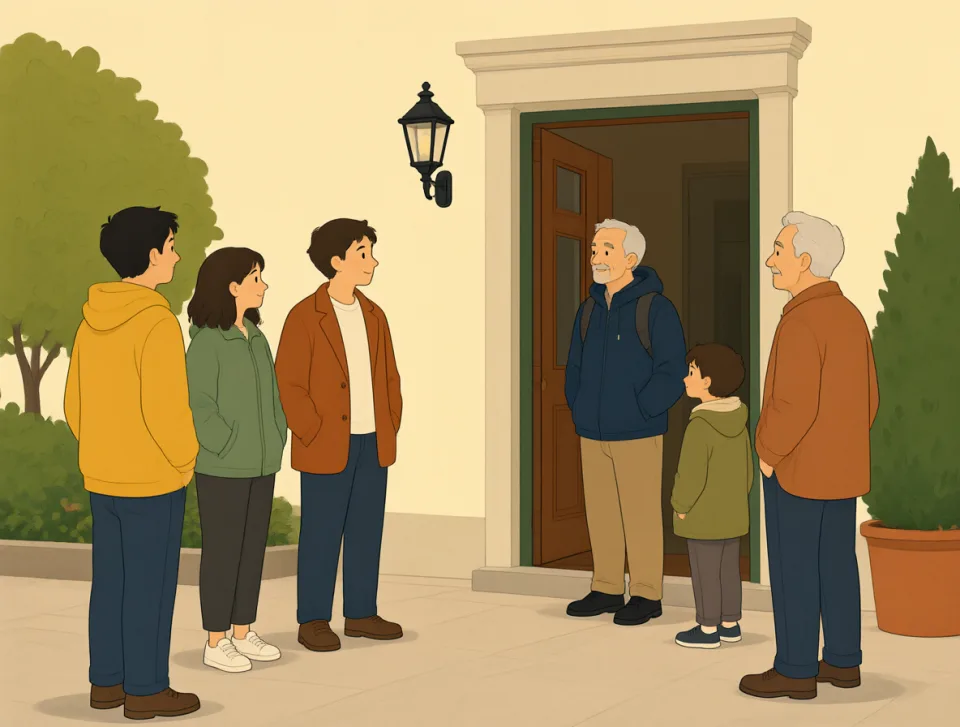
The guide situated our group at the entrance before the tour began.
ভ্রমণ শুরু হওয়ার আগে গাইড আমাদের দলটিকে প্রবেশপথে দাঁড় করালেন।

The doctor situated the patient comfortably before checking her shoulder.
কাঁধ পরীক্ষা করার আগে ডাক্তার রোগীকে আরাম করে বসালেন।

The café is situated on a quiet street near my friend’s apartment.
ক্যাফেটি আমার বন্ধুর অ্যাপার্টমেন্টের কাছে একটি শান্ত রাস্তায় অবস্থিত।

summarize
#2729verb
সারসংক্ষেপ করা
To give the main points of something in a shorter form.
কোনো কিছুর মূল কথাগুলো সংক্ষেপে তুলে ধরা।

Can you summarize the meeting before we leave the office?
অফিস থেকে বেরোনোর আগে মিটিংয়ের সারসংক্ষেপ করে দিতে পারবেন?

She summarized the book for her classmates during the lesson.
পাঠের সময় সে সহপাঠীদের কাছে বইটির সারসংক্ষেপ তুলে ধরল।

The doctor summarized my test results and explained the next steps.
ডাক্তার আমার পরীক্ষার ফলগুলোর সারসংক্ষেপ দিলেন এবং পরবর্তী পদক্ষেপগুলো ব্যাখ্যা করলেন।

He summarized our travel plans while we waited at the station.
স্টেশনে অপেক্ষা করার সময় সে আমাদের ভ্রমণ পরিকল্পনার সারসংক্ষেপ করল।

I summarized the recipe before we started cooking dinner together.
একসঙ্গে রাতের খাবার রান্না শুরু করার আগে আমি রেসিপিটির সারসংক্ষেপ করলাম।

leap
#2730noun, verb
লাফ
to jump high or far, or to make a sudden, important change
উঁচুতে বা দূরে লাফানো; অথবা আকস্মিক ও গুরুত্বপূর্ণ পরিবর্তন আনা।

The dog leaped over the low fence and ran across the garden.
কুকুরটি নিচু বেড়া টপকে লাফিয়ে বাগানের ভেতর দিয়ে দৌড়ে গেল।

She took a leap from the diving board into the swimming pool.
সে ডাইভিং বোর্ড থেকে লাফ দিয়ে সুইমিং পুলে পড়ল।

He leaped up when the phone rang during dinner.
রাতের খাবারের সময় ফোন বেজে উঠতেই সে চমকে লাফিয়ে উঠল।

Moving abroad was a big leap, but she found a good job there.
বিদেশে চলে যাওয়াটা ছিল বড় এক পদক্ষেপ, কিন্তু সেখানে সে ভালো চাকরি পেয়েছিল।

The team has made a huge leap in quality since last year.
গত বছরের পর থেকে দলটি মানের দিক দিয়ে অনেক এগিয়েছে।

snap
#2731verb, noun
ভেঙে যাওয়া; ছবি তোলা
To break suddenly with a short, sharp sound, or to take a quick photograph.
হঠাৎ করে টুক করে ভেঙে যাওয়া, অথবা দ্রুত একটি ছবি তোলা।
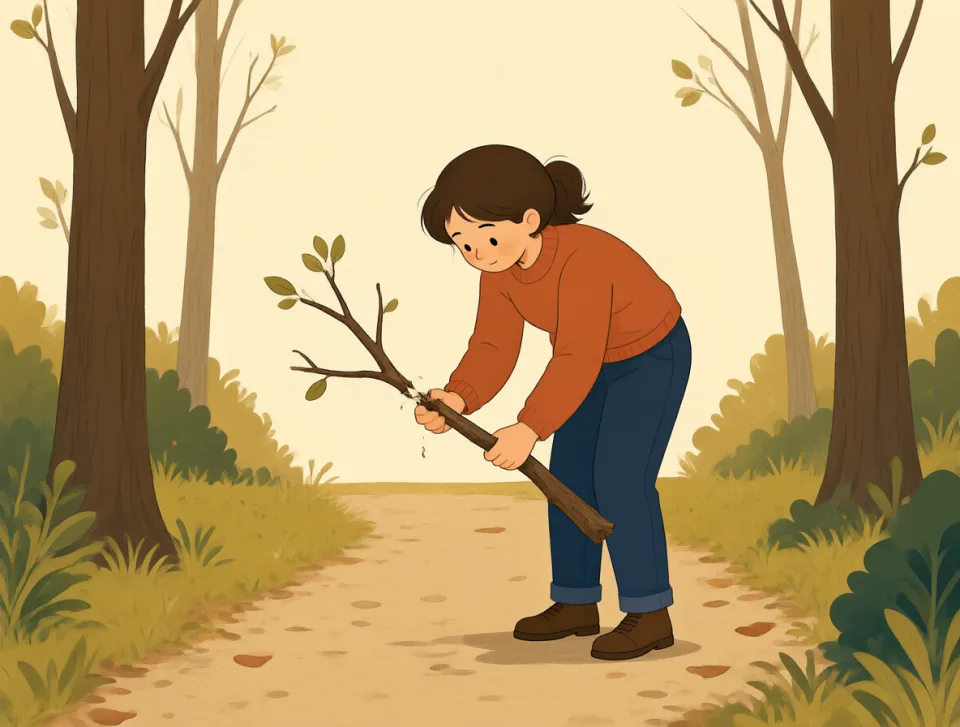
She snapped a dry branch while walking through the woods.
জঙ্গলের ভেতর দিয়ে হাঁটার সময় সে শুকনো একটি ডাল মট করে ভেঙে ফেলল।

He snapped his fingers to get the waiter’s attention.
ওয়েটারের দৃষ্টি আকর্ষণ করতে সে আঙুল দিয়ে টুক করে শব্দ করল।

The cold snap made the lake freeze overnight.
হঠাৎ ঠান্ডা পড়ায় রাতারাতি হ্রদটি জমে গেল।

I snapped a photo of my friends at the beach.
সমুদ্রসৈকতে বন্ধুদের একটি ছবি তুললাম।

She snapped at her brother after a long day at work.
কাজের দীর্ঘ একটি দিনের পর সে তার ভাইয়ের ওপর চটে গেল।

probability
#2732noun
সম্ভাবনা
the chance that something will happen
কোনো কিছু ঘটার সম্ভাবনা।
There is a high probability of rain, so take an umbrella when you leave home.
বৃষ্টির সম্ভাবনা বেশি, তাই বাড়ি থেকে বেরোনোর সময় ছাতা নিয়ে যেয়ো।
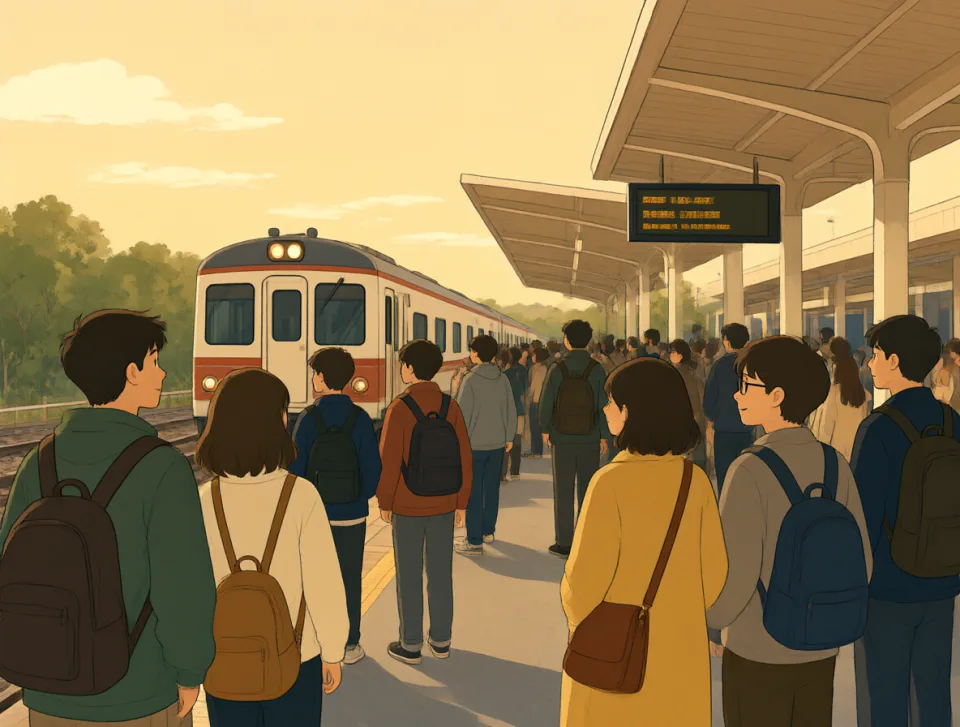
The probability that our train will be late increases during the busy evening commute.
সন্ধ্যার ব্যস্ত যাতায়াতের সময় আমাদের ট্রেন দেরি করার সম্ভাবনা বেড়ে যায়।
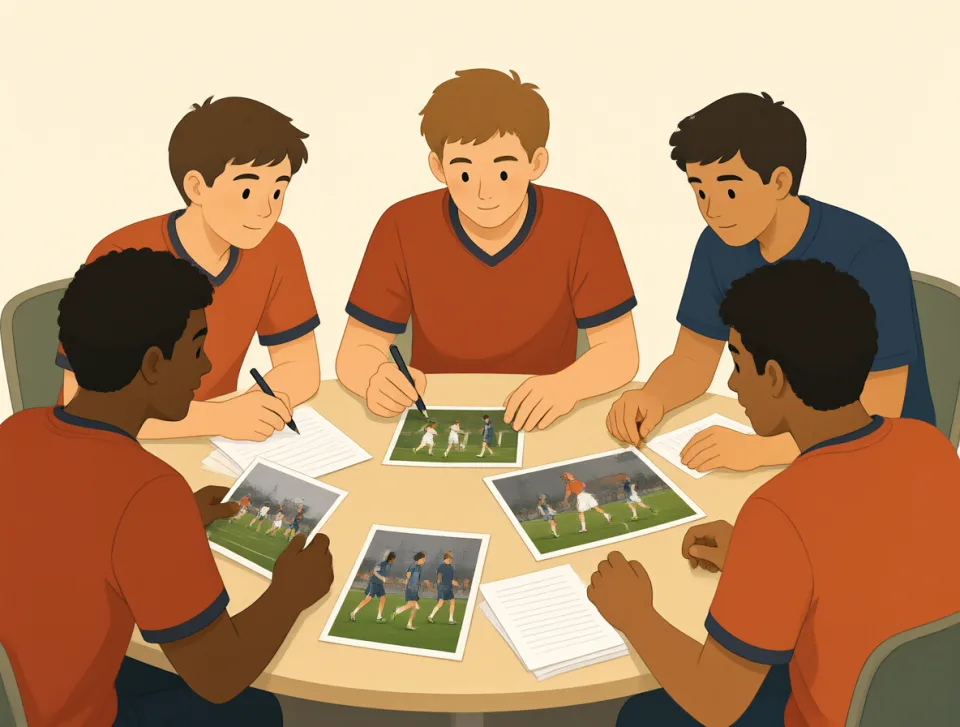
We calculated the probability of winning after studying the team's recent results.
দলের সাম্প্রতিক ফলাফল পর্যালোচনা করে আমরা জেতার সম্ভাবনা হিসাব করেছিলাম।

Scientists estimate a small probability of serious side effects from this medicine.
এই ওষুধের গুরুতর পার্শ্বপ্রতিক্রিয়া হওয়ার সম্ভাবনা কম বলে বিজ্ঞানীরা মনে করেন।

Buying travel insurance reduces the probability of losing money on a cancelled trip.
ভ্রমণবিমা করলে ভ্রমণ বাতিল হলে টাকা হারানোর সম্ভাবনা কমে যায়।

leather
#2733noun, adjective
চামড়া
Strong, flexible material made from animal skin and used for shoes, bags, and clothing.
প্রাণীর চামড়া থেকে তৈরি মজবুত ও নমনীয় উপাদান, যা জুতা, ব্যাগ ও পোশাক বানাতে ব্যবহৃত হয়।

She bought a new leather jacket before the winter trip.
শীতের ভ্রমণের আগে সে নতুন একটি চামড়ার জ্যাকেট কিনেছিল।
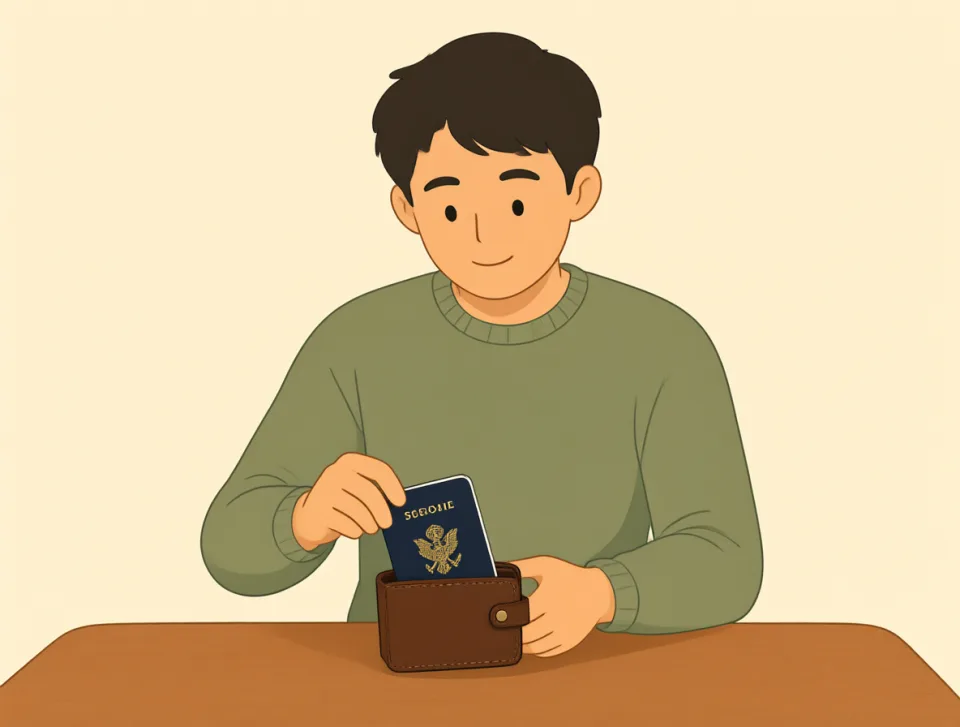
He keeps his passport in a small leather wallet.
সে তার পাসপোর্ট একটি ছোট চামড়ার মানিব্যাগে রাখে।

I cleaned the leather seats after our long drive.
দীর্ঘ পথ গাড়ি চালানোর পর আমি চামড়ার আসনগুলো পরিষ্কার করলাম।

These leather shoes are comfortable enough for walking around town.
এই চামড়ার জুতাগুলো শহরে ঘোরাঘুরি করার জন্য যথেষ্ট আরামদায়ক।

The repair shop replaced the leather strap on my watch.
মেরামতের দোকানটি আমার ঘড়ির চামড়ার ফিতেটি বদলে দিয়েছিল।

uncertainty
#2734noun
অনিশ্চয়তা
A state of not knowing what will happen or what is true.
কী ঘটবে বা কোনটি সত্য, তা না জানার অবস্থা।
There is still some uncertainty about when the train will arrive.
ট্রেন কখন পৌঁছাবে, তা নিয়ে এখনও কিছুটা অনিশ্চয়তা আছে।

She felt uncertainty about accepting the new job in another city.
অন্য শহরে নতুন চাকরিটি গ্রহণ করা নিয়ে তার মনে দ্বিধা ছিল।

The doctor explained that uncertainty about the test results was normal.
পরীক্ষার ফল নিয়ে অনিশ্চিত বোধ করা স্বাভাবিক বলে ডাক্তার বুঝিয়ে বললেন।

We bought extra food because of uncertainty about how many guests would come.
কতজন অতিথি আসবেন তা নিশ্চিত না থাকায় আমরা অতিরিক্ত খাবার কিনেছিলাম।

The team worked through the uncertainty before choosing a plan for the project.
প্রকল্পের জন্য পরিকল্পনা বেছে নেওয়ার আগে দলটি অনিশ্চয়তা কাটিয়ে ওঠার চেষ্টা করেছিল।
swear
#2735verb, noun
গালাগালি করা; শপথ করা
To use rude or offensive words, or to promise seriously that something is true.
অশালীন বা আপত্তিকর শব্দ ব্যবহার করা, অথবা কোনো কিছু সত্য বলে জোর দিয়ে প্রতিশ্রুতি দেওয়া।

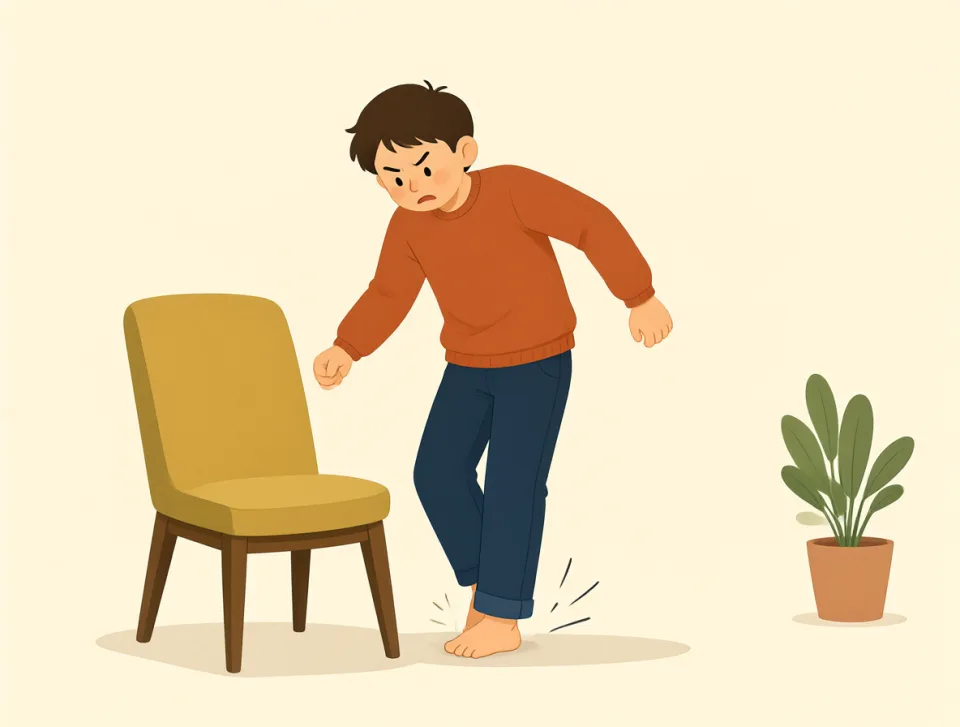
He swore when he hit his thumb with the hammer.
হাতুড়ি দিয়ে বুড়ো আঙুলে আঘাত লাগতেই সে গালি দিল।

She swore at the driver who cut in front of her.
সামনের গাড়ির চালক তার গাড়ির সামনে ঢুকে পড়ায় সে তাকে গালাগালি করল।

I swear I put your keys on the kitchen table.
আমি শপথ করে বলছি, তোমার চাবিগুলো রান্নাঘরের টেবিলেই রেখেছি।

The witness swore to tell the truth before answering the lawyer’s questions.
আইনজীবীর প্রশ্নের উত্তর দেওয়ার আগে সাক্ষী সত্য বলার শপথ নিলেন।

We had to swear an oath before joining the new team.
নতুন দলে যোগ দেওয়ার আগে আমাদের শপথ নিতে হয়েছিল।
refugee
#2736noun
শরণার্থী
A person forced to leave their country to escape war, danger, or persecution.
যে ব্যক্তি যুদ্ধ, বিপদ বা নির্যাতন থেকে বাঁচতে বাধ্য হয়ে নিজের দেশ ছেড়ে চলে যায়।
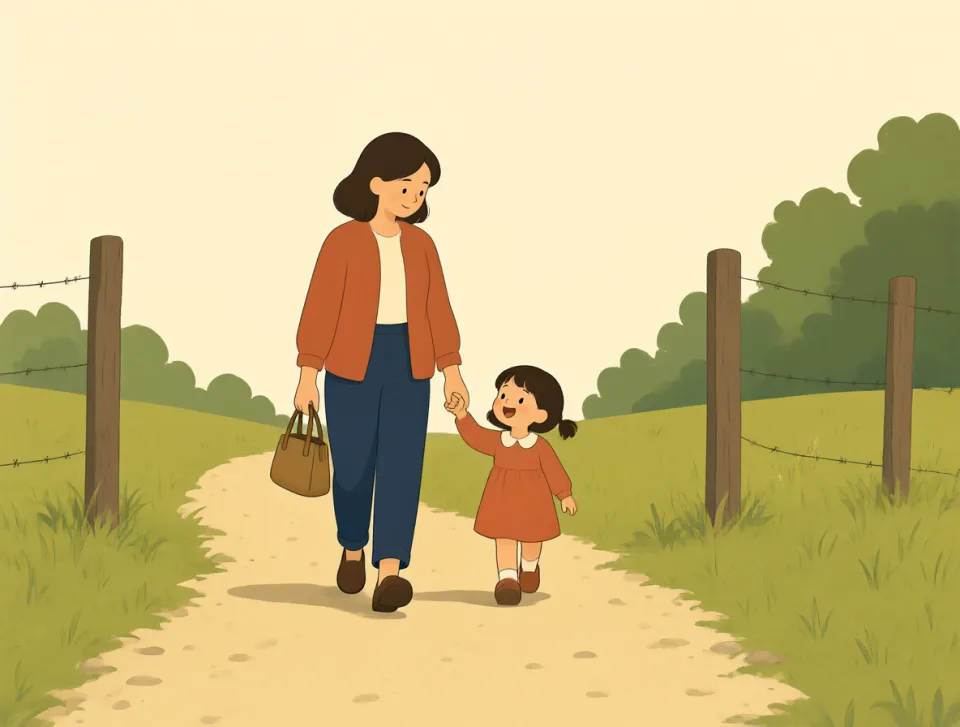
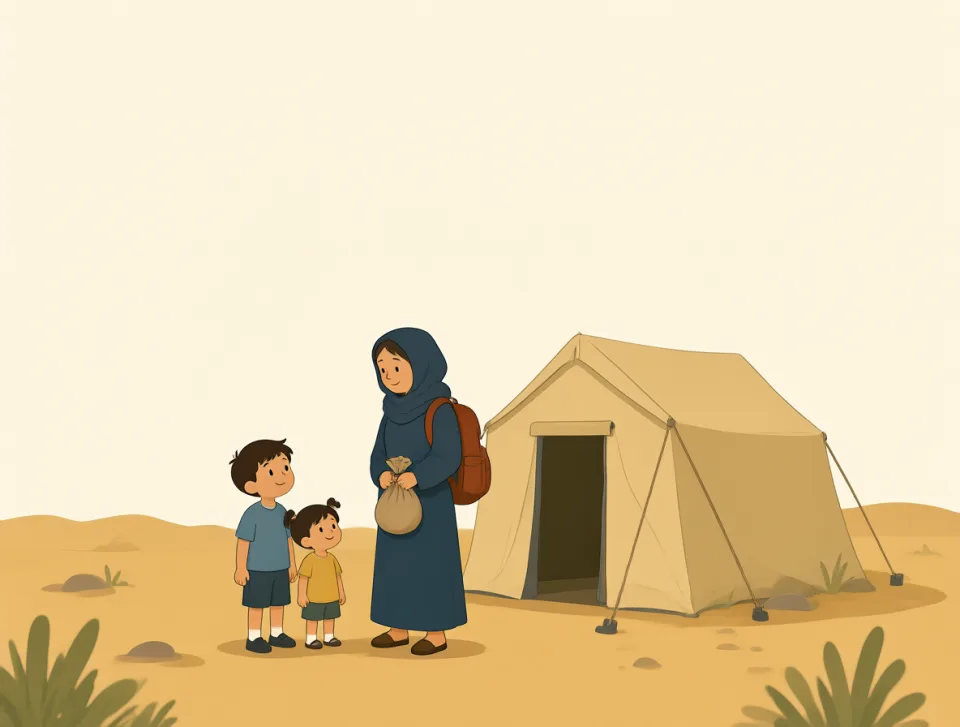
The refugee crossed the border with her two children and a small bag.
শরণার্থী নারীটি তার দুই সন্তান ও একটি ছোট ব্যাগ নিয়ে সীমান্ত পার হয়েছিলেন।

Many refugees fled their homes when fighting reached their town.
লড়াই তাদের শহরে পৌঁছালে অনেক শরণার্থী বাড়িঘর ছেড়ে পালিয়ে যায়।

The city opened a shelter for refugees who had nowhere to sleep.
যেসব শরণার্থীর ঘুমানোর কোনো জায়গা ছিল না, তাদের জন্য শহরটি একটি আশ্রয়কেন্দ্র খুলেছিল।

He works as a teacher after arriving as a refugee from Sudan.
সুদান থেকে শরণার্থী হয়ে আসার পর তিনি শিক্ষক হিসেবে কাজ করেন।
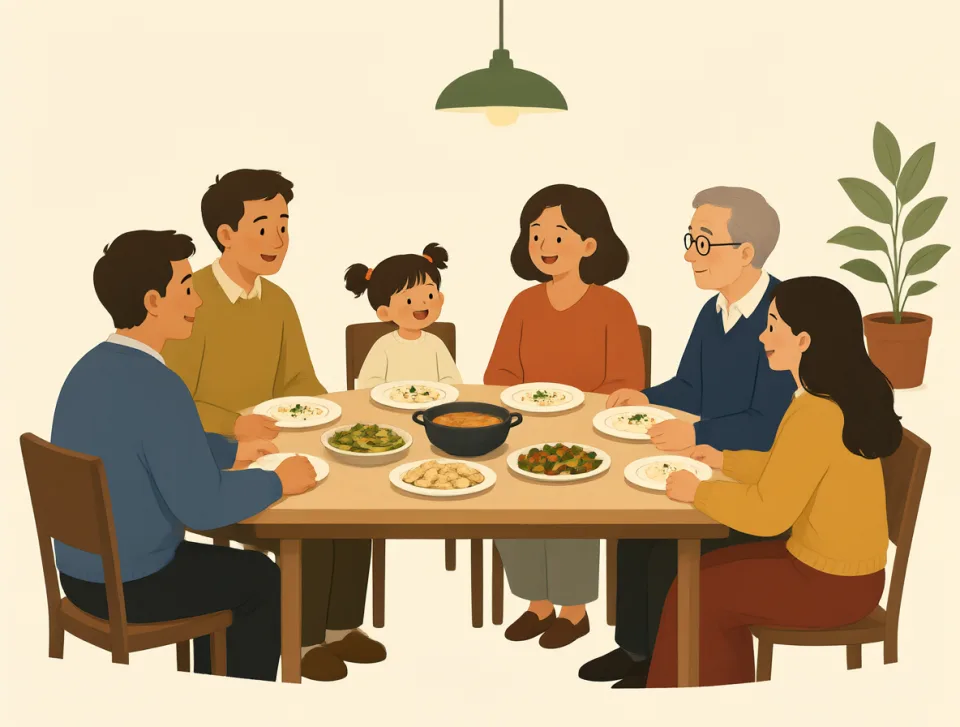
Our neighbors welcomed a refugee family and shared a meal with them.
আমাদের প্রতিবেশীরা একটি শরণার্থী পরিবারকে স্বাগত জানিয়েছিল এবং তাদের সঙ্গে খাবার ভাগ করে নিয়েছিল।

shore
#2737noun, verb
তীর
The land along the edge of a sea, lake, or river.
সমুদ্র, হ্রদ বা নদীর কিনারার ভূমি।

We walked along the shore and watched the waves roll in.
আমরা তীর ধরে হেঁটেছিলাম আর ঢেউগুলোকে তীরে এসে আছড়ে পড়তে দেখেছিলাম।

The boat drifted toward the shore after its engine stopped.
ইঞ্জিন বন্ধ হয়ে যাওয়ার পর নৌকাটি ভেসে তীরের দিকে এগিয়ে গেল।

They found a quiet spot on the shore to eat lunch.
দুপুরের খাবার খাওয়ার জন্য তারা তীরে একটি নিরিবিলি জায়গা খুঁজে পেল।
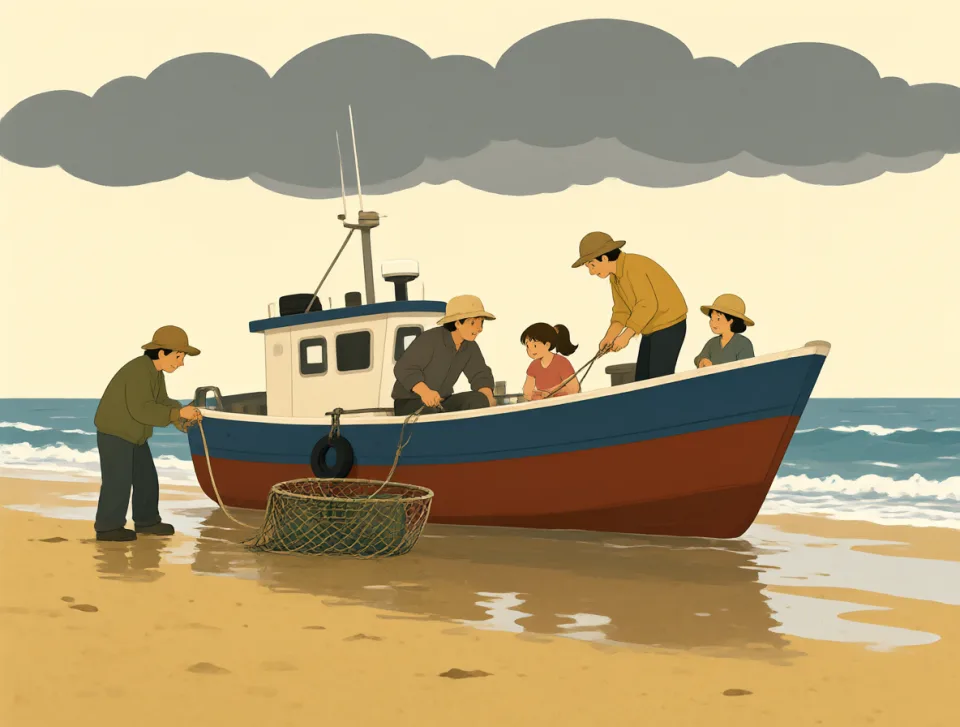
A storm pushed the fishing boat ashore during the night.
রাতের ঝড়ে মাছ ধরার নৌকাটি তীরে ঠেলে নিয়ে এসেছিল।

The hikers reached the shore of the lake before sunset.
সূর্যাস্তের আগে পর্বতারোহীরা হ্রদের তীরে পৌঁছেছিল।

monthly
#2738adjective, adverb
মাসিক
Happening, done, or paid once every month.
যা প্রতি মাসে একবার ঘটে, করা হয় বা পরিশোধ করা হয়।

We pay the rent monthly, on the first day of each month.
আমরা প্রতি মাসের প্রথম দিনে মাসিক ভাড়া দিই।

The gym charges a monthly fee, even if I miss a few classes.
কয়েকটি ক্লাসে না গেলেও জিমটি প্রতি মাসে ফি নেয়।

Our manager holds a monthly meeting to discuss the team's progress.
দলের অগ্রগতি নিয়ে আলোচনা করতে আমাদের ম্যানেজার প্রতি মাসে একটি সভা করেন।

The school sends a monthly newsletter to families with news about upcoming events.
আসন্ন অনুষ্ঠানগুলোর খবর জানিয়ে স্কুলটি পরিবারগুলোর কাছে প্রতি মাসে একটি সংবাদপত্র পাঠায়।

She visits the clinic monthly to check how her treatment is working.
তার চিকিৎসা কতটা কাজ করছে তা দেখতে তিনি প্রতি মাসে ক্লিনিকে যান।

comprise
#2739verb
গঠিত হওয়া
To be made up of particular parts or members.
নির্দিষ্ট কিছু অংশ বা সদস্য নিয়ে তৈরি হওয়া।

The committee comprises teachers, parents, and two local business owners.
কমিটিটি শিক্ষক, অভিভাবক এবং স্থানীয় ব্যবসার দুইজন মালিক নিয়ে গঠিত।
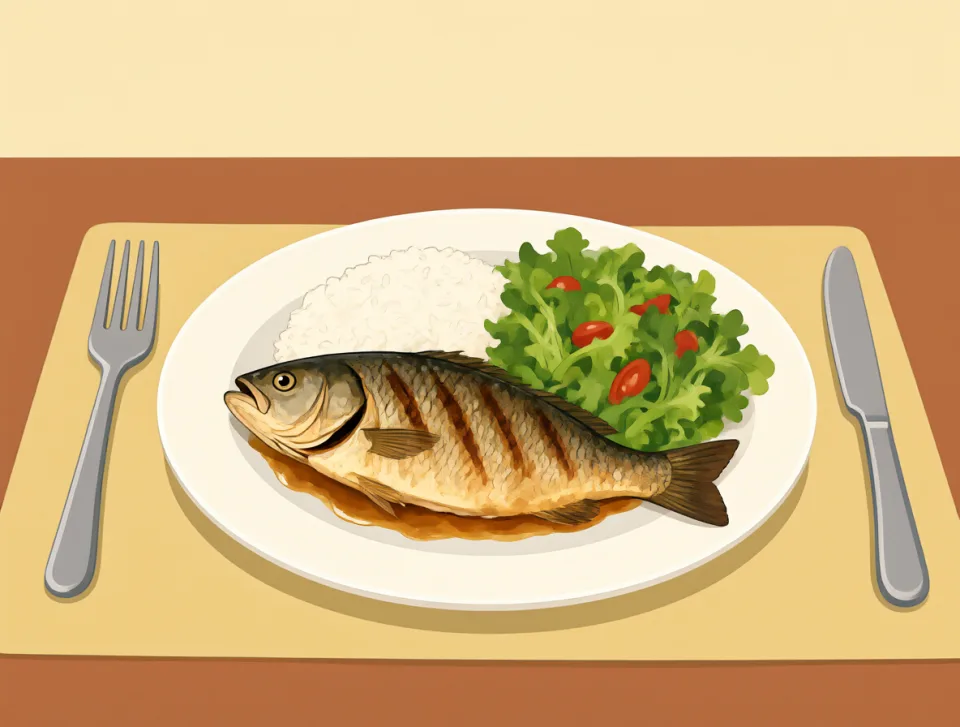
The meal comprised rice, grilled fish, and a fresh green salad.
খাবারটিতে ছিল ভাত, গ্রিল করা মাছ এবং টাটকা সবুজ সালাদ।

The course comprises six short lessons and a final class project.
কোর্সটিতে রয়েছে ছয়টি ছোট পাঠ এবং শেষে একটি শ্রেণি-প্রকল্প।

Their trip comprised three days in Rome and two days by the sea.
তাদের ভ্রমণে ছিল রোমে তিন দিন এবং সমুদ্রের ধারে দুই দিন।
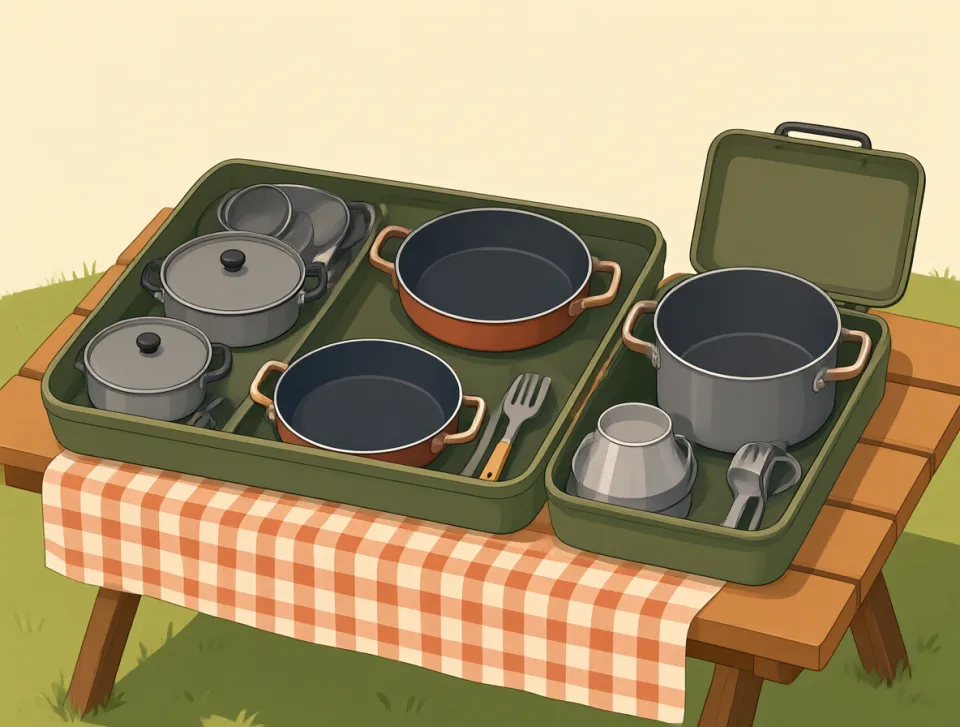
The kit comprises a pan, two plates, and four camping cups.
কিটটিতে রয়েছে একটি প্যান, দুটি প্লেট এবং ক্যাম্পিংয়ের জন্য চারটি কাপ।

stir
#2740verb, noun
নাড়া দেওয়া
To mix something by moving a spoon or similar object around in it; to cause excitement or trouble.
চামচ বা এ ধরনের কিছু দিয়ে কোনো কিছুর ভেতরে ঘুরিয়ে নেড়ে মেশানো; উত্তেজনা বা ঝামেলা সৃষ্টি করা।
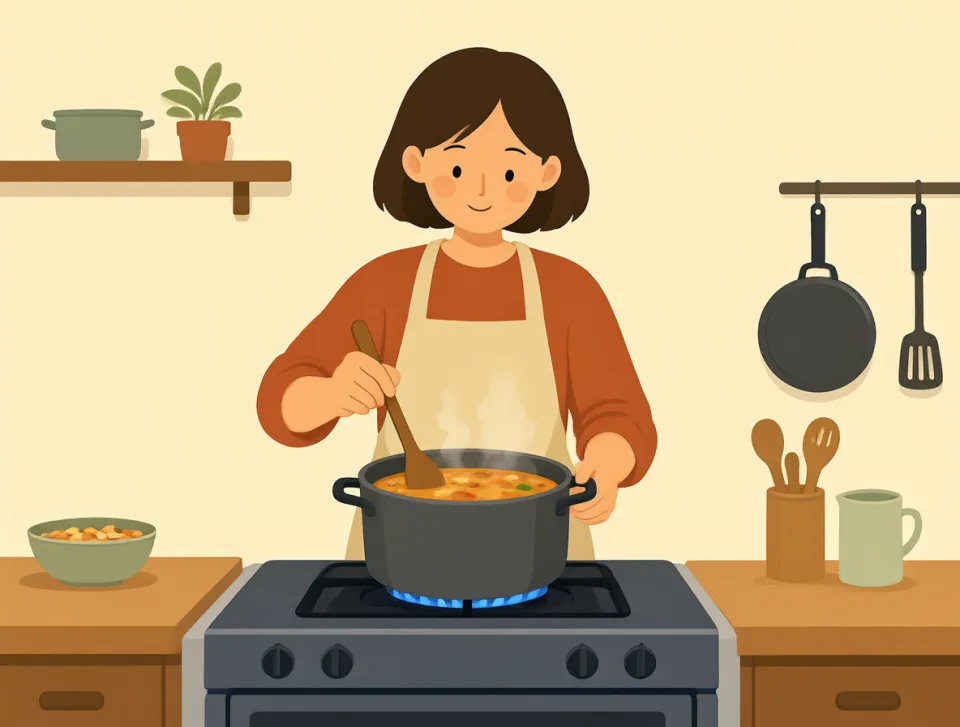
Stir the soup gently while it warms on the stove.
চুলায় স্যুপ গরম হওয়ার সময় আলতো করে নাড়ুন।

She stirred sugar into her coffee before leaving for work.
কাজে যাওয়ার আগে সে তার কফিতে চিনি নেড়ে মিশিয়ে নিল।
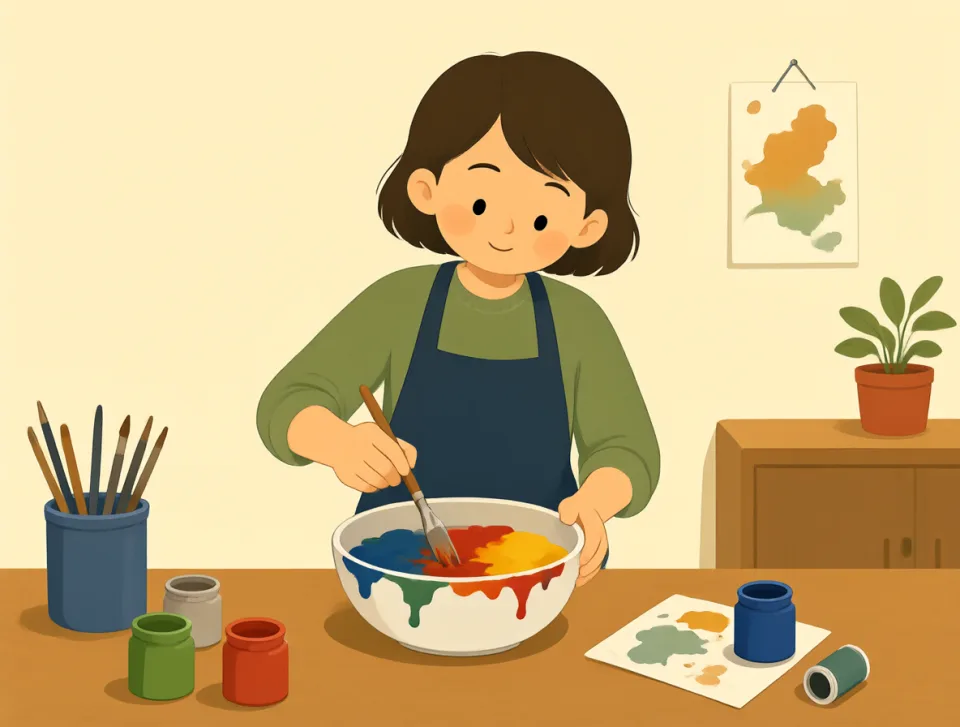
The teacher stirred the paint until the colors blended together.
রংগুলো একসঙ্গে মিশে যাওয়া পর্যন্ত শিক্ষক রং নাড়লেন।

His question stirred interest among the people at the meeting.
তার প্রশ্নটি সভায় উপস্থিত লোকদের মধ্যে আগ্রহ জাগিয়ে তুলেছিল।

The news stirred up trouble between the two neighbors.
খবরটি দুই প্রতিবেশীর মধ্যে ঝামেলা বাধিয়ে দিল।