इकाई 137
शब्द 2721–2740 · abstract, tent, precise, distant, stranger, shade

abstract
#2721adjective, noun
अमूर्त
Existing as an idea rather than a physical object; a short written summary of an article.
जो किसी भौतिक वस्तु के बजाय एक विचार के रूप में मौजूद हो; किसी लेख का संक्षिप्त लिखित सारांश।

Love is an abstract idea that can mean different things to different people.
प्यार एक अमूर्त विचार है, जिसका अलग-अलग लोगों के लिए अलग-अलग अर्थ हो सकता है।
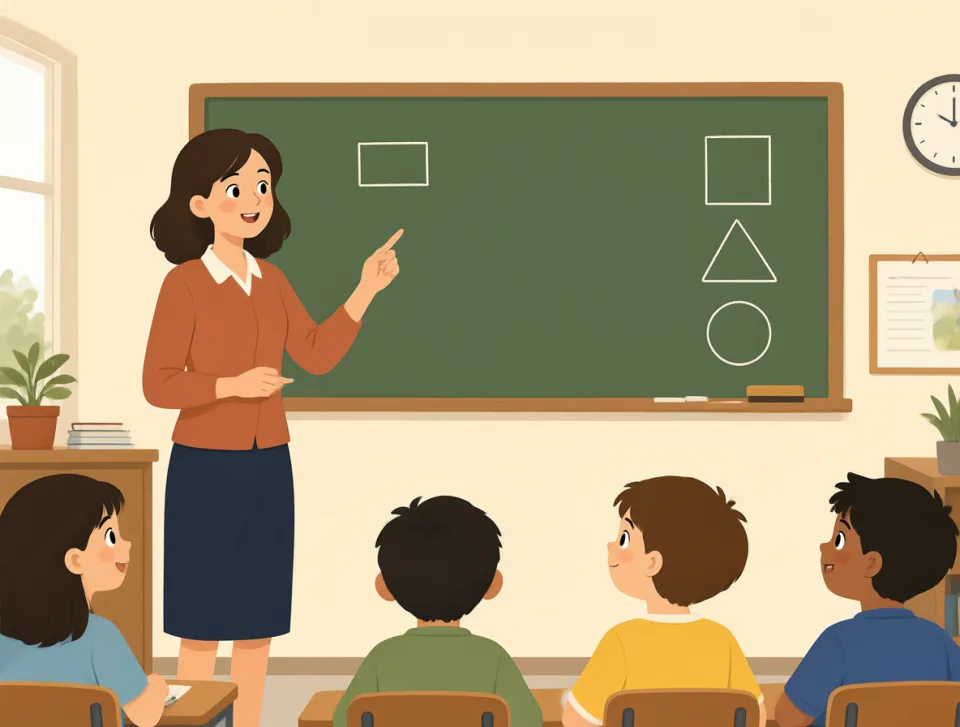
The teacher used simple examples to explain an abstract idea in science class.
विज्ञान की कक्षा में शिक्षक ने एक अमूर्त विचार समझाने के लिए आसान उदाहरण दिए।

The artist painted an abstract picture using bright colors and unusual shapes.
कलाकार ने चमकीले रंगों और अनोखी आकृतियों का इस्तेमाल करके एक अमूर्त चित्र बनाया।

Please write a short abstract of your report before the meeting tomorrow.
कृपया कल की बैठक से पहले अपनी रिपोर्ट का एक छोटा-सा सारांश लिख दें।

The article begins with an abstract that explains the main points clearly.
लेख की शुरुआत एक सारांश से होती है, जिसमें मुख्य बातें साफ़-साफ़ समझाई गई हैं।
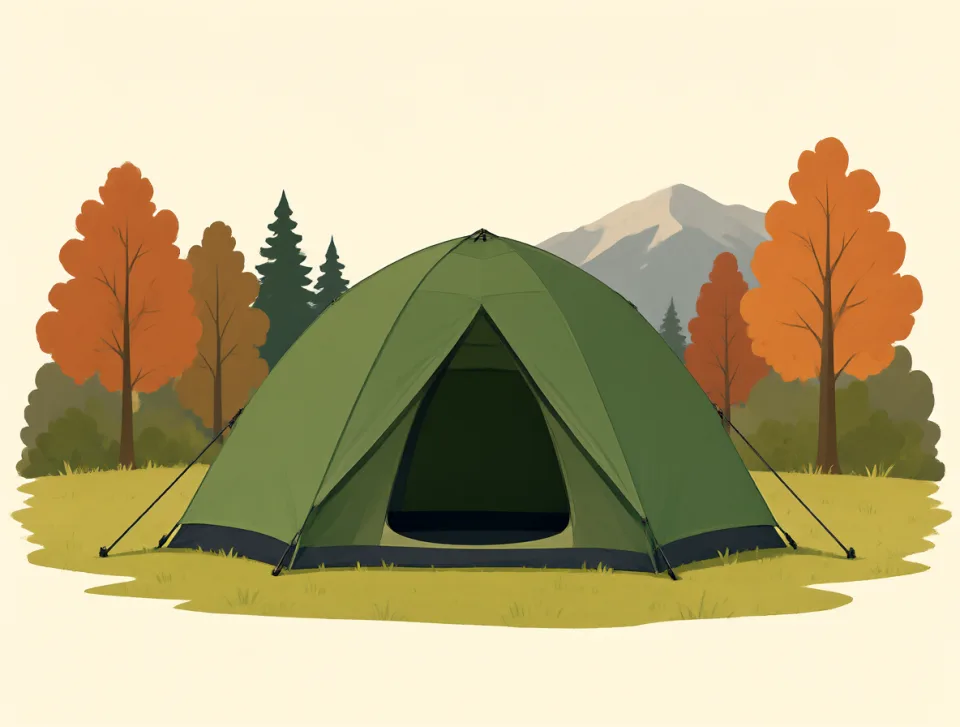
tent
#2722noun
तंबू
a temporary shelter made of cloth, used for sleeping or staying outdoors
कपड़े से बना अस्थायी आश्रय, जिसका इस्तेमाल बाहर सोने या ठहरने के लिए किया जाता है।
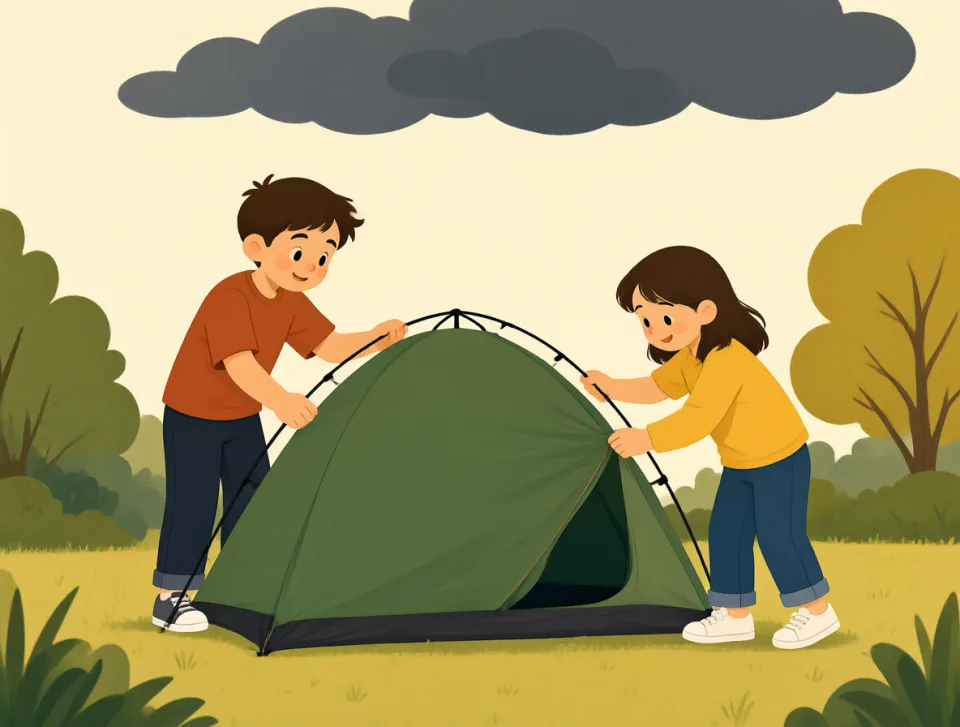
We put up the tent before it started raining.
बारिश शुरू होने से पहले हमने तंबू लगा लिया।

The children slept in a tent in the garden.
बच्चे बगीचे में एक तंबू के अंदर सोए।

Our tent was warm and dry during the mountain storm.
पहाड़ों में आए तूफ़ान के दौरान हमारा तंबू गर्म और सूखा रहा।

They bought a new tent for their summer camping trip.
उन्होंने गर्मियों में कैंपिंग पर जाने के लिए एक नया तंबू खरीदा।
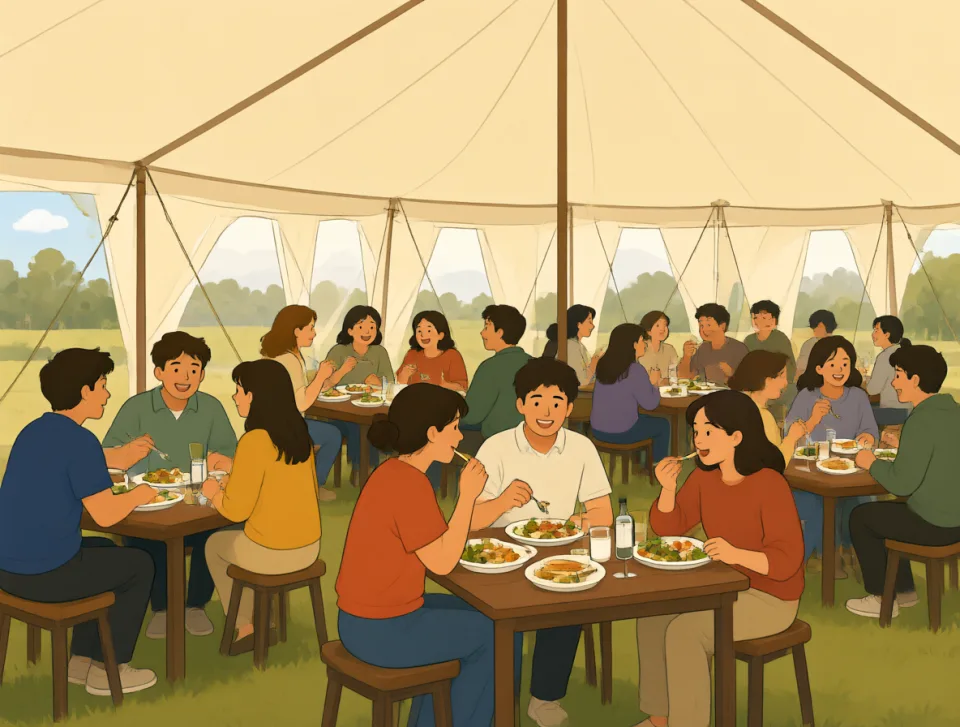
The festival tent served hot food and drinks to visitors.
महोत्सव के तंबू में आने वालों को गरम खाना और पेय दिए जाते थे।
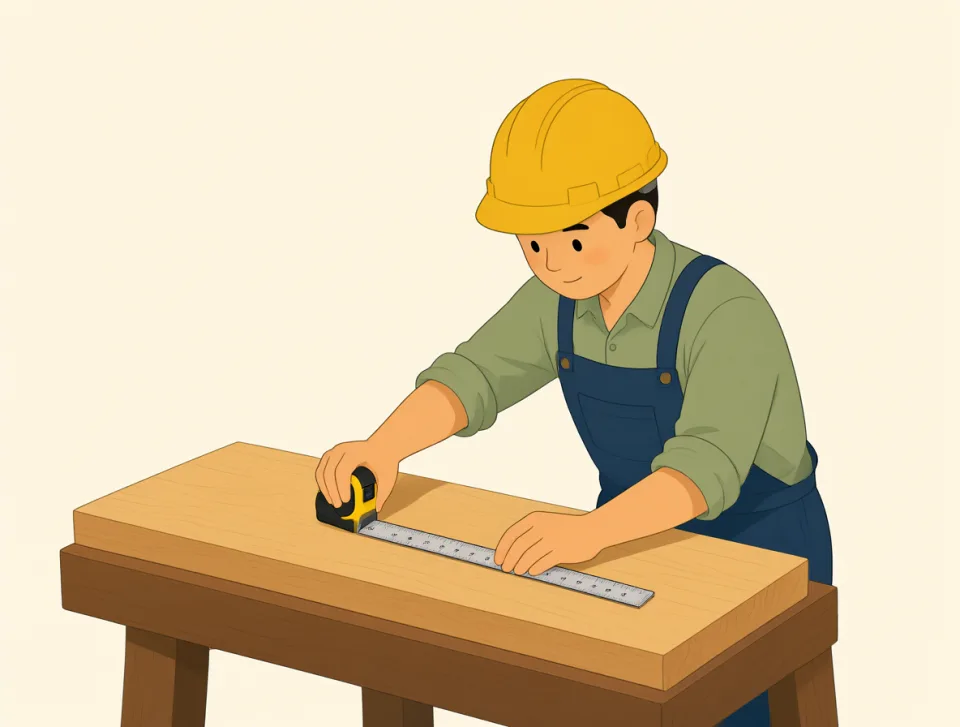
precise
#2723adjective
सटीक
Exact and accurate, with no mistakes or unnecessary details.
बिल्कुल सही और त्रुटिरहित, जिसमें कोई गलती या गैरज़रूरी जानकारी न हो।

The doctor asked me to describe the precise location of the pain.
डॉक्टर ने मुझसे दर्द की सटीक जगह बताने को कहा।

Please give me the precise time you expect to arrive at the station.
कृपया मुझे स्टेशन पहुँचने का सही समय बताइए।

Her precise instructions helped us assemble the table without any problems.
उसके सटीक निर्देशों की मदद से हमने बिना किसी परेशानी के मेज़ जोड़ ली।
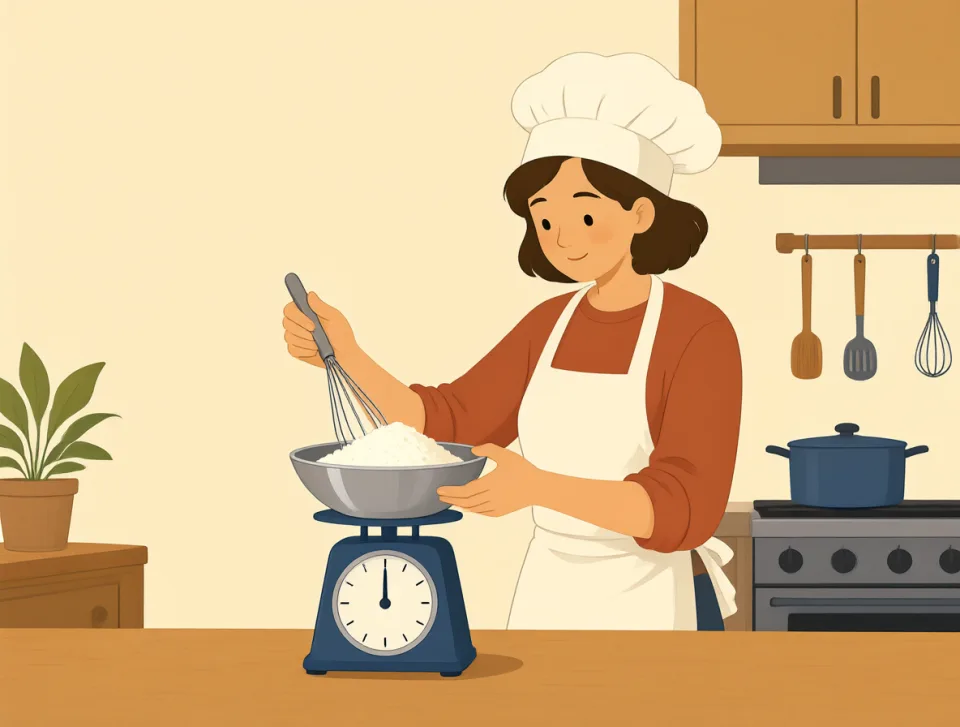
The recipe needs precise measurements, so use the kitchen scale.
इस नुस्खे में सही मात्रा की ज़रूरत है, इसलिए रसोई का तराज़ू इस्तेमाल करें।
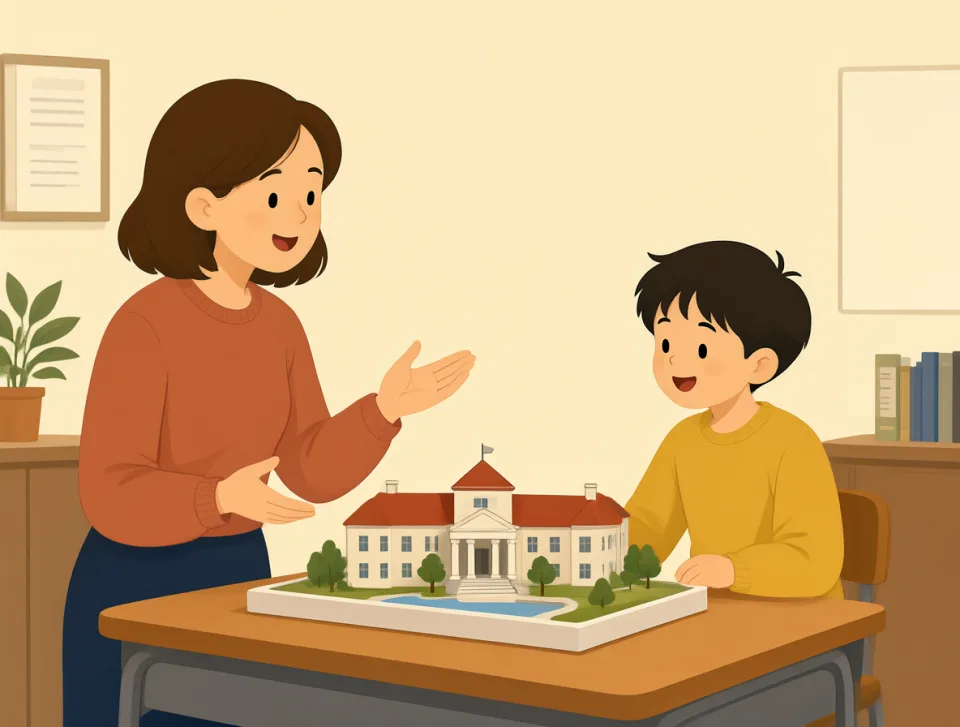
Our teacher gave precise feedback on how to improve the science project.
हमारे शिक्षक ने विज्ञान परियोजना को बेहतर बनाने के लिए सटीक सुझाव दिए।

distant
#2724adjective
दूरस्थ
Far away in space or time, or not close and friendly.
जगह या समय के लिहाज़ से दूर; या ऐसा जो करीबी और मित्रतापूर्ण न हो।

We could see distant mountains from the train window.
हम ट्रेन की खिड़की से दूर के पहाड़ देख सकते थे।
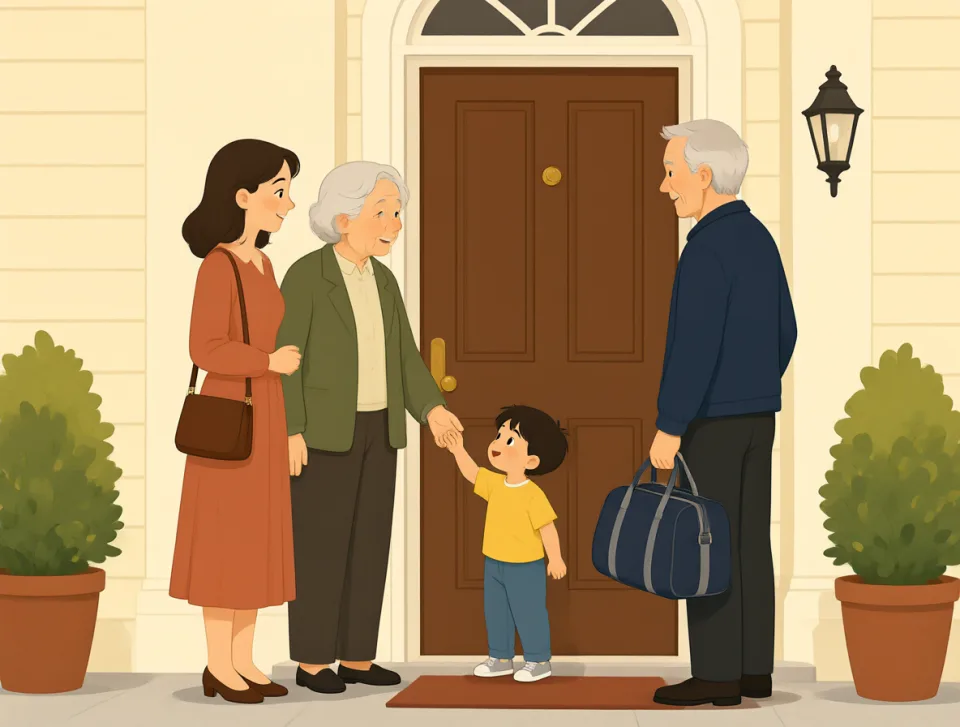
A distant relative is coming to stay with us this weekend.
हमारा एक दूर का रिश्तेदार इस सप्ताहांत हमारे यहाँ ठहरने आ रहा है।
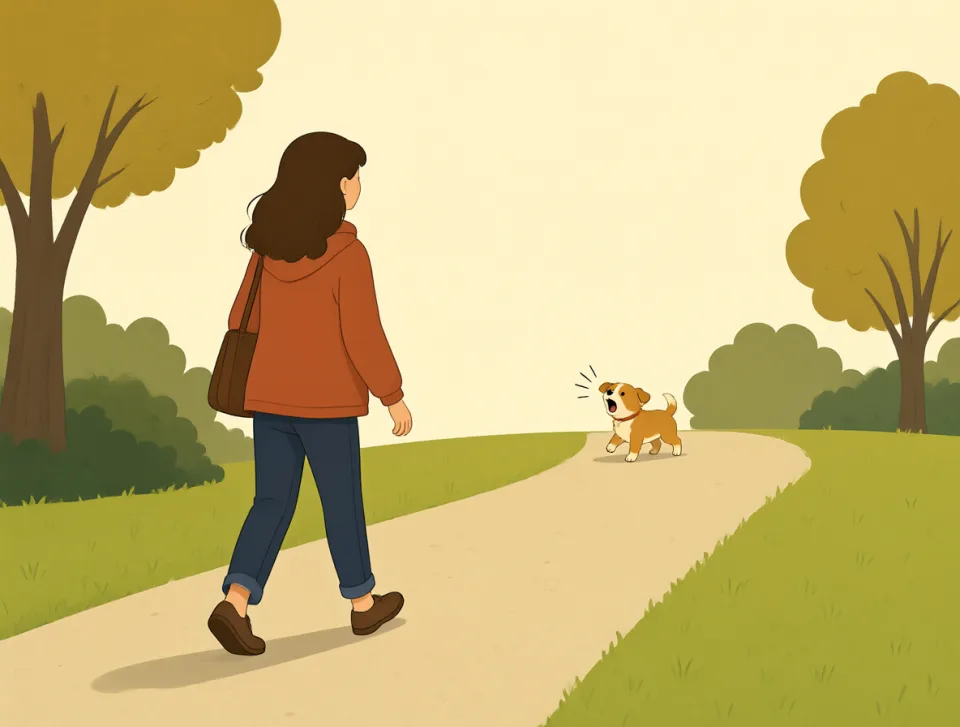
She heard a distant dog barking while she walked home through the park.
पार्क से घर लौटते समय उसने दूर से कुत्ते के भौंकने की आवाज़ सुनी।
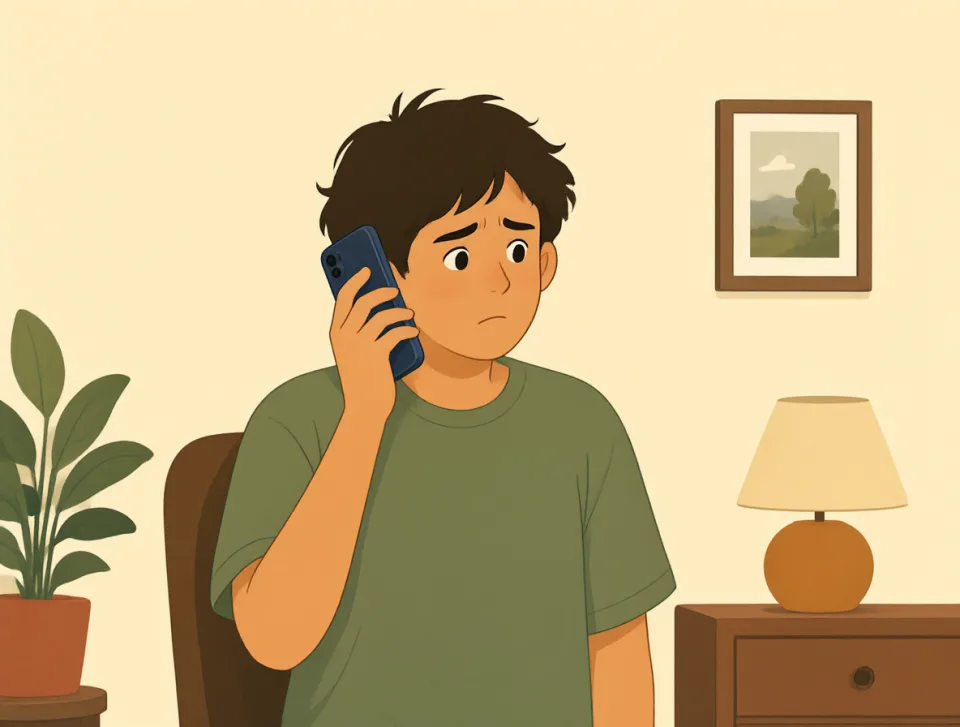
He sounded distant on the phone, so I asked if he was feeling okay.
फ़ोन पर उसकी आवाज़ कुछ दूर-दूर-सी लगी, तो मैंने पूछा कि क्या वह ठीक महसूस कर रहा है।
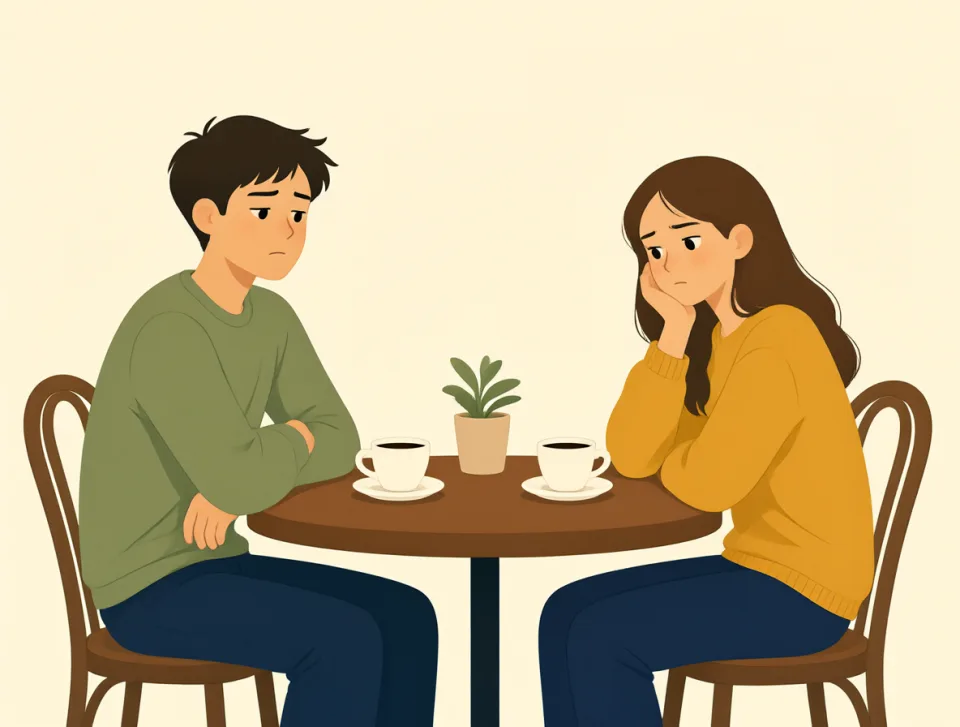
They became distant after starting new jobs in different cities.
अलग-अलग शहरों में नई नौकरियाँ शुरू करने के बाद उनके बीच दूरी आ गई।

stranger
#2725noun
अजनबी
A person you do not know or have not met before.
ऐसा व्यक्ति जिसे आप नहीं जानते या जिससे पहले कभी नहीं मिले।

A stranger knocked on our door and asked to use the phone.
एक अजनबी ने हमारे दरवाज़े पर दस्तक दी और फ़ोन इस्तेमाल करने की इजाज़त माँगी।

She felt nervous when a stranger sat beside her on the train.
ट्रेन में एक अजनबी के बगल में बैठने पर वह घबरा गई।

My brother never talks to strangers when he walks home from school.
मेरा भाई स्कूल से घर लौटते समय अजनबियों से कभी बात नहीं करता।

At the conference, I introduced myself to a stranger from another department.
सम्मेलन में मैंने दूसरे विभाग के एक अजनबी से अपना परिचय कराया।

After moving to town, she was a stranger in a place where everyone knew each other.
शहर में आने के बाद वह ऐसी जगह पर अजनबी थी, जहाँ हर कोई एक-दूसरे को जानता था।
shade
#2726noun, verb
छाया
An area out of direct sunlight, or to make something darker by blocking light.
सीधी धूप से बचा हुआ स्थान, या रोशनी रोककर किसी चीज़ को गहरा करना।

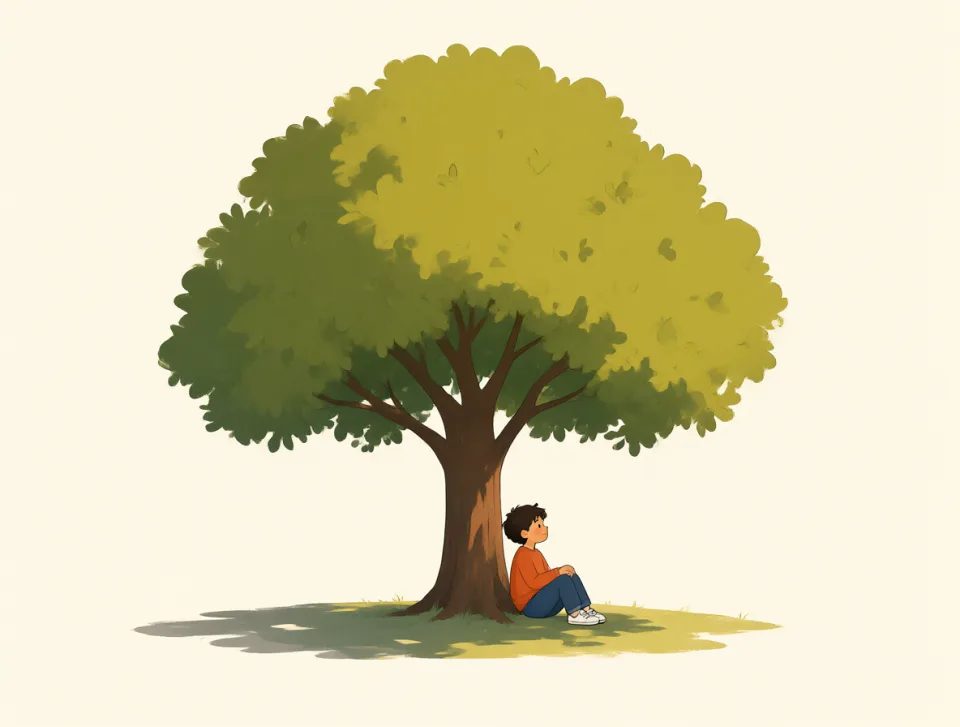
We sat in the shade of a large tree while we ate lunch.
दोपहर का खाना खाते समय हम एक बड़े पेड़ की छाया में बैठे।
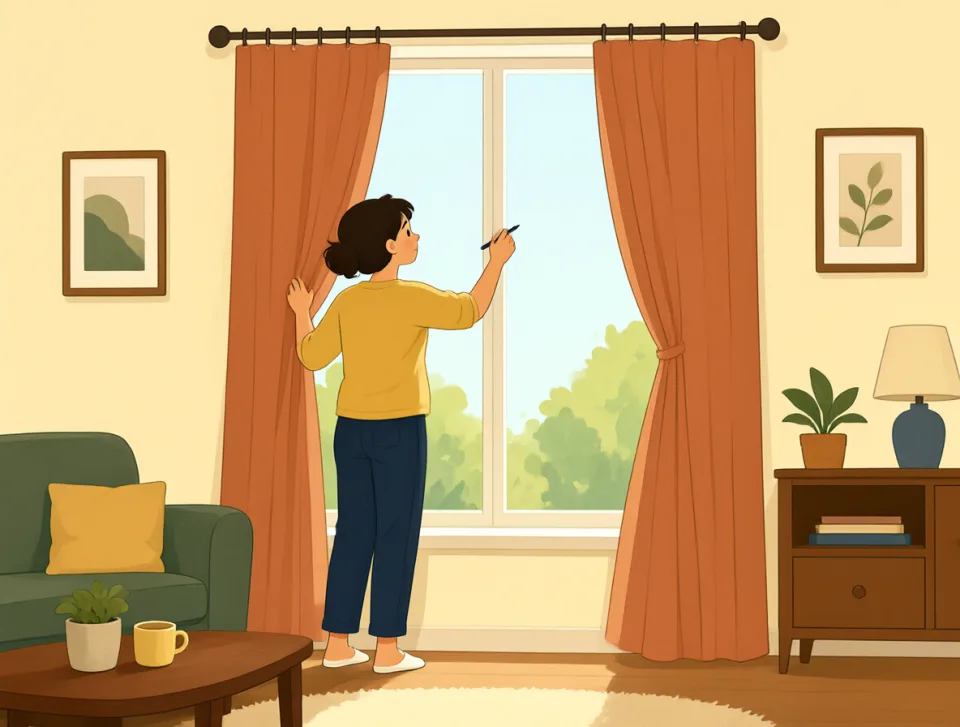
She pulled the curtains to shade the room from the afternoon sun.
उसने दोपहर की धूप को कमरे में आने से रोकने के लिए परदे खींच दिए।

He chose a darker shade of blue for the bedroom walls.
उसने बेडरूम की दीवारों के लिए नीले रंग की गहरी छटा चुनी।

The children shaded their eyes as they looked toward the bright sky.
चमकते आसमान की ओर देखते हुए बच्चों ने अपनी आँखों पर हाथ रख लिया।

The café has a small patio shaded by green umbrellas.
कैफ़े के छोटे से आँगन में हरे छाते छाया करते हैं।

grain
#2727noun
दाना; कण
A very small hard piece of a substance, or a seed from a cereal plant.
किसी पदार्थ का बहुत छोटा, कठोर टुकड़ा या अनाज के पौधे का बीज।

She found a grain of sand in her shoe after the beach walk.
समुद्र तट पर टहलने के बाद उसे अपने जूते में रेत का एक कण मिला।
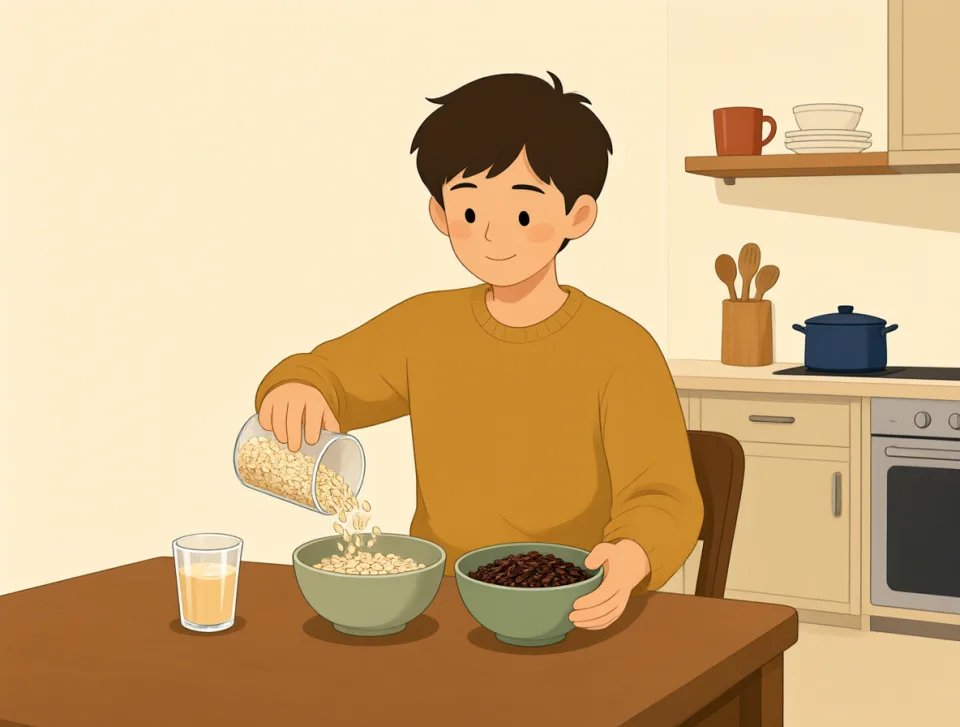
Whole grains like oats and brown rice can make breakfast more filling.
ओट्स और भूरे चावल जैसे साबुत अनाज का नाश्ता पेट को ज़्यादा देर तक भरा रख सकता है।

The farmer stored the grain in a dry barn before the winter rains began.
सर्दियों की बारिश शुरू होने से पहले किसान ने अनाज को सूखे खलिहान में रख दिया।

The necklace had a grain of gold caught between two dark stones.
हार में दो गहरे रंग के पत्थरों के बीच सोने का एक छोटा-सा कण फँसा हुआ था।
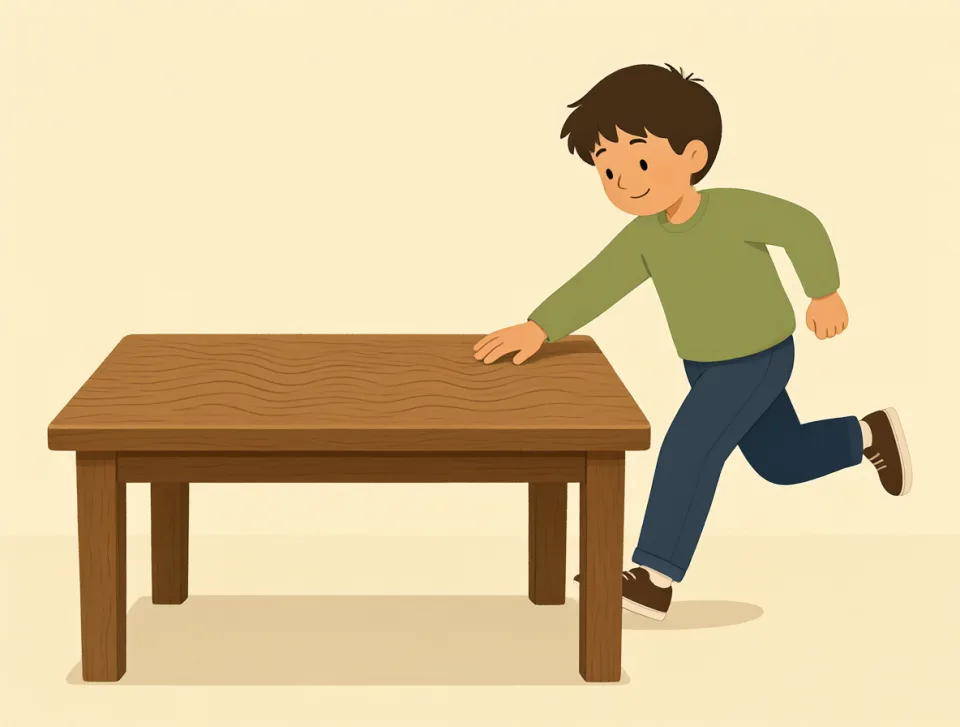
You can see the wood grain clearly on this old kitchen table.
इस पुरानी रसोई की मेज़ पर लकड़ी की बनावट साफ़ दिखाई देती है।
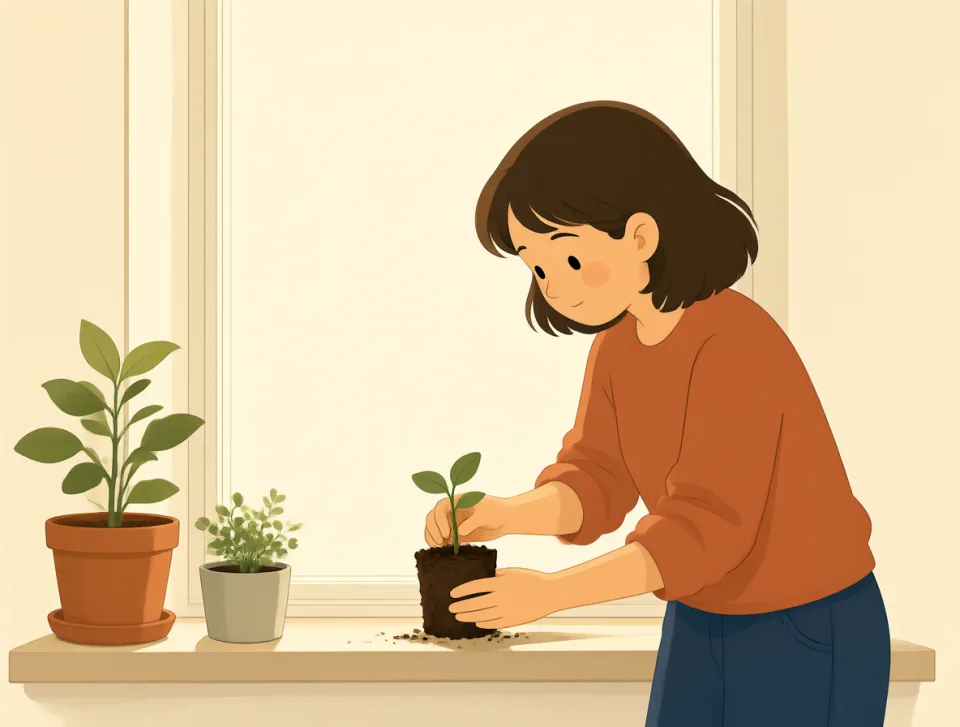
situate
#2728verb
स्थित करना
to place something or someone in a particular position or setting
किसी चीज़ या व्यक्ति को किसी खास जगह या परिस्थिति में रखना।
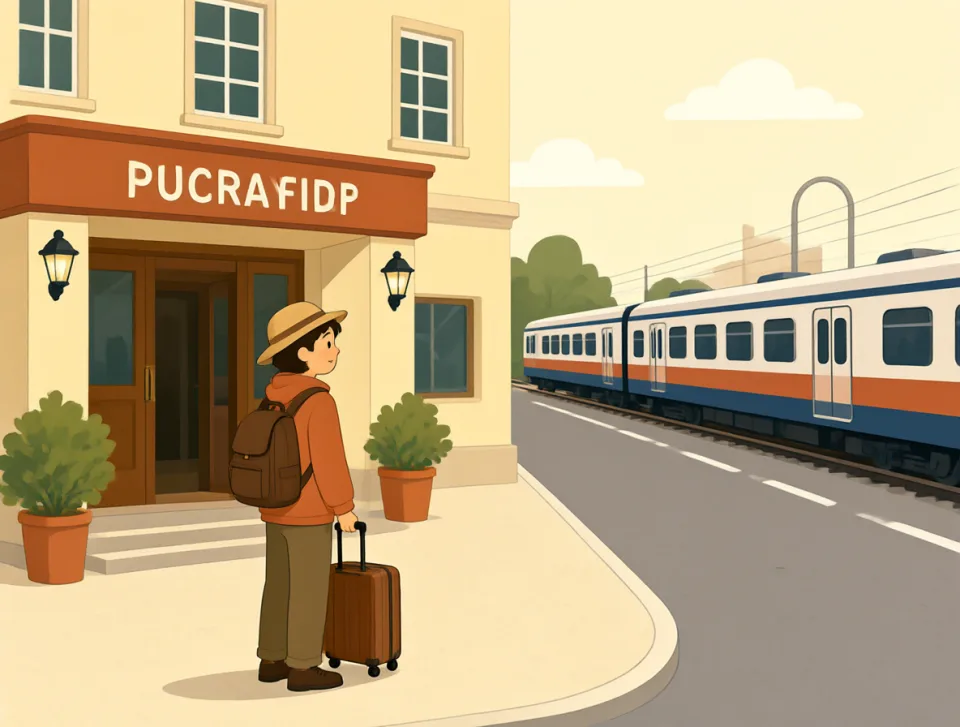
The hotel is situated near the station, so we can walk there.
होटल स्टेशन के पास स्थित है, इसलिए हम वहाँ पैदल जा सकते हैं।

She situated the desk beside the window to get more daylight.
ज़्यादा धूप पाने के लिए उसने डेस्क खिड़की के पास रखी।
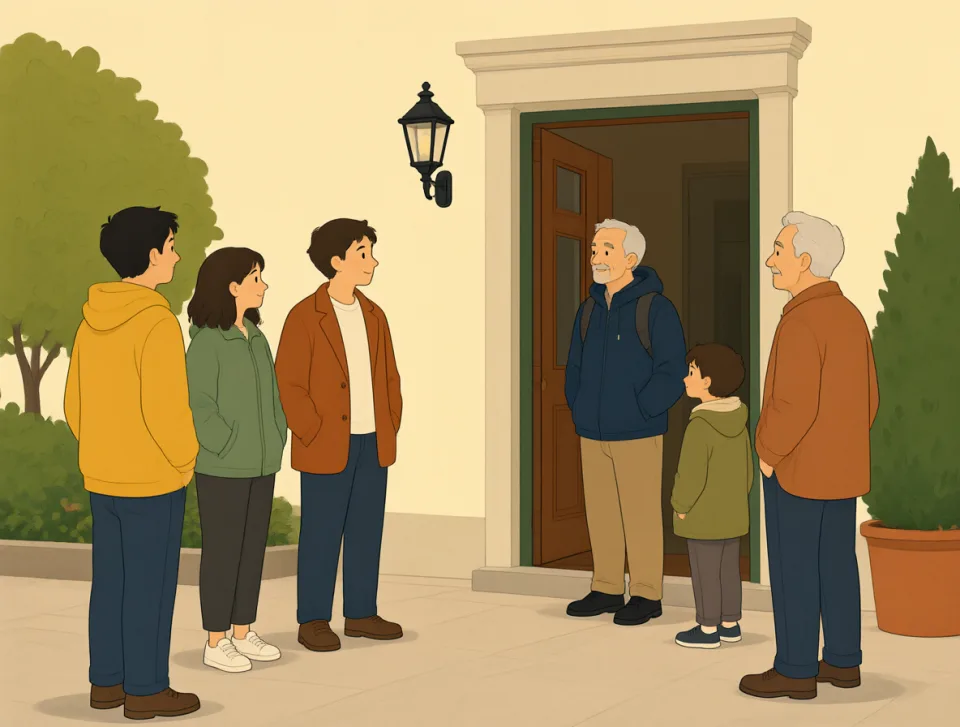
The guide situated our group at the entrance before the tour began.
टूर शुरू होने से पहले गाइड ने हमारे समूह को प्रवेश द्वार पर खड़ा किया।

The doctor situated the patient comfortably before checking her shoulder.
कंधे की जाँच करने से पहले डॉक्टर ने मरीज़ को आराम से बैठाया।

The café is situated on a quiet street near my friend’s apartment.
कैफ़े मेरे दोस्त के अपार्टमेंट के पास एक शांत सड़क पर स्थित है।
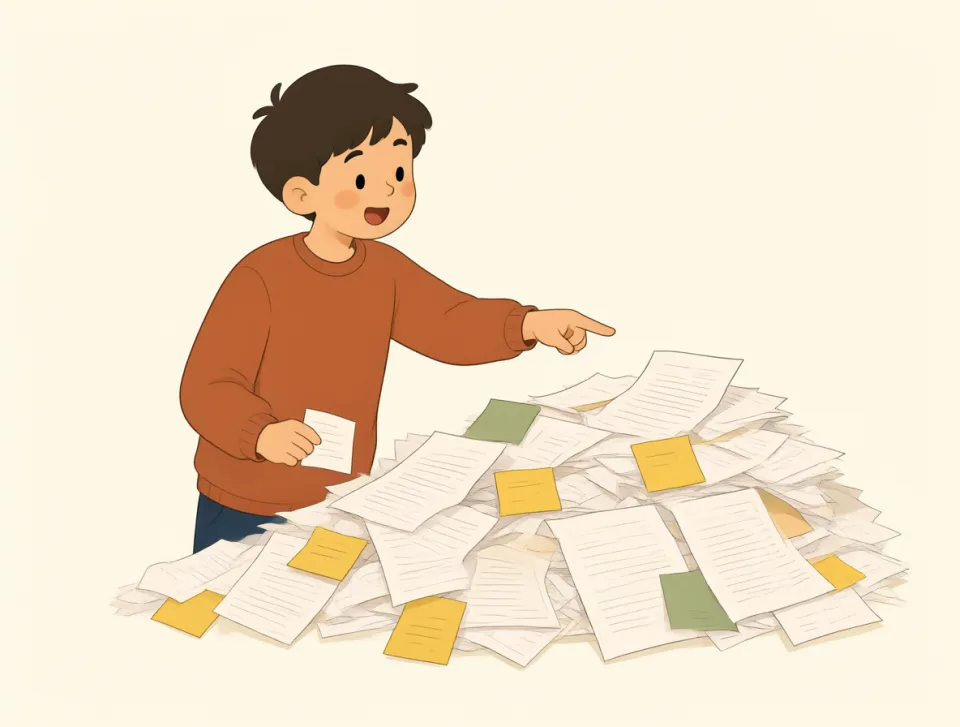
summarize
#2729verb
सारांश देना
To give the main points of something in a shorter form.
किसी बात के मुख्य बिंदुओं को संक्षेप में बताना।

Can you summarize the meeting before we leave the office?
ऑफ़िस से निकलने से पहले क्या आप मीटिंग का सारांश बता सकते हैं?

She summarized the book for her classmates during the lesson.
पाठ के दौरान उसने अपने सहपाठियों को किताब का सारांश बताया।

The doctor summarized my test results and explained the next steps.
डॉक्टर ने मेरी जाँच के नतीजों का सारांश बताया और आगे के कदम समझाए।

He summarized our travel plans while we waited at the station.
स्टेशन पर इंतज़ार करते हुए उसने हमारी यात्रा की योजनाओं का सारांश बताया।

I summarized the recipe before we started cooking dinner together.
साथ मिलकर रात का खाना बनाने से पहले मैंने रेसिपी का सारांश बता दिया।

leap
#2730noun, verb
छलांग लगाना; अचानक बड़ी प्रगति
to jump high or far, or to make a sudden, important change
ऊँची या दूर छलांग लगाना, या अचानक कोई बड़ा और अहम बदलाव करना।

The dog leaped over the low fence and ran across the garden.
कुत्ता नीची बाड़ के ऊपर से छलाँग लगाकर बगीचे में दौड़ गया।

She took a leap from the diving board into the swimming pool.
उसने डाइविंग बोर्ड से स्विमिंग पूल में छलाँग लगाई।

He leaped up when the phone rang during dinner.
खाने के दौरान फ़ोन बजा तो वह चौंककर उछल पड़ा।

Moving abroad was a big leap, but she found a good job there.
विदेश जाकर बसना एक बड़ा कदम था, लेकिन वहाँ उसे अच्छी नौकरी मिल गई।
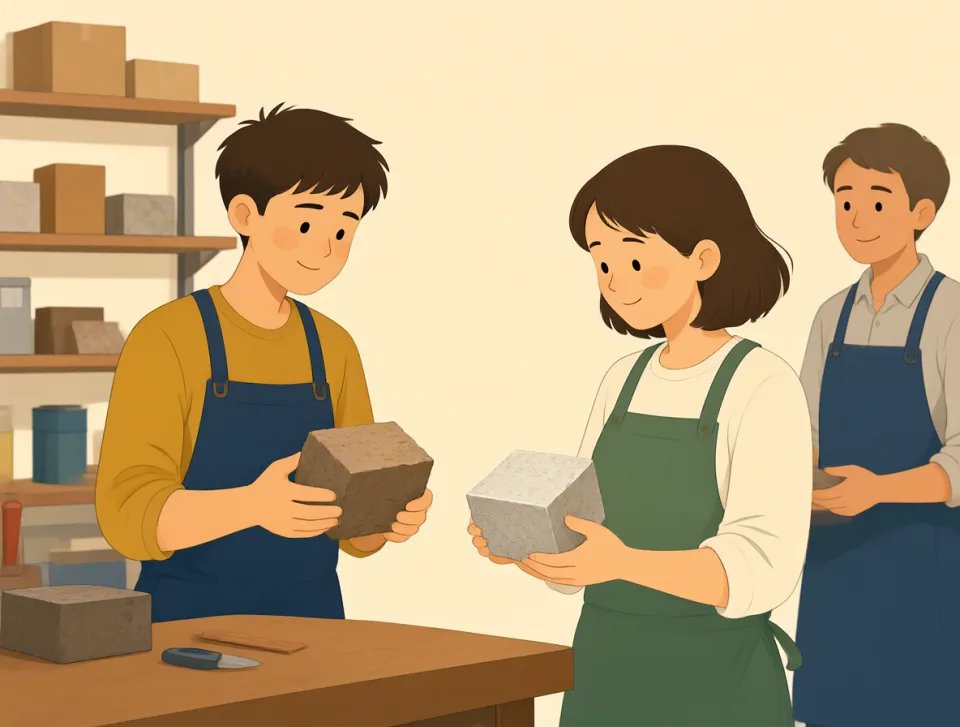
The team has made a huge leap in quality since last year.
पिछले साल से टीम की गुणवत्ता में बहुत बड़ा सुधार हुआ है।
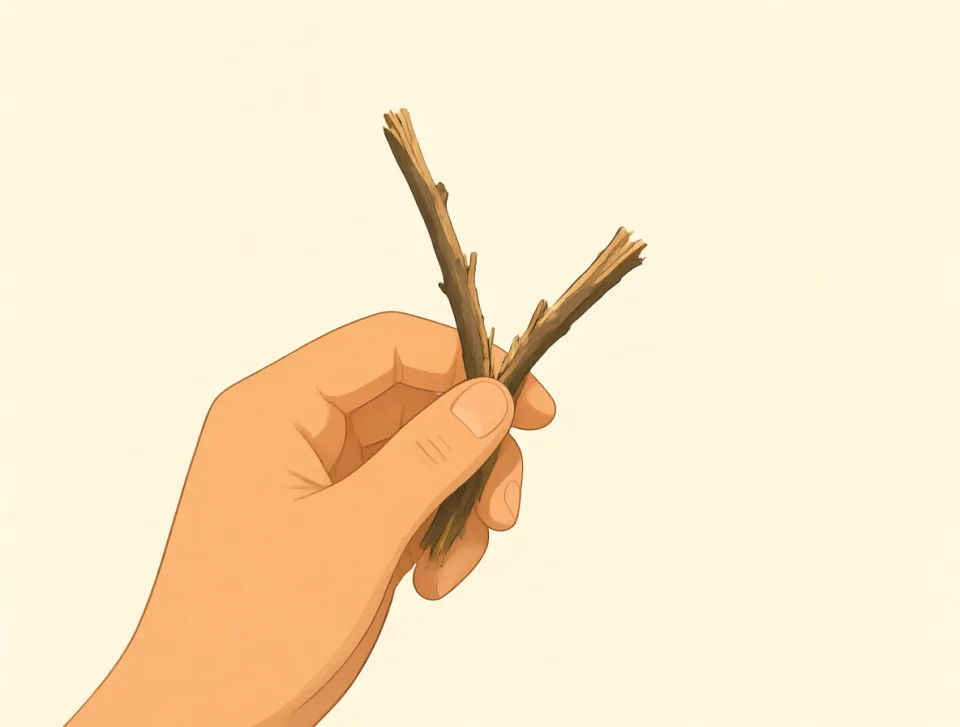
snap
#2731verb, noun
टूटना; झटपट फ़ोटो खींचना
To break suddenly with a short, sharp sound, or to take a quick photograph.
अचानक चटाक की आवाज़ के साथ टूटना, या जल्दी से फ़ोटो खींचना।
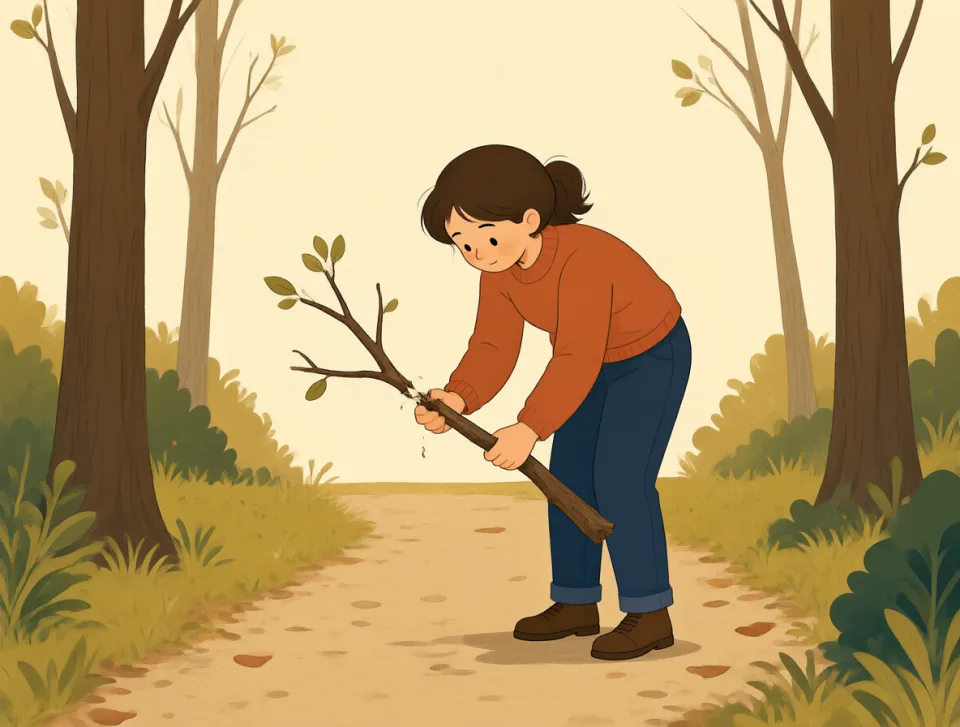
She snapped a dry branch while walking through the woods.
जंगल से गुज़रते समय उसने एक सूखी टहनी चटकाकर तोड़ दी।

He snapped his fingers to get the waiter’s attention.
वेटर का ध्यान खींचने के लिए उसने उँगलियाँ चटकाईं।

The cold snap made the lake freeze overnight.
ठंड की लहर के कारण झील रातोंरात जम गई।

I snapped a photo of my friends at the beach.
मैंने समुद्र तट पर अपने दोस्तों की एक फ़ोटो खींची।
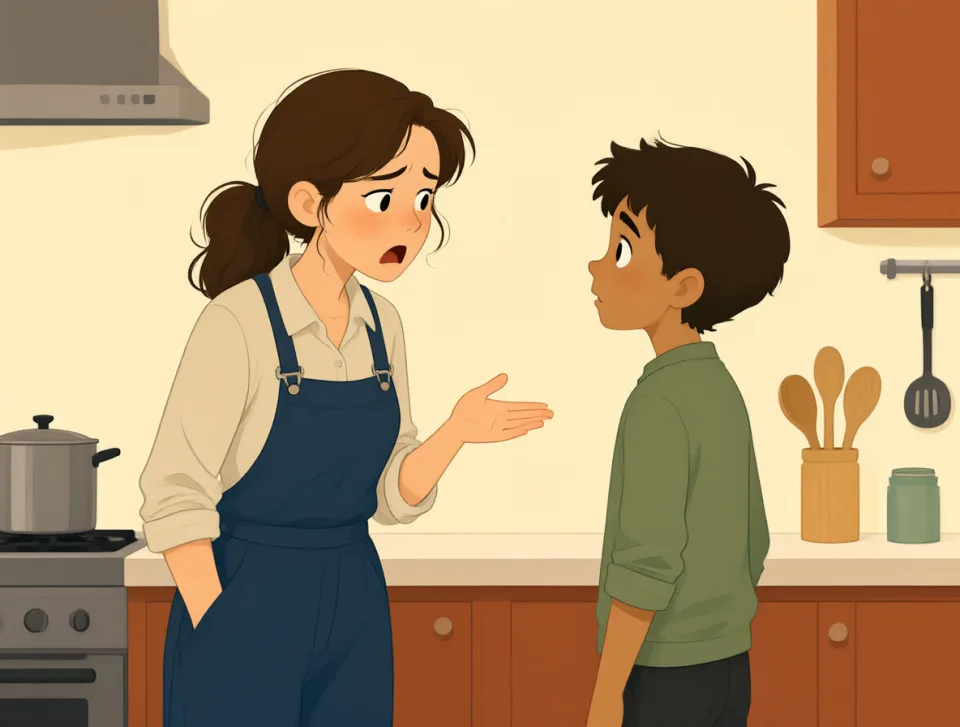
She snapped at her brother after a long day at work.
काम पर लंबा दिन बिताने के बाद वह अपने भाई पर झल्ला पड़ी।

probability
#2732noun
संभावना
the chance that something will happen
किसी चीज़ के होने की संभावना।
There is a high probability of rain, so take an umbrella when you leave home.
बारिश होने की संभावना ज़्यादा है, इसलिए घर से निकलते समय छाता ले लेना।
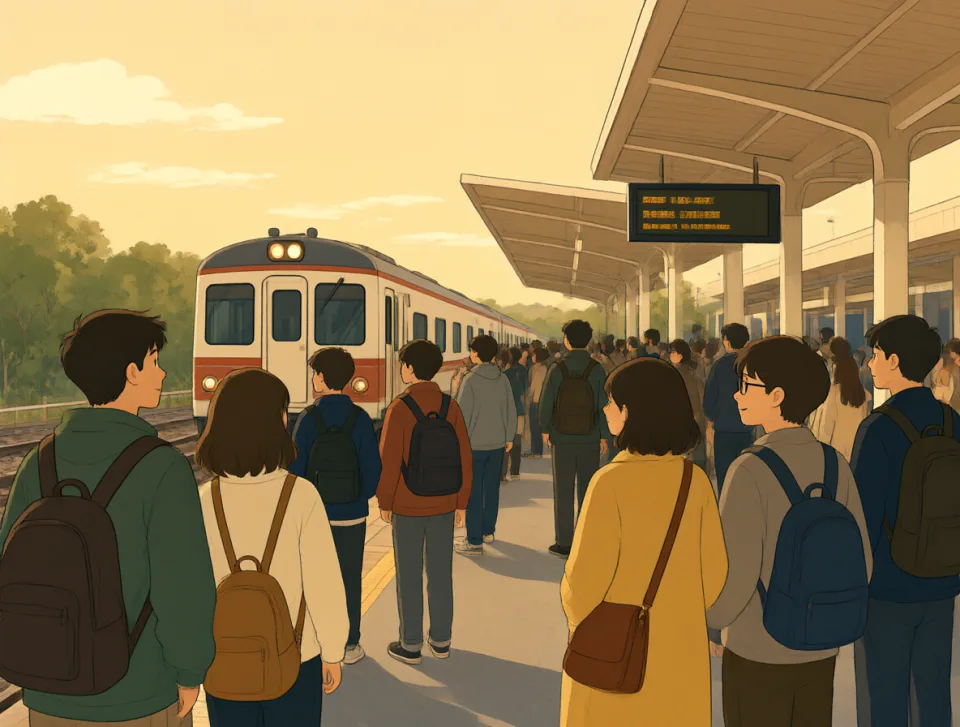
The probability that our train will be late increases during the busy evening commute.
शाम के व्यस्त समय में ट्रेन के देर से आने की संभावना बढ़ जाती है।
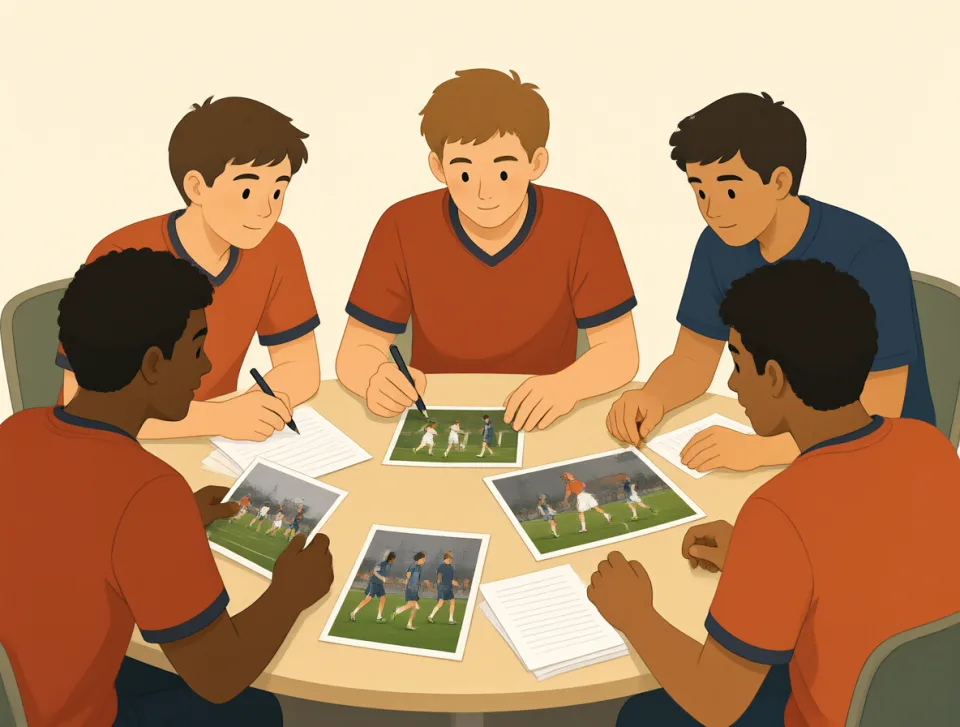
We calculated the probability of winning after studying the team's recent results.
टीम के हाल के नतीजों का अध्ययन करने के बाद हमने जीतने की संभावना का हिसाब लगाया।

Scientists estimate a small probability of serious side effects from this medicine.
वैज्ञानिकों का अनुमान है कि इस दवा से गंभीर दुष्प्रभाव होने की संभावना बहुत कम है।

Buying travel insurance reduces the probability of losing money on a cancelled trip.
यात्रा बीमा लेने से यात्रा रद्द होने पर पैसे गँवाने की संभावना कम हो जाती है।

leather
#2733noun, adjective
चमड़ा
Strong, flexible material made from animal skin and used for shoes, bags, and clothing.
जानवरों की खाल से बना मज़बूत और लचीला पदार्थ, जिसका इस्तेमाल जूते, बैग और कपड़े बनाने में होता है।

She bought a new leather jacket before the winter trip.
सर्दियों की यात्रा से पहले उसने एक नई चमड़े की जैकेट खरीदी।
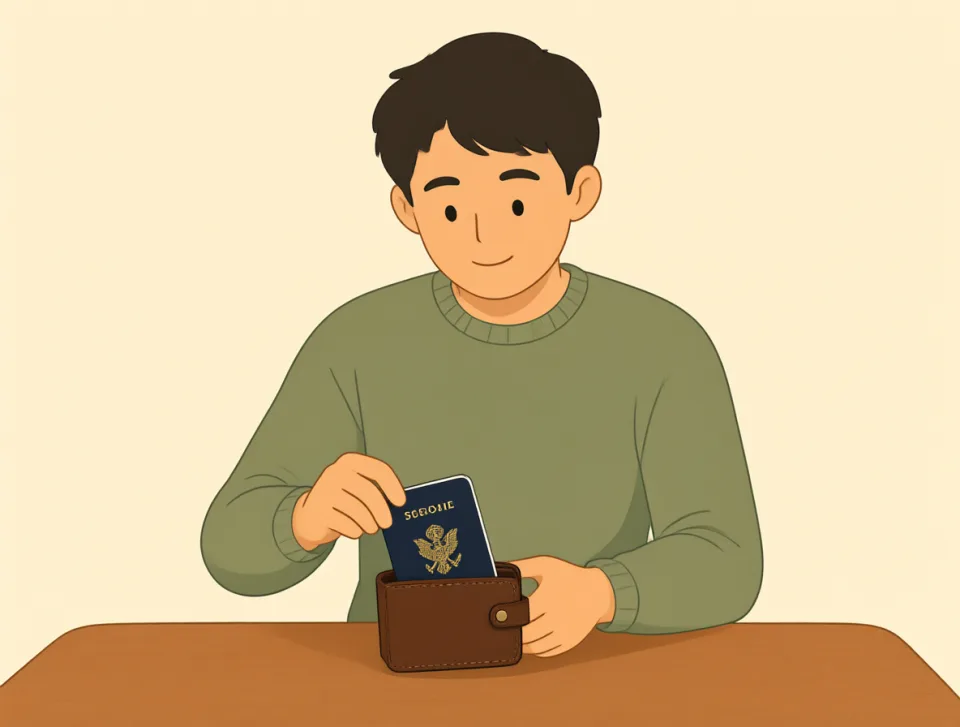
He keeps his passport in a small leather wallet.
वह अपना पासपोर्ट चमड़े के एक छोटे बटुए में रखता है।
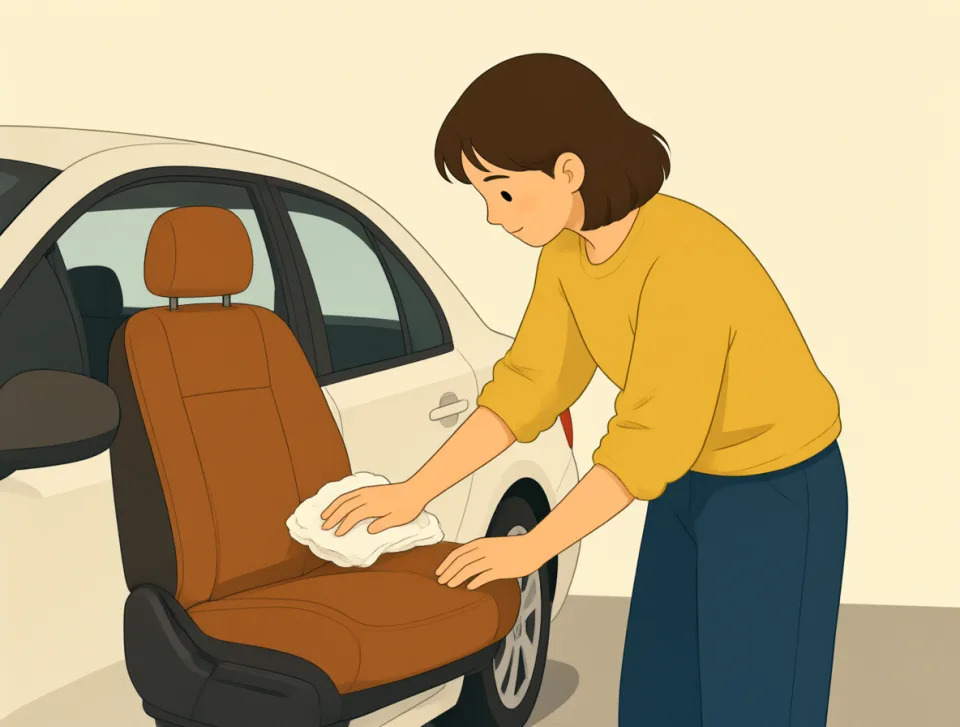
I cleaned the leather seats after our long drive.
लंबी ड्राइव के बाद मैंने चमड़े की सीटें साफ़ कीं।

These leather shoes are comfortable enough for walking around town.
ये चमड़े के जूते शहर में घूमने के लिए काफ़ी आरामदायक हैं।

The repair shop replaced the leather strap on my watch.
मरम्मत की दुकान ने मेरी घड़ी का चमड़े का पट्टा बदल दिया।
uncertainty
#2734noun
अनिश्चितता
A state of not knowing what will happen or what is true.
ऐसी स्थिति जिसमें यह पता न हो कि क्या होगा या क्या सच है।
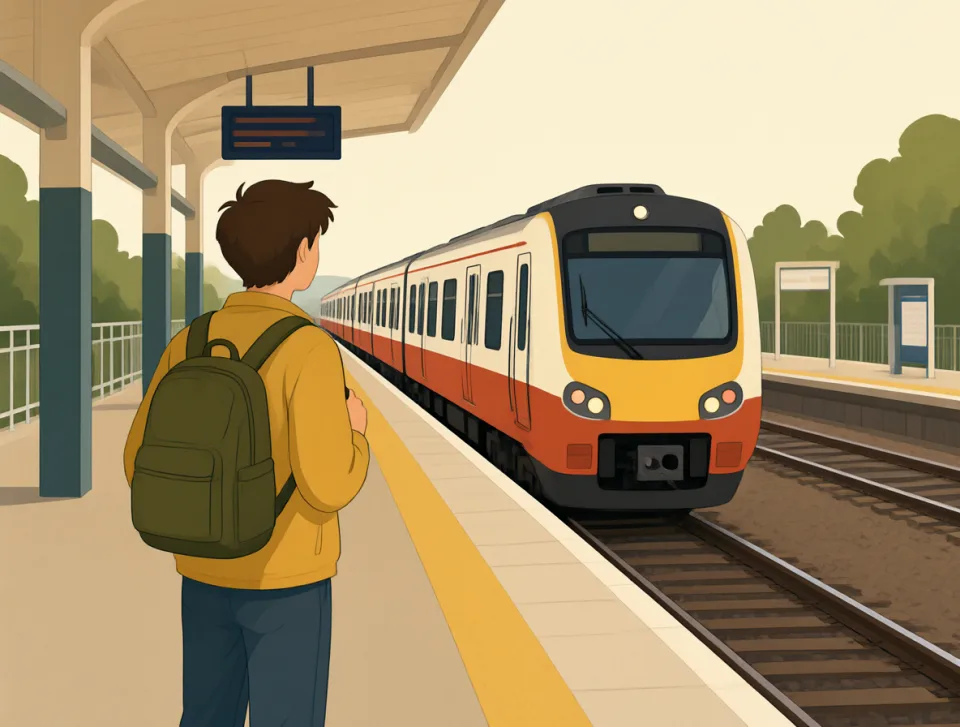
There is still some uncertainty about when the train will arrive.
ट्रेन कब आएगी, इसे लेकर अब भी कुछ अनिश्चितता है।
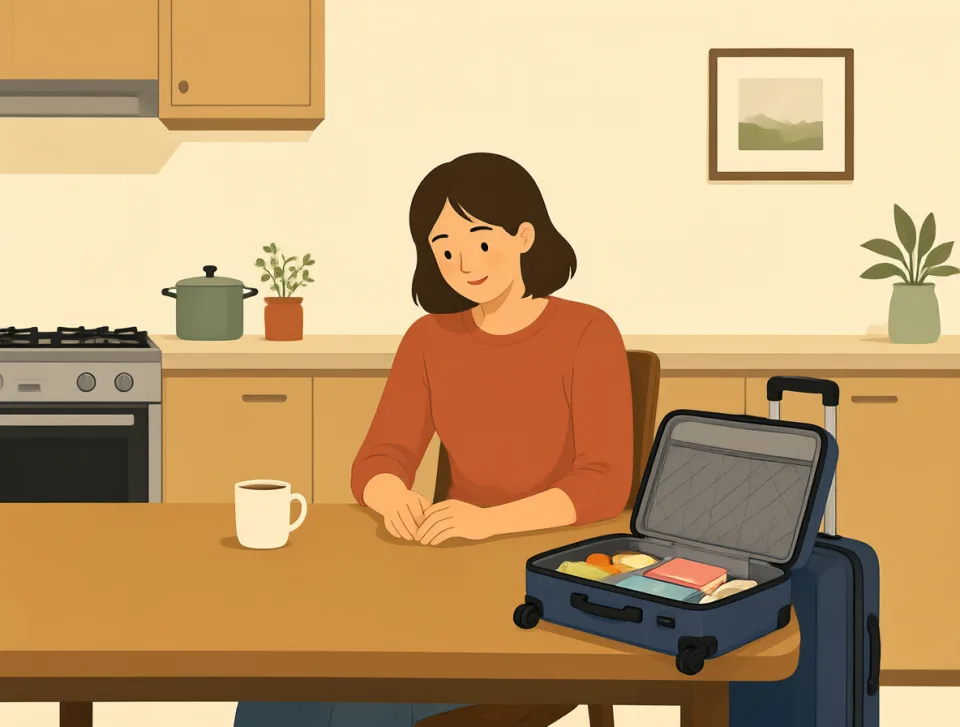
She felt uncertainty about accepting the new job in another city.
दूसरे शहर में नई नौकरी स्वीकार करने को लेकर वह असमंजस में थी।

The doctor explained that uncertainty about the test results was normal.
डॉक्टर ने समझाया कि जाँच के नतीजों को लेकर अनिश्चितता होना सामान्य है।
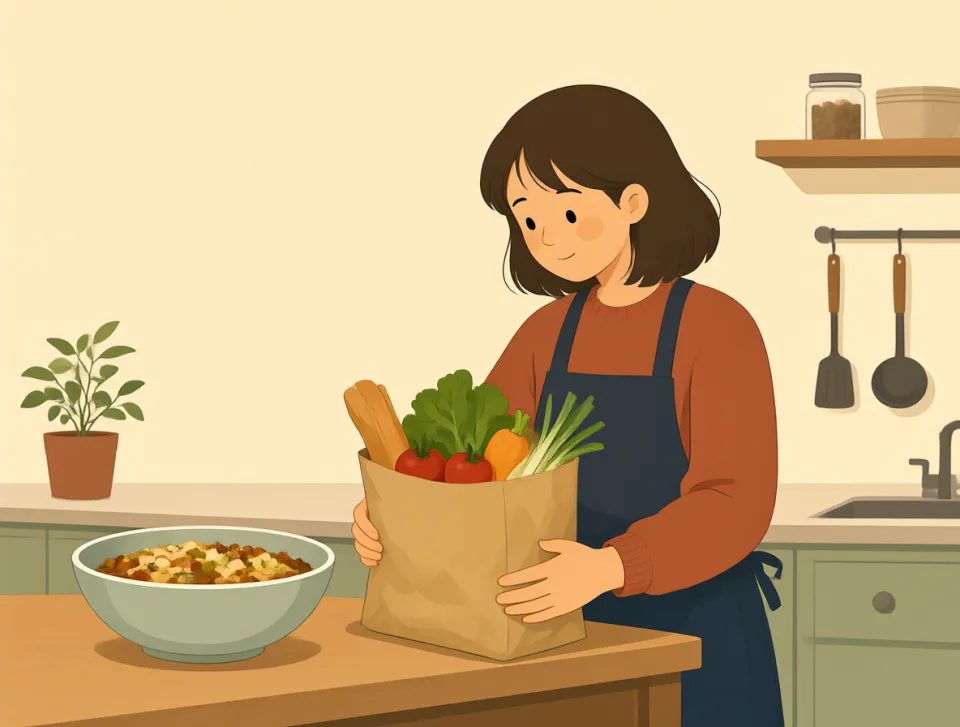
We bought extra food because of uncertainty about how many guests would come.
हमने ज़्यादा खाना खरीदा, क्योंकि यह तय नहीं था कि कितने मेहमान आएँगे।

The team worked through the uncertainty before choosing a plan for the project.
परियोजना की योजना चुनने से पहले टीम ने अनिश्चितता से निपटने के लिए मिलकर काम किया।
swear
#2735verb, noun
गाली देना; कसम खाना
To use rude or offensive words, or to promise seriously that something is true.
अभद्र या अपमानजनक शब्द बोलना, या किसी बात के सच होने का गंभीरता से वादा करना।
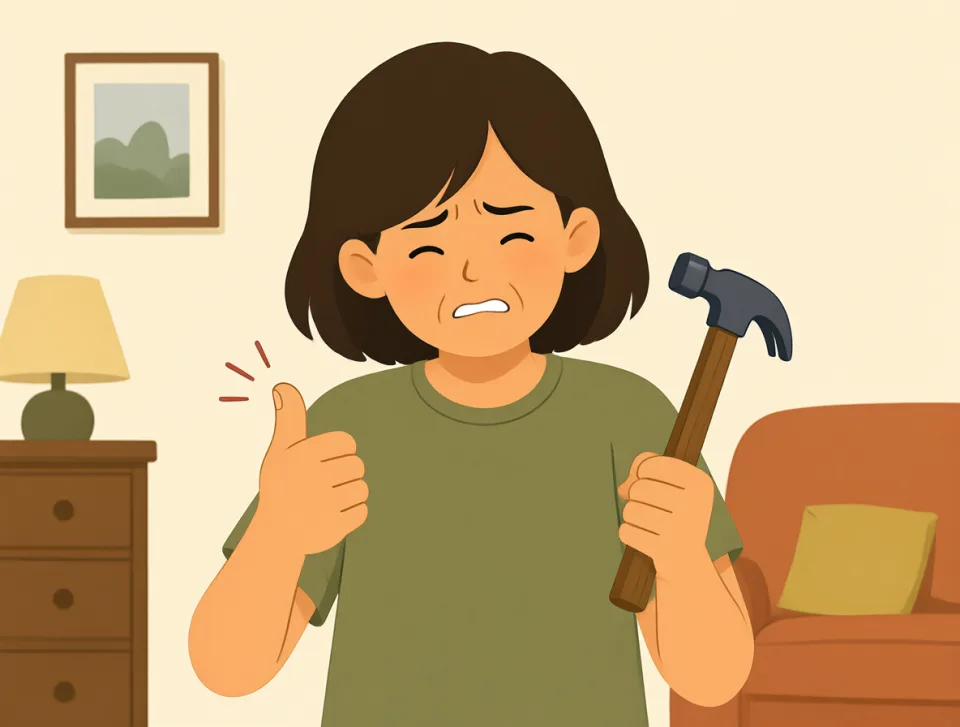
He swore when he hit his thumb with the hammer.
हथौड़े से अपने अंगूठे पर चोट लगने पर उसने गाली दी।
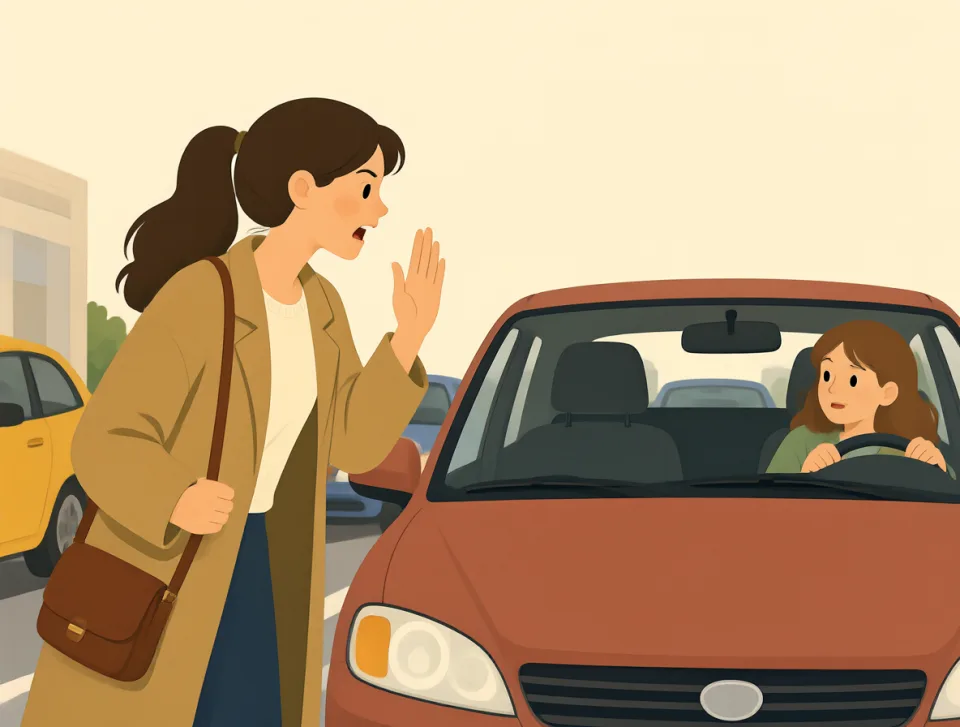
She swore at the driver who cut in front of her.
उसने उस ड्राइवर को गालियाँ दीं जो उसकी गाड़ी के आगे आ घुसा था।
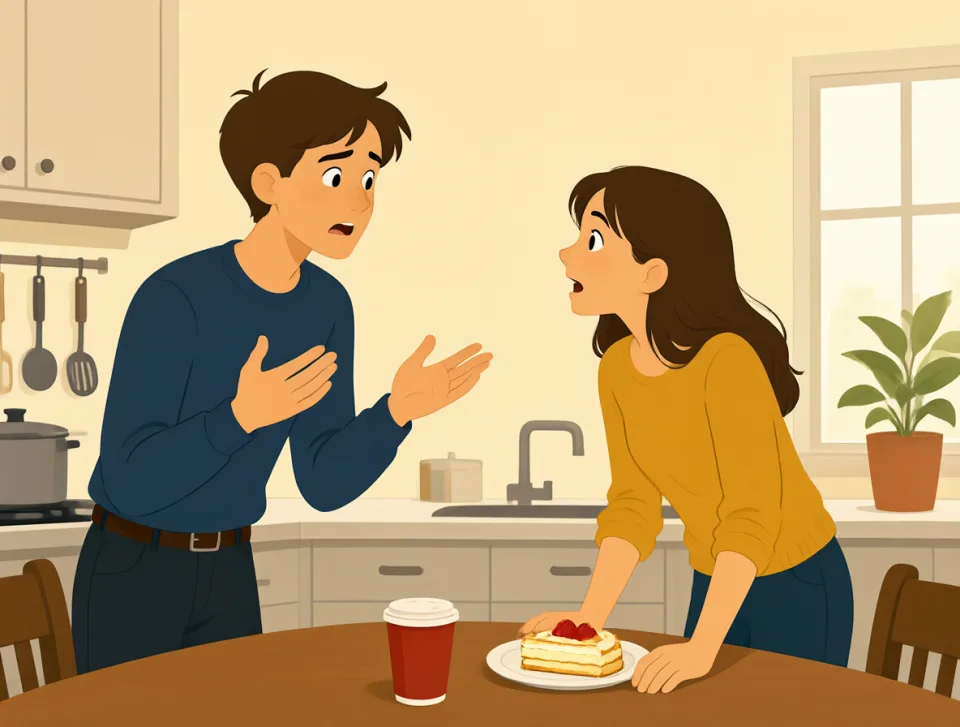
I swear I put your keys on the kitchen table.
मैं कसम खाता हूँ, मैंने तुम्हारी चाबियाँ रसोई की मेज़ पर रखी थीं।

The witness swore to tell the truth before answering the lawyer’s questions.
वकील के सवालों का जवाब देने से पहले गवाह ने सच बोलने की शपथ ली।

We had to swear an oath before joining the new team.
नई टीम में शामिल होने से पहले हमें शपथ लेनी पड़ी।
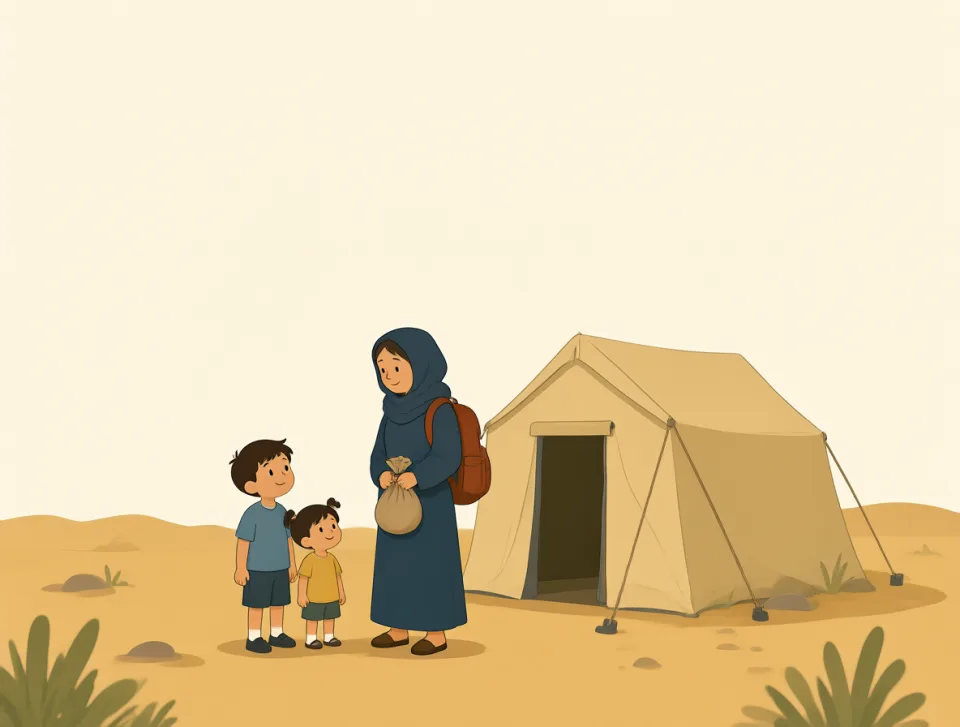
refugee
#2736noun
शरणार्थी
A person forced to leave their country to escape war, danger, or persecution.
युद्ध, खतरे या उत्पीड़न से बचने के लिए अपना देश छोड़ने को मजबूर व्यक्ति।
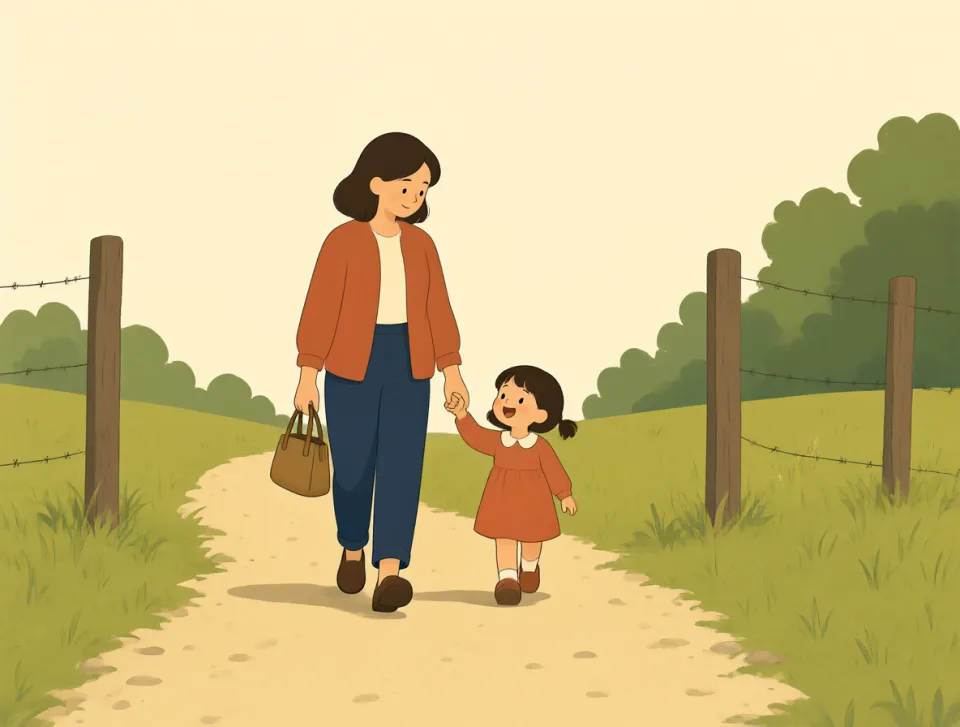
The refugee crossed the border with her two children and a small bag.
महिला शरणार्थी ने अपने दो बच्चों और एक छोटे-से बैग के साथ सीमा पार की।

Many refugees fled their homes when fighting reached their town.
लड़ाई उनके कस्बे तक पहुँचने पर कई शरणार्थी अपने घर छोड़कर भाग गए।

The city opened a shelter for refugees who had nowhere to sleep.
शहर ने उन शरणार्थियों के लिए एक आश्रय-स्थल खोला जिनके पास सोने की कोई जगह नहीं थी।
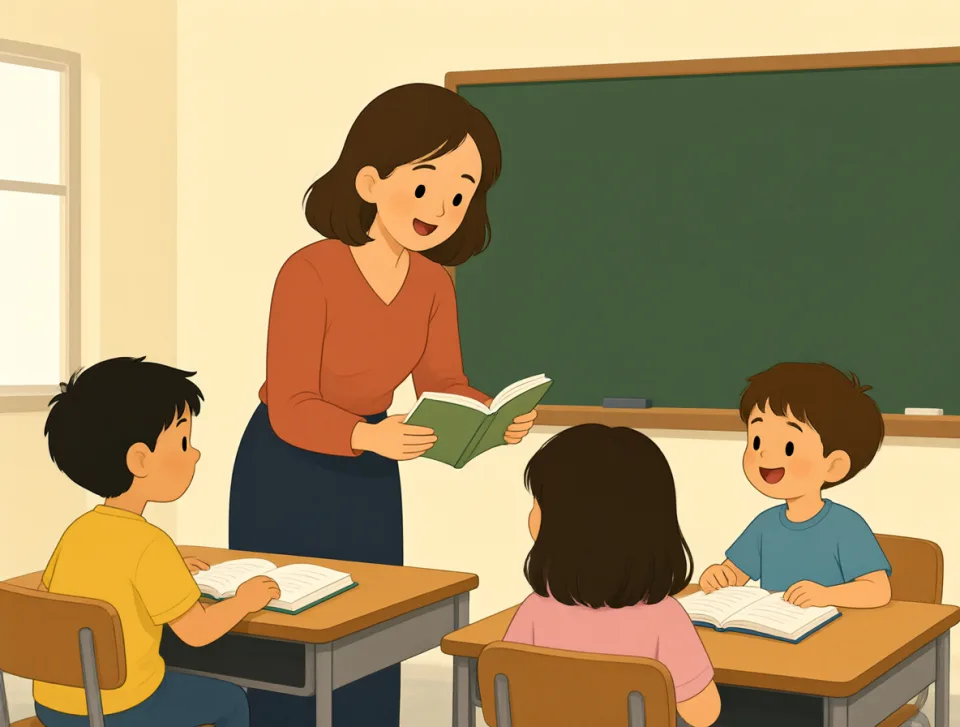
He works as a teacher after arriving as a refugee from Sudan.
सूडान से शरणार्थी के रूप में आने के बाद वह शिक्षक के तौर पर काम करता है।
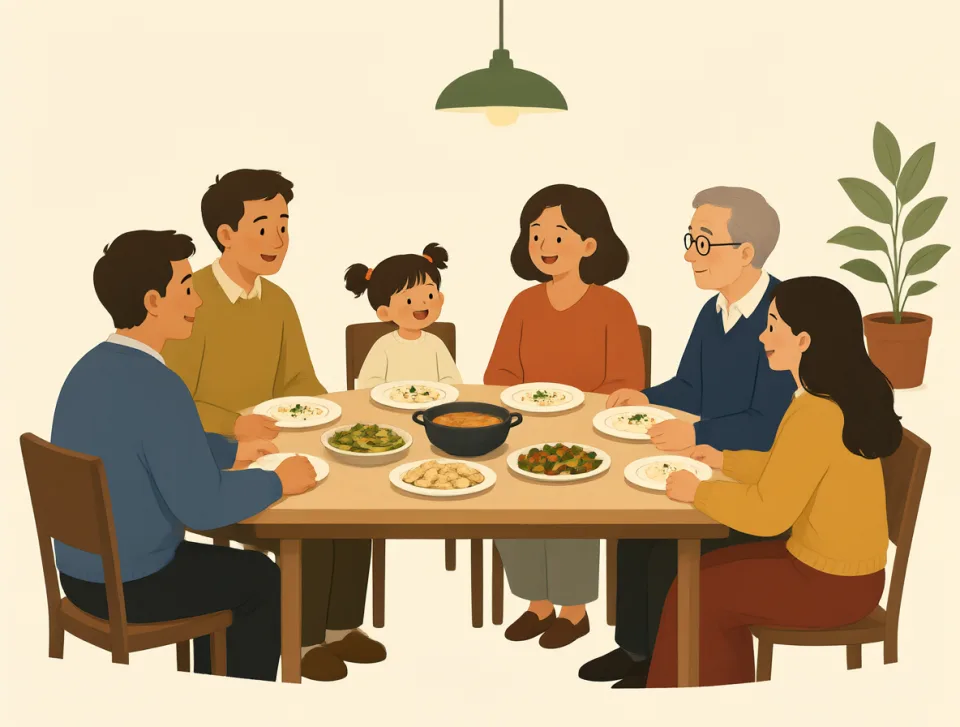
Our neighbors welcomed a refugee family and shared a meal with them.
हमारे पड़ोसियों ने एक शरणार्थी परिवार का स्वागत किया और उनके साथ खाना बाँटा।

shore
#2737noun, verb
किनारा
The land along the edge of a sea, lake, or river.
समुद्र, झील या नदी के किनारे की ज़मीन।

We walked along the shore and watched the waves roll in.
हम किनारे के साथ-साथ चले और आती हुई लहरों को देखते रहे।

The boat drifted toward the shore after its engine stopped.
इंजन बंद होने के बाद नाव बहकर किनारे की ओर चली गई।
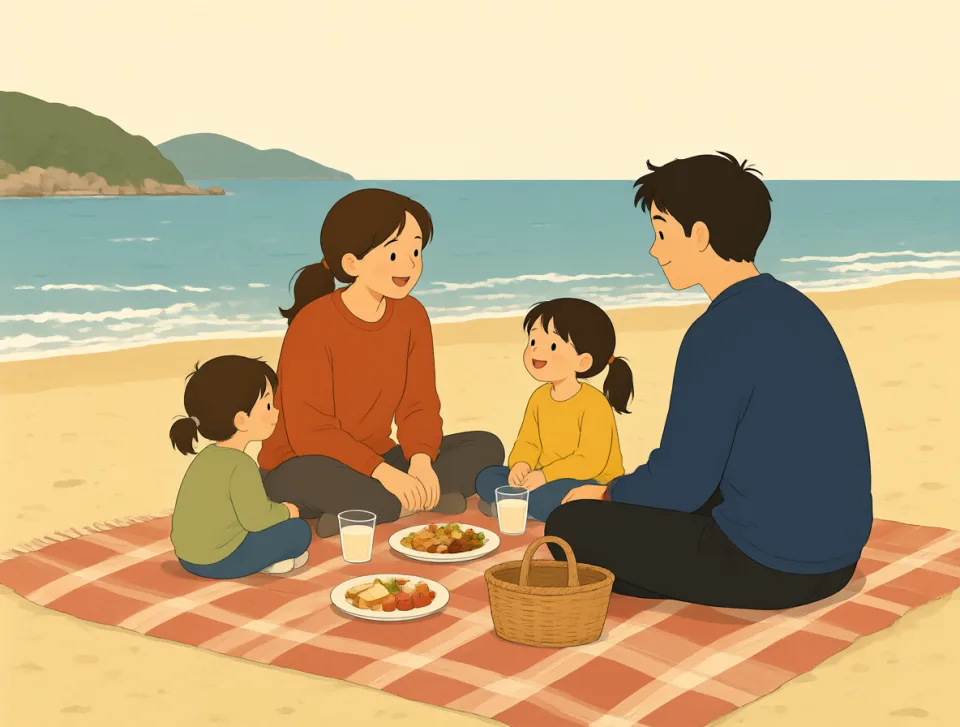
They found a quiet spot on the shore to eat lunch.
उन्हें दोपहर का खाना खाने के लिए किनारे पर एक शांत जगह मिली।
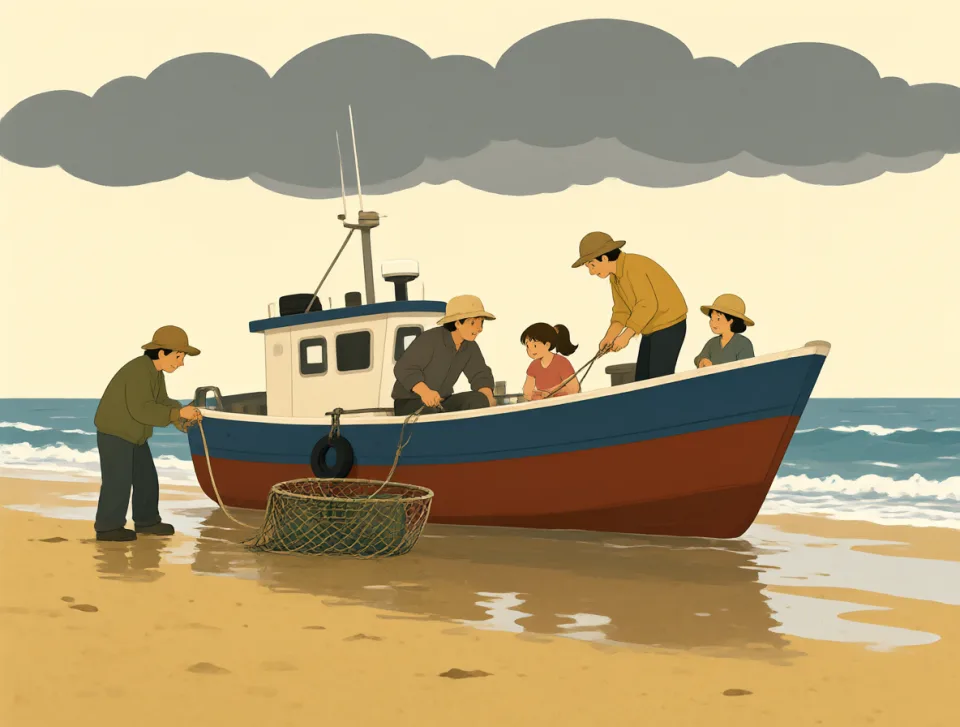
A storm pushed the fishing boat ashore during the night.
रात के दौरान तूफ़ान मछली पकड़ने वाली नाव को किनारे पर ले आया।

The hikers reached the shore of the lake before sunset.
सूरज डूबने से पहले पैदल यात्रा करने वाले झील के किनारे पहुँच गए।
monthly
#2738adjective, adverb
मासिक
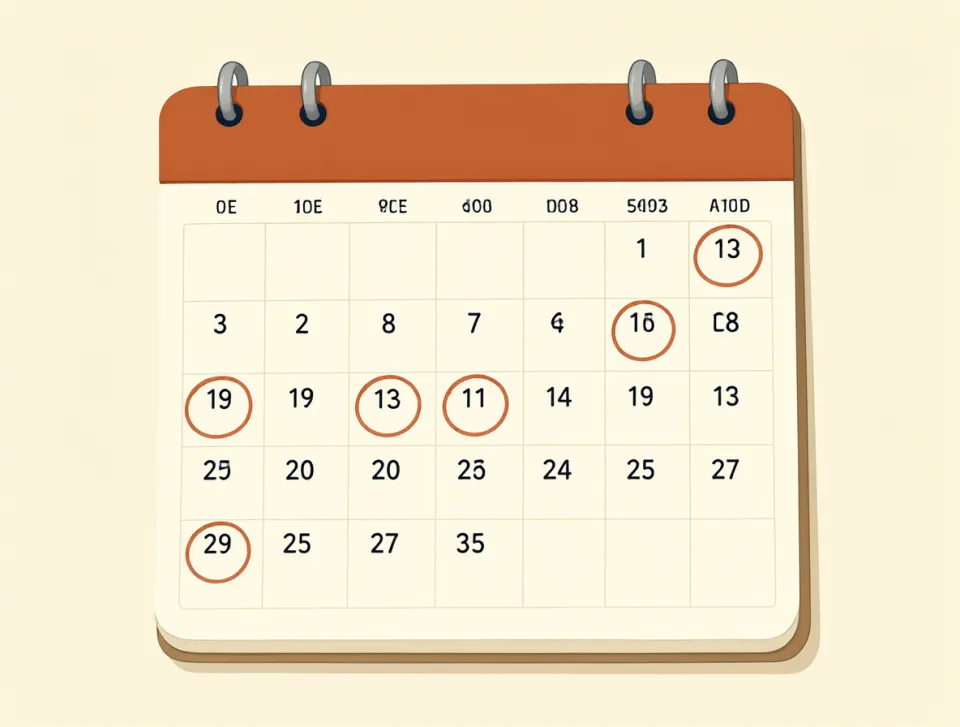
Happening, done, or paid once every month.
जो हर महीने होता है, किया जाता है या जिसका भुगतान किया जाता है।

We pay the rent monthly, on the first day of each month.
हम हर महीने की पहली तारीख़ को किराया देते हैं।

The gym charges a monthly fee, even if I miss a few classes.
जिम हर महीने की फ़ीस लेता है, भले ही मैं कुछ कक्षाओं में न जा पाऊँ।

Our manager holds a monthly meeting to discuss the team's progress.
हमारे मैनेजर टीम की प्रगति पर चर्चा करने के लिए हर महीने बैठक करते हैं।

The school sends a monthly newsletter to families with news about upcoming events.
स्कूल परिवारों को आने वाले कार्यक्रमों की खबर देने वाला मासिक समाचार-पत्र भेजता है।
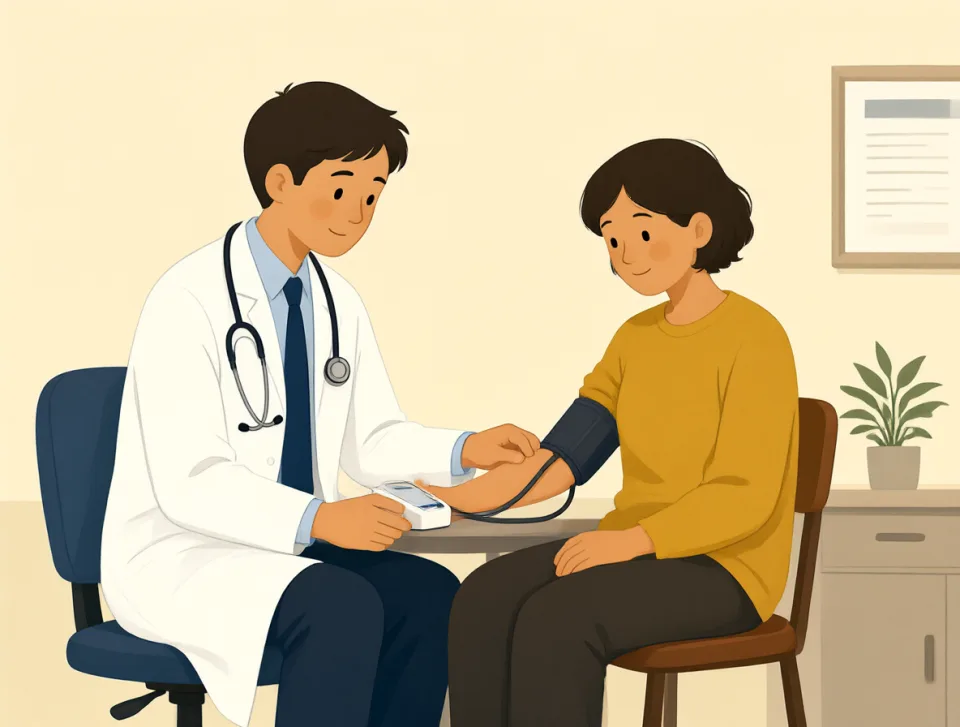
She visits the clinic monthly to check how her treatment is working.
वह यह देखने के लिए हर महीने क्लिनिक जाती है कि उसका इलाज कैसा काम कर रहा है।

comprise
#2739verb
से मिलकर बना होना
To be made up of particular parts or members.
कुछ खास हिस्सों या सदस्यों से बना होना।

The committee comprises teachers, parents, and two local business owners.
समिति में शिक्षक, माता-पिता और स्थानीय कारोबार के दो मालिक शामिल हैं।
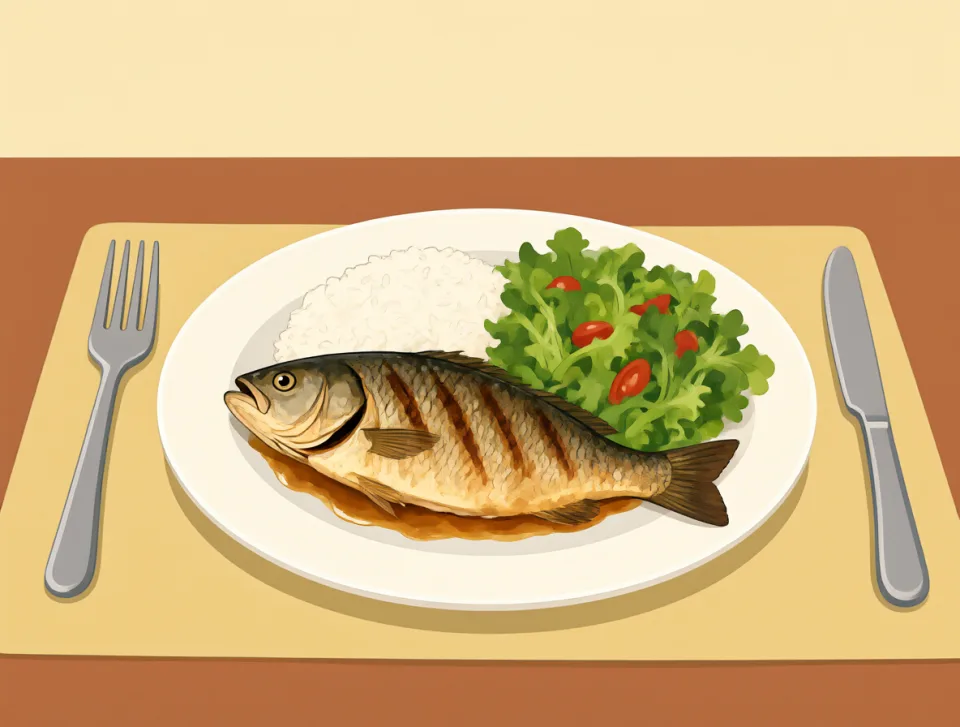
The meal comprised rice, grilled fish, and a fresh green salad.
खाने में चावल, भुनी हुई मछली और ताज़ा हरा सलाद था।

The course comprises six short lessons and a final class project.
इस पाठ्यक्रम में छह छोटे पाठ और अंत में एक कक्षा-परियोजना शामिल है।

Their trip comprised three days in Rome and two days by the sea.
उनकी यात्रा में रोम में तीन दिन और समुद्र के किनारे दो दिन शामिल थे।
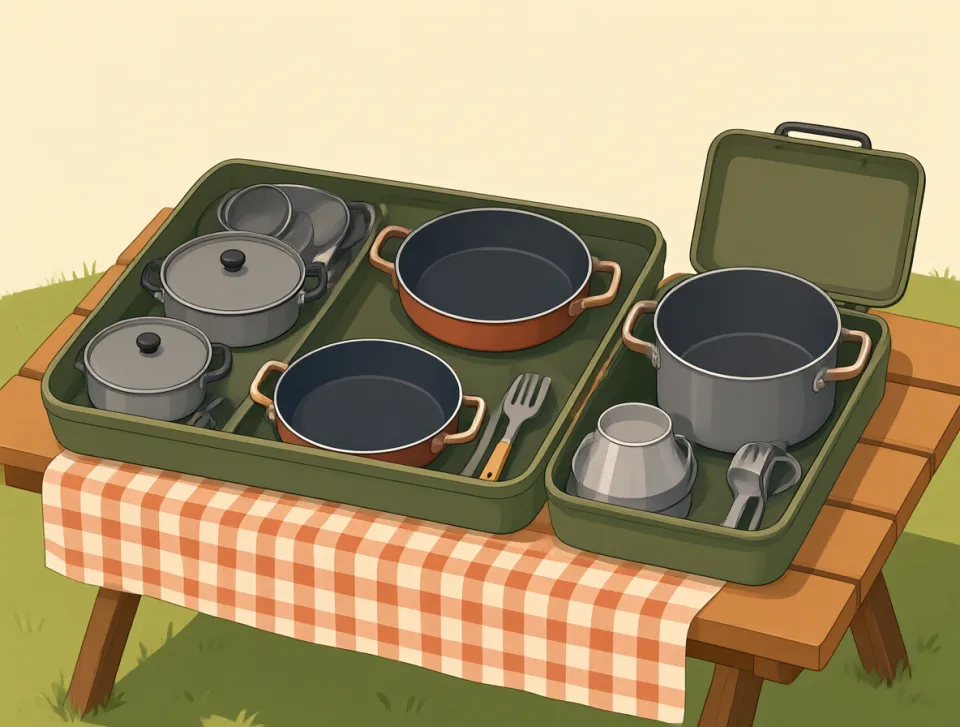
The kit comprises a pan, two plates, and four camping cups.
इस किट में एक पैन, दो प्लेटें और कैंपिंग के चार कप शामिल हैं।

stir
#2740verb, noun
हिलाना; हलचल मचाना
To mix something by moving a spoon or similar object around in it; to cause excitement or trouble.
चम्मच या इसी तरह की किसी चीज़ को उसमें घुमाकर किसी चीज़ को मिलाना; उत्साह या परेशानी पैदा करना।
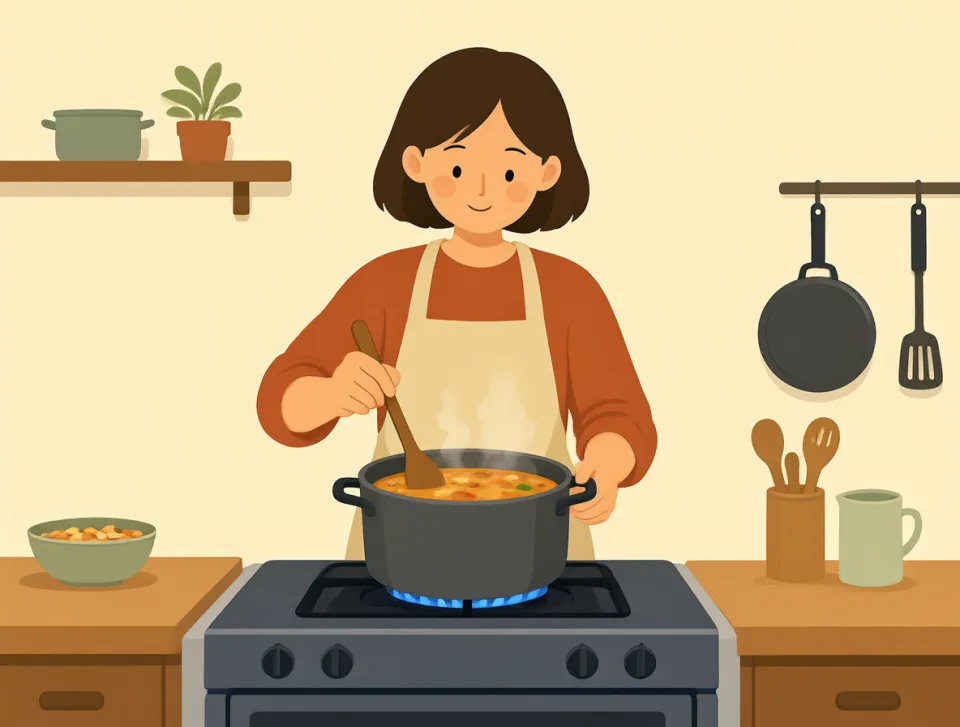
Stir the soup gently while it warms on the stove.
चूल्हे पर सूप गरम होते समय उसे धीरे-धीरे चलाते रहें।
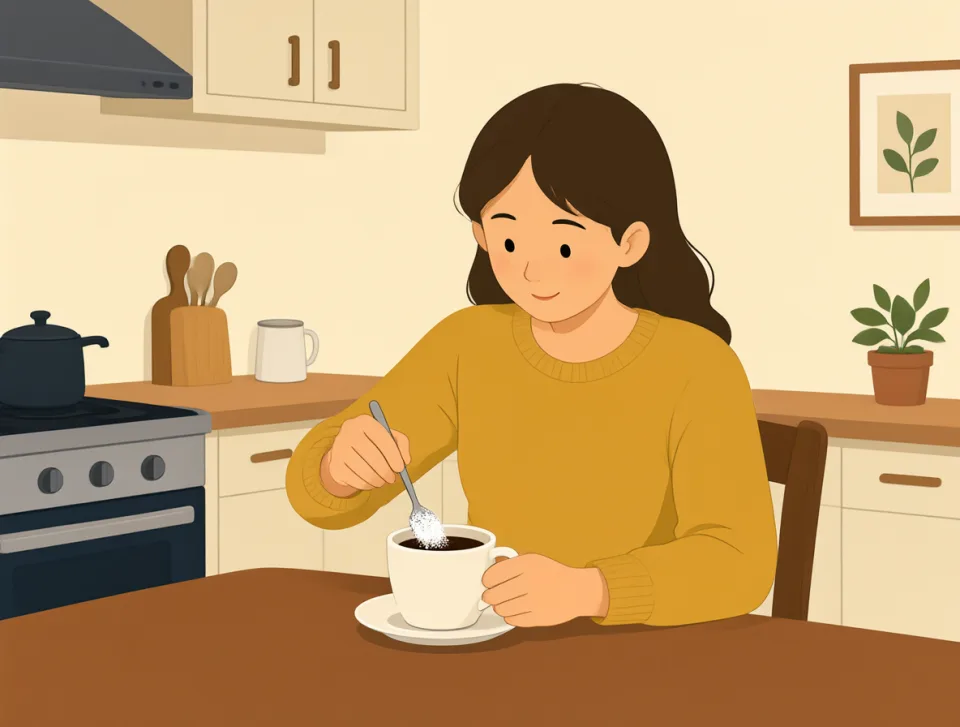
She stirred sugar into her coffee before leaving for work.
काम पर जाने से पहले उसने अपनी कॉफ़ी में चीनी घोली।
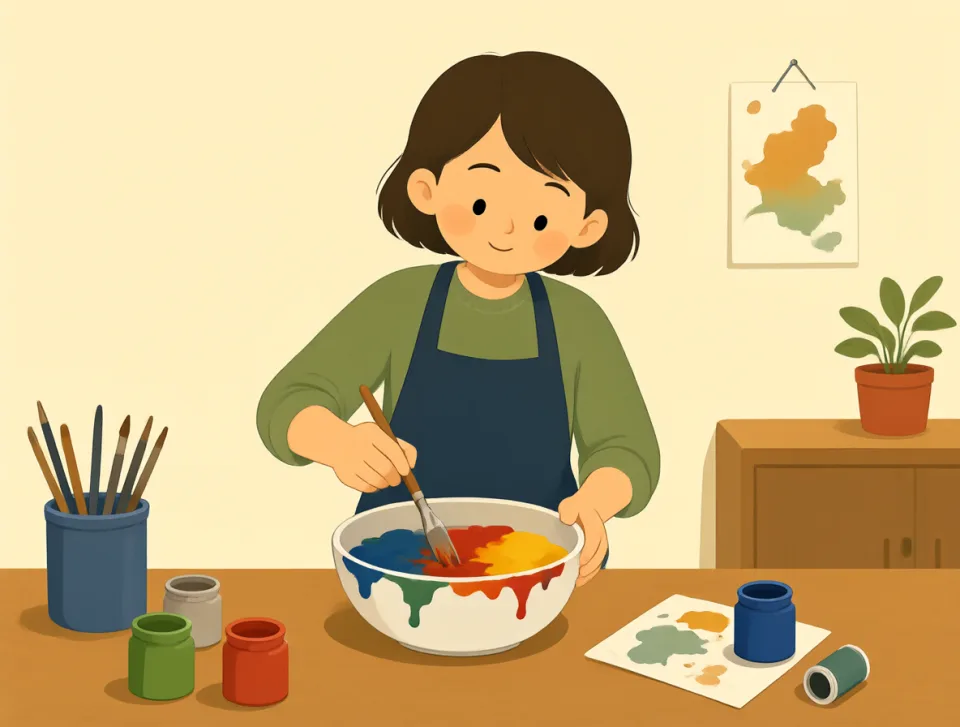
The teacher stirred the paint until the colors blended together.
शिक्षक ने रंगों को आपस में मिलाने के लिए पेंट को हिलाया।

His question stirred interest among the people at the meeting.
उसके सवाल ने बैठक में मौजूद लोगों के बीच दिलचस्पी जगा दी।
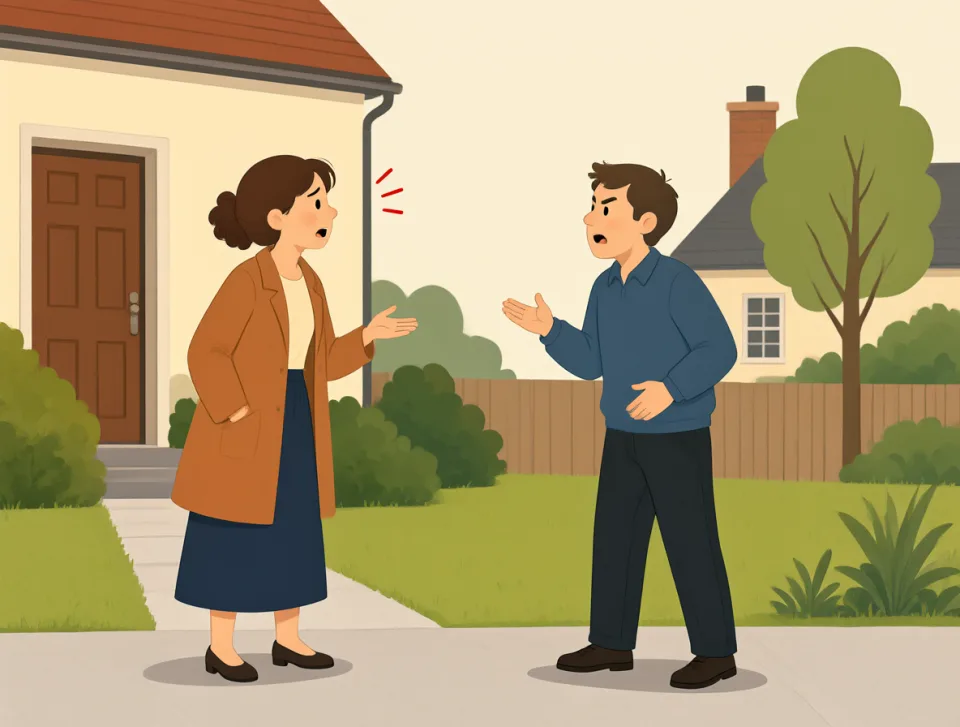
The news stirred up trouble between the two neighbors.
उस खबर ने दोनों पड़ोसियों के बीच झगड़ा खड़ा कर दिया।