Zestaw 137
Słowa 2721–2740 · abstract, tent, precise, distant, stranger, shade

abstract
#2721adjective, noun
abstrakcyjny
Existing as an idea rather than a physical object; a short written summary of an article.
Istniejący jako idea, a nie przedmiot fizyczny; krótkie pisemne streszczenie artykułu.

Love is an abstract idea that can mean different things to different people.
Miłość to abstrakcyjne pojęcie, które dla różnych osób może oznaczać coś innego.
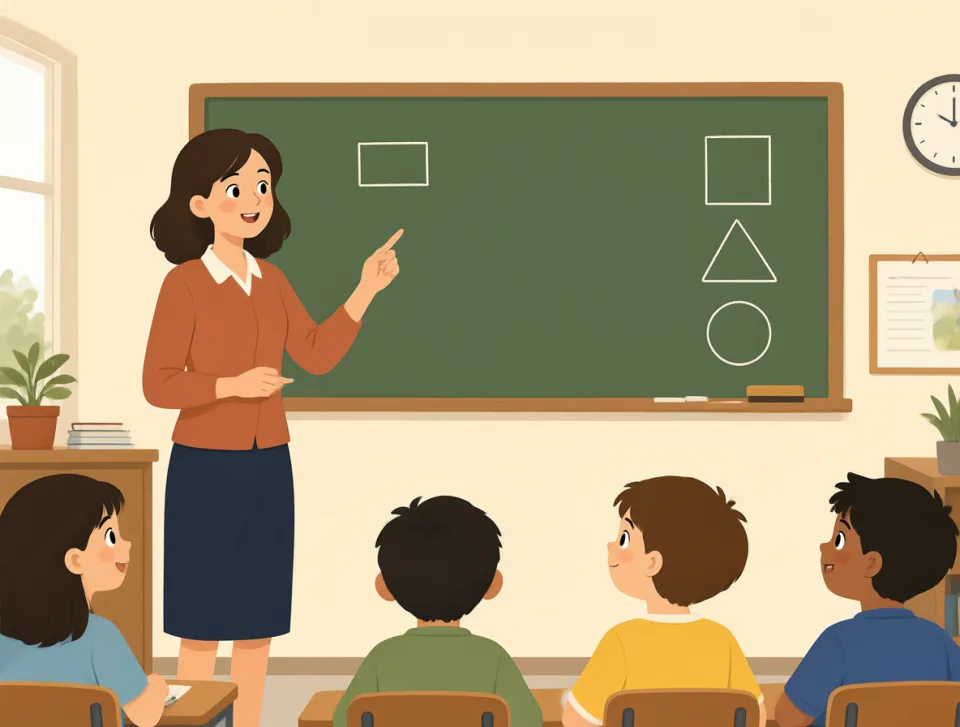
The teacher used simple examples to explain an abstract idea in science class.
Nauczyciel użył prostych przykładów, aby wyjaśnić abstrakcyjne pojęcie na lekcji przyrody.

The artist painted an abstract picture using bright colors and unusual shapes.
Artysta namalował abstrakcyjny obraz, używając jaskrawych kolorów i nietypowych kształtów.

Please write a short abstract of your report before the meeting tomorrow.
Proszę napisać krótkie streszczenie raportu przed jutrzejszym spotkaniem.

The article begins with an abstract that explains the main points clearly.
Artykuł zaczyna się od streszczenia, które jasno przedstawia najważniejsze informacje.

tent
#2722noun
namiot
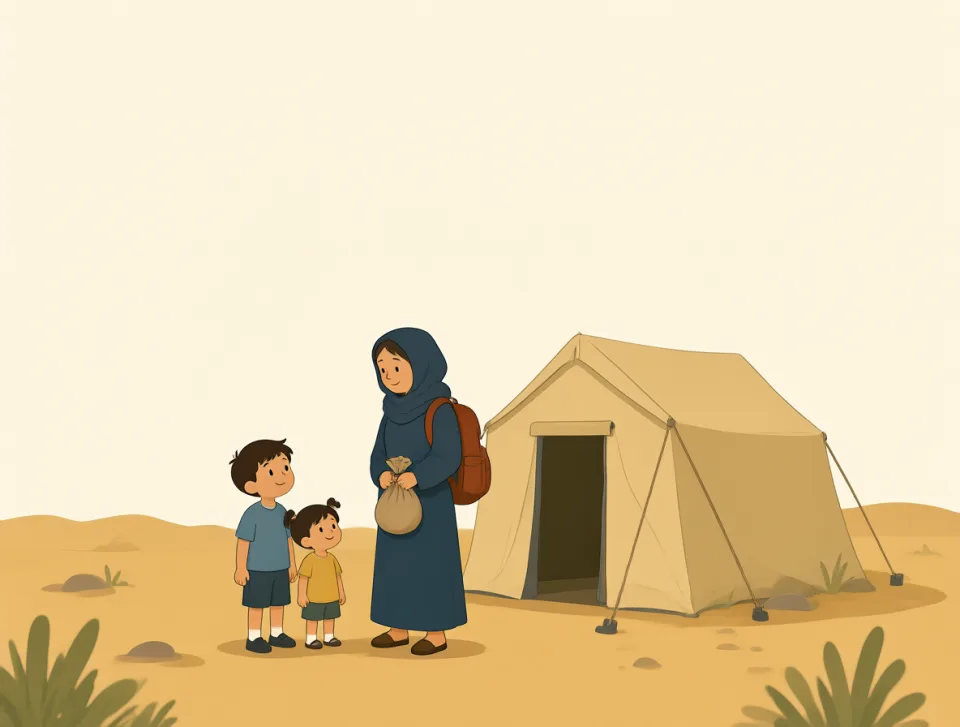
a temporary shelter made of cloth, used for sleeping or staying outdoors
Tymczasowe schronienie z tkaniny, służące do spania lub przebywania na świeżym powietrzu.
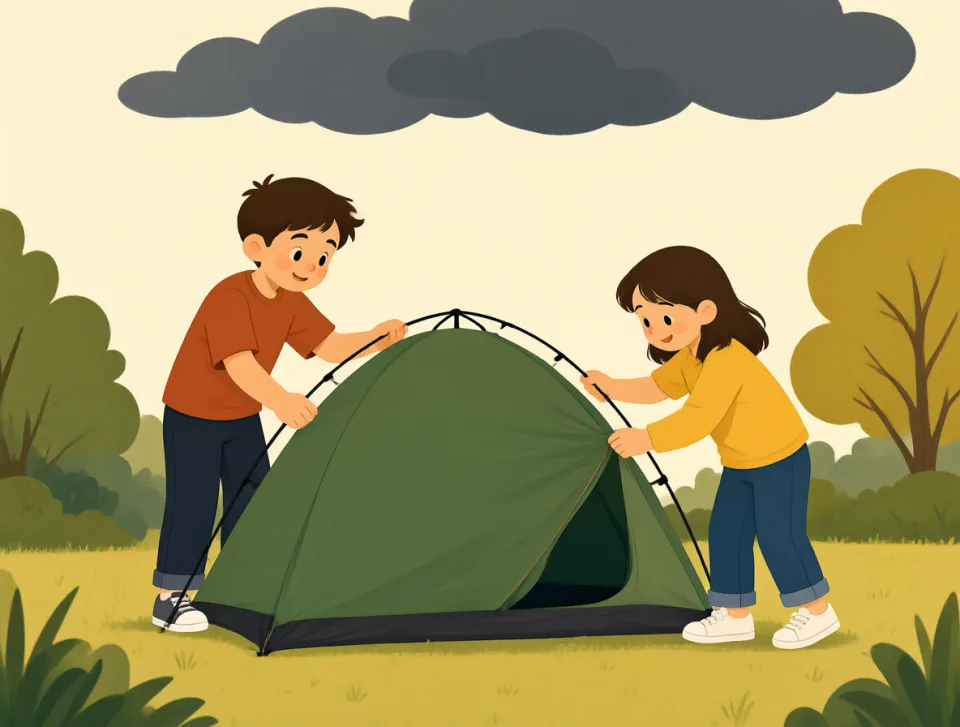
We put up the tent before it started raining.
Rozbiliśmy namiot, zanim zaczęło padać.

The children slept in a tent in the garden.
Dzieci spały w namiocie w ogrodzie.

Our tent was warm and dry during the mountain storm.
W naszym namiocie było ciepło i sucho podczas górskiej burzy.

They bought a new tent for their summer camping trip.
Kupili nowy namiot na letni wyjazd pod namiot.
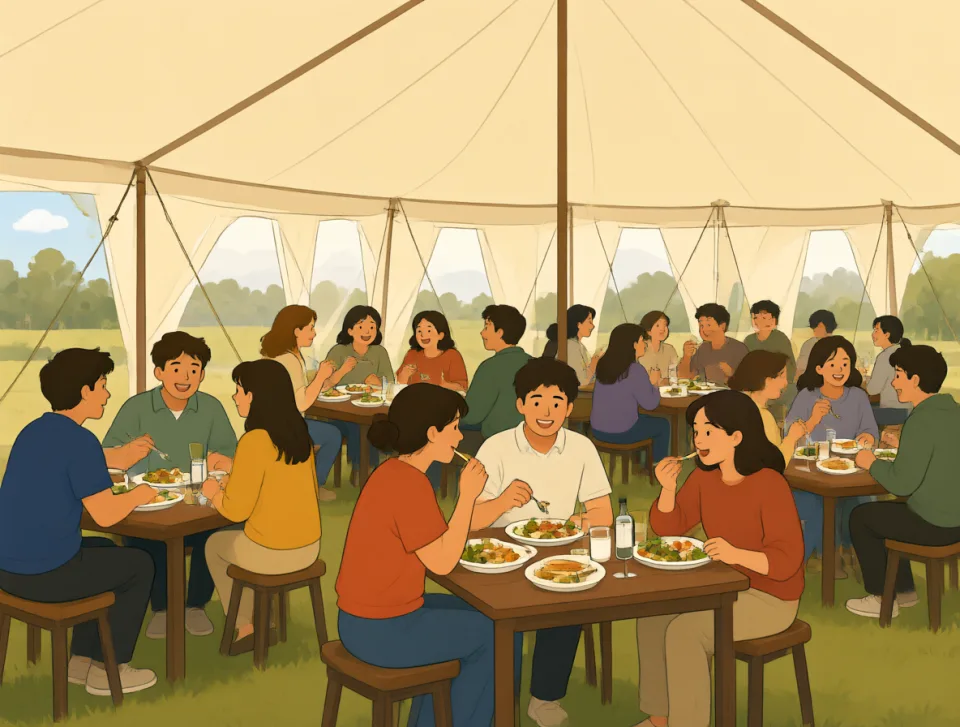
The festival tent served hot food and drinks to visitors.
W namiocie festiwalowym serwowano gościom gorące jedzenie i napoje.
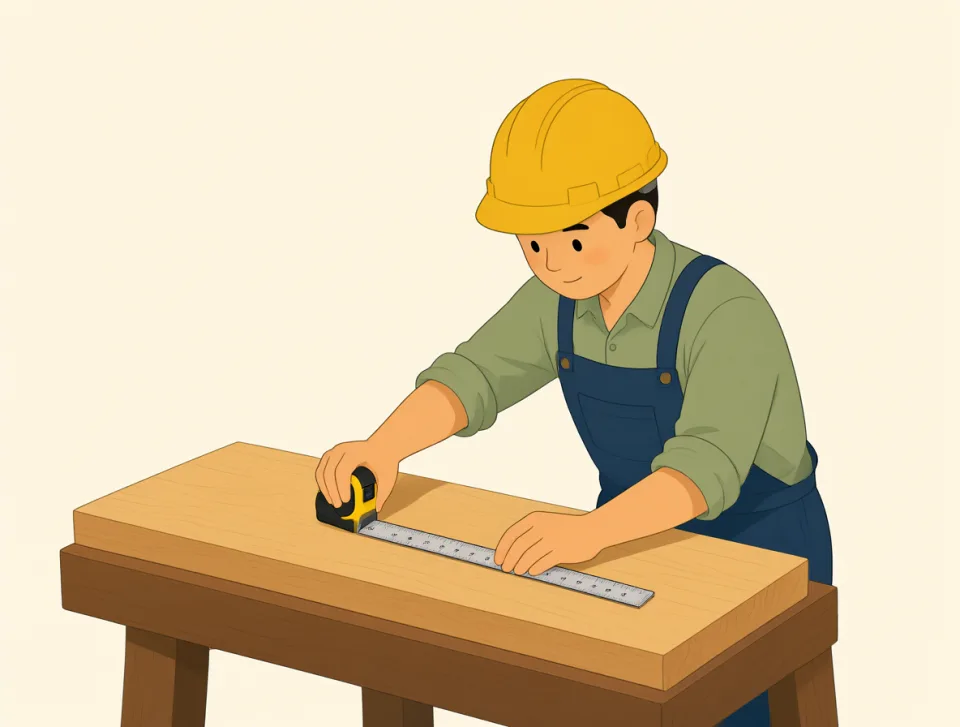
precise
#2723adjective
precyzyjny
Exact and accurate, with no mistakes or unnecessary details.
Dokładny i ścisły, bez błędów ani zbędnych szczegółów.
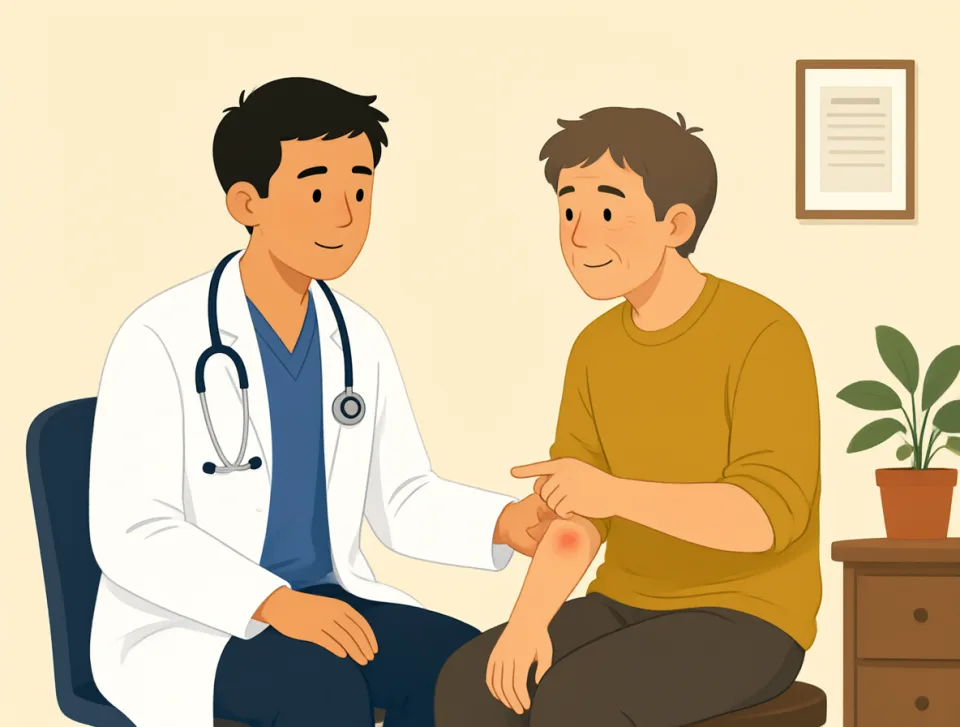
The doctor asked me to describe the precise location of the pain.
Lekarz poprosił mnie o dokładne wskazanie miejsca, w którym odczuwam ból.

Please give me the precise time you expect to arrive at the station.
Proszę podać dokładną godzinę, o której spodziewa się Pan/Pani przyjechać na stację.

Her precise instructions helped us assemble the table without any problems.
Dokładne instrukcje, które podała, pomogły nam złożyć stół bez żadnych problemów.
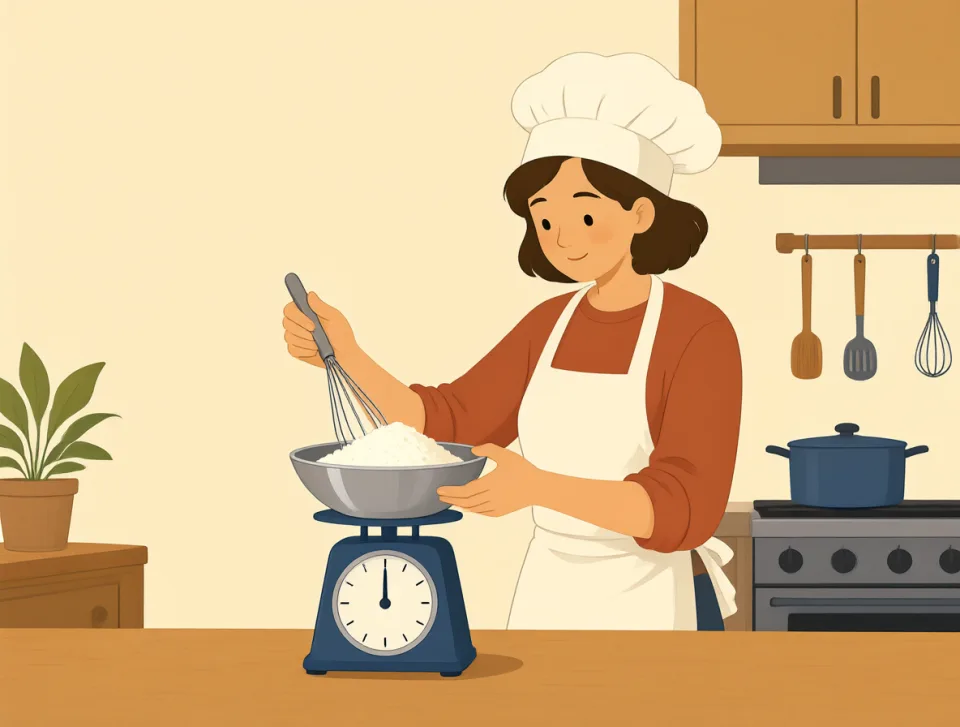
The recipe needs precise measurements, so use the kitchen scale.
Ten przepis wymaga precyzyjnych pomiarów, więc użyj wagi kuchennej.
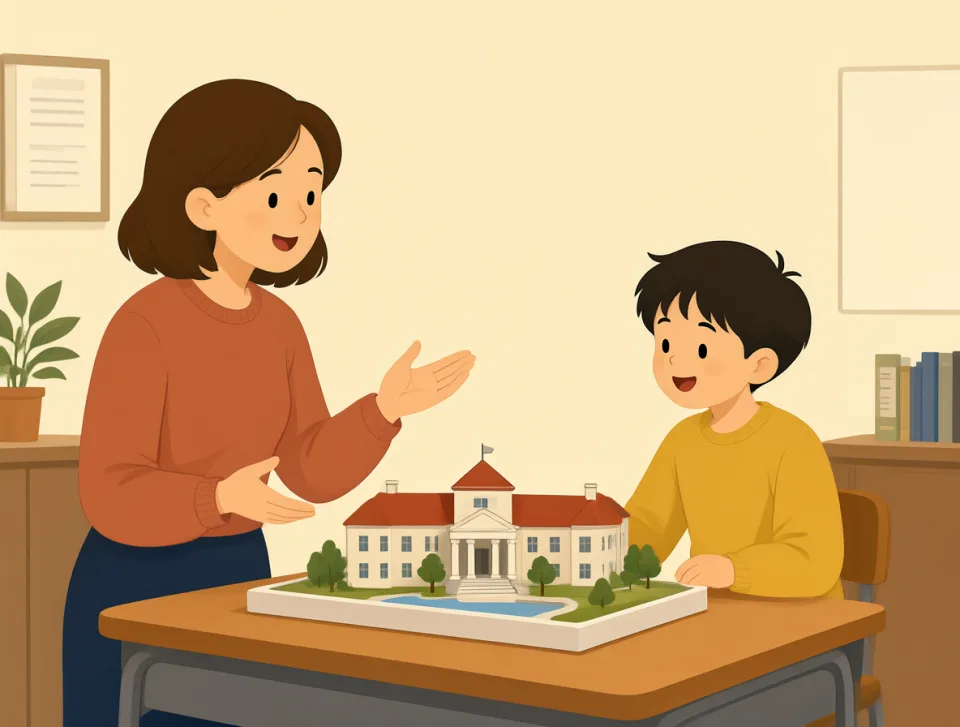
Our teacher gave precise feedback on how to improve the science project.
Nasz nauczyciel udzielił nam szczegółowych wskazówek, jak ulepszyć projekt z przyrody.

distant
#2724adjective
odległy
Far away in space or time, or not close and friendly.
Znajdujący się daleko w przestrzeni lub czasie albo nieutrzymujący bliskich, serdecznych relacji.

We could see distant mountains from the train window.
Z okna pociągu mogliśmy zobaczyć odległe góry.
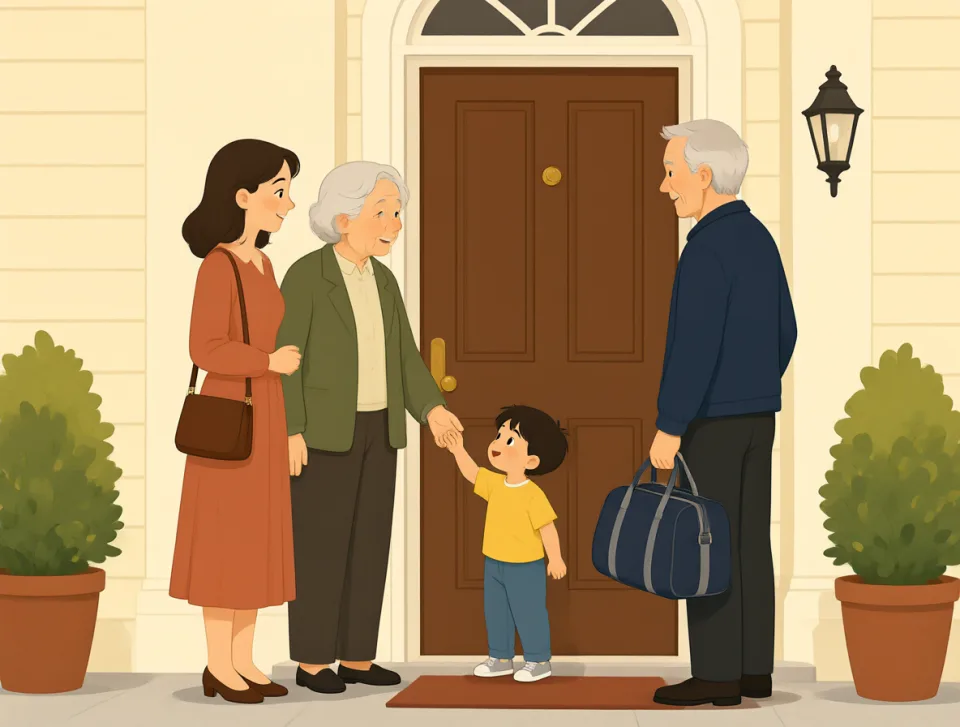
A distant relative is coming to stay with us this weekend.
W ten weekend przyjedzie do nas daleki krewny.
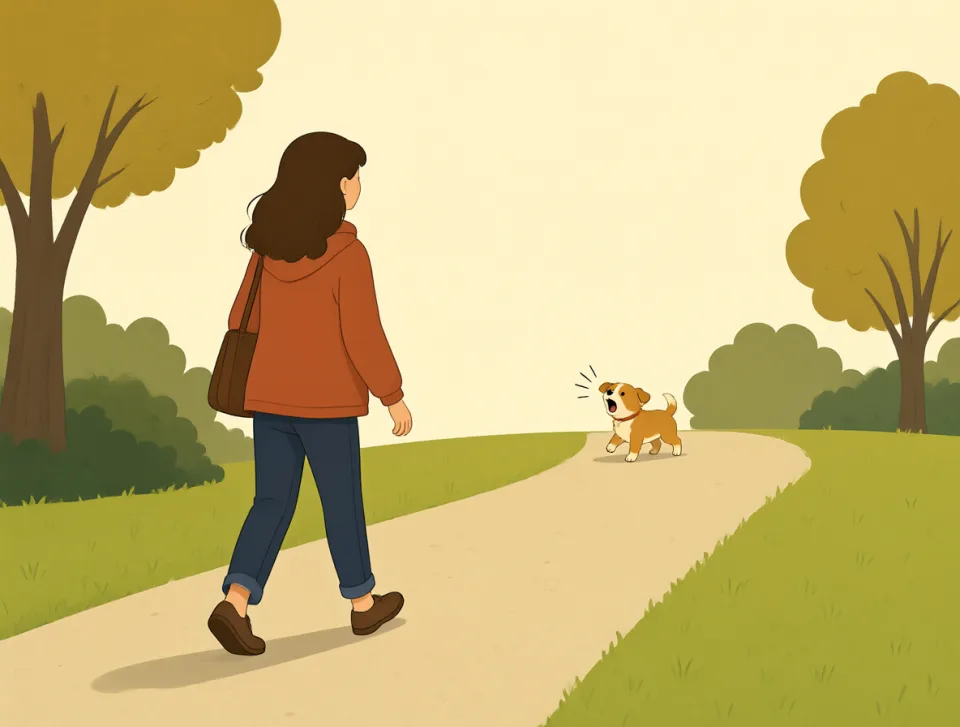
She heard a distant dog barking while she walked home through the park.
Gdy szła przez park do domu, usłyszała szczekanie psa dobiegające z oddali.
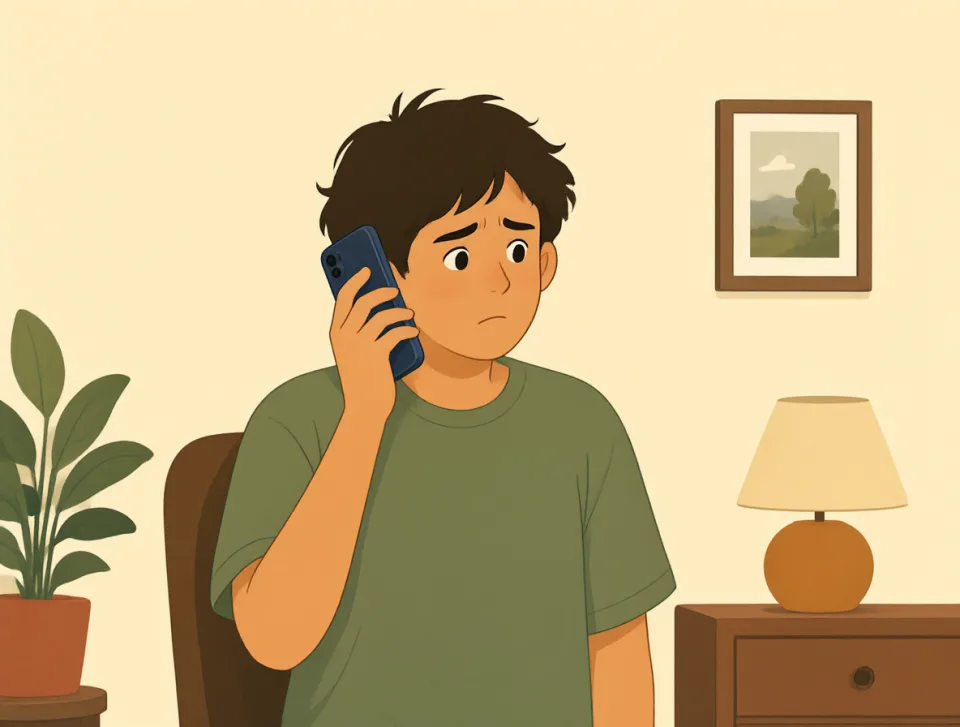
He sounded distant on the phone, so I asked if he was feeling okay.
Przez telefon brzmiał na zdystansowanego, więc zapytałam, czy dobrze się czuje.
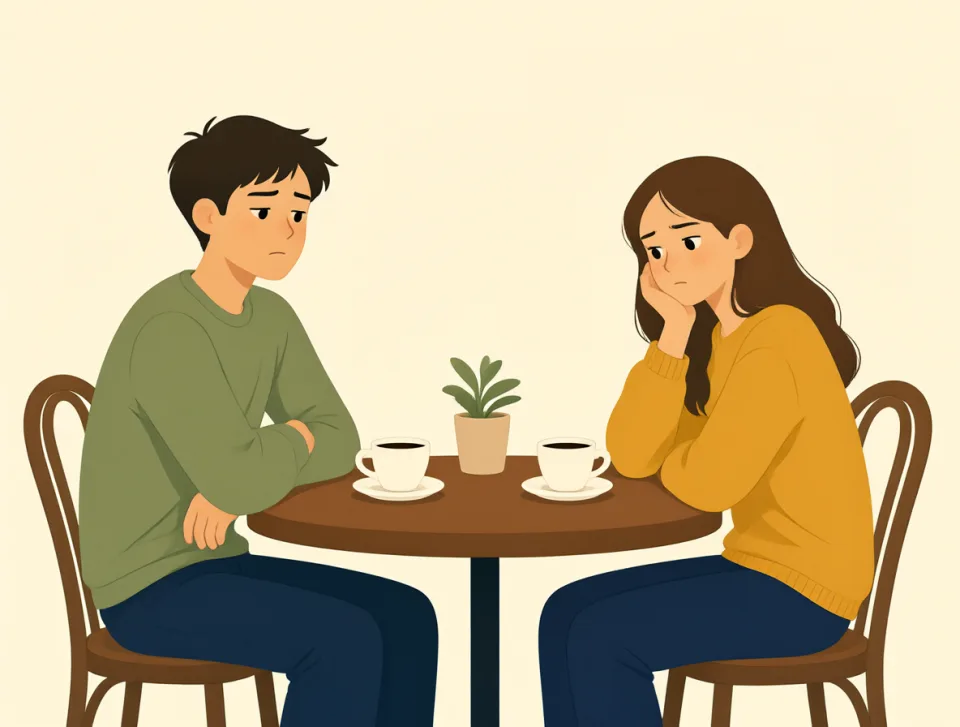
They became distant after starting new jobs in different cities.
Oddalili się od siebie, gdy zaczęli pracować w różnych miastach.

stranger
#2725noun
nieznajomy
A person you do not know or have not met before.
Osoba, której nie znasz lub której wcześniej nie spotkałeś.
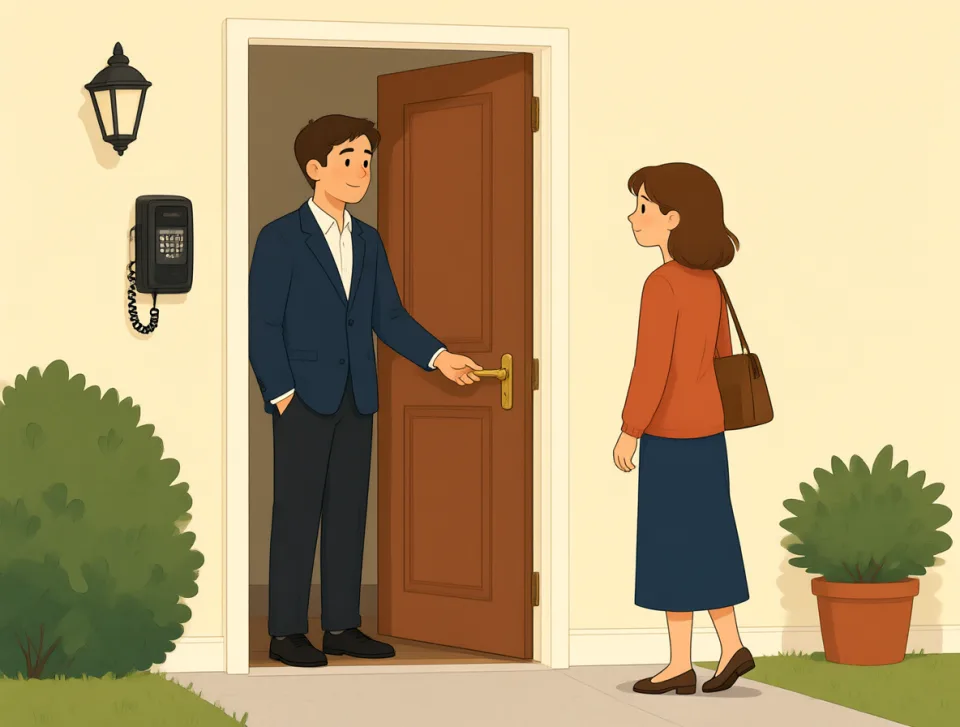
A stranger knocked on our door and asked to use the phone.
Nieznajomy zapukał do naszych drzwi i poprosił, żeby skorzystać z telefonu.

She felt nervous when a stranger sat beside her on the train.
Poczuła niepokój, gdy nieznajomy usiadł obok niej w pociągu.

My brother never talks to strangers when he walks home from school.
Mój brat nigdy nie rozmawia z nieznajomymi, kiedy wraca ze szkoły do domu.

At the conference, I introduced myself to a stranger from another department.
Na konferencji przedstawiłem się nieznajomemu z innego działu.

After moving to town, she was a stranger in a place where everyone knew each other.
Po przeprowadzce do tego miasta była tu obca, a wszyscy się nawzajem znali.
shade
#2726noun, verb
cień
An area out of direct sunlight, or to make something darker by blocking light.
Miejsce osłonięte przed bezpośrednim słońcem albo przyciemniać coś, zasłaniając światło.

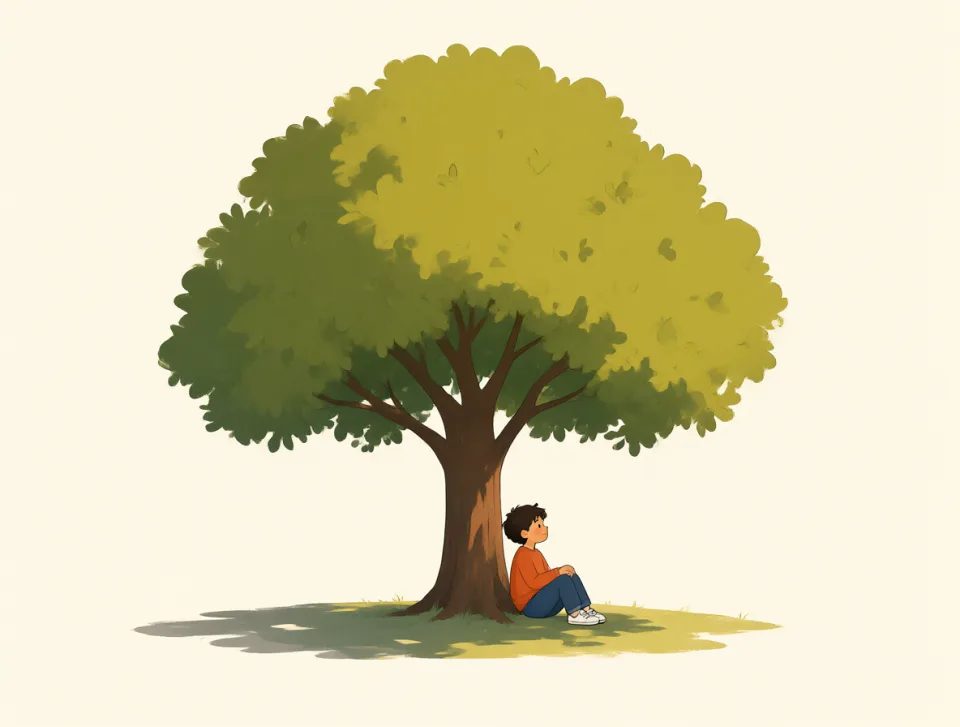
We sat in the shade of a large tree while we ate lunch.
Usiedliśmy w cieniu dużego drzewa i zjedliśmy lunch.
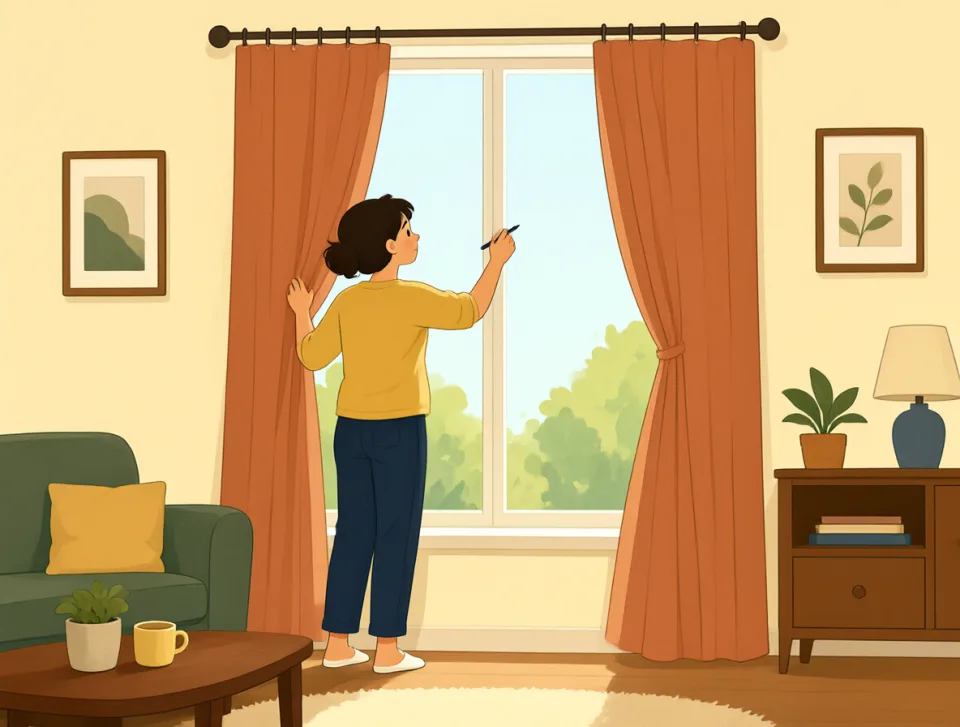
She pulled the curtains to shade the room from the afternoon sun.
Zasłoniła okna zasłonami, żeby osłonić pokój przed popołudniowym słońcem.
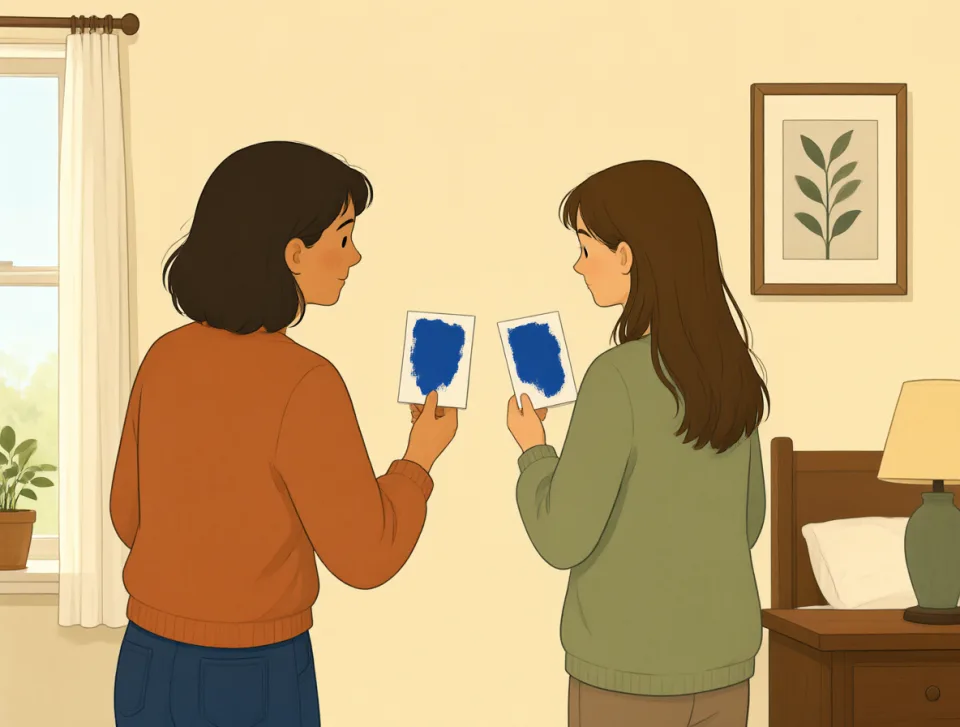
He chose a darker shade of blue for the bedroom walls.
Wybrał ciemniejszy odcień niebieskiego na ściany sypialni.

The children shaded their eyes as they looked toward the bright sky.
Dzieci osłaniały oczy, patrząc w stronę jasnego nieba.

The café has a small patio shaded by green umbrellas.
Kawiarnia ma mały ogródek osłonięty zielonymi parasolami.

grain
#2727noun
ziarno
A very small hard piece of a substance, or a seed from a cereal plant.
Bardzo mała, twarda drobina jakiejś substancji albo nasiono rośliny zbożowej.

She found a grain of sand in her shoe after the beach walk.
Po spacerze po plaży znalazła w bucie ziarnko piasku.
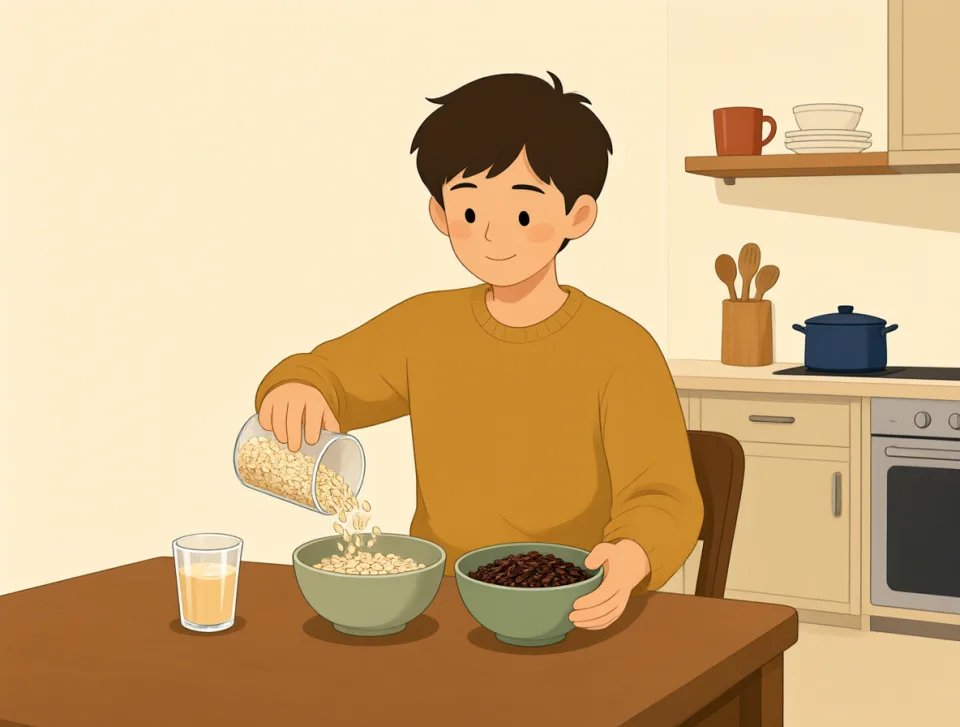
Whole grains like oats and brown rice can make breakfast more filling.
Pełnoziarniste produkty, takie jak owies i brązowy ryż, sprawiają, że śniadanie jest bardziej sycące.

The farmer stored the grain in a dry barn before the winter rains began.
Rolnik przechował ziarno w suchej stodole, zanim zaczęły się zimowe deszcze.
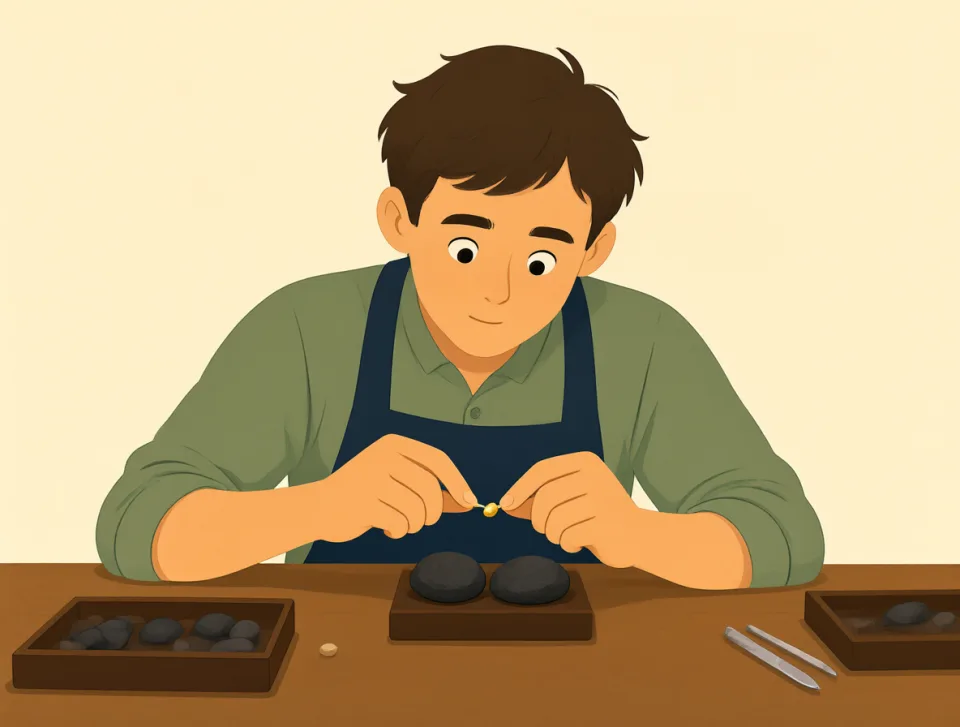
The necklace had a grain of gold caught between two dark stones.
Między dwoma ciemnymi kamieniami w naszyjniku utknęło ziarnko złota.
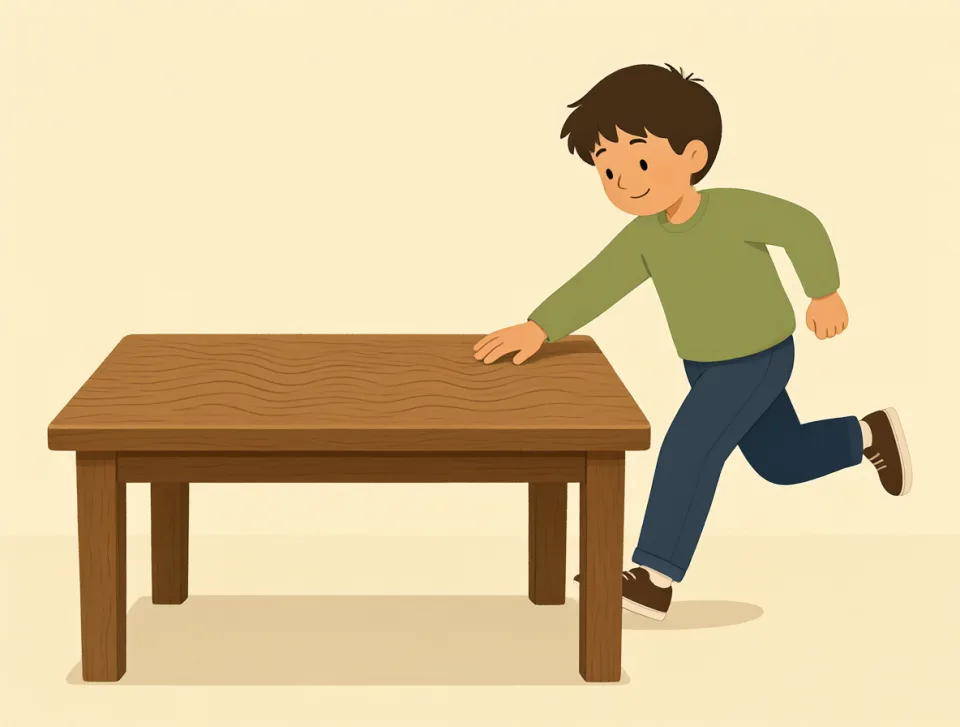
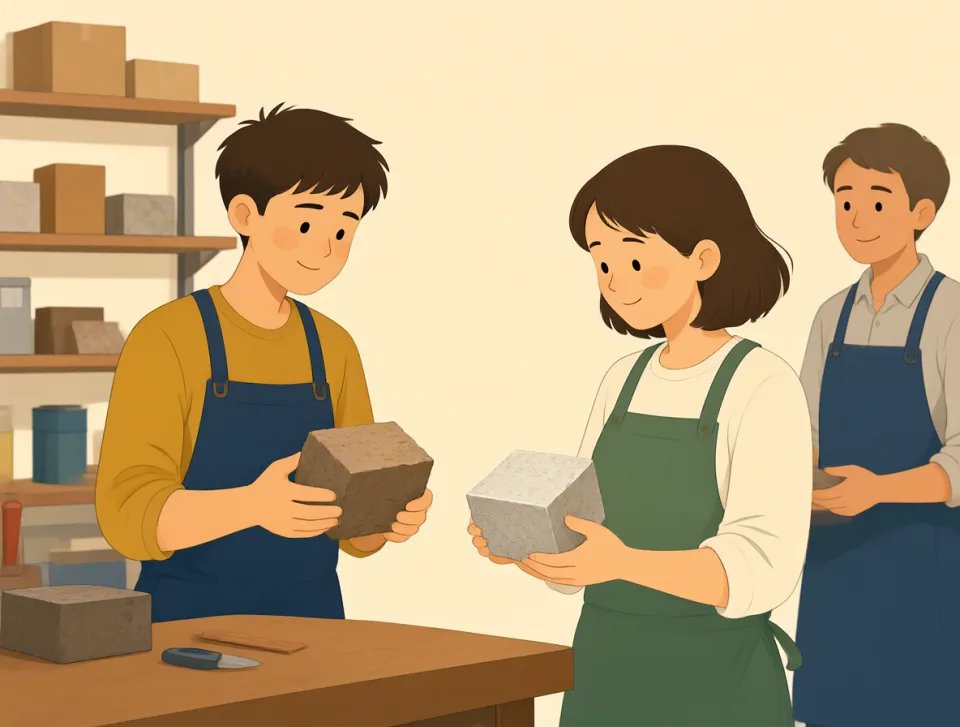
You can see the wood grain clearly on this old kitchen table.
Na tym starym kuchennym stole wyraźnie widać usłojenie drewna.
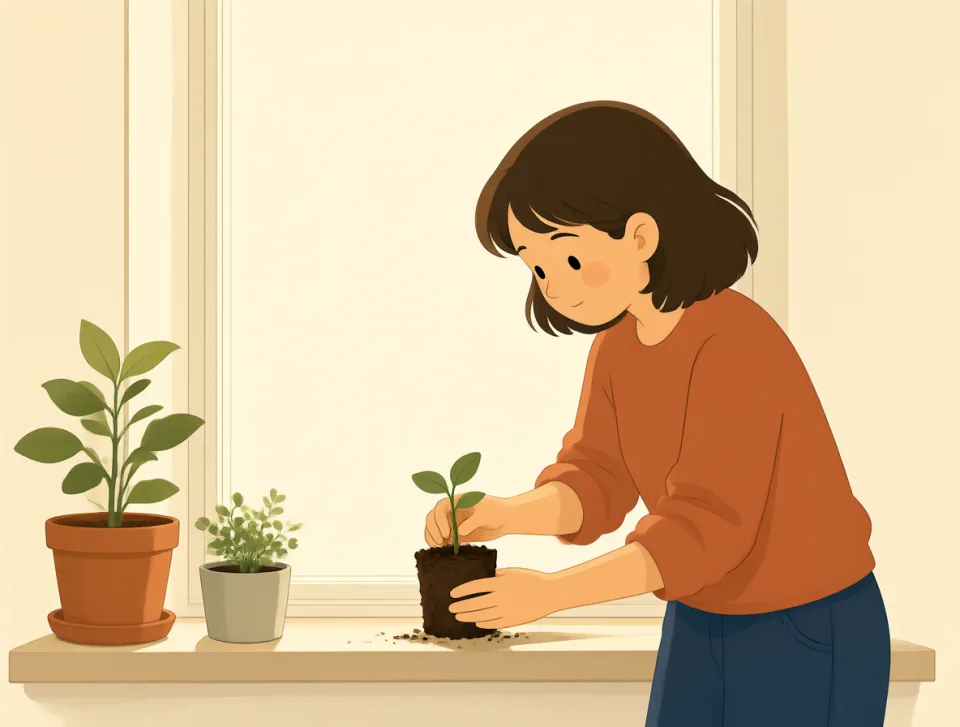
situate
#2728verb
umiejscowić
to place something or someone in a particular position or setting
umieścić coś lub kogoś w określonym miejscu lub położeniu
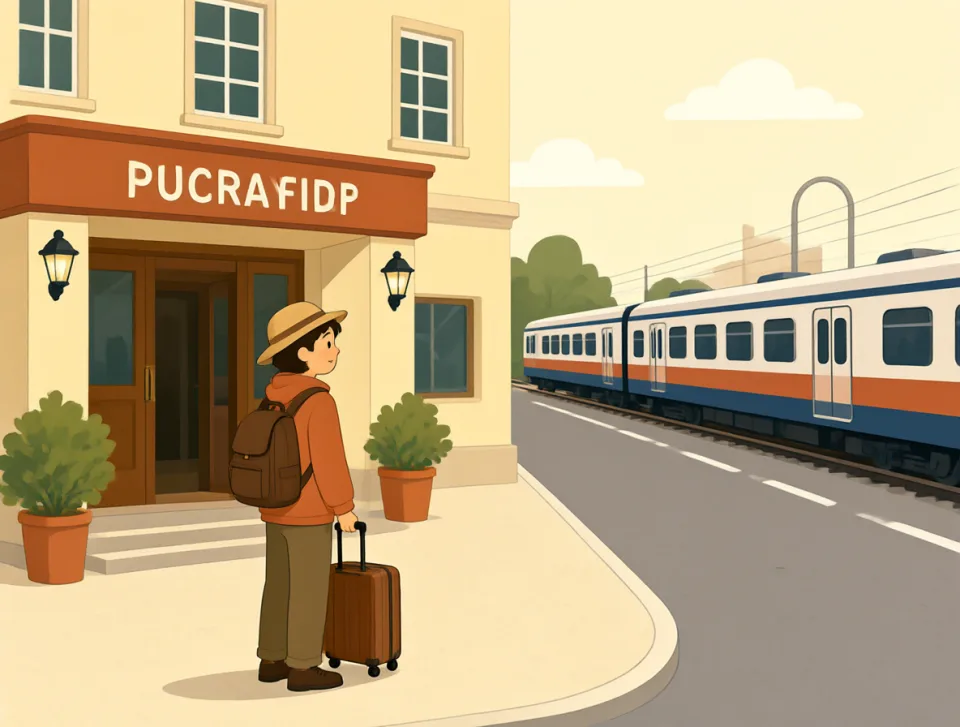
The hotel is situated near the station, so we can walk there.
Hotel znajduje się niedaleko stacji, więc możemy tam dojść pieszo.
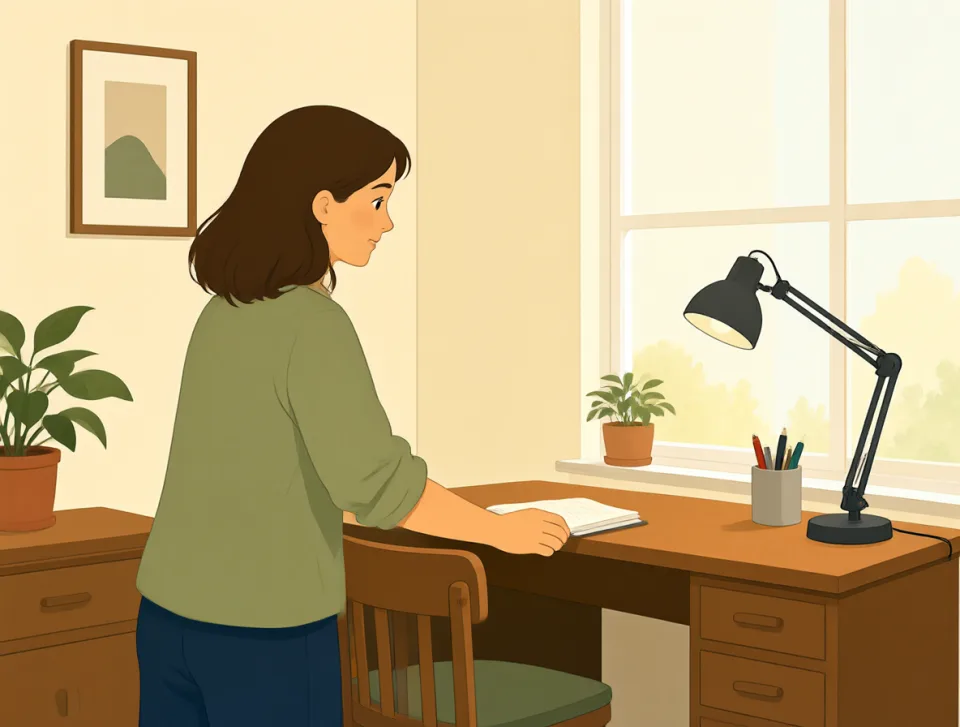
She situated the desk beside the window to get more daylight.
Ustawiła biurko obok okna, żeby mieć więcej światła dziennego.
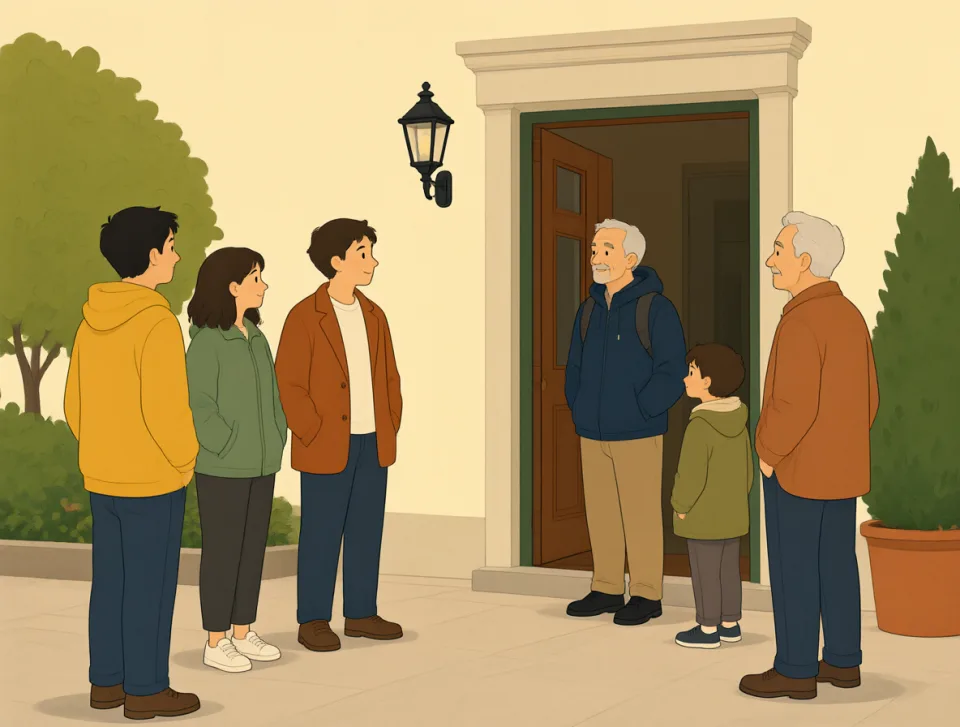
The guide situated our group at the entrance before the tour began.
Przewodnik ustawił naszą grupę przy wejściu, zanim rozpoczęła się wycieczka.

The doctor situated the patient comfortably before checking her shoulder.
Lekarz ułożył pacjentkę w wygodnej pozycji, zanim zbadał jej ramię.

The café is situated on a quiet street near my friend’s apartment.
Kawiarnia znajduje się przy cichej ulicy, niedaleko mieszkania mojego przyjaciela.
summarize
#2729verb
podsumować
To give the main points of something in a shorter form.
Przedstawić najważniejsze informacje w krótszej formie.

Can you summarize the meeting before we leave the office?
Możesz podsumować spotkanie, zanim wyjdziemy z biura?

She summarized the book for her classmates during the lesson.
Podczas lekcji streściła książkę swoim kolegom z klasy.

The doctor summarized my test results and explained the next steps.
Lekarz podsumował wyniki moich badań i wyjaśnił, jakie będą następne kroki.

He summarized our travel plans while we waited at the station.
Podsumował nasze plany podróży, gdy czekaliśmy na stacji.

I summarized the recipe before we started cooking dinner together.
Streściłem przepis, zanim zaczęliśmy razem przygotowywać kolację.

leap
#2730noun, verb
skok
to jump high or far, or to make a sudden, important change
skoczyć wysoko lub daleko albo dokonać nagłej, istotnej zmiany
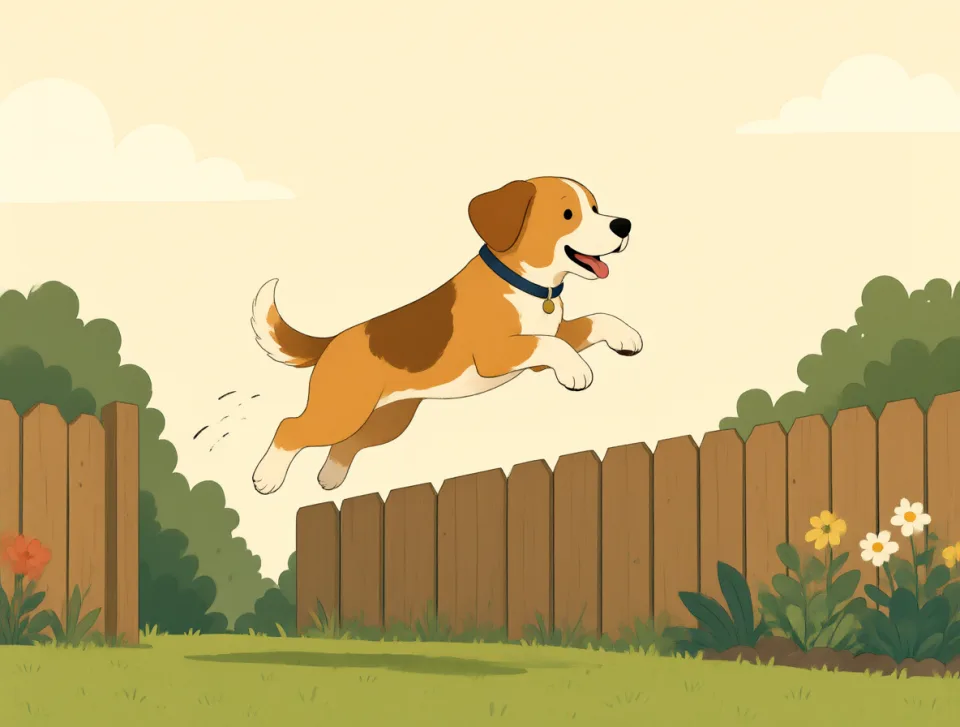
The dog leaped over the low fence and ran across the garden.
Pies przeskoczył przez niski płot i pobiegł przez ogród.

She took a leap from the diving board into the swimming pool.
Skoczyła z trampoliny do basenu.

He leaped up when the phone rang during dinner.
Podskoczył, gdy podczas kolacji zadzwonił telefon.

Moving abroad was a big leap, but she found a good job there.
Przeprowadzka za granicę była dużym krokiem, ale znalazła tam dobrą pracę.
The team has made a huge leap in quality since last year.
Od zeszłego roku jakość zespołu znacznie się poprawiła.
snap
#2731verb, noun
pęknąć; zrobić zdjęcie
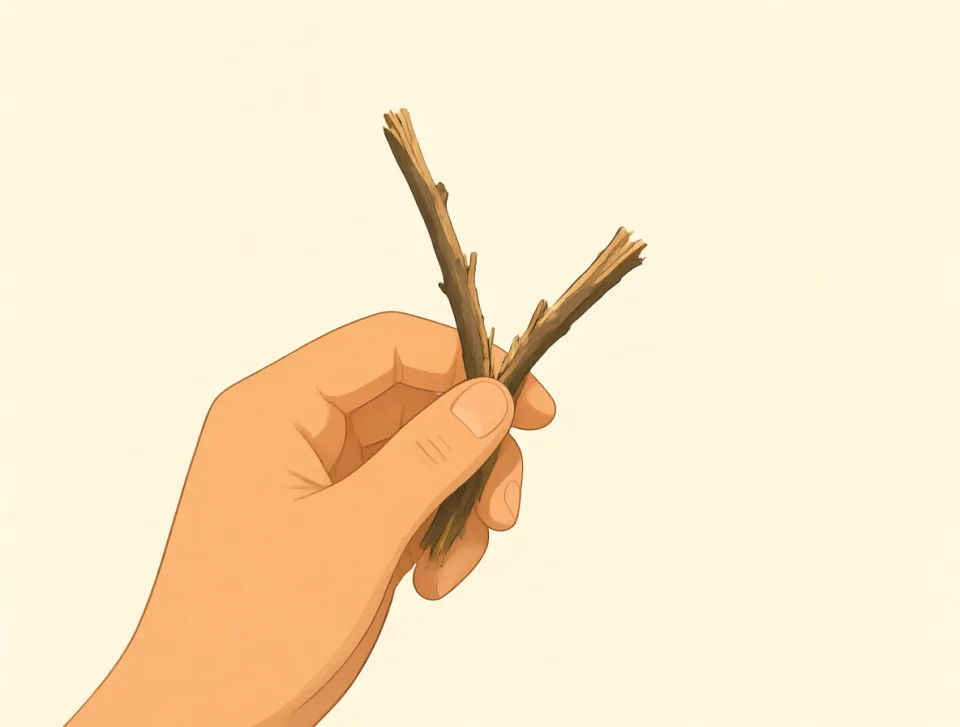
To break suddenly with a short, sharp sound, or to take a quick photograph.
Pęknąć nagle z krótkim, ostrym trzaskiem albo szybko zrobić zdjęcie.
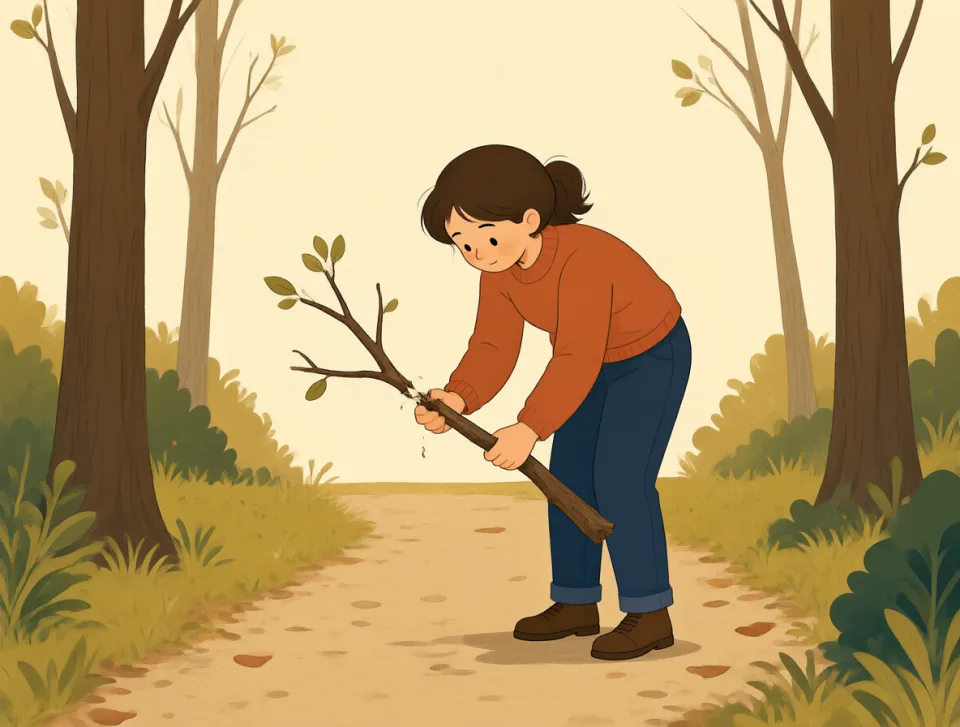
She snapped a dry branch while walking through the woods.
Podczas spaceru po lesie złamała suchą gałąź.
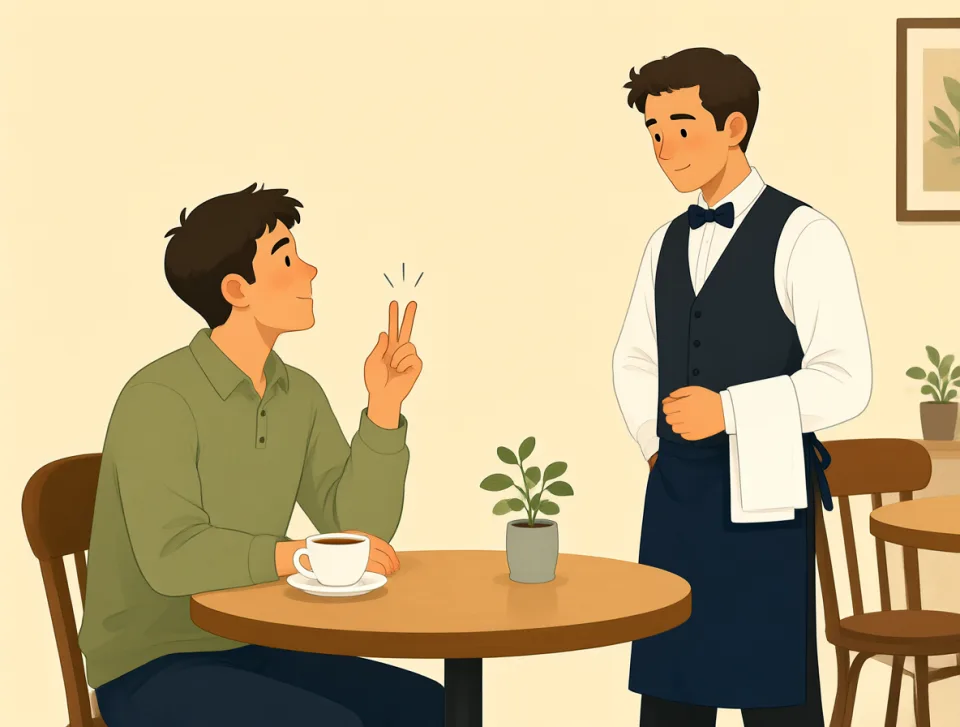
He snapped his fingers to get the waiter’s attention.
Pstryknął palcami, żeby zwrócić uwagę kelnera.

The cold snap made the lake freeze overnight.
Nagły atak mrozu sprawił, że jezioro zamarzło przez noc.

I snapped a photo of my friends at the beach.
Zrobiłem zdjęcie znajomym na plaży.
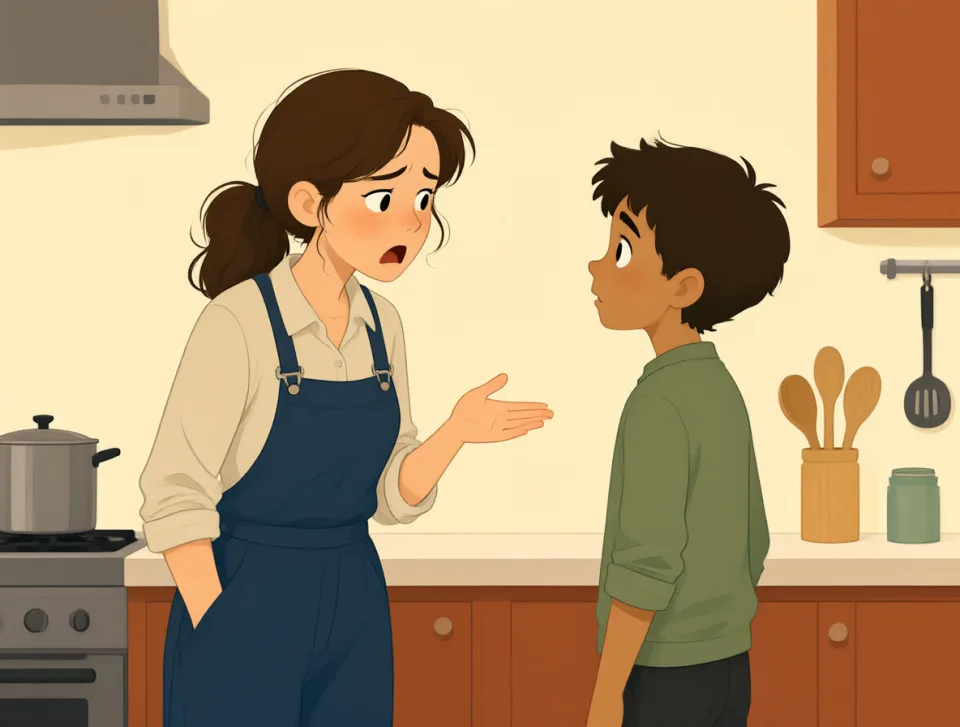
She snapped at her brother after a long day at work.
Po długim dniu w pracy odezwała się opryskliwie do brata.

probability
#2732noun
prawdopodobieństwo
the chance that something will happen
Szansa, że coś się wydarzy.
There is a high probability of rain, so take an umbrella when you leave home.
Istnieje duże prawdopodobieństwo deszczu, więc weź parasol, wychodząc z domu.
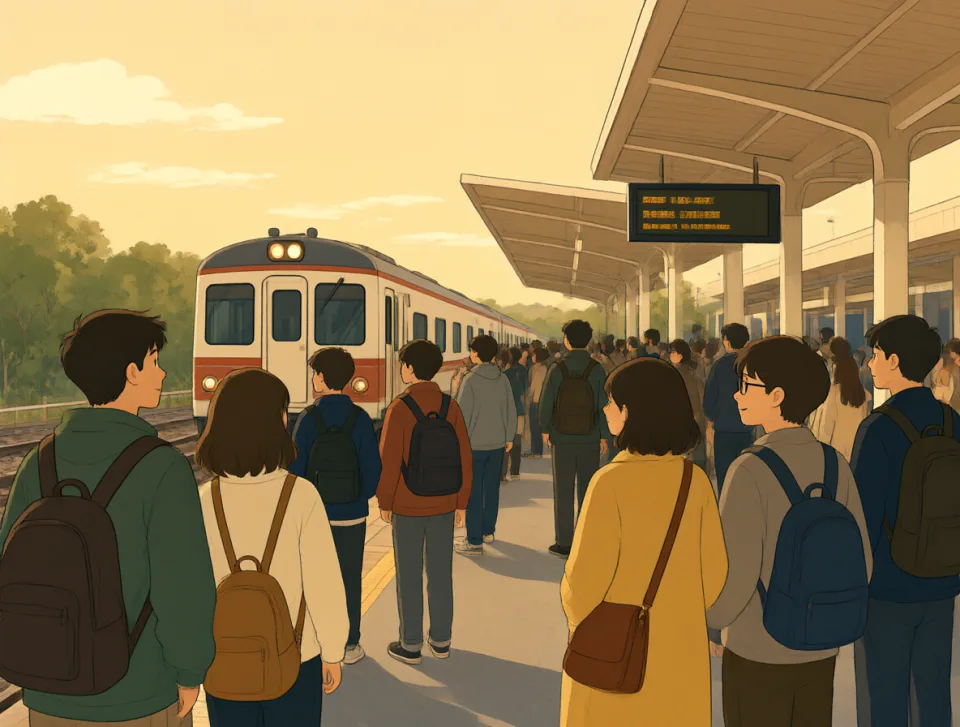
The probability that our train will be late increases during the busy evening commute.
Prawdopodobieństwo, że nasz pociąg się spóźni, rośnie w godzinach wieczornego szczytu.
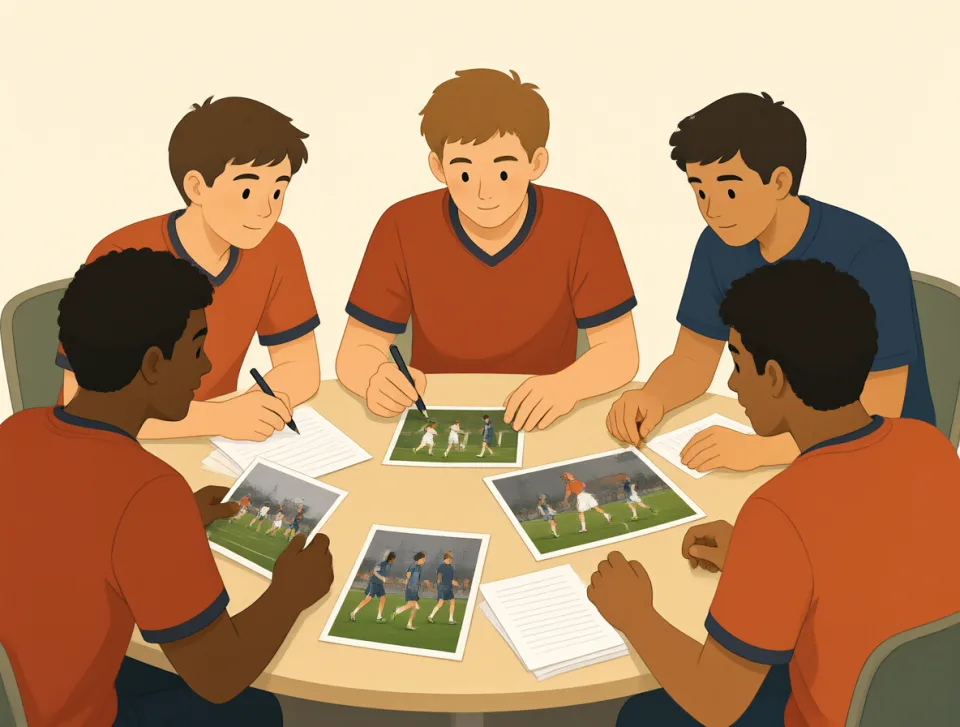
We calculated the probability of winning after studying the team's recent results.
Obliczyliśmy prawdopodobieństwo wygranej po przeanalizowaniu ostatnich wyników drużyny.
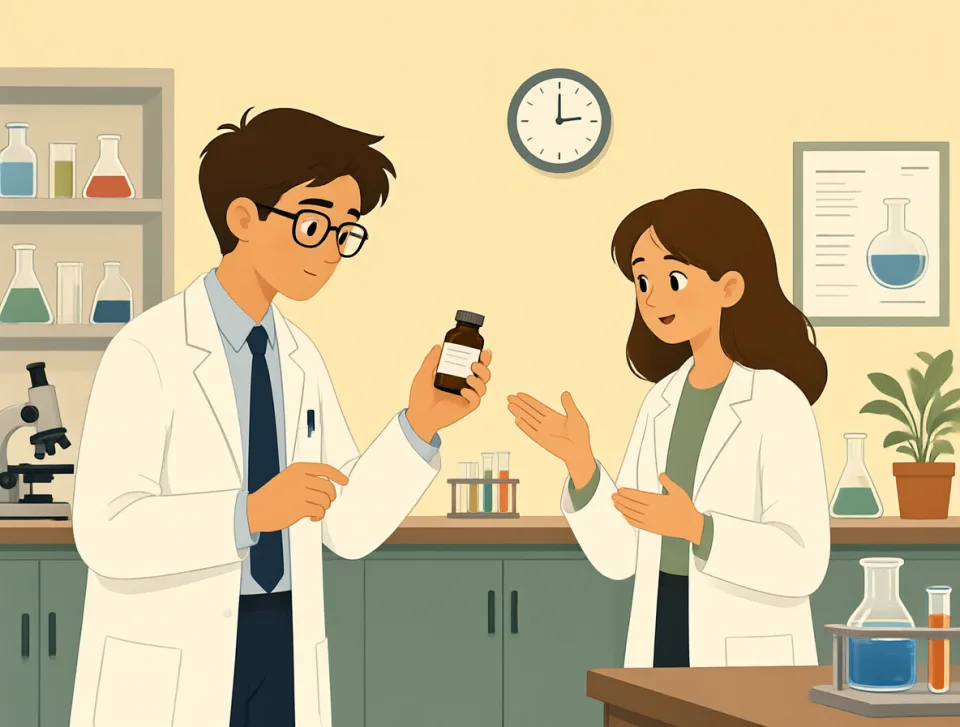
Scientists estimate a small probability of serious side effects from this medicine.
Naukowcy szacują, że prawdopodobieństwo wystąpienia poważnych skutków ubocznych tego leku jest niewielkie.

Buying travel insurance reduces the probability of losing money on a cancelled trip.
Kupno ubezpieczenia podróżnego zmniejsza ryzyko utraty pieniędzy w przypadku odwołania wyjazdu.

leather
#2733noun, adjective
skóra
Strong, flexible material made from animal skin and used for shoes, bags, and clothing.
Wytrzymały, elastyczny materiał zrobiony ze skóry zwierzęcej, używany do produkcji butów, toreb i ubrań.

She bought a new leather jacket before the winter trip.
Przed zimowym wyjazdem kupiła nową skórzaną kurtkę.
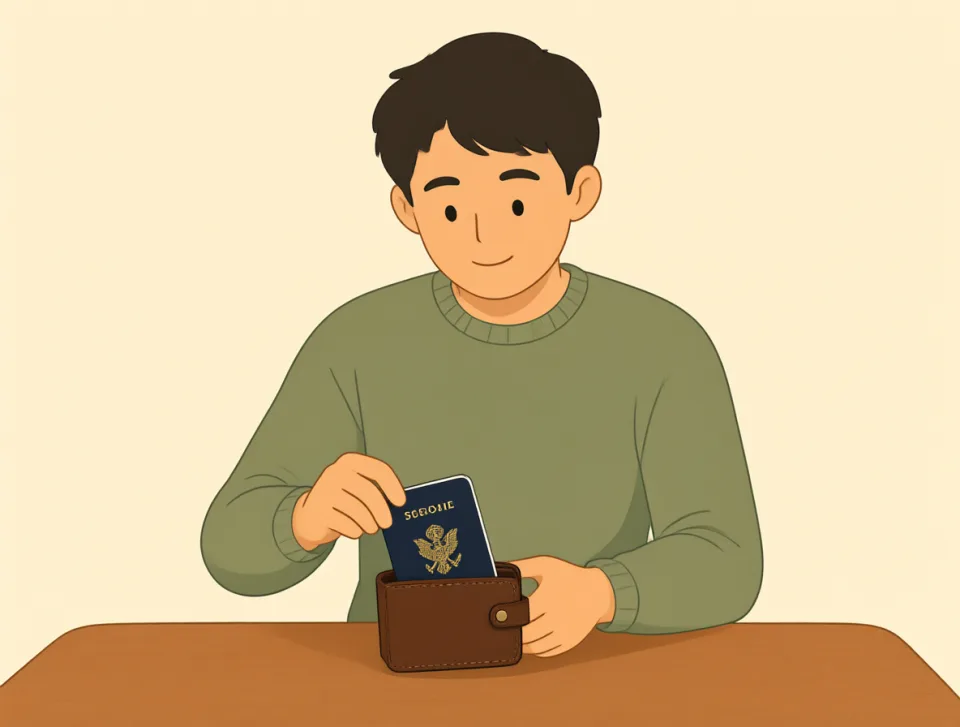
He keeps his passport in a small leather wallet.
Trzyma paszport w małym skórzanym portfelu.
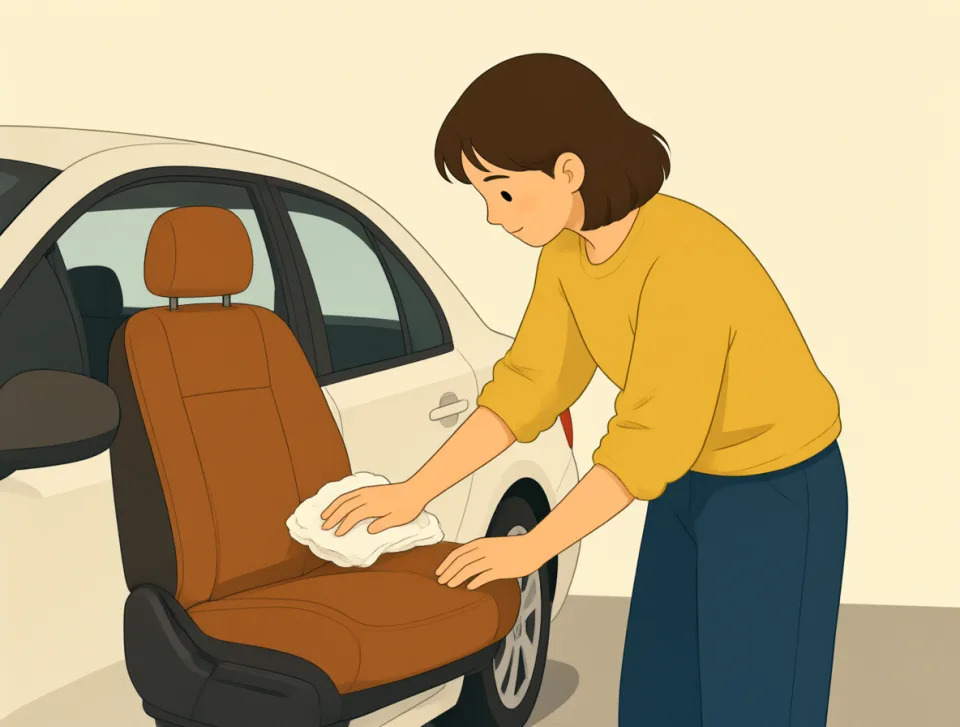
I cleaned the leather seats after our long drive.
Po długiej podróży samochodem wyczyściłem skórzane siedzenia.

These leather shoes are comfortable enough for walking around town.
Te skórzane buty są na tyle wygodne, że można w nich spacerować po mieście.

The repair shop replaced the leather strap on my watch.
W warsztacie naprawczym wymienili skórzany pasek w moim zegarku.
uncertainty
#2734noun
niepewność
A state of not knowing what will happen or what is true.
Stan, w którym nie wiadomo, co się wydarzy lub co jest prawdą.
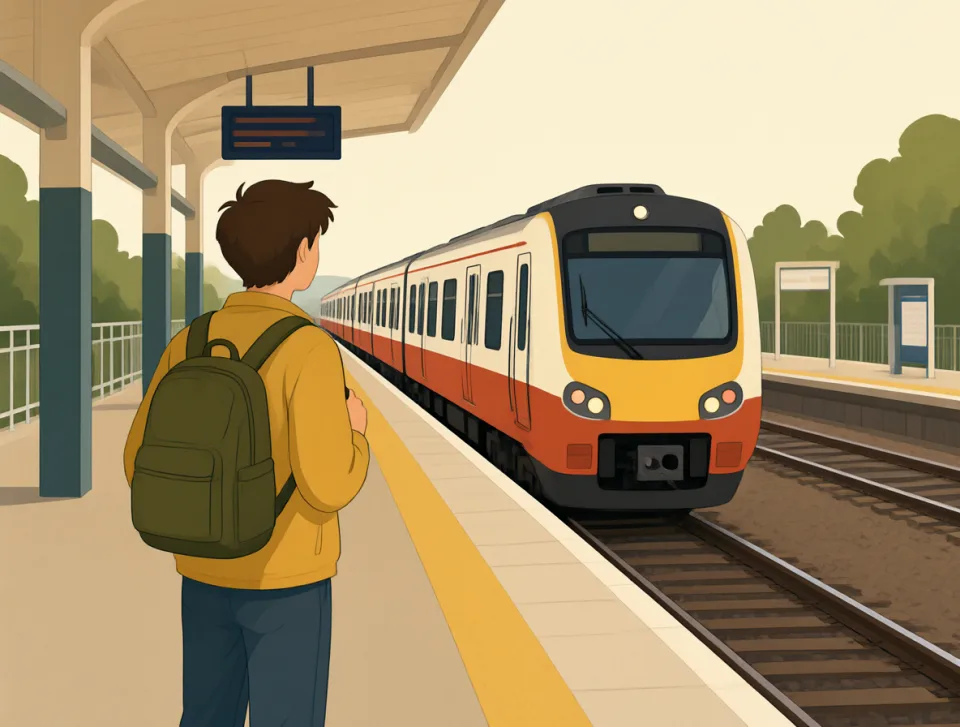
There is still some uncertainty about when the train will arrive.
Wciąż nie wiadomo dokładnie, kiedy przyjedzie pociąg.
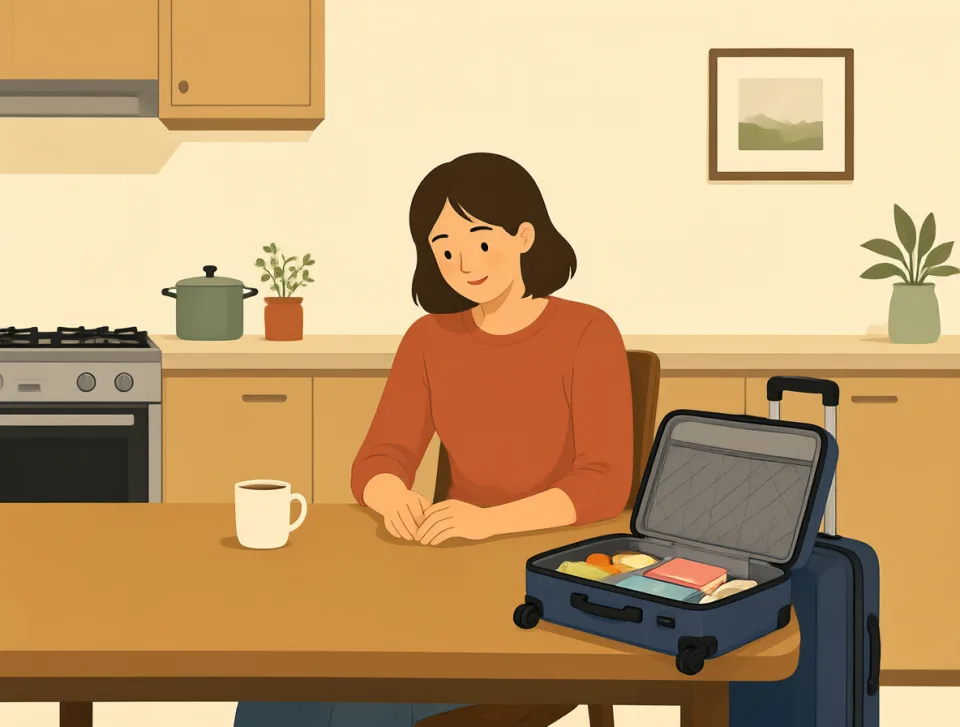
She felt uncertainty about accepting the new job in another city.
Nie była pewna, czy przyjąć nową pracę w innym mieście.

The doctor explained that uncertainty about the test results was normal.
Lekarz wyjaśnił, że niepewność związana z wynikami badań jest czymś normalnym.
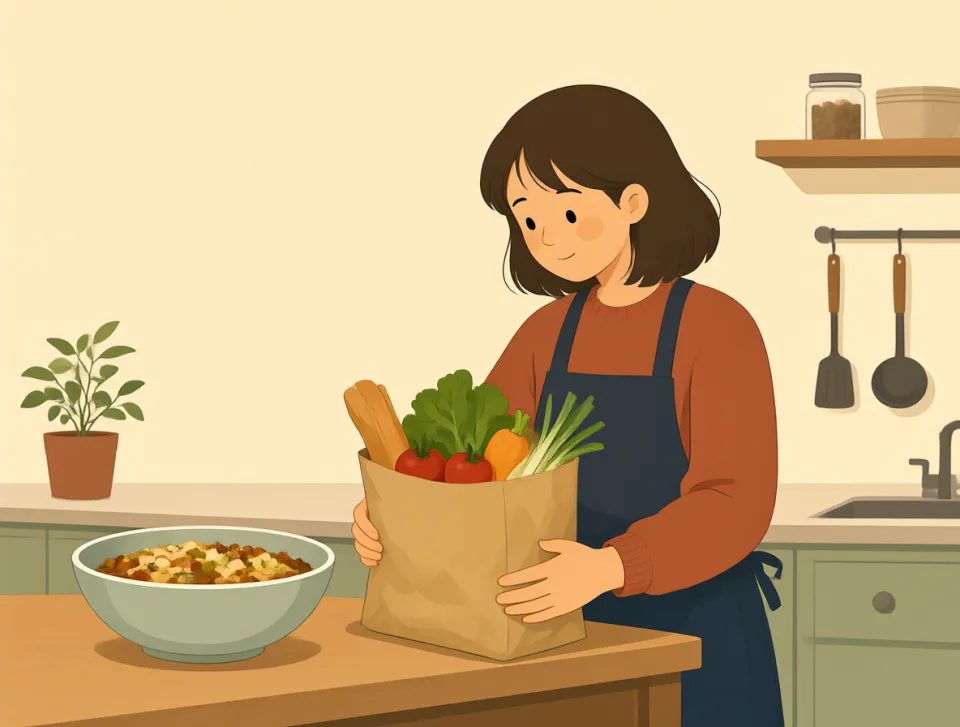
We bought extra food because of uncertainty about how many guests would come.
Kupiliśmy dodatkowe jedzenie, bo nie było wiadomo, ilu gości przyjdzie.

The team worked through the uncertainty before choosing a plan for the project.
Zespół uporał się z niepewnością, zanim wybrał plan realizacji projektu.
swear
#2735verb, noun
przeklinać; przysięgać
To use rude or offensive words, or to promise seriously that something is true.
Używać nieprzyzwoitych lub obraźliwych słów albo poważnie zapewniać, że coś jest prawdą.
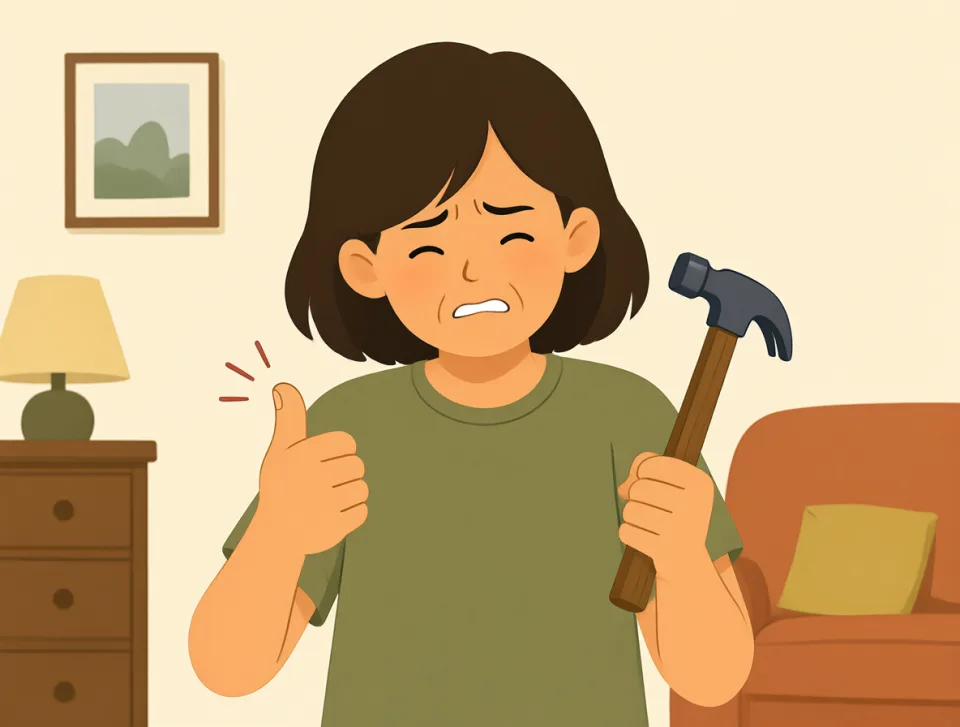
He swore when he hit his thumb with the hammer.
Zaklął, gdy uderzył się młotkiem w kciuk.
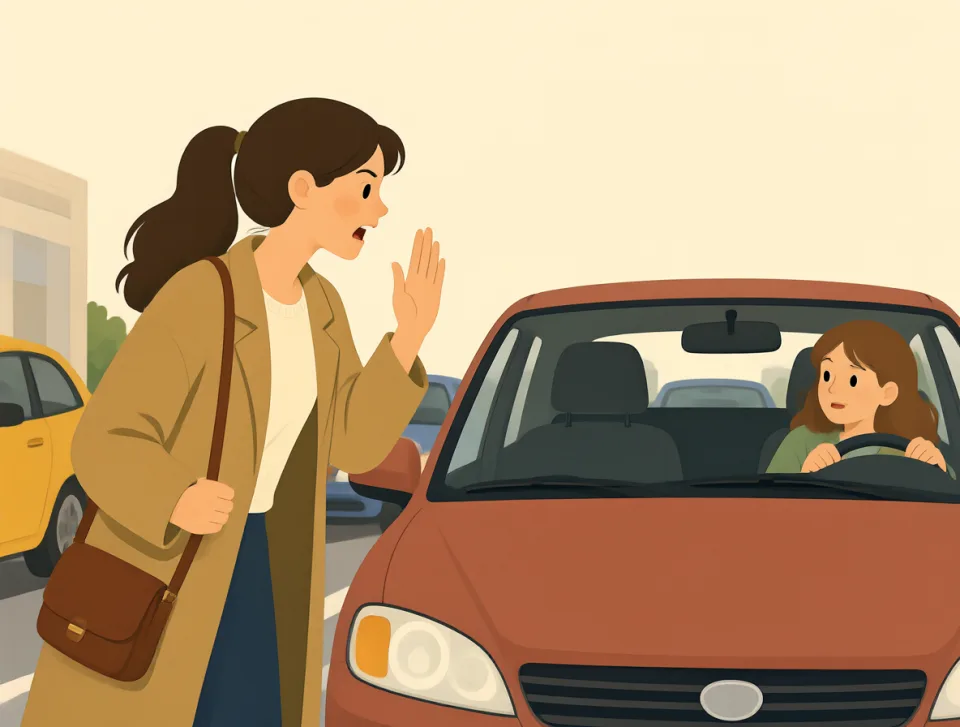
She swore at the driver who cut in front of her.
Zwyzywała kierowcę, który zajechał jej drogę.
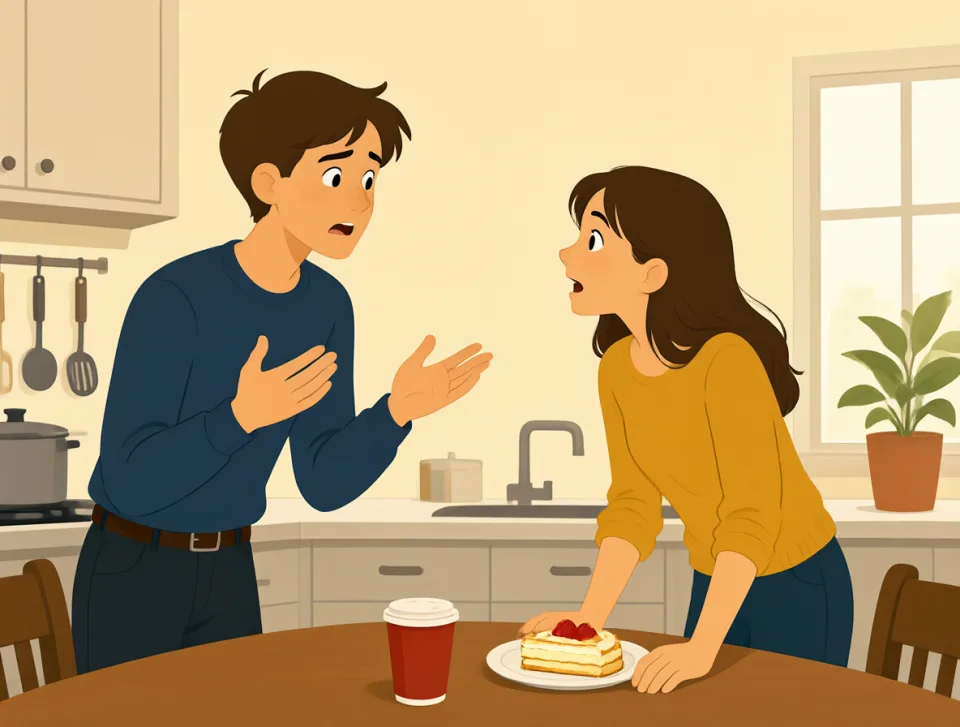
I swear I put your keys on the kitchen table.
Przysięgam, że położyłem twoje klucze na kuchennym stole.

The witness swore to tell the truth before answering the lawyer’s questions.
Świadek przysiągł mówić prawdę, zanim odpowiedział na pytania prawnika.

We had to swear an oath before joining the new team.
Przed dołączeniem do nowego zespołu musieliśmy złożyć przysięgę.
refugee
#2736noun
uchodźca
A person forced to leave their country to escape war, danger, or persecution.
Osoba zmuszona do opuszczenia swojego kraju, by uciec przed wojną, niebezpieczeństwem lub prześladowaniami.
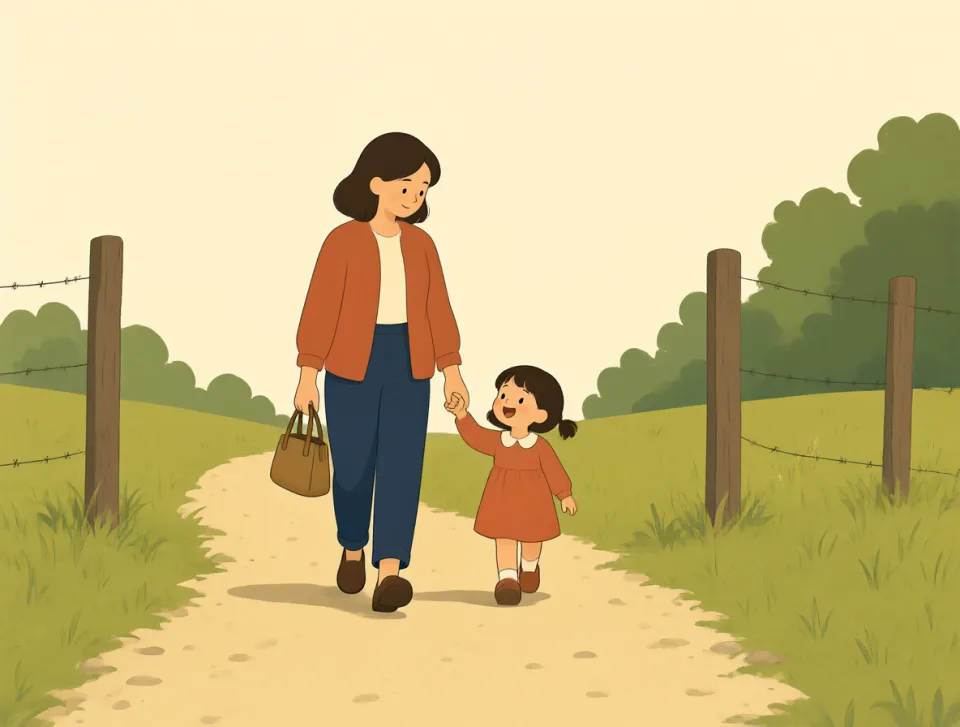
The refugee crossed the border with her two children and a small bag.
Uchodźczyni przekroczyła granicę z dwójką dzieci i małą torbą.
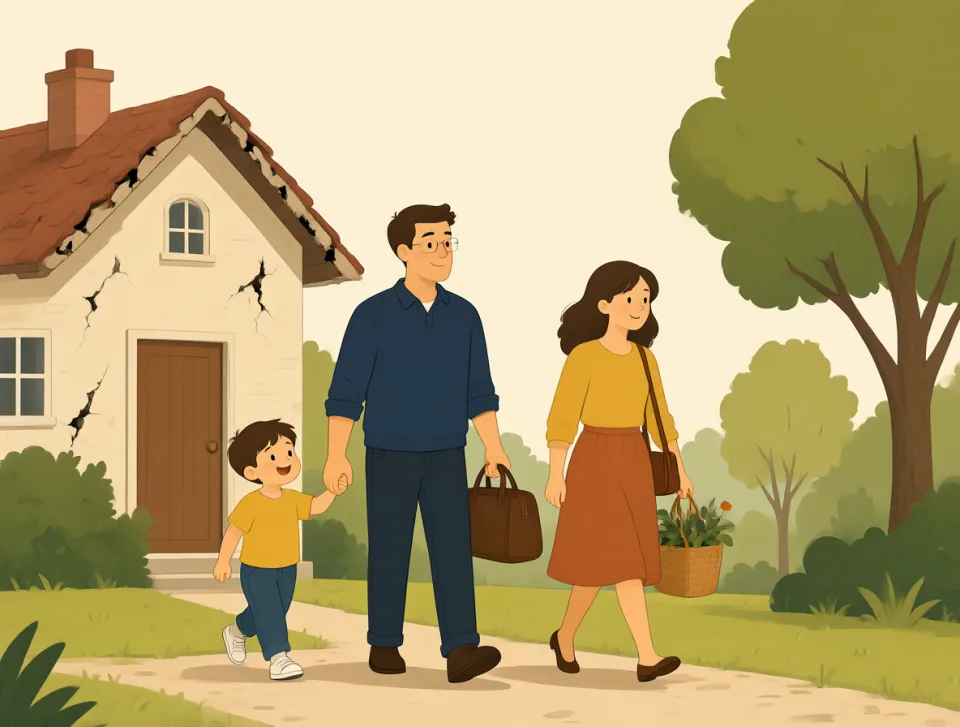
Many refugees fled their homes when fighting reached their town.
Wielu uchodźców uciekło ze swoich domów, gdy walki dotarły do ich miasta.

The city opened a shelter for refugees who had nowhere to sleep.
Miasto otworzyło schronisko dla uchodźców, którzy nie mieli gdzie spać.
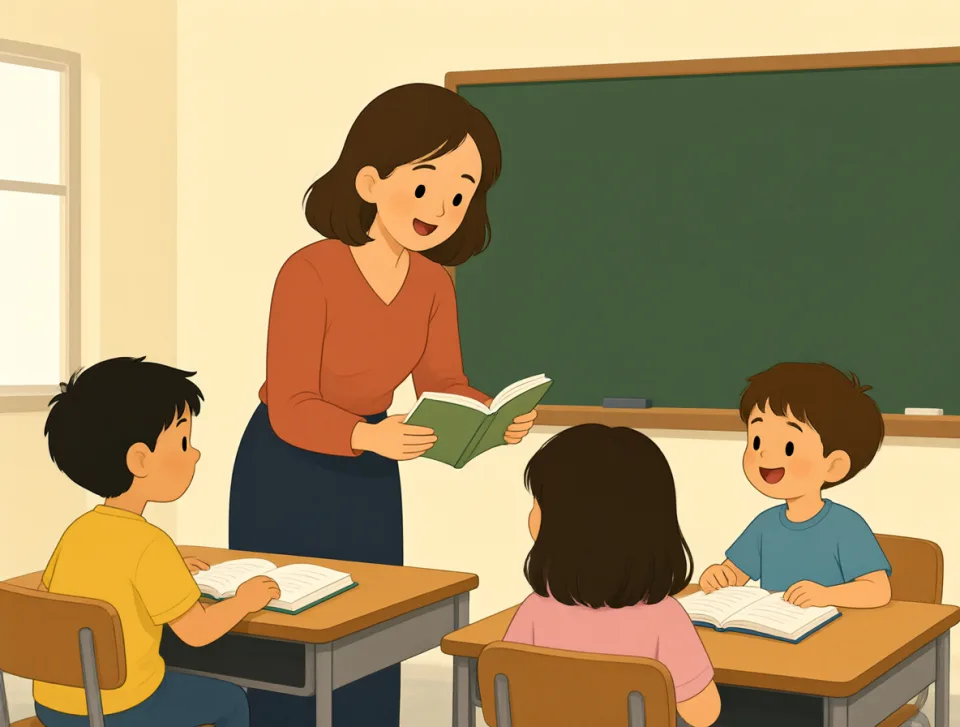
He works as a teacher after arriving as a refugee from Sudan.
Pracuje jako nauczyciel po tym, jak przybył z Sudanu jako uchodźca.
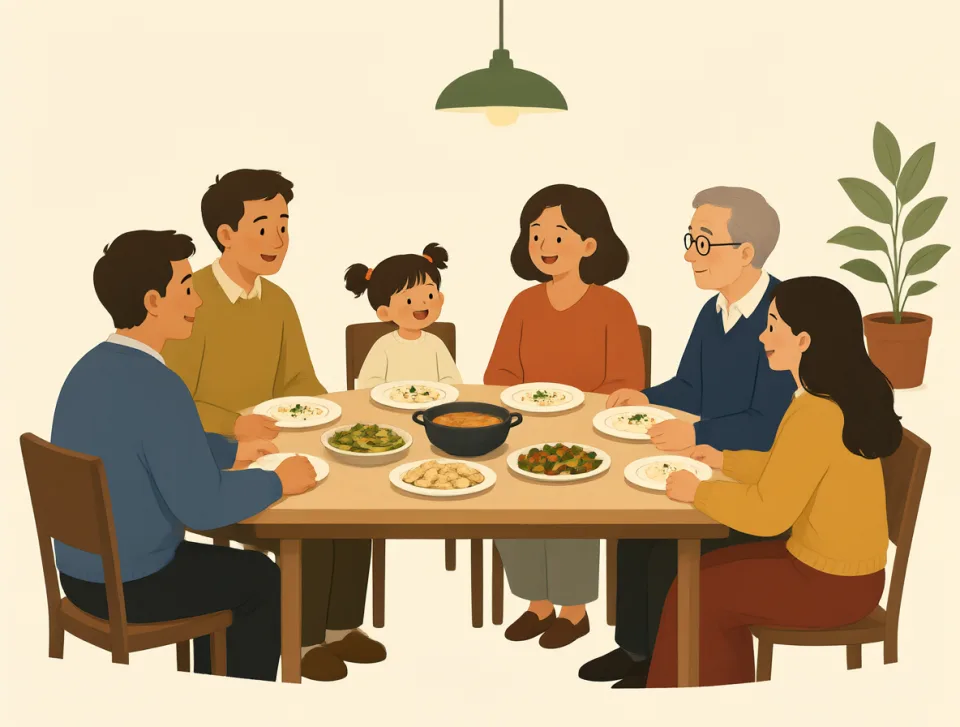
Our neighbors welcomed a refugee family and shared a meal with them.
Nasi sąsiedzi przyjęli rodzinę uchodźców i podzielili się z nią posiłkiem.

shore
#2737noun, verb
brzeg
The land along the edge of a sea, lake, or river.
Ląd wzdłuż granicy morza, jeziora lub rzeki.

We walked along the shore and watched the waves roll in.
Spacerowaliśmy wzdłuż brzegu i patrzyliśmy, jak nadciągają fale.

The boat drifted toward the shore after its engine stopped.
Gdy silnik przestał działać, łódź dryfowała w stronę brzegu.
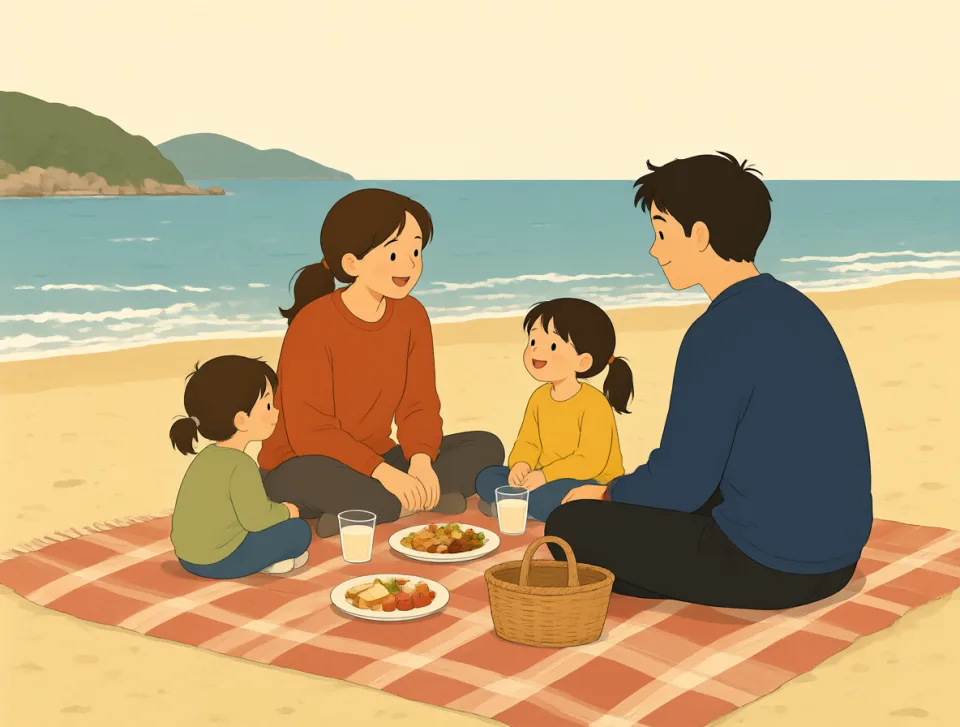
They found a quiet spot on the shore to eat lunch.
Znaleźli spokojne miejsce na brzegu, żeby zjeść lunch.
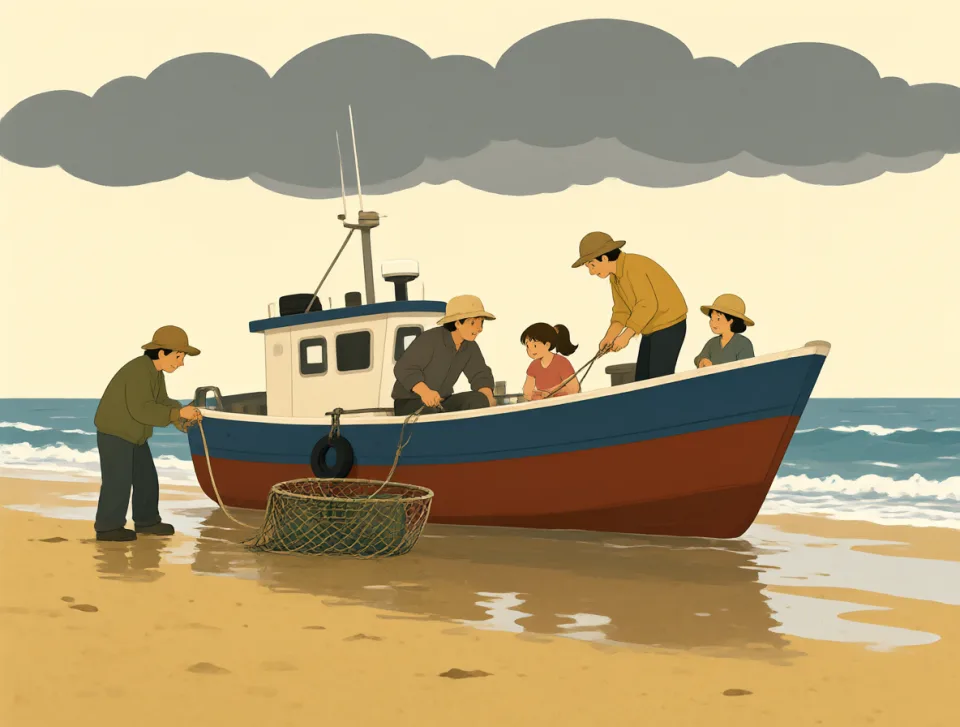
A storm pushed the fishing boat ashore during the night.
W nocy sztorm wyrzucił łódź rybacką na brzeg.

The hikers reached the shore of the lake before sunset.
Przed zachodem słońca wędrowcy dotarli do brzegu jeziora.

monthly
#2738adjective, adverb
miesięczny; co miesiąc
Happening, done, or paid once every month.
Dziejący się, wykonywany lub opłacany raz w miesiącu.

We pay the rent monthly, on the first day of each month.
Płacimy czynsz co miesiąc, pierwszego dnia każdego miesiąca.

The gym charges a monthly fee, even if I miss a few classes.
Siłownia pobiera miesięczną opłatę, nawet jeśli opuszczę kilka zajęć.

Our manager holds a monthly meeting to discuss the team's progress.
Nasz kierownik organizuje comiesięczne spotkanie, żeby omówić postępy zespołu.
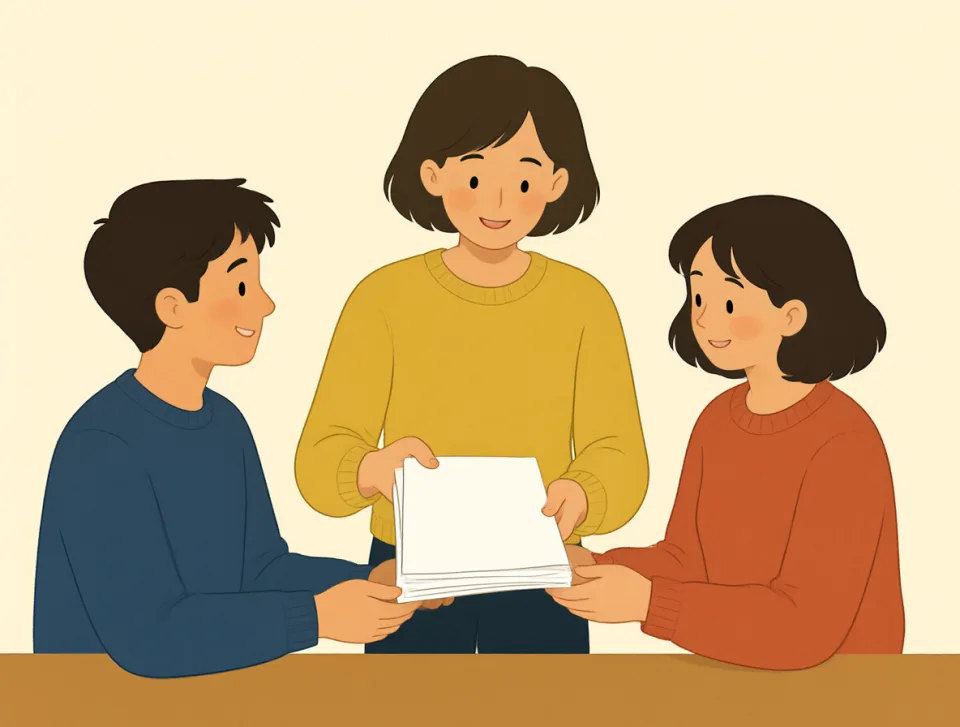
The school sends a monthly newsletter to families with news about upcoming events.
Szkoła co miesiąc wysyła rodzinom biuletyn z informacjami o nadchodzących wydarzeniach.
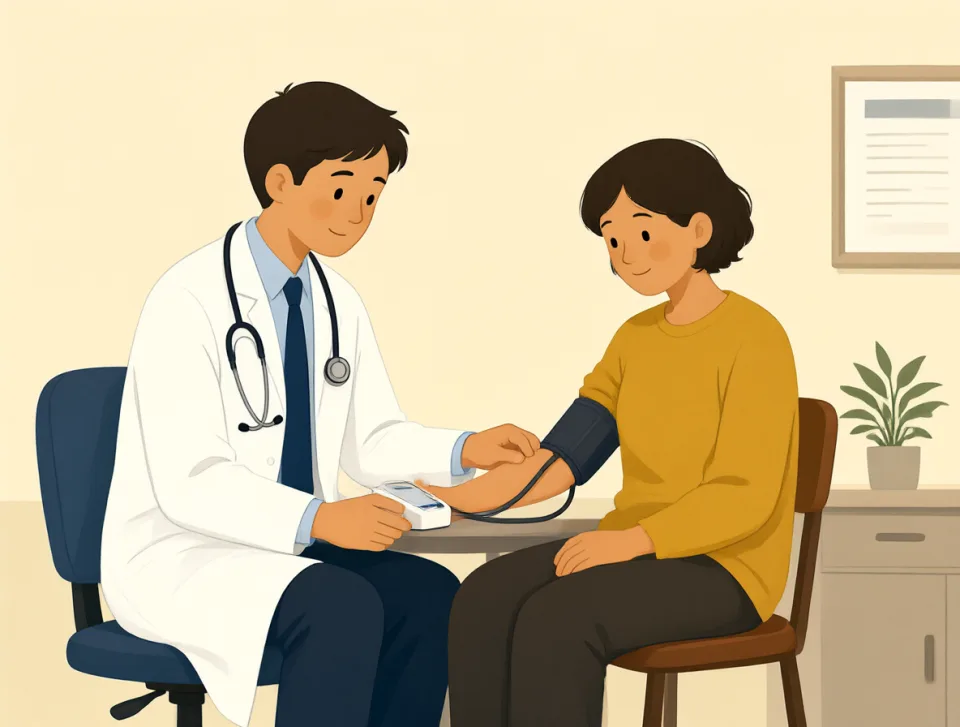
She visits the clinic monthly to check how her treatment is working.
Co miesiąc odwiedza przychodnię, żeby sprawdzić, jak działa jej leczenie.
comprise
#2739verb
składać się z
To be made up of particular parts or members.
Być złożonym z określonych części lub członków.

The committee comprises teachers, parents, and two local business owners.
W skład komisji wchodzą nauczyciele, rodzice i dwoje lokalnych przedsiębiorców.
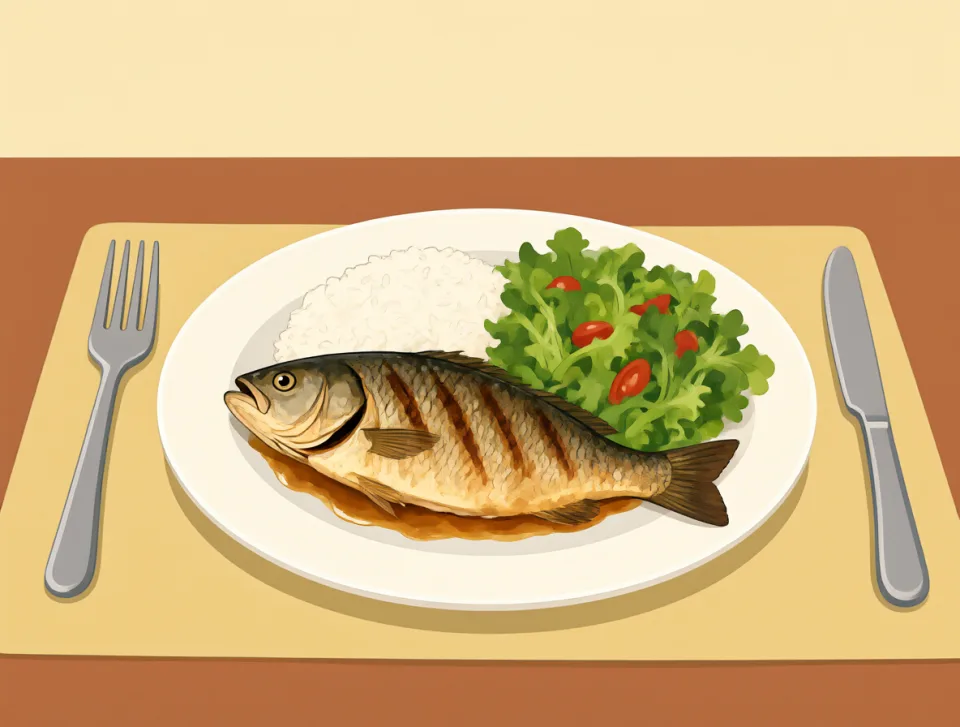
The meal comprised rice, grilled fish, and a fresh green salad.
Posiłek składał się z ryżu, grillowanej ryby i świeżej sałatki z zielonych warzyw.
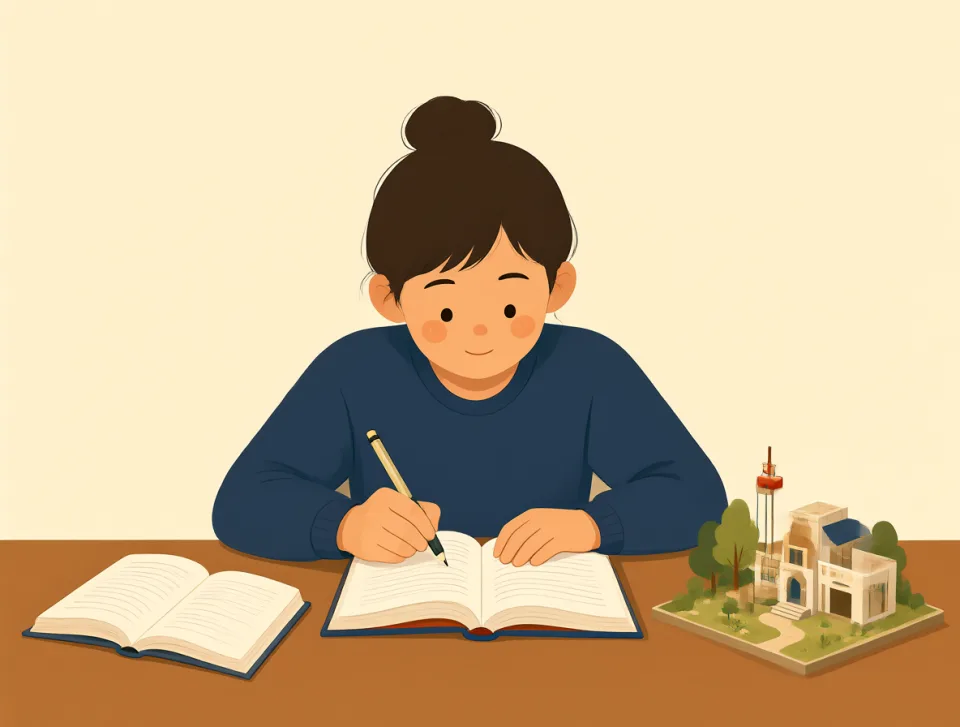
The course comprises six short lessons and a final class project.
Kurs składa się z sześciu krótkich lekcji i końcowego projektu.

Their trip comprised three days in Rome and two days by the sea.
Ich podróż obejmowała trzy dni w Rzymie i dwa dni nad morzem.
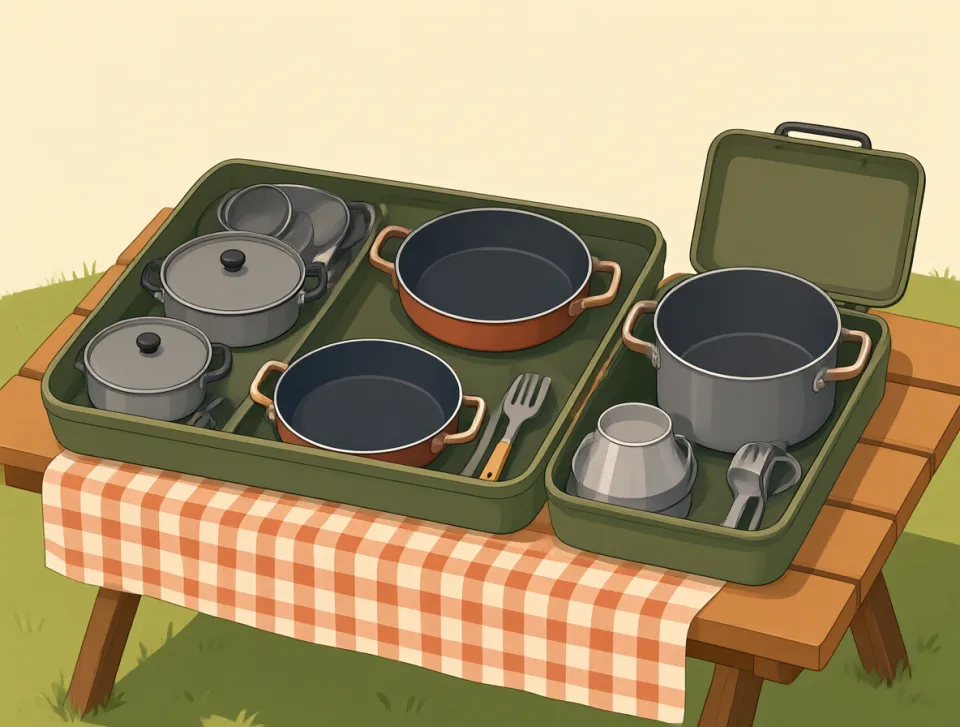
The kit comprises a pan, two plates, and four camping cups.
Zestaw składa się z patelni, dwóch talerzy i czterech kubków kempingowych.
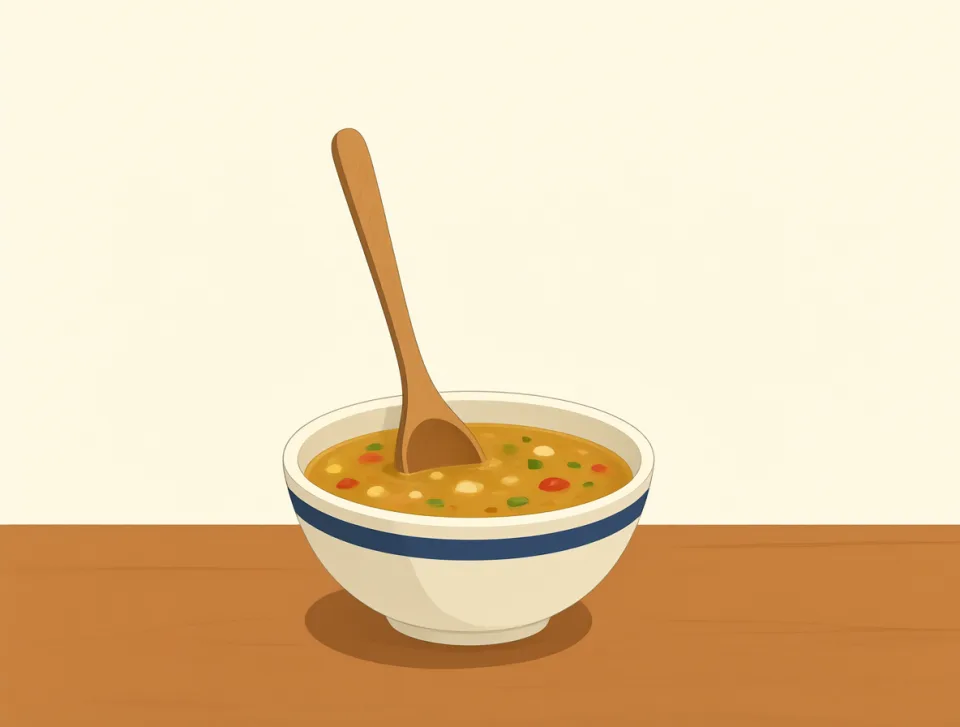
stir
#2740verb, noun
mieszać; wzbudzać
To mix something by moving a spoon or similar object around in it; to cause excitement or trouble.
Mieszać coś, poruszając w tym łyżką lub podobnym przedmiotem; wywoływać poruszenie lub kłopoty.
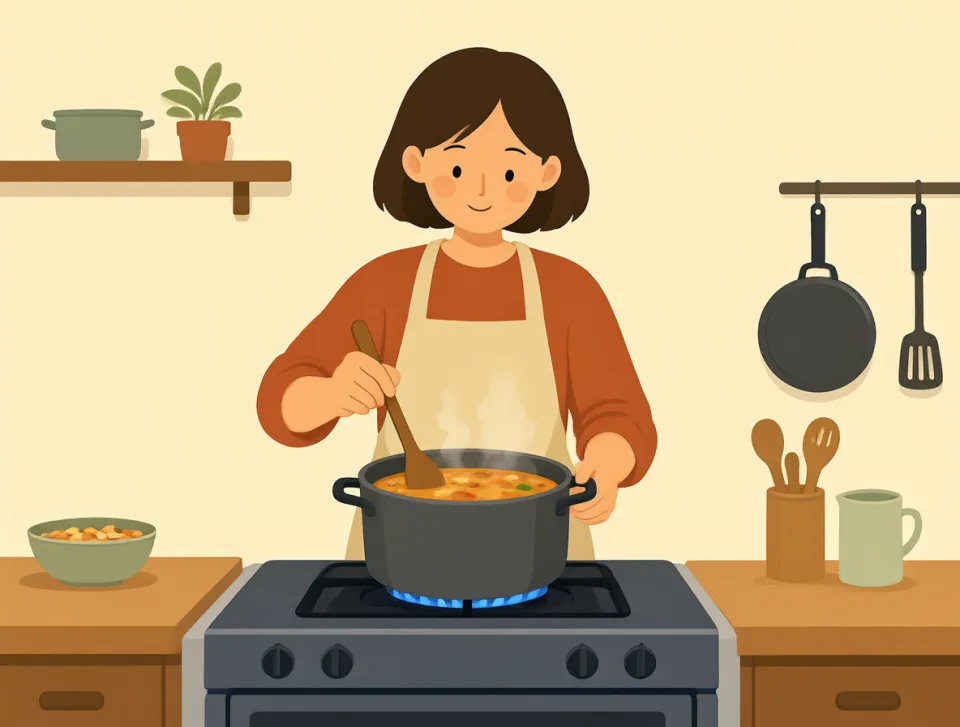
Stir the soup gently while it warms on the stove.
Delikatnie mieszaj zupę, gdy podgrzewa się na kuchence.
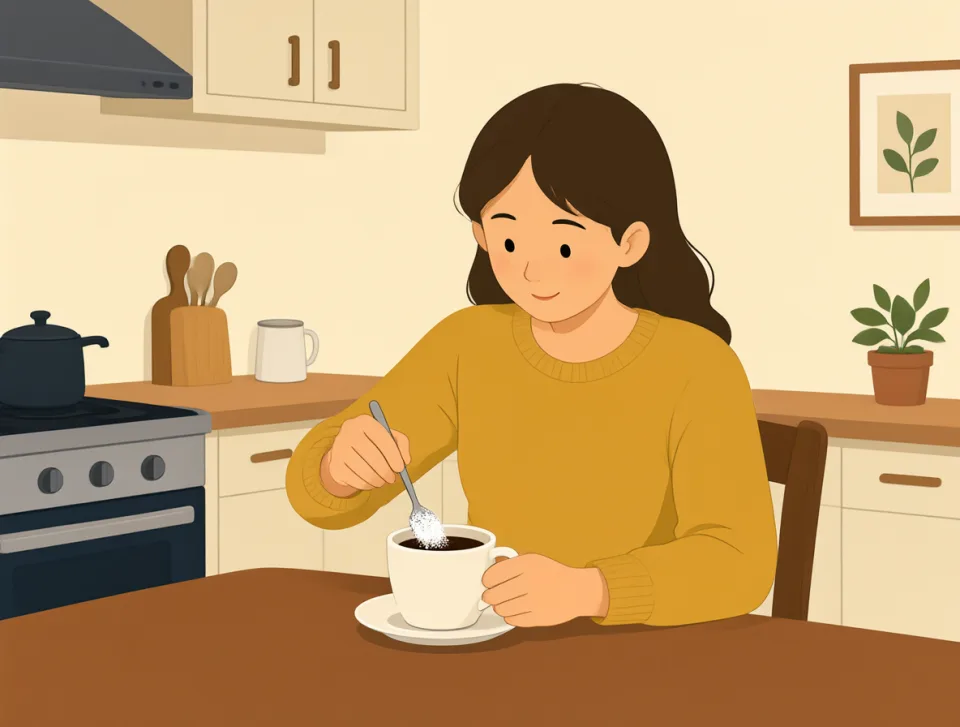
She stirred sugar into her coffee before leaving for work.
Przed wyjściem do pracy wmieszała cukier do kawy.
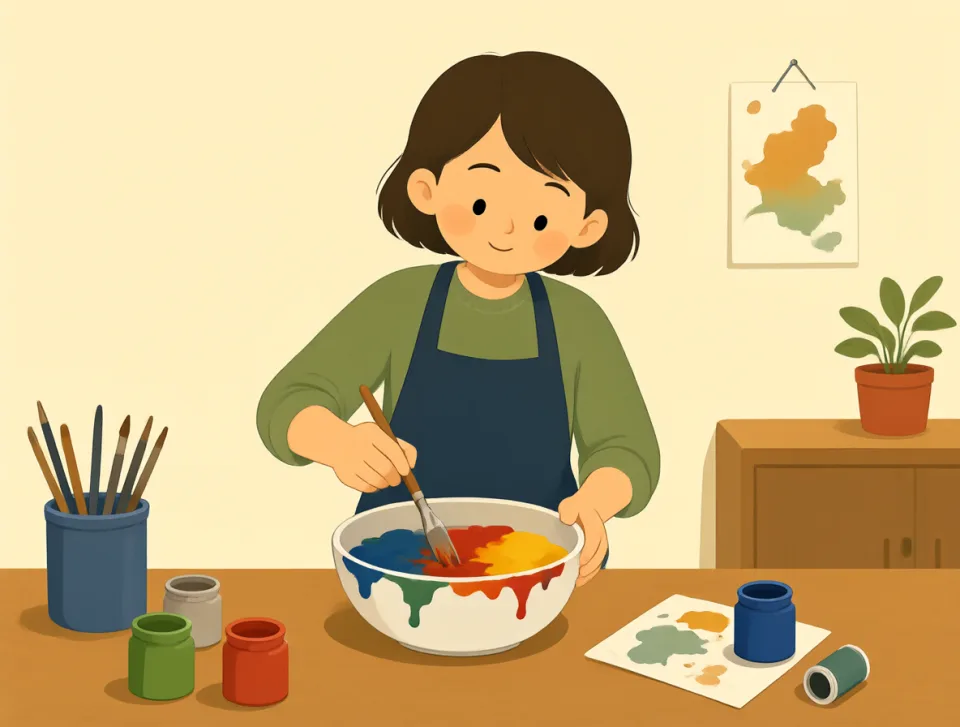
The teacher stirred the paint until the colors blended together.
Nauczyciel mieszał farby, aż kolory się połączyły.

His question stirred interest among the people at the meeting.
Jego pytanie wzbudziło zainteresowanie wśród uczestników spotkania.
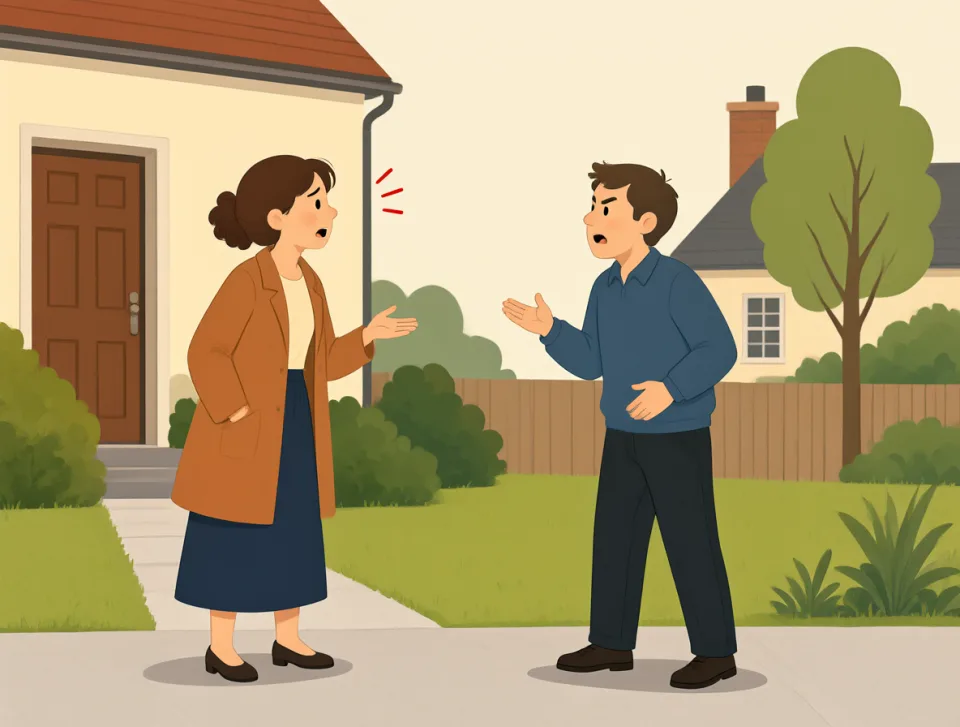
The news stirred up trouble between the two neighbors.
Ta wiadomość wywołała nieporozumienia między dwoma sąsiadami.