Блок 108
Слова 2141–2160 · pub, perception, naturally, currency, database, initially

pub
#2141noun
паб
A place where people buy and drink alcoholic drinks, and often eat or talk.
Заведение, где покупают и пьют алкогольные напитки, а часто также едят и общаются.

We met at the pub for a drink after work.
После работы мы встретились в пабе, чтобы выпить.

The pub serves good food, including burgers and homemade soup.
В пабе подают хорошую еду, в том числе бургеры и домашний суп.

There is a small pub near our hotel in the village.
В деревне рядом с нашей гостиницей есть небольшой паб.

My friends usually go to the pub on Friday evenings.
Мои друзья обычно ходят в паб по пятницам вечером.

The pub was crowded, so we found seats outside.
В пабе было многолюдно, поэтому мы нашли места на улице.

perception
#2142noun
восприятие
The way you notice, understand, or judge someone or something.
То, как вы замечаете, понимаете или оцениваете кого-либо или что-либо.
Her perception of the new manager changed after their first meeting.
Её мнение о новом руководителе изменилось после их первой встречи.

The advertisement changed customers’ perception of the product’s quality.
Реклама изменила представление покупателей о качестве товара.

Our perception of time changes when we are busy or having fun.
Наше восприятие времени меняется, когда мы заняты или весело проводим время.
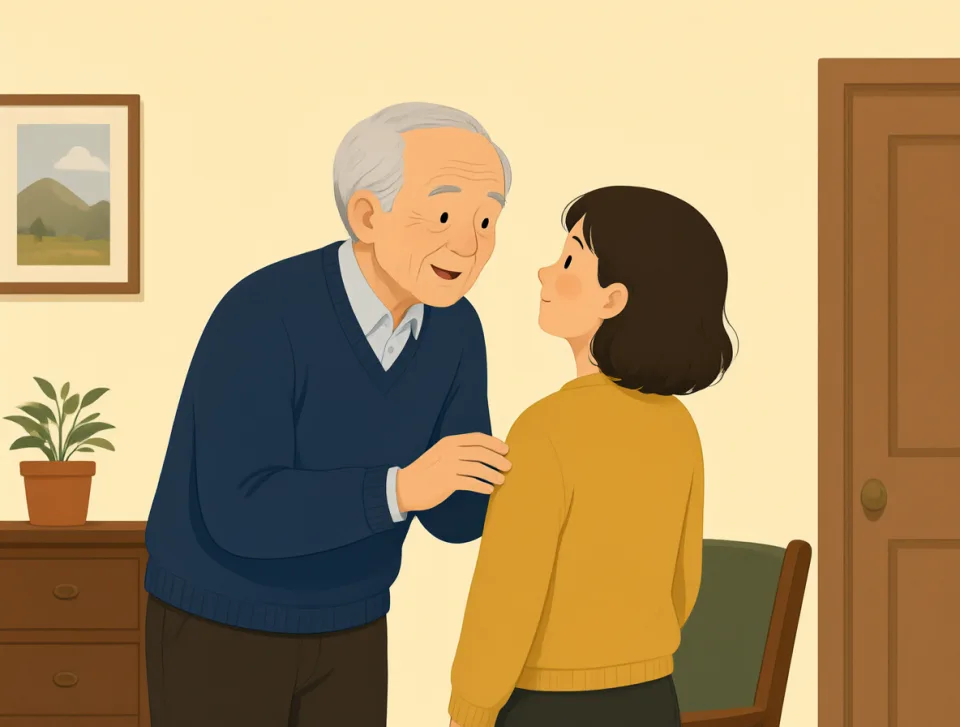
His hearing problems affected his perception of what people were saying.
Проблемы со слухом повлияли на то, как он воспринимал слова людей.

Cultural differences can influence people’s perception of healthy food.
Культурные различия могут влиять на представления людей о здоровой пище.
naturally
#2143adverb
естественно
In a natural way, or as you would expect without planning or forcing it.
Естественным образом или так, как можно было бы ожидать, без планирования или усилий.
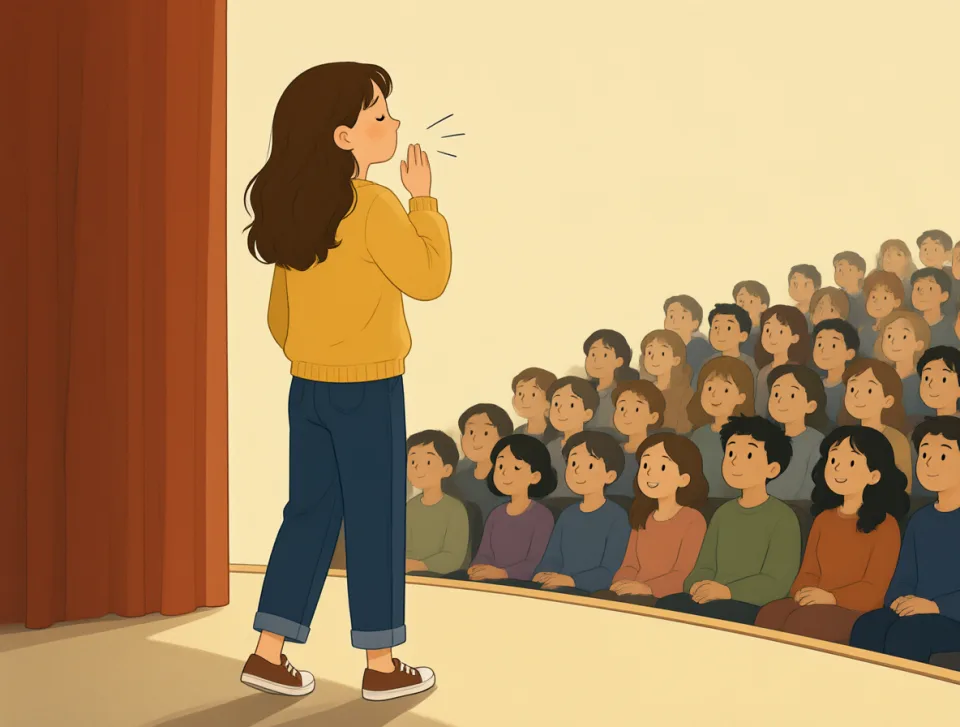
She naturally felt nervous before speaking to the large audience.
Перед выступлением перед большой аудиторией она, естественно, нервничала.

Children naturally learn new languages when they hear them every day.
Дети естественно осваивают новые языки, когда слышат их каждый день.

The conversation naturally turned to plans for the summer holiday.
Разговор сам собой перешёл к планам на летний отпуск.
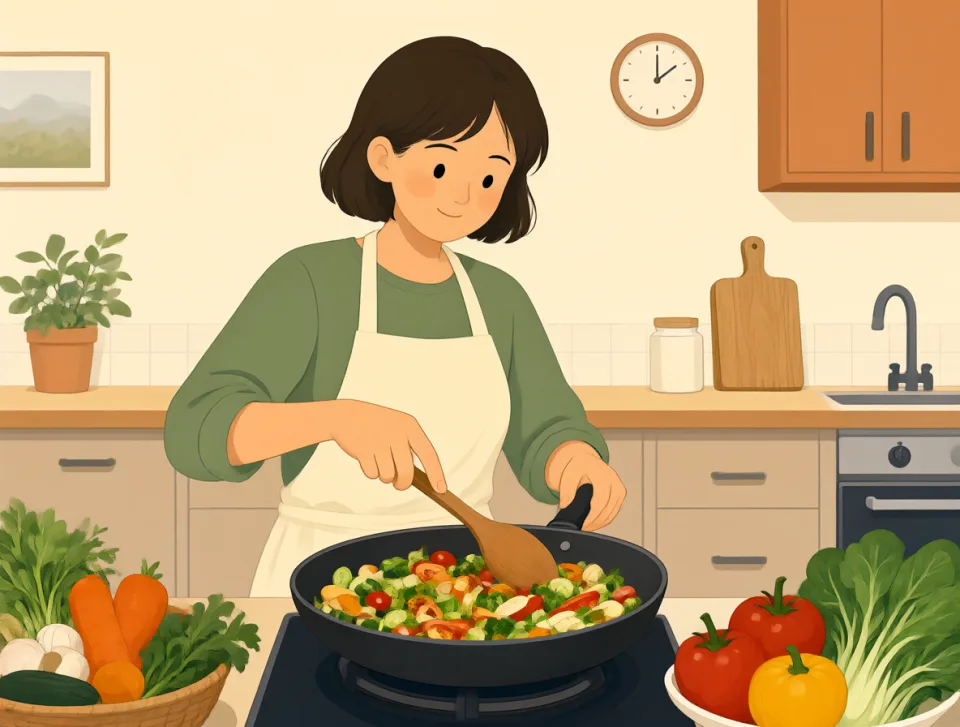
Naturally, fresh vegetables taste better when they are cooked gently.
Разумеется, свежие овощи вкуснее, если готовить их на слабом огне.

He naturally became tired after walking through the city all afternoon.
После прогулки по городу в течение всего дня он, естественно, устал.
currency
#2144noun
валюта
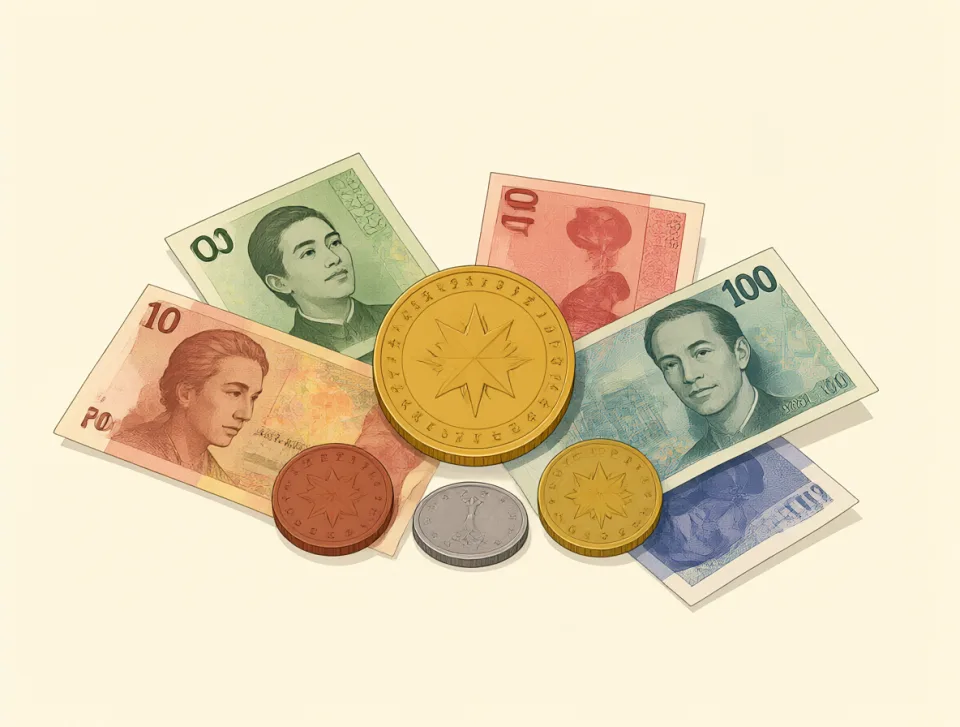
The money used in a particular country, such as dollars, euros, or yen.
Деньги, используемые в определённой стране, например доллары, евро или иены.

You can exchange your currency for local money at the airport.
В аэропорту можно обменять валюту на местные деньги.
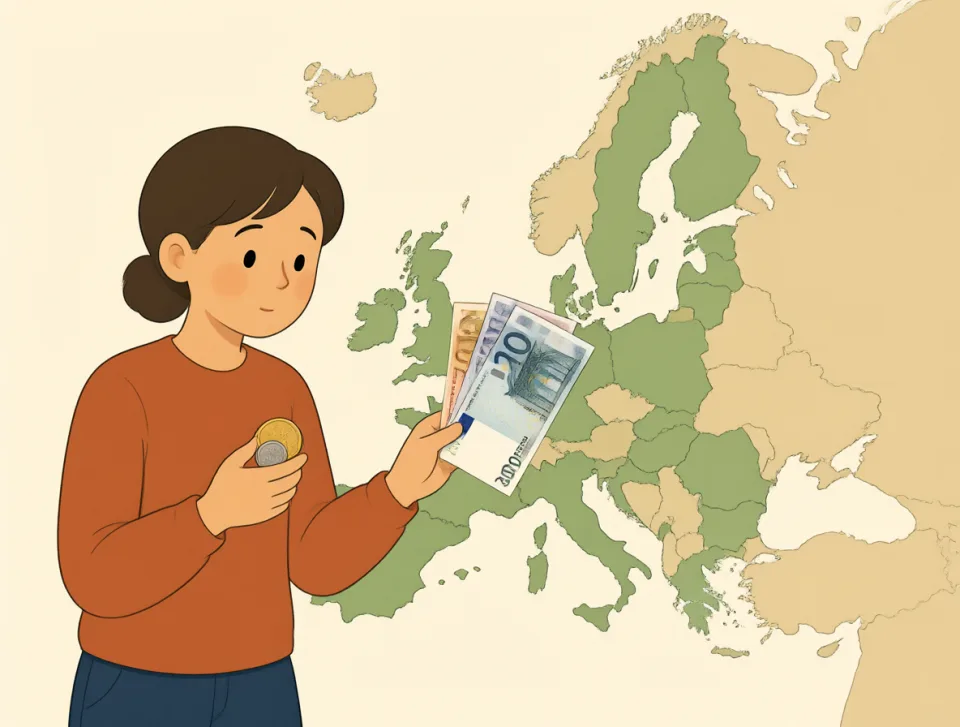
The euro is the official currency in many European countries.
Евро — официальная валюта во многих европейских странах.
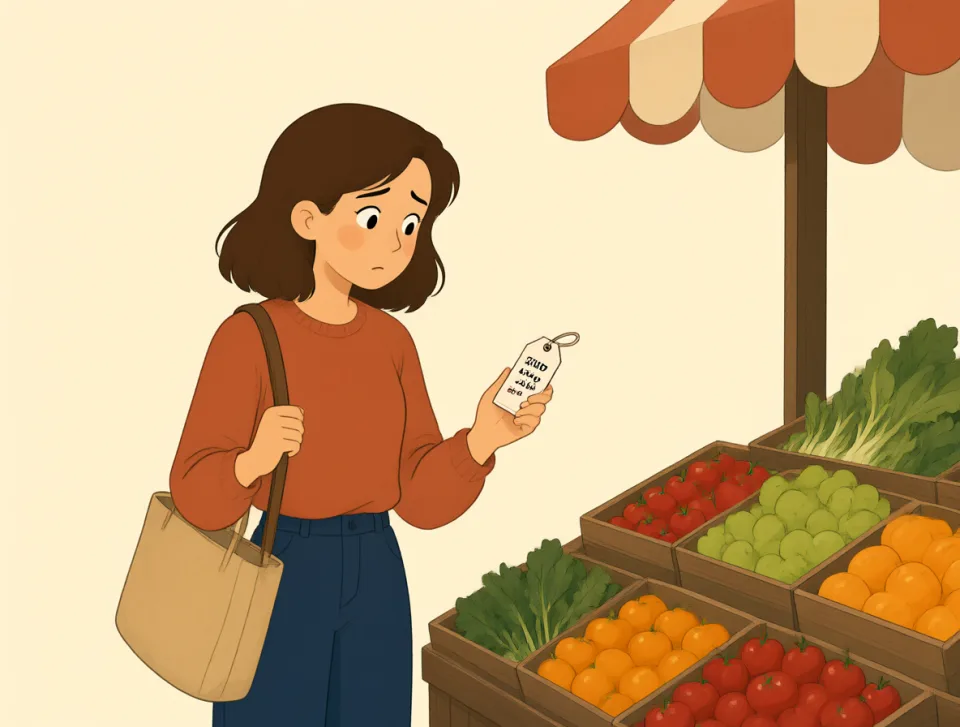
Prices may change when the value of a currency rises or falls.
Цены могут меняться, когда курс валюты растёт или падает.

Please pay in local currency because this shop does not accept foreign money.
Пожалуйста, платите в местной валюте, потому что этот магазин не принимает иностранные деньги.

The company pays its overseas workers in their own currency.
Компания платит своим сотрудникам за границей в их национальной валюте.

database
#2145noun
база данных
An organized collection of information stored on a computer and easy to search.
Упорядоченный набор информации, хранящийся на компьютере и доступный для поиска.

The company keeps customer details in a secure database.
Компания хранит данные клиентов в защищённой базе данных.

I searched the library database for books about space.
Я поискал в библиотечной базе данных книги о космосе.

The doctor added my test results to the hospital database.
Врач добавил результаты моих анализов в больничную базу данных.
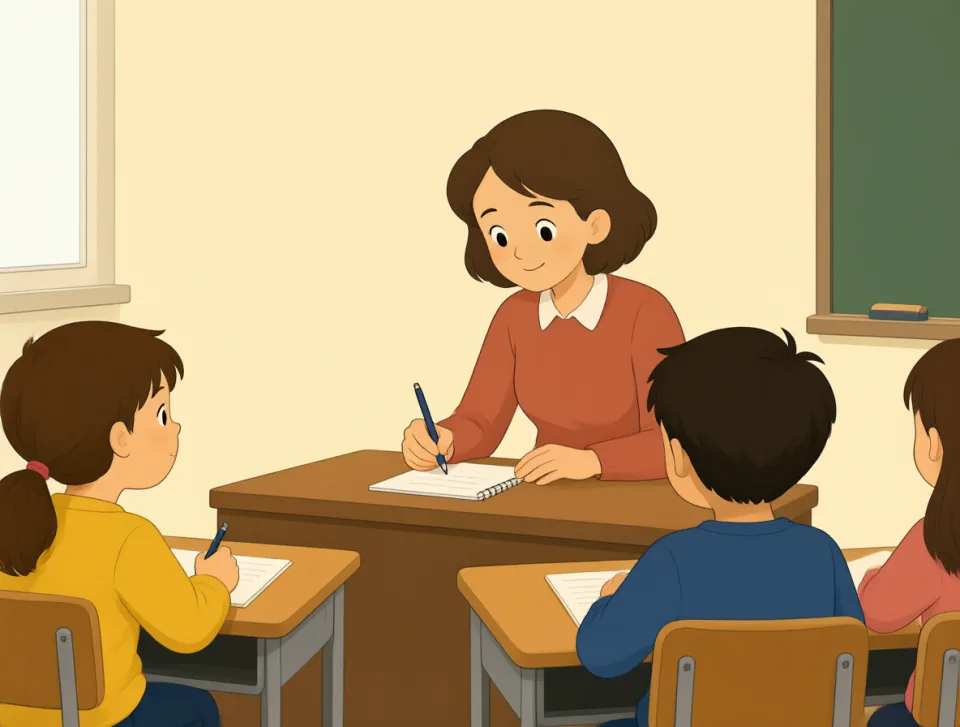
Our teacher uses a database to track students' attendance.
Наш учитель использует базу данных, чтобы отслеживать посещаемость учеников.

The shop's database showed that my order had been delivered.
В базе данных магазина было указано, что мой заказ доставили.

initially
#2146adverb
сначала
At the beginning, before something changes or develops.
В начале, до того как что-то изменится или разовьётся.
Initially, I thought the new job would be difficult, but it soon became easier.
Сначала я думал, что новая работа будет трудной, но вскоре она стала легче.
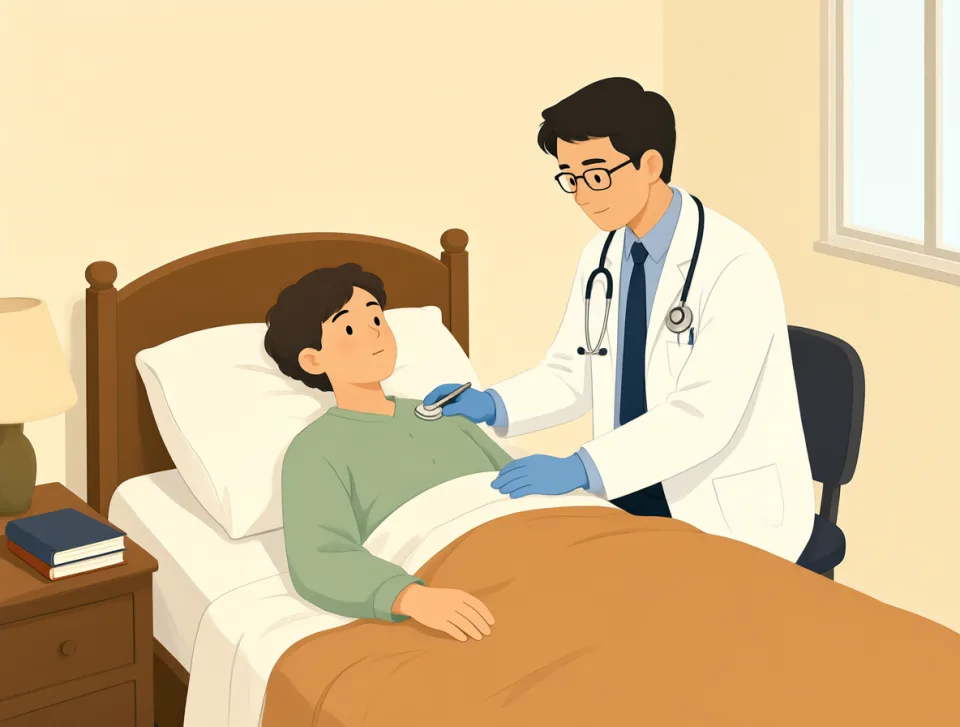
The patient initially felt tired after taking the medicine, but recovered later.
Сначала пациент чувствовал усталость после приёма лекарства, но позже выздоровел.

Initially, our travel plans included a train, but we rented a car instead.
Сначала в наши планы поездки входила поездка на поезде, но вместо этого мы арендовали автомобиль.

The teacher initially asked students to work alone, then let them form pairs.
Сначала учитель попросил учеников работать поодиночке, а затем разрешил им объединиться в пары.
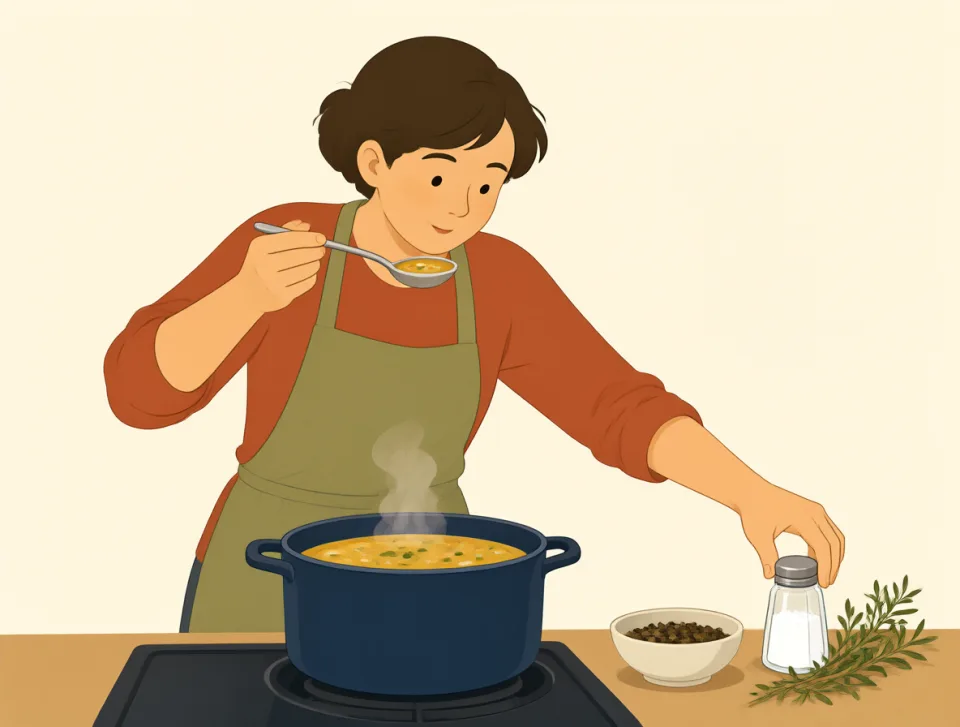
Initially, the soup tasted bland, so I added salt and fresh herbs.
Сначала суп показался пресным, поэтому я добавил соль и свежую зелень.

territory
#2147noun
территория
An area of land controlled by a person, group, country, or animal.
Участок земли, который находится под контролем человека, группы людей, страны или животного.

The hikers entered bear territory and stayed close together.
Туристы вошли на территорию медведей и держались близко друг к другу.
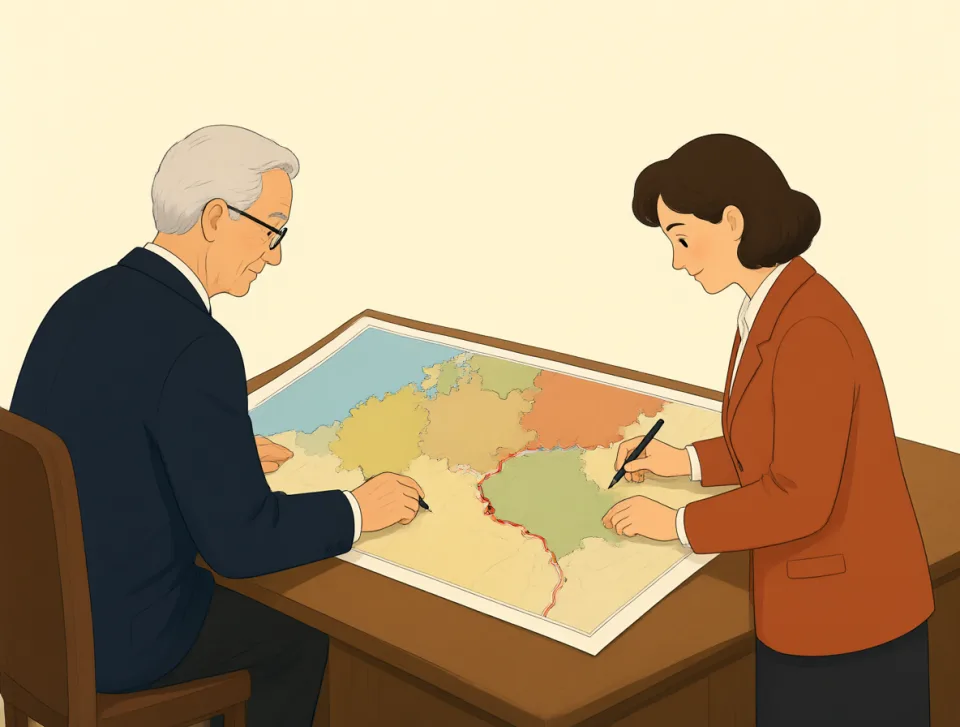
The two countries are discussing their border territories.
Две страны обсуждают свои приграничные территории.

Please keep your bags out of the hotel breakfast territory.
Пожалуйста, не ставьте свои сумки на территории, предназначенной для завтрака в отеле.

The sales team is expanding into new territory this year.
В этом году отдел продаж выходит на новые территории.

Our teacher asked us to explore new territory in our writing.
Учитель попросил нас исследовать новые области в письменном творчестве.

stream
#2148noun, verb
ручей; поток
a small river, or a continuous flow of something such as information or online video
Небольшая река или непрерывный поток чего-либо, например информации или онлайн-видео.

We walked beside a quiet stream during our afternoon hike.
Во время дневного похода мы шли вдоль тихого ручья.
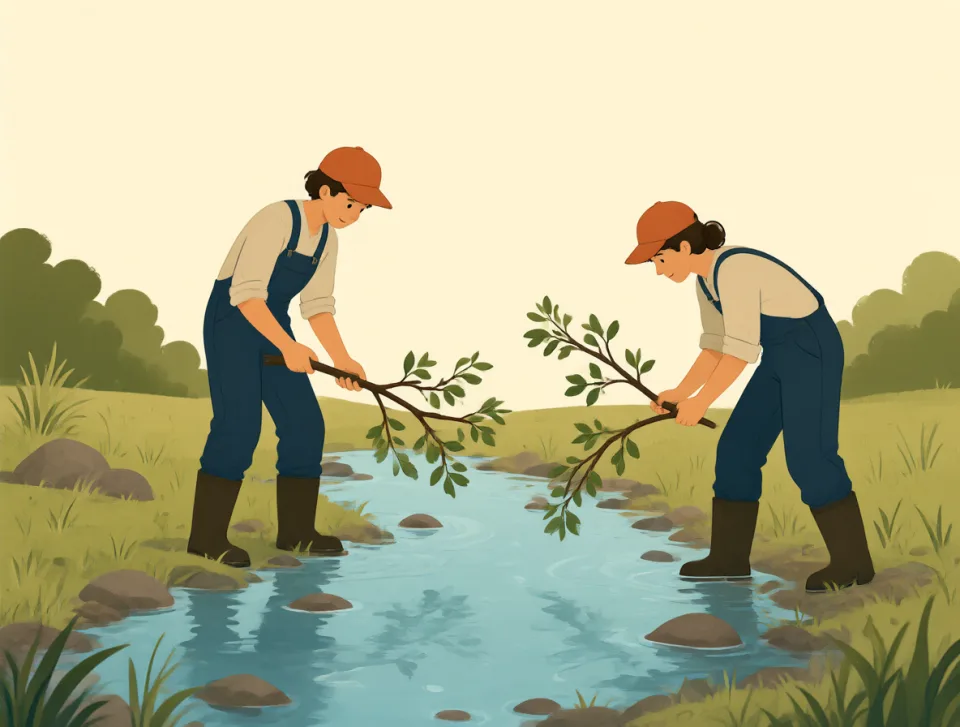
The workers cleared fallen branches from the stream after the storm.
После бури рабочие убрали упавшие ветки из ручья.

A steady stream of customers entered the shop before closing time.
Перед закрытием в магазин вошёл непрерывный поток покупателей.

The teacher asked students to stream their projects during the online lesson.
На онлайн-уроке учитель попросил учеников транслировать свои проекты.

She streamed the concert live for friends who could not attend.
Она вела концерт в прямом эфире для друзей, которые не смогли прийти.
rarely
#2149adverb
редко
not often; only sometimes
Не часто; лишь иногда.
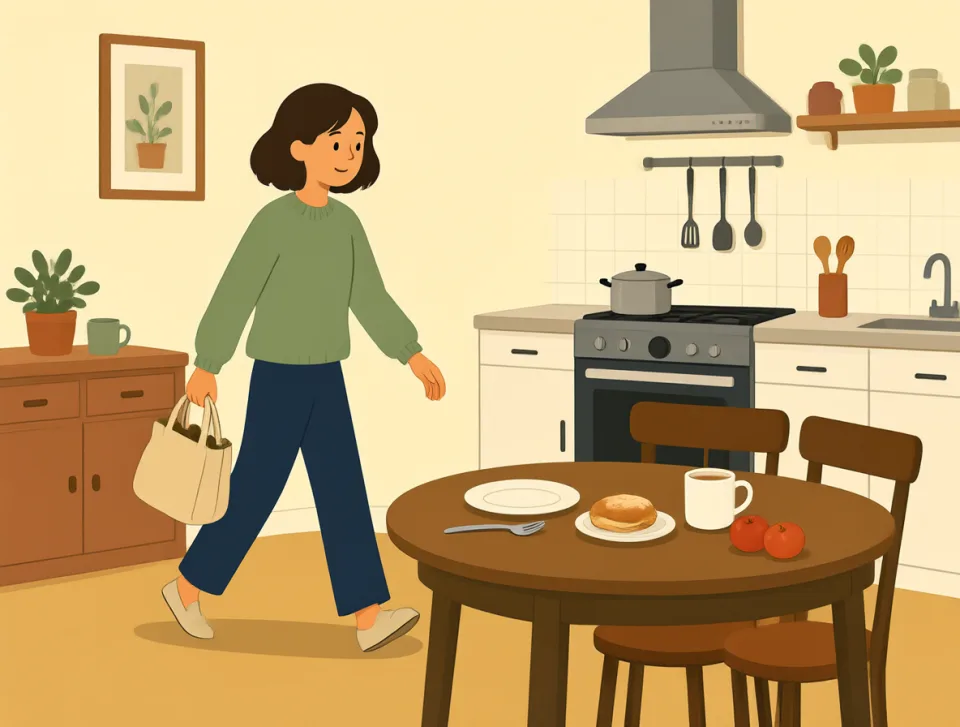
I rarely eat breakfast before leaving for work.
Я редко завтракаю перед уходом на работу.
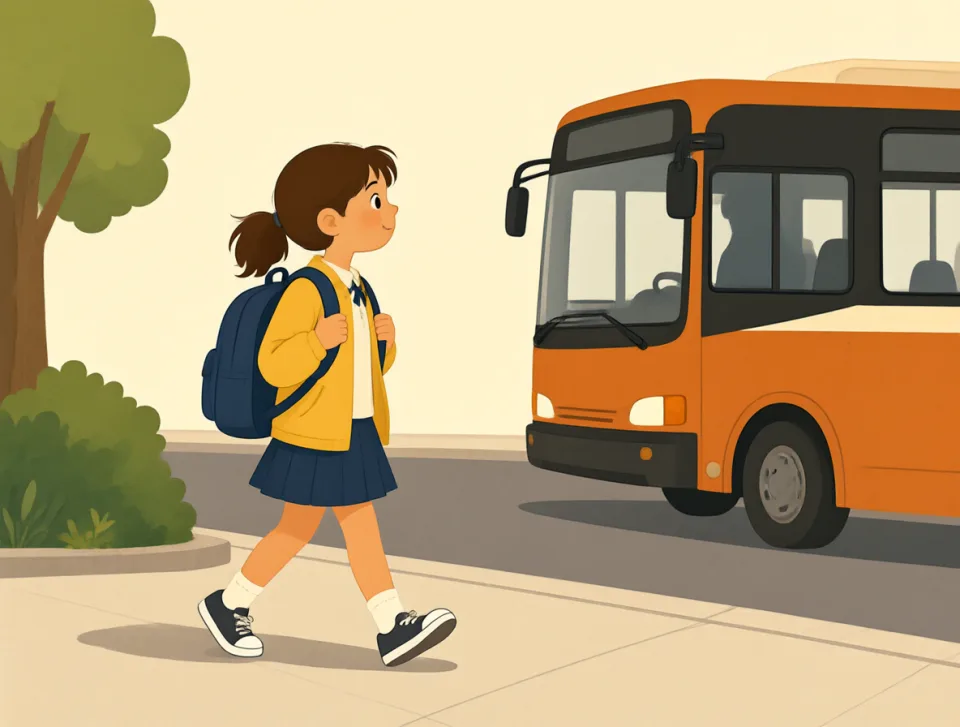
She rarely takes the bus because she usually walks to school.
Она редко ездит на автобусе, потому что обычно ходит в школу пешком.

We rarely have team meetings on Friday afternoons at the office.
По пятницам после обеда у нас в офисе редко бывают собрания команды.

He rarely shops for clothes online because he prefers trying them on.
Он редко покупает одежду в интернете, потому что предпочитает её примерять.
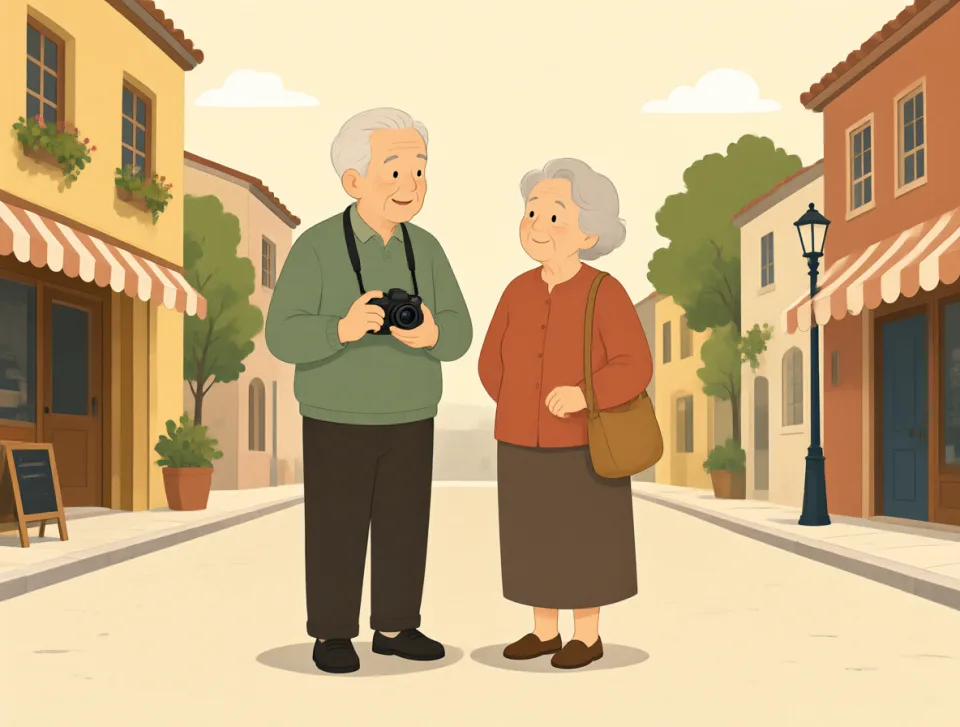
My grandparents rarely travel abroad, but they enjoy visiting nearby towns.
Мои бабушка и дедушка редко путешествуют за границу, но любят ездить в соседние города.
height
#2150noun
высота
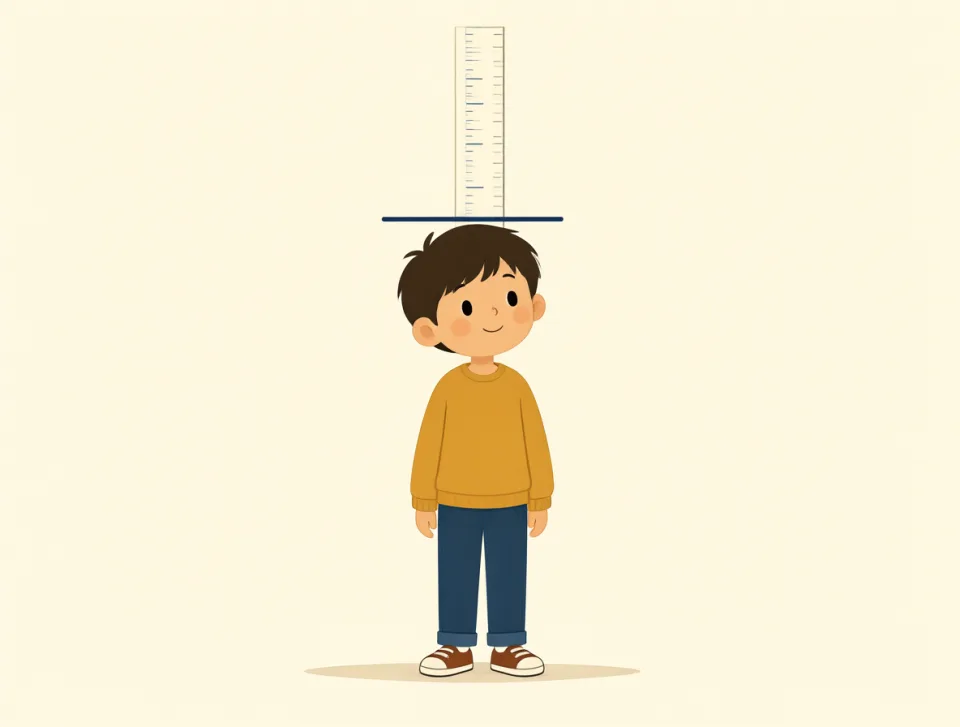
How tall someone or something is, measured from the bottom to the top.
Расстояние от основания до верхней точки человека или предмета.
The height of the table is perfect for children to use comfortably.
Высота стола идеально подходит для того, чтобы дети могли удобно за ним сидеть.
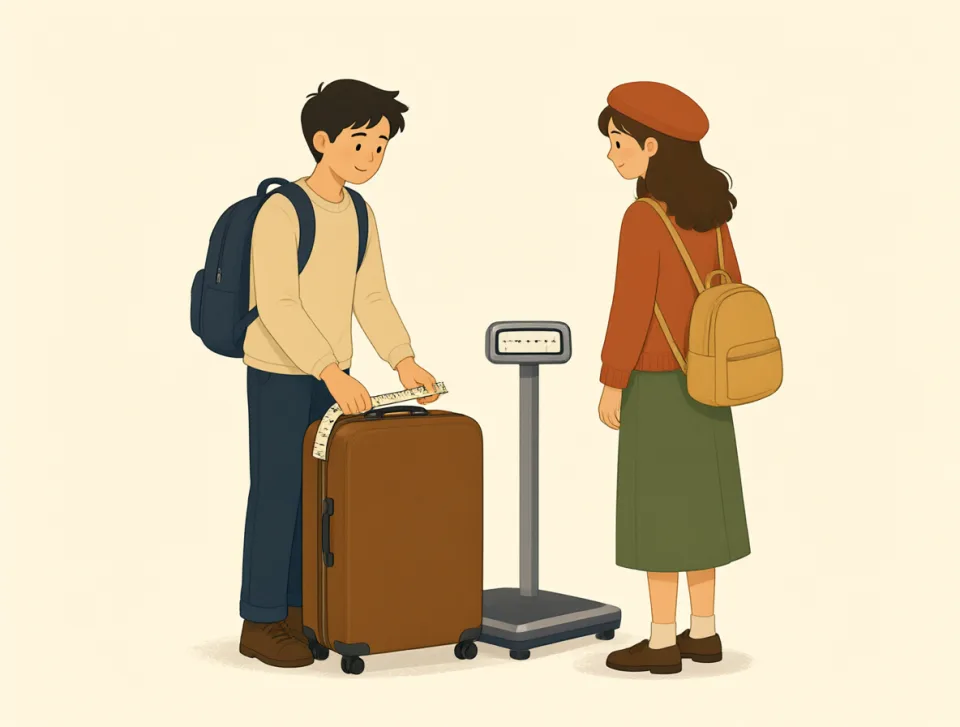
Please check the height of this suitcase before taking it on the plane.
Пожалуйста, проверьте высоту этого чемодана, прежде чем брать его в самолёт.

The basketball player is famous for his great height and long arms.
Баскетболист известен своим высоким ростом и длинными руками.

The doctor measured my height during my yearly health check.
Врач измерил мой рост во время ежегодного медицинского осмотра.

We climbed to the mountain's highest point and enjoyed the beautiful view.
Мы поднялись на самую высокую точку горы и насладились прекрасным видом.
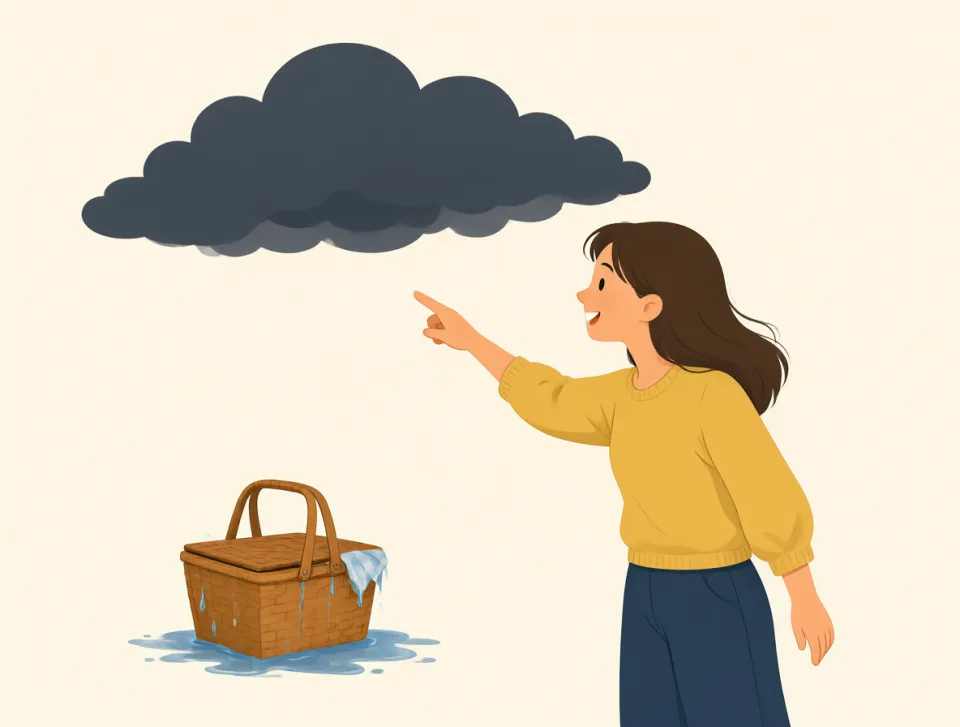
apparent
#2151adjective
очевидный
Easy to see or understand, although it may not be completely certain.
Легко заметить или понять, хотя полной уверенности может и не быть.
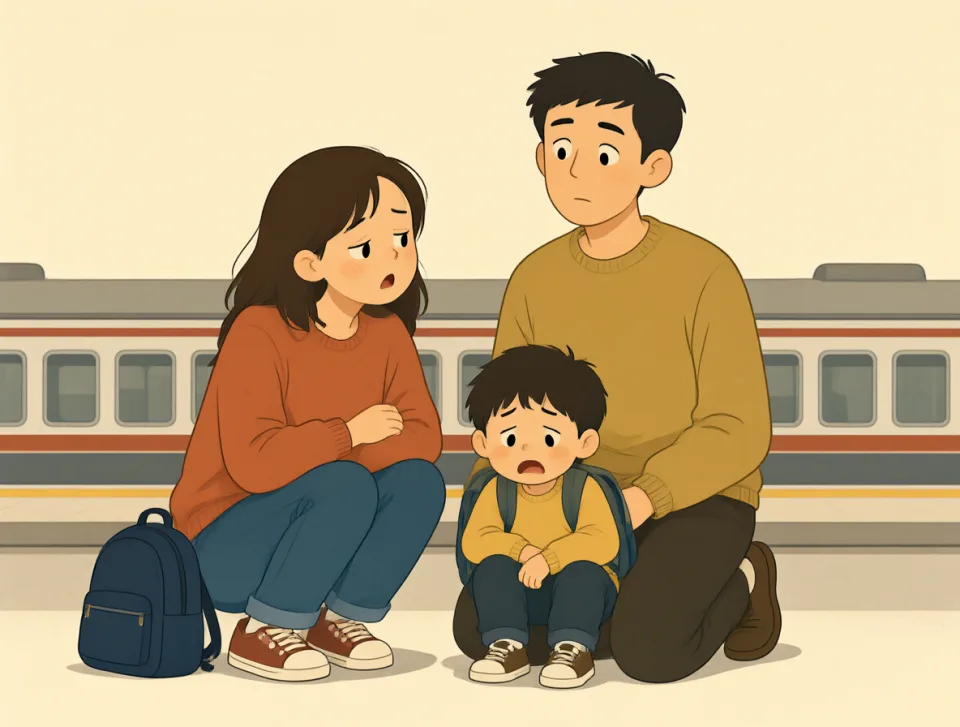
It was apparent that the children were tired after the long journey.
Было очевидно, что дети устали после долгого путешествия.

There was no apparent reason for the sudden change in his mood.
У резкой перемены его настроения не было очевидной причины.

The shop closed early because there was an apparent problem with the electricity.
Магазин закрылся раньше из-за очевидной проблемы с электричеством.
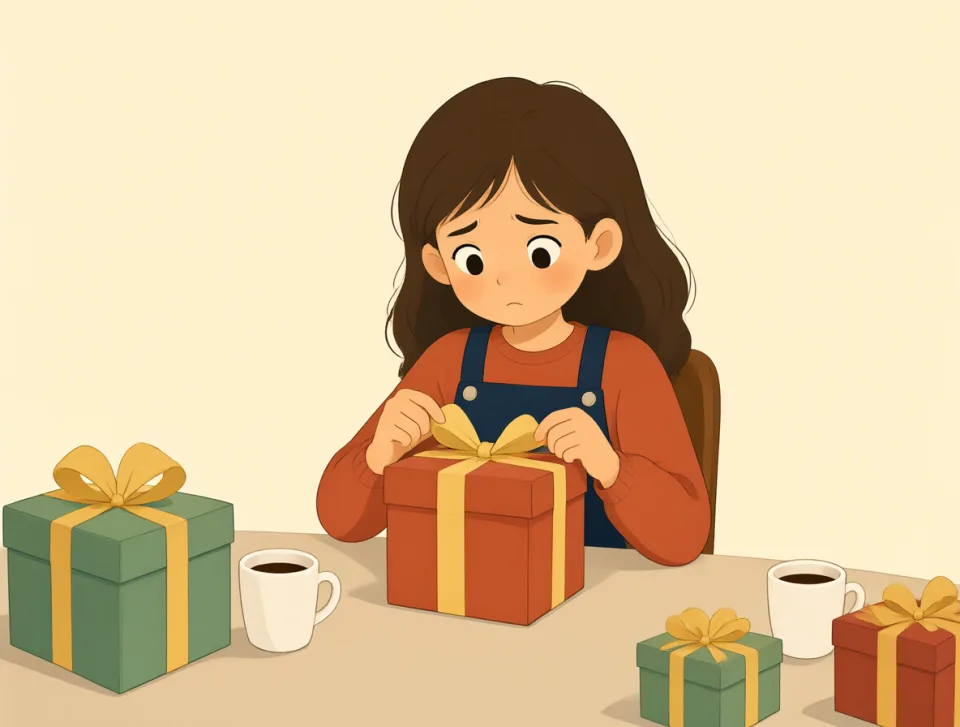
Her disappointment was apparent when she opened the birthday gift.
Когда она открыла подарок на день рождения, её разочарование было очевидным.

The doctor found no apparent signs of serious illness during the examination.
Во время осмотра врач не обнаружил явных признаков серьёзного заболевания.

western
#2152adjective, noun
западный
Connected with the west or the western part of a country or the world.
Связанный с западом или западной частью страны либо мира.

They moved to a western city for better job opportunities.
Они переехали в западный город, чтобы найти работу получше.

The western coast is famous for its beautiful beaches and mild weather.
Западное побережье славится красивыми пляжами и мягким климатом.

We watched an old western about a sheriff and a group of outlaws.
Мы посмотрели старый вестерн о шерифе и группе бандитов.

The restaurant serves delicious western food, including burgers, steak, and French fries.
В ресторане подают вкусную еду в западном стиле, в том числе бургеры, стейки и картофель фри.

The train travels west through the western mountains before reaching the border.
Поезд идёт на запад через западные горы, прежде чем добраться до границы.

expansion
#2153noun
расширение
the process of becoming larger or making something larger
Процесс увеличения или расширения чего-либо.

The company plans an expansion into three new countries next year.
В следующем году компания планирует расшириться ещё на три страны.

The expansion of the kitchen gave our family more room to cook.
После расширения кухни у нашей семьи стало больше места для готовки.
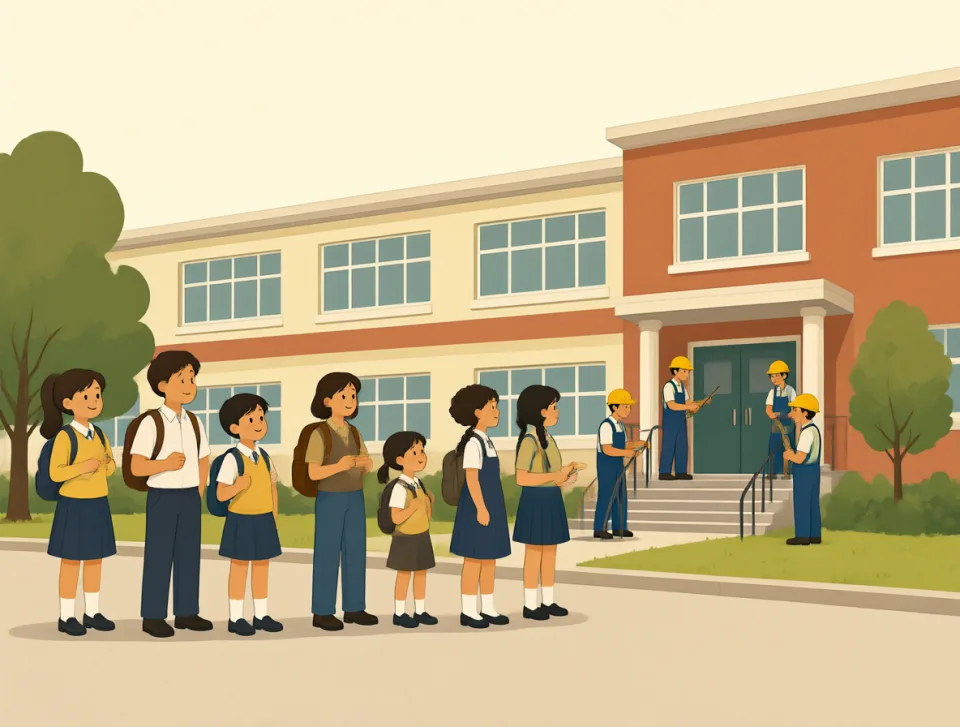
The school announced an expansion to provide more classrooms for students.
Школа объявила о расширении, чтобы оборудовать больше классных комнат для учеников.

The supermarket's expansion created space for a larger fruit and vegetable section.
Благодаря расширению супермаркета появилось место для более просторного отдела фруктов и овощей.
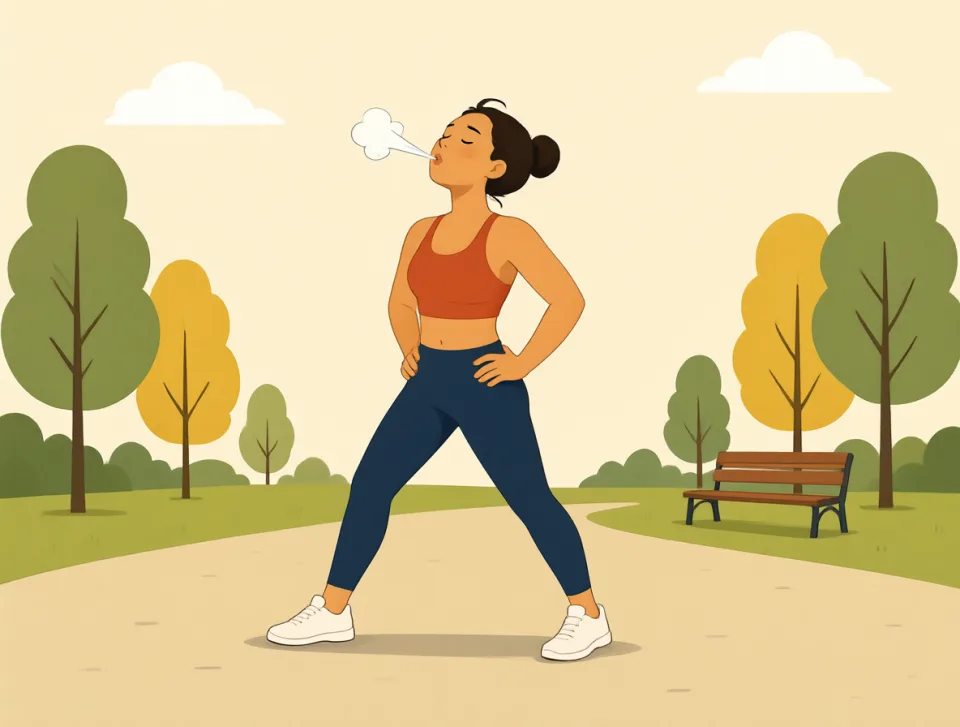
Regular exercise helps with lung expansion and makes breathing easier.
Регулярные упражнения помогают лёгким расширяться и облегчают дыхание.

constantly
#2154adverb
постоянно
Again and again or all the time, often in an annoying way.
Снова и снова или всё время, часто раздражающим образом.
The baby constantly wakes up during the night, so we are exhausted.
Малыш постоянно просыпается по ночам, и мы совершенно измучены.

My phone constantly rings while I am trying to finish my work.
Мой телефон постоянно звонит, пока я пытаюсь закончить работу.
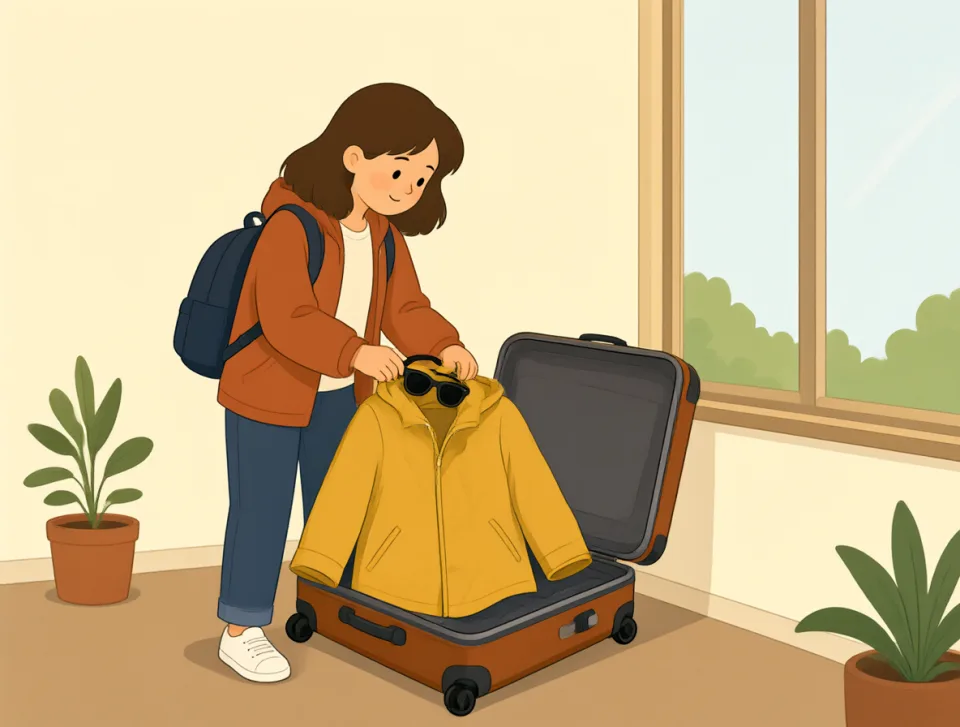
The weather is constantly changing, so pack both a raincoat and sunglasses.
Погода постоянно меняется, так что возьми и дождевик, и солнцезащитные очки.
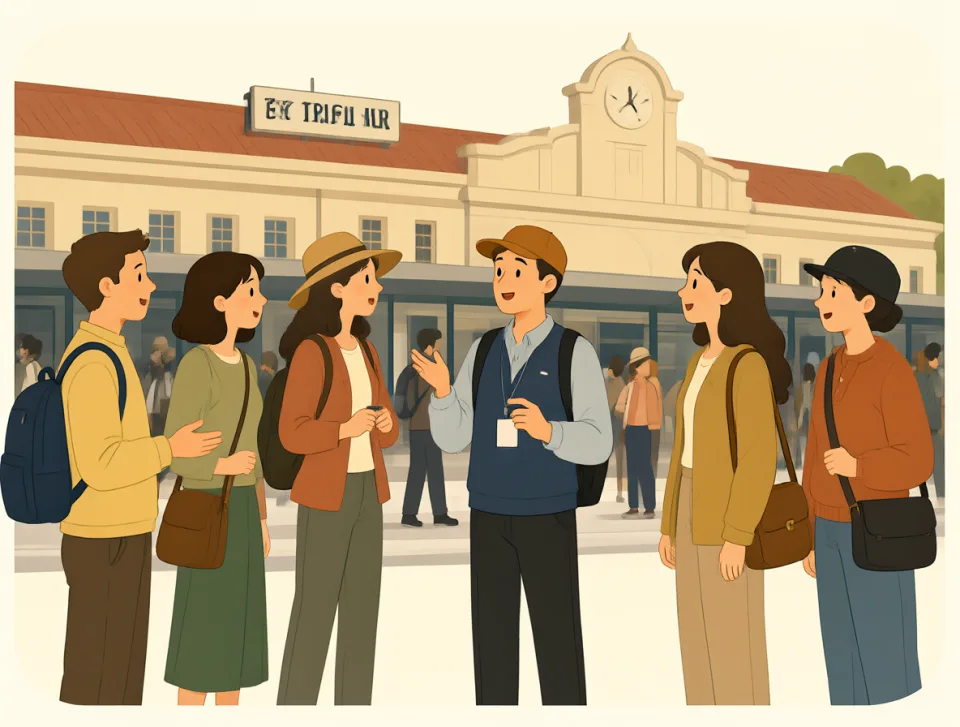
Tourists constantly ask the guide where the train station is.
Туристы постоянно спрашивают гида, где находится железнодорожный вокзал.

He is constantly complaining about his cold, but refuses to see a doctor.
Он постоянно жалуется на простуду, но отказывается идти к врачу.

muscle
#2155noun, verb
мышца; сила
A body part that helps you move, or physical strength used to do something.
Часть тела, которая помогает двигаться, или физическая сила, используемая для выполнения какого-либо дела.

He pulled a muscle in his back while lifting a heavy box.
Поднимая тяжёлую коробку, он потянул мышцу спины.
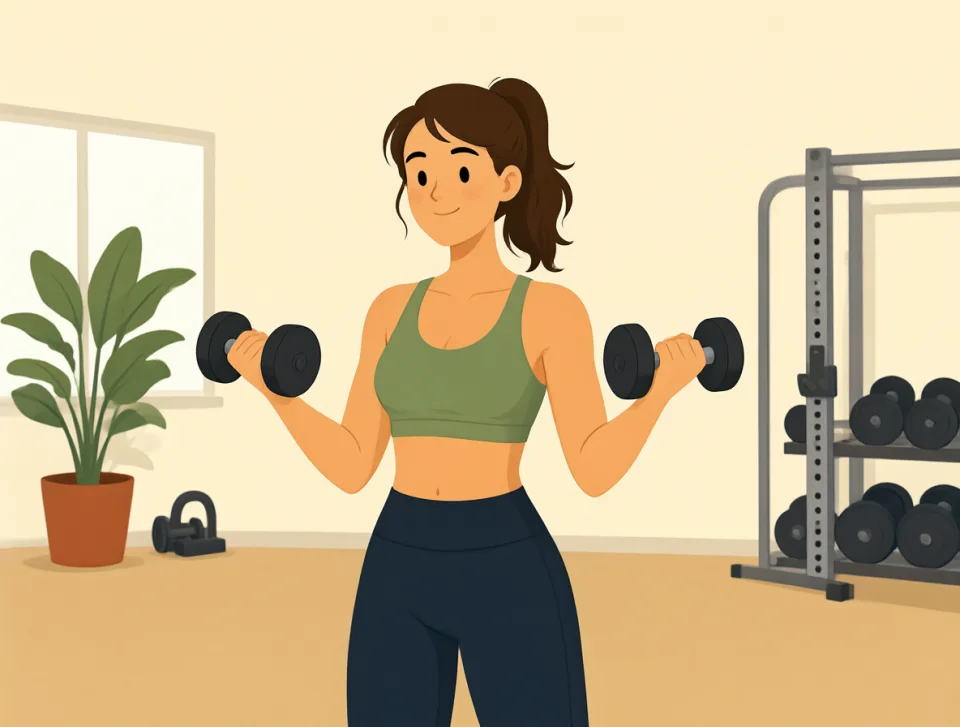
Regular exercise helps build strong muscles and keeps your body healthy.
Регулярные упражнения укрепляют мышцы и помогают поддерживать здоровье.
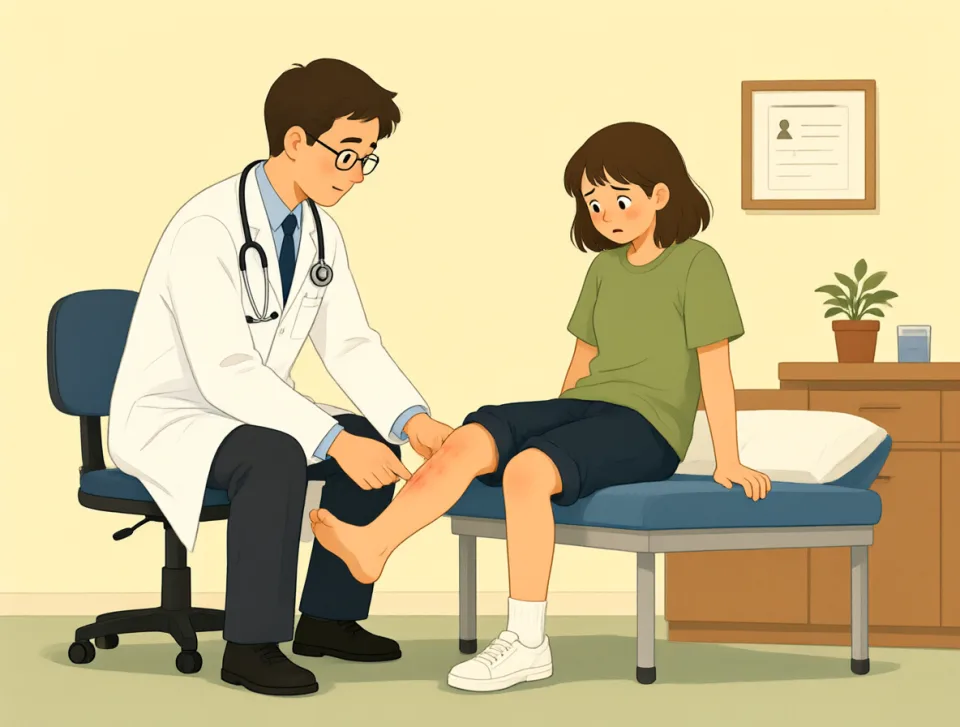
The doctor said I should rest the injured muscle for a few days.
Врач сказал, что мне нужно несколько дней беречь травмированную мышцу.

Moving the furniture took a lot of muscle, so we asked our friends for help.
Перестановка мебели потребовала немало сил, поэтому мы попросили друзей помочь.

The team needs to muscle past its problems and finish the project.
Команде нужно преодолеть все трудности и завершить проект.
scare
#2156noun, verb
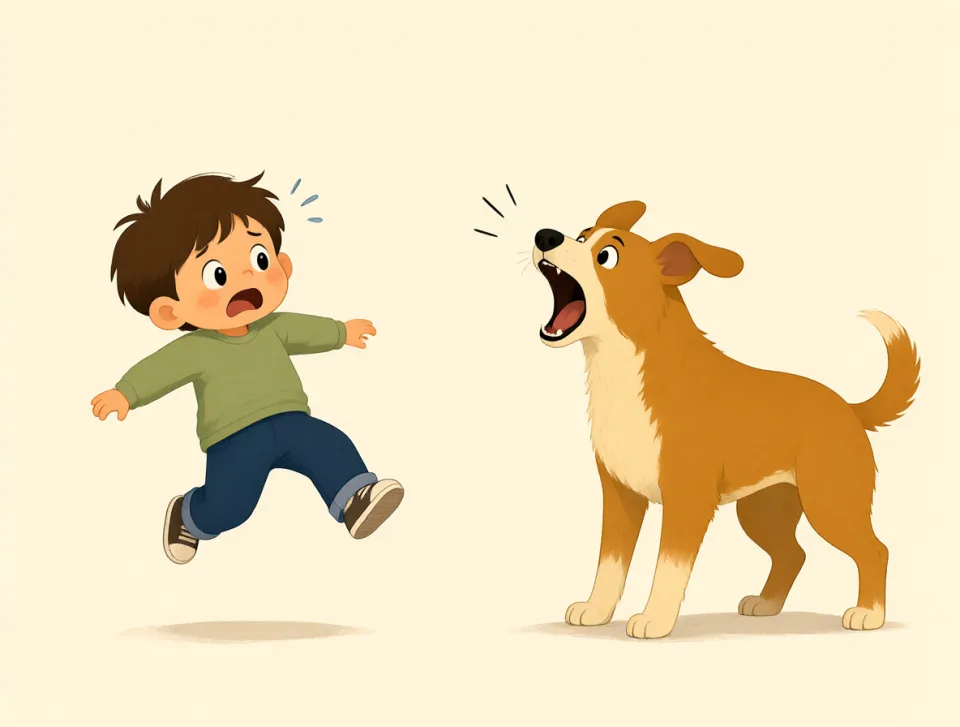
испуг
A sudden feeling of fear, or to make someone feel afraid.
Внезапное чувство страха; также — заставить кого-то испугаться.
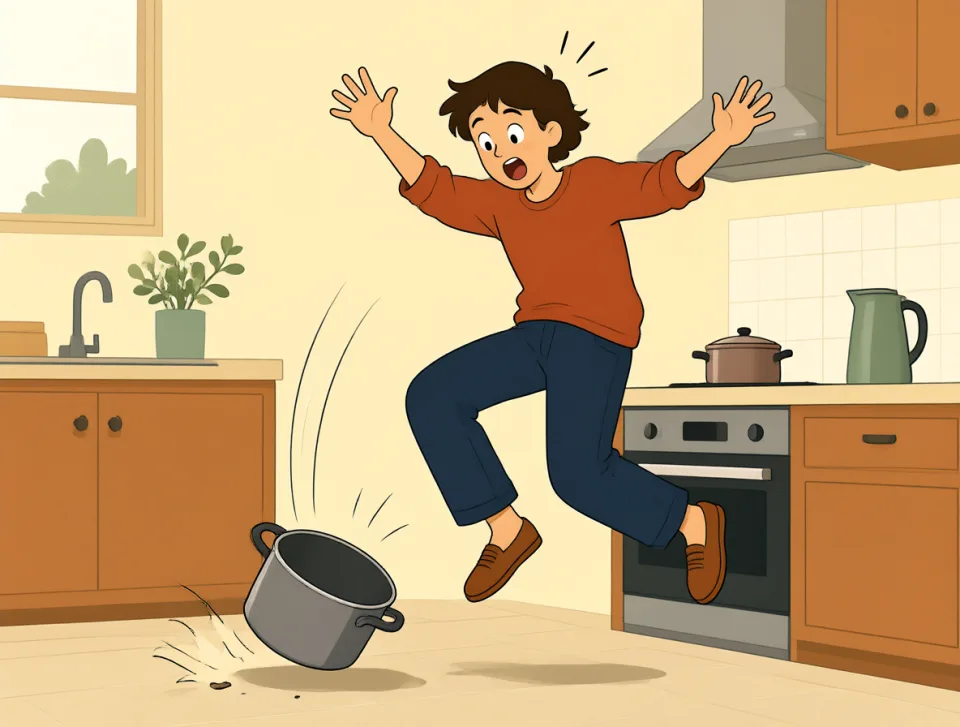
The loud noise gave me a scare while I was cooking dinner.
Громкий шум напугал меня, пока я готовил ужин.
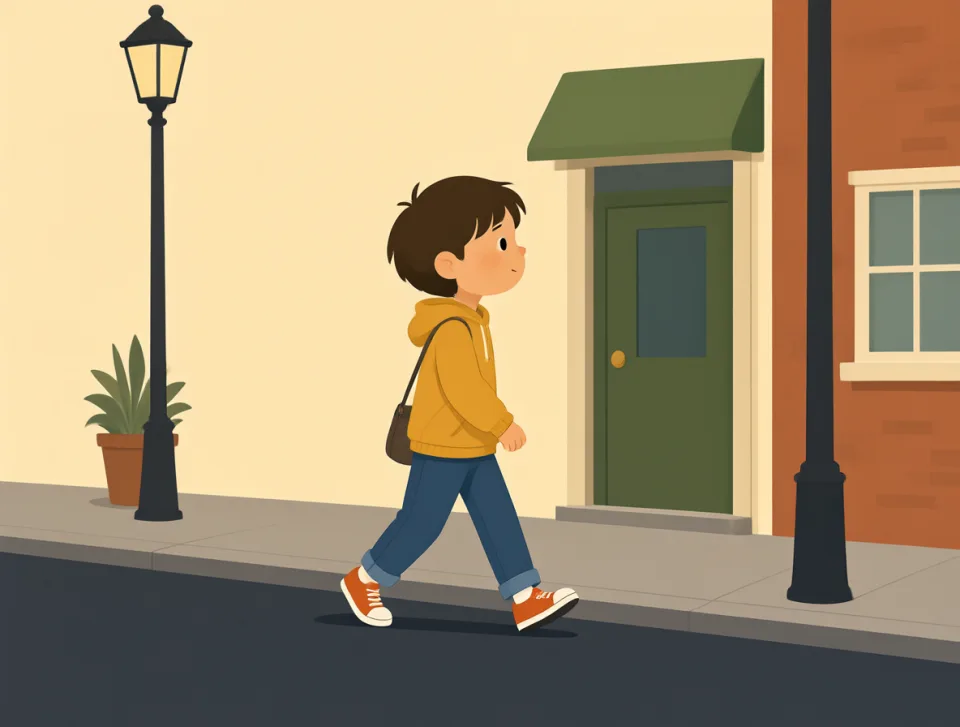
Dark streets can scare children when they walk home alone.
Тёмные улицы могут пугать детей, когда те идут домой одни.

The sudden alarm scared everyone in the office.
Внезапная тревога напугала всех в офисе.

That horror movie really scared my little brother last night.
Вчера вечером тот фильм ужасов здорово напугал моего младшего брата.

The doctor’s warning scared her, but the treatment was successful.
Предупреждение врача напугало её, но лечение прошло успешно.
badly
#2157adverb
плохо; очень сильно
in a poor or harmful way; very much
Плохо или с вредными последствиями; очень сильно.
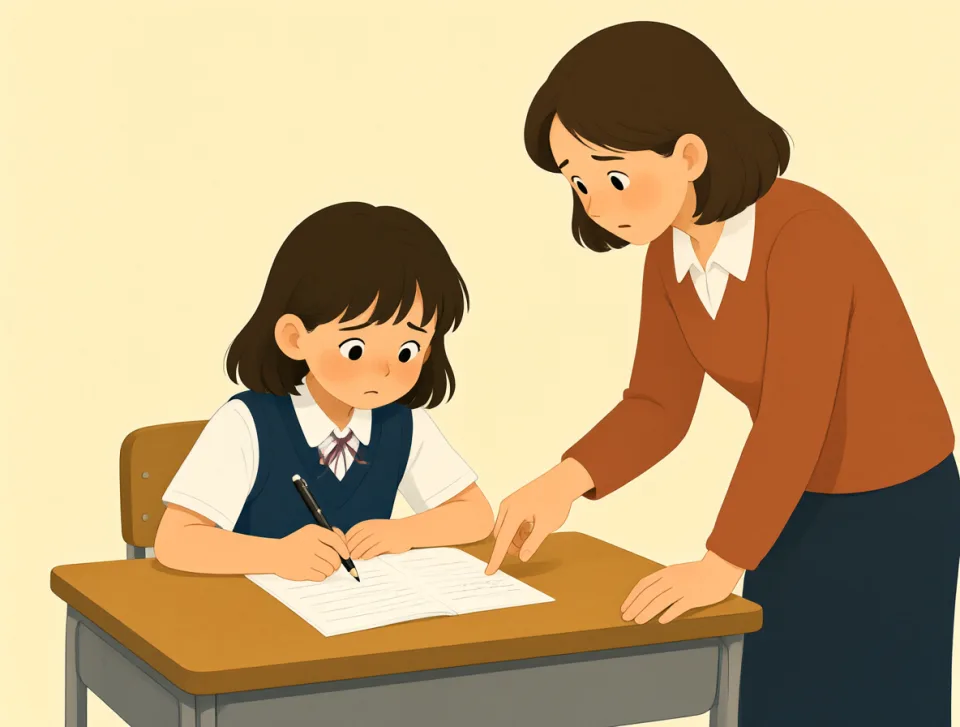
The student spelled the word badly and lost marks on her spelling test.
Ученица неправильно написала слово и потеряла баллы на диктанте.

Our flight was badly delayed by a storm, so we arrived after midnight.
Из-за шторма наш рейс сильно задержали, и мы прибыли после полуночи.
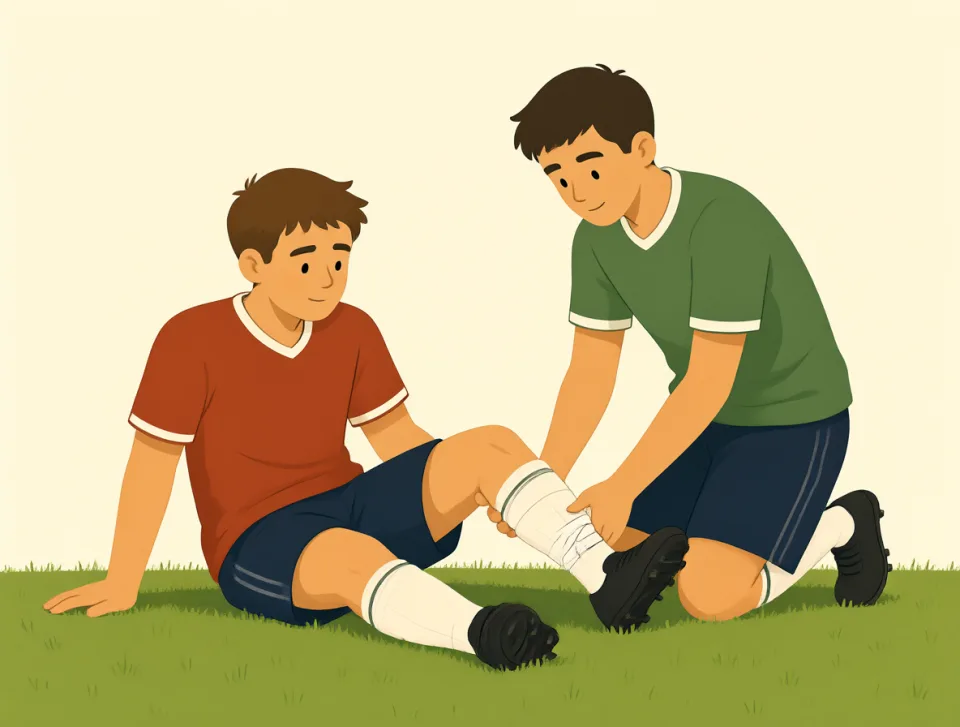
He was badly hurt playing football and needed help walking home.
Он сильно ушибся, играя в футбол, и ему понадобилась помощь, чтобы дойти домой.

I badly need a cup of coffee after working all morning.
Мне ужасно нужна чашка кофе после работы, которой я занимался всё утро.
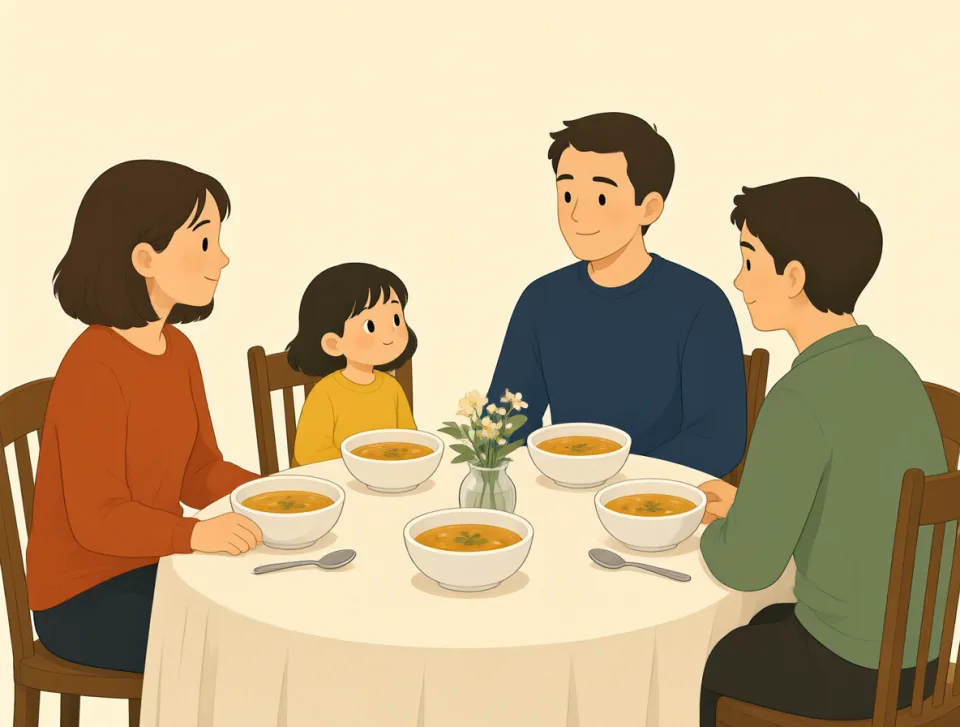
The soup was badly seasoned, so nobody wanted a second bowl.
Суп был ужасно приправлен, поэтому никто не захотел добавки.

everyday
#2158adjective
повседневный
普通の日常的な;特別ではない
Обычный, повседневный; ничем не примечательный.
I wear comfortable everyday clothes when I work from home.
Когда я работаю из дома, я ношу удобную повседневную одежду.
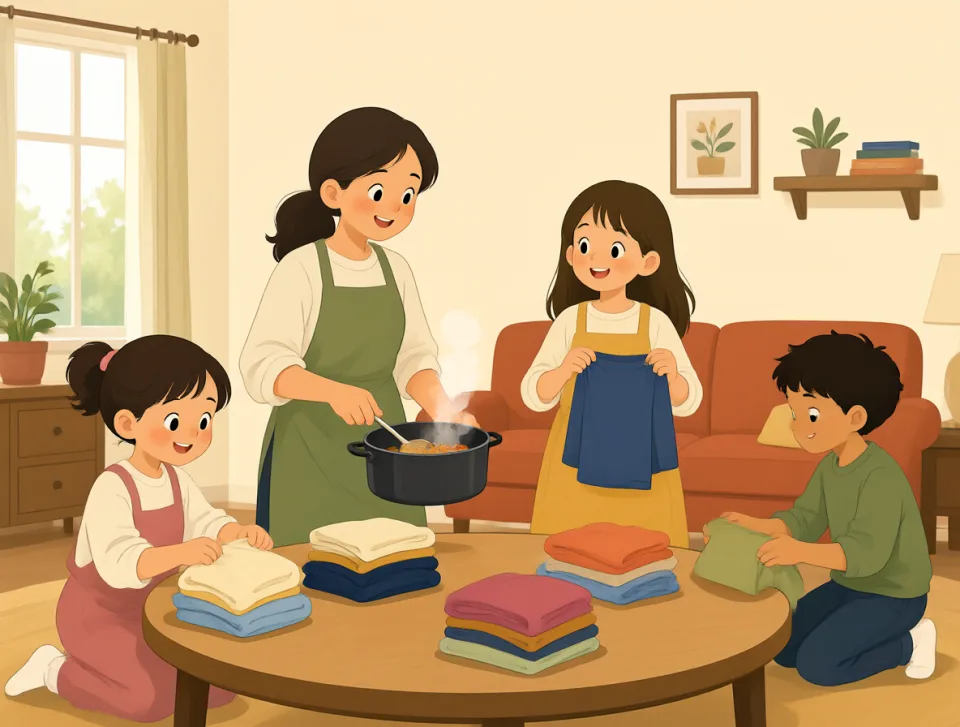
These everyday activities help children learn useful life skills.
Эти повседневные занятия помогают детям осваивать полезные жизненные навыки.
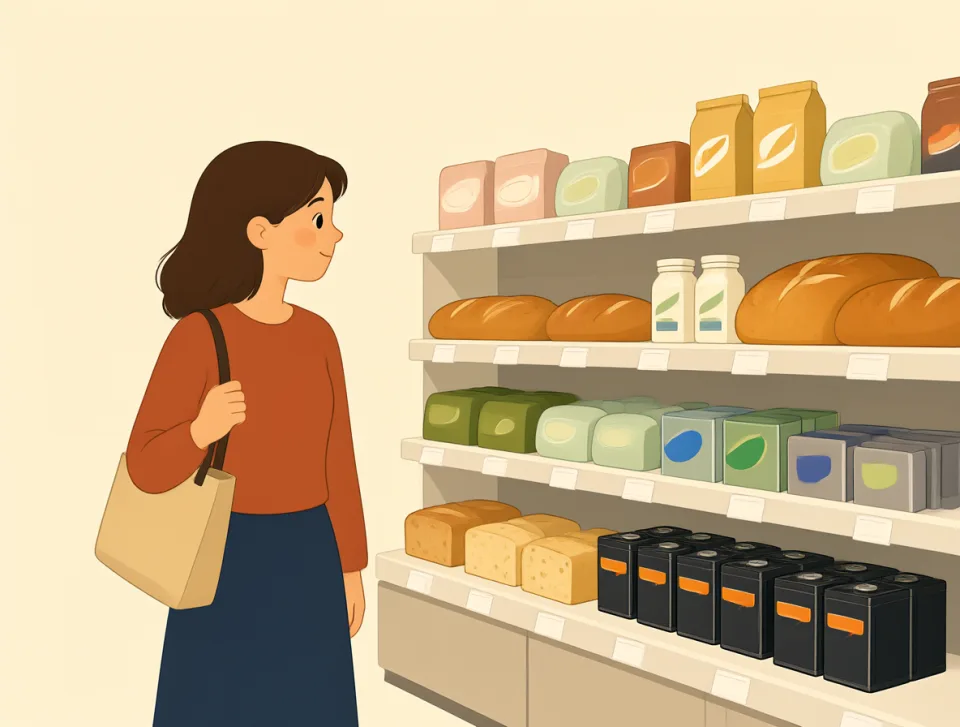
The shop sells everyday items like soap, bread, and batteries.
В магазине продаются товары повседневного спроса, например мыло, хлеб и батарейки.

She uses everyday English when speaking with her international coworkers.
Разговаривая с коллегами из разных стран, она использует обычный разговорный английский.
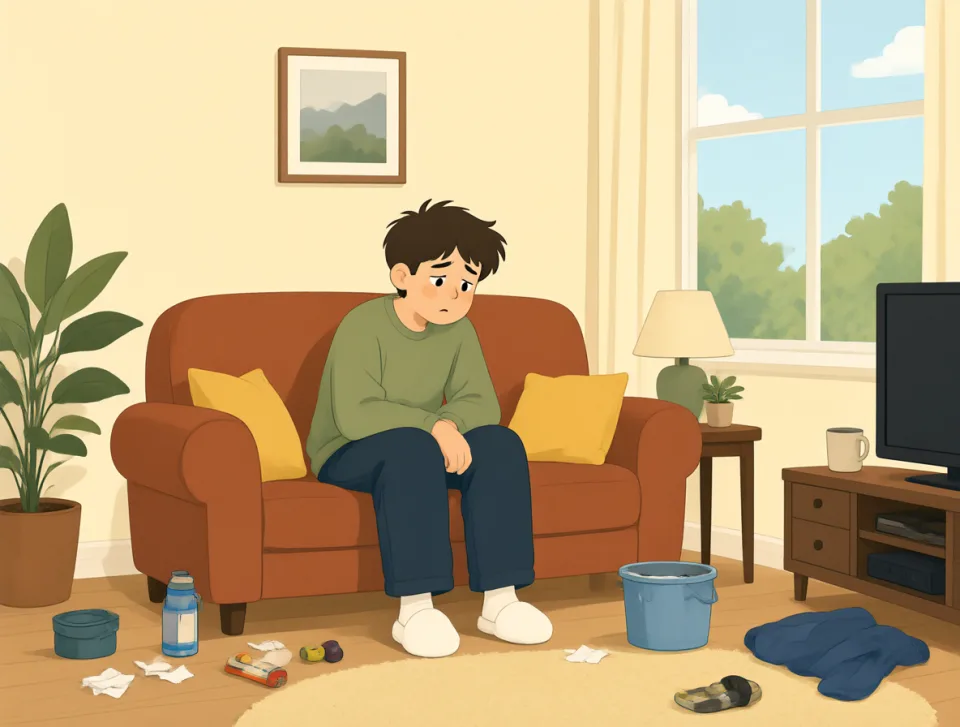
Small everyday problems can feel stressful when you are tired.
Когда устаёшь, даже небольшие повседневные проблемы могут вызывать стресс.
boundary
#2159noun
граница
A limit that shows where something ends or what behavior is acceptable.
Предел, который показывает, где что-то заканчивается или какое поведение допустимо.
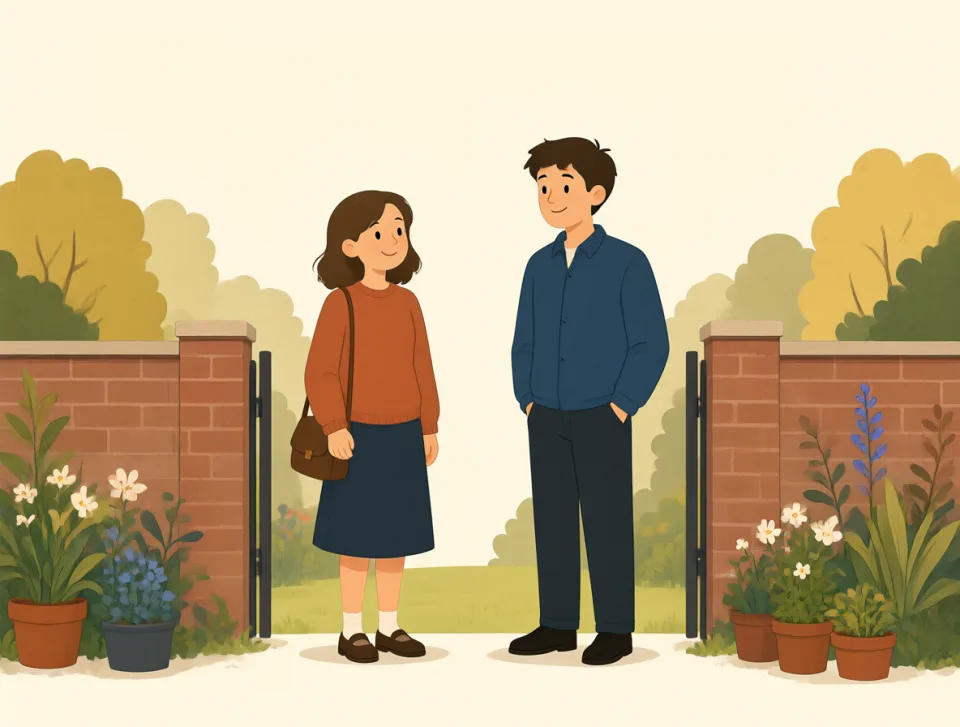
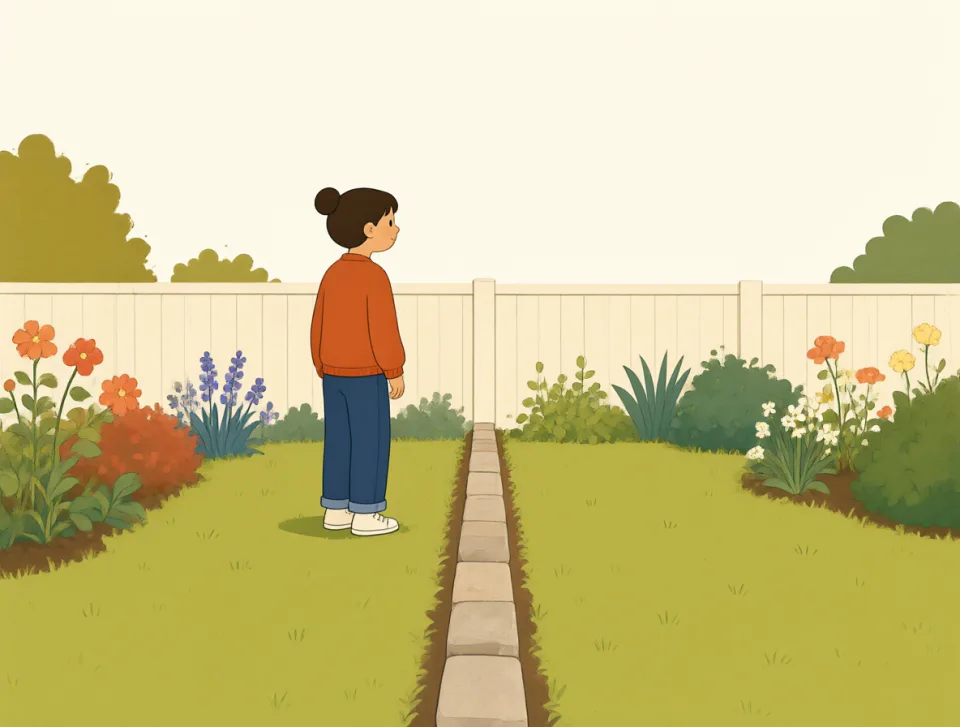
The fence marks the boundary between our garden and the neighbor's.
Забор обозначает границу между нашим садом и садом соседа.

Please respect my personal boundaries and give me some quiet time.
Пожалуйста, уважай мои личные границы и дай мне немного побыть в тишине.
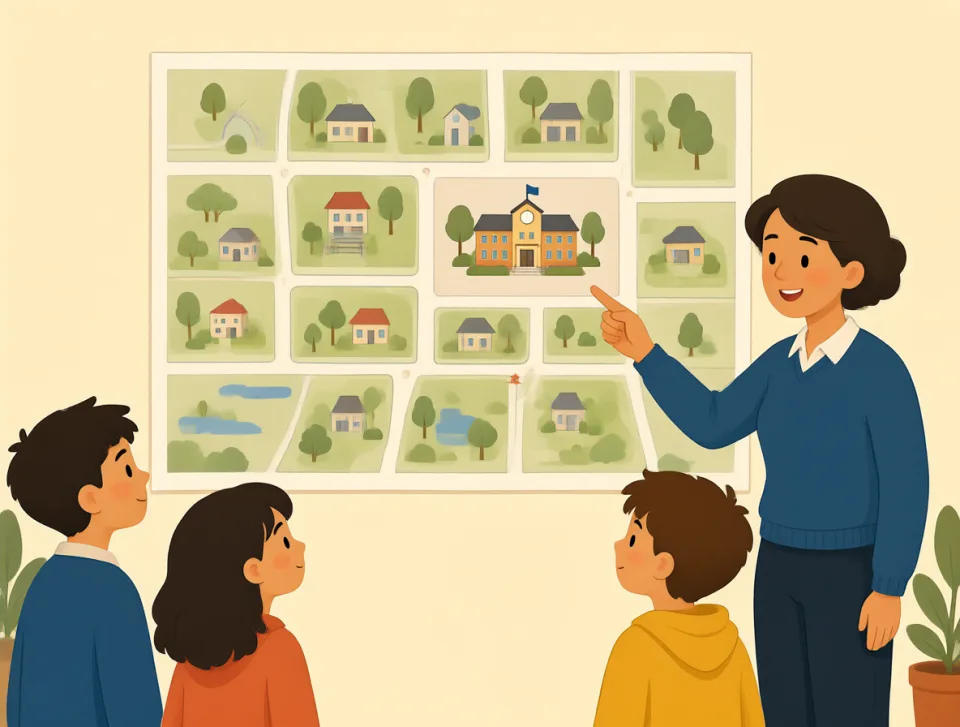
The school boundary includes three streets and two nearby apartment buildings.
В школьный округ входят три улицы и два ближайших многоквартирных дома.

The river forms a natural boundary between the two countries.
Река служит естественной границей между двумя странами.
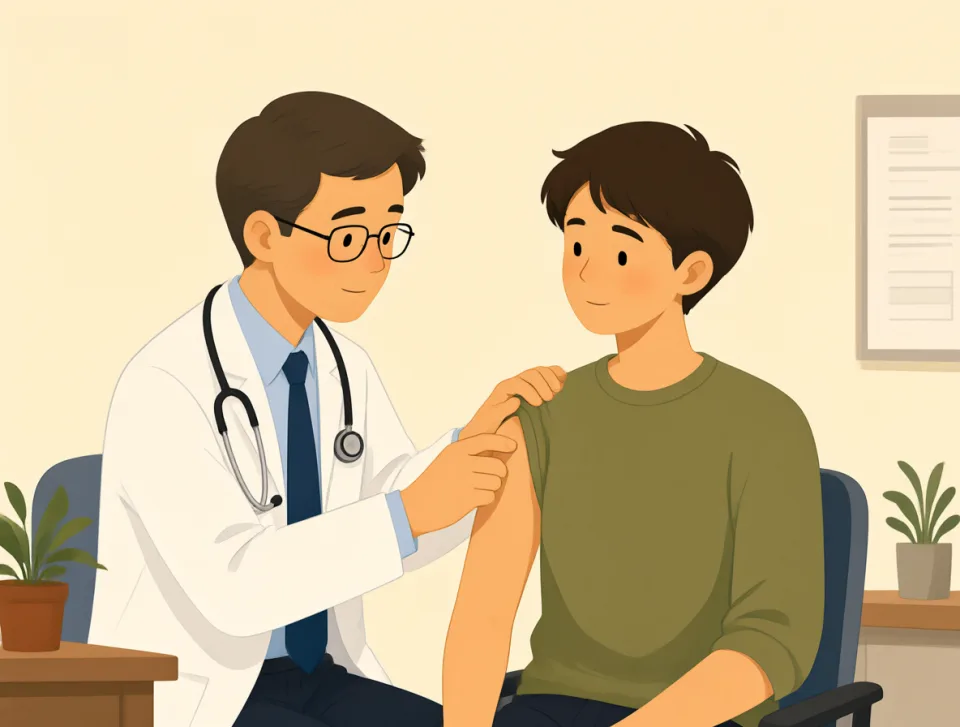
The doctor explained that the pain was near the boundary of my shoulder.
Врач объяснил, что боль ощущается у самой границы плеча.

ratio
#2160noun
соотношение
A relationship between two numbers that shows how much of one there is compared with the other.
Связь между двумя числами, показывающая, сколько одного приходится на другое.
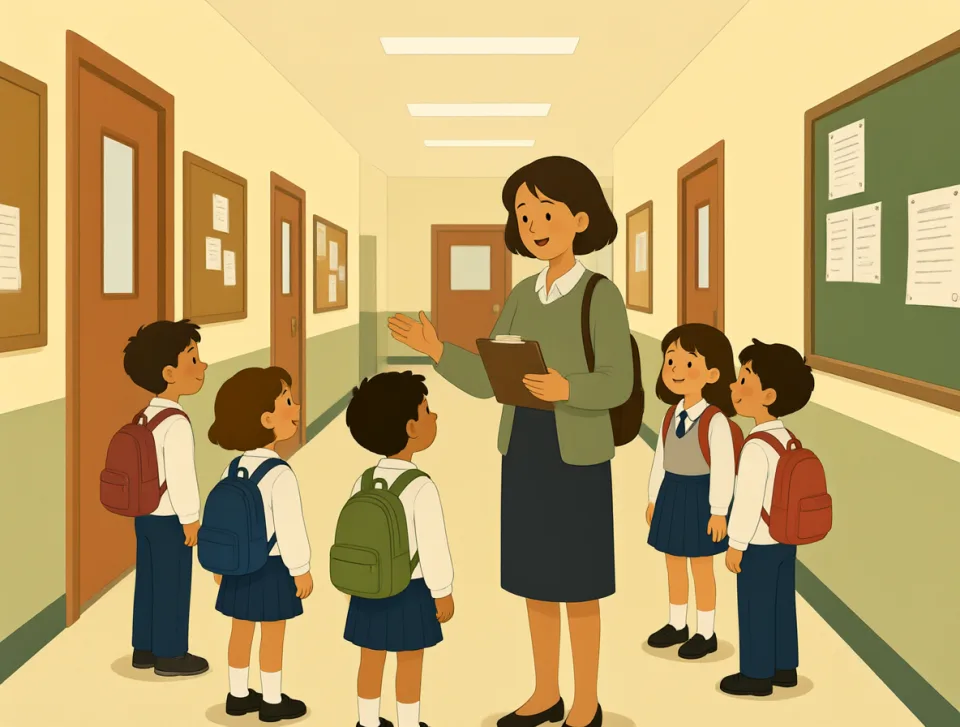
The ratio of students to teachers is twelve to one.
Соотношение учеников и учителей — двенадцать к одному.
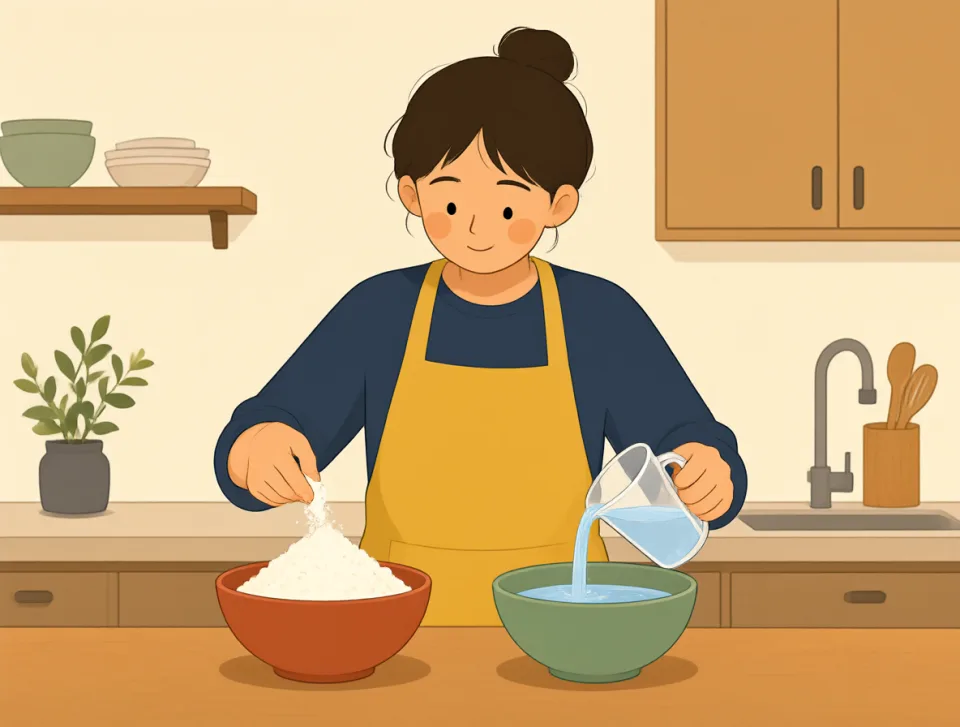
Mix the flour and water in a ratio of two to one.
Смешайте муку и воду в соотношении два к одному.

The doctor recommended reducing the ratio of sugar to fruit in smoothies.
Врач посоветовал уменьшить долю сахара по отношению к фруктам в смузи.

This store offers a better price-to-quality ratio than its competitors.
В этом магазине соотношение цены и качества лучше, чем у конкурентов.

The ratio of sunny days to rainy days made our vacation enjoyable.
Благодаря соотношению солнечных и дождливых дней наш отпуск удался.