Zestaw 108
Słowa 2141–2160 · pub, perception, naturally, currency, database, initially

pub
#2141noun
pub
A place where people buy and drink alcoholic drinks, and often eat or talk.
Miejsce, w którym można kupić i pić alkohol, a często także coś zjeść lub porozmawiać.

We met at the pub for a drink after work.
Po pracy spotkaliśmy się w pubie na drinka.

The pub serves good food, including burgers and homemade soup.
W pubie serwują dobre jedzenie, w tym hamburgery i domową zupę.

There is a small pub near our hotel in the village.
W wiosce, niedaleko naszego hotelu, jest mały pub.

My friends usually go to the pub on Friday evenings.
Moi znajomi zwykle chodzą do pubu w piątkowe wieczory.

The pub was crowded, so we found seats outside.
W pubie było tłoczno, więc znaleźliśmy miejsca na zewnątrz.

perception
#2142noun
postrzeganie
The way you notice, understand, or judge someone or something.
Sposób, w jaki zauważasz, rozumiesz lub oceniasz kogoś albo coś.
Her perception of the new manager changed after their first meeting.
Jej postrzeganie nowego kierownika zmieniło się po ich pierwszym spotkaniu.

The advertisement changed customers’ perception of the product’s quality.
Reklama zmieniła sposób, w jaki klienci postrzegali jakość produktu.

Our perception of time changes when we are busy or having fun.
Nasze postrzeganie czasu zmienia się, kiedy jesteśmy zajęci lub dobrze się bawimy.
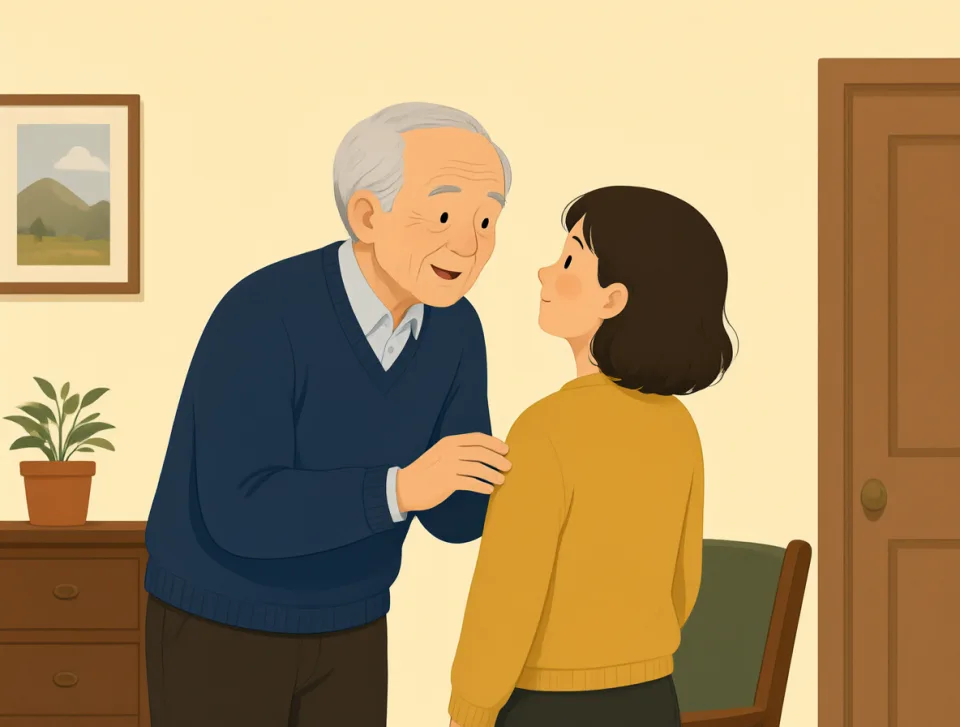
His hearing problems affected his perception of what people were saying.
Problemy ze słuchem wpłynęły na to, jak rozumiał wypowiedzi innych osób.
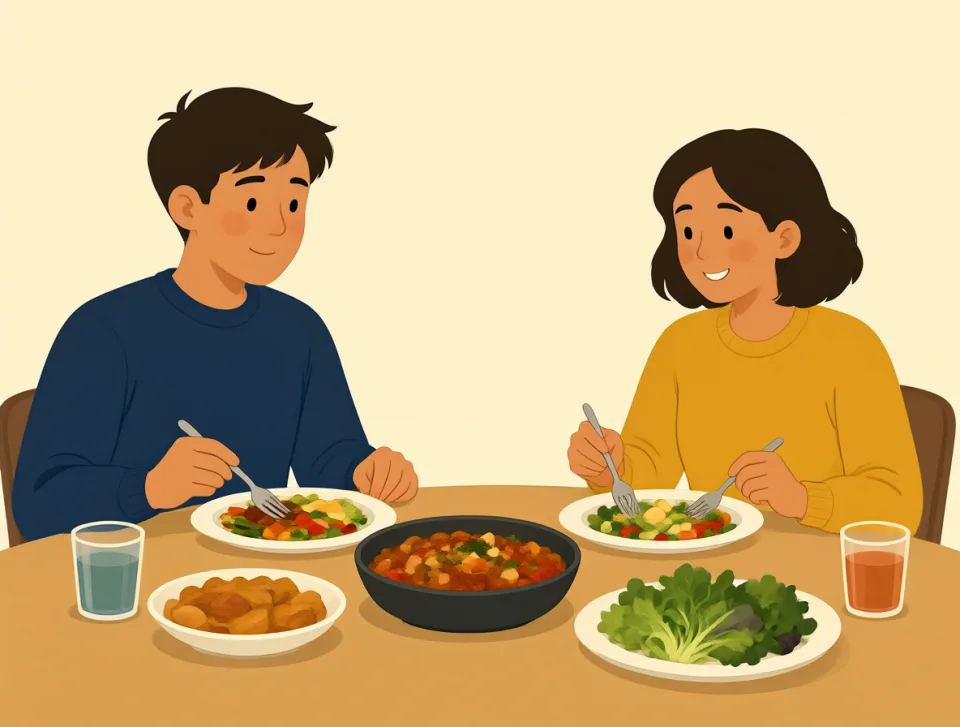
Cultural differences can influence people’s perception of healthy food.
Różnice kulturowe mogą wpływać na to, jak ludzie postrzegają zdrową żywność.
naturally
#2143adverb
naturalnie
In a natural way, or as you would expect without planning or forcing it.
W naturalny sposób lub tak, jak można się spodziewać, bez planowania ani wymuszania.
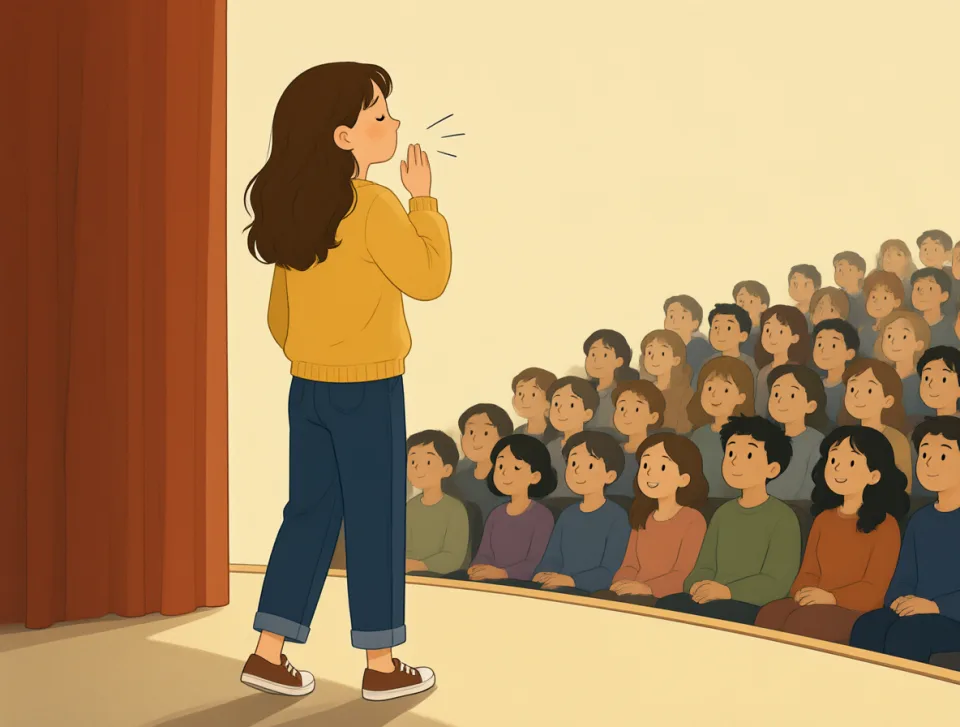
She naturally felt nervous before speaking to the large audience.
Przed wystąpieniem przed dużą publicznością naturalnie się denerwowała.
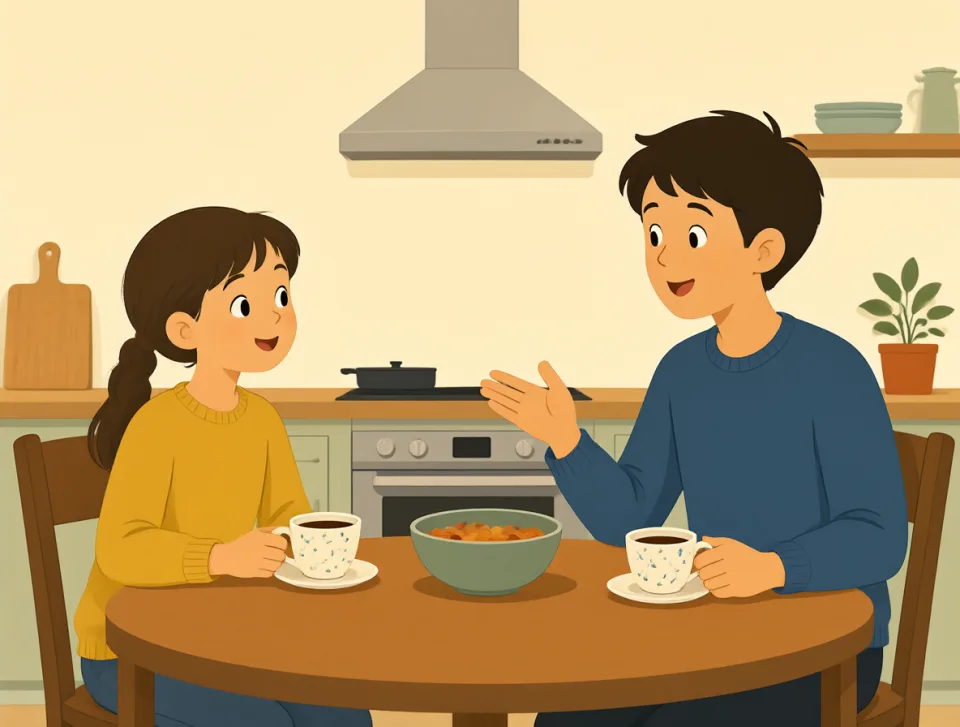
Children naturally learn new languages when they hear them every day.
Dzieci naturalnie uczą się nowych języków, gdy słyszą je każdego dnia.

The conversation naturally turned to plans for the summer holiday.
Rozmowa naturalnie zeszła na plany na letni urlop.
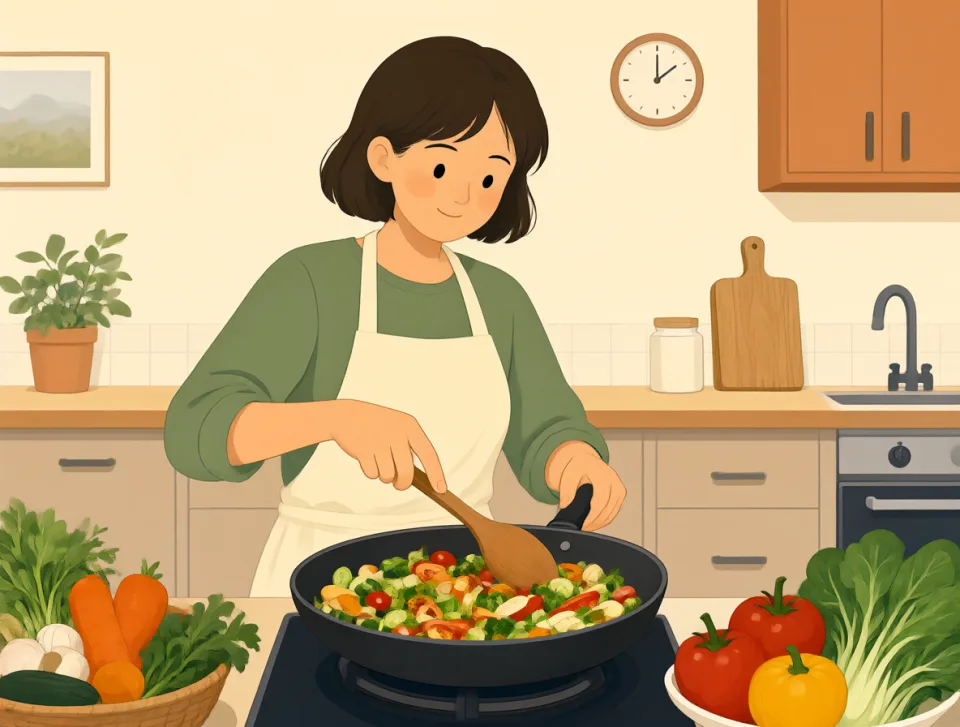
Naturally, fresh vegetables taste better when they are cooked gently.
Oczywiście świeże warzywa smakują lepiej, gdy gotuje się je na małym ogniu.

He naturally became tired after walking through the city all afternoon.
Po całym popołudniu spacerowania po mieście naturalnie się zmęczył.
currency
#2144noun
waluta
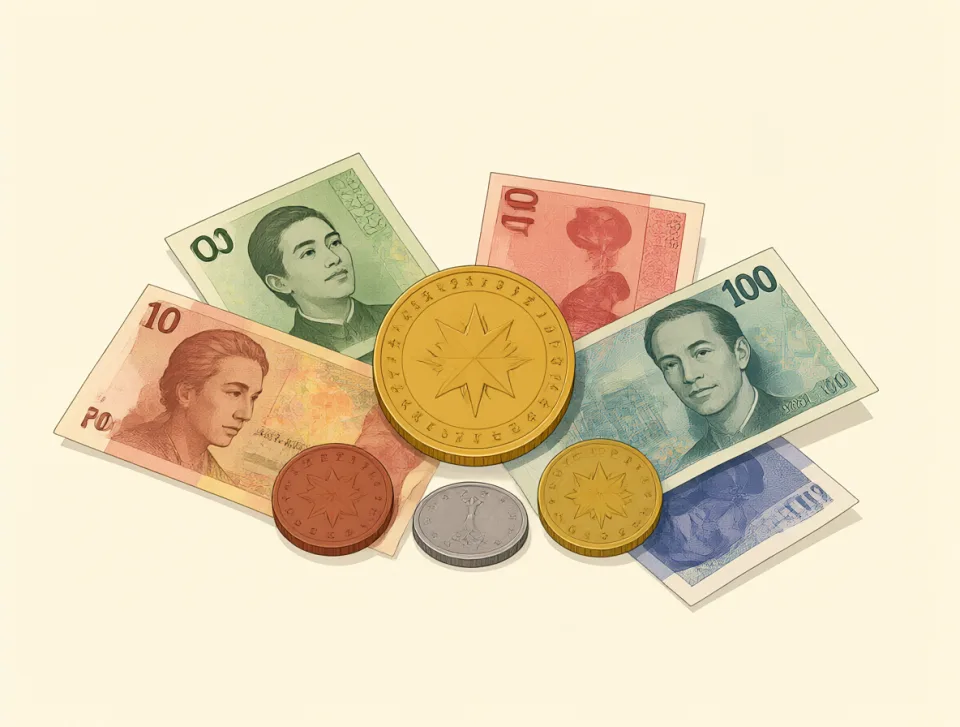
The money used in a particular country, such as dollars, euros, or yen.
Pieniądze używane w danym kraju, na przykład dolary, euro lub jeny.

You can exchange your currency for local money at the airport.
Na lotnisku możesz wymienić walutę na lokalne pieniądze.
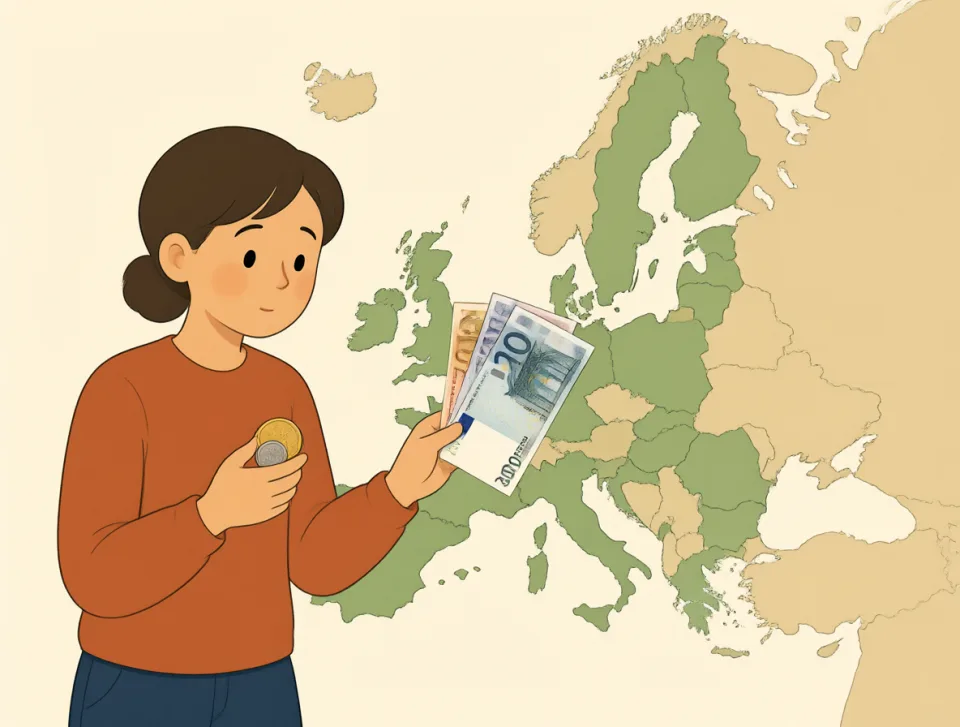
The euro is the official currency in many European countries.
Euro jest oficjalną walutą w wielu krajach Europy.
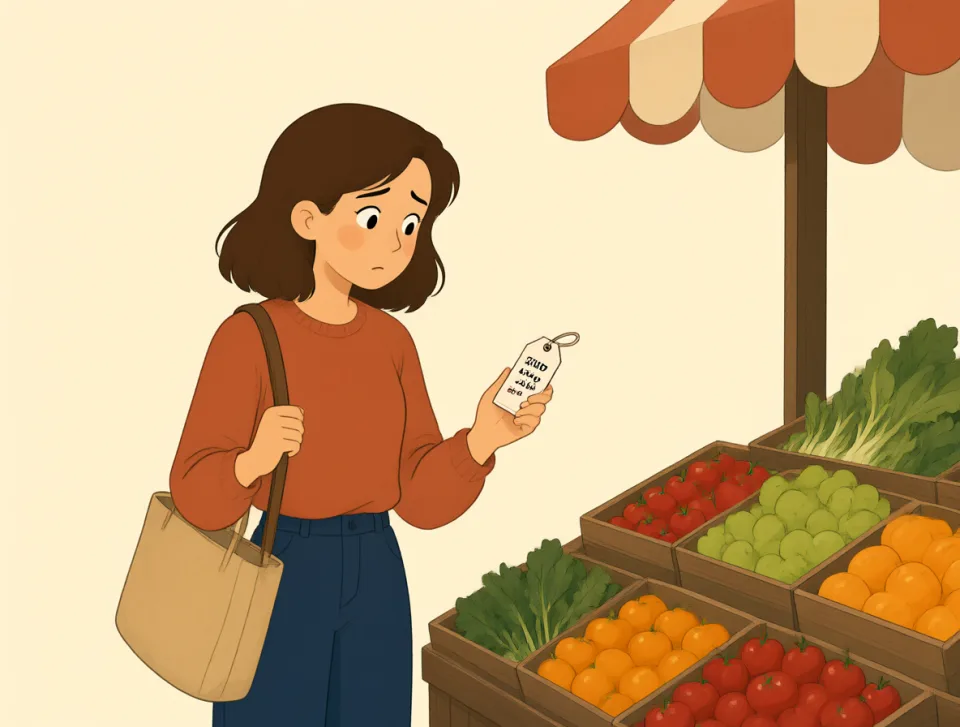
Prices may change when the value of a currency rises or falls.
Ceny mogą się zmieniać, gdy wartość waluty rośnie lub spada.

Please pay in local currency because this shop does not accept foreign money.
Proszę płacić w lokalnej walucie, ponieważ ten sklep nie przyjmuje obcej waluty.

The company pays its overseas workers in their own currency.
Firma wypłaca pracownikom za granicą wynagrodzenie w ich własnej walucie.

database
#2145noun
baza danych
An organized collection of information stored on a computer and easy to search.
Uporządkowany zbiór informacji przechowywanych na komputerze, który można łatwo przeszukiwać.
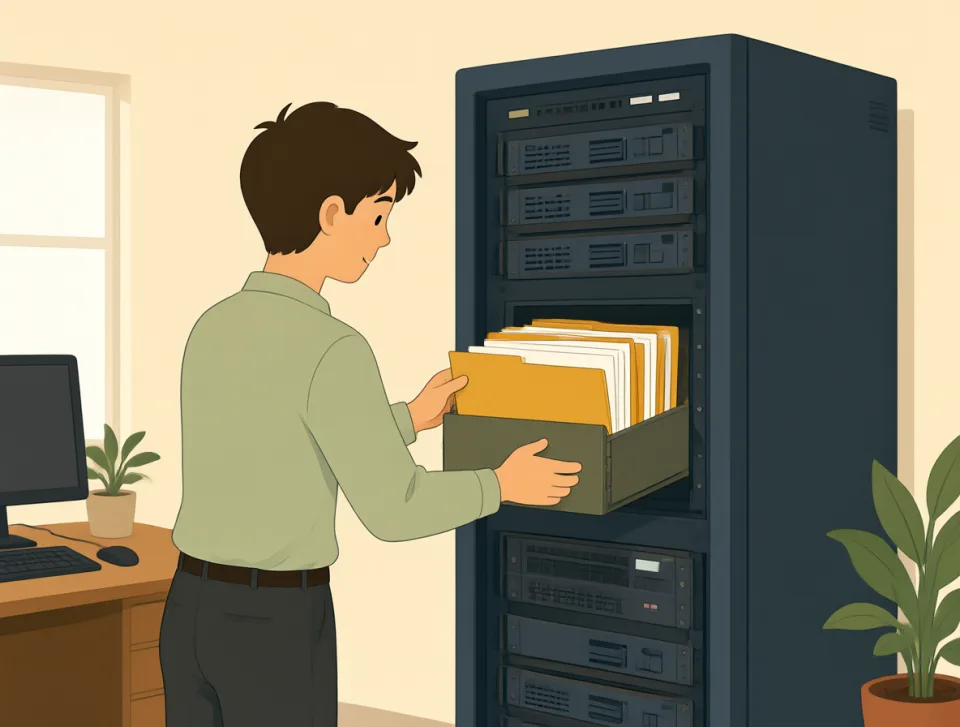
The company keeps customer details in a secure database.
Firma przechowuje dane klientów w bezpiecznej bazie danych.

I searched the library database for books about space.
Przeszukałem bazę danych biblioteki, szukając książek o kosmosie.

The doctor added my test results to the hospital database.
Lekarz dodał wyniki moich badań do szpitalnej bazy danych.
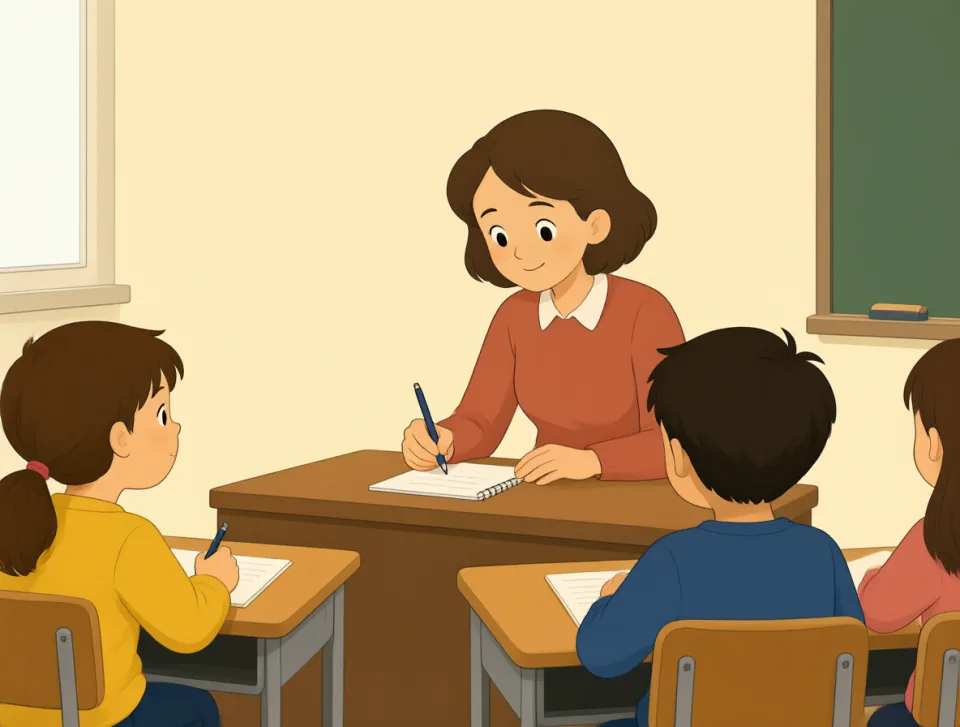
Our teacher uses a database to track students' attendance.
Nasz nauczyciel korzysta z bazy danych, aby śledzić obecność uczniów.

The shop's database showed that my order had been delivered.
W bazie danych sklepu widniała informacja, że moje zamówienie zostało dostarczone.

initially
#2146adverb
początkowo
At the beginning, before something changes or develops.
Na początku, zanim coś się zmieni lub rozwinie.
Initially, I thought the new job would be difficult, but it soon became easier.
Początkowo myślałem, że nowa praca będzie trudna, ale szybko stała się łatwiejsza.
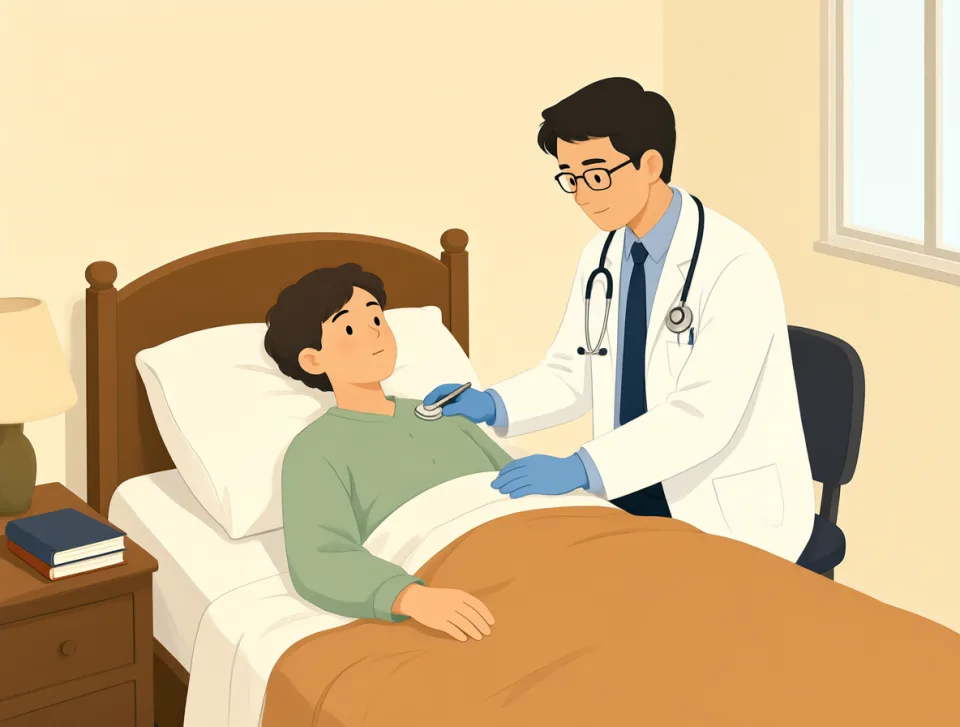
The patient initially felt tired after taking the medicine, but recovered later.
Pacjent początkowo czuł się zmęczony po zażyciu leku, ale później doszedł do siebie.

Initially, our travel plans included a train, but we rented a car instead.
Początkowo nasze plany podróży obejmowały przejazd pociągiem, ale zamiast tego wynajęliśmy samochód.
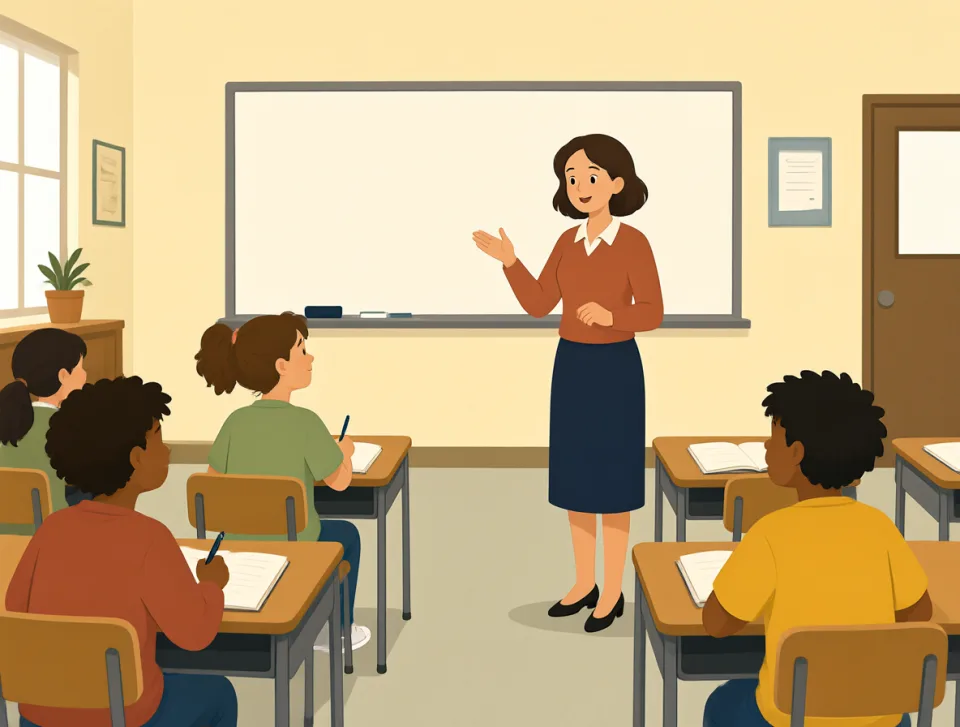
The teacher initially asked students to work alone, then let them form pairs.
Nauczyciel początkowo poprosił uczniów, żeby pracowali samodzielnie, a potem pozwolił im dobrać się w pary.
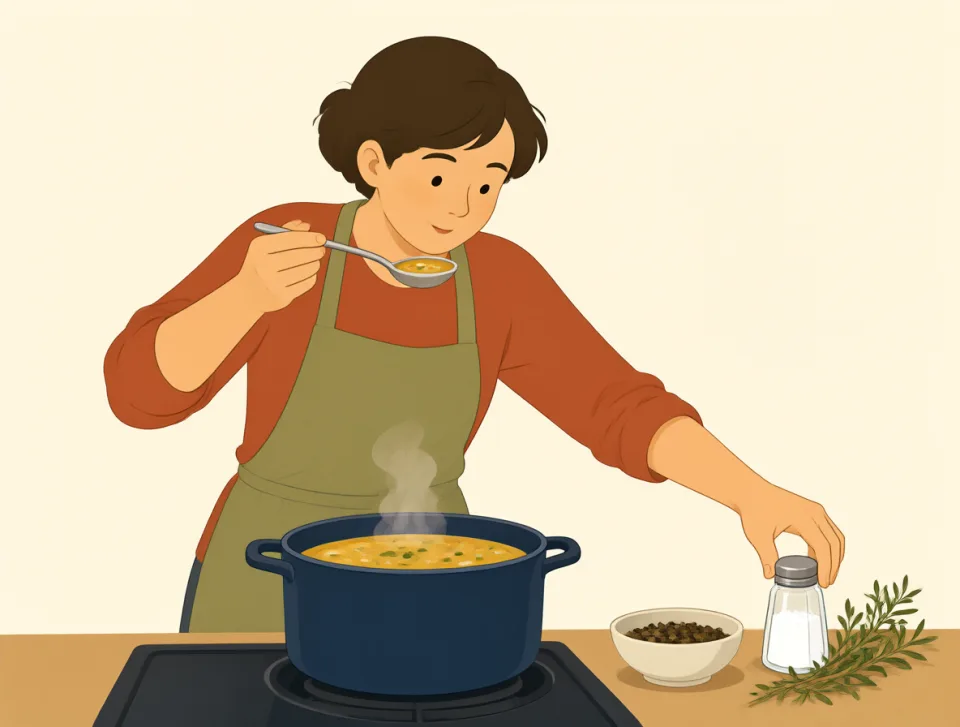
Initially, the soup tasted bland, so I added salt and fresh herbs.
Początkowo zupa była mdła, więc dodałem sól i świeże zioła.

territory
#2147noun
terytorium
An area of land controlled by a person, group, country, or animal.
Obszar lądu kontrolowany przez osobę, grupę, państwo lub zwierzę.
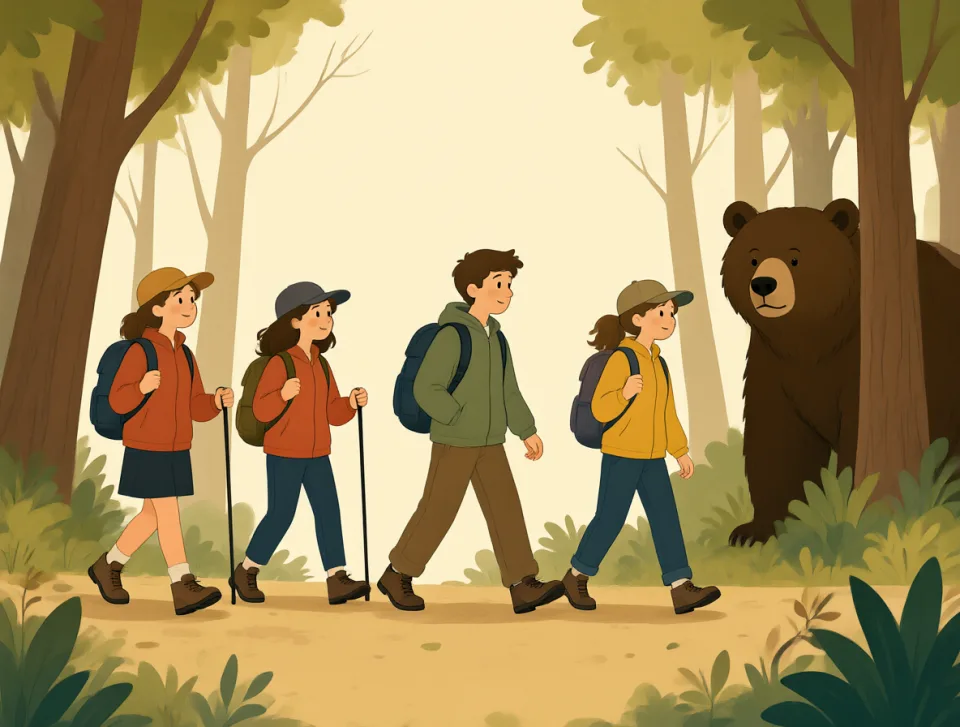
The hikers entered bear territory and stayed close together.
Wędrowcy weszli na terytorium niedźwiedzi i trzymali się blisko siebie.
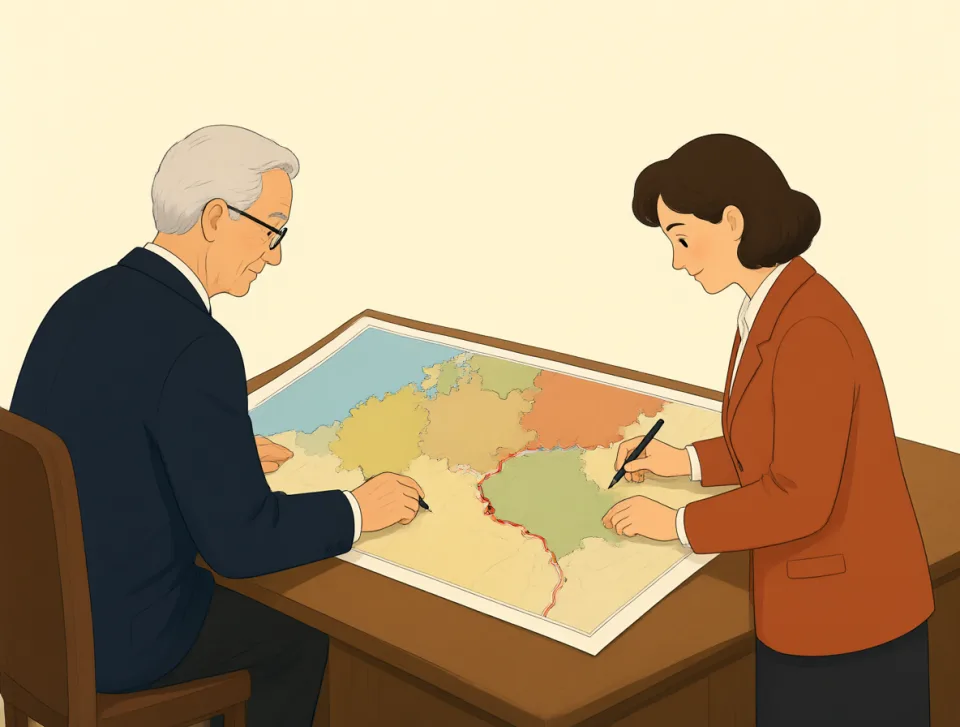
The two countries are discussing their border territories.
Oba kraje rozmawiają o swoich przygranicznych terytoriach.

Please keep your bags out of the hotel breakfast territory.
Proszę nie zostawiać toreb w strefie śniadaniowej hotelu.

The sales team is expanding into new territory this year.
W tym roku zespół sprzedaży wkracza na nowe rynki.
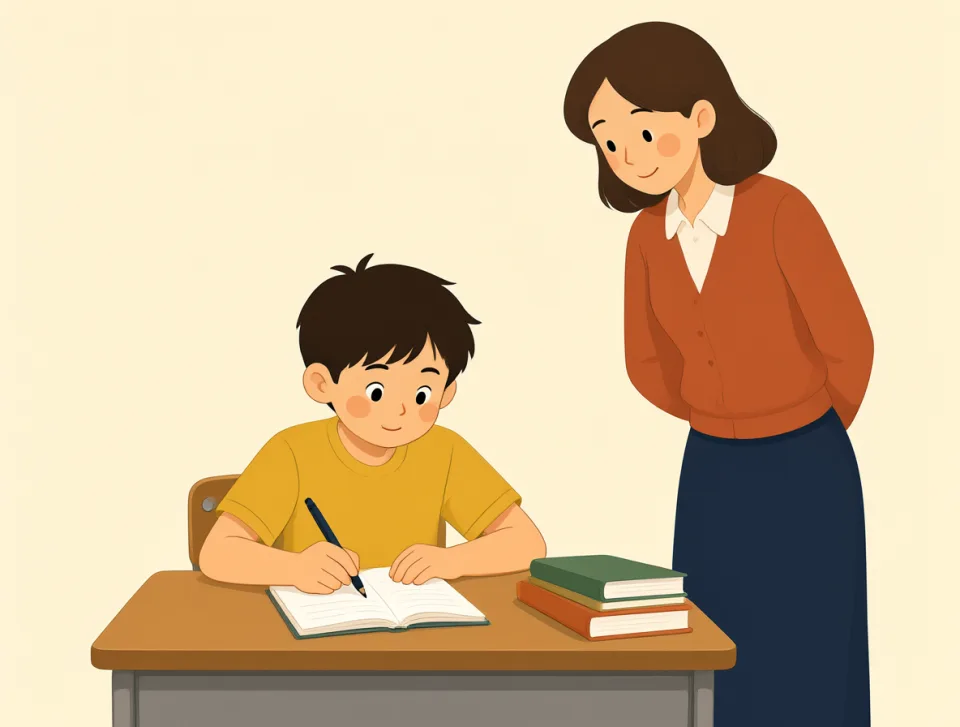
Our teacher asked us to explore new territory in our writing.
Nauczyciel poprosił nas, żebyśmy w swoich tekstach odkrywali nowe obszary.
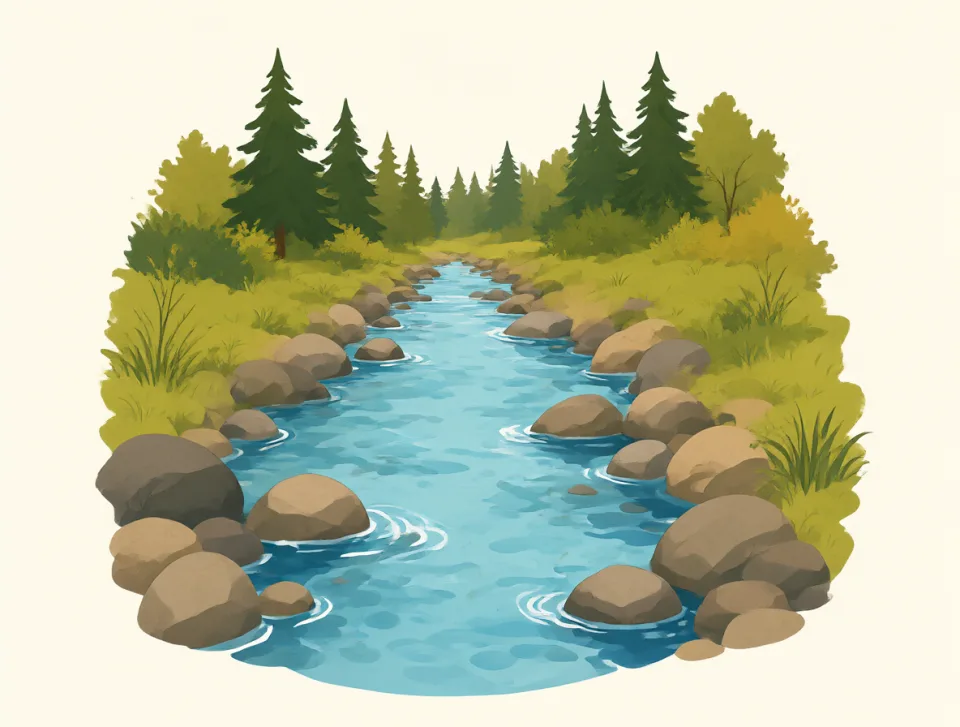
stream
#2148noun, verb
strumień
a small river, or a continuous flow of something such as information or online video
Mała rzeka albo nieprzerwany przepływ czegoś, na przykład informacji lub obrazu wideo online.
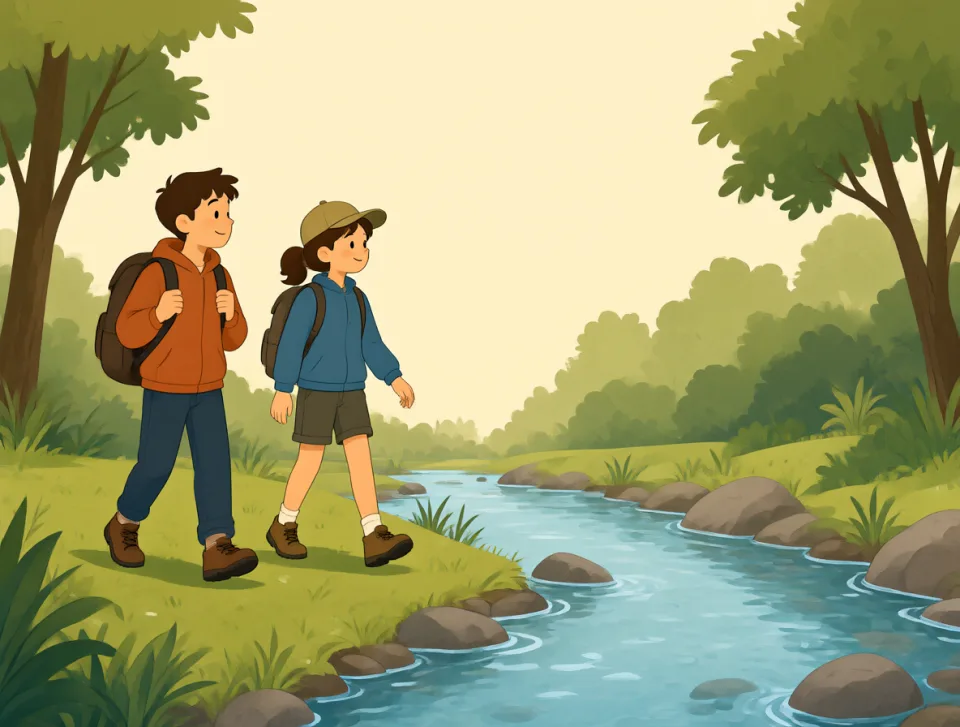
We walked beside a quiet stream during our afternoon hike.
Podczas popołudniowej wędrówki szliśmy wzdłuż cichego strumienia.
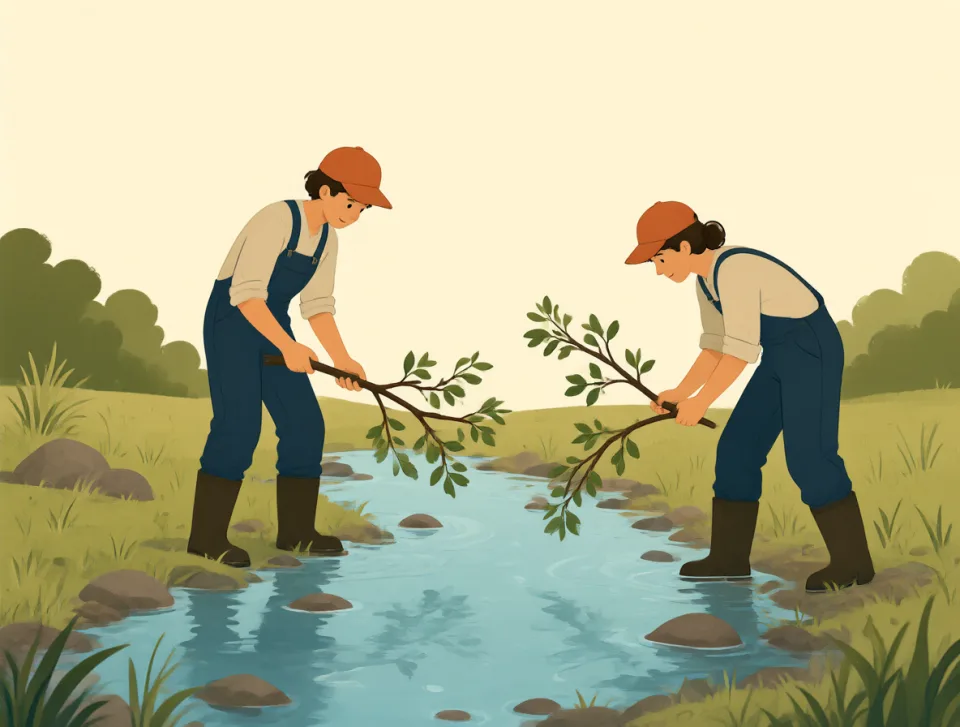
The workers cleared fallen branches from the stream after the storm.
Po burzy pracownicy usunęli z potoku powalone gałęzie.
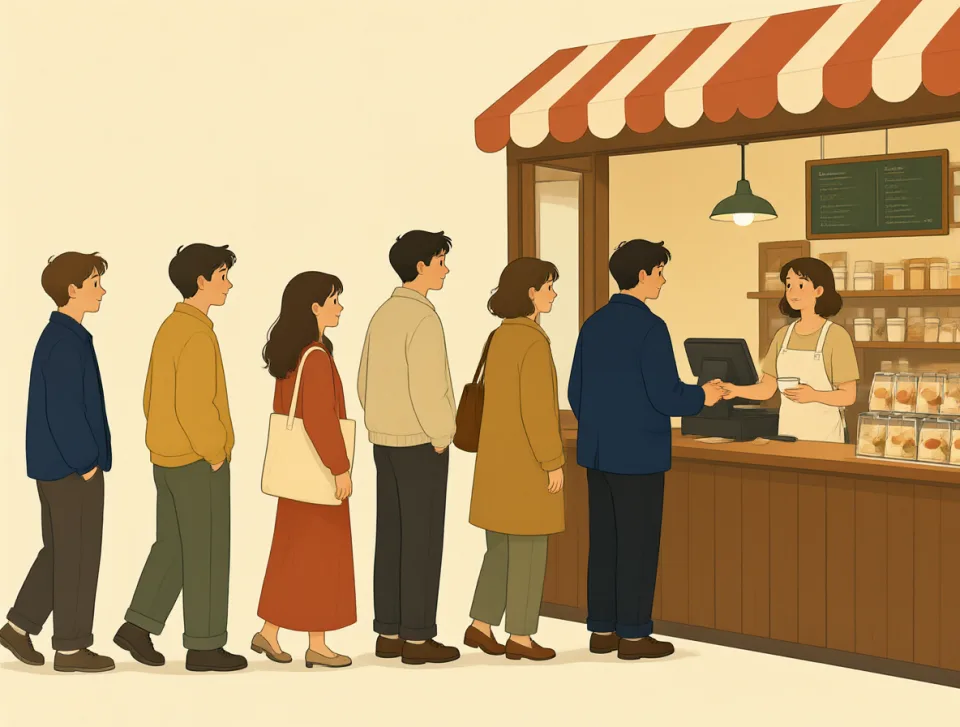
A steady stream of customers entered the shop before closing time.
Przed zamknięciem sklepu napływali do niego kolejni klienci.
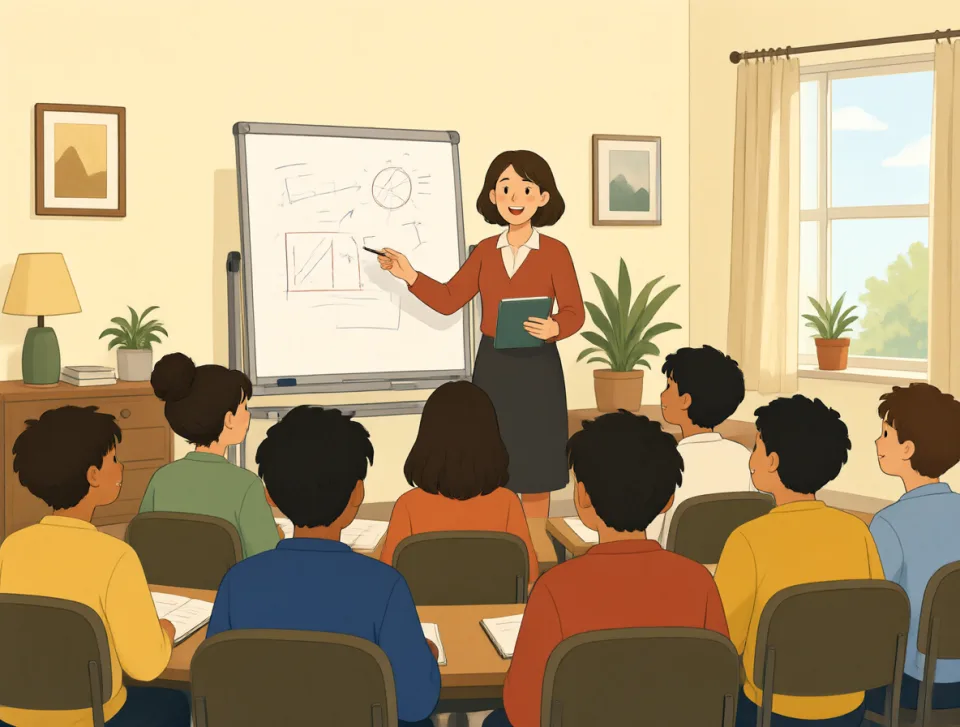
The teacher asked students to stream their projects during the online lesson.
Nauczyciel poprosił uczniów, aby transmitowali swoje projekty podczas lekcji online.
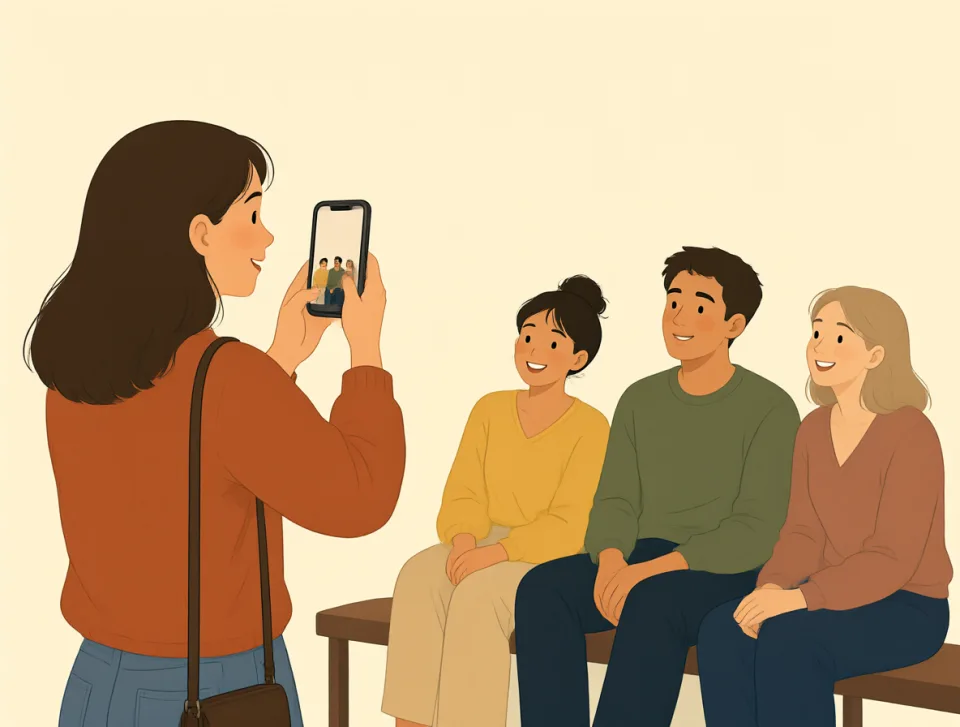
She streamed the concert live for friends who could not attend.
Transmitowała koncert na żywo dla znajomych, którzy nie mogli w nim uczestniczyć.
rarely
#2149adverb
rzadko
not often; only sometimes
Nieczęsto; tylko od czasu do czasu.
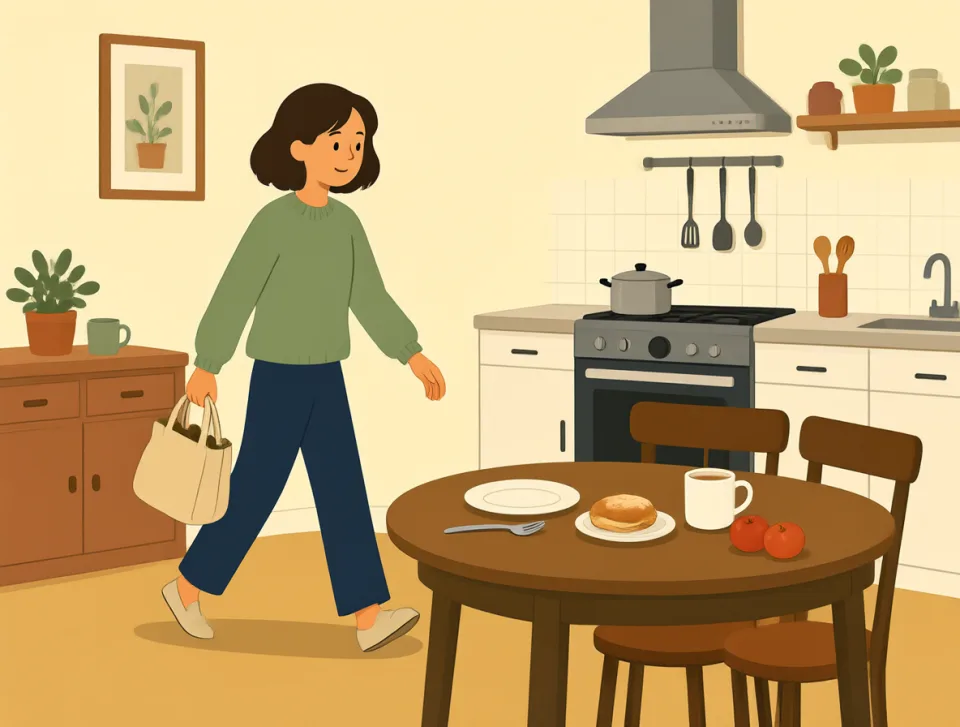
I rarely eat breakfast before leaving for work.
Rzadko jem śniadanie przed wyjściem do pracy.
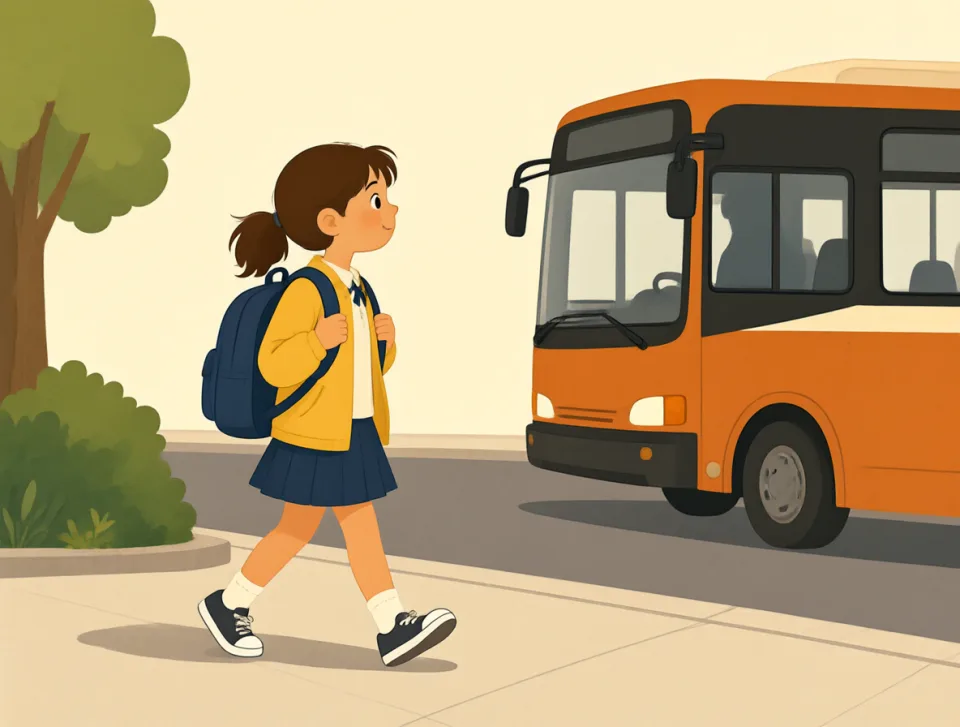
She rarely takes the bus because she usually walks to school.
Rzadko jeździ autobusem, bo zwykle chodzi do szkoły pieszo.

We rarely have team meetings on Friday afternoons at the office.
Rzadko mamy w biurze zebrania zespołu w piątkowe popołudnia.

He rarely shops for clothes online because he prefers trying them on.
Rzadko kupuje ubrania przez internet, bo woli je przymierzyć.
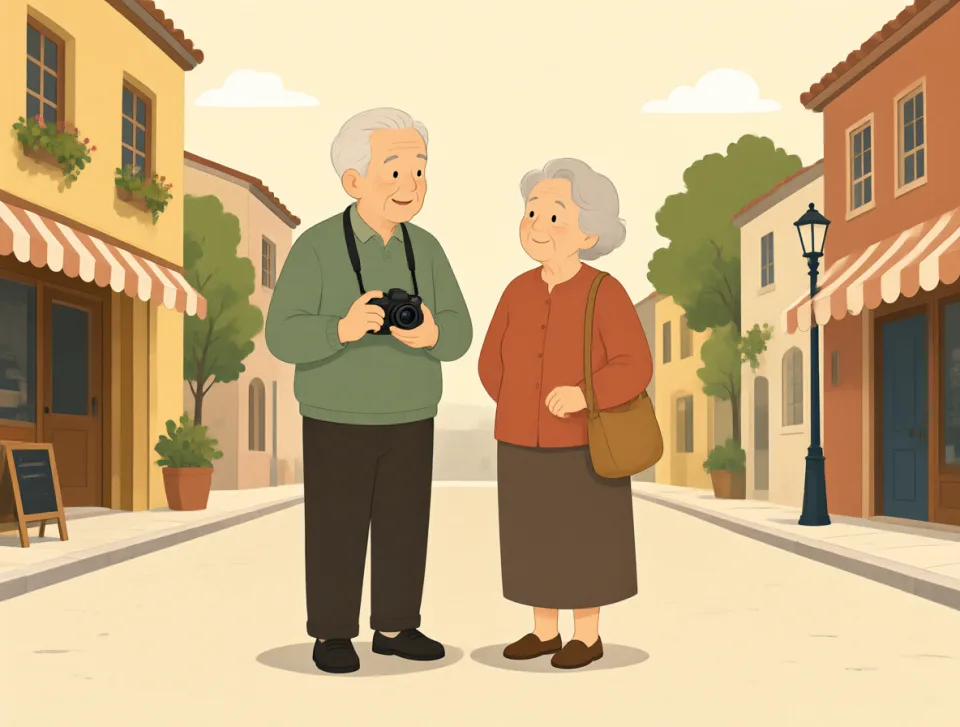
My grandparents rarely travel abroad, but they enjoy visiting nearby towns.
Moi dziadkowie rzadko wyjeżdżają za granicę, ale lubią odwiedzać pobliskie miejscowości.
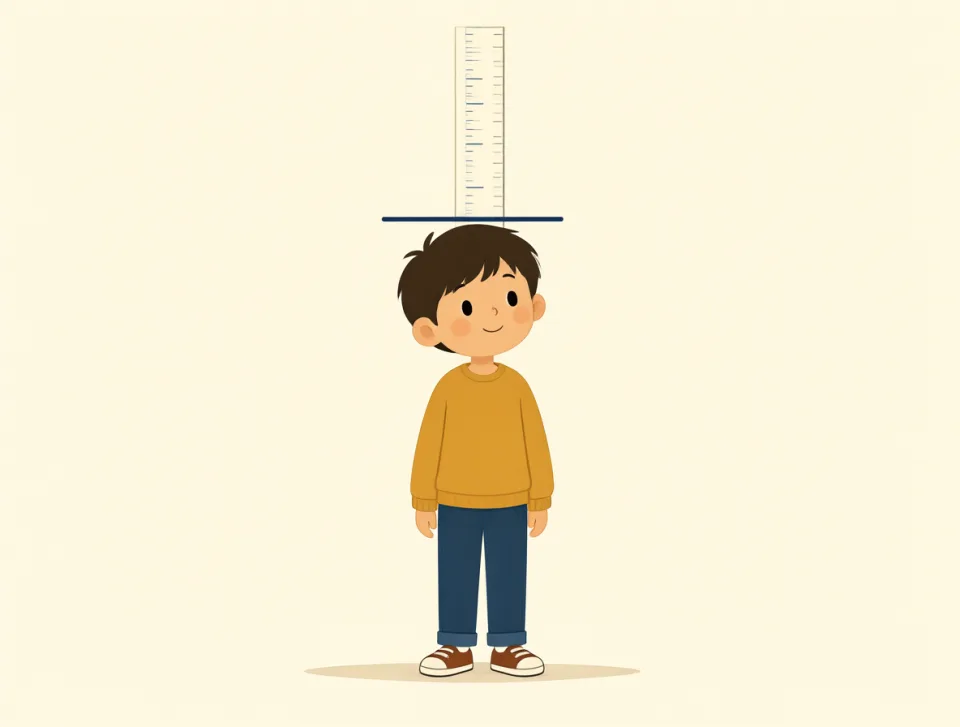
height
#2150noun
wzrost
How tall someone or something is, measured from the bottom to the top.
Wysokość osoby lub rzeczy mierzona od dołu do góry.
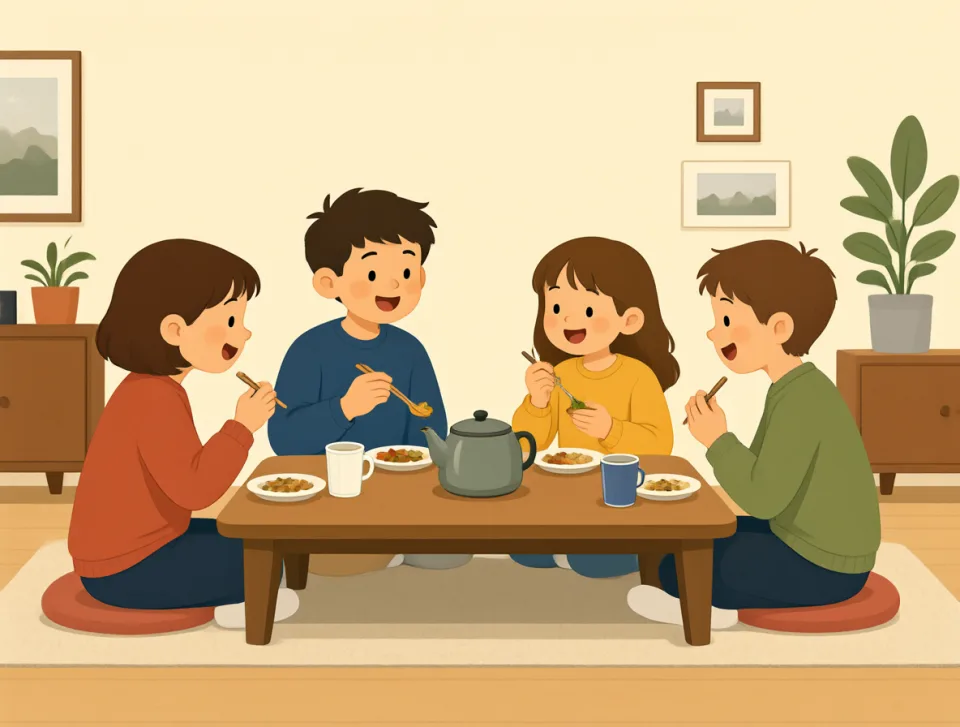
The height of the table is perfect for children to use comfortably.
Wysokość stołu jest idealna, żeby dzieci mogły wygodnie przy nim siedzieć.
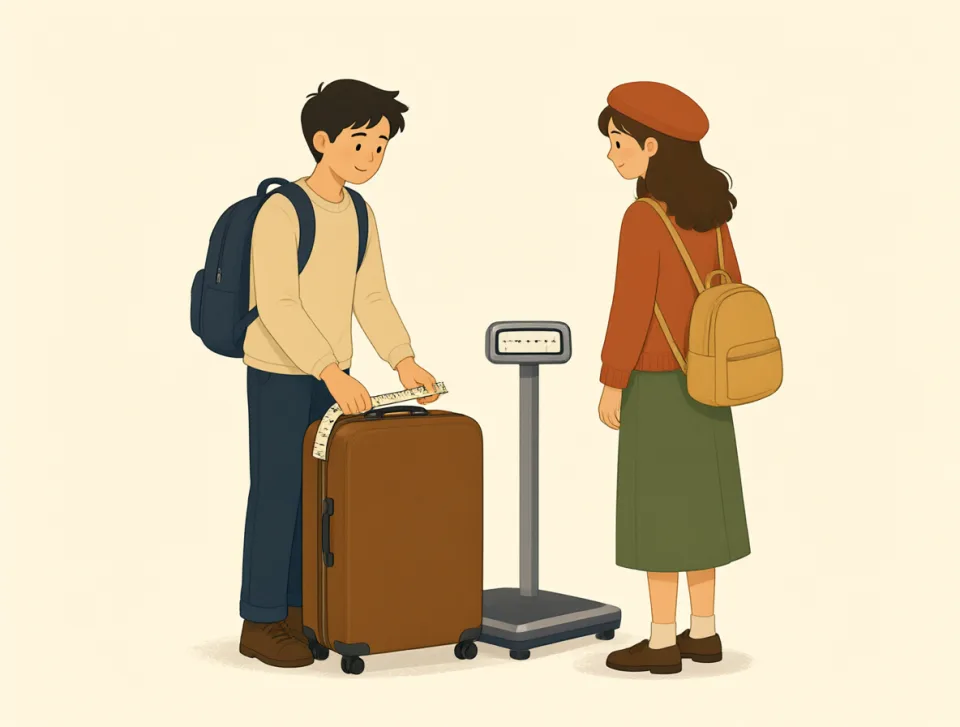
Please check the height of this suitcase before taking it on the plane.
Proszę sprawdzić wysokość tej walizki przed zabraniem jej na pokład samolotu.

The basketball player is famous for his great height and long arms.
Koszykarz słynie z wysokiego wzrostu i długich ramion.

The doctor measured my height during my yearly health check.
Podczas corocznego badania kontrolnego lekarz zmierzył mój wzrost.

We climbed to the mountain's highest point and enjoyed the beautiful view.
Wspięliśmy się na najwyższy szczyt góry i podziwialiśmy piękny widok.
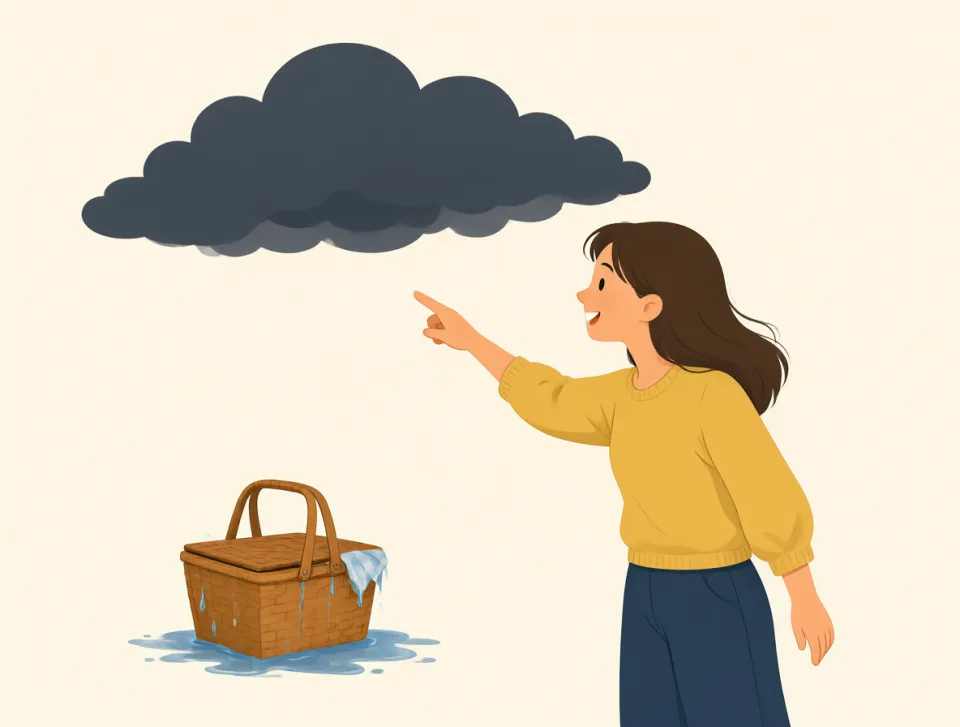
apparent
#2151adjective
widoczny
Easy to see or understand, although it may not be completely certain.
Łatwy do zauważenia lub zrozumienia, choć niekoniecznie całkowicie pewny.
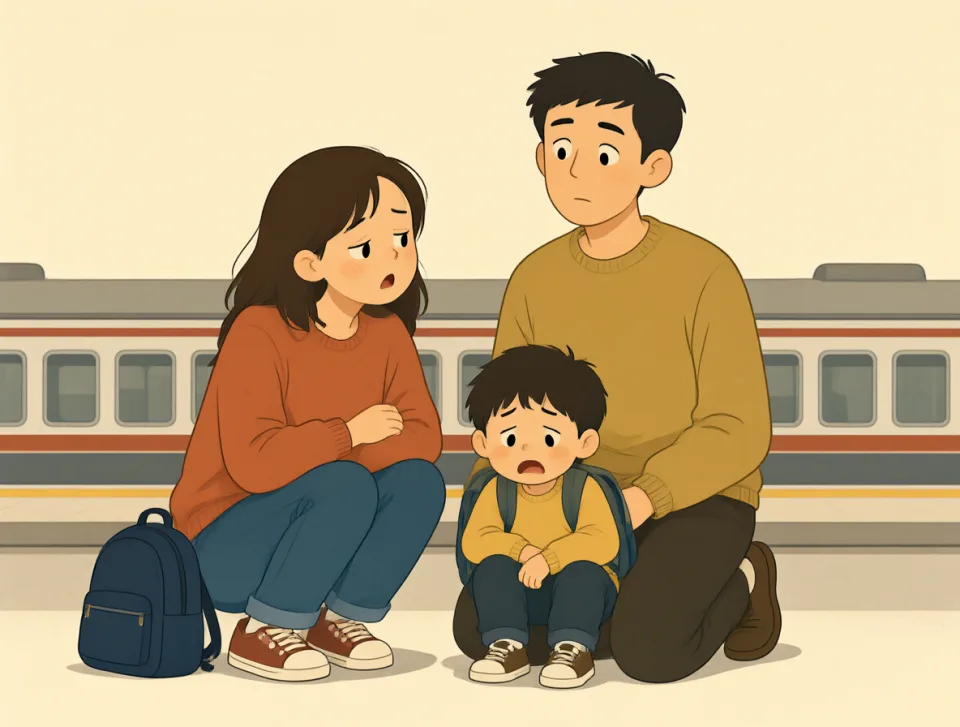
It was apparent that the children were tired after the long journey.
Było oczywiste, że dzieci są zmęczone po długiej podróży.
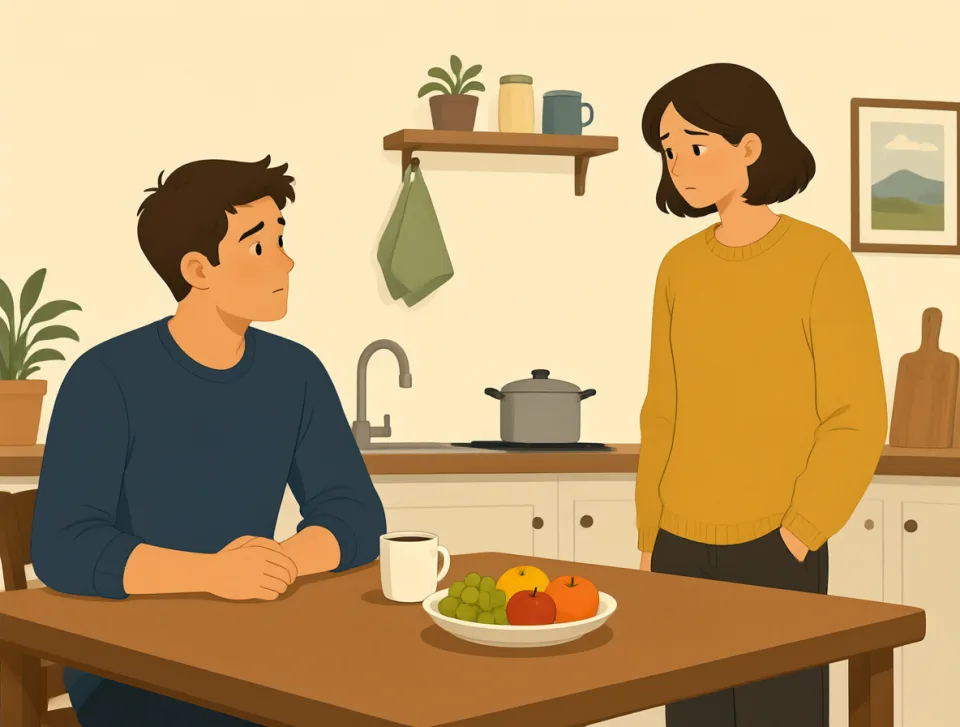
There was no apparent reason for the sudden change in his mood.
Nie było żadnego oczywistego powodu nagłej zmiany jego nastroju.
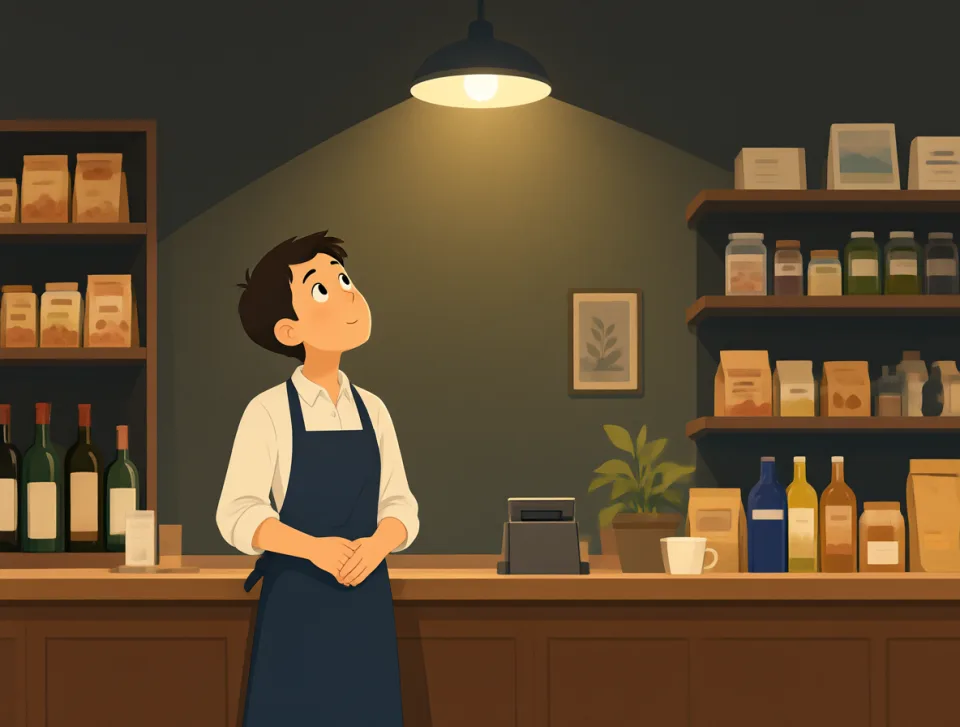
The shop closed early because there was an apparent problem with the electricity.
Sklep zamknięto wcześniej, bo najwyraźniej wystąpił problem z elektrycznością.
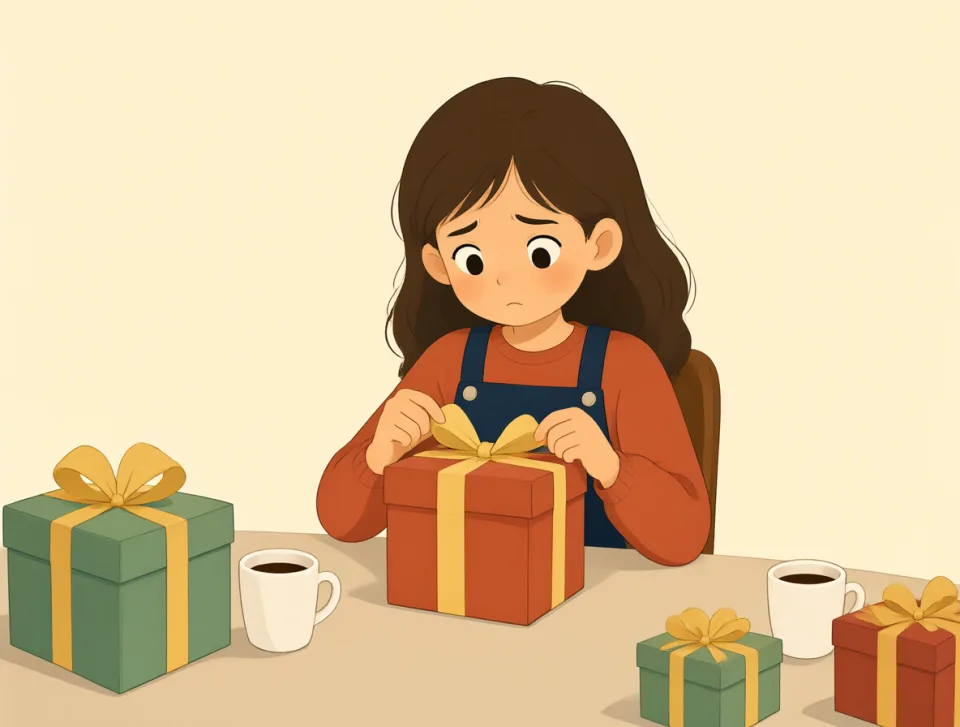
Her disappointment was apparent when she opened the birthday gift.
Jej rozczarowanie było widoczne, gdy otworzyła prezent urodzinowy.
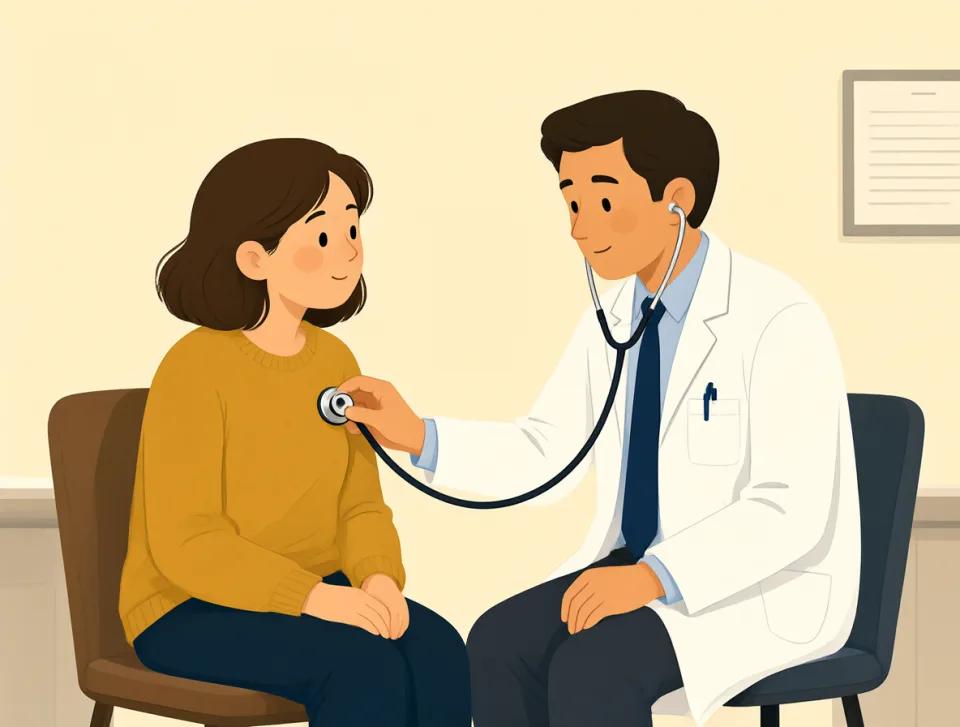
The doctor found no apparent signs of serious illness during the examination.
Podczas badania lekarz nie stwierdził żadnych widocznych oznak poważnej choroby.

western
#2152adjective, noun
zachodni
Connected with the west or the western part of a country or the world.
Związany z zachodem lub zachodnią częścią kraju albo świata.

They moved to a western city for better job opportunities.
Przeprowadzili się do zachodniego miasta w poszukiwaniu lepszych możliwości zawodowych.
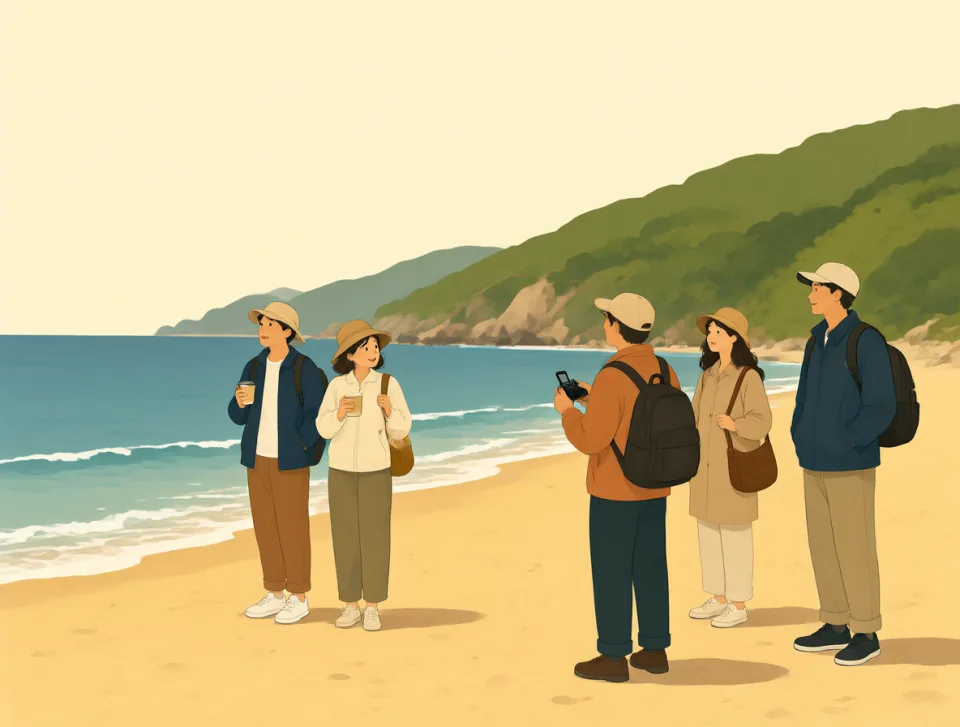
The western coast is famous for its beautiful beaches and mild weather.
Zachodnie wybrzeże słynie z pięknych plaż i łagodnego klimatu.

We watched an old western about a sheriff and a group of outlaws.
Obejrzeliśmy stary western o szeryfie i grupie bandytów.

The restaurant serves delicious western food, including burgers, steak, and French fries.
Restauracja serwuje pyszne dania kuchni zachodniej, w tym burgery, steki i frytki.
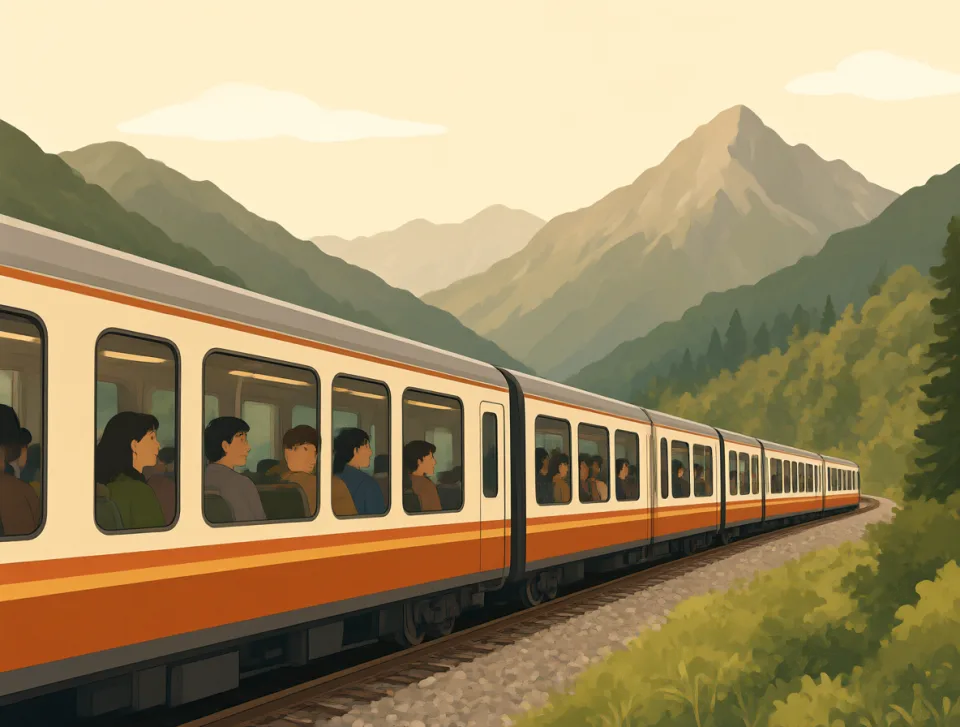
The train travels west through the western mountains before reaching the border.
Pociąg jedzie na zachód przez zachodnie góry, zanim dotrze do granicy.

expansion
#2153noun
rozbudowa
the process of becoming larger or making something larger
Proces powiększania się lub powiększania czegoś.

The company plans an expansion into three new countries next year.
W przyszłym roku firma planuje wejść na rynki trzech nowych krajów.
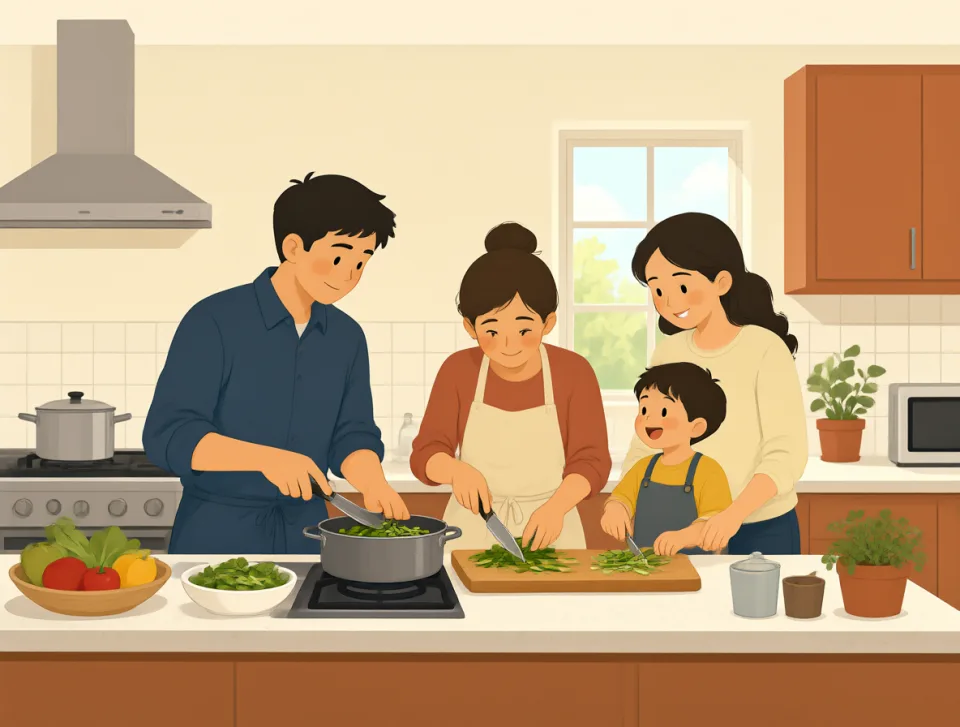
The expansion of the kitchen gave our family more room to cook.
Rozbudowa kuchni zapewniła naszej rodzinie więcej miejsca do gotowania.
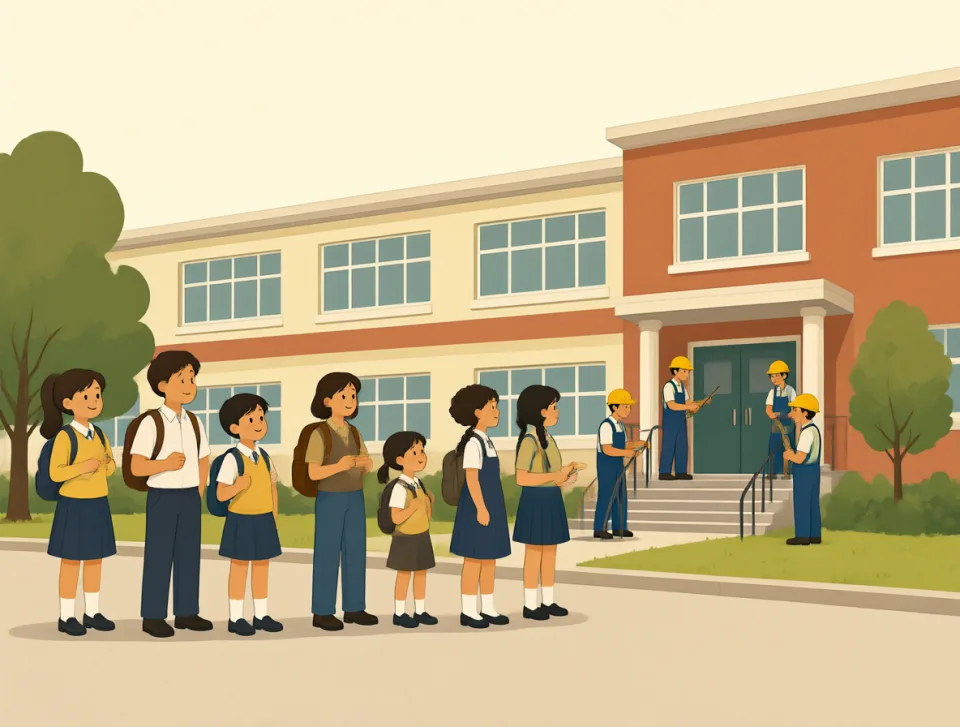
The school announced an expansion to provide more classrooms for students.
Szkoła ogłosiła rozbudowę, aby zapewnić uczniom więcej sal lekcyjnych.

The supermarket's expansion created space for a larger fruit and vegetable section.
Rozbudowa supermarketu stworzyła miejsce na większy dział owoców i warzyw.
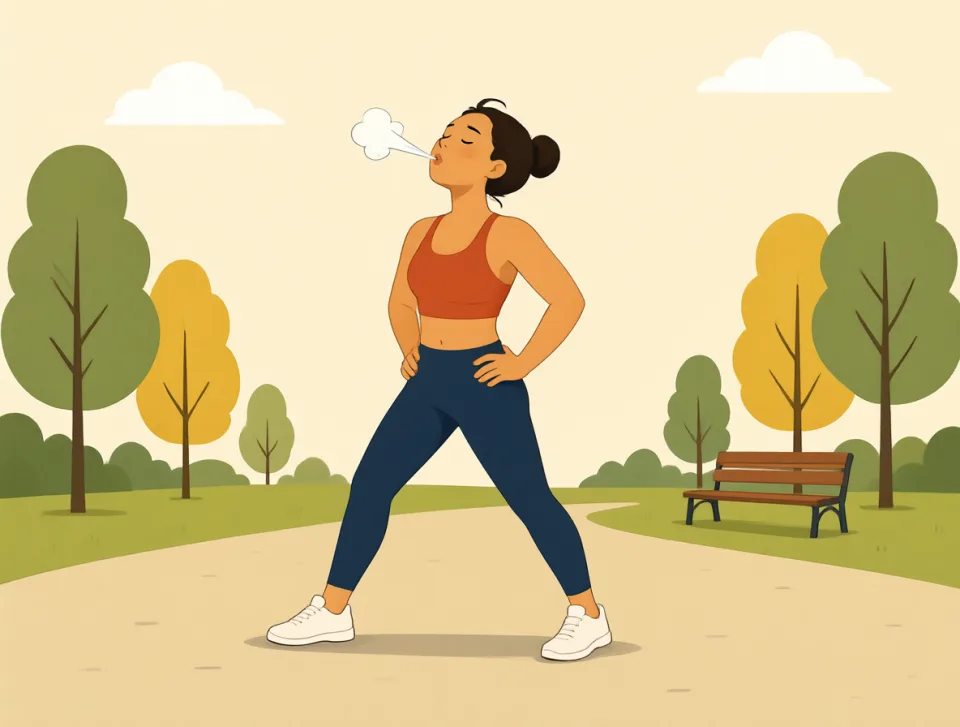
Regular exercise helps with lung expansion and makes breathing easier.
Regularne ćwiczenia wspomagają rozszerzanie płuc i ułatwiają oddychanie.
constantly
#2154adverb
nieustannie
Again and again or all the time, often in an annoying way.
Wciąż na nowo lub przez cały czas, często w irytujący sposób.
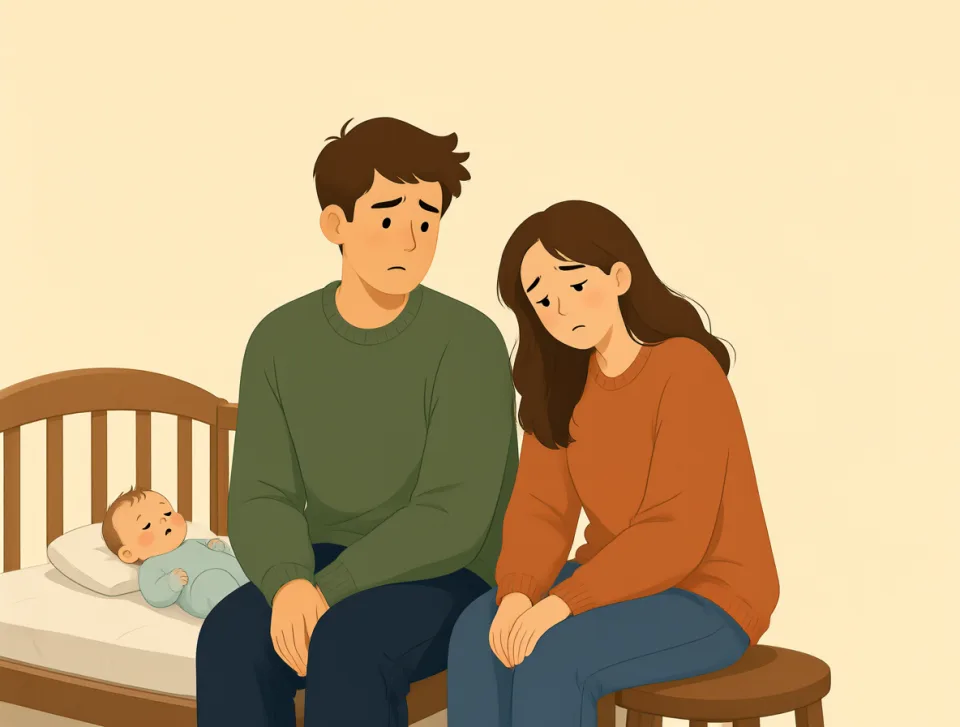
The baby constantly wakes up during the night, so we are exhausted.
Niemowlę nieustannie budzi się w nocy, więc jesteśmy wyczerpani.

My phone constantly rings while I am trying to finish my work.
Mój telefon ciągle dzwoni, kiedy próbuję skończyć pracę.
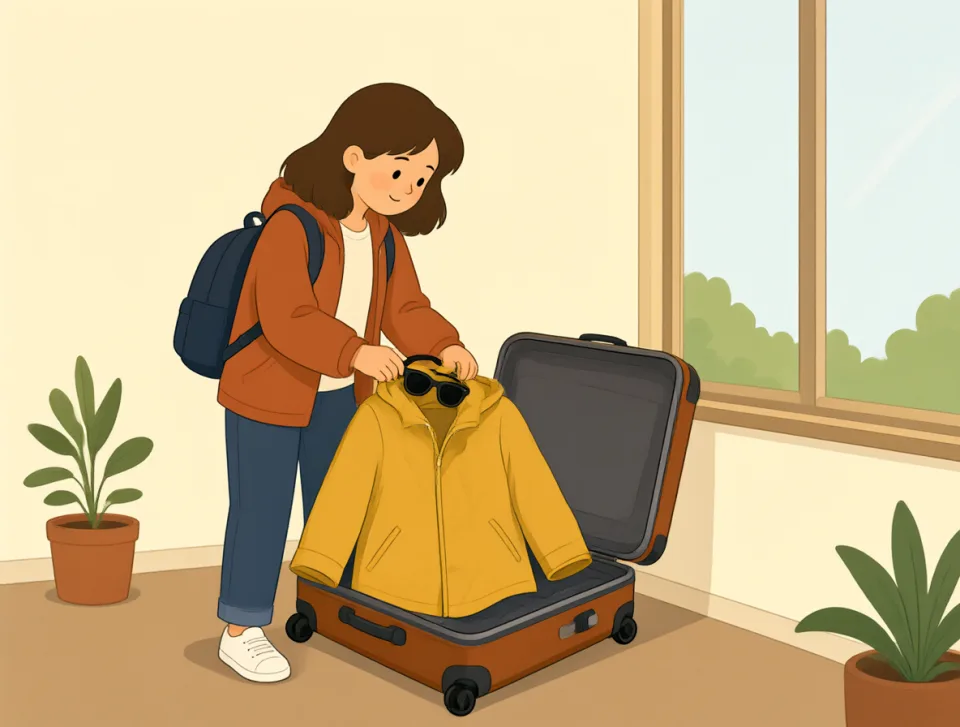
The weather is constantly changing, so pack both a raincoat and sunglasses.
Pogoda ciągle się zmienia, więc weź zarówno płaszcz przeciwdeszczowy, jak i okulary przeciwsłoneczne.
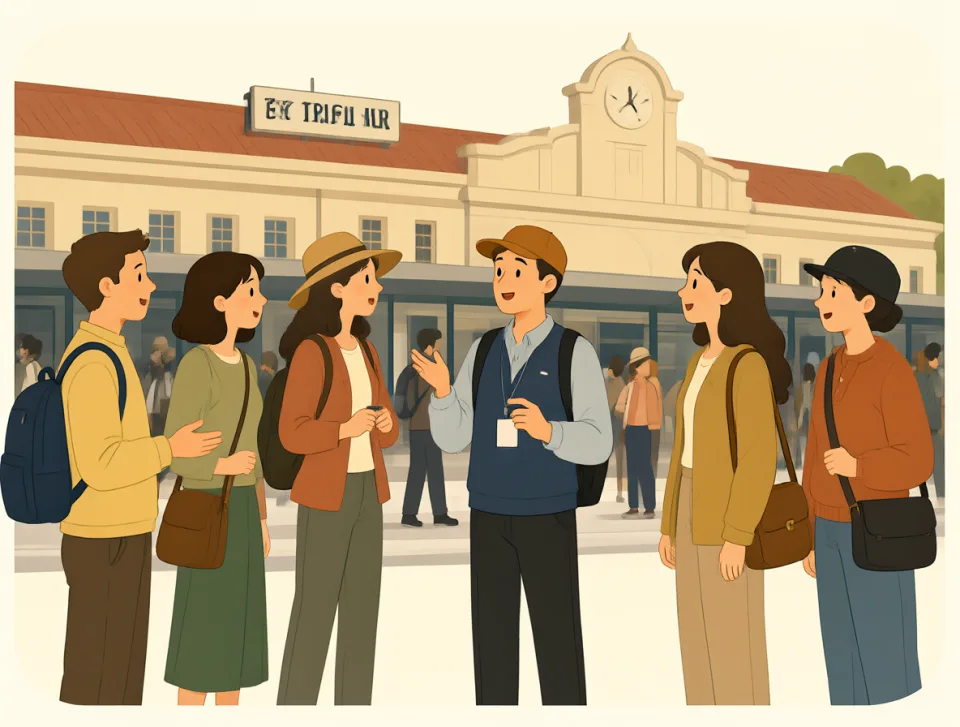
Tourists constantly ask the guide where the train station is.
Turyści bez przerwy pytają przewodnika, gdzie jest dworzec kolejowy.
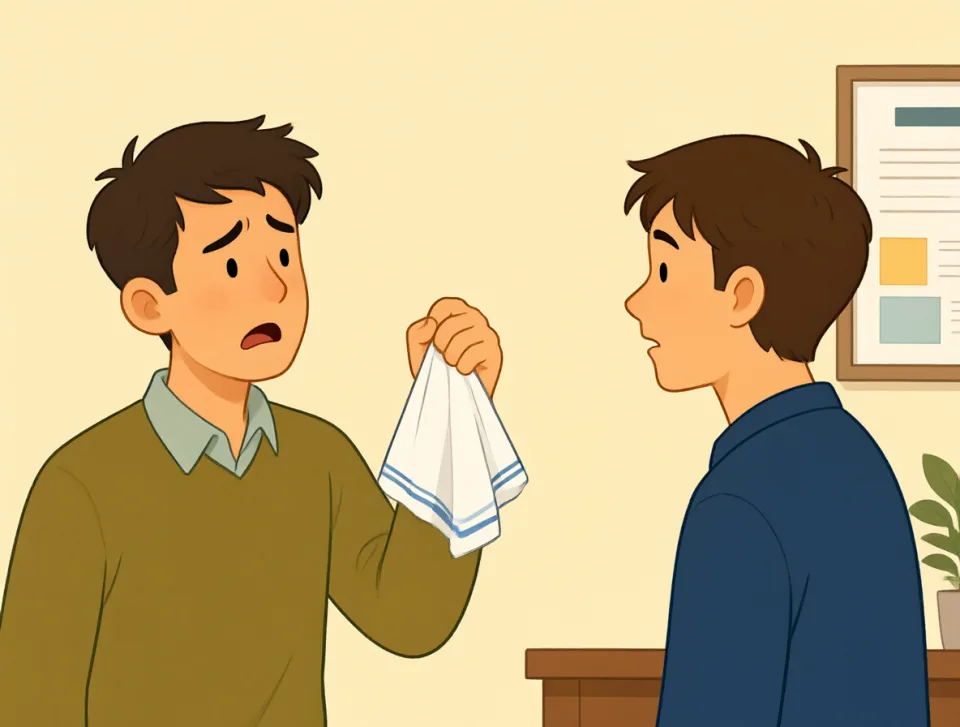
He is constantly complaining about his cold, but refuses to see a doctor.
On ciągle narzeka na przeziębienie, ale odmawia pójścia do lekarza.
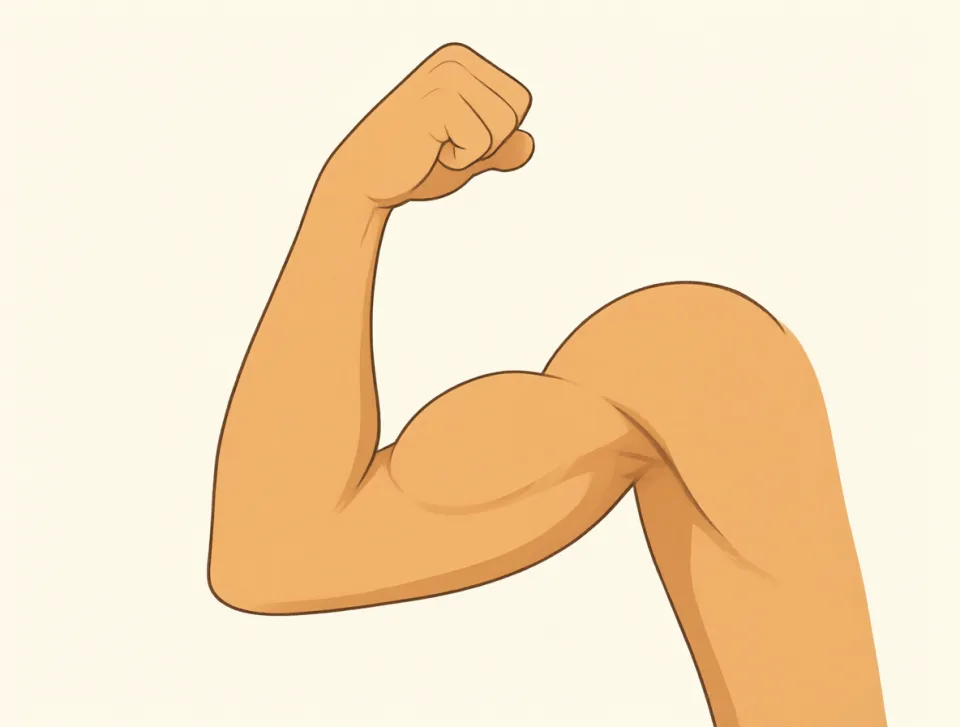
muscle
#2155noun, verb
mięsień
A body part that helps you move, or physical strength used to do something.
Część ciała, która umożliwia ruch, albo siła fizyczna potrzebna do zrobienia czegoś.
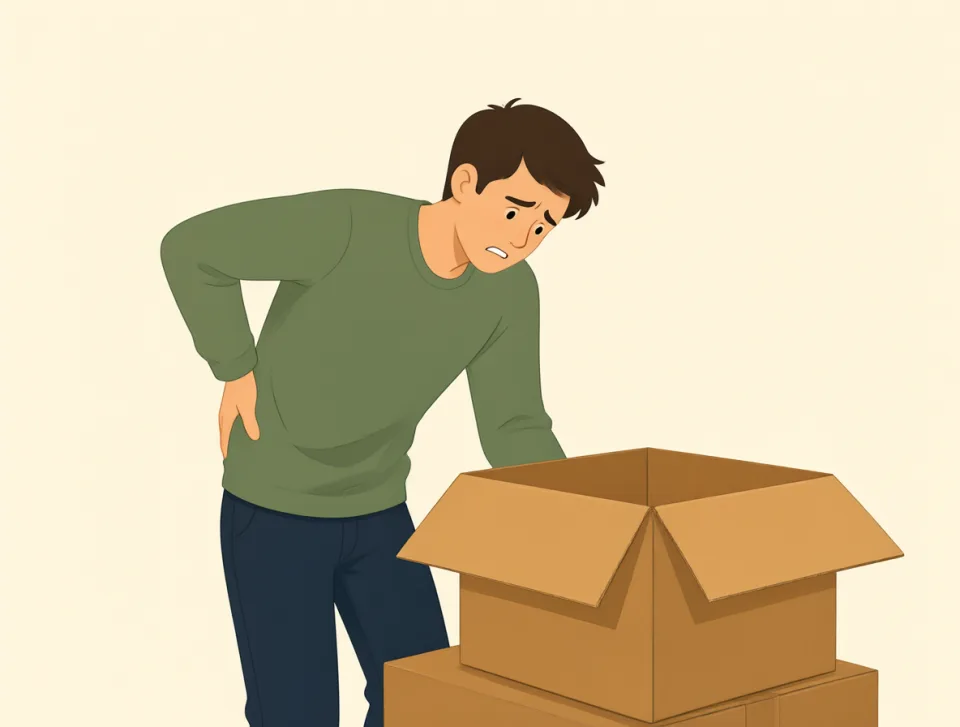
He pulled a muscle in his back while lifting a heavy box.
Podczas podnoszenia ciężkiego pudła naciągnął mięsień pleców.
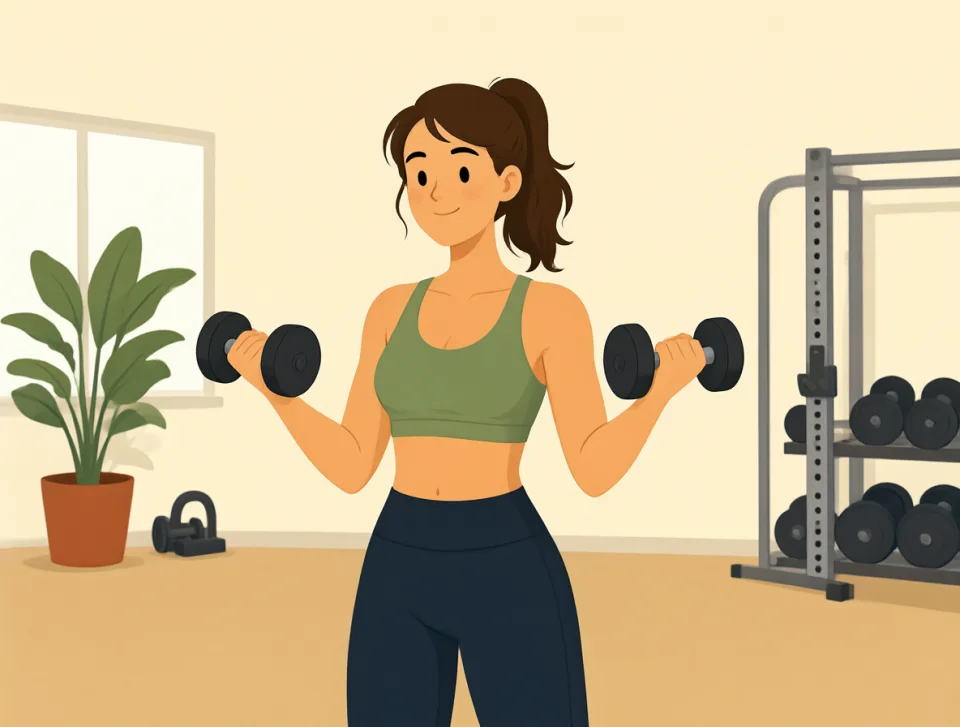
Regular exercise helps build strong muscles and keeps your body healthy.
Regularne ćwiczenia pomagają budować silne mięśnie i utrzymać ciało w zdrowiu.
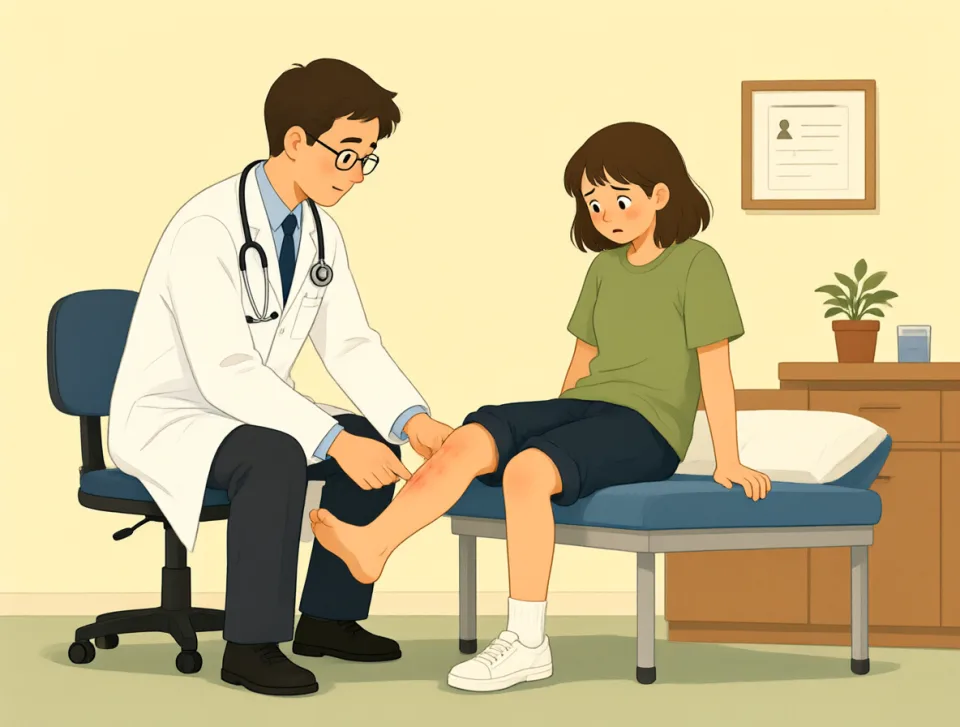
The doctor said I should rest the injured muscle for a few days.
Lekarz powiedział, że powinienem przez kilka dni oszczędzać uszkodzony mięsień.
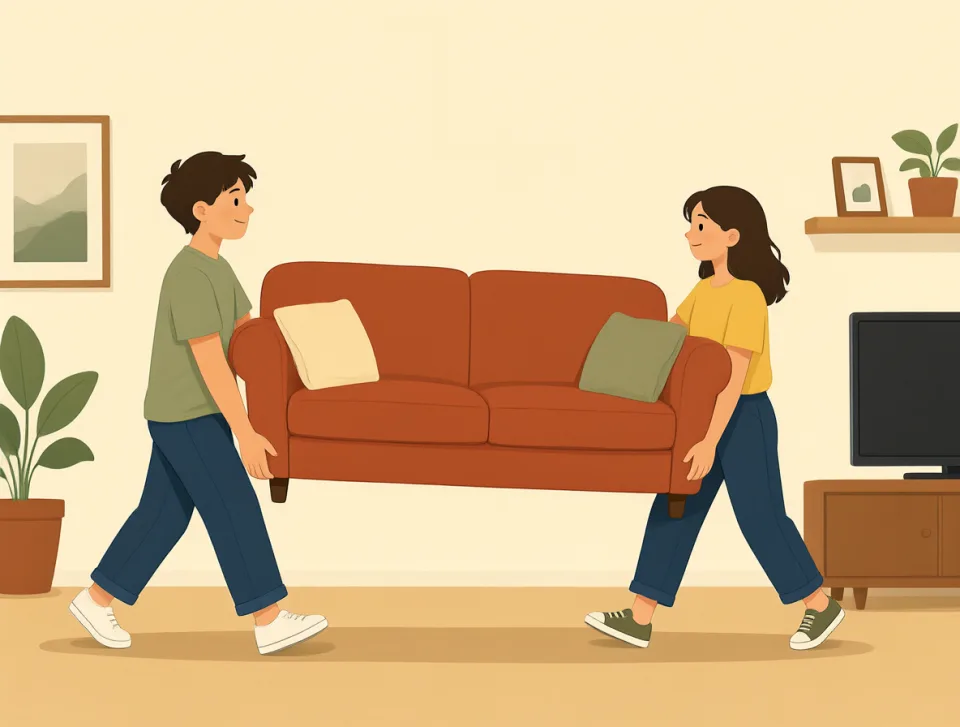
Moving the furniture took a lot of muscle, so we asked our friends for help.
Przenoszenie mebli wymagało dużo siły, więc poprosiliśmy znajomych o pomoc.

The team needs to muscle past its problems and finish the project.
Zespół musi przebić się przez problemy i dokończyć projekt.
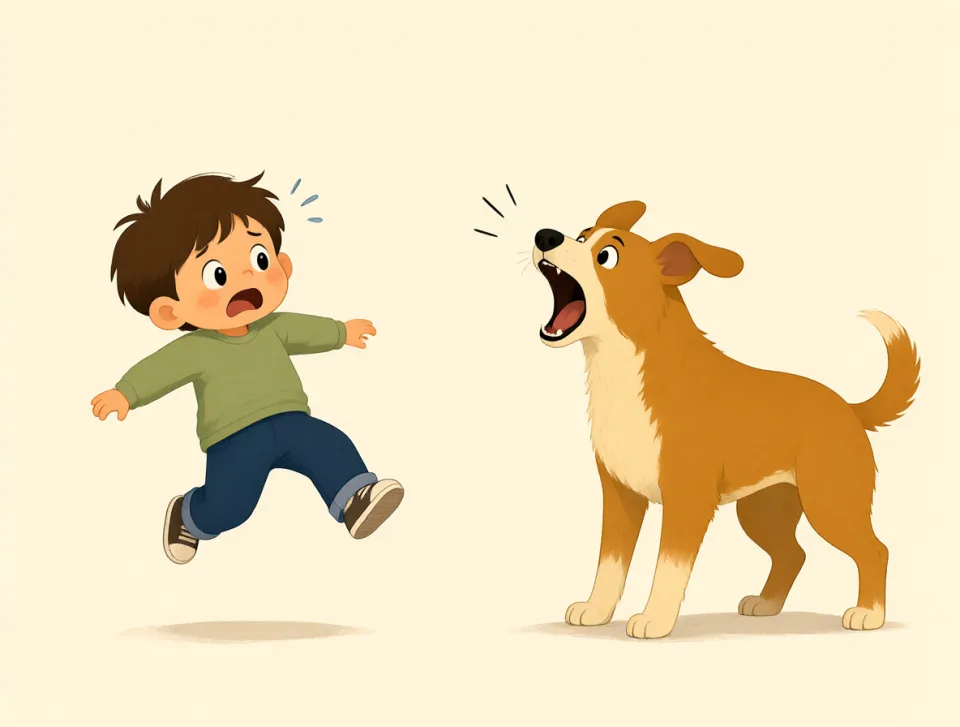
scare
#2156noun, verb
strach; przestraszyć
A sudden feeling of fear, or to make someone feel afraid.
Nagłe uczucie strachu albo sprawić, że ktoś się przestraszy.
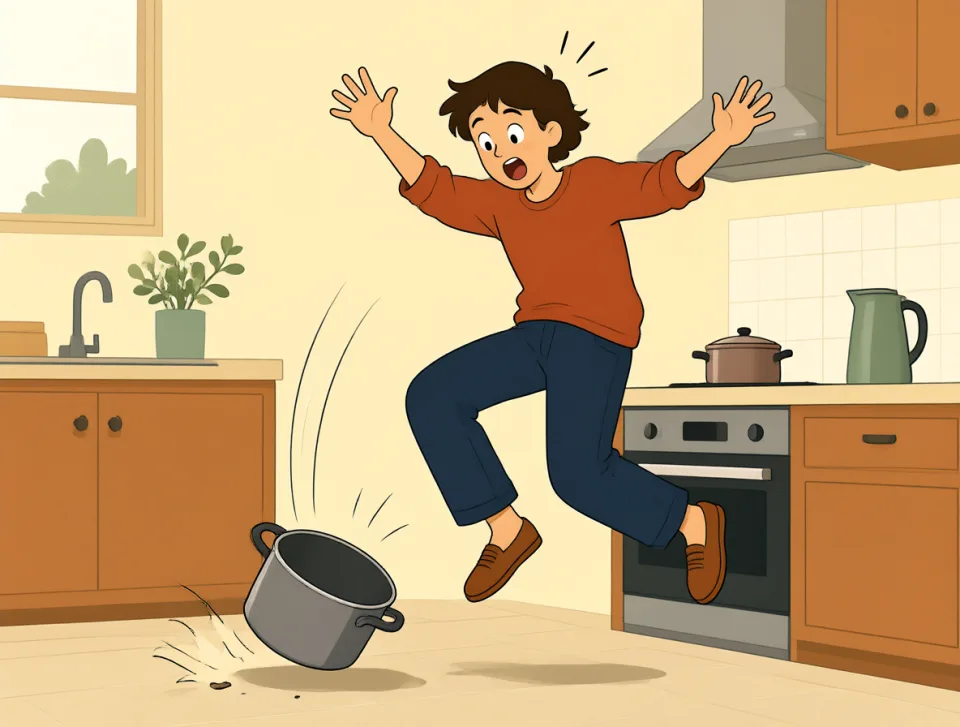
The loud noise gave me a scare while I was cooking dinner.
Głośny hałas przestraszył mnie, gdy gotowałem kolację.
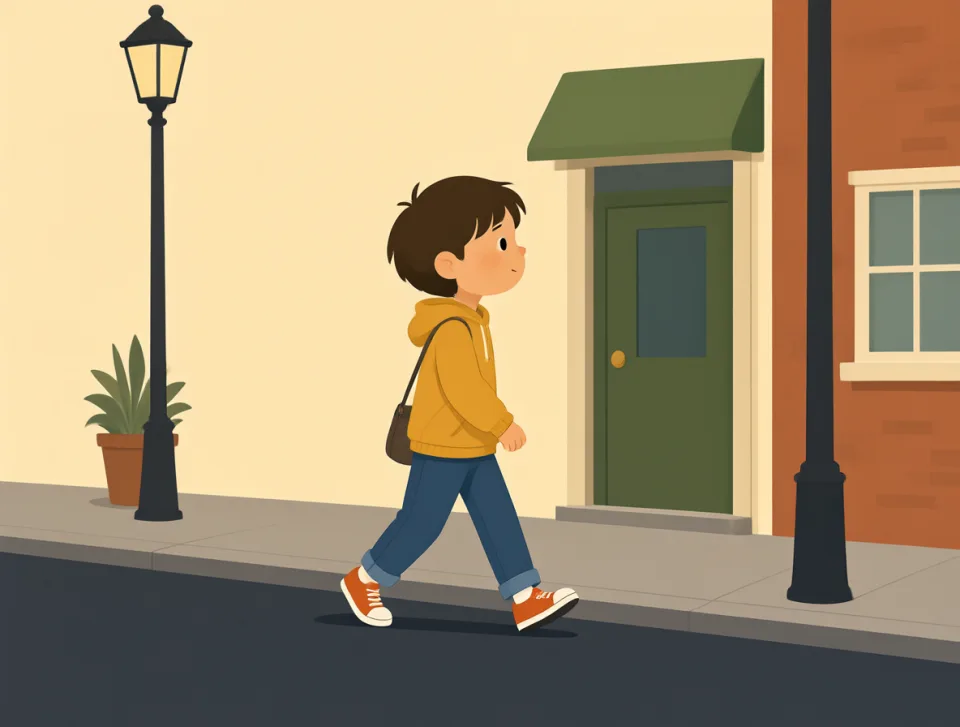
Dark streets can scare children when they walk home alone.
Ciemne ulice mogą przestraszyć dzieci, gdy wracają same do domu.

The sudden alarm scared everyone in the office.
Nagły alarm przestraszył wszystkich w biurze.
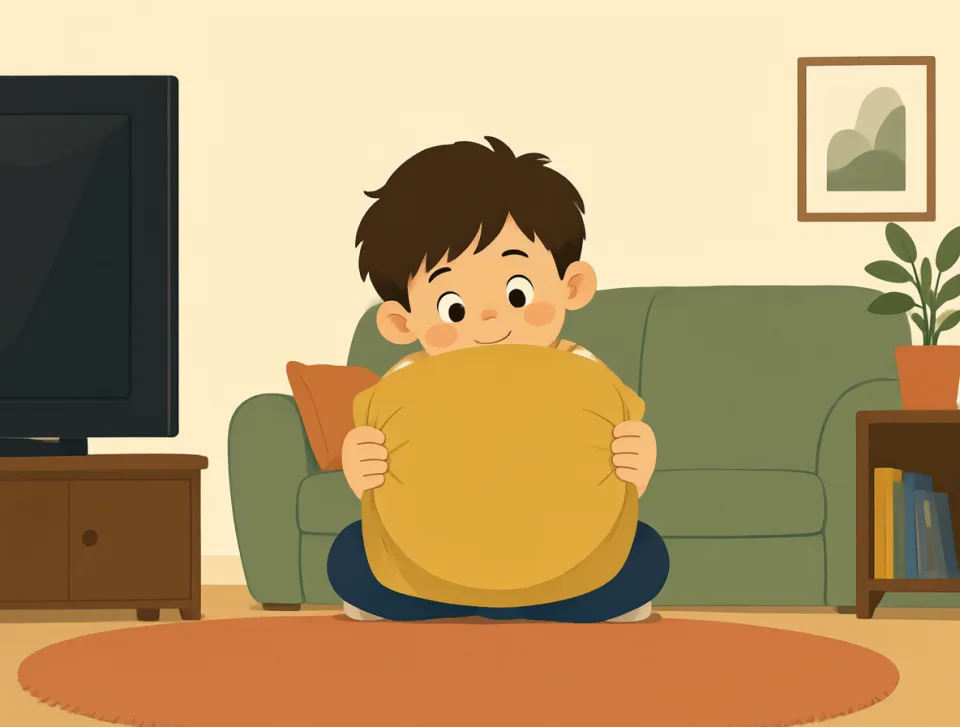
That horror movie really scared my little brother last night.
Ten horror naprawdę przestraszył mojego młodszego brata zeszłej nocy.
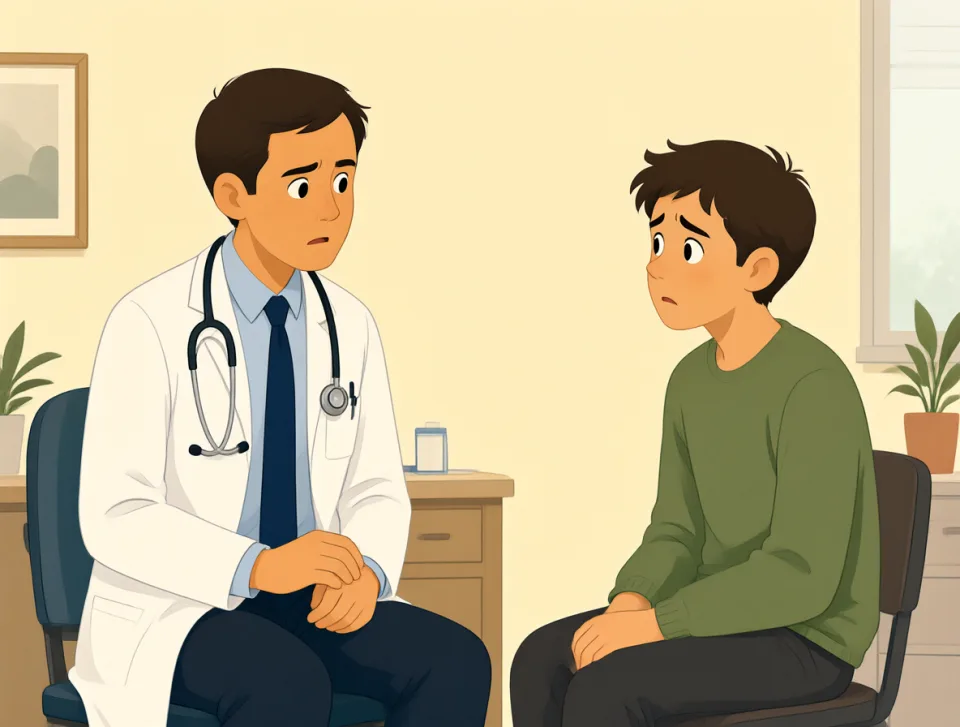
The doctor’s warning scared her, but the treatment was successful.
Ostrzeżenie lekarza ją przestraszyło, ale leczenie zakończyło się sukcesem.
badly
#2157adverb
źle; bardzo
in a poor or harmful way; very much
W zły lub szkodliwy sposób; bardzo.
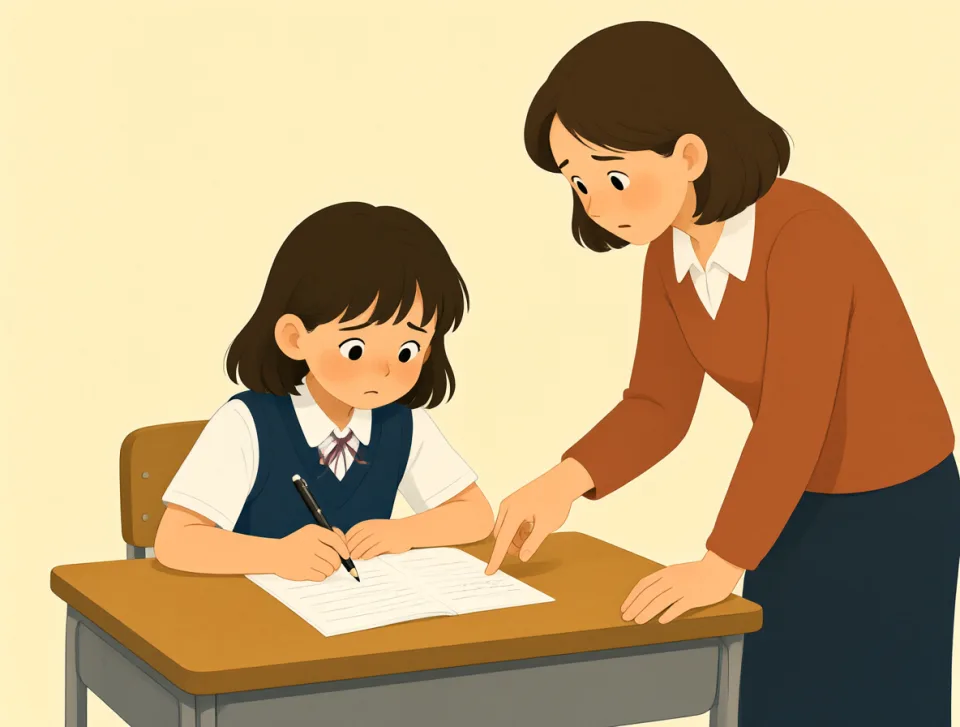
The student spelled the word badly and lost marks on her spelling test.
Uczennica źle napisała to słowo i straciła punkty na teście z ortografii.
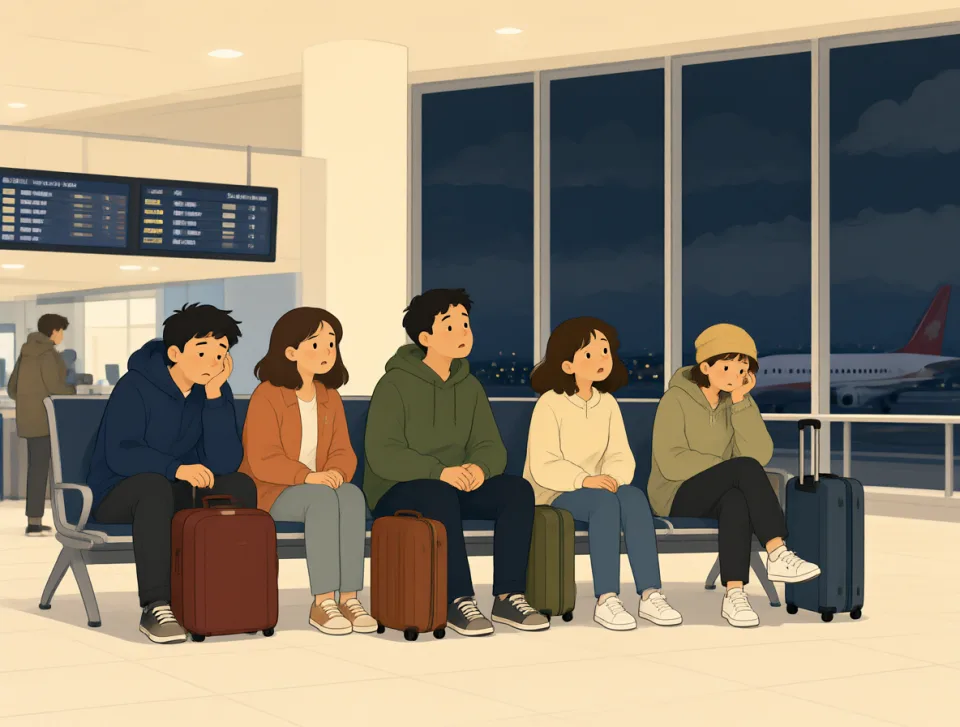
Our flight was badly delayed by a storm, so we arrived after midnight.
Z powodu burzy nasz lot był mocno opóźniony, więc dotarliśmy na miejsce po północy.
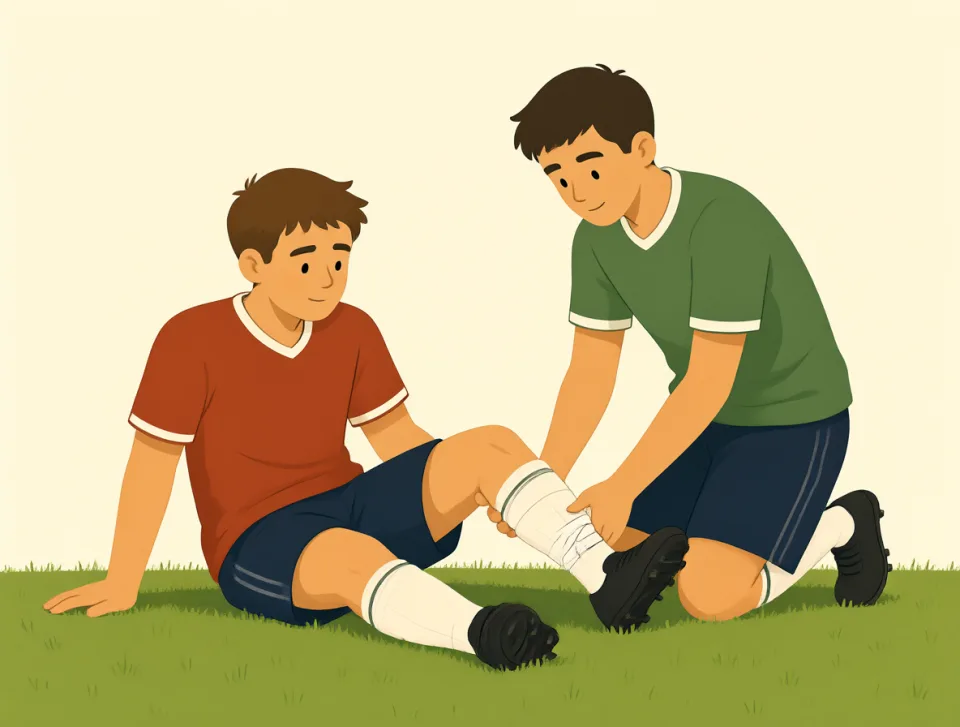
He was badly hurt playing football and needed help walking home.
Mocno się potłukł podczas gry w piłkę nożną i potrzebował pomocy, żeby wrócić do domu.

I badly need a cup of coffee after working all morning.
Po całym poranku pracy naprawdę potrzebuję filiżanki kawy.
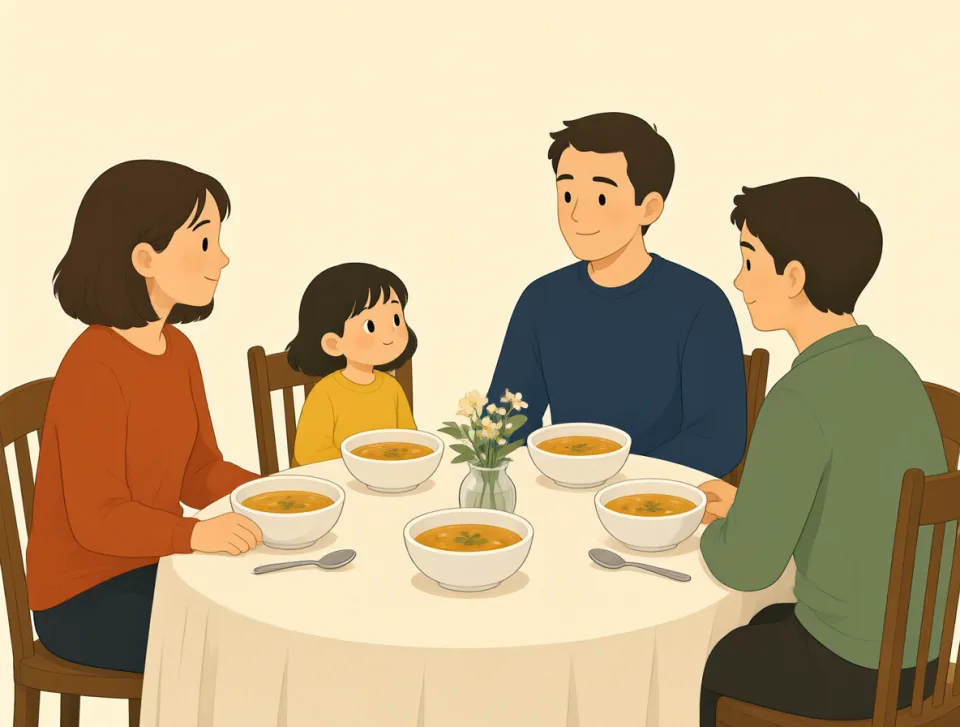
The soup was badly seasoned, so nobody wanted a second bowl.
Zupa była źle doprawiona, więc nikt nie chciał dokładki.

everyday
#2158adjective
codzienny
普通の日常的な;特別ではない
Związany ze zwykłym dniem i codziennym życiem; nieszczególny.
I wear comfortable everyday clothes when I work from home.
Kiedy pracuję z domu, noszę wygodne, codzienne ubrania.
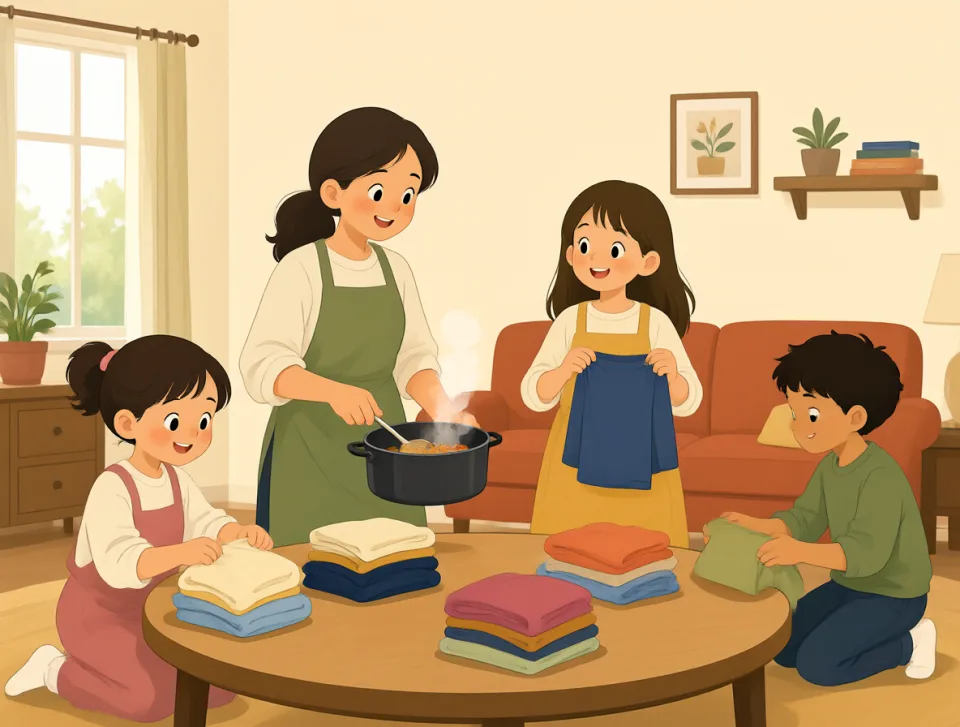
These everyday activities help children learn useful life skills.
Te codzienne czynności pomagają dzieciom uczyć się przydatnych umiejętności życiowych.
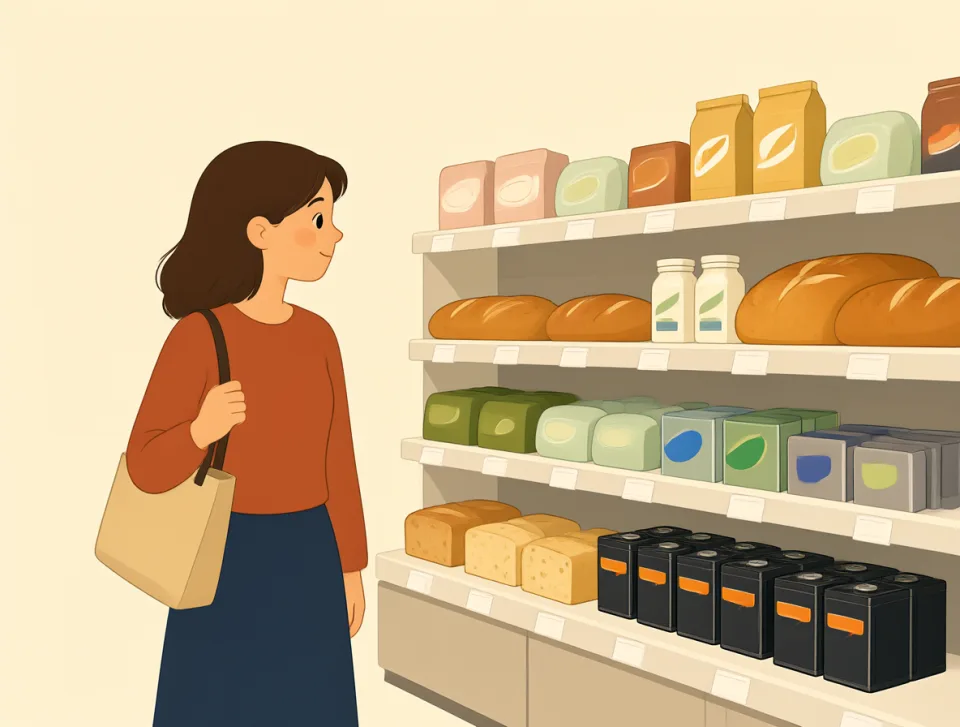
The shop sells everyday items like soap, bread, and batteries.
Sklep sprzedaje artykuły codziennego użytku, takie jak mydło, chleb i baterie.

She uses everyday English when speaking with her international coworkers.
Rozmawiając z międzynarodowymi współpracownikami, posługuje się potocznym angielskim.
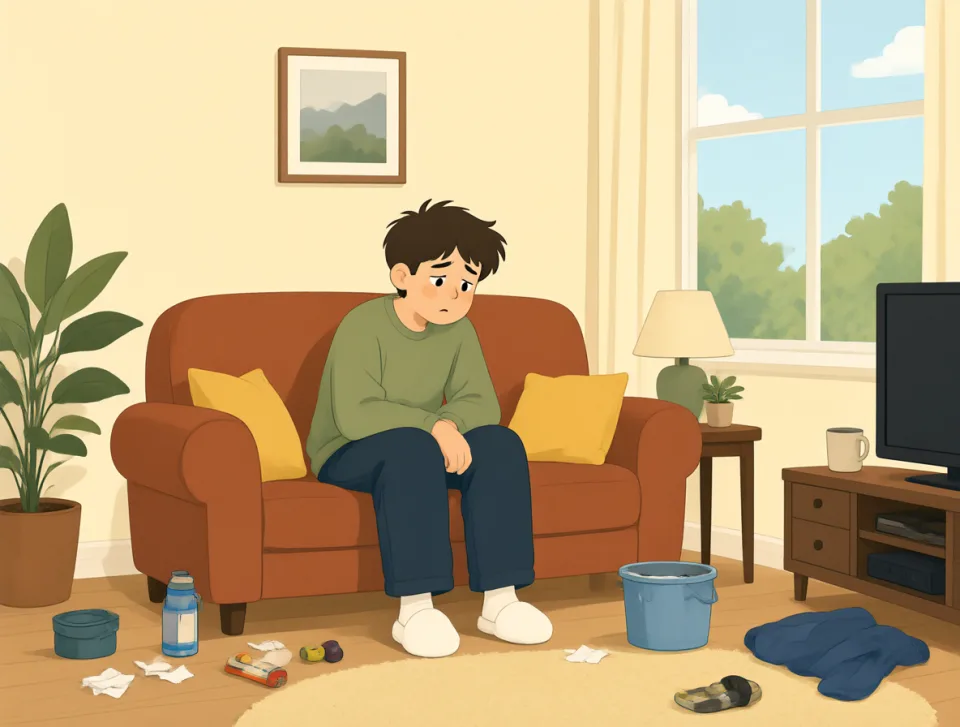
Small everyday problems can feel stressful when you are tired.
Drobne codzienne problemy mogą być stresujące, kiedy jesteś zmęczony.
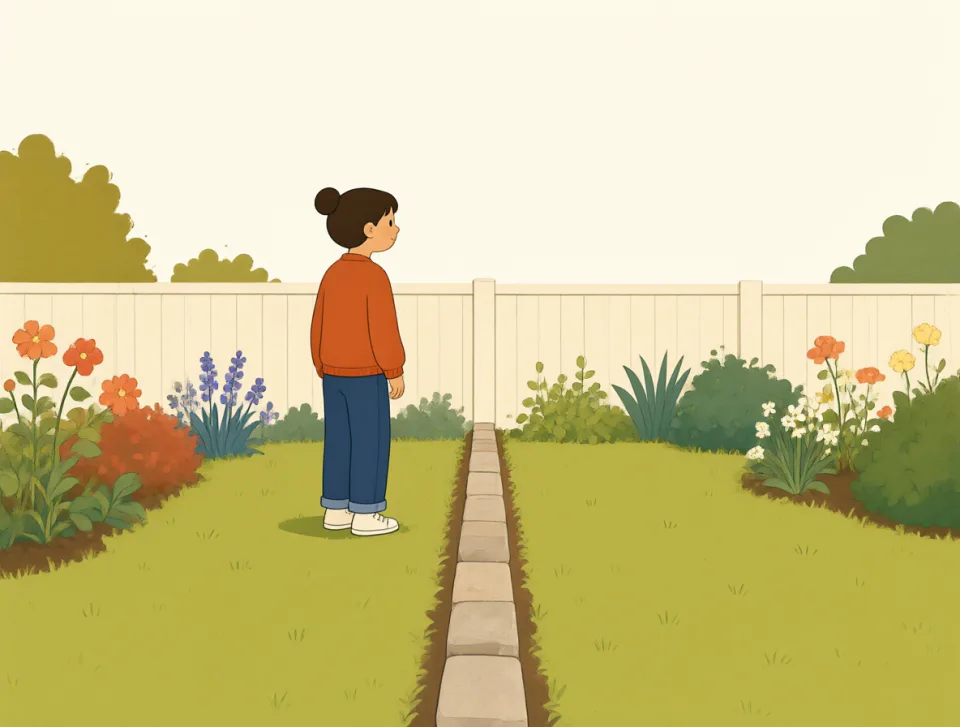
boundary
#2159noun
granica
A limit that shows where something ends or what behavior is acceptable.
Linia wyznaczająca, gdzie coś się kończy, albo określająca, jakie zachowanie jest dopuszczalne.
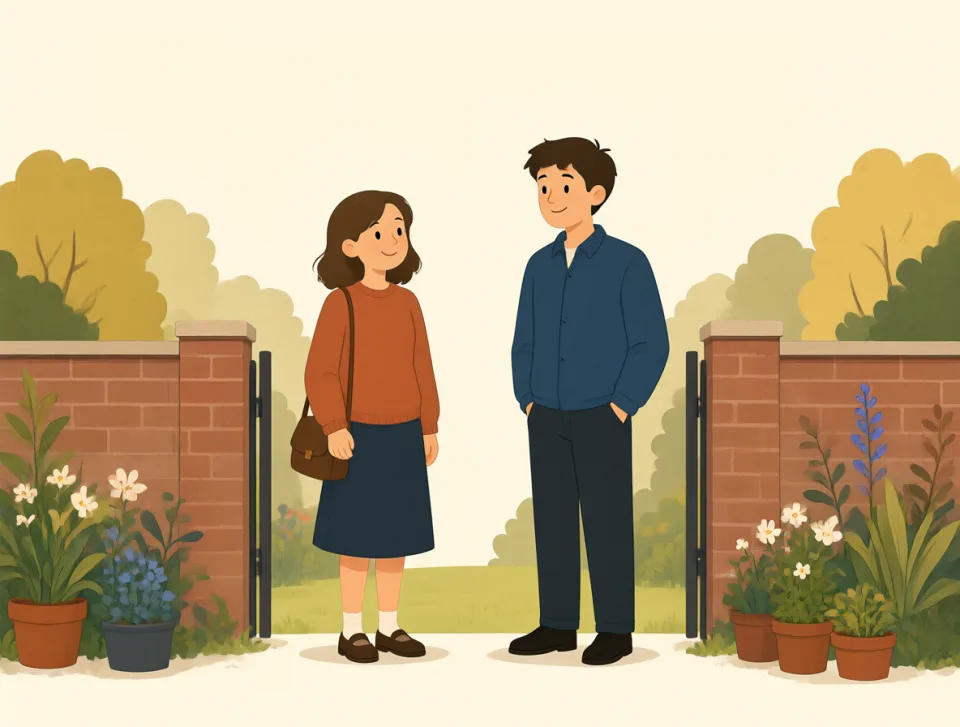
The fence marks the boundary between our garden and the neighbor's.
Płot wyznacza granicę między naszym ogrodem a ogrodem sąsiada.

Please respect my personal boundaries and give me some quiet time.
Proszę, uszanuj moje osobiste granice i daj mi trochę czasu w ciszy.
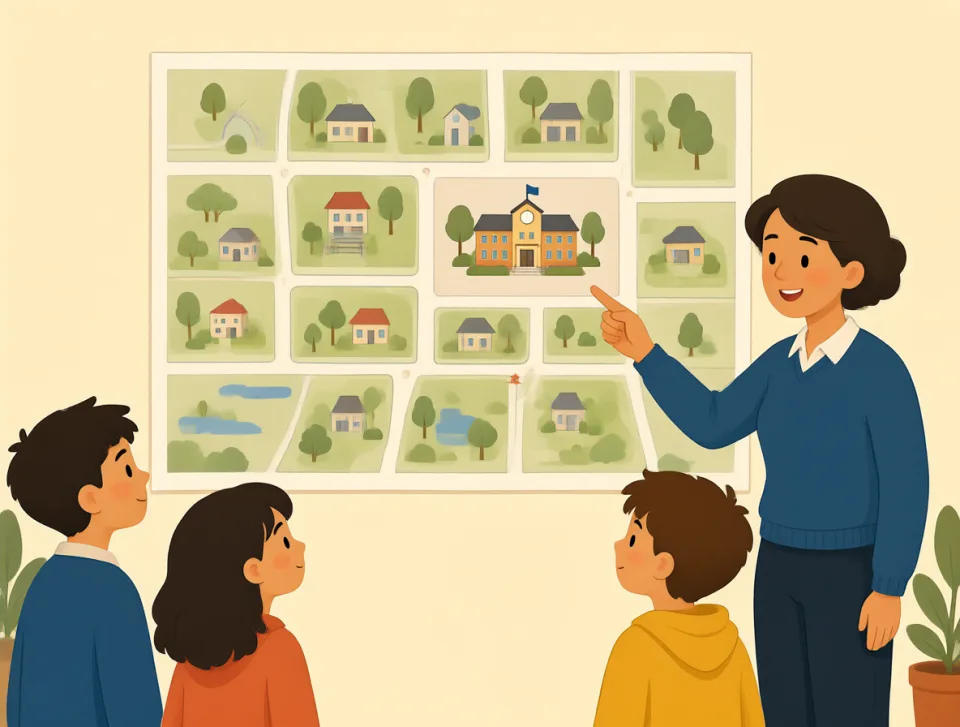
The school boundary includes three streets and two nearby apartment buildings.
Granica obszaru szkolnego obejmuje trzy ulice i dwa pobliskie bloki mieszkalne.
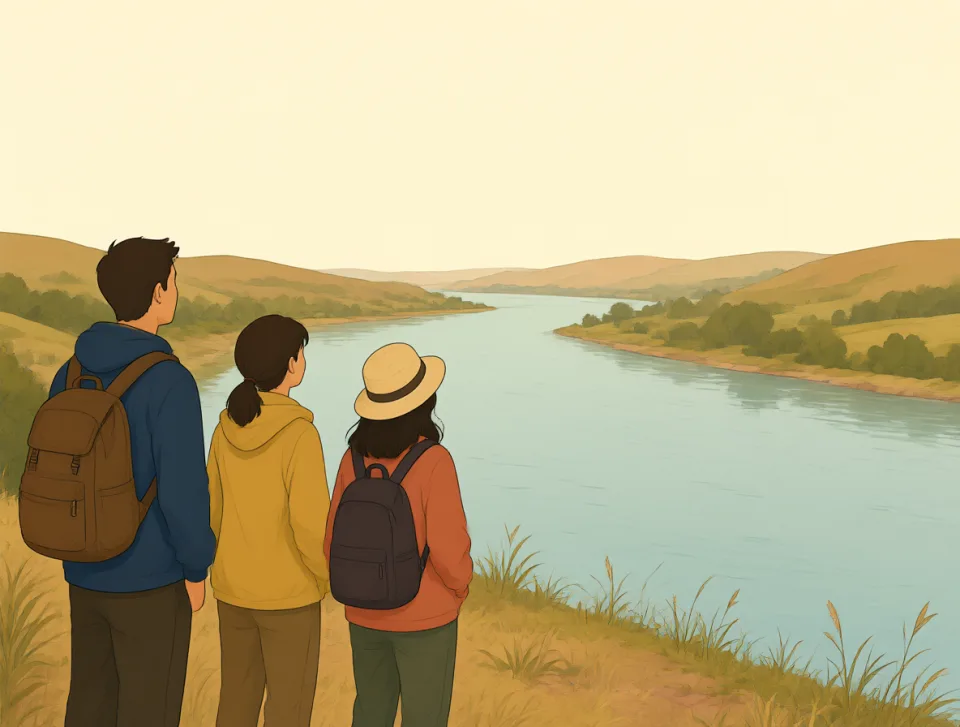
The river forms a natural boundary between the two countries.
Rzeka stanowi naturalną granicę między tymi dwoma krajami.
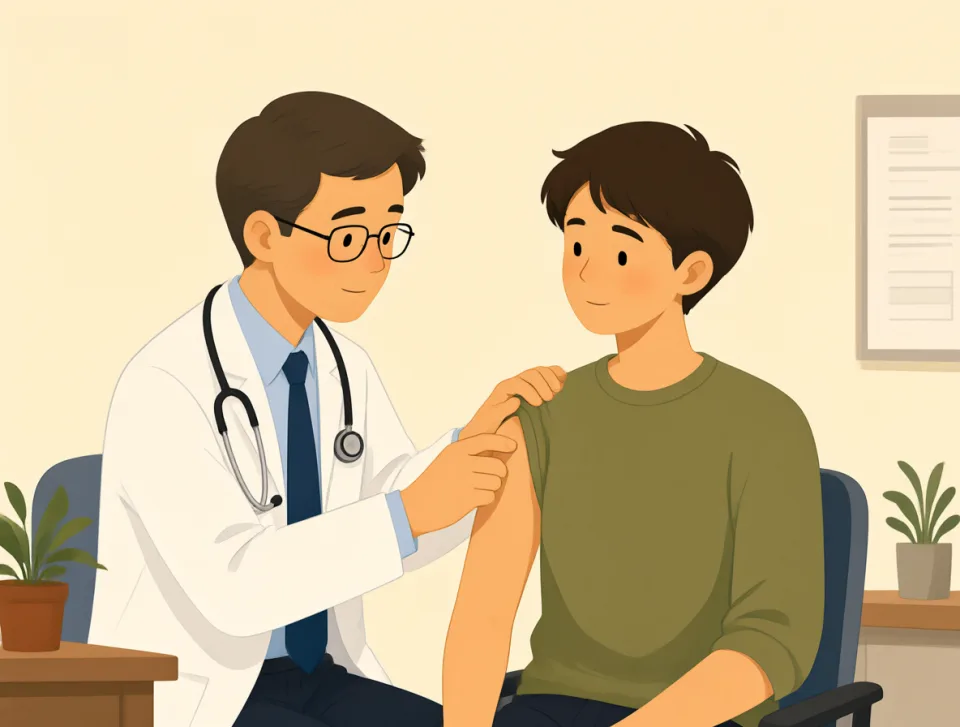
The doctor explained that the pain was near the boundary of my shoulder.
Lekarz wyjaśnił, że ból pojawia się blisko granicy barku.
ratio
#2160noun
stosunek
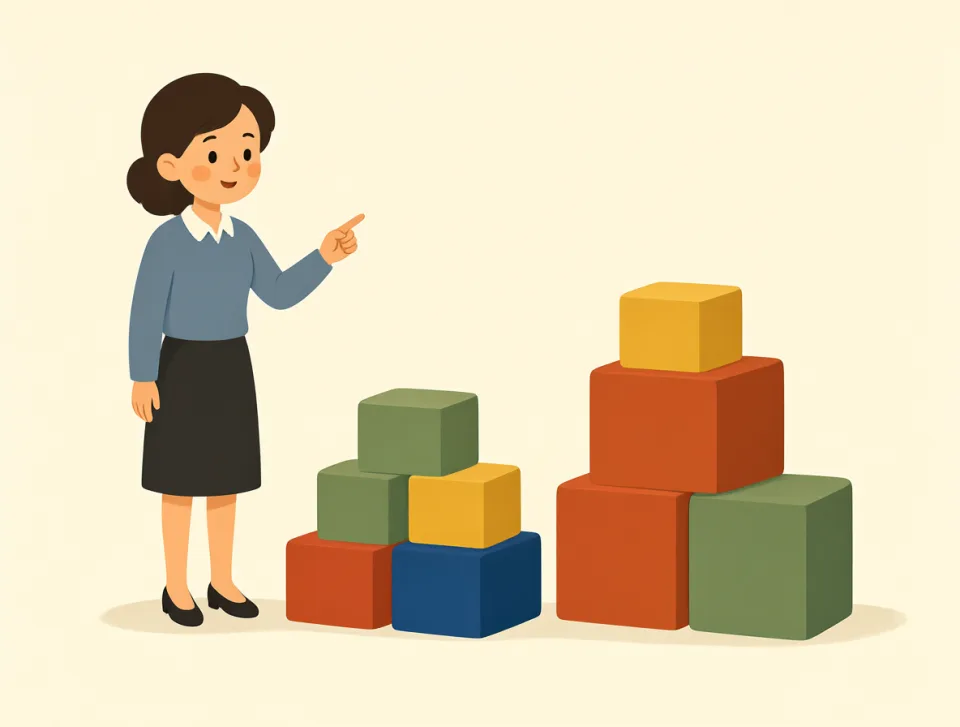
A relationship between two numbers that shows how much of one there is compared with the other.
Zależność między dwiema liczbami, która pokazuje, ile jednej przypada w porównaniu z drugą.
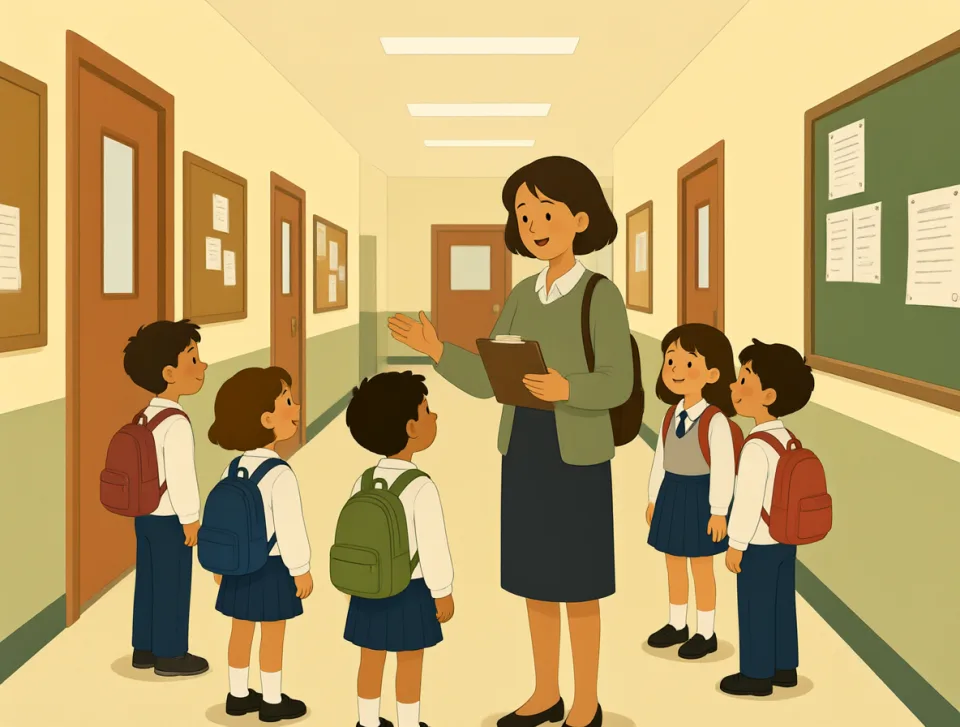
The ratio of students to teachers is twelve to one.
Stosunek liczby uczniów do nauczycieli wynosi dwanaście do jednego.
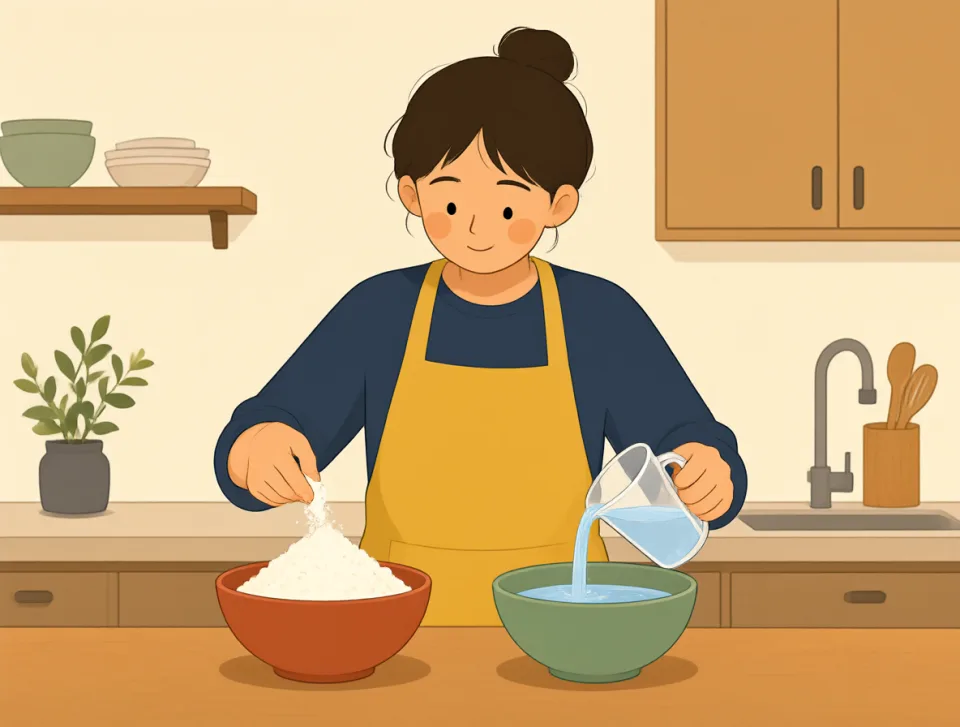
Mix the flour and water in a ratio of two to one.
Wymieszaj mąkę i wodę w stosunku dwa do jednego.
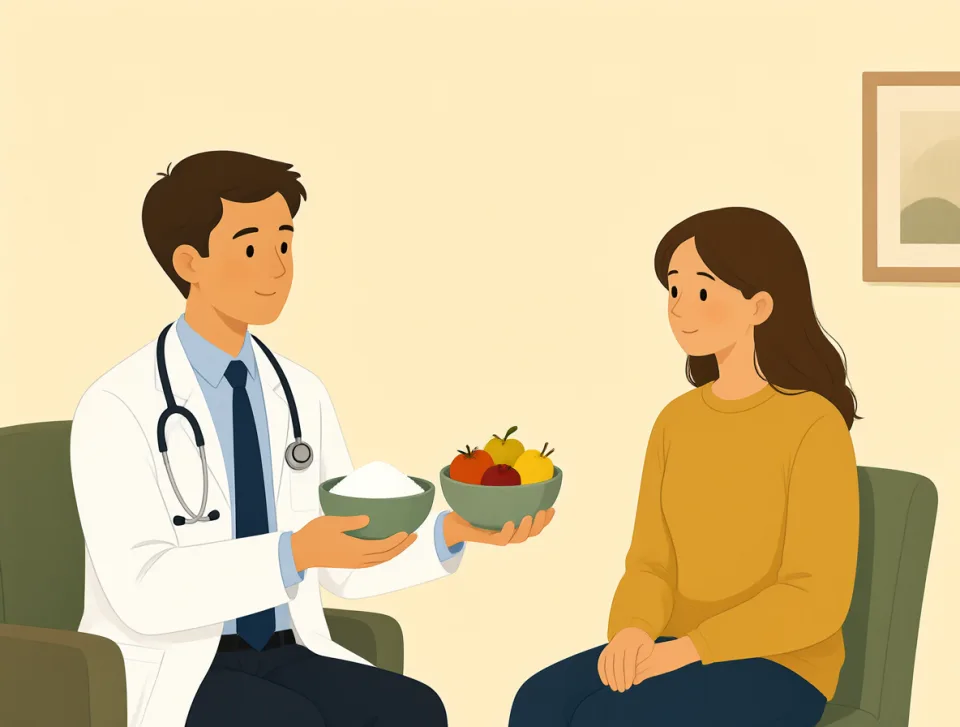
The doctor recommended reducing the ratio of sugar to fruit in smoothies.
Lekarz zalecił zmniejszenie stosunku cukru do owoców w koktajlach.

This store offers a better price-to-quality ratio than its competitors.
Ten sklep oferuje lepszy stosunek ceny do jakości niż jego konkurenci.

The ratio of sunny days to rainy days made our vacation enjoyable.
Stosunek liczby słonecznych dni do deszczowych sprawił, że nasze wakacje były udane.