इकाई 108
शब्द 2141–2160 · pub, perception, naturally, currency, database, initially

pub
#2141noun
पब
A place where people buy and drink alcoholic drinks, and often eat or talk.
ऐसी जगह जहाँ लोग शराब खरीदकर पीते हैं और अक्सर खाना खाते या बातचीत करते हैं।

We met at the pub for a drink after work.
काम के बाद हम एक पेय पीने के लिए पब में मिले।

The pub serves good food, including burgers and homemade soup.
पब में अच्छा खाना मिलता है, जिसमें बर्गर और घर का बना सूप भी शामिल है।

There is a small pub near our hotel in the village.
गाँव में हमारे होटल के पास एक छोटा-सा पब है।

My friends usually go to the pub on Friday evenings.
मेरे दोस्त आमतौर पर शुक्रवार की शाम पब जाते हैं।

The pub was crowded, so we found seats outside.
पब में बहुत भीड़ थी, इसलिए हमने बाहर बैठने की जगह ढूँढ़ी।

perception
#2142noun
धारणा
The way you notice, understand, or judge someone or something.
किसी व्यक्ति या चीज़ को देखने, समझने या उसके बारे में राय बनाने का तरीका।
Her perception of the new manager changed after their first meeting.
नए मैनेजर के साथ पहली मुलाकात के बाद उसके बारे में उसकी धारणा बदल गई।

The advertisement changed customers’ perception of the product’s quality.
विज्ञापन ने उत्पाद की गुणवत्ता के बारे में ग्राहकों की धारणा बदल दी।

Our perception of time changes when we are busy or having fun.
जब हम व्यस्त होते हैं या मौज-मस्ती कर रहे होते हैं, तो समय के बारे में हमारी धारणा बदल जाती है।
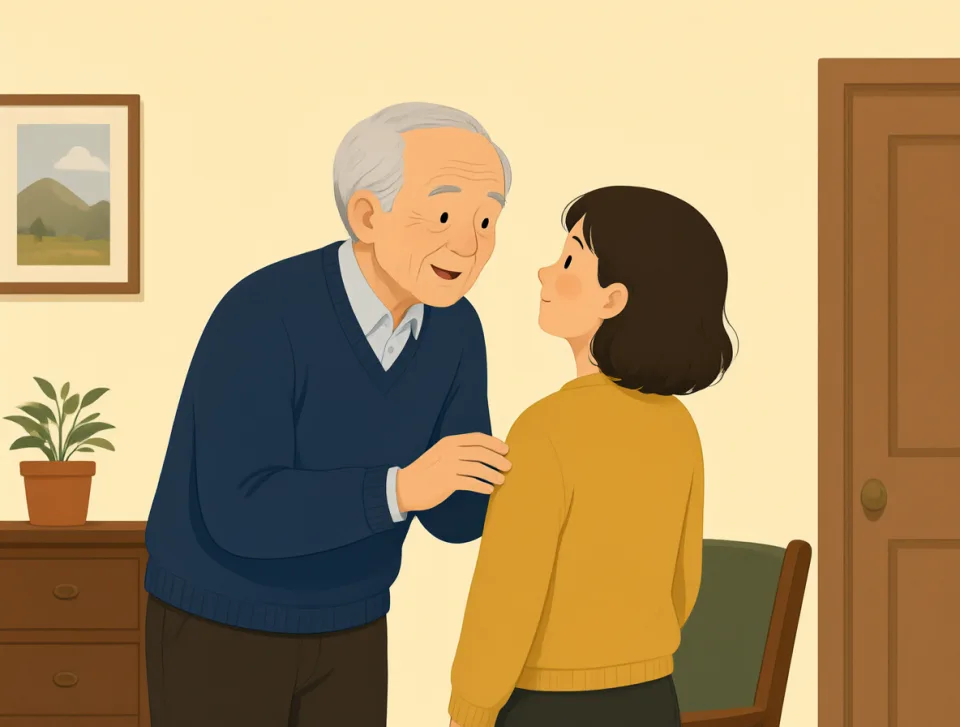
His hearing problems affected his perception of what people were saying.
सुनने की उसकी समस्या के कारण वह लोगों की बातों को ठीक से समझ नहीं पाता था।

Cultural differences can influence people’s perception of healthy food.
सांस्कृतिक अंतर लोगों की स्वस्थ भोजन के बारे में धारणा को प्रभावित कर सकते हैं।
naturally
#2143adverb
स्वाभाविक रूप से
In a natural way, or as you would expect without planning or forcing it.
स्वाभाविक ढंग से, या बिना योजना बनाए या ज़ोर लगाए, जैसा कि अपेक्षित हो।
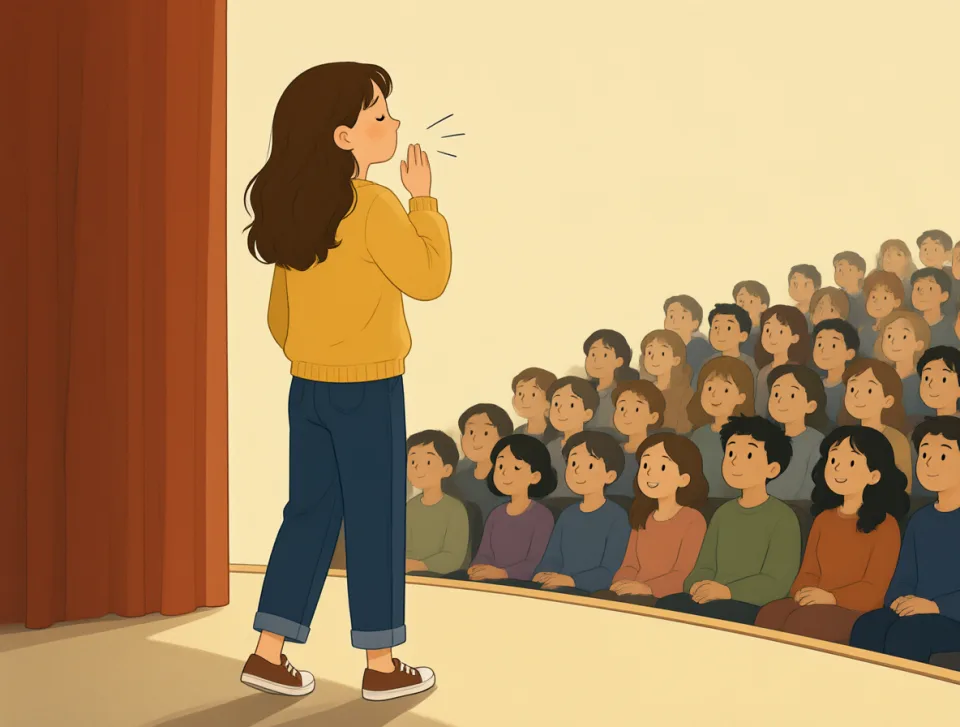
She naturally felt nervous before speaking to the large audience.
बड़ी भीड़ के सामने बोलने से पहले वह स्वाभाविक रूप से घबराई हुई थी।
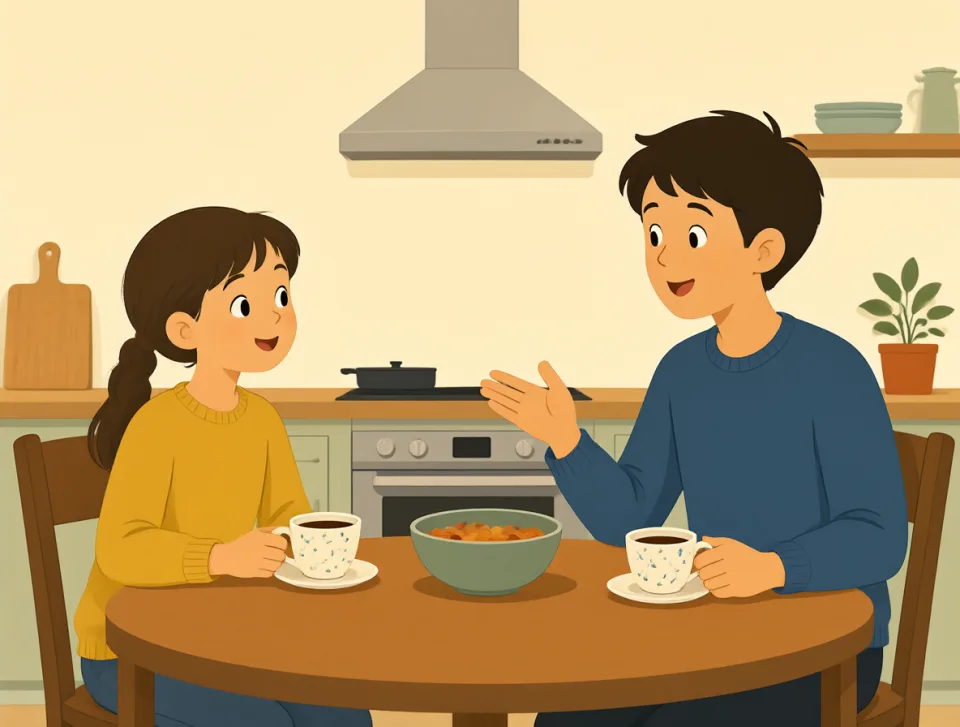
Children naturally learn new languages when they hear them every day.
जब बच्चे हर दिन नई भाषाएँ सुनते हैं, तो वे उन्हें स्वाभाविक रूप से सीखते हैं।

The conversation naturally turned to plans for the summer holiday.
बातचीत का रुख स्वाभाविक रूप से गर्मियों की छुट्टियों की योजनाओं की ओर मुड़ गया।
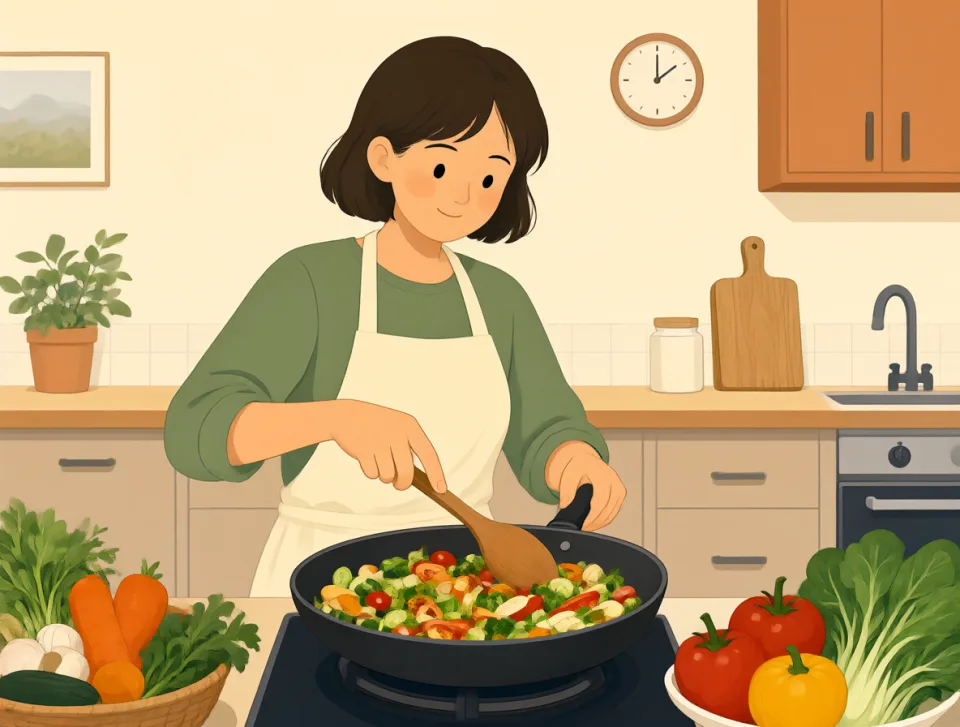
Naturally, fresh vegetables taste better when they are cooked gently.
बेशक, ताज़ी सब्ज़ियाँ धीमी आँच पर पकाने से ज़्यादा स्वादिष्ट लगती हैं।

He naturally became tired after walking through the city all afternoon.
शहर में पूरी दोपहर पैदल घूमने के बाद वह स्वाभाविक रूप से थक गया।
currency
#2144noun
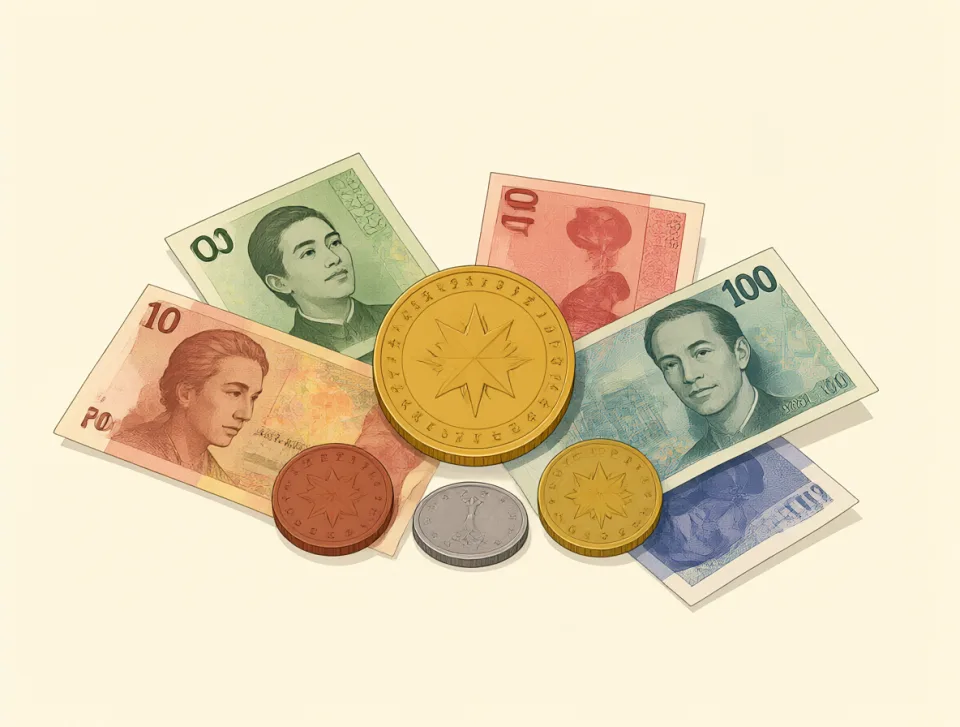
मुद्रा
The money used in a particular country, such as dollars, euros, or yen.
किसी खास देश में इस्तेमाल होने वाला पैसा, जैसे डॉलर, यूरो या येन।

You can exchange your currency for local money at the airport.
आप हवाई अड्डे पर अपनी मुद्रा स्थानीय पैसे में बदल सकते हैं।
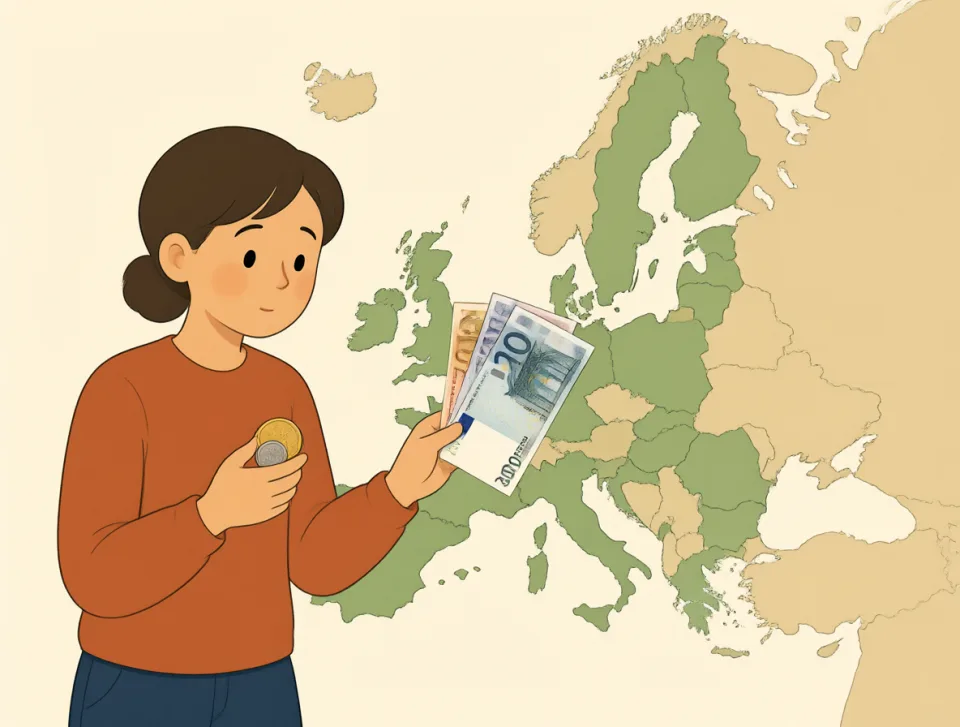
The euro is the official currency in many European countries.
यूरो कई यूरोपीय देशों की आधिकारिक मुद्रा है।

Prices may change when the value of a currency rises or falls.
किसी मुद्रा का मूल्य बढ़ने या घटने पर कीमतें बदल सकती हैं।

Please pay in local currency because this shop does not accept foreign money.
कृपया स्थानीय मुद्रा में भुगतान करें, क्योंकि यह दुकान विदेशी मुद्रा स्वीकार नहीं करती।

The company pays its overseas workers in their own currency.
कंपनी विदेश में काम करने वाले अपने कर्मचारियों को उनकी अपनी मुद्रा में वेतन देती है।

database
#2145noun
डेटाबेस
An organized collection of information stored on a computer and easy to search.
कंप्यूटर में संग्रहीत जानकारी का व्यवस्थित संग्रह, जिसे आसानी से खोजा जा सकता है।

The company keeps customer details in a secure database.
कंपनी ग्राहकों की जानकारी एक सुरक्षित डेटाबेस में रखती है।

I searched the library database for books about space.
मैंने अंतरिक्ष के बारे में किताबें खोजने के लिए पुस्तकालय का डेटाबेस खंगाला।

The doctor added my test results to the hospital database.
डॉक्टर ने मेरे जाँच के नतीजे अस्पताल के डेटाबेस में दर्ज किए।
Our teacher uses a database to track students' attendance.
हमारे शिक्षक छात्रों की उपस्थिति का रिकॉर्ड रखने के लिए डेटाबेस का इस्तेमाल करते हैं।

The shop's database showed that my order had been delivered.
दुकान के डेटाबेस में दिखा कि मेरा ऑर्डर पहुँचाया जा चुका था।

initially
#2146adverb
शुरुआत में
At the beginning, before something changes or develops.
शुरुआत में, इससे पहले कि कोई चीज़ बदले या विकसित हो।
Initially, I thought the new job would be difficult, but it soon became easier.
शुरुआत में मुझे लगा कि नई नौकरी मुश्किल होगी, लेकिन जल्द ही वह आसान हो गई।
The patient initially felt tired after taking the medicine, but recovered later.
दवा लेने के बाद शुरुआत में मरीज़ को थकान महसूस हुई, लेकिन बाद में वह ठीक हो गया।

Initially, our travel plans included a train, but we rented a car instead.
शुरुआत में हमारी यात्रा की योजना में ट्रेन से जाना शामिल था, लेकिन हमने इसके बजाय कार किराए पर ले ली।

The teacher initially asked students to work alone, then let them form pairs.
शिक्षक ने शुरुआत में विद्यार्थियों से अकेले काम करने को कहा, फिर उन्हें जोड़े बनाने दिए।
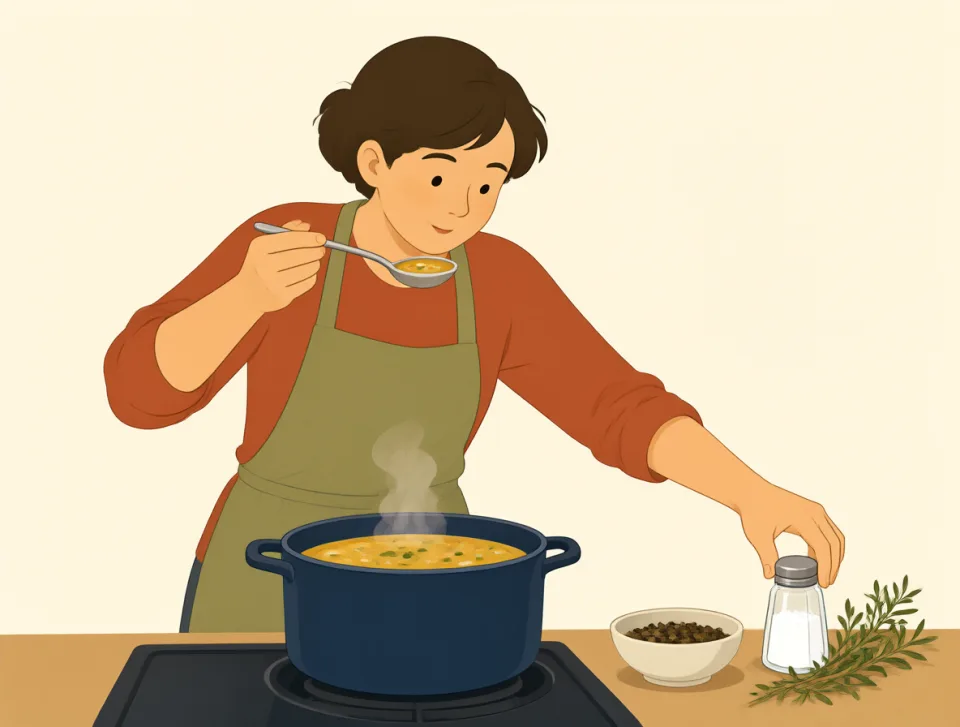
Initially, the soup tasted bland, so I added salt and fresh herbs.
शुरुआत में सूप का स्वाद फीका लगा, इसलिए मैंने उसमें नमक और ताज़ी जड़ी-बूटियाँ डाल दीं।

territory
#2147noun
इलाका
An area of land controlled by a person, group, country, or animal.
ज़मीन का वह क्षेत्र जिस पर किसी व्यक्ति, समूह, देश या जानवर का नियंत्रण हो।

The hikers entered bear territory and stayed close together.
पैदल यात्रा करने वाले लोग भालुओं के इलाके में दाखिल हुए और एक-दूसरे के करीब रहे।
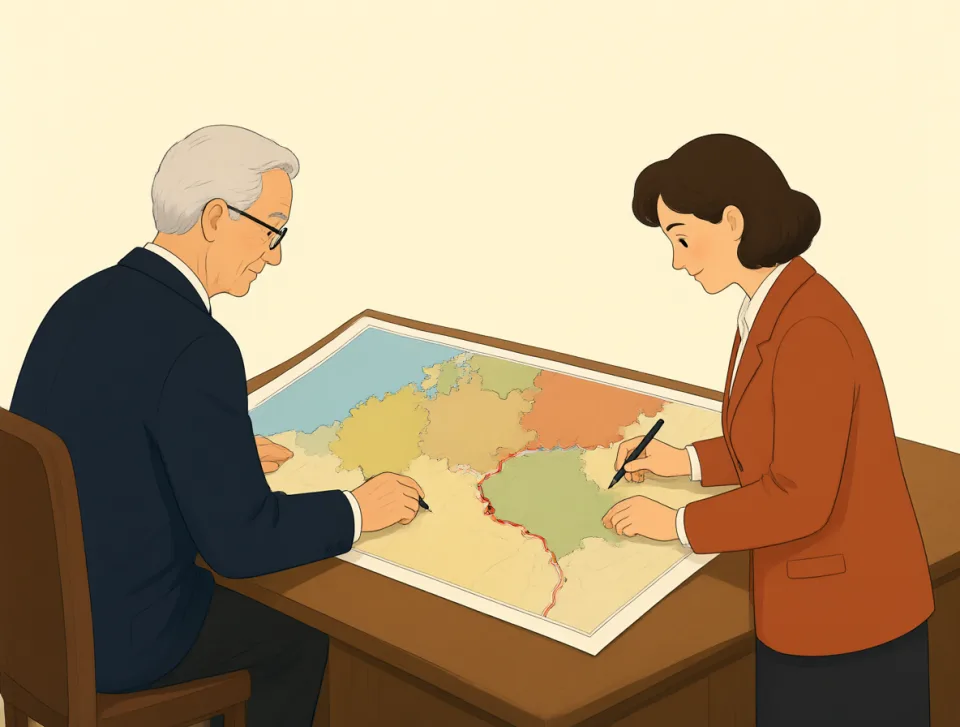
The two countries are discussing their border territories.
दोनों देश अपने सीमावर्ती क्षेत्रों पर चर्चा कर रहे हैं।

Please keep your bags out of the hotel breakfast territory.
कृपया अपने बैग होटल के नाश्ते वाले क्षेत्र से बाहर रखें।

The sales team is expanding into new territory this year.
इस साल बिक्री टीम नए क्षेत्रों में अपना कारोबार बढ़ा रही है।

Our teacher asked us to explore new territory in our writing.
हमारे शिक्षक ने लेखन में नए विषयों को तलाशने के लिए कहा।

stream
#2148noun, verb
धारा
a small river, or a continuous flow of something such as information or online video
एक छोटी नदी, या जानकारी अथवा ऑनलाइन वीडियो जैसी किसी चीज़ का लगातार प्रवाह।

We walked beside a quiet stream during our afternoon hike.
दोपहर की पैदल यात्रा के दौरान हम एक शांत जलधारा के किनारे चले।
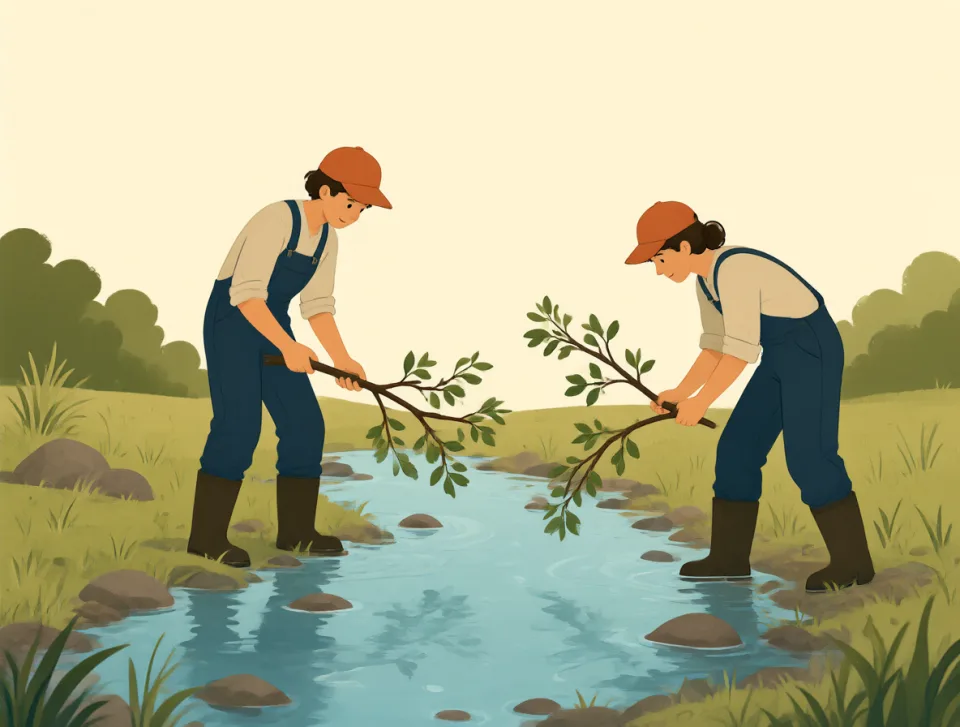
The workers cleared fallen branches from the stream after the storm.
तूफ़ान के बाद कर्मचारियों ने जलधारा से गिरी हुई डालियाँ हटाईं।

A steady stream of customers entered the shop before closing time.
दुकान बंद होने से पहले ग्राहकों का लगातार आना-जाना लगा रहा।

The teacher asked students to stream their projects during the online lesson.
ऑनलाइन पाठ के दौरान शिक्षक ने विद्यार्थियों से अपनी परियोजनाओं की लाइव स्ट्रीमिंग करने को कहा।
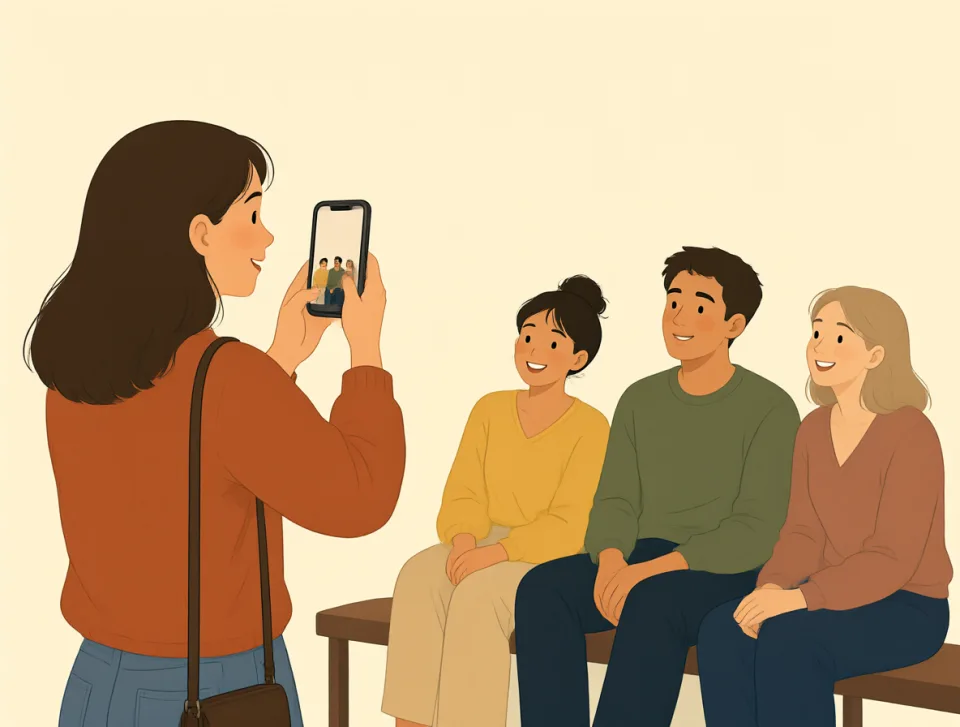
She streamed the concert live for friends who could not attend.
जो दोस्त वहाँ नहीं आ सके, उनके लिए उसने संगीत कार्यक्रम का सीधा प्रसारण किया।
rarely
#2149adverb
शायद ही कभी
not often; only sometimes
अक्सर नहीं; कभी-कभार ही।
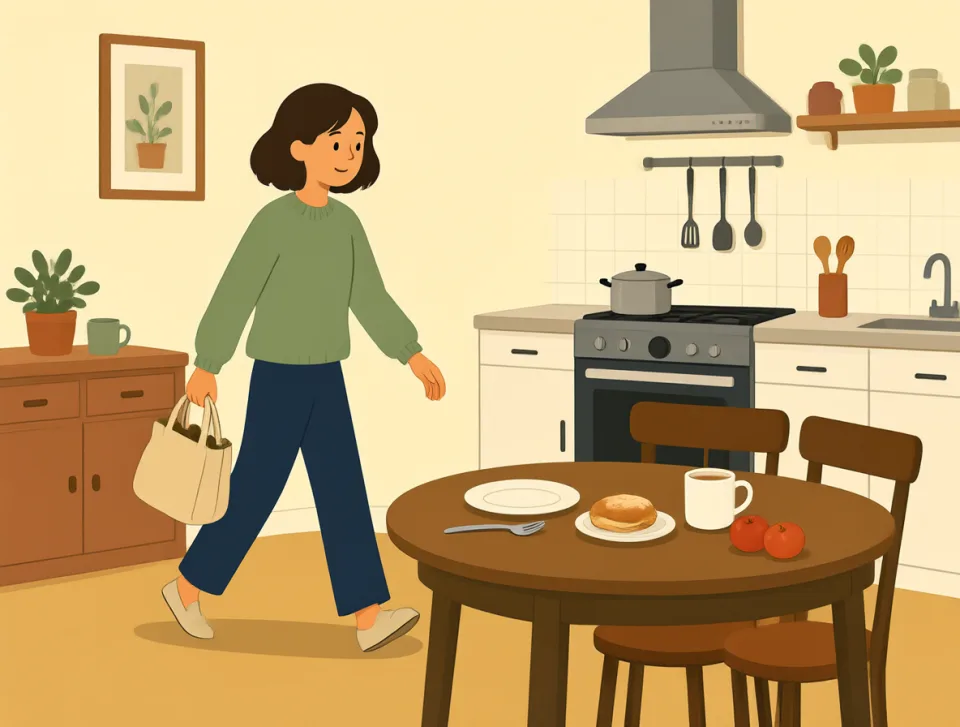
I rarely eat breakfast before leaving for work.
काम पर निकलने से पहले मैं शायद ही कभी नाश्ता करता हूँ।
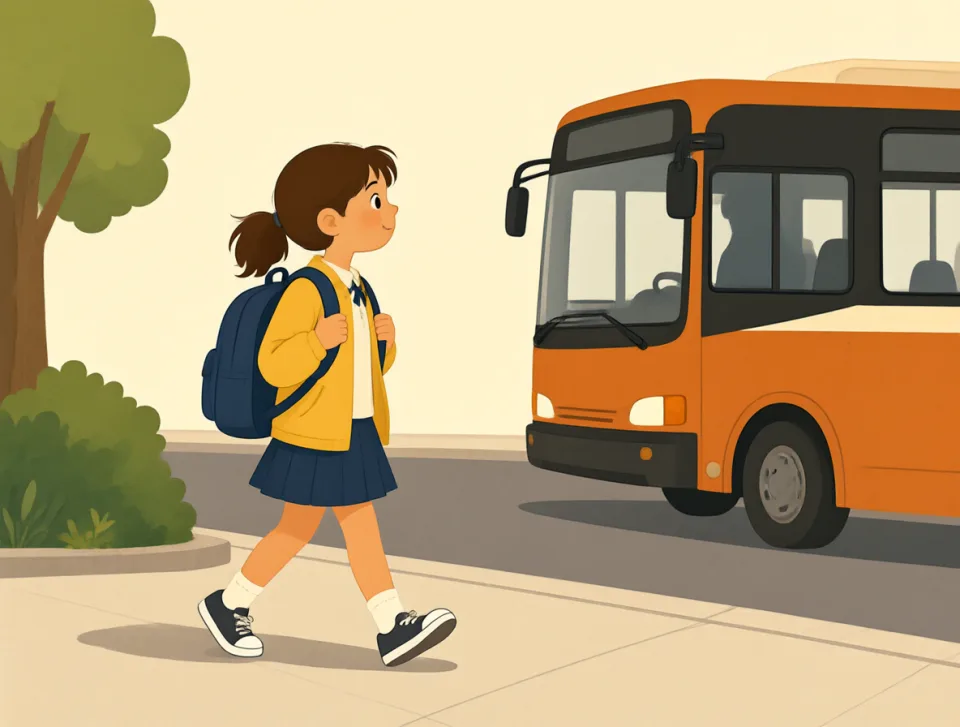
She rarely takes the bus because she usually walks to school.
वह शायद ही कभी बस लेती है, क्योंकि आमतौर पर पैदल स्कूल जाती है।

We rarely have team meetings on Friday afternoons at the office.
कार्यालय में शुक्रवार दोपहर को हमारी टीम की बैठक शायद ही कभी होती है।

He rarely shops for clothes online because he prefers trying them on.
वह शायद ही कभी ऑनलाइन कपड़े खरीदता है, क्योंकि उसे पहले पहनकर देखना पसंद है।
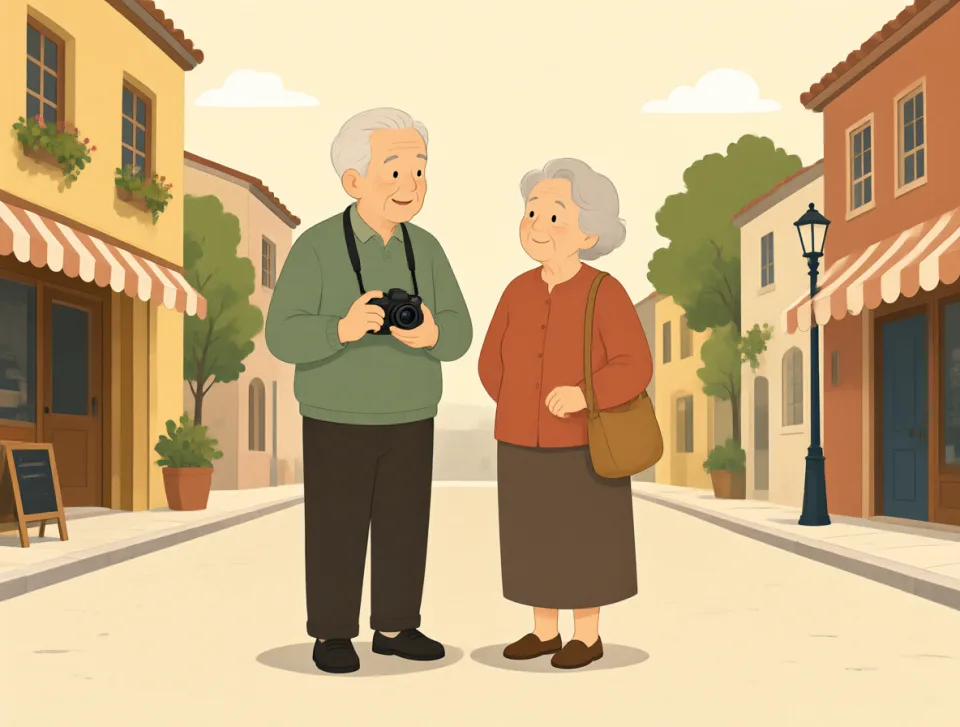
My grandparents rarely travel abroad, but they enjoy visiting nearby towns.
मेरे दादा-दादी शायद ही कभी विदेश जाते हैं, लेकिन उन्हें पास के कस्बों में घूमना पसंद है।
height
#2150noun
ऊँचाई
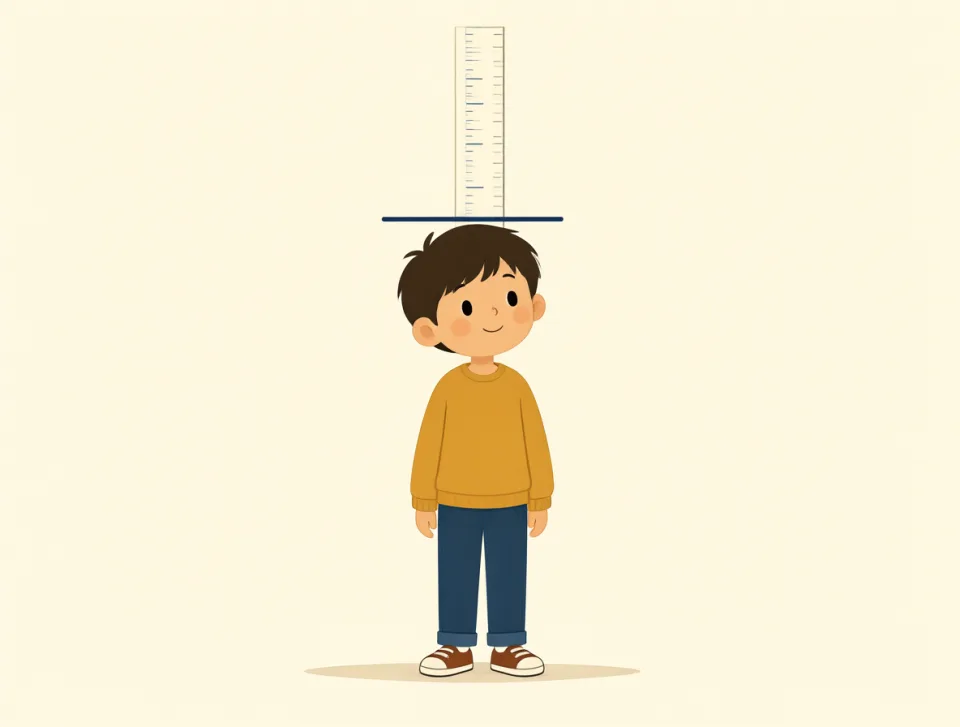
How tall someone or something is, measured from the bottom to the top.
नीचे से ऊपर तक मापी गई किसी व्यक्ति या चीज़ की लंबाई।
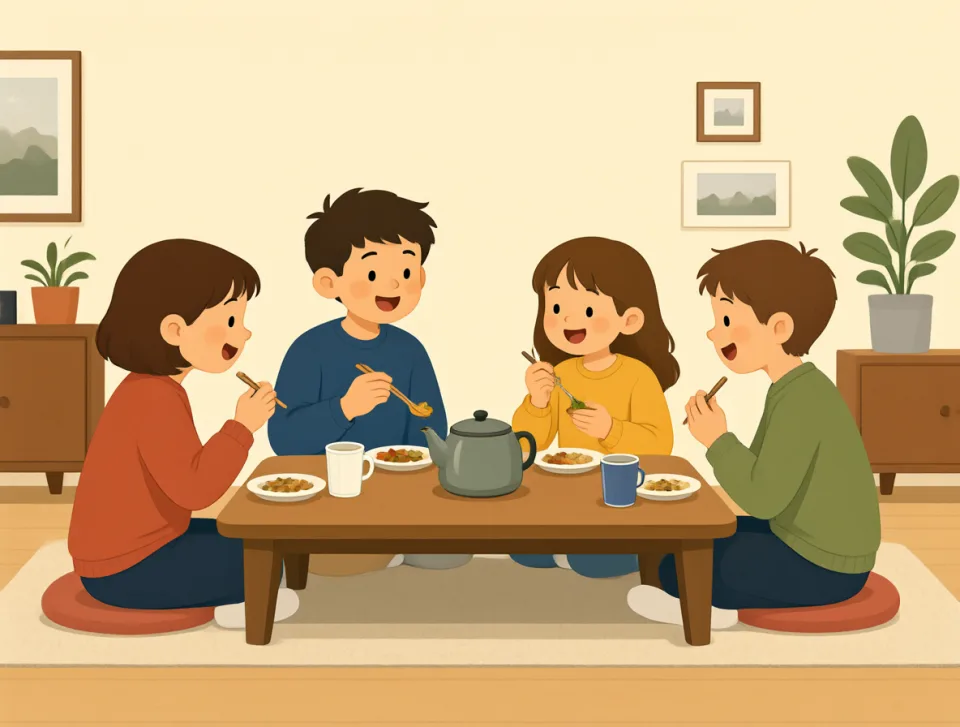
The height of the table is perfect for children to use comfortably.
मेज़ की ऊँचाई बच्चों के आराम से इस्तेमाल करने के लिए एकदम सही है।
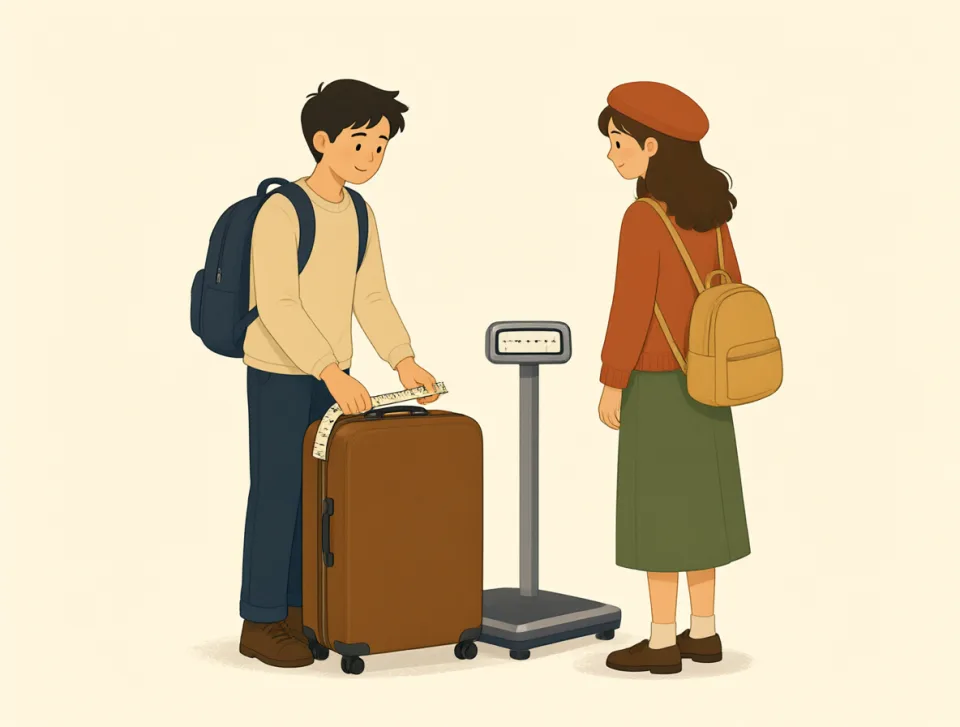
Please check the height of this suitcase before taking it on the plane.
कृपया विमान में ले जाने से पहले इस सूटकेस की ऊँचाई जाँच लें।

The basketball player is famous for his great height and long arms.
बास्केटबॉल का यह खिलाड़ी अपनी शानदार कद-काठी और लंबी बाँहों के लिए मशहूर है।

The doctor measured my height during my yearly health check.
मेरी सालाना स्वास्थ्य जाँच के दौरान डॉक्टर ने मेरी ऊँचाई मापी।

We climbed to the mountain's highest point and enjoyed the beautiful view.
हम पहाड़ की सबसे ऊँची चोटी तक चढ़े और वहाँ से सुंदर नज़ारे का आनंद लिया।
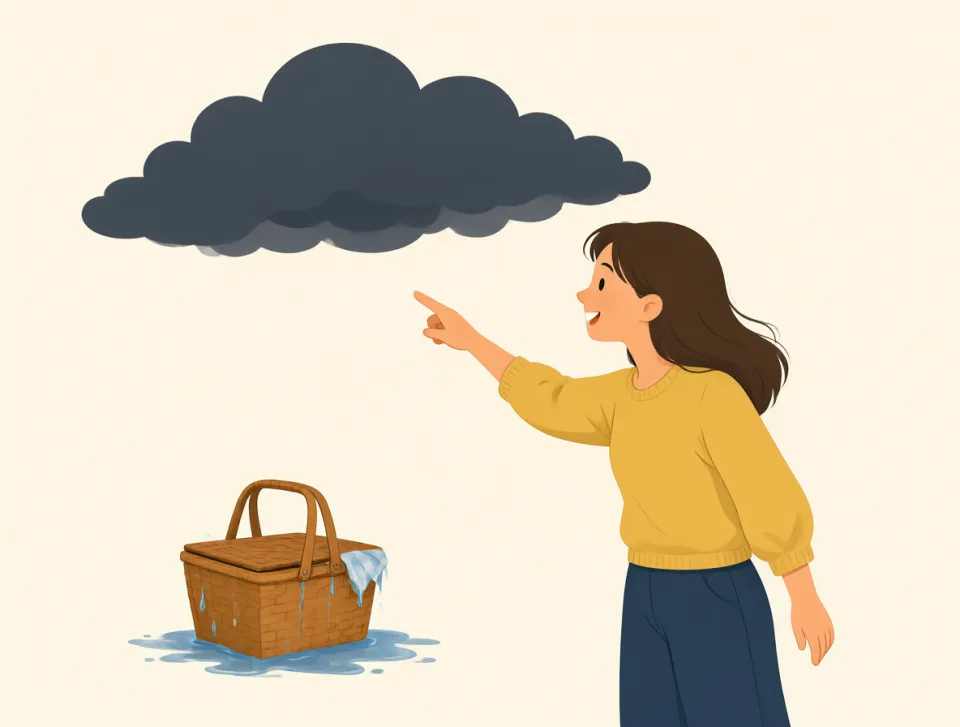
apparent
#2151adjective
स्पष्ट
Easy to see or understand, although it may not be completely certain.
जिसे देखना या समझना आसान हो, हालांकि पूरी तरह निश्चित न हो।
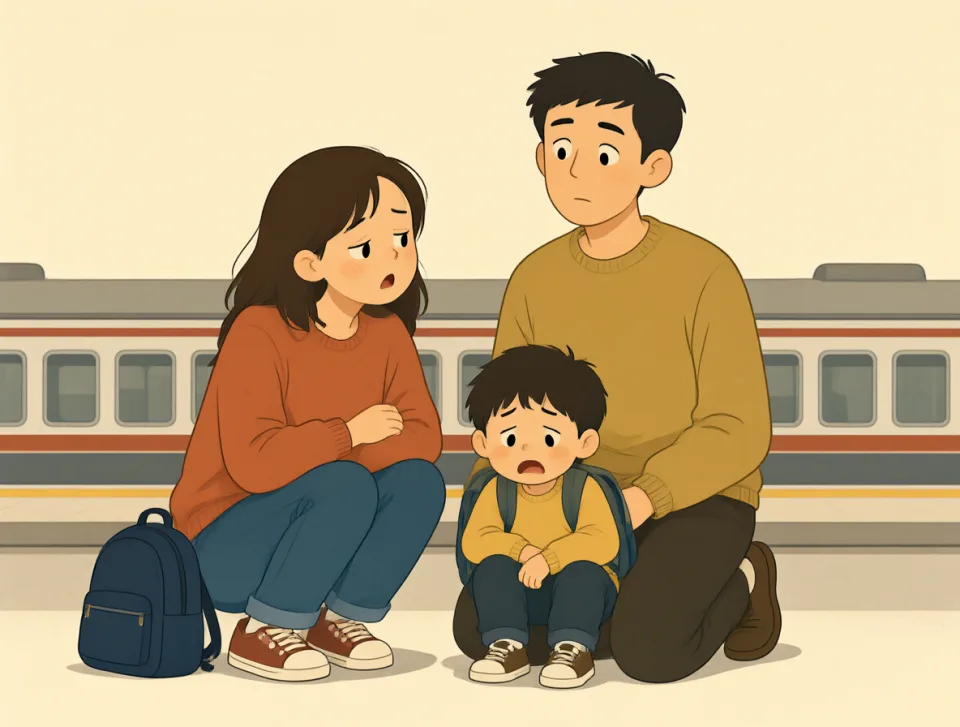
It was apparent that the children were tired after the long journey.
लंबे सफ़र के बाद यह साफ़ था कि बच्चे थक गए थे।

There was no apparent reason for the sudden change in his mood.
उसके मिज़ाज में अचानक आए बदलाव का कोई स्पष्ट कारण नहीं था।

The shop closed early because there was an apparent problem with the electricity.
बिजली की किसी स्पष्ट समस्या के कारण दुकान जल्दी बंद हो गई।
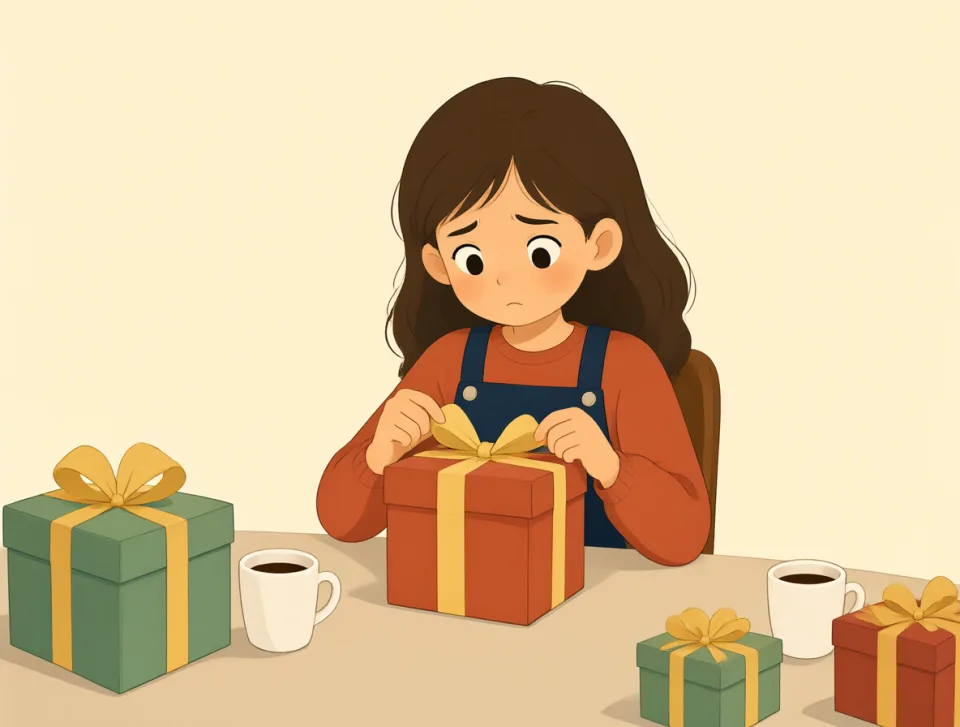
Her disappointment was apparent when she opened the birthday gift.
जन्मदिन का तोहफ़ा खोलते ही उसकी निराशा साफ़ दिखाई दे रही थी।

The doctor found no apparent signs of serious illness during the examination.
जाँच के दौरान डॉक्टर को गंभीर बीमारी के कोई स्पष्ट लक्षण नहीं मिले।

western
#2152adjective, noun
पश्चिमी
Connected with the west or the western part of a country or the world.
पश्चिम या किसी देश अथवा दुनिया के पश्चिमी हिस्से से जुड़ा हुआ।

They moved to a western city for better job opportunities.
बेहतर नौकरी के अवसरों के लिए वे पश्चिम के एक शहर में चले गए।

The western coast is famous for its beautiful beaches and mild weather.
पश्चिमी तट अपने खूबसूरत समुद्र तटों और सुहावने मौसम के लिए मशहूर है।

We watched an old western about a sheriff and a group of outlaws.
हमने एक शेरिफ़ और डाकुओं के एक गिरोह पर बनी पुरानी वेस्टर्न फ़िल्म देखी।

The restaurant serves delicious western food, including burgers, steak, and French fries.
यह रेस्तराँ बर्गर, स्टेक और फ्रेंच फ्राइज़ समेत स्वादिष्ट पश्चिमी खाना परोसता है।
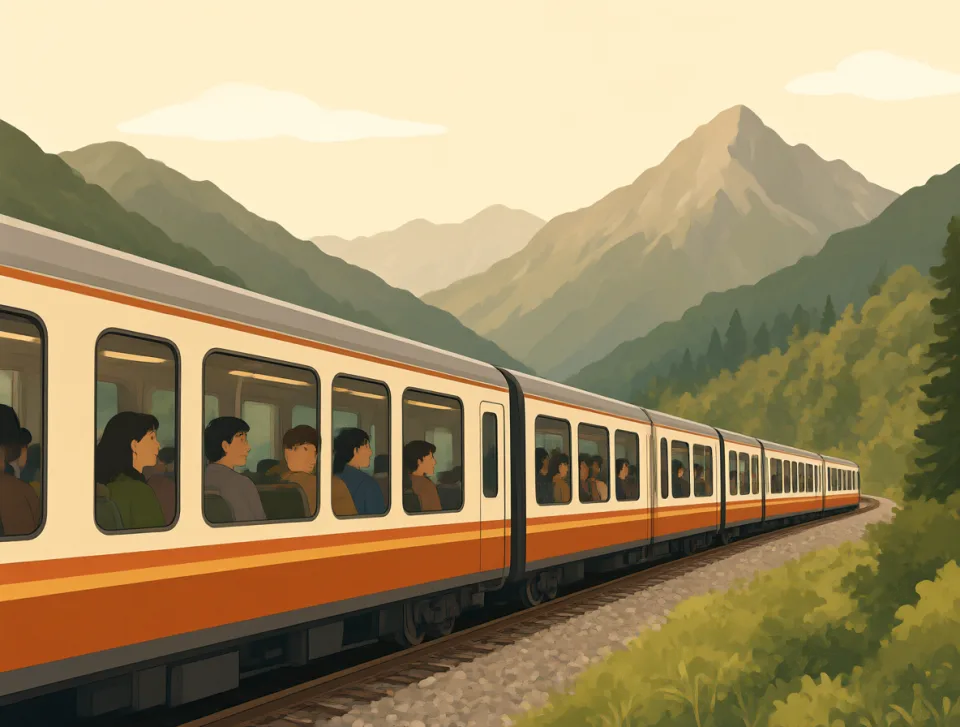
The train travels west through the western mountains before reaching the border.
सीमा तक पहुँचने से पहले ट्रेन पश्चिमी पहाड़ों से होकर पश्चिम की ओर जाती है।

expansion
#2153noun
विस्तार
the process of becoming larger or making something larger
बड़ा होने या किसी चीज़ को बड़ा करने की प्रक्रिया।

The company plans an expansion into three new countries next year.
कंपनी अगले साल तीन नए देशों में अपना कारोबार फैलाने की योजना बना रही है।

The expansion of the kitchen gave our family more room to cook.
रसोई का विस्तार होने से हमारे परिवार को खाना बनाने के लिए ज़्यादा जगह मिल गई।
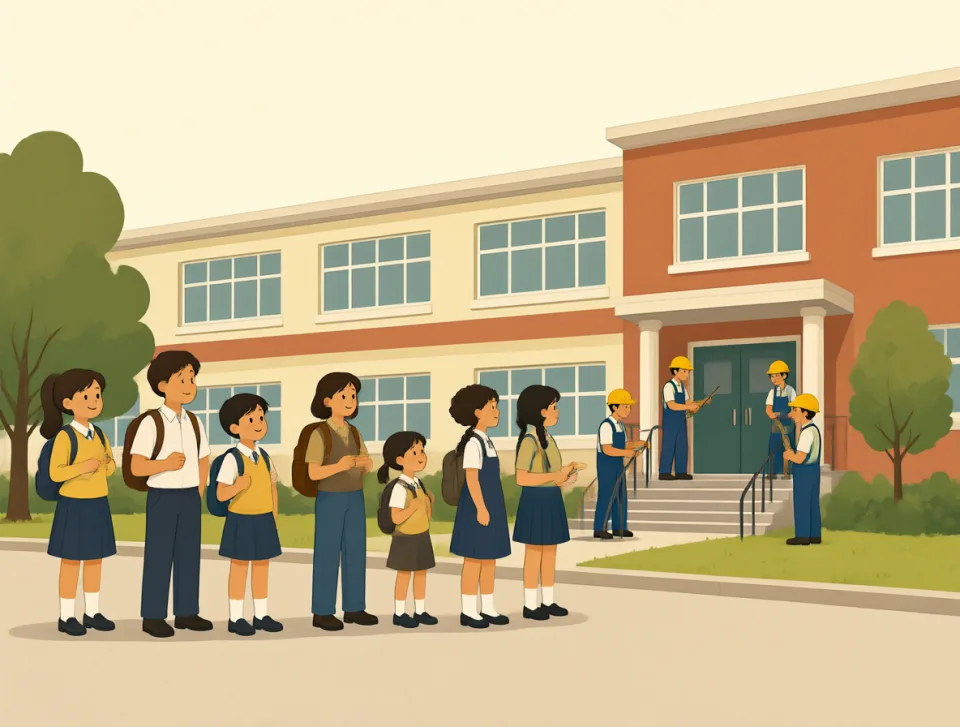
The school announced an expansion to provide more classrooms for students.
स्कूल ने विद्यार्थियों के लिए और कक्षाएँ बनाने हेतु विस्तार की घोषणा की।

The supermarket's expansion created space for a larger fruit and vegetable section.
सुपरमार्केट के विस्तार से फल और सब्ज़ियों के बड़े विभाग के लिए जगह बन गई।
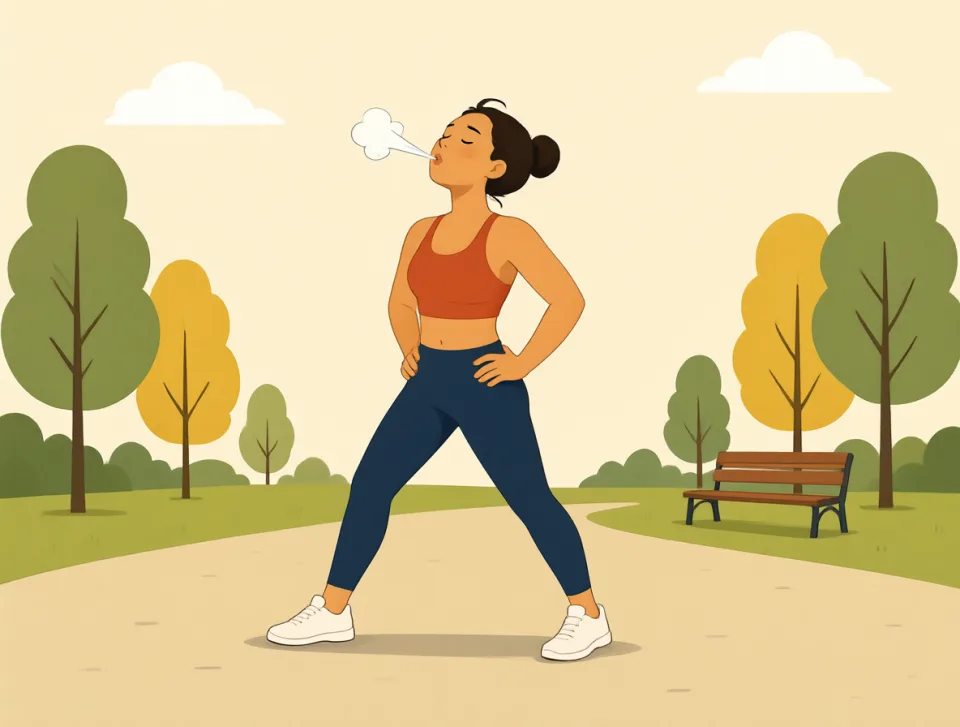
Regular exercise helps with lung expansion and makes breathing easier.
नियमित व्यायाम से फेफड़ों का फैलाव बेहतर होता है और साँस लेना आसान हो जाता है।

constantly
#2154adverb
लगातार
Again and again or all the time, often in an annoying way.
बार-बार या हर समय, अक्सर इस तरह कि झुंझलाहट हो।
The baby constantly wakes up during the night, so we are exhausted.
बच्चा रात में लगातार जागता रहता है, इसलिए हम बहुत थक गए हैं।

My phone constantly rings while I am trying to finish my work.
जब मैं अपना काम पूरा करने की कोशिश कर रहा होता हूँ, तब मेरा फ़ोन लगातार बजता रहता है।

The weather is constantly changing, so pack both a raincoat and sunglasses.
मौसम लगातार बदल रहा है, इसलिए रेनकोट और धूप का चश्मा दोनों रख लो।
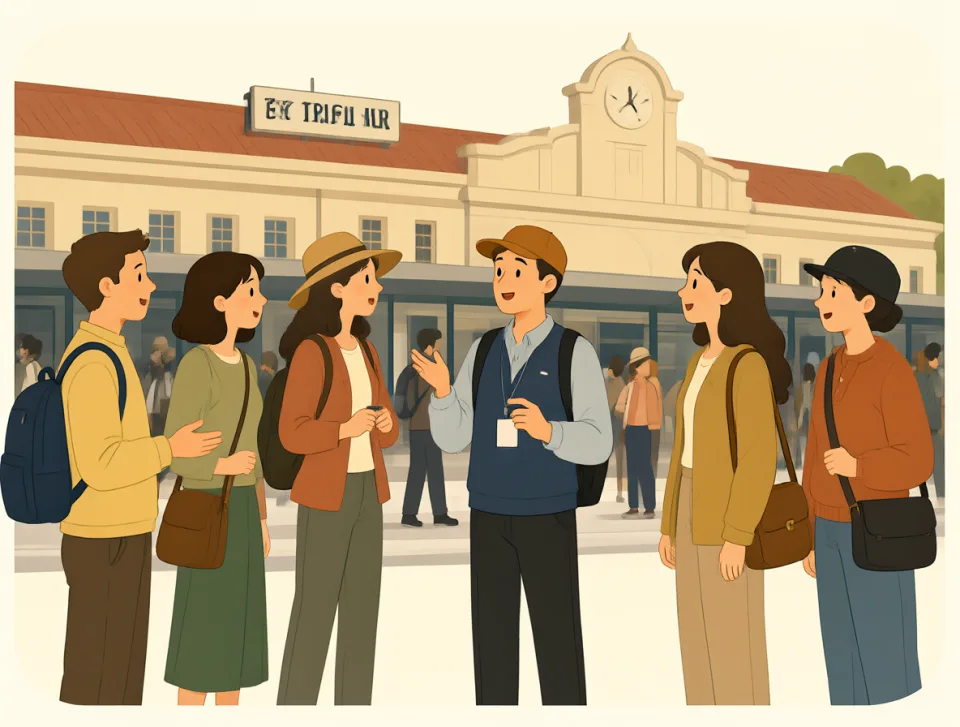
Tourists constantly ask the guide where the train station is.
पर्यटक गाइड से लगातार पूछते रहते हैं कि रेलवे स्टेशन कहाँ है।

He is constantly complaining about his cold, but refuses to see a doctor.
वह लगातार अपनी सर्दी की शिकायत करता रहता है, लेकिन डॉक्टर को दिखाने से इनकार करता है।

muscle
#2155noun, verb
मांसपेशी; ताकत
A body part that helps you move, or physical strength used to do something.
शरीर का वह हिस्सा जो आपको चलने-फिरने में मदद करता है, या कोई काम करने के लिए इस्तेमाल की जाने वाली शारीरिक ताकत।

He pulled a muscle in his back while lifting a heavy box.
भारी डिब्बा उठाते समय उसकी पीठ की एक मांसपेशी खिंच गई।

Regular exercise helps build strong muscles and keeps your body healthy.
नियमित व्यायाम से मांसपेशियाँ मज़बूत होती हैं और शरीर स्वस्थ रहता है।
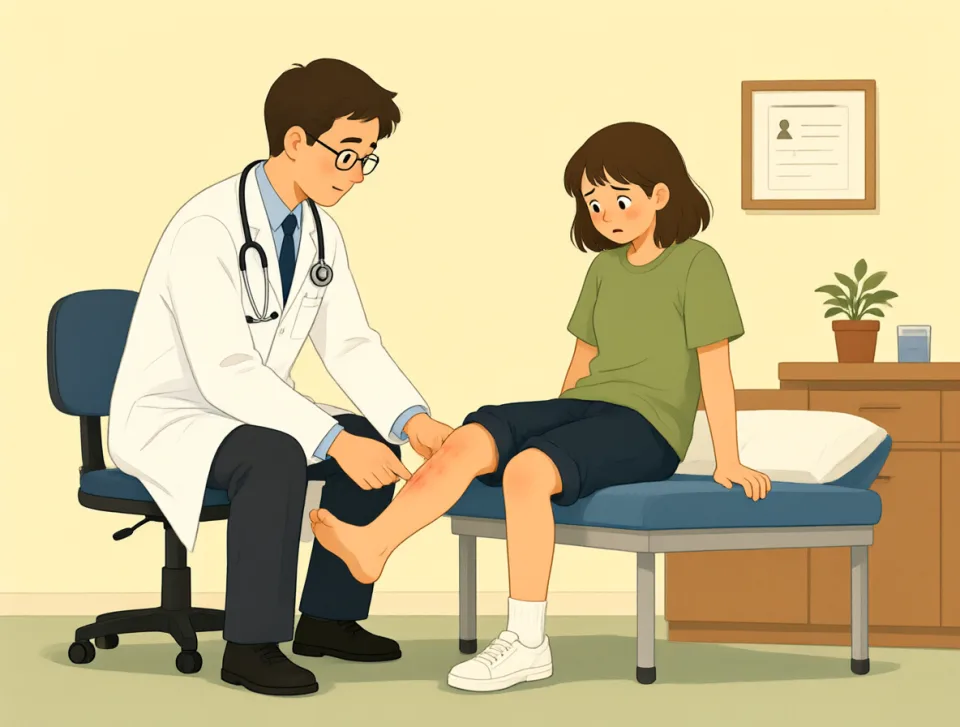
The doctor said I should rest the injured muscle for a few days.
डॉक्टर ने कहा कि मुझे कुछ दिनों तक चोट लगी मांसपेशी को आराम देना चाहिए।
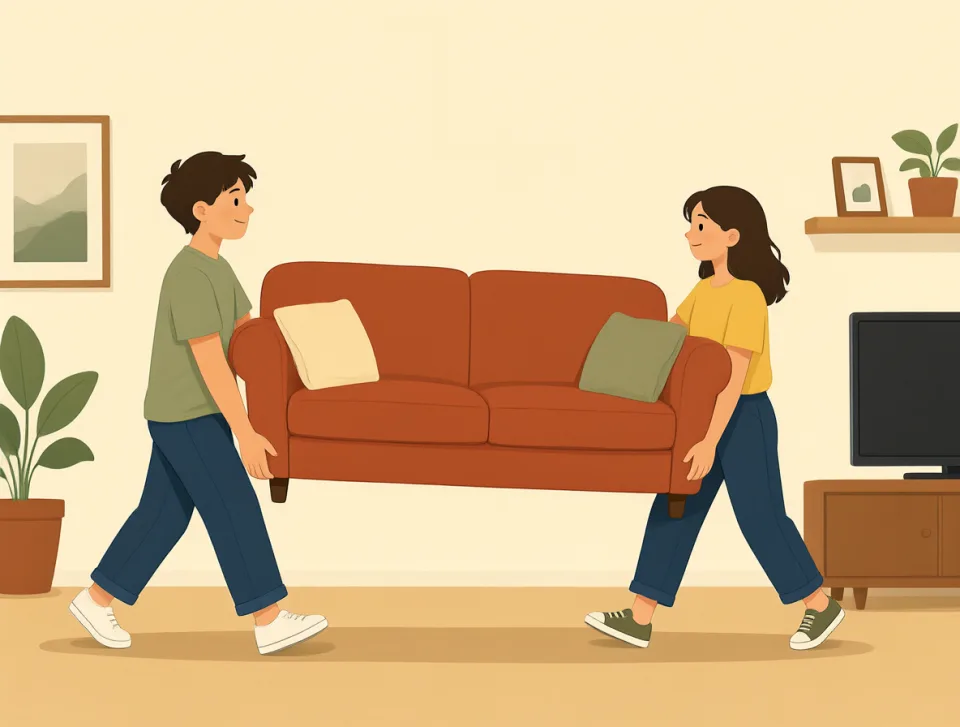
Moving the furniture took a lot of muscle, so we asked our friends for help.
फ़र्नीचर हटाने में काफ़ी ताकत लगी, इसलिए हमने अपने दोस्तों से मदद माँगी।

The team needs to muscle past its problems and finish the project.
टीम को अपनी समस्याओं पर ज़ोर लगाकर काबू पाना होगा और परियोजना पूरी करनी होगी।
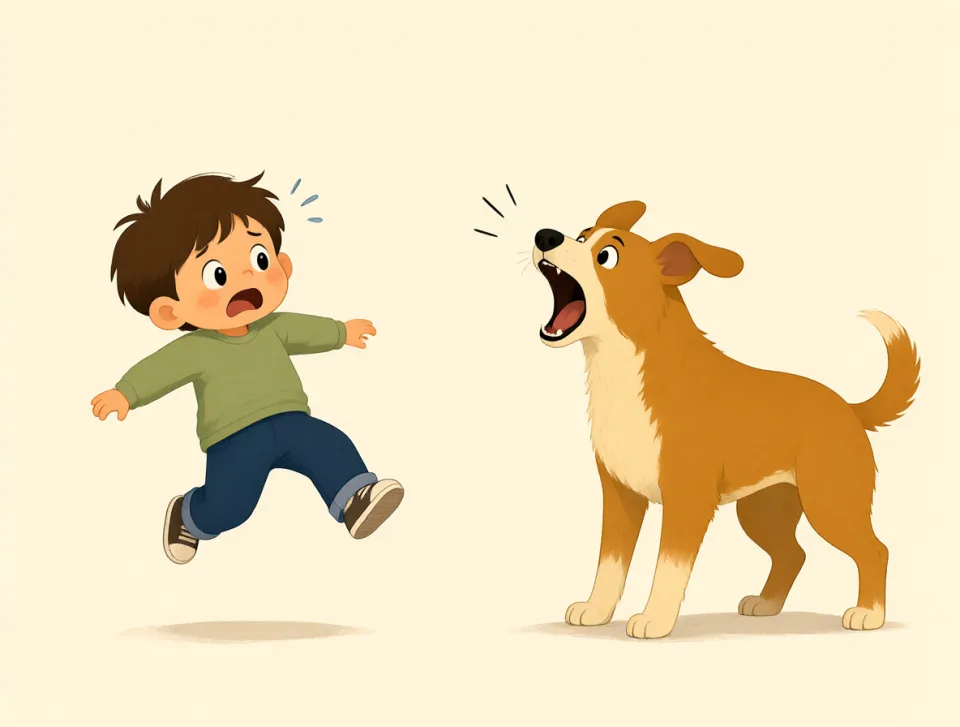
scare
#2156noun, verb
डर
A sudden feeling of fear, or to make someone feel afraid.
अचानक महसूस होने वाला डर; या किसी को डराना।

The loud noise gave me a scare while I was cooking dinner.
रात का खाना बनाते समय तेज़ आवाज़ से मैं डर गया।

Dark streets can scare children when they walk home alone.
अँधेरी सड़कों पर अकेले घर जाते समय बच्चों को डर लग सकता है।

The sudden alarm scared everyone in the office.
अचानक अलार्म बजने से दफ़्तर में सभी डर गए।

That horror movie really scared my little brother last night.
कल रात उस डरावनी फ़िल्म ने मेरे छोटे भाई को सचमुच डरा दिया।

The doctor’s warning scared her, but the treatment was successful.
डॉक्टर की चेतावनी से वह डर गई, लेकिन इलाज सफल रहा।

badly
#2157adverb
बुरी तरह; बहुत ज़्यादा
in a poor or harmful way; very much
खराब या नुकसानदेह तरीके से; बहुत ज़्यादा।
The student spelled the word badly and lost marks on her spelling test.
छात्रा ने शब्द की वर्तनी गलत लिखी और वर्तनी की परीक्षा में उसके अंक कट गए।

Our flight was badly delayed by a storm, so we arrived after midnight.
तूफ़ान के कारण हमारी उड़ान में बहुत देर हुई, इसलिए हम आधी रात के बाद पहुँचे।
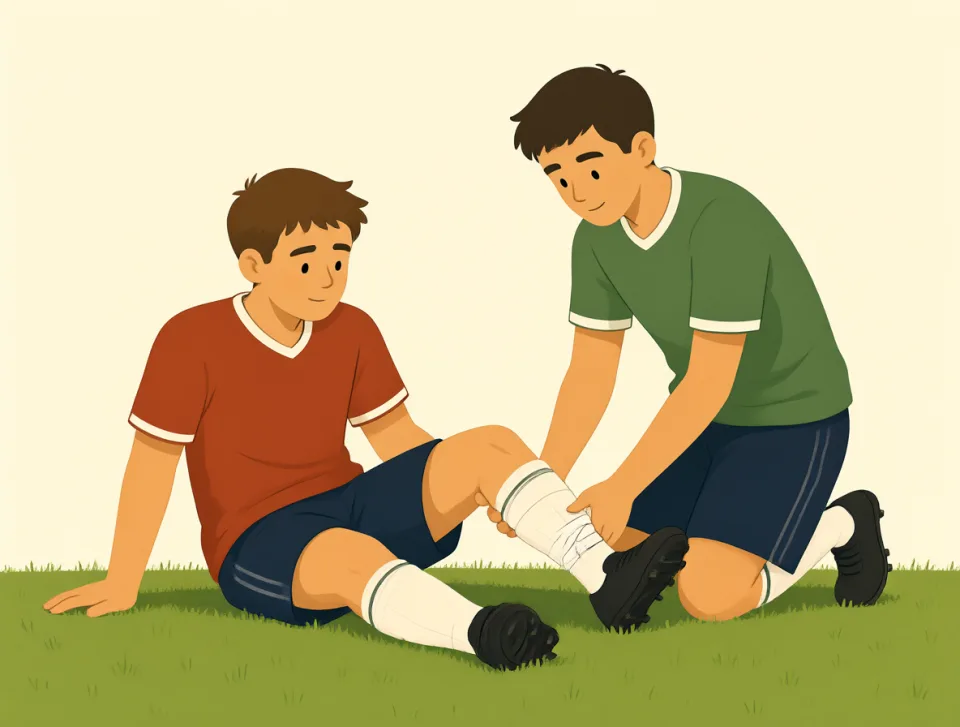
He was badly hurt playing football and needed help walking home.
फ़ुटबॉल खेलते समय उसे बुरी तरह चोट लगी और घर तक चलने के लिए मदद की ज़रूरत पड़ी।

I badly need a cup of coffee after working all morning.
सुबह भर काम करने के बाद मुझे कॉफ़ी की बहुत ज़रूरत है।
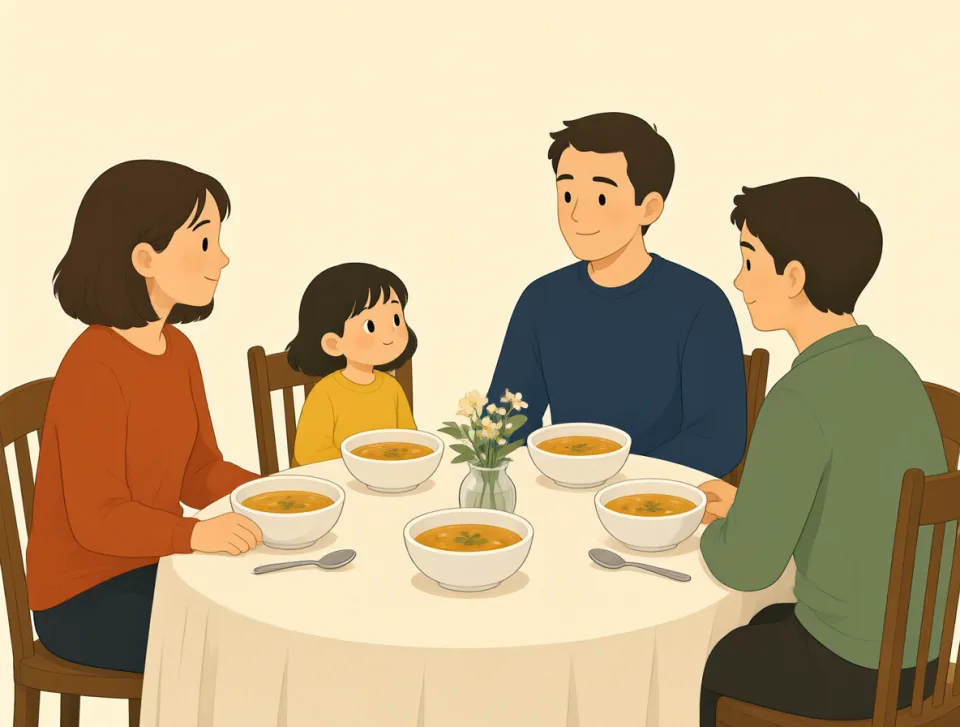
The soup was badly seasoned, so nobody wanted a second bowl.
सूप में मसाला ठीक से नहीं डाला गया था, इसलिए कोई भी दूसरा कटोरा नहीं लेना चाहता था।

everyday
#2158adjective
रोज़मर्रा का
普通の日常的な;特別ではない
रोज़मर्रा का और साधारण; कुछ खास नहीं।
I wear comfortable everyday clothes when I work from home.
घर से काम करते समय मैं आरामदायक रोज़मर्रा के कपड़े पहनता हूँ।
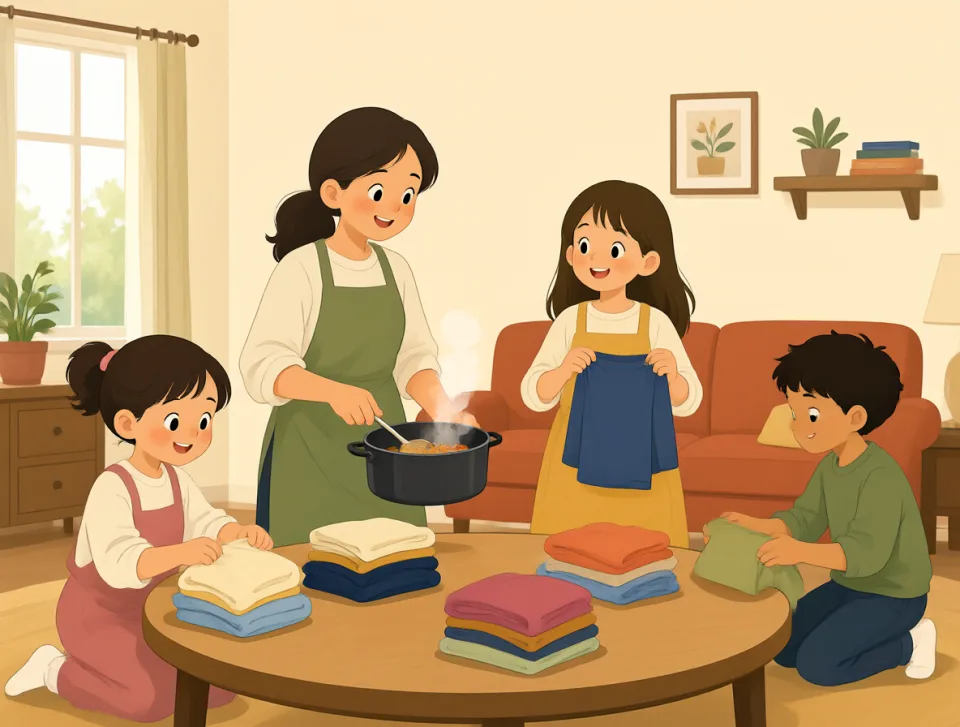
These everyday activities help children learn useful life skills.
रोज़मर्रा की ये गतिविधियाँ बच्चों को जीवन के उपयोगी कौशल सीखने में मदद करती हैं।
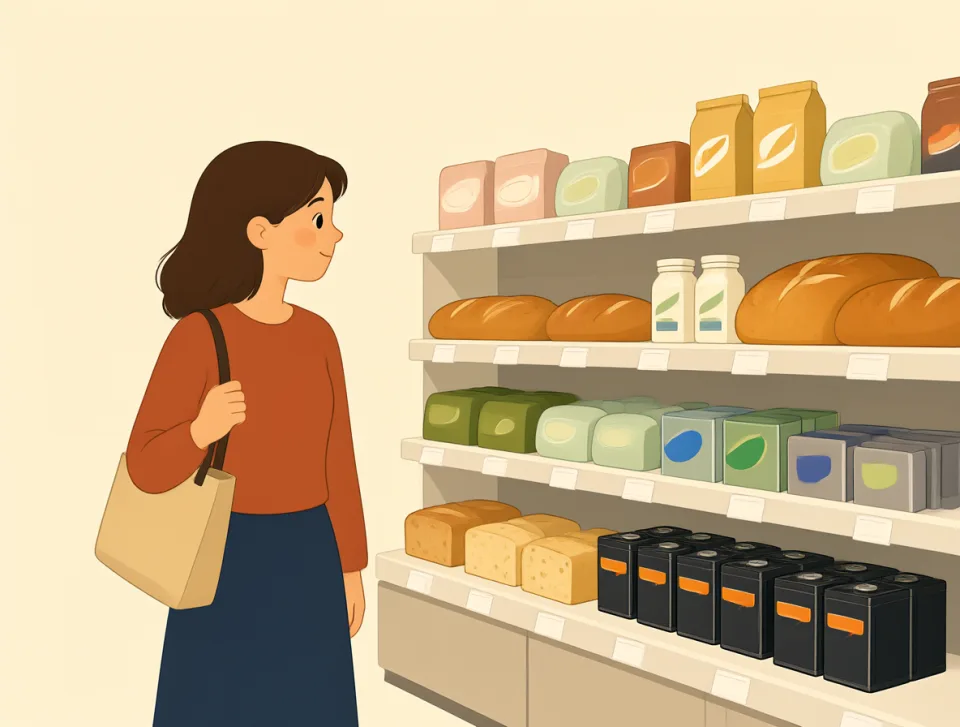
The shop sells everyday items like soap, bread, and batteries.
यह दुकान साबुन, ब्रेड और बैटरियों जैसी रोज़मर्रा की चीज़ें बेचती है।

She uses everyday English when speaking with her international coworkers.
वह अपने अंतरराष्ट्रीय सहकर्मियों से बात करते समय रोज़मर्रा की अंग्रेज़ी का इस्तेमाल करती है।
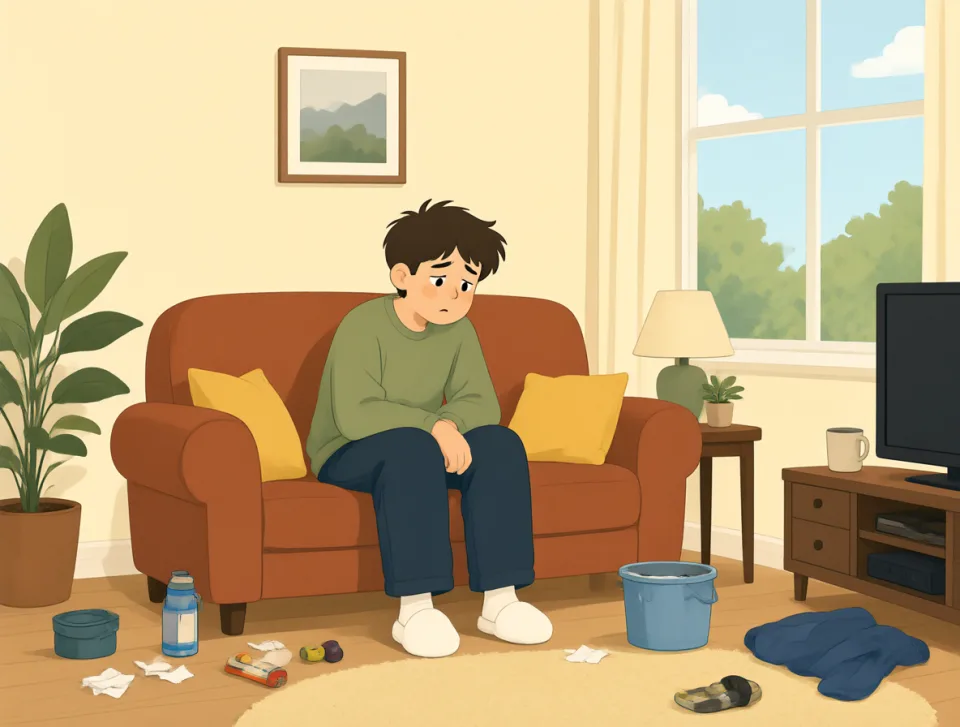
Small everyday problems can feel stressful when you are tired.
थके होने पर रोज़मर्रा की छोटी-मोटी समस्याएँ भी तनावपूर्ण लग सकती हैं।
boundary
#2159noun
सीमा
A limit that shows where something ends or what behavior is acceptable.
वह हद जो बताती है कि कोई चीज़ कहाँ खत्म होती है या कौन-सा व्यवहार स्वीकार्य है।

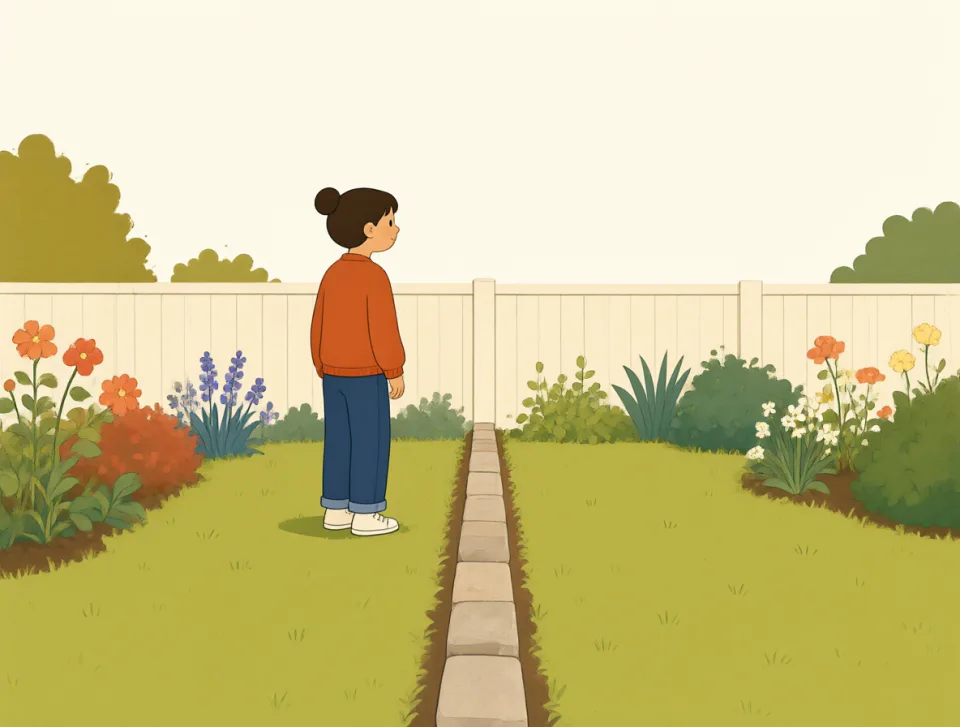
The fence marks the boundary between our garden and the neighbor's.
बाड़ हमारे बगीचे और पड़ोसी के बगीचे के बीच की सीमा बताती है।

Please respect my personal boundaries and give me some quiet time.
कृपया मेरी निजी सीमाओं का सम्मान करें और मुझे कुछ समय शांति से रहने दें।
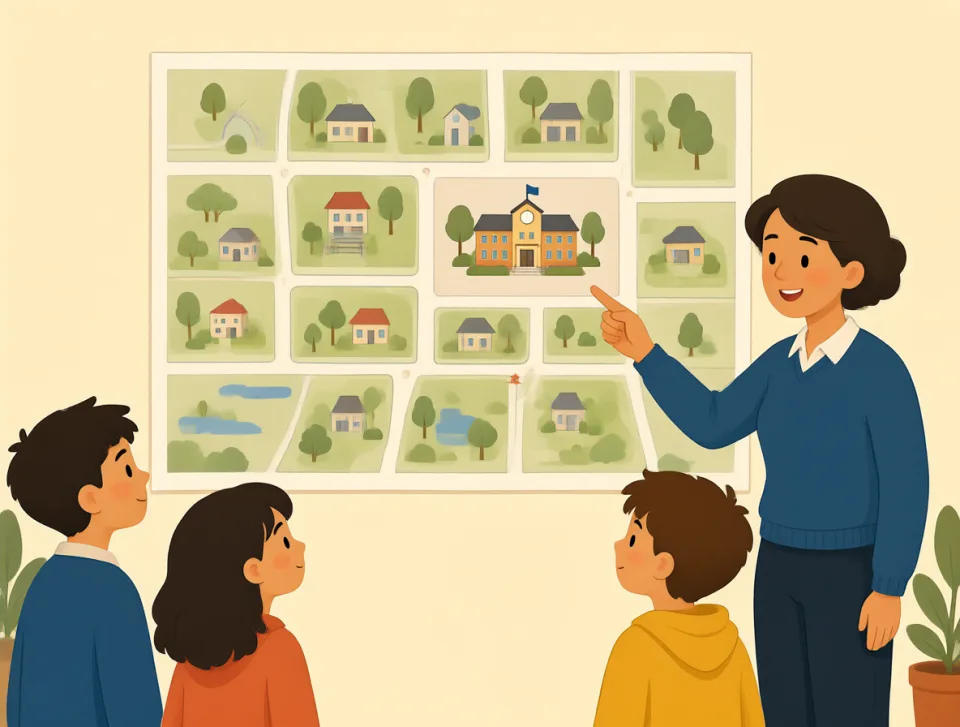
The school boundary includes three streets and two nearby apartment buildings.
स्कूल की सीमा में तीन सड़कें और पास की दो अपार्टमेंट इमारतें शामिल हैं।

The river forms a natural boundary between the two countries.
नदी दोनों देशों के बीच प्राकृतिक सीमा बनाती है।

The doctor explained that the pain was near the boundary of my shoulder.
डॉक्टर ने बताया कि दर्द मेरे कंधे की सीमा के पास था।
ratio
#2160noun
अनुपात
A relationship between two numbers that shows how much of one there is compared with the other.
दो संख्याओं के बीच का संबंध, जो बताता है कि एक की मात्रा दूसरी की तुलना में कितनी है।
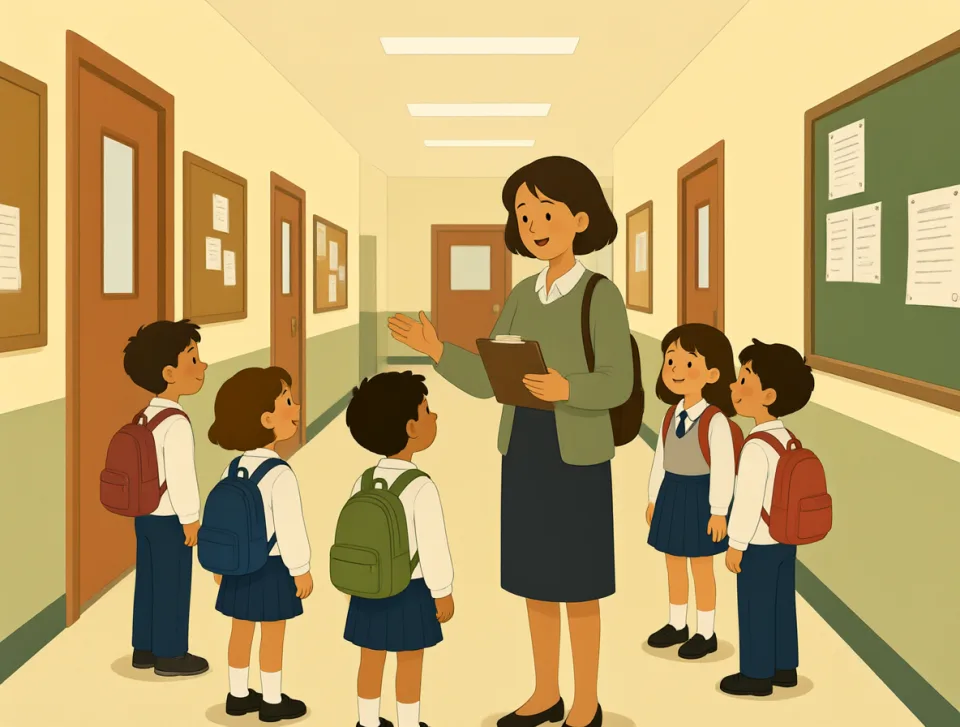
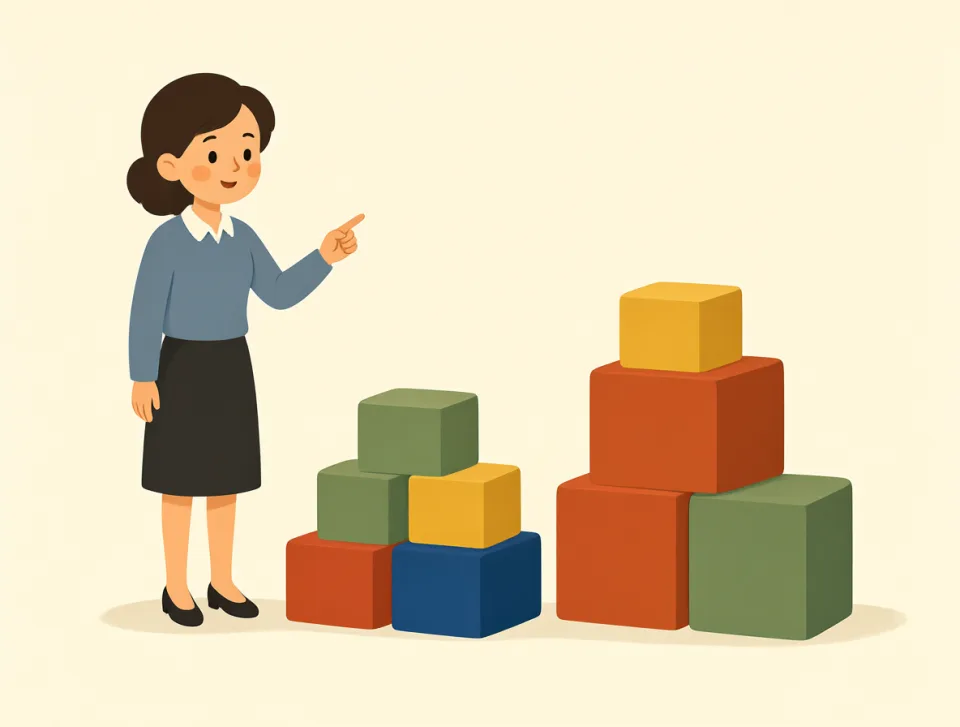
The ratio of students to teachers is twelve to one.
छात्रों और शिक्षकों का अनुपात बारह और एक है।
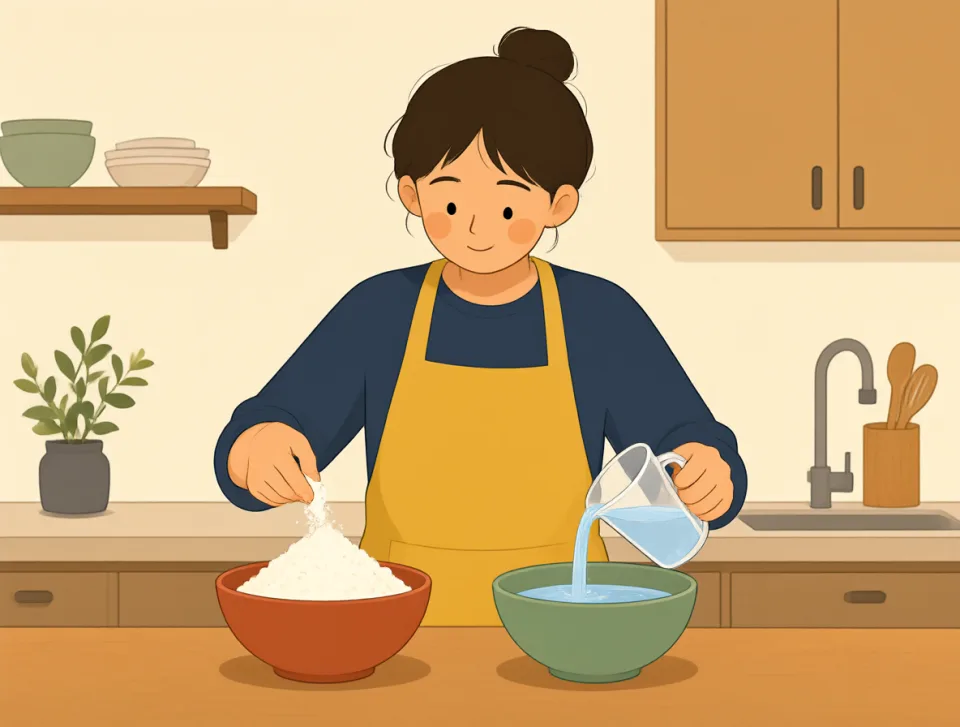
Mix the flour and water in a ratio of two to one.
आटे और पानी को दो और एक के अनुपात में मिलाएँ।

The doctor recommended reducing the ratio of sugar to fruit in smoothies.
डॉक्टर ने स्मूदी में फल की तुलना में चीनी का अनुपात कम करने की सलाह दी।

This store offers a better price-to-quality ratio than its competitors.
यह दुकान अपने प्रतिस्पर्धियों की तुलना में बेहतर कीमत-गुणवत्ता अनुपात देती है।

The ratio of sunny days to rainy days made our vacation enjoyable.
धूप वाले और बारिश वाले दिनों का अनुपात ऐसा था कि हमारी छुट्टियाँ मज़ेदार रहीं।