Блок 139
Слова 2761–2780 · tongue, server, structural, website, fool, alongside
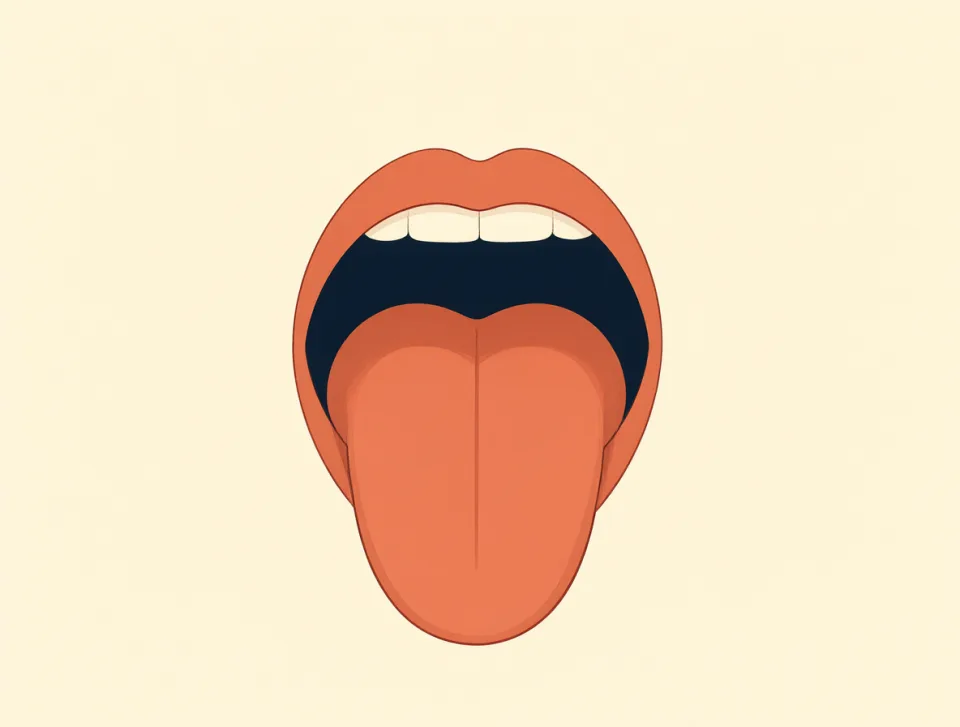
tongue
#2761noun
язык
The soft, movable part inside your mouth that helps you taste, speak, and swallow.
Мягкая подвижная часть во рту, которая помогает чувствовать вкус, говорить и глотать.

The doctor asked me to stick out my tongue during the checkup.
Во время осмотра врач попросил меня высунуть язык.
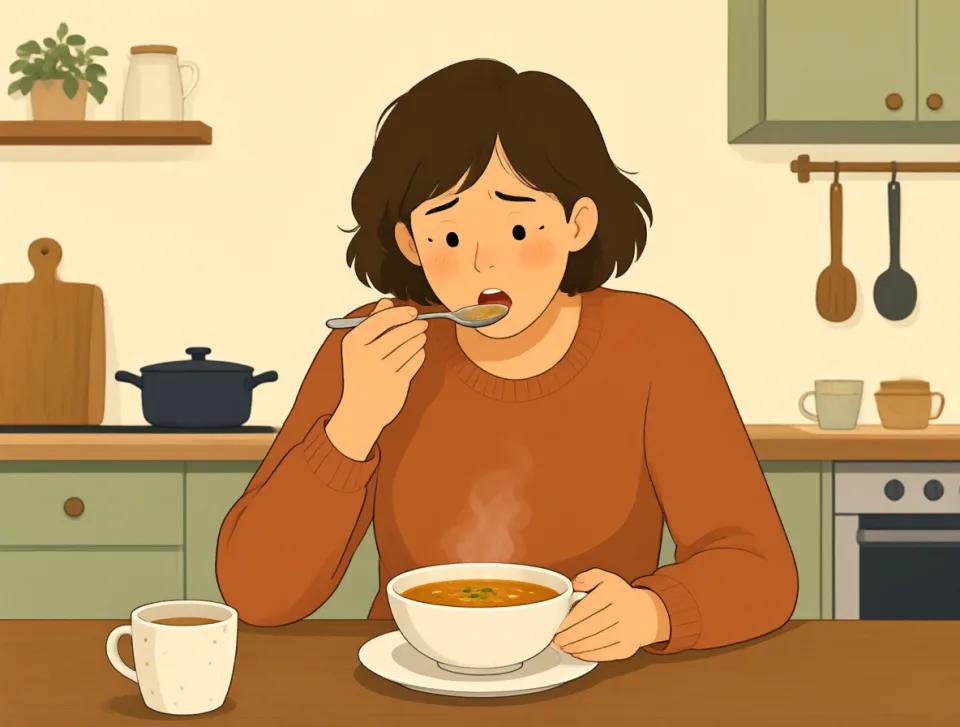
She burned her tongue on the hot soup and reached for some water.
Она обожгла язык горячим супом и потянулась за водой.

He speaks three languages, but English is his mother tongue.
Он говорит на трёх языках, но его родной язык — английский.

The cat licked its paws with its rough tongue after dinner.
После ужина кошка вылизала лапы своим шершавым языком.

The children made a tongue twister harder by saying it faster.
Дети усложнили скороговорку, произнося её быстрее.

server
#2762noun
официант; сервер
A person who serves food or drinks, or a computer that provides data to other computers.
Человек, который подаёт еду или напитки, либо компьютер, предоставляющий данные другим компьютерам.

Our server brought the menus and asked what we wanted to drink.
Наш официант принёс меню и спросил, что мы будем пить.
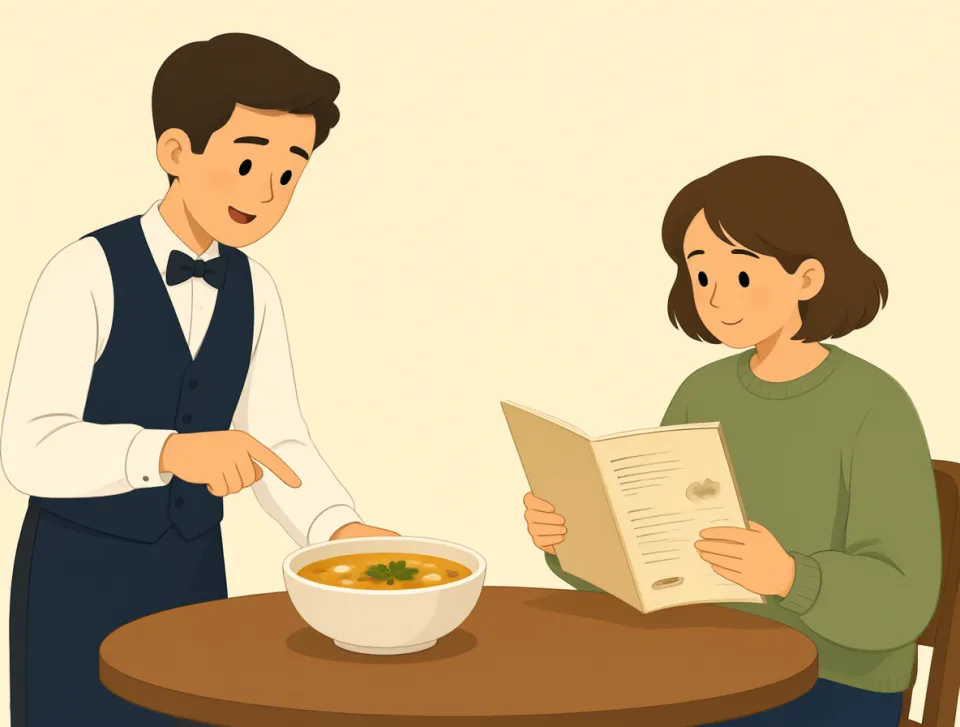
The server recommended the soup, so I ordered a bowl for lunch.
Официант посоветовал суп, и я заказал на обед порцию.

She works as a server at a busy café near the school.
Она работает официанткой в оживлённом кафе неподалёку от школы.

The game server was slow, so we waited before joining our friends.
Игровой сервер работал медленно, поэтому мы подождали, прежде чем присоединиться к друзьям.

The hotel server brought fresh towels to our room after we called.
После нашего звонка сотрудник отеля принёс свежие полотенца в номер.
structural
#2763adjective
структурный
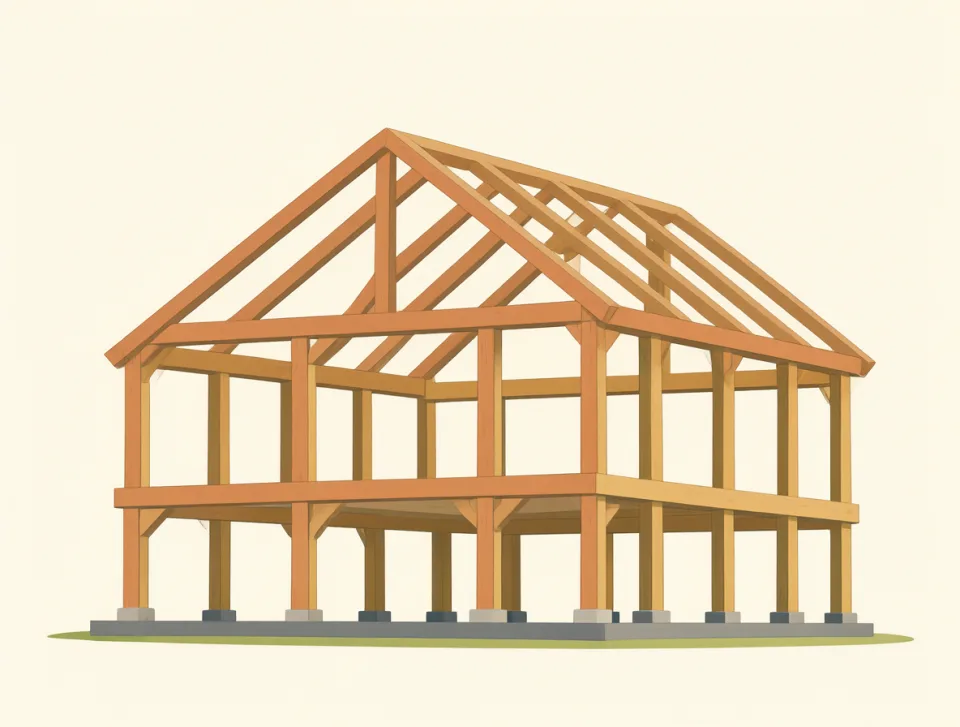
Related to the way something is built, organized, or arranged.
Связанный с тем, как что-либо построено, организовано или устроено.

The engineer found a structural problem in the old bridge during inspection.
Во время осмотра инженер обнаружил конструктивную проблему в старом мосту.
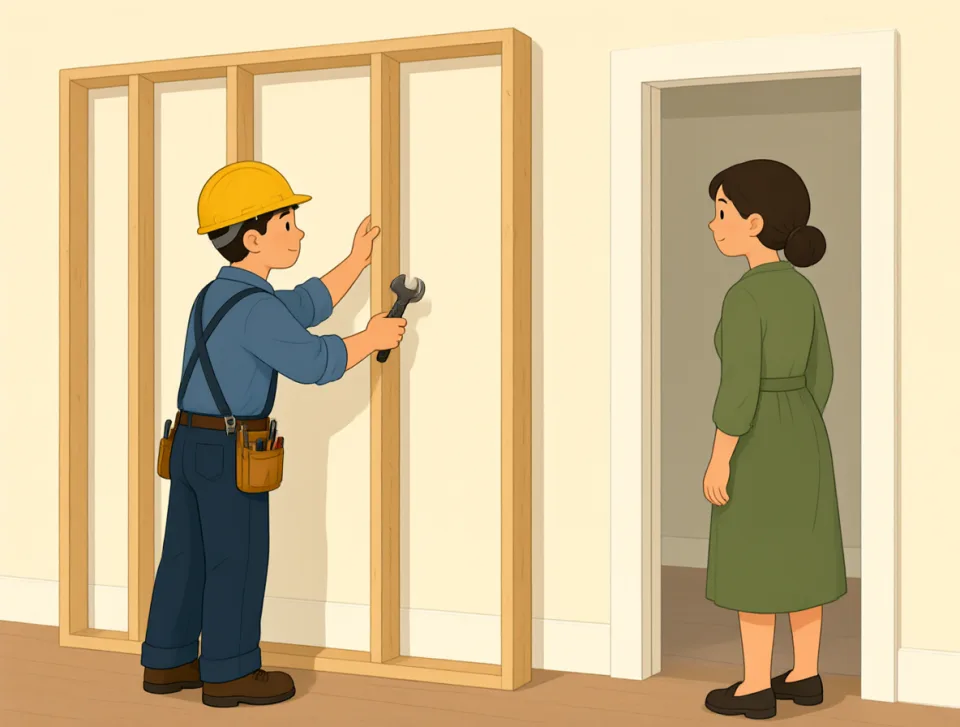
We made structural changes to the kitchen before adding the new cabinets.
Перед установкой новых шкафов мы внесли конструктивные изменения в кухню.
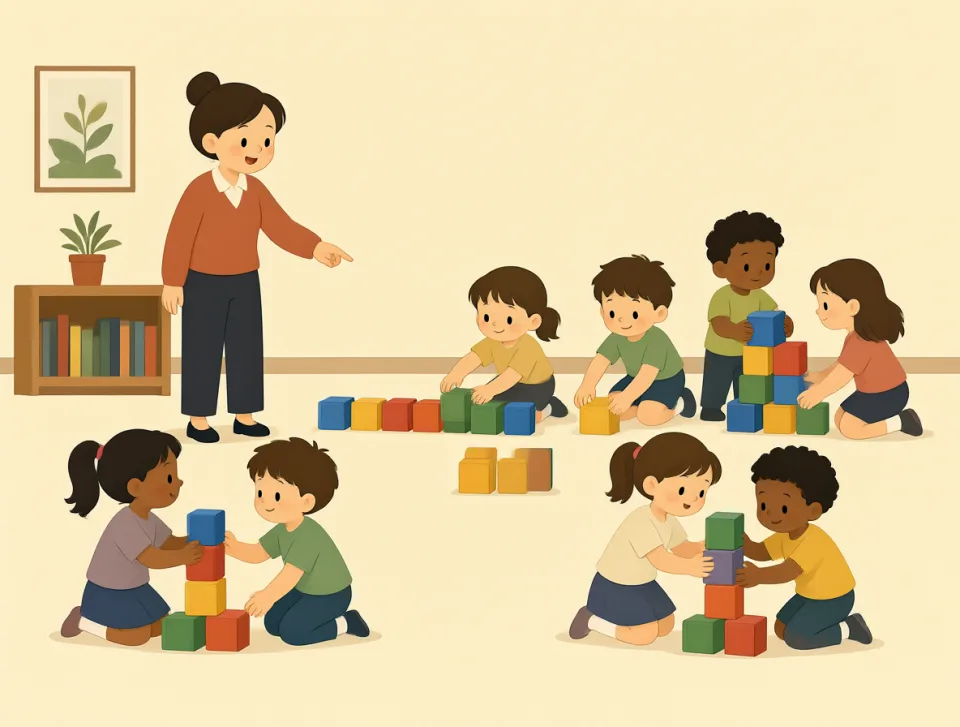
The course explains structural differences between English and Spanish sentences.
В курсе объясняются структурные различия между английскими и испанскими предложениями.
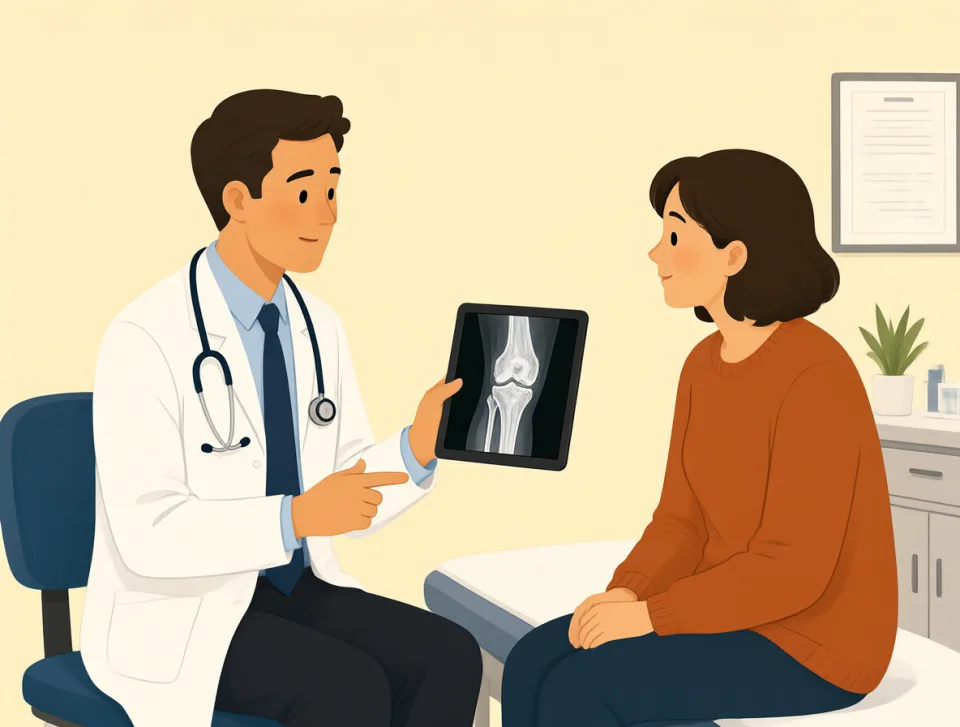
The doctor said the scan showed no structural damage to her knee.
Врач сказал, что снимок не показал структурных повреждений её колена.

Several structural issues delayed the office renovation by two weeks.
Из-за нескольких конструктивных проблем ремонт офиса задержался на две недели.

website
#2764noun
веб-сайт
A group of pages on the internet where people can find or share information.
Совокупность страниц в интернете, где можно найти информацию или поделиться ею.

I found the recipe on a cooking website and made it for dinner.
Я нашёл рецепт на кулинарном сайте и приготовил это на ужин.

You can book a hotel room through the travel website before your trip.
Перед поездкой можно забронировать номер в отеле на туристическом сайте.

Our teacher posted the homework on the school website this morning.
Сегодня утром учитель выложил домашнее задание на школьном сайте.

The shop's website offers free delivery for orders over fifty dollars.
На сайте магазина предлагают бесплатную доставку заказов на сумму свыше пятидесяти долларов.

She created a website for her small business with help from a friend.
С помощью друга она создала сайт для своего небольшого бизнеса.

fool
#2765noun, verb
дурак; обманывать
A foolish person; to trick someone or make them believe something untrue.
Глупый человек; обмануть кого-либо или заставить поверить в неправду.
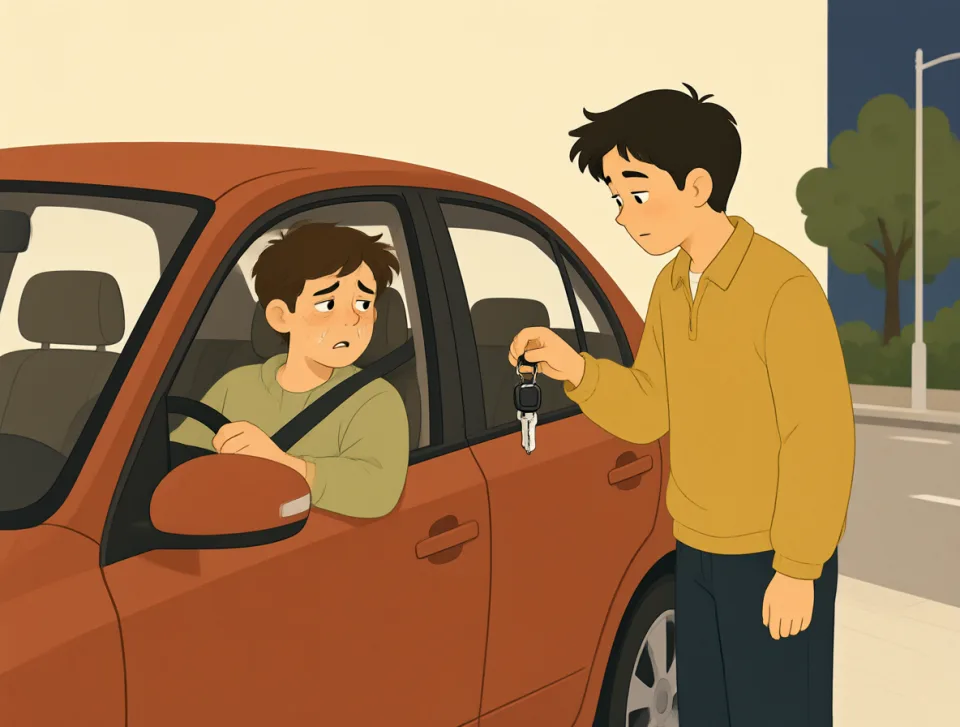
Don't be a fool and drive home when you're too tired.
Не будь дураком и не садись за руль, если слишком устал.
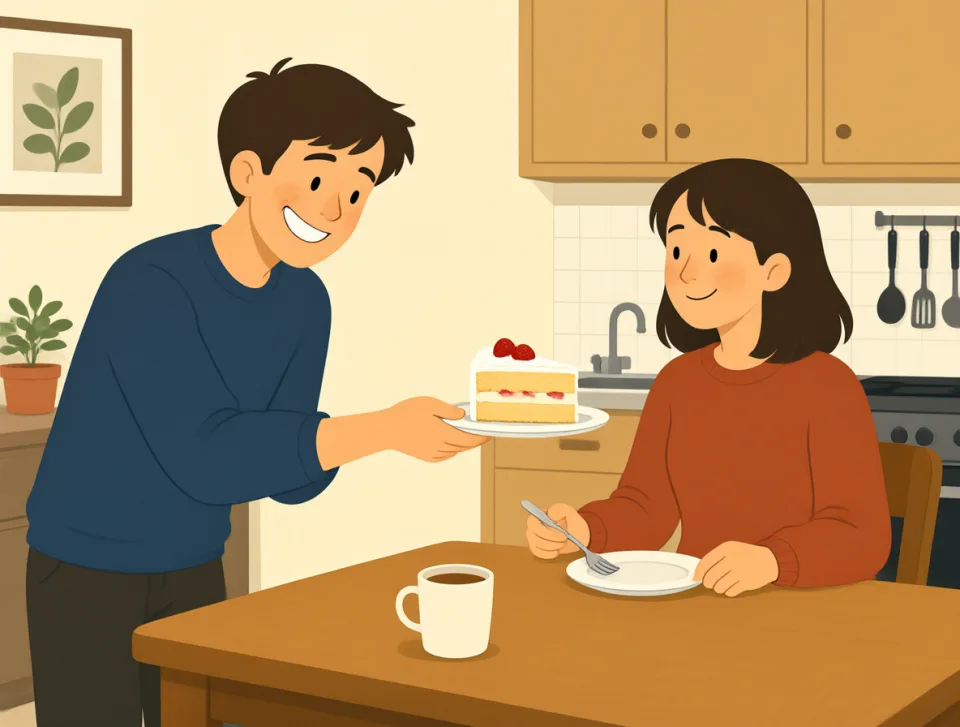
He fooled me into thinking the cake was sugar-free.
Он обманом заставил меня поверить, что в торте нет сахара.
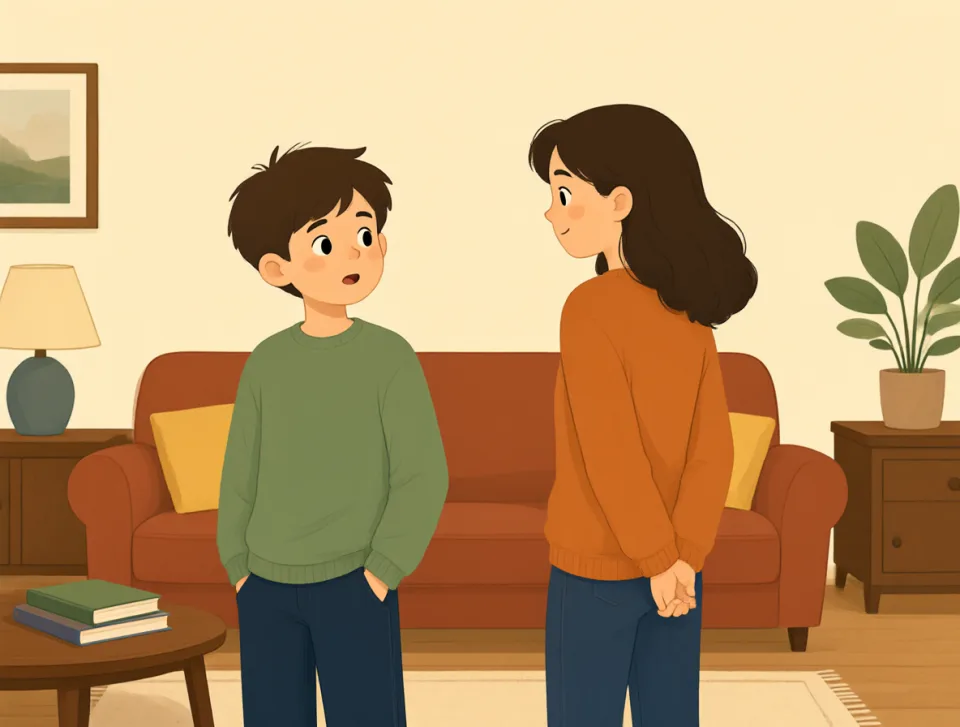
You can't fool her; she knows when someone is lying.
Её не проведёшь: она сразу понимает, когда кто-то врёт.
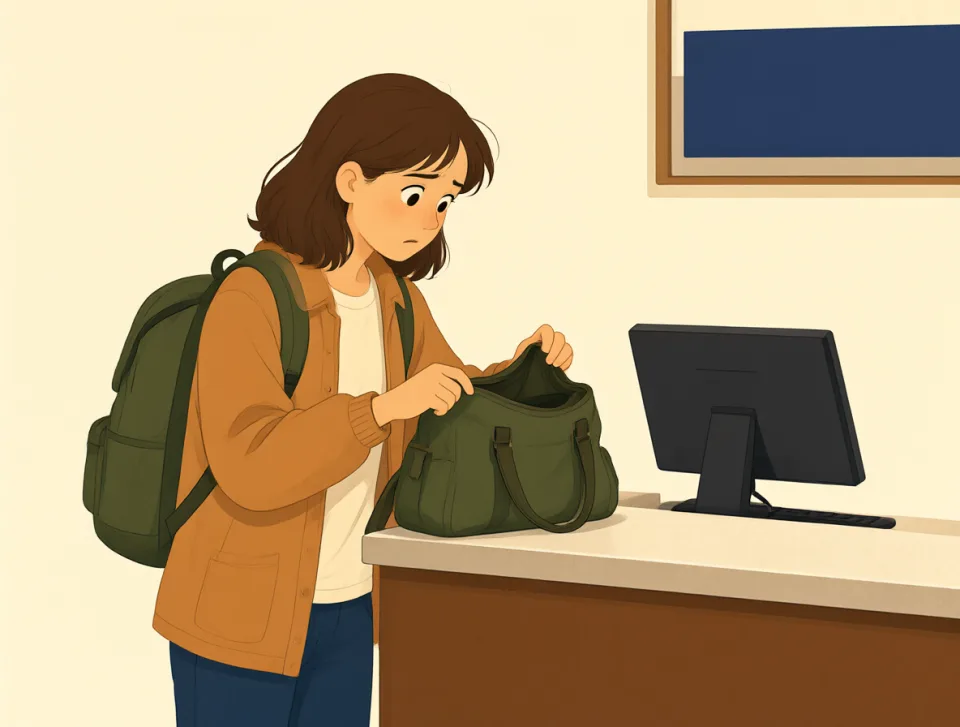
I felt like a fool when I forgot my passport at home.
Я почувствовал себя дураком, когда забыл паспорт дома.

They were fooling around in class instead of finishing their work.
Вместо того чтобы закончить работу, они дурачились на уроке.
alongside
#2766adverb, preposition
рядом с
next to or together with someone or something
Рядом с кем-либо или чем-либо либо вместе с ними.
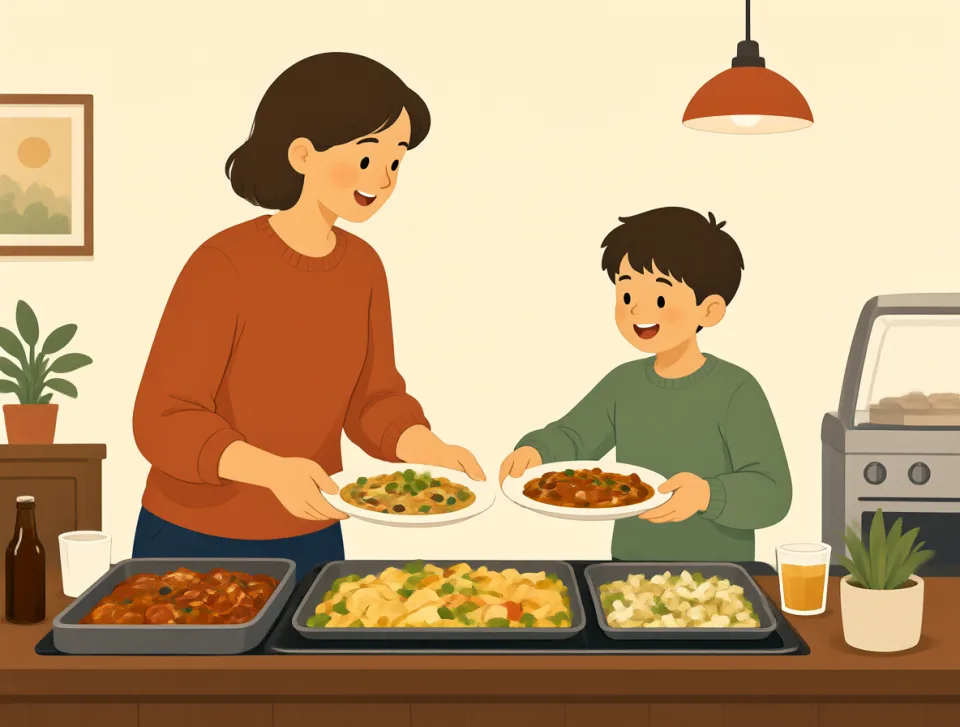
She worked alongside her brother in the family restaurant.
Она работала вместе с братом в семейном ресторане.

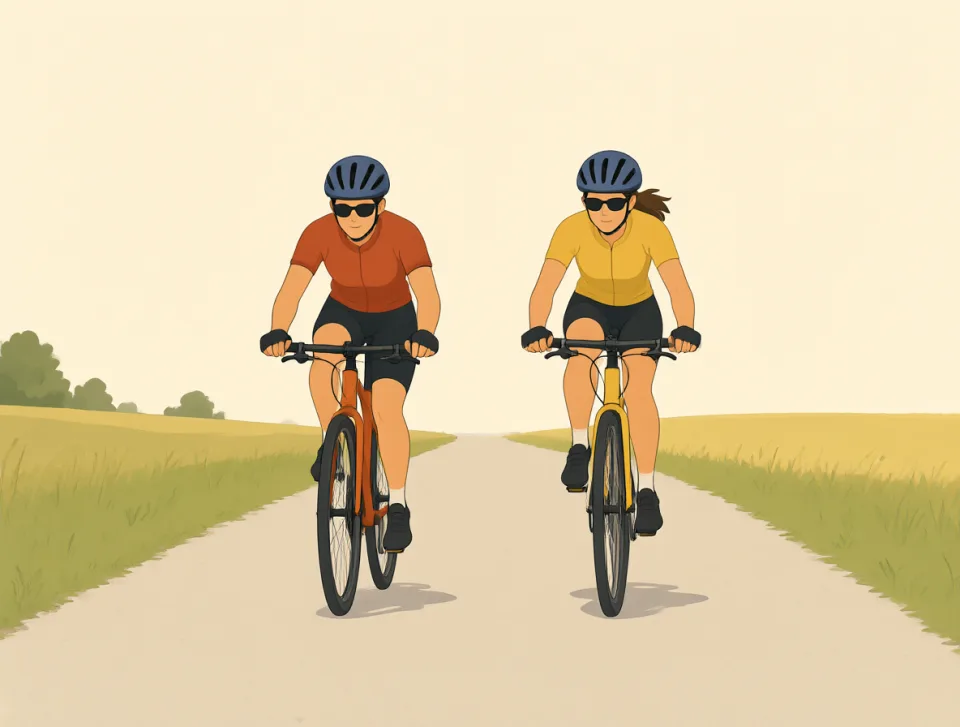
A bicycle path runs alongside the river through the city.
Вдоль реки через город проходит велосипедная дорожка.
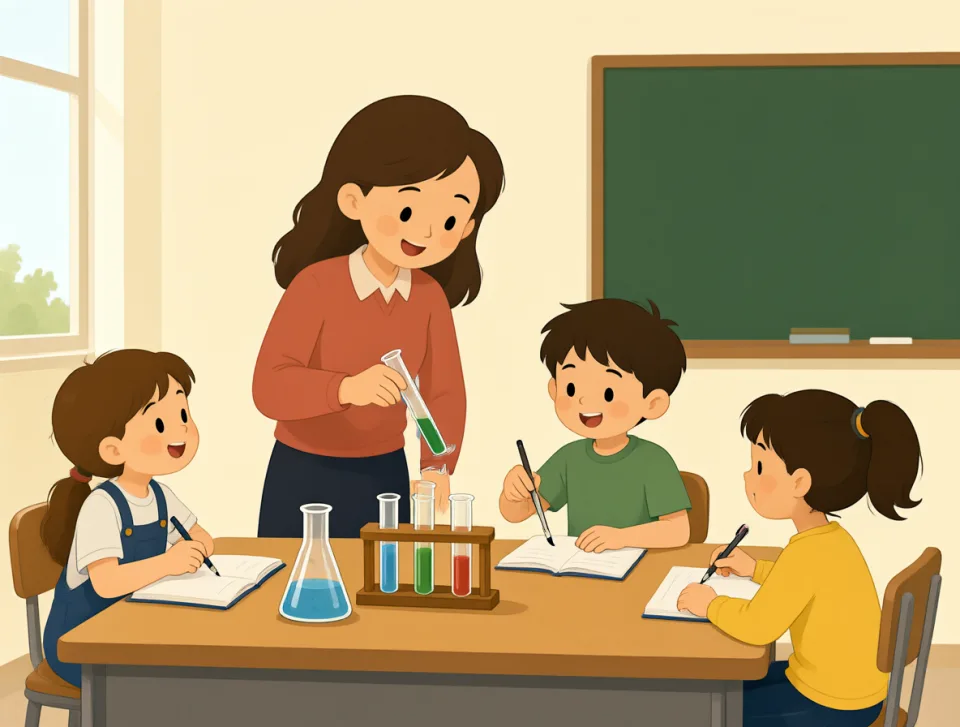
The teacher worked alongside students during the science experiment.
Во время научного эксперимента учитель работал вместе с учениками.

Fresh vegetables were displayed alongside bread and cheese at the market.
На рынке рядом с хлебом и сыром разложили свежие овощи.
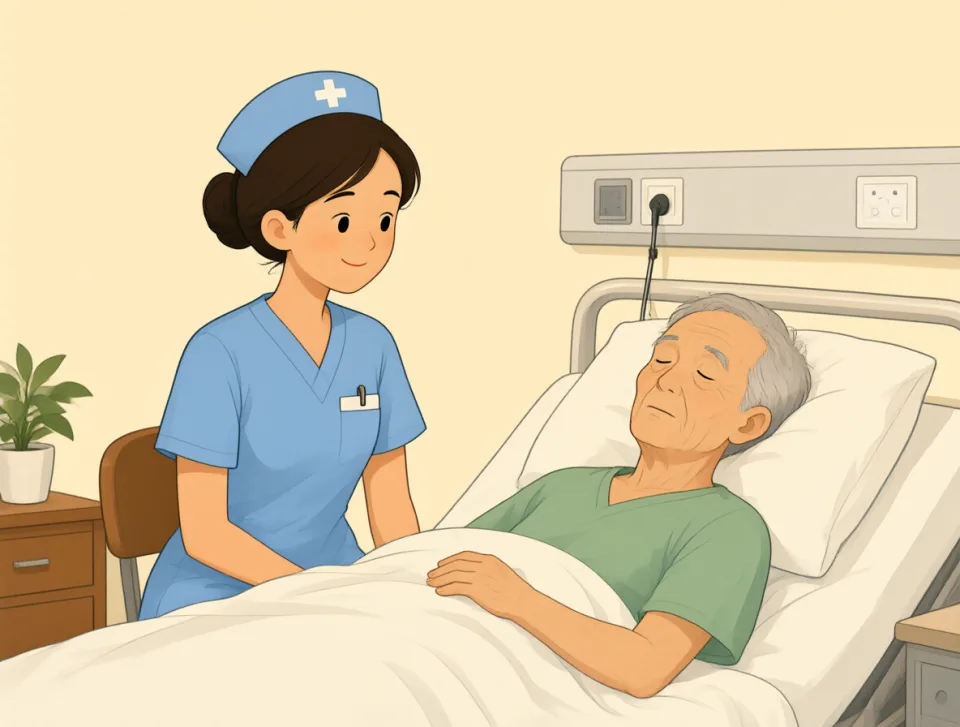
The nurse stayed alongside the patient throughout the long night.
Медсестра оставалась рядом с пациентом всю долгую ночь.

unite
#2767verb
объединяться
to join together for a shared purpose or common goal
Объединяться ради общей цели или общего дела.
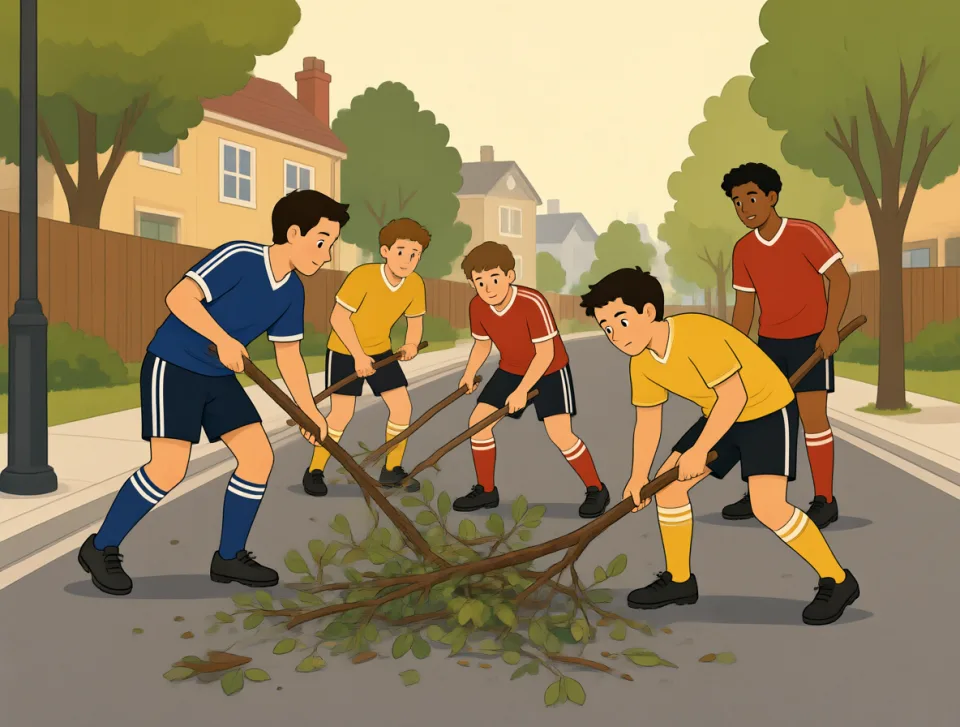
The two teams united to help their town after the storm.
После шторма две команды объединились, чтобы помочь своему городу.
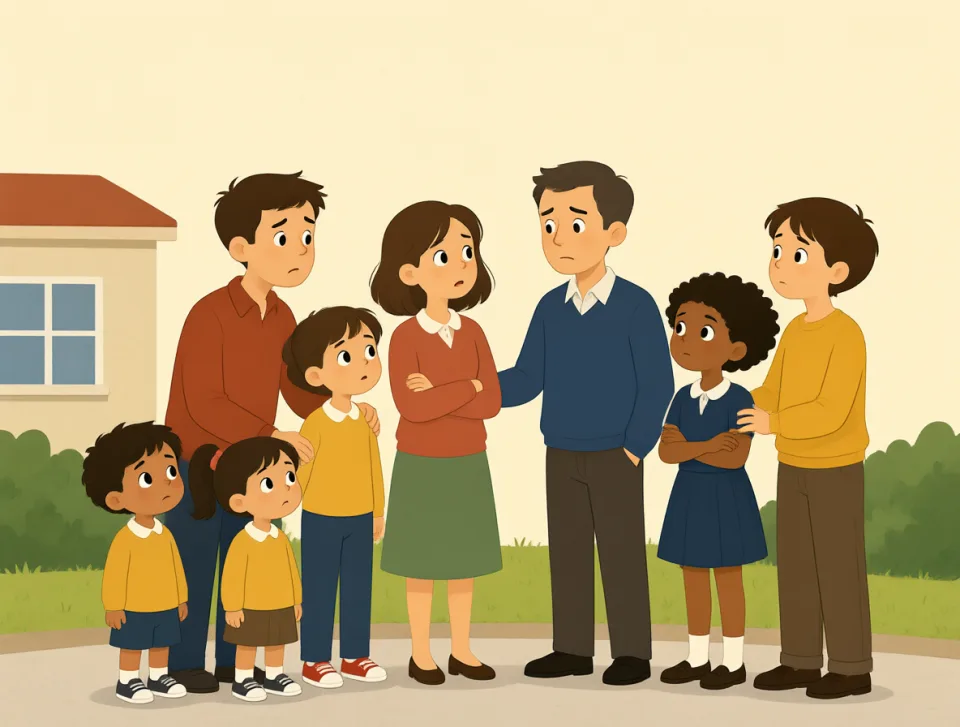
Families united against the plan to close the local school.
Семьи объединились против плана закрыть местную школу.

The manager united the staff around a clear plan for the busy season.
Менеджер сплотил сотрудников вокруг чёткого плана на напряжённый сезон.

The students united to organize a food drive for hungry neighbors.
Ученики объединились, чтобы организовать сбор продуктов для нуждающихся соседей.

The medicine is uniting with other treatments to improve her health.
Это лекарство в сочетании с другими методами лечения помогает улучшить её здоровье.
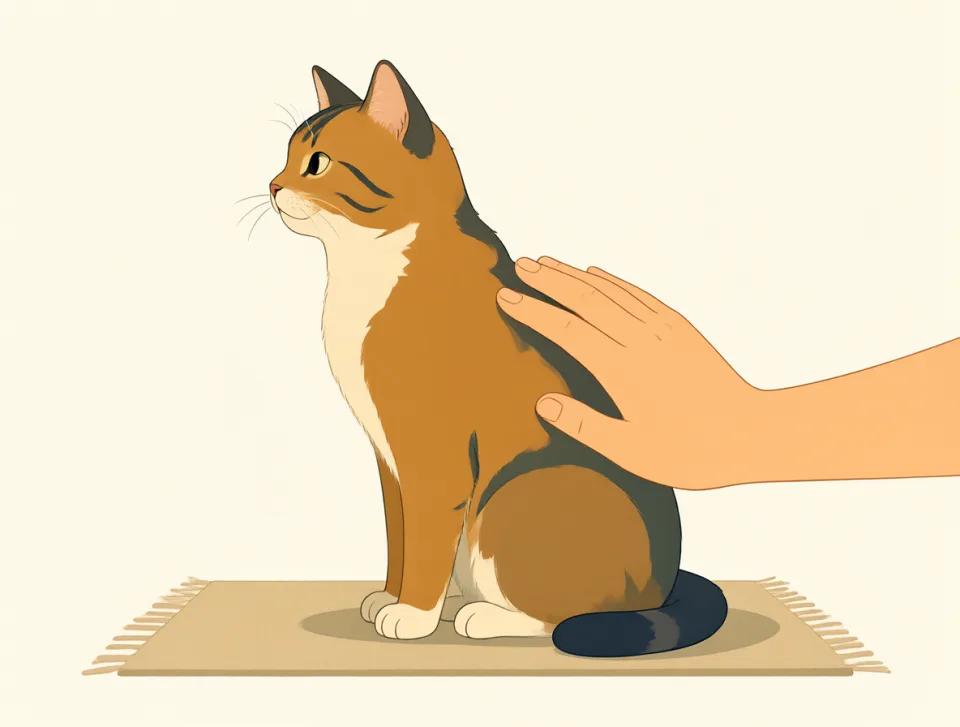
gently
#2768adverb
бережно
In a soft, careful, or kind way.
Мягко, осторожно или по-доброму.
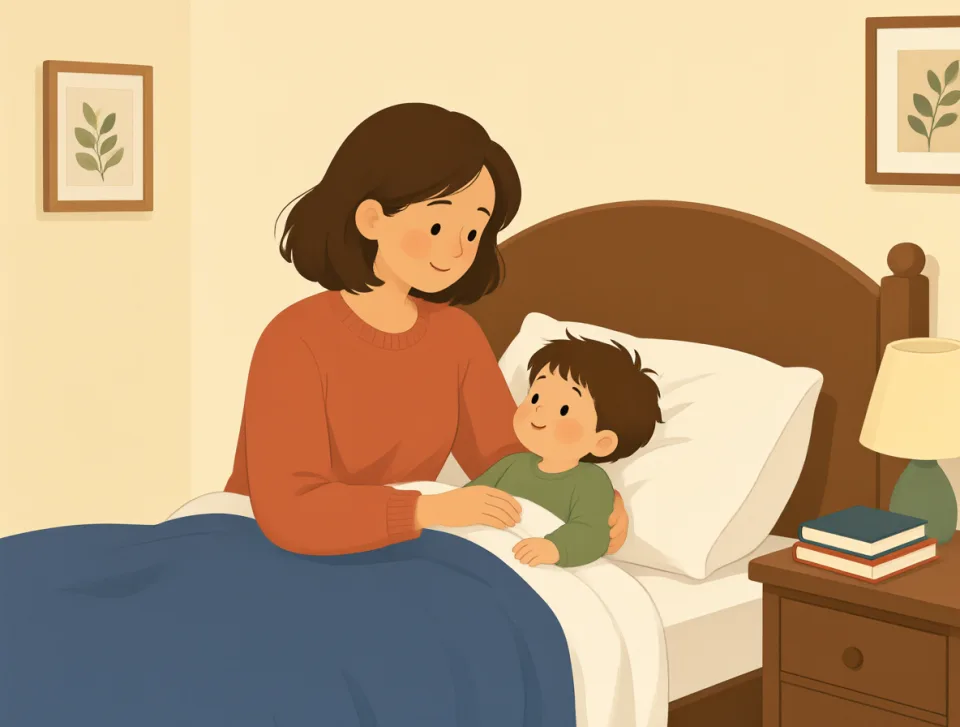
She gently woke her son and helped him get ready for school.
Она бережно разбудила сына и помогла ему собраться в школу.
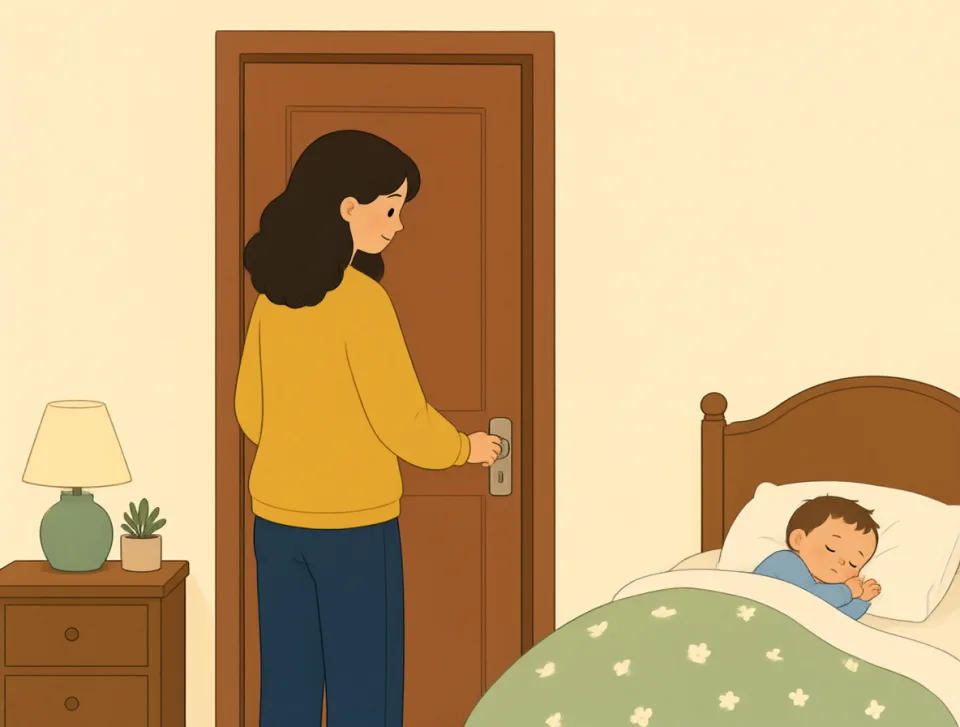
Please close the door gently so the baby can keep sleeping.
Пожалуйста, закройте дверь тихонько, чтобы ребёнок продолжал спать.
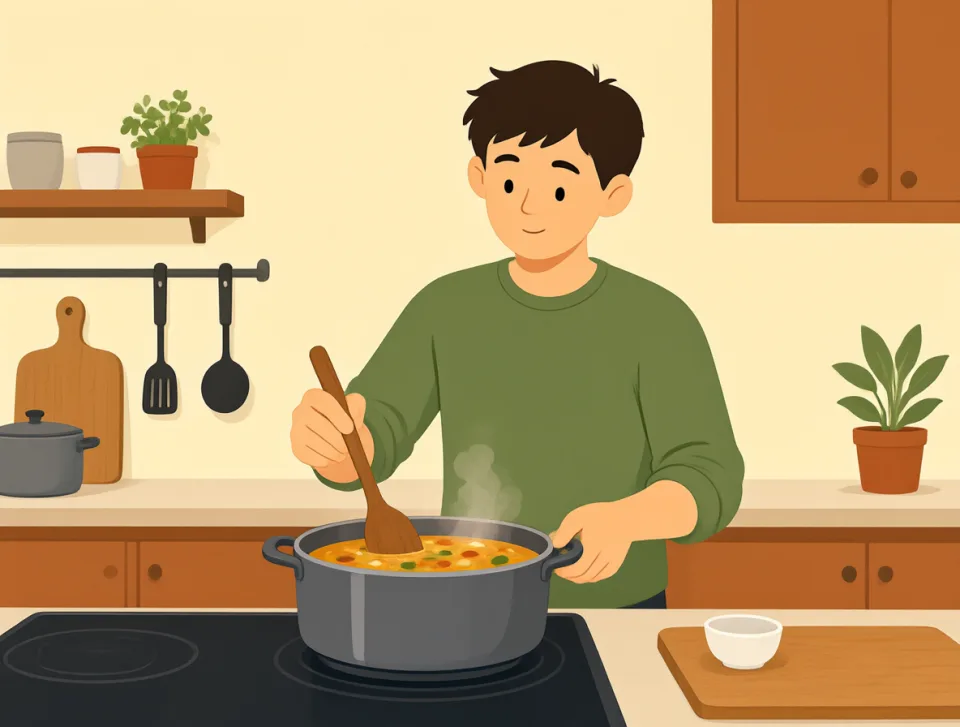
He gently stirred the soup while it warmed on the stove.
Он осторожно помешивал суп, пока тот разогревался на плите.
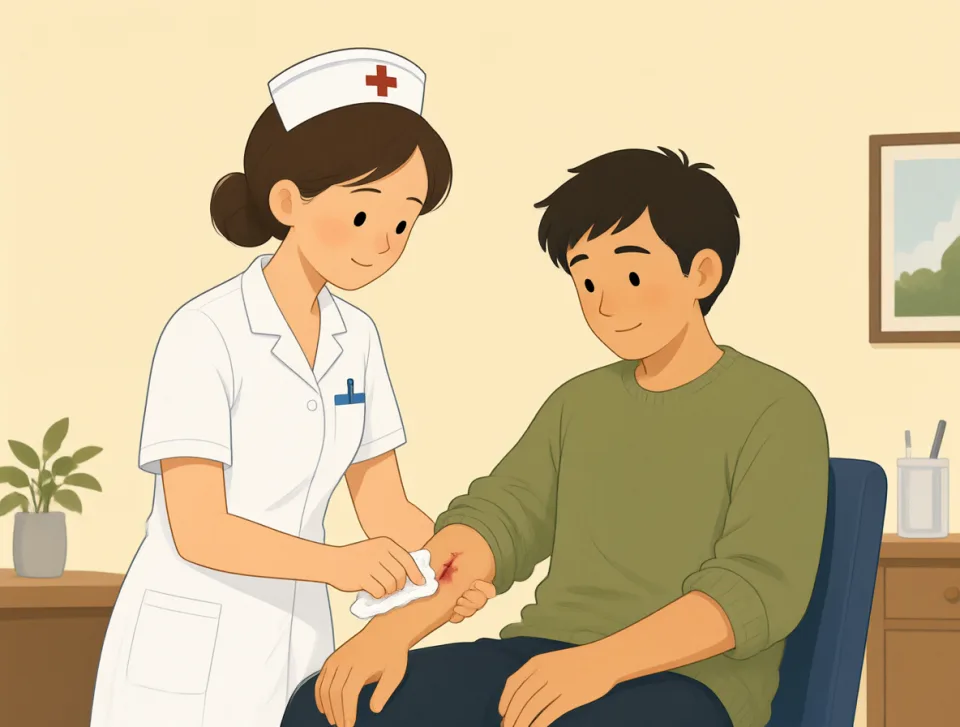
The nurse gently cleaned the cut before putting on a small bandage.
Медсестра бережно обработала порез перед тем, как наложить небольшой пластырь.

She gently explained the mistake, and her coworker understood what to do.
Она мягко объяснила ошибку, и коллега понял, что нужно делать.

compute
#2769verb
вычислять
To calculate an answer using numbers or a computer.
Находить ответ с помощью чисел или компьютера.

The computer can compute the total cost before you place your order.
Компьютер может вычислить общую стоимость до того, как вы оформите заказ.
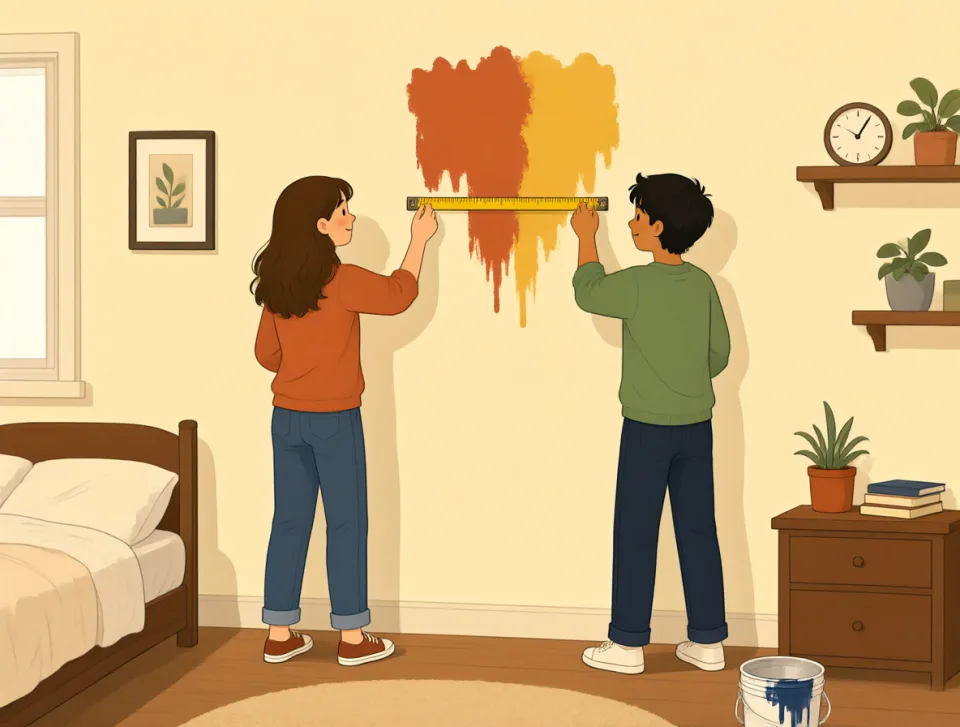
We computed how much paint we needed before starting the room.
Перед тем как начать ремонт комнаты, мы рассчитали, сколько краски нам понадобится.
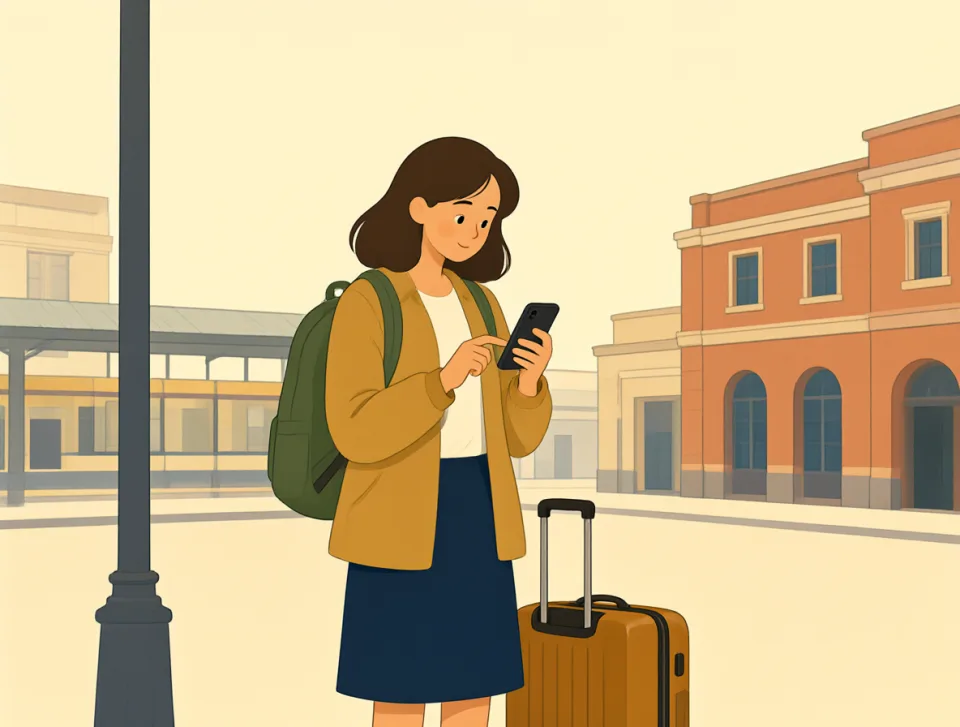
The travel app computes the quickest route between the hotel and the station.
Приложение для путешествий рассчитывает самый быстрый маршрут между отелем и вокзалом.

She computed her weekly food budget after checking the prices at the market.
Проверив цены на рынке, она рассчитала бюджет на продукты на неделю.

The doctor computed the medicine dose from the child’s weight.
Врач рассчитал дозу лекарства исходя из веса ребёнка.

wipe
#2770verb, noun
вытирать
To clean or dry something by rubbing it with a cloth or your hand.
Очищать или сушить что-либо, протирая тканью или рукой.
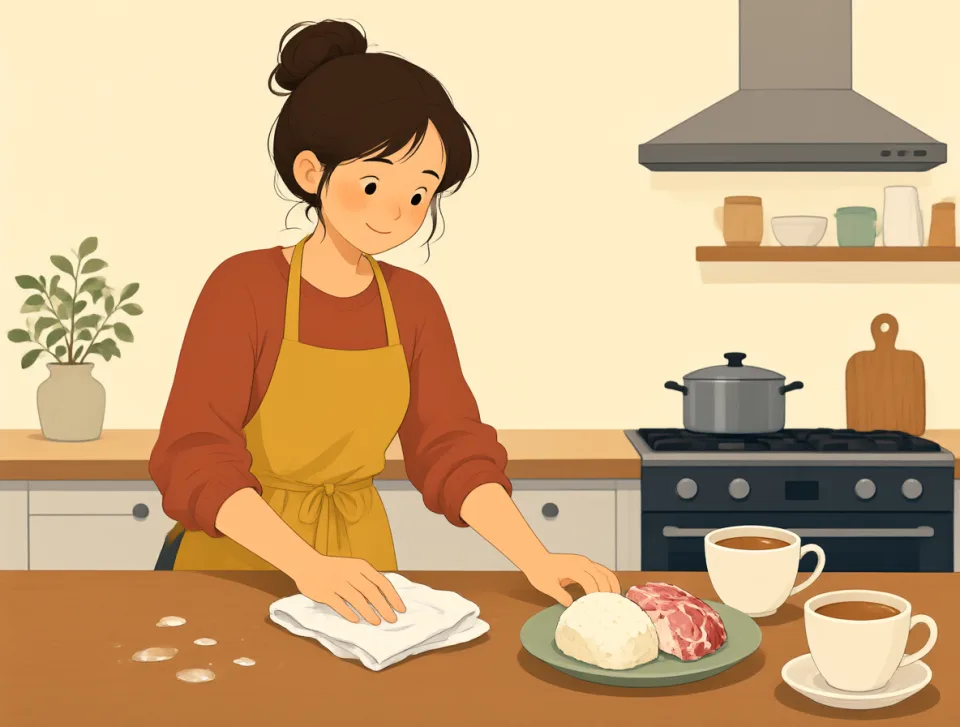
She wiped the kitchen counter after making breakfast.
После приготовления завтрака она вытерла кухонную столешницу.

Wipe your shoes before you come into the house.
Вытри обувь, прежде чем войти в дом.
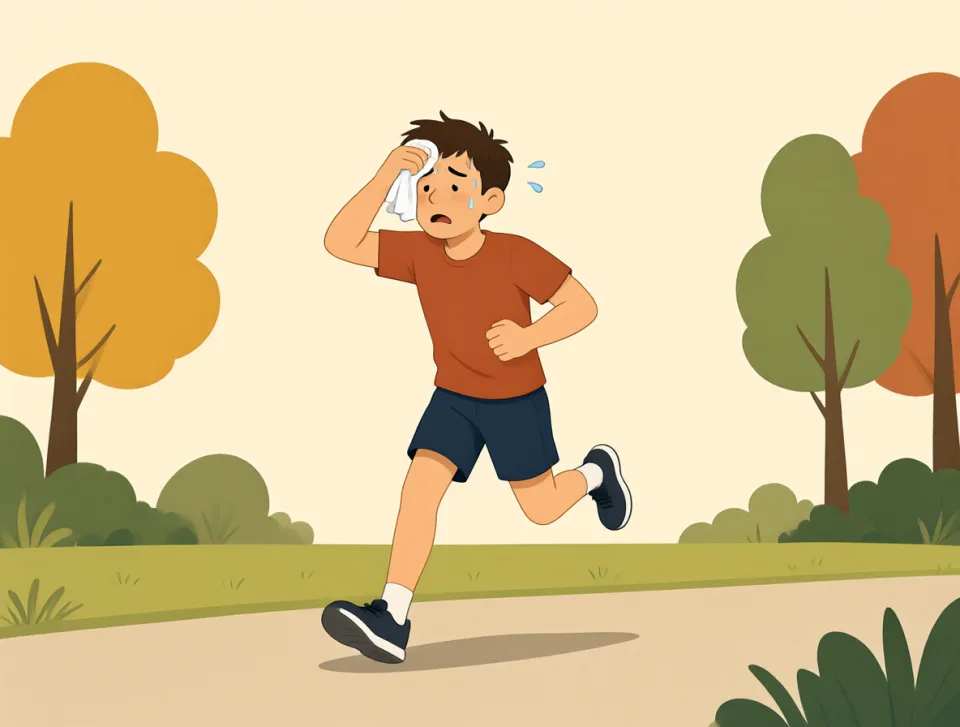
He wiped the sweat from his face after the long run.
После долгой пробежки он вытер пот с лица.
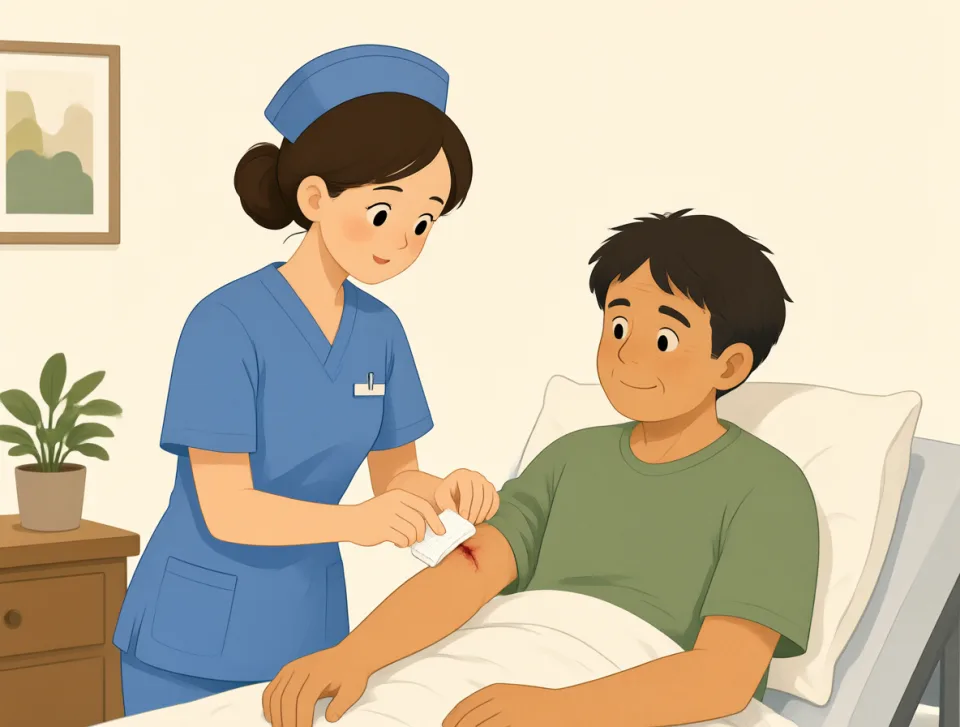
The nurse wiped the cut gently before putting on a bandage.
Перед тем как наложить повязку, медсестра осторожно протёрла порез.

I bought a pack of wipes to clean the table while traveling.
В поездку я купил упаковку влажных салфеток, чтобы вытирать стол.

weird
#2771adjective
странный
Strange or unusual in a way that surprises or seems hard to explain.
Странный или необычный, удивляющий или кажущийся необъяснимым.
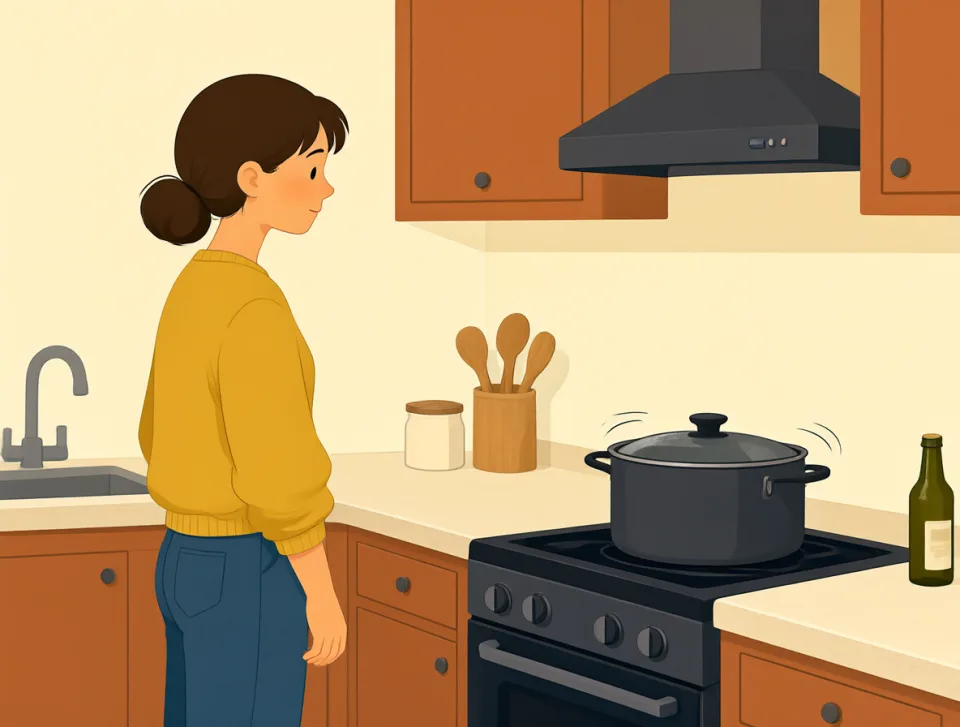
That’s a weird noise coming from the kitchen; can you check it?
Из кухни доносится какой-то странный шум. Можешь проверить, что там?

It felt weird to see my old teacher at the grocery store.
Было странно встретить своего бывшего учителя в продуктовом магазине.

My brother has a weird habit of eating cereal with a fork.
У моего брата странная привычка есть хлопья вилкой.

The doctor said the strange rash was weird but probably harmless.
Врач сказал, что странная сыпь выглядит необычно, но, скорее всего, она безвредна.

We took a weird route through the hills and arrived before sunset.
Мы выбрали странный маршрут через холмы и добрались до места до заката.

gaze
#2772noun, verb
всматриваться; взгляд
To look steadily at someone or something, or the steady look itself.
Внимательно и пристально смотреть на кого-то или что-то; также — сам такой взгляд.

She gazed out of the train window as the mountains passed by.
Она смотрела в окно поезда, пока мимо проплывали горы.
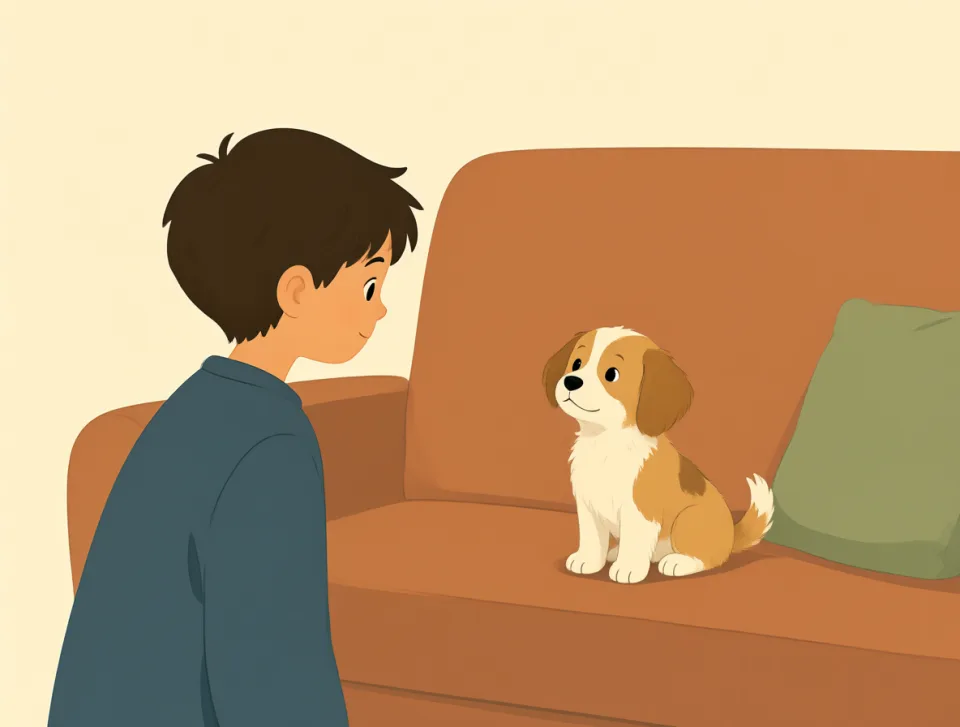
The child stared at the puppy, then reached out to pet it.
Ребёнок уставился на щенка, а потом протянул руку, чтобы его погладить.

He gave her a warm gaze when she entered the room.
Когда она вошла в комнату, он посмотрел на неё с теплотой.

We sat on the beach, gazing at the stars after dinner.
После ужина мы сидели на пляже и любовались звёздами.

She met his gaze and smiled before answering his question.
Она встретилась с ним взглядом и улыбнулась, прежде чем ответить на его вопрос.

fade
#2773verb, noun
угасать; бледнеть
To become less bright, strong, or clear, or to make something do this.
Становиться менее ярким, сильным или чётким либо делать что-то менее ярким, сильным или чётким.

The sunlight faded as dark clouds moved over the house.
Солнечный свет померк, когда над домом сгустились тёмные тучи.

The old photograph had faded after years in the window.
Старая фотография выцвела, пролежав годы на подоконнике.

The pain began to fade after she took the medicine.
После того как она приняла лекарство, боль начала утихать.

Their friendship faded when they moved to different cities.
Их дружба постепенно сошла на нет, когда они переехали в разные города.
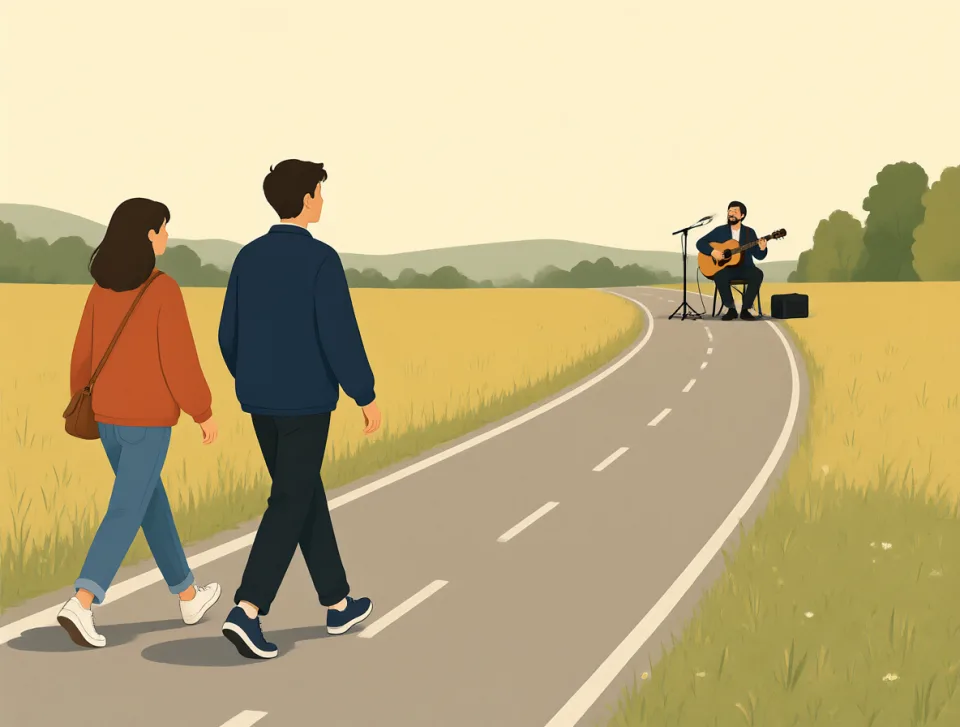
The music faded into the distance as we walked away.
Музыка постепенно стихала вдали, пока мы уходили.
cough
#2774noun, verb
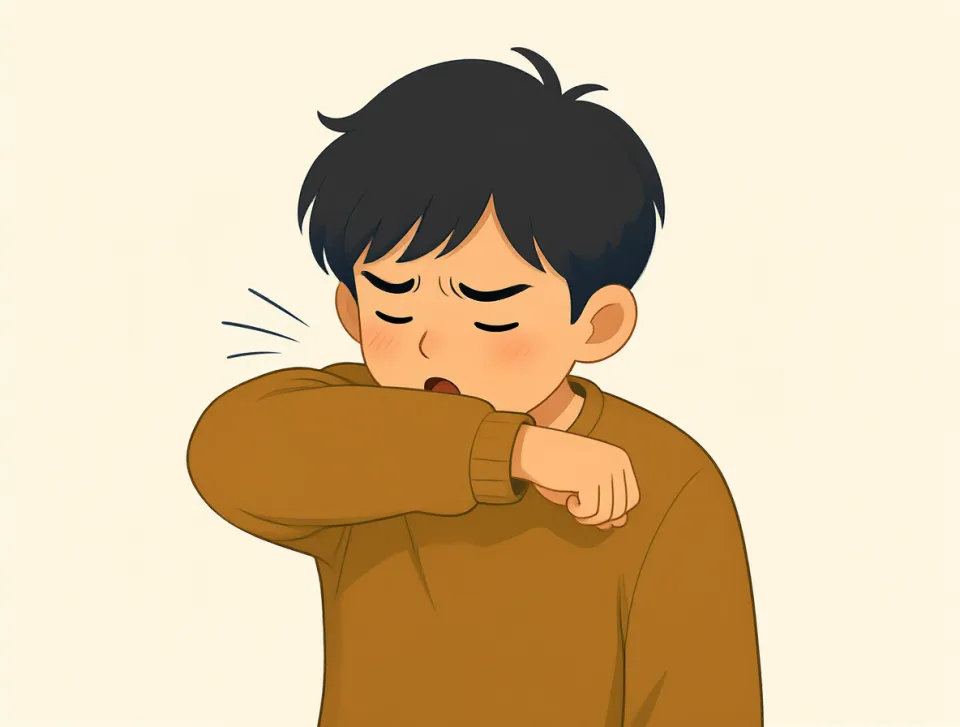
кашлять; кашель
To push air out of your lungs suddenly, or the sound made when you do this.
Резко выталкивать воздух из лёгких; также — звук, возникающий при этом.
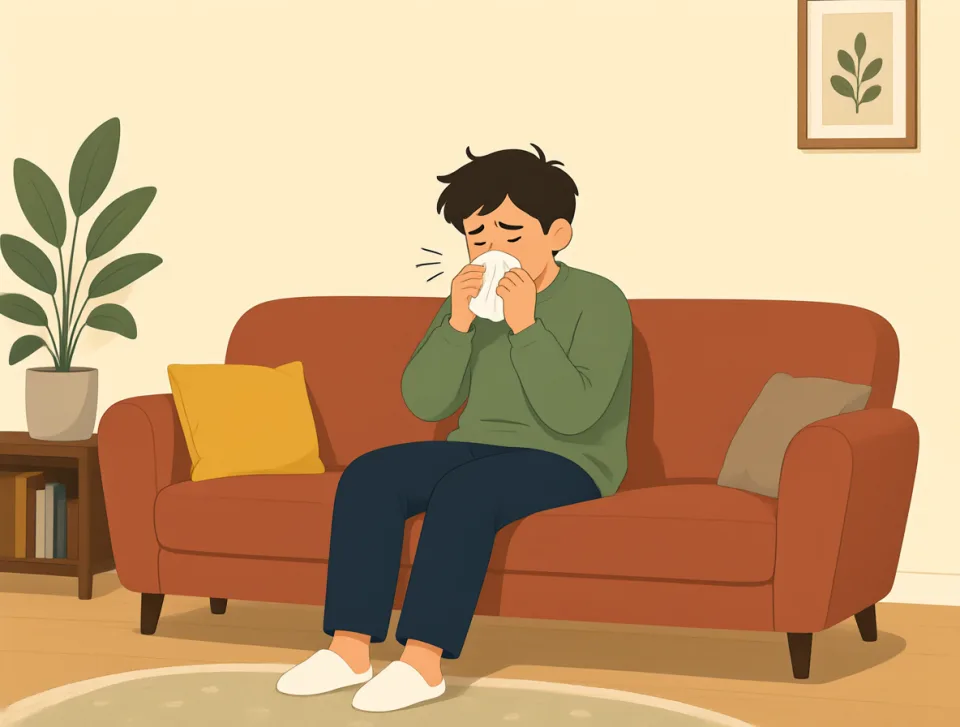
I have a bad cough, so I’m staying home from work today.
У меня сильный кашель, поэтому сегодня я останусь дома и не пойду на работу.
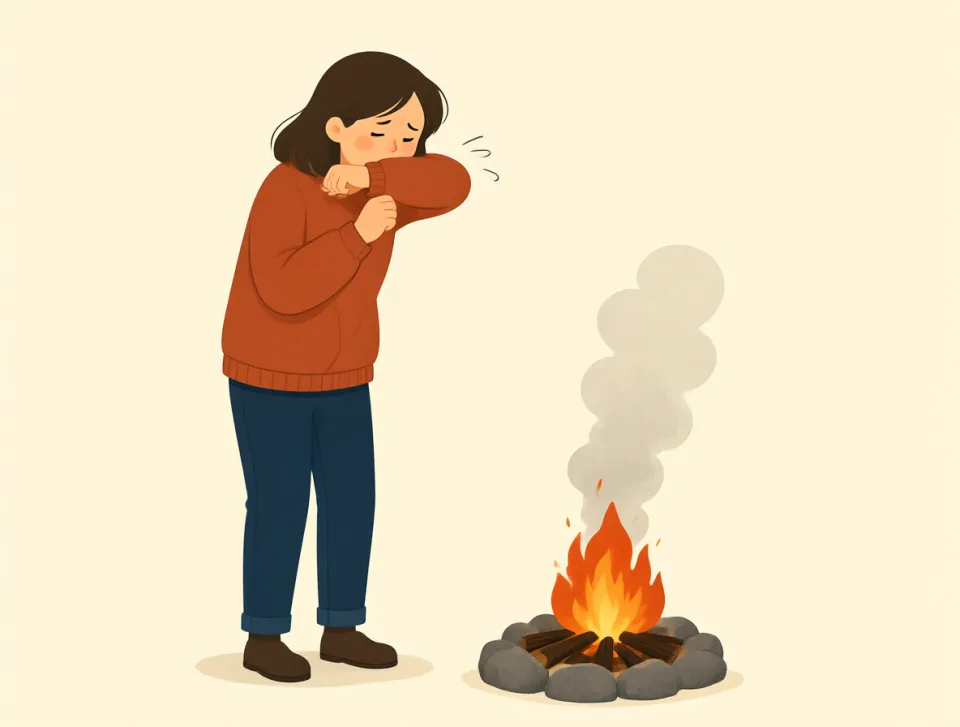
She coughed hard after breathing in some smoke from the fire.
Она сильно закашлялась, вдохнув дым от костра.
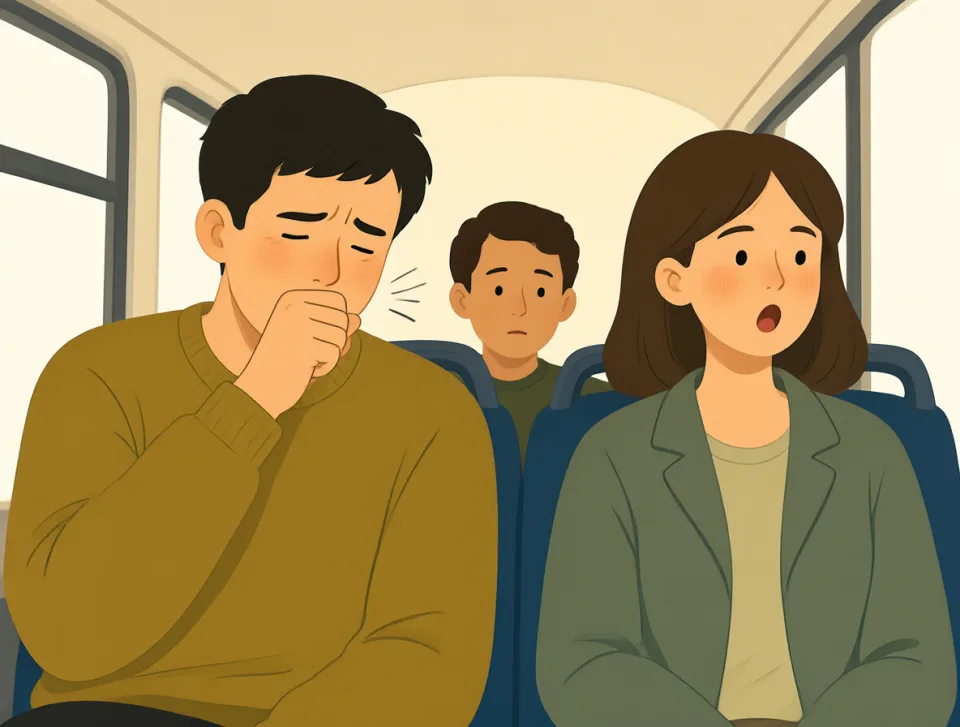
Cover your mouth when you cough, especially if you’re sitting near other people.
Прикрывай рот, когда кашляешь, особенно если сидишь рядом с другими людьми.
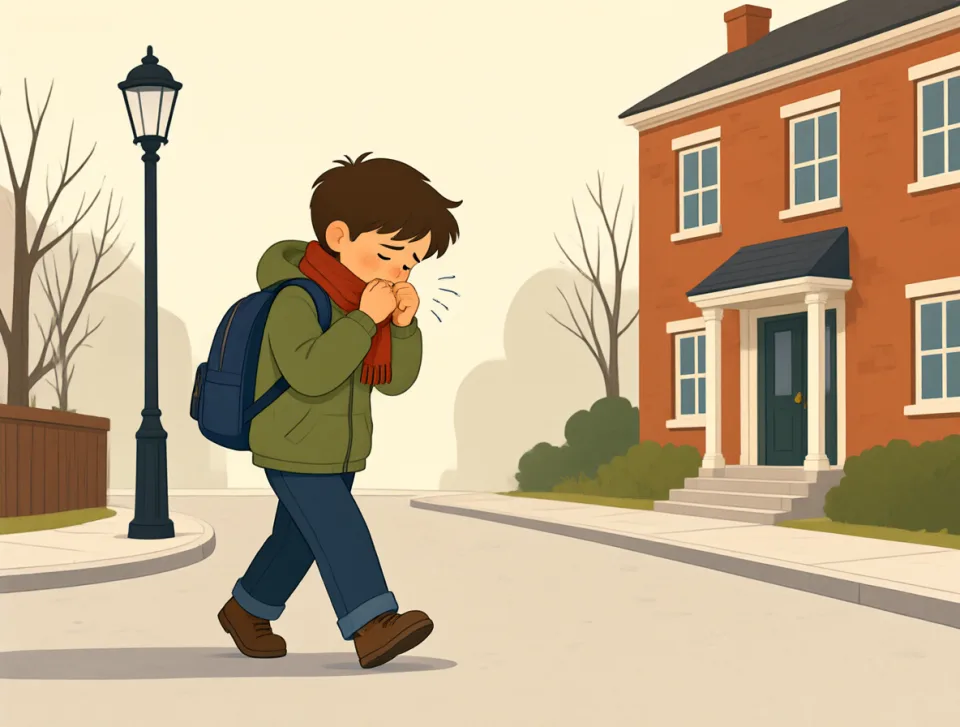
The cold air made him cough as he walked to school this morning.
Пока он сегодня утром шёл в школу, от холодного воздуха он закашлялся.

He gave a little cough to get everyone’s attention before the meeting began.
Перед началом встречи он слегка кашлянул, чтобы привлечь всеобщее внимание.
hypothesis
#2775noun
гипотеза
An idea or explanation that can be tested to see if it is true.
Идея или объяснение, которое можно проверить, чтобы выяснить, верно ли оно.
The scientist tested her hypothesis by repeating the experiment twice.
Учёная проверила свою гипотезу, повторив эксперимент дважды.
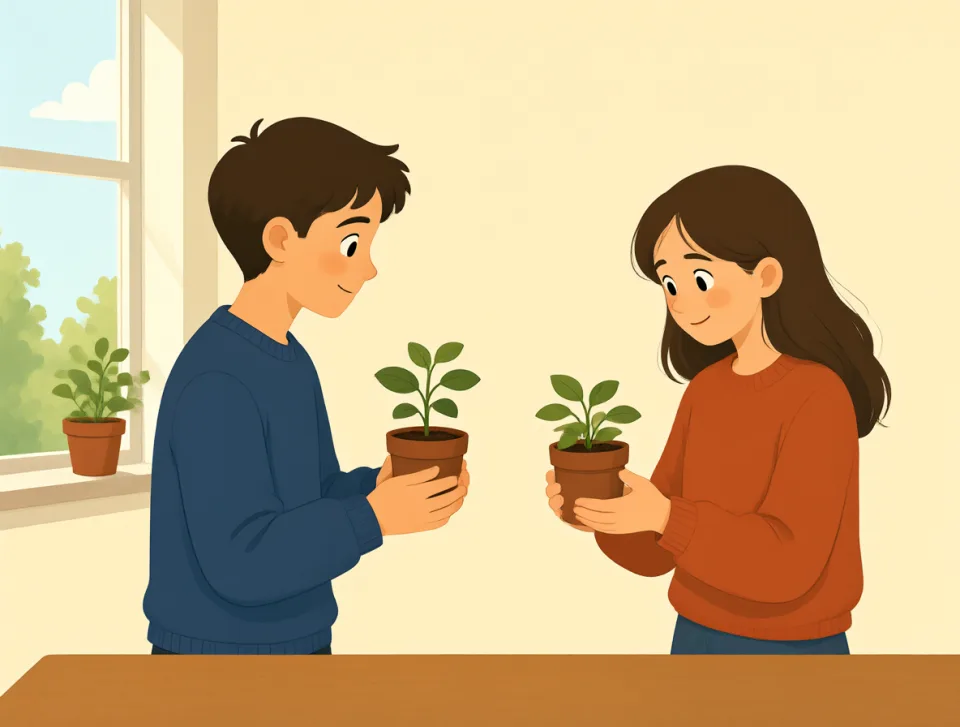
Our hypothesis is that plants grow faster near the sunny window.
Наша гипотеза состоит в том, что растения быстрее растут у солнечного окна.

The doctor’s hypothesis was that his headaches came from poor sleep.
Врач предположил, что его головные боли связаны с плохим сном.

They formed a hypothesis about why the train was late.
Они выдвинули гипотезу о том, почему поезд опоздал.

My hypothesis is that the soup needs more salt, so let’s taste it.
Думаю, супу нужно побольше соли. Давай попробуем.

royal
#2776adjective, noun
королевский
Belonging to a king or queen, or connected with a royal family.
Принадлежащий королю или королеве либо связанный с королевской семьёй.
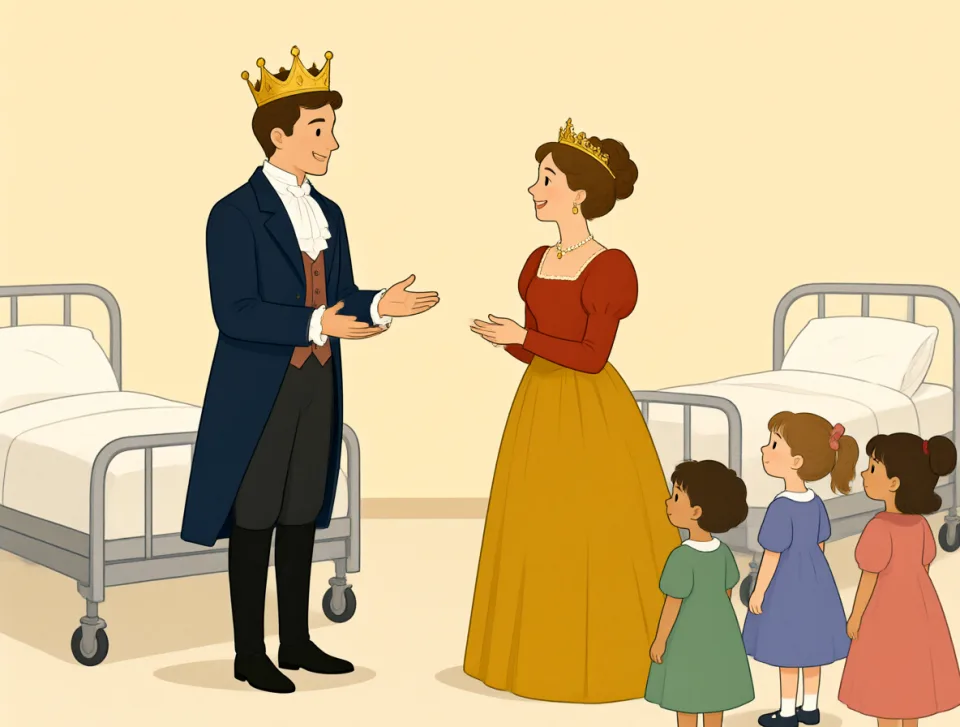
The royal family visited the children's hospital during their trip to the city.
Во время поездки в город королевская семья посетила детскую больницу.
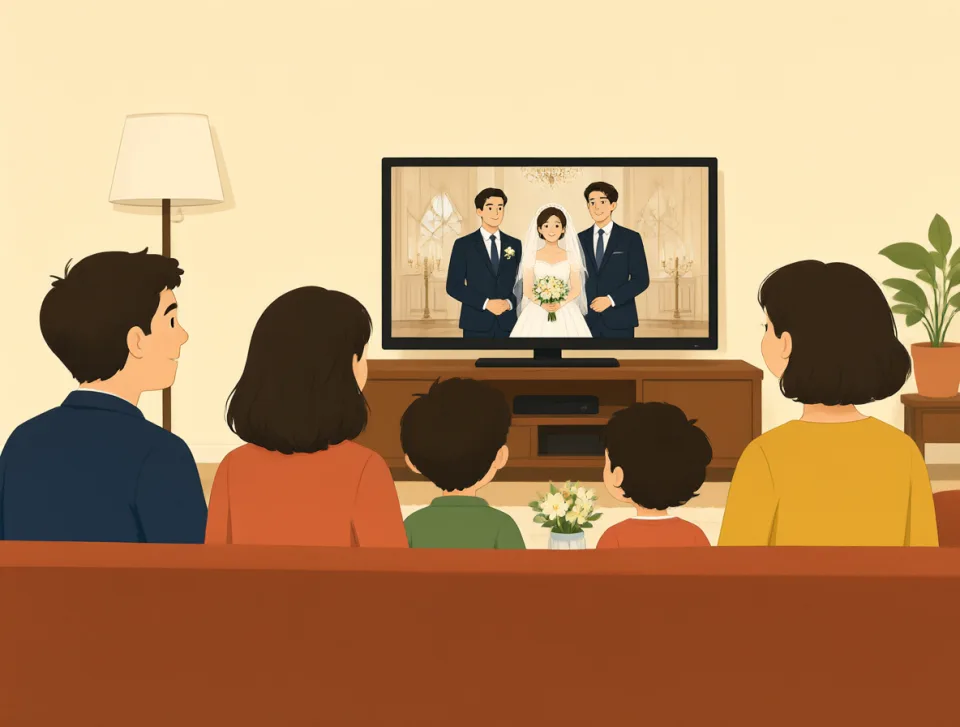
We watched a royal wedding on television at my aunt's house.
Мы смотрели по телевизору королевскую свадьбу у моей тёти.

The hotel used to be a royal palace, but now tourists can stay there.
Раньше в этой гостинице был королевский дворец, а теперь там могут останавливаться туристы.

She bought a small royal blue bag to match her new coat.
Она купила небольшую сумку королевского синего цвета, чтобы она подходила к её новому пальто.
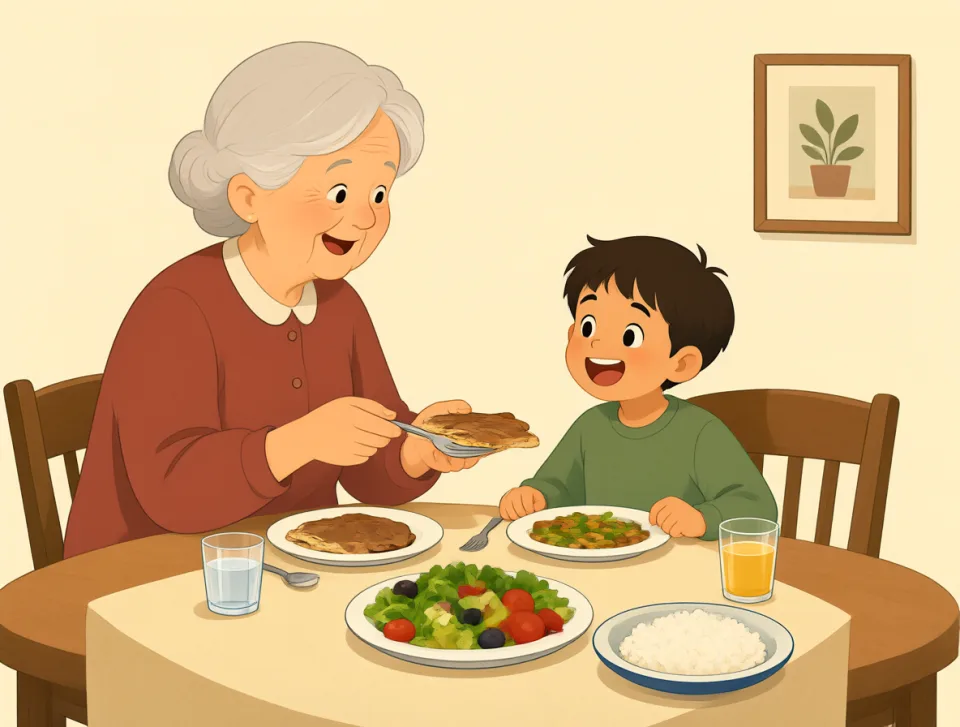
My brother says he is treated like royalty whenever he visits our grandmother.
Мой брат говорит, что бабушка обращается с ним как с королём, когда он её навещает.
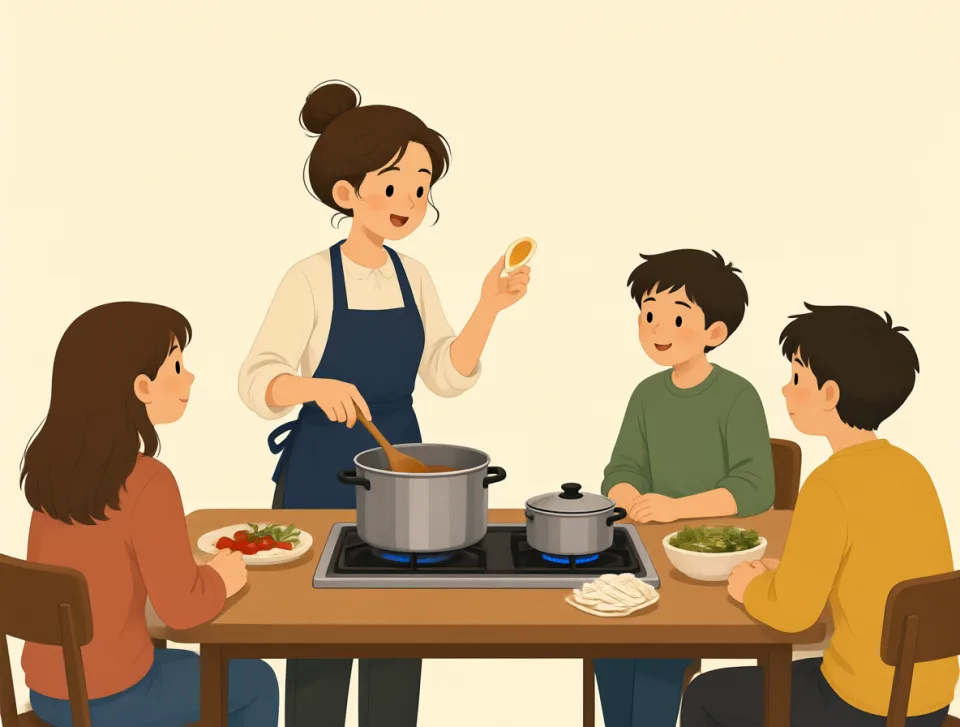
theoretical
#2777adjective
теоретический
Based on ideas or principles rather than practical experience or real situations.
Основанный на идеях или принципах, а не на практическом опыте или реальных ситуациях.
The course covers the theoretical side of cooking before students use the kitchen.
На курсе изучают теоретическую сторону кулинарии, прежде чем студенты начинают заниматься на кухне.

The job sounds interesting in theory, but the theoretical salary is too low.
Работа звучит интересно в теории, но теоретическая зарплата слишком низкая.

We discussed the theoretical risks of the new medicine with our doctor.
Мы обсудили с врачом теоретические риски нового лекарства.
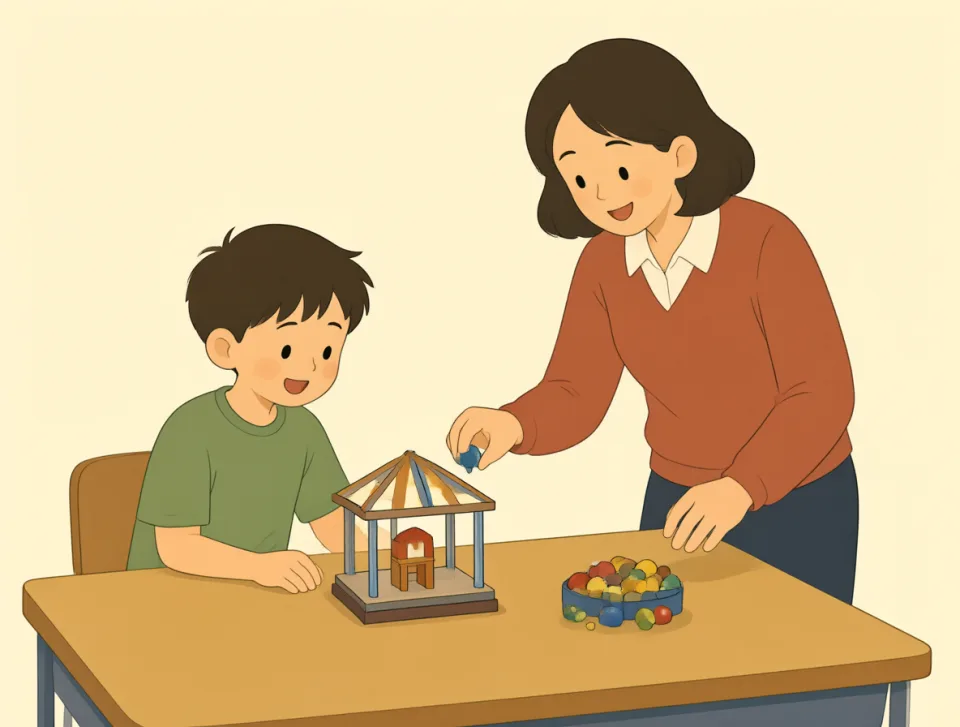
Our teacher asked us to connect theoretical ideas with examples from everyday life.
Учитель попросил нас связать теоретические идеи с примерами из повседневной жизни.

The plan is theoretically possible, but we do not have enough time or money.
В теории этот план осуществим, но у нас недостаточно времени и денег.
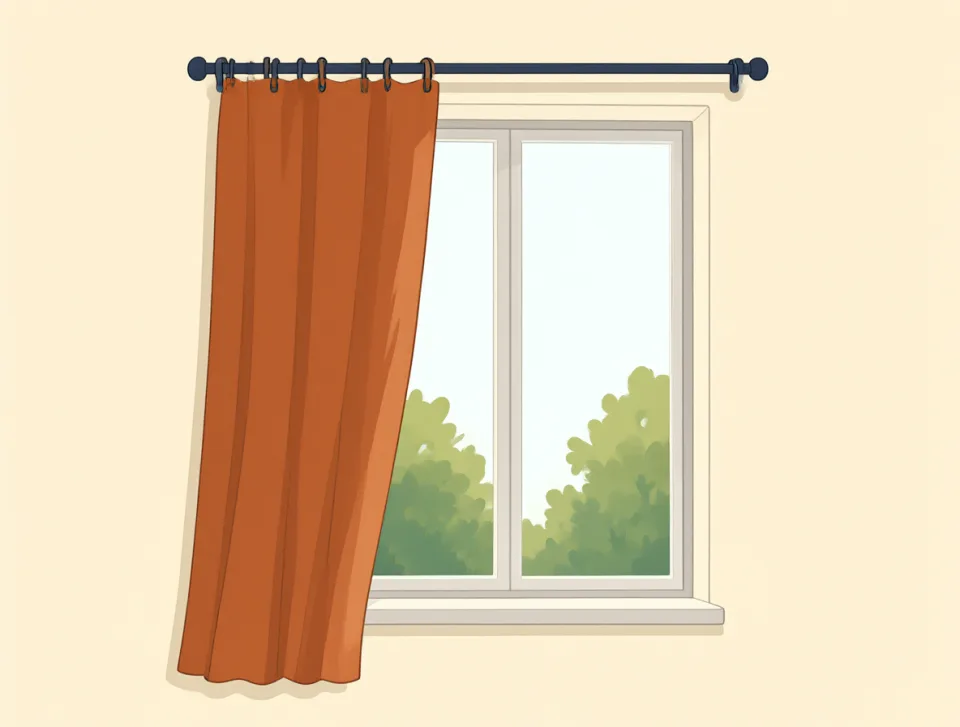
curtain
#2778noun
занавеска
A piece of cloth that hangs over a window or around a stage.
Кусок ткани, который вешают на окно или вокруг сцены.
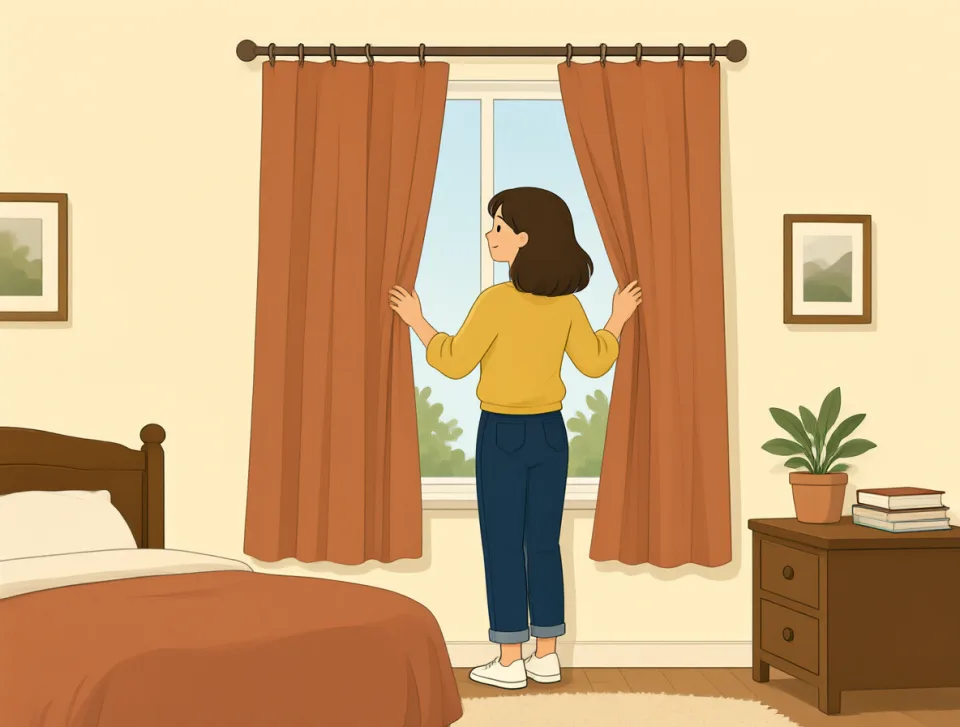
She pulled the curtains closed before changing her clothes.
Она задёрнула шторы, прежде чем переодеться.

The hotel room had thick curtains that blocked the morning sunlight.
В гостиничном номере были плотные шторы, которые не пропускали утренний солнечный свет.

We bought new curtains to make the living room feel warmer.
Мы купили новые шторы, чтобы в гостиной стало уютнее.
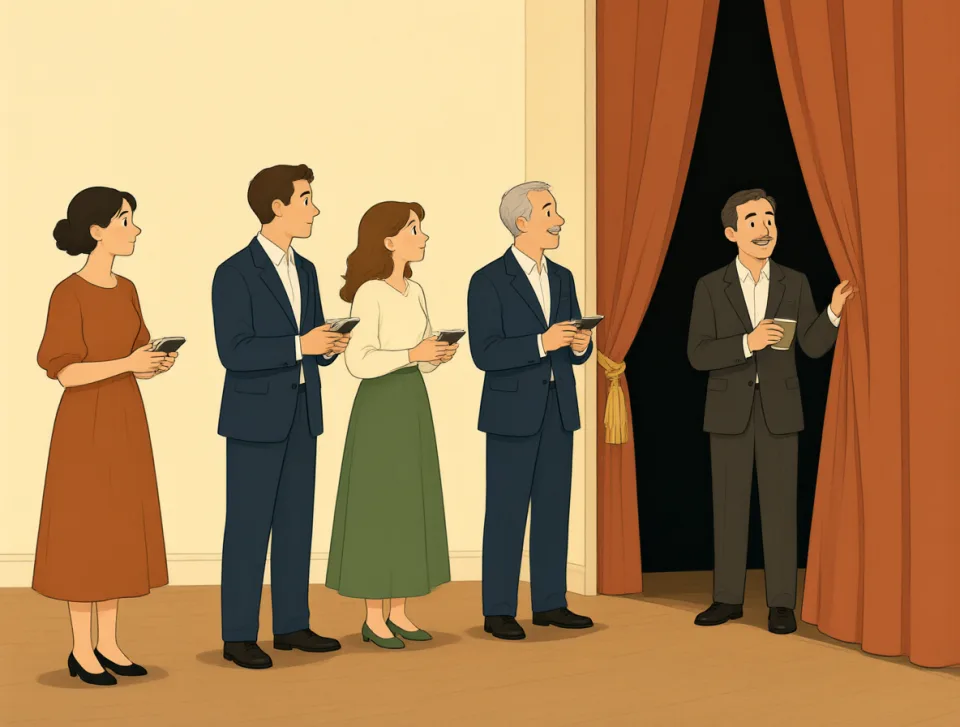
The actors waited behind the curtain until the audience became quiet.
Актёры ждали за занавесом, пока зрители не затихнут.

He accidentally spilled soup on the curtain while carrying dinner upstairs.
Он случайно пролил суп на занавеску, когда нёс ужин наверх.

mayor
#2779noun
мэр
The elected leader of a city or town.
Избранный глава города или посёлка.
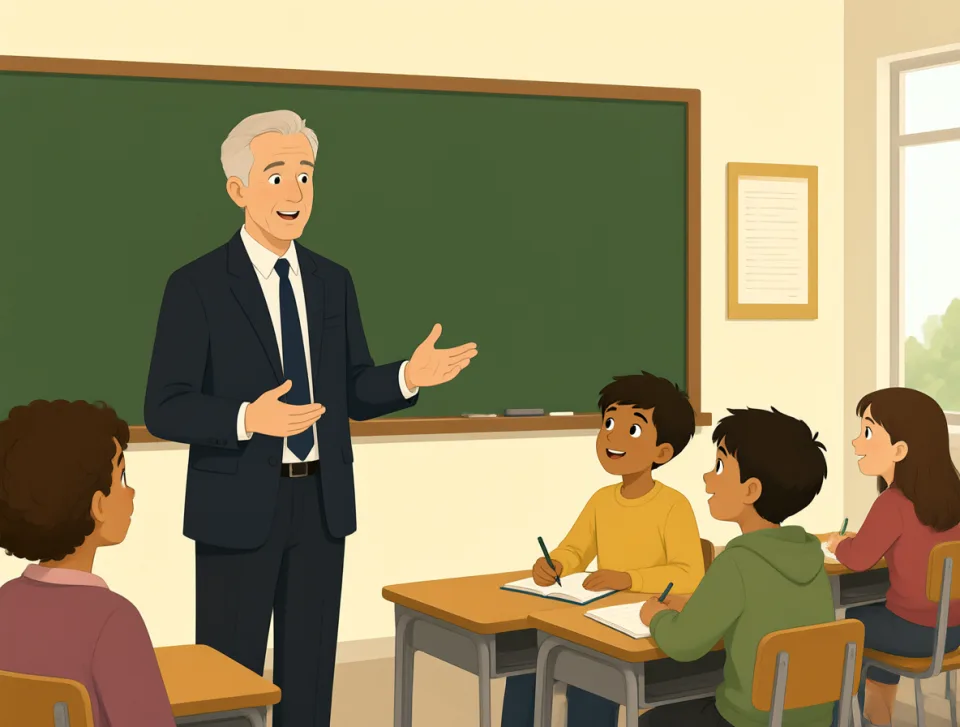
The mayor visited our school to talk with students about the new park.
Мэр пришёл в нашу школу, чтобы поговорить с учениками о новом парке.

The mayor of our town welcomed visitors at the opening of the library.
Мэр нашего города приветствовал гостей на открытии библиотеки.
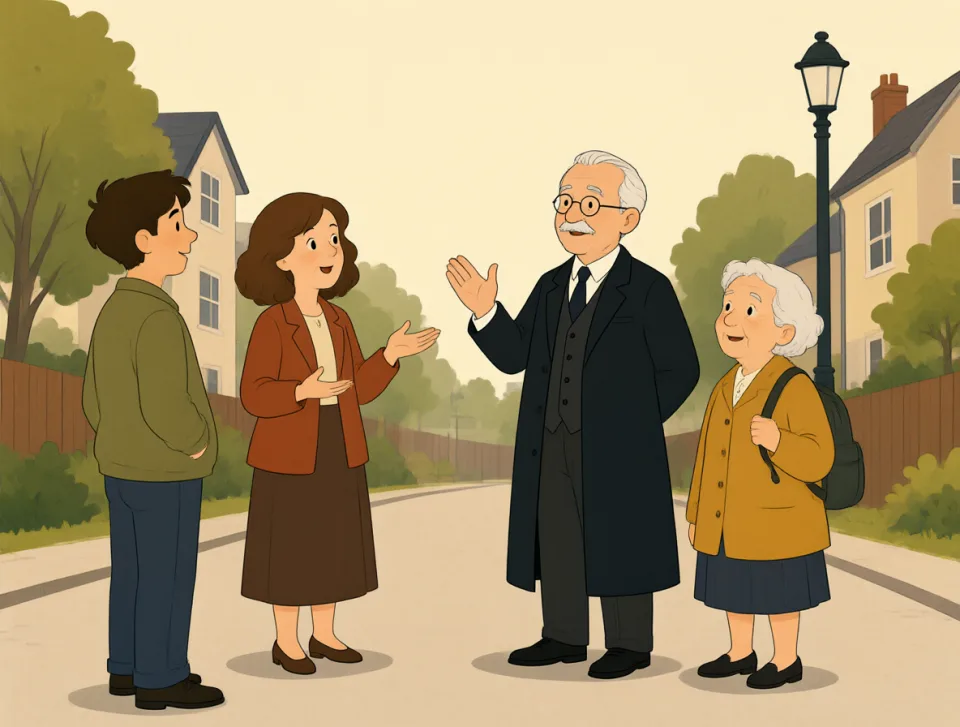
Residents asked the mayor to repair the broken streetlights near their homes.
Жители попросили мэра починить сломанные уличные фонари возле их домов.
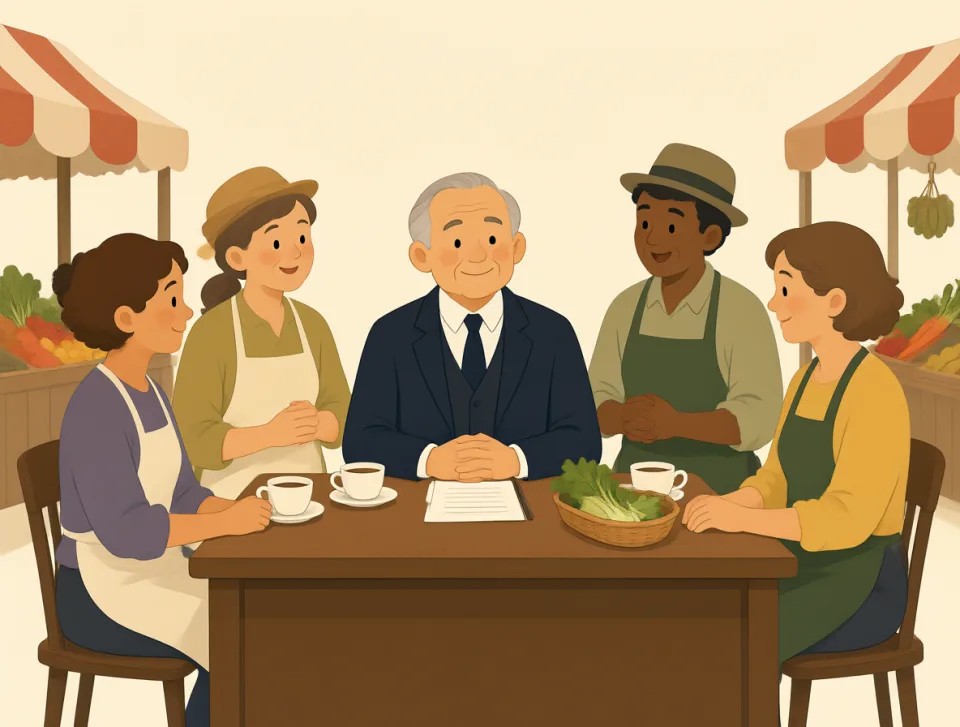
The mayor met with local shop owners to discuss plans for the busy market.
Мэр встретился с местными владельцами магазинов, чтобы обсудить планы по развитию оживлённого рынка.
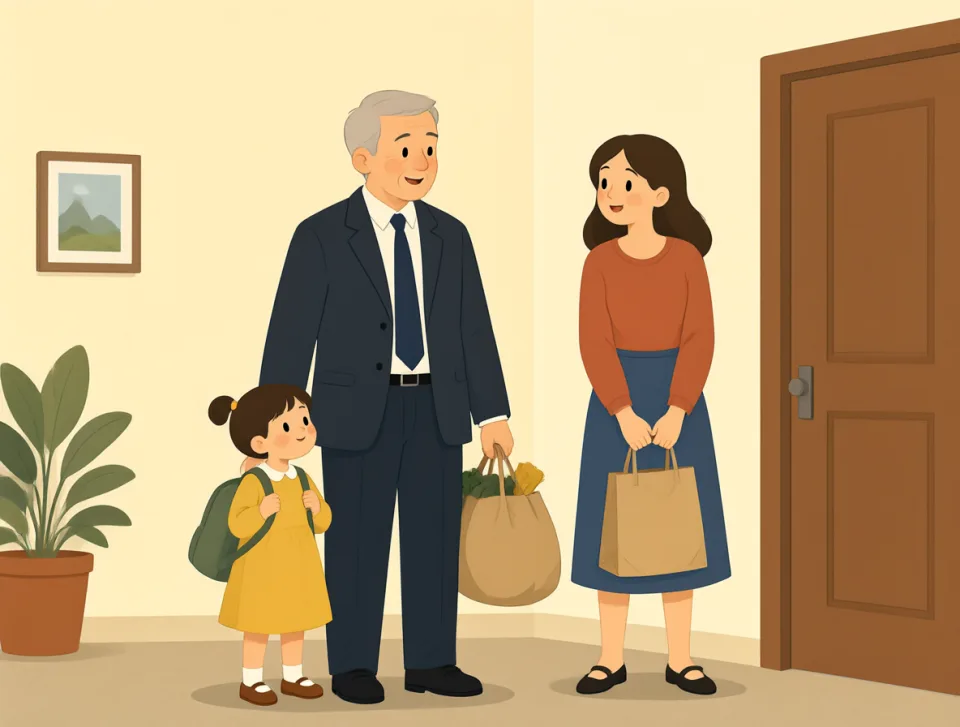
After the flood, the mayor helped families find safe places to stay.
После наводнения мэр помог семьям найти безопасное место для ночлега.
darkness
#2780noun
темнота
The state of having little or no light.
Состояние, когда света мало или совсем нет.

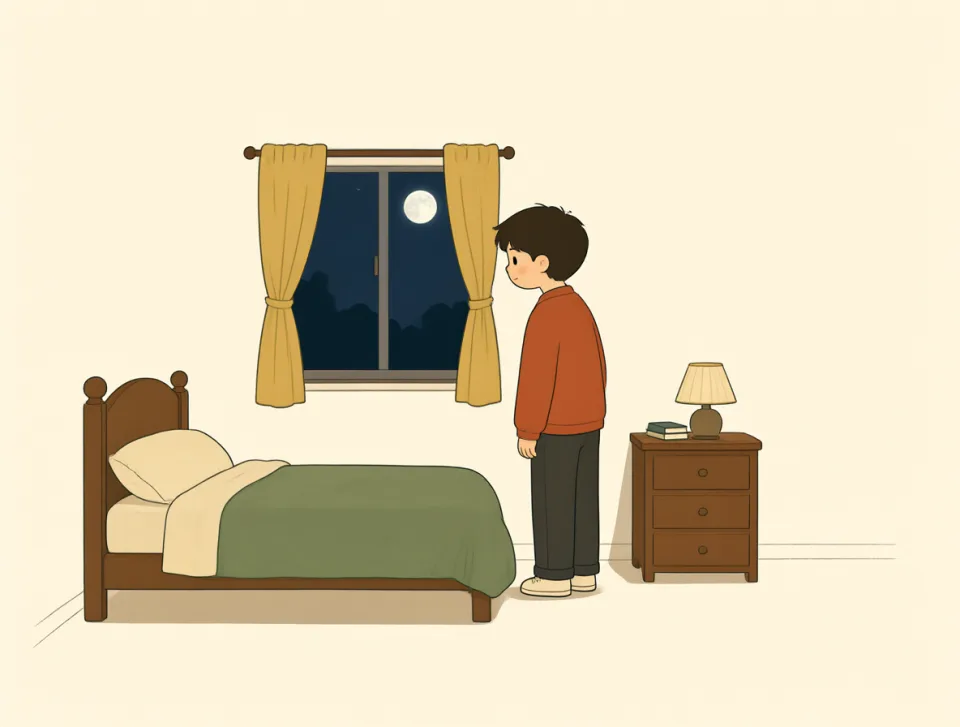
She felt nervous walking home alone in the darkness after work.
После работы ей было страшно идти домой одной в темноте.

The lights went out, and the room was filled with darkness.
Свет погас, и комната погрузилась во тьму.

We waited in the darkness until the storm passed.
Мы ждали в темноте, пока буря не утихла.

The guide carried a lantern to lead us through the darkness.
Проводник нёс фонарь, чтобы провести нас через темноту.

After the long illness, he said the darkness in his life was lifting.
После долгой болезни он сказал, что тёмная полоса в его жизни начинает заканчиваться.