इकाई 139
शब्द 2761–2780 · tongue, server, structural, website, fool, alongside
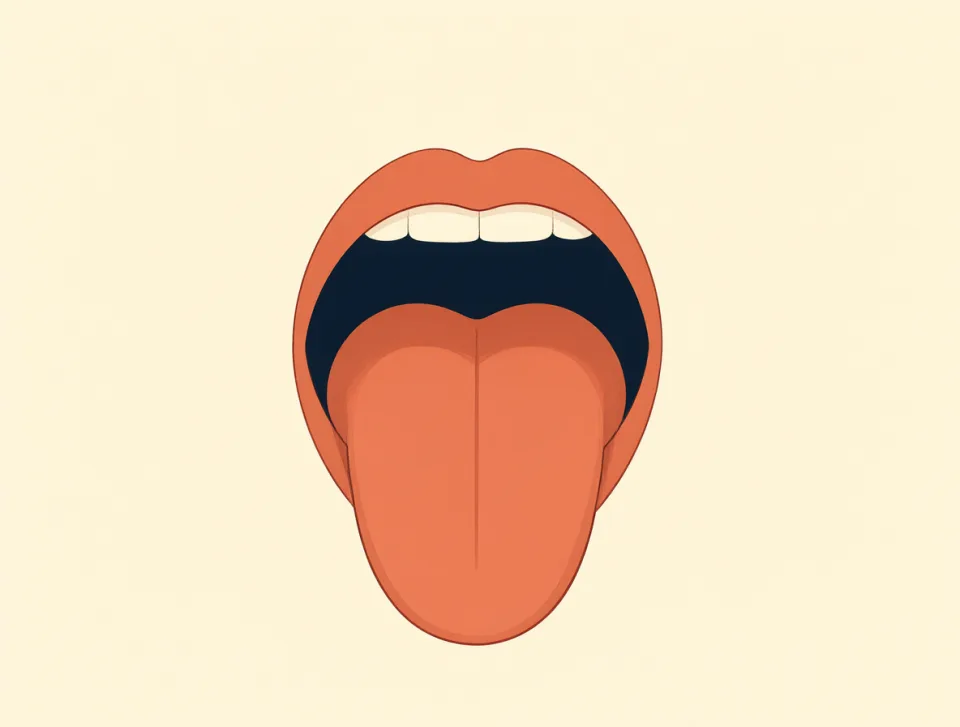
tongue
#2761noun
जीभ
The soft, movable part inside your mouth that helps you taste, speak, and swallow.
मुँह के अंदर का नरम और हिलने वाला अंग, जो स्वाद लेने, बोलने और निगलने में मदद करता है।

The doctor asked me to stick out my tongue during the checkup.
जाँच के दौरान डॉक्टर ने मुझसे अपनी जीभ बाहर निकालने को कहा।
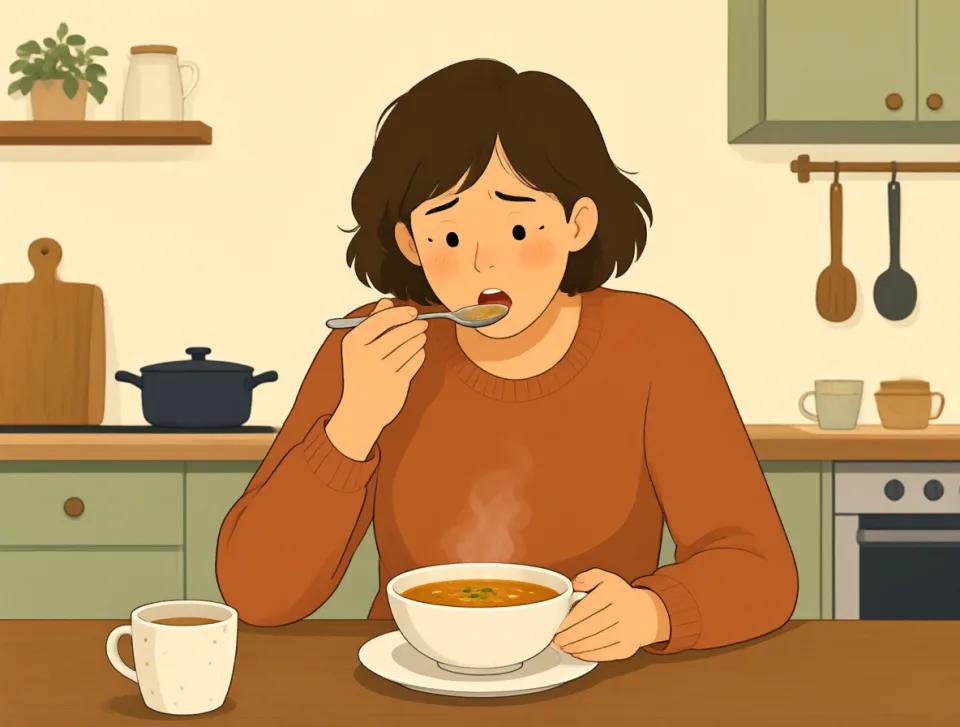
She burned her tongue on the hot soup and reached for some water.
गरम सूप से उसकी जीभ जल गई और उसने पानी के लिए हाथ बढ़ाया।

He speaks three languages, but English is his mother tongue.
वह तीन भाषाएँ बोलता है, लेकिन अंग्रेज़ी उसकी मातृभाषा है।
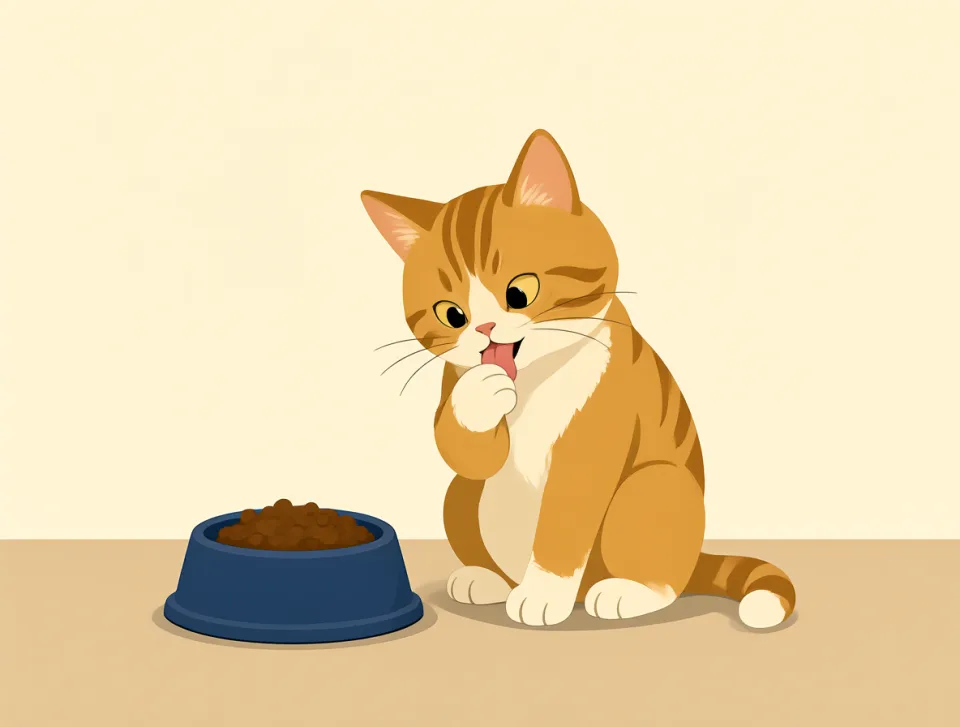
The cat licked its paws with its rough tongue after dinner.
खाने के बाद बिल्ली ने अपनी खुरदरी जीभ से अपने पंजे चाटे।
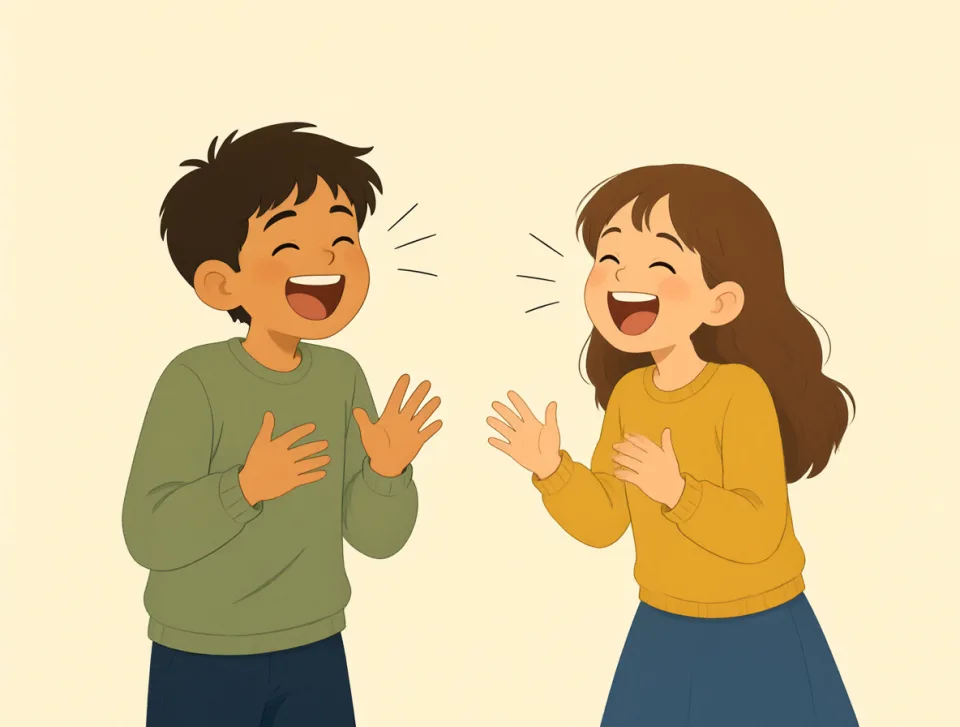
The children made a tongue twister harder by saying it faster.
बच्चों ने tongue twister को तेज़ी से बोलकर और मुश्किल बना दिया।

server
#2762noun
सर्वर; भोजन परोसने वाला
A person who serves food or drinks, or a computer that provides data to other computers.
वह व्यक्ति जो खाना या पेय परोसता है, या ऐसा कंप्यूटर जो दूसरे कंप्यूटरों को डेटा उपलब्ध कराता है।

Our server brought the menus and asked what we wanted to drink.
हमारा वेटर मेन्यू लेकर आया और उसने पूछा कि हम क्या पीना चाहेंगे।
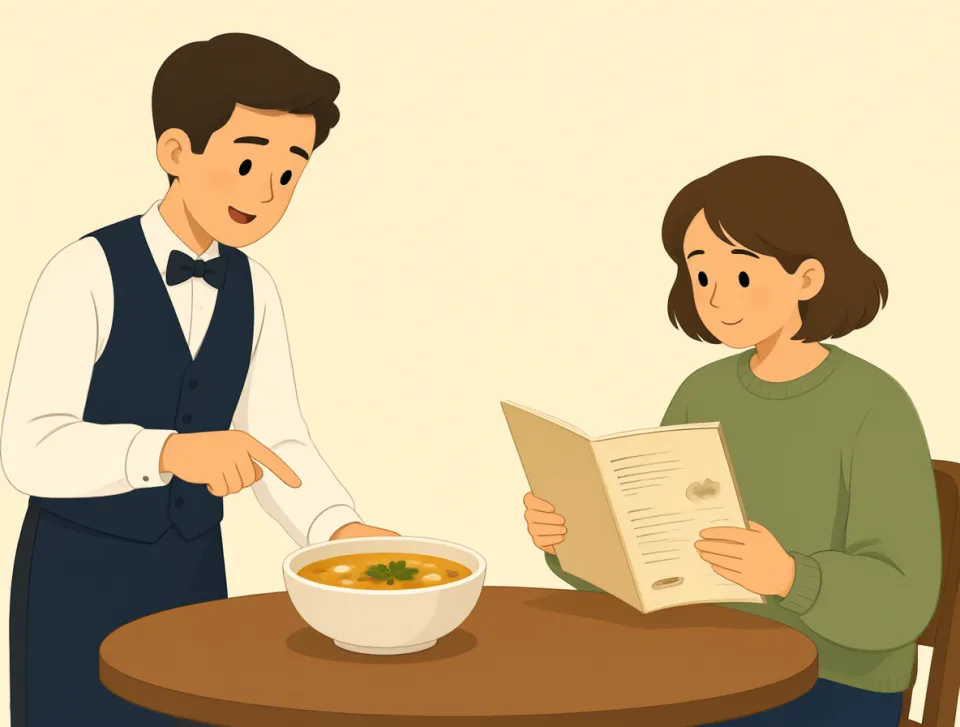
The server recommended the soup, so I ordered a bowl for lunch.
वेटर ने सूप की सलाह दी, इसलिए मैंने दोपहर के खाने के लिए एक कटोरा मँगवाया।

She works as a server at a busy café near the school.
वह स्कूल के पास एक व्यस्त कैफ़े में वेटर का काम करती है।

The game server was slow, so we waited before joining our friends.
गेम सर्वर धीमा था, इसलिए हम अपने दोस्तों के साथ जुड़ने से पहले इंतज़ार करते रहे।

The hotel server brought fresh towels to our room after we called.
हमारे फ़ोन करने के बाद होटल का कर्मचारी हमारे कमरे में तौलिए ले आया।
structural
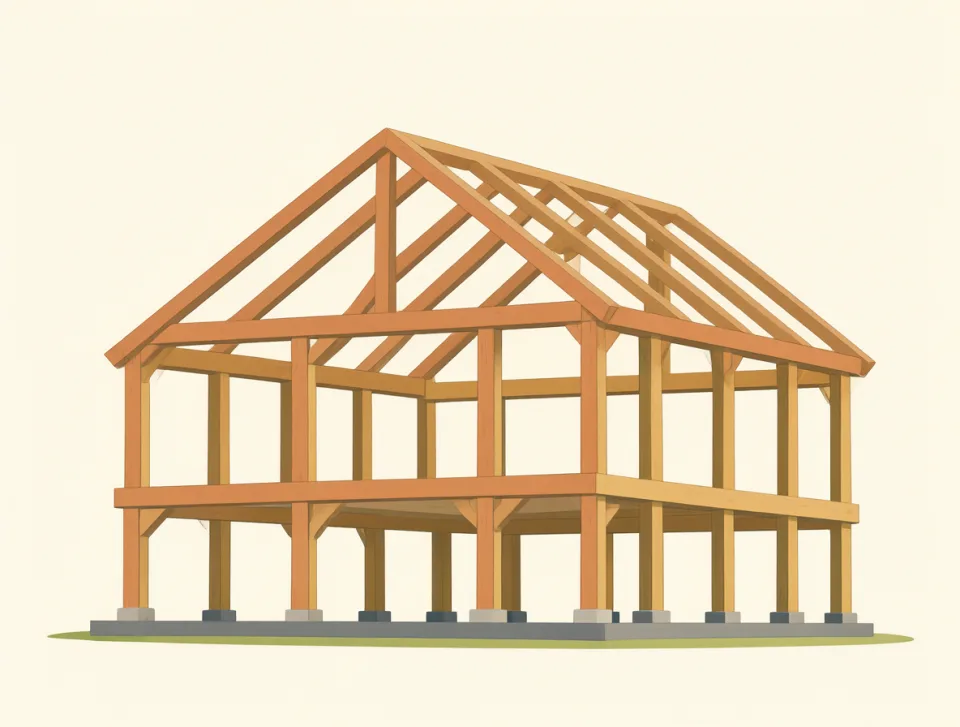
#2763adjective
संरचनात्मक
Related to the way something is built, organized, or arranged.
किसी चीज़ के बनाए, व्यवस्थित या आयोजित किए जाने के तरीके से संबंधित।
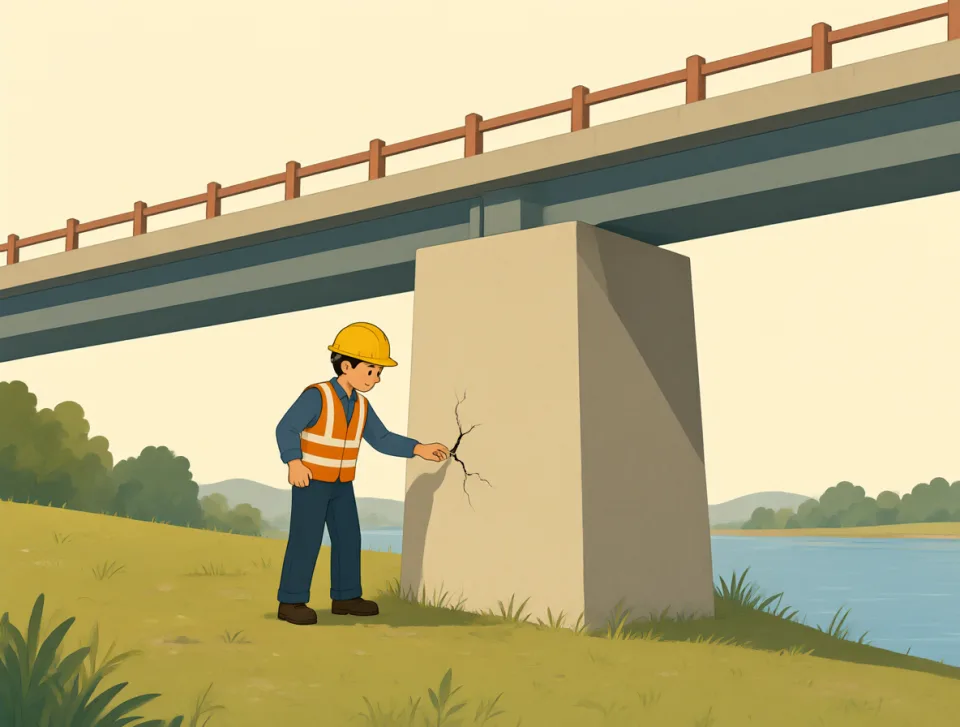
The engineer found a structural problem in the old bridge during inspection.
जाँच के दौरान इंजीनियर को पुराने पुल में एक संरचनात्मक समस्या मिली।
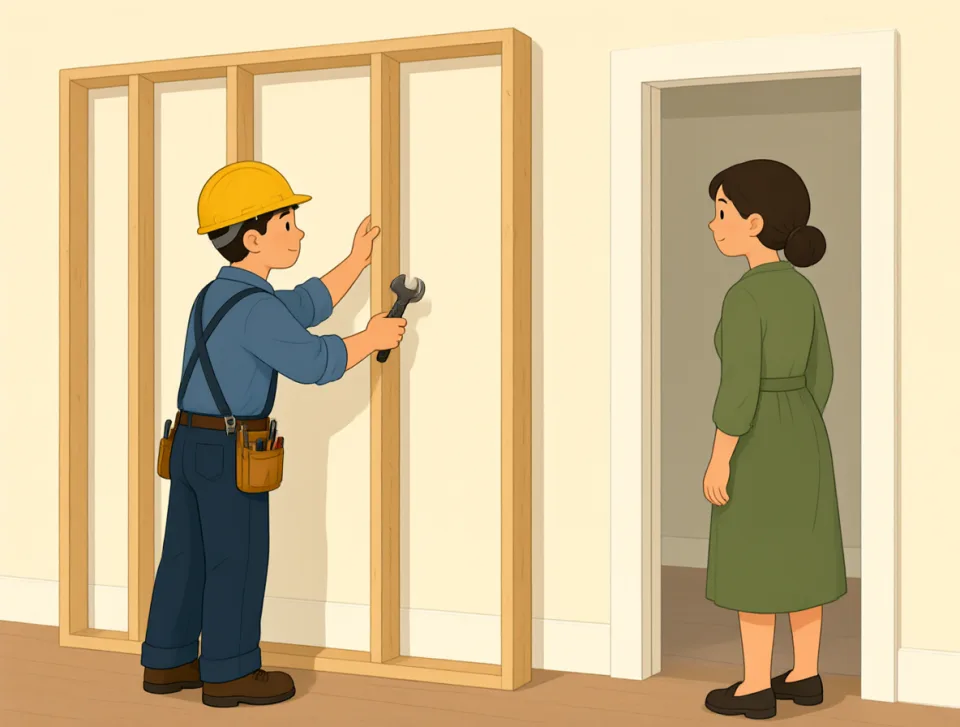
We made structural changes to the kitchen before adding the new cabinets.
नई अलमारियाँ लगाने से पहले हमने रसोई में संरचनात्मक बदलाव किए।
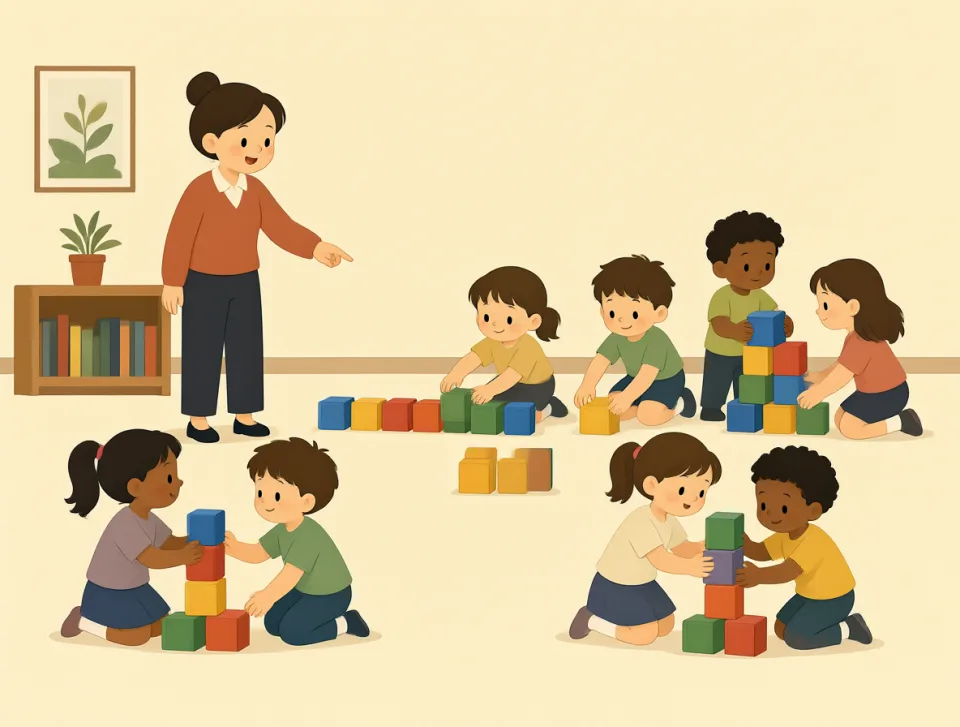
The course explains structural differences between English and Spanish sentences.
इस पाठ्यक्रम में अंग्रेज़ी और स्पेनिश वाक्यों के बीच संरचनात्मक अंतर समझाए गए हैं।

The doctor said the scan showed no structural damage to her knee.
डॉक्टर ने कहा कि स्कैन में उसके घुटने को कोई संरचनात्मक क्षति नहीं दिखी।
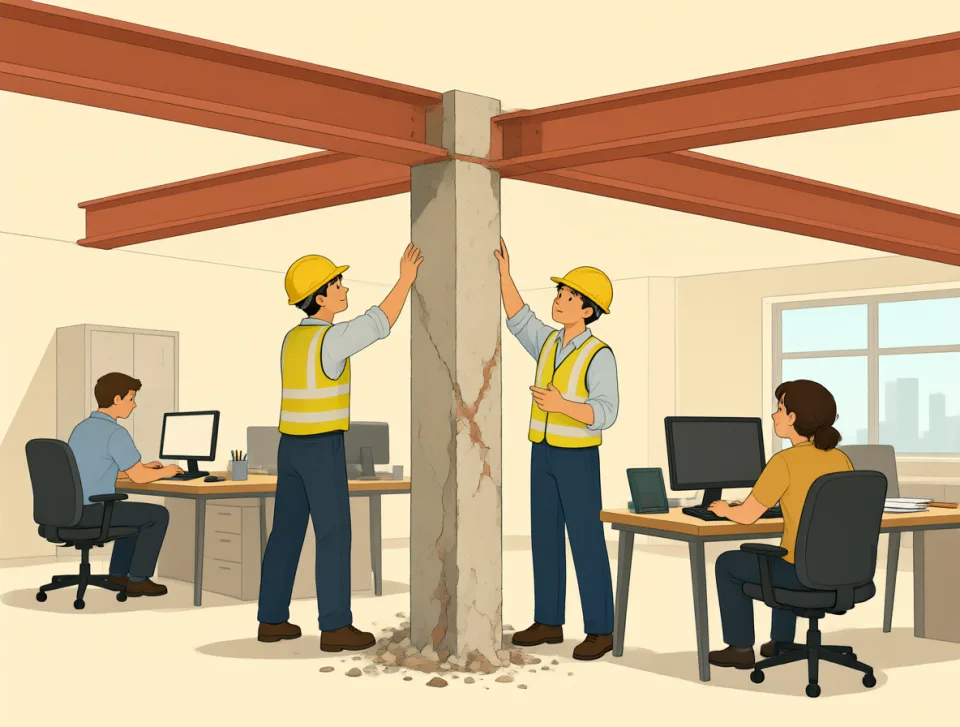
Several structural issues delayed the office renovation by two weeks.
कई संरचनात्मक समस्याओं के कारण कार्यालय के नवीनीकरण में दो हफ़्तों की देरी हुई।

website
#2764noun
वेबसाइट
A group of pages on the internet where people can find or share information.
इंटरनेट पर मौजूद पृष्ठों का एक समूह, जहाँ लोग जानकारी पा या साझा कर सकते हैं।

I found the recipe on a cooking website and made it for dinner.
मुझे खाना पकाने की एक वेबसाइट पर यह रेसिपी मिली और मैंने इसे रात के खाने के लिए बनाया।

You can book a hotel room through the travel website before your trip.
आप अपनी यात्रा से पहले travel website के ज़रिए होटल का कमरा बुक कर सकते हैं।

Our teacher posted the homework on the school website this morning.
हमारे शिक्षक ने आज सुबह स्कूल की वेबसाइट पर गृहकार्य पोस्ट किया।

The shop's website offers free delivery for orders over fifty dollars.
दुकान की वेबसाइट पचास डॉलर से अधिक के ऑर्डर पर मुफ़्त डिलीवरी देती है।

She created a website for her small business with help from a friend.
उसने एक दोस्त की मदद से अपने छोटे व्यवसाय के लिए एक वेबसाइट बनाई।

fool
#2765noun, verb
मूर्ख; धोखा देना
A foolish person; to trick someone or make them believe something untrue.
मूर्ख व्यक्ति; किसी को धोखा देना या उसे किसी झूठी बात पर विश्वास करा देना।
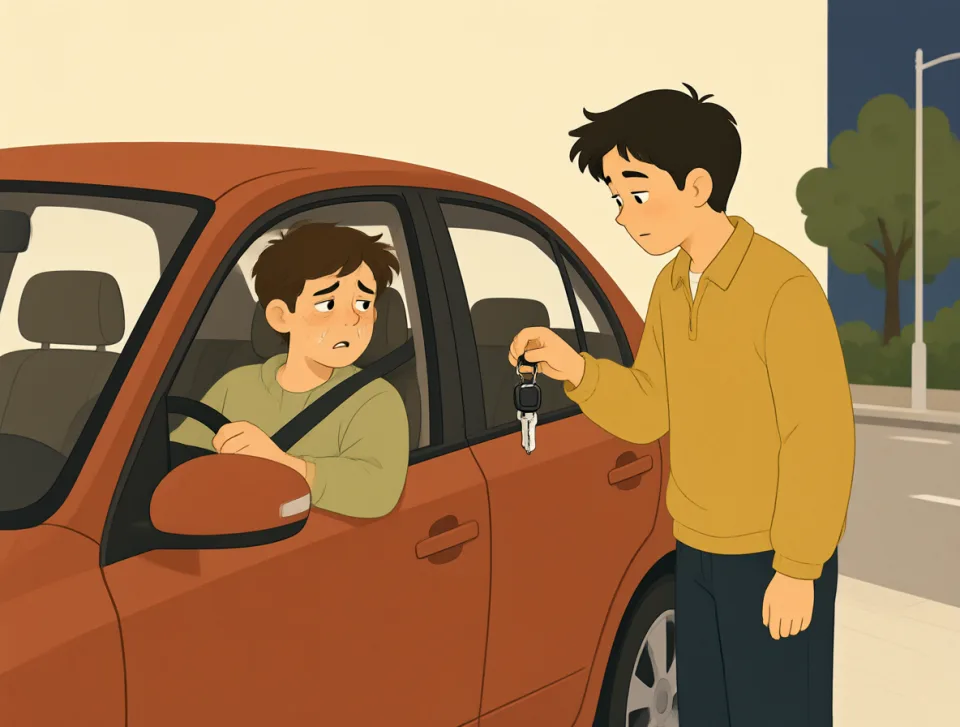
Don't be a fool and drive home when you're too tired.
मूर्ख मत बनो और जब तुम बहुत थके हुए हो तो गाड़ी चलाकर घर मत जाओ।
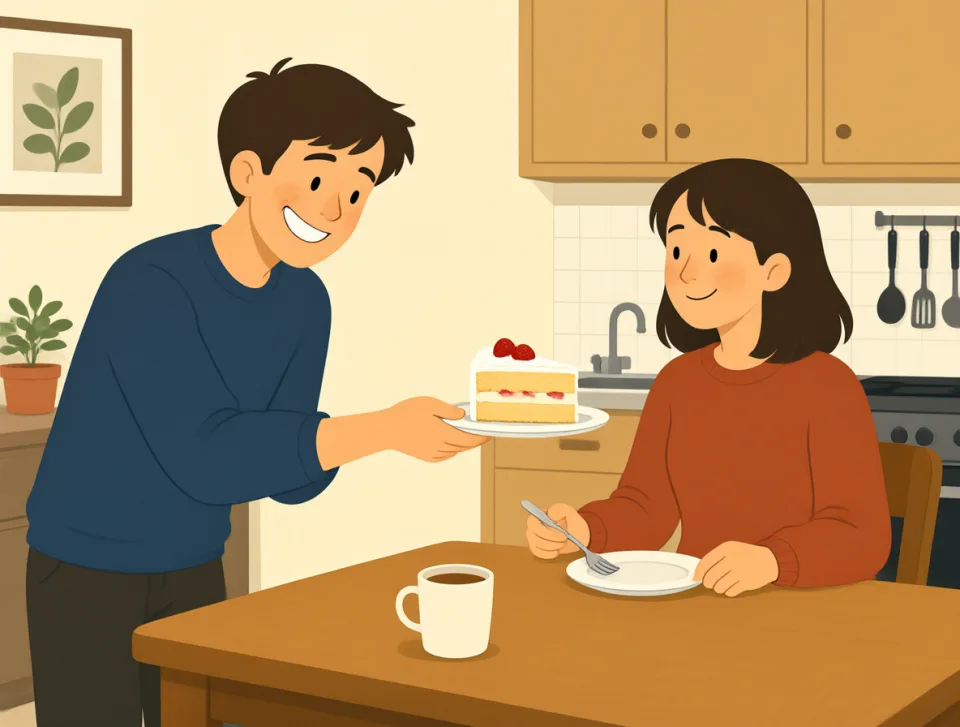
He fooled me into thinking the cake was sugar-free.
उसने मुझे यह सोचने पर मजबूर कर दिया कि केक में चीनी नहीं थी।
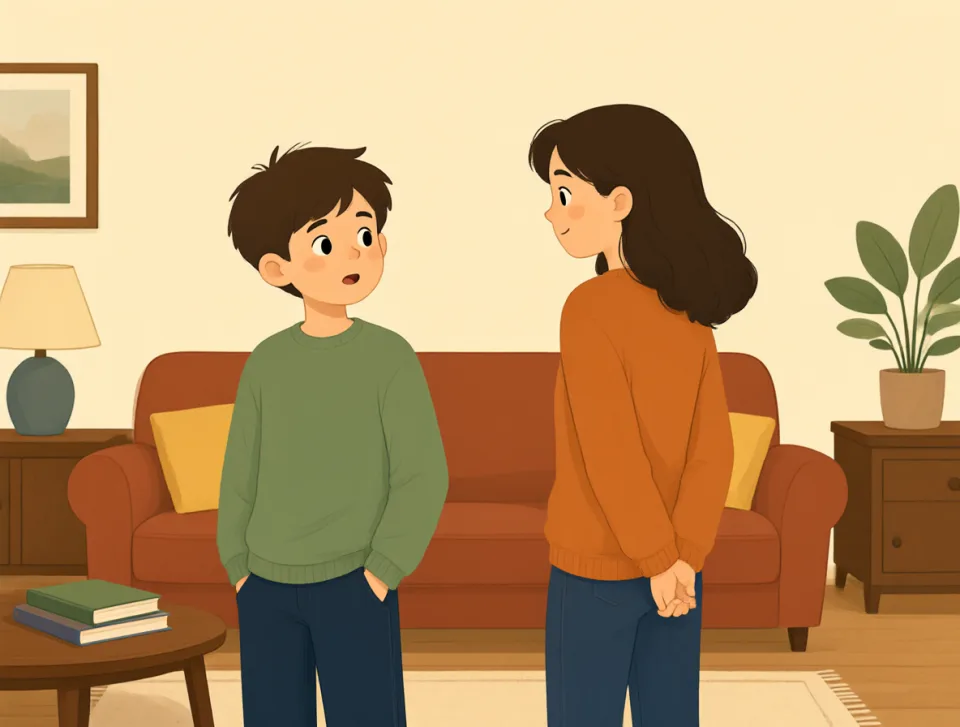
You can't fool her; she knows when someone is lying.
तुम उसे धोखा नहीं दे सकते; जब कोई झूठ बोलता है तो उसे पता चल जाता है।
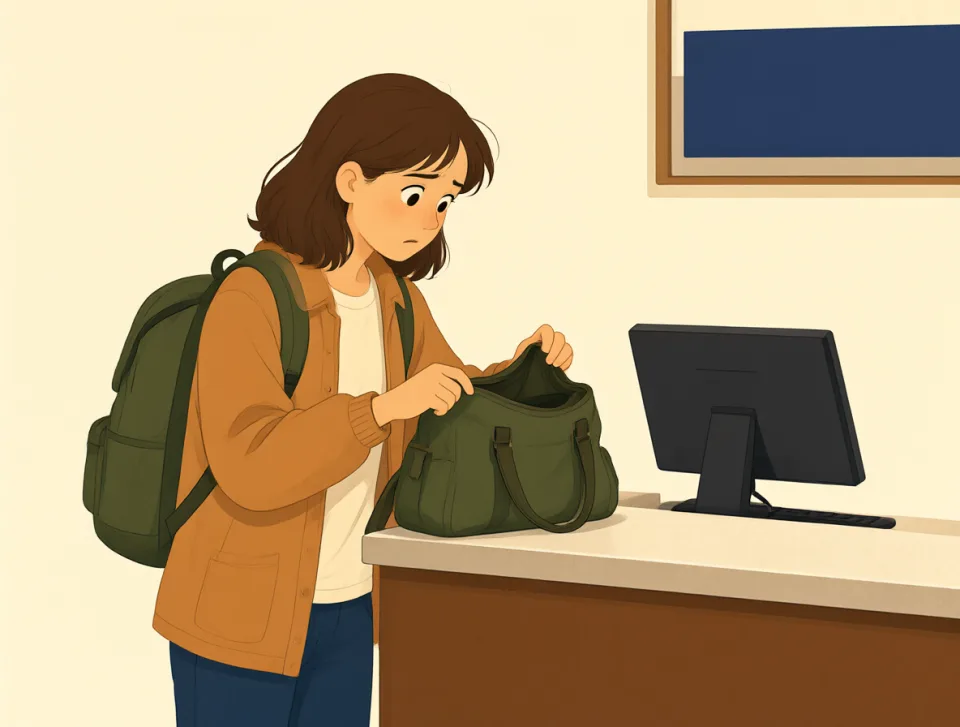
I felt like a fool when I forgot my passport at home.
जब मैं अपना पासपोर्ट घर पर भूल गया तो मुझे बहुत मूर्ख महसूस हुआ।

They were fooling around in class instead of finishing their work.
वे अपना काम पूरा करने के बजाय कक्षा में शरारत कर रहे थे।
alongside
#2766adverb, preposition
के साथ-साथ
next to or together with someone or something
किसी व्यक्ति या चीज़ के बगल में या उसके साथ
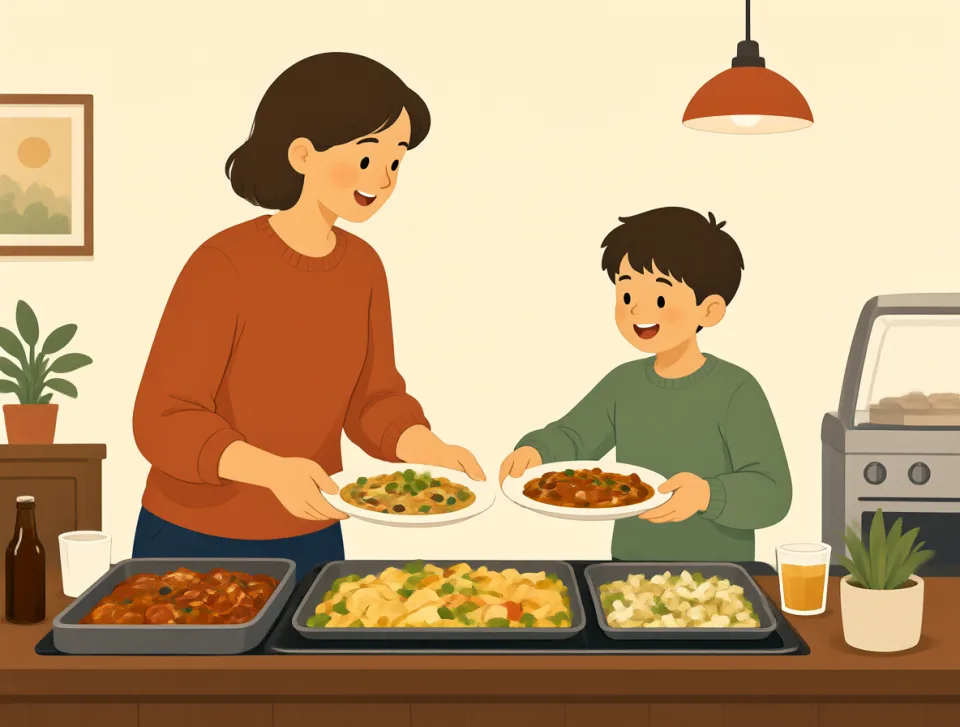
She worked alongside her brother in the family restaurant.
उसने परिवार के रेस्तराँ में अपने भाई के साथ-साथ काम किया।

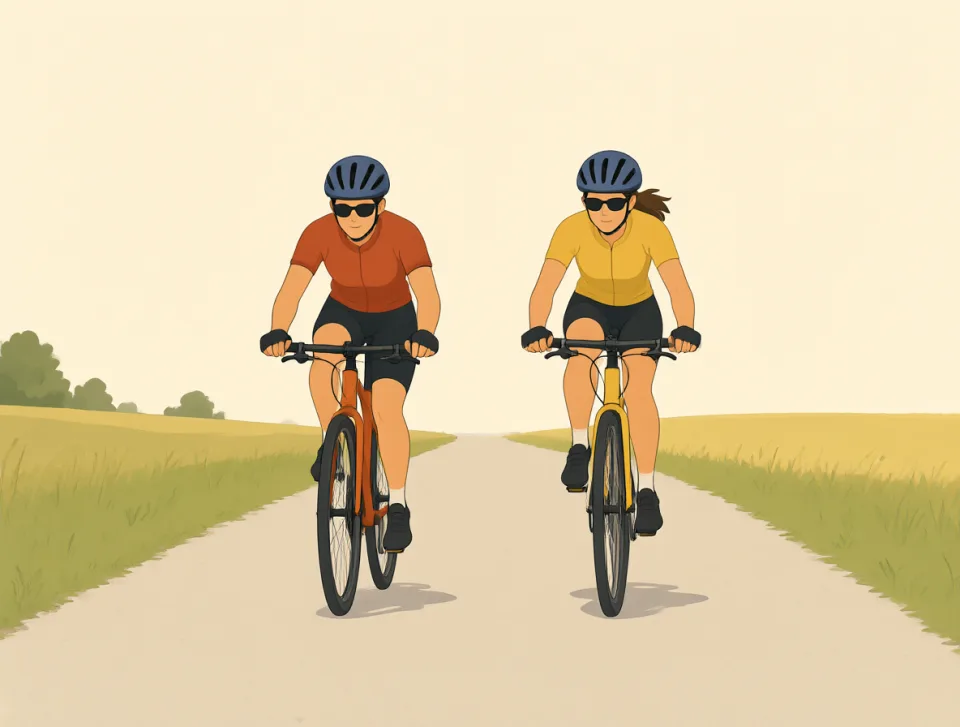
A bicycle path runs alongside the river through the city.
शहर से होकर नदी के किनारे-किनारे एक साइकिल पथ जाता है।
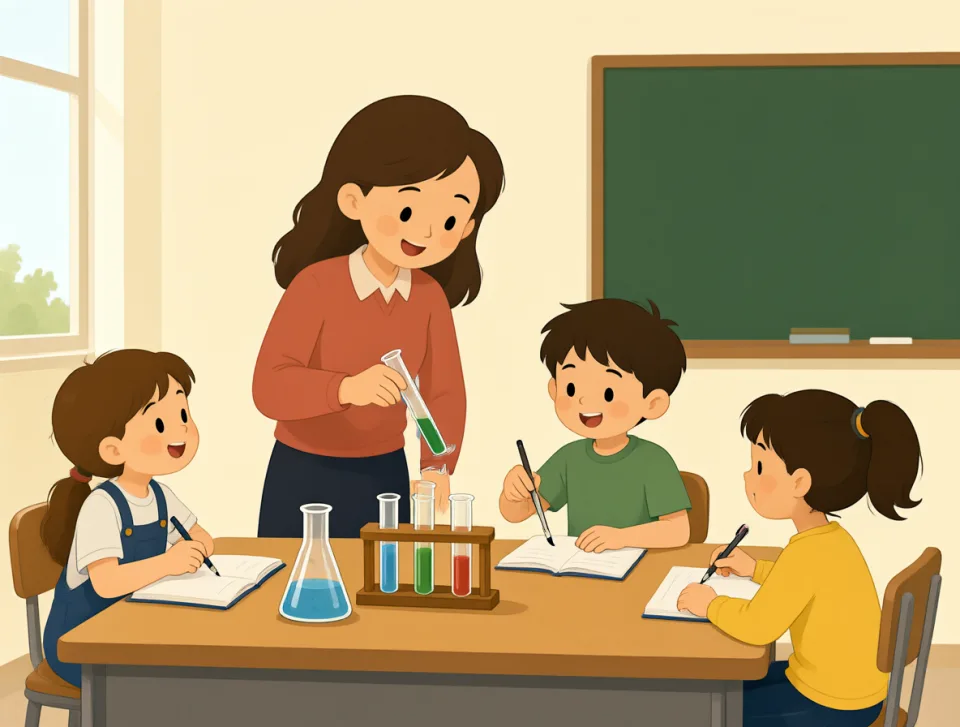
The teacher worked alongside students during the science experiment.
विज्ञान के प्रयोग के दौरान शिक्षक ने विद्यार्थियों के साथ मिलकर काम किया।

Fresh vegetables were displayed alongside bread and cheese at the market.
बाज़ार में ताज़ी सब्ज़ियाँ ब्रेड और चीज़ के साथ रखी थीं।
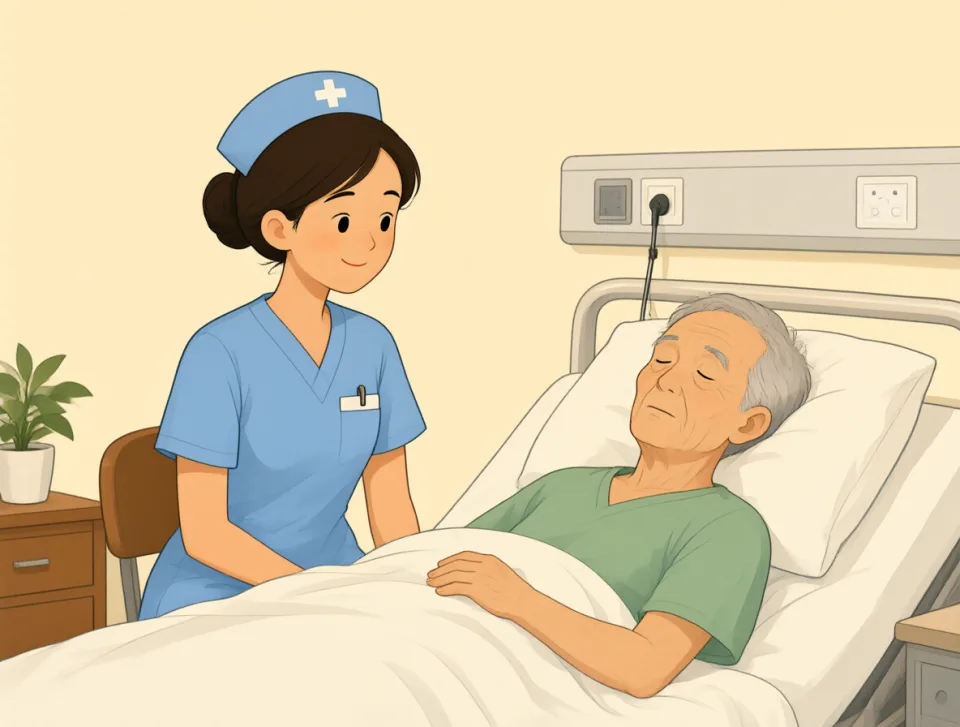
The nurse stayed alongside the patient throughout the long night.
लंबी रात भर नर्स मरीज़ के पास रही।

unite
#2767verb
एकजुट होना
to join together for a shared purpose or common goal
किसी साझा उद्देश्य या लक्ष्य के लिए साथ आना
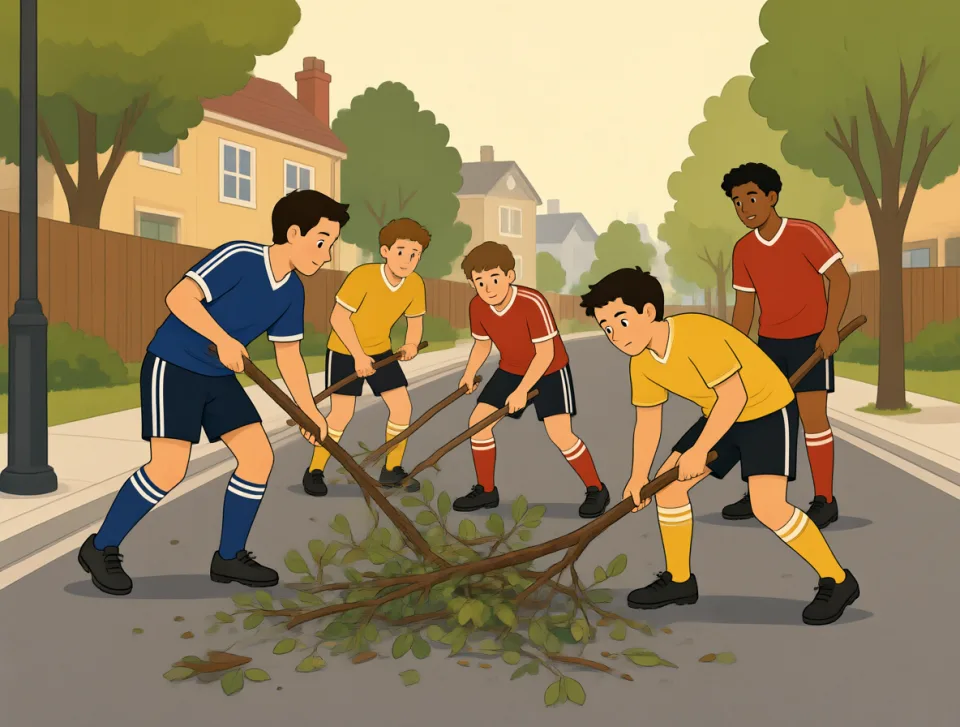
The two teams united to help their town after the storm.
तूफ़ान के बाद अपने शहर की मदद करने के लिए दोनों टीमें एकजुट हो गईं।
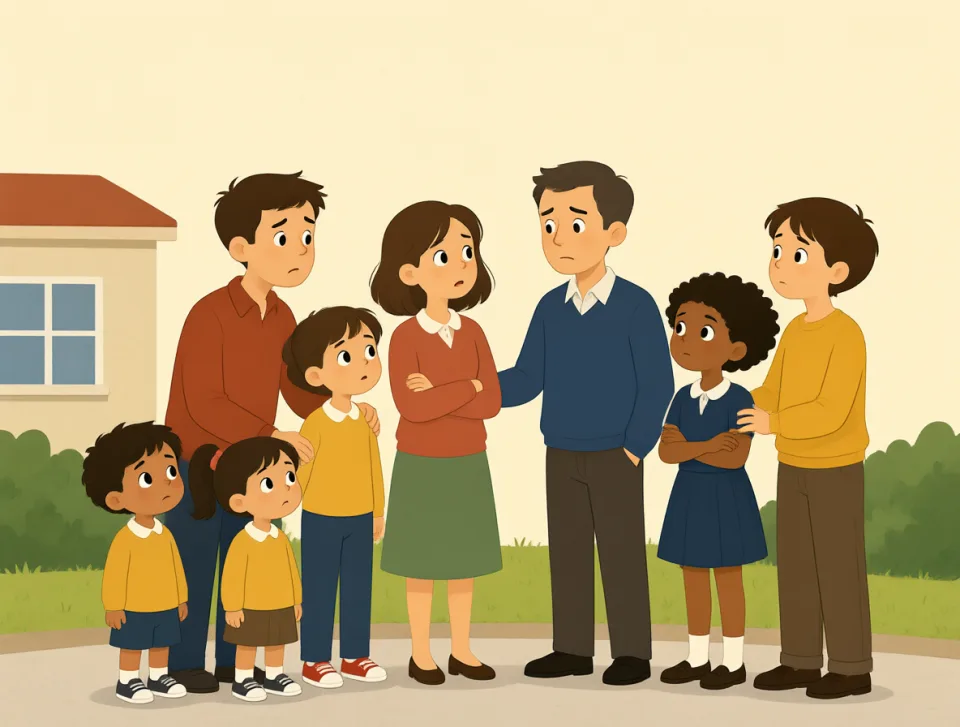
Families united against the plan to close the local school.
स्थानीय स्कूल बंद करने की योजना के खिलाफ परिवार एकजुट हो गए।

The manager united the staff around a clear plan for the busy season.
व्यस्त मौसम के लिए एक स्पष्ट योजना के इर्द-गिर्द प्रबंधक ने कर्मचारियों को एकजुट किया।
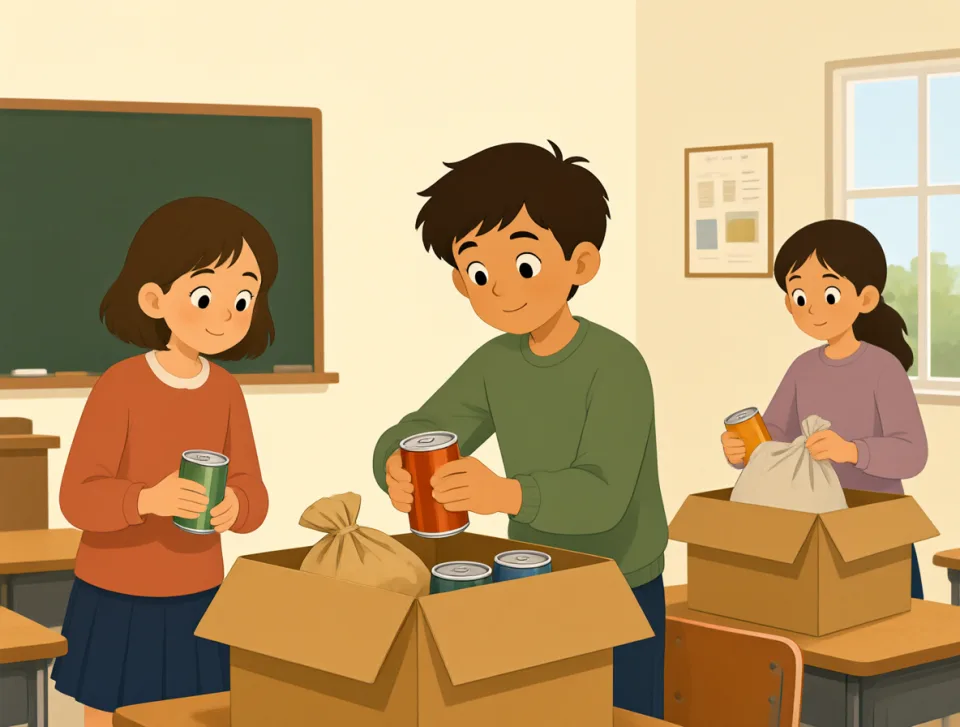
The students united to organize a food drive for hungry neighbors.
भूखे पड़ोसियों के लिए खाद्य-संग्रह अभियान आयोजित करने को विद्यार्थी एकजुट हो गए।

The medicine is uniting with other treatments to improve her health.
उसकी सेहत सुधारने के लिए यह दवा अन्य उपचारों के साथ मिलकर काम कर रही है।
gently
#2768adverb
धीरे से
In a soft, careful, or kind way.
नरमी, सावधानी या दयालुता से

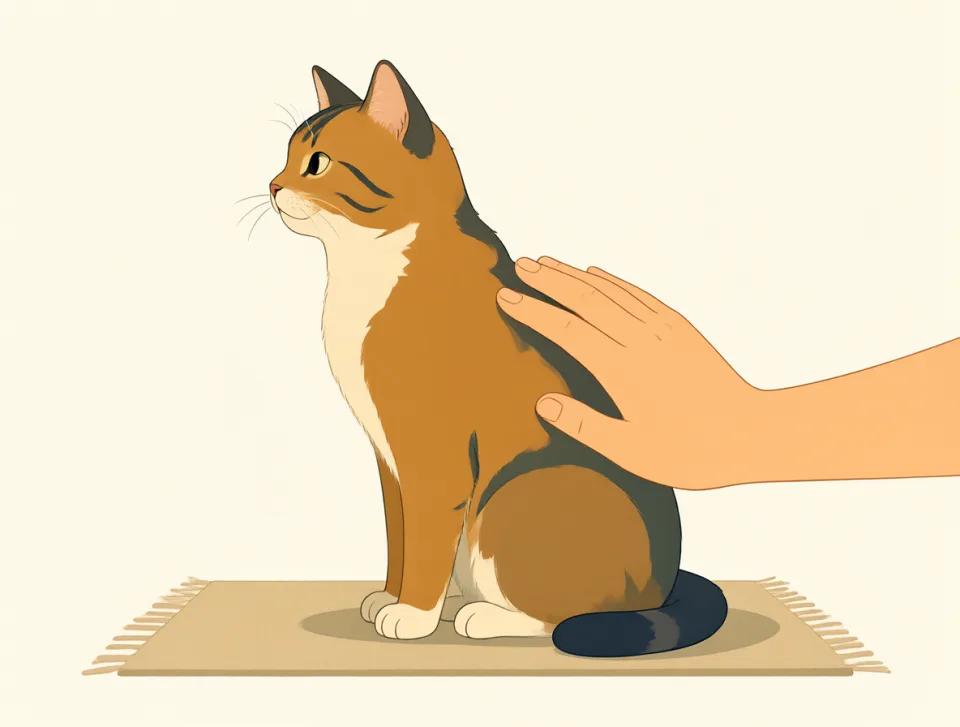
She gently woke her son and helped him get ready for school.
उसने अपने बेटे को धीरे से जगाया और स्कूल के लिए तैयार होने में उसकी मदद की।
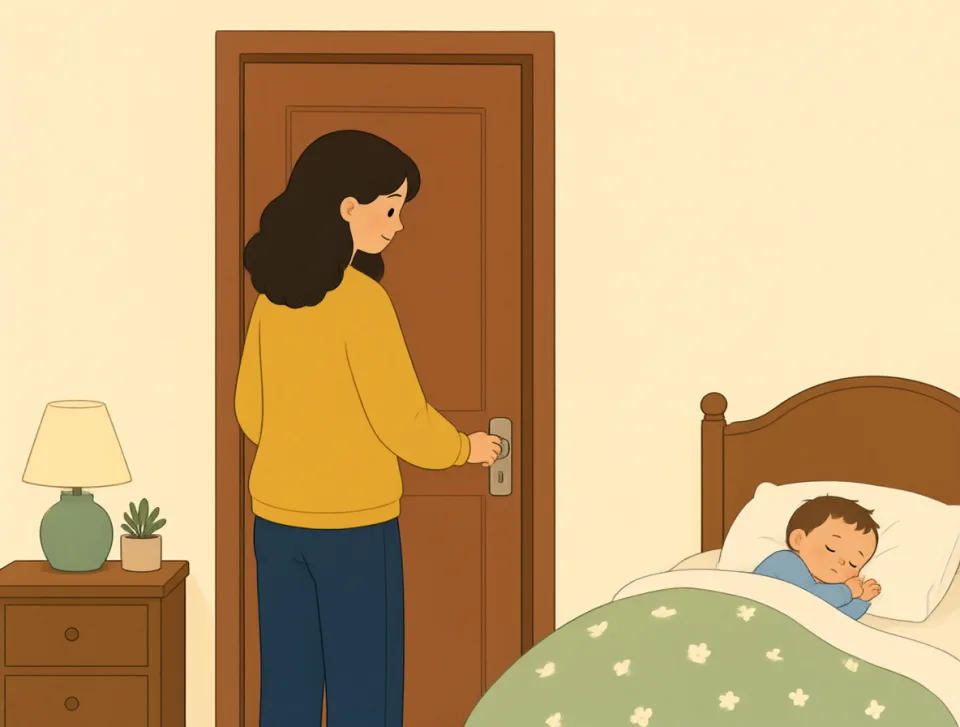
Please close the door gently so the baby can keep sleeping.
कृपया दरवाज़ा धीरे से बंद करें, ताकि बच्चा सोता रहे।
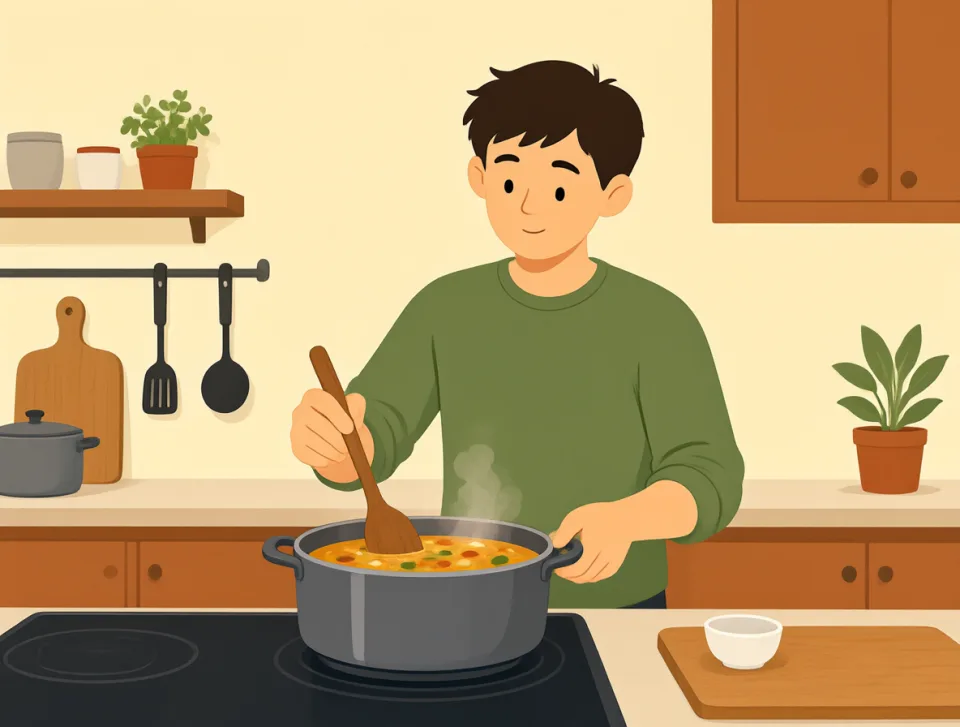
He gently stirred the soup while it warmed on the stove.
चूल्हे पर सूप गर्म होते समय उसने उसे धीरे-धीरे चलाया।
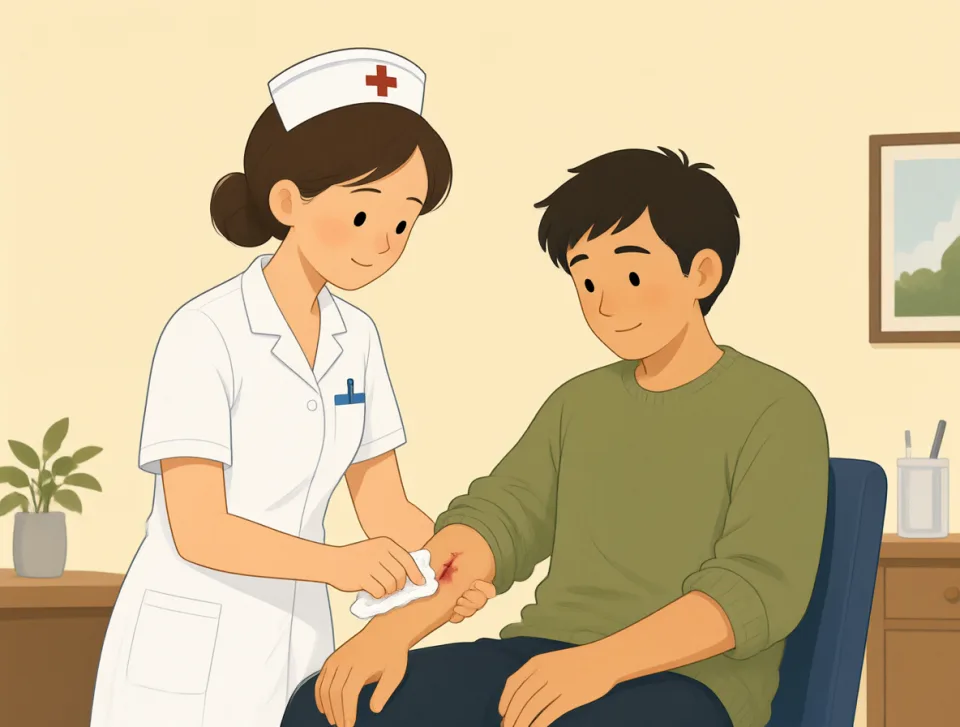
The nurse gently cleaned the cut before putting on a small bandage.
पट्टी लगाने से पहले नर्स ने घाव को धीरे से साफ़ किया।

She gently explained the mistake, and her coworker understood what to do.
उसने गलती के बारे में नरमी से समझाया और उसके सहकर्मी को समझ आ गया कि क्या करना है।
compute
#2769verb
गणना करना
To calculate an answer using numbers or a computer.
संख्याओं या कंप्यूटर की मदद से उत्तर निकालना।
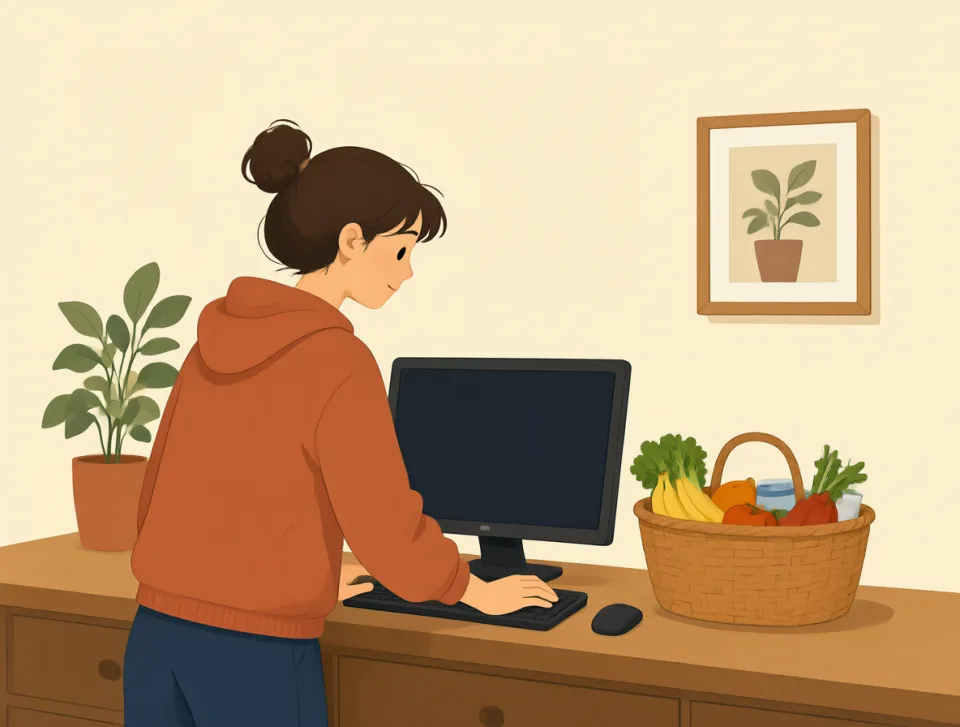
The computer can compute the total cost before you place your order.
आपका ऑर्डर देने से पहले कंप्यूटर कुल लागत की गणना कर सकता है।
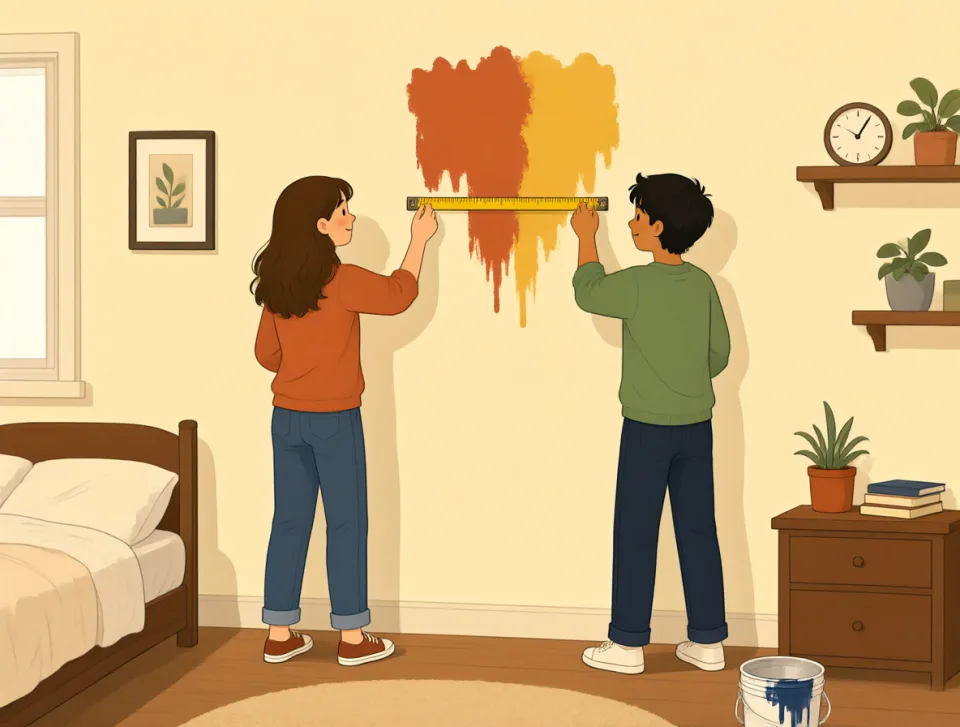
We computed how much paint we needed before starting the room.
कमरे का काम शुरू करने से पहले हमने हिसाब लगाया कि हमें कितने रंग की ज़रूरत होगी।
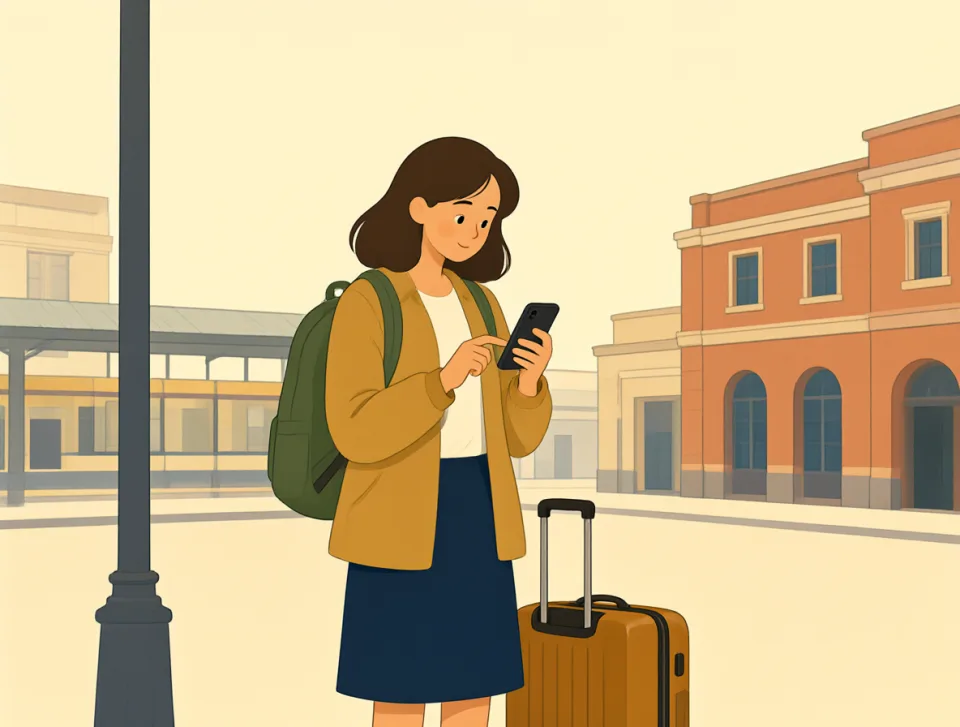
The travel app computes the quickest route between the hotel and the station.
यात्रा ऐप होटल और स्टेशन के बीच सबसे तेज़ रास्ते की गणना करता है।

She computed her weekly food budget after checking the prices at the market.
बाज़ार में कीमतें देखने के बाद उसने अपने साप्ताहिक भोजन के बजट का हिसाब लगाया।
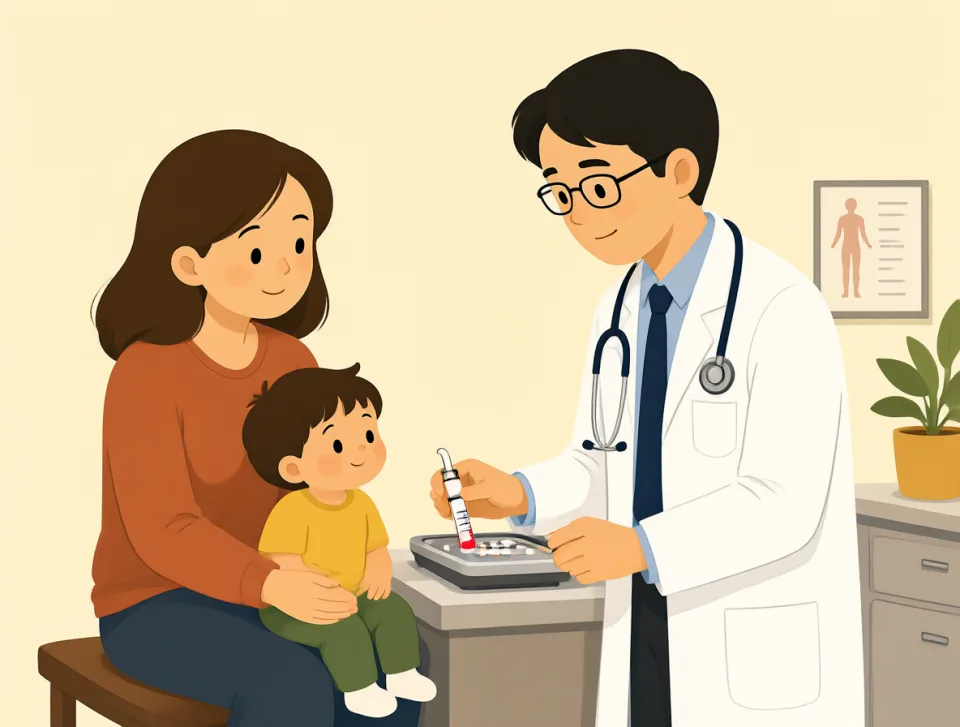
The doctor computed the medicine dose from the child’s weight.
डॉक्टर ने बच्चे के वज़न के आधार पर दवा की खुराक की गणना की।

wipe
#2770verb, noun
पोंछना
To clean or dry something by rubbing it with a cloth or your hand.
कपड़े या हाथ से रगड़कर किसी चीज़ को साफ़ या सूखा करना।
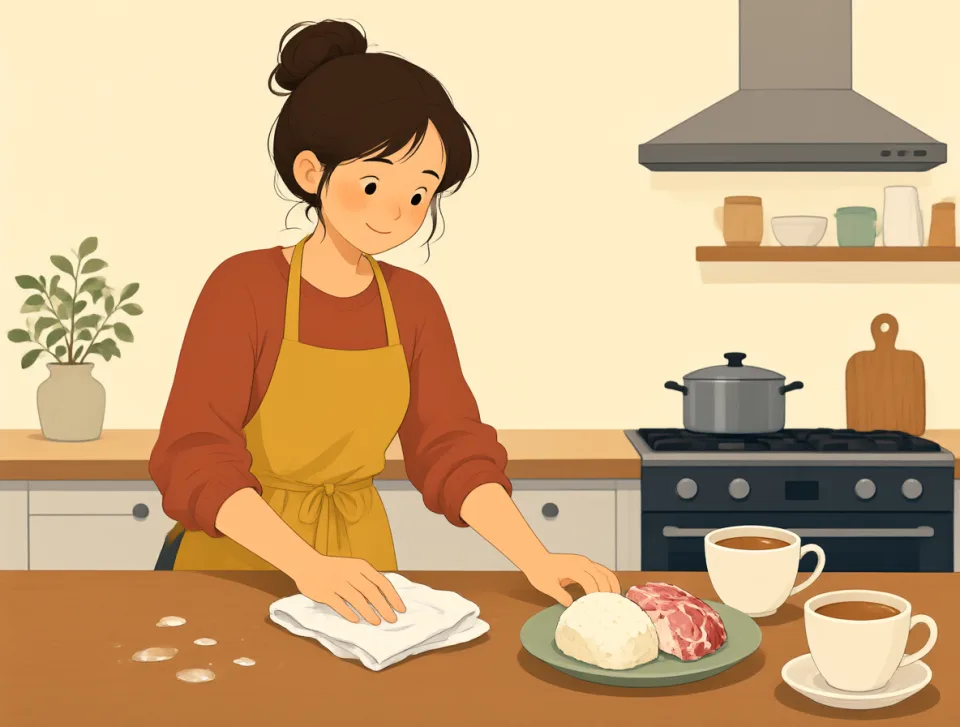
She wiped the kitchen counter after making breakfast.
नाश्ता बनाने के बाद उसने रसोई का काउंटर पोंछ दिया।

Wipe your shoes before you come into the house.
घर में आने से पहले अपने जूते पोंछ लो।
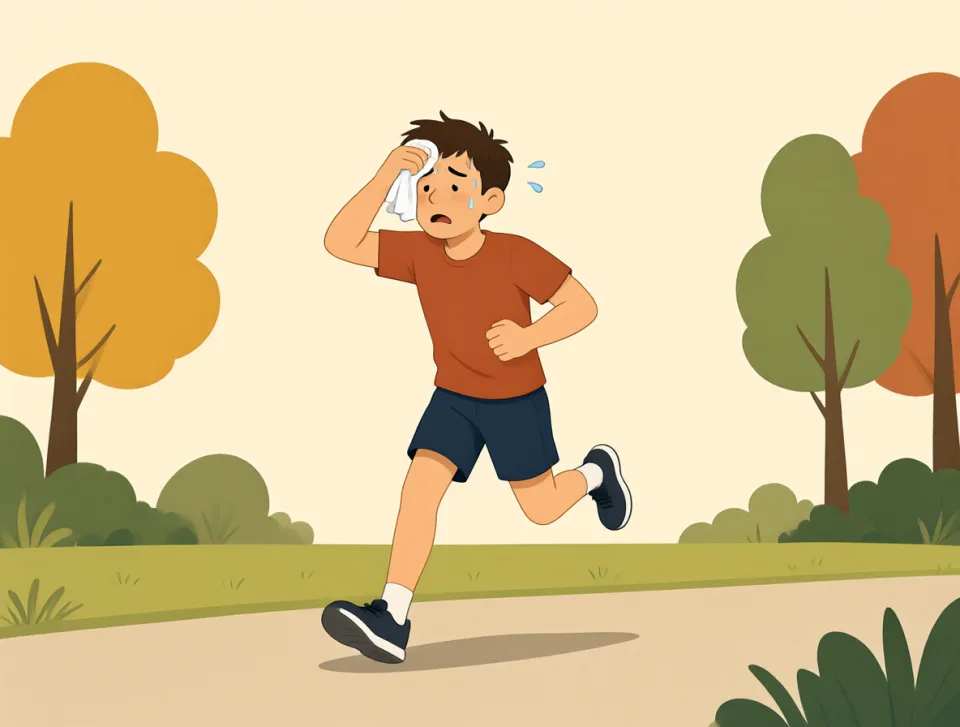
He wiped the sweat from his face after the long run.
लंबी दौड़ के बाद उसने अपने चेहरे से पसीना पोंछा।
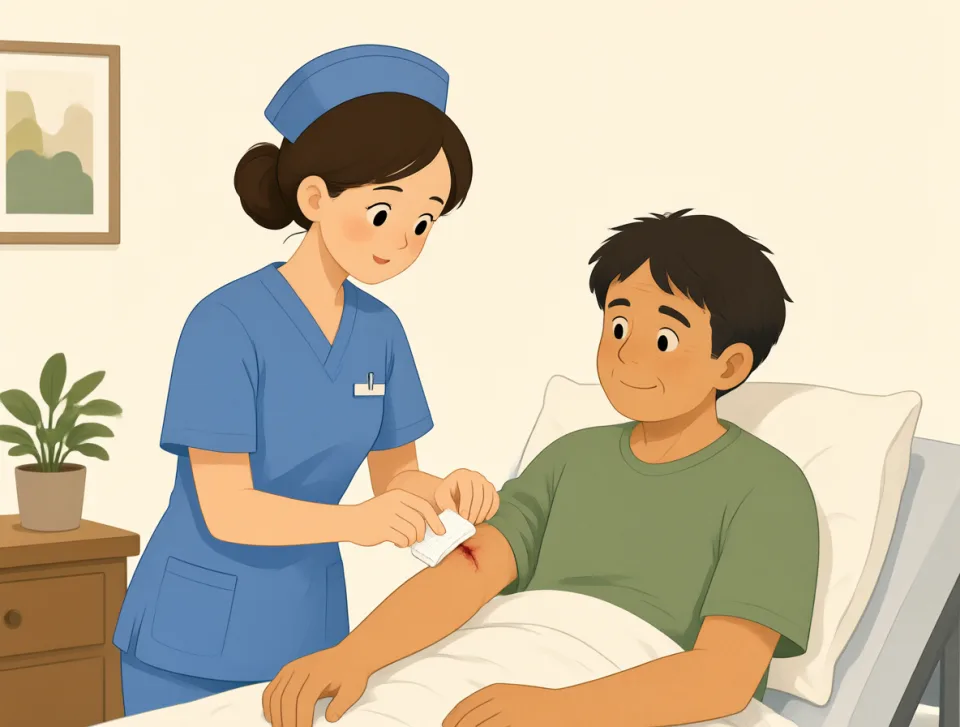
The nurse wiped the cut gently before putting on a bandage.
पट्टी लगाने से पहले नर्स ने घाव को धीरे से पोंछा।
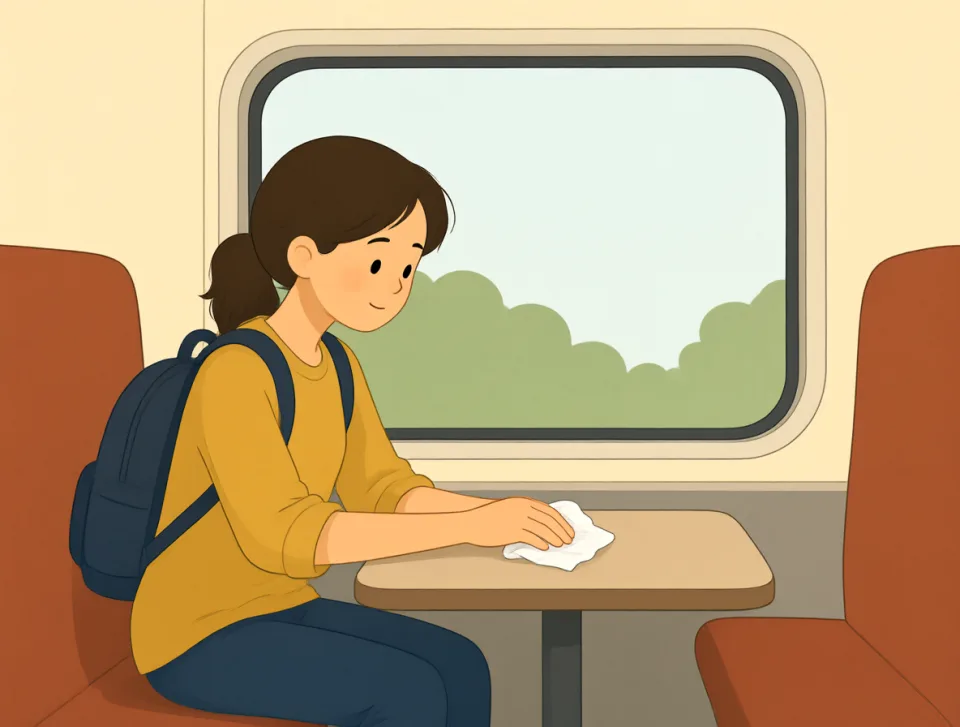
I bought a pack of wipes to clean the table while traveling.
यात्रा के दौरान मेज़ साफ़ करने के लिए मैंने वाइप्स का एक पैकेट खरीदा।
weird
#2771adjective
अजीब
Strange or unusual in a way that surprises or seems hard to explain.
ऐसा जो अनोखा या विचित्र हो और हैरान करे या जिसकी वजह समझना मुश्किल हो।
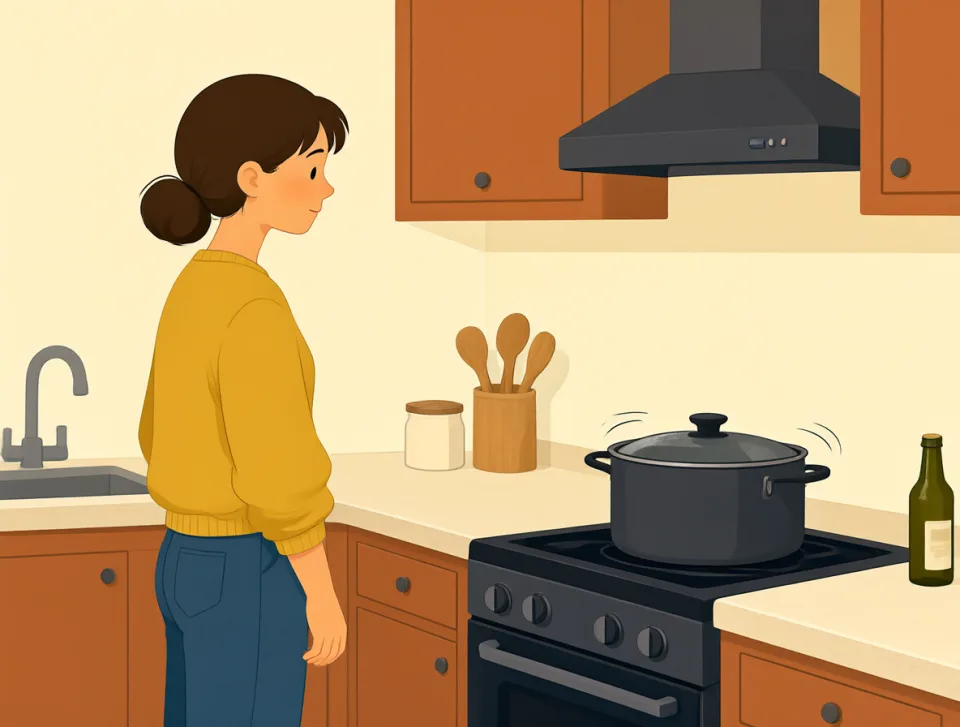
That’s a weird noise coming from the kitchen; can you check it?
रसोई से अजीब-सी आवाज़ आ रही है; क्या तुम जाकर देख सकते हो?
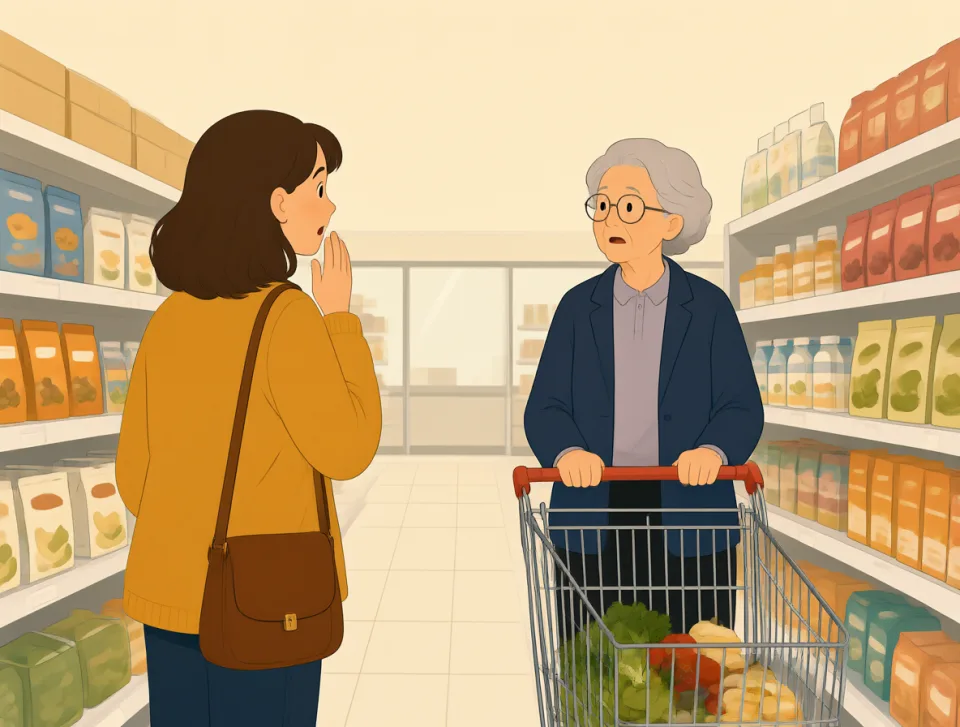
It felt weird to see my old teacher at the grocery store.
किराने की दुकान में अपने पुराने शिक्षक को देखकर मुझे अजीब लगा।

My brother has a weird habit of eating cereal with a fork.
मेरे भाई की एक अजीब आदत है—वह काँटे से सीरियल खाता है।

The doctor said the strange rash was weird but probably harmless.
डॉक्टर ने कहा कि वह अजीब-सा चकत्ता असामान्य है, लेकिन शायद नुकसानदेह नहीं।

We took a weird route through the hills and arrived before sunset.
हम पहाड़ियों के बीच से एक अजीब रास्ते पर गए और सूर्यास्त से पहले पहुँच गए।

gaze
#2772noun, verb
टकटकी लगाकर देखना
To look steadily at someone or something, or the steady look itself.
किसी व्यक्ति या चीज़ को लगातार देखना, या उस तरह की स्थिर नज़र।

She gazed out of the train window as the mountains passed by.
पहाड़ों को गुज़रते हुए वह ट्रेन की खिड़की से बाहर देखती रही।
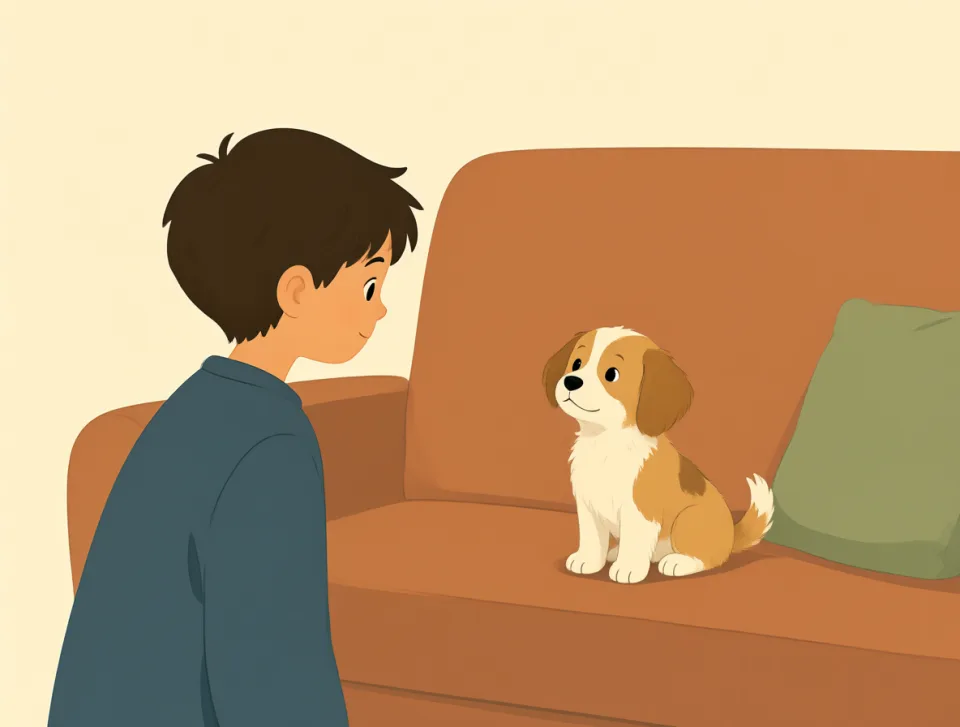
The child stared at the puppy, then reached out to pet it.
बच्चा पिल्ले को टकटकी लगाकर देखने लगा, फिर उसे सहलाने के लिए हाथ बढ़ाया।

He gave her a warm gaze when she entered the room.
जब वह कमरे में आई, तो उसने उसे प्यार भरी नज़र से देखा।

We sat on the beach, gazing at the stars after dinner.
रात के खाने के बाद हम समुद्र तट पर बैठकर तारों को निहारते रहे।

She met his gaze and smiled before answering his question.
उसने उसके सवाल का जवाब देने से पहले उसकी नज़रों से नज़रें मिलाईं और मुस्कुराई।

fade
#2773verb, noun
धीरे-धीरे फीका पड़ना
To become less bright, strong, or clear, or to make something do this.
कम चमकीला, कमज़ोर या कम स्पष्ट हो जाना, या किसी चीज़ को ऐसा बना देना।
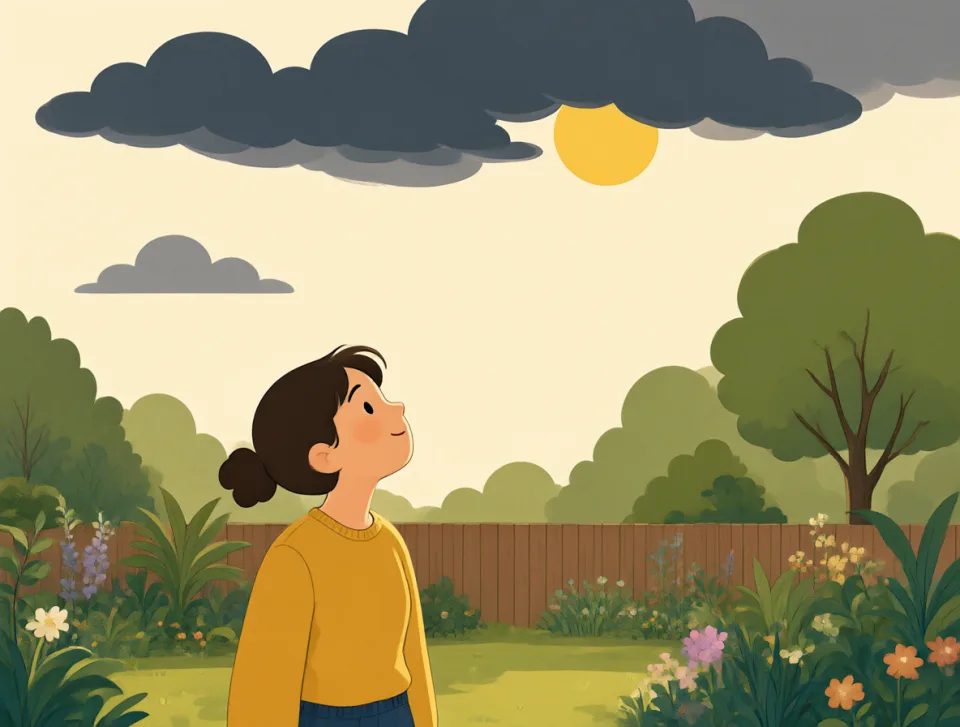
The sunlight faded as dark clouds moved over the house.
जब काले बादल घर के ऊपर छा गए, तो सूरज की रोशनी धीरे-धीरे फीकी पड़ गई।

The old photograph had faded after years in the window.
खिड़की में सालों तक रखे रहने से पुरानी तस्वीर का रंग फीका पड़ गया था।

The pain began to fade after she took the medicine.
दवा लेने के बाद उसका दर्द धीरे-धीरे कम होने लगा।
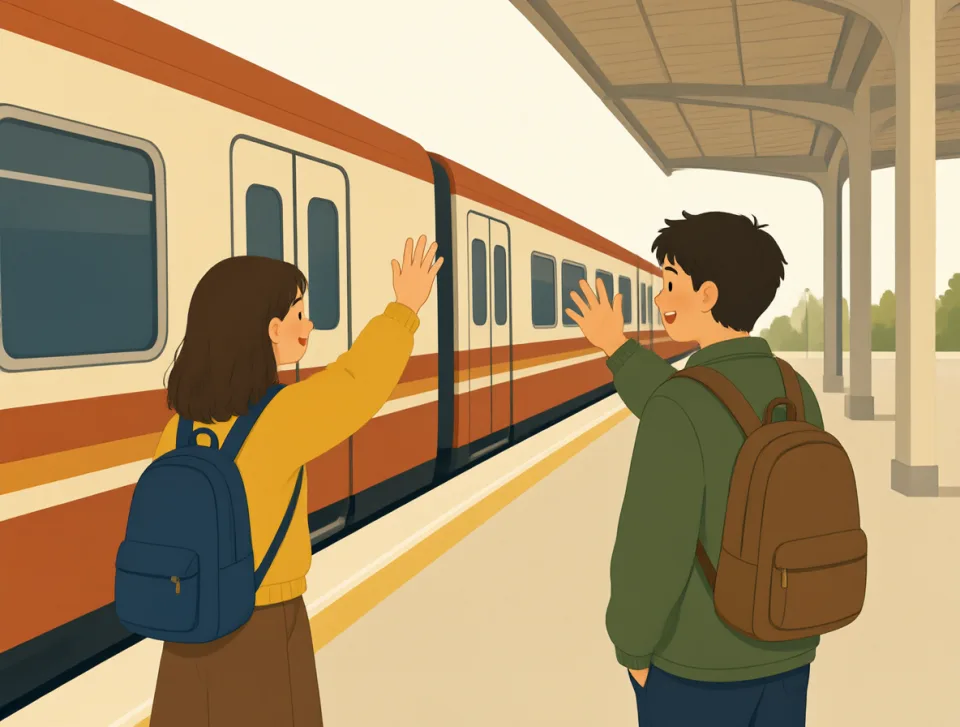
Their friendship faded when they moved to different cities.
अलग-अलग शहरों में चले जाने के बाद उनकी दोस्ती धीरे-धीरे कमज़ोर पड़ गई।
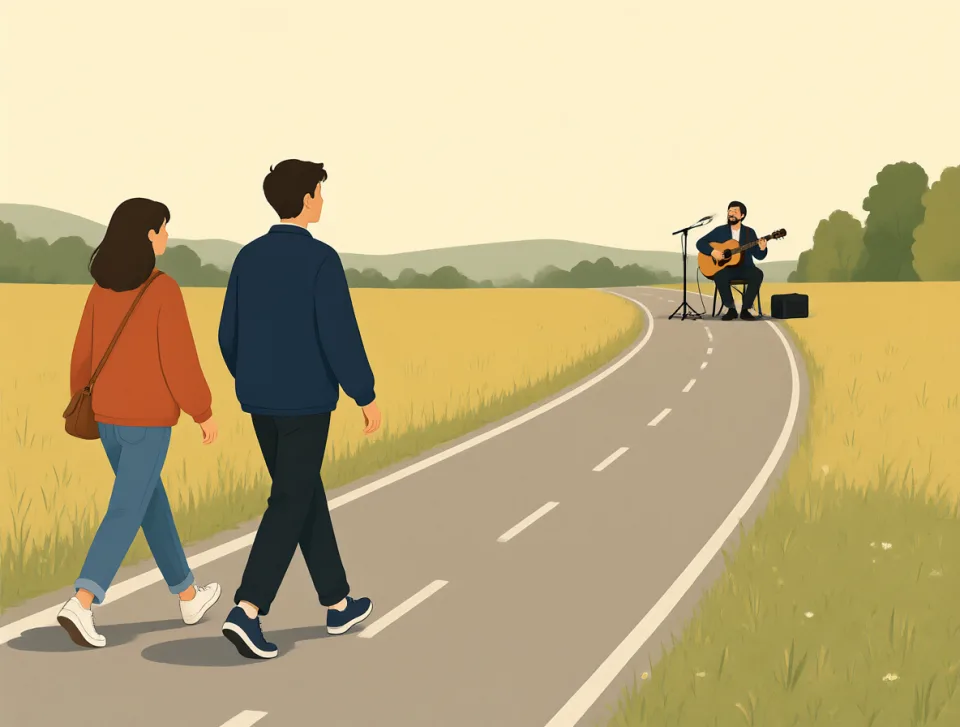
The music faded into the distance as we walked away.
हमारे दूर चले जाने के साथ संगीत की आवाज़ भी धीरे-धीरे दूर होती गई।

cough
#2774noun, verb
खाँसी
To push air out of your lungs suddenly, or the sound made when you do this.
फेफड़ों से अचानक हवा बाहर निकालना, या ऐसा करते समय निकलने वाली आवाज़।
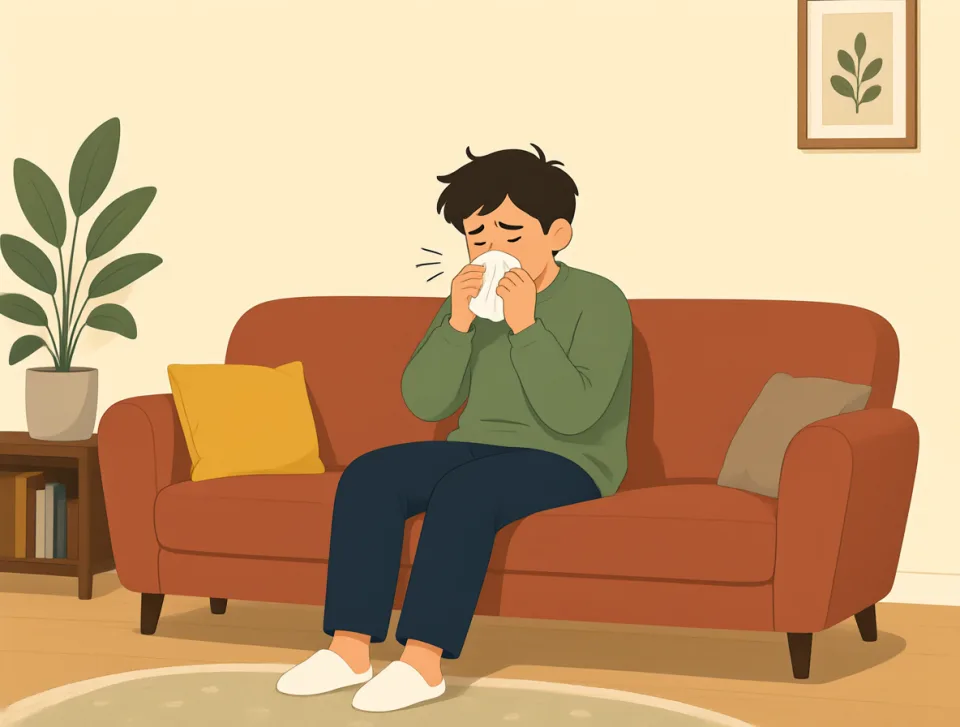
I have a bad cough, so I’m staying home from work today.
मुझे बहुत खाँसी है, इसलिए आज मैं काम पर जाने के बजाय घर पर रहूँगा।
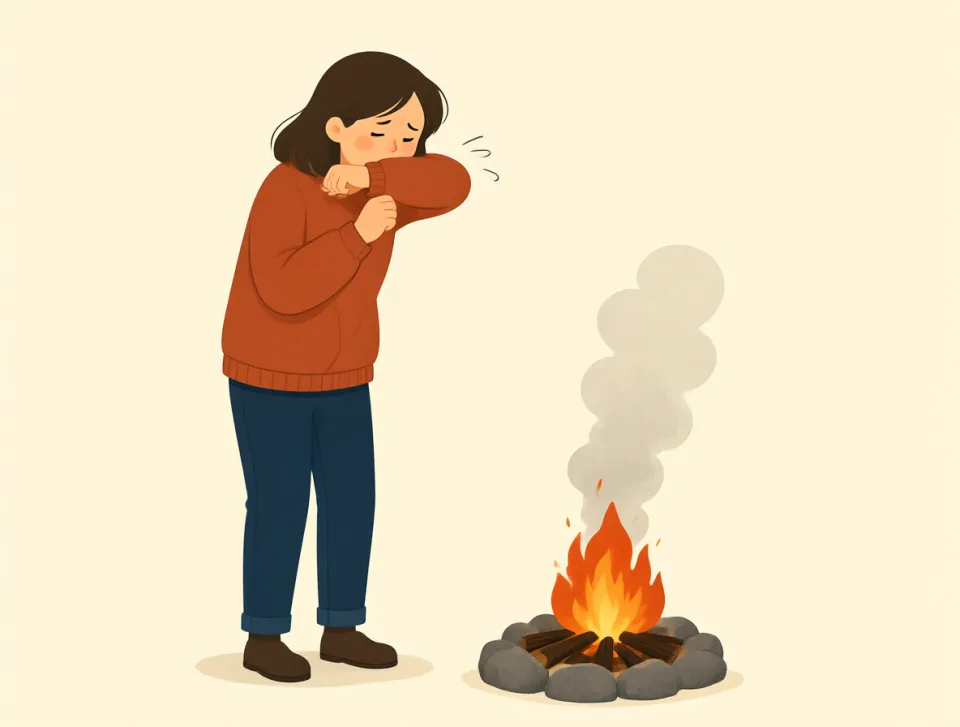
She coughed hard after breathing in some smoke from the fire.
आग से निकला धुआँ साँस में जाने के बाद उसे ज़ोर की खाँसी आई।
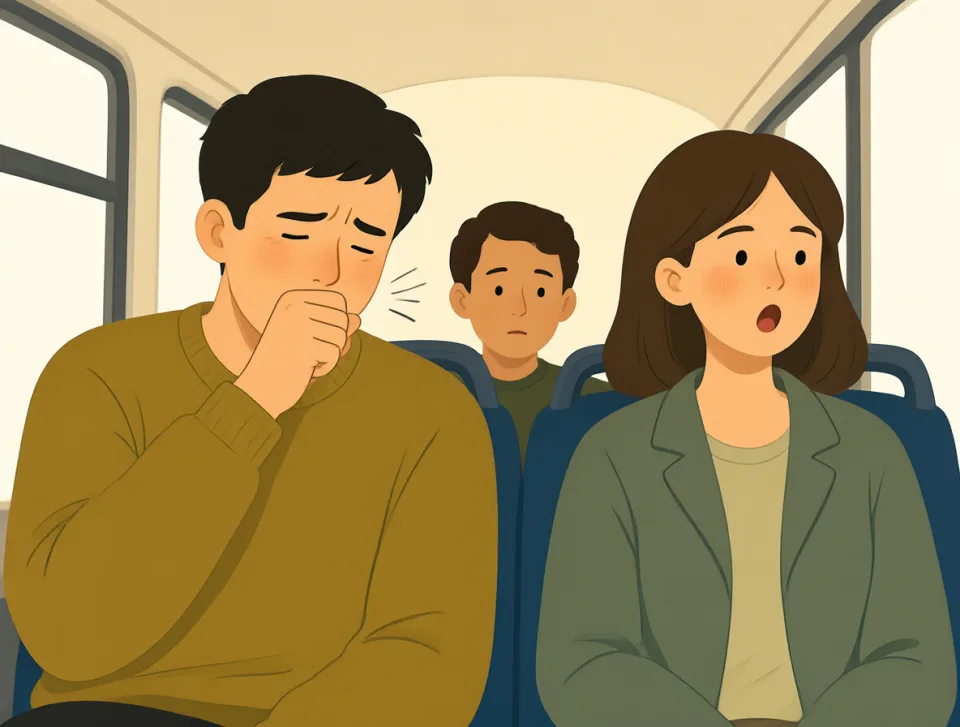
Cover your mouth when you cough, especially if you’re sitting near other people.
खाँसते समय अपना मुँह ढकें, खासकर जब आप दूसरे लोगों के पास बैठे हों।
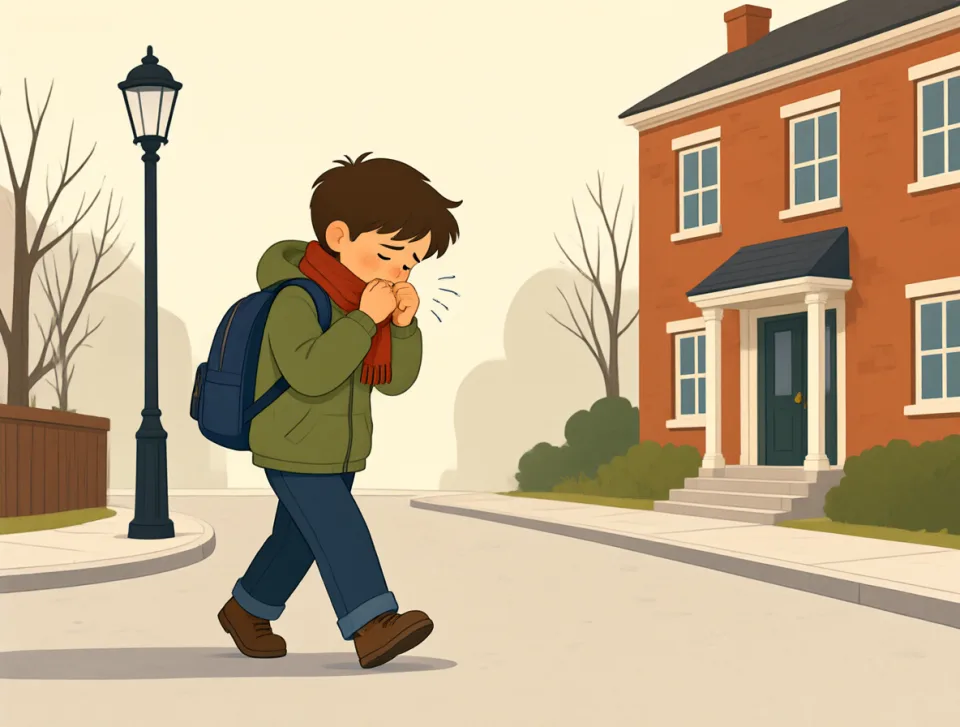
The cold air made him cough as he walked to school this morning.
आज सुबह स्कूल जाते समय ठंडी हवा से उसे खाँसी आने लगी।
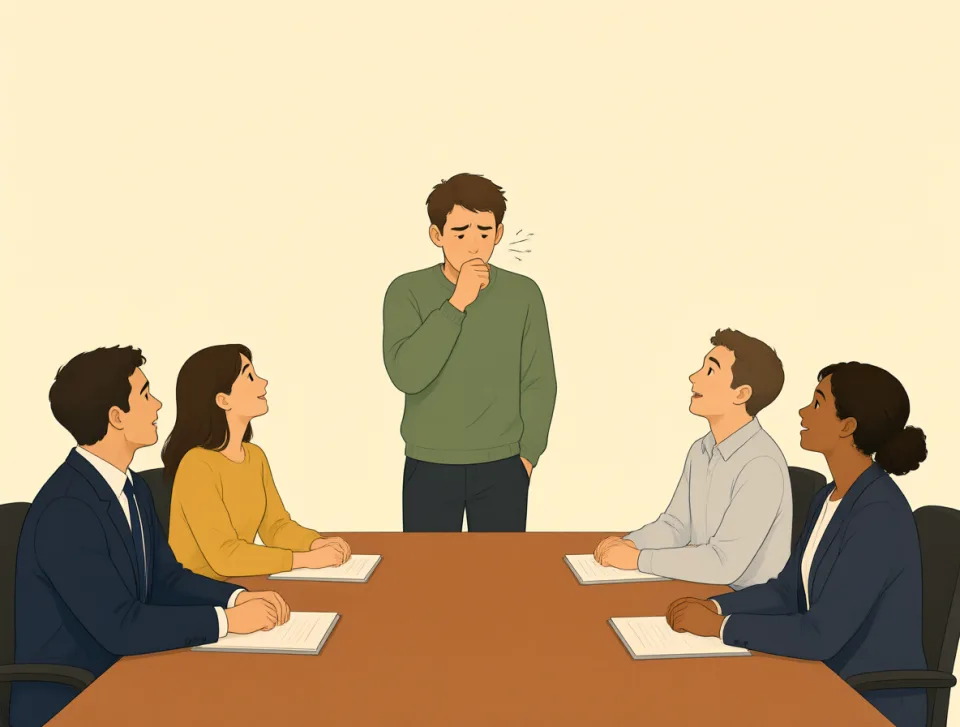
He gave a little cough to get everyone’s attention before the meeting began.
बैठक शुरू होने से पहले सबका ध्यान खींचने के लिए उसने हल्की-सी खाँसी की।
hypothesis
#2775noun
परिकल्पना
An idea or explanation that can be tested to see if it is true.
ऐसा विचार या स्पष्टीकरण जिसकी सच्चाई जाँचकर पता लगाई जा सकती है।
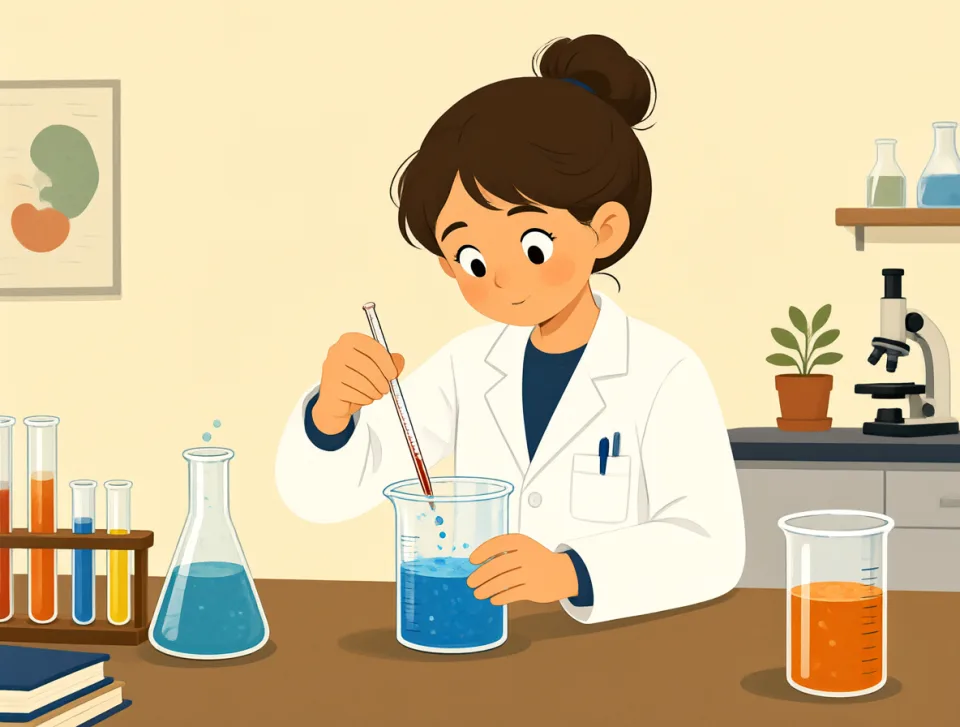
The scientist tested her hypothesis by repeating the experiment twice.
वैज्ञानिक ने प्रयोग को दो बार दोहराकर अपनी परिकल्पना की जाँच की।
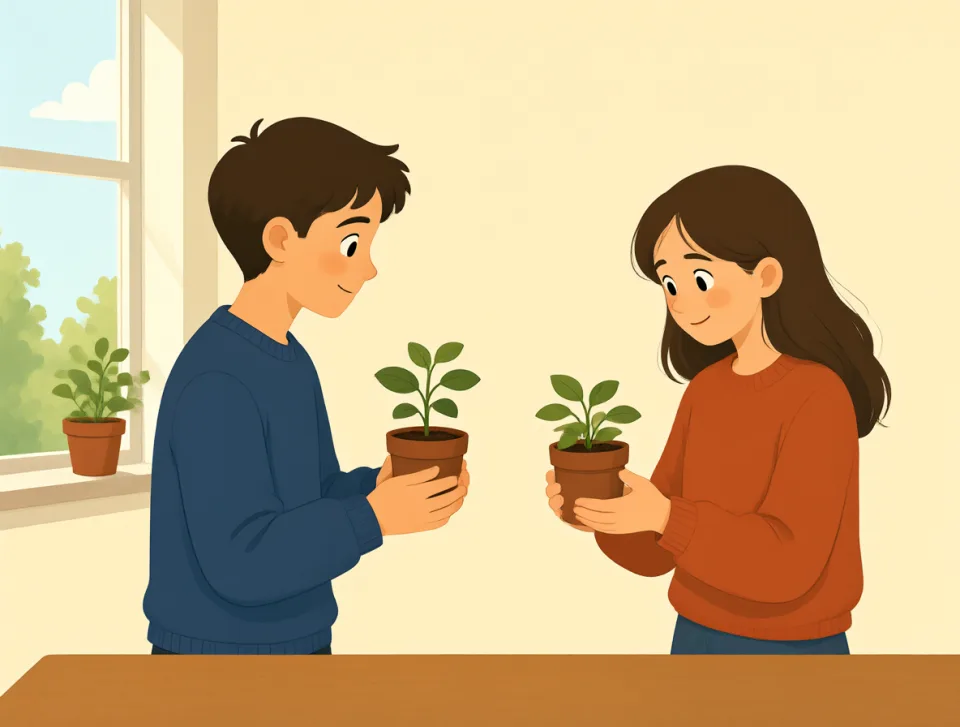
Our hypothesis is that plants grow faster near the sunny window.
हमारी परिकल्पना है कि धूप वाली खिड़की के पास पौधे तेज़ी से बढ़ते हैं।

The doctor’s hypothesis was that his headaches came from poor sleep.
डॉक्टर की परिकल्पना थी कि उसकी सिरदर्द की वजह ठीक से नींद न लेना था।

They formed a hypothesis about why the train was late.
उन्होंने इस बारे में एक परिकल्पना बनाई कि ट्रेन देर से क्यों आई।

My hypothesis is that the soup needs more salt, so let’s taste it.
मेरी परिकल्पना है कि सूप में और नमक चाहिए, तो चलो चखकर देखते हैं।

royal
#2776adjective, noun
शाही
Belonging to a king or queen, or connected with a royal family.
राजा या रानी से संबंधित, या शाही परिवार से जुड़ा हुआ।
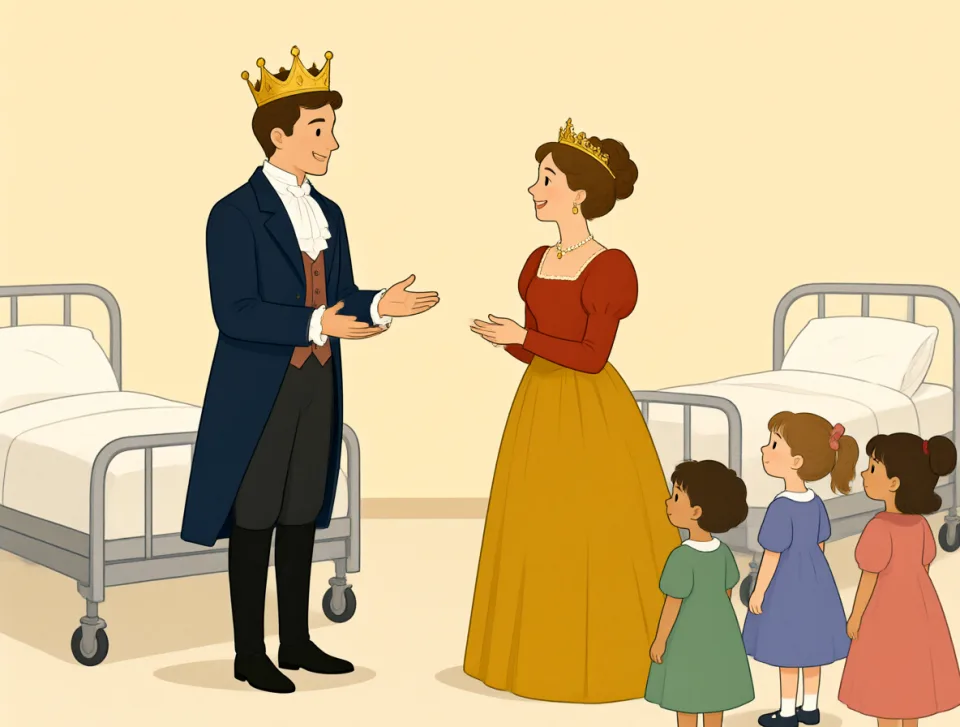
The royal family visited the children's hospital during their trip to the city.
शहर की यात्रा के दौरान शाही परिवार ने बच्चों के अस्पताल का दौरा किया।
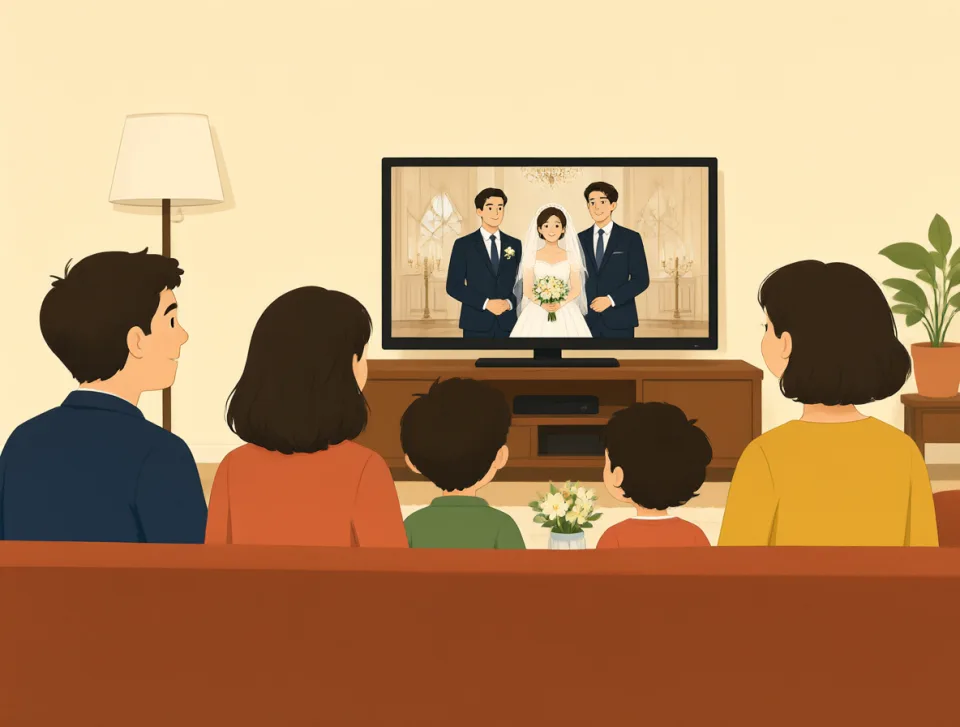
We watched a royal wedding on television at my aunt's house.
हमने अपनी मौसी के घर पर टेलीविज़न पर एक शाही शादी देखी।

The hotel used to be a royal palace, but now tourists can stay there.
यह होटल पहले शाही महल हुआ करता था, लेकिन अब पर्यटक यहाँ ठहर सकते हैं।

She bought a small royal blue bag to match her new coat.
उसने अपने नए कोट से मेल खाने के लिए शाही नीले रंग का एक छोटा बैग खरीदा।
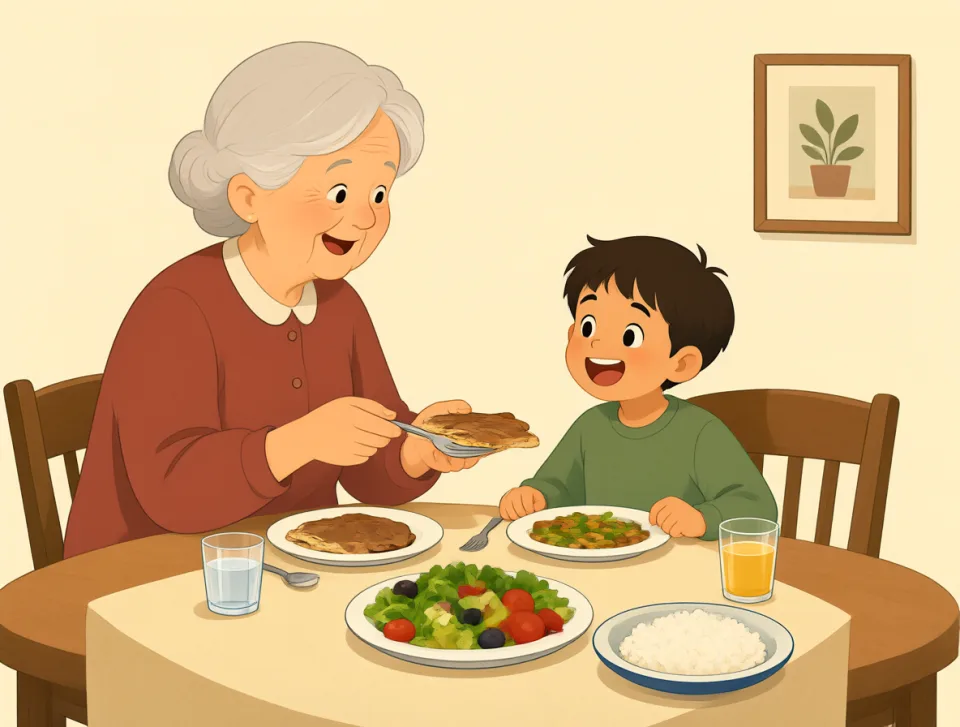
My brother says he is treated like royalty whenever he visits our grandmother.
मेरा भाई कहता है कि जब भी वह हमारी दादी से मिलने जाता है, तो उसके साथ राजसी ठाठ से पेश आया जाता है।
theoretical
#2777adjective
सैद्धांतिक
Based on ideas or principles rather than practical experience or real situations.
व्यावहारिक अनुभव या वास्तविक परिस्थितियों के बजाय विचारों या सिद्धांतों पर आधारित।
The course covers the theoretical side of cooking before students use the kitchen.
इस पाठ्यक्रम में विद्यार्थियों के रसोई में काम करने से पहले खाना पकाने के सैद्धांतिक पहलुओं को शामिल किया जाता है।

The job sounds interesting in theory, but the theoretical salary is too low.
सिद्धांत में यह नौकरी दिलचस्प लगती है, लेकिन सैद्धांतिक वेतन बहुत कम है।

We discussed the theoretical risks of the new medicine with our doctor.
हमने अपने डॉक्टर से नई दवा के सैद्धांतिक जोखिमों पर चर्चा की।
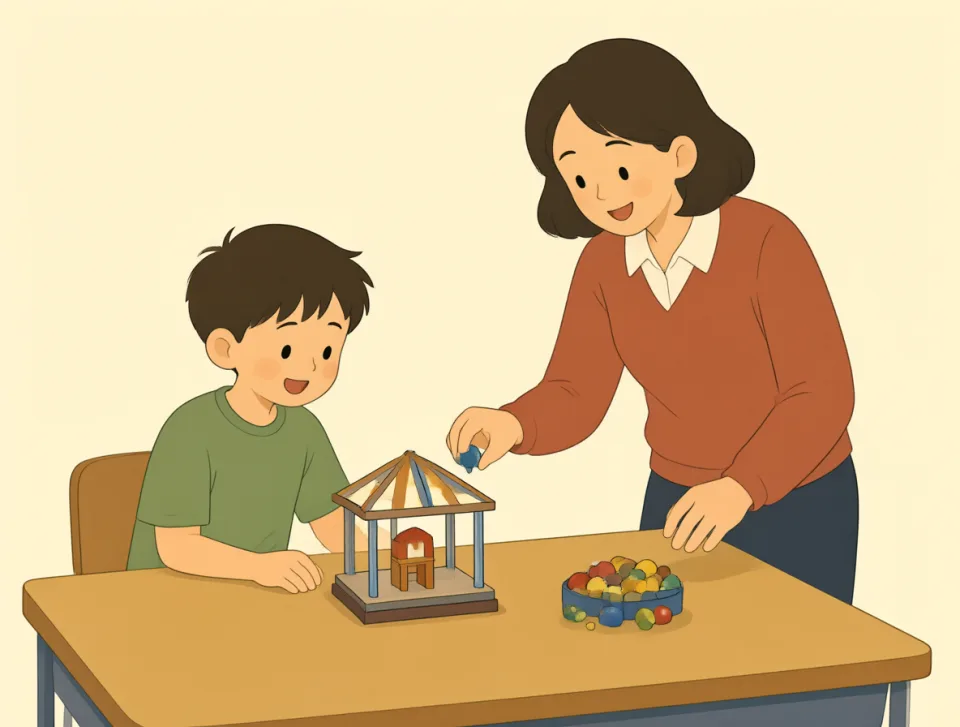
Our teacher asked us to connect theoretical ideas with examples from everyday life.
हमारे शिक्षक ने हमसे सैद्धांतिक विचारों को रोज़मर्रा की ज़िंदगी के उदाहरणों से जोड़ने को कहा।

The plan is theoretically possible, but we do not have enough time or money.
सैद्धांतिक रूप से यह योजना संभव है, लेकिन हमारे पास पर्याप्त समय या पैसा नहीं है।
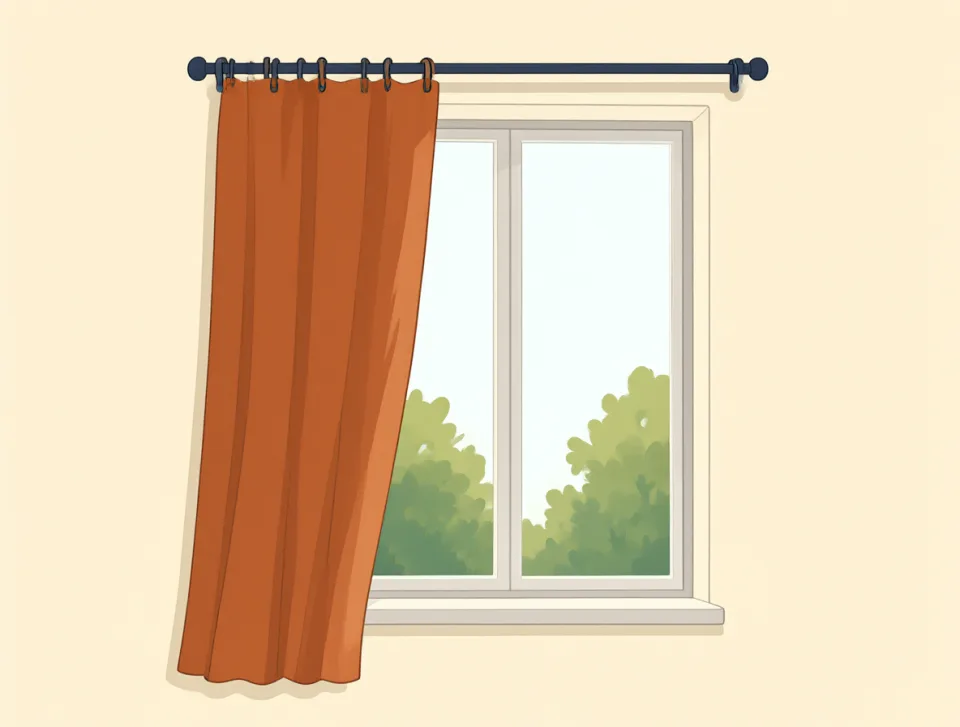
curtain
#2778noun
परदा
A piece of cloth that hangs over a window or around a stage.
कपड़े का वह टुकड़ा जो खिड़की पर या मंच के चारों ओर लटकाया जाता है।
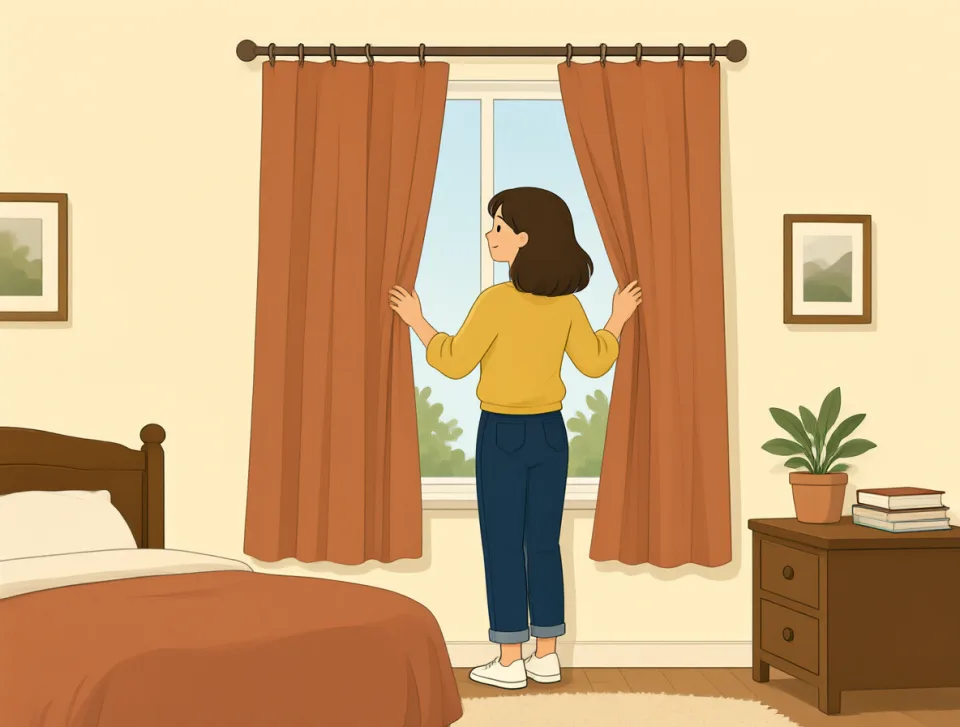
She pulled the curtains closed before changing her clothes.
कपड़े बदलने से पहले उसने परदे खींचकर बंद कर दिए।

The hotel room had thick curtains that blocked the morning sunlight.
होटल के कमरे में मोटे परदे थे, जो सुबह की धूप को रोकते थे।

We bought new curtains to make the living room feel warmer.
बैठक कोज़ी बनाने के लिए हमने नए परदे खरीदे।
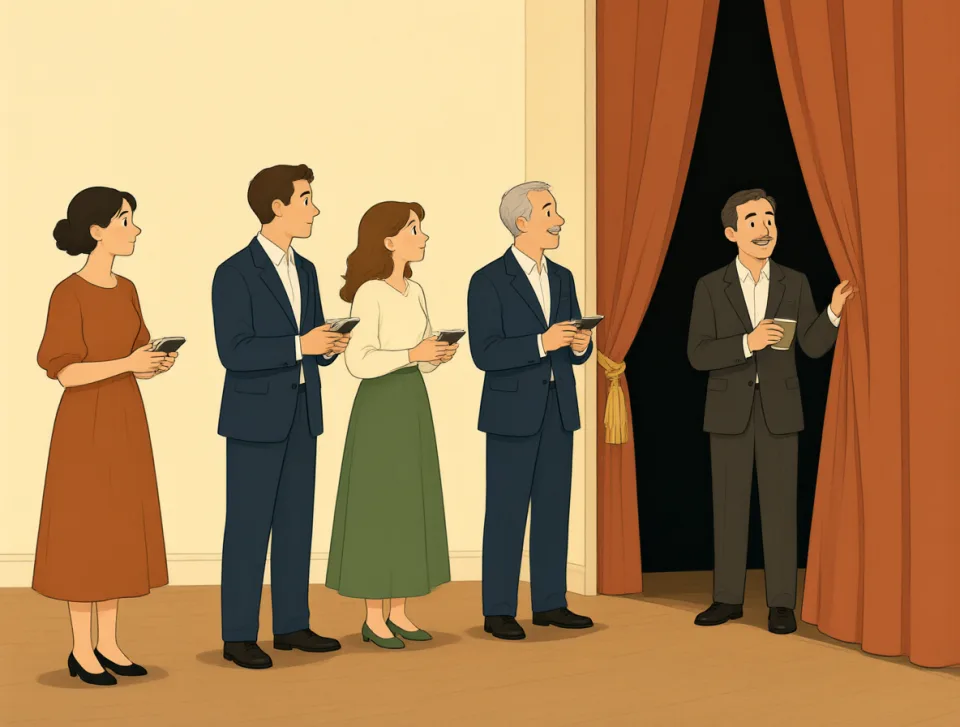
The actors waited behind the curtain until the audience became quiet.
दर्शकों के शांत होने तक अभिनेता परदे के पीछे इंतज़ार करते रहे।

He accidentally spilled soup on the curtain while carrying dinner upstairs.
ऊपर रात का खाना ले जाते समय उससे गलती से परदे पर सूप गिर गया।
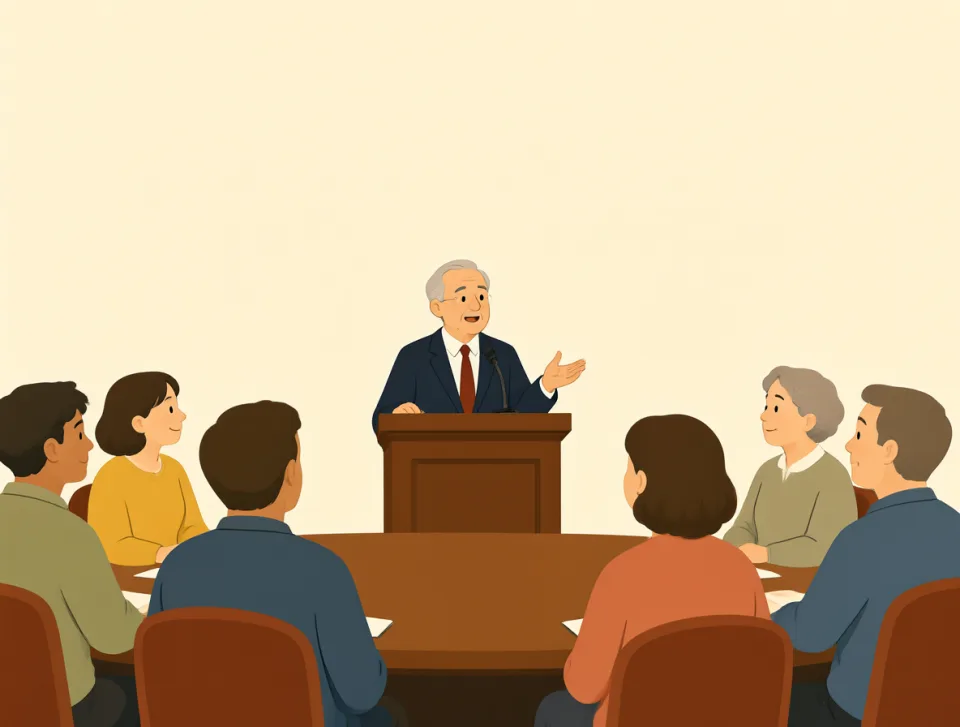
mayor
#2779noun
महापौर
The elected leader of a city or town.
किसी शहर या कस्बे का निर्वाचित नेता।
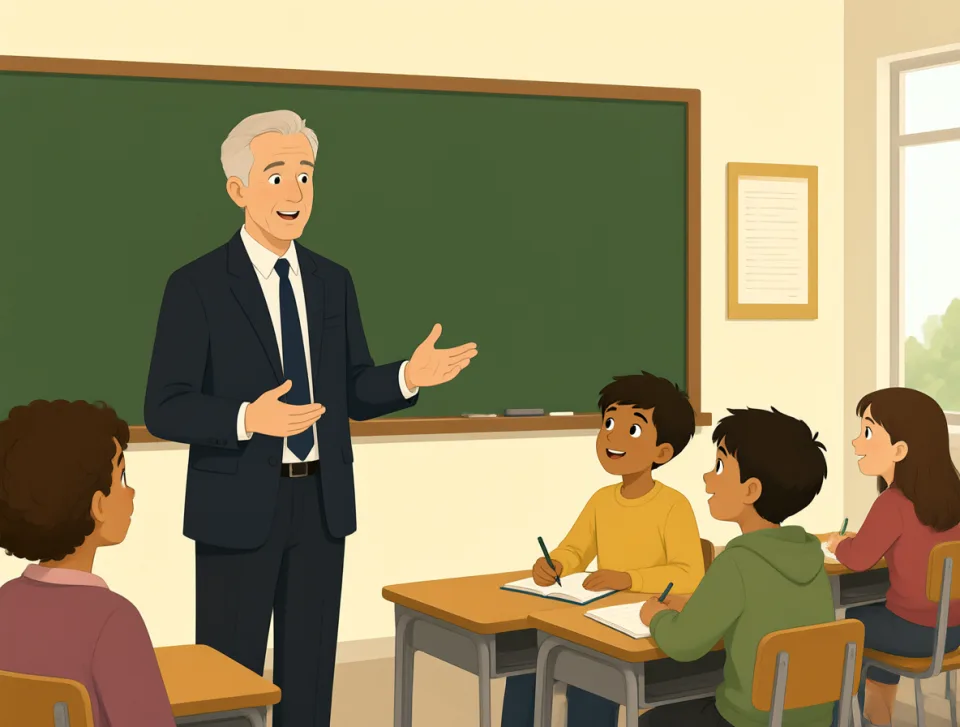
The mayor visited our school to talk with students about the new park.
महापौर नए पार्क के बारे में विद्यार्थियों से बात करने हमारे स्कूल आए।
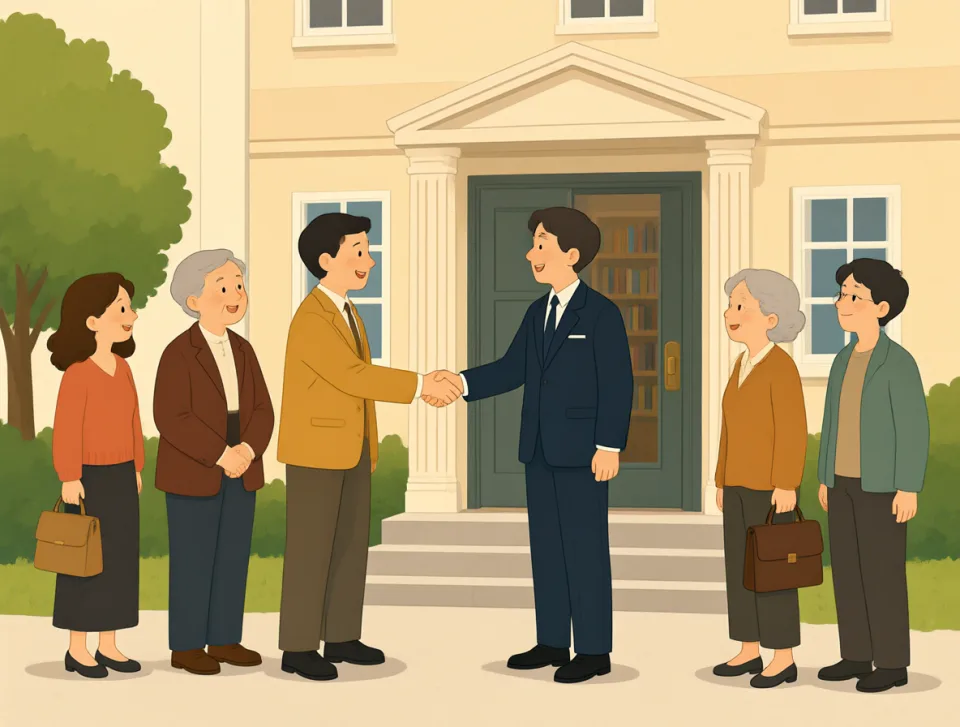
The mayor of our town welcomed visitors at the opening of the library.
हमारे कस्बे के महापौर ने पुस्तकालय के उद्घाटन पर आगंतुकों का स्वागत किया।
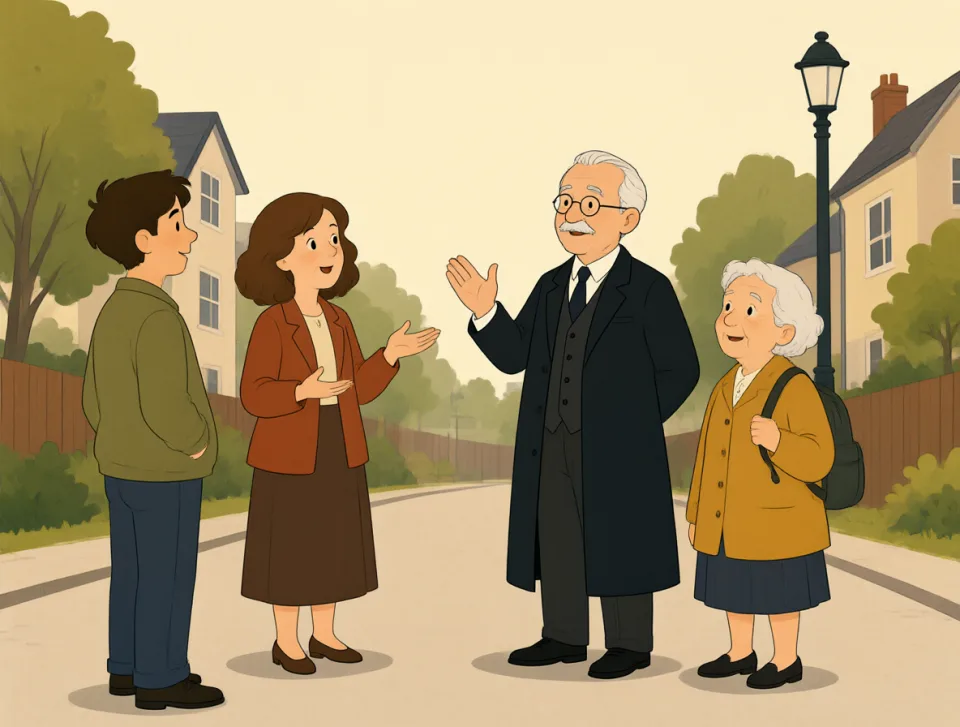
Residents asked the mayor to repair the broken streetlights near their homes.
निवासियों ने महापौर से अपने घरों के पास की खराब स्ट्रीटलाइटें ठीक करवाने का अनुरोध किया।
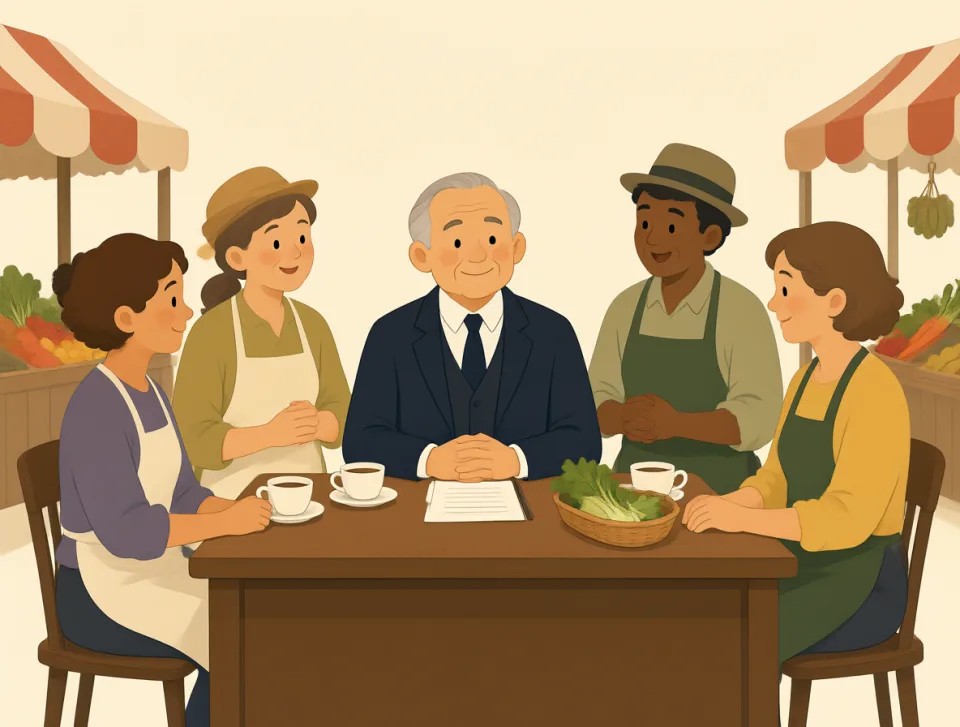
The mayor met with local shop owners to discuss plans for the busy market.
महापौर ने व्यस्त बाज़ार की योजनाओं पर चर्चा करने के लिए स्थानीय दुकानदारों से मुलाकात की।
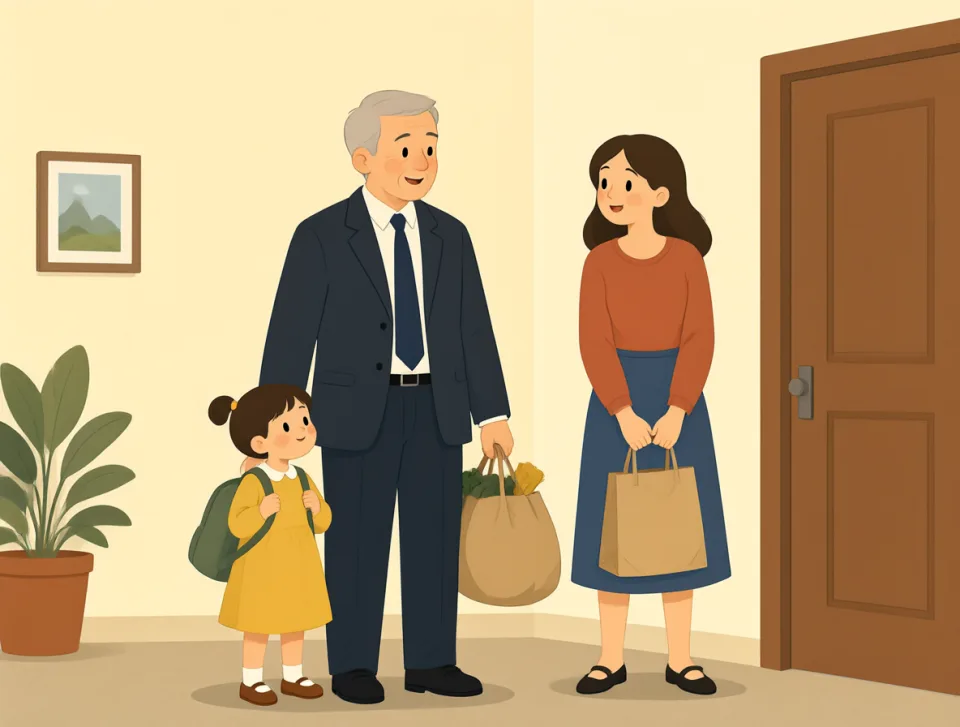
After the flood, the mayor helped families find safe places to stay.
बाढ़ के बाद महापौर ने परिवारों को रहने के लिए सुरक्षित जगहें ढूँढ़ने में मदद की।
darkness
#2780noun
अँधेरा
The state of having little or no light.
ऐसी स्थिति जिसमें बहुत कम या बिल्कुल रोशनी न हो।
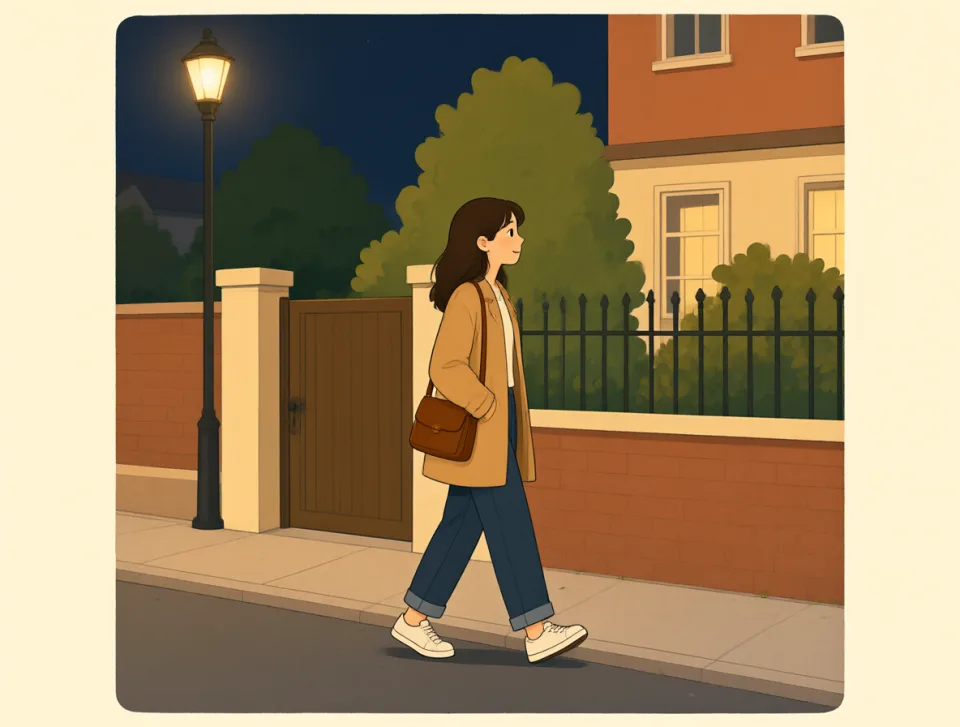
She felt nervous walking home alone in the darkness after work.
काम के बाद अँधेरे में अकेले घर जाते हुए उसे घबराहट महसूस हुई।
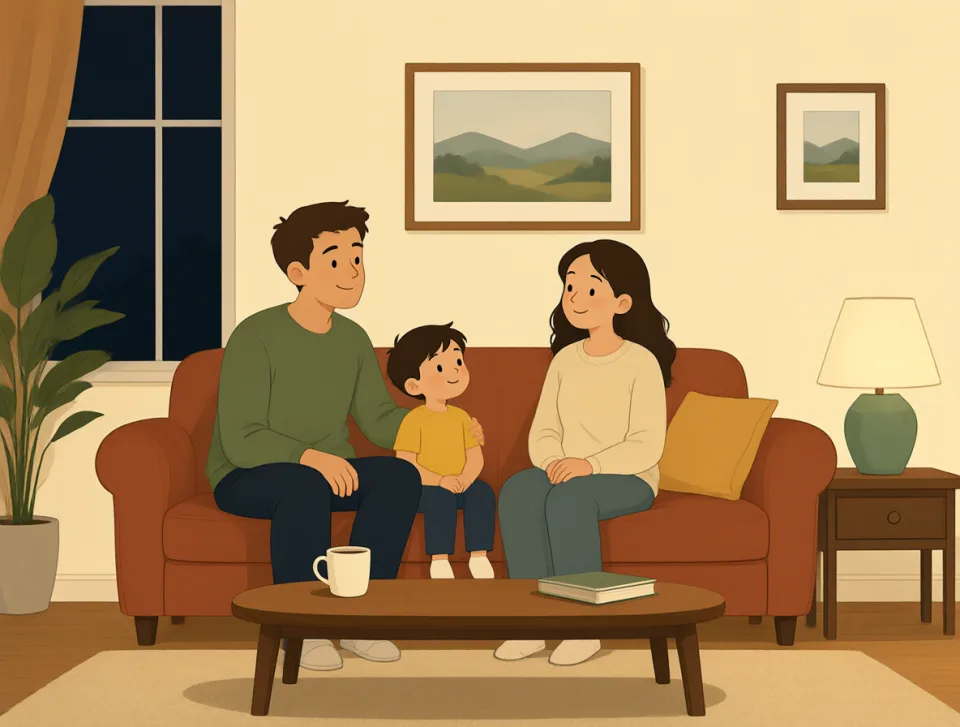
The lights went out, and the room was filled with darkness.
बत्तियाँ बुझ गईं और कमरा अँधेरे से भर गया।
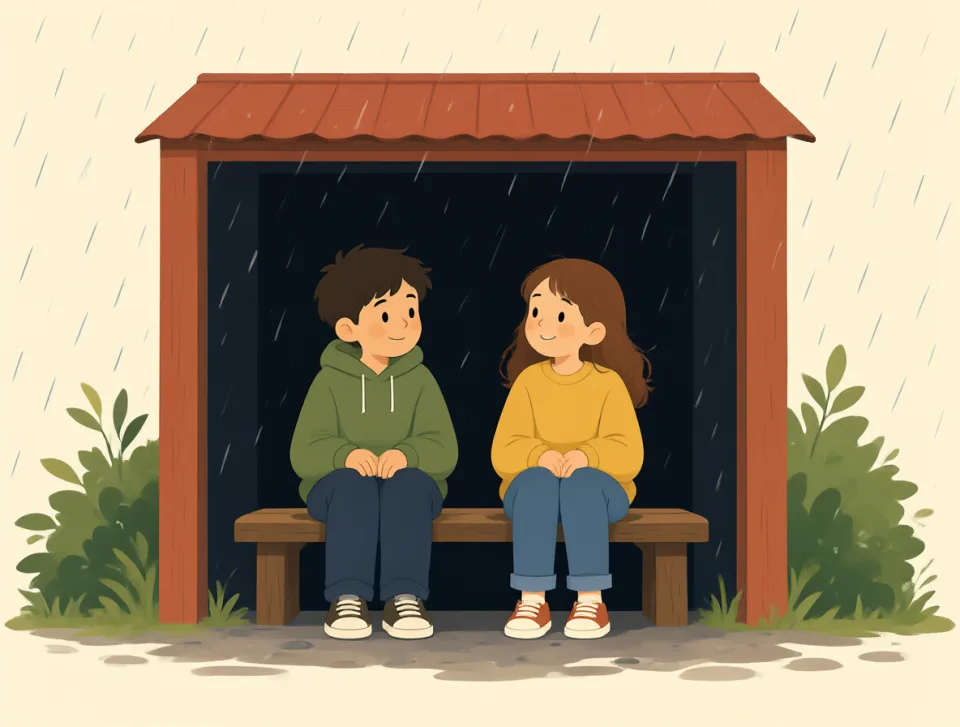
We waited in the darkness until the storm passed.
तूफ़ान के थमने तक हम अँधेरे में इंतज़ार करते रहे।

The guide carried a lantern to lead us through the darkness.
रास्ता दिखाने के लिए गाइड अपने साथ एक लालटेन लेकर अँधेरे में आगे चला।

After the long illness, he said the darkness in his life was lifting.
लंबी बीमारी के बाद उसने कहा कि उसकी ज़िंदगी का अँधेरा अब छँट रहा है।