單元 139
單字 2761–2780 · tongue, server, structural, website, fool, alongside
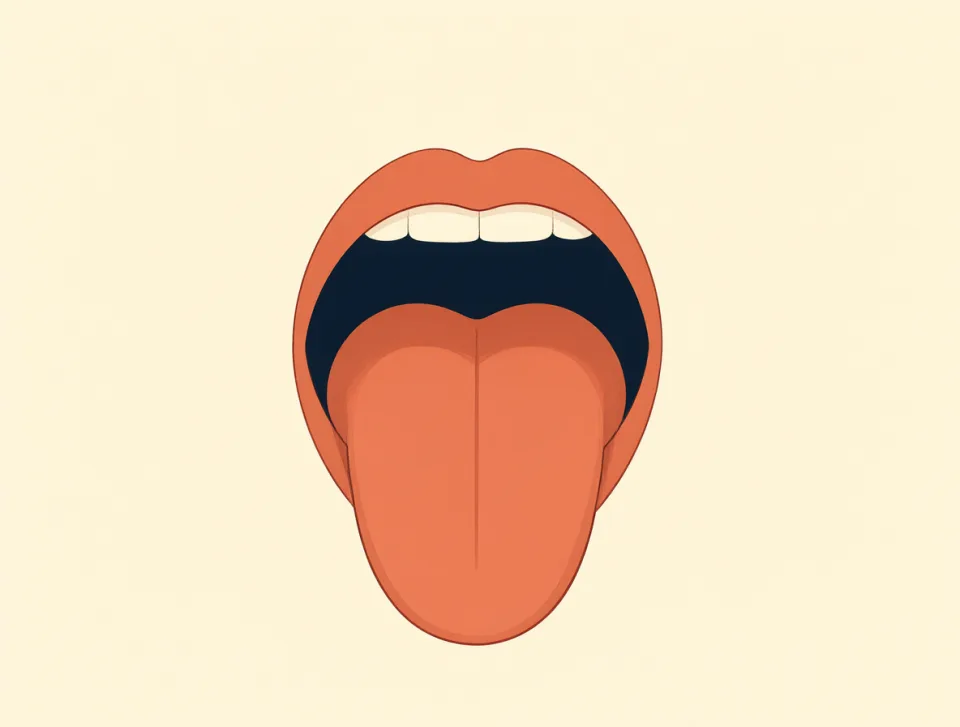
tongue
#2761noun
舌頭;語言;母語;繞口令
The soft, movable part inside your mouth that helps you taste, speak, and swallow.
嘴裡柔軟、可以活動的部分,幫助你品嚐食物、說話和吞嚥。

The doctor asked me to stick out my tongue during the checkup.
檢查時,醫生讓我把舌頭伸出來。
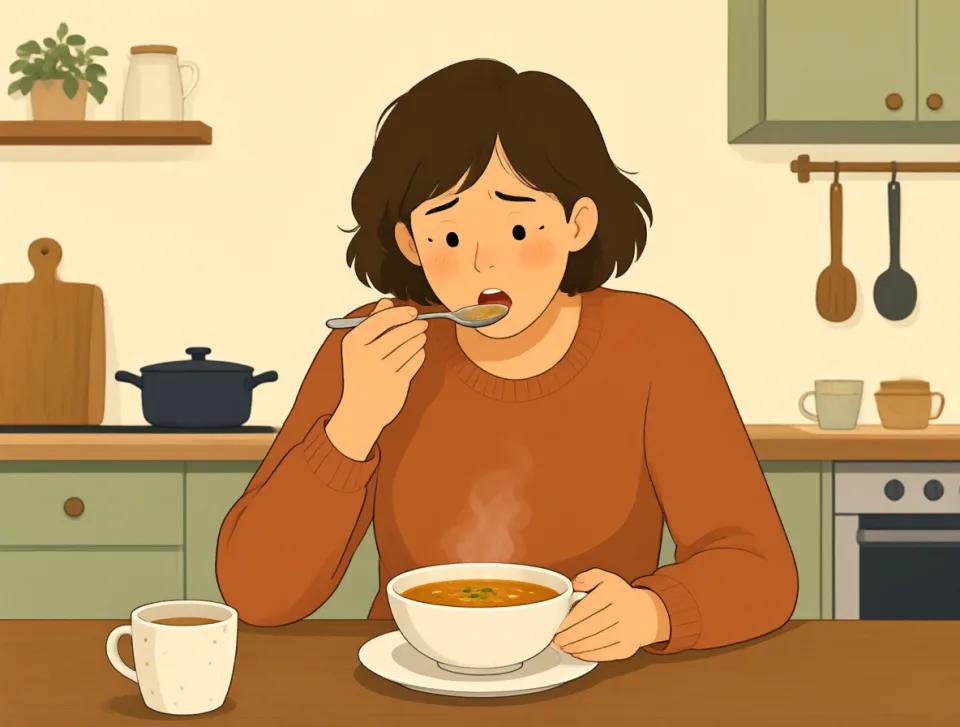
She burned her tongue on the hot soup and reached for some water.
她喝熱湯時燙到了舌頭,於是伸手去拿水。

He speaks three languages, but English is his mother tongue.
他會說三種語言,但英語是他的母語。

The cat licked its paws with its rough tongue after dinner.
晚飯後,那隻貓用粗糙的舌頭舔了舔自己的爪子。

The children made a tongue twister harder by saying it faster.
孩子們把繞口令說得越來越快,讓它變得更難了。

server
#2762noun
服務員;伺服器
A person who serves food or drinks, or a computer that provides data to other computers.
為顧客提供食物或飲料的人,或向其他計算機提供資料的計算機。

Our server brought the menus and asked what we wanted to drink.
服務員拿來了選單,問我們想喝點什麼。
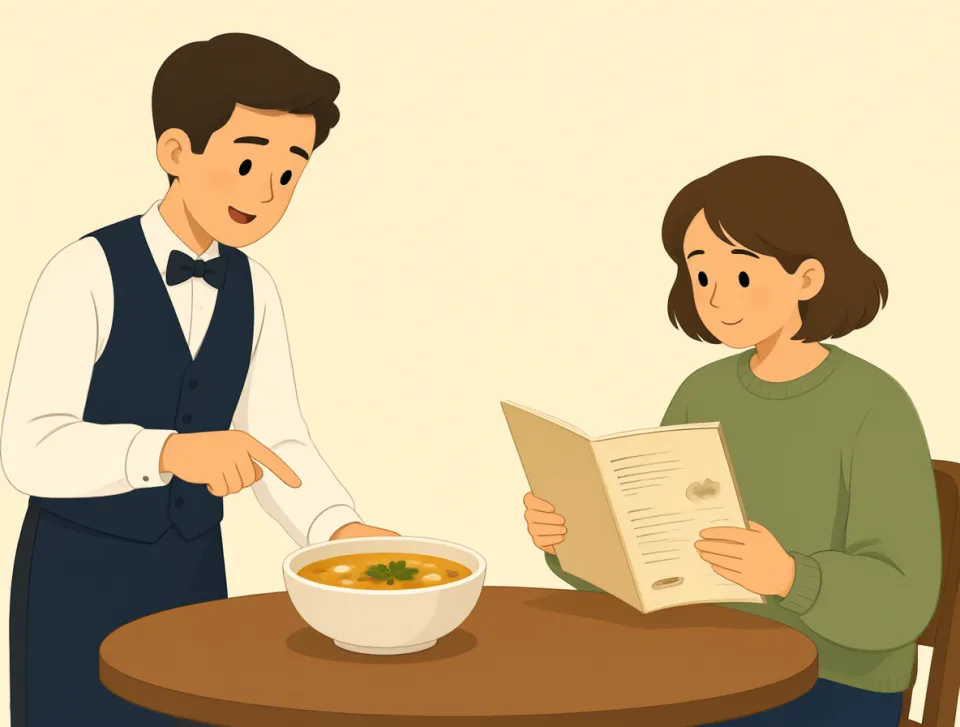
The server recommended the soup, so I ordered a bowl for lunch.
服務員推薦了湯,所以我午餐點了一碗。

She works as a server at a busy café near the school.
她在學校附近一家很忙的咖啡館當服務員。

The game server was slow, so we waited before joining our friends.
遊戲伺服器執行很慢,所以我們等了一會兒才加入朋友們的遊戲。

The hotel server brought fresh towels to our room after we called.
我們打電話後,酒店的服務員給房間送來了乾淨的毛巾。
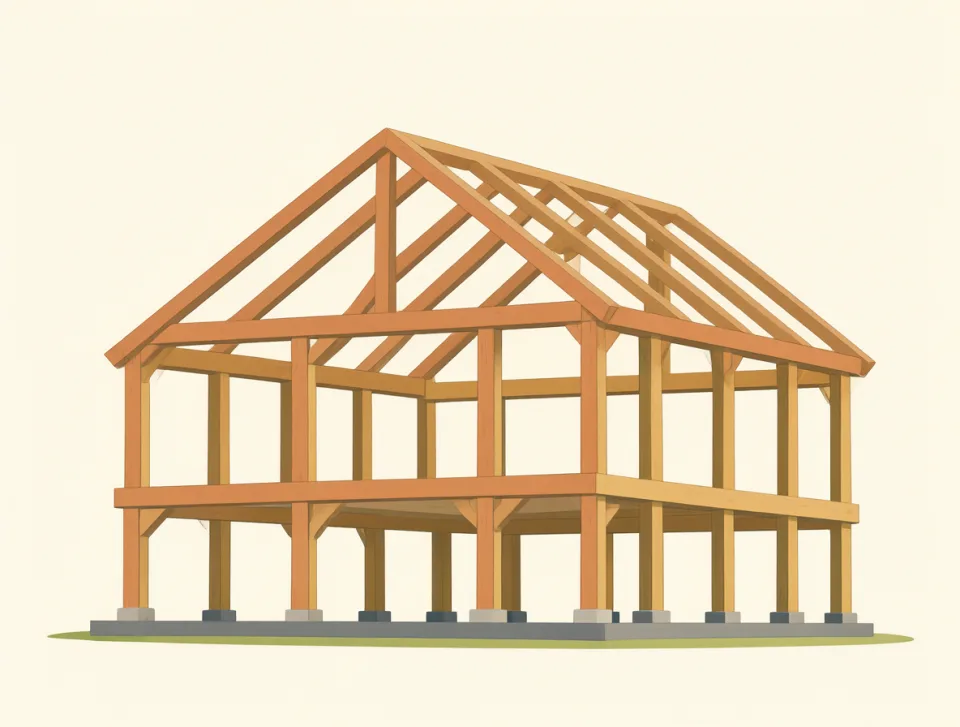
structural
#2763adjective
結構的;構造的
Related to the way something is built, organized, or arranged.
與某物的構建、組織或排列方式有關。

The engineer found a structural problem in the old bridge during inspection.
工程師在檢查這座舊橋時發現了一個結構問題。
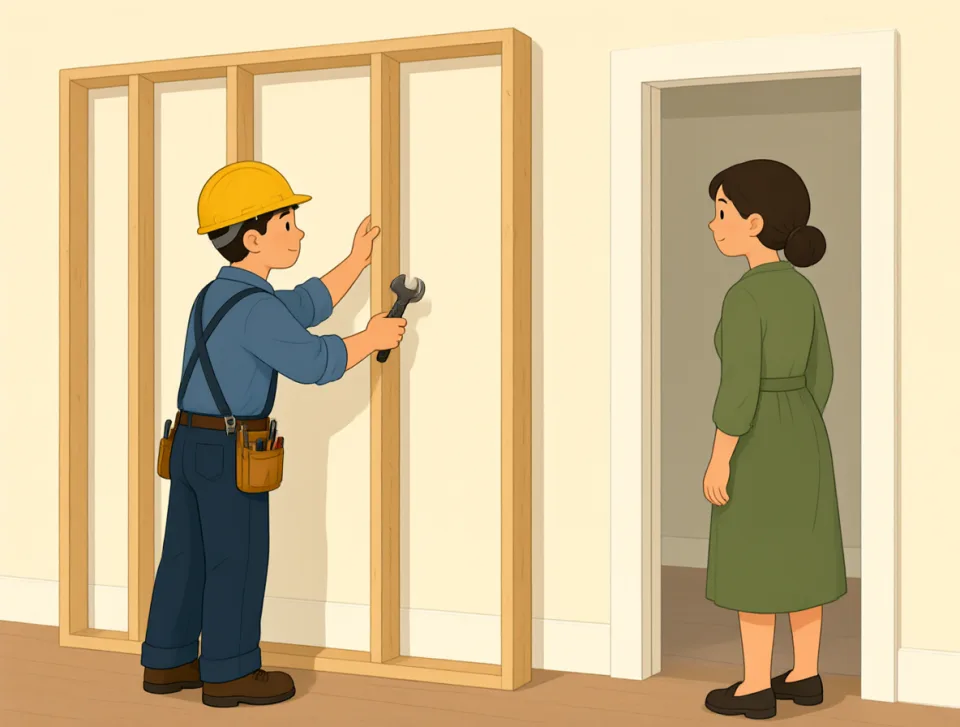
We made structural changes to the kitchen before adding the new cabinets.
在安裝新櫥櫃之前,我們對廚房的結構進行了改動。
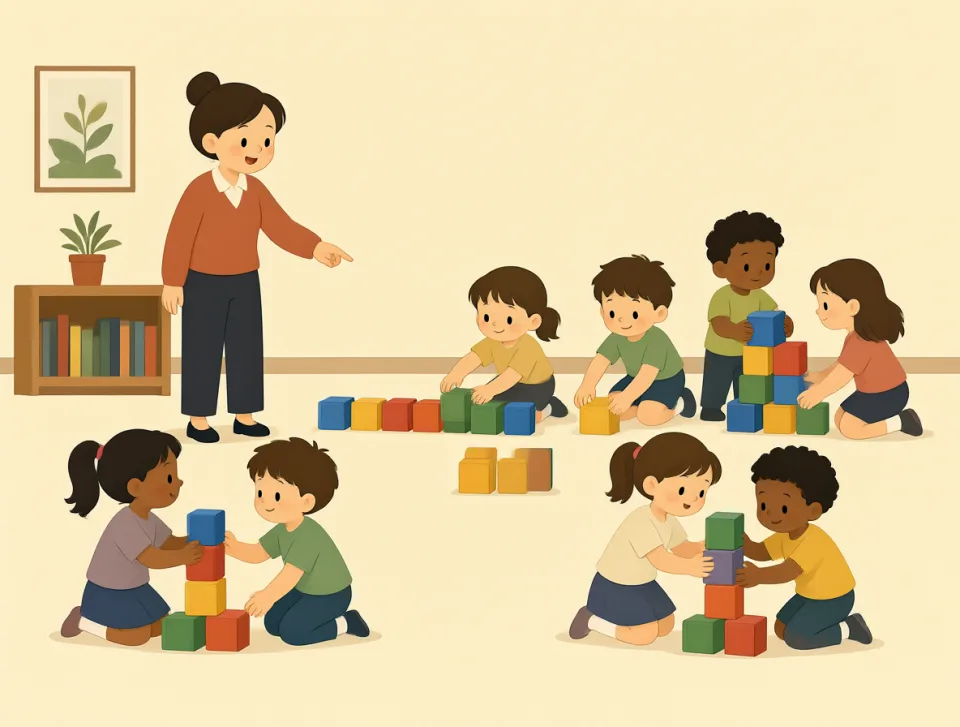
The course explains structural differences between English and Spanish sentences.
這門課程講解英語和西班牙語句子在結構上的差異。
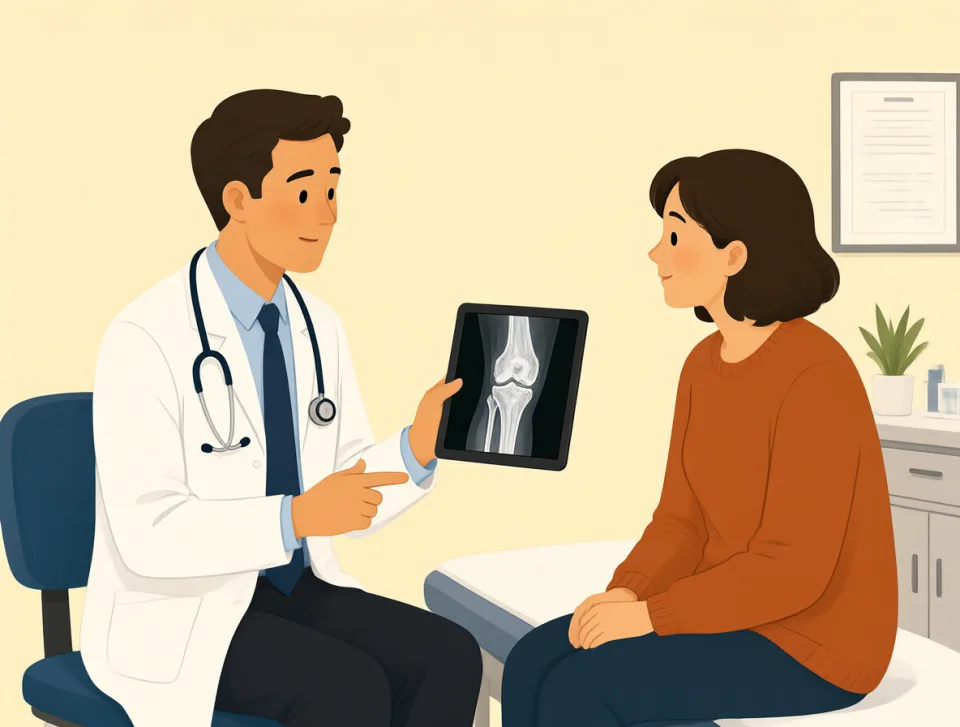
The doctor said the scan showed no structural damage to her knee.
醫生說掃描結果顯示她的膝蓋沒有結構性損傷。

Several structural issues delayed the office renovation by two weeks.
幾個結構問題使辦公室裝修推遲了兩週。

website
#2764noun
網站
A group of pages on the internet where people can find or share information.
網際網路上的一組頁面,人們可以在這裡查詢或分享資訊。

I found the recipe on a cooking website and made it for dinner.
我在一個烹飪網站上找到了食譜,晚餐就照著做了。

You can book a hotel room through the travel website before your trip.
你可以在旅行前透過旅遊網站預訂酒店房間。

Our teacher posted the homework on the school website this morning.
今天早上,老師把家庭作業釋出到了學校網站上。

The shop's website offers free delivery for orders over fifty dollars.
這家商店的網站為訂單金額超過五十美元的顧客提供免費送貨服務。

She created a website for her small business with help from a friend.
在朋友的幫助下,她為自己的小型企業建立了一個網站。

fool
#2765noun, verb
傻瓜;愚人;欺騙;愚弄
A foolish person; to trick someone or make them believe something untrue.
愚蠢的人;欺騙某人,讓某人相信不真實的事情。
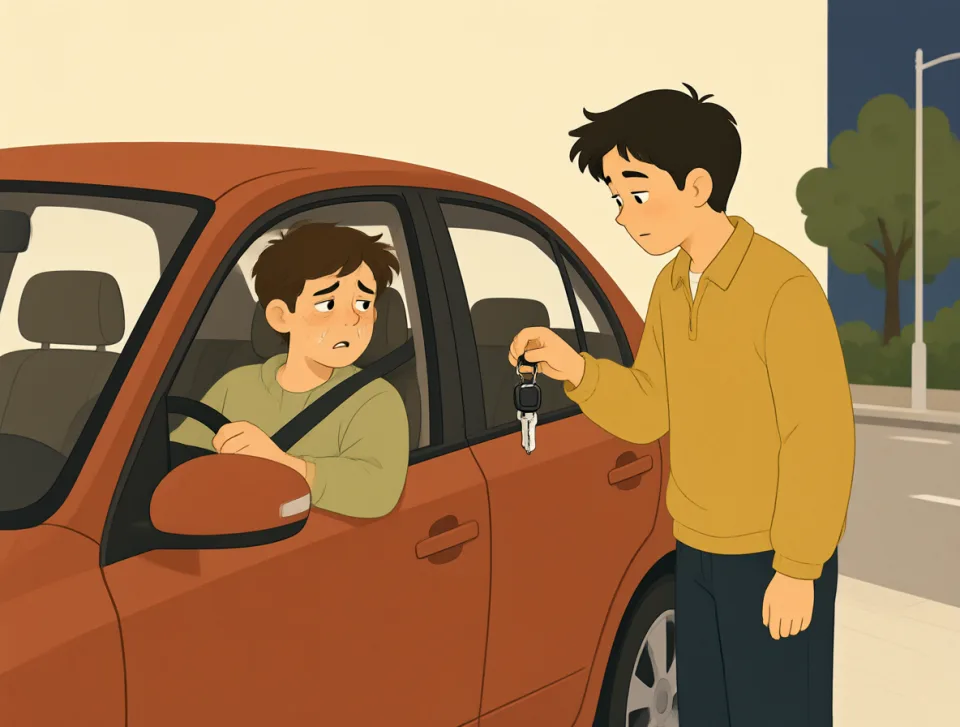
Don't be a fool and drive home when you're too tired.
別犯傻,你都累成這樣了,就別開車回家了。
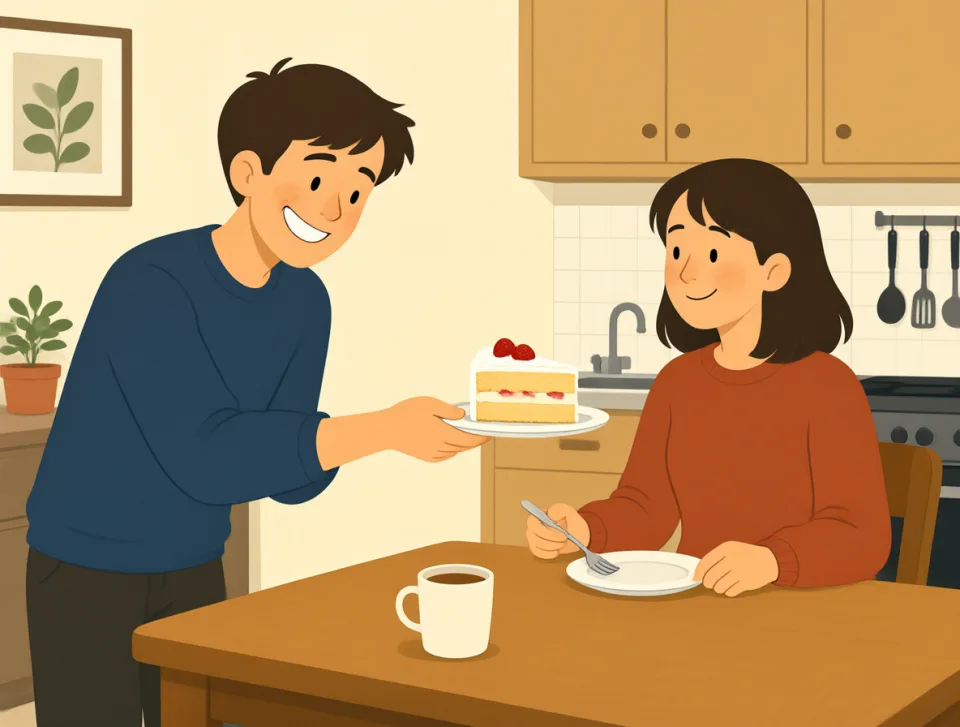
He fooled me into thinking the cake was sugar-free.
他騙得我以為那個蛋糕是不含糖的。
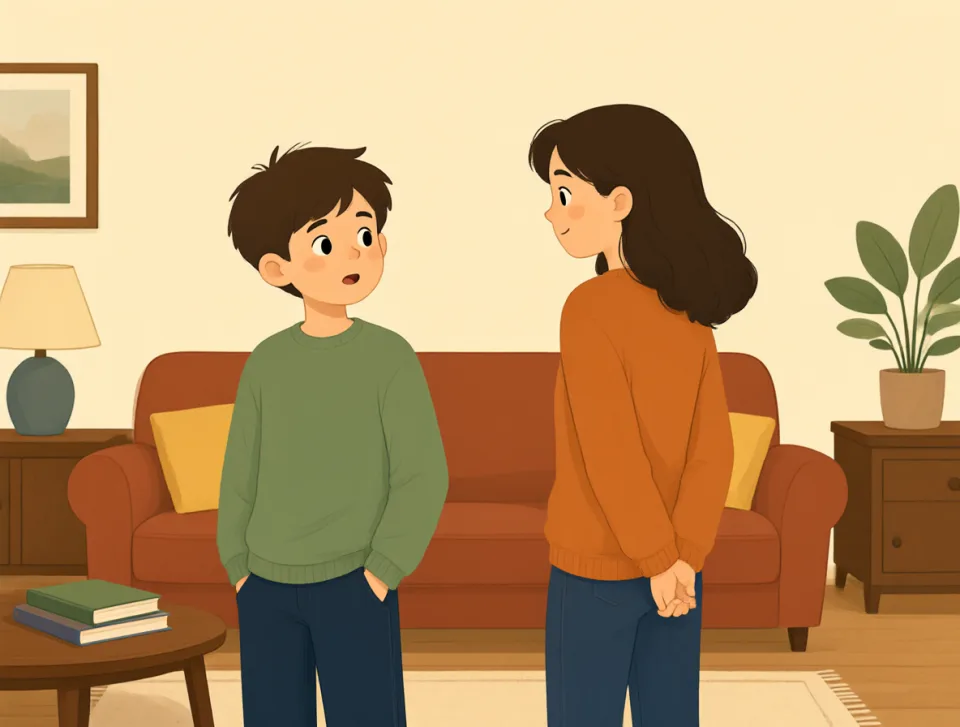
You can't fool her; she knows when someone is lying.
你騙不了她,她一聽就知道有人在撒謊。

I felt like a fool when I forgot my passport at home.
我忘了把護照帶上,結果覺得自己真是個大傻瓜。

They were fooling around in class instead of finishing their work.
他們上課時一直在打鬧,而不是完成作業。
alongside
#2766adverb, preposition
在旁邊;與……一起;伴隨
next to or together with someone or something
在某人或某物旁邊,或者與某人或某物一起。
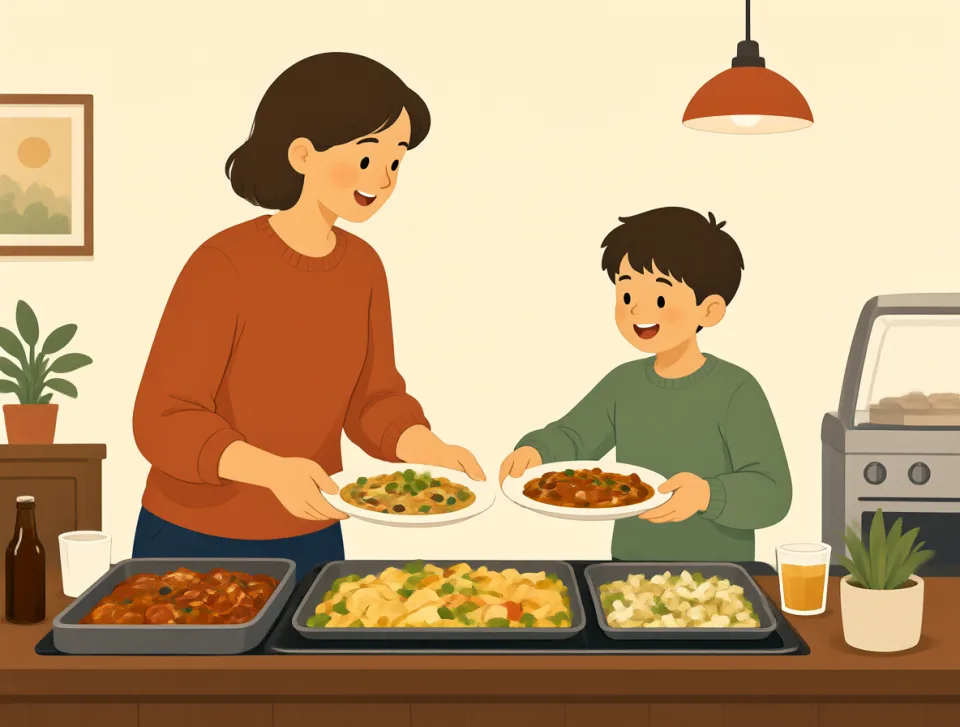
She worked alongside her brother in the family restaurant.
她和哥哥一起在家裡的餐館工作。

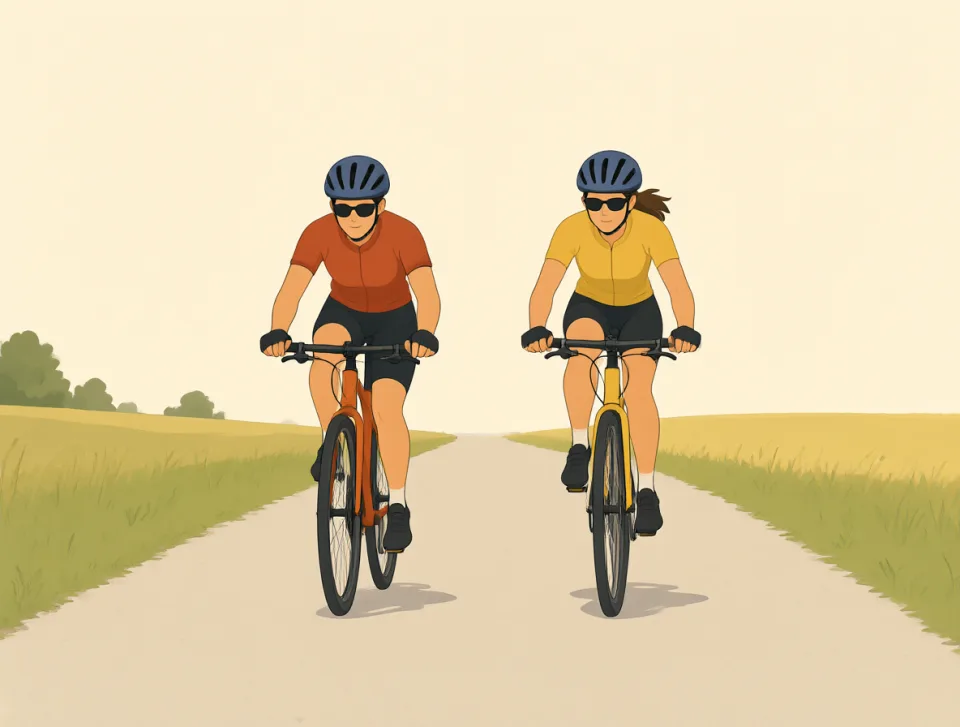
A bicycle path runs alongside the river through the city.
一條腳踏車道沿著河邊穿過這座城市。
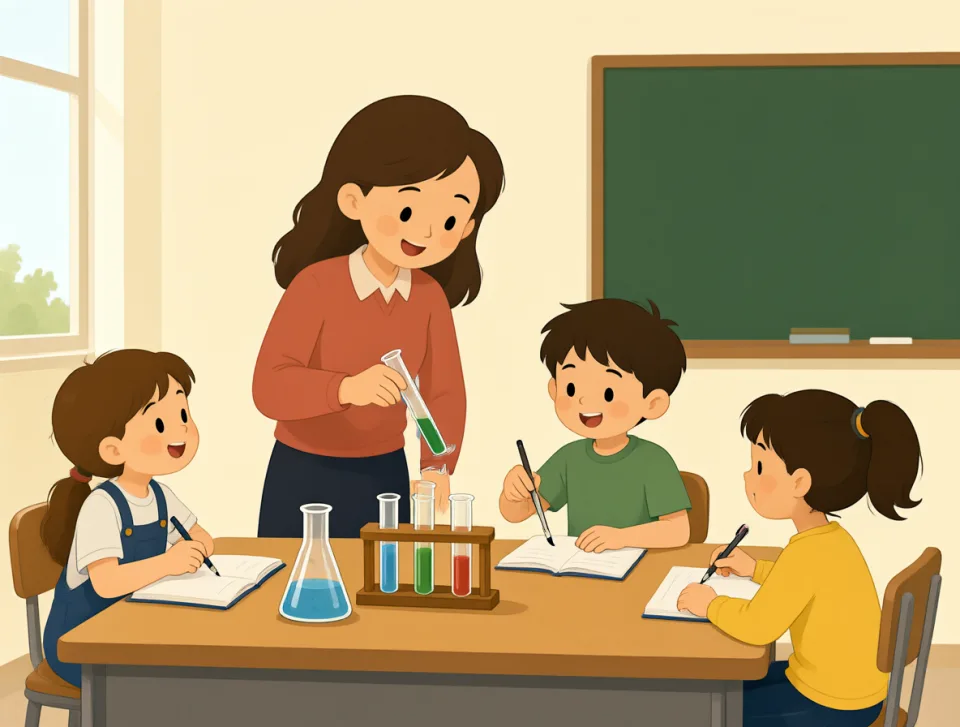
The teacher worked alongside students during the science experiment.
老師在科學實驗過程中與學生們一起動手操作。
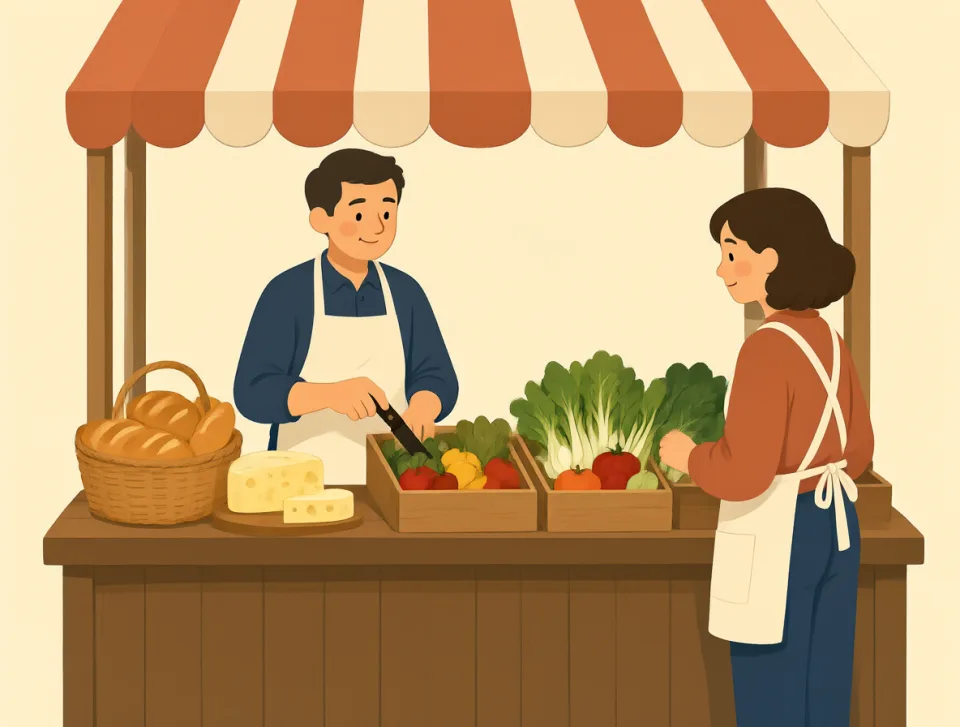
Fresh vegetables were displayed alongside bread and cheese at the market.
市場上,新鮮蔬菜和麵包、乳酪擺放在一起。
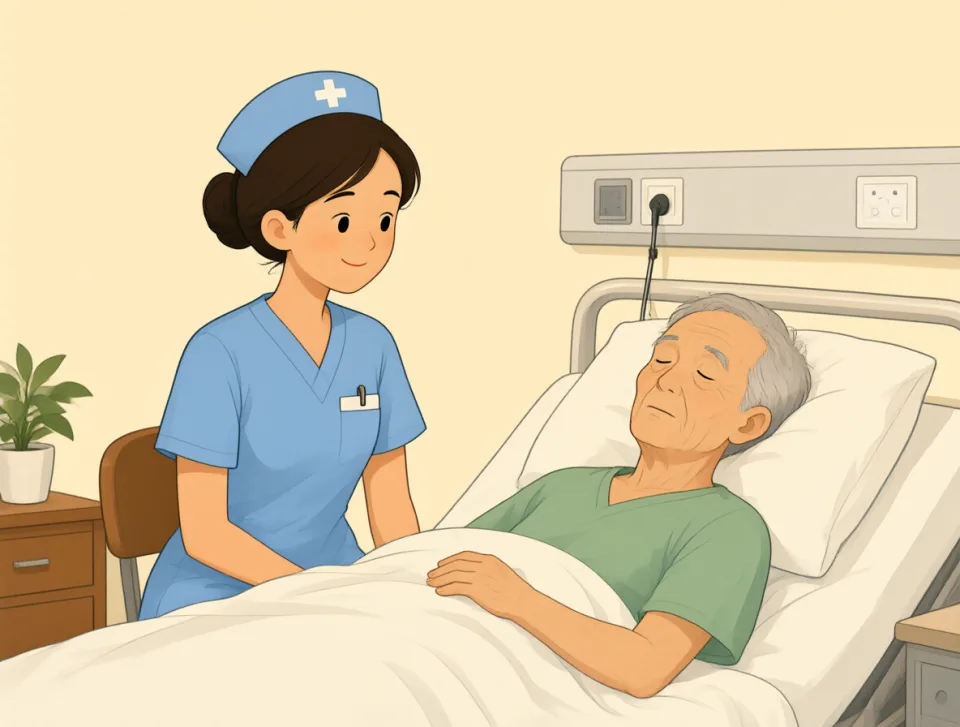
The nurse stayed alongside the patient throughout the long night.
護士整夜陪伴在病人身邊。

unite
#2767verb
聯合;團結;聯合起來
to join together for a shared purpose or common goal
為了共同的目的或目標而聯合在一起。
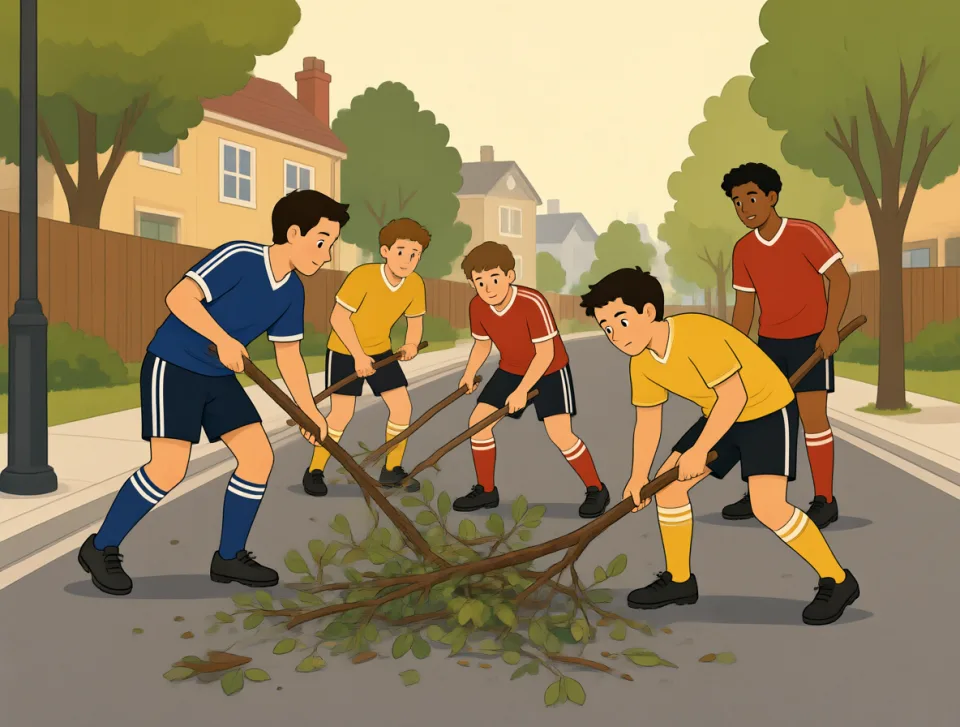
The two teams united to help their town after the storm.
暴風雨過後,兩支隊伍聯合起來幫助他們所在的城鎮。
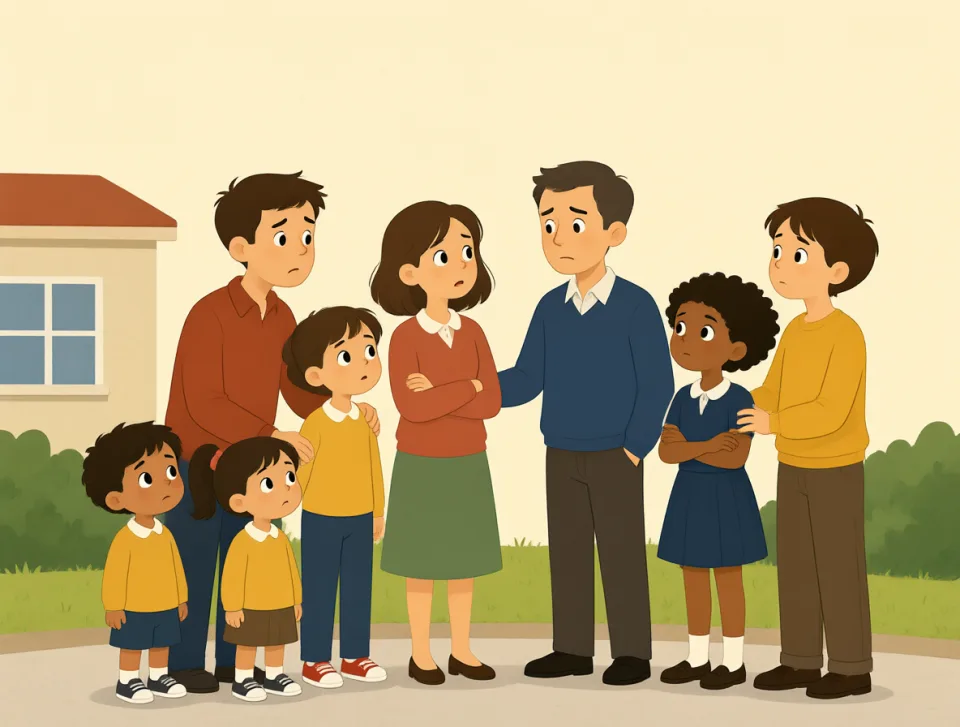
Families united against the plan to close the local school.
各個家庭聯合起來,反對關閉當地學校的計劃。

The manager united the staff around a clear plan for the busy season.
經理讓全體員工團結一致,共同執行一項明確的旺季工作計劃。

The students united to organize a food drive for hungry neighbors.
學生們聯合起來,為捱餓的鄰居組織了一場食品募捐活動。

The medicine is uniting with other treatments to improve her health.
這種藥物正在與其他療法聯合使用,以改善她的健康狀況。
gently
#2768adverb
輕輕地;溫柔地;小心地
In a soft, careful, or kind way.
以輕柔、小心或友善的方式。

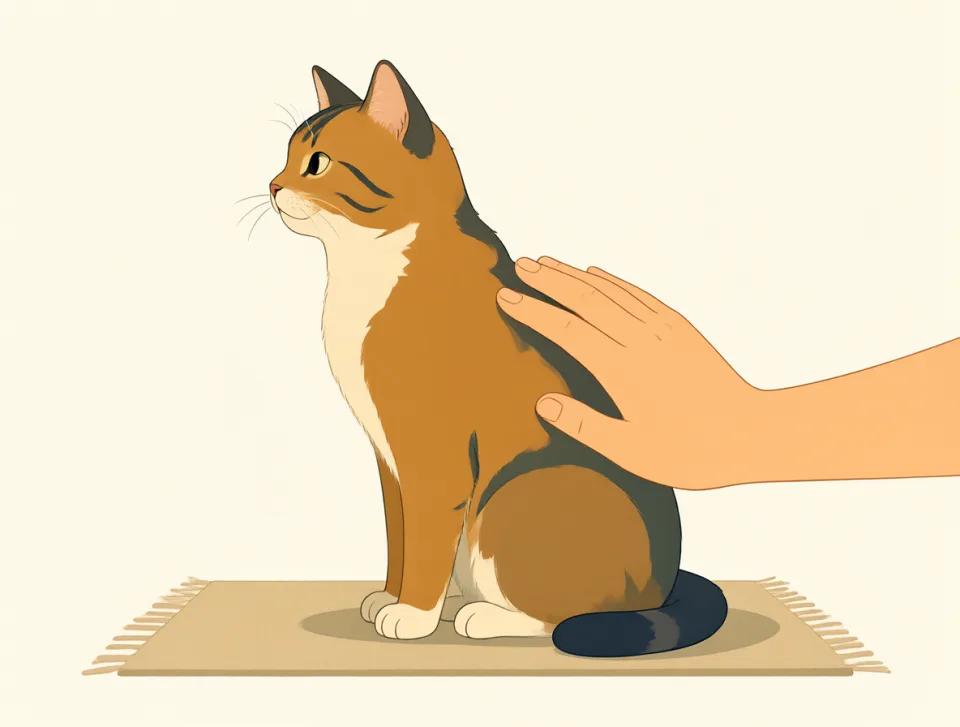
She gently woke her son and helped him get ready for school.
她輕輕地叫醒兒子,幫他做好上學的準備。
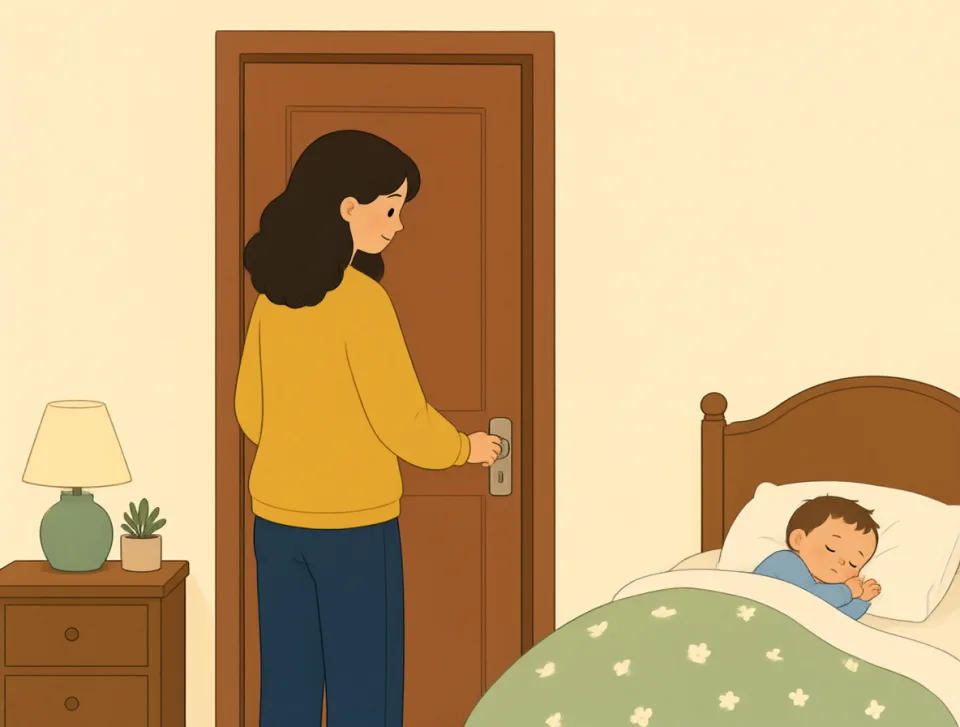
Please close the door gently so the baby can keep sleeping.
請輕輕地關門,別吵醒寶寶。
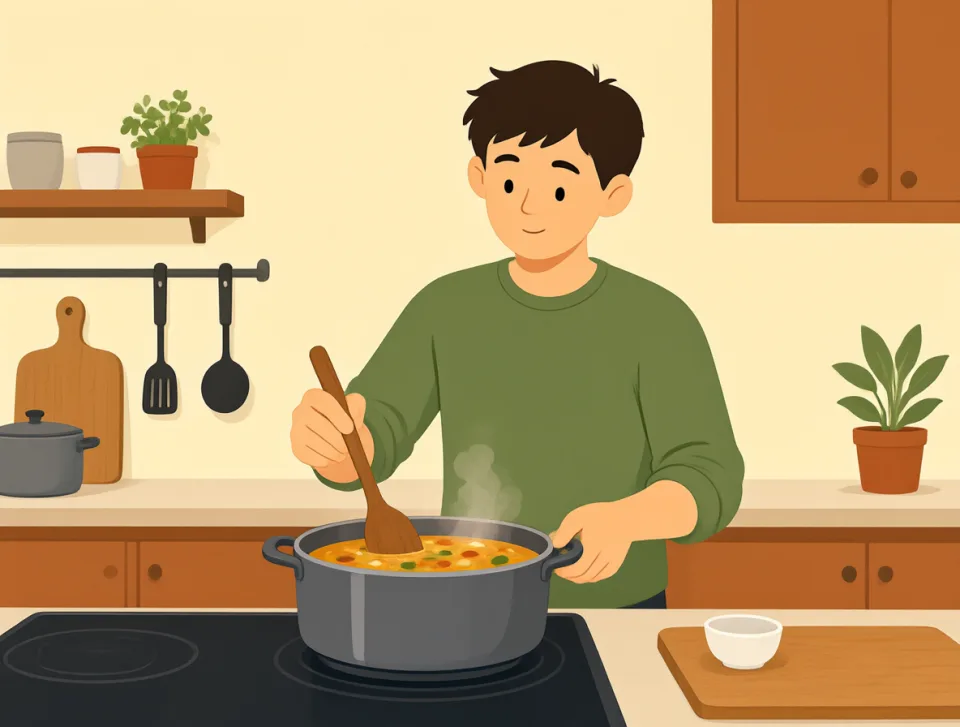
He gently stirred the soup while it warmed on the stove.
湯在爐子上加熱時,他輕輕地攪拌著。
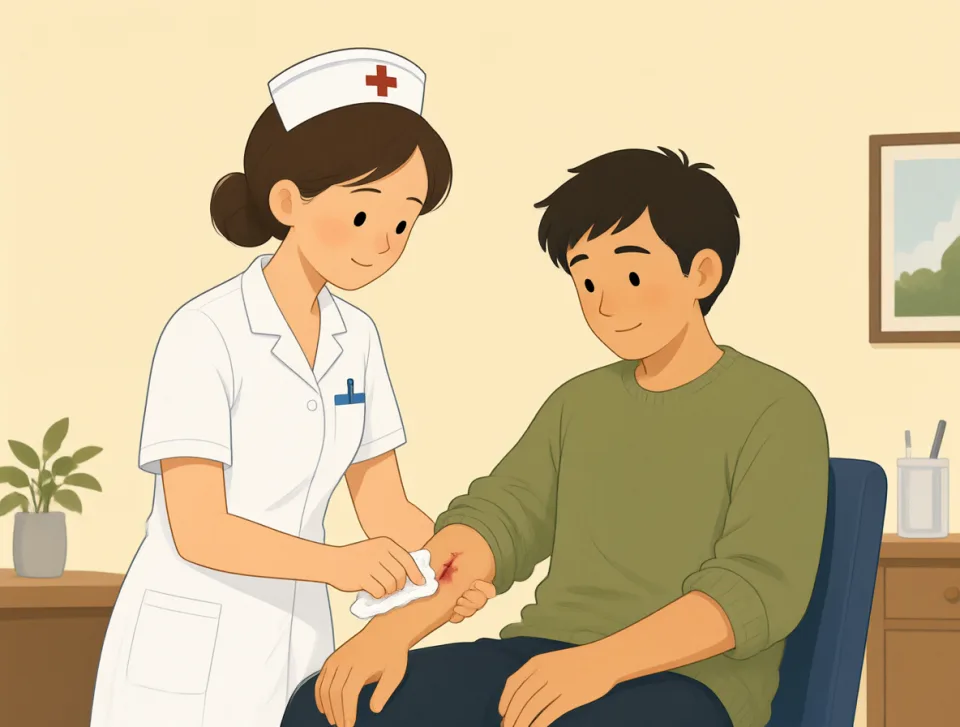
The nurse gently cleaned the cut before putting on a small bandage.
護士先小心地清洗了傷口,然後貼上一小塊創可貼。

She gently explained the mistake, and her coworker understood what to do.
她溫和地解釋了這個錯誤,同事聽後明白了該怎麼做。

compute
#2769verb
計算;運算;核算
To calculate an answer using numbers or a computer.
使用數字或計算機計算出答案。

The computer can compute the total cost before you place your order.
你下單前,電腦就能算出總費用。
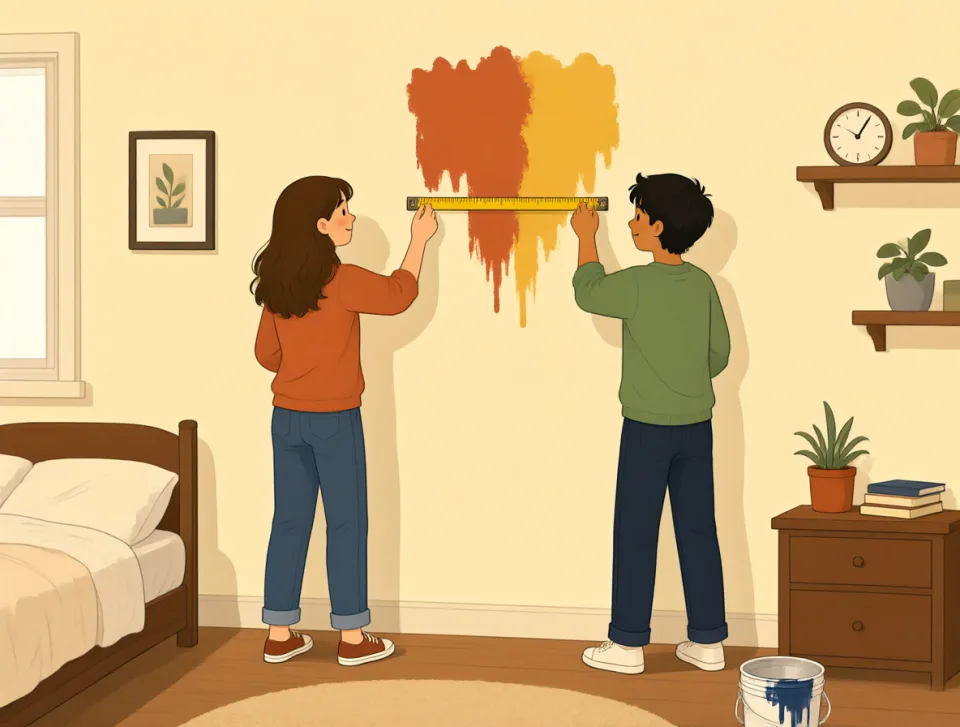
We computed how much paint we needed before starting the room.
我們在開始裝修房間之前,先算好了需要多少油漆。
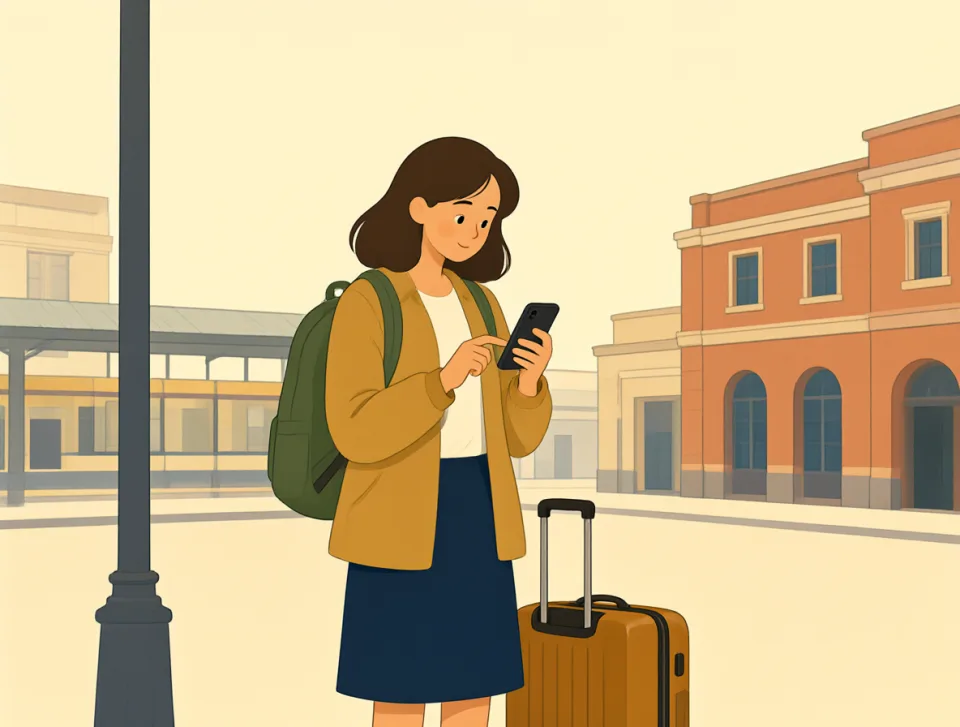
The travel app computes the quickest route between the hotel and the station.
這款旅行應用會計算出酒店到車站的最快路線。

She computed her weekly food budget after checking the prices at the market.
她檢視了市場上的價格後,算出了自己每週的食品預算。
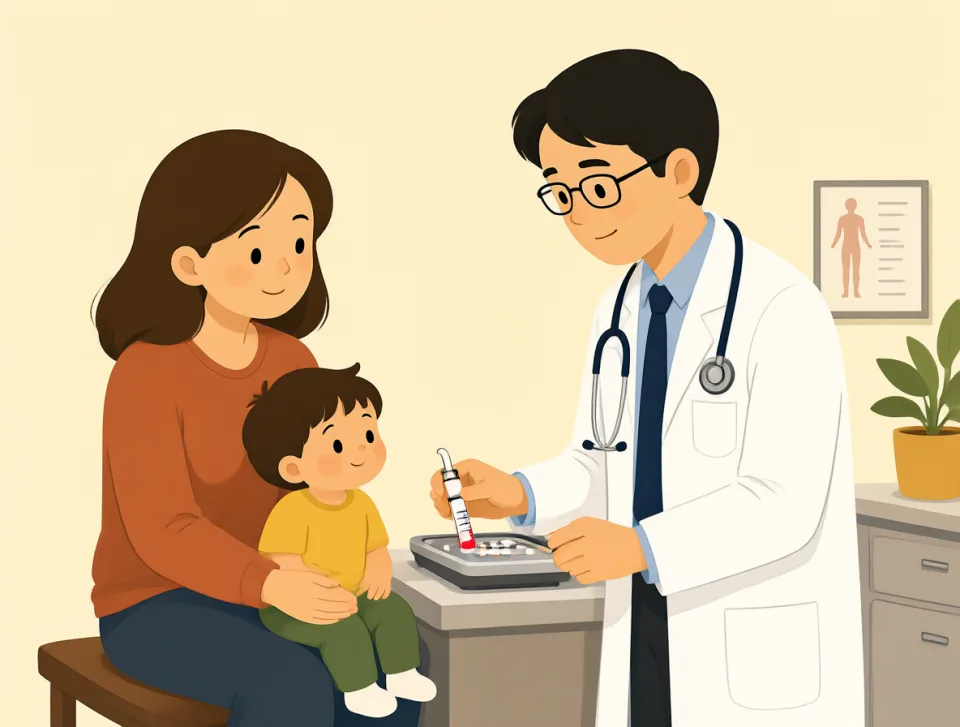
The doctor computed the medicine dose from the child’s weight.
醫生根據孩子的體重計算出了藥物劑量。

wipe
#2770verb, noun
擦拭;擦掉;抹布;溼巾
To clean or dry something by rubbing it with a cloth or your hand.
用布或手摩擦某物,以清潔或擦乾它。
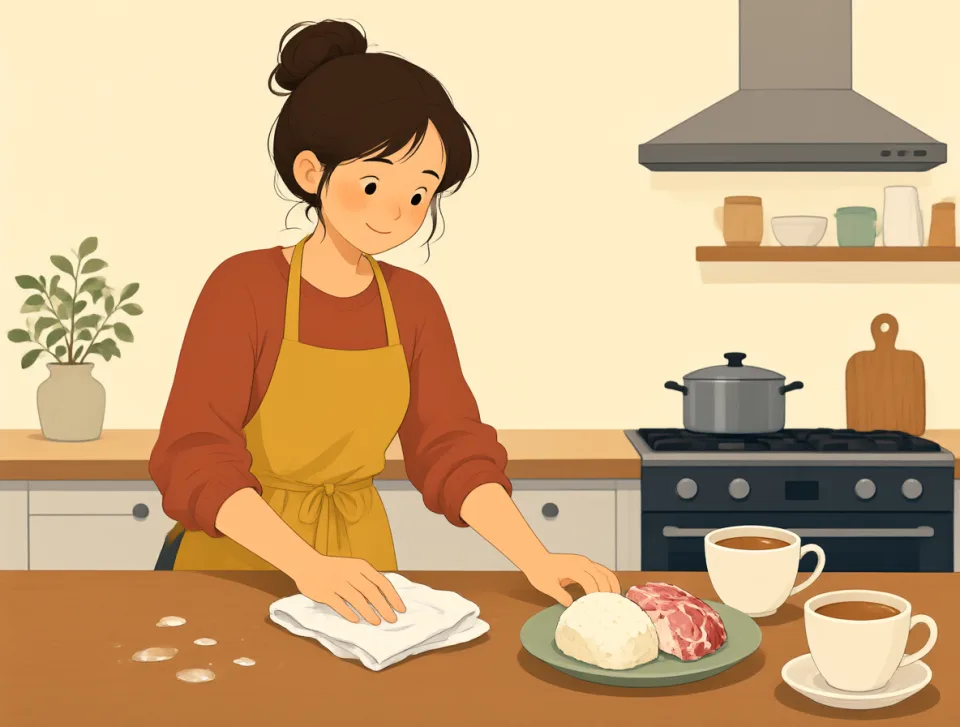
She wiped the kitchen counter after making breakfast.
做完早餐後,她擦了擦廚房檯面。

Wipe your shoes before you come into the house.
進屋前先把鞋子擦乾淨。
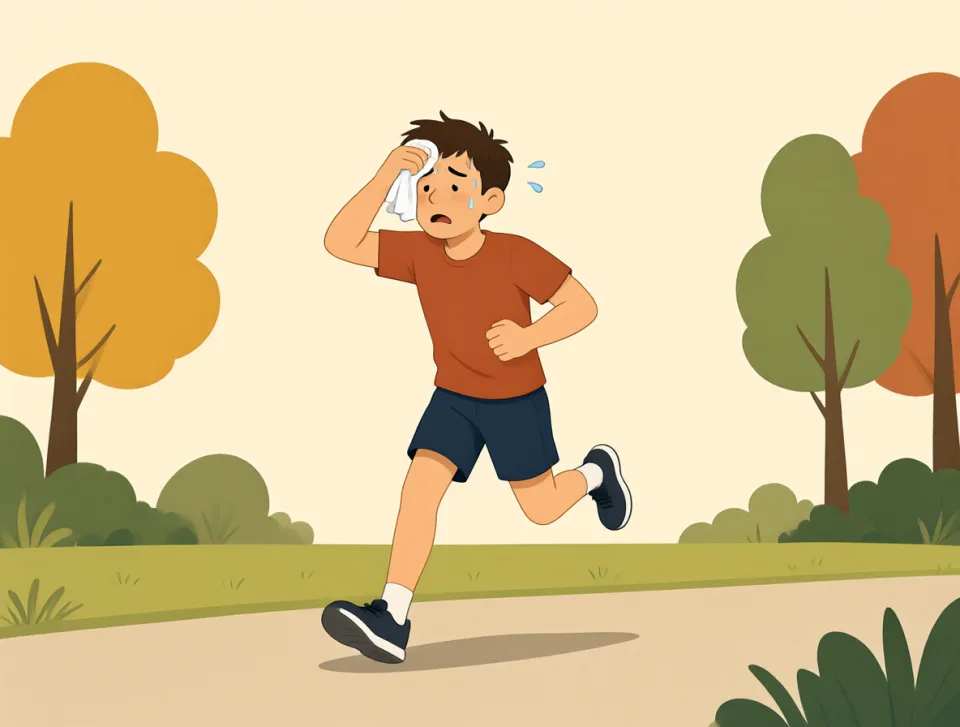
He wiped the sweat from his face after the long run.
長跑結束後,他擦去了臉上的汗水。
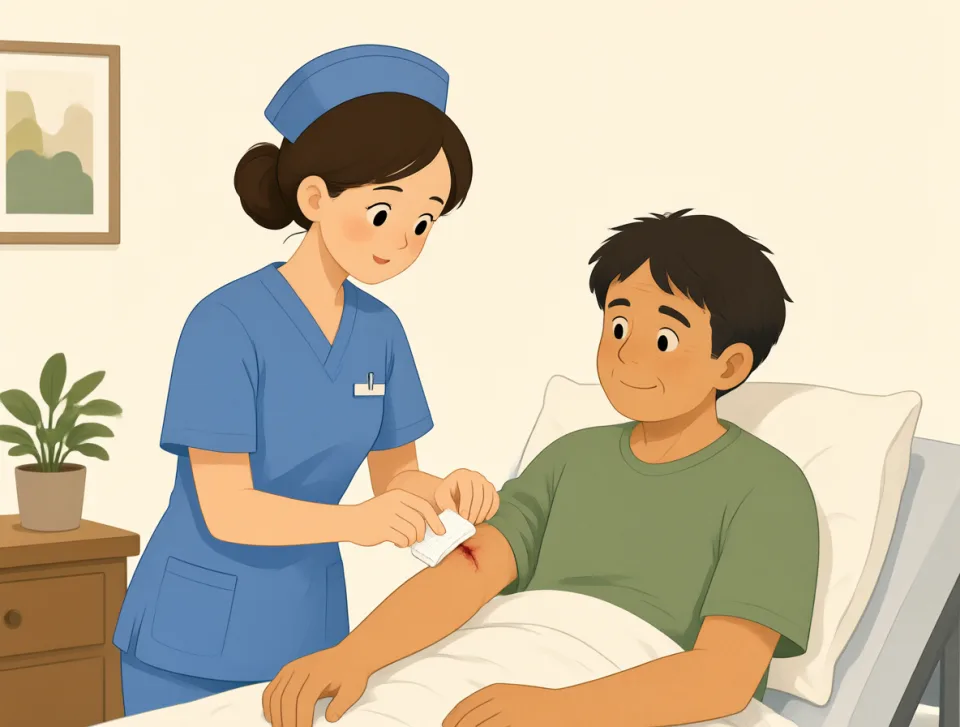
The nurse wiped the cut gently before putting on a bandage.
護士輕輕擦拭傷口,然後貼上繃帶。

I bought a pack of wipes to clean the table while traveling.
我買了一包溼巾,方便旅行時擦桌子。

weird
#2771adjective
奇怪的;古怪的;反常的;不可思議的
Strange or unusual in a way that surprises or seems hard to explain.
奇怪或不同尋常,讓人感到驚訝,或者覺得難以解釋。
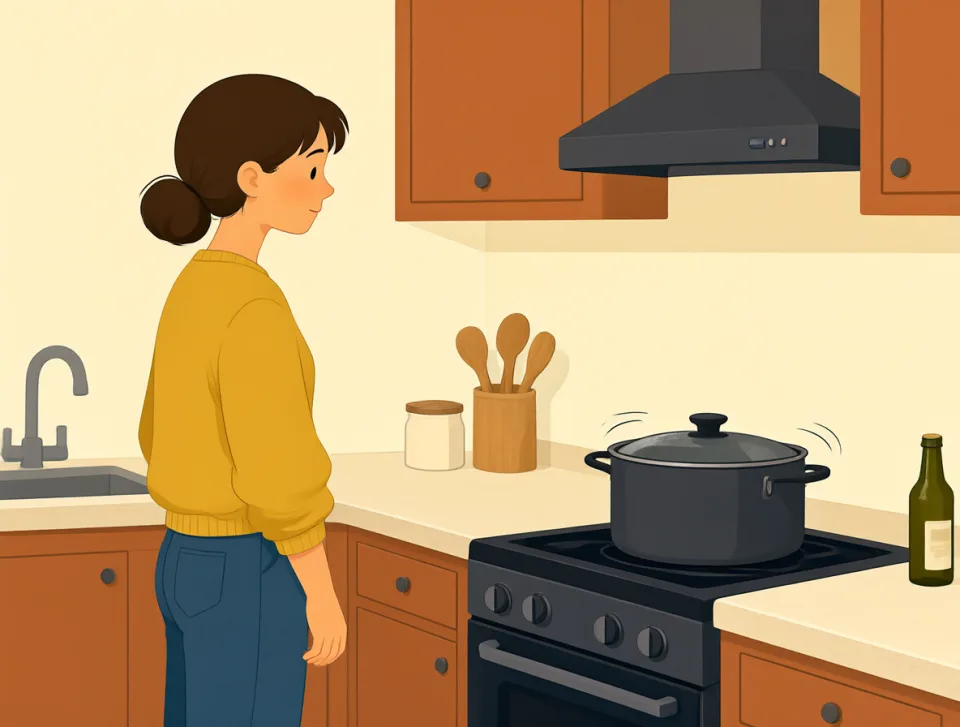
That’s a weird noise coming from the kitchen; can you check it?
廚房裡傳來一陣奇怪的聲音,你能去看看嗎?

It felt weird to see my old teacher at the grocery store.
在雜貨店裡碰到以前的老師,感覺真奇怪。

My brother has a weird habit of eating cereal with a fork.
我哥哥有個奇怪的習慣,吃麥片時居然用叉子。

The doctor said the strange rash was weird but probably harmless.
醫生說,這種奇怪的皮疹不太尋常,但可能沒有什麼危害。

We took a weird route through the hills and arrived before sunset.
我們走了一條穿過山丘的奇怪路線,結果在日落前就到達了。

gaze
#2772noun, verb
凝視;注視;目光
To look steadily at someone or something, or the steady look itself.
持續而專注地看著某人或某物,也可以指這種專注的目光。

She gazed out of the train window as the mountains passed by.
她凝視著火車窗外,看著群山從眼前掠過。

The child stared at the puppy, then reached out to pet it.
那個孩子盯著小狗看,然後伸手去摸它。

He gave her a warm gaze when she entered the room.
她走進房間時,他溫柔地注視著她。

We sat on the beach, gazing at the stars after dinner.
晚飯後,我們坐在海灘上,仰望著滿天繁星。

She met his gaze and smiled before answering his question.
她迎上他的目光,微微一笑,然後回答了他的問題。

fade
#2773verb, noun
褪色; 變淡; 減弱; 消退
To become less bright, strong, or clear, or to make something do this.
變得不那麼明亮、強烈或清晰,或使某物變成這樣。

The sunlight faded as dark clouds moved over the house.
烏雲飄過房子上空時,陽光漸漸暗淡下來。

The old photograph had faded after years in the window.
那張老照片在窗邊放了多年後褪色了。

The pain began to fade after she took the medicine.
她吃了藥後,疼痛開始減輕。

Their friendship faded when they moved to different cities.
他們搬到不同的城市後,彼此的友誼漸漸淡了。

The music faded into the distance as we walked away.
我們走遠時,音樂聲漸漸消失在遠處。
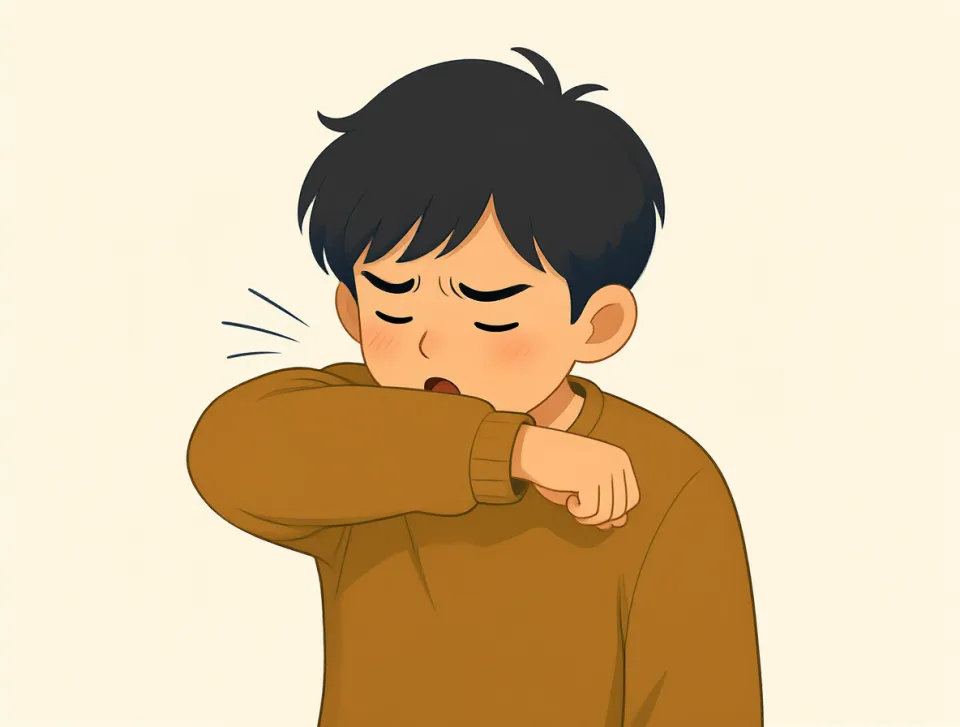
cough
#2774noun, verb
咳嗽;咳嗽聲
To push air out of your lungs suddenly, or the sound made when you do this.
突然從肺部撥出空氣,或指這樣做時發出的聲音。

I have a bad cough, so I’m staying home from work today.
我咳嗽得很厲害,所以今天請假在家休息。
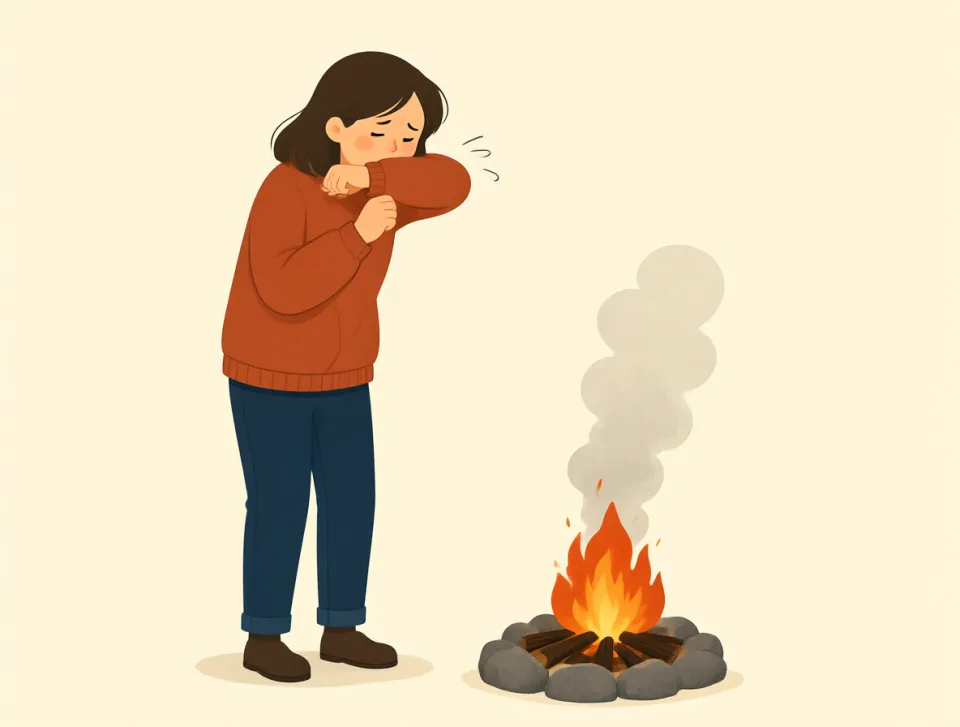
She coughed hard after breathing in some smoke from the fire.
吸入了一些火災產生的煙霧後,她劇烈地咳嗽起來。
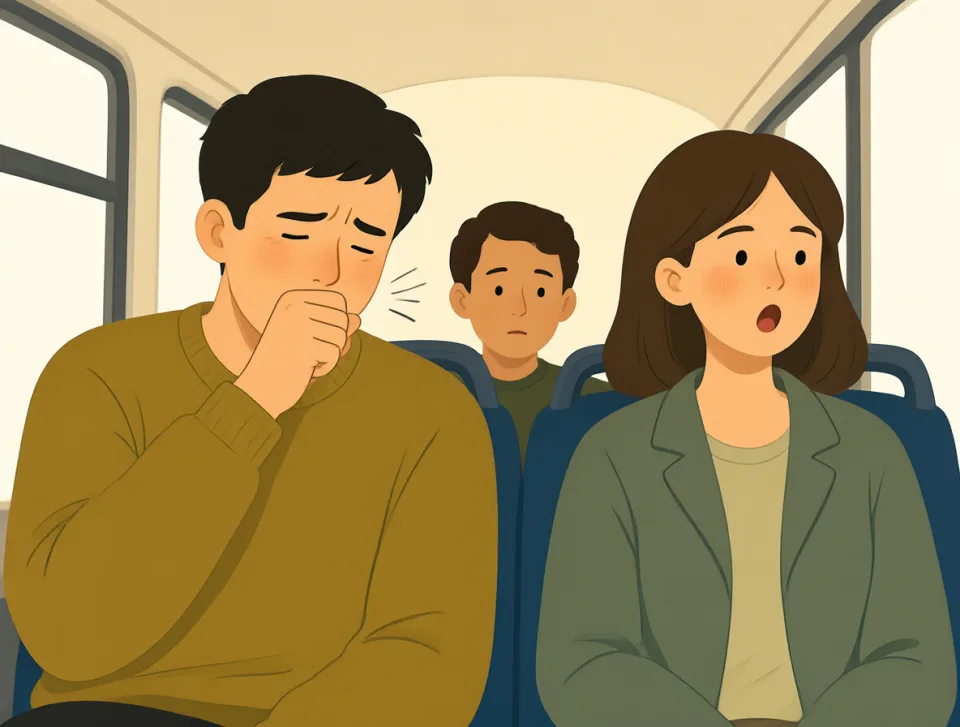
Cover your mouth when you cough, especially if you’re sitting near other people.
咳嗽時要捂住嘴,尤其是坐在別人附近的時候。
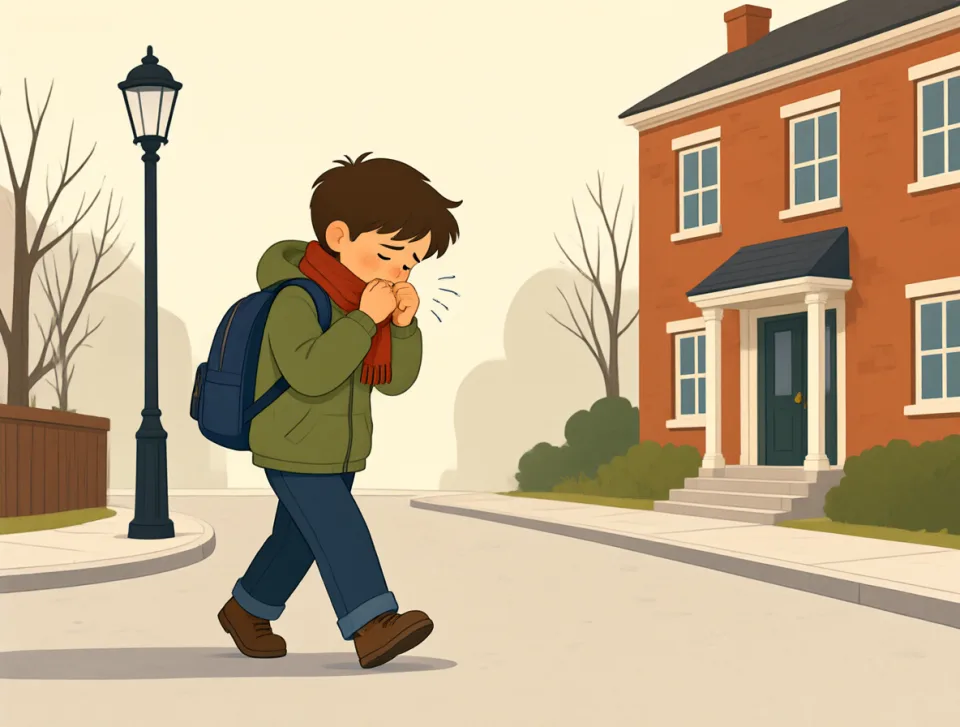
The cold air made him cough as he walked to school this morning.
今天早上,他走去學校時,冷空氣讓他咳嗽起來。
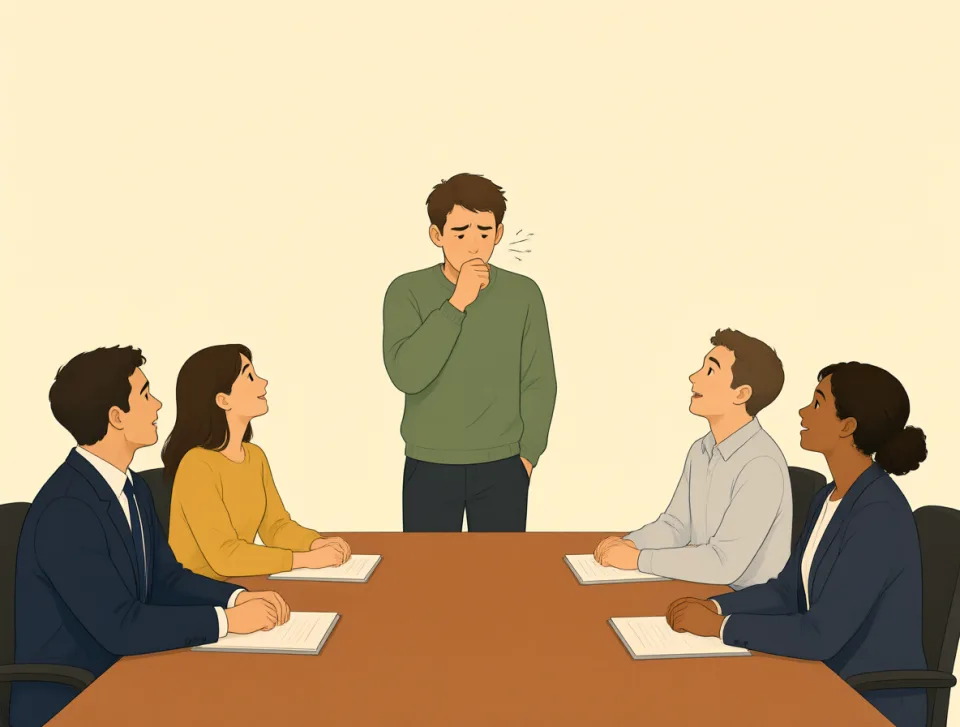
He gave a little cough to get everyone’s attention before the meeting began.
會議開始前,他輕輕咳了一聲,以引起大家的注意。

hypothesis
#2775noun
假設;假說;猜想
An idea or explanation that can be tested to see if it is true.
一種可以透過測試來驗證真假的想法或解釋。
The scientist tested her hypothesis by repeating the experiment twice.
這位科學家透過重複兩次實驗來驗證她的假設。
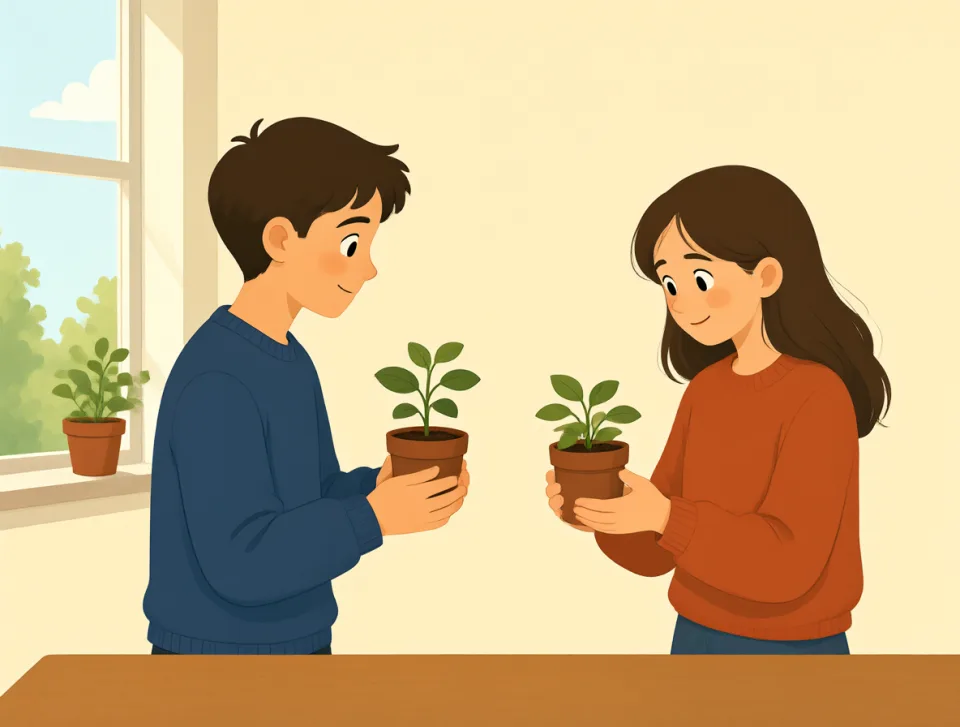
Our hypothesis is that plants grow faster near the sunny window.
我們的假設是,植物在靠近陽光充足的窗戶的地方生長得更快。

The doctor’s hypothesis was that his headaches came from poor sleep.
醫生推測,他頭痛的原因是睡眠不足。

They formed a hypothesis about why the train was late.
他們提出了一個假設,試圖解釋火車為什麼晚點。

My hypothesis is that the soup needs more salt, so let’s taste it.
我猜這湯需要再加點鹽,我們嚐嚐看吧。

royal
#2776adjective, noun
皇家的;王室的;皇室成員;王室成員
Belonging to a king or queen, or connected with a royal family.
屬於國王或女王的,或與王室家族有關的。
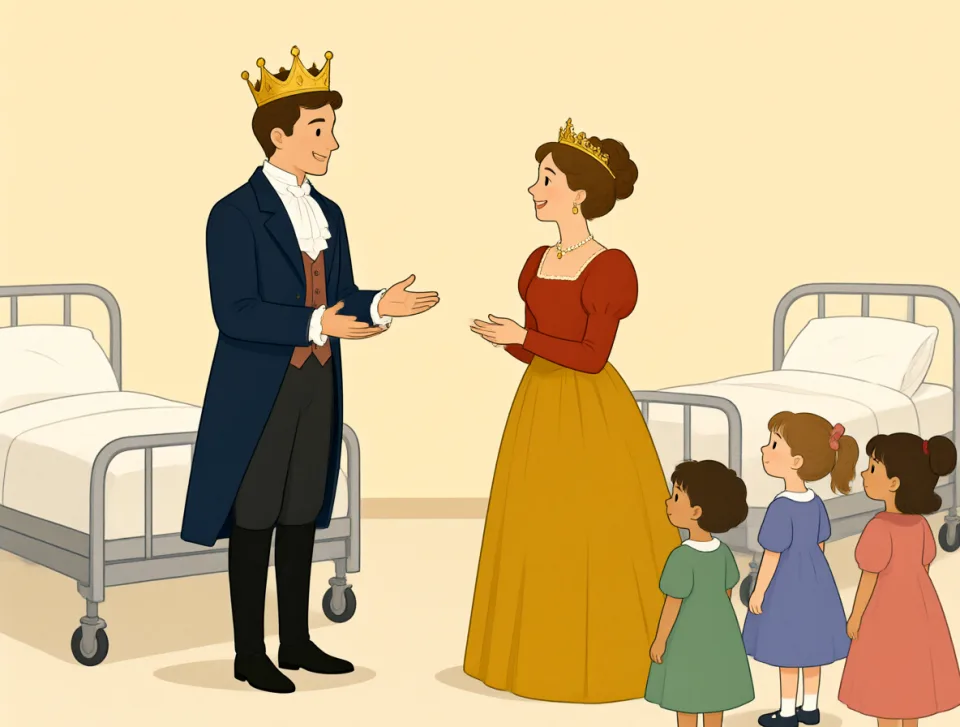
The royal family visited the children's hospital during their trip to the city.
王室成員在訪問這座城市期間參觀了兒童醫院。
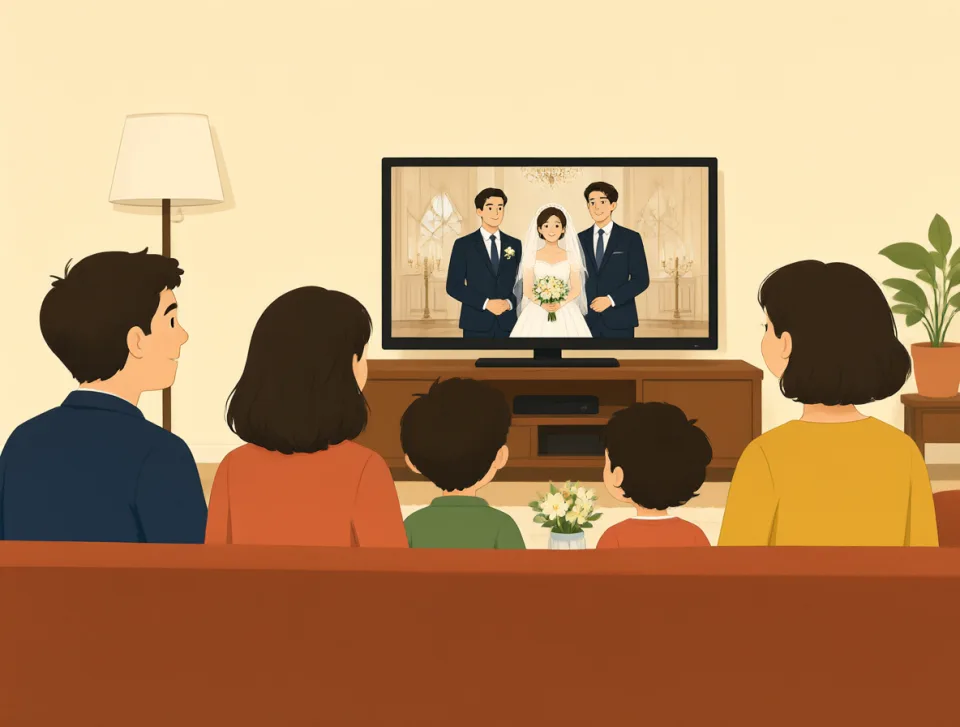
We watched a royal wedding on television at my aunt's house.
我們在姑媽家透過電視觀看了一場王室婚禮。

The hotel used to be a royal palace, but now tourists can stay there.
這家酒店過去曾是一座皇家宮殿,但現在遊客可以住在那裡。

She bought a small royal blue bag to match her new coat.
她買了一個小巧的寶藍色包包,搭配她的新外套。
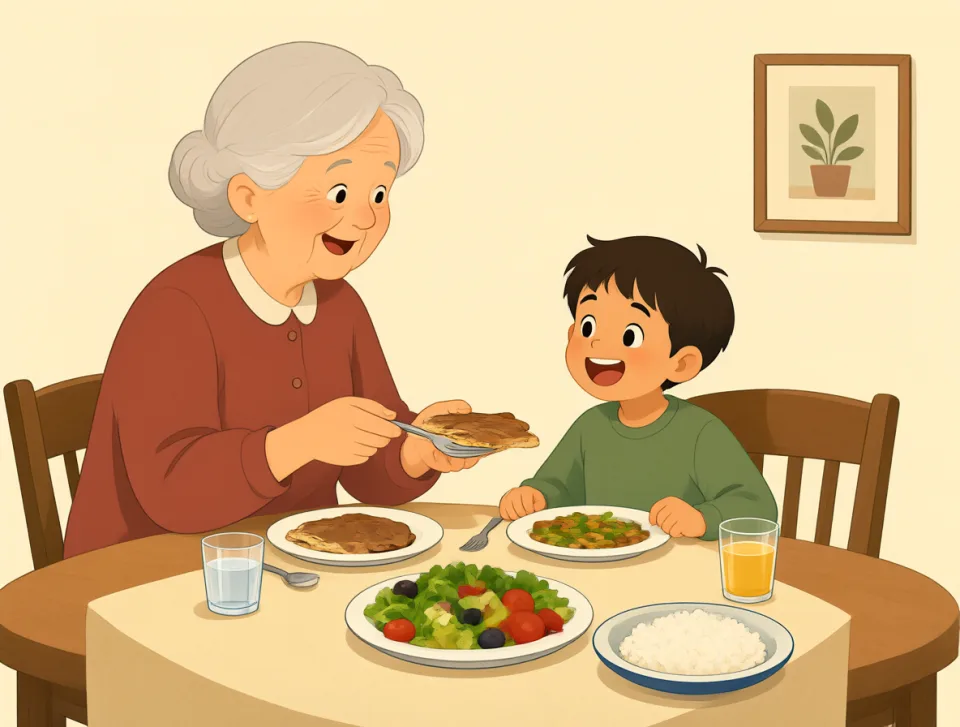
My brother says he is treated like royalty whenever he visits our grandmother.
我哥哥說,每次去奶奶家,他都受到皇室成員般的待遇。
theoretical
#2777adjective
理論上的;理論性的
Based on ideas or principles rather than practical experience or real situations.
基於想法或原理,而不是實際經驗或現實情況的。
The course covers the theoretical side of cooking before students use the kitchen.
這門課程會先講解烹飪的理論知識,然後學生才會進入廚房實踐。

The job sounds interesting in theory, but the theoretical salary is too low.
這份工作理論上聽起來很有意思,但理論上的薪水太低了。

We discussed the theoretical risks of the new medicine with our doctor.
我們和醫生討論了這種新藥在理論上可能存在的風險。
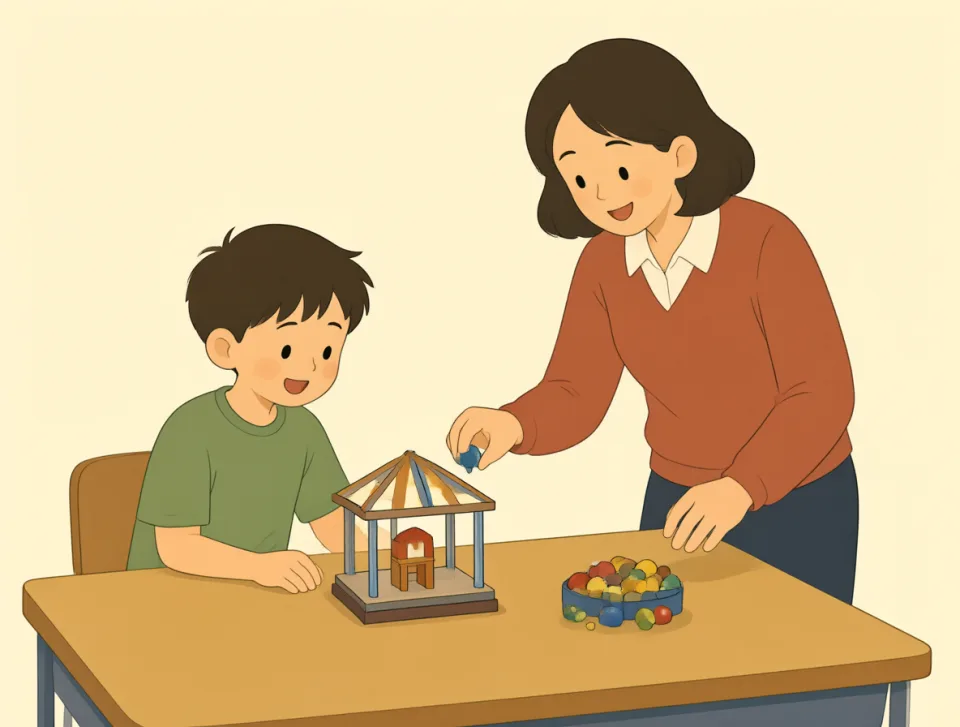
Our teacher asked us to connect theoretical ideas with examples from everyday life.
老師要求我們把理論知識與日常生活中的例項聯絡起來。

The plan is theoretically possible, but we do not have enough time or money.
這個計劃理論上是可行的,但我們沒有足夠的時間和資金。
curtain
#2778noun
窗簾;幕布
A piece of cloth that hangs over a window or around a stage.
掛在窗戶上或舞臺周圍的一塊布。

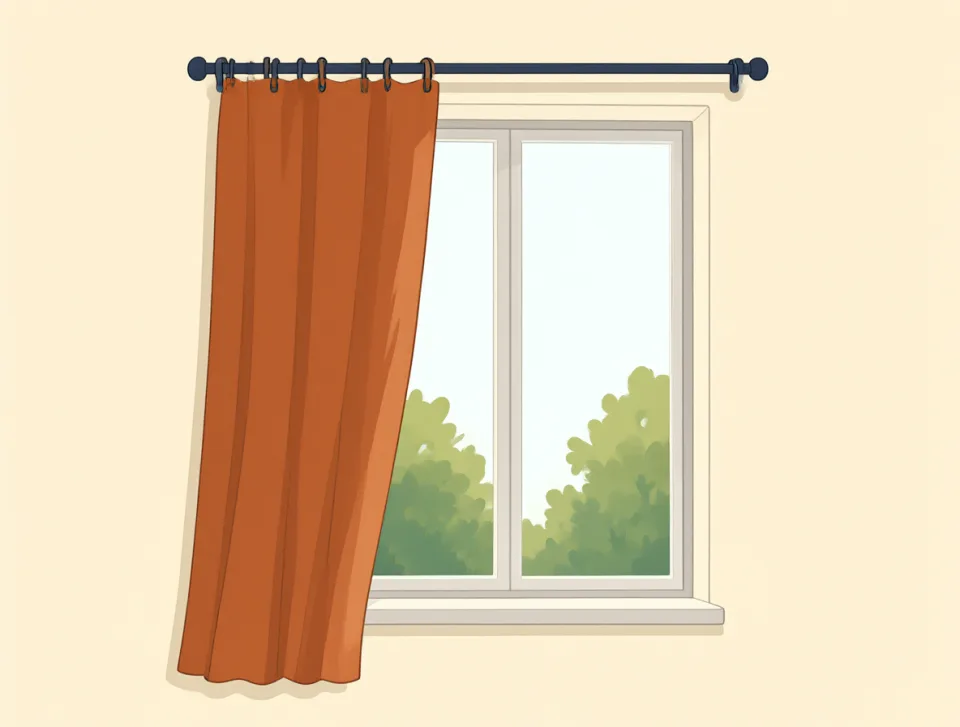
She pulled the curtains closed before changing her clothes.
她在換衣服前拉上了窗簾。

The hotel room had thick curtains that blocked the morning sunlight.
酒店房間裡裝著厚厚的窗簾,可以擋住早晨的陽光。

We bought new curtains to make the living room feel warmer.
我們買了新窗簾,讓客廳顯得更加溫馨。
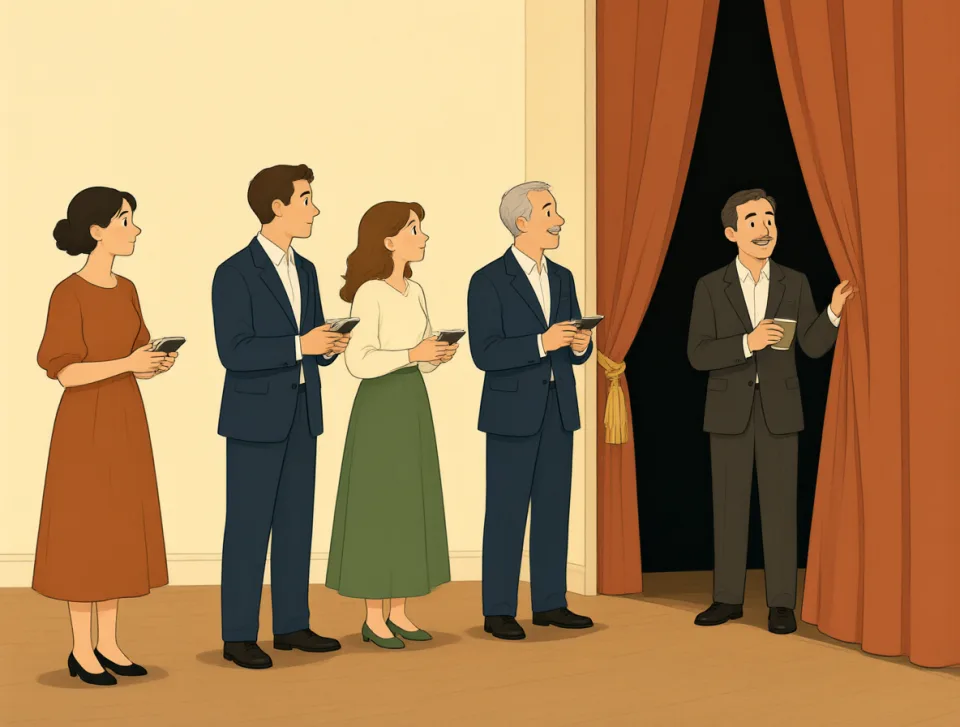
The actors waited behind the curtain until the audience became quiet.
演員們在幕布後面等著,直到觀眾安靜下來。

He accidentally spilled soup on the curtain while carrying dinner upstairs.
他端晚飯上樓時,不小心把湯灑在了窗簾上。

mayor
#2779noun
市長
The elected leader of a city or town.
由選舉產生的城市或城鎮的領導人。

The mayor visited our school to talk with students about the new park.
市長來到我們學校,與學生們討論新公園的建設。
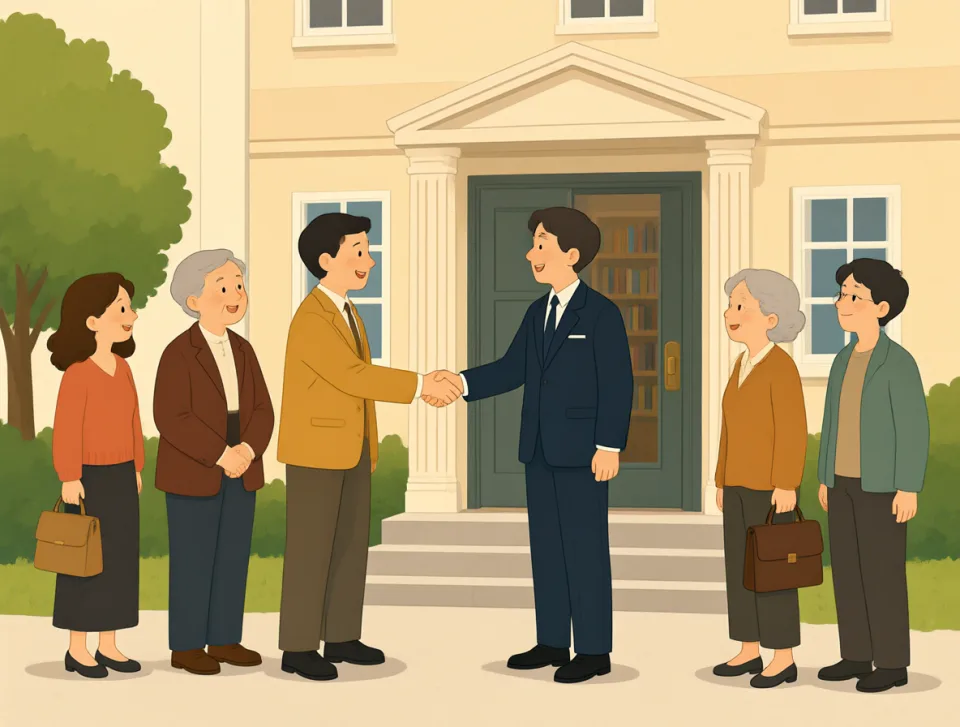
The mayor of our town welcomed visitors at the opening of the library.
我們鎮的市長在圖書館開館時歡迎了前來參觀的客人。

Residents asked the mayor to repair the broken streetlights near their homes.
居民們請求市長修理他們家附近壞掉的路燈。
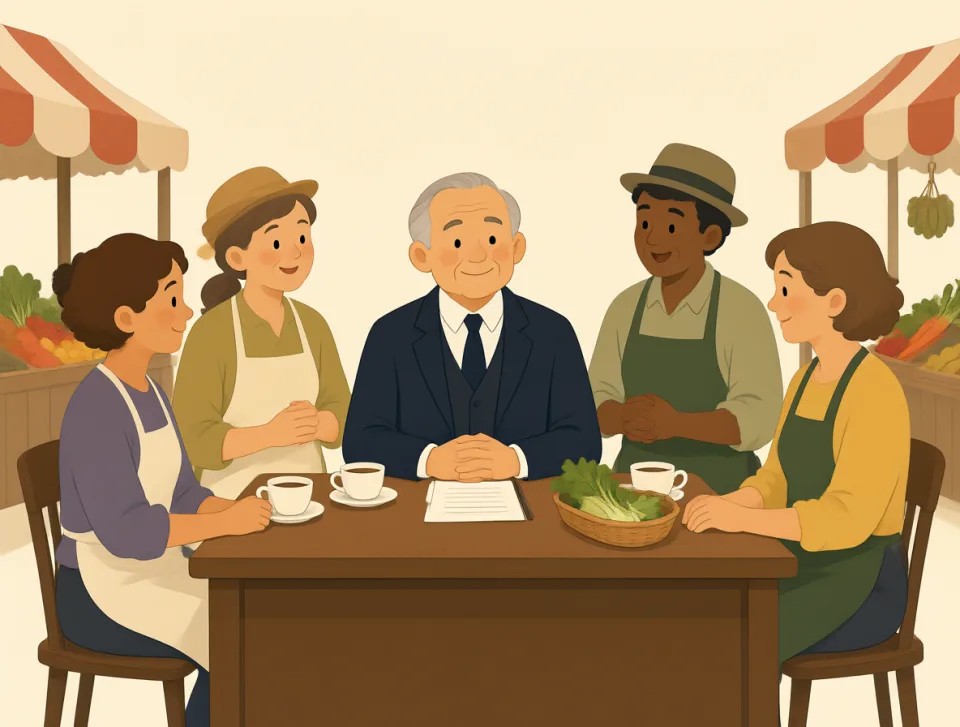
The mayor met with local shop owners to discuss plans for the busy market.
市長與當地商鋪老闆會面,討論繁忙集市的規劃。
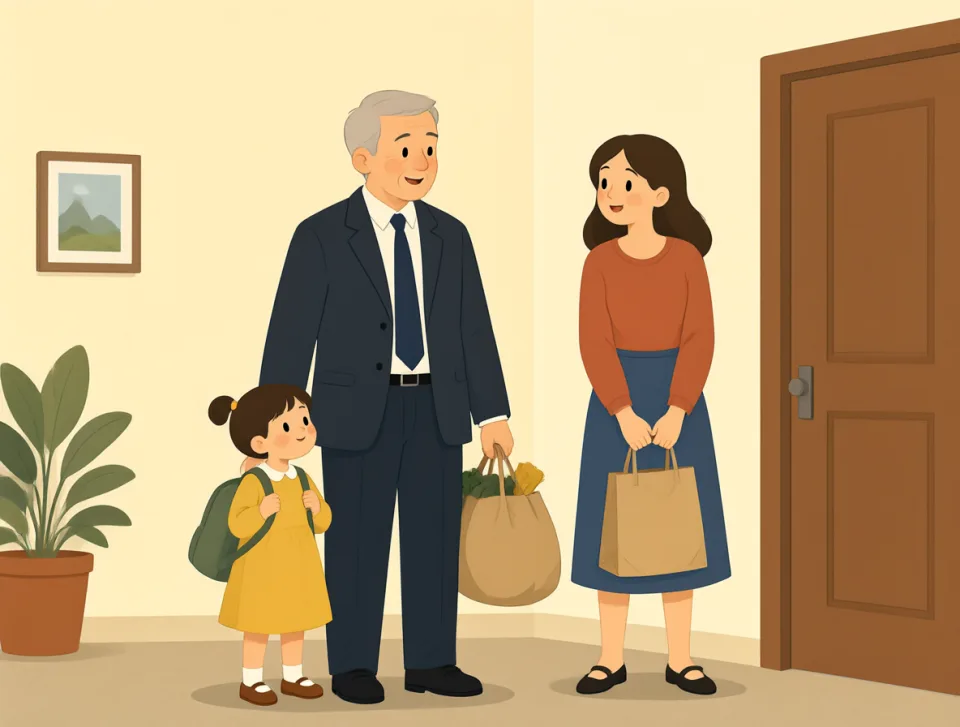
After the flood, the mayor helped families find safe places to stay.
洪水過後,市長幫助各個家庭尋找安全的臨時住所。
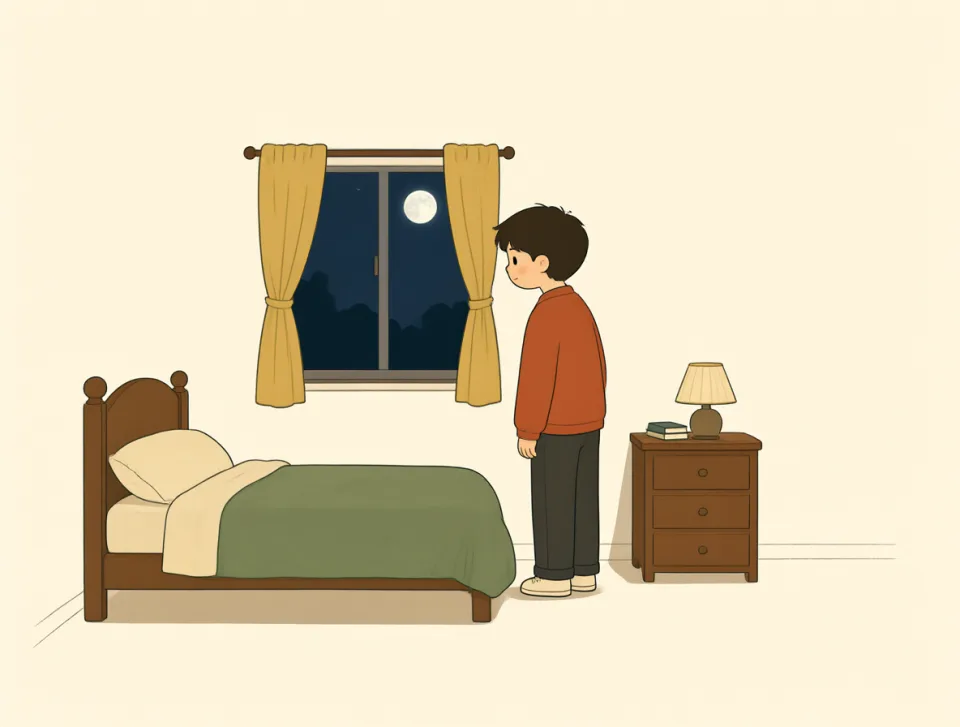
darkness
#2780noun
黑暗;黑暗狀態;昏暗
The state of having little or no light.
光線很少或完全沒有光線的狀態。

She felt nervous walking home alone in the darkness after work.
下班後,她獨自走在黑暗中回家,感到有些緊張。

The lights went out, and the room was filled with darkness.
燈突然熄滅了,整個房間陷入一片黑暗。

We waited in the darkness until the storm passed.
我們在黑暗中等待,直到暴風雨過去。

The guide carried a lantern to lead us through the darkness.
嚮導提著一盞燈籠,帶領我們穿過黑暗。

After the long illness, he said the darkness in his life was lifting.
經歷了漫長的病痛之後,他說自己生活中的陰霾正在逐漸散去。