單元 141
單字 2801–2809 · alright, lazy, hello, hunger, insure, ashamed

alright
#2801adjective, adverb
沒事;還好;可以;行
Used to say that something is acceptable, satisfactory, or not causing problems.
用於表示某事可以接受、令人滿意,或沒有造成任何問題。
Are you alright after your fall?
你摔倒後沒事吧?

It’s alright if you arrive a little late.
你晚到一會兒也沒關係。

The food was alright, but the dessert was much better.
食物還不錯,不過甜點要好吃得多。
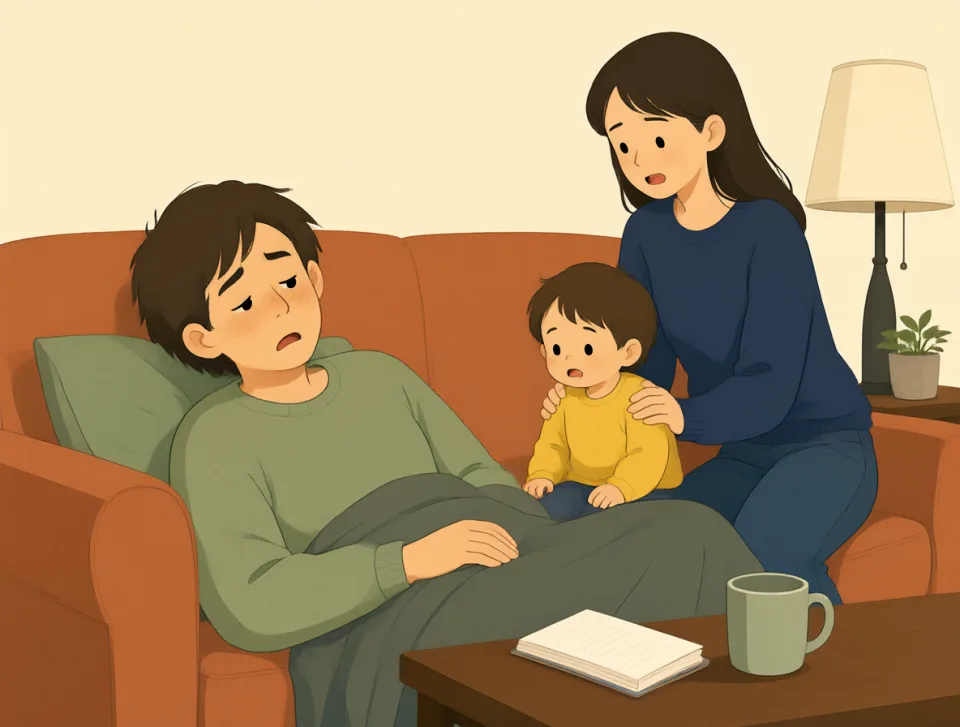
I’m alright now; I just need to rest for a while.
我現在沒事了,只需要休息一會兒。

Alright, let’s meet outside the station at six.
好,那我們六點在車站外面見。

lazy
#2802adjective
懶惰的;懶散的;不願動的
Unwilling to work or use effort; wanting to avoid activity.
不願意工作或付出努力;想要避免活動或勞動。

I felt too lazy to cook, so we ordered dinner instead.
我懶得做飯,所以我們乾脆點了外賣。

Our lazy dog stayed in the shade while we walked around the park.
我們家的懶狗一直待在陰涼處,而我們則在公園裡散步。
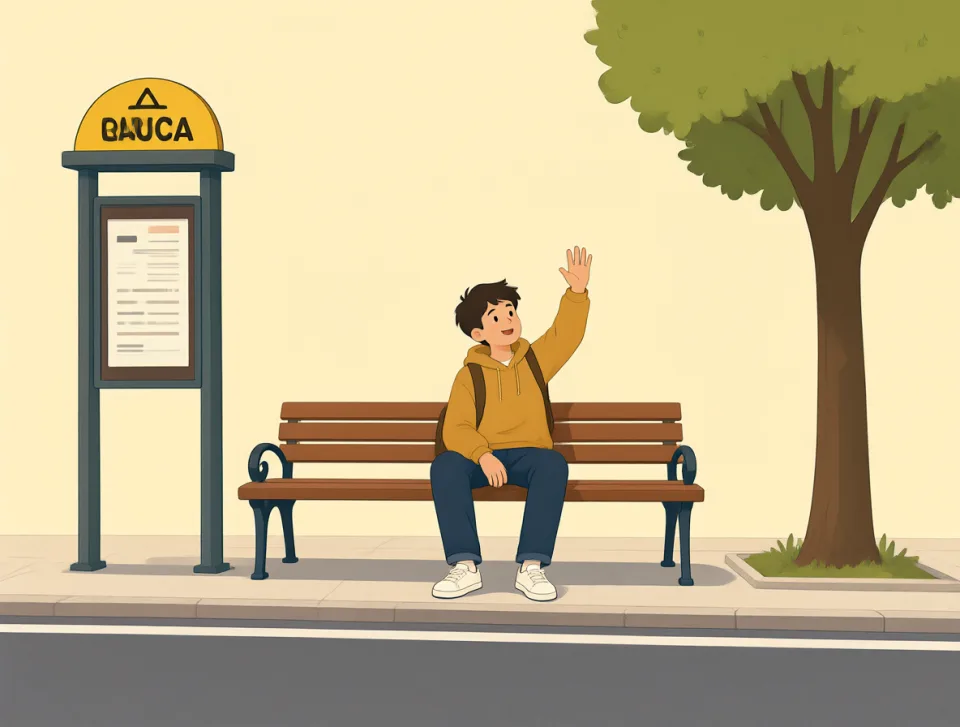
He was too lazy to take the bus, so he called a taxi.
他懶得坐公交車,所以叫了輛計程車。

Don't be lazy about your homework; finish it before you meet your friends.
做作業可別偷懶,去見朋友之前先把作業完成。

The lazy river carried us slowly past the trees at the water park.
水上樂園裡的懶人河緩緩地載著我們從樹木旁漂過。

hello
#2803interjection, noun, verb
你好;喂;問候;打招呼
A greeting used when meeting someone, or a way to begin a phone call.
用於見面時向別人打招呼,或用於開始電話交談的問候語。

Hello, Maya! It’s good to see you again after the holidays.
你好,Maya!假期過後又見到你真高興。

She said hello to the new student and showed him the classroom.
她向新來的學生打了聲招呼,並帶他參觀了教室。

I called the clinic to say hello and ask about my appointment.
我給診所打了電話,問候了一下,並詢問了預約的事。
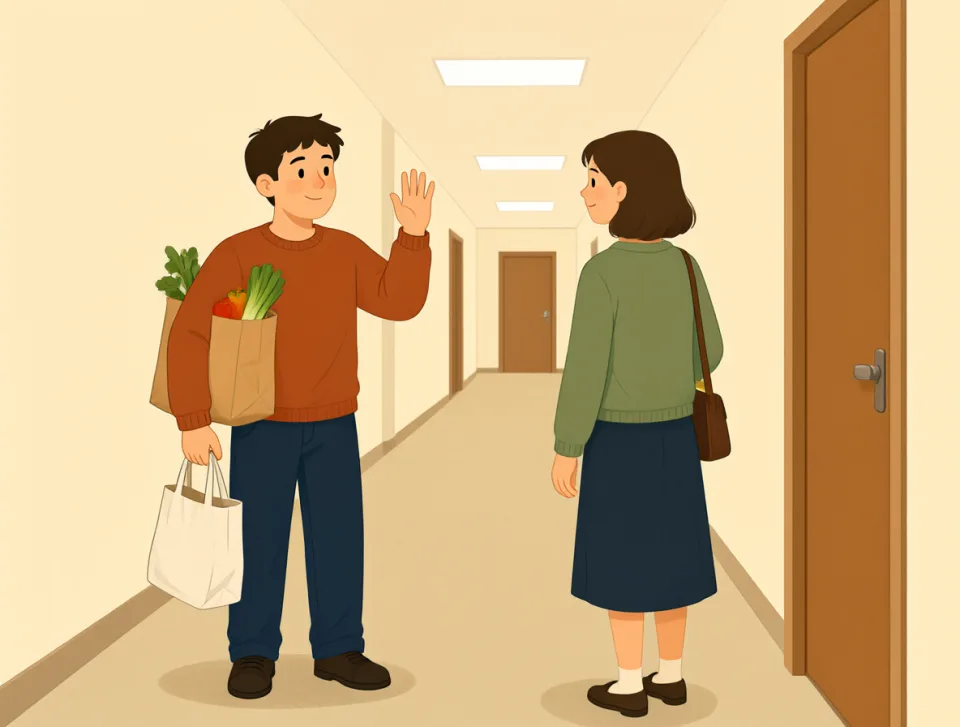
He waved hello to his neighbor while carrying groceries into the building.
他提著買來的東西走進大樓時,向鄰居揮手打招呼。
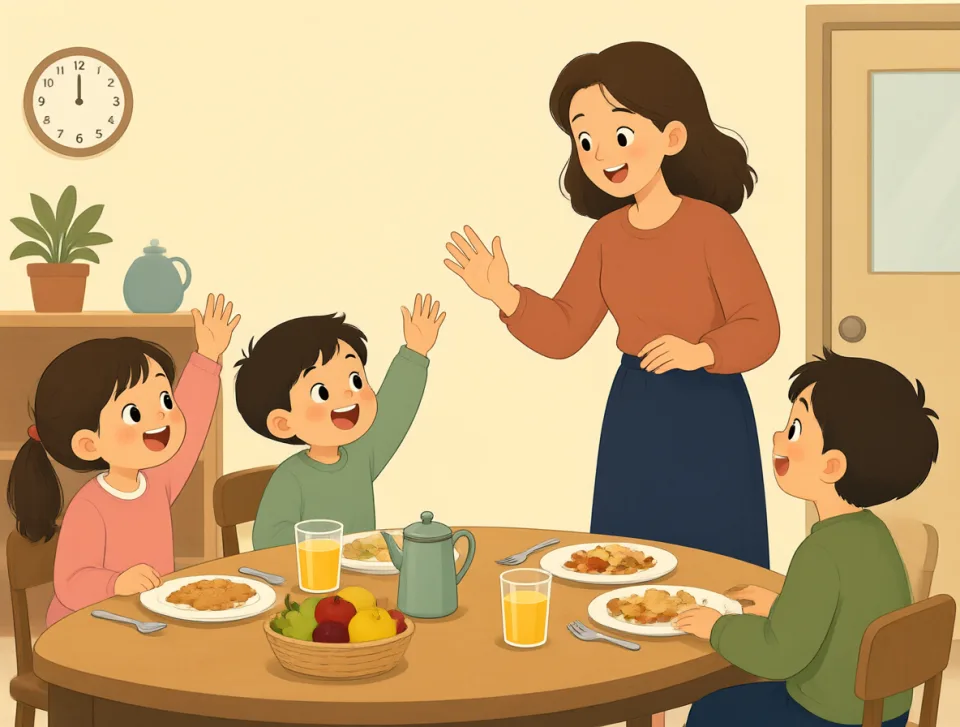
The children shouted hello when their teacher walked into the lunchroom.
老師走進餐廳時,孩子們大聲喊著向她問好。
hunger
#2804noun
飢餓;飢餓感;饑荒
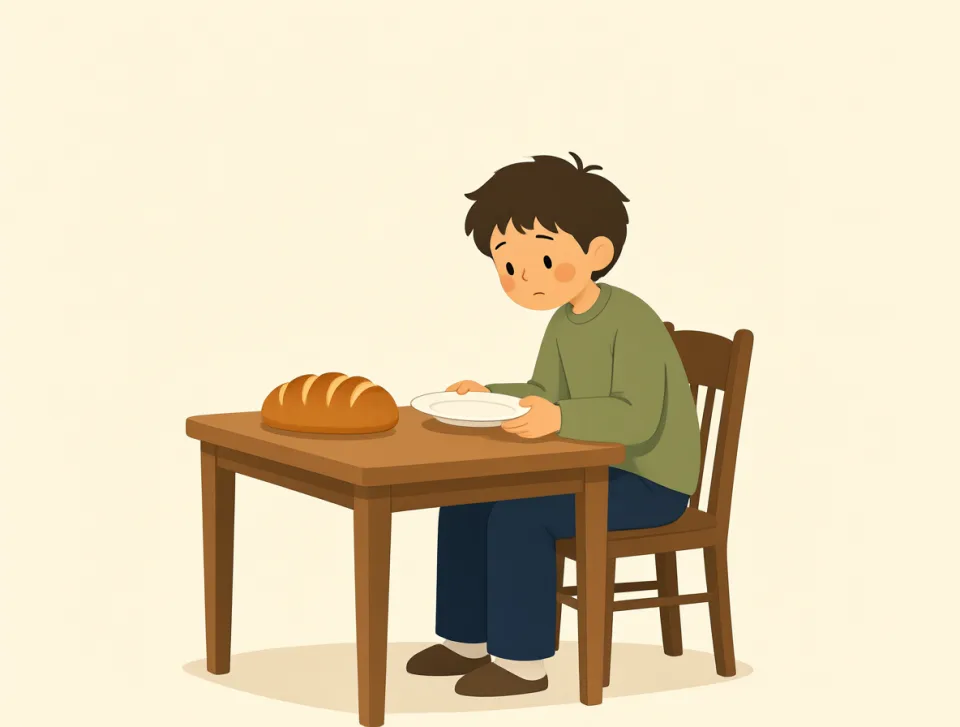
The feeling you have when you need or strongly want food.
當你需要或非常想吃東西時所產生的感覺。

After the long walk, our hunger made us stop for lunch.
走了很長一段路後,我們餓得停下來吃午飯。

She ate a bowl of soup to satisfy her hunger before class.
上課前,她喝了一碗湯來緩解飢餓。

Hunger kept him awake, so he made a sandwich in the middle of the night.
飢餓讓他無法入睡,所以他半夜起來做了個三明治。
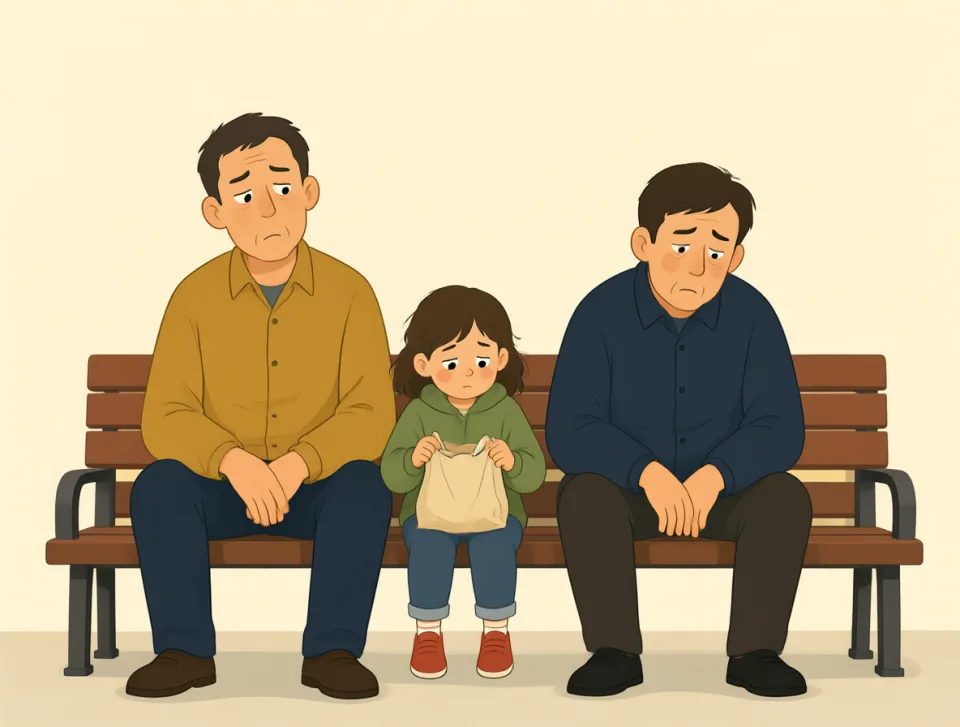
The family felt hunger after their train was delayed for several hours.
火車晚點了好幾個小時,一家人都餓了。
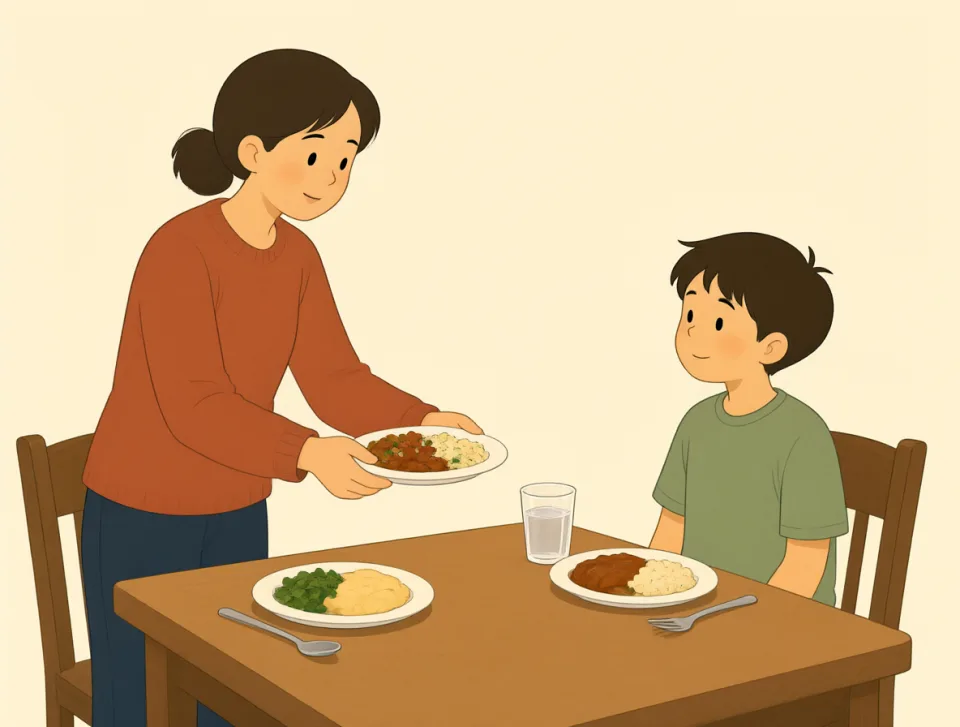
The charity provides meals for children suffering from hunger in the area.
這個慈善機構為當地遭受飢餓之苦的兒童提供餐食。
insure
#2805verb
投保;為……保險;給……上保險
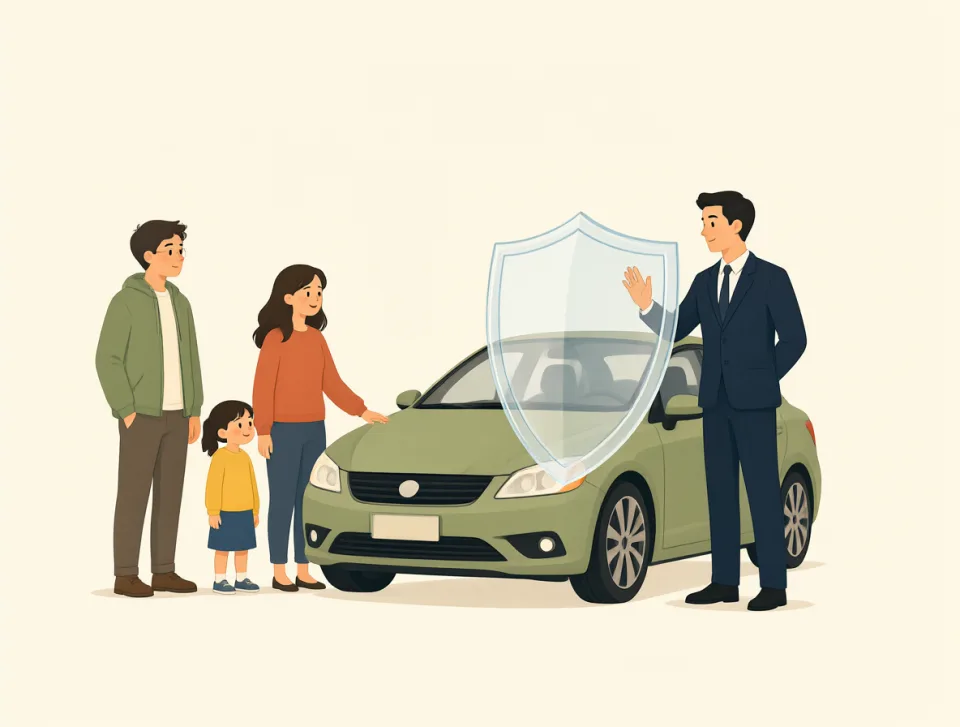
To protect someone or something financially against loss, damage, illness, or death.
透過保險為某人或某物提供經濟保障,以防發生損失、損壞、疾病或死亡。
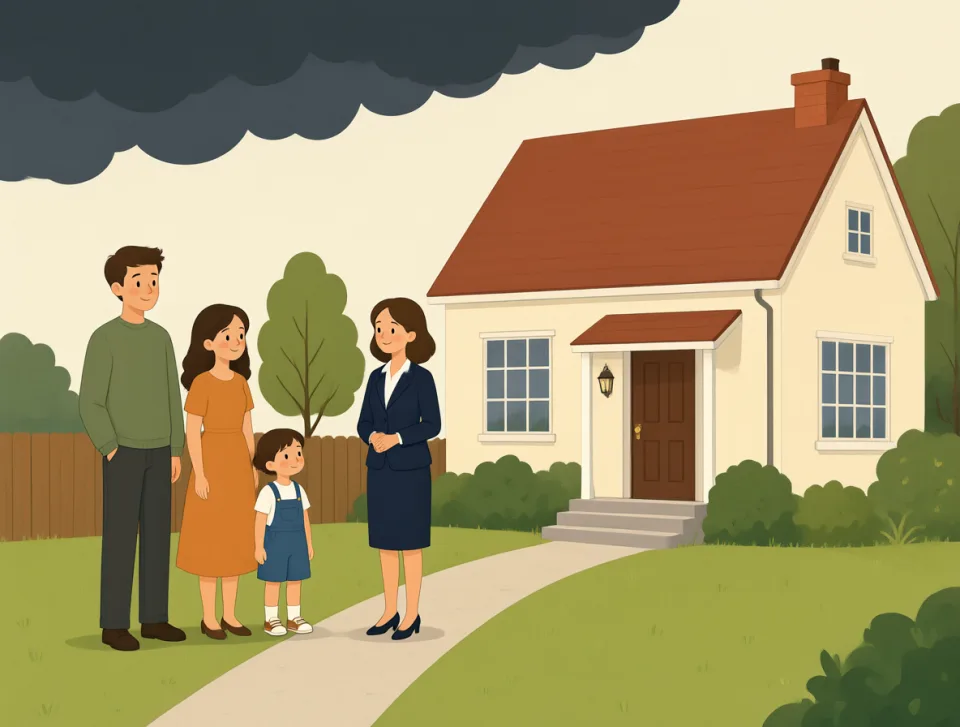
We insured our house against fire and serious storm damage.
我們給房子買了保險,以防發生火災或嚴重的暴風雨損壞。

She insured her new car before driving it to work.
她在開新車去上班之前,先給車買了保險。

The airline insured passengers against accidents during the flight.
航空公司為乘客購買了保險,以保障他們在飛行期間發生意外時的權益。

The museum insured the valuable painting before sending it overseas.
博物館在將這幅珍貴的畫作運往海外之前,為它買了保險。
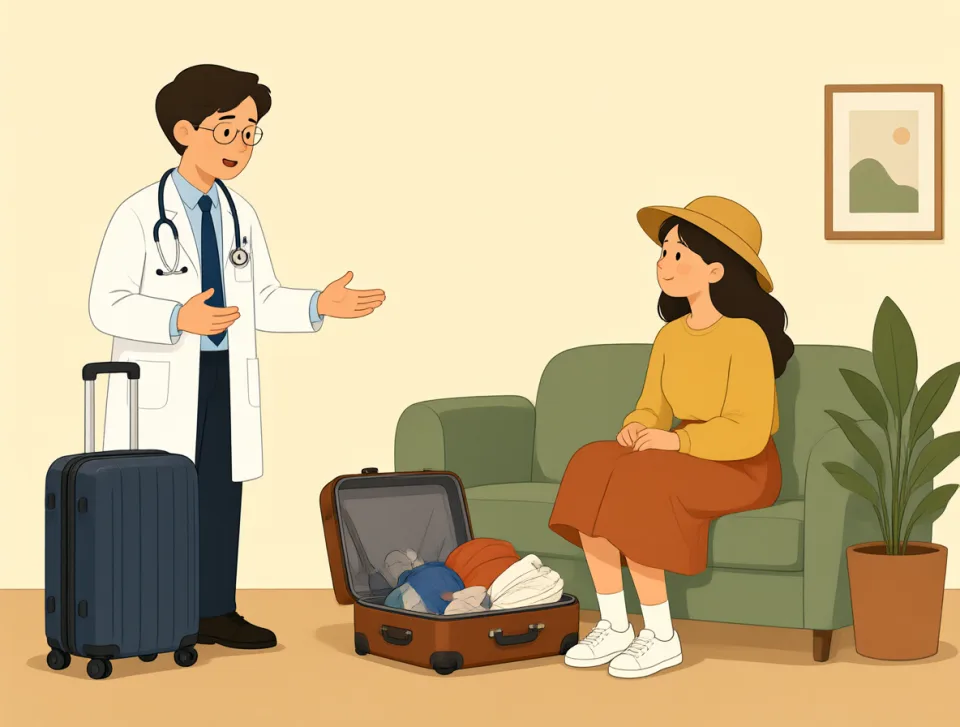
They insured their trip in case someone became seriously ill.
他們為這次旅行購買了保險,以防有人突發重病。
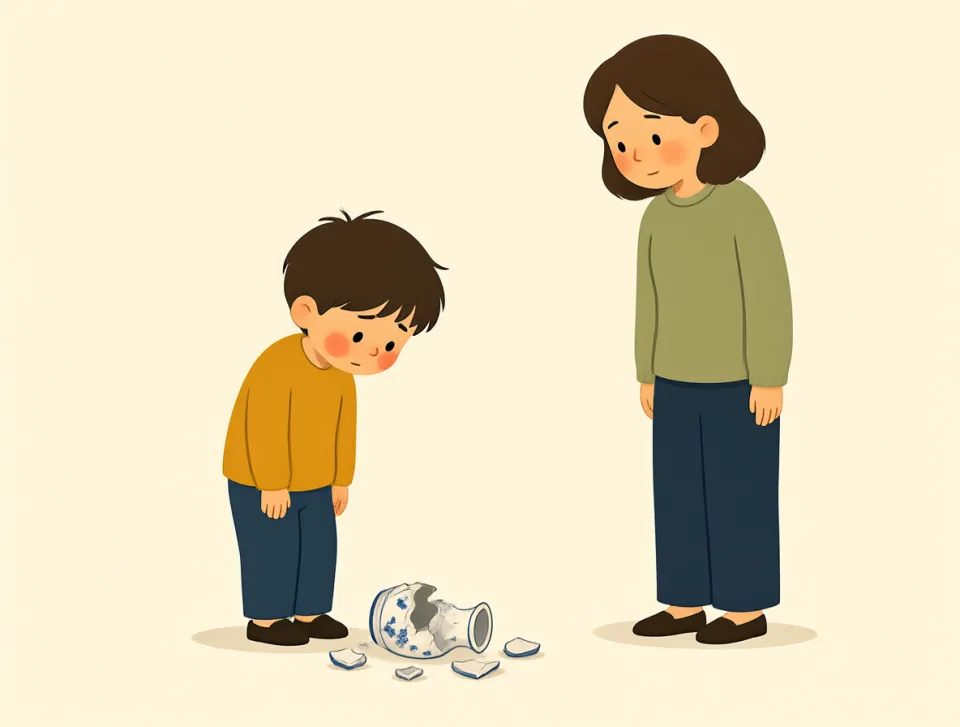
ashamed
#2806adjective
羞愧的;慚愧的;感到難為情的
Feeling bad or embarrassed because you have done something wrong or foolish.
因為自己做了錯事或蠢事而感到難過或難為情。
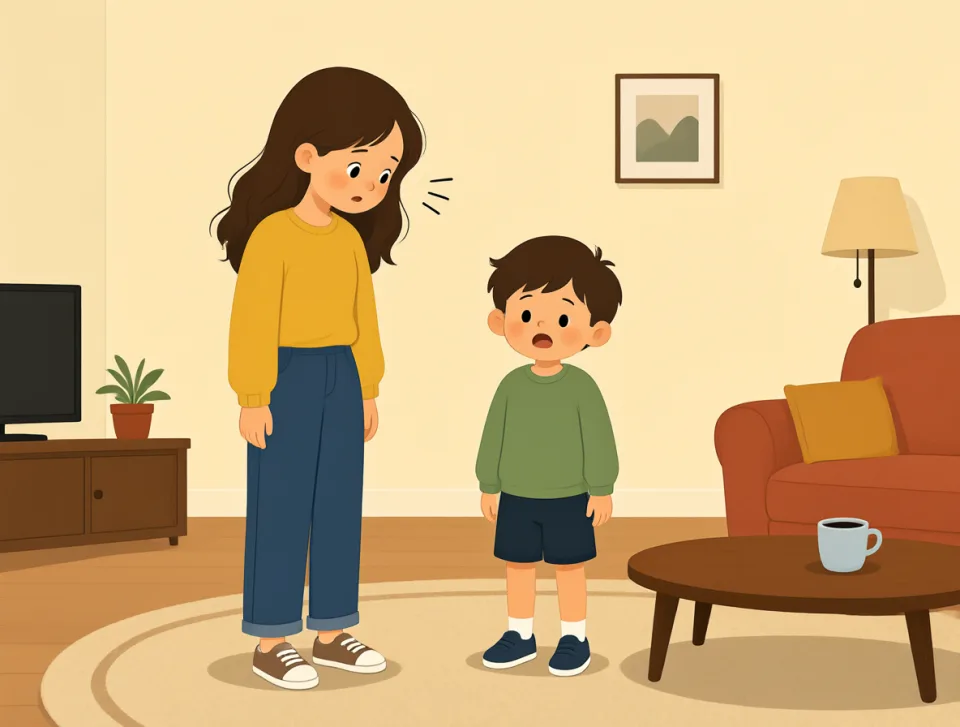
She felt ashamed of herself after shouting at her little brother.
她對著弟弟大喊大叫後,感到很慚愧。

He was ashamed to admit that he had forgotten his manager's instructions.
他不好意思承認自己忘記了經理的指示。

The student felt ashamed when the teacher found his unfinished homework.
老師發現學生的作業還沒完成時,那個學生感到很羞愧。
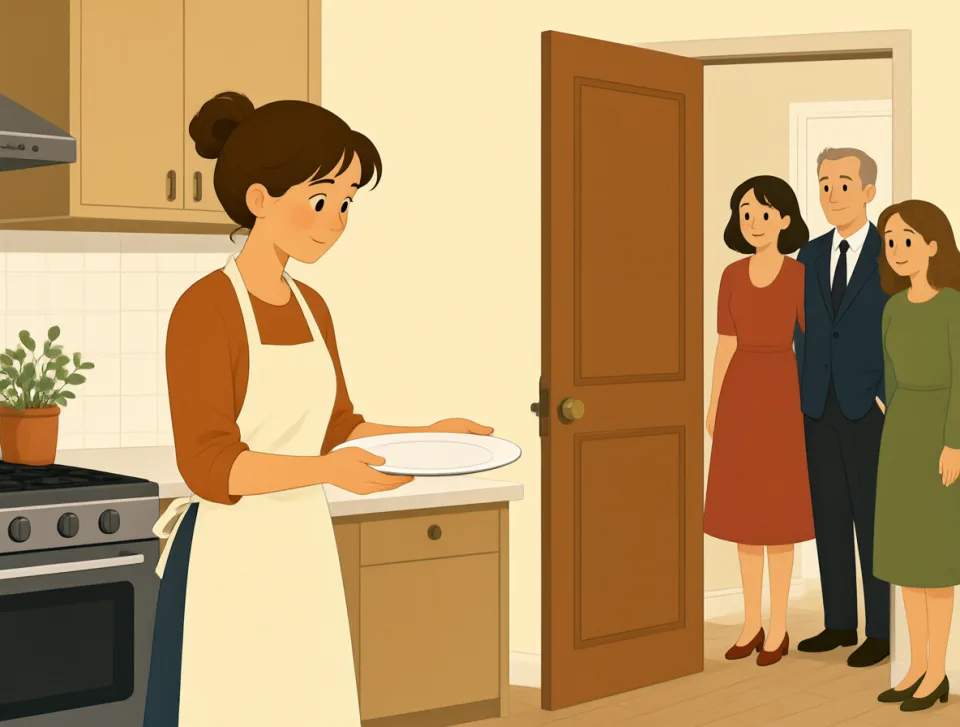
I felt ashamed after eating the whole cake before our guests arrived.
客人還沒到,我就把整個蛋糕吃光了,事後感到很不好意思。
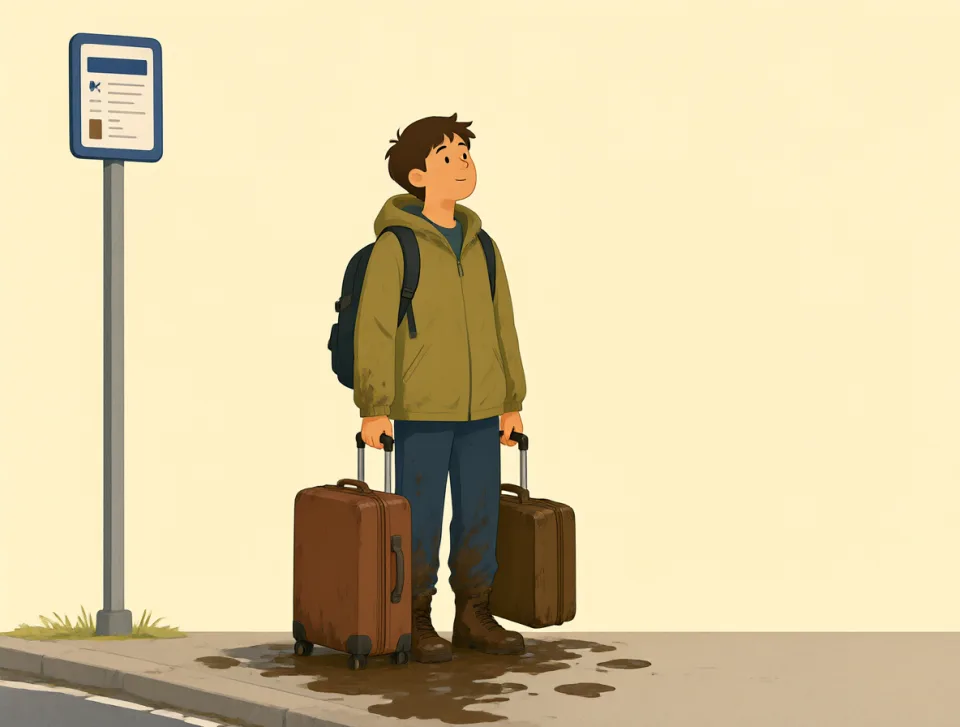
She was ashamed of her dirty clothes after missing the bus in the rain.
她在雨中錯過公交車後,衣服弄得髒兮兮的,感到很難為情。
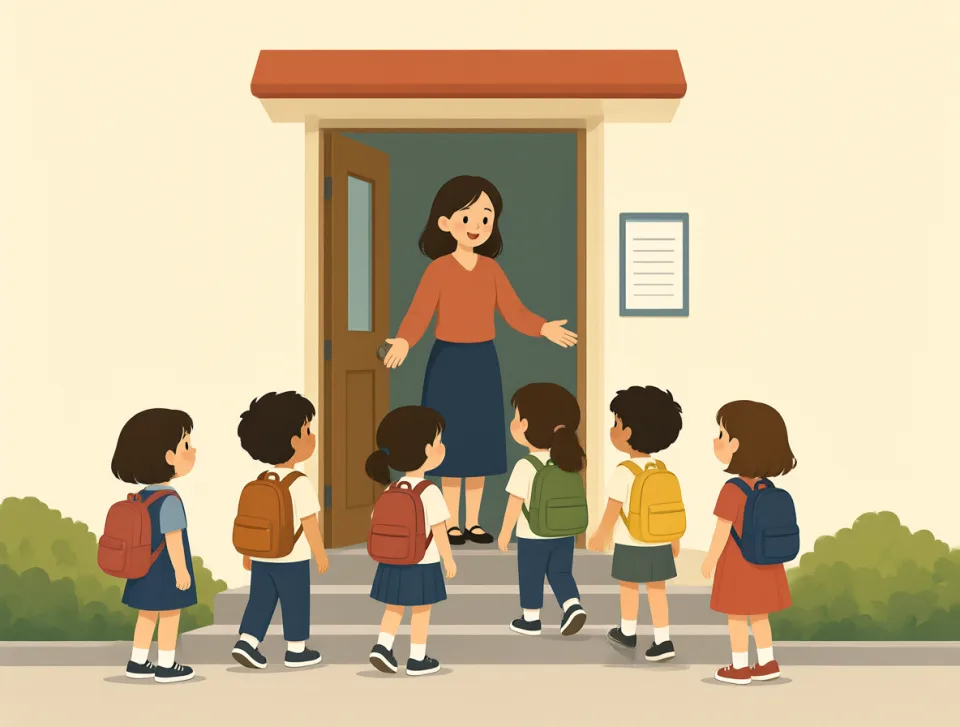
found
#2807verb
找到;創辦;成立
Started an organization, company, school, or other institution.
創辦了一個組織、公司、學校或其他機構。
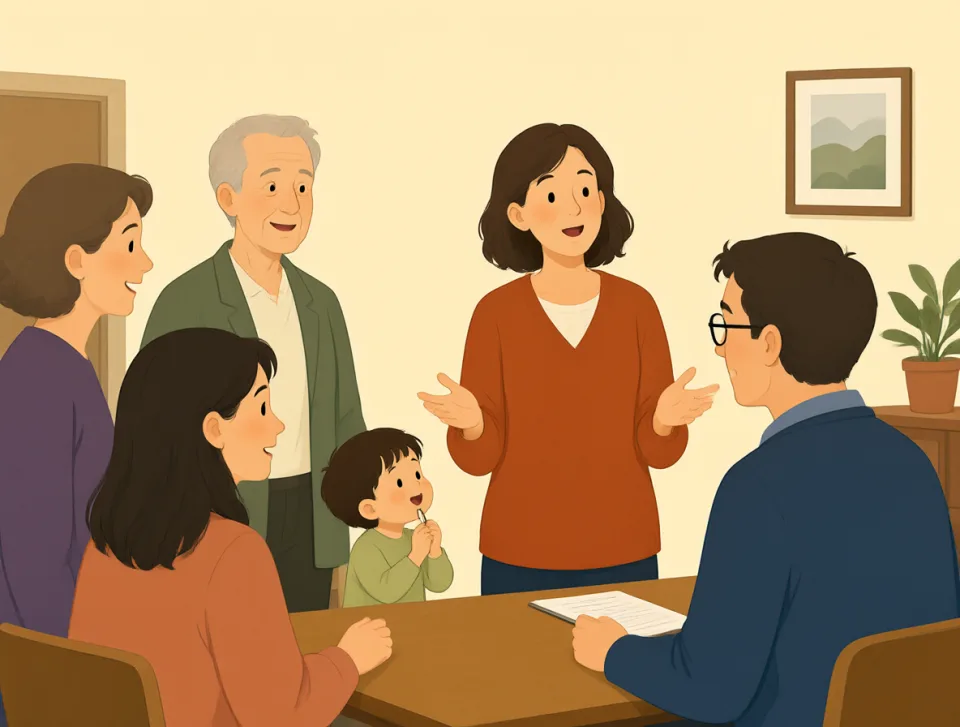
She found a local charity to help families after the storm.
她創辦了一個當地的慈善機構,幫助暴風雨後的家庭。

My grandparents found a small bakery in the village after they retired.
我的祖父母退休後在村裡開了一家小麵包店。

The students found a study group to prepare for their exams together.
學生們成立了一個學習小組,一起準備考試。

We found a quiet hotel near the station for our weekend trip.
我們在車站附近找到了一家安靜的酒店,準備週末去住。

He found a better way to organize the weekly team meeting.
他找到了一個更好的方法來安排每週的團隊會議。

blog
#2808noun, verb
部落格;寫部落格
A website or page where someone regularly shares articles, opinions, or updates.
一個網站或網頁,人們可以在上面定期分享文章、觀點或最新動態。

I read a travel blog before choosing a hotel in Rome.
在決定住羅馬的哪家酒店之前,我先看了一篇旅遊部落格。

She writes a food blog and shares easy recipes with her friends.
她經營著一個美食部落格,經常和朋友們分享簡單易做的食譜。

Our teacher asked us to write a blog about a book we enjoyed.
老師讓我們寫一篇部落格,介紹一本自己喜歡的書。

He started a blog to share advice about finding a job.
他開了一個部落格,分享求職方面的建議。

They blog about local walks and post new pictures every weekend.
他們經常寫部落格,分享當地的徒步路線,每個週末都會發布新的照片。
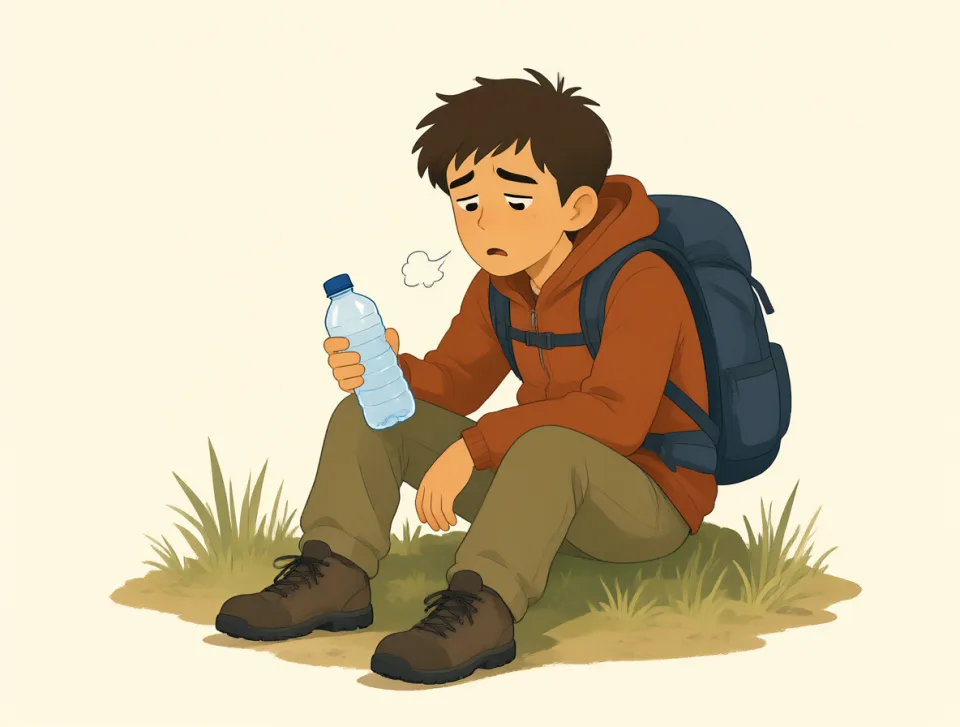
thirst
#2809noun
口渴;渴意
The feeling of needing or wanting to drink something.
想要或需要喝東西時產生的感覺。

After playing football, I drank two glasses of water to satisfy my thirst.
踢完足球后,我喝了兩杯水來解渴。

The long walk through the hot city increased our thirst.
在炎熱的城市裡走了很長一段路,讓我們更加口渴。
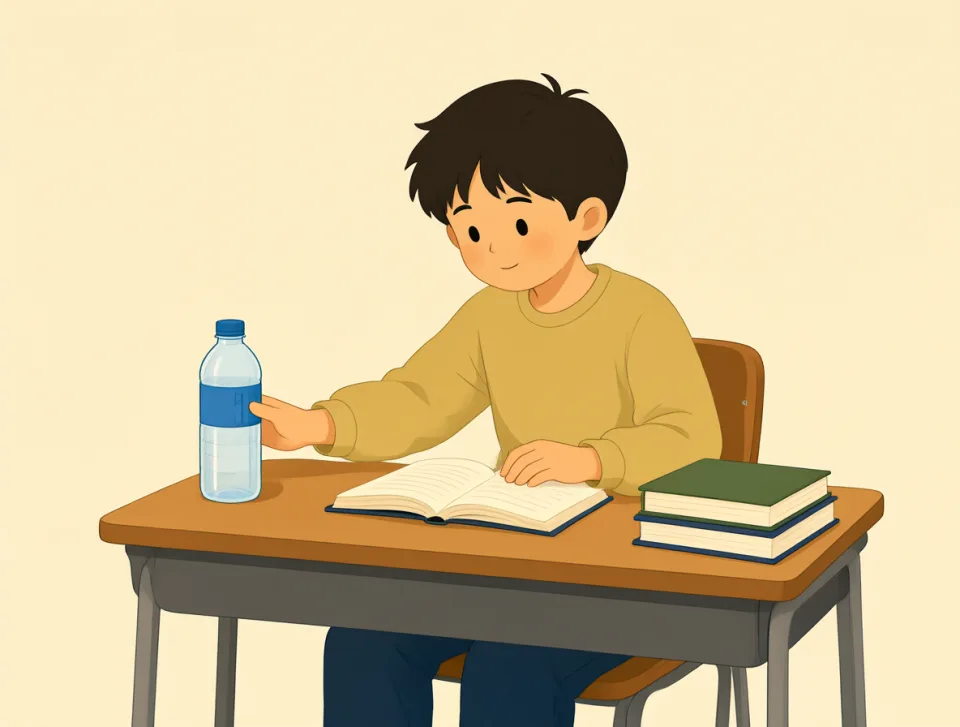
Keep a bottle of water nearby when thirst comes during class.
上課時如果覺得口渴,記得在身邊放一瓶水。

The salty popcorn made me so thirsty that I bought a drink.
鹹味爆米花讓我渴得不得了,於是我買了一杯飲料。

She woke during the night with a terrible thirst and drank some water.
她半夜醒來,感到口渴得厲害,於是喝了些水。