इकाई 141
शब्द 2801–2809 · alright, lazy, hello, hunger, insure, ashamed

alright
#2801adjective, adverb
ठीक
Used to say that something is acceptable, satisfactory, or not causing problems.
इसका उपयोग यह बताने के लिए होता है कि कोई चीज़ स्वीकार्य या संतोषजनक है, या उससे कोई समस्या नहीं हो रही है।
Are you alright after your fall?
गिरने के बाद तुम ठीक हो?

It’s alright if you arrive a little late.
तुम थोड़ा देर से आओ, तो भी कोई बात नहीं।
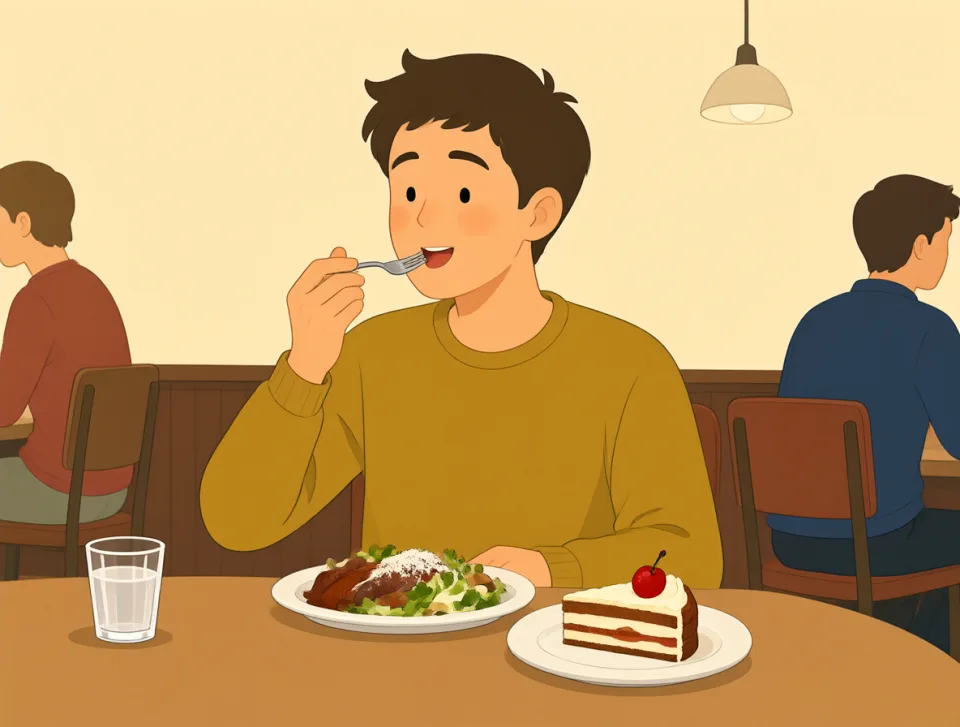
The food was alright, but the dessert was much better.
खाना ठीक-ठाक था, लेकिन मिठाई कहीं ज़्यादा अच्छी थी।
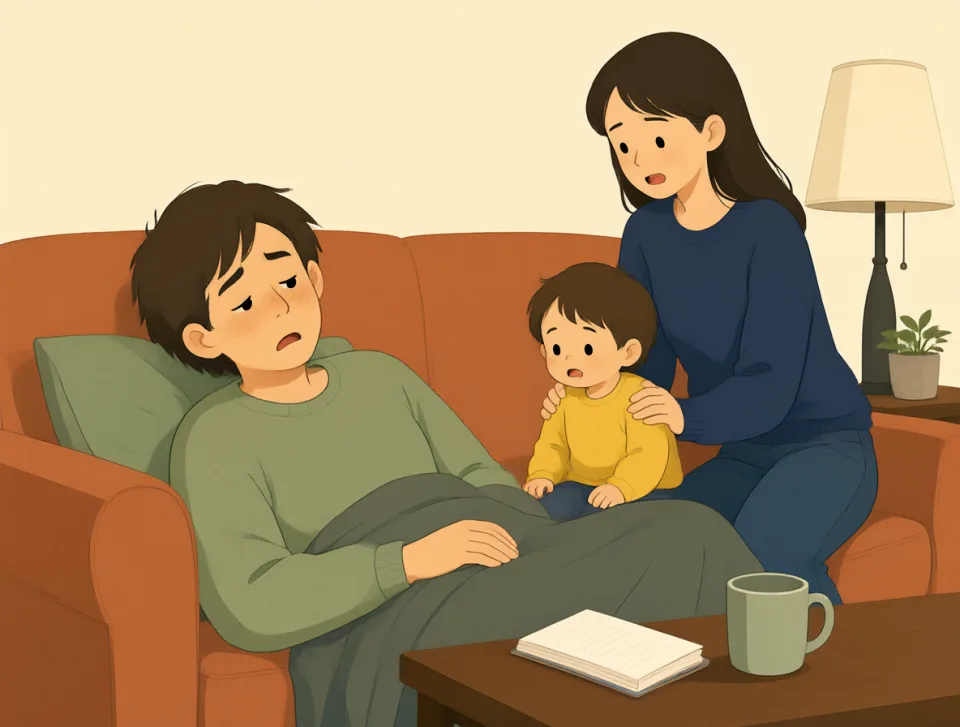
I’m alright now; I just need to rest for a while.
अब मैं ठीक हूँ; बस थोड़ी देर आराम करना है।

Alright, let’s meet outside the station at six.
ठीक है, छह बजे स्टेशन के बाहर मिलते हैं।
lazy
#2802adjective
आलसी
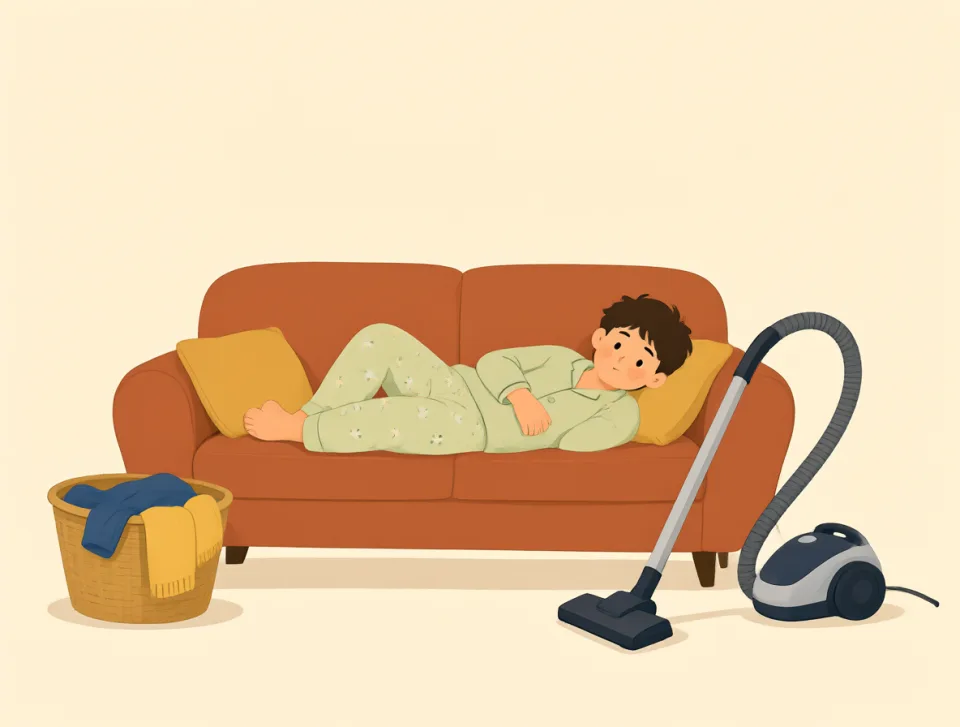
Unwilling to work or use effort; wanting to avoid activity.
काम करने या मेहनत करने की इच्छा न होना; किसी गतिविधि से बचना चाहना।
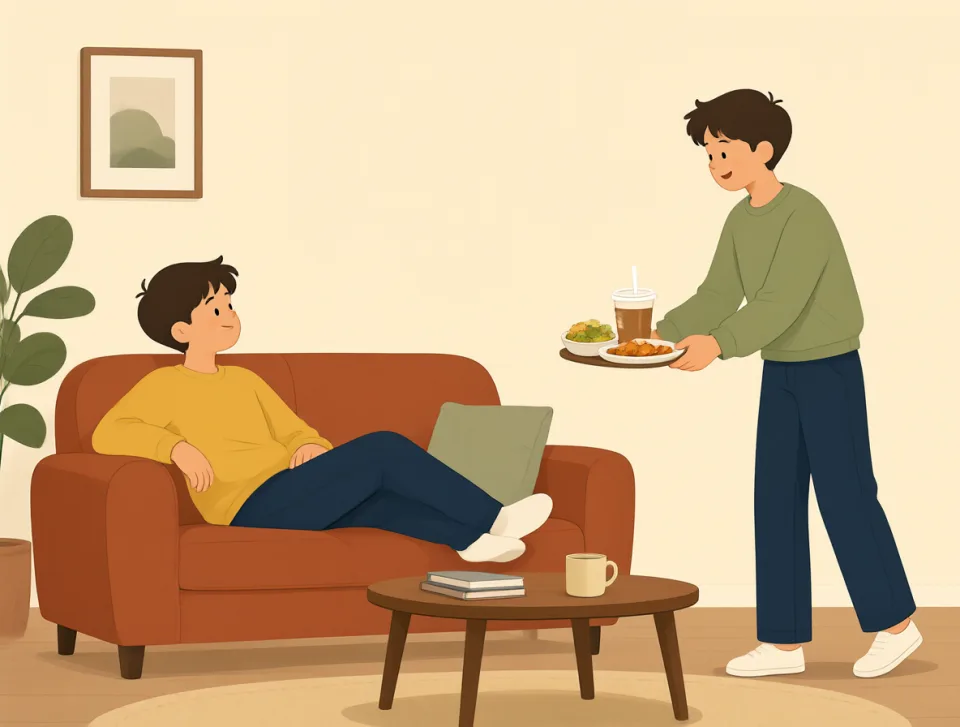
I felt too lazy to cook, so we ordered dinner instead.
खाना बनाने का मन नहीं था, इसलिए हमने इसके बजाय रात का खाना मँगवा लिया।
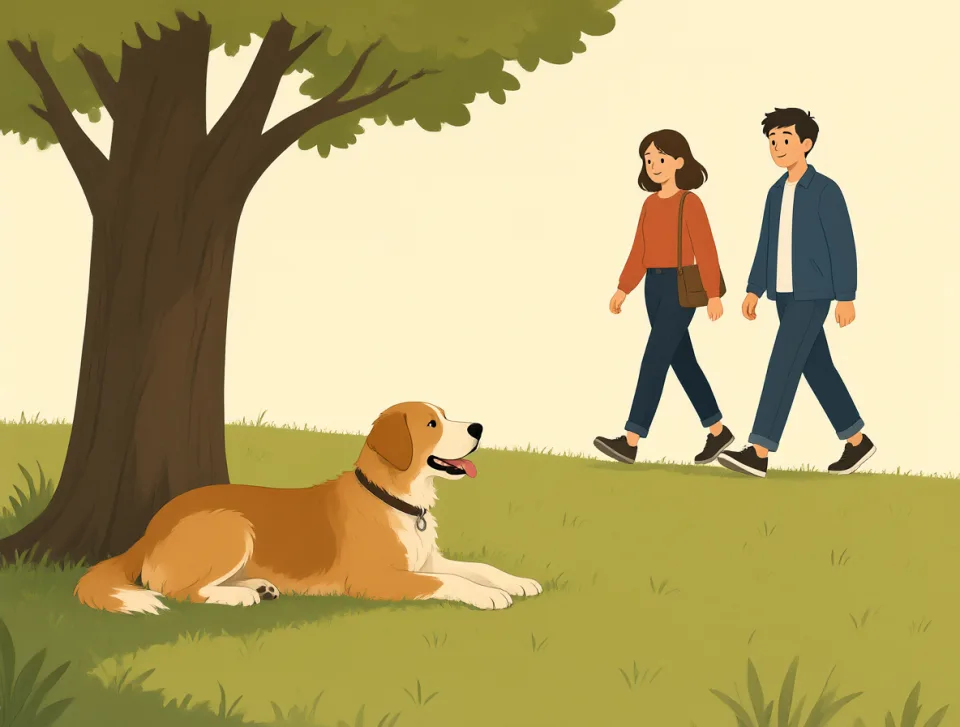
Our lazy dog stayed in the shade while we walked around the park.
हमारा आलसी कुत्ता छाया में ही पड़ा रहा, जबकि हम पार्क में घूमते रहे।
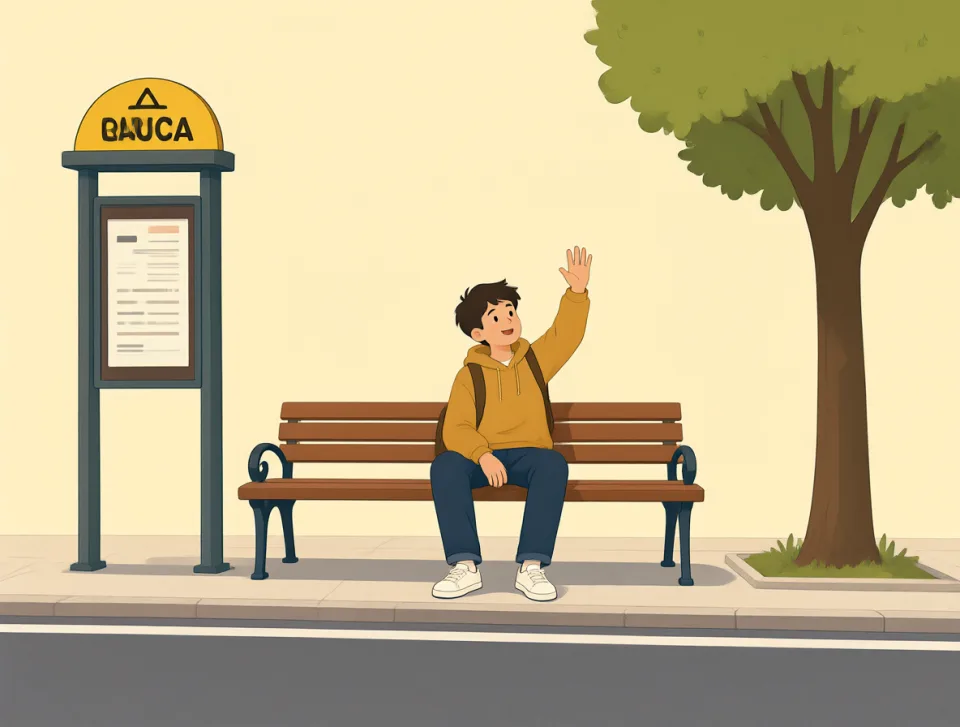
He was too lazy to take the bus, so he called a taxi.
वह बस लेने में इतना आलस कर रहा था कि उसने टैक्सी बुला ली।

Don't be lazy about your homework; finish it before you meet your friends.
होमवर्क करने में आलस मत करो; दोस्तों से मिलने से पहले इसे पूरा कर लो।

The lazy river carried us slowly past the trees at the water park.
वॉटर पार्क की आलसी नदी हमें पेड़ों के पास से धीरे-धीरे बहाकर ले गई।

hello
#2803interjection, noun, verb
नमस्ते
A greeting used when meeting someone, or a way to begin a phone call.
किसी से मिलते समय अभिवादन के लिए या फ़ोन पर बातचीत शुरू करने के लिए कहा जाने वाला शब्द।

Hello, Maya! It’s good to see you again after the holidays.
नमस्ते, Maya! छुट्टियों के बाद तुमसे फिर मिलकर अच्छा लगा।

She said hello to the new student and showed him the classroom.
उसने नए छात्र का अभिवादन किया और उसे कक्षा दिखाई।

I called the clinic to say hello and ask about my appointment.
मैंने क्लिनिक में फ़ोन करके नमस्ते कहा और अपनी अपॉइंटमेंट के बारे में पूछा।
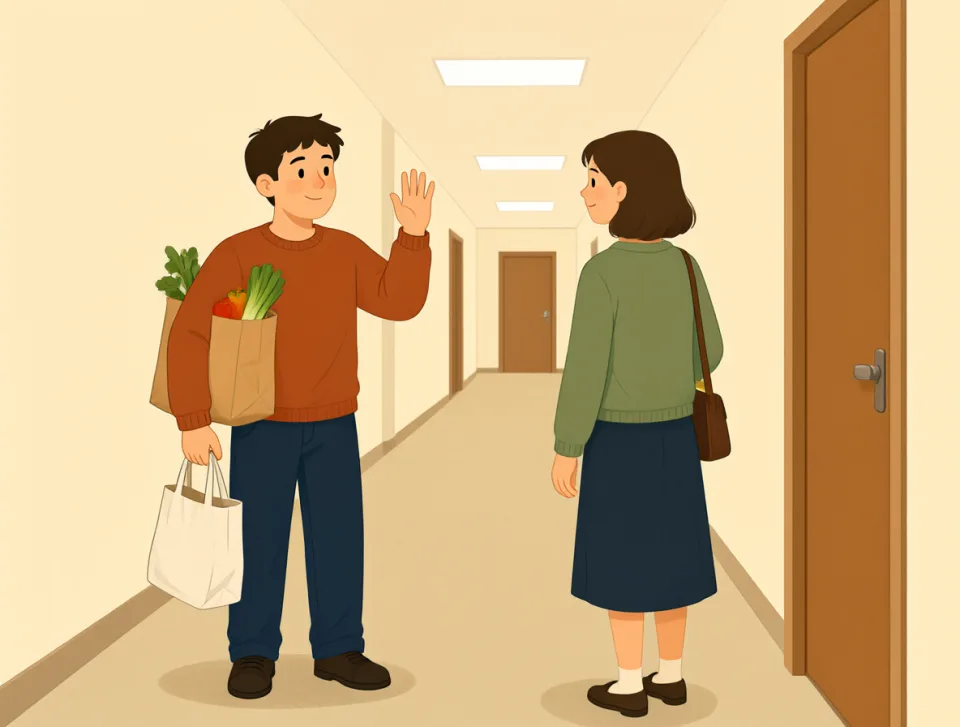
He waved hello to his neighbor while carrying groceries into the building.
किराने का सामान इमारत के अंदर ले जाते हुए उसने अपने पड़ोसी को हाथ हिलाकर नमस्ते किया।
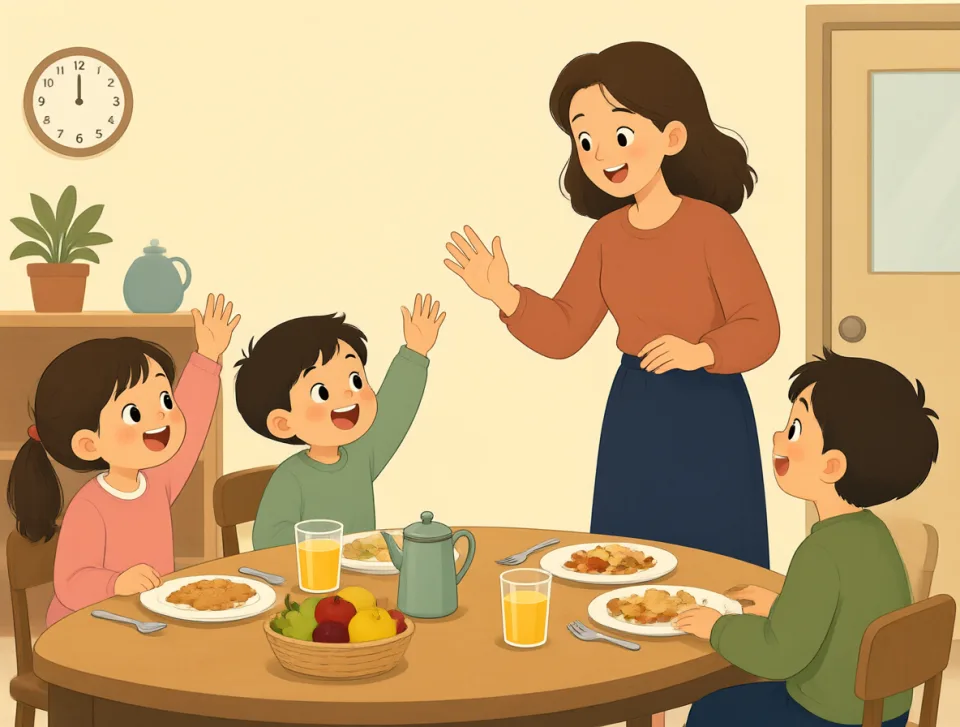
The children shouted hello when their teacher walked into the lunchroom.
जब उनकी शिक्षिका दोपहर के भोजन वाले कमरे में आईं, तो बच्चों ने ज़ोर से नमस्ते कहा।
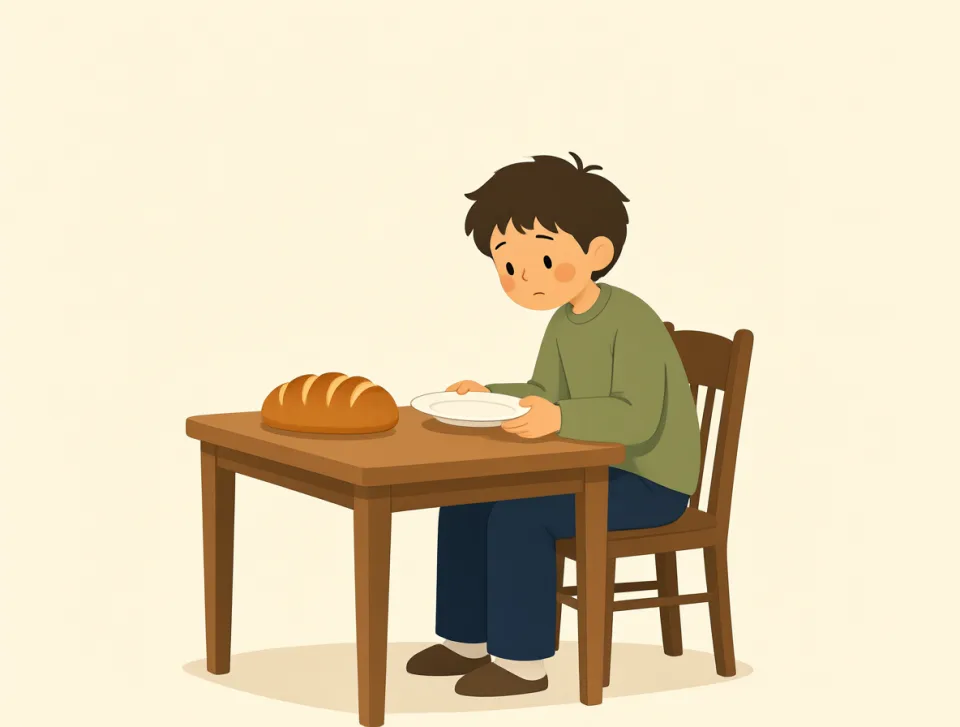
hunger
#2804noun
भूख
The feeling you have when you need or strongly want food.
खाने की ज़रूरत महसूस होने या खाने की तीव्र इच्छा होने पर जो एहसास होता है।

After the long walk, our hunger made us stop for lunch.
लंबी पैदल यात्रा के बाद भूख लगने पर हम दोपहर का खाना खाने रुक गए।

She ate a bowl of soup to satisfy her hunger before class.
कक्षा से पहले भूख मिटाने के लिए उसने एक कटोरी सूप खाया।
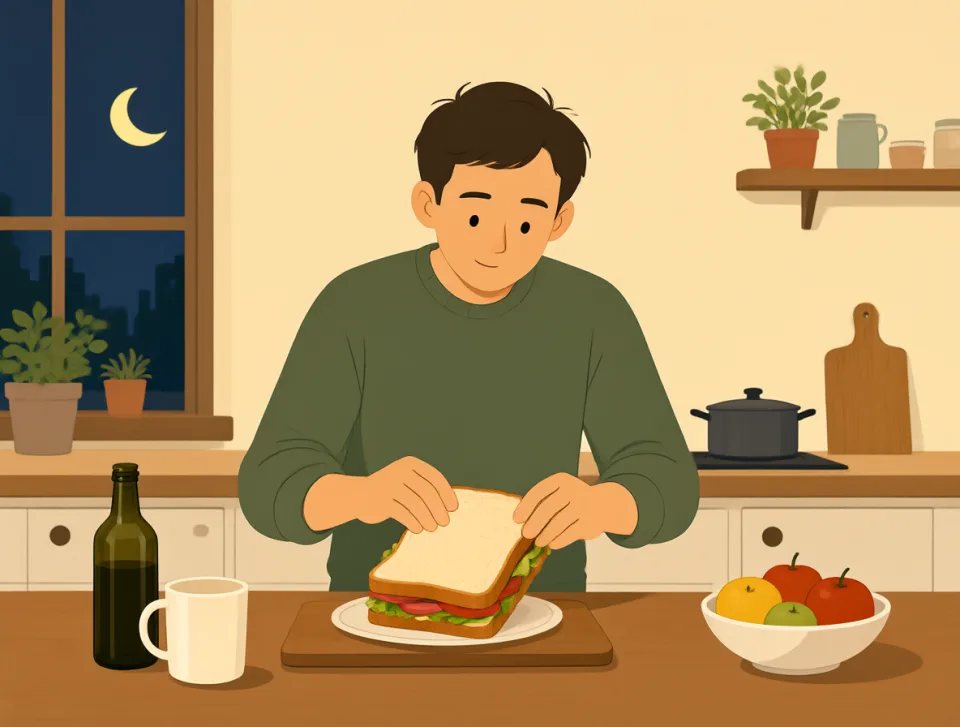
Hunger kept him awake, so he made a sandwich in the middle of the night.
भूख के कारण उसे नींद नहीं आई, इसलिए उसने आधी रात को सैंडविच बनाया।
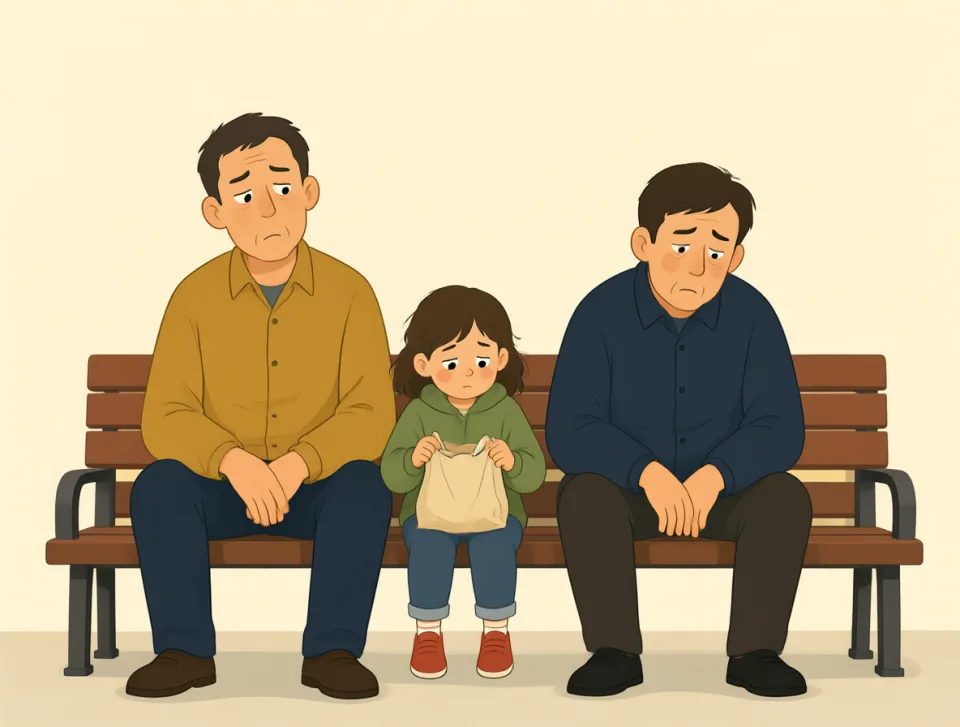
The family felt hunger after their train was delayed for several hours.
ट्रेन कई घंटों तक देर से आई, जिसके बाद परिवार को भूख लग गई।
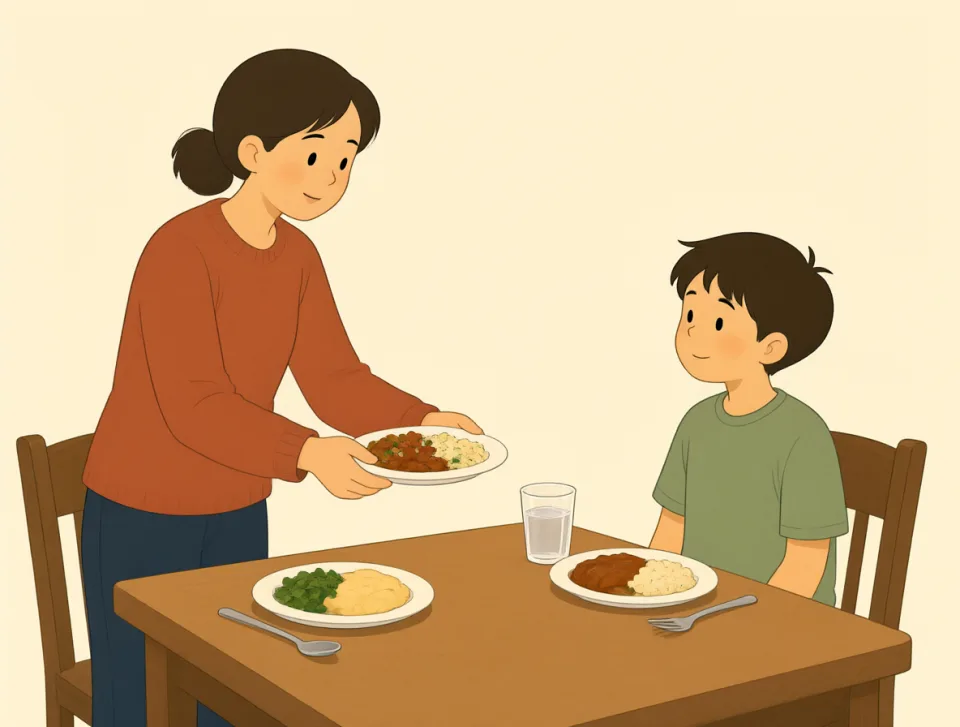
The charity provides meals for children suffering from hunger in the area.
यह संस्था इलाके में भूख से जूझ रहे बच्चों को खाना देती है।
insure
#2805verb
बीमा कराना
To protect someone or something financially against loss, damage, illness, or death.
किसी व्यक्ति या चीज़ को नुकसान, क्षति, बीमारी या मृत्यु के कारण होने वाले आर्थिक नुकसान से सुरक्षित करना।
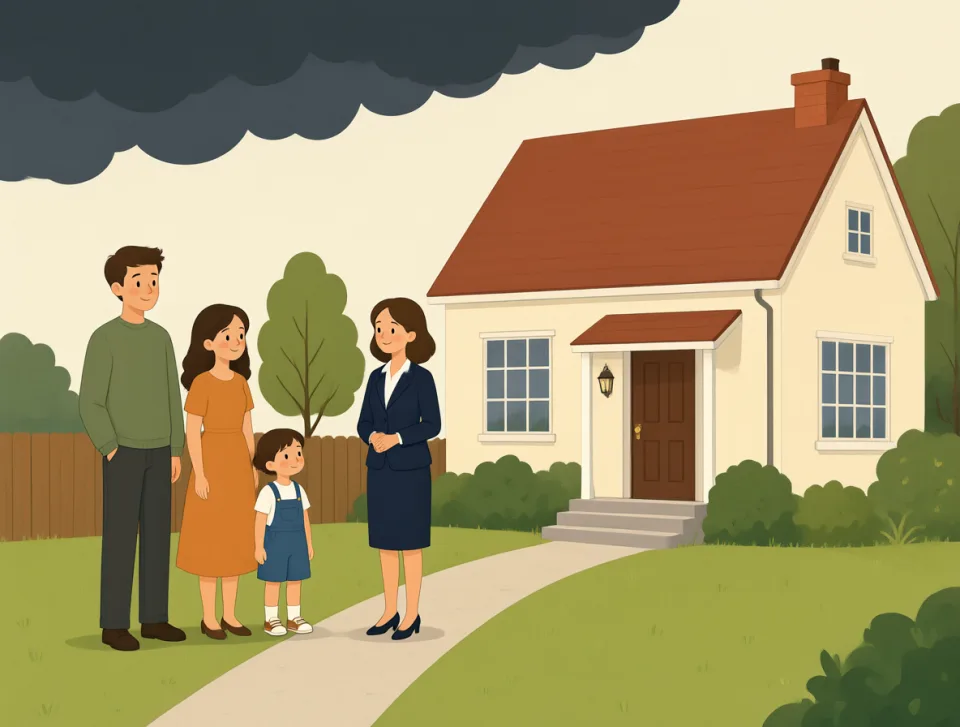
We insured our house against fire and serious storm damage.
हमने अपने घर का आग और तूफ़ान से होने वाले गंभीर नुकसान के खिलाफ़ बीमा कराया।

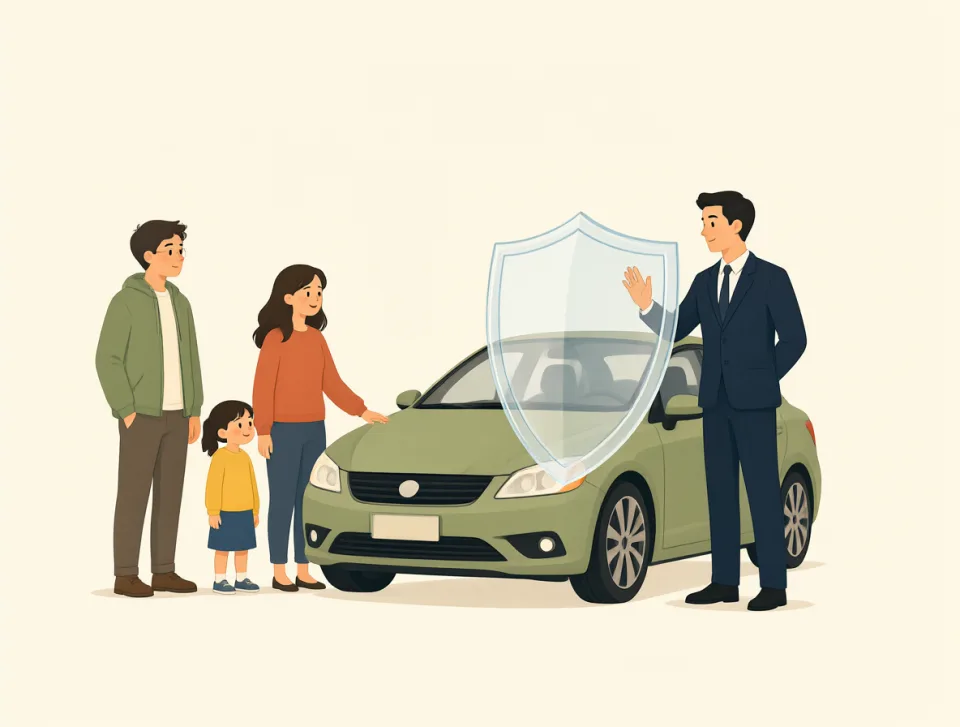
She insured her new car before driving it to work.
काम पर गाड़ी चलाकर जाने से पहले उसने अपनी नई कार का बीमा कराया।

The airline insured passengers against accidents during the flight.
एयरलाइन ने उड़ान के दौरान यात्रियों का दुर्घटनाओं के खिलाफ़ बीमा कराया।

The museum insured the valuable painting before sending it overseas.
विदेश भेजने से पहले संग्रहालय ने मूल्यवान पेंटिंग का बीमा कराया।
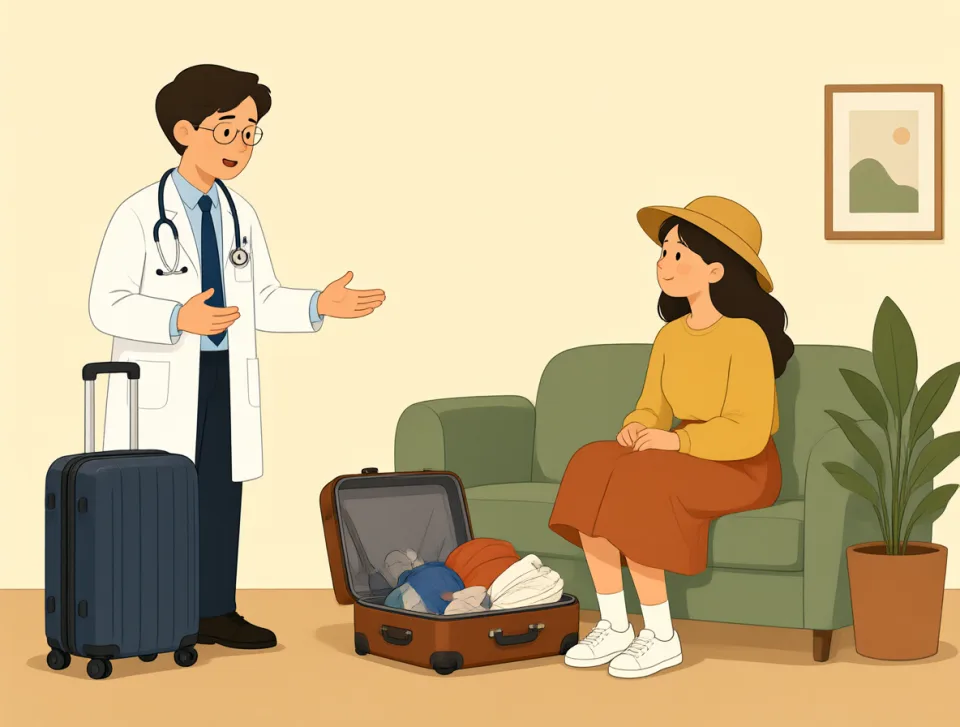
They insured their trip in case someone became seriously ill.
उन्होंने इस स्थिति के लिए अपनी यात्रा का बीमा कराया कि कोई गंभीर रूप से बीमार पड़ जाए।
ashamed
#2806adjective
शर्मिंदा
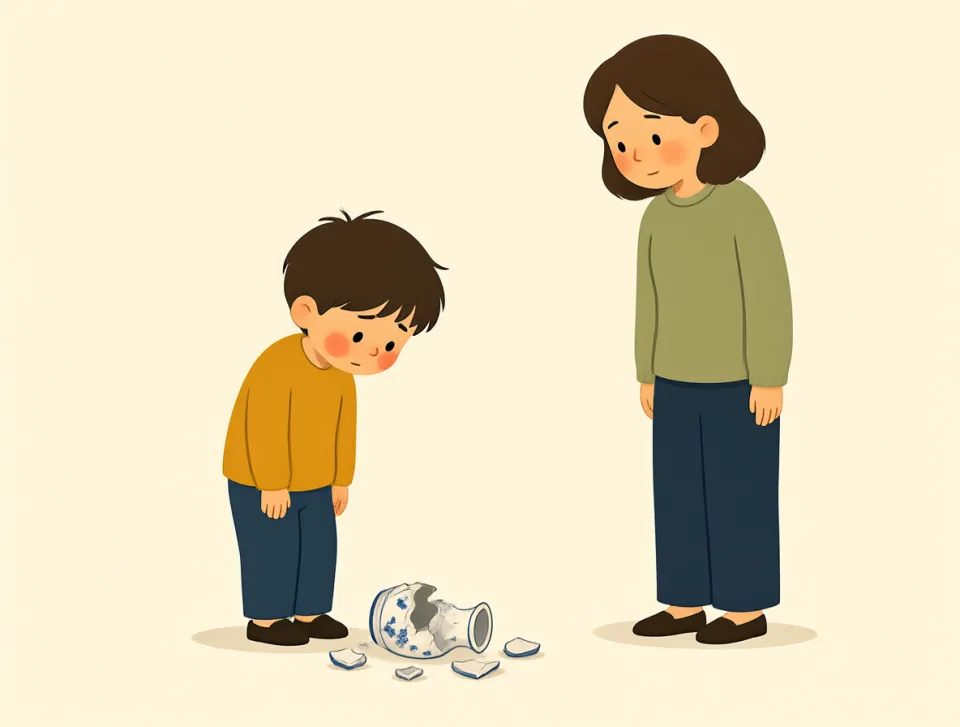
Feeling bad or embarrassed because you have done something wrong or foolish.
कुछ गलत या मूर्खतापूर्ण करने के कारण बुरा या शर्मिंदा महसूस करना।
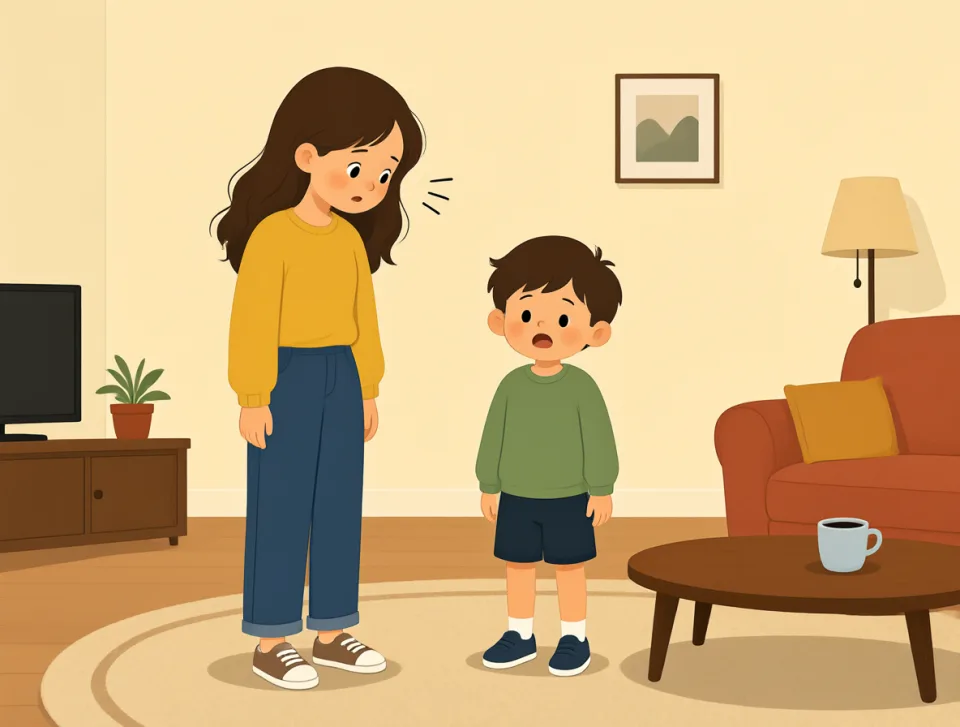
She felt ashamed of herself after shouting at her little brother.
अपने छोटे भाई पर चिल्लाने के बाद उसे खुद पर शर्मिंदगी महसूस हुई।

He was ashamed to admit that he had forgotten his manager's instructions.
उसे यह स्वीकार करने में शर्म आ रही थी कि वह अपने मैनेजर के निर्देश भूल गया था।

The student felt ashamed when the teacher found his unfinished homework.
जब शिक्षक ने उसका अधूरा गृहकार्य देखा, तो छात्र को शर्मिंदगी महसूस हुई।
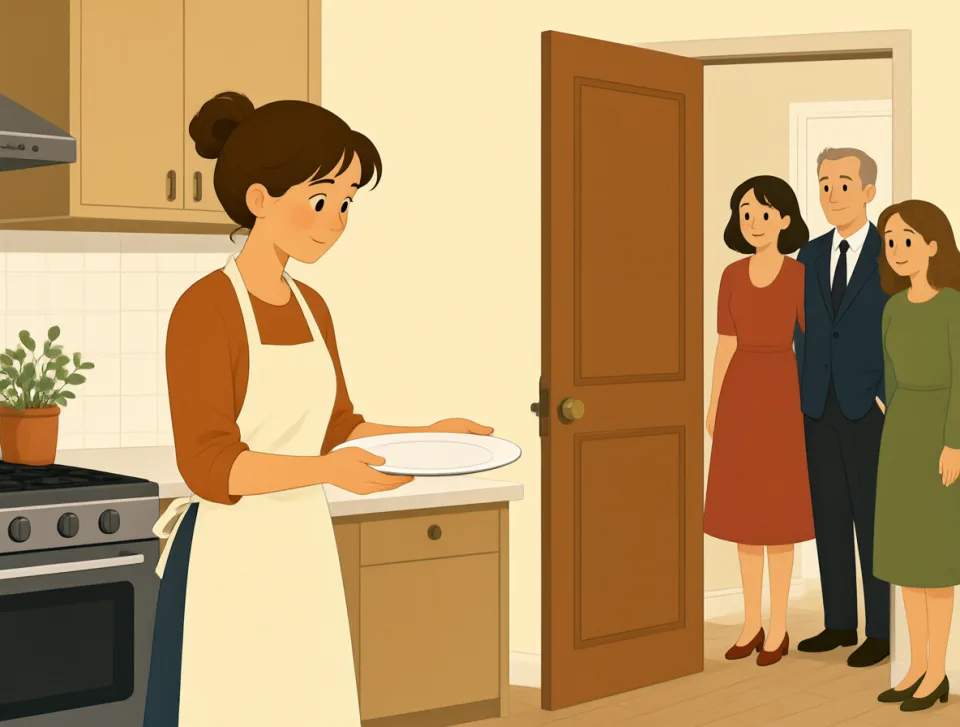
I felt ashamed after eating the whole cake before our guests arrived.
हमारे मेहमानों के आने से पहले पूरा केक खा लेने के बाद मुझे शर्मिंदगी महसूस हुई।
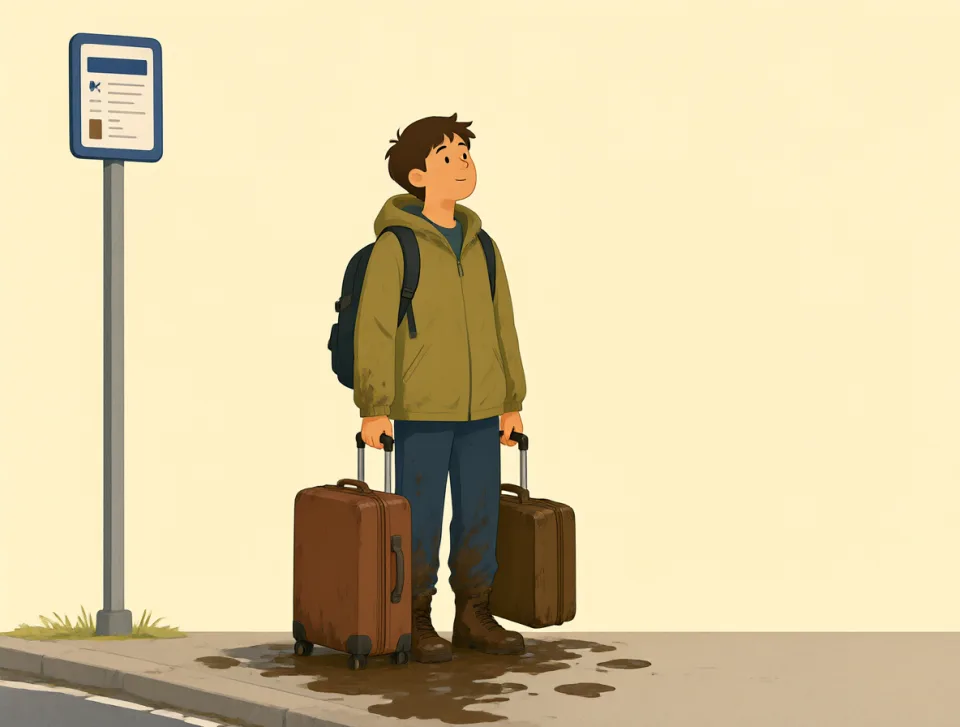
She was ashamed of her dirty clothes after missing the bus in the rain.
बारिश में बस छूट जाने के बाद उसके गंदे कपड़ों को लेकर उसे शर्मिंदगी महसूस हुई।
found
#2807verb
स्थापित किया
Started an organization, company, school, or other institution.
किसी संगठन, कंपनी, स्कूल या अन्य संस्था की शुरुआत की।
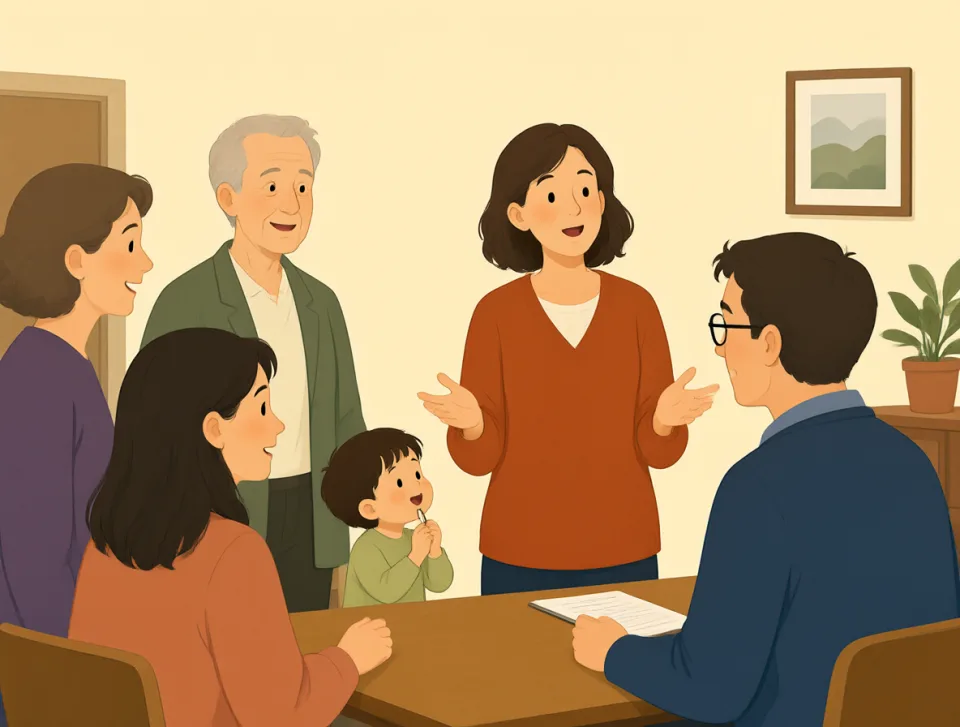
She found a local charity to help families after the storm.
तूफ़ान के बाद परिवारों की मदद करने के लिए उसने एक स्थानीय धर्मार्थ संस्था ढूँढ़ ली।
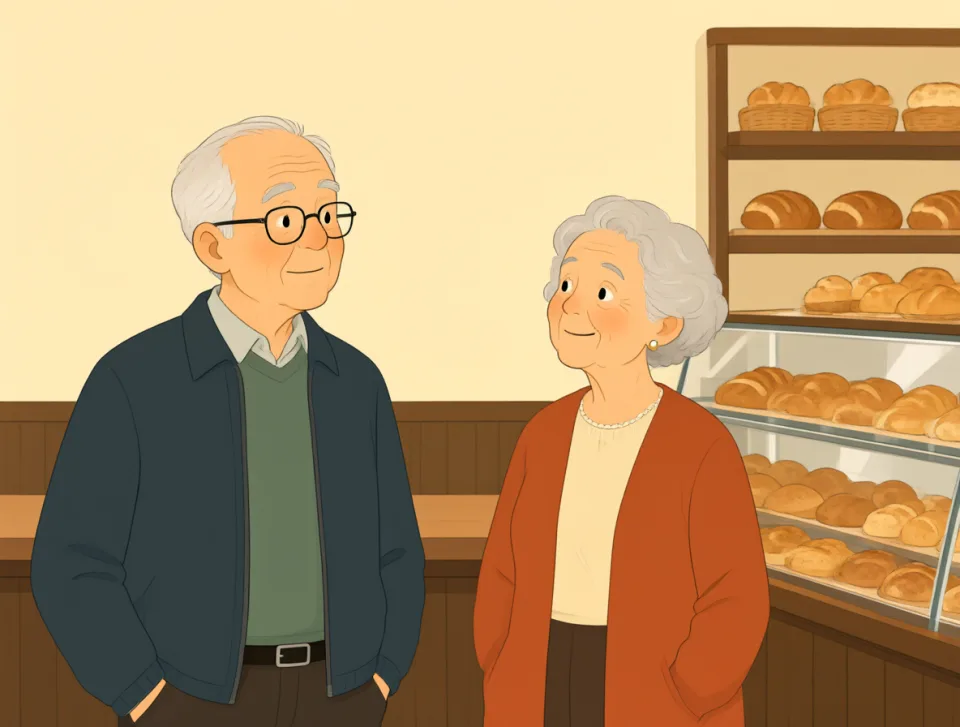
My grandparents found a small bakery in the village after they retired.
सेवानिवृत्त होने के बाद मेरे दादा-दादी ने गाँव में एक छोटी बेकरी ढूँढ़ ली।

The students found a study group to prepare for their exams together.
छात्रों ने मिलकर परीक्षाओं की तैयारी करने के लिए एक अध्ययन समूह ढूँढ़ लिया।

We found a quiet hotel near the station for our weekend trip.
हमने सप्ताहांत की यात्रा के लिए स्टेशन के पास एक शांत होटल ढूँढ़ लिया।

He found a better way to organize the weekly team meeting.
उसने साप्ताहिक टीम मीटिंग आयोजित करने का एक बेहतर तरीका ढूँढ़ लिया।

blog
#2808noun, verb
ब्लॉग
A website or page where someone regularly shares articles, opinions, or updates.
ऐसी वेबसाइट या पेज, जहाँ कोई व्यक्ति नियमित रूप से लेख, विचार या नई जानकारियाँ साझा करता है।

I read a travel blog before choosing a hotel in Rome.
रोम में होटल चुनने से पहले मैंने यात्रा से जुड़ा एक ब्लॉग पढ़ा।
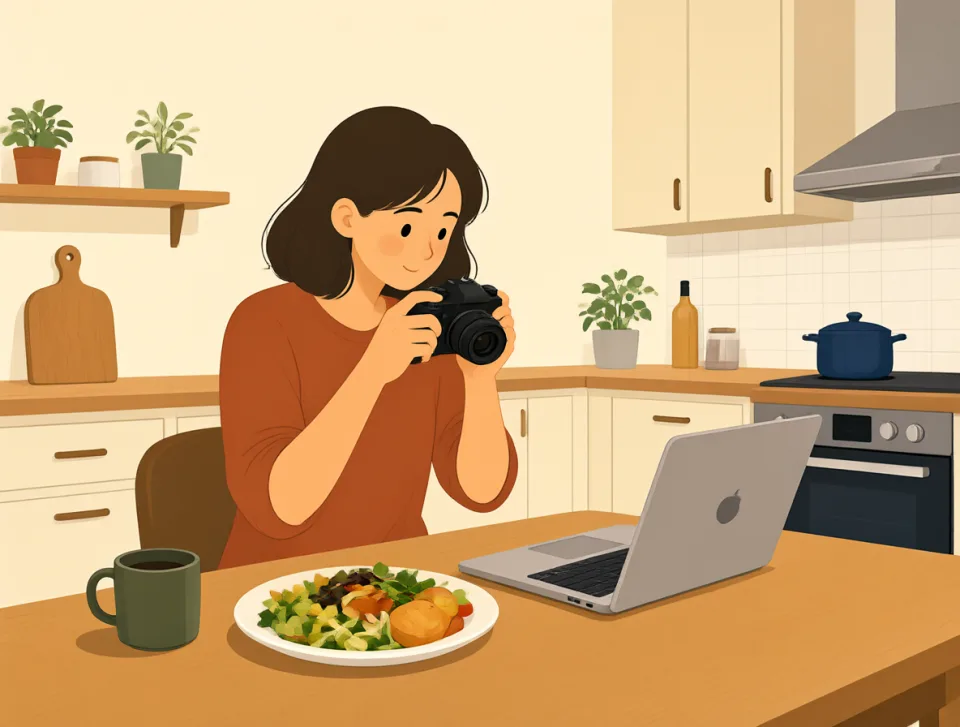
She writes a food blog and shares easy recipes with her friends.
वह खाने-पीने से जुड़ा ब्लॉग लिखती है और अपने दोस्तों के साथ आसान रेसिपी साझा करती है।

Our teacher asked us to write a blog about a book we enjoyed.
हमारे शिक्षक ने हमसे अपनी पसंद की किसी किताब के बारे में ब्लॉग लिखने को कहा।

He started a blog to share advice about finding a job.
उसने नौकरी ढूँढ़ने से जुड़ी सलाह साझा करने के लिए एक ब्लॉग शुरू किया।

They blog about local walks and post new pictures every weekend.
वे स्थानीय सैर-सपाटे के बारे में ब्लॉग लिखते हैं और हर सप्ताहांत नई तस्वीरें पोस्ट करते हैं।
thirst
#2809noun
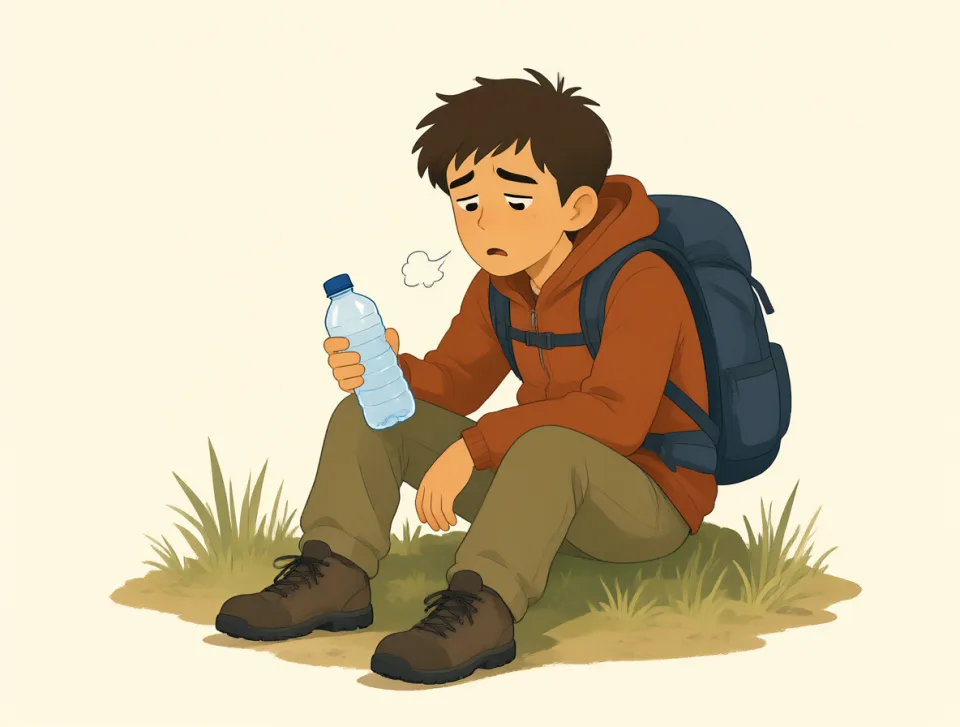
प्यास
The feeling of needing or wanting to drink something.
कुछ पीने की ज़रूरत या इच्छा महसूस होना।

After playing football, I drank two glasses of water to satisfy my thirst.
फ़ुटबॉल खेलने के बाद मैंने अपनी प्यास बुझाने के लिए दो गिलास पानी पिया।

The long walk through the hot city increased our thirst.
गर्म शहर में लंबी सैर करने से हमारी प्यास बढ़ गई।
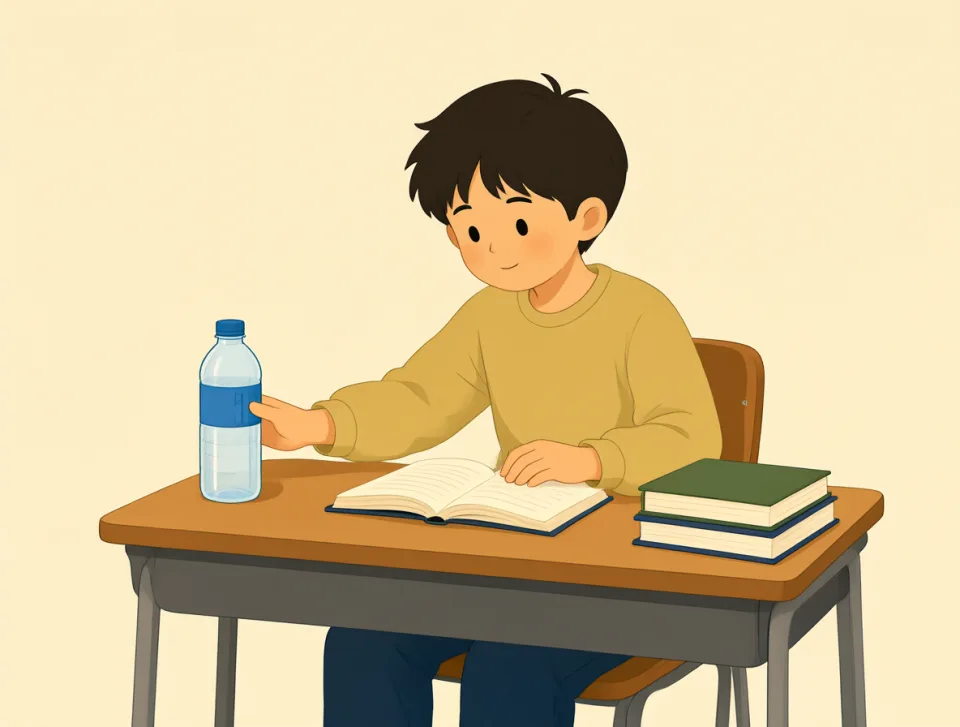
Keep a bottle of water nearby when thirst comes during class.
कक्षा के दौरान जब प्यास लगे, तो पानी की बोतल पास में रखें।
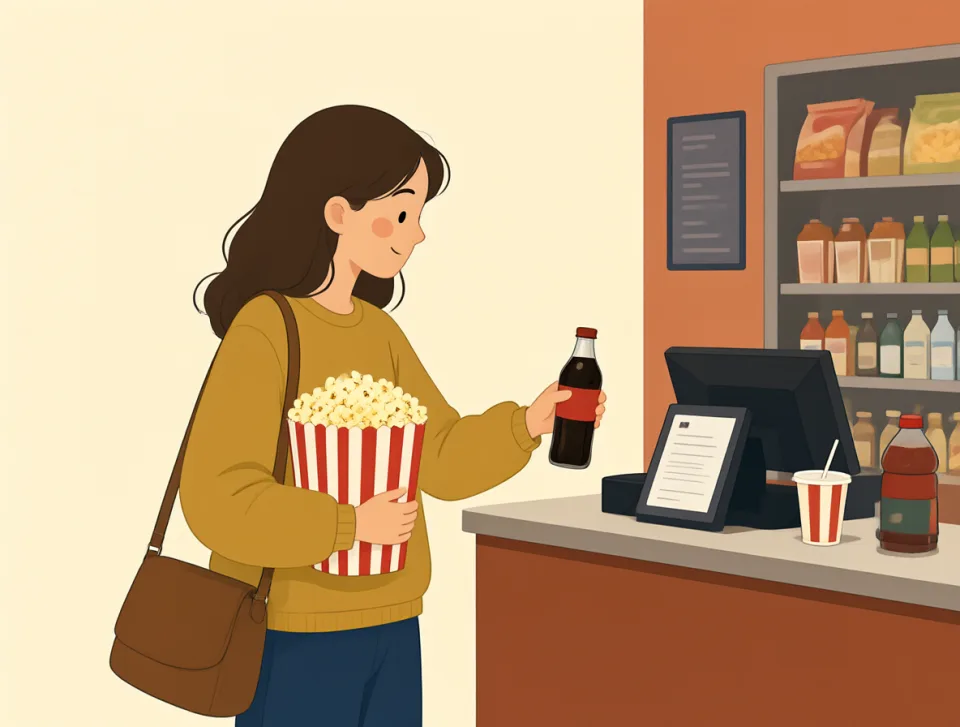
The salty popcorn made me so thirsty that I bought a drink.
नमकीन पॉपकॉर्न से मुझे इतनी प्यास लगी कि मैंने एक पेय खरीद लिया।

She woke during the night with a terrible thirst and drank some water.
वह रात में बहुत तेज़ प्यास लगने पर उठी और उसने थोड़ा पानी पिया।