Блок 141
Слова 2801–2809 · alright, lazy, hello, hunger, insure, ashamed

alright
#2801adjective, adverb
в порядке
Used to say that something is acceptable, satisfactory, or not causing problems.
Употребляется, чтобы сказать, что что-то приемлемо, вполне удовлетворительно или не вызывает проблем.
Are you alright after your fall?
Ты в порядке после падения?

It’s alright if you arrive a little late.
Ничего страшного, если ты немного опоздаешь.

The food was alright, but the dessert was much better.
Еда была ничего, но десерт оказался намного вкуснее.

I’m alright now; I just need to rest for a while.
Сейчас я в порядке, мне просто нужно немного отдохнуть.

Alright, let’s meet outside the station at six.
Ладно, давай встретимся у станции в шесть.

lazy
#2802adjective
ленивый
Unwilling to work or use effort; wanting to avoid activity.
Не желающий работать или прилагать усилия; стремящийся избегать активности.

I felt too lazy to cook, so we ordered dinner instead.
Мне было слишком лень готовить, поэтому мы заказали ужин.

Our lazy dog stayed in the shade while we walked around the park.
Наша ленивая собака лежала в тени, пока мы гуляли по парку.
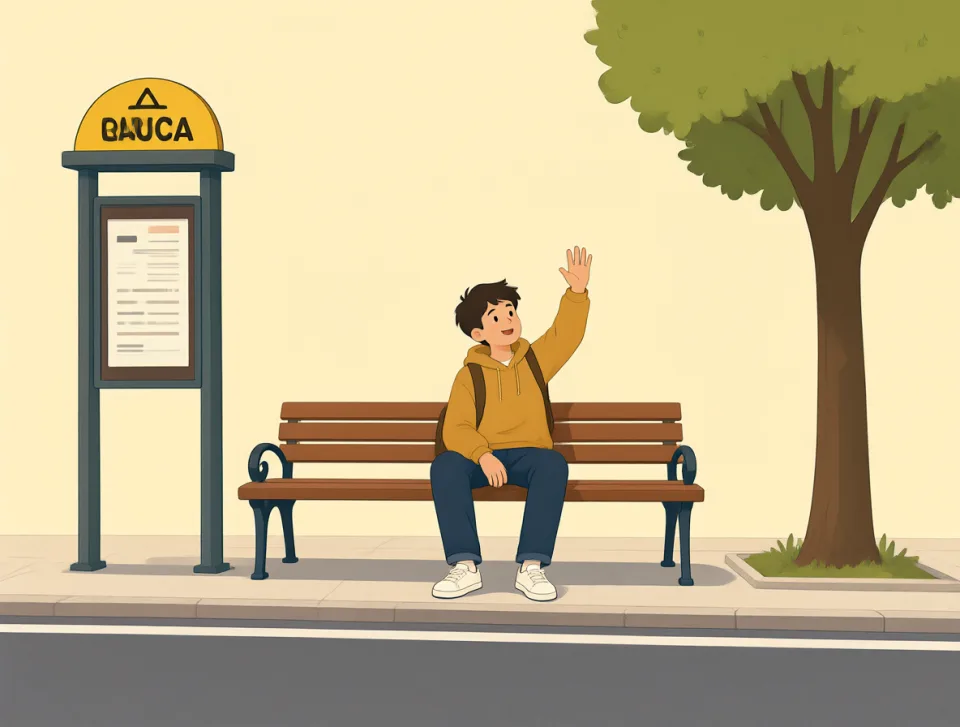
He was too lazy to take the bus, so he called a taxi.
Ему было слишком лень ехать на автобусе, поэтому он вызвал такси.

Don't be lazy about your homework; finish it before you meet your friends.
Не ленись делать домашнее задание — закончи его до встречи с друзьями.

The lazy river carried us slowly past the trees at the water park.
Медленная река в аквапарке несла нас мимо деревьев.

hello
#2803interjection, noun, verb
привет
A greeting used when meeting someone, or a way to begin a phone call.
Приветствие при встрече или способ начать телефонный разговор.

Hello, Maya! It’s good to see you again after the holidays.
Привет, Майя! Рада снова тебя видеть после каникул.

She said hello to the new student and showed him the classroom.
Она поздоровалась с новым учеником и показала ему класс.

I called the clinic to say hello and ask about my appointment.
Я позвонил в клинику, чтобы поздороваться и спросить о своей записи.

He waved hello to his neighbor while carrying groceries into the building.
Он помахал соседу, здороваясь с ним, и понёс продукты в здание.

The children shouted hello when their teacher walked into the lunchroom.
Дети закричали: «Привет!», когда их учитель вошёл в столовую.
hunger
#2804noun
голод
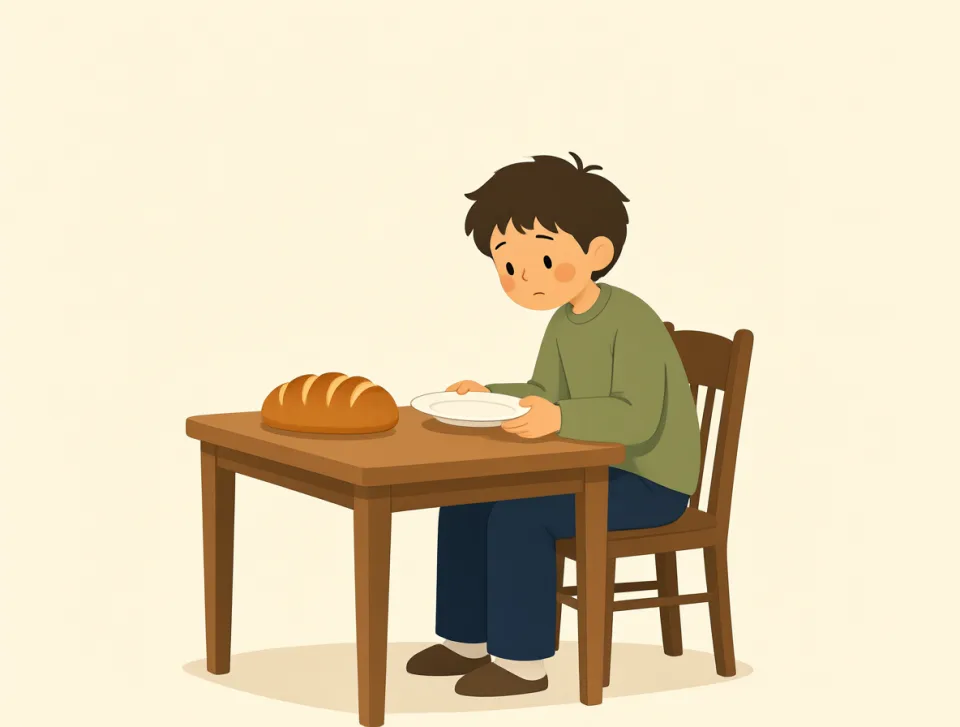
The feeling you have when you need or strongly want food.
Ощущение, которое возникает, когда вам нужно поесть или очень хочется есть.

After the long walk, our hunger made us stop for lunch.
После долгой прогулки мы проголодались и остановились пообедать.

She ate a bowl of soup to satisfy her hunger before class.
Перед уроком она съела тарелку супа, чтобы утолить голод.

Hunger kept him awake, so he made a sandwich in the middle of the night.
Из-за голода он не мог уснуть, поэтому среди ночи сделал себе бутерброд.

The family felt hunger after their train was delayed for several hours.
Семья проголодалась, потому что их поезд задержали на несколько часов.
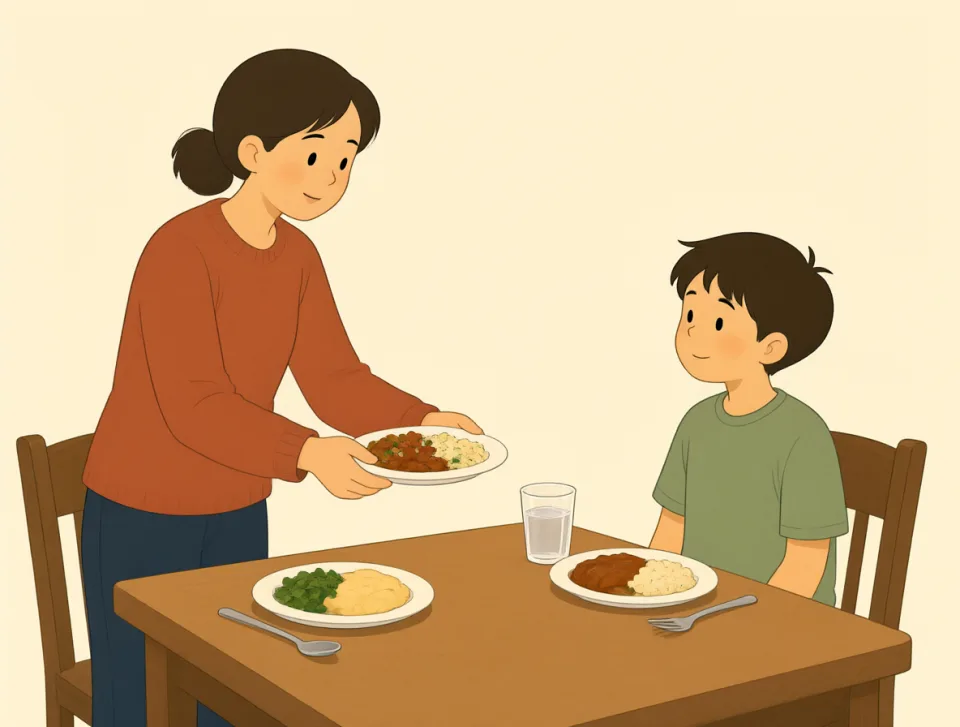
The charity provides meals for children suffering from hunger in the area.
Благотворительная организация обеспечивает едой детей в этом районе, страдающих от голода.

insure
#2805verb
застраховать
To protect someone or something financially against loss, damage, illness, or death.
Финансово защитить человека или имущество от потерь, ущерба, болезни или смерти.

We insured our house against fire and serious storm damage.
Мы застраховали дом от пожара и серьёзных повреждений из-за шторма.

She insured her new car before driving it to work.
Она застраховала новую машину, прежде чем поехать на ней на работу.

The airline insured passengers against accidents during the flight.
Авиакомпания застраховала пассажиров от несчастных случаев во время полёта.

The museum insured the valuable painting before sending it overseas.
Музей застраховал ценную картину перед отправкой за границу.

They insured their trip in case someone became seriously ill.
Они застраховали поездку на случай, если кто-нибудь серьёзно заболеет.
ashamed
#2806adjective
стыдящийся
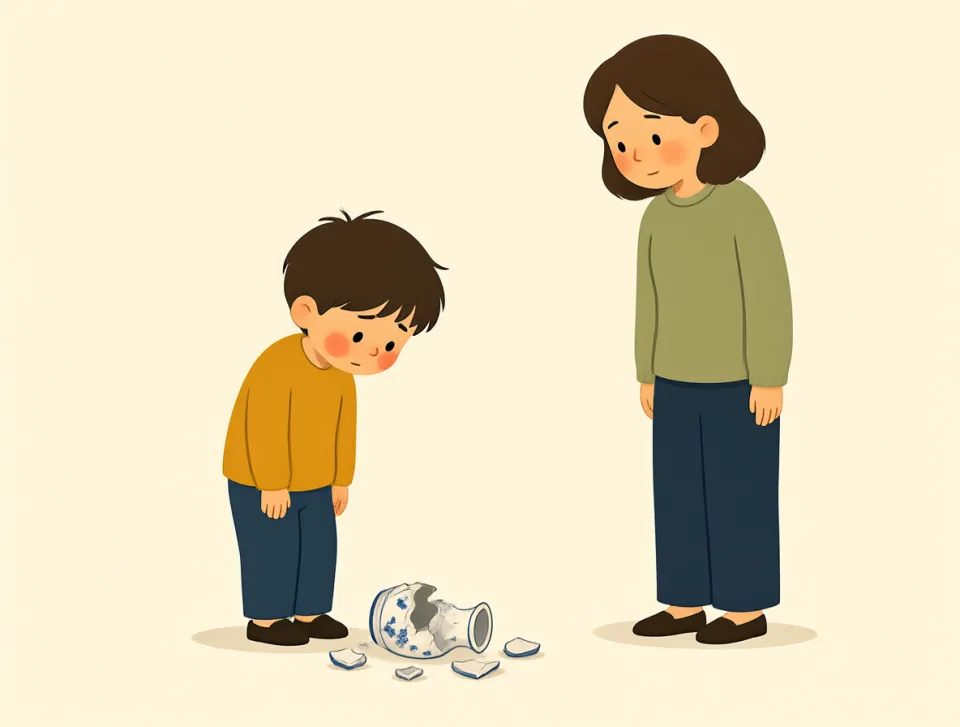
Feeling bad or embarrassed because you have done something wrong or foolish.
Чувствующий себя плохо или испытывающий неловкость из-за того, что сделал что-то неправильное или глупое.

She felt ashamed of herself after shouting at her little brother.
После того как она накричала на младшего брата, ей было стыдно за себя.

He was ashamed to admit that he had forgotten his manager's instructions.
Ему было стыдно признаться, что он забыл указания своего менеджера.

The student felt ashamed when the teacher found his unfinished homework.
Ученик почувствовал себя пристыженным, когда учитель обнаружил его незаконченное домашнее задание.

I felt ashamed after eating the whole cake before our guests arrived.
Мне было стыдно после того, как я съел весь торт до прихода наших гостей.

She was ashamed of her dirty clothes after missing the bus in the rain.
После того как она попала под дождь, опоздав на автобус, ей было стыдно за свою грязную одежду.

found
#2807verb
основал
Started an organization, company, school, or other institution.
Создал организацию, компанию, школу или другое учреждение.

She found a local charity to help families after the storm.
Она нашла местную благотворительную организацию, которая помогала семьям после бури.

My grandparents found a small bakery in the village after they retired.
После выхода на пенсию мои бабушка и дедушка нашли в деревне небольшую пекарню.

The students found a study group to prepare for their exams together.
Студенты нашли учебную группу, чтобы вместе подготовиться к экзаменам.

We found a quiet hotel near the station for our weekend trip.
Мы нашли тихую гостиницу рядом с вокзалом для поездки на выходные.

He found a better way to organize the weekly team meeting.
Он нашёл лучший способ организовать еженедельную встречу команды.

blog
#2808noun, verb
блог
A website or page where someone regularly shares articles, opinions, or updates.
Веб-сайт или страница, где кто-то регулярно публикует статьи, мнения или новости.

I read a travel blog before choosing a hotel in Rome.
Перед тем как выбрать отель в Риме, я прочитал блог о путешествиях.

She writes a food blog and shares easy recipes with her friends.
Она ведёт блог о еде и делится простыми рецептами с друзьями.

Our teacher asked us to write a blog about a book we enjoyed.
Наш учитель попросил нас написать в блоге о книге, которая нам понравилась.

He started a blog to share advice about finding a job.
Он завёл блог, чтобы делиться советами о поиске работы.

They blog about local walks and post new pictures every weekend.
Они пишут о местных прогулочных маршрутах в блоге и каждые выходные публикуют новые фотографии.
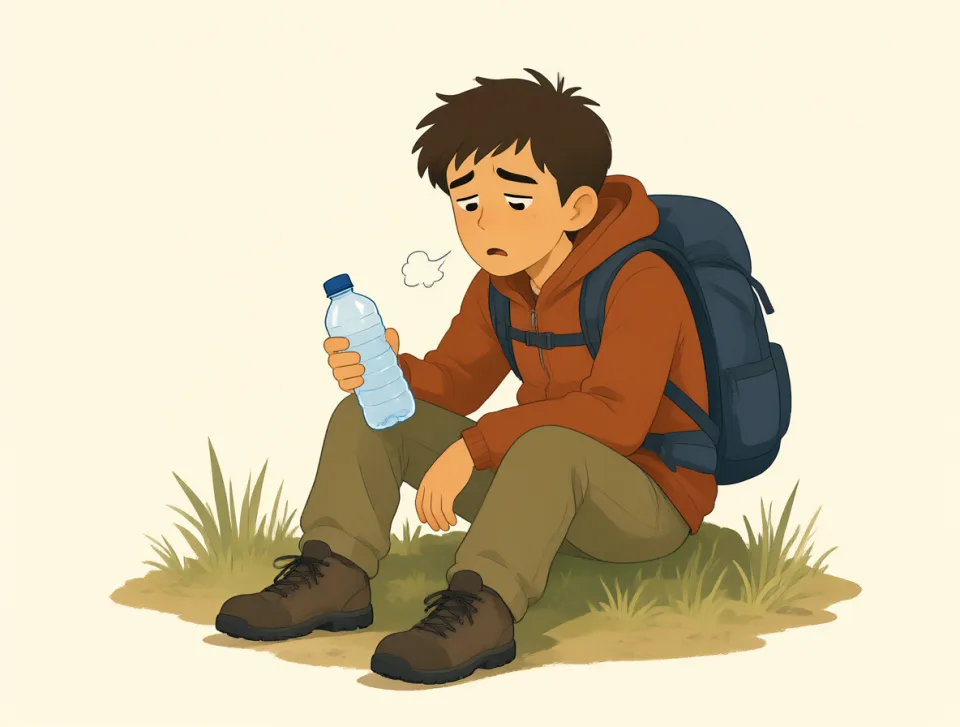
thirst
#2809noun
жажда
The feeling of needing or wanting to drink something.
Ощущение потребности или желания выпить что-нибудь.

After playing football, I drank two glasses of water to satisfy my thirst.
После игры в футбол я выпил два стакана воды, чтобы утолить жажду.

The long walk through the hot city increased our thirst.
Долгая прогулка по жаркому городу усилила нашу жажду.

Keep a bottle of water nearby when thirst comes during class.
Держи бутылку воды рядом, когда на уроке почувствуешь жажду.

The salty popcorn made me so thirsty that I bought a drink.
От солёного попкорна мне так захотелось пить, что я купил напиток.

She woke during the night with a terrible thirst and drank some water.
Она проснулась ночью от сильной жажды и выпила немного воды.