Zestaw 141
Słowa 2801–2809 · alright, lazy, hello, hunger, insure, ashamed
alright
#2801adjective, adverb
w porządku
Used to say that something is acceptable, satisfactory, or not causing problems.
Mówi się tak, gdy coś jest akceptowalne, zadowalające lub nie sprawia problemów.
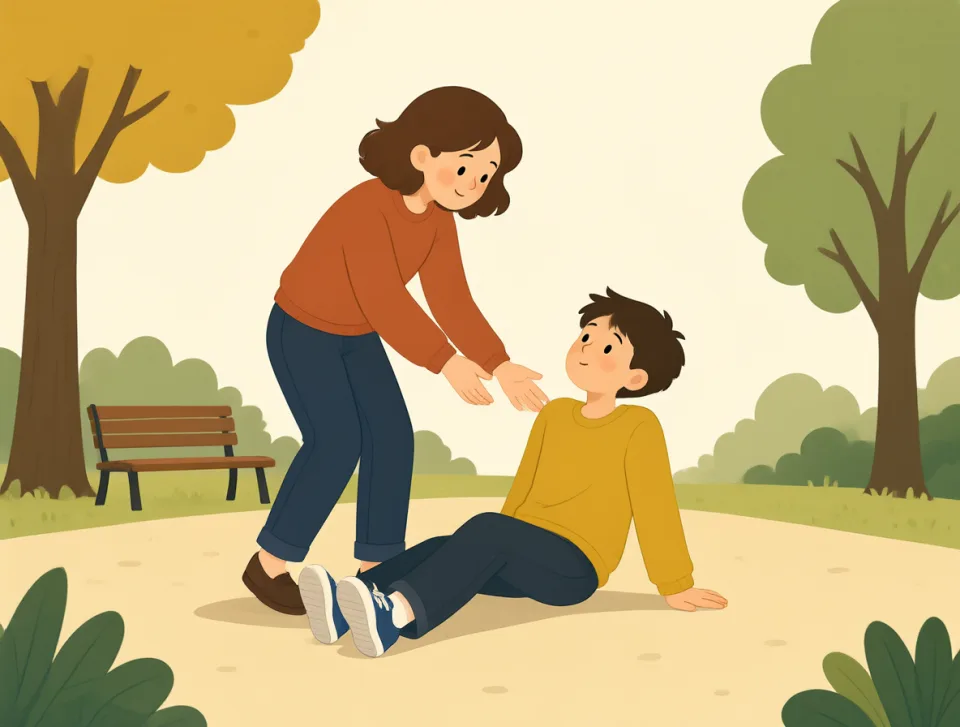
Are you alright after your fall?
Wszystko w porządku po upadku?
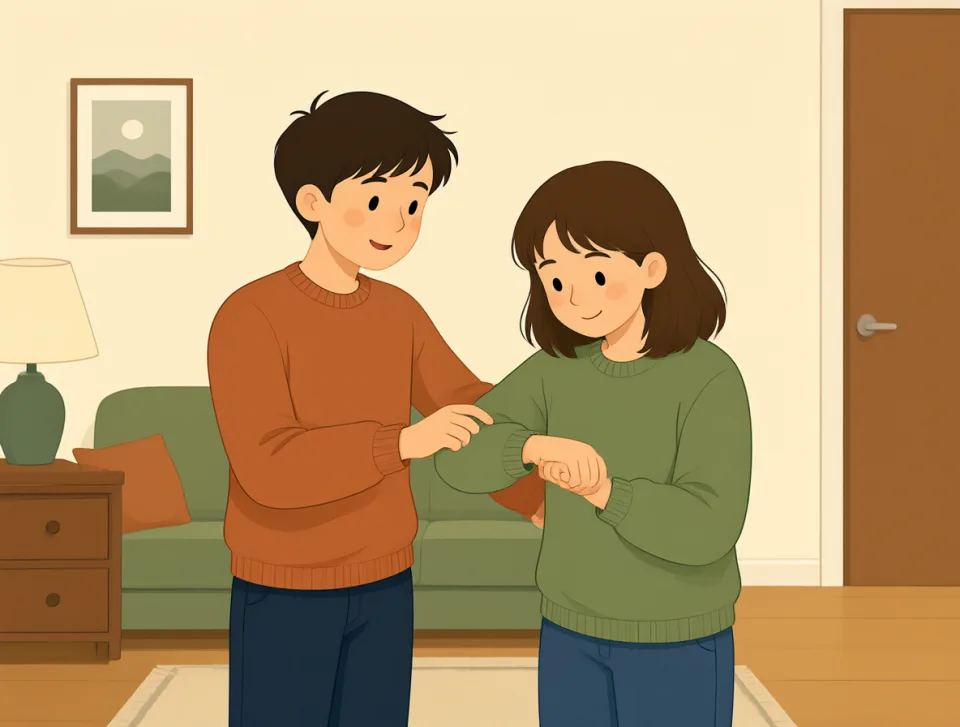
It’s alright if you arrive a little late.
Nic się nie stanie, jeśli trochę się spóźnisz.
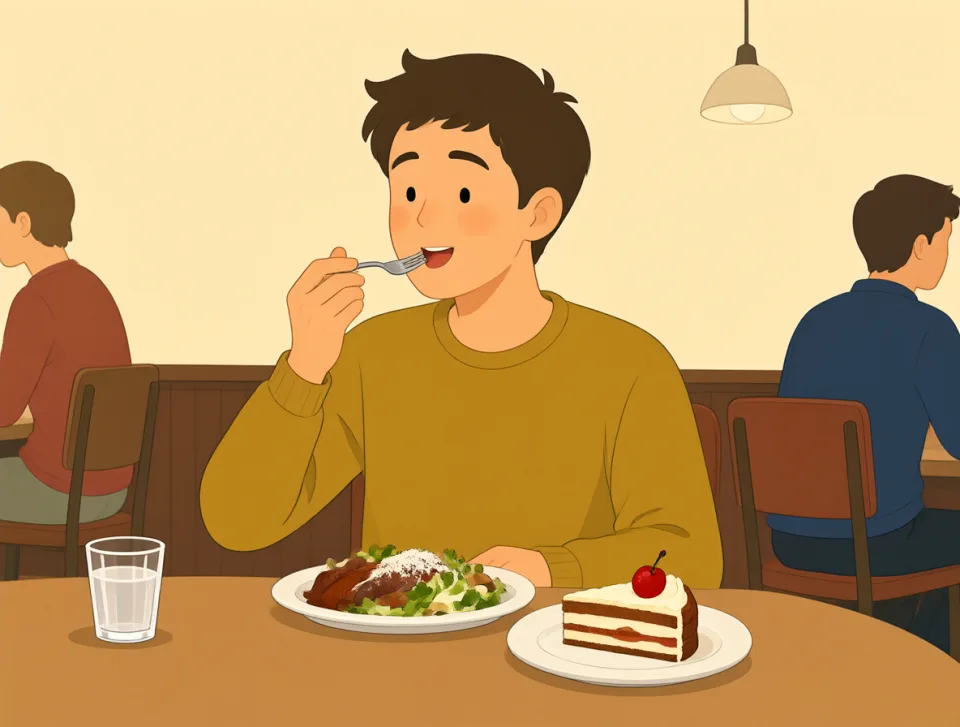
The food was alright, but the dessert was much better.
Jedzenie było w porządku, ale deser był o wiele lepszy.
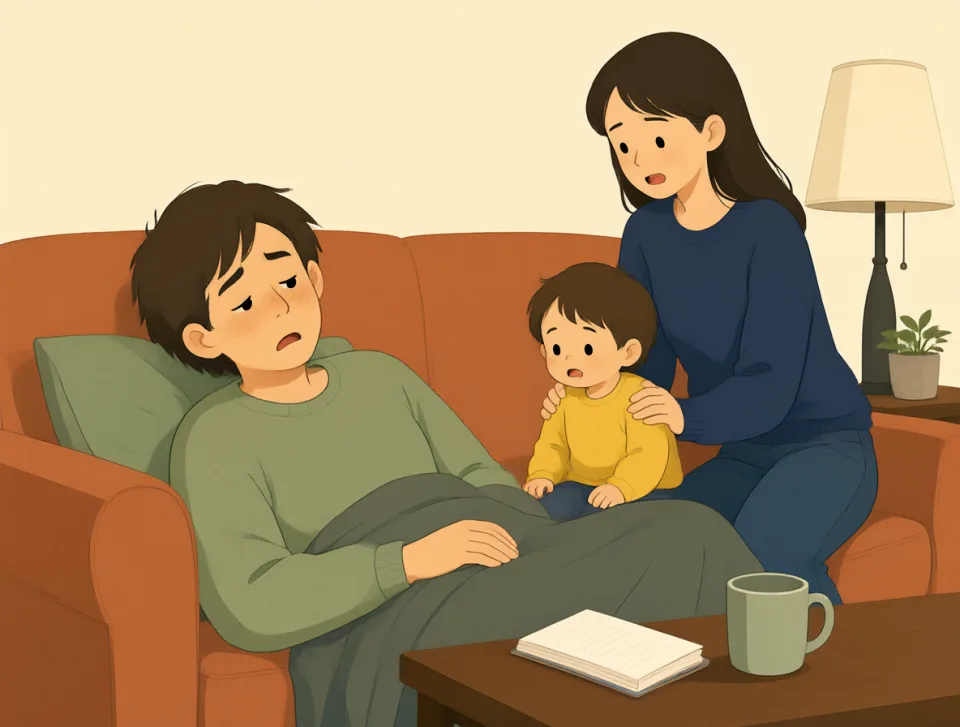
I’m alright now; I just need to rest for a while.
Już wszystko ze mną w porządku; muszę tylko chwilę odpocząć.
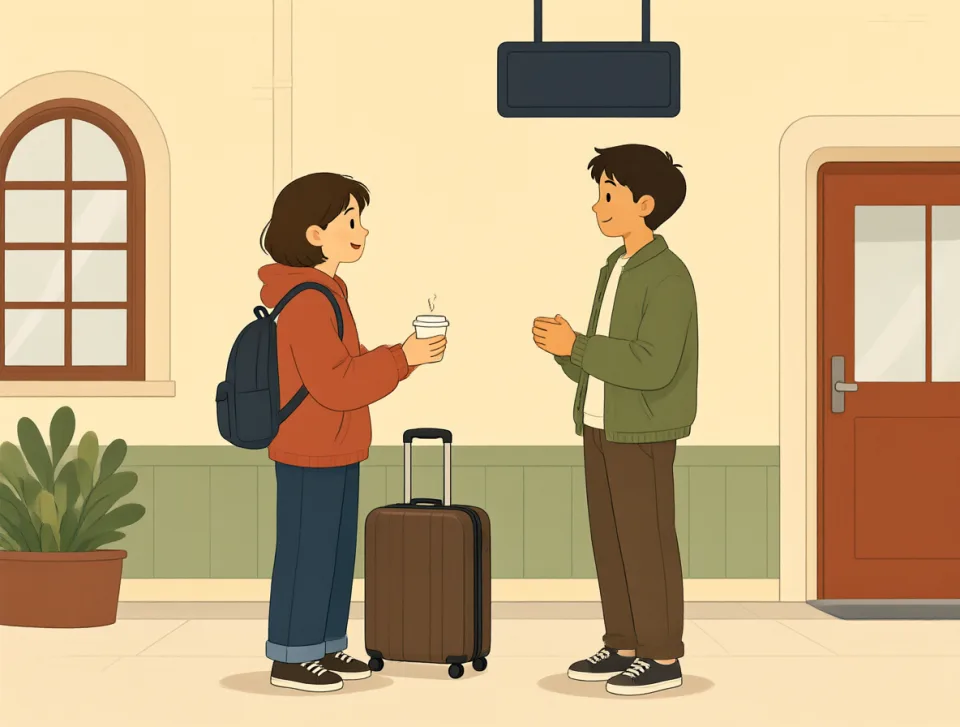
Alright, let’s meet outside the station at six.
Dobra, spotkajmy się o szóstej przed stacją.
lazy
#2802adjective
leniwy
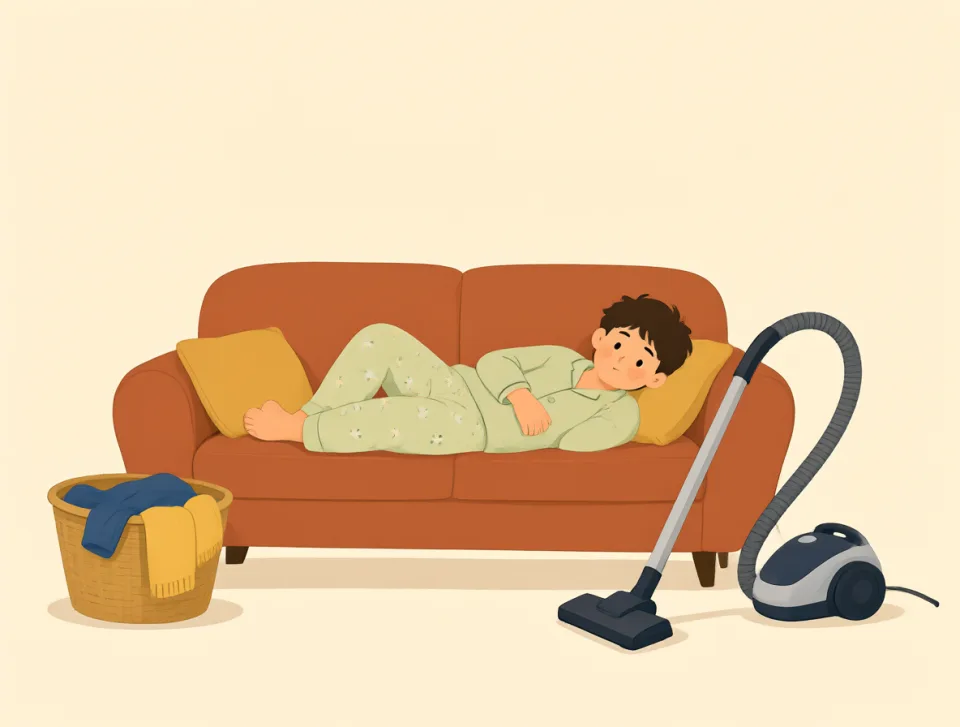
Unwilling to work or use effort; wanting to avoid activity.
Niechętny do pracy lub wysiłku; unikający aktywności.
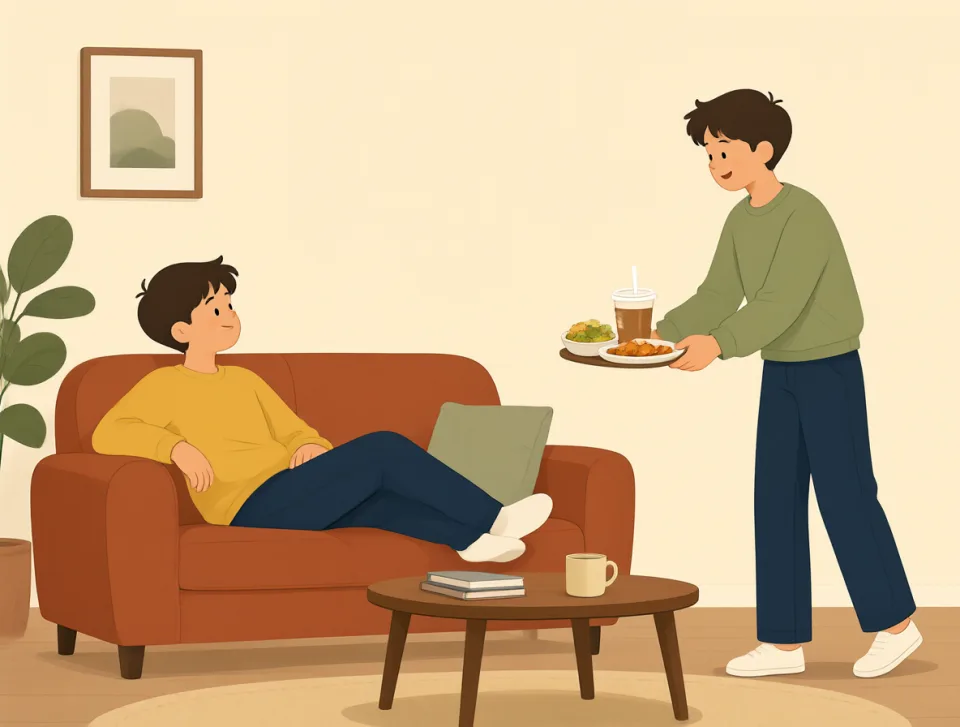
I felt too lazy to cook, so we ordered dinner instead.
Byłem zbyt leniwy, żeby gotować, więc zamiast tego zamówiliśmy kolację.
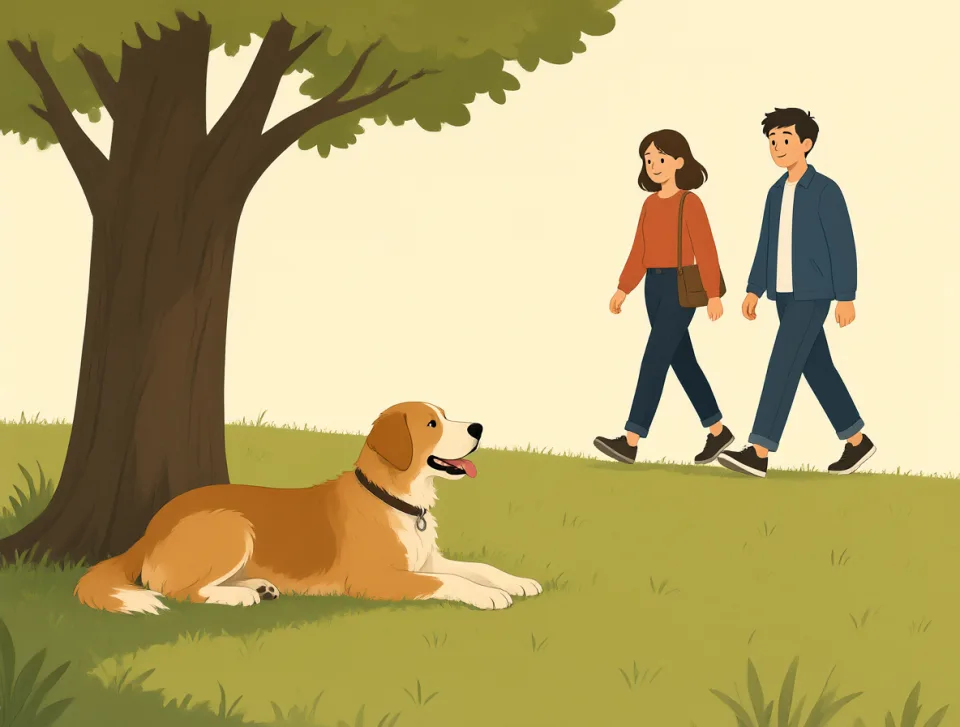
Our lazy dog stayed in the shade while we walked around the park.
Nasz leniwy pies leżał w cieniu, a my spacerowaliśmy po parku.
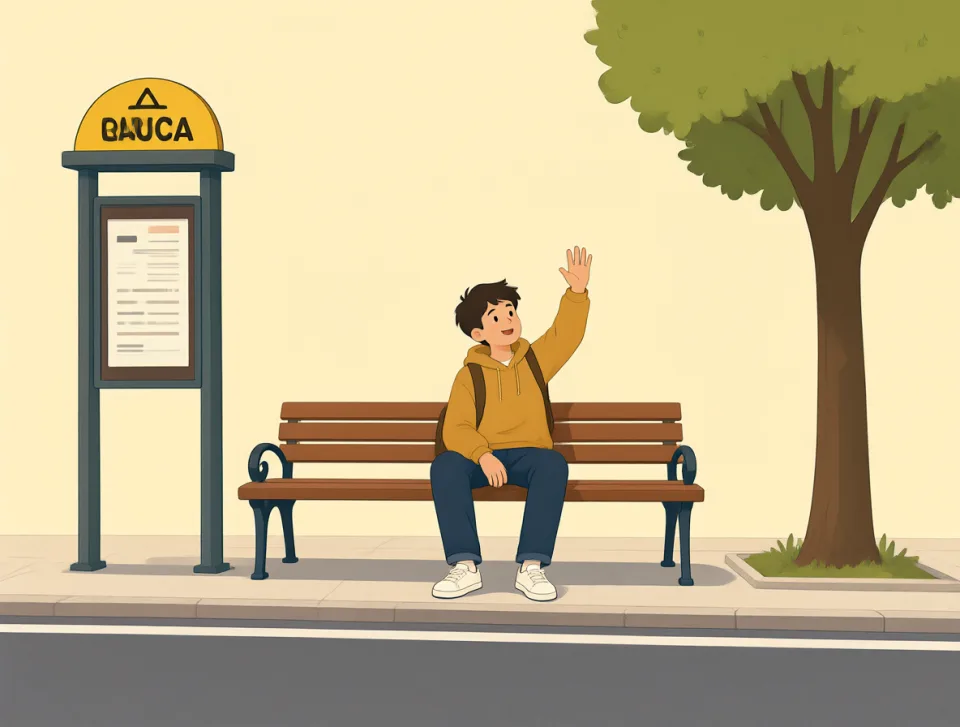
He was too lazy to take the bus, so he called a taxi.
Był zbyt leniwy, żeby pojechać autobusem, więc wezwał taksówkę.

Don't be lazy about your homework; finish it before you meet your friends.
Nie obijaj się przy odrabianiu lekcji; skończ je, zanim spotkasz się ze znajomymi.

The lazy river carried us slowly past the trees at the water park.
Leniwa rzeka powoli niosła nas obok drzew w parku wodnym.
hello
#2803interjection, noun, verb
cześć
A greeting used when meeting someone, or a way to begin a phone call.
Powitanie używane przy spotkaniu z kimś lub na początku rozmowy telefonicznej.

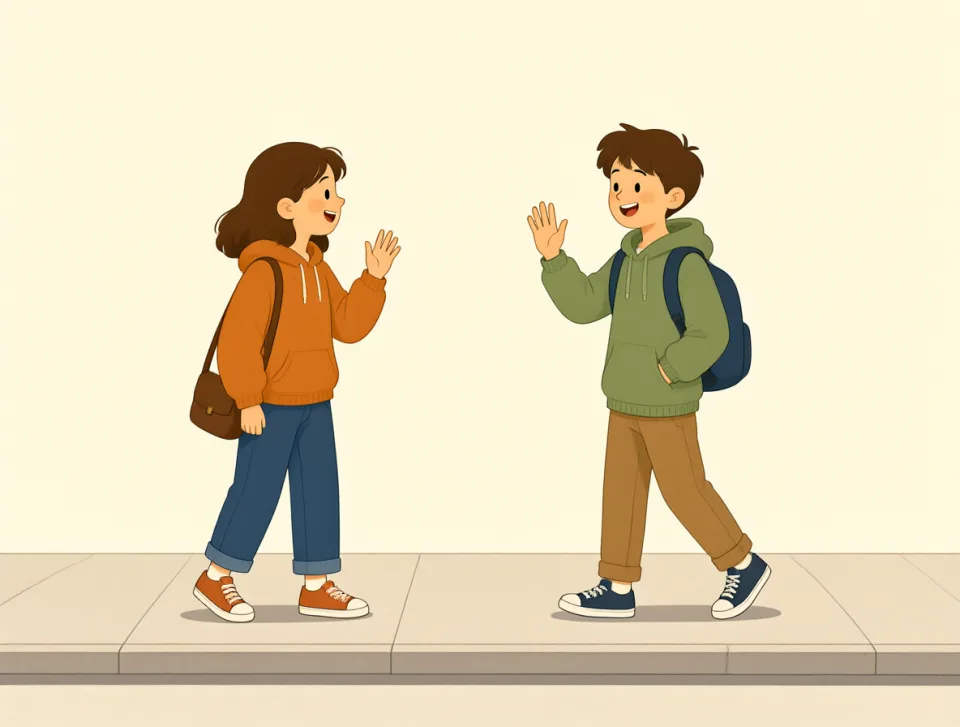
Hello, Maya! It’s good to see you again after the holidays.
Cześć, Maya! Miło znów cię widzieć po wakacjach.

She said hello to the new student and showed him the classroom.
Przywitała nowego ucznia i pokazała mu salę lekcyjną.
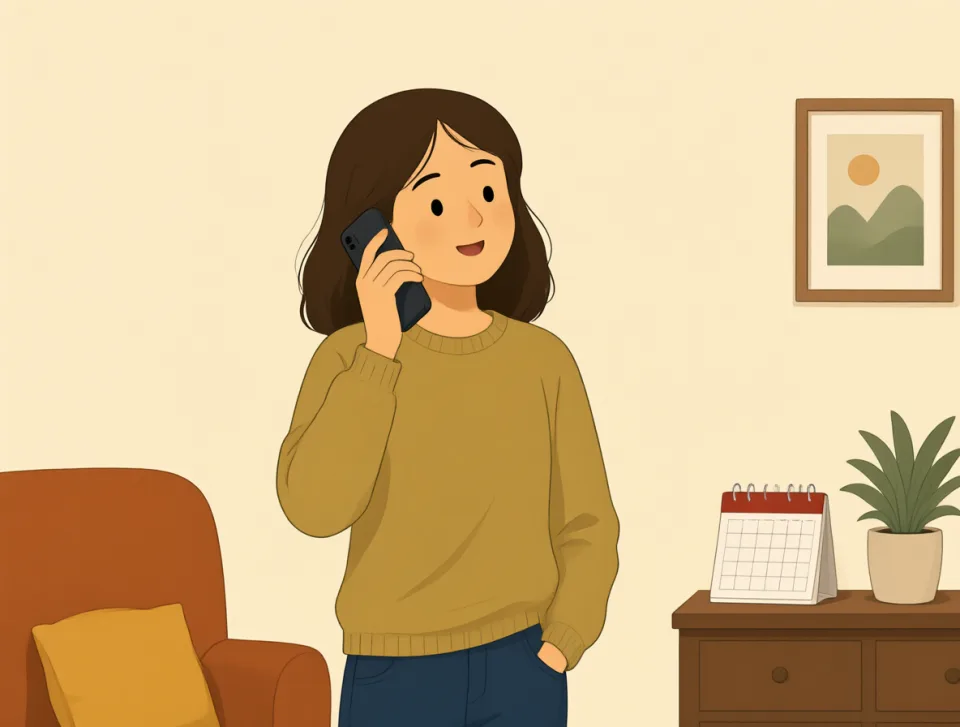
I called the clinic to say hello and ask about my appointment.
Zadzwoniłem do przychodni, żeby się przywitać i zapytać o wizytę.
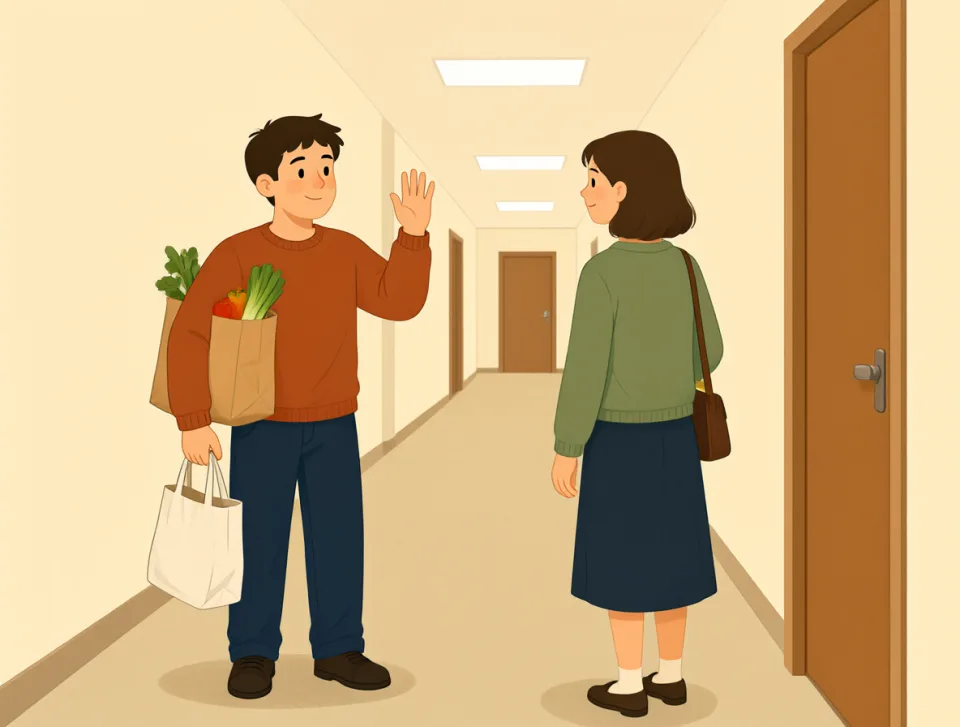
He waved hello to his neighbor while carrying groceries into the building.
Pomachał na powitanie sąsiadowi, niosąc zakupy do budynku.
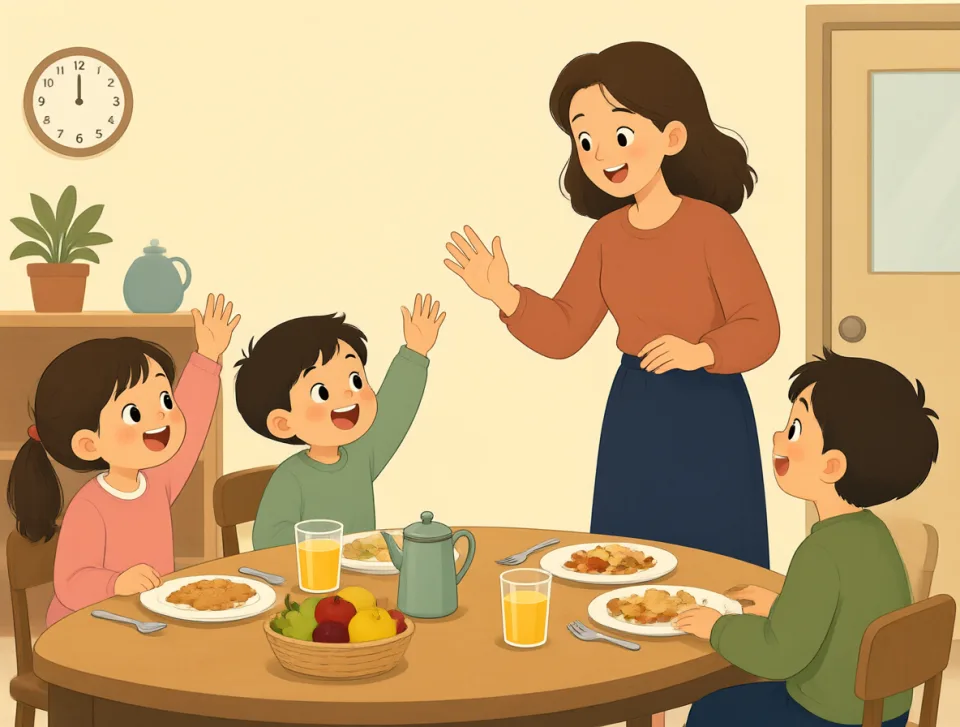
The children shouted hello when their teacher walked into the lunchroom.
Dzieci krzyknęły „cześć”, gdy ich nauczyciel wszedł do stołówki.
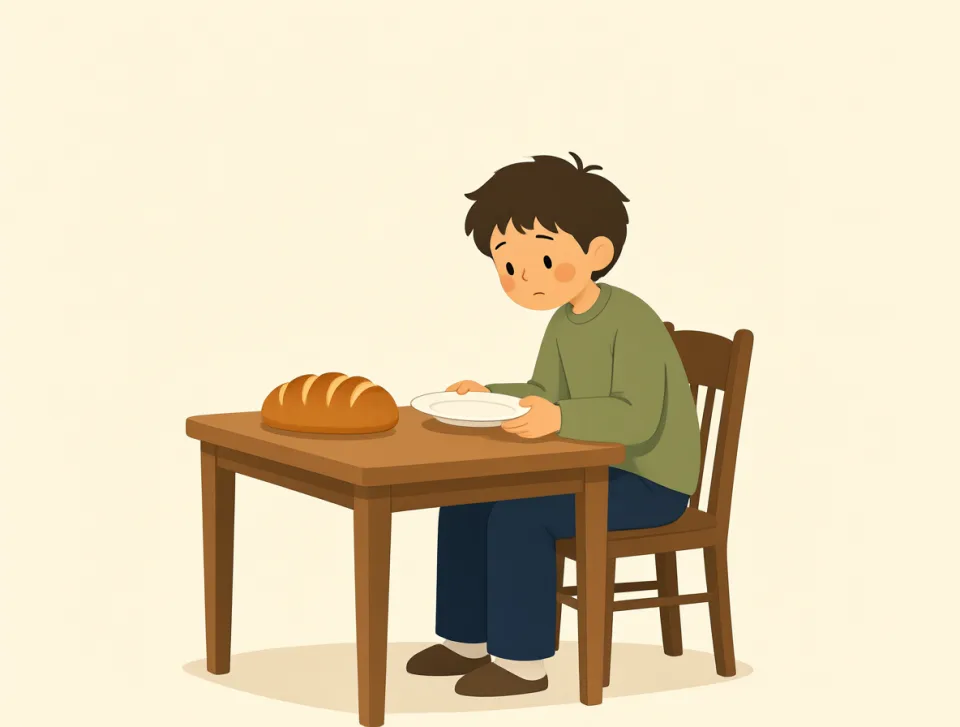
hunger
#2804noun
głód
The feeling you have when you need or strongly want food.
Uczucie, które pojawia się, gdy potrzebujesz jedzenia lub masz na nie wielką ochotę.

After the long walk, our hunger made us stop for lunch.
Po długim spacerze zgłodnieliśmy i zatrzymaliśmy się na lunch.

She ate a bowl of soup to satisfy her hunger before class.
Zjadła miskę zupy, żeby zaspokoić głód przed lekcją.
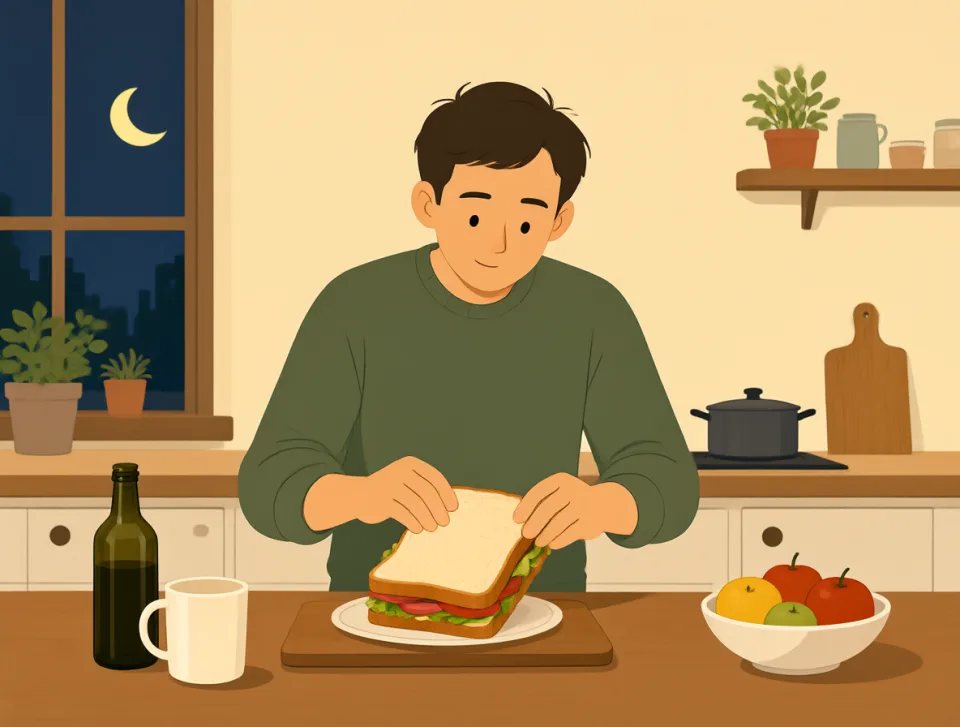
Hunger kept him awake, so he made a sandwich in the middle of the night.
Głód nie dawał mu zasnąć, więc w środku nocy zrobił sobie kanapkę.
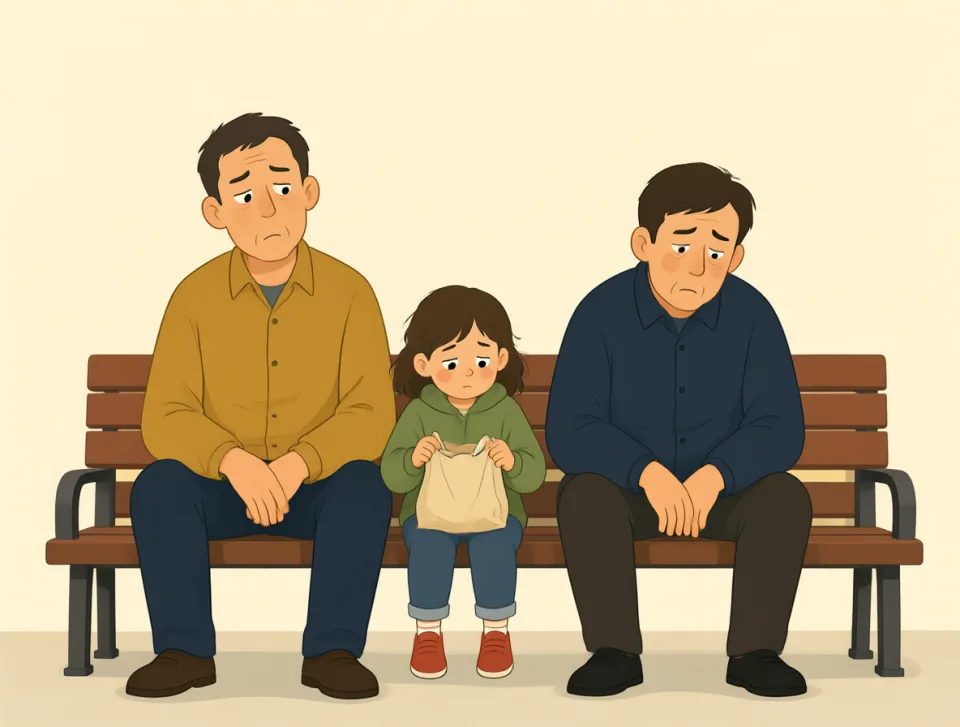
The family felt hunger after their train was delayed for several hours.
Rodzina zgłodniała, gdy ich pociąg miał kilkugodzinne opóźnienie.
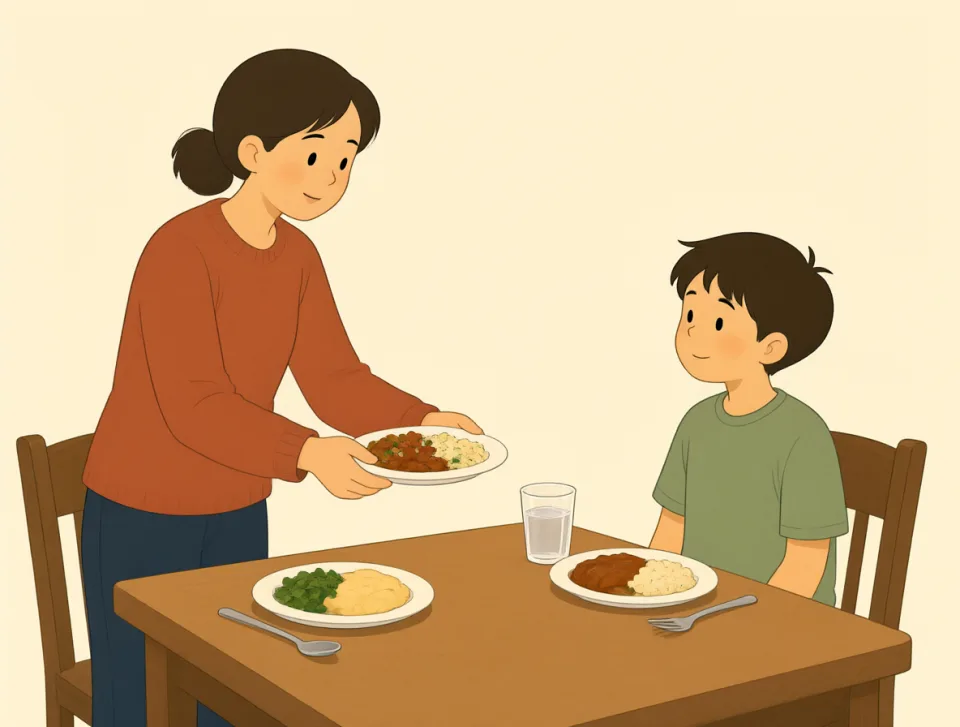
The charity provides meals for children suffering from hunger in the area.
Organizacja charytatywna zapewnia posiłki dzieciom cierpiącym z głodu w tej okolicy.
insure
#2805verb
ubezpieczać
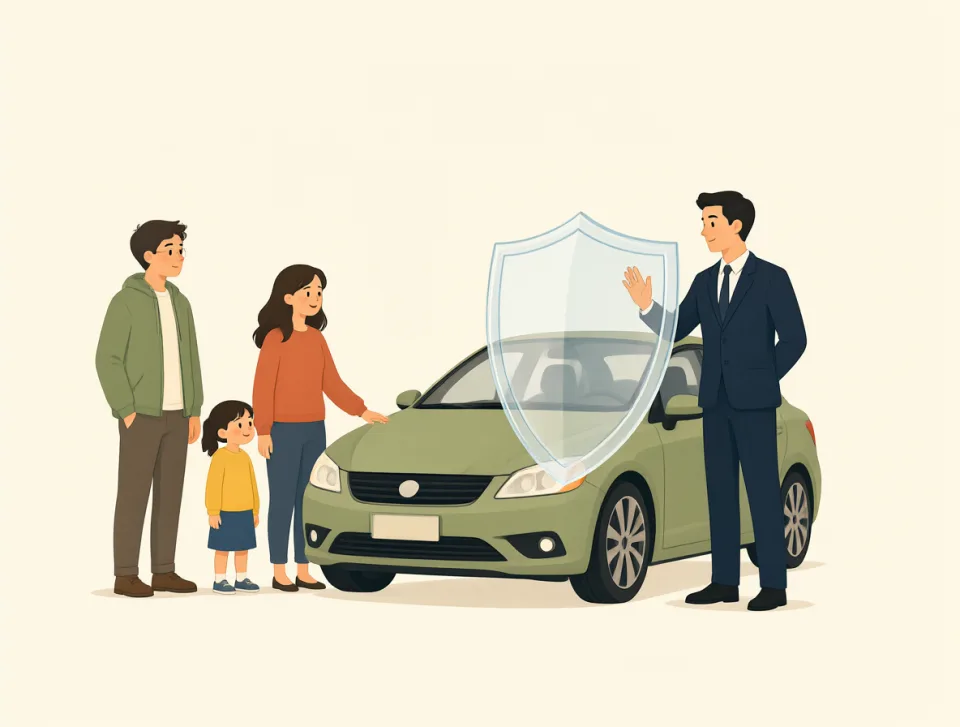
To protect someone or something financially against loss, damage, illness, or death.
Zapewniać komuś lub czemuś ochronę finansową na wypadek straty, szkody, choroby lub śmierci.
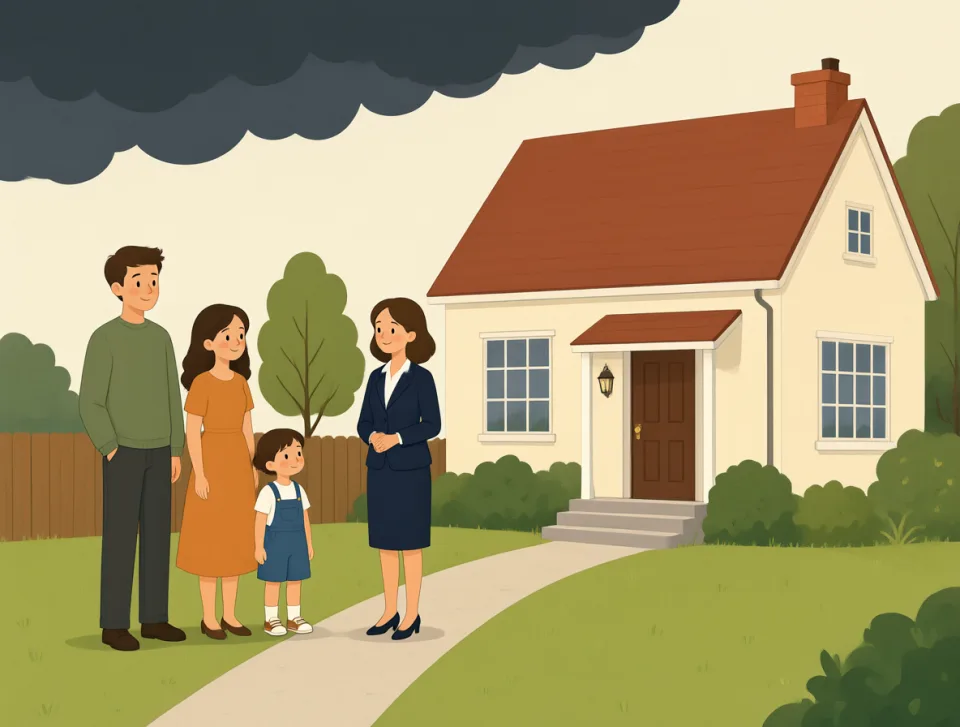
We insured our house against fire and serious storm damage.
Ubezpieczyliśmy nasz dom od pożaru i poważnych szkód spowodowanych przez burzę.

She insured her new car before driving it to work.
Ubezpieczyła swój nowy samochód, zanim pojechała nim do pracy.

The airline insured passengers against accidents during the flight.
Linia lotnicza ubezpieczyła pasażerów od wypadków podczas lotu.

The museum insured the valuable painting before sending it overseas.
Muzeum ubezpieczyło cenny obraz przed wysłaniem go za granicę.
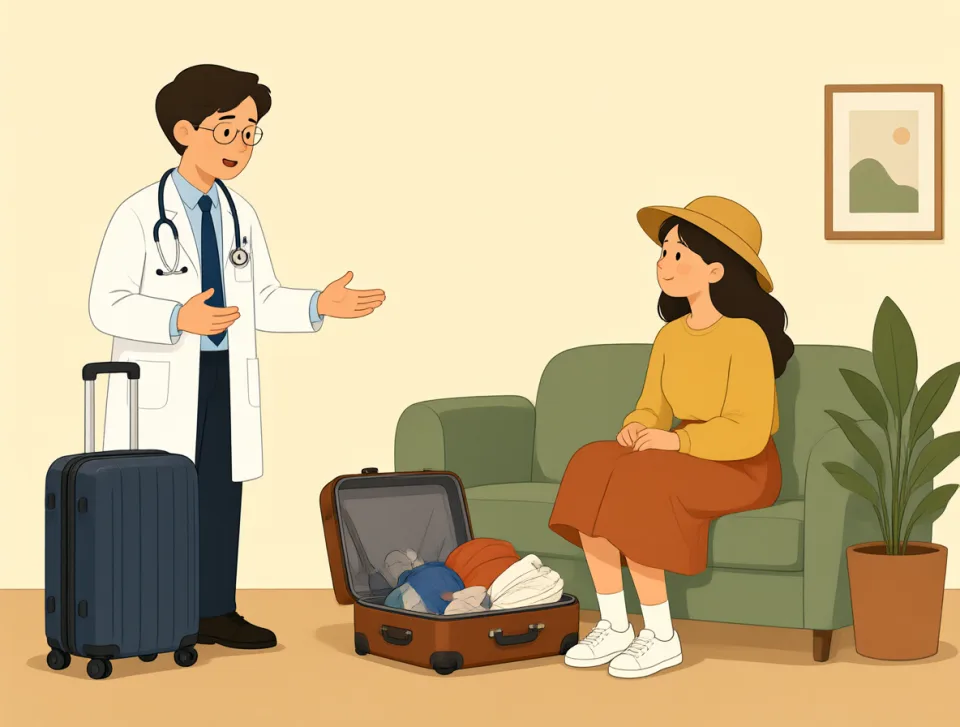
They insured their trip in case someone became seriously ill.
Ubezpieczyli swoją podróż na wypadek, gdyby ktoś poważnie zachorował.
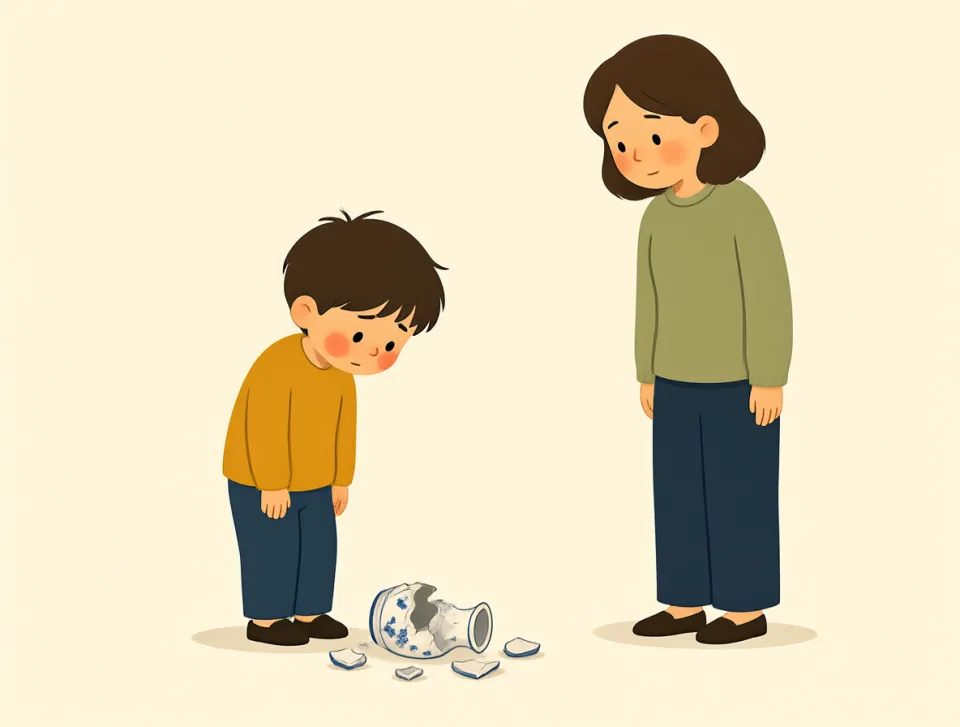
ashamed
#2806adjective
zawstydzony
Feeling bad or embarrassed because you have done something wrong or foolish.
Czujący się źle lub zakłopotany z powodu czegoś niewłaściwego albo głupiego, co się zrobiło.
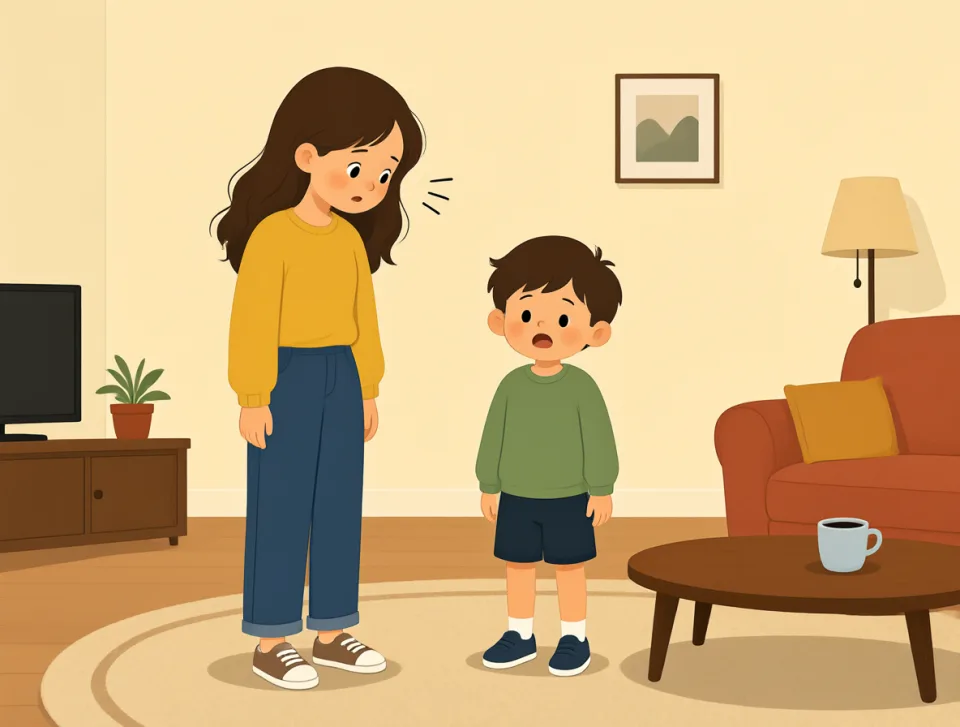
She felt ashamed of herself after shouting at her little brother.
Była na siebie zła, gdy nakrzyczała na młodszego brata.

He was ashamed to admit that he had forgotten his manager's instructions.
Wstydził się przyznać, że zapomniał o poleceniach swojego kierownika.

The student felt ashamed when the teacher found his unfinished homework.
Uczeń poczuł wstyd, gdy nauczyciel znalazł jego niedokończoną pracę domową.
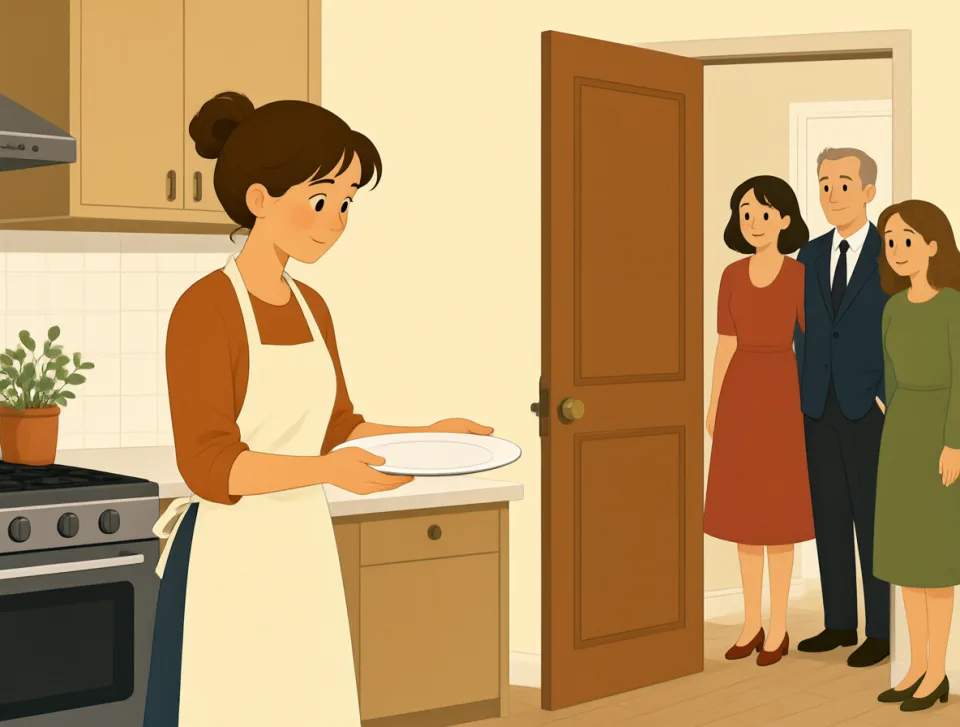
I felt ashamed after eating the whole cake before our guests arrived.
Było mi wstyd, że zjadłem całe ciasto, zanim przybyli nasi goście.
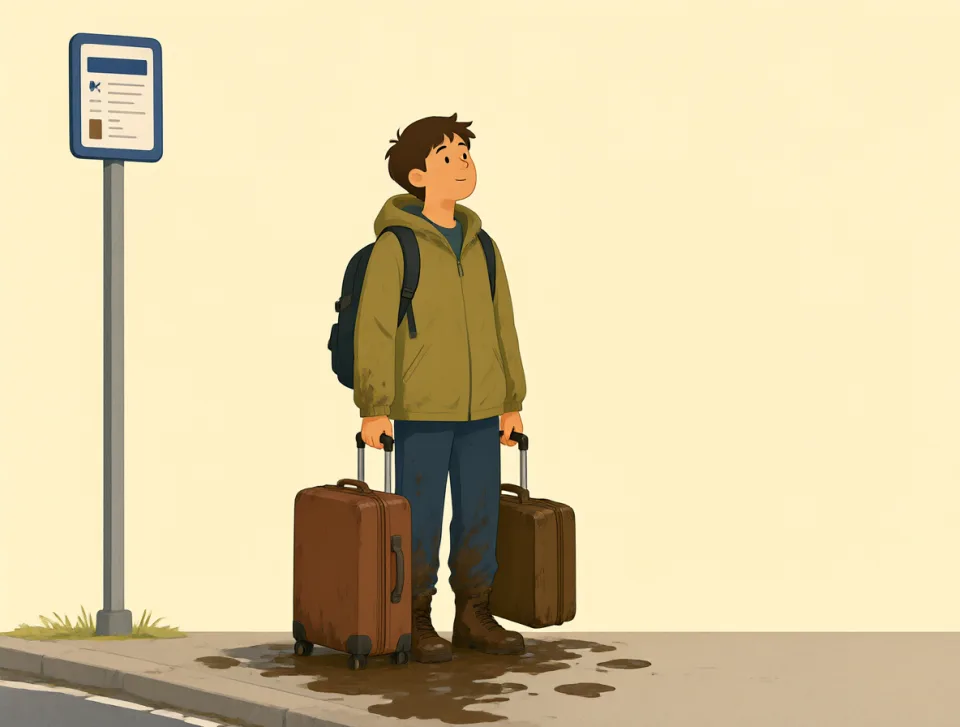
She was ashamed of her dirty clothes after missing the bus in the rain.
Wstydziła się swoich brudnych ubrań po tym, jak zmokła w deszczu, czekając na autobus.
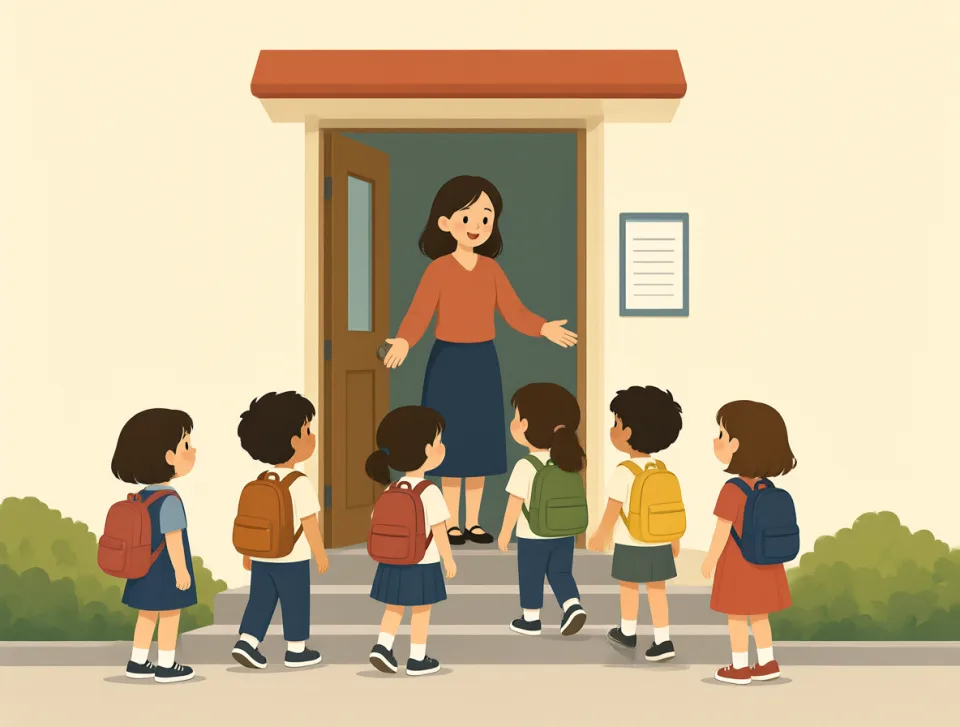
found
#2807verb
założyć
Started an organization, company, school, or other institution.
Założyć organizację, firmę, szkołę lub inną instytucję.
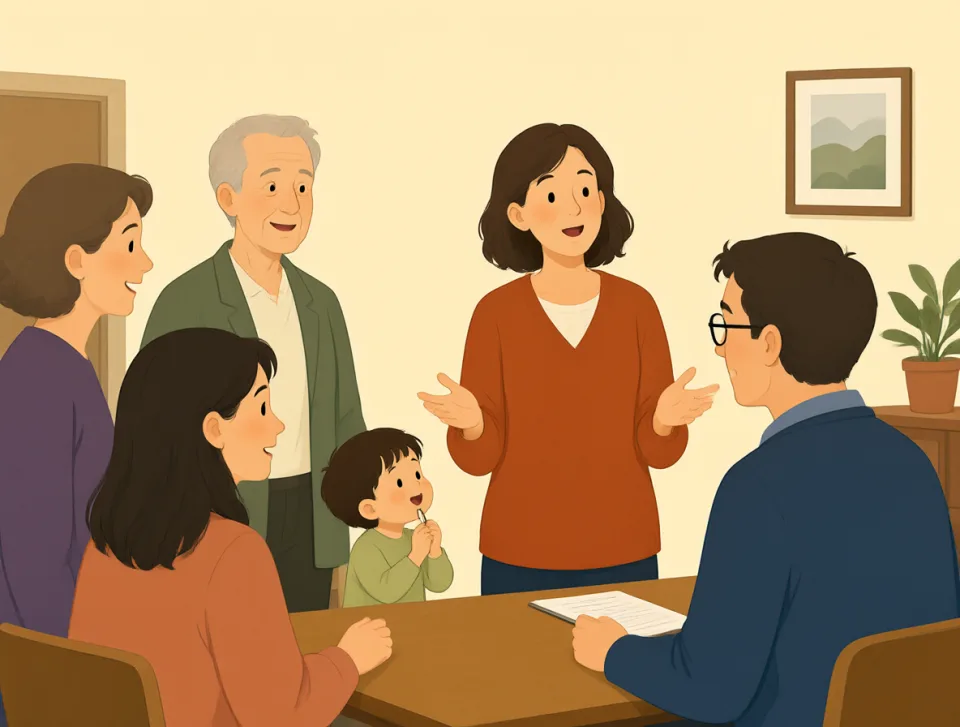
She found a local charity to help families after the storm.
Znalazła lokalną organizację charytatywną, która pomagała rodzinom po burzy.
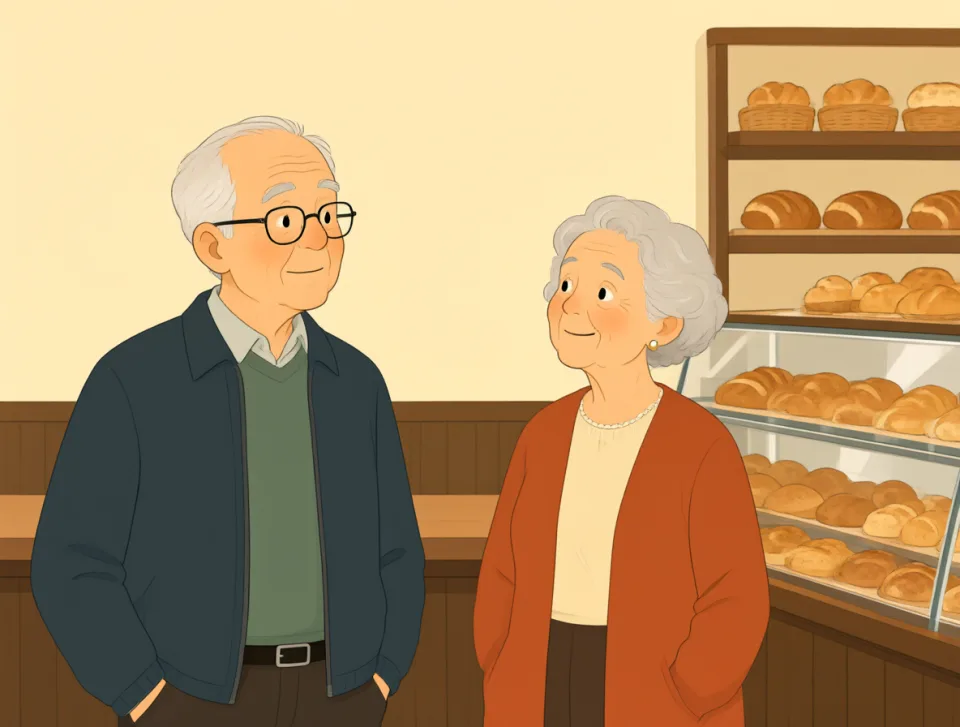
My grandparents found a small bakery in the village after they retired.
Po przejściu na emeryturę moi dziadkowie znaleźli małą piekarnię we wsi.

The students found a study group to prepare for their exams together.
Uczniowie znaleźli grupę do wspólnej nauki przed egzaminami.

We found a quiet hotel near the station for our weekend trip.
Znaleźliśmy cichy hotel niedaleko dworca na weekendowy wyjazd.

He found a better way to organize the weekly team meeting.
Znalazł lepszy sposób na organizowanie cotygodniowego spotkania zespołu.

blog
#2808noun, verb
blog
A website or page where someone regularly shares articles, opinions, or updates.
Strona internetowa, na której ktoś regularnie publikuje artykuły, opinie lub aktualności.

I read a travel blog before choosing a hotel in Rome.
Przeczytałem blog podróżniczy, zanim wybrałem hotel w Rzymie.
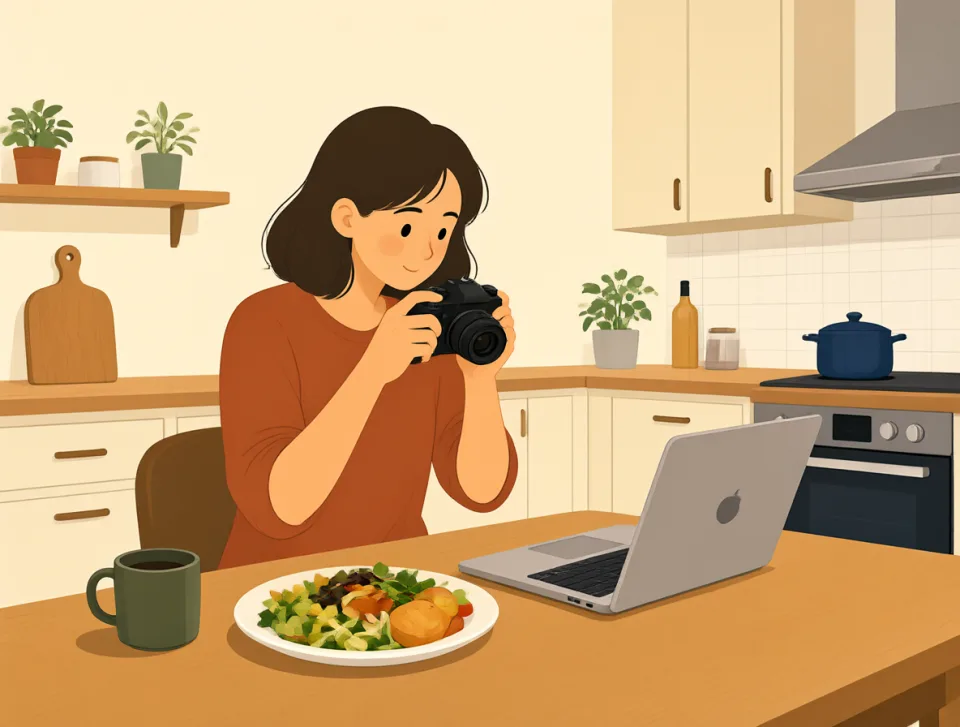
She writes a food blog and shares easy recipes with her friends.
Pisze blog kulinarny i dzieli się z przyjaciółmi prostymi przepisami.

Our teacher asked us to write a blog about a book we enjoyed.
Nauczyciel poprosił nas, żebyśmy napisali blog o książce, która nam się podobała.

He started a blog to share advice about finding a job.
Założył blog, aby dzielić się poradami na temat szukania pracy.
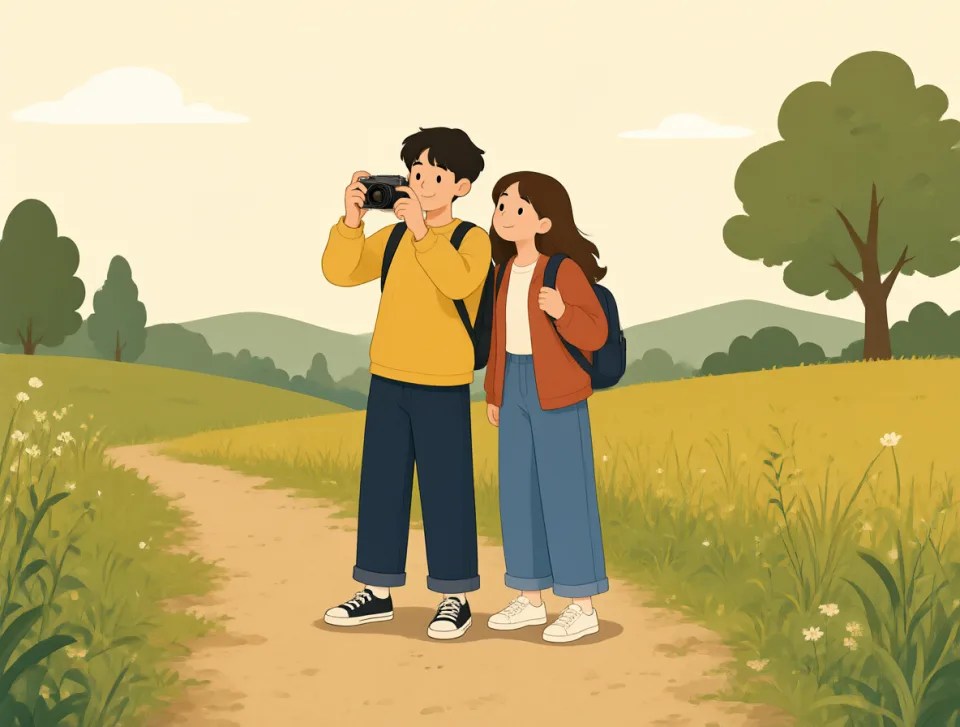
They blog about local walks and post new pictures every weekend.
Prowadzą blog o lokalnych trasach spacerowych i co weekend publikują nowe zdjęcia.
thirst
#2809noun
pragnienie
The feeling of needing or wanting to drink something.
Uczucie, że chce się lub trzeba coś wypić.

After playing football, I drank two glasses of water to satisfy my thirst.
Po grze w piłkę nożną wypiłem dwie szklanki wody, żeby ugasić pragnienie.

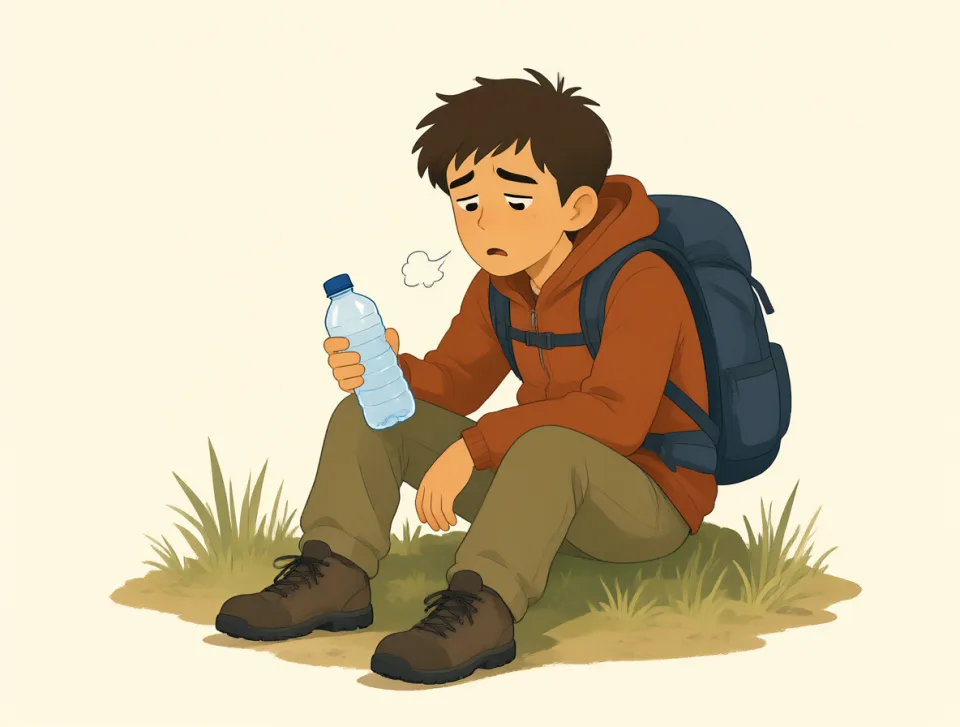
The long walk through the hot city increased our thirst.
Długi spacer po rozgrzanym mieście wzmógł nasze pragnienie.
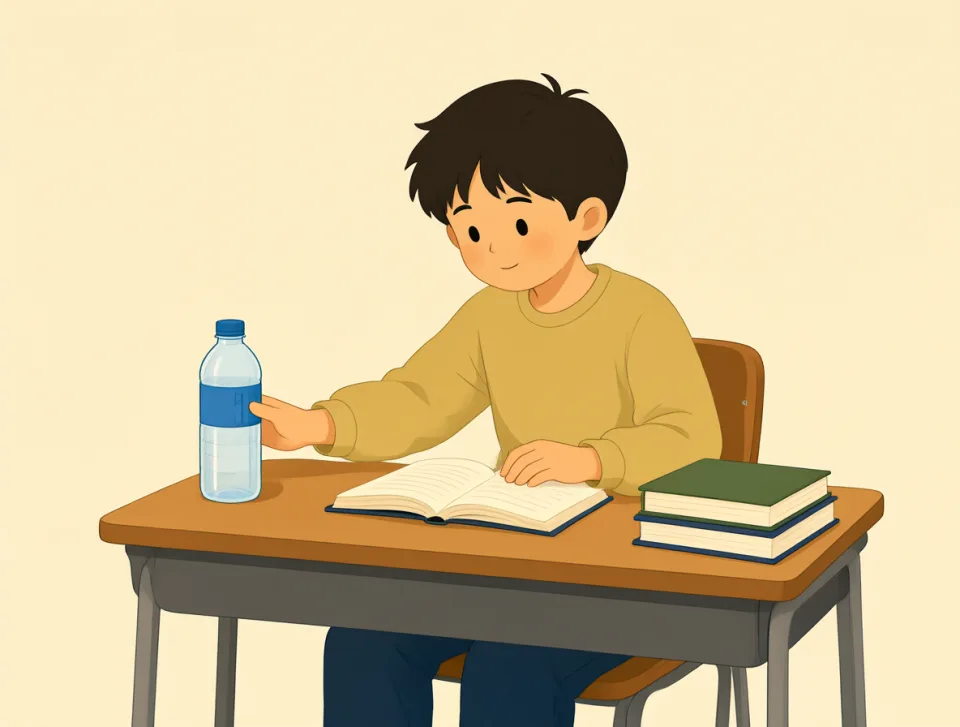
Keep a bottle of water nearby when thirst comes during class.
Trzymaj butelkę wody w pobliżu, gdy podczas lekcji poczujesz pragnienie.
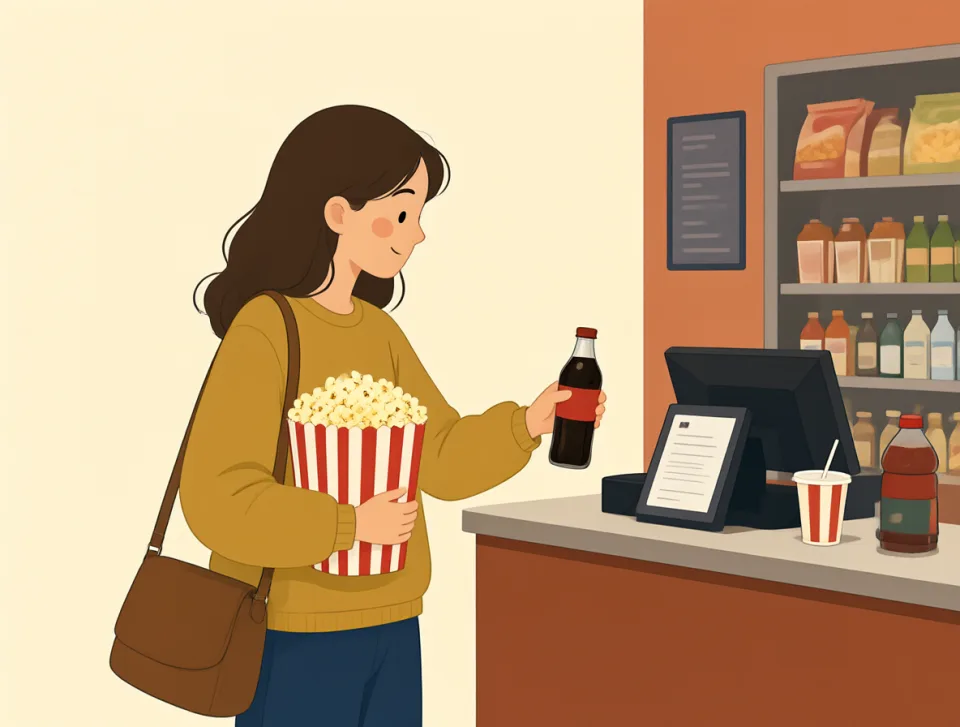
The salty popcorn made me so thirsty that I bought a drink.
Po słonym popcornie tak chciało mi się pić, że kupiłem coś do picia.
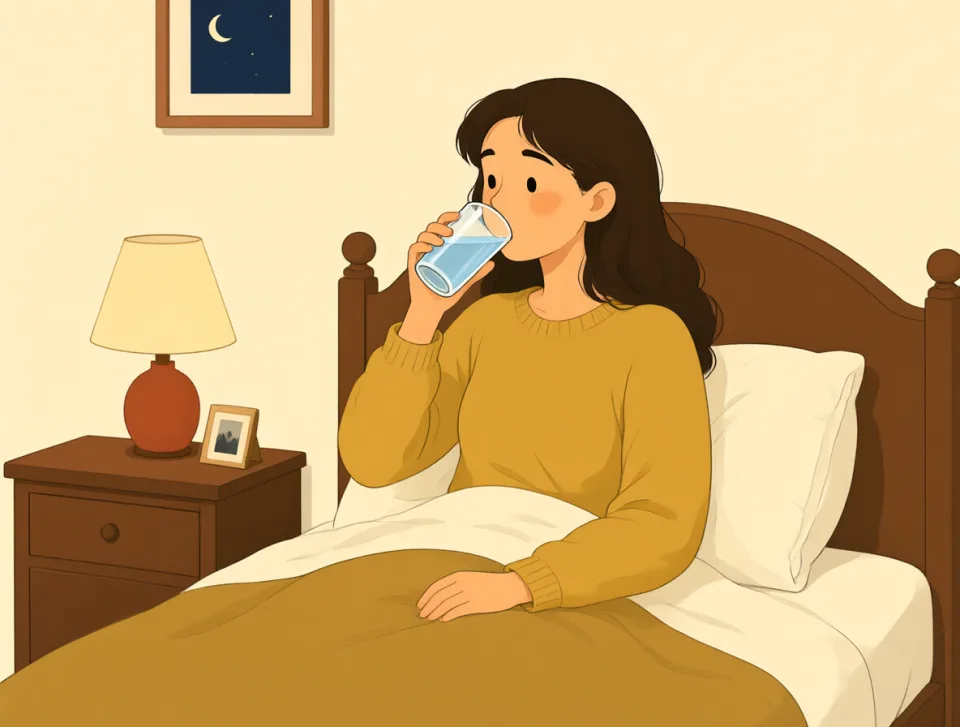
She woke during the night with a terrible thirst and drank some water.
Obudziła się w nocy z ogromnym pragnieniem i napiła się wody.