Unit 135
Kata 2681–2700 · cluster, confusion, hurry, logic, controversial, raw
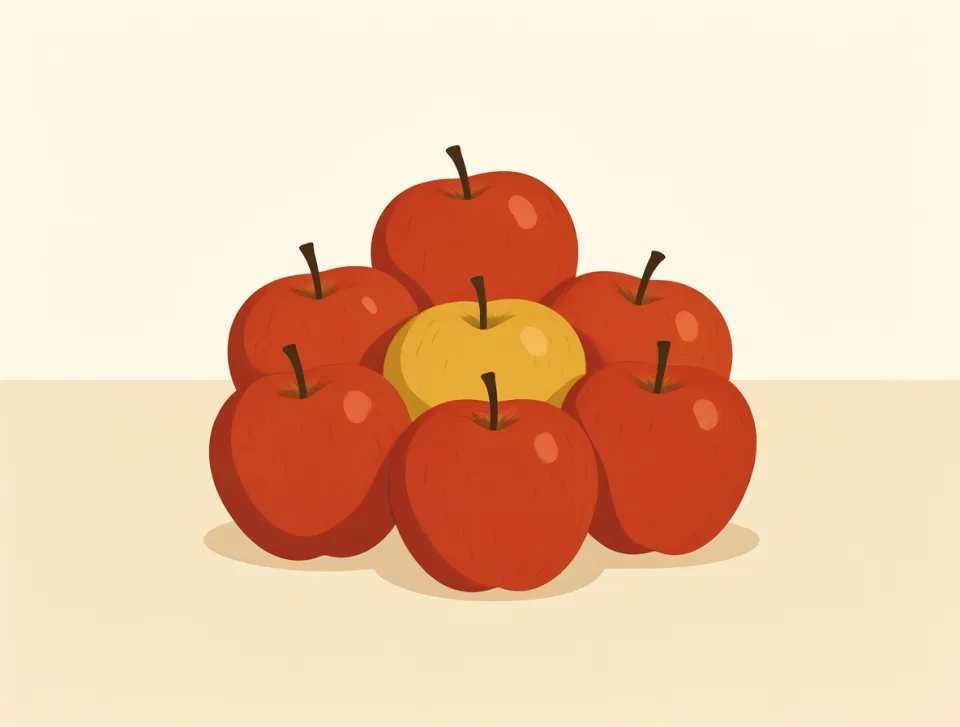
cluster
#2681noun, verb
kelompok; mengelompok
A group of similar things close together, or to gather closely in one place.
Sekelompok benda serupa yang letaknya berdekatan, atau berkumpul rapat di satu tempat.

A cluster of grapes hung from the vine beside the garden path.
Seikat anggur bergelantungan di pohon anggur di samping jalan setapak taman.

We found a small cluster of cafés near the train station.
Kami menemukan sekelompok kecil kafe di dekat stasiun kereta.
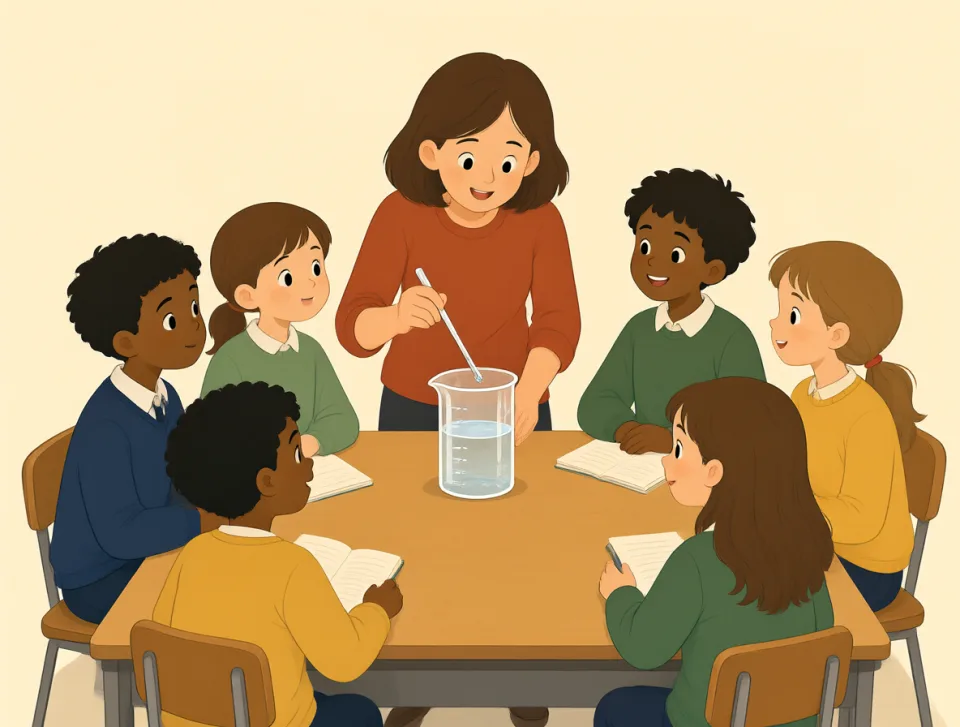
The children clustered around the teacher to see her science experiment.
Anak-anak berkerumun di sekitar guru untuk melihat percobaan sainsnya.
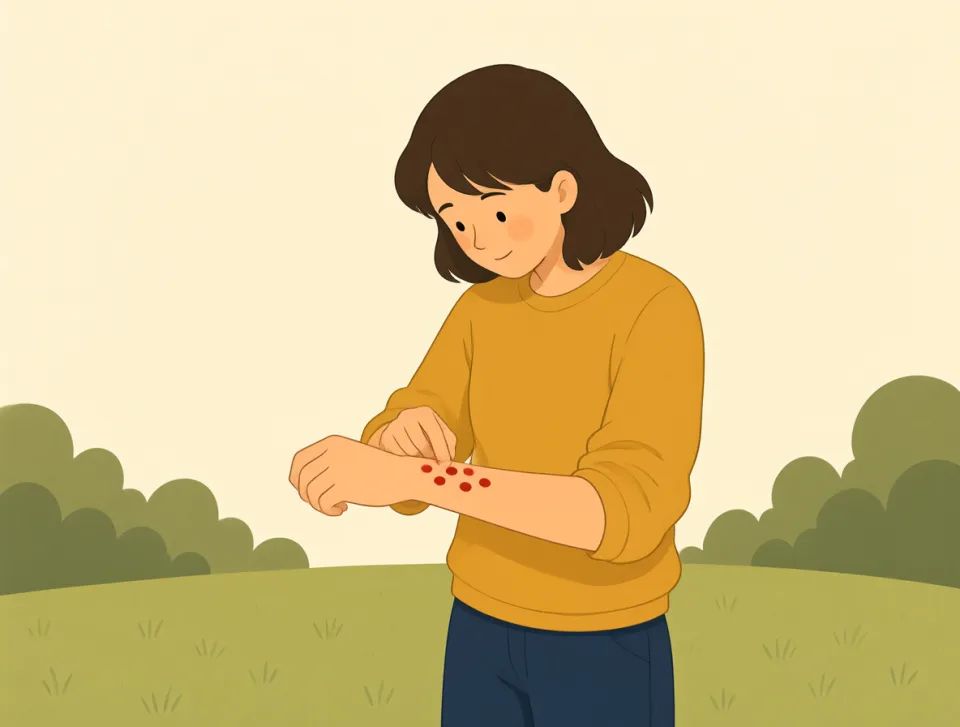
A cluster of red spots appeared on my arm after the hike.
Sekelompok bintik merah muncul di lengan saya setelah mendaki.
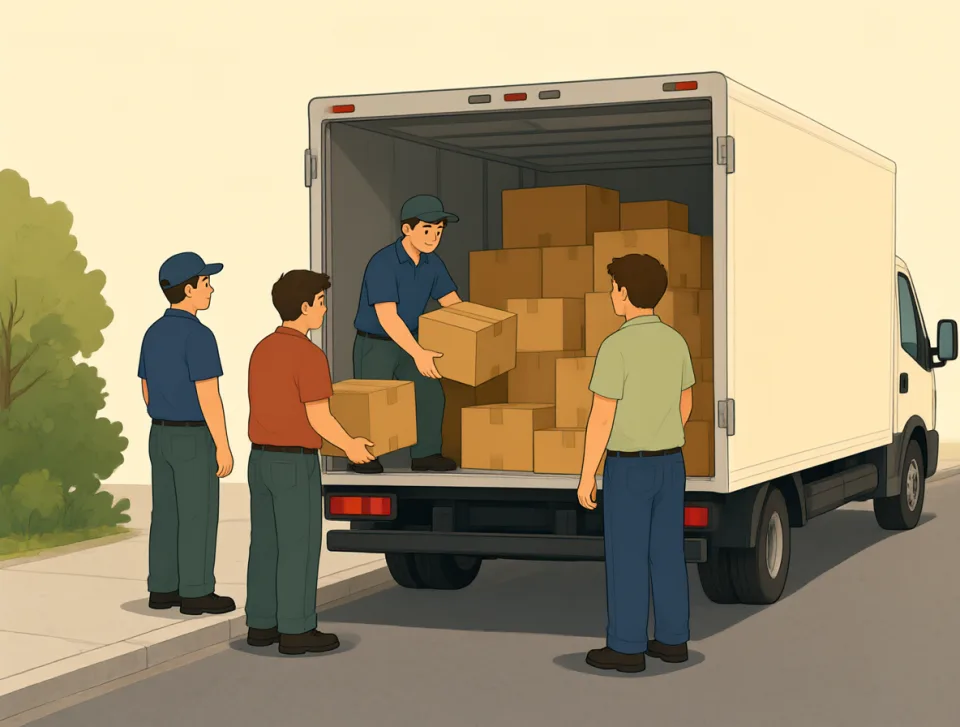
The workers clustered around the delivery truck to unload boxes.
Para pekerja berkerumun di sekitar truk pengiriman untuk menurunkan kotak-kotak.

confusion
#2682noun
kebingungan
A state of not understanding something clearly or of feeling unsure what to do.
Keadaan ketika seseorang tidak memahami sesuatu dengan jelas atau merasa tidak yakin harus berbuat apa.

There was some confusion about which room the meeting would be in.
Ada sedikit kebingungan tentang di ruangan mana rapat akan diadakan.
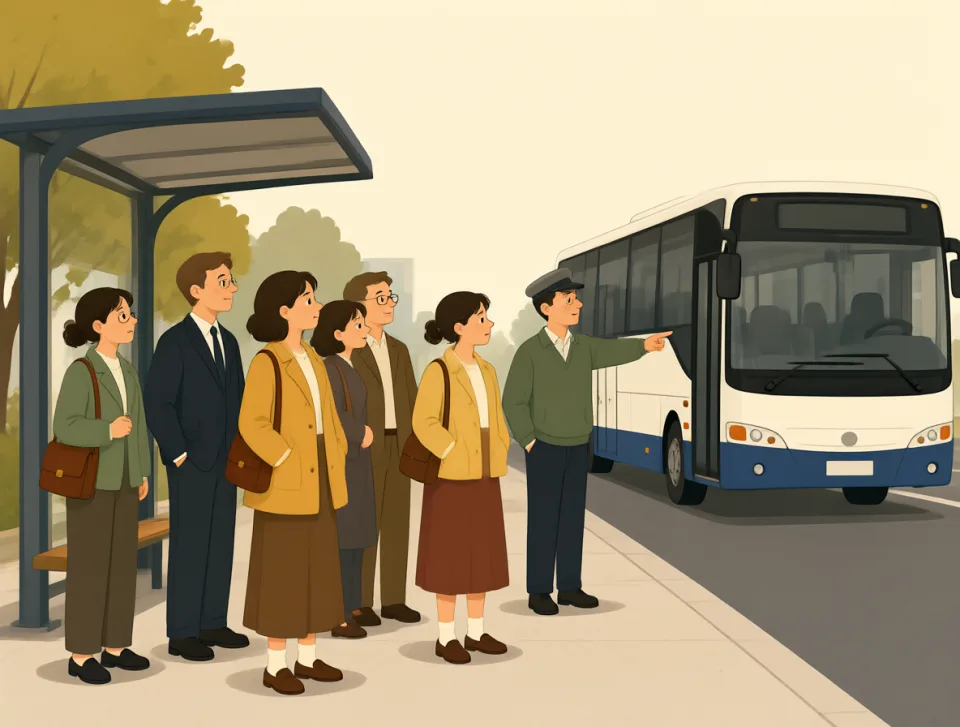
The new bus route caused confusion among passengers at the station.
Rute bus yang baru membuat para penumpang di stasiun kebingungan.
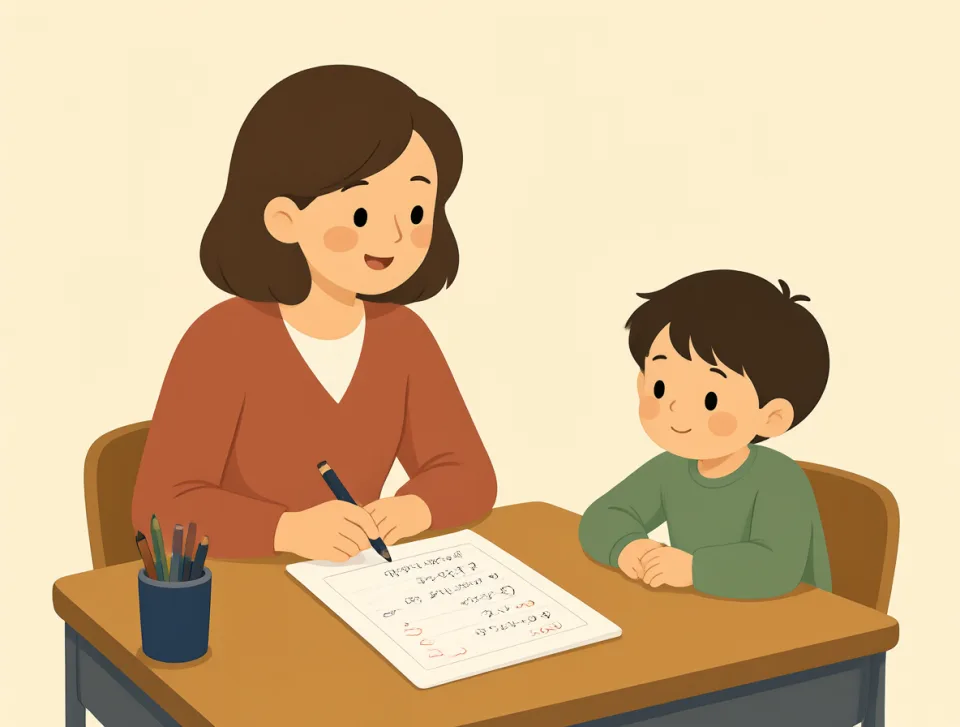
She cleared up the confusion by explaining the homework instructions again.
Dia mengatasi kebingungan itu dengan menjelaskan kembali petunjuk tugas rumah.
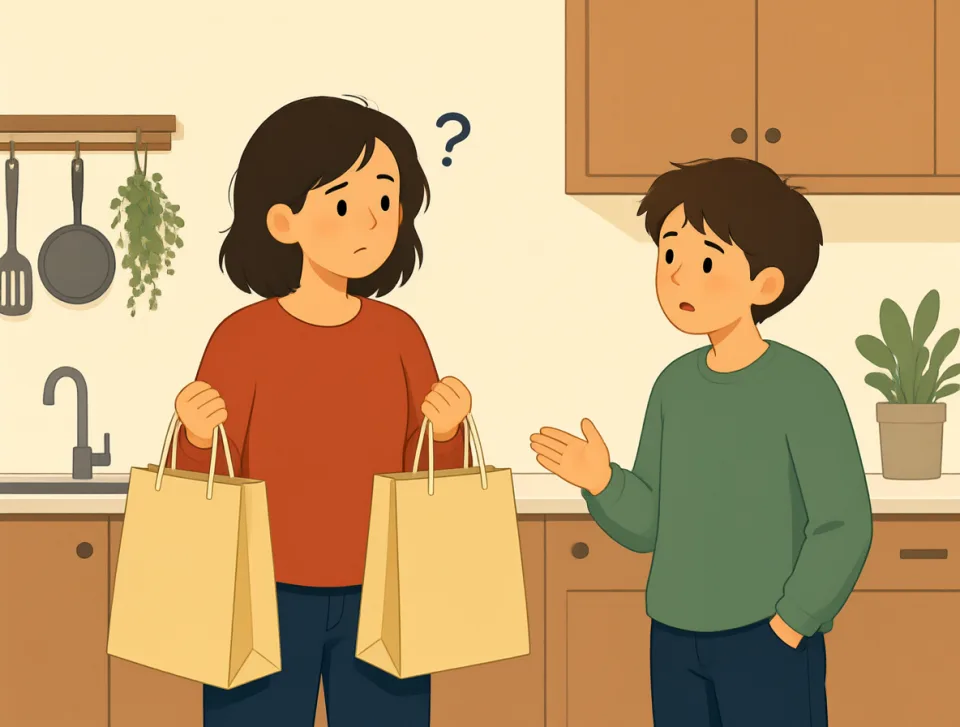
I mixed up the two shopping bags, causing confusion at home.
Saya tertukar membawa dua kantong belanja itu, sehingga terjadi kebingungan di rumah.
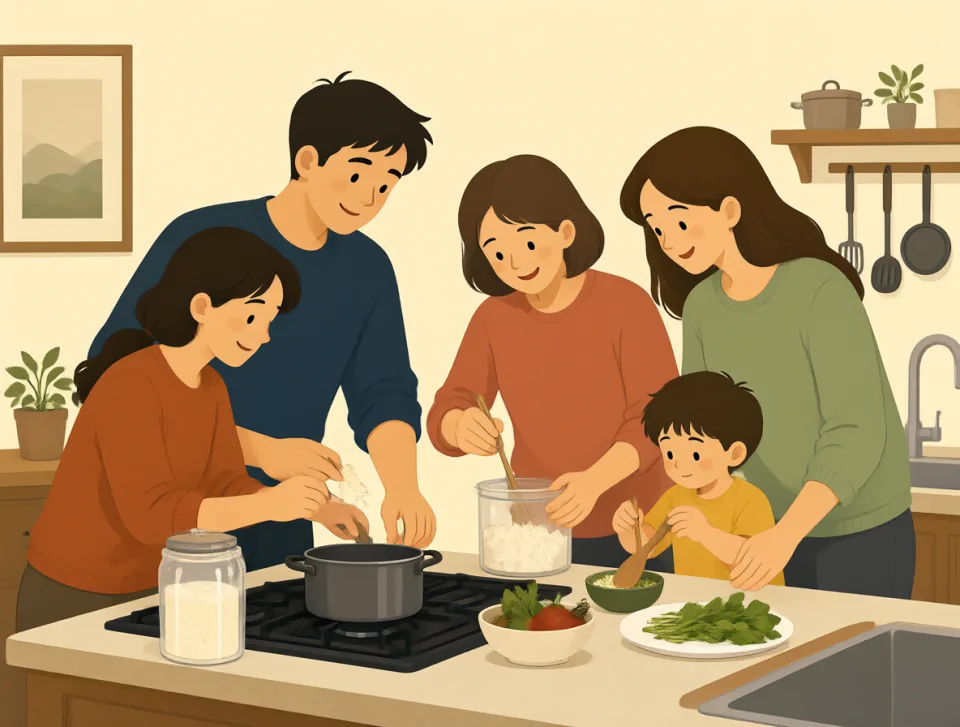
There was confusion in the kitchen when everyone tried to cook at once.
Dapur menjadi kacau saat semua orang mencoba memasak sekaligus.

hurry
#2683noun, verb
bergegas; mempercepat
To do something quickly or make someone move or act quickly.
Melakukan sesuatu dengan cepat atau membuat seseorang bergerak atau bertindak dengan cepat.

We hurried to catch the last train after dinner.
Kami bergegas mengejar kereta terakhir setelah makan malam.
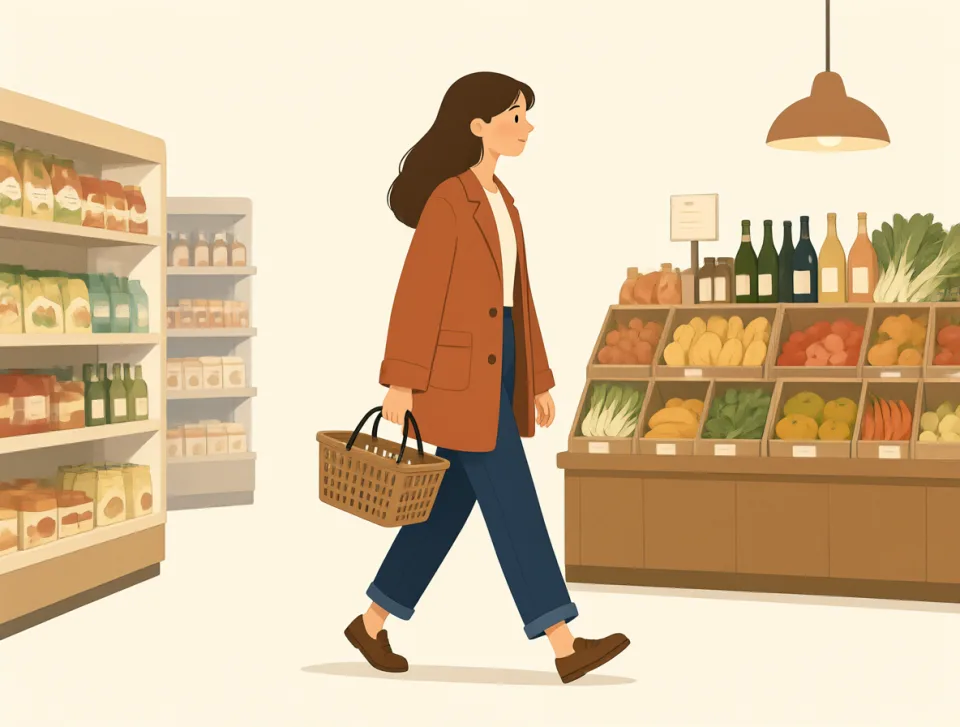
There’s no need to hurry; the store stays open until nine.
Tidak perlu buru-buru; tokonya buka sampai pukul sembilan.

She was in a hurry and left her keys on the kitchen table.
Dia sedang terburu-buru dan meninggalkan kuncinya di meja dapur.
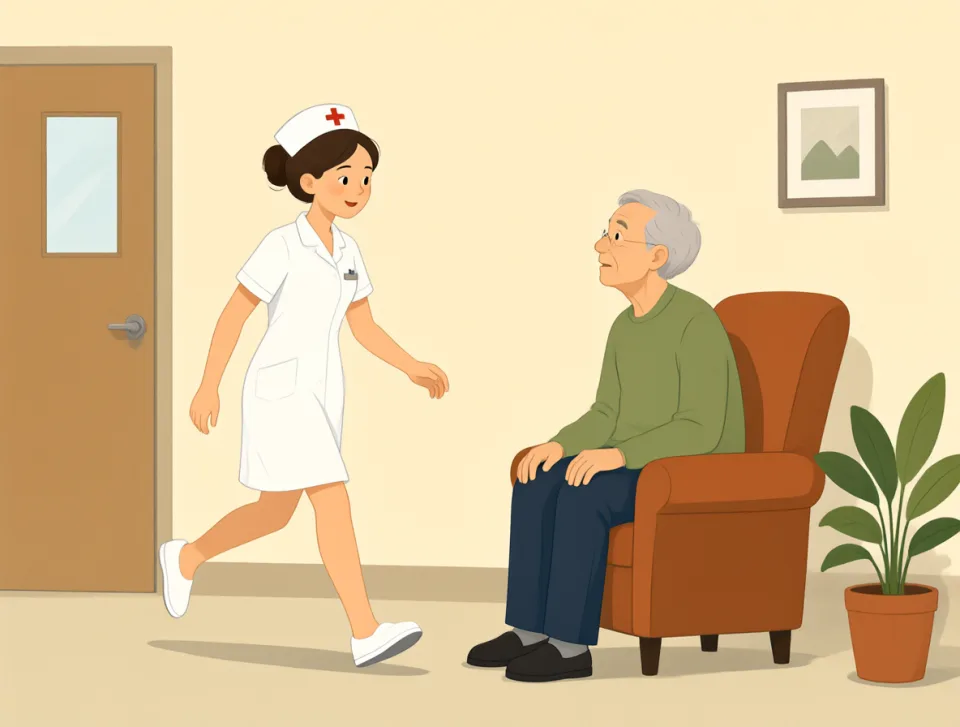
The nurse hurried to help the patient when he felt dizzy.
Perawat itu segera membantu pasien ketika pasien tersebut merasa pusing.
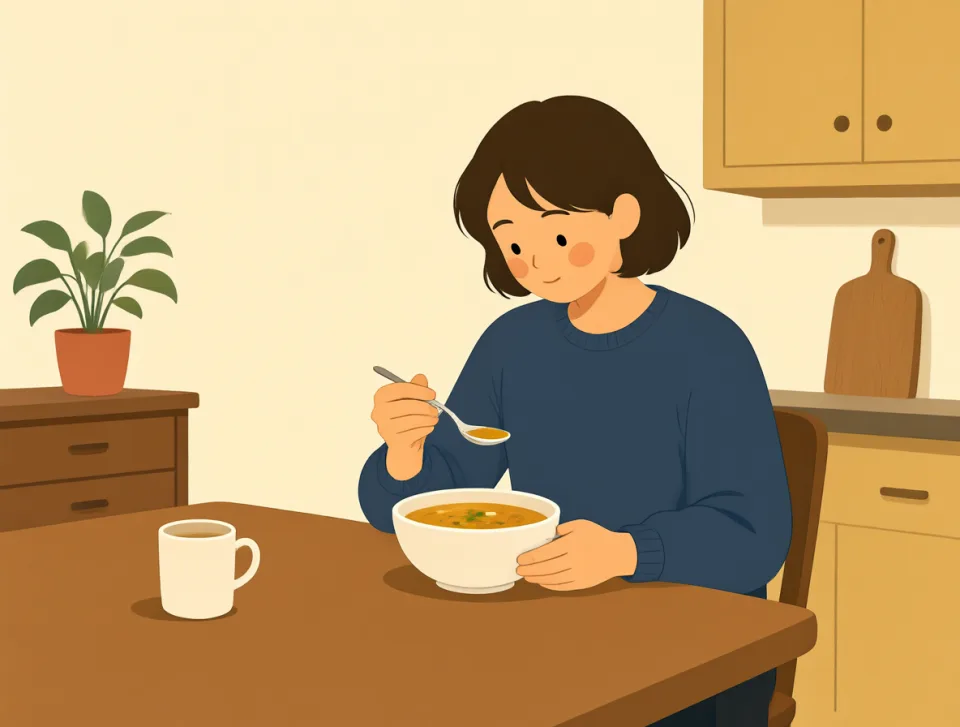
Don’t hurry your meal; take time to enjoy the soup.
Jangan terburu-buru menghabiskan makananmu; nikmati supnya perlahan-lahan.

logic
#2684noun
logika
A way of thinking that uses clear reasons to decide what is true or sensible.
Cara berpikir yang menggunakan alasan yang jelas untuk menentukan apa yang benar atau masuk akal.
Her logic was clear, so everyone agreed that we should leave early.
Alasannya jelas, jadi semua orang setuju bahwa kami sebaiknya berangkat lebih awal.

There is no logic in buying food we will never eat.
Tidak masuk akal membeli makanan yang tidak akan pernah kita makan.

The teacher asked us to explain the logic behind our answers.
Guru meminta kami menjelaskan alasan di balik jawaban kami.
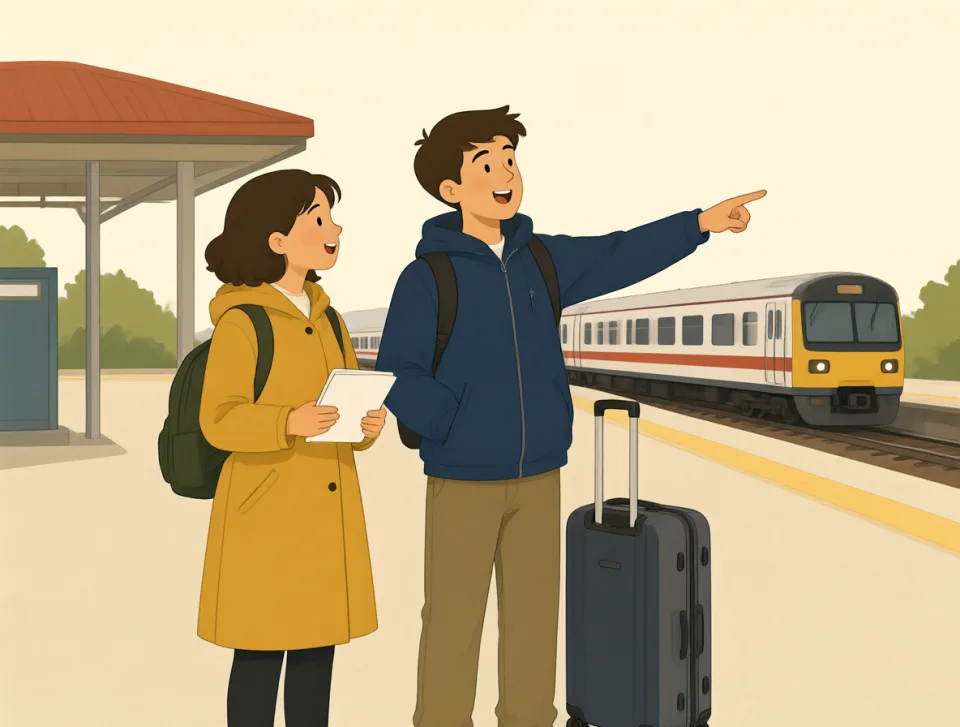
I understand your logic, but taking the train will save us time.
Saya mengerti alasanmu, tetapi naik kereta akan menghemat waktu kita.

The doctor used simple logic to explain why I need more rest.
Dokter menggunakan penjelasan yang sederhana dan masuk akal untuk menjelaskan mengapa saya perlu lebih banyak istirahat.

controversial
#2685adjective
kontroversial
Likely to cause strong disagreement among people.
Cenderung memicu perbedaan pendapat yang tajam di antara orang-orang.
The mayor’s controversial plan to close the library upset many local families.
Rencana wali kota yang kontroversial untuk menutup perpustakaan membuat banyak keluarga setempat kesal.
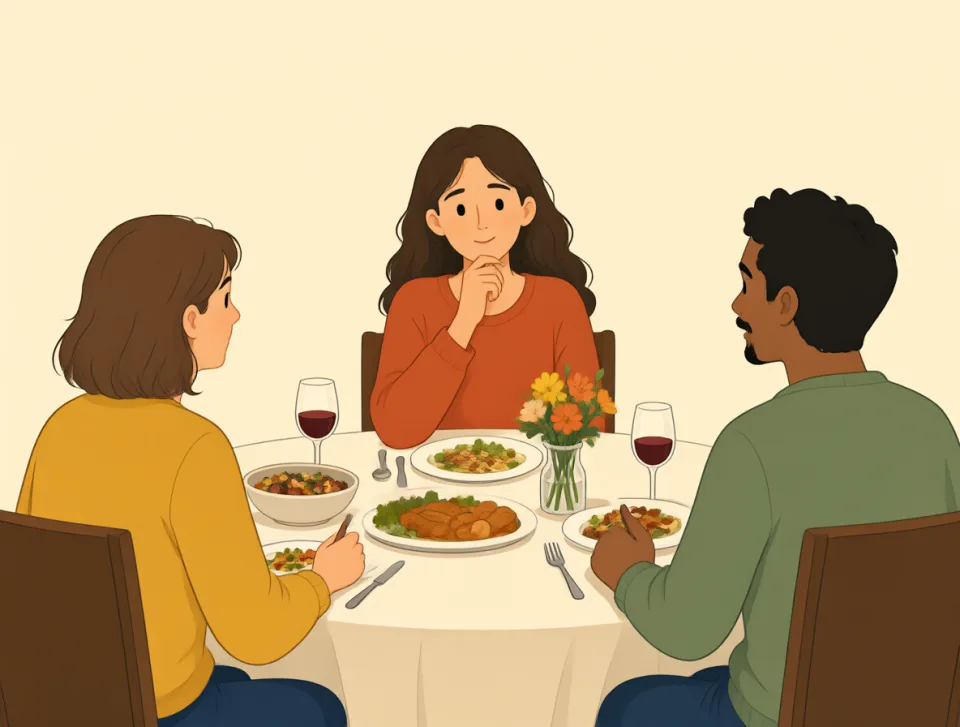
She avoided discussing the controversial decision with her friends over dinner.
Dia menghindari pembahasan tentang keputusan kontroversial itu bersama teman-temannya saat makan malam.

The teacher asked us to debate a controversial issue in class.
Guru meminta kami memperdebatkan isu kontroversial di kelas.

The restaurant’s controversial new menu includes meat from animals raised nearby.
Menu baru restoran yang kontroversial mencakup daging dari hewan yang diternakkan di sekitar sini.

His controversial comments about the new policy caused tension at work.
Komentarnya yang kontroversial tentang kebijakan baru menimbulkan ketegangan di tempat kerja.
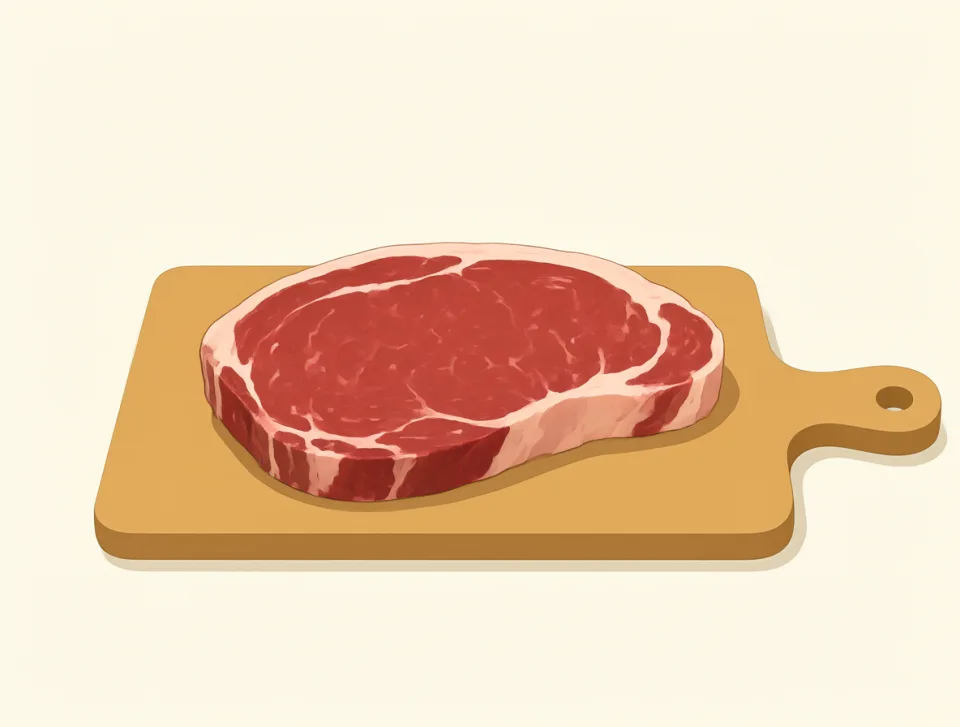
raw
#2686adjective
mentah
Not cooked, processed, or changed by heat or other treatment.
Belum dimasak, diolah, atau diubah dengan panas maupun perlakuan lainnya.
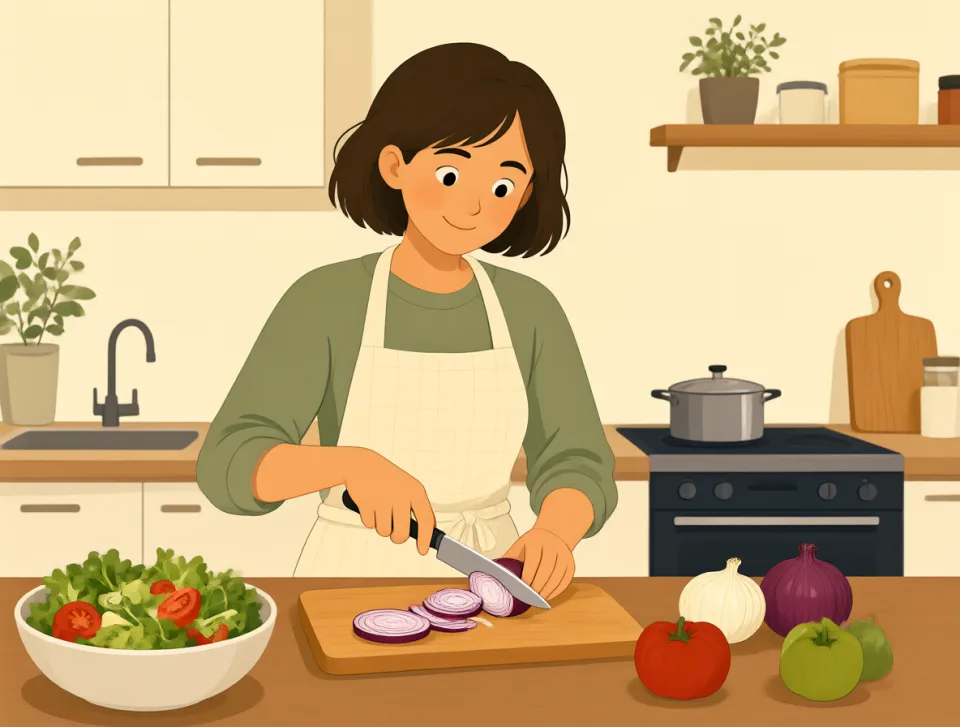
She added raw onions to the salad for extra crunch.
Dia menambahkan bawang bombai mentah ke dalam salad agar lebih renyah.
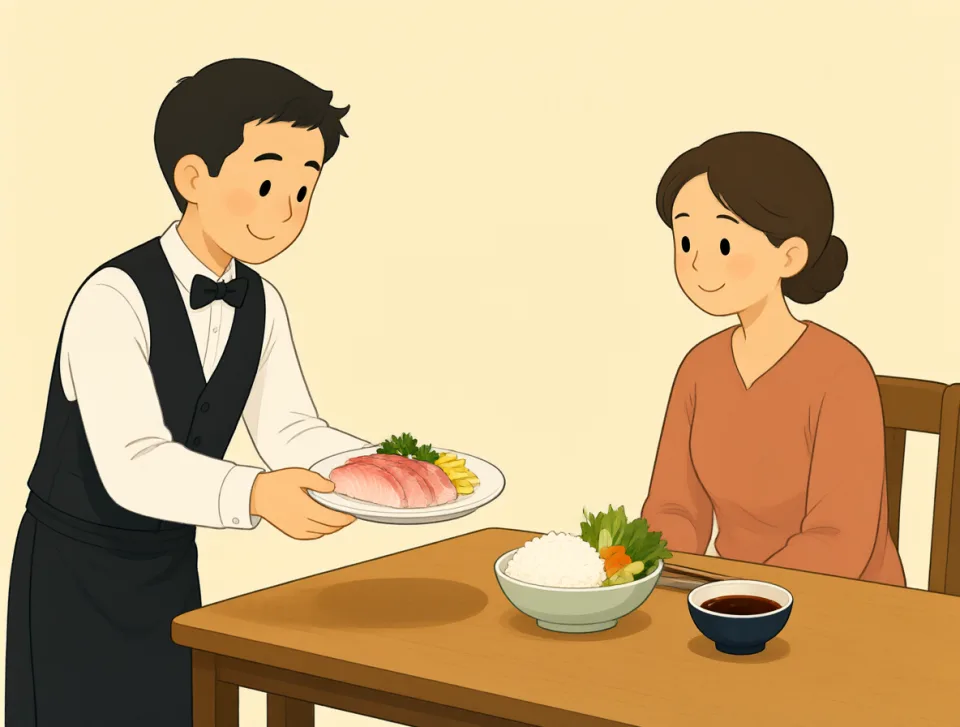
The restaurant serves raw fish with rice and fresh vegetables.
Restoran itu menyajikan ikan mentah dengan nasi dan sayuran segar.
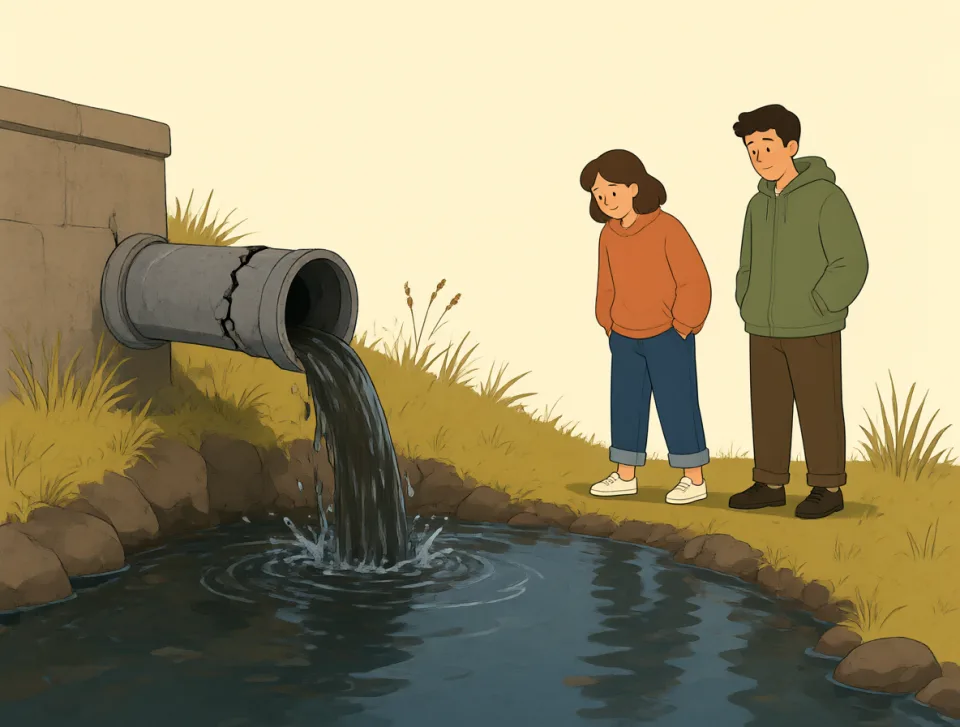
Raw sewage flowed into the river after the old pipe broke.
Limbah cair mentah mengalir ke sungai setelah pipa tua itu pecah.

He has a raw talent for music, though he has never taken lessons.
Dia punya bakat alami di bidang musik, meskipun belum pernah mengikuti les.

The cold wind left her hands raw and red after the walk.
Angin dingin membuat tangannya kasar dan merah setelah berjalan-jalan.

grammar
#2687noun
tata bahasa
The rules for forming words and sentences in a language.
Aturan untuk membentuk kata dan kalimat dalam suatu bahasa.
I check my grammar carefully before sending important emails at work.
Saya memeriksa tata bahasa dengan saksama sebelum mengirim email penting di tempat kerja.

Our teacher explained the grammar rules before we started writing the story.
Guru kami menjelaskan aturan tata bahasa sebelum kami mulai menulis cerita.

Please correct my grammar before I send this message to my friend.
Tolong perbaiki tata bahasa saya sebelum saya mengirim pesan ini kepada teman saya.

I need to improve my grammar for the job interview next month.
Saya perlu memperbaiki tata bahasa saya untuk wawancara kerja bulan depan.

The travel guide used simple grammar so everyone could understand the instructions.
Pemandu perjalanan itu menggunakan tata bahasa yang sederhana agar semua orang bisa memahami petunjuknya.

revise
#2688verb
merevisi
to change something to improve it or make it more suitable
Mengubah sesuatu untuk memperbaikinya atau membuatnya lebih sesuai.

I need to revise my report before I send it to my manager.
Saya perlu merevisi laporan saya sebelum mengirimkannya kepada manajer.

She revised her essay after her teacher gave her helpful comments.
Dia merevisi esainya setelah gurunya memberikan masukan yang berguna.

The company revised its travel plans because the storm delayed several flights.
Perusahaan itu merevisi rencana perjalanannya karena badai menunda beberapa penerbangan.

We are revising the menu to include more healthy meals for lunch.
Kami sedang merevisi menu agar mencakup lebih banyak pilihan makan siang yang sehat.

He revised his opinion after talking with his friends about the problem.
Dia mengubah pendapatnya setelah berbicara dengan teman-temannya tentang masalah itu.
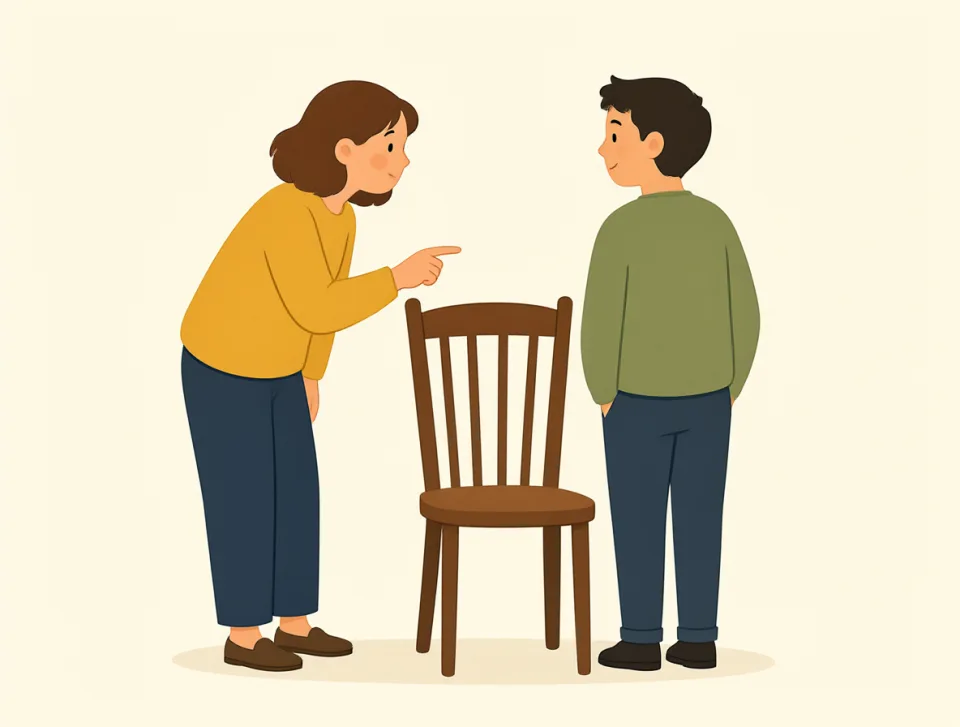
hint
#2689noun, verb
petunjuk
A small piece of information that helps you understand or do something.
Sedikit informasi yang membantu Anda memahami atau melakukan sesuatu.
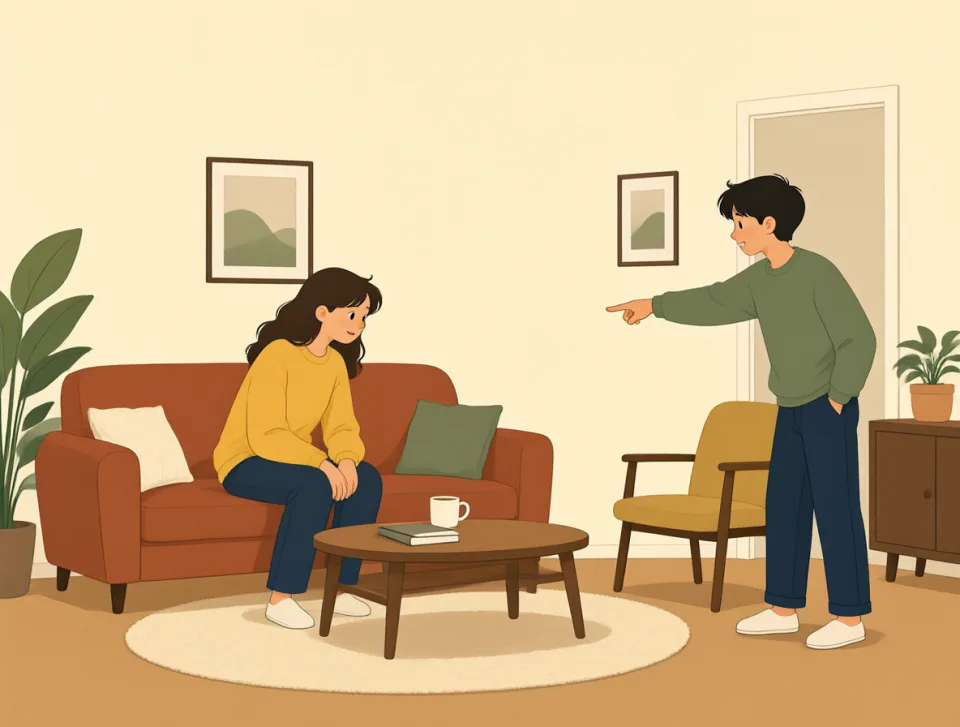
Could you give me a hint about where you left my keys?
Bisa beri saya petunjuk tentang di mana Anda meninggalkan kunci saya?

The teacher gave us a hint to help us solve the problem.
Guru memberi kami petunjuk untuk membantu kami memecahkan masalah itu.

I took the hint and stopped asking him about his plans.
Saya menangkap petunjuk itu dan berhenti menanyakan rencananya kepadanya.

The waiter hinted that the soup was especially good today.
Pelayan itu memberi isyarat bahwa sup hari ini sangat lezat.

She hinted to her manager that she was ready for more responsibility.
Dia memberi isyarat kepada manajernya bahwa dia siap menerima tanggung jawab yang lebih besar.

hook
#2690noun, verb
kait
A curved piece of metal or plastic used for hanging or catching something.
Benda melengkung dari logam atau plastik yang digunakan untuk menggantung atau menangkap sesuatu.

She hung her coat on a hook beside the front door.
Dia menggantung mantelnya pada kait di samping pintu depan.

The fisherman used a small hook to catch trout in the lake.
Nelayan itu menggunakan kail kecil untuk menangkap ikan trout di danau.

He hooked his bag over the chair while he ordered lunch.
Dia mengaitkan tasnya di sandaran kursi sambil memesan makan siang.

The nurse hooked the patient up to a heart monitor before the test.
Perawat itu menghubungkan pasien ke monitor jantung sebelum pemeriksaan.

The song’s catchy opening hooked everyone at the school dance.
Bagian pembuka lagu yang menarik itu memikat semua orang di pesta dansa sekolah.

bell
#2691noun, verb
bel
A hollow metal object that makes a clear ringing sound when struck or shaken.
Benda logam berongga yang mengeluarkan bunyi denting yang jernih saat dipukul atau digoyangkan.
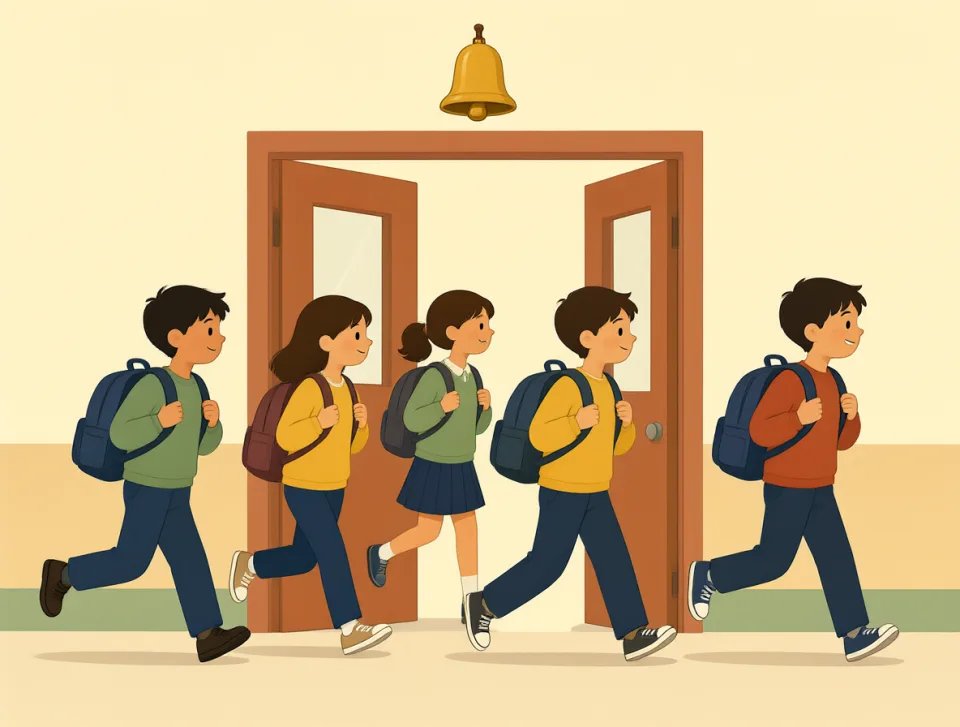
The school bell rang, and the students hurried into their classrooms.
Bel sekolah berbunyi, dan para siswa bergegas masuk ke ruang kelas mereka.

She heard the doorbell while she was making dinner in the kitchen.
Dia mendengar bel pintu saat sedang memasak makan malam di dapur.
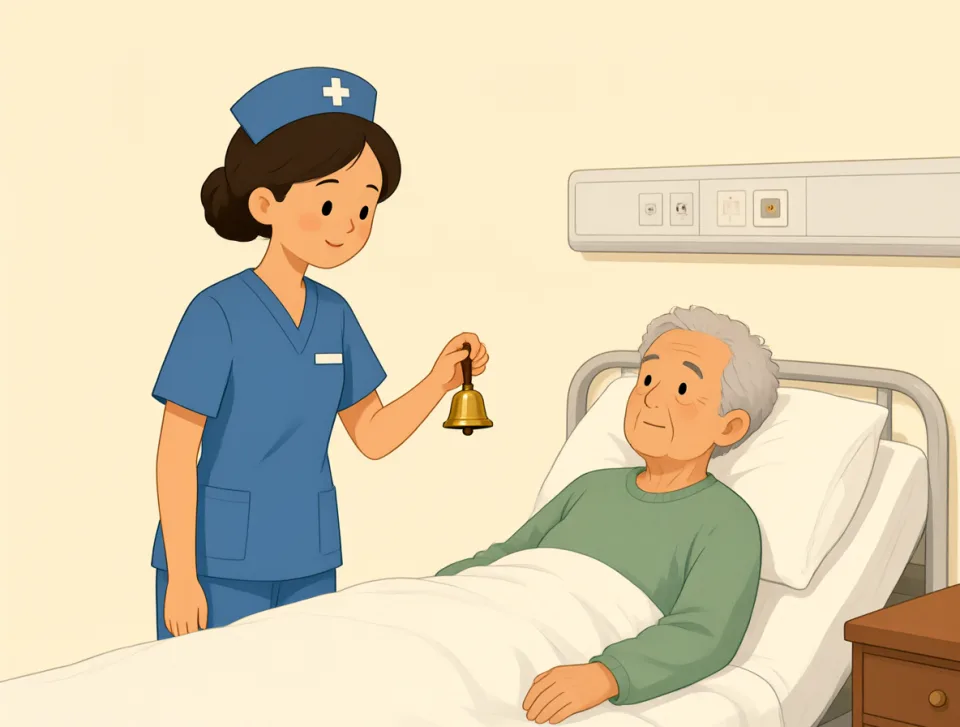
The nurse rang a small bell to call the doctor into the room.
Perawat membunyikan bel kecil untuk memanggil dokter masuk ke ruangan.

We could hear church bells ringing across the town on Sunday morning.
Kami bisa mendengar bunyi lonceng gereja di seluruh kota pada Minggu pagi.

He bellied up to the counter and ordered a coffee for the trip.
Dia mendekat ke meja konter lalu memesan kopi untuk perjalanan.

liquid
#2692noun, adjective
cairan
A substance that flows freely and is not a solid or a gas.
Zat yang mengalir dengan bebas dan bukan benda padat atau gas.
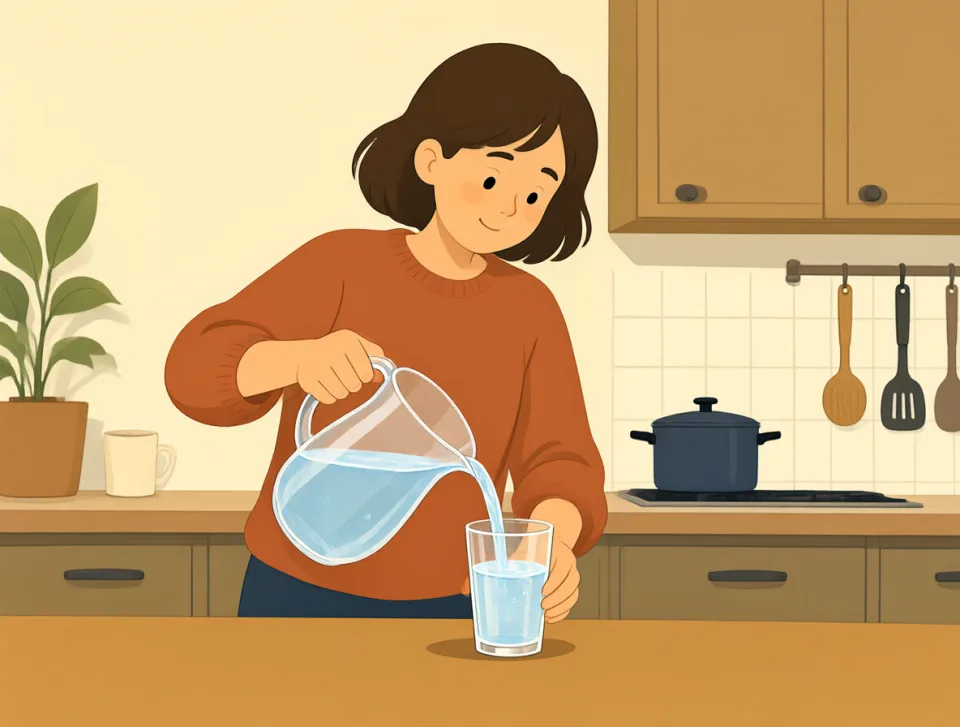
Please pour the liquid into a clean glass before you serve it.
Silakan tuangkan cairan itu ke dalam gelas bersih sebelum menyajikannya.

The doctor gave me liquid medicine because I could not swallow tablets.
Dokter memberi saya obat cair karena saya tidak bisa menelan tablet.
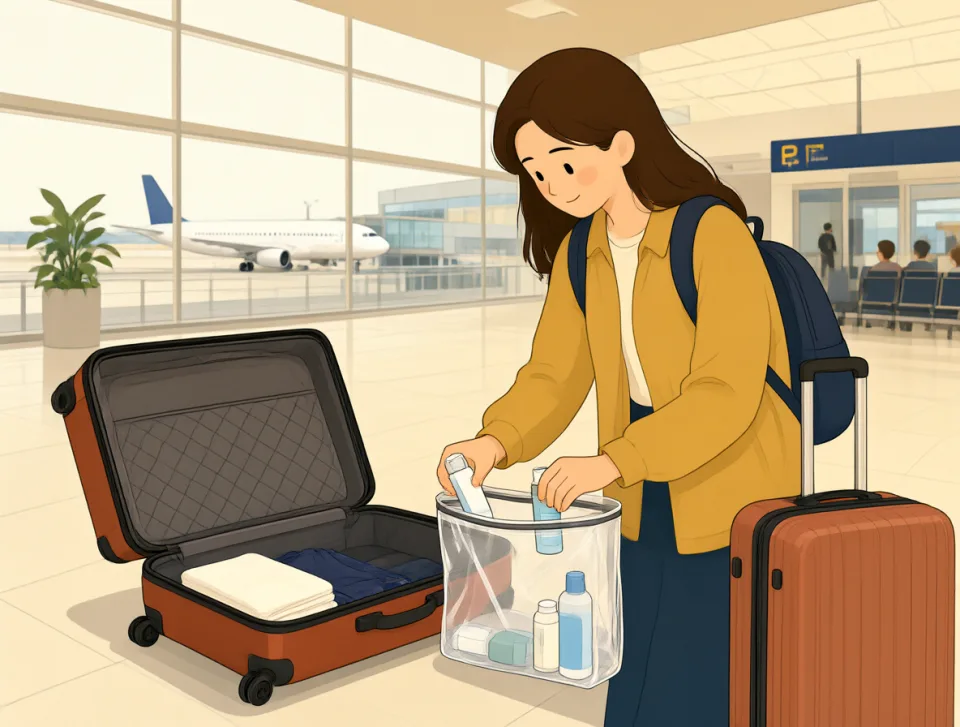
Keep all liquid bottles in a separate bag when you go through airport security.
Simpan semua botol berisi cairan di dalam tas terpisah saat melewati pemeriksaan keamanan bandara.
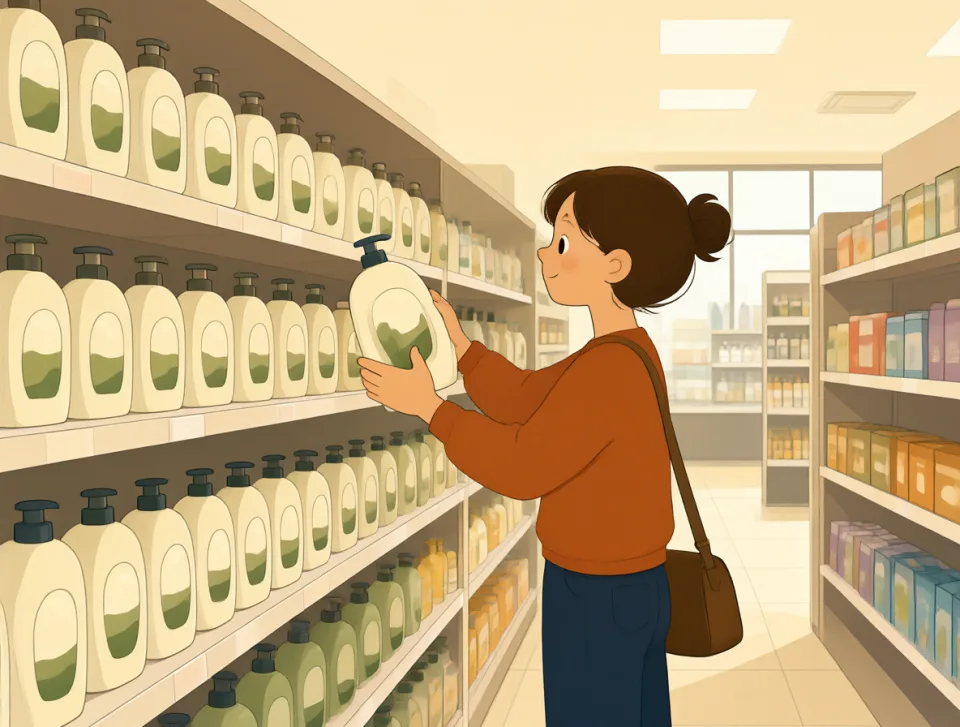
The shop sells liquid soap in large refill bottles near the cleaning products.
Toko itu menjual sabun cair dalam botol isi ulang besar di dekat produk pembersih.
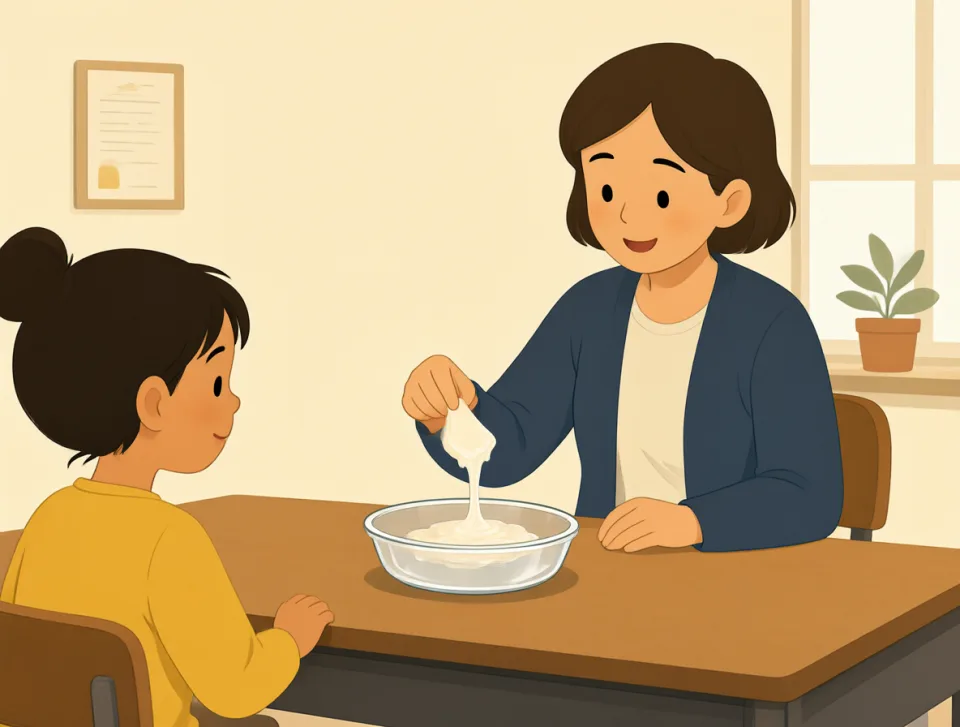
The teacher heated the solid until it became liquid during the science lesson.
Guru memanaskan benda padat itu sampai menjadi cair selama pelajaran sains.
panic
#2693noun, verb
panik
A sudden strong fear that makes you act quickly without thinking clearly.
Rasa takut kuat yang muncul tiba-tiba dan membuat Anda bertindak cepat tanpa berpikir jernih.
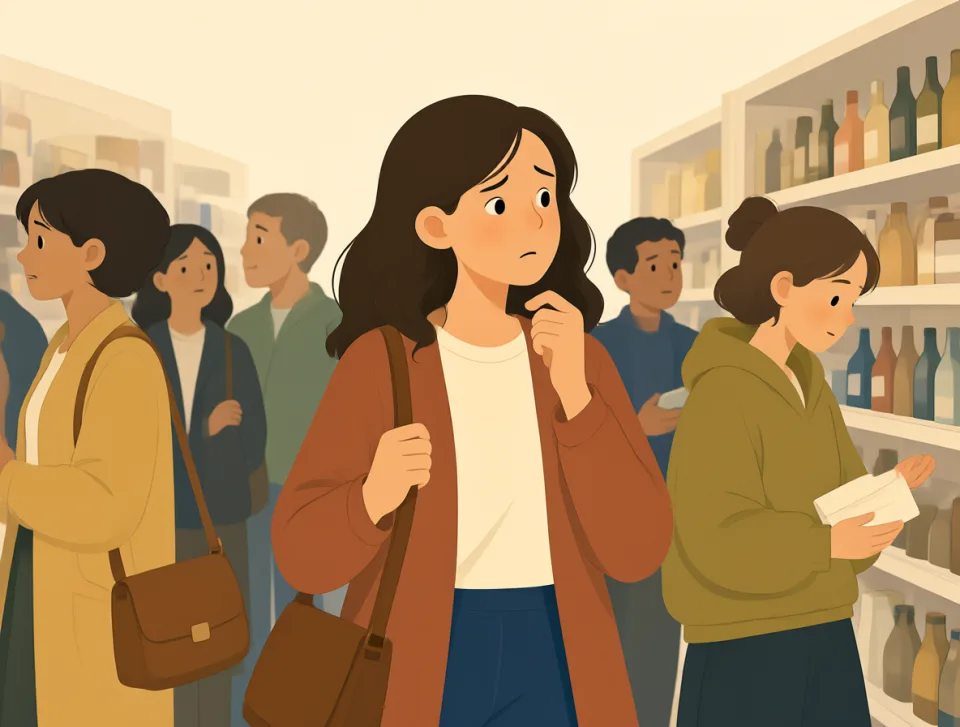
She started to panic when she realized her child was missing in the crowded shop.
Dia mulai panik ketika menyadari bahwa anaknya hilang di toko yang ramai.

Try not to panic; the doctor says your test results should arrive tomorrow.
Cobalah untuk tidak panik; kata dokter, hasil pemeriksaan Anda seharusnya tiba besok.

He panicked when the train doors closed and his friend was still outside.
Dia panik ketika pintu kereta tertutup sementara temannya masih berada di luar.

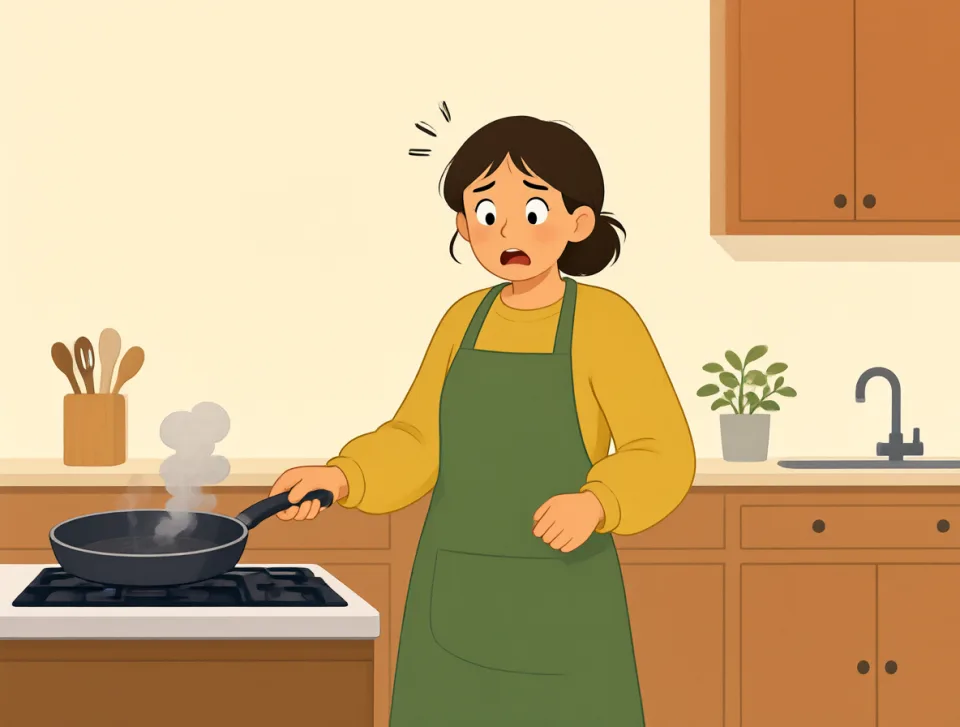
There was a moment of panic when smoke filled the office kitchen.
Sempat terjadi kepanikan ketika asap memenuhi dapur kantor.

The sudden panic passed when we found the lost dog under the table.
Kepanikan yang tiba-tiba itu reda ketika kami menemukan anjing yang hilang di bawah meja.
uncle
#2694noun
paman
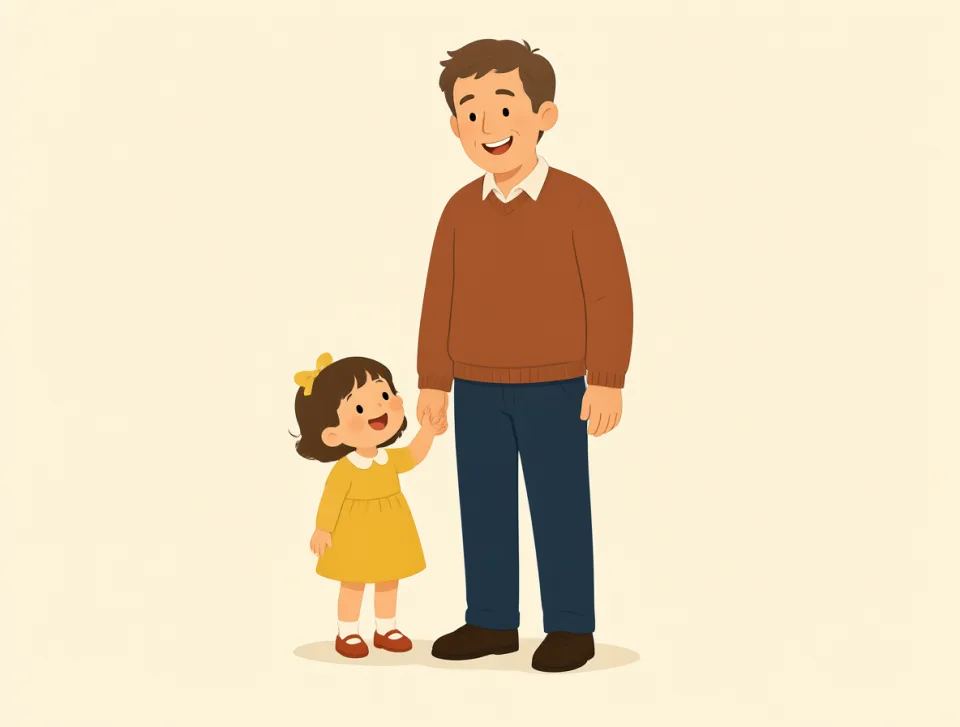
Your uncle is your mother’s or father’s brother.
Paman adalah saudara laki-laki dari ibu atau ayah Anda.

My uncle lives nearby, so we often visit him on Sunday afternoons.
Paman saya tinggal di dekat sini, jadi kami sering mengunjunginya pada Minggu sore.

My uncle gave me useful advice about finding my first job.
Paman saya memberi saya nasihat yang berguna tentang cara mendapatkan pekerjaan pertama.

We invited our uncles to the family dinner last weekend.
Kami mengundang para paman kami ke acara makan malam keluarga akhir pekan lalu.

My uncle picked me up from school when my parents were working.
Paman saya menjemput saya dari sekolah ketika orang tua saya sedang bekerja.

I called my uncle while traveling because I missed my family.
Saya menelepon paman saya saat bepergian karena saya merindukan keluarga.
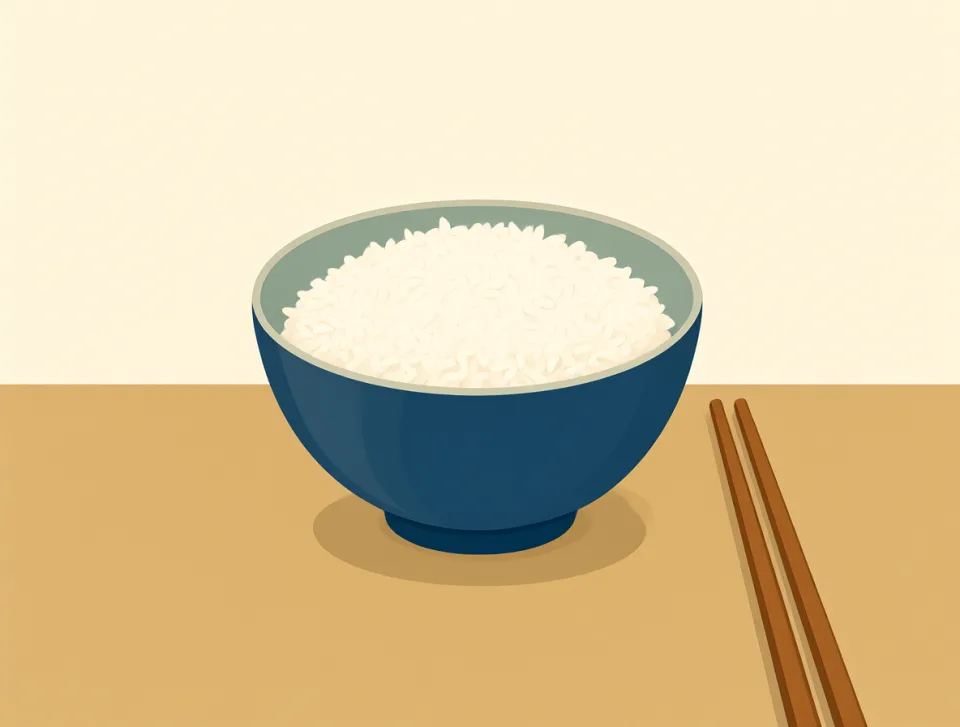
rice
#2695noun
beras; nasi
A small white or brown grain used as food, often cooked and served with other dishes.
Bulir kecil berwarna putih atau cokelat yang digunakan sebagai makanan, biasanya dimasak dan disajikan bersama hidangan lain.
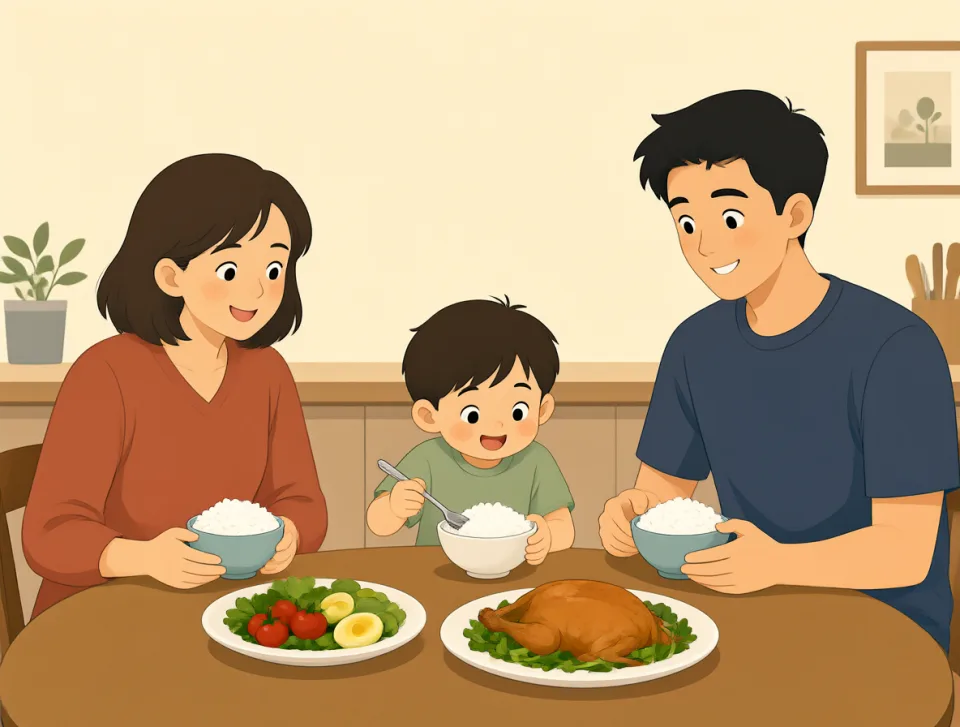
We usually eat rice with vegetables and chicken for dinner.
Kami biasanya makan nasi dengan sayuran dan ayam untuk makan malam.
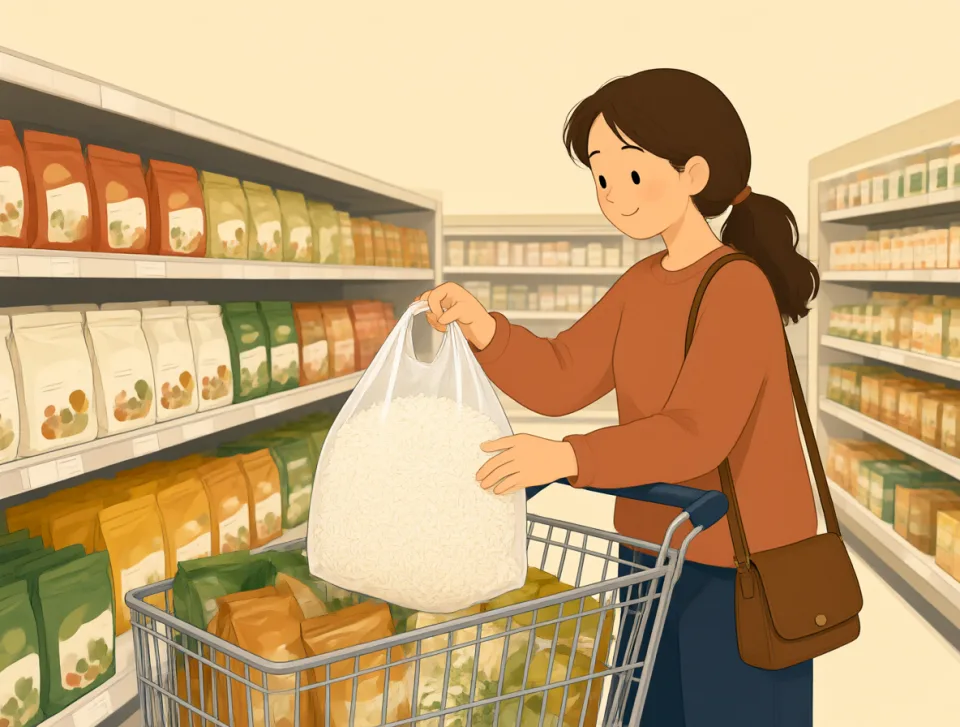
Could you buy a bag of rice at the supermarket?
Bisakah kamu membeli sekarung beras di supermarket?
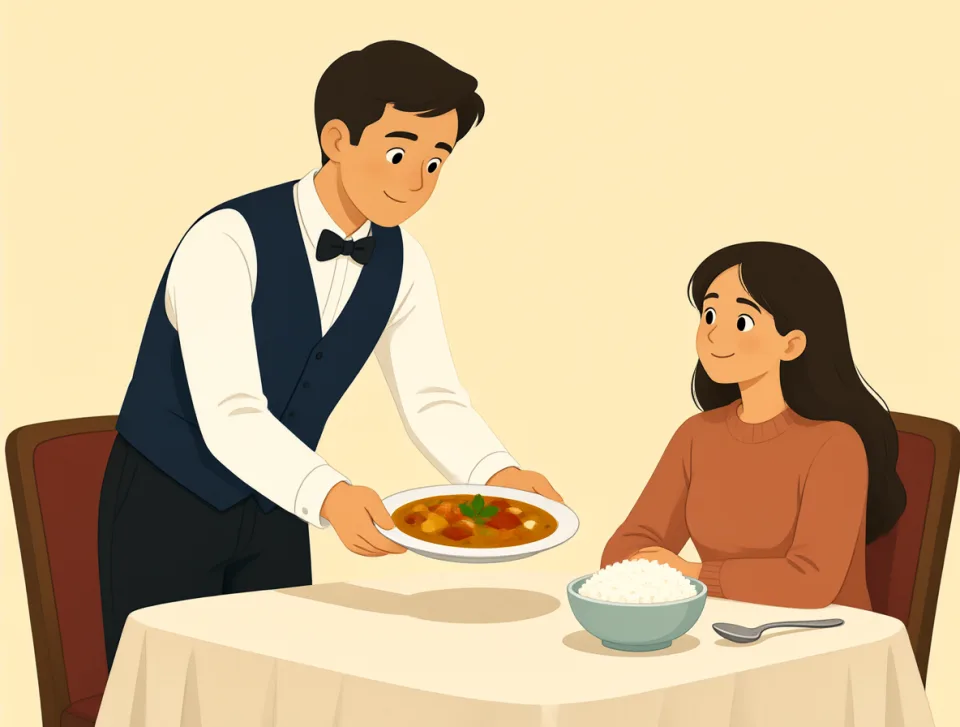
The restaurant serves rice with every curry dish.
Restoran itu menyajikan nasi dengan setiap hidangan kari.
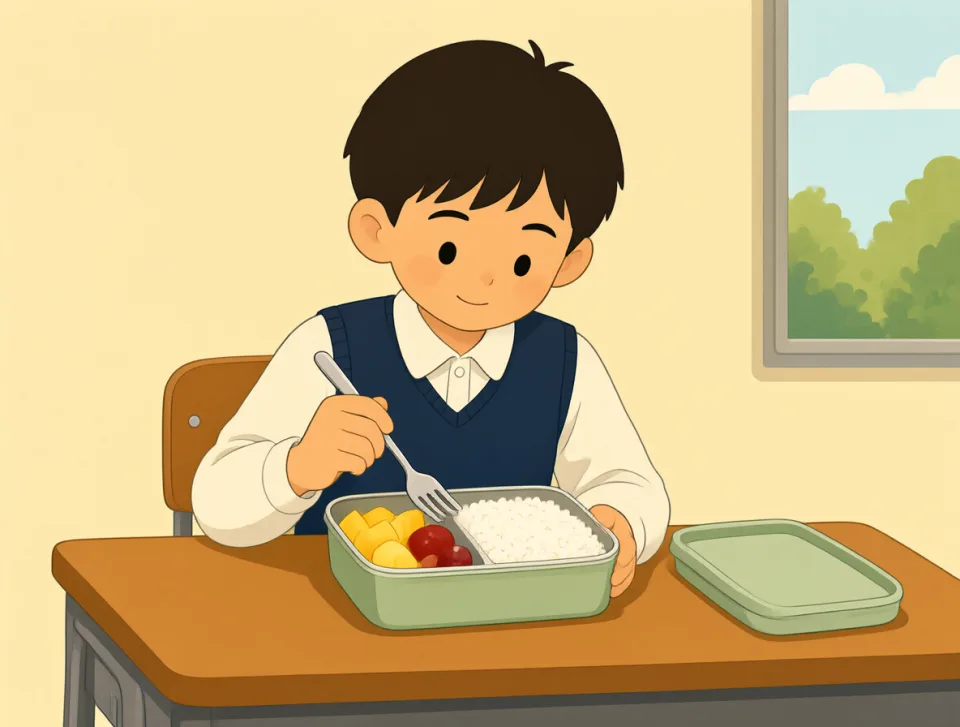
She packed rice and fruit for lunch at school.
Dia membawa nasi dan buah untuk makan siang di sekolah.
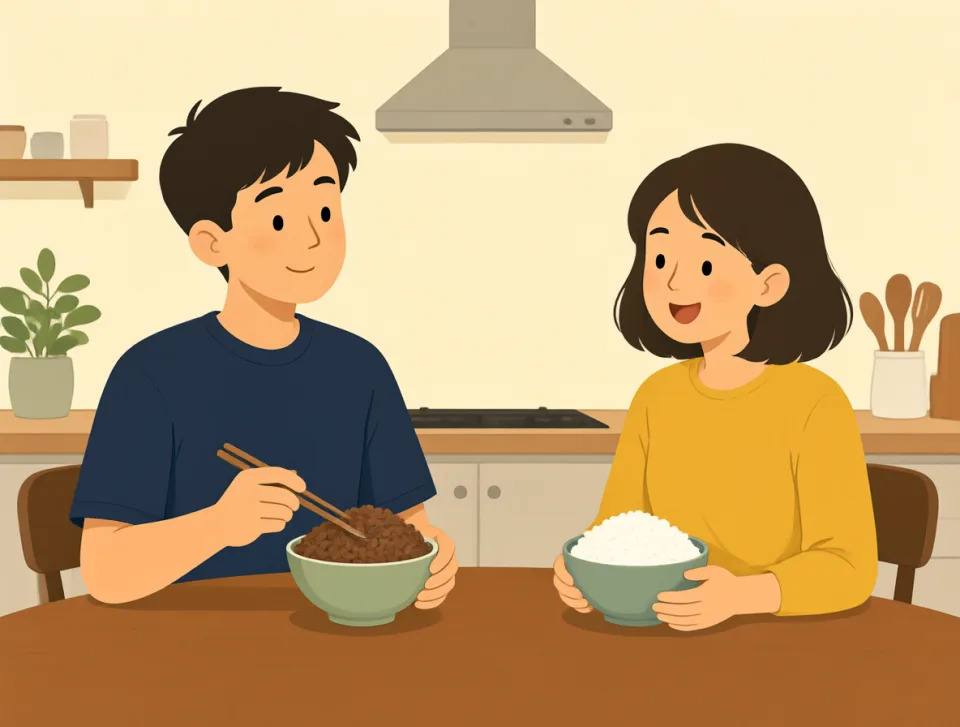
Eating brown rice can provide more fiber than eating white rice.
Makan nasi merah dapat memberikan lebih banyak serat daripada makan nasi putih.

slope
#2696noun, verb
lereng
A surface that rises or falls at an angle; to rise or fall at an angle.
Permukaan yang menanjak atau menurun dengan sudut tertentu; menanjak atau menurun dengan sudut tertentu.

The road climbed a steep slope before reaching the mountain village.
Jalan itu menanjak di lereng yang curam sebelum sampai ke desa pegunungan.

We carried our skis up the slope and waited for the lift.
Kami membawa ski kami mendaki lereng dan menunggu lift.

The garden slopes gently toward the stream behind our house.
Taman itu sedikit menurun ke arah sungai kecil di belakang rumah kami.

Workers planted grass on the slope beside the new highway.
Para pekerja menanam rumput di lereng di samping jalan raya yang baru.

The path slopes down toward the beach, so walk carefully.
Jalurnya menurun ke arah pantai, jadi berjalanlah dengan hati-hati.
happiness
#2697noun
kebahagiaan
The feeling of being pleased and satisfied with your life.
Perasaan senang dan puas dengan kehidupanmu.
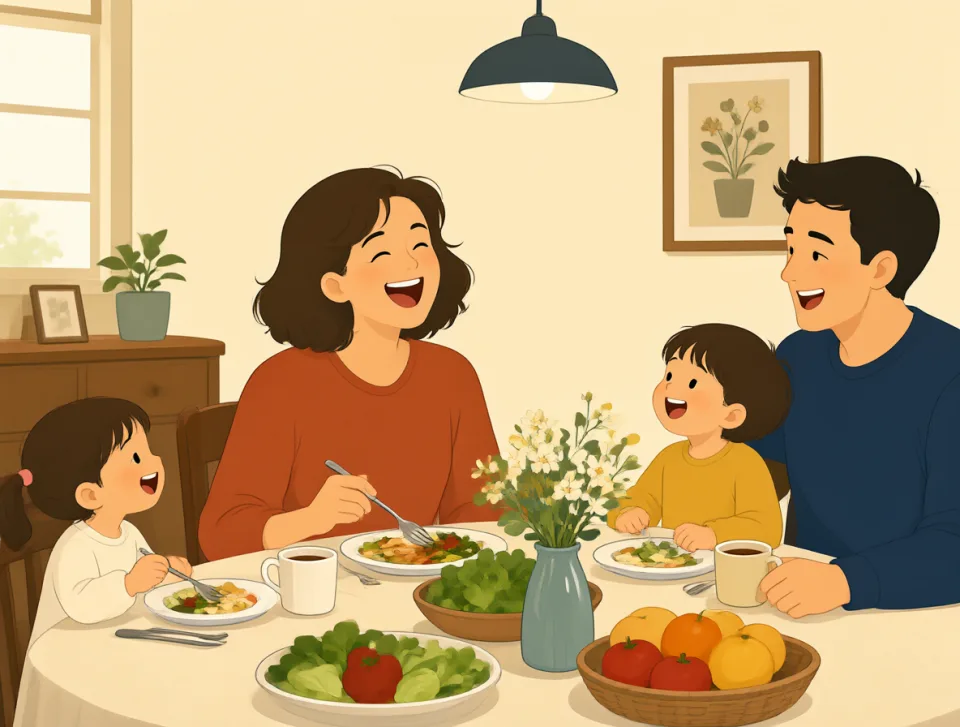
Her happiness comes from spending time with her family.
Kebahagiaannya berasal dari menghabiskan waktu bersama keluarganya.

The good news brought happiness to everyone in the office.
Kabar baik itu membawa kebahagiaan bagi semua orang di kantor.
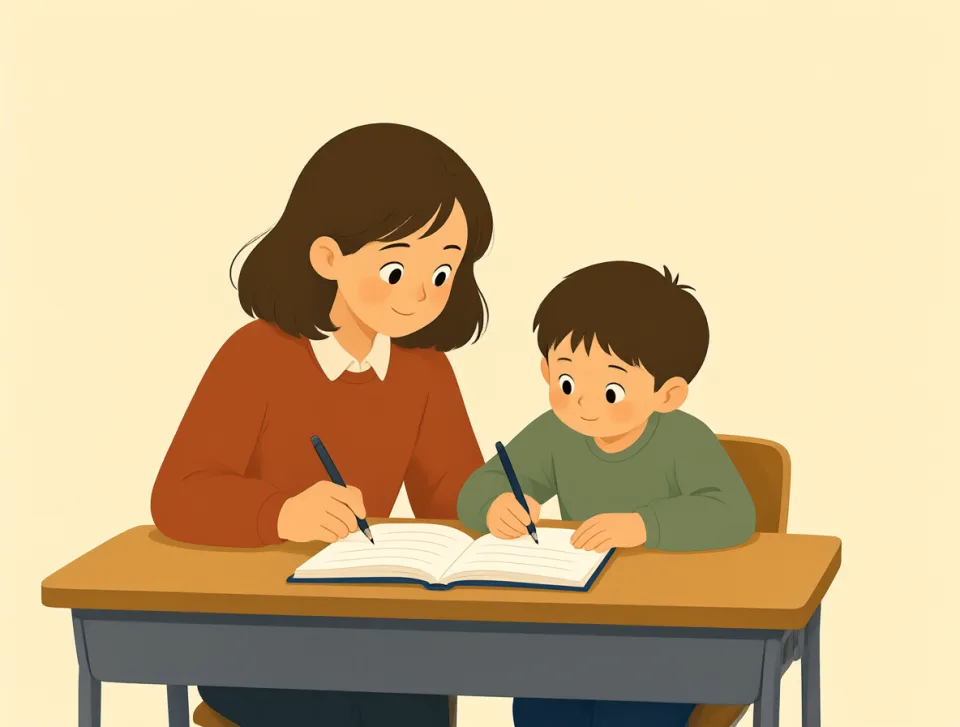
He found happiness in helping younger students with their homework.
Dia menemukan kebahagiaan dengan membantu siswa yang lebih muda mengerjakan PR mereka.
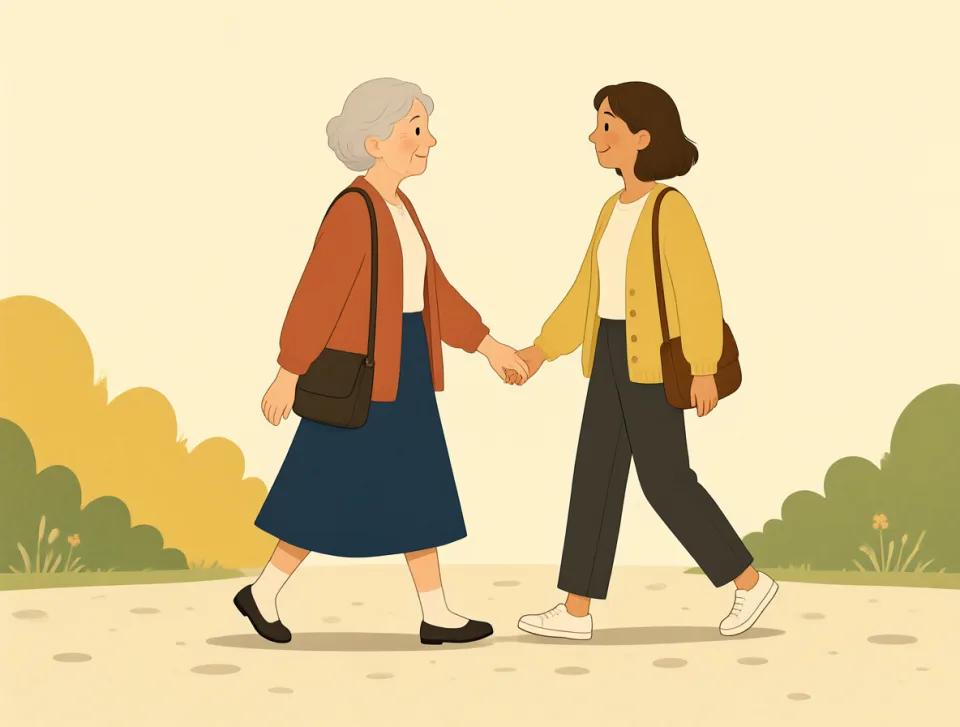
For many people, good health is important for happiness.
Bagi banyak orang, kesehatan yang baik penting untuk kebahagiaan.

We shared our happiness with friends during a weekend trip.
Kami berbagi kebahagiaan dengan teman-teman selama perjalanan akhir pekan.

genuine
#2698adjective
asli; tulus
real and sincere, rather than false or copied
Nyata dan tulus, bukan palsu atau tiruan.

She gave me a genuine smile when I arrived at her home.
Dia tersenyum tulus kepadaku saat aku tiba di rumahnya.

This shop sells genuine leather bags made by local workers.
Toko ini menjual tas kulit asli buatan para pekerja setempat.
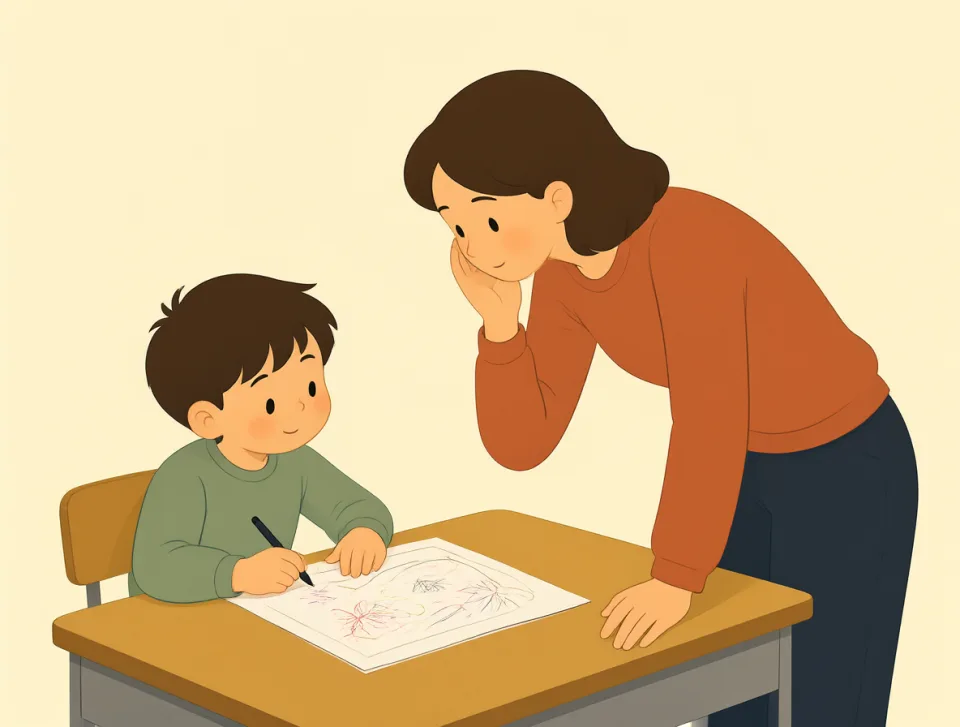
The teacher showed genuine interest in every student's project.
Guru itu menunjukkan minat yang tulus terhadap proyek setiap siswa.

The doctor was concerned about his genuine pain after the accident.
Dokter itu khawatir karena rasa sakitnya setelah kecelakaan benar-benar nyata.

We found a genuine Italian restaurant near our hotel.
Kami menemukan restoran Italia autentik di dekat hotel kami.

vessel
#2699noun
kapal
a large boat or ship used to carry people or goods
Perahu atau kapal besar yang digunakan untuk mengangkut orang atau barang.

The rescue vessel reached the island before the storm became dangerous.
Kapal penyelamat itu mencapai pulau tersebut sebelum badai menjadi berbahaya.
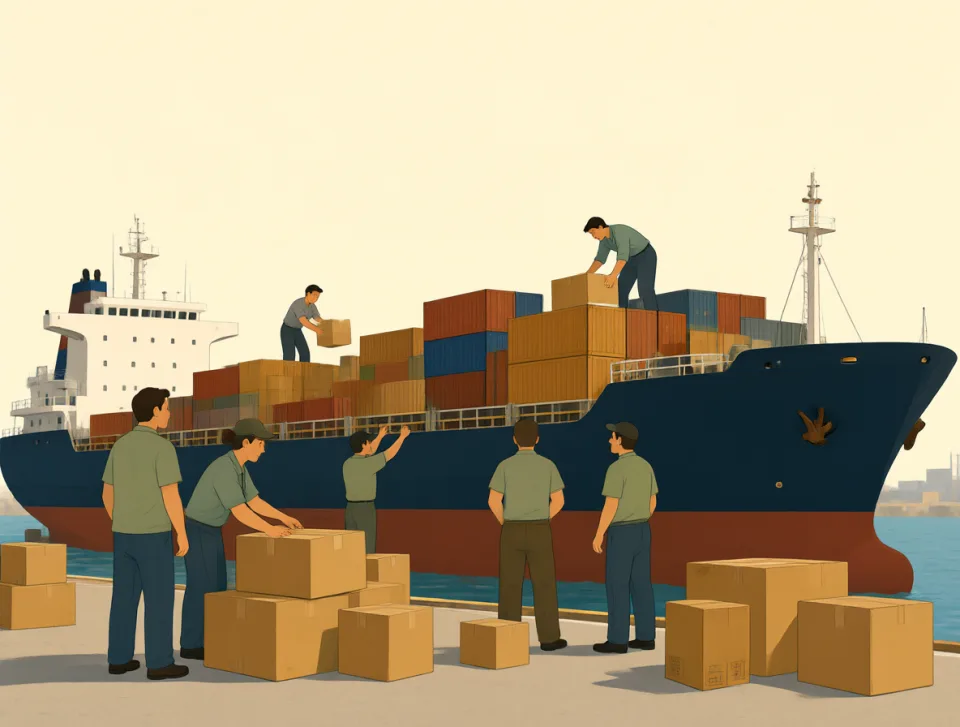
Several vessels carried fresh food and supplies to the coastal town.
Beberapa kapal membawa makanan segar dan berbagai perlengkapan ke kota pesisir itu.
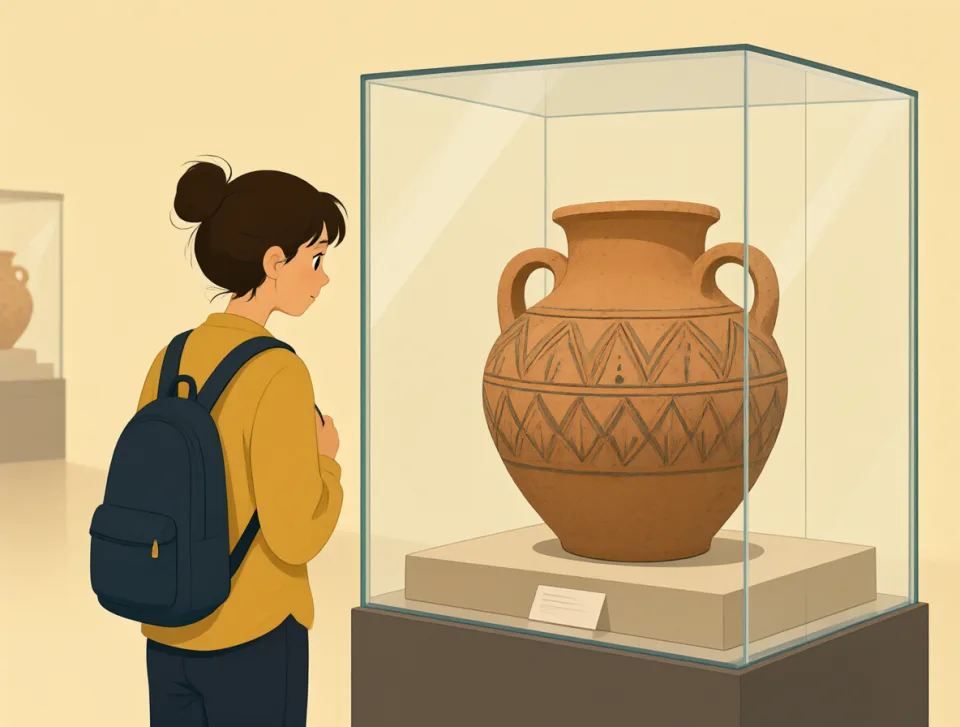
The museum displayed an ancient vessel found near the bottom of the sea.
Museum itu memamerkan sebuah kapal kuno yang ditemukan di dasar laut.
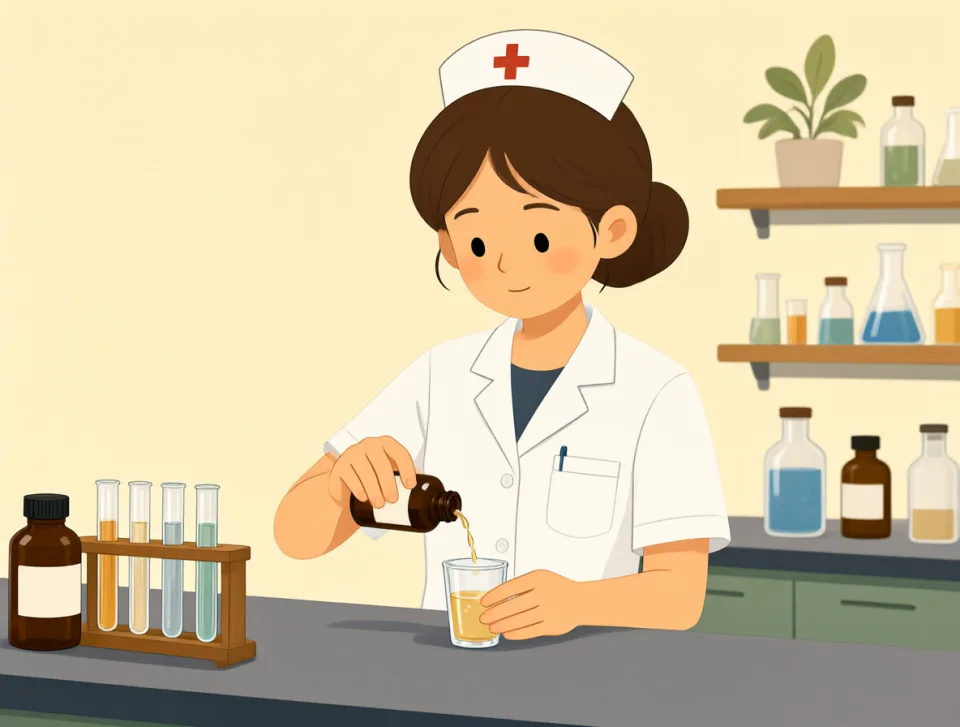
The nurse poured medicine into a small glass vessel for the experiment.
Perawat itu menuangkan obat ke dalam wadah kaca kecil untuk percobaan tersebut.
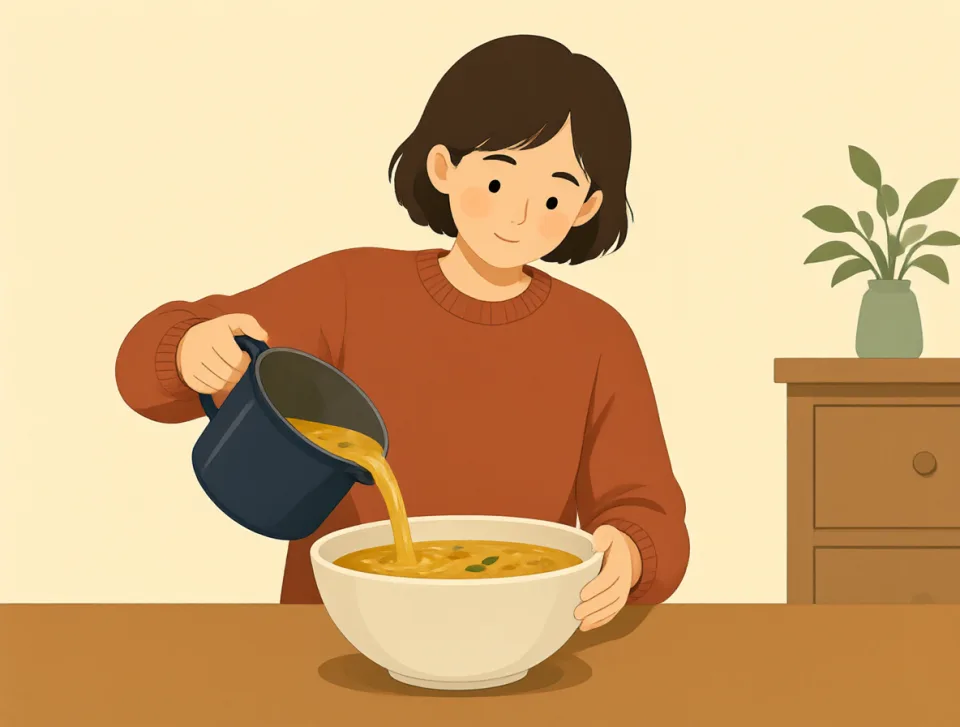
Please place the hot soup in a deep vessel before serving it.
Silakan letakkan sup panas itu di wadah yang dalam sebelum disajikan.

verb
#2700noun
kata kerja
A word that describes an action, event, or state, such as run, happen, or be.
Kata yang menggambarkan tindakan, peristiwa, atau keadaan, seperti run, happen, atau be.
In English, the verb usually comes after the subject in a sentence.
Dalam bahasa Inggris, kata kerja biasanya muncul setelah subjek dalam kalimat.

Please use the correct verb when you describe what happened yesterday.
Tolong gunakan kata kerja yang tepat saat menjelaskan apa yang terjadi kemarin.

The verb “be” has several different forms in everyday English.
Kata kerja “be” memiliki beberapa bentuk berbeda dalam bahasa Inggris sehari-hari.

She is learning how to change verbs into the past tense.
Dia sedang belajar cara mengubah kata kerja ke bentuk lampau.
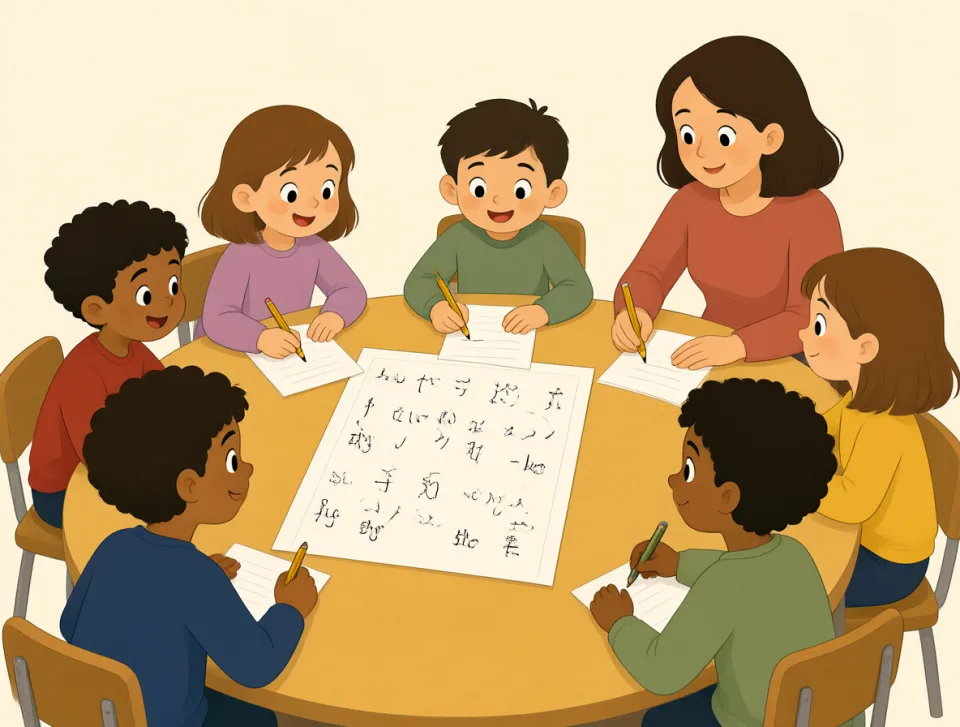
The teacher asked us to circle every verb in the paragraph.
Guru itu meminta kami melingkari setiap kata kerja dalam paragraf.