इकाई 135
शब्द 2681–2700 · cluster, confusion, hurry, logic, controversial, raw
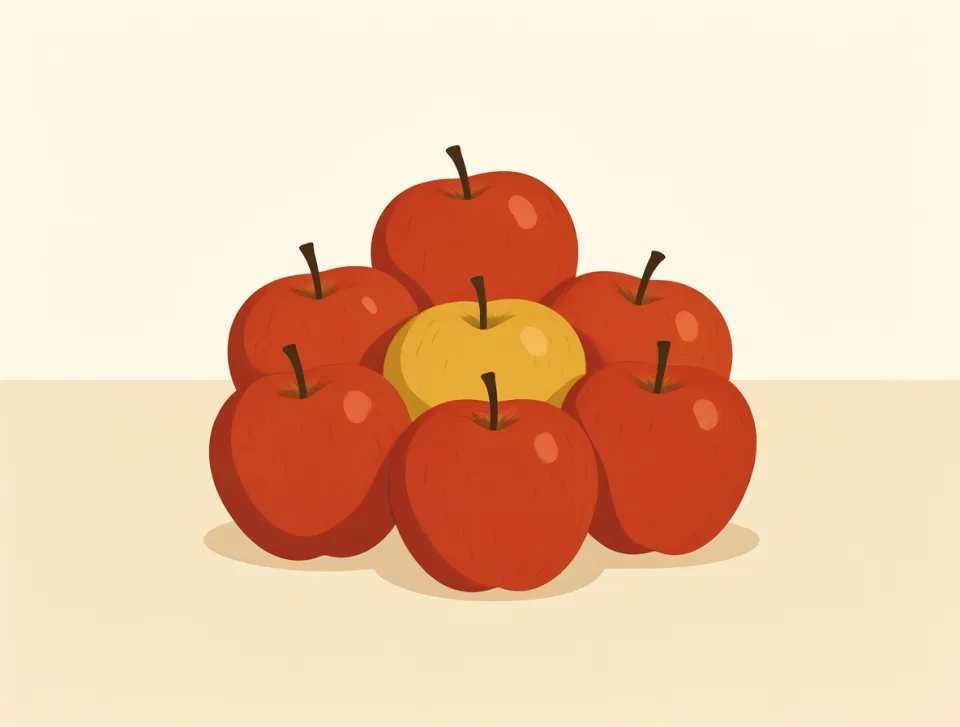
cluster
#2681noun, verb
गुच्छा
A group of similar things close together, or to gather closely in one place.
एक-दूसरे के पास मौजूद मिलती-जुलती चीज़ों का समूह, या एक जगह पास-पास इकट्ठा होना।
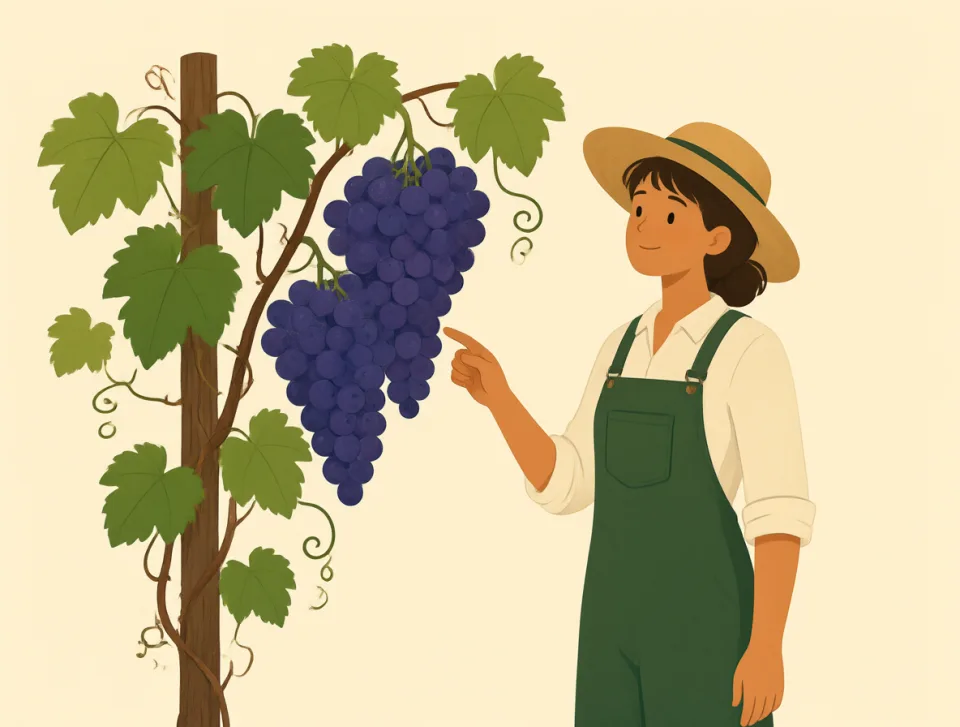
A cluster of grapes hung from the vine beside the garden path.
बगीचे की पगडंडी के पास बेल से अंगूरों का एक गुच्छा लटक रहा था।
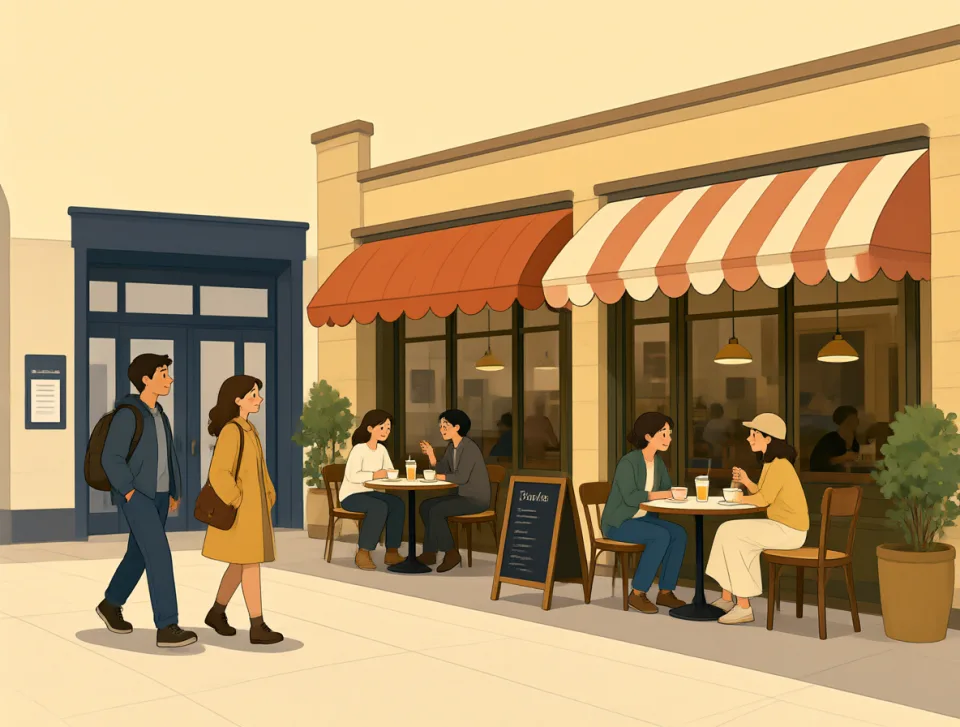
We found a small cluster of cafés near the train station.
हमें रेलवे स्टेशन के पास कैफ़े का एक छोटा-सा समूह मिला।
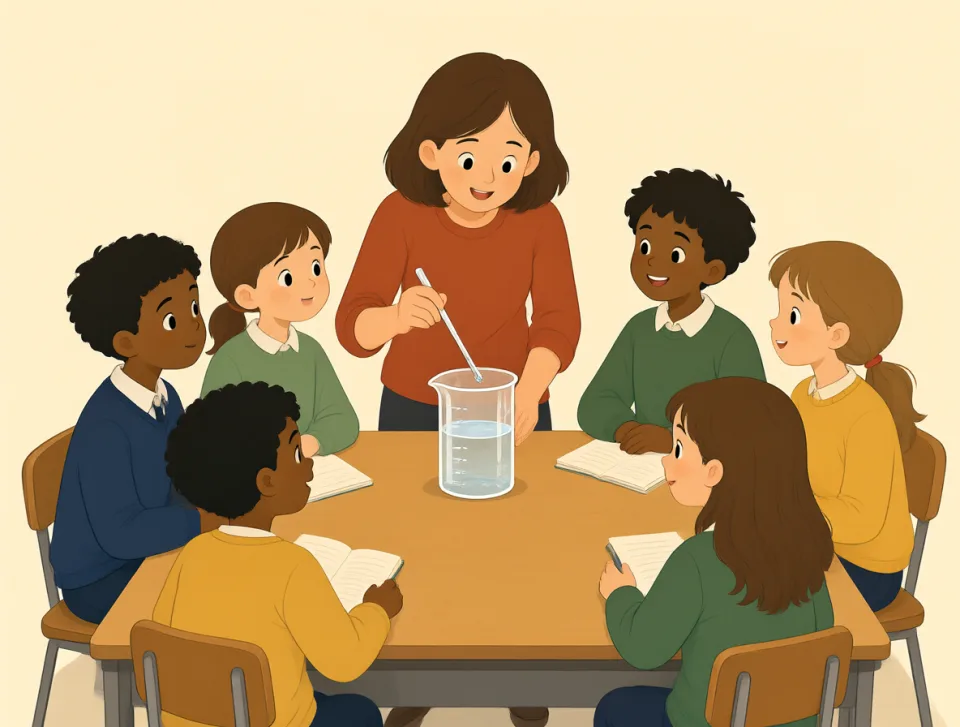
The children clustered around the teacher to see her science experiment.
बच्चे शिक्षिका के विज्ञान प्रयोग को देखने के लिए उनके चारों ओर इकट्ठा हो गए।
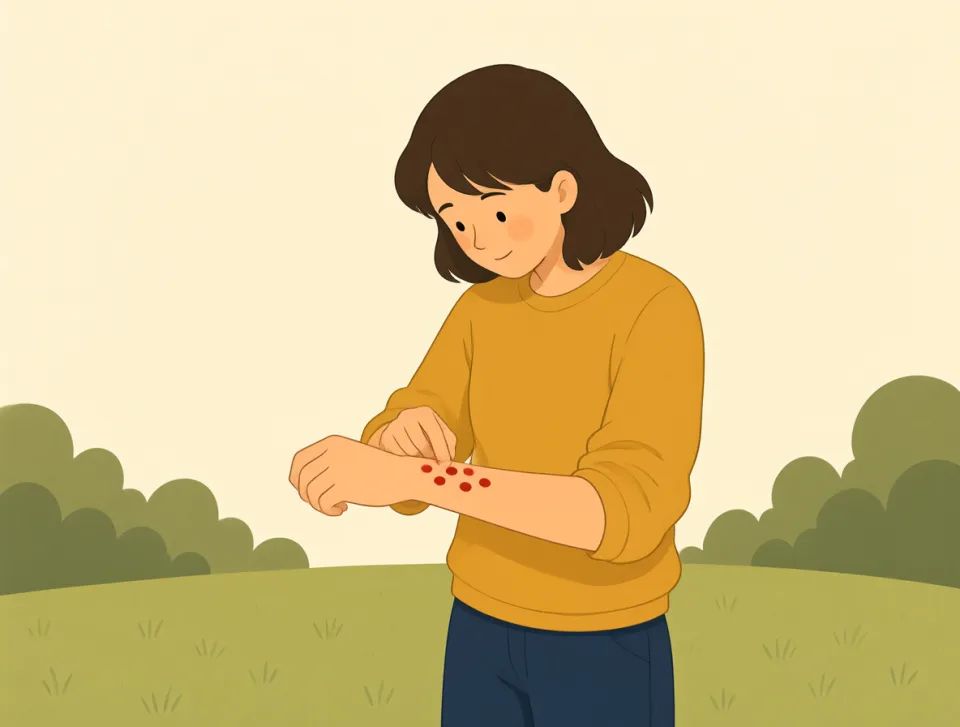
A cluster of red spots appeared on my arm after the hike.
पैदल यात्रा के बाद मेरी बाँह पर लाल धब्बों का एक गुच्छा उभर आया।
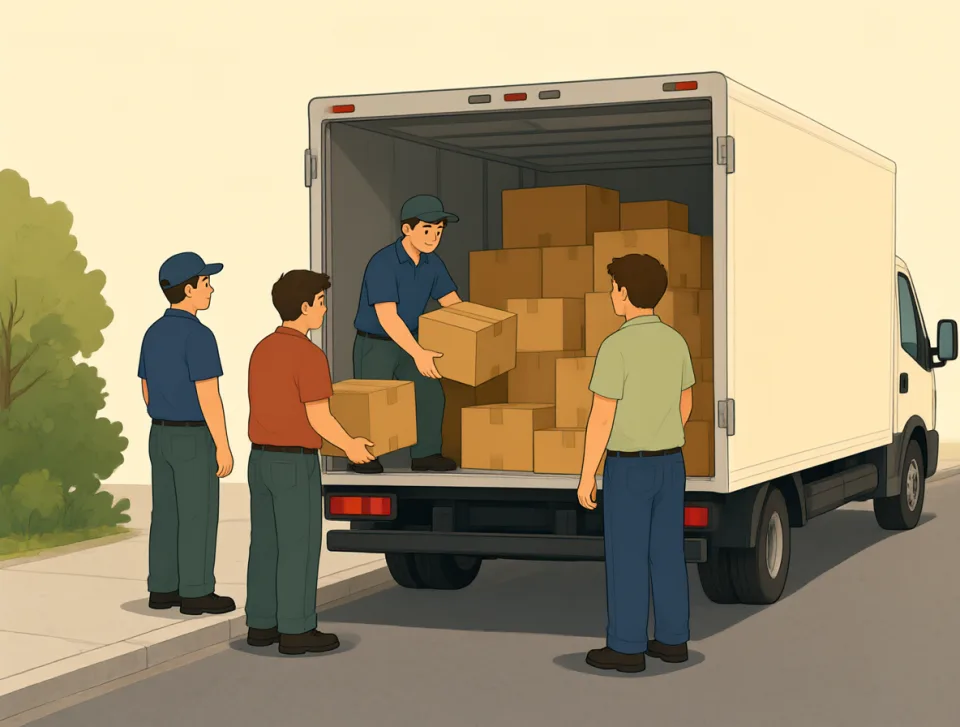
The workers clustered around the delivery truck to unload boxes.
डिब्बे उतारने के लिए कर्मचारी डिलीवरी ट्रक के चारों ओर इकट्ठा हो गए।

confusion
#2682noun
उलझन
A state of not understanding something clearly or of feeling unsure what to do.
किसी बात को स्पष्ट रूप से न समझ पाने या यह तय न कर पाने की स्थिति कि क्या करना चाहिए।

There was some confusion about which room the meeting would be in.
इस बात को लेकर कुछ उलझन थी कि बैठक किस कमरे में होगी।
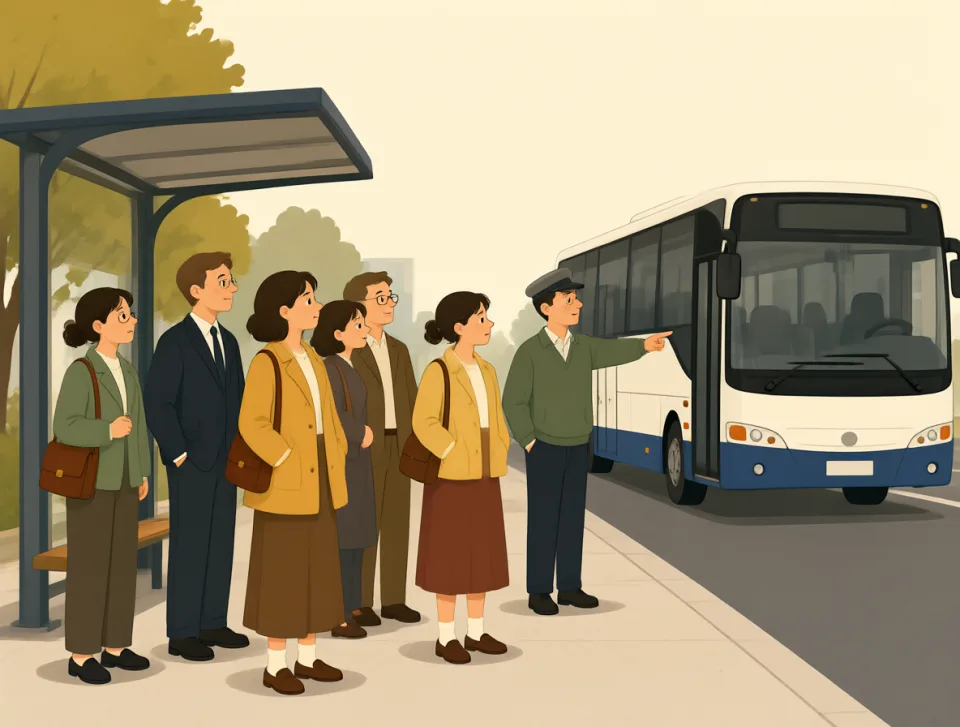
The new bus route caused confusion among passengers at the station.
बस के नए मार्ग से स्टेशन पर यात्रियों में उलझन फैल गई।
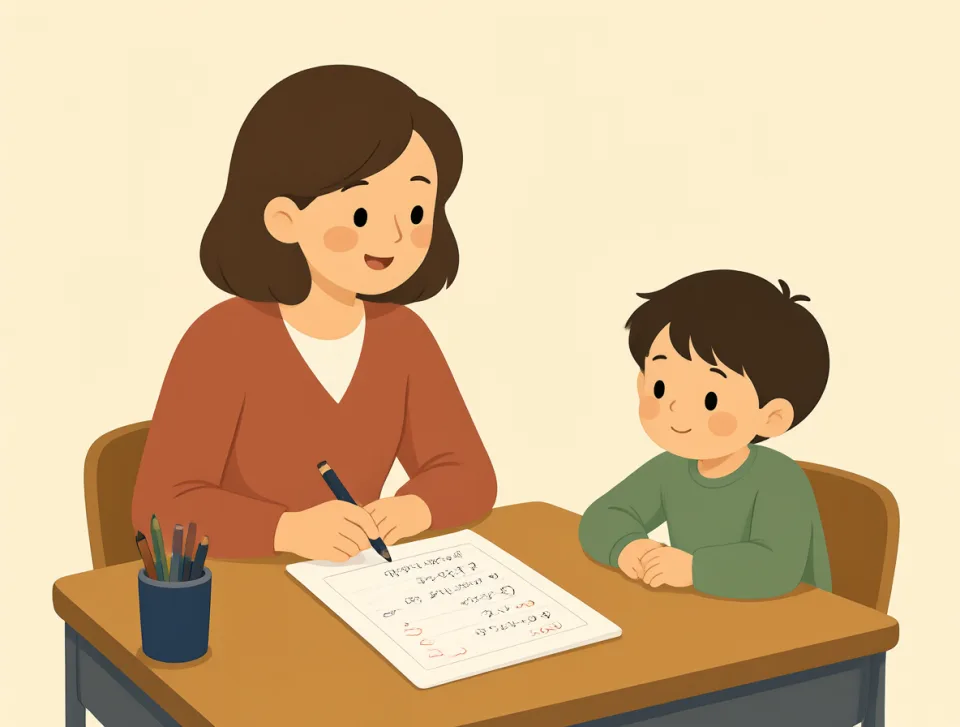
She cleared up the confusion by explaining the homework instructions again.
उसने होमवर्क के निर्देश फिर से समझाकर सारी उलझन दूर कर दी।
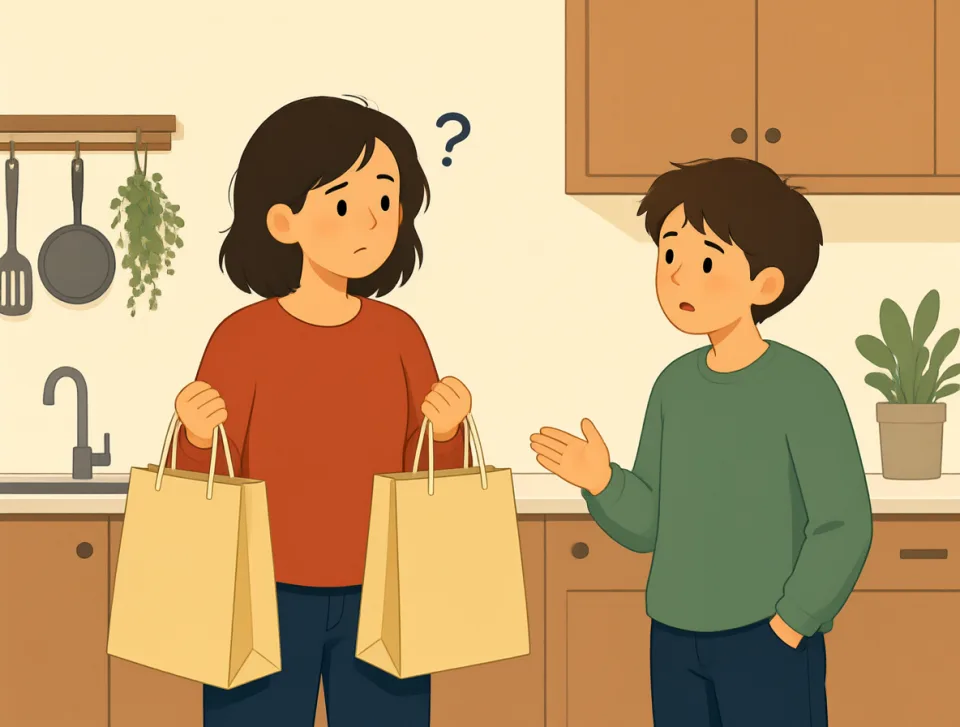
I mixed up the two shopping bags, causing confusion at home.
मैंने खरीदारी के दोनों थैले आपस में बदल दिए, जिससे घर पर उलझन हो गई।
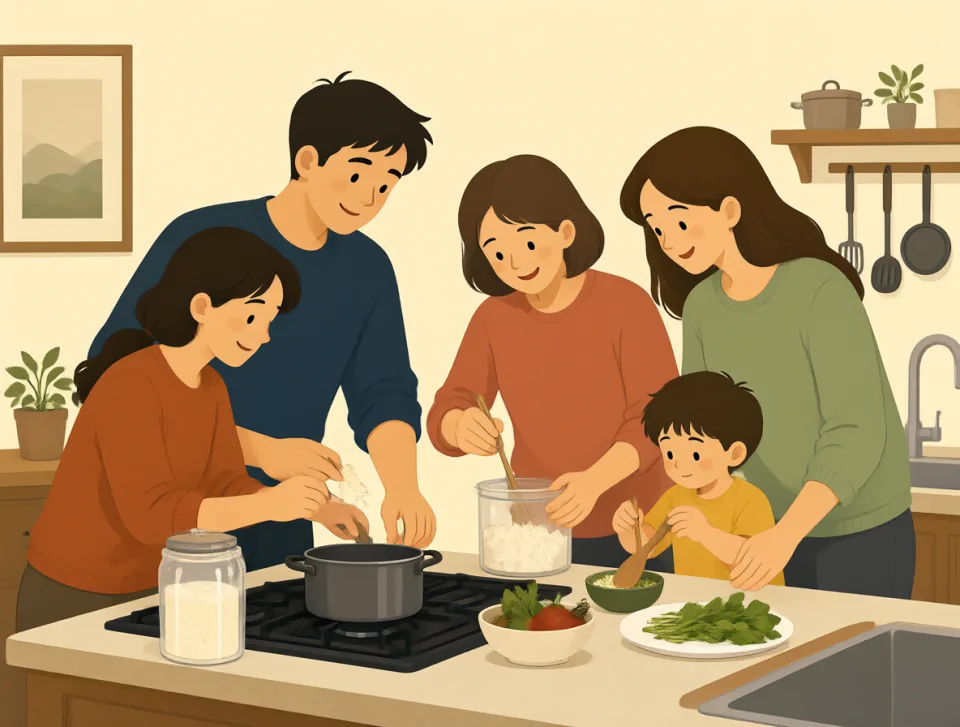
There was confusion in the kitchen when everyone tried to cook at once.
जब सबने एक ही समय पर खाना बनाने की कोशिश की, तो रसोई में अफ़रा-तफ़री मच गई।

hurry
#2683noun, verb
जल्दी करना
To do something quickly or make someone move or act quickly.
कोई काम तेज़ी से करना या किसी को तेज़ी से चलने या काम करने के लिए कहना।
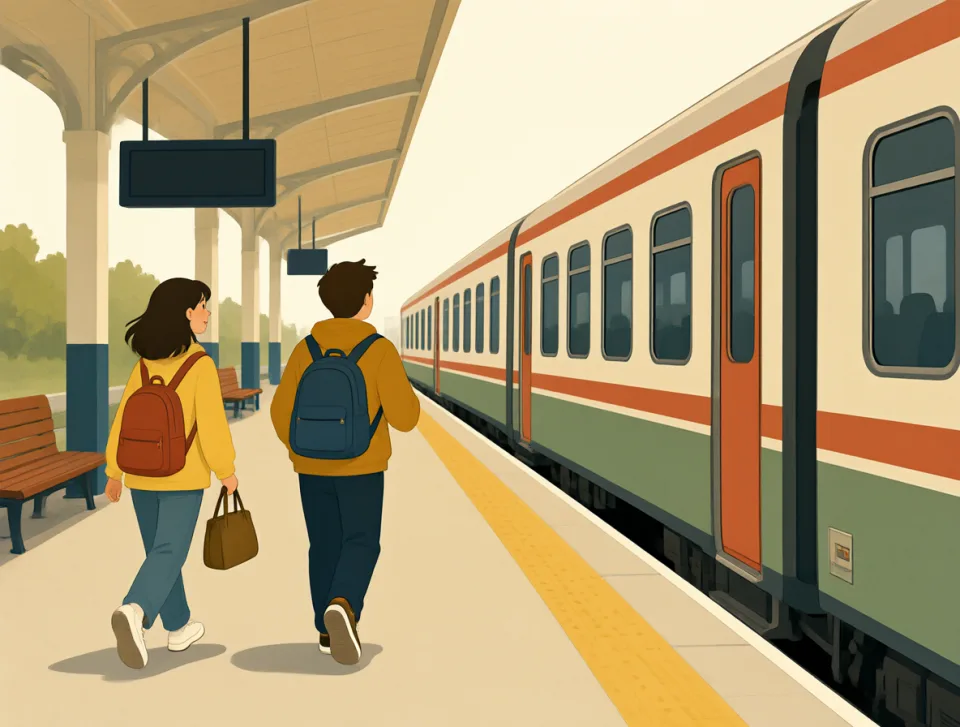
We hurried to catch the last train after dinner.
रात के खाने के बाद आख़िरी ट्रेन पकड़ने के लिए हम जल्दी-जल्दी गए।
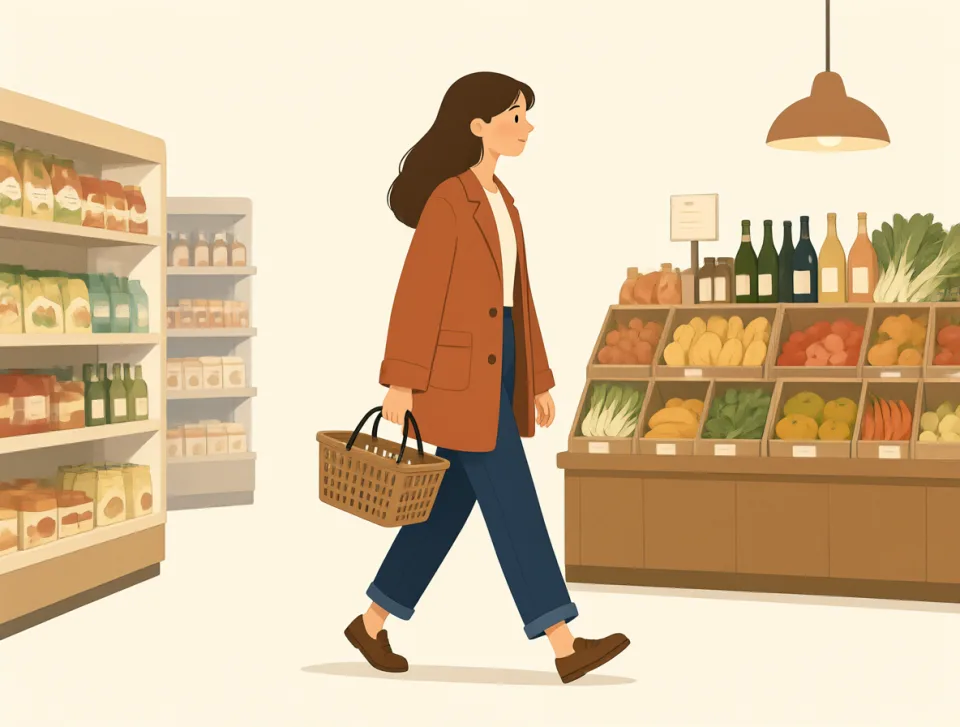
There’s no need to hurry; the store stays open until nine.
जल्दी करने की ज़रूरत नहीं है; दुकान नौ बजे तक खुली रहती है।
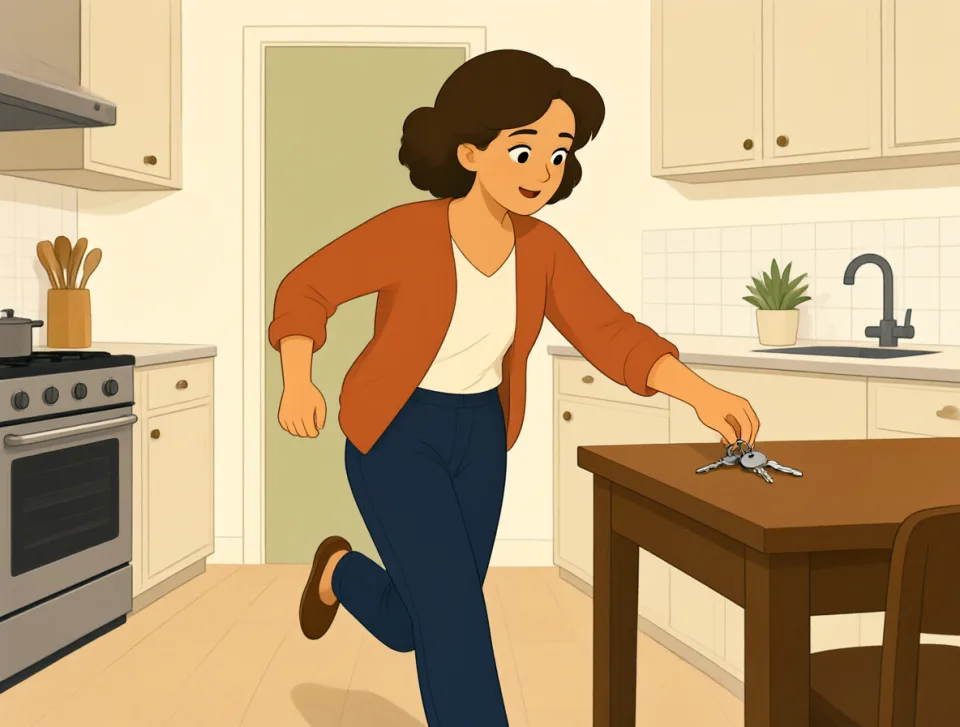
She was in a hurry and left her keys on the kitchen table.
वह जल्दी में थी और अपनी चाबियाँ रसोई की मेज़ पर छोड़ गई।
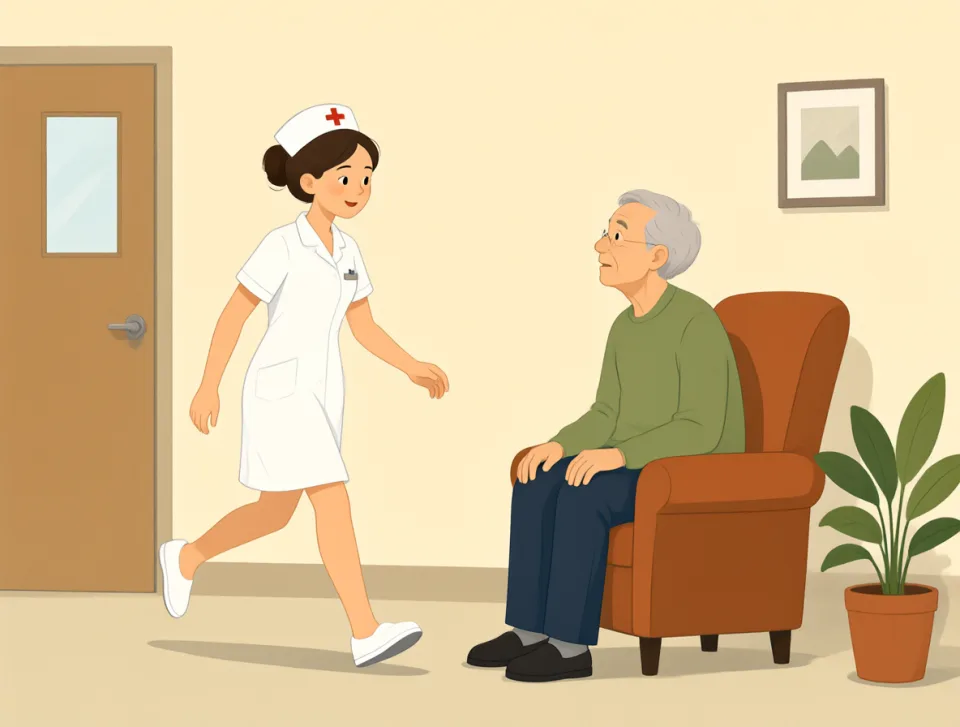
The nurse hurried to help the patient when he felt dizzy.
जब मरीज़ को चक्कर आया, तो नर्स उसकी मदद के लिए दौड़ी।
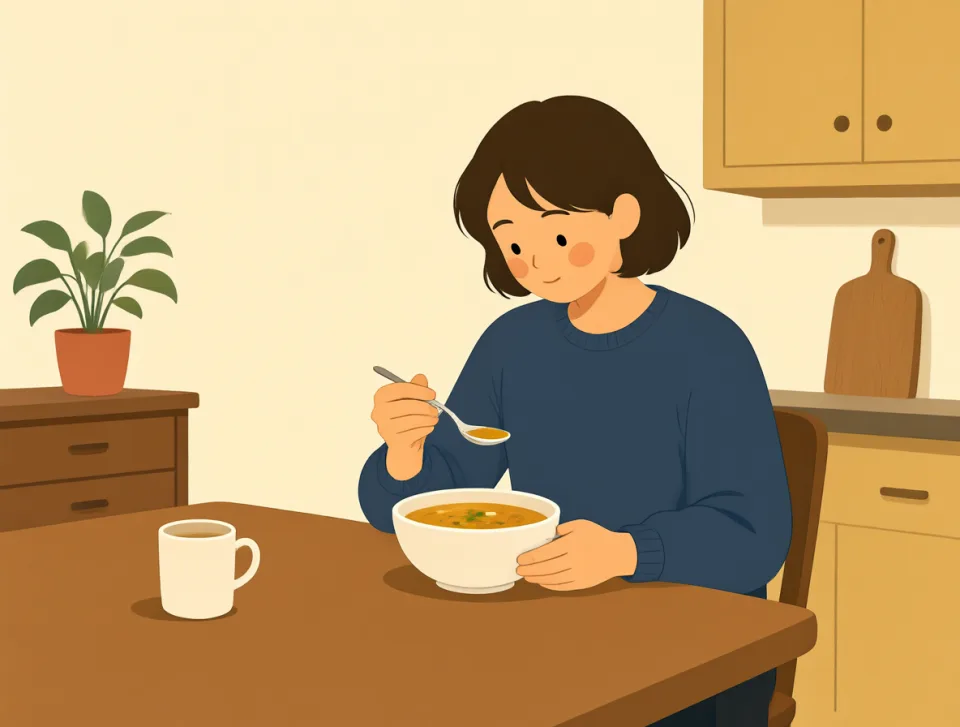
Don’t hurry your meal; take time to enjoy the soup.
खाना जल्दी-जल्दी मत खाओ; सूप का मज़ा लेने के लिए आराम से समय लो।
logic
#2684noun
तर्क
A way of thinking that uses clear reasons to decide what is true or sensible.
सोचने का ऐसा तरीका जिसमें यह तय करने के लिए स्पष्ट कारणों का इस्तेमाल किया जाता है कि क्या सही या समझदारी भरा है।
Her logic was clear, so everyone agreed that we should leave early.
उसका तर्क स्पष्ट था, इसलिए सब सहमत थे कि हमें जल्दी निकलना चाहिए।

There is no logic in buying food we will never eat.
ऐसा खाना खरीदने का कोई तुक नहीं जिसे हम कभी खाएँगे ही नहीं।

The teacher asked us to explain the logic behind our answers.
शिक्षक ने हमसे अपने जवाबों के पीछे का तर्क समझाने को कहा।

I understand your logic, but taking the train will save us time.
मैं तुम्हारा तर्क समझता हूँ, लेकिन ट्रेन से जाने पर हमारा समय बचेगा।

The doctor used simple logic to explain why I need more rest.
डॉक्टर ने यह समझाने के लिए सरल तर्क दिया कि मुझे और आराम की ज़रूरत क्यों है।
controversial
#2685adjective
विवादास्पद
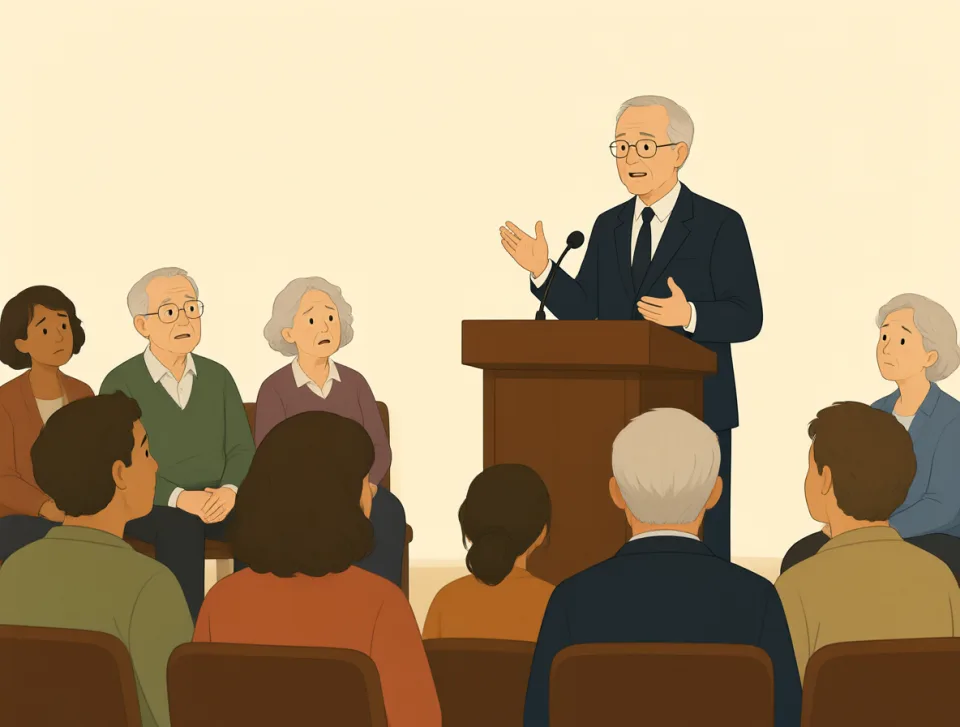
Likely to cause strong disagreement among people.
जिससे लोगों के बीच तीखी असहमति होने की आशंका हो।
The mayor’s controversial plan to close the library upset many local families.
पुस्तकालय बंद करने की महापौर की विवादास्पद योजना से कई स्थानीय परिवार नाराज़ हो गए।
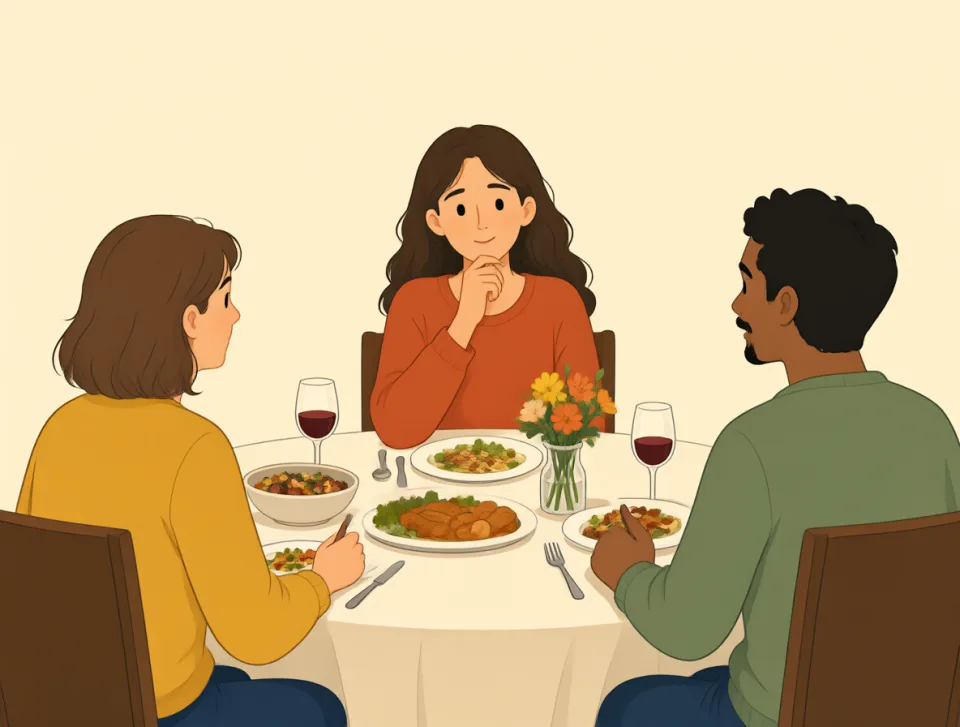
She avoided discussing the controversial decision with her friends over dinner.
उसने रात के खाने पर अपने दोस्तों के साथ उस विवादास्पद फ़ैसले पर चर्चा करने से परहेज़ किया।

The teacher asked us to debate a controversial issue in class.
शिक्षक ने कक्षा में हमसे एक विवादास्पद मुद्दे पर बहस करने को कहा।

The restaurant’s controversial new menu includes meat from animals raised nearby.
रेस्तराँ के नए विवादास्पद मेन्यू में आसपास पाले गए जानवरों का मांस शामिल है।

His controversial comments about the new policy caused tension at work.
नई नीति पर उसकी विवादास्पद टिप्पणियों से काम की जगह पर तनाव पैदा हो गया।
raw
#2686adjective
कच्चा
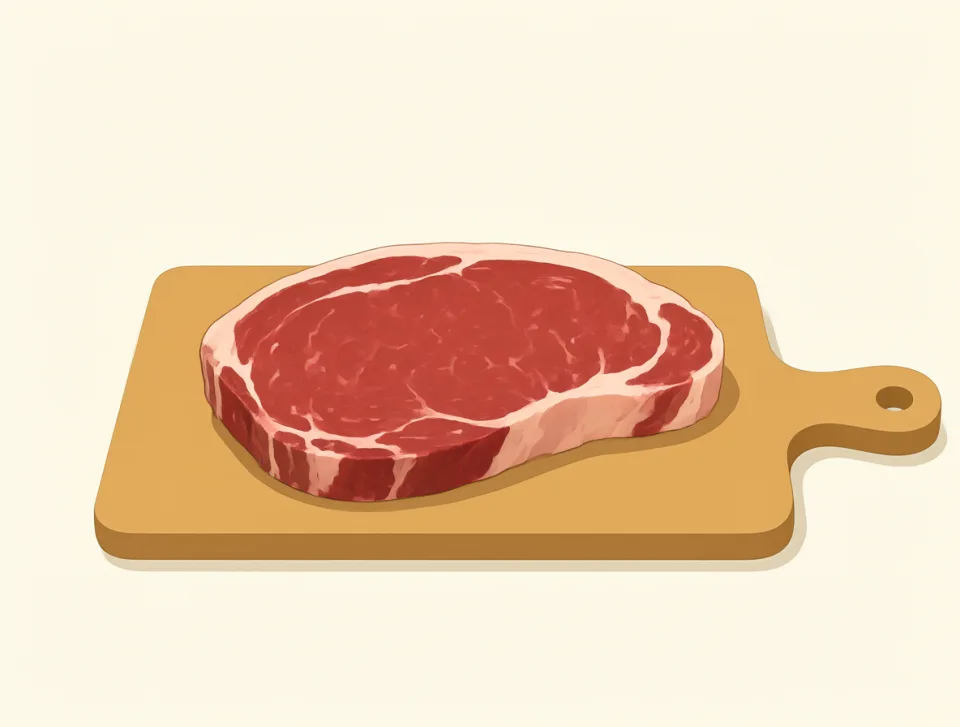
Not cooked, processed, or changed by heat or other treatment.
जिसे पकाया, संसाधित या गर्मी अथवा किसी अन्य तरीके से बदला न गया हो।
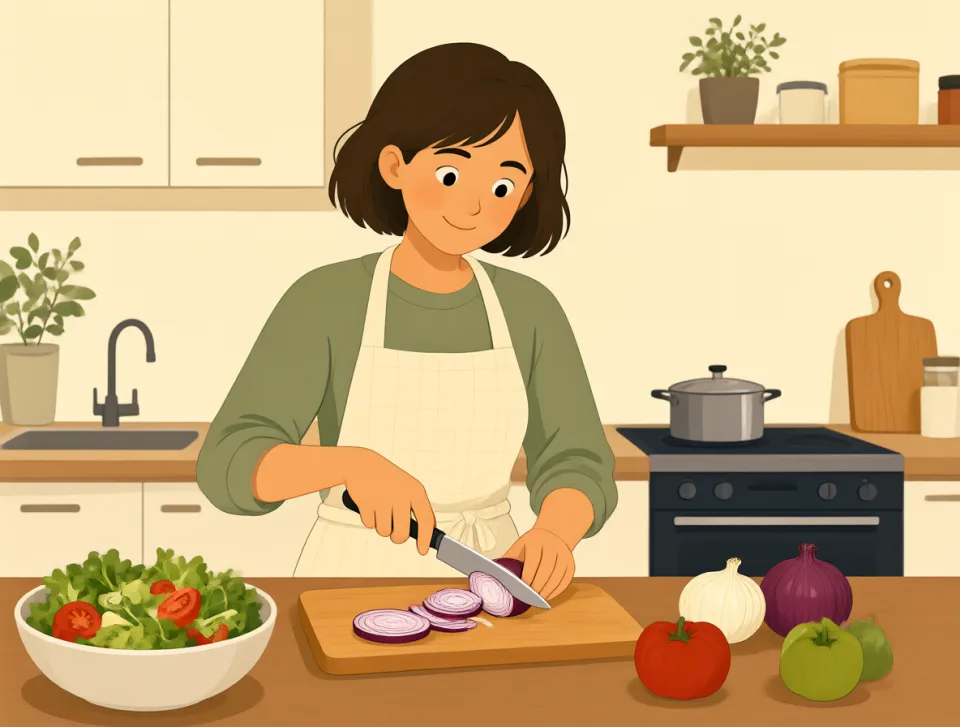
She added raw onions to the salad for extra crunch.
सलाद को ज़्यादा कुरकुरा बनाने के लिए उसने उसमें कच्चे प्याज़ डाले।
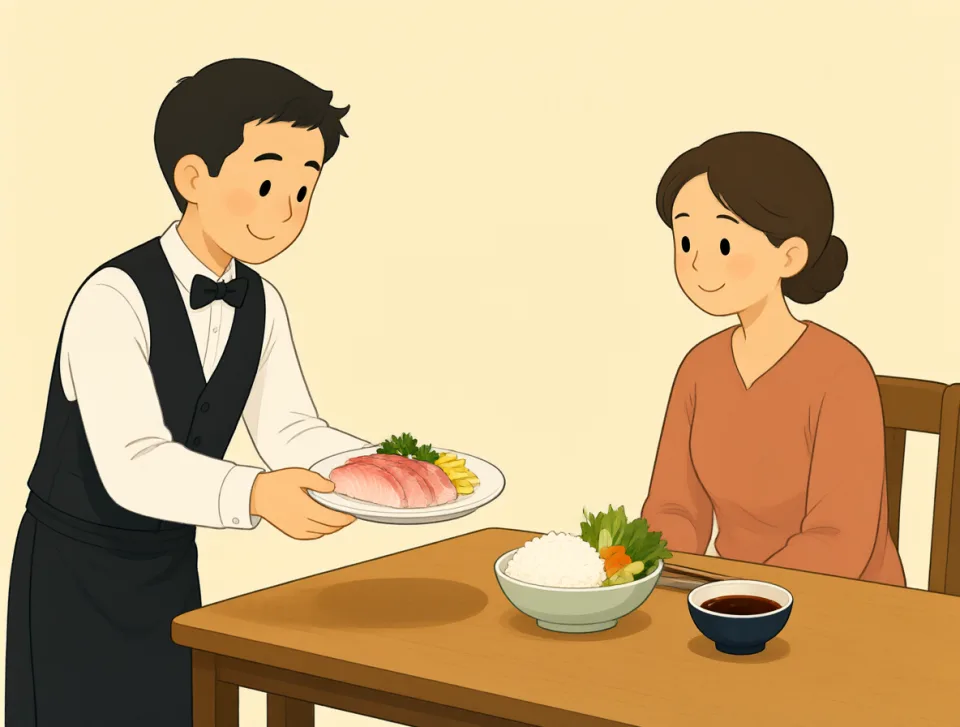
The restaurant serves raw fish with rice and fresh vegetables.
यह रेस्तराँ चावल और ताज़ी सब्ज़ियों के साथ कच्ची मछली परोसता है।
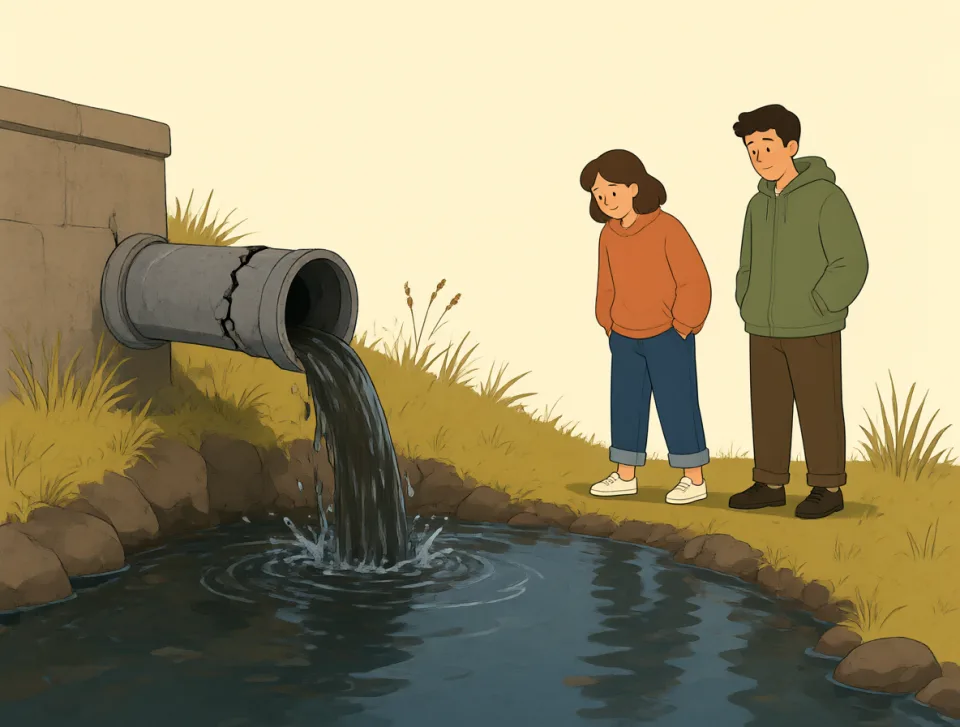
Raw sewage flowed into the river after the old pipe broke.
पुराना पाइप टूटने के बाद कच्चा सीवेज़ नदी में बहने लगा।

He has a raw talent for music, though he has never taken lessons.
उसमें संगीत की जन्मजात प्रतिभा है, हालाँकि उसने कभी सबक नहीं लिया।
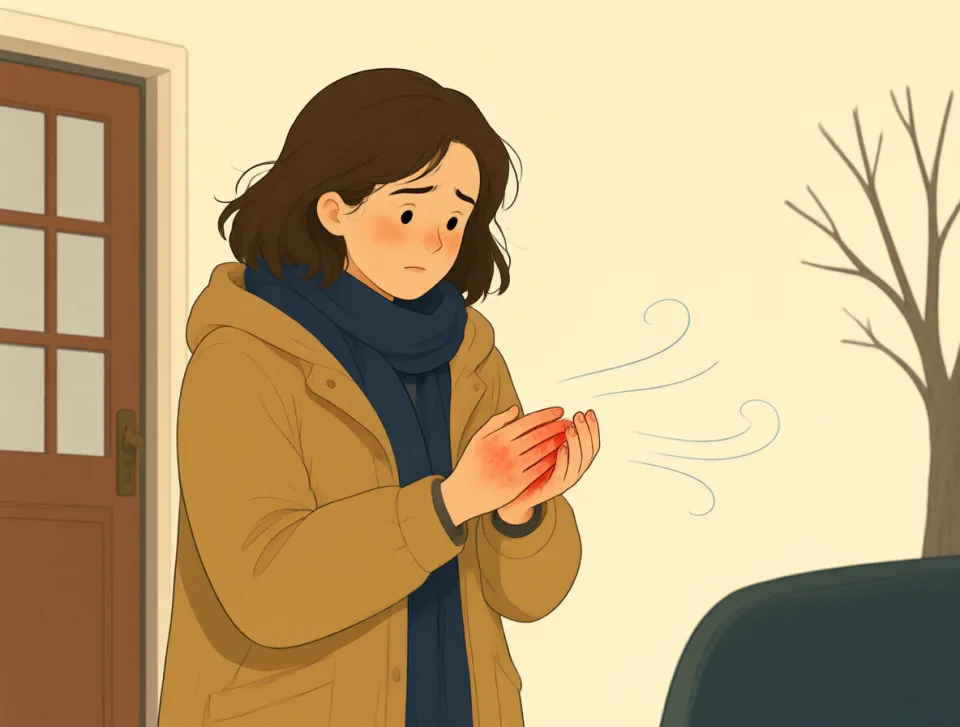
The cold wind left her hands raw and red after the walk.
टहलने के बाद ठंडी हवा से उसके हाथ छिल गए और लाल हो गए।

grammar
#2687noun
व्याकरण
The rules for forming words and sentences in a language.
किसी भाषा में शब्दों और वाक्यों को बनाने के नियम।
I check my grammar carefully before sending important emails at work.
काम के ज़रूरी ईमेल भेजने से पहले मैं अपना व्याकरण ध्यान से जाँचता हूँ।

Our teacher explained the grammar rules before we started writing the story.
कहानी लिखना शुरू करने से पहले हमारे शिक्षक ने हमें व्याकरण के नियम समझाए।

Please correct my grammar before I send this message to my friend.
अपने दोस्त को यह संदेश भेजने से पहले कृपया मेरा व्याकरण ठीक कर दो।

I need to improve my grammar for the job interview next month.
मुझे अगले महीने होने वाले नौकरी के इंटरव्यू के लिए अपना व्याकरण सुधारना है।

The travel guide used simple grammar so everyone could understand the instructions.
यात्रा-गाइड ने सरल व्याकरण का इस्तेमाल किया, ताकि हर कोई निर्देश समझ सके।
revise
#2688verb
सुधारना
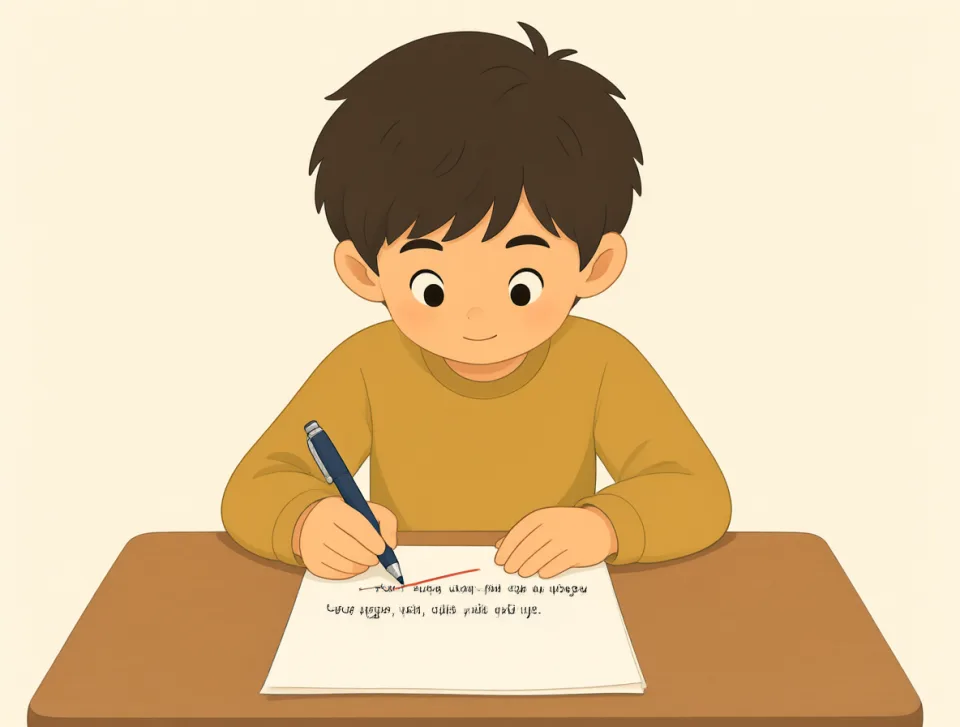
to change something to improve it or make it more suitable
किसी चीज़ को बेहतर या अधिक उपयुक्त बनाने के लिए उसमें बदलाव करना।

I need to revise my report before I send it to my manager.
अपने मैनेजर को भेजने से पहले मुझे अपनी रिपोर्ट सुधारनी है।
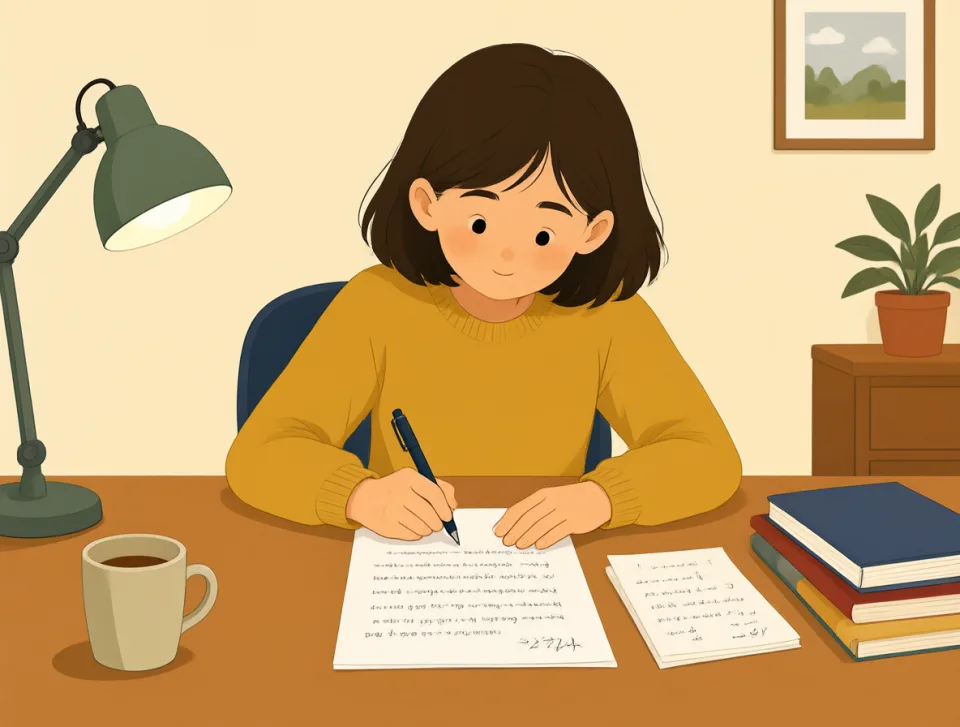
She revised her essay after her teacher gave her helpful comments.
शिक्षक की मददगार टिप्पणियों के बाद उसने अपना निबंध सुधारा।

The company revised its travel plans because the storm delayed several flights.
तूफ़ान की वजह से कई उड़ानें देर से होने पर कंपनी ने अपनी यात्रा योजनाओं में बदलाव किया।
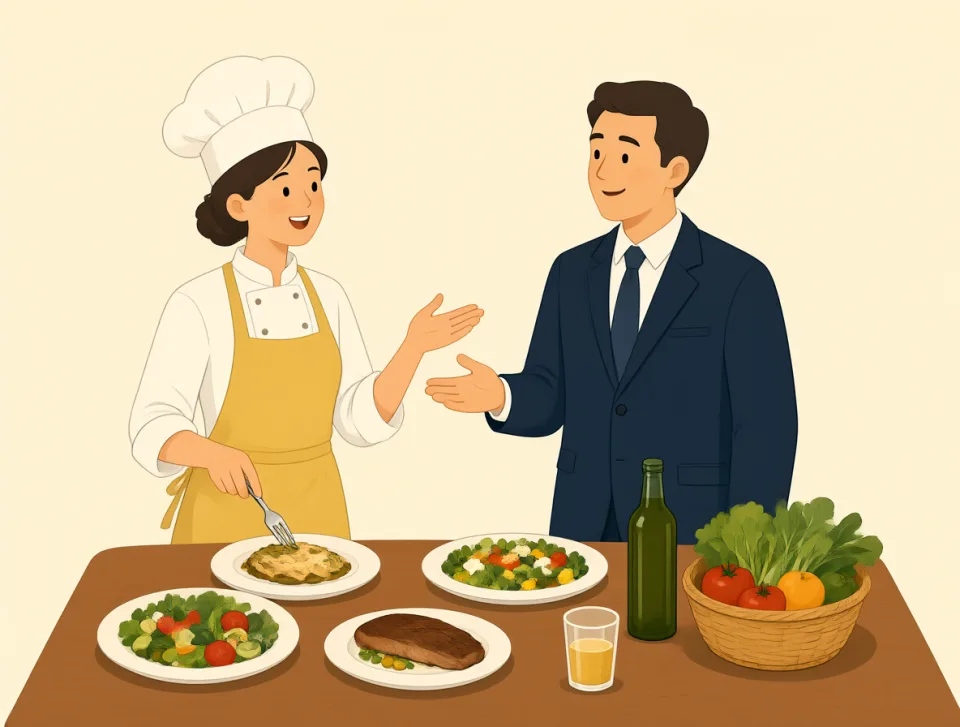
We are revising the menu to include more healthy meals for lunch.
हम दोपहर के खाने में और सेहतमंद व्यंजन शामिल करने के लिए मेन्यू में बदलाव कर रहे हैं।

He revised his opinion after talking with his friends about the problem.
समस्या के बारे में अपने दोस्तों से बात करने के बाद उसने अपनी राय बदल दी।
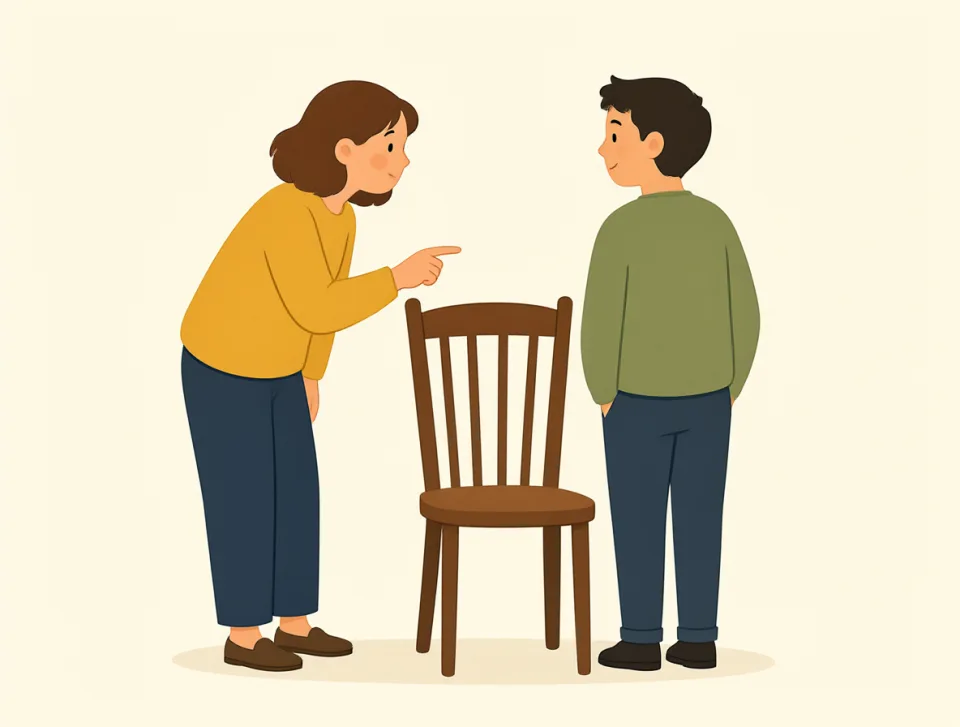
hint
#2689noun, verb
संकेत
A small piece of information that helps you understand or do something.
जानकारी का छोटा-सा अंश, जो किसी बात को समझने या कुछ करने में मदद करे।
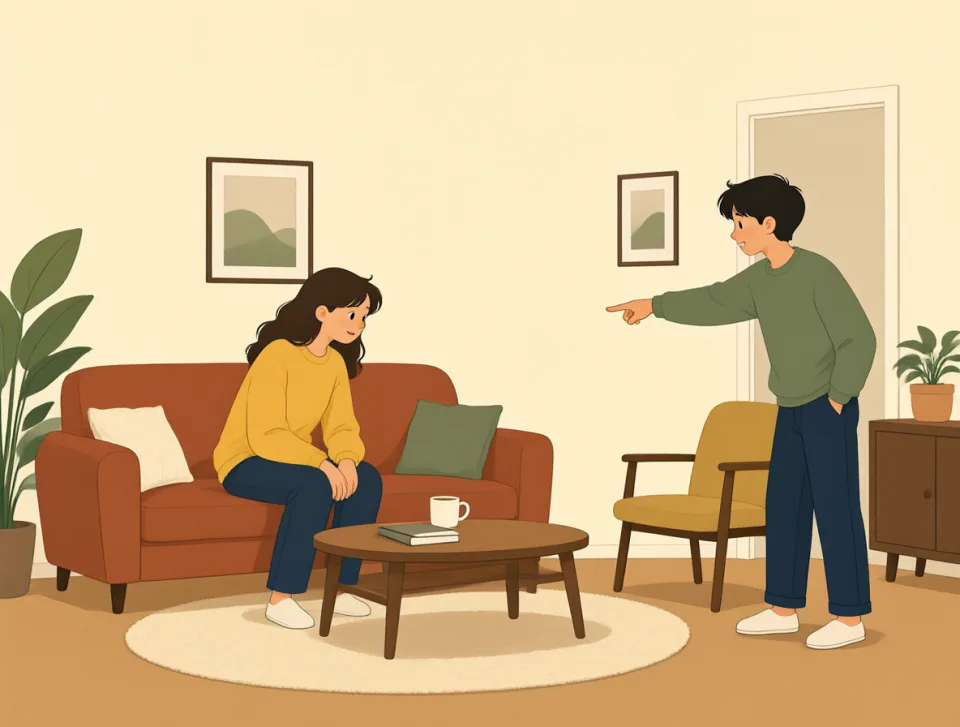
Could you give me a hint about where you left my keys?
क्या तुम मुझे कोई संकेत दे सकते हो कि तुमने मेरी चाबियाँ कहाँ छोड़ीं?
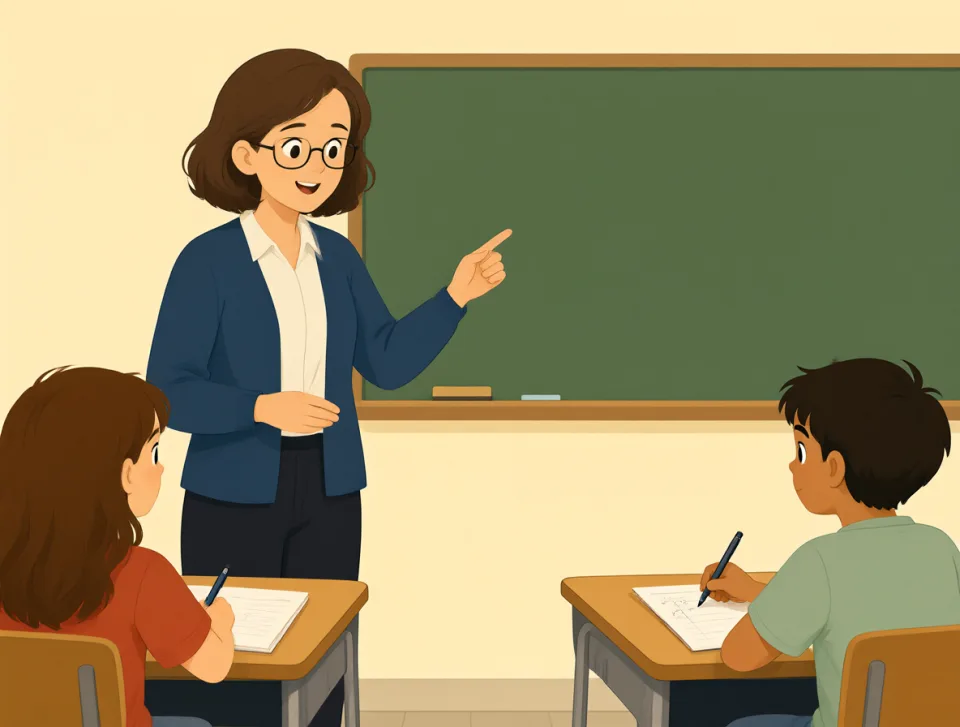
The teacher gave us a hint to help us solve the problem.
शिक्षक ने समस्या हल करने में हमारी मदद के लिए एक संकेत दिया।

I took the hint and stopped asking him about his plans.
मैंने संकेत समझ लिया और उससे उसकी योजनाओं के बारे में पूछना बंद कर दिया।

The waiter hinted that the soup was especially good today.
वेटर ने इशारे में बताया कि आज का सूप ख़ास तौर पर अच्छा है।

She hinted to her manager that she was ready for more responsibility.
उसने अपने मैनेजर को इशारे में बताया कि वह और ज़िम्मेदारियाँ लेने के लिए तैयार है।

hook
#2690noun, verb
हुक
A curved piece of metal or plastic used for hanging or catching something.
धातु या प्लास्टिक का मुड़ा हुआ टुकड़ा, जिसका इस्तेमाल किसी चीज़ को टाँगने या पकड़ने के लिए किया जाता है।

She hung her coat on a hook beside the front door.
उसने अपना कोट सामने वाले दरवाज़े के पास लगे हुक पर टाँग दिया।
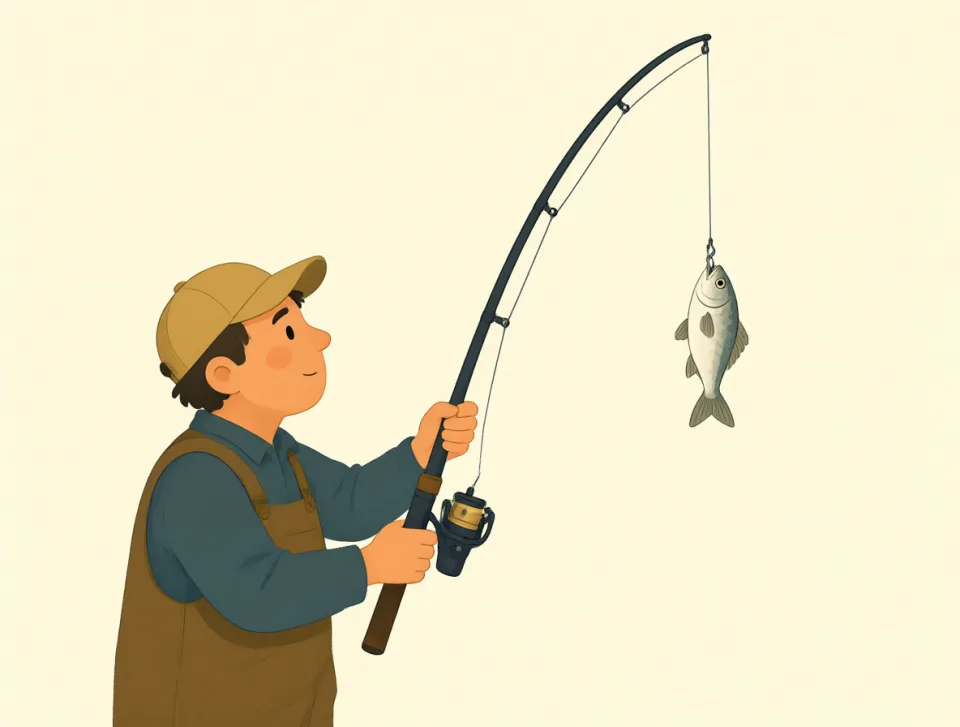
The fisherman used a small hook to catch trout in the lake.
मछुआरे ने झील में ट्राउट मछली पकड़ने के लिए एक छोटा हुक इस्तेमाल किया।

He hooked his bag over the chair while he ordered lunch.
दोपहर का खाना मँगवाते समय उसने अपना बैग कुर्सी पर टाँग दिया।

The nurse hooked the patient up to a heart monitor before the test.
जाँच से पहले नर्स ने मरीज़ को हार्ट मॉनिटर से जोड़ दिया।

The song’s catchy opening hooked everyone at the school dance.
स्कूल के डांस में गाने की दिलकश शुरुआत ने सबका ध्यान खींच लिया।
bell
#2691noun, verb
घंटी
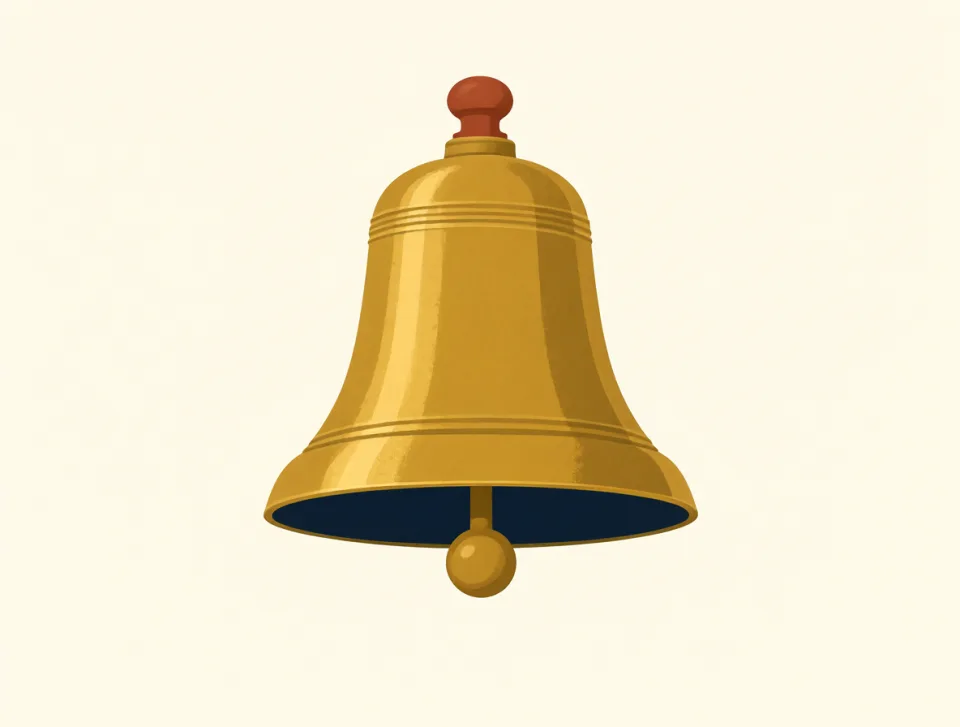
A hollow metal object that makes a clear ringing sound when struck or shaken.
धातु की एक खोखली वस्तु, जिसे बजाने या हिलाने पर साफ़ झंकार सुनाई देती है।
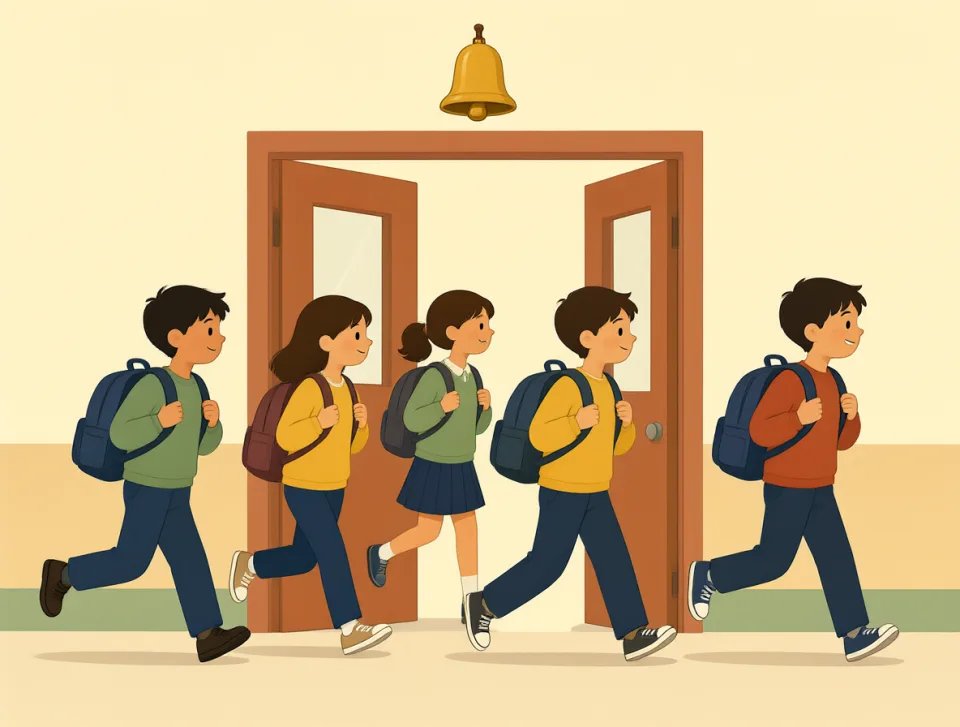
The school bell rang, and the students hurried into their classrooms.
स्कूल की घंटी बजी और छात्र जल्दी-जल्दी अपनी कक्षाओं में चले गए।
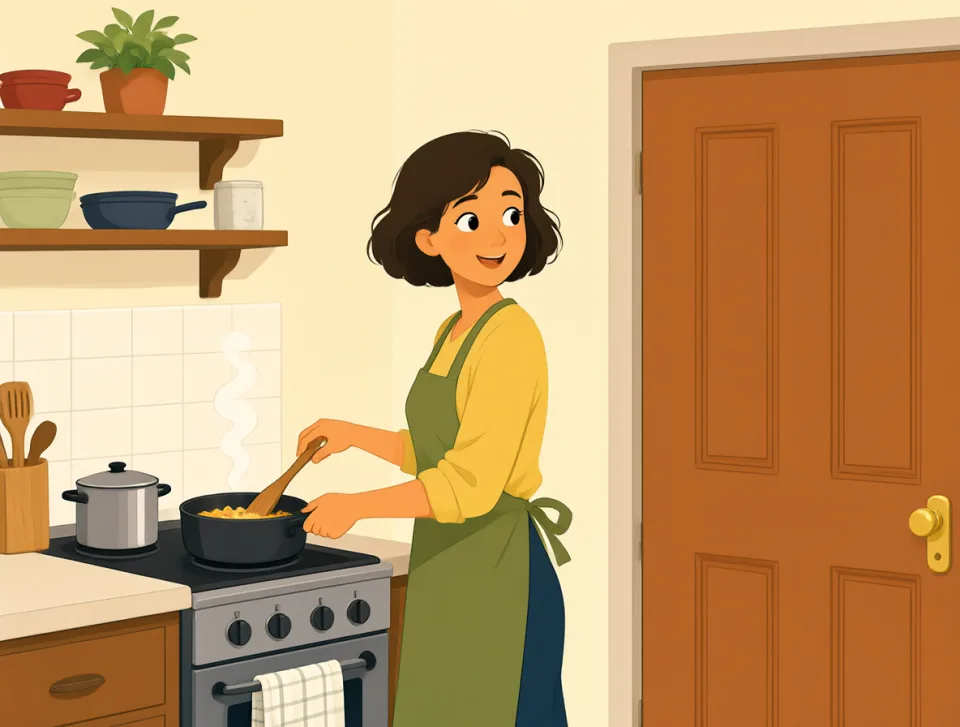
She heard the doorbell while she was making dinner in the kitchen.
रात का खाना बनाते समय उसने रसोई में दरवाज़े की घंटी सुनी।
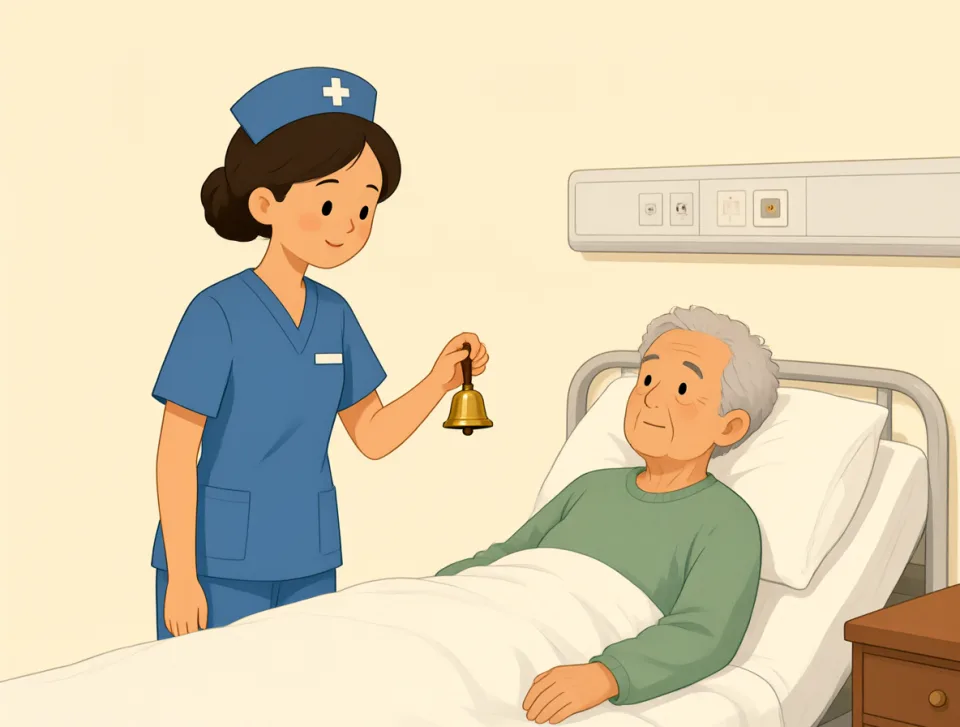
The nurse rang a small bell to call the doctor into the room.
नर्स ने डॉक्टर को कमरे में बुलाने के लिए एक छोटी घंटी बजाई।

We could hear church bells ringing across the town on Sunday morning.
रविवार की सुबह हमें पूरे शहर में चर्च की घंटियों की आवाज़ सुनाई दे रही थी।
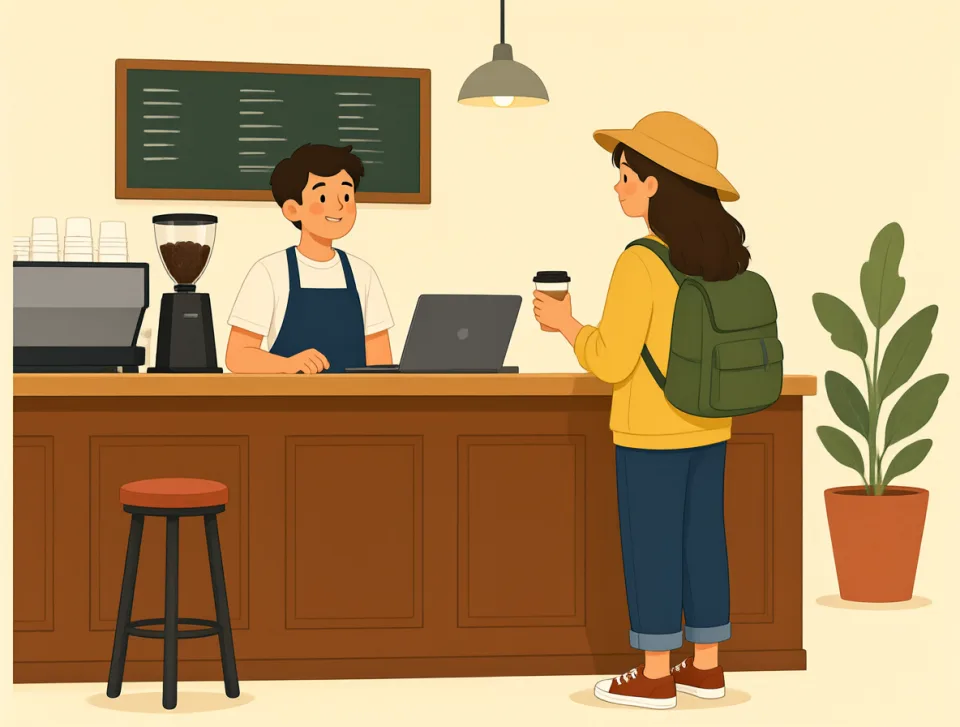
He bellied up to the counter and ordered a coffee for the trip.
वह काउंटर के पास जाकर खड़ा हुआ और सफ़र के लिए कॉफ़ी मँगाई।

liquid
#2692noun, adjective
तरल पदार्थ
A substance that flows freely and is not a solid or a gas.
ऐसा पदार्थ जो आसानी से बहता है और न तो ठोस होता है, न गैस।
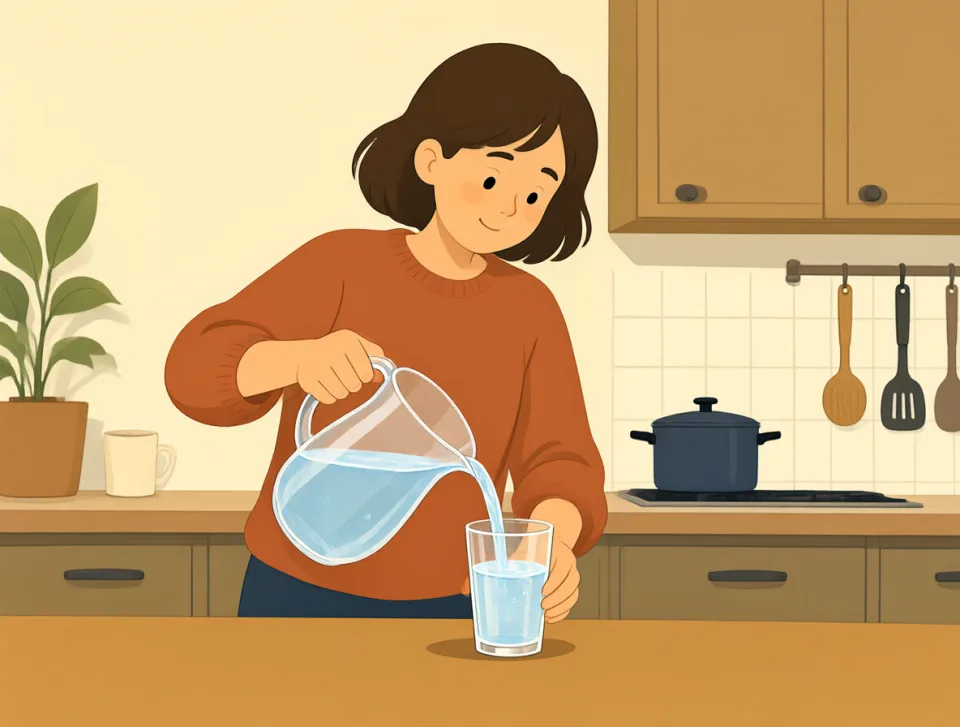
Please pour the liquid into a clean glass before you serve it.
परोसने से पहले कृपया तरल पदार्थ को एक साफ़ गिलास में डाल दें।

The doctor gave me liquid medicine because I could not swallow tablets.
डॉक्टर ने मुझे तरल दवा दी, क्योंकि मैं गोलियाँ निगल नहीं सकता था।
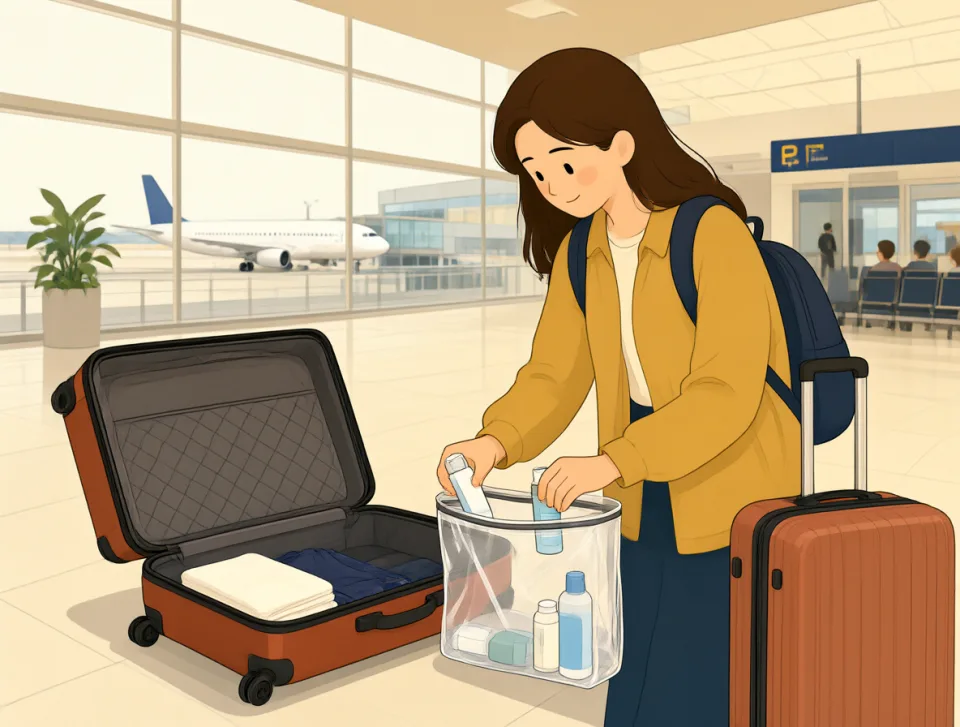
Keep all liquid bottles in a separate bag when you go through airport security.
हवाई अड्डे की सुरक्षा जाँच से गुज़रते समय तरल पदार्थों की सभी बोतलें एक अलग बैग में रखें।
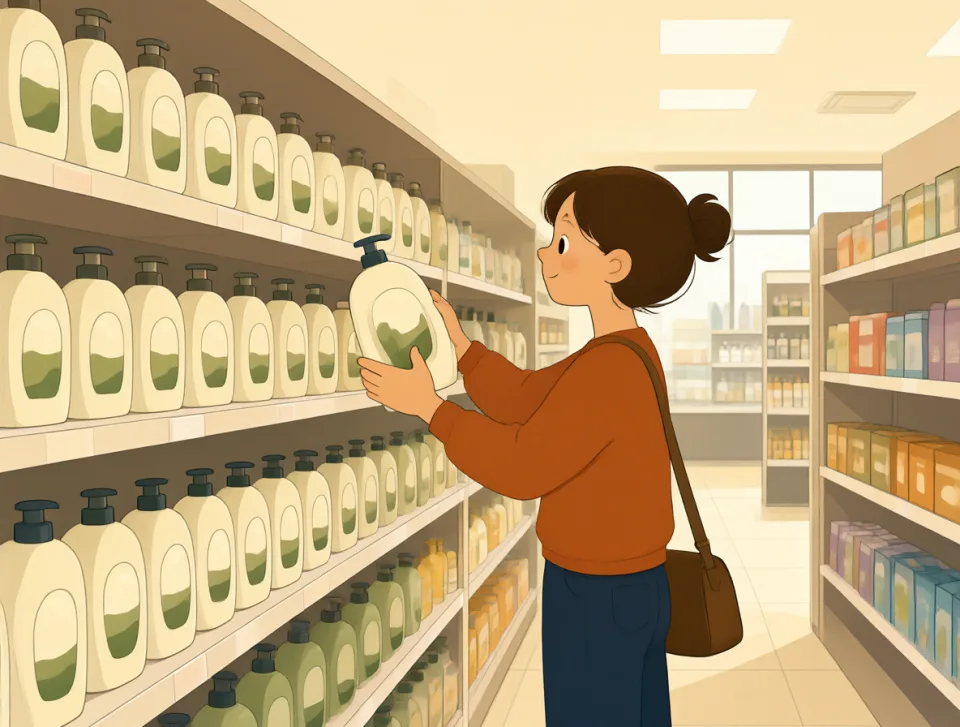
The shop sells liquid soap in large refill bottles near the cleaning products.
दुकान में सफ़ाई के सामान के पास बड़ी रीफ़िल बोतलों में तरल साबुन मिलता है।
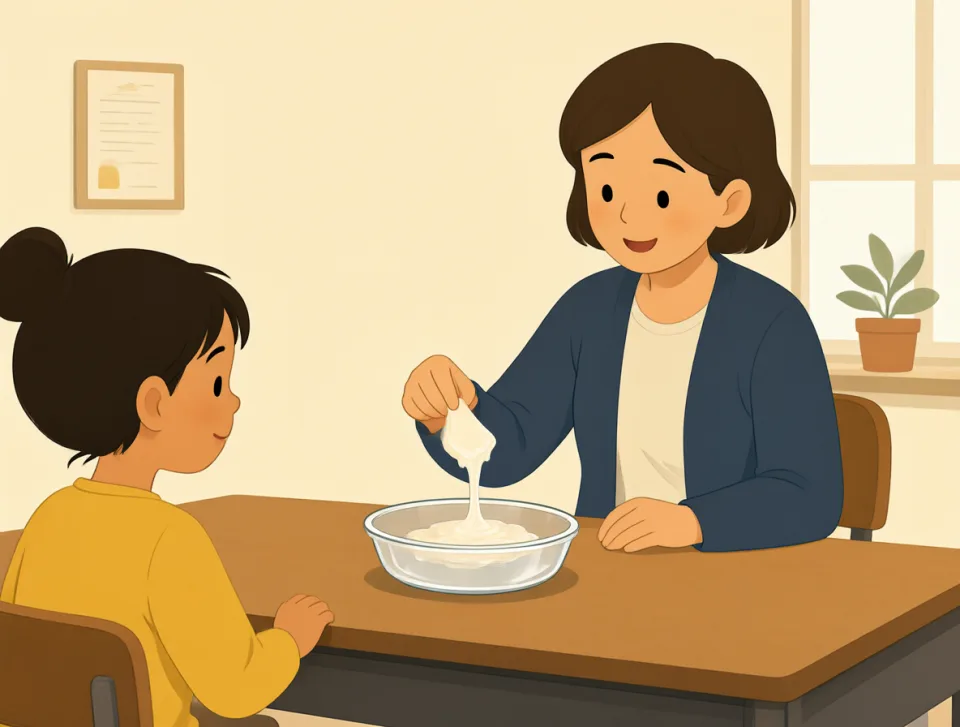
The teacher heated the solid until it became liquid during the science lesson.
विज्ञान की कक्षा में शिक्षक ने ठोस पदार्थ को तब तक गरम किया, जब तक वह तरल नहीं बन गया।
panic
#2693noun, verb
घबराहट
A sudden strong fear that makes you act quickly without thinking clearly.
अचानक होने वाला तेज़ डर, जिसके कारण आप बिना ठीक से सोचे-समझे जल्दी में कुछ करने लगते हैं।

She started to panic when she realized her child was missing in the crowded shop.
भीड़-भाड़ वाली दुकान में अपना बच्चा गुम होने का एहसास होते ही वह घबरा गई।

Try not to panic; the doctor says your test results should arrive tomorrow.
घबराने की कोशिश मत करो; डॉक्टर का कहना है कि तुम्हारी जाँच के नतीजे कल तक आ जाने चाहिए।

He panicked when the train doors closed and his friend was still outside.
जब ट्रेन के दरवाज़े बंद हो गए और उसका दोस्त बाहर ही रह गया, तो वह घबरा गया।
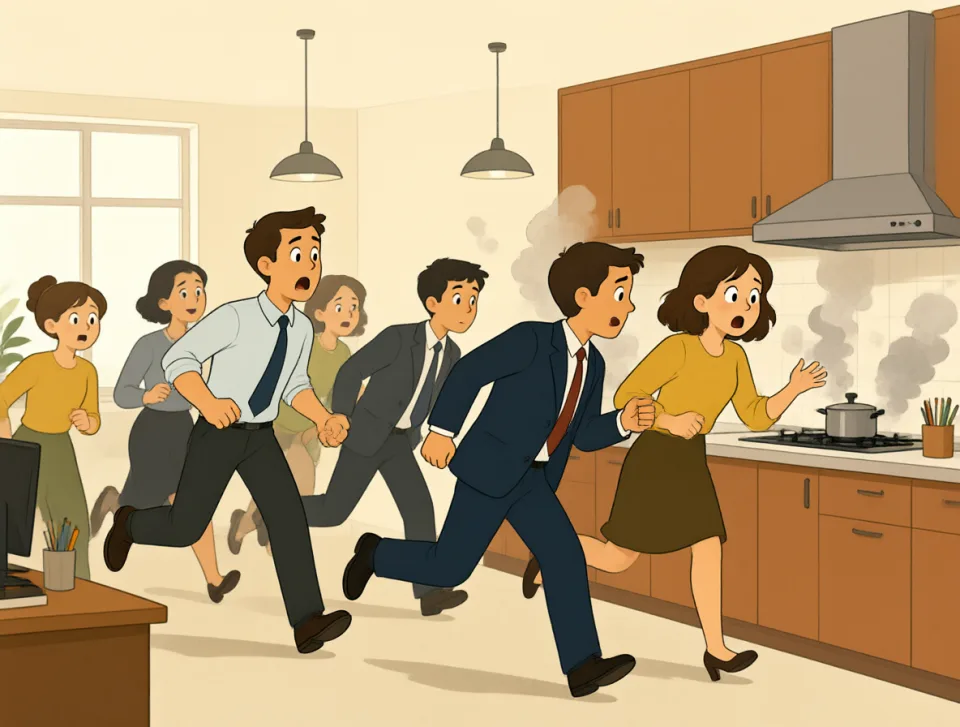
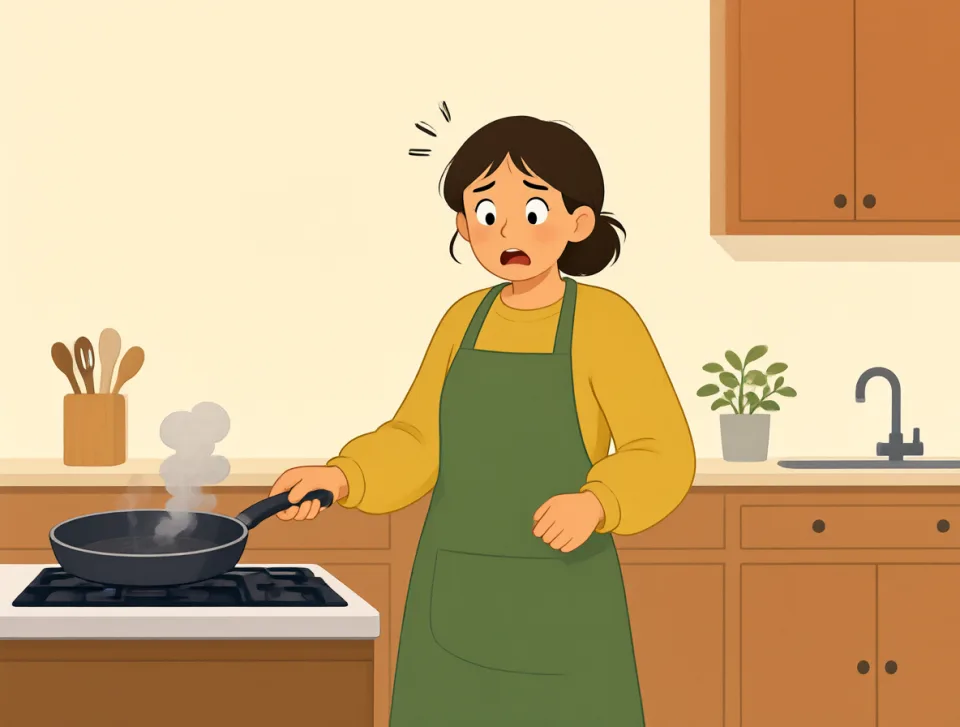
There was a moment of panic when smoke filled the office kitchen.
जब दफ़्तर की रसोई धुएँ से भर गई, तो कुछ पल के लिए सब घबरा गए।

The sudden panic passed when we found the lost dog under the table.
जब हमें खोया हुआ कुत्ता मेज़ के नीचे मिल गया, तो अचानक हुई घबराहट दूर हो गई।
uncle
#2694noun
चाचा / मामा
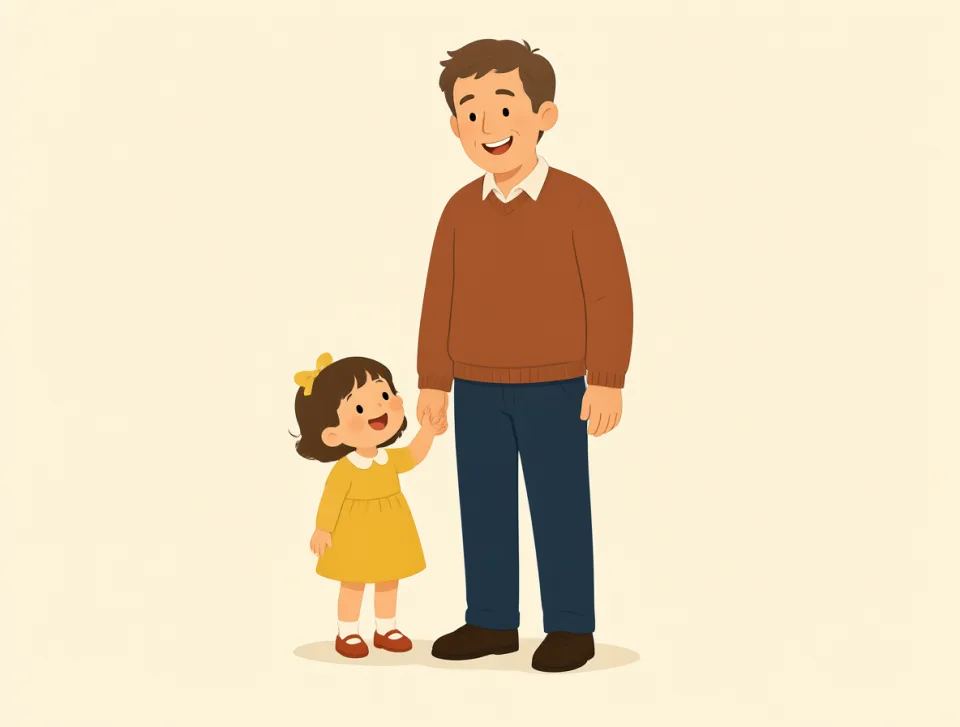
Your uncle is your mother’s or father’s brother.
आपके पिता या माता के भाई को आपका चाचा या मामा कहते हैं।

My uncle lives nearby, so we often visit him on Sunday afternoons.
मेरे चाचा पास ही रहते हैं, इसलिए हम अक्सर रविवार की दोपहर उनसे मिलने जाते हैं।

My uncle gave me useful advice about finding my first job.
मेरे चाचा ने मुझे पहली नौकरी ढूँढ़ने के बारे में काम की सलाह दी।
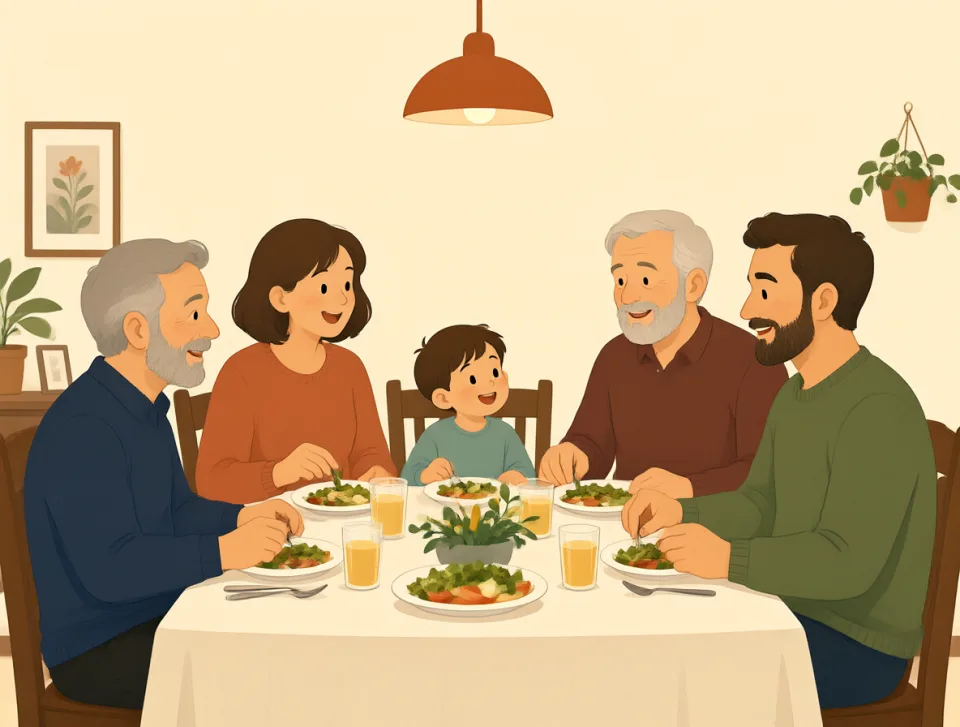
We invited our uncles to the family dinner last weekend.
हमने पिछले सप्ताहांत परिवार के खाने पर अपने चाचाओं को बुलाया।

My uncle picked me up from school when my parents were working.
जब मेरे माता-पिता काम पर होते थे, तो मेरे चाचा मुझे स्कूल से लेने आते थे।

I called my uncle while traveling because I missed my family.
यात्रा के दौरान मुझे अपने परिवार की याद आई, इसलिए मैंने अपने चाचा को फ़ोन किया।
rice
#2695noun
चावल
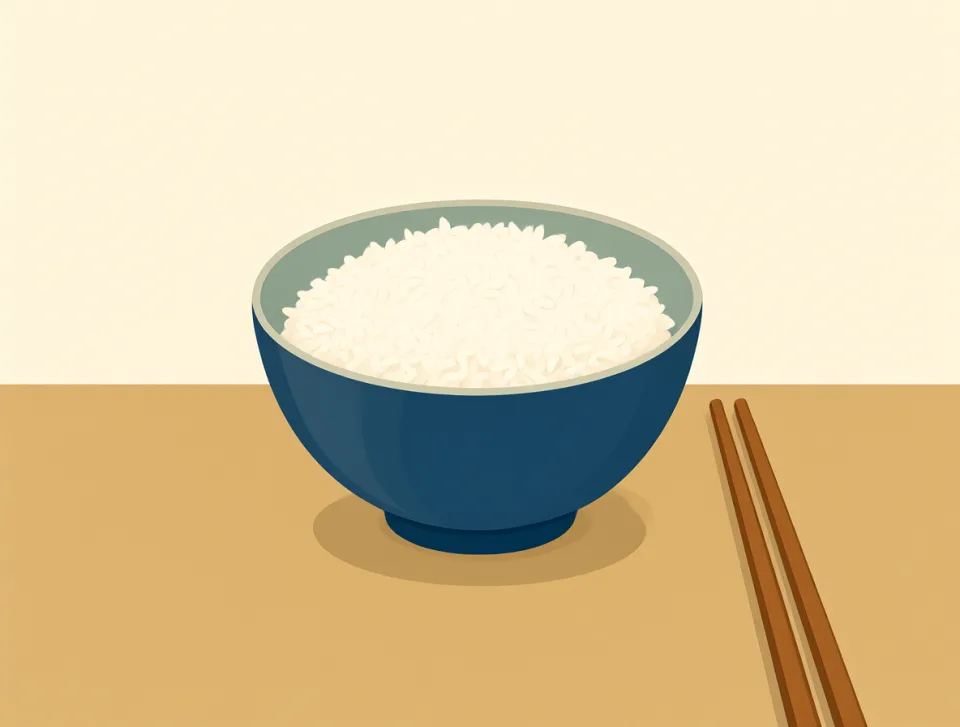
A small white or brown grain used as food, often cooked and served with other dishes.
खाने के काम आने वाला छोटा सफ़ेद या भूरा अनाज, जिसे अक्सर पकाकर दूसरे व्यंजनों के साथ परोसा जाता है।
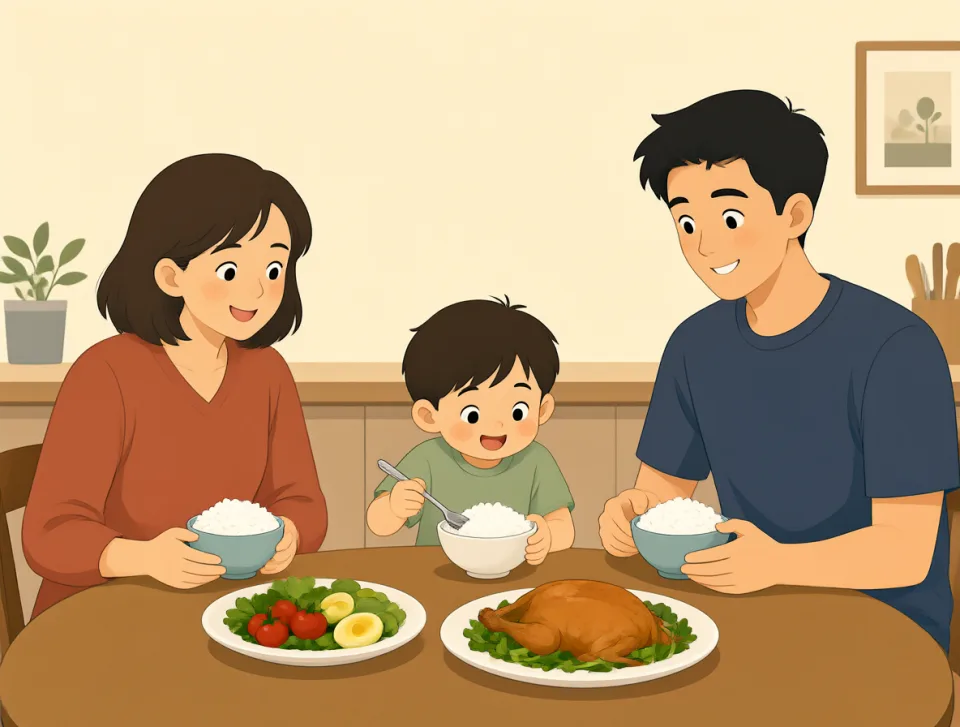
We usually eat rice with vegetables and chicken for dinner.
हम आम तौर पर रात के खाने में सब्ज़ियों और चिकन के साथ चावल खाते हैं।
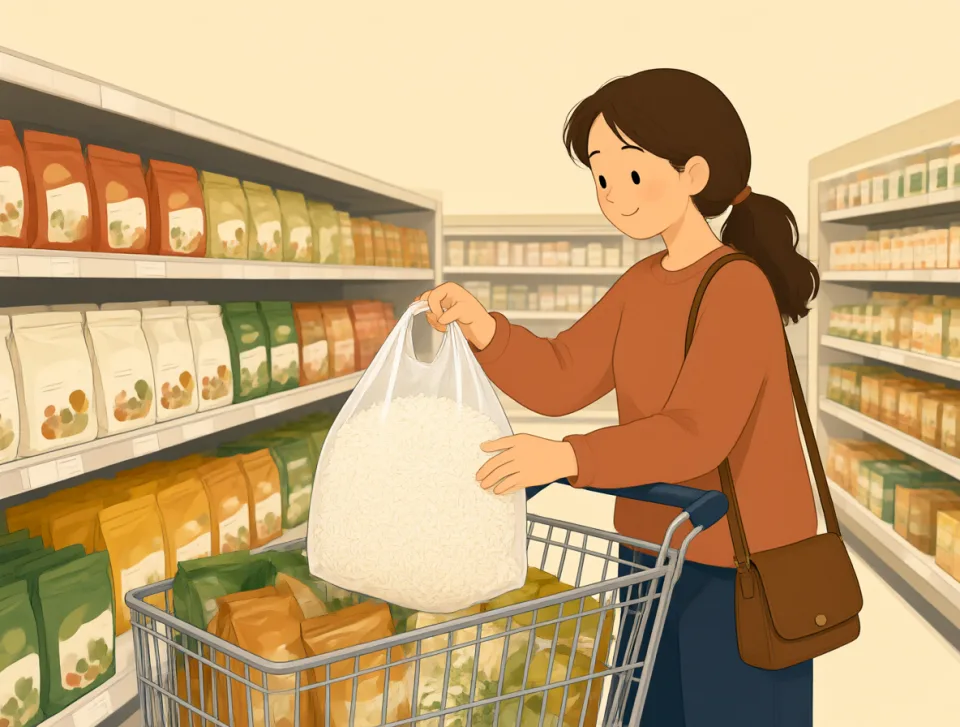
Could you buy a bag of rice at the supermarket?
क्या तुम सुपरमार्केट से चावल का एक बैग खरीद सकते हो?

The restaurant serves rice with every curry dish.
रेस्तराँ में हर करी के साथ चावल परोसा जाता है।
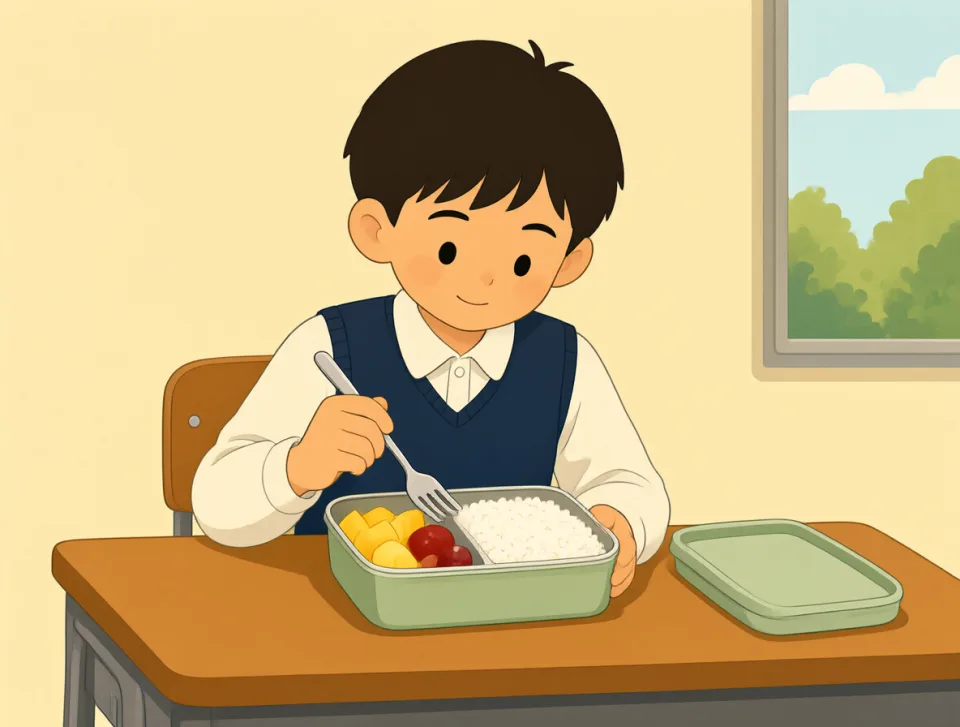
She packed rice and fruit for lunch at school.
उसने स्कूल में दोपहर के खाने के लिए चावल और फल पैक किए।
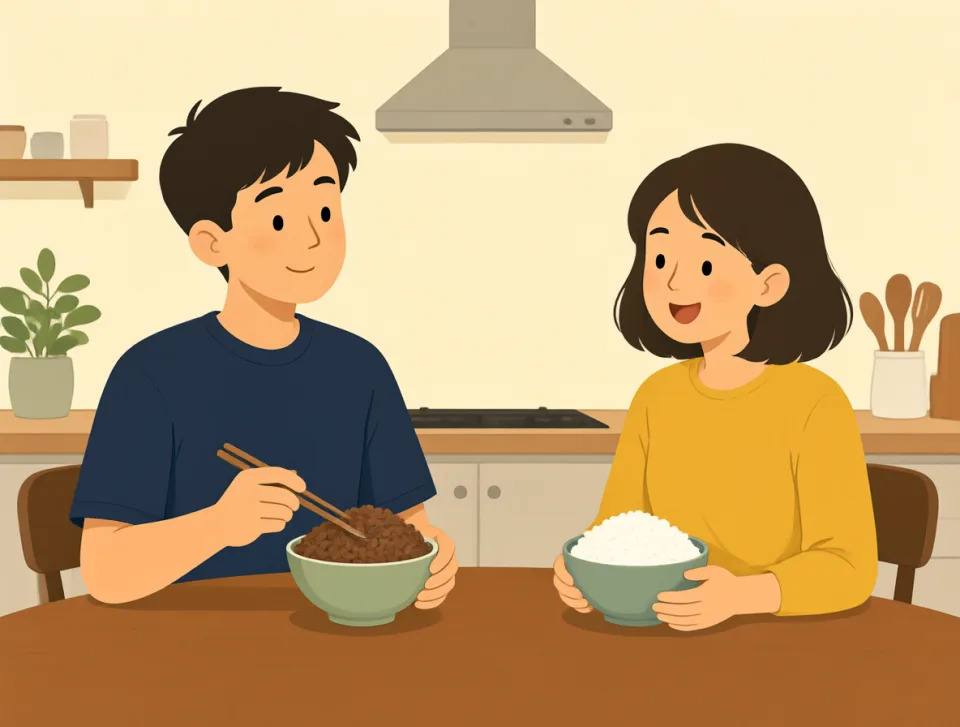
Eating brown rice can provide more fiber than eating white rice.
सफ़ेद चावल की तुलना में भूरे चावल खाने से ज़्यादा फ़ाइबर मिल सकता है।

slope
#2696noun, verb
ढलान
A surface that rises or falls at an angle; to rise or fall at an angle.
ऐसी सतह जो किसी कोण पर ऊपर उठती या नीचे जाती हो; किसी कोण पर ऊपर उठना या नीचे जाना।

The road climbed a steep slope before reaching the mountain village.
पहाड़ी गाँव पहुँचने से पहले सड़क एक खड़ी ढलान पर चढ़ी।

We carried our skis up the slope and waited for the lift.
हम अपनी स्की ढलान पर ऊपर ले गए और लिफ़्ट का इंतज़ार किया।
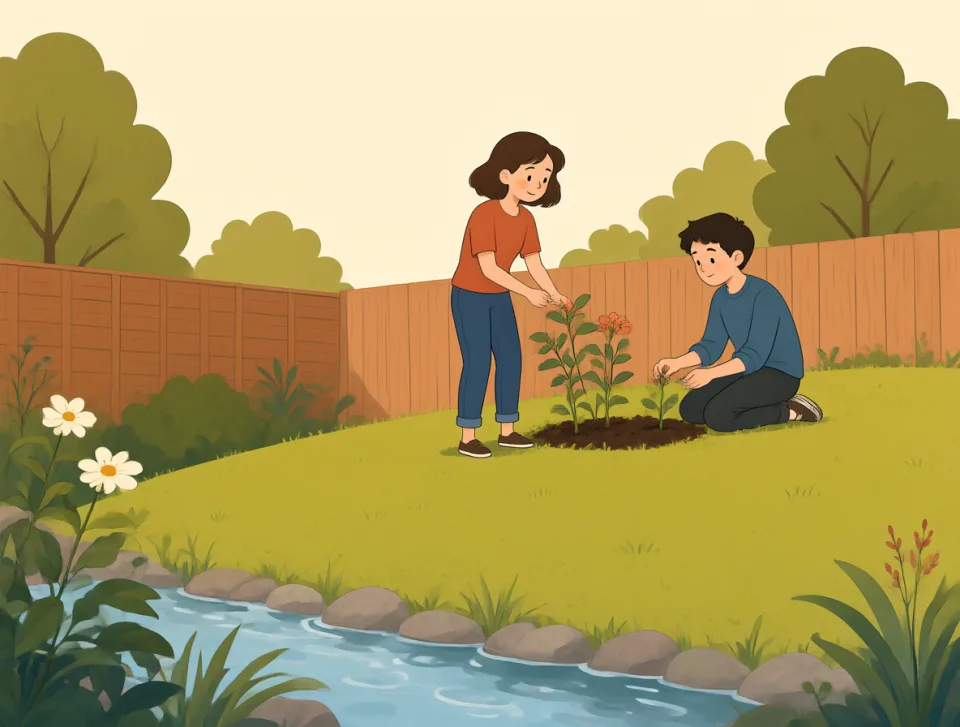
The garden slopes gently toward the stream behind our house.
हमारे घर के पीछे बगीचा धीरे-धीरे नाले की ओर ढलता है।
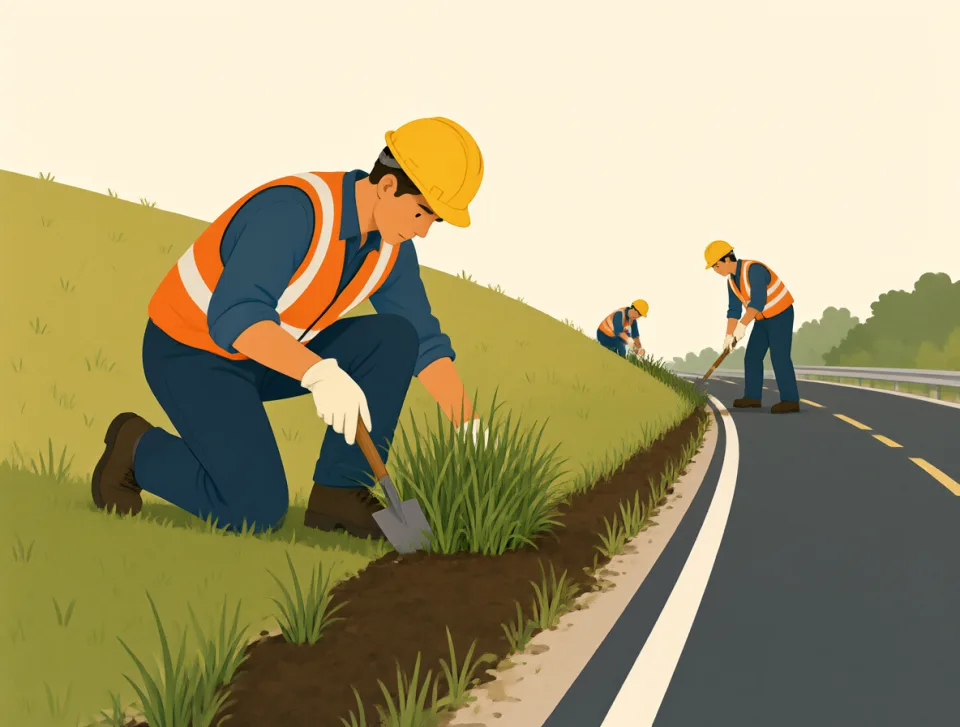
Workers planted grass on the slope beside the new highway.
मज़दूरों ने नए राजमार्ग के किनारे ढलान पर घास लगाई।

The path slopes down toward the beach, so walk carefully.
रास्ता समुद्र तट की ओर नीचे ढलता है, इसलिए सावधानी से चलें।
happiness
#2697noun
खुशी
The feeling of being pleased and satisfied with your life.
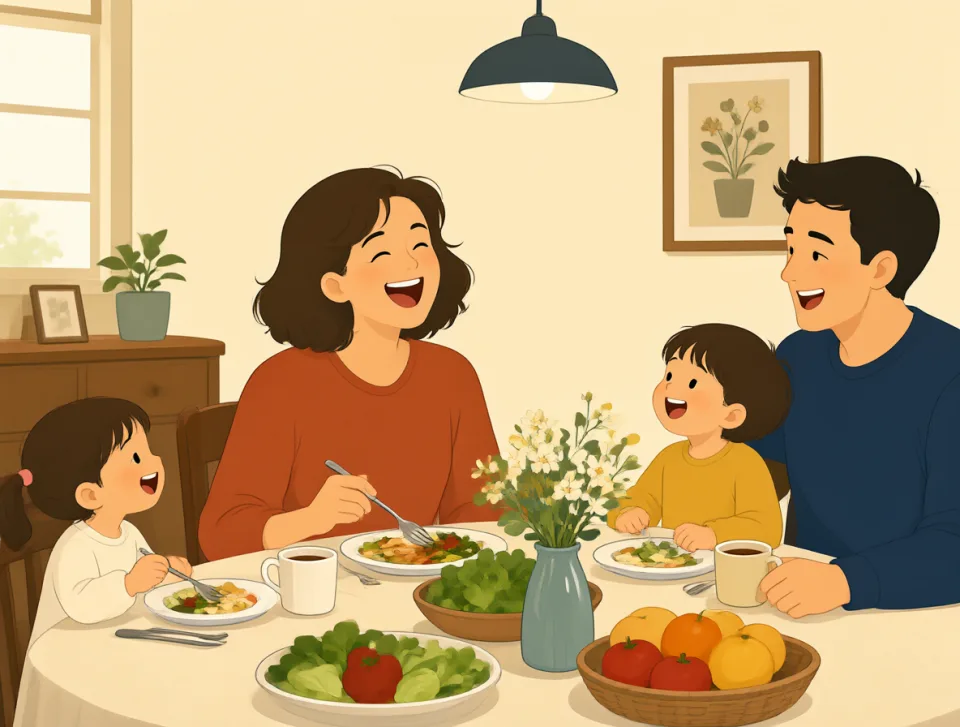
अपने जीवन से प्रसन्न और संतुष्ट होने का एहसास।
Her happiness comes from spending time with her family.
उसे अपने परिवार के साथ समय बिताने से खुशी मिलती है।

The good news brought happiness to everyone in the office.
अच्छी खबर से दफ़्तर में सबको खुशी हुई।
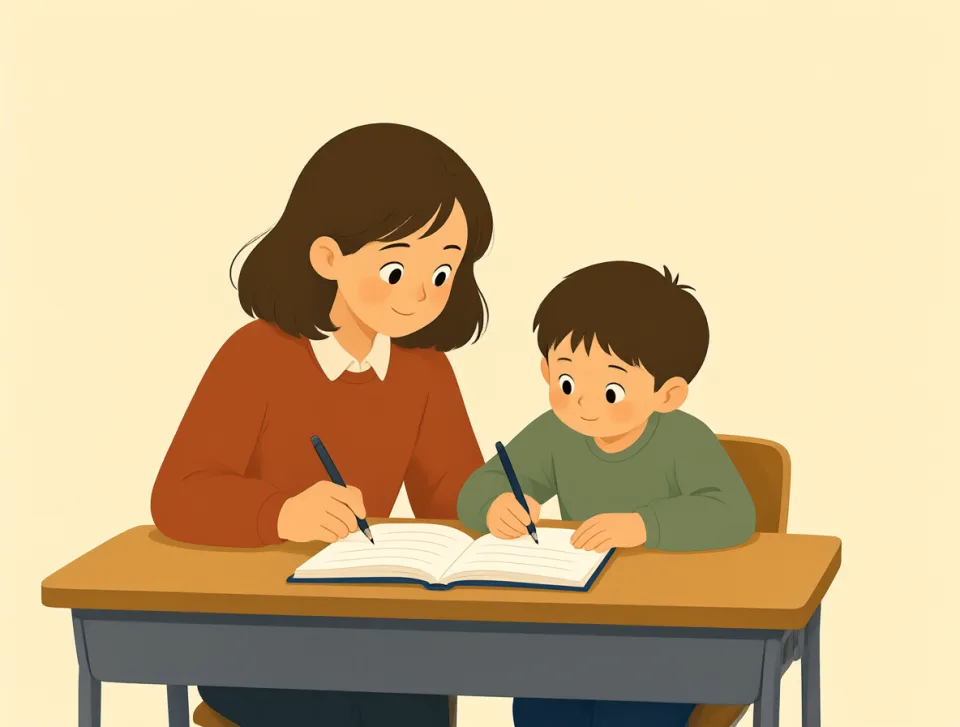
He found happiness in helping younger students with their homework.
उसे छोटे विद्यार्थियों का गृहकार्य करने में मदद करके खुशी मिली।
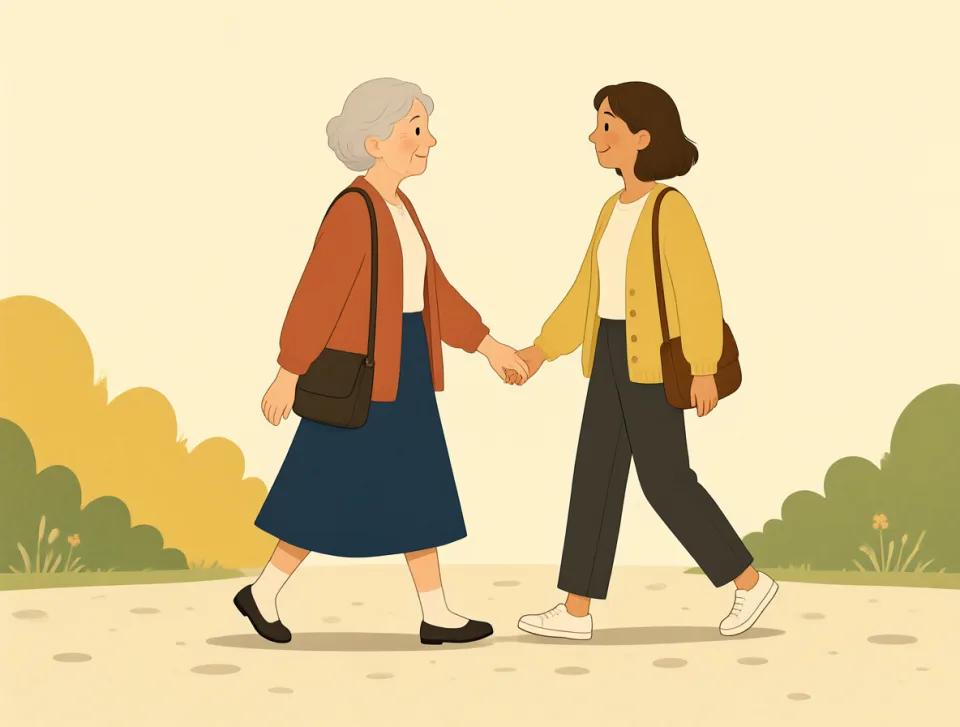
For many people, good health is important for happiness.
कई लोगों के लिए अच्छी सेहत खुशी के लिए ज़रूरी है।

We shared our happiness with friends during a weekend trip.
सप्ताहांत की यात्रा के दौरान हमने दोस्तों के साथ अपनी खुशी बाँटी।
genuine
#2698adjective
असली; सच्चा
real and sincere, rather than false or copied
नकली या नकल किया हुआ नहीं, बल्कि असली और सच्चा।

She gave me a genuine smile when I arrived at her home.
जब मैं उसके घर पहुँची, तो उसने मुझे देखकर सच्ची मुस्कान दी।

This shop sells genuine leather bags made by local workers.
यह दुकान स्थानीय कारीगरों के बनाए असली चमड़े के बैग बेचती है।
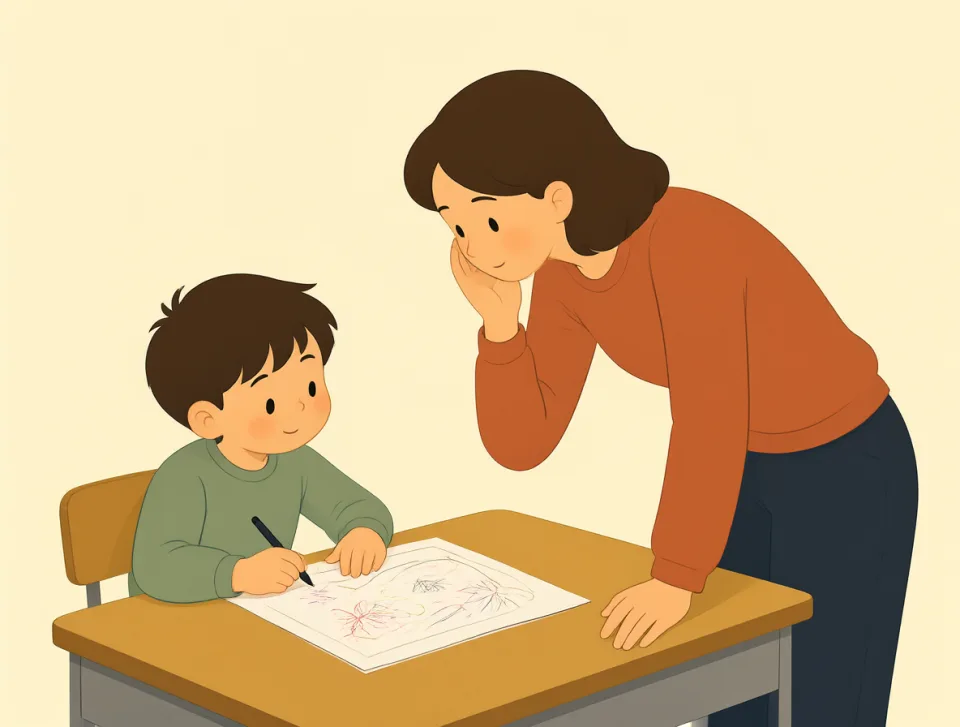
The teacher showed genuine interest in every student's project.
शिक्षक ने हर विद्यार्थी की परियोजना में सच्ची दिलचस्पी दिखाई।

The doctor was concerned about his genuine pain after the accident.
दुर्घटना के बाद डॉक्टर को उसके असली दर्द की चिंता हुई।

We found a genuine Italian restaurant near our hotel.
हमें अपने होटल के पास एक असली इतालवी रेस्तराँ मिला।

vessel
#2699noun
जहाज़
a large boat or ship used to carry people or goods
लोगों या सामान को ले जाने के लिए इस्तेमाल होने वाली बड़ी नाव या जहाज़।
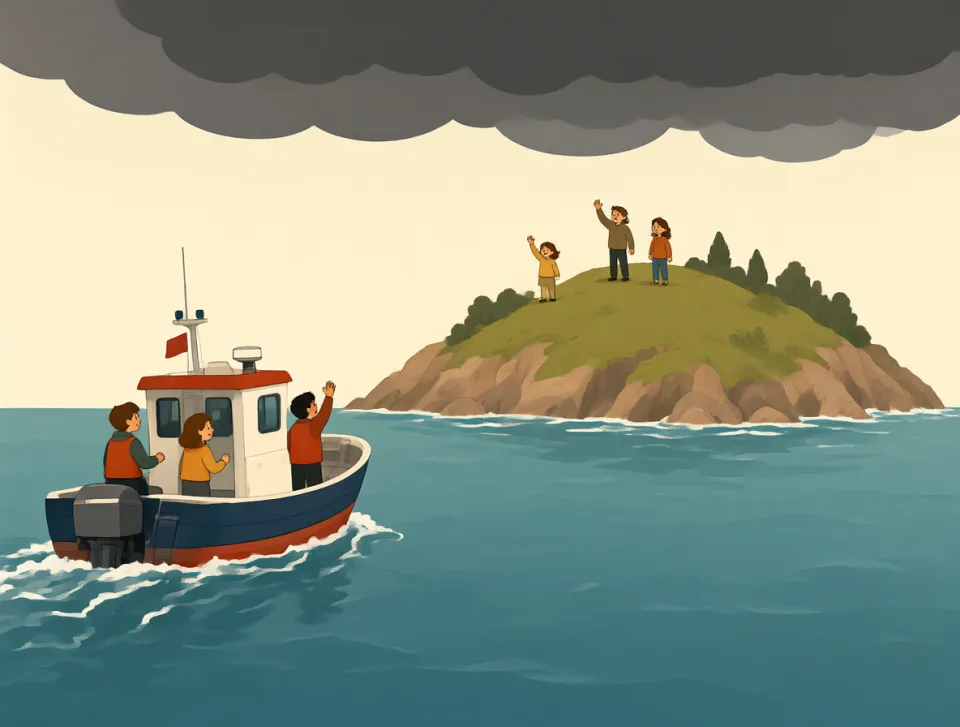
The rescue vessel reached the island before the storm became dangerous.
तूफ़ान के ख़तरनाक होने से पहले बचाव जहाज़ द्वीप पर पहुँच गया।
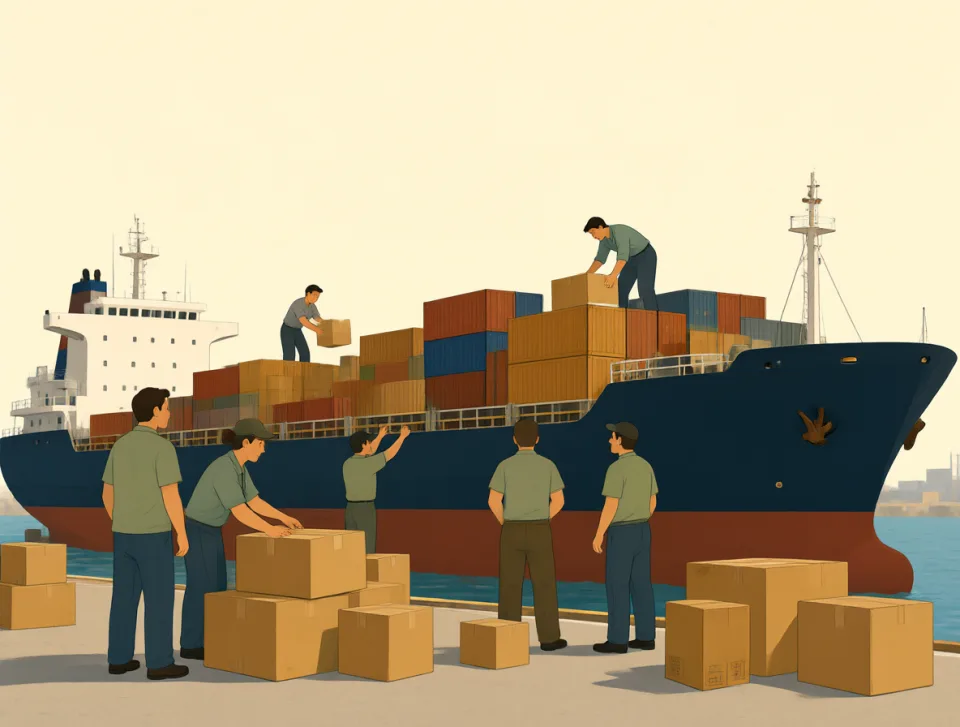
Several vessels carried fresh food and supplies to the coastal town.
कई जहाज़ ताज़ा खाना और ज़रूरी सामान तटीय कस्बे तक ले गए।
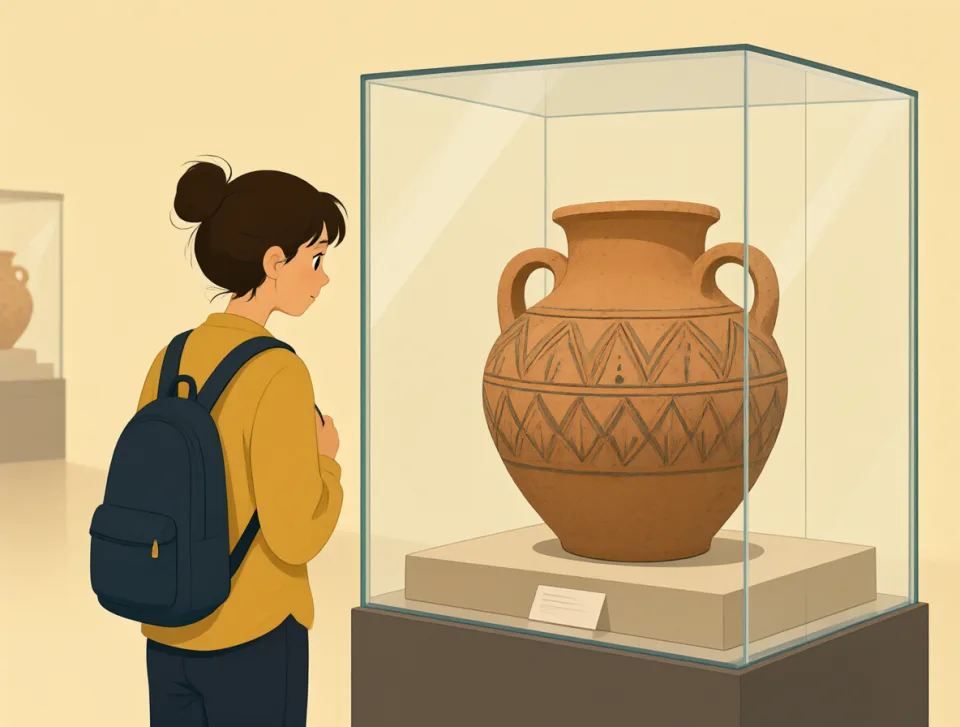
The museum displayed an ancient vessel found near the bottom of the sea.
संग्रहालय में समुद्र की तलहटी के पास मिला एक प्राचीन जहाज़ प्रदर्शित किया गया।
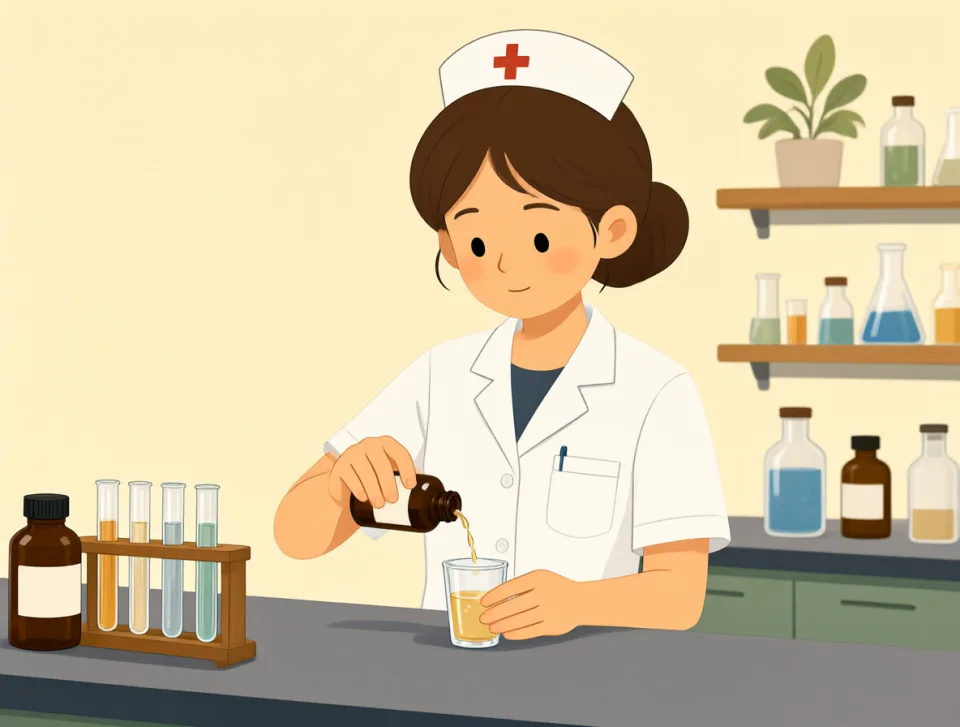
The nurse poured medicine into a small glass vessel for the experiment.
नर्स ने प्रयोग के लिए दवा एक छोटे काँच के पात्र में डाली।
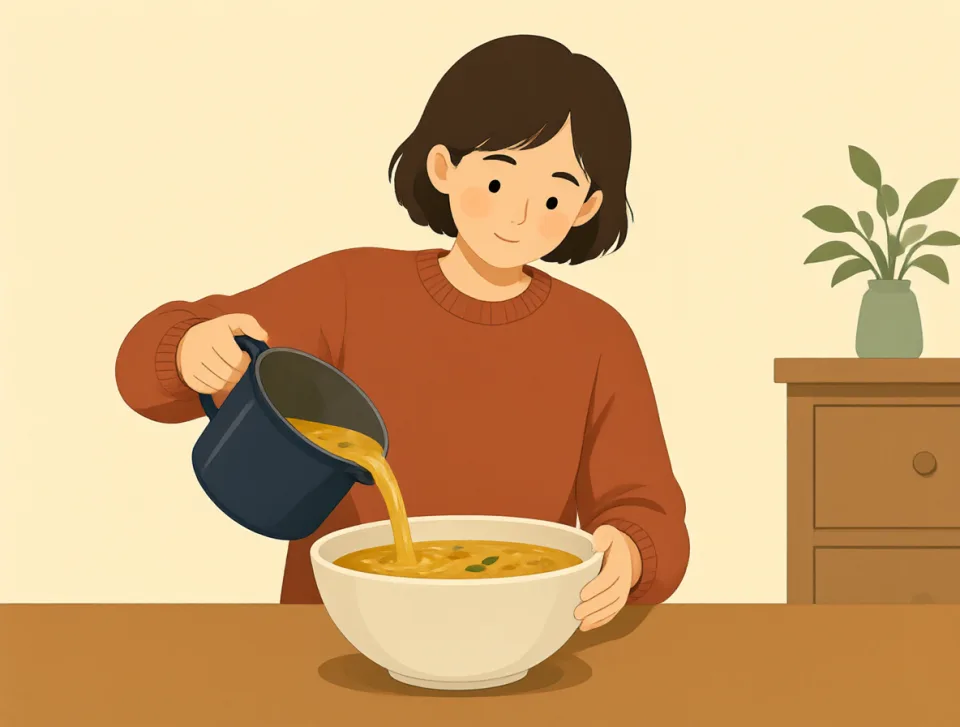
Please place the hot soup in a deep vessel before serving it.
परोसने से पहले कृपया गरम सूप को एक गहरे बर्तन में डाल दें।
verb
#2700noun
क्रिया
A word that describes an action, event, or state, such as run, happen, or be.
ऐसा शब्द जो किसी काम, घटना या अवस्था को बताता है, जैसे run, happen या be।
In English, the verb usually comes after the subject in a sentence.
अंग्रेज़ी में, वाक्य में क्रिया आम तौर पर कर्ता के बाद आती है।

Please use the correct verb when you describe what happened yesterday.
कल क्या हुआ, यह बताते समय कृपया सही क्रिया का इस्तेमाल करें।

The verb “be” has several different forms in everyday English.
अंग्रेज़ी में “be” क्रिया के रोज़मर्रा के इस्तेमाल में कई अलग-अलग रूप होते हैं।

She is learning how to change verbs into the past tense.
वह सीख रही है कि क्रियाओं को भूतकाल में कैसे बदला जाए।
The teacher asked us to circle every verb in the paragraph.
शिक्षक ने हमसे अनुच्छेद में हर क्रिया पर गोला लगाने को कहा।