หน่วย 135
คำที่ 2681–2700 · cluster, confusion, hurry, logic, controversial, raw
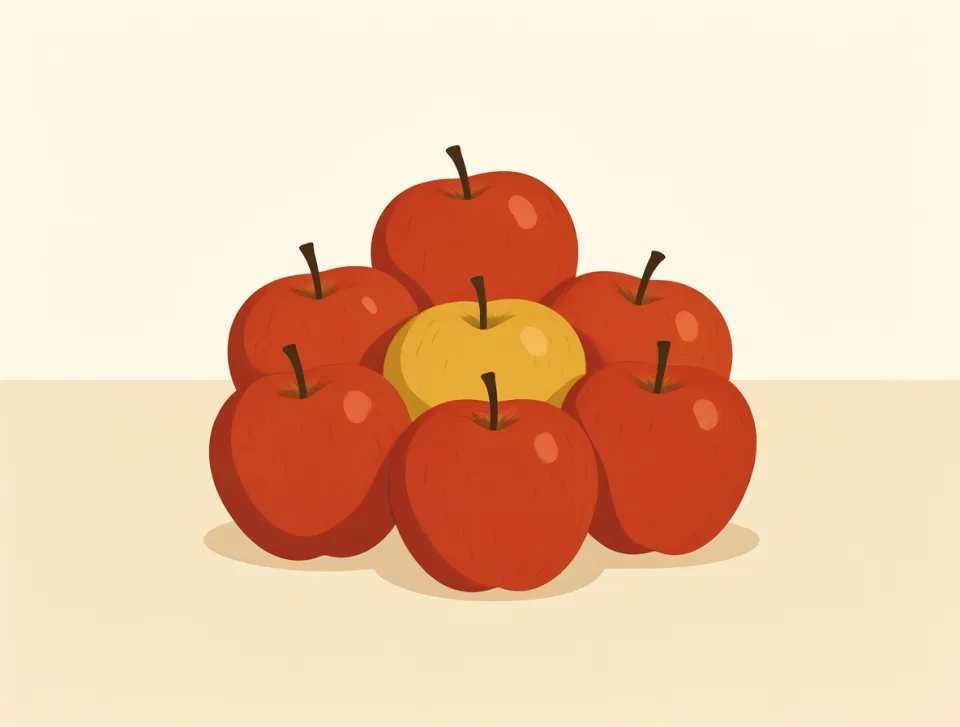
cluster
#2681noun, verb
กลุ่ม; รวมกลุ่มกัน
A group of similar things close together, or to gather closely in one place.
กลุ่มของสิ่งที่คล้ายกันซึ่งอยู่ใกล้กัน หรือการรวมตัวกันในที่เดียว

A cluster of grapes hung from the vine beside the garden path.
พวงองุ่นห้อยอยู่จากเถาข้างทางเดินในสวน

We found a small cluster of cafés near the train station.
เราพบร้านกาแฟกลุ่มเล็ก ๆ ใกล้สถานีรถไฟ
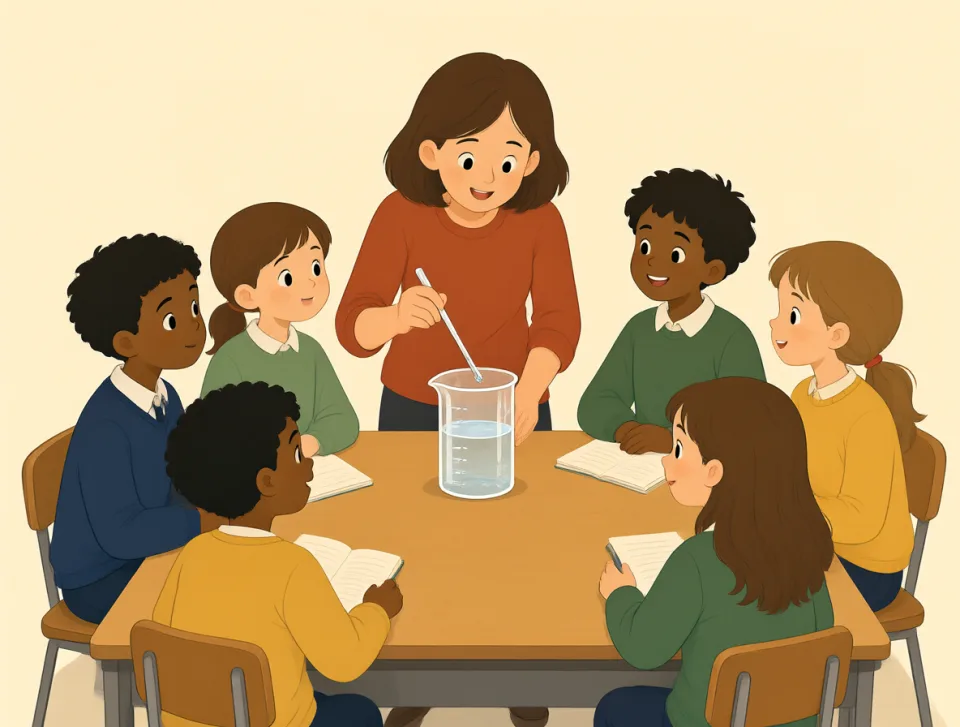
The children clustered around the teacher to see her science experiment.
เด็ก ๆ มารุมล้อมครูเพื่อดูการทดลองวิทยาศาสตร์ของเธอ
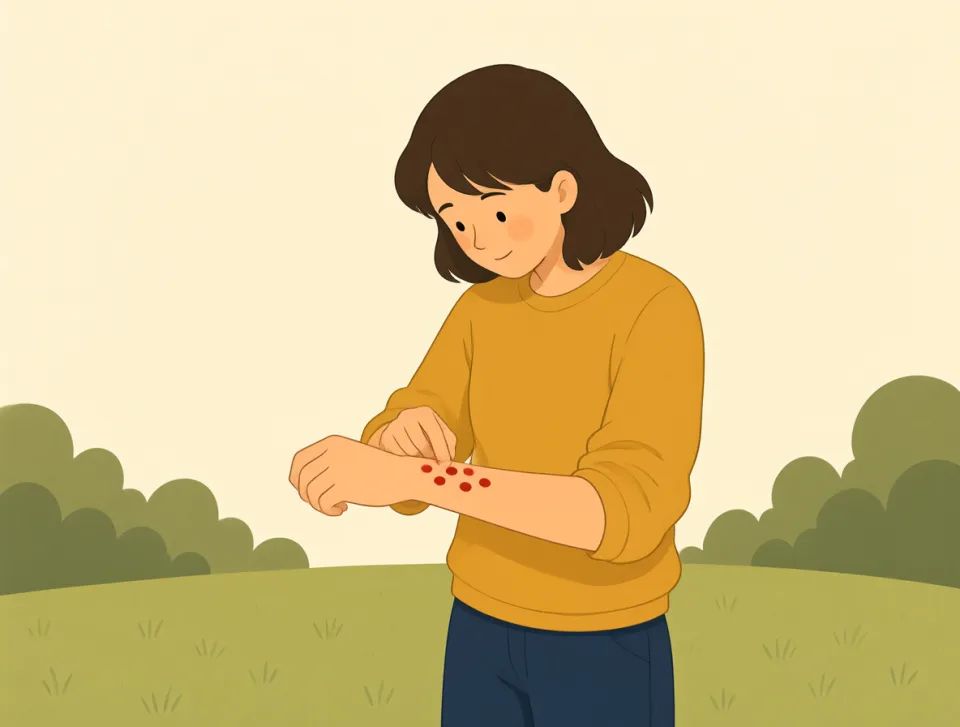
A cluster of red spots appeared on my arm after the hike.
มีผื่นจุดแดงขึ้นเป็นกลุ่มบนแขนฉันหลังจากไปเดินป่า
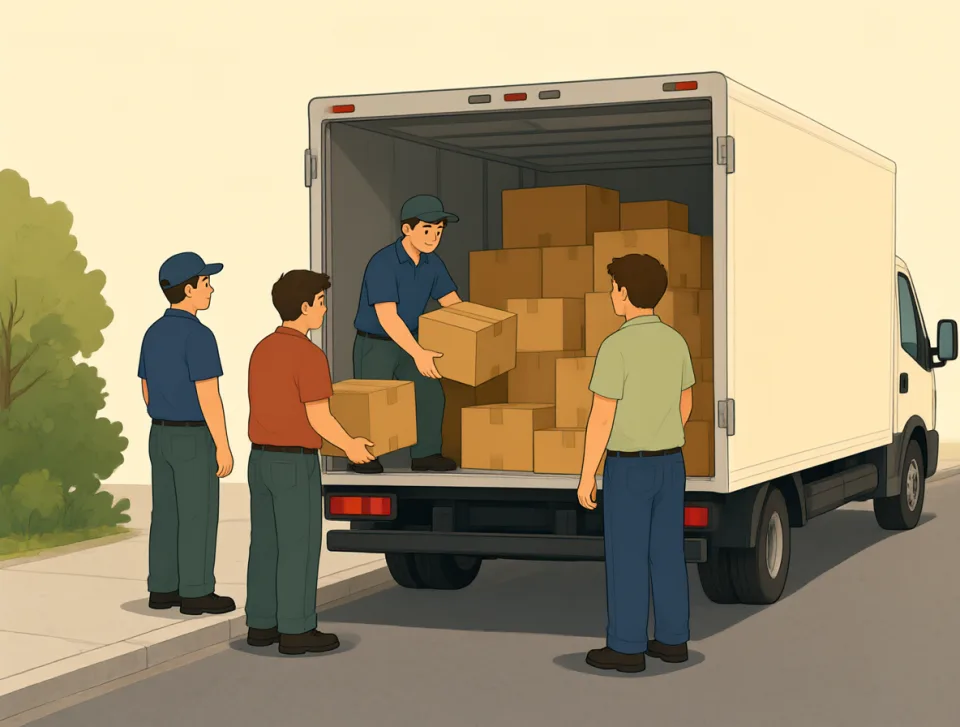
The workers clustered around the delivery truck to unload boxes.
คนงานมารวมกลุ่มกันรอบรถส่งของเพื่อขนกล่องลง

confusion
#2682noun
ความสับสน
A state of not understanding something clearly or of feeling unsure what to do.
ภาวะที่ไม่เข้าใจบางอย่างอย่างชัดเจน หรือไม่แน่ใจว่าควรทำอย่างไร

There was some confusion about which room the meeting would be in.
มีความสับสนอยู่บ้างว่าการประชุมจะจัดที่ห้องไหน
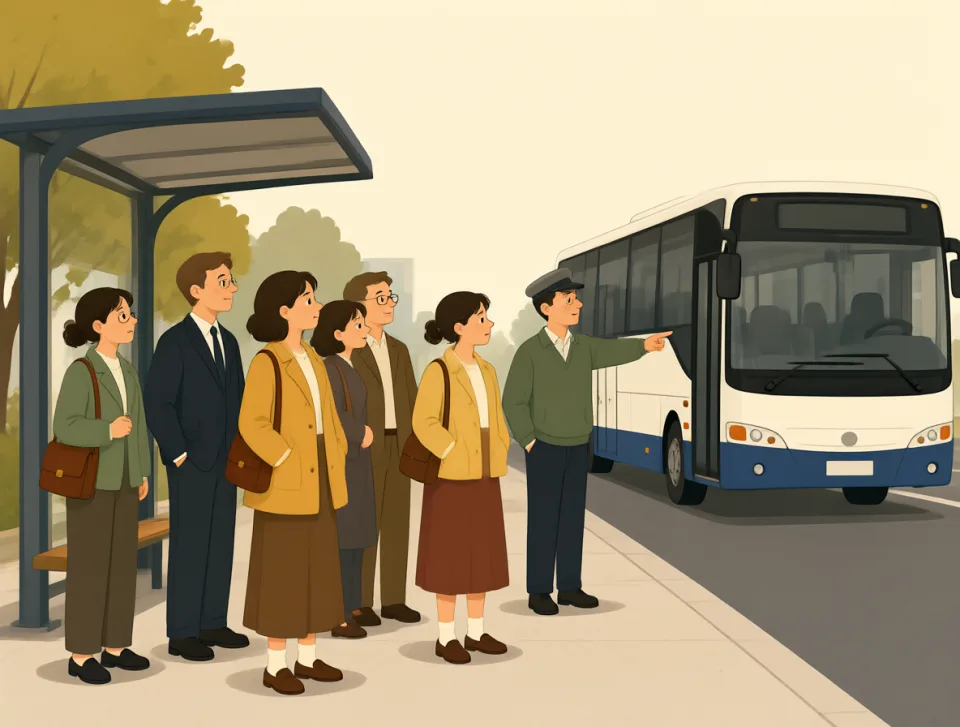
The new bus route caused confusion among passengers at the station.
เส้นทางรถเมล์สายใหม่ทำให้ผู้โดยสารที่สถานีสับสน
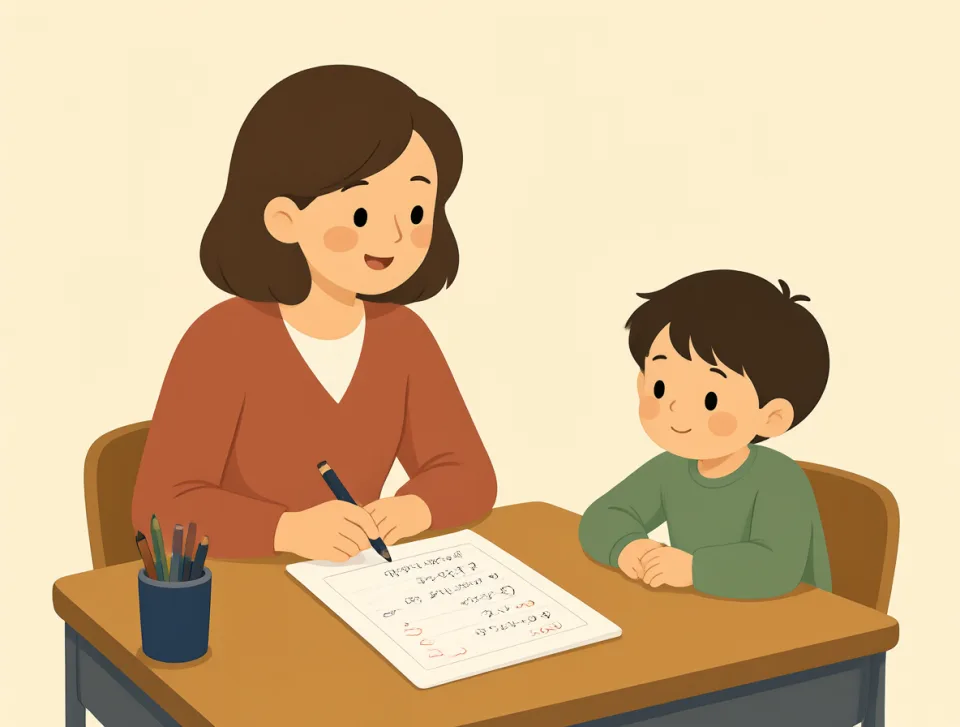
She cleared up the confusion by explaining the homework instructions again.
เธอคลายความสับสนด้วยการอธิบายคำสั่งการบ้านอีกครั้ง
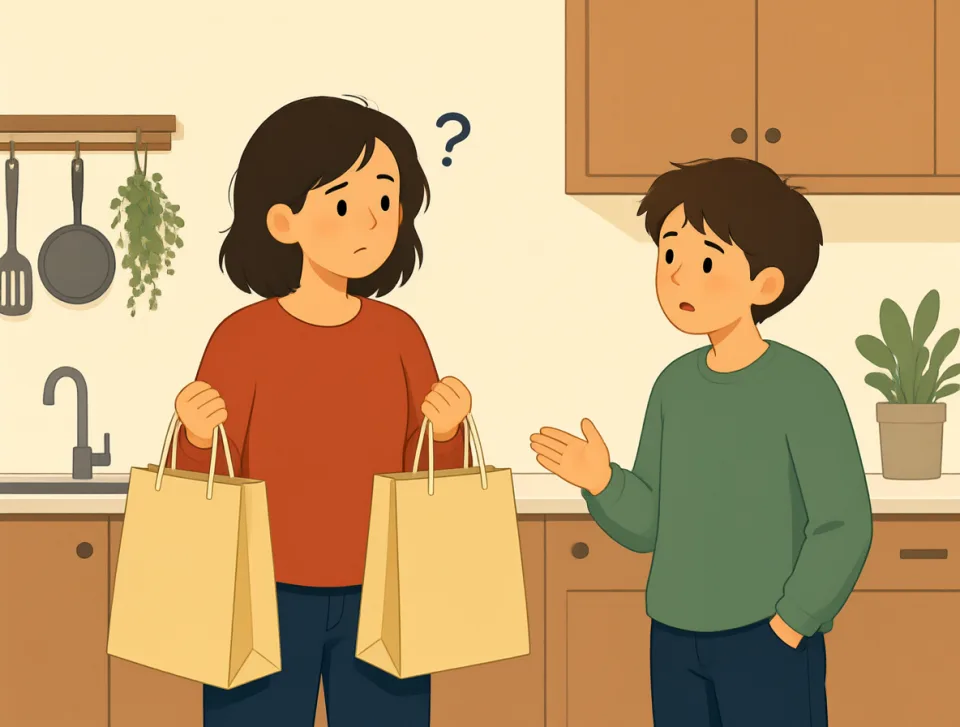
I mixed up the two shopping bags, causing confusion at home.
ฉันหยิบถุงช้อปปิ้งสองใบสลับกัน ทำให้ที่บ้านเกิดความสับสน
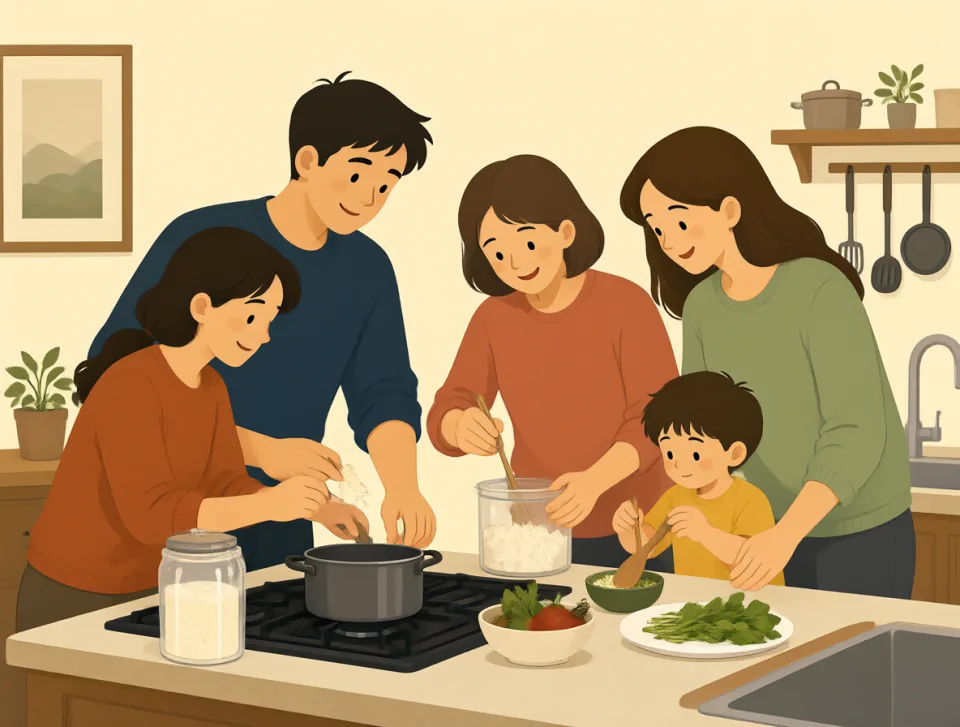
There was confusion in the kitchen when everyone tried to cook at once.
ในครัวเกิดความโกลาหลเมื่อทุกคนพยายามทำอาหารพร้อมกัน

hurry
#2683noun, verb
รีบ; เร่ง
To do something quickly or make someone move or act quickly.
ทำบางอย่างอย่างรวดเร็ว หรือทำให้ใครบางคนเคลื่อนไหวหรือลงมือทำอย่างรวดเร็ว

We hurried to catch the last train after dinner.
เราพากันรีบไปขึ้นรถไฟเที่ยวสุดท้ายหลังอาหารเย็น
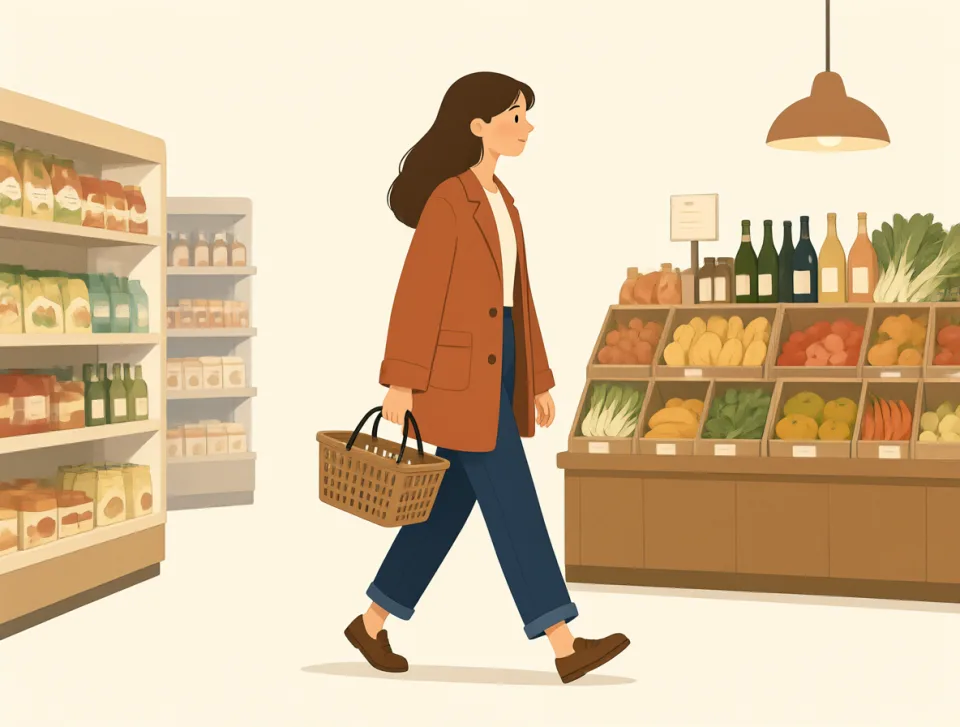
There’s no need to hurry; the store stays open until nine.
ไม่ต้องรีบหรอก ร้านเปิดถึงสามทุ่ม

She was in a hurry and left her keys on the kitchen table.
เธอรีบจนลืมกุญแจไว้บนโต๊ะในครัว

The nurse hurried to help the patient when he felt dizzy.
พยาบาลรีบเข้าไปช่วยคนไข้ตอนที่เขารู้สึกเวียนหัว
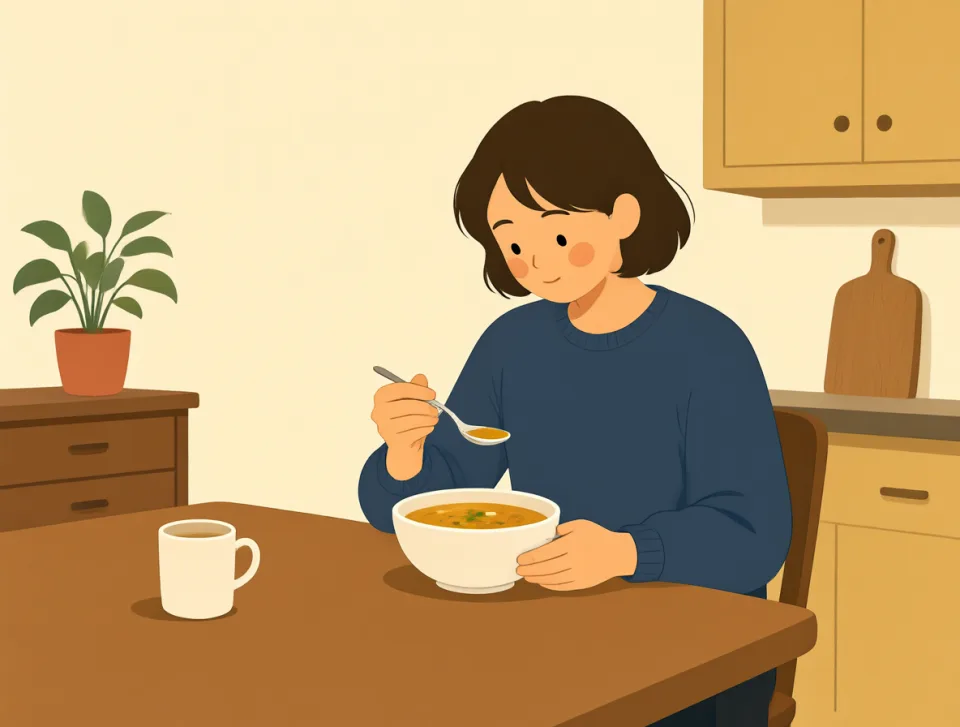
Don’t hurry your meal; take time to enjoy the soup.
อย่ารีบกิน ค่อย ๆ ใช้เวลากับการลิ้มรสซุปนะ

logic
#2684noun
ตรรกะ; เหตุผล
A way of thinking that uses clear reasons to decide what is true or sensible.
วิธีคิดที่ใช้เหตุผลชัดเจนในการตัดสินว่าอะไรเป็นความจริงหรือสมเหตุสมผล
Her logic was clear, so everyone agreed that we should leave early.
เหตุผลของเธอฟังขึ้น ทุกคนจึงเห็นด้วยว่าเราควรออกเดินทางแต่เช้า

There is no logic in buying food we will never eat.
ไม่มีเหตุผลที่จะซื้ออาหารที่เราจะไม่มีวันกิน

The teacher asked us to explain the logic behind our answers.
ครูขอให้เราอธิบายเหตุผลเบื้องหลังคำตอบของเรา

I understand your logic, but taking the train will save us time.
ฉันเข้าใจเหตุผลของคุณนะ แต่ขึ้นรถไฟจะช่วยประหยัดเวลาให้เรา

The doctor used simple logic to explain why I need more rest.
หมอใช้เหตุผลง่าย ๆ อธิบายว่าทำไมฉันต้องพักผ่อนให้มากขึ้น

controversial
#2685adjective
เป็นที่ถกเถียง
Likely to cause strong disagreement among people.
มีแนวโน้มที่จะทำให้ผู้คนเห็นไม่ตรงกันอย่างรุนแรง
The mayor’s controversial plan to close the library upset many local families.
แผนปิดห้องสมุดของนายกเทศมนตรีที่เป็นที่ถกเถียงทำให้หลายครอบครัวในท้องถิ่นไม่พอใจ

She avoided discussing the controversial decision with her friends over dinner.
เธอเลี่ยงที่จะคุยเรื่องการตัดสินใจที่เป็นที่ถกเถียงกับเพื่อน ๆ ระหว่างมื้อเย็น

The teacher asked us to debate a controversial issue in class.
ครูขอให้พวกเราอภิปรายประเด็นที่เป็นที่ถกเถียงกันในชั้นเรียน

The restaurant’s controversial new menu includes meat from animals raised nearby.
เมนูใหม่ที่เป็นที่ถกเถียงของร้านอาหารมีเนื้อจากสัตว์ที่เลี้ยงในละแวกนั้น

His controversial comments about the new policy caused tension at work.
ความคิดเห็นที่เป็นที่ถกเถียงของเขาเกี่ยวกับนโยบายใหม่ทำให้บรรยากาศในที่ทำงานตึงเครียด
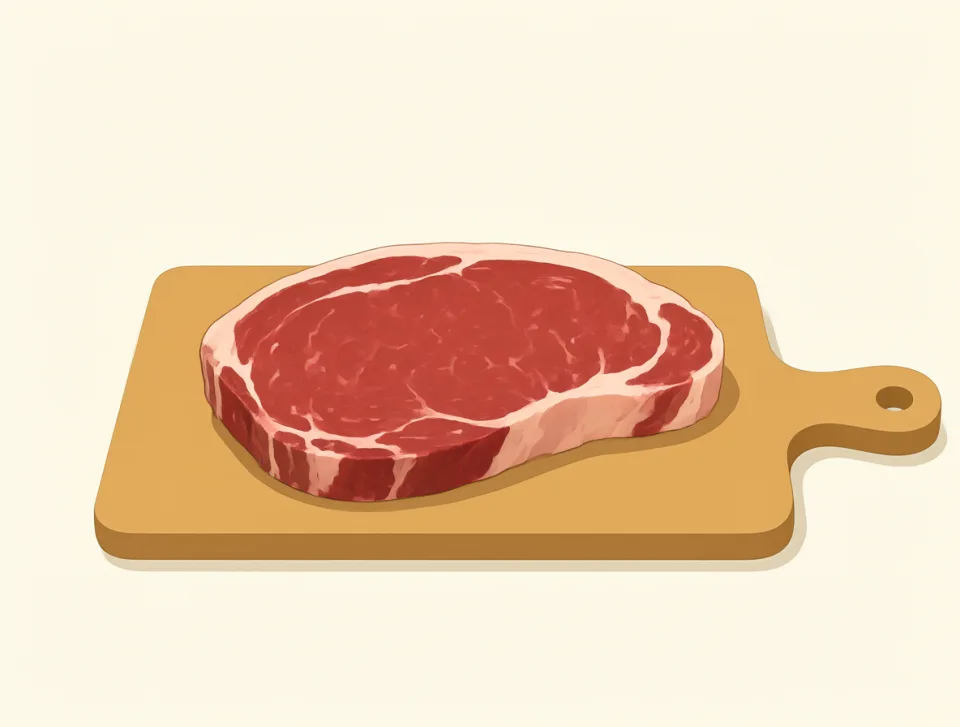
raw
#2686adjective
ดิบ
Not cooked, processed, or changed by heat or other treatment.
ยังไม่ผ่านการปรุง แปรรูป หรือเปลี่ยนแปลงด้วยความร้อนหรือกรรมวิธีอื่น
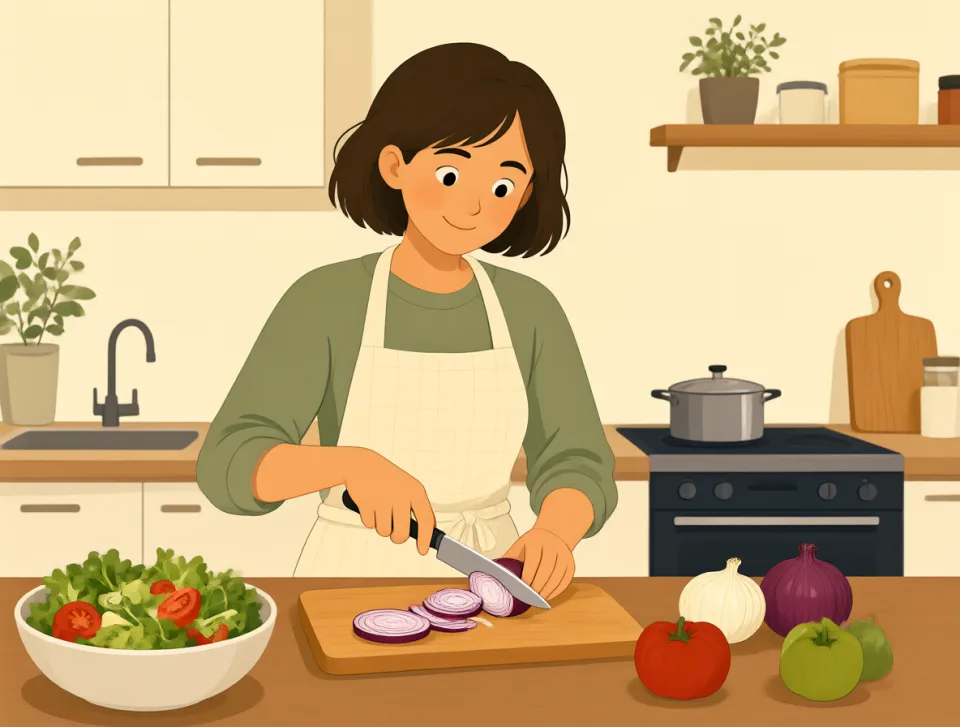
She added raw onions to the salad for extra crunch.
เธอใส่หอมหัวใหญ่ดิบลงในสลัดเพื่อเพิ่มความกรุบกรอบ
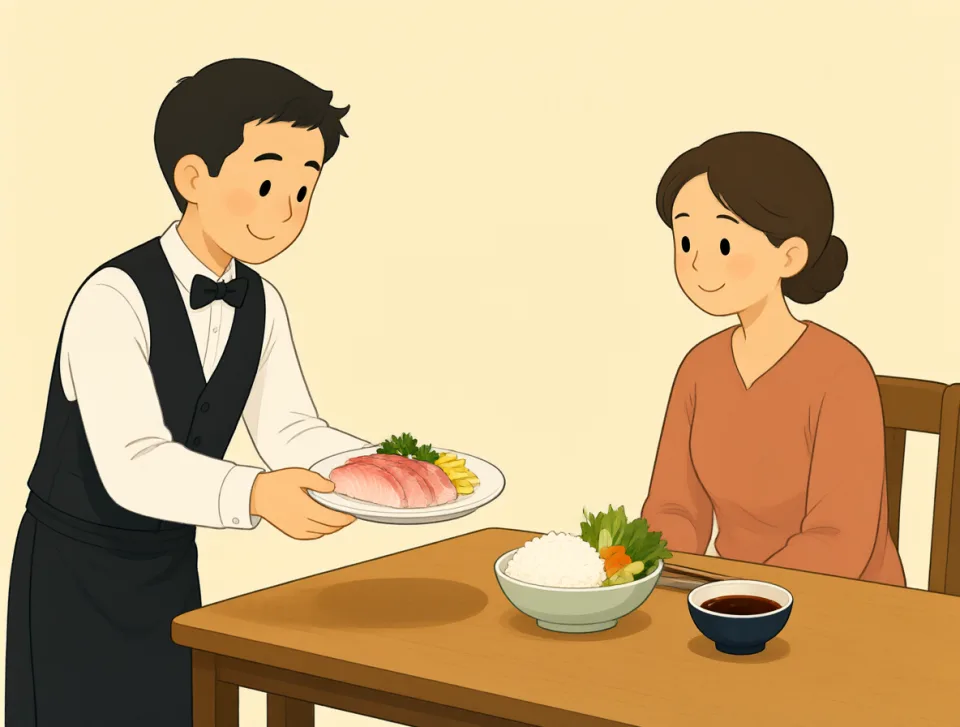
The restaurant serves raw fish with rice and fresh vegetables.
ร้านอาหารนี้เสิร์ฟปลาดิบกับข้าวและผักสด

Raw sewage flowed into the river after the old pipe broke.
น้ำเสียที่ยังไม่ผ่านการบำบัดไหลลงแม่น้ำหลังจากท่อเก่าแตก

He has a raw talent for music, though he has never taken lessons.
เขามีพรสวรรค์ด้านดนตรีโดยธรรมชาติ แม้จะไม่เคยเรียนดนตรีเลย

The cold wind left her hands raw and red after the walk.
ลมหนาวทำให้มือของเธอแห้งแตกและแดงหลังจากเดินมา

grammar
#2687noun
ไวยากรณ์
The rules for forming words and sentences in a language.
กฎเกณฑ์ในการสร้างคำและประโยคในภาษา
I check my grammar carefully before sending important emails at work.
ฉันตรวจไวยากรณ์อย่างละเอียดก่อนส่งอีเมลสำคัญที่ทำงาน

Our teacher explained the grammar rules before we started writing the story.
ครูของเราอธิบายกฎไวยากรณ์ก่อนที่เราจะเริ่มเขียนเรื่อง

Please correct my grammar before I send this message to my friend.
ช่วยแก้ไวยากรณ์ให้ฉันก่อนที่ฉันจะส่งข้อความนี้ให้เพื่อนได้ไหม

I need to improve my grammar for the job interview next month.
ฉันต้องพัฒนาไวยากรณ์ของตัวเองเพื่อเตรียมตัวสัมภาษณ์งานเดือนหน้า

The travel guide used simple grammar so everyone could understand the instructions.
คู่มือท่องเที่ยวใช้ไวยากรณ์ง่าย ๆ เพื่อให้ทุกคนเข้าใจคำแนะนำได้

revise
#2688verb
ปรับแก้
to change something to improve it or make it more suitable
เปลี่ยนแปลงบางสิ่งเพื่อปรับปรุงให้ดีขึ้นหรือให้เหมาะสมยิ่งขึ้น

I need to revise my report before I send it to my manager.
ฉันต้องปรับแก้รายงานก่อนส่งให้ผู้จัดการ

She revised her essay after her teacher gave her helpful comments.
เธอแก้เรียงความหลังจากครูให้ข้อคิดเห็นที่เป็นประโยชน์

The company revised its travel plans because the storm delayed several flights.
บริษัทปรับแผนการเดินทางเพราะพายุทำให้เที่ยวบินหลายเที่ยวล่าช้า
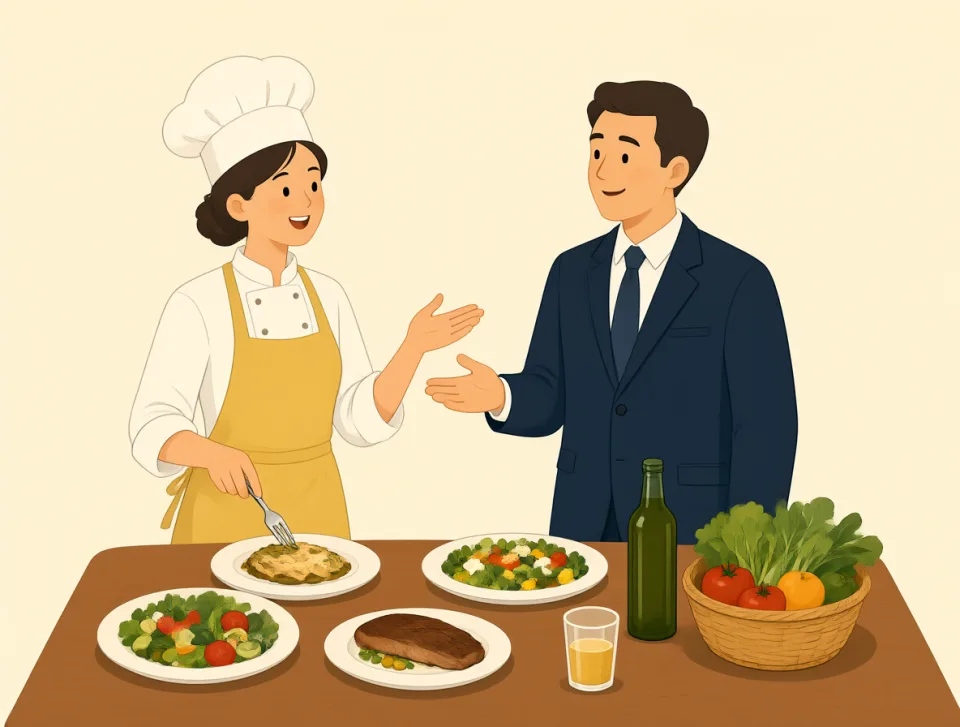
We are revising the menu to include more healthy meals for lunch.
เรากำลังปรับเมนูให้มีอาหารกลางวันที่ดีต่อสุขภาพมากขึ้น

He revised his opinion after talking with his friends about the problem.
เขาเปลี่ยนความคิดเห็นหลังจากคุยกับเพื่อน ๆ เกี่ยวกับปัญหานั้น
hint
#2689noun, verb
คำใบ้
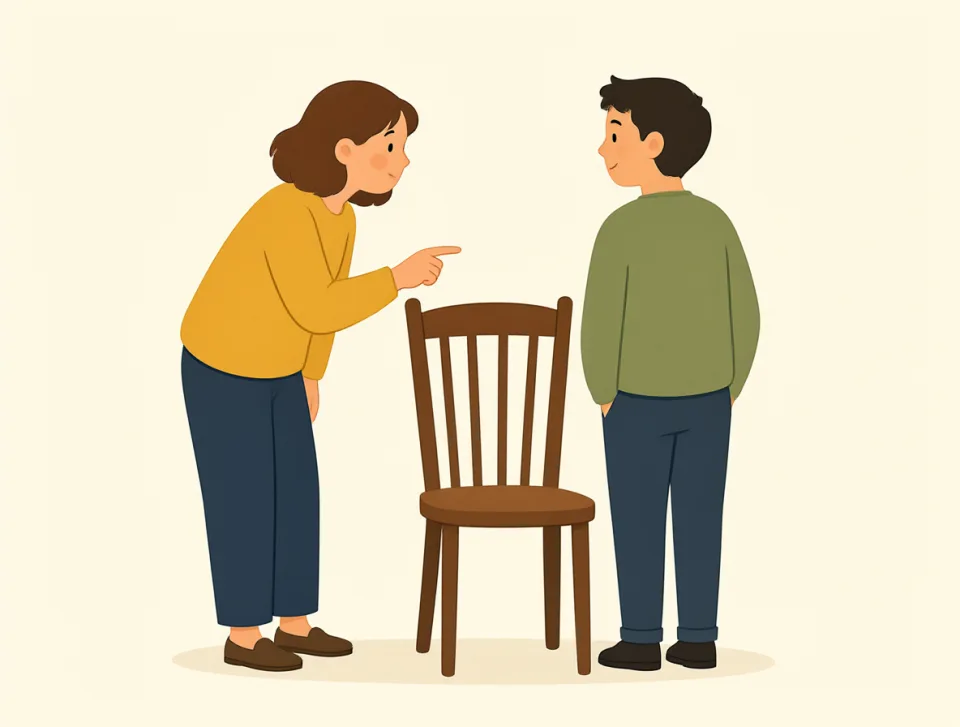
A small piece of information that helps you understand or do something.
ข้อมูลเล็กน้อยที่ช่วยให้เข้าใจหรือทำบางสิ่งได้

Could you give me a hint about where you left my keys?
ช่วยบอกใบ้หน่อยได้ไหมว่าคุณวางกุญแจของฉันไว้ที่ไหน

The teacher gave us a hint to help us solve the problem.
ครูให้คำใบ้เพื่อช่วยพวกเราแก้โจทย์

I took the hint and stopped asking him about his plans.
ฉันเข้าใจคำใบ้แล้ว ก็เลยเลิกถามเขาเรื่องแผนของเขา

The waiter hinted that the soup was especially good today.
พนักงานเสิร์ฟบอกเป็นนัย ๆ ว่าวันนี้ซุปอร่อยเป็นพิเศษ

She hinted to her manager that she was ready for more responsibility.
เธอบอกใบ้กับผู้จัดการว่าเธอพร้อมรับผิดชอบงานมากขึ้น

hook
#2690noun, verb
ตะขอ
A curved piece of metal or plastic used for hanging or catching something.
ชิ้นส่วนโลหะหรือพลาสติกที่โค้งงอ ใช้สำหรับแขวนหรือเกี่ยวสิ่งของ

She hung her coat on a hook beside the front door.
เธอแขวนเสื้อโค้ตไว้บนตะขอข้างประตูหน้าบ้าน

The fisherman used a small hook to catch trout in the lake.
ชาวประมงใช้เบ็ดเล็ก ๆ ตกปลาเทราต์ในทะเลสาบ

He hooked his bag over the chair while he ordered lunch.
เขาเกี่ยวกระเป๋าไว้กับพนักเก้าอี้ระหว่างสั่งอาหารกลางวัน

The nurse hooked the patient up to a heart monitor before the test.
พยาบาลต่อเครื่องวัดการเต้นของหัวใจให้ผู้ป่วยก่อนการตรวจ

The song’s catchy opening hooked everyone at the school dance.
ท่อนเปิดที่ติดหูของเพลงทำให้ทุกคนในงานเต้นรำของโรงเรียนหลงใหล
bell
#2691noun, verb
กระดิ่ง
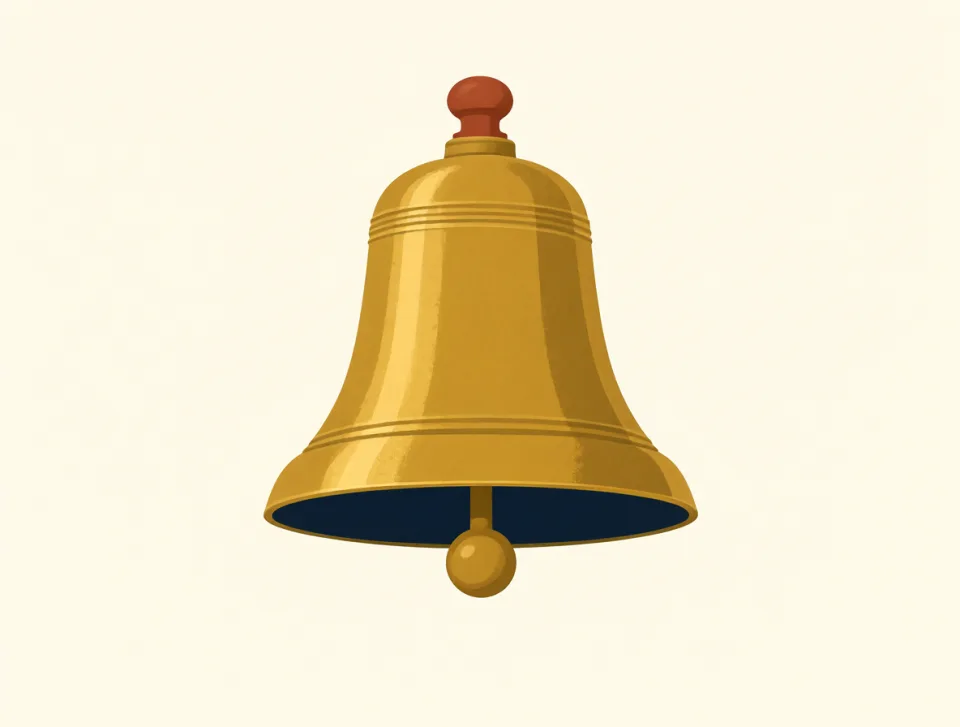
A hollow metal object that makes a clear ringing sound when struck or shaken.
วัตถุโลหะกลวงที่ส่งเสียงกังวานใสเมื่อถูกตีหรือเขย่า
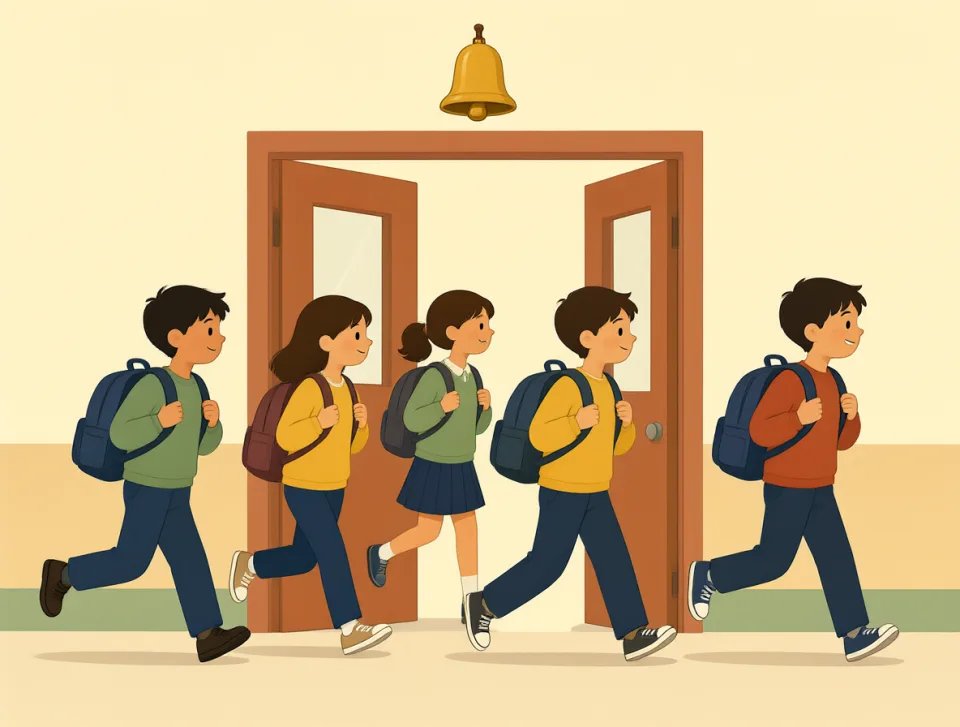
The school bell rang, and the students hurried into their classrooms.
เสียงกระดิ่งโรงเรียนดังขึ้น แล้วนักเรียนก็รีบเข้าไปในห้องเรียน

She heard the doorbell while she was making dinner in the kitchen.
เธอได้ยินเสียงกริ่งประตูตอนกำลังทำอาหารเย็นอยู่ในครัว

The nurse rang a small bell to call the doctor into the room.
พยาบาลสั่นกระดิ่งเล็ก ๆ เพื่อเรียกหมอเข้ามาในห้อง

We could hear church bells ringing across the town on Sunday morning.
เช้าวันอาทิตย์ เราได้ยินเสียงระฆังโบสถ์ดังไปทั่วเมือง

He bellied up to the counter and ordered a coffee for the trip.
เขาเดินเข้าไปที่เคาน์เตอร์แล้วสั่งกาแฟไว้ดื่มระหว่างทาง

liquid
#2692noun, adjective
ของเหลว
A substance that flows freely and is not a solid or a gas.
สารที่ไหลได้และไม่ใช่ของแข็งหรือก๊าซ
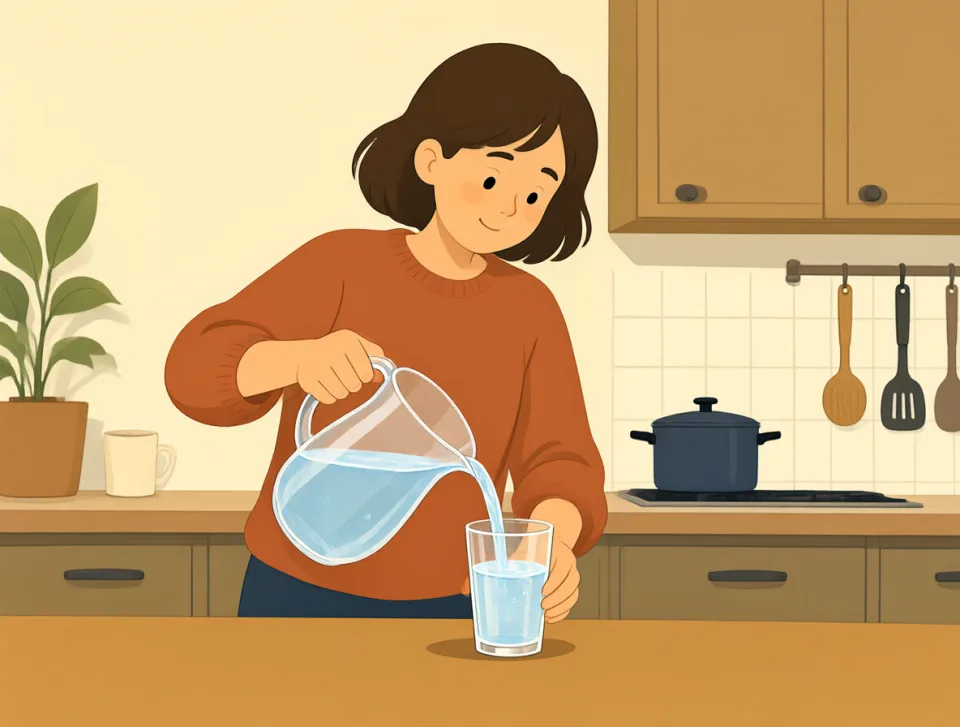
Please pour the liquid into a clean glass before you serve it.
กรุณาเทของเหลวใส่แก้วสะอาดก่อนเสิร์ฟ

The doctor gave me liquid medicine because I could not swallow tablets.
หมอให้ยาน้ำฉัน เพราะฉันกลืนยาเม็ดไม่ได้
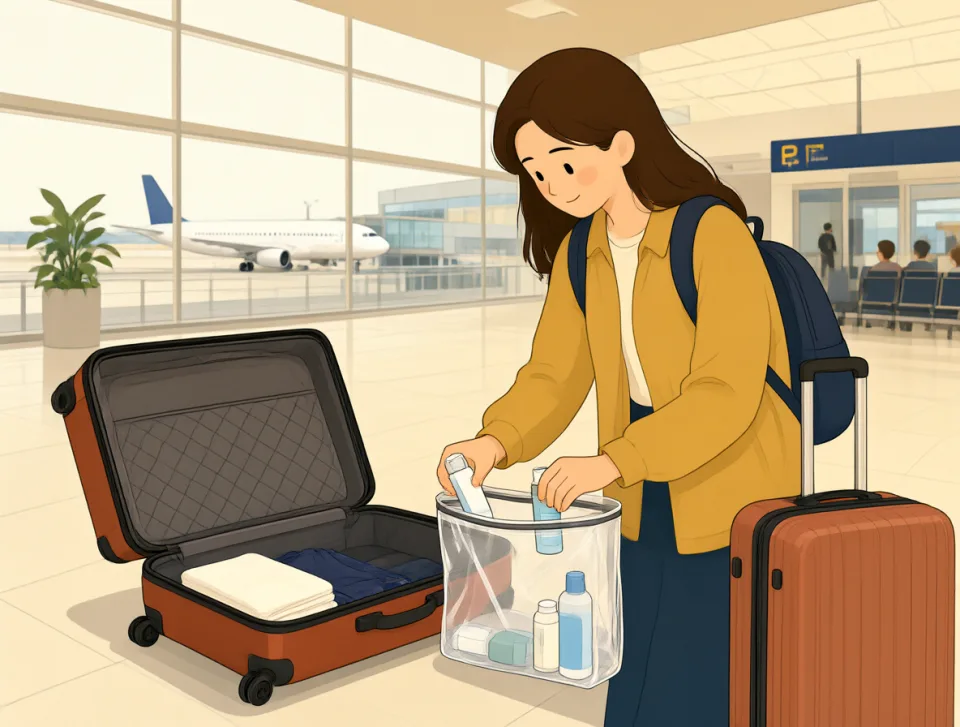
Keep all liquid bottles in a separate bag when you go through airport security.
เวลาเดินผ่านจุดตรวจความปลอดภัยที่สนามบิน ให้ใส่ขวดของเหลวทั้งหมดไว้ในกระเป๋าแยกต่างหาก
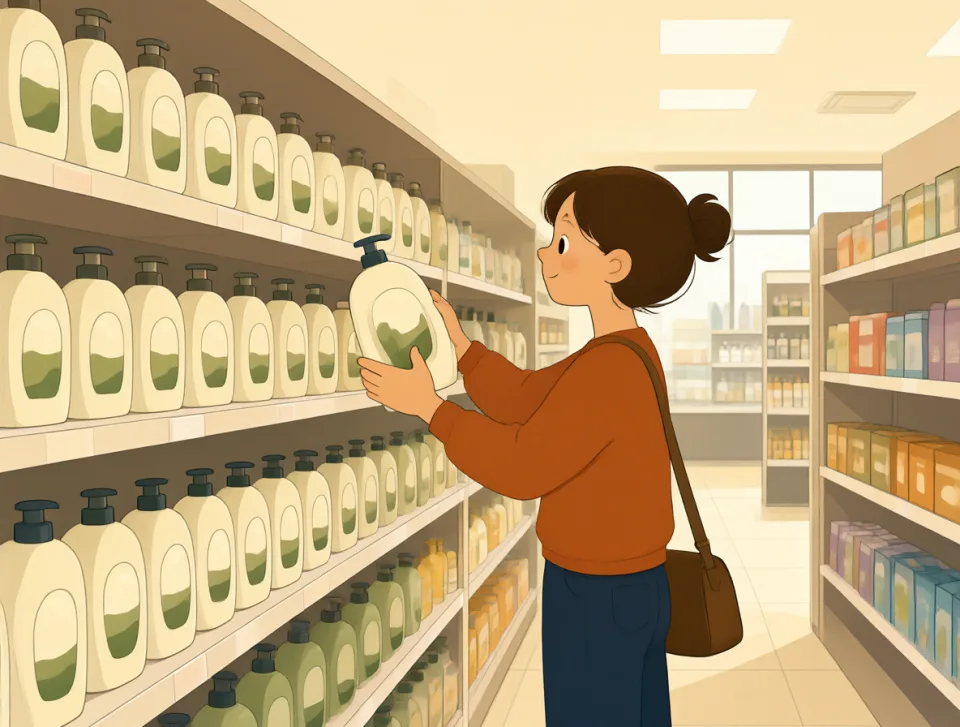
The shop sells liquid soap in large refill bottles near the cleaning products.
ร้านขายสบู่เหลวแบบเติมในขวดขนาดใหญ่ อยู่ใกล้กับผลิตภัณฑ์ทำความสะอาด
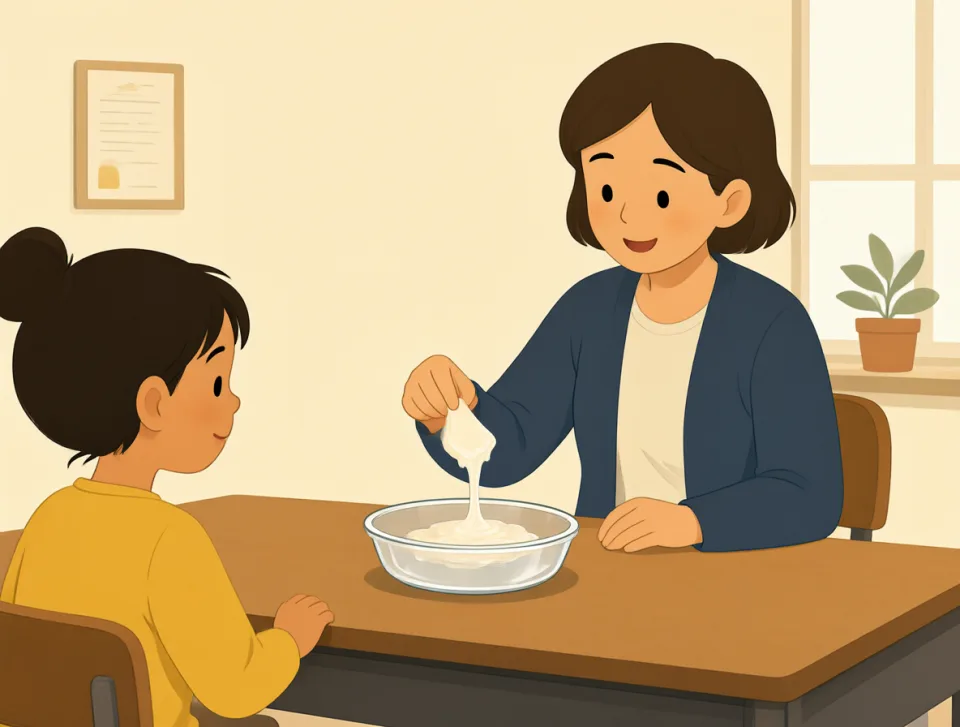
The teacher heated the solid until it became liquid during the science lesson.
ครูให้ความร้อนแก่ของแข็งจนมันกลายเป็นของเหลวระหว่างเรียนวิทยาศาสตร์
panic
#2693noun, verb
ความตื่นตระหนก
A sudden strong fear that makes you act quickly without thinking clearly.
ความกลัวอย่างรุนแรงที่เกิดขึ้นฉับพลัน จนทำให้ลงมือทำอะไรอย่างรวดเร็วโดยไม่ทันคิดให้รอบคอบ
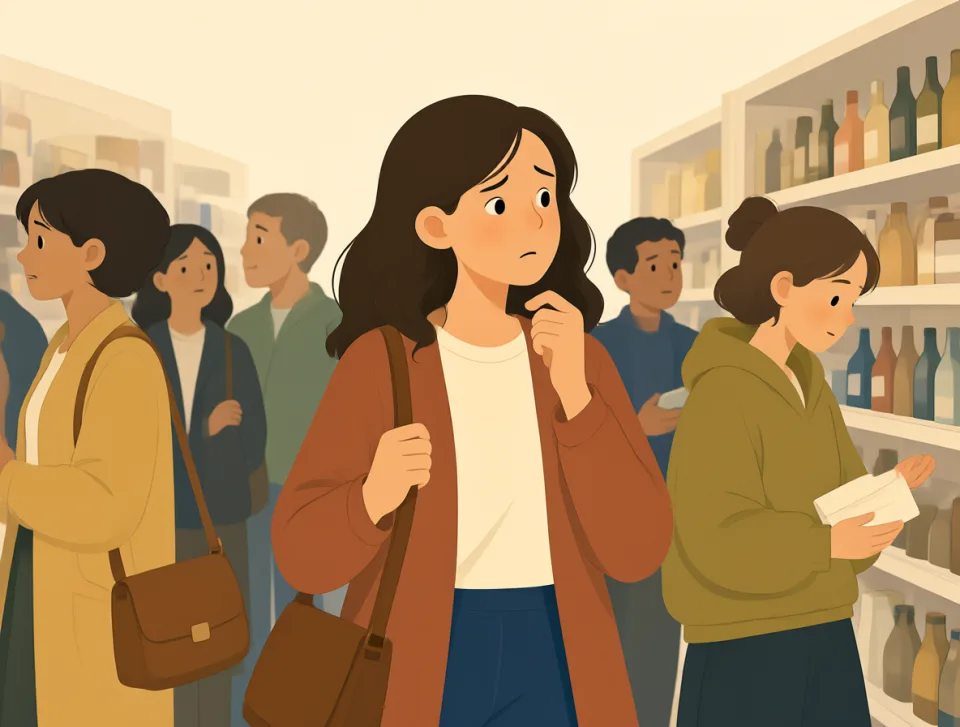
She started to panic when she realized her child was missing in the crowded shop.
เธอเริ่มตื่นตระหนกเมื่อรู้ว่าลูกหายไปในร้านที่มีคนพลุกพล่าน

Try not to panic; the doctor says your test results should arrive tomorrow.
พยายามอย่าตื่นตระหนกนะ หมอบอกว่าผลตรวจของคุณน่าจะออกพรุ่งนี้

He panicked when the train doors closed and his friend was still outside.
เขาตกใจจนทำอะไรไม่ถูกเมื่อประตูรถไฟปิดลง ทั้งที่เพื่อนยังอยู่อีกฝั่ง

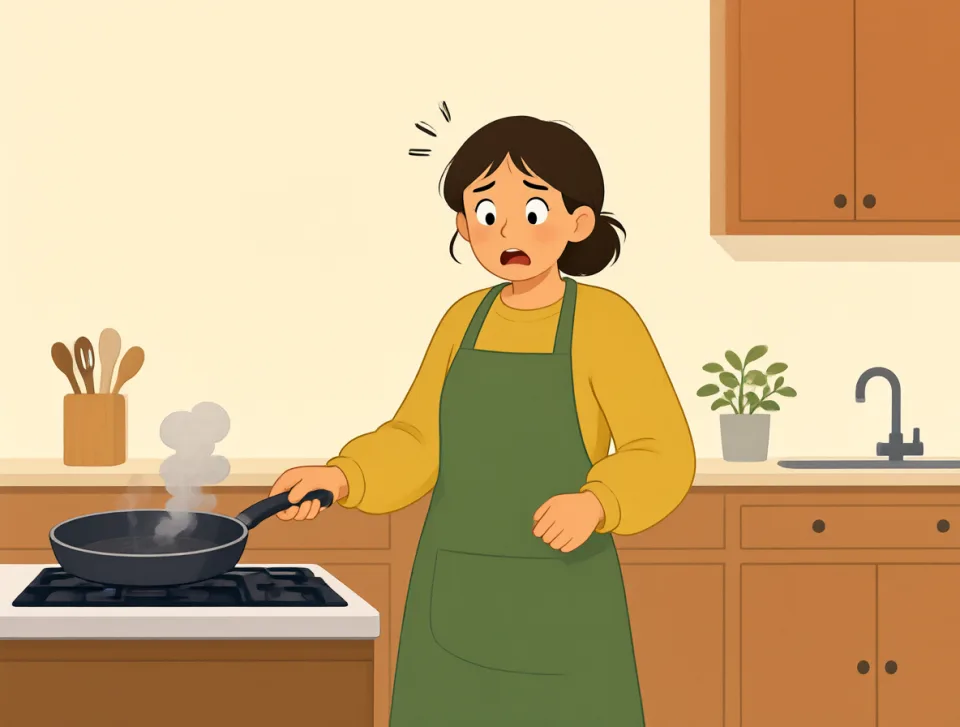
There was a moment of panic when smoke filled the office kitchen.
ทุกคนตื่นตระหนกอยู่ครู่หนึ่งเมื่อควันเต็มห้องครัวในสำนักงาน

The sudden panic passed when we found the lost dog under the table.
ความตื่นตระหนกที่เกิดขึ้นฉับพลันก็หายไปเมื่อเราพบสุนัขที่หายไปอยู่ใต้โต๊ะ

uncle
#2694noun
ลุง / อา
Your uncle is your mother’s or father’s brother.
ลุงหรืออาคือพี่ชายหรือน้องชายของแม่หรือพ่อของคุณ

My uncle lives nearby, so we often visit him on Sunday afternoons.
ลุงของฉันอยู่แถวนี้ เราเลยไปเยี่ยมท่านบ่อย ๆ ในบ่ายวันอาทิตย์

My uncle gave me useful advice about finding my first job.
ลุงของฉันให้คำแนะนำดี ๆ เรื่องการหางานแรก

We invited our uncles to the family dinner last weekend.
สุดสัปดาห์ที่แล้วเราเชิญลุง ๆ และอา ๆ มาร่วมทานอาหารเย็นกับครอบครัว

My uncle picked me up from school when my parents were working.
ลุงของฉันมารับฉันที่โรงเรียนตอนที่พ่อแม่กำลังทำงาน

I called my uncle while traveling because I missed my family.
ตอนเดินทาง ฉันโทรหาลุงเพราะคิดถึงครอบครัว
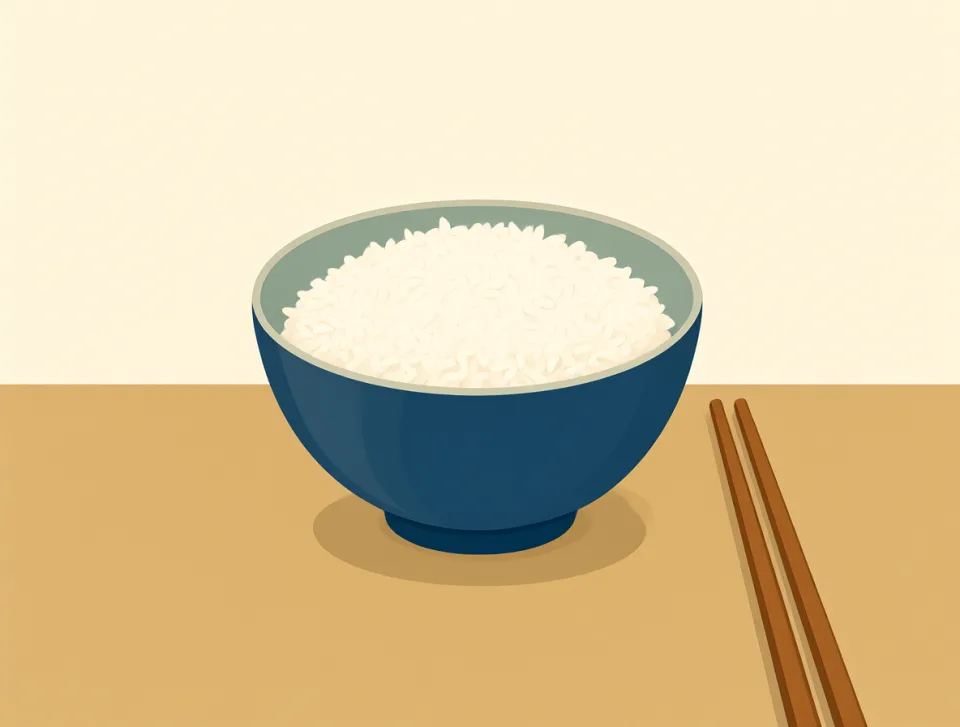
rice
#2695noun
ข้าว
A small white or brown grain used as food, often cooked and served with other dishes.
เมล็ดธัญพืชสีขาวหรือสีน้ำตาลขนาดเล็ก ใช้เป็นอาหาร โดยมักนำไปหุงแล้วเสิร์ฟพร้อมกับอาหารอื่น
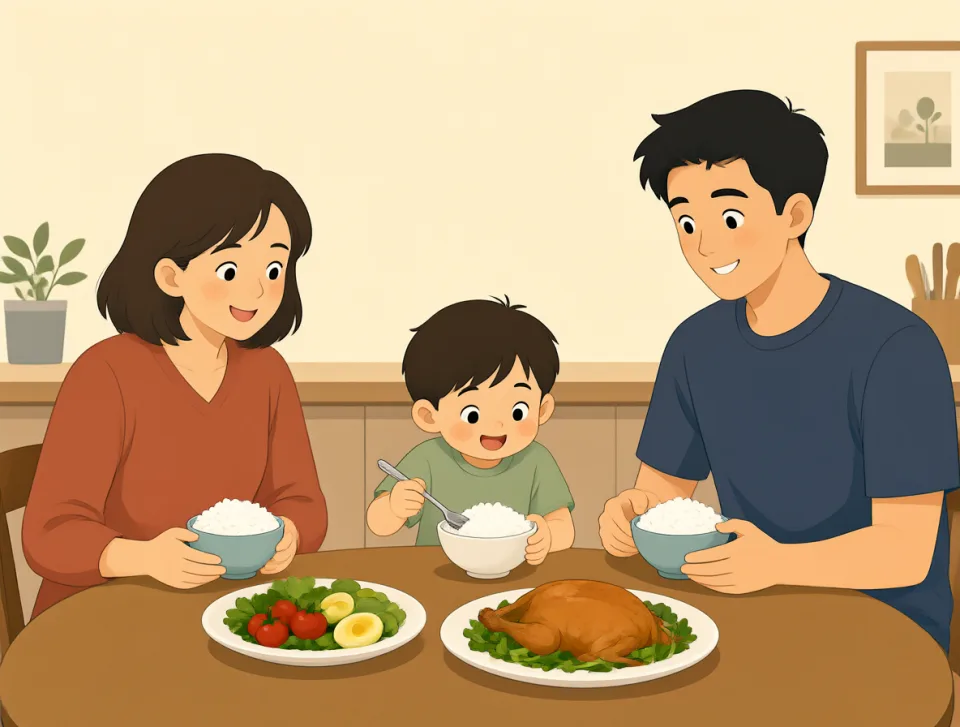
We usually eat rice with vegetables and chicken for dinner.
ปกติเรากินข้าวกับผักและไก่เป็นมื้อเย็น
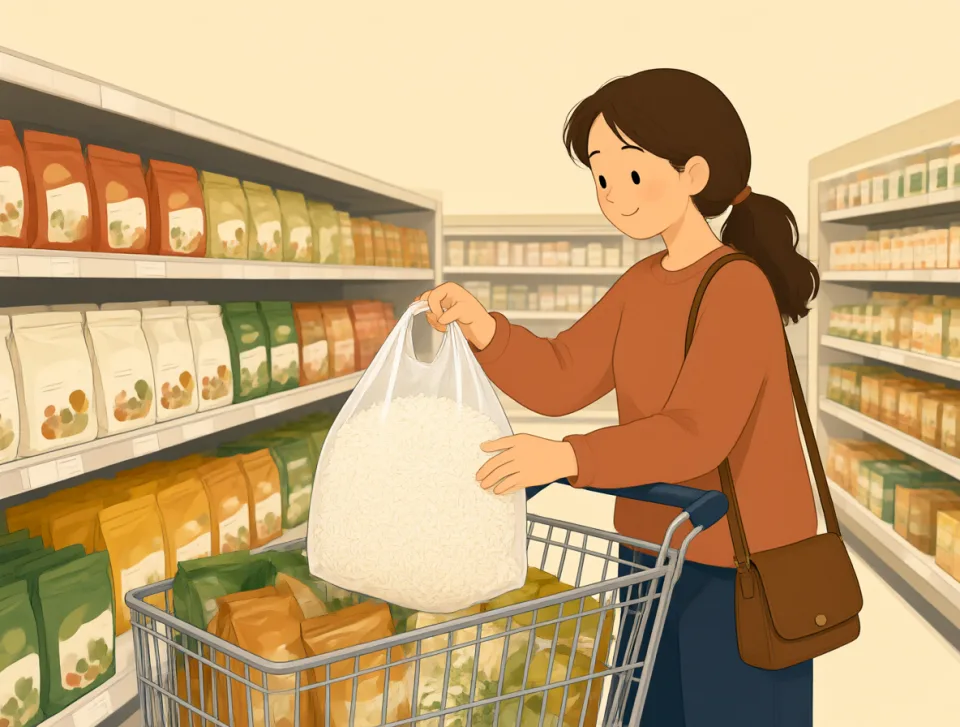
Could you buy a bag of rice at the supermarket?
ช่วยซื้อข้าวสารสักถุงที่ซูเปอร์มาร์เก็ตได้ไหม
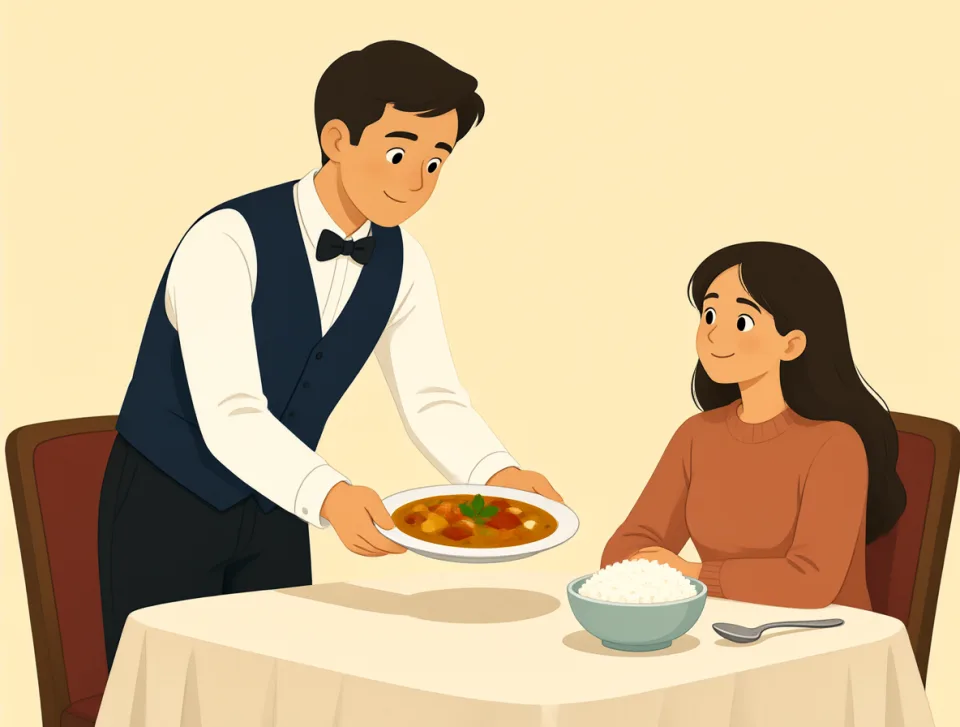
The restaurant serves rice with every curry dish.
ร้านอาหารเสิร์ฟข้าวพร้อมแกงทุกจาน
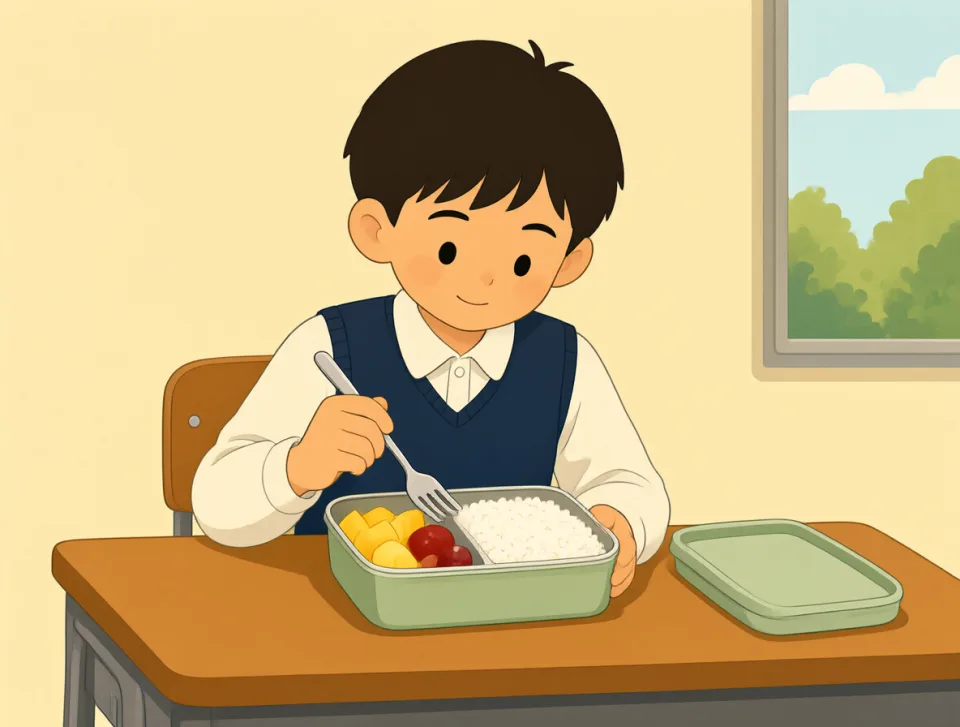
She packed rice and fruit for lunch at school.
เธอเตรียมข้าวกับผลไม้ไปกินเป็นมื้อกลางวันที่โรงเรียน
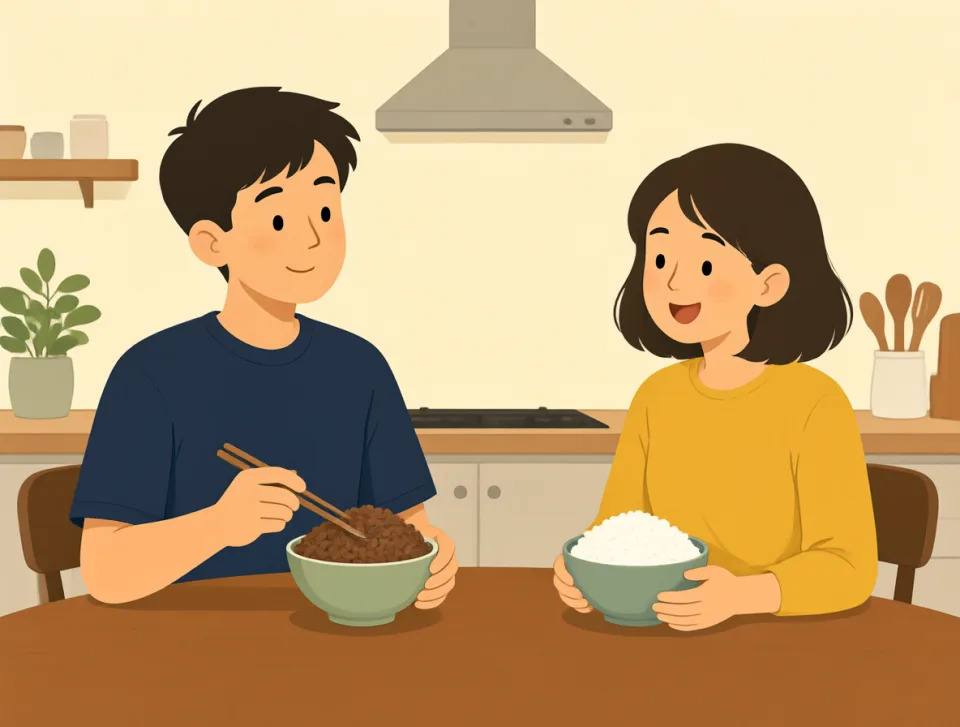
Eating brown rice can provide more fiber than eating white rice.
การกินข้าวกล้องอาจช่วยให้ได้รับใยอาหารมากกว่าการกินข้าวขาว

slope
#2696noun, verb
เนินลาด
A surface that rises or falls at an angle; to rise or fall at an angle.
พื้นผิวที่เอียงขึ้นหรือลง หรือการเอียงขึ้นหรือลง

The road climbed a steep slope before reaching the mountain village.
ถนนไต่ขึ้นไปตามเนินลาดชันก่อนจะถึงหมู่บ้านบนภูเขา

We carried our skis up the slope and waited for the lift.
พวกเราหอบสกีขึ้นไปบนเนินลาดแล้วรอลิฟต์

The garden slopes gently toward the stream behind our house.
สวนค่อย ๆ ลาดลงไปทางลำธารหลังบ้านเรา
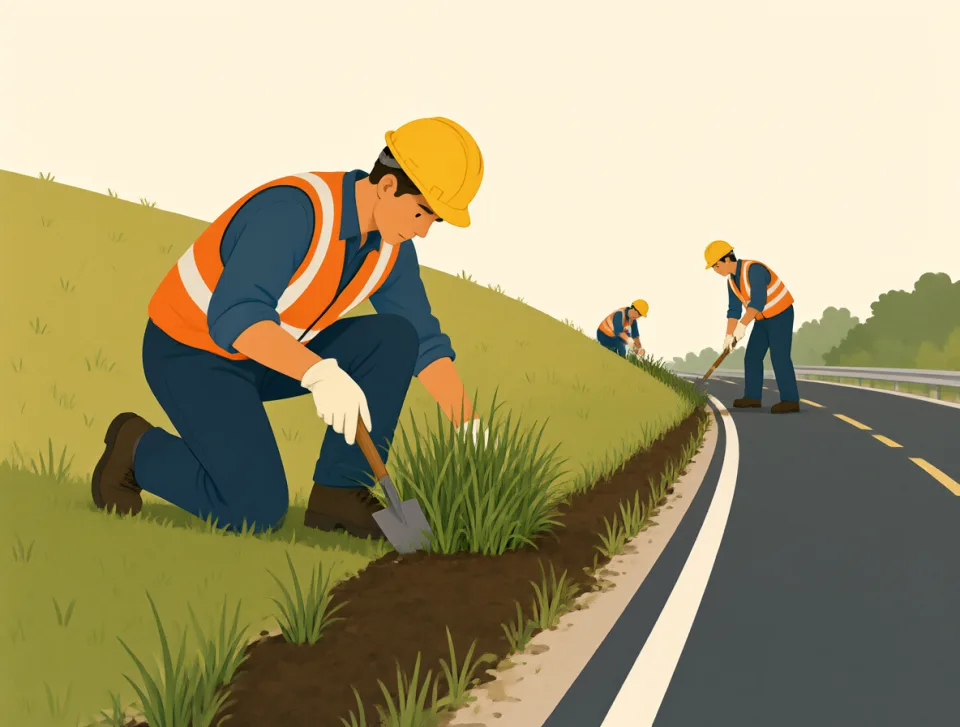
Workers planted grass on the slope beside the new highway.
คนงานปลูกหญ้าบนเนินลาดข้างทางหลวงสายใหม่

The path slopes down toward the beach, so walk carefully.
ทางเดินลาดลงไปทางชายหาด เดินระวังหน่อยนะ
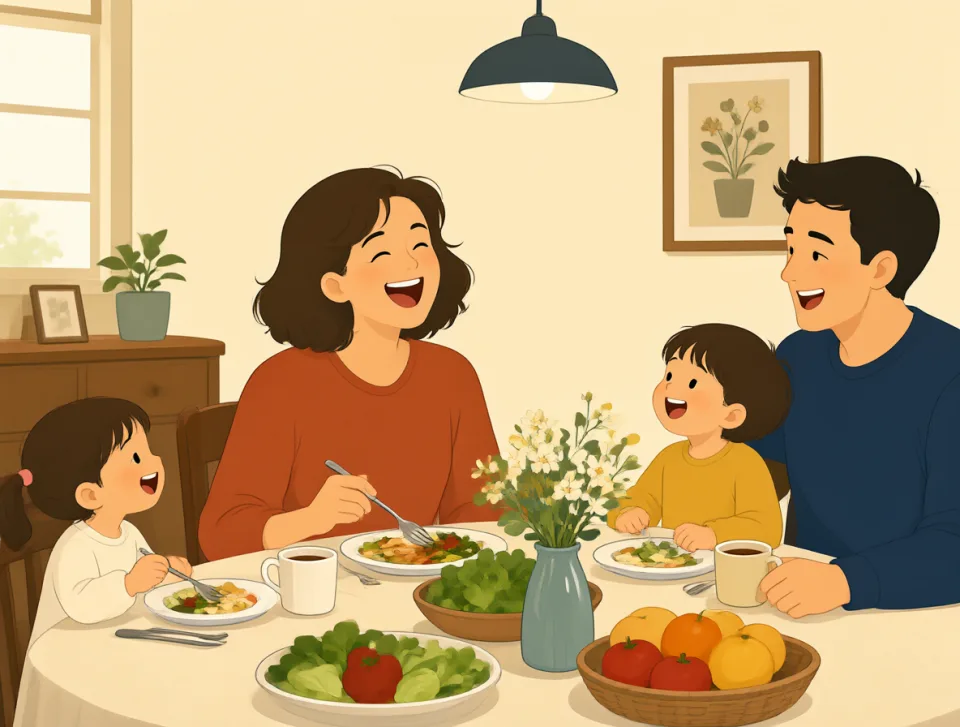
happiness
#2697noun
ความสุข
The feeling of being pleased and satisfied with your life.
ความรู้สึกพอใจและมีความสุขกับชีวิตของตัวเอง
Her happiness comes from spending time with her family.
ความสุขของเธอมาจากการใช้เวลากับครอบครัว

The good news brought happiness to everyone in the office.
ข่าวดีนำความสุขมาให้ทุกคนในสำนักงาน

He found happiness in helping younger students with their homework.
เขาพบความสุขจากการช่วยนักเรียนรุ่นน้องทำการบ้าน

For many people, good health is important for happiness.
สำหรับคนจำนวนมาก สุขภาพที่ดีสำคัญต่อความสุข

We shared our happiness with friends during a weekend trip.
พวกเราแบ่งปันความสุขกับเพื่อน ๆ ระหว่างทริปสุดสัปดาห์

genuine
#2698adjective
แท้จริง; จริงใจ
real and sincere, rather than false or copied
เป็นของจริงและจริงใจ ไม่ใช่ของปลอมหรือของเลียนแบบ

She gave me a genuine smile when I arrived at her home.
ตอนที่ฉันมาถึงบ้านเธอ เธอยิ้มให้ฉันอย่างจริงใจ

This shop sells genuine leather bags made by local workers.
ร้านนี้ขายกระเป๋าหนังแท้ที่ช่างฝีมือในท้องถิ่นทำ
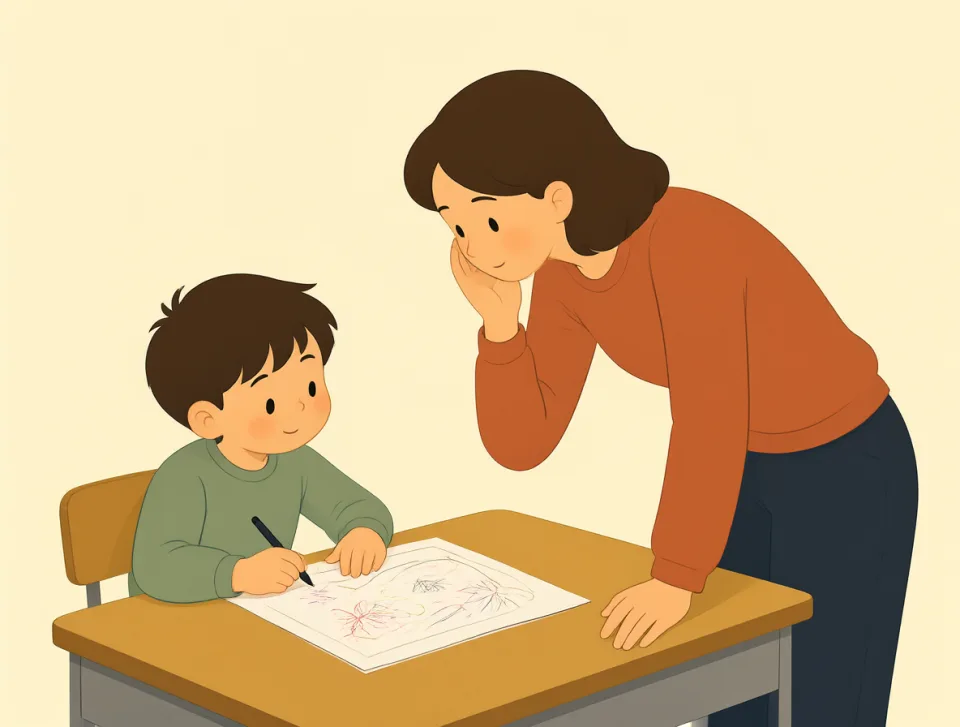
The teacher showed genuine interest in every student's project.
ครูแสดงความสนใจอย่างจริงใจต่อโครงงานของนักเรียนทุกคน

The doctor was concerned about his genuine pain after the accident.
หมอเป็นห่วงเพราะเขาเจ็บจริง ๆ หลังเกิดอุบัติเหตุ
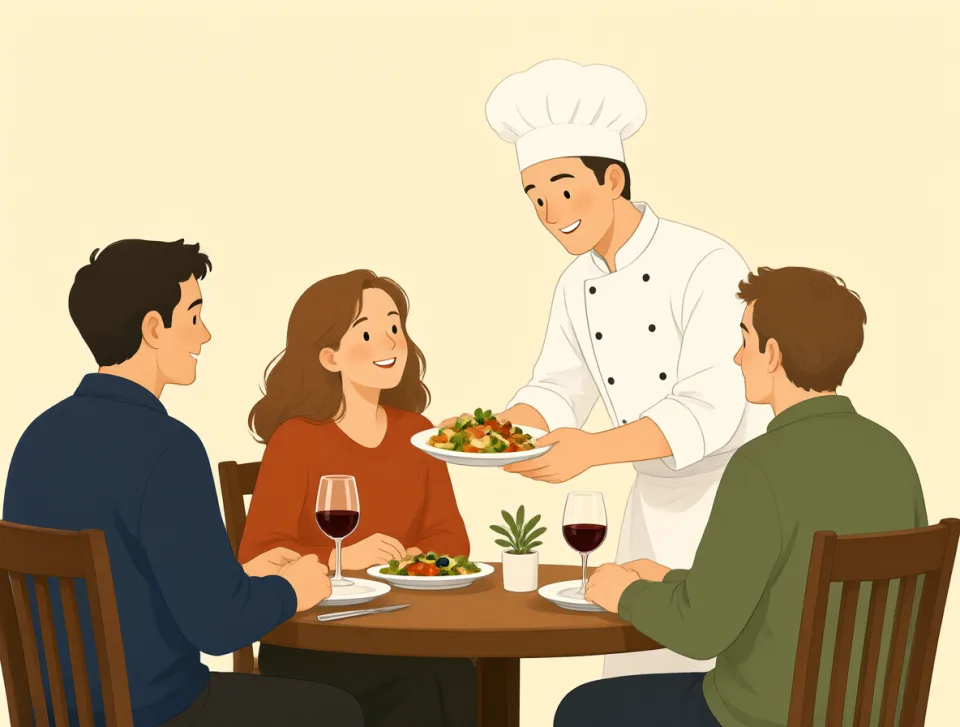
We found a genuine Italian restaurant near our hotel.
พวกเราเจอร้านอาหารอิตาเลียนแท้ ๆ ใกล้โรงแรม

vessel
#2699noun
เรือ
a large boat or ship used to carry people or goods
เรือขนาดใหญ่ที่ใช้ขนส่งผู้คนหรือสินค้า

The rescue vessel reached the island before the storm became dangerous.
เรือกู้ภัยไปถึงเกาะก่อนที่พายุจะเป็นอันตราย

Several vessels carried fresh food and supplies to the coastal town.
เรือหลายลำขนอาหารสดและเสบียงไปยังเมืองชายฝั่ง
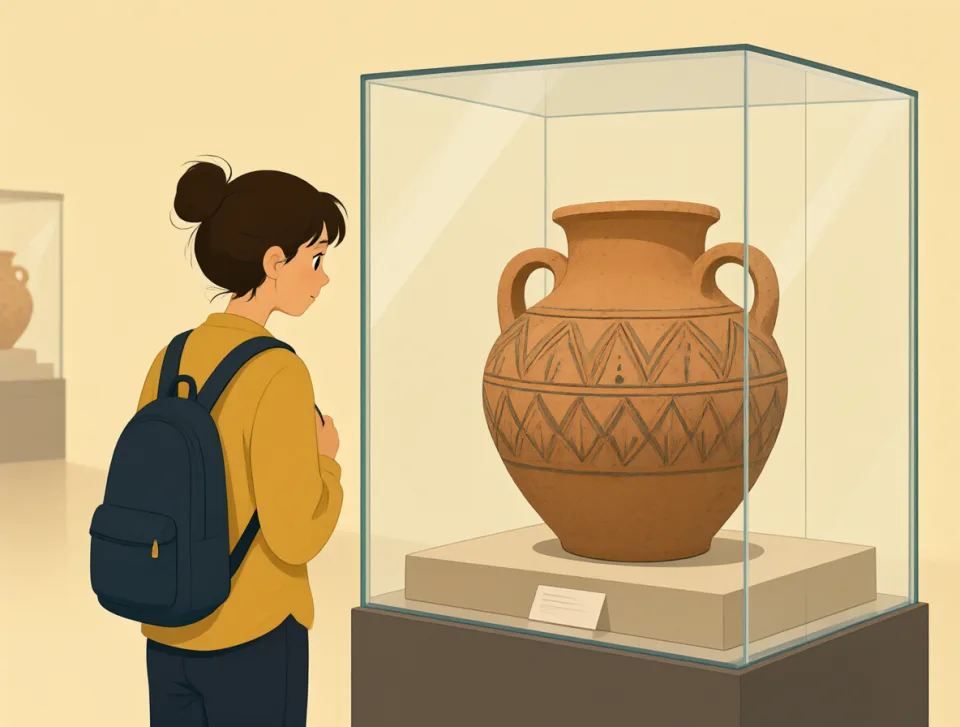
The museum displayed an ancient vessel found near the bottom of the sea.
พิพิธภัณฑ์จัดแสดงภาชนะโบราณที่พบใกล้ก้นทะเล
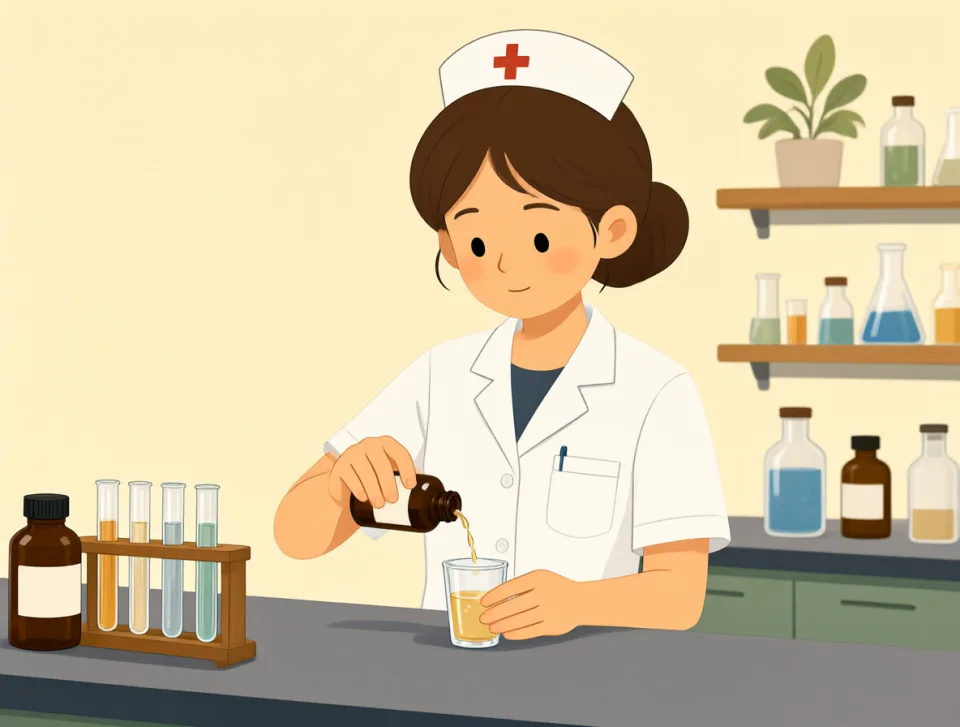
The nurse poured medicine into a small glass vessel for the experiment.
พยาบาลเทยาลงในภาชนะแก้วขนาดเล็กสำหรับการทดลอง
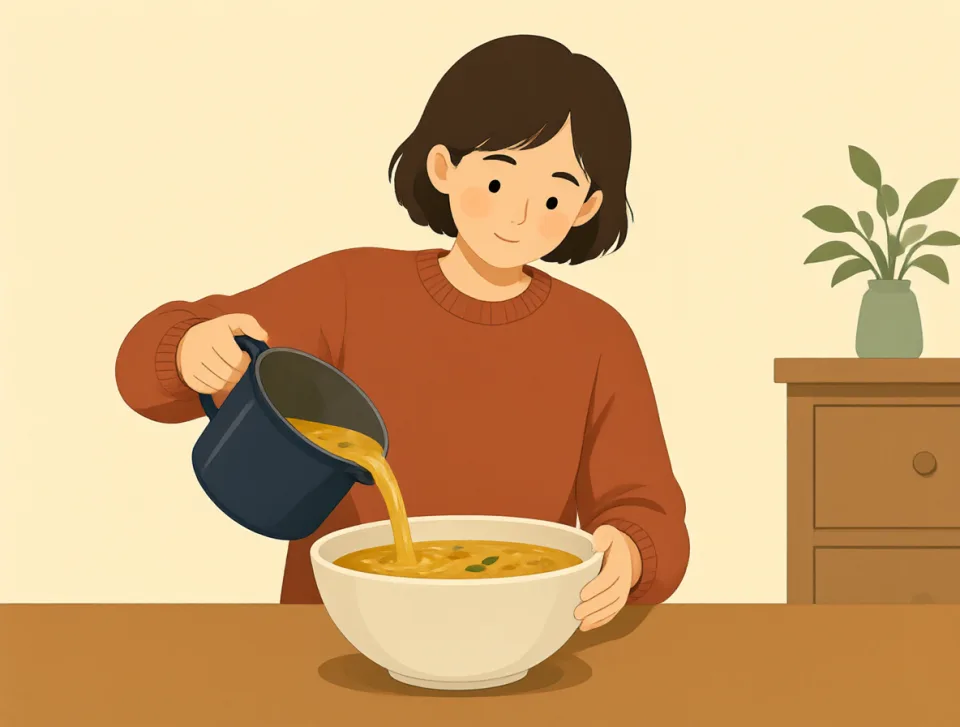
Please place the hot soup in a deep vessel before serving it.
กรุณาใส่ซุปร้อน ๆ ลงในภาชนะทรงลึกก่อนเสิร์ฟ

verb
#2700noun
คำกริยา
A word that describes an action, event, or state, such as run, happen, or be.
คำที่บอกการกระทำ เหตุการณ์ หรือสภาวะ เช่น run, happen หรือ be
In English, the verb usually comes after the subject in a sentence.
ในภาษาอังกฤษ คำกริยามักจะตามหลังประธานในประโยค

Please use the correct verb when you describe what happened yesterday.
กรุณาใช้คำกริยาให้ถูกต้องเมื่อบรรยายสิ่งที่เกิดขึ้นเมื่อวาน

The verb “be” has several different forms in everyday English.
คำกริยา “be” มีรูปหลายแบบในภาษาอังกฤษที่ใช้กันในชีวิตประจำวัน

She is learning how to change verbs into the past tense.
เธอกำลังเรียนรู้วิธีเปลี่ยนคำกริยาให้เป็นรูปอดีตกาล
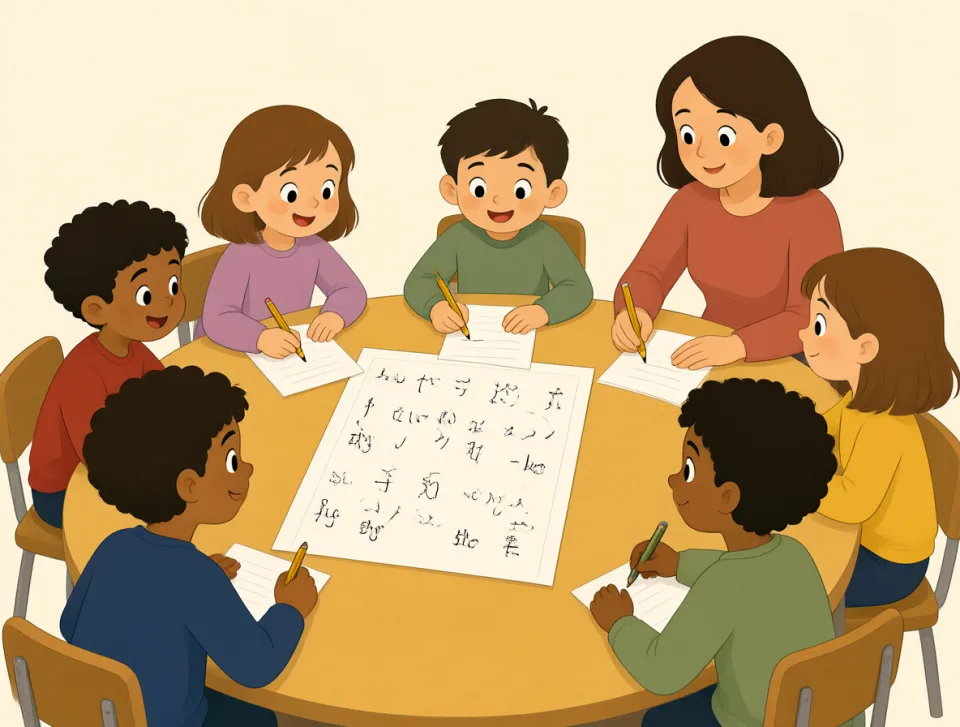
The teacher asked us to circle every verb in the paragraph.
ครูขอให้พวกเราวงกลมคำกริยาทุกคำในย่อหน้า