Zestaw 103
Słowa 2041–2060 · publication, slight, unknown, framework, zone, restrict
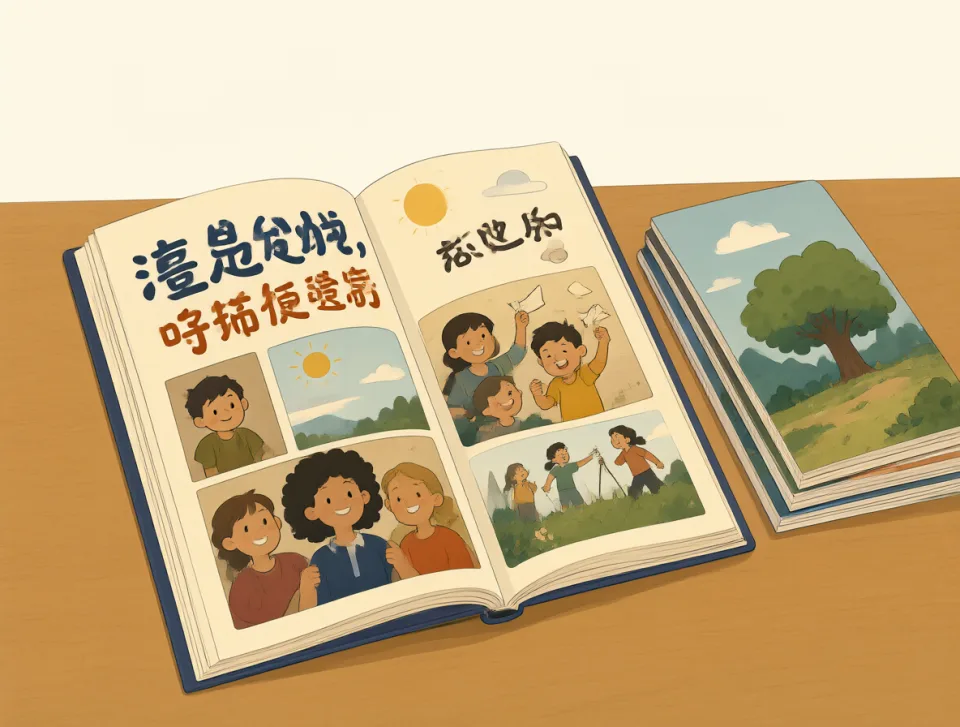
publication
#2041noun
publikacja
A book, magazine, newspaper, or other printed work offered to the public.
Książka, czasopismo, gazeta lub inny drukowany materiał udostępniany publicznie.

The magazine is a popular publication about travel and local food.
To popularne czasopismo o podróżach i lokalnej kuchni.
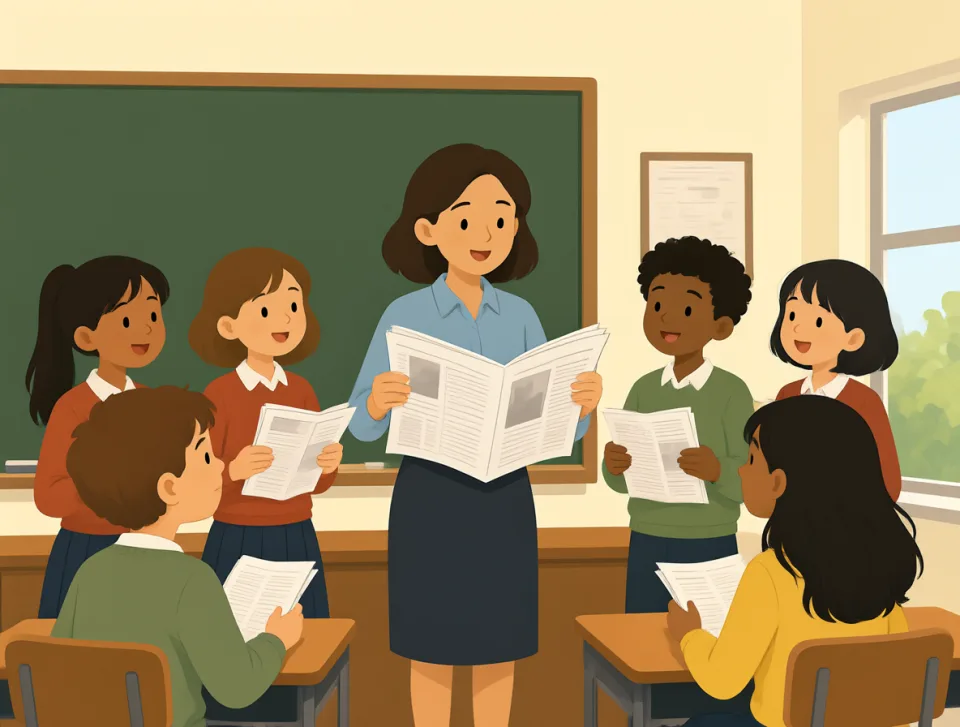
Our school newspaper became an official publication last year.
W zeszłym roku nasza szkolna gazeta stała się oficjalną publikacją.

The company released a new publication about workplace safety.
Firma opublikowała nową publikację na temat bezpieczeństwa w miejscu pracy.

I found this interesting publication in the library yesterday.
Wczoraj znalazłem w bibliotece tę interesującą publikację.

The doctor recommended a medical publication about healthy eating.
Lekarz polecił publikację medyczną o zdrowym odżywianiu.

slight
#2042adjective, noun, verb
niewielki; lekki
Small in size, amount, or degree; to insult or show disrespect briefly.
Niewielki pod względem rozmiaru, ilości lub stopnia; także: obrazić kogoś lub okazać mu lekceważenie.
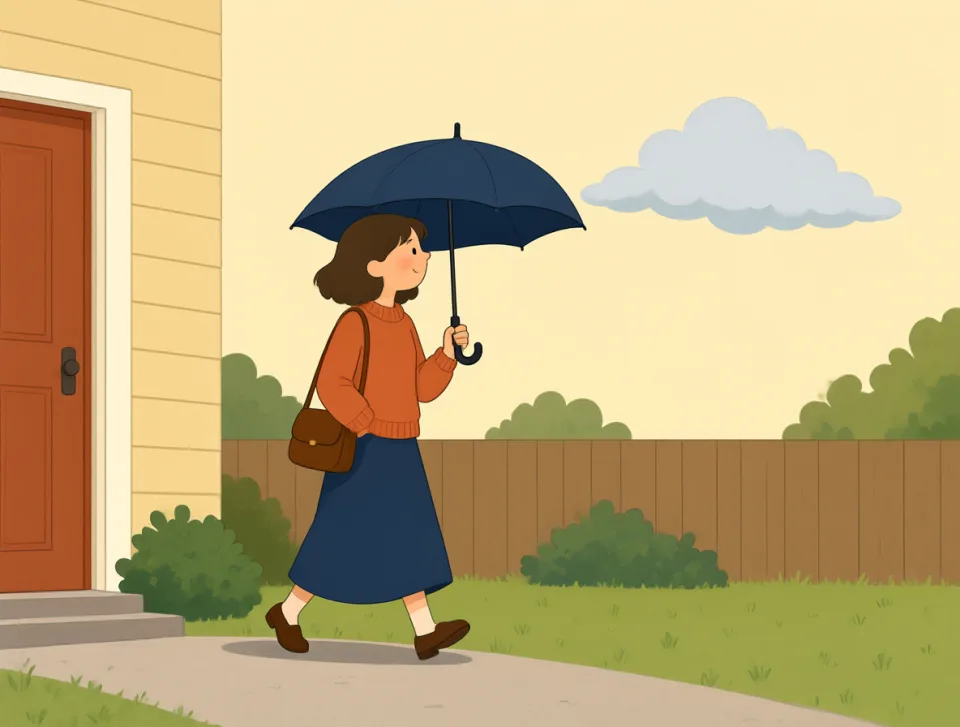
There is a slight chance of rain this afternoon, so take an umbrella.
Dziś po południu może trochę popadać, więc weź parasol.
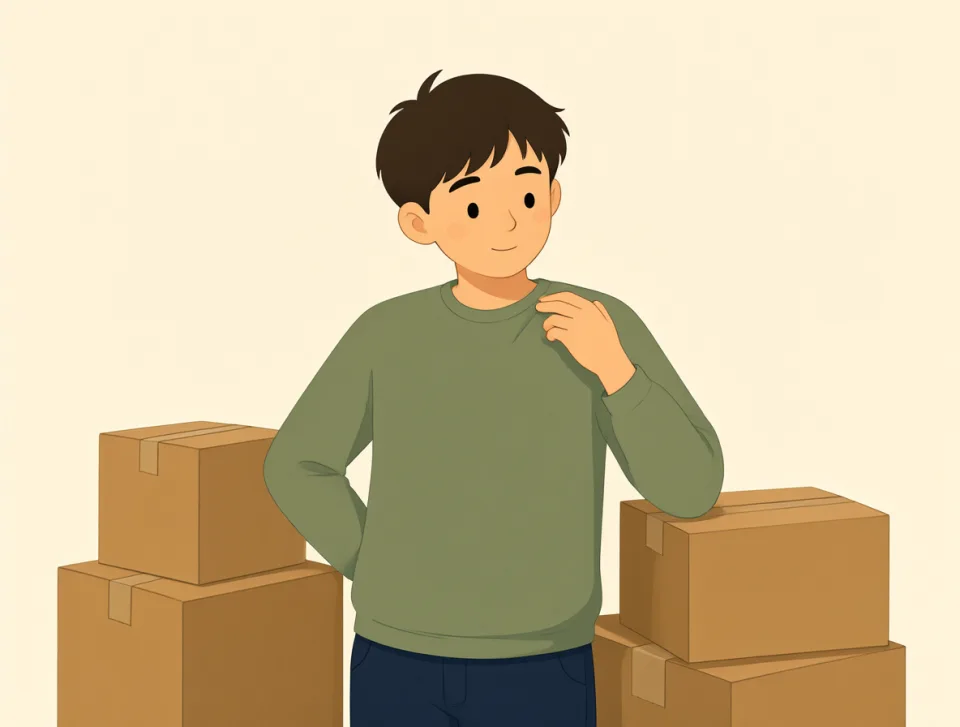
I felt a slight pain in my shoulder after carrying the heavy boxes.
Po przenoszeniu ciężkich pudeł poczułem lekki ból w ramieniu.
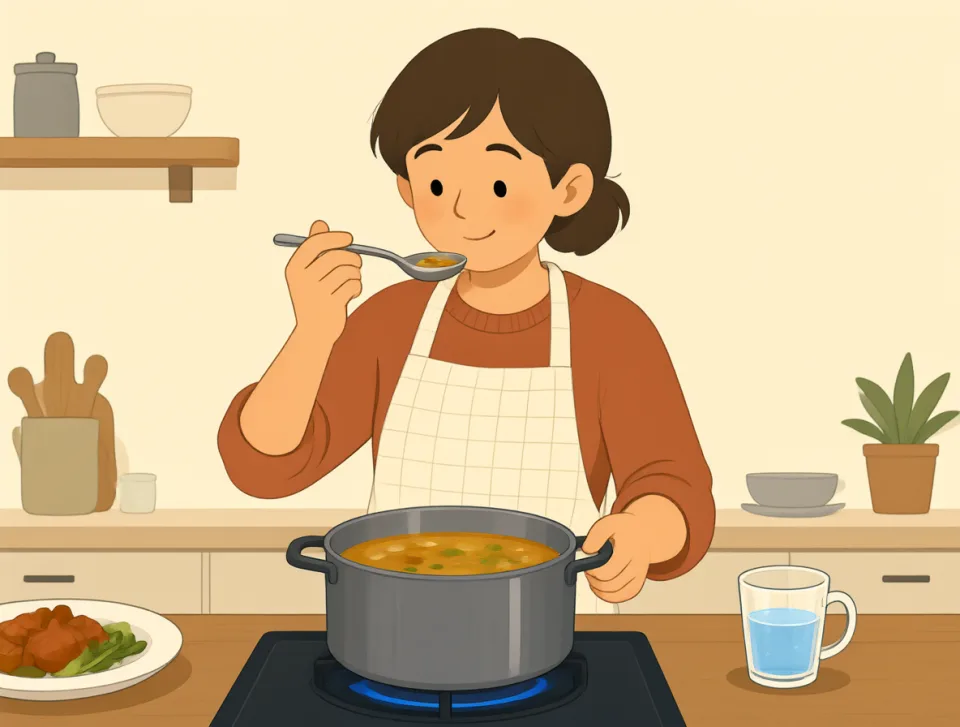
The recipe needs a slight change because the soup tastes too salty.
Trzeba nieco zmienić przepis, bo zupa jest za słona.

She gave a slight smile when her friend arrived at the café.
Kiedy jej przyjaciółka przyszła do kawiarni, uśmiechnęła się lekko.

He slighted his colleague by ignoring her during the important meeting.
Zlekceważył swoją koleżankę z pracy, ignorując ją podczas ważnego spotkania.

unknown
#2043adjective, noun
nieznany
Not known, identified, or understood; a person or thing that is not known.
Nieznany, niezidentyfikowany lub niezrozumiany; także osoba lub rzecz, której się nie zna.
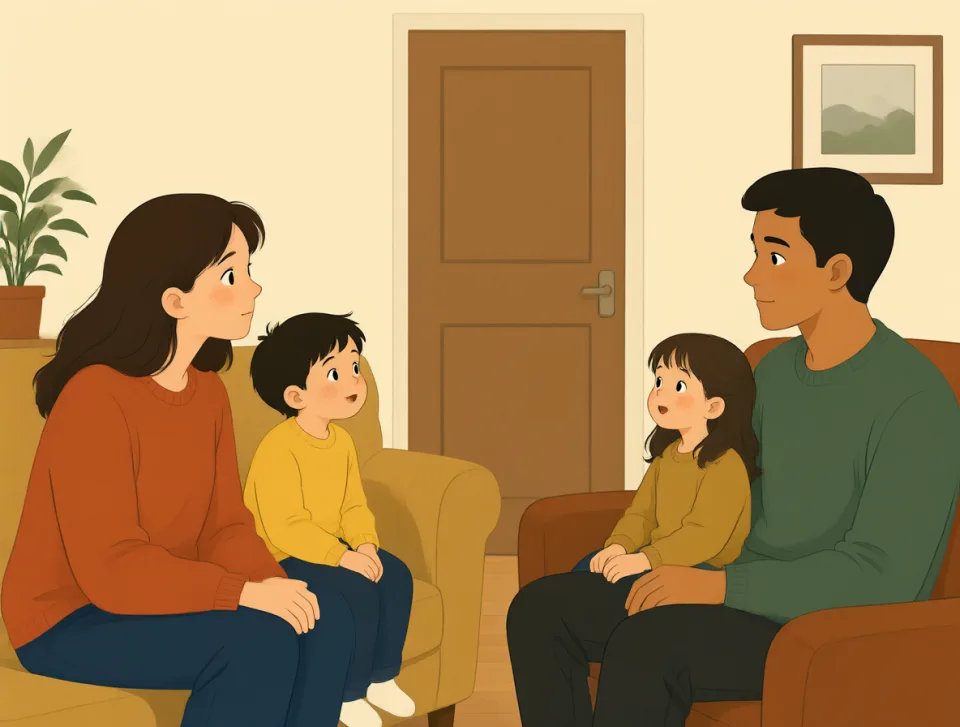
The cause of the strange noise is still unknown.
Przyczyna dziwnego hałasu wciąż jest nieznana.

An unknown man left a package at the office this morning.
Dziś rano jakiś nieznajomy zostawił paczkę w biurze.

The village remained unknown to tourists until a new road opened.
Wieś pozostawała nieznana turystom, dopóki nie otwarto nowej drogi.

The doctor ordered tests because the cause of her pain was unknown.
Lekarz zlecił badania, ponieważ przyczyna jej bólu była nieznana.

We chose an unknown restaurant and discovered delicious local food.
Wybraliśmy nieznaną nam restaurację i odkryliśmy pyszne lokalne jedzenie.
framework
#2044noun
struktura; ramy
A basic structure that supports something or helps organize an idea, system, or plan.
Podstawowa struktura, która stanowi oparcie dla czegoś lub pomaga uporządkować pomysł, system albo plan.

The team created a simple framework for planning the new project.
Zespół stworzył prosty schemat planowania nowego projektu.
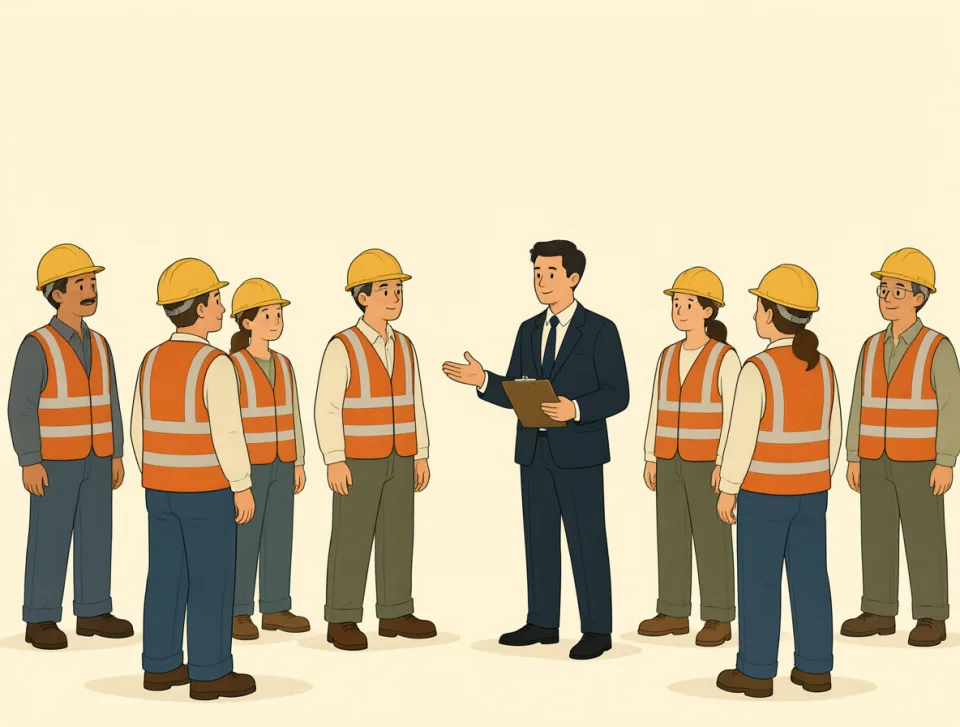
This legal framework protects workers and sets clear safety rules.
Te ramy prawne chronią pracowników i ustanawiają jasne zasady bezpieczeństwa.
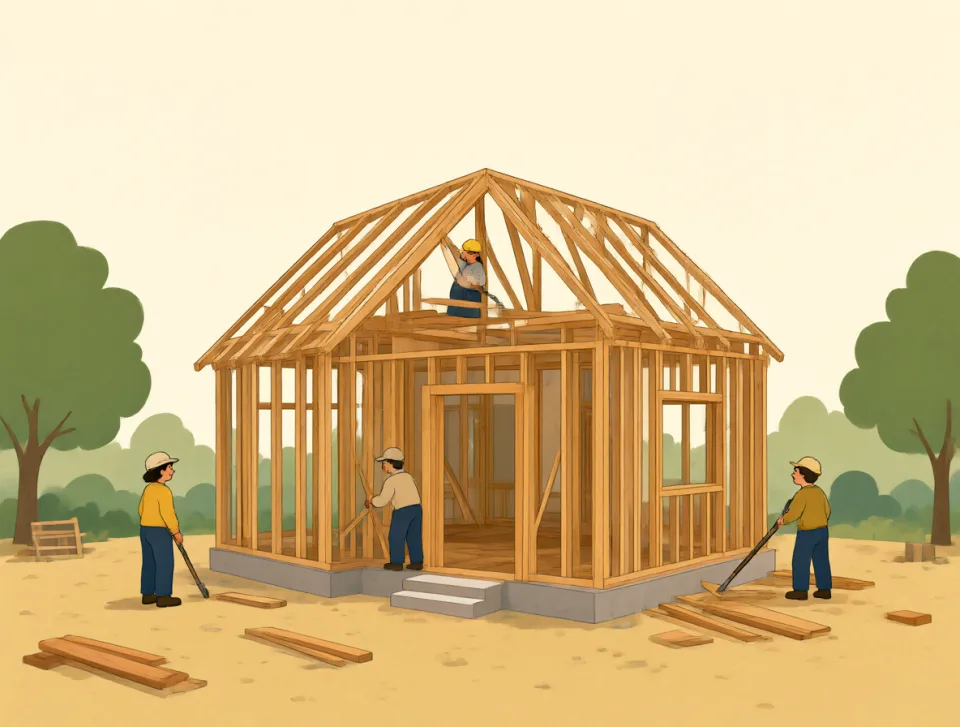
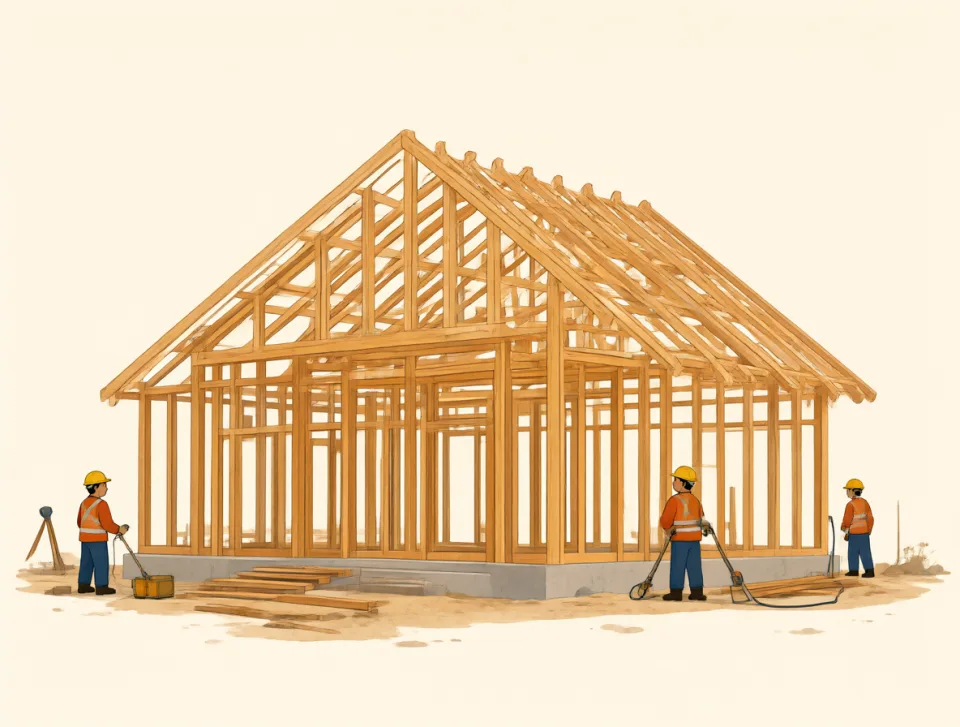
The wooden framework of the house was visible before the walls were added.
Drewniany szkielet domu był widoczny, zanim dobudowano ściany.
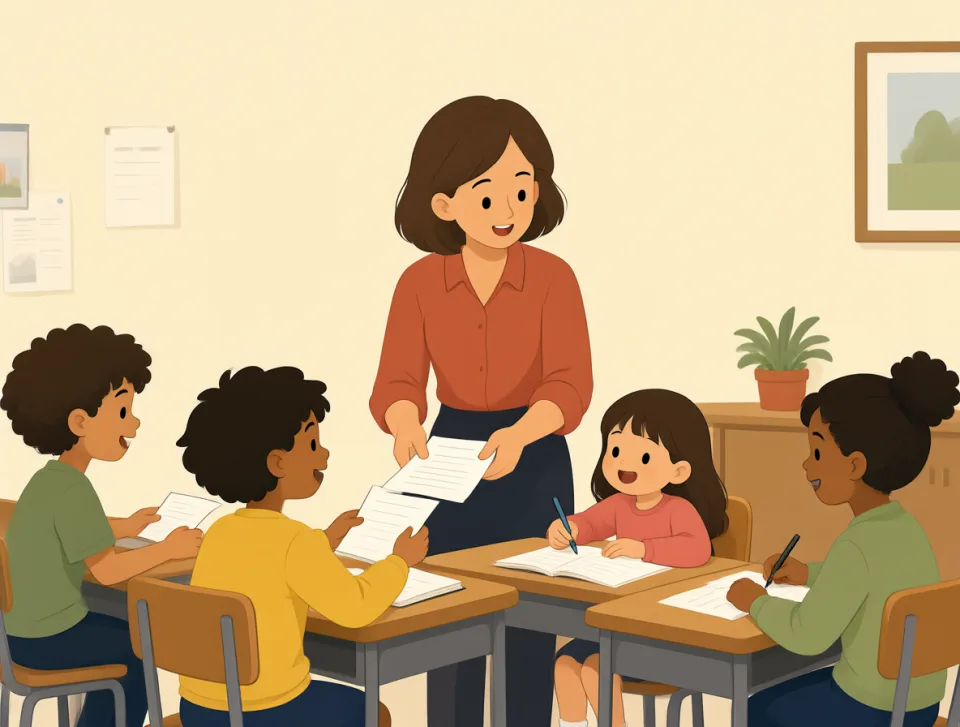
At school, our teacher gave us a writing framework to organize our ideas.
W szkole nauczyciel dał nam schemat, który pomagał uporządkować pomysły do tekstu.
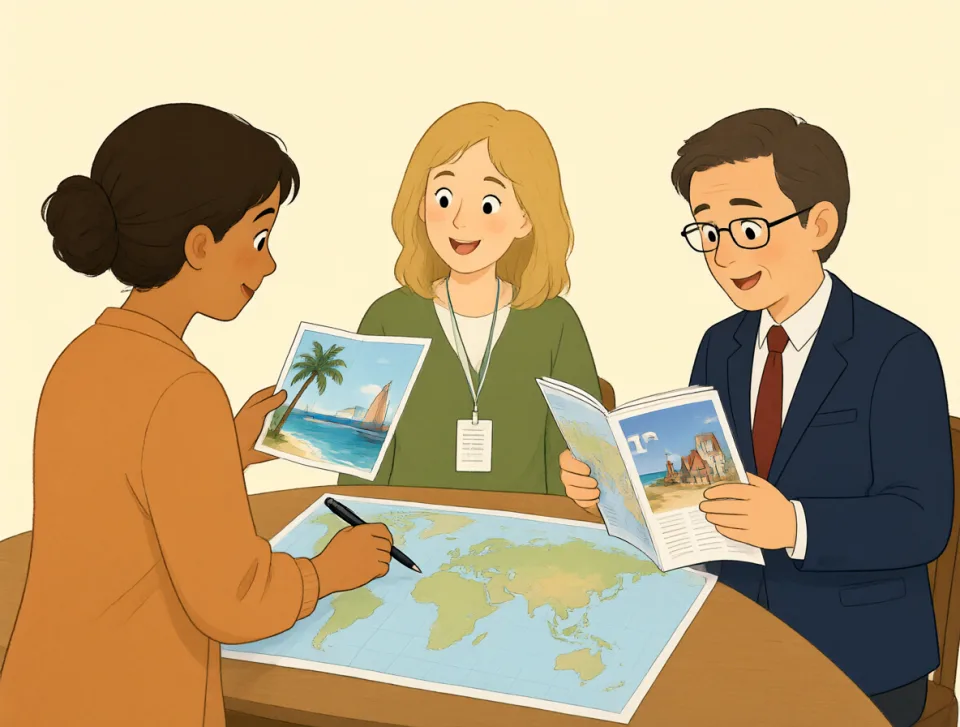
The travel agency used a flexible framework for planning different holiday packages.
Biuro podróży korzystało z elastycznego schematu planowania różnych pakietów wakacyjnych.
zone
#2045noun, verb
strefa
An area with a particular purpose, activity, or set of rules.
Obszar przeznaczony do określonego celu lub rodzaju aktywności albo objęty określonymi zasadami.
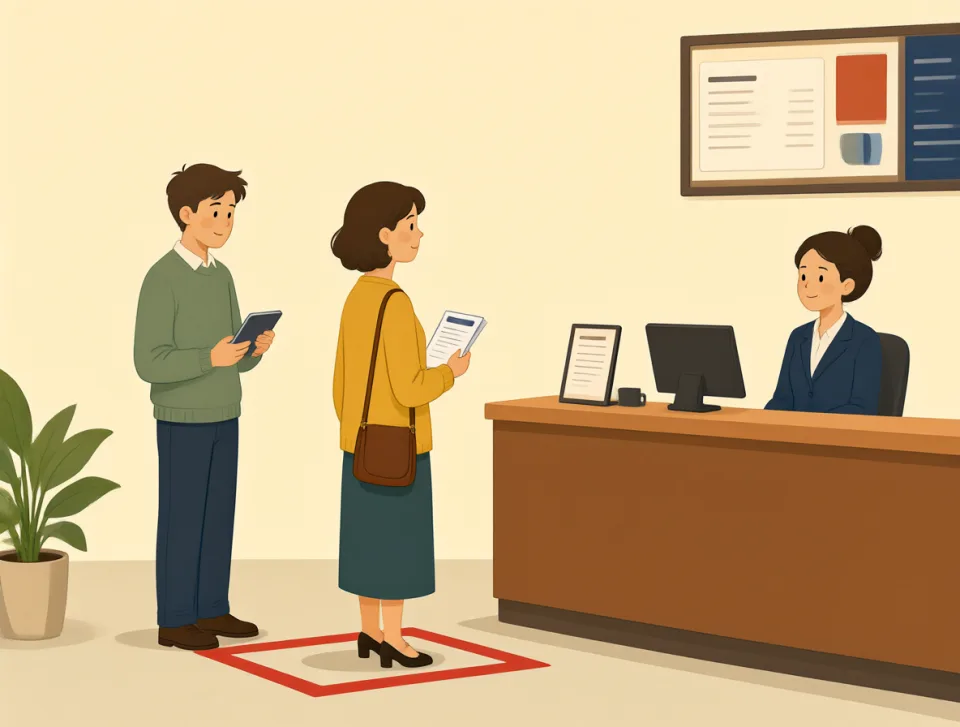
Please wait in the designated zone until your number is called.
Proszę czekać w wyznaczonej strefie, aż zostanie wywołany Państwa numer.

This quiet zone is perfect for reading or studying after school.
Ta cicha strefa jest idealna do czytania lub nauki po szkole.
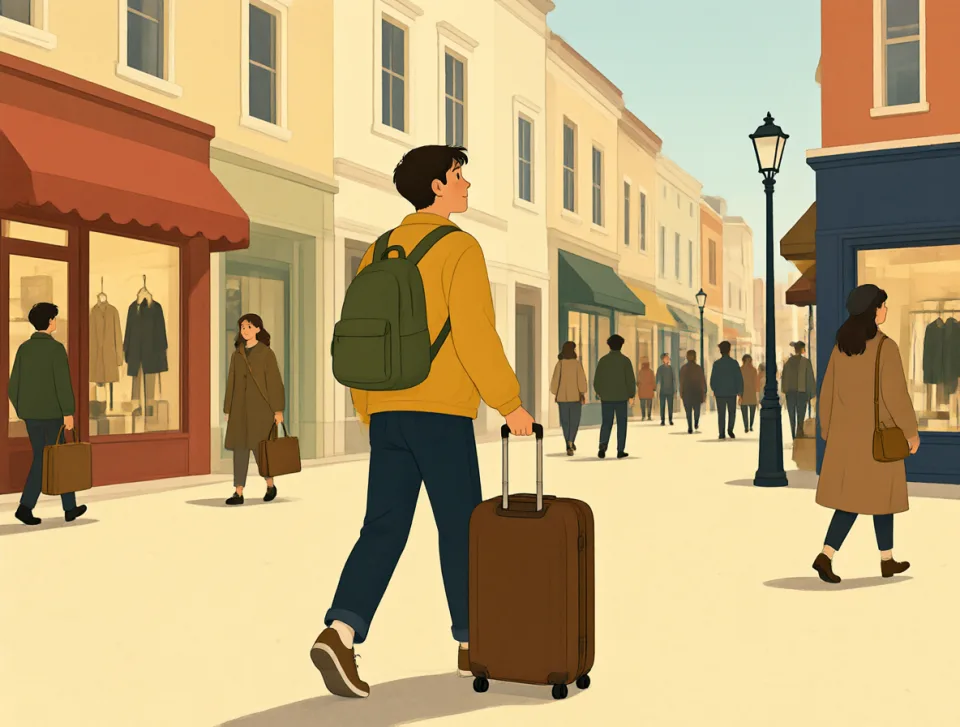
The hotel is in a busy shopping zone near the city center.
Hotel znajduje się w ruchliwej strefie handlowej niedaleko centrum miasta.
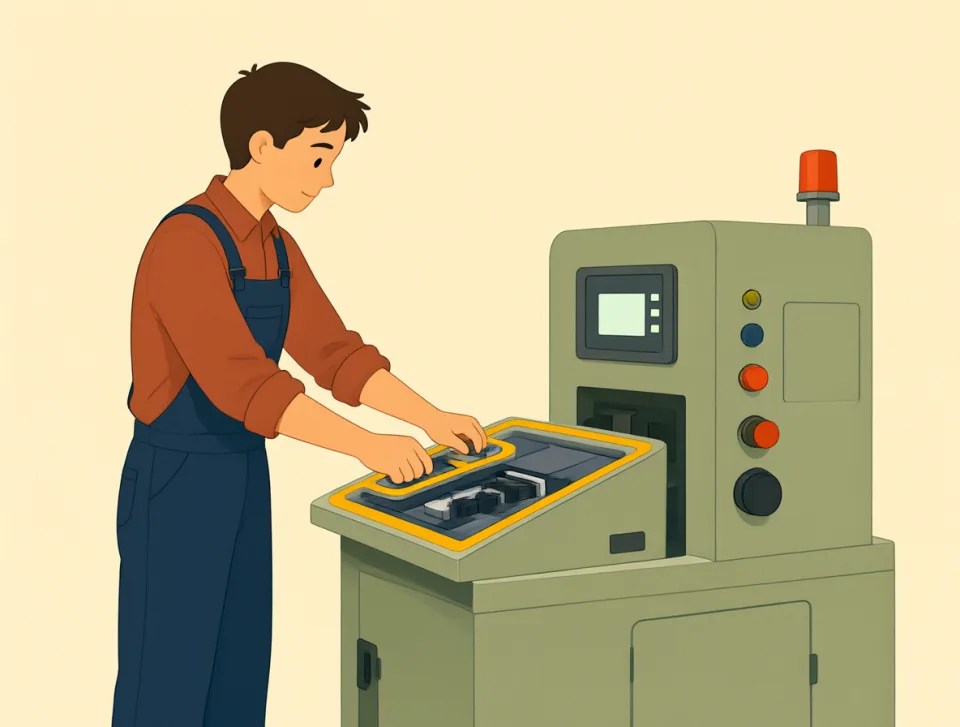
Keep your hands inside the safe zone while the machine is running.
Gdy maszyna pracuje, trzymaj ręce w bezpiecznej strefie.

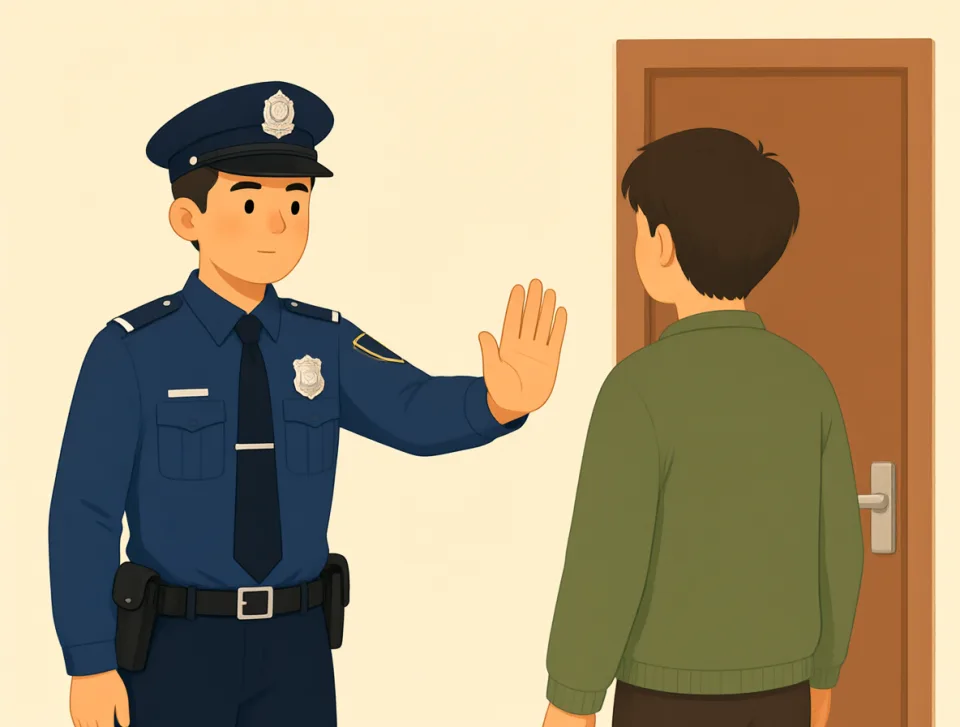
The doctor advised her to avoid the danger zone during recovery.
Lekarz poradził jej, by podczas rekonwalescencji omijała strefę zagrożenia.
restrict
#2046verb
ograniczać
To limit something or prevent someone from doing something freely.
Ograniczać coś lub nie pozwalać komuś na swobodne działanie.
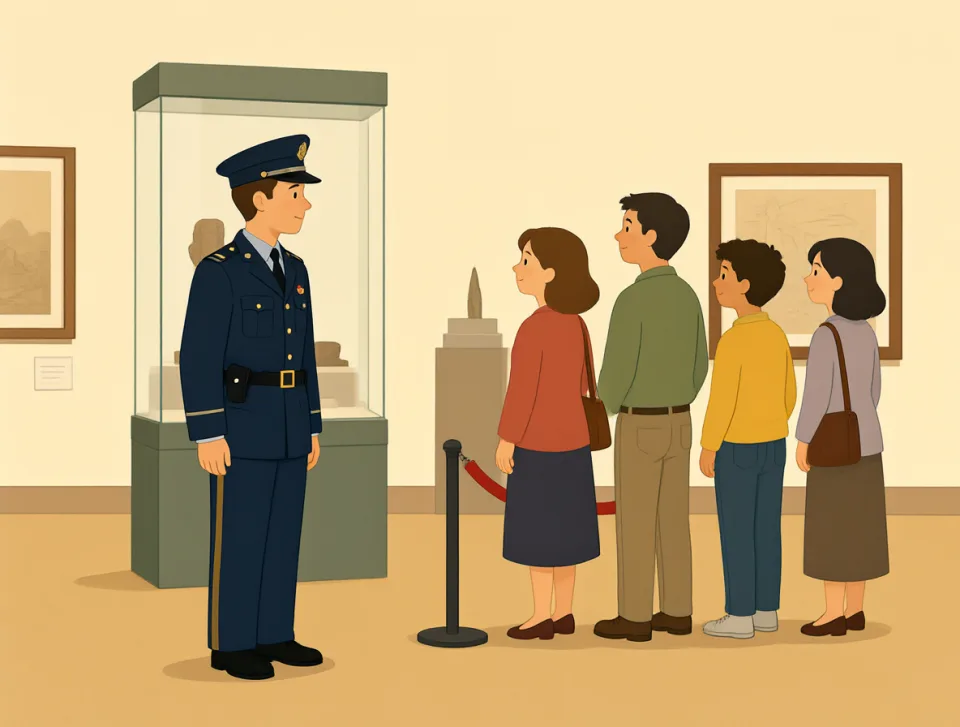
The museum restricts access to fragile exhibits, allowing only a few visitors inside.
Muzeum ogranicza dostęp do delikatnych eksponatów i wpuszcza do środka tylko kilku zwiedzających.
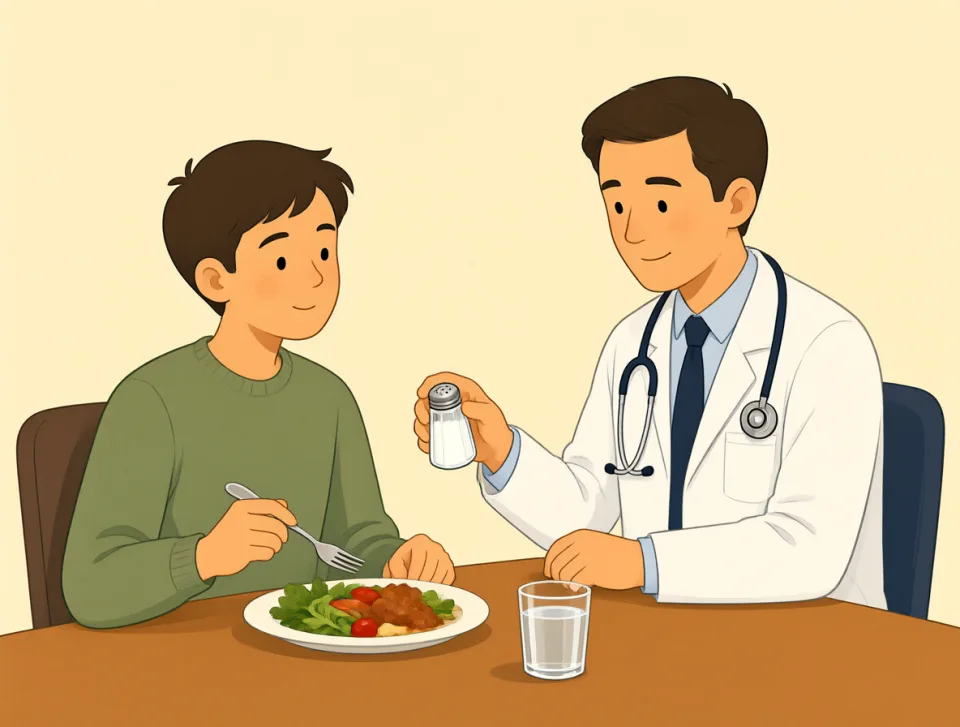
My doctor restricted my salt intake after my blood pressure became too high.
Lekarz zalecił mi ograniczyć spożycie soli, gdy moje ciśnienie krwi stało się zbyt wysokie.
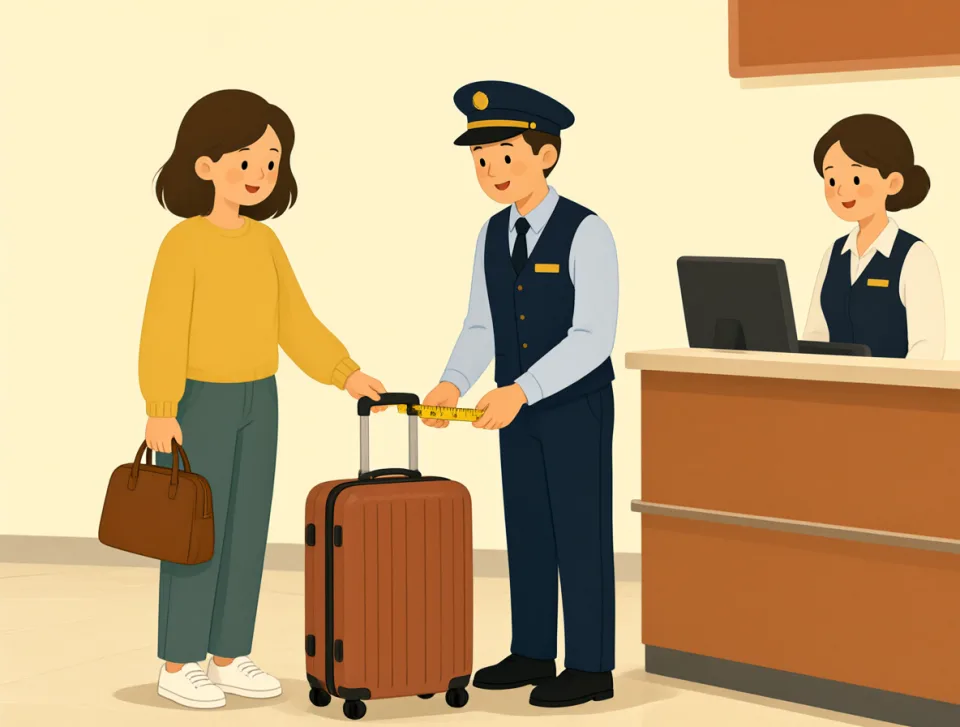
The airline restricts passengers to one small bag on this budget flight.
W tym tanim locie linia lotnicza pozwala pasażerom zabrać tylko jedną małą torbę.

Please restrict your questions to the topic while we finish the group project.
Proszę, ograniczcie pytania do tematu, dopóki nie skończymy pracy w grupie.
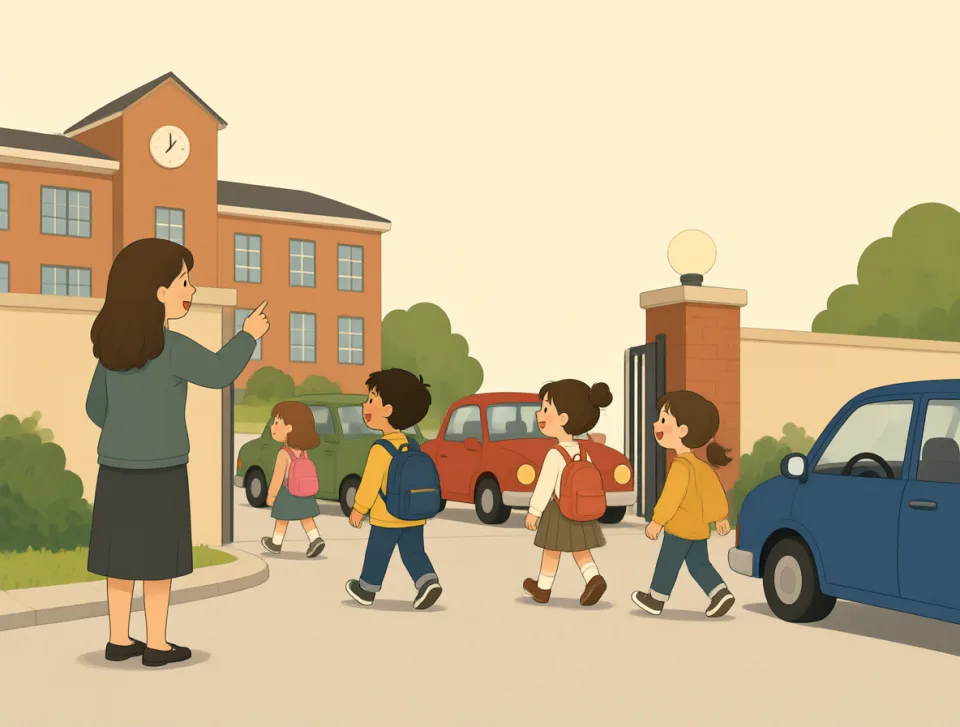
The school is restricting car use to reduce traffic near the main entrance.
Szkoła ogranicza korzystanie z samochodów, żeby zmniejszyć ruch przy głównym wejściu.
trace
#2047noun, verb
ślad; namierzać
A small sign of something, or to find and follow something carefully.
Niewielki ślad czegoś albo odnajdywać coś i uważnie podążać jego tropem.

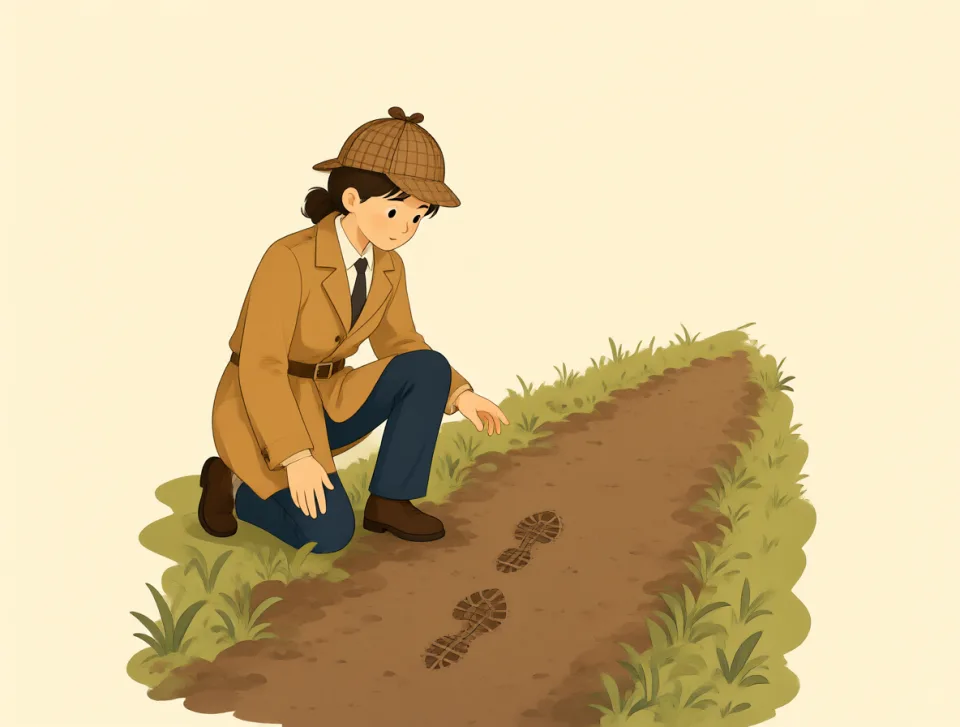
Police found a trace of blood near the broken window.
Policja znalazła ślad krwi w pobliżu rozbitego okna.
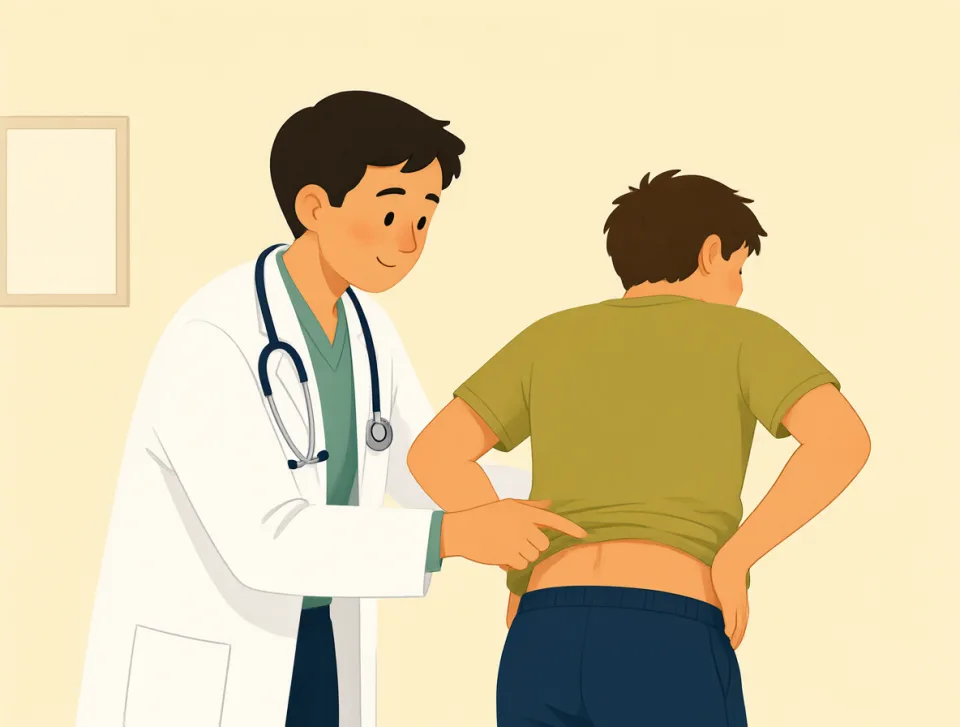
The doctor traced the pain to a problem in her back.
Lekarz ustalił, że przyczyną bólu był problem z jej plecami.
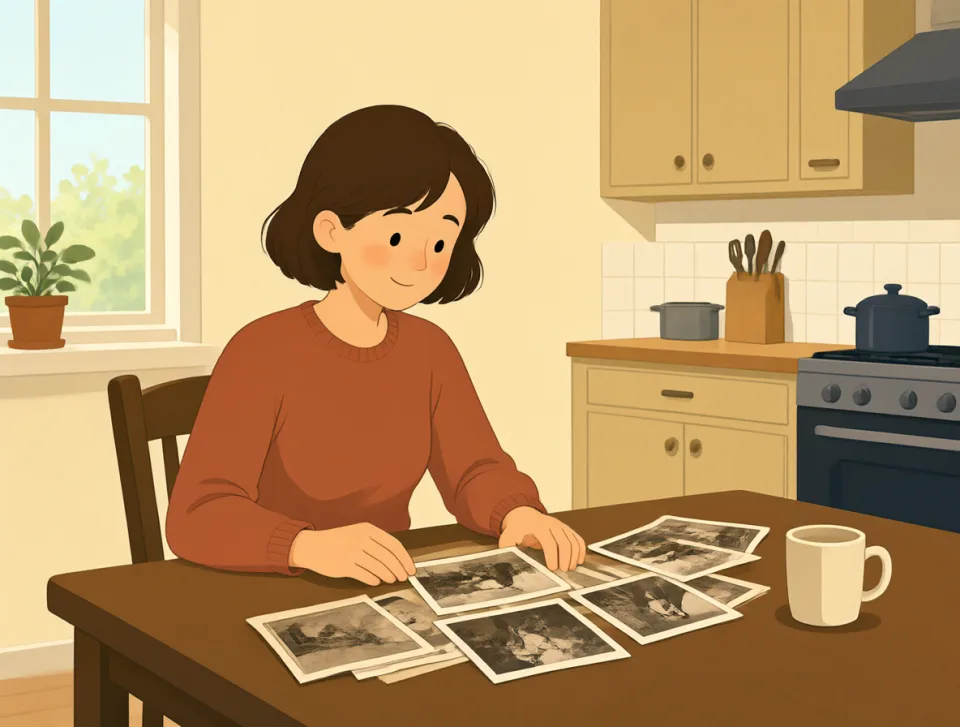
She traced the family history back to a village in Italy.
Prześledziła historię rodziny aż do wioski we Włoszech.

The child traced a picture of a bird with a pencil.
Dziecko odrysowało ołówkiem obrazek ptaka.
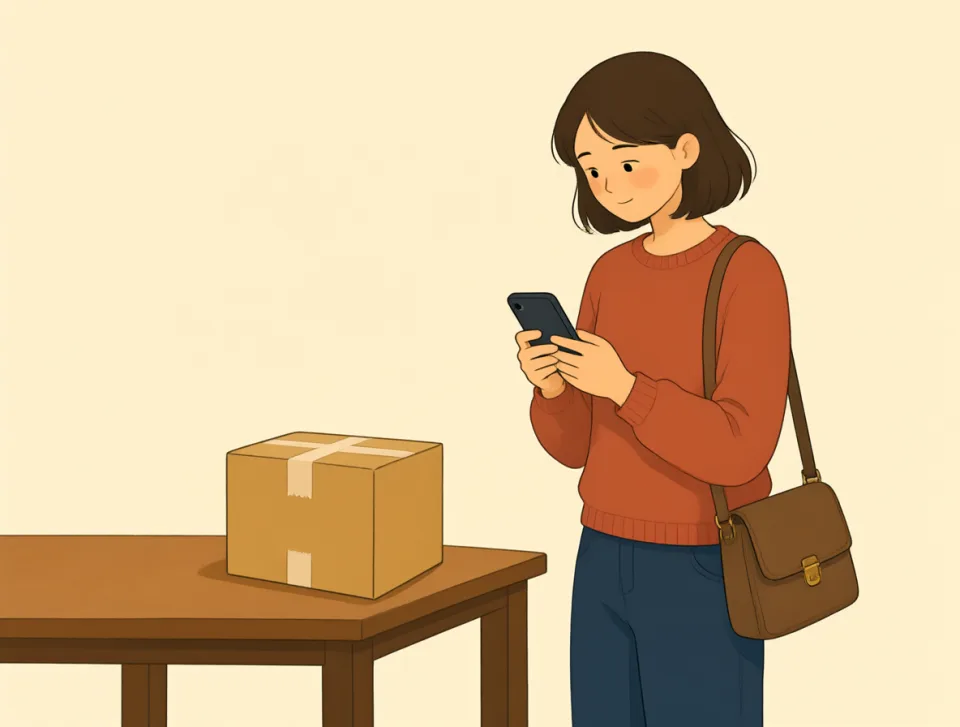
We traced the package online after it left the store.
Śledziliśmy przesyłkę w internecie, gdy opuściła sklep.
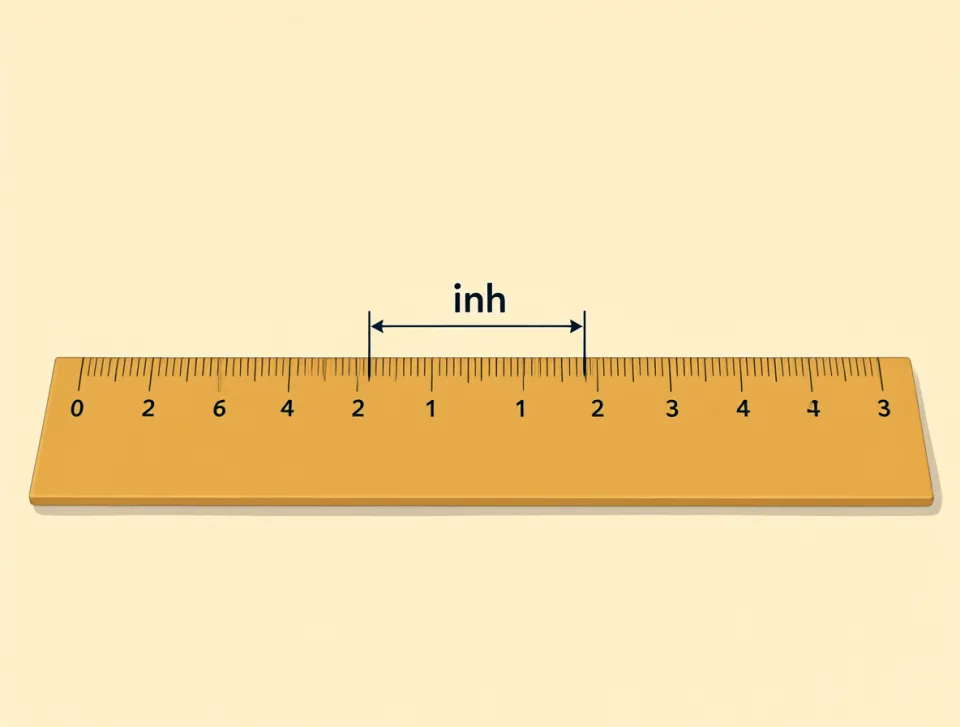
inch
#2048noun, verb
cal; posuwać się powoli
A unit of length equal to 2.54 centimeters; to move or progress very slowly.
Jednostka długości równa 2,54 centymetra; poruszać się lub robić postępy bardzo powoli.
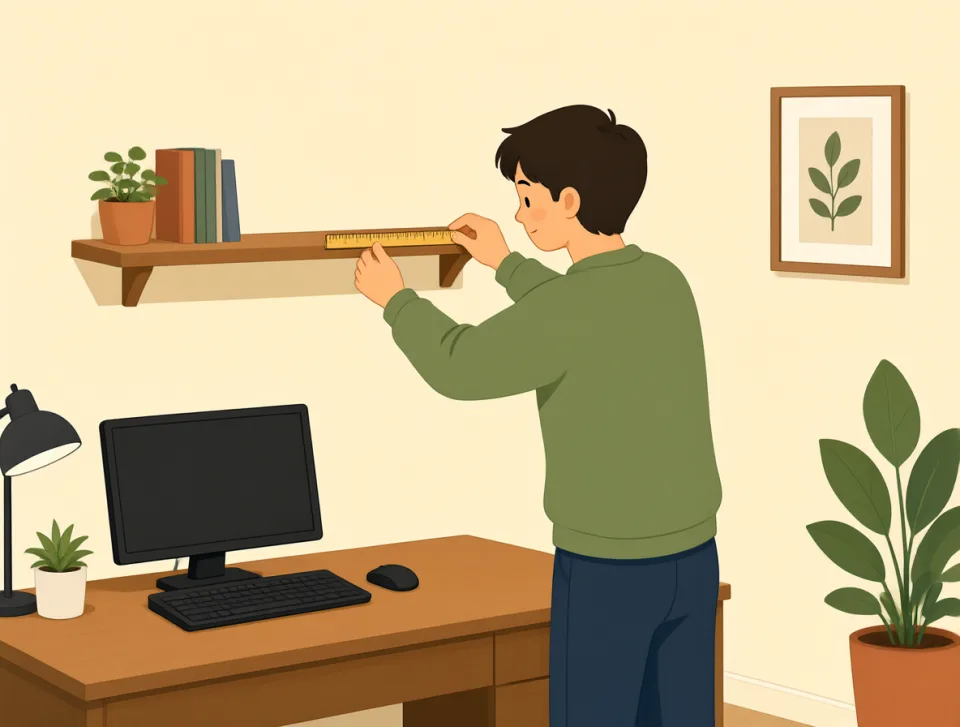
The shelf is twelve inches wide, so it fits perfectly above the desk.
Półka ma dwanaście cali szerokości, więc idealnie pasuje nad biurkiem.
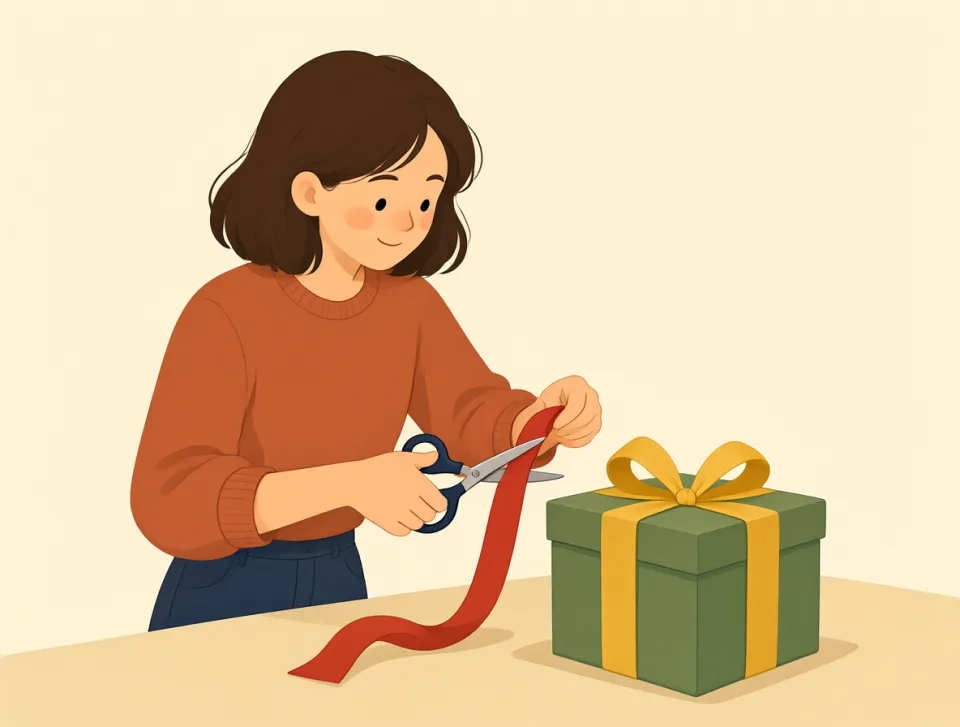
Please cut two inches from the ribbon before wrapping the gift.
Przed zapakowaniem prezentu odetnij dwa cale wstążki.
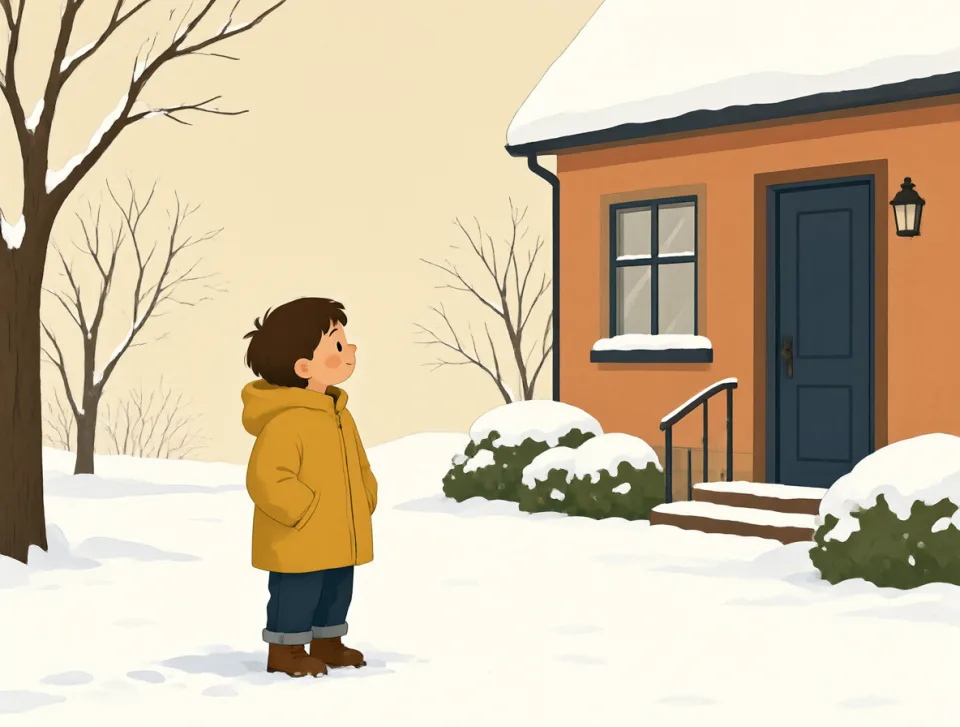
The snow was six inches deep after the overnight storm.
Po nocnej śnieżycy warstwa śniegu miała sześć cali grubości.

Traffic barely inched forward as we waited near the airport.
Gdy czekaliśmy w pobliżu lotniska, ruch uliczny ledwo posuwał się do przodu.
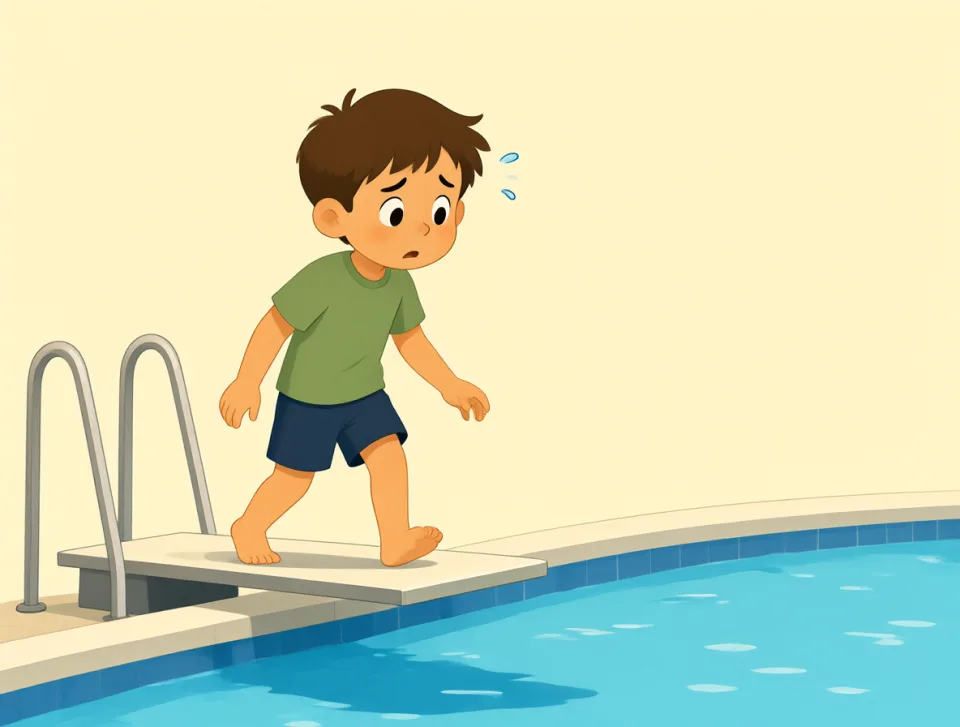
He inched closer to the edge of the diving board and looked down.
Powoli zbliżył się do krawędzi trampoliny do skoków do wody i spojrzał w dół.
equivalent
#2049adjective, noun
równoważny
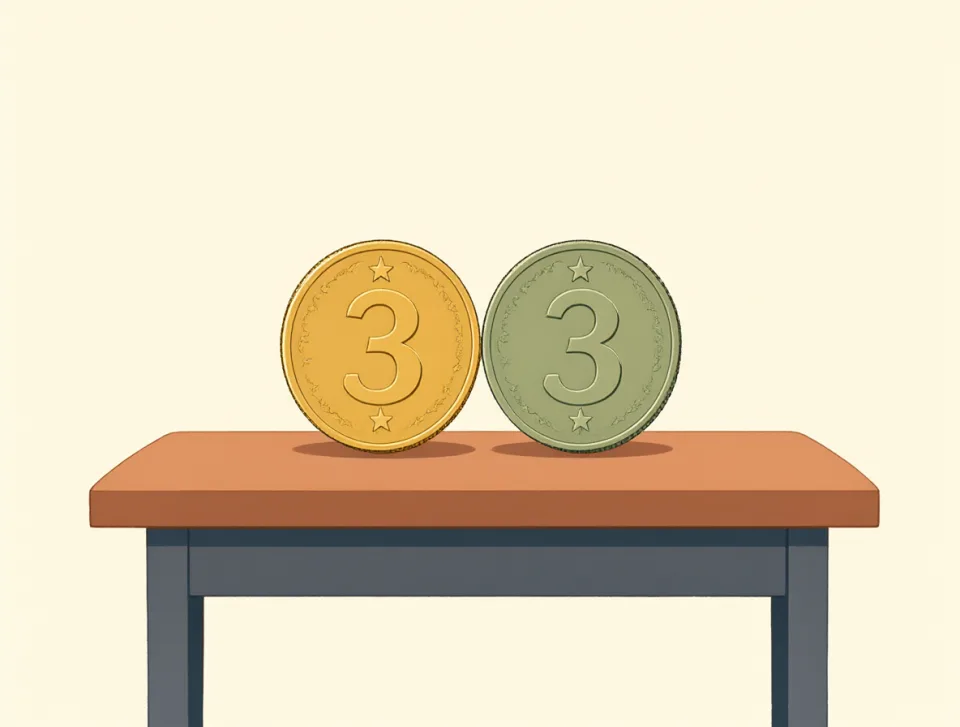
The same as, or equal in value, meaning, amount, or purpose.
Taki sam lub równy pod względem wartości, znaczenia, ilości albo przeznaczenia.
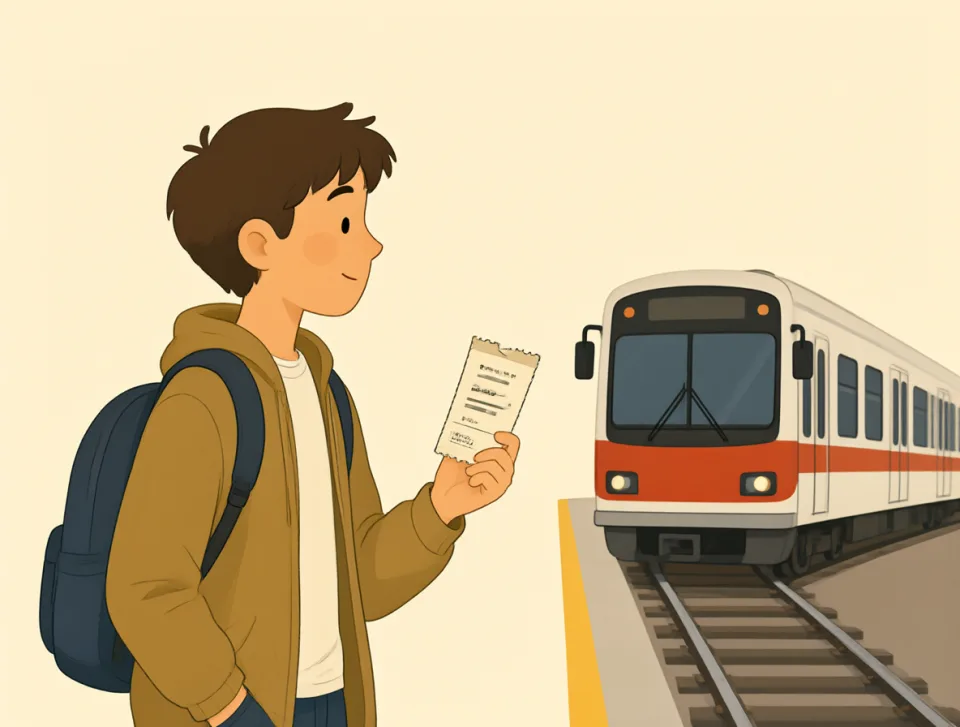
This bus ticket is equivalent to a train ticket for the same journey.
Ten bilet autobusowy jest równoważny biletowi kolejowemu na tę samą trasę.
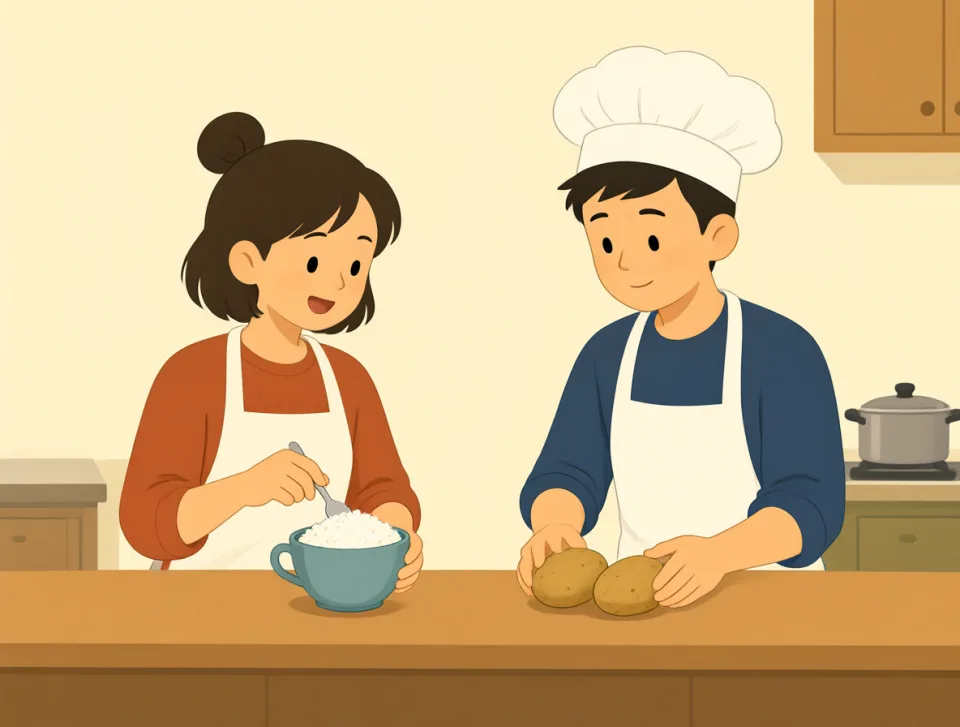
One cup of rice is roughly equivalent to two small potatoes.
Jedna szklanka ryżu odpowiada mniej więcej dwóm małym ziemniakom.

The new employee has experience equivalent to three years in this position.
Nowy pracownik ma doświadczenie odpowiadające trzem latom pracy na tym stanowisku.
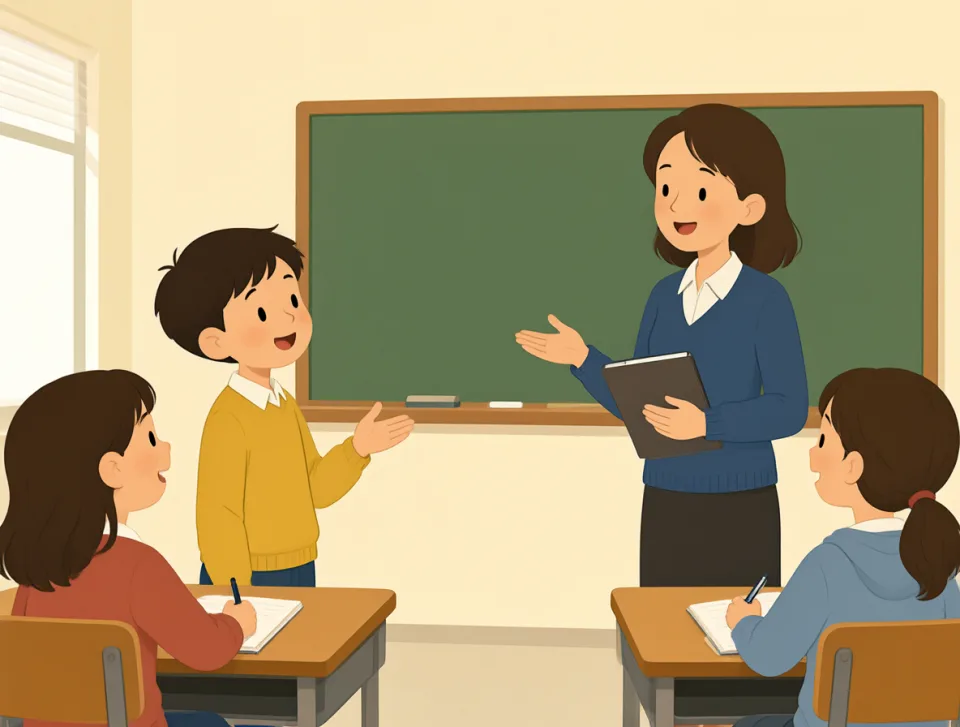
Students may choose an equivalent course if this class is already full.
Studenci mogą wybrać równoważny kurs, jeśli w tej grupie nie ma już miejsc.
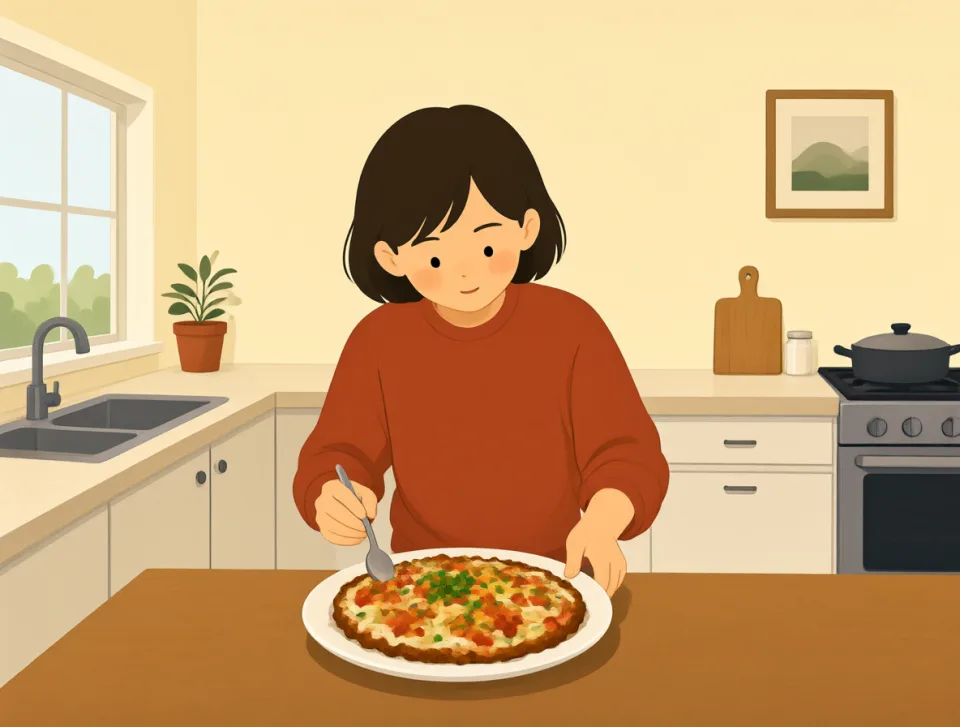
There is no exact equivalent for this traditional dish in English cooking.
W kuchni angielskiej nie ma dokładnego odpowiednika tego tradycyjnego dania.
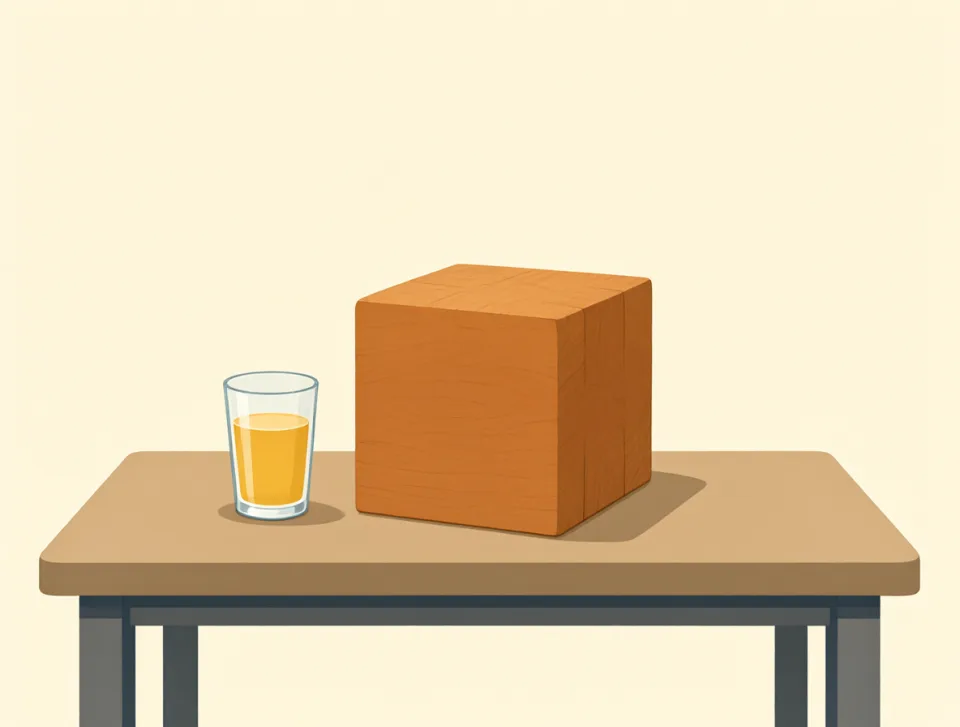
solid
#2050adjective, noun
stały; solidny
firm and hard, not liquid or soft; a substance that keeps its own shape
Twardy i zwarty, niepłynny ani miękki; substancja, która zachowuje własny kształt.

The ice was solid enough to walk across safely.
Lód był na tyle twardy, że można było bezpiecznie po nim przejść.
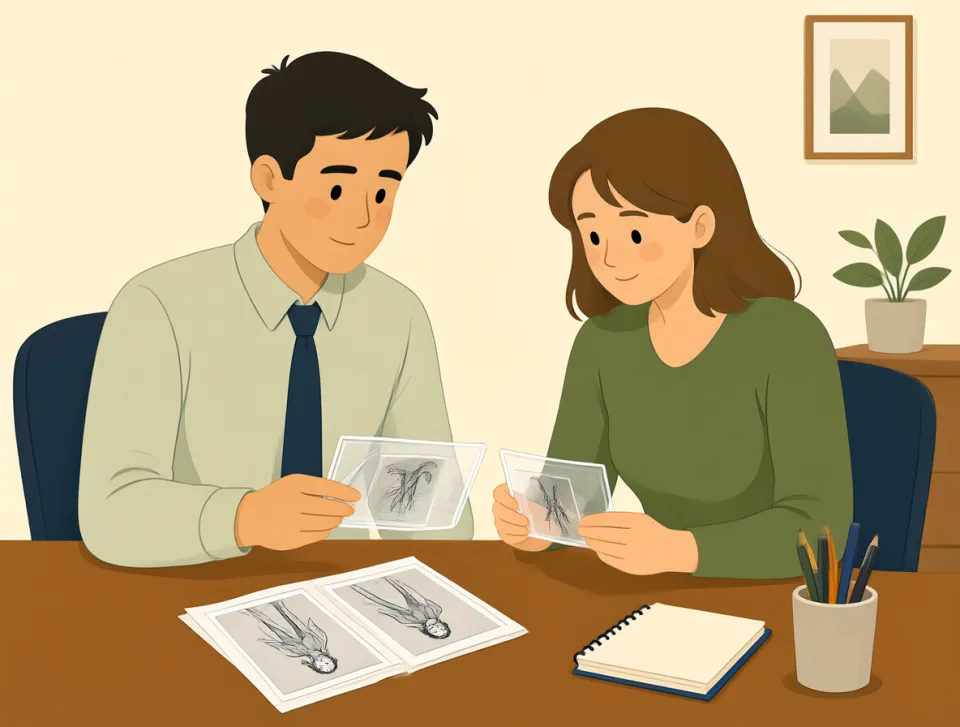
We need solid evidence before making such an important decision.
Zanim podejmiemy tak ważną decyzję, potrzebujemy solidnych dowodów.

She built a solid relationship with her new teammates.
Zbudowała silną więź z nowymi członkami zespołu.

The doctor recommended solid food after the operation.
Po operacji lekarz zalecił jedzenie stałych pokarmów.

These shoes have solid soles, so they are comfortable for hiking.
Te buty mają solidne podeszwy, więc wygodnie się w nich chodzi po górach.
enterprise
#2051noun
przedsiębiorstwo
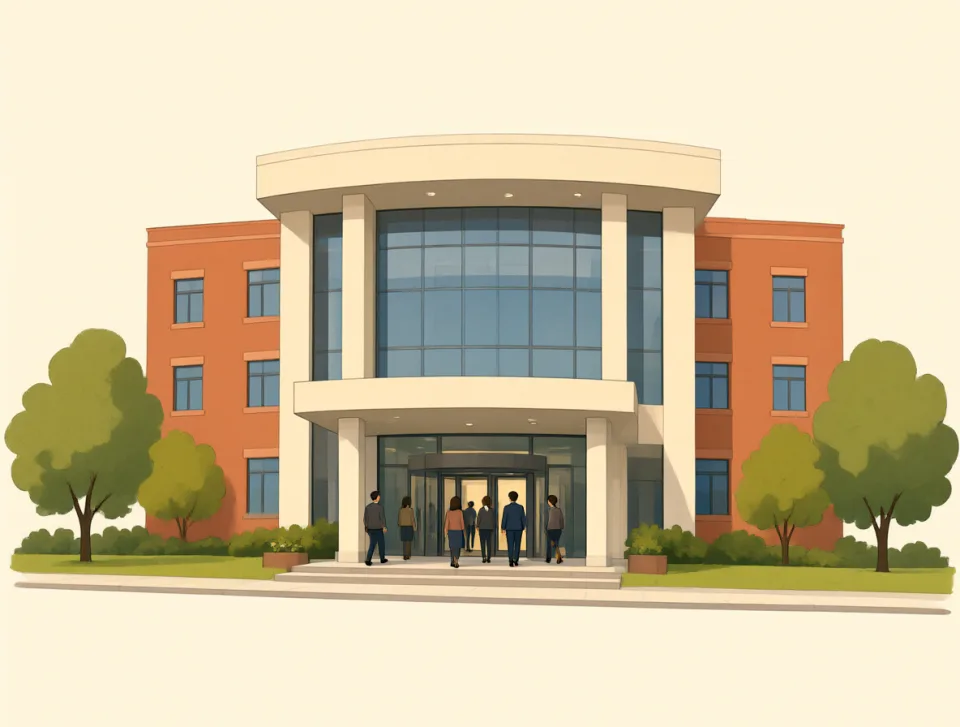
a business or company, especially one that is large or successful
firma lub przedsiębiorstwo, zwłaszcza duże albo odnoszące sukcesy

The new enterprise has created hundreds of jobs in our town.
Nowe przedsiębiorstwo stworzyło w naszym mieście setki miejsc pracy.
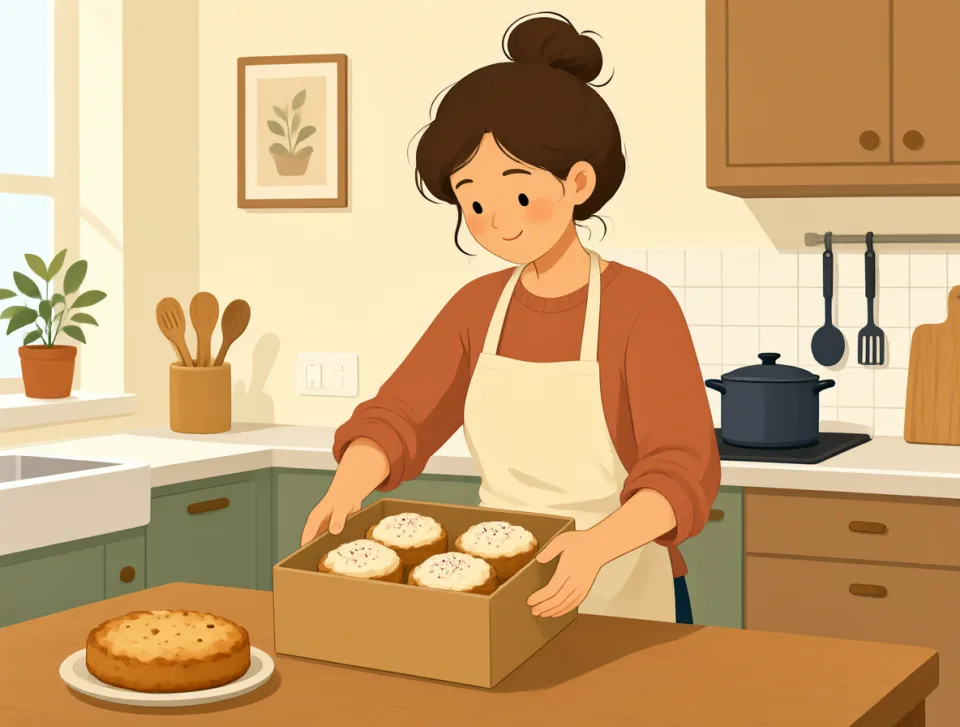
She started a small enterprise selling homemade cakes from her kitchen.
Założyła małe przedsiębiorstwo, sprzedając domowe ciasta z własnej kuchni.

The university supports student enterprises with advice and small business loans.
Uniwersytet wspiera przedsiębiorstwa studenckie, oferując porady i niewielkie pożyczki dla firm.
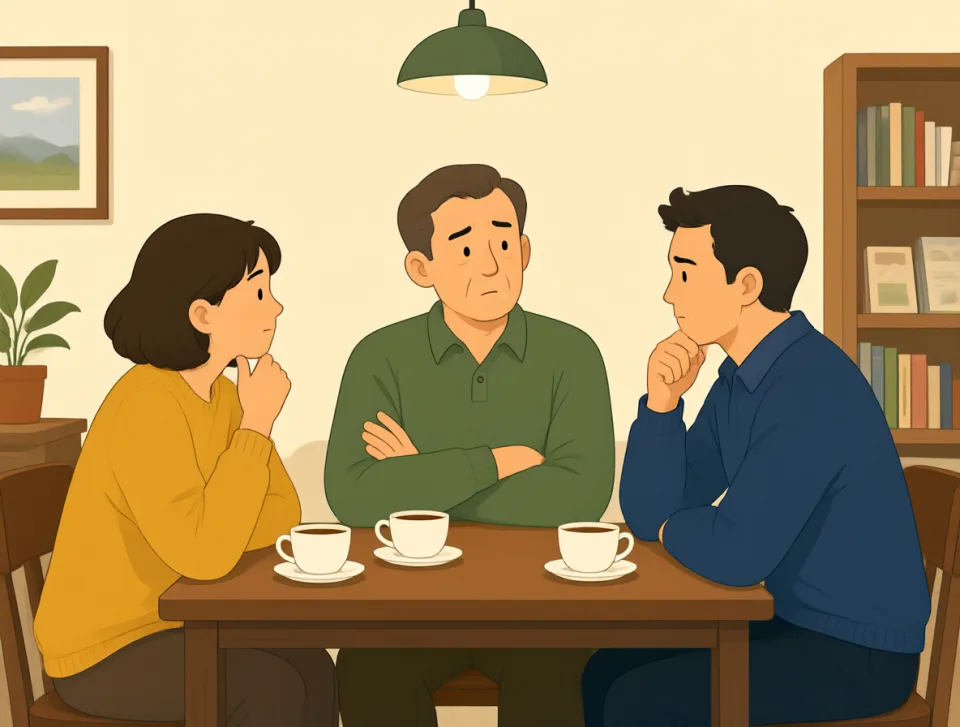
Running a family enterprise can be difficult when relatives disagree.
Prowadzenie rodzinnego przedsiębiorstwa może być trudne, gdy krewni się nie zgadzają.
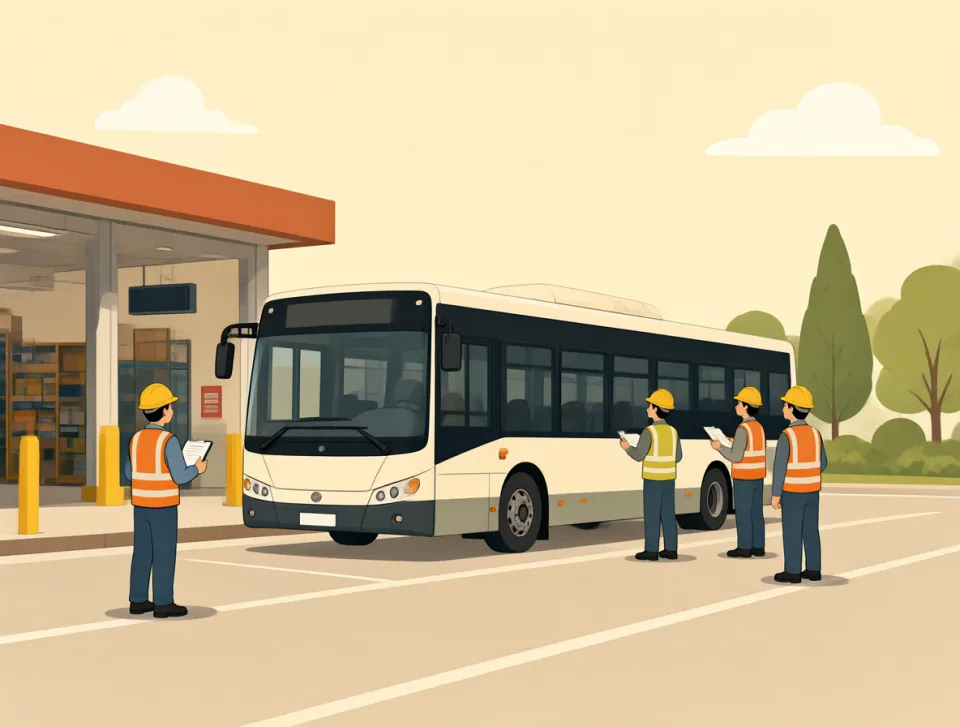
The government invested in a new enterprise to improve local transportation.
Rząd zainwestował w nowe przedsiębiorstwo, aby usprawnić lokalny transport.
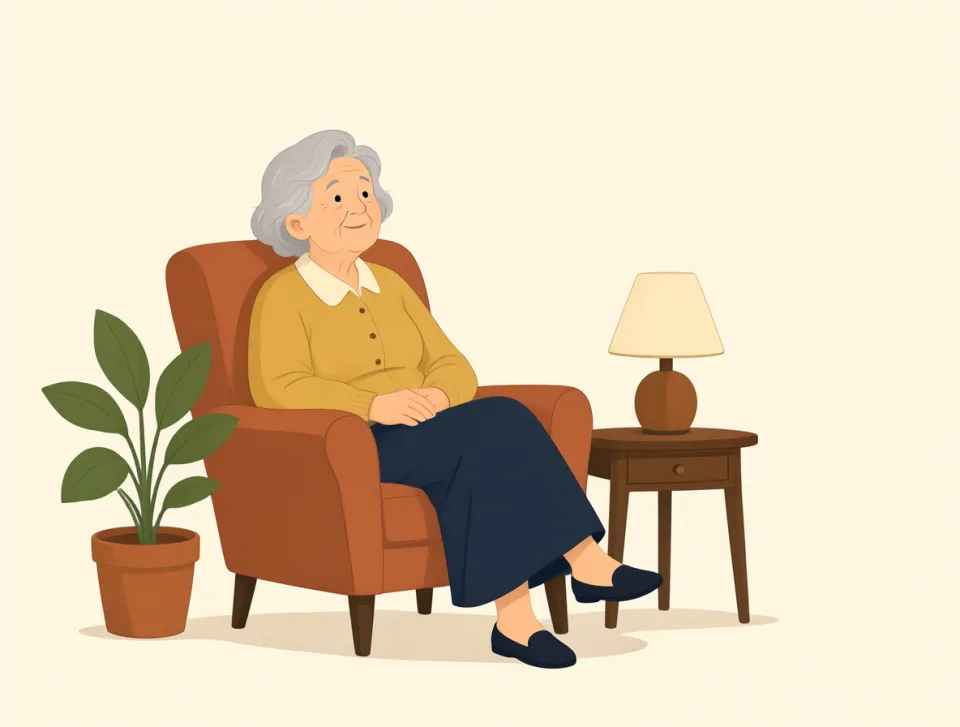
elderly
#2052adjective
starszy wiekiem
Very old, especially referring to people who are no longer young.
Bardzo stary, zwłaszcza w odniesieniu do osób, które nie są już młode.
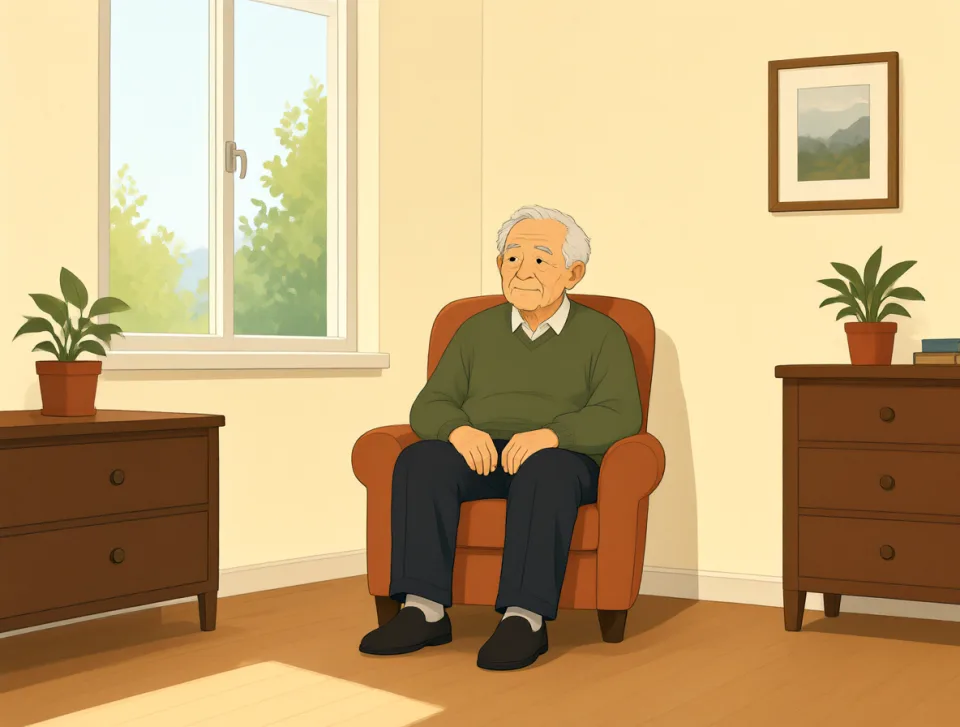
The elderly man lives alone in a small apartment near the park.
Starszy mężczyzna mieszka samotnie w małym mieszkaniu niedaleko parku.
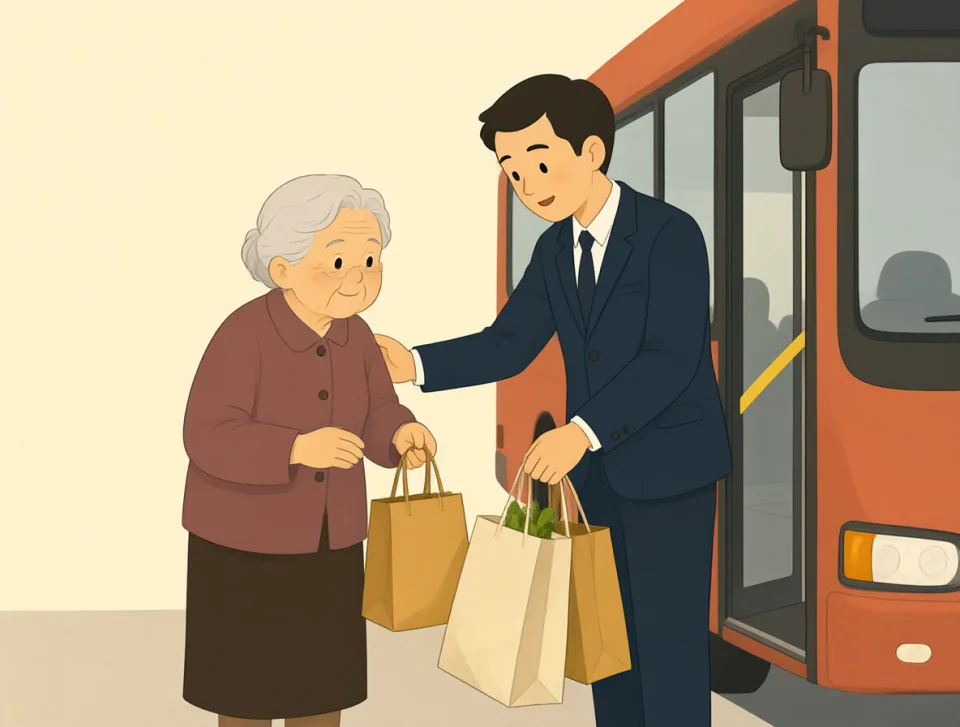
The bus driver helped an elderly passenger carry her shopping bags.
Kierowca autobusu pomógł starszej pasażerce zanieść torby z zakupami.
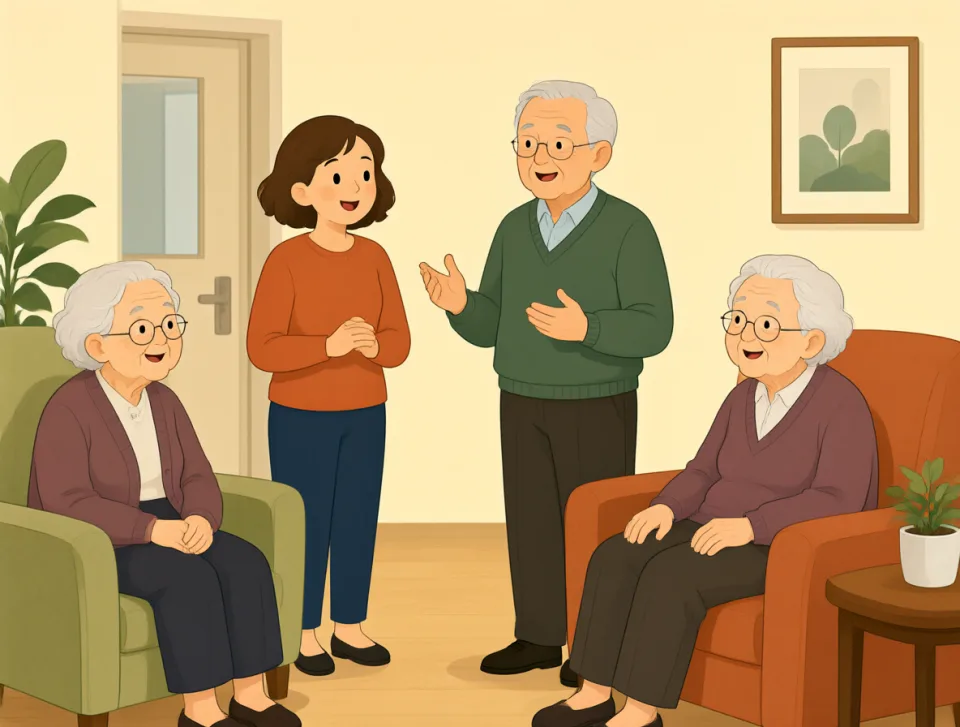
Our school volunteers visit elderly people at a nearby care home.
Nasi szkolni wolontariusze odwiedzają starsze osoby w pobliskim domu opieki.
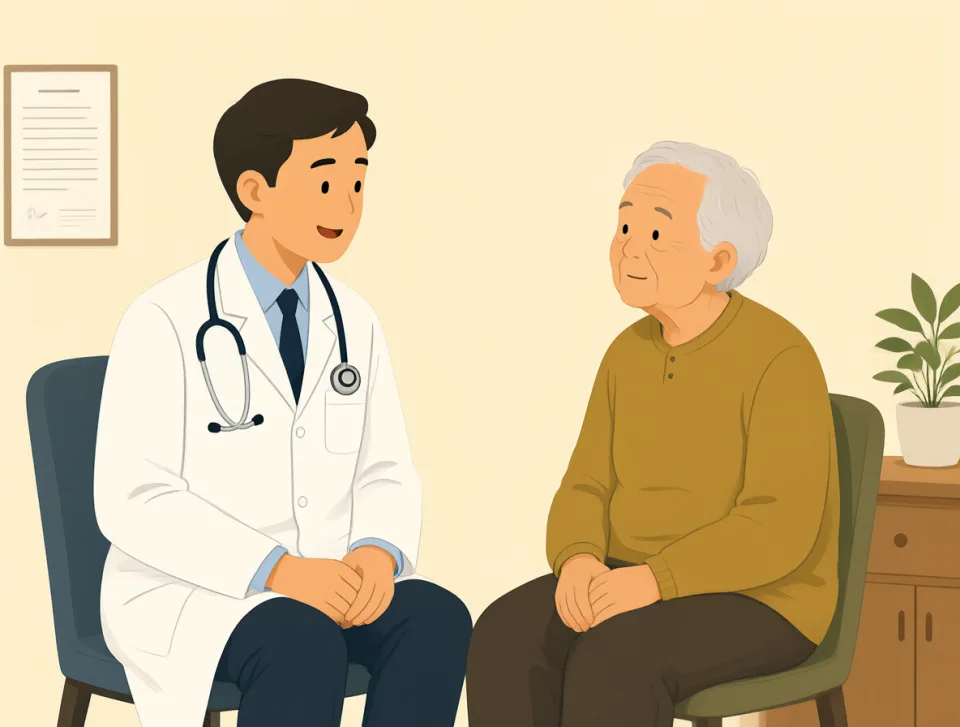
The doctor advised the elderly patient to drink more water each day.
Lekarz zalecił starszemu pacjentowi, aby codziennie pił więcej wody.
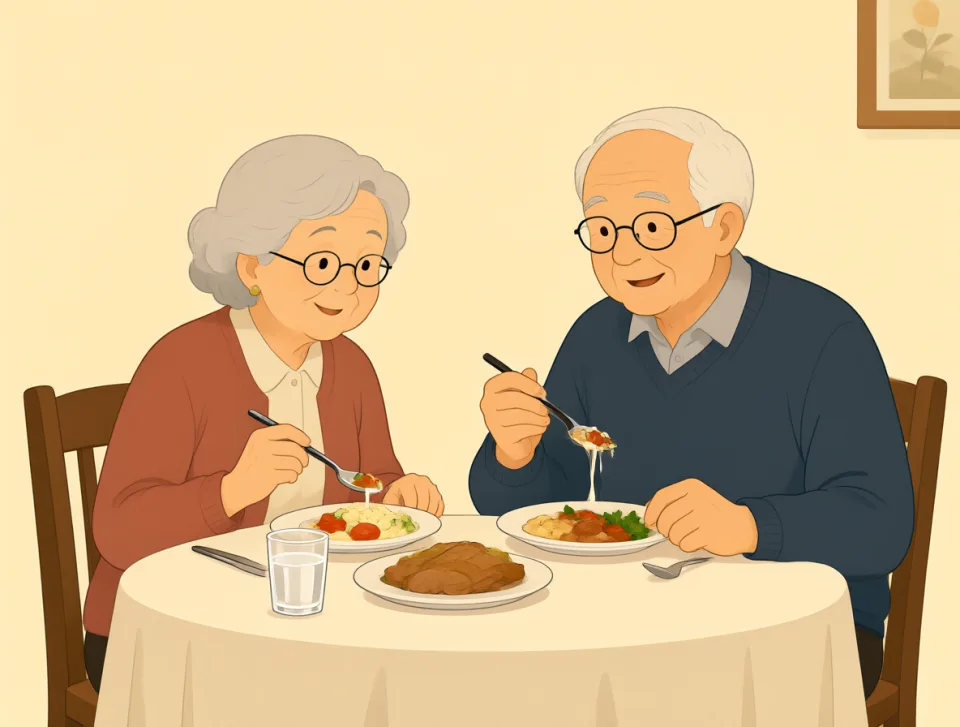
An elderly couple enjoyed a quiet meal together at the restaurant.
Starsze małżeństwo zjadło wspólnie spokojny posiłek w restauracji.

owe
#2053verb
być komuś coś winien
to need to pay someone money or give them something because you borrowed it
musieć zapłacić komuś pieniądze lub oddać mu coś, ponieważ się to od niego pożyczyło
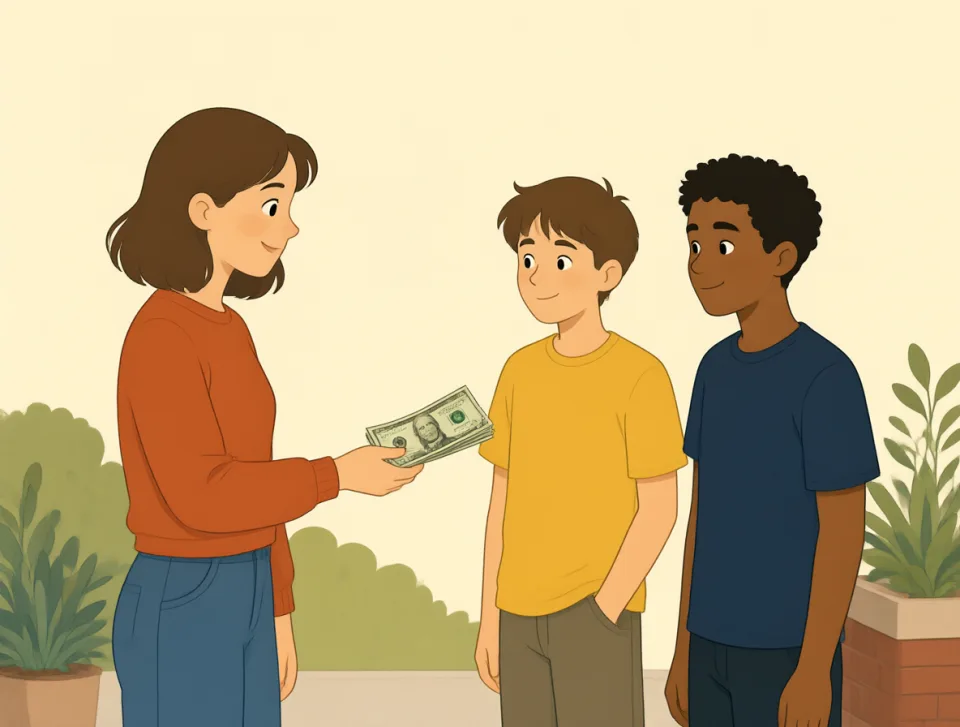
I owe my brother twenty dollars for the concert tickets.
Jestem winien bratu dwadzieścia dolarów za bilety na koncert.

We still owe the bank money for our house.
Nadal jesteśmy winni bankowi pieniądze za nasz dom.

She owes her success to years of hard work and practice.
Sukces zawdzięcza wieloletniej ciężkiej pracy i ćwiczeniom.
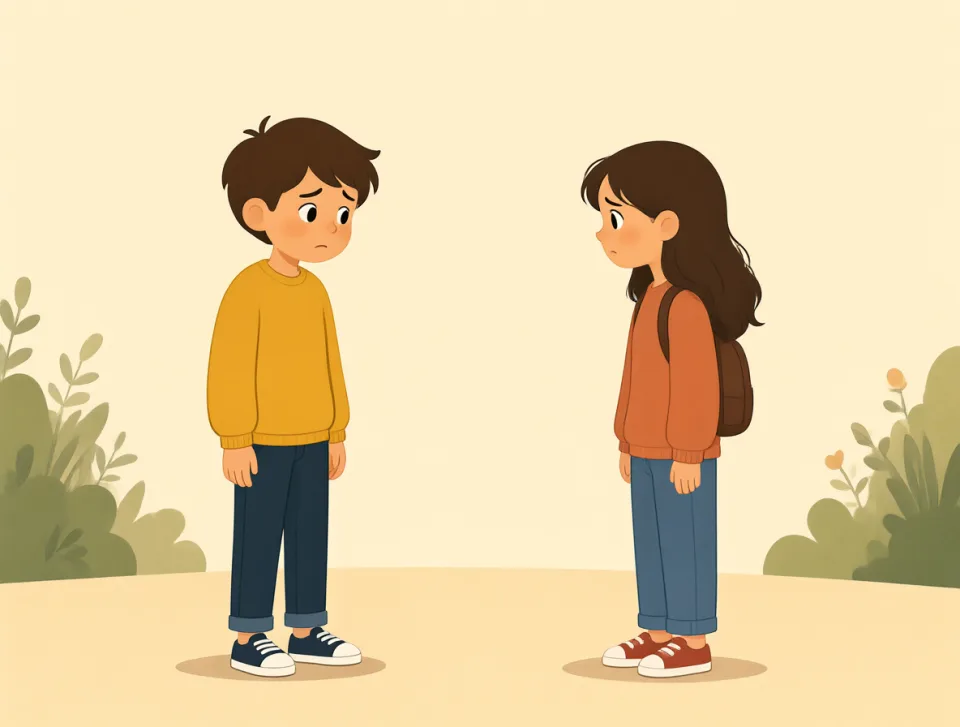
You owe me an apology for speaking to me so rudely.
Winieneś mi przeprosiny za to, że odezwałeś się do mnie tak niegrzecznie.

The restaurant owes us a refund because our food arrived cold.
Restauracja jest nam winna zwrot pieniędzy, ponieważ nasze jedzenie przyjechało zimne.
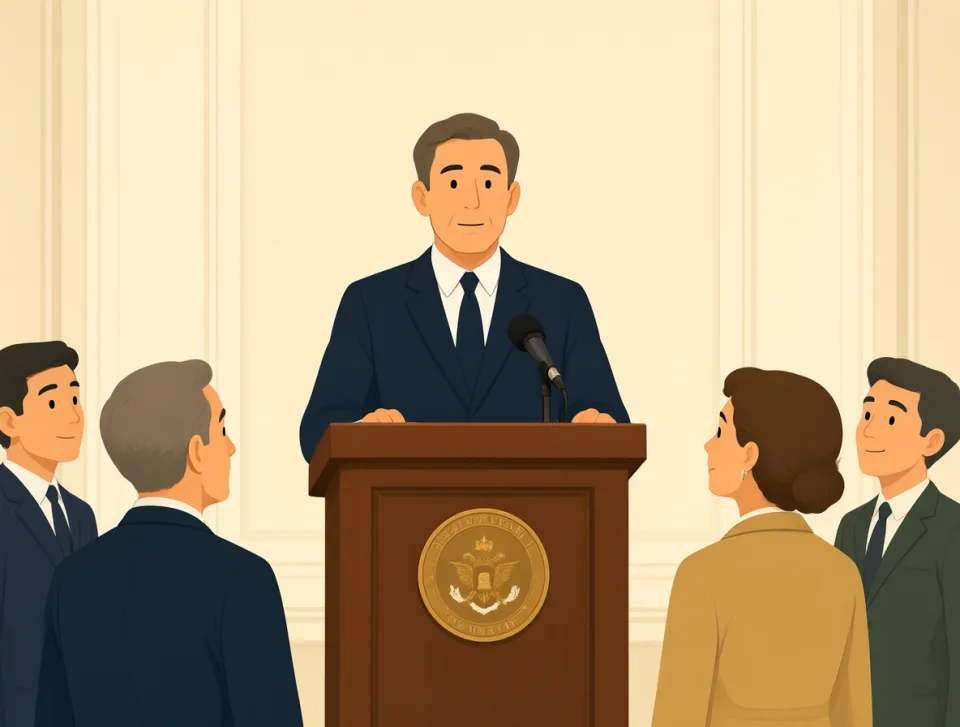
governor
#2054noun
gubernator
The elected leader of a state or region in some countries.
Wybrany przywódca stanu lub regionu w niektórych krajach.
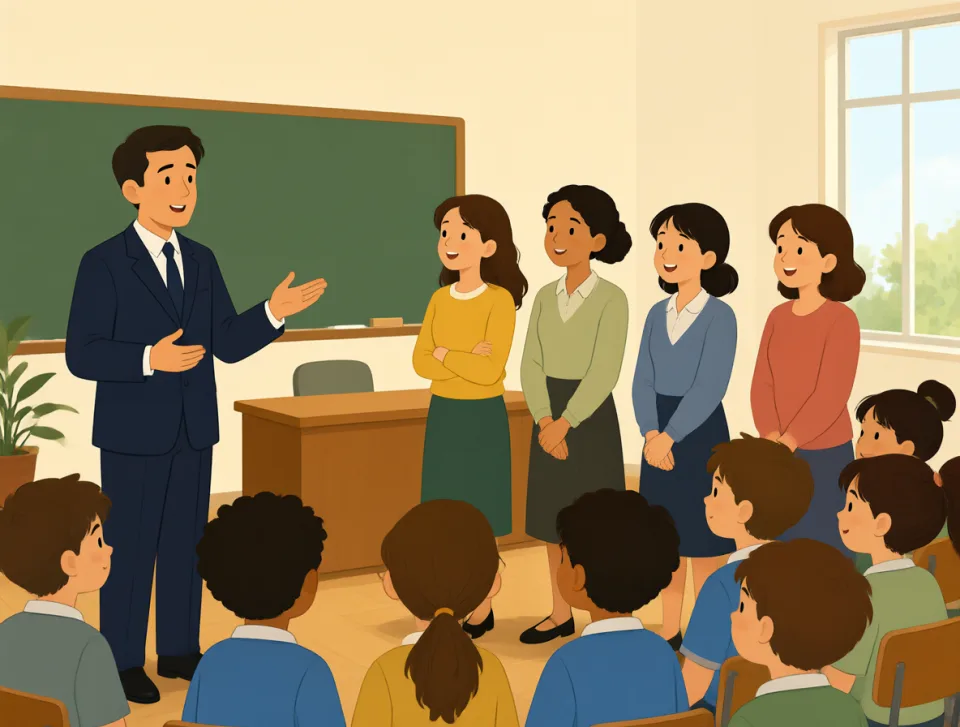
The governor announced new plans to improve public schools across the state.
Gubernator ogłosił nowe plany poprawy szkół publicznych w całym stanie.
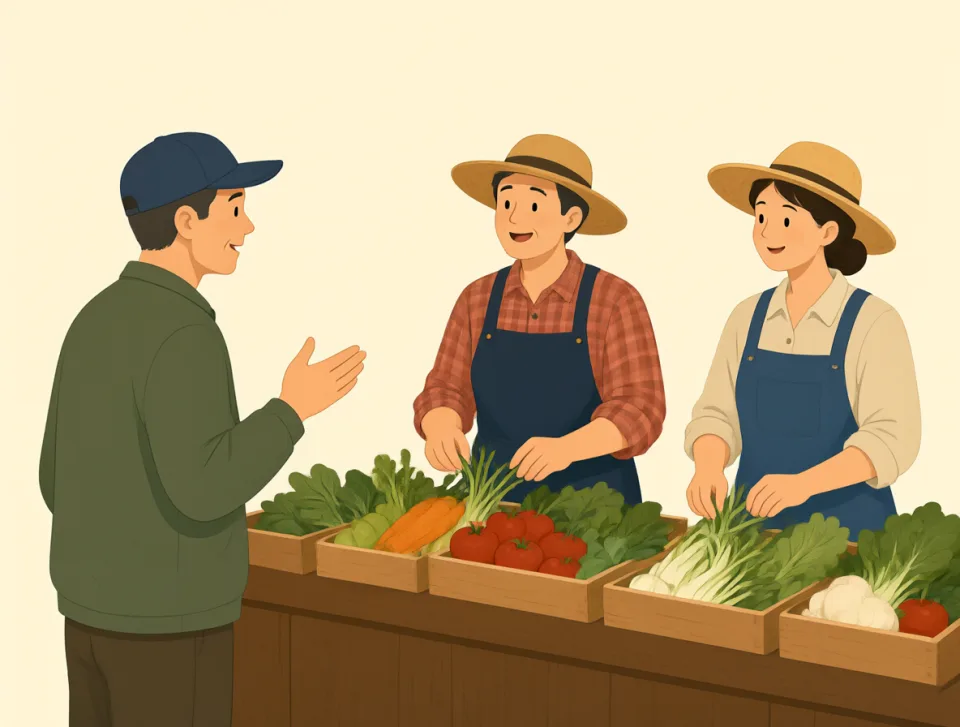
The governor met local farmers to discuss rising food prices.
Gubernator spotkał się z lokalnymi rolnikami, aby omówić rosnące ceny żywności.
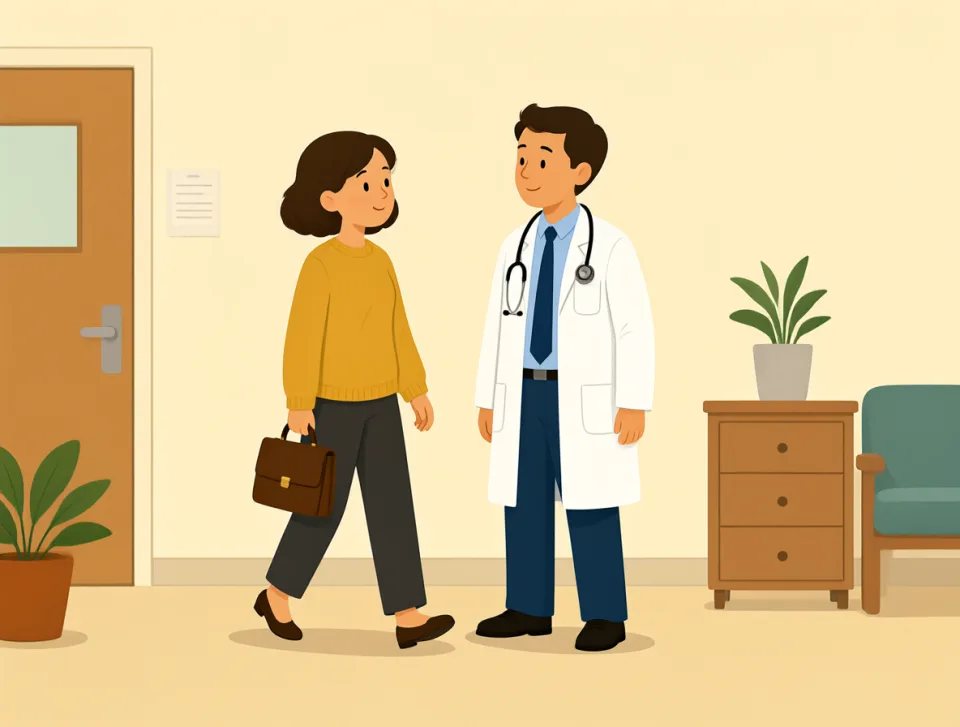
The governor visited the hospital after the storm damaged several buildings.
Gubernator odwiedził szpital po tym, jak burza uszkodziła kilka budynków.
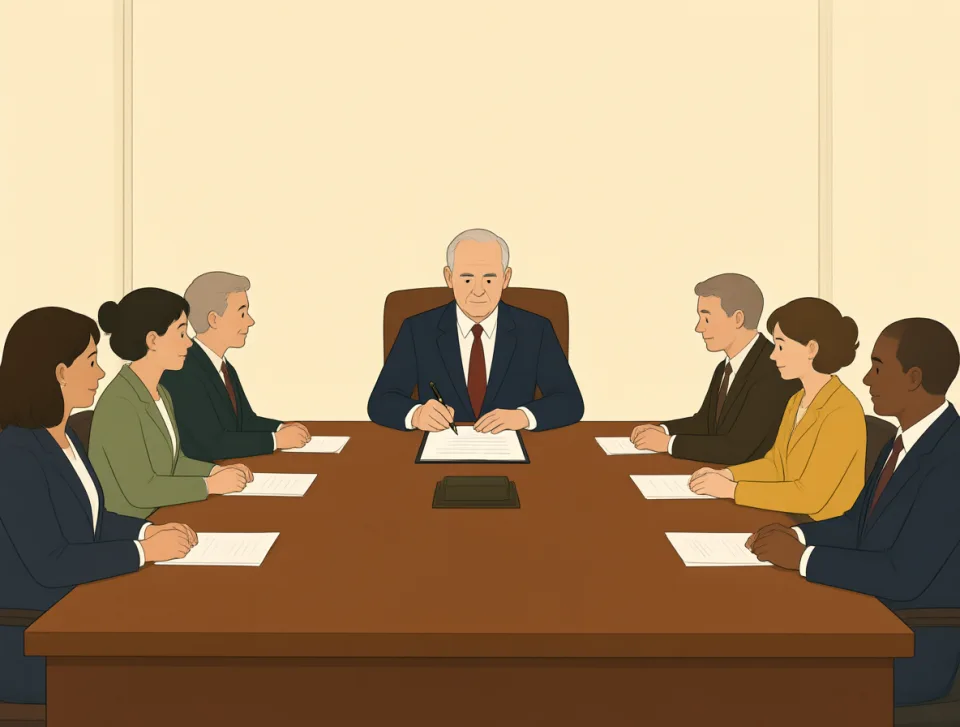
Our governor signed the new law during a meeting at the state office.
Nasz gubernator podpisał nowe prawo podczas spotkania w urzędzie stanowym.
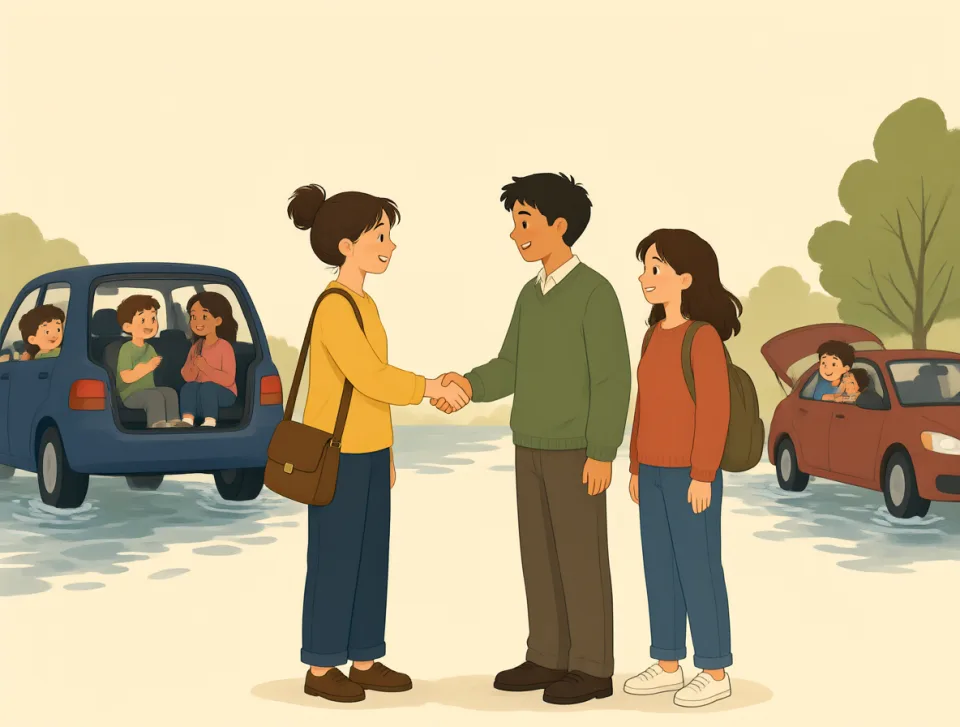
The governor thanked volunteers who helped families leave the flooded town.
Gubernator podziękował wolontariuszom, którzy pomogli rodzinom opuścić zalane miasto.
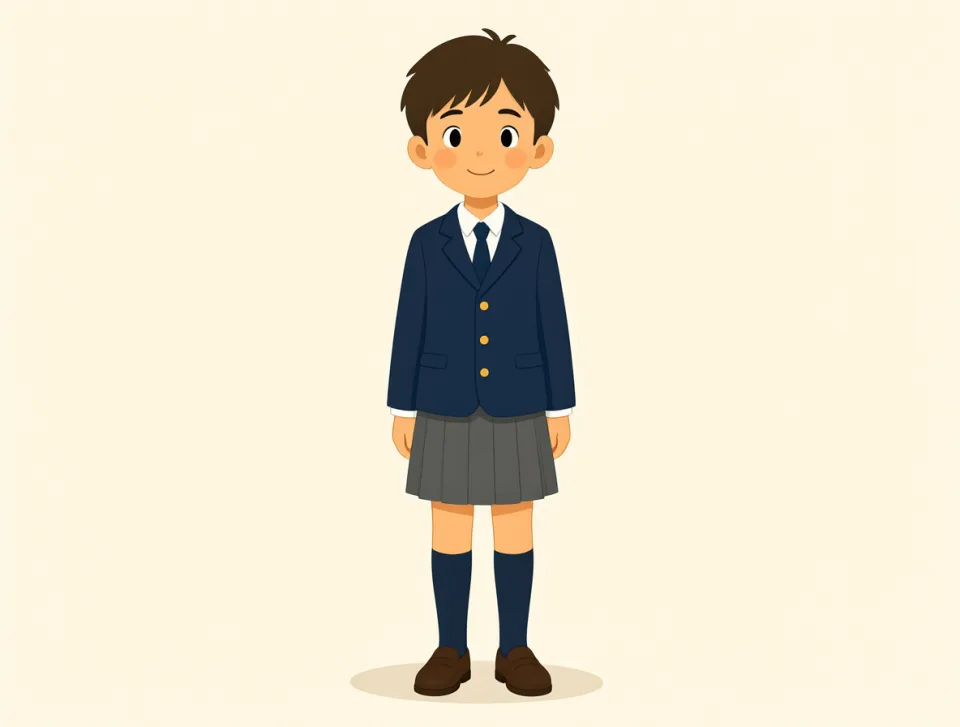
uniform
#2055noun, adjective
mundur; uniform
A set of clothes worn by people who belong to the same group or do the same job.
Zestaw ubrań noszonych przez osoby należące do tej samej grupy lub wykonujące tę samą pracę.
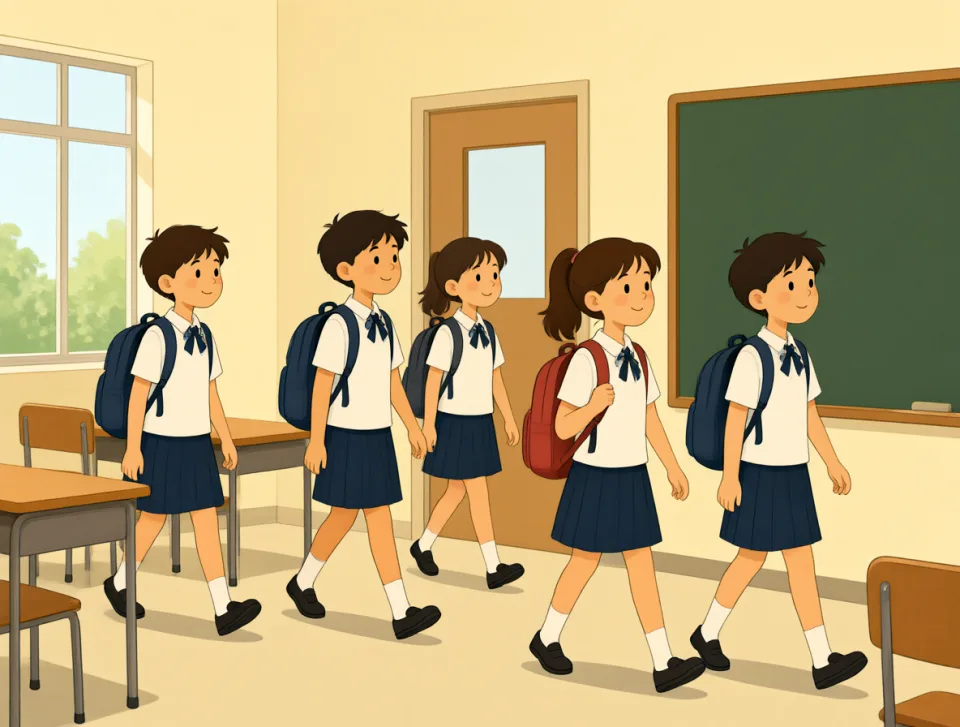
The school requires students to wear a uniform every day.
Szkoła wymaga od uczniów noszenia munduru każdego dnia.

The hotel staff wore smart uniforms while welcoming guests.
Personel hotelu nosił eleganckie uniformy, witając gości.
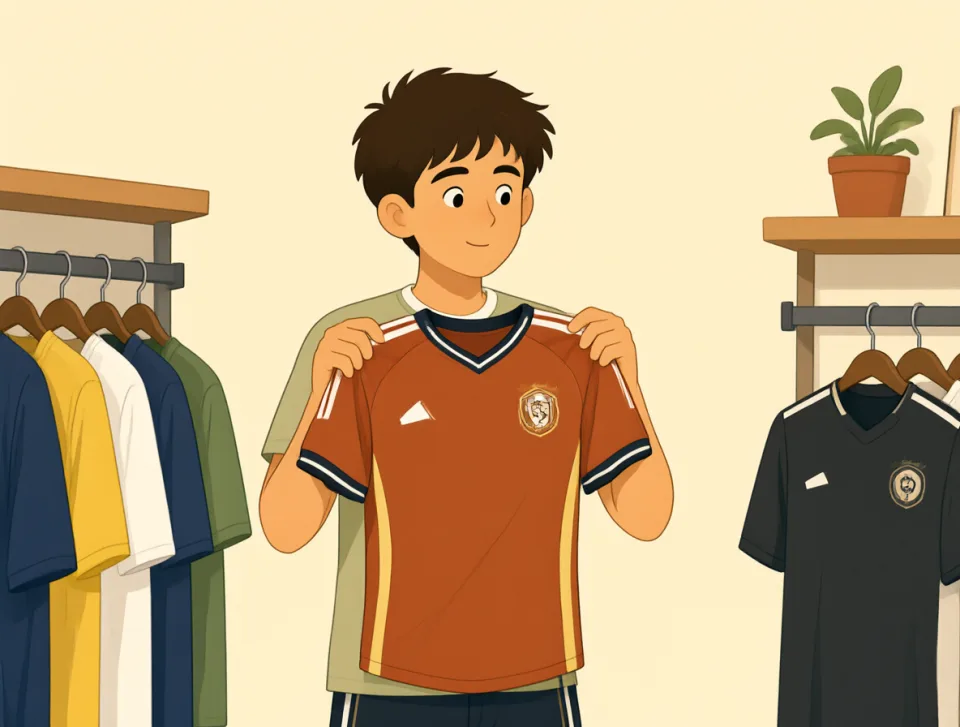
He bought a new football uniform before the season started.
Kupił nowy strój piłkarski przed rozpoczęciem sezonu.
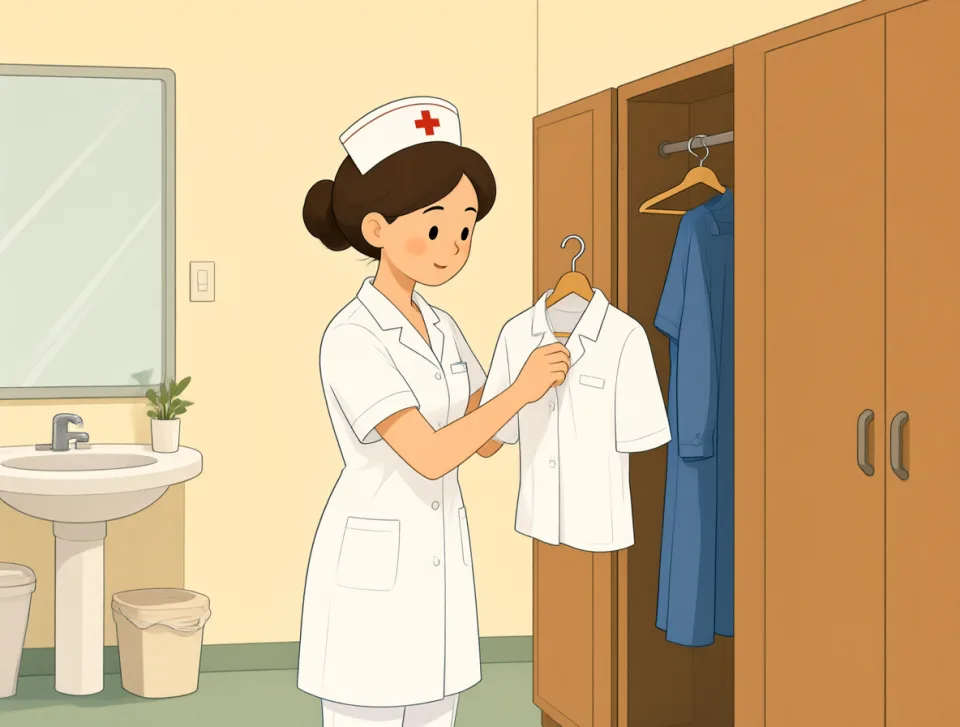
The nurse changed into her uniform before starting the night shift.
Pielęgniarka przebrała się w uniform przed rozpoczęciem nocnej zmiany.
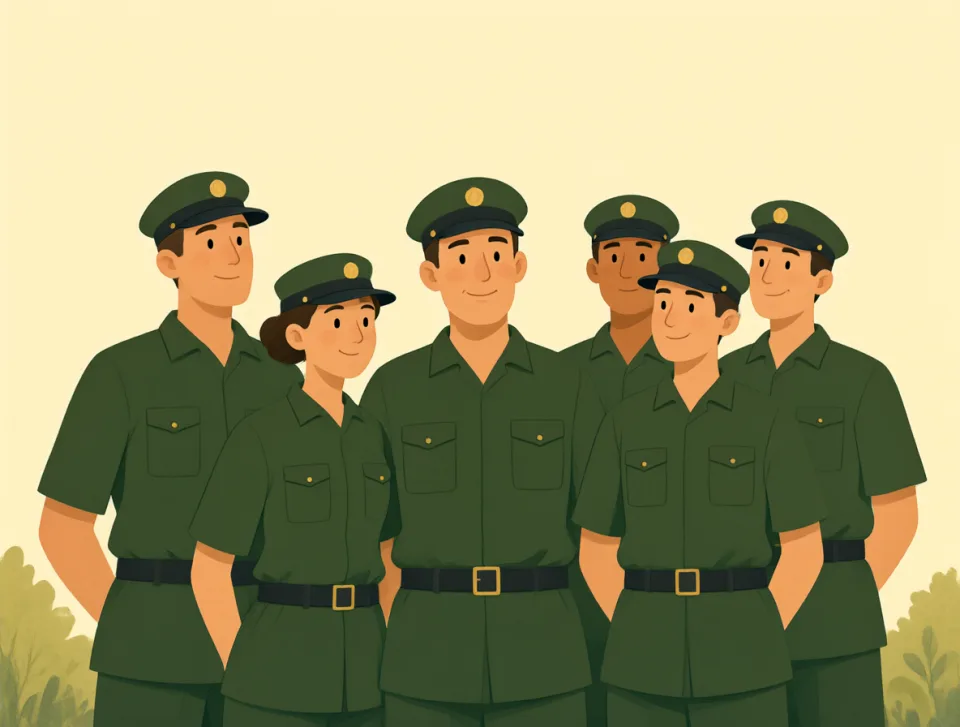
All the soldiers looked similar in their dark green uniforms.
Wszyscy żołnierze wyglądali podobnie w swoich ciemnozielonych mundurach.
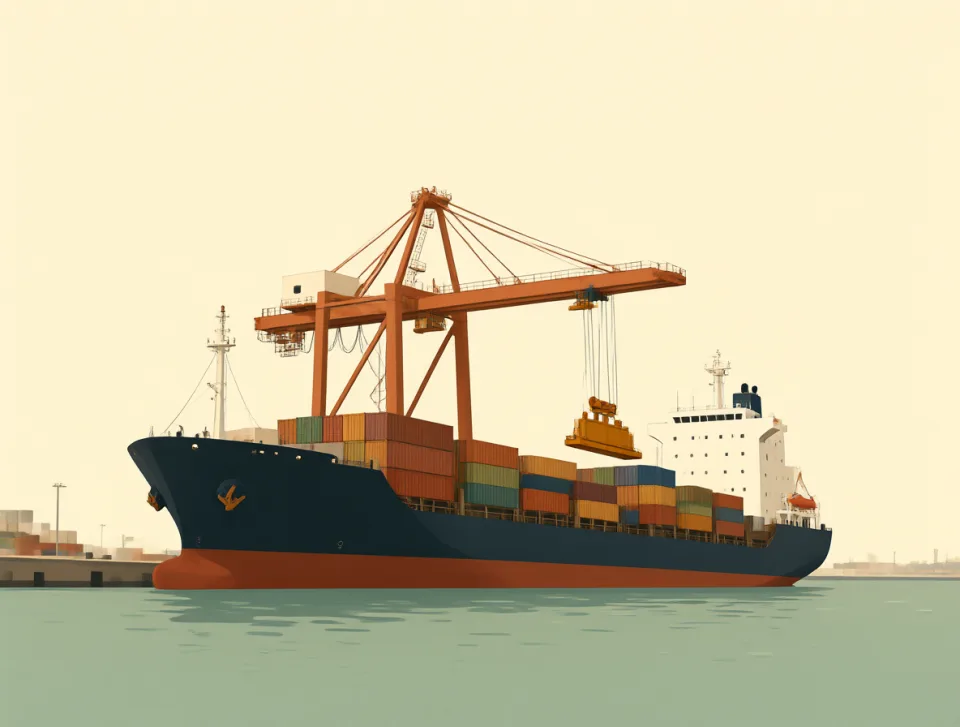
port
#2056noun, verb
port
A place where ships load and unload; to connect a computer or device to another device.
Miejsce, w którym statki załadowują i rozładowują towary; także gniazdo lub złącze służące do podłączenia komputera albo urządzenia do innego urządzenia.

The ferry arrived at the port just before sunset.
Prom dotarł do portu tuż przed zachodem słońca.
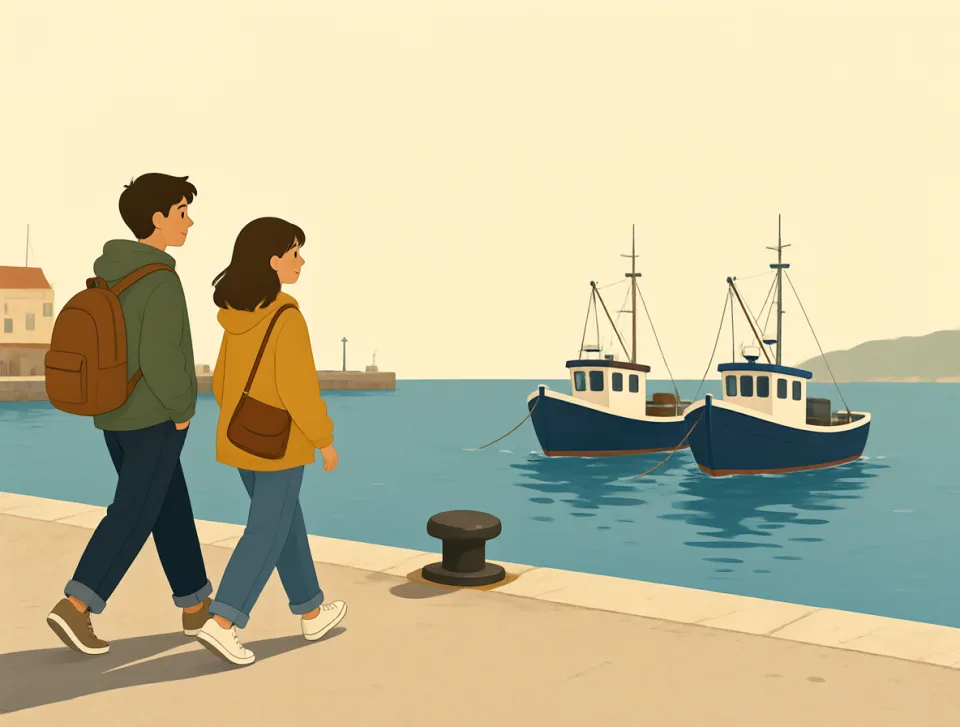
We walked around the port and watched the fishing boats return.
Spacerowaliśmy po porcie i patrzyliśmy, jak wracają łodzie rybackie.
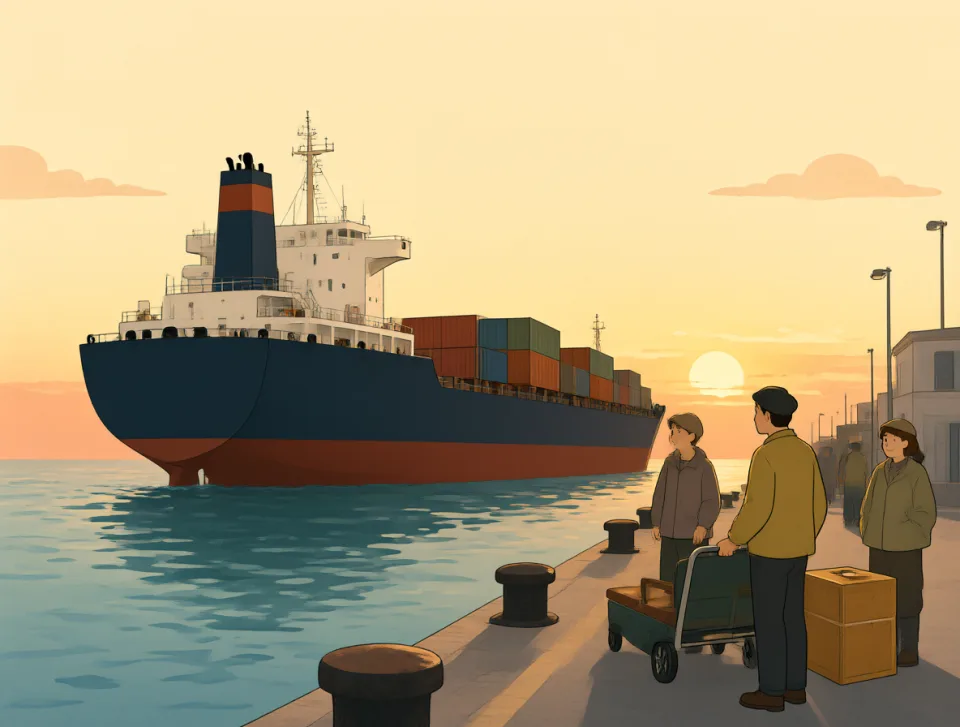
The ship will leave the port early tomorrow morning.
Statek wypłynie z portu jutro wcześnie rano.
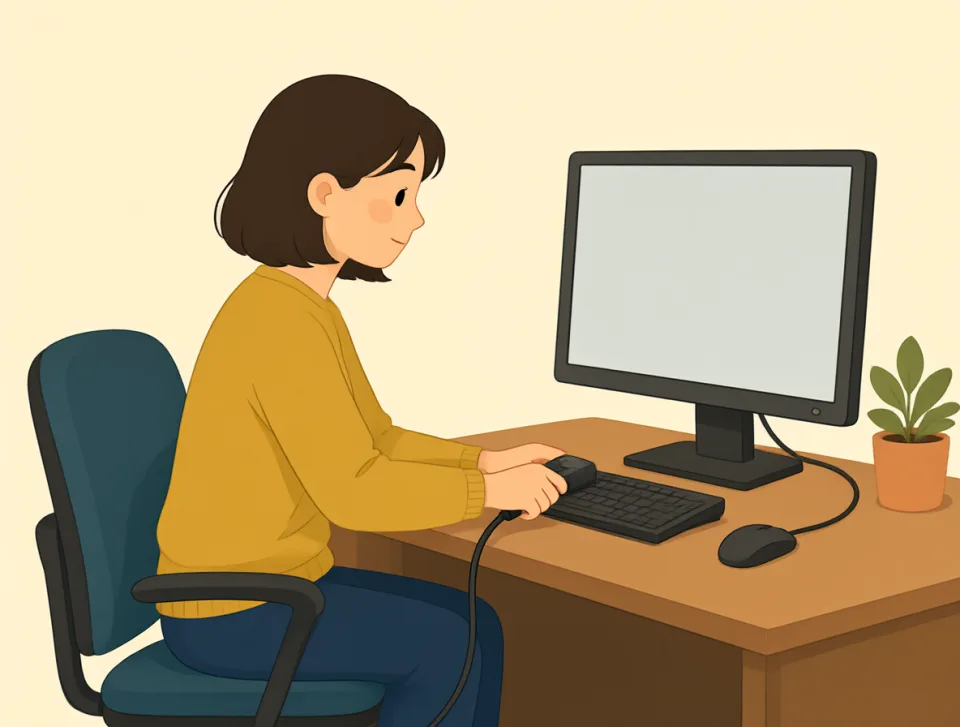
Please plug the printer into the USB port on your computer.
Podłącz drukarkę do portu USB w komputerze.
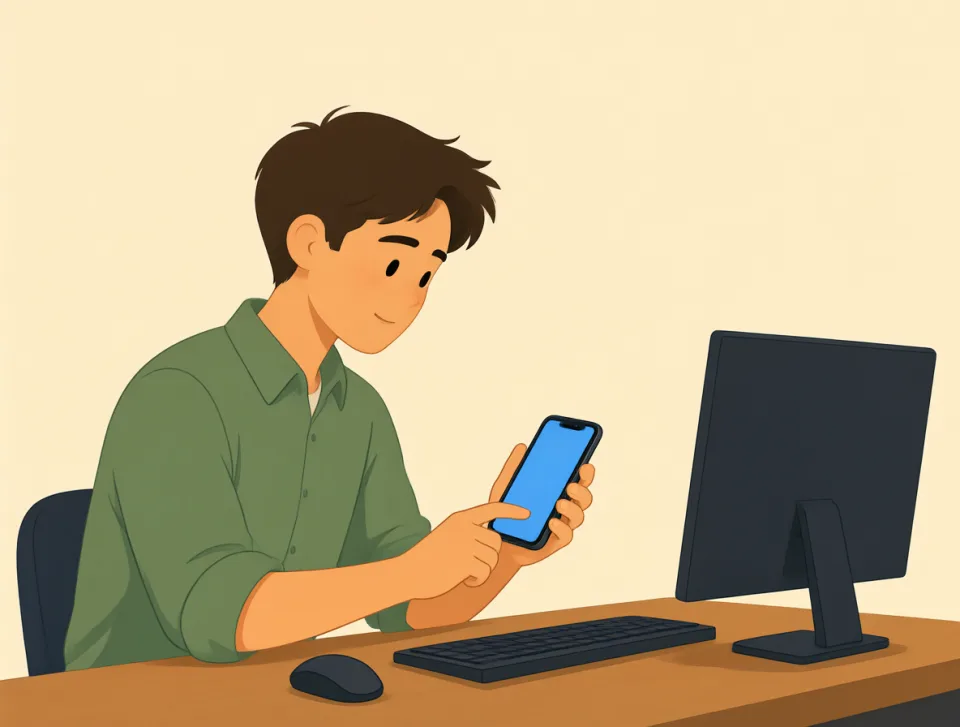
The technician is porting the software to a newer phone.
Technik przenosi oprogramowanie na nowszy model telefonu.

pitch
#2057noun, verb
pitch
A strong feeling in your voice, a place to sleep, or an idea presented to persuade people.
Silne uczucie wyrażane głosem, miejsce na rozbicie namiotu albo pomysł przedstawiony w celu przekonania innych.

Her voice rose in pitch when she became excited about the news.
Kiedy ucieszyła się na wieść, jej głos stał się wyższy.

The sales team prepared a pitch for their new product.
Zespół sprzedaży przygotował prezentację nowego produktu.

He pitched his idea to the manager during the morning meeting.
Podczas porannego spotkania przedstawił swój pomysł kierownikowi.

We rented a small tent pitch near the lake for the weekend.
Na weekend wynajęliśmy nad jeziorem małe miejsce na namiot.
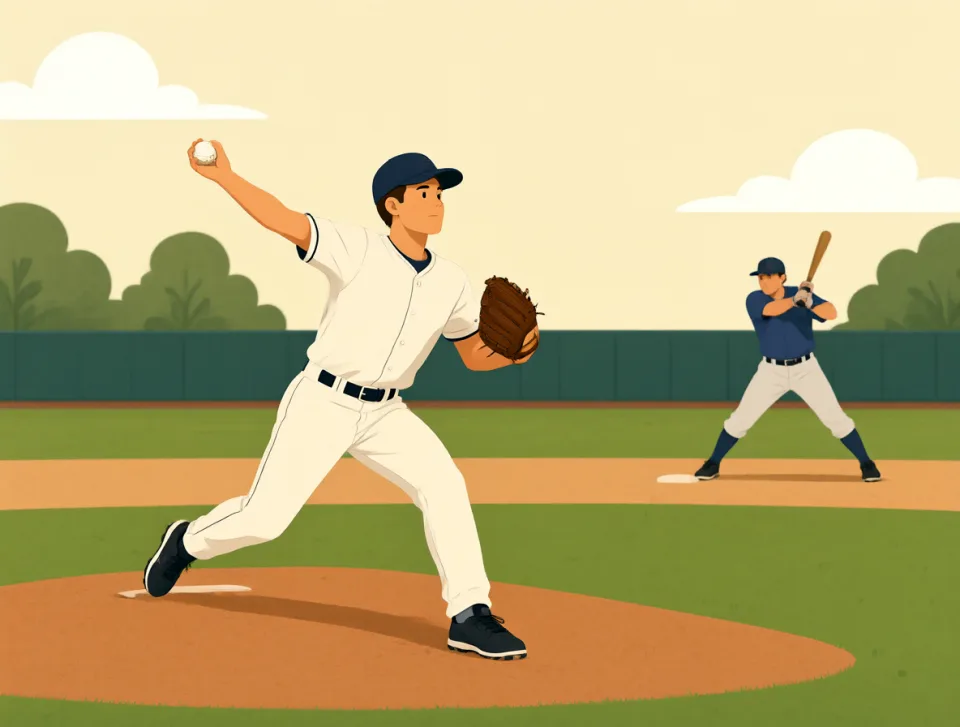
The baseball player pitched the ball straight toward the waiting batter.
Zawodnik baseballu rzucił piłkę prosto w stronę czekającego pałkarza.

arrival
#2058noun
arrival
The act of coming to a place, or the time when someone or something comes.
Przybycie do jakiegoś miejsca lub moment, w którym ktoś albo coś przybywa.

Please check the arrival time before you leave for the airport.
Sprawdź godzinę przylotu, zanim wyruszysz na lotnisko.

Our friends waited outside the station to welcome us on arrival.
Po przyjeździe nasi przyjaciele czekali przed stacją, żeby nas powitać.
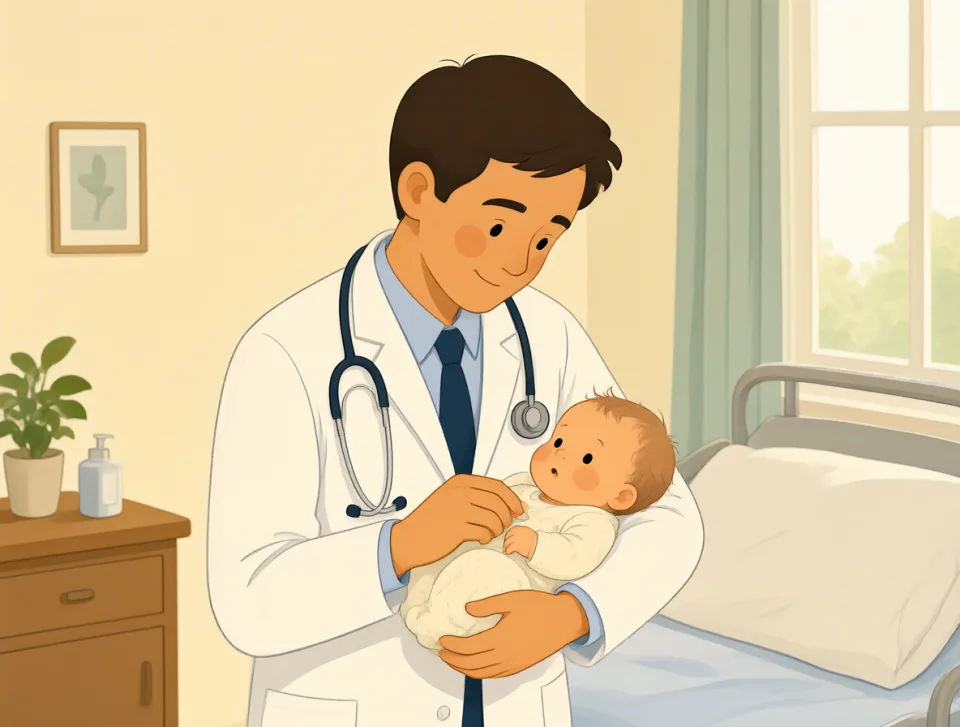
The doctor examined the baby soon after its arrival.
Lekarz zbadał niemowlę wkrótce po jego przyjściu na świat.
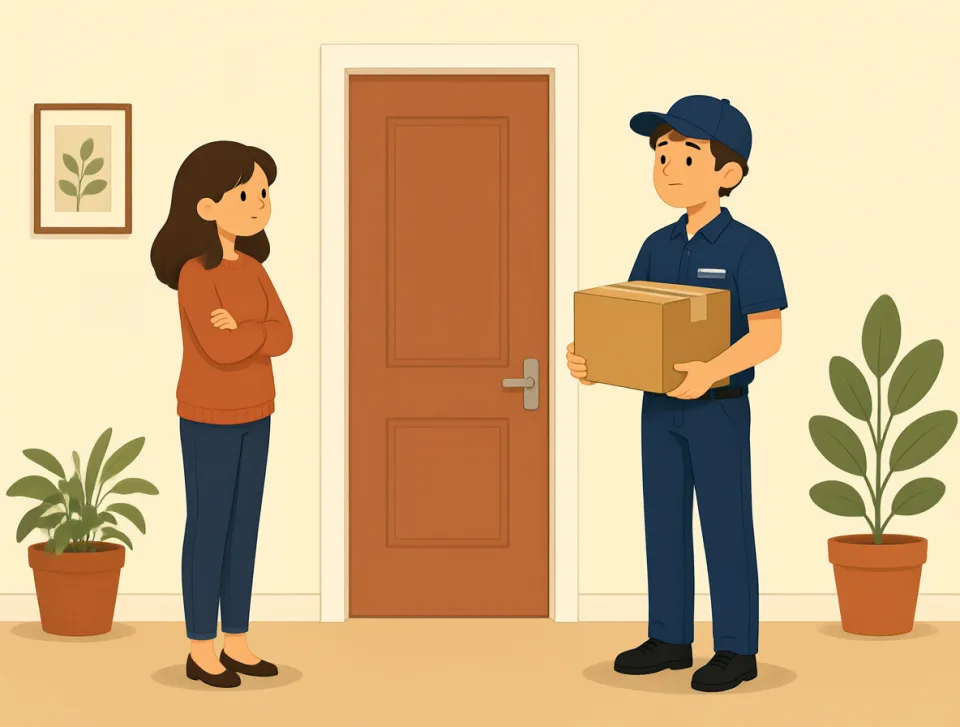
The late arrival of the delivery made dinner plans difficult.
Opóźnione dostarczenie przesyłki utrudniło zaplanowanie kolacji.
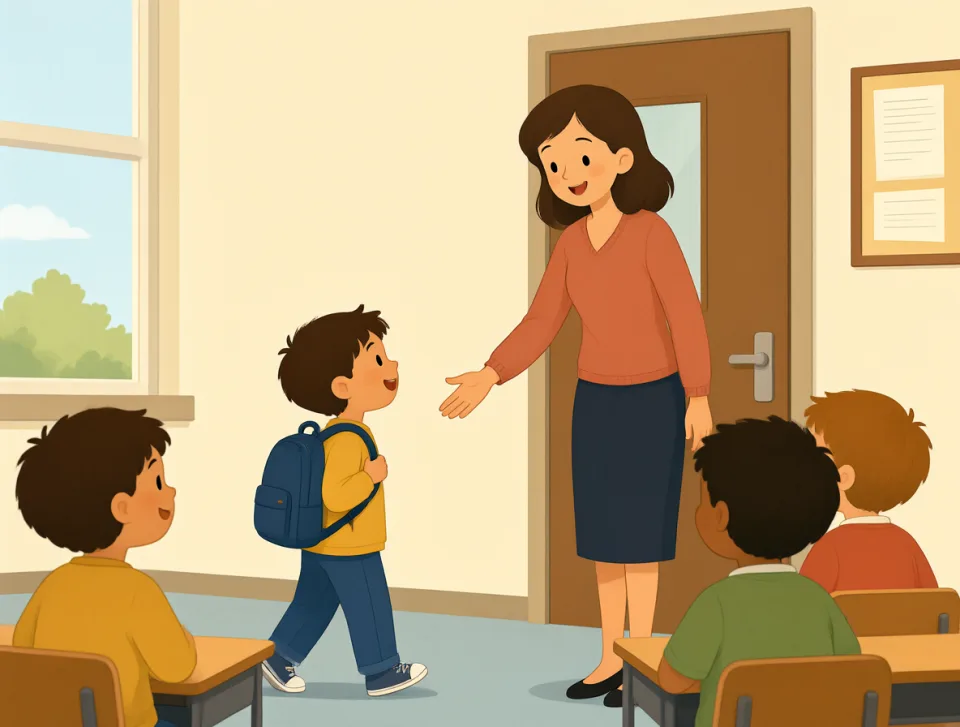
The teacher smiled at the new student's arrival for class.
Nauczyciel uśmiechnął się, gdy nowy uczeń przyszedł na zajęcia.
contemporary
#2059adjective, noun
contemporary
Modern and connected with the present time; a person living at the same time as another.
Nowoczesny, związany z teraźniejszością; także osoba żyjąca w tym samym czasie co ktoś inny.

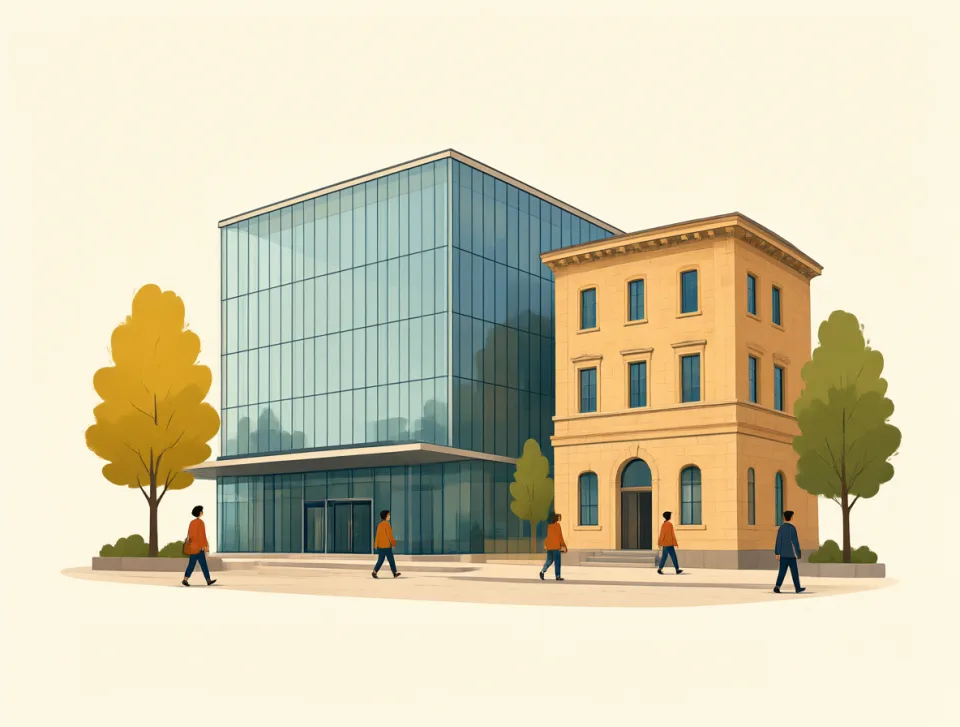
The museum has a large collection of contemporary art from around the world.
Muzeum ma bogatą kolekcję sztuki współczesnej z całego świata.
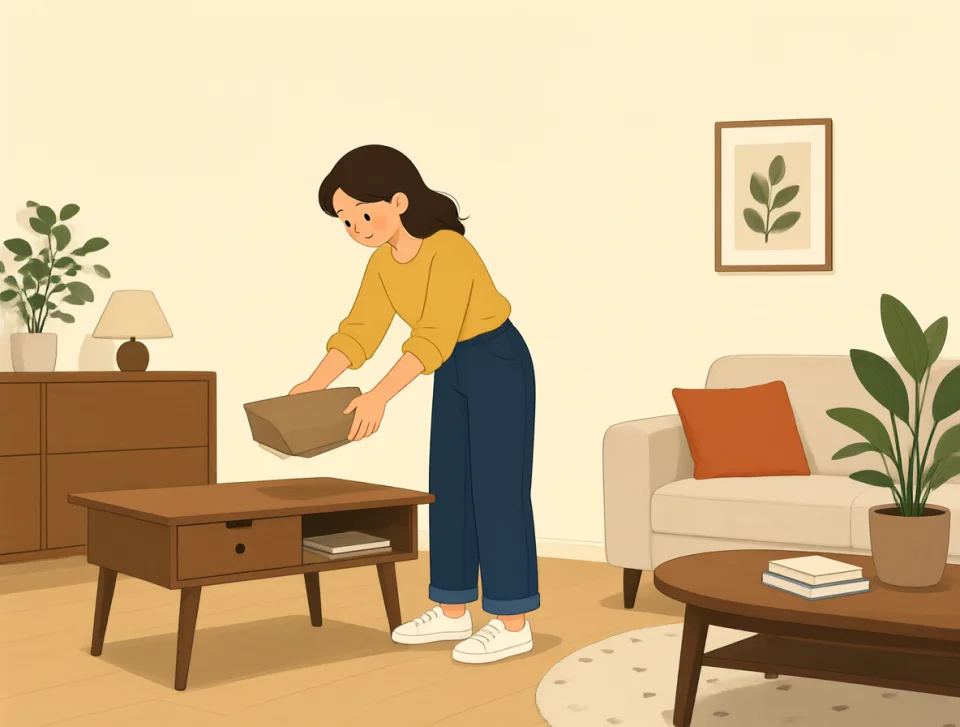
She prefers contemporary furniture because it makes her apartment feel bright and modern.
Woli współczesne meble, bo dzięki nim jej mieszkanie wydaje się jasne i nowoczesne.

The course examines contemporary issues such as climate change and online privacy.
Kurs omawia współczesne zagadnienia, takie jak zmiany klimatu i prywatność w internecie.

The chef serves contemporary dishes that combine traditional flavors with modern cooking methods.
Szef kuchni serwuje nowoczesne dania, które łączą tradycyjne smaki ze współczesnymi metodami gotowania.
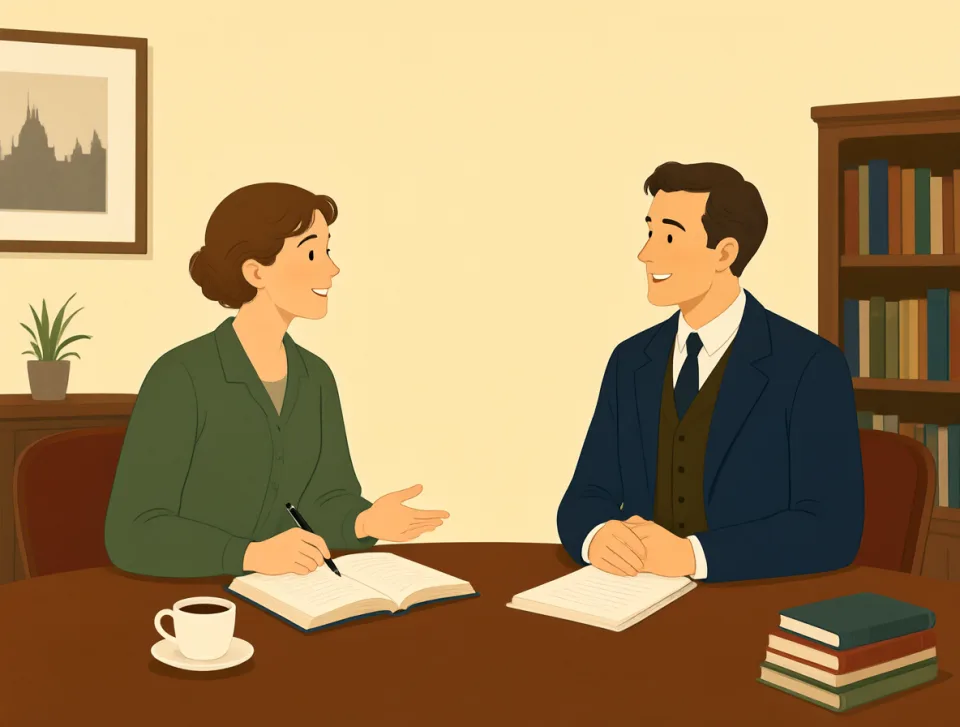
The writer was a contemporary of Virginia Woolf and lived in London at the same time.
Pisarz był współczesnym Virginii Woolf i mieszkał w tym samym czasie w Londynie.
gate
#2060noun
gate
a movable barrier that opens and closes an entrance to a place
Ruchoma bariera, którą można otwierać i zamykać, aby umożliwić wejście do jakiegoś miejsca.
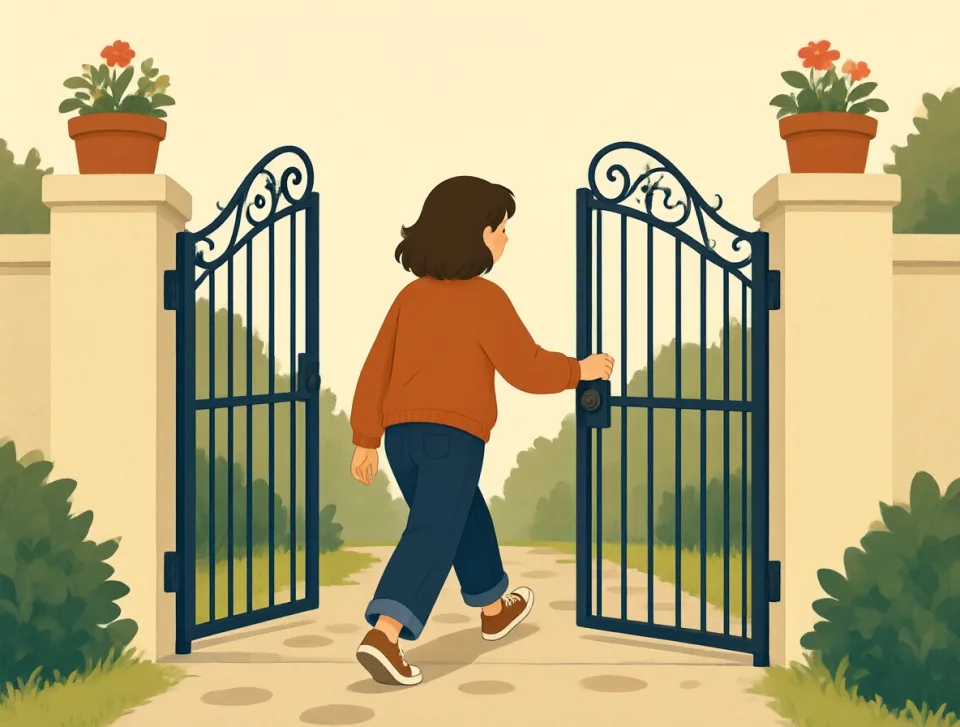
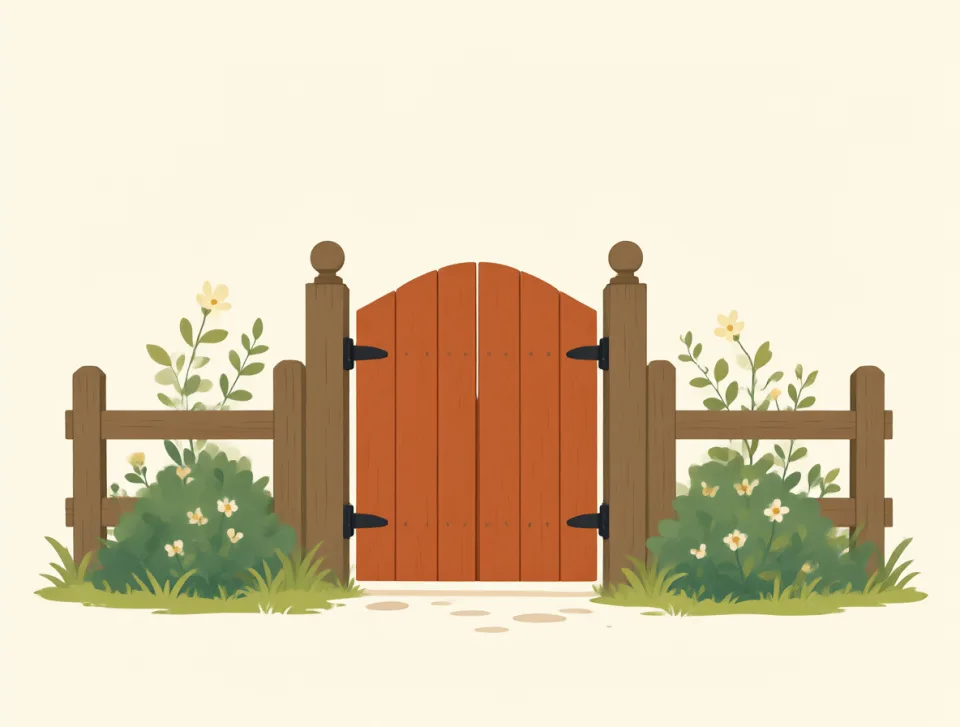
Please close the garden gate after you come inside.
Zamknij proszę furtkę do ogrodu, kiedy wejdziesz do środka.
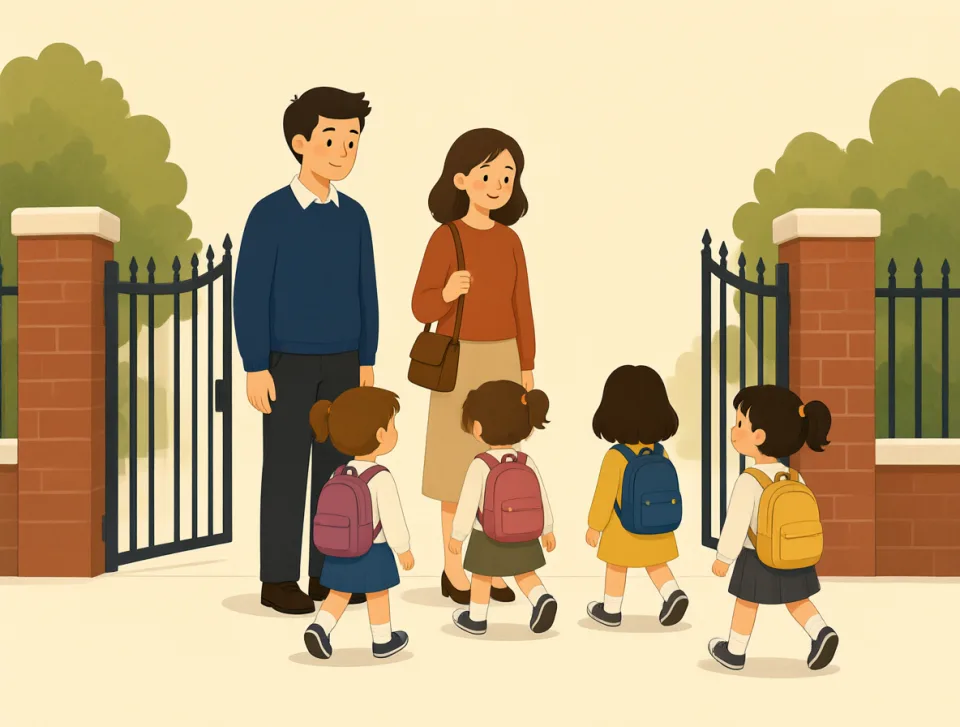
We waited at the school gate for our children.
Czekaliśmy na nasze dzieci przy bramie szkoły.
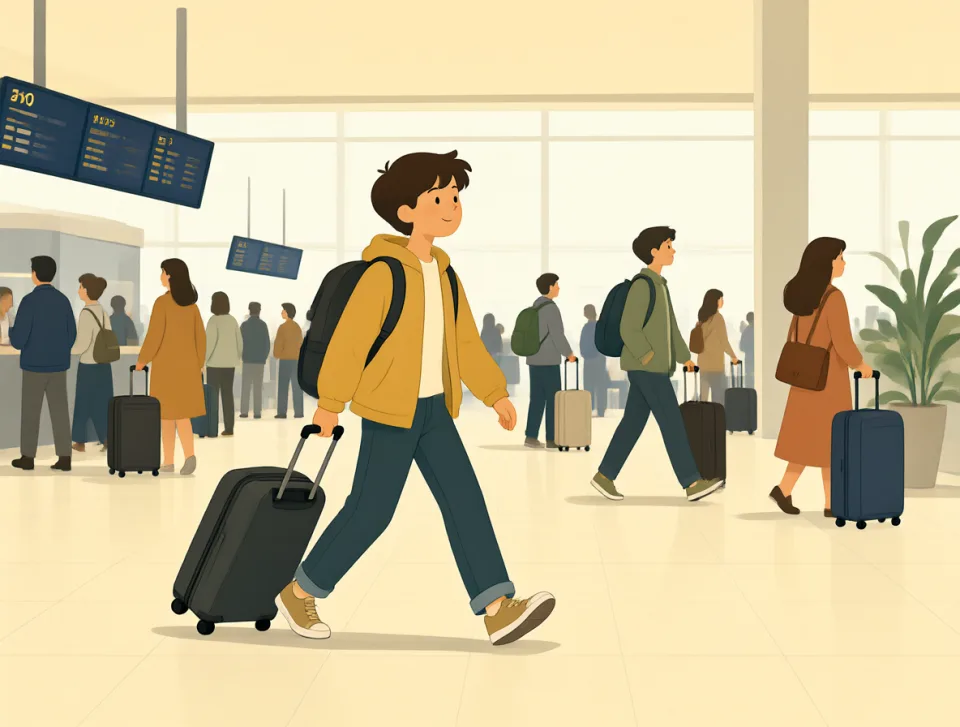
The airport gate changed, so we hurried across the terminal.
Bramka na lotnisku została zmieniona, więc pospieszyliśmy przez terminal.

The horse escaped when someone left the farm gate open.
Koń uciekł, bo ktoś zostawił otwartą bramę gospodarstwa.
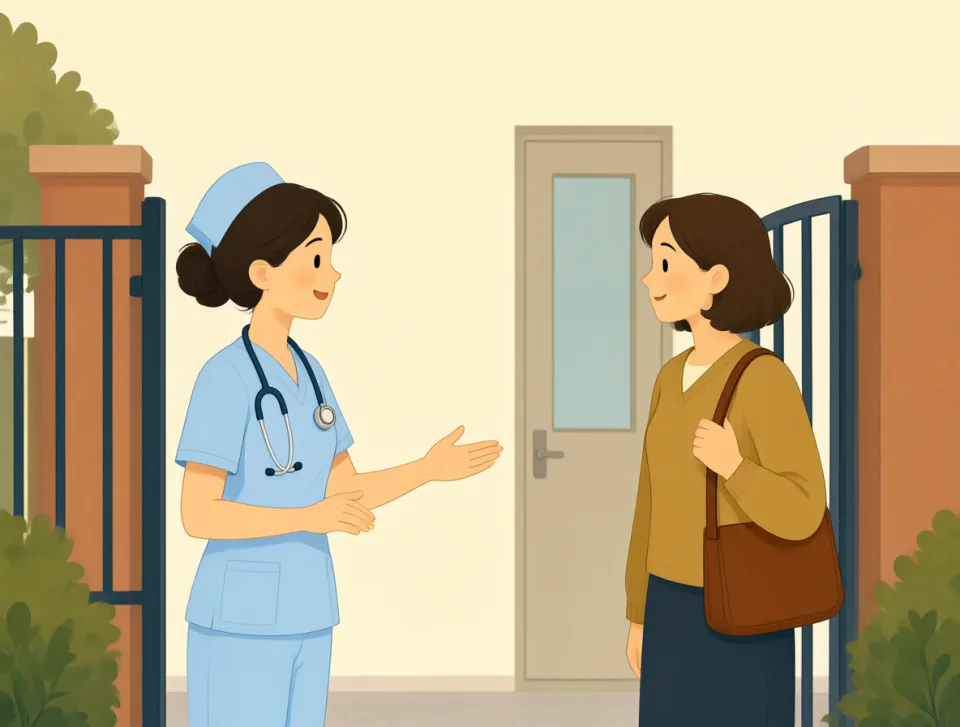
The nurse met me at the hospital gate and showed me where to go.
Pielęgniarka spotkała się ze mną przy wejściu do szpitala i pokazała mi, dokąd iść.