Zestaw 101
Słowa 2001–2020 · achievement, negotiate, dominate, supplier, prize, typically

achievement
#2001noun
osiągnięcie
Something important that you succeed in doing after effort.
Coś ważnego, co udało ci się zrobić dzięki wysiłkowi.
Winning the school science prize was her proudest achievement this year.
Zdobycie szkolnej nagrody w konkursie naukowym było jej największym powodem do dumy w tym roku.
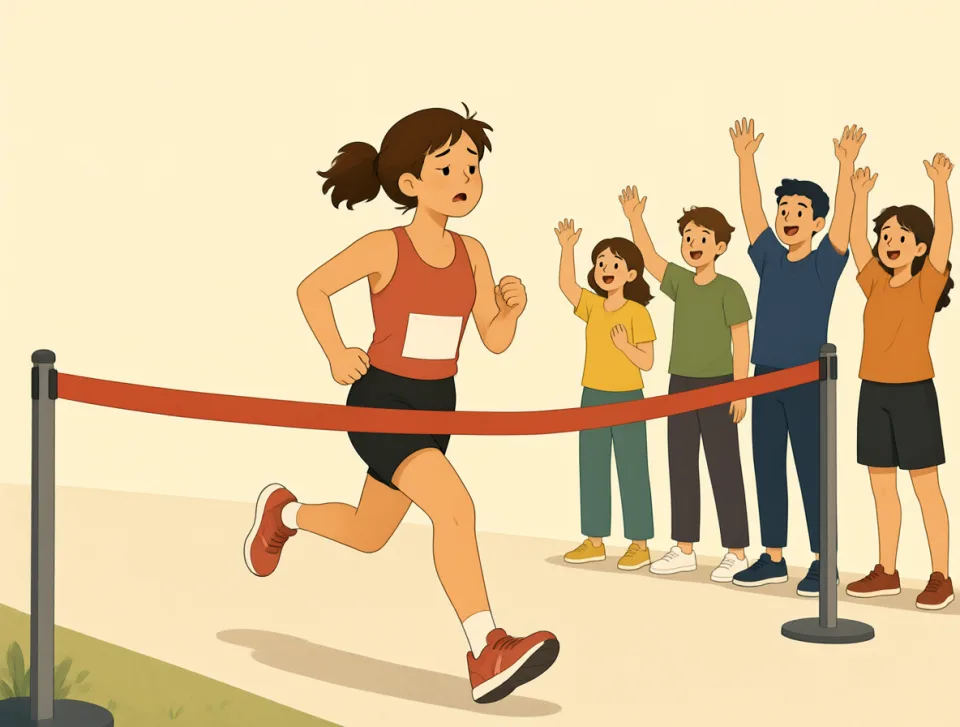
Completing the marathon was a major achievement after months of training.
Ukończenie maratonu było wielkim osiągnięciem po miesiącach treningów.

The team celebrated its latest achievement with cake at the office.
Zespół świętował swoje ostatnie osiągnięcie, jedząc ciasto w biurze.

Learning to cook healthy meals became an important personal achievement for him.
Nauczenie się gotowania zdrowych posiłków stało się dla niego ważnym osobistym osiągnięciem.

Her academic achievements helped her get a place at university.
Jej osiągnięcia naukowe pomogły jej dostać się na uniwersytet.

negotiate
#2002verb
negocjować
to discuss something until people agree on a price, plan, or set of conditions
Rozmawiać o czymś, aż wszyscy zgodzą się co do ceny, planu lub warunków.

We negotiated a better price with the seller before buying the used bicycle.
Przed zakupem używanego roweru wynegocjowaliśmy ze sprzedawcą lepszą cenę.

The two companies are negotiating a new contract for next year's deliveries.
Dwie firmy negocjują nową umowę na dostawy w przyszłym roku.

After a long discussion, they negotiated an agreement about sharing the kitchen.
Po długiej rozmowie uzgodnili zasady korzystania ze wspólnej kuchni.

We negotiated with the hotel manager and got a later checkout time.
Negocjowaliśmy z kierownikiem hotelu i udało nam się uzyskać późniejszą godzinę wymeldowania.

The doctor negotiated a treatment plan that both the patient and family accepted.
Lekarz uzgodnił plan leczenia, który zaakceptowali zarówno pacjent, jak i jego rodzina.
dominate
#2003verb
dominować
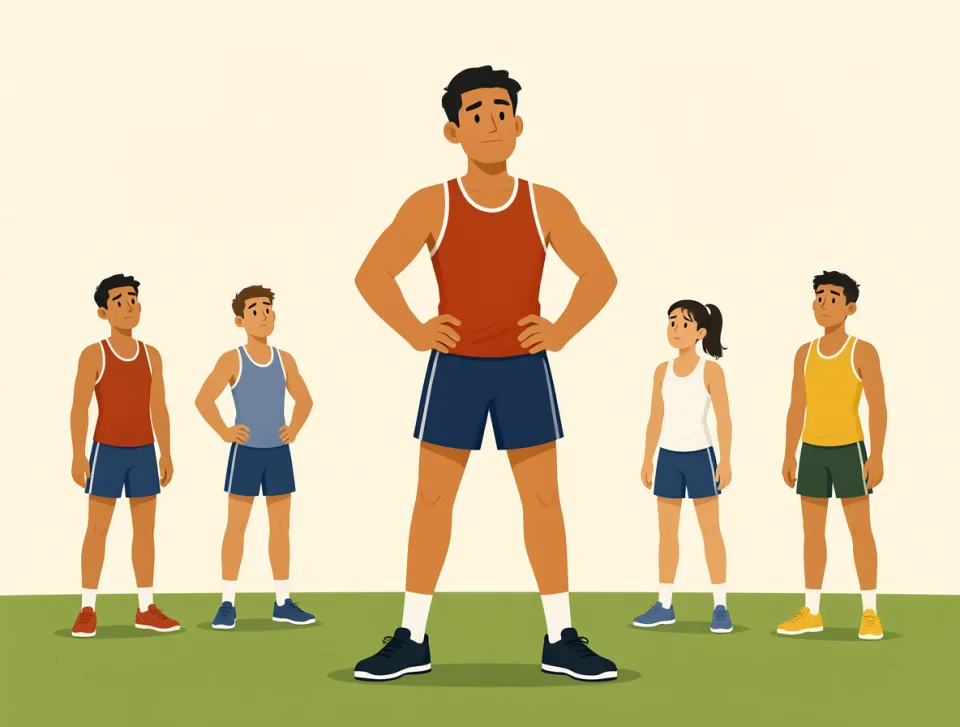
to control or strongly influence a person, place, or situation
Kontrolować kogoś lub coś albo mieć na kogoś, na jakieś miejsce lub sytuację silny wpływ.
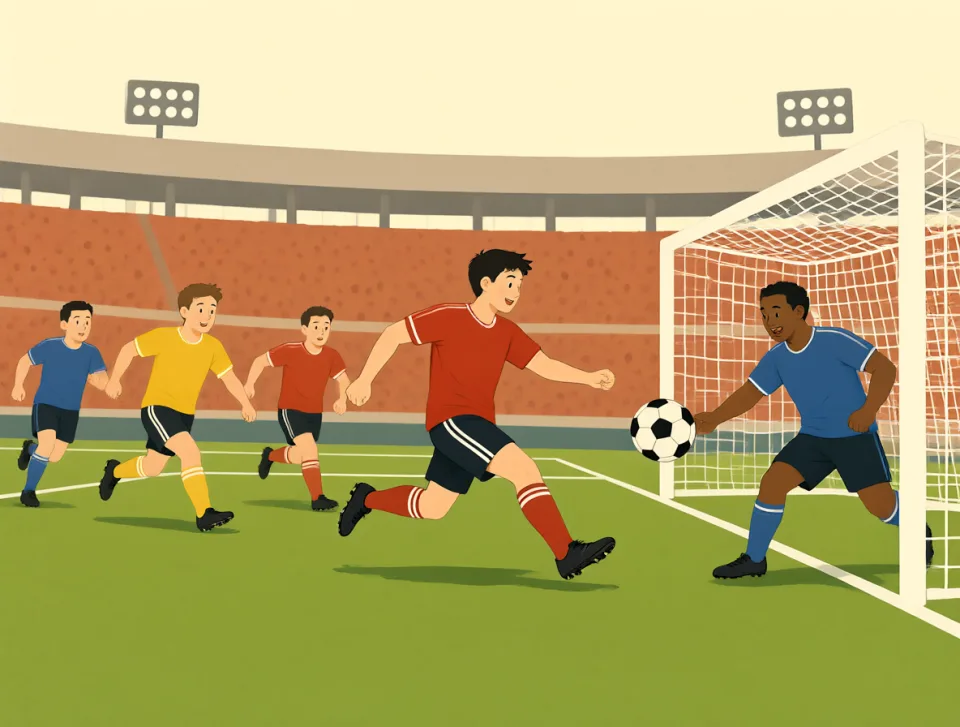
One player dominated the game and scored three goals before halftime.
Jeden z zawodników zdominował grę i strzelił trzy gole przed przerwą.
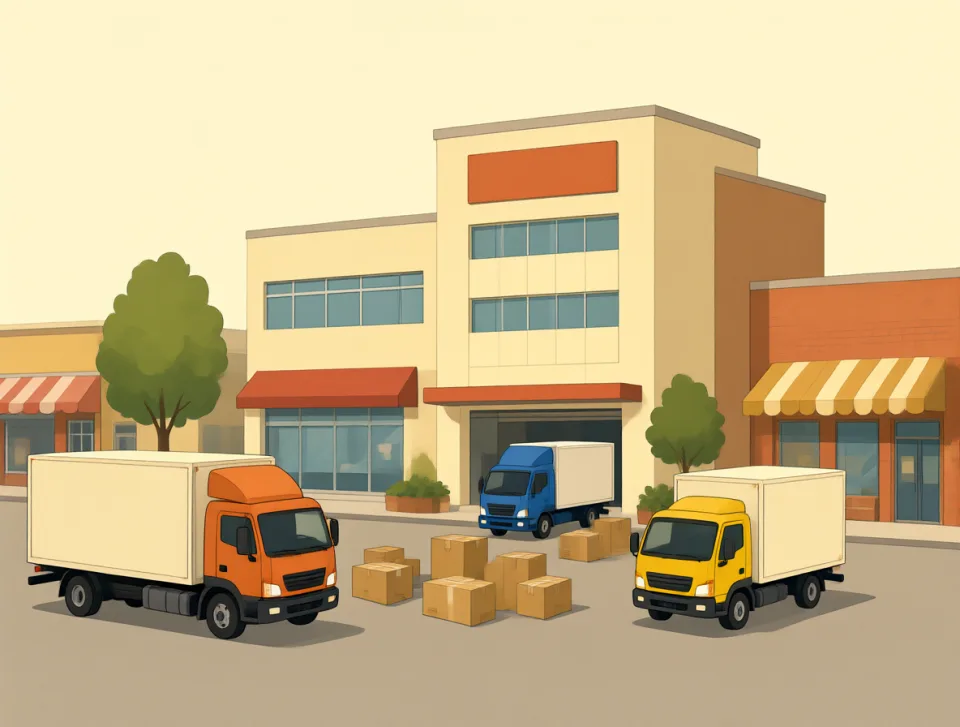
A few large companies dominate the market for online shopping.
Kilka dużych firm dominuje na rynku zakupów internetowych.
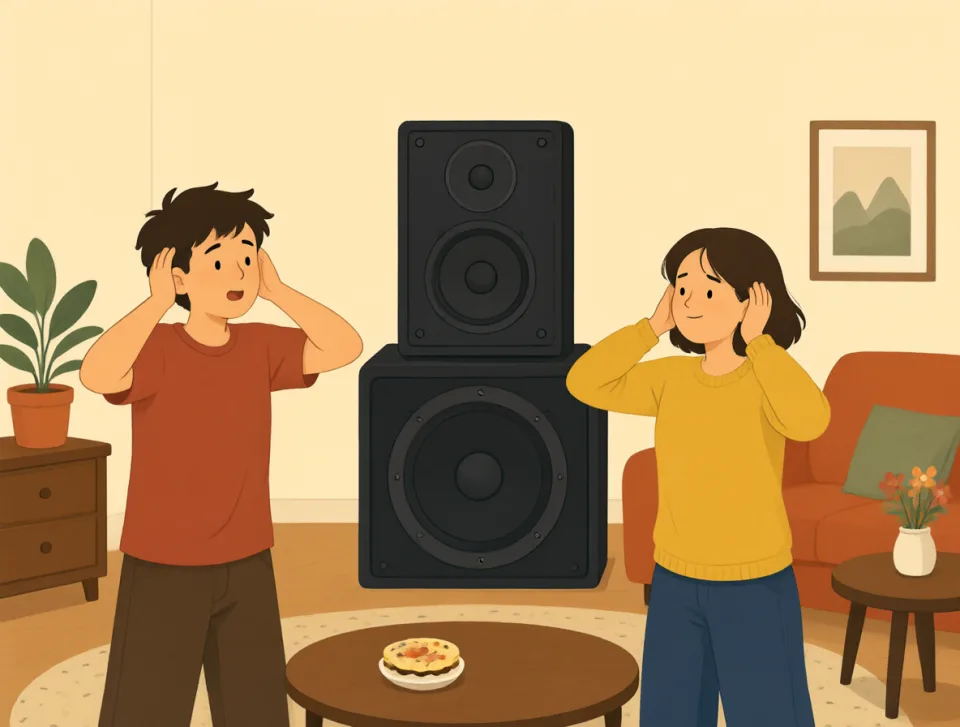
Loud music dominated the party, making conversation almost impossible.
Głośna muzyka dominowała na imprezie, przez co rozmowa była niemal niemożliwa.

The dark sofa dominated the small living room and made it feel crowded.
Ciemna kanapa dominowała w małym salonie i sprawiała, że wydawał się zagracony.
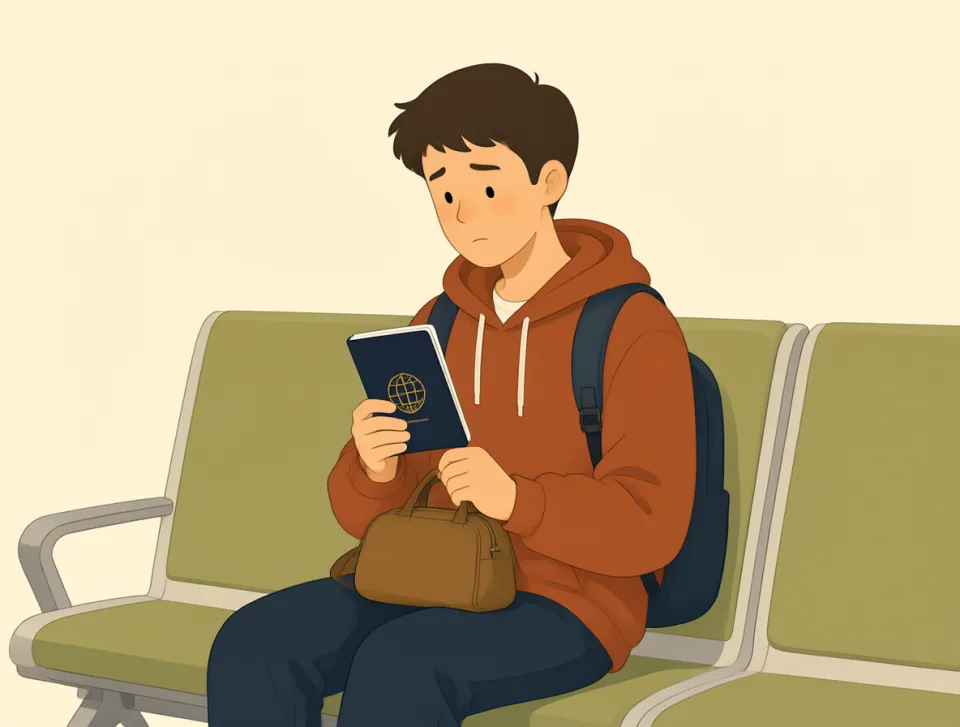
Fear dominated her thoughts before the long flight overseas.
Przed długim lotem za granicę jej myśli zdominował strach.
supplier
#2004noun
dostawca
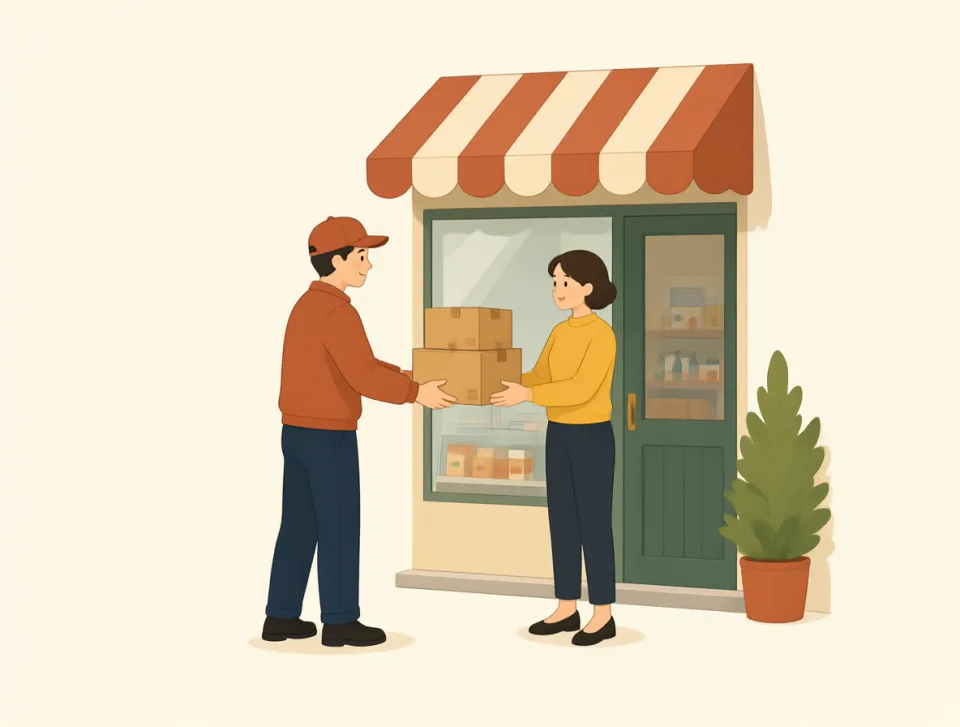
A person or company that provides goods or services to another person or business.
Osoba lub firma, która dostarcza towary albo świadczy usługi innej osobie lub firmie.
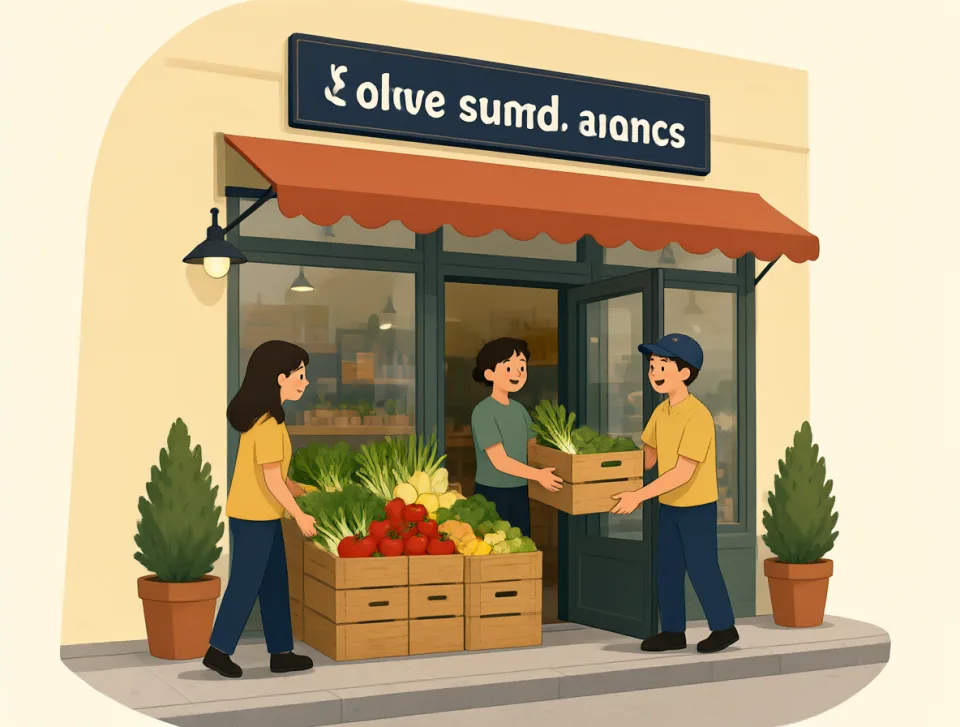
The supplier delivers fresh vegetables to our restaurant every morning.
Dostawca codziennie rano przywozi do naszej restauracji świeże warzywa.
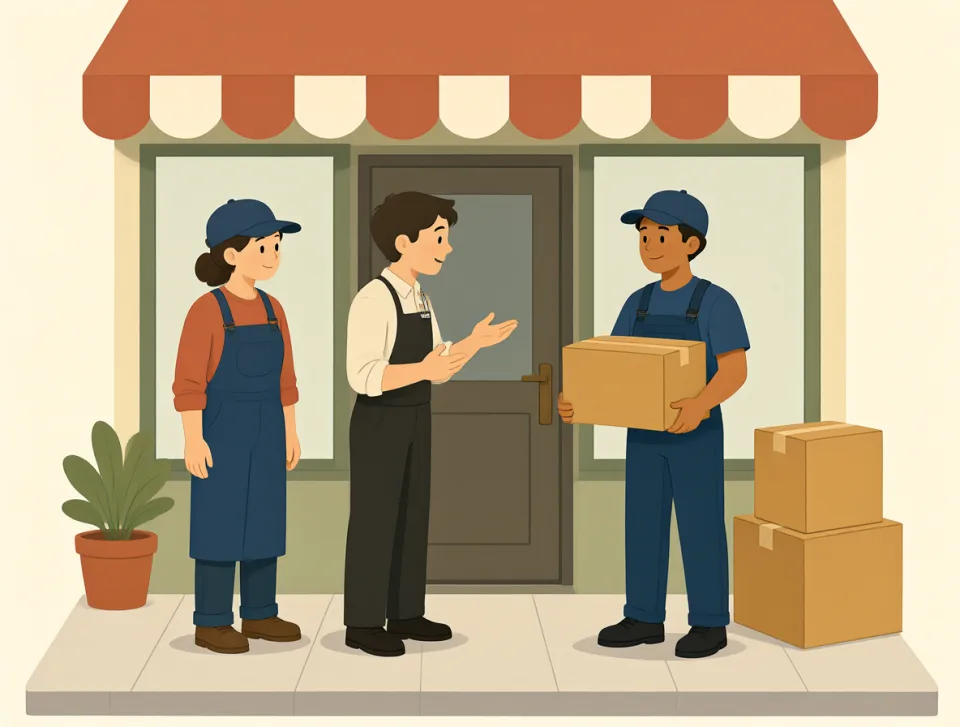
We changed suppliers because the old company often delivered late.
Zmieniliśmy dostawców, bo poprzednia firma często spóźniała się z dostawami.

Our office supplier provides paper, pens, and printer ink each month.
Nasz dostawca artykułów biurowych co miesiąc dostarcza papier, długopisy i tusz do drukarki.
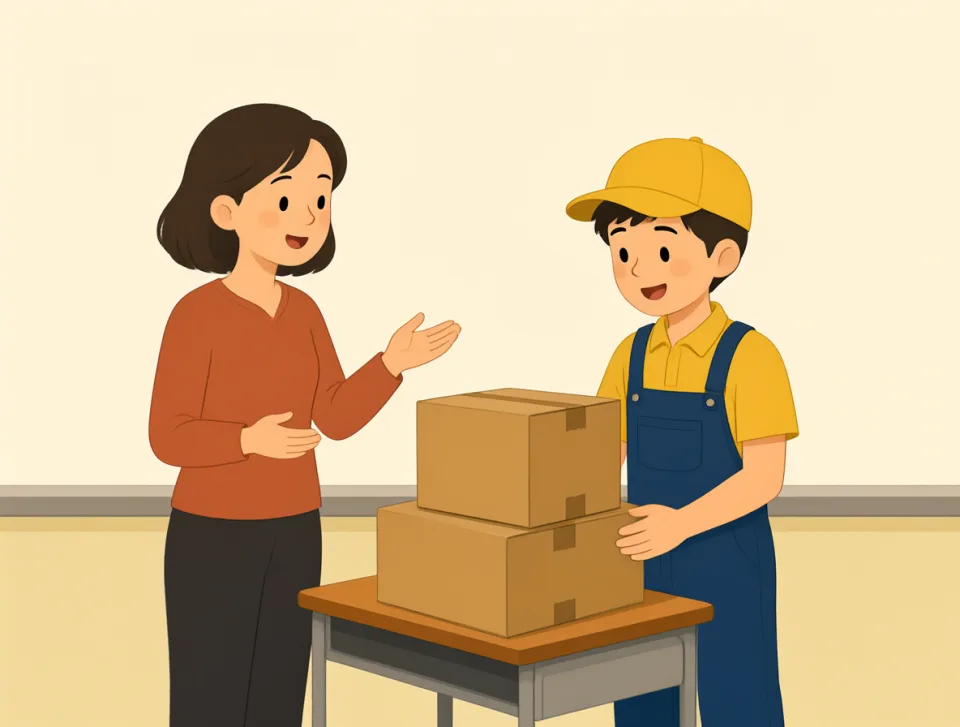
The school contacted a local supplier for new computers.
Szkoła skontaktowała się z lokalnym dostawcą w sprawie nowych komputerów.
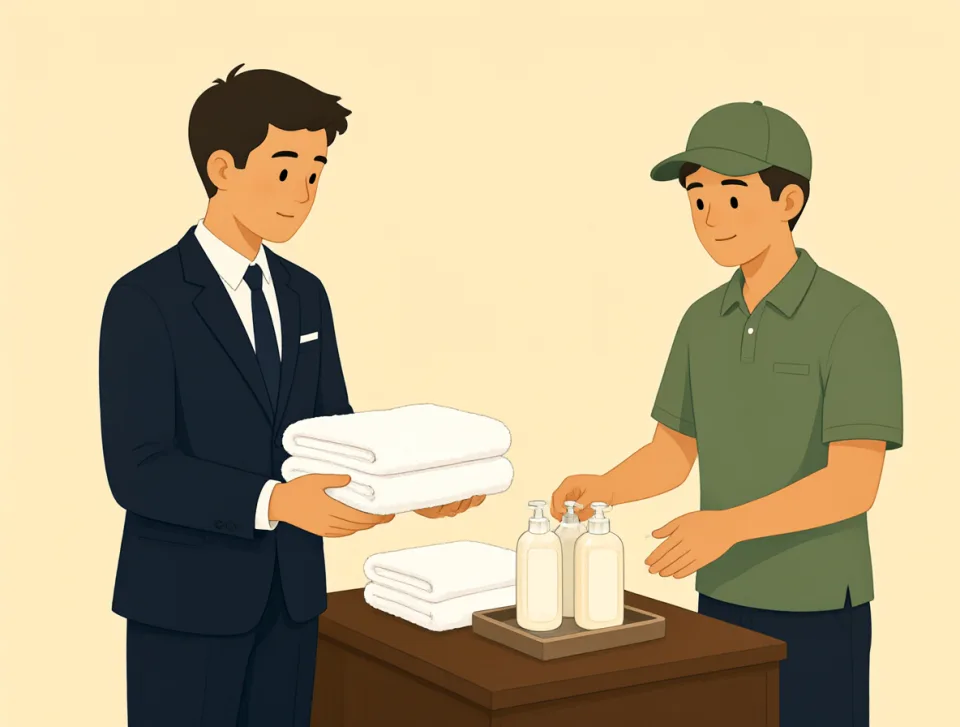
The hotel found a cheaper supplier for towels and soap.
Hotel znalazł tańszego dostawcę ręczników i mydła.
prize
#2005noun, verb
nagroda
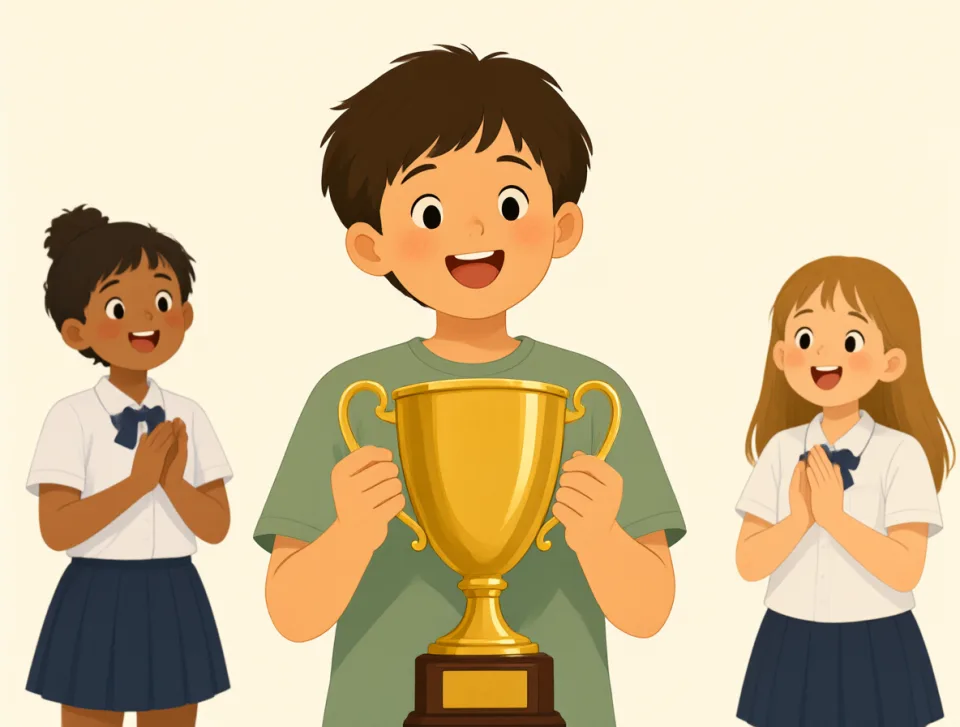
A prize is something given to the winner of a competition or contest.
Nagroda to coś, co otrzymuje zwycięzca konkursu lub zawodów.
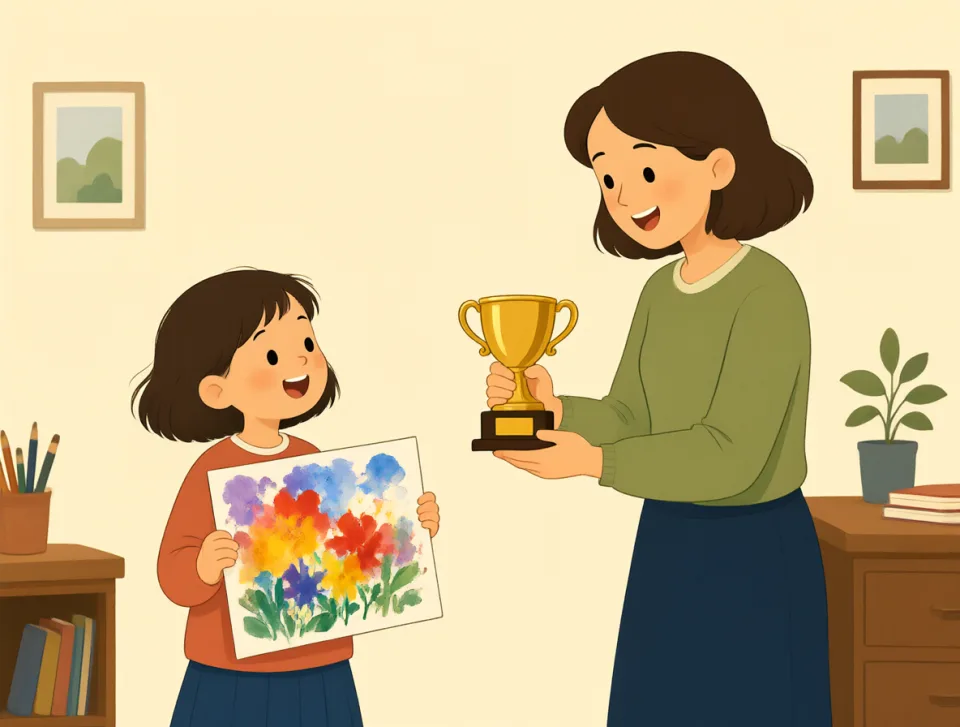
She won first prize in the school art competition.
Zdobyła pierwszą nagrodę w szkolnym konkursie plastycznym.
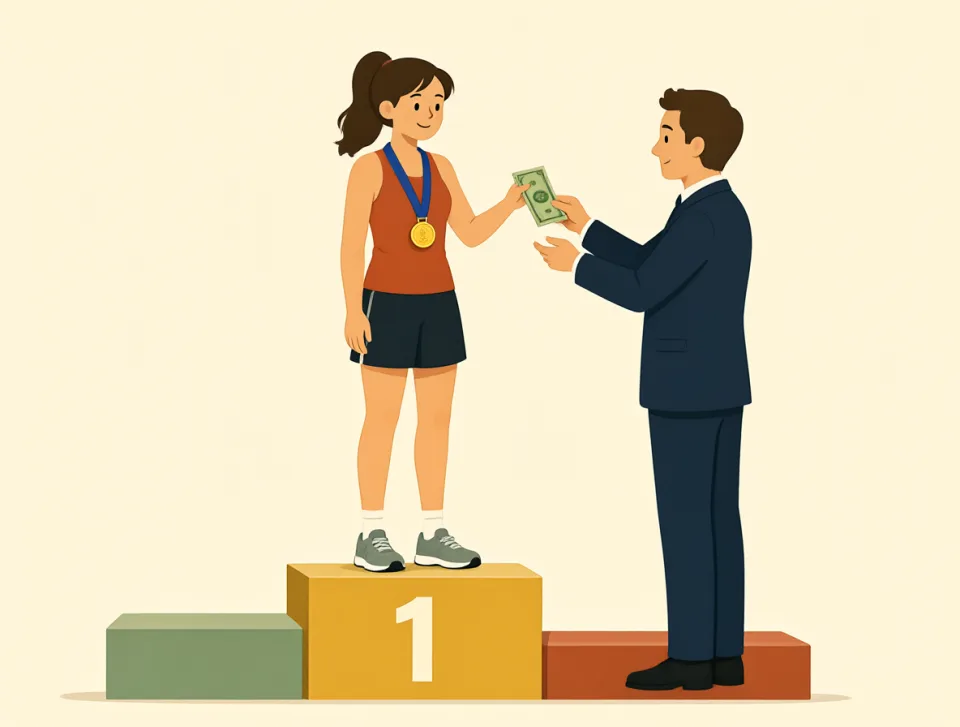
The winner received a cash prize and a gold medal.
Zwycięzca otrzymał nagrodę pieniężną i złoty medal.
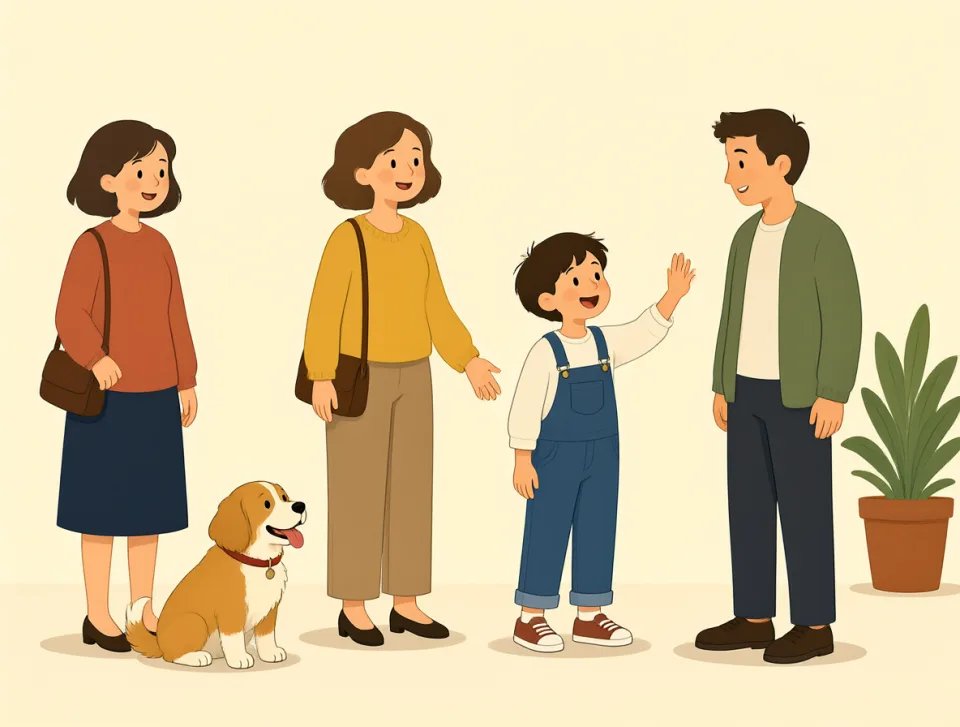
They offered a prize for finding the lost dog.
Wyznaczyli nagrodę za znalezienie zaginionego psa.
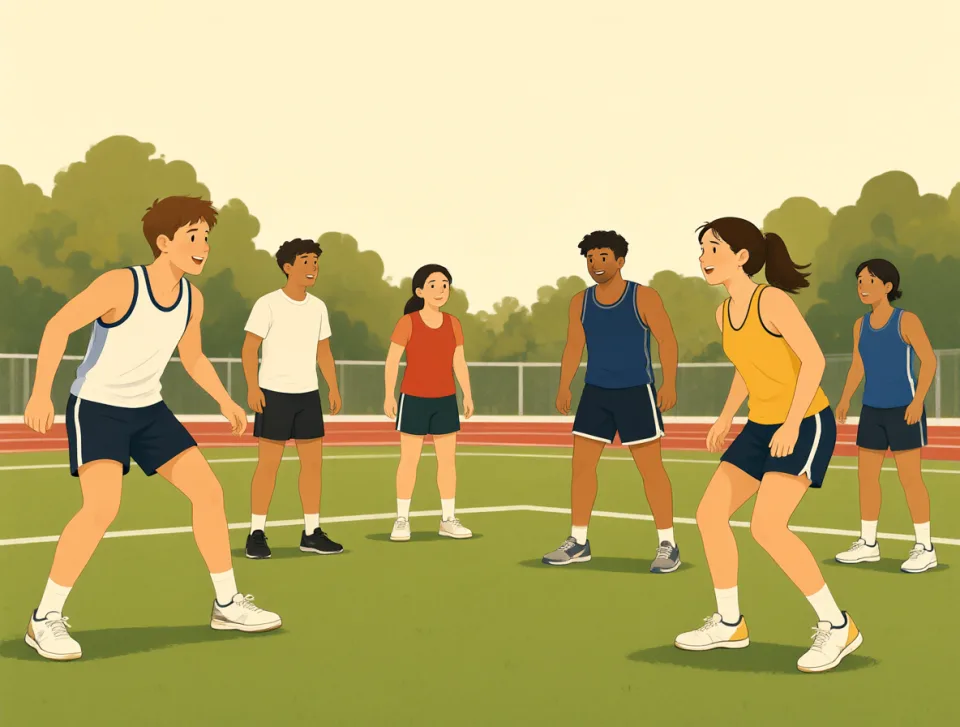
Our team is competing for the top prize this weekend.
W ten weekend walczymy o główną nagrodę.
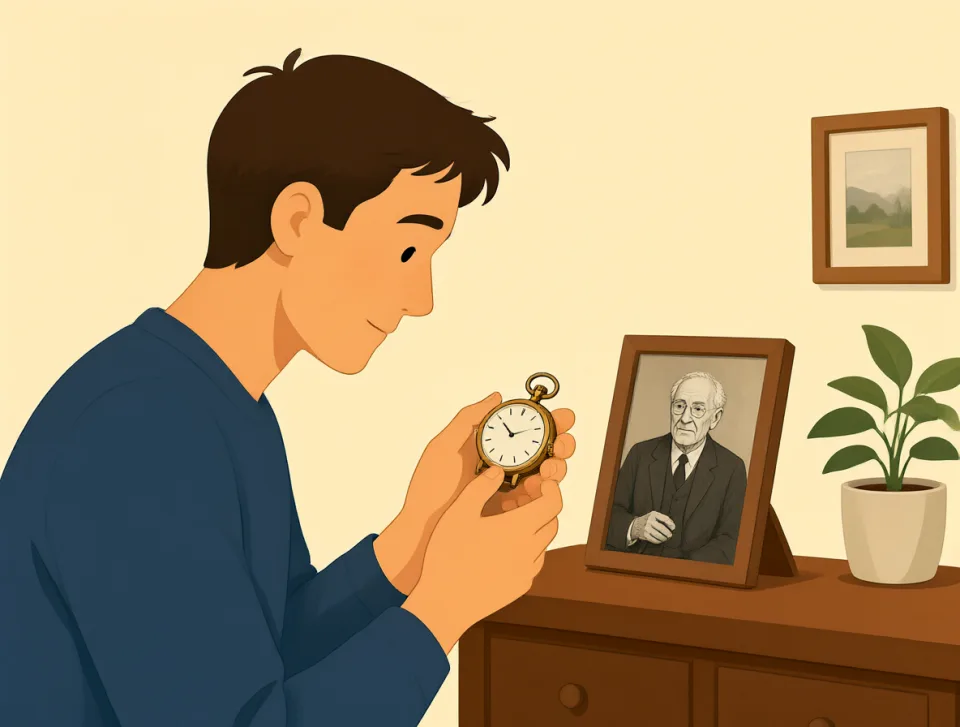
He prized the old watch because it belonged to his grandfather.
Bardzo cenił stary zegarek, bo należał do jego dziadka.
typically
#2006adverb
zazwyczaj
in the usual or most common way
w zwykły lub najczęściej spotykany sposób
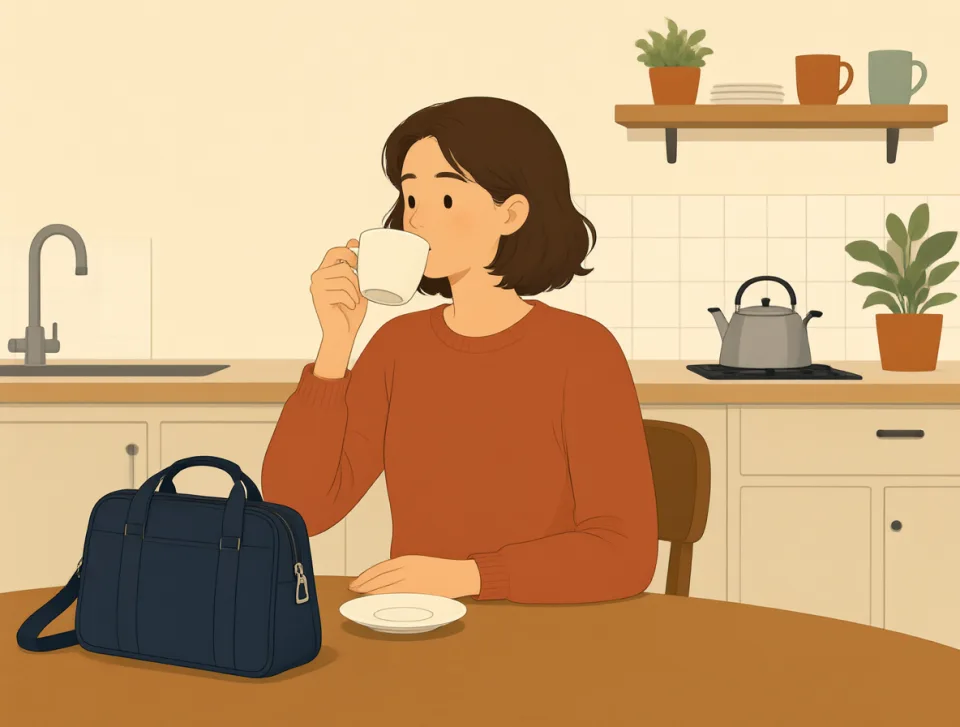
She typically drinks coffee before leaving for work each morning.
Każdego ranka przed wyjściem do pracy zazwyczaj pije kawę.
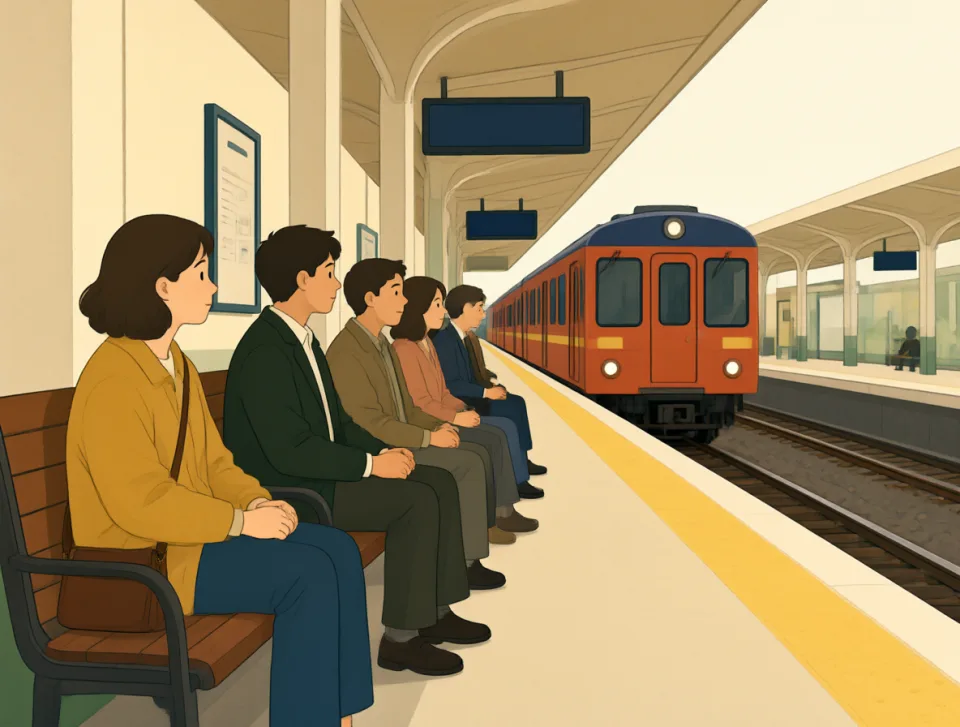
The train typically arrives ten minutes before the busy morning rush.
Pociąg zazwyczaj przyjeżdża dziesięć minut przed porannym szczytem komunikacyjnym.
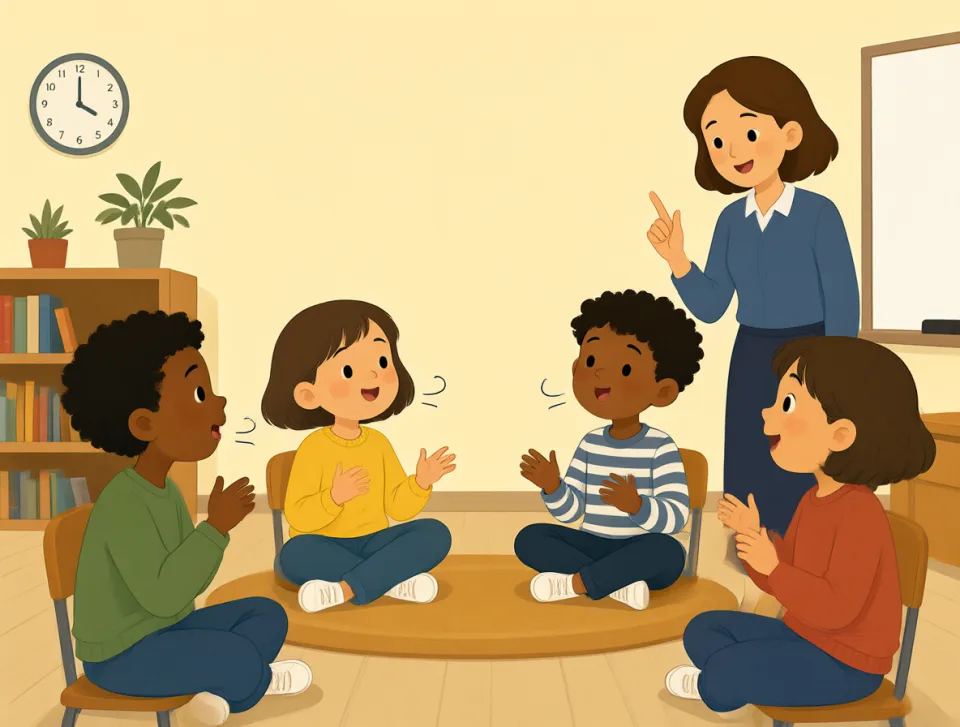
Children typically learn new languages faster when they practice every day.
Dzieci zazwyczaj szybciej uczą się nowych języków, gdy ćwiczą codziennie.

This restaurant typically serves large portions of fresh pasta and salad.
Ta restauracja zazwyczaj podaje duże porcje świeżego makaronu i sałatki.
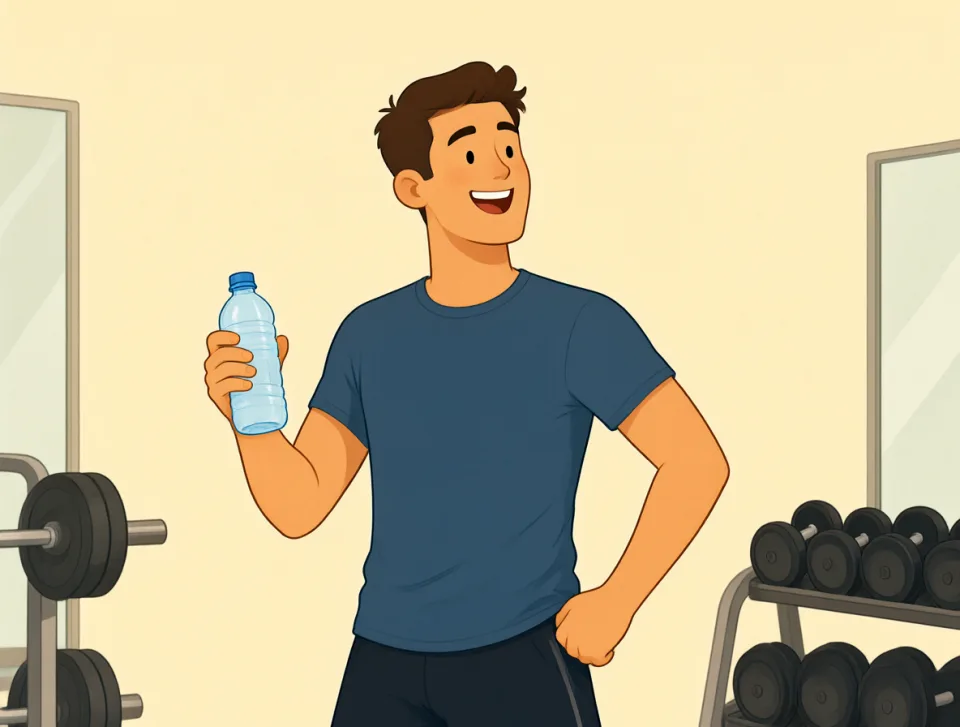
He typically feels tired after exercising, but today he feels energetic.
Po ćwiczeniach zazwyczaj czuje się zmęczony, ale dziś ma mnóstwo energii.
peer
#2007noun, verb
rówieśnik
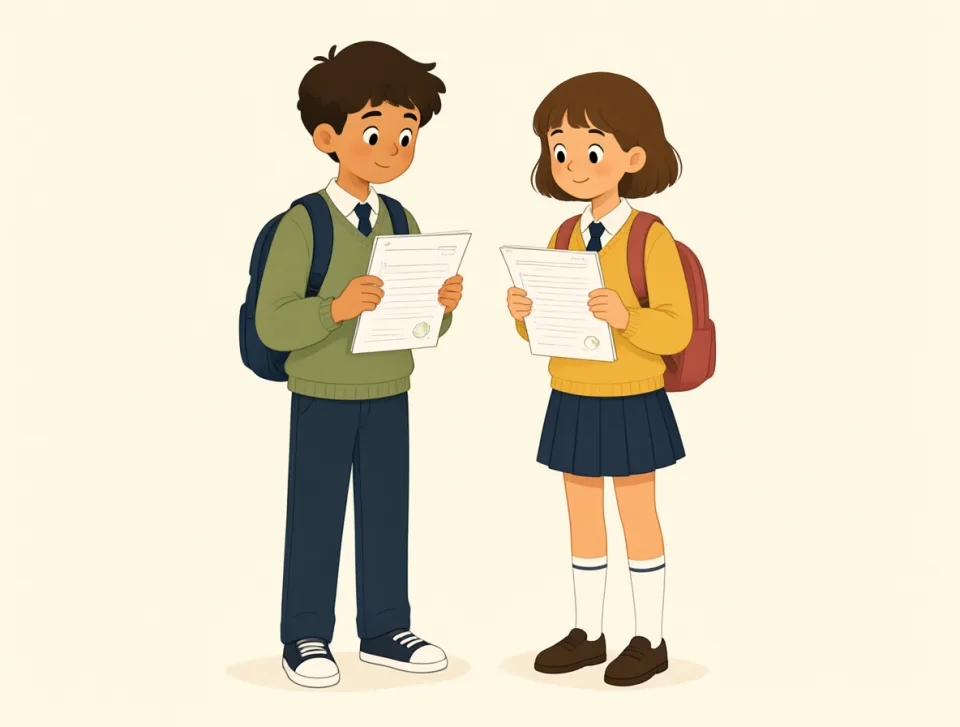
A person your age or with a similar job, experience, or social position.
Osoba w podobnym wieku albo mająca podobną pracę, doświadczenie lub pozycję społeczną.

She asked her peers for advice before choosing a new university course.
Przed wyborem nowego kierunku studiów poprosiła rówieśników o radę.
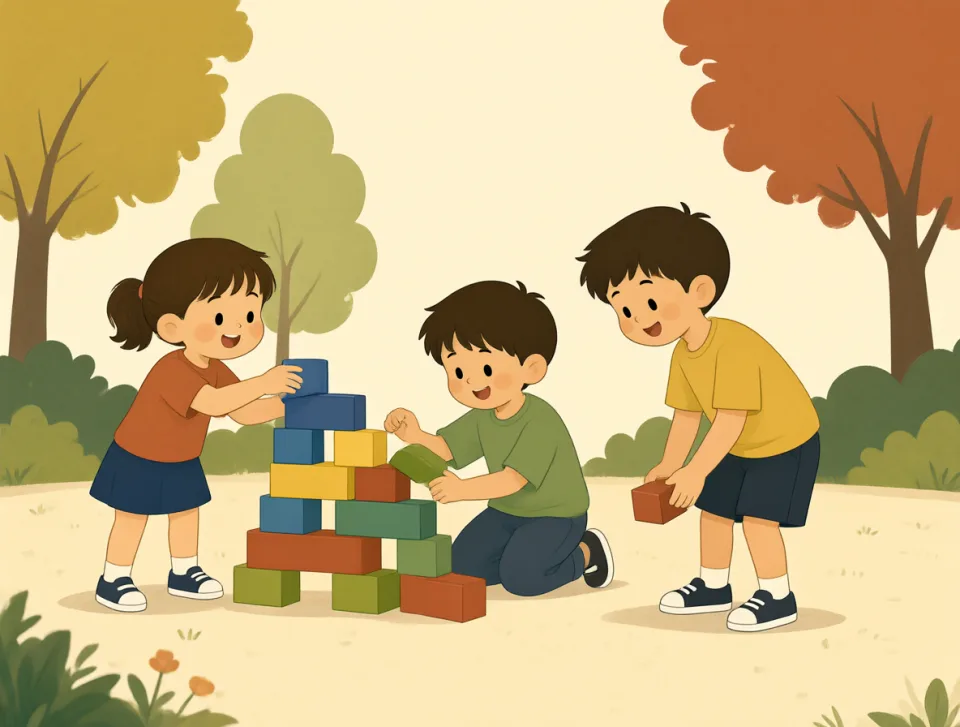
Children often learn new skills by watching and copying their peers.
Dzieci często uczą się nowych umiejętności, obserwując i naśladując rówieśników.

The manager praised him for supporting his peers during the busy week.
Kierownik pochwalił go za wspieranie współpracowników podczas intensywnego tygodnia.

He peers through the window to see whether the bus has arrived.
Wygląda przez okno, żeby sprawdzić, czy autobus już przyjechał.

The doctor asked how her pain compared with that of her peers.
Lekarz zapytał, jak jej ból wypada w porównaniu z bólem rówieśników.
pension
#2008noun
emerytura
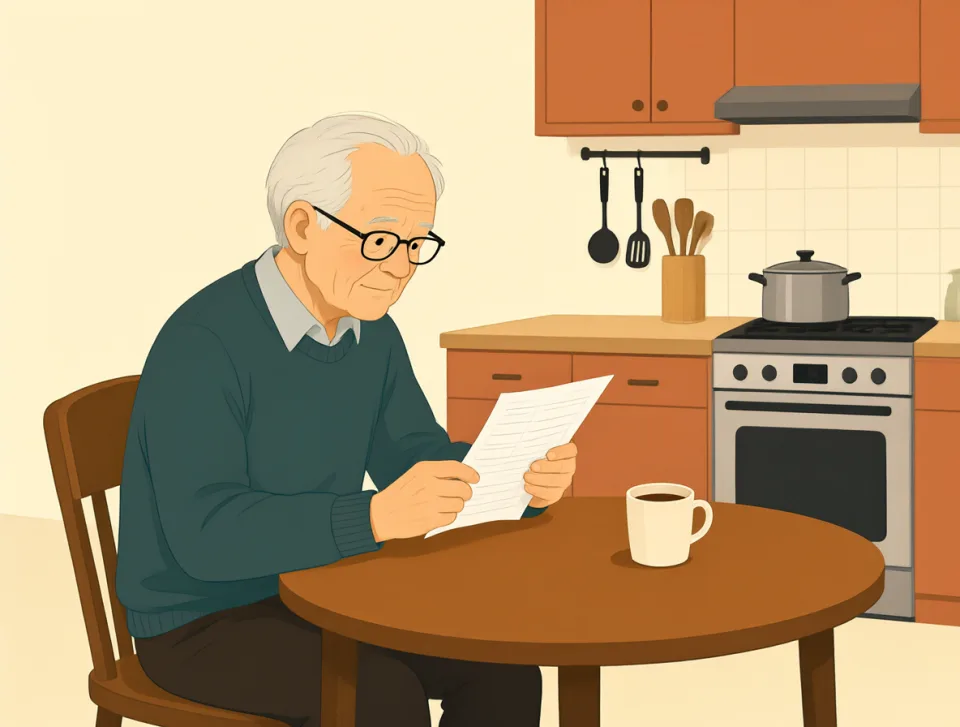
Money paid regularly to someone who has stopped working, often after reaching a certain age.
Pieniądze wypłacane regularnie osobie, która przestała pracować, często po osiągnięciu określonego wieku.
My grandfather receives a small pension every month.
Mój dziadek co miesiąc dostaje niewielką emeryturę.
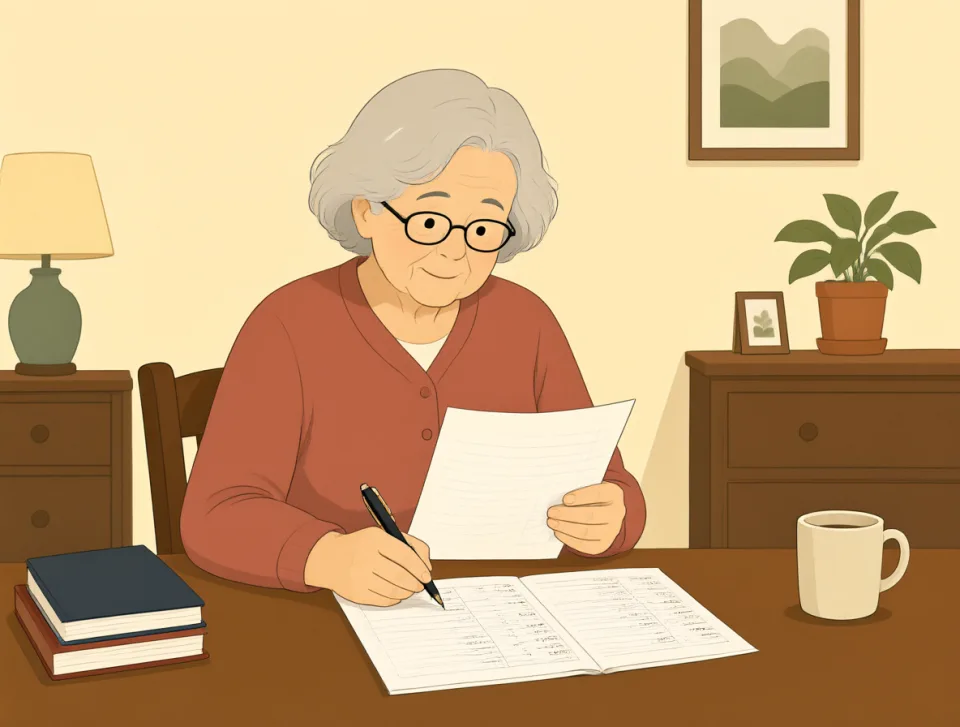
She plans to live on her pension after retiring next year.
Po przejściu na emeryturę w przyszłym roku planuje utrzymywać się z emerytury.

The company offers a good pension to all full-time employees.
Firma zapewnia wszystkim pracownikom zatrudnionym na pełny etat dobrą emeryturę.

He paid into a private pension for twenty years.
Przez dwadzieścia lat wpłacał składki na prywatną emeryturę.
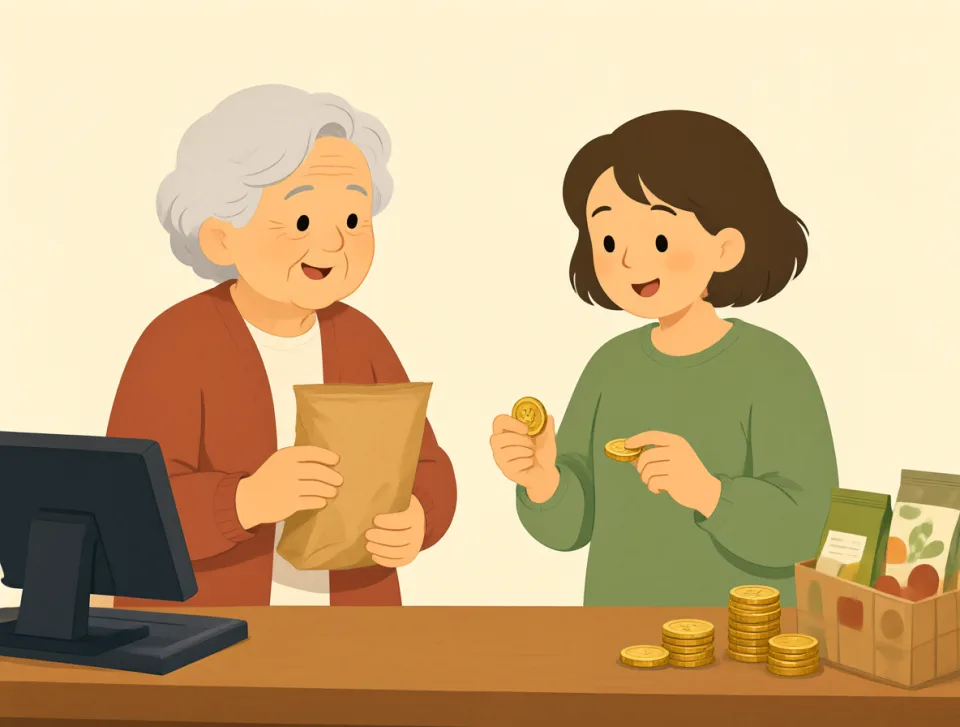
Rising prices have made it harder to live on a pension.
Rosnące ceny sprawiły, że trudniej jest utrzymać się z emerytury.
wing
#2009noun, verb
skrzydło
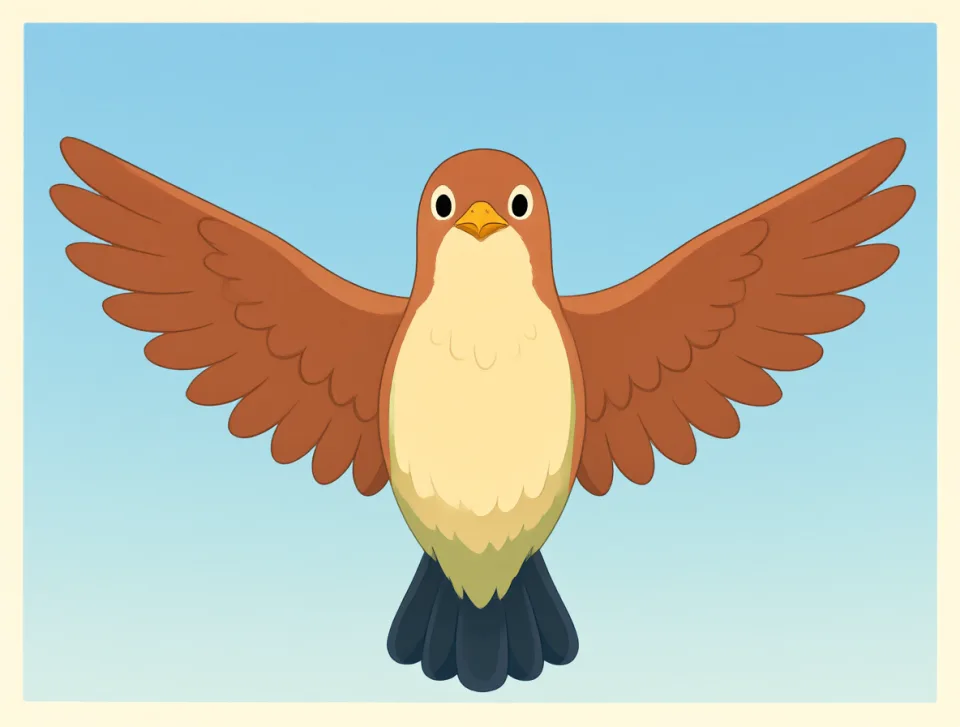
A part of a bird or aircraft used for flying; to move or extend sideways.
Część ptaka lub samolotu służąca do latania; poruszać się lub rozciągać na boki.
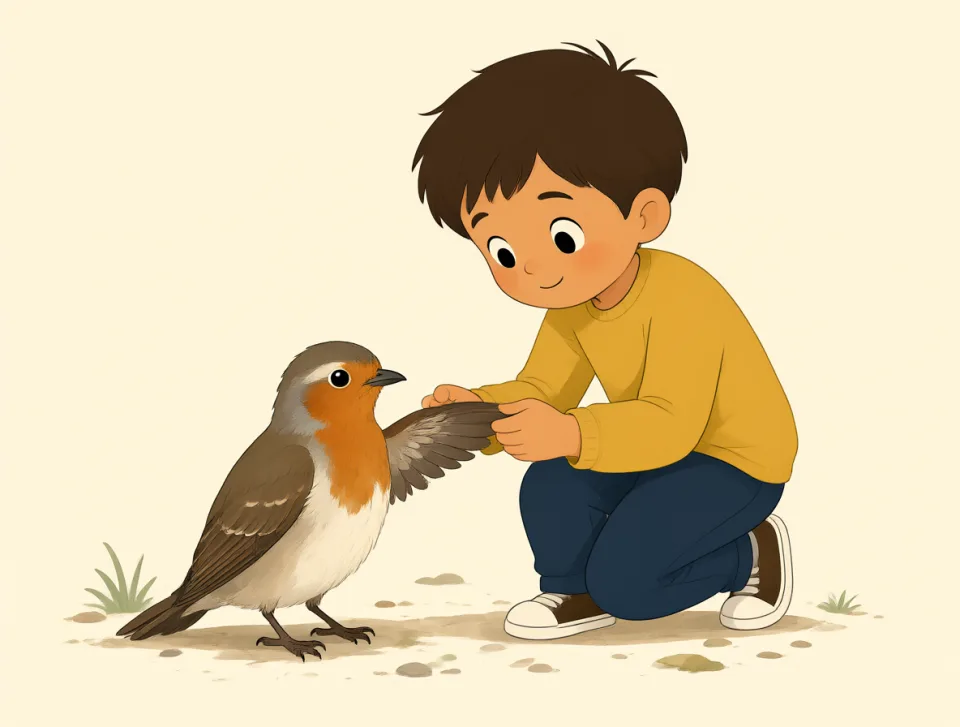
The bird hurt its wing and could not fly home.
Ptak zranił skrzydło i nie mógł odlecieć do domu.

We sat on the airplane's left wing during the emergency landing.
Podczas awaryjnego lądowania siedzieliśmy na lewym skrzydle samolotu.

The hotel has a new wing with several quiet rooms.
Hotel ma nowe skrzydło z kilkoma cichymi pokojami.
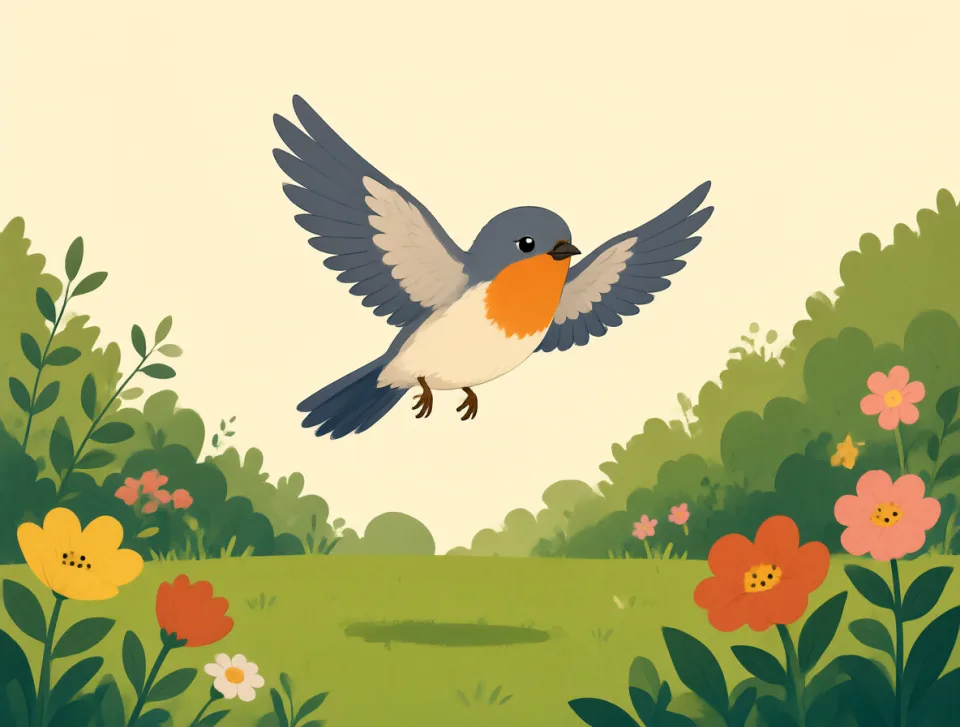
The young bird spread its wings and flew across the garden.
Młody ptak rozpostarł skrzydła i przeleciał przez ogród.

She winged the presentation because her notes disappeared.
Wygłosiła prezentację bez przygotowania, bo zniknęły jej notatki.
acquisition
#2010noun
nabycie
The process of getting something, especially a skill, object, or company.
Proces zdobywania czegoś, zwłaszcza umiejętności, przedmiotu lub firmy.
The acquisition of new skills helped Maria find a better job.
Zdobycie nowych umiejętności pomogło Marii znaleźć lepszą pracę.

The company announced the acquisition of a small software business.
Firma ogłosiła przejęcie małej firmy programistycznej.
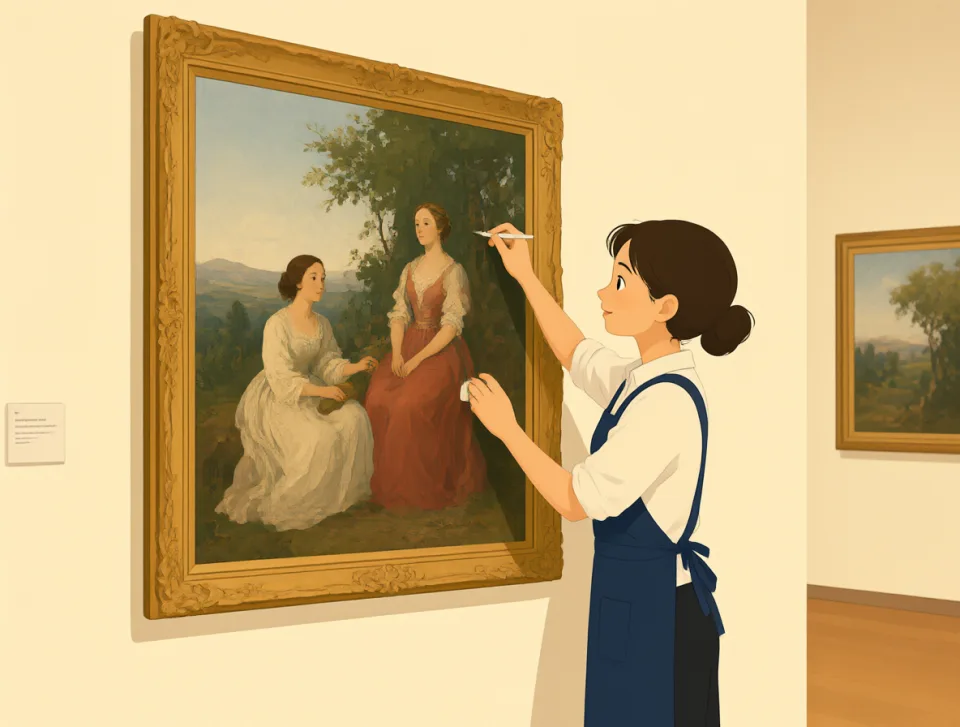
The museum's latest acquisition is a painting from the nineteenth century.
Najnowszym nabytkiem muzeum jest obraz z XIX wieku.
Language acquisition becomes easier when children hear English every day.
Przyswajanie języka przychodzi łatwiej, gdy dzieci codziennie słyszą angielski.
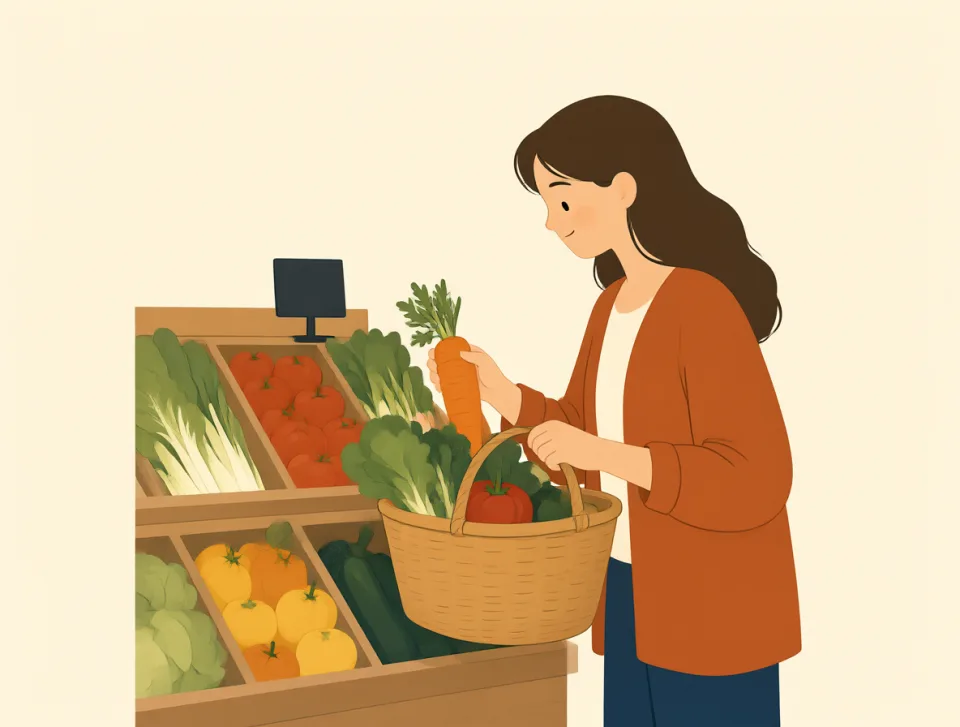
The acquisition of fresh vegetables made dinner healthier and more colorful.
Zakup świeżych warzyw sprawił, że kolacja była zdrowsza i bardziej kolorowa.

laughter
#2011noun
śmiech
The sound or expression people make when they find something funny.
Dźwięk lub sposób wyrażania radości, który pojawia się, gdy coś nas bawi.
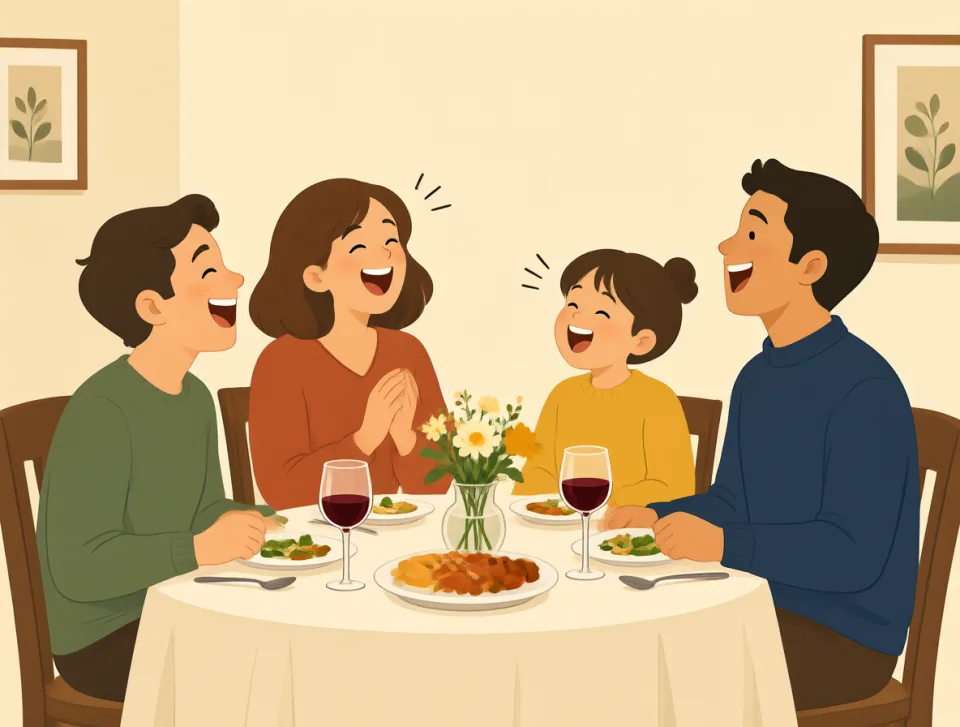
Her joke made everyone burst into laughter during dinner.
Jej żart sprawił, że podczas kolacji wszyscy wybuchnęli śmiechem.
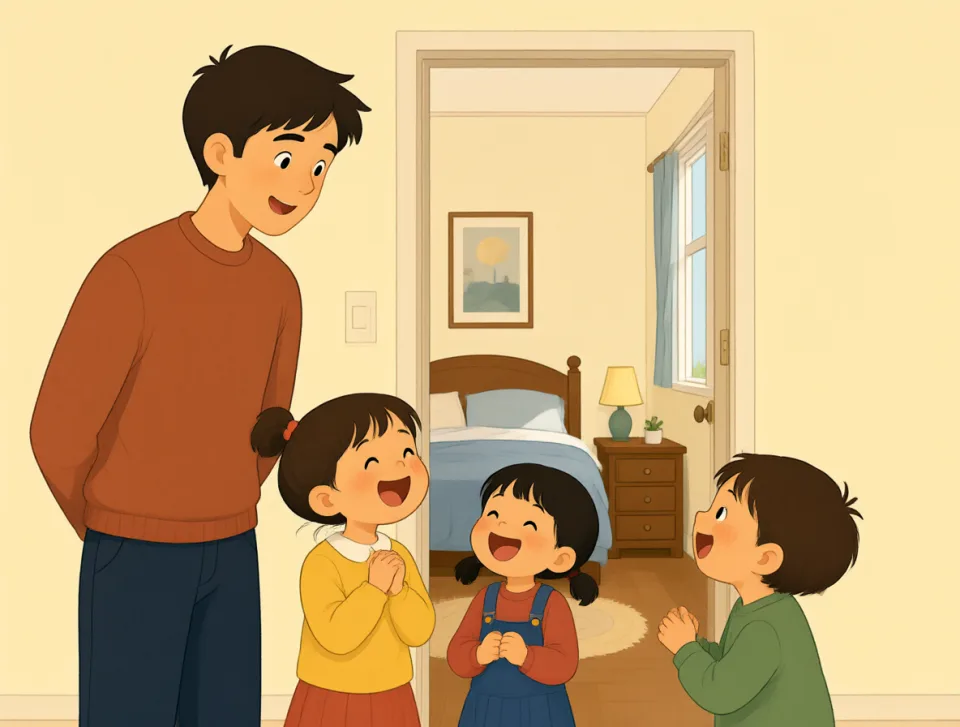
We could hear laughter coming from the children’s bedroom.
Słyszeliśmy śmiech dobiegający z pokoju dziecięcego.
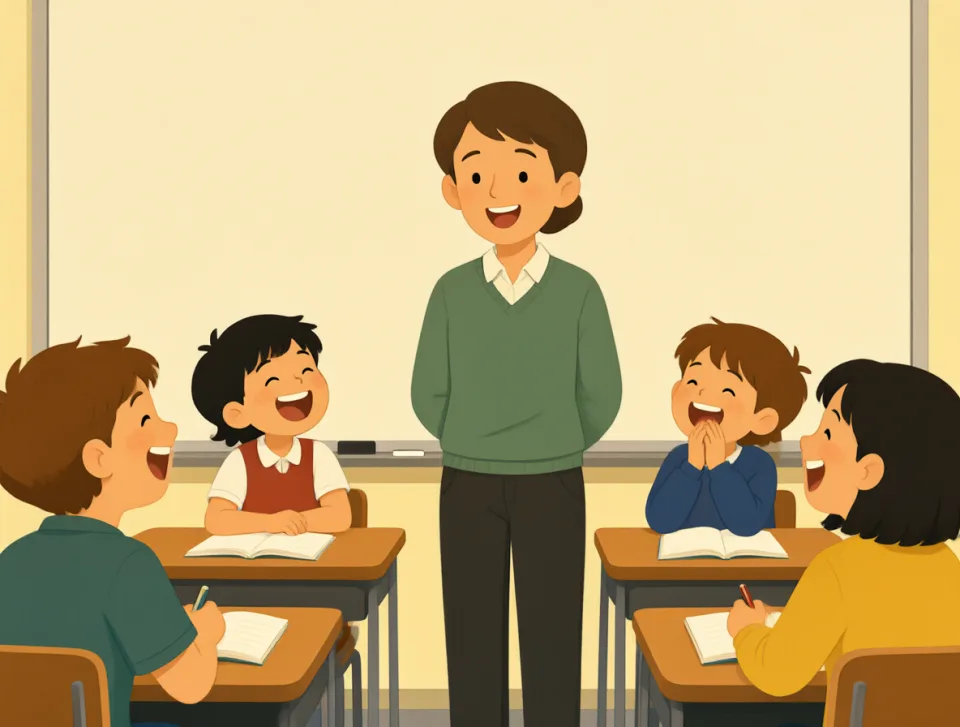
The teacher smiled when laughter filled the classroom after his funny story.
Nauczyciel się uśmiechnął, gdy po jego zabawnej opowieści klasę wypełnił śmiech.

Their laughter made the long train journey feel much shorter.
Ich śmiech sprawił, że długa podróż pociągiem wydawała się znacznie krótsza.
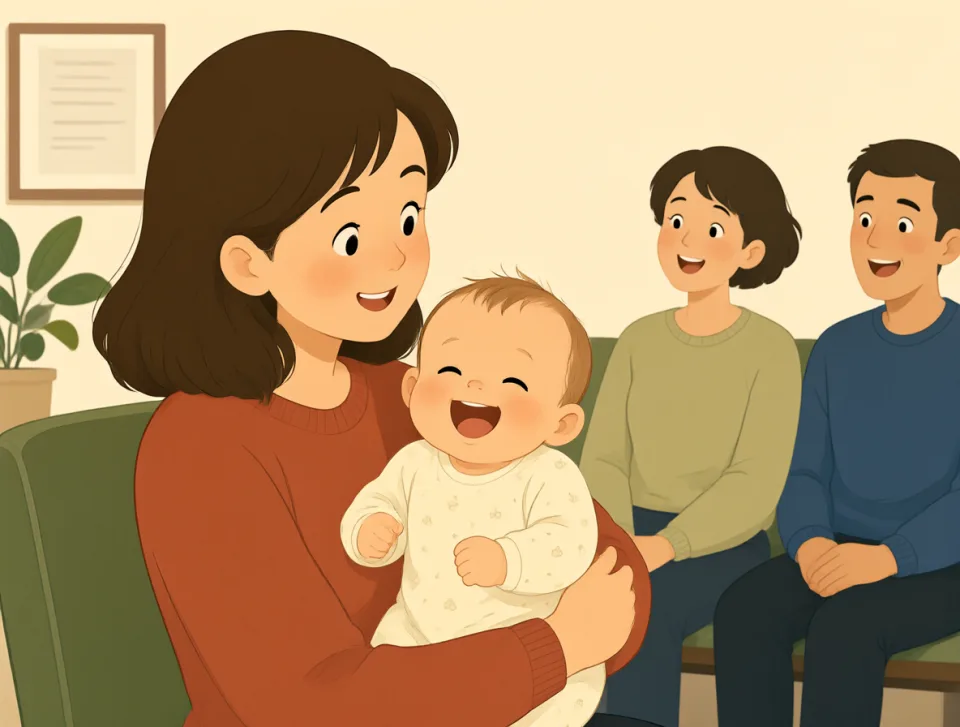
The baby’s laughter brought joy to everyone in the doctor’s waiting room.
Śmiech dziecka przyniósł radość wszystkim w poczekalni u lekarza.

deeply
#2012adverb
głęboko; bardzo
Very strongly or completely, especially when feeling or thinking something.
Bardzo mocno lub całkowicie, zwłaszcza gdy coś intensywnie czujemy albo o czymś myślimy.
She was deeply worried about her son during the storm.
Bardzo martwiła się o syna podczas burzy.
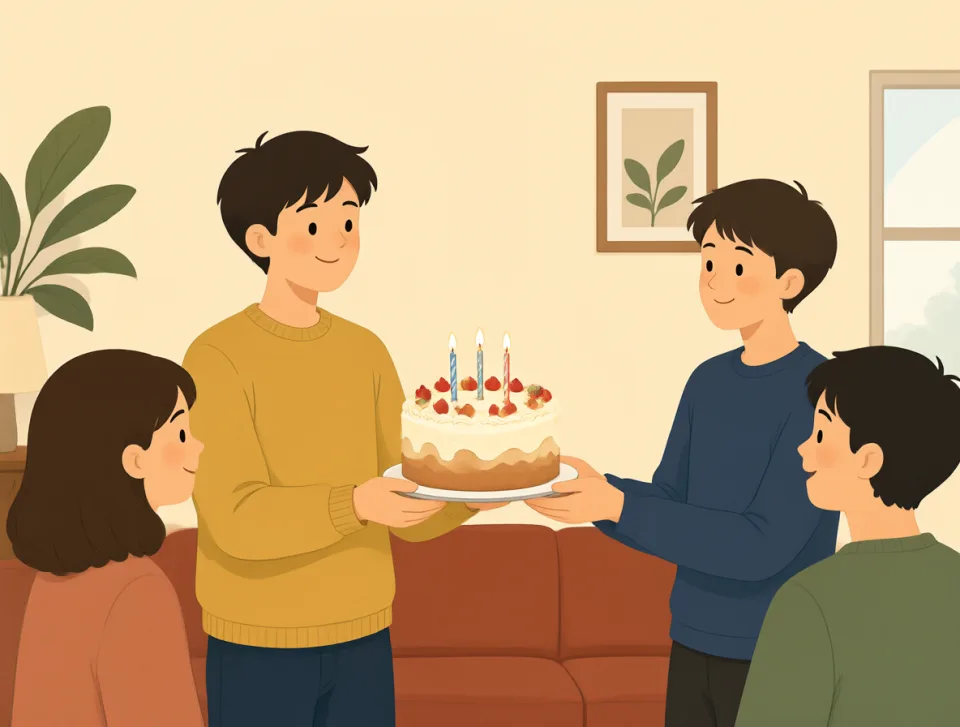
I was deeply touched by my friends’ kind birthday surprise.
Byłem głęboko poruszony miłą urodzinową niespodzianką od przyjaciół.
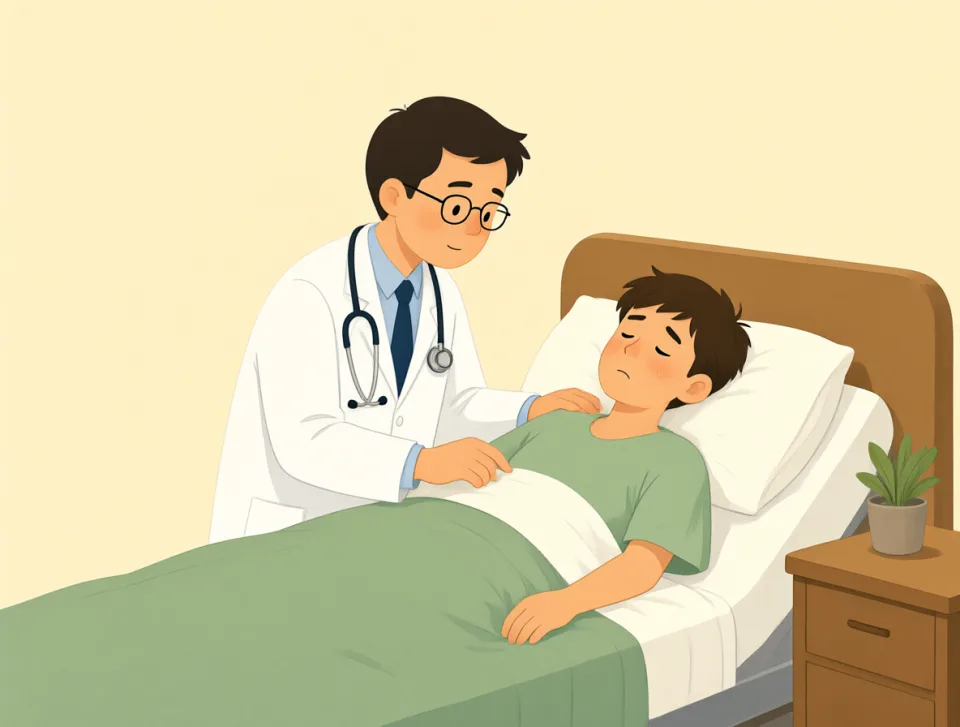
The doctor was deeply concerned about his patient’s sudden fever.
Lekarz był bardzo zaniepokojony nagłą gorączką pacjenta.

We are deeply sorry for the delay at the airport.
Bardzo przepraszamy za opóźnienie na lotnisku.
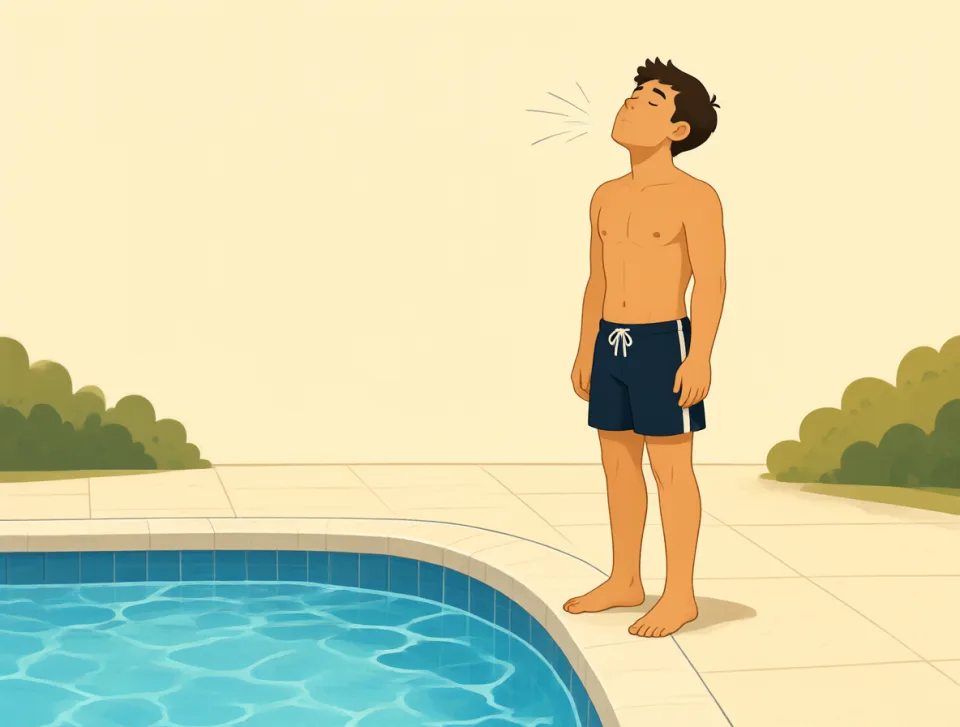
He breathed deeply before jumping into the cold swimming pool.
Przed skokiem do zimnego basenu wziął głęboki oddech.
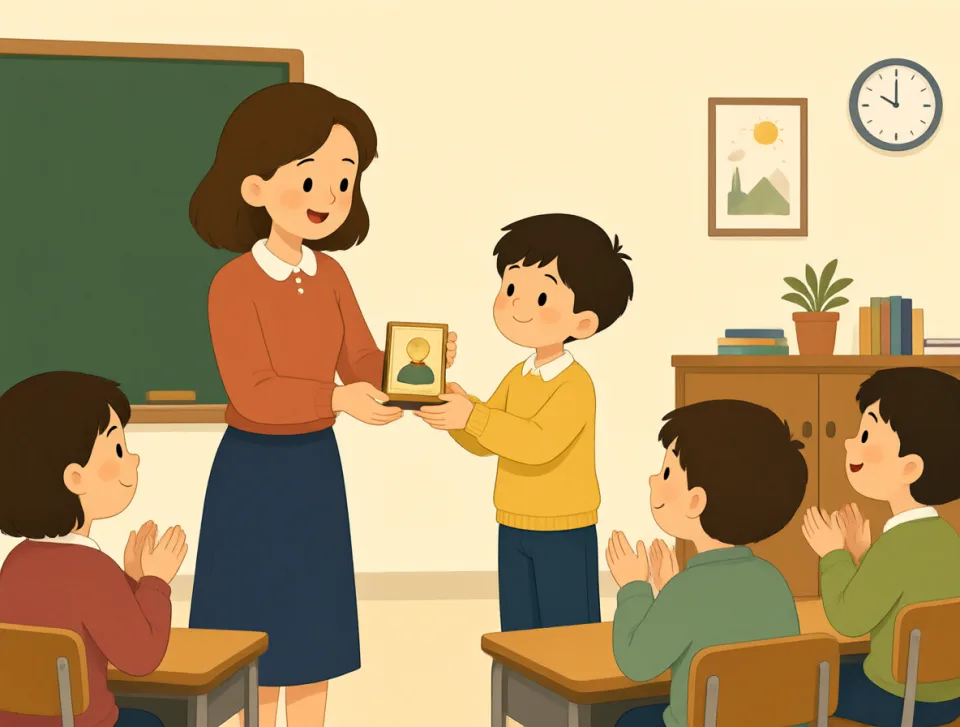
recognition
#2013noun
uznanie; rozpoznanie
Appreciation or approval for someone’s achievements, or the act of identifying someone or something.
Docenienie czyichś osiągnięć lub aprobata dla nich, a także czynność rozpoznawania kogoś albo czegoś.
She received recognition for helping the new students settle into school.
Otrzymała uznanie za pomoc nowym uczniom w zaaklimatyzowaniu się w szkole.
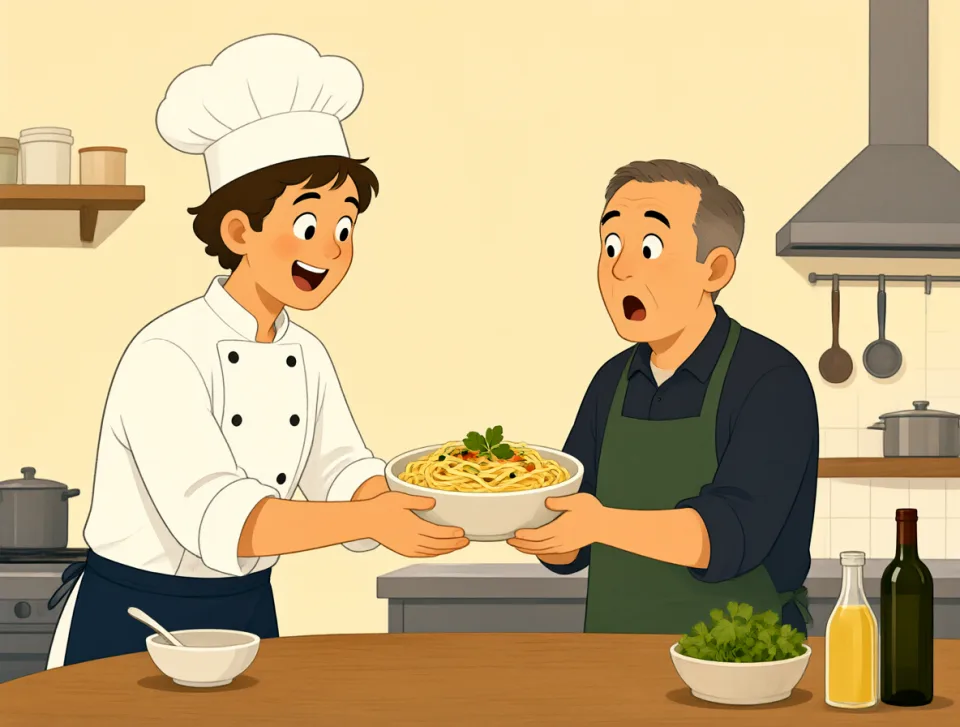
The restaurant gained recognition after a famous chef praised its fresh pasta.
Restauracja zyskała uznanie, gdy słynny szef kuchni pochwalił jej świeży makaron.
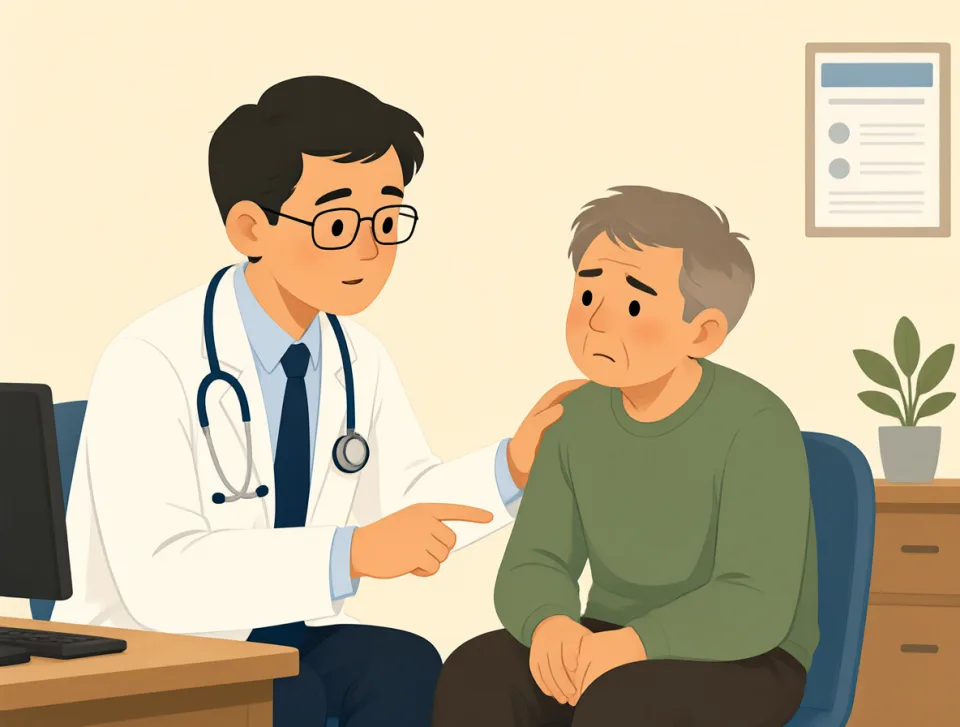
The doctor’s quick recognition of the symptoms helped the patient get treatment early.
Szybkie rozpoznanie objawów przez lekarza pomogło pacjentowi wcześnie rozpocząć leczenie.

He finally earned recognition from his manager after months of hard work.
Po wielu miesiącach ciężkiej pracy w końcu zyskał uznanie swojego kierownika.

The police asked for help with the recognition of a person in the photograph.
Policja poprosiła o pomoc w rozpoznaniu osoby na fotografii.
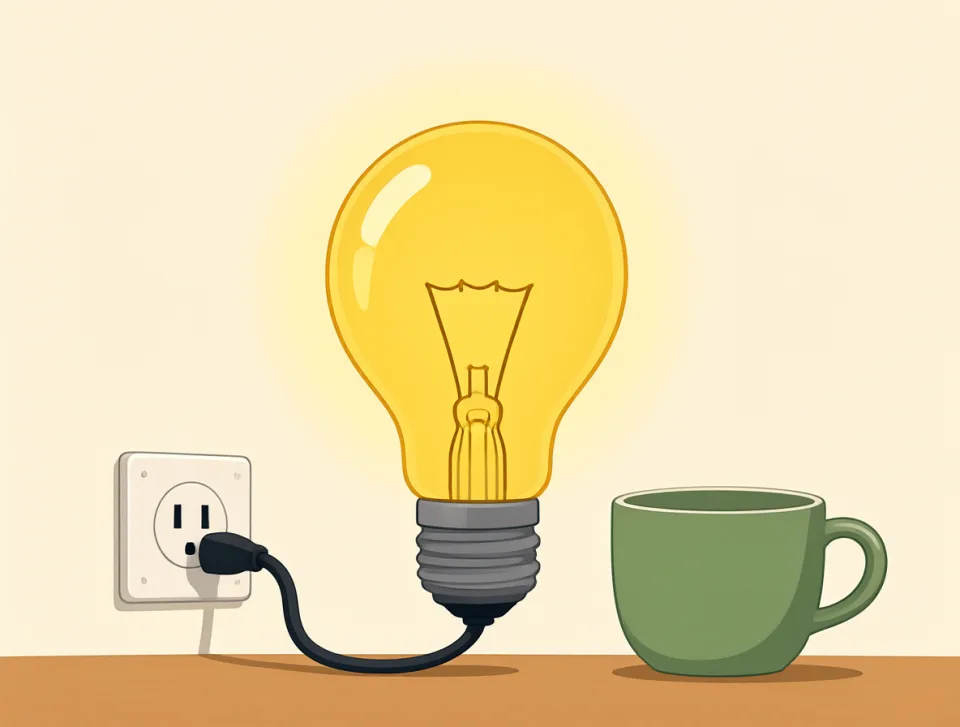
electricity
#2014noun
elektryczność
a form of energy that provides power for lights, machines, and devices
Forma energii, która zasila światła, maszyny i urządzenia.
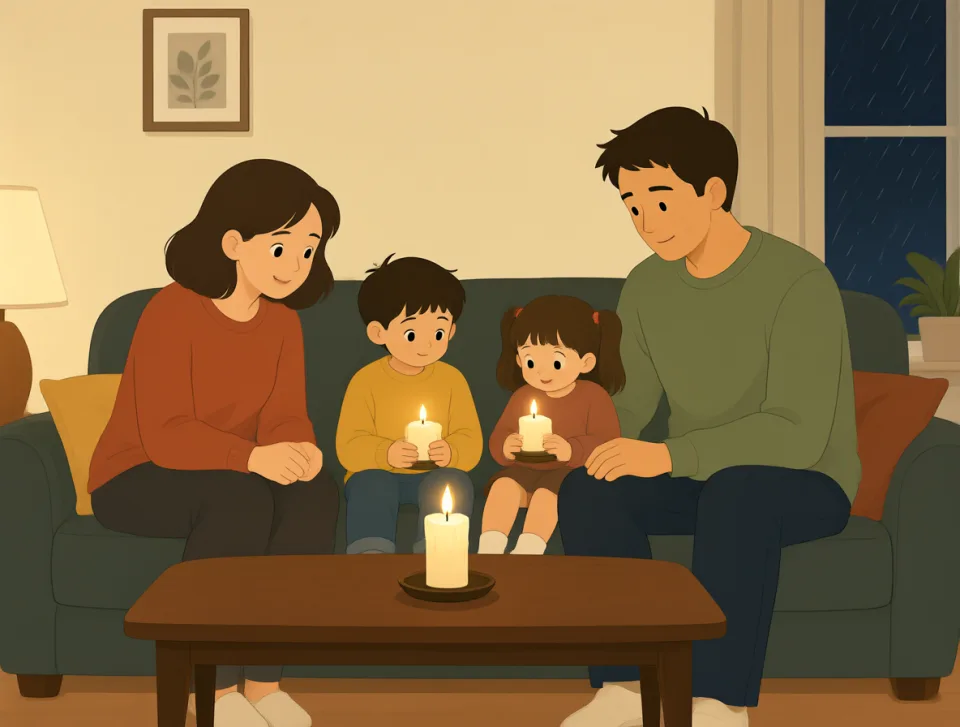
The electricity went off during the storm, so we used candles.
Podczas burzy wyłączył się prąd, więc użyliśmy świec.
Please turn off the lights to save electricity before you leave.
Przed wyjściem wyłącz światła, żeby oszczędzać prąd.

The hotel charges extra for electricity during the winter months.
Hotel pobiera dodatkową opłatę za prąd w miesiącach zimowych.
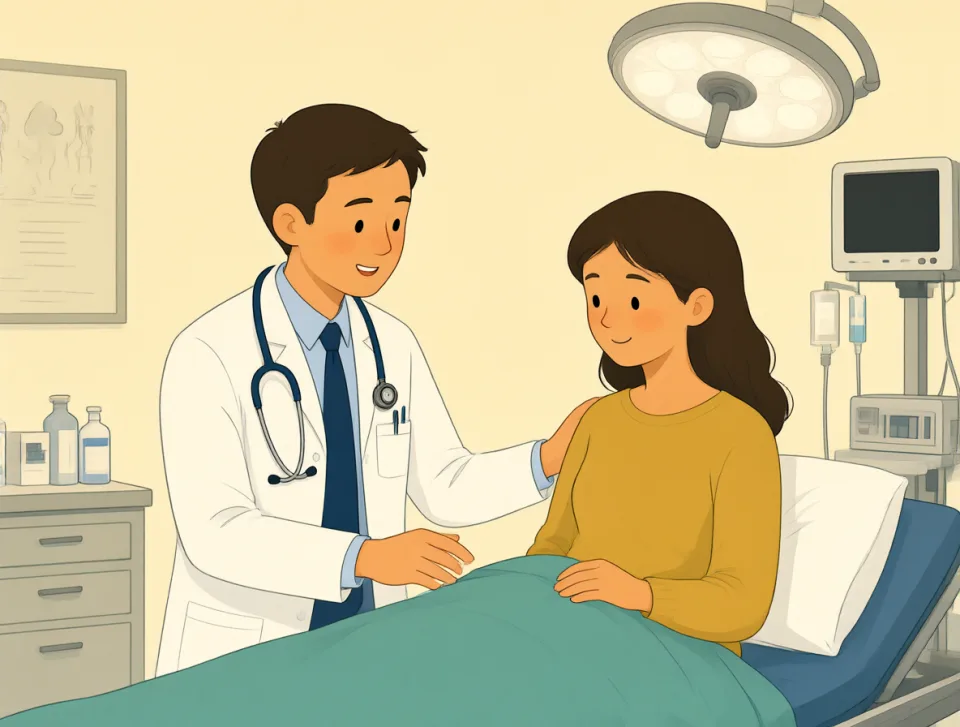
Electricity helps hospitals keep important medical equipment working.
Elektryczność pomaga szpitalom utrzymywać ważny sprzęt medyczny w działaniu.
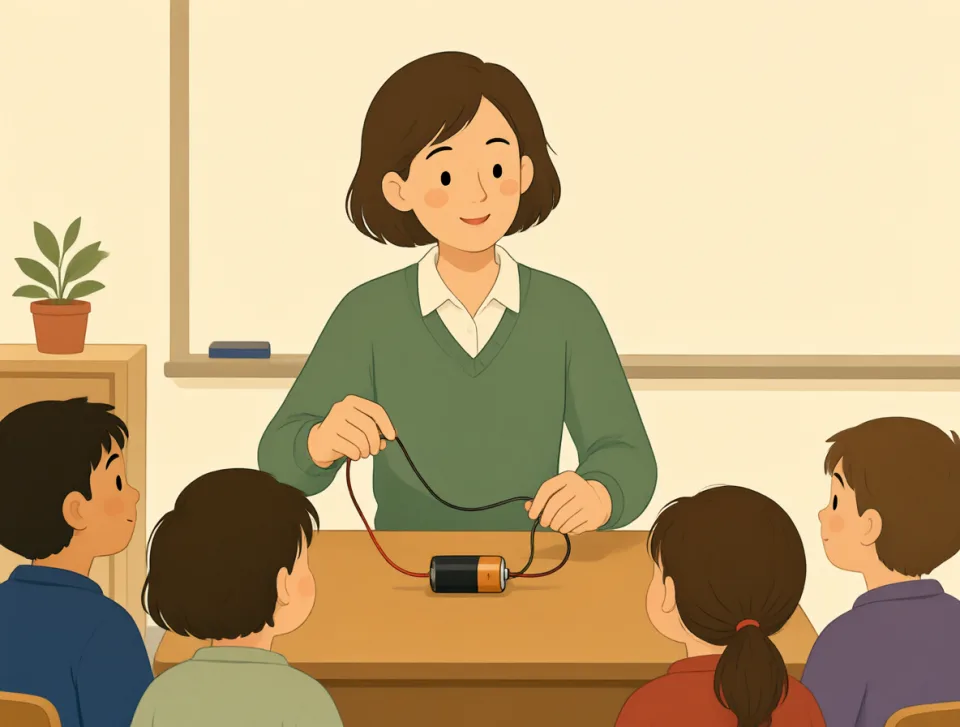
The science teacher showed us how electricity moves through a simple circuit.
Nauczyciel przedmiotów ścisłych pokazał nam, jak elektryczność przepływa przez prosty obwód.

assistance
#2015noun
pomoc; wsparcie
Help or support given to someone who needs it
Pomoc lub wsparcie udzielane osobie, która ich potrzebuje.

Please ask for assistance if you cannot find the right product.
Jeśli nie możesz znaleźć właściwego produktu, poproś o pomoc.
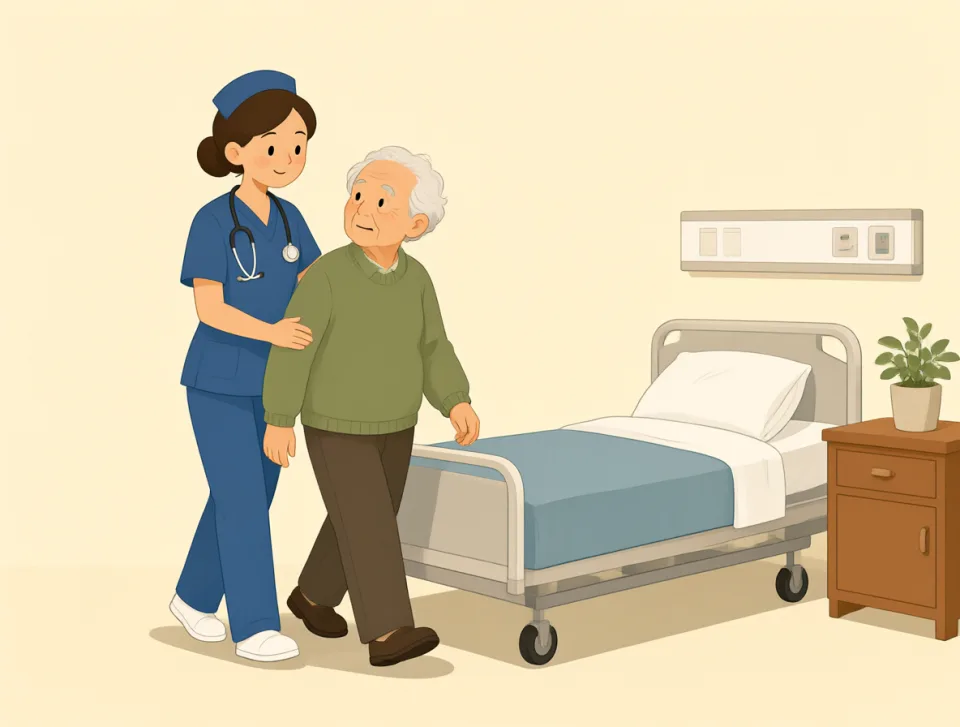
The nurse provided assistance while the patient walked to bed.
Pielęgniarka pomogła pacjentowi, gdy ten szedł do łóżka.
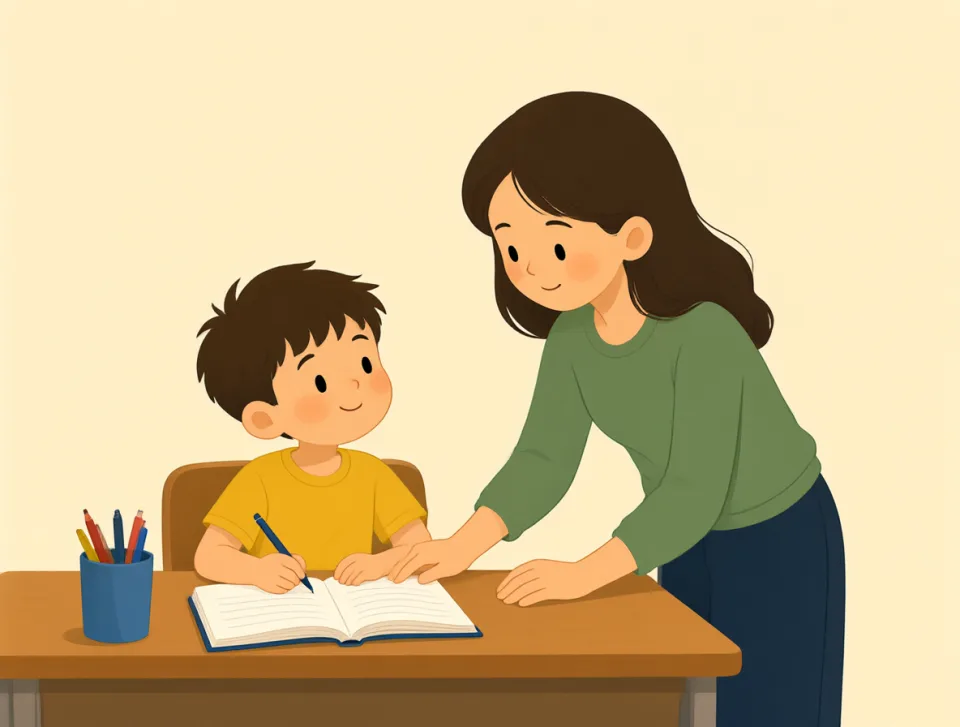
Students can receive extra assistance with difficult homework after class.
Po lekcjach uczniowie mogą otrzymać dodatkową pomoc w trudnych zadaniach domowych.
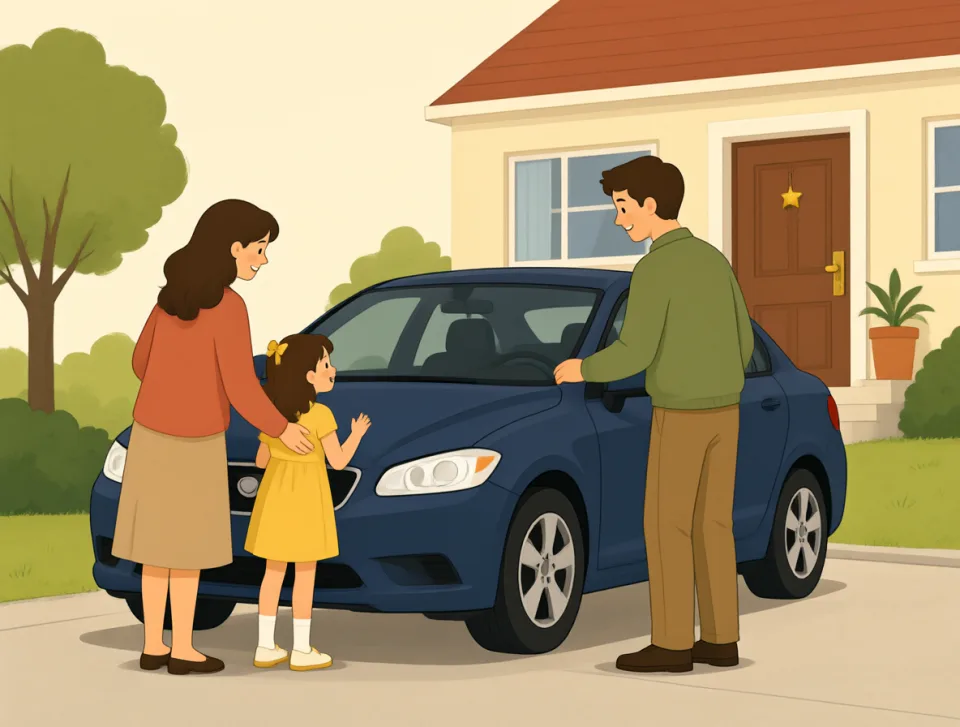
Our neighbors offered assistance when our car stopped outside their house.
Nasi sąsiedzi zaoferowali pomoc, gdy nasz samochód zatrzymał się przed ich domem.
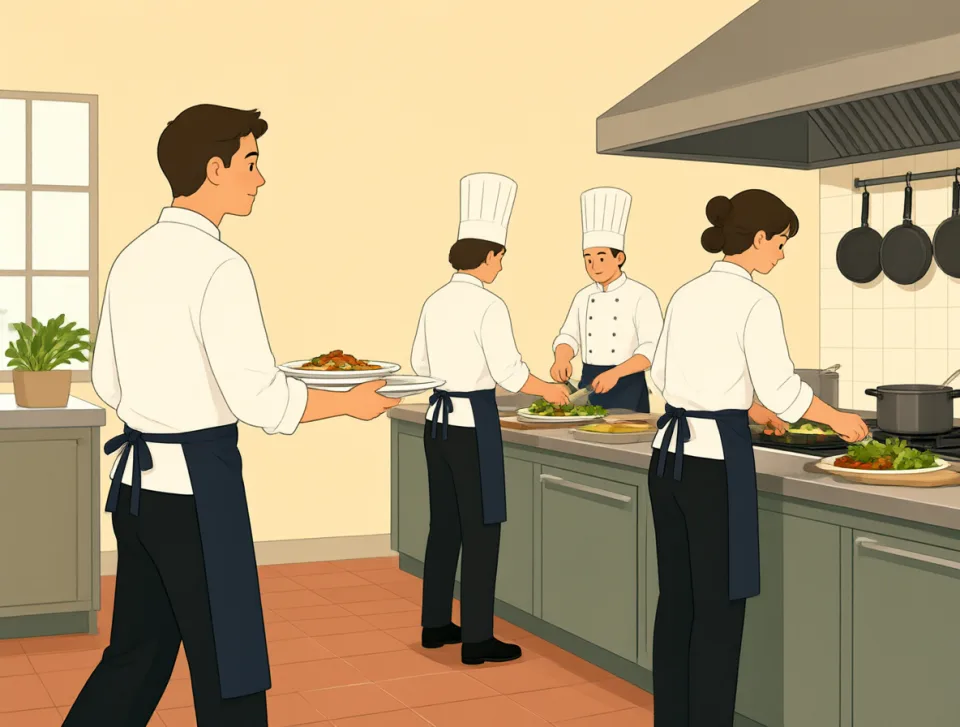
The waiter brought assistance to the kitchen during the busy dinner service.
Kelner pomógł w kuchni podczas pracowitego serwisu kolacyjnego.

roof
#2016noun
dach
the top covering of a building, which protects it from weather
górne pokrycie budynku, które chroni go przed warunkami atmosferycznymi

The roof is leaking after heavy rain, so we need to call a repair company.
Po ulewnym deszczu dach przecieka, więc musimy zadzwonić do firmy zajmującej się naprawami.

Heavy snow covered the roofs of every house in the village.
Obfity śnieg pokrył dachy wszystkich domów we wsi.
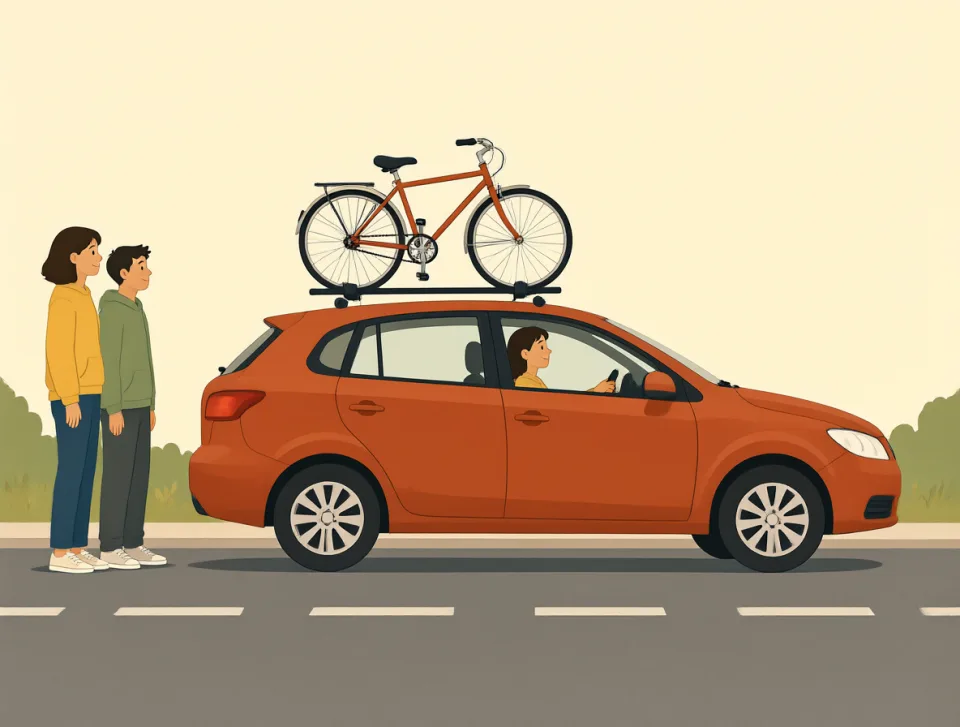
We stored our bicycles on the roof rack during the long road trip.
Podczas długiej podróży samochodem przewoziliśmy rowery na bagażniku dachowym.
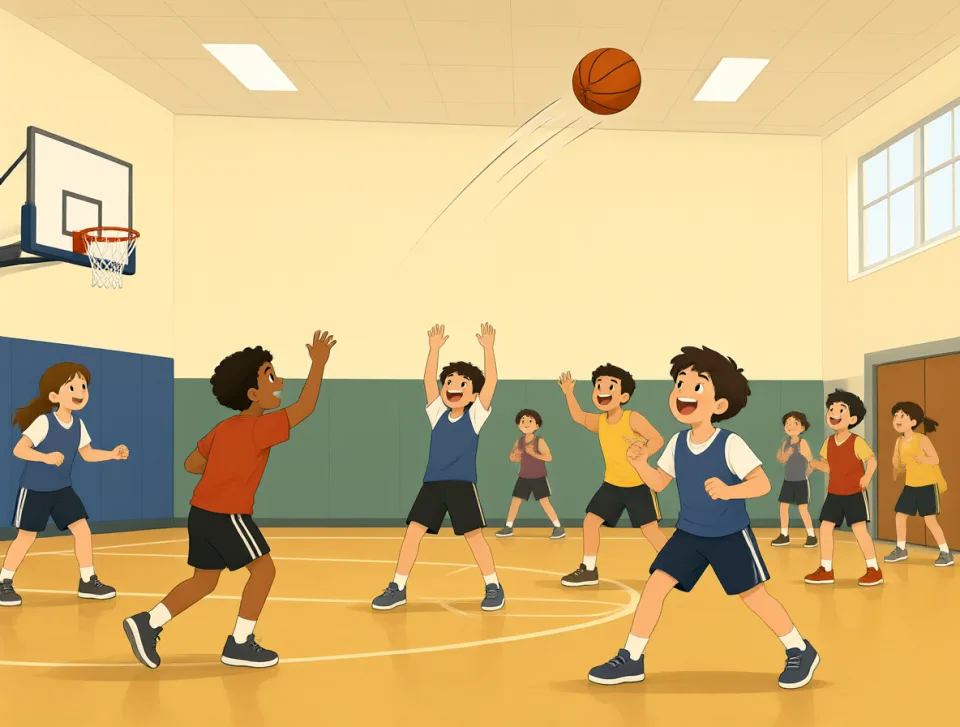
The ball hit the roof of the school gym during basketball practice.
Podczas treningu koszykówki piłka uderzyła w dach szkolnej sali gimnastycznej.
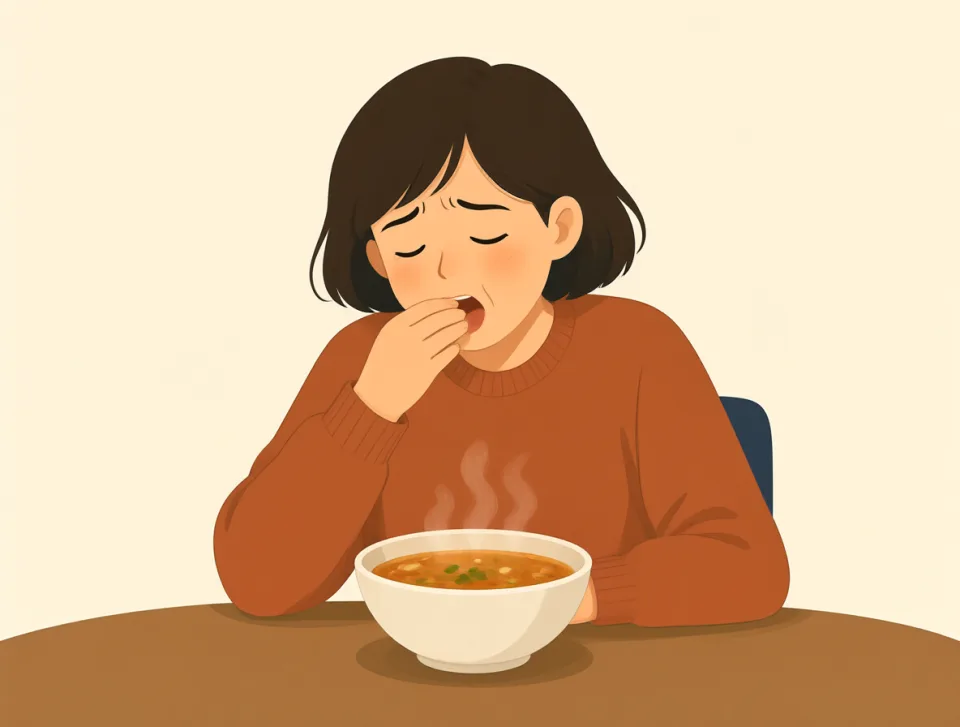
The hot soup burned the roof of my mouth at lunch.
Gorąca zupa poparzyła mi podniebienie podczas lunchu.
retirement
#2017noun
emerytura
The time when someone stops working, usually because they are old enough to do so.
Okres, w którym ktoś przestaje pracować, zwykle dlatego, że osiągnął odpowiedni wiek.
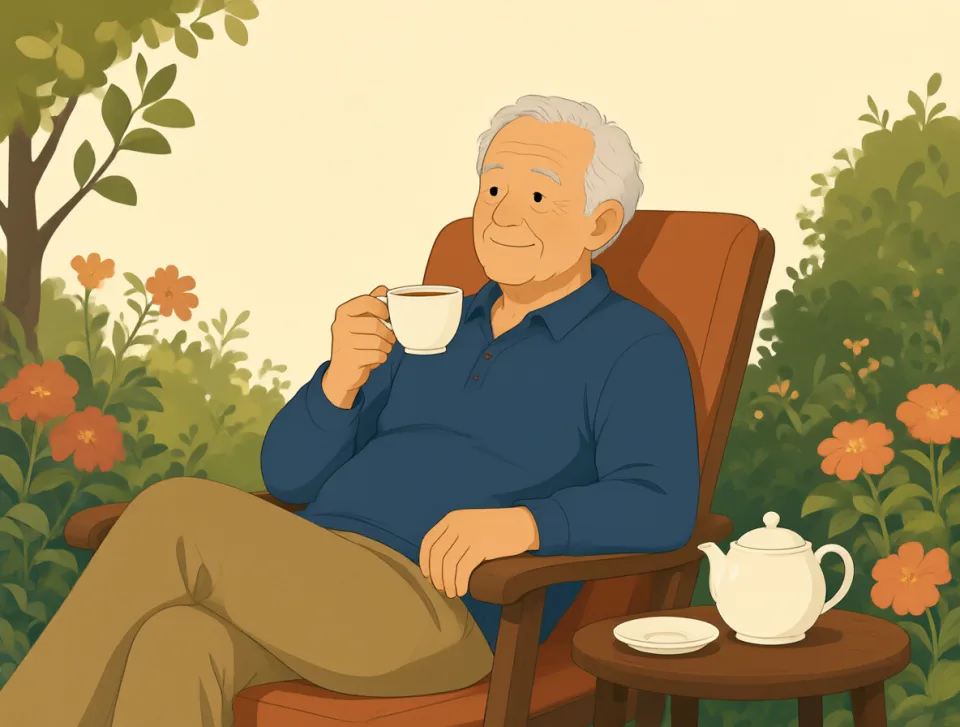
My father is enjoying retirement after forty years at the same company.
Mój ojciec cieszy się emeryturą po czterdziestu latach pracy w tej samej firmie.
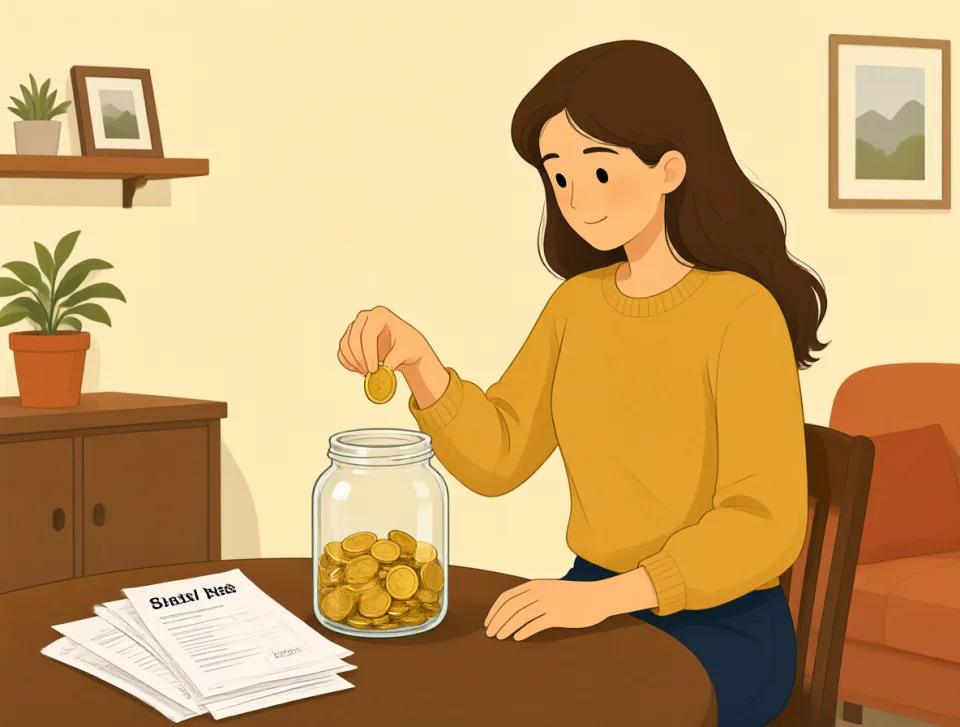
She is saving money for retirement by paying into a pension plan.
Odkłada pieniądze na emeryturę, wpłacając składki na fundusz emerytalny.
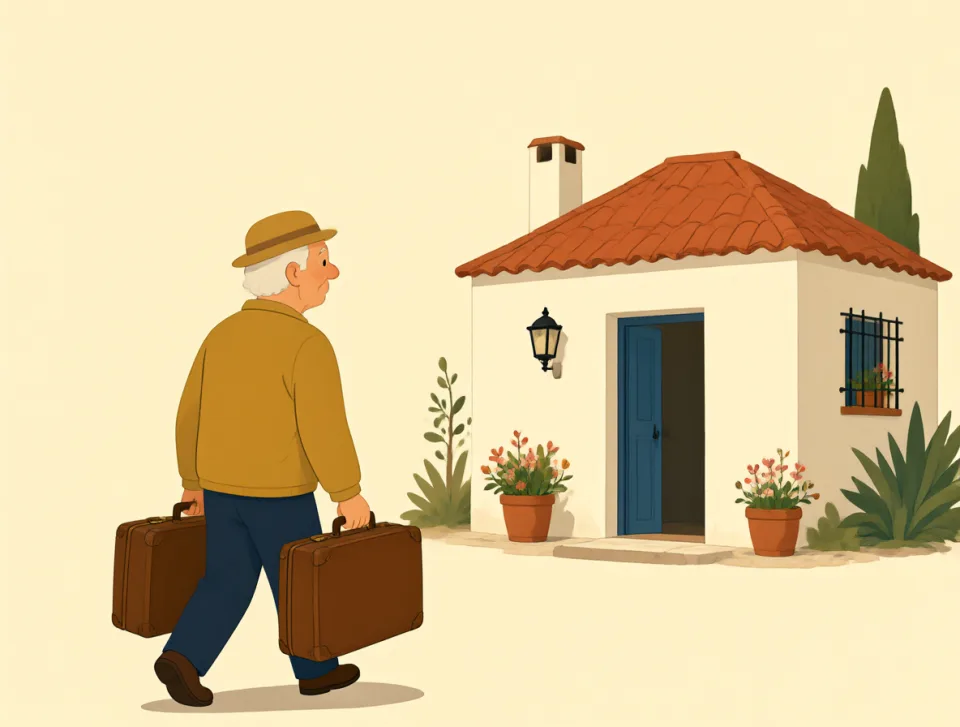
Our neighbor moved to Spain after his retirement last year.
Nasz sąsiad przeprowadził się w zeszłym roku do Hiszpanii po przejściu na emeryturę.
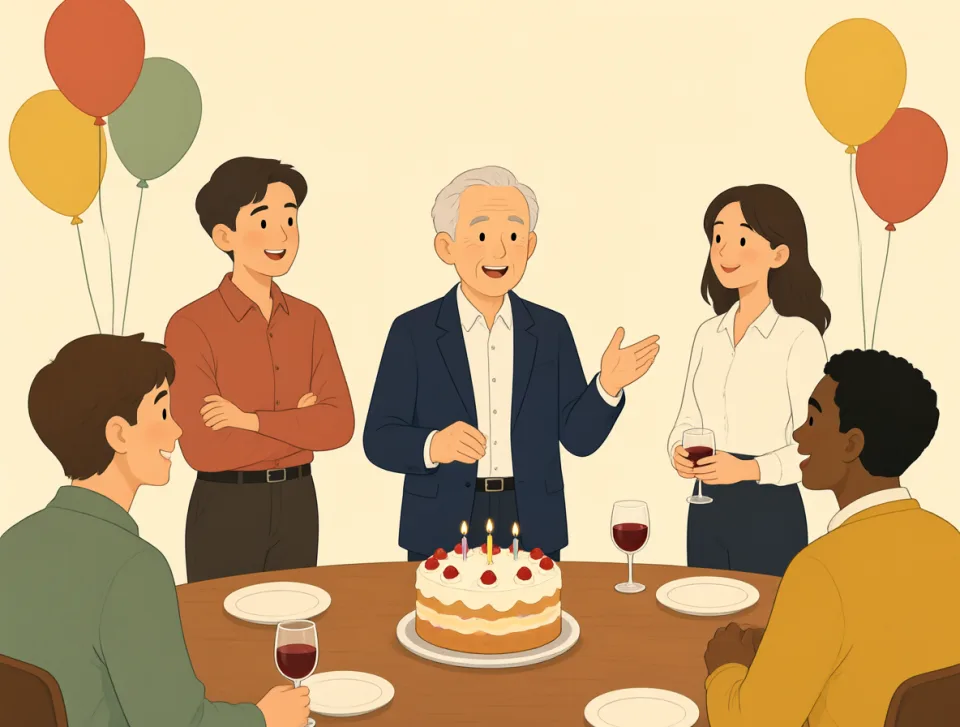
The retirement party at work was full of happy memories and laughter.
Impreza pożegnalna z okazji przejścia na emeryturę w pracy była pełna radosnych wspomnień i śmiechu.
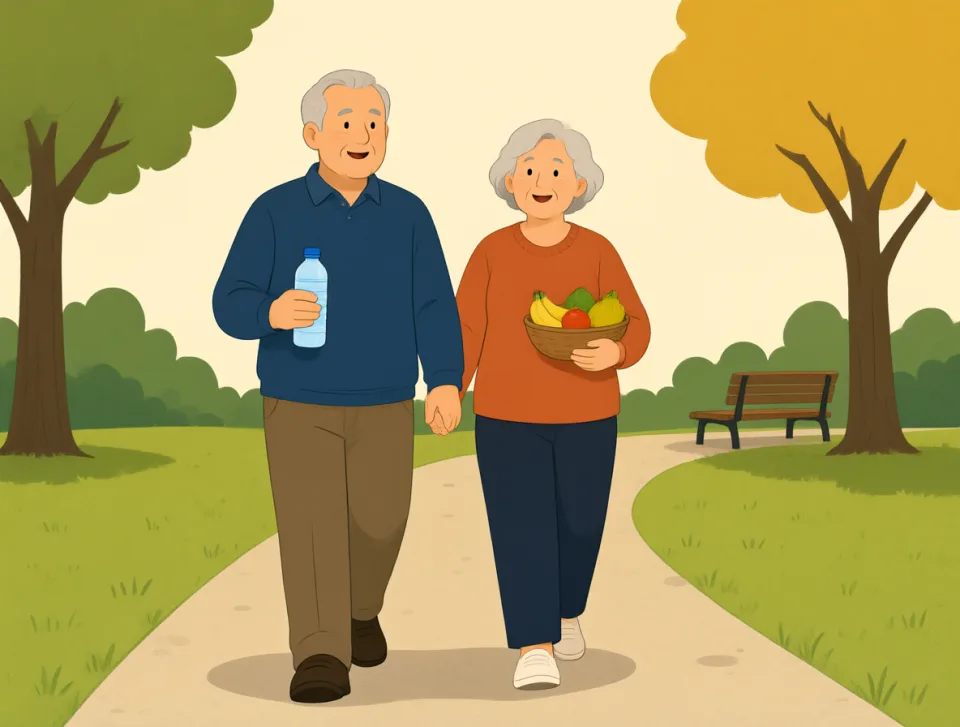
Good exercise and healthy food can help people enjoy an active retirement.
Regularne ćwiczenia i zdrowe jedzenie mogą pomóc ludziom cieszyć się aktywną emeryturą.
respectively
#2018adverb
odpowiednio
In the same order as the people or things just mentioned.
W tej samej kolejności, w jakiej wymieniono wcześniej osoby lub rzeczy.
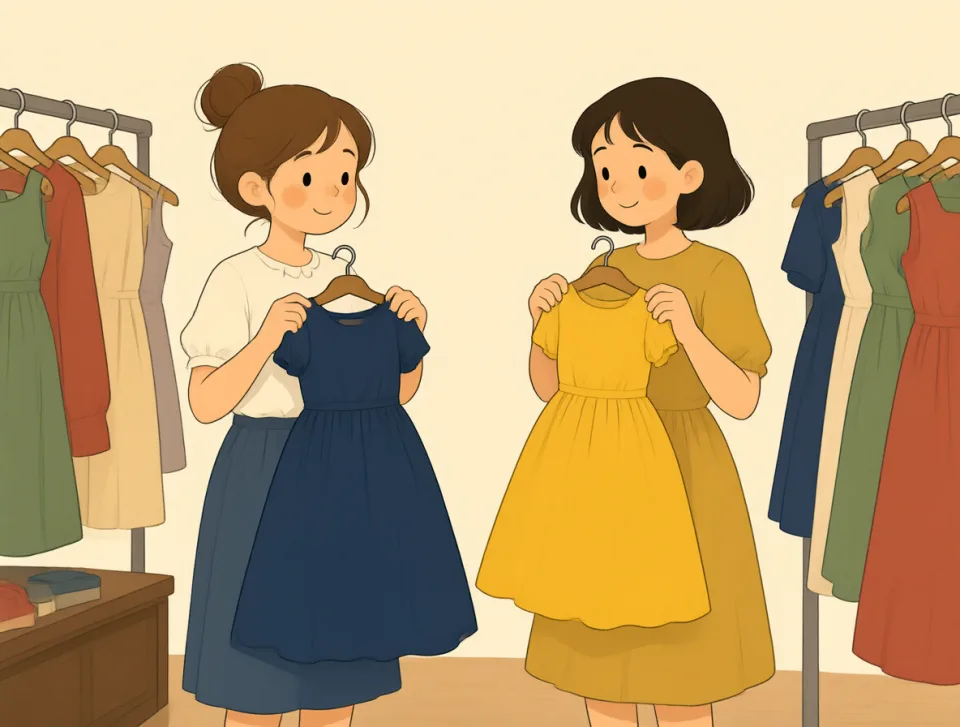
The two girls chose the red and blue dresses, respectively.
Dwie dziewczynki wybrały odpowiednio czerwoną i niebieską sukienkę.
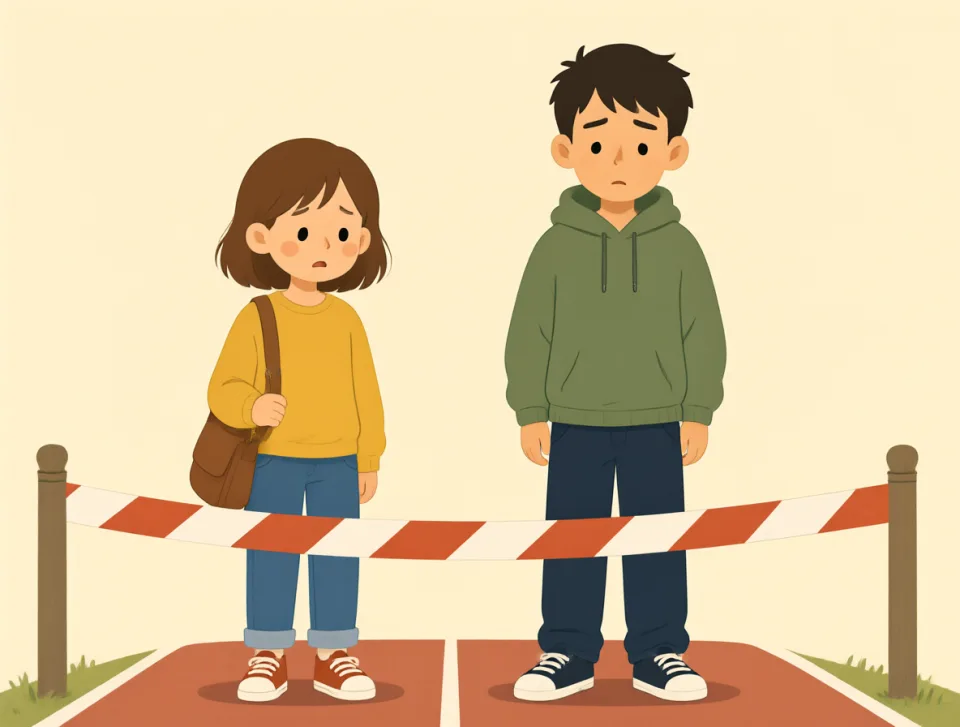
Tom and Sarah finished first and second, respectively, in the race.
Tom i Sarah zajęli odpowiednio pierwsze i drugie miejsce w wyścigu.
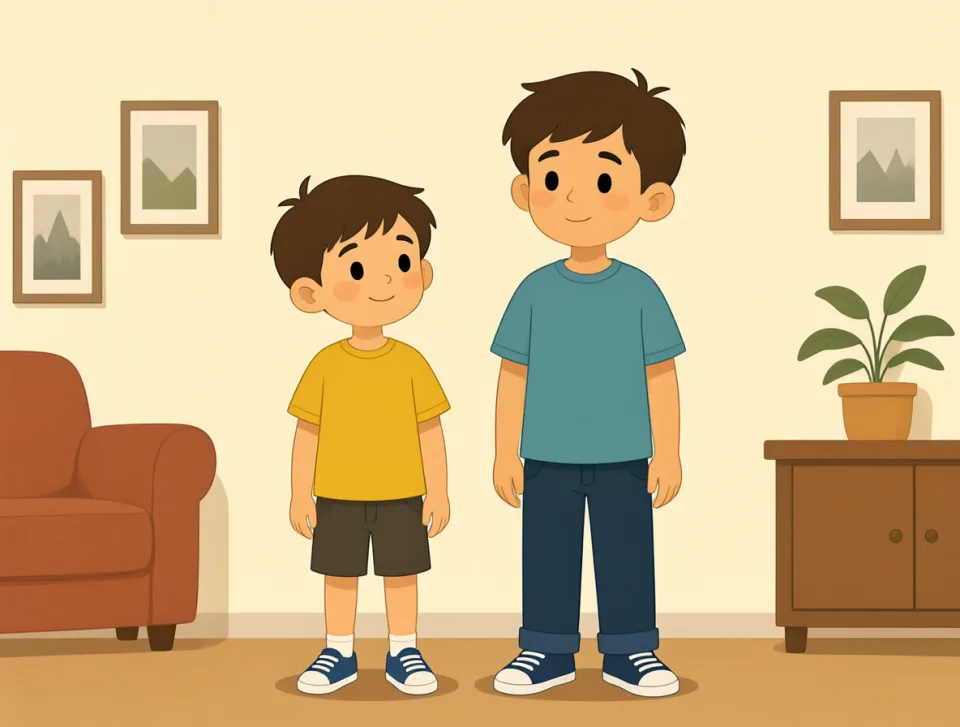
The boys are twelve and fourteen years old, respectively.
Chłopcy mają odpowiednio dwanaście i czternaście lat.
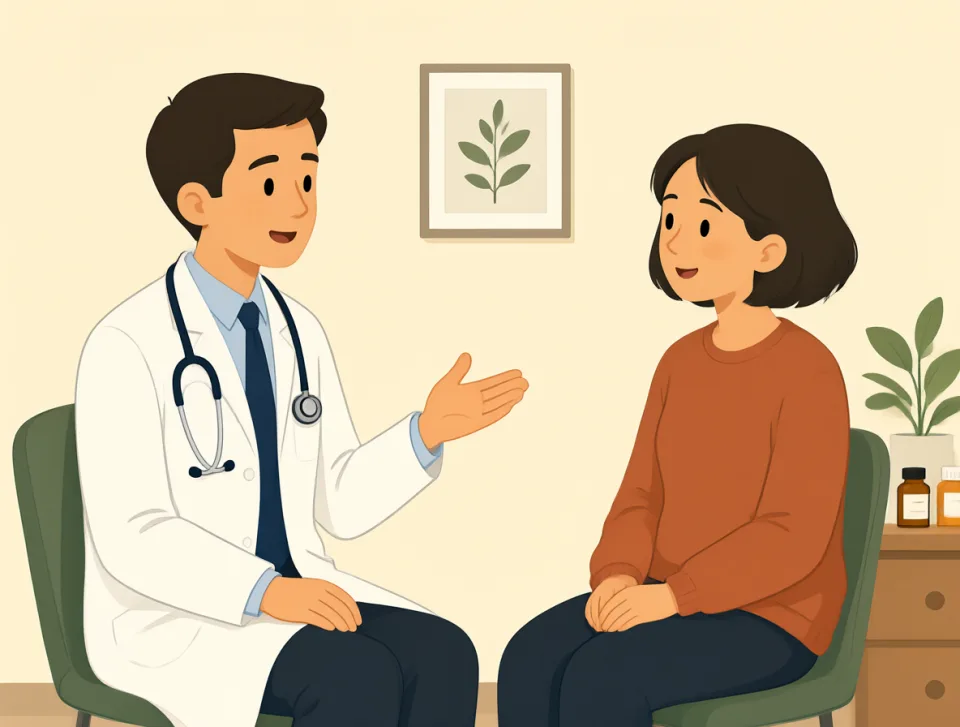
The doctor prescribed tablets for headaches and rest for tired muscles, respectively.
Lekarz przepisał tabletki na bóle głowy, a na zmęczone mięśnie zalecił odpoczynek.
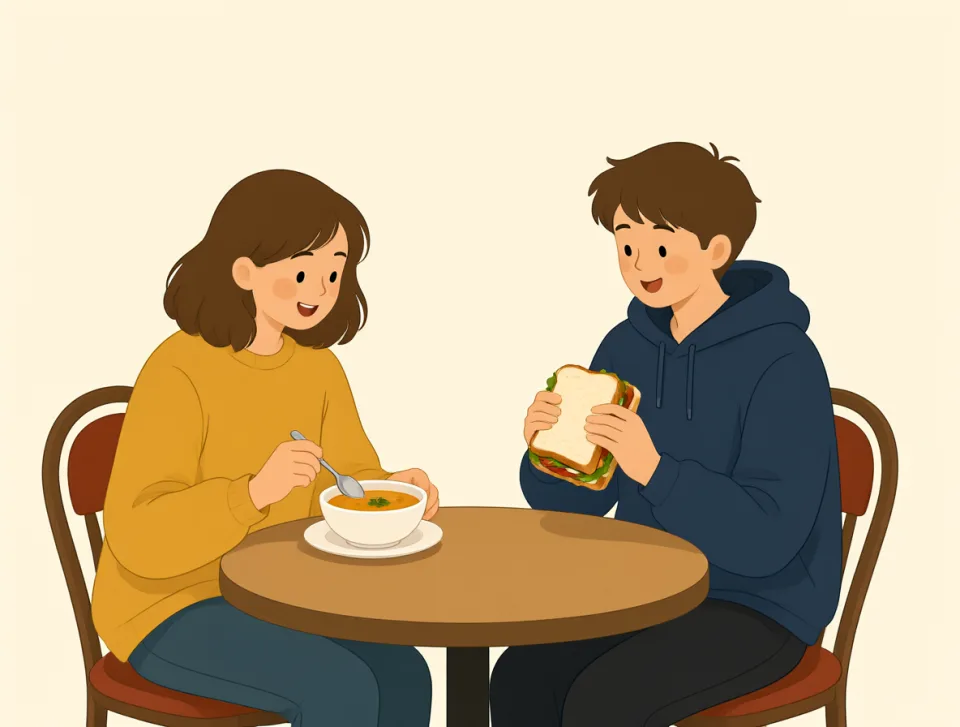
Emma and Leo ordered soup and sandwiches, respectively, for lunch.
Emma i Leo zamówili odpowiednio zupę i kanapki na lunch.
variation
#2019noun
różnorodność
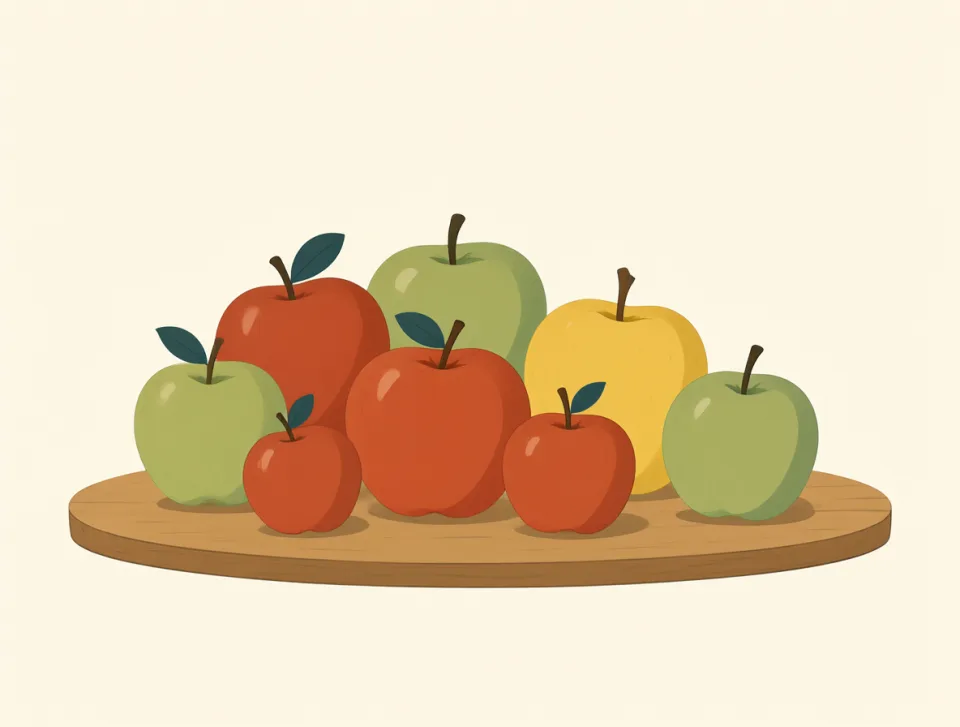
a difference or change in the way something happens, looks, or is done
różnica lub zmiana w sposobie, w jaki coś się dzieje, wygląda lub jest wykonywane
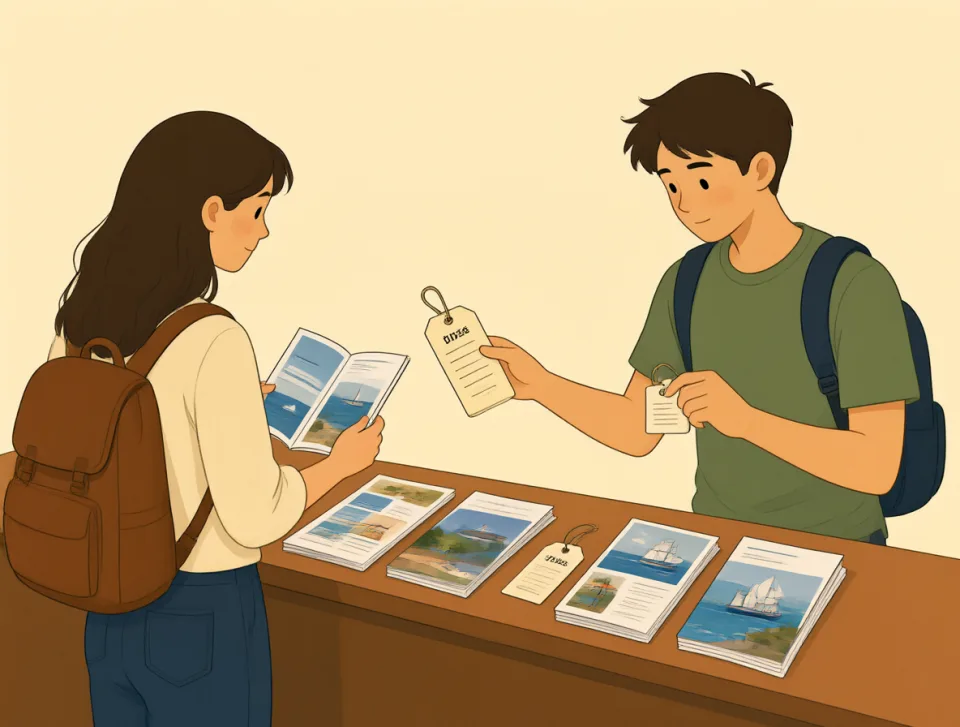
There is a lot of variation in the prices of these similar hotels.
Ceny tych podobnych hoteli bardzo się różnią.
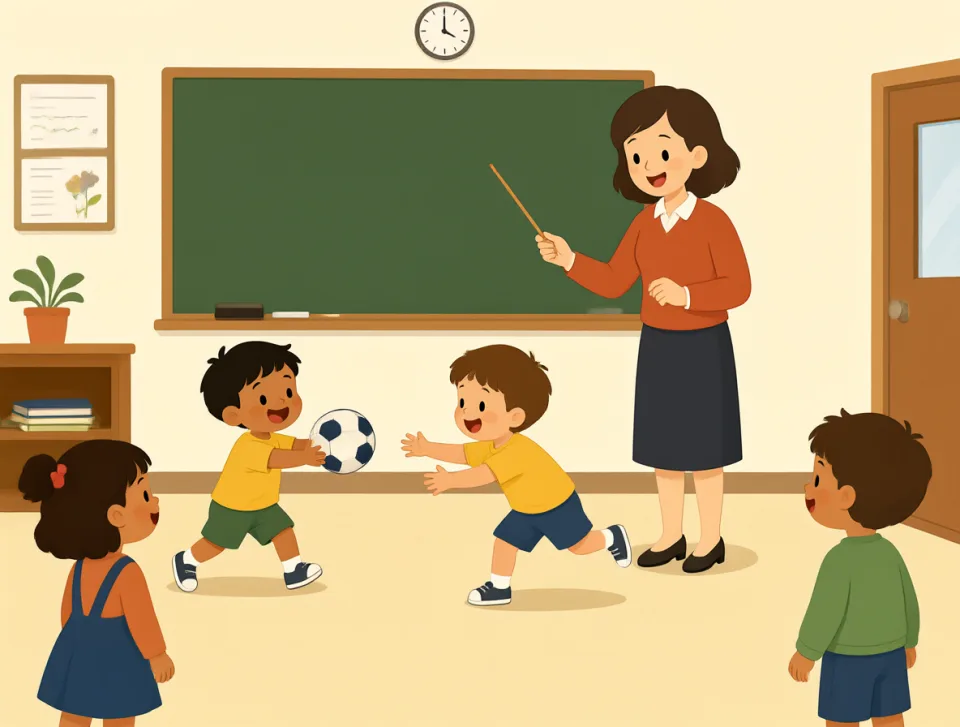
The teacher used different variations of the game to keep students interested.
Nauczyciel używał różnych wersji gry, żeby uczniowie się nią nie znudzili.
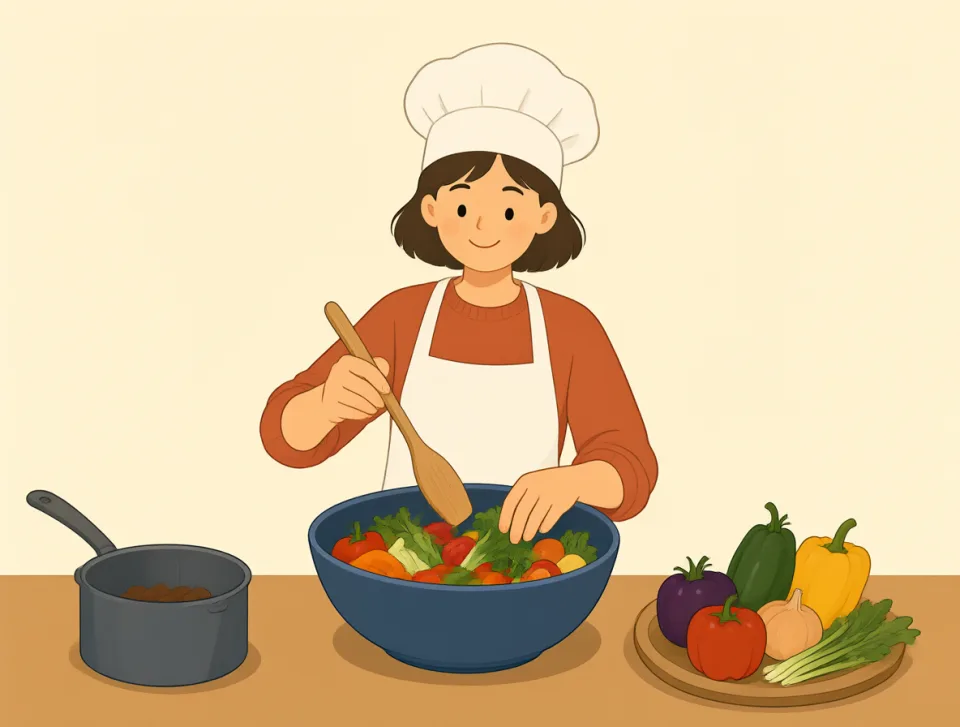
This recipe allows for variation, so you can add vegetables you like.
Ten przepis dopuszcza modyfikacje, więc możesz dodać warzywa, które lubisz.
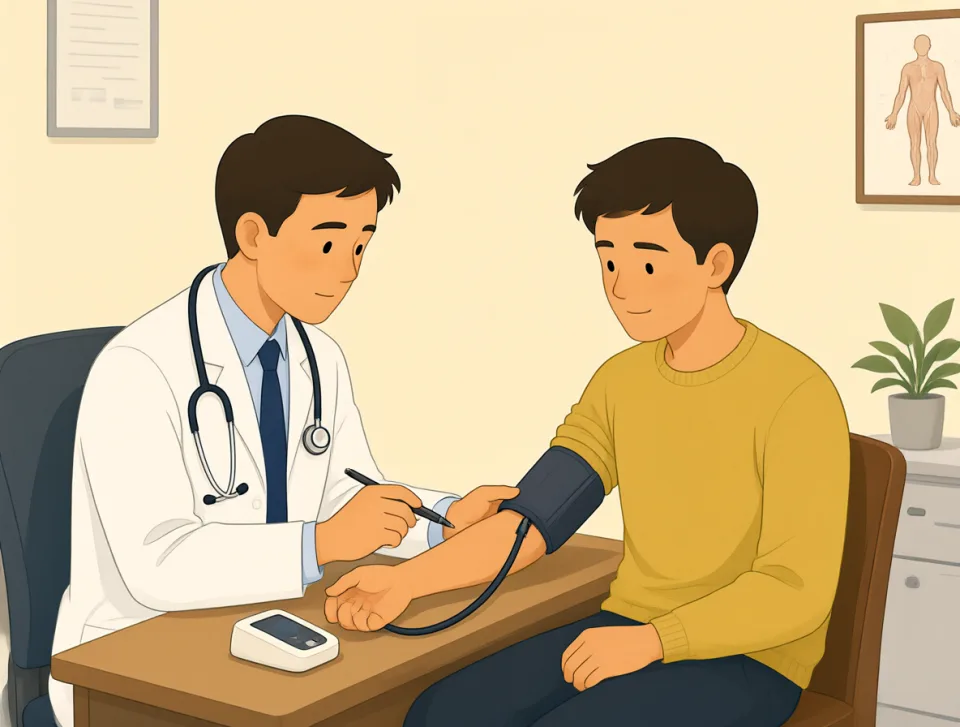
The doctor said some variation in blood pressure is normal during the day.
Lekarz powiedział, że wahania ciśnienia krwi w ciągu dnia są normalne.

We tried a new variation of our usual route to avoid the traffic.
Wypróbowaliśmy nową wersję naszej zwykłej trasy, żeby ominąć korki.

ultimately
#2020adverb
ostatecznie
In the end, after considering everything or after a long process.
Na koniec, po rozważeniu wszystkiego albo po długim procesie.
Ultimately, we decided to stay home because the weather was terrible.
Ostatecznie zdecydowaliśmy się zostać w domu, bo pogoda była okropna.
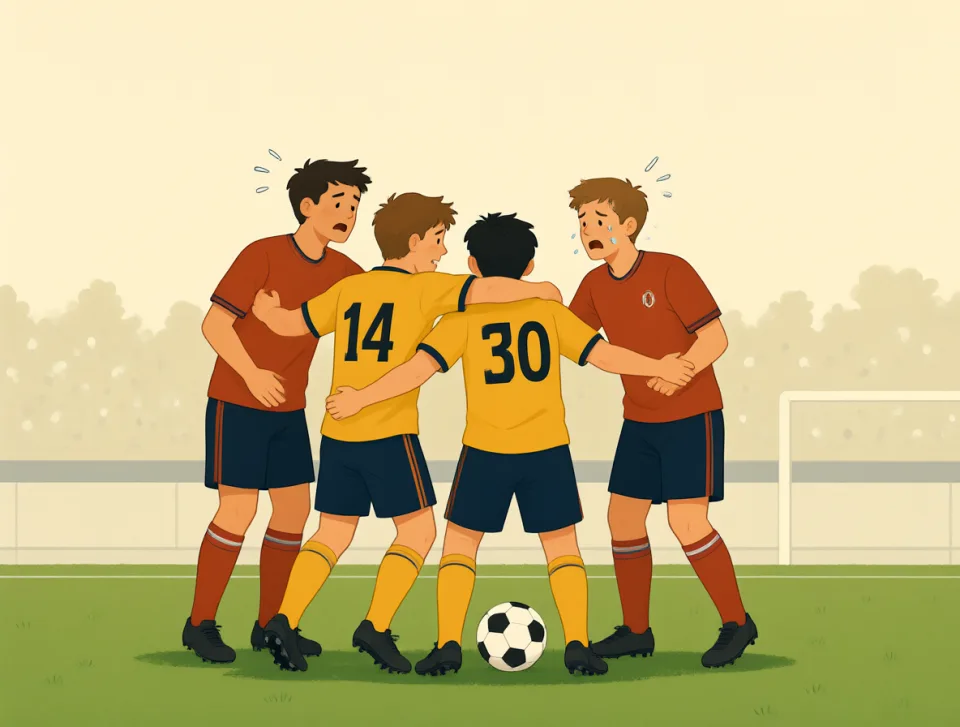
The team ultimately won the game after scoring twice in the final minutes.
Drużyna ostatecznie wygrała mecz po tym, jak zdobyła dwa gole w ostatnich minutach.

She tried several treatments, but ultimately felt better after getting enough sleep.
Wypróbowała kilka metod leczenia, ale ostatecznie poczuła się lepiej po porządnym wyspaniu się.
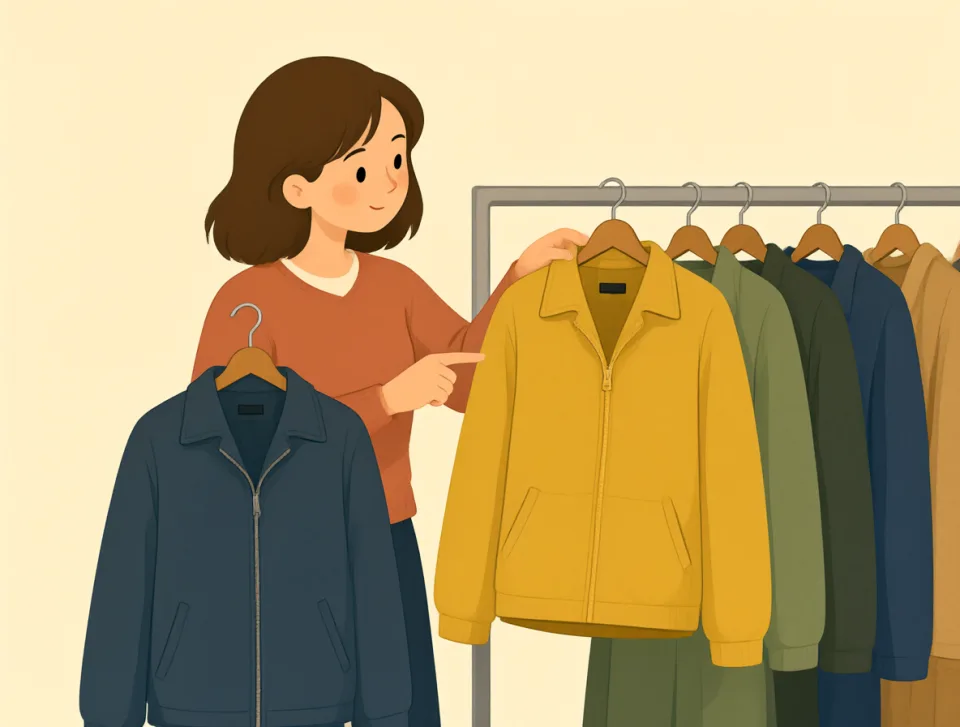
The customer ultimately chose the cheaper jacket after comparing both options.
Po porównaniu obu opcji klient ostatecznie wybrał tańszą kurtkę.

Although the journey was difficult, we ultimately reached the village before sunset.
Chociaż podróż była trudna, ostatecznie dotarliśmy do wioski przed zachodem słońca.