Zestaw 120
Słowa 2381–2400 · rescue, mess, preference, comprehensive, incentive, league
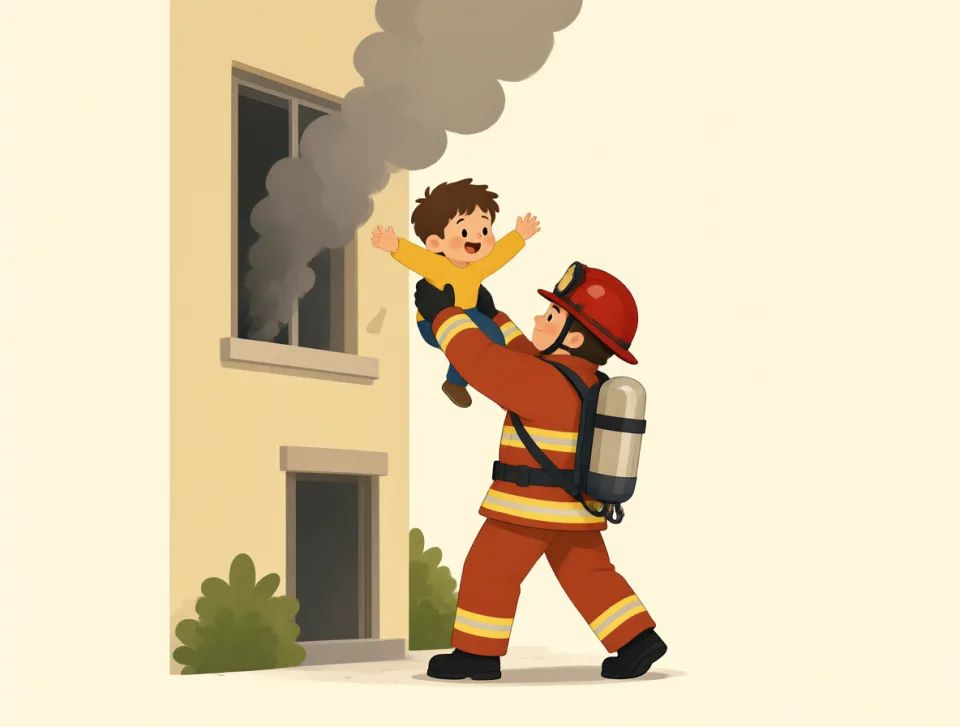
rescue
#2381noun, verb
ratunek; ratować
To save someone or something from danger, or the act of saving them.
Uratowanie kogoś lub czegoś przed niebezpieczeństwem albo czynność polegająca na ich ratowaniu.
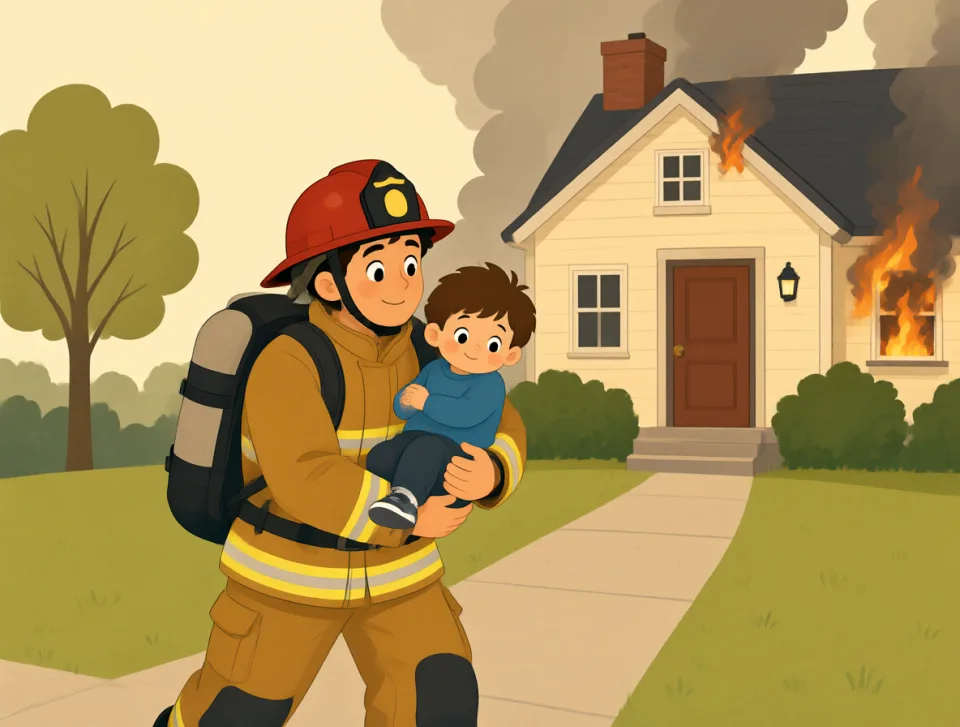
Firefighters rescued a child from the burning house last night.
Strażacy uratowali wczoraj wieczorem dziecko z płonącego domu.
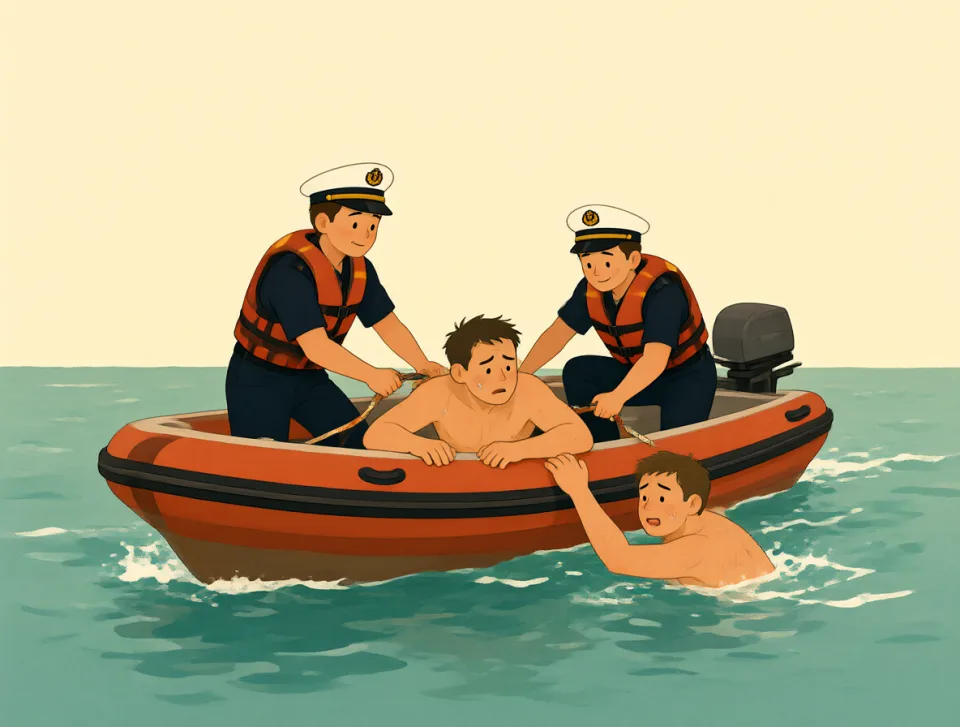
The coast guard rescued three swimmers after their boat sank.
Straż przybrzeżna uratowała trzech pływaków po tym, jak ich łódź zatonęła.
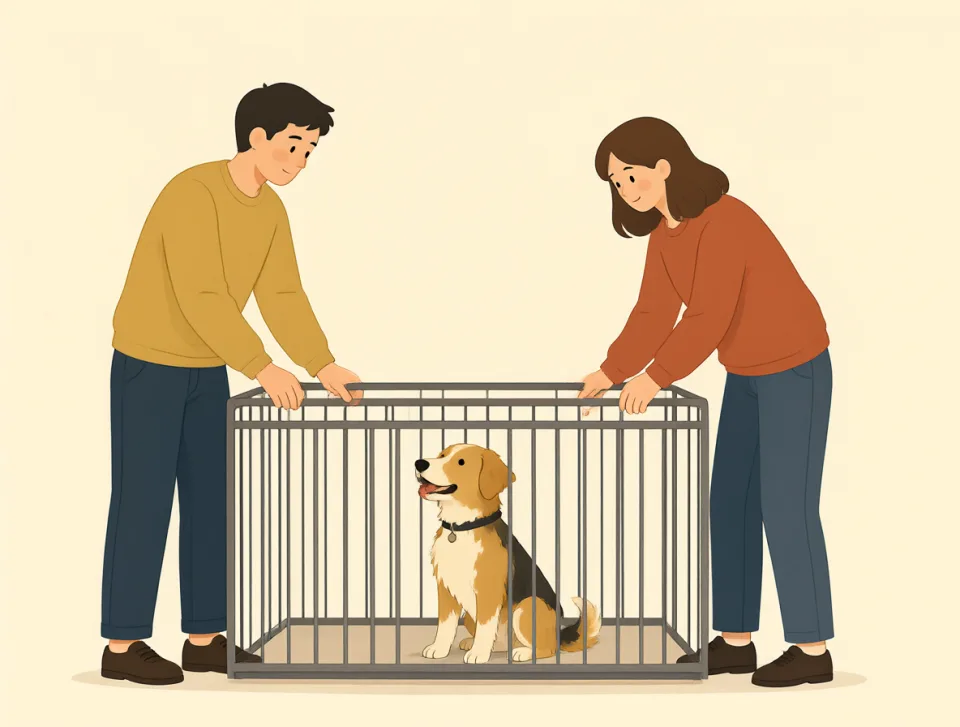
Volunteers are raising money to rescue abandoned animals.
Wolontariusze zbierają pieniądze na ratowanie porzuconych zwierząt.
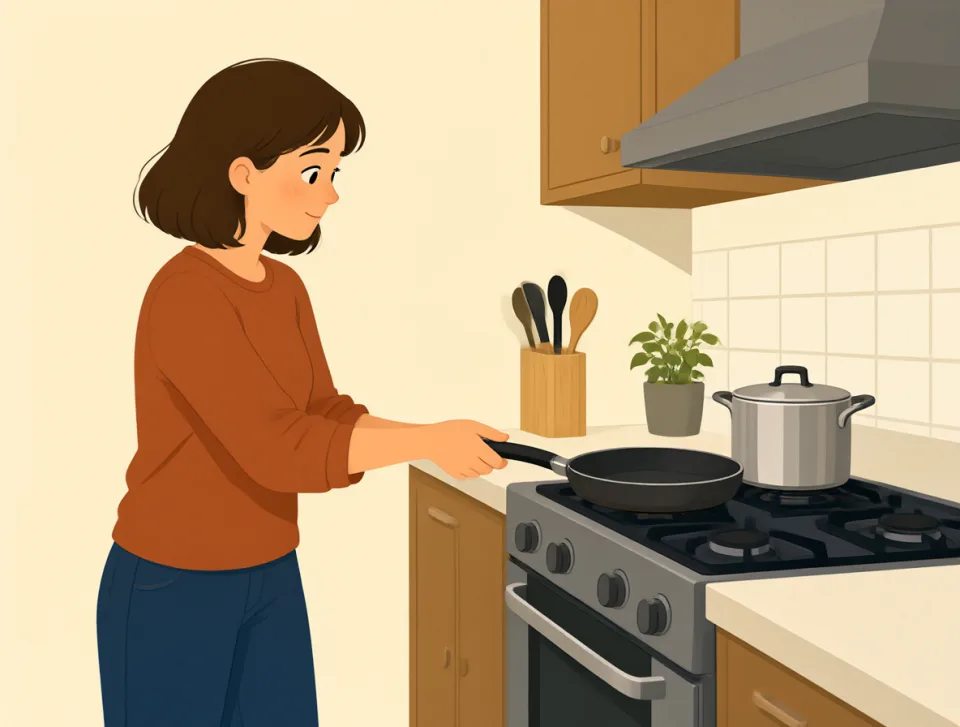
A quick rescue by her neighbor prevented a serious kitchen accident.
Szybka pomoc sąsiadki zapobiegła poważnemu wypadkowi w kuchni.

The mountain rescue team found the lost hikers before dark.
Górska ekipa ratunkowa znalazła zagubionych wędrowców przed zmrokiem.
mess
#2382noun, verb
bałagan; bałaganić
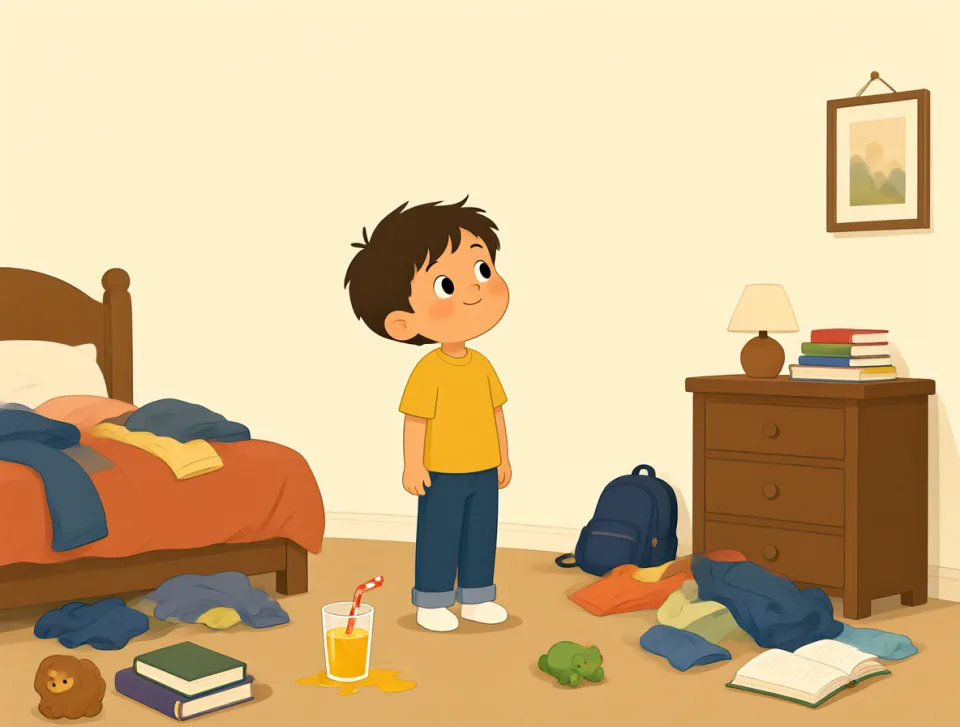
A dirty or untidy state; to make a place dirty or untidy.
Brudny lub nieuporządkowany stan; zabrudzić lub zabałaganić jakieś miejsce.
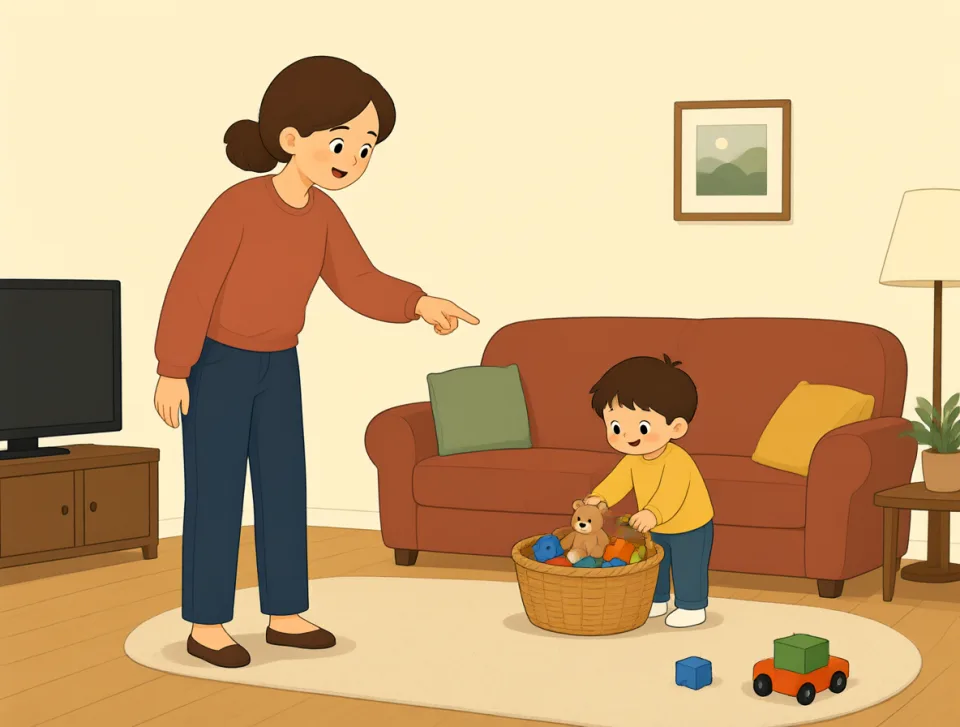
Please clean up this mess before our guests arrive tonight.
Posprzątaj proszę ten bałagan, zanim dziś wieczorem przyjdą nasi goście.
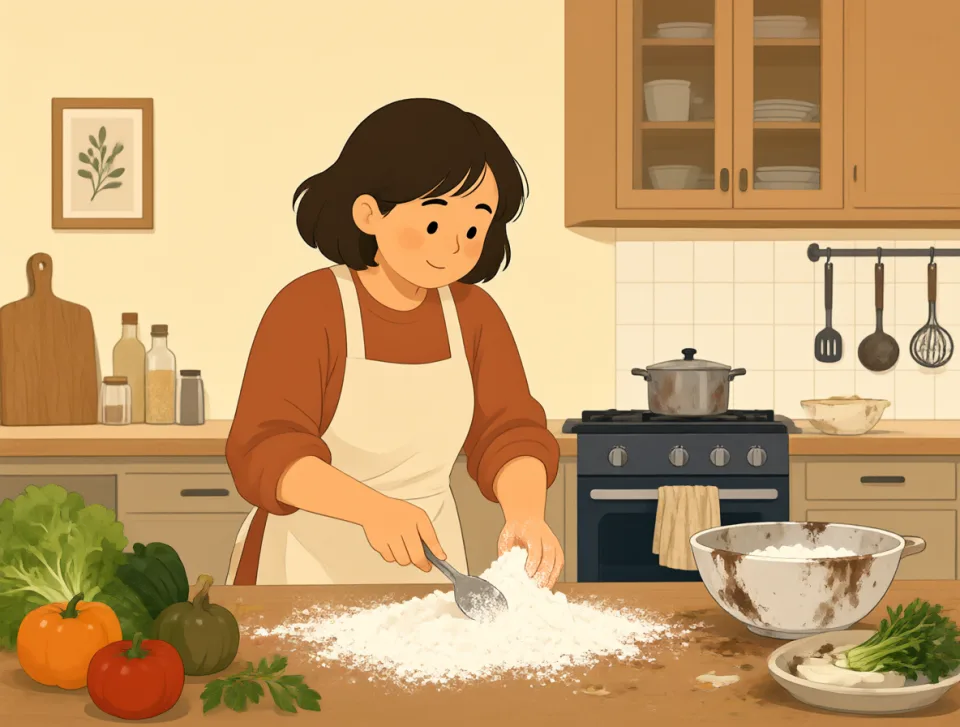
I made a mess in the kitchen while preparing dinner.
Narobiłem bałaganu w kuchni podczas przygotowywania kolacji.
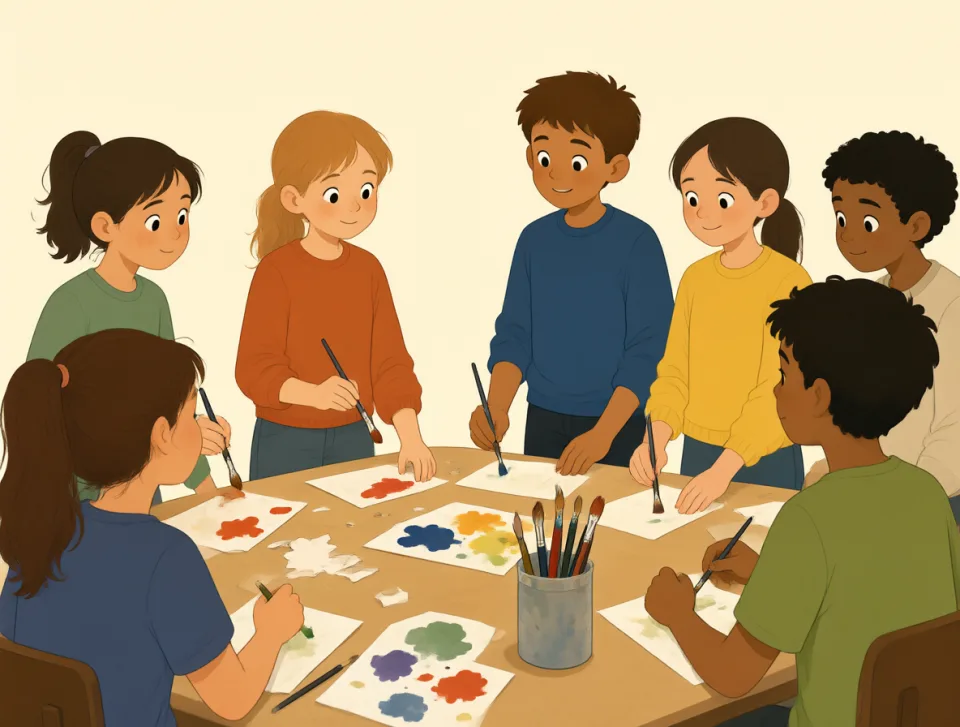
The students left a terrible mess after their art project.
Uczniowie zostawili straszny bałagan po swoim projekcie plastycznym.

The mechanic fixed the car without making a mess in the garage.
Mechanik naprawił samochód, nie robiąc bałaganu w garażu.

He messed up the travel plans by booking the wrong train.
Pokrzyżował plany podróży, rezerwując bilet na niewłaściwy pociąg.

preference
#2383noun
preferencja; upodobanie
A greater liking for one choice, person, or thing than another.
Większe upodobanie do jednego wyboru, jednej osoby lub jednej rzeczy niż do innej.
My preference is tea, but I sometimes drink coffee with friends.
Najbardziej lubię herbatę, ale czasami piję kawę z przyjaciółmi.

Do you have a preference for a window seat or an aisle seat?
Wolisz miejsce przy oknie czy przy przejściu?
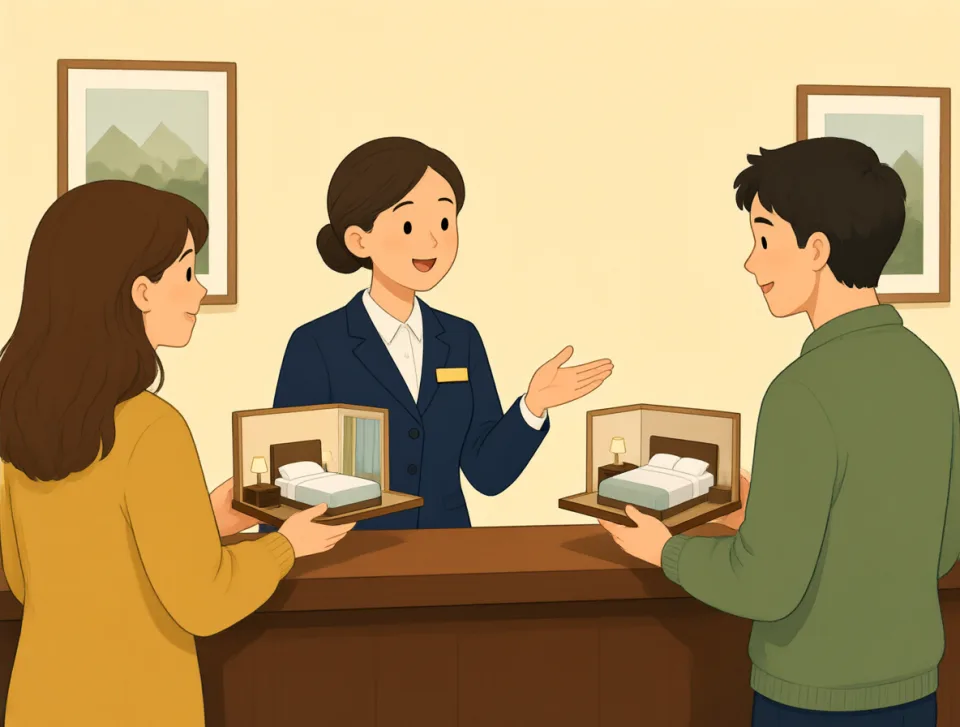
The hotel offers rooms with different preferences for families and business travelers.
Hotel oferuje pokoje dostosowane do różnych preferencji rodzin i osób podróżujących służbowo.

She chose the blue jacket because it matched her personal preference.
Wybrała niebieską kurtkę, ponieważ pasowała do jej osobistych upodobań.
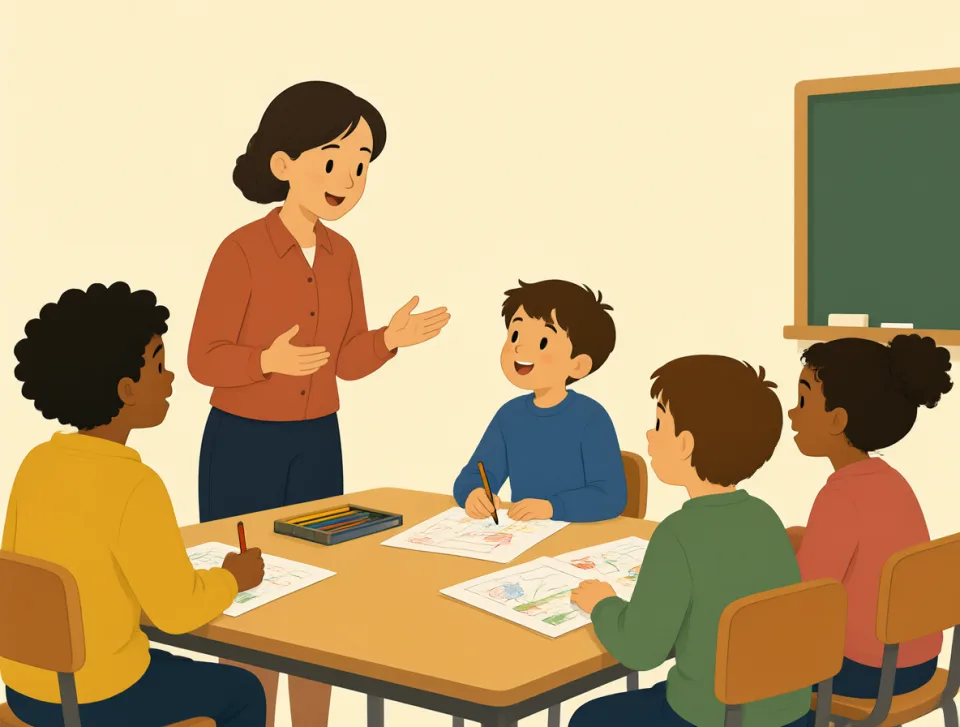
The teacher asked about students' preferences before planning the class activity.
Nauczyciel zapytał o preferencje uczniów, zanim zaplanował zajęcia.

comprehensive
#2384adjective
wszechstronny; wyczerpujący
Including all or nearly all details, information, or parts of something.
Obejmujący wszystkie lub prawie wszystkie szczegóły, informacje albo elementy czegoś.
The doctor gave me a comprehensive health check before my surgery.
Lekarz przeprowadził u mnie kompleksowe badanie stanu zdrowia przed operacją.

Our teacher gave us a comprehensive guide to the final exam.
Nasz nauczyciel dał nam wyczerpujący przewodnik do egzaminu końcowego.

The travel website offers a comprehensive list of hotels and attractions.
Strona internetowa poświęcona podróżom oferuje obszerną listę hoteli i atrakcji.

We need a comprehensive plan before starting the new project.
Potrzebujemy kompleksowego planu, zanim rozpoczniemy nowy projekt.

The supermarket sells a comprehensive range of fresh ingredients for cooking.
Supermarket sprzedaje szeroki wybór świeżych składników do gotowania.

incentive
#2385noun
zachęta; motywator
Something that encourages someone to do something, especially by offering a reward.
Coś, co zachęca kogoś do zrobienia czegoś, zwłaszcza poprzez zaoferowanie nagrody.

The company offered a financial incentive to employees who reached their targets.
Firma zaoferowała pracownikom zachętę finansową za osiągnięcie wyznaczonych celów.
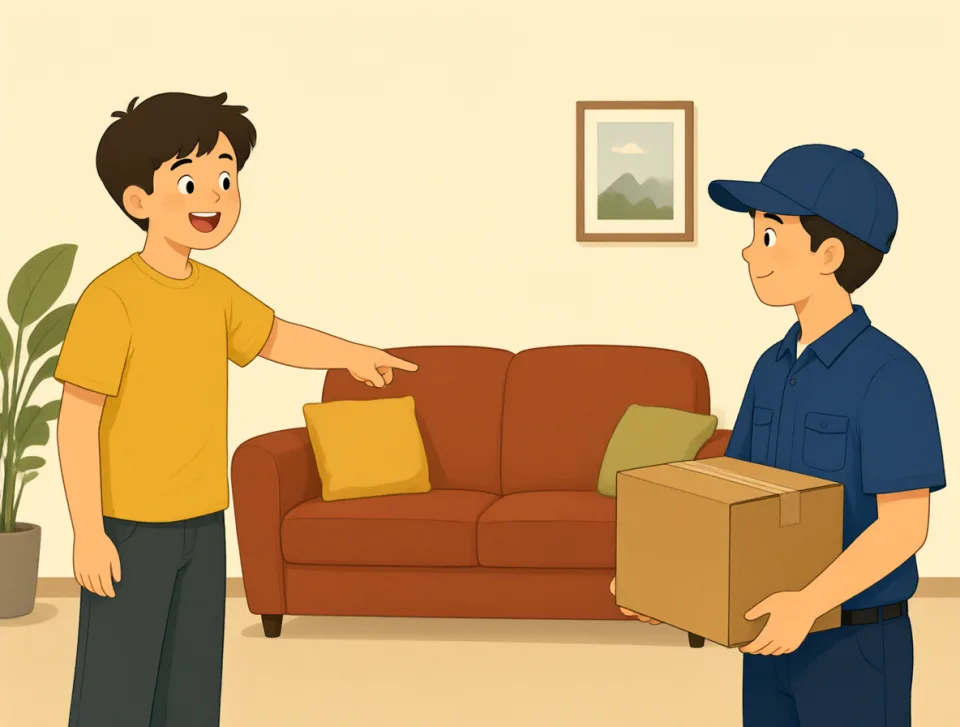
Free delivery was a strong incentive to buy the sofa online.
Darmowa dostawa była silną zachętą do kupienia sofy przez internet.
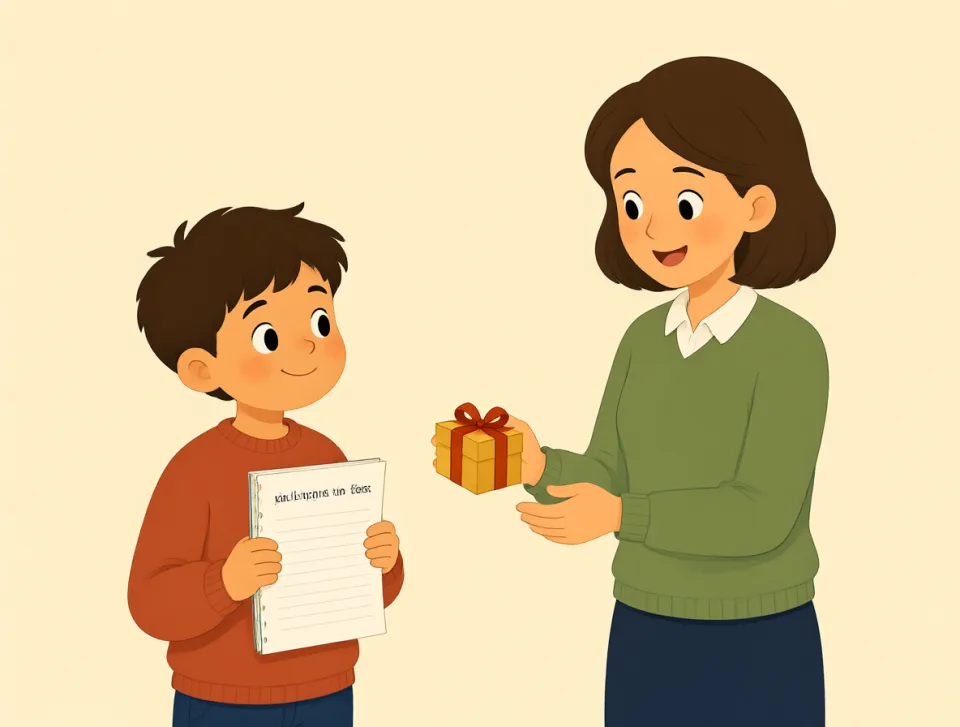
The teacher gave students an incentive to finish their homework early.
Nauczyciel dał uczniom zachętę do wcześniejszego odrobienia pracy domowej.
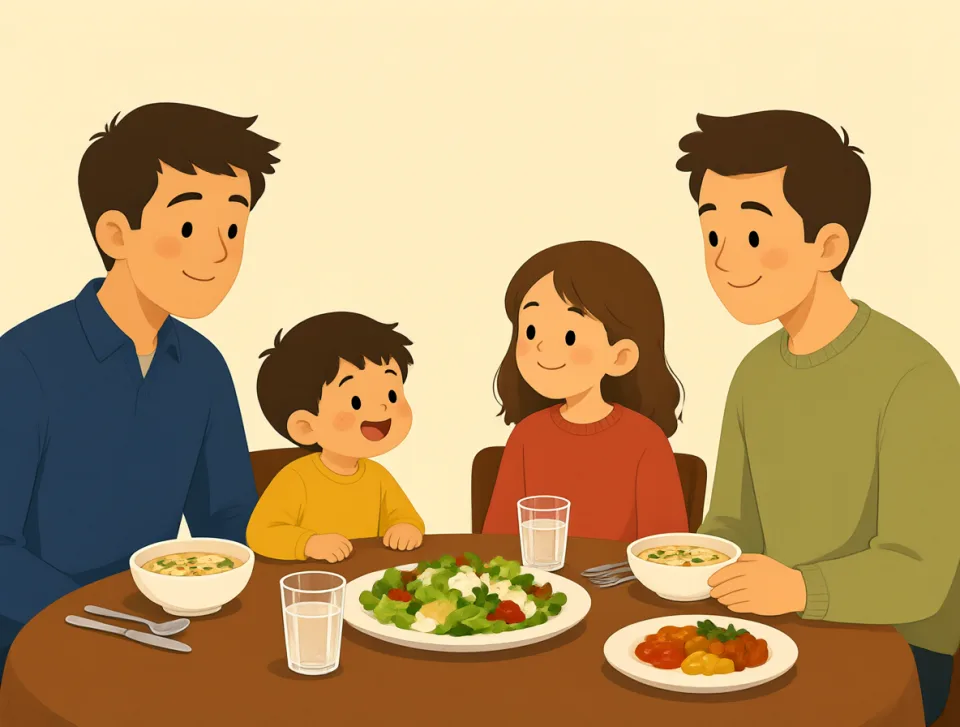
Lower prices provide an incentive for families to eat at the restaurant.
Niższe ceny zachęcają rodziny do jedzenia w restauracji.
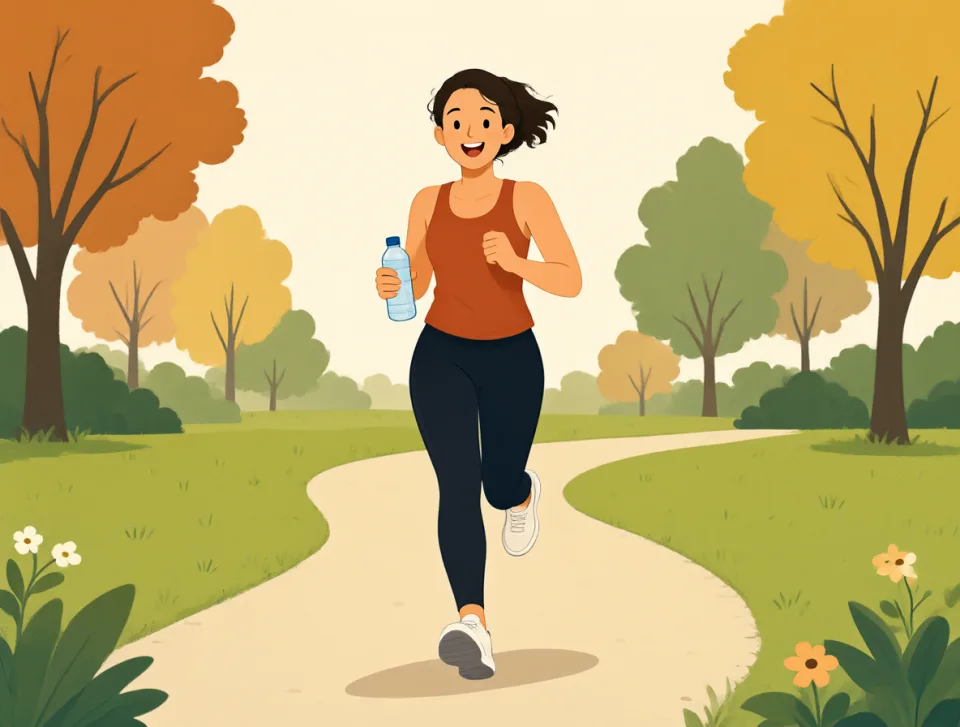
The promise of better health was enough incentive for Maria to exercise daily.
Obietnica lepszego zdrowia była dla Marii wystarczającą motywacją, by codziennie ćwiczyć.
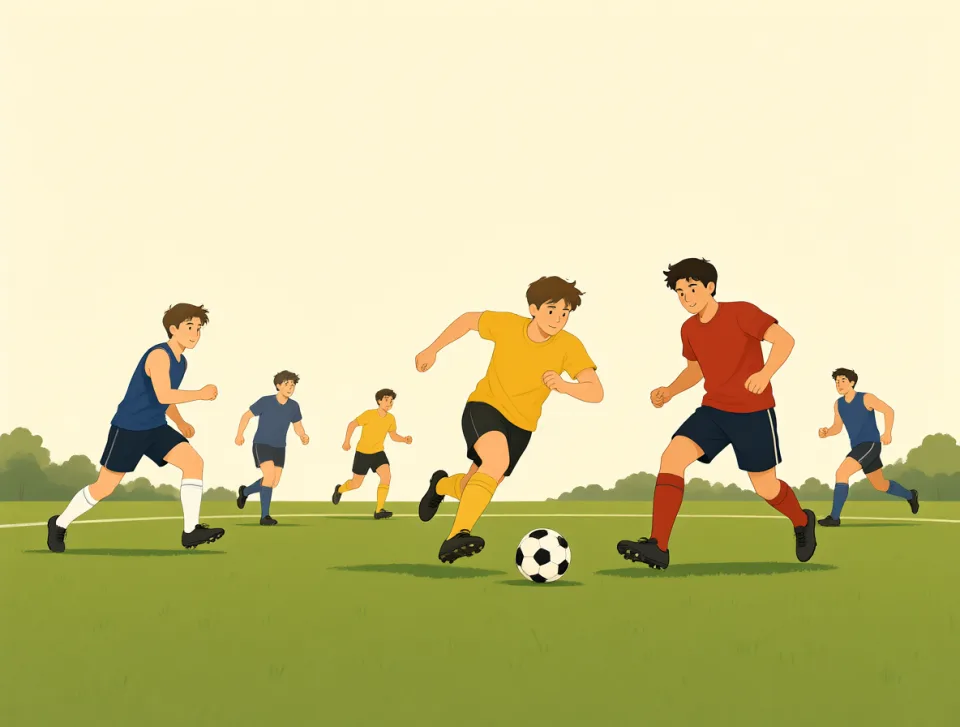
league
#2386noun
liga
A group of sports teams that play against each other in a competition.
Grupa drużyn sportowych, które rywalizują ze sobą w rozgrywkach.
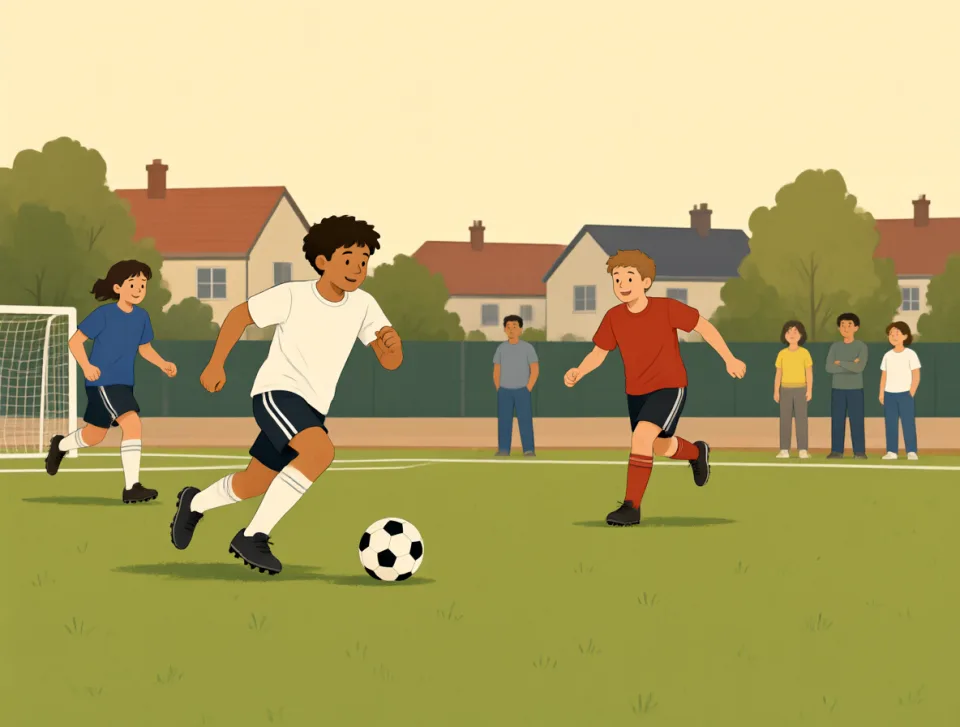
Our local football league starts again next month.
Nasza lokalna liga piłkarska rozpoczyna się ponownie w przyszłym miesiącu.

She joined a bowling league with coworkers after work.
Po pracy dołączyła do ligi bowlingowej ze współpracownikami.

The team moved up to the first division of the league.
Drużyna awansowała do pierwszej ligi.
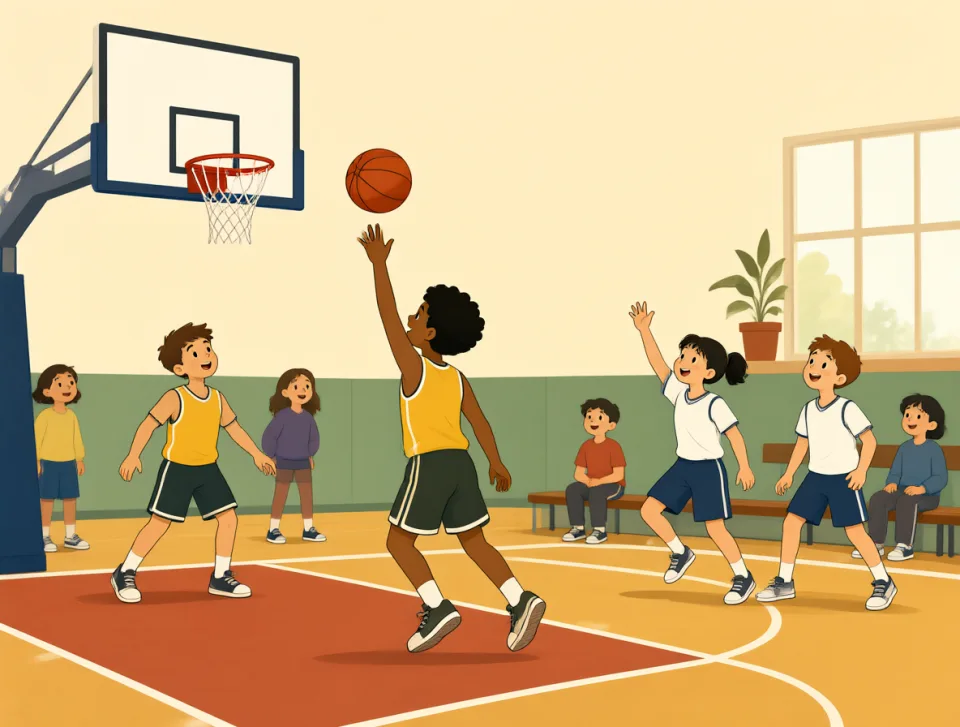
Several teams are competing in the school basketball league this year.
W tym roku kilka drużyn rywalizuje w szkolnej lidze koszykówki.

Their club hopes to win the league championship this season.
Ich klub ma nadzieję zdobyć w tym sezonie mistrzostwo ligi.

dialog
#2387noun
dialog
A conversation between two or more people, especially in a book, play, or film.
Rozmowa między dwiema lub większą liczbą osób, zwłaszcza w książce, sztuce teatralnej lub filmie.

The movie has funny dialog between the two main characters.
W filmie dialogi między dwojgiem głównych bohaterów są zabawne.
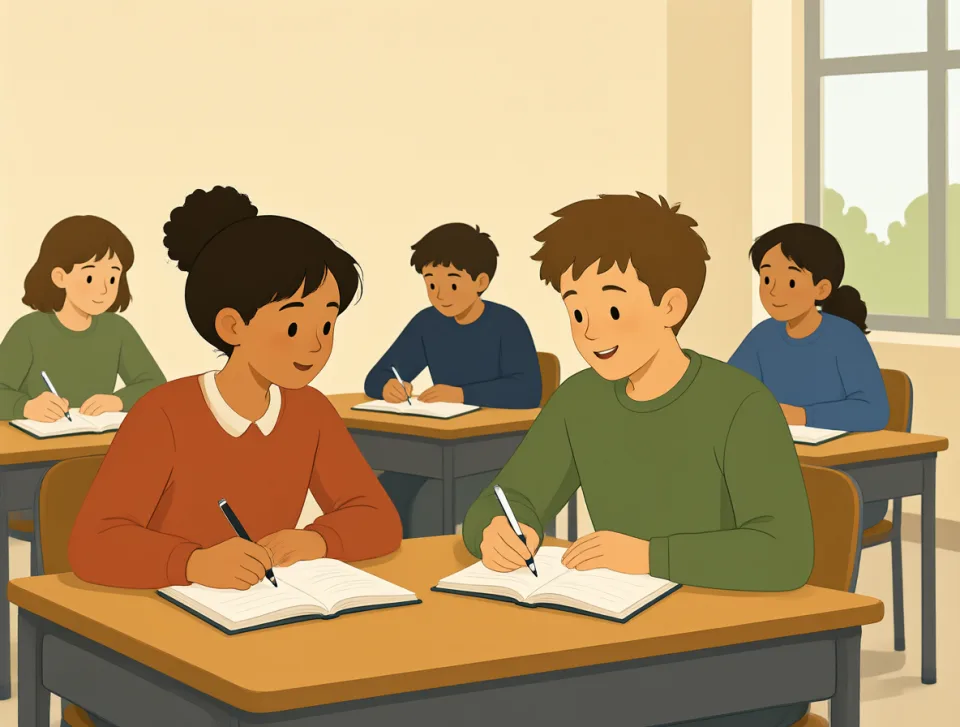
The teacher asked students to write a short dialog about ordering lunch.
Nauczyciel poprosił uczniów o napisanie krótkiego dialogu na temat zamawiania lunchu.

The actors practiced their dialog before the evening performance.
Aktorzy ćwiczyli swoje kwestie przed wieczornym występem.
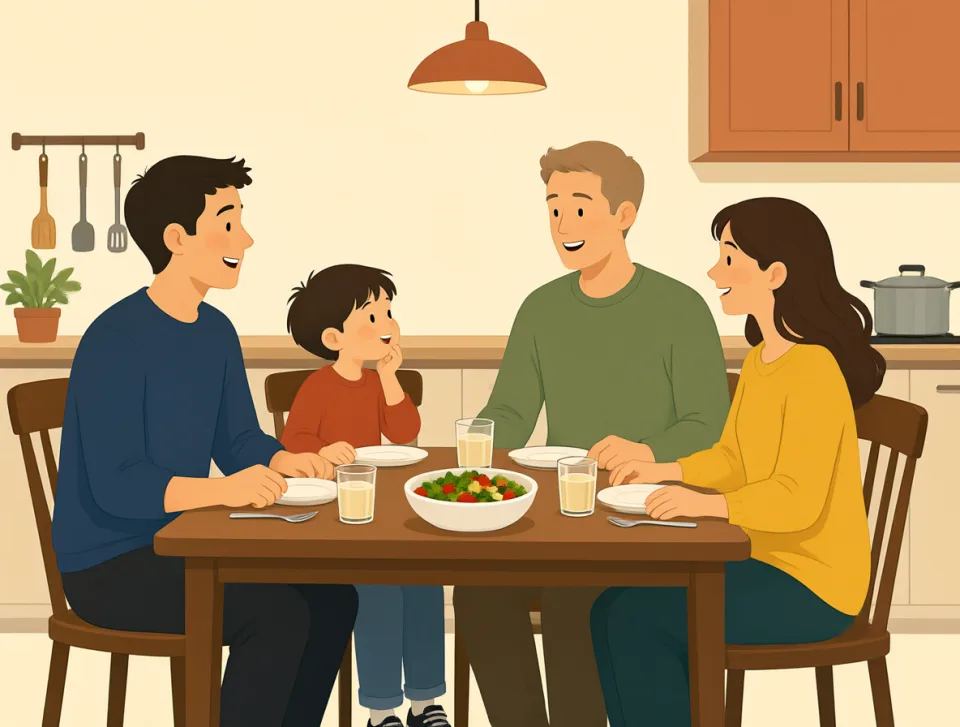
The book includes natural dialog that sounds like real family conversations.
Książka zawiera naturalne dialogi, które brzmią jak prawdziwe rozmowy rodzinne.

The doctor used calm dialog to explain the treatment to her patient.
Lekarka spokojnie wyjaśniła pacjentce przebieg leczenia.

cream
#2388noun, verb
śmietanka
A thick white food made from milk, or to add cream to food or drinks.
Gęsty, biały produkt spożywczy z mleka; także dodanie śmietanki do potrawy lub napoju.
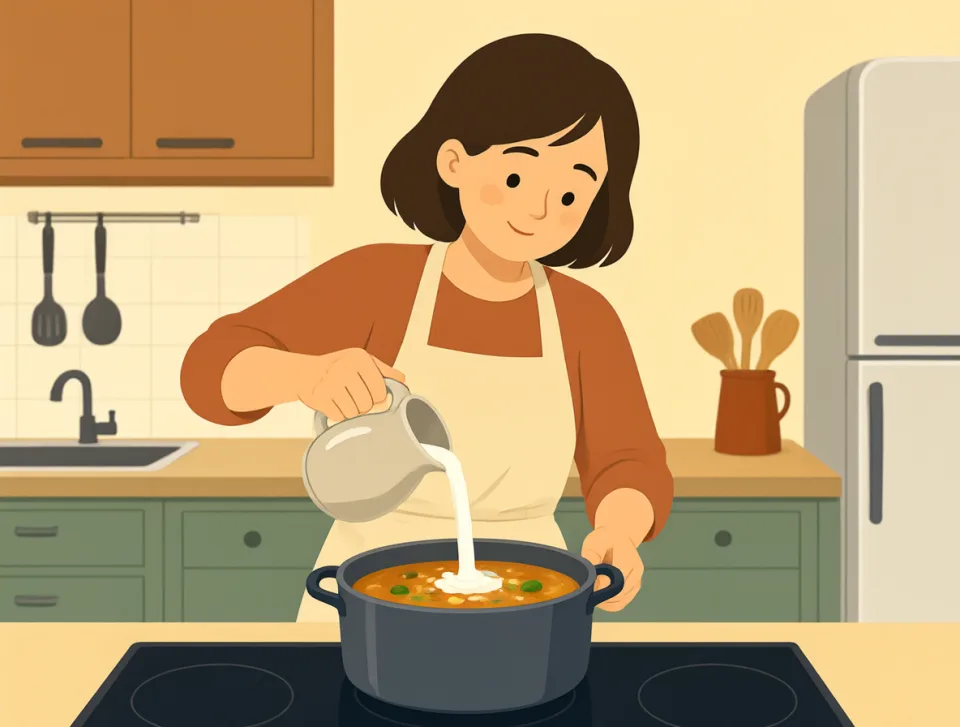
She added cream to the soup to make it richer.
Dodała śmietankę do zupy, żeby miała bogatszy smak.

Would you like cream in your coffee?
Czy życzy sobie pan/pani śmietanki do kawy?

We bought ice cream after dinner and ate it outside.
Po kolacji kupiliśmy lody i zjedliśmy je na zewnątrz.

The doctor gave me a cream for my dry skin.
Lekarz dał mi krem na suchą skórę.
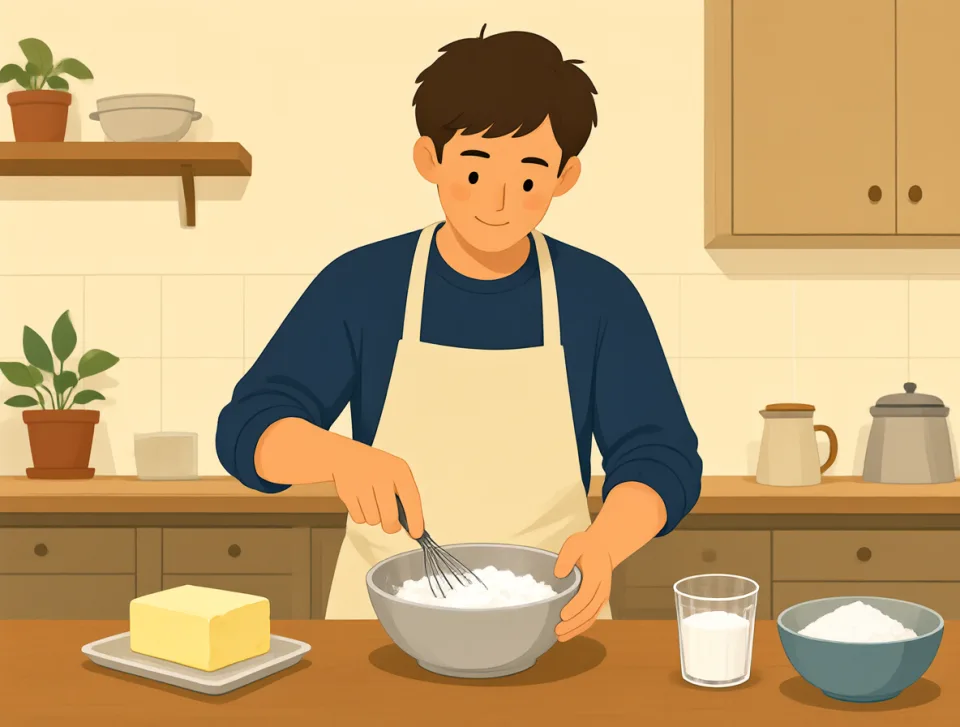
He is creaming the butter and sugar for the cake.
Uciera masło z cukrem na ciasto.

rapid
#2389adjective
szybki
happening very quickly or moving at a very fast speed
Dziejący się bardzo szybko lub poruszający się z bardzo dużą prędkością.

The rapid growth of online shopping has changed many people's daily habits.
Gwałtowny rozwój zakupów internetowych zmienił codzienne nawyki wielu osób.
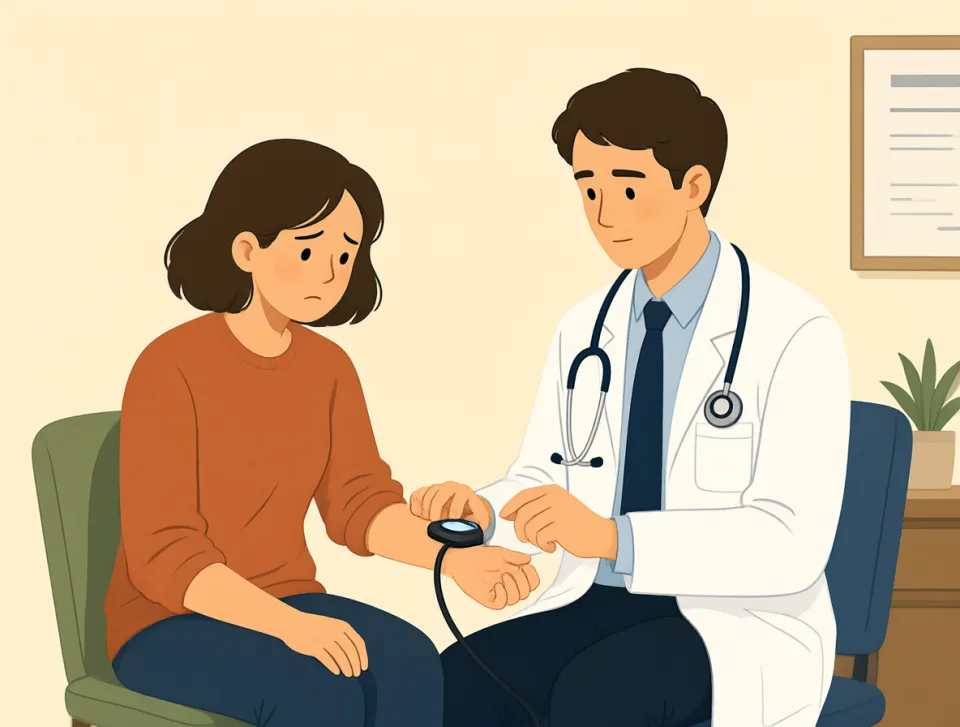
The doctor noticed a rapid heartbeat and asked me to rest quietly.
Lekarz zauważył, że moje serce bije szybko, i kazał mi spokojnie odpocząć.

We enjoyed a rapid train journey from the city to the coast.
Cieszyliśmy się szybką podróżą pociągiem z miasta na wybrzeże.

The rapid rise in prices made it difficult to buy fresh food.
Gwałtowny wzrost cen utrudnił kupowanie świeżej żywności.

After the storm, the river's rapid flow carried branches downstream.
Po burzy wartki nurt rzeki uniósł gałęzie w dół rzeki.

cancel
#2390verb, noun
odwołać
To stop an event or arrangement from happening, or to say that it will not happen.
Sprawić, że wydarzenie lub ustalenie nie dojdzie do skutku, albo poinformować, że się nie odbędzie.

The airline canceled our flight because of the severe storm.
Linia lotnicza odwołała nasz lot z powodu silnej burzy.
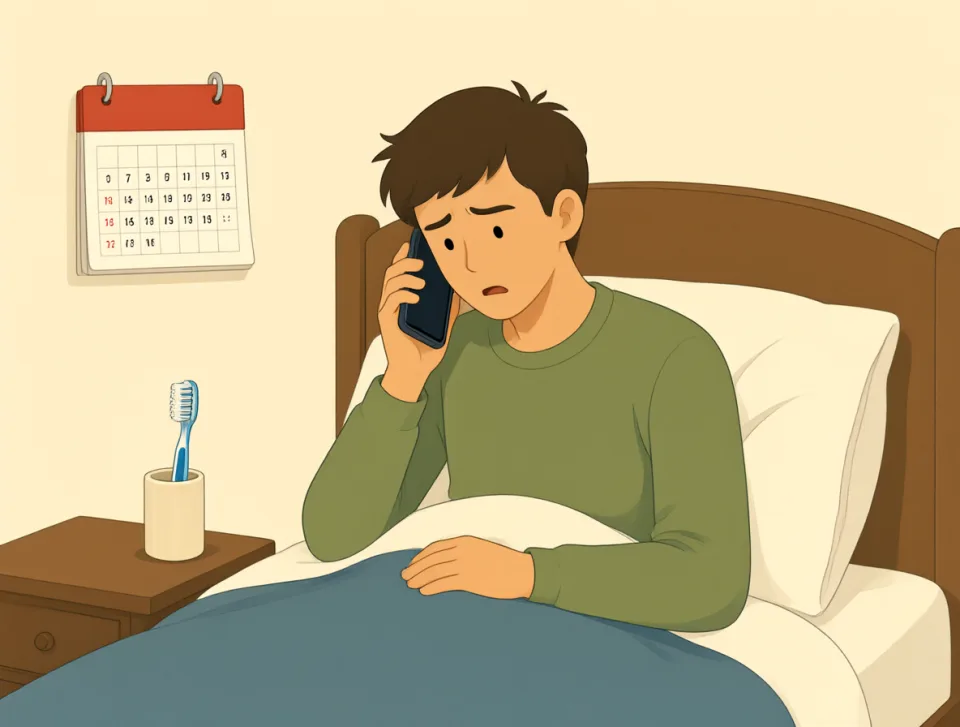
I had to cancel my dentist appointment because I felt sick.
Musiałem odwołać wizytę u dentysty, bo źle się czułem.

We canceled dinner plans when our friends became ill.
Odwołaliśmy plany kolacji, gdy nasi znajomi zachorowali.
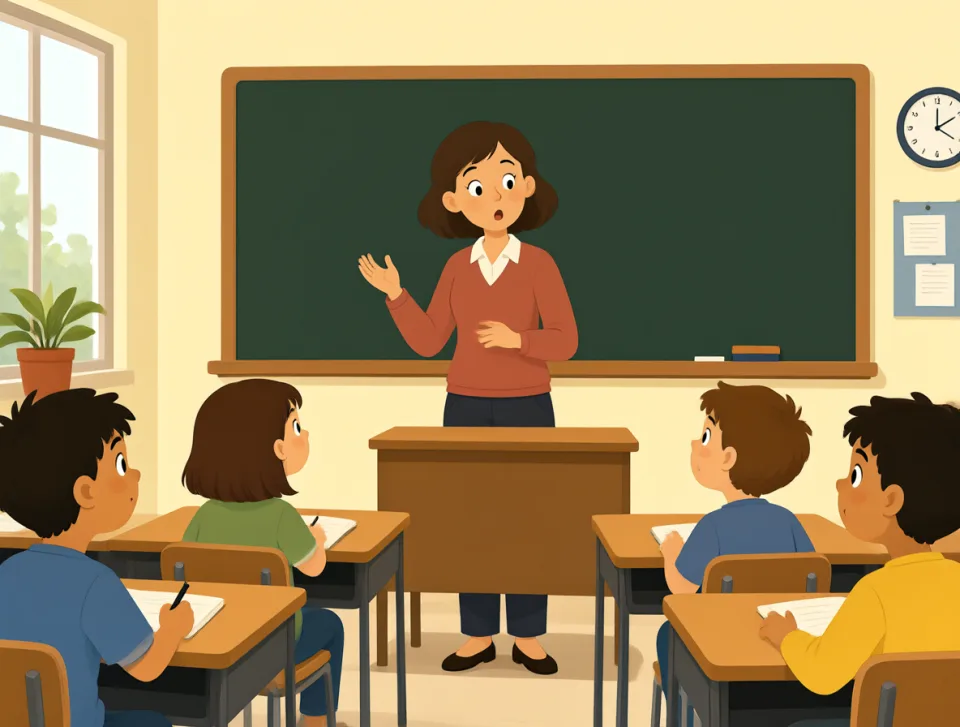
The teacher canceled class because the school lost power.
Nauczyciel odwołał lekcje, ponieważ w szkole zabrakło prądu.
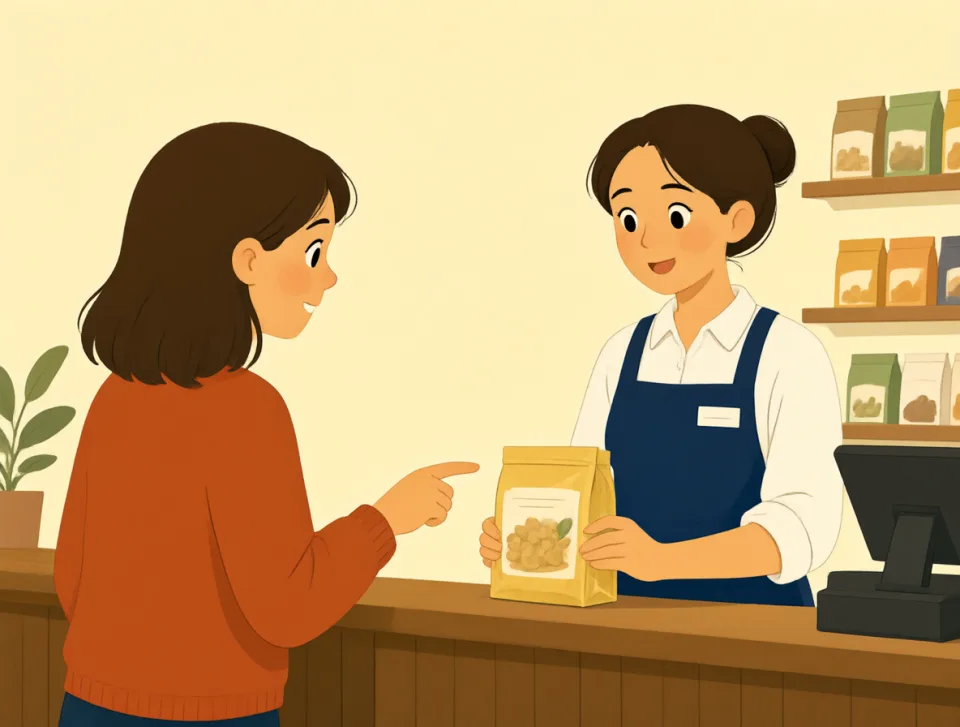
You can cancel your order before the store sends it.
Możesz anulować zamówienie, zanim sklep je wyśle.
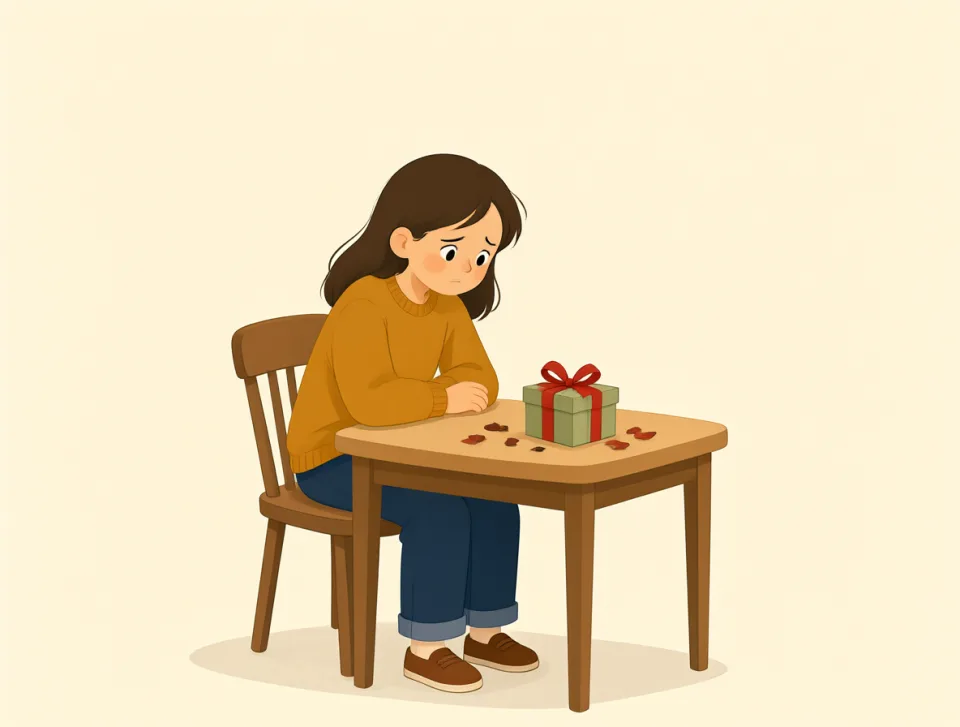
regret
#2391noun, verb
żałować; żal
A sad feeling about something you did or did not do, or to feel this sadness.
Smutne uczucie związane z czymś, co się zrobiło lub czego się nie zrobiło; odczuwać taki smutek.

I regret telling my friend about the surprise party.
Żałuję, że powiedziałem przyjacielowi o przyjęciu-niespodziance.

She regrets not studying harder for the final exam.
Żałuje, że nie uczyła się pilniej do egzaminu końcowego.

We regret to inform you that your order is unavailable.
Z przykrością informujemy, że zamówiony przez Państwa produkt jest niedostępny.
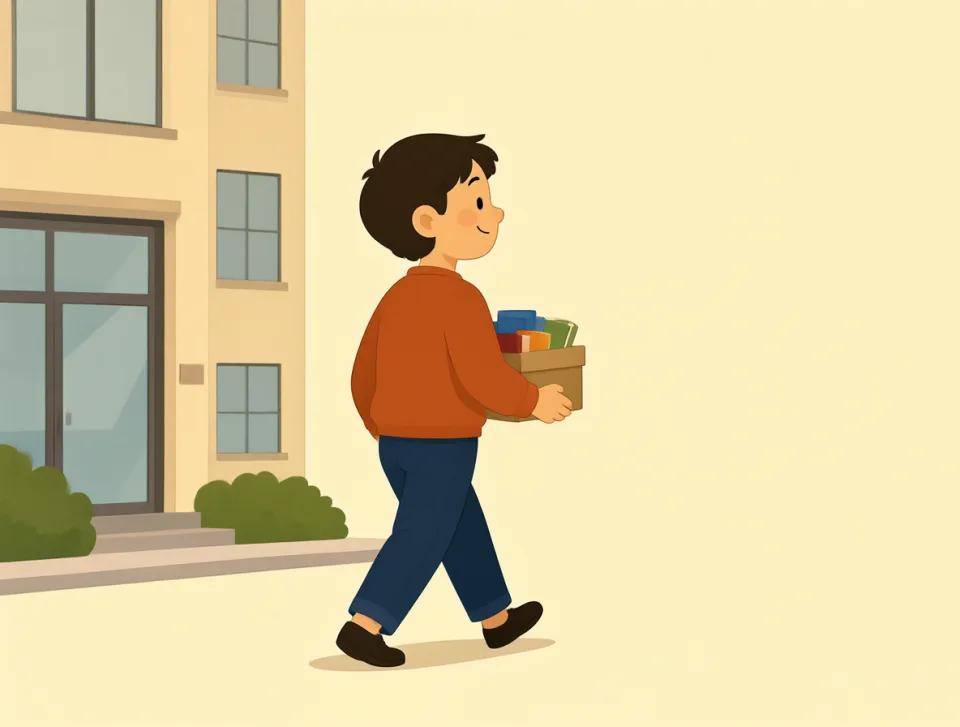
He has no regrets about leaving his old job.
Nie żałuje odejścia z poprzedniej pracy.
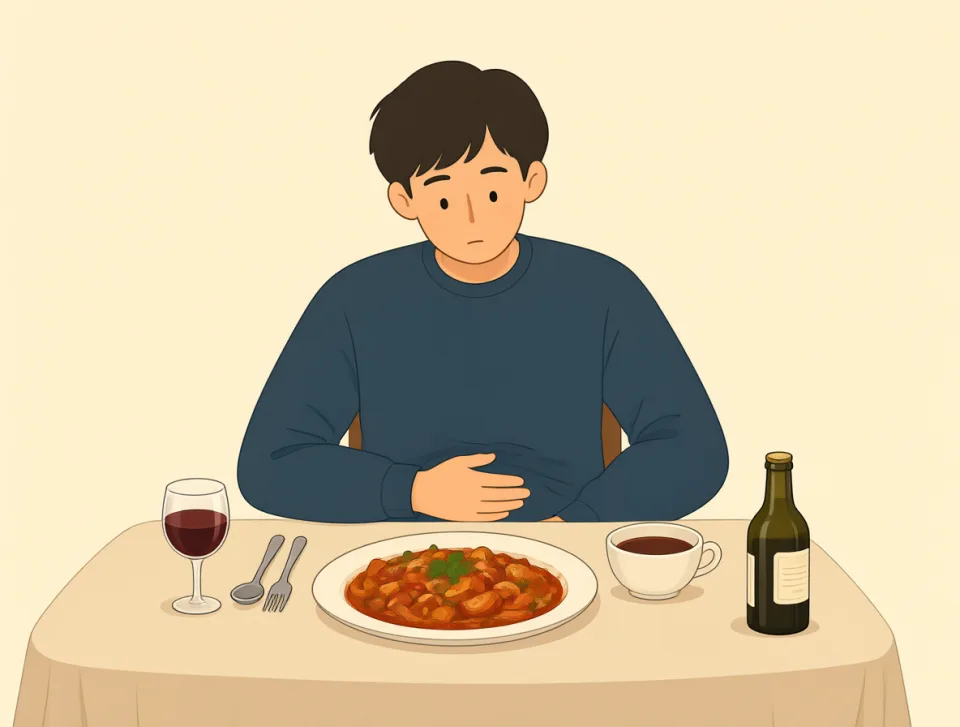
You may regret eating so much spicy food tonight.
Możesz dziś wieczorem pożałować, że zjadłeś tyle pikantnych potraw.
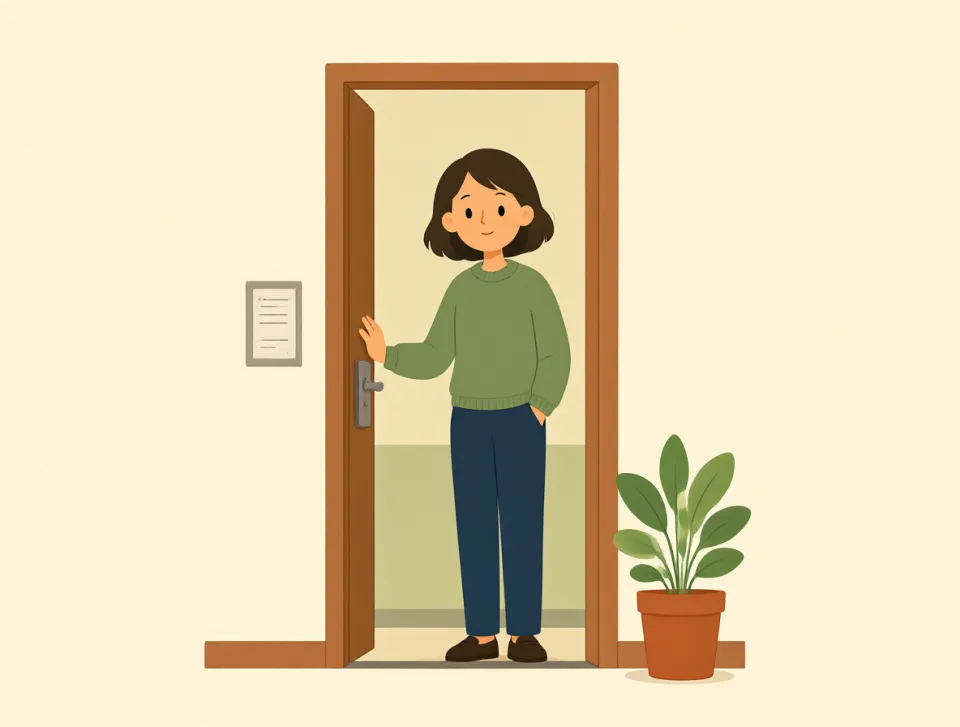
dismiss
#2392verb
odesłać; uznać za nieistotne
To send someone away or decide that something is not important or worth considering.
Odesłać kogoś albo uznać, że coś jest nieważne lub niewarte rozważenia.
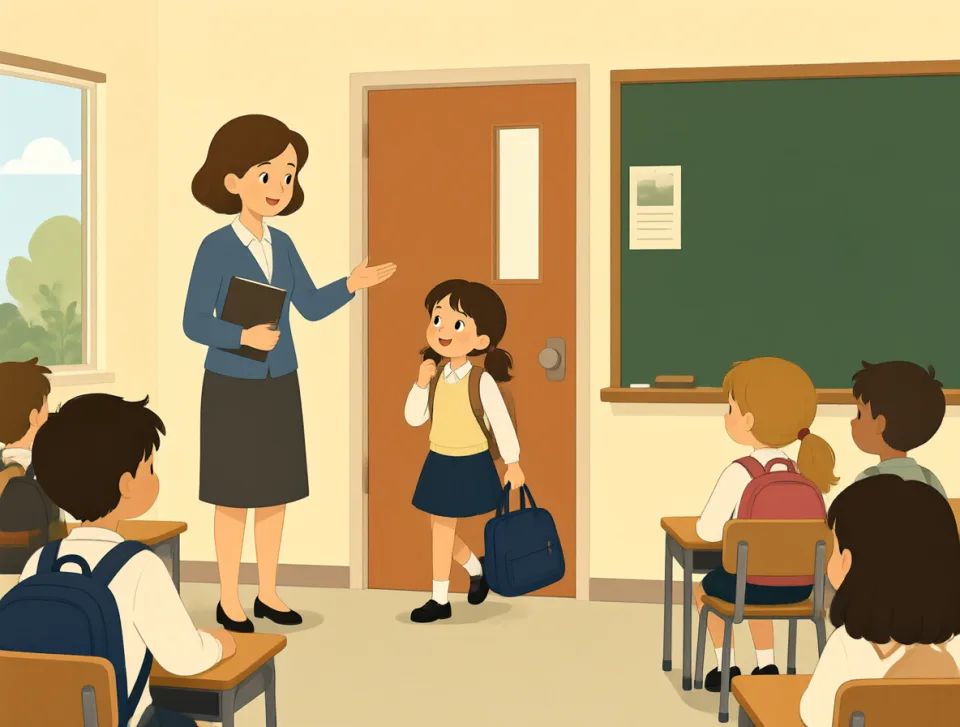
The teacher dismissed the class early because the heating system stopped working.
Nauczyciel wcześniej zwolnił klasę, ponieważ przestało działać ogrzewanie.

The manager dismissed his assistant after repeated mistakes and missed deadlines.
Kierownik zwolnił swojego asystenta po kolejnych błędach i niedotrzymanych terminach.

The doctor dismissed my stomach pain as a minor problem and suggested resting.
Lekarz uznał mój ból brzucha za drobną dolegliwość i zalecił odpoczynek.

She quickly dismissed the idea of ordering pizza because everyone wanted healthier food.
Szybko odrzuciła pomysł zamówienia pizzy, bo wszyscy chcieli zjeść coś zdrowszego.
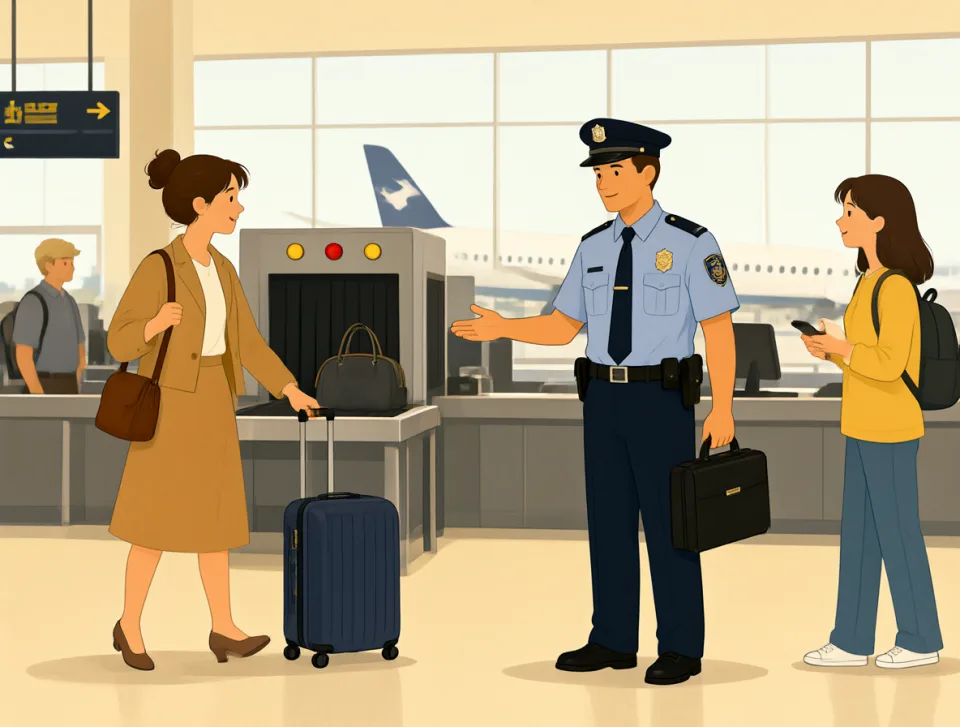
Security dismissed the travelers after checking their bags at the airport.
Pracownicy ochrony odprawili podróżnych po sprawdzeniu ich bagażu na lotnisku.

margin
#2393noun
margines; zapas
The empty space around the edge of a page, or an extra amount allowing for problems.
Puste miejsce przy krawędzi strony albo dodatkowy zapas uwzględniający możliwe problemy.
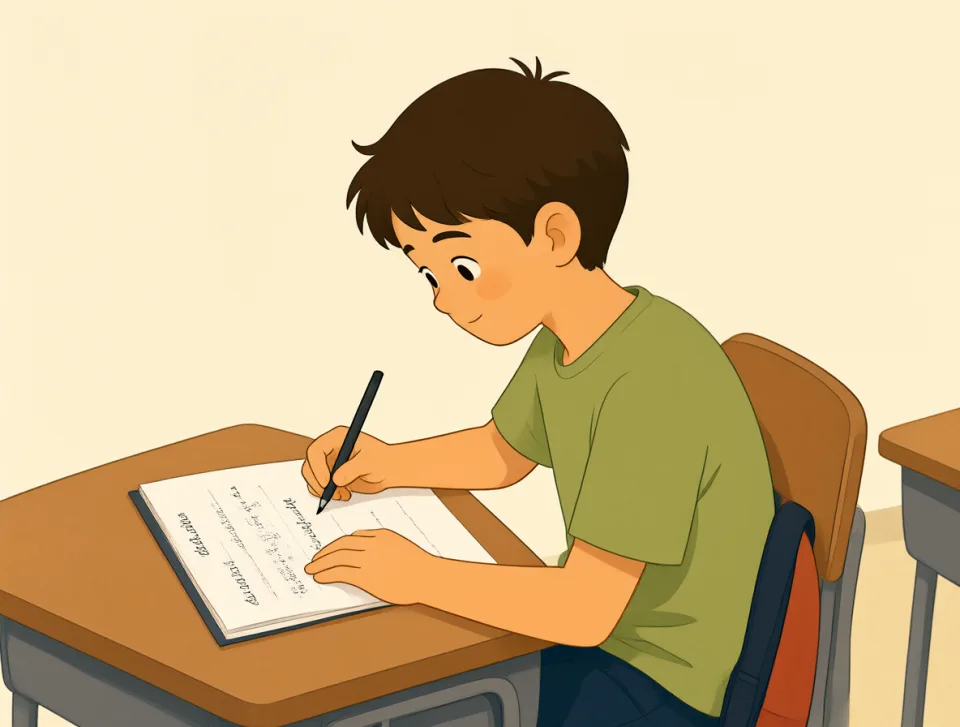
Please write your name in the margin of the page.
Proszę wpisać swoje imię i nazwisko na marginesie strony.
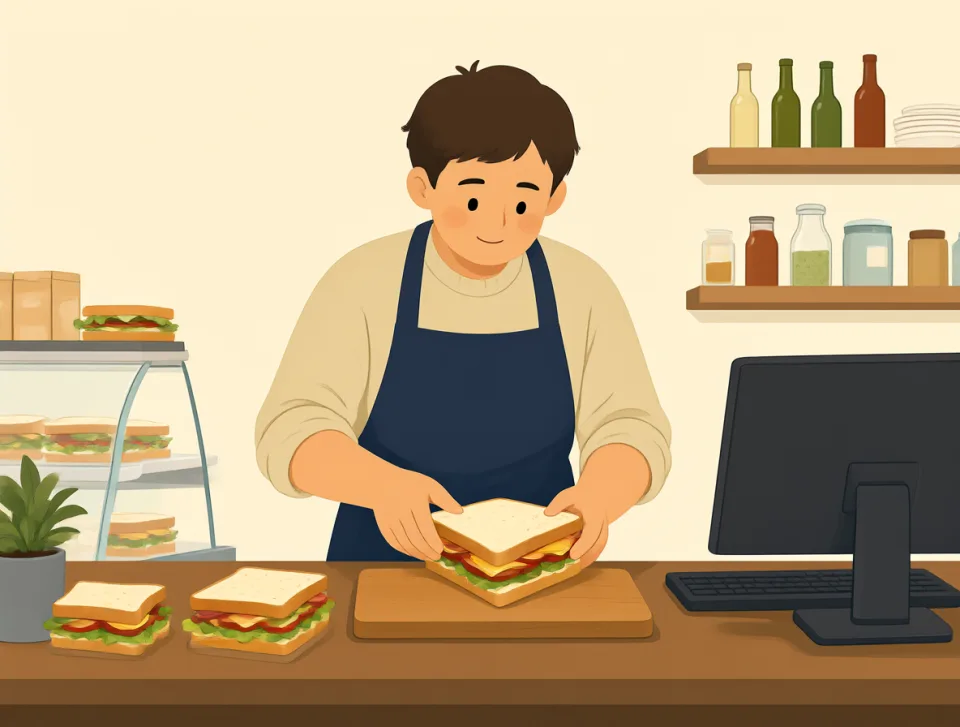
The shop made a small profit margin on each sandwich.
Sklep osiągał niewielką marżę na każdej kanapce.

We arrived early, leaving a comfortable margin before the train departed.
Przyjechaliśmy wcześniej, więc mieliśmy spory zapas czasu przed odjazdem pociągu.
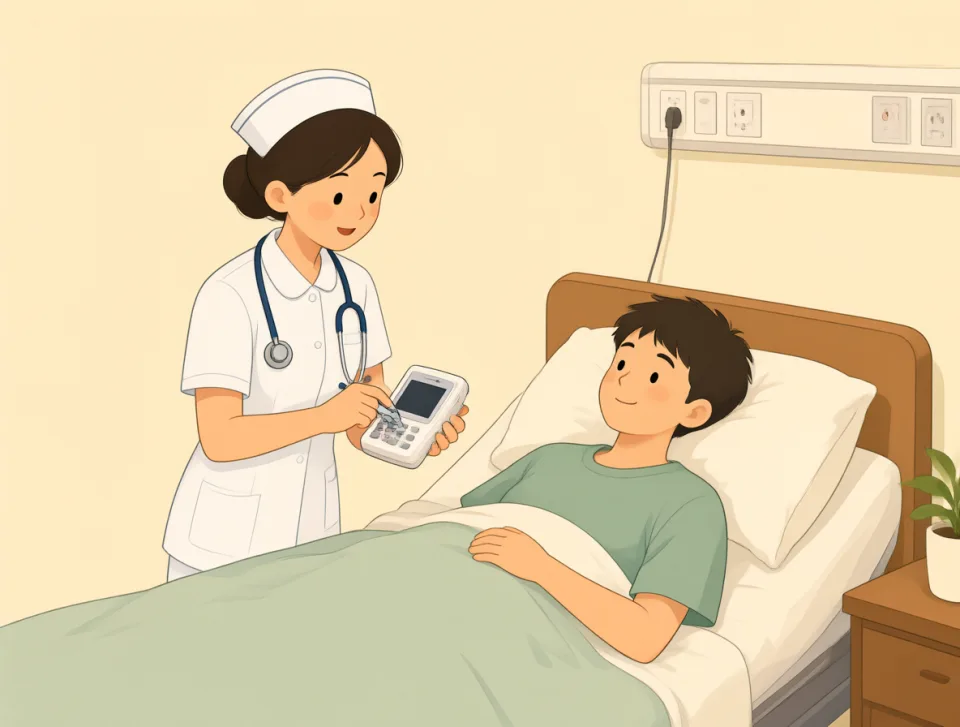
The nurse said there was little margin for error during the treatment.
Pielęgniarka powiedziała, że podczas zabiegu margines błędu jest niewielki.
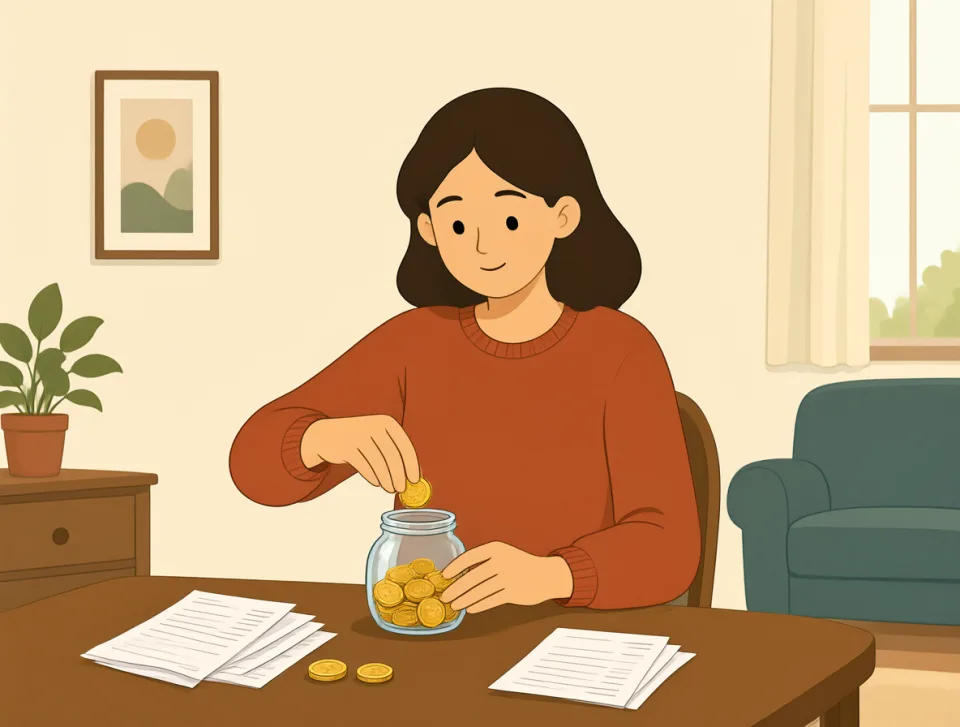
She added extra money to her budget as a margin for unexpected costs.
Dodała do budżetu dodatkowe pieniądze jako rezerwę na nieprzewidziane wydatki.

beneath
#2394preposition, adverb
pod; poniżej
in or to a lower position, especially directly under something
W niższym położeniu lub do niższego położenia, zwłaszcza bezpośrednio pod czymś.
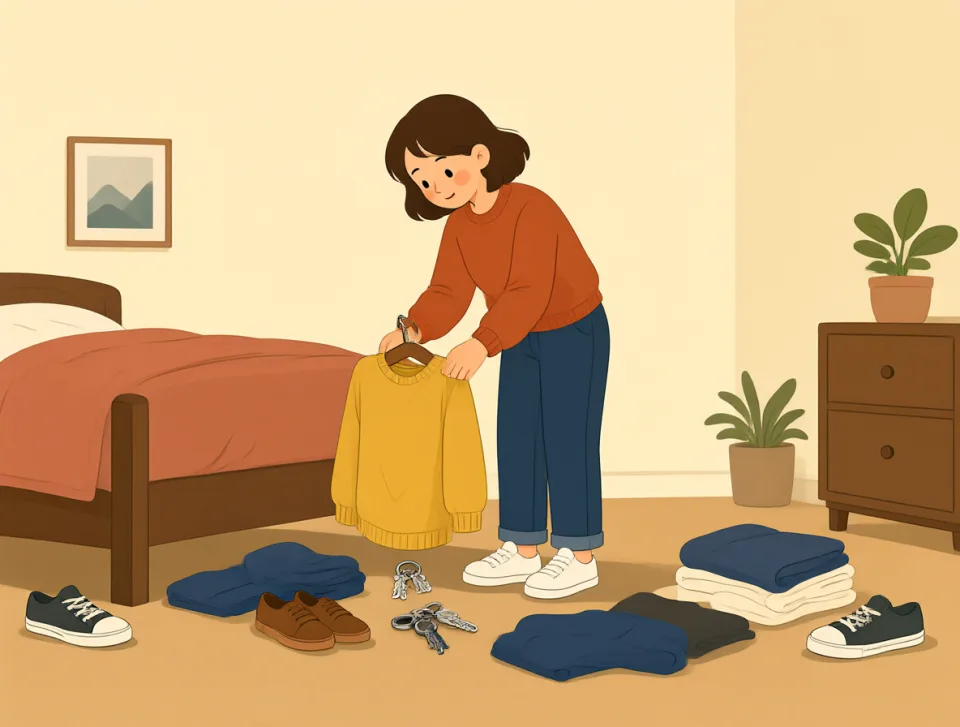
The keys were hidden beneath a pile of clothes on the bedroom floor.
Klucze były ukryte pod stertą ubrań na podłodze w sypialni.

She wore a warm sweater beneath her coat during the cold train journey.
Podczas mroźnej podróży pociągiem miała na sobie ciepły sweter pod płaszczem.

The village lies beneath the mountain, surrounded by green fields.
Wieś leży u podnóża góry i jest otoczona zielonymi polami.
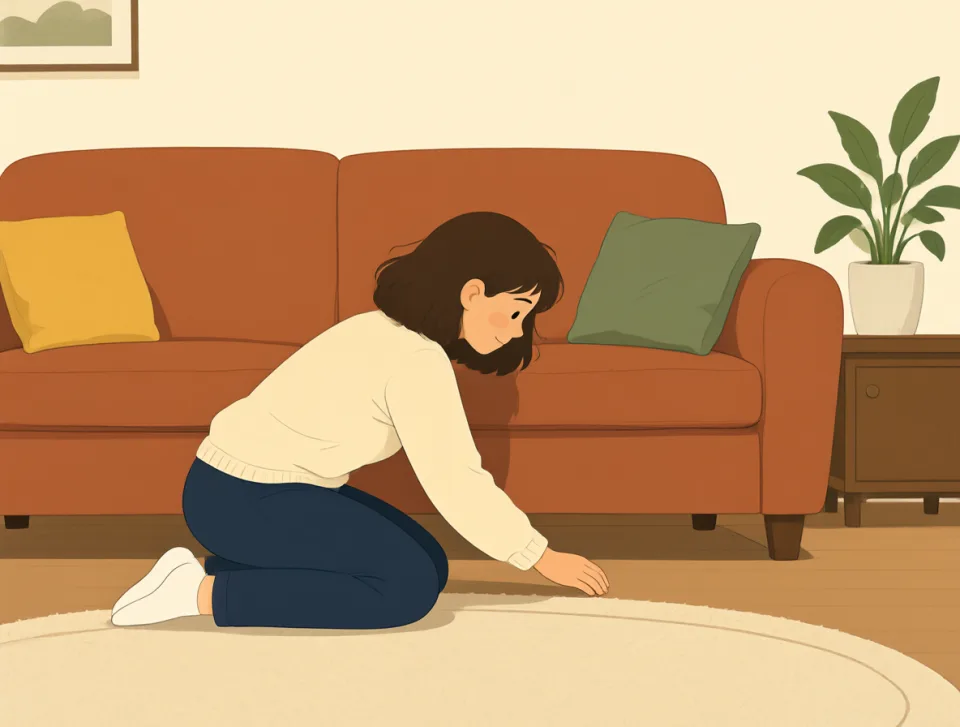
Please look beneath the sofa for my missing phone.
Proszę zajrzeć pod sofę i poszukać mojego telefonu.
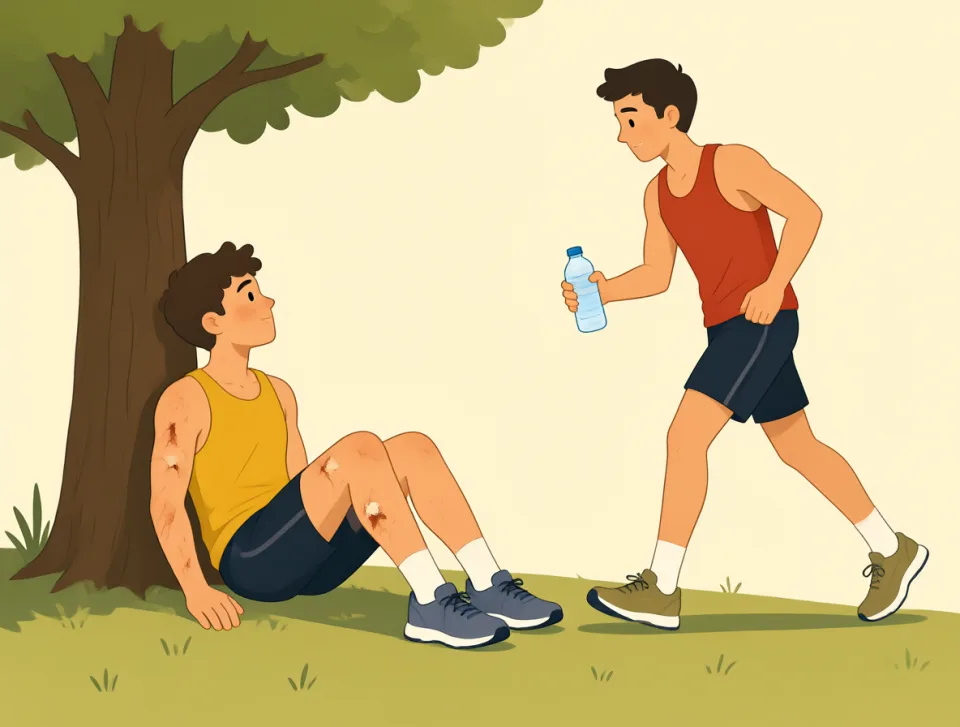
The injured runner rested beneath a tree while her friend brought water.
Ranna biegaczka odpoczywała pod drzewem, a jej przyjaciółka przyniosła jej wodę.
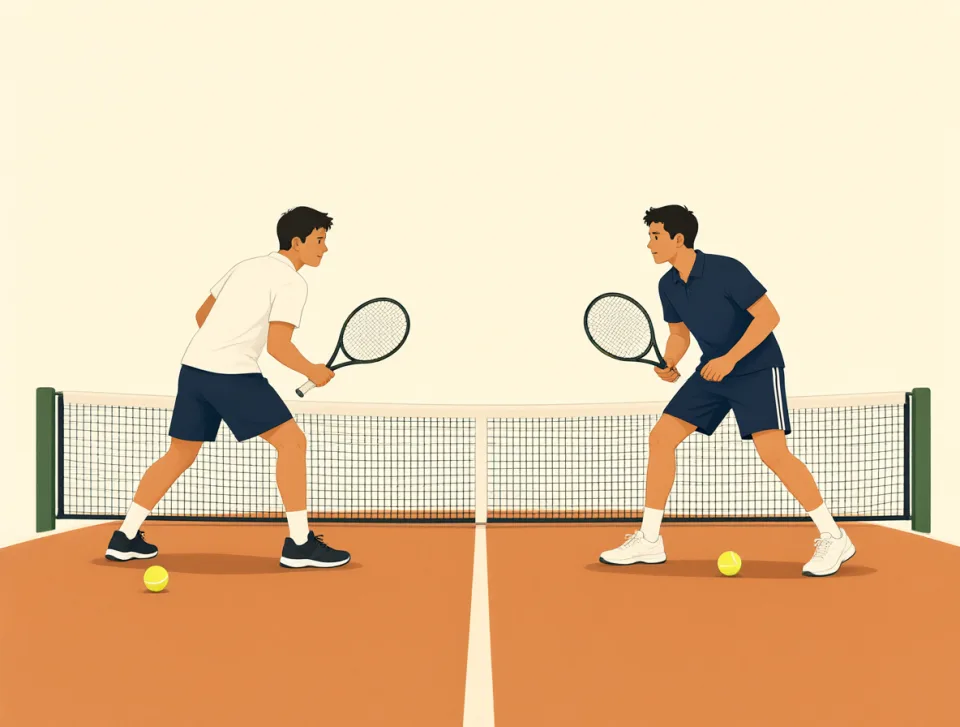
opponent
#2395noun
przeciwnik
A person or team you compete against in a game, contest, or argument.
Osoba lub drużyna, z którą rywalizujesz w grze, konkursie lub sporze.
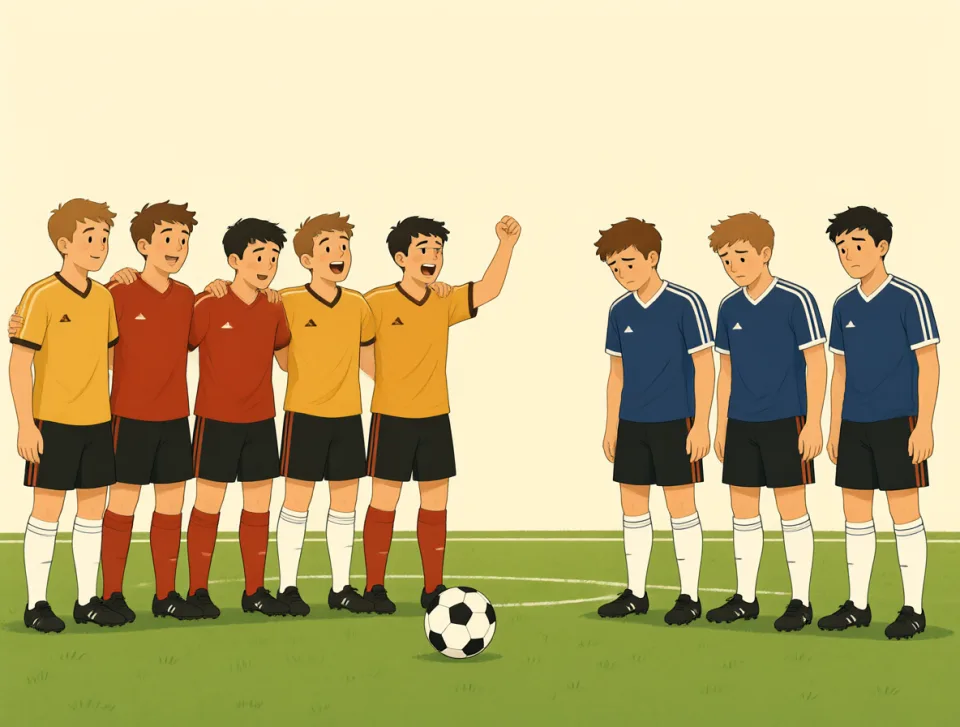
Our team defeated its strongest opponent in the final match.
Nasza drużyna pokonała swojego najsilniejszego przeciwnika w meczu finałowym.

She shook hands with her opponent before the boxing match began.
Przed rozpoczęciem walki bokserskiej uścisnęła dłoń przeciwnika.

The candidate answered every question from her political opponent calmly.
Kandydatka spokojnie odpowiadała na każde pytanie swojego politycznego przeciwnika.
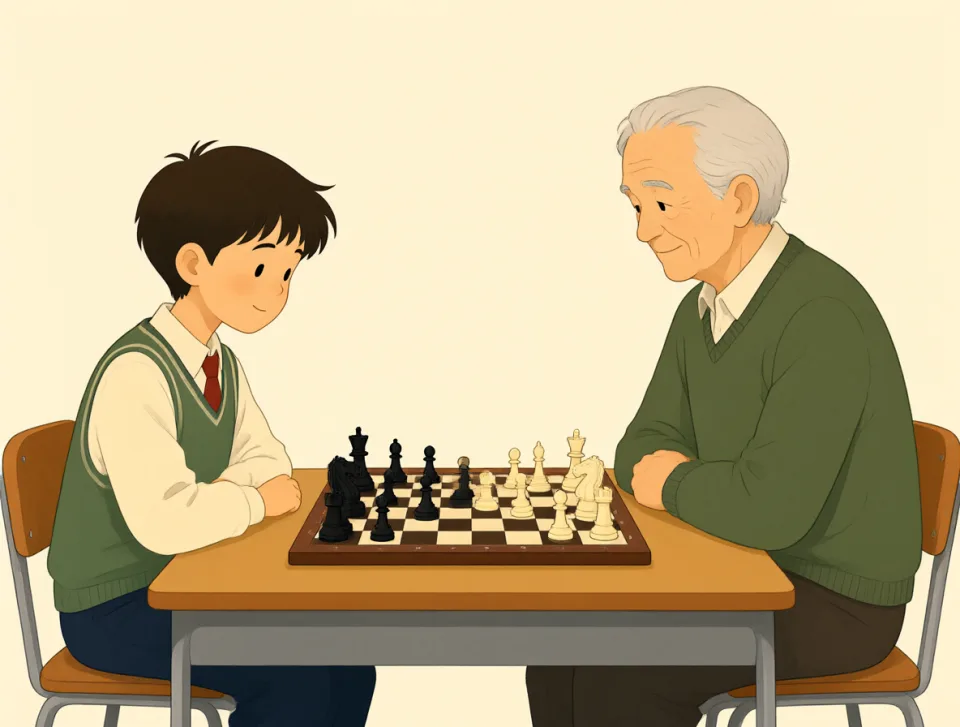
In chess club, I played against an opponent who was much older.
W klubie szachowym grałem z przeciwnikiem, który był dużo starszy ode mnie.
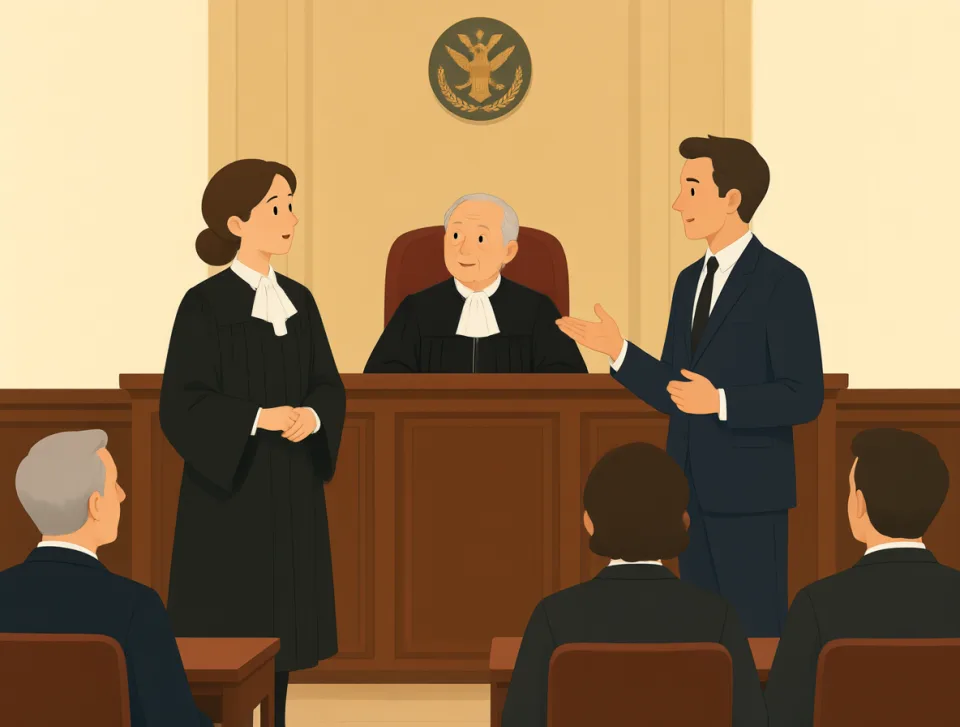
The lawyer argued that his opponent had misunderstood the evidence.
Prawnik argumentował, że jego przeciwnik błędnie zinterpretował dowody.
resist
#2396verb
oprzeć się
to stop yourself from doing or accepting something
powstrzymać się od zrobienia lub przyjęcia czegoś
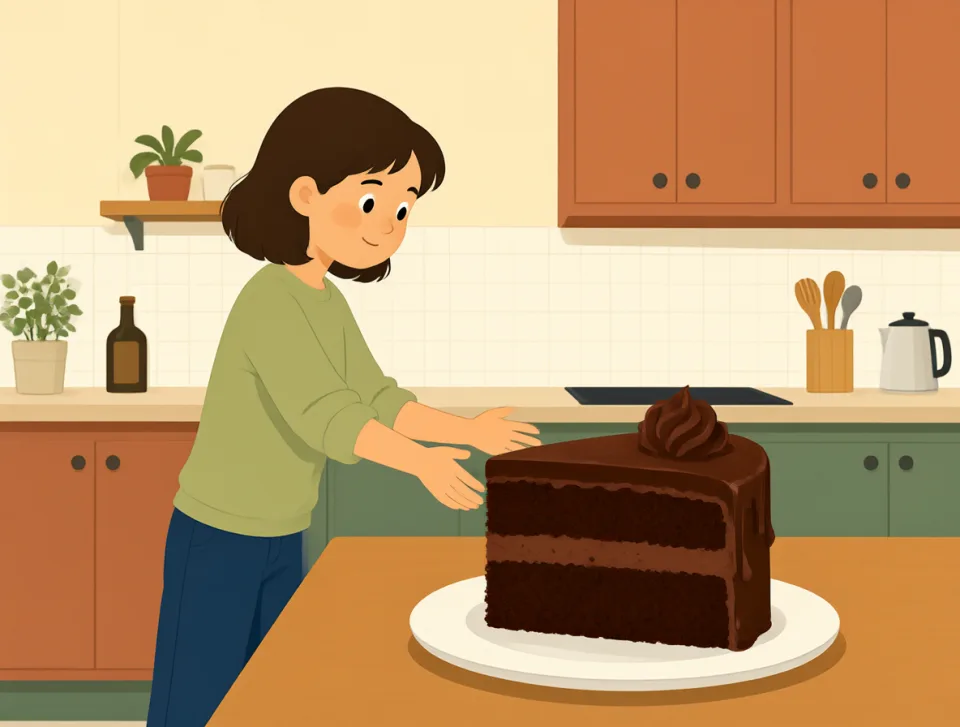
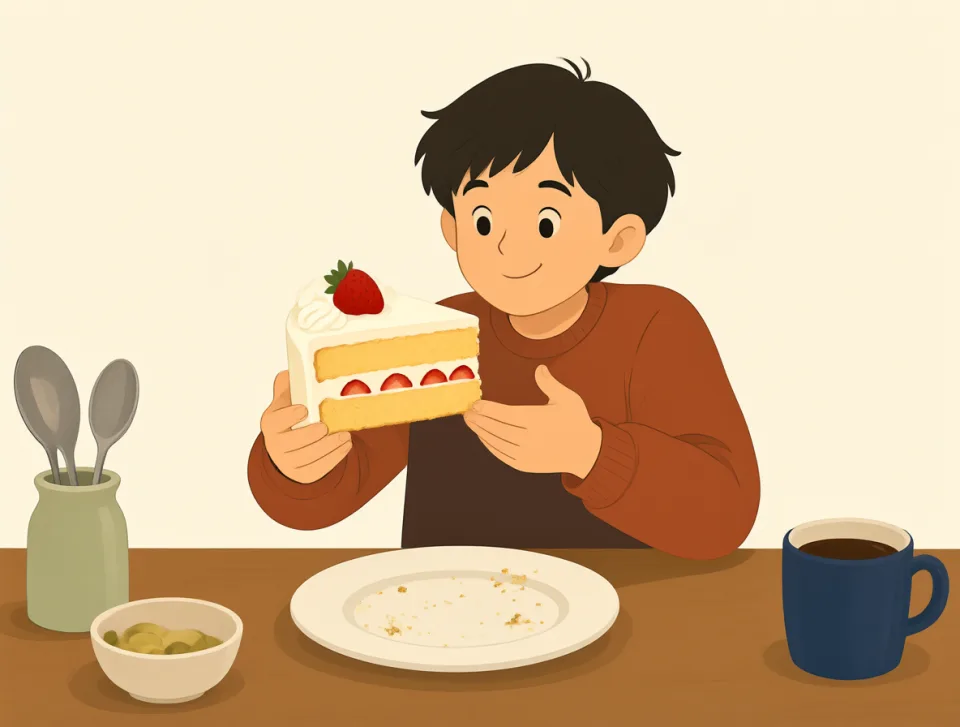
I tried to resist the chocolate cake, but it looked too delicious.
Próbowałem oprzeć się czekoladowemu ciastu, ale wyglądało zbyt kusząco.

She resisted buying the expensive jacket and saved her money instead.
Powstrzymała się od kupienia drogiej kurtki i zamiast tego zaoszczędziła pieniądze.
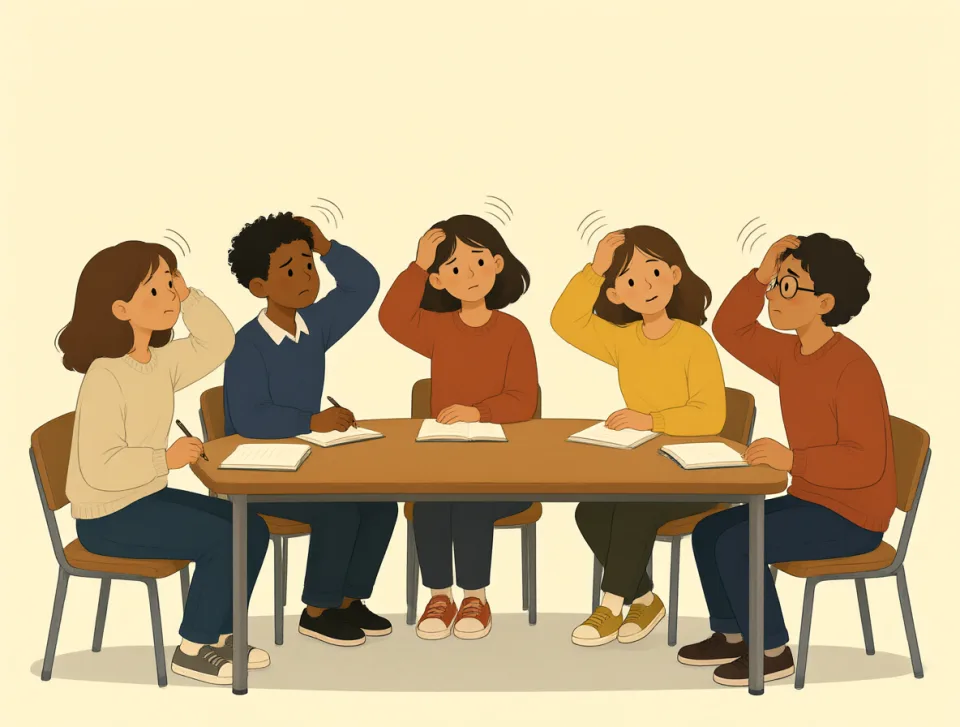
The students resisted the teacher's suggestion and chose their own project.
Uczniowie sprzeciwili się propozycji nauczyciela i wybrali własny projekt.

He could not resist laughing when his friend slipped on the wet grass.
Nie mógł powstrzymać się od śmiechu, gdy jego przyjaciel poślizgnął się na mokrej trawie.

This medicine helps your body resist infections during the winter.
Ten lek pomaga organizmowi zwalczać infekcje zimą.
capability
#2397noun
możliwość
The ability or power to do something.
Zdolność lub umiejętność zrobienia czegoś.
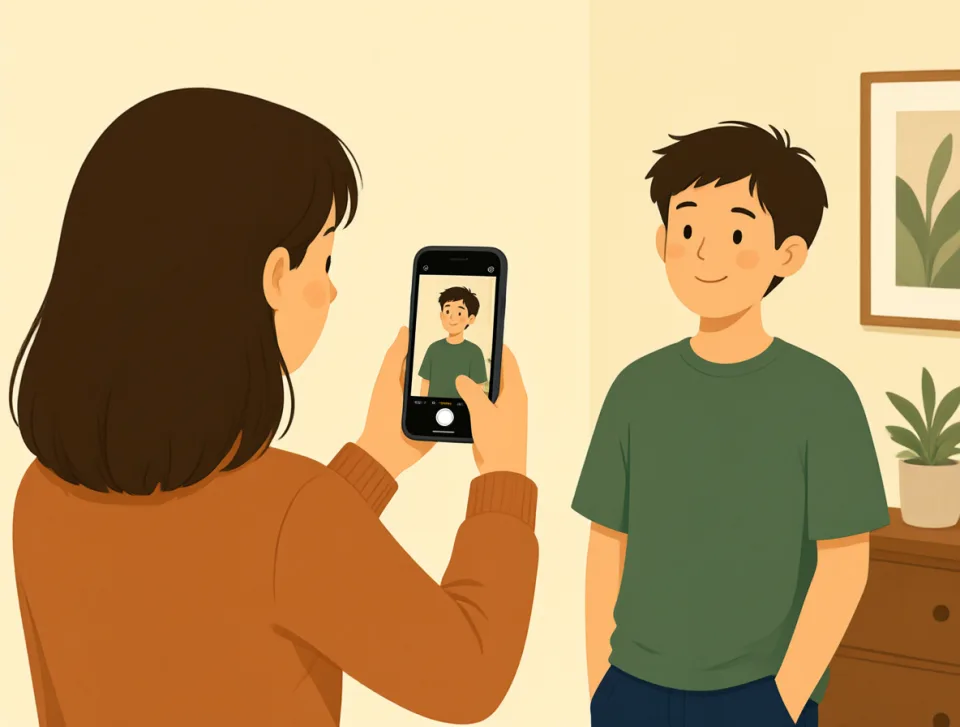
This phone has the capability to take clear photos at night.
Ten telefon potrafi robić wyraźne zdjęcia w nocy.
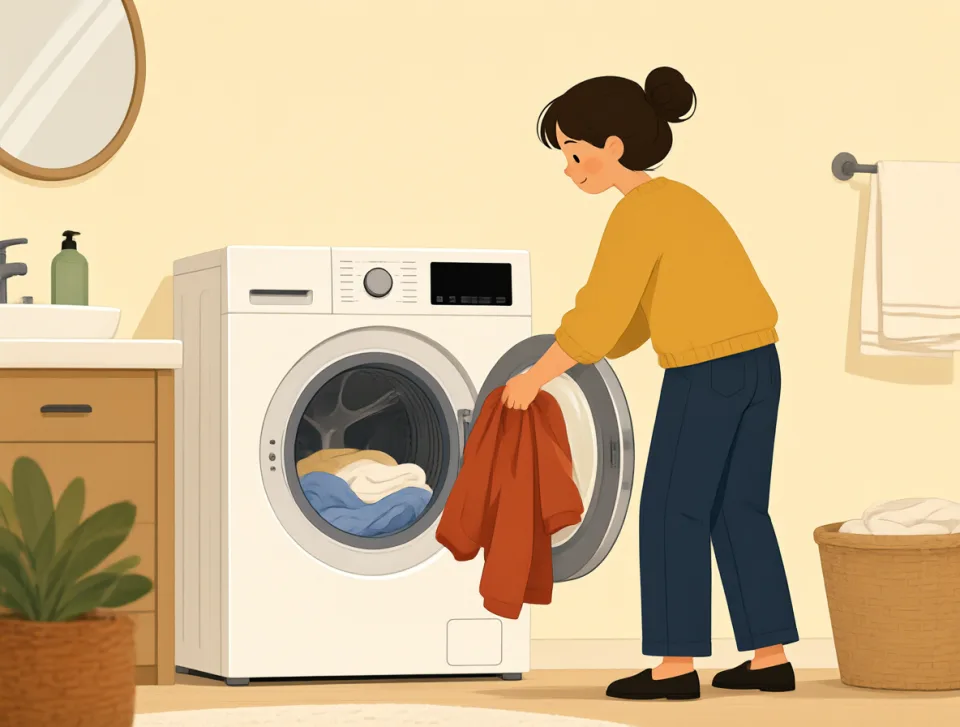
The new washing machine has a larger capacity and better cleaning capabilities.
Nowa pralka ma większą pojemność i lepsze możliwości prania.

The team has the capability to finish the project before Friday.
Zespół jest w stanie skończyć projekt przed piątkiem.
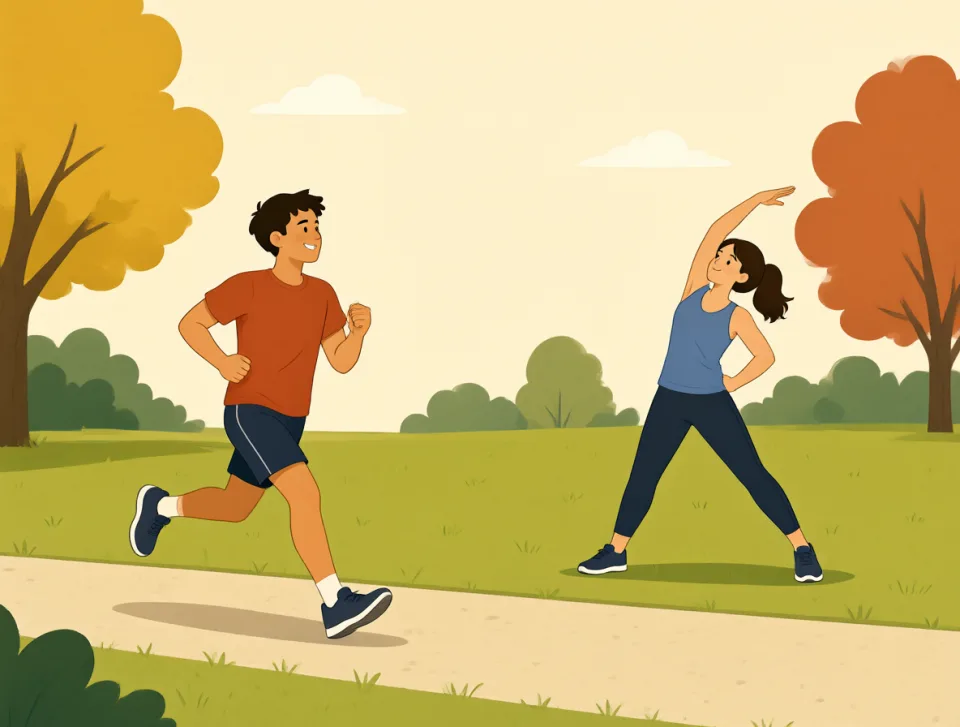
Regular exercise can improve your body's capability to fight illness.
Regularne ćwiczenia mogą zwiększyć zdolność organizmu do zwalczania chorób.

The school is building students' capabilities through practical science lessons.
Szkoła rozwija umiejętności uczniów dzięki praktycznym lekcjom przyrody.

absolute
#2398adjective
absolutny
Complete and total, with no limit, doubt, or exception.
Całkowity i zupełny, bez ograniczeń, wątpliwości ani wyjątków.
She needs absolute silence to concentrate while studying for her final exams.
Do nauki przed egzaminami końcowymi potrzebuje absolutnej ciszy.

The doctor gave him absolute confidence that his knee would heal completely.
Lekarz dał mu całkowitą pewność, że kolano całkowicie się zagoi.

Our manager expects absolute honesty when employees report problems at work.
Nasz kierownik oczekuje od pracowników całkowitej szczerości podczas zgłaszania problemów w pracy.

The restaurant offers absolute beginners a simple cooking class every Saturday morning.
Restauracja oferuje zupełnym początkującym proste zajęcia z gotowania w każdą sobotę rano.

We had absolute freedom to choose any seat during the long train journey.
Podczas długiej podróży pociągiem mogliśmy swobodnie wybrać dowolne miejsce.

correspond
#2399verb
odpowiadać
to be similar or connected, or to exchange letters with someone
być podobnym lub powiązanym z czymś albo wymieniać z kimś listy
The pictures on the wall correspond to the furniture in the room.
Obrazy na ścianie pasują do mebli w pokoju.

Your answer does not correspond to the information we discussed yesterday.
Twoja odpowiedź nie zgadza się z informacjami, które omawialiśmy wczoraj.

The numbers on the receipt correspond to the items in my shopping bag.
Liczby na paragonie odpowiadają produktom w mojej torbie z zakupami.

The symptoms correspond to a mild infection, according to the doctor.
Według lekarza objawy wskazują na łagodną infekcję.
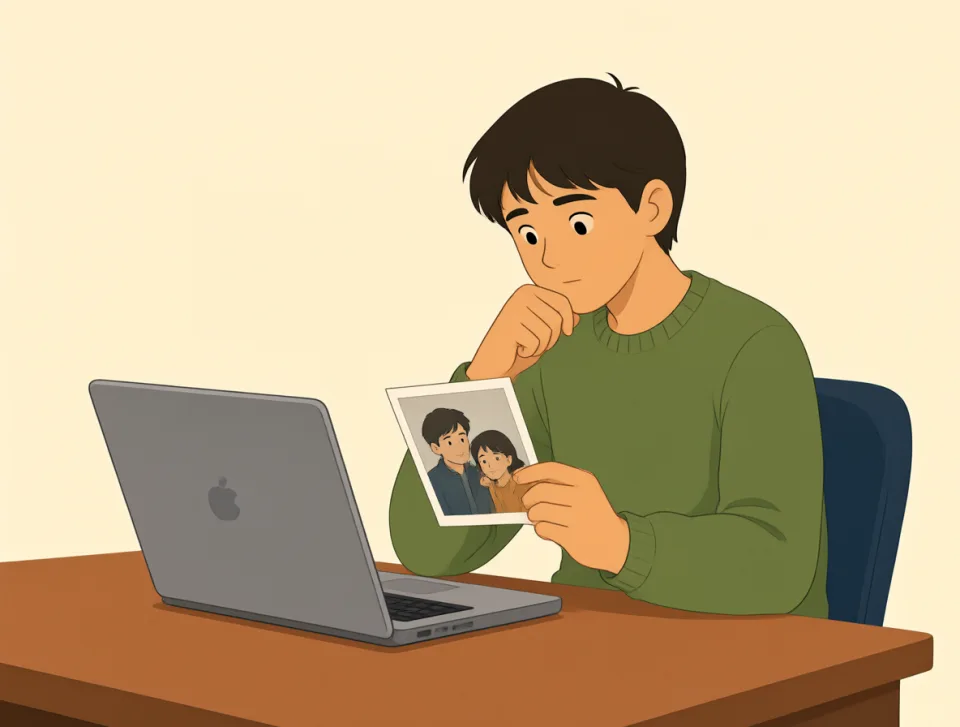
We correspond by email because my old friend lives in another country.
Korespondujemy przez e-mail, bo mój stary przyjaciel mieszka w innym kraju.

stroke
#2400noun, verb
głaskanie
a gentle touch or movement; to touch or move something gently
delikatny dotyk lub ruch; delikatnie dotykać albo przesuwać coś

She gave the cat a gentle stroke before leaving for work.
Przed wyjściem do pracy pogłaskała kota.
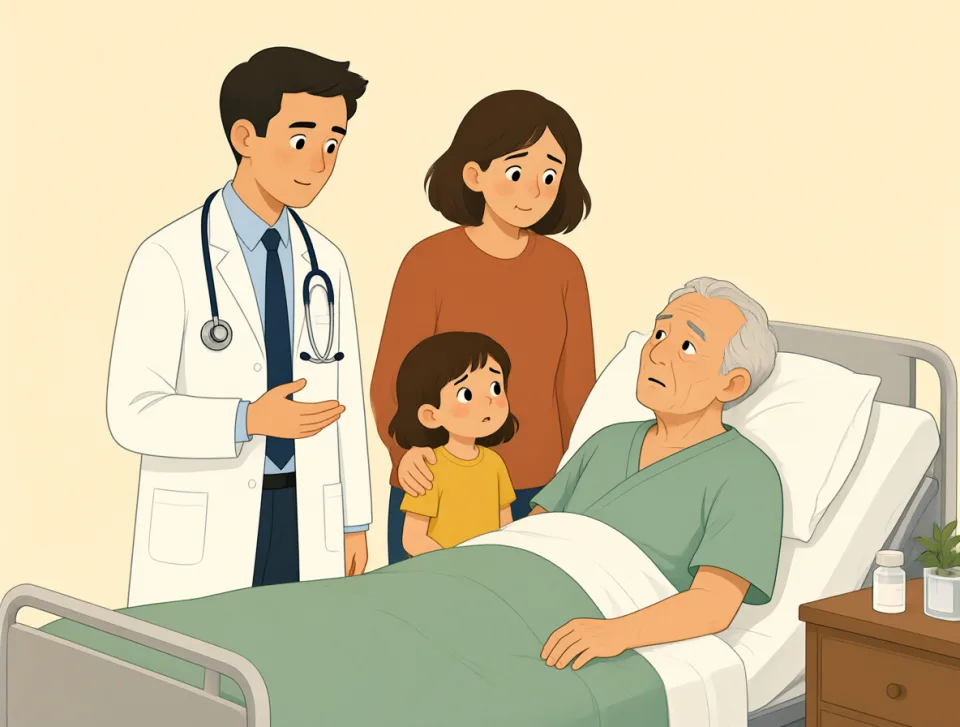
The doctor explained that a stroke had affected his father's speech.
Lekarz wyjaśnił, że udar wpłynął na mowę jego ojca.
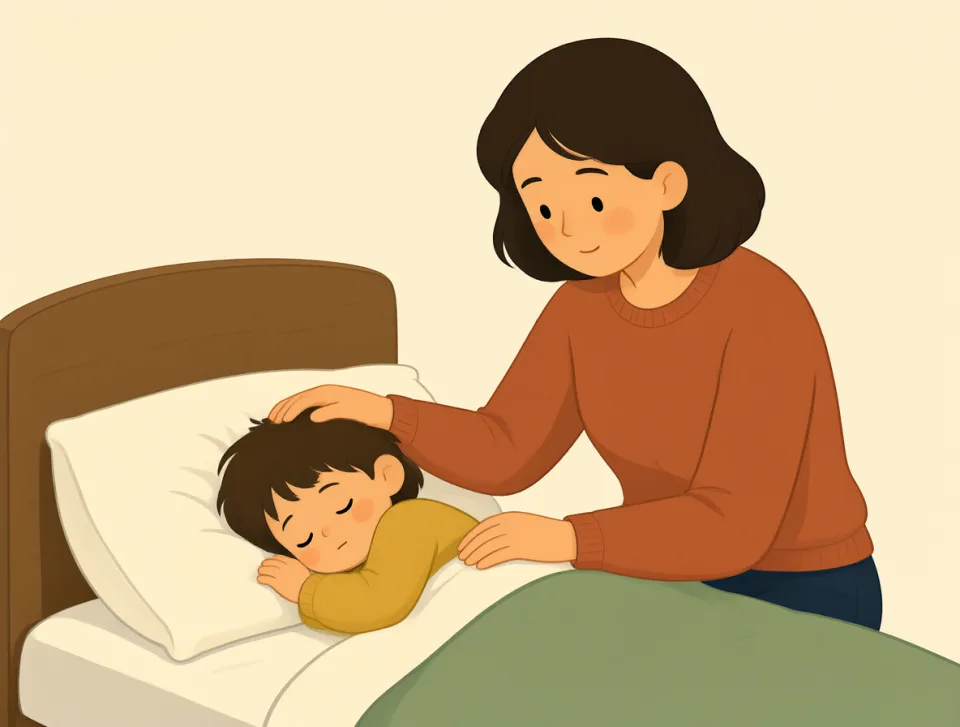
He stroked the child's hair until she finally fell asleep.
Głaskał dziecko po włosach, aż w końcu zasnęło.

The painter added one final stroke to the blue sky.
Malarz dodał ostatnie pociągnięcie pędzla na błękitnym niebie.

She stroked the fabric to check whether the coat felt soft enough.
Pogłaskała materiał, żeby sprawdzić, czy płaszcz jest wystarczająco miękki.