Zestaw 126
Słowa 2501–2520 · personnel, imagination, disagree, throat, insight, tackle
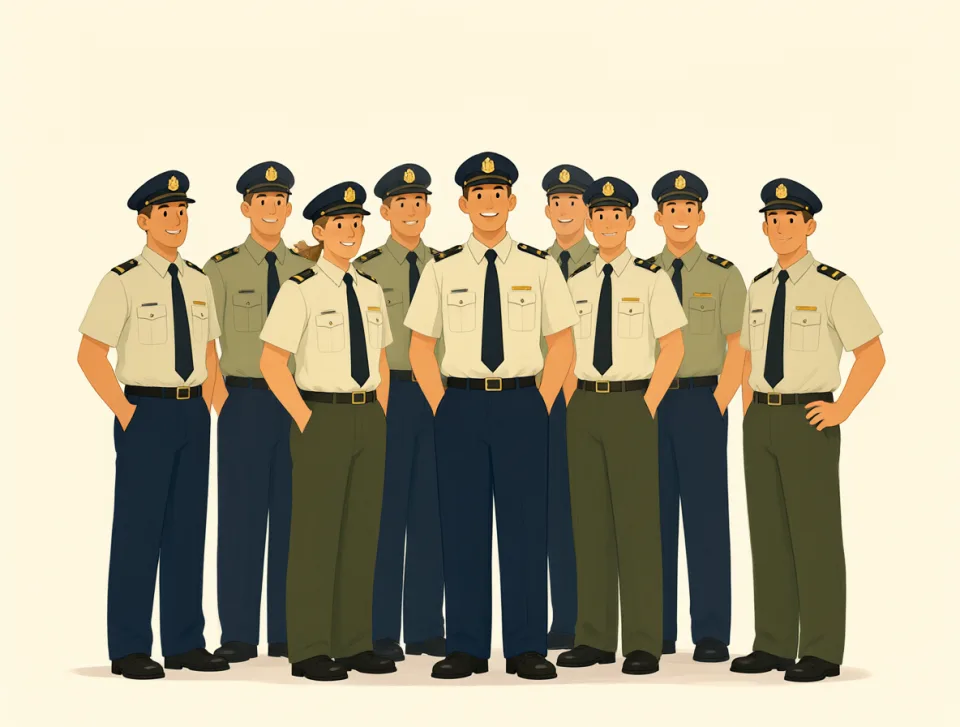
personnel
#2501noun
personel
The people who work for an organization, especially a large one.
Osoby pracujące w jakiejś organizacji, zwłaszcza dużej.

Airport personnel checked our passports before we boarded the plane.
Personel lotniska sprawdził nasze paszporty przed wejściem na pokład samolotu.
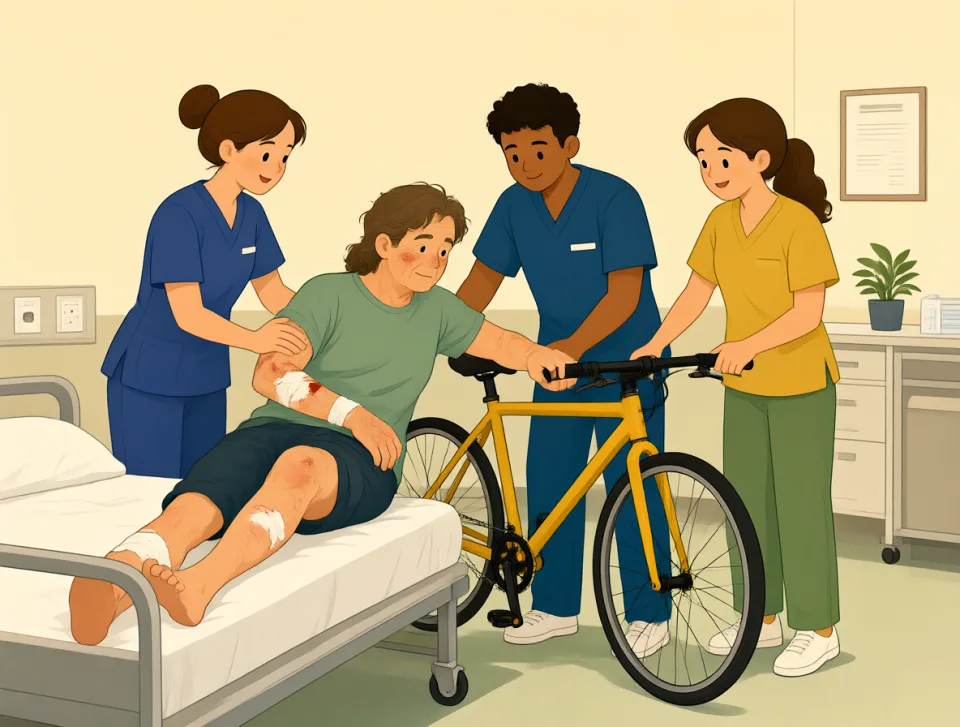
Hospital personnel helped the injured cyclist into an examination room.
Personel szpitala pomógł rannemu rowerzyście dostać się do gabinetu badań.
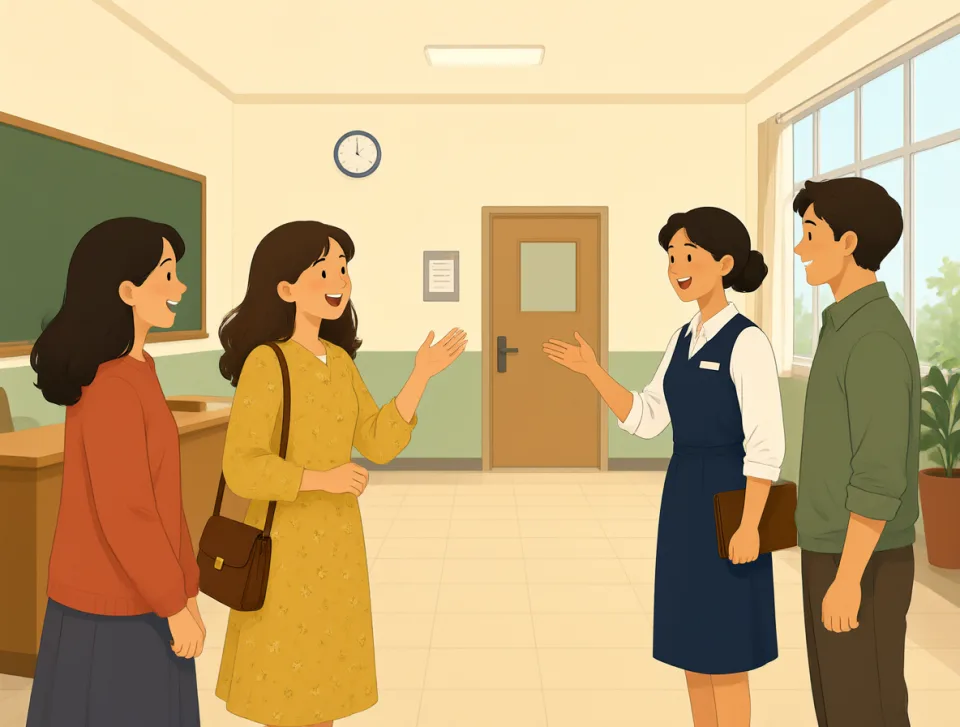
School personnel welcomed parents during the first meeting of the year.
Personel szkoły powitał rodziców podczas pierwszego zebrania w tym roku.

Hotel personnel brought extra towels to our room after dinner.
Po kolacji personel hotelu przyniósł do naszego pokoju dodatkowe ręczniki.

The store hired more personnel before the busy holiday shopping season.
Sklep zatrudnił więcej osób przed gorącym okresem świątecznych zakupów.
imagination
#2502noun
wyobraźnia
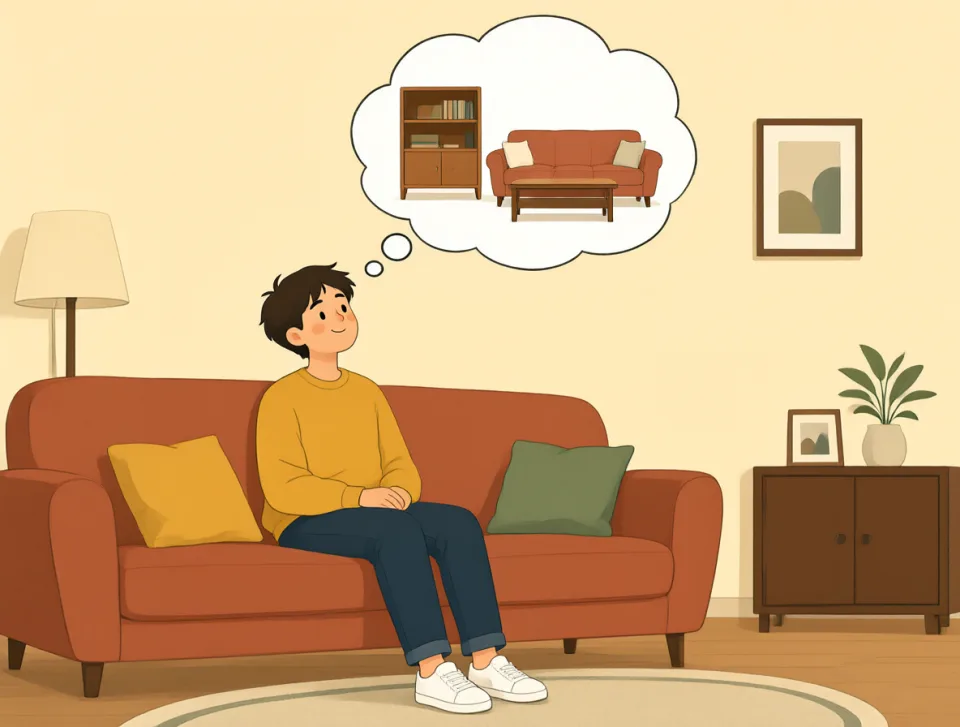
The ability to form ideas or pictures in your mind, especially about things that are not real.
Umiejętność tworzenia w myślach pomysłów lub obrazów, zwłaszcza takich, które nie istnieją naprawdę.
Use your imagination to picture how the living room could look with new furniture.
Użyj wyobraźni i wyobraź sobie, jak mógłby wyglądać salon z nowymi meblami.
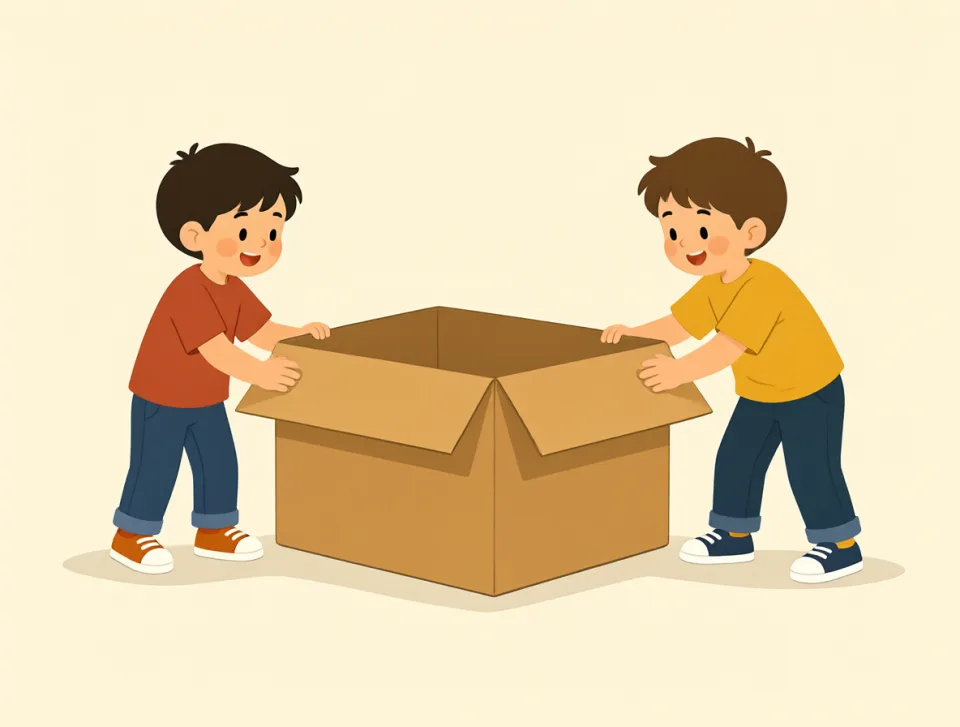
The children used their imagination to turn a cardboard box into a spaceship.
Dzieci użyły wyobraźni, żeby zamienić kartonowe pudło w statek kosmiczny.
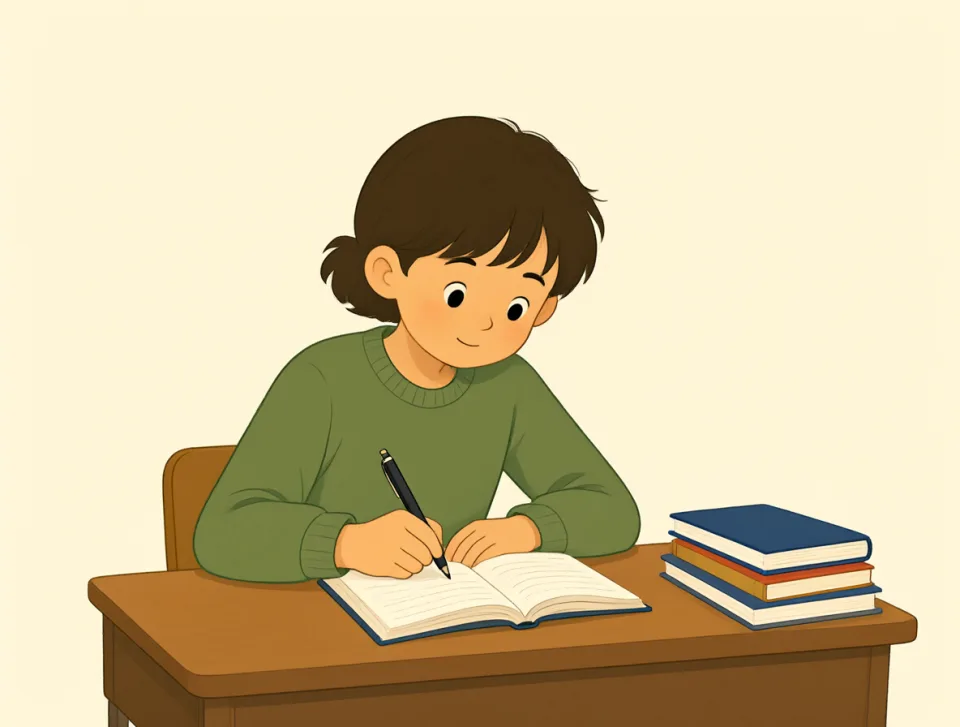
Her vivid imagination helped her write an exciting story for school.
Jej bujna wyobraźnia pomogła jej napisać ciekawą opowieść do szkoły.
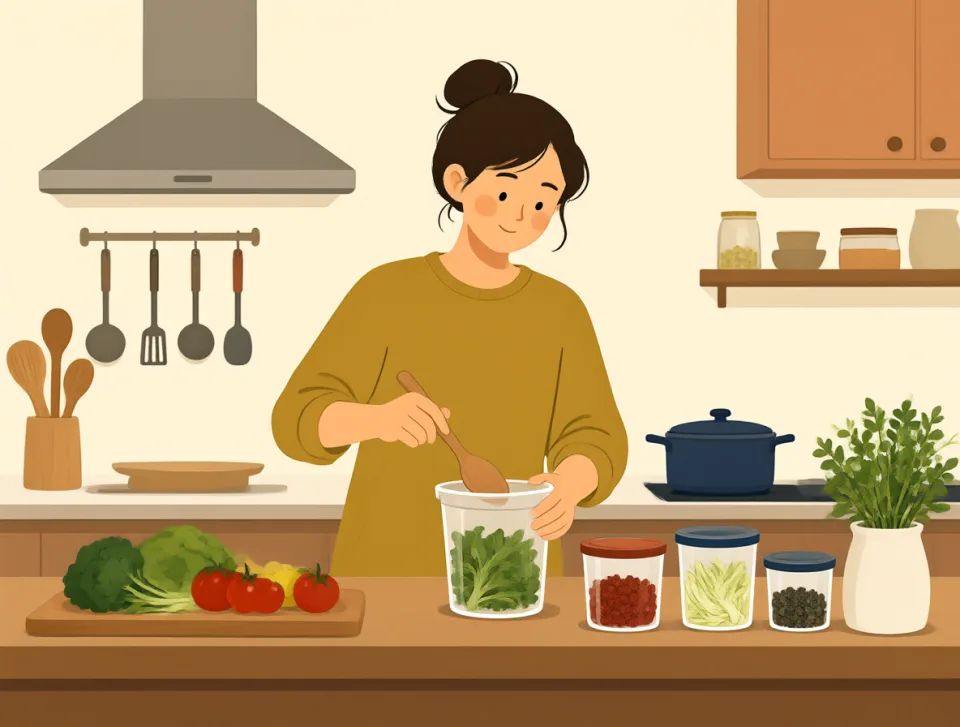
You need a little imagination to make a tasty meal from leftovers.
Żeby przygotować smaczny posiłek z resztek, potrzeba odrobiny wyobraźni.
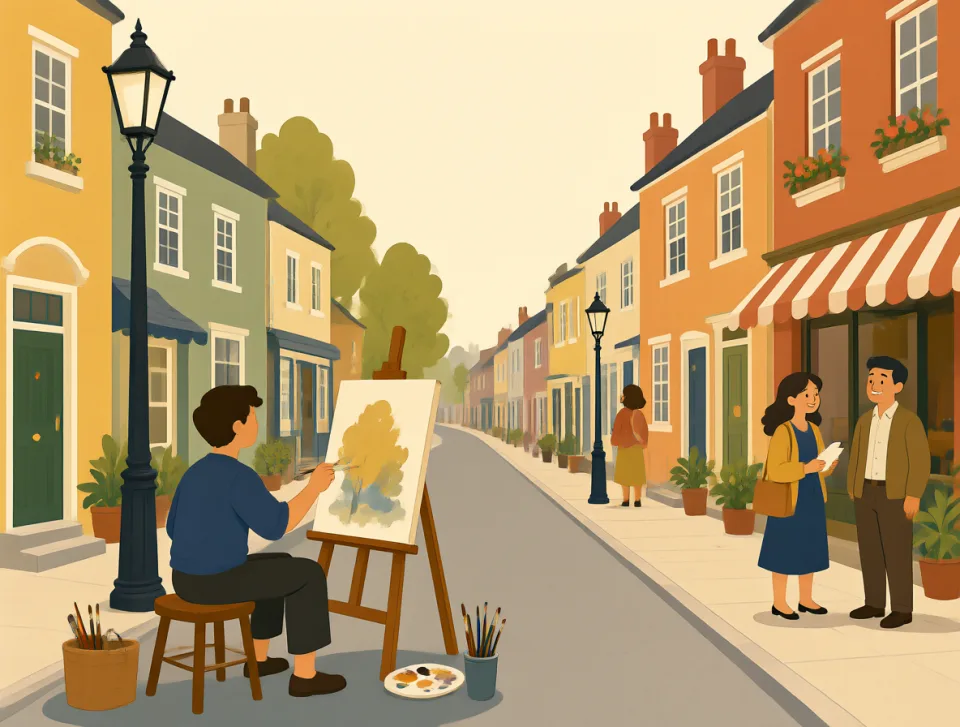
The artist's imagination brings ordinary places to life in her paintings.
Wyobraźnia artystki ożywia zwyczajne miejsca na jej obrazach.

disagree
#2503verb
nie zgadzać się
To have a different opinion from someone or something.
Mieć inne zdanie niż ktoś lub coś.
I disagree with you, but I understand why you feel that way.
Nie zgadzam się z tobą, ale rozumiem, dlaczego tak się czujesz.

The students disagreed about which restaurant to choose after class.
Studenci nie mogli się zgodzić, którą restaurację wybrać po zajęciach.

My manager disagreed with my plan, so we discussed another solution.
Mój kierownik nie zgodził się z moim planem, więc omówiliśmy inne rozwiązanie.
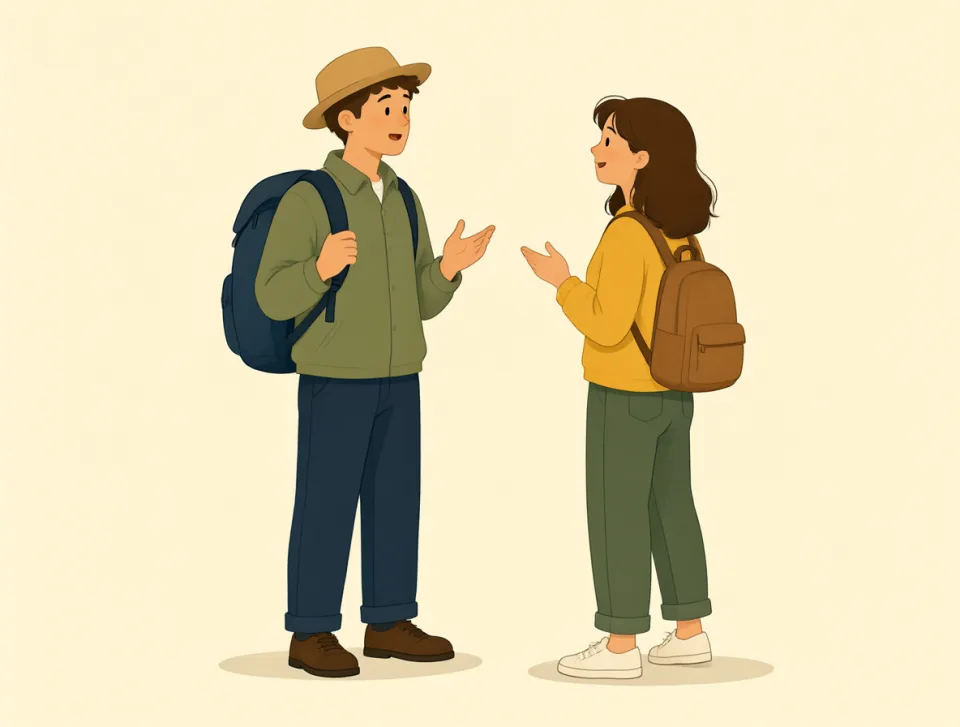
We disagree on whether taking the train or bus is cheaper.
Nie zgadzamy się co do tego, czy taniej jest jechać pociągiem, czy autobusem.

The doctors disagreed about the best treatment, so they asked for another opinion.
Lekarze nie mogli się zgodzić co do najlepszego leczenia, więc poprosili o kolejną opinię.

throat
#2504noun
gardło
The passage in your neck through which food and air pass.
Przewód w szyi, którym przechodzą pokarm i powietrze.
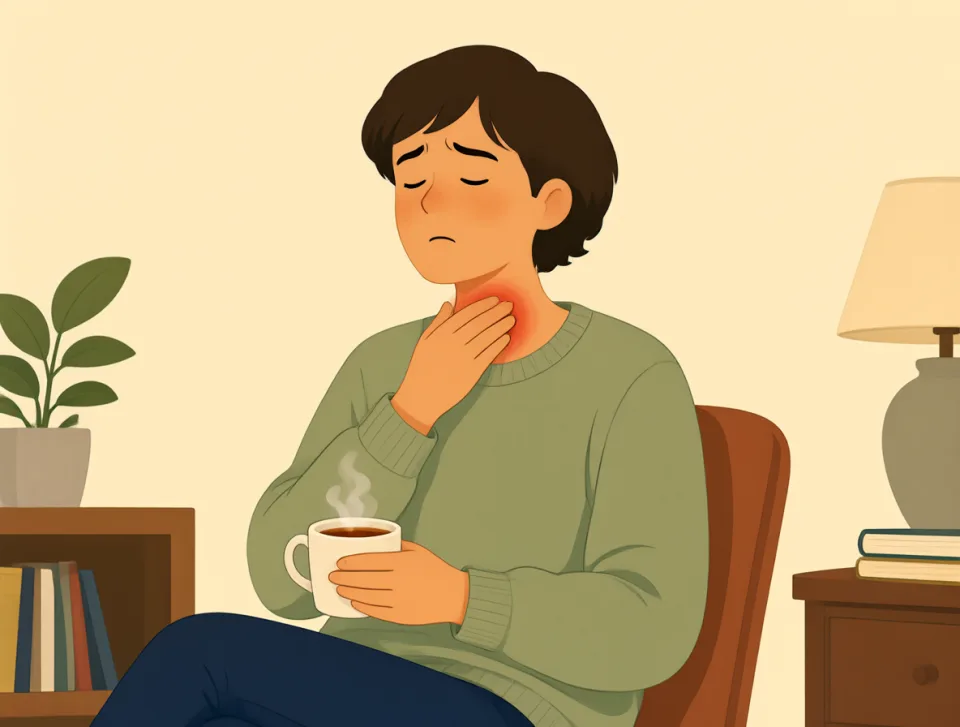
My throat hurts, so I am going to drink some warm tea.
Boli mnie gardło, więc napiję się ciepłej herbaty.

The doctor looked at my throat and said I had a mild infection.
Lekarz obejrzał moje gardło i powiedział, że mam lekką infekcję.
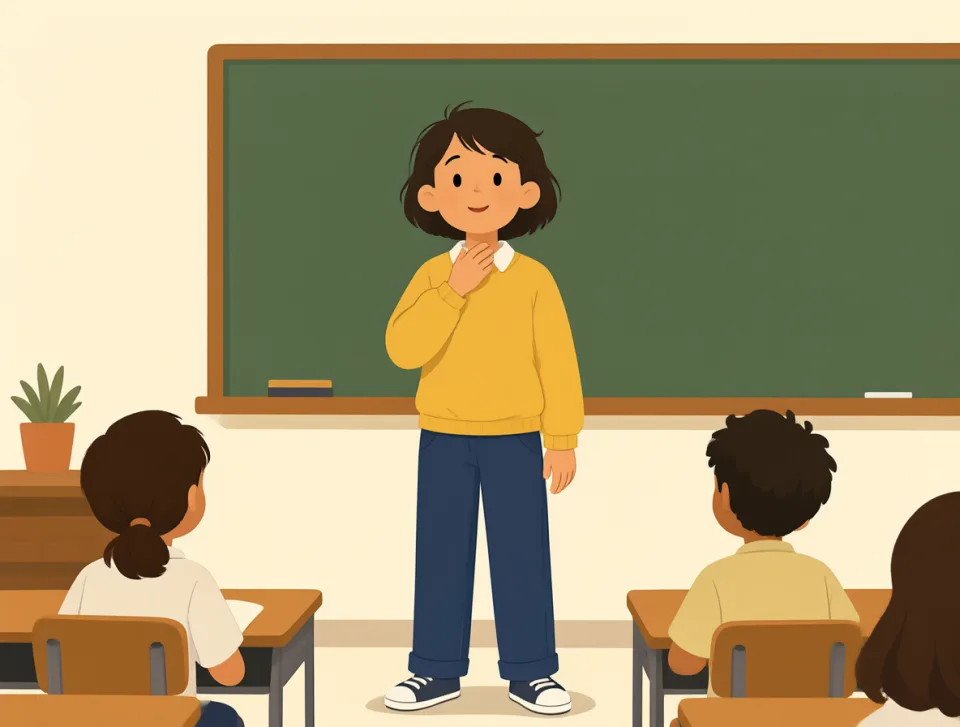
Please clear your throat before you start speaking to the class.
Proszę odchrząknąć, zanim zacznie Pan/Pani mówić do klasy.

This dry sandwich made my throat feel rough during the train journey.
Ta sucha kanapka podrażniła mi gardło podczas podróży pociągiem.

The two managers were at each other's throats after the meeting.
Po spotkaniu obaj kierownicy skakali sobie do gardeł.
insight
#2505noun
wgląd
a clear understanding of a person, situation, or problem
Jasne zrozumienie danej osoby, sytuacji lub problemu.
The teacher gave us useful insight into why the experiment had failed.
Nauczyciel dał nam cenny wgląd w przyczyny niepowodzenia eksperymentu.
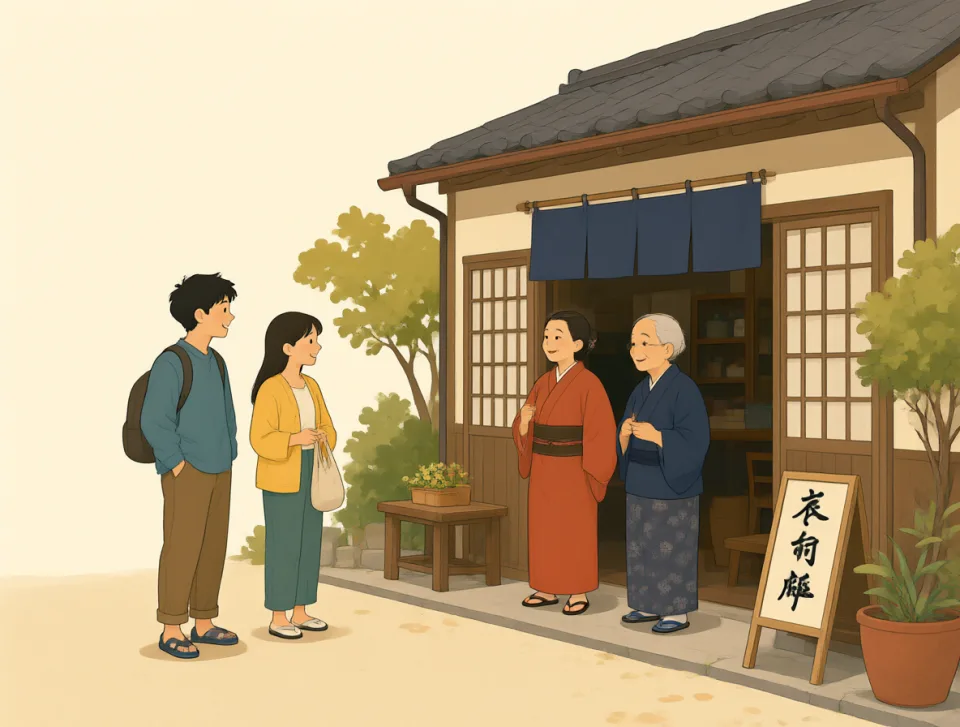
Talking to local people gave us insight into daily life in Japan.
Rozmowy z miejscowymi dały nam wgląd w codzienne życie w Japonii.

Her personal experience gave her valuable insight into living with diabetes.
Jej osobiste doświadczenia dały jej cenną wiedzę o życiu z cukrzycą.

The interview offered fresh insights into what customers really want.
Wywiad dostarczył nowych spostrzeżeń na temat tego, czego naprawdę chcą klienci.
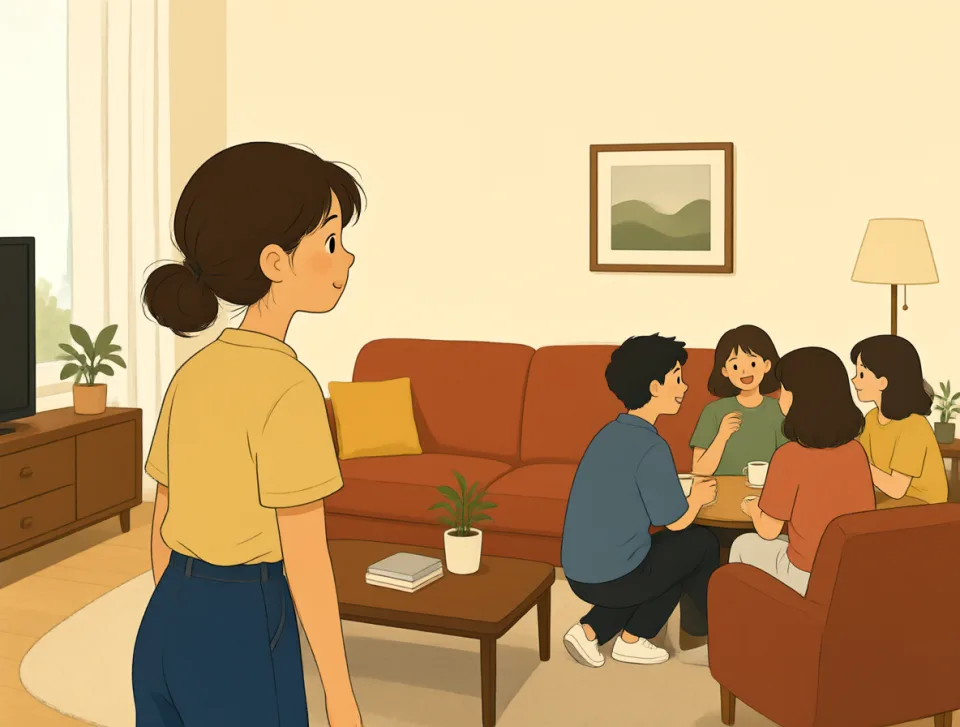
I suddenly had an insight that my friend felt left out.
Nagle zrozumiałem, że mój przyjaciel czuł się pominięty.
tackle
#2506verb, noun
zająć się
to deal with a difficult problem, task, or person
zająć się trudnym problemem, zadaniem lub osobą
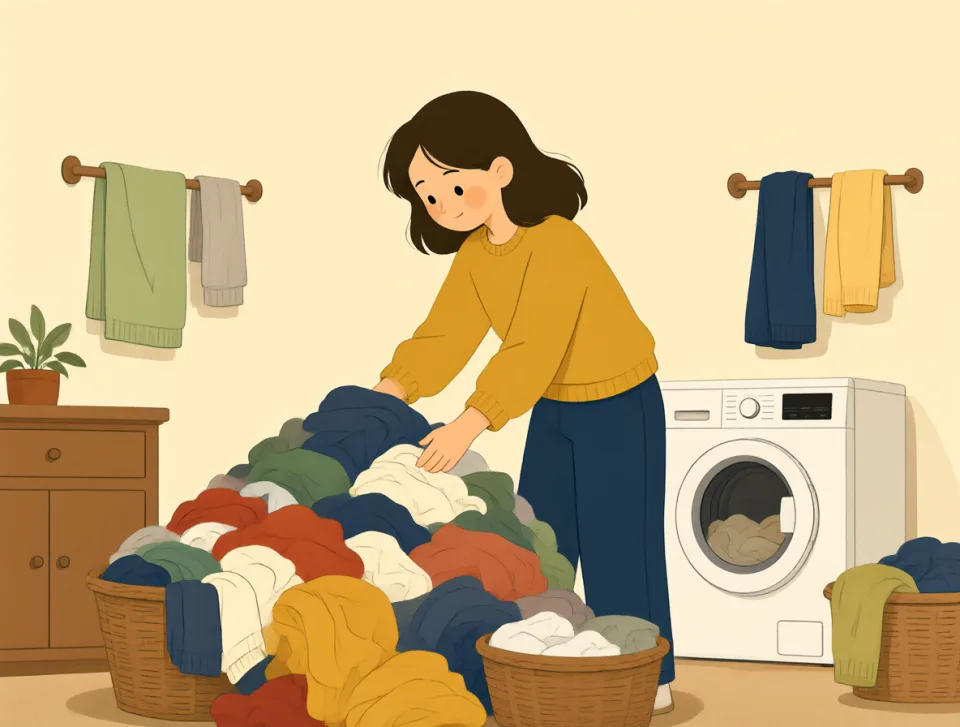
We need to tackle the growing pile of laundry before our guests arrive.
Musimy uporać się z rosnącą stertą prania, zanim przyjdą nasi goście.
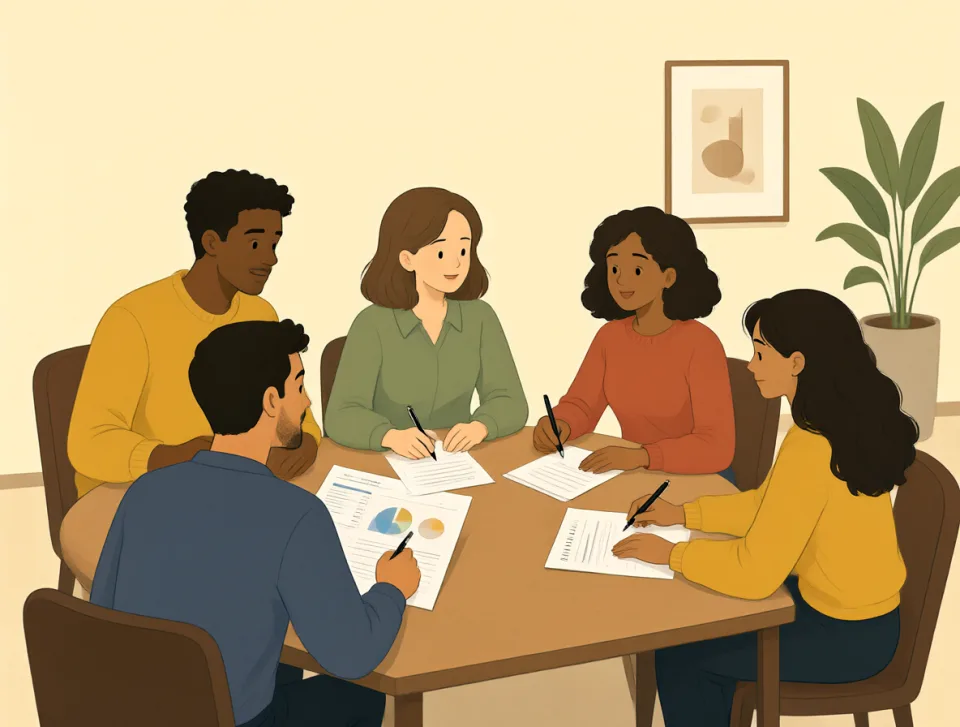
The team tackled the budget problem during Monday's meeting.
Zespół zajął się problemem budżetowym podczas poniedziałkowego spotkania.
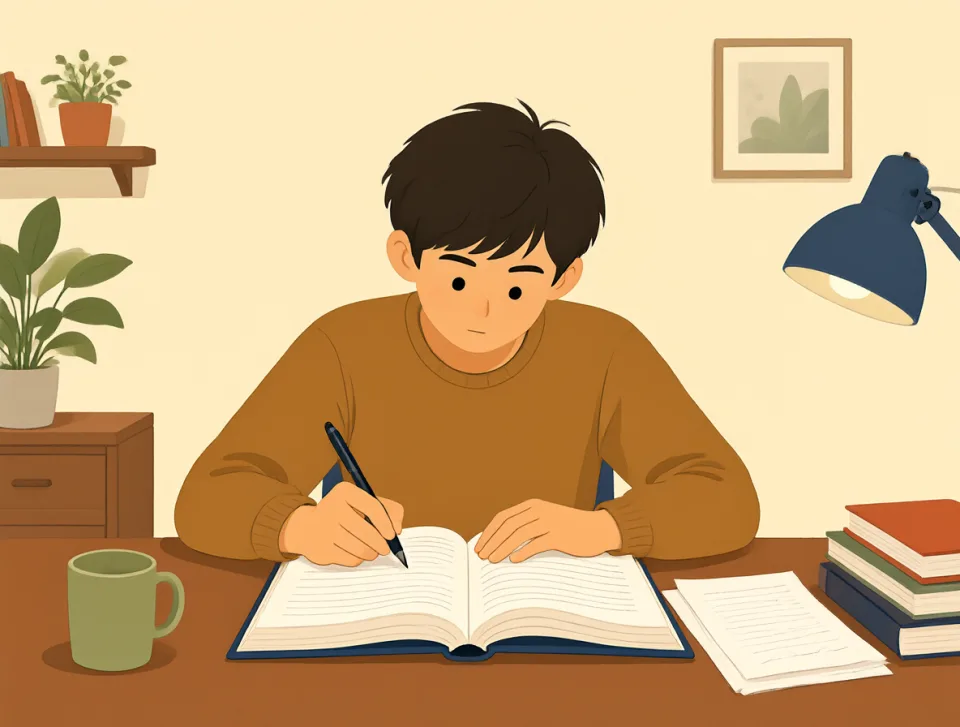
She tackled her hardest school assignment before going out with friends.
Zajęła się najtrudniejszym zadaniem szkolnym, zanim wyszła ze znajomymi.
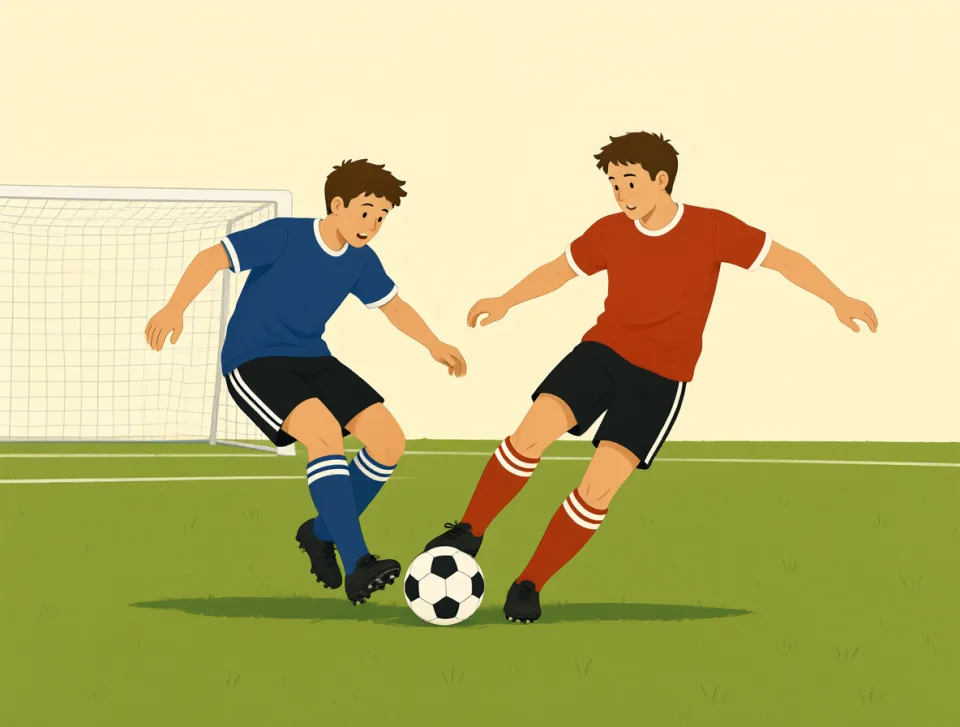
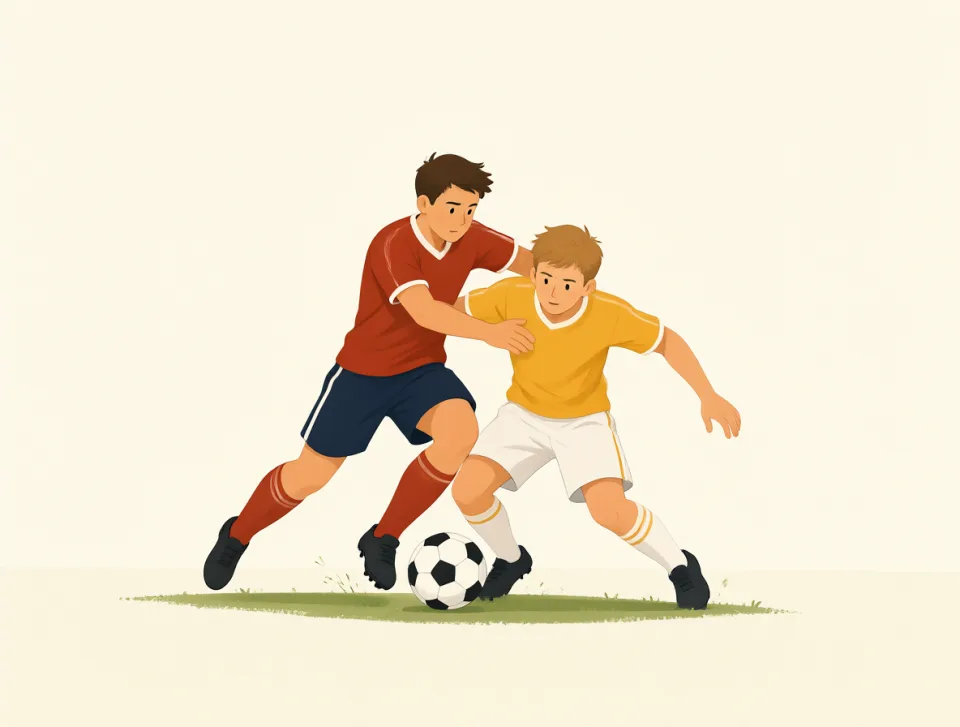
The defender tackled the striker just outside the penalty area.
Obrońca sfaulował napastnika tuż przed polem karnym.
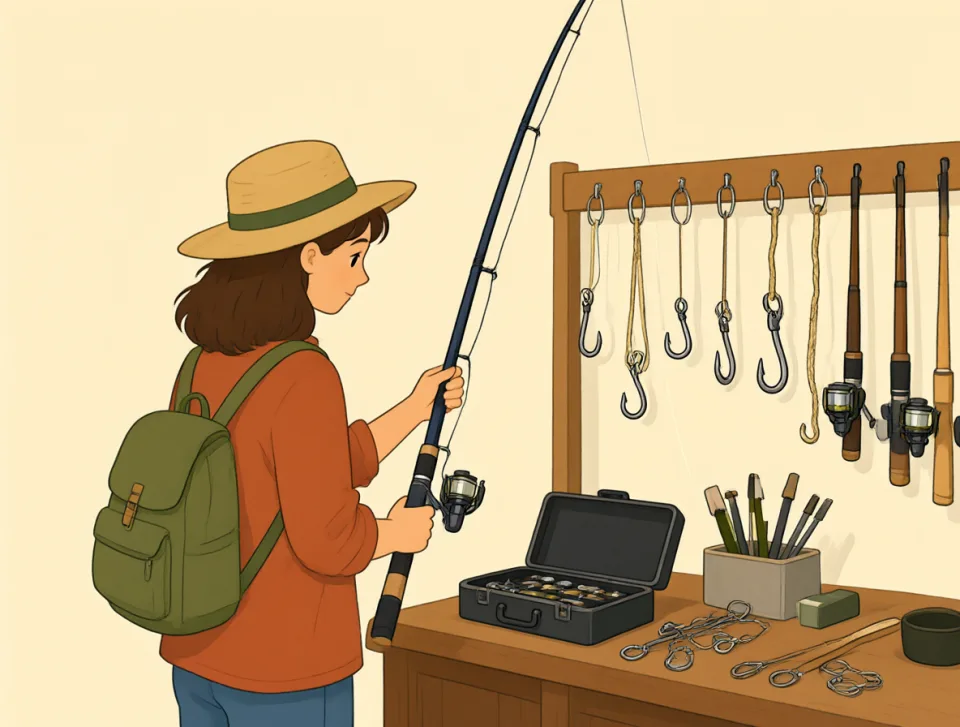
He bought new fishing tackle before traveling to the lake.
Przed wyjazdem nad jezioro kupił nowy sprzęt wędkarski.
forever
#2507adverb, noun
na zawsze
For all time, or for a very long time; an endless period of time.
Przez cały czas lub bardzo długo; przez nieskończenie długi czas.
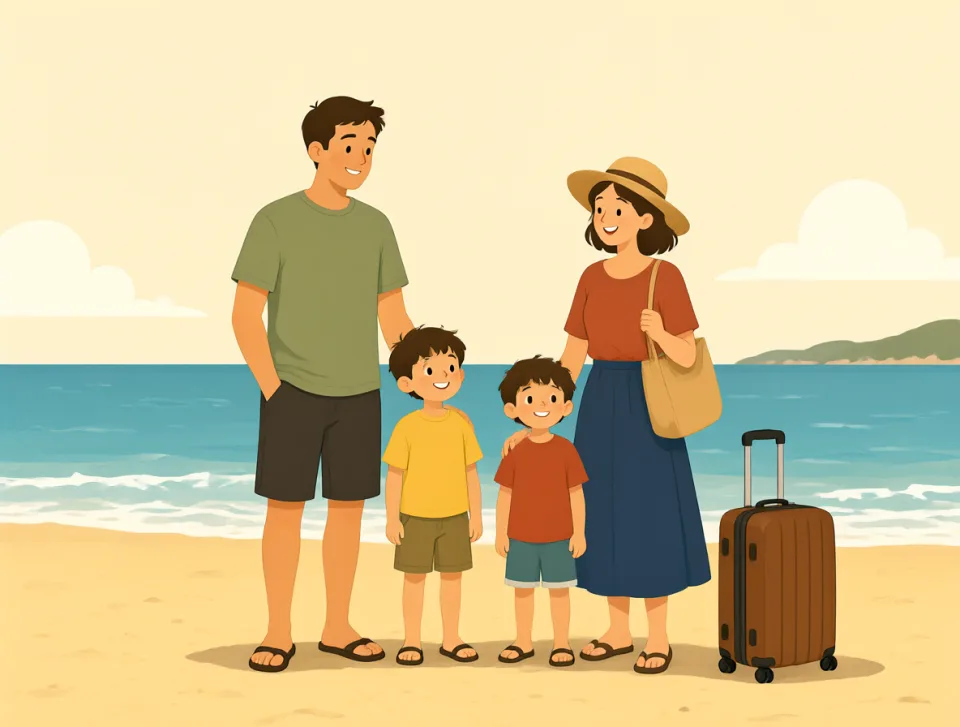
I will remember this wonderful holiday forever.
Na zawsze zapamiętam te wspaniałe wakacje.
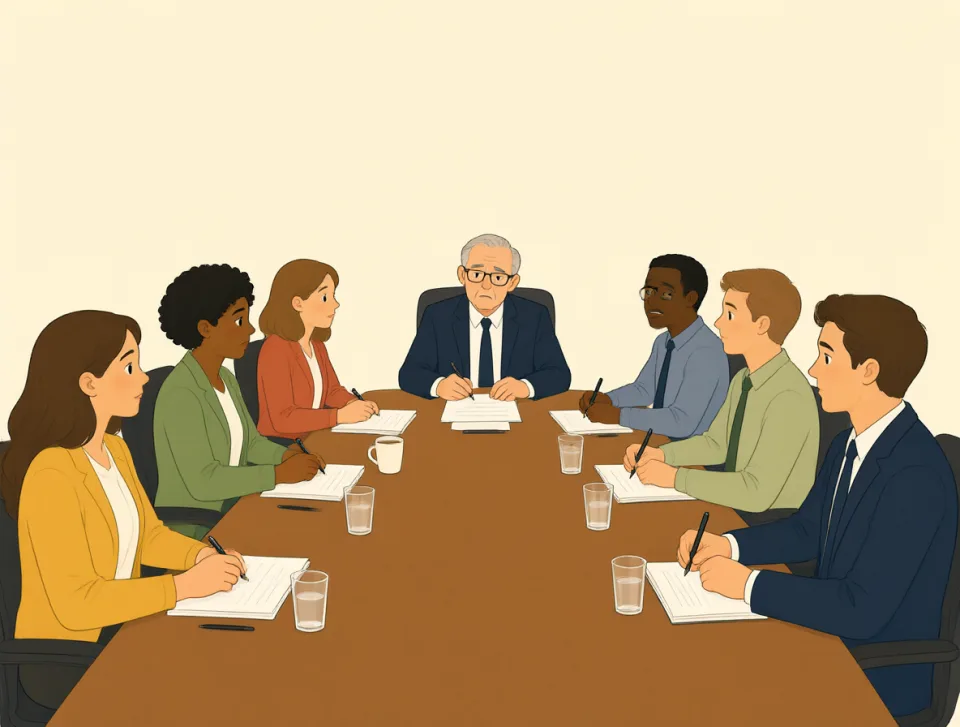
It seemed to take forever to finish the long meeting.
Wydawało się, że długie spotkanie trwało wieczność.

They promised to be best friends forever.
Obiecali, że na zawsze pozostaną najlepszymi przyjaciółmi.
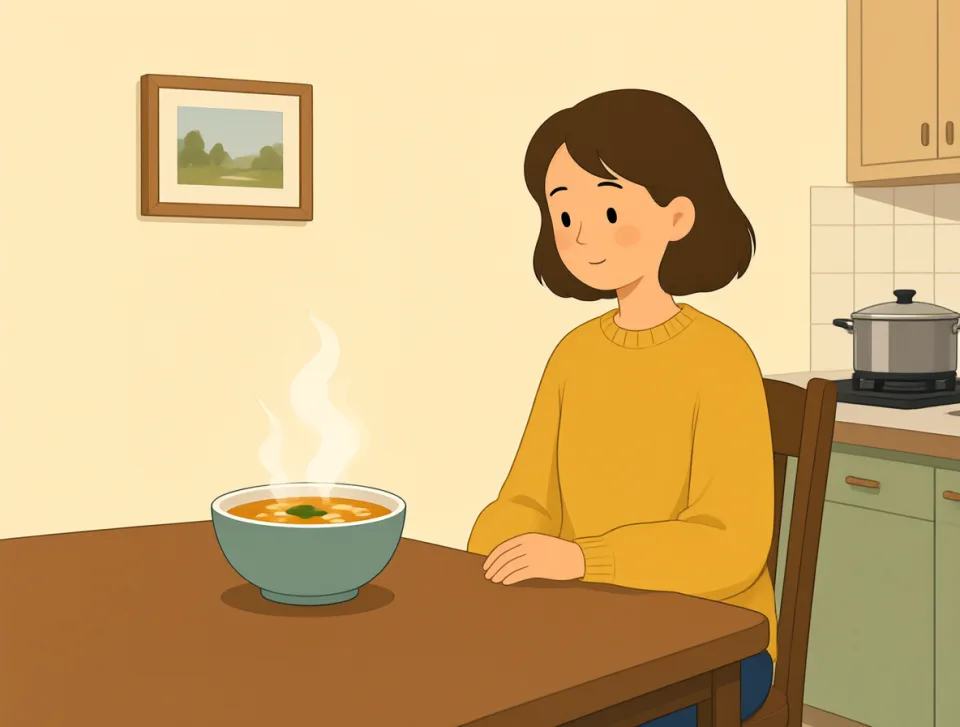
This soup is delicious, but it takes forever to cool down.
Ta zupa jest pyszna, ale stygnie całą wieczność.
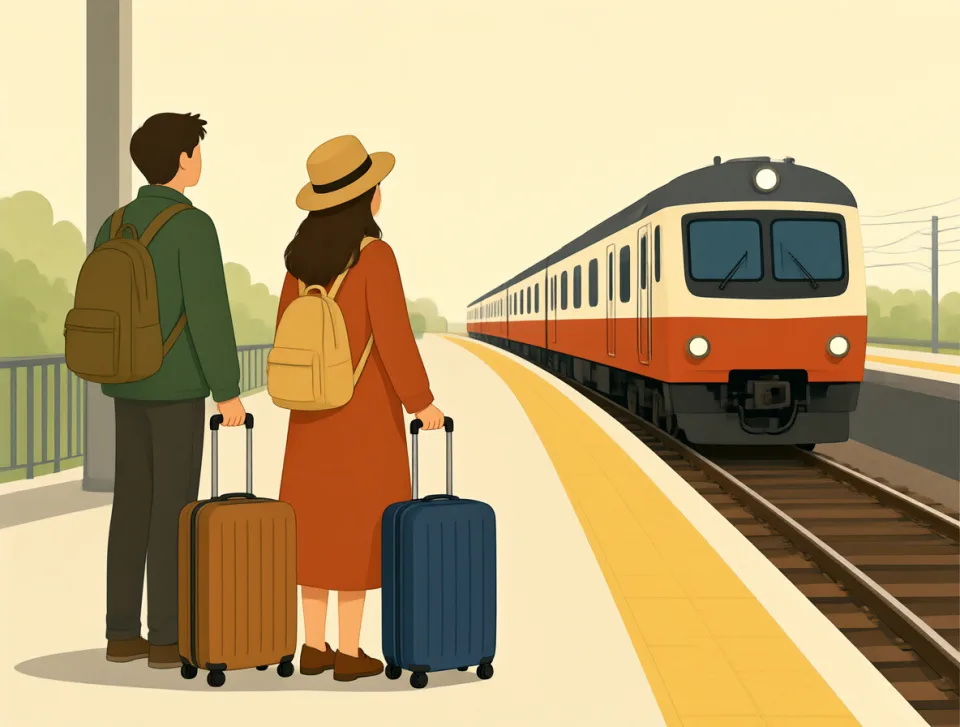
We cannot stay here forever; our train leaves soon.
Nie możemy tu zostać na zawsze; nasz pociąg wkrótce odjeżdża.
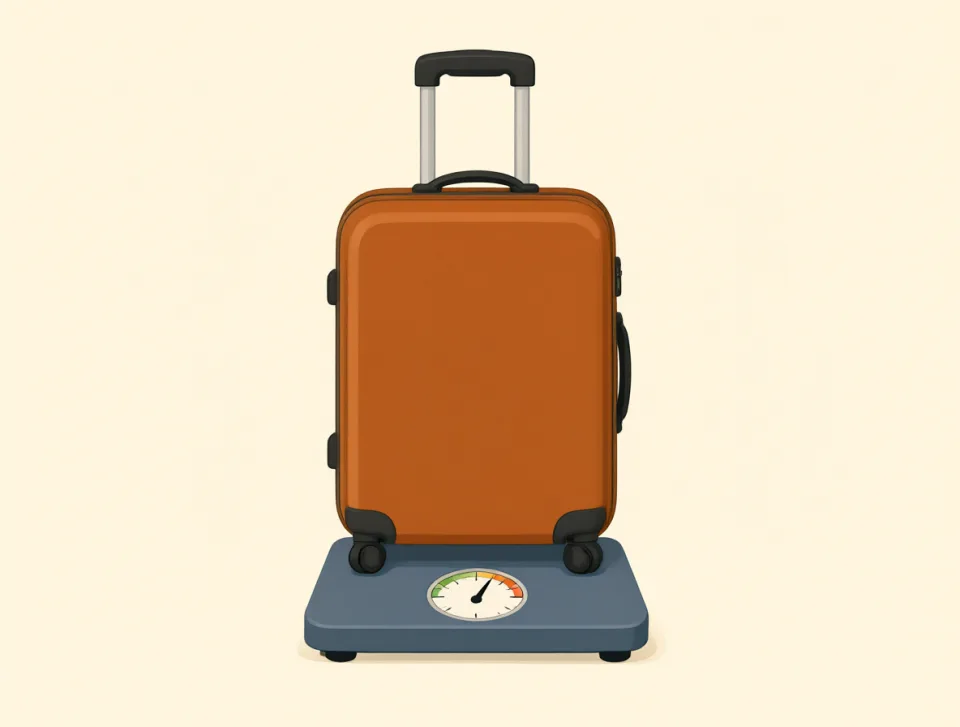
exceed
#2508verb
przekraczać
to be greater than a number, amount, or level
być większym od danej liczby, ilości lub poziomu

Her final exam results greatly exceeded everyone's expectations this year.
Wyniki jej egzaminu końcowego znacznie przekroczyły w tym roku oczekiwania wszystkich.
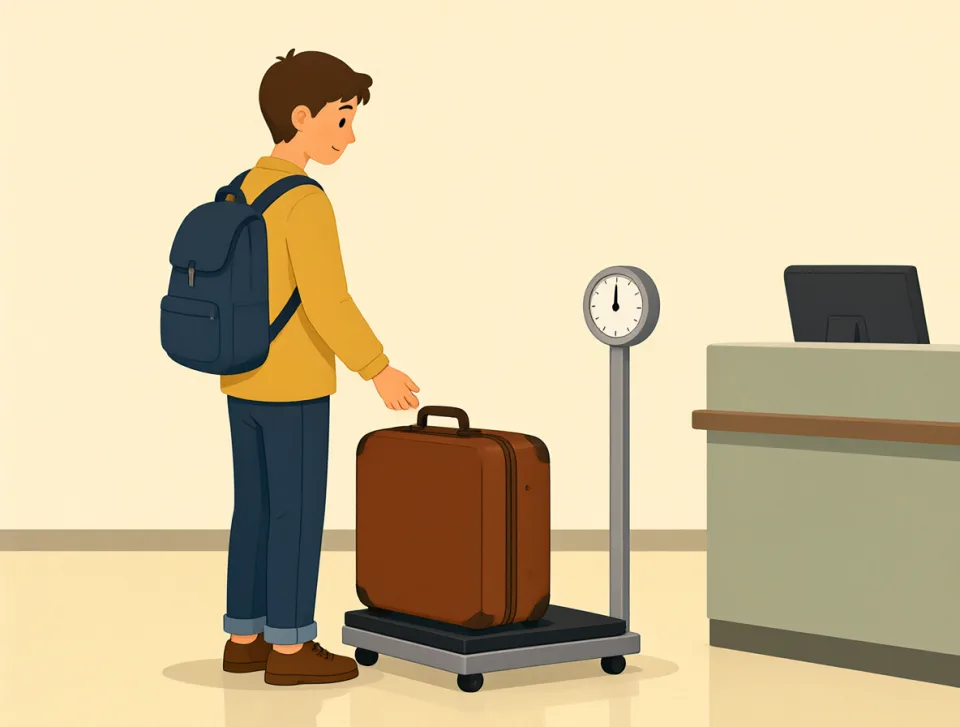
Please make sure your suitcase does not exceed the airline's weight limit.
Upewnij się, że Twoja walizka nie przekracza limitu wagi obowiązującego w liniach lotniczych.
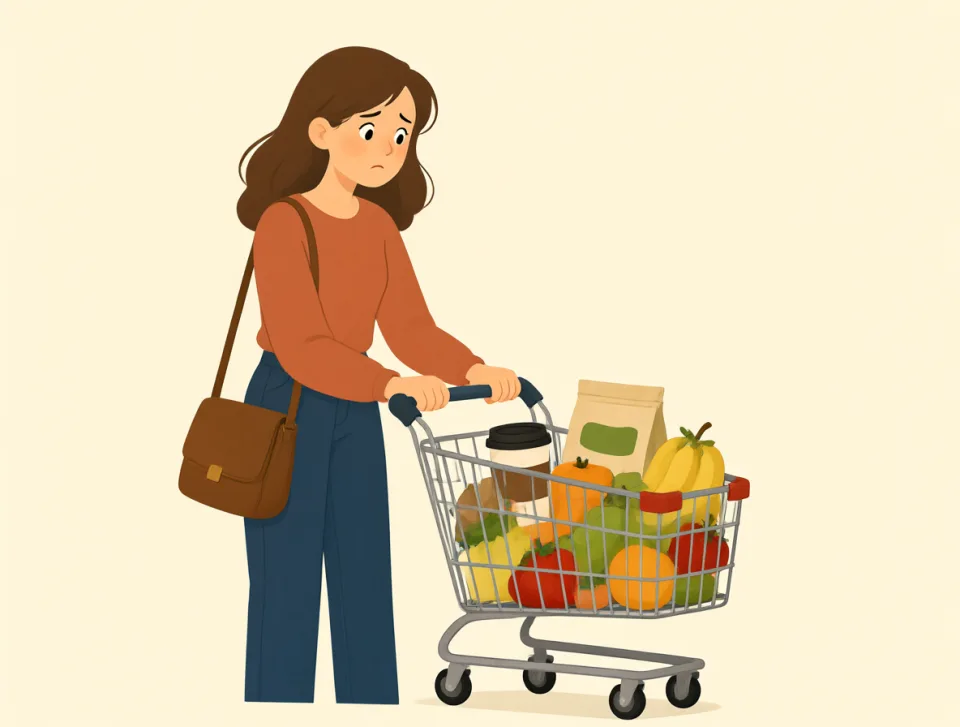
We exceeded our grocery budget after buying fresh fruit and coffee.
Przekroczyliśmy budżet na zakupy spożywcze, kupując świeże owoce i kawę.
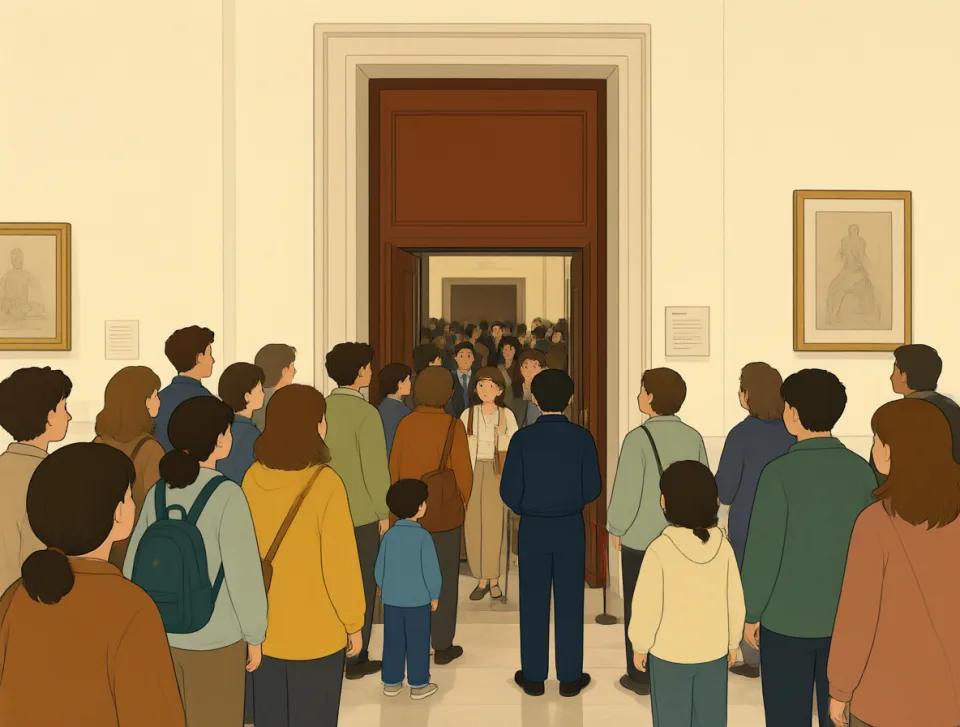
The number of visitors exceeded the museum's daily capacity during the holiday.
W czasie świąt liczba odwiedzających przekroczyła dzienny limit muzeum.
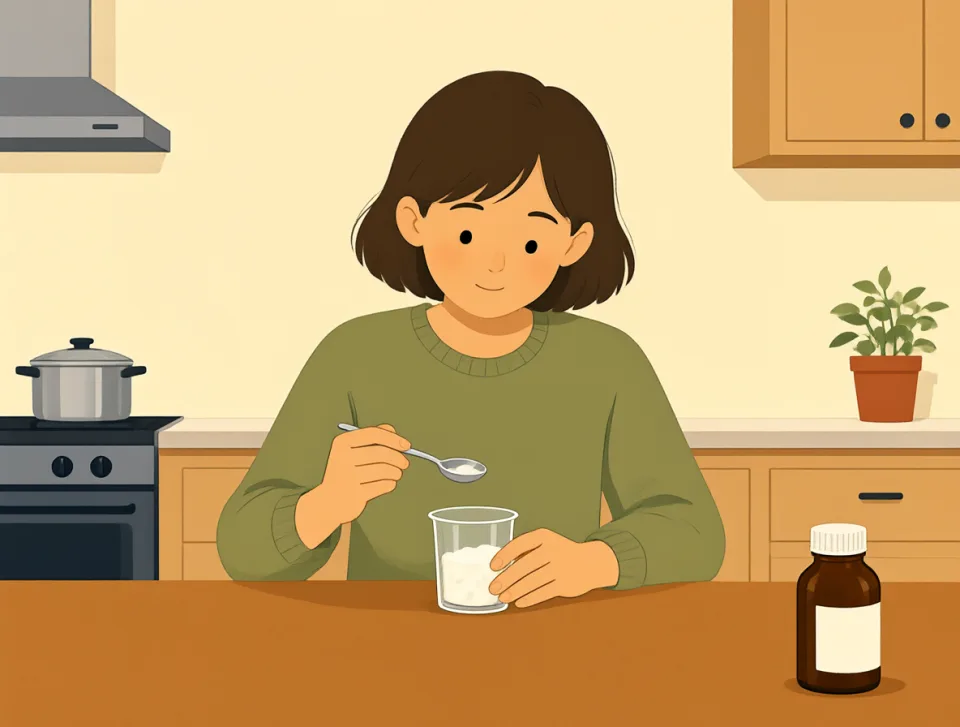
You should not exceed the recommended daily amount of this medicine.
Nie należy przekraczać zalecanej dziennej dawki tego leku.
expenditure
#2509noun
wydatki
The money that is spent on something.
Pieniądze wydawane na coś.
The family reduced its monthly expenditure by cooking at home more often.
Rodzina ograniczyła miesięczne wydatki, częściej gotując w domu.

The company is reviewing its expenditure on travel and office supplies.
Firma analizuje wydatki na podróże i artykuły biurowe.
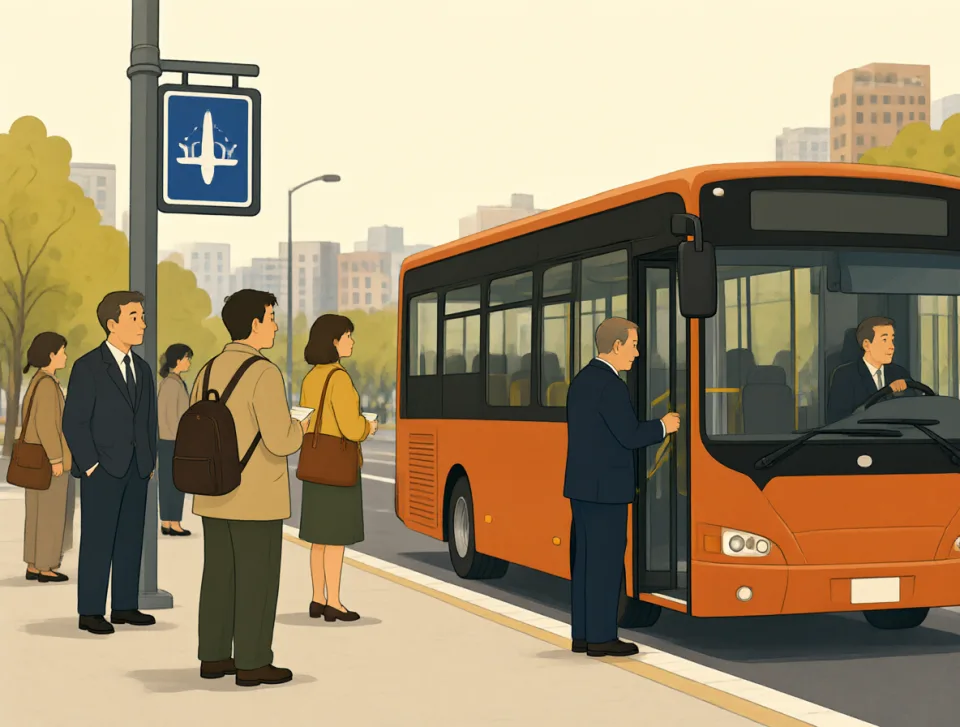
Government expenditure on public transport increased after fuel prices rose.
Wydatki rządu na transport publiczny wzrosły po podwyżce cen paliw.
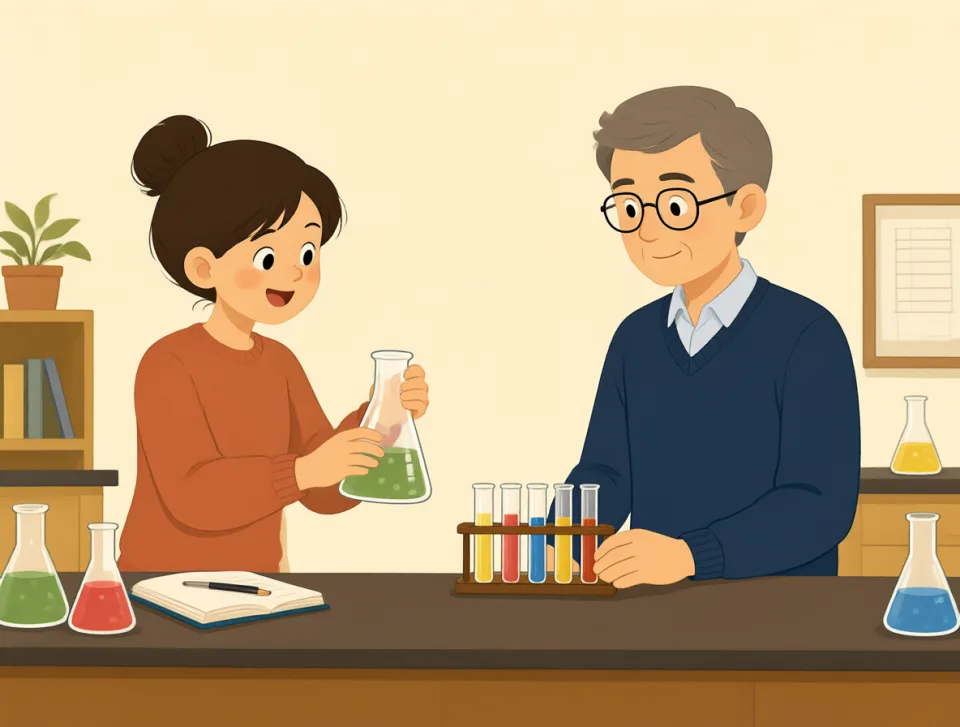
The school planned its expenditure on new science equipment carefully.
Szkoła starannie zaplanowała wydatki na nowy sprzęt do nauki przedmiotów ścisłych.
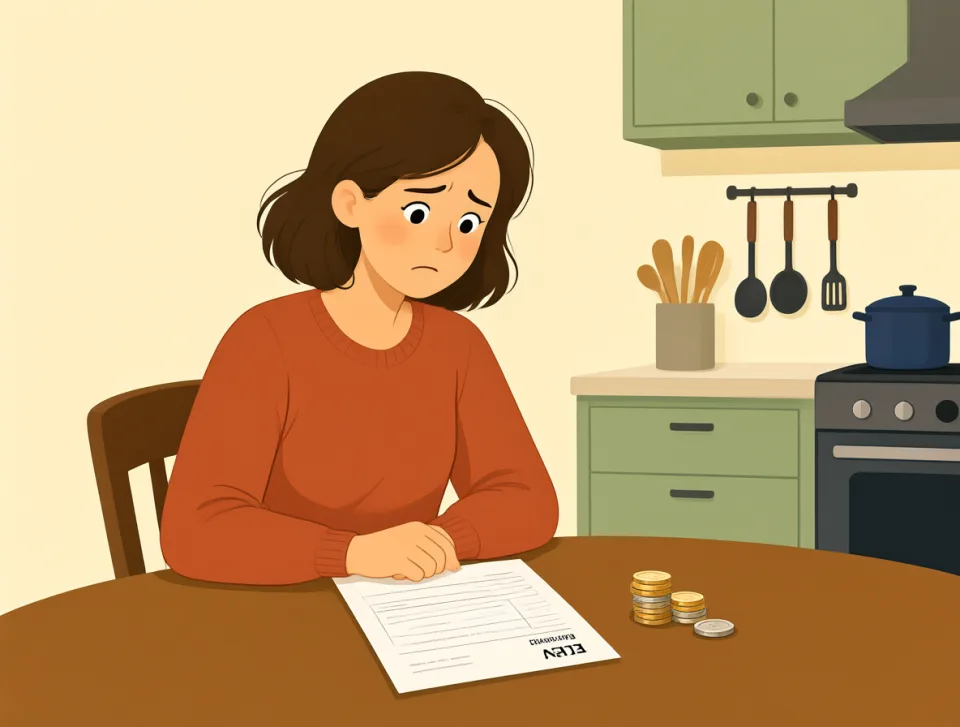
Unexpected medical expenditure made it difficult for Maya to pay rent.
Nieoczekiwane wydatki medyczne utrudniły Mayi opłacenie czynszu.

joy
#2510noun
radość
a strong feeling of great happiness
silne uczucie wielkiego szczęścia
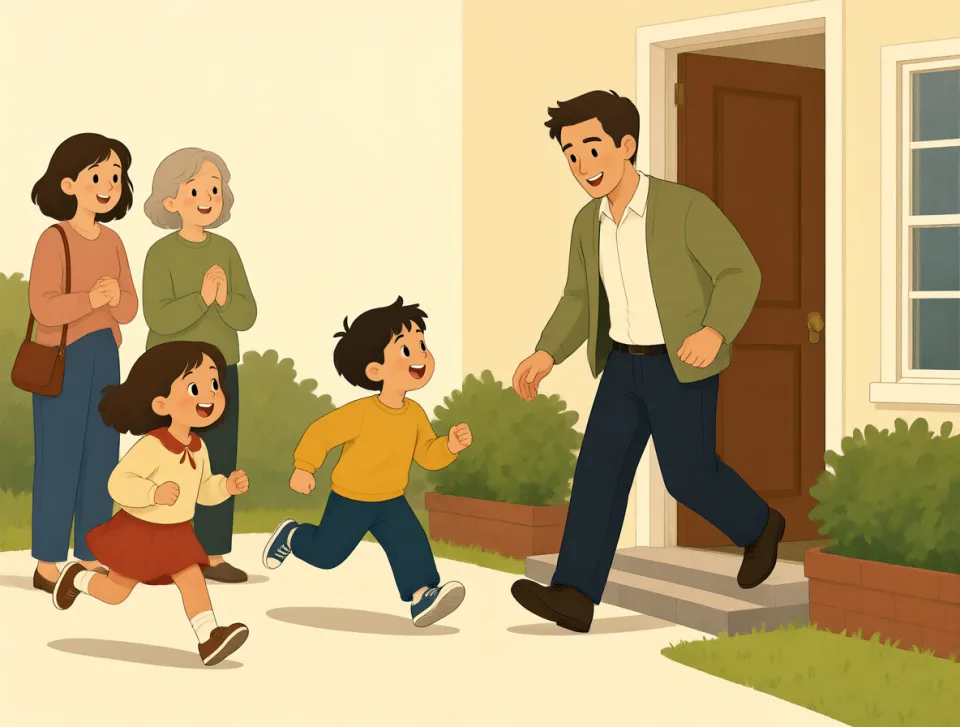
The children shouted with joy when their father came home from work.
Dzieci krzyknęły z radości, gdy ich ojciec wrócił z pracy do domu.

She felt great joy after passing her final school exam.
Poczuła wielką radość po zdaniu końcowego egzaminu szkolnego.

The wedding brought joy to everyone gathered around the happy couple.
Ślub przyniósł radość wszystkim zgromadzonym wokół szczęśliwej pary.
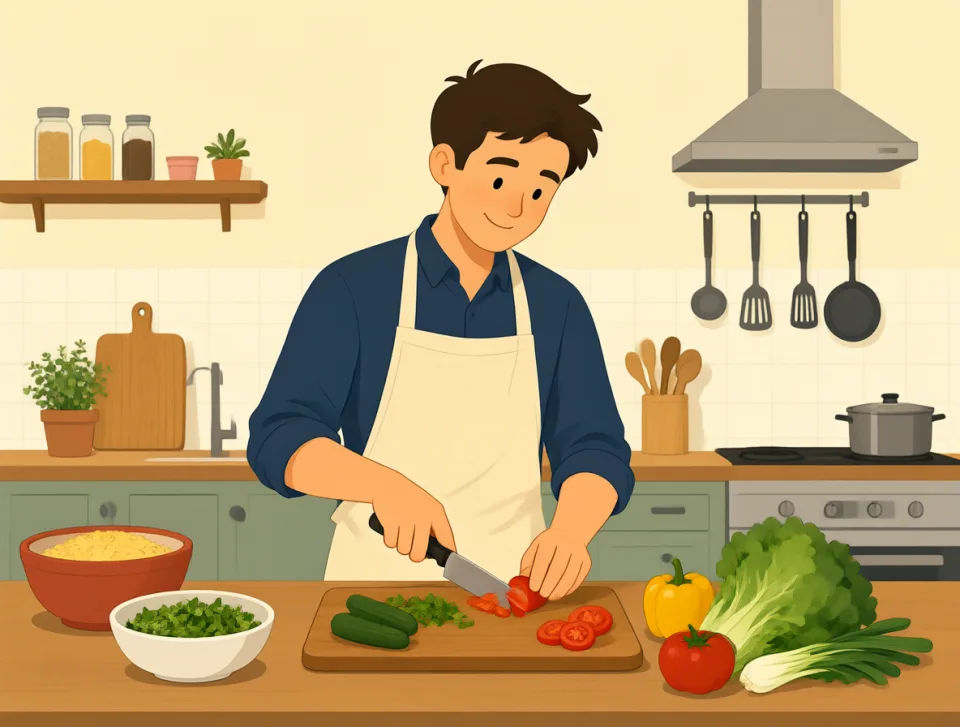
He finds joy in cooking a healthy meal for his family.
Gotowanie zdrowego posiłku dla rodziny sprawia mu radość.

The travelers shared their joy when they finally reached the beautiful beach.
Podróżnicy dzielili się radością, gdy w końcu dotarli na piękną plażę.
pregnant
#2511adjective
w ciąży
Having a baby developing inside your body.
O kobiecie, która nosi w sobie rozwijające się dziecko.
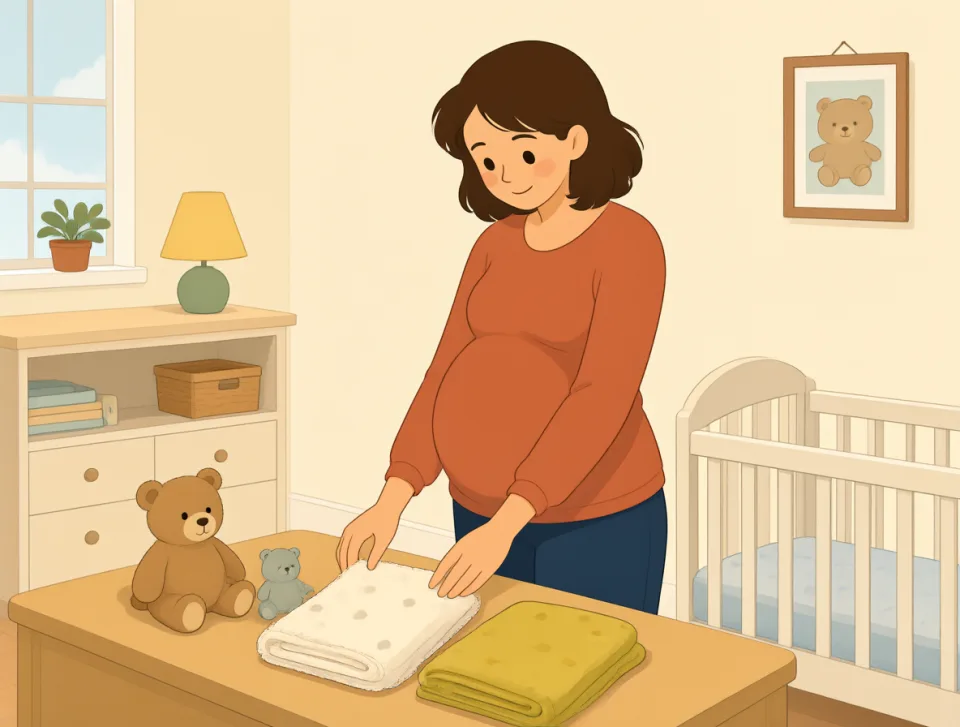
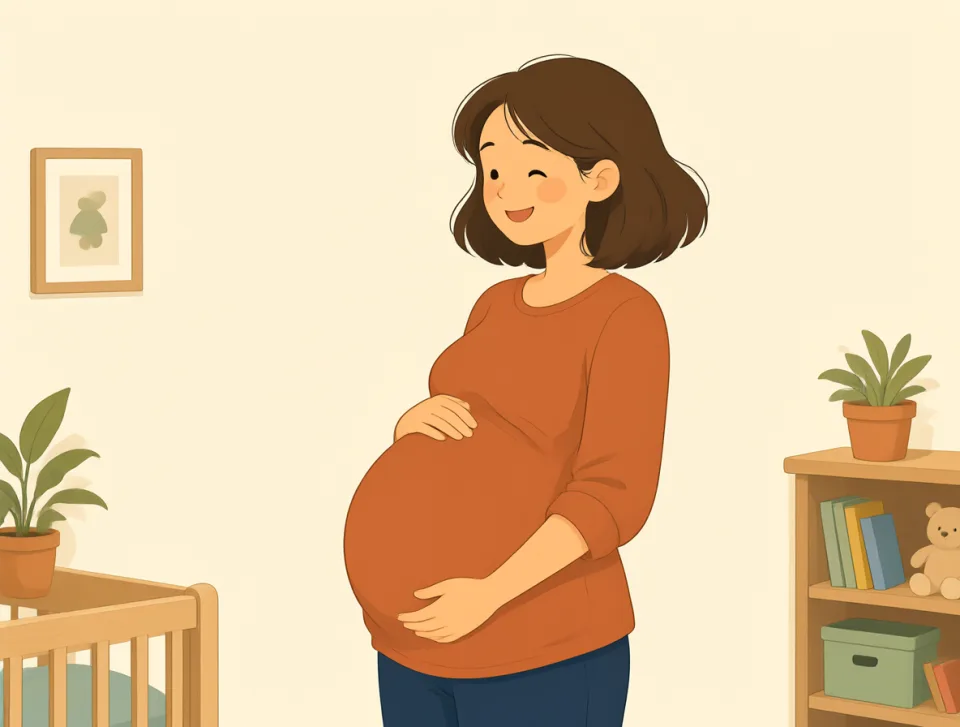
She is six months pregnant and has started preparing the baby's room.
Jest w szóstym miesiącu ciąży i zaczęła przygotowywać pokój dla dziecka.
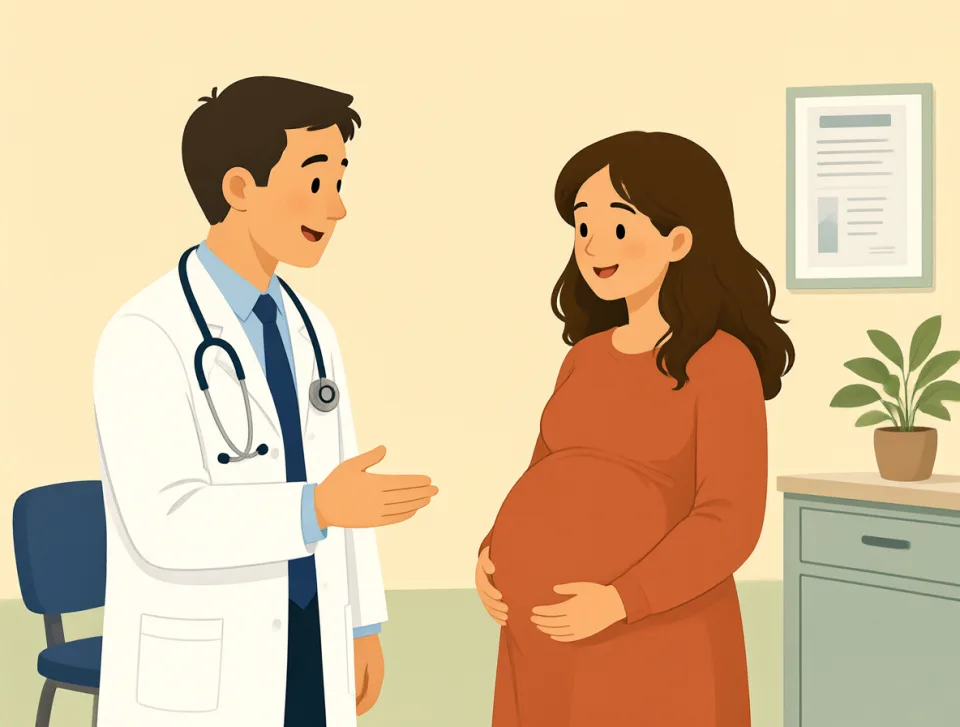
The doctor confirmed that Maya was pregnant during her appointment.
Podczas wizyty lekarz potwierdził, że Maya jest w ciąży.
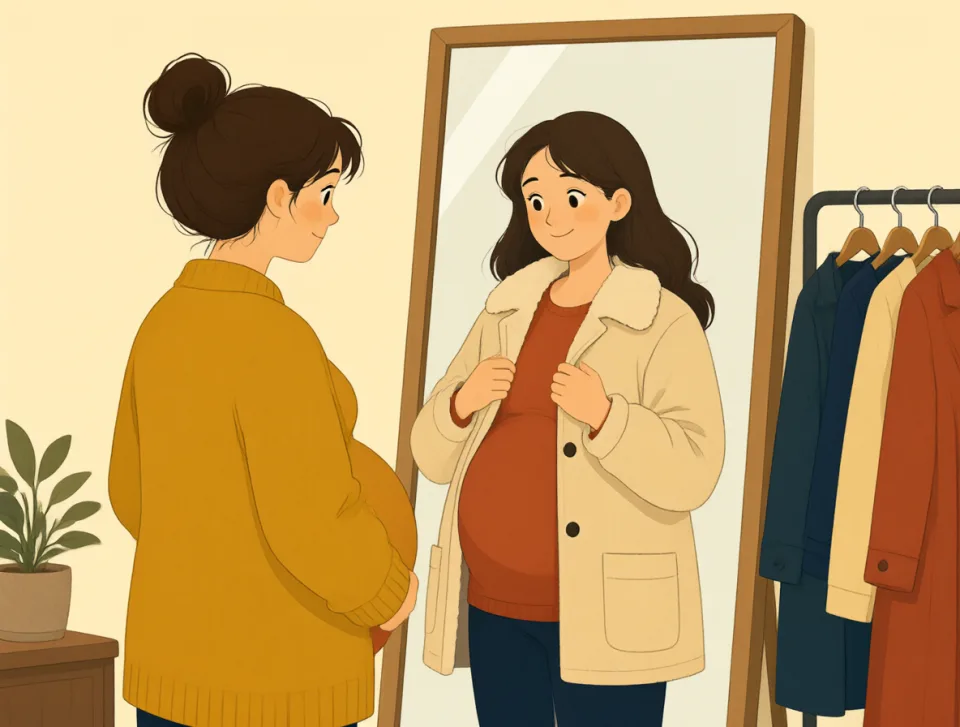
A pregnant customer tried on a larger coat at the clothing shop.
Klientka w ciąży przymierzyła większy płaszcz w sklepie odzieżowym.
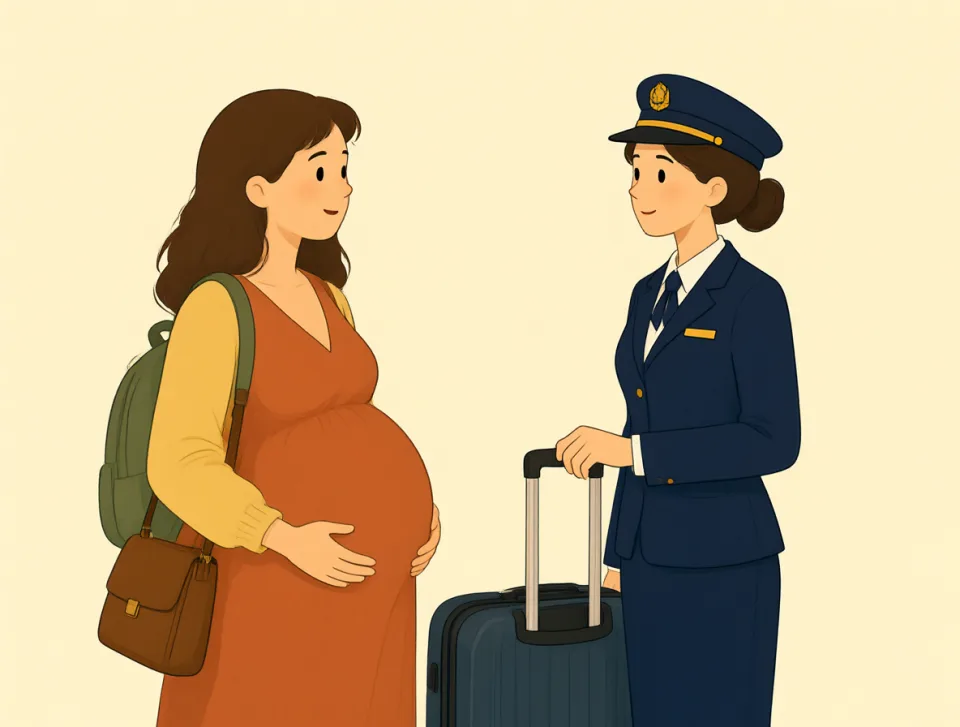
The airline advised pregnant passengers to check with their doctors before flying.
Linia lotnicza zaleciła pasażerkom w ciąży, by przed lotem skonsultowały się z lekarzem.
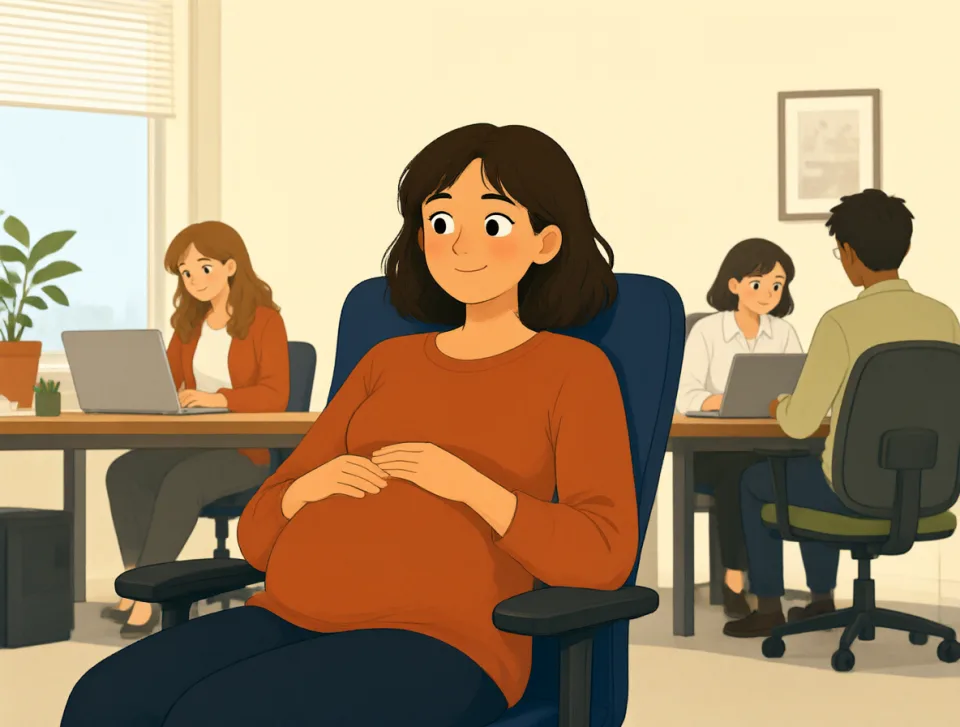
The pregnant manager took regular breaks during the busy afternoon at work.
Kierowniczka w ciąży robiła regularne przerwy podczas pracowitego popołudnia w pracy.
reliable
#2512adjective
niezawodny
Able to be trusted to work well, arrive on time, or do what is expected.
Taki, któremu można zaufać: działa dobrze, przychodzi na czas lub robi to, czego się od niego oczekuje.
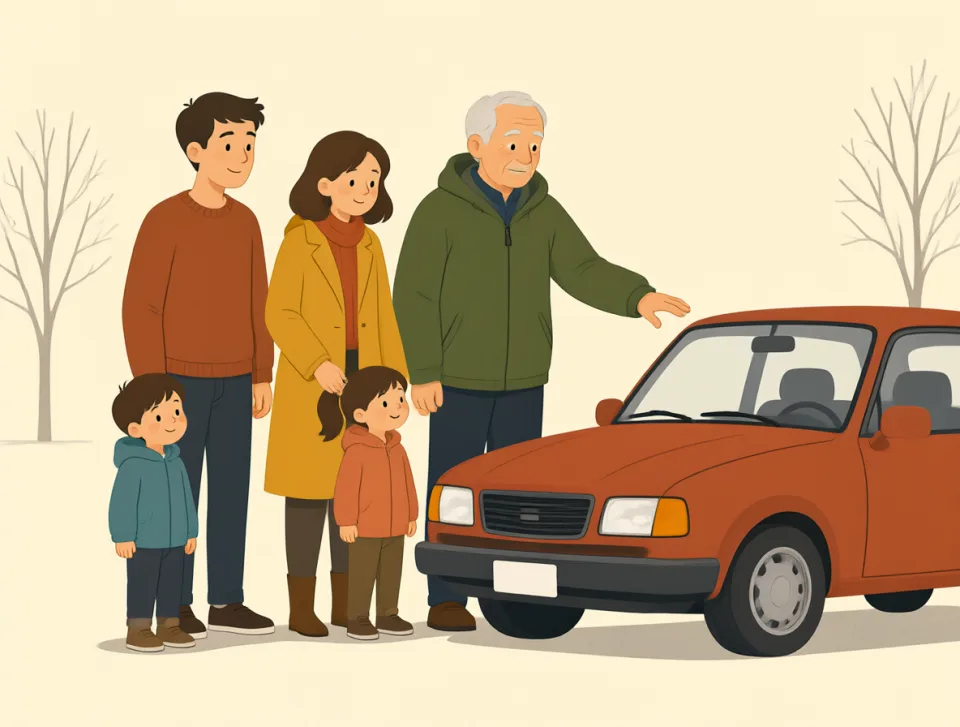
Our old car is reliable and starts every morning, even in cold weather.
Nasz stary samochód jest niezawodny i odpala każdego ranka, nawet w chłodne dni.

She is a reliable employee who always finishes her work before the deadline.
To niezawodna pracownica, która zawsze kończy pracę przed terminem.

The hotel recommended a reliable taxi service for our trip to the airport.
Hotel polecił nam sprawdzoną firmę taksówkarską na przejazd na lotnisko.
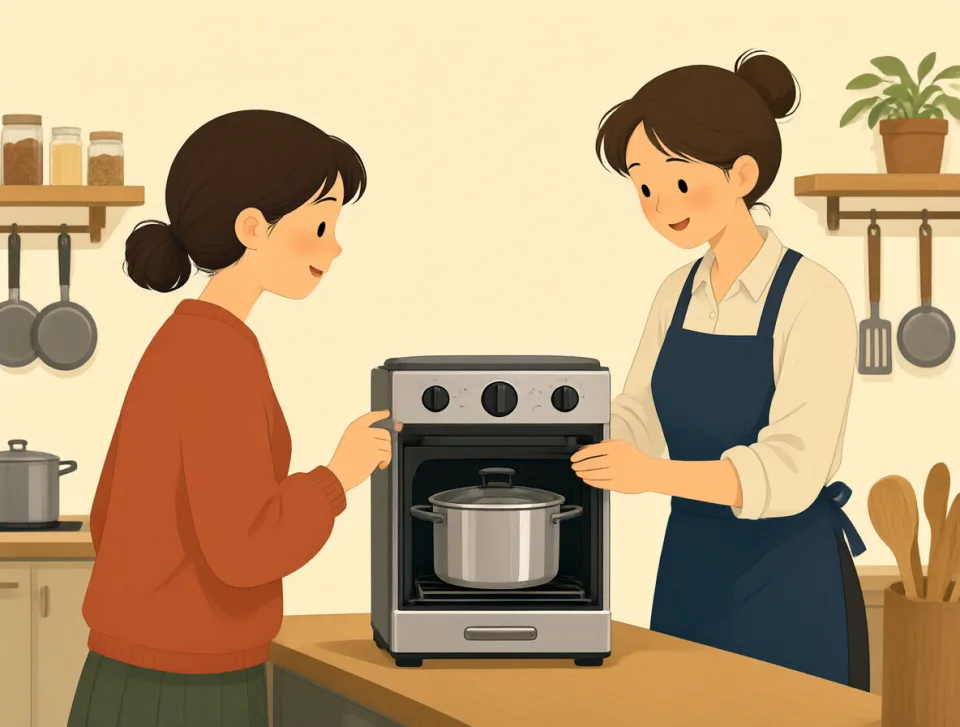
This shop sells reliable kitchen appliances at reasonable prices.
Ten sklep sprzedaje niezawodne sprzęty kuchenne w rozsądnych cenach.
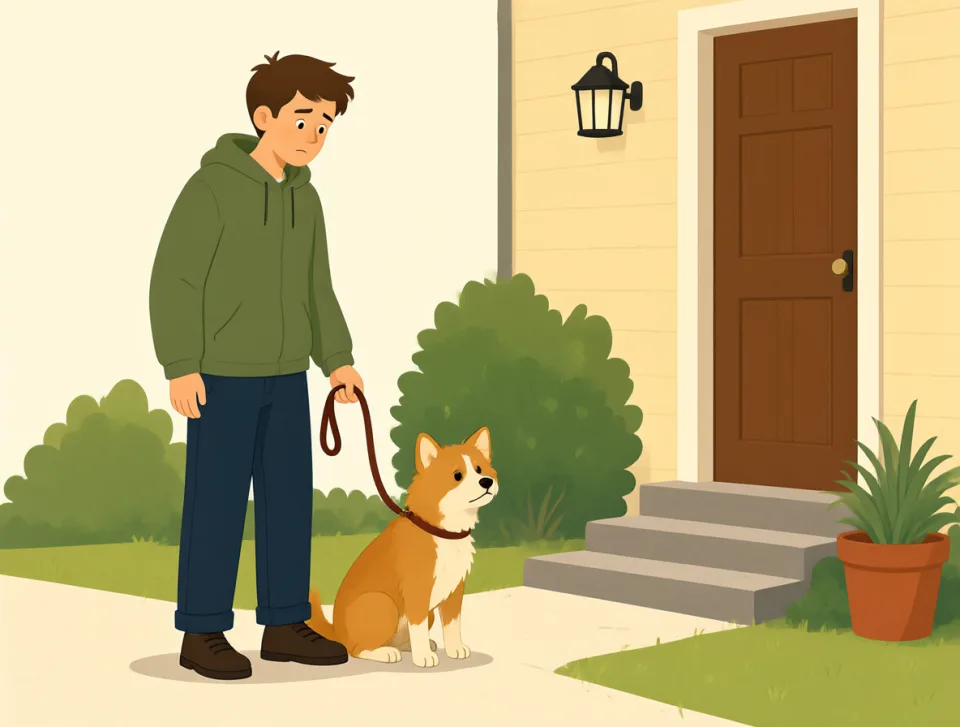
He needs a reliable friend to look after his dog during his hospital visit.
Potrzebuje zaufanej osoby, która zaopiekuje się jego psem, gdy będzie w szpitalu.
gear
#2513noun, verb
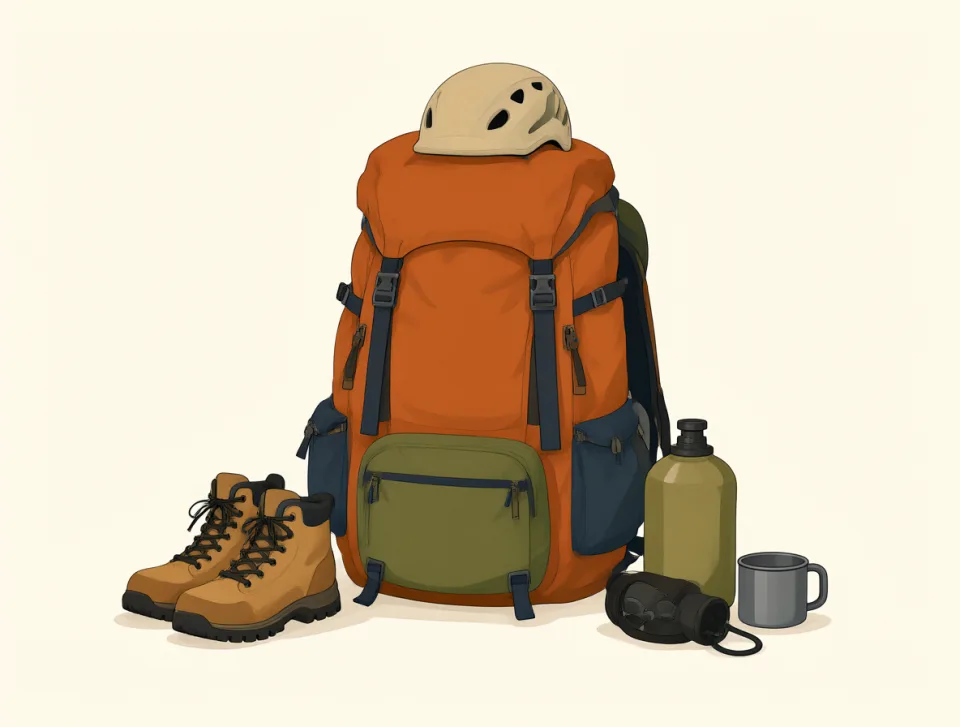
sprzęt
equipment or clothing used for a particular activity; to change a machine’s gears
Sprzęt lub odzież używane do konkretnej aktywności; zmieniać biegi w maszynie.

You need warm gear for hiking in the mountains during winter.
Zimą podczas górskich wędrówek potrzebujesz ciepłego ubrania i odpowiedniego sprzętu.
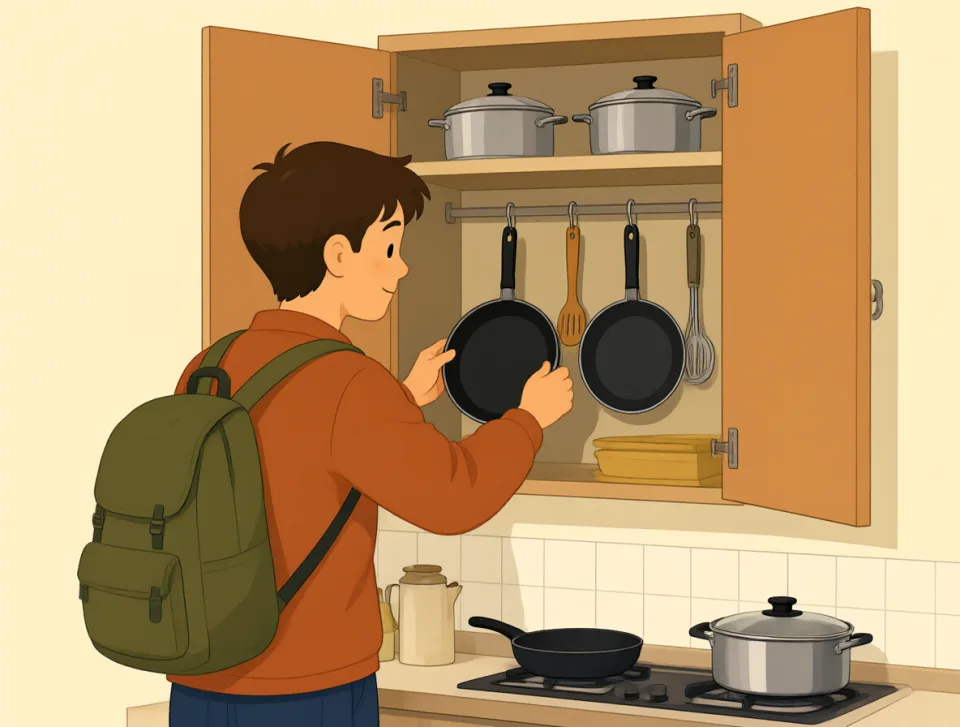
The hotel provides basic cooking gear in every apartment.
Hotel zapewnia podstawowy sprzęt kuchenny w każdym apartamencie.

She bought new sports gear before joining the school team.
Kupiła nowy sprzęt sportowy, zanim dołączyła do szkolnej drużyny.
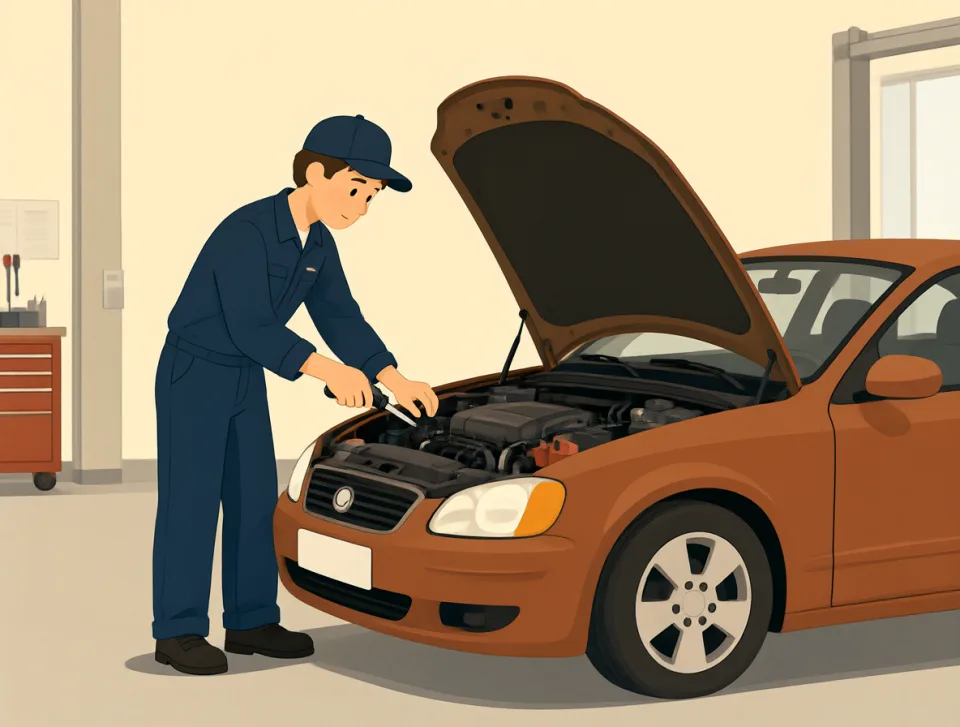
The mechanic checked the gears after the car began making strange noises.
Mechanik sprawdził przekładnię, gdy samochód zaczął wydawać dziwne dźwięki.
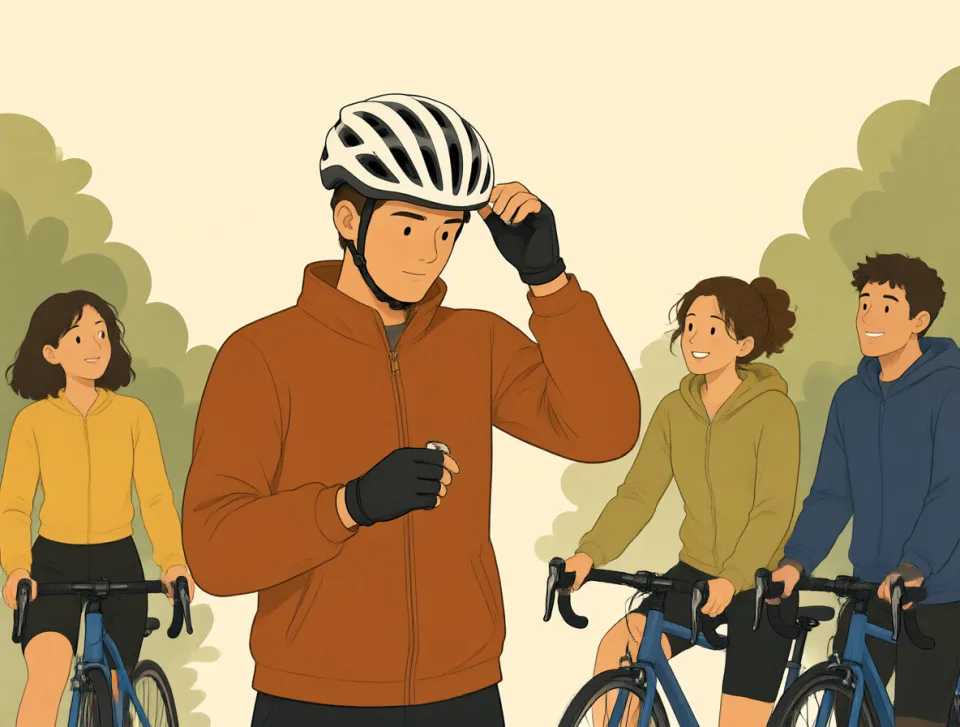
He geared up quickly and joined his friends for the cycling trip.
Szybko się przygotował i dołączył do przyjaciół na wycieczkę rowerową.
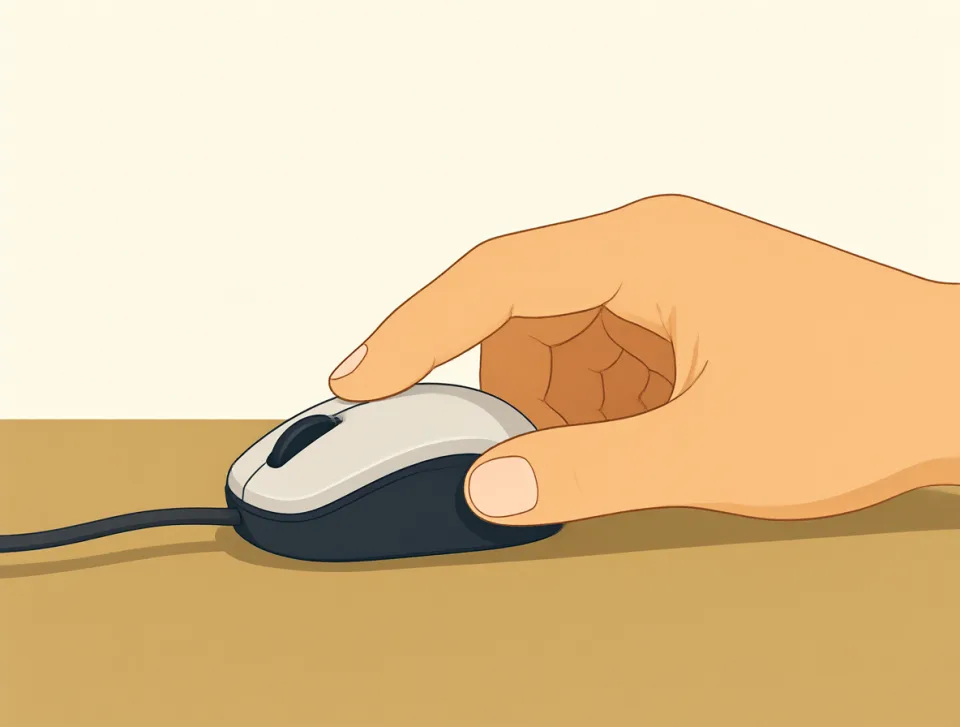
click
#2514noun, verb
kliknąć; klik
to press a computer button, or make a short, sharp sound
Nacisnąć przycisk myszy lub wydać krótki, ostry dźwięk.
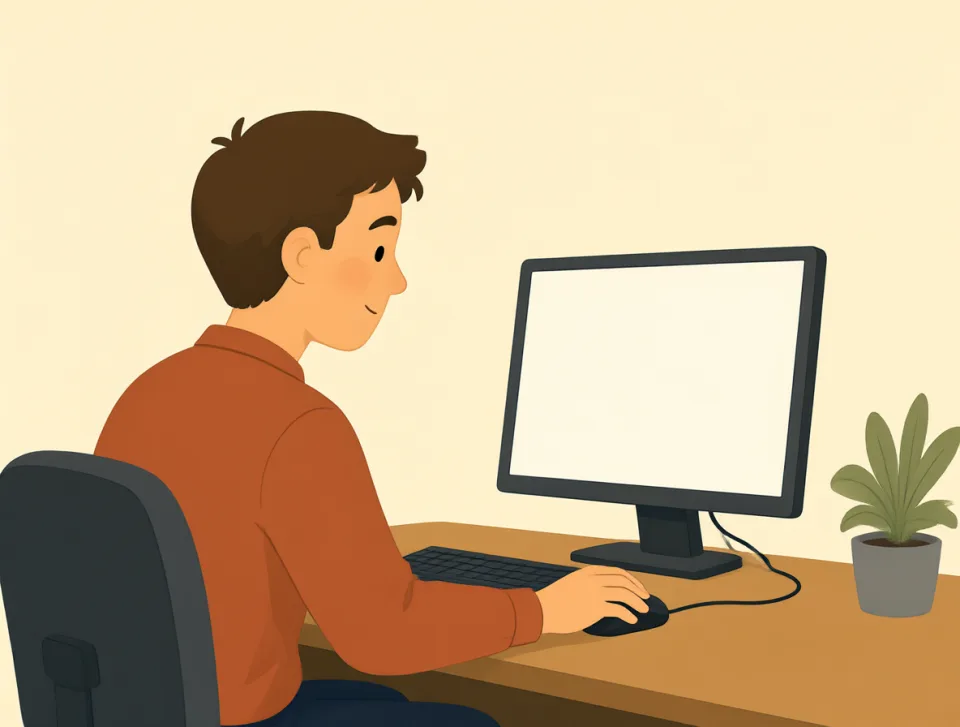
Click the button to save your changes before closing the document.
Kliknij przycisk, aby zapisać zmiany przed zamknięciem dokumentu.

I clicked on the hotel photo to check the room before booking.
Kliknąłem zdjęcie hotelu, żeby obejrzeć pokój przed dokonaniem rezerwacji.
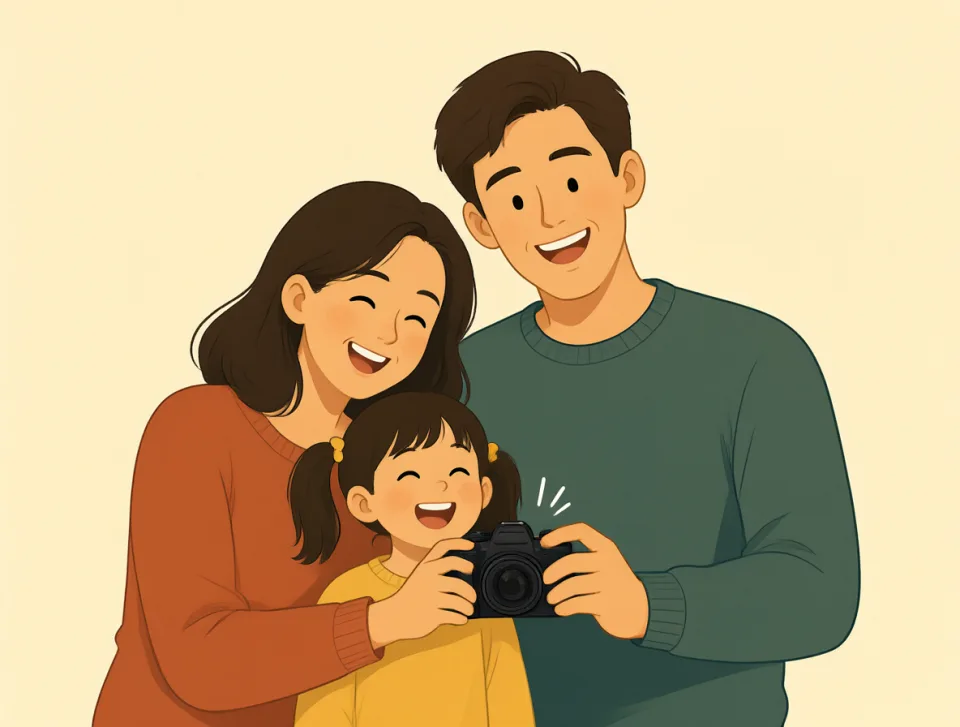
I heard a click as the camera took our family photograph.
Usłyszałem kliknięcie, gdy aparat zrobił nam rodzinne zdjęcie.

The two colleagues clicked immediately and worked well together.
Dwaj współpracownicy od razu złapali wspólny język i dobrze im się razem pracowało.
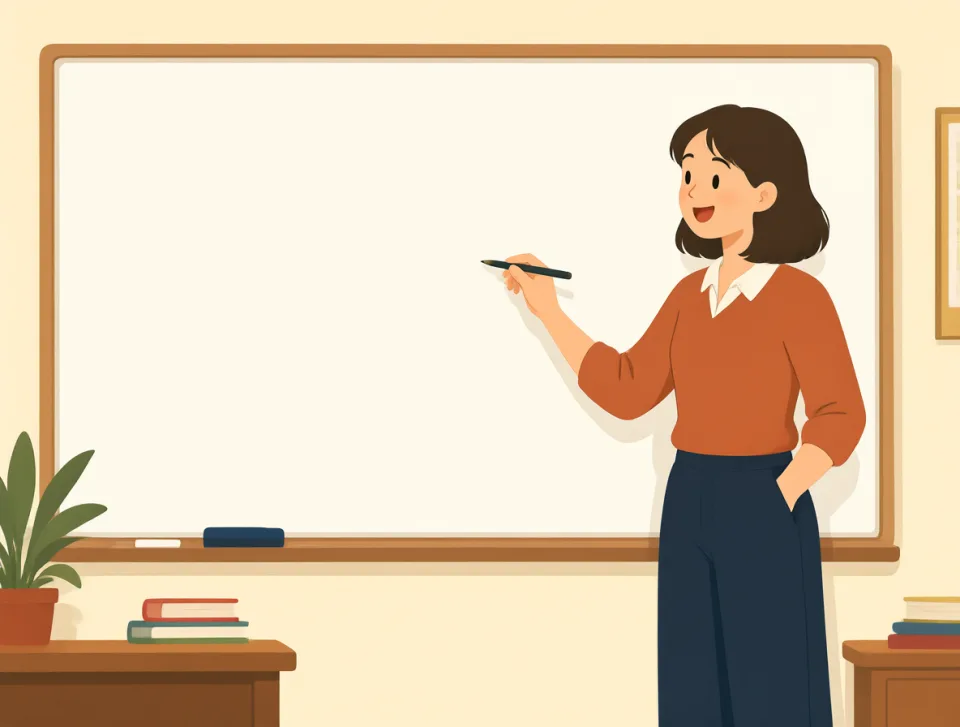
The answer finally clicked when my teacher drew a simple example.
W końcu zrozumiałem odpowiedź, gdy nauczyciel narysował prosty przykład.
poet
#2515noun
poeta; poetka
a person who writes poems
Osoba, która pisze wiersze.
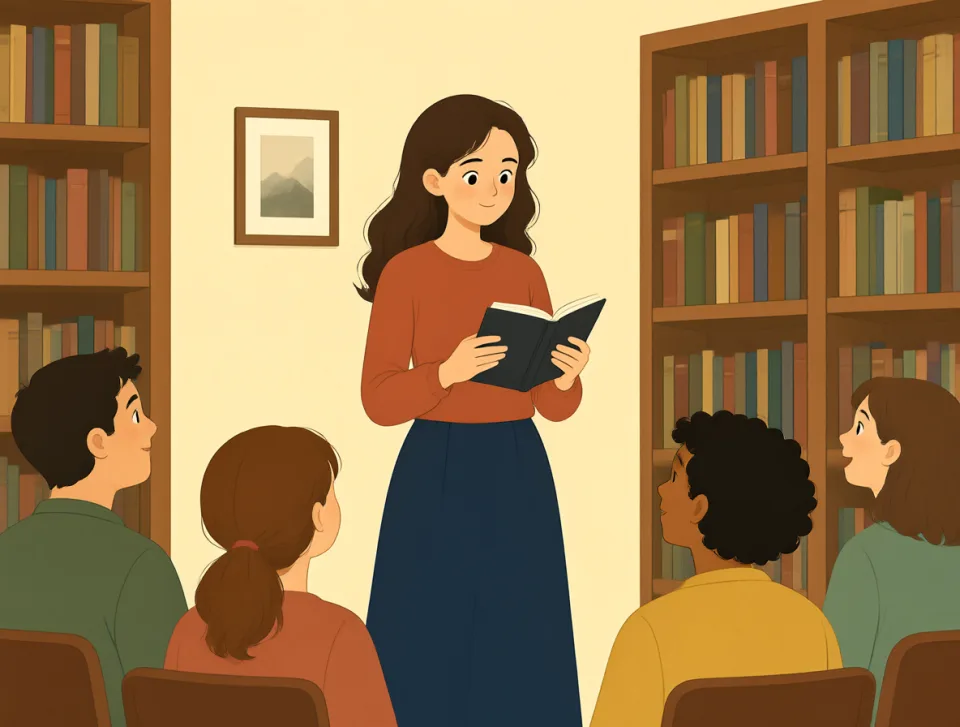
The poet read her new poem aloud at the local library.
Poetka przeczytała na głos swój nowy wiersz w lokalnej bibliotece.

At the bookshop, I bought a collection by my favorite poet.
W księgarni kupiłem zbiór wierszy mojego ulubionego poety.
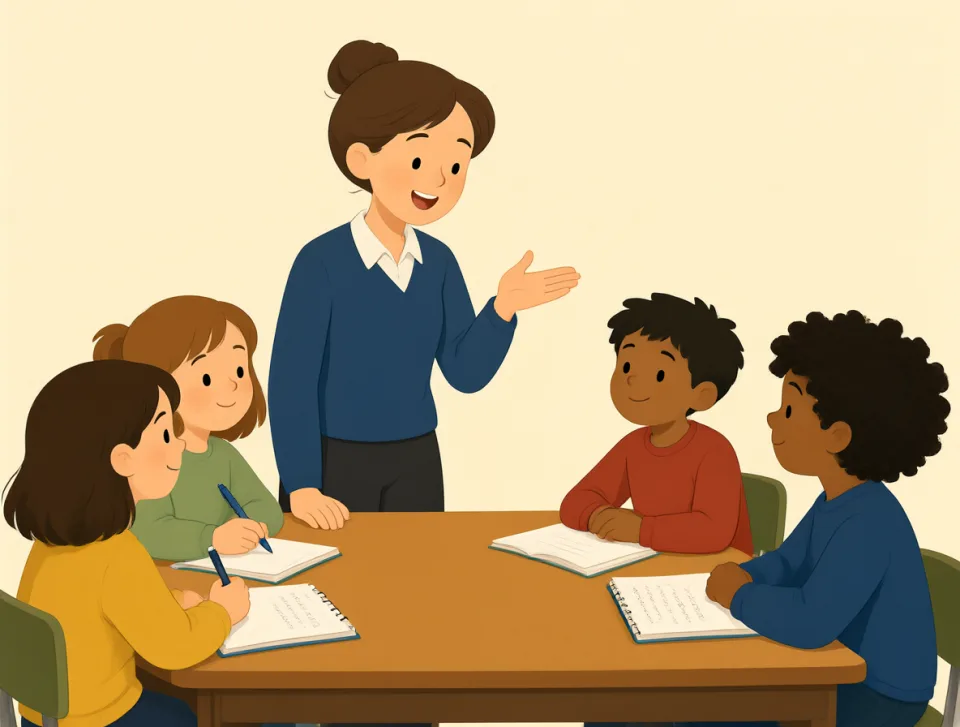
Our English teacher asked us to study a poem by a famous poet.
Nasz nauczyciel angielskiego poprosił nas o omówienie wiersza słynnego poety.

The young poet won a prize for her first collection.
Młoda poetka zdobyła nagrodę za swój pierwszy tomik.
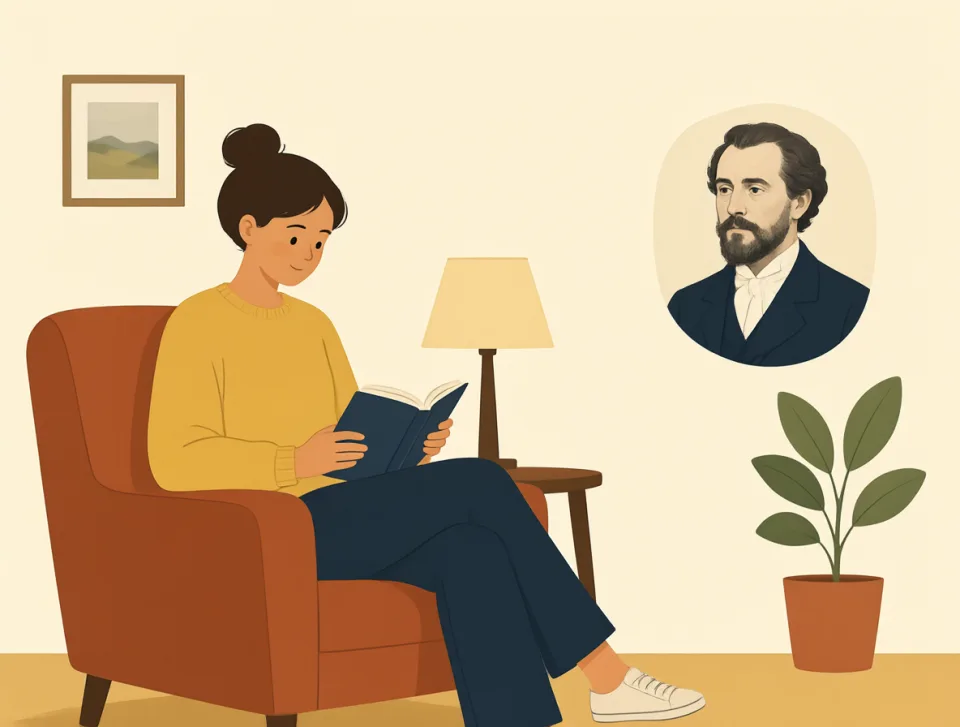
The poet’s words helped me feel less alone during a difficult week.
Słowa poety pomogły mi poczuć się mniej samotnie podczas trudnego tygodnia.

fortune
#2516noun
szczęście; fortuna
Luck, especially good luck, or a large amount of money.
Szczęście, zwłaszcza pomyślność, albo duża suma pieniędzy.
She had the good fortune to meet a kind doctor during her trip.
Podczas podróży miała szczęście spotkać życzliwego lekarza.
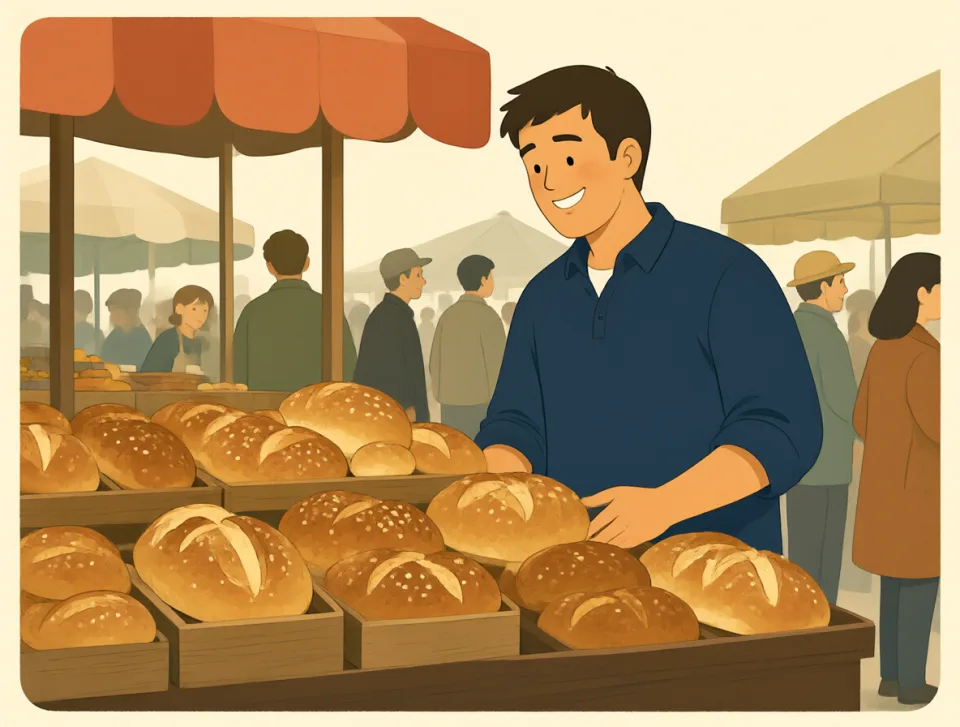
He made a fortune selling homemade bread at the weekend market.
Zbił fortunę na sprzedaży domowego chleba na weekendowym targu.
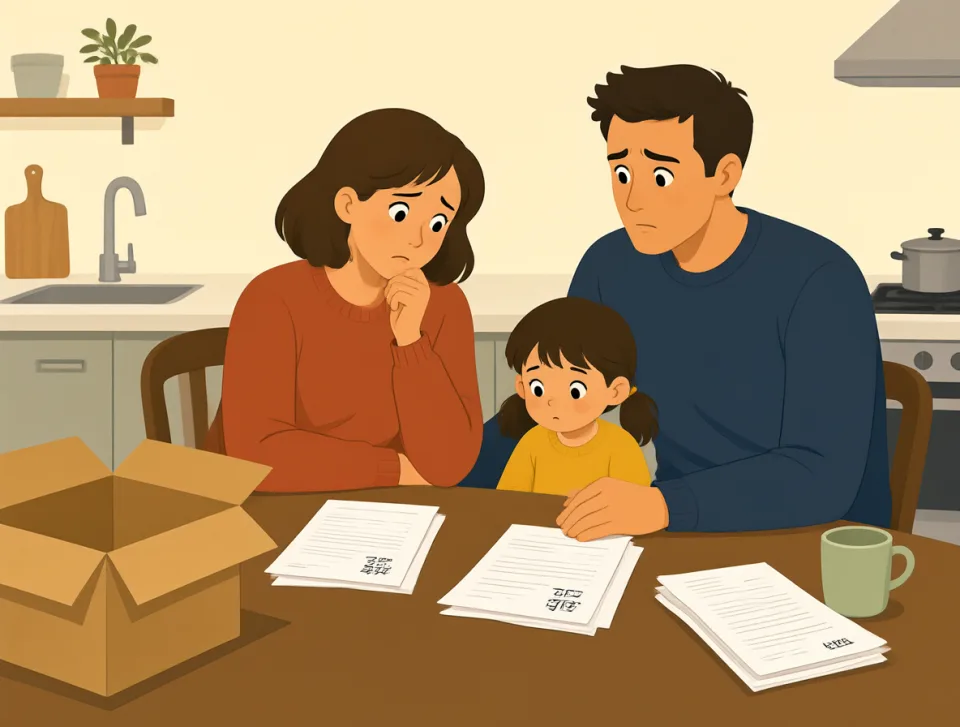
Their family lost most of its fortune after the business failed.
Ich rodzina straciła większość majątku po upadku firmy.
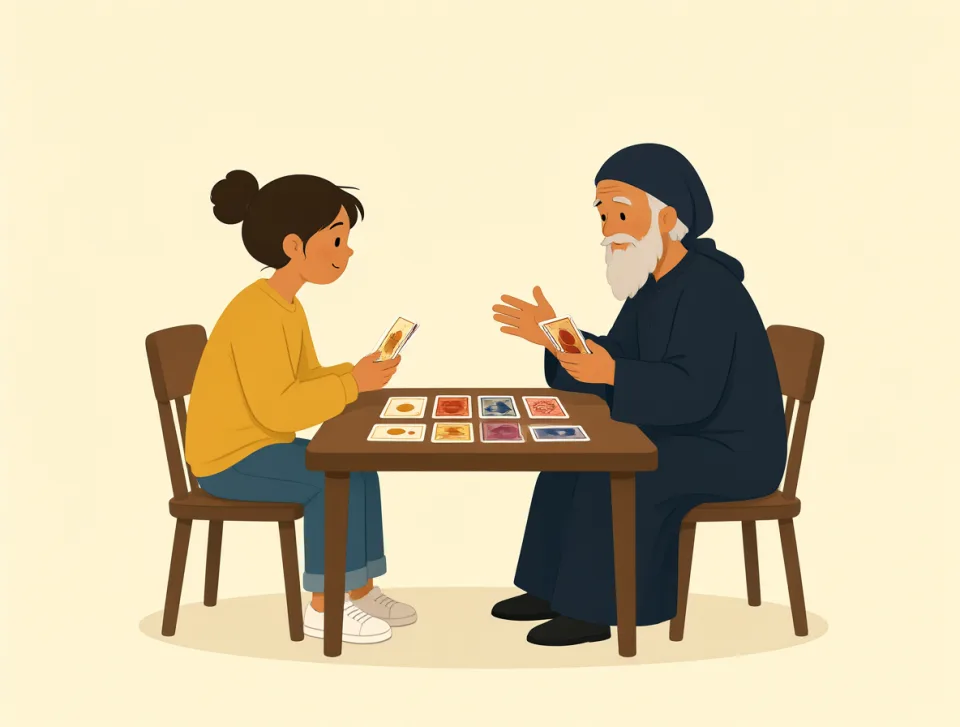
We visited a fortune teller who read my friend's future.
Odwiedziliśmy wróżkę, która przepowiedziała przyszłość mojemu przyjacielowi.
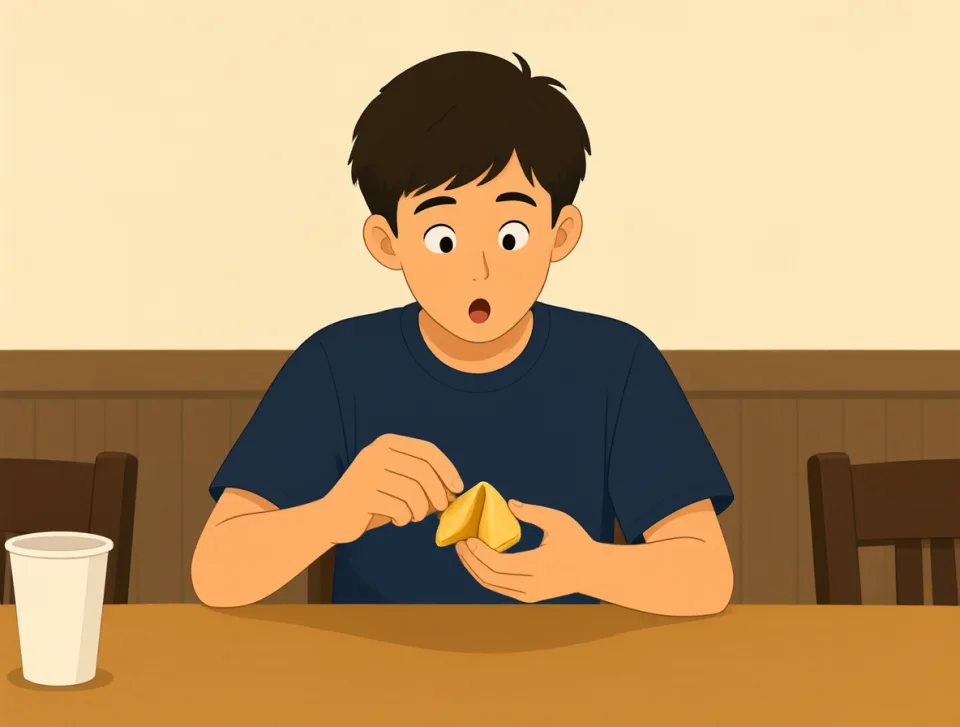
My fortune cookie said I would make a new friend soon.
W ciasteczku z wróżbą napisano, że wkrótce poznam nowego przyjaciela.

ceremony
#2517noun
ceremonia
A formal event held for a special occasion.
Uroczyste wydarzenie organizowane z ważnej okazji.

The wedding ceremony began at noon, and everyone stood quietly.
Ceremonia ślubna rozpoczęła się w południe i wszyscy stali w ciszy.

Our school held a graduation ceremony for students and their families.
Nasza szkoła zorganizowała uroczystość ukończenia szkoły dla uczniów i ich rodzin.

The award ceremony took place in a hotel after the competition.
Ceremonia wręczenia nagród odbyła się w hotelu po zawodach.
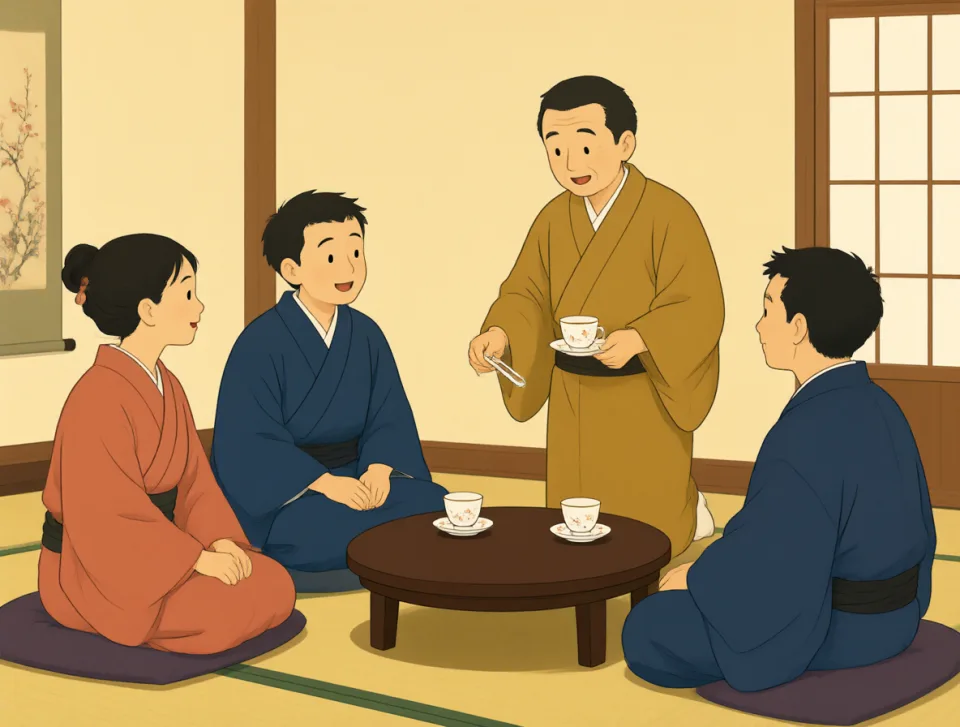
They attended a traditional tea ceremony during their trip to Japan.
Podczas podróży do Japonii wzięli udział w tradycyjnej ceremonii parzenia herbaty.

The opening ceremony welcomed visitors before the new museum opened.
Podczas ceremonii otwarcia powitano gości przed otwarciem nowego muzeum.
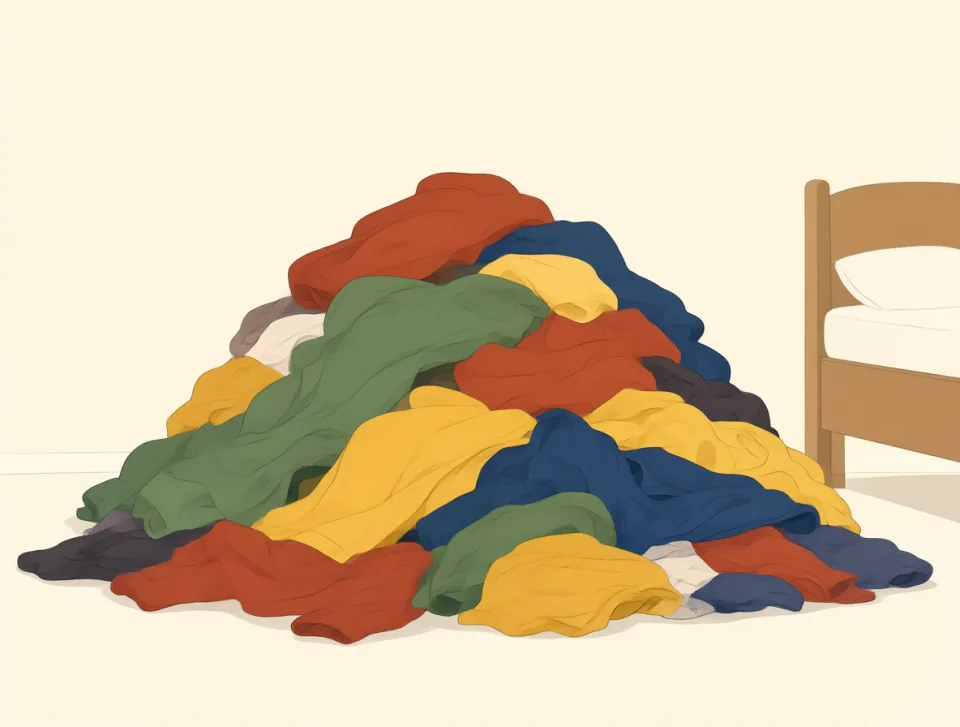
pile
#2518noun, verb
stos
a group of things placed on top of each other; to put things into a group
Grupa rzeczy ułożonych jedna na drugiej; układać rzeczy w stos.
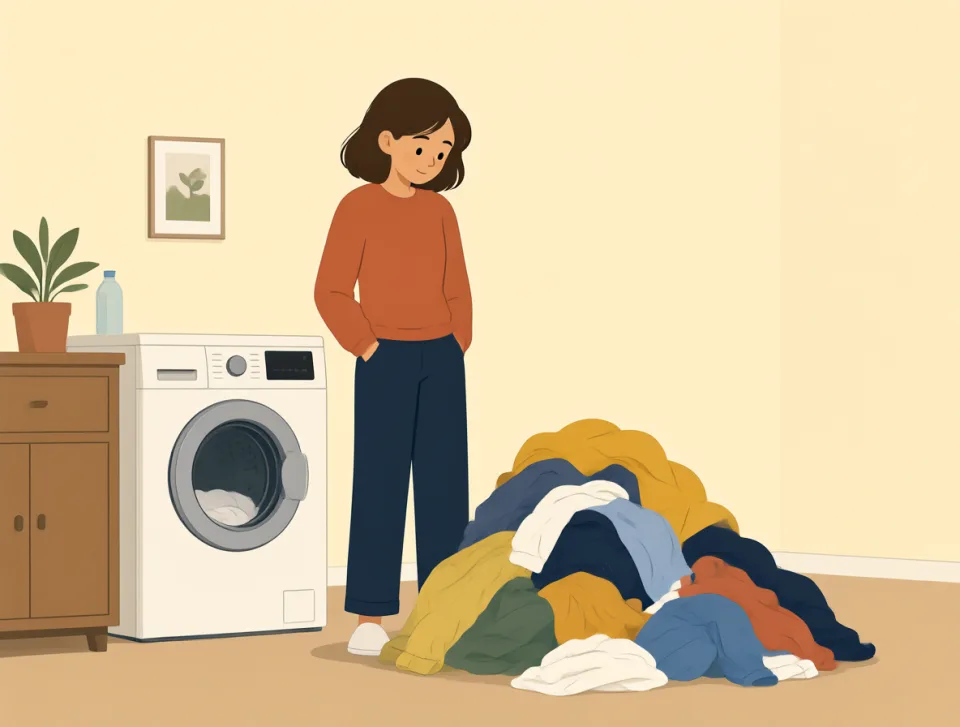
There was a pile of dirty clothes beside the washing machine.
Obok pralki leżał stos brudnych ubrań.
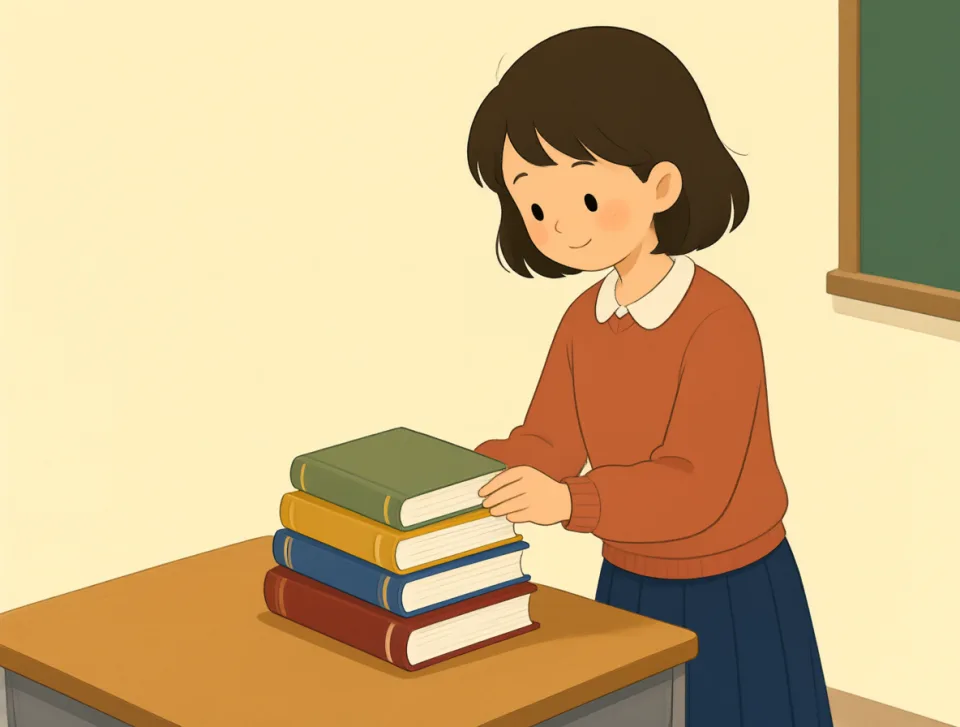
Please pile the books neatly on the desk before class starts.
Ułóż proszę książki równo na biurku, zanim zacznie się lekcja.
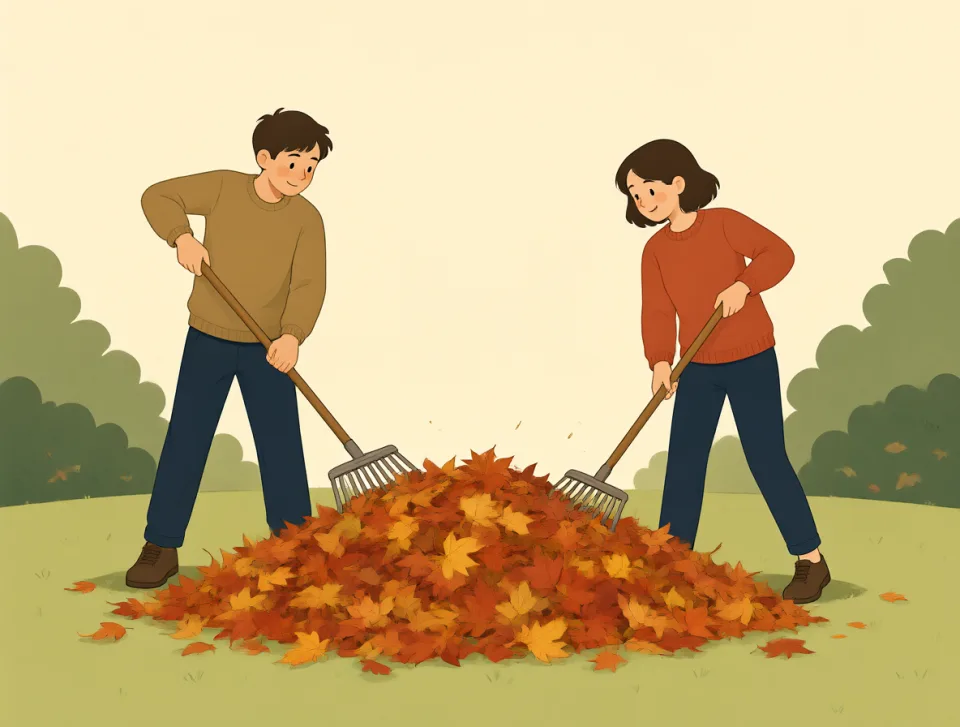
We collected a pile of leaves in the garden yesterday.
Wczoraj zebraliśmy w ogrodzie stos liści.
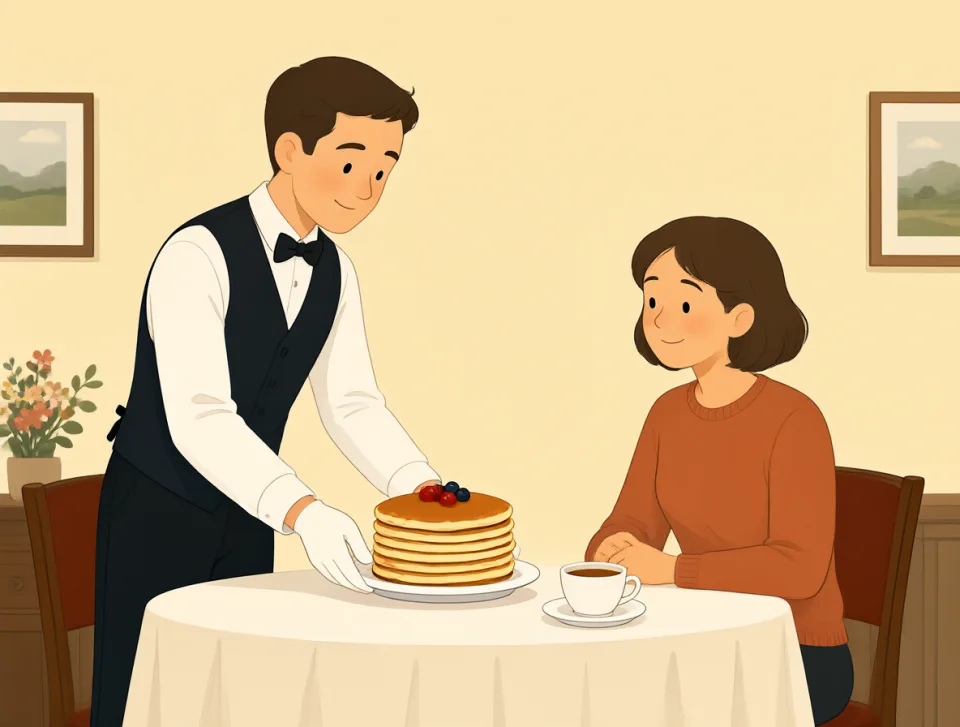
The waiter brought a pile of pancakes with butter and fruit.
Kelner przyniósł stos naleśników z masłem i owocami.
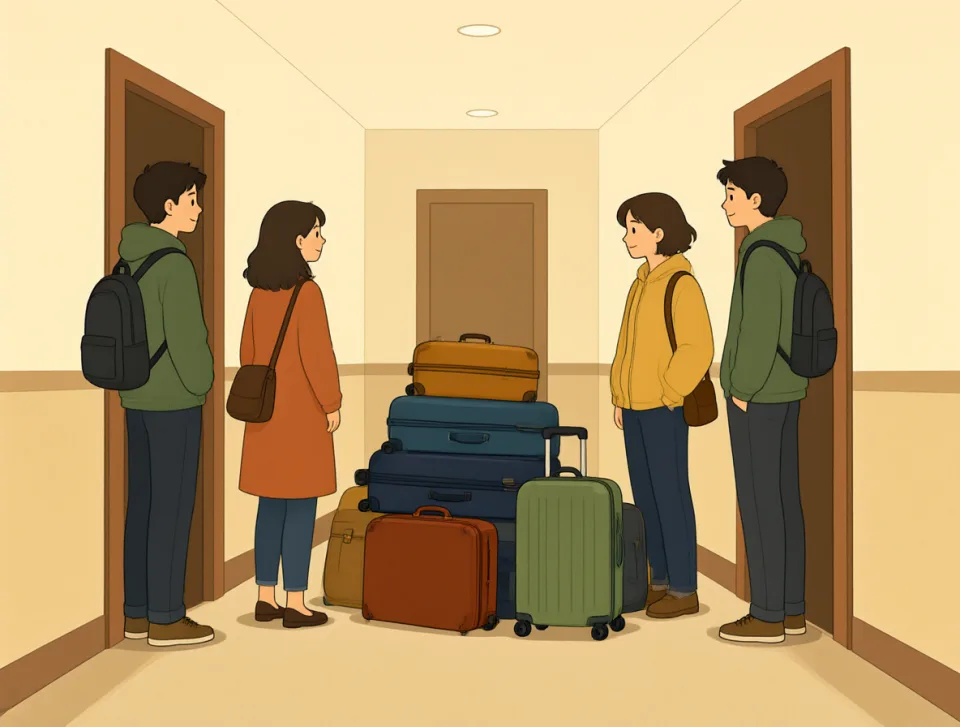
A pile of suitcases blocked the hotel hallway after the trip.
Po podróży stos walizek zablokował hotelowy korytarz.

pig
#2519noun, verb
świnia
a farm animal with a flat nose, kept for meat; also, to eat too much
Zwierzę hodowlane o płaskim ryju, trzymane dla mięsa; także: jeść bardzo dużo.
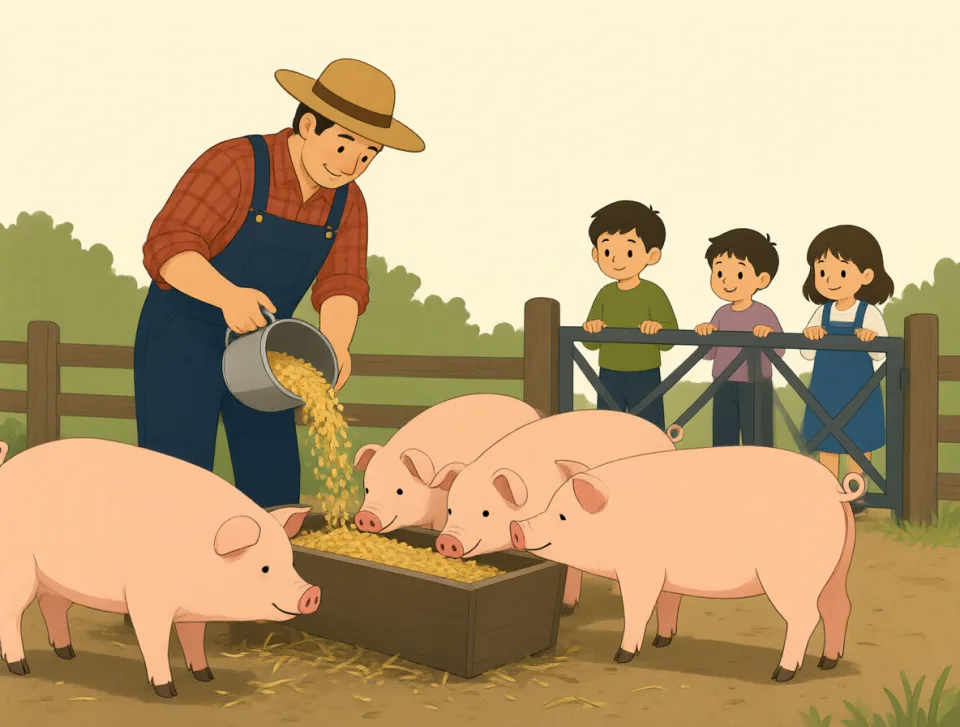
The farmer fed the pigs before taking the children to school.
Rolnik nakarmił świnie, zanim zawiózł dzieci do szkoły.
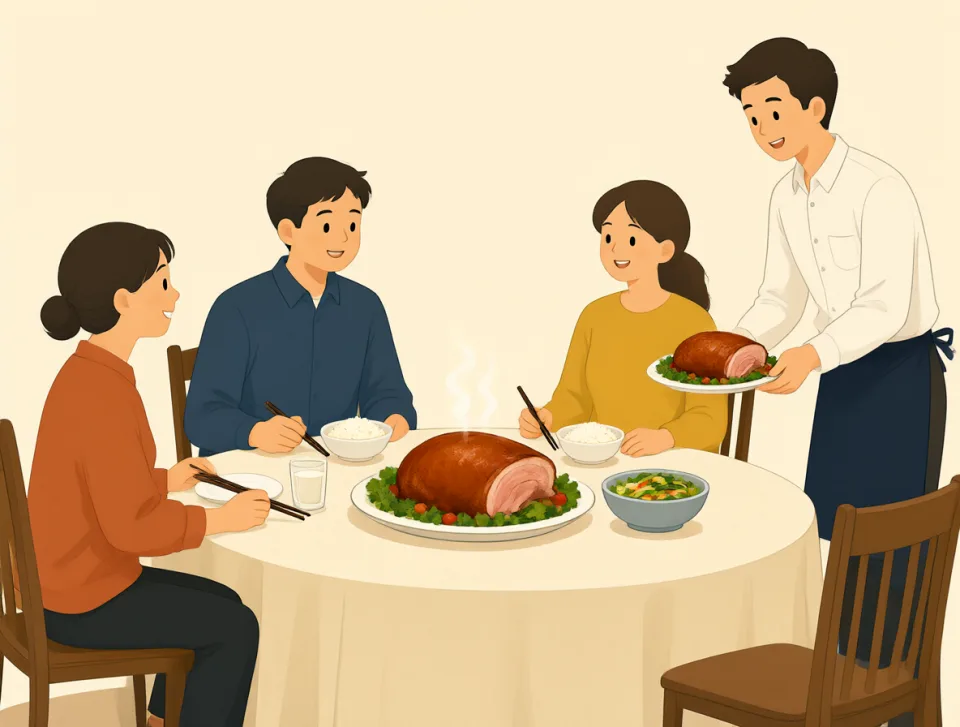
We had roast pig with rice and vegetables at the village festival.
Podczas wiejskiego festynu jedliśmy pieczoną wieprzowinę z ryżem i warzywami.

The children watched a pig rolling happily in the mud.
Dzieci patrzyły, jak świnia radośnie tarza się w błocie.

After the exam, we pigged out on pizza at our friend's house.
Po egzaminie objadaliśmy się pizzą w domu naszego przyjaciela.
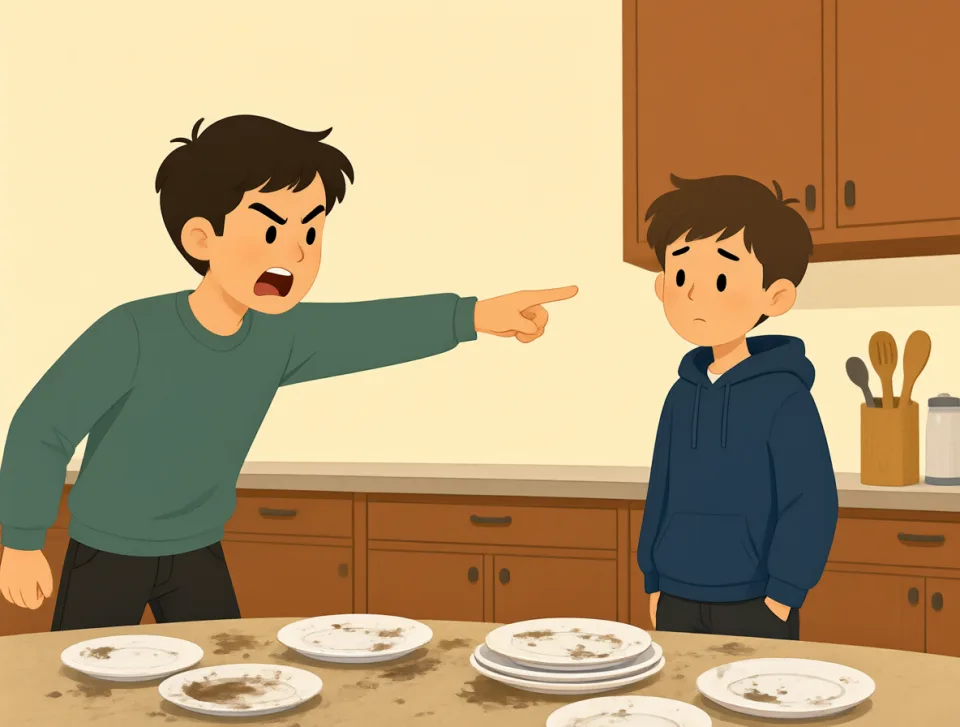
He called his brother a pig for leaving dirty dishes everywhere.
Nazwal swojego brata świnią, bo ten zostawiał wszędzie brudne naczynia.

mixture
#2520noun
mieszanka
A combination of different things, substances, or qualities.
Połączenie różnych rzeczy, substancji lub cech.
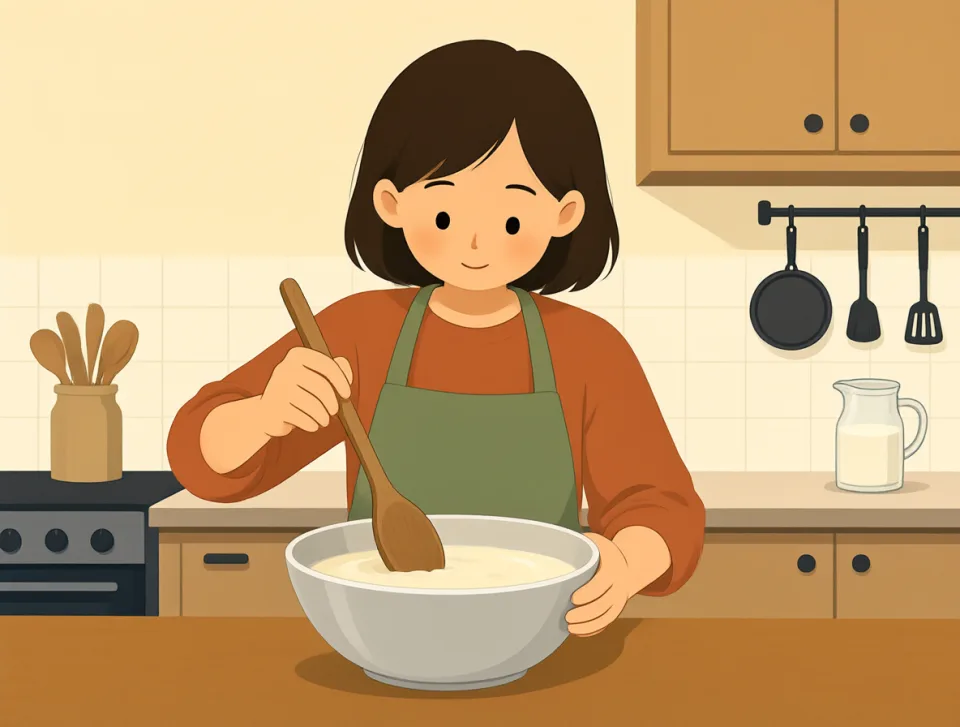
Stir the mixture until the sugar has completely dissolved.
Mieszaj masę, aż cukier całkowicie się rozpuści.
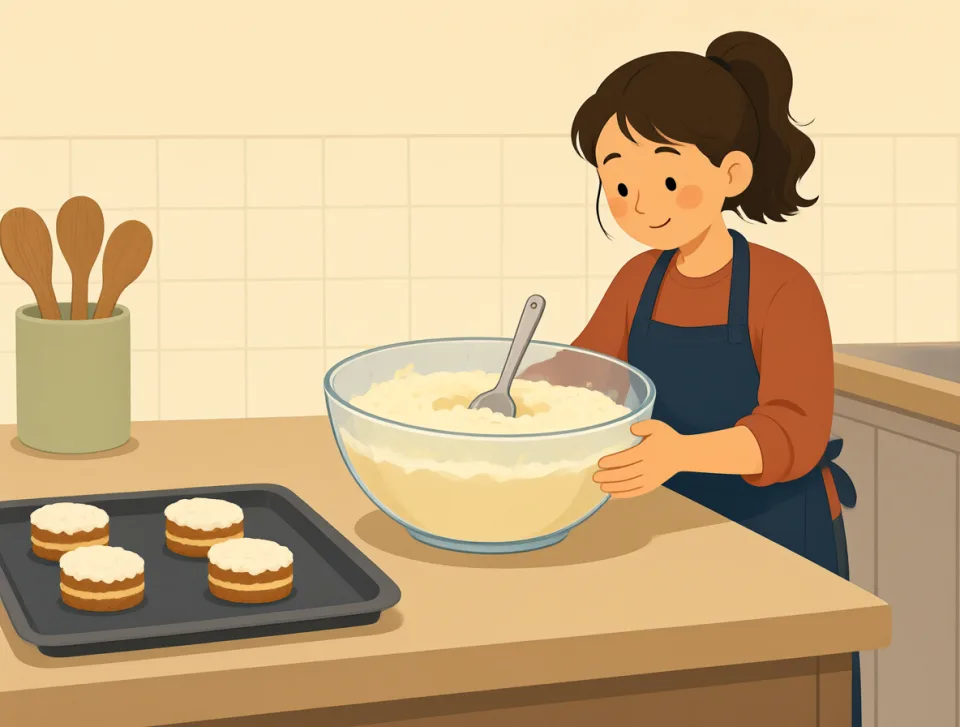
The cake mixture needs to rest for ten minutes before baking.
Ciasto musi odstać dziesięć minut przed pieczeniem.
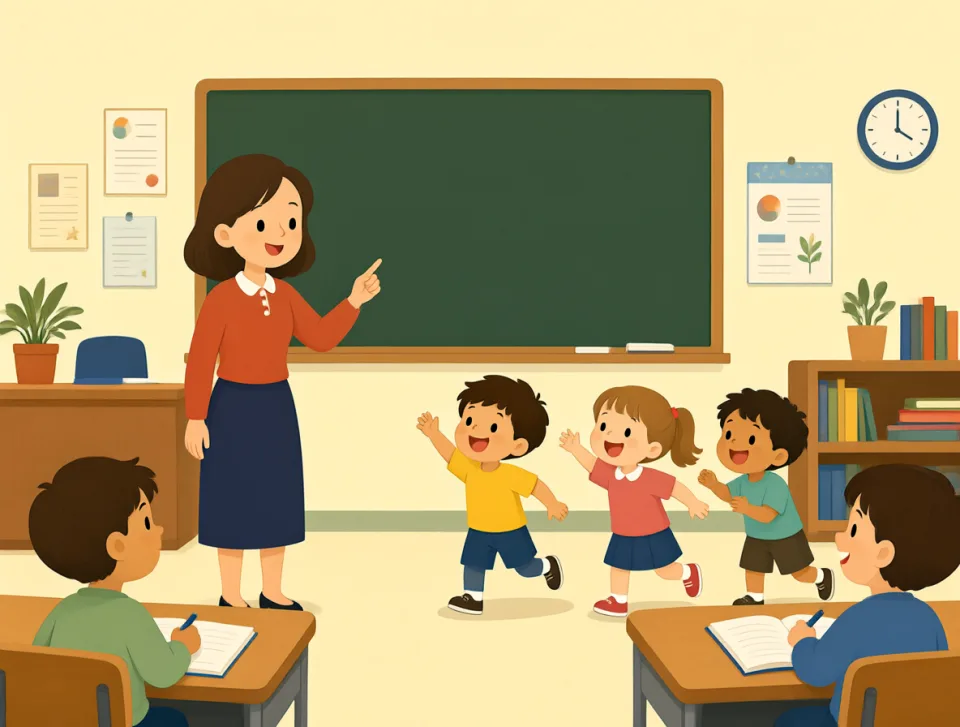
The teacher used a mixture of games and questions to keep students interested.
Nauczyciel wykorzystał połączenie gier i pytań, żeby zainteresować uczniów.
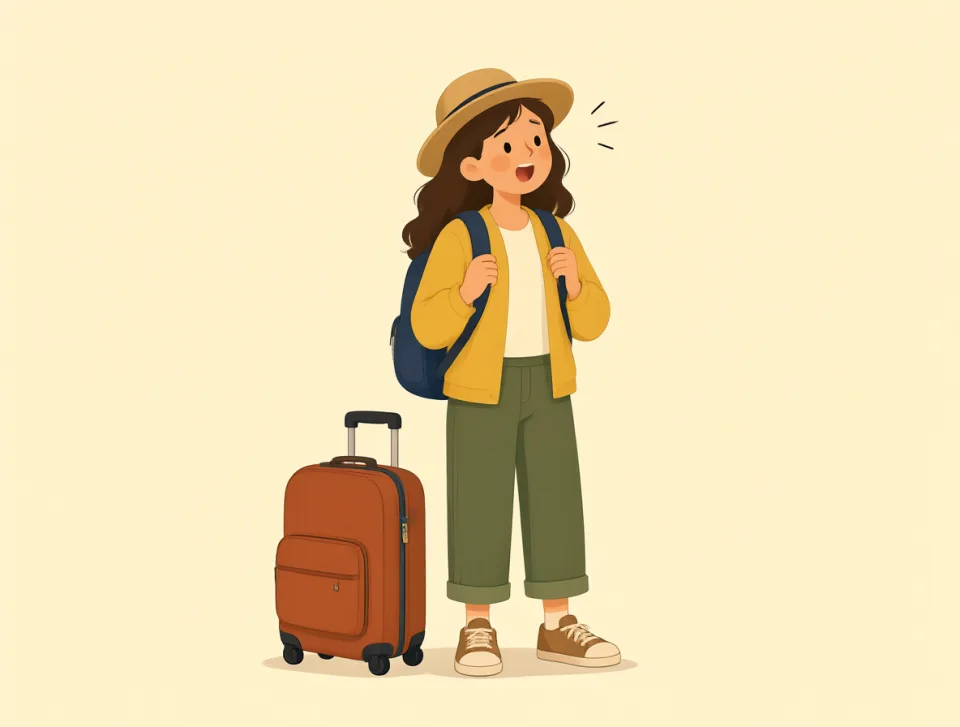
Her feelings were a mixture of excitement and worry before the journey.
Przed podróżą odczuwała mieszankę ekscytacji i niepokoju.
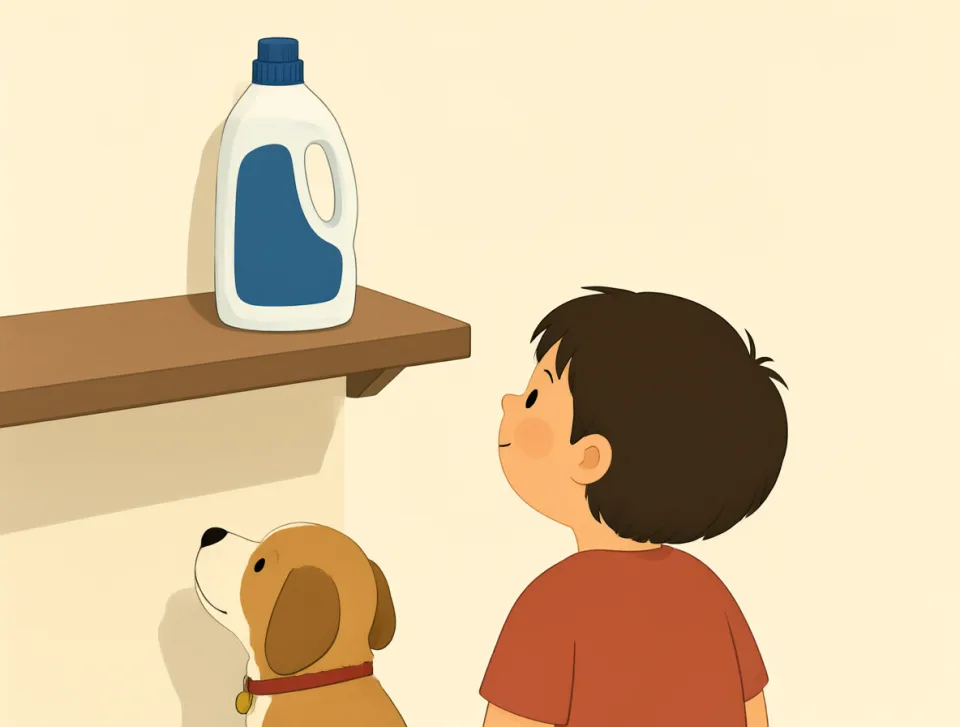
This cleaning mixture should be kept away from children and pets.
Tę mieszankę czyszczącą należy trzymać z dala od dzieci i zwierząt.