Zestaw 118
Słowa 2341–2360 · virus, precisely, rival, offense, detect, teenager

virus
#2341noun
wirus
A very small living thing that can cause illness in people, animals, or plants.
Bardzo mały drobnoustrój, który może wywoływać choroby u ludzi, zwierząt lub roślin.
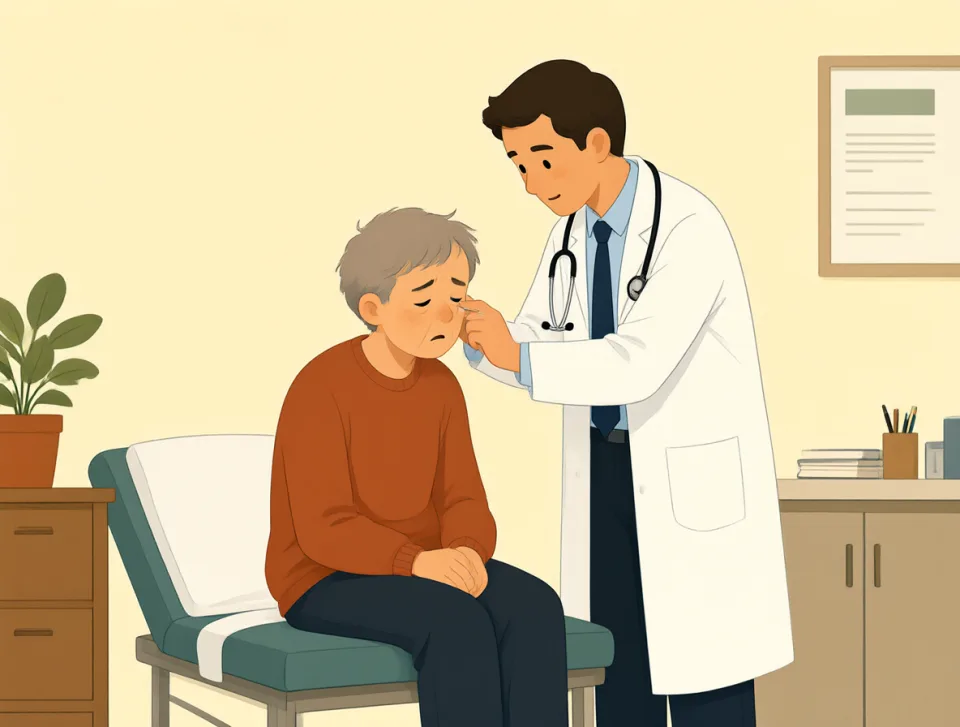
The doctor said a virus was causing my fever and sore throat.
Lekarz powiedział, że za moją gorączkę i ból gardła odpowiada wirus.
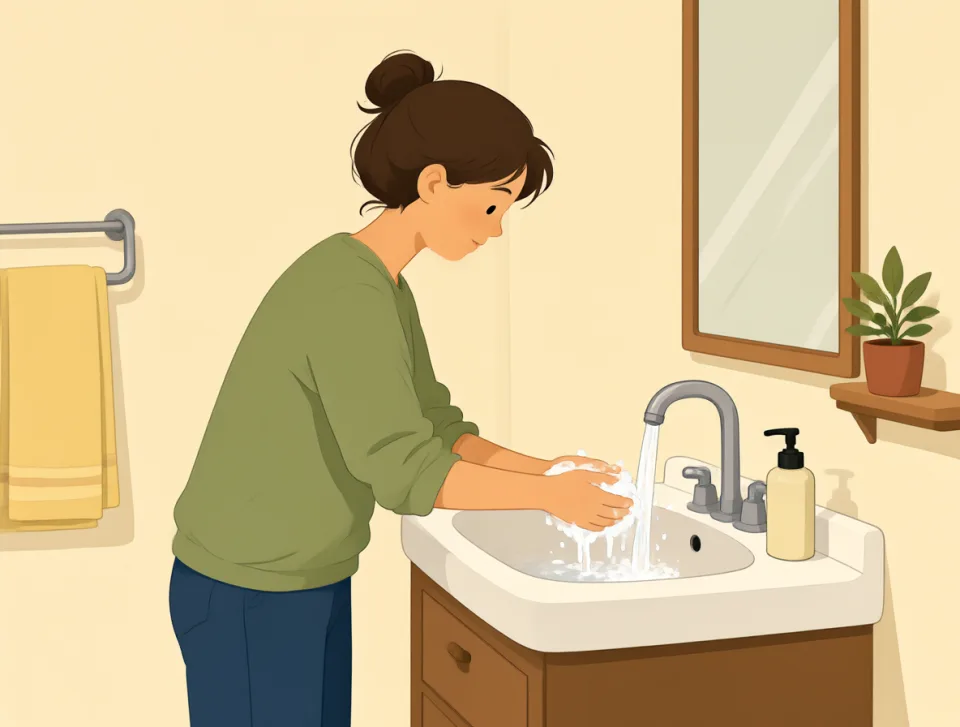
Please wash your hands often to help prevent the virus from spreading.
Często myj ręce, żeby zapobiec rozprzestrzenianiu się wirusa.
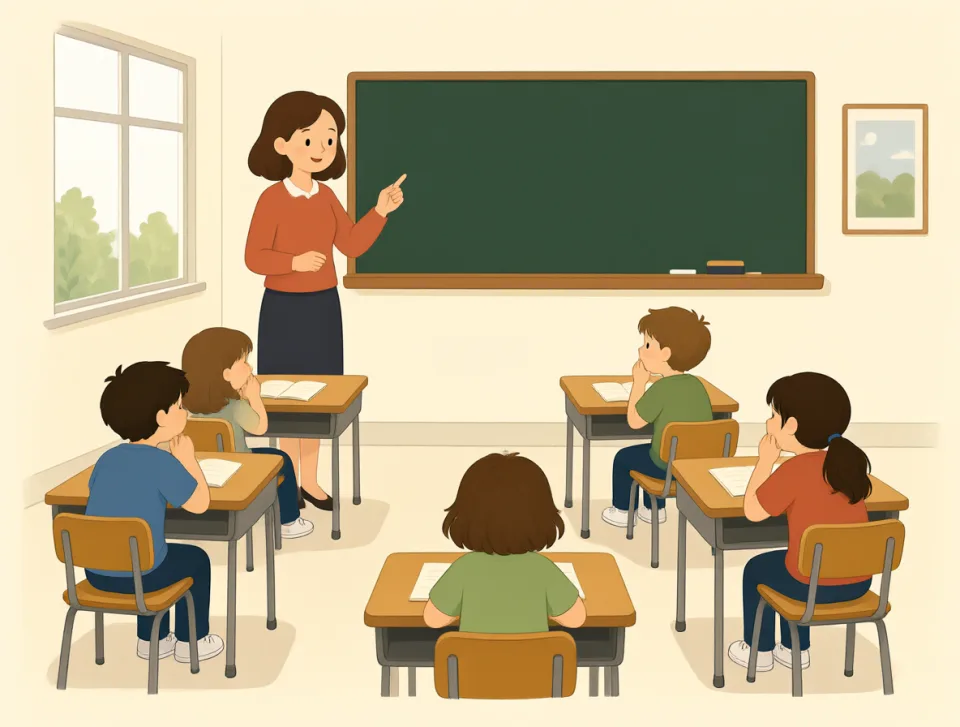
Several students stayed home because a stomach virus was spreading at school.
Kilku uczniów zostało w domu, ponieważ w szkole rozprzestrzeniał się wirus żołądkowy.

My computer caught a virus after I opened a suspicious email attachment.
Mój komputer złapał wirusa, gdy otworzyłem podejrzany załącznik do e-maila.
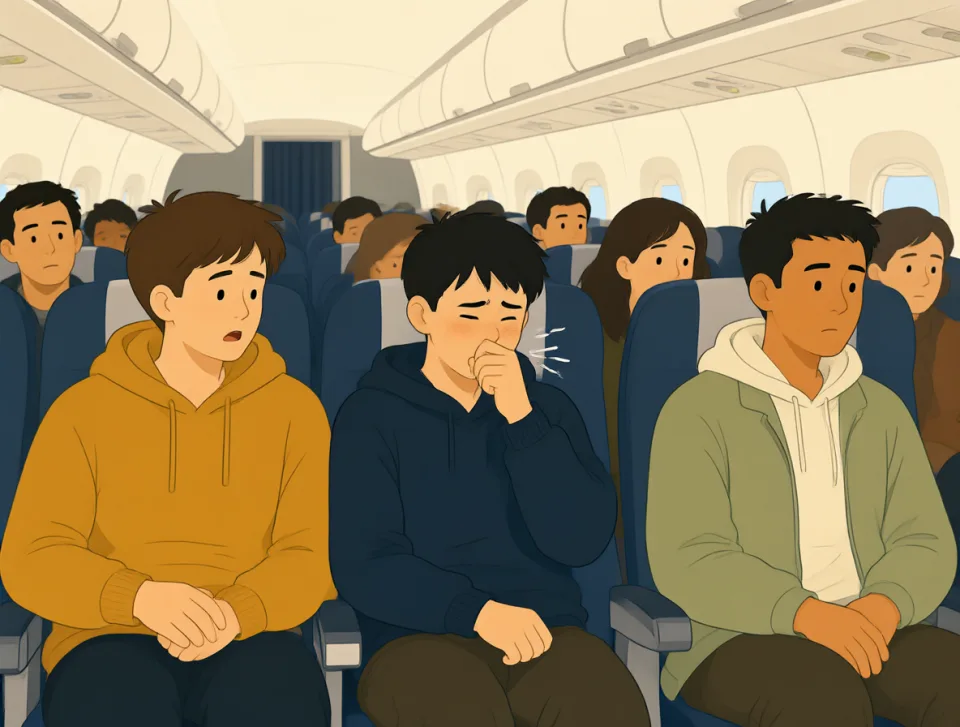
The flu virus can spread quickly when people travel on crowded airplanes.
Wirus grypy może szybko się rozprzestrzeniać, gdy ludzie podróżują zatłoczonymi samolotami.
precisely
#2342adverb
dokładnie
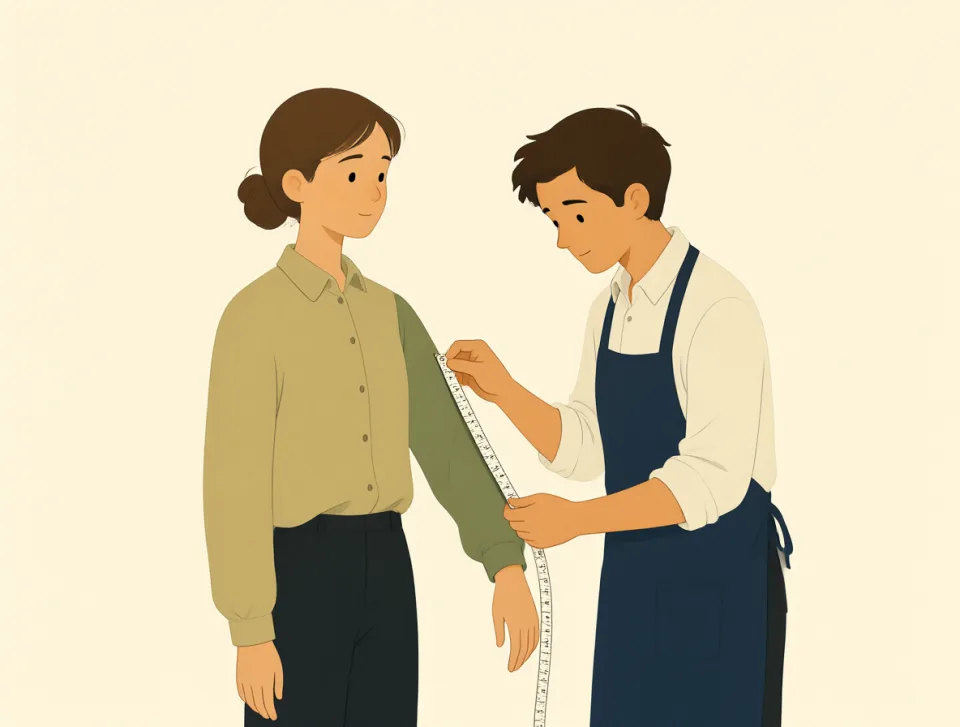
Exactly, accurately, or in a very clear and specific way.
Dokładnie, precyzyjnie lub w jasny i konkretny sposób.
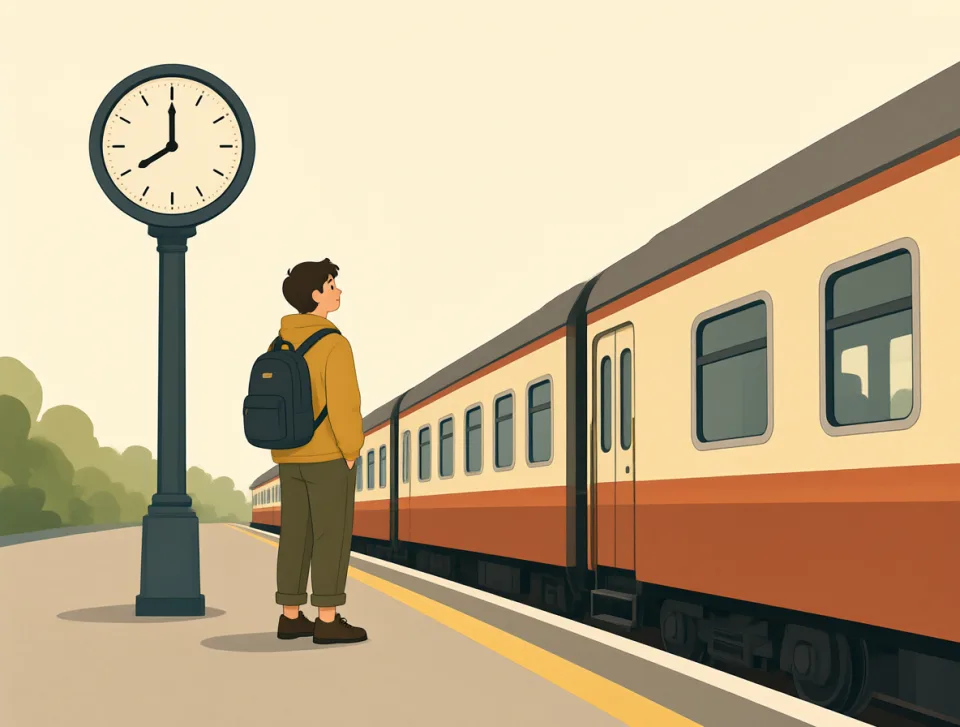
The train leaves precisely at eight o'clock every morning.
Pociąg odjeżdża codziennie rano punktualnie o ósmej.

Please tell me precisely what happened during the meeting.
Powiedz mi proszę dokładnie, co się stało podczas spotkania.

The package arrived precisely when the delivery driver promised.
Paczka dotarła dokładnie wtedy, kiedy obiecał kurier.
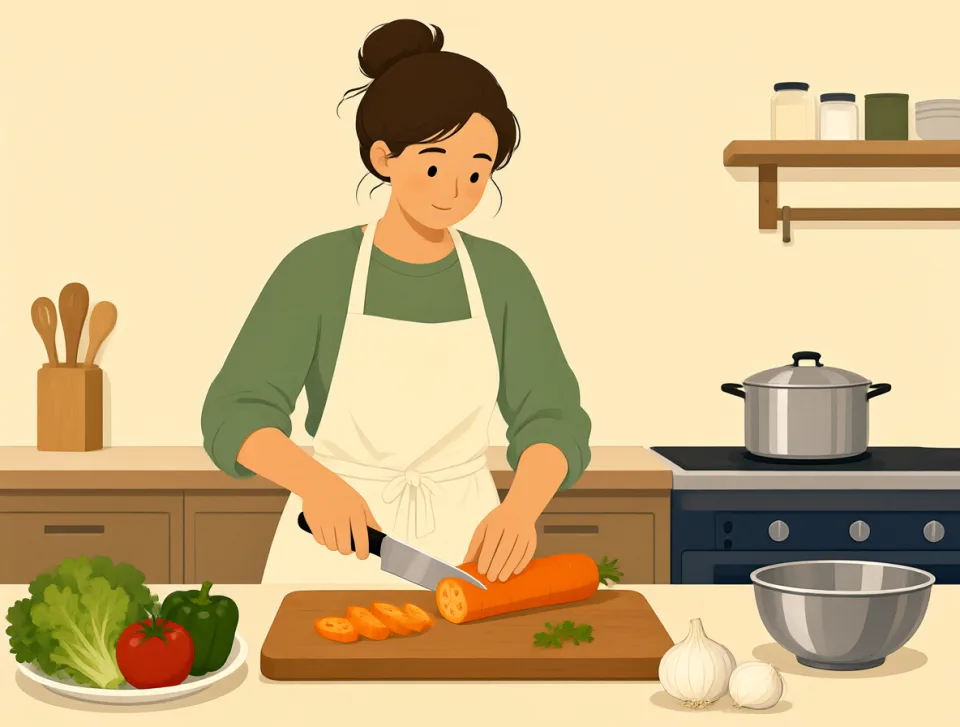
Cut the vegetables precisely the same size so they cook evenly.
Pokrój warzywa na dokładnie takie same kawałki, żeby równomiernie się ugotowały.

The doctor explained precisely how to take the medicine each day.
Lekarz dokładnie wyjaśnił, jak codziennie przyjmować lek.

rival
#2343noun, verb, adjective
rywal; rywalizować
A person, team, or company competing against another; to compete with someone or something.
Osoba, drużyna lub firma konkurująca z inną osobą, drużyną lub firmą; konkurować z kimś lub czymś.
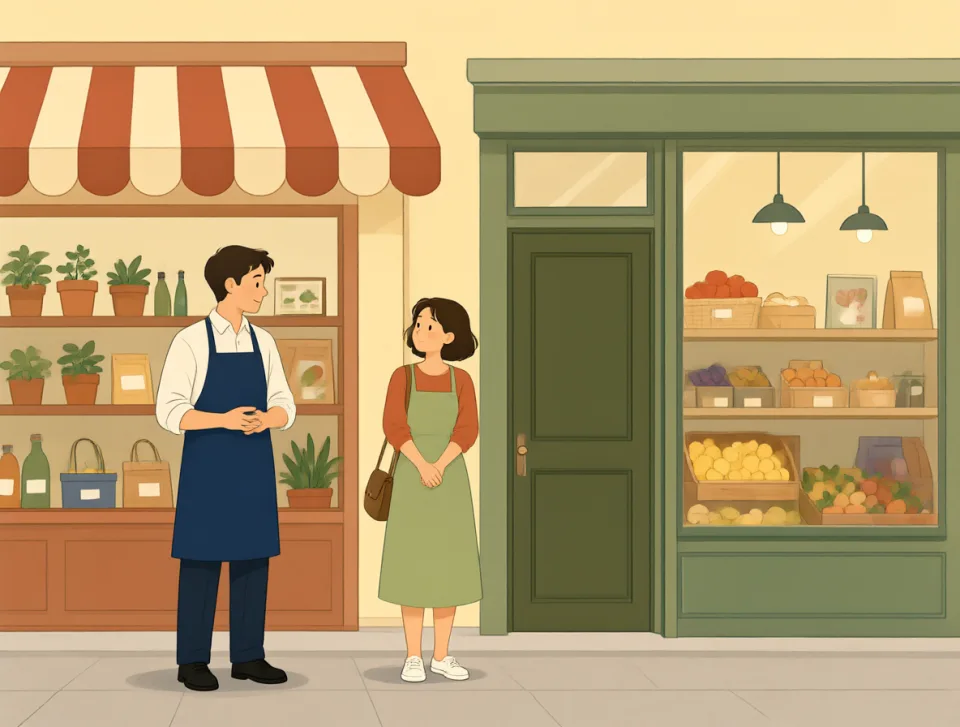
Our biggest rival opened a new store across the street.
Nasz największy rywal otworzył nowy sklep po drugiej stronie ulicy.
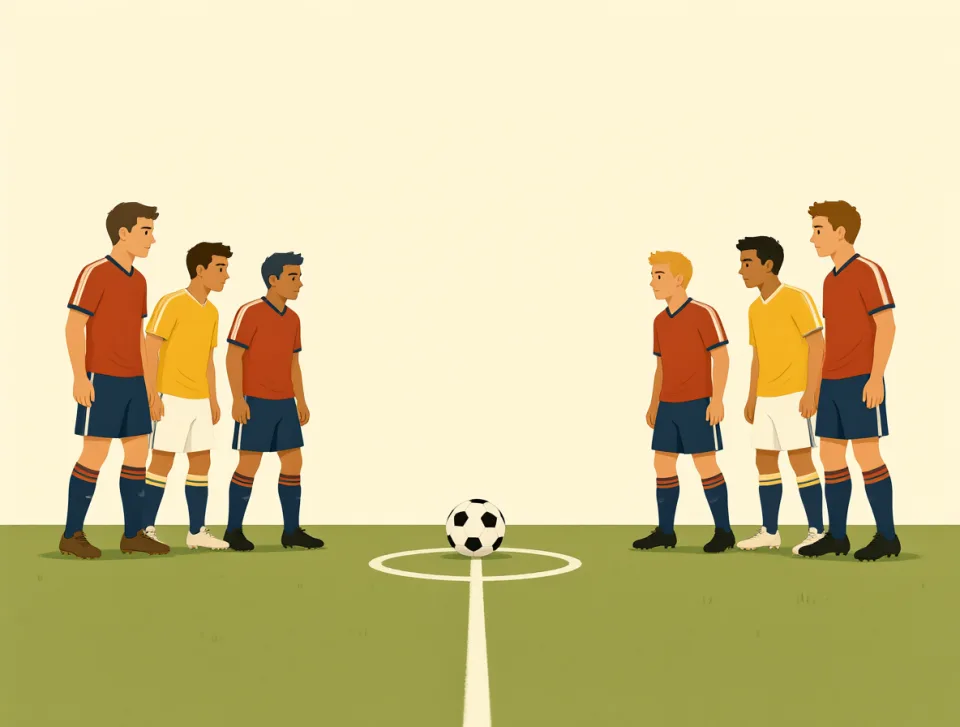
The two teams have been rivals since they first played football together.
Te dwie drużyny rywalizują ze sobą od czasu, gdy po raz pierwszy razem zagrały w piłkę nożną.
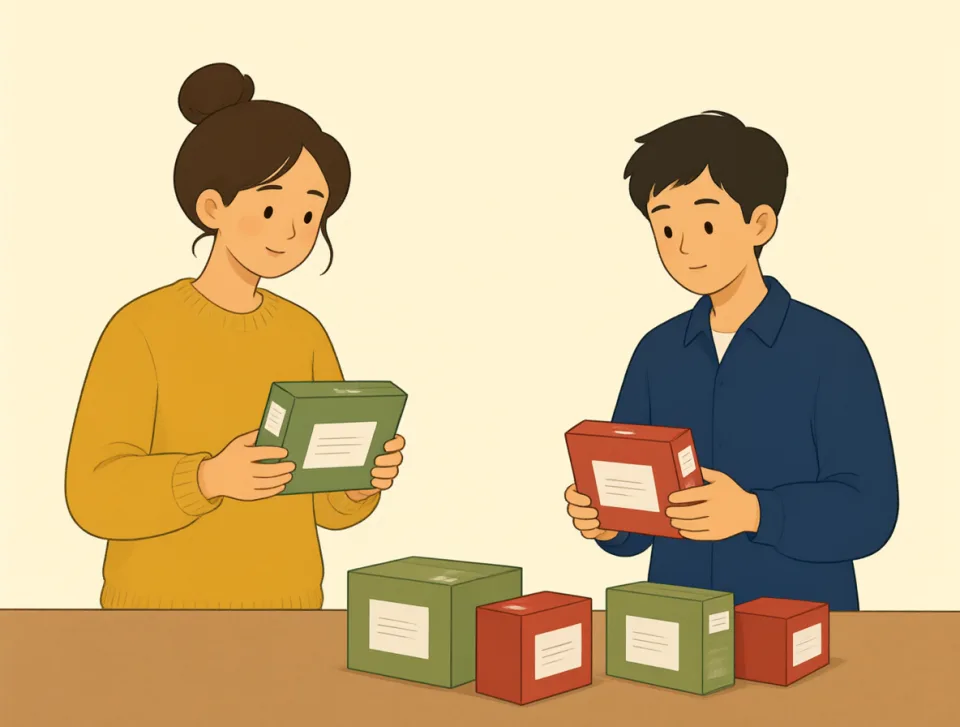
Our company is trying to rival the market leader with cheaper products.
Nasza firma próbuje dorównać liderowi rynku, oferując tańsze produkty.
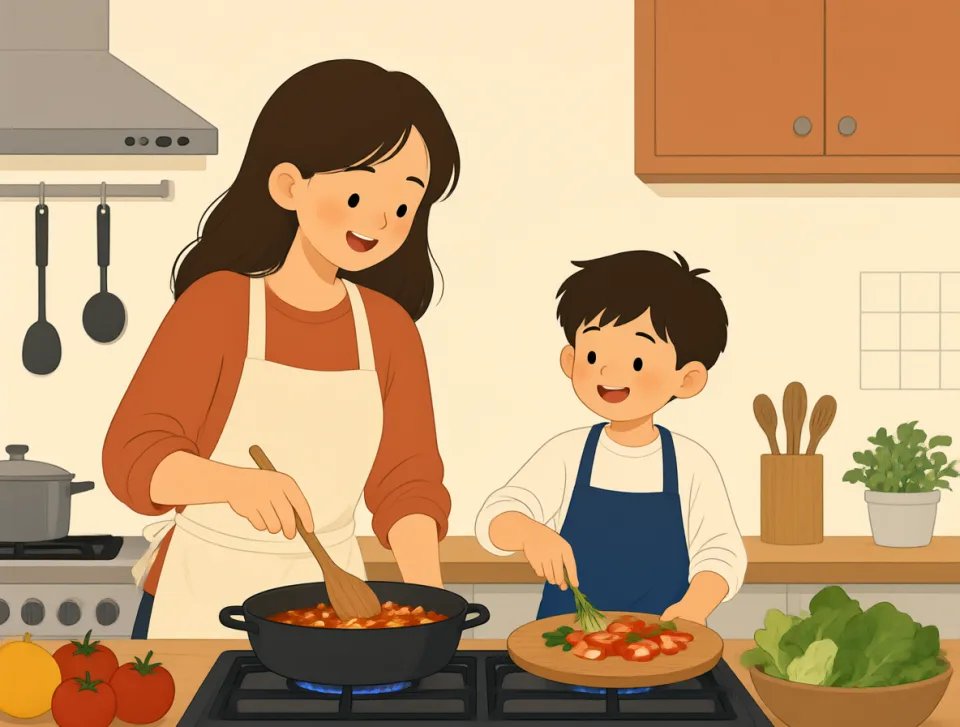
She rivaled her brother in cooking, and both prepared excellent meals.
Rywalizowała z bratem w gotowaniu i oboje przygotowali doskonałe posiłki.
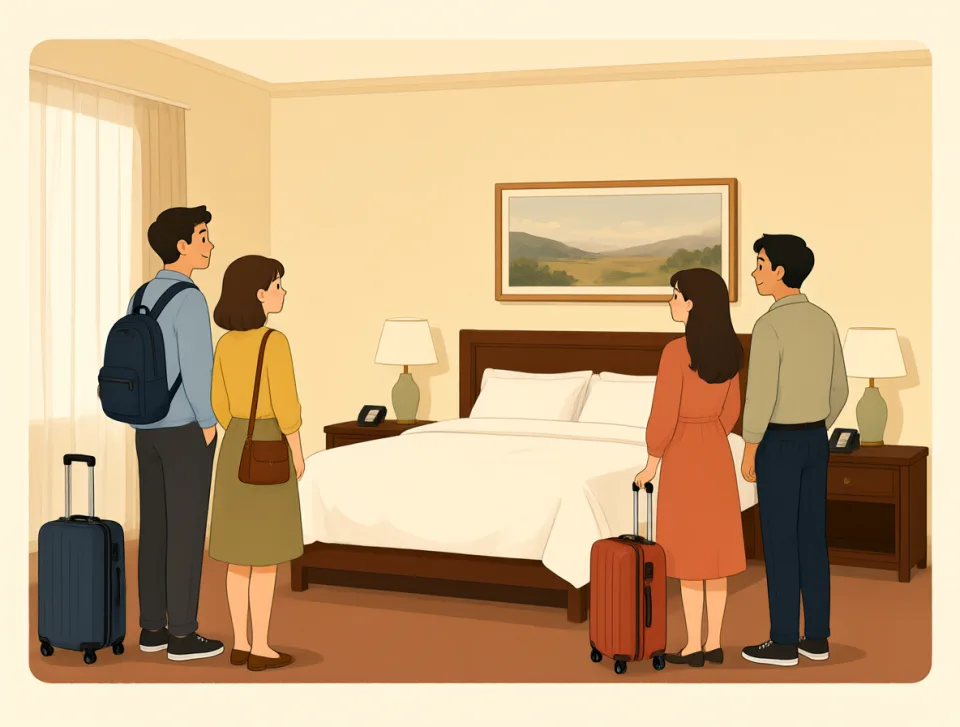
The new hotel rivals the best places we visited during our trip.
Ten nowy hotel dorównuje najlepszym miejscom, które odwiedziliśmy podczas podróży.
offense
#2344noun
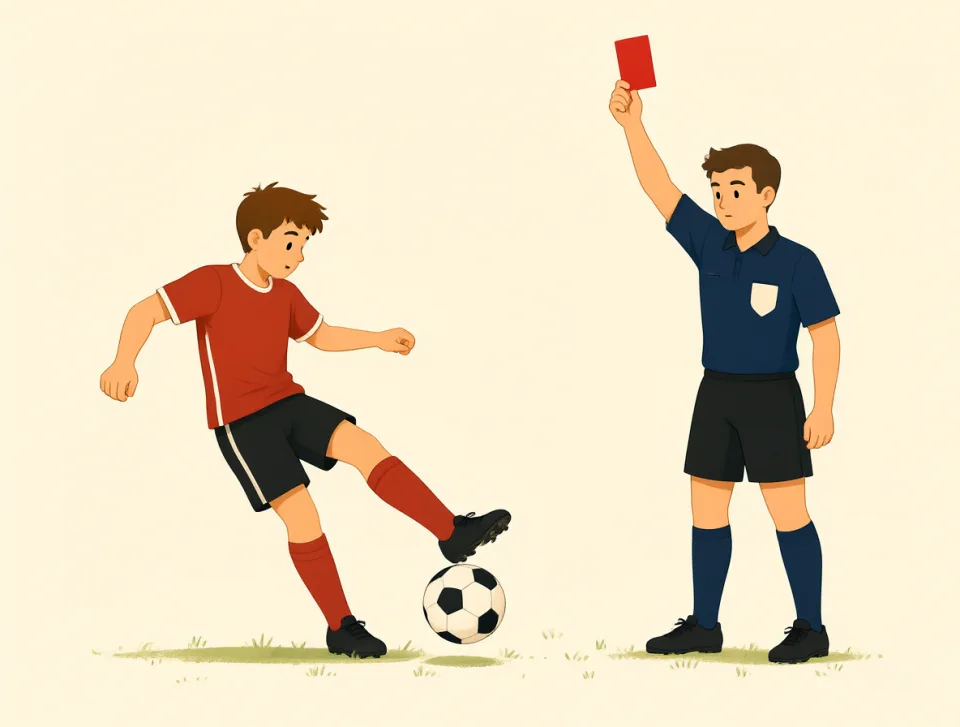
wykroczenie; przestępstwo
An illegal act or behavior that breaks a law or rule.
Nielegalny czyn lub zachowanie naruszające prawo albo zasadę.

The police charged him with a serious offense after the store robbery.
Po napadzie na sklep policja oskarżyła go o poważne przestępstwo.
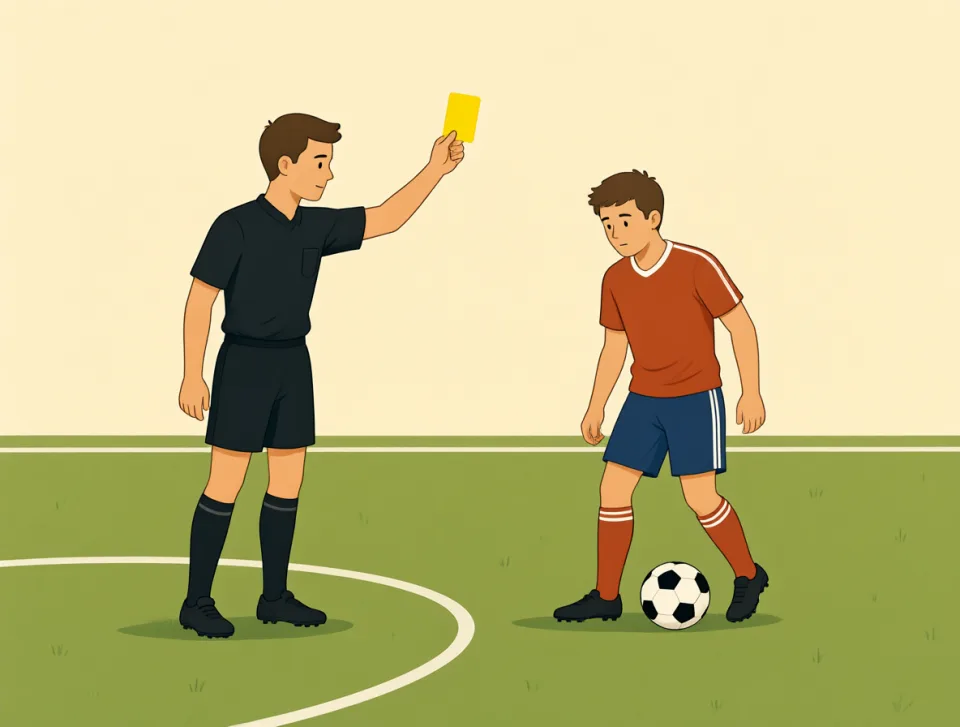
The player received a yellow card for a dangerous offense during the match.
Zawodnik dostał żółtą kartkę za niebezpieczne zagranie podczas meczu.
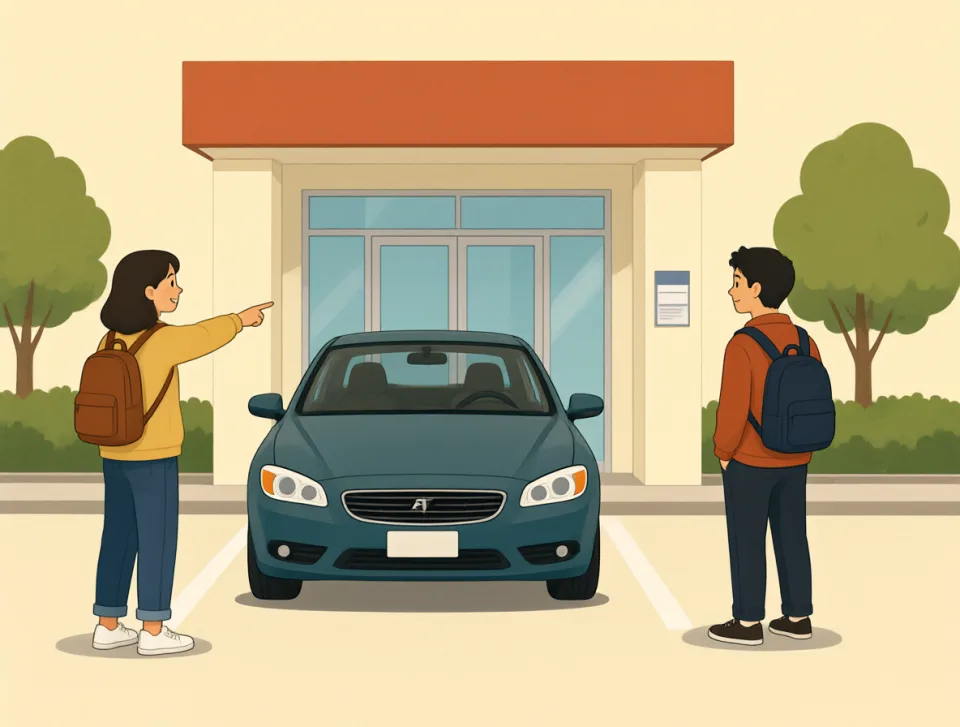
Parking in front of the hospital entrance is a traffic offense.
Parkowanie przed wejściem do szpitala jest wykroczeniem drogowym.
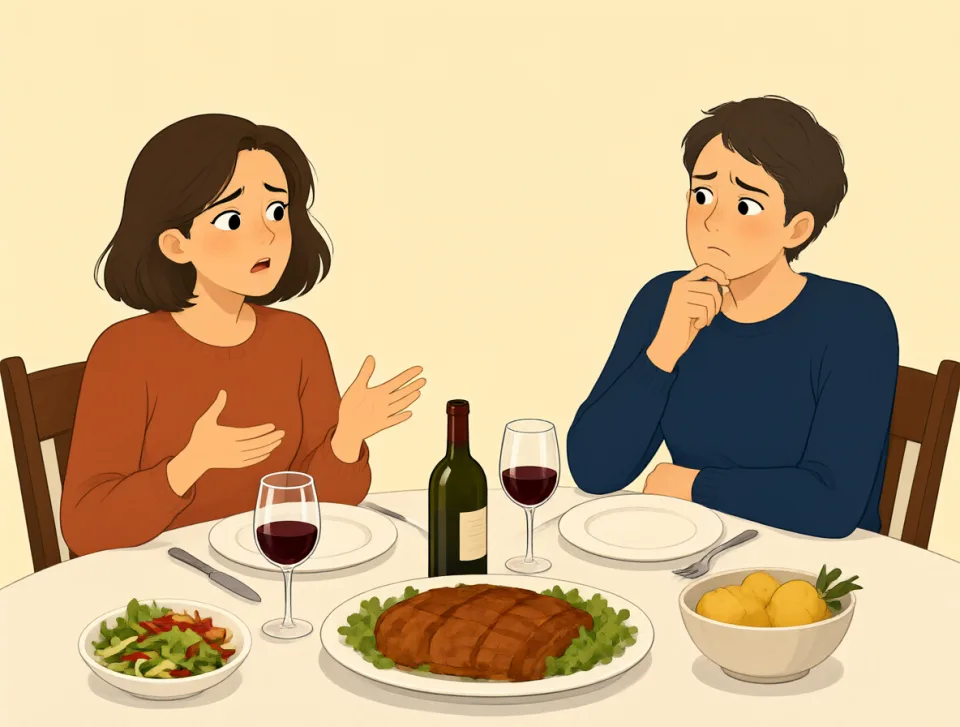
She worried that her rude comment might cause offense at dinner.
Martwiła się, że jej niegrzeczna uwaga może urazić kogoś podczas kolacji.
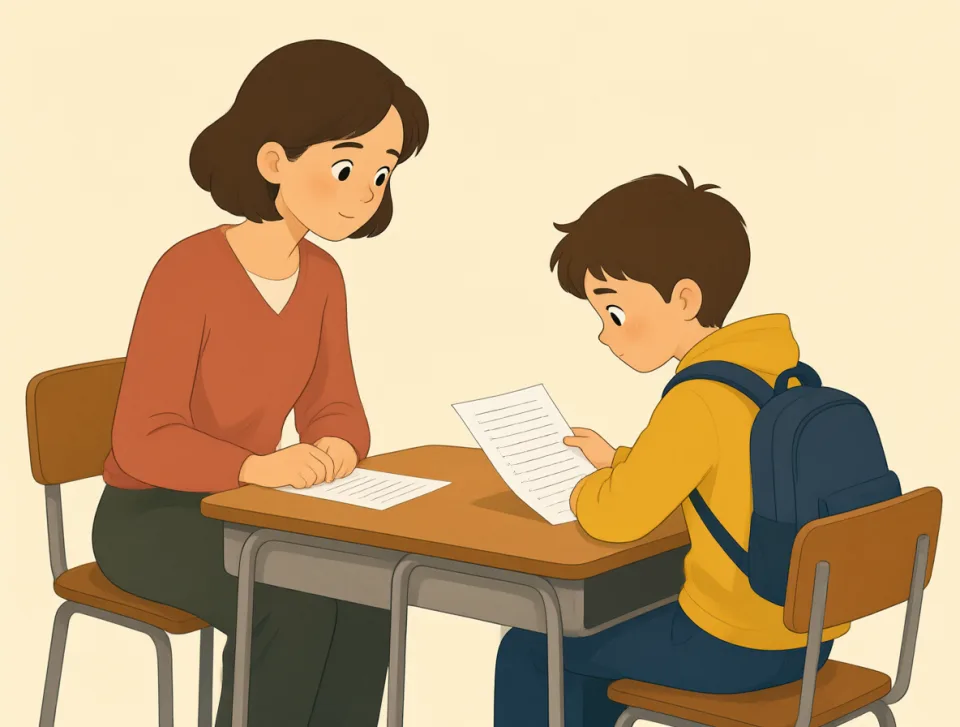
The school treats cheating on exams as a serious offense.
Szkoła uznaje ściąganie na egzaminach za poważne przewinienie.
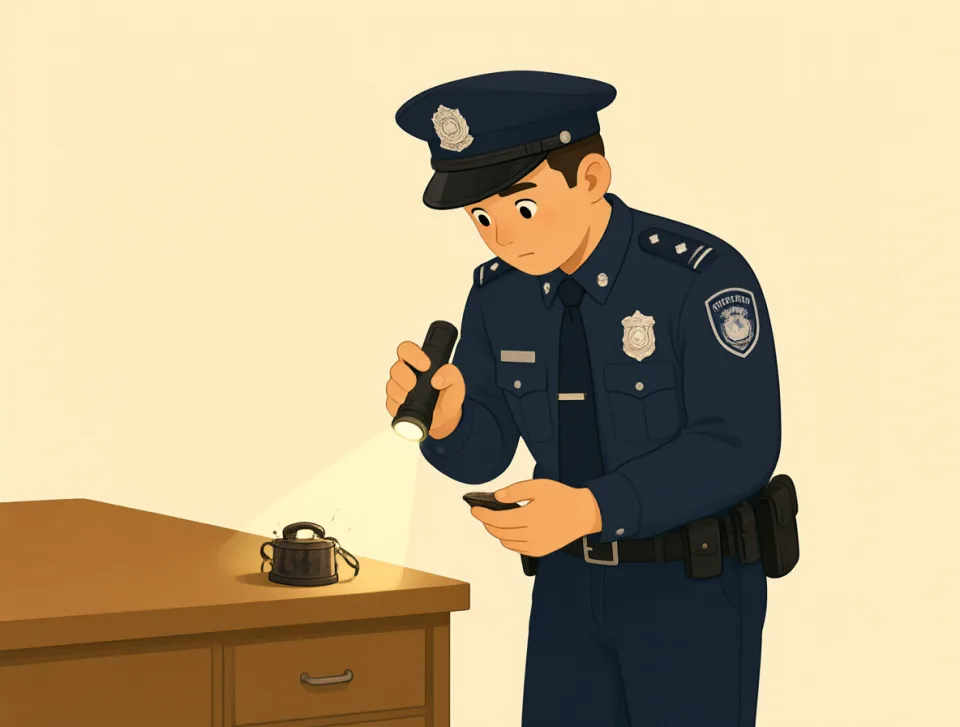
detect
#2345verb
wykryć
to notice or discover something, especially something that is difficult to see or hear
Zauważyć lub odkryć coś, zwłaszcza coś, co trudno dostrzec lub usłyszeć.

The doctor detected a small problem during my routine health check.
Podczas rutynowego badania kontrolnego lekarz wykrył niewielki problem.
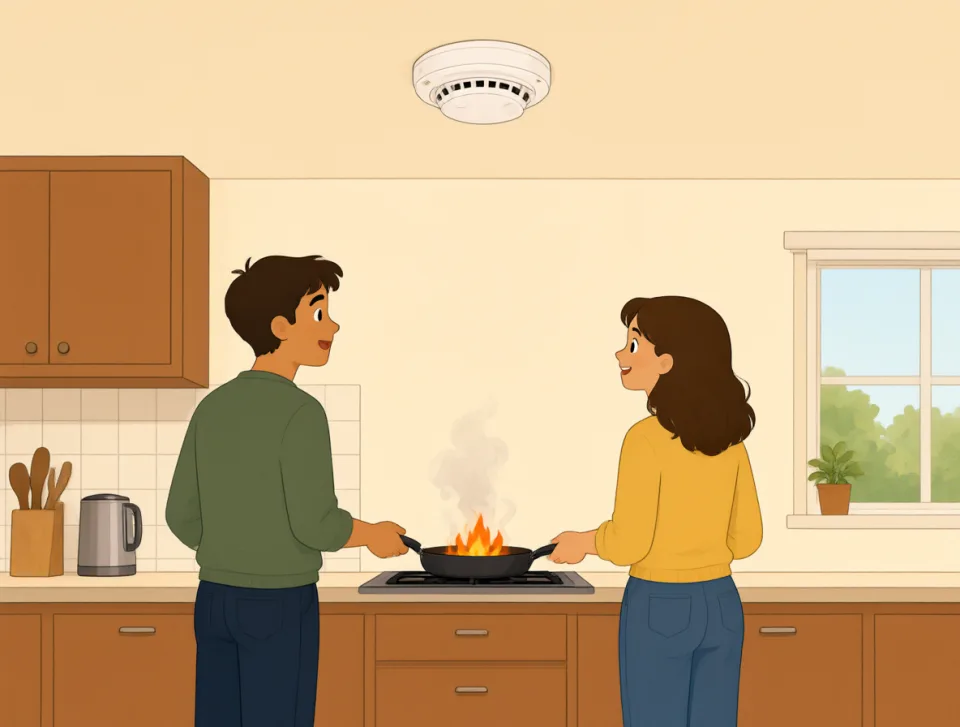
Our smoke alarm detected a fire before anyone noticed the smoke.
Czujnik dymu wykrył pożar, zanim ktokolwiek zauważył dym.
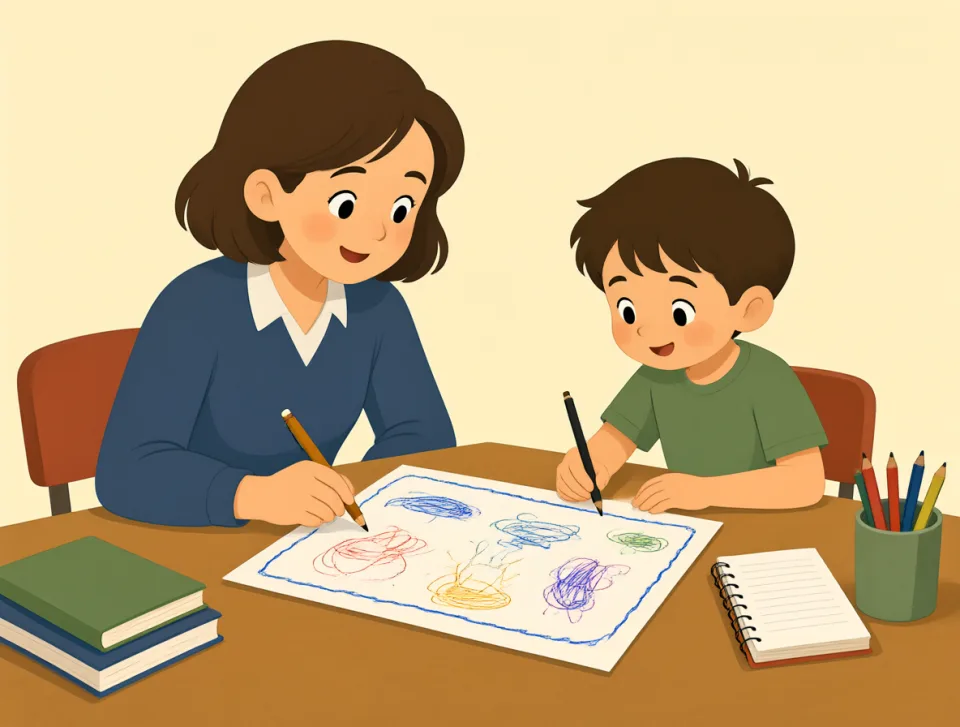
The teacher detected several mistakes in my science project.
Nauczyciel wykrył kilka błędów w moim projekcie z nauk przyrodniczych.
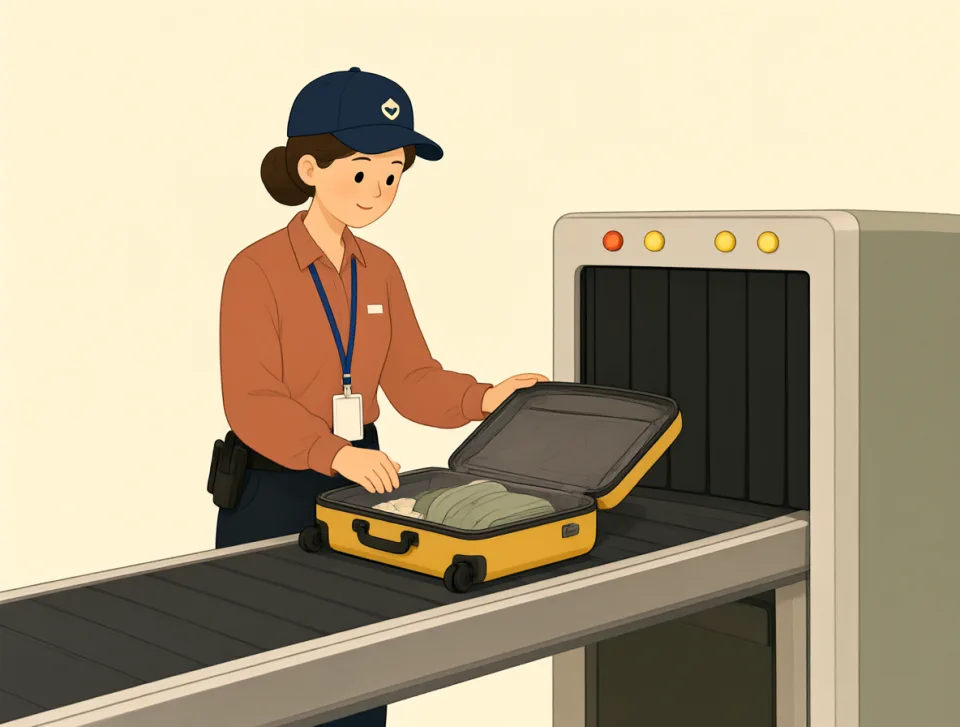
The airport scanner detected something unusual inside the traveler's suitcase.
Skaner na lotnisku wykrył coś nietypowego w walizce podróżnego.
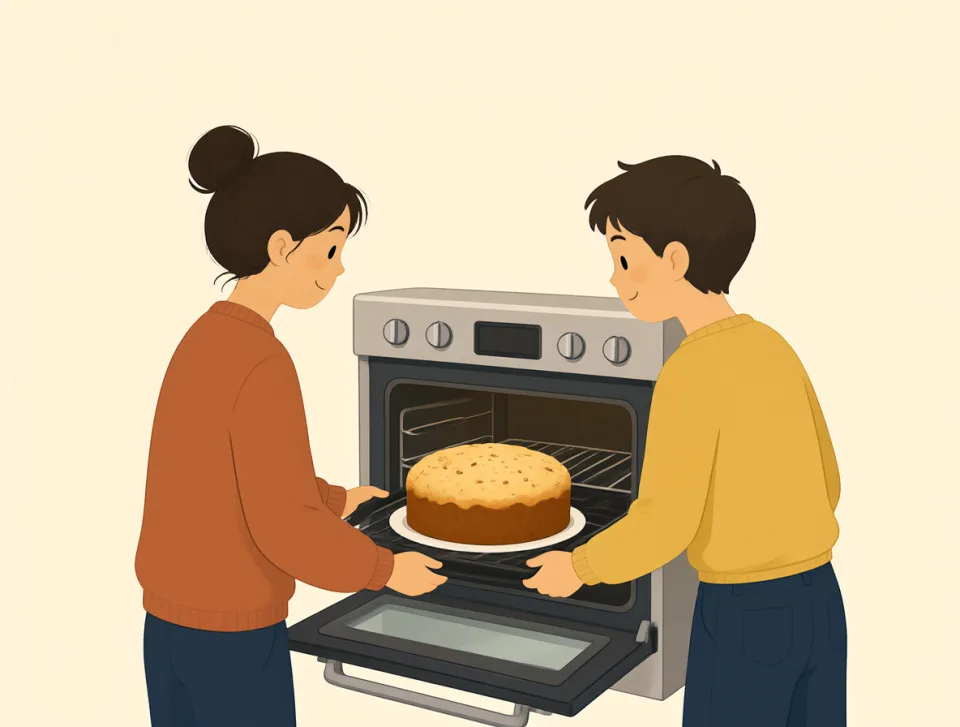
I detected a sweet smell coming from the oven.
Wyczuwam słodki zapach wydobywający się z piekarnika.
teenager
#2346noun
nastolatek
A person aged between thirteen and nineteen years old.
Osoba w wieku od trzynastu do dziewiętnastu lat.
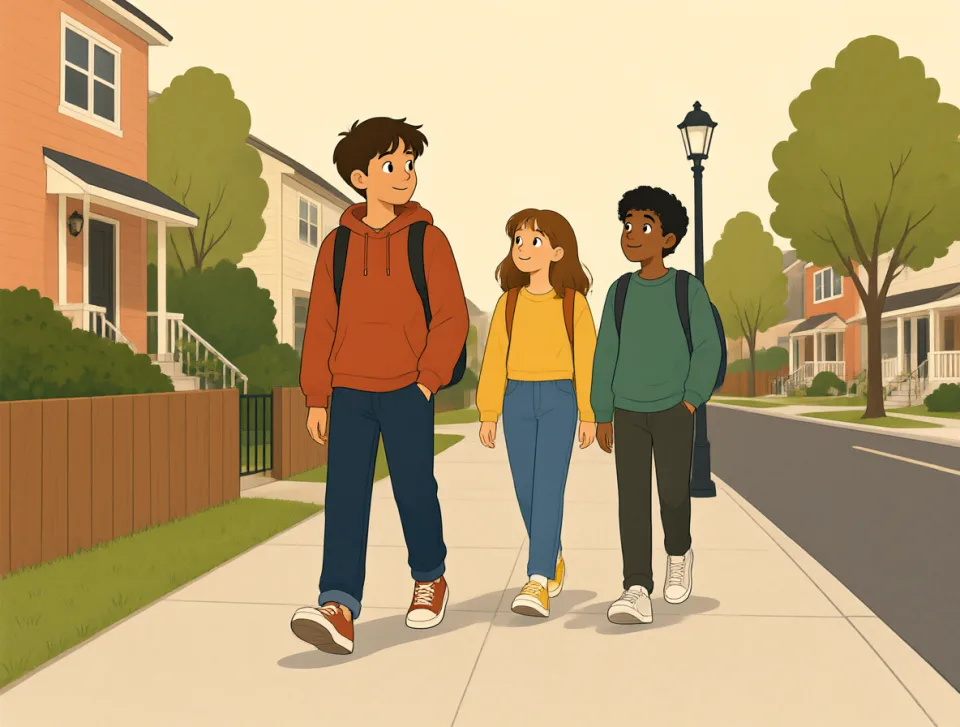
The teenager walked home from school with two close friends.
Nastolatek wracał ze szkoły do domu z dwojgiem bliskich przyjaciół.
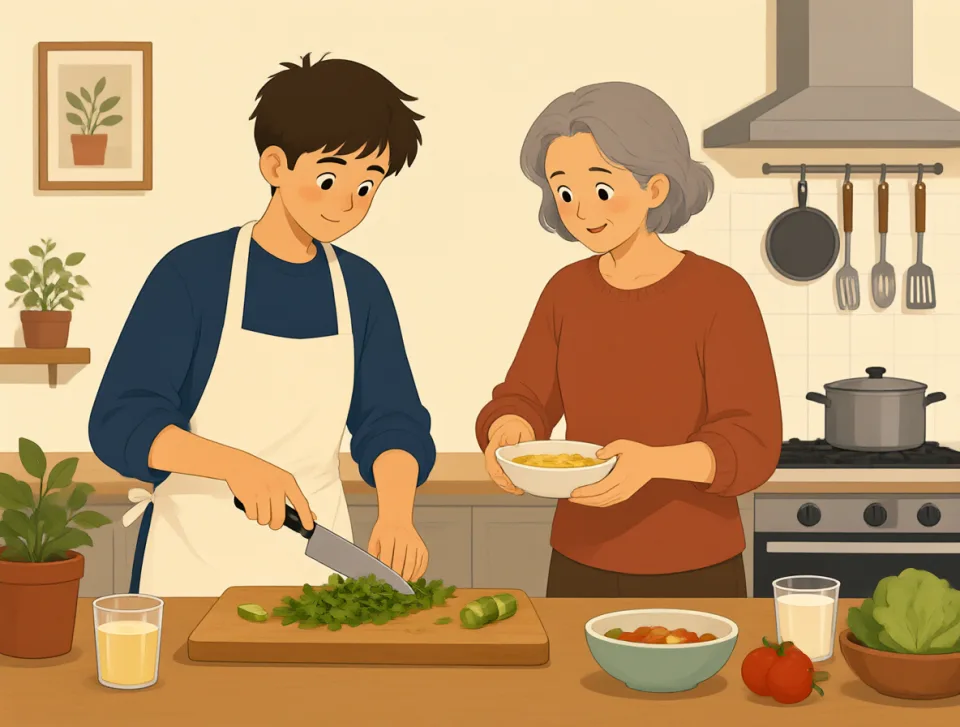
Her teenage son helps prepare dinner for the family every evening.
Jej nastoletni syn co wieczór pomaga przygotowywać rodzinny obiad.

The teenager found a part-time job at a local supermarket.
Nastolatek znalazł pracę na pół etatu w lokalnym supermarkecie.
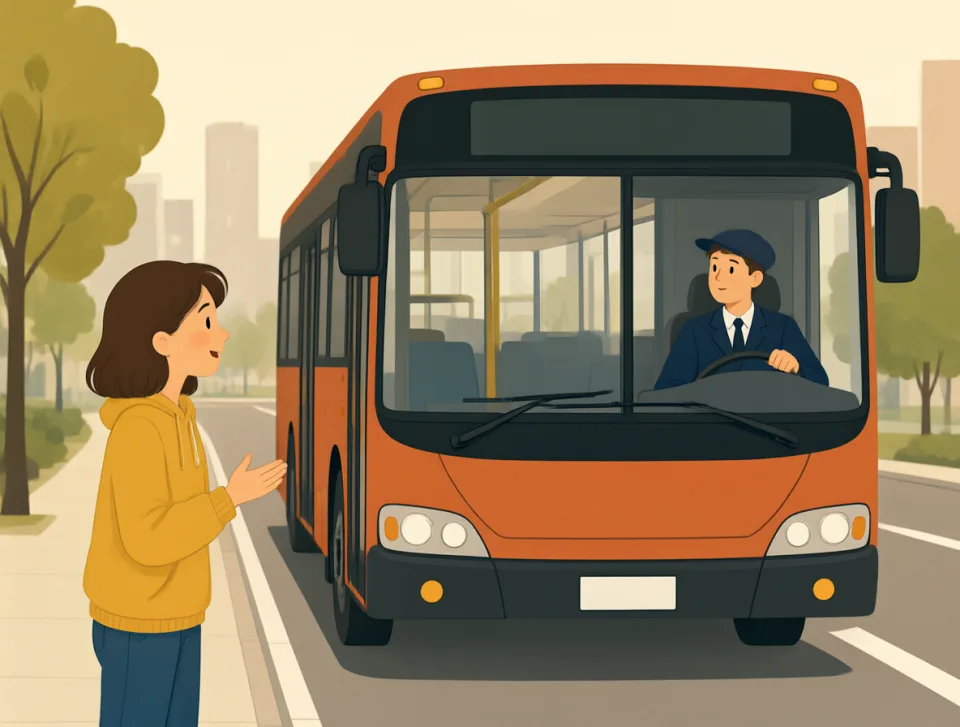
A teenager asked the bus driver for directions to the city center.
Nastolatek poprosił kierowcę autobusu o wskazówki, jak dotrzeć do centrum miasta.

The doctor advised the teenager to get more sleep and exercise.
Lekarz poradził nastolatkowi, żeby więcej spał i ćwiczył.
admire
#2347verb
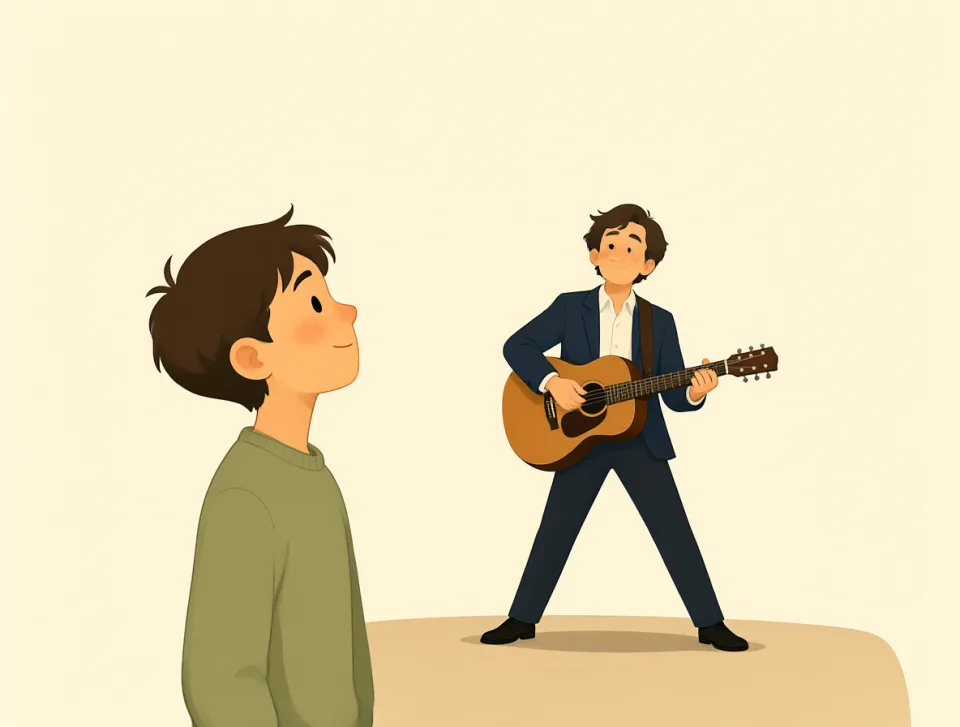
podziwiać
to respect and like someone or something because of their good qualities
Szanuć i lubić kogoś lub coś ze względu na ich dobre cechy.
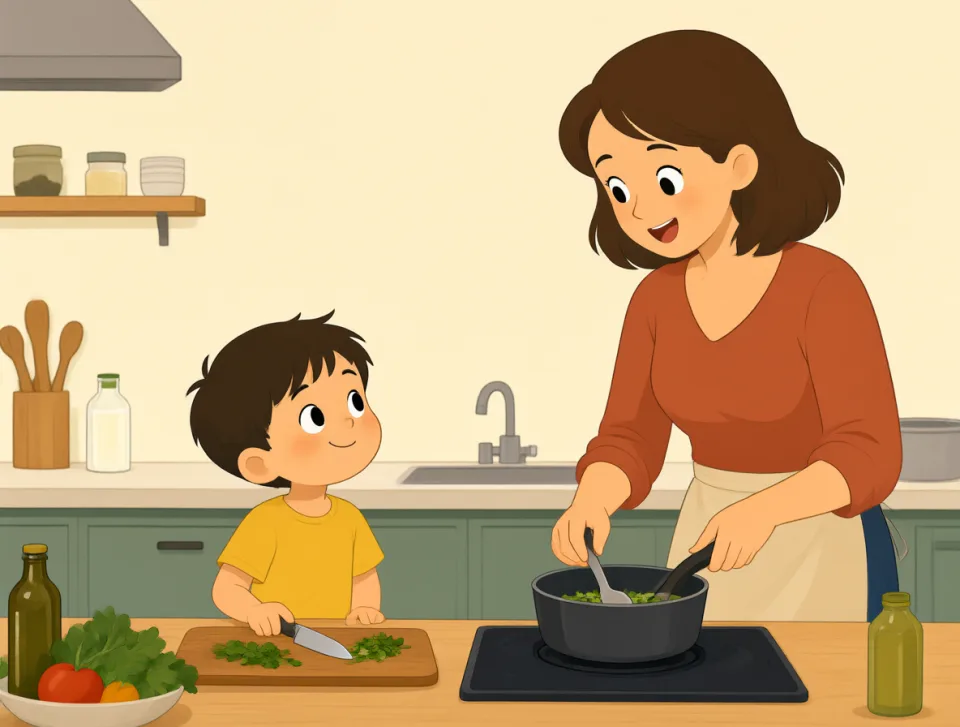
I really admire my mother for working hard and caring for our family.
Naprawdę podziwiam moją mamę za to, że ciężko pracuje i troszczy się o naszą rodzinę.
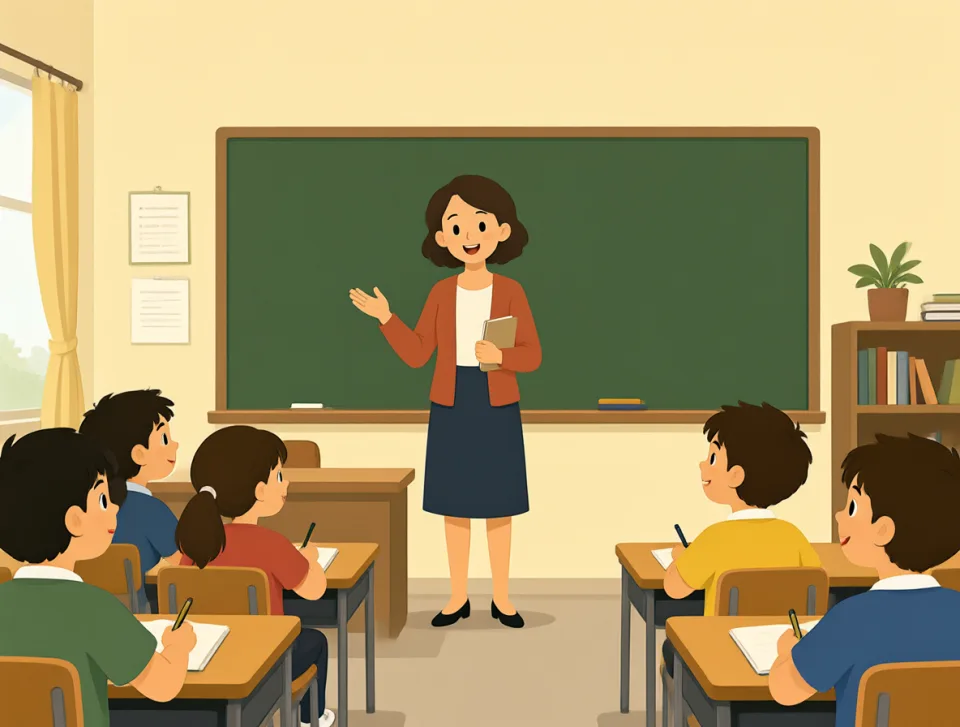
Many students admire their teacher because she makes difficult lessons easy.
Wielu uczniów podziwia swoją nauczycielkę, ponieważ potrafi wyjaśnić trudne lekcje w łatwy sposób.

We stopped to admire the beautiful view from the mountain road.
Zatrzymaliśmy się, żeby podziwiać piękny widok z górskiej drogi.

She admired the elegant dress in the shop window but did not buy it.
Podobała jej się elegancka sukienka na wystawie sklepowej, ale jej nie kupiła.
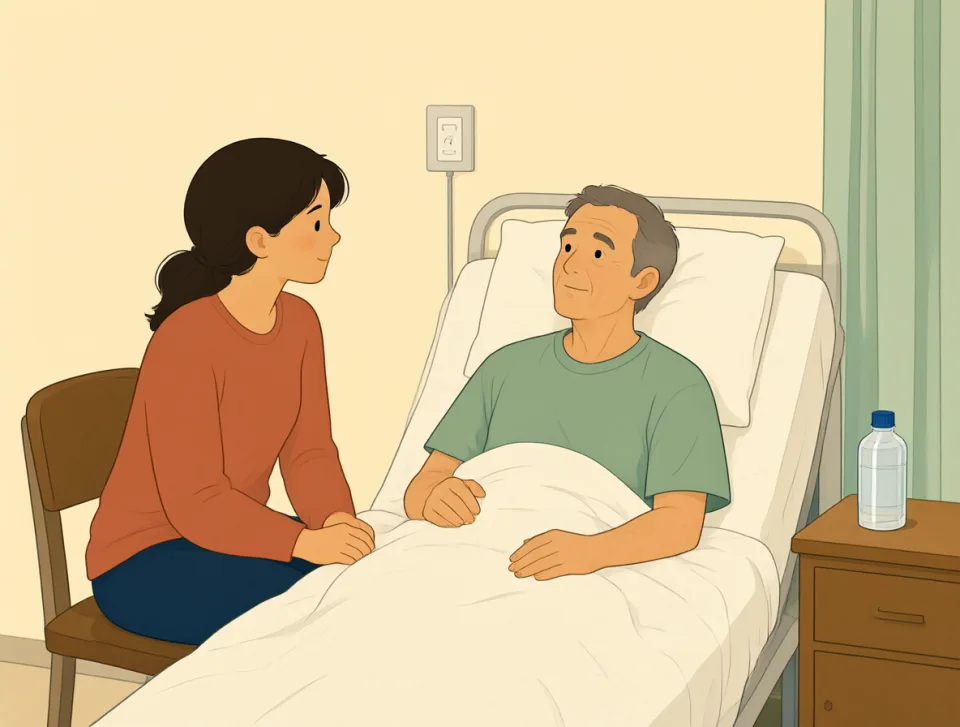
He admired his friend’s courage during the difficult health problem.
Podziwiał odwagę swojego przyjaciela podczas trudnych problemów zdrowotnych.
moderate
#2348adjective, verb, noun
umiarkowany
Not extreme; average in amount, strength, or level.
Nieprzesadny; przeciętny pod względem ilości, siły lub poziomu.

The weather will be moderate tomorrow, so we can eat lunch outside.
Jutro pogoda będzie umiarkowana, więc możemy zjeść lunch na zewnątrz.
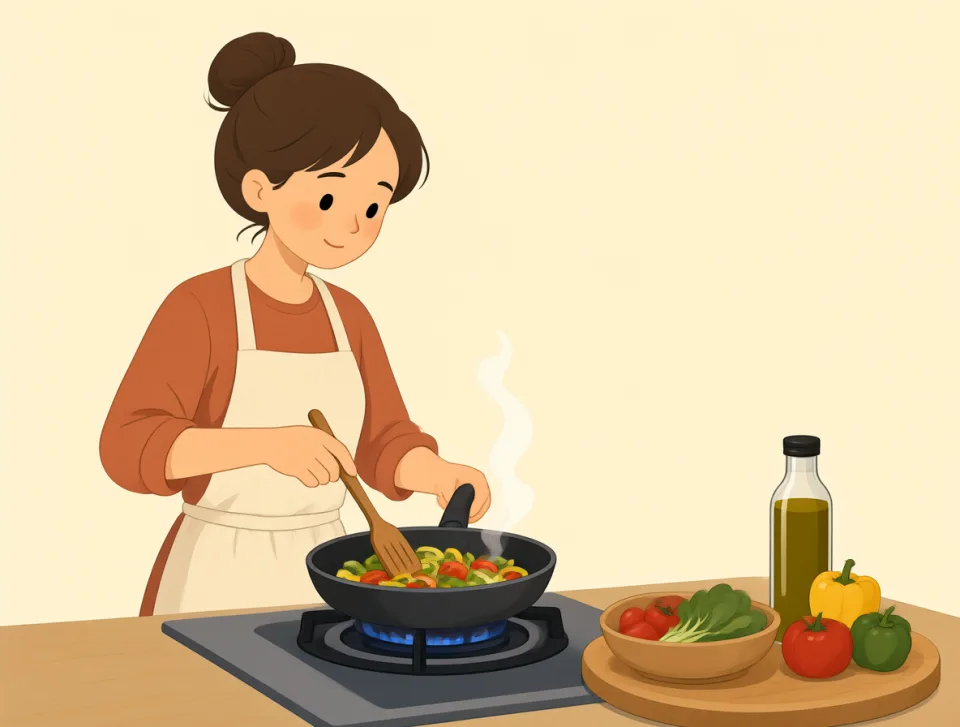
Please use moderate heat when cooking the vegetables so they stay crisp.
Podczas gotowania warzyw używaj umiarkowanego ognia, żeby pozostały chrupiące.
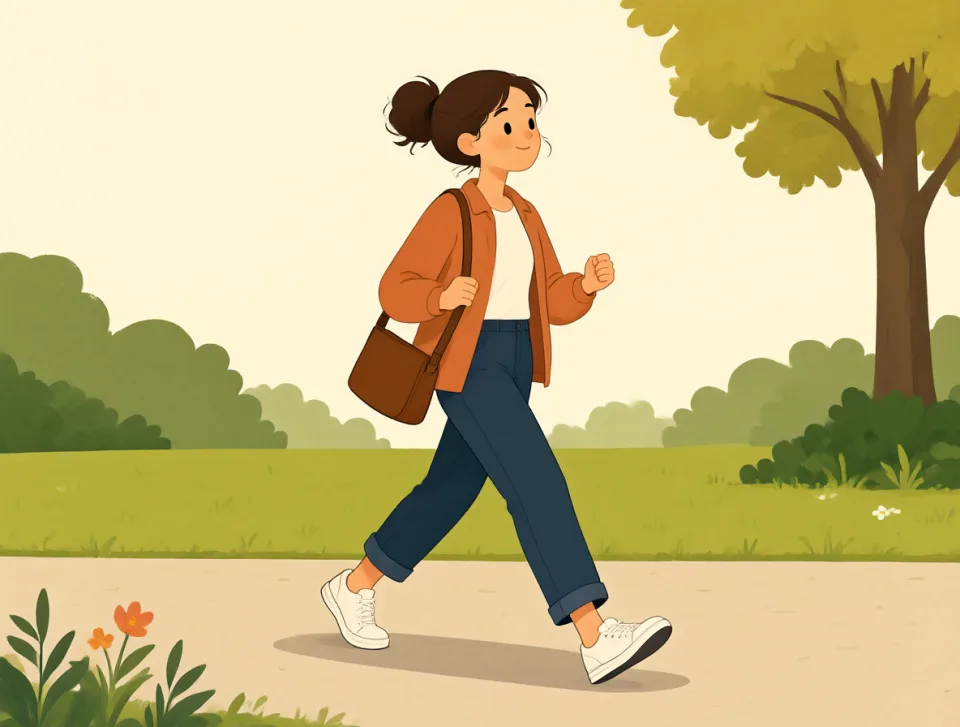
She exercises moderately three times a week to stay healthy.
Ćwiczy trzy razy w tygodniu z umiarem, żeby zachować zdrowie.
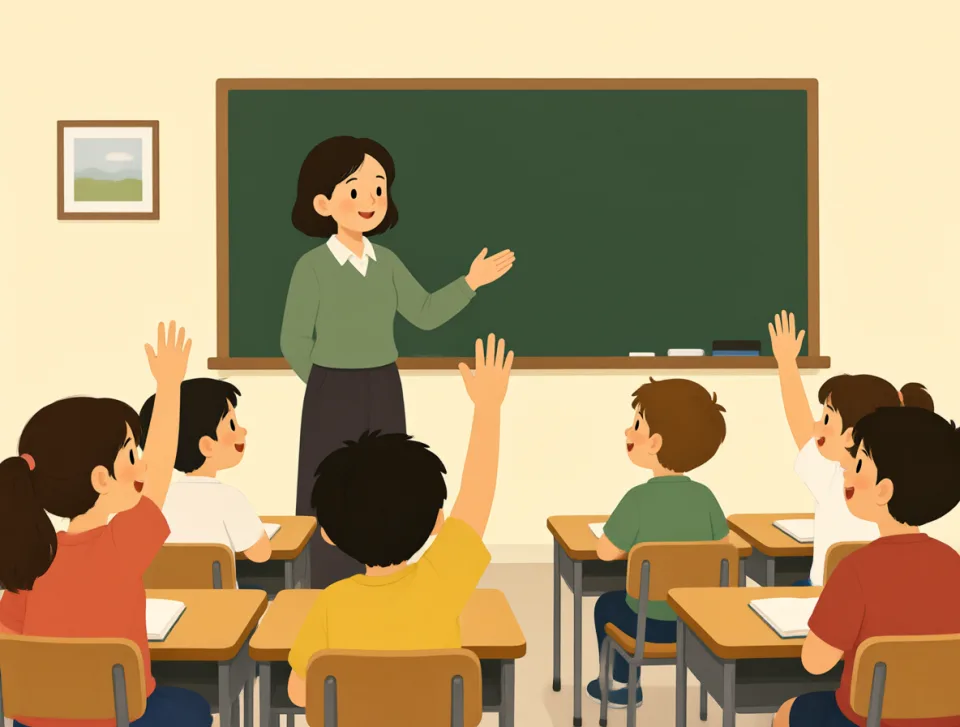
The teacher moderated the discussion so every student had time to speak.
Nauczyciel moderował dyskusję, żeby każdy uczeń miał czas się wypowiedzieć.

The moderator asked both guests to explain their opinions clearly.
Moderator poprosił obu gości o jasne wyjaśnienie swoich opinii.

surgery
#2349noun
operacja
Medical treatment that involves cutting open the body to repair or remove something.
Leczenie medyczne polegające na otwarciu ciała w celu naprawienia czegoś lub usunięcia czegoś.
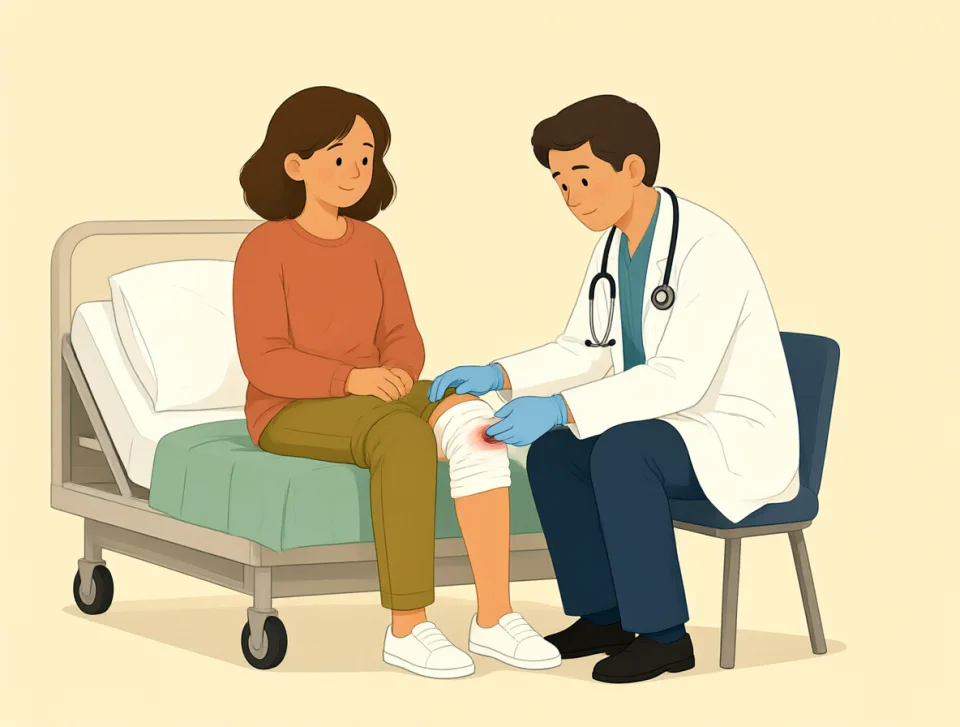
She needs surgery to repair her injured knee after the accident.
Po wypadku potrzebuje operacji, żeby naprawić uszkodzone kolano.

The surgery went well, and he returned home two days later.
Operacja się udała i dwa dni później wrócił do domu.

My doctor recommended surgery because the pain had become much worse.
Mój lekarz zalecił operację, ponieważ ból znacznie się nasilił.
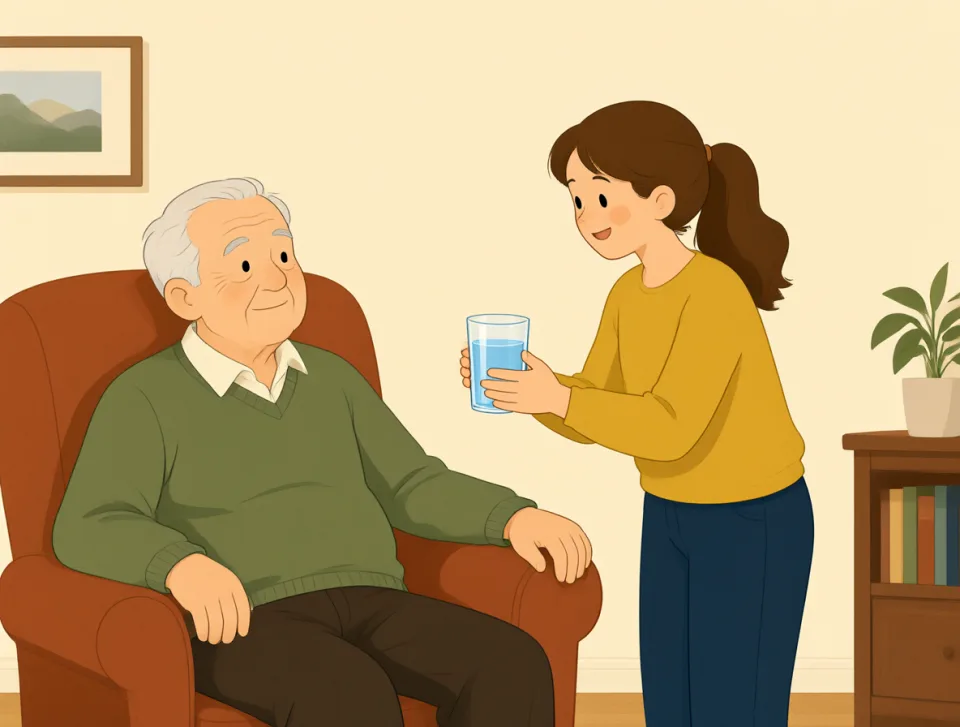
Her father is recovering from surgery and needs help at home.
Jej ojciec dochodzi do siebie po operacji i potrzebuje pomocy w domu.
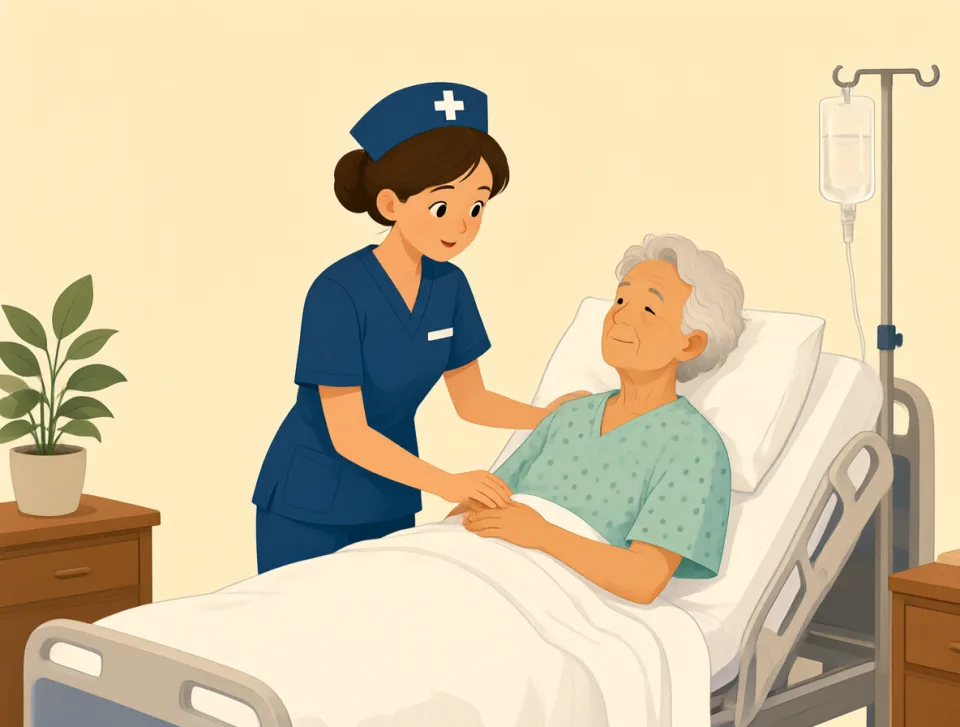
The hospital scheduled his surgery for early Monday morning.
Szpital zaplanował jego operację na wczesny poniedziałkowy poranek.
musician
#2350noun
muzyk
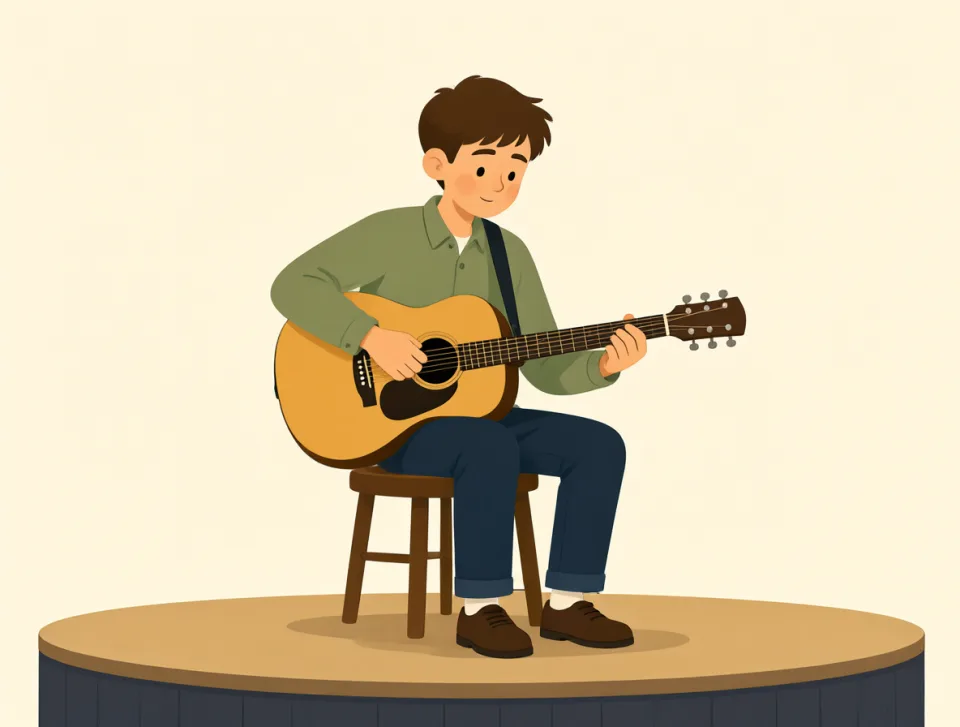
A person who plays or writes music, especially as a job.
Osoba, która gra muzykę lub ją tworzy, zwłaszcza zawodowo.

The musician played beautiful songs at our wedding last weekend.
W zeszły weekend muzyk grał piękne piosenki na naszym weselu.
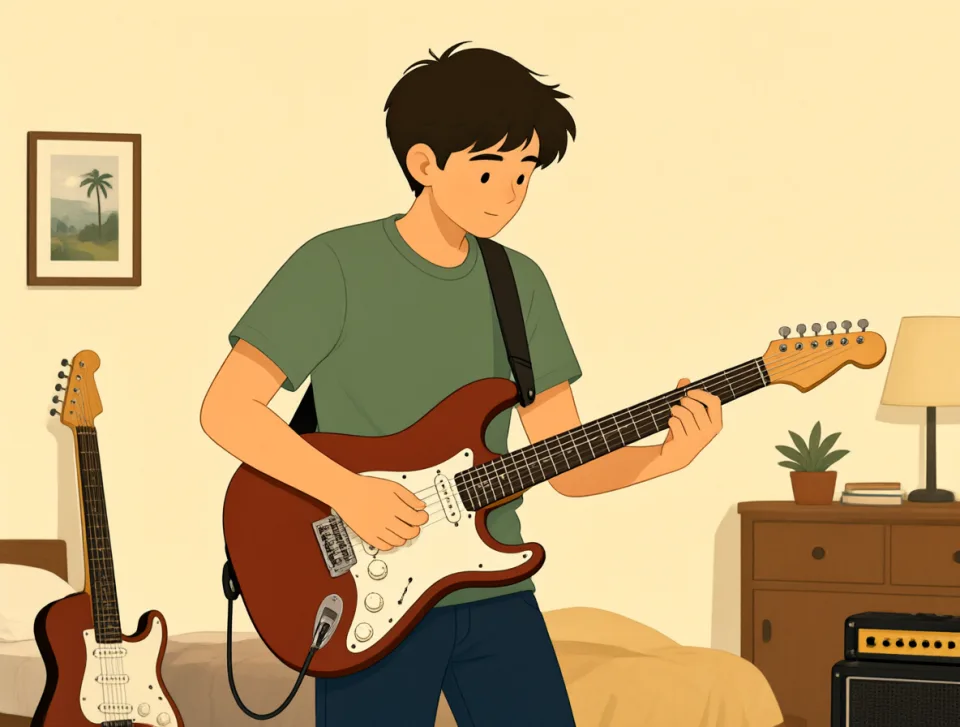
My brother wants to become a professional musician after college.
Mój brat chce zostać profesjonalnym muzykiem po ukończeniu studiów.
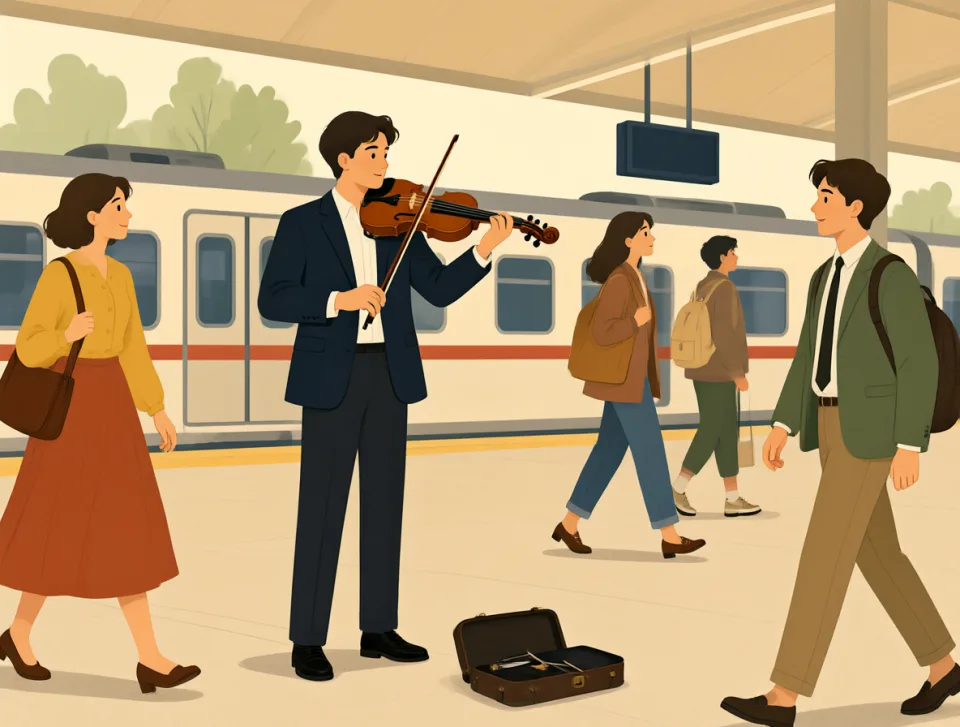
We met a street musician playing violin outside the train station.
Spotkaliśmy muzyka ulicznego grającego na skrzypcach przed dworcem kolejowym.
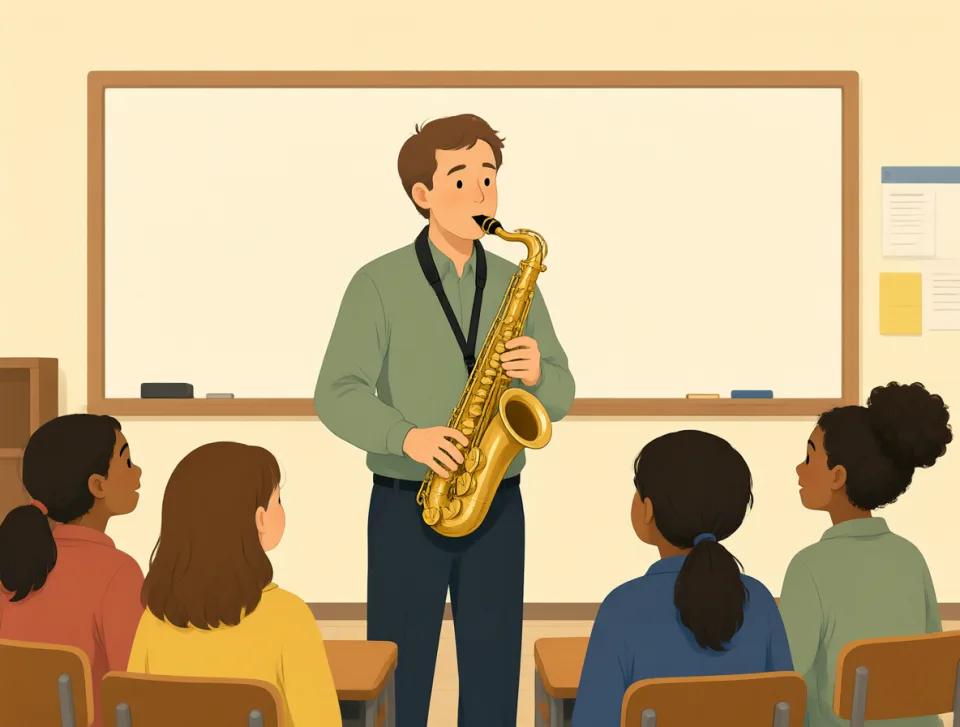
The school invited a local musician to teach students about jazz.
Szkoła zaprosiła lokalnego muzyka, żeby uczył uczniów o jazzie.

The musician recorded a new album in a quiet studio.
Muzyk nagrał nowy album w cichym studiu.
significance
#2351noun
znaczenie
the importance or meaning of something
ważność lub znaczenie czegoś
The teacher explained the significance of the final exam for our grades.
Nauczyciel wyjaśnił, jakie znaczenie ma egzamin końcowy dla naszych ocen.
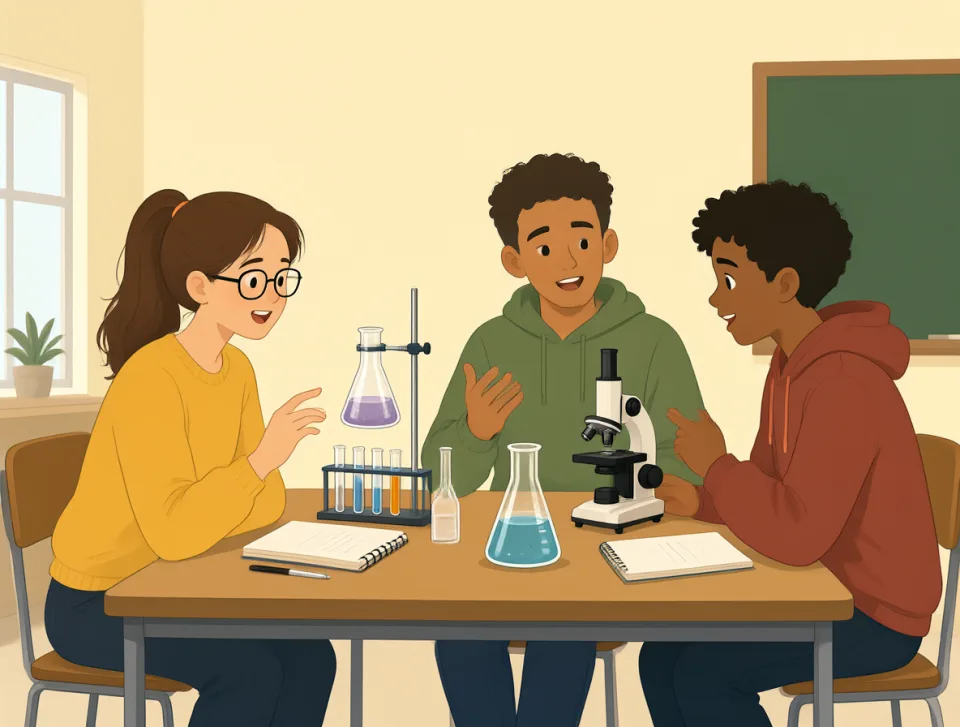
We discussed the significance of this discovery during the science lesson.
Podczas lekcji przyrody rozmawialiśmy o znaczeniu tego odkrycia.
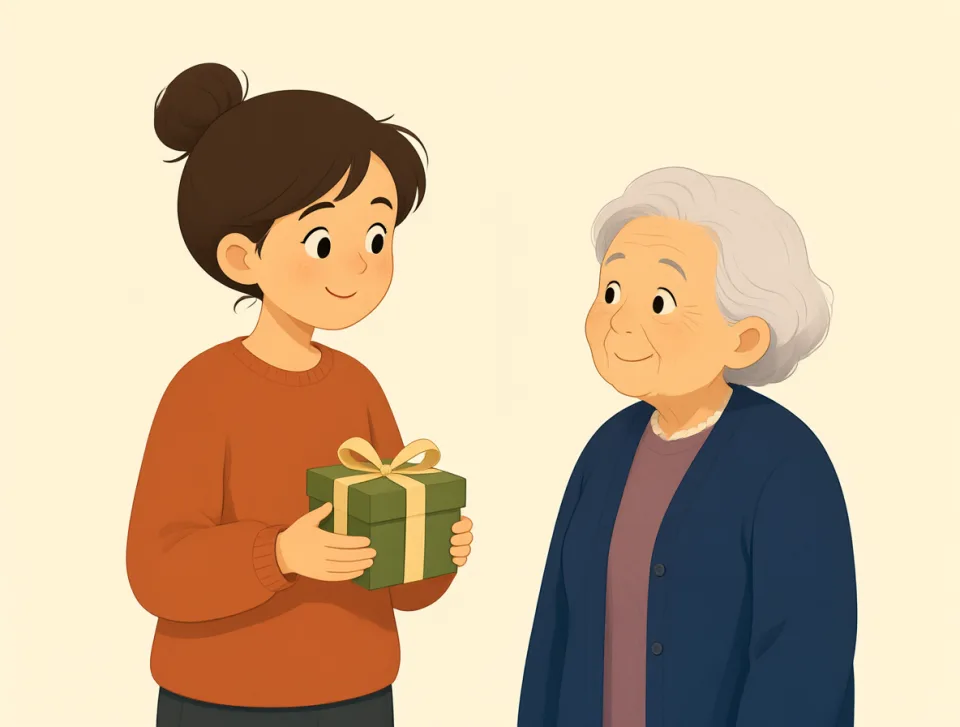
The small gift had great significance because it came from my grandmother.
Ten drobny podarunek miał wielkie znaczenie, bo był od mojej babci.

The doctor explained the significance of my test results carefully.
Lekarz dokładnie wyjaśnił znaczenie moich wyników badań.

Many visitors do not understand the historical significance of this old building.
Wielu zwiedzających nie rozumie historycznego znaczenia tego starego budynku.
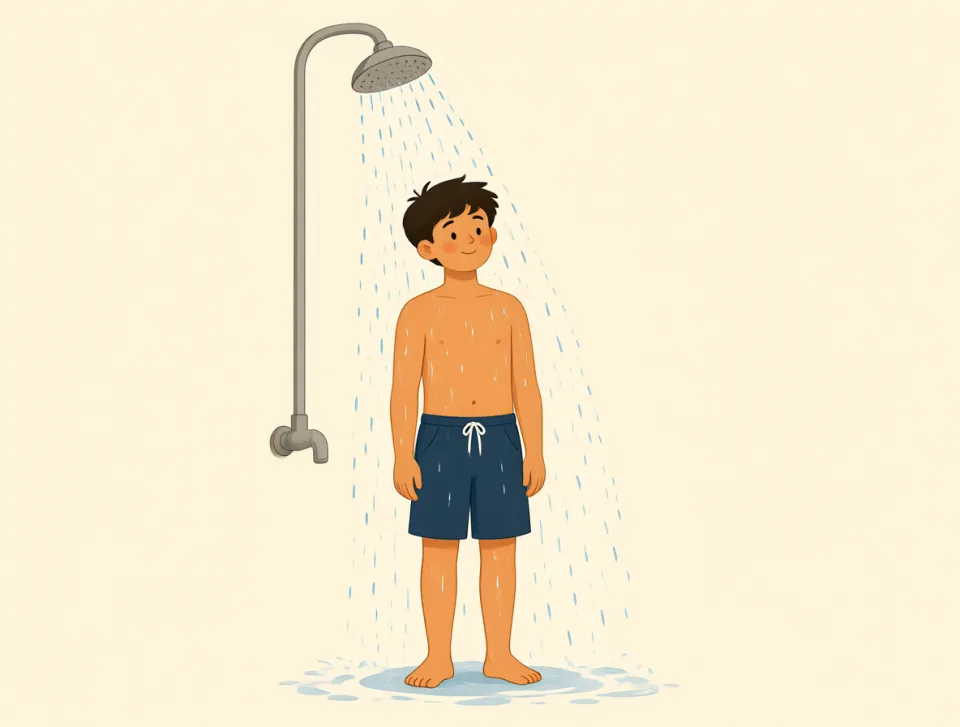
shower
#2352noun, verb
prysznic
A place or time when you wash your body under falling water.
Miejsce lub czas, kiedy myjesz ciało pod strumieniem wody.
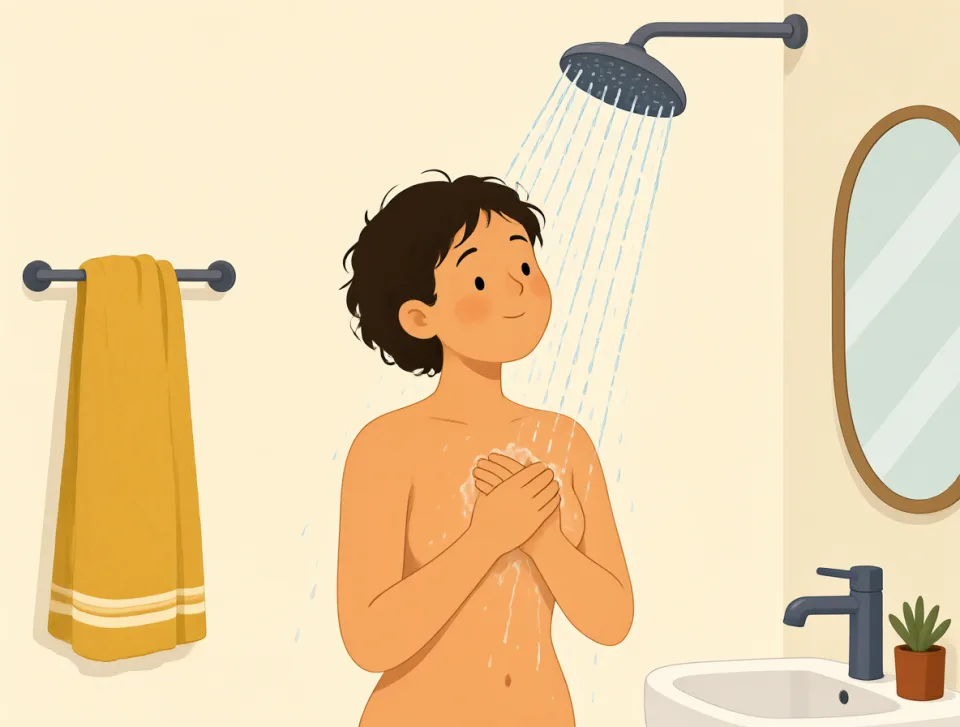
I usually take a quick shower before I leave for work.
Zwykle biorę szybki prysznic, zanim wyjdę do pracy.
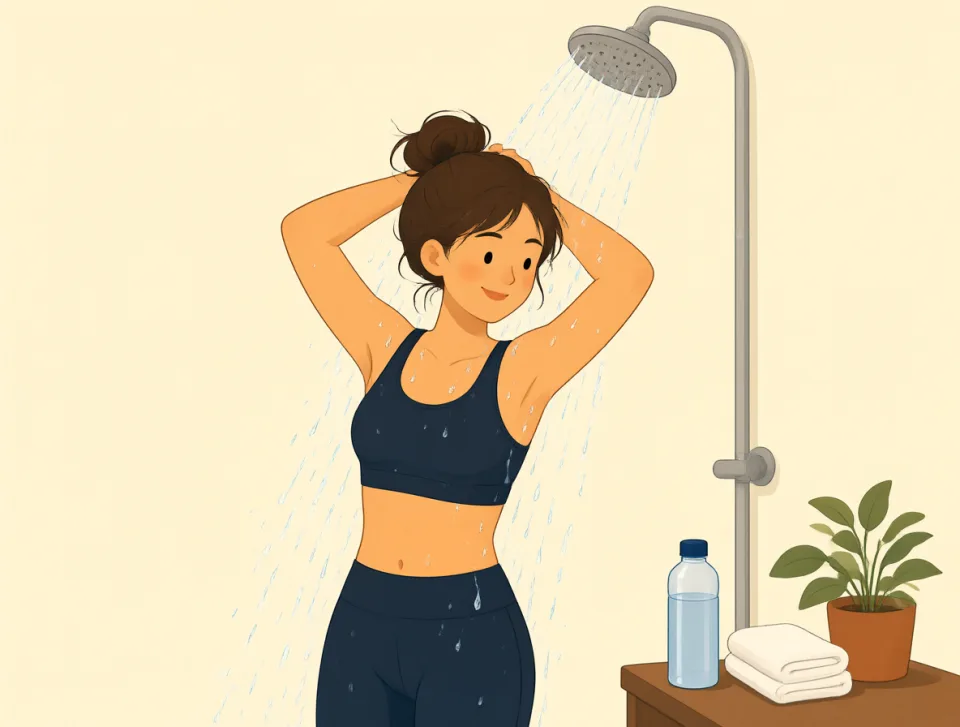
She showered after exercising because she was hot and sweaty.
Wzięła prysznic po ćwiczeniach, bo było jej gorąco i była spocona.
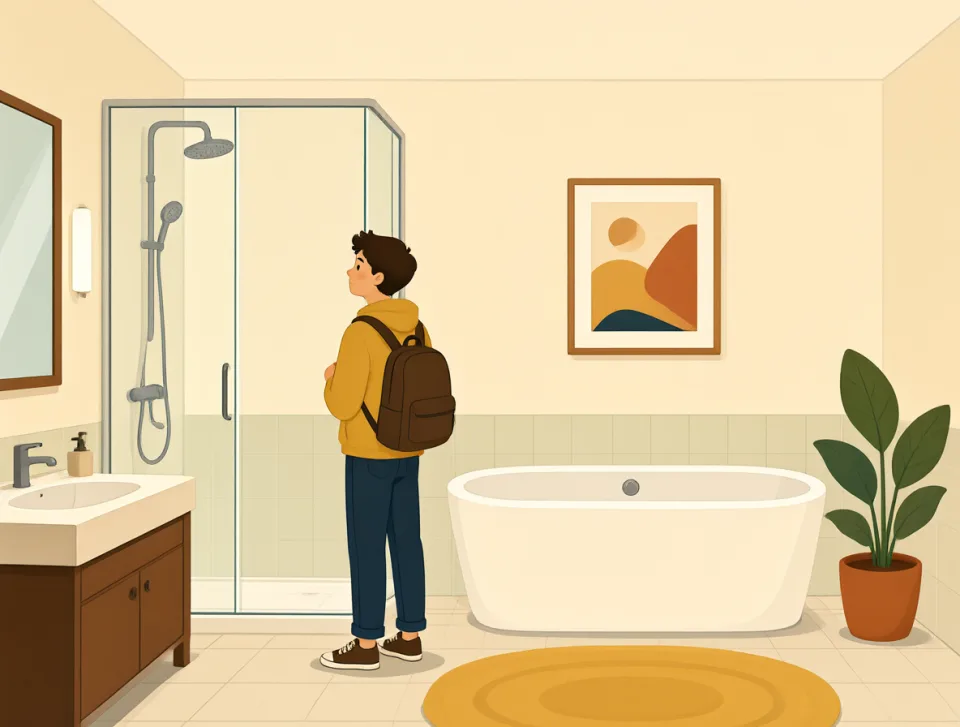
The hotel has a large shower next to the bathtub.
W hotelu obok wanny jest duży prysznic.

We got caught in a sudden shower while walking through the park.
Podczas spaceru po parku złapał nas nagły deszcz.
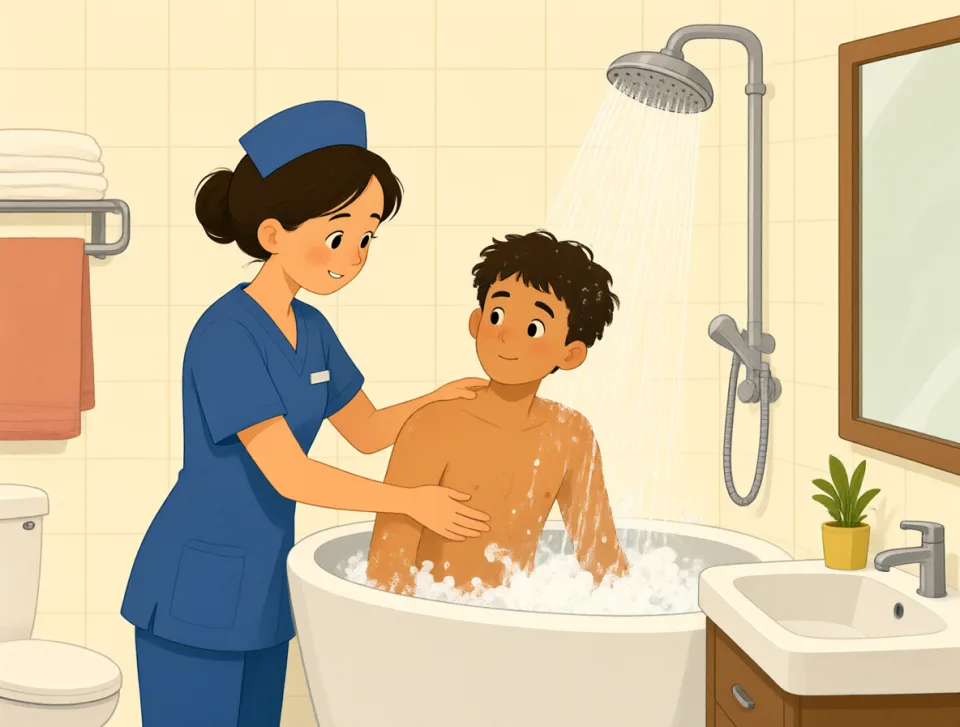
The nurse gave the patient a shower after the operation.
Pielęgniarka pomogła pacjentowi wziąć prysznic po operacji.
illegal
#2353adjective
nielegalny
Not allowed by law or official rules.
Niedozwolony przez prawo lub oficjalne przepisy.
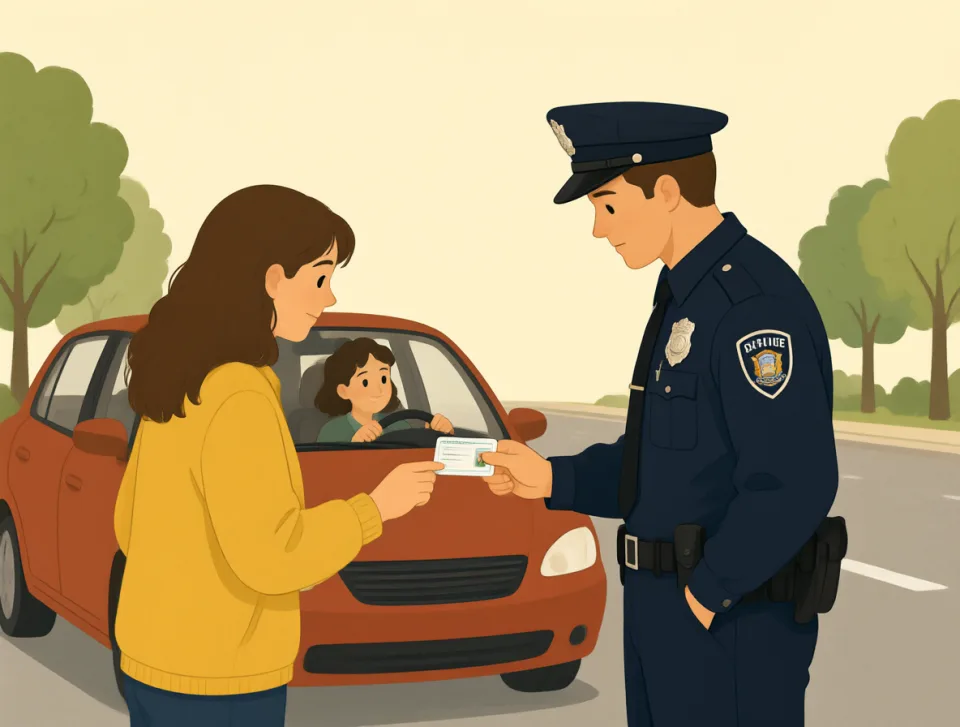
It is illegal to drive without a license in this country.
W tym kraju prowadzenie samochodu bez prawa jazdy jest nielegalne.
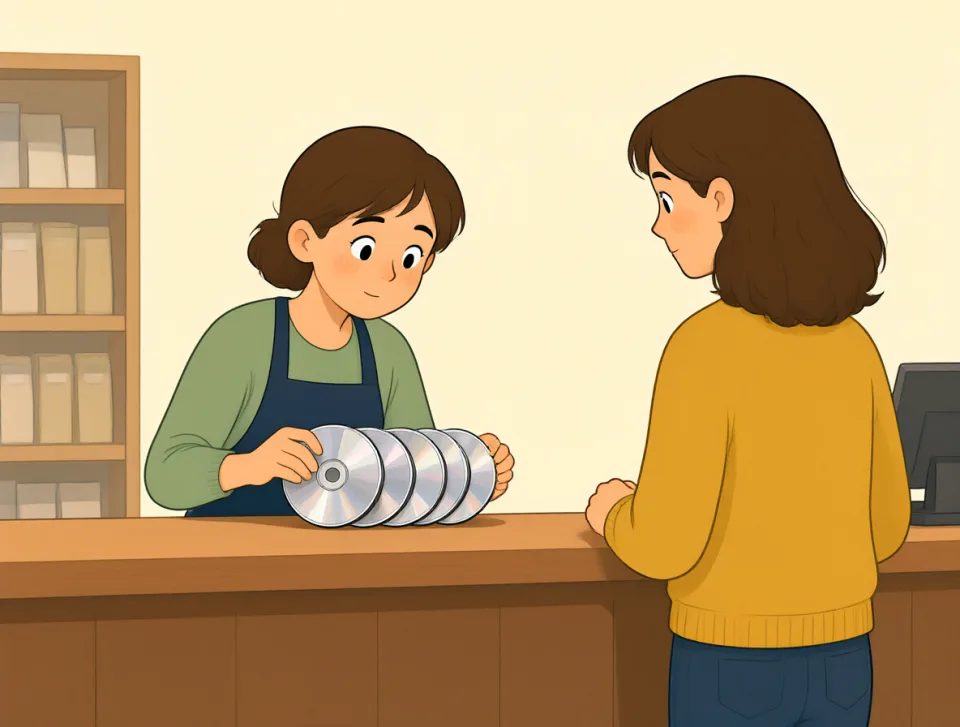
The store was selling illegal copies of popular movies.
Sklep sprzedawał nielegalne kopie popularnych filmów.
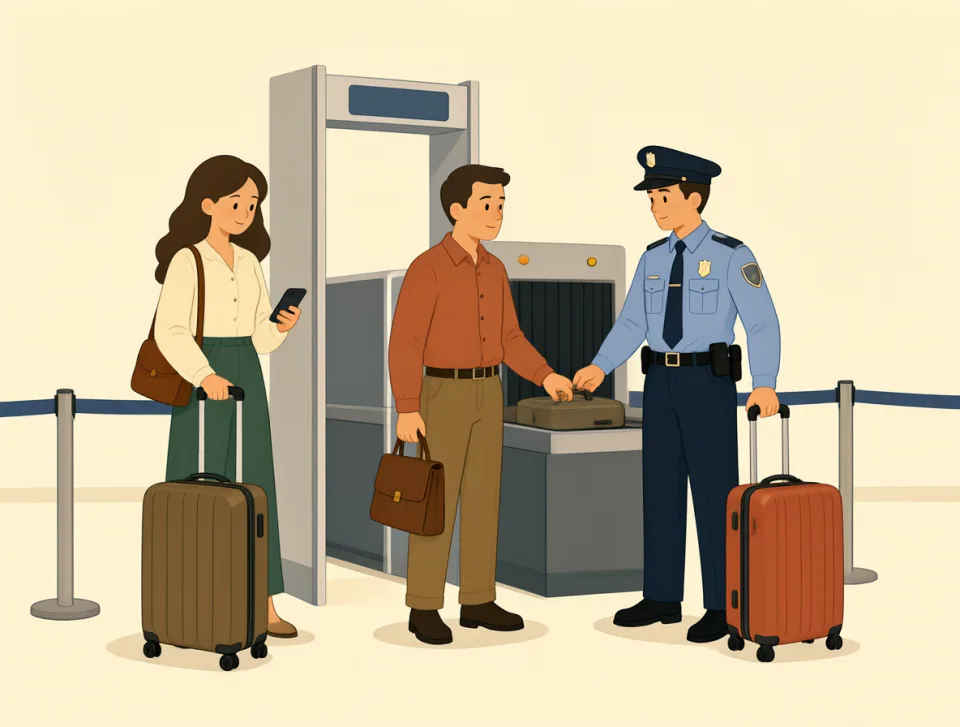
They were arrested for carrying illegal drugs through the airport.
Zostali aresztowani za przewożenie nielegalnych narkotyków przez lotnisko.
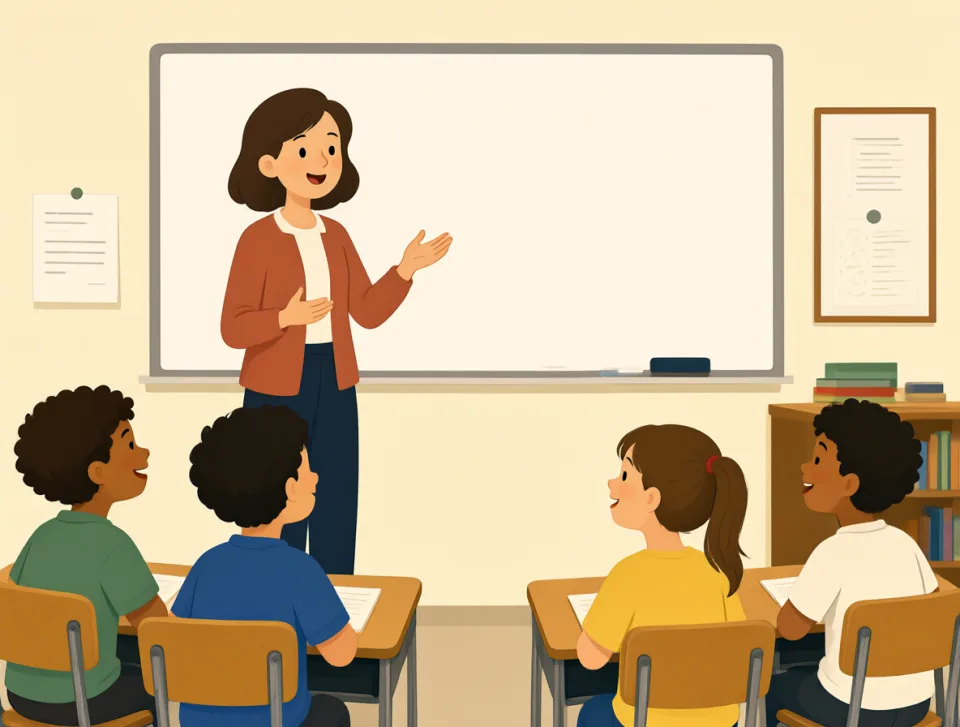
The teacher explained why downloading music illegally can hurt artists.
Nauczyciel wyjaśnił, dlaczego nielegalne pobieranie muzyki może szkodzić artystom.
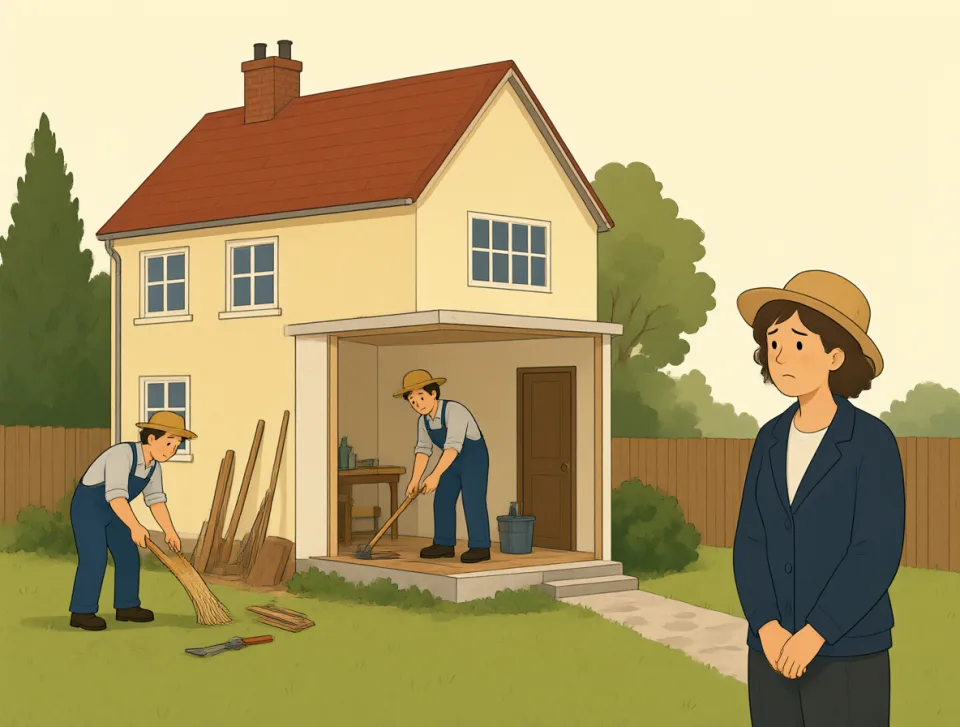
Our neighbors built an illegal room without getting permission first.
Nasi sąsiedzi dobudowali nielegalny pokój, nie uzyskawszy wcześniej pozwolenia.

charity
#2354noun
organizacja charytatywna; działalność charytatywna
An organization or money given to help people who are poor, sick, or in need.
Organizacja lub pieniądze przekazywane, by pomagać osobom ubogim, chorym lub potrzebującym.
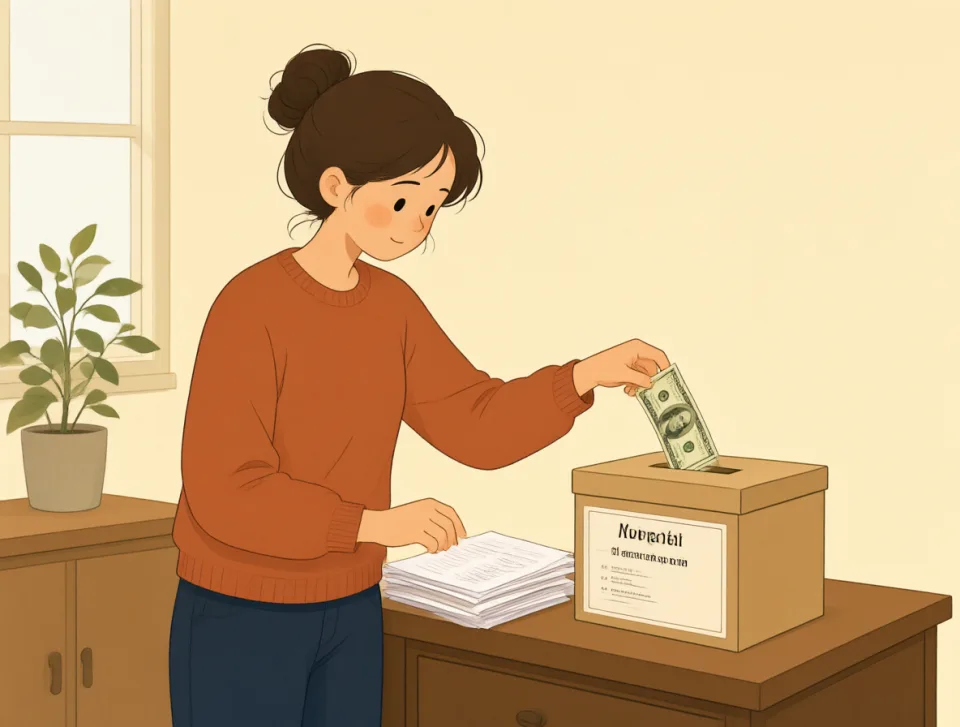
She gives part of her salary to charity every month.
Co miesiąc przekazuje część swojej pensji na cele charytatywne.
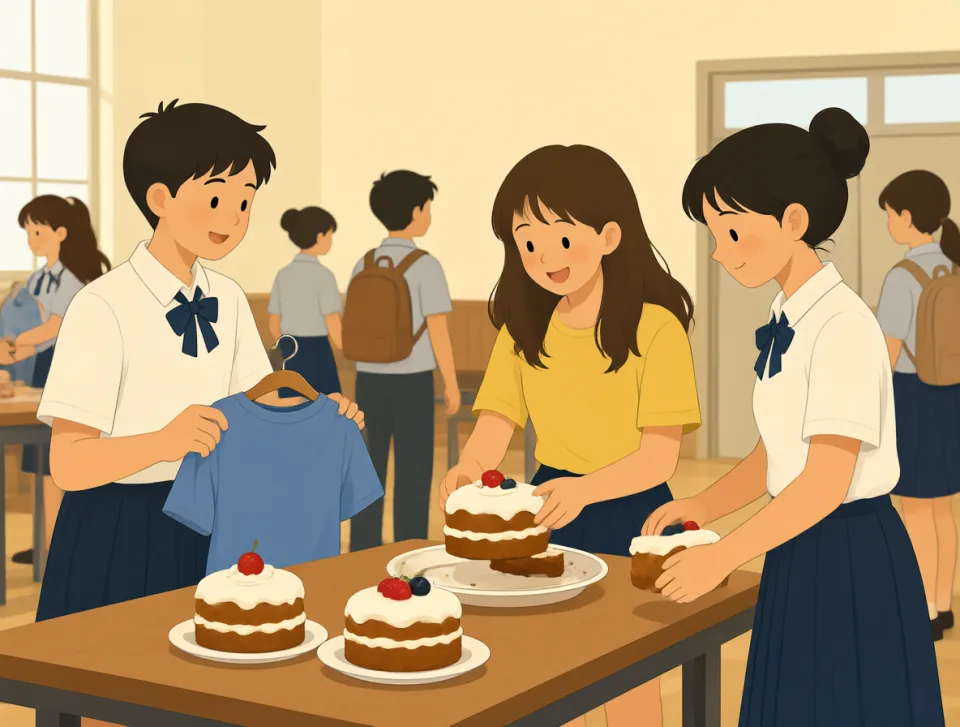
The school held a charity sale to help families after the flood.
Szkoła zorganizowała kiermasz charytatywny, by pomóc rodzinom po powodzi.

We bought these books from a charity shop near the station.
Kupiliśmy te książki w sklepie charytatywnym niedaleko dworca.

Our office organized a charity run for the local hospital.
Nasze biuro zorganizowało bieg charytatywny na rzecz miejscowego szpitala.
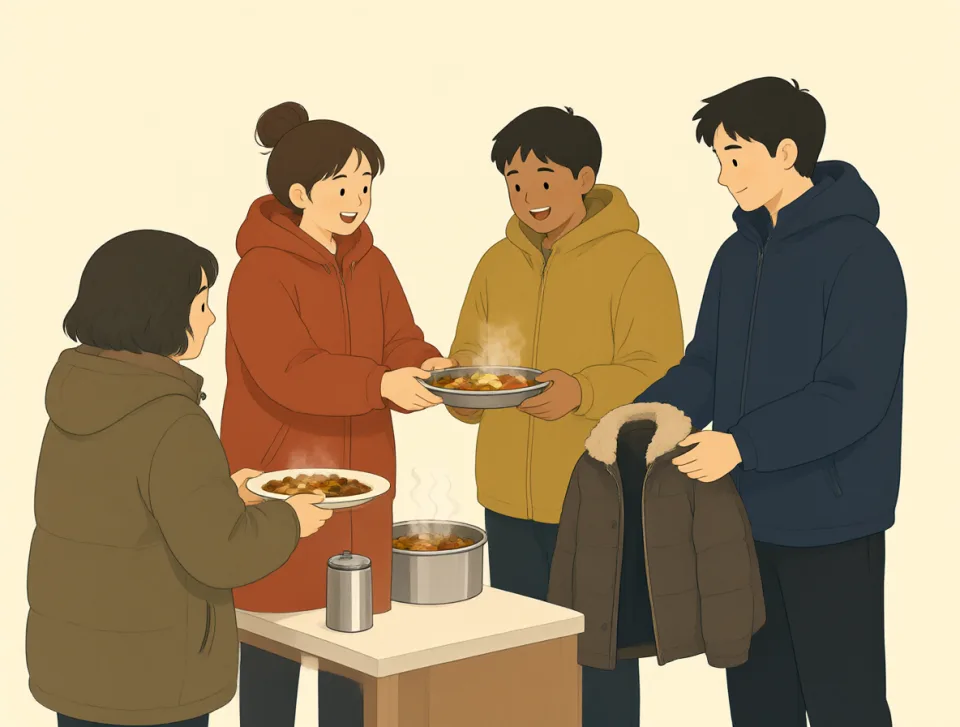
The charity provides free meals and warm clothes for homeless people.
Organizacja charytatywna zapewnia osobom w kryzysie bezdomności darmowe posiłki i ciepłe ubrania.

universal
#2355adjective
uniwersalny
Including everyone or everything; found or used in all parts of the world.
Obejmujący wszystkich lub wszystko; występujący lub używany we wszystkich częściach świata.
The company hopes to create a universal design for people of all ages.
Firma ma nadzieję stworzyć uniwersalny projekt dla osób w każdym wieku.
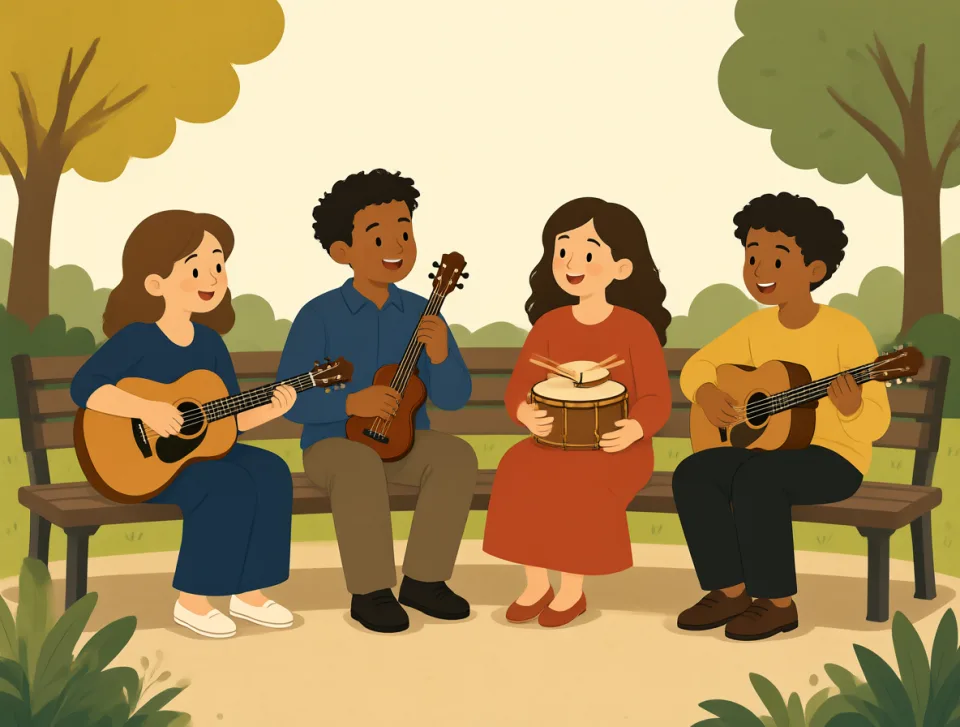
Music is a universal language that brings people together across cultures.
Muzyka jest uniwersalnym językiem, który łączy ludzi z różnych kultur.
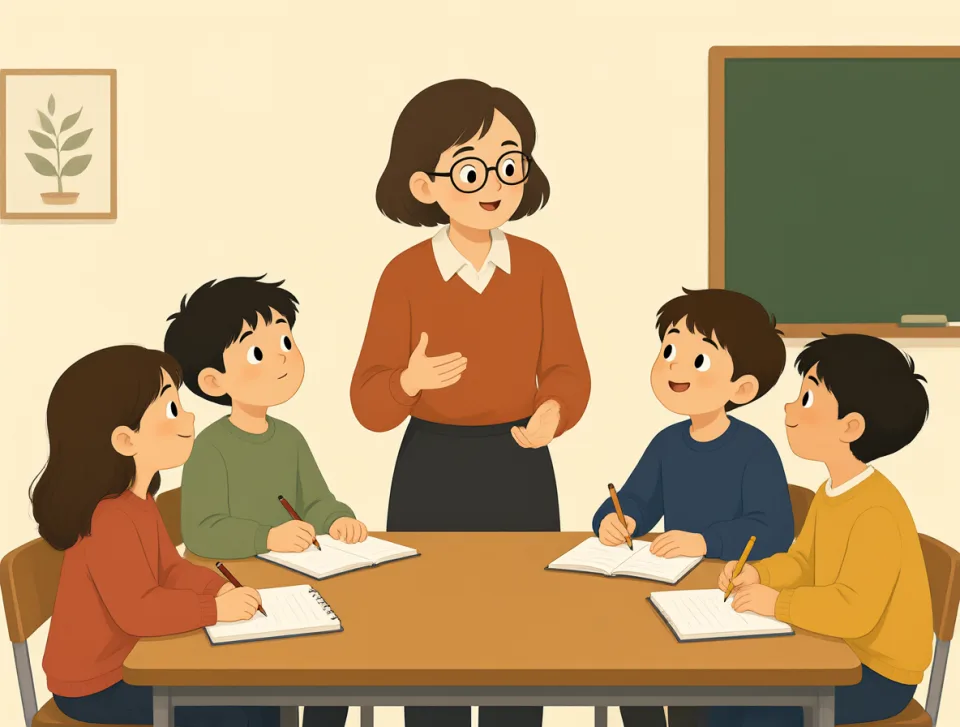
The teacher explained that there is no universal answer to this question.
Nauczyciel wyjaśnił, że na to pytanie nie ma uniwersalnej odpowiedzi.
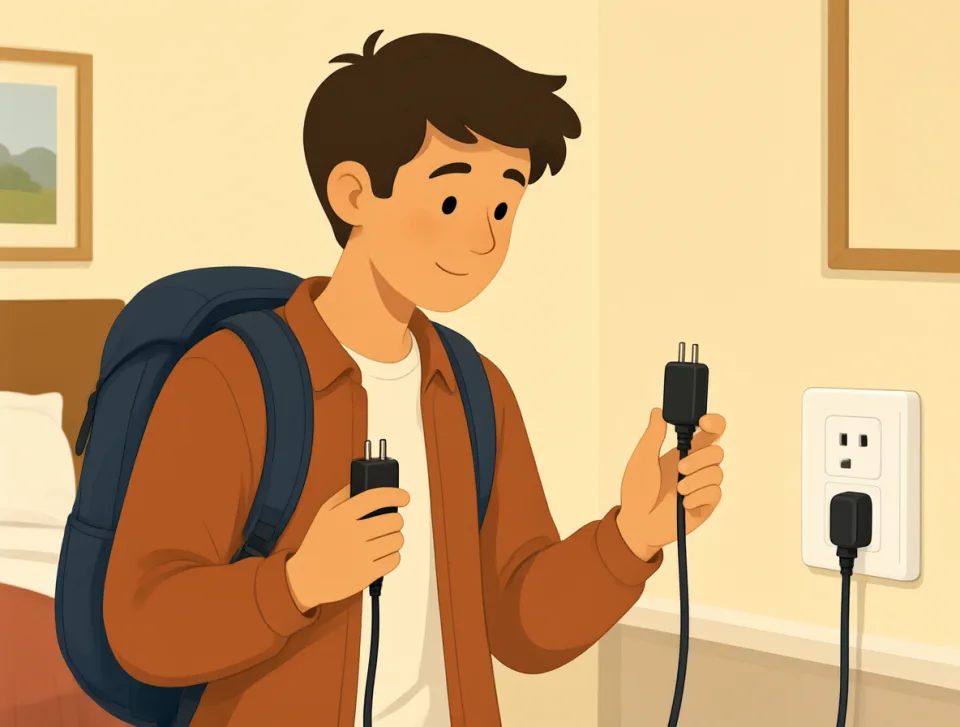
The new phone charger has a universal plug for different countries.
Nowa ładowarka do telefonu ma uniwersalną wtyczkę pasującą do różnych krajów.

The hospital offers universal health coverage to every resident in the area.
Szpital zapewnia powszechne ubezpieczenie zdrowotne wszystkim mieszkańcom tego obszaru.

cigarette
#2356noun
papieros
a thin paper tube filled with tobacco that people smoke
cienka papierowa rurka wypełniona tytoniem, którą ludzie palą
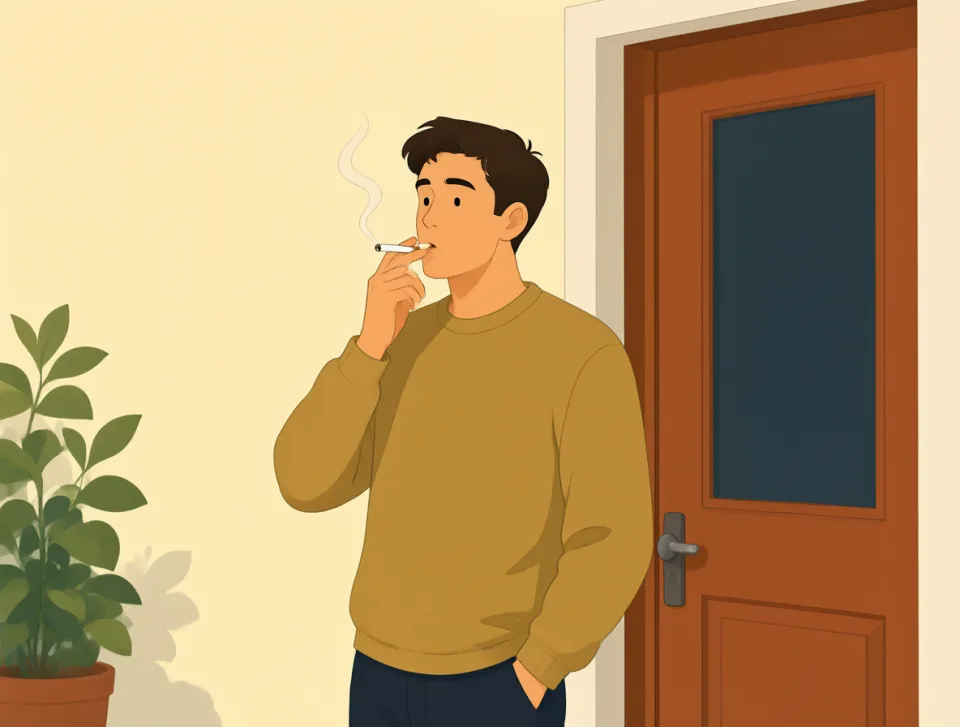
He went outside to smoke a cigarette after lunch.
Po lunchu wyszedł na zewnątrz, żeby zapalić papierosa.
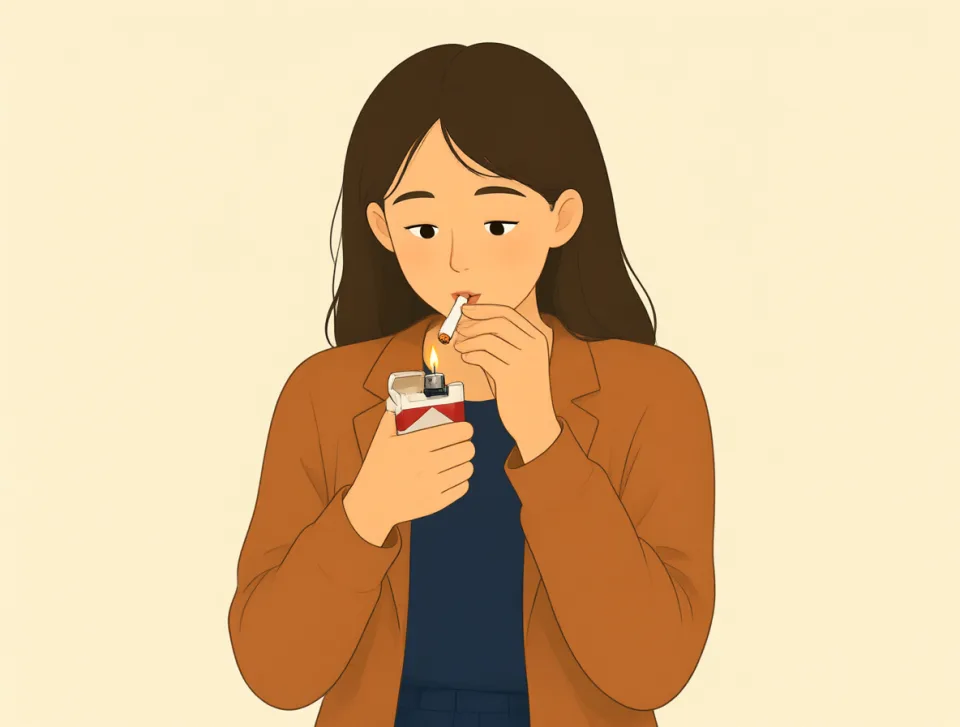
She took a cigarette from the pack and lit it.
Wyjęła papierosa z paczki i go zapaliła.

My doctor told me to stop smoking cigarettes for my health.
Mój lekarz powiedział mi, żebym dla zdrowia przestał palić papierosy.

Someone left a cigarette burning in the kitchen ashtray.
Ktoś zostawił w kuchennej popielniczce palącego się papierosa.
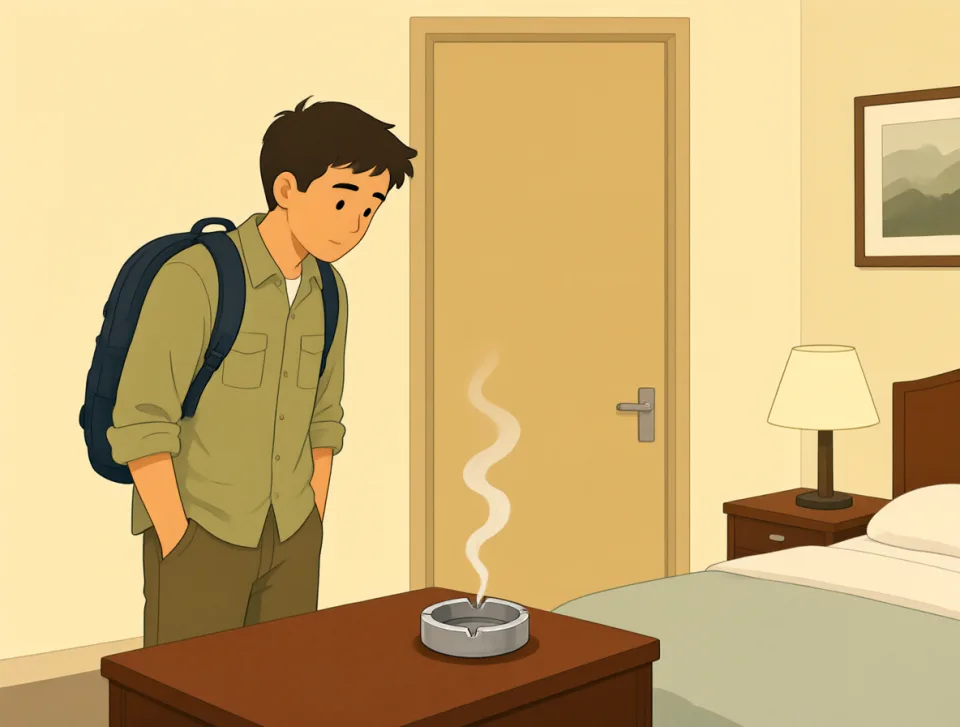
The hotel room smelled strongly of cigarette smoke.
W pokoju hotelowym mocno pachniało dymem papierosowym.

constitute
#2357verb
stanowić; tworzyć
To form or make up something as part of a whole.
Tworzyć coś lub być częścią większej całości.
Women constitute more than half of the students at this university.
Kobiety stanowią ponad połowę studentów tej uczelni.
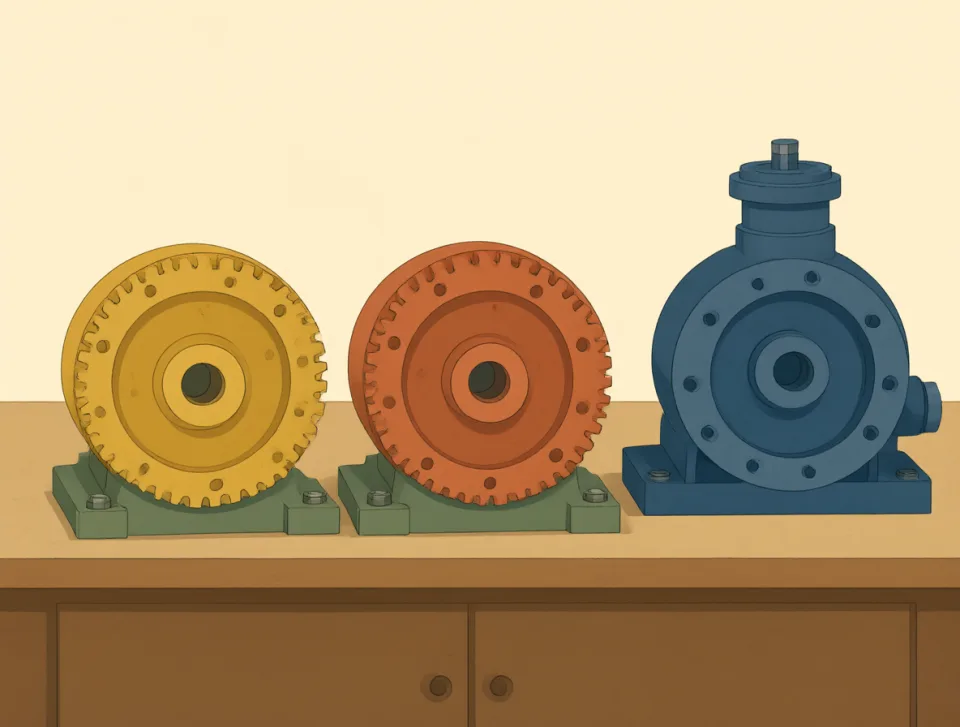
These three parts constitute the basic structure of the machine.
Te trzy części tworzą podstawową konstrukcję maszyny.

Local businesses constitute an important part of the town’s economy.
Lokalne firmy stanowią ważną część gospodarki miasta.
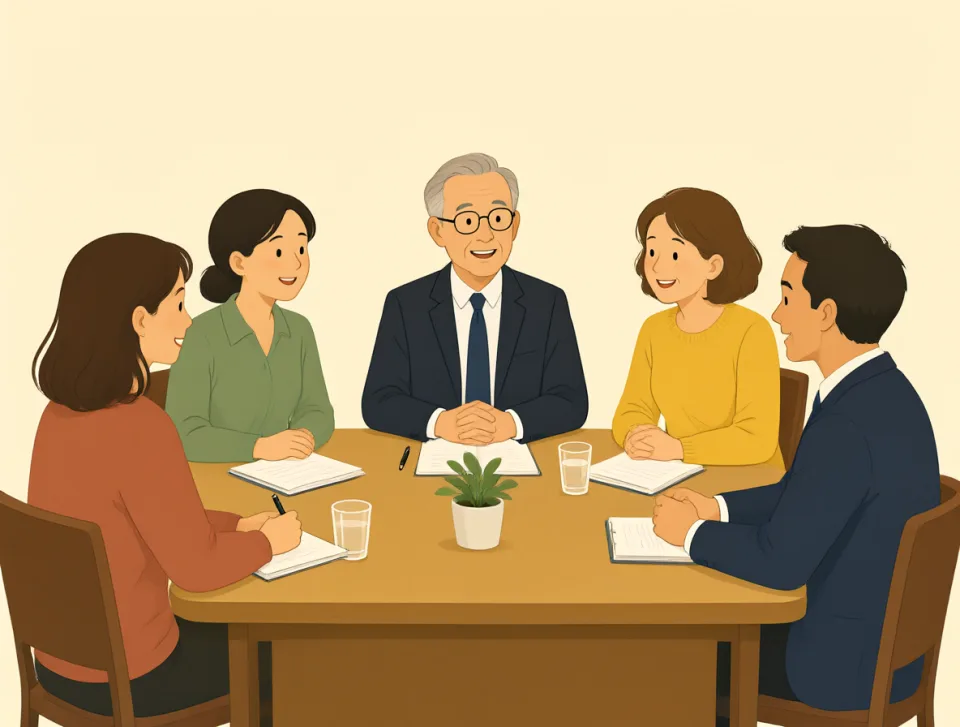
The committee is constituted of teachers, parents, and community leaders.
W skład komitetu wchodzą nauczyciele, rodzice i liderzy lokalnej społeczności.
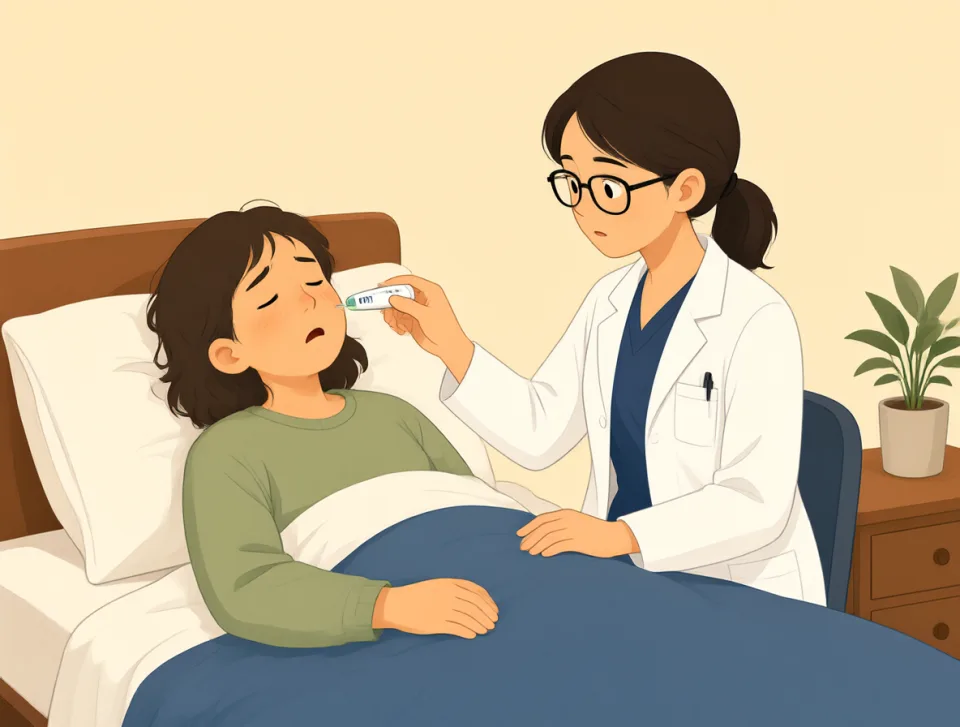
High fever and severe tiredness can constitute signs of an infection.
Wysoka gorączka i silne zmęczenie mogą być oznakami infekcji.
adequate
#2358adjective
wystarczający; odpowiedni
Good enough for a particular purpose or need
Wystarczająco dobry do określonego celu lub zaspokojenia danej potrzeby.
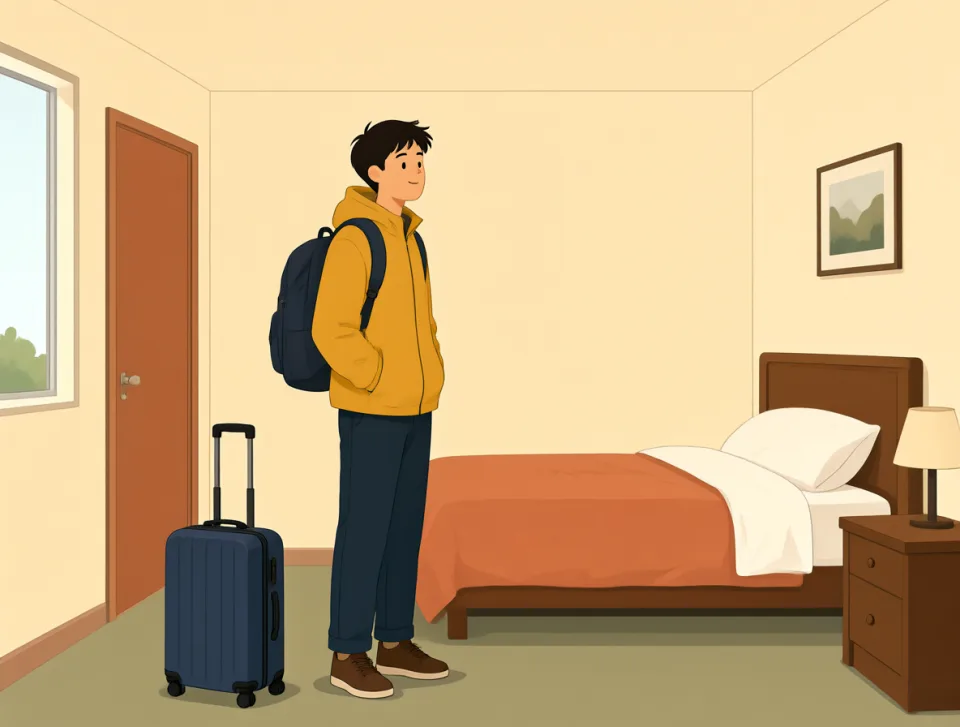
The hotel room was small, but it was adequate for one night.
Pokój hotelowy był mały, ale wystarczający na jedną noc.

We need adequate time to finish the project before Friday.
Potrzebujemy wystarczająco dużo czasu, żeby skończyć projekt przed piątkiem.
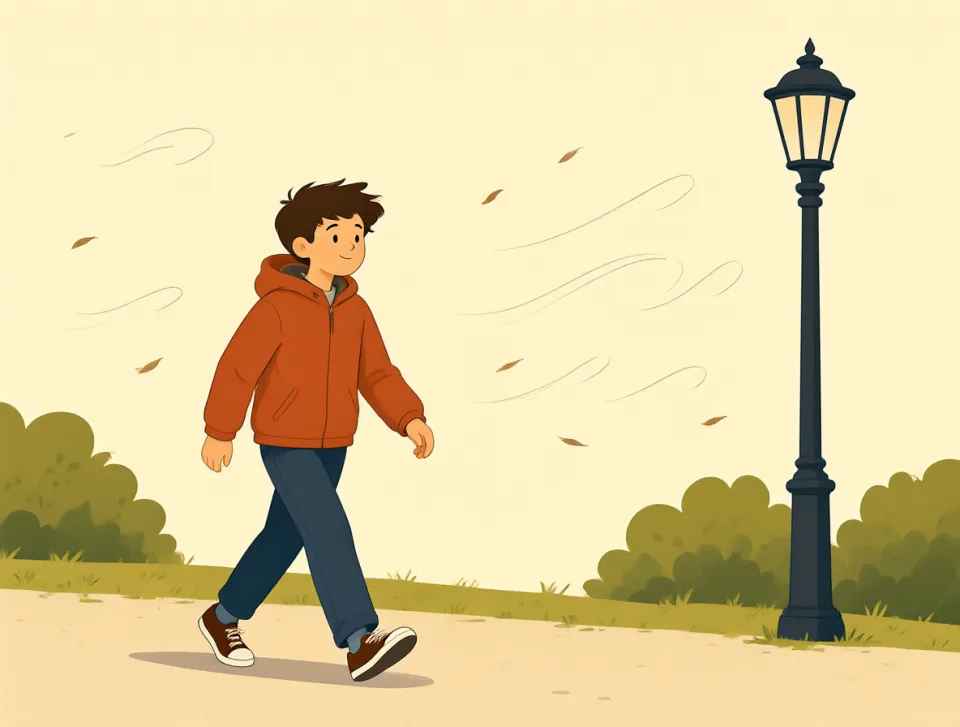
The jacket provides adequate protection from the cold winter wind.
Kurtka zapewnia odpowiednią ochronę przed zimnym, zimowym wiatrem.
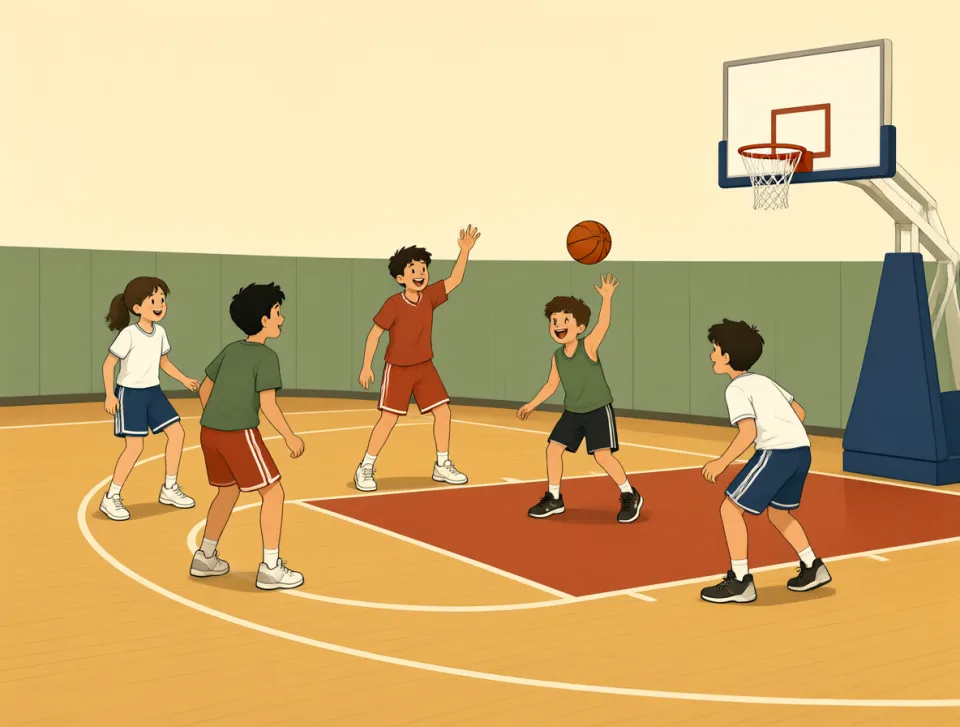
The school has adequate facilities for sports and other activities.
Szkoła ma odpowiednie zaplecze do uprawiania sportu i organizowania innych zajęć.
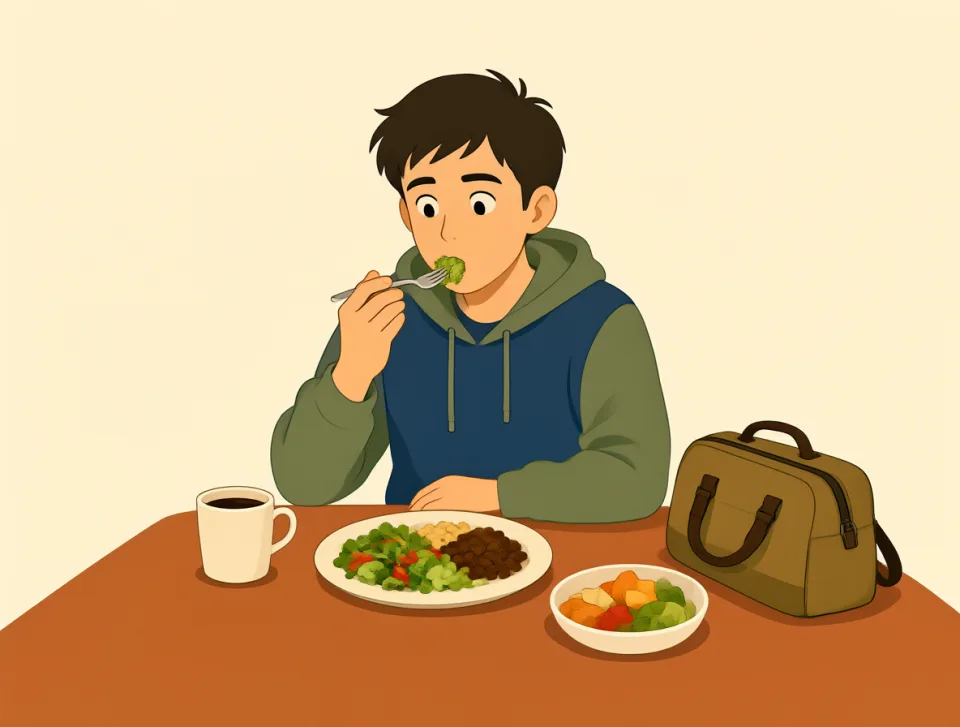
Make sure you eat an adequate amount of food before the long journey.
Przed długą podróżą zjedz odpowiednią ilość jedzenia.

consultant
#2359noun
konsultant; doradca
an expert who gives advice to a person or organization
ekspert, który udziela porad osobie lub organizacji

The company hired a consultant to improve its customer service.
Firma zatrudniła konsultanta, żeby poprawić obsługę klienta.

We asked a travel consultant to help us plan our holiday.
Poprosiliśmy doradcę turystycznego o pomoc w zaplanowaniu wakacji.
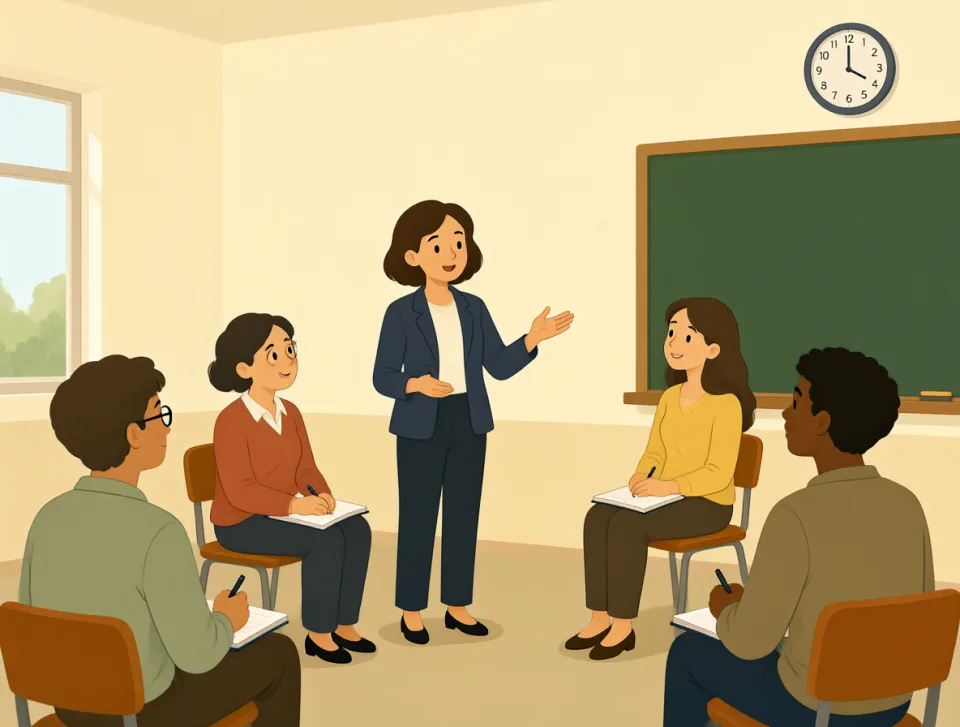
The school invited an education consultant to train its teachers.
Szkoła zaprosiła doradcę ds. edukacji, żeby przeszkolił nauczycieli.

My doctor sent me to a health consultant about my diet.
Mój lekarz skierował mnie do doradcy ds. zdrowia w sprawie mojej diety.

The kitchen consultant helped us choose new cupboards and appliances.
Konsultant zajmujący się kuchniami pomógł nam wybrać nowe szafki i sprzęty.
historian
#2360noun
historyk
A person who studies and writes about events and people from the past.
Osoba, która bada i opisuje wydarzenia oraz ludzi z przeszłości.
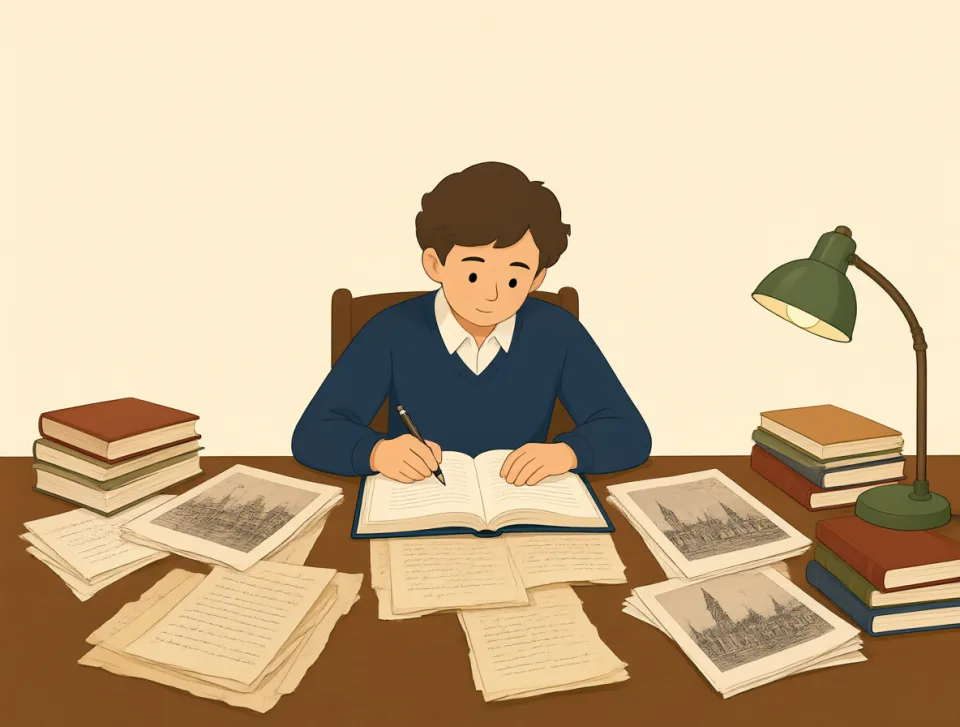
The historian wrote a book about the city's early history.
Historyk napisał książkę o początkach historii miasta.
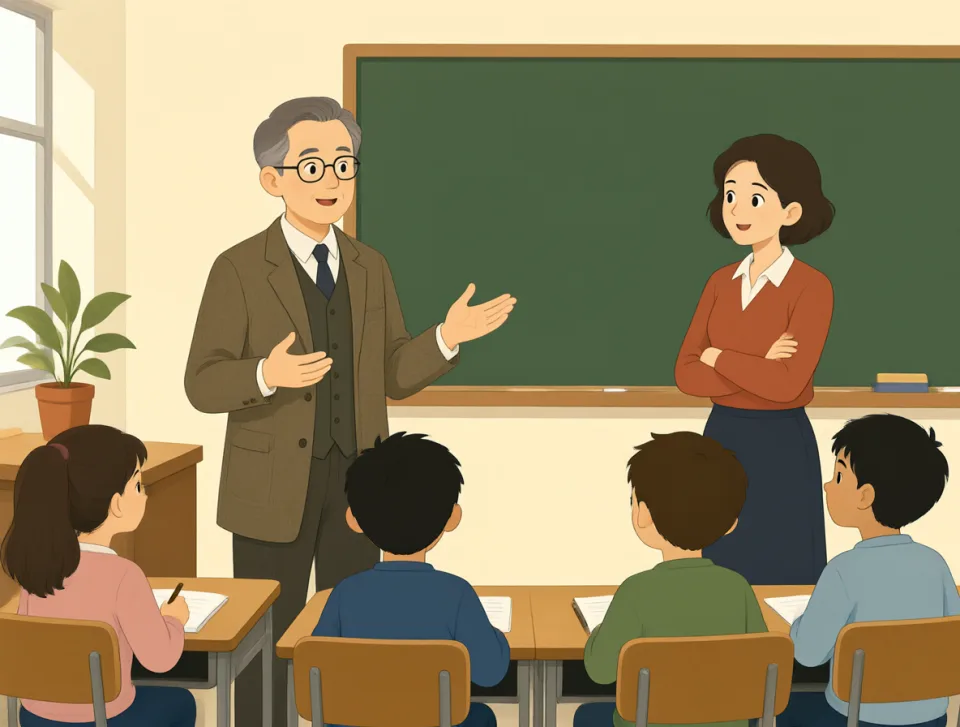
Our history teacher invited a historian to speak to the class.
Nauczyciel historii zaprosił historyka, żeby przemówił do klasy.
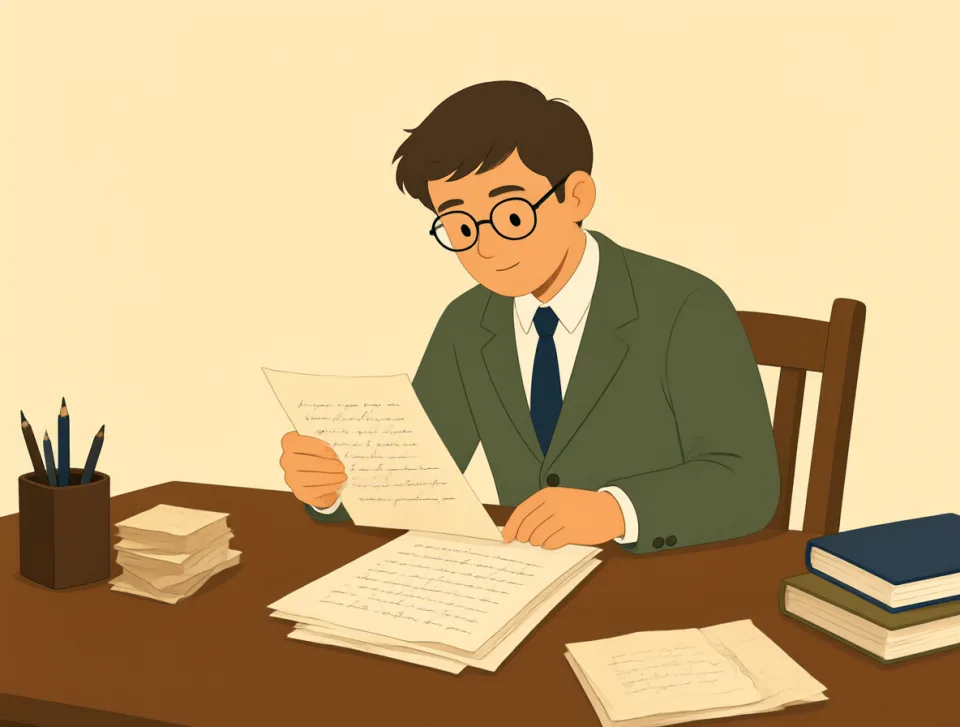
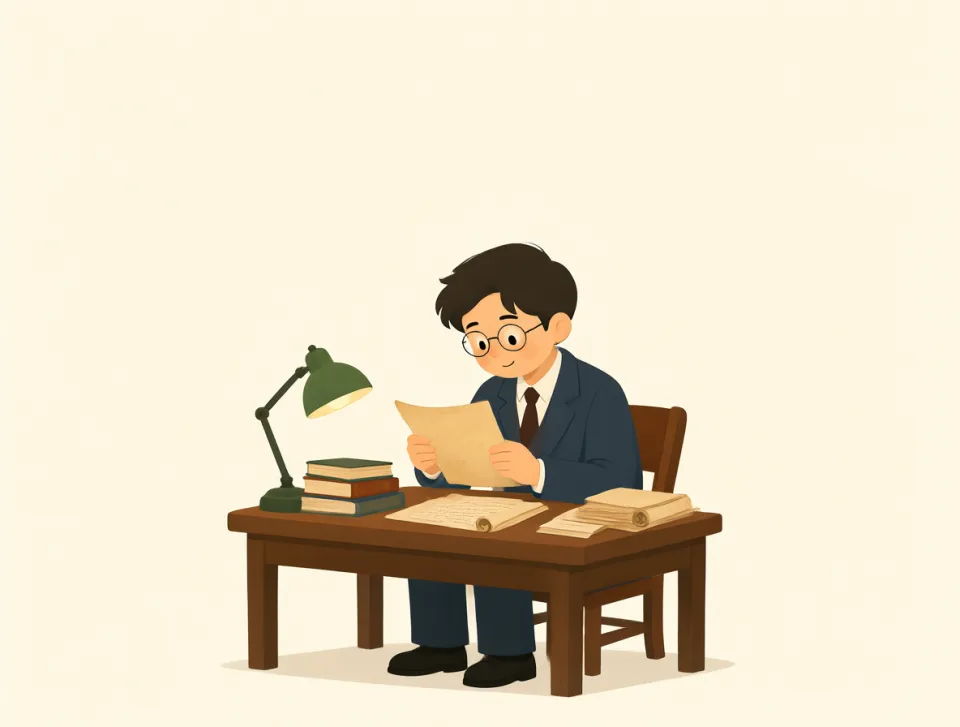
The historian examined old letters to learn what people really experienced.
Historyk przeanalizował stare listy, żeby dowiedzieć się, czego naprawdę doświadczali ludzie.
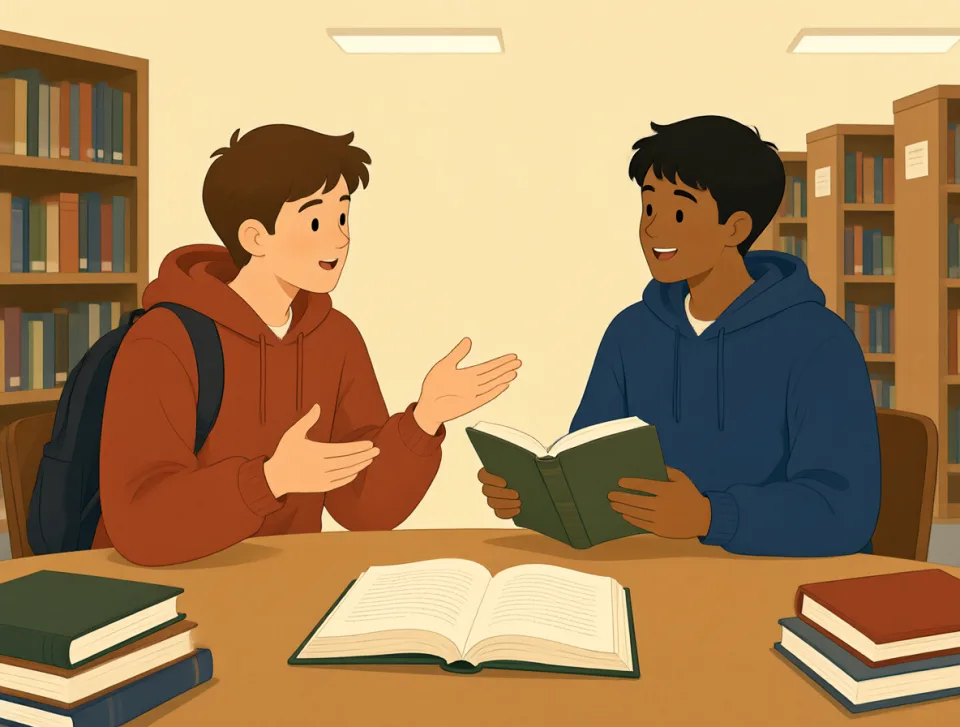
My friend wants to become a historian after studying history at university.
Mój przyjaciel chce zostać historykiem po ukończeniu studiów historycznych na uniwersytecie.
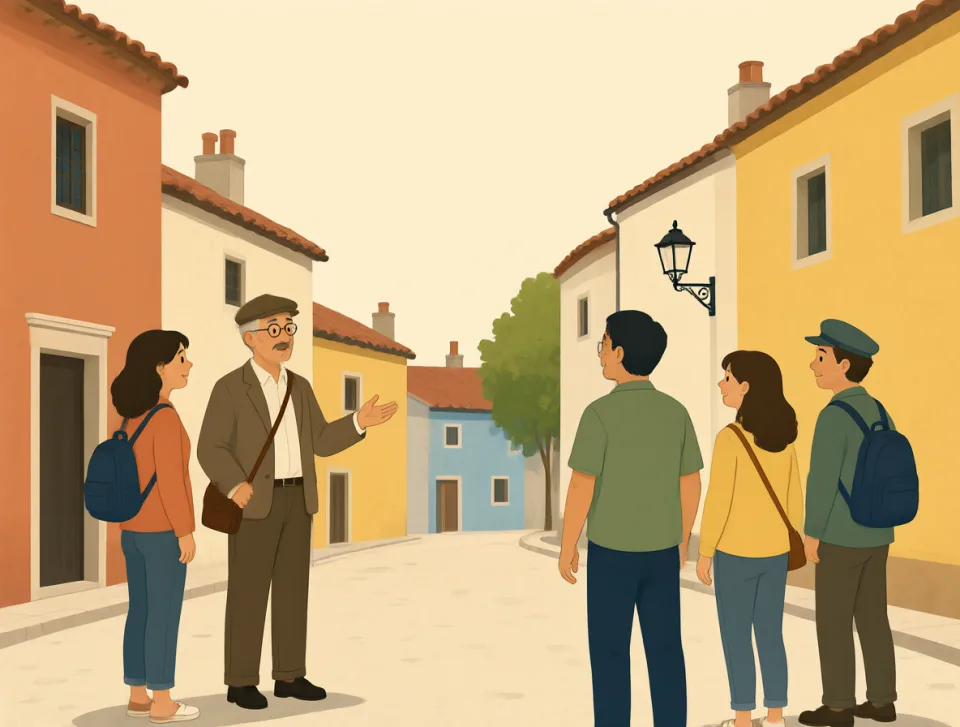
A local historian showed tourists the oldest buildings in town.
Lokalny historyk pokazał turystom najstarsze budynki w mieście.