Zestaw 122
Słowa 2421–2440 · impressive, evolution, awareness, violent, slave, wealthy

impressive
#2421adjective
imponujący
Very good, beautiful, or skillful, and making people admire it.
Bardzo dobry, piękny lub wykonany z dużą wprawą, budzący podziw.

The view from our hotel room was really impressive.
Widok z naszego hotelowego pokoju był naprawdę imponujący.
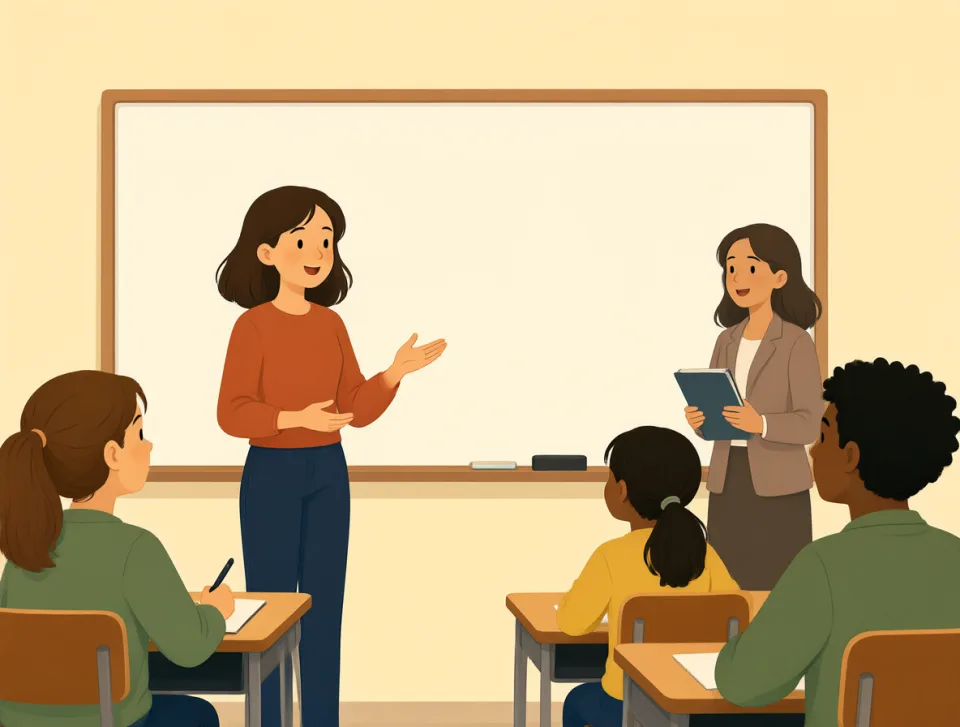
She gave an impressive speech at the school meeting.
Wygłosiła imponujące przemówienie na zebraniu szkolnym.
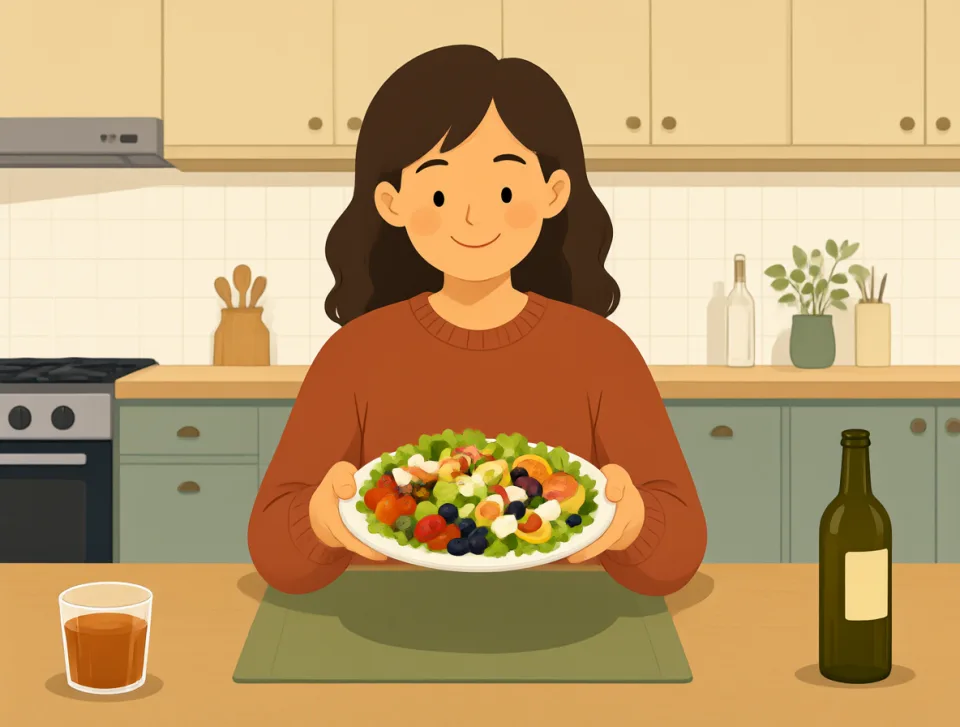
He made an impressive meal with only a few ingredients.
Przygotował imponujący posiłek, używając zaledwie kilku składników.

The new employee has an impressive list of useful skills.
Nowy pracownik ma imponującą listę przydatnych umiejętności.

We saw some impressive buildings during our walking tour.
Podczas spaceru z przewodnikiem zobaczyliśmy kilka imponujących budynków.
evolution
#2422noun
ewolucja
the gradual change and development of something over time
Stopniowa zmiana i rozwój czegoś na przestrzeni czasu.
The evolution of mobile phones has changed how we communicate every day.
Ewolucja telefonów komórkowych zmieniła sposób, w jaki komunikujemy się na co dzień.
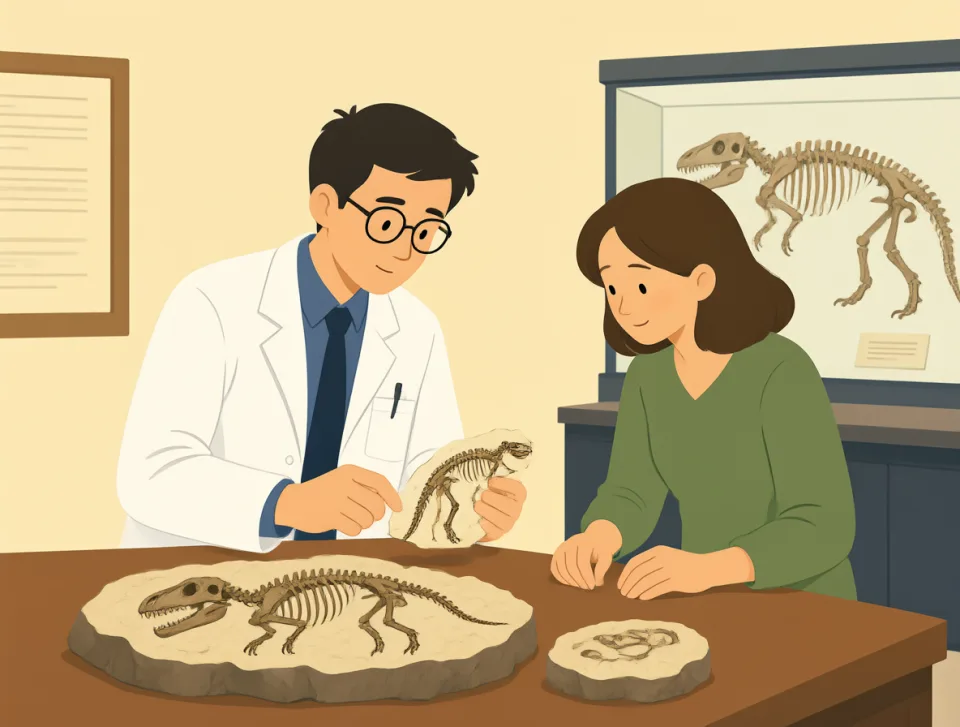
Scientists study the evolution of animals over millions of years.
Naukowcy badają ewolucję zwierząt na przestrzeni milionów lat.
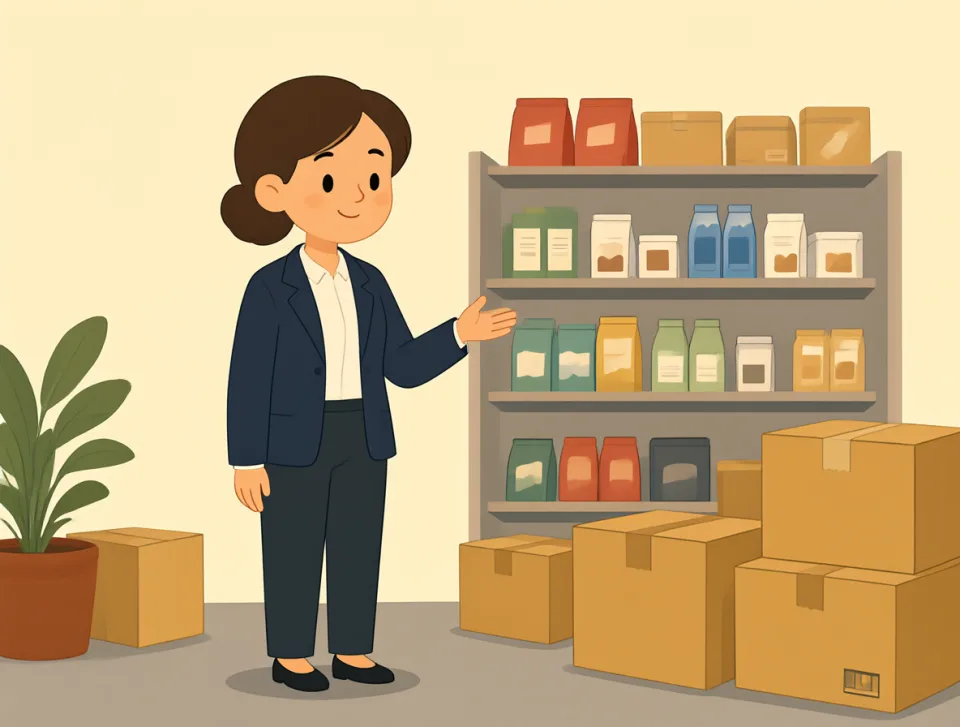
The evolution of the company began with one small shop.
Rozwój firmy rozpoczął się od jednego małego sklepu.
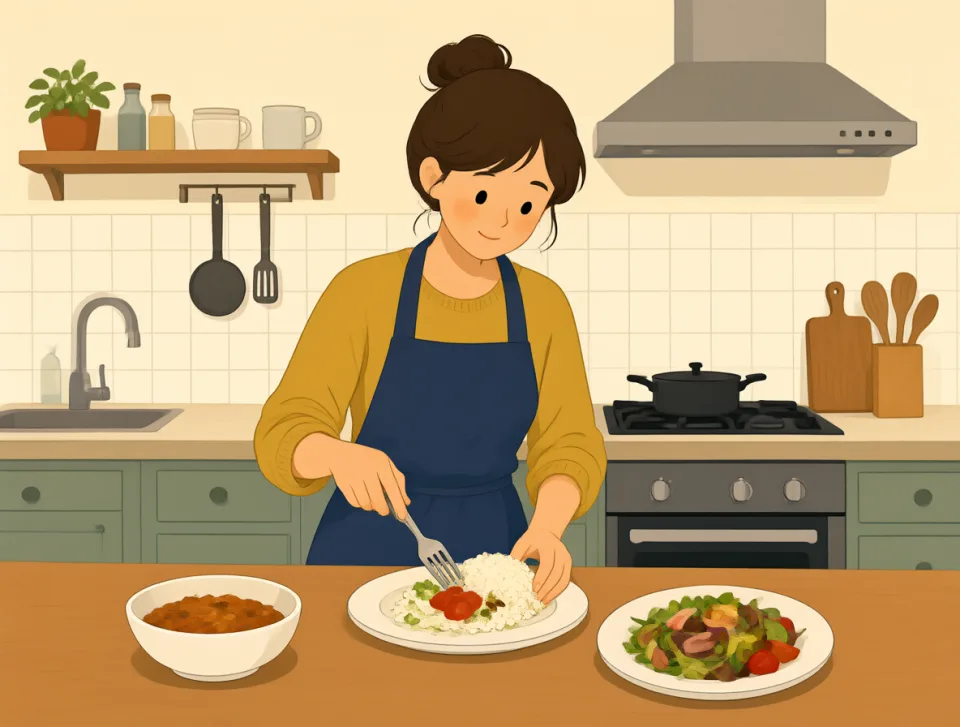
Her cooking skills have shown a surprising evolution this year.
W tym roku jej umiejętności kulinarne przeszły zaskakującą przemianę.
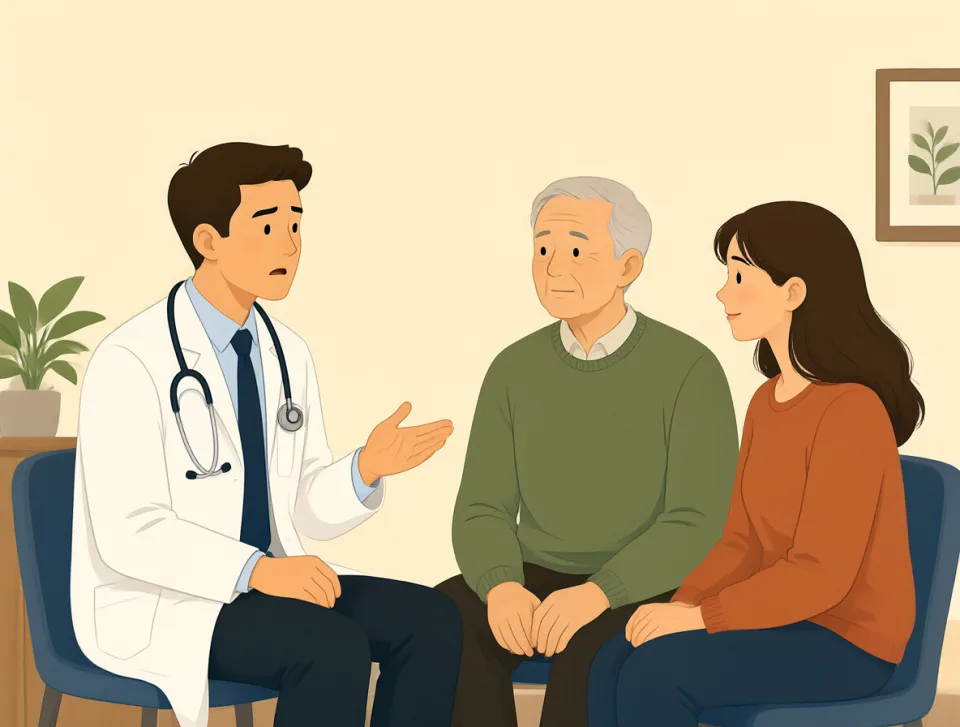
The evolution of his illness worried the doctor and his family.
Przebieg jego choroby zaniepokoił lekarza i rodzinę.
awareness
#2423noun
świadomość
knowledge or understanding that something exists or is important
Wiedza lub zrozumienie, że coś istnieje albo jest ważne.
The campaign raised awareness of the dangers of distracted driving.
Kampania zwiększyła świadomość zagrożeń związanych z rozproszeniem uwagi podczas prowadzenia samochodu.
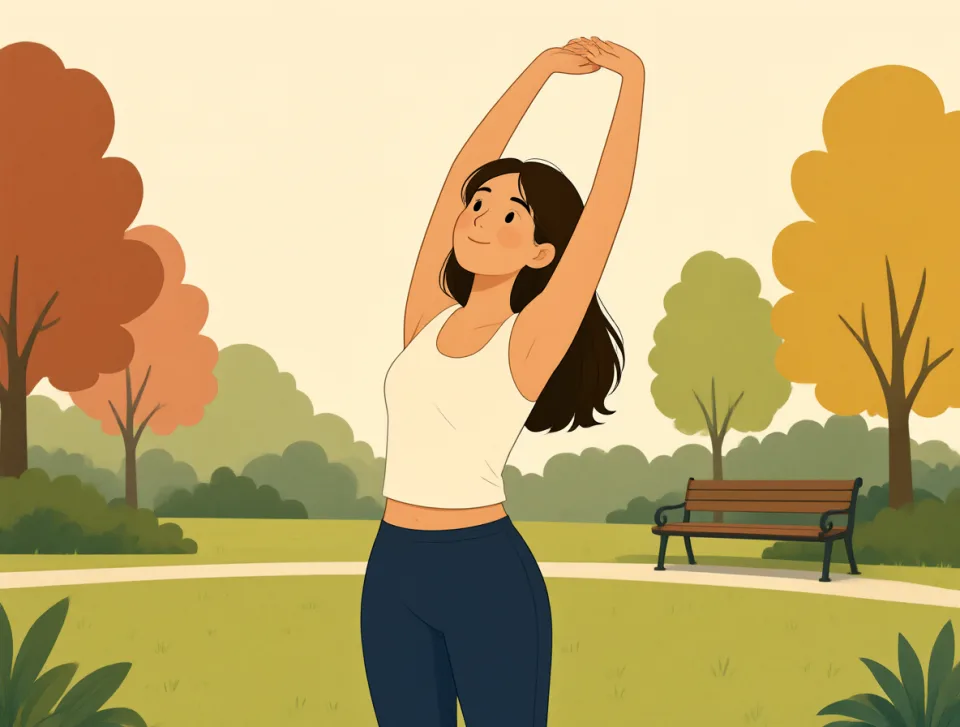
Regular exercise can improve your awareness of your body and health.
Regularne ćwiczenia mogą zwiększyć świadomość własnego ciała i zdrowia.
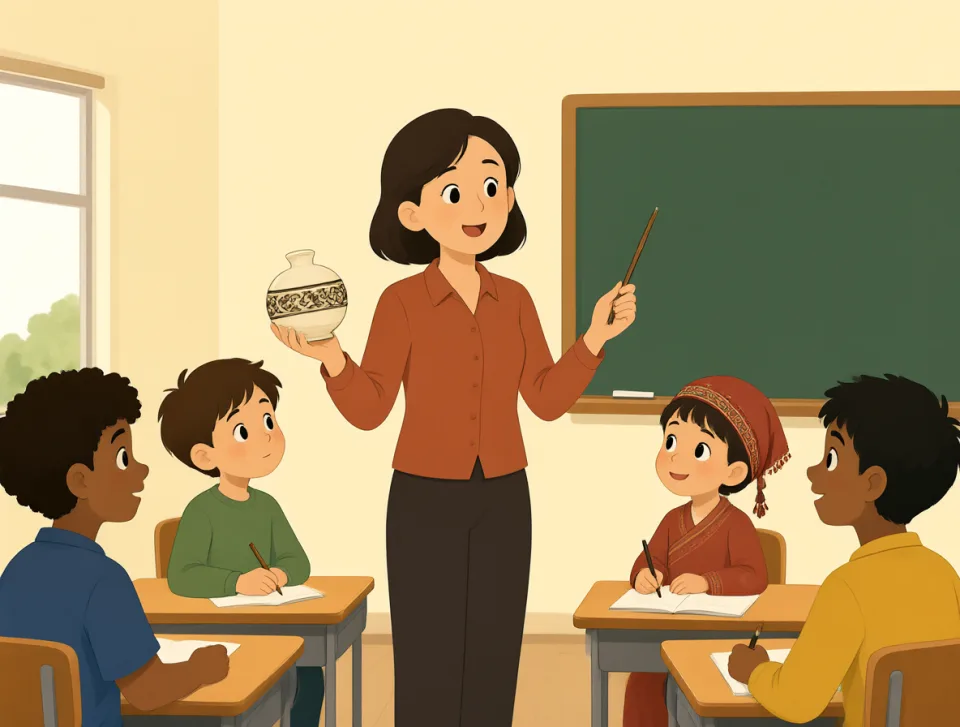
The teacher helped students develop awareness of different cultural traditions.
Nauczyciel pomógł uczniom rozwinąć świadomość różnych tradycji kulturowych.
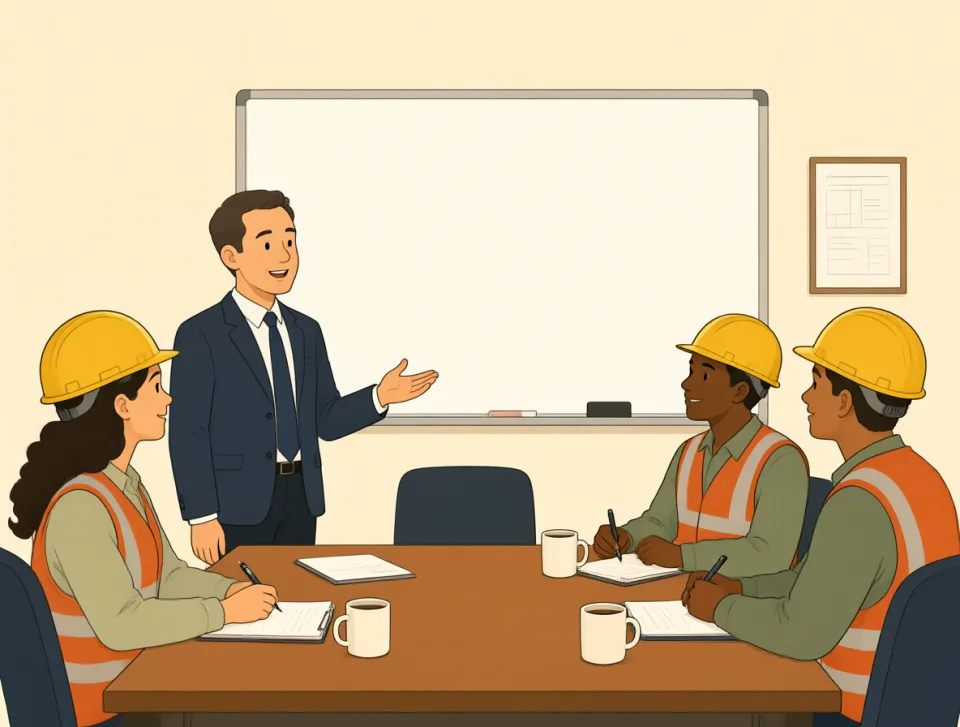
The company increased employee awareness of its new safety rules.
Firma zwiększyła świadomość pracowników na temat nowych zasad bezpieczeństwa.
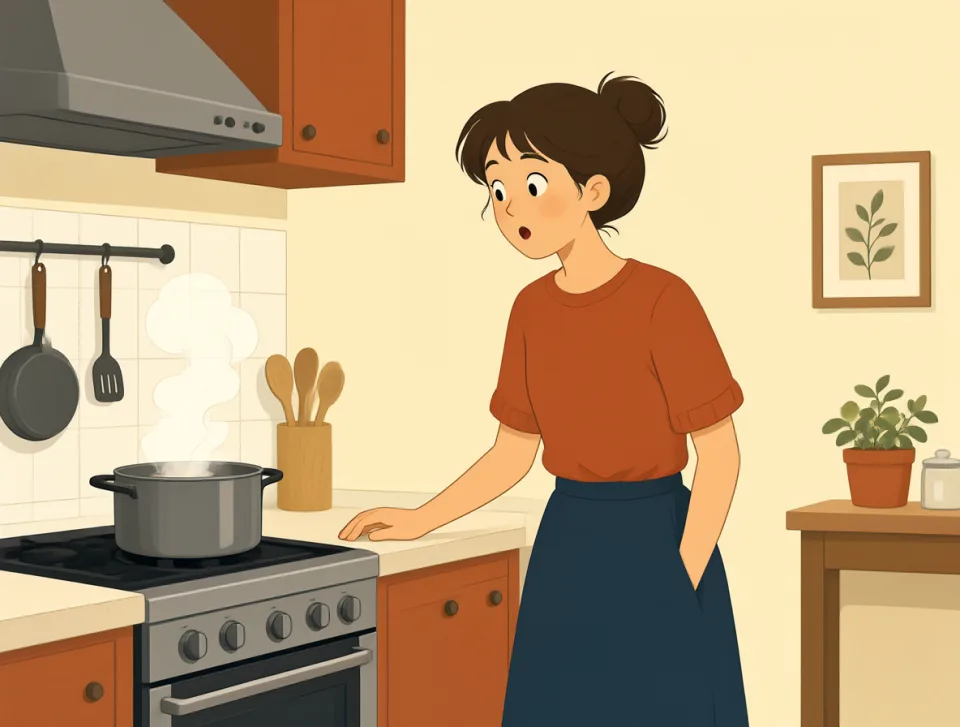
I suddenly became aware of a strange smell coming from the kitchen.
Nagle poczułem dziwny zapach dochodzący z kuchni.
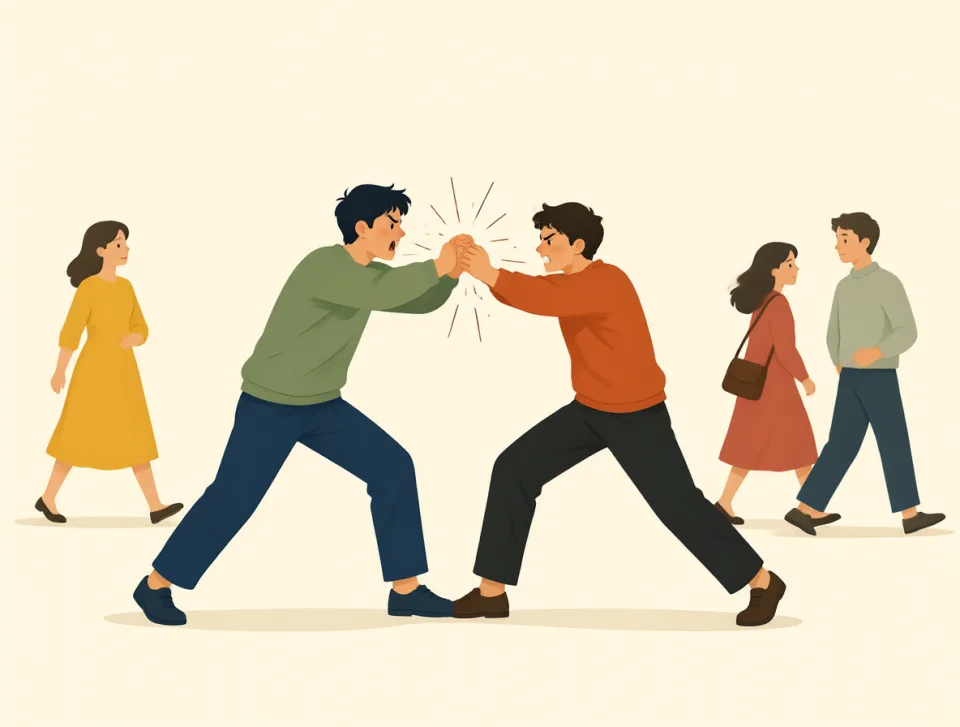
violent
#2424adjective
gwałtowny
using physical force to hurt people or damage things
Używający siły fizycznej, by krzywdzić ludzi lub niszczyć rzeczy.
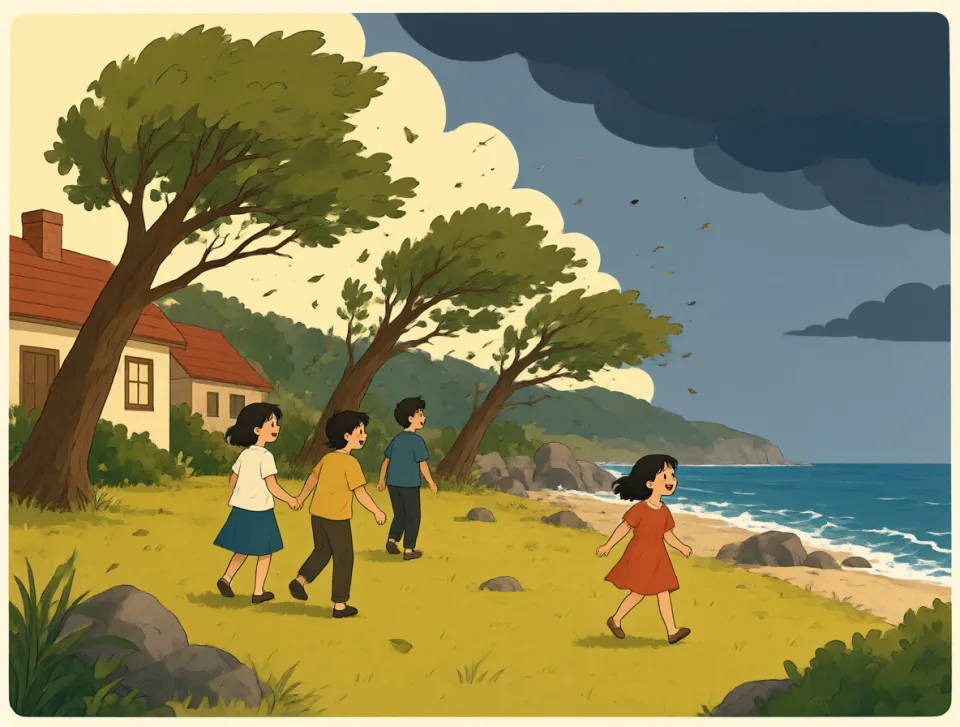
The violent storm damaged several houses along the coast last night.
Gwałtowna burza uszkodziła zeszłej nocy kilka domów na wybrzeżu.
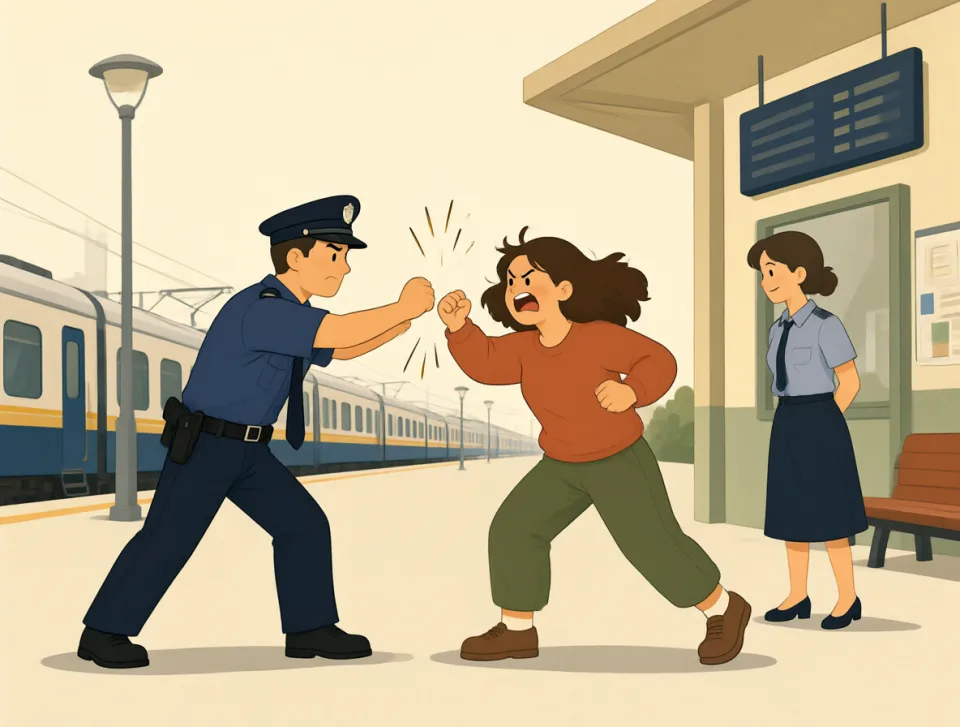
The police stopped a violent fight outside the busy train station.
Policja przerwała gwałtowną bójkę przed zatłoczonym dworcem kolejowym.

The movie contains violent scenes that may frighten young children.
Film zawiera brutalne sceny, które mogą przestraszyć małe dzieci.

Some students became violent after arguing about the unfair school rule.
Niektórzy uczniowie stali się agresywni po kłótni o niesprawiedliwą szkolną zasadę.
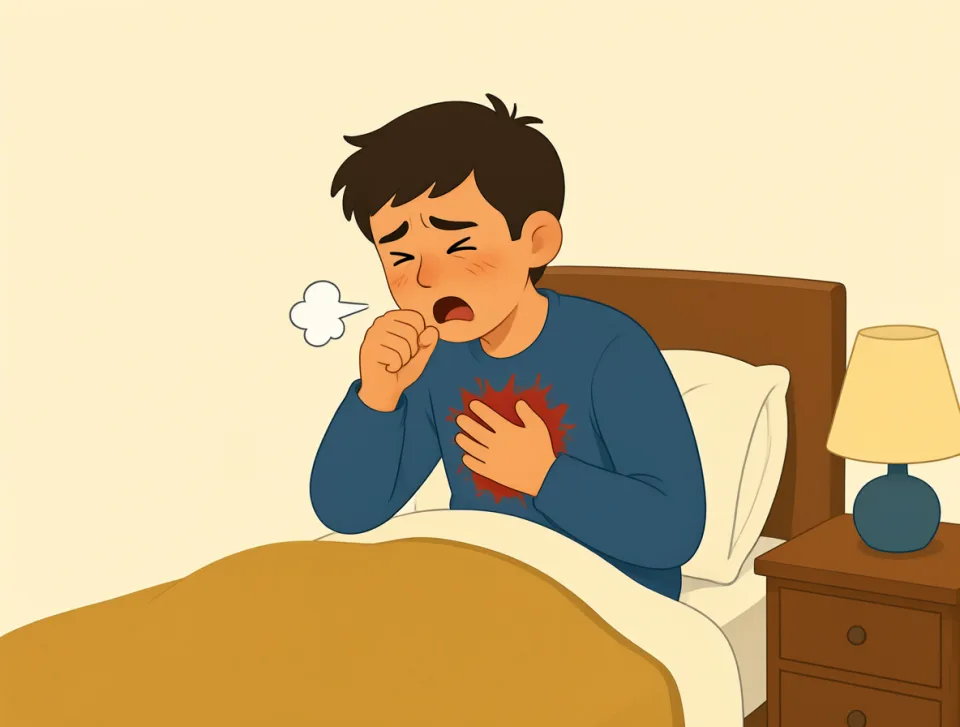
The violent cough made his chest hurt throughout the night.
Od silnego kaszlu bolała go klatka piersiowa przez całą noc.

slave
#2425noun, verb
niewolnik
A person forced to work for someone else; to work very hard for another person.
Osoba zmuszona do pracy na rzecz kogoś innego; harować dla kogoś.
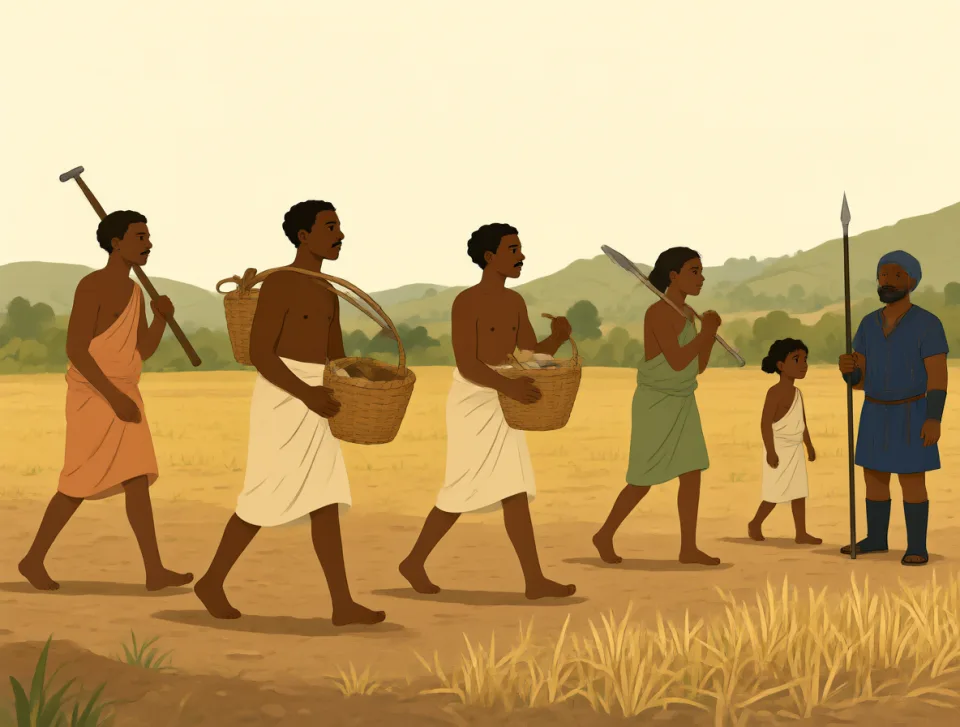
Millions of people were forced to live as slaves in ancient societies.
Miliony ludzi w starożytnych społeczeństwach były zmuszane do życia w niewoli.
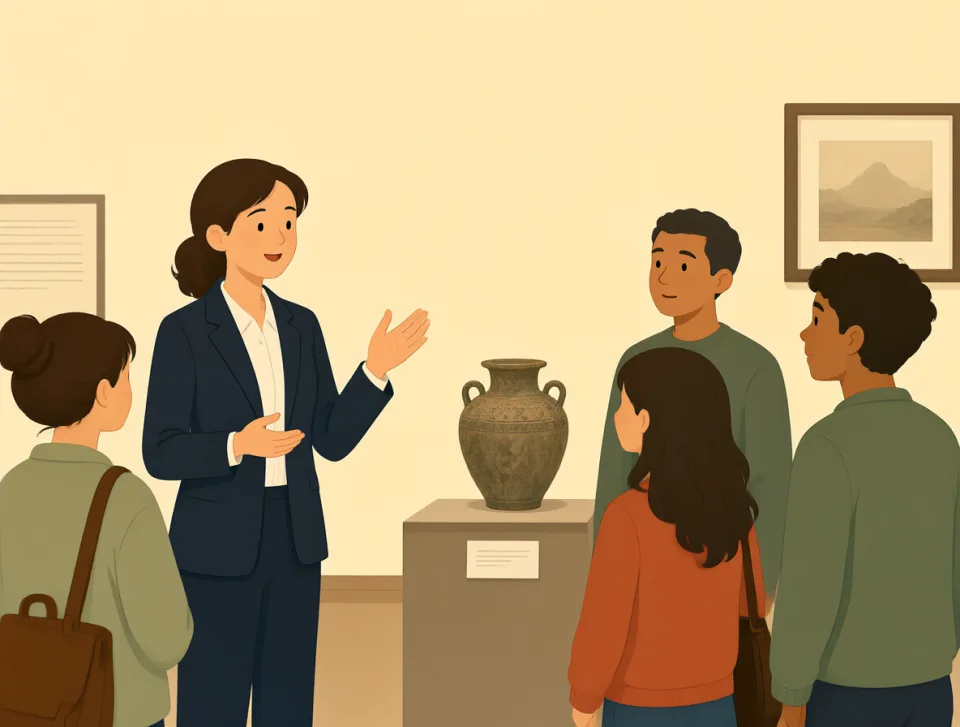
The museum teaches visitors about the history of slavery in the United States.
Muzeum przybliża zwiedzającym historię niewolnictwa w Stanach Zjednoczonych.

The workers were treated like slaves and received almost no time off.
Z robotnikami obchodzono się jak z niewolnikami i prawie nie dawano im czasu wolnego.
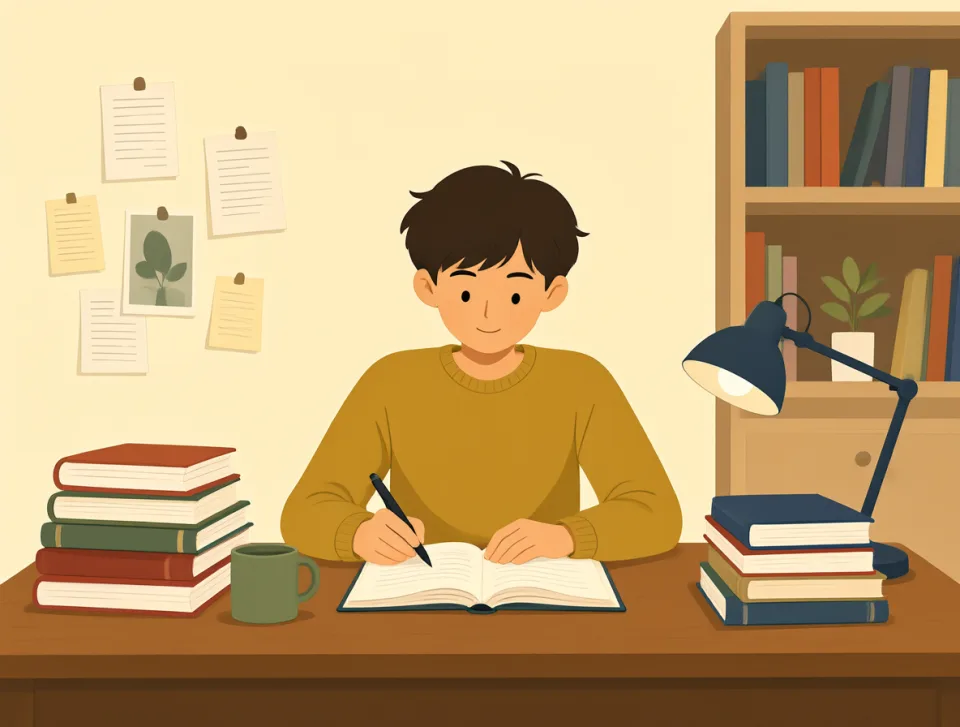
I spent the whole weekend slaving over a difficult school project.
Harowałem przez cały weekend nad trudnym projektem szkolnym.
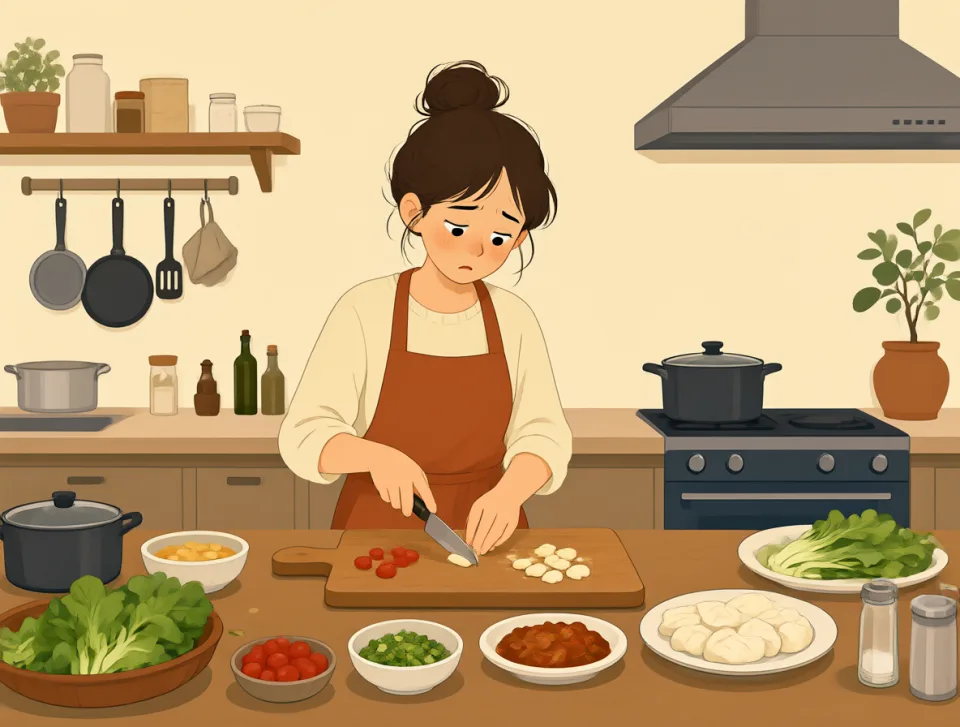
She has been slaving away in the kitchen since early this morning.
Od samego rana haruje w kuchni.

wealthy
#2426adjective
zamożny
Having a lot of money and valuable possessions.
Mający dużo pieniędzy i cennych dóbr.

The wealthy family lives in a large house near the city center.
Zamożna rodzina mieszka w dużym domu niedaleko centrum miasta.

He became wealthy after starting a successful technology company.
Stał się zamożny po założeniu odnoszącej sukcesy firmy technologicznej.

The wealthy customer bought an expensive watch without checking the price.
Zamożny klient kupił drogi zegarek, nie sprawdzając ceny.

Many wealthy students still work hard to earn their own success.
Wielu zamożnych studentów nadal ciężko pracuje, by osiągnąć sukces na własną rękę.

Our wealthy friends invited us to dinner at their holiday home.
Nasi zamożni przyjaciele zaprosili nas na kolację do swojego domu letniskowego.

architecture
#2427noun
architektura
The design and style of buildings, or the study of designing them.
Projekt i styl budynków lub dziedzina zajmująca się ich projektowaniem.

She studied architecture at university before designing houses for local families.
Studiowała architekturę na uniwersytecie, zanim zaczęła projektować domy dla lokalnych rodzin.
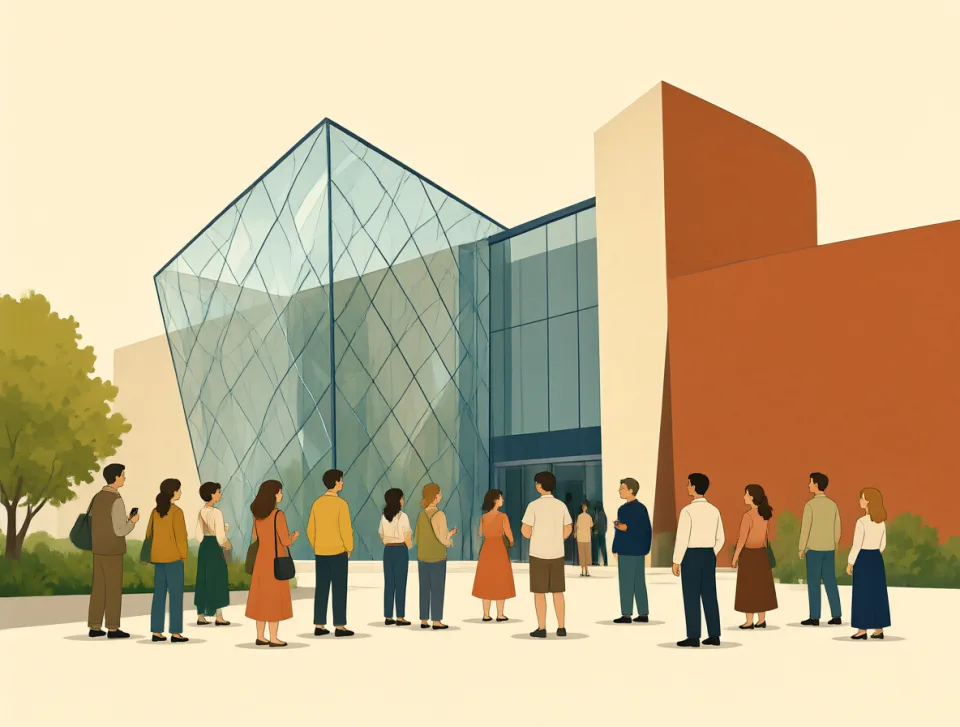
The museum is famous for its unusual architecture and bright glass walls.
Muzeum słynie z nietypowej architektury i jasnych szklanych ścian.

We admired the traditional architecture while walking through the old town.
Podziwialiśmy tradycyjną architekturę, spacerując po starym mieście.

The house combines modern architecture with warm wooden furniture and large windows.
Dom łączy nowoczesną architekturę z ciepłymi drewnianymi meblami i dużymi oknami.
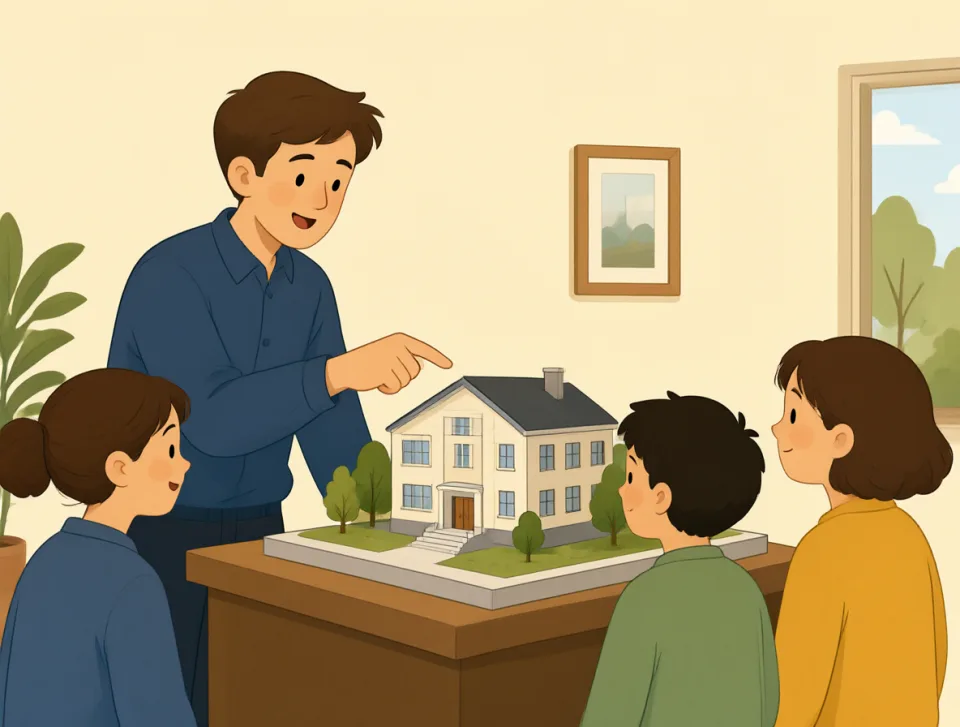
The architect explained how the building's architecture helps keep rooms cool.
Architekt wyjaśnił, jak architektura budynku pomaga utrzymać chłód w pomieszczeniach.

acceptable
#2428adjective
dopuszczalny
Good enough to be allowed, used, or accepted by people.
Wystarczająco dobry, by można go było zaakceptować, użyć lub dopuścić.

Your work is acceptable, but you should check the final details carefully.
Twoja praca jest zadowalająca, ale powinieneś dokładnie sprawdzić ostatnie szczegóły.

The hotel room was clean, comfortable, and acceptable for one night.
Pokój hotelowy był czysty, wygodny i odpowiedni na jedną noc.
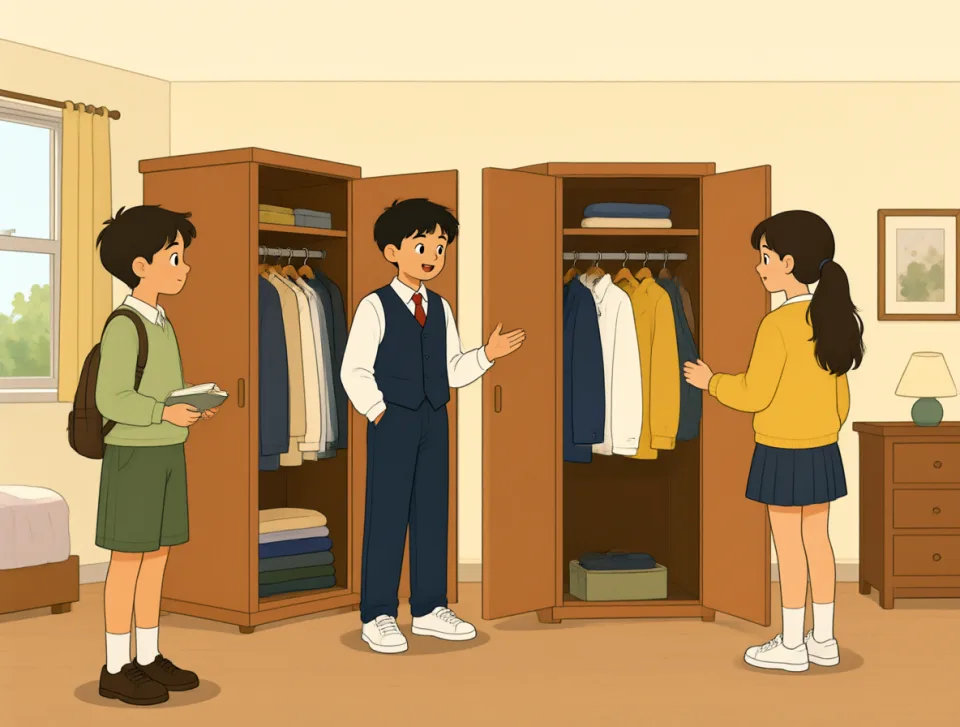
Students may wear any acceptable clothes for the school trip.
Uczniowie mogą założyć na wycieczkę szkolną dowolne odpowiednie ubrania.

The restaurant offered an acceptable vegetarian meal for my friend.
Restauracja zaoferowała mojemu przyjacielowi zadowalające danie wegetariańskie.
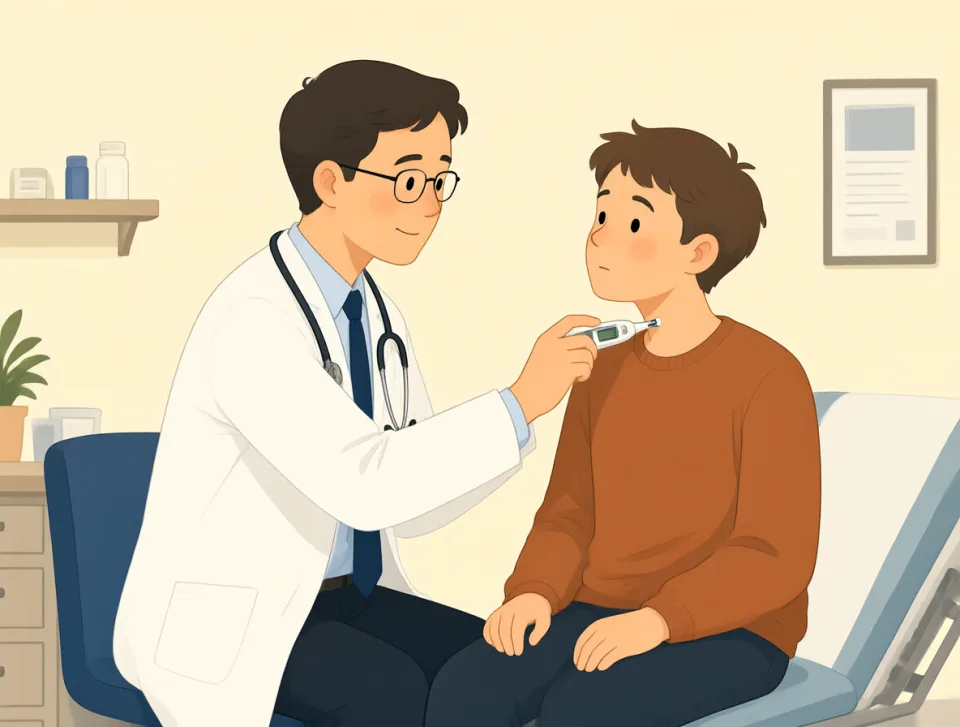
The doctor said my temperature was within an acceptable range.
Lekarz powiedział, że moja temperatura mieści się w dopuszczalnym zakresie.

journal
#2429noun, verb
dziennik
A book for writing personal thoughts, experiences, or daily events; to write in such a book.
Zeszyt do zapisywania osobistych przemyśleń, doświadczeń lub codziennych wydarzeń; prowadzić taki dziennik.

She writes in her journal every night before going to bed.
Każdego wieczoru przed snem zapisuje coś w swoim dzienniku.

I bought a beautiful journal at the bookstore for my travel plans.
Kupiłem w księgarni piękny dziennik, żeby zaplanować podróż.
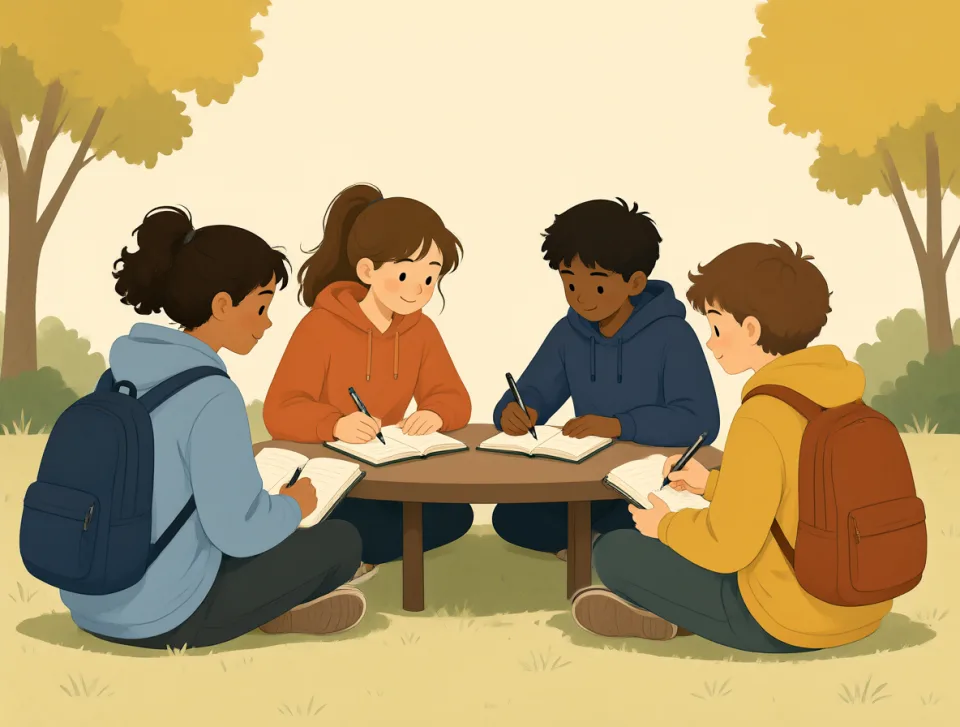
The students kept journals during their week at the science camp.
Uczniowie prowadzili dzienniki podczas tygodniowego obozu naukowego.

He journals about his meals to understand which foods cause stomach problems.
Prowadzi dziennik posiłków, żeby ustalić, które produkty powodują problemy żołądkowe.

My friend showed me her old journals during our visit yesterday.
Podczas wczorajszej wizyty moja przyjaciółka pokazała mi swoje stare dzienniki.
coal
#2430noun
węgiel
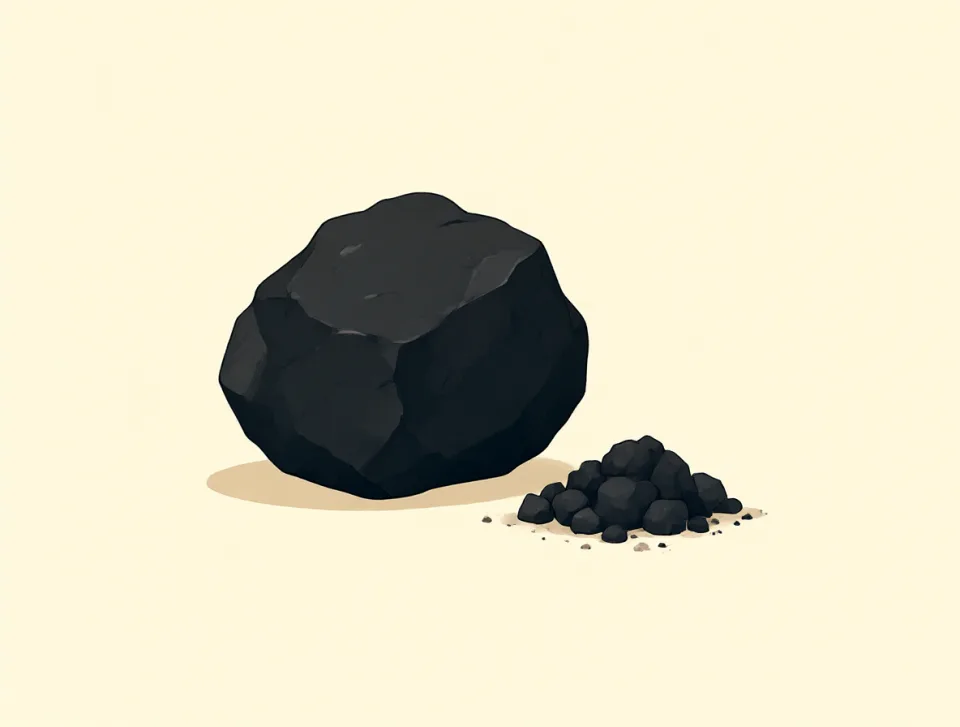
A hard black rock burned to produce heat and energy.
Twarda, czarna skała spalana w celu uzyskania ciepła i energii.
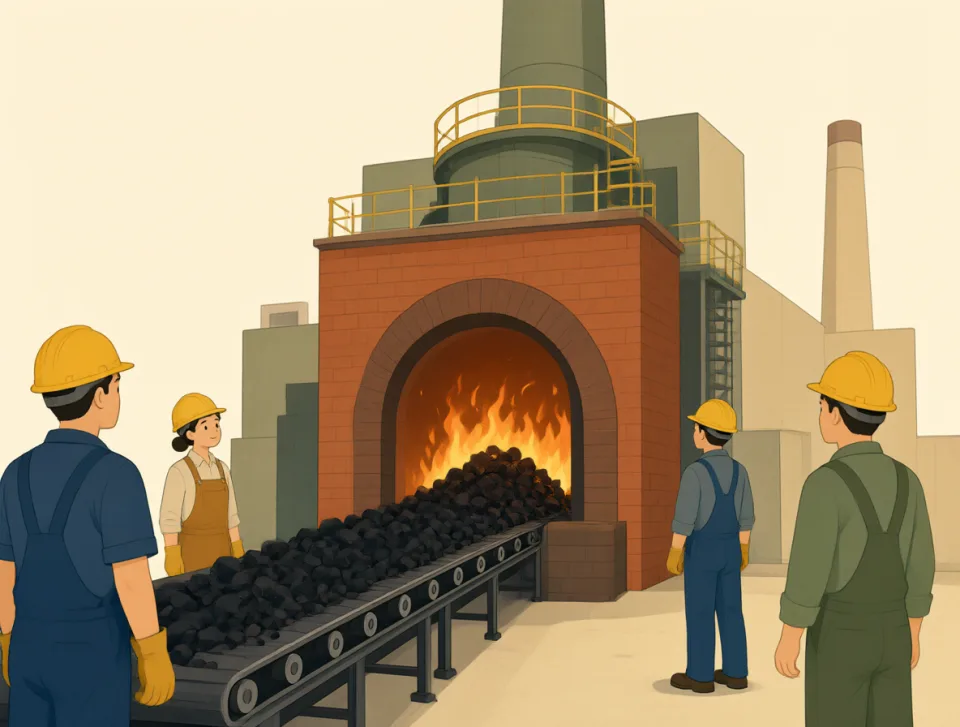
The old power station burns coal to produce electricity for nearby towns.
Stara elektrownia spala węgiel, by wytwarzać prąd dla pobliskich miejscowości.
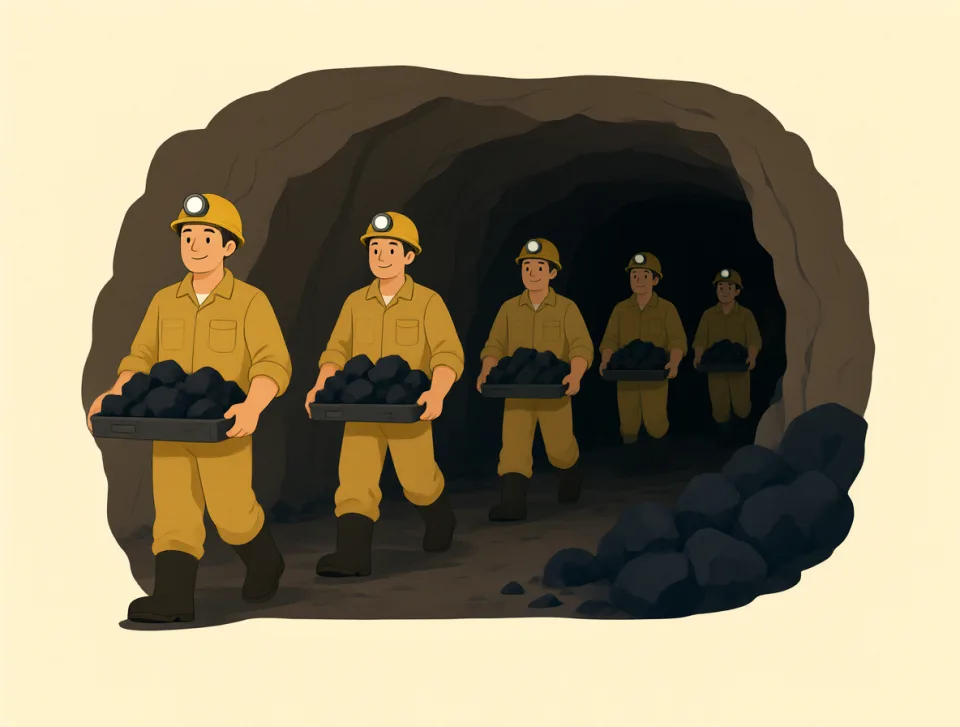
Coal miners worked underground for many hours before returning home.
Górnicy pracowali pod ziemią przez wiele godzin, zanim wrócili do domu.
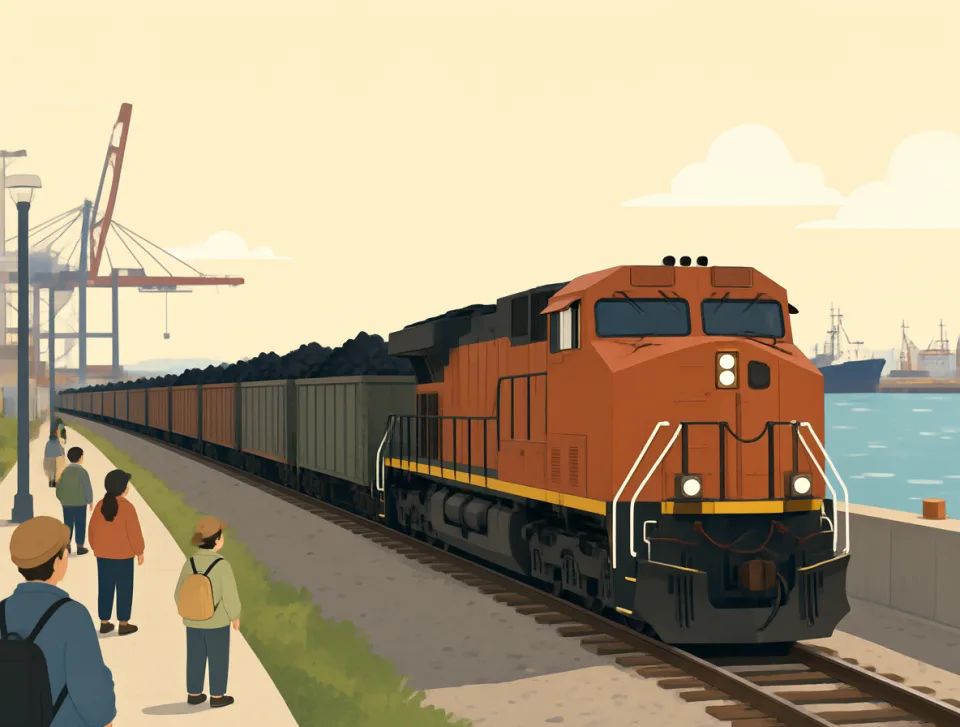
The train carried coal from the mine to the busy port.
Pociąg przewoził węgiel z kopalni do ruchliwego portu.
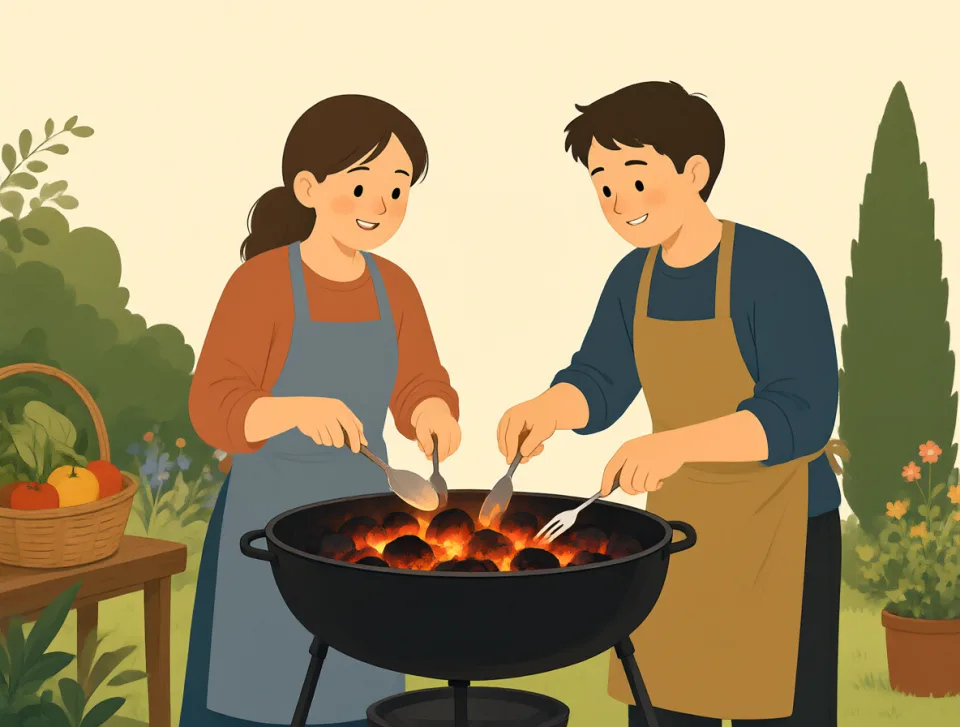
We used coal on the barbecue because the wood was still wet.
Użyliśmy węgla na grillu, bo drewno było jeszcze mokre.
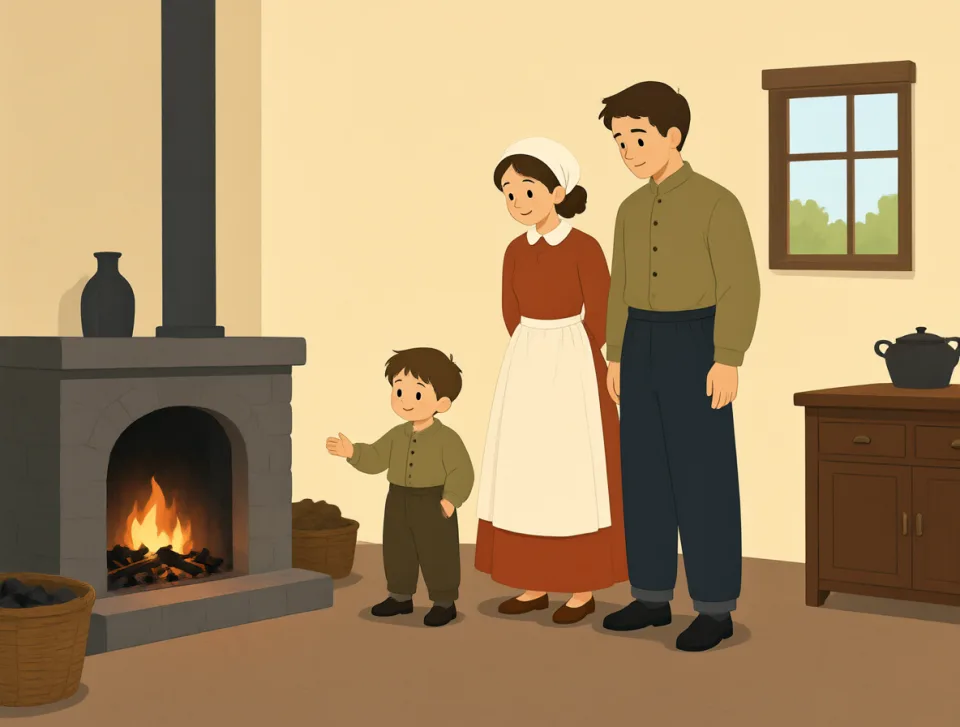
The museum showed how families once heated their homes with coal.
W muzeum pokazano, jak dawniej rodziny ogrzewały domy węglem.
measurement
#2431noun
pomiar
A number that shows the size, amount, or level of something.
Liczba określająca rozmiar, ilość lub poziom czegoś.
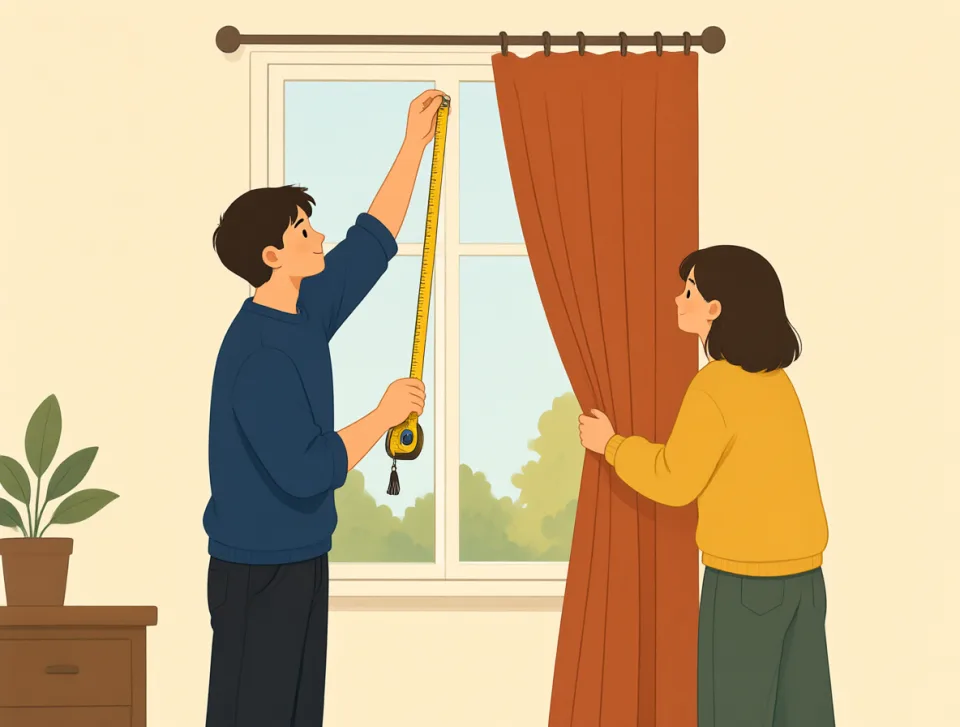
The measurement of the window helped us buy the right curtains.
Pomiar okna pomógł nam kupić odpowiednie zasłony.
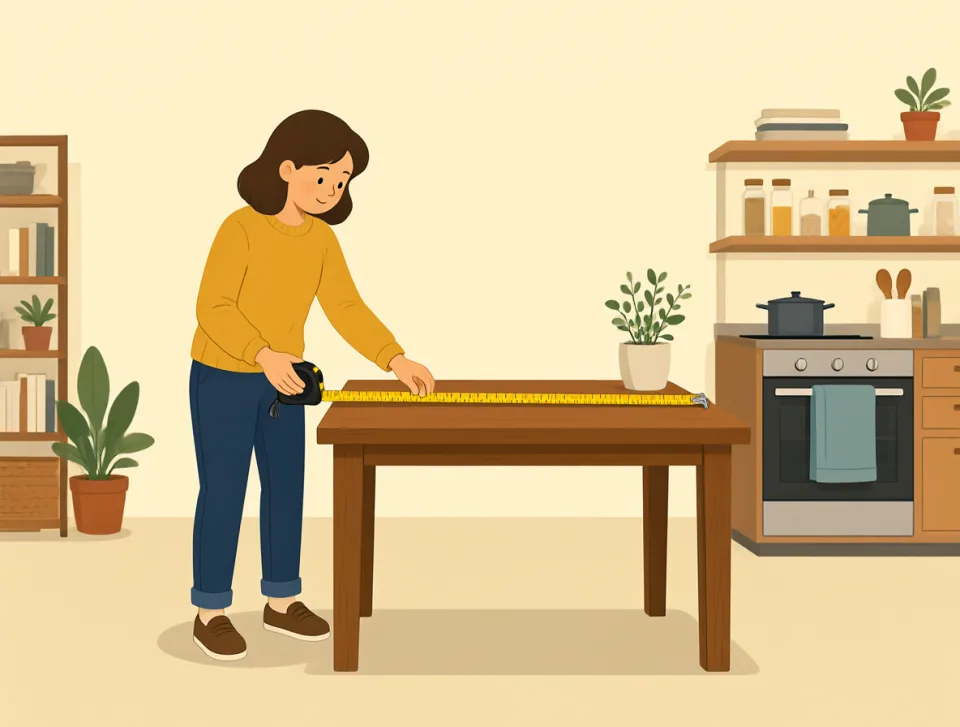
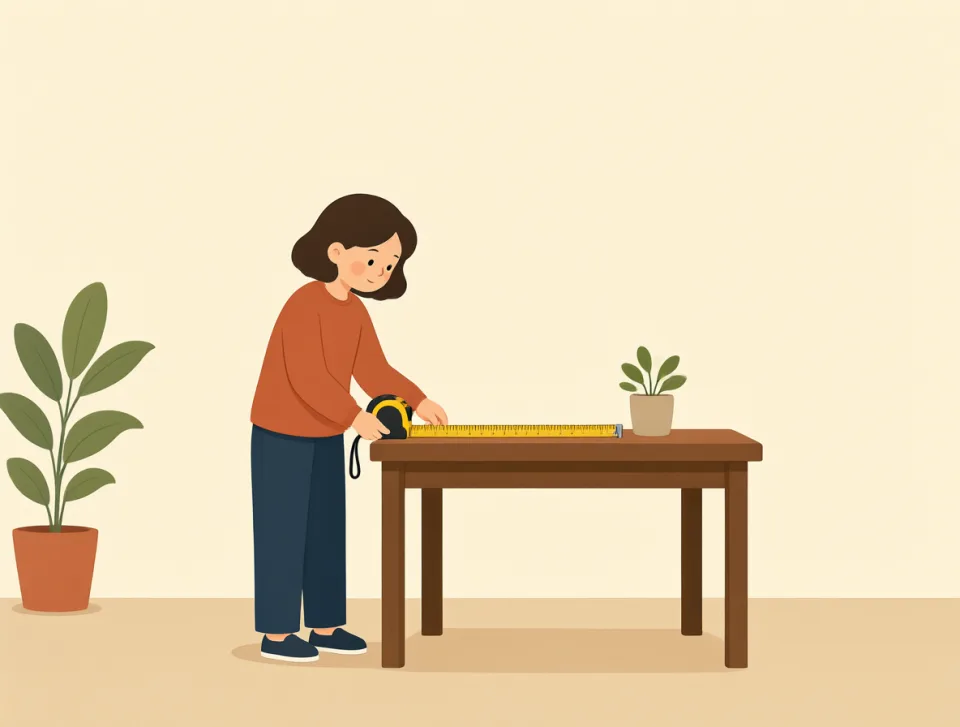
Please check the measurements before ordering the new kitchen table.
Sprawdź proszę wymiary, zanim zamówisz nowy stół do kuchni.
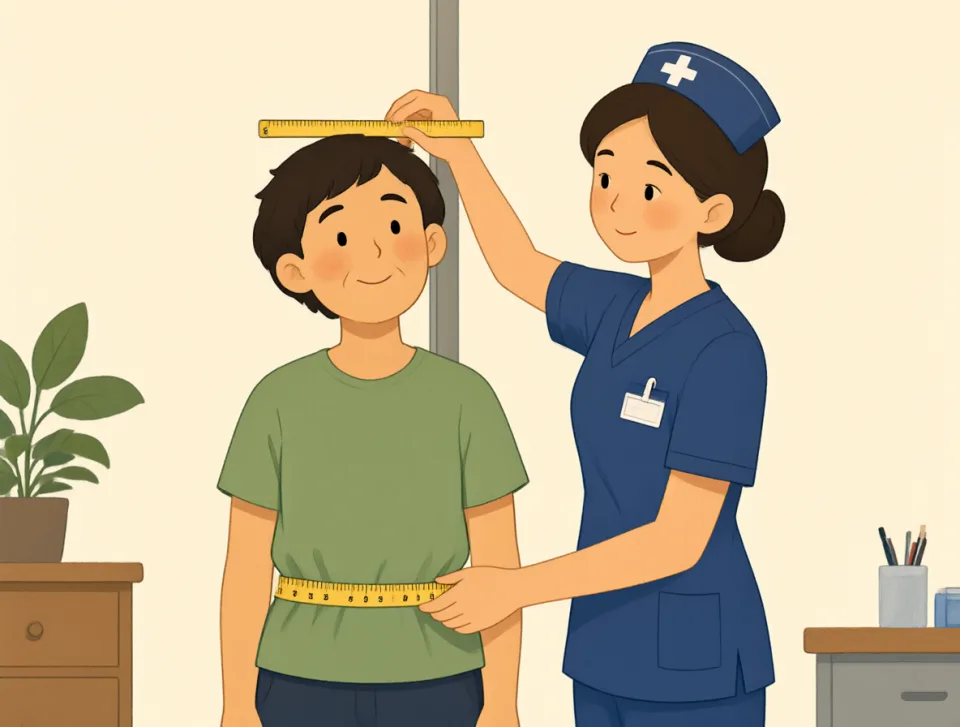
The nurse took my measurements before recommending a healthy exercise plan.
Pielęgniarka dokonała pomiarów mojego ciała, zanim zaleciła mi zdrowy plan ćwiczeń.
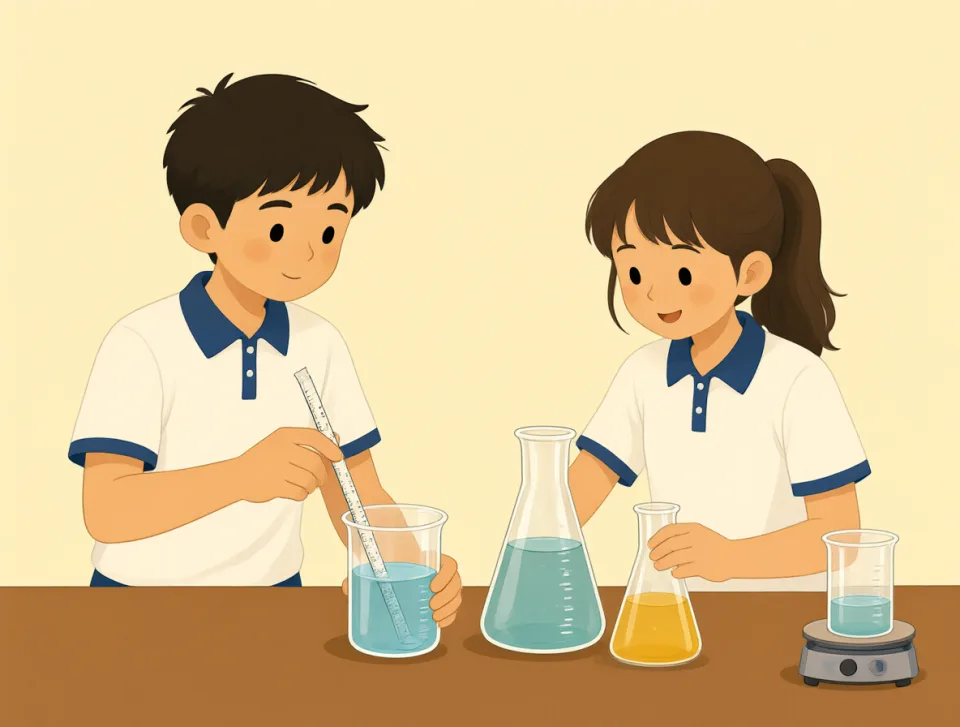
Our science teacher asked us to record each measurement carefully.
Nasz nauczyciel przedmiotów ścisłych poprosił nas, żebyśmy starannie zapisali każdy pomiar.
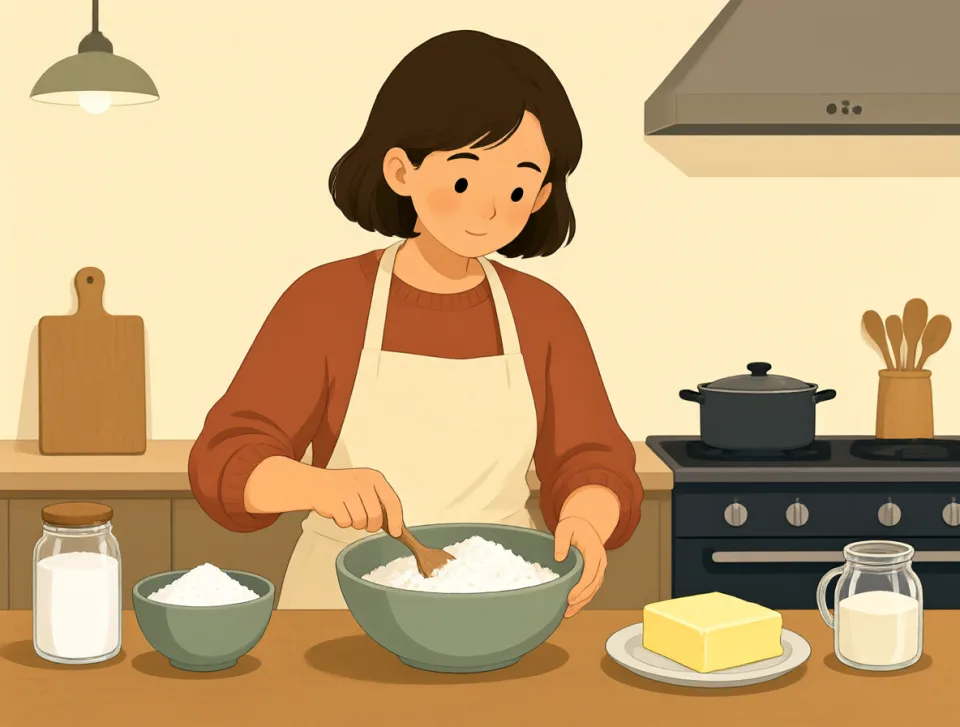
The recipe gives exact measurements for flour, sugar, and butter.
W przepisie podano dokładne ilości mąki, cukru i masła.
random
#2432adjective
losowy
Happening or chosen without a plan, pattern, or reason.
Dziejący się lub wybrany bez planu, wzoru ani konkretnego powodu.
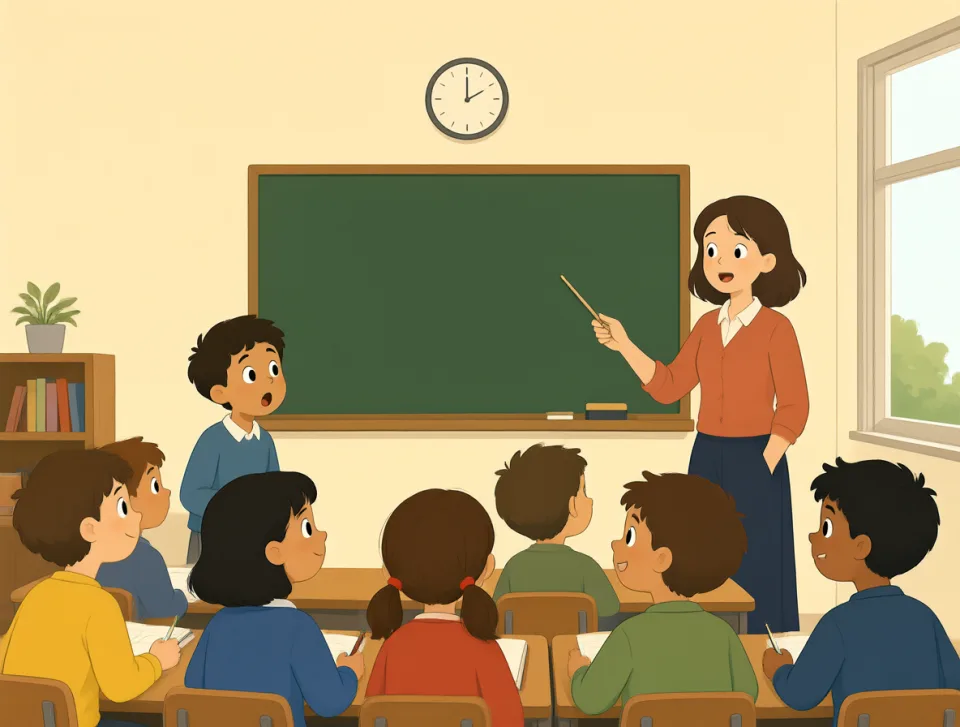
The teacher chose a random student to answer the first question.
Nauczyciel wybrał losowego ucznia, żeby odpowiedział na pierwsze pytanie.

We picked a random restaurant because we were hungry and tired.
Wybraliśmy przypadkową restaurację, bo byliśmy głodni i zmęczeni.
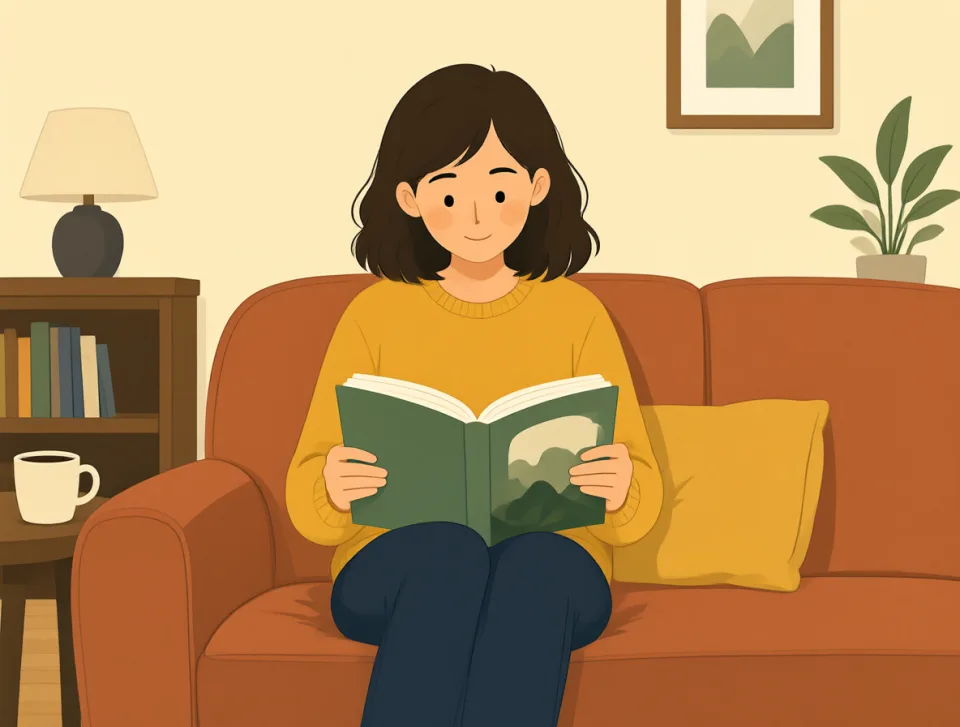
At random, she opened a book and read the first page.
Otworzyła książkę na chybił trafił i przeczytała pierwszą stronę.
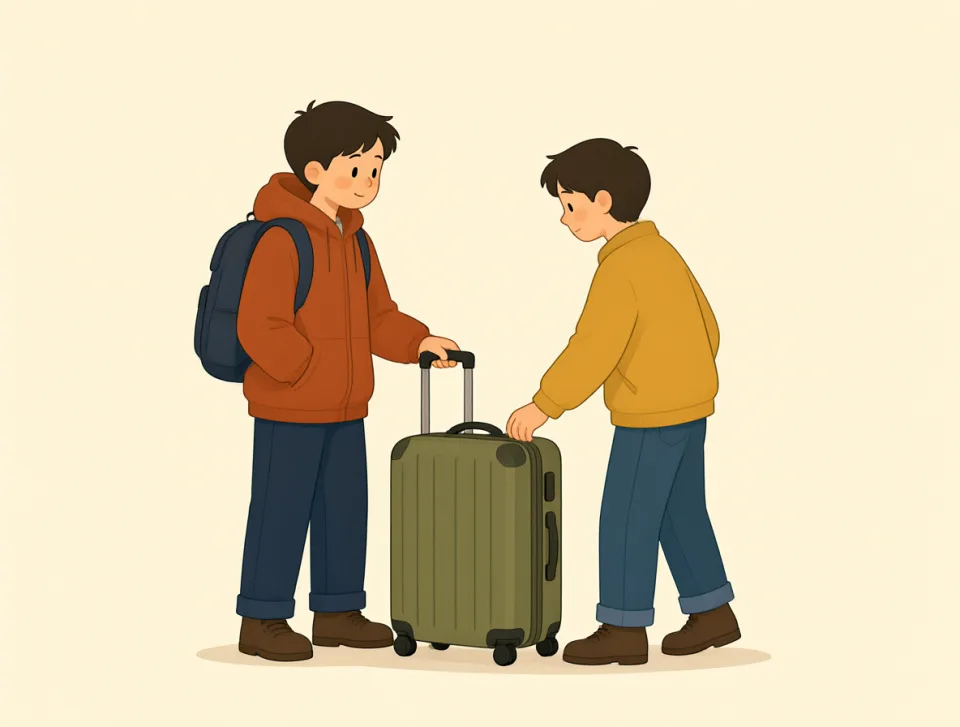
A random stranger helped me carry my suitcase at the station.
Jakiś nieznajomy pomógł mi zanieść walizkę na stacji.

He sent me a random message about meeting for coffee.
Wysłał mi ni stąd, ni zowąd wiadomość o spotkaniu na kawę.
successfully
#2433adverb
z powodzeniem
In a way that achieves the desired result or goal.
W sposób, który pozwala osiągnąć zamierzony rezultat lub cel.

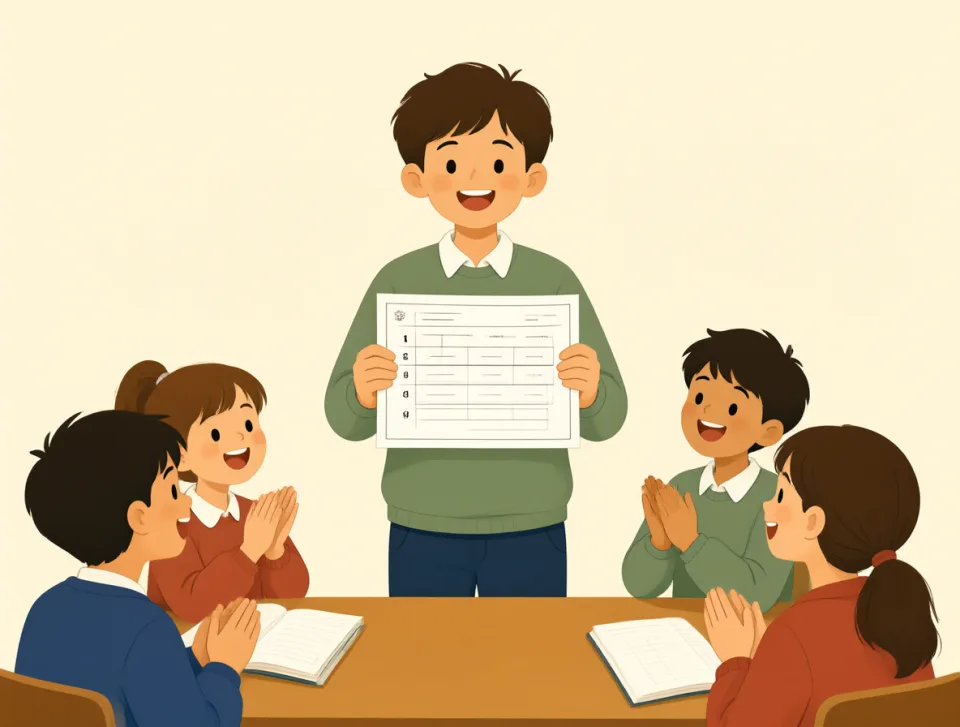
She successfully completed the online application before the deadline.
Złożyła wniosek online przed upływem terminu.

The doctor successfully treated his infection with a short course of medicine.
Lekarz skutecznie wyleczył jego infekcję krótką kuracją lekami.

We successfully found a cheaper hotel near the train station.
Udało nam się znaleźć tańszy hotel w pobliżu dworca kolejowego.
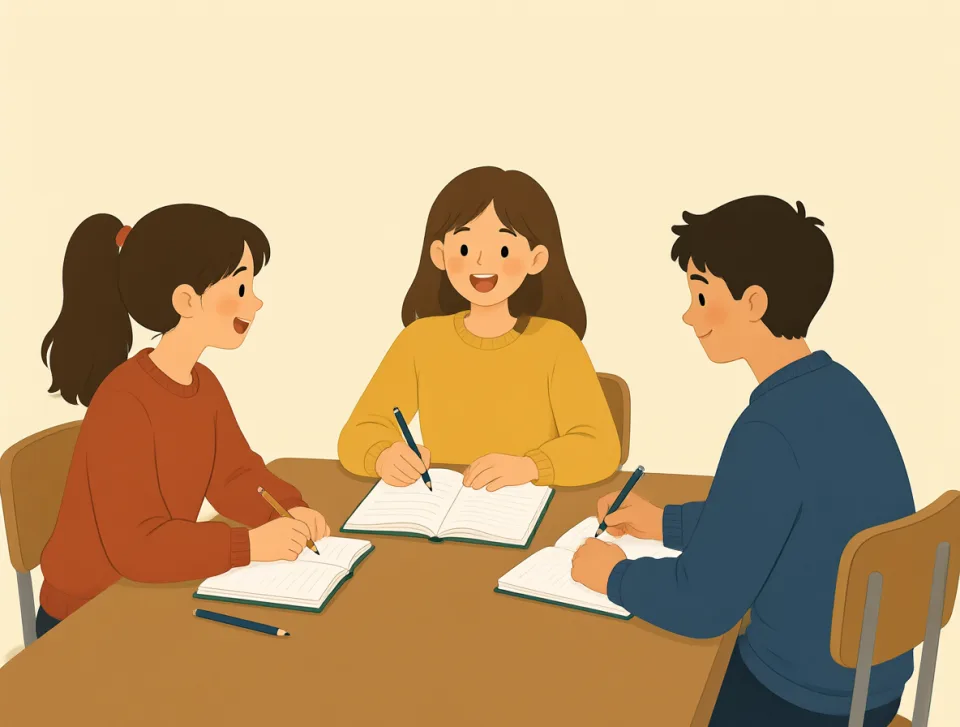
The students successfully solved the difficult problem together.
Uczniowie wspólnie rozwiązali trudne zadanie.

He successfully baked a cake for his sister's birthday.
Upiekł tort dla siostry na jej urodziny.
depress
#2434verb
przygnębiać; ugniatać
to make someone feel very sad, or to push something down
Sprawiać, że ktoś czuje się bardzo smutny, albo naciskać na coś i obniżać to.
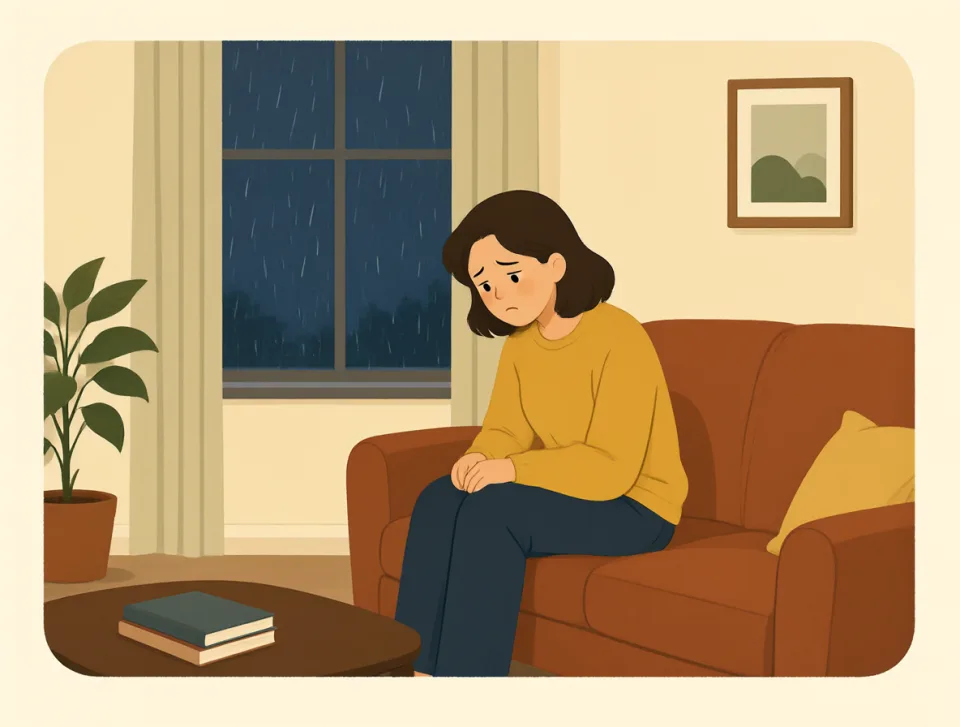
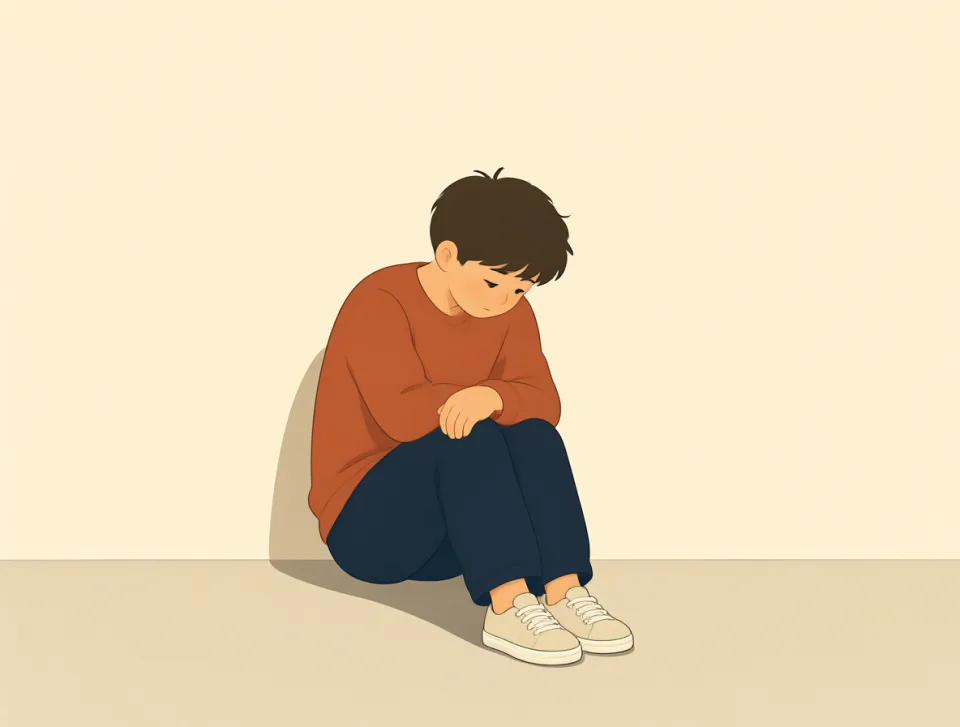
The long, dark winter depressed her and made her stay indoors.
Długa, ciemna zima przygnębiła ją i sprawiła, że nie chciała wychodzić z domu.
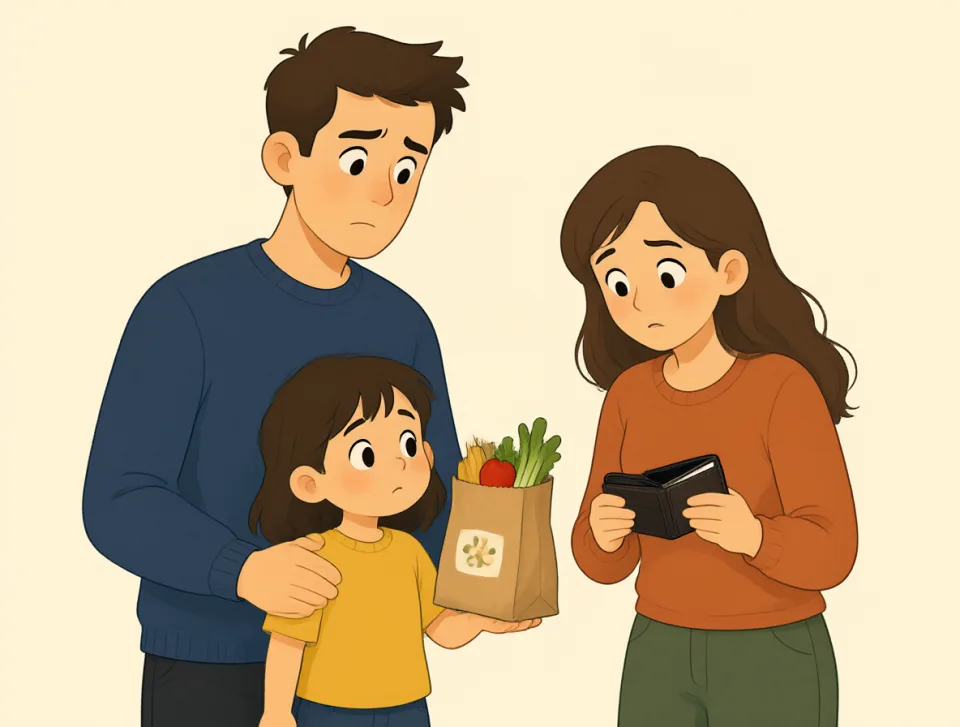
Rising food prices are depressing families who already have little money.
Rosnące ceny żywności przygnębiają rodziny, które i tak mają niewiele pieniędzy.

The heavy box depressed the soft cushion and left a deep mark.
Ciężkie pudełko wgniotło miękką poduszkę i zostawiło na niej głęboki ślad.
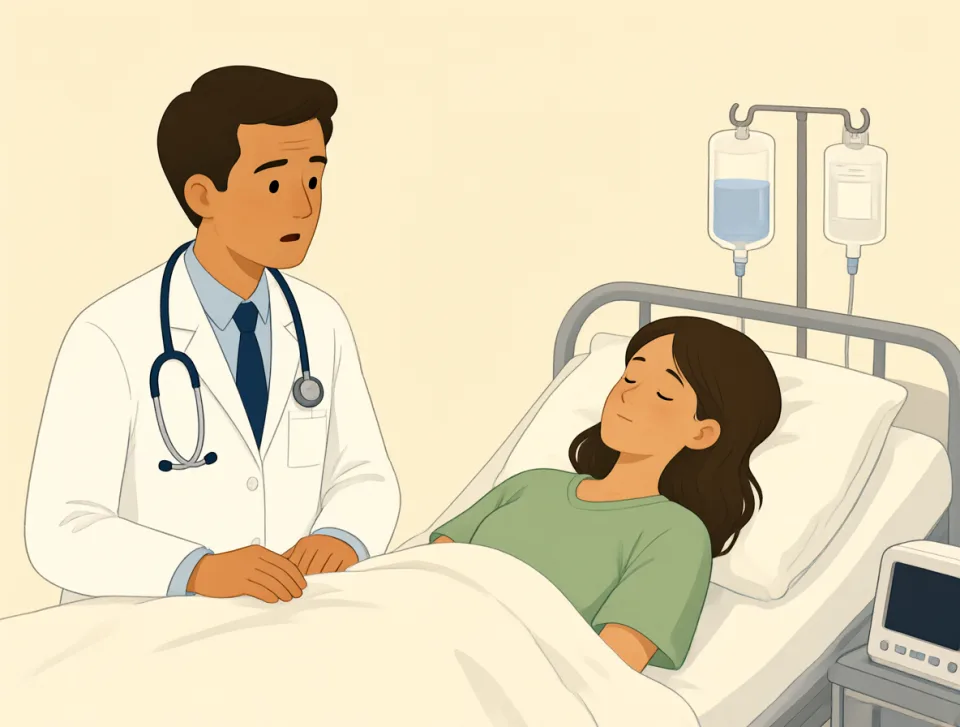
The doctor warned that some medicines can depress breathing during sleep.
Lekarz ostrzegł, że niektóre leki mogą spowalniać oddychanie podczas snu.
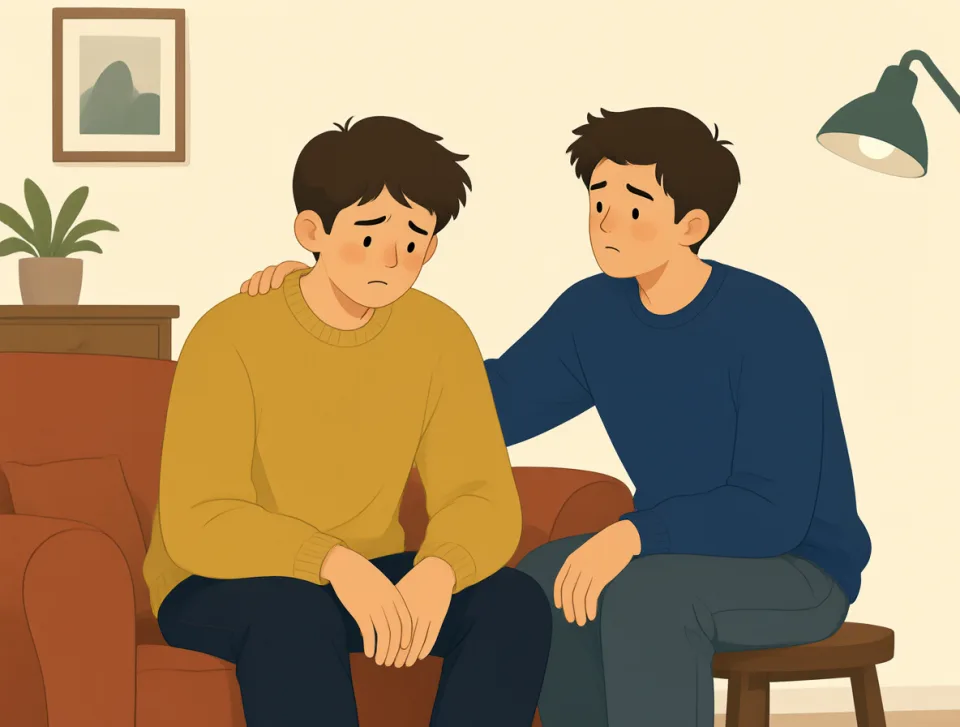
The news of his friend's accident depressed him for several days.
Wiadomość o wypadku jego przyjaciela przygnębiała go przez kilka dni.
illustration
#2435noun
ilustracja
a picture that explains or decorates something
Obrazek, który coś wyjaśnia lub ozdabia.
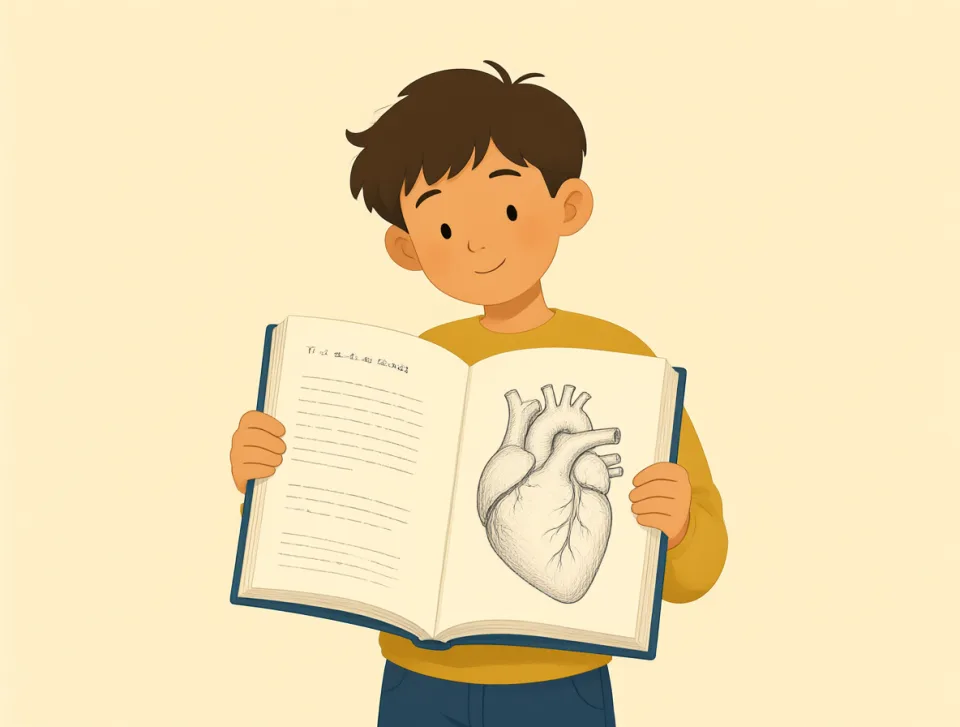
The book includes a helpful illustration of the human heart.
Książka zawiera pomocną ilustrację przedstawiającą ludzkie serce.
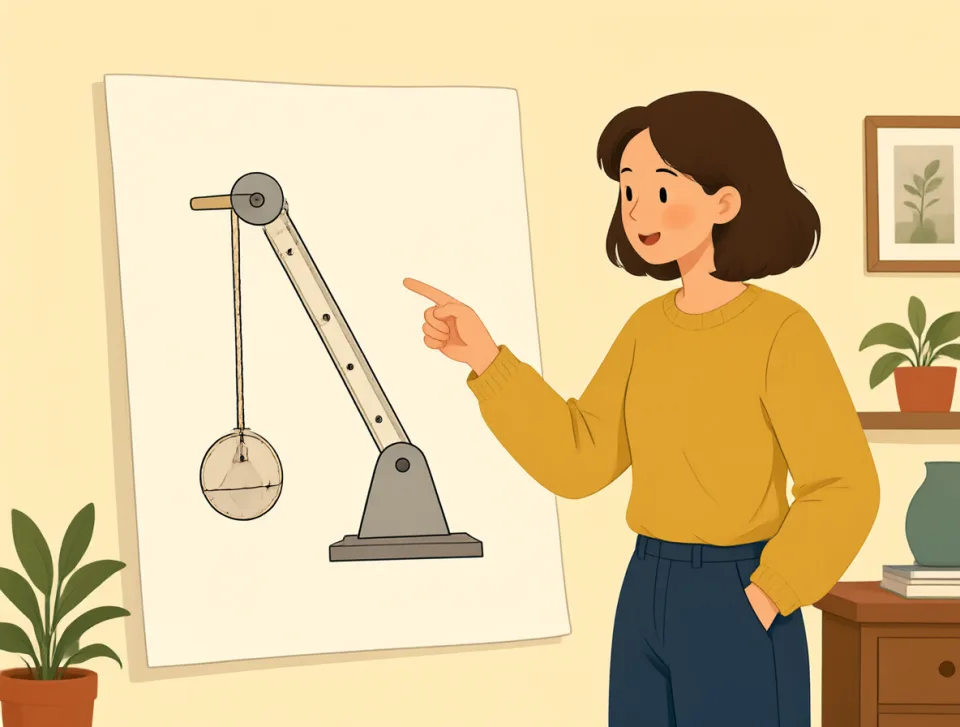
She used a simple illustration to explain how the machine works.
Użyła prostego rysunku, żeby wyjaśnić, jak działa maszyna.
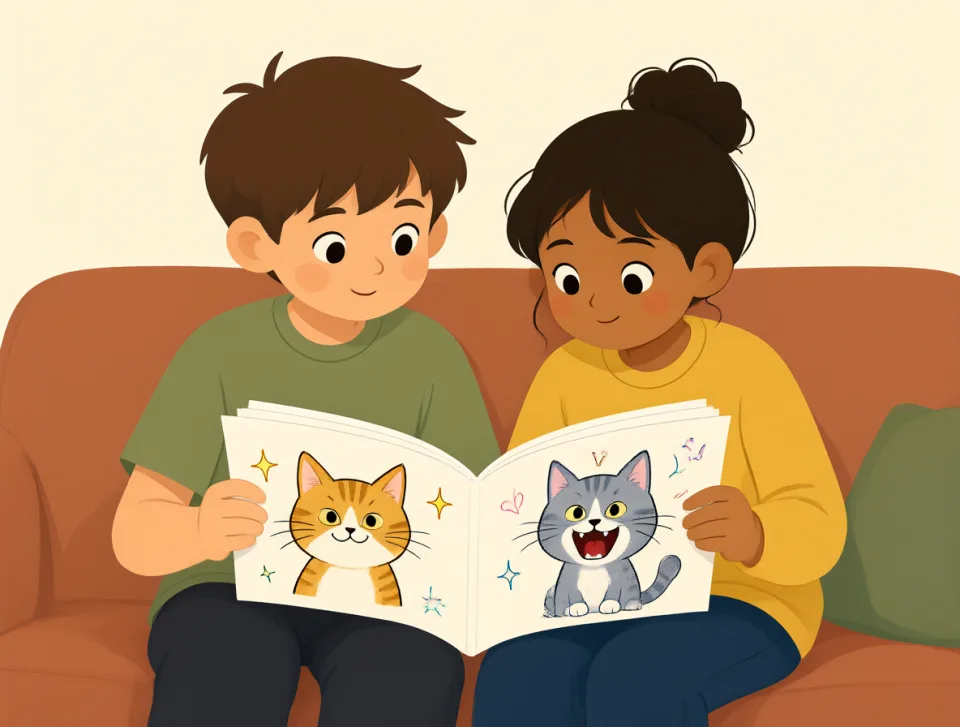
The children laughed at the funny illustrations in their storybook.
Dzieci śmiały się z zabawnych ilustracji w swojej książce z opowiadaniami.
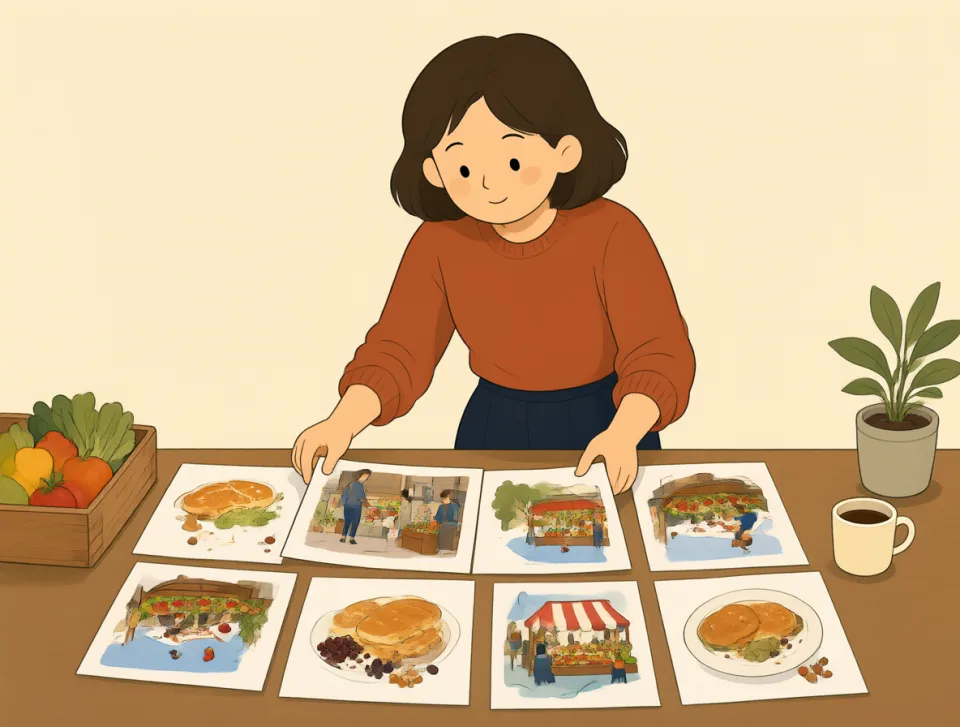
The magazine published beautiful illustrations of local food and markets.
Czasopismo opublikowało piękne ilustracje przedstawiające lokalne potrawy i targowiska.
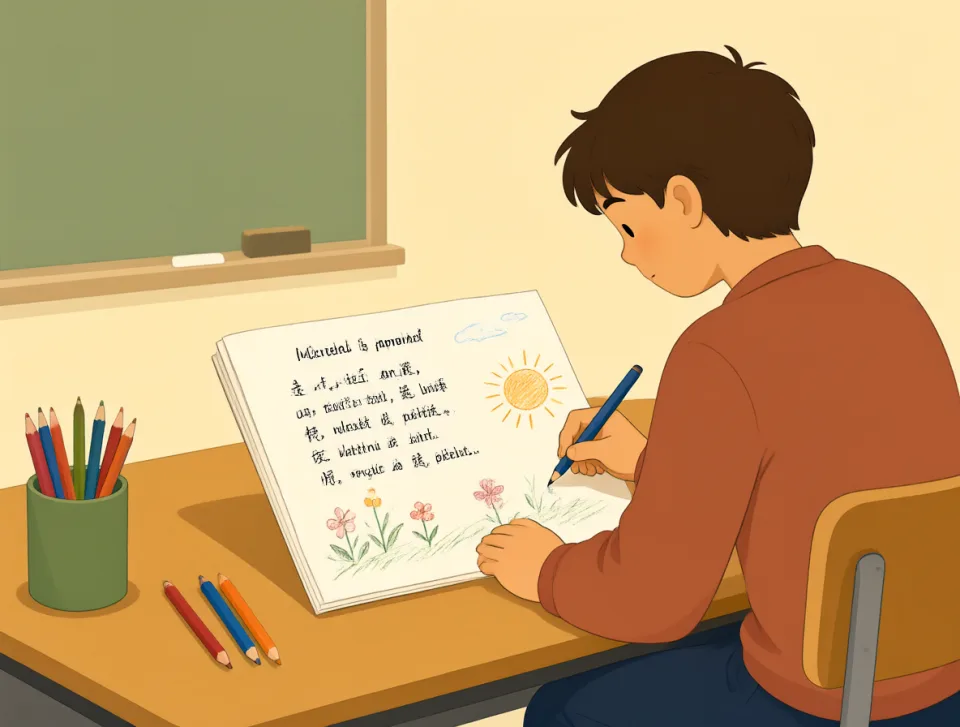
The teacher asked us to draw an illustration for our poem.
Nauczyciel poprosił nas, żebyśmy narysowali ilustrację do naszego wiersza.
burst
#2436verb, noun
pęknąć; wybuch
to break open suddenly, or a sudden short release of something
nagle pęknąć lub nagłe, krótkie uwolnienie czegoś

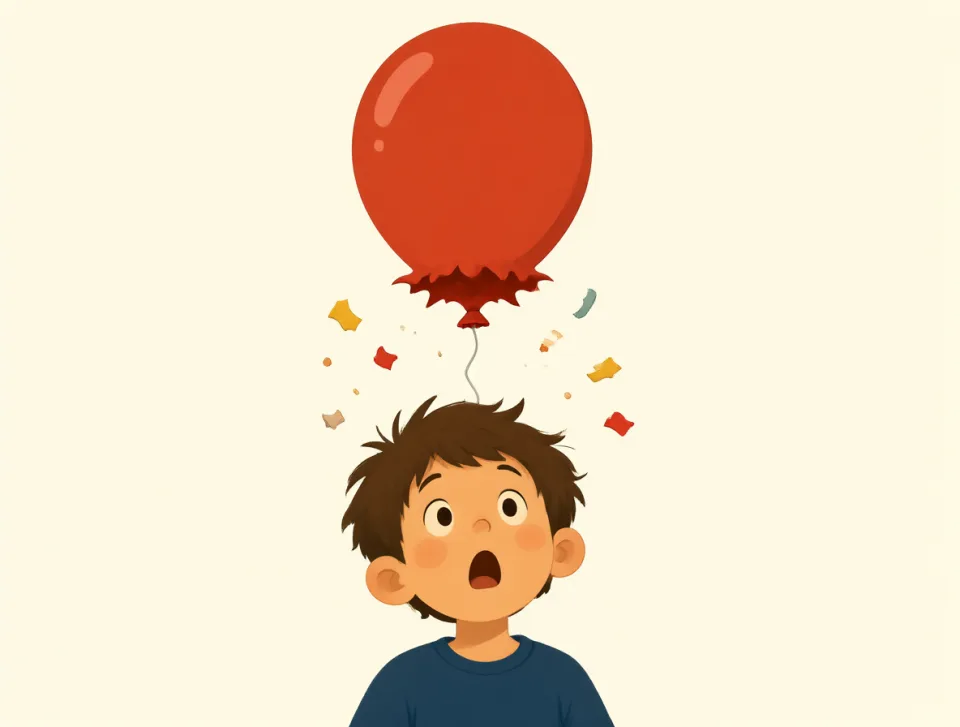
The balloon burst while the children were decorating the room.
Balon pękł, gdy dzieci dekorowały pokój.
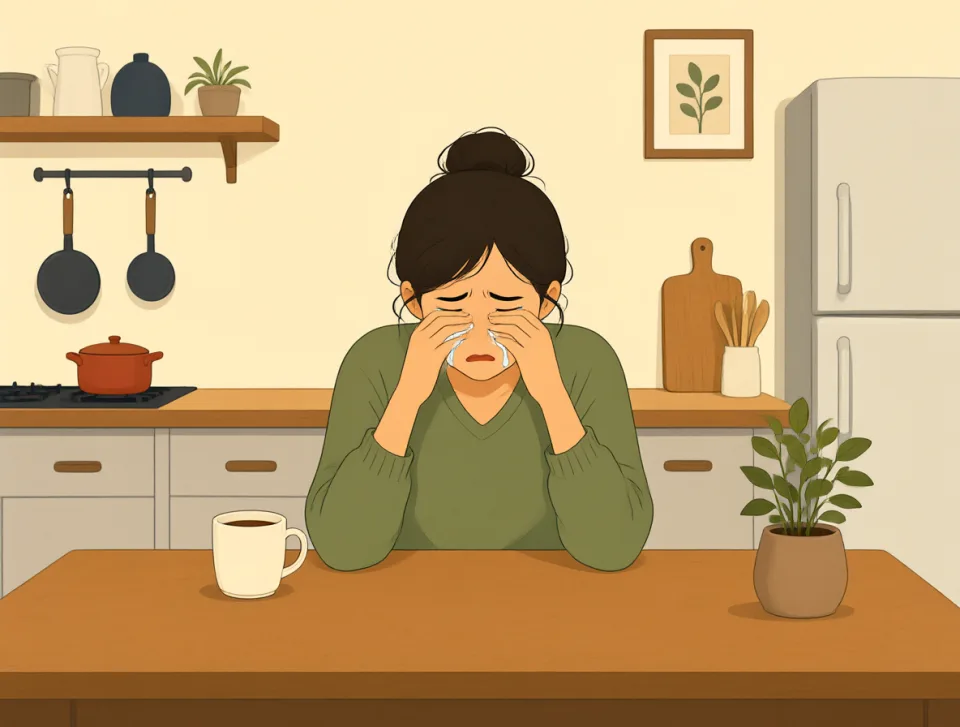
She burst into tears when she heard the sad news.
Na wieść o smutnych wydarzeniach wybuchnęła płaczem.

The crowd burst into applause after the singer finished.
Tłum wybuchnął aplauzem, gdy piosenkarz skończył występ.
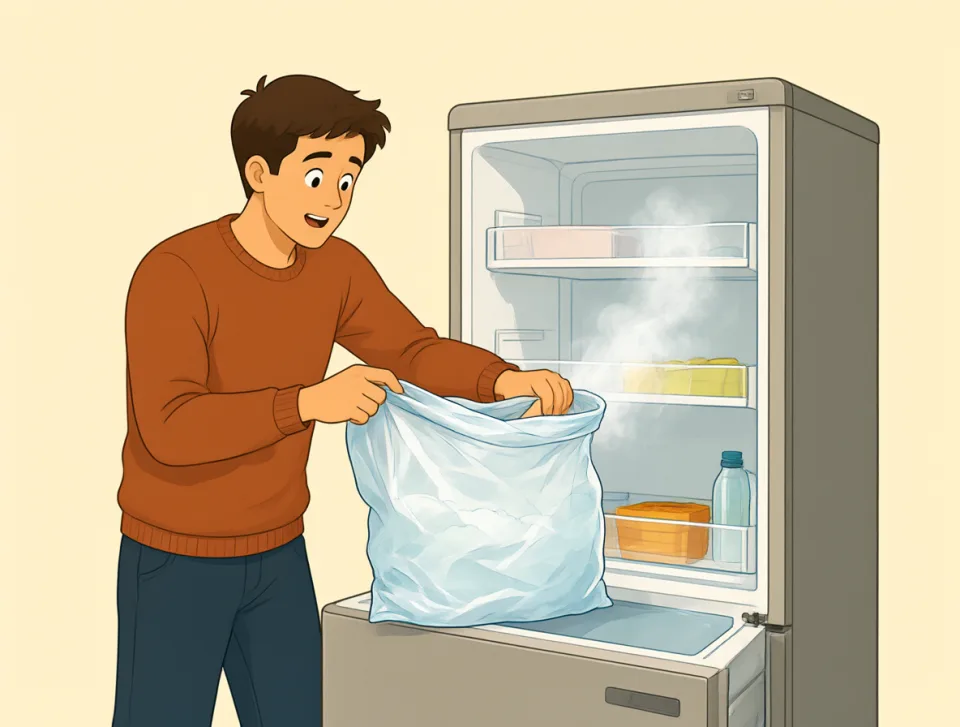
He opened the bag and a burst of cold air hit his face.
Otworzył torbę i uderzył go w twarz podmuch zimnego powietrza.

The doctor noticed a small burst blood vessel in her eye.
Lekarz zauważył w jej oku pęknięte naczynko krwionośne.

privilege
#2437noun
przywilej
a special right or advantage that some people have
szczególne prawo lub korzyść, z których mogą korzystać niektórzy ludzie
It was a privilege to meet the doctor who saved my father's life.
Poznanie lekarza, który uratował życie mojemu ojcu, było zaszczytem.
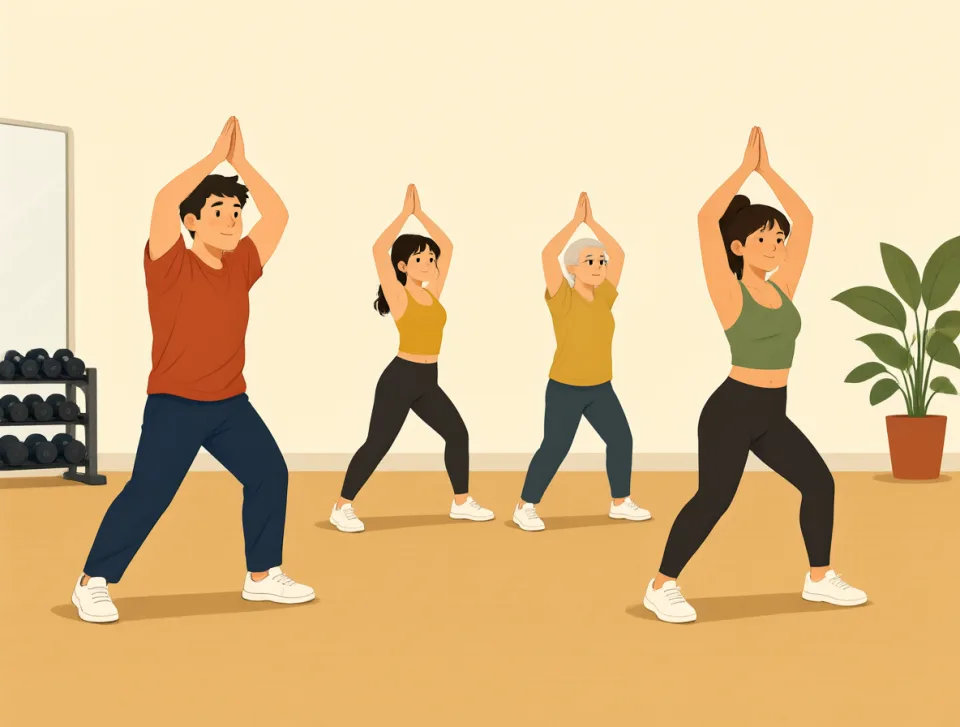
Only members have the privilege of using the gym before work.
Tylko członkowie mają przywilej korzystania z siłowni przed pracą.
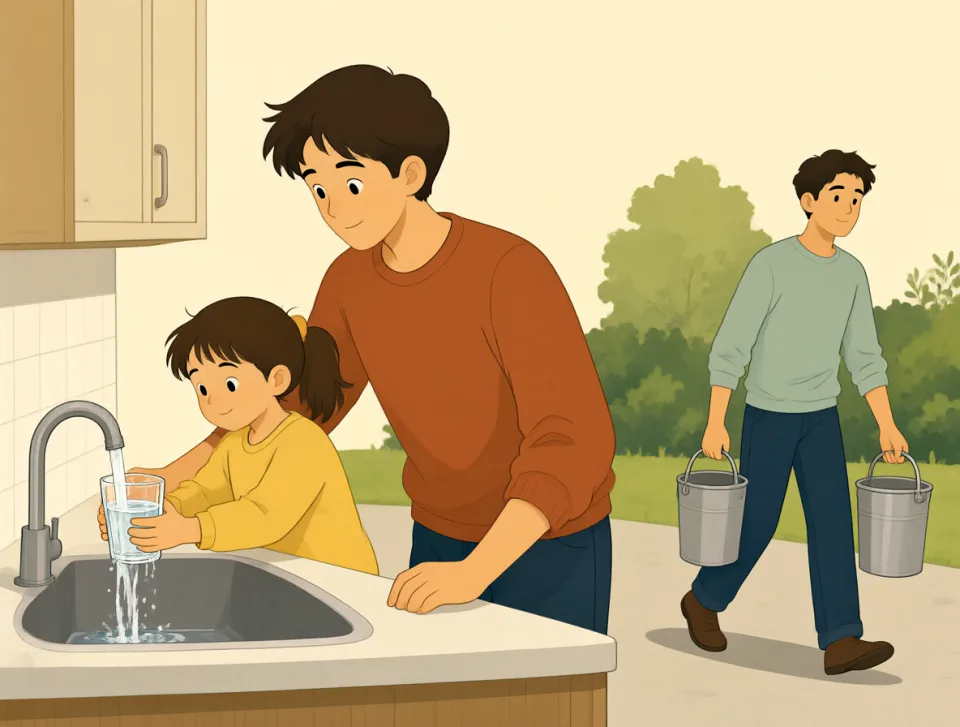
Having safe drinking water is a privilege many families still lack.
Dostęp do bezpiecznej wody pitnej to przywilej, którego wciąż brakuje wielu rodzinom.

The manager gave me the privilege of choosing my vacation dates.
Kierownik dał mi możliwość wyboru terminu urlopu.
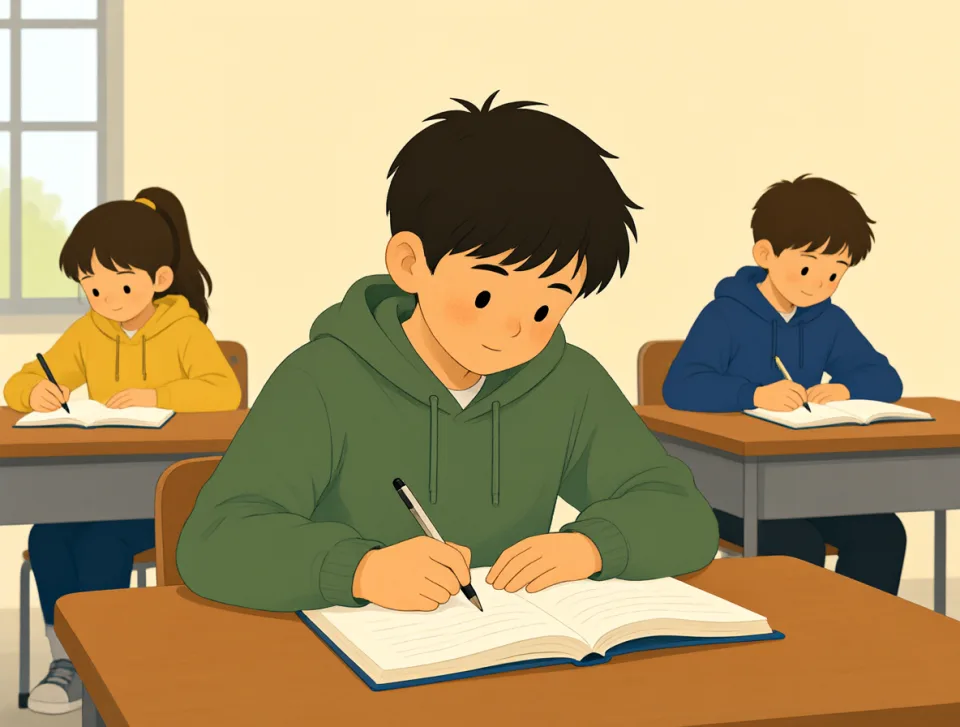
He understands that his education is a privilege, not a guarantee.
Rozumie, że jego wykształcenie to przywilej, a nie coś, co mu się należy.
buyer
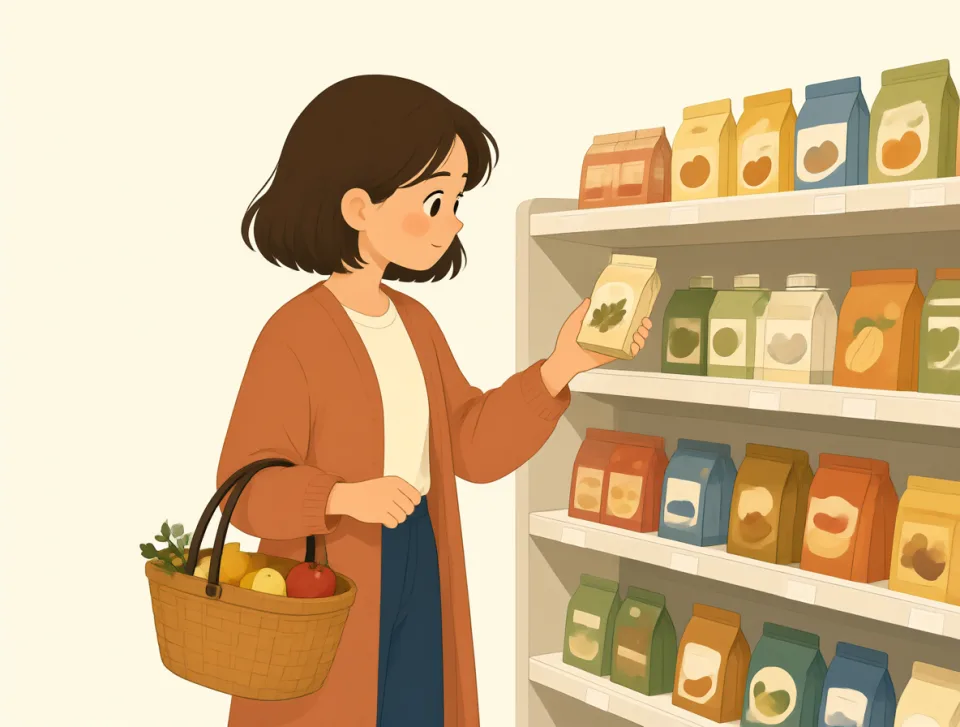
#2438noun
kupujący
A person who buys something, especially from a shop or business.
Osoba, która coś kupuje, zwłaszcza w sklepie lub od firmy.
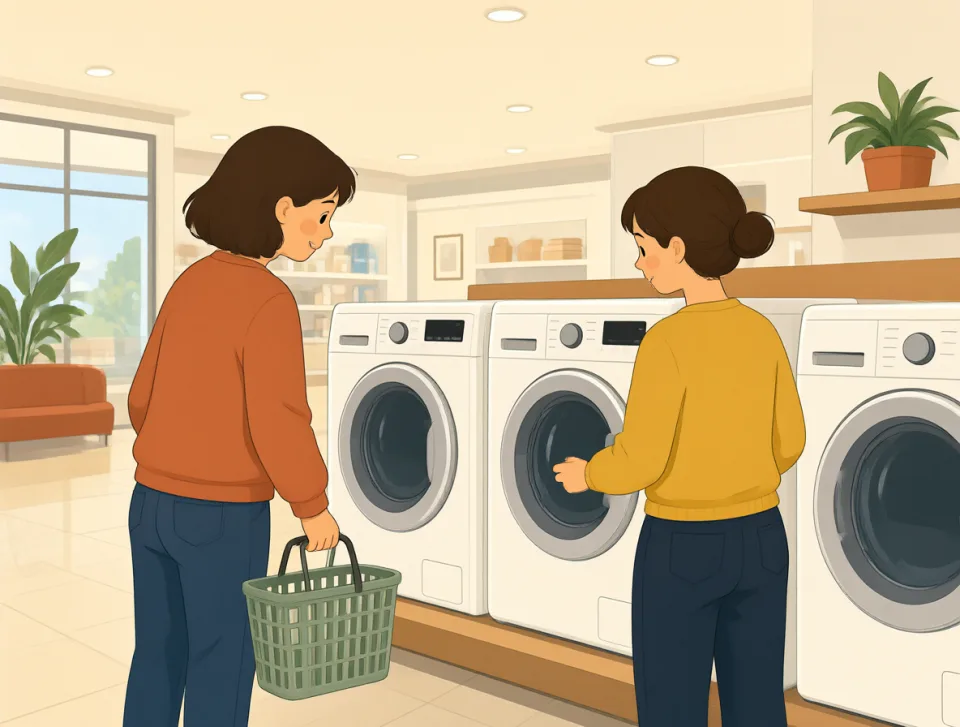
The buyer compared prices before choosing the best washing machine.
Kupujący porównał ceny, zanim wybrał najlepszą pralkę.

The buyer paid for the groceries at the supermarket checkout.
Kupujący zapłacił za zakupy przy kasie w supermarkecie.

The company is looking for a buyer for its small restaurant.
Firma szuka kupca na swoją małą restaurację.

The buyer asked the seller to repair the car before the sale.
Kupujący poprosił sprzedawcę, żeby naprawił samochód przed sprzedażą.

Every buyer should check the product carefully before taking it home.
Każdy kupujący powinien dokładnie sprawdzić produkt, zanim zabierze go do domu.
mutual
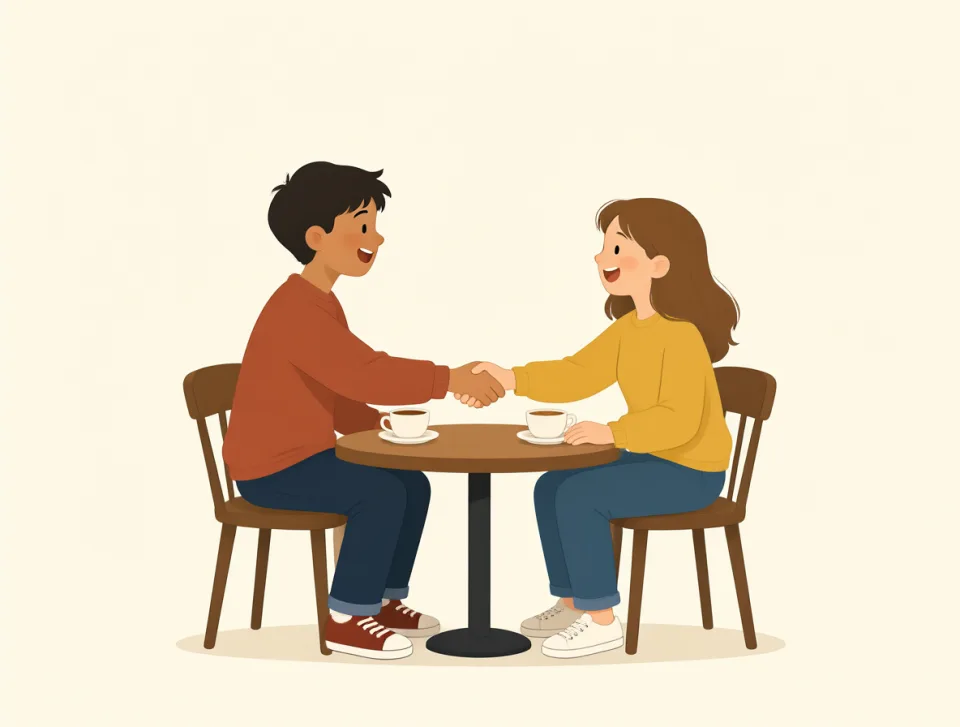
#2439adjective
wspólny; wzajemny
Shared by two or more people who feel the same way or have the same relationship.
Wspólny dla co najmniej dwóch osób, które czują to samo lub łączy je taka sama relacja.

They have a mutual respect for each other's opinions.
Darzą się wzajemnym szacunkiem dla swoich opinii.

We discovered a mutual interest in cooking during our first meeting.
Podczas naszego pierwszego spotkania odkryliśmy, że oboje interesujemy się gotowaniem.

Their mutual friend invited both families to dinner.
Ich wspólny znajomy zaprosił obie rodziny na kolację.

The neighbors reached a mutual agreement about sharing the garden.
Sąsiedzi doszli do porozumienia w sprawie wspólnego korzystania z ogrodu.

The two companies ended their partnership by mutual consent.
Obie firmy zakończyły współpracę za obopólną zgodą.
rail
#2440noun, verb
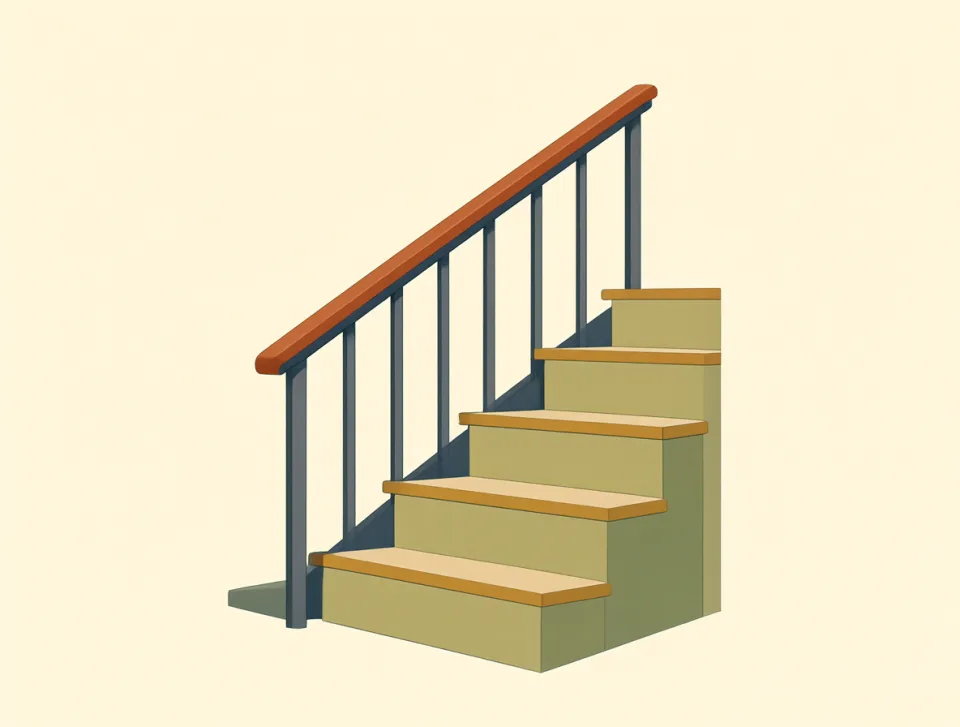
poręcz; szyna
A long bar used for support, fencing, or guiding trains.
Długi pręt służący do podpierania, grodzenia lub prowadzenia pociągów.
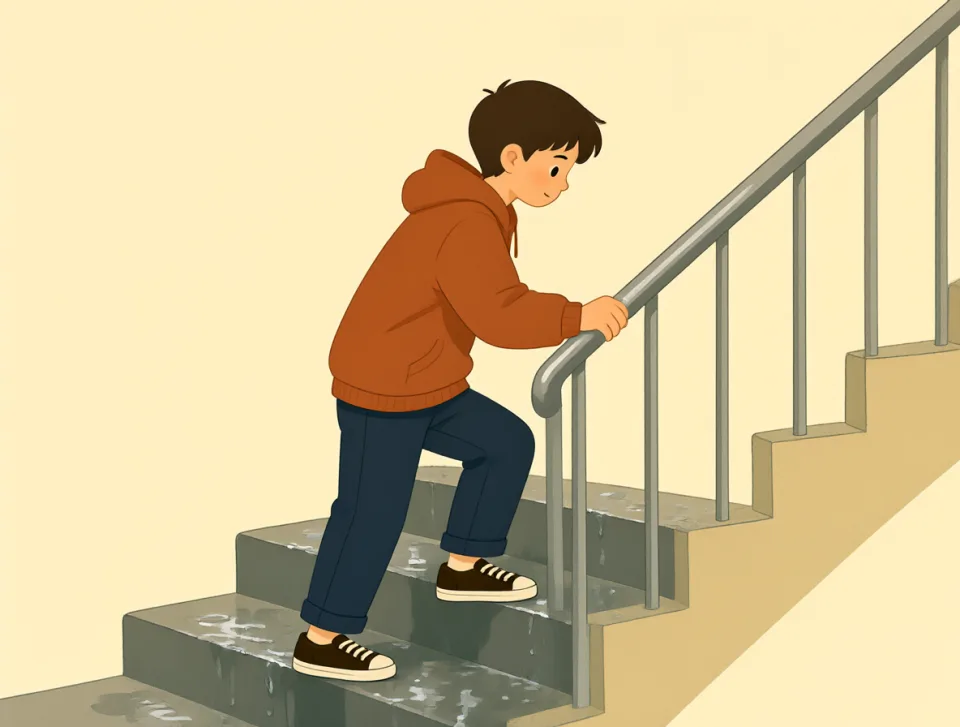
Hold the rail as you climb the stairs; the steps are wet.
Trzymaj się poręczy, wchodząc po schodach — stopnie są mokre.

We traveled by rail to the coast because flying was too expensive.
Pojechaliśmy nad morze pociągiem, bo lot był zbyt drogi.
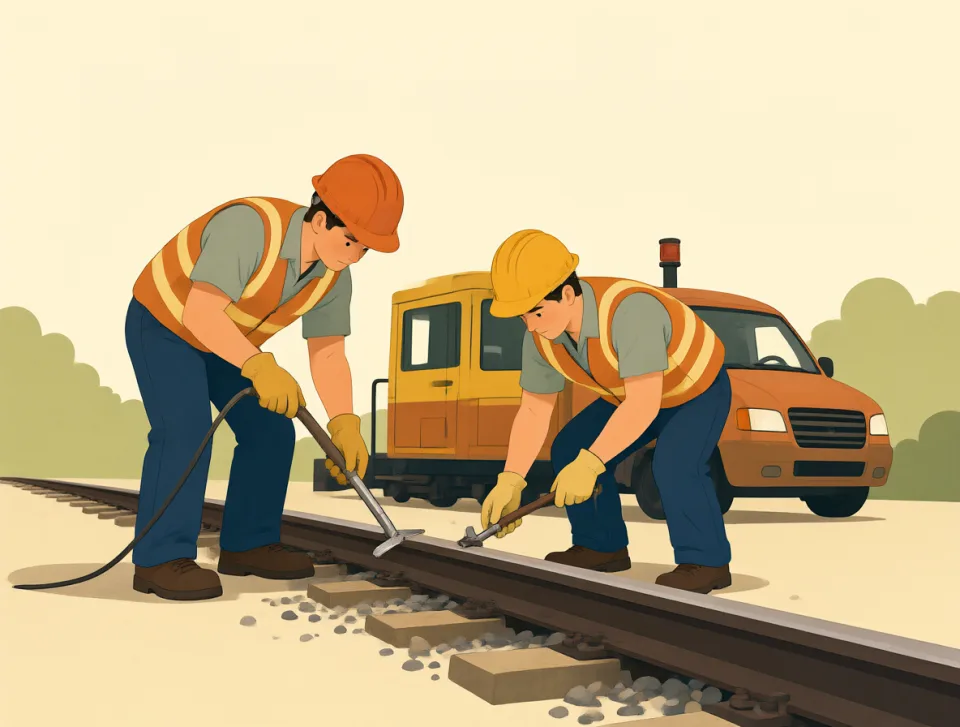
Workers replaced a damaged rail on the railway line yesterday.
Wczoraj pracownicy wymienili uszkodzoną szynę na torach kolejowych.
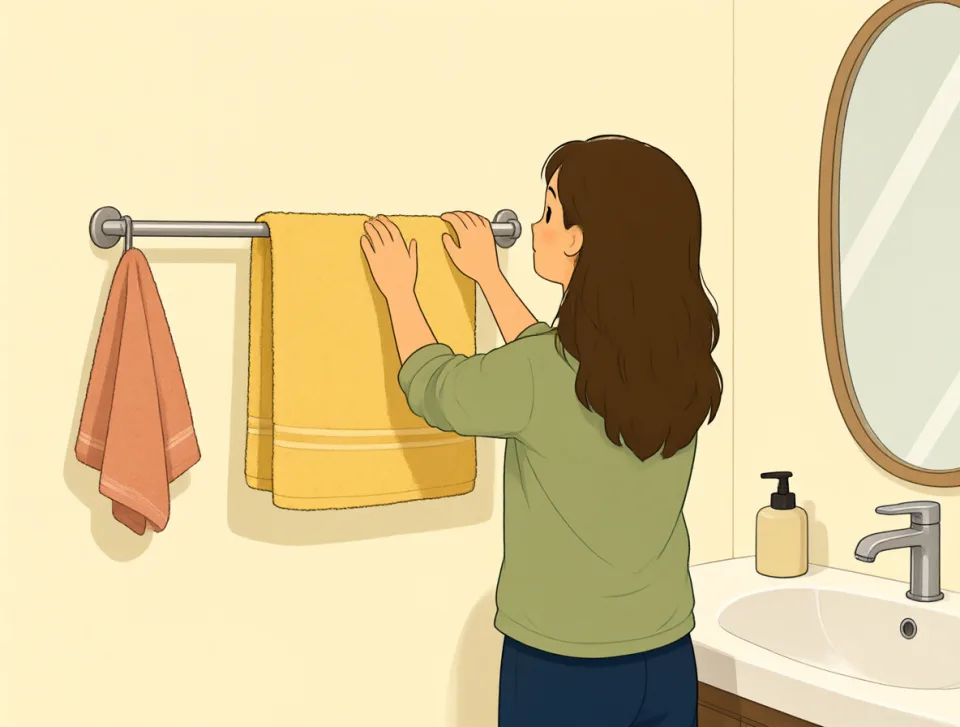
Please place the towels on the bathroom rail after your shower.
Po prysznicu połóż ręczniki na łazienkowym wieszaku.
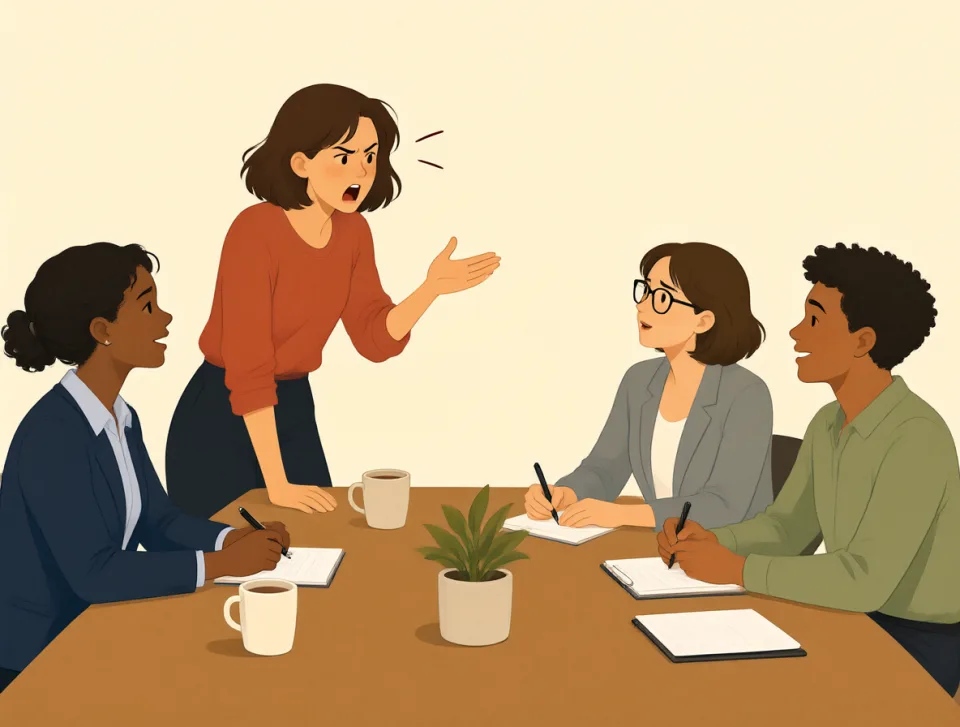
She railed against the unfair decision during the staff meeting.
Podczas zebrania pracowników ostro skrytykowała niesprawiedliwą decyzję.