Zestaw 123
Słowa 2441–2460 · motivate, laboratory, mortgage, promotion, passion, champion

motivate
#2441verb
motywować
to make someone want to do something, especially by giving them a reason or encouragement
sprawić, że ktoś chce coś zrobić, zwłaszcza podając mu powód lub dodając otuchy

Her parents motivated her to study hard for the final exam.
Jej rodzice zmotywowali ją do pilnej nauki przed egzaminem końcowym.

The manager motivated the team by praising their excellent work.
Menedżer zmotywował zespół, chwaląc jego doskonałą pracę.

A good teacher motivates students to ask questions and share ideas.
Dobry nauczyciel zachęca uczniów do zadawania pytań i dzielenia się pomysłami.

The doctor motivated him to exercise by explaining its health benefits.
Lekarz zmotywował go do ćwiczeń, wyjaśniając, jakie korzyści przynoszą one zdrowiu.
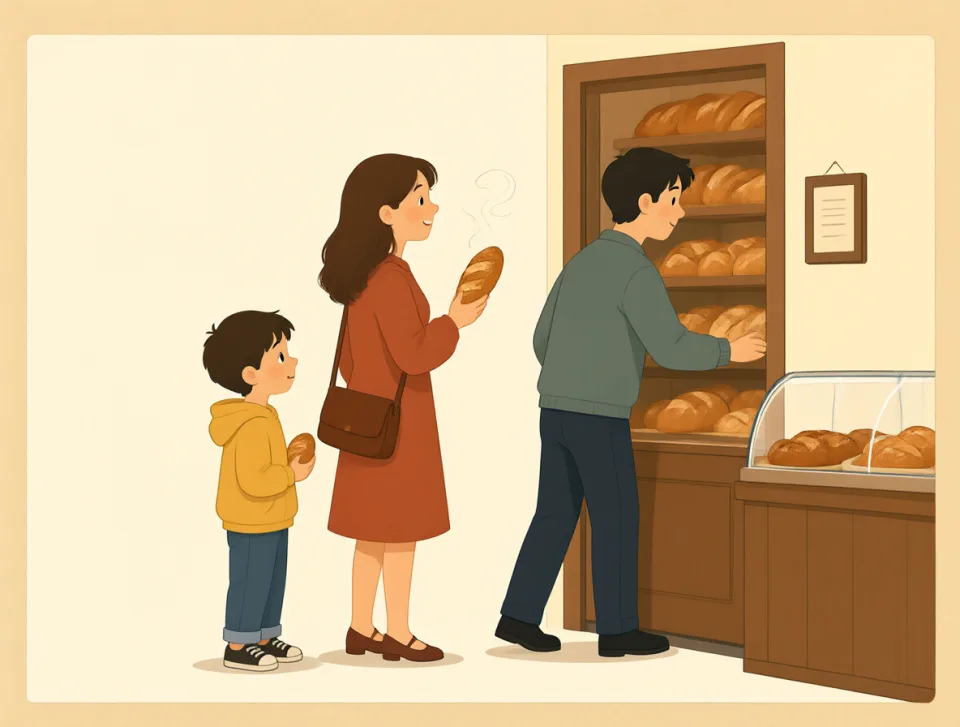
The delicious smell of fresh bread motivated us to enter the bakery.
Pyszny zapach świeżego chleba skłonił nas do wejścia do piekarni.
laboratory
#2442noun
laboratorium
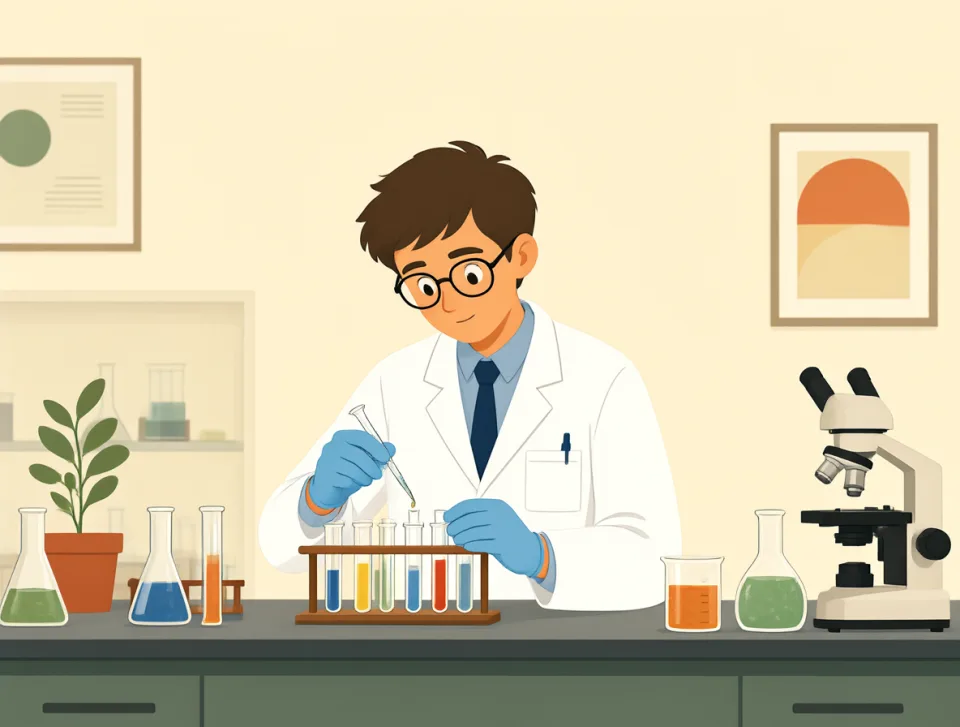
A room or building where scientists do tests and experiments.
Pomieszczenie lub budynek, w którym naukowcy przeprowadzają testy i eksperymenty.
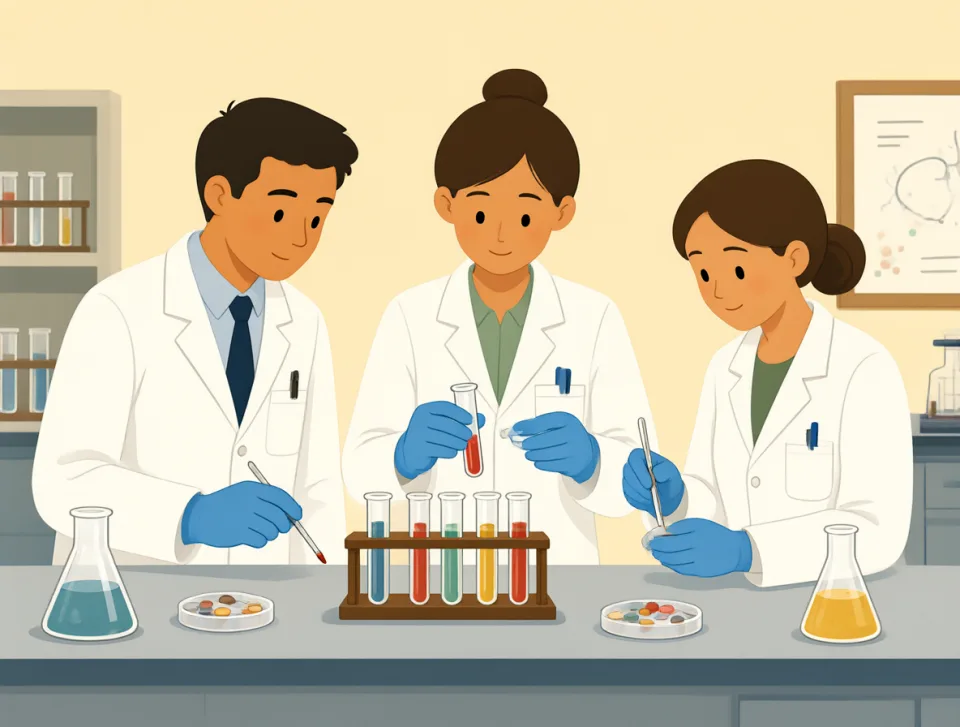
The scientists are working in the laboratory on a new medicine.
Naukowcy pracują w laboratorium nad nowym lekiem.
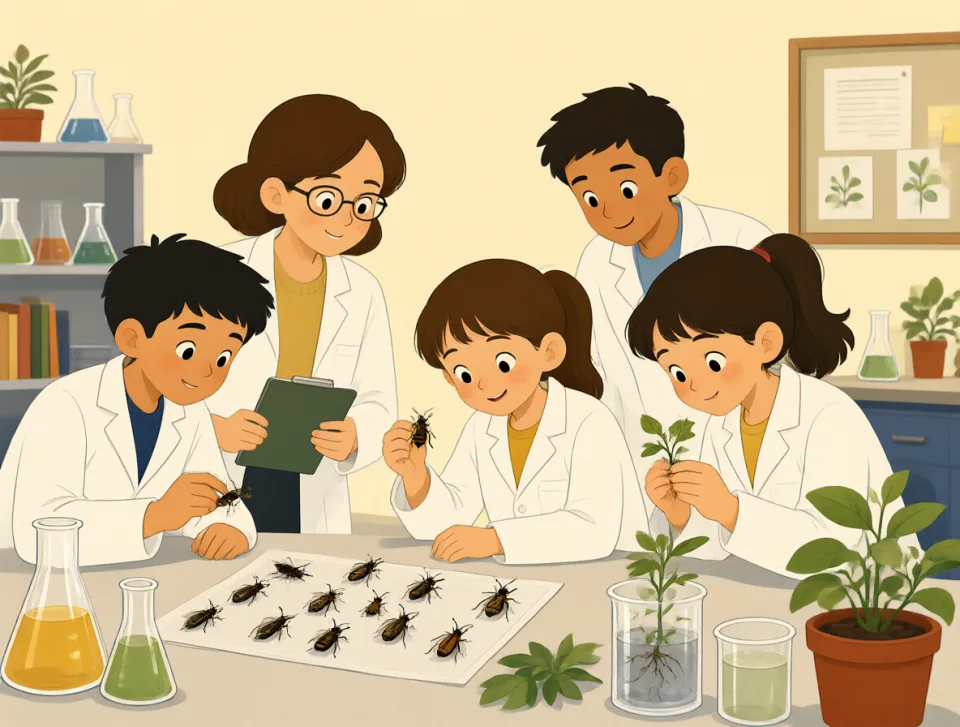
Our biology class visited a laboratory to study insects and plants.
Nasza klasa biologiczna odwiedziła laboratorium, żeby badać owady i rośliny.
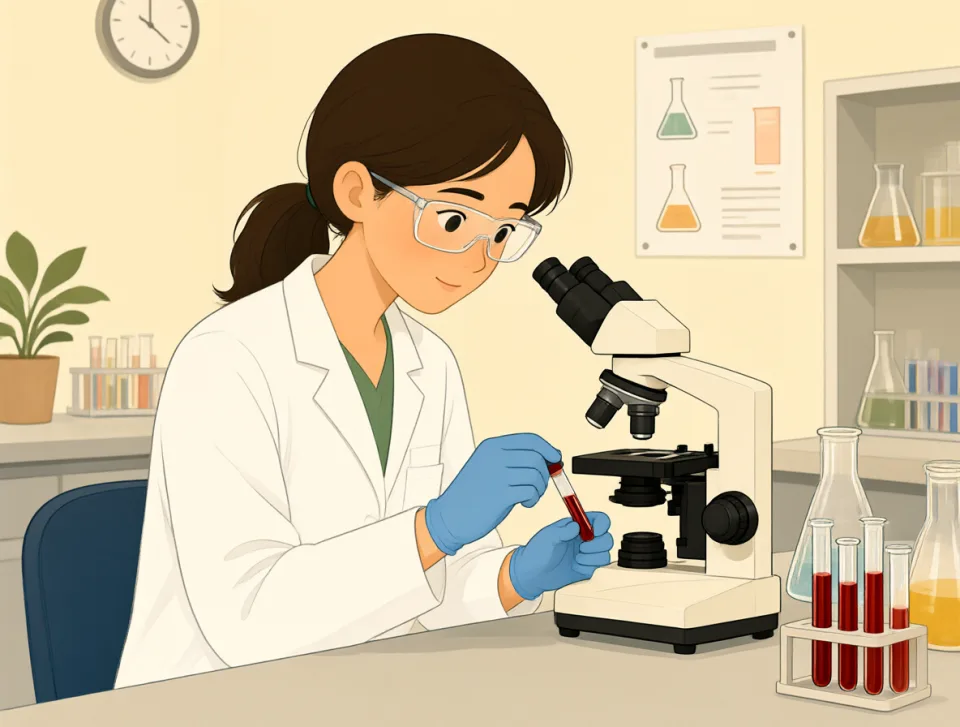
The hospital laboratory tested my blood after the doctor’s appointment.
Laboratorium szpitalne zbadało moją krew po wizycie u lekarza.
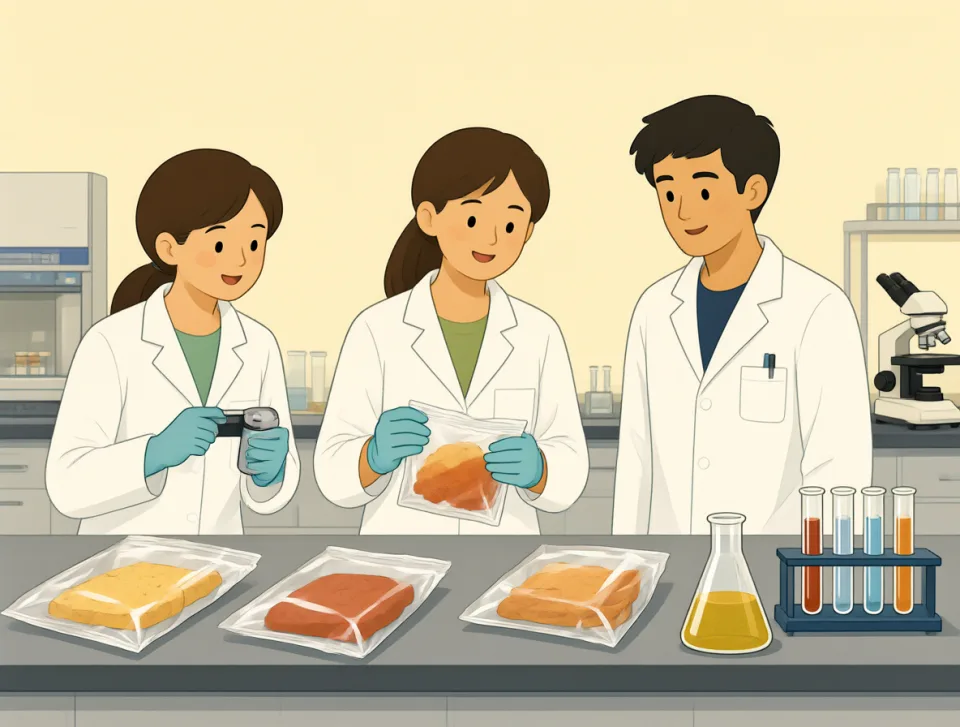
This food laboratory checks whether products are safe to eat.
To laboratorium bada, czy produkty spożywcze są bezpieczne do jedzenia.
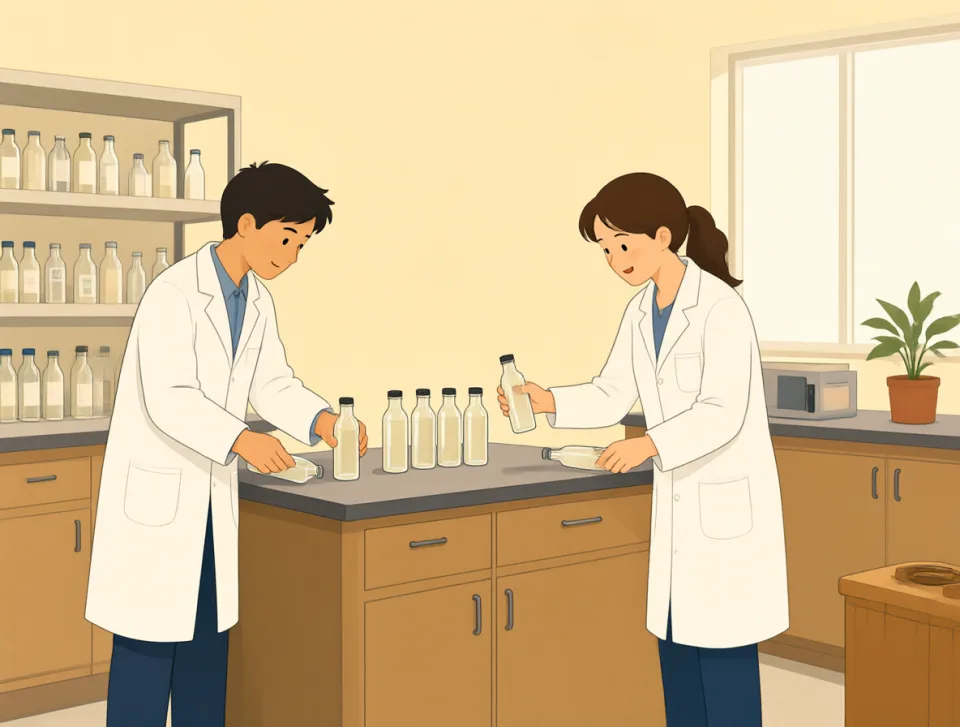
The company built a small laboratory for testing new cleaning products.
Firma zbudowała małe laboratorium do testowania nowych środków czyszczących.

mortgage
#2443noun, verb
kredyt hipoteczny
A loan used to buy a house or property, paid back over many years.
Pożyczka na zakup domu lub nieruchomości, spłacana przez wiele lat.

They applied for a mortgage to buy their first home.
Złożyli wniosek o kredyt hipoteczny, żeby kupić swój pierwszy dom.

We pay our mortgage every month from our joint bank account.
Co miesiąc spłacamy kredyt hipoteczny ze wspólnego konta bankowego.

The bank approved her mortgage after checking her income and credit history.
Bank zatwierdził jej kredyt hipoteczny po sprawdzeniu dochodów i historii kredytowej.
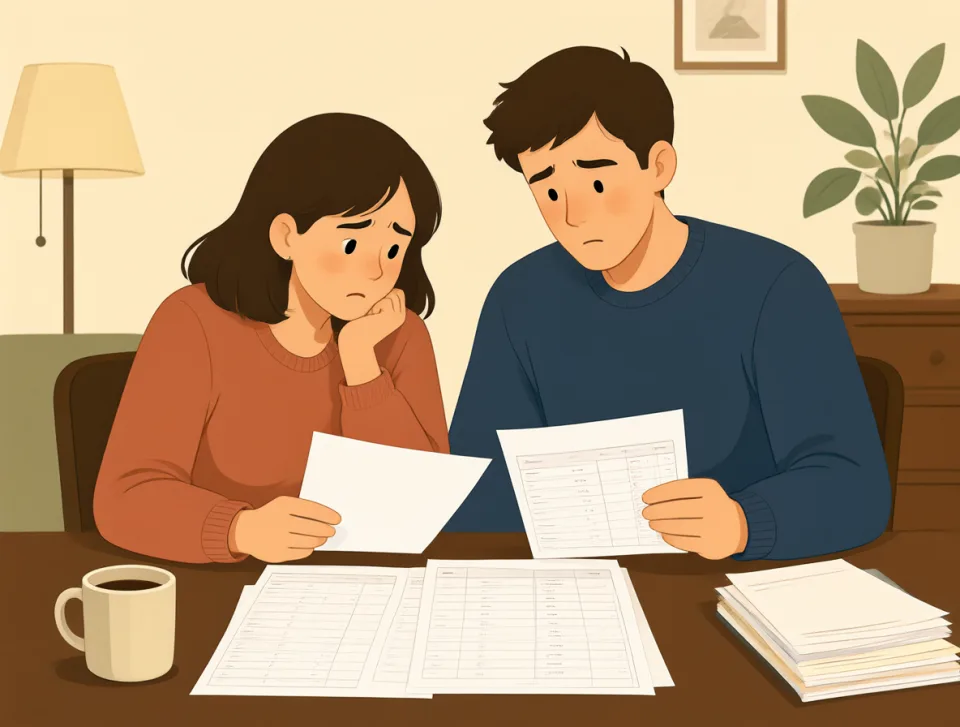
Rising interest rates made their mortgage much more expensive.
Rosnące stopy procentowe sprawiły, że ich kredyt hipoteczny stał się znacznie droższy.

They are struggling to mortgage the property because their business is losing money.
Mają trudności z zaciągnięciem kredytu pod zastaw nieruchomości, ponieważ ich firma przynosi straty.

promotion
#2444noun
awans; promocja
A higher job or rank, or an activity that helps sell a product.
Wyższe stanowisko lub ranga albo działanie pomagające sprzedać produkt.

She got a promotion after working hard on several important projects.
Dostała awans po tym, jak ciężko pracowała nad kilkoma ważnymi projektami.

His promotion to team leader means he will manage five employees.
Awans na lidera zespołu oznacza, że będzie zarządzał pięcioma pracownikami.

The store is offering a promotion on shoes this weekend.
W ten weekend sklep oferuje promocję na buty.

The company created a promotion to attract more customers before the holidays.
Firma przygotowała promocję, żeby przyciągnąć więcej klientów przed świętami.

She hopes her good grades will help her earn a promotion next year.
Ma nadzieję, że dobre oceny pomogą jej zdobyć awans w przyszłym roku.
passion
#2445noun
pasja
a strong feeling of love or excitement for something you care deeply about
Silne uczucie miłości lub entuzjazmu do czegoś, na czym bardzo ci zależy.
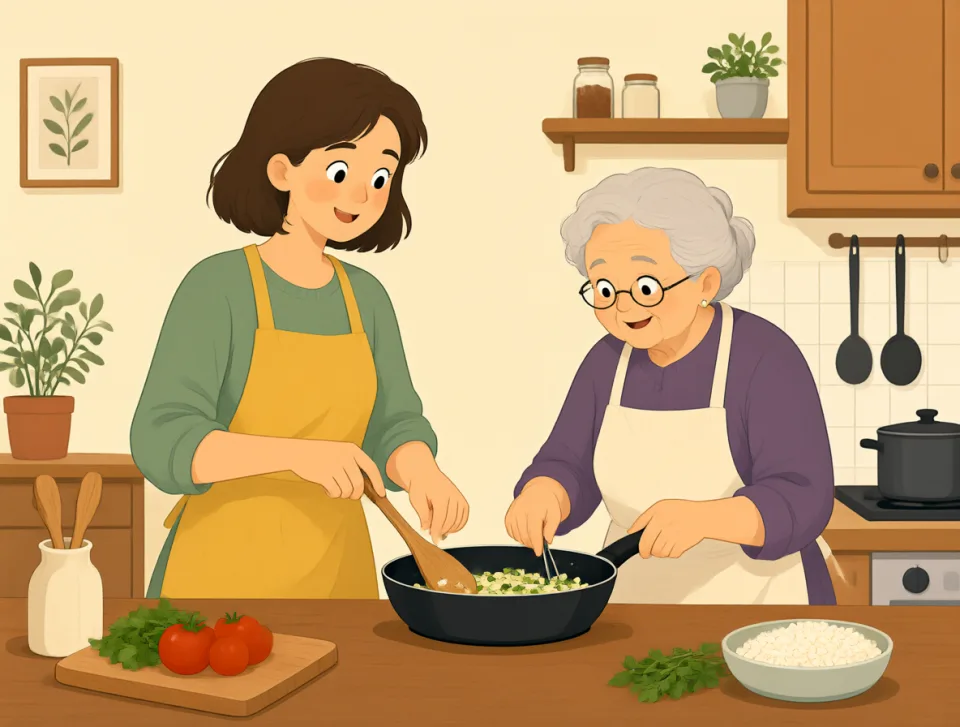
Her passion for cooking began when she helped her grandmother in the kitchen.
Jej pasja do gotowania zaczęła się, gdy pomagała babci w kuchni.

He spoke with passion about protecting animals and their natural homes.
Z pasją opowiadał o ochronie zwierząt i ich naturalnych siedlisk.
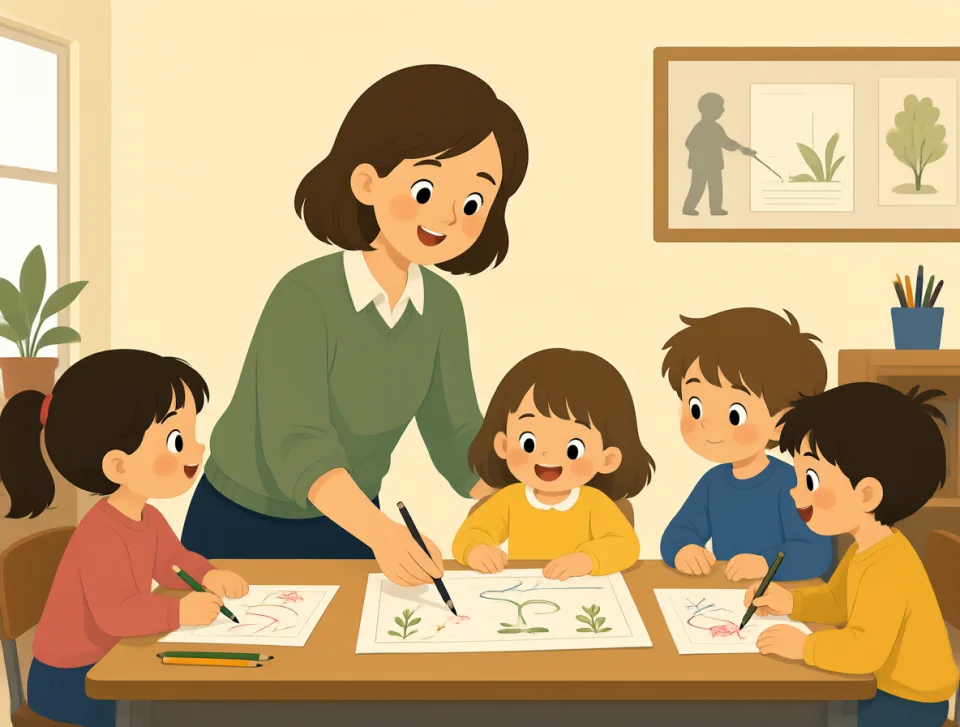
Teaching children is more than a job; it is her lifelong passion.
Uczenie dzieci to coś więcej niż praca; to jej życiowa pasja.

My passion for travel has taken me to many different countries.
Moja pasja do podróżowania zaprowadziła mnie do wielu różnych krajów.

The team played with passion and won the final game.
Zespół grał z pasją i wygrał finałowy mecz.

champion
#2446noun, verb
mistrz
A person or team that wins a competition, or someone who strongly supports a cause.
Osoba lub drużyna, która wygrywa zawody, albo ktoś, kto gorąco popiera jakąś sprawę.
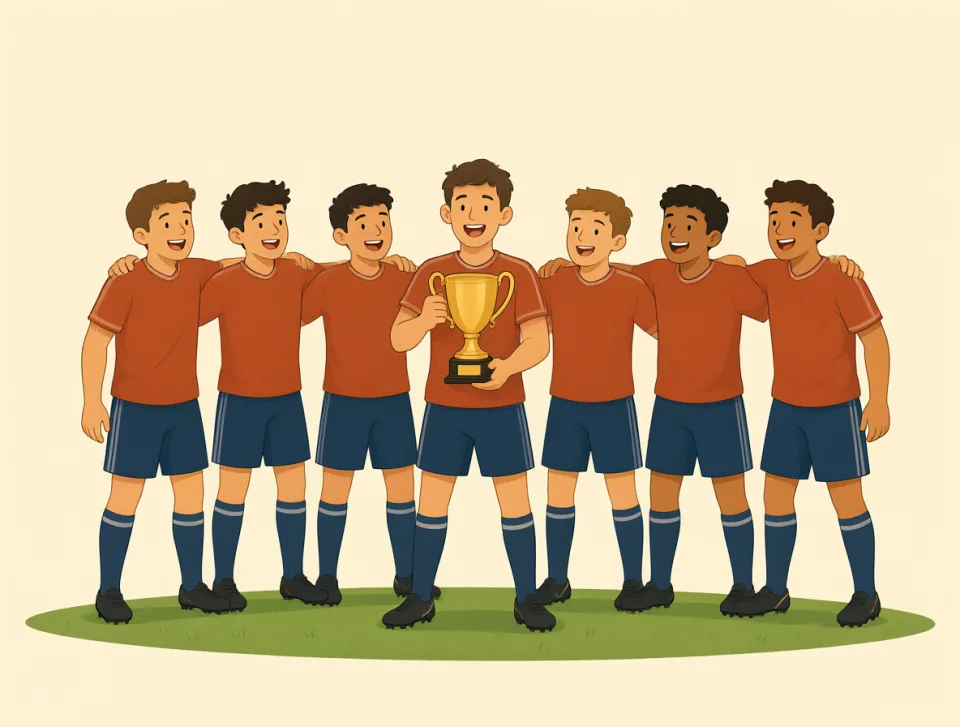
The team became champions after winning the final match.
Drużyna została mistrzem po wygraniu finałowego meczu.
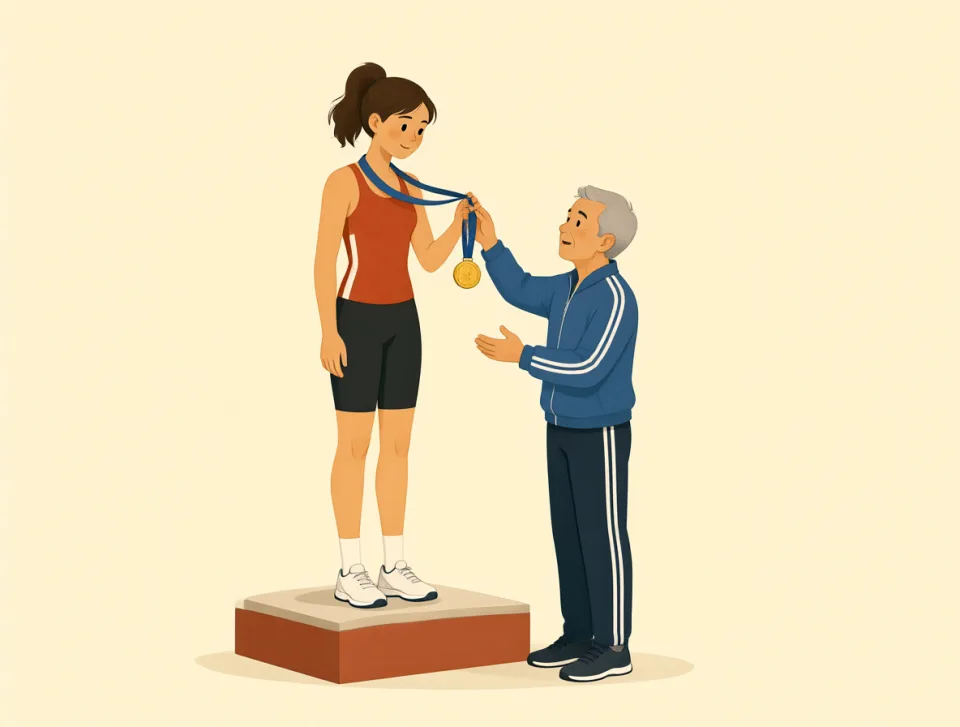
She was crowned champion after defeating three strong competitors.
Została mistrzynią po pokonaniu trzech silnych rywalek.

He champions equal opportunities for children from every background.
Opowiada się za równymi szansami dla dzieci z różnych środowisk.

Our school champion won first prize in the science competition.
Nasz szkolny mistrz zdobył pierwszą nagrodę w konkursie naukowym.
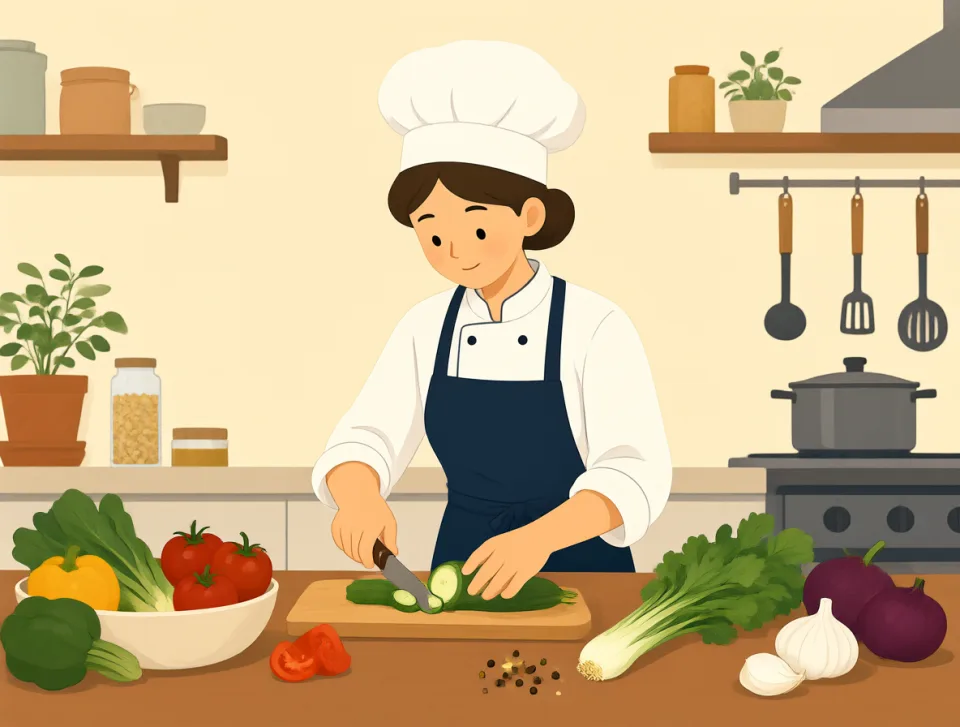
The restaurant champions fresh, local food from nearby farms.
Restauracja stawia na świeżą, lokalną żywność z pobliskich gospodarstw.
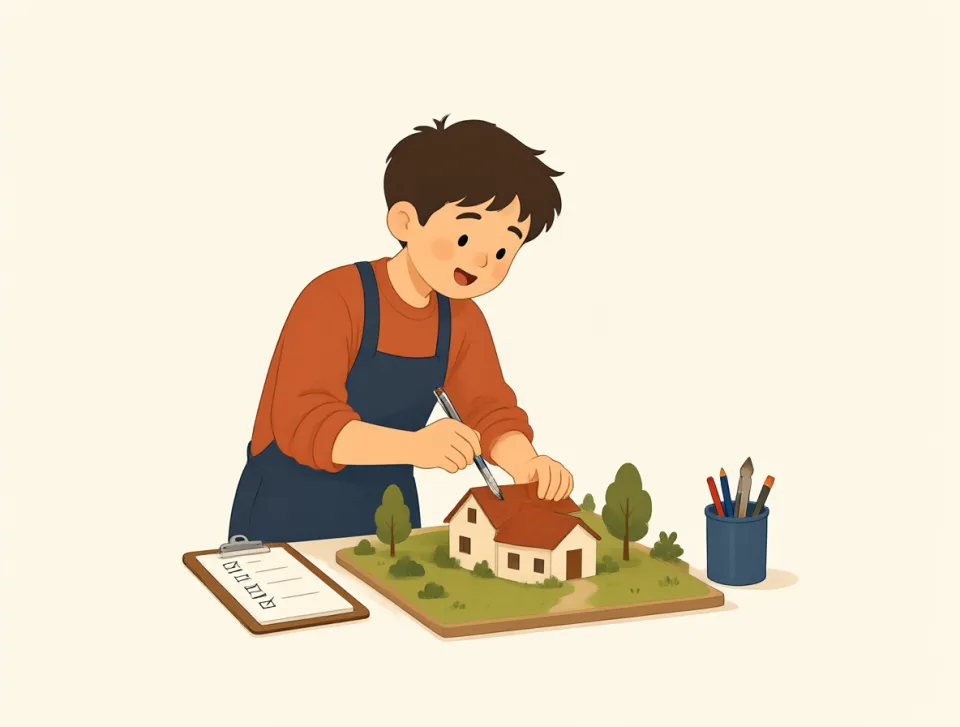
fulfill
#2447verb
spełniać
to do or achieve what is needed, expected, or promised
Robić lub osiągać to, co jest potrzebne, oczekiwane lub obiecane.
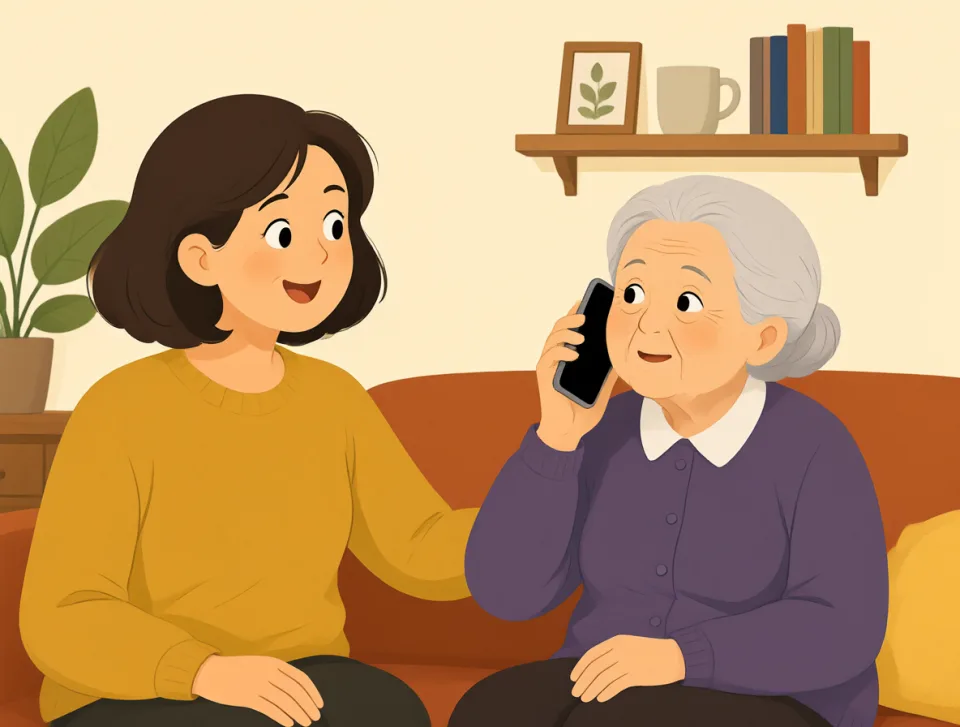
She fulfilled her promise and called her grandmother every Sunday.
Dotrzymała obietnicy i dzwoniła do babci w każdą niedzielę.

The hotel fulfilled our request for a quiet room near the elevator.
Hotel spełnił naszą prośbę o cichy pokój blisko windy.
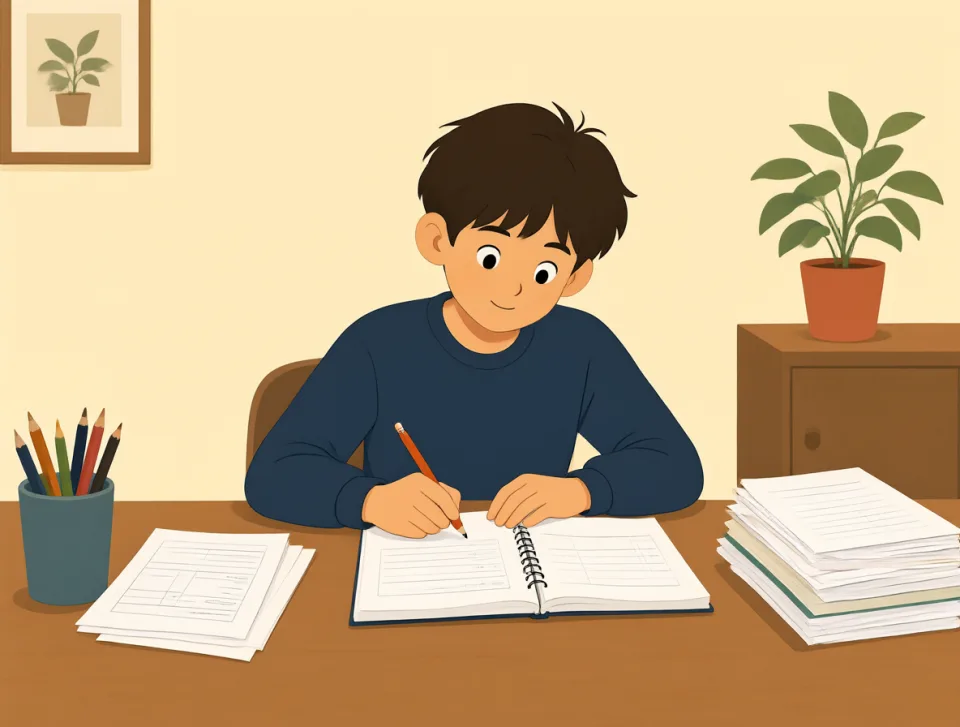
He is fulfilling the requirements for his university application this week.
W tym tygodniu spełnia wymagania dotyczące podania na uniwersytet.
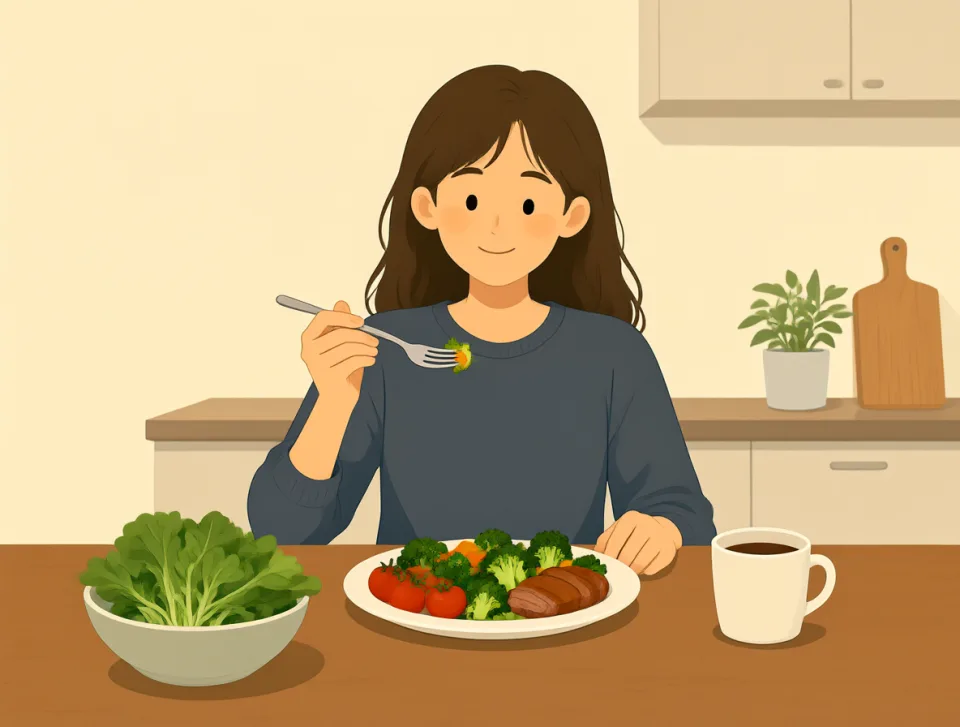
This meal fulfills your daily need for protein and healthy vegetables.
Ten posiłek zaspokaja dzienne zapotrzebowanie na białko i zdrowe warzywa.

The new job finally fulfilled his dream of working with children.
Nowa praca w końcu spełniła jego marzenie o pracy z dziećmi.
dust
#2448noun, verb
kurz
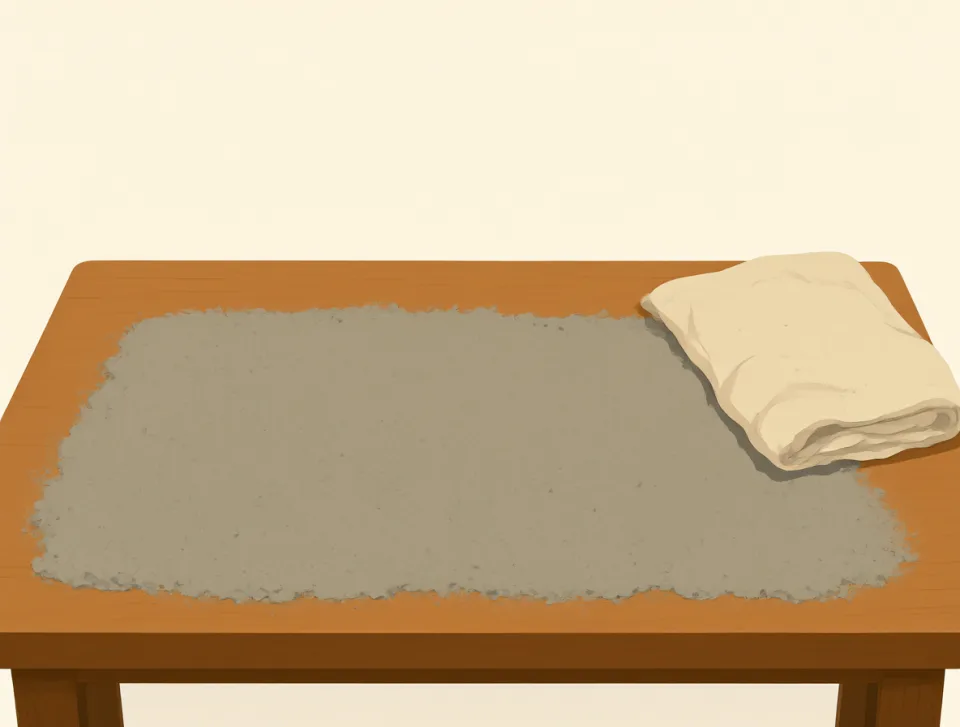
tiny dry particles of dirt that collect on surfaces, or to remove them
Drobne, suche cząsteczki brudu osiadające na powierzchniach albo usuwać je.

Please dust the shelves before our guests arrive this evening.
Proszę odkurzyć półki, zanim dziś wieczorem przyjdą nasi goście.
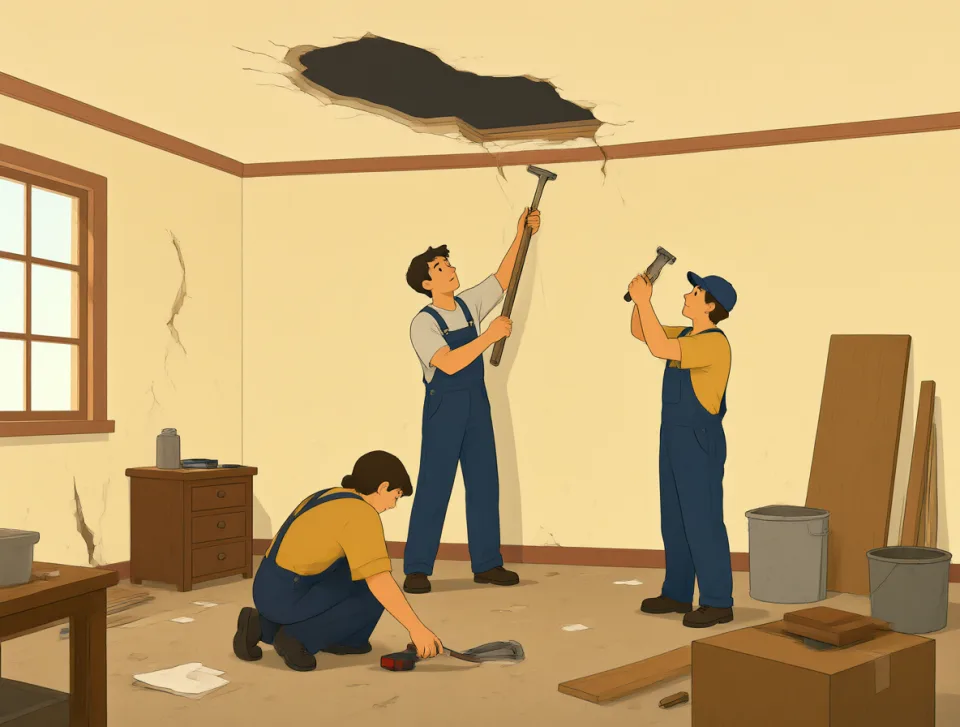
There was dust everywhere after workers repaired the old ceiling.
Po naprawie starego sufitu przez robotników wszędzie było pełno kurzu.
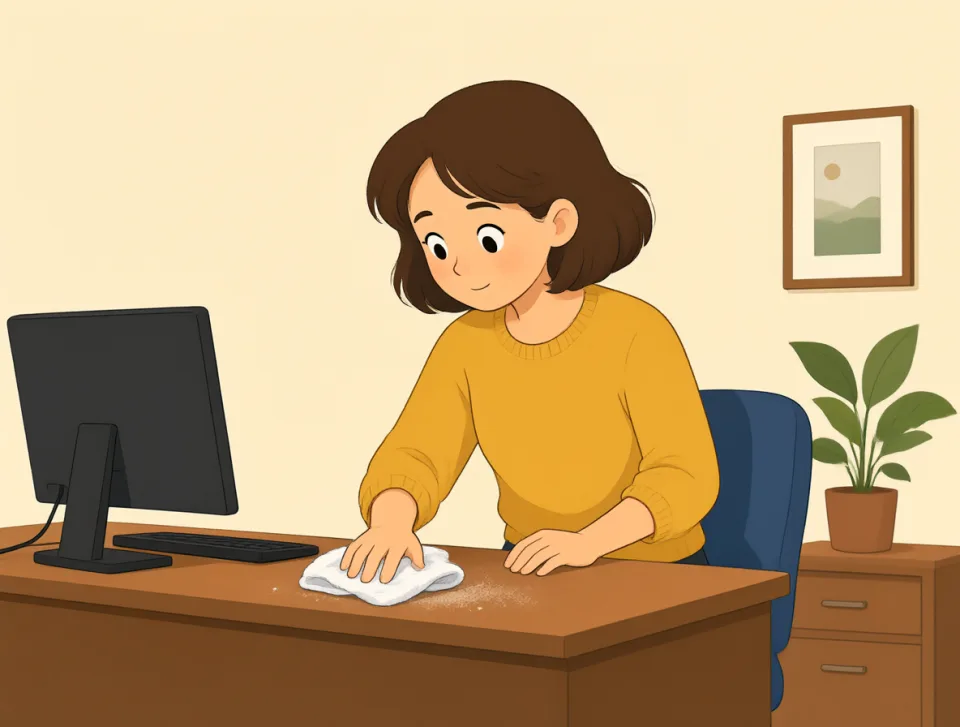
She wiped the dust off her desk before starting work.
Starła kurz z biurka, zanim zaczęła pracę.

The teacher asked students to dust the science equipment carefully.
Nauczyciel poprosił uczniów, żeby ostrożnie odkurzyli sprzęt laboratoryjny.
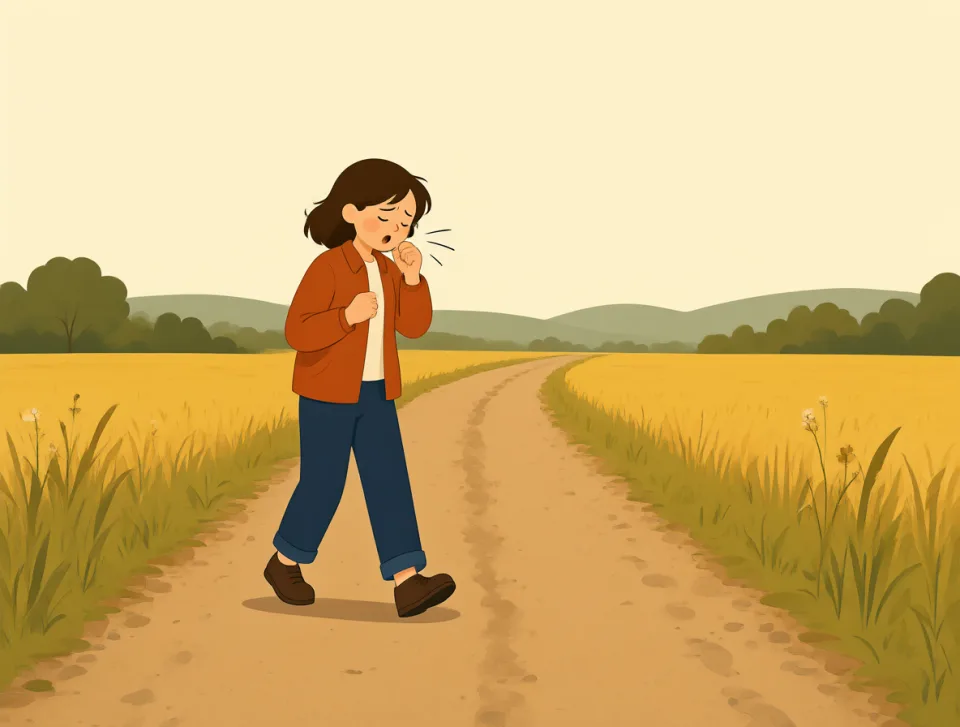
Dust from the road made him cough during the long walk.
Kurz z drogi sprawił, że kaszlał podczas długiego spaceru.

dedicate
#2449verb
poświęcać
to give your time, effort, or attention to a particular activity or purpose
Przeznaczać swój czas, wysiłek lub uwagę na określone zajęcie albo cel.
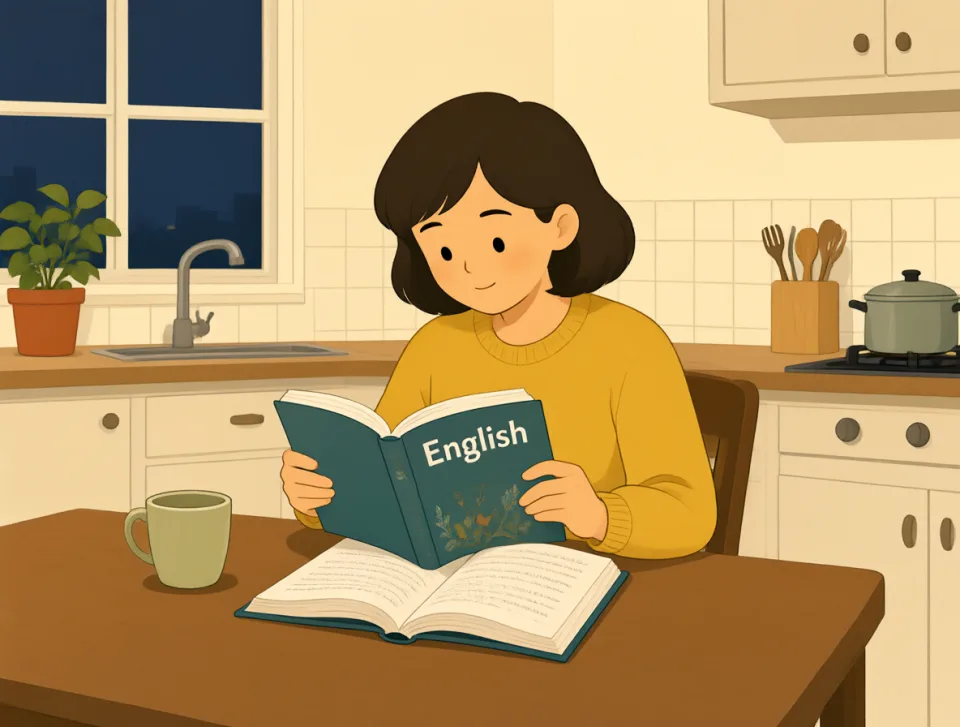
She dedicates two hours every evening to learning English.
Każdego wieczoru poświęca dwie godziny na naukę angielskiego.

He dedicated the new library to his late mother.
Zadedykował nową bibliotekę swojej zmarłej matce.

Our team is dedicated to providing excellent customer service.
Nasz zespół dokłada wszelkich starań, by zapewniać doskonałą obsługę klienta.

They dedicated their weekend to cleaning and painting the house.
Poświęcili weekend na sprzątanie i malowanie domu.
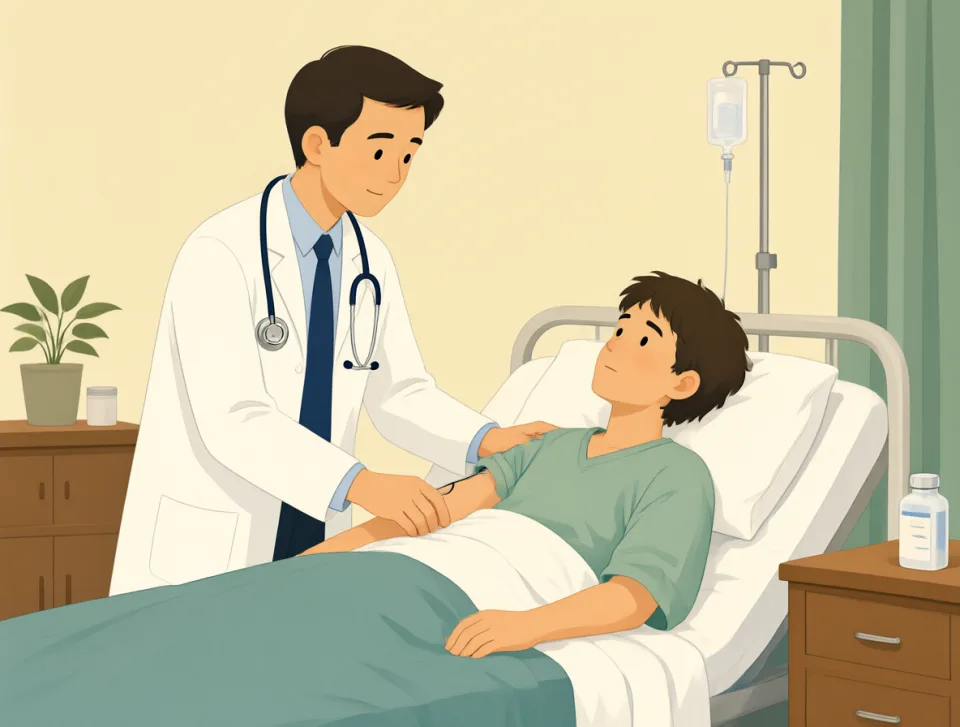
The doctor is dedicated to helping patients recover after surgery.
Lekarz z pełnym zaangażowaniem pomaga pacjentom wrócić do zdrowia po operacji.

roughly
#2450adverb
około
used to say that an amount, number, or time is not exact
Używane, by zaznaczyć, że dana ilość, liczba lub czas nie są dokładne.
The journey takes roughly two hours by train.
Podróż pociągiem trwa około dwóch godzin.
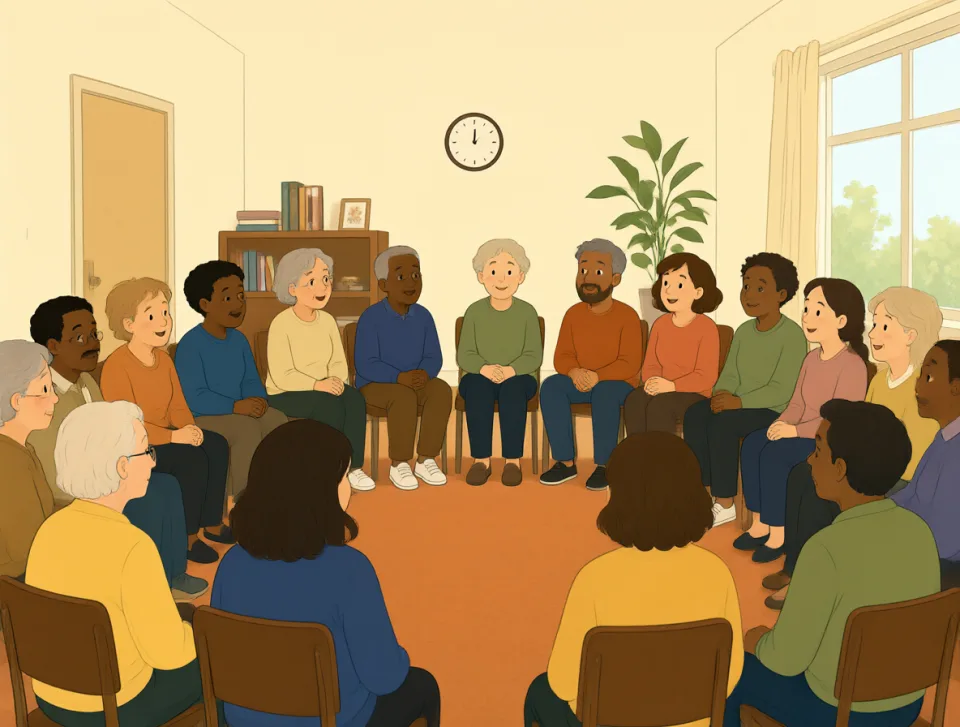
Roughly twenty people came to the neighborhood meeting.
Na spotkanie sąsiedzkie przyszło około dwudziestu osób.

The box is roughly the same size as this one.
To pudełko jest mniej więcej tej samej wielkości co to.
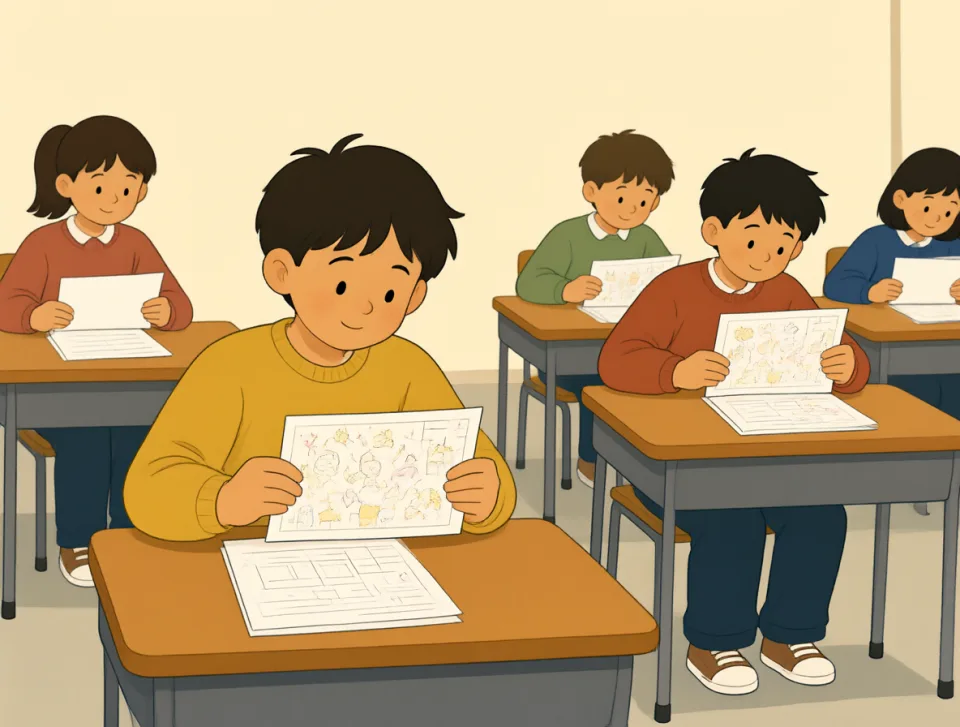
Roughly half the students finished the project before Friday.
Mniej więcej połowa uczniów skończyła projekt przed piątkiem.

I spend roughly fifty dollars on groceries each week.
Wydaję około pięćdziesięciu dolarów tygodniowo na zakupy spożywcze.
skirt
#2451noun, verb
spódnica
A piece of clothing worn from the waist, covering the legs separately; to go around something.
Część garderoby noszona od pasa w dół; także: omijać coś.

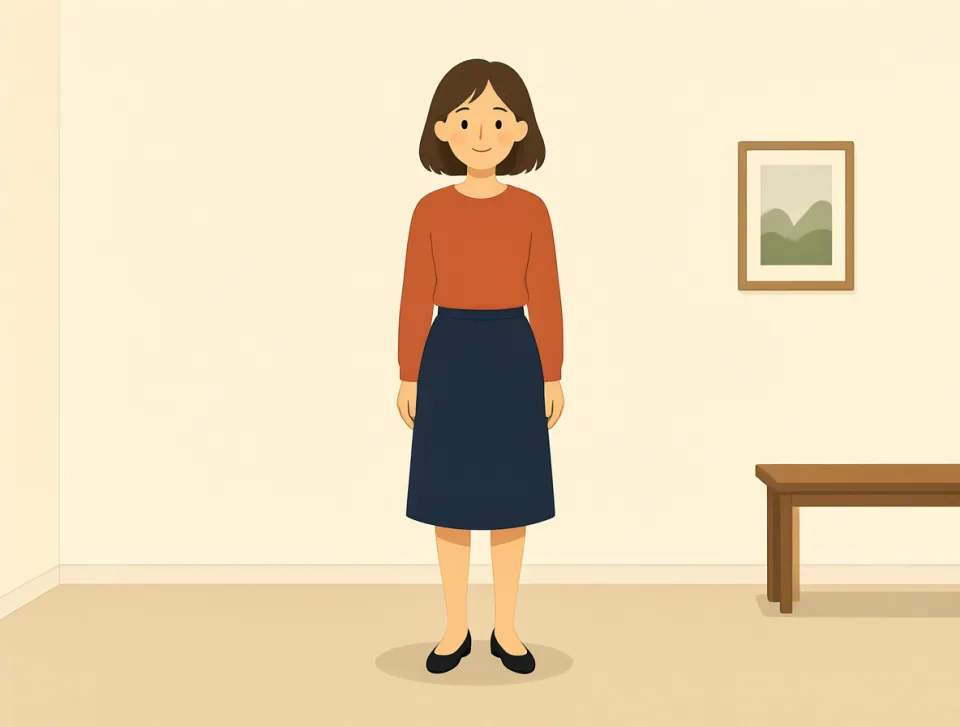
She bought a new skirt for the wedding next month.
Kupiła nową spódnicę na ślub w przyszłym miesiącu.
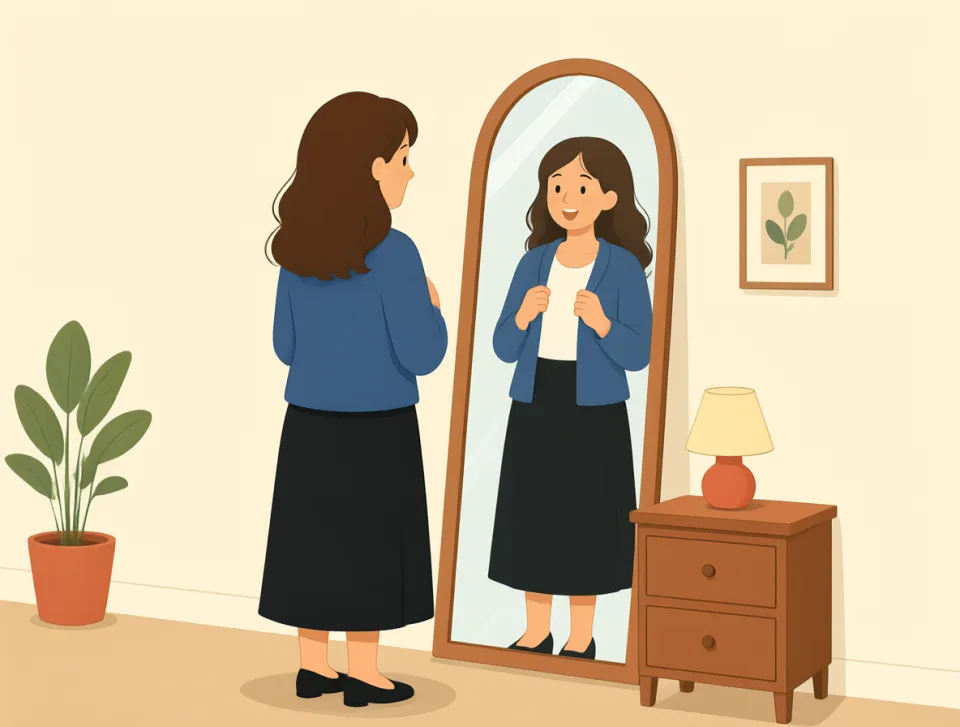
This black skirt goes well with my blue jacket.
Ta czarna spódnica dobrze pasuje do mojej niebieskiej kurtki.
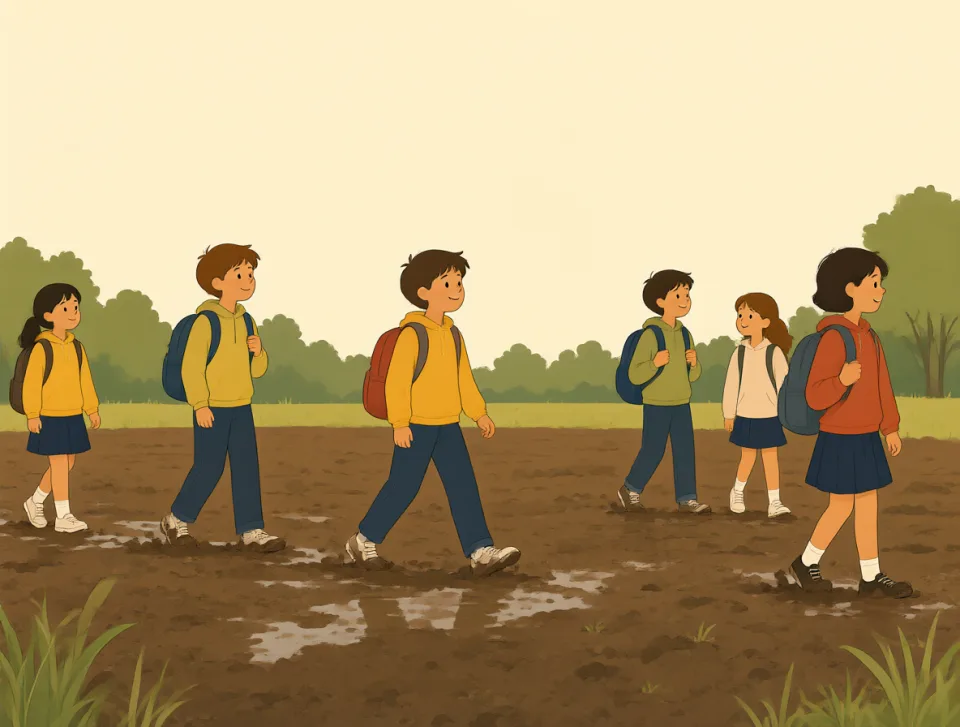
The teacher asked the students to skirt the muddy field.
Nauczyciel poprosił uczniów, żeby obeszli błotniste pole.

We skirted the city center to avoid heavy traffic.
Ominęliśmy centrum miasta, żeby uniknąć dużego ruchu.

The path skirts the lake before climbing into the forest.
Ścieżka biegnie wzdłuż jeziora, a potem wznosi się w stronę lasu.

province
#2452noun
prowincja
a region of a country, often with its own government and local administration
Region kraju, często mający własny rząd i lokalną administrację.

She moved to another province to find a cheaper apartment and a better job.
Przeprowadziła się do innej prowincji, żeby znaleźć tańsze mieszkanie i lepszą pracę.
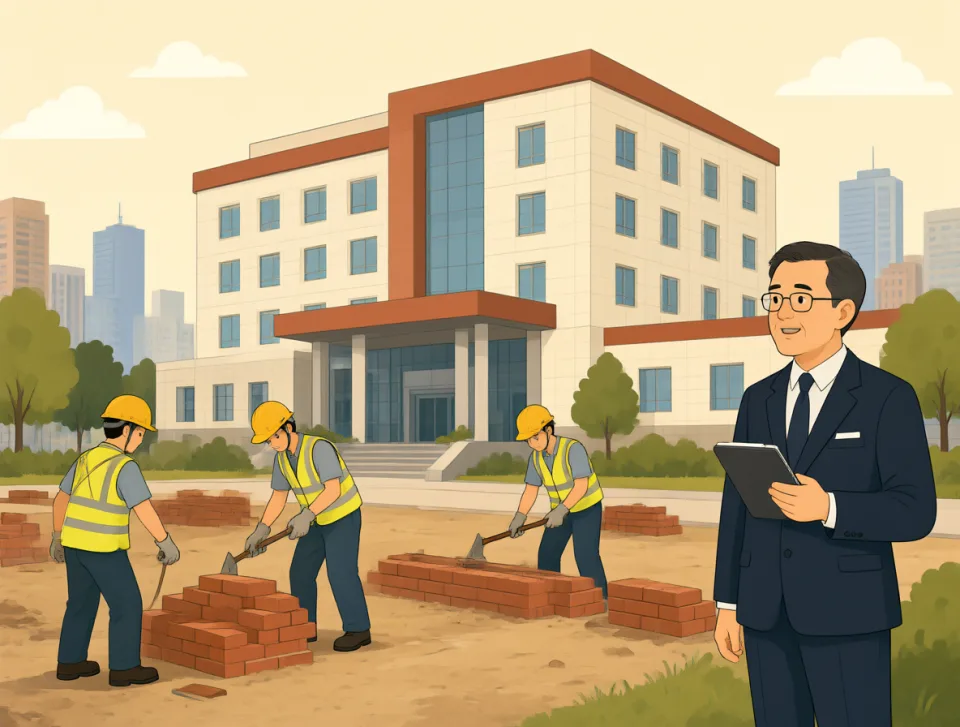
The provincial government is building a new hospital near the capital.
Władze prowincji budują nowy szpital w pobliżu stolicy.

Our school trip took us to a beautiful province beside the sea.
Nasza szkolna wycieczka zabrała nas do pięknej nadmorskiej prowincji.
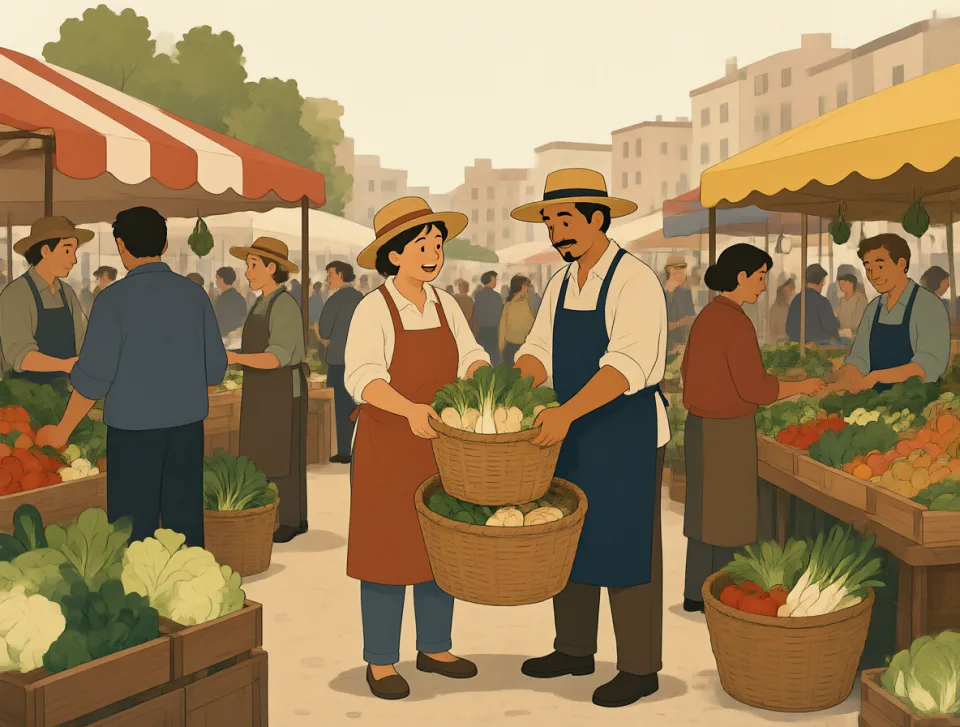
Fresh vegetables from the province arrive at the city market every morning.
Świeże warzywa z prowincji docierają na miejski targ każdego ranka.

My friend grew up in a quiet province far from the capital.
Mój przyjaciel dorastał w spokojnej prowincji, daleko od stolicy.
march
#2453noun, verb
maszerować
To walk with regular steps, especially in a group or in a formal way.
Iść równym krokiem, zwłaszcza w grupie lub w sposób uroczysty.
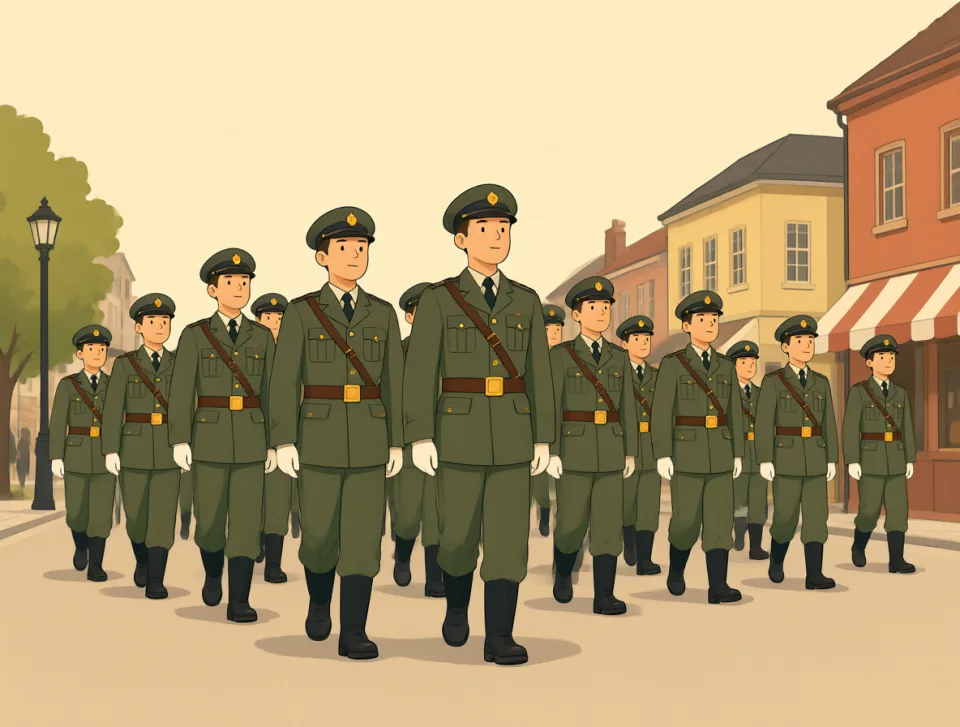
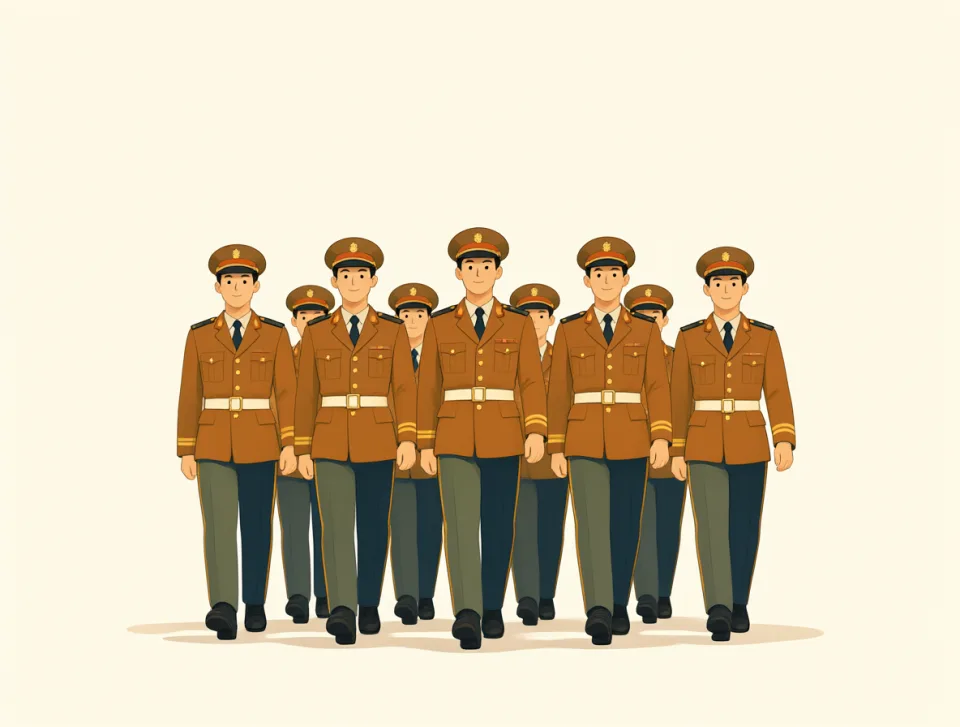
The soldiers marched through the town during the national parade.
Żołnierze maszerowali przez miasto podczas parady narodowej.
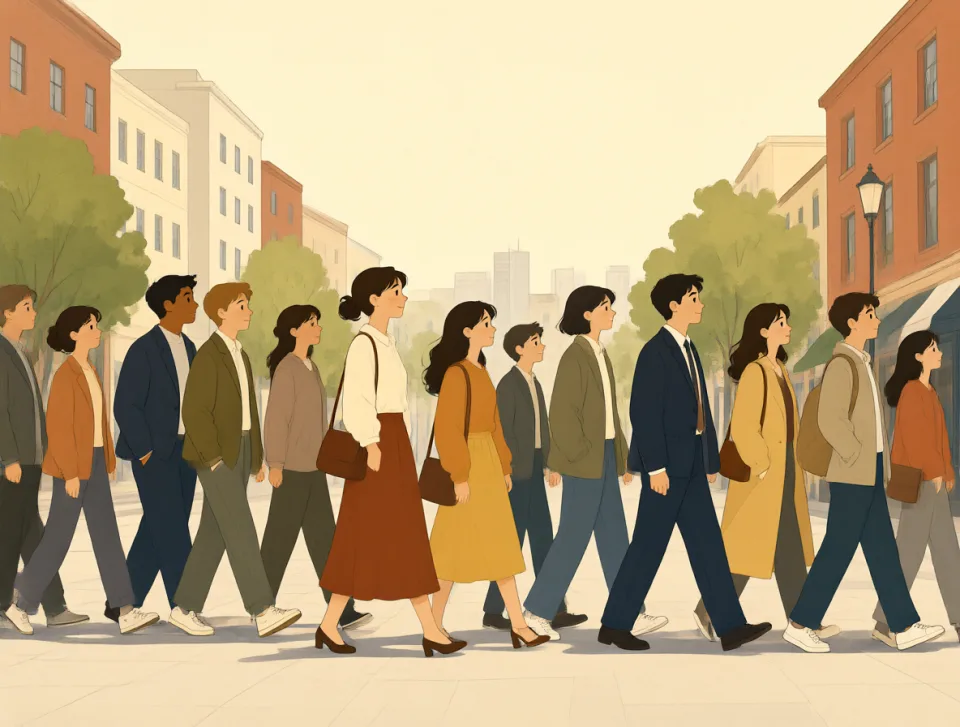
Thousands of people marched for peace in the city center.
Tysiące ludzi maszerowały w centrum miasta w obronie pokoju.
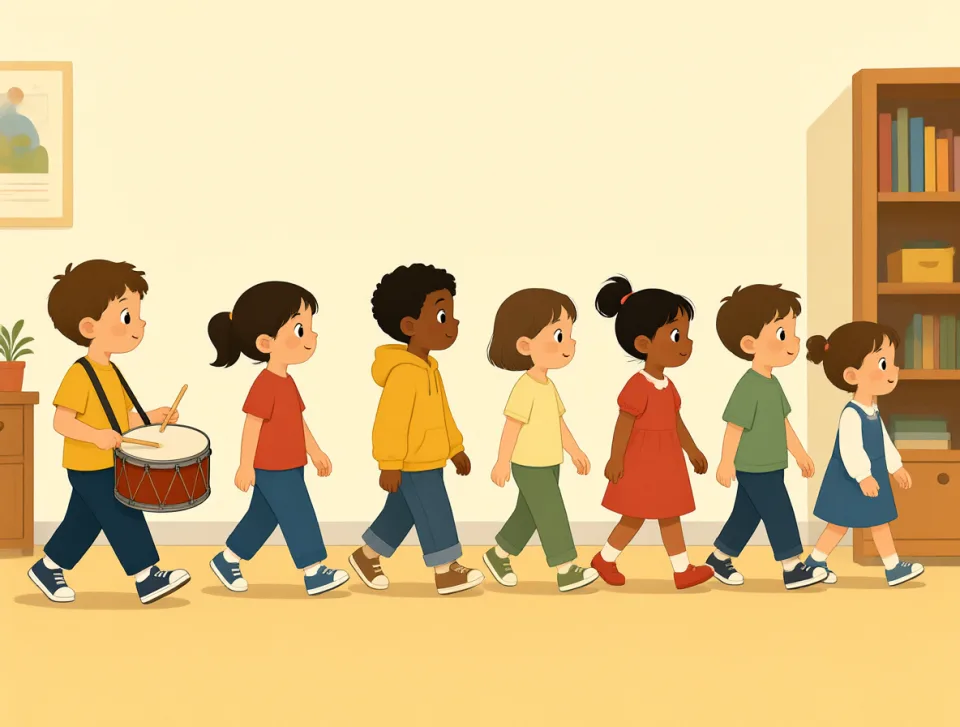
The children marched around the classroom while playing a drum.
Dzieci maszerowały po klasie, grając na bębenku.
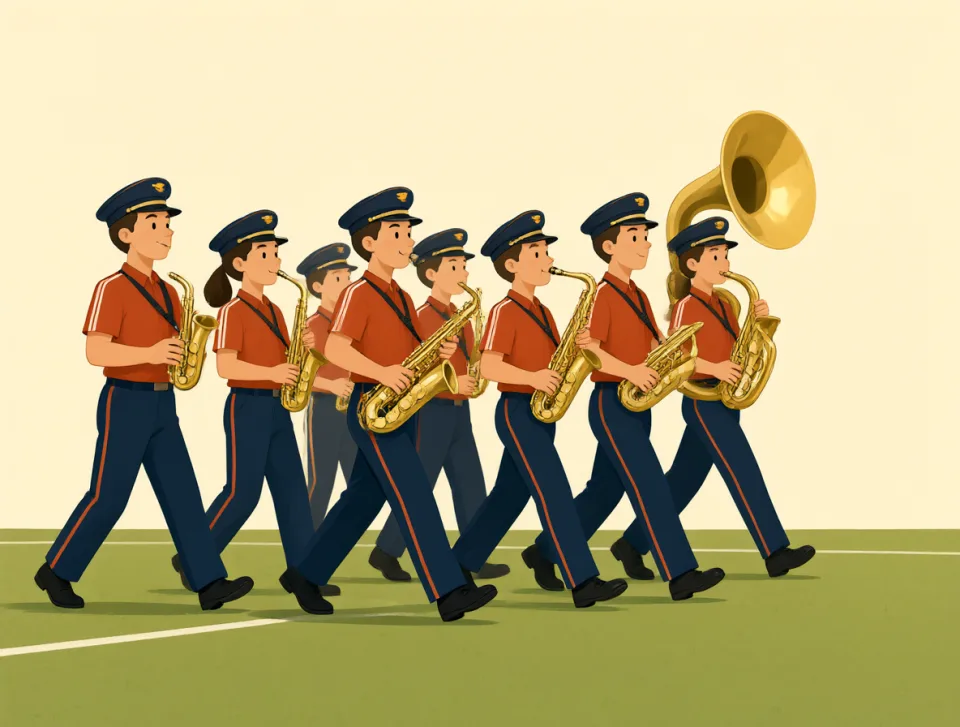
The band marched onto the field before the football game began.
Zespół maszerował na boisko, zanim rozpoczął się mecz piłkarski.

We marched up the hill to reach the old castle.
Maszerowaliśmy pod górę, żeby dotrzeć do starego zamku.
evaluation
#2454noun
ocena
A careful judgment about the quality, value, or success of something.
Dokładna ocena jakości, wartości lub powodzenia czegoś.

The doctor scheduled an evaluation to understand why I feel tired.
Lekarz zaplanował badanie, żeby ustalić, dlaczego czuję się zmęczony.

Employees receive a yearly evaluation from their manager at work.
Pracownicy otrzymują w pracy coroczną ocenę od swojego kierownika.

The teacher's evaluation showed that Maya had made excellent progress.
Ocena nauczyciela wykazała, że Maya zrobiła znakomite postępy.

We waited for the hotel evaluation before booking our holiday room.
Czekaliśmy na ocenę hotelu, zanim zarezerwowaliśmy pokój na wakacje.
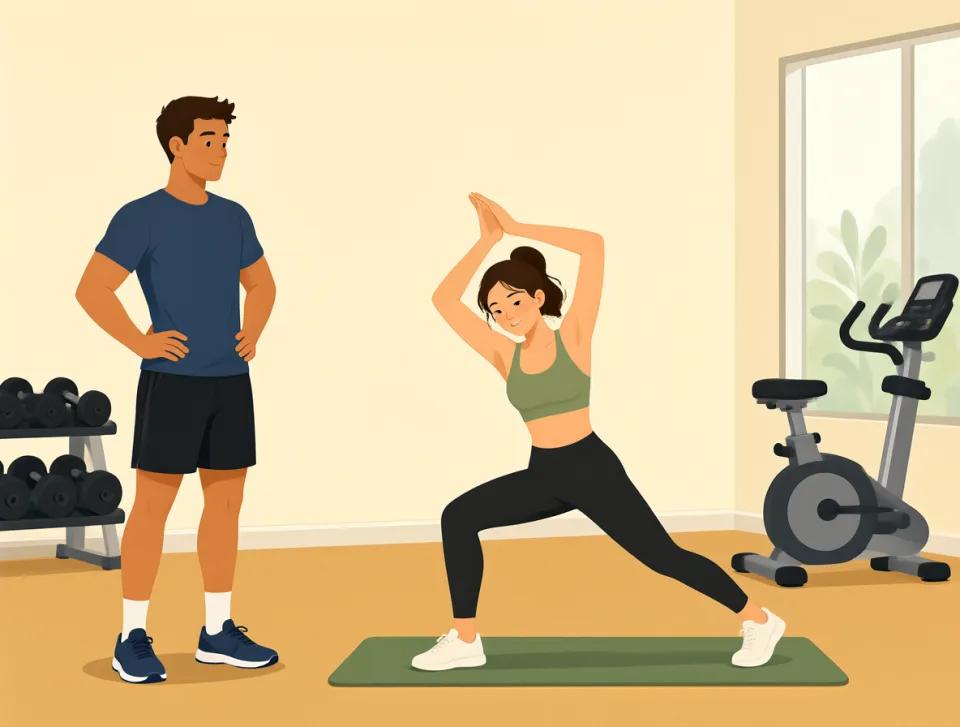
The fitness evaluation helped my friend choose safer exercises after her injury.
Ocena sprawności fizycznej pomogła mojej przyjaciółce wybrać bezpieczniejsze ćwiczenia po kontuzji.
compromise
#2455noun, verb
kompromis
An agreement where each side accepts less than it originally wanted.
Porozumienie, w którym każda ze stron zgadza się na mniej, niż pierwotnie chciała.

We reached a compromise about where to spend our summer holiday.
Doszliśmy do kompromisu w sprawie tego, gdzie spędzimy letnie wakacje.

Both sides made compromises to end the argument peacefully.
Obie strony poszły na kompromis, żeby spokojnie zakończyć spór.

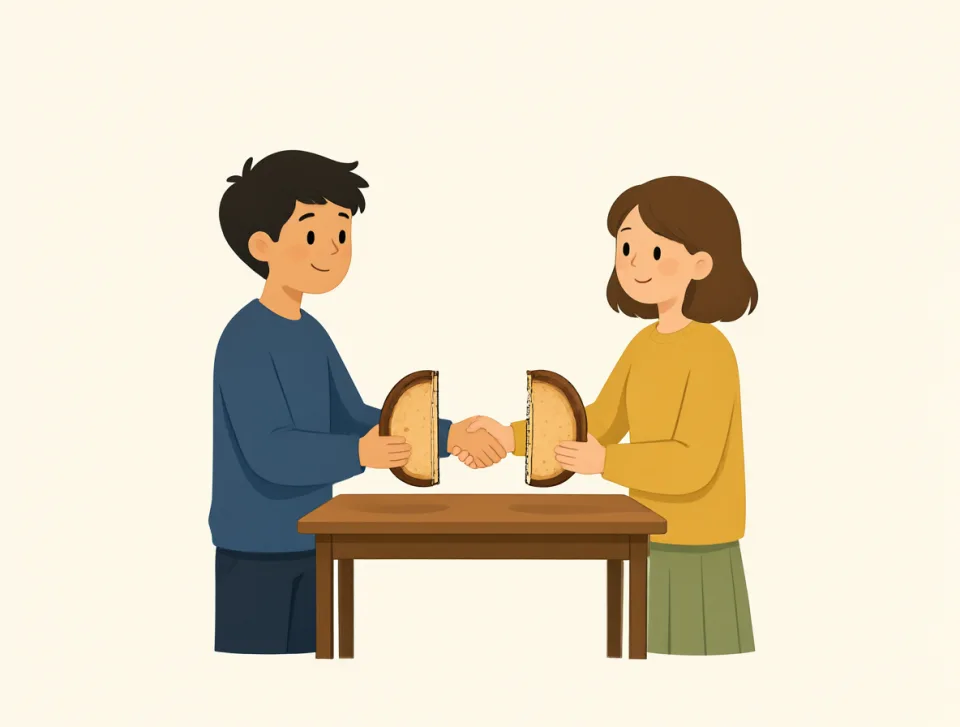
I wanted pizza, but I compromised and ordered salad with my friends.
Miałem ochotę na pizzę, ale poszedłem na kompromis i zamówiłem sałatkę z przyjaciółmi.

The manager compromised by allowing flexible hours for the whole team.
Kierownik poszedł na kompromis, zgadzając się na elastyczne godziny pracy dla całego zespołu.

She compromised her health by working late and sleeping too little.
Narażała swoje zdrowie, pracując do późna i śpiąc zbyt mało.
accomplish
#2456verb
osiągnąć
to succeed in doing or completing something, especially something difficult
z powodzeniem zrobić lub ukończyć coś, zwłaszcza coś trudnego

She accomplished her goal of running five kilometers before breakfast.
Osiągnęła swój cel i przebiegła pięć kilometrów przed śniadaniem.

Our team accomplished the project ahead of schedule and under budget.
Nasz zespół zrealizował projekt przed terminem i nie przekroczył budżetu.

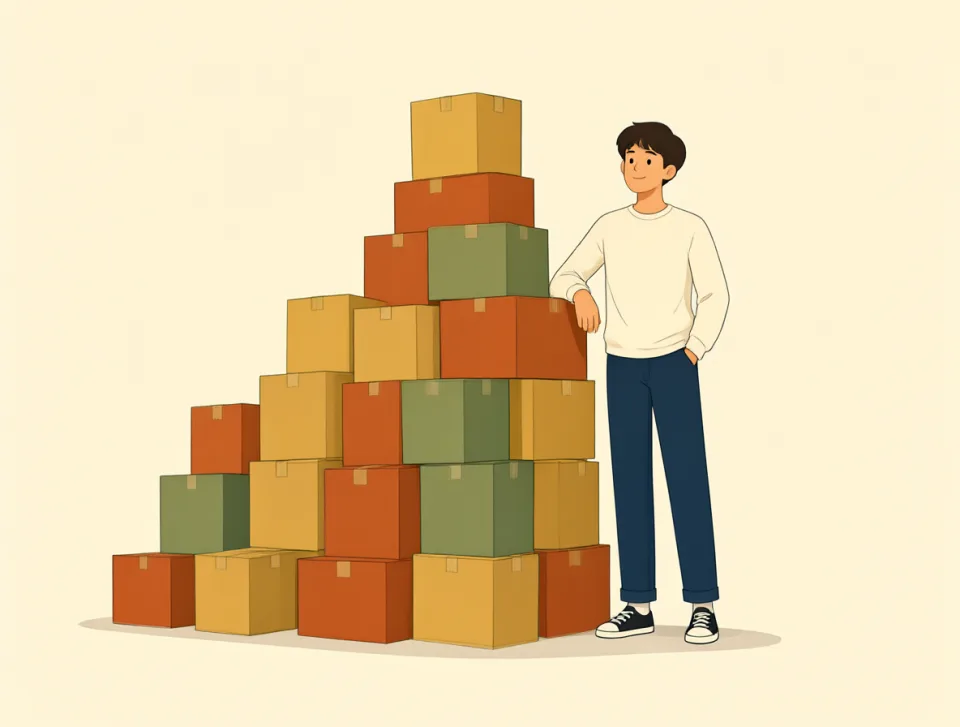
He accomplished a lot during the weekend by cleaning the whole house.
W weekend zrobił mnóstwo rzeczy — posprzątał cały dom.

The students accomplished the difficult task together during their science class.
Uczniowie wspólnie wykonali trudne zadanie podczas lekcji przyrody.
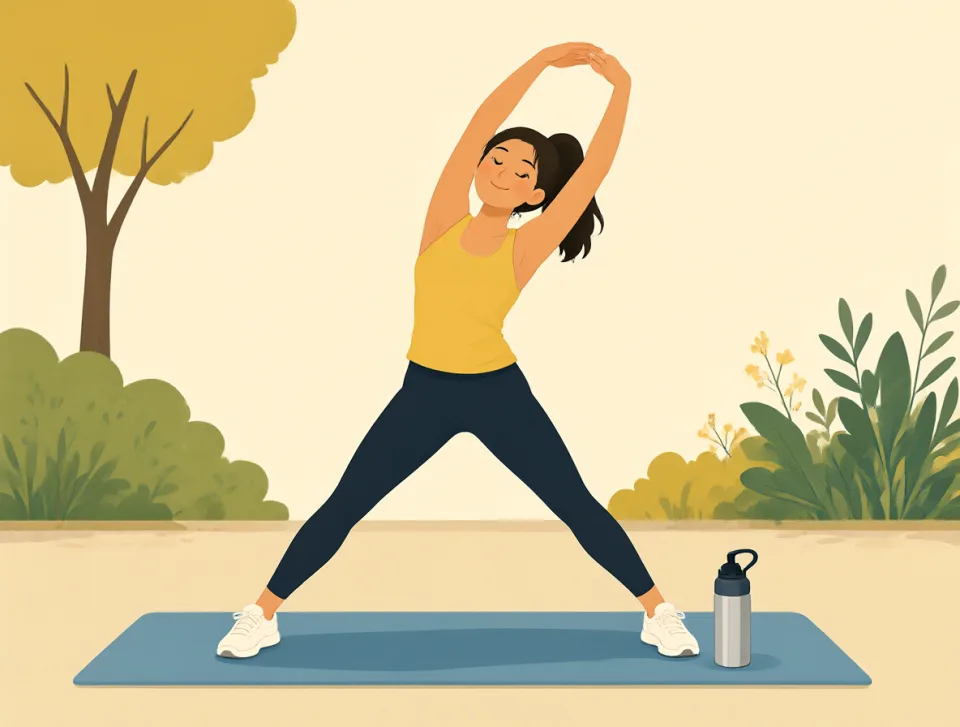
With regular exercise and rest, she accomplished a healthier lifestyle.
Dzięki regularnym ćwiczeniom i odpoczynkowi wypracowała zdrowszy styl życia.

weakness
#2457noun
słabość
A fault or problem that makes someone or something less strong or successful.
Wada lub problem, który sprawia, że ktoś lub coś jest mniej silne albo osiąga gorsze wyniki.
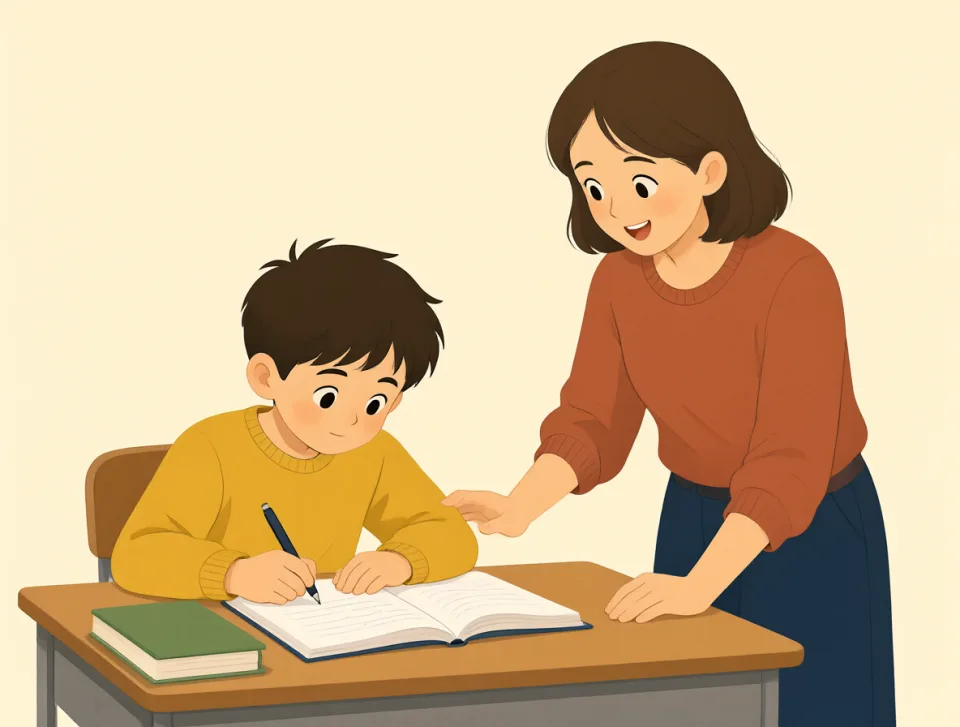
Everyone has a weakness, but practice can help you improve.
Każdy ma jakąś słabość, ale ćwiczenia mogą pomóc ci się poprawić.
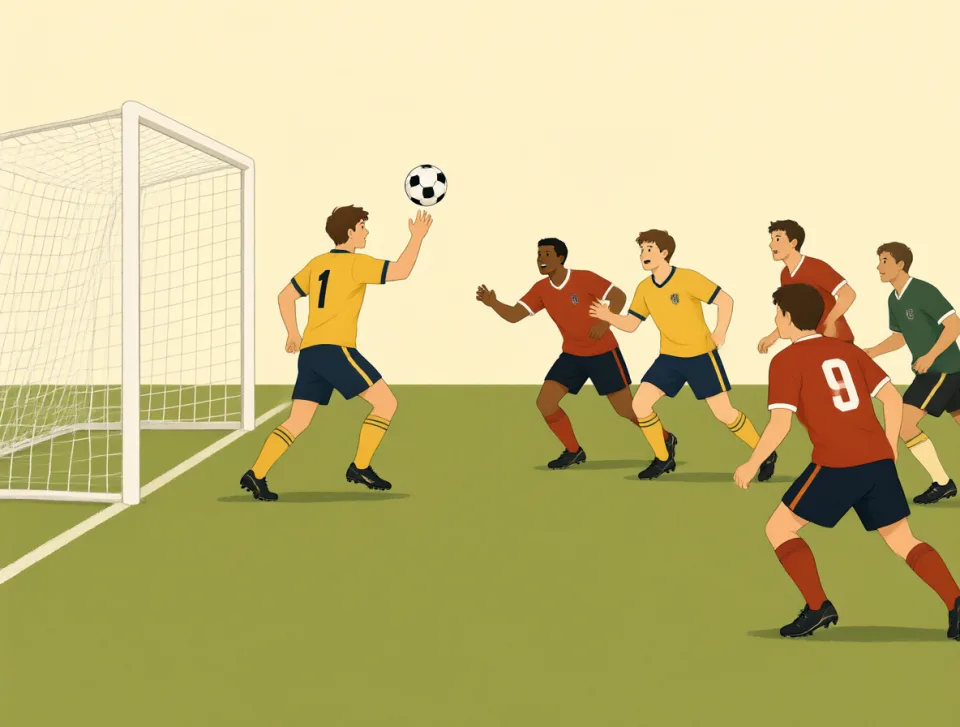
The team's main weakness is its defense during the final minutes.
Największą słabością drużyny jest obrona w ostatnich minutach.

She admitted her weakness for chocolate and bought another bar.
Przyznała, że nie potrafi oprzeć się czekoladzie, i kupiła kolejną tabliczkę.
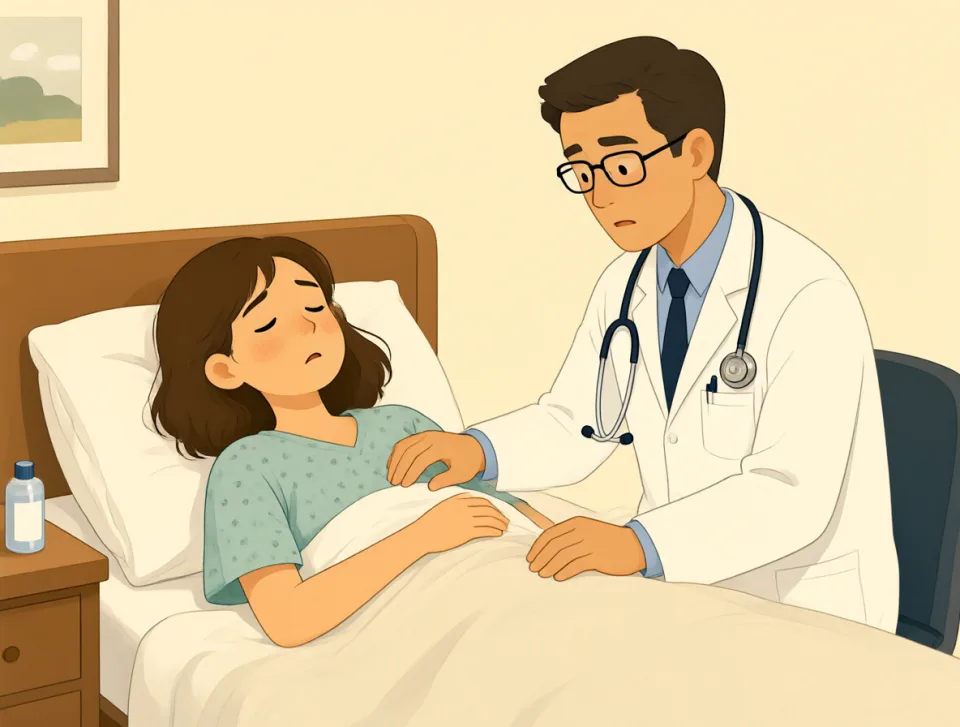
The doctor said tiredness was a temporary weakness after the illness.
Lekarz powiedział, że osłabienie po chorobie jest przejściowe.

His weakness for expensive coffee makes saving money difficult.
Jego słabość do drogiej kawy utrudnia mu oszczędzanie.

announcement
#2458noun
ogłoszenie
a public or official statement that gives people important information
publiczna lub oficjalna informacja przekazująca ludziom ważne wiadomości
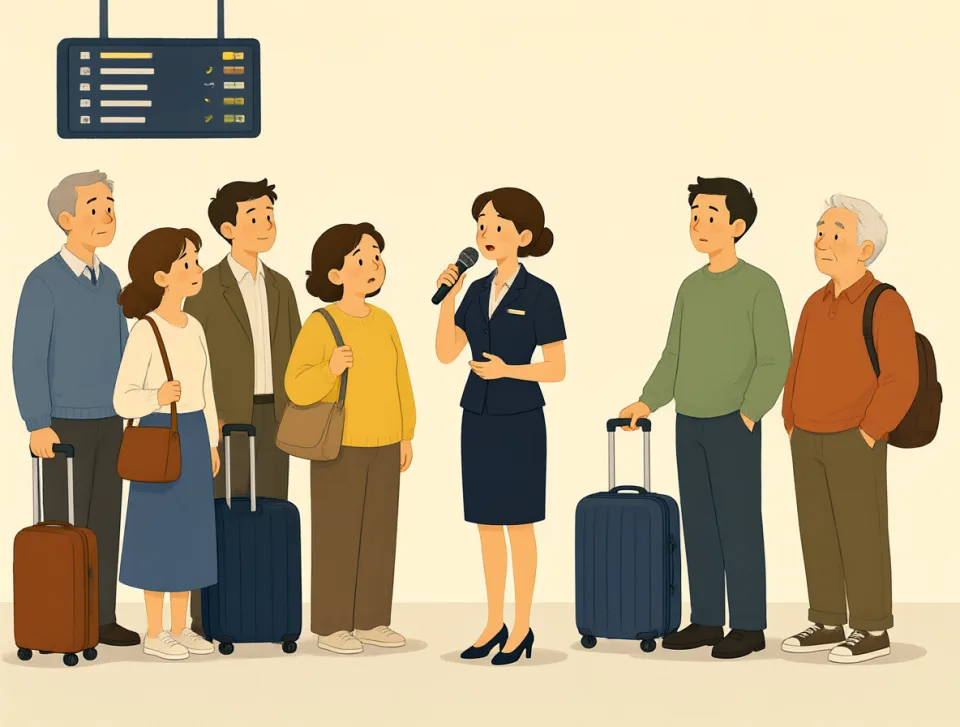
The airline made an announcement about the delayed flight at the airport.
Linia lotnicza ogłosiła na lotnisku, że lot jest opóźniony.
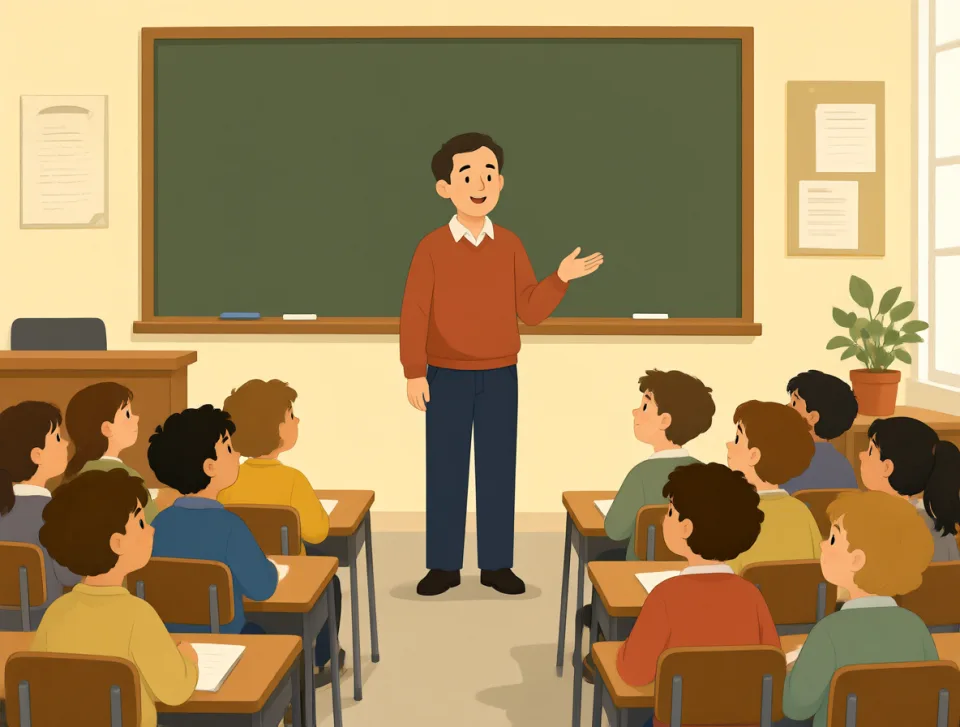
The principal made an announcement about tomorrow's school trip during assembly.
Podczas apelu dyrektor ogłosił, że jutrzejsza wycieczka szkolna się odbędzie.

The company issued an official announcement about changes to employees' working hours.
Firma wydała oficjalne ogłoszenie o zmianach godzin pracy pracowników.

We were excited by the announcement that our friends were getting married.
Ucieszyła nas wiadomość, że nasi przyjaciele biorą ślub.

We are waiting for an announcement about the test results.
Czekamy na ogłoszenie wyników testu.
salt
#2459noun, verb
sól
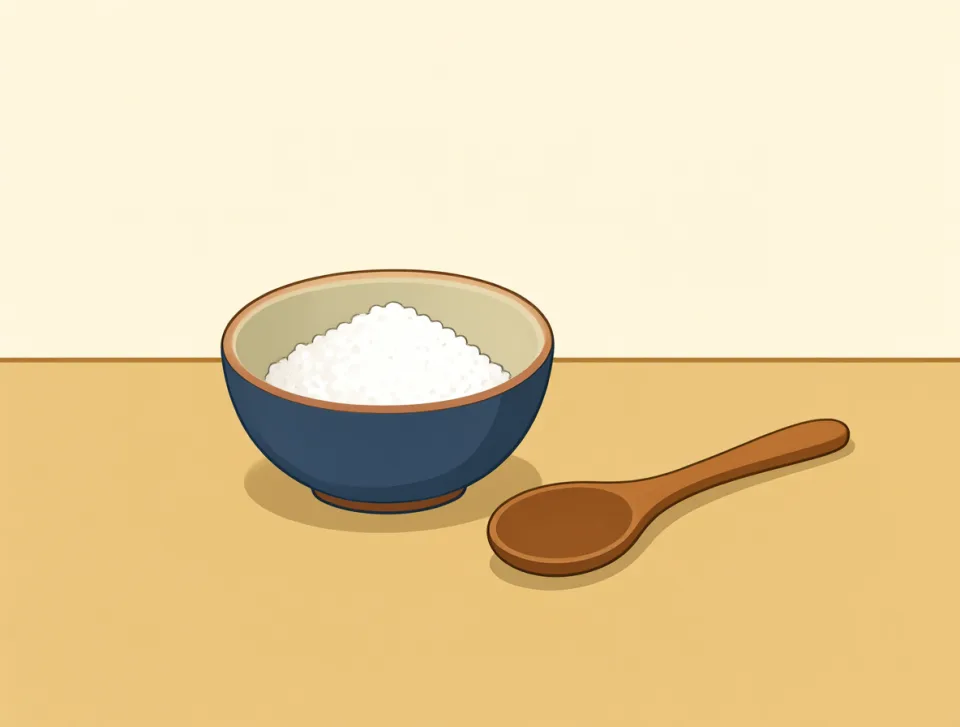
A white substance used to add flavor to food or preserve it.
Biała substancja używana do poprawiania smaku potraw lub ich konserwowania.
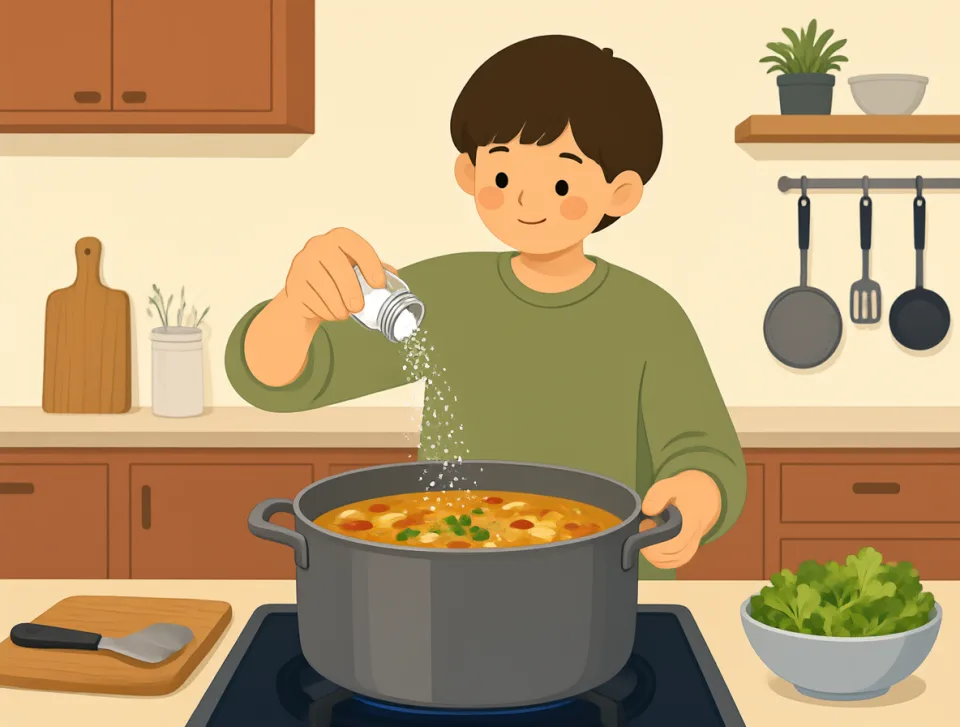
Please add a little salt to the soup before serving it.
Przed podaniem dodaj do zupy odrobinę soli.
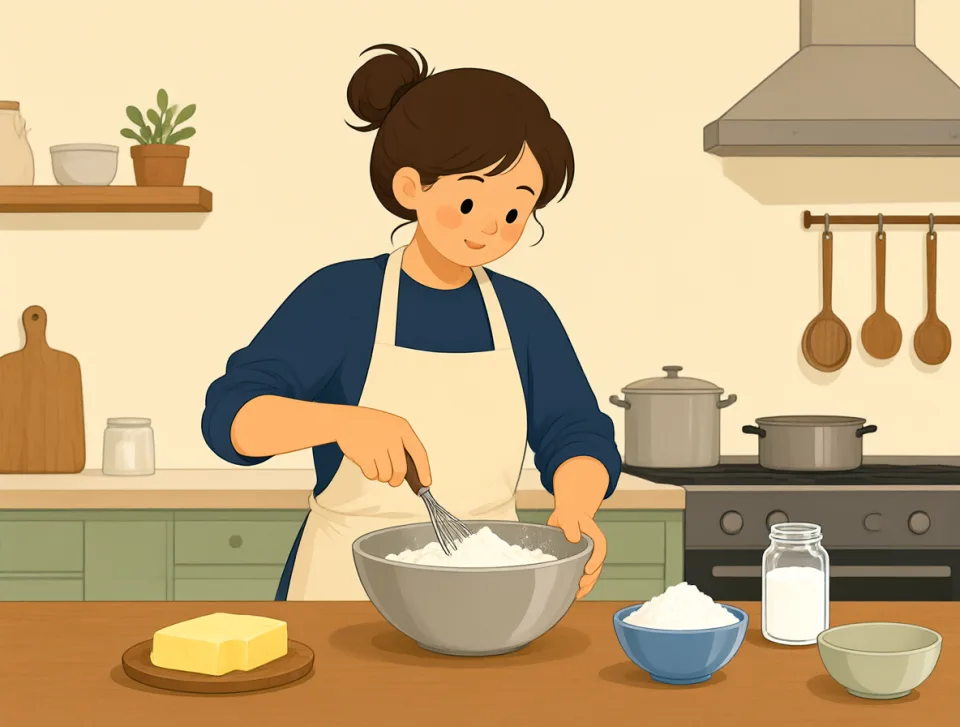
This recipe says to mix the flour, butter, and salt together.
W przepisie jest napisane, żeby wymieszać mąkę, masło i sól.

The doctor told him to eat less salt for his health.
Lekarz powiedział mu, żeby ze względu na zdrowie jadł mniej soli.
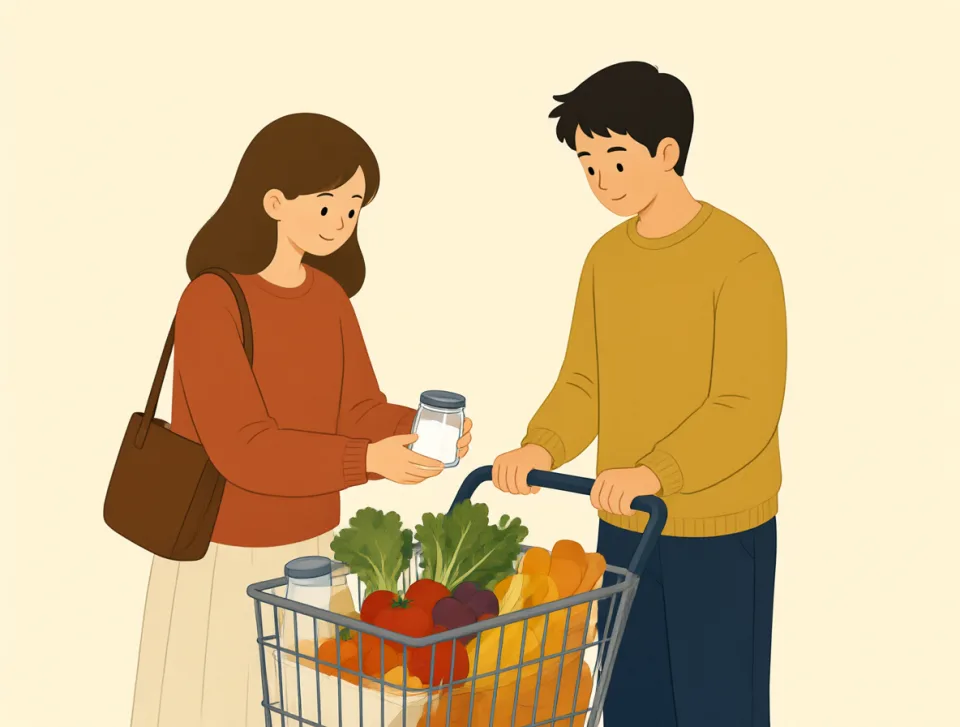
We bought salt and other basic ingredients at the supermarket.
Kupiliśmy w supermarkecie sól i inne podstawowe składniki.

Workers salted the icy road before the morning traffic began.
Pracownicy posypali oblodzoną drogę solą, zanim rano rozpoczął się ruch.

glance
#2460noun, verb
rzut oka
A quick look at something or someone; to look quickly.
Szybkie spojrzenie na coś lub kogoś; spojrzeć szybko.
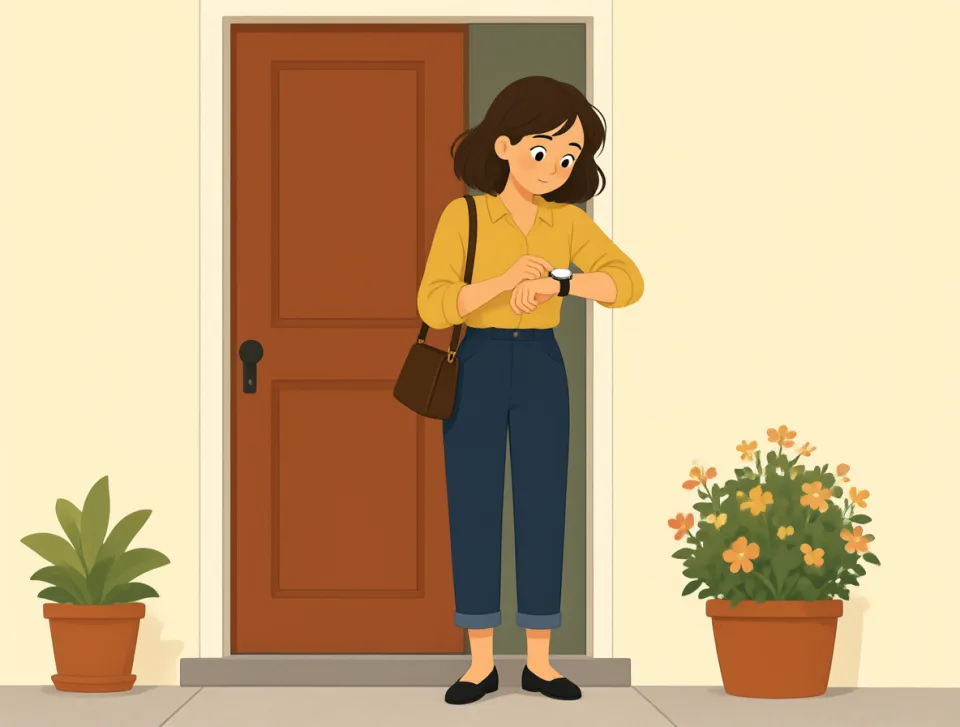
She took a quick glance at her watch before leaving the house.
Przed wyjściem z domu szybko zerknęła na zegarek.

He glanced at the menu and chose the soup of the day.
Zerknął na menu i wybrał zupę dnia.

I glanced around the classroom to find an empty seat.
Rozejrzałem się po klasie, żeby znaleźć wolne miejsce.

The doctor glanced at my hand before asking about the pain.
Lekarz zerknął na moją dłoń, zanim zapytał o ból.

She glanced over her shoulder while walking through the busy station.
Idąc przez zatłoczony dworzec, obejrzała się przez ramię.