Zestaw 125
Słowa 2481–2500 · weigh, versus, deficit, modify, flash, friendship
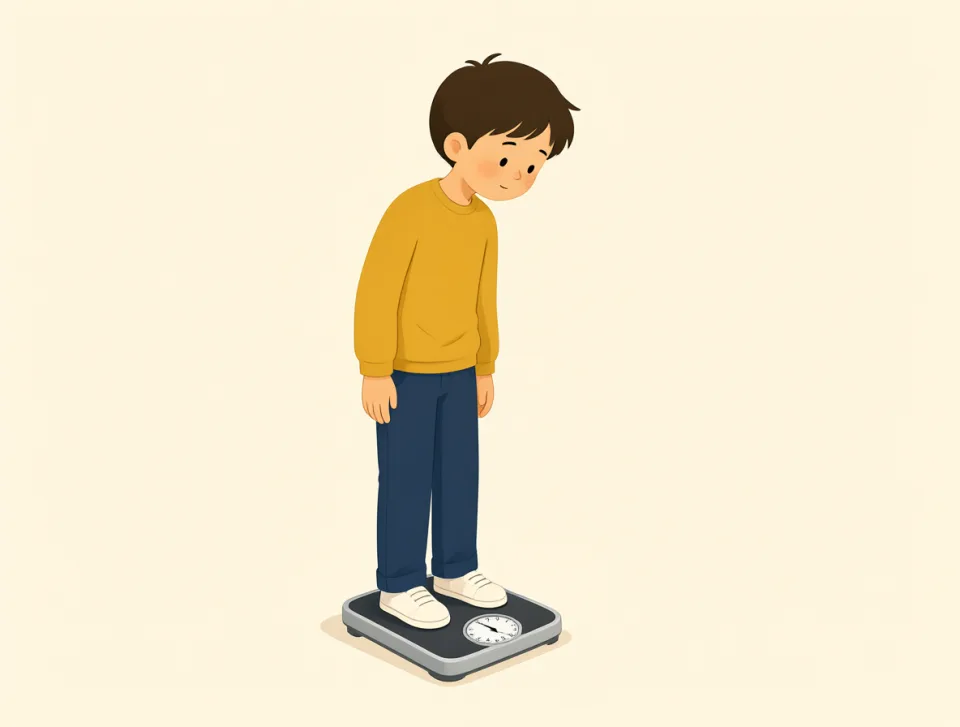
weigh
#2481verb
ważyć
To find out how heavy someone or something is, or to consider something carefully.
Sprawdzać, ile waży ktoś lub coś, albo uważnie coś rozważać.
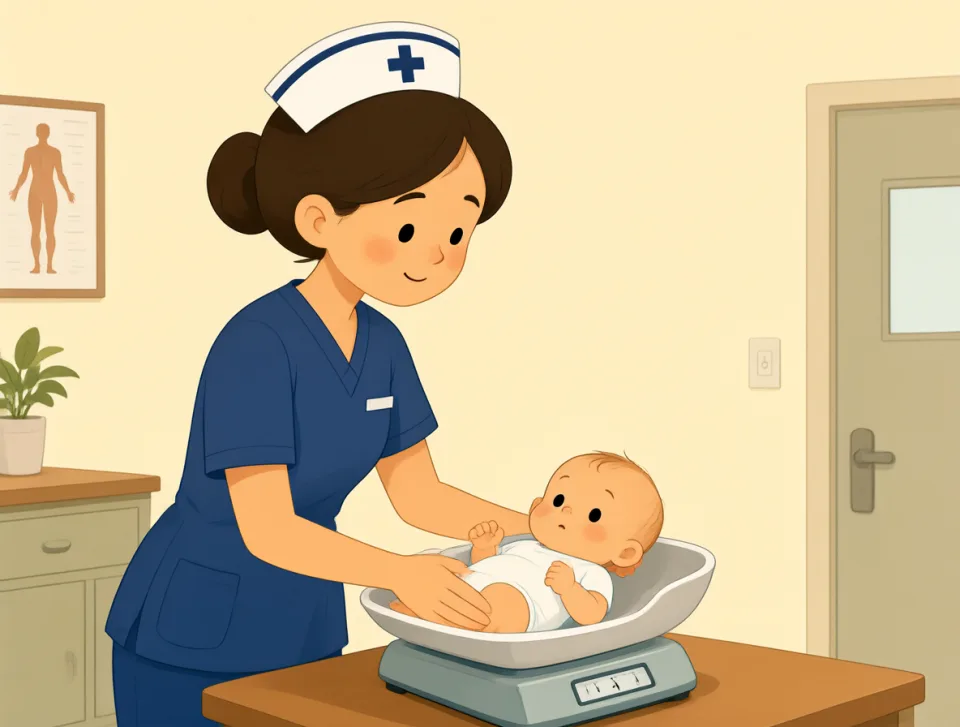
The nurse weighed the baby during our visit to the clinic.
Podczas naszej wizyty w przychodni pielęgniarka zważyła dziecko.
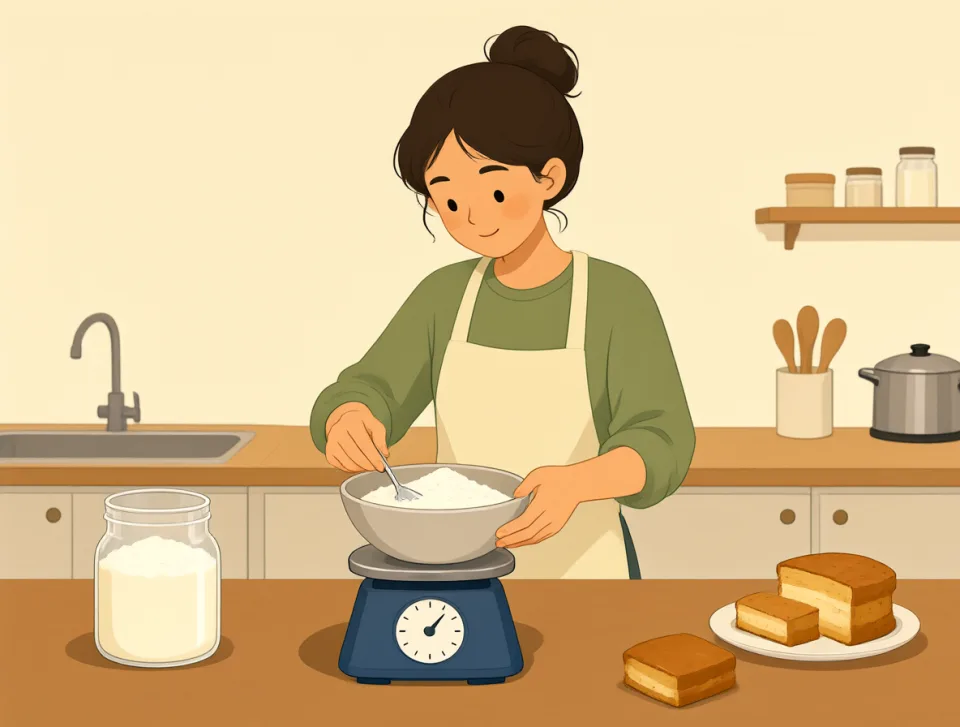
I weighed the flour before mixing it into the cake batter.
Zważyłem mąkę, zanim wmieszałem ją do ciasta.
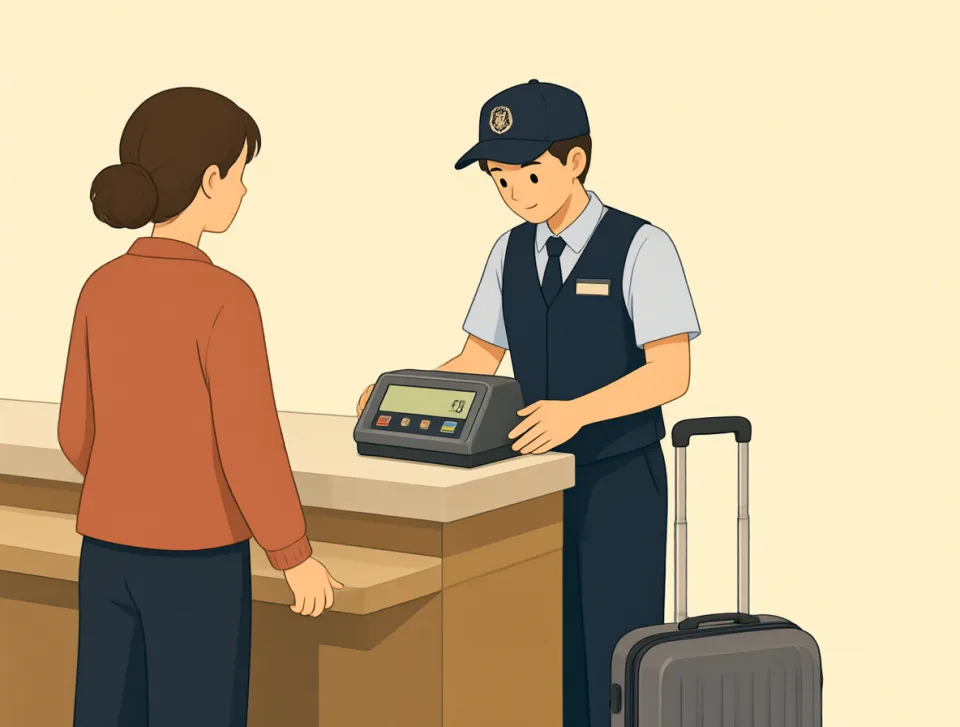
The airline weighed our bags before we checked in for the flight.
Pracownik linii lotniczych zważył nasze bagaże, zanim odprawiliśmy się na lot.
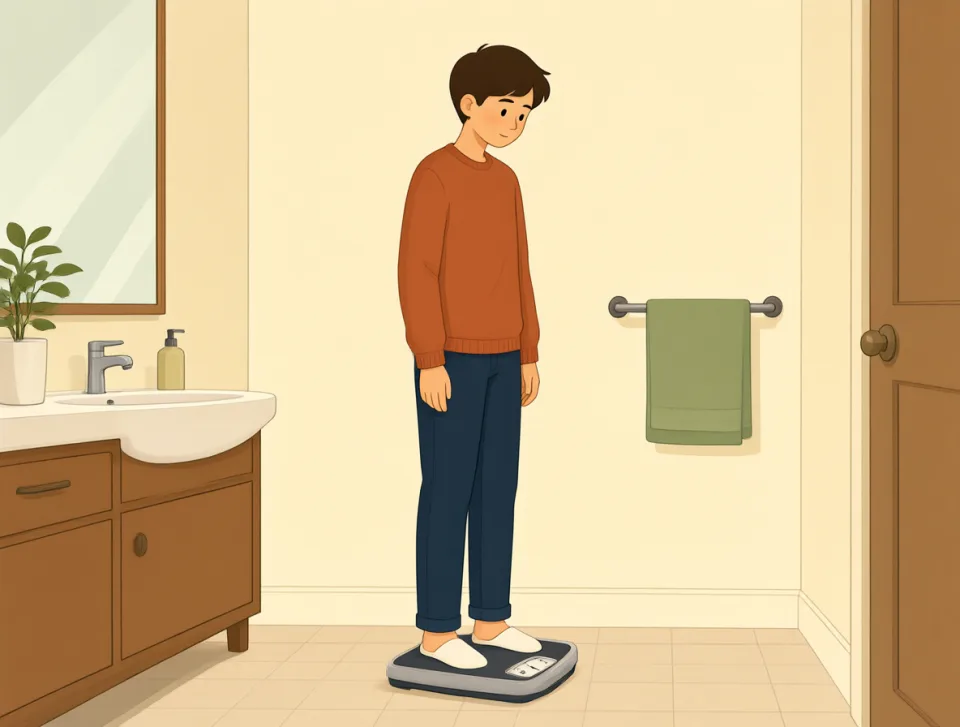
The doctor said I should weigh myself once a week at home.
Lekarz powiedział, że powinienem ważyć się w domu raz w tygodniu.
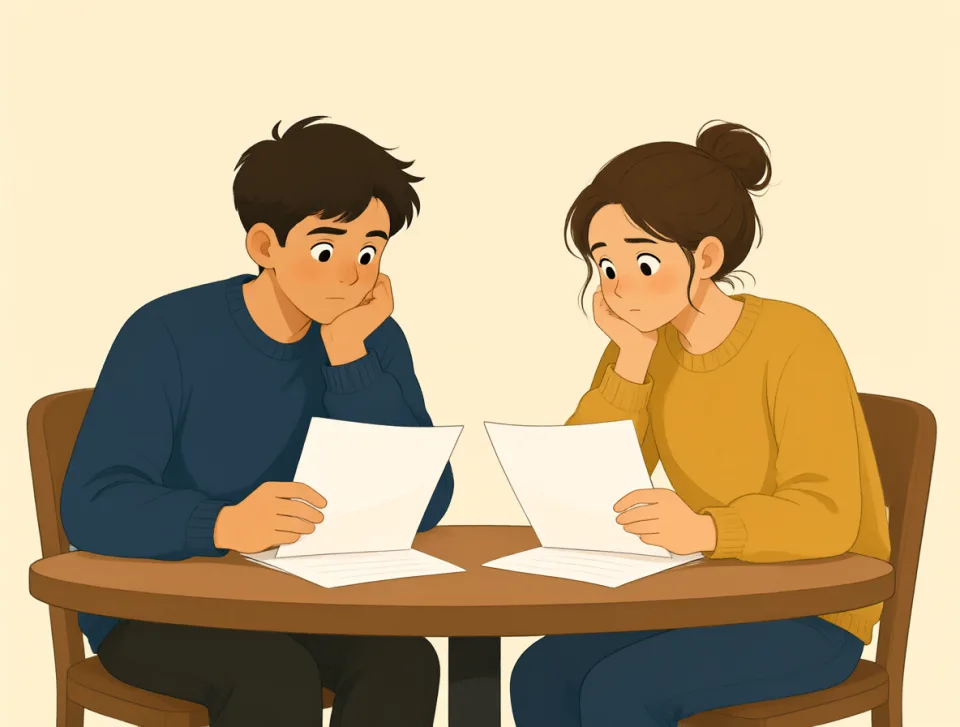
We weighed the two job offers before choosing the one with better hours.
Rozważyliśmy obie oferty pracy, zanim wybraliśmy tę z lepszymi godzinami pracy.
versus
#2482preposition
w porównaniu z; przeciwko
Used to compare two choices, teams, or sides in a contest or argument.
Wyrażenie używane do porównywania dwóch możliwości, drużyn lub stron w rywalizacji albo sporze.
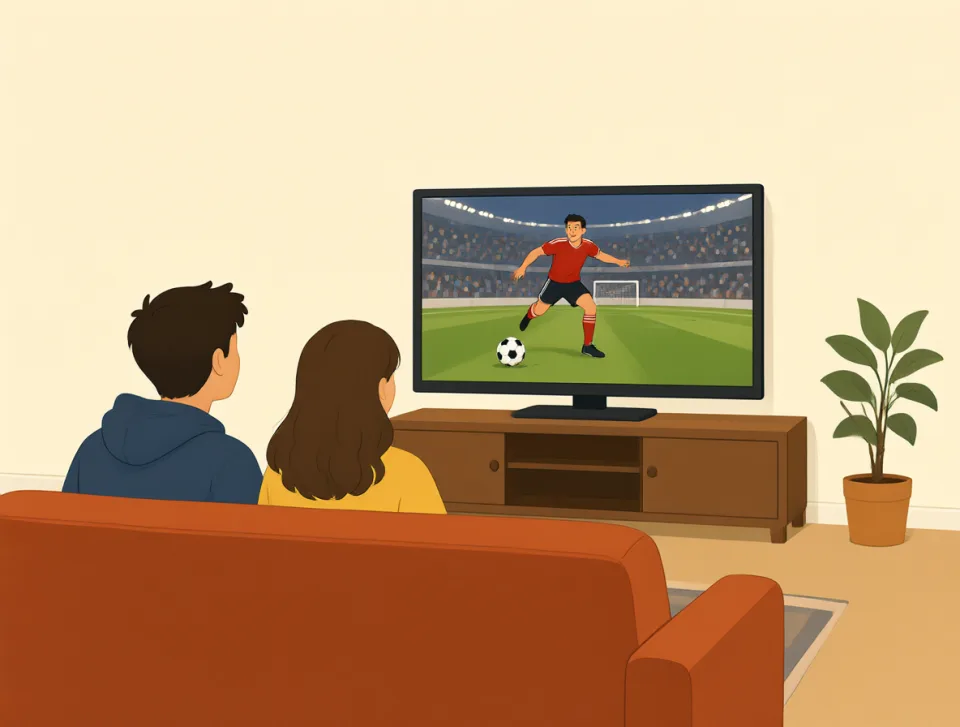
We watched the final match, Brazil versus Germany, at home.
Obejrzeliśmy w domu finałowy mecz Brazylia kontra Niemcy.

The doctor explained the risks of surgery versus waiting another month.
Lekarz wyjaśnił ryzyko operacji w porównaniu z odczekaniem kolejnego miesiąca.
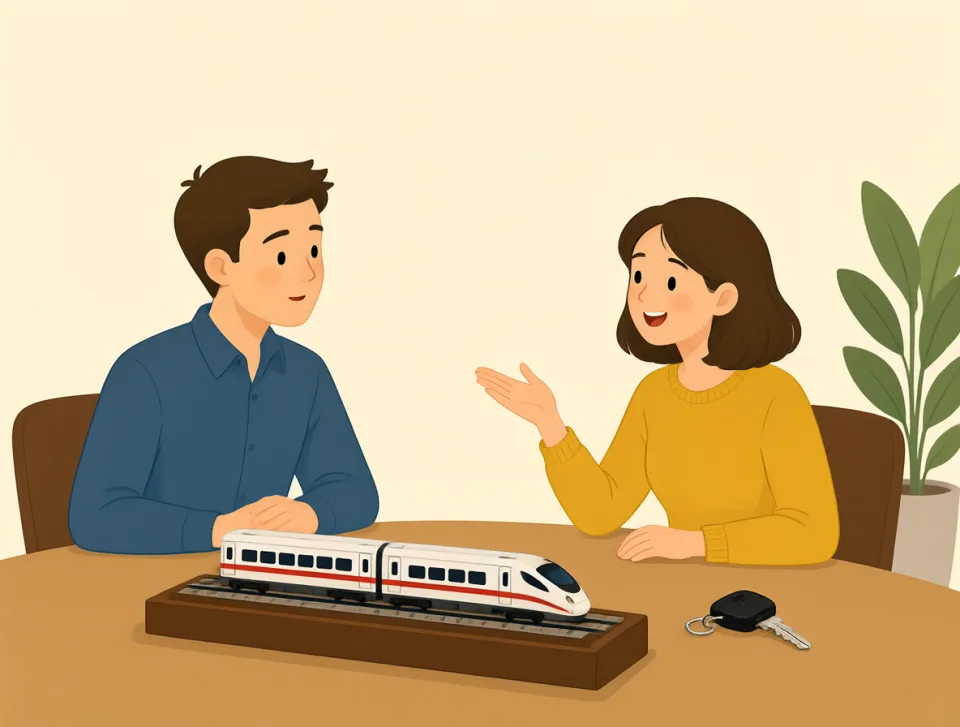
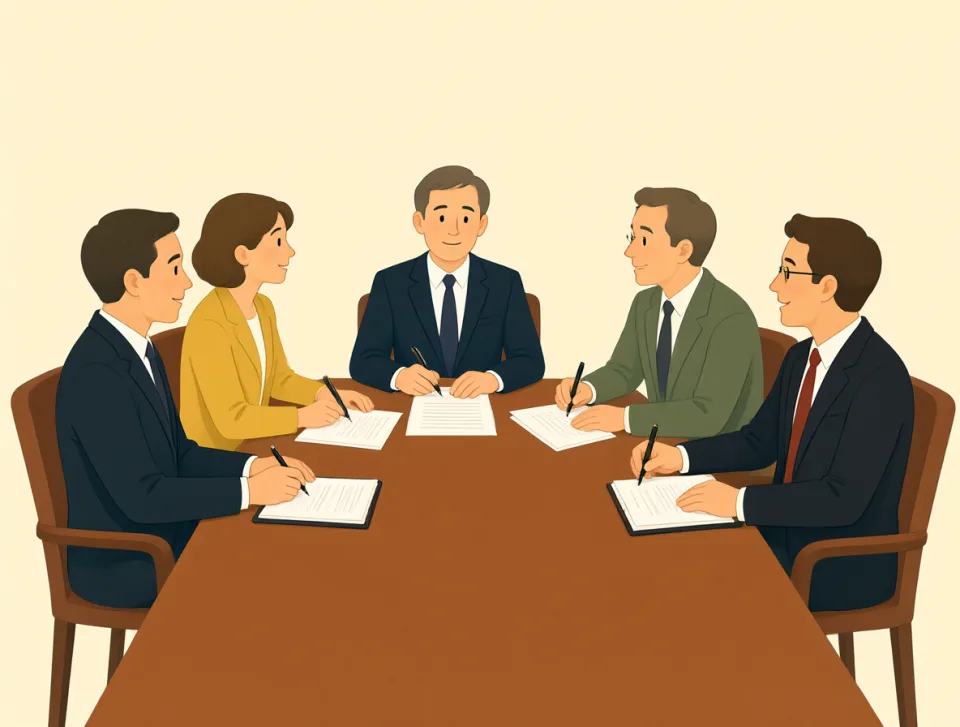
Our team is comparing train travel versus driving for the work trip.
Porównujemy podróż pociągiem z jazdą samochodem na wyjazd służbowy.
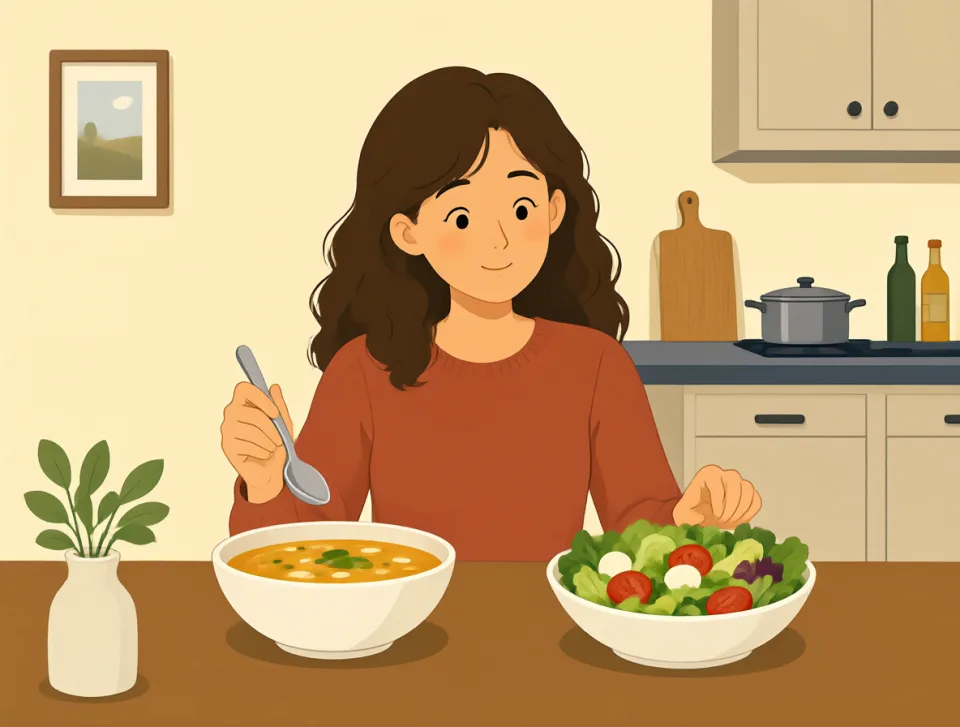
For dinner, I couldn't decide between soup versus a fresh salad.
Na kolację nie mogłem się zdecydować między zupą a świeżą sałatką.
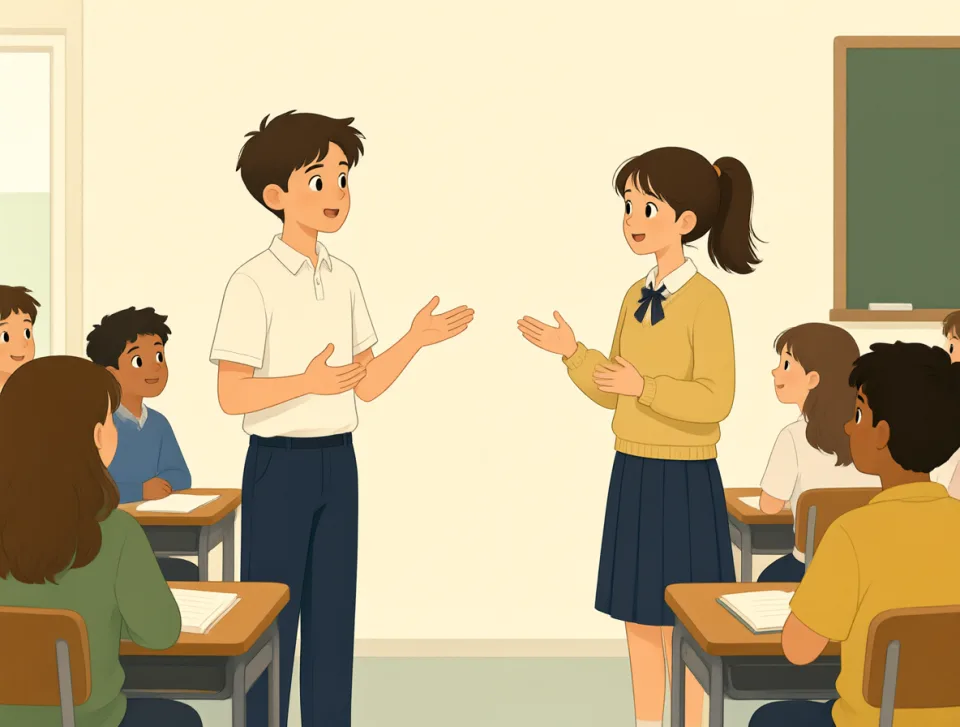
The school debate focused on city life versus living in the countryside.
Debata szkolna dotyczyła życia w mieście w porównaniu z życiem na wsi.
deficit
#2483noun
deficyt; niedobór
A situation in which there is less of something than is needed.
Sytuacja, w której czegoś jest mniej, niż potrzeba.
The government is trying to reduce its budget deficit this year.
Rząd próbuje w tym roku zmniejszyć deficyt budżetowy.
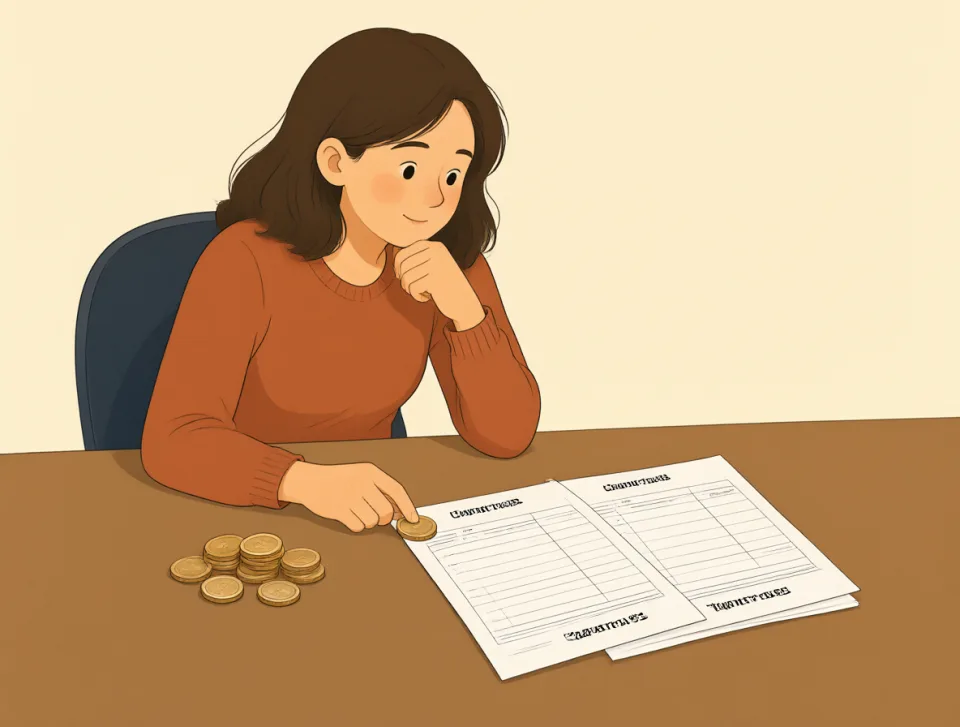
Our club has a small deficit because fewer members paid their fees.
Nasz klub ma niewielki deficyt, ponieważ mniej członków zapłaciło składki.
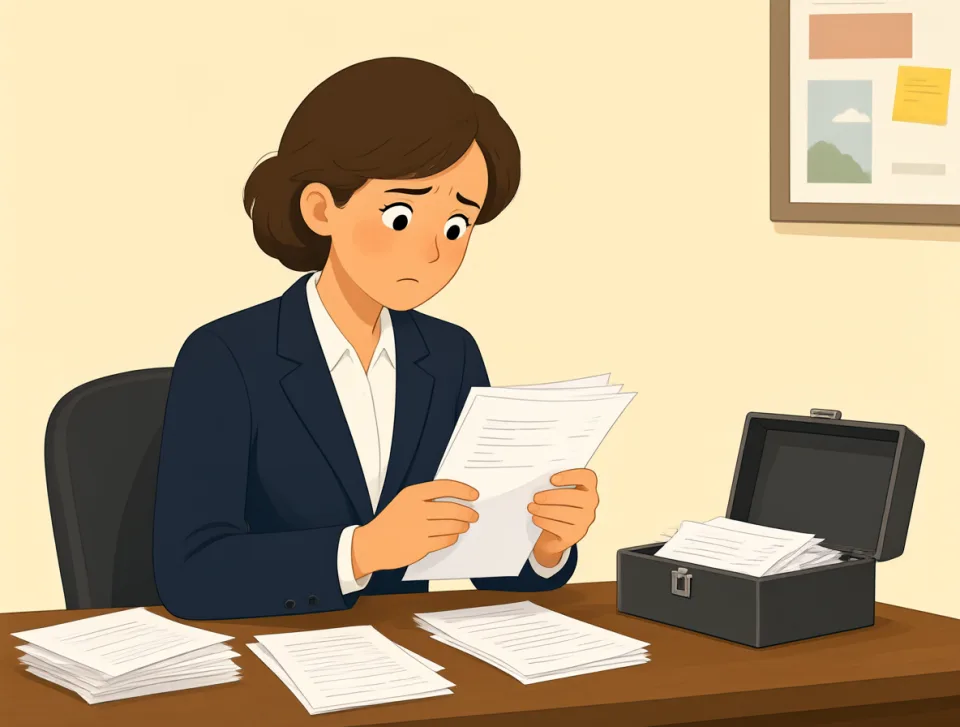
The company faced a serious cash deficit after several customers paid late.
Po tym, jak kilku klientów spóźniło się z płatnościami, firma stanęła w obliczu poważnego niedoboru gotówki.
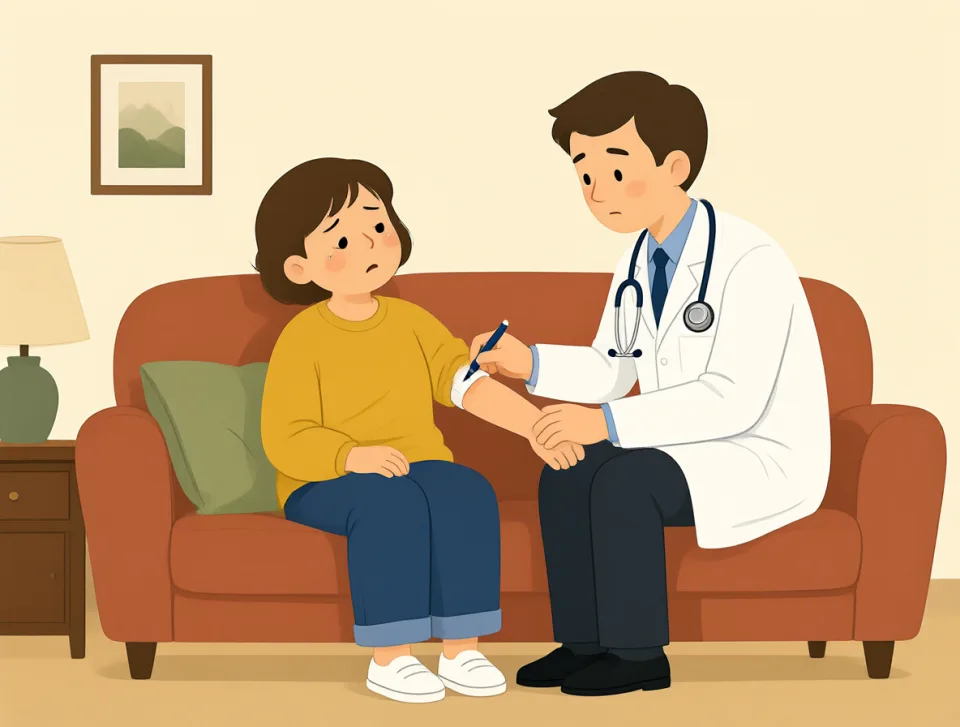
A vitamin D deficit can make people feel tired and weak.
Niedobór witaminy D może sprawiać, że ludzie czują się zmęczeni i osłabieni.
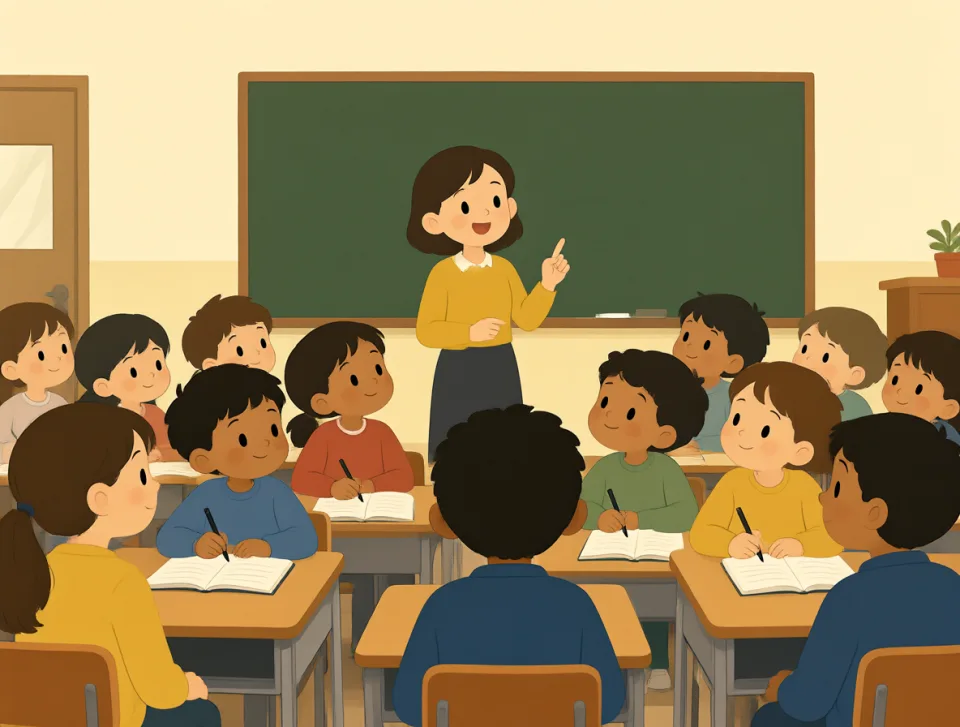
The school discovered a teacher deficit, so some classes became larger.
Szkoła odkryła niedobór nauczycieli, więc niektóre klasy stały się liczniejsze.
modify
#2484verb
modyfikować; dostosowywać
to make small changes to something so it works better or suits a new purpose
Wprowadzać niewielkie zmiany w czymś, aby działało lepiej lub pasowało do nowego celu.

We had to modify our travel plans because the train was canceled.
Musieliśmy zmienić nasze plany podróży, ponieważ pociąg został odwołany.
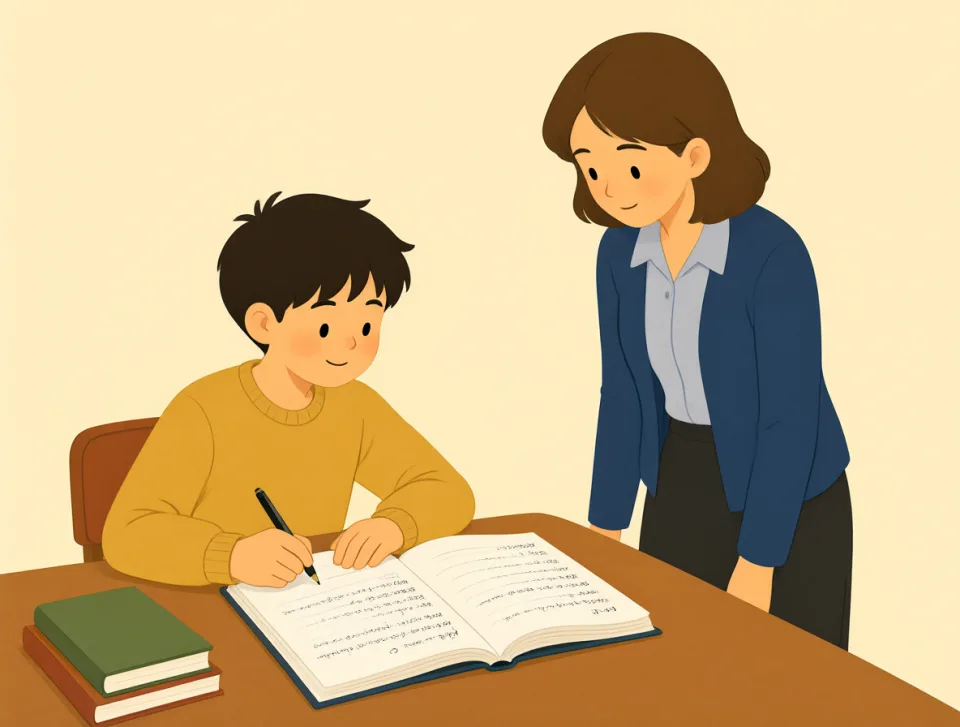
The teacher asked me to modify my essay before submitting it.
Nauczyciel poprosił mnie, żebym poprawił wypracowanie przed oddaniem go.
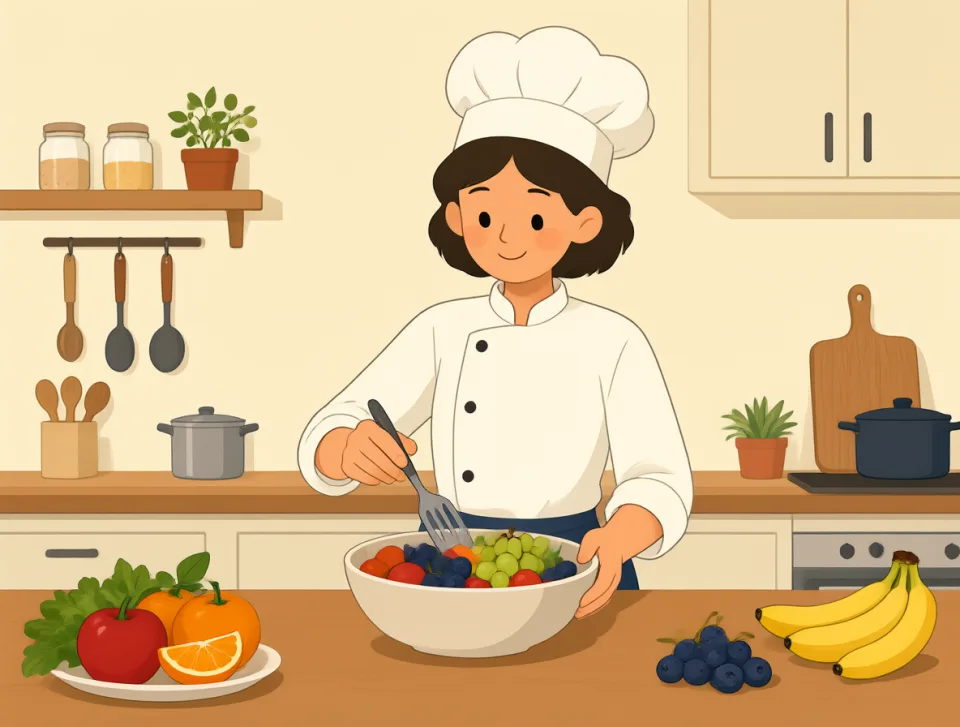
You can modify the recipe by using less sugar and more fresh fruit.
Możesz zmodyfikować przepis, używając mniej cukru i większej ilości świeżych owoców.

The doctor modified her treatment after her symptoms became worse.
Lekarz zmienił jej leczenie, gdy objawy się nasiliły.
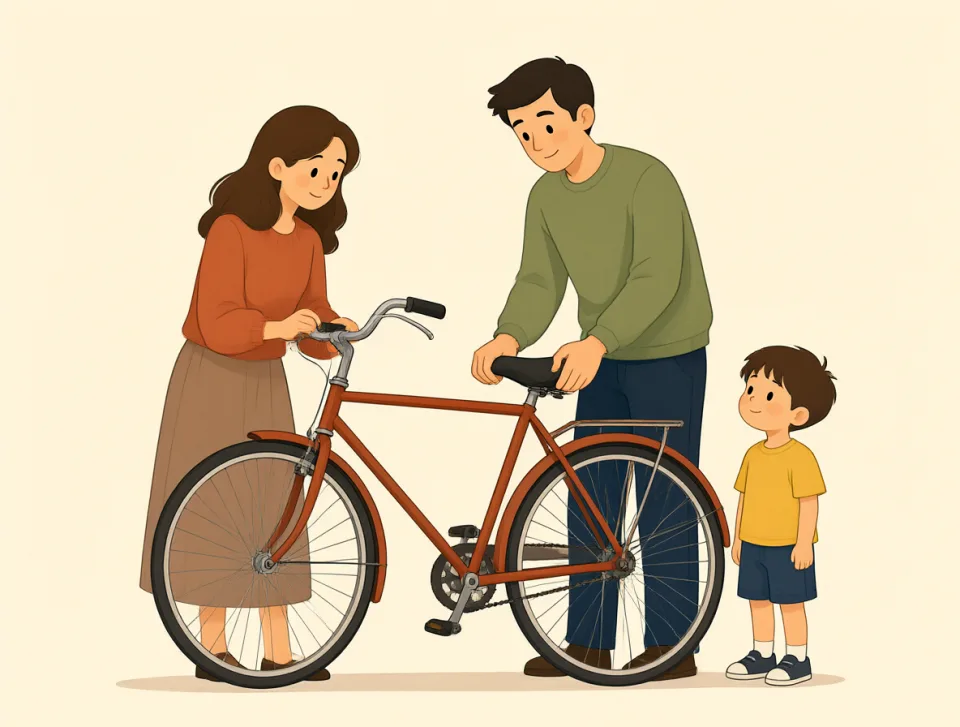
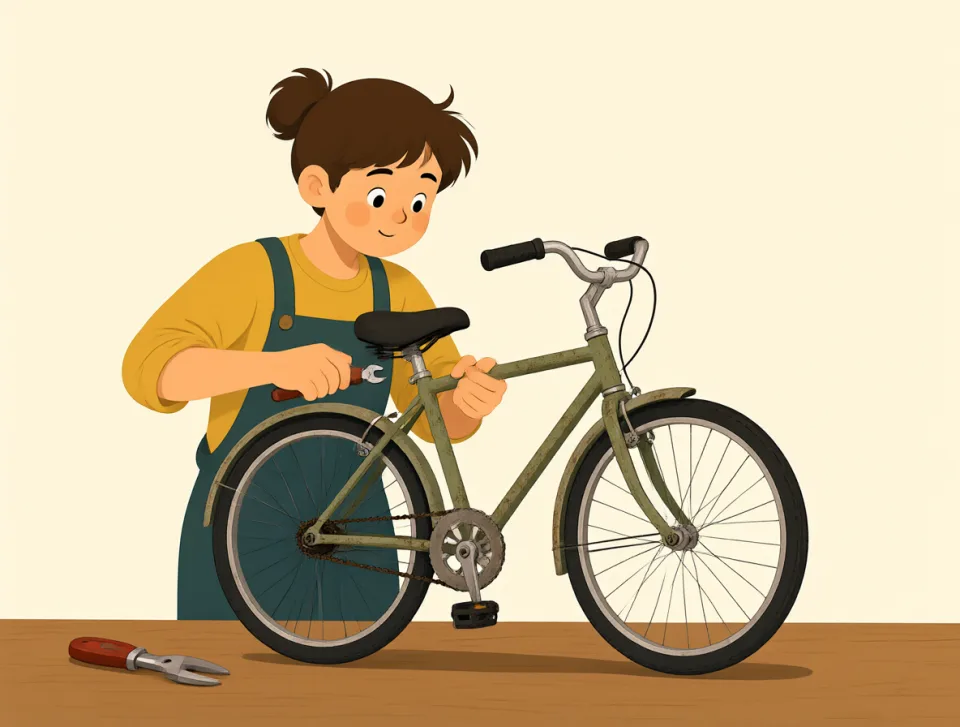
We modified the old bicycle so our son could ride it safely.
Przerobiliśmy stary rower, żeby nasz syn mógł bezpiecznie na nim jeździć.
flash
#2485noun, verb
błysk; błyskać; migać
A brief burst of light, or to shine suddenly and brightly.
Krótki rozbłysk światła albo nagle i jasno zaświecić.

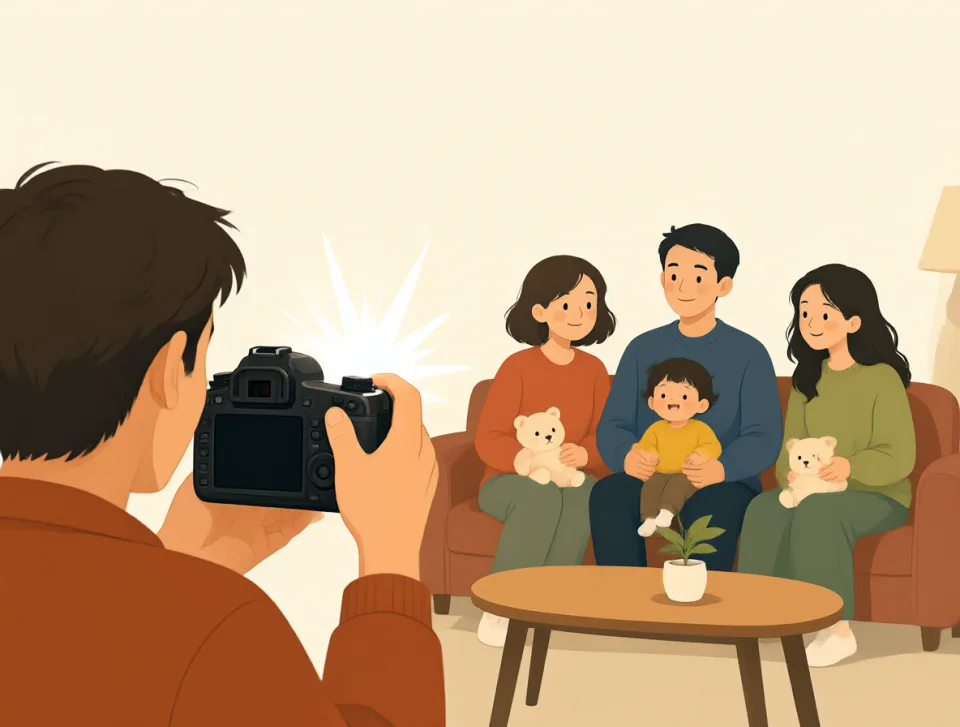
The camera flashed as my sister blew out the candles on her birthday cake.
Aparat błysnął, gdy moja siostra zdmuchiwała świeczki na swoim urodzinowym torcie.
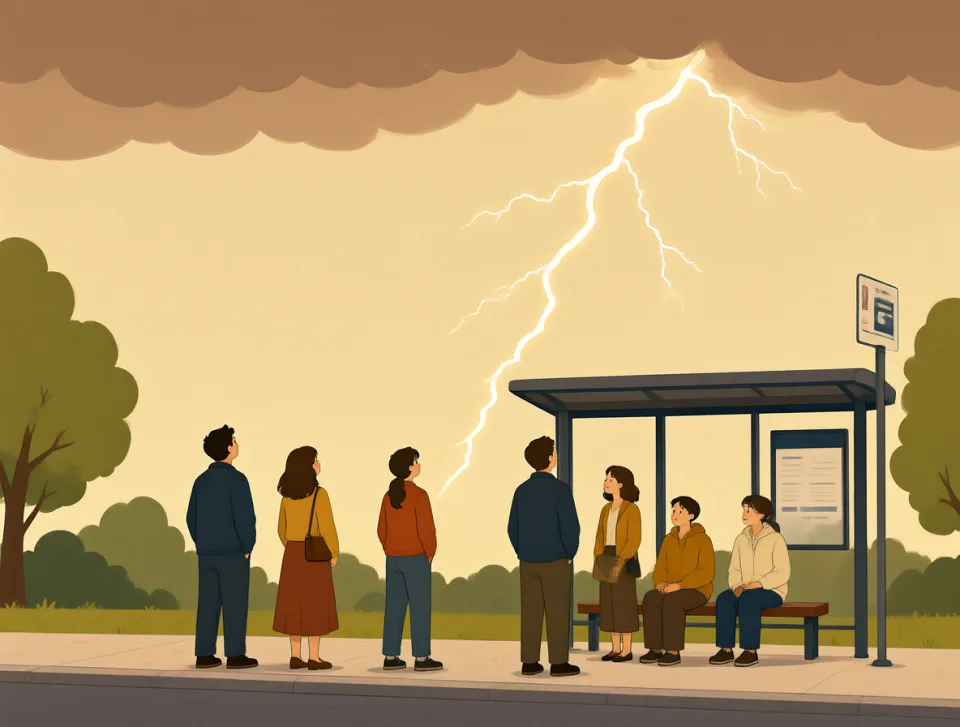
Lightning flashed across the sky while we waited for the bus in the rain.
Błyskawica przecięła niebo, gdy czekaliśmy na autobus w deszczu.
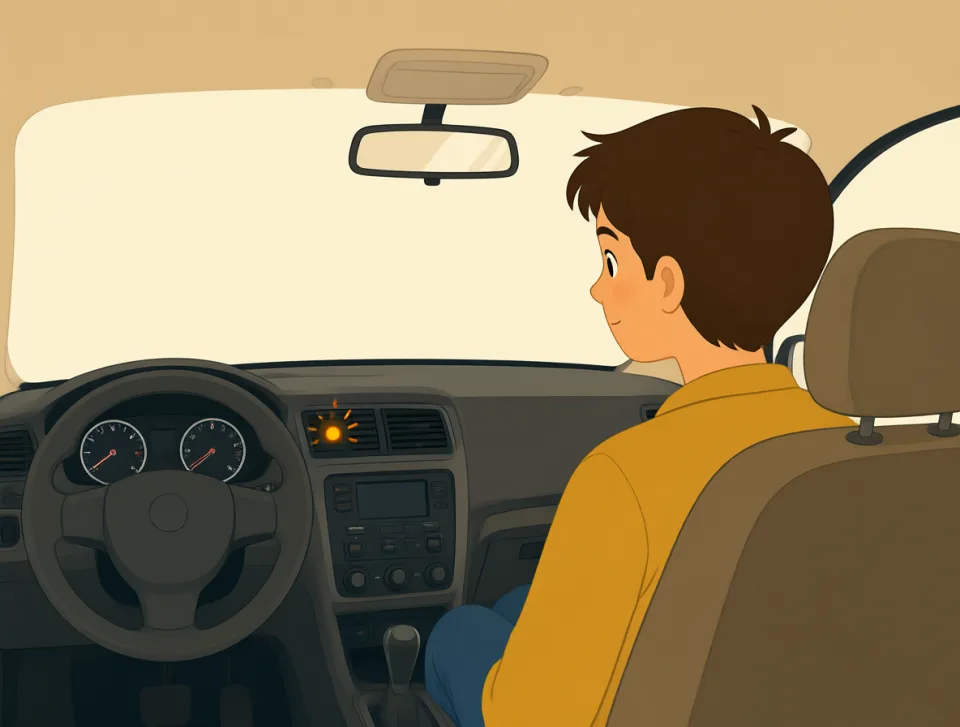
A warning light flashed on the dashboard, so I pulled over safely.
Na desce rozdzielczej migała kontrolka ostrzegawcza, więc bezpiecznie zjechałem na pobocze.

He gave me a quick flash of his new watch before the meeting started.
Przed rozpoczęciem spotkania szybko pokazał mi swój nowy zegarek.
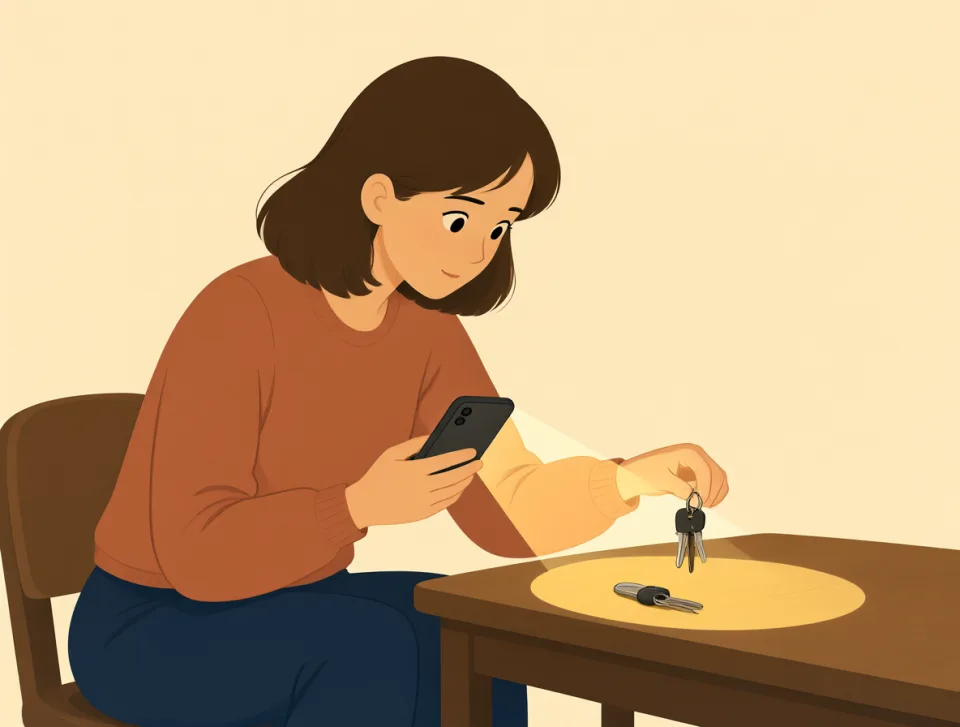
She used the flash on her phone to find her keys under the table.
Użyła lampy błyskowej w telefonie, żeby znaleźć klucze pod stołem.

friendship
#2486noun
przyjaźń
A close and trusting relationship between people who like and care about each other.
Bliska, oparta na zaufaniu relacja między ludźmi, którzy się lubią i troszczą się o siebie.
Their friendship grew stronger after they worked together on a difficult project.
Ich przyjaźń umocniła się, gdy wspólnie pracowali nad trudnym projektem.

She values her friendship with Maya and calls her every weekend.
Ceni sobie przyjaźń z Mayą i dzwoni do niej w każdy weekend.

A long trip helped build a strong friendship between the travelers.
Długa podróż pomogła zbudować silną przyjaźń między podróżnikami.
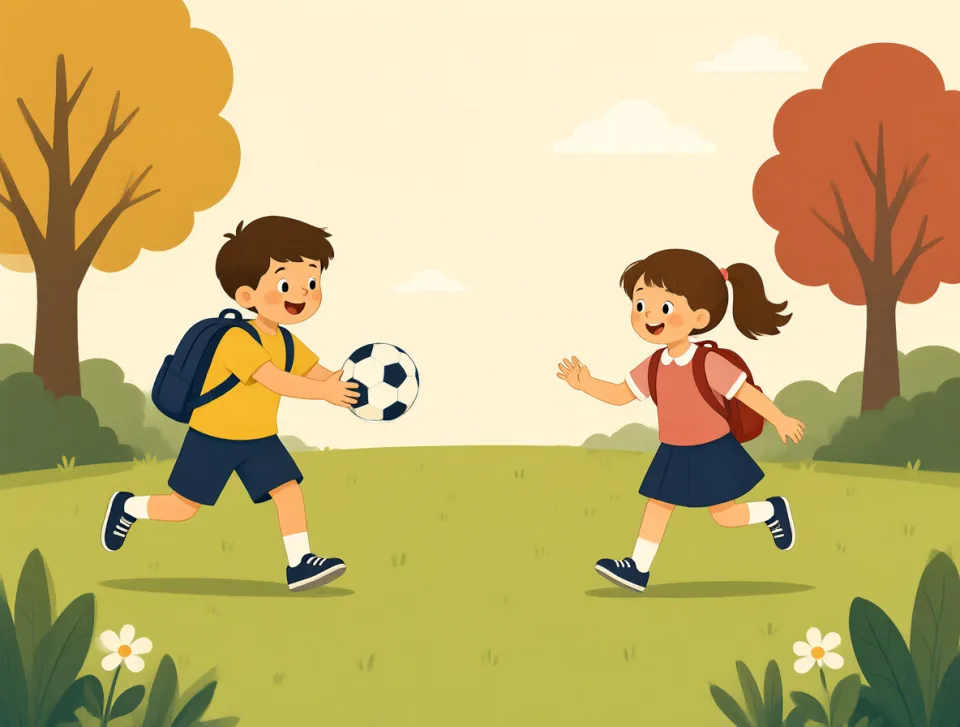
The children formed a friendship while playing together after school.
Dzieci zaprzyjaźniły się, bawiąc się razem po szkole.
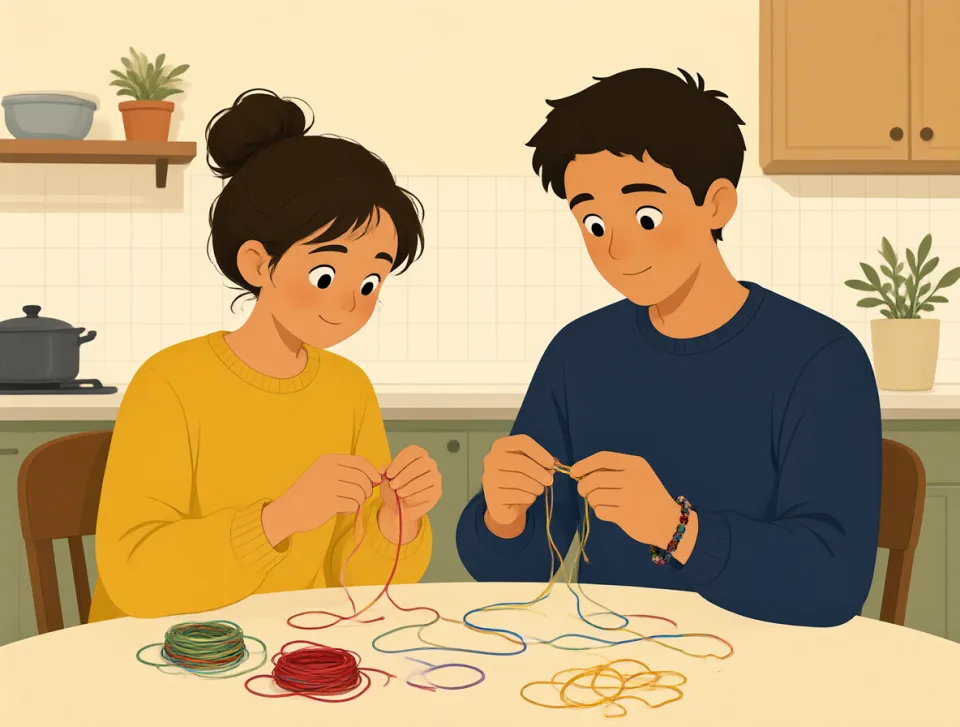
They made a friendship bracelet together during the visit.
Podczas wizyty wspólnie zrobili bransoletkę przyjaźni.
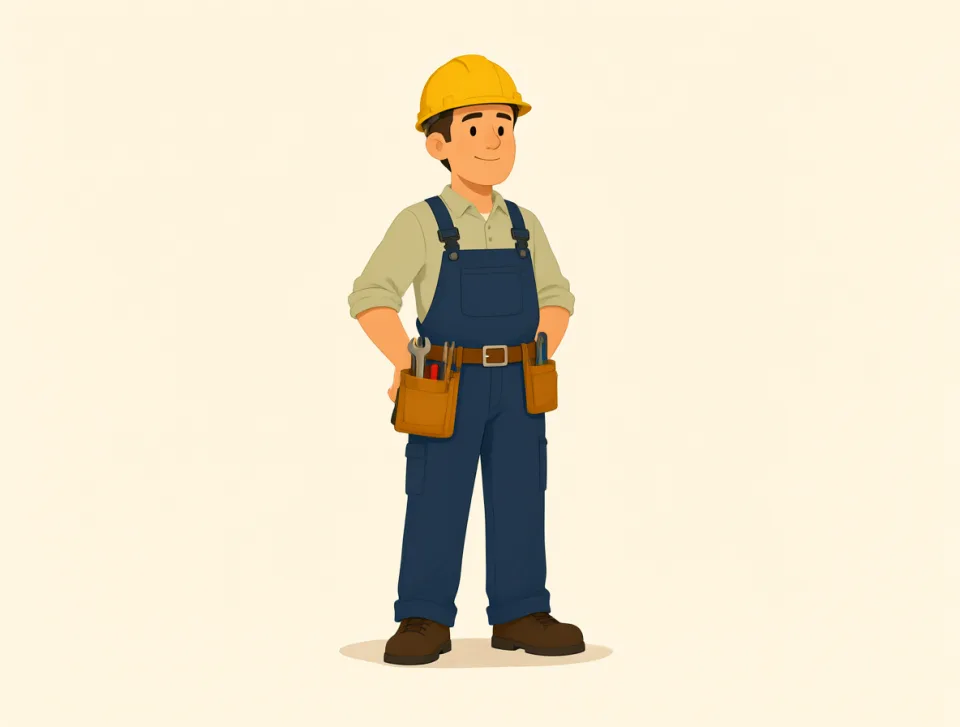
profession
#2487noun
zawód
A job that needs special training and is respected as a career.
Praca wymagająca specjalistycznego przygotowania, traktowana jako ścieżka kariery.
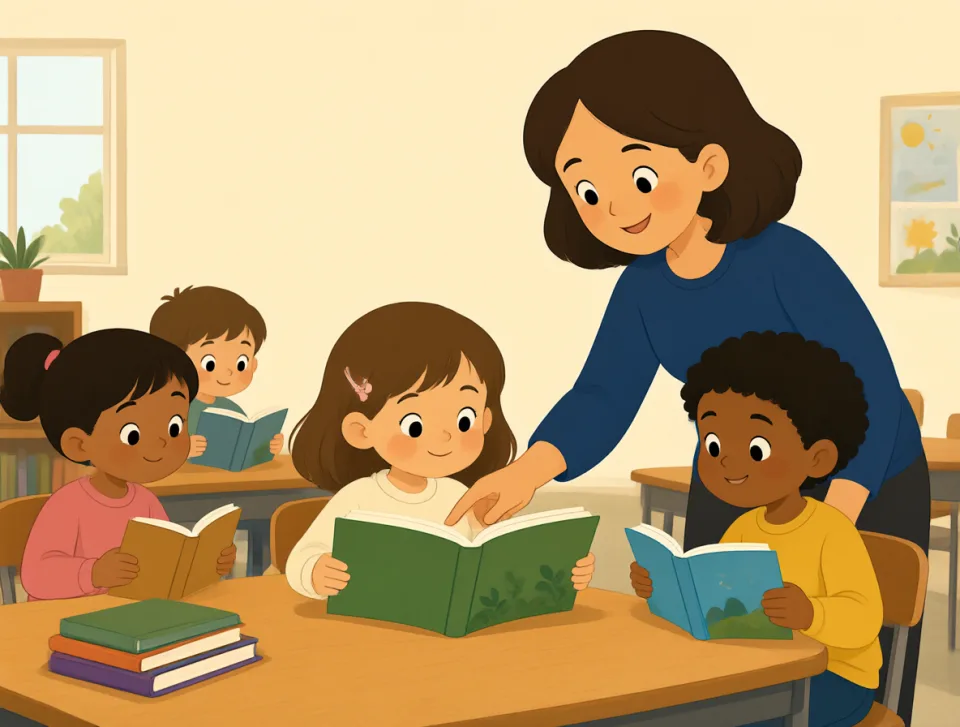
Teaching is a rewarding profession that allows you to help young people learn.
Nauczanie to satysfakcjonujący zawód, który pozwala pomagać młodym ludziom w nauce.

She chose medicine as her profession after volunteering at a hospital.
Po wolontariacie w szpitalu wybrała medycynę jako swój zawód.

My brother is considering a profession in computer programming.
Mój brat rozważa karierę w programowaniu komputerowym.
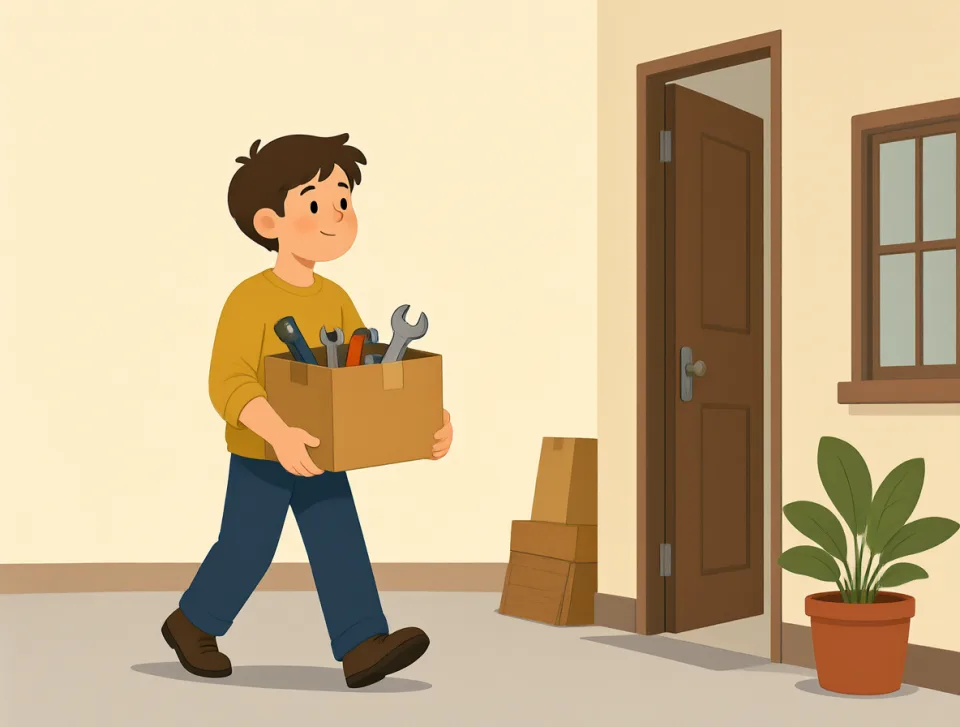
People often change professions when they discover new interests or skills.
Ludzie często zmieniają zawód, gdy odkrywają nowe zainteresowania lub umiejętności.

Her profession requires patience, careful training, and excellent communication skills.
Jej zawód wymaga cierpliwości, starannego przygotowania i doskonałych umiejętności komunikacyjnych.

literally
#2488adverb
dosłownie
Used to emphasize that something is true exactly as described, or to show strong feeling.
Używane, by podkreślić, że coś jest prawdą dokładnie tak, jak zostało opisane, albo wyrazić silne emocje.
I was so tired, I literally fell asleep on the sofa.
Byłem tak zmęczony, że dosłownie zasnąłem na kanapie.
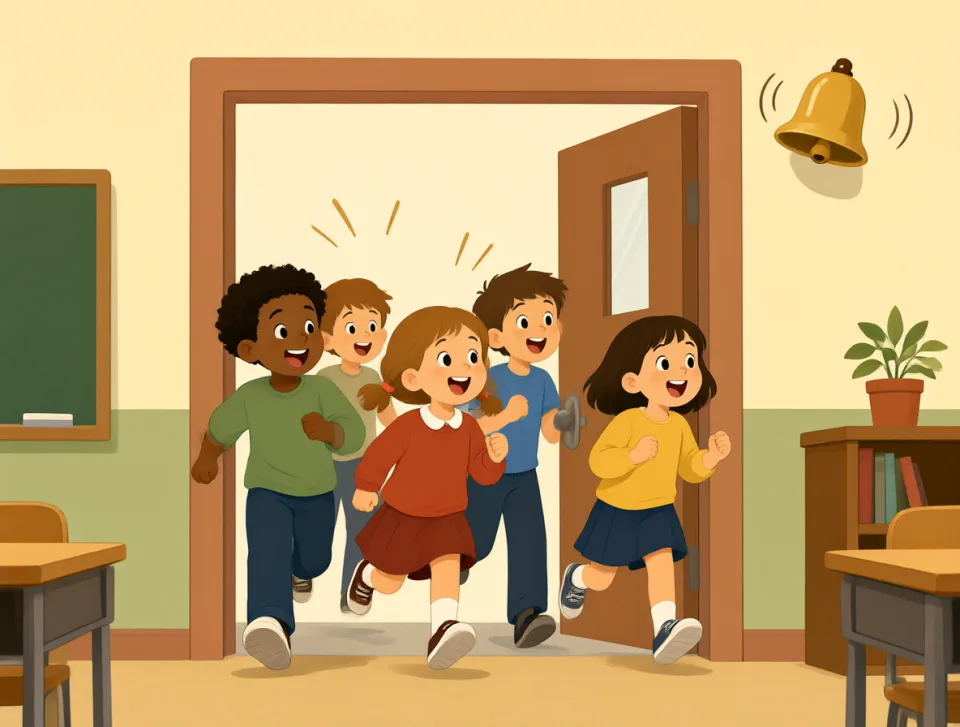
The children literally ran out of the classroom when the bell rang.
Gdy zadzwonił dzwonek, dzieci dosłownie wybiegły z klasy.

She literally bought everything in the store before the party.
Przed imprezą dosłownie wykupiła wszystko ze sklepu.
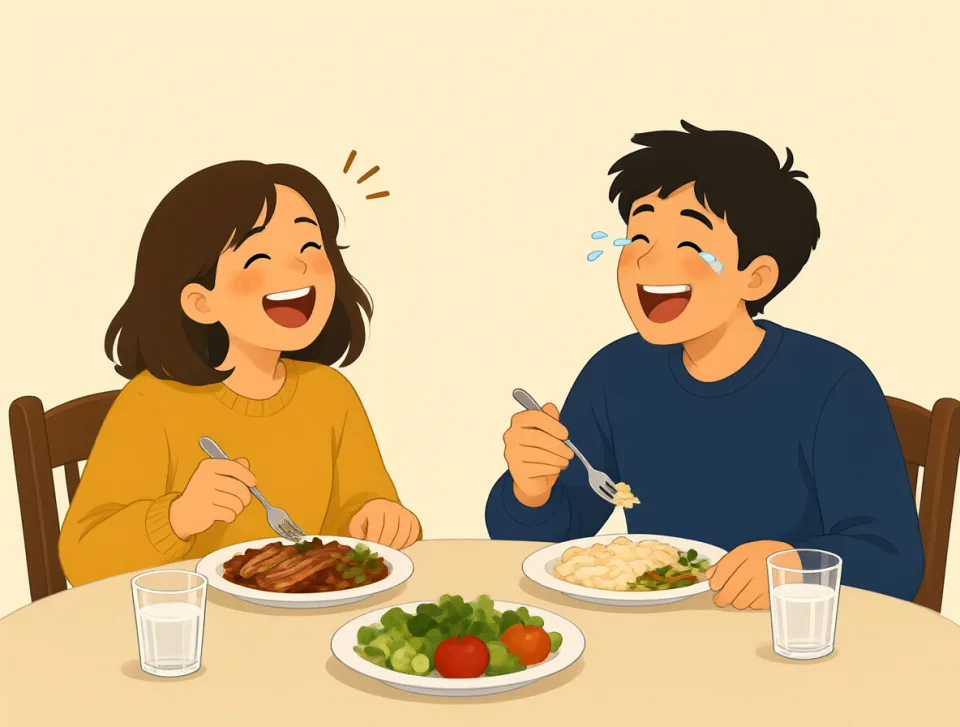
My friend literally laughed until he cried during dinner.
Podczas kolacji mój przyjaciel dosłownie śmiał się do łez.
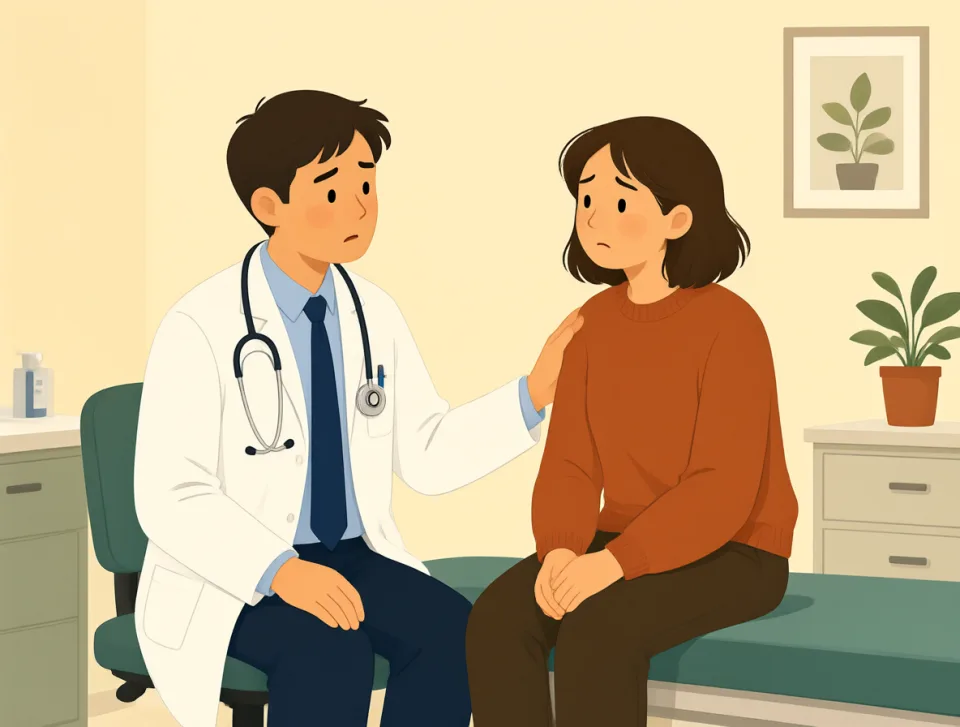
The doctor said the medicine would literally save his life.
Lekarz powiedział, że ten lek dosłownie uratuje mu życie.
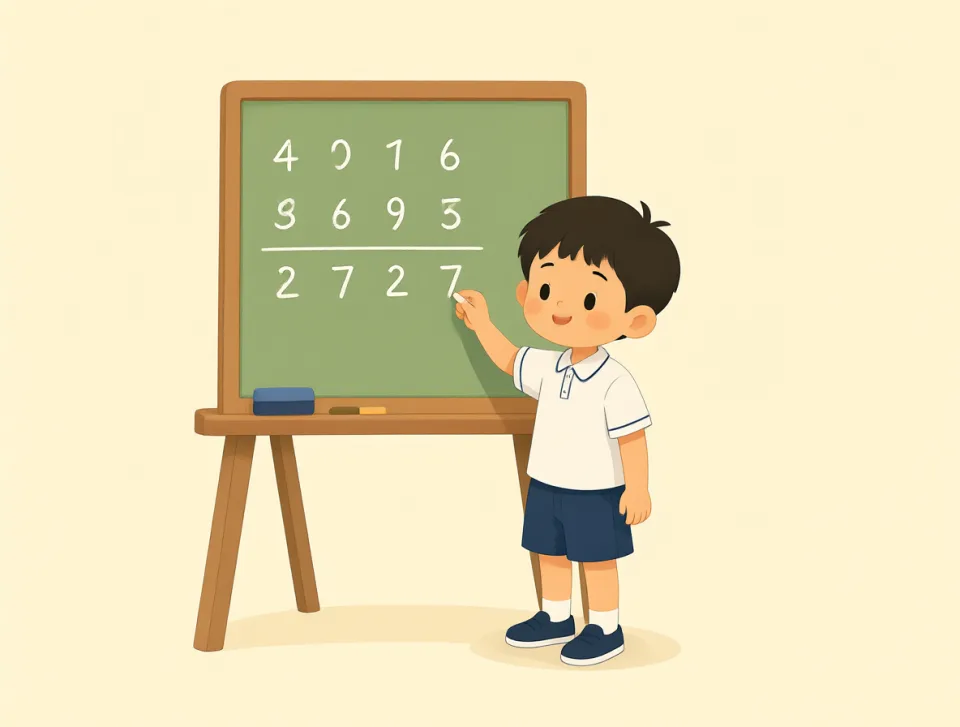
equation
#2489noun
równanie
A statement showing that two mathematical expressions have the same value.
Zapis pokazujący, że dwa wyrażenia matematyczne mają tę samą wartość.
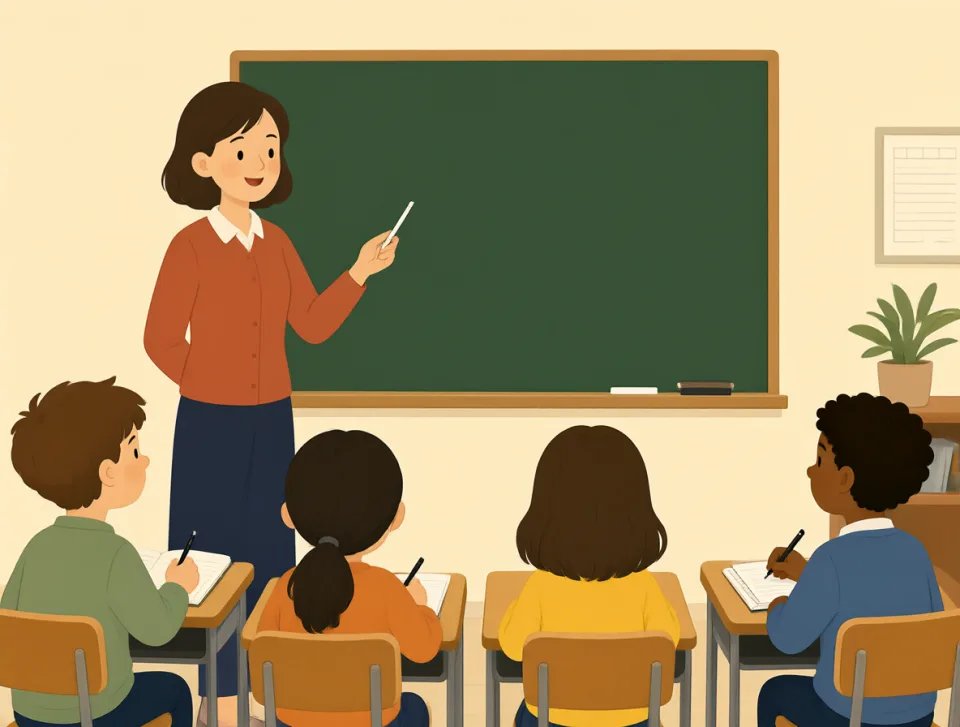
The teacher explained how to solve the equation step by step.
Nauczyciel wyjaśnił krok po kroku, jak rozwiązać równanie.
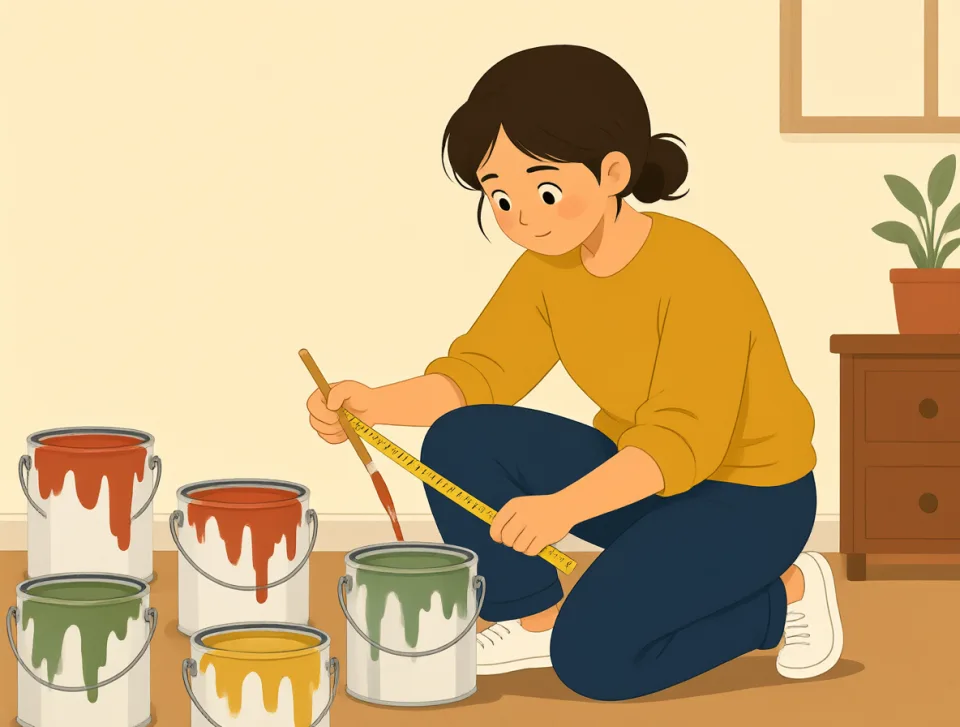
I used an equation to calculate how much paint we needed.
Użyłem równania, żeby obliczyć, ile farby potrzebujemy.
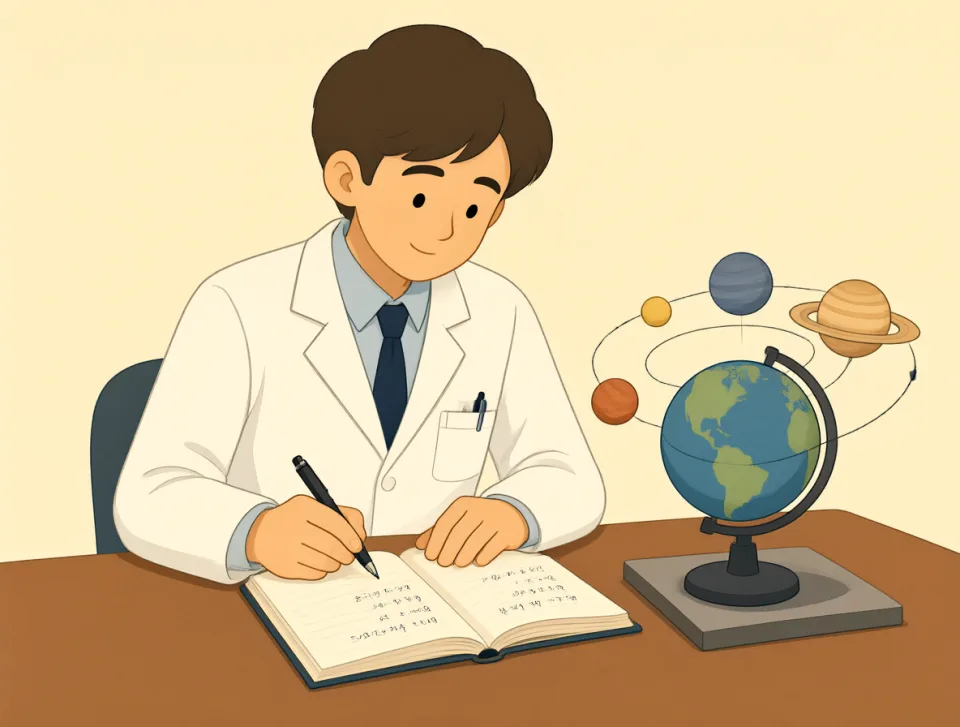
The scientist created an equation to describe the movement of the planets.
Naukowiec stworzył równanie opisujące ruch planet.
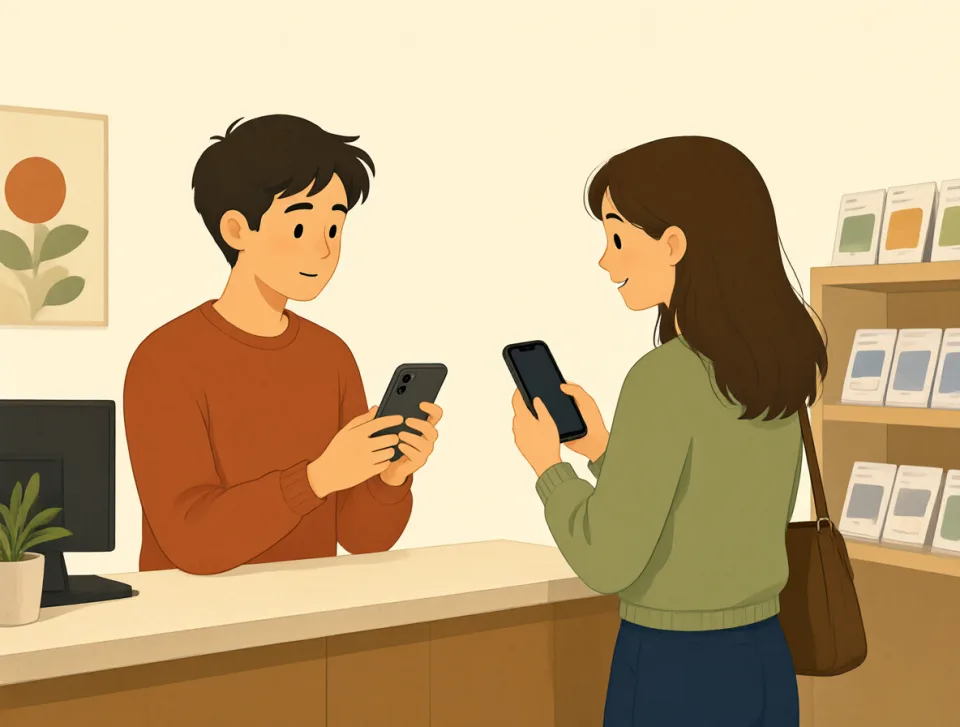
This equation helps us compare the prices of two different phone plans.
To równanie pomaga nam porównać ceny dwóch różnych abonamentów telefonicznych.
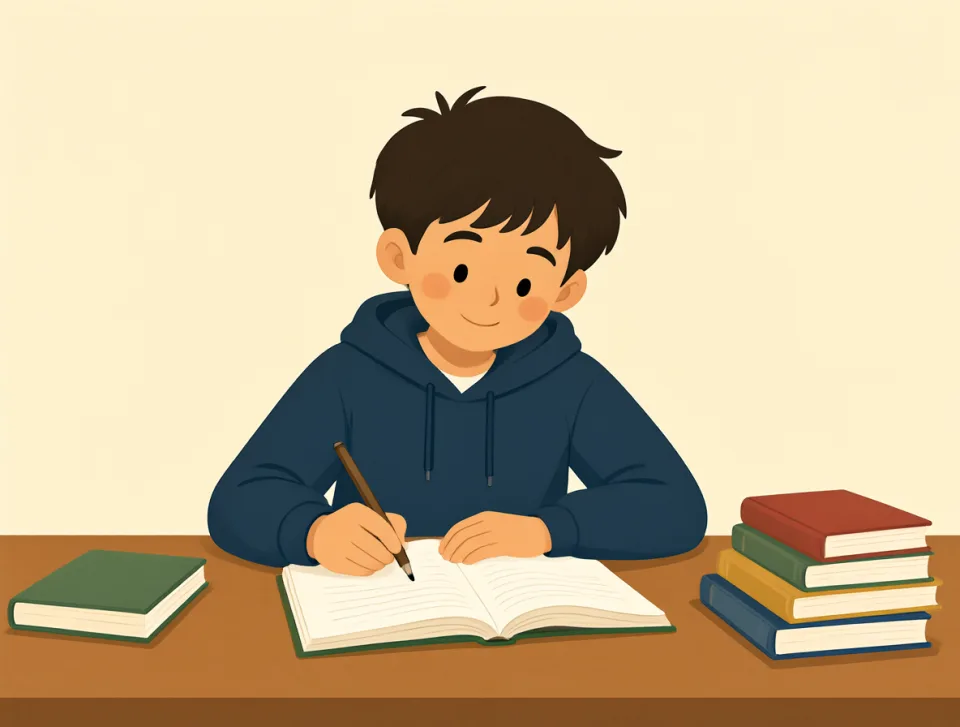
Finding the right equation made the school project much easier.
Znalezienie odpowiedniego równania znacznie ułatwiło szkolny projekt.
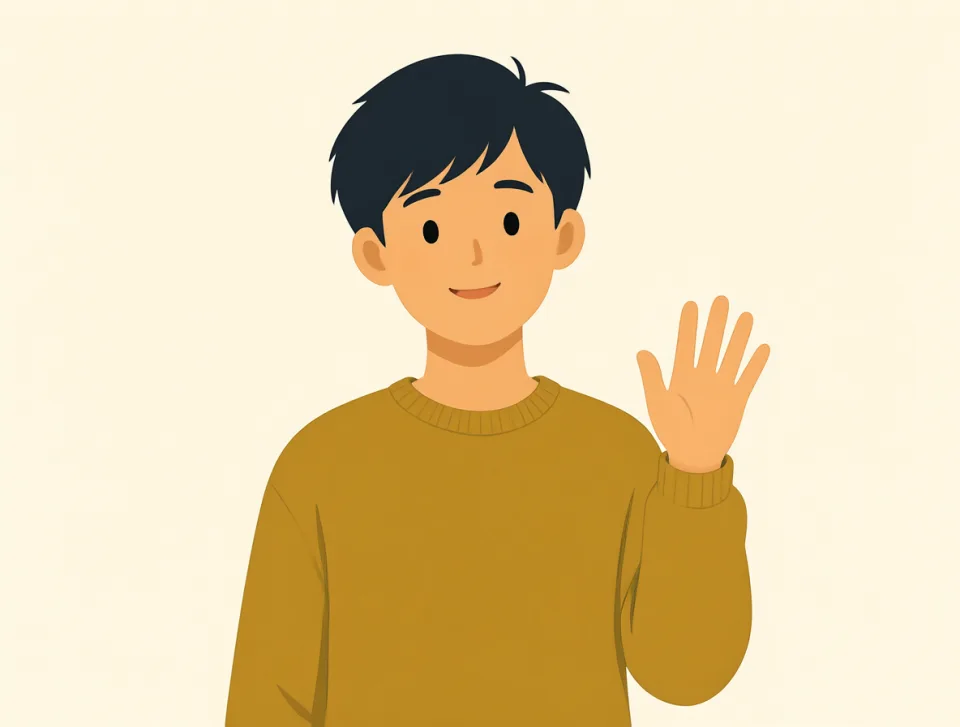
gesture
#2490noun, verb
gest
A movement of the hand or body that expresses an idea or feeling.
Ruch dłonią lub ciałem, który wyraża jakąś myśl albo uczucie.

She made a small gesture with her hand to ask the waiter for water.
Wykonała mały gest ręką, żeby poprosić kelnera o wodę.
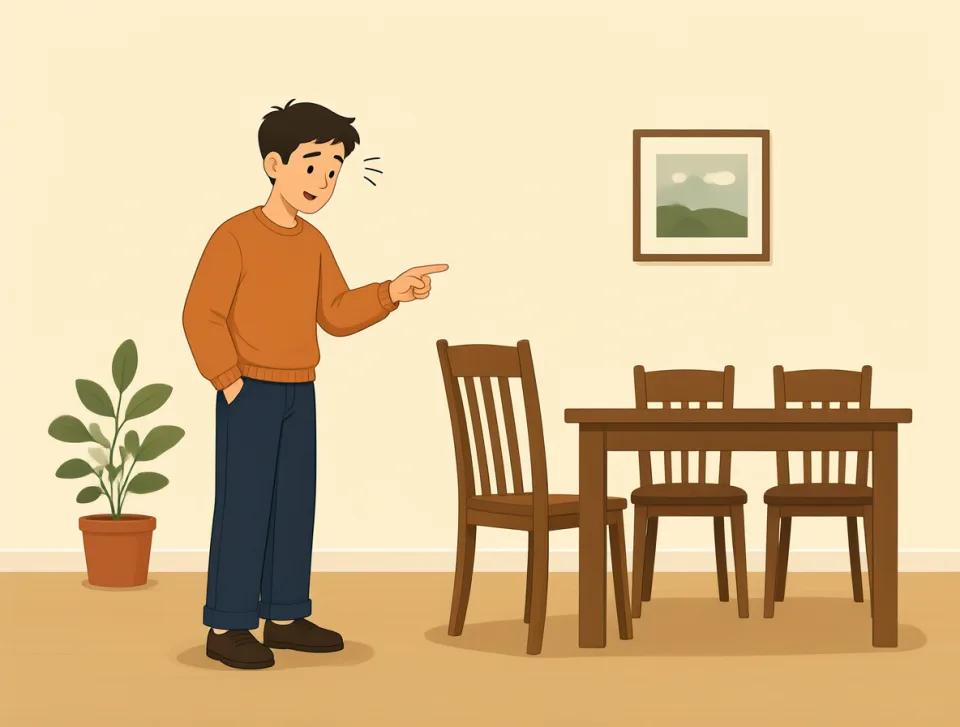
He nodded and gestured toward the empty chair beside him.
Skinął głową i wskazał gestem puste krzesło obok siebie.
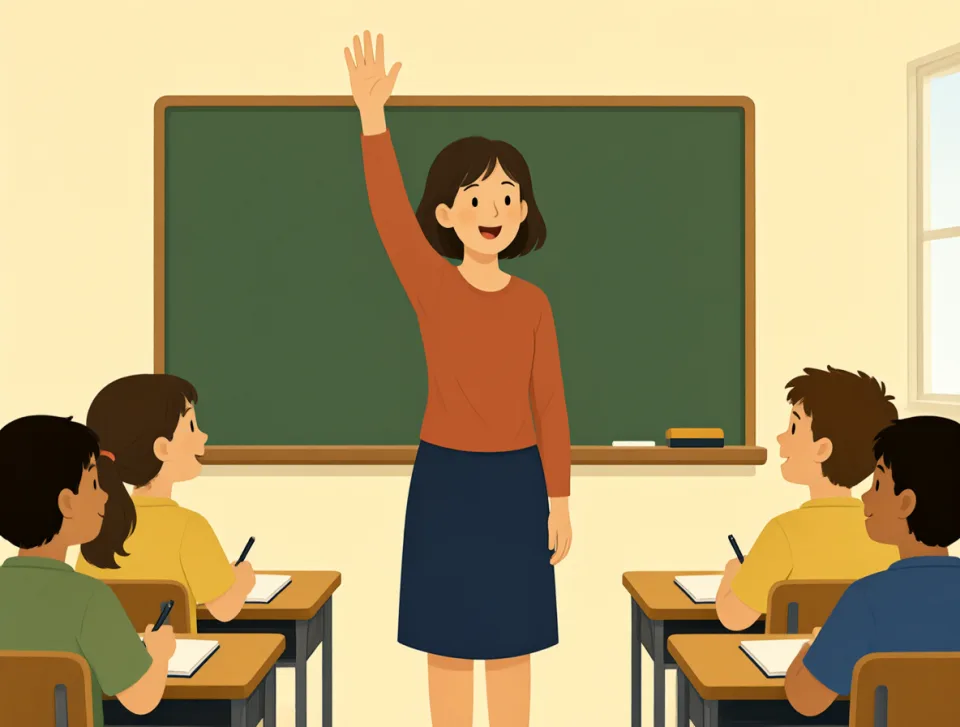
The teacher used a simple gesture to show the class when to begin.
Nauczyciel użył prostego gestu, żeby pokazać klasie, kiedy zacząć.

As a friendly gesture, Maya brought homemade soup to her sick neighbor.
W ramach przyjaznego gestu Maya przyniosła domową zupę choremu sąsiadowi.
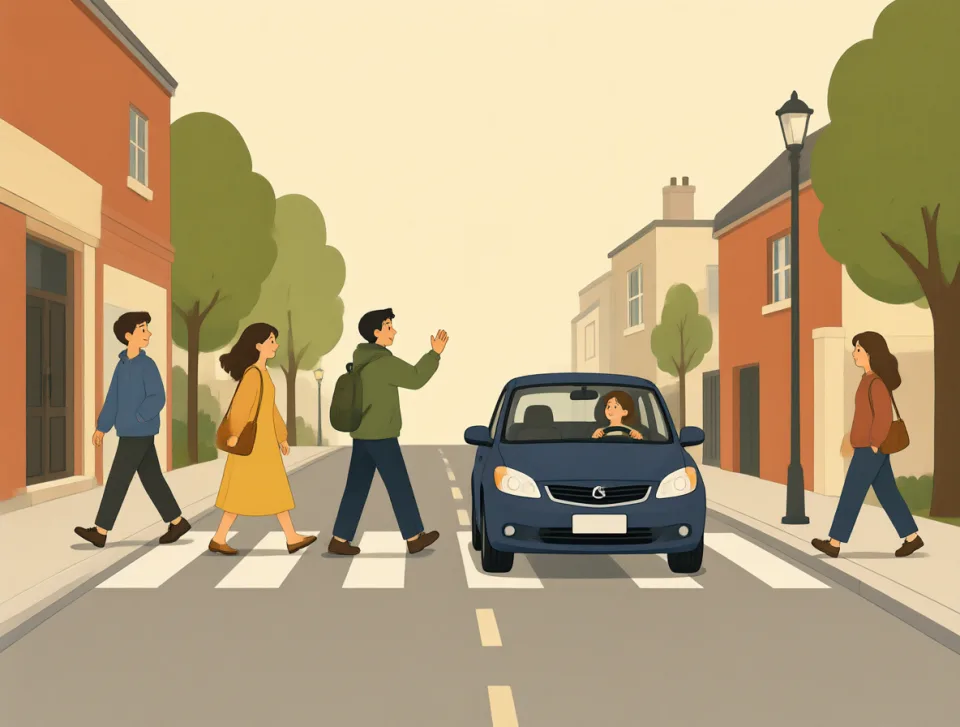
The driver gestured for us to cross the street after stopping.
Po zatrzymaniu się kierowca dał nam gestem znak, żebyśmy przeszli przez ulicę.
entertain
#2491verb
zabawiać
to amuse someone by giving them enjoyable things to watch, hear, or do
sprawiać komuś przyjemność, zapewniając mu coś ciekawego do oglądania, słuchania lub robienia
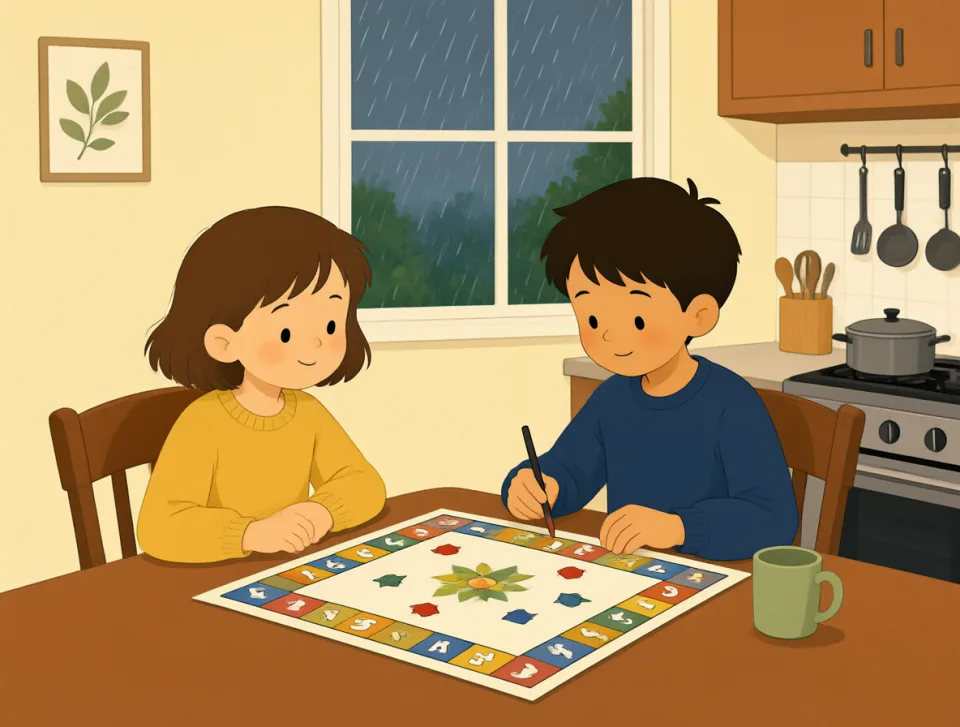
The children entertained themselves with a board game during the rainy afternoon.
Podczas deszczowego popołudnia dzieci same zajęły się grą planszową.
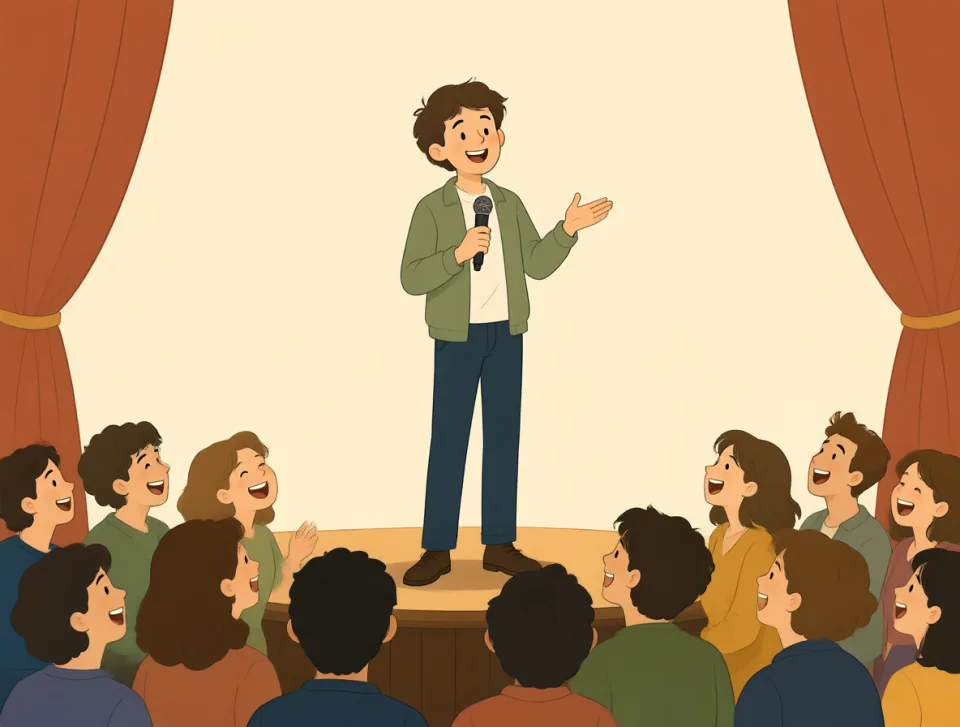
The comedian entertained the audience with funny stories about everyday family life.
Komik zabawiał publiczność śmiesznymi opowieściami o codziennym życiu rodzinnym.
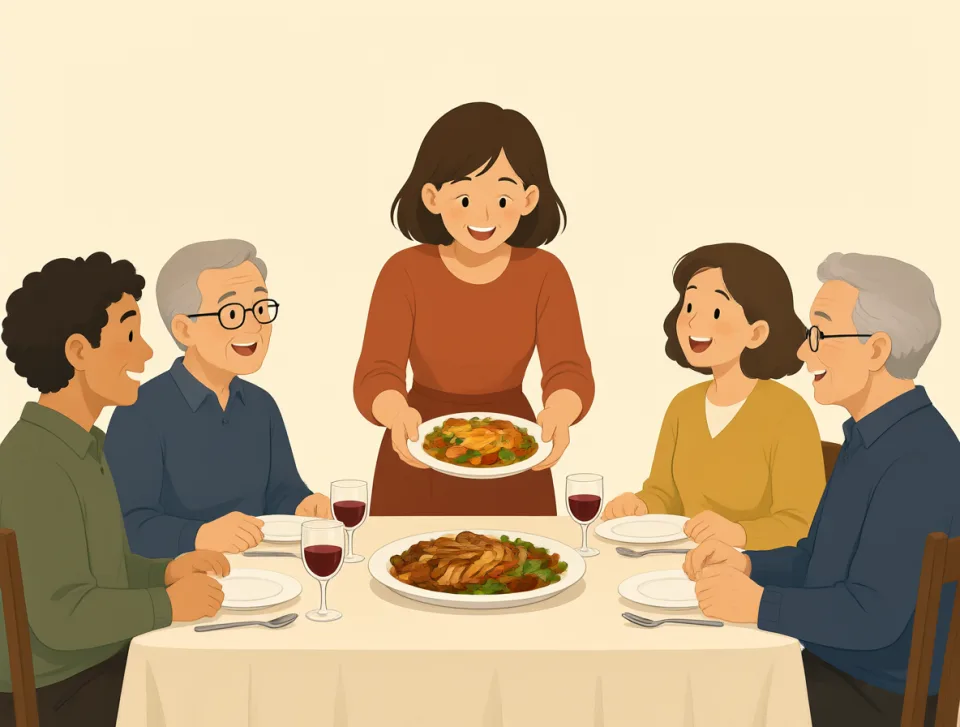
She entertained her guests with homemade food and lively conversation.
Zabawiała swoich gości domowym jedzeniem i ożywioną rozmową.
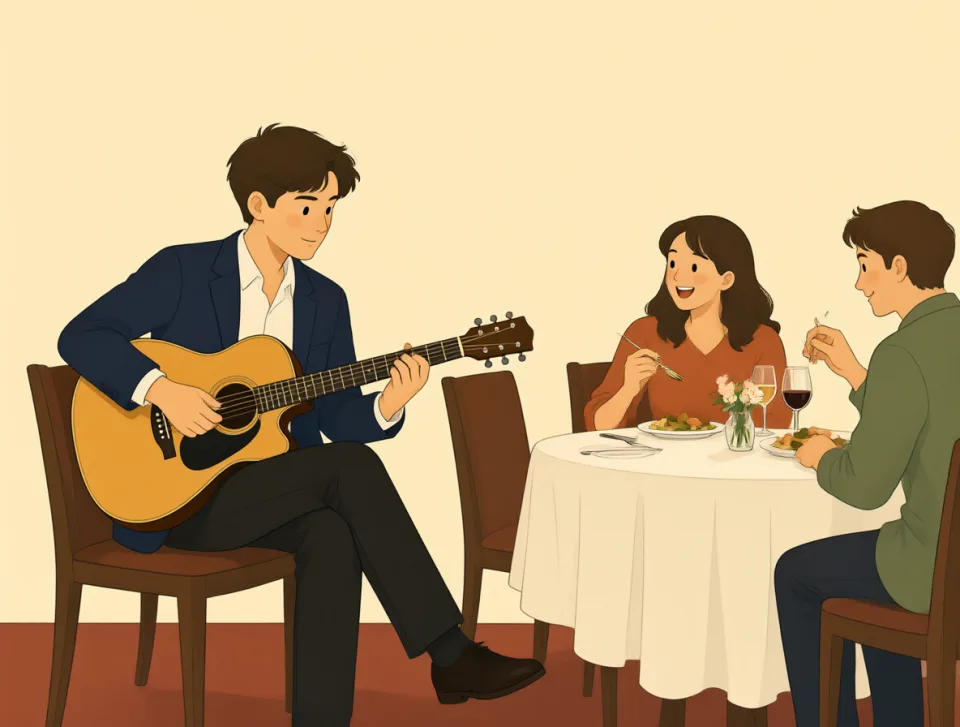
The hotel arranged live music to entertain visitors during dinner.
Hotel zorganizował muzykę na żywo, by umilić gościom kolację.
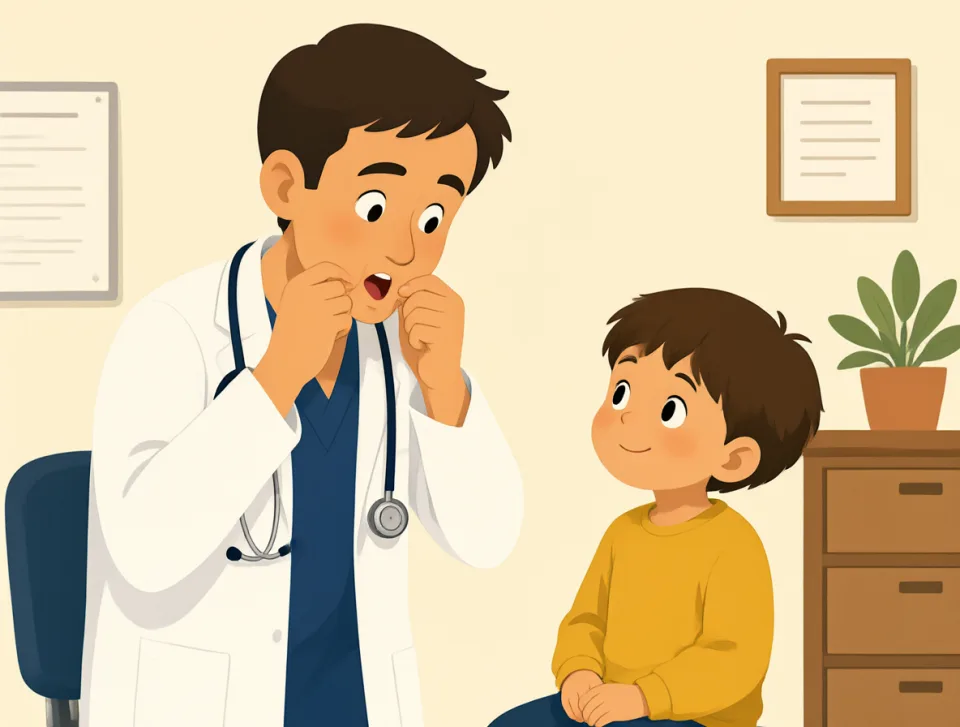
He entertains his young patients by making funny animal sounds.
Zabawia swoich małych pacjentów, naśladując śmieszne odgłosy zwierząt.
fantastic
#2492adjective
fantastyczny
Extremely good, enjoyable, or impressive.
Niezwykle dobry, przyjemny lub robiący duże wrażenie.

We had a fantastic time at the beach with our friends.
Świetnie się bawiliśmy na plaży z przyjaciółmi.

The hotel gave us a fantastic view of the mountains.
Z hotelu rozciągał się fantastyczny widok na góry.
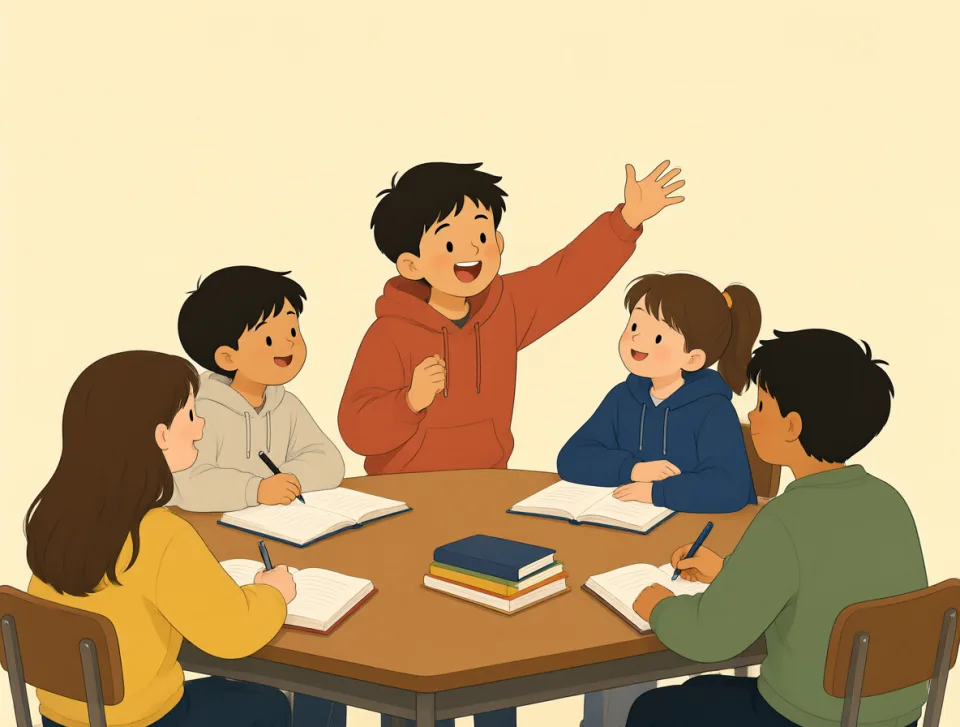
Your idea for the school project is fantastic.
Twój pomysł na szkolny projekt jest fantastyczny.

The soup tasted fantastic, so I asked for another bowl.
Zupa smakowała fantastycznie, więc poprosiłem o dokładkę.

My doctor says I’m making fantastic progress after the operation.
Mój lekarz mówi, że po operacji robię fantastyczne postępy.
assign
#2493verb
przydzielić
To give someone a particular job, task, or responsibility to do.
Wyznaczyć komuś konkretne zadanie, obowiązek lub odpowiedzialność.

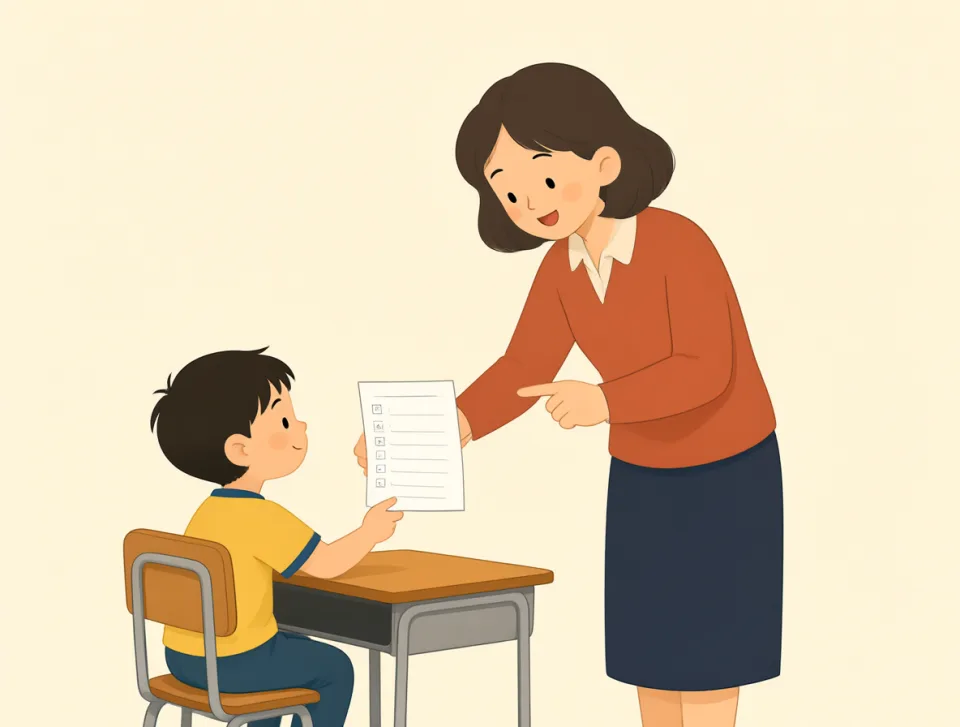
The manager assigned me a new project for the afternoon.
Kierownik przydzielił mi nowy projekt na popołudnie.
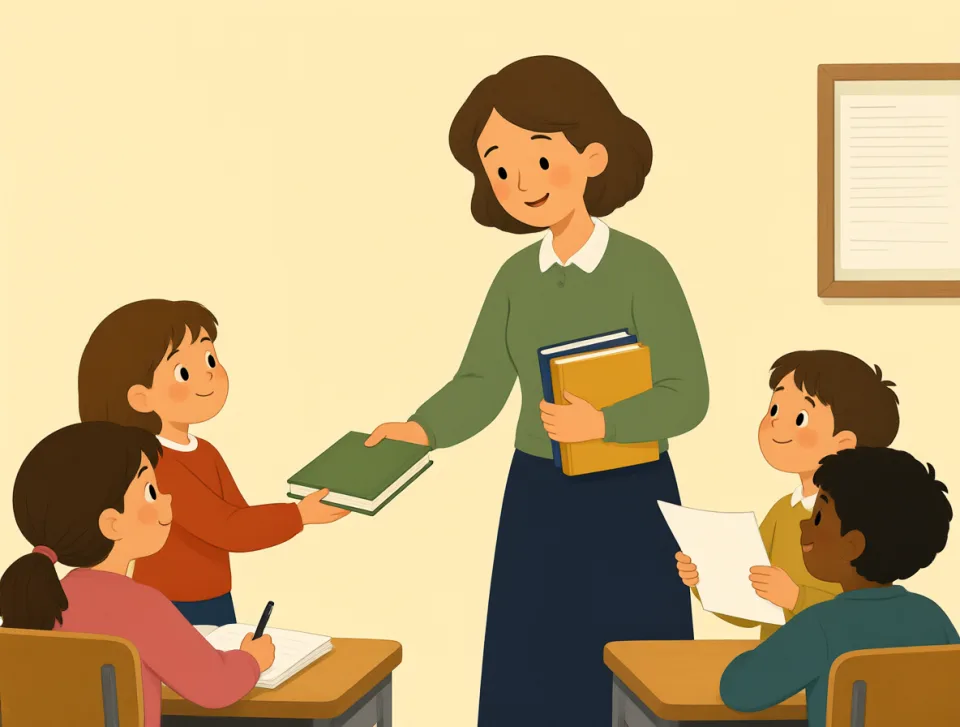
Our teacher assigned us extra homework before the holiday.
Przed wakacjami nauczyciel zadał nam dodatkową pracę domową.
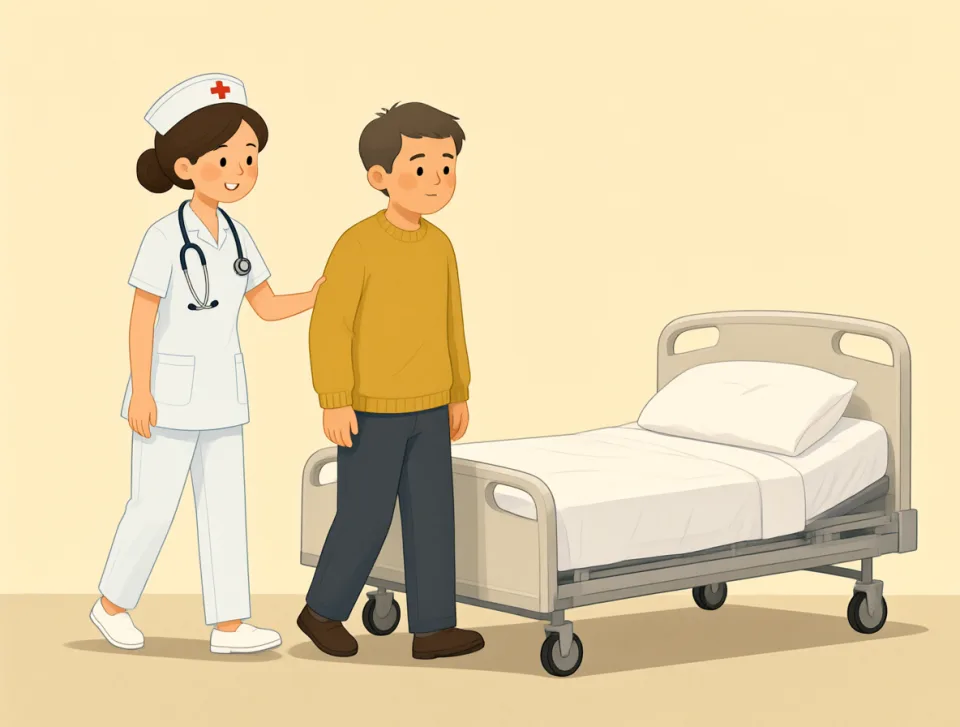
The nurse assigned each patient a bed after arrival.
Po przybyciu pielęgniarka przydzieliła każdemu pacjentowi łóżko.

We assigned seats before the wedding guests arrived.
Przydzieliliśmy miejsca, zanim przybyli goście weselni.
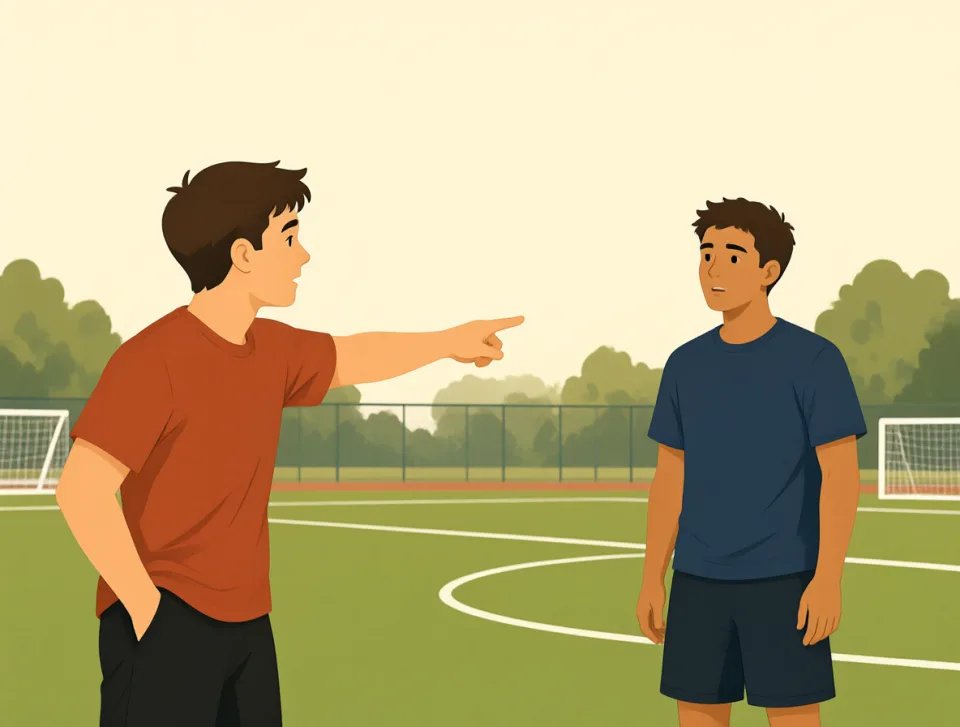
The coach assigned me to defend the other team's fastest player.
Trener wyznaczył mi zadanie krycia najszybszego zawodnika drużyny przeciwnej.
inflation
#2494noun
inflacja
a general increase in prices that makes money buy fewer goods and services
ogólny wzrost cen, który sprawia, że za tę samą kwotę można kupić mniej towarów i usług
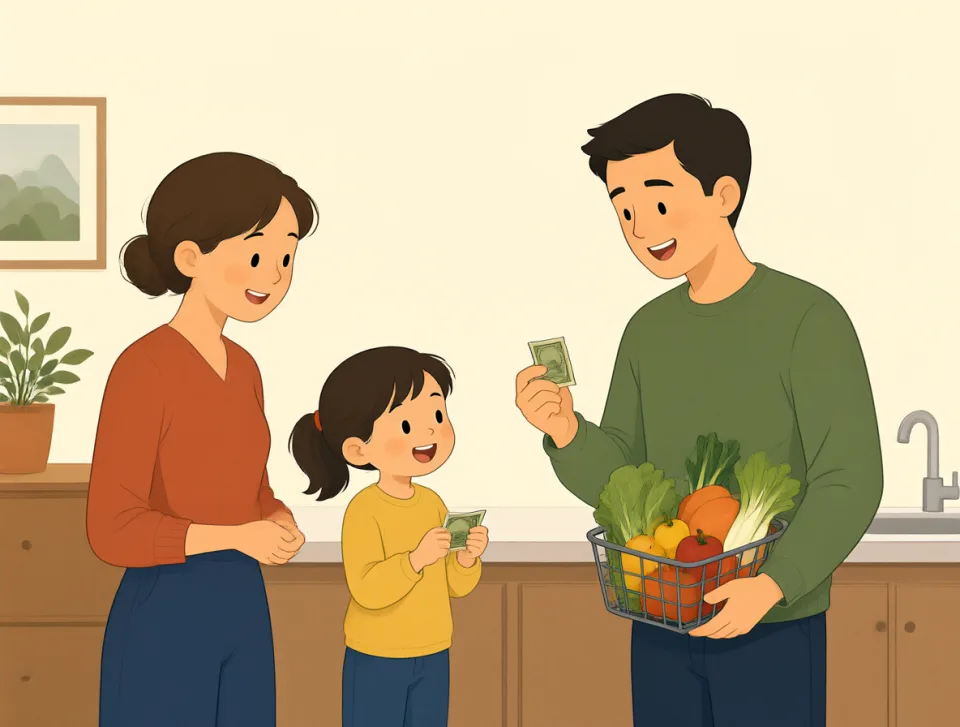
Inflation has made groceries and rent much more expensive this year.
W tym roku inflacja znacznie podniosła ceny żywności i czynszów.

Many workers asked for higher wages because of rising inflation.
Wielu pracowników domagało się podwyżek z powodu rosnącej inflacji.

The government is trying to reduce inflation by raising interest rates.
Rząd próbuje ograniczyć inflację, podnosząc stopy procentowe.
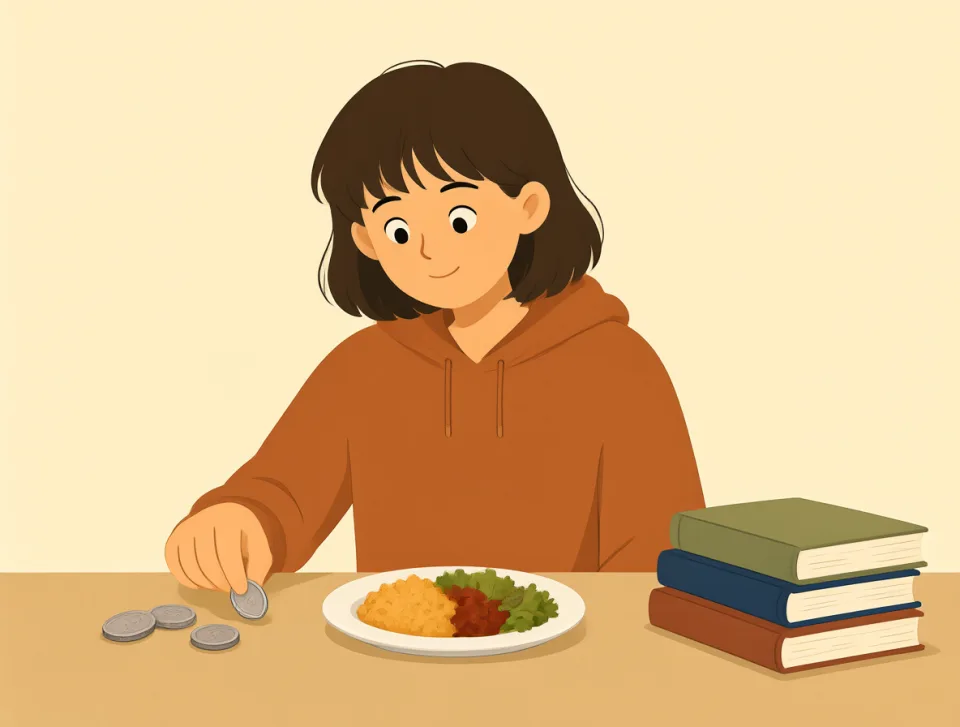
Inflation makes it harder for students to afford meals and textbooks.
Inflacja utrudnia studentom opłacenie posiłków i podręczników.
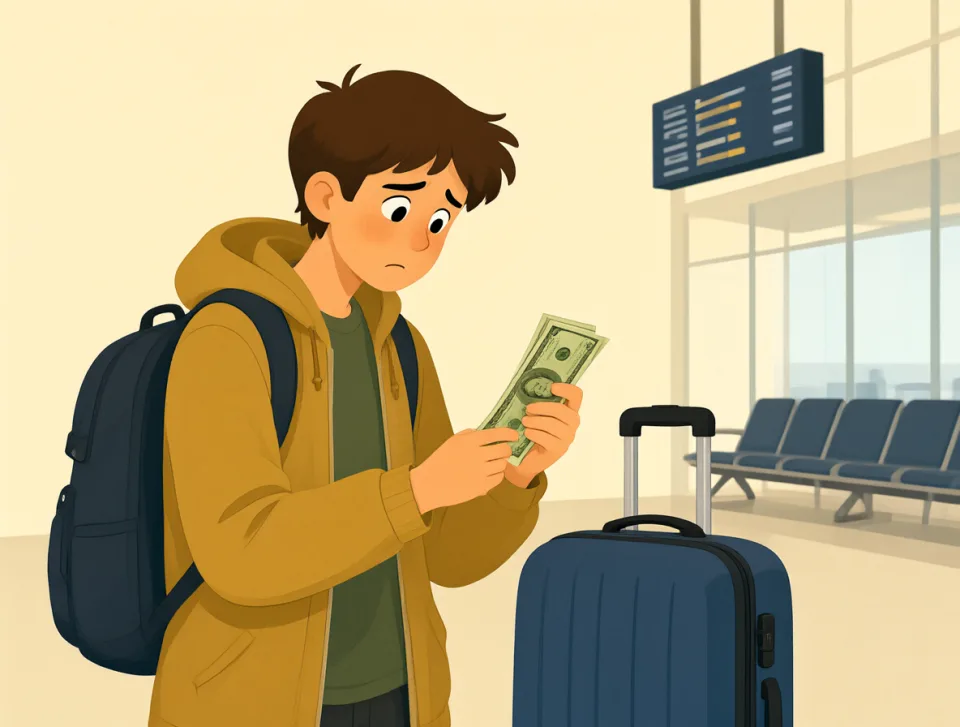
Traveling abroad became expensive after inflation weakened our currency.
Podróże za granicę podrożały, gdy inflacja osłabiła naszą walutę.

historic
#2495adjective
historyczny
Important in history, especially because it changed events or will be remembered.
Ważny z punktu widzenia historii, zwłaszcza ze względu na wpływ na bieg wydarzeń lub szansę na zapamiętanie.

The two countries signed a historic agreement after years of difficult negotiations.
Po latach trudnych negocjacji oba kraje podpisały historyczne porozumienie.
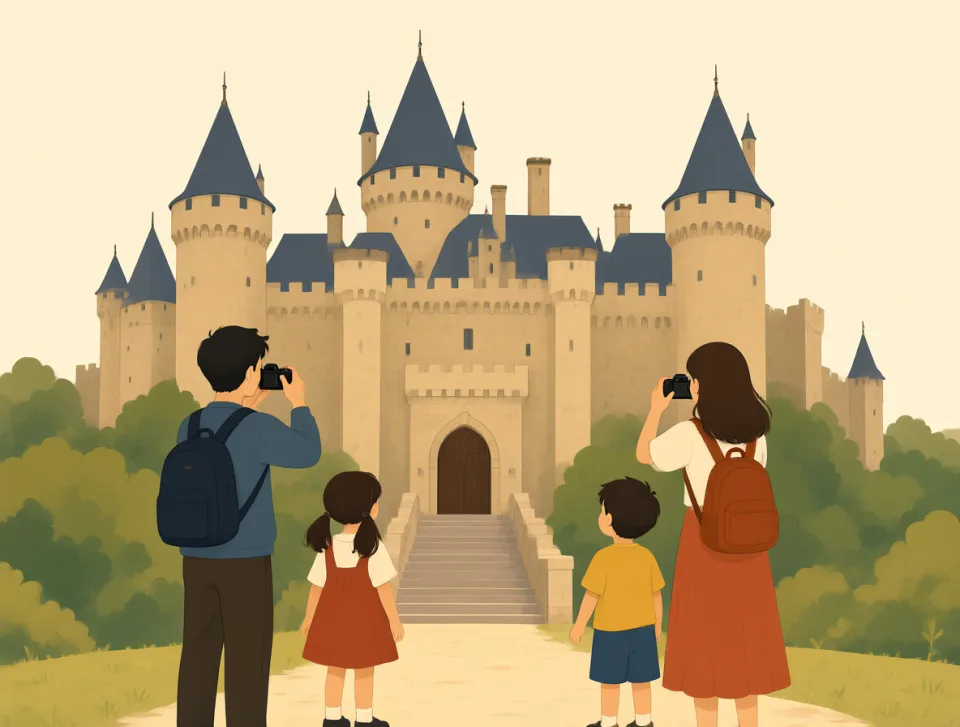
We visited a historic castle during our family trip to Scotland.
Podczas rodzinnej wycieczki do Szkocji odwiedziliśmy zabytkowy zamek.
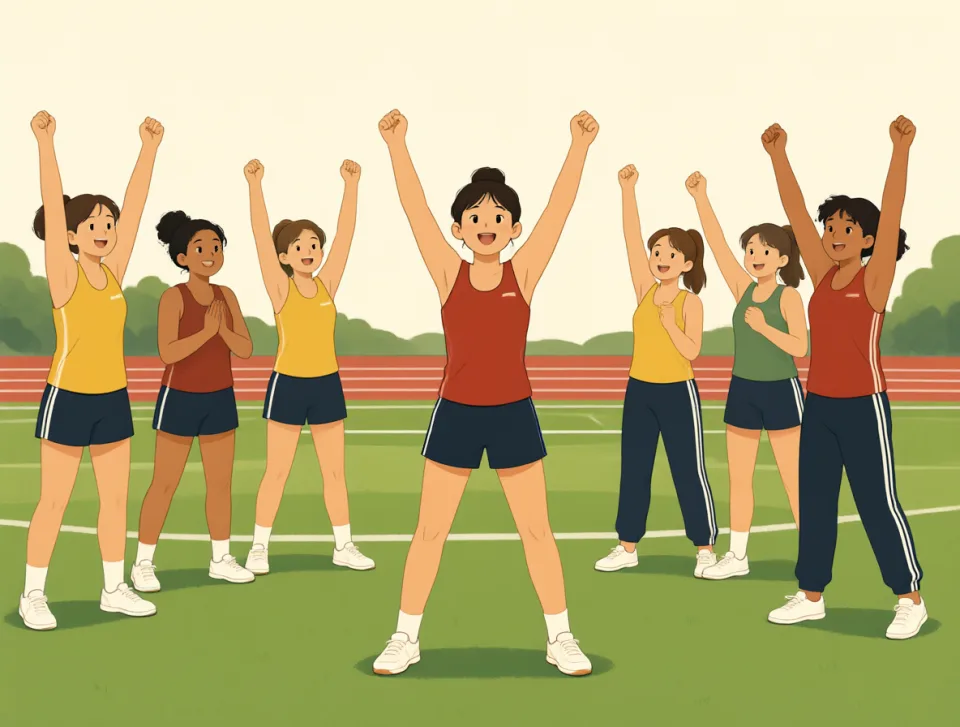
Her historic victory made her the first woman to lead the team.
Jej historyczne zwycięstwo uczyniło ją pierwszą kobietą, która stanęła na czele drużyny.
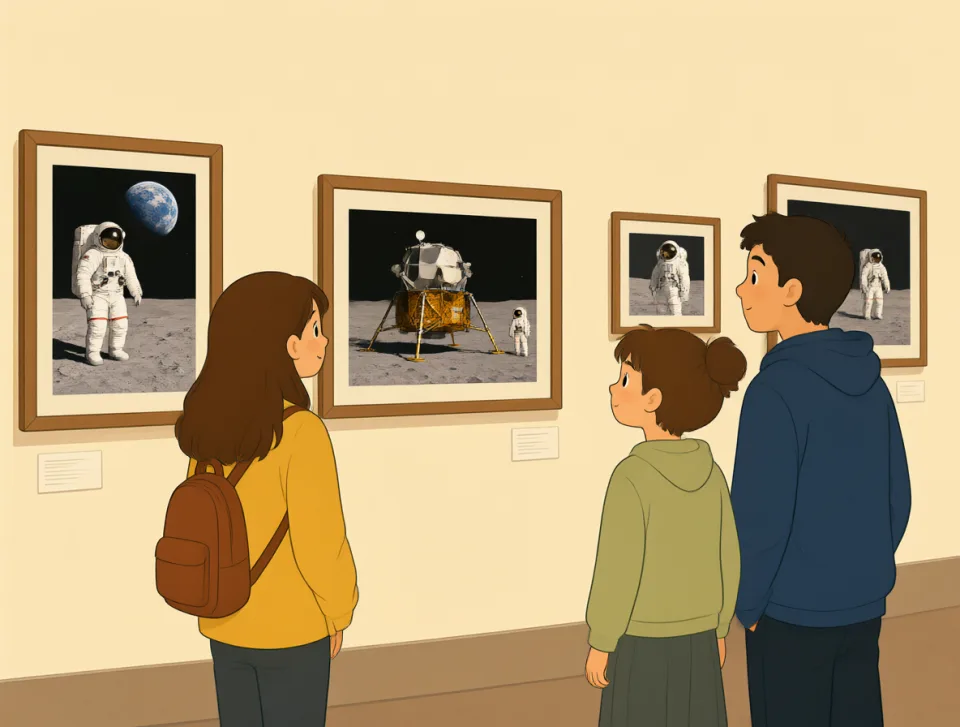
The museum displayed photographs from the historic moon landing.
W muzeum wystawiono fotografie z historycznego lądowania na Księżycu.

The city marked the historic opening of its new public hospital.
Miasto uczciło historyczne otwarcie nowego szpitala publicznego.
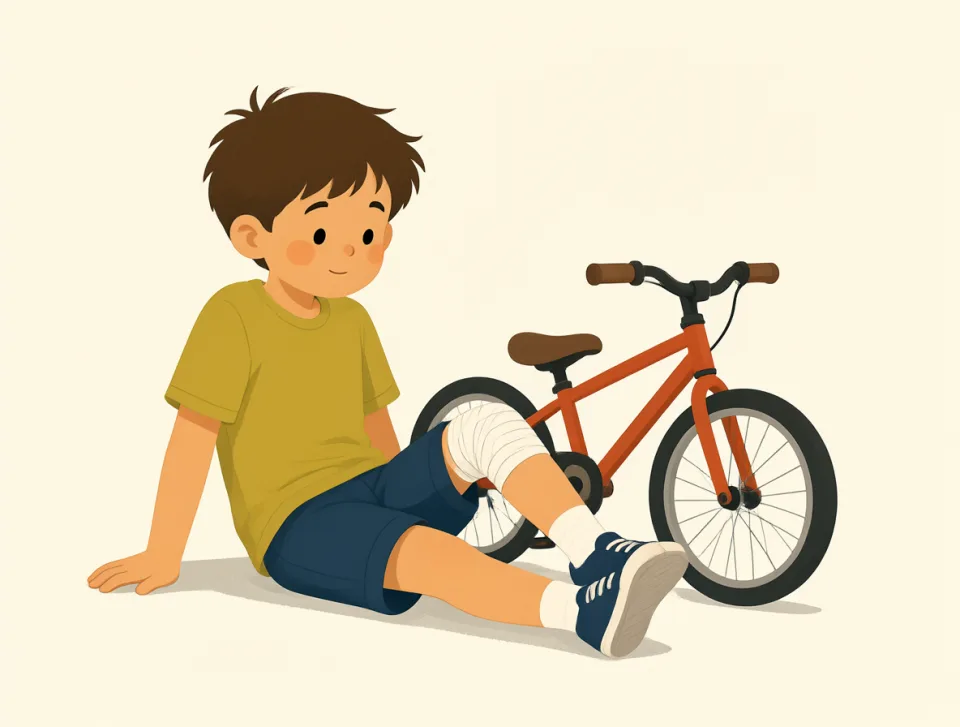
injure
#2496verb
zranić
to hurt someone or part of their body in an accident or attack
zranić kogoś lub część jego ciała w wypadku albo podczas ataku
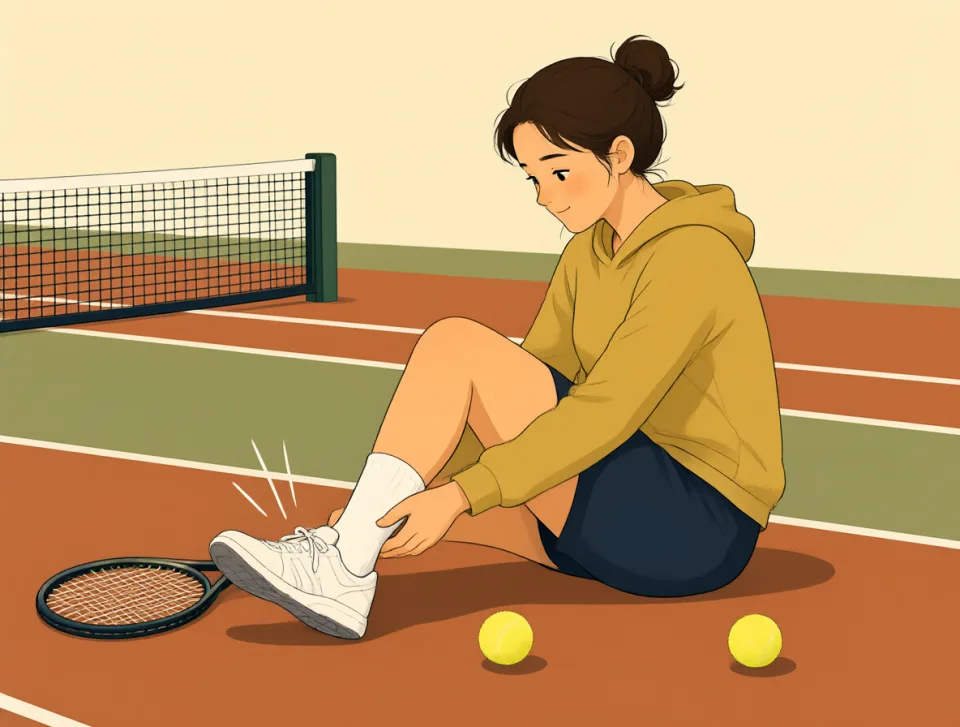
She injured her ankle while playing tennis yesterday.
Wczoraj skręciła kostkę podczas gry w tenisa.
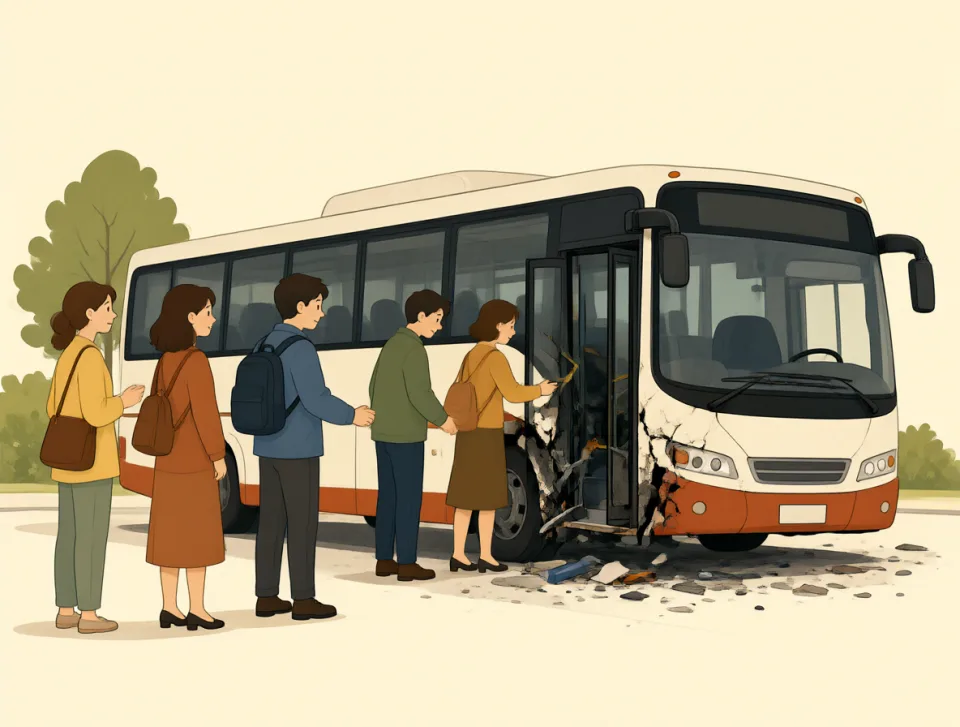
Three passengers were injured in the bus accident.
W wypadku autobusu trzy osoby zostały ranne.
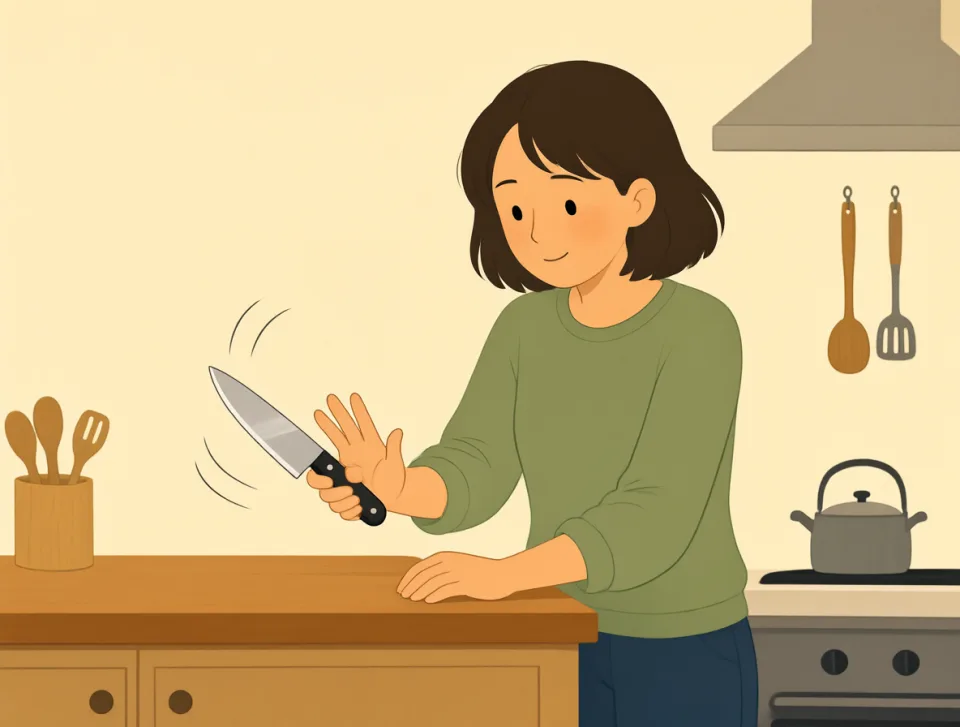
Be careful with that knife, or you might injure yourself.
Uważaj z tym nożem, bo możesz się skaleczyć.
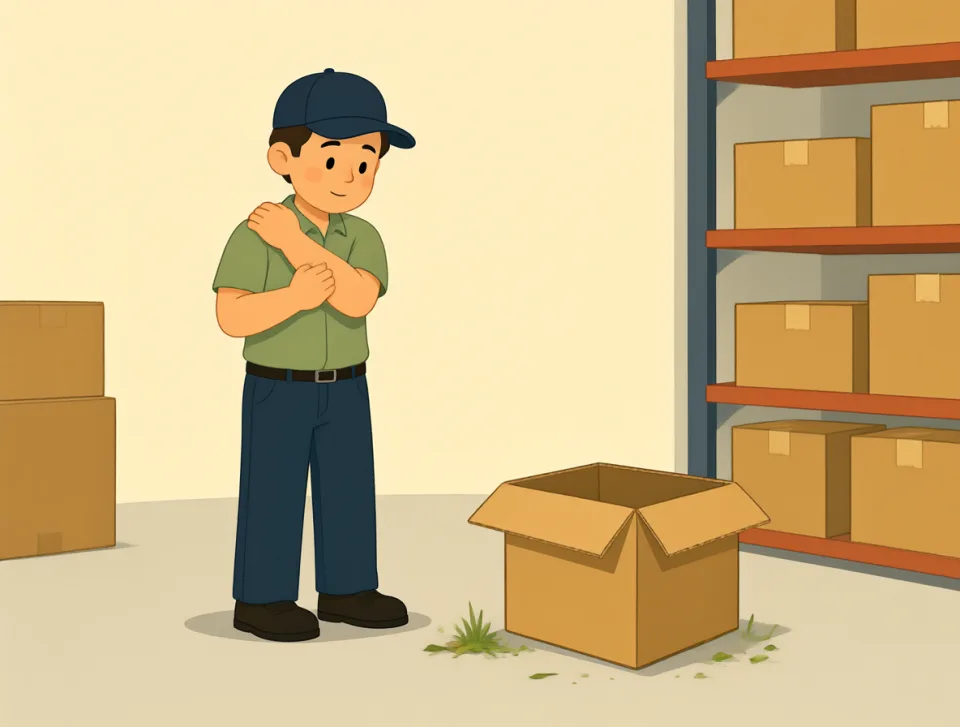
The falling box injured his shoulder at work.
Spadające pudło zraniło go w ramię w pracy.
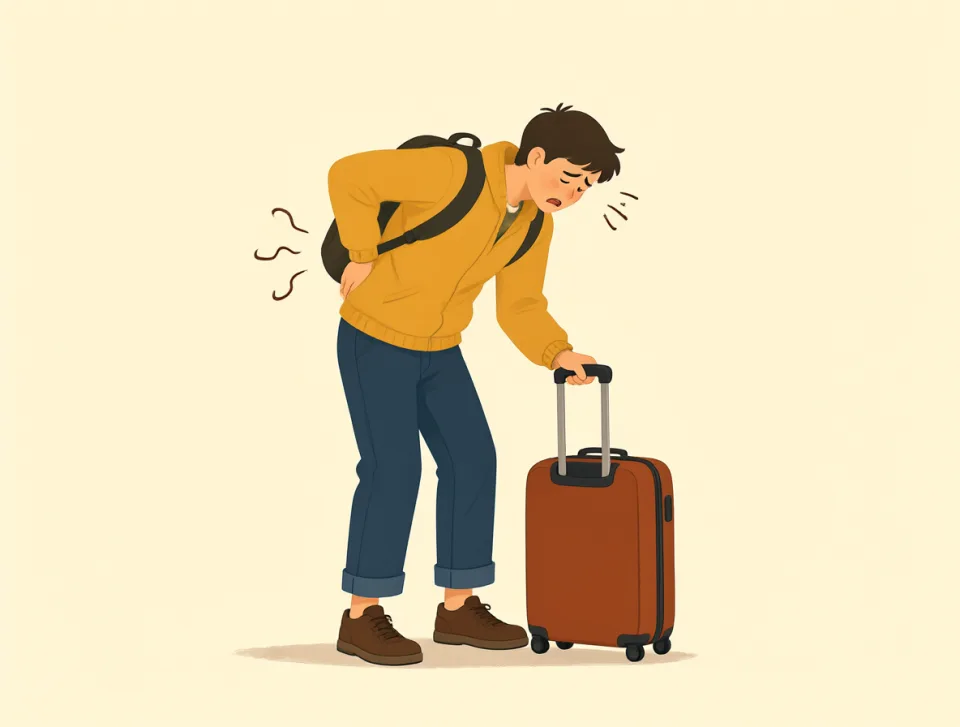
He injured his back lifting a heavy suitcase.
Nadwyrężył plecy, podnosząc ciężką walizkę.
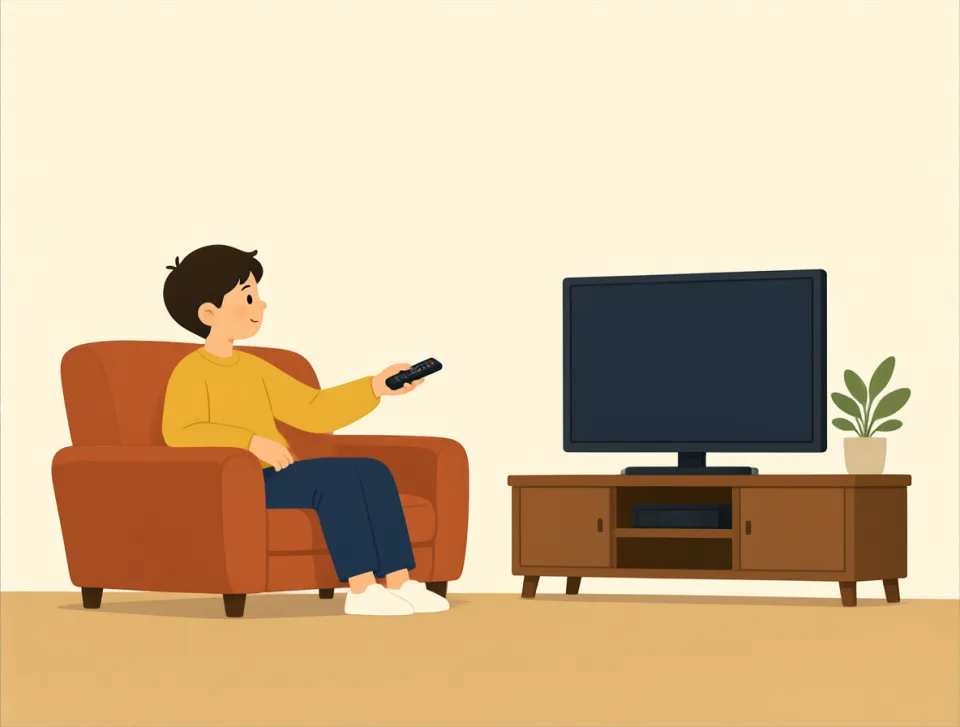
remote
#2497adjective, noun
odległy; pilot
Far away, or controlled from a distance using a remote control.
Położony daleko albo sterowany z odległości za pomocą pilota.

The remote village is several hours from the nearest town.
Ta odległa wieś leży kilka godzin drogi od najbliższego miasta.
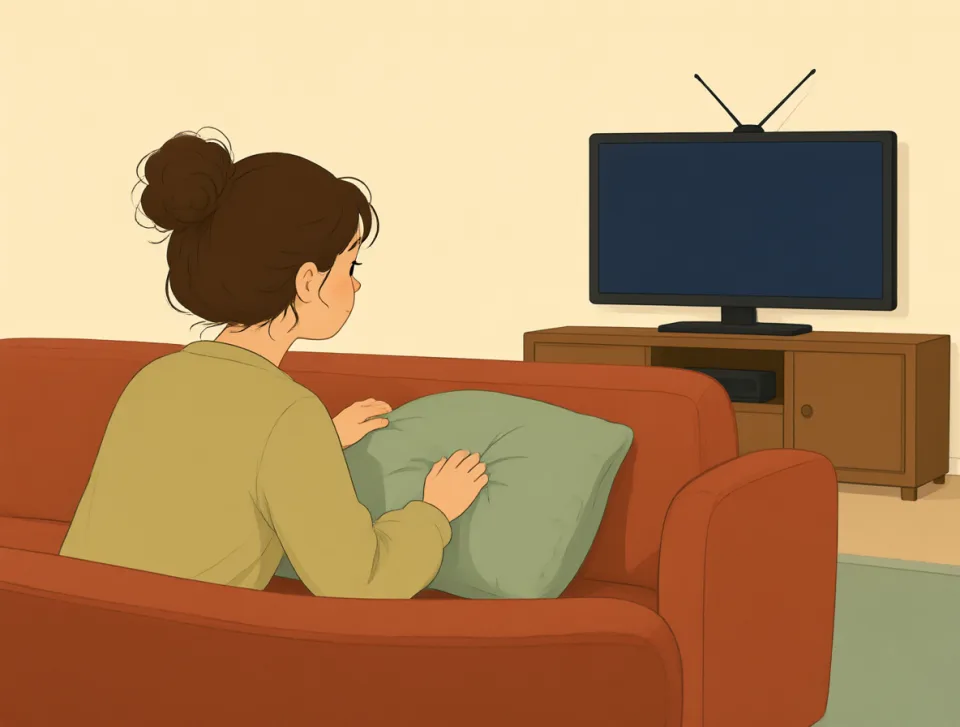
I lost the remote, so I cannot change the television channel.
Zgubiłem pilota, więc nie mogę zmienić kanału w telewizorze.
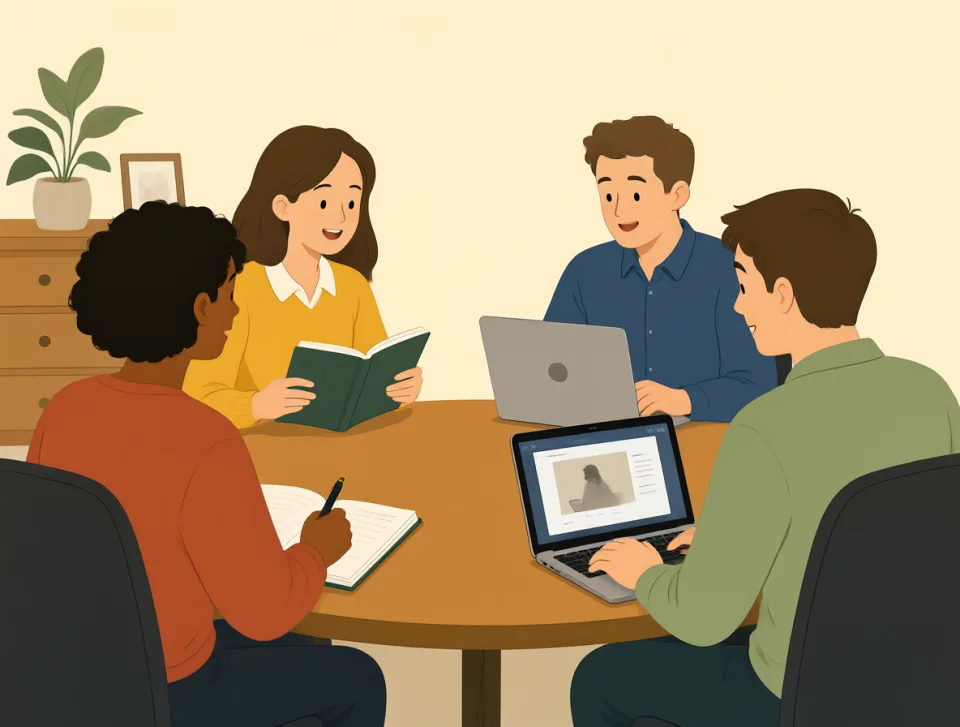
Our team has a remote meeting every Monday morning.
Nasz zespół ma zdalne spotkanie w każdy poniedziałek rano.

She works remotely and visits the office only twice a month.
Pracuje zdalnie i odwiedza biuro tylko dwa razy w miesiącu.
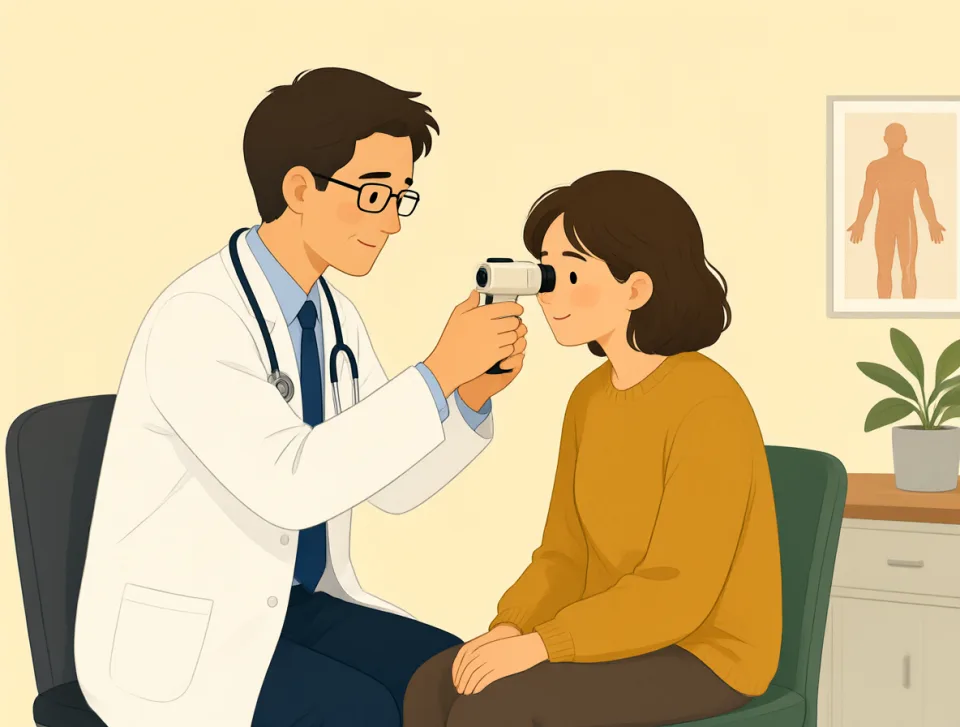
The doctor used a remote camera to examine the patient’s throat.
Lekarz użył zdalnej kamery, aby zbadać gardło pacjenta.
therapy
#2498noun
terapia
Treatment that helps a person recover from an illness, injury, or emotional problem.
Leczenie, które pomaga wrócić do zdrowia po chorobie, urazie lub problemach emocjonalnych.
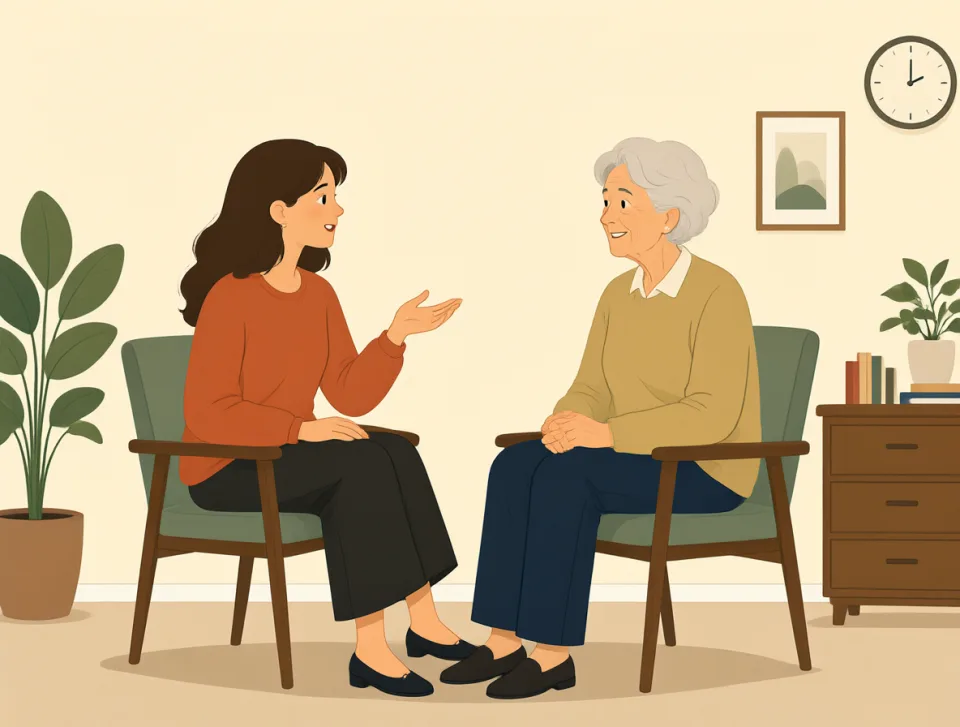
She started therapy to manage stress after changing jobs.
Po zmianie pracy zaczęła terapię, żeby lepiej radzić sobie ze stresem.
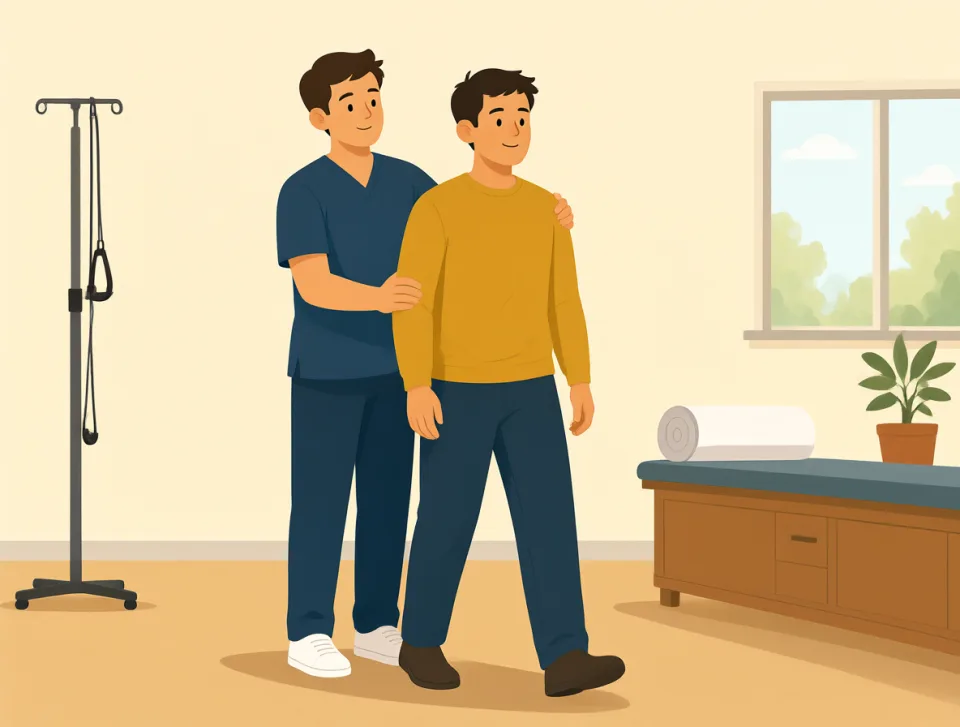
Physical therapy helped him walk normally after the accident.
Fizjoterapia pomogła mu normalnie chodzić po wypadku.

The doctor recommended therapy for her shoulder injury.
Lekarz zalecił terapię z powodu urazu barku.
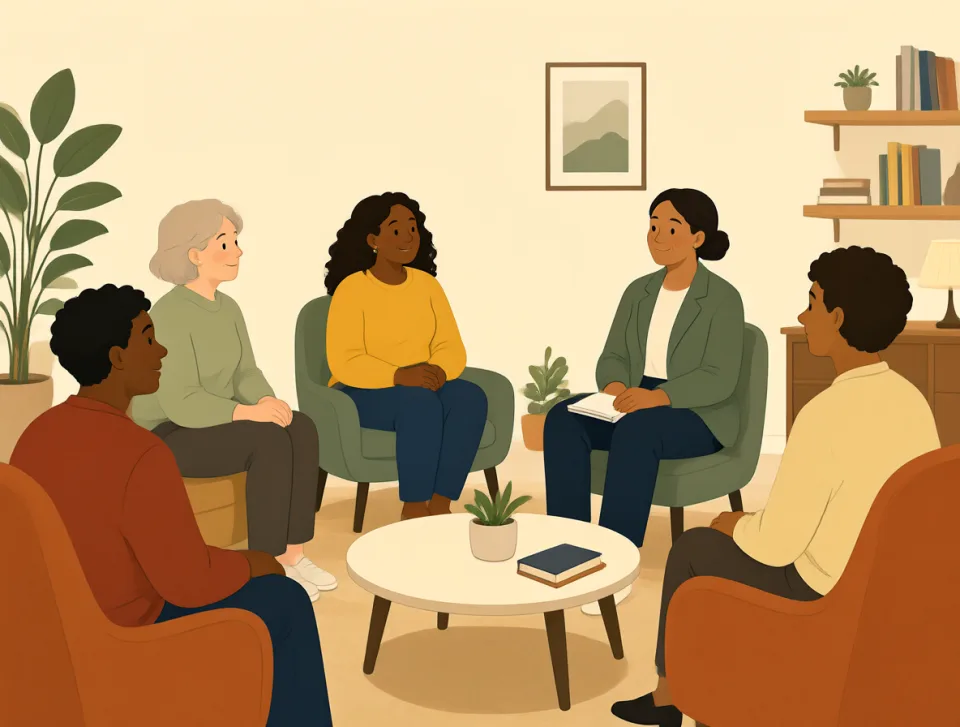
Many people find group therapy helpful when facing similar problems.
Wiele osób uważa, że terapia grupowa pomaga w zmaganiu się z podobnymi problemami.
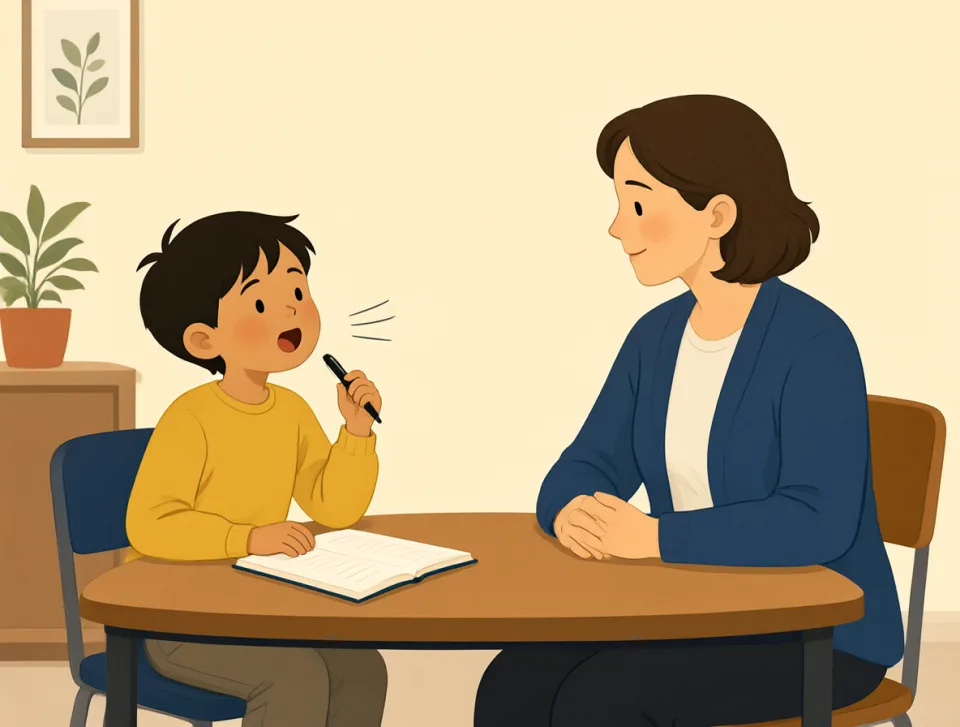
His speech therapy improved his confidence at school.
Dzięki terapii logopedycznej nabrał pewności siebie w szkole.
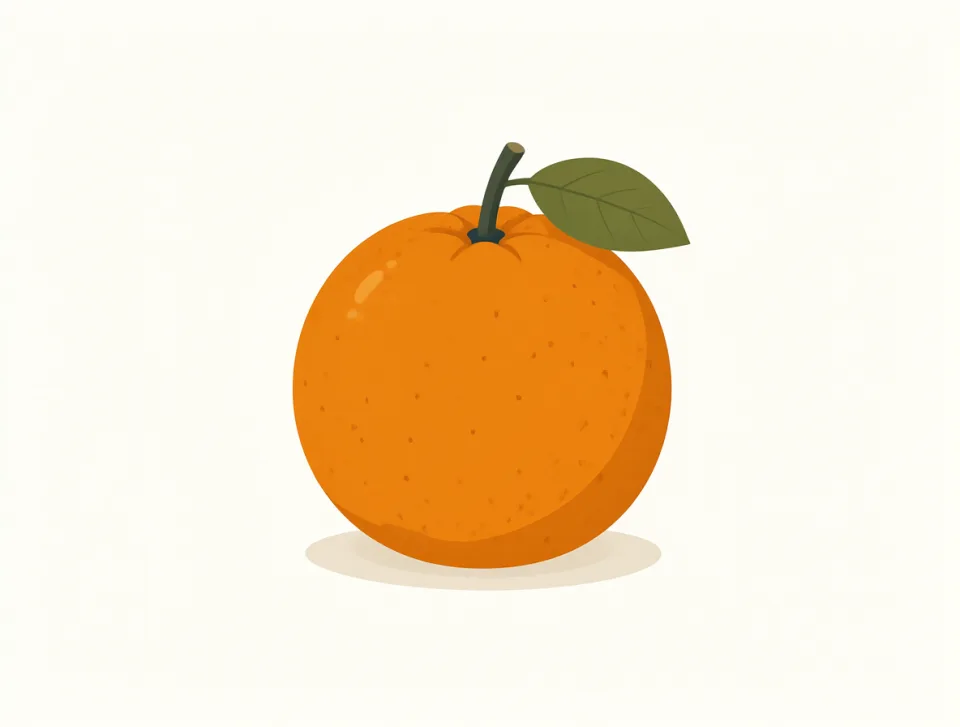
orange
#2499noun, adjective
pomarańcza; pomarańczowy
A round fruit with orange skin, or the color between red and yellow.
Okrągły owoc o pomarańczowej skórce albo kolor między czerwonym a żółtym.
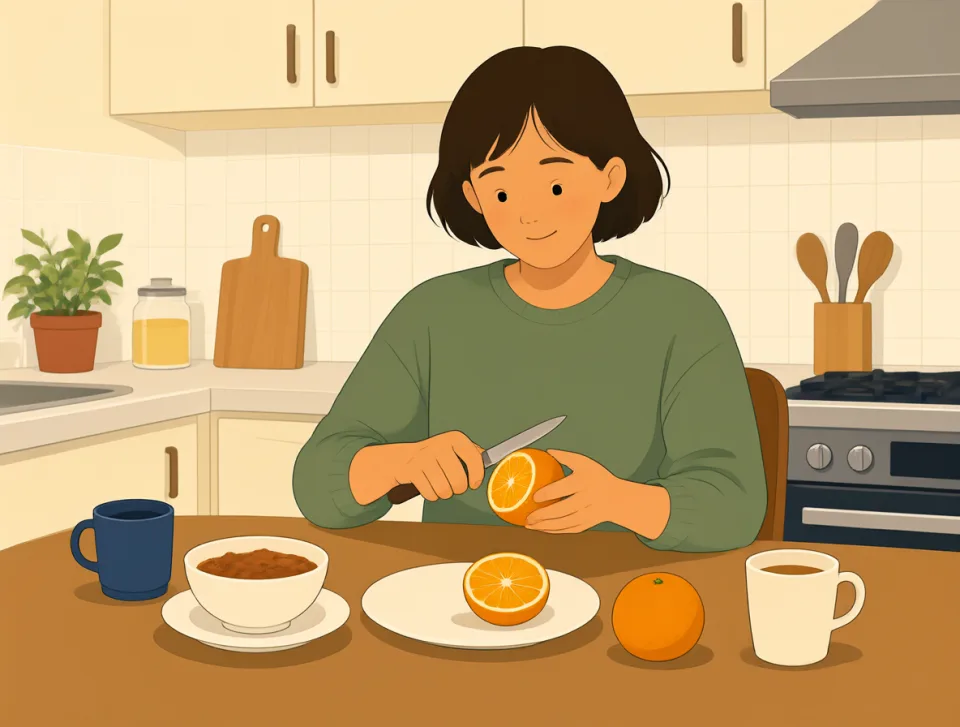
I eat an orange every morning with my breakfast.
Codziennie rano jem pomarańczę do śniadania.
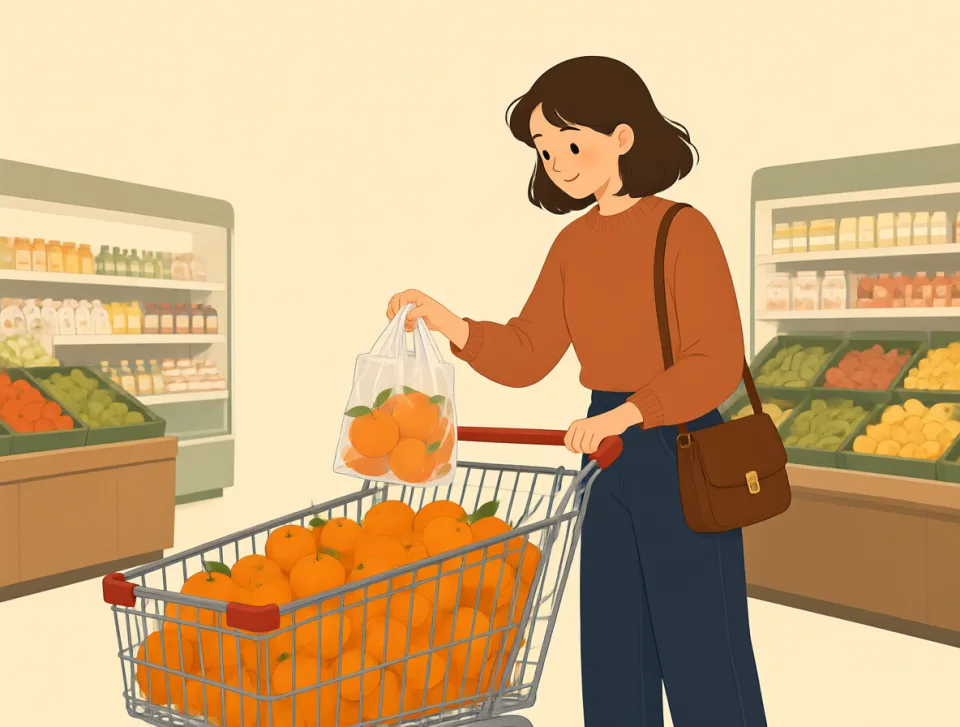
She bought a bag of oranges at the supermarket.
Kupiła w supermarkecie torbę pomarańczy.
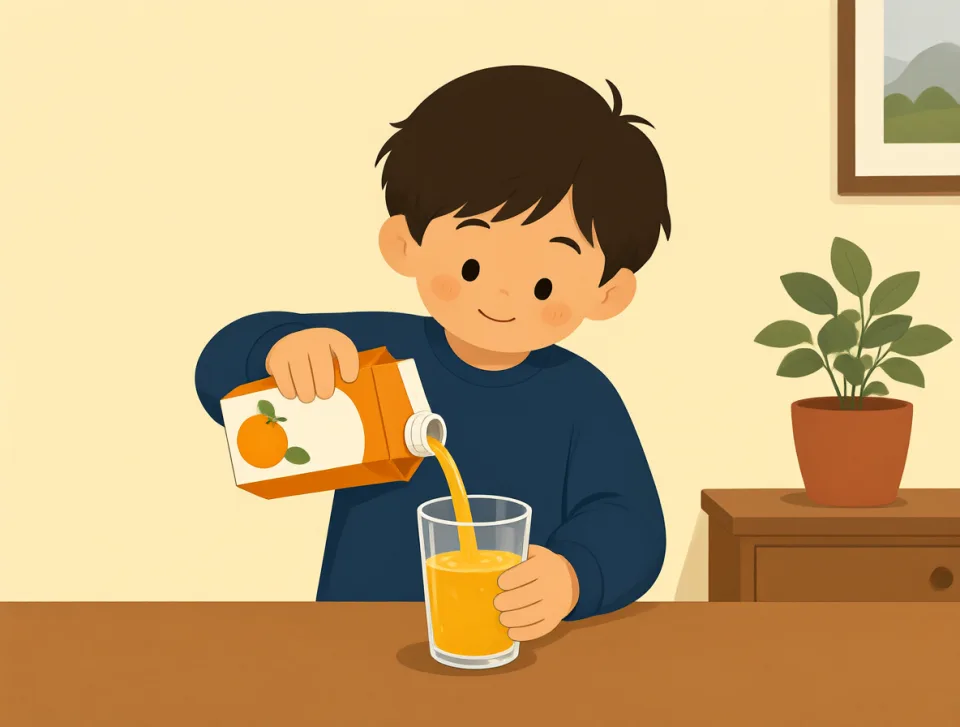
The orange juice in the fridge is fresh and cold.
Sok pomarańczowy w lodówce jest świeży i zimny.
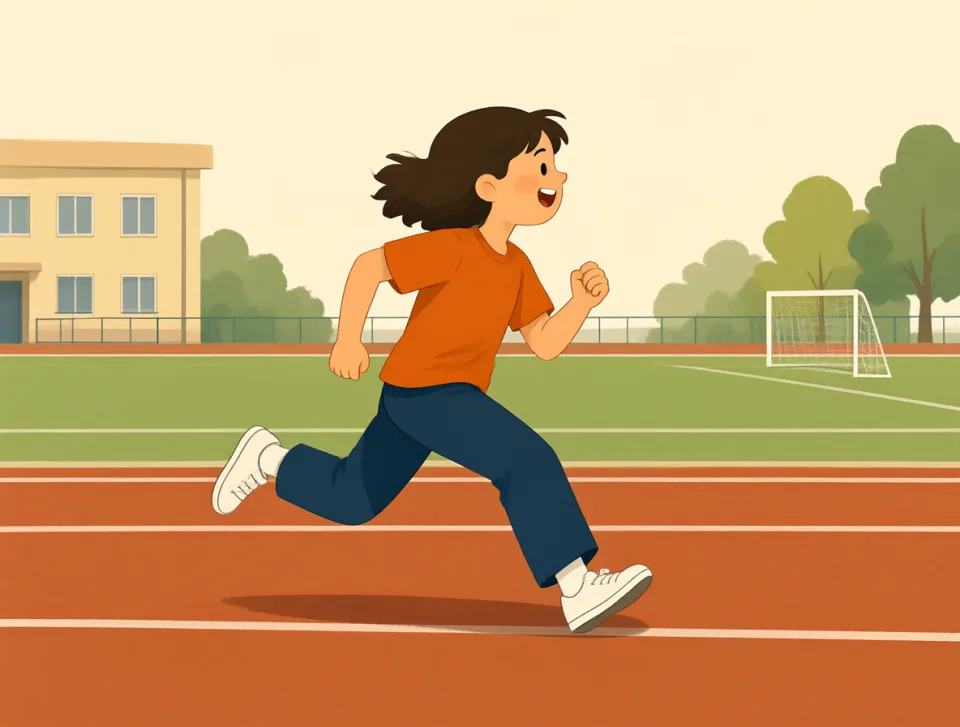
He wore an orange shirt to the school sports day.
Na szkolny dzień sportu założył pomarańczową koszulkę.

The sunset turned the sky bright orange above the beach.
Zachód słońca zabarwił niebo nad plażą na jaskrawy pomarańczowy kolor.
twist
#2500noun, verb
skręcić; zwrot akcji
To turn or bend something, or a sudden change in a story, situation, or opinion.
Obrócić lub wygiąć coś albo nagła zmiana w opowieści, sytuacji lub czyjejś opinii.
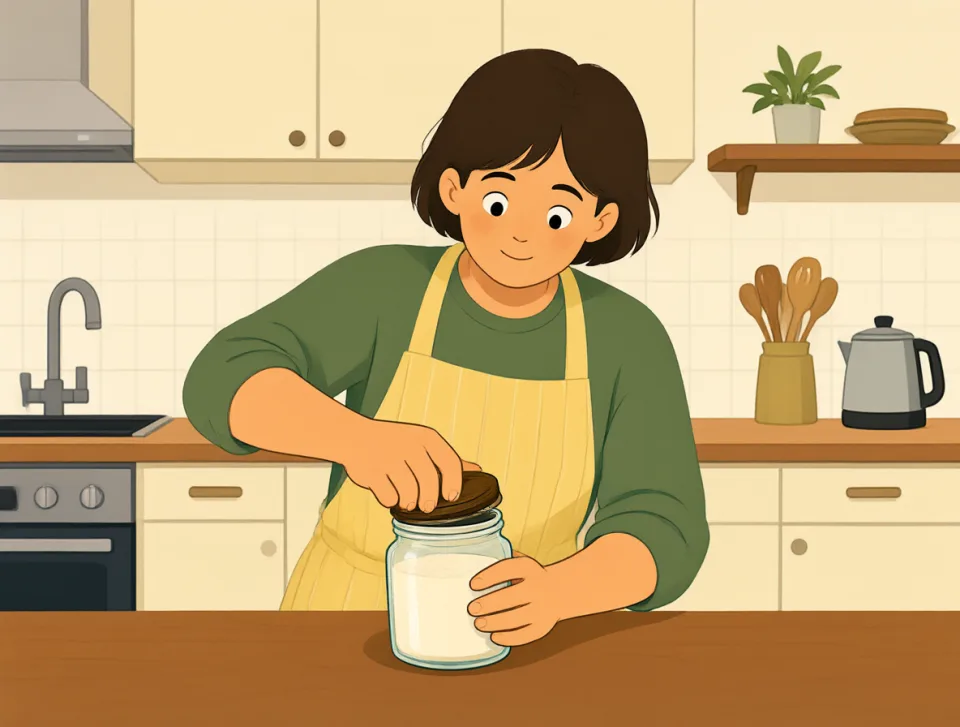
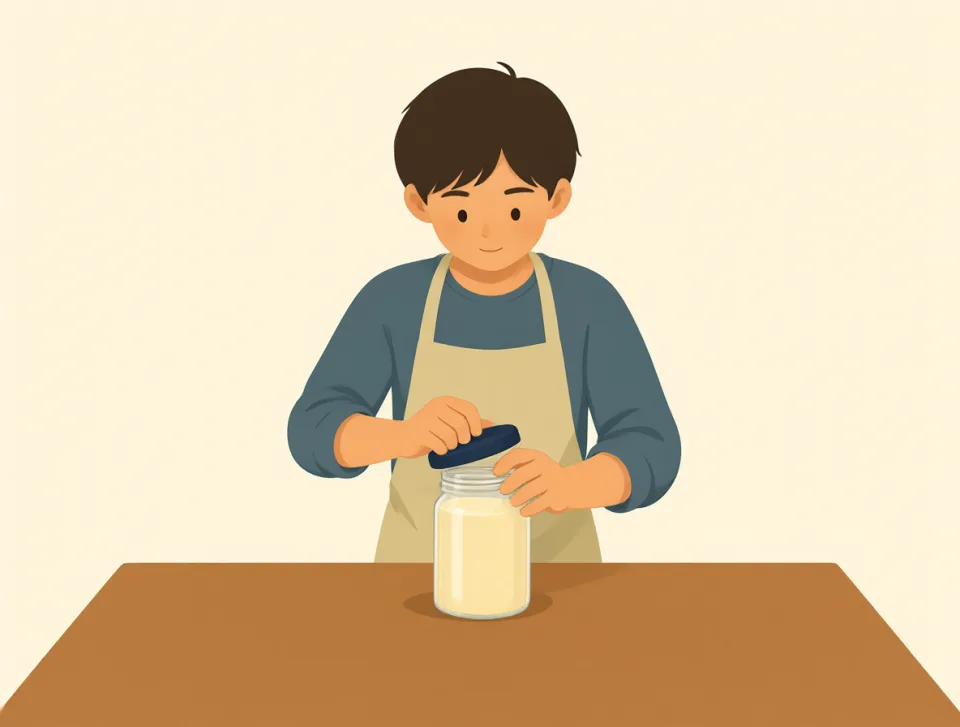
Twist the lid firmly to open the jar of pasta sauce.
Mocno przekręć pokrywkę, aby otworzyć słoik z sosem do makaronu.
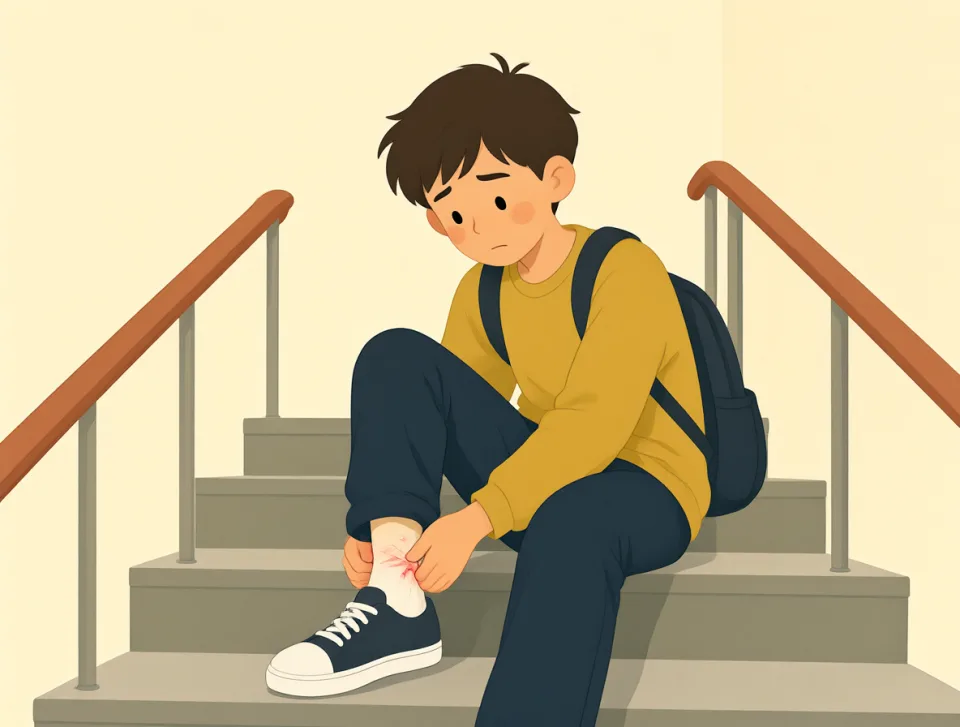
She twisted her ankle while running down the stairs at school.
Skręciła kostkę, biegnąc po schodach w szkole.
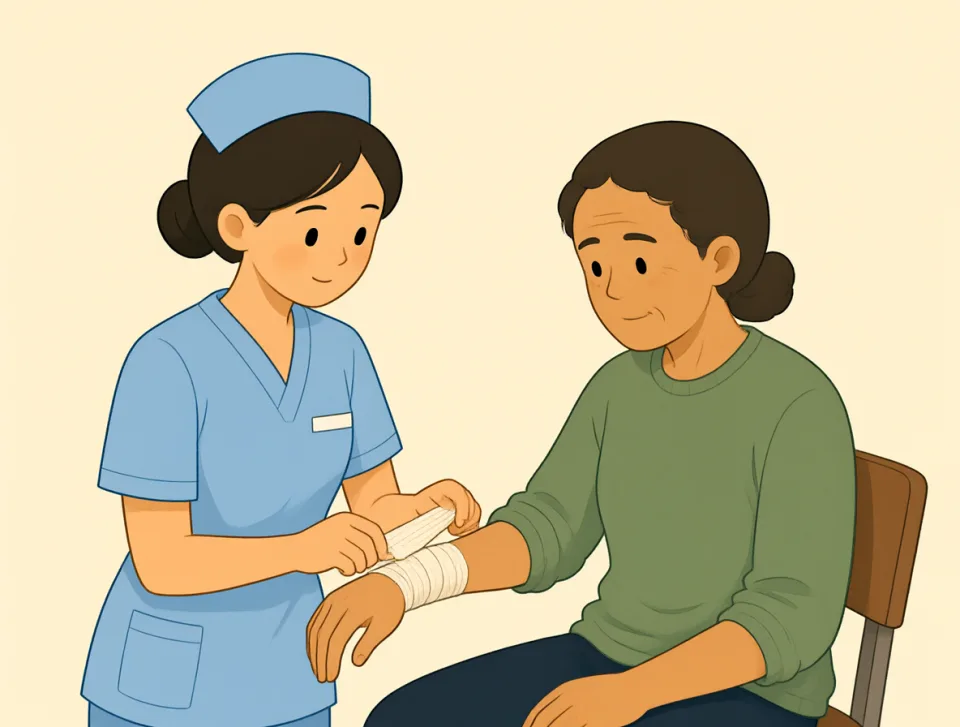
The nurse twisted the bandage gently around his injured wrist.
Pielęgniarka delikatnie owinęła bandaż wokół jego zranionego nadgarstka.
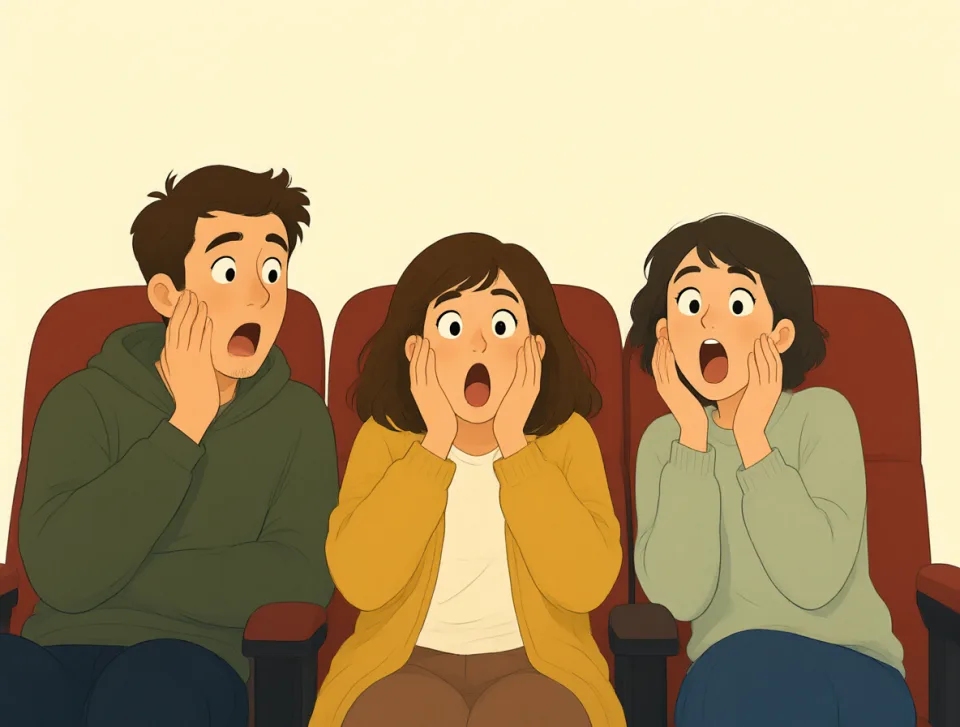
The movie has an unexpected twist that surprised everyone at the end.
Film ma nieoczekiwany zwrot akcji, który zaskoczył wszystkich na końcu.

He twisted my words and made it sound like I was angry.
Przekręcił moje słowa i sprawił, że zabrzmiało to tak, jakbym był zły.